Saplings Have Superpowers: Why They are Better than Traditional Nursery Trees
Before you buy the biggest tree your budget can handle, consider starting small.
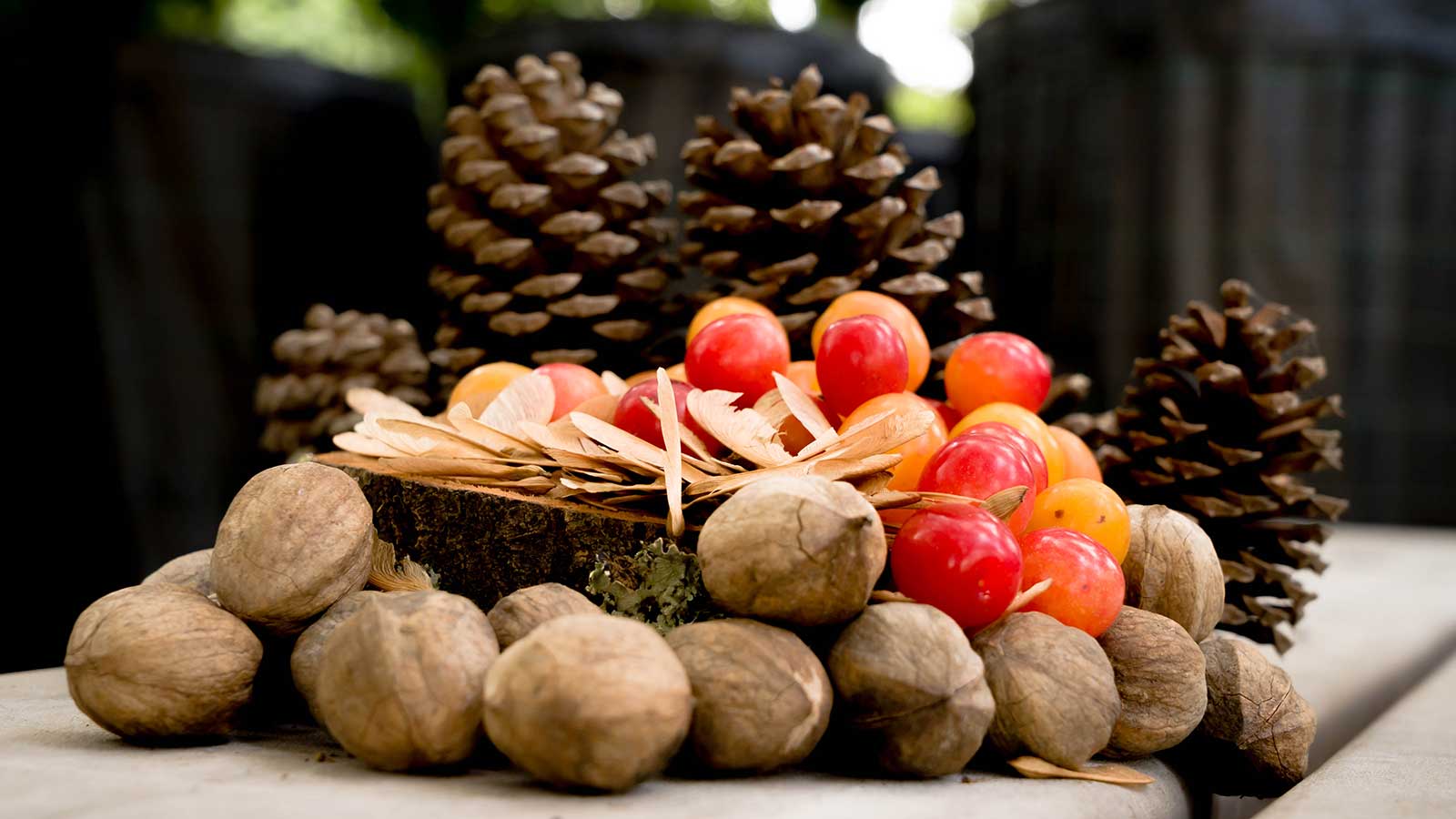
Every tree starts as a seed. Hold a maple key in your hand and marvel at the idea that within this tiny package are the instructions for an entire tree!
We humans are too impatient to grow most trees from seed. Plus, we want results in human time, not "tree time." We could have a large ball-and-burlap tree brought to us on a huge truck. If our means are more modest, we might go out and buy the biggest potted tree we can afford. But what if there's a third, better way — between a seed and the biggest tree we can afford? There is: saplings. Start them small to see the best results, in people time.
What Exactly Are Saplings, Anyway?
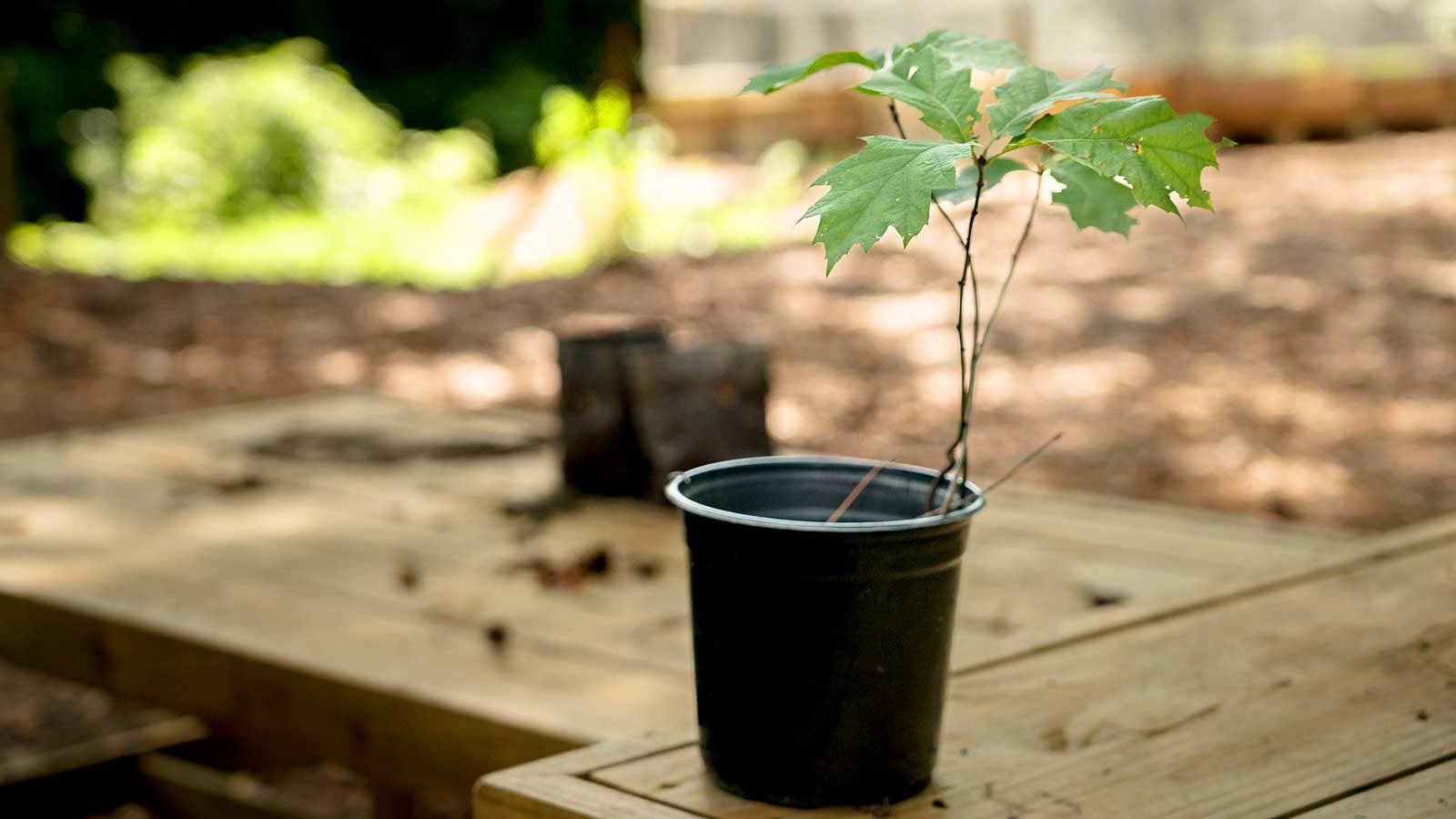
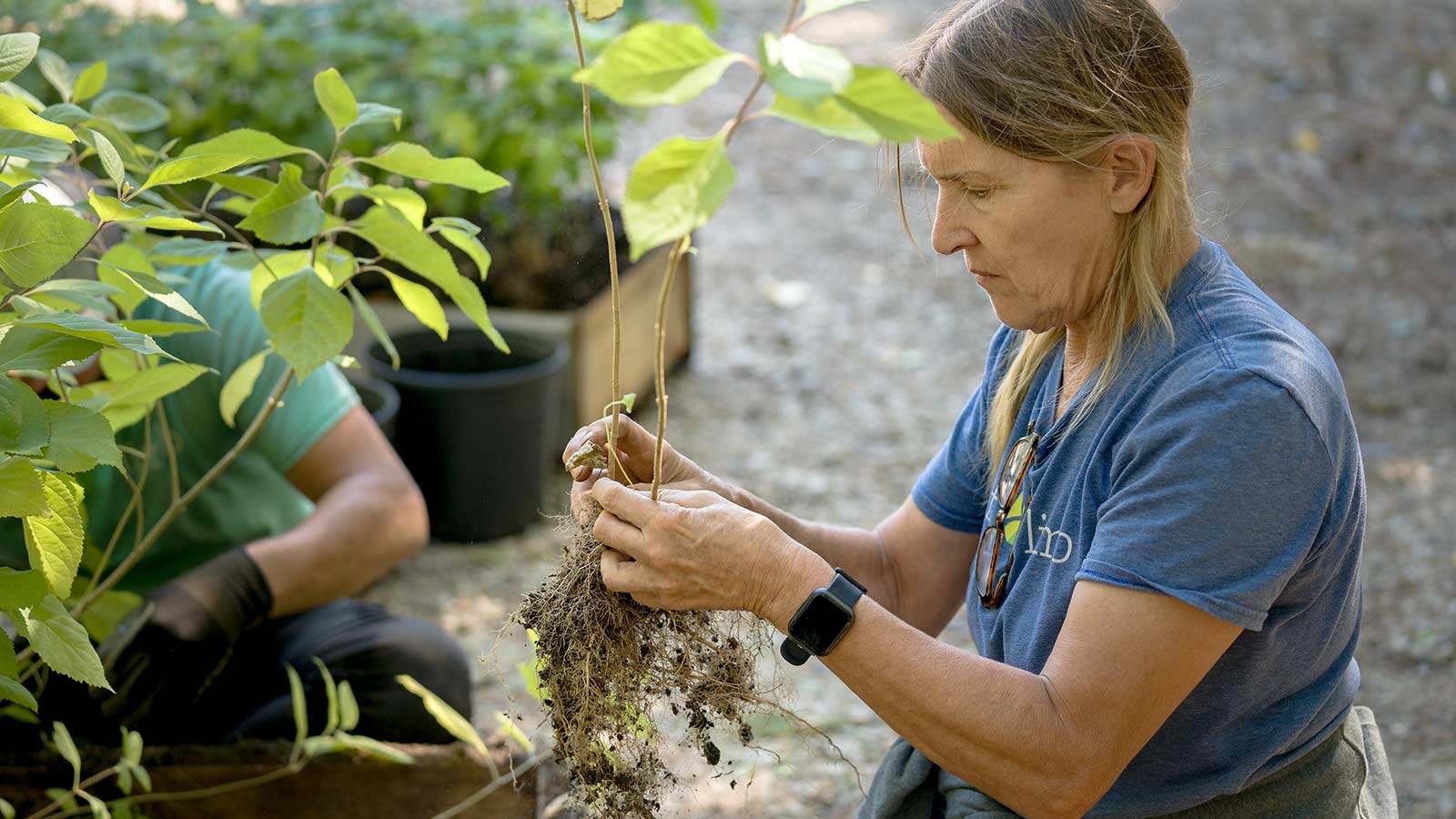
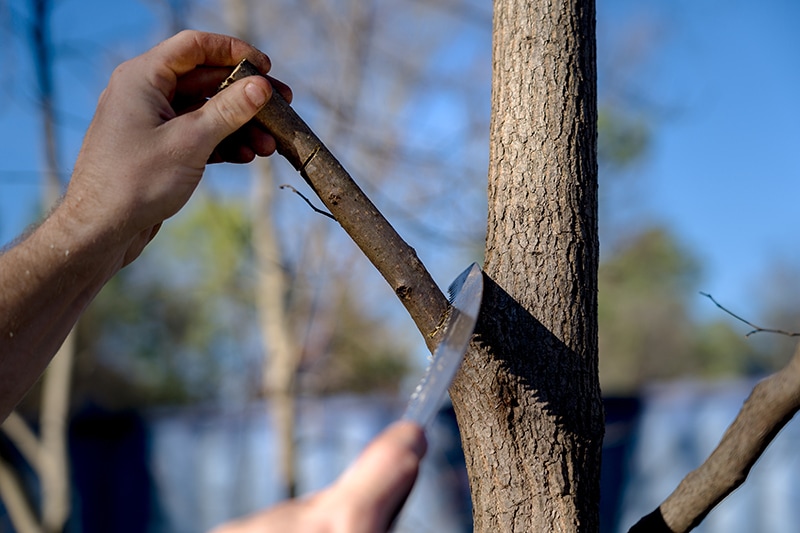
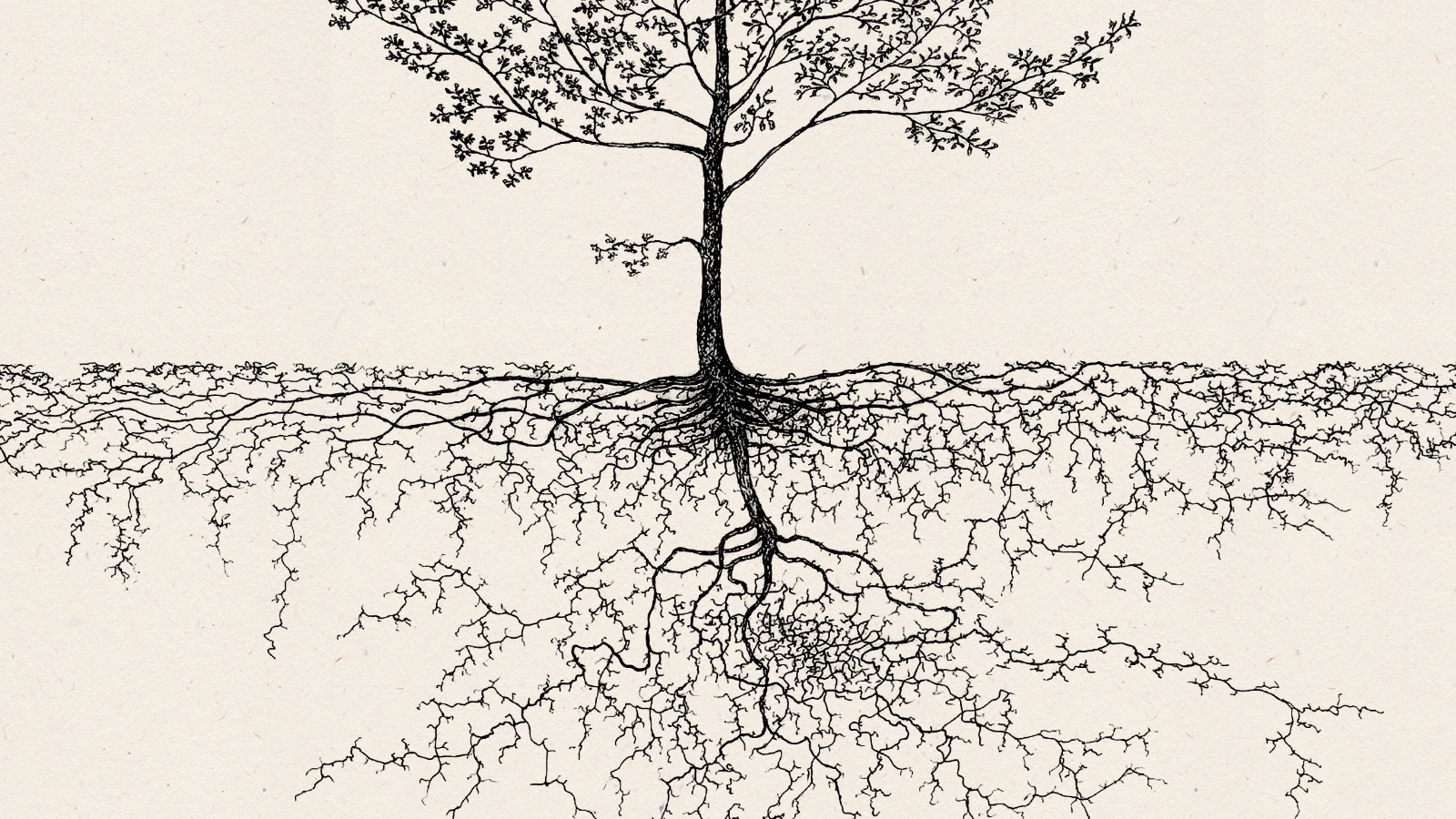
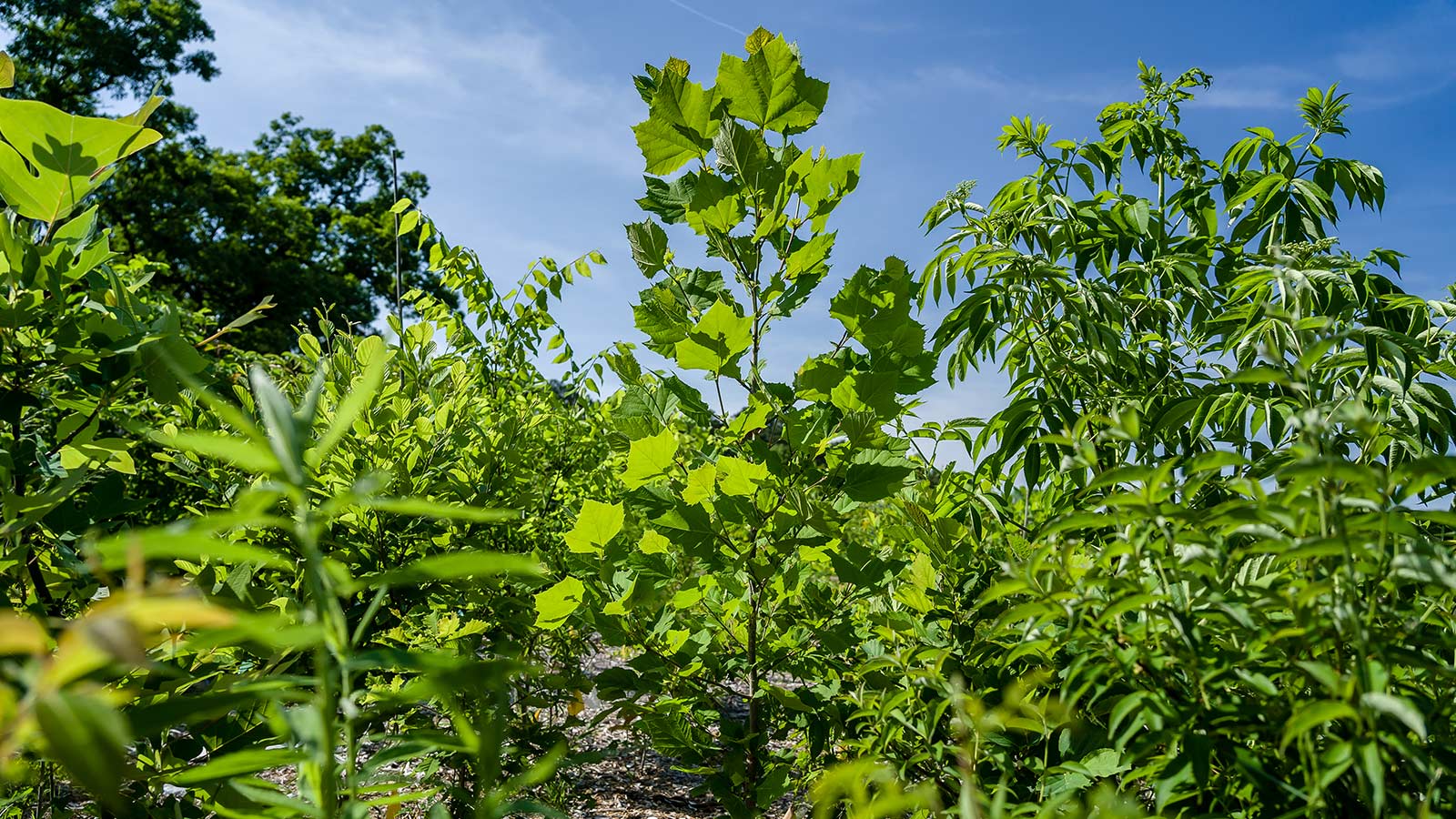
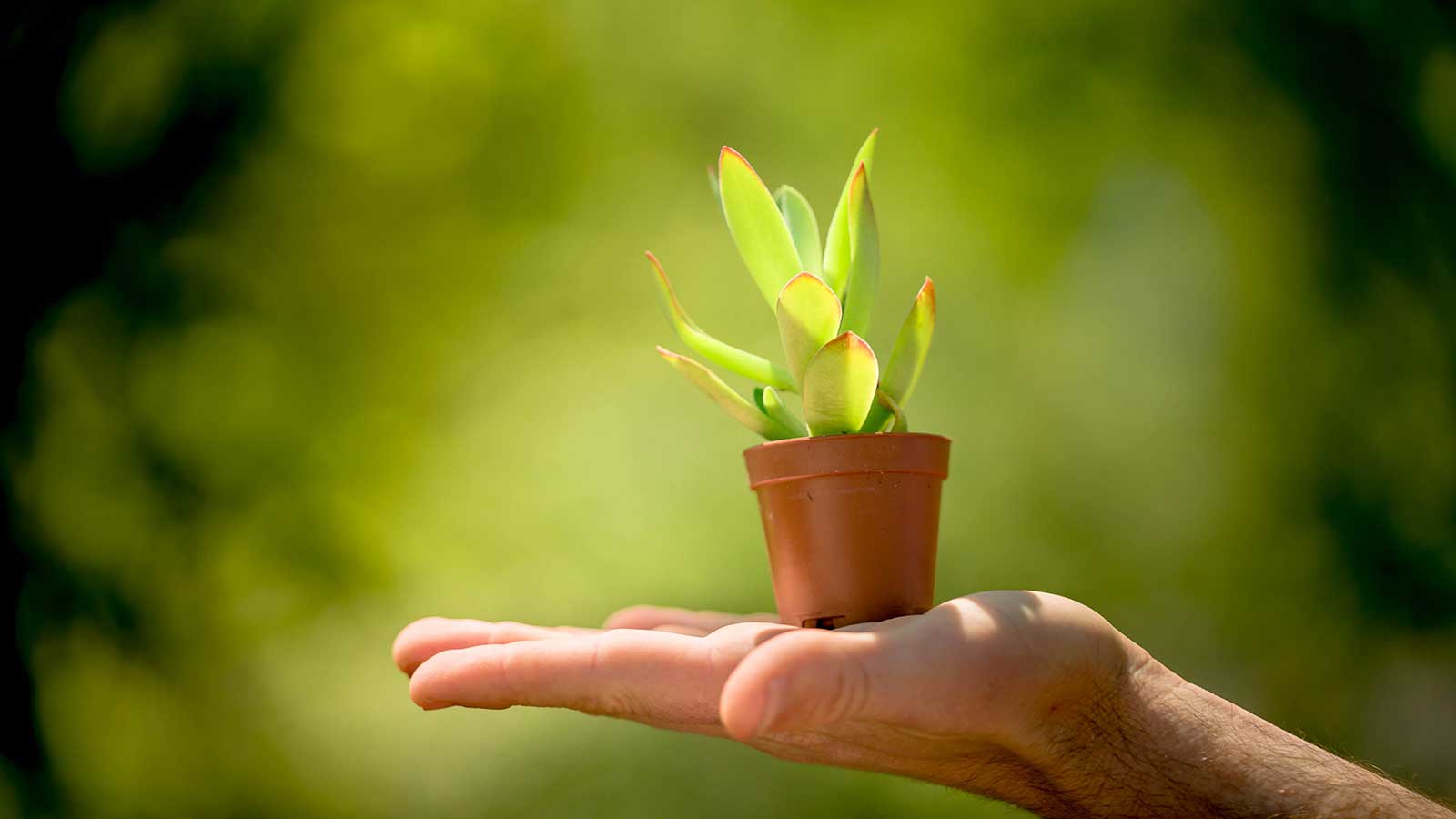
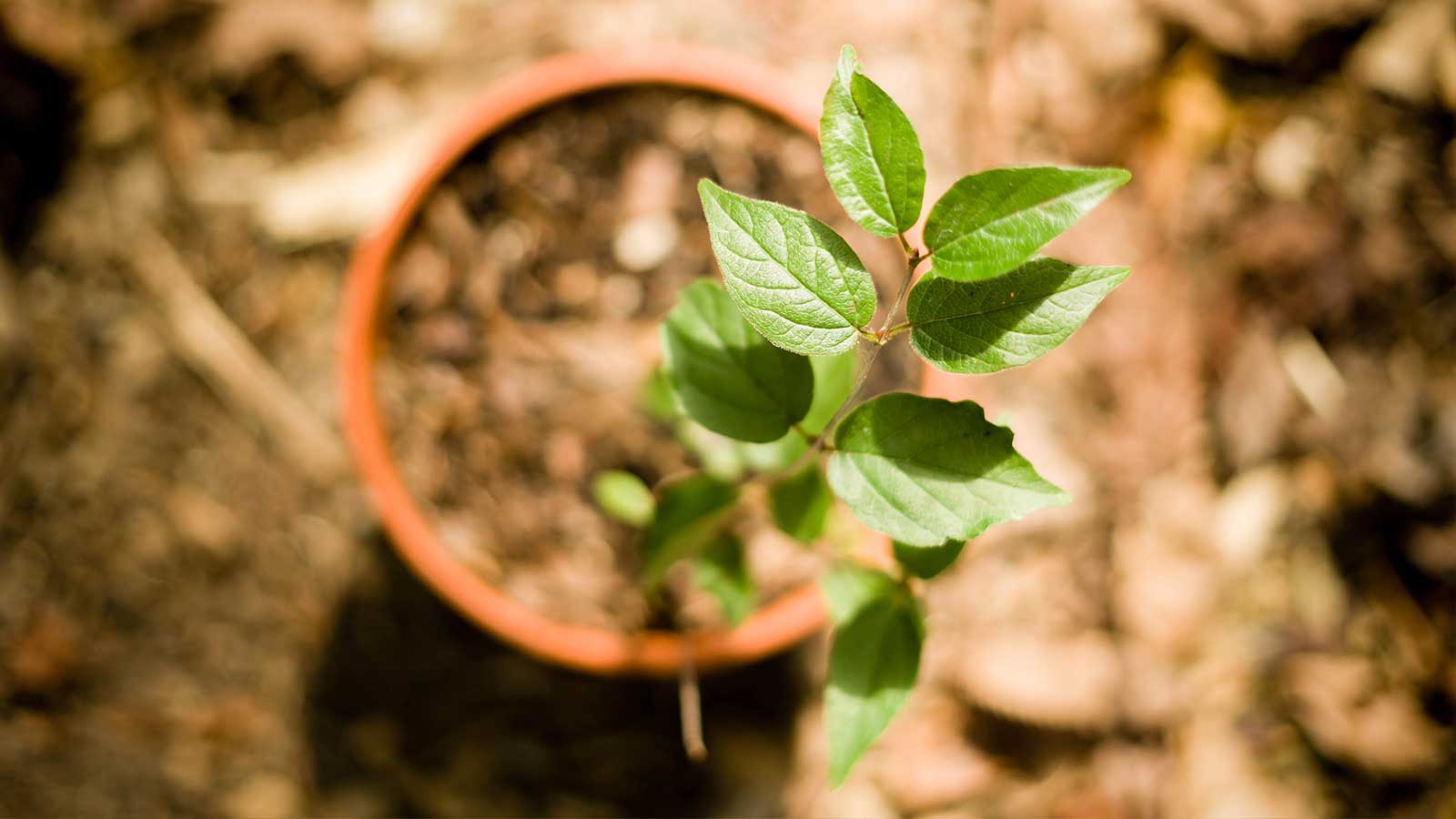
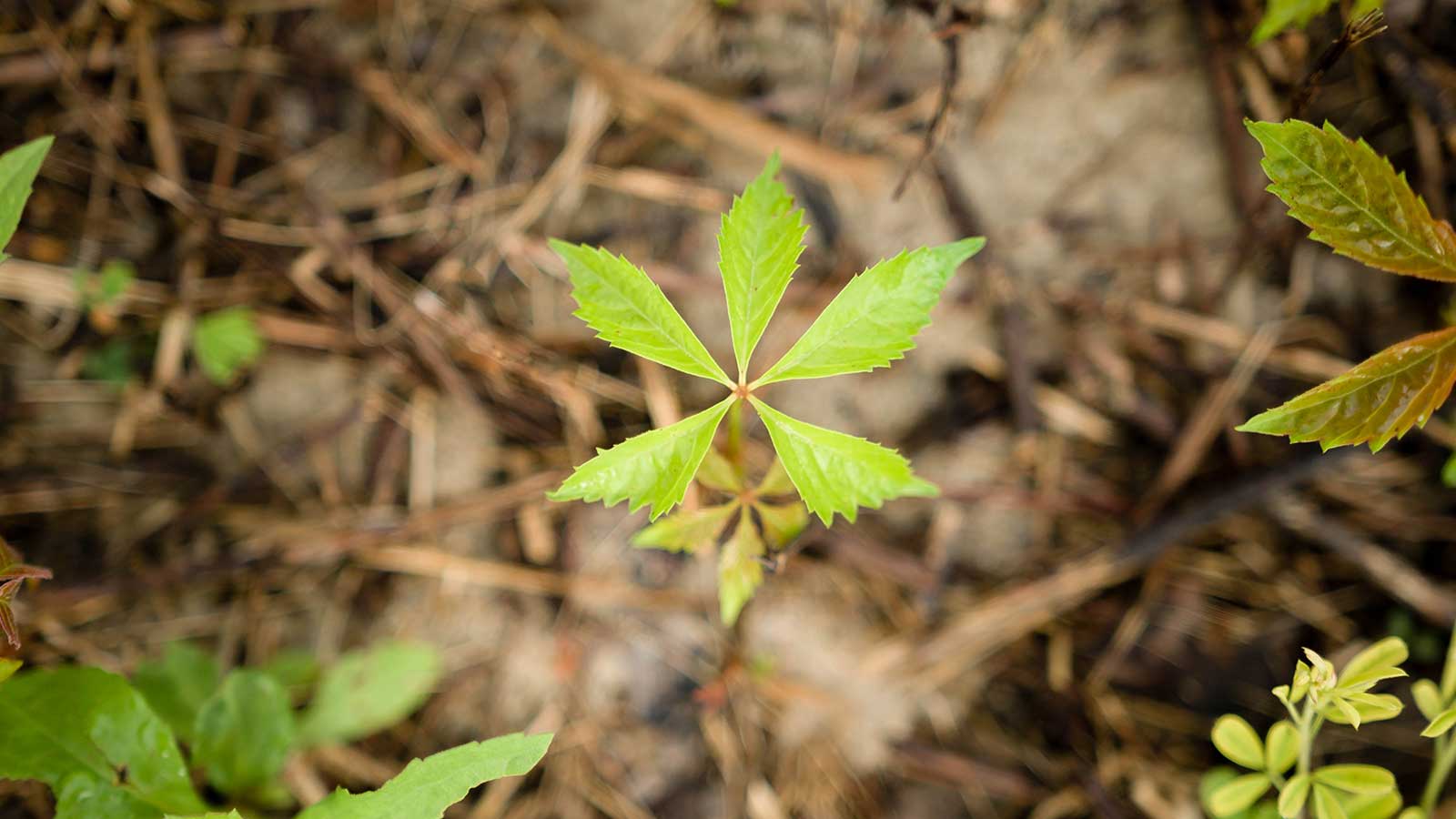
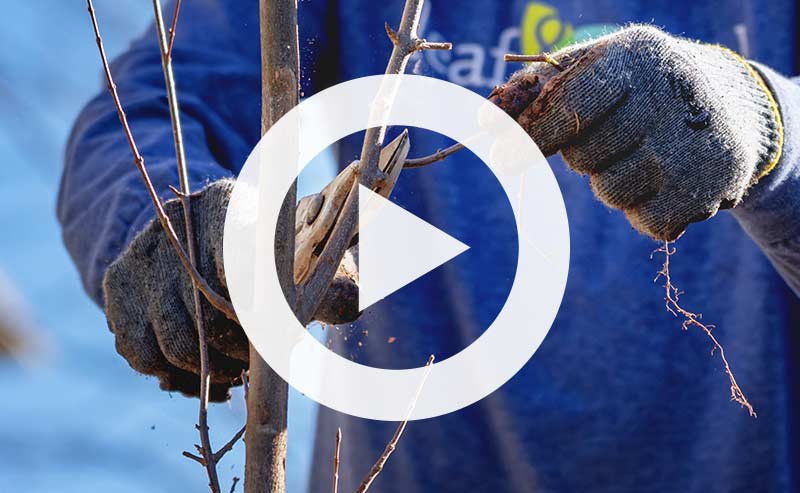
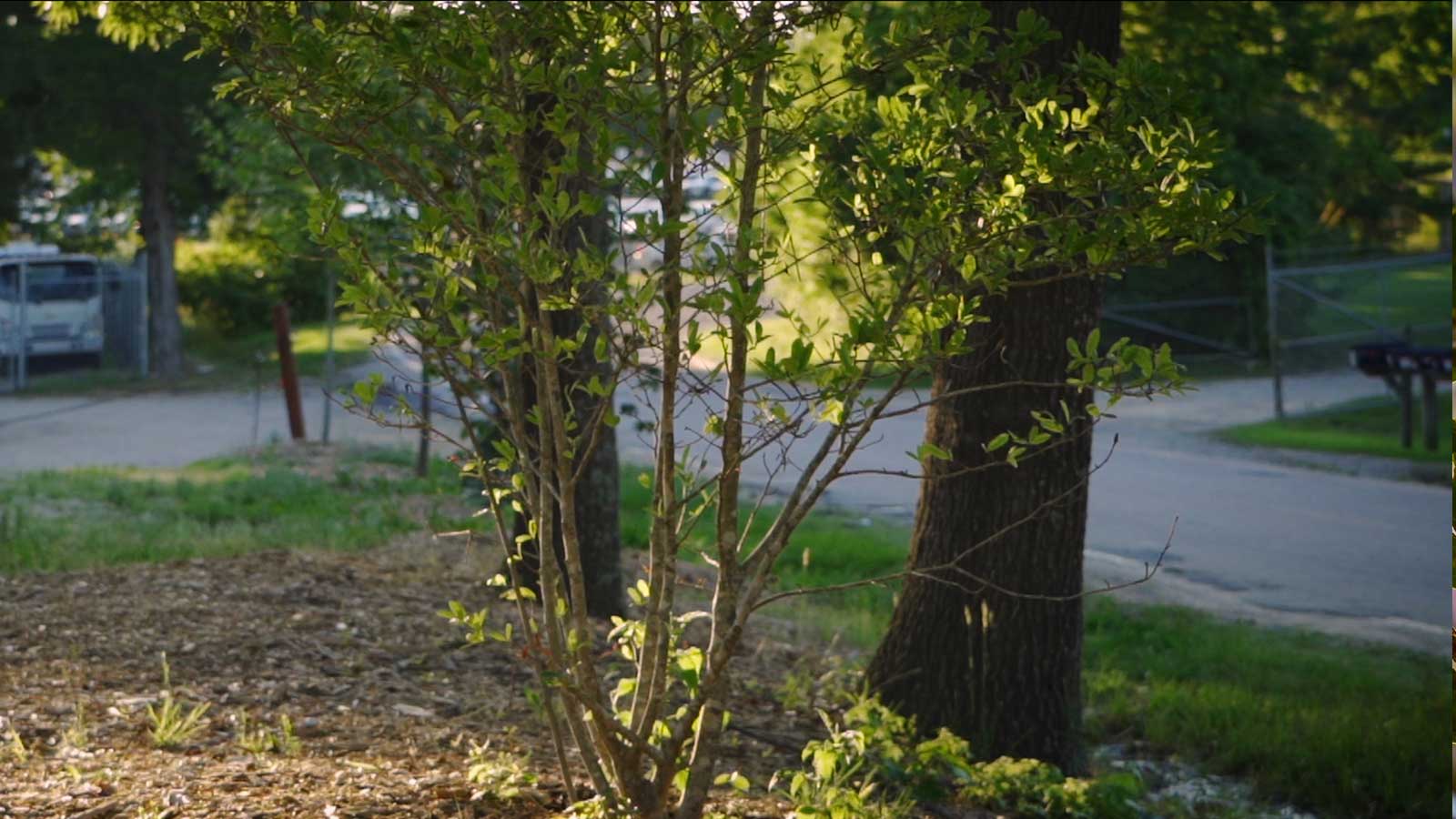
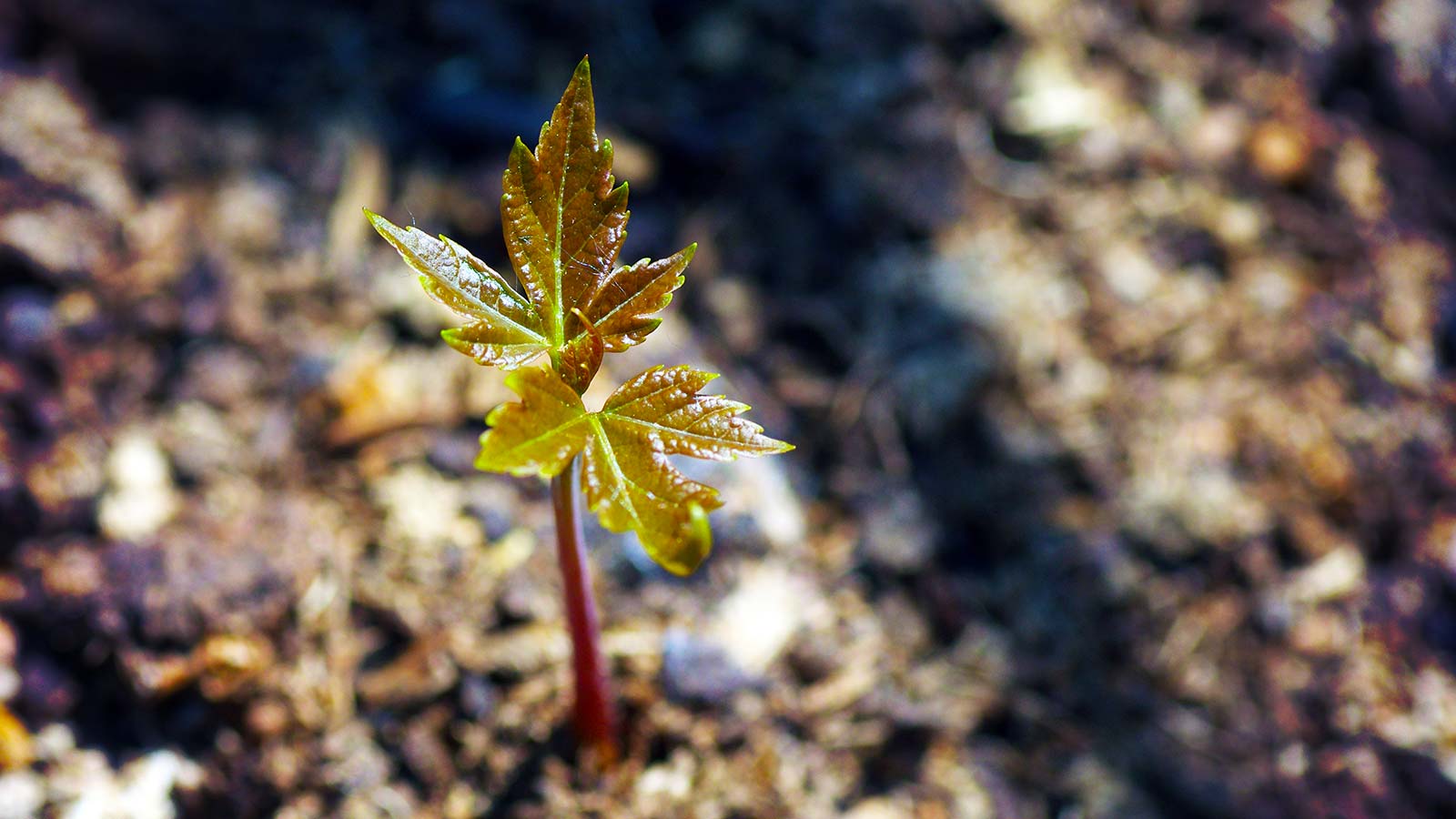
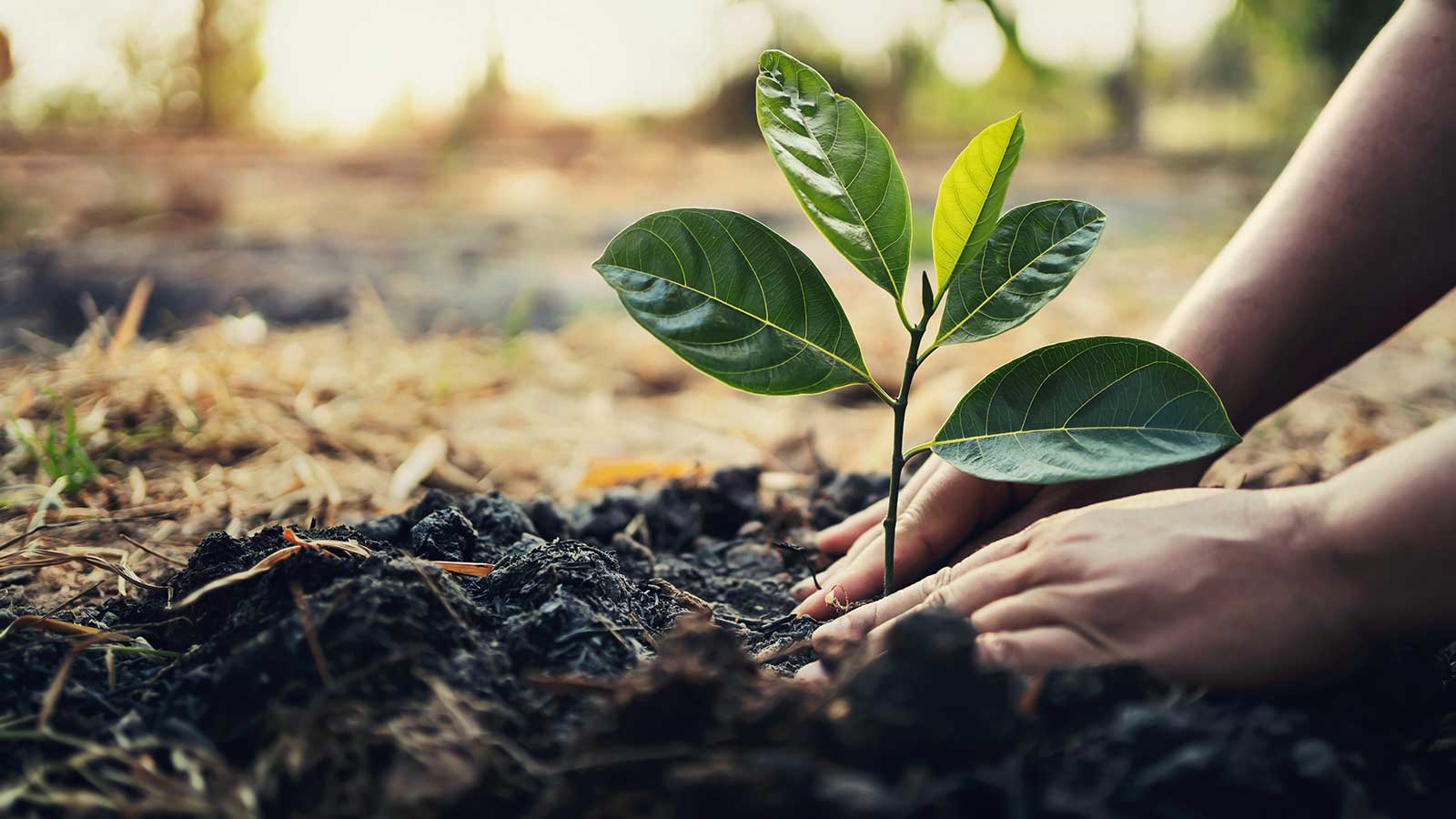
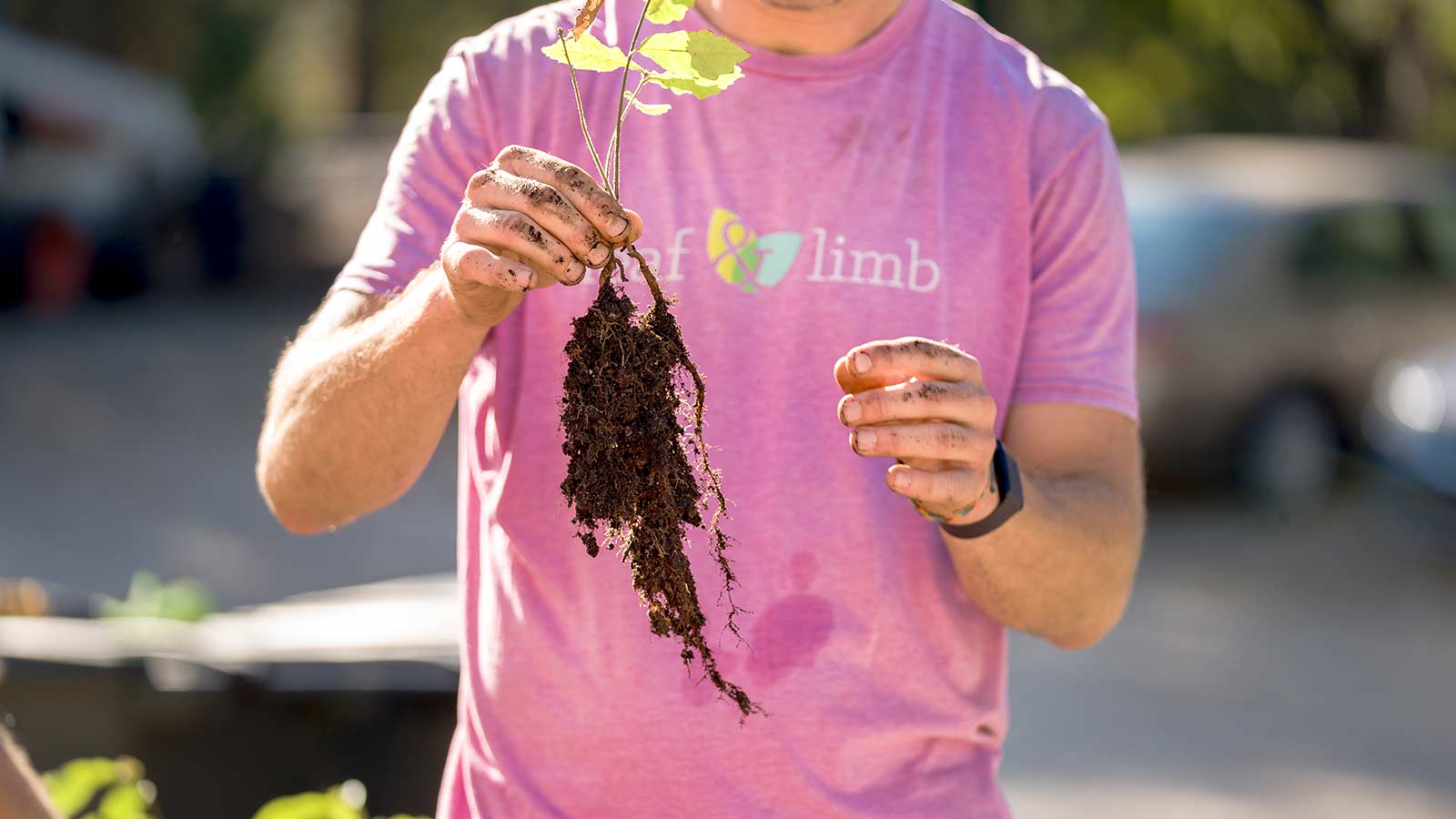
Saplings are 1- or 2-year-old trees (sometimes 3). They have emerged from their seed and developed a healthy root system, with a thick, straight taproot and well-developed side roots. This root structure is the key to their success as transplants into our landscapes, as we will explore shortly. Aboveground they usually look like little sticks, perhaps with some small side branches. There will be a number of plump buds which will turn into leaves or more little branches.
They don't look like much. Yet.
The Superpower of Saplings
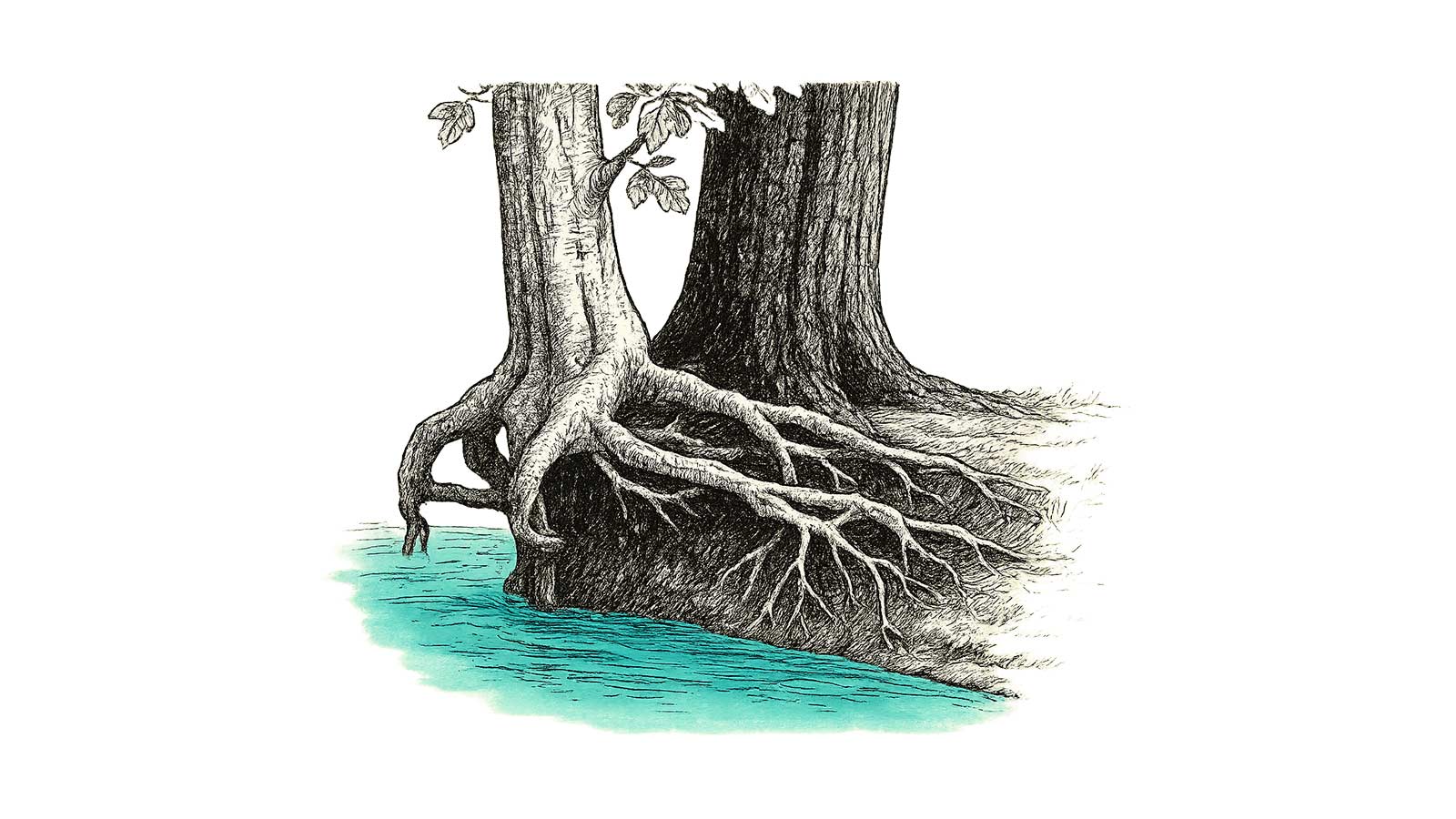
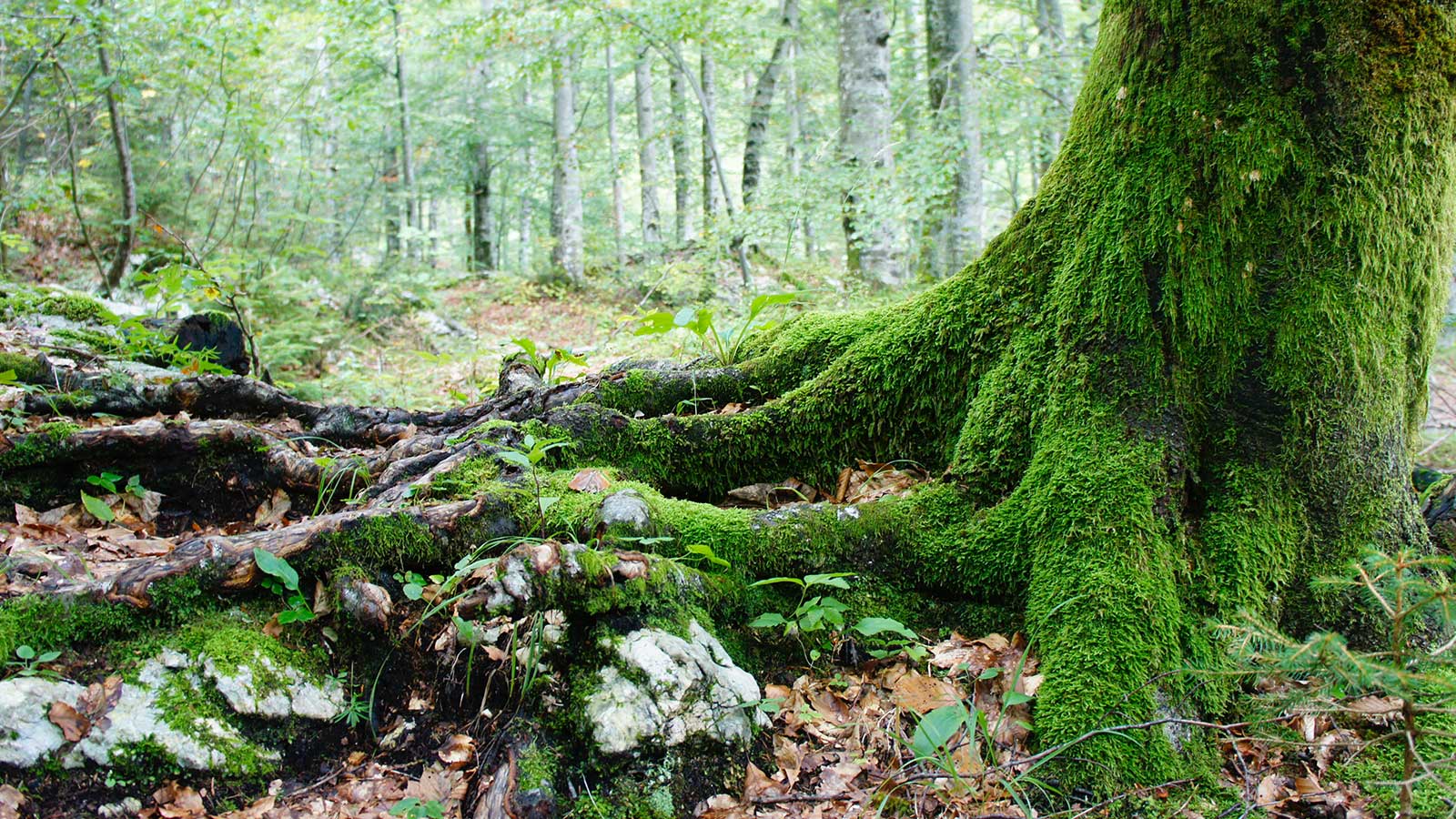
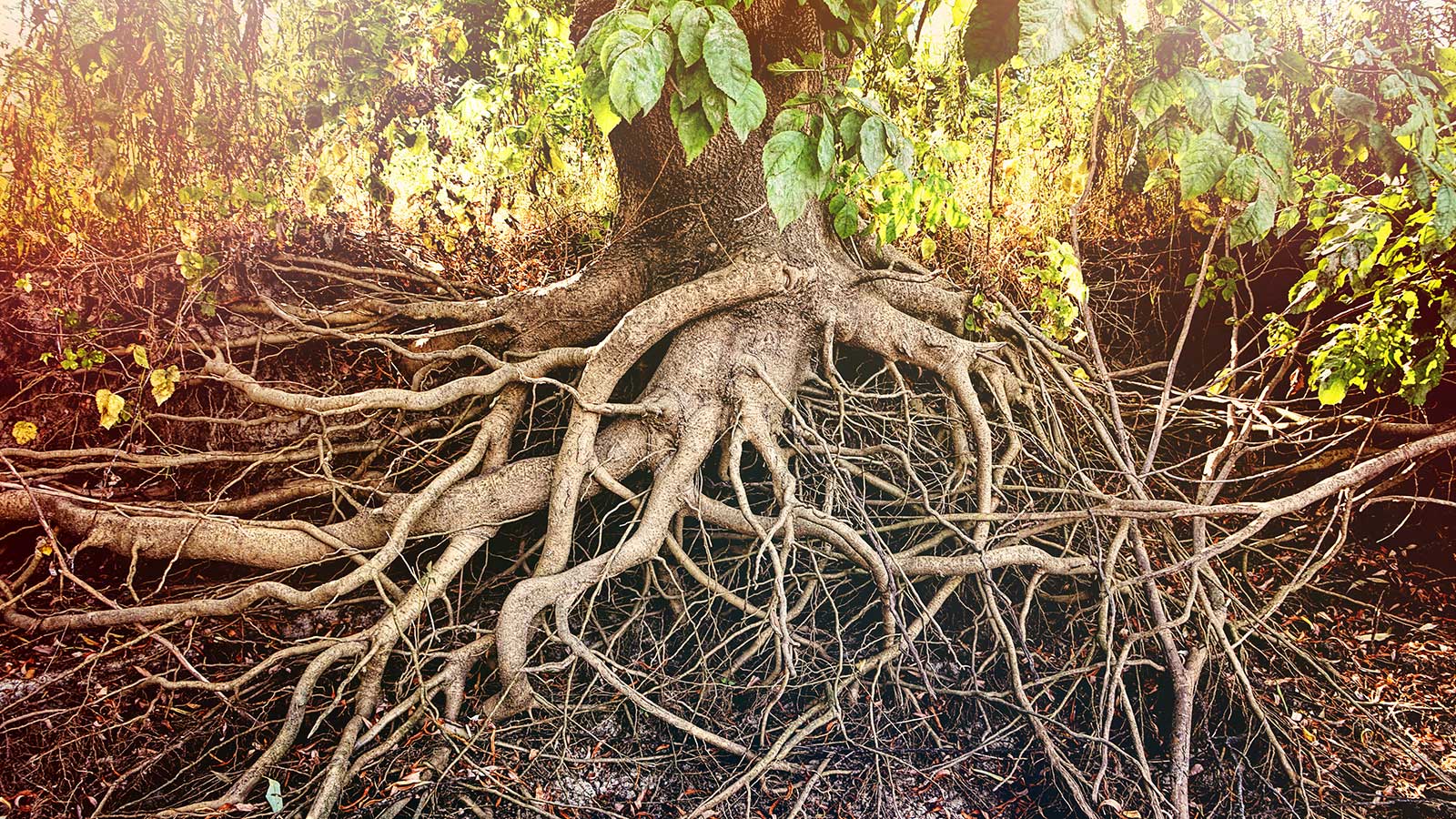
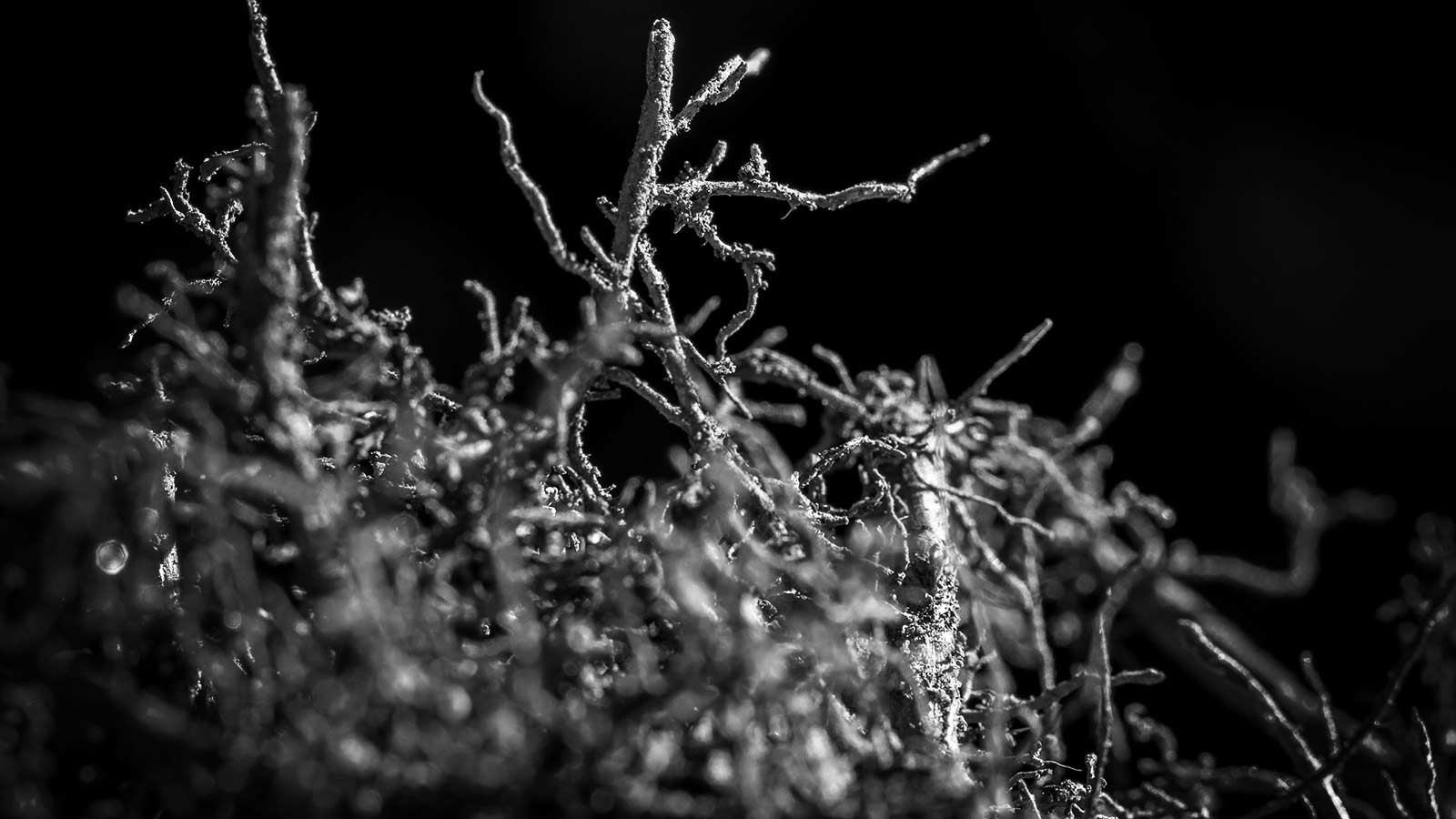
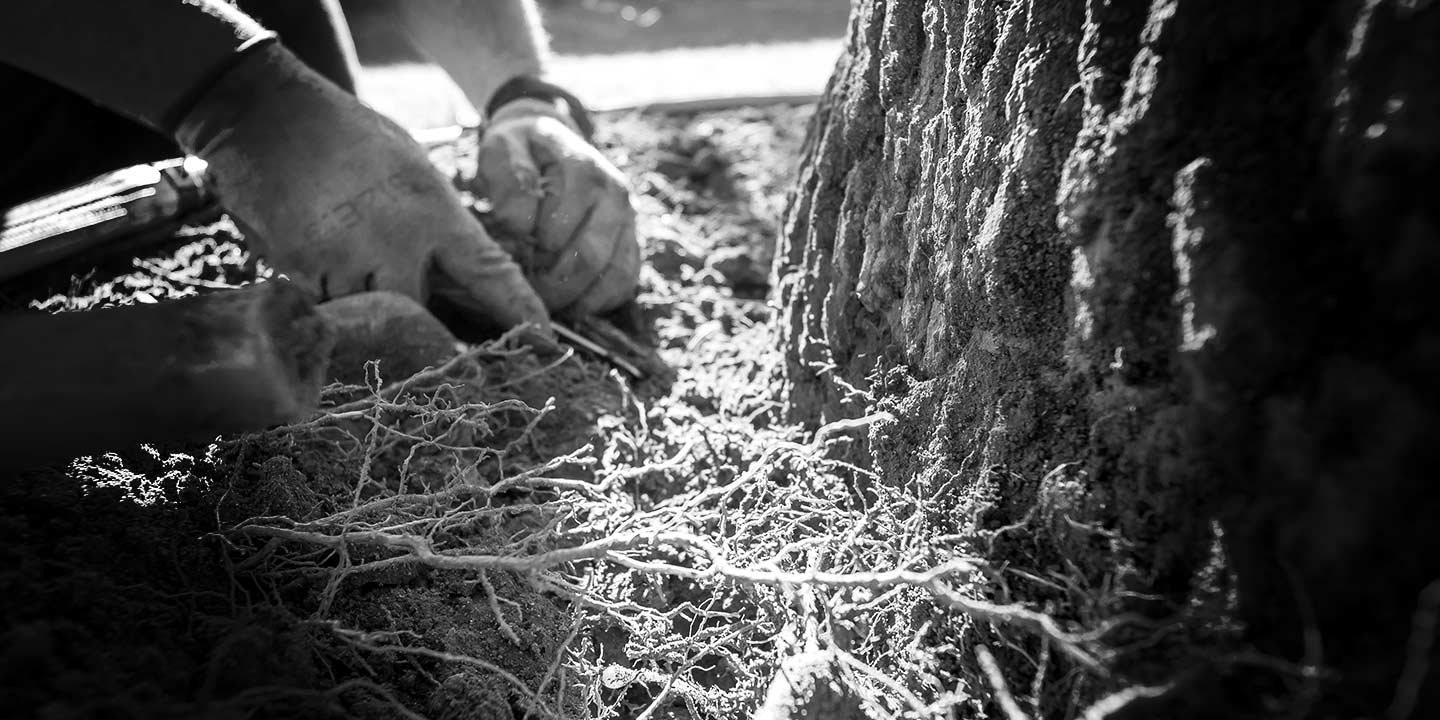
Back to the root of the discussion — pun fully intended. The main reason that saplings are such a great choice when selecting trees and shrubs is their superior root system. If you look at a sapling that is ready to plant, you'll notice that the root system is often much more developed than the aboveground parts. The taproot is thick and straight, and the side roots stick out evenly all over. Even if it looks a little wonky, this small plant is full of vigor and promise and will soon weave its way into the soil.
It's when you compare their root systems to what either a container-grown root system or a balled-and-burlapped root system looks like that things start to make sense.
The Long Wait vs. the Fast Leap
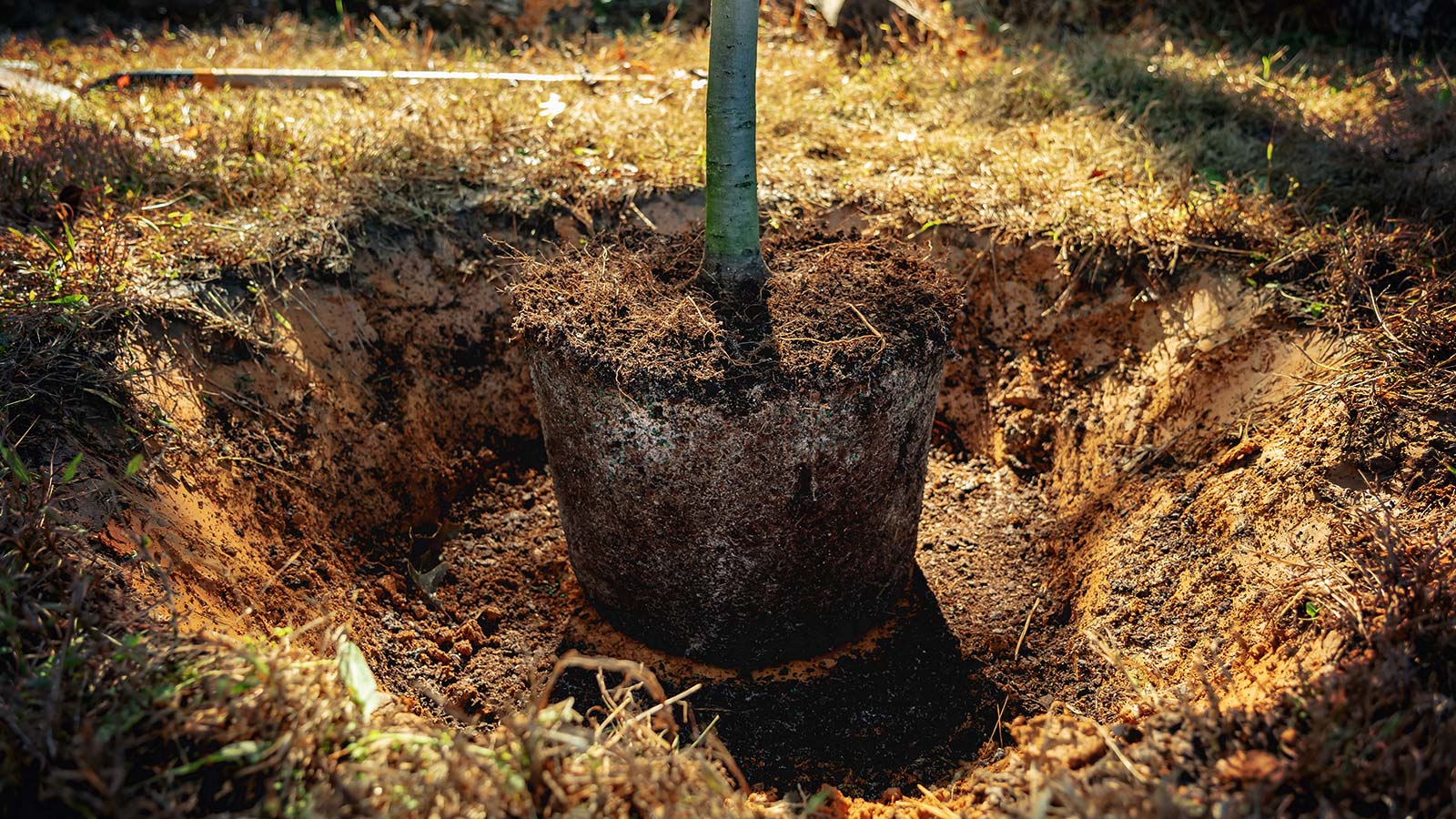
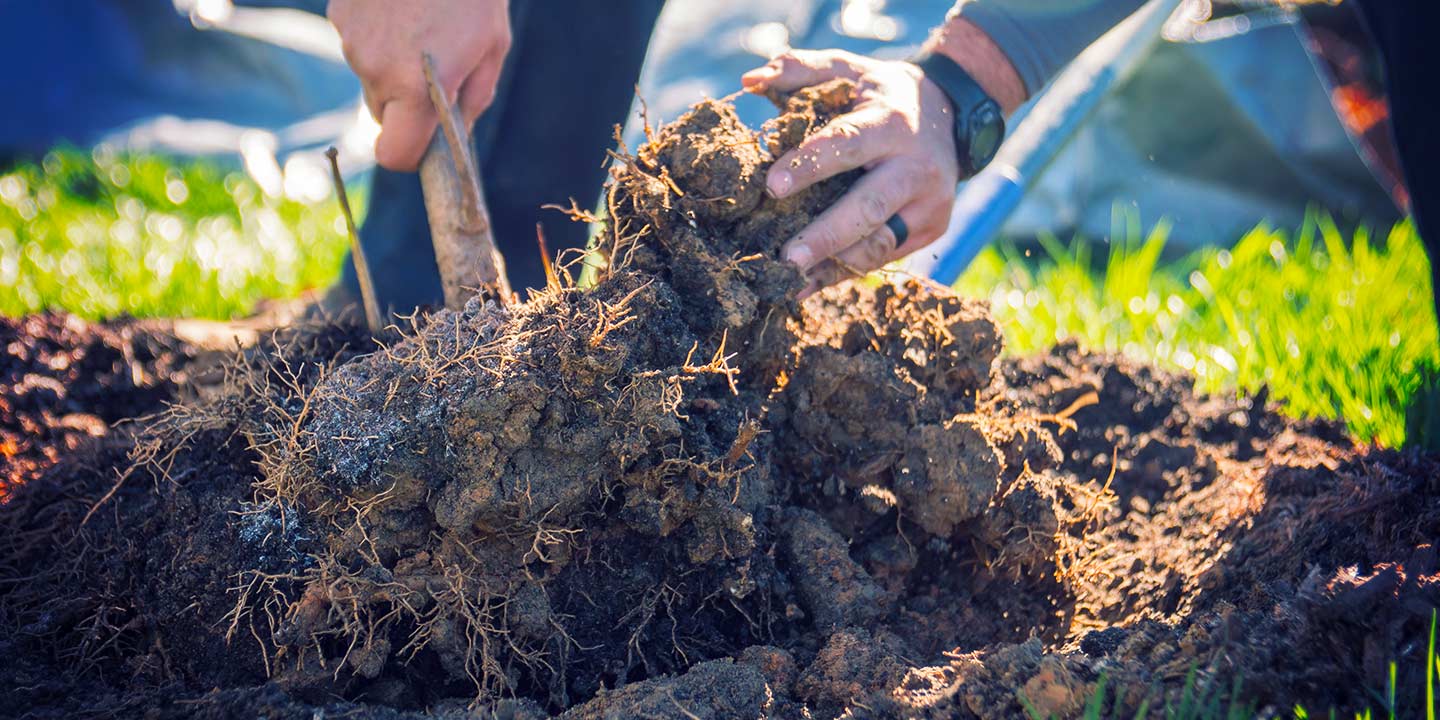
If you've ever pulled a shrub or tree from a pot in preparation for planting, the roots are often a compact, pot-shaped mass. They have grown in a circular pattern inside the pot. You can reduce some of the mess, but it involves cutting or breaking roots, including some large ones. Roots that continue to grow in a circular pattern after planting can eventually strangle the trunk, which often kills the tree. If you do a good job of cleaning up the roots, the tree will still need time — possibly years — to re-establish the root system necessary to support the size of the tree that was put into the ground.
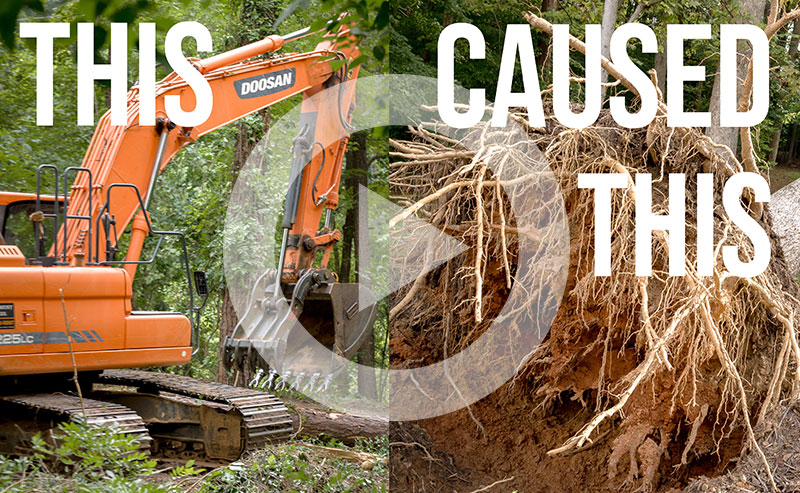
Balled-and-burlapped trees can lose up to 90% of their root mass when they are dug from the field.
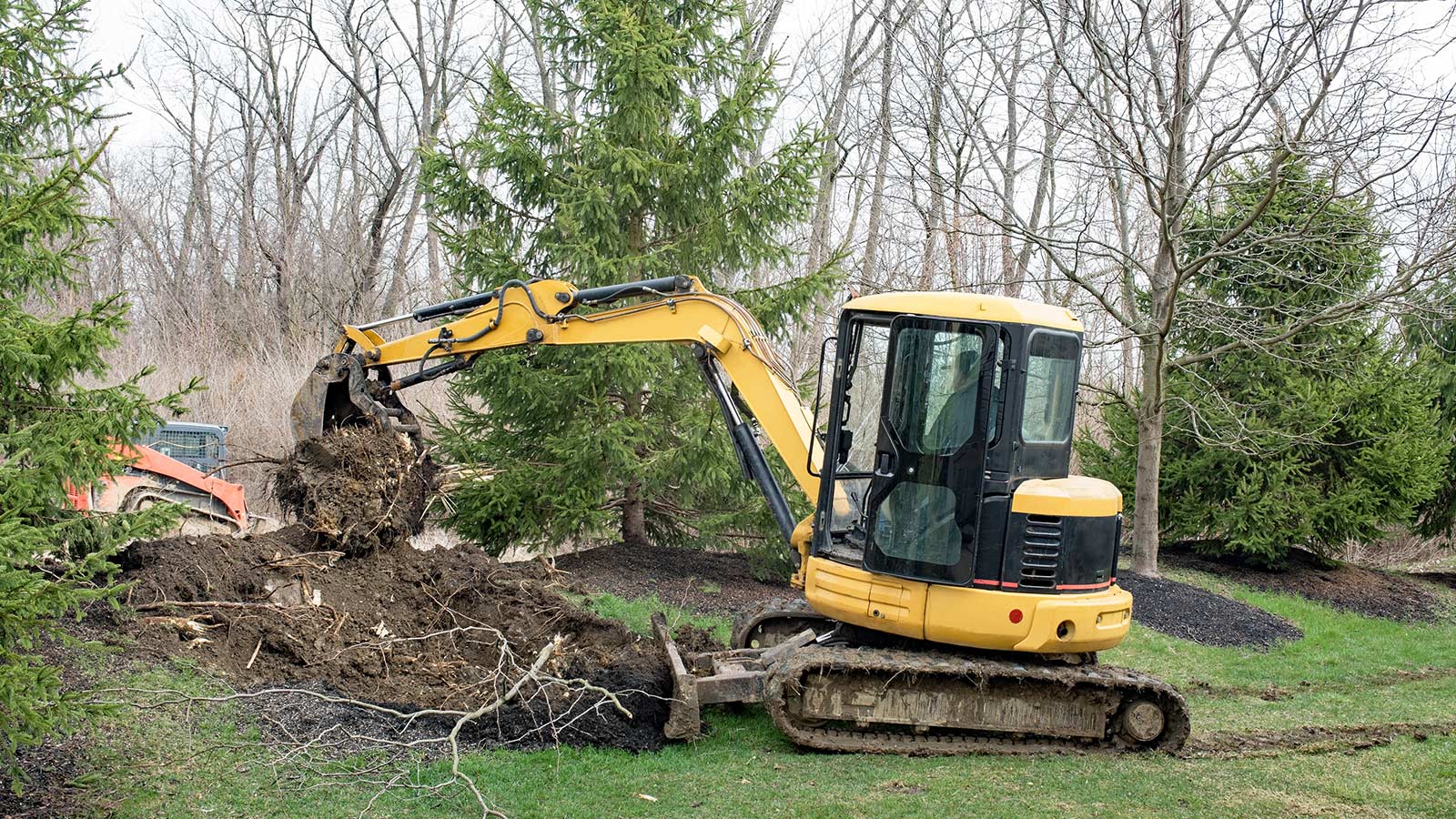
They are grown in a field, so the root system is probably well formed. But to get the tree to your yard, it is cut from the ground with a tree spade, which severs most of the root mass, including the fine feeder roots that feed and grow the tree. It may take 10 years for a very large balled-and-burlapped tree to adapt to its new home and build an adequate root system.
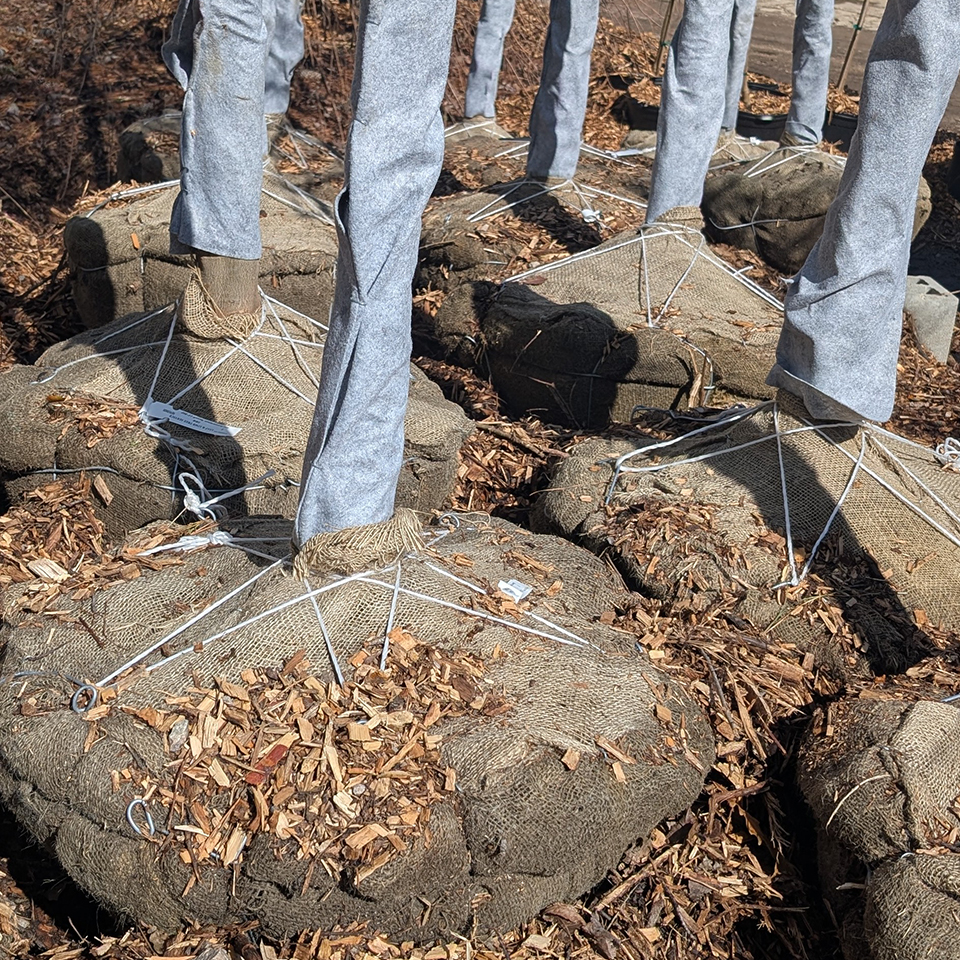
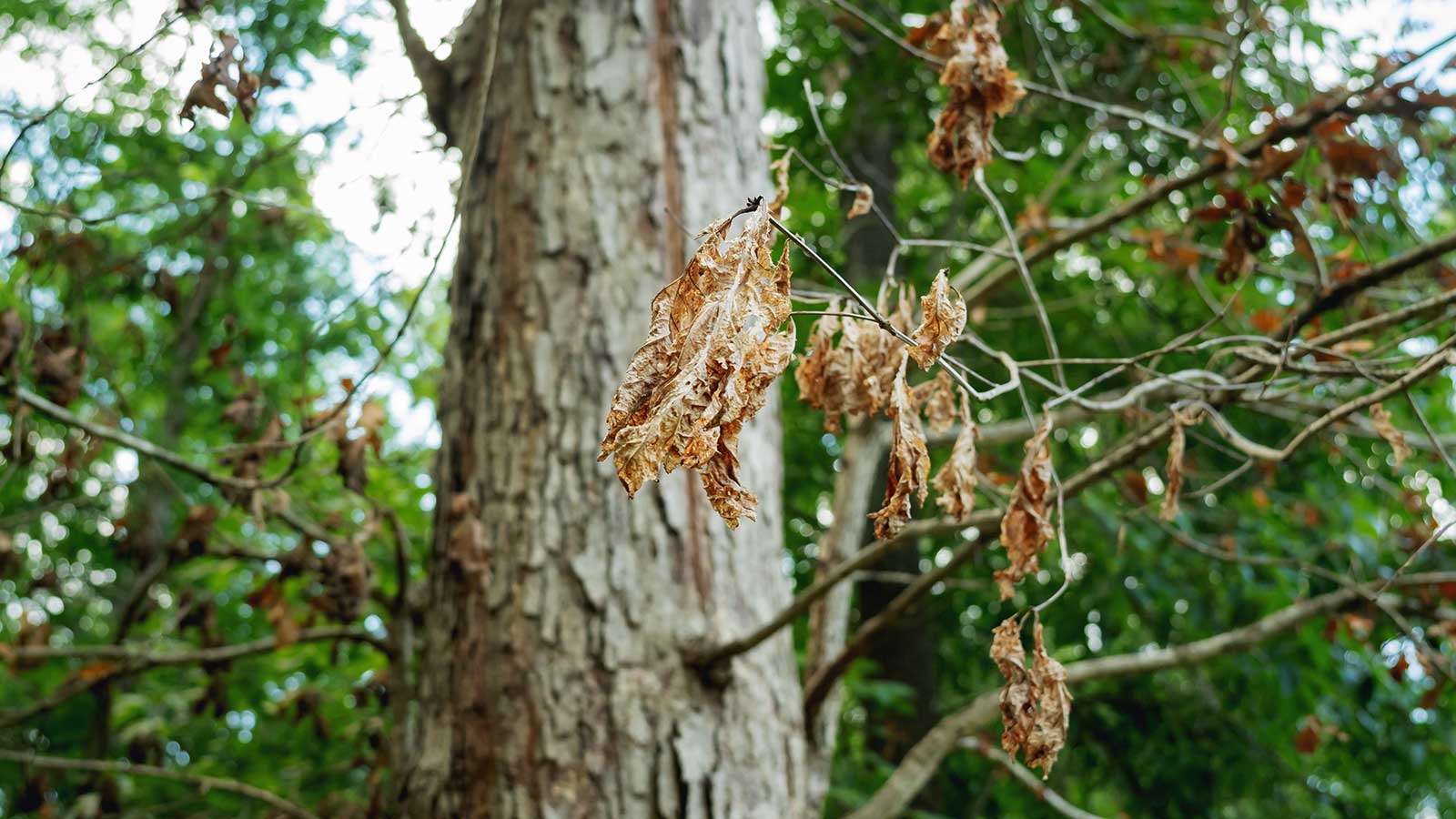
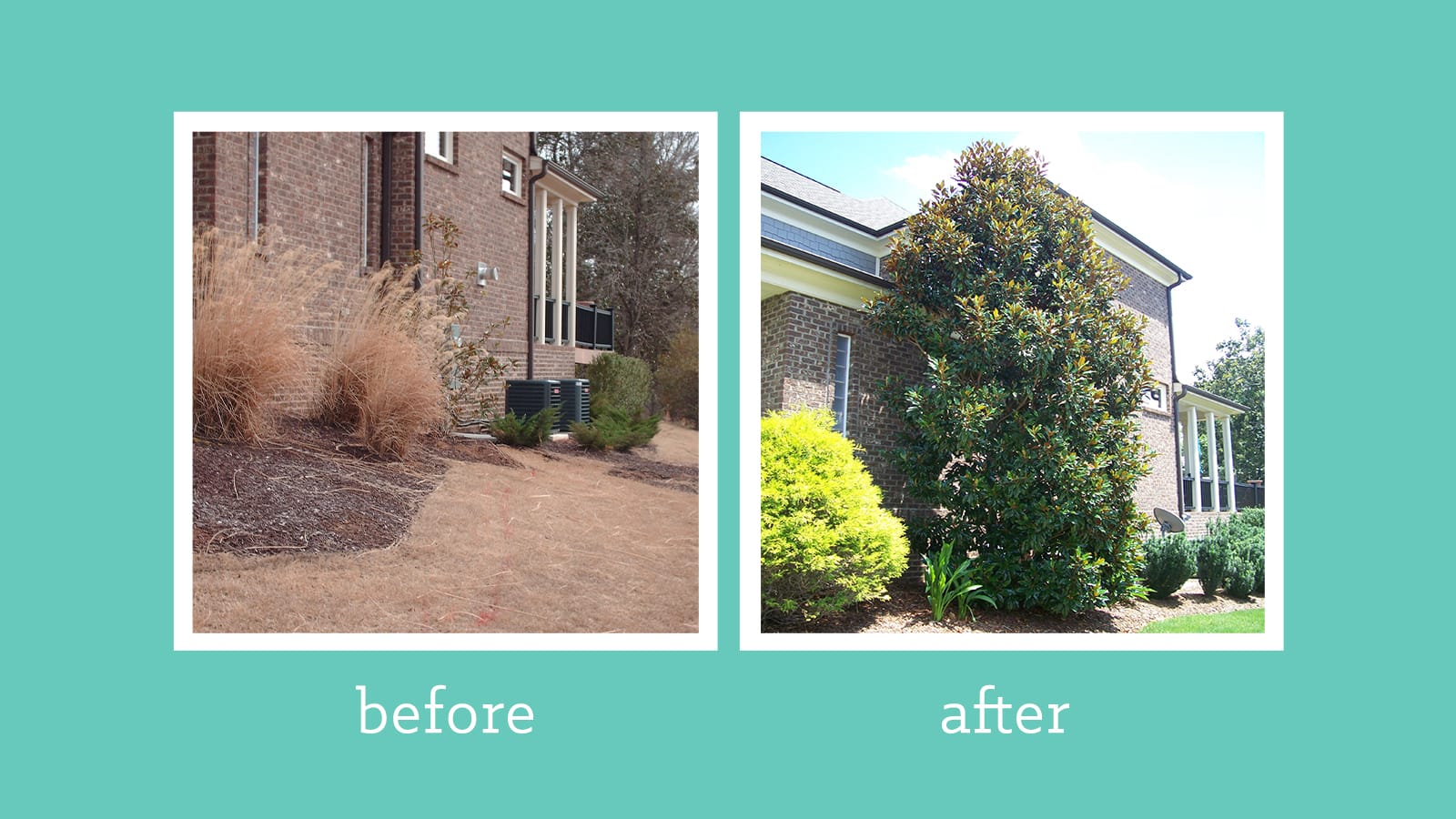
If done carefully and with great post-planting care, a balled-and-burlapped tree will spend years regrowing the roots it needs to make up for the loss and start growing again. When you factor in uncertain growing conditions and the time the trees need to catch up, a lot of the time you're not watching the tree thrive and grow — instead, you're watching it slowly die back and turn brown. Even if the trees eventually recover, they may have lost the graceful form that caught your eye when you bought it.
The saplings, on the other hand, hit the ground running. They may start out smaller, but they grow faster because they do not need to repair root damage. That's it in a nutshell — er, actually, just shortly after the nutshell part.
Is It Finicky to Plant These Tiny Trees?
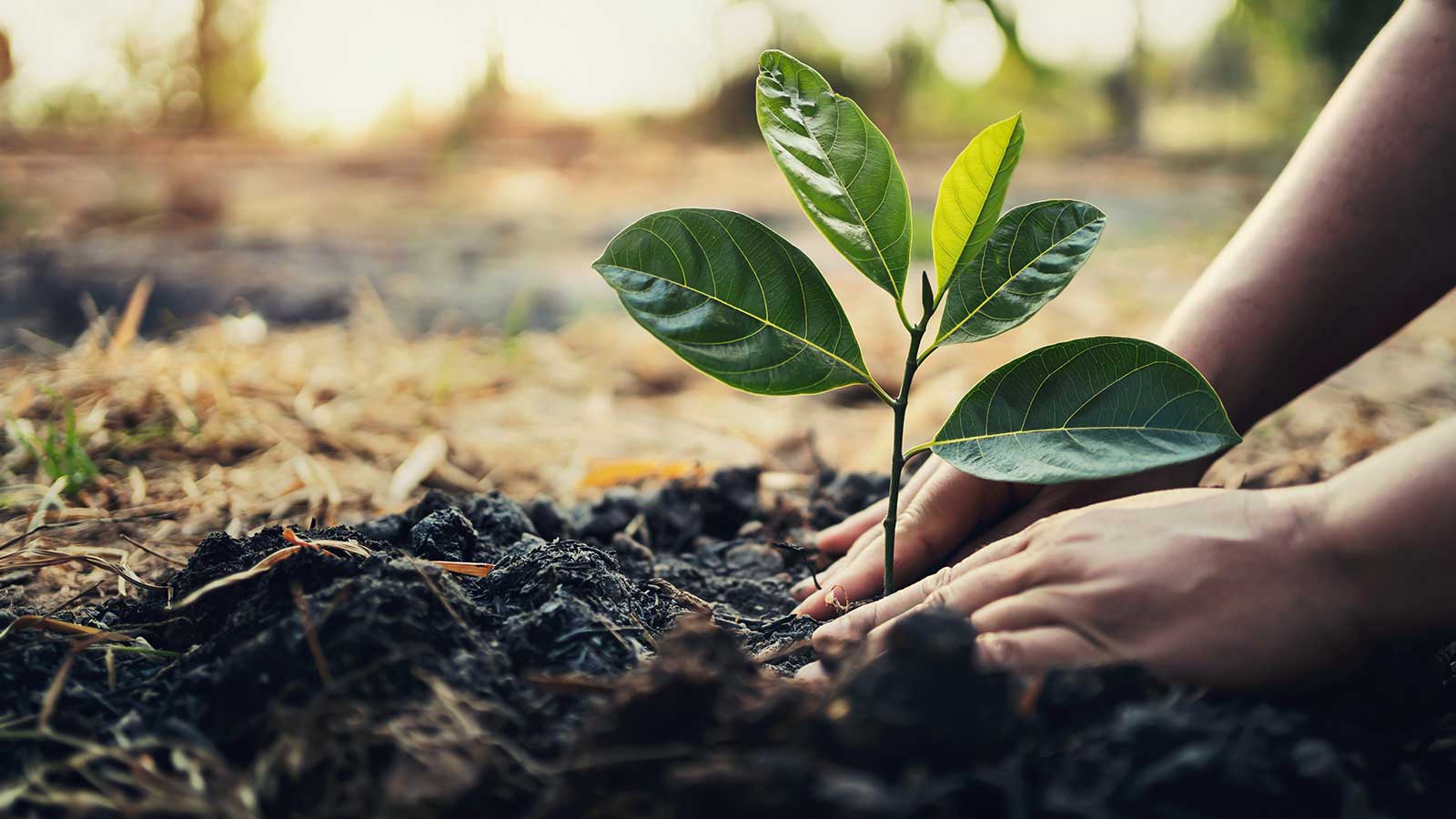
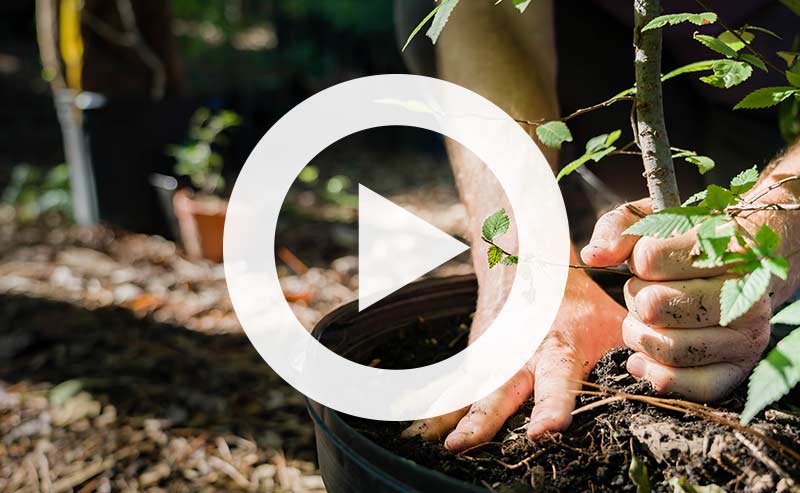
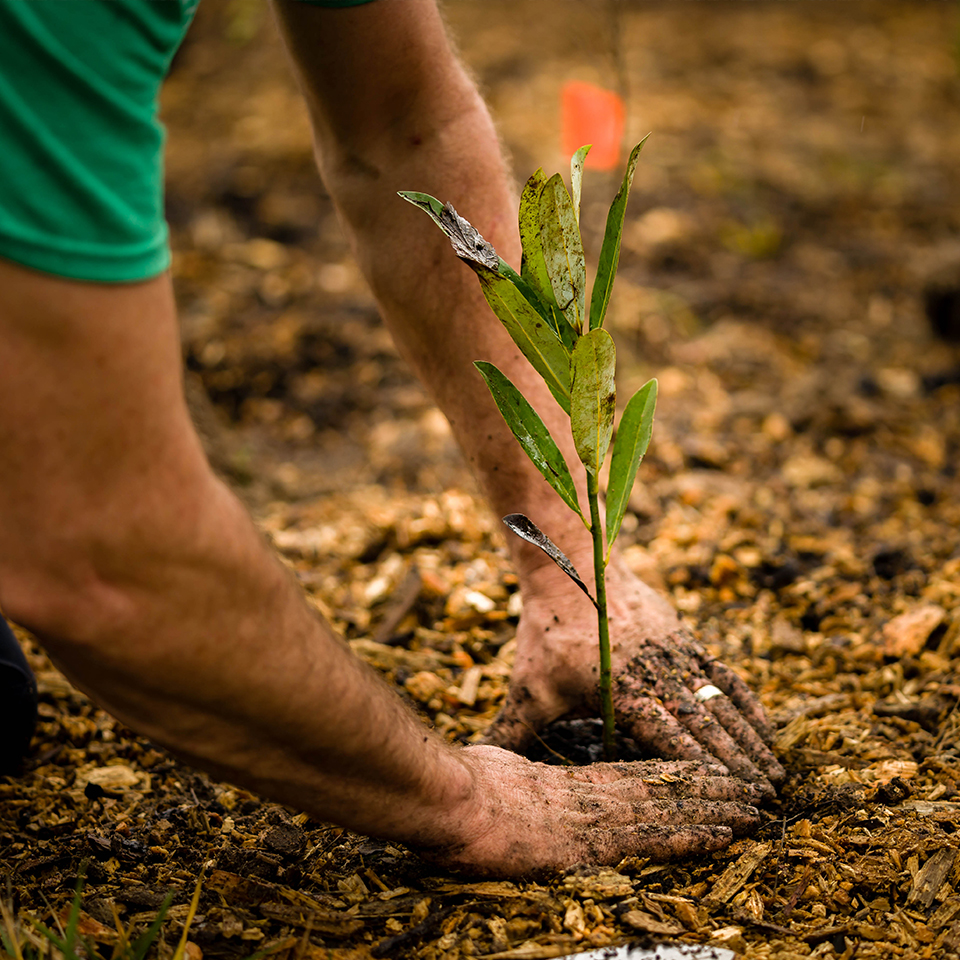
Not even a bit! It's even easier than you might think. A tiny tree with strong roots just needs to be popped into the ground, root-side down, and that's about it. You don't even have to worry about planting at the correct depth. These trees are too small to have a root collar yet, but they will adjust as they grow. They are raring to go and will easily adapt to their new home. Of course, like all plants, it's important to consider the tree's mature size, give it room, and plant it in the right sun conditions for the species.
Because they are so inexpensive, you can use saplings in other ways, such as creating a thicket or a naturalistic privacy screen by planting shrub species densely and seeing what thrives.
Taking Care of These Little Trees
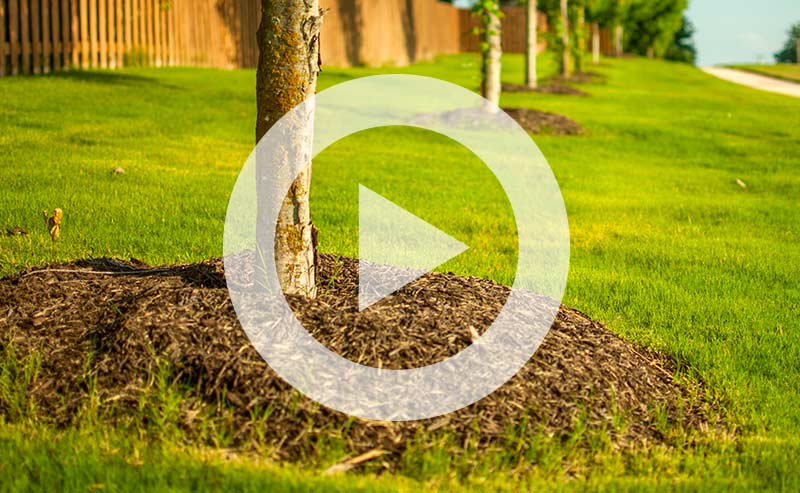
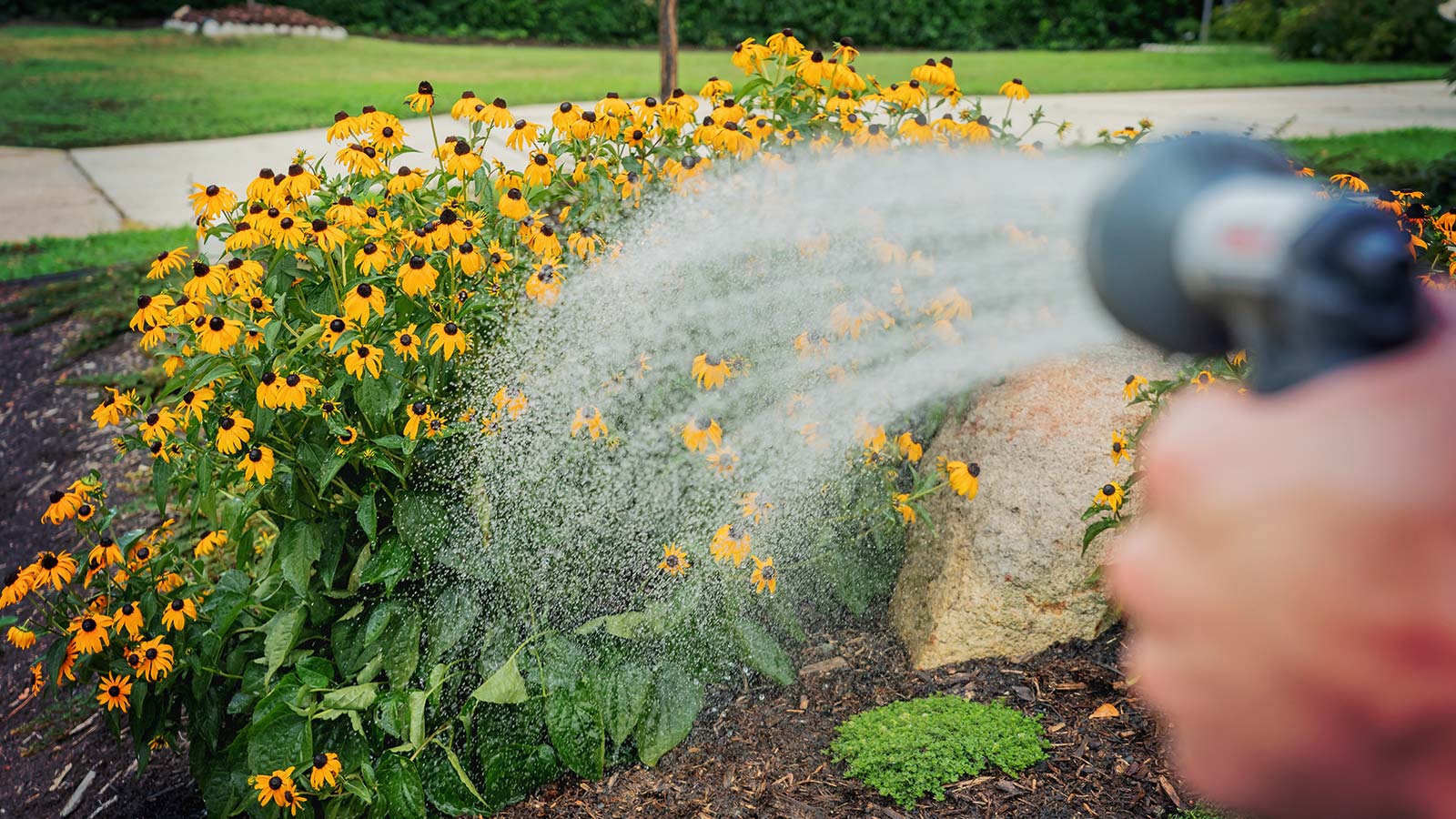
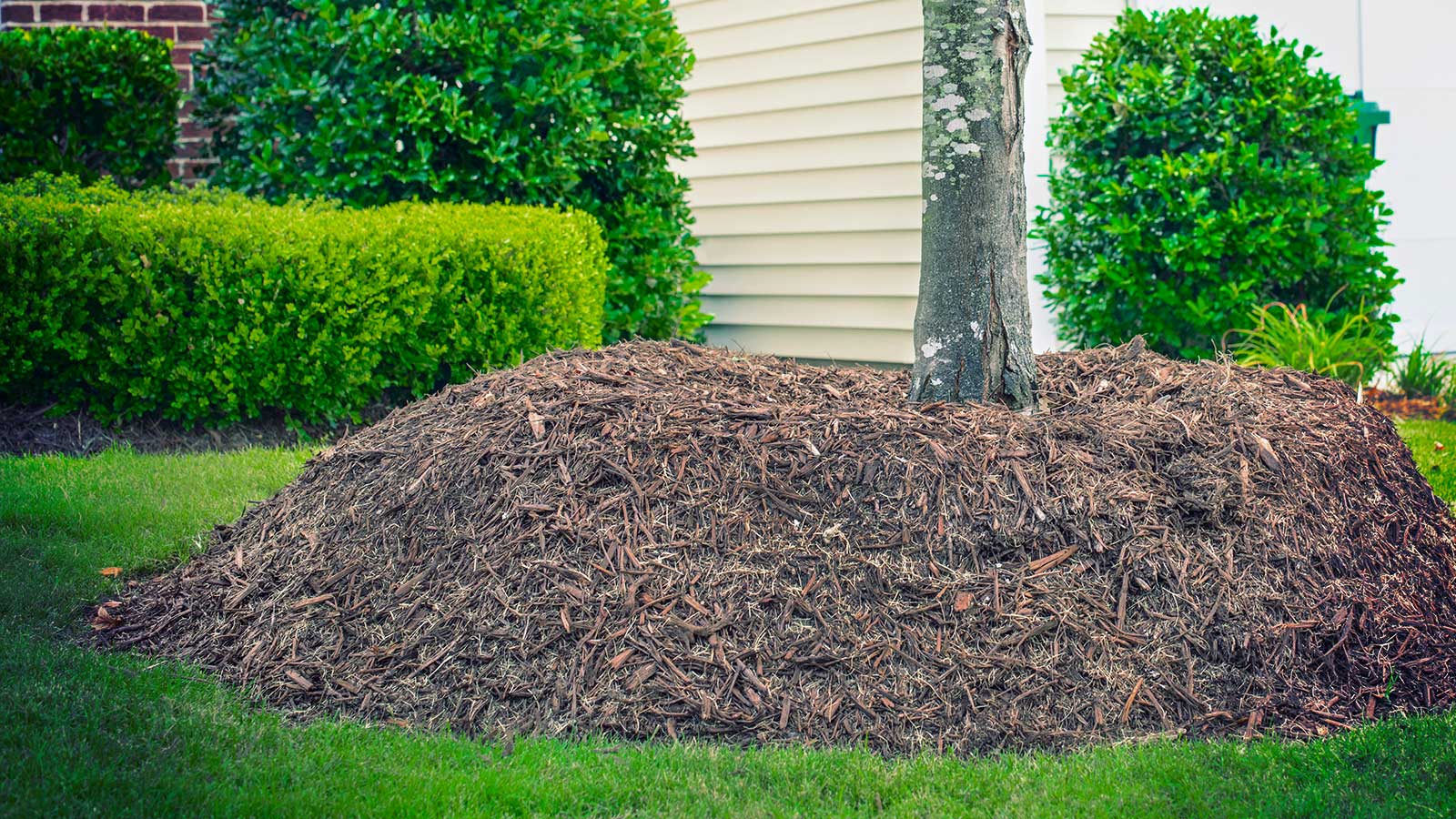
Saplings are tough but small, so they need protection from rowdy kids, pets, lawnmowers, deer, and rabbits. A small cylindrical cage made from wire fencing, held down with landscape staples, is all they really need. If it's hot and dry when you plant them, a good soak now and then, along with a layer of good mulch, will provide everything they need.
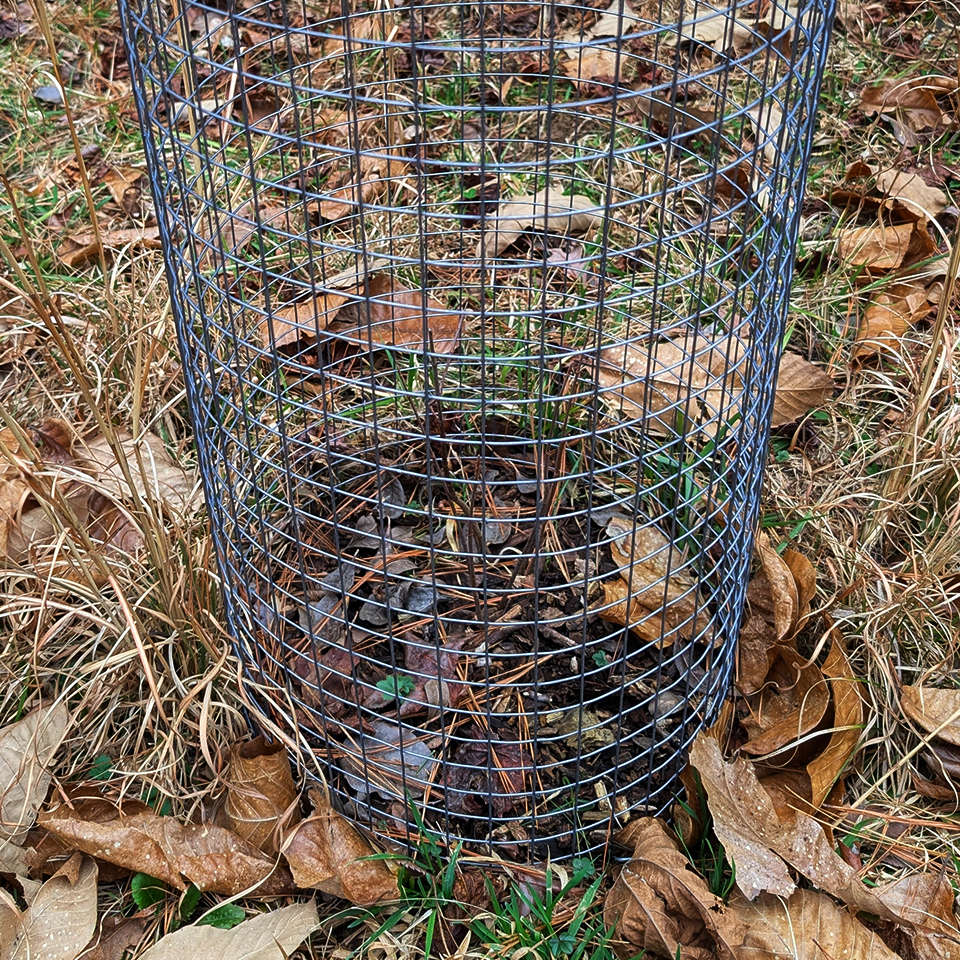
Planting saplings is a small shift in mindset. Instead of buying the biggest tree your budget can handle, you invest in the strongest beginning. Instead of the illusion of instant maturity, you get true resilience. And you get to witness something remarkable: a tree that truly grows with you.
Start small. Grow something lasting.
Want help choosing the right native saplings for your yard or landscape? Reach out to our Treecologists — we're happy to walk you through the options for your site, conditions, and goals.