March 2026 Treecologist Tribune
What Do Beers and Beetles Have in Common?

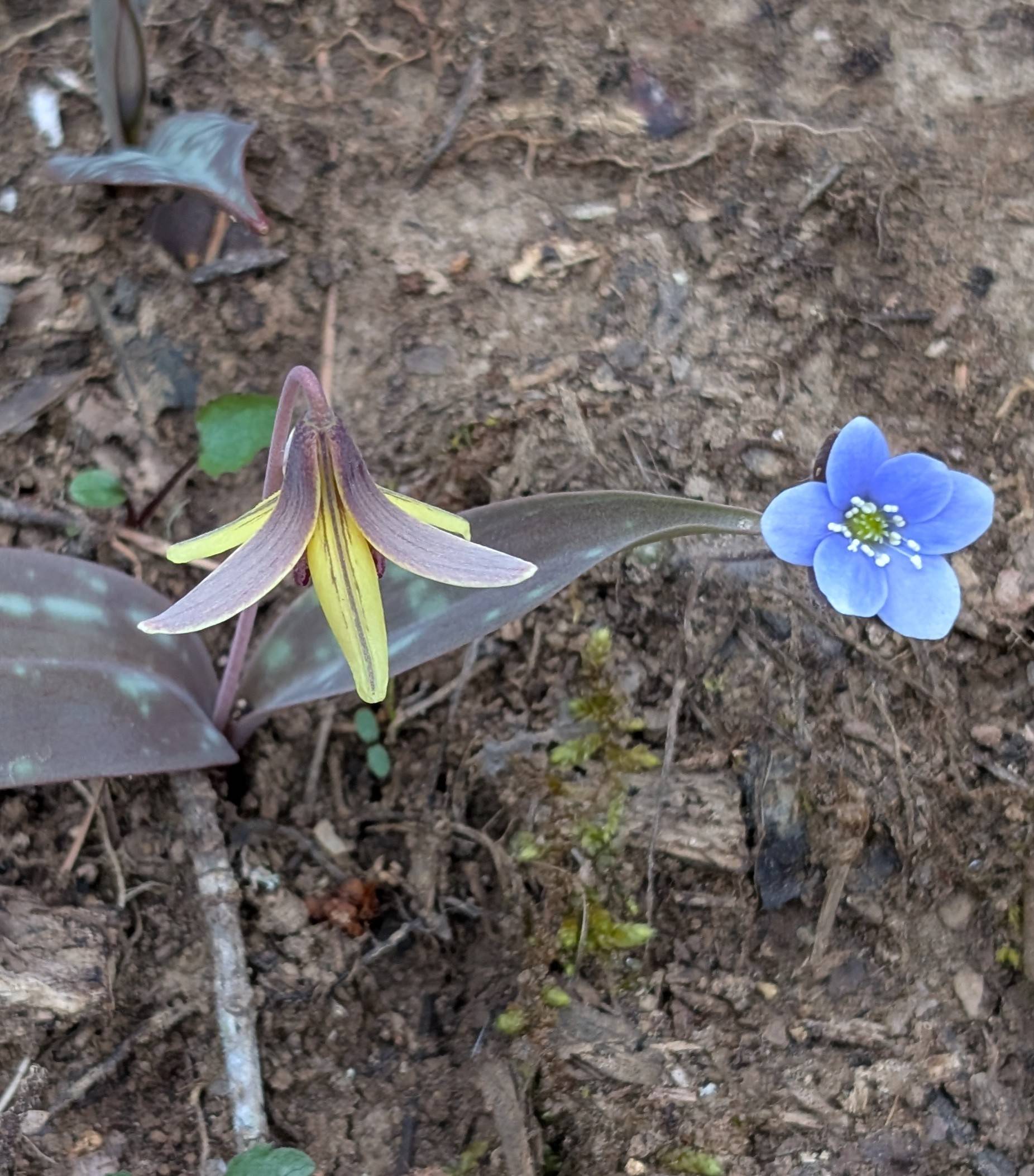
It’s my favorite time of year again, but I say that about all the seasons. The reason is that there’s always something to look forward to. In spring, though, there’s even more anticipation. The gathering warmth wakes everything up. From within the soil and in the soft layers of mulch, critters and the spring ephemerals of the forest floor stretch and show their faces to the sun.
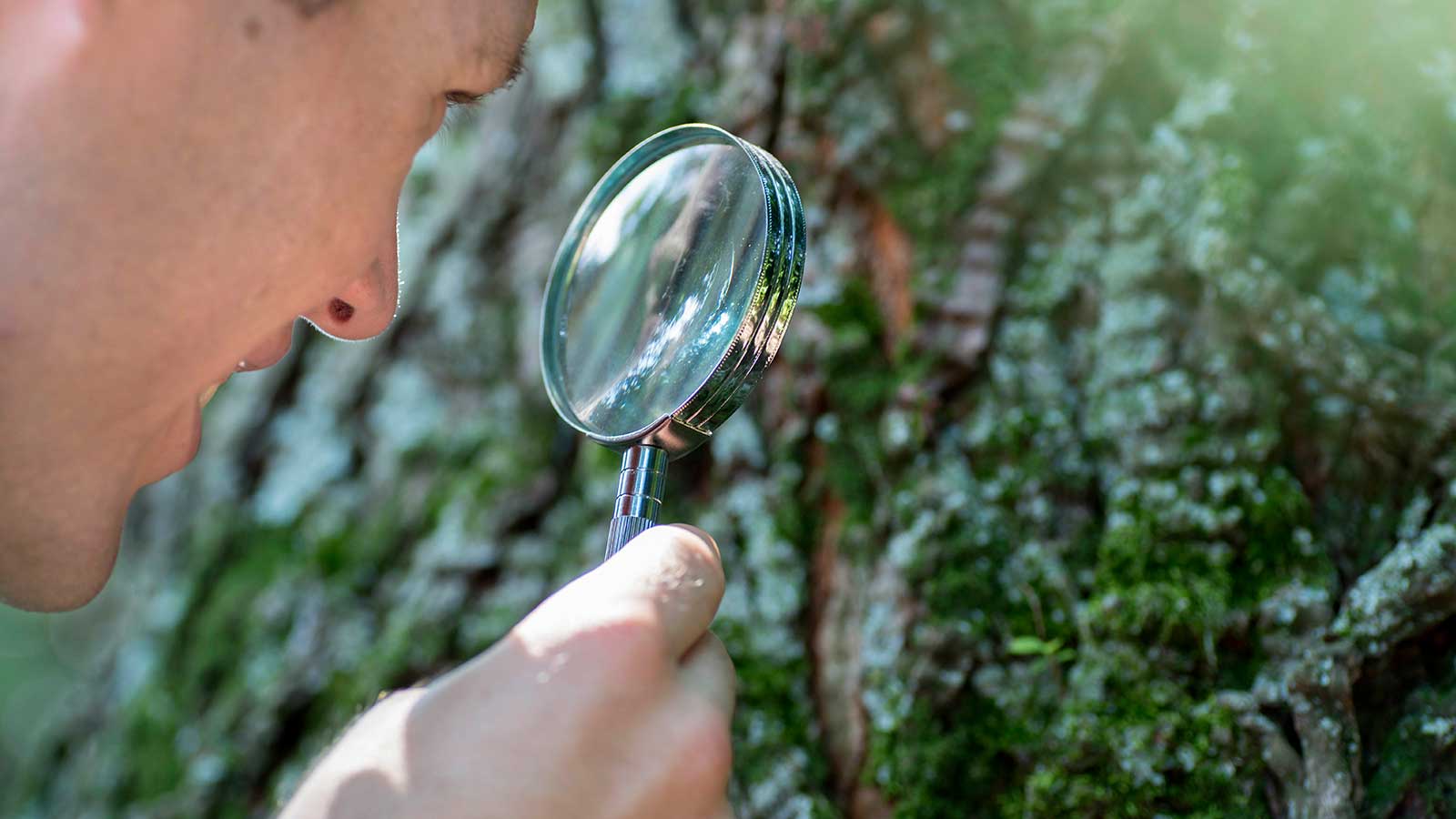
It’s a bonus that it’s often warm enough for a cold mug of beer on the back deck, resting my gaze high in the canopy. When I bring my gaze close, I also notice tiny brown beetles attracted to my frothy drink. I often have to fish them out with my fingertip. A lot of Nature relies on scent communication, some of which is detectable to us and most of which is not. But other trees and many insects detect the scent chatter that fills the forest. They know what’s really going on. We’ll get back to that in a moment.
Weather Notes
Are we still in drought even after recent rains? Yes, we are. We remain about 3.5 inches below normal. Our trees experienced a dry winter, and soil moisture deficits can be deep and slow to recover. Even if we catch up on total rainfall—which would require significant, consistent rain—those deeper deficits may persist.
Rain Summary (from RDU):
- 2.41” since 2/26 (historic average 3.35”)
- 5.57” Year-to-date (historic average 9.13”)
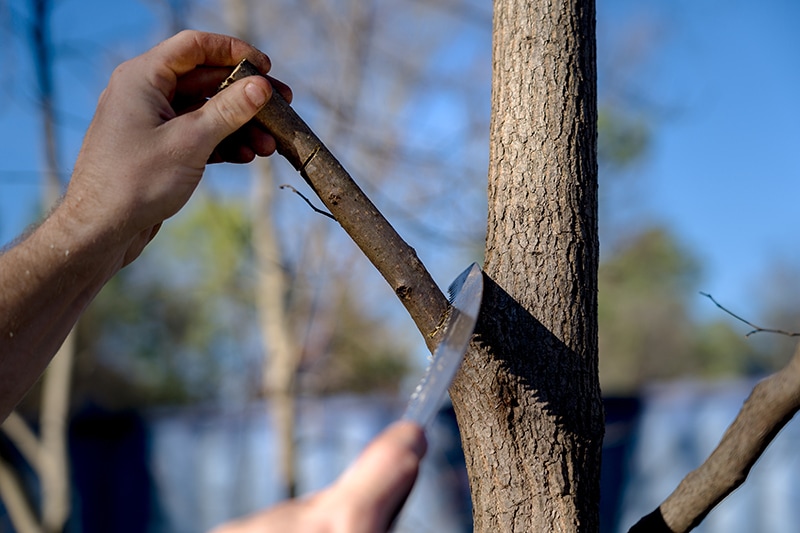
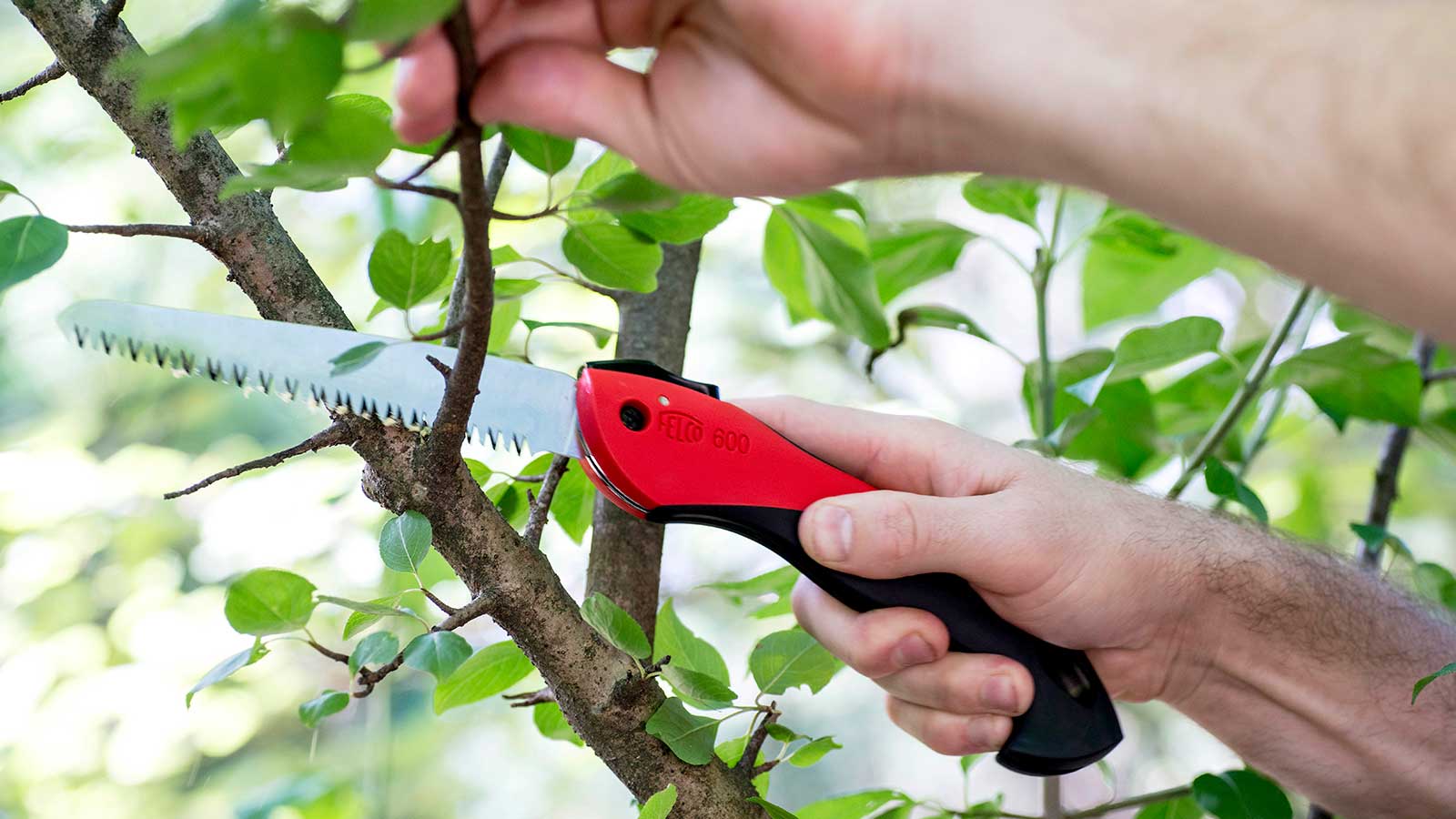
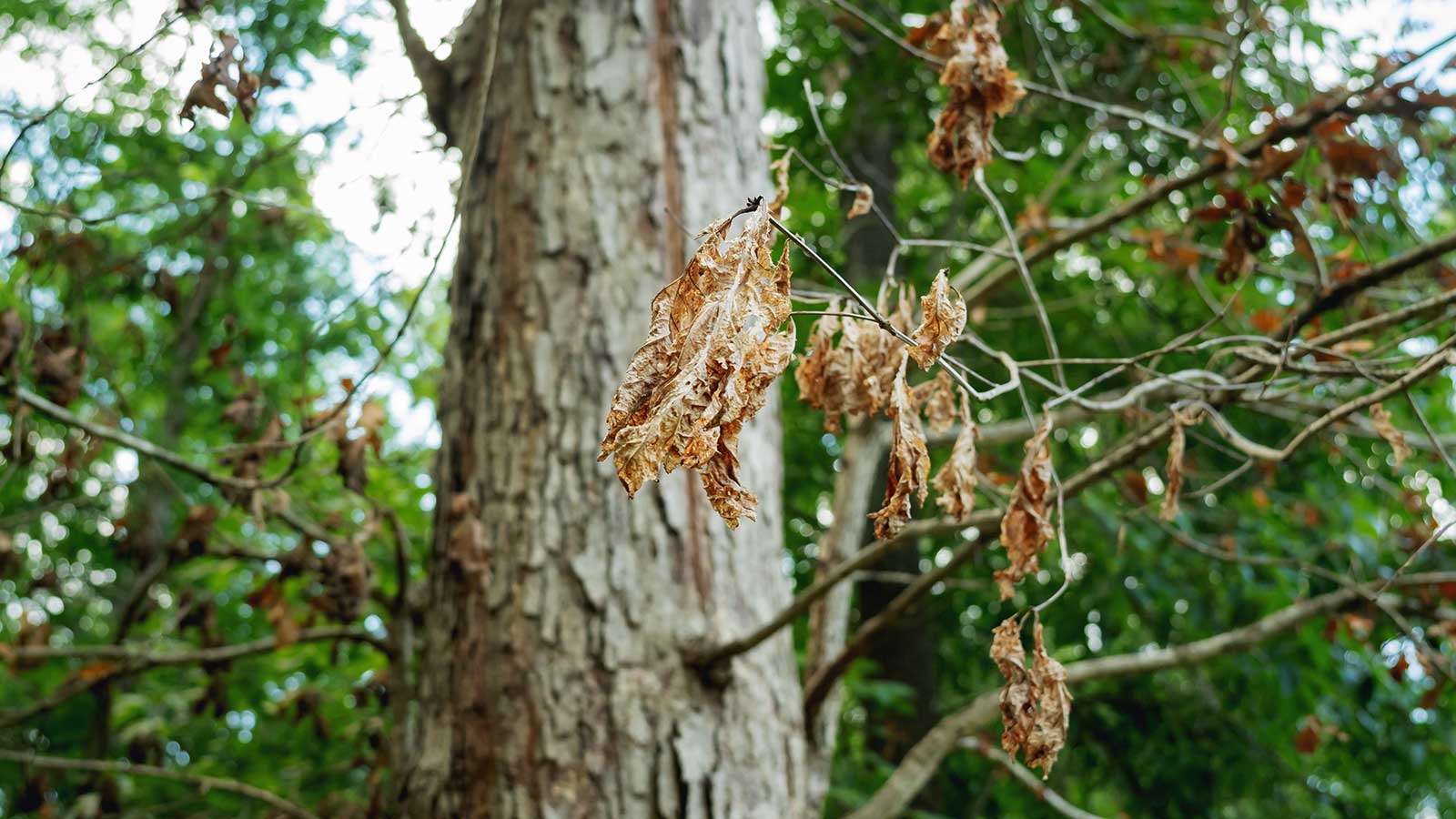
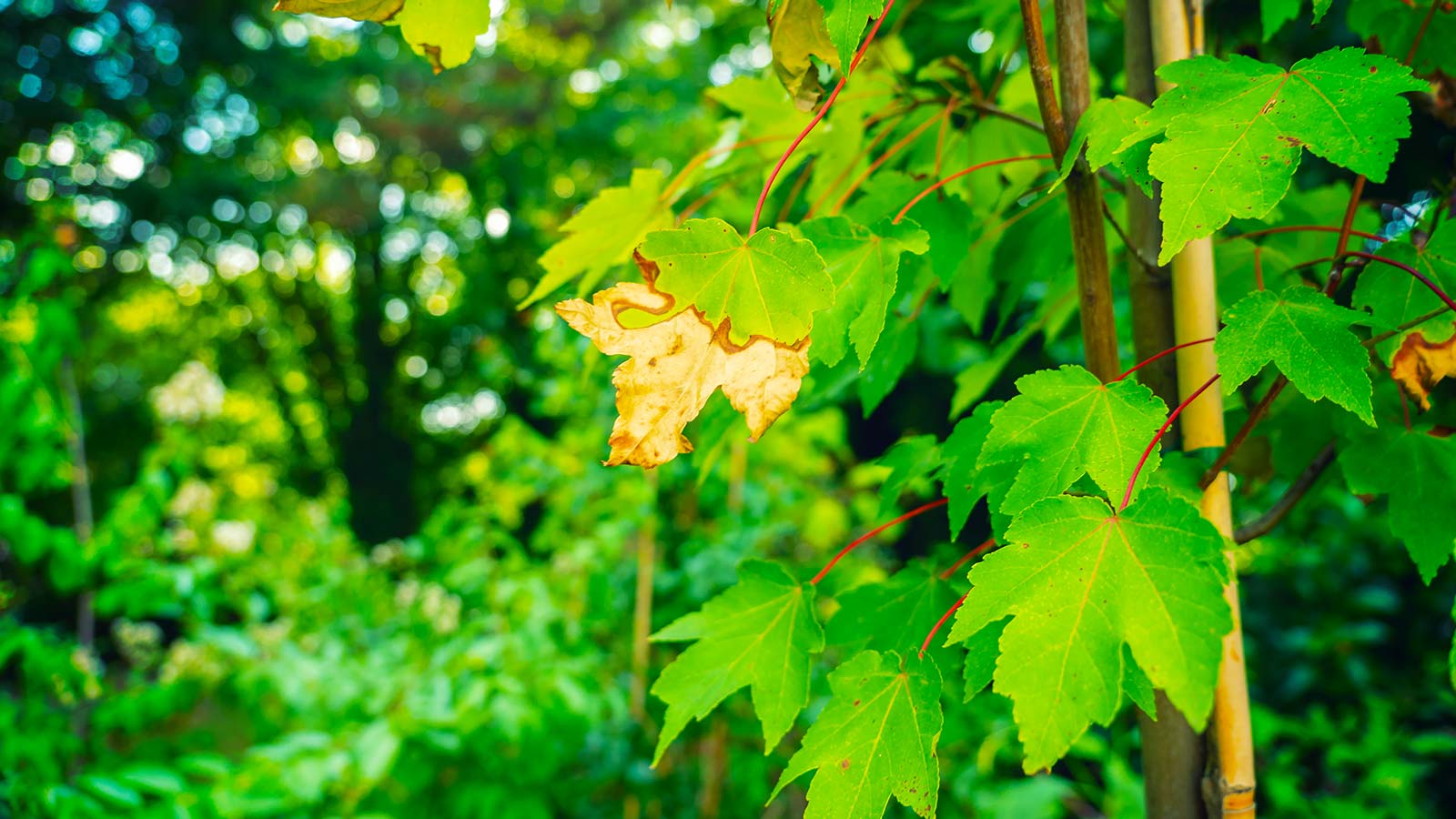
The switch between sudden cold snaps and balmy days over the last month can damage tender, unfurling buds on many trees and shrubs, presenting you with a dismaying display of brown leaves. The good news is that if your trees and shrubs are healthy, they will produce new buds and leaves. If you are worried, try this test to see if the stems are still alive.
You also may have seen some alarming headlines lately about a warm, wet spring bringing a “bug boom” — and the suggestion that it’s time to start spraying for mosquitoes. Let’s talk about mosquito sprays for a moment. In short, skip them.
Spraying only controls the mosquitoes that are in your yard at that exact moment. But the reach isn’t limited to mosquitoes. The sprays also harm beneficial insects that help keep everything else in balance. And before long, more mosquitoes will drift back in from your neighbor’s yard. Unfortunately, they don’t recognize property lines.
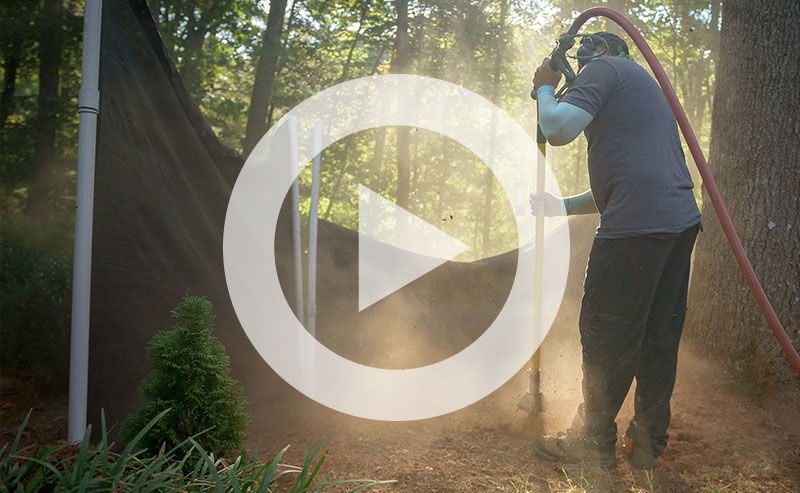
Instead, start by clearing standing water and using mosquito dunks. Our friends over at joegardner have a great video about building mosquito traps, too.
The bigger picture is this: weather shifts ripple through your entire landscape — plants, insects, soil life, and all. It’s a living system, constantly adjusting, and not something we can (or need to) control with a spray.
Yard Sleuthing: When Tree Trouble Brews
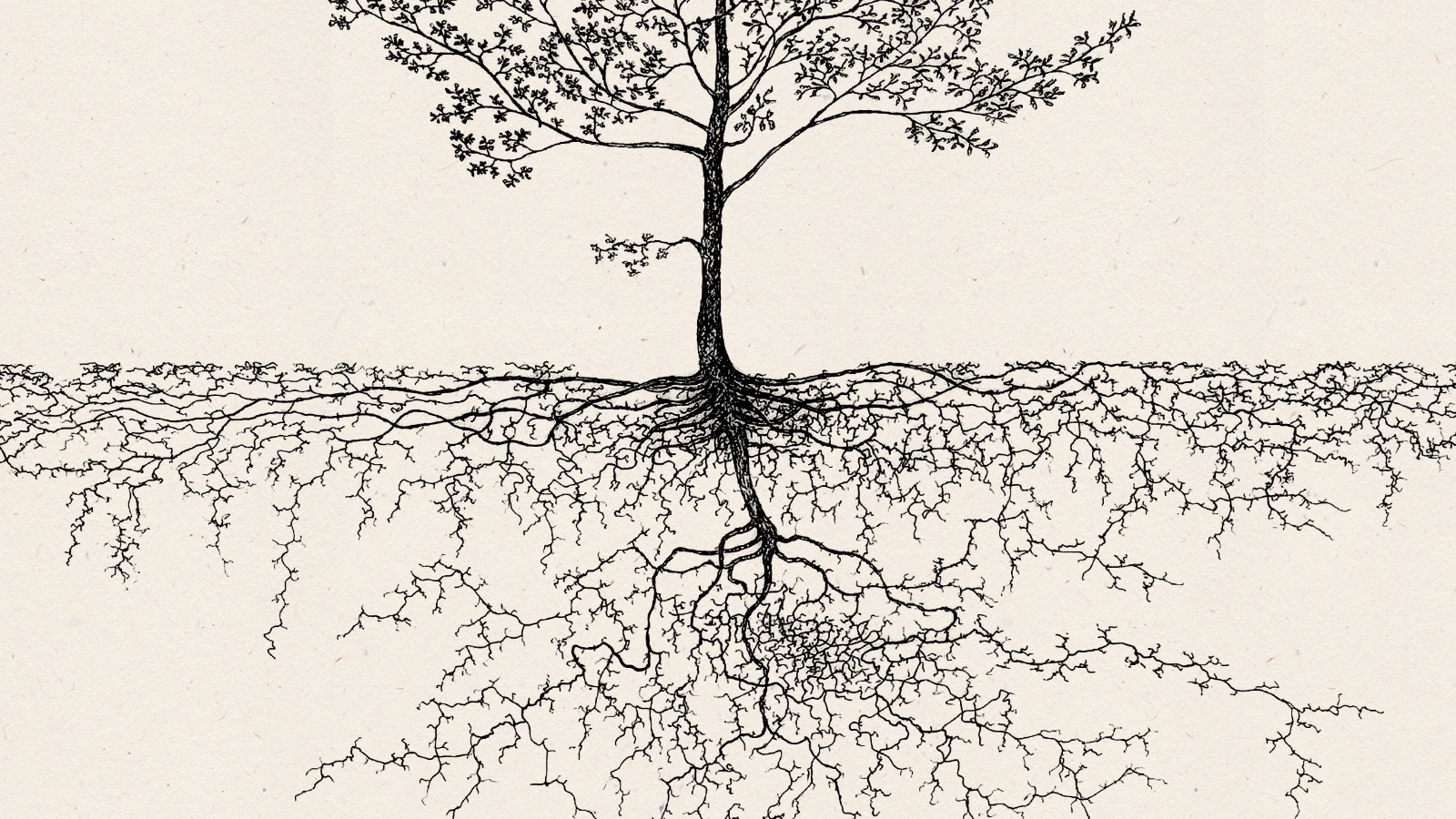
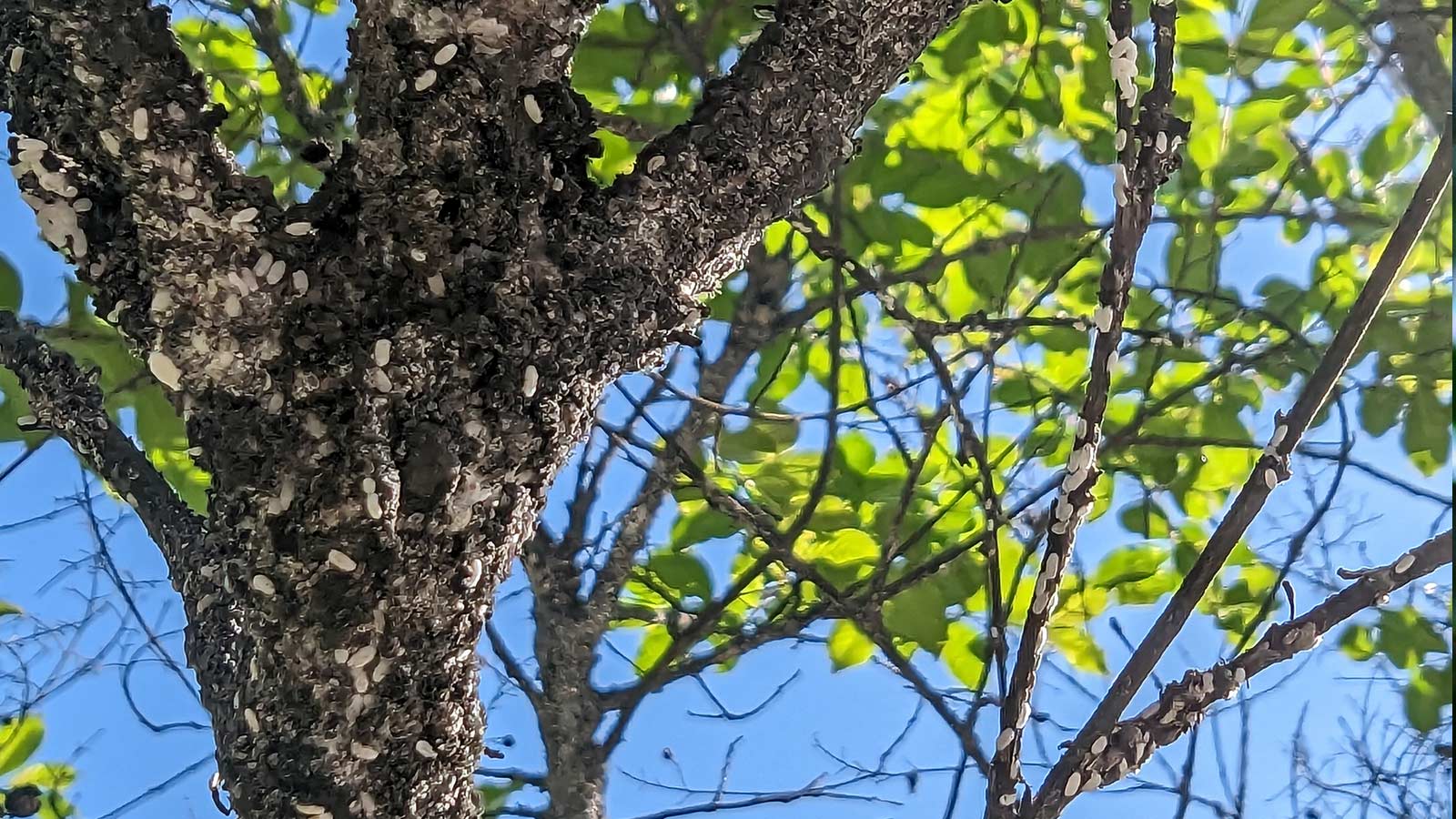
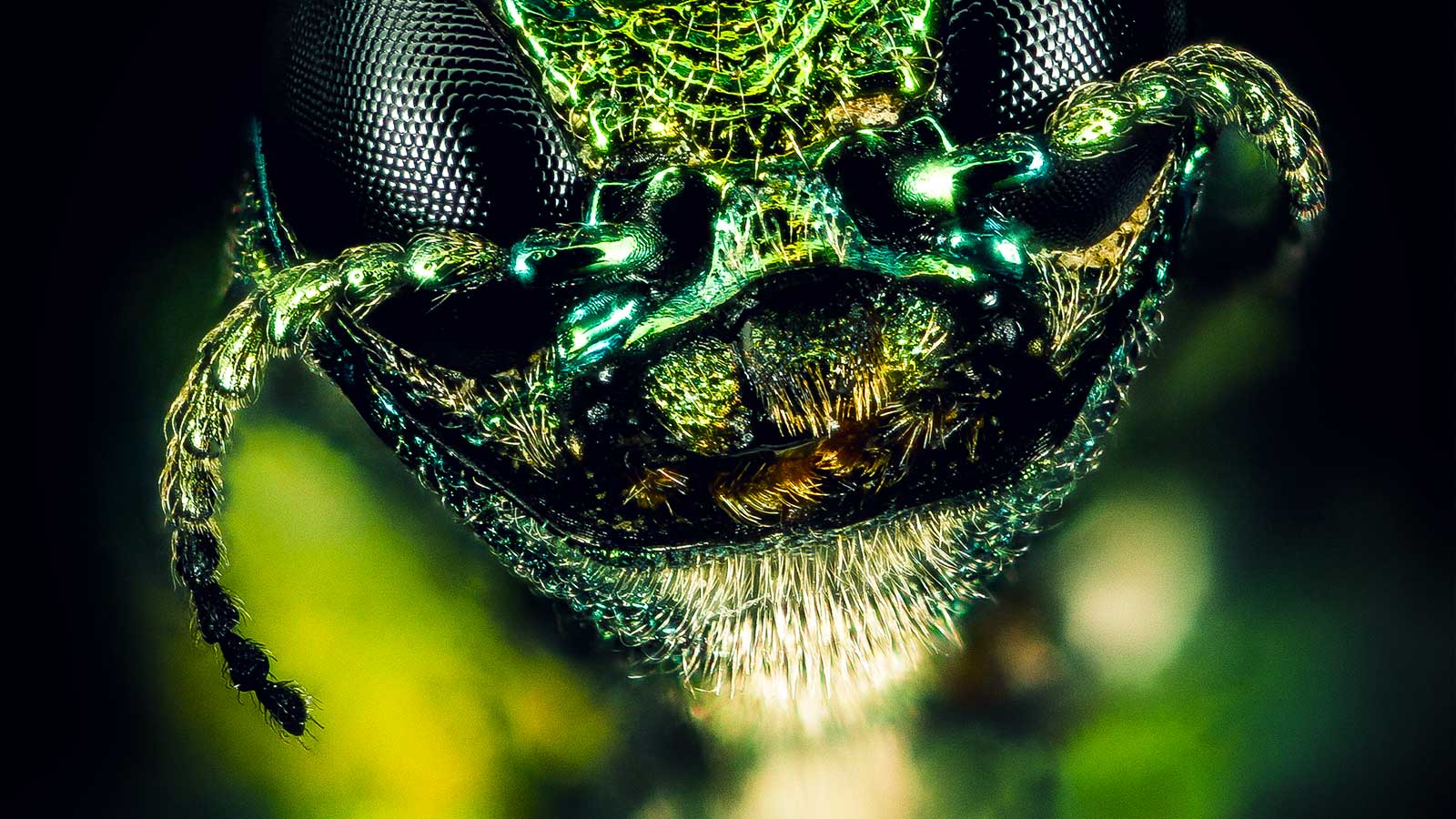
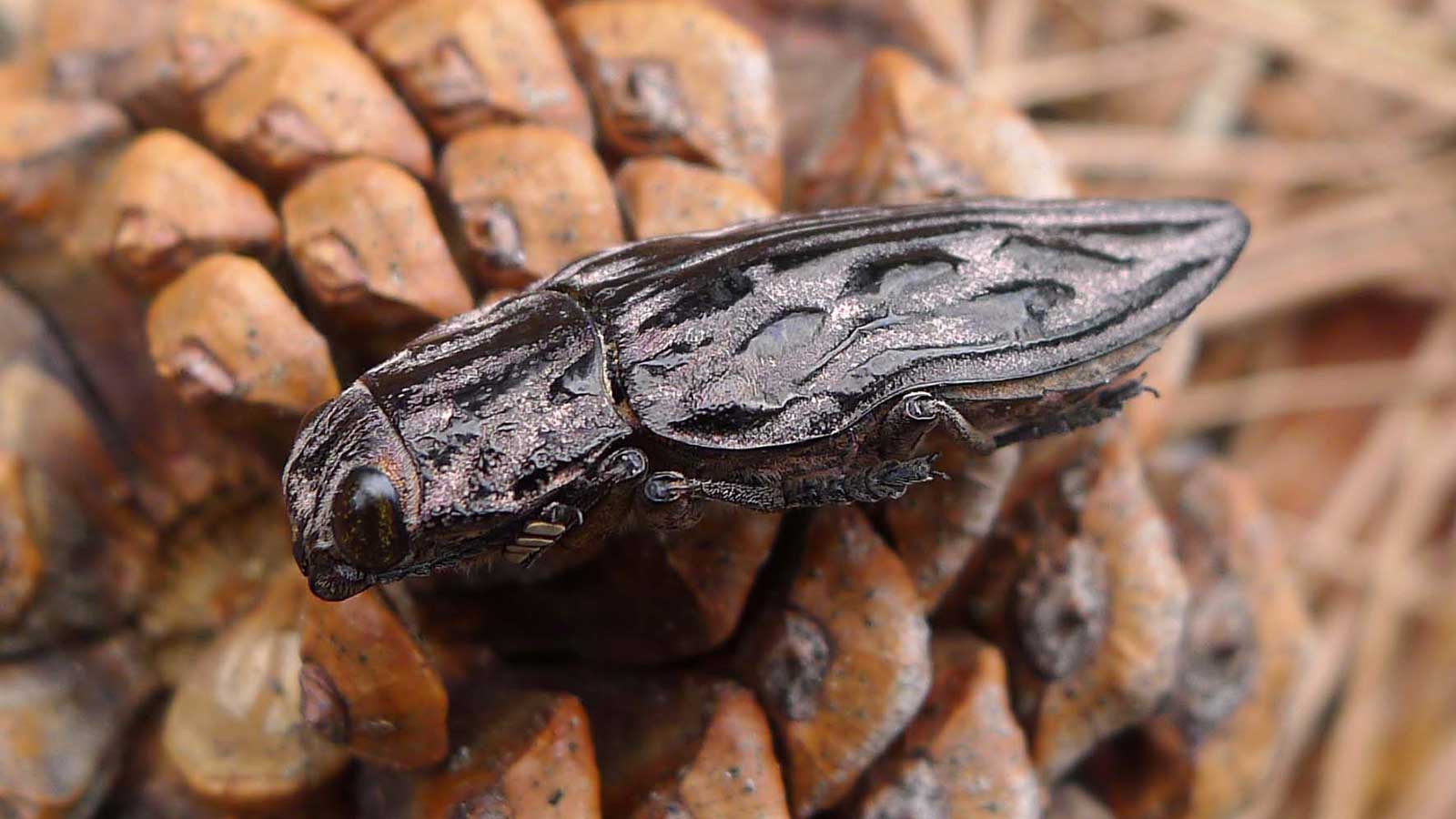
Continuing with the lesson that a lot happens around us that we cannot see, hear, or smell… this is the time of year when ambrosia beetles become active. These brown, sesame-seed-sized beetles bore into trees, lay eggs, and introduce ambrosia fungus, which feeds their larvae. They are drawn to ethanol (a type of alcohol) released by trees under severe root stress. And to make matters worse, that fungus also produces ethanol, which attracts even more beetles and compounds the problem.
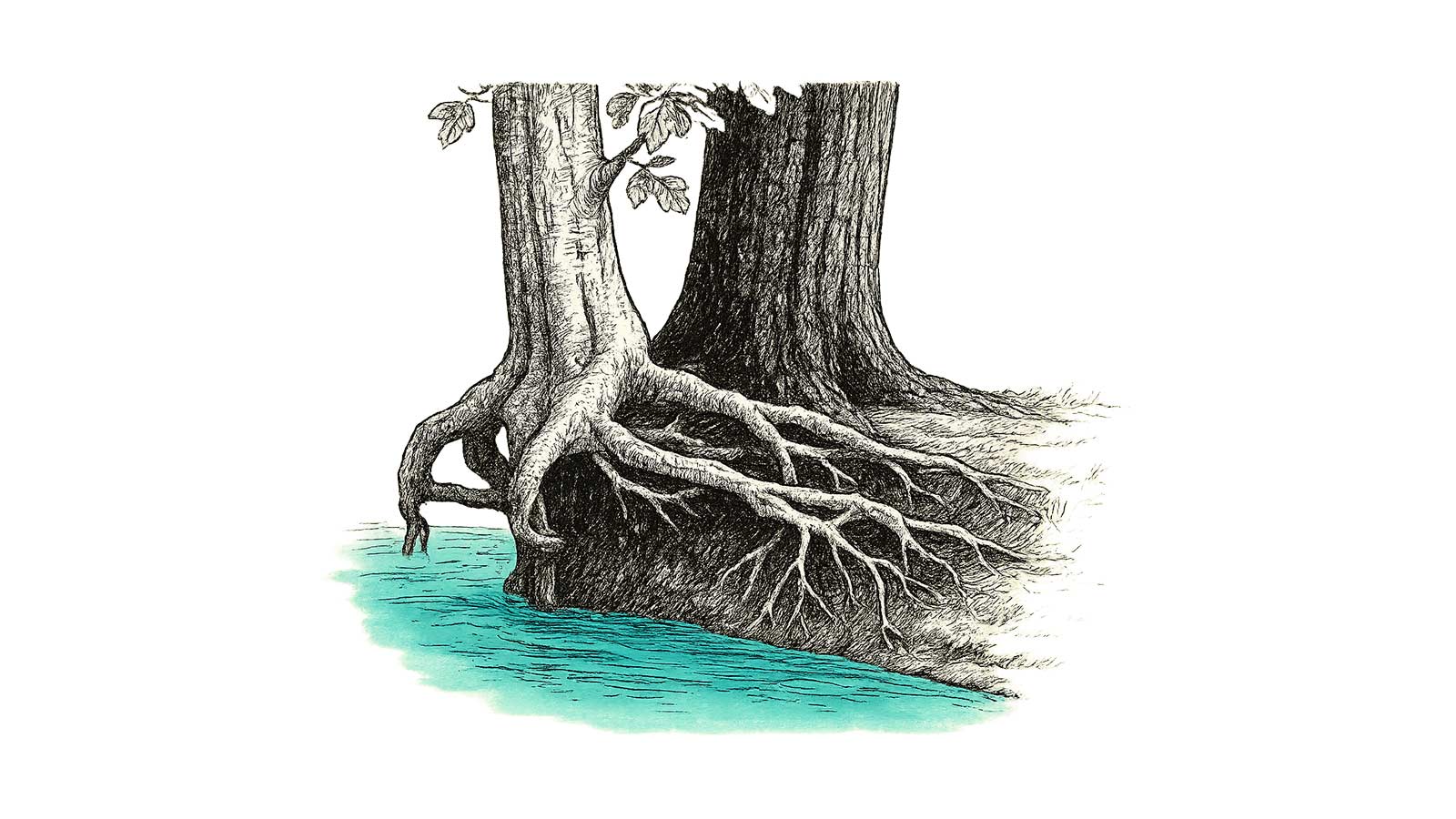
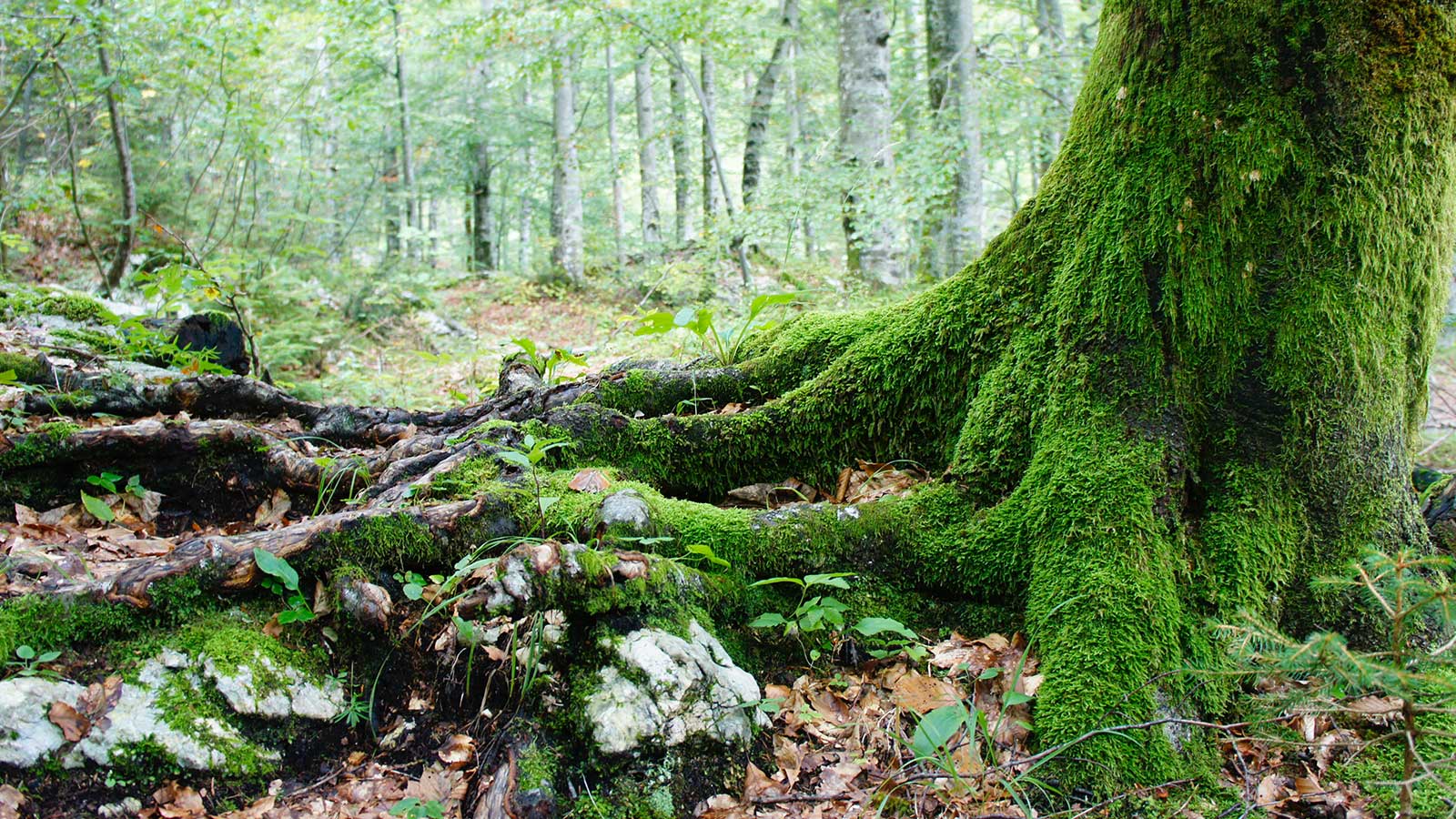
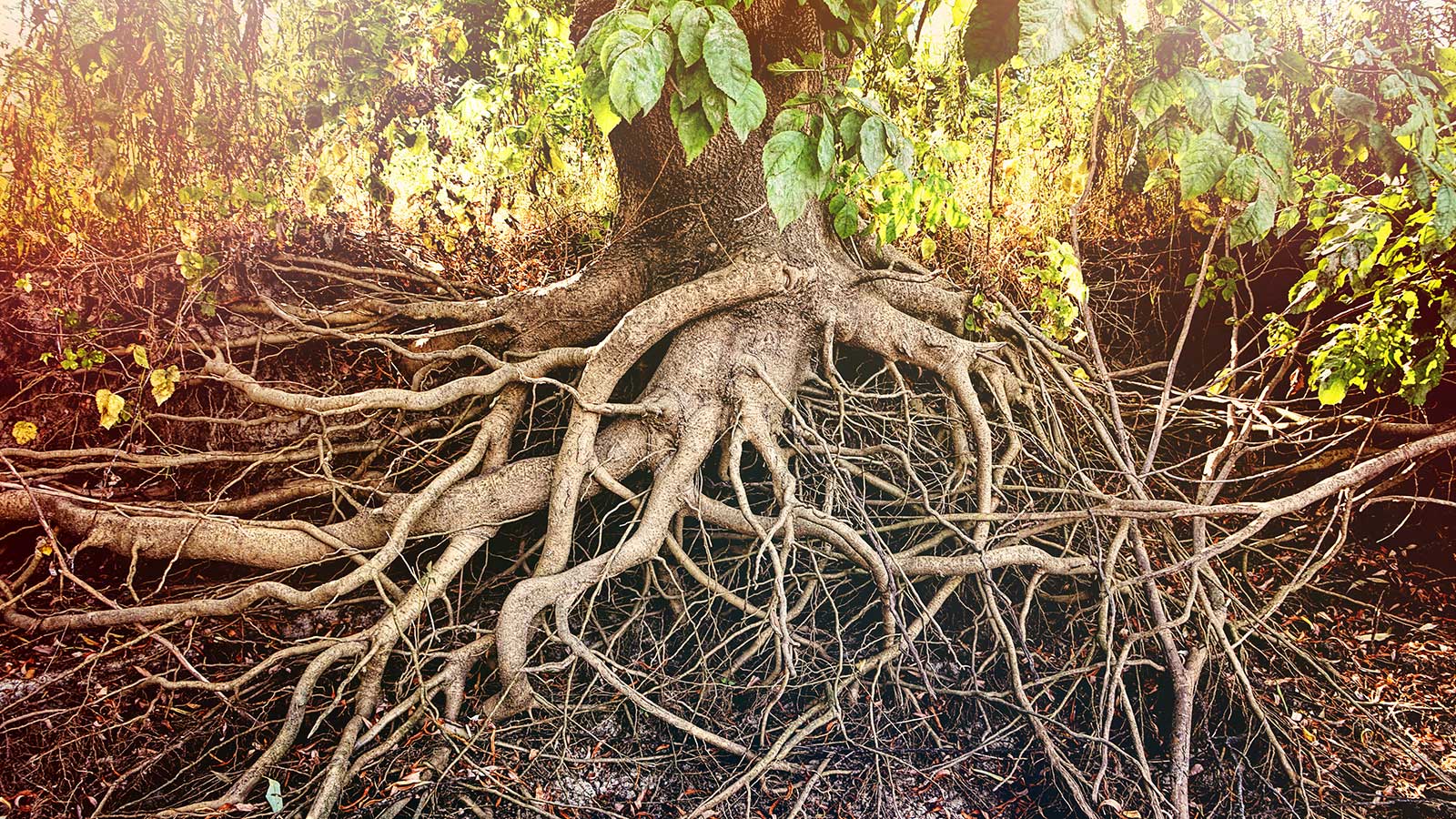
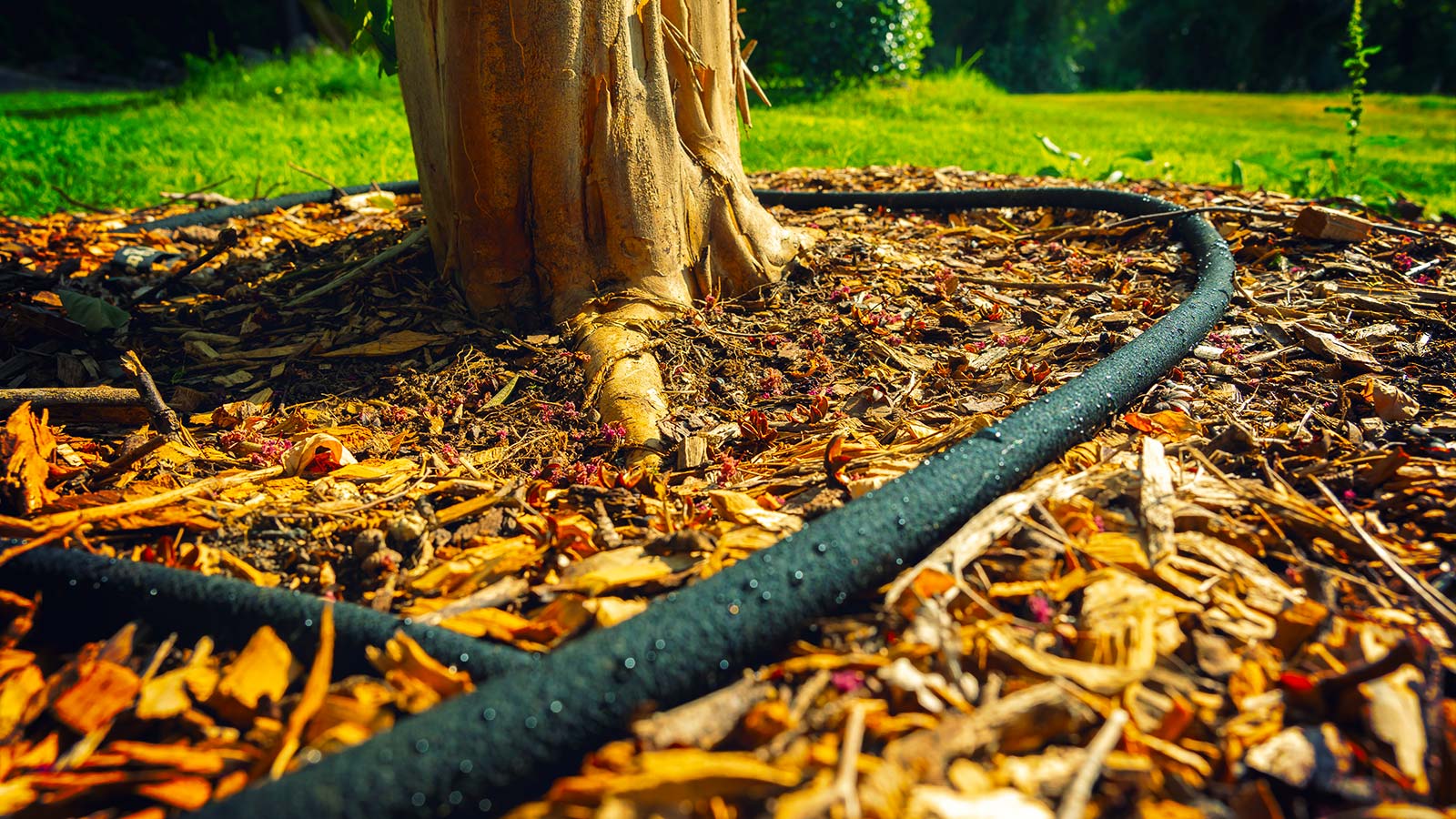
I need to get a bit “sciency” here. When trees can’t breathe through their roots aerobically, they switch to fermentation, which releases ethanol—the same process that produced the beer I was enjoying on my back deck. This process is incredibly inefficient, but it’s better than shutting down, which would mean death. Think of it like emergency backup power. Like the weak batteries in your emergency flashlight, it’s not enough to light your home during a power outage, and it will soon shut down too.
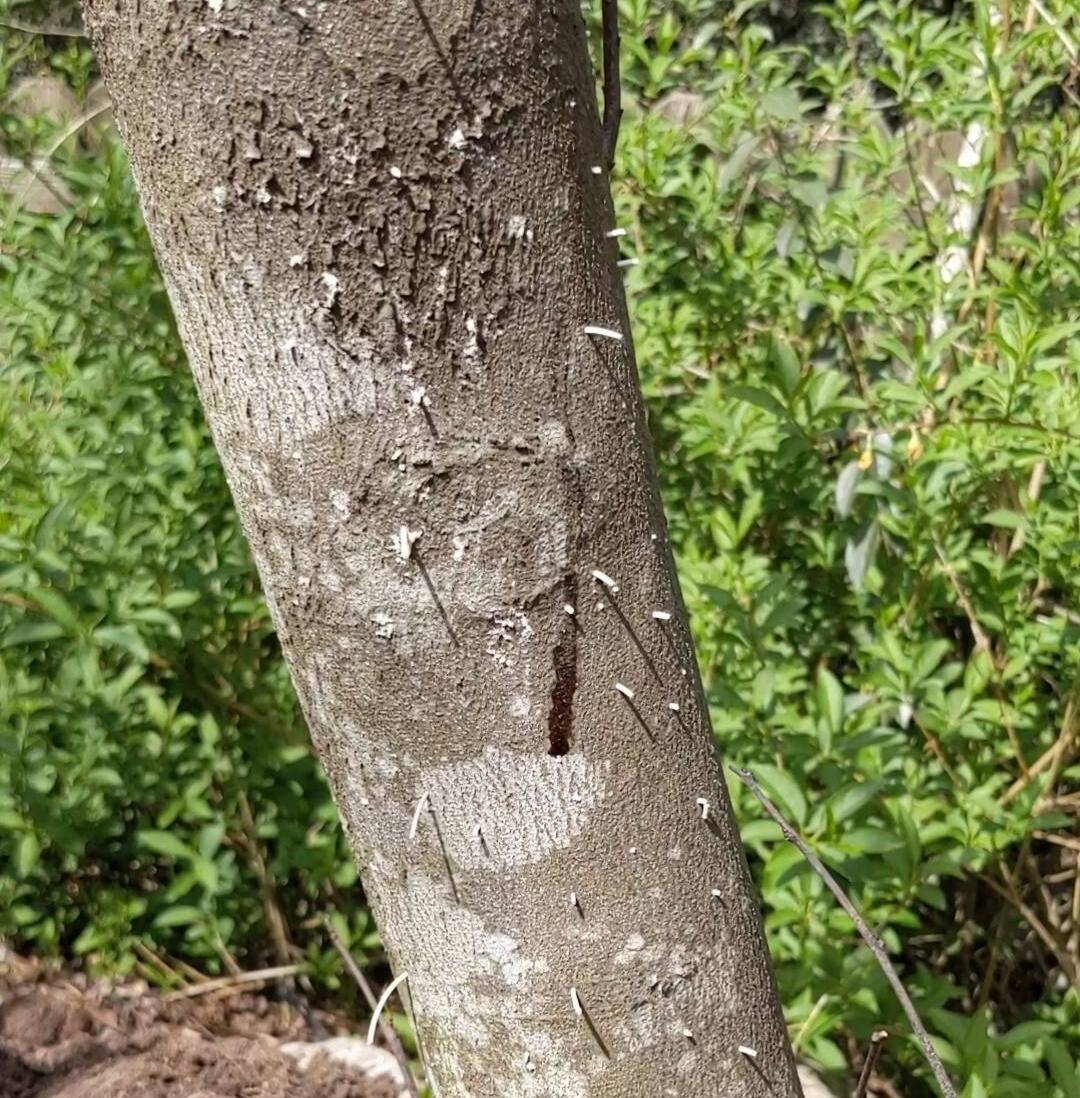
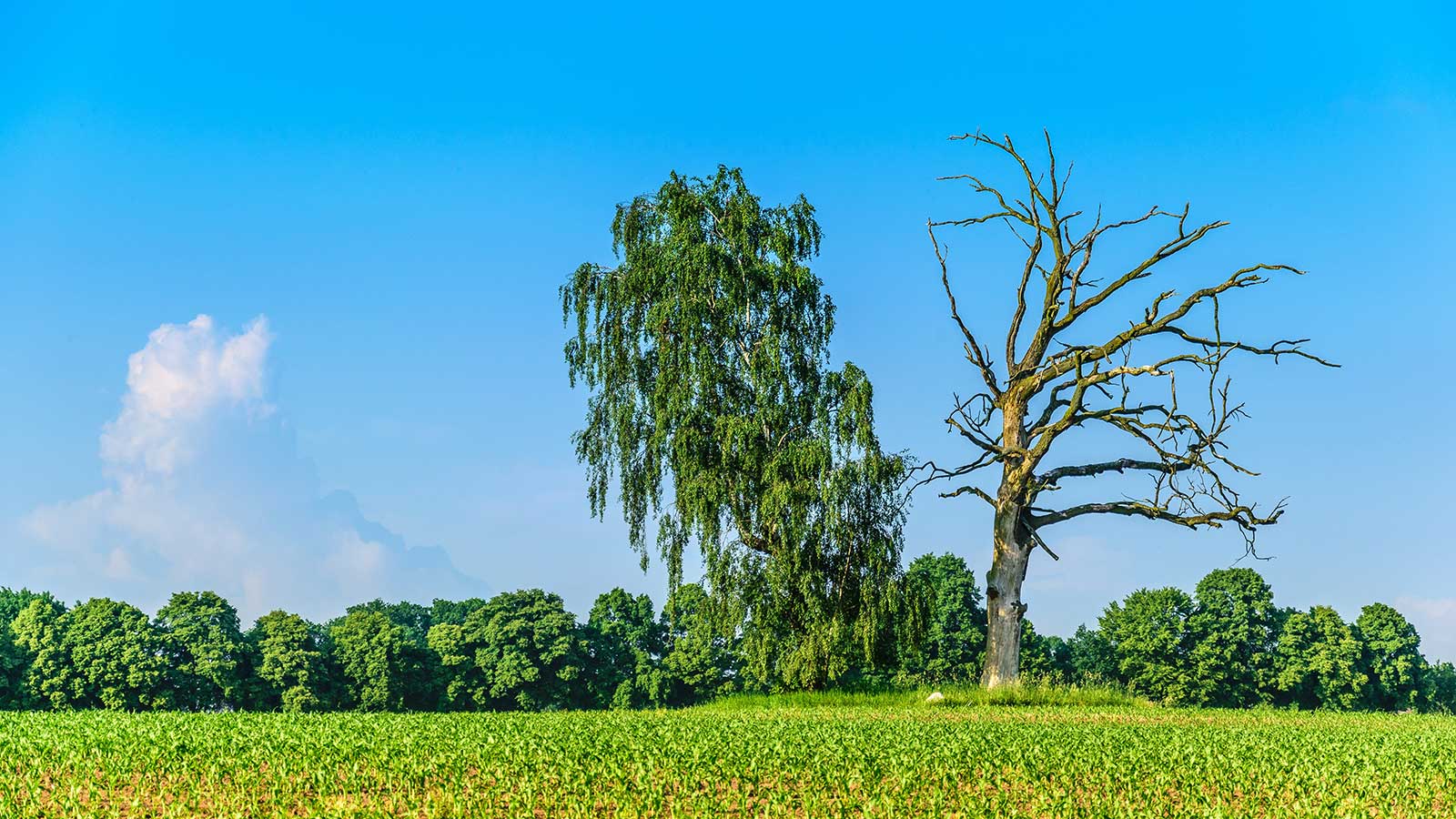
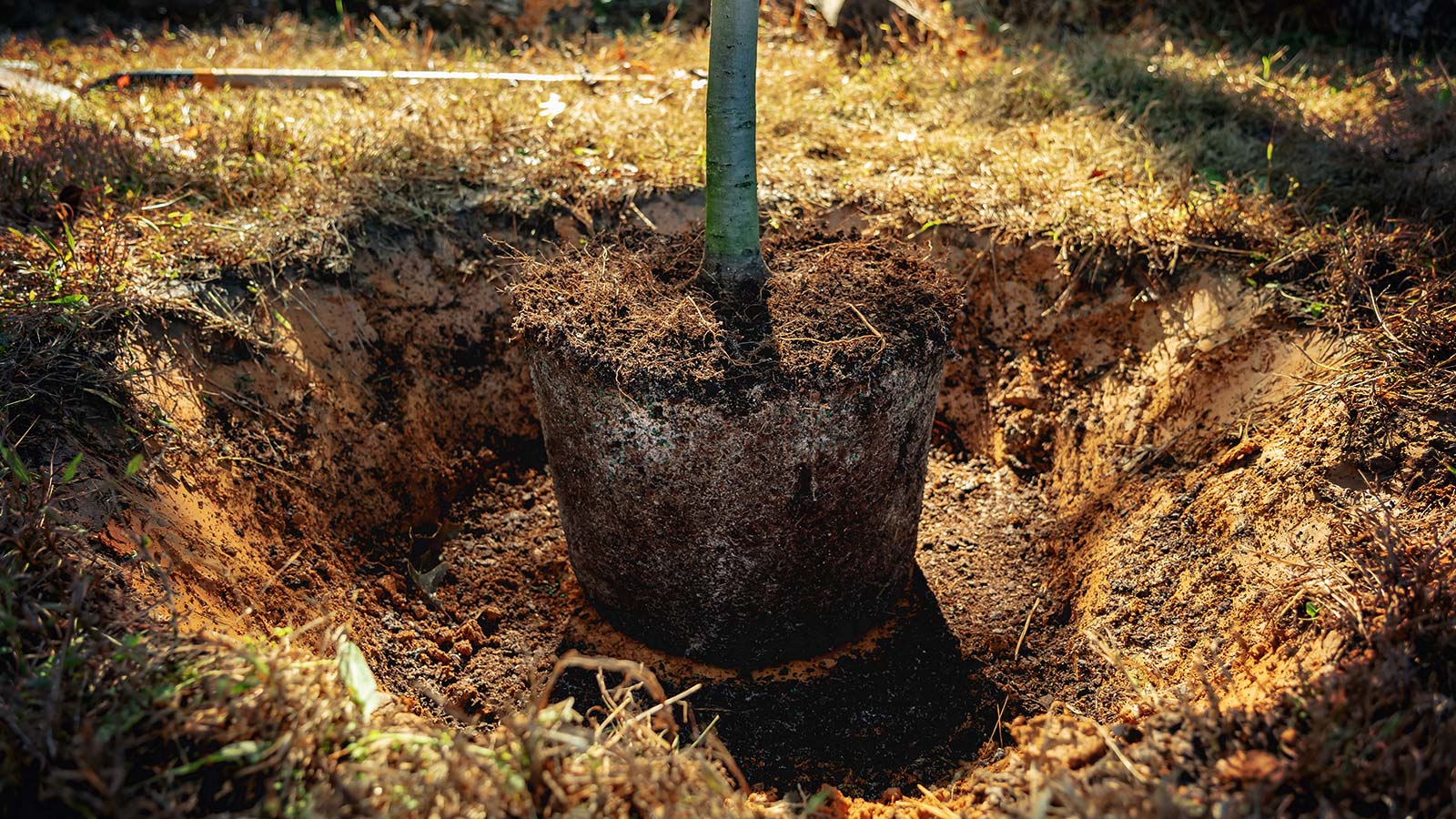
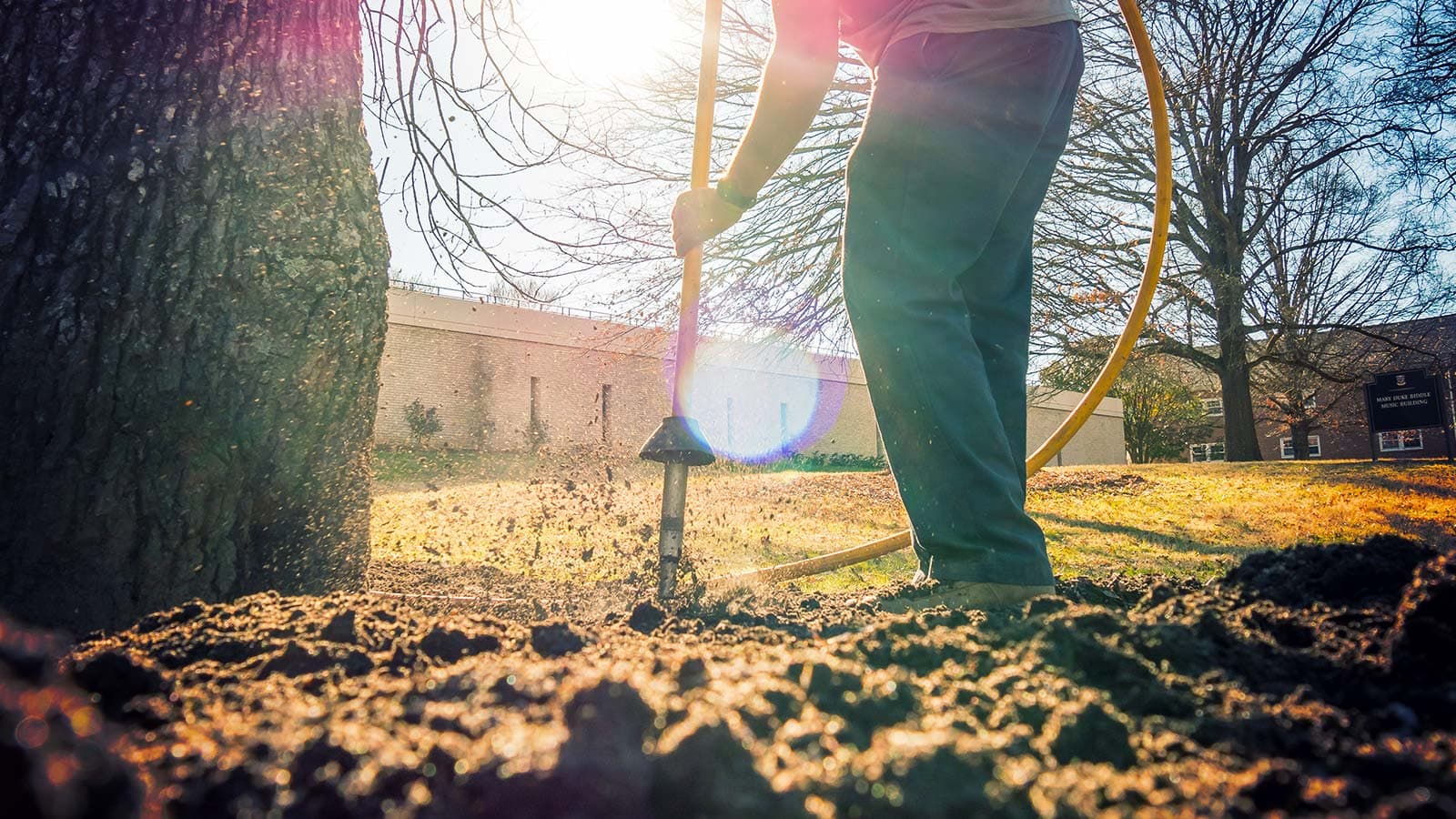
Ambrosia beetles don’t directly kill trees, but they are warning you that your trees are suffocating. By the time the beetles show up, your trees are in serious respiratory distress. Mature trees can recover if soil conditions are fixed, but young, newly planted trees rarely survive. Waterlogged or compressed soils are the main culprits. We have treatments that can help reduce the impact of ambrosia beetles. Send us a message, and a Treecologist can help you figure out the right direction.
Digging Deeper on “Spring Clean-up”
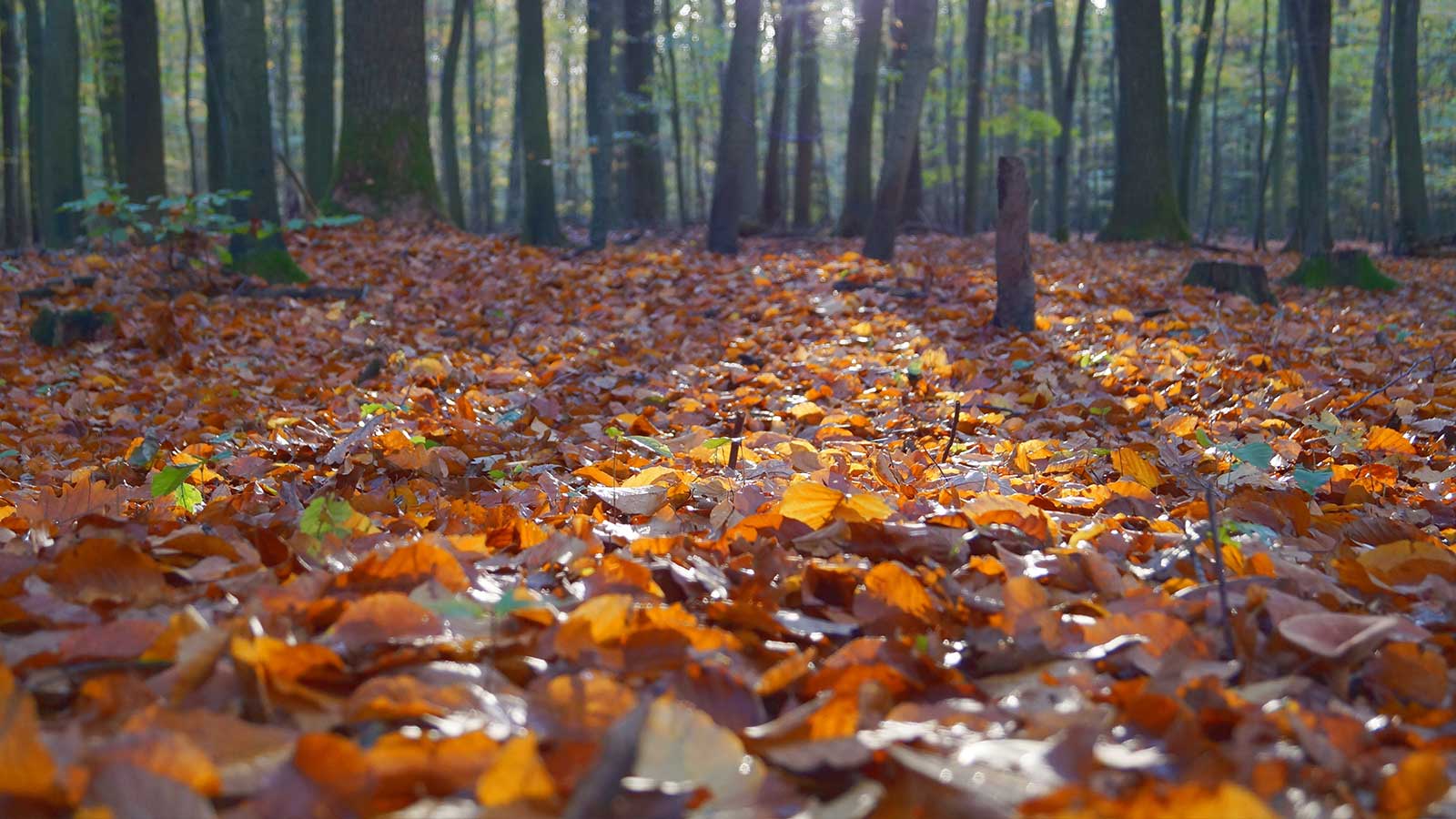
Many of us are now familiar with the “leave the leaves” and “save the stems” campaigns that promote a gardening ethic focused on conserving nutrients and habitat for the tiny critters that will make their homes in our yards if we let them. We know this is beneficial, just as we know that eating sensibly is good for us. However, the message truly resonates when we understand some of the research behind it, and, more surprisingly, the subtlety of when and how to do any “clean-up” that calls for it.
-
If you really want to know why you should “leave the leaves,” check out ecologist Max Ferlauto’s research on why this practice is so beneficial. Dive into Margaret Roach’s interview with Max.
-
More locally, a study from NC State Extension offers guidance on when and how to remove spent stems, while protecting nesting and overwintering sites for native solitary bees and wasps. It’s more nuanced than you might think.
Plant of the Month: Longleaf Pine (Pinus palustris)
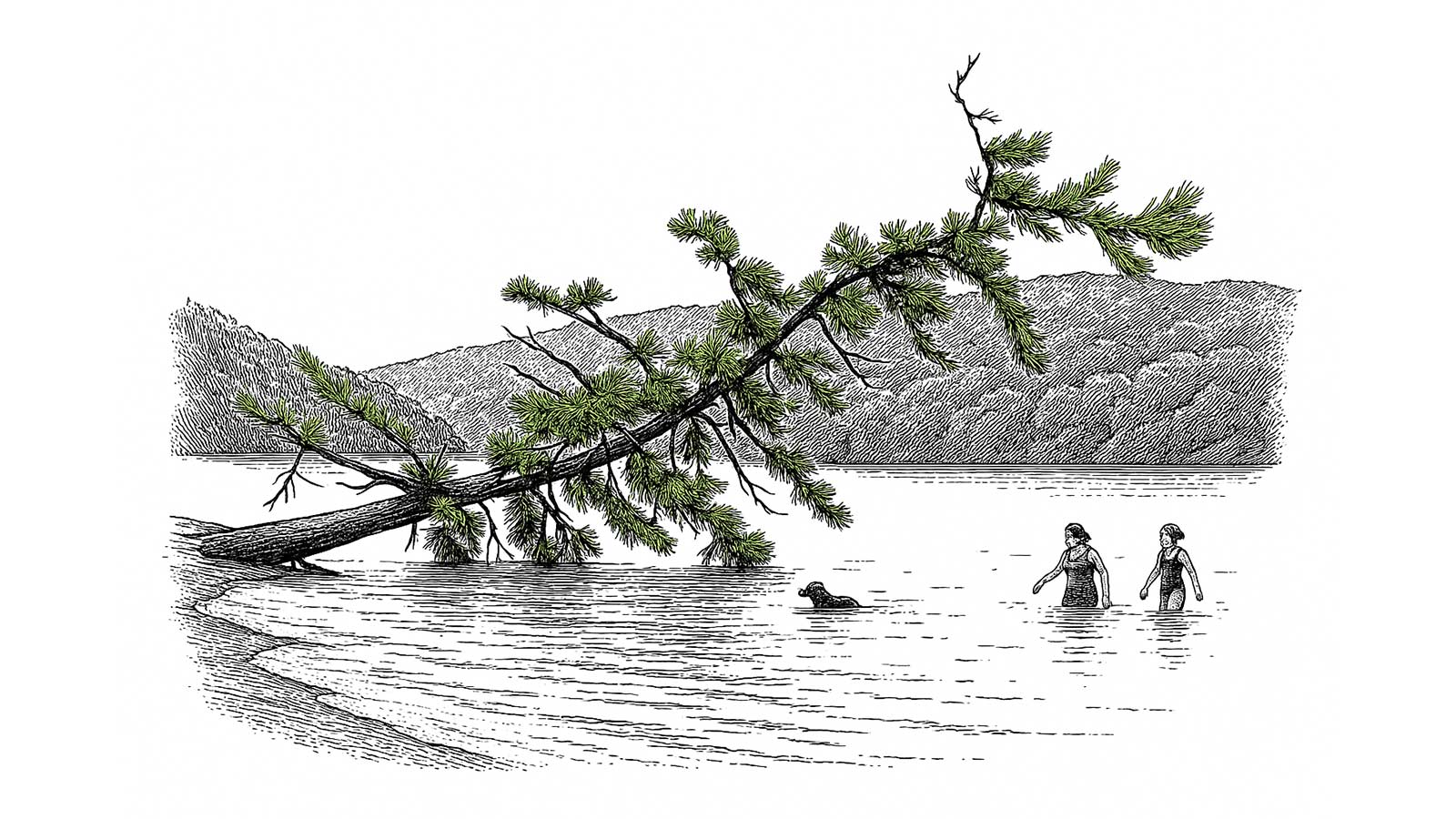
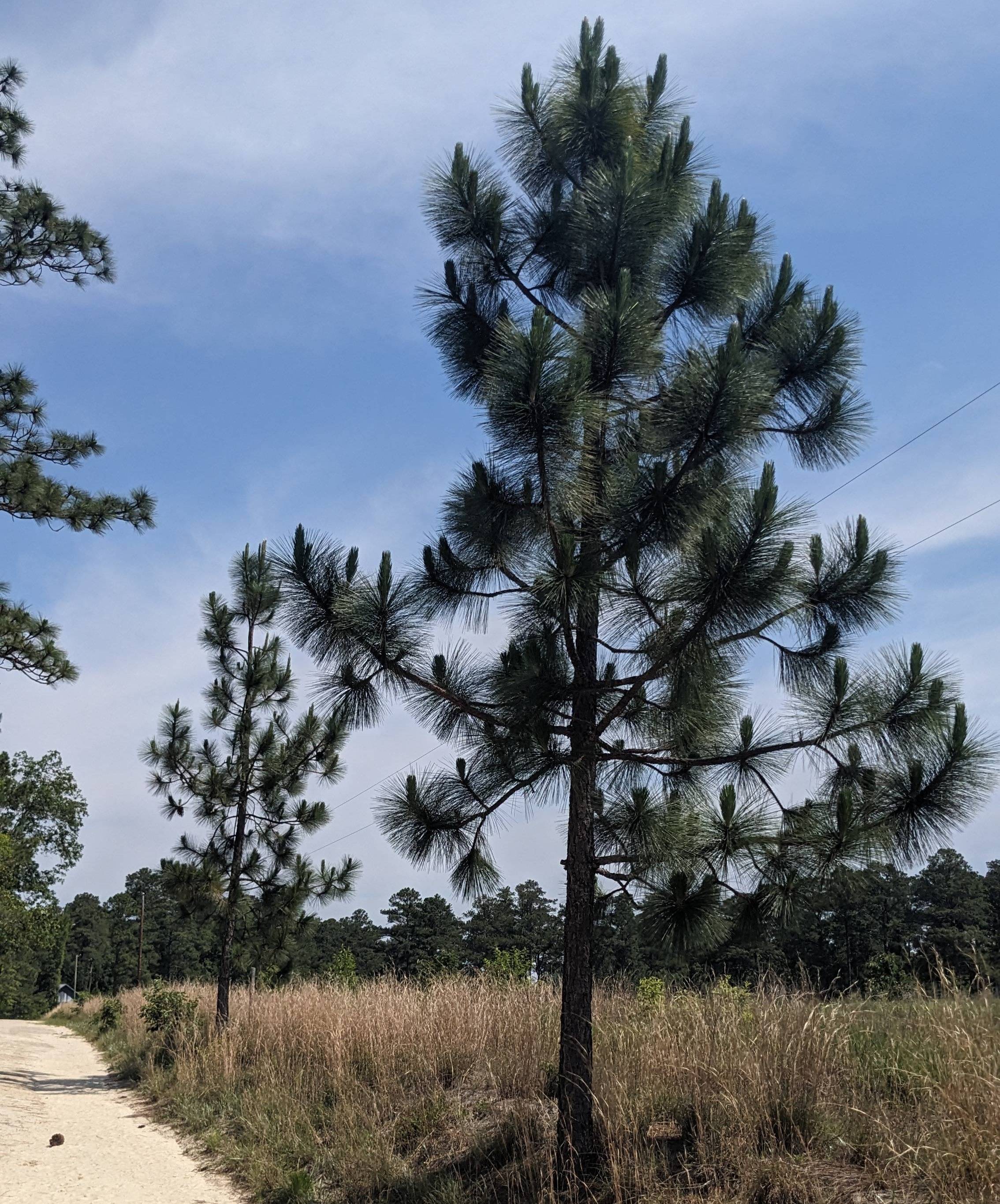
Did you know that the pine tree is North Carolina’s state tree? Just pine—no mention of which species. I’m going to pretend it’s the longleaf pine because I’m drawn to them. Since it’s so interesting, this entry will be longer than usual.
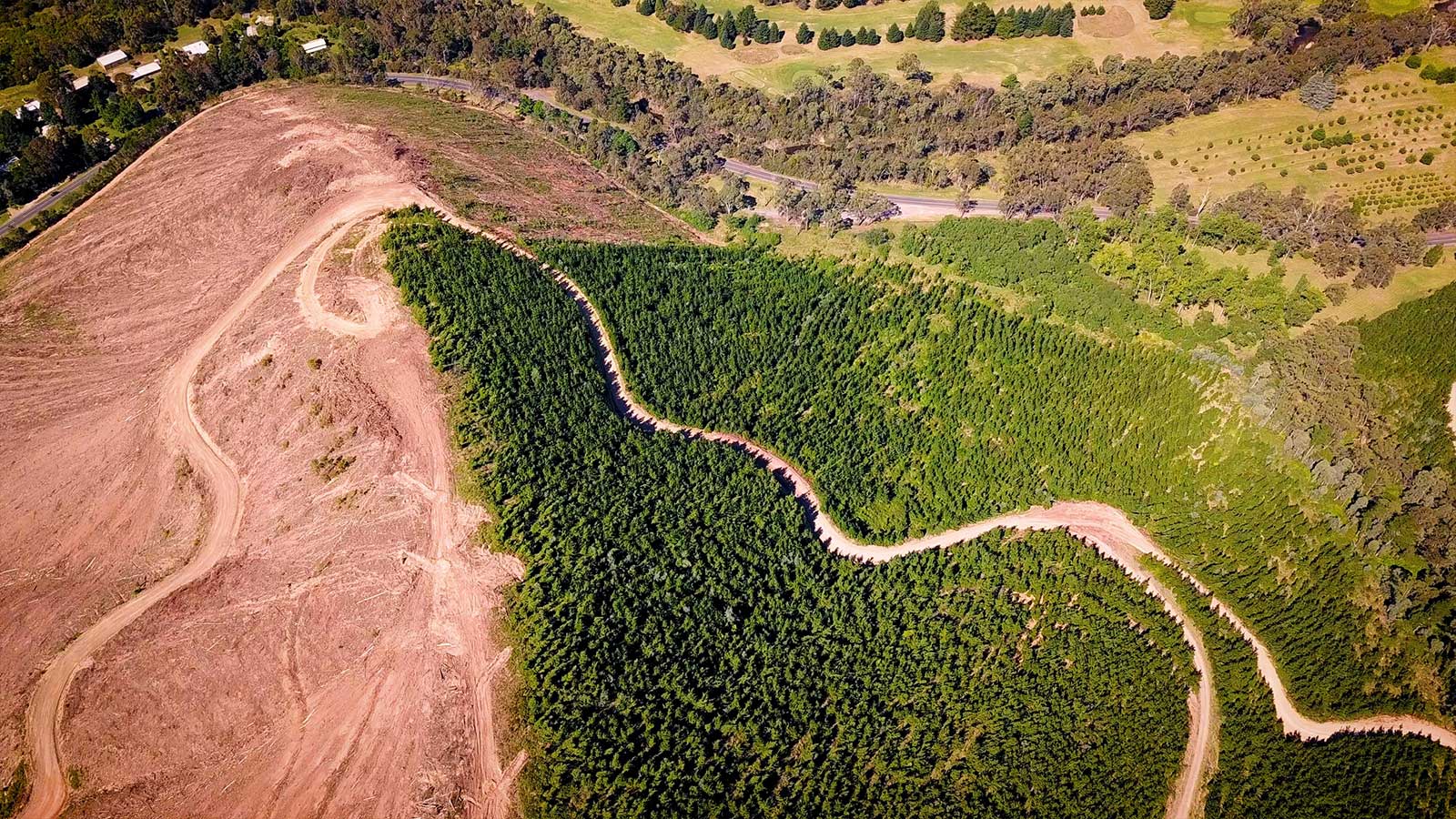
Longleaf pine is a fire-adapted species that once spread extensively across the southeastern US from Virginia to Texas. It was valued for its exceptionally straight wood and the pitch and turpentine, which were important naval supplies during the age of sail. That’s why less than 5% of its original range still exists.
- It can be 60 to 100 feet tall, like most of our pines.
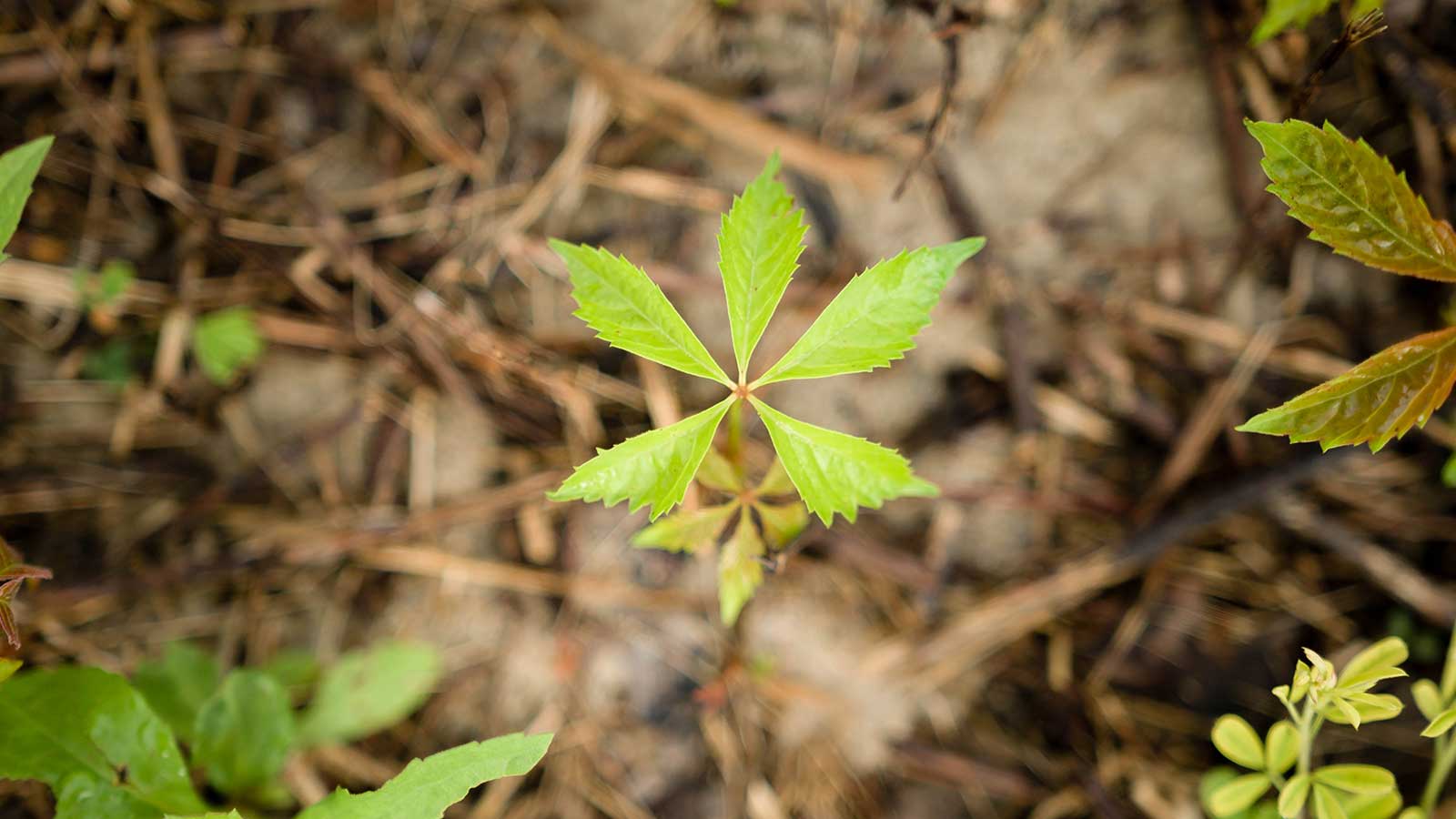
- A unique lifecycle – It lives for 2 to 7 years, looking like a tuft of grass, where the bud is protected from fire. Then it shoots up rapidly. Overall, it has a moderate growth speed for pines.
- Very long-lived at 300 to 500 years.
- Named for its needles that can be 8 to 18 inches long.
- The huge cones are up to 10 inches long.
- The focus of some of the biggest American ecosystem restoration projects currently underway.
If you are patient and have space, consider adding some longleaf pine to a new landscape instead of the more common loblolly pine, especially if you have sandier or well-drained soils. These pines are more deeply rooted, have stronger wood, and are therefore more resistant to storms and drought than loblolly.
Discover more about these remarkable trees and the diverse ecosystems they support through The Longleaf Alliance and America’s Longleaf Restoration Initiative. Even if you don’t have space for a longleaf of your own, learning more about this historically iconic Southern tree is worth it.
Q&A: Are Pine Trees Dangerous?
Q: Should I remove my pine trees? I worry about them in storms
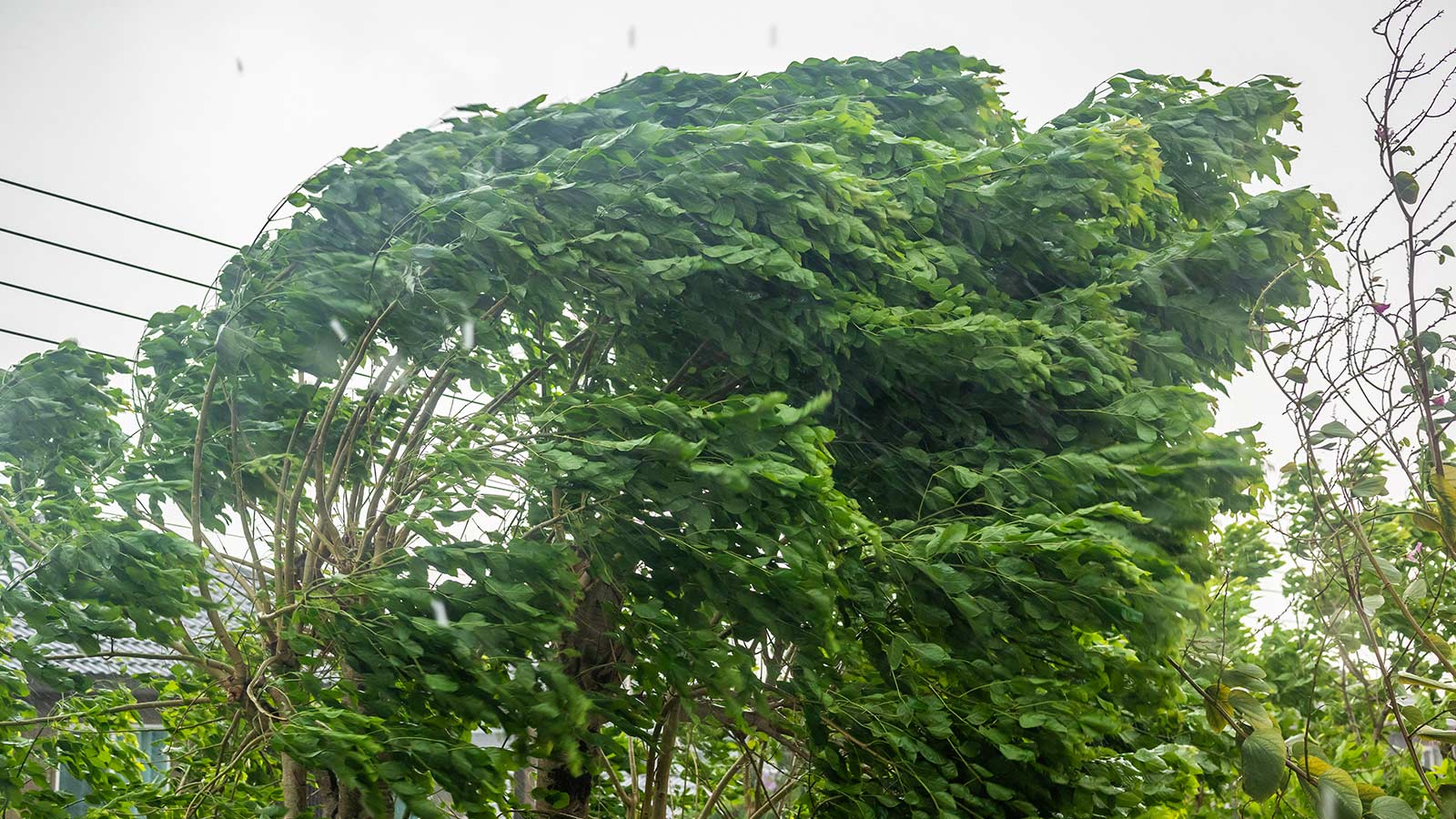
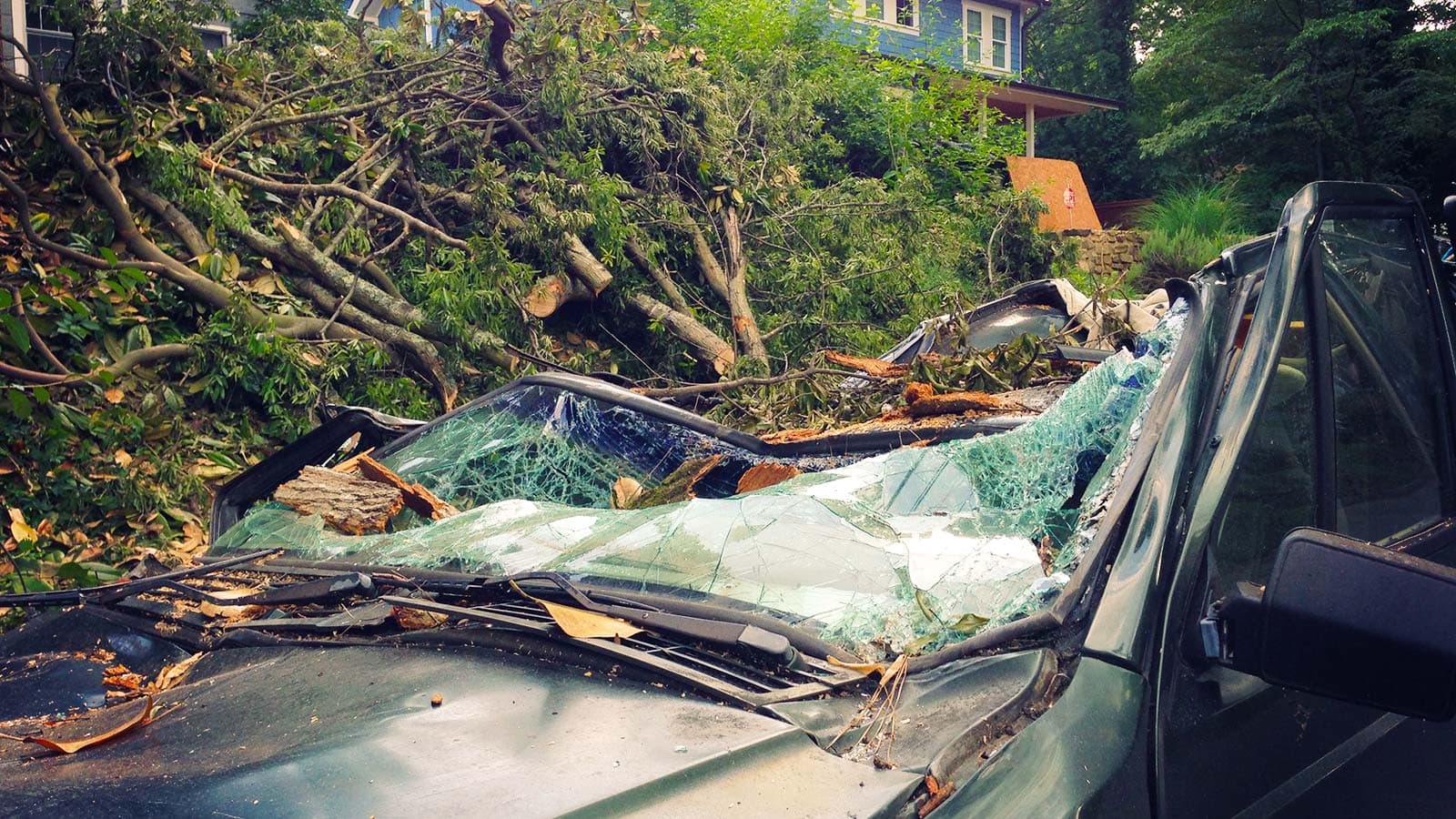
A: Kelly (famed L&L crew leader) tells me that he often hears from homeowners that they are concerned about their pine trees. That’s understandable. They are very tall, with long straight trunks that sway in the wind. But we should not worry too much about our pines. Here’s why:
- Strong, flexible trunk and a tapered form, designed to sway in the wind
- A crown shape that reduces wind drag
- Needles that allow wind to pass through easily
- Pines in groups or with other trees are even stronger because the roots intertwine, and wind force is dissipated amongst them
How to tell if your pines could be hazardous:
- They have recently been exposed when nearby trees have been removed
- There has been construction nearby or underneath them that may have damaged their roots or compressed the soil.
If you are unsure about your pines, contact one of our Treecologists for an assessment.
Some Things To Do Around Town
If you didn’t get a chance to watch Basil’s webinar with Wild Ones, From Wasteland to Wonder – Easy Ways We Can Help Heal Earth in the Sub/Urban Landscape last month, you can watch it now. And if you don’t have the book From Wasteland to Wonder yet, y’all ought to get it! (The digital version is free.)
Have you ever wanted to make an impact at the national level? Now’s your chance. The scientists behind the National Nature Assessment have continued the work independently despite the project being cancelled and are inviting the public to participate. You can read, comment, and contribute your own observations before May 30, helping shape a living record of what people across the country are seeing in nature.
Want to make a dramatic statement in your garden with bold and beautiful native plants? Attend the annual Evelyn McNeill Sims Native Plant Lecture on April 12th, 2026 – Native Swagger: Turning Heads with Native Plants at the North Carolina Botanical Garden in Chapel Hill.
Come say hello to us at the Chapel Hill Garden Tour. We will be stationed at the Allison Garden on April 23rd, 2026 from 10 am - 3 pm to answer all of your tree care questions.
Come visit us at Earth Day in Dix Park in Raleigh on April 24th, 2026. There will be lots to do for the whole family.
On April 25th, join the largest cleanup in US history! Keep Durham Beautiful, in partnership with the Greatest American Cleanup campaign, is organizing a morning of cleanup for Durham.
One Last Thing: Go Outside
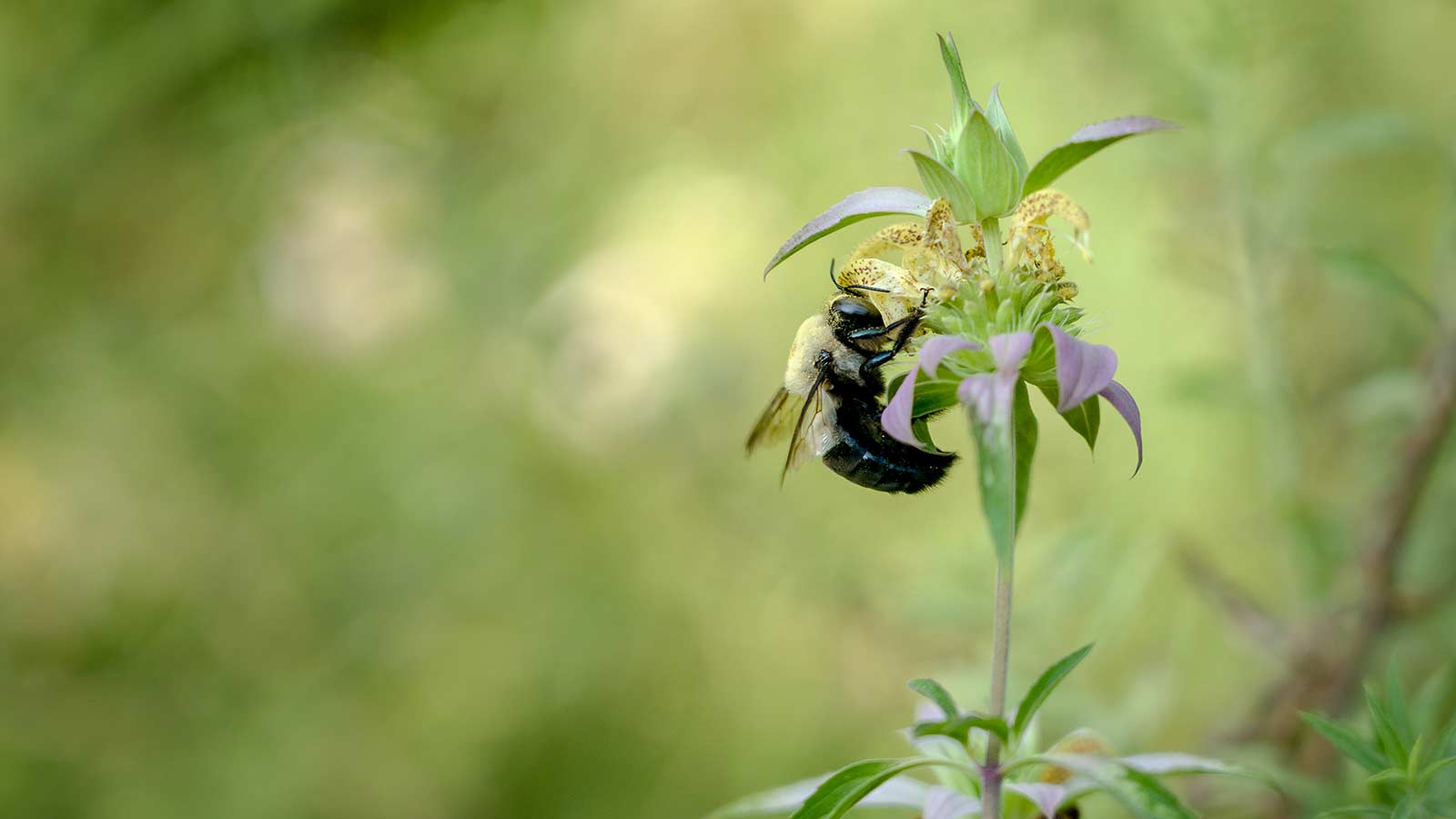
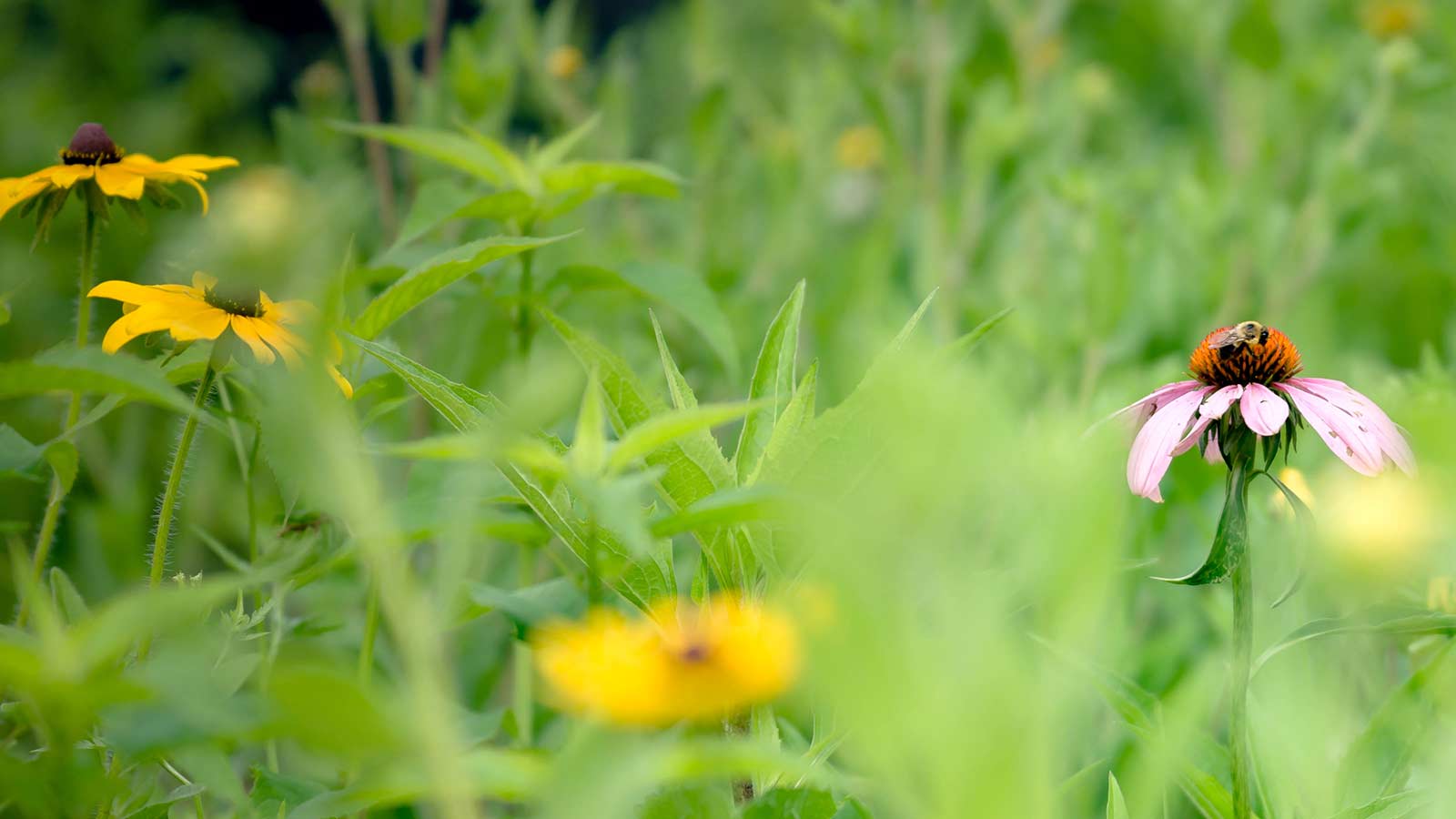
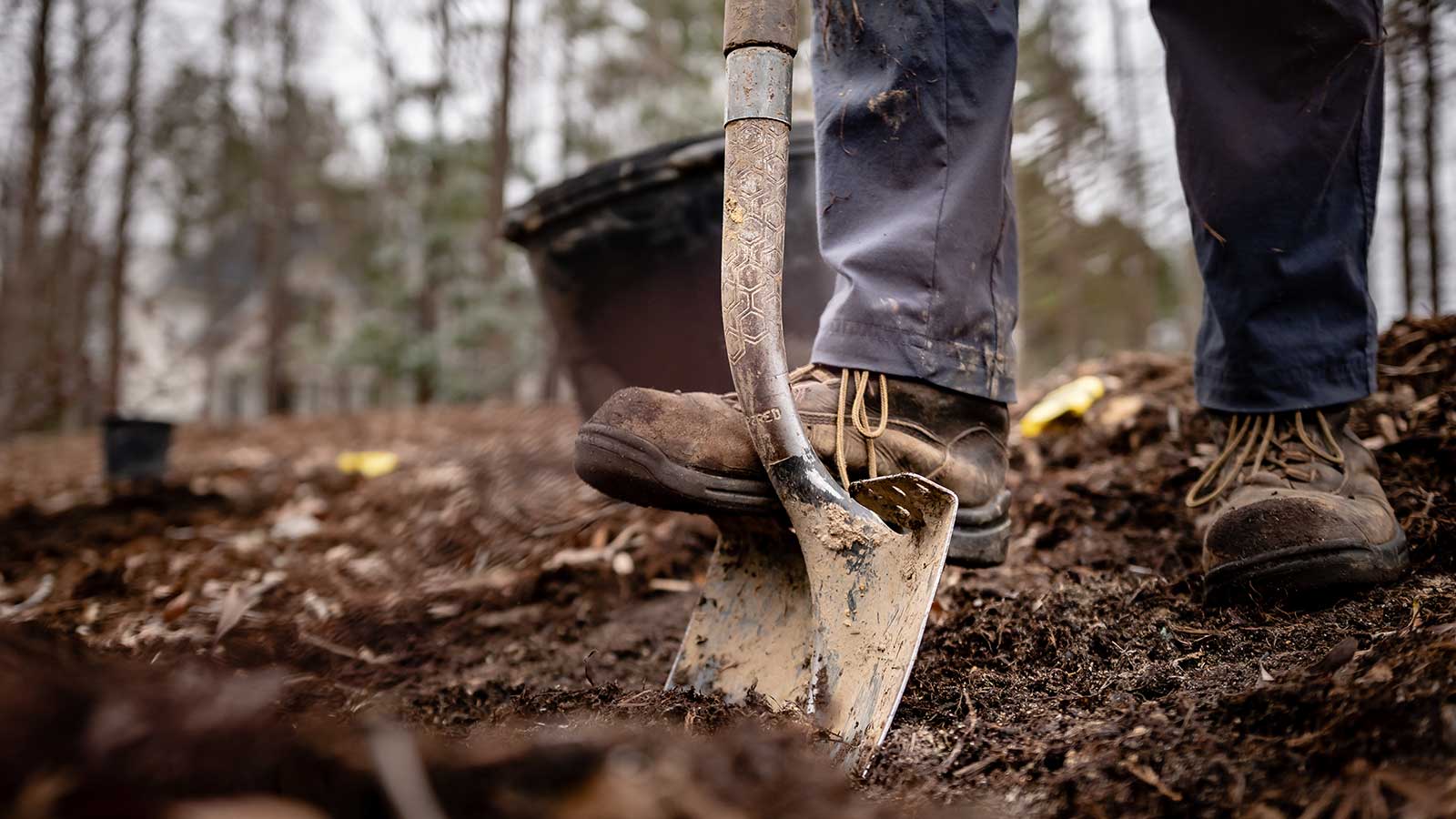
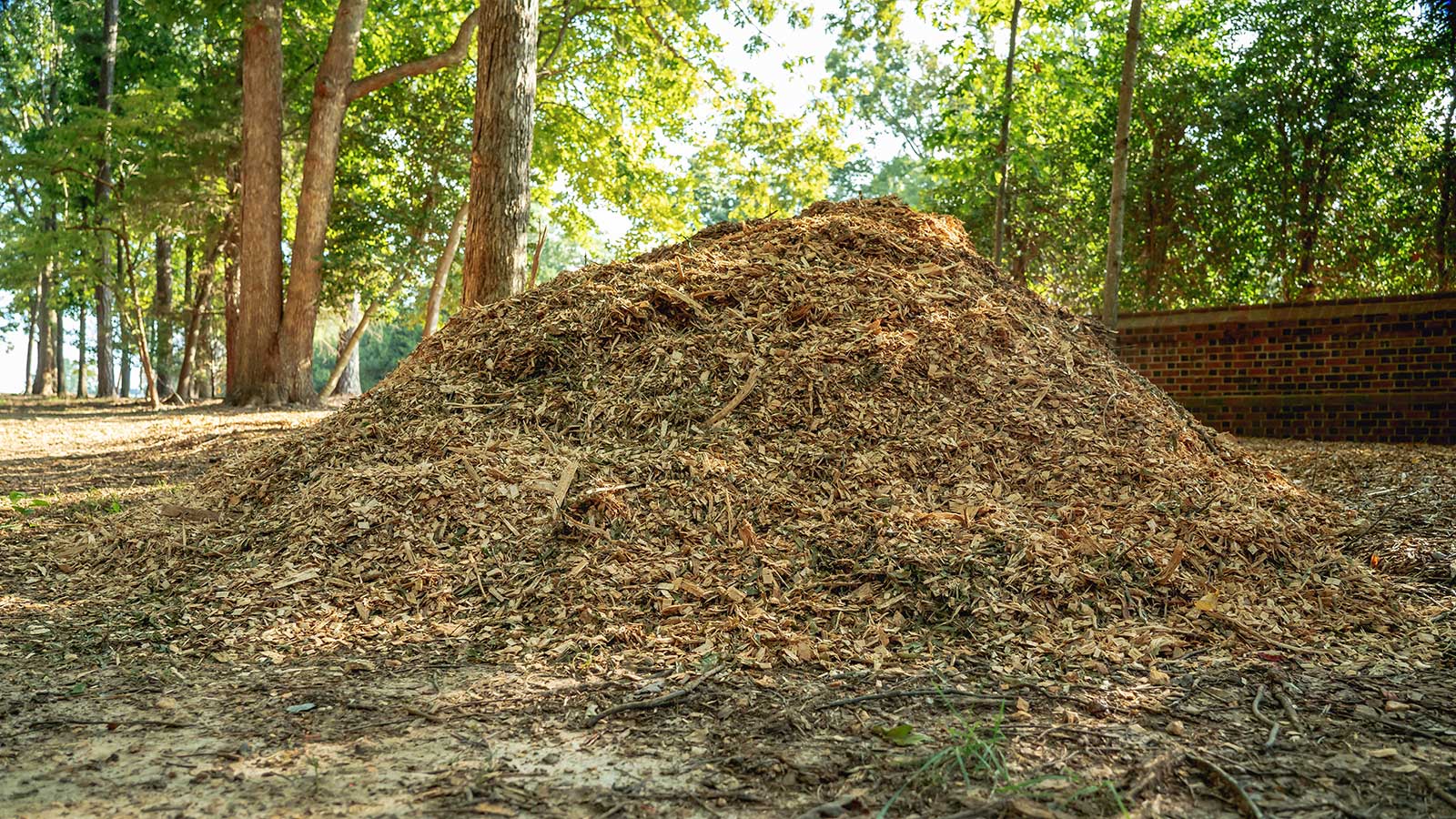
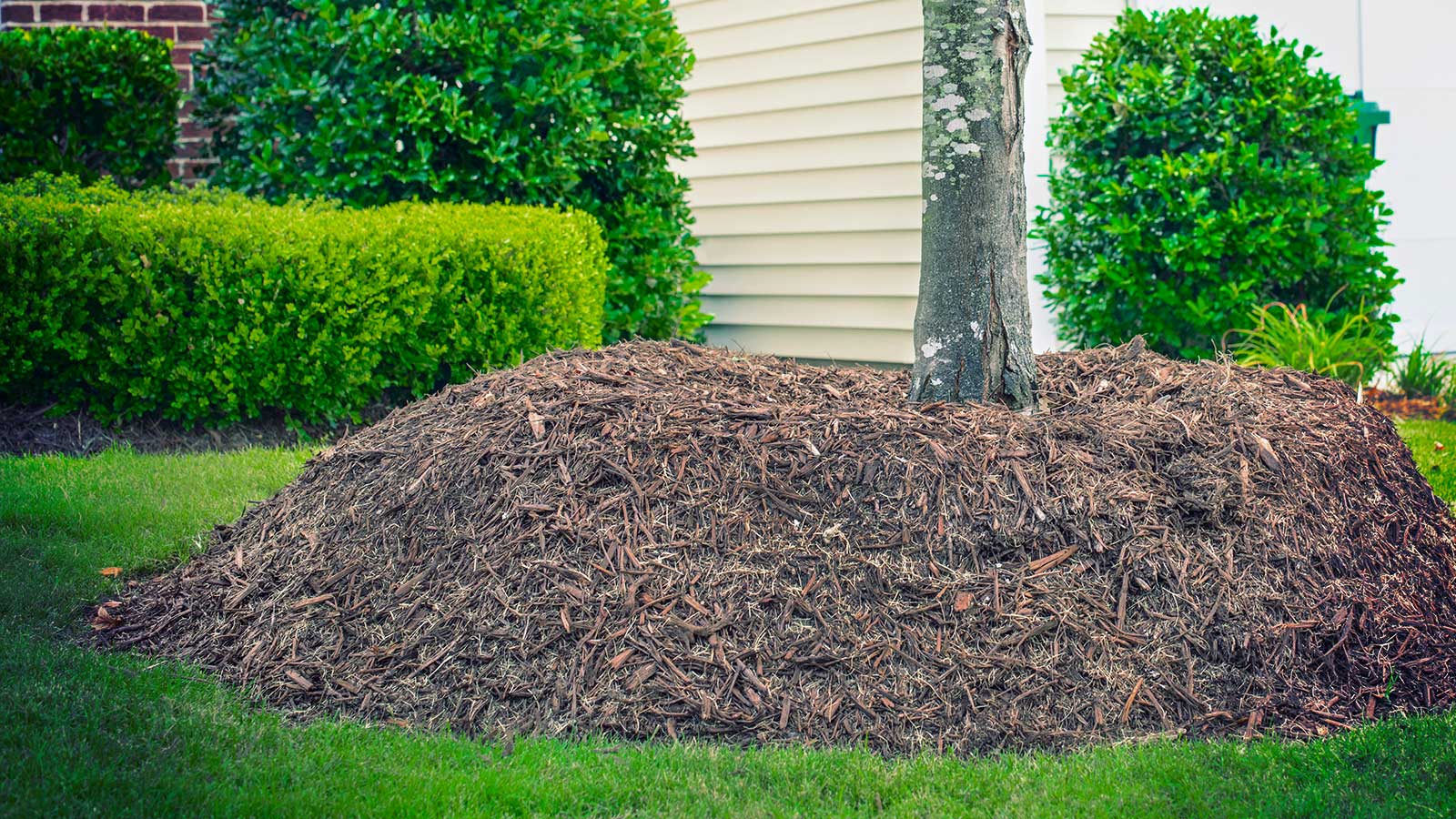
We have become so good at mulching bare earth that we may have left no soil uncovered. But consider peeling back a small corner, somewhere, preferably on a slight south slope, or anywhere reliably sunny. Why on earth would we leave bare earth (pun intended)? It’s to provide nesting habitat for ground-nesting solitary bees and wasps. Just like “leave the leaves” and “save the stems,” this adds another habitat offering for our diverse pollinators. Here’s a helpful resource from The Xerces Society.
As always, I’m interested in anything mysterious and delightful that you find. You can share it with me at nora@leaflimb.com.