December 2025 Treecologist Tribune
Season of Stillness & Acorny Quiz 🐿️
This Sunday marks the winter solstice, a brief stillness as the sun seems to pause. Solstice means “sun stop.” Most people don’t notice this event, except during certain times of the day when the sun is directly in our eyes during our commute! Ancient peoples observed the sun’s movements and how these shifts aligned with the seasons and what could be expected or hoped for at different times of the year.
Since mid-June (the Summer Solstice), the sun has risen and set slightly farther south on the horizon each day. Now, the sun will begin to move northward again, and each day it will be a little higher on the horizon, and daylight and warmth will linger a bit longer.
People have celebrated this seasonal turning through the ages in many ways, blending them with meaningful religious traditions. What are your rituals? A Christmas tree, wreaths, hanging mistletoe, caroling, meals, or a game of dreidel with friends and family, or silent reflections by a warm fire? Or maybe watching Hallmark movies? I hope everyone has a joyful and cozy end to the year, no matter how you celebrate.

Weather Notes
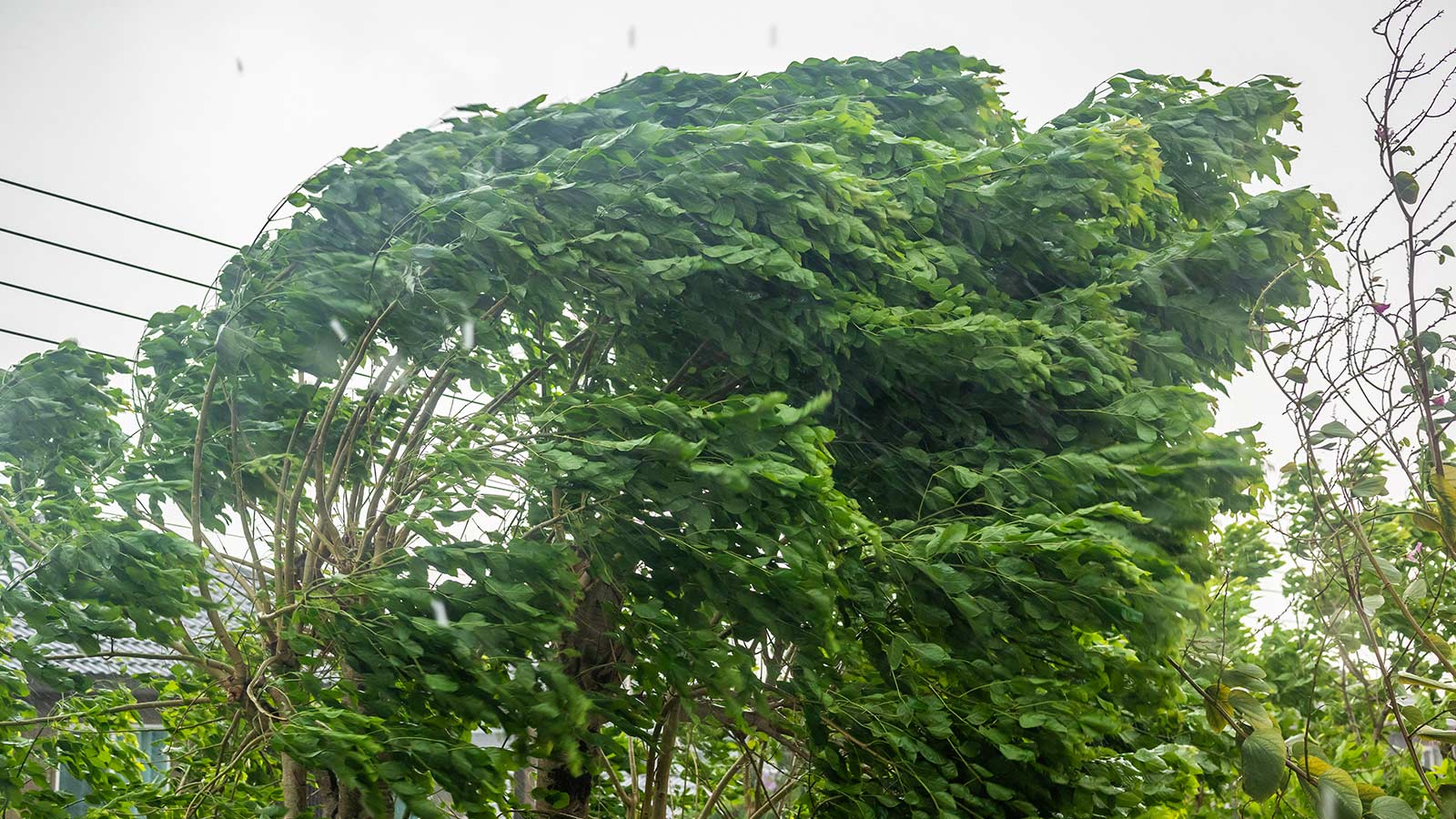
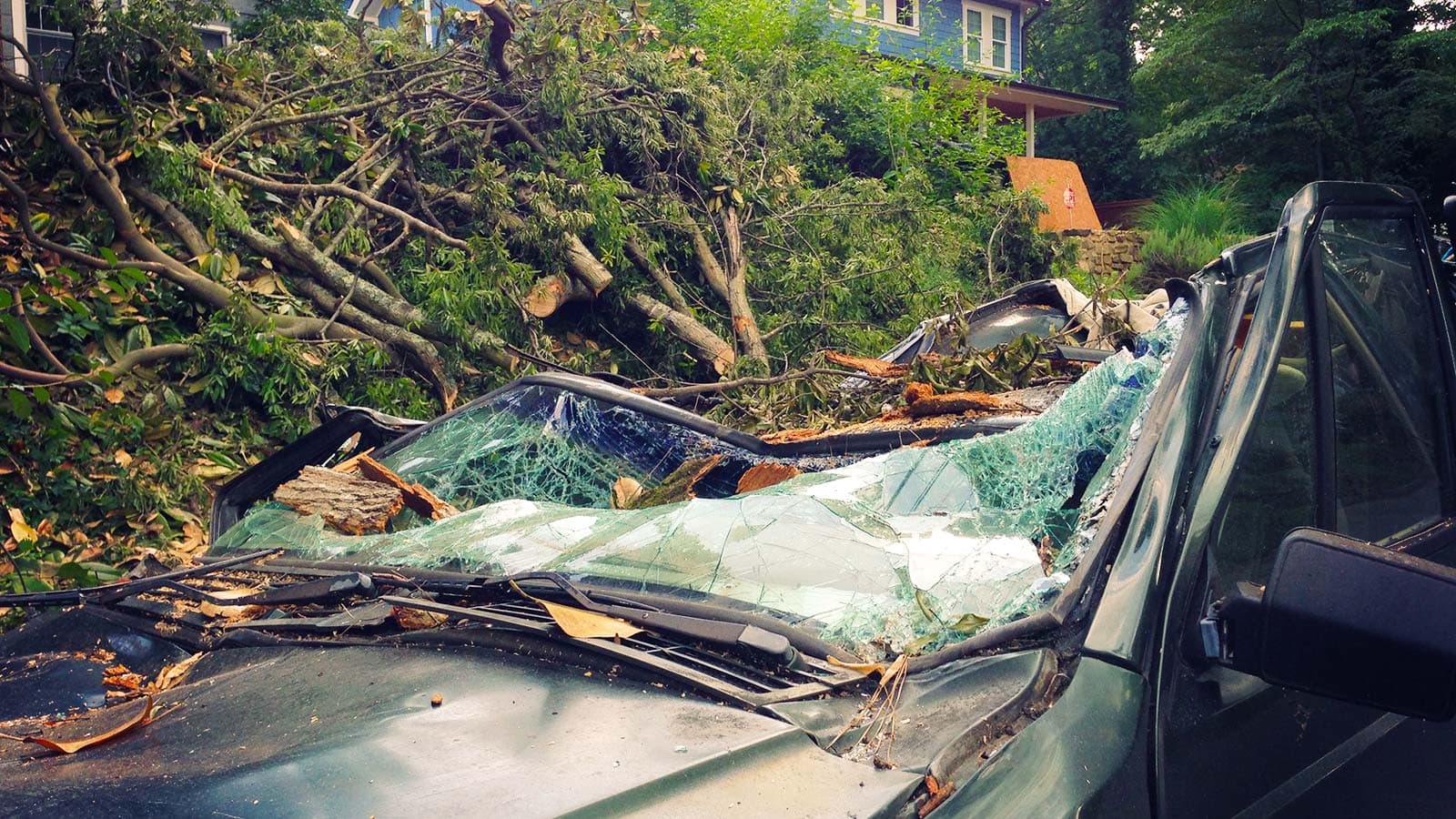
Since tropical storm Chantal, we’ve seen little weather drama in 2025. But the lack of visible drama doesn’t tell the whole story. Central North Carolina was in drought conditions from October 2024 through this past June. Unlike hurricanes or tropical storms like Chantal, drought doesn’t knock a door off its hinges; it creeps in.
During that period, we only received about 65% of the normal rainfall. And even though the summer rains brought us “out of drought,” the soil in our yards is probably still parched. How can this be?
A few factors combine to create this lingering impact. A 2025 Climate Central study found that rain intensity in central North Carolina has increased by 22% since 1970. More of our rain now arrives as brief, intense downpours. This shift is driven by a warming climate. The atmosphere is about 1°F warmer than it was a century ago, which allows it to hold more water vapor. When that water is finally released, it tends to fall all at once.
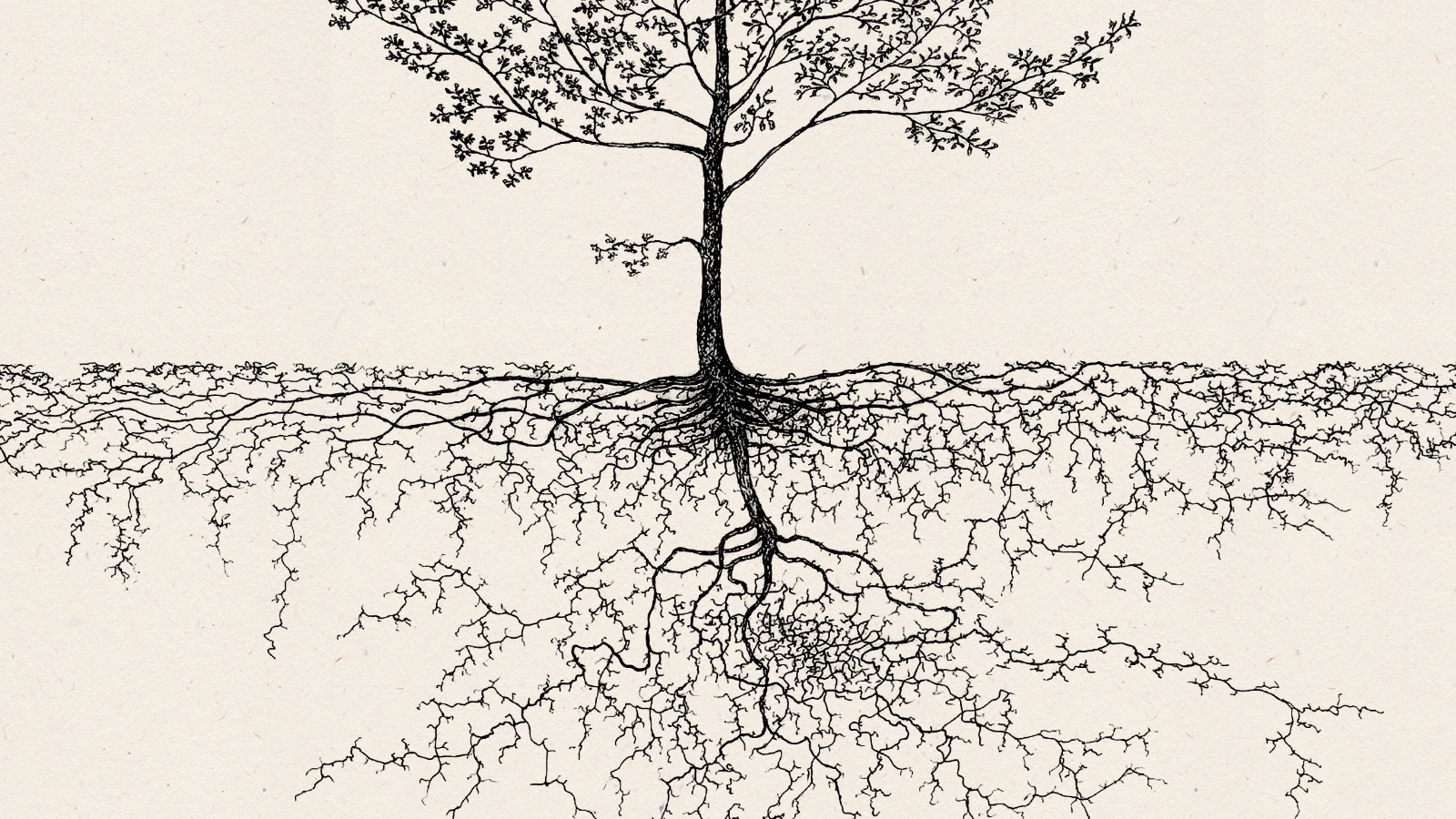
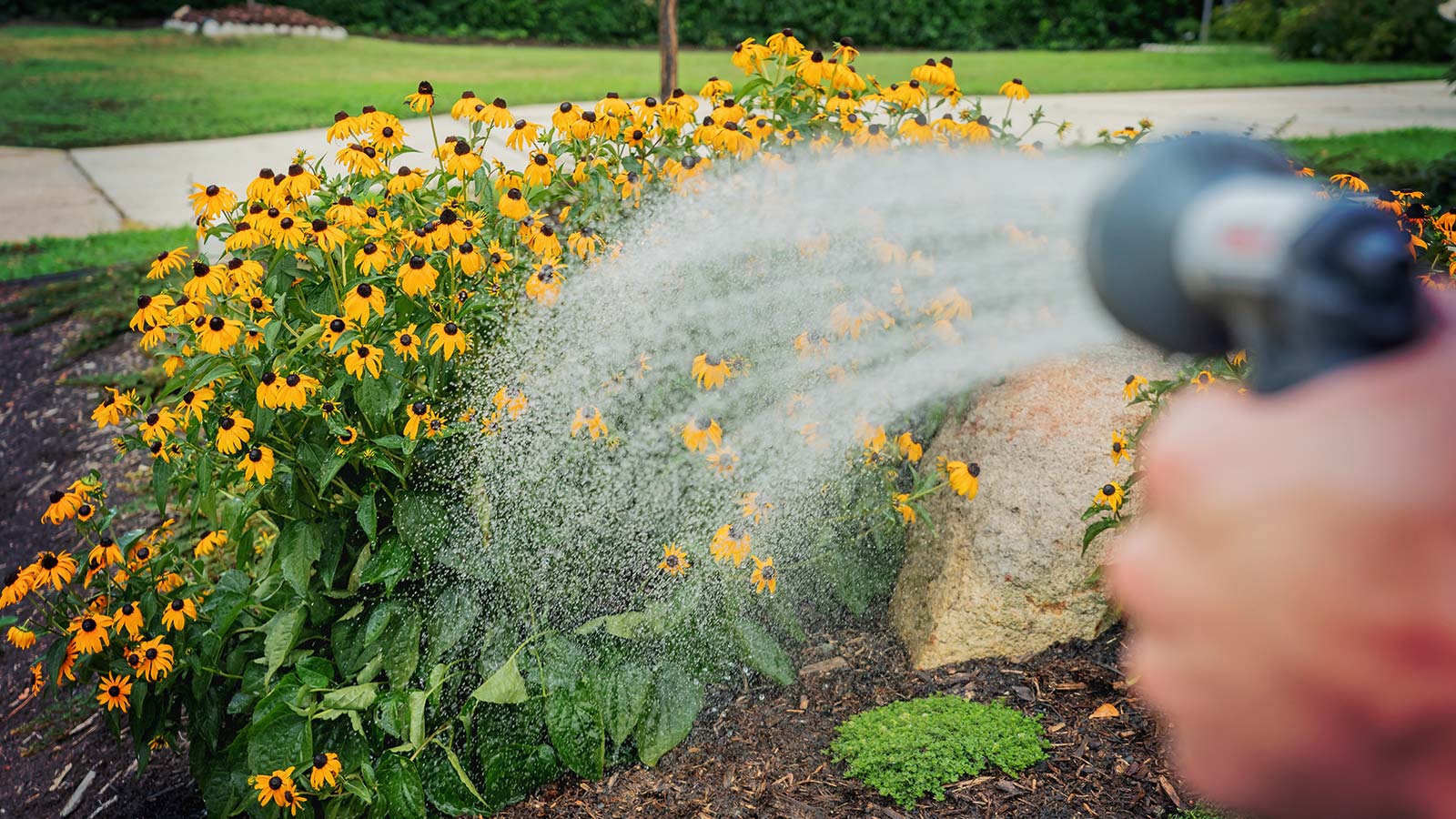
The problem is that when these deluges hit paved surfaces and compacted soils, so much of the water races into stormwater systems instead of soaking into the ground, leaving our trees saying, “Wait, I didn’t get a chance for a drink!”
To make matters worse, this October was the seventh driest on record. According to NOAA, we are now back in a moderate drought, so it’s a good time to keep a close eye on your plants, especially any newly planted trees or shrubs.
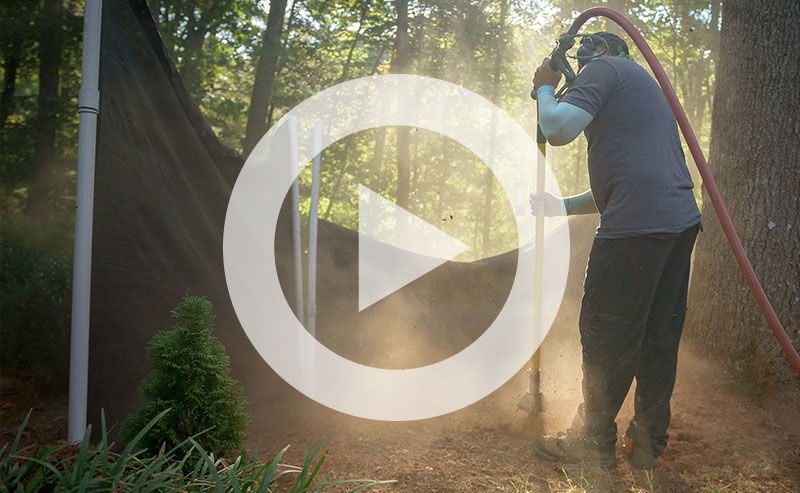
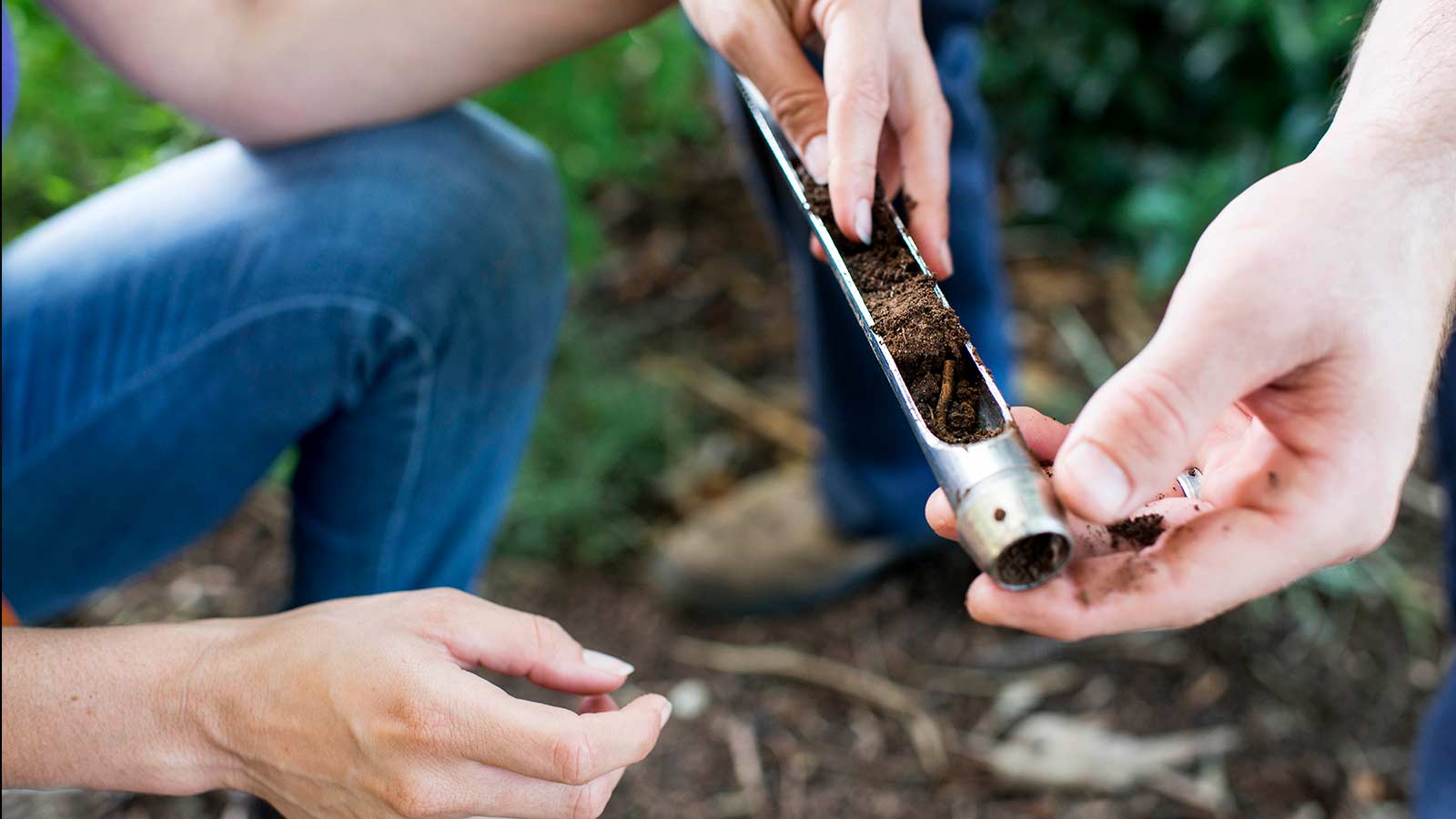
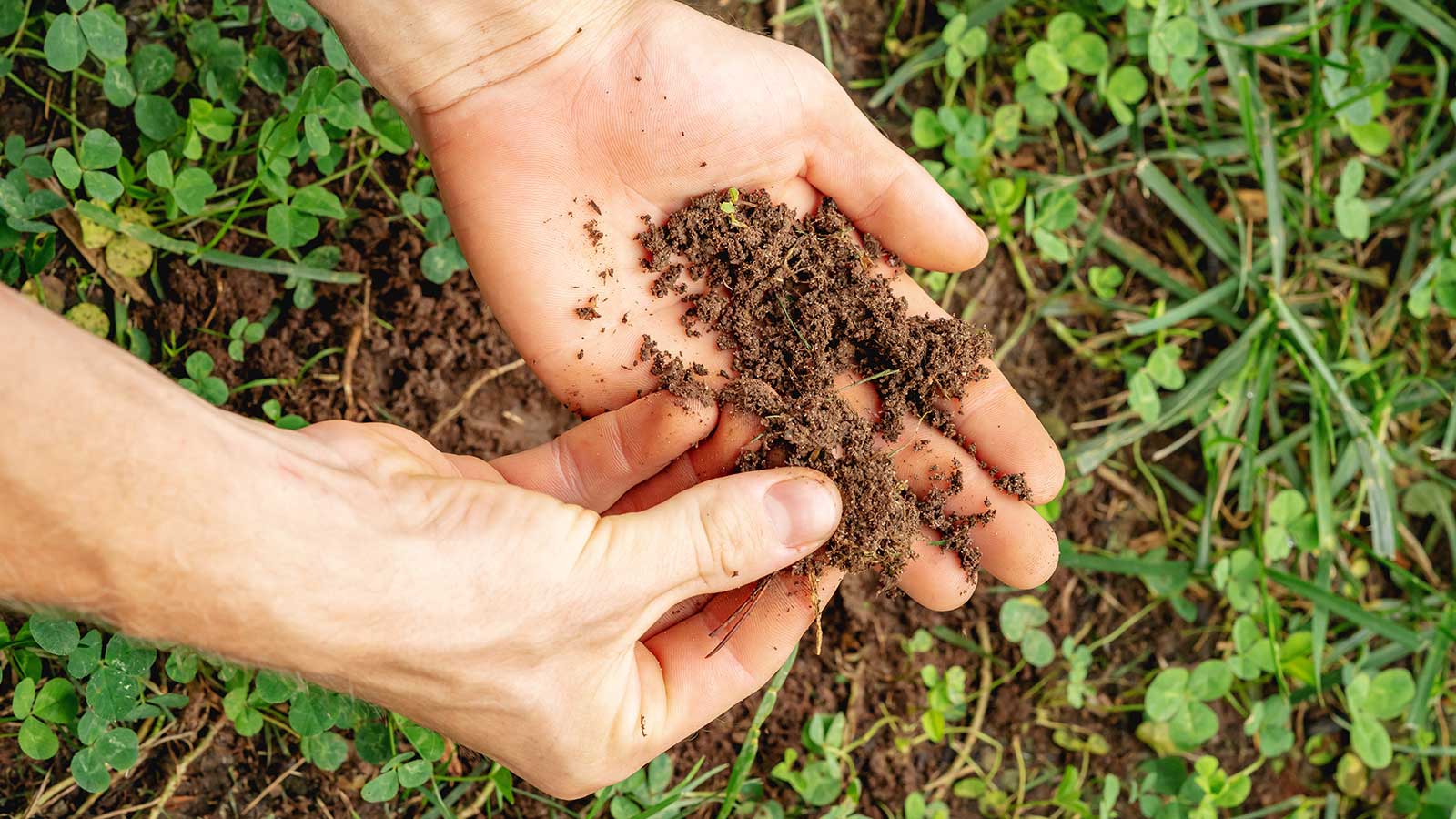
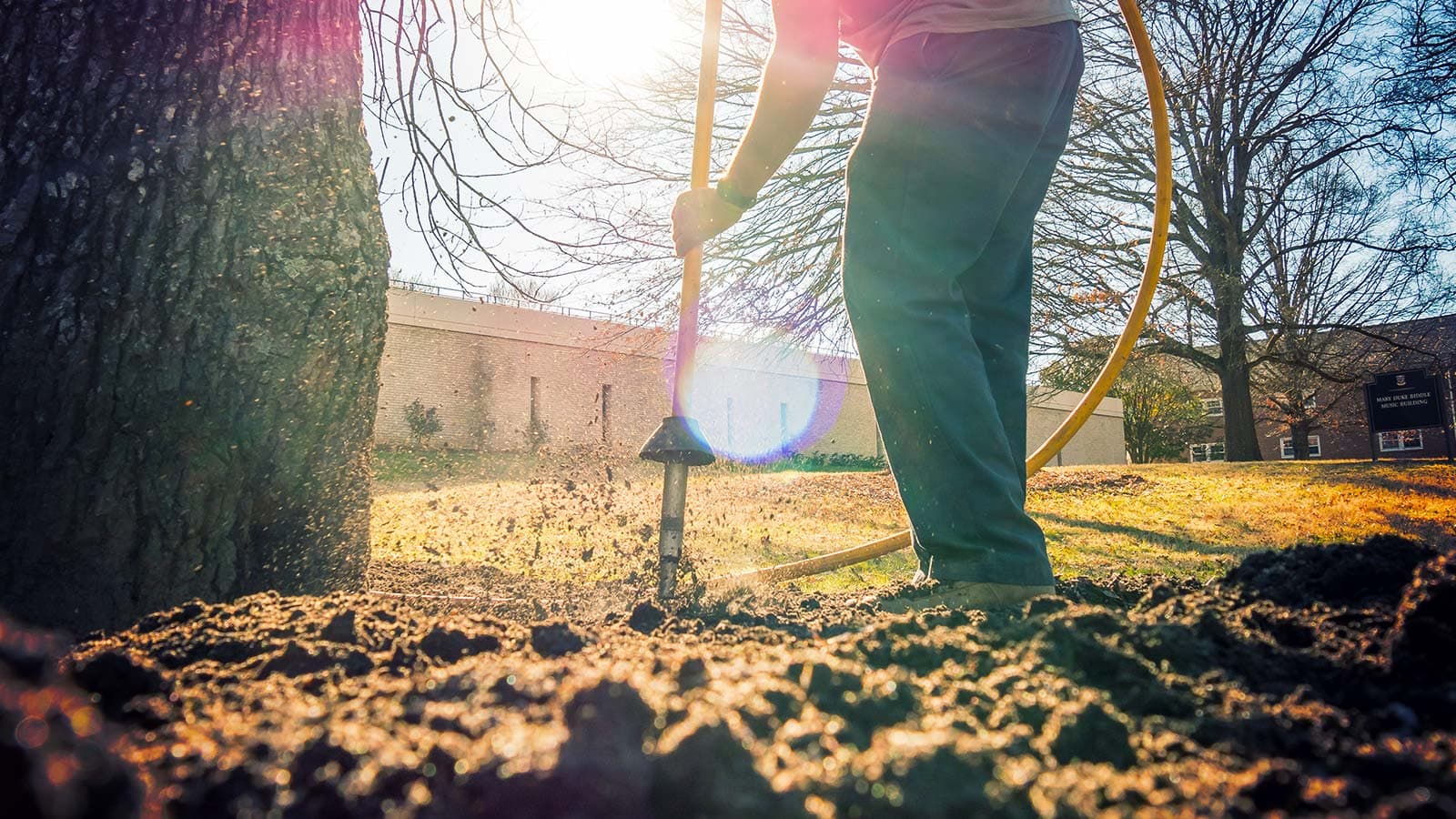
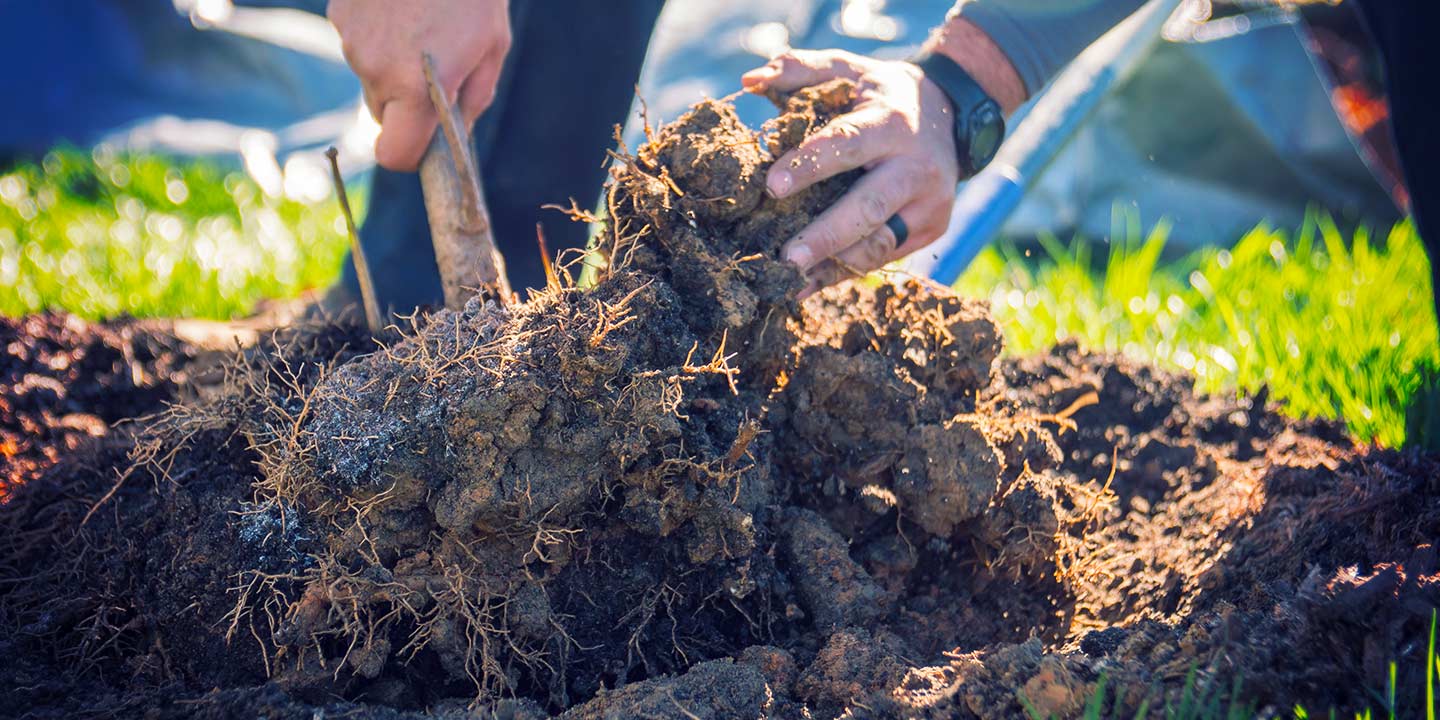
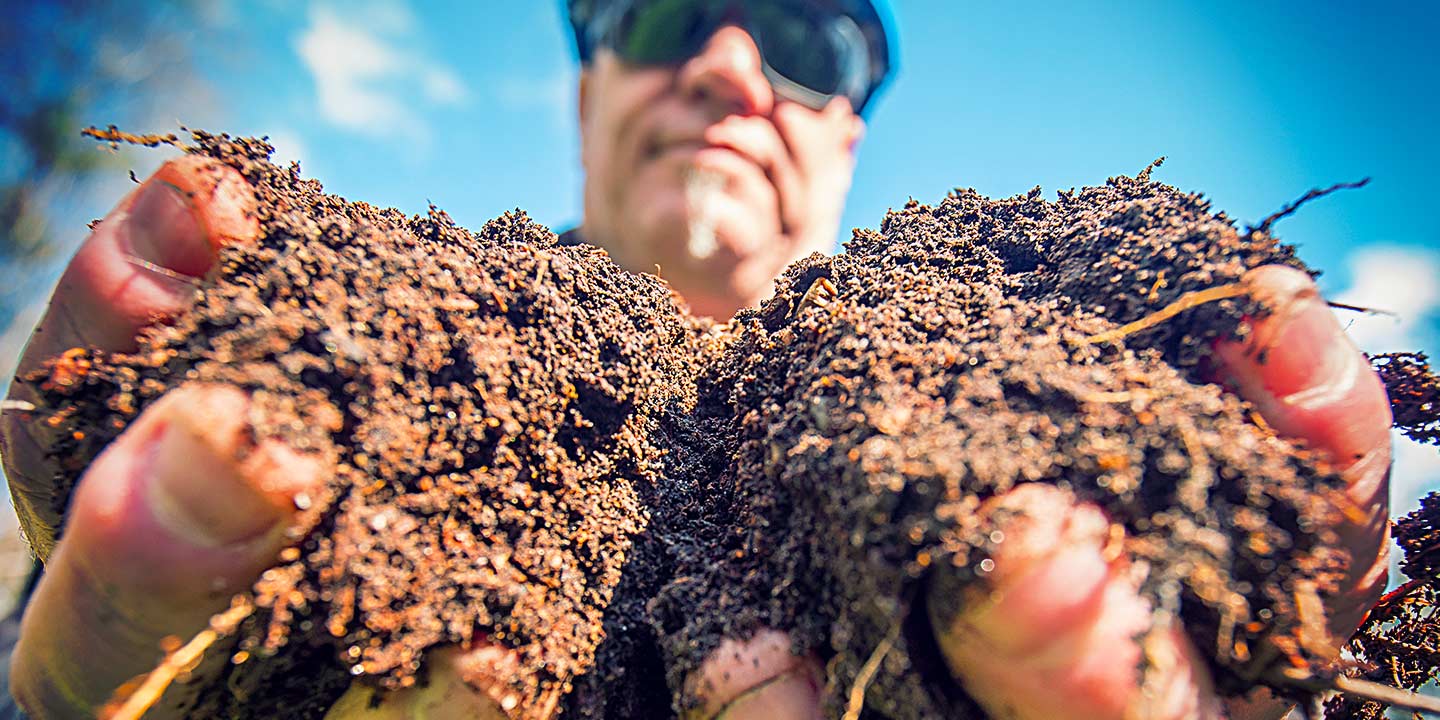
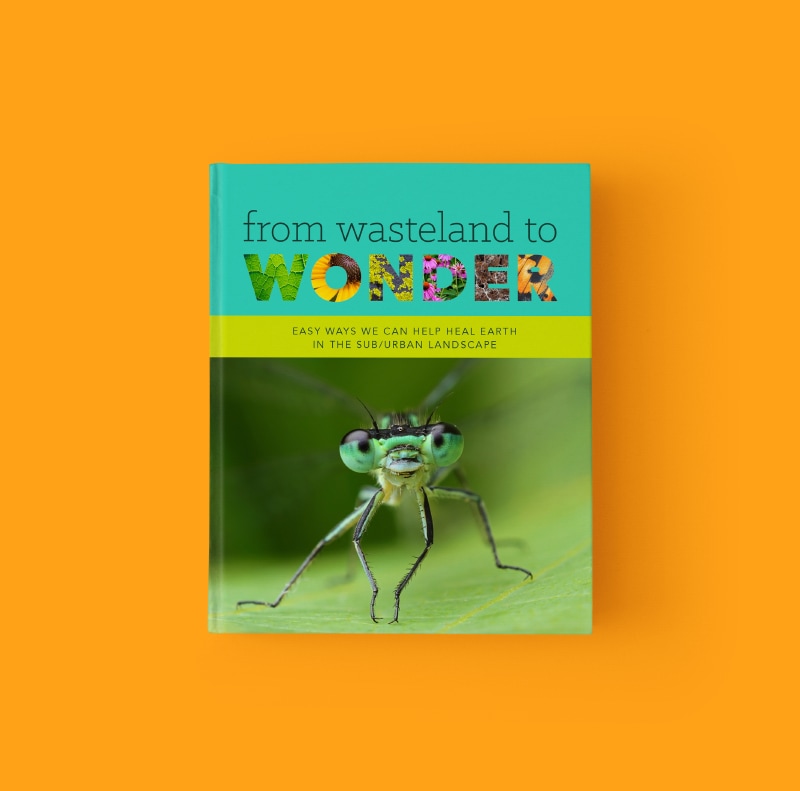
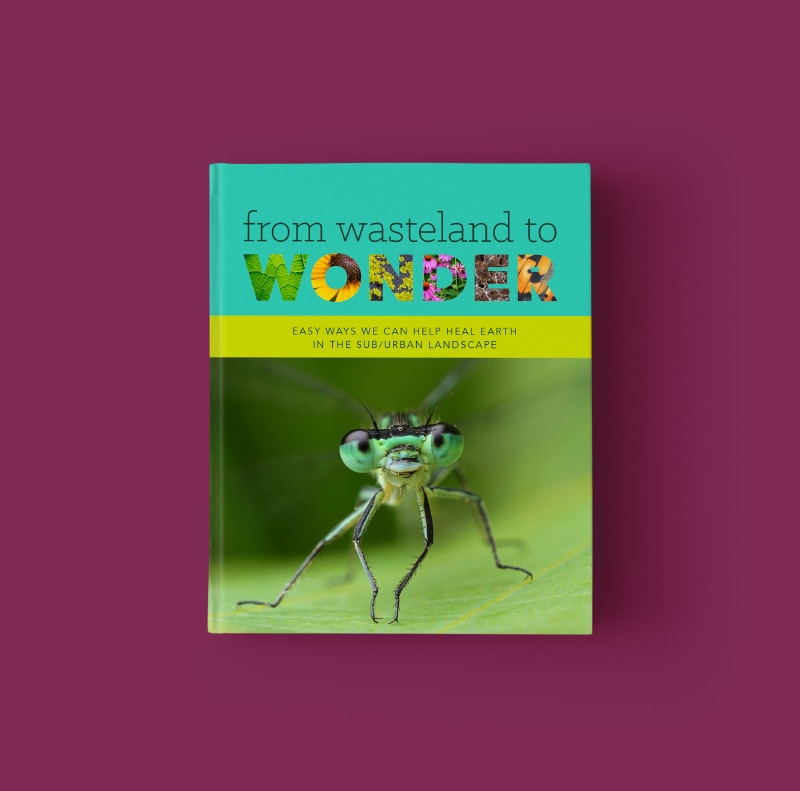
Is there anything we can do? Yes! Improve the soil and plant more native trees and shrubs. Since healthy soil retains more water, enhancing your soil is a big win for your trees and the environment overall. You can do this on your own. Chapter 13, page 113 in From Wasteland to Wonder is packed with methods for doing so. And of course, if you’re in our service area, we can handle this for you. Just send us a message.
And, I think it would be nice to have some gentle winter precipitation dressed up as a magical white Christmas.
Rain Summary (from RDU):
- 1.18” since 11/25 (historic average 3.85”)
- 38.64” Year-to-date (historic average 43.90”)
Acorny Quiz (But I Think You’ll Like It!)
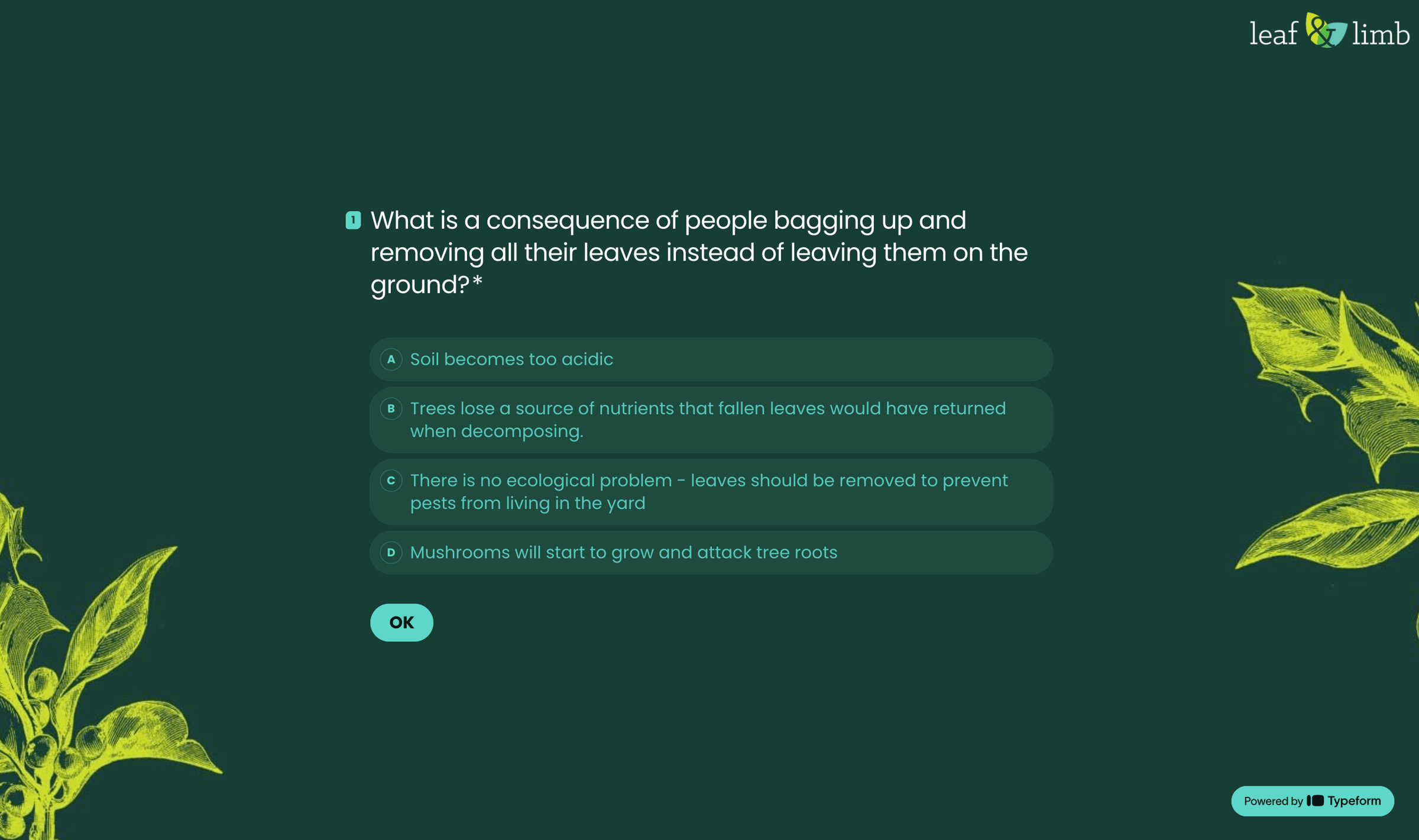
Instead of the usual yard sleuthing, we’ve got a quiz! I’ve put together what I hope is a fun and educational quiz based on this year’s editions of the Treecologist Tribune.
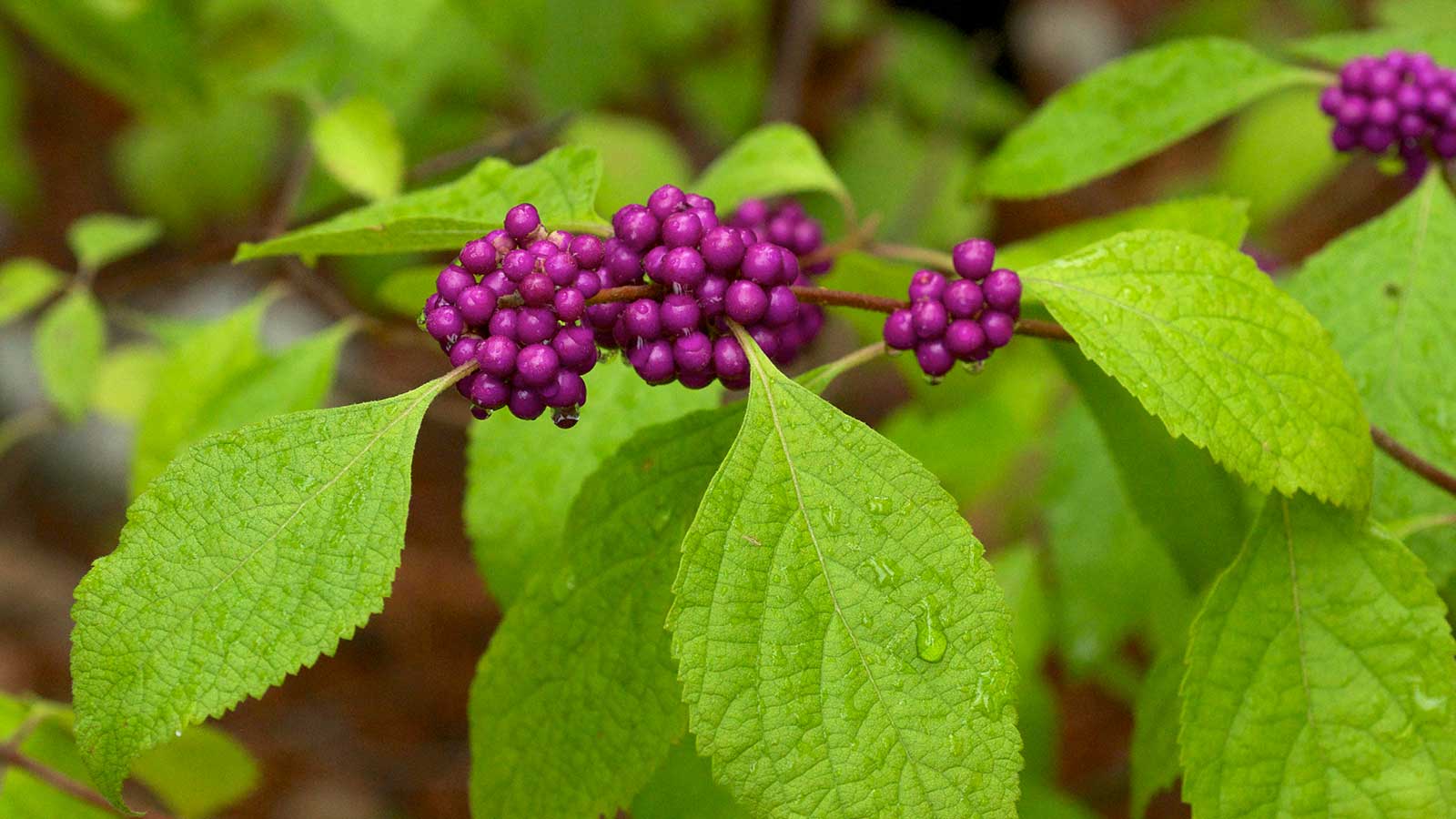
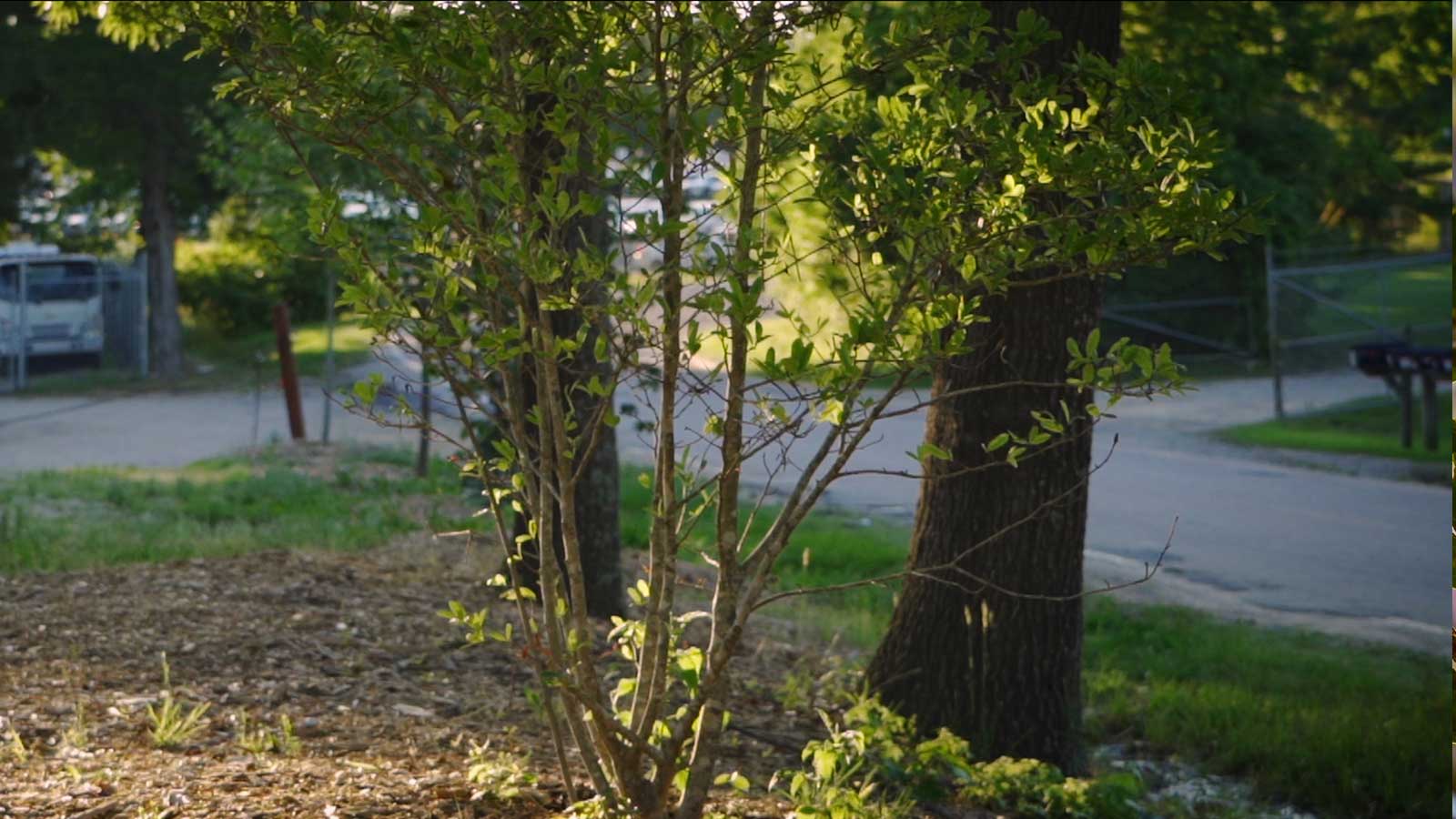
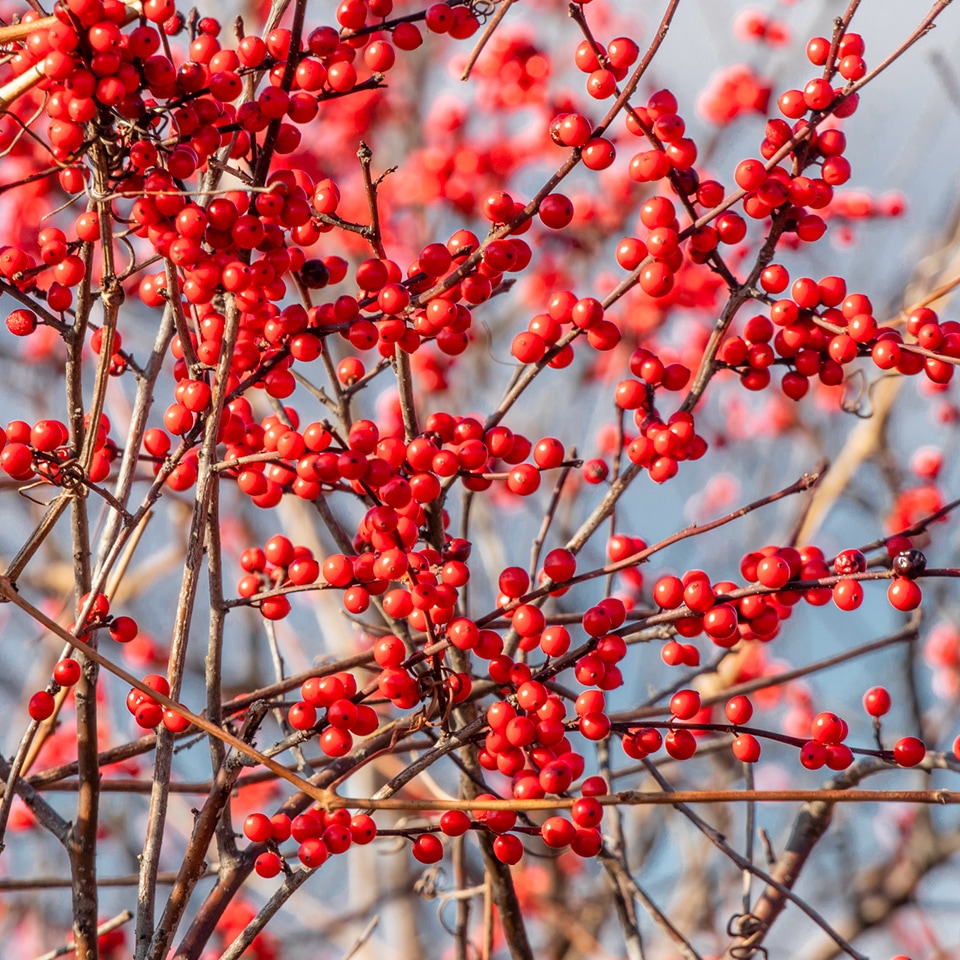
Plant of the Month: Winterberry holly (Ilex verticillata)
This native deciduous holly really shows off in winter with berry-laden limbs, which are a feast for our eyes as well as a feast for birds.
- 6 to 10’ tall with glossy green leaves that drop in fall, leaving clusters of red berries that persist through winter.
- Prefers moist soils but will adapt to typical garden conditions, in full sun to part shade.
- You need a male and a female plant to get berries. Nurseries sell both, so make sure to pick up at least one of each.
Q&A: What’s in My Tree?
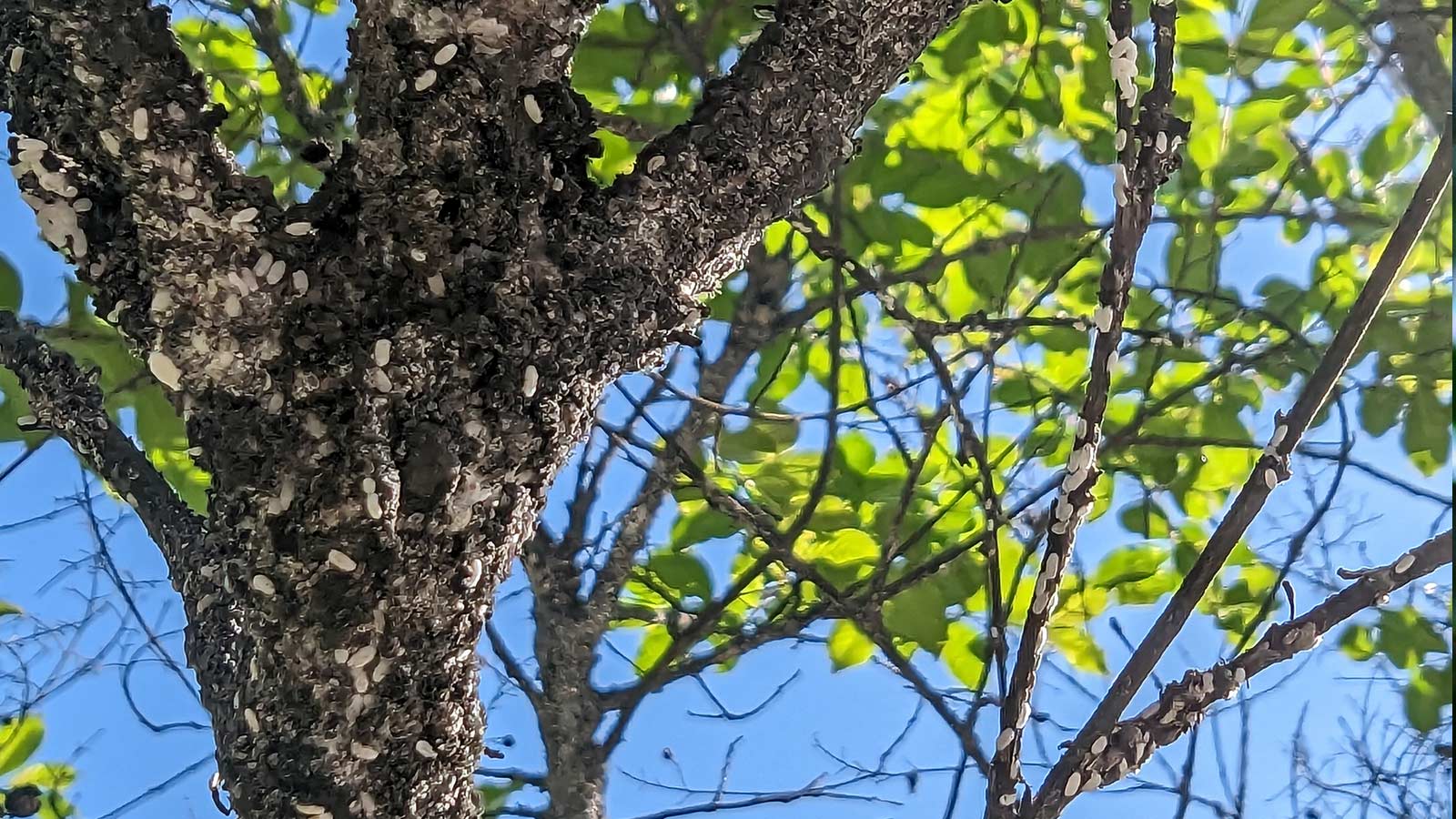
Q: My tree has strange growths in the branches. At first, I thought they were old bird nests or something like that, but I don’t think that’s what it is. Will these harm my tree, and what should I do?
A: The mysterious growths could be mistletoe, or perhaps a witch’s broom. Neither condition is necessarily cause for alarm.
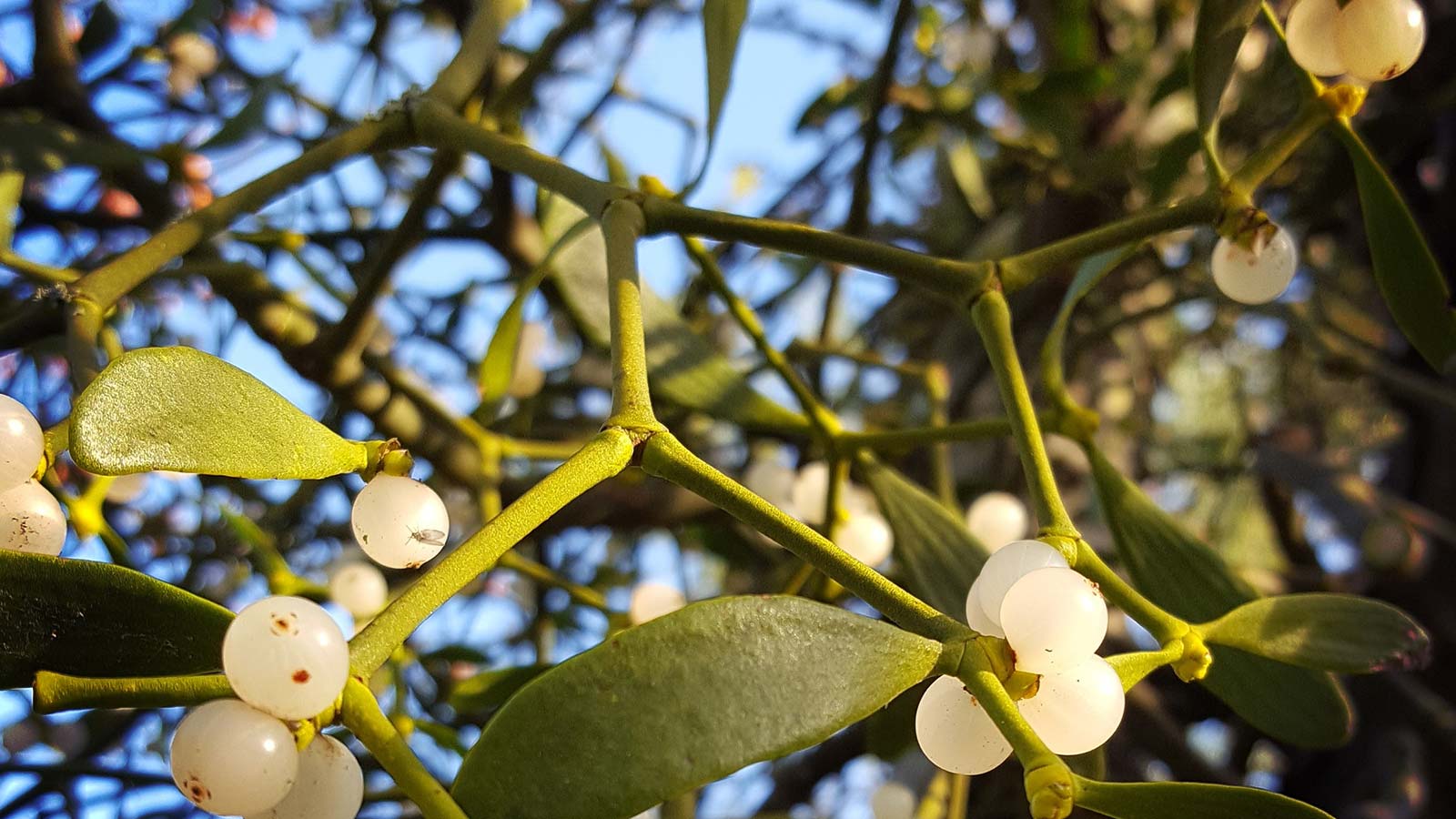
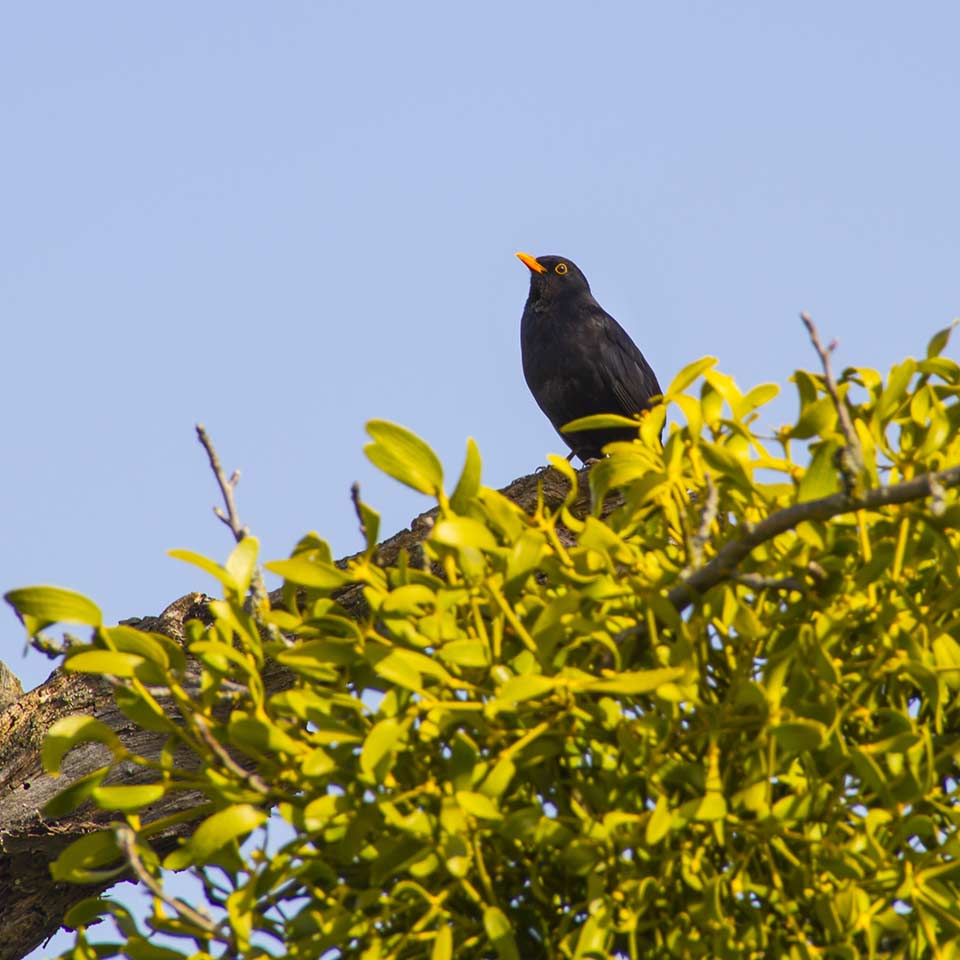
Mistletoe will have small green leaves, and if you have great eyesight or binoculars, maybe you will notice white berries too. Mistletoe is a native hemiparasitic plant, getting its nutrients and water from the tree it is attached to, but it doesn’t hurt the tree. The berries are a nutritious winter food for birds. There is even a bird in Australia called a mistletoebird (Dicaeum hirundinaceum) whose diet is almost exclusively mistletoe berries.
Witch’s brooms are clusters of abnormal growths near the ends of twigs. In North Carolina, the species most often affected include hackberry, birch, cherry, oak, and cedar. They appear as bushy, dense clusters of crowded twigs. These growths can be caused by fungal, bacterial, or mite infections. Usually, they are not harmful to the tree, although they may cause limbs to sag under their weight. In such cases, some pruning might be necessary.
Interesting fact: Some witch’s brooms have been harvested and propagated for commercial success as “dwarf cultivars”. Various dwarf evergreens are especially coveted.
Some Things To Do Around Town Ways to have fun, learn cool stuff, make a difference and reconnect with the natural world.
- TONIGHT: The Garden Forum Collaborative, which includes JCRA, NCBG, and Duke Gardens, is hosting a book talk with Zoë Schlanger, author of The Light Eaters.
- On December 19th, the North Carolina Botanical Garden is hosting a Winter Tree Trek with our very own Treecologist, Matt Archibald.
- Triangle Land Conservancy is hosting a Winter Solstice Bird Walk on December 21st.
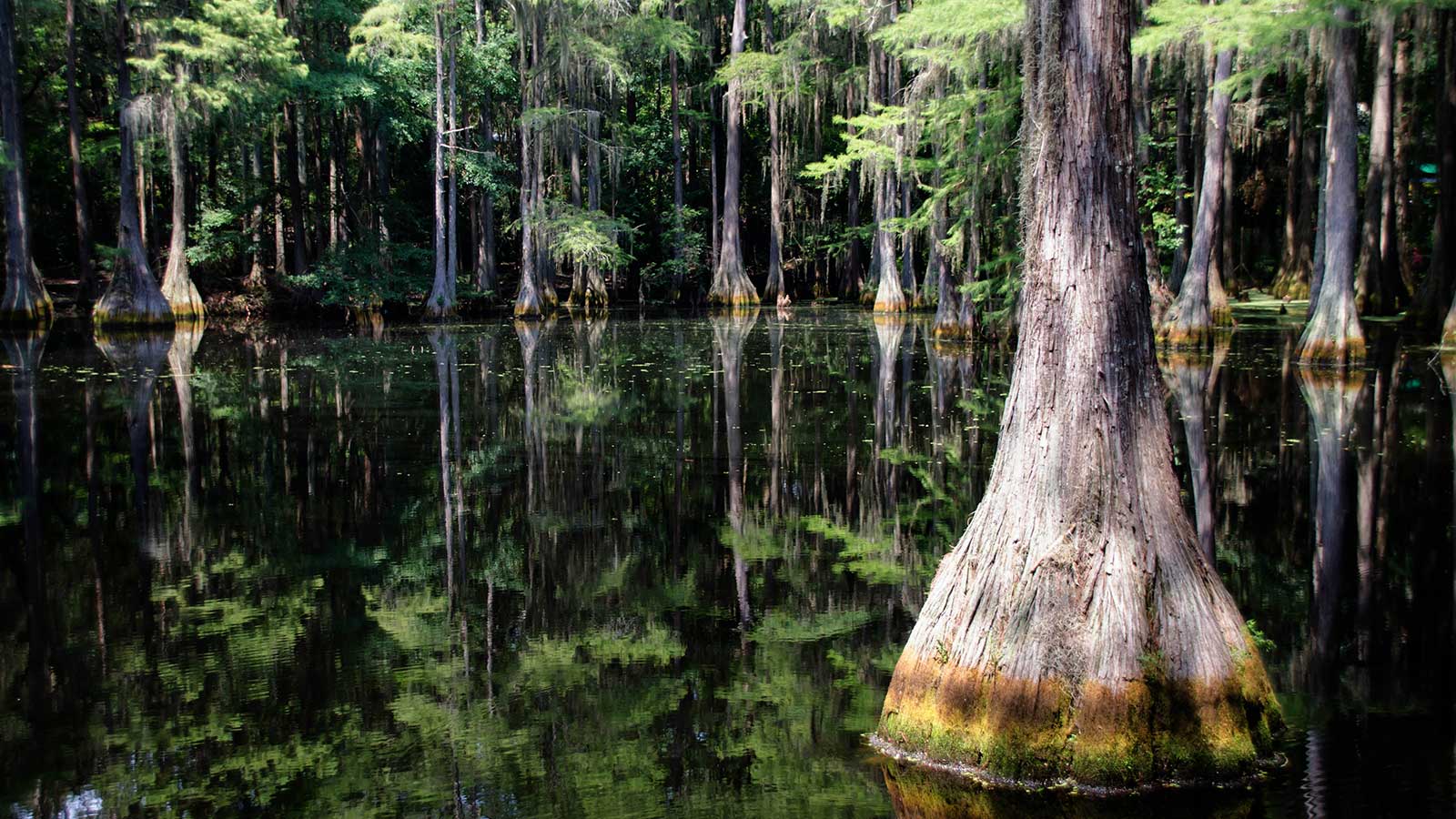
- Registration is open for Frog Hollow’s kayaking tour of the ancient cypress trees on the Black River in Eastern NC.
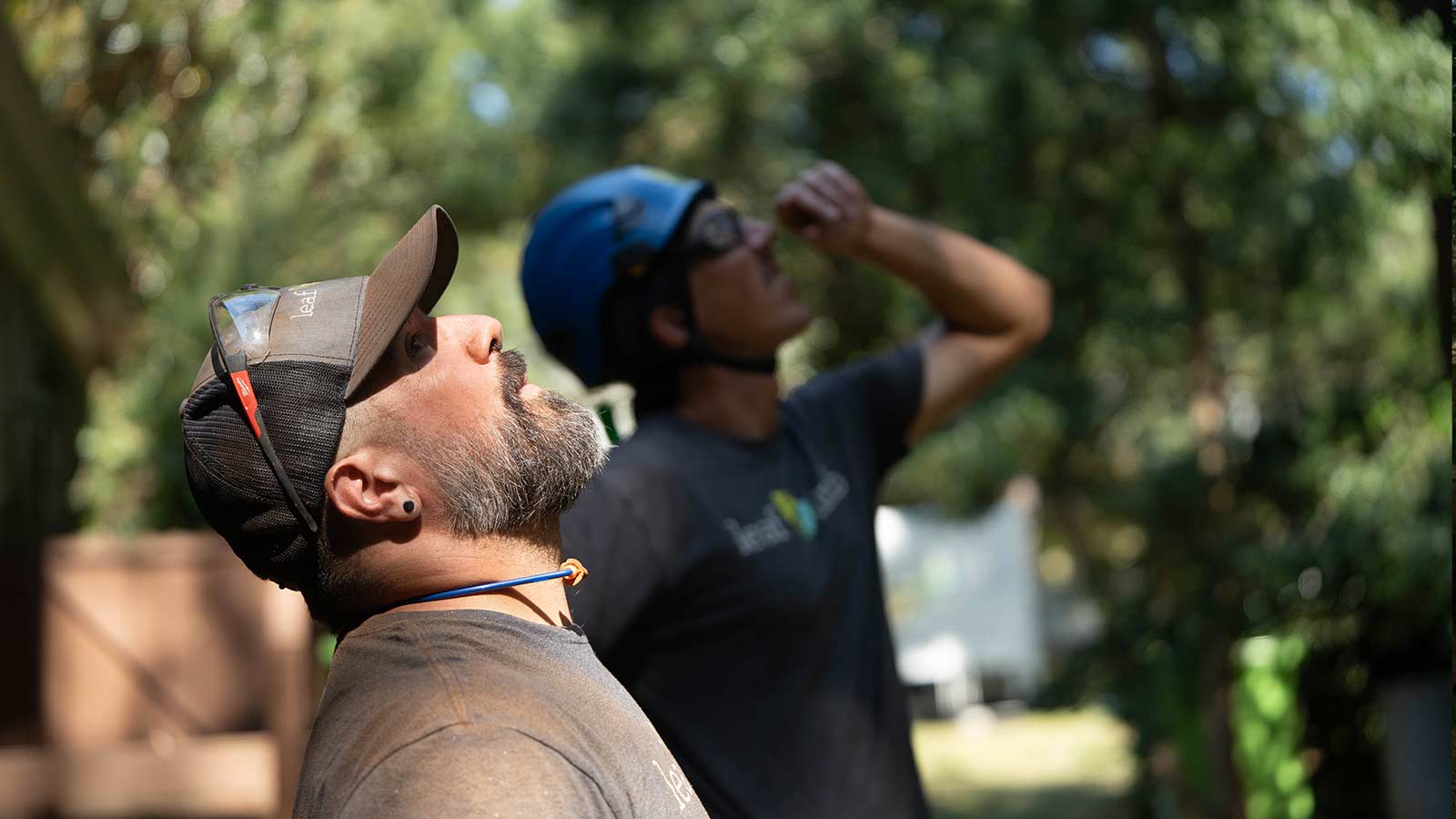
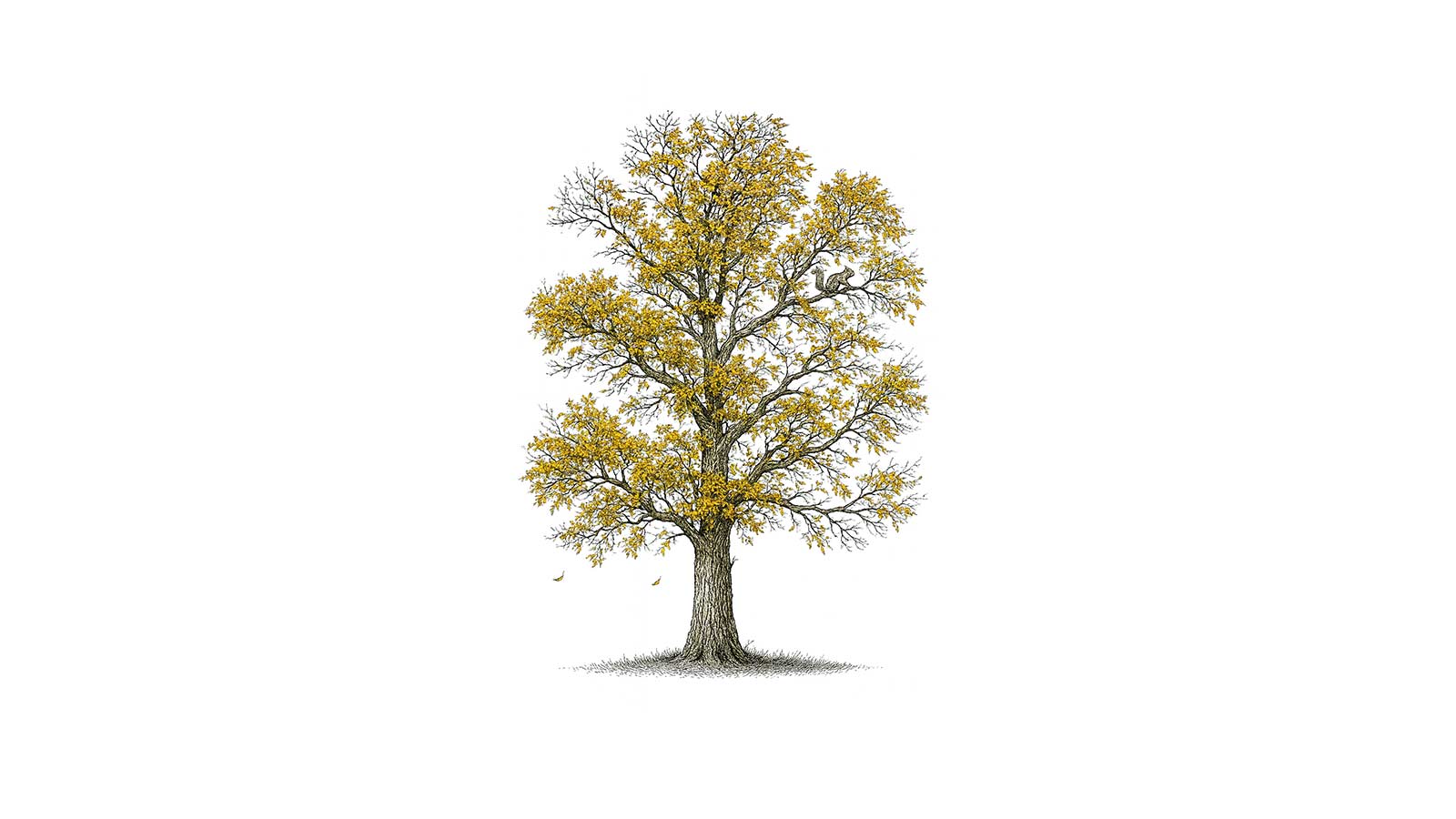
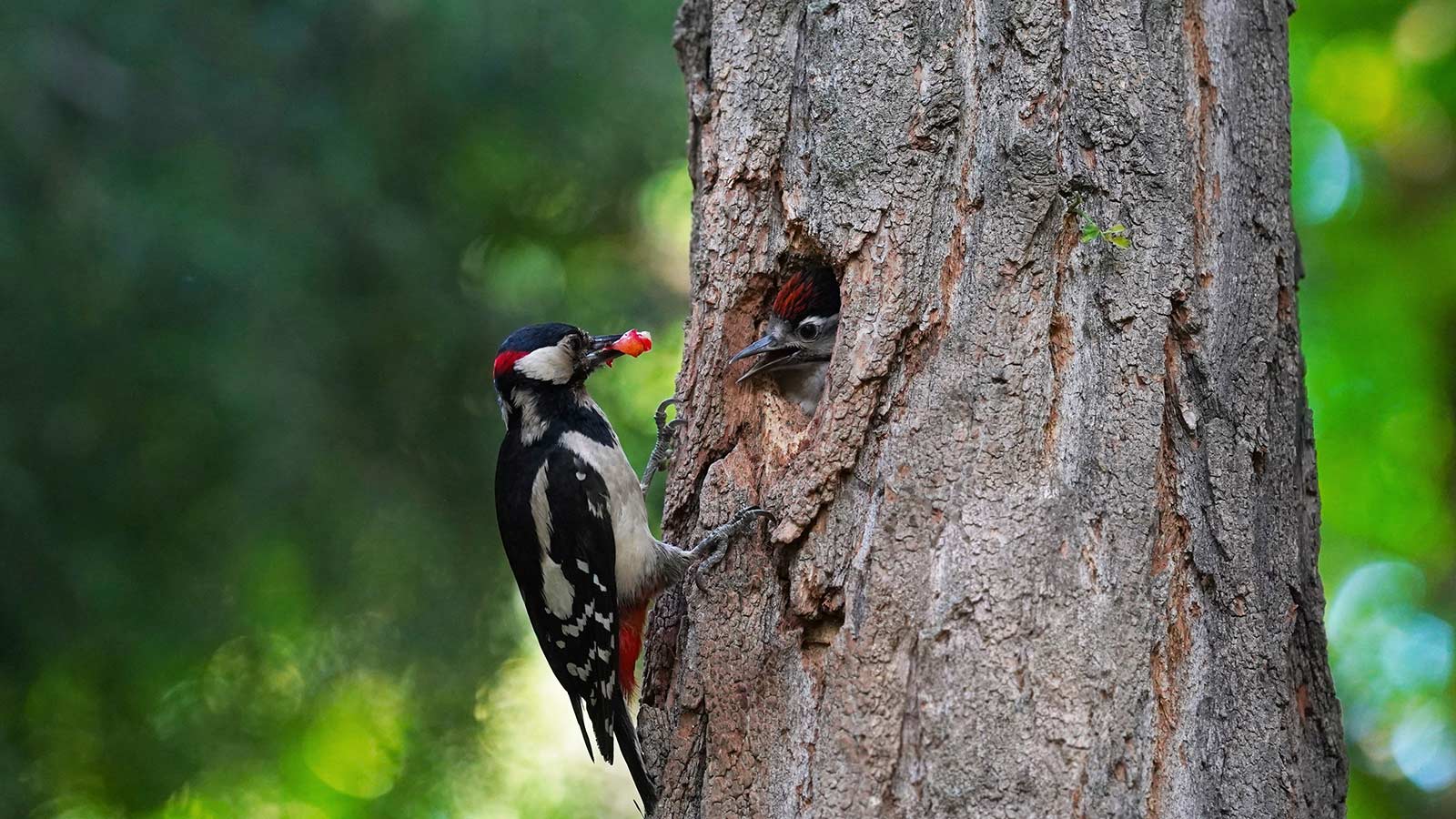
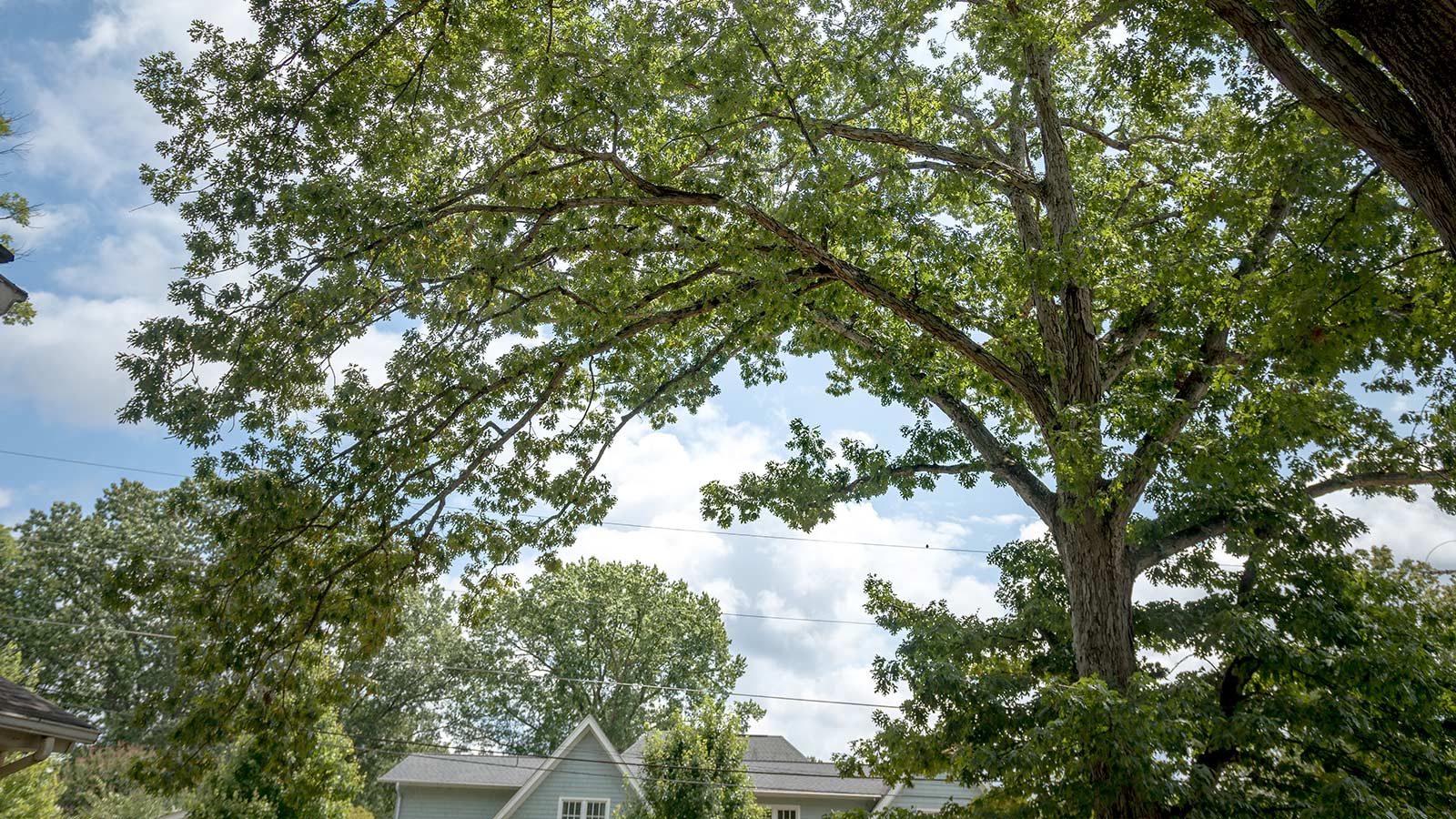
One Last Thing: Go Outside Make a thermos of hot mulled wine or coffee and go for a stroll in one of your favorite local woodland parks. Find a bench and look at the tree canopies. Bring binoculars. What’s up there besides the naked limbs? Can you spot mistletoe? A spooky witch’s broom? Maybe a big ball of leaves; a squirrel’s nest. Are there chickadees and nuthatches searching under bark for tasty morsels? Notice the chickadees search head up, and the nuthatches search head down, each exploring in its characteristic way. What else catches your eye?
Until next month, remember to sniff the blooms and listen to the birdsong.