February 2026 Treecologist Tribune
A Snow Day and a Spring Palette

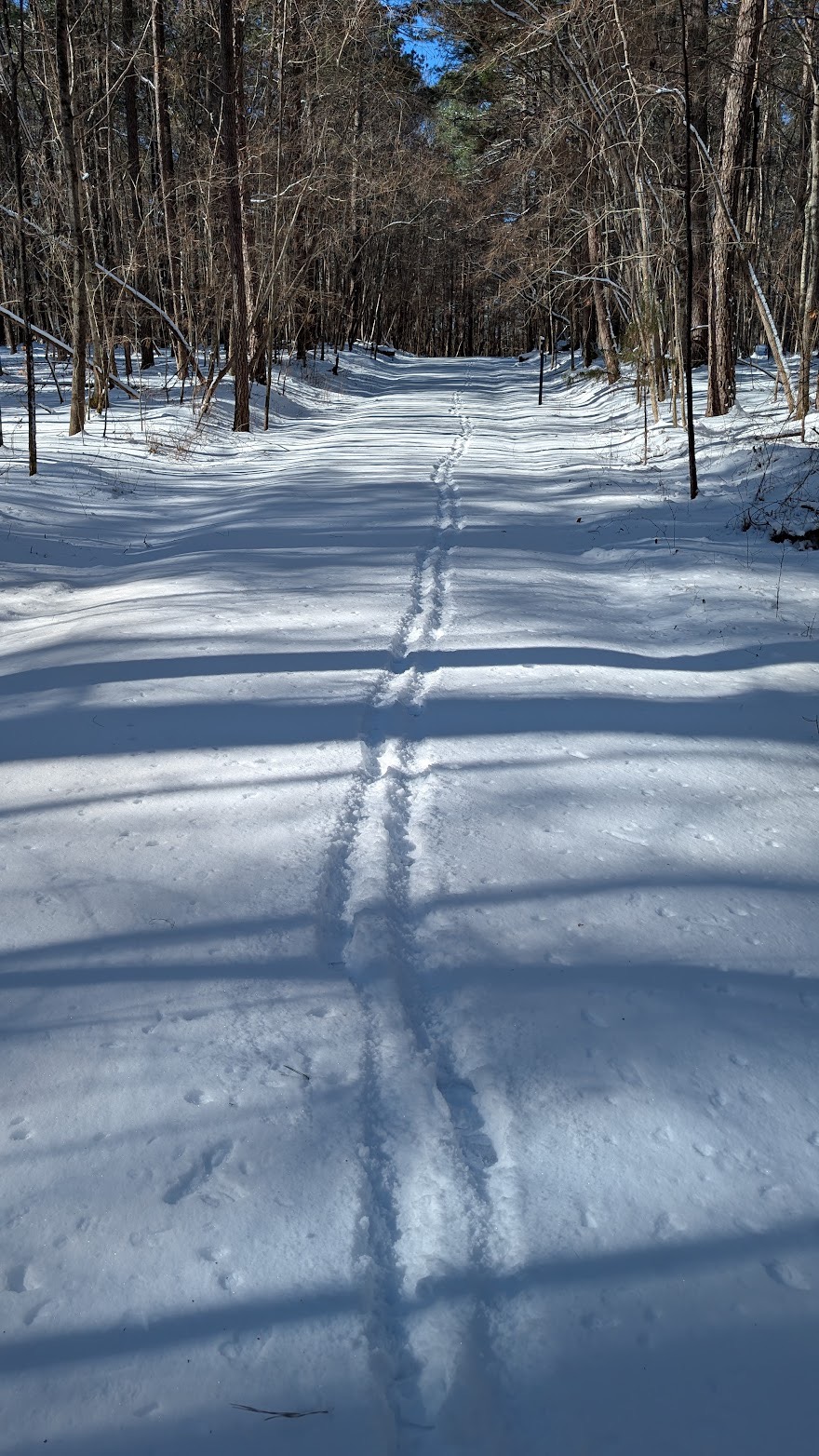
I’ve heard it said that southerners never waste a “snow day”. If there’s a piece of cardboard at hand and a slope steep enough for fun, fun shall be had by all ages. You might be shocked to discover that this northerner had never heard of snow ice-cream. I have since been educated, and it’s delicious. After the “big snow” (looked like about 4 inches here near Hillsborough), I put on all my layers and set off for a long walk onto what is normally a busy rural road, but quiet that day, and then on into a forested park.
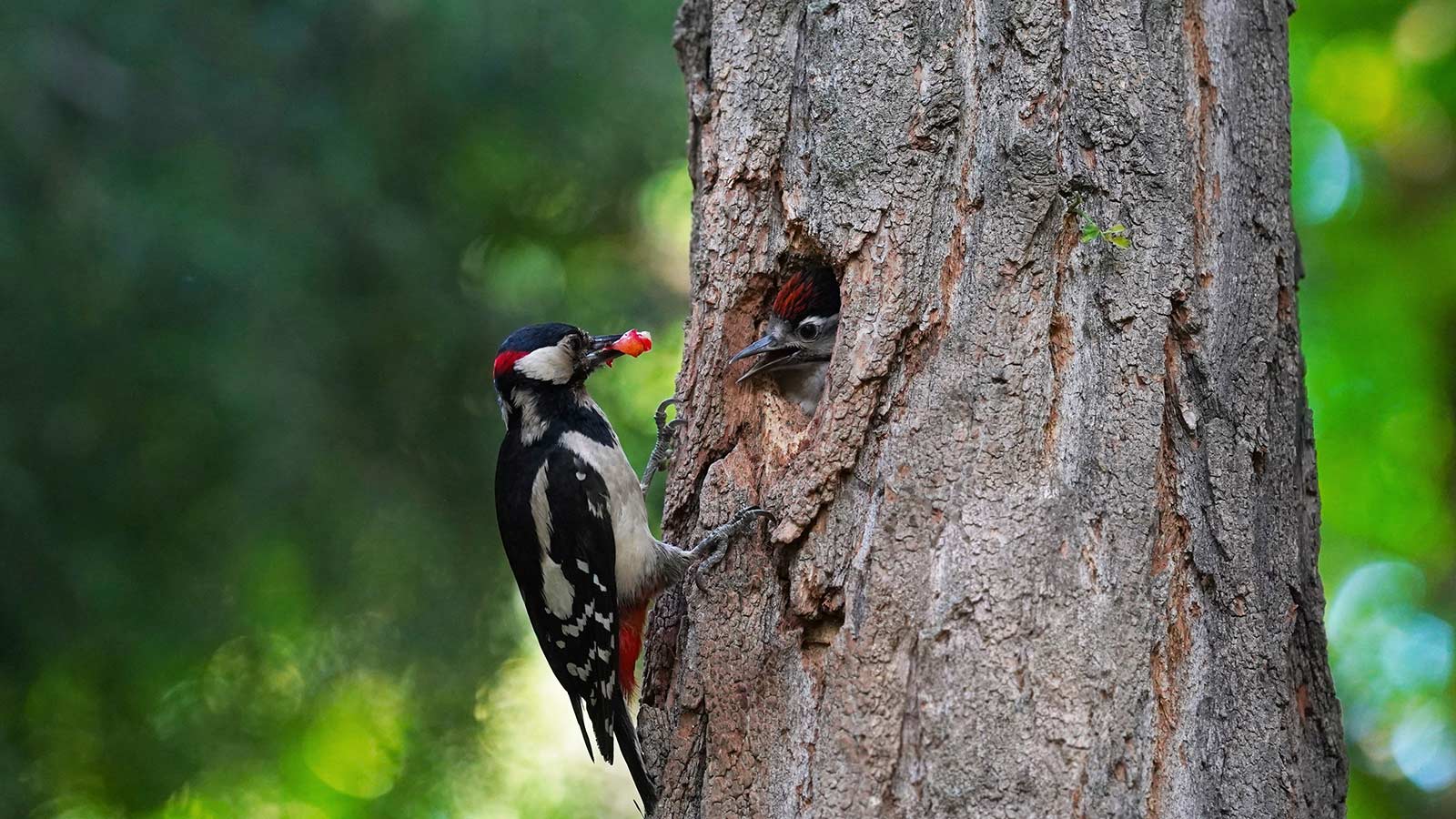
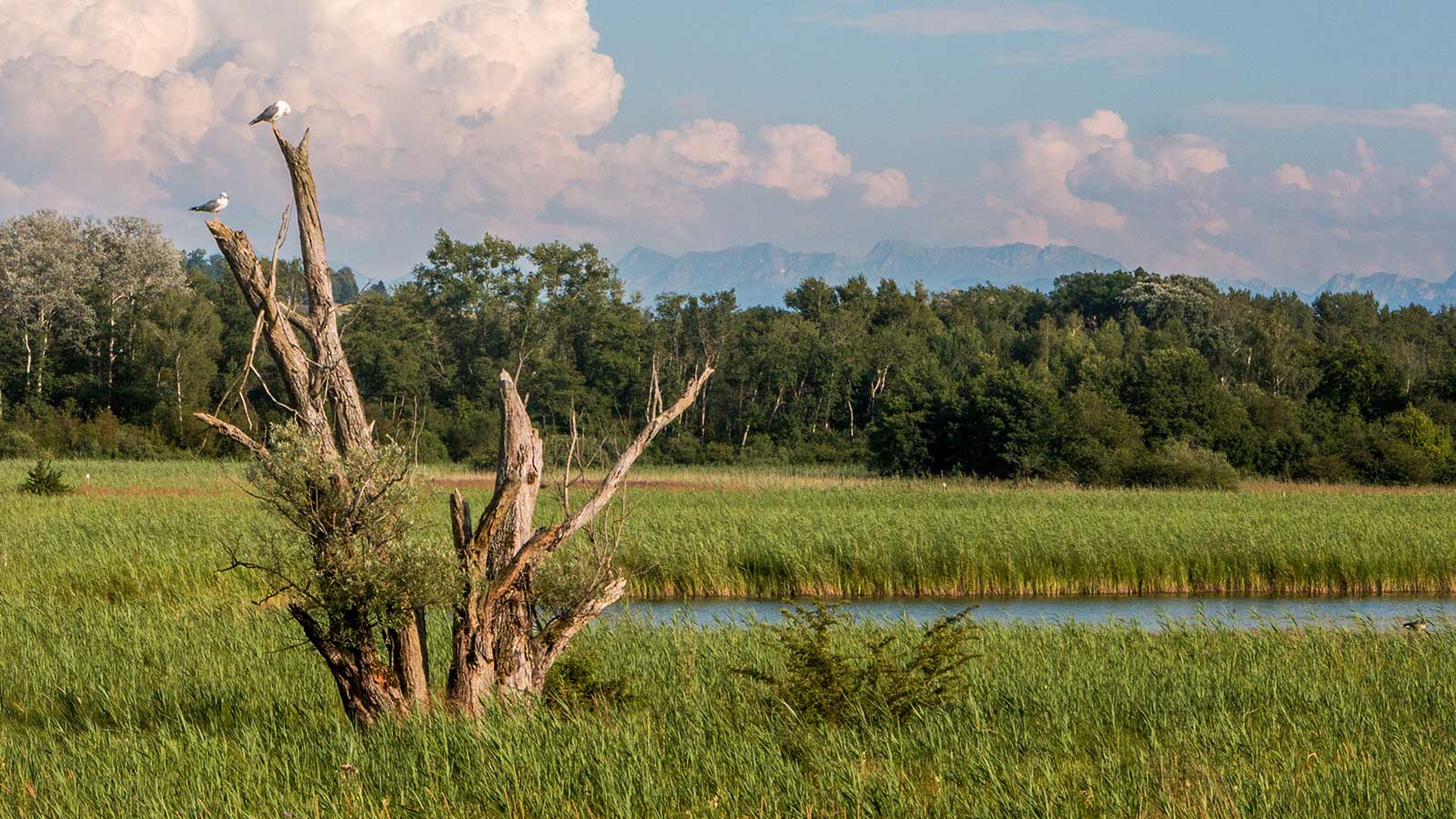
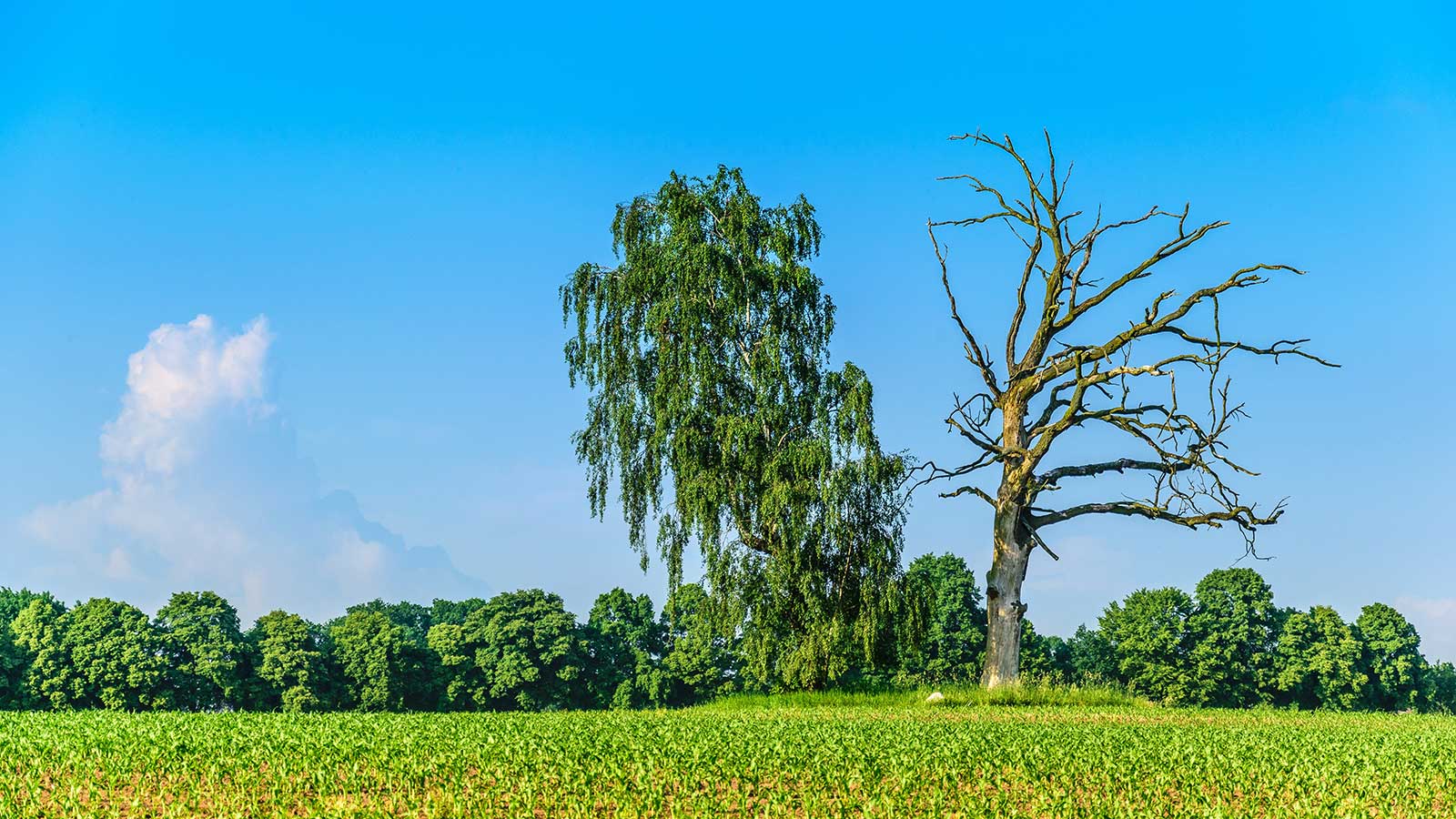
I could feel my mood lighten with each step. There were stories told in the animal tracks. Jays and crows were calling. I saw a red-headed woodpecker, which is an increasingly rare sight, as these birds need dead old trees to nest in, and dead old trees are not often left to just be dead old trees.
Weather Notes
Last month, I briefly mentioned that average winter temperatures have been warming faster than average summer temperatures over the last 100 years. This phenomenon can be observed across most of the cold and temperate regions of the world. In fact, January temperatures are 4 or 5 degrees warmer on average in North Carolina than they were in 1970, but it sure didn’t feel that way the last few weeks, did it?
Central North Carolina averages around 5 inches of snow a year, but that doesn’t tell us much, because year-to-year differences can be quite dramatic. Several of the last few winters have been snowless, making the back-to-back winter storm events this January even more of a contrast. You might be surprised that although snowy roads are a challenge for us, in many ways, they help protect our plants and the critters that live in the soil and mulch zone. But we need a lot more precipitation to make up the dry spell we’re going through. Further into the newsletter, I will talk about some of the effects of these wint’ry blasts in our monthly Q&A.
Rain (Snow)Summary (from RDU):
- 1.78” since 01/20 (historic average 2.57”)
- 2.44” Year-to-date (historic average 4.84”)
Yard Sleuthing: Nature’s First Responders Bloom
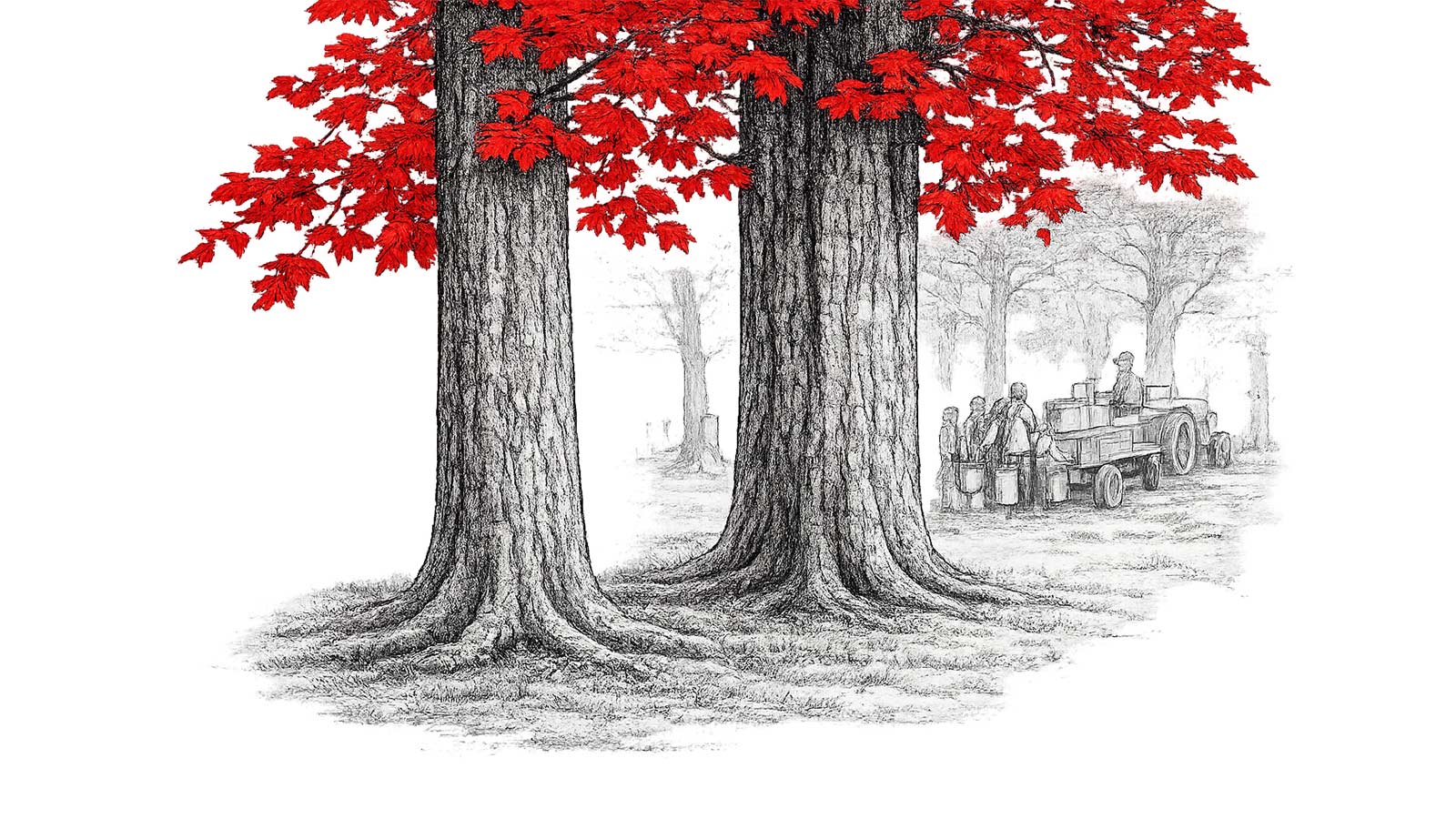
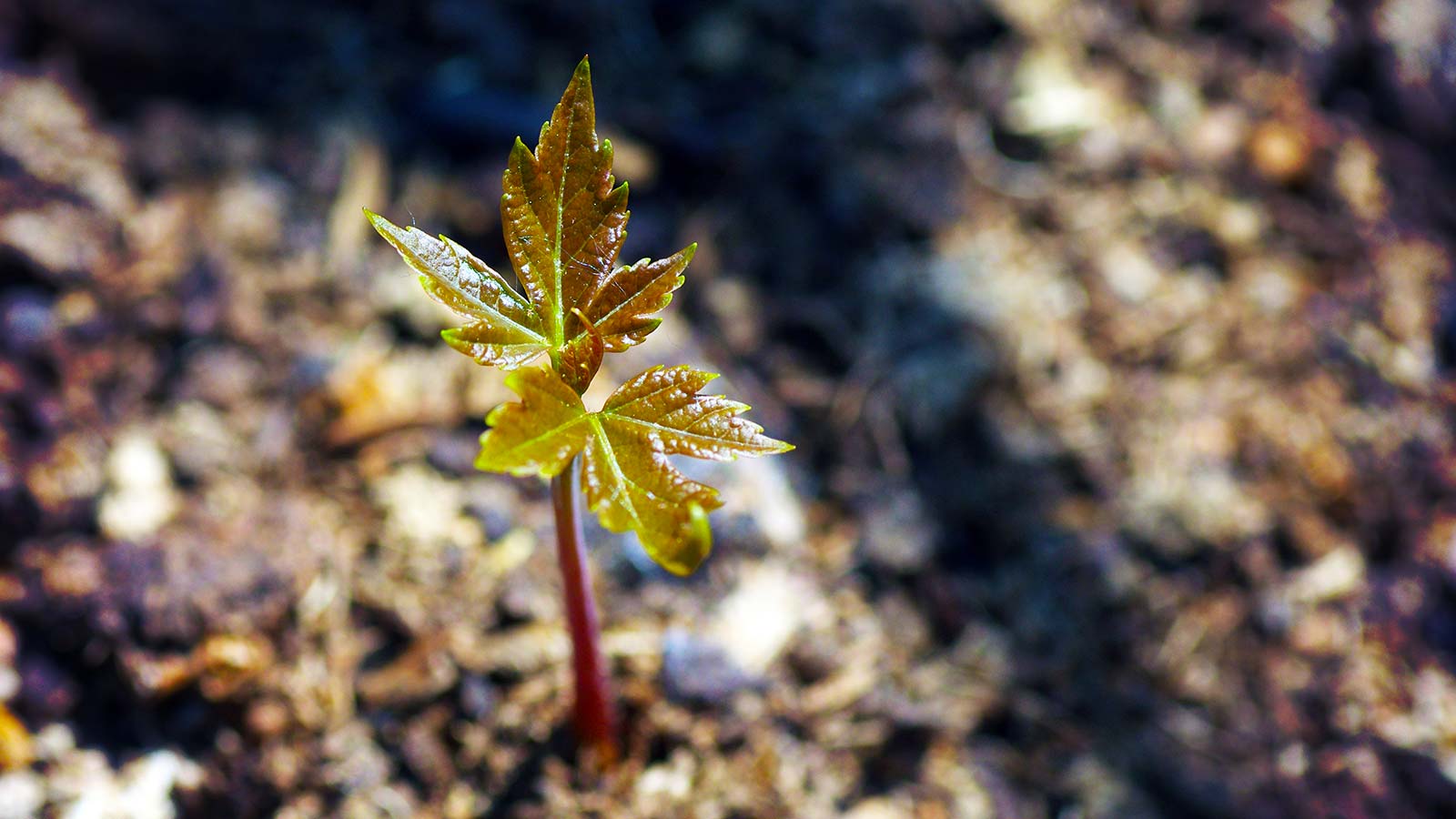
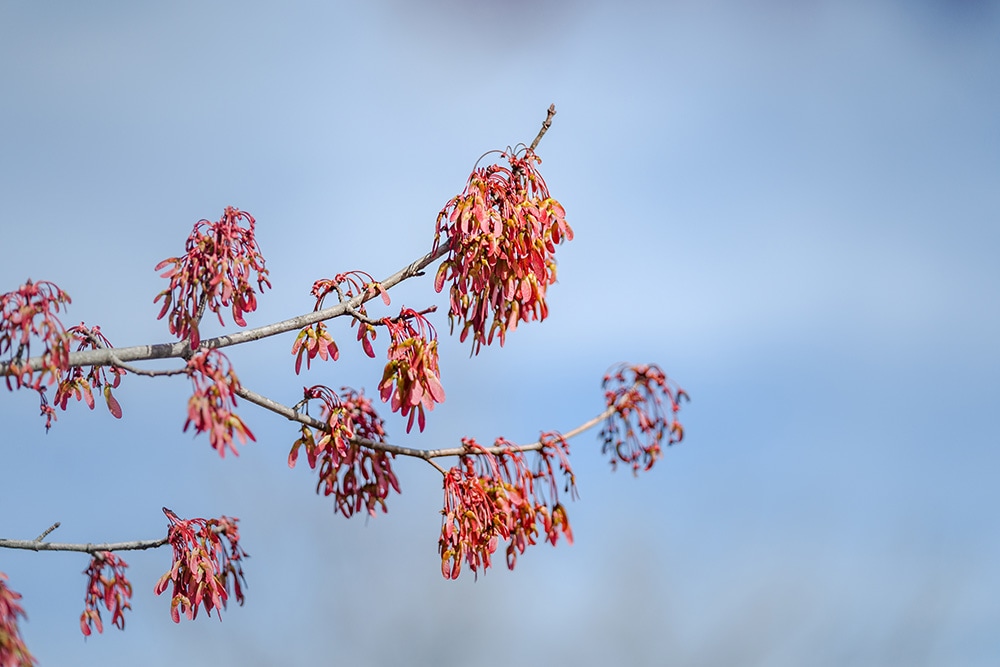
Our gardens are still mostly dozing, but there’s some yawning and stretching going on amongst the twigs and high in the canopy if you really look. Red maples are already painting the roadside canopy red with their clusters of tiny bright red flowers. Their red samaras, containing the seeds, follow soon after and are released on the breeze as the leaves start to unfurl. Silver maples have the same unusual plan: reproduce first and photosynthesize later.
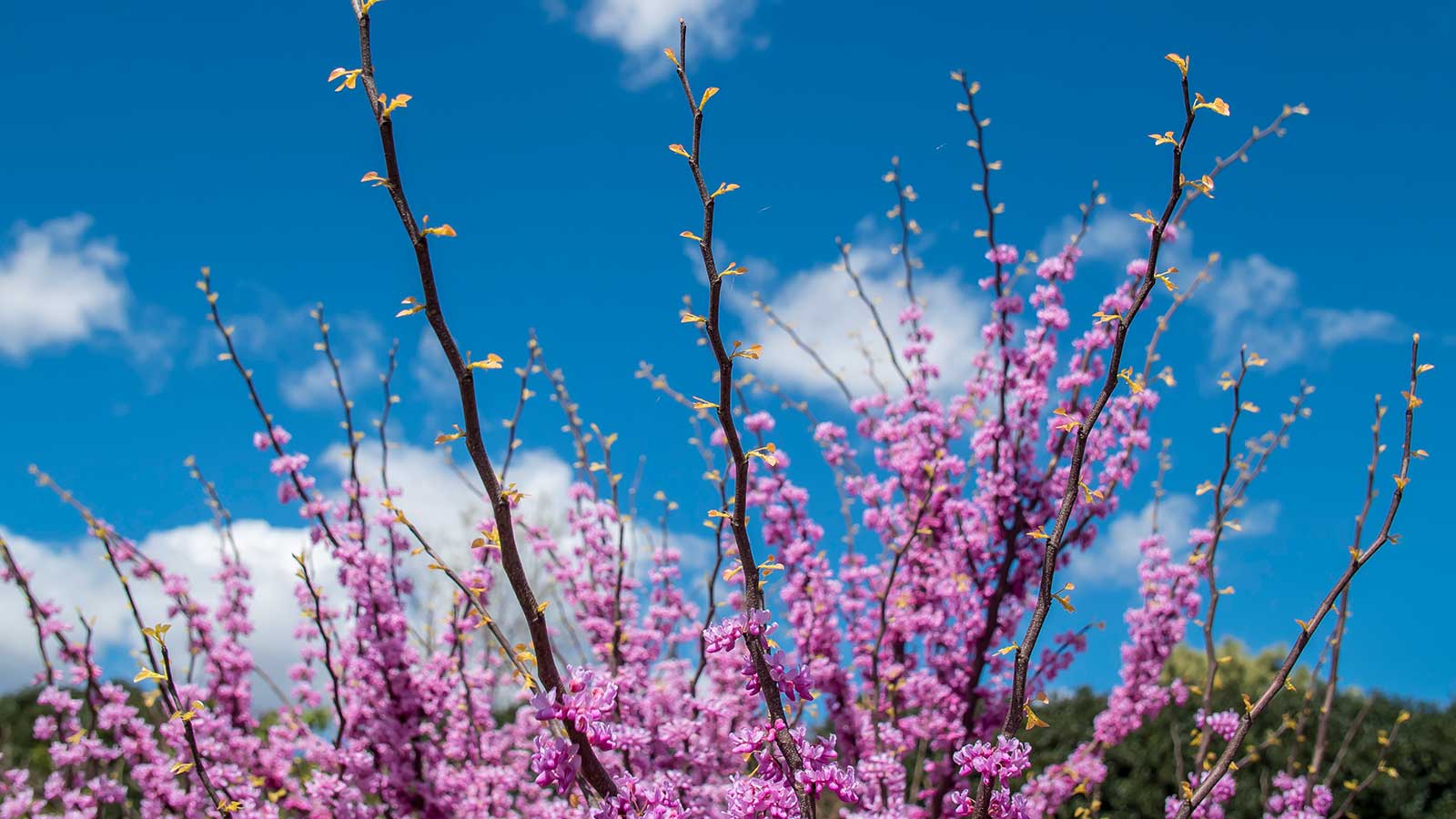
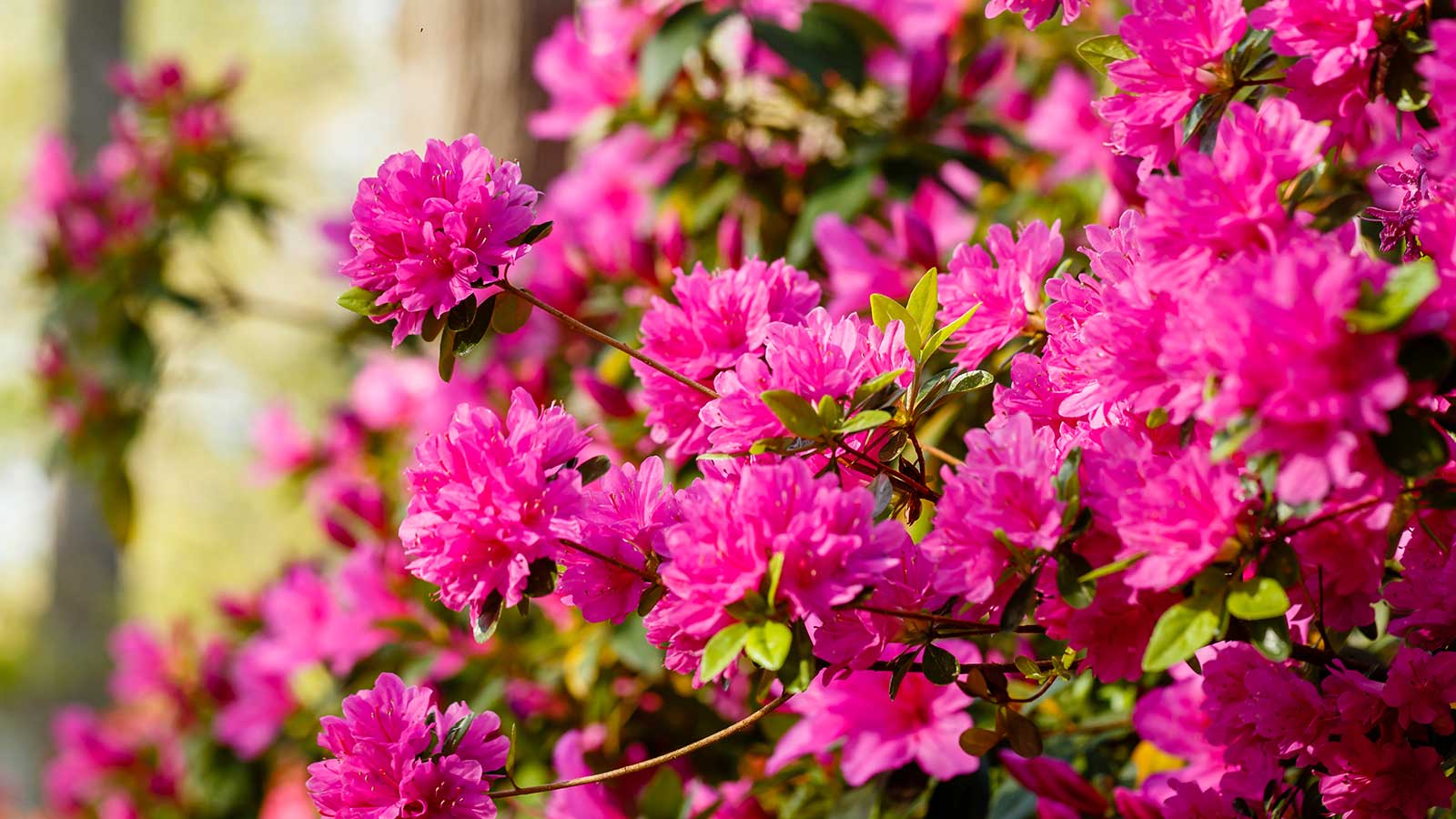
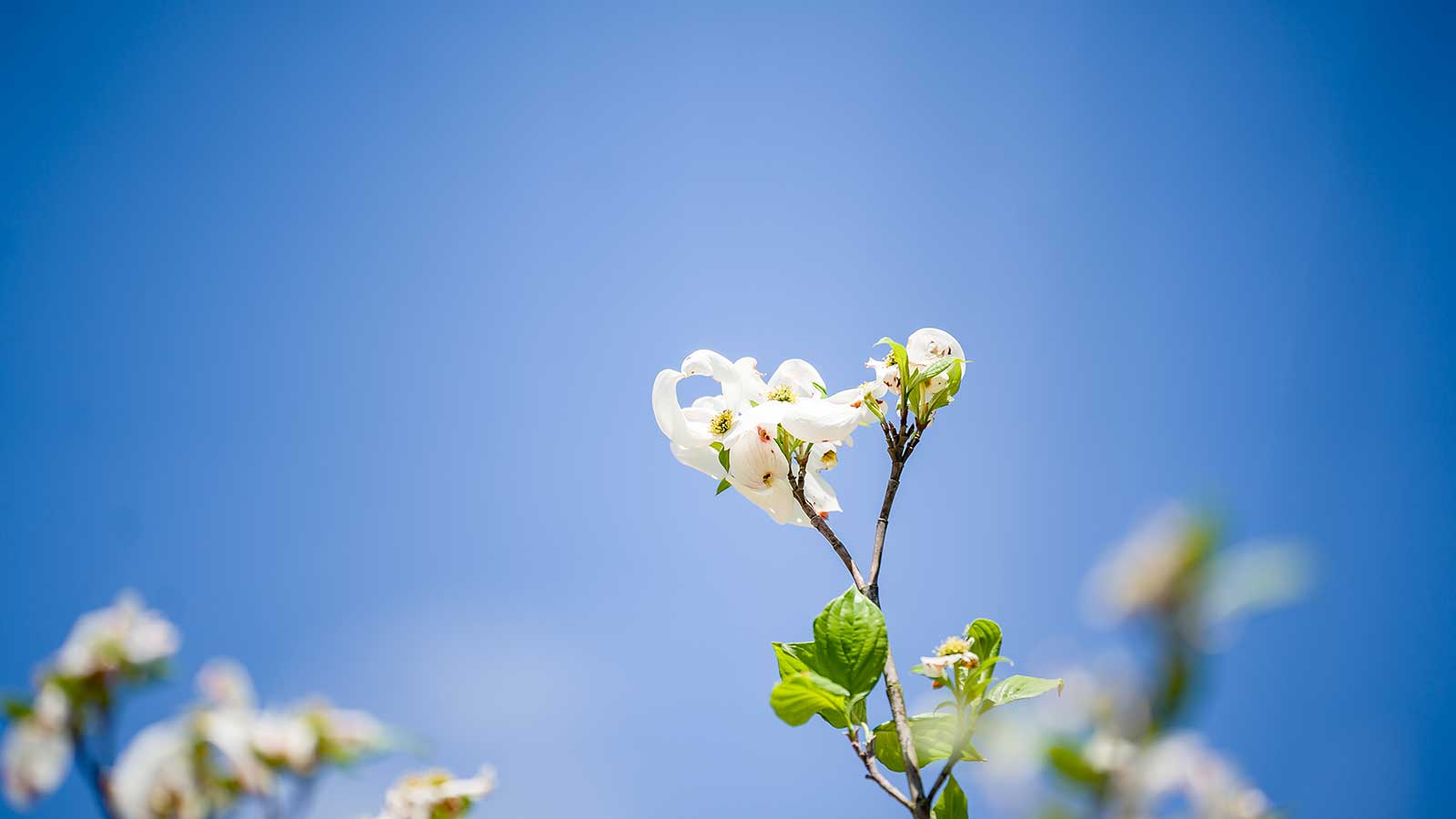
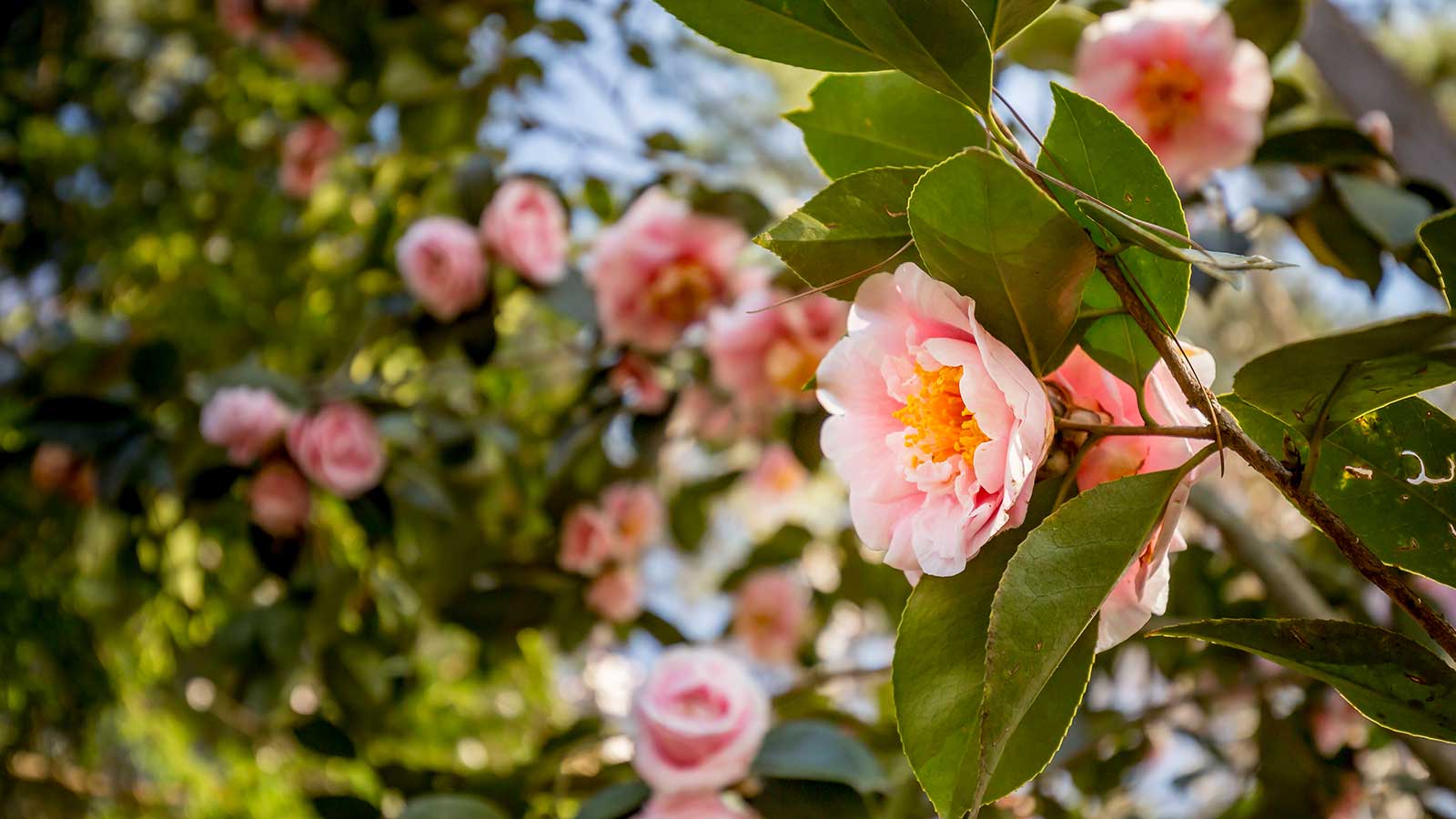
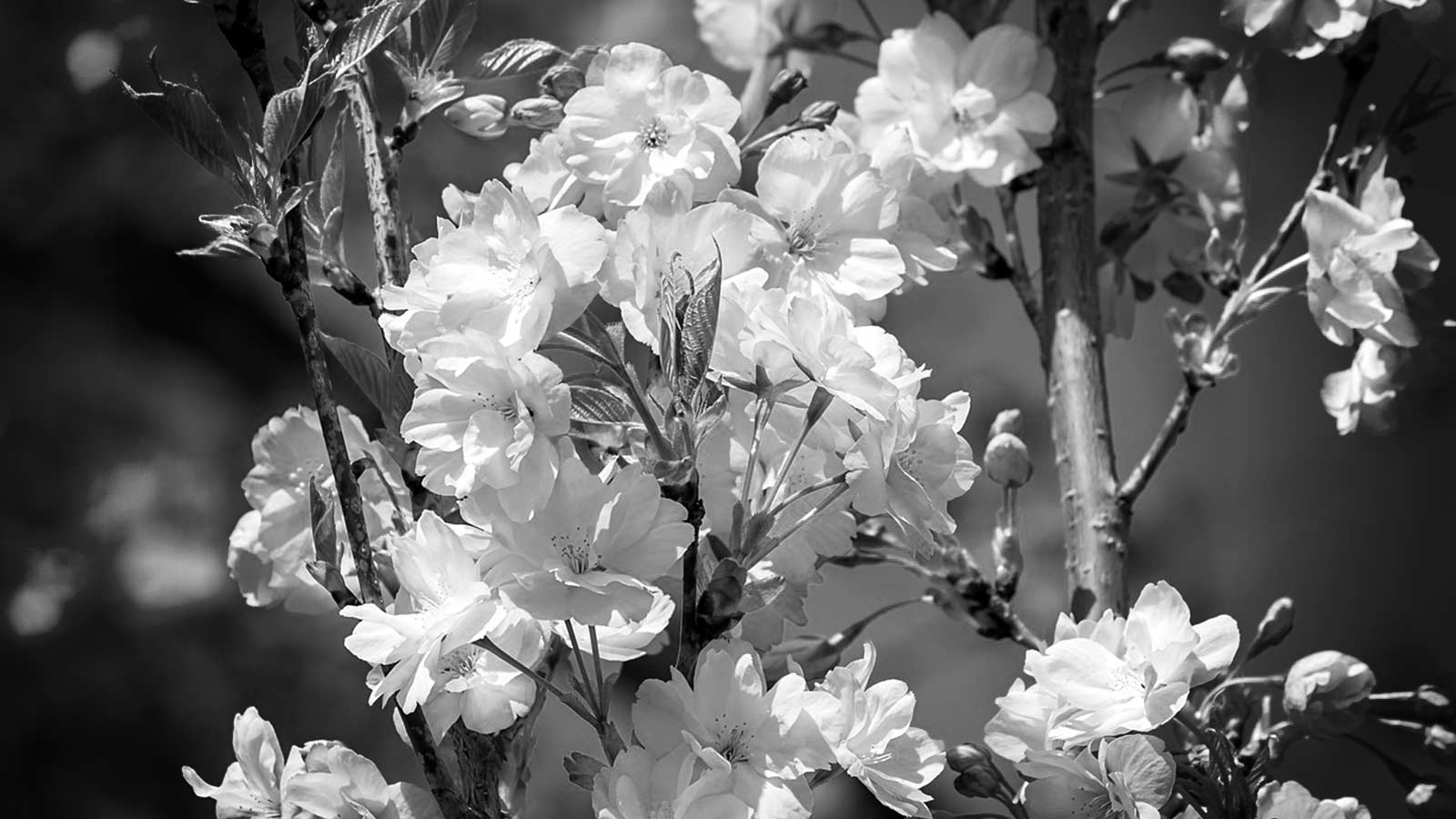
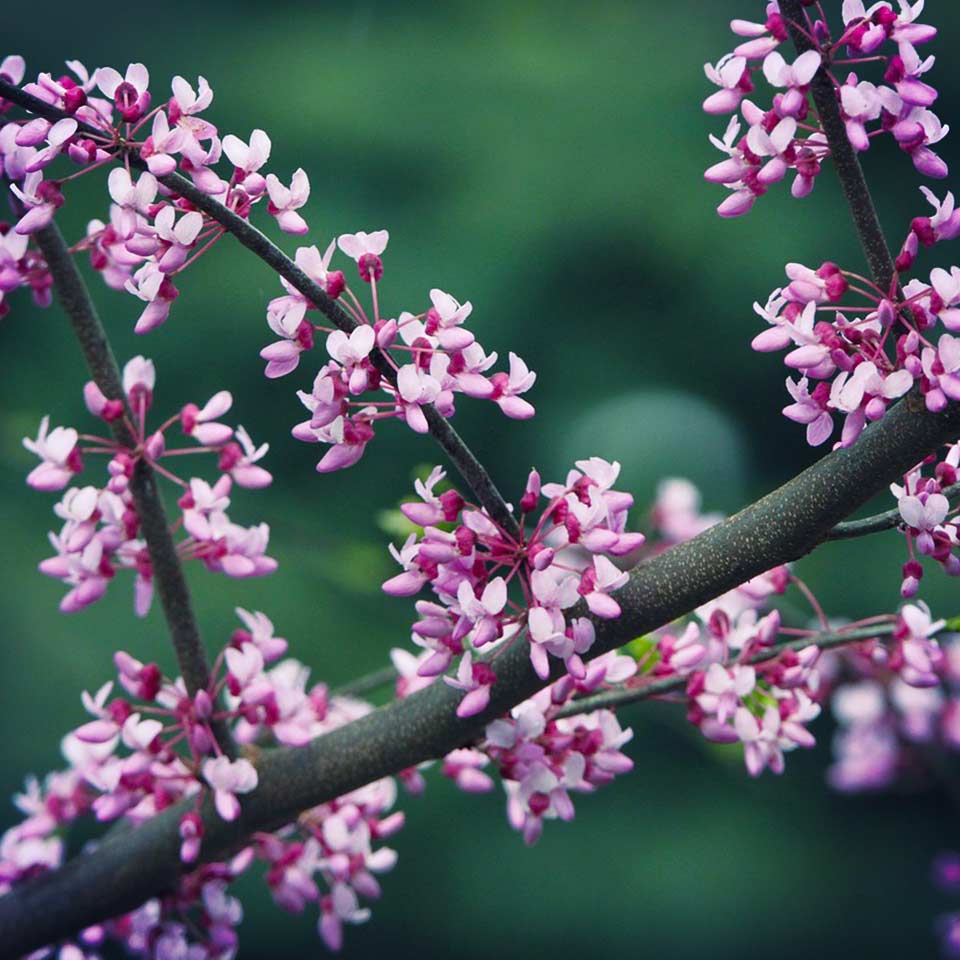
Down in the understory, serviceberry will sport creamy white flowers, and the tiny yellow sprays of spicebush flowers will soon fragrantly adorn bare limbs. The distinctive pink redbud flowers will follow, and soon after that, everything will burst forth in full leaf.
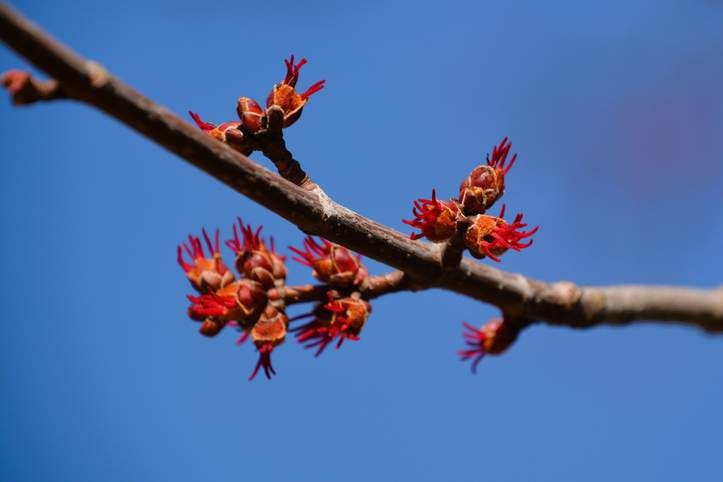
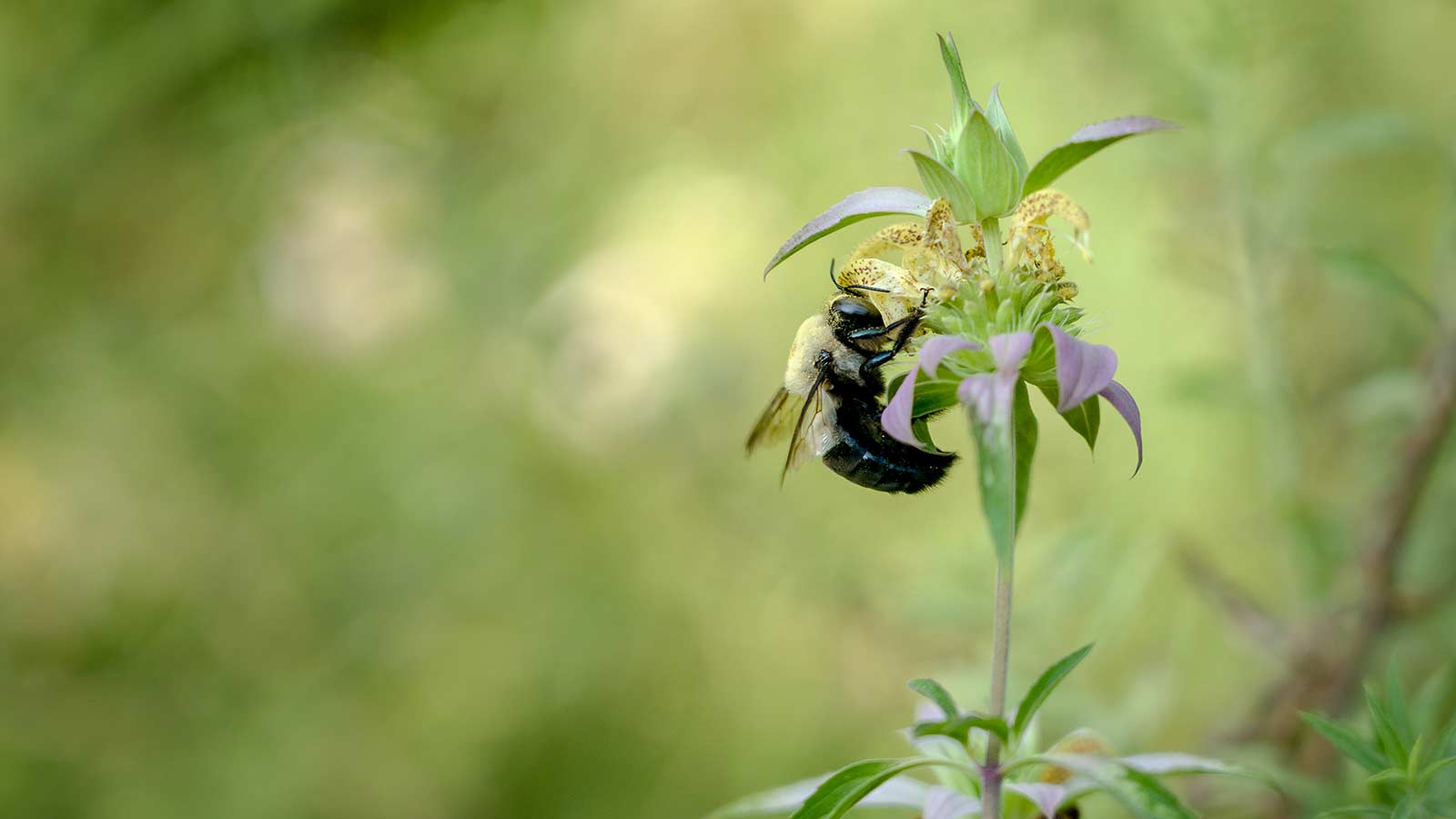
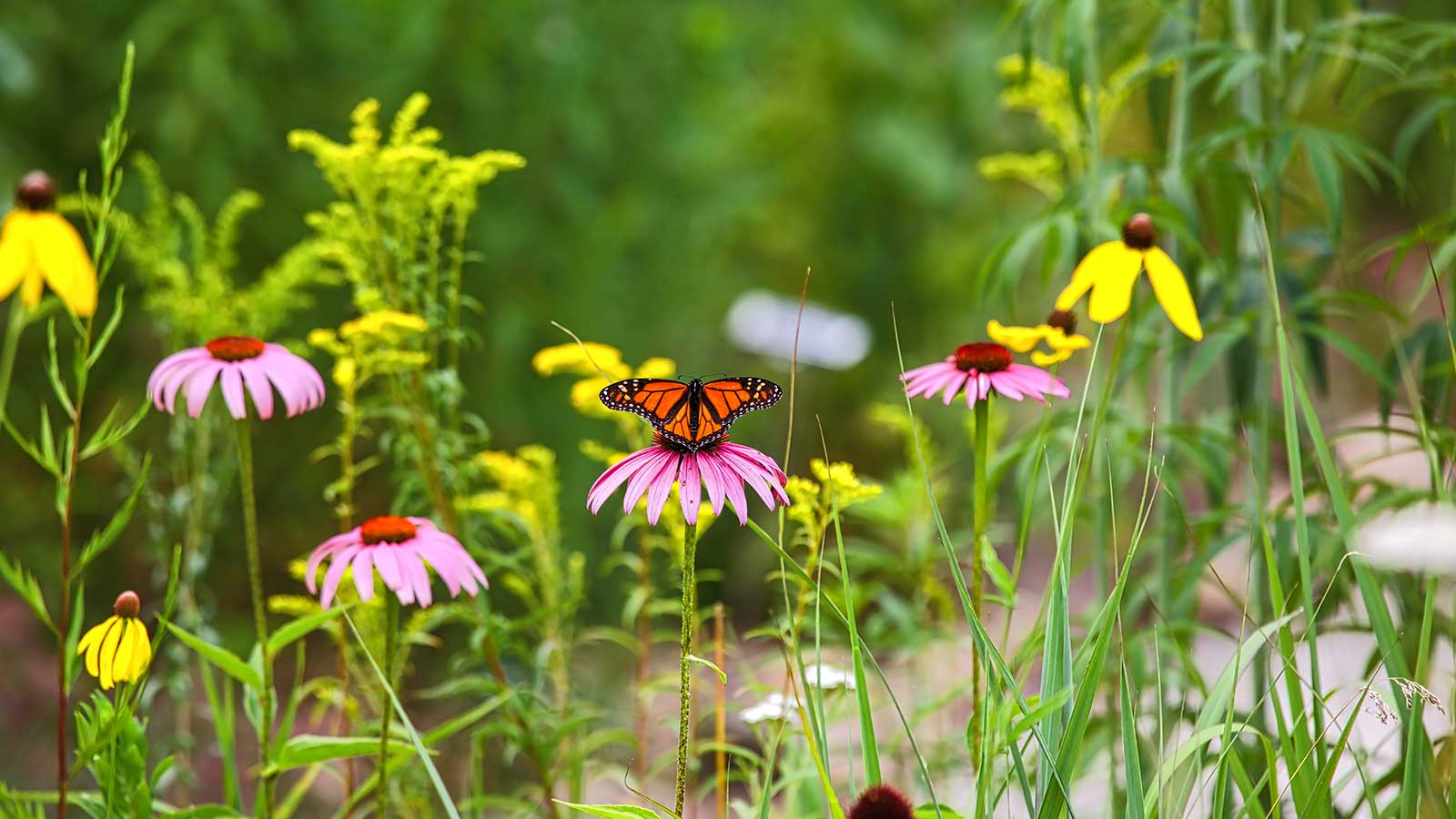
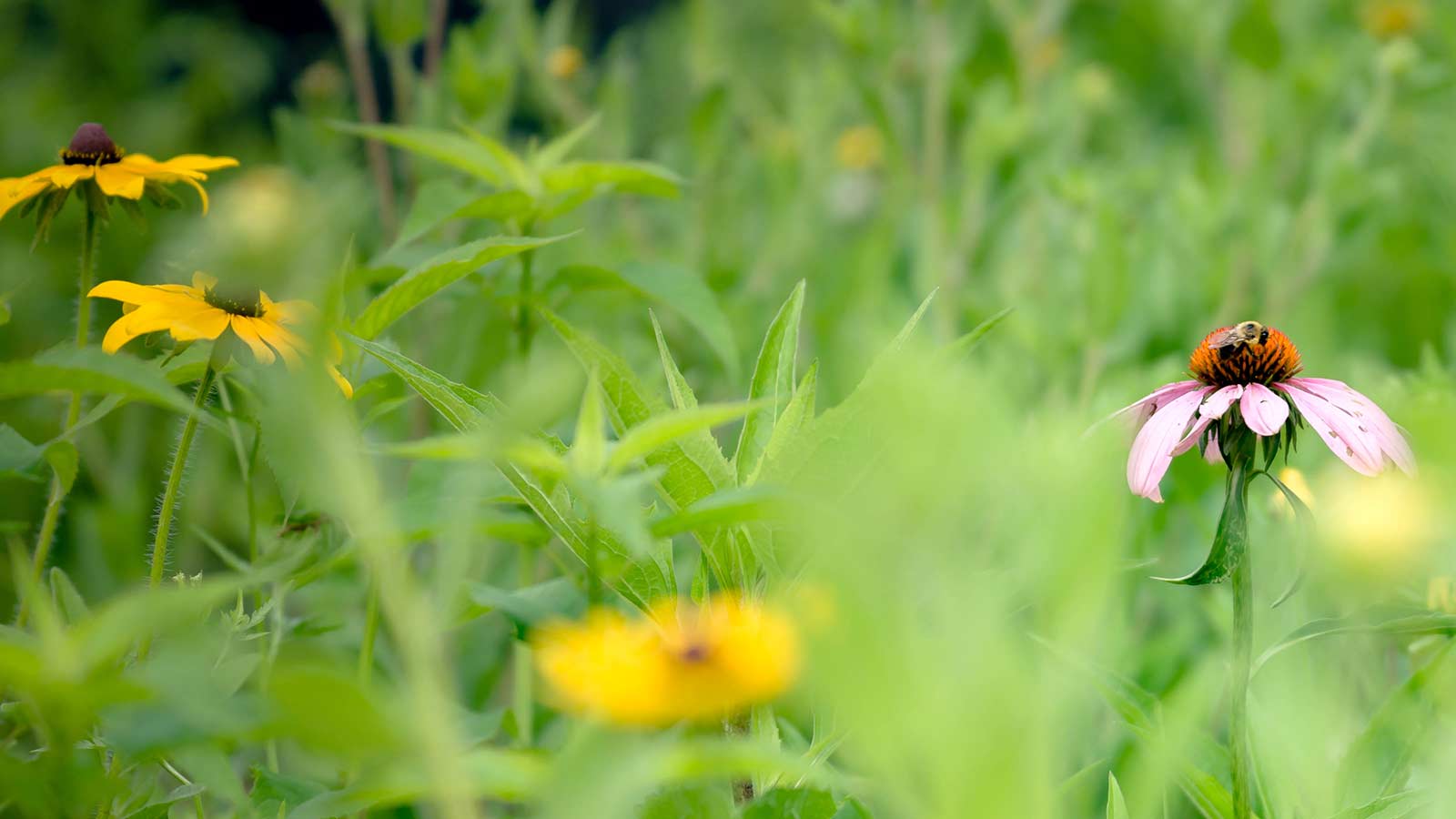
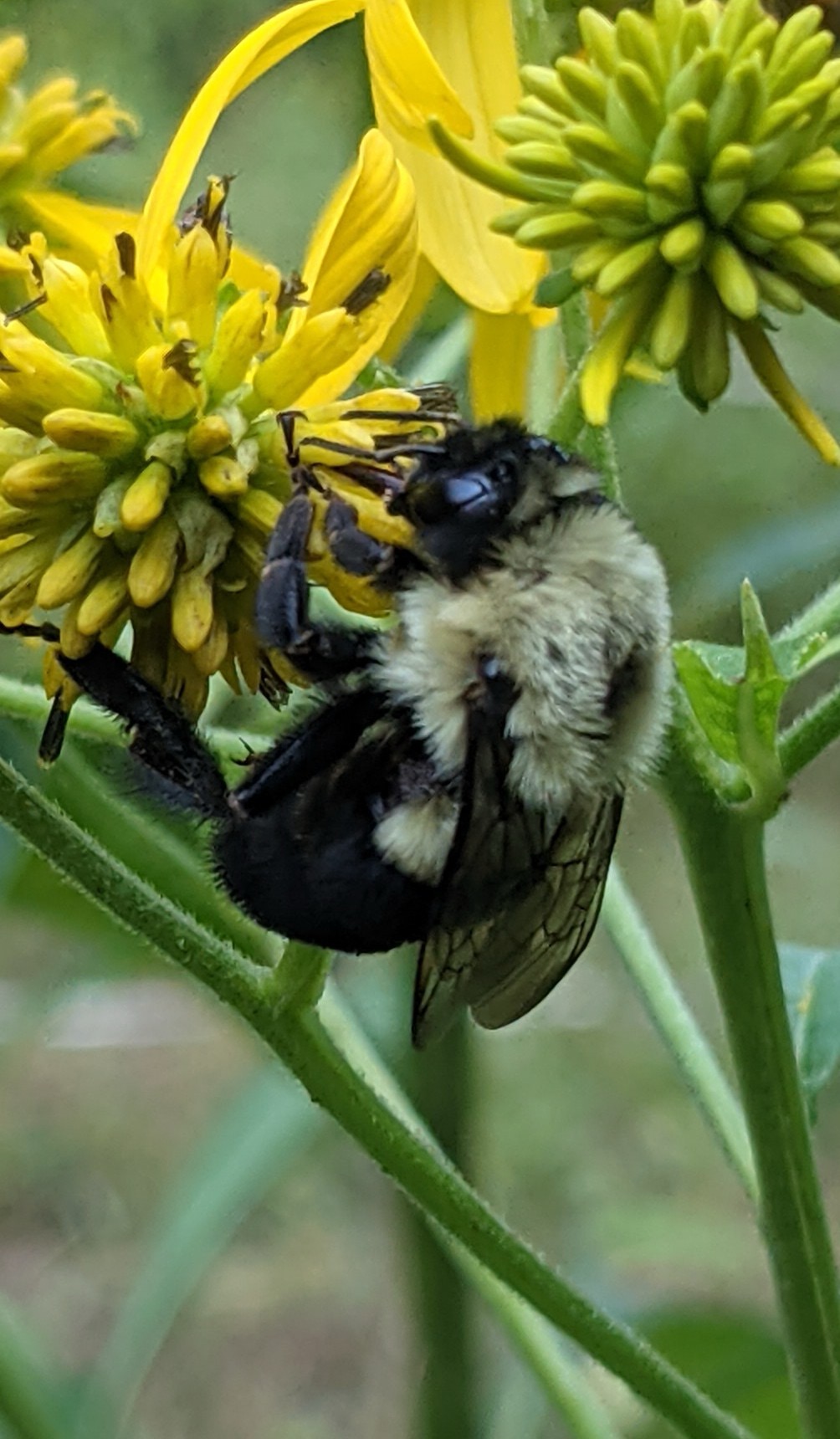
In the soil and among the curled, brown leaves, insects and other small critters are beginning to wake. Early fliers, including many species of bees, beneficial wasps, beetles, flower flies, and others, are looking high and low for the nectar of early bloomers like maple. In North Carolina, red maple flowers are one of the first energy sources available to queen bumble bees emerging from winter. They don’t rely on maple alone, but it can make the difference between a queen surviving long enough to start a colony or not. Many bumble bee species are in sharp decline.
Give them help if you can. You might have heard of “No Mow March,” an initiative to wait a bit longer before mowing yards so that these early-emerging insects have access to more food sources. Right down the road, in Winston-Salem, you can even sign a pledge and get a yard sign.
Plant of the Month: Red Maple (Acer rubrum)
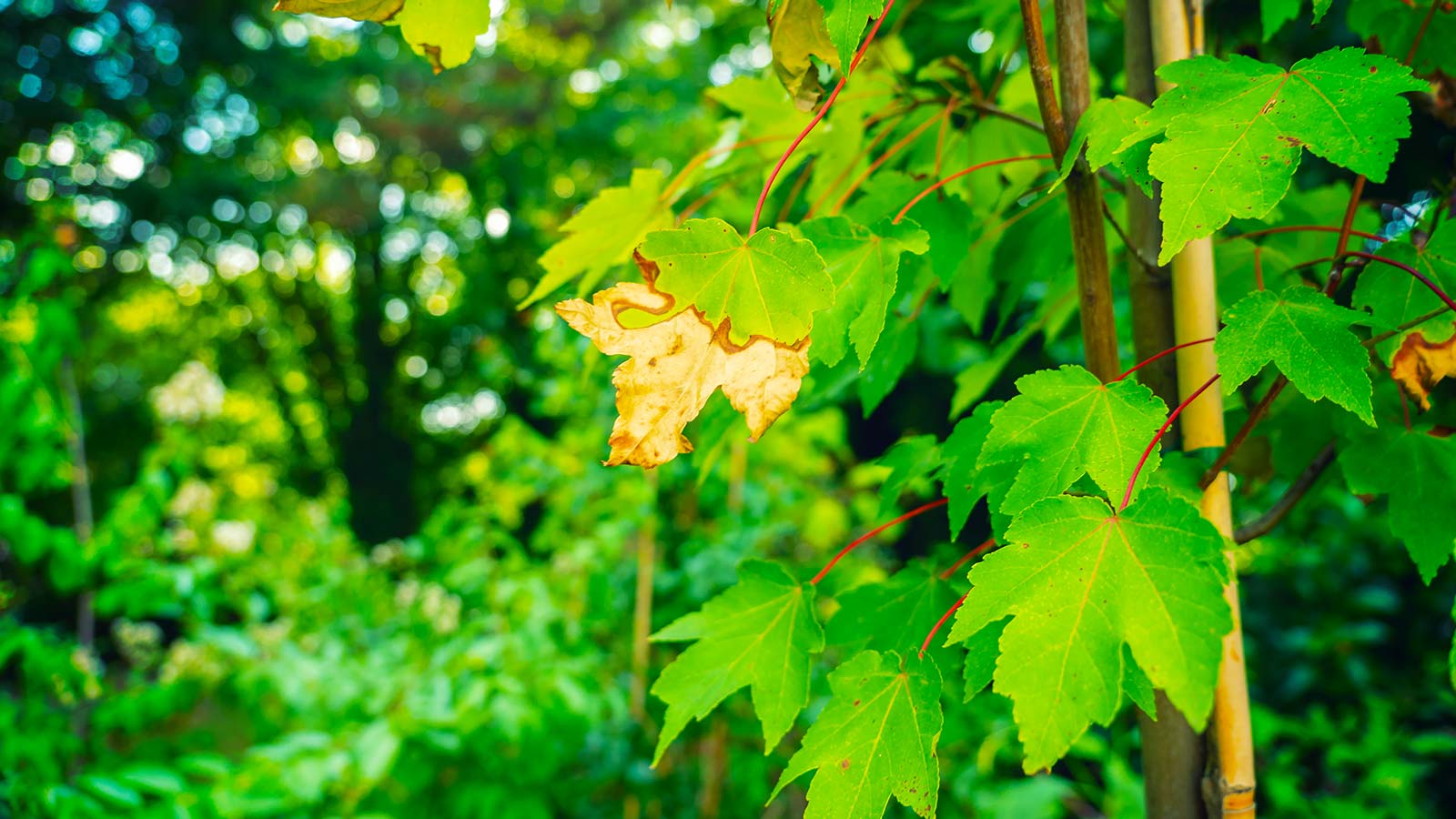
The ubiquitous red maple, despite being very common and widely planted as well as widely growing on its own in woodlands, is a great tree in any yard. It lives up to its name with the bright red flowers, red samaras, red leaf petioles, and the red, orange, or yellow fall foliage.
- It is adaptable to a wide range of yard situations.
- Makes a reliable, but not overly large, shade tree.
- Early-season flowering is important for insects.
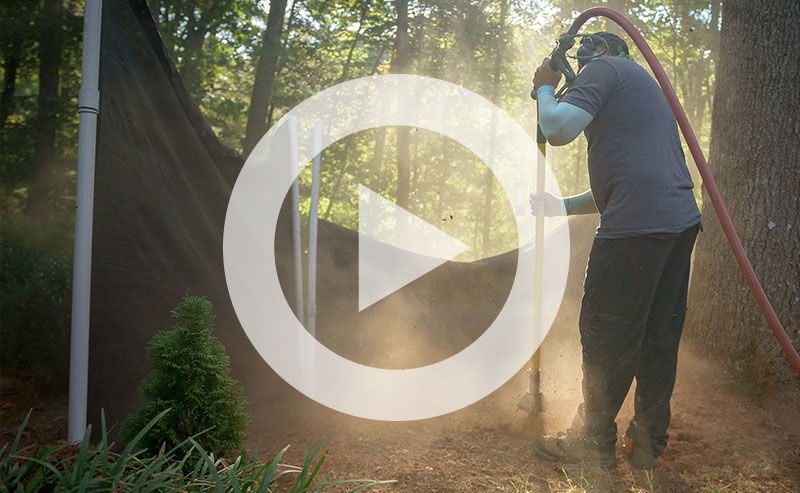
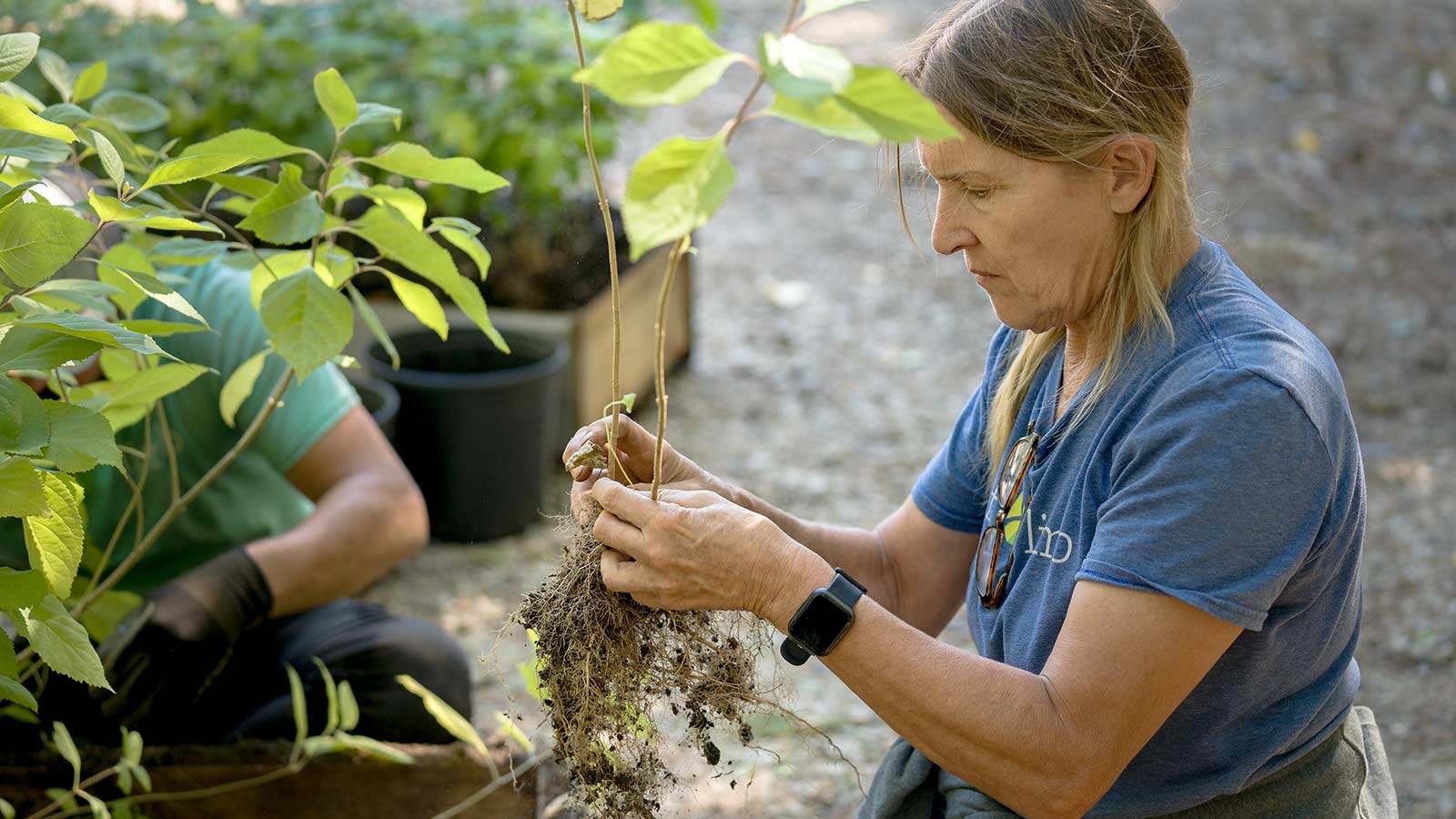
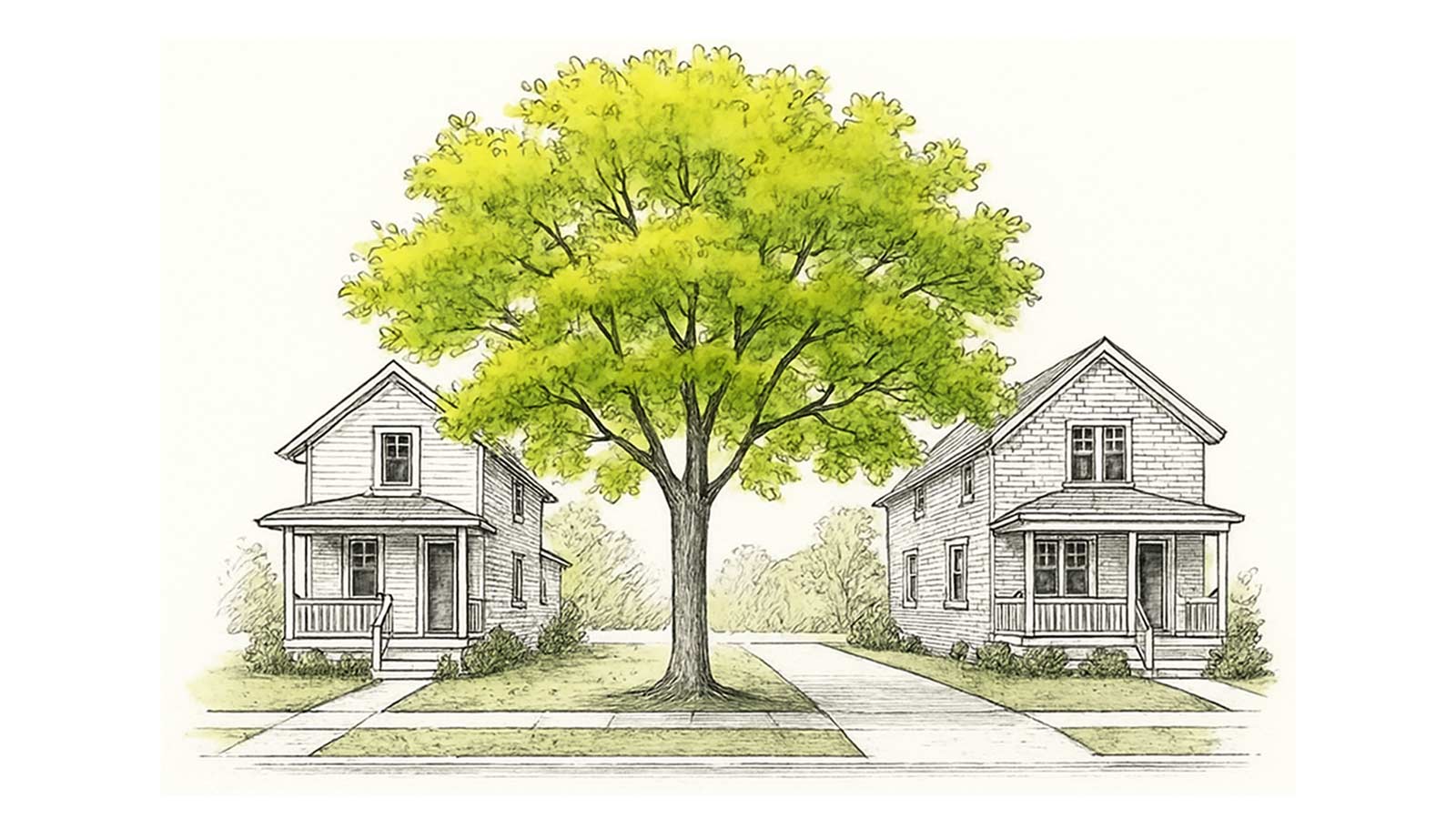
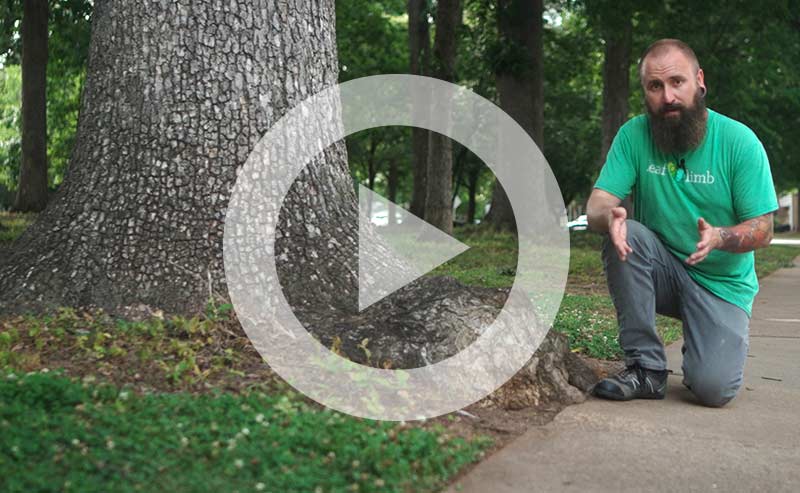
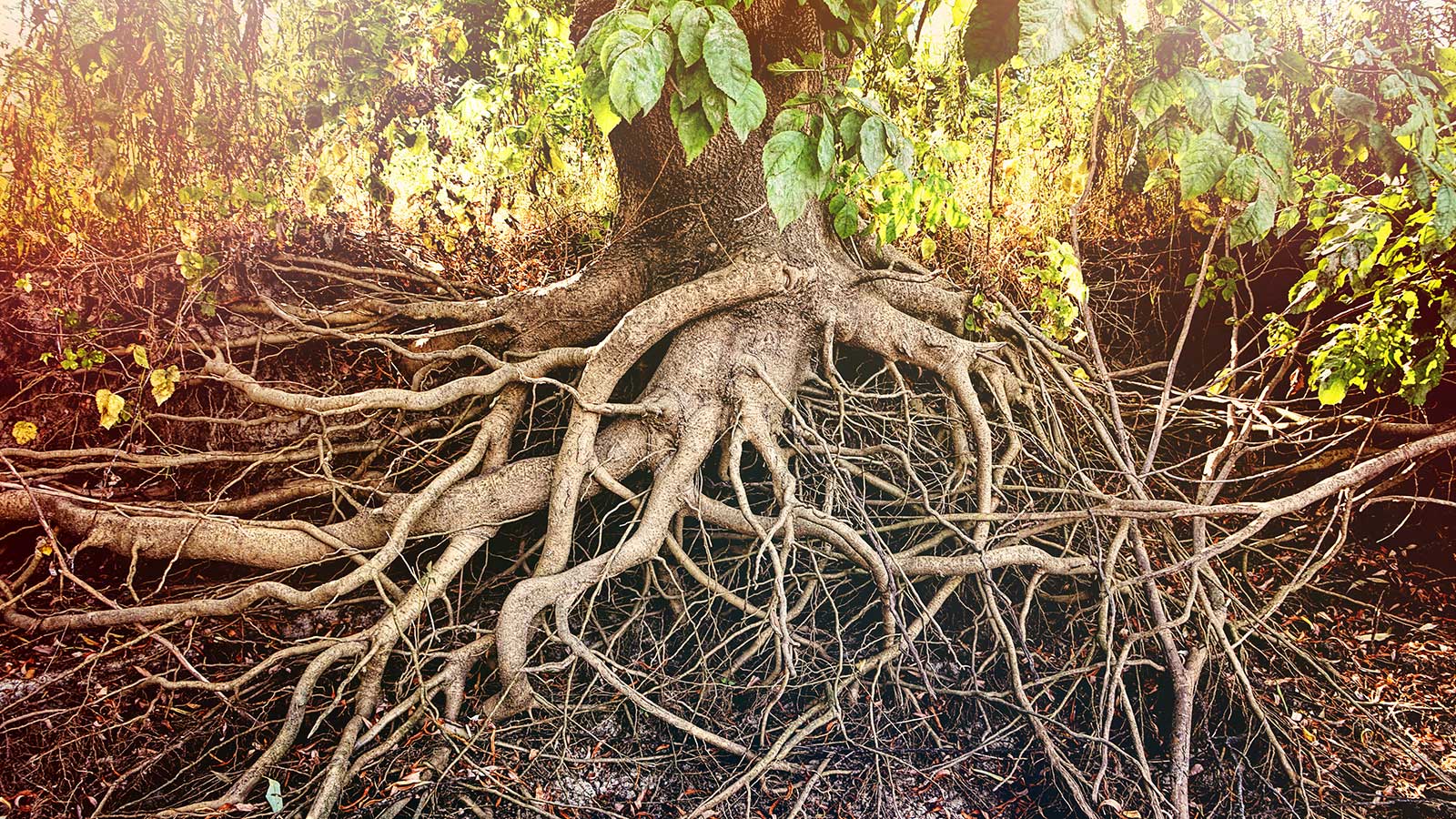
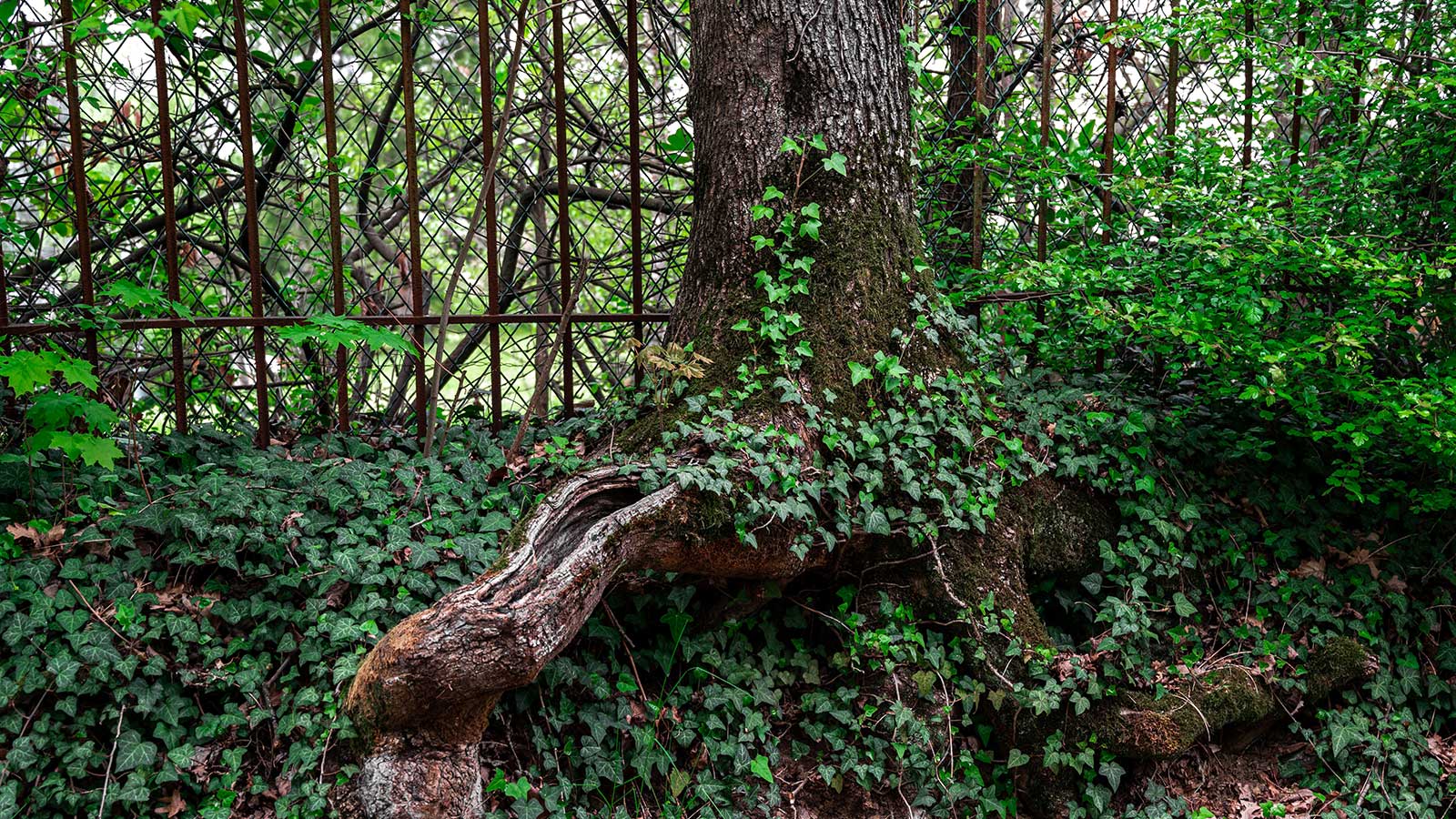
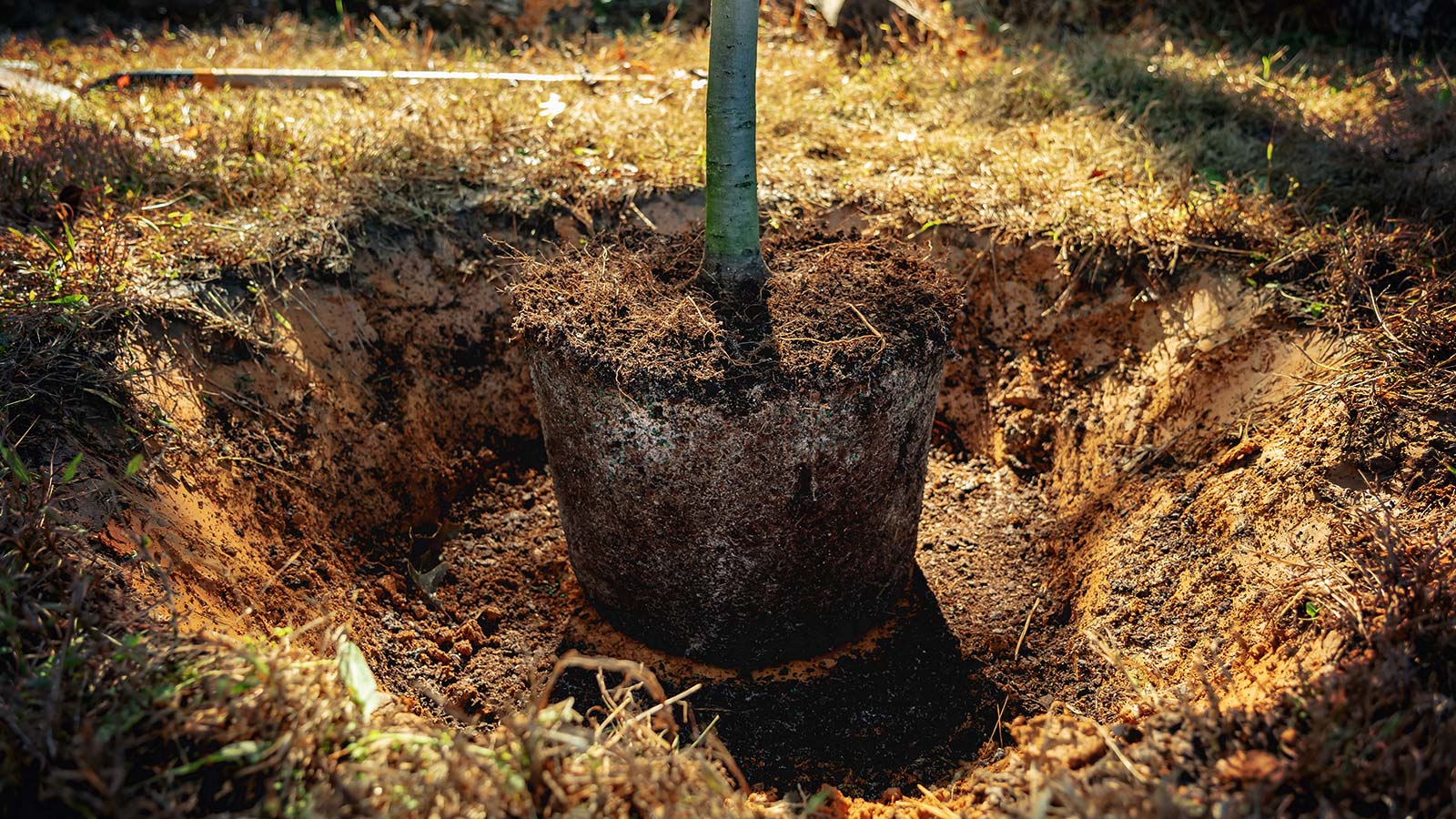
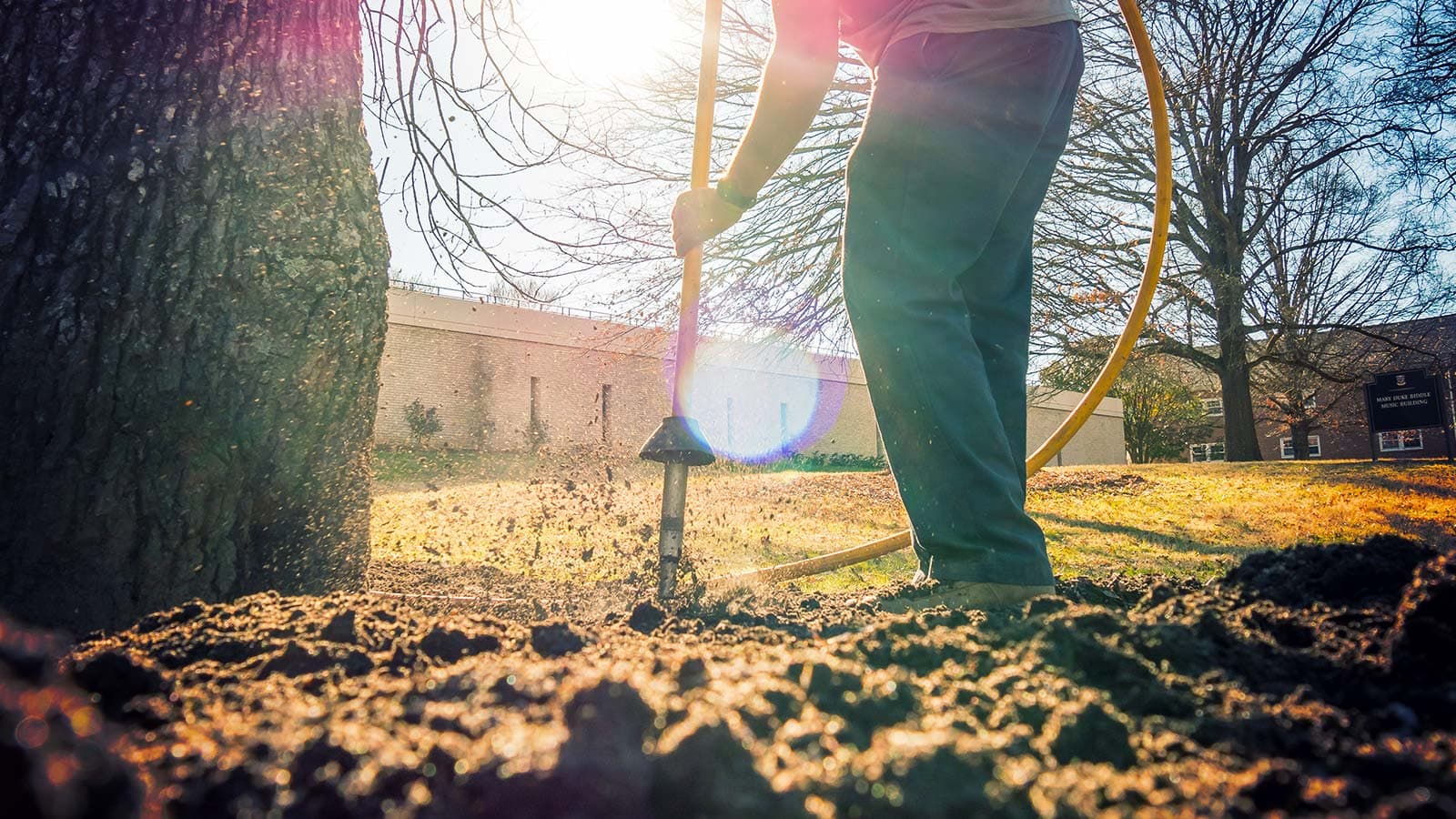
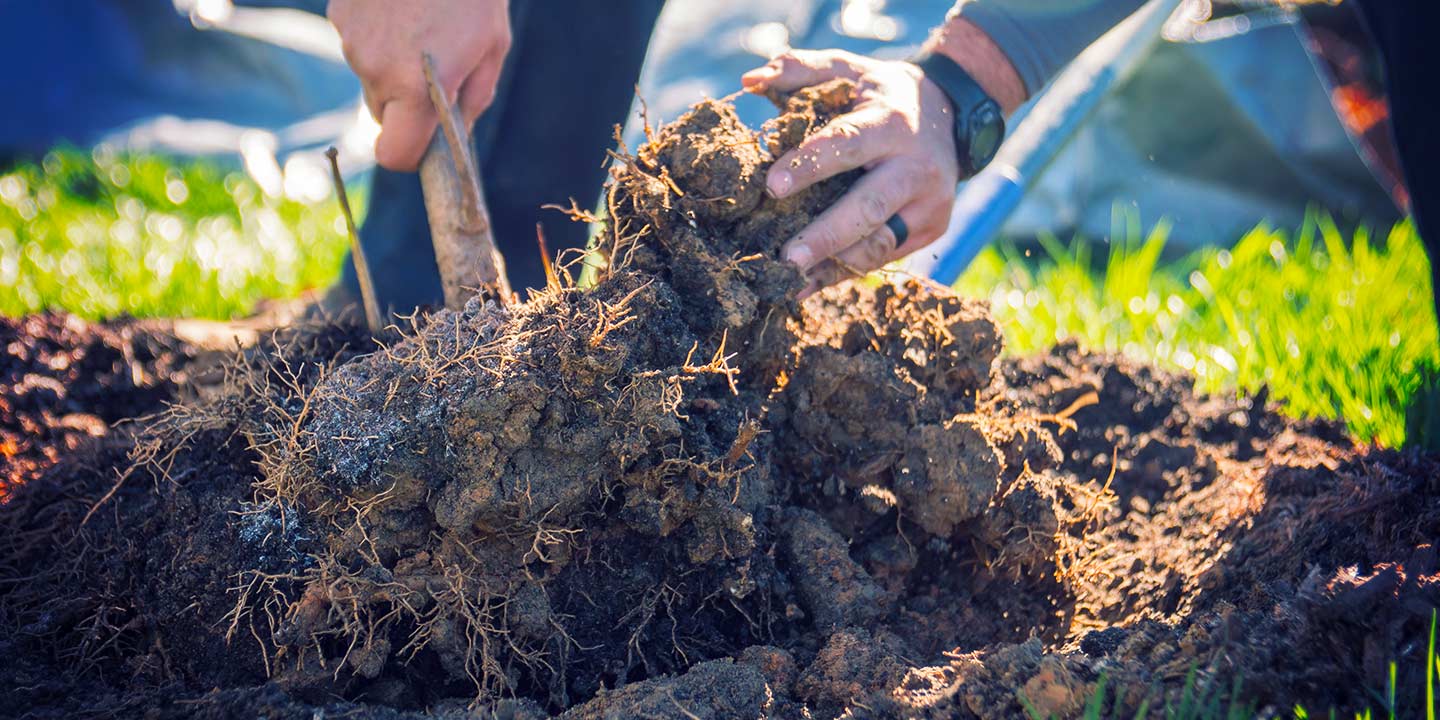
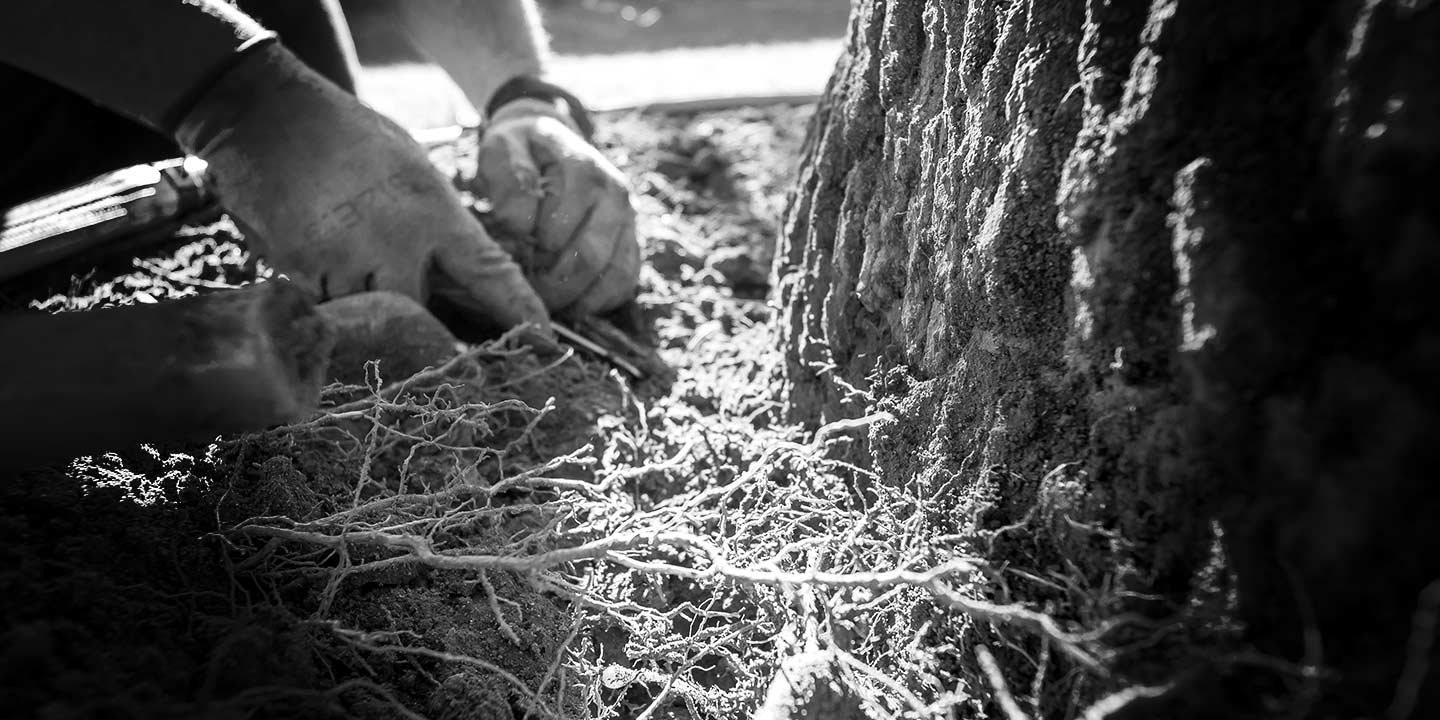
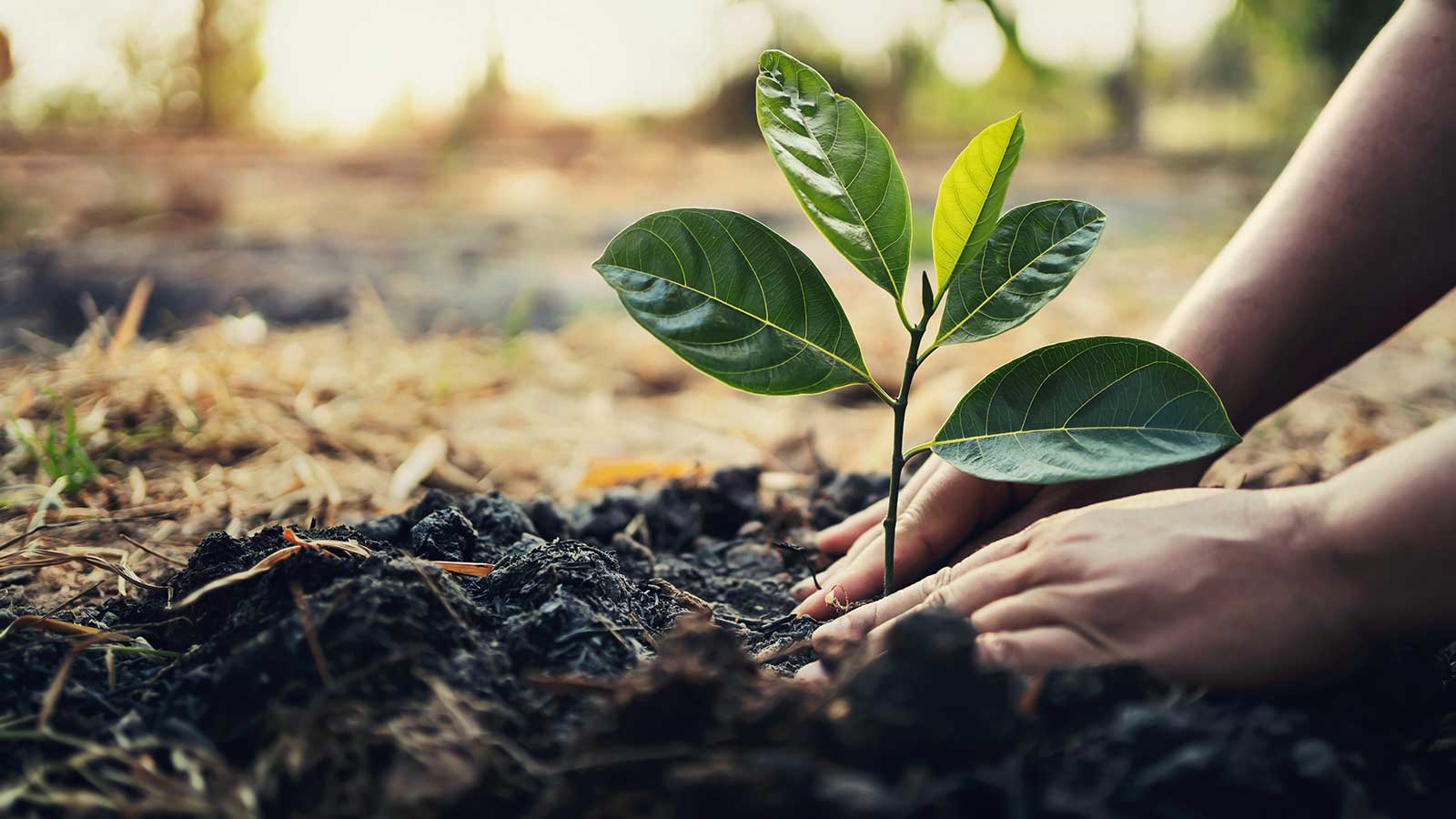
- Maples planted by developers in new subdivisions often struggle with twisted, strangling roots. Learn about why good root development and good planting practices are so important in Chapter 10 (p.65) of From Wasteland to Wonder. The situation can be improved with a root collar excavation and soil improvement. Contact us to ensure your maple has the best chance at a long, fruitful life.
Q&A: Cold Snaps and Snow
Several readers have expressed concern about the effects of the cold snap and the snow we had in late January.
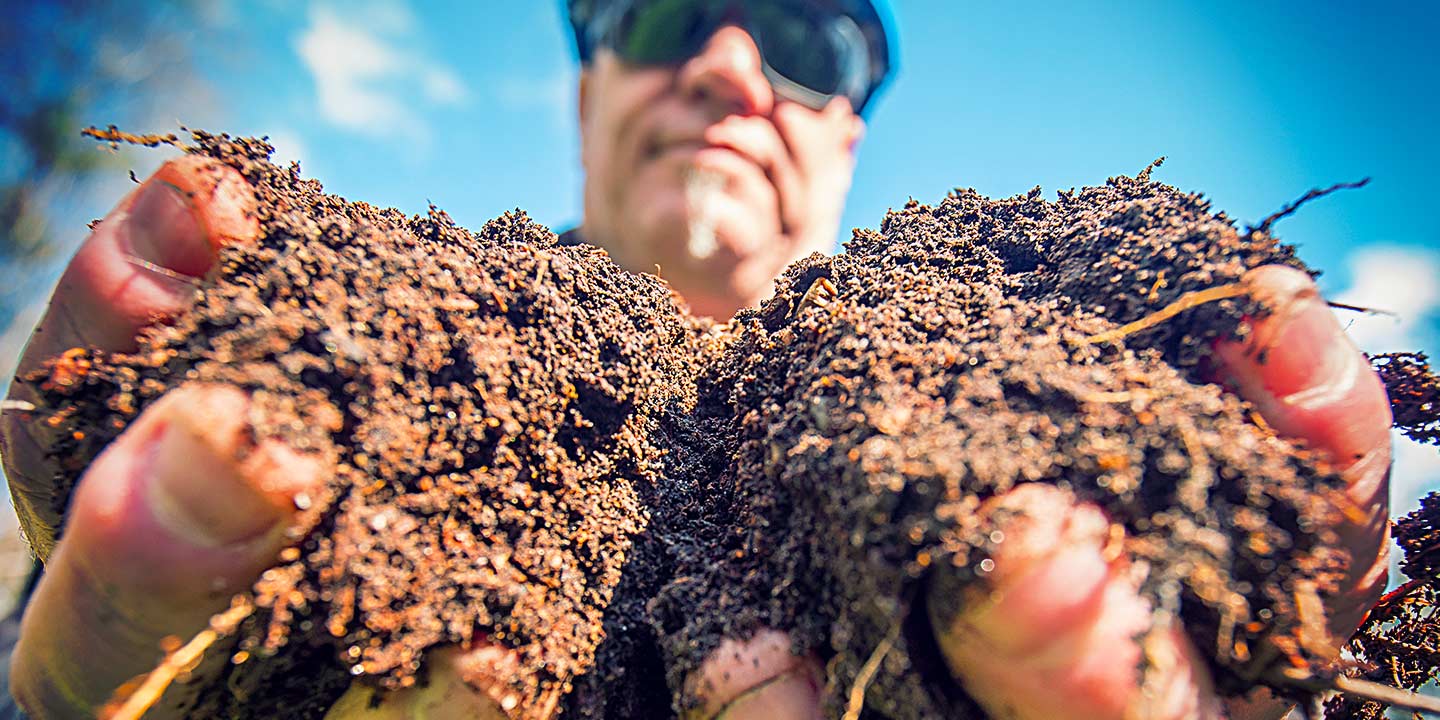
Does snow count as rain? Many people wonder how many inches of snow equal 1 inch of rain. This varies widely depending on the type of snow that accumulated. It can be dense or light and airy. In our area, a useful rule of thumb is that 10 inches of snow is roughly equivalent to 1 inch of water. The good news is that when it melts, it soaks in slowly, which is a big help for our often compacted, dusty soils.
Will the cold and the snow harm my plants? Snow can actually benefit your plants besides being a source of water. Think of snow like a fluffy blanket full of air spaces. Snow cover can help prevent soil from freezing too deeply. True, snow can bend or break stems, so if it is safe to do so, consider proactively knocking snow from bent-over stems.
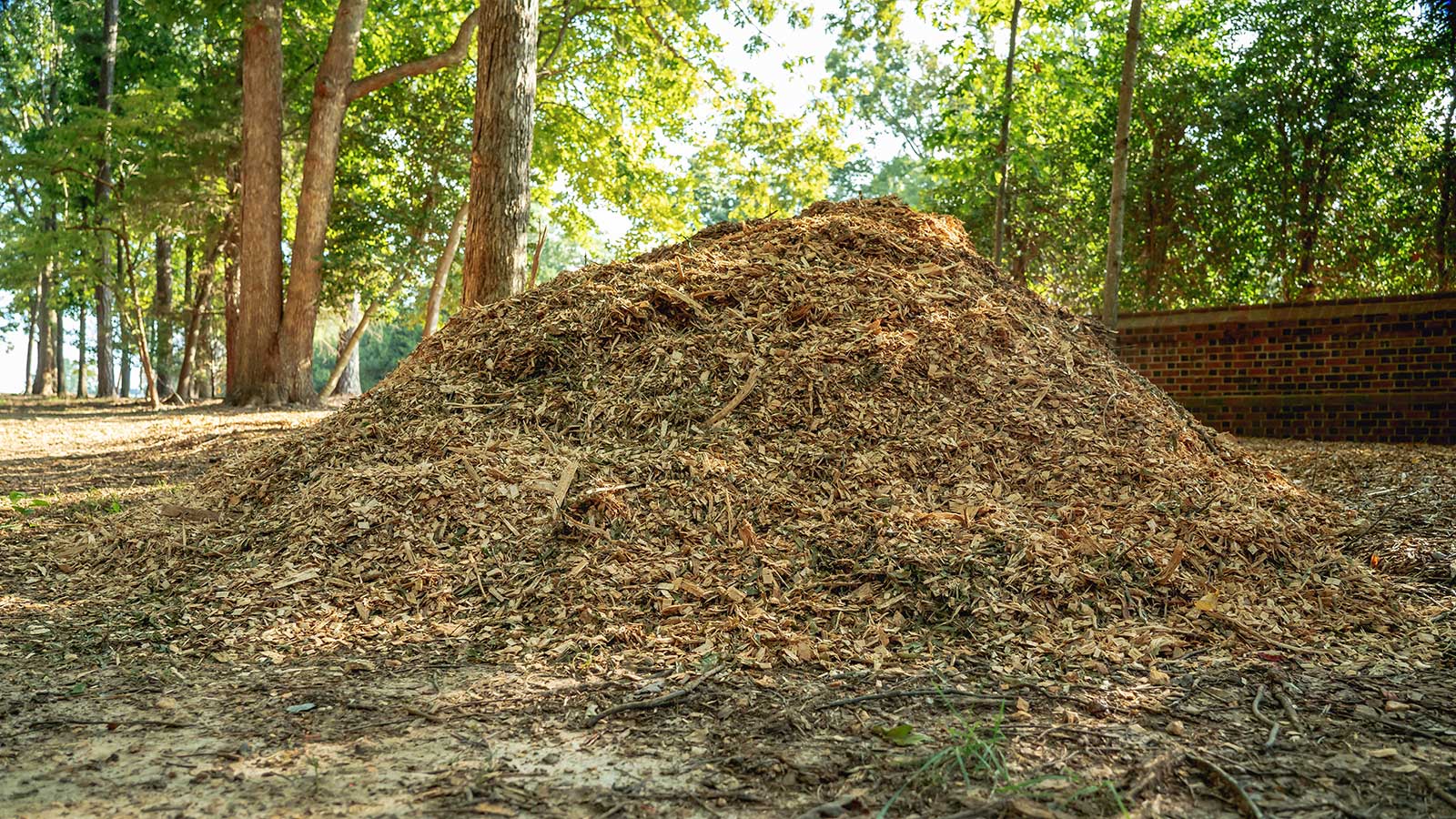
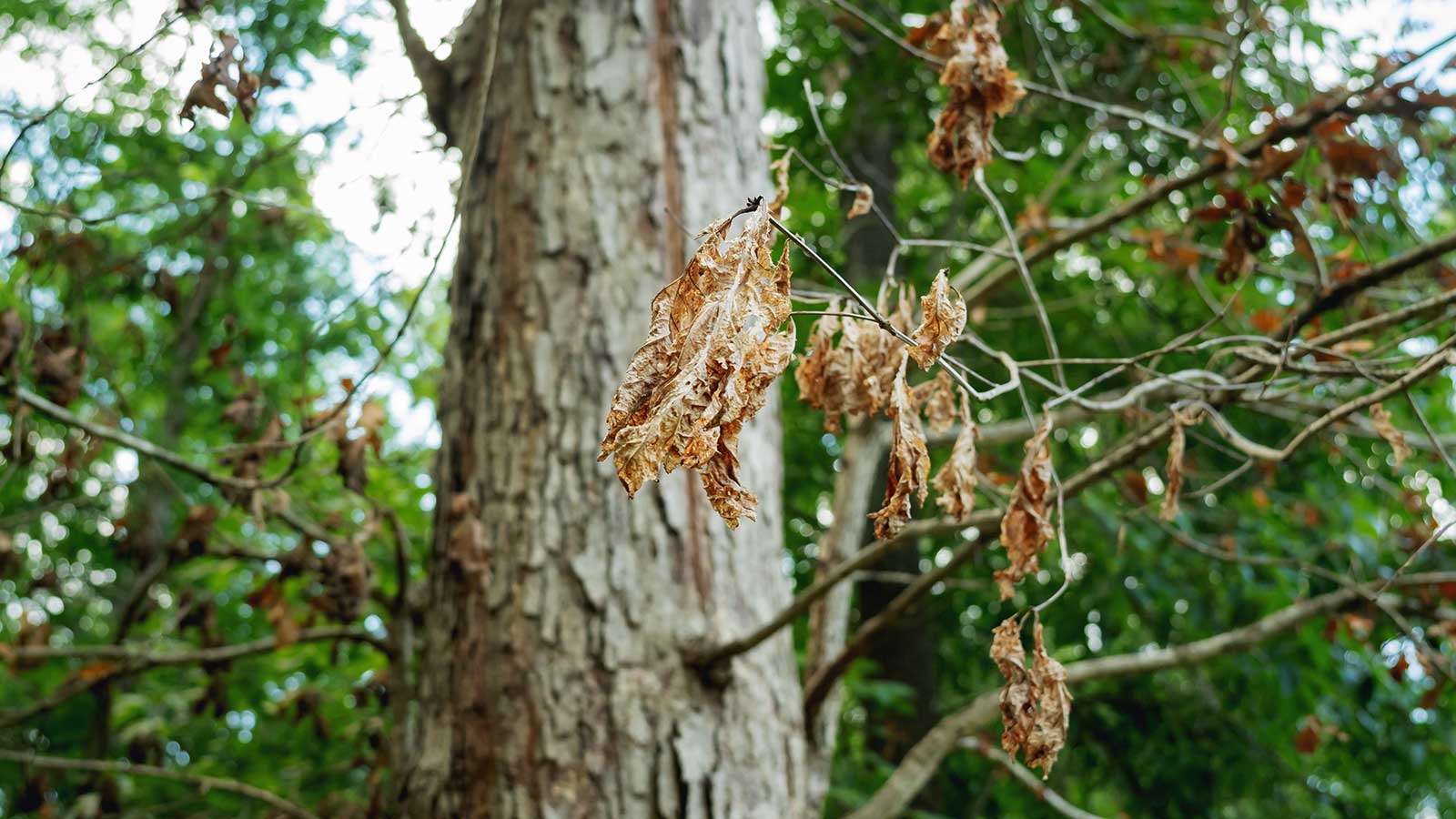
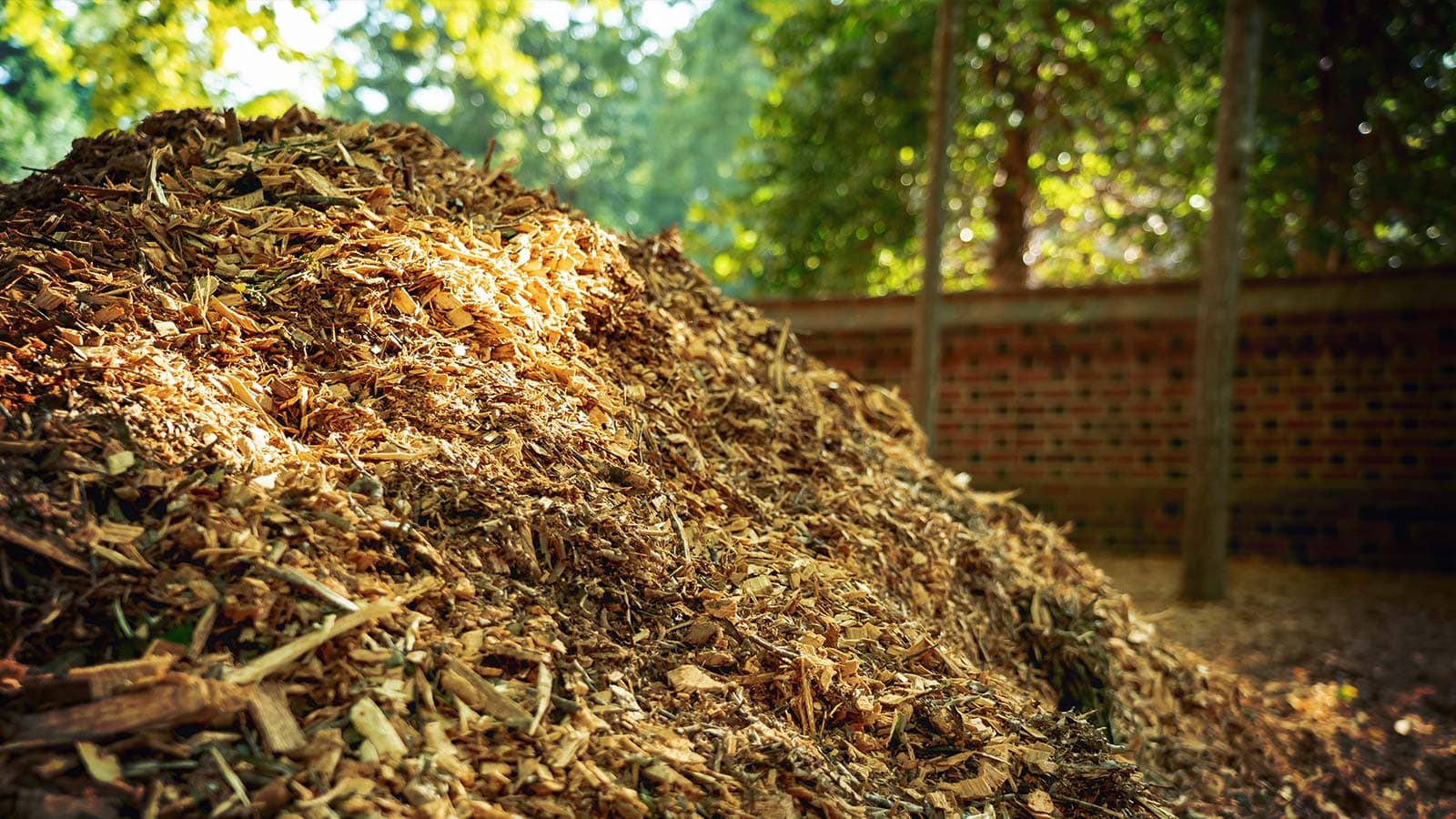
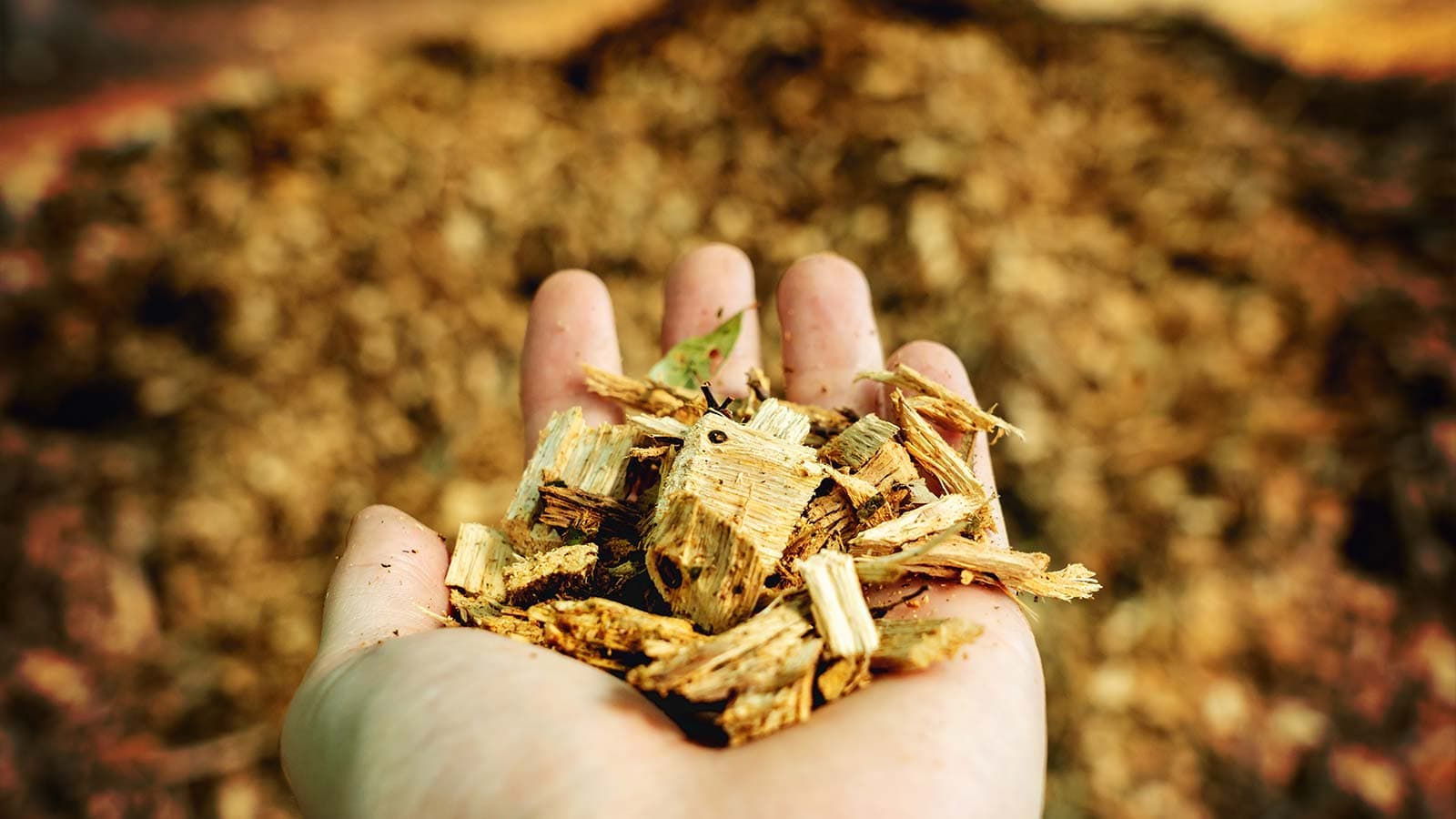
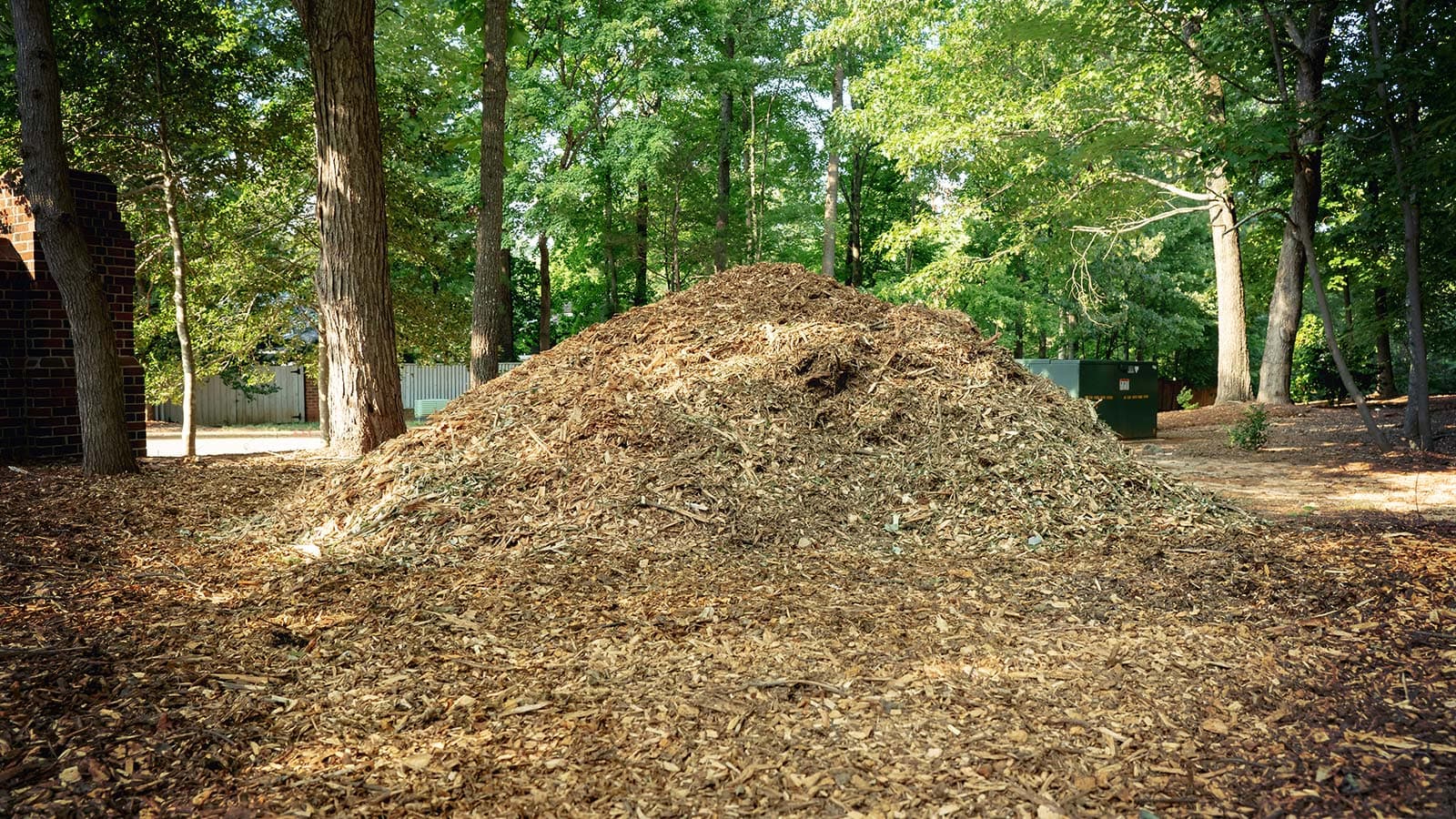
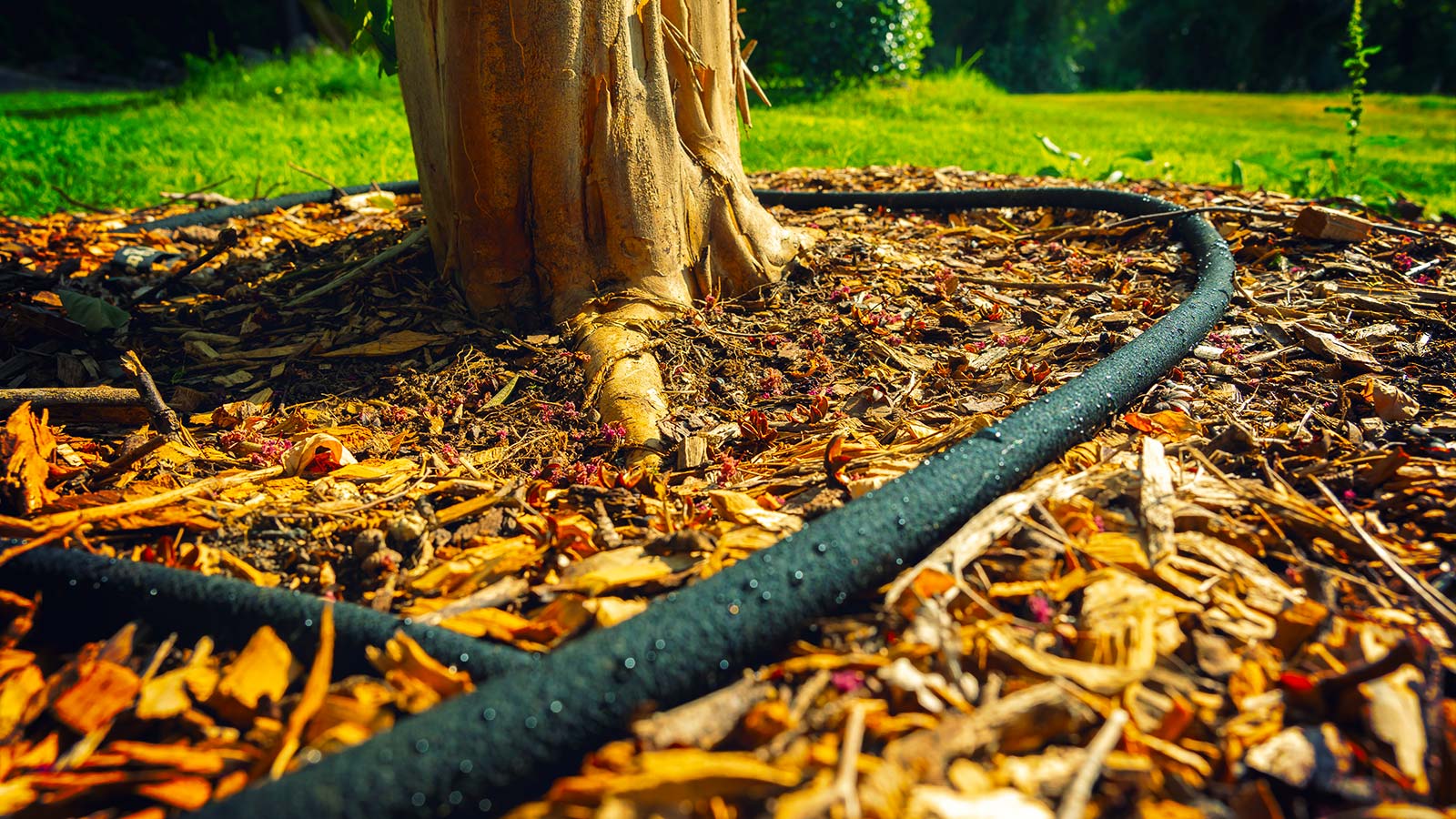
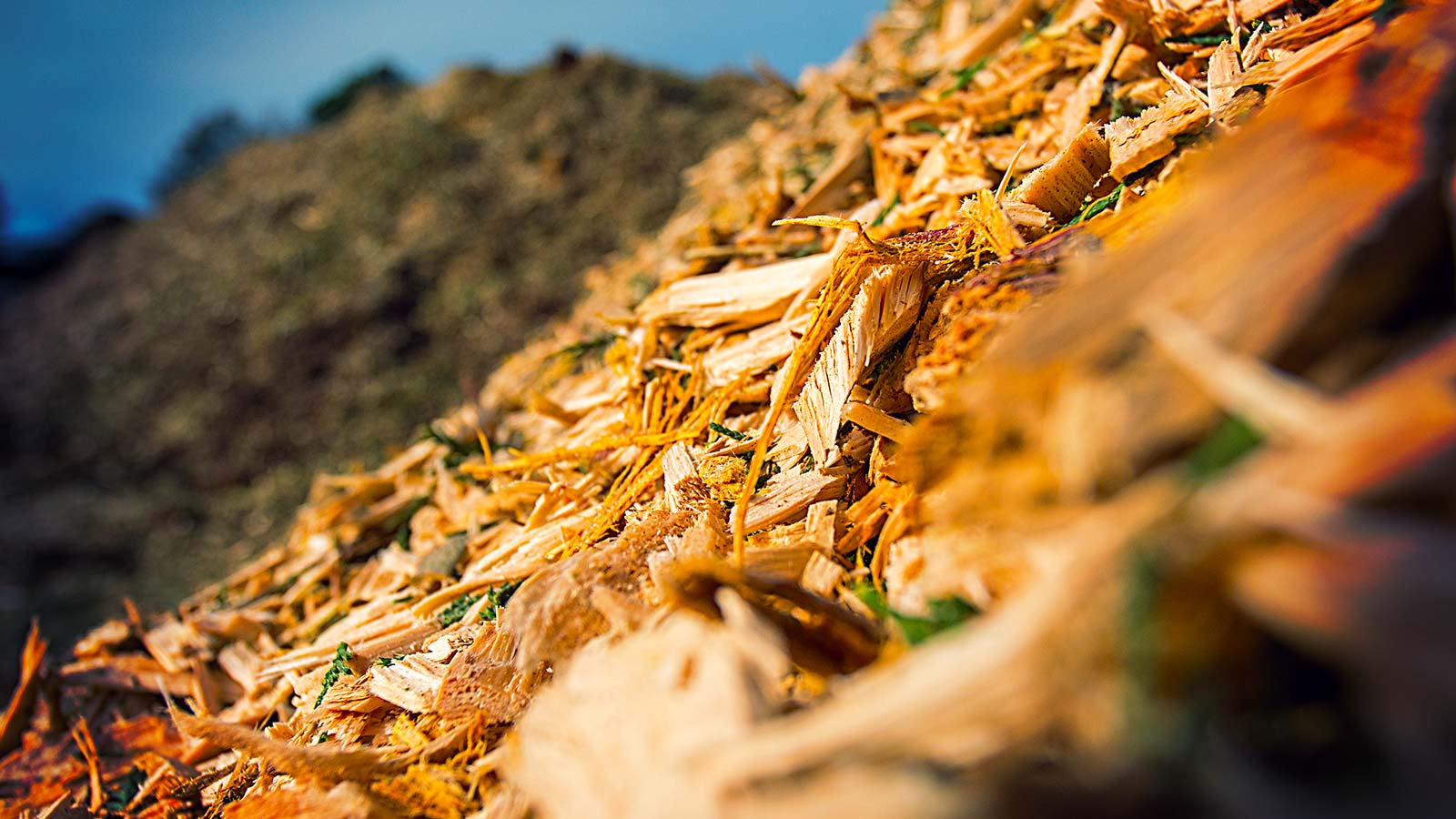
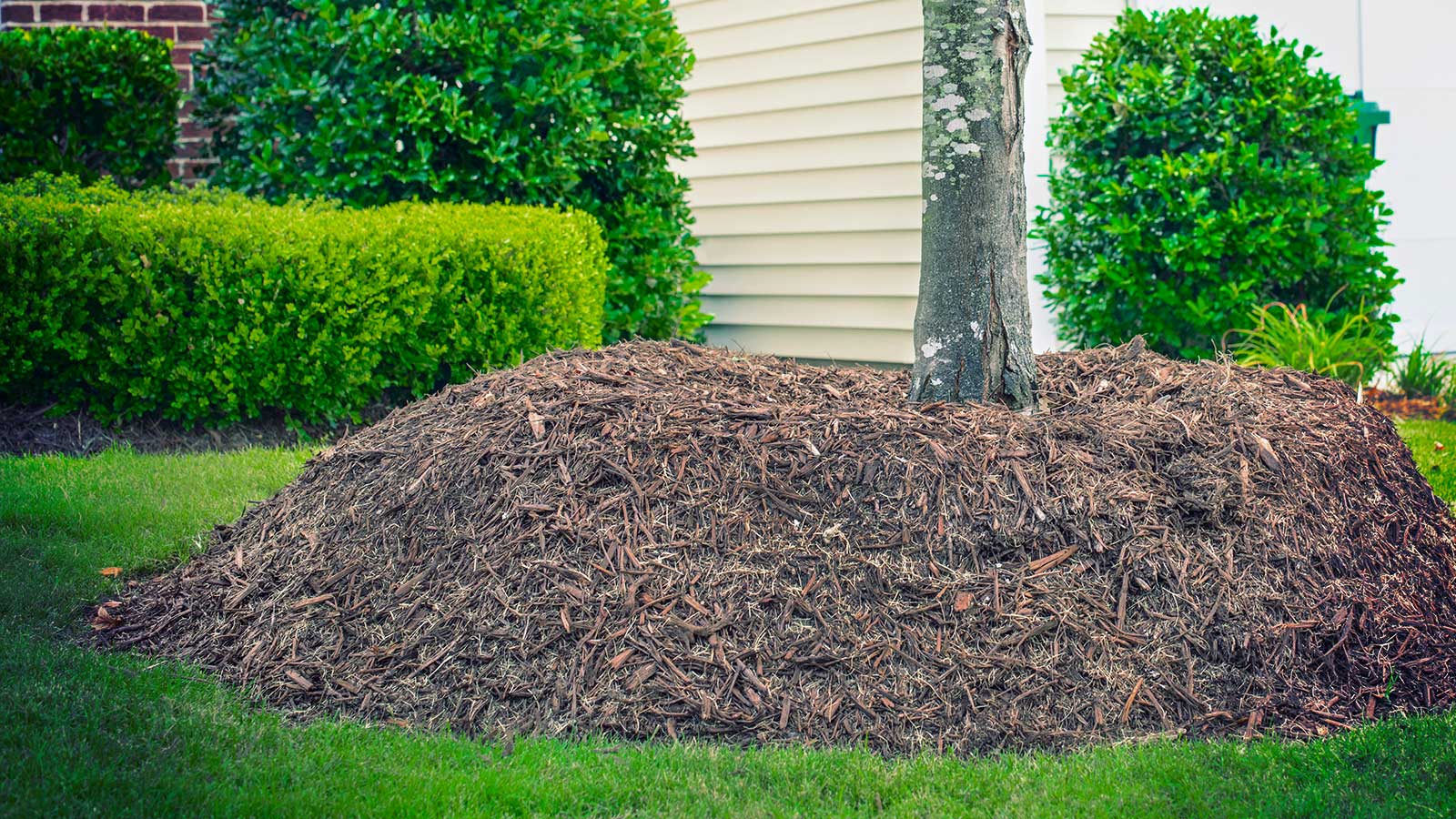
The cold snap that often accompanies snow can damage the exposed buds or leaves of some trees or shrubs. You might see bronzing or browning of leaves and buds. Healthy trees and shrubs will recover, even if they lose some growing tips. Dry cold can desiccate plants when warming temperatures cause moisture loss from leaves, while the surface soil remains frozen. A layer of wood chip mulch can help hold water and keep soil warmer.
Some Things To Do Around Town
2/28 - Learn about why native plants are an important part of the urban environment from people who know their plants. Brought to you by the Hattie Meadows Gardening School presented in partnership with Stanford L. Warren Library, Sarah P. Duke Gardens and Durham County Cooperative Extension and made possible by the Durham Library Foundation.
3/26 - Basil will be speaking as part of the ongoing series called How Trees and Forests Shape Our Climate. The series will explore the inner workings of forest ecosystems that help cool and regulate the climate, examine the critical roles of living species, unpack logging, thinning, biomass energy, and timber-industry narratives, and look closely at what truly makes a forest healthy and resilient.
Ongoing - If you’re looking for ways to meet your neighbors, get in shape, learn more about plants, and keep our public areas beautiful, consider spending a few hours at one of the invasive removal or river clean-up events happening in the next several weeks with Keep Durham Beautiful.
Fun Stuff
Reader Carolyn shares this fun sighting from a walk in the woods.
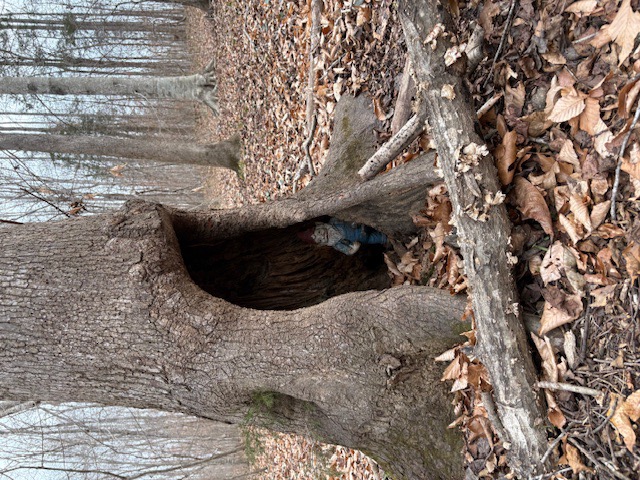
I almost walked past it—just another old tree with a hollowed trunk in the woods—until a flash of blue and red caught my eye. Inside the oak, tucked deep in the shadows, was a troll, perfectly still, in his forest home, as if it had been carved just for him. For a moment, the woods felt quiet in a different way. Watching. Waiting. Wondering. Then I blinked, took another step, and he was just part of the tree again—wood, leaves, and a beautiful secret I carried with me the rest of the hike. I looked back one more time, and I could have sworn he waved at me.
One Last Thing: Go Outside
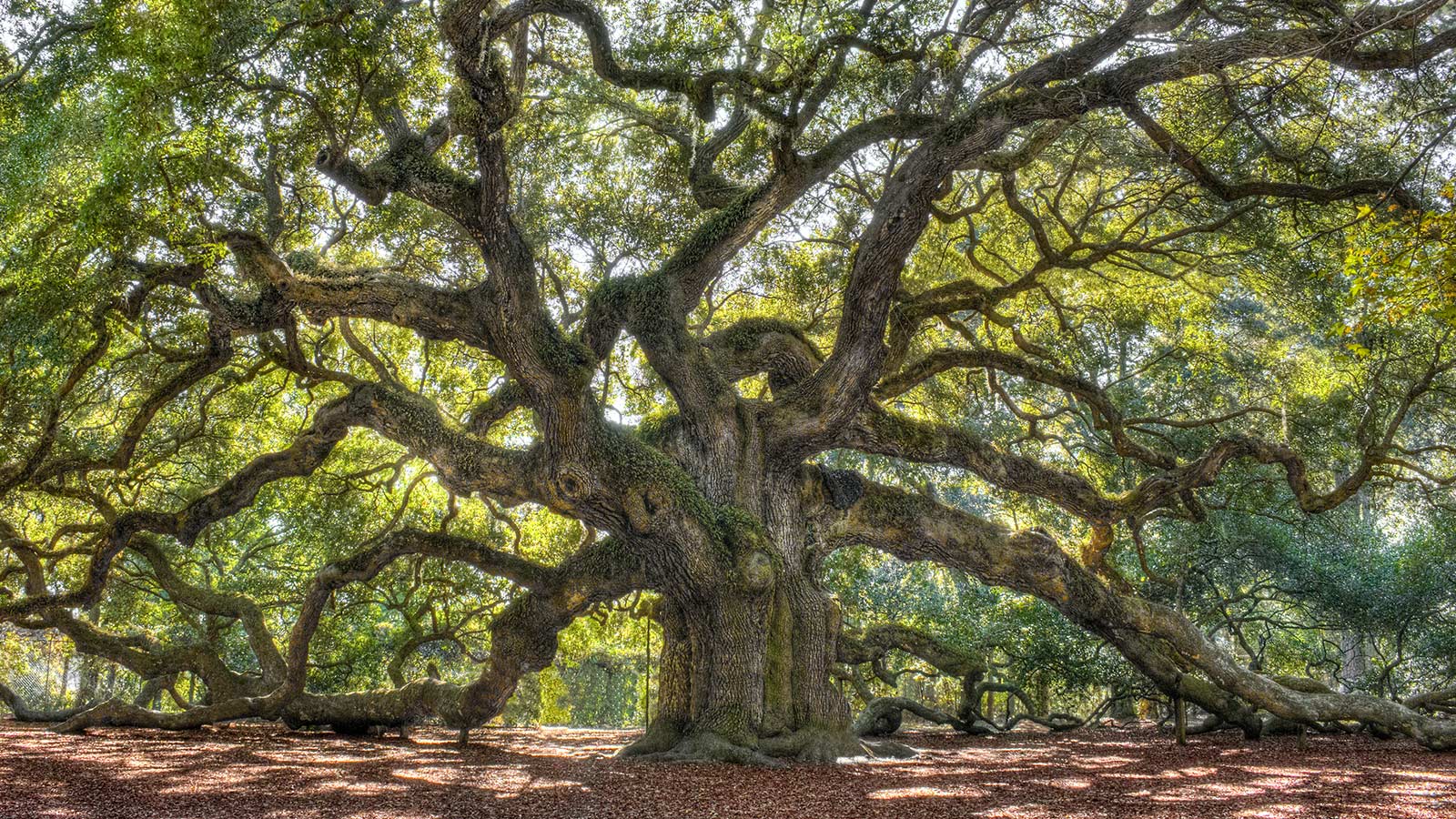
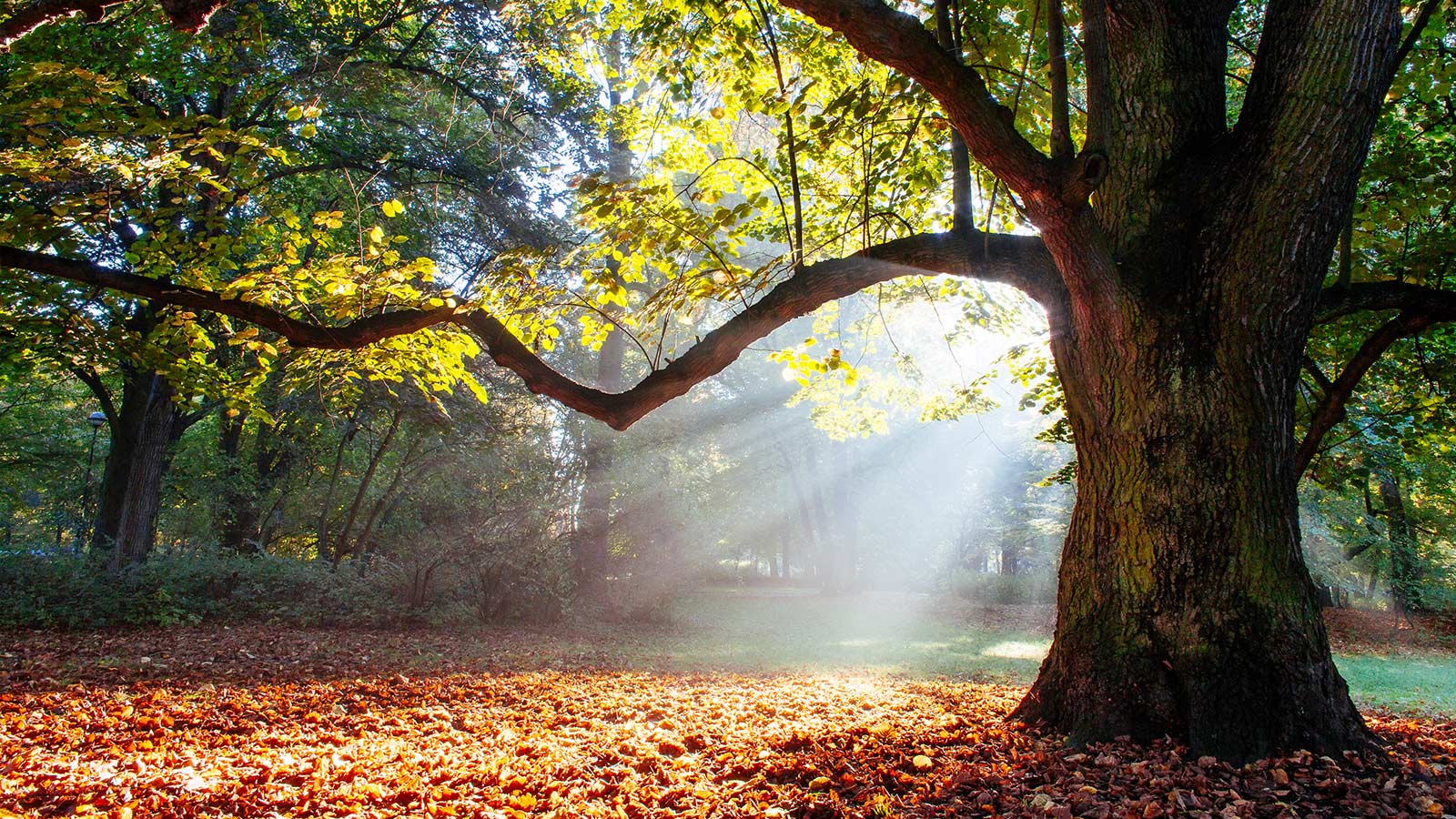
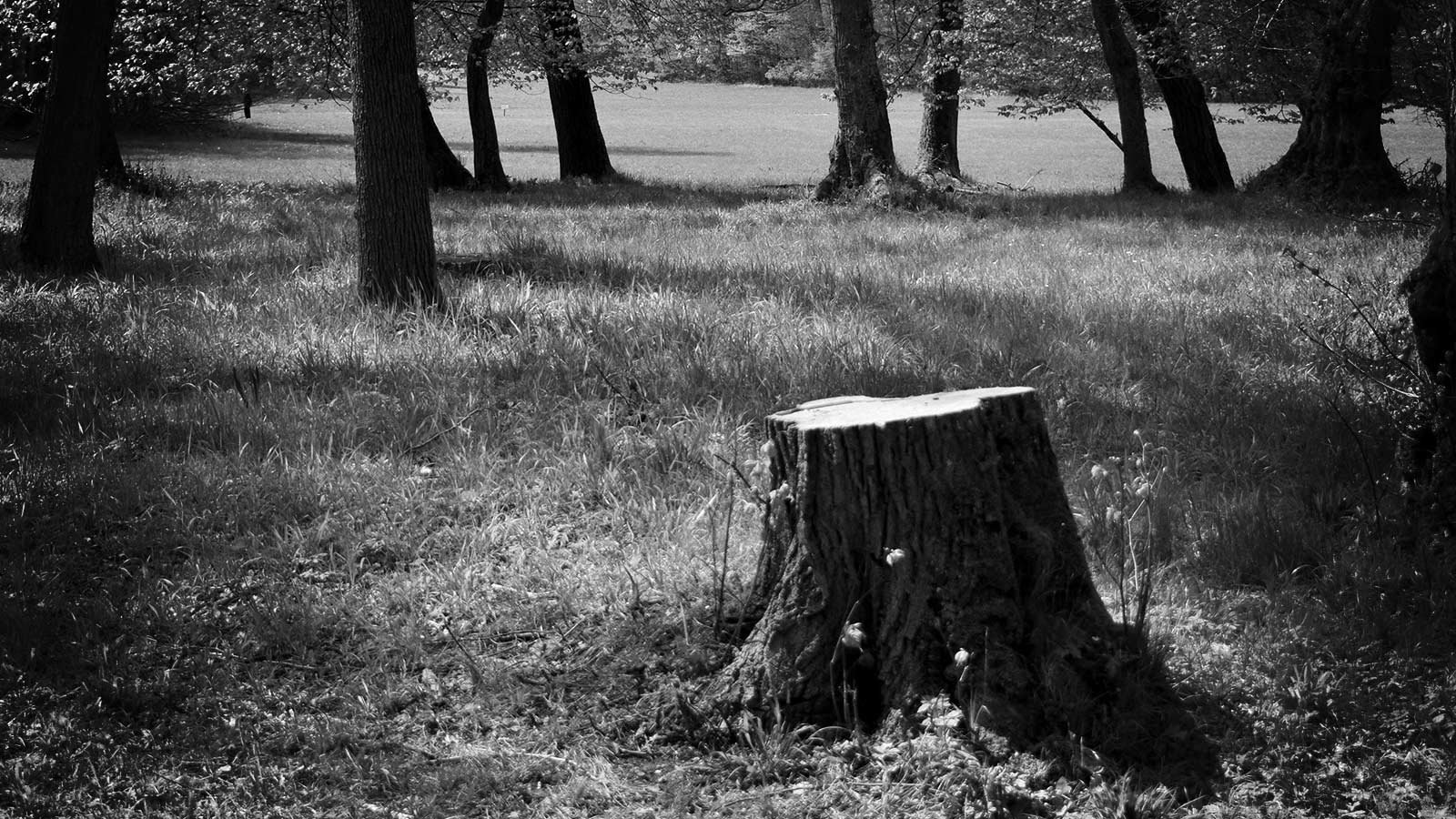
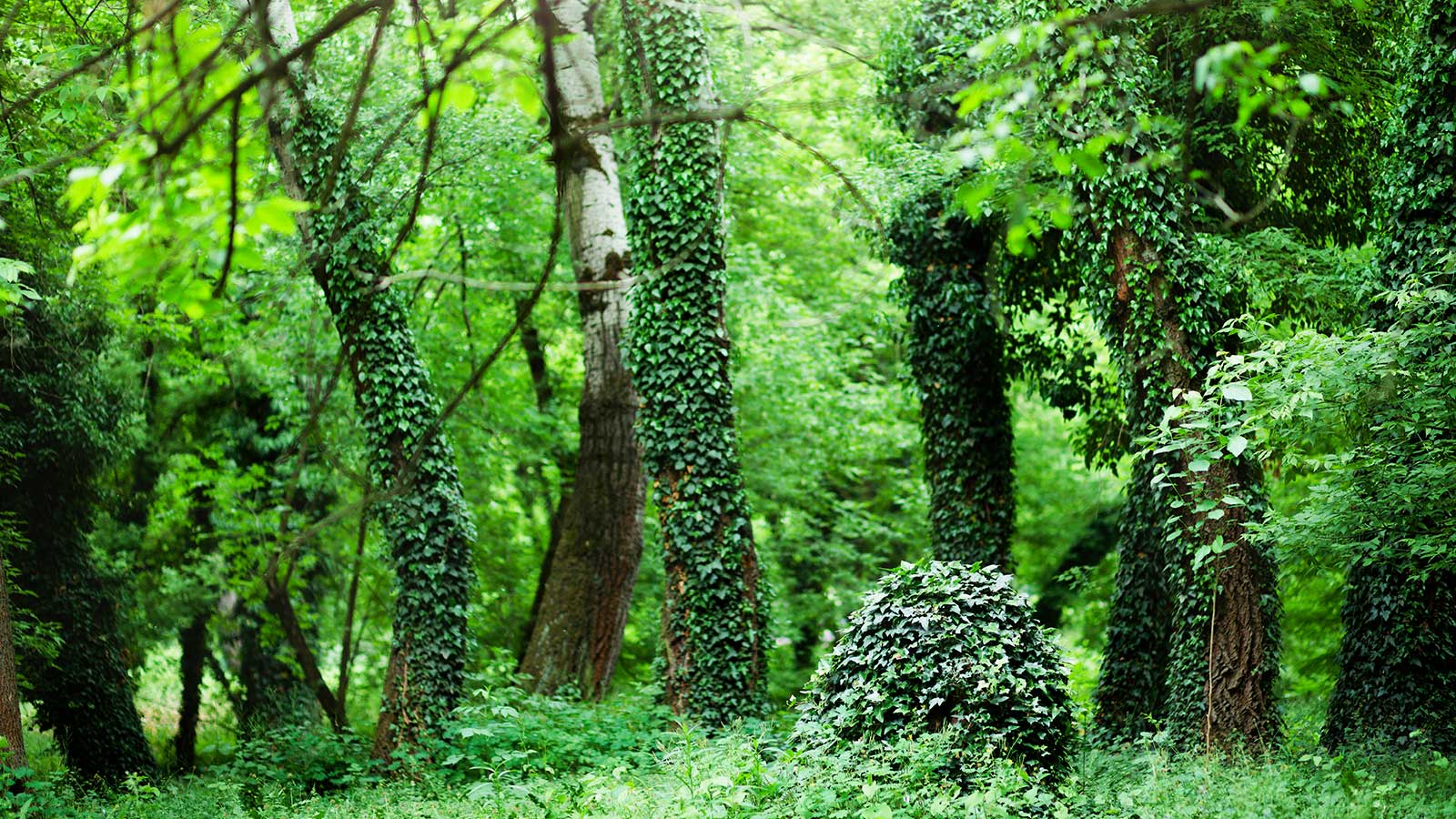
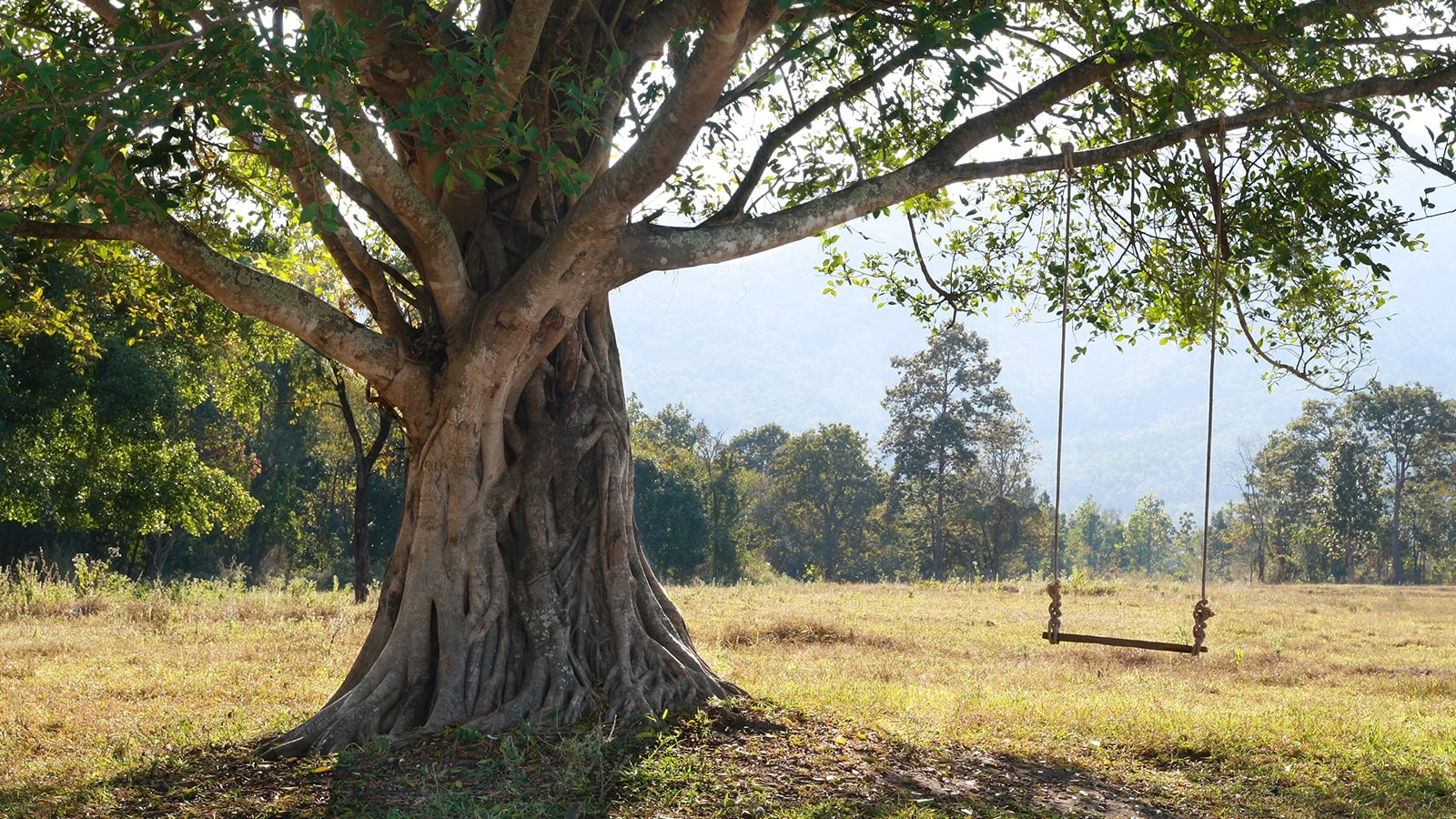
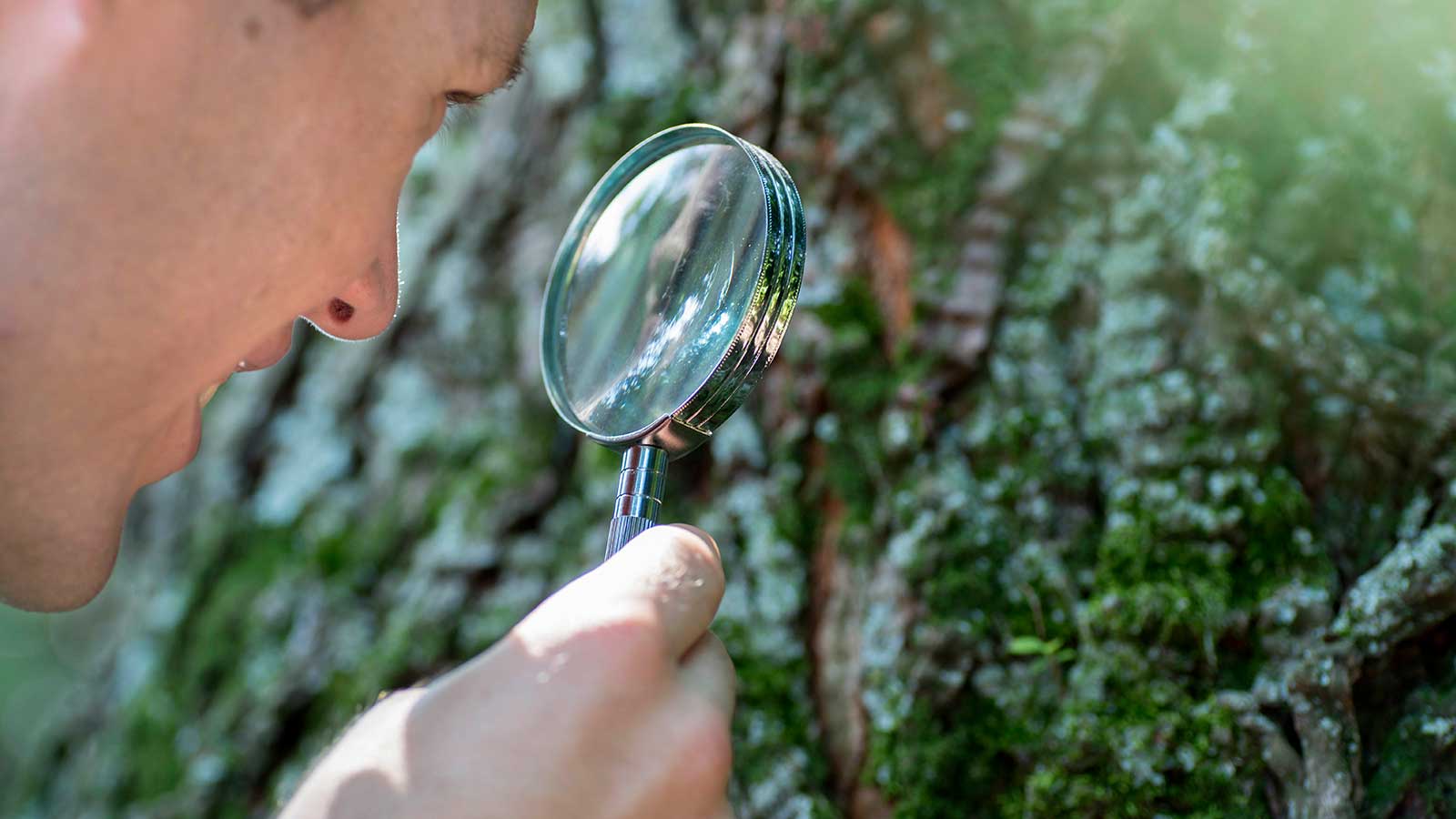
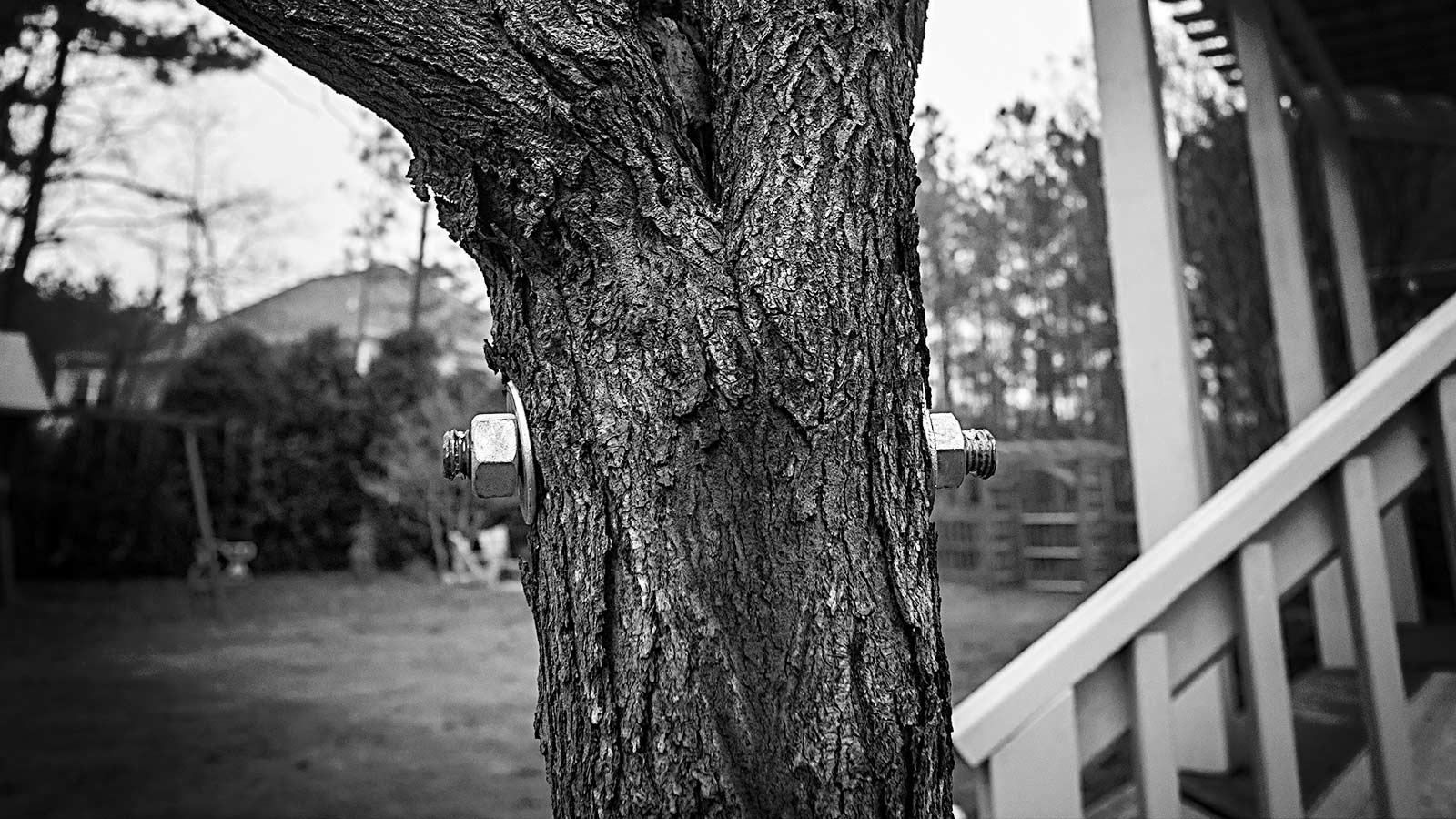
Last month, we looked at the canopy. Let’s stay on theme and look at the trunks today. Find a tree with a weird trunk, or better yet, take your kids on a woodland stroll and let them find one. Come up with a story about why it has that weird shape or that strange hollow. There are no rules. You can make it up, with fairies and wraiths involved, or focus on tree science to deduce how it all came about. Send me an image and your story about it. I’m curious!
Until next month, remember to sniff the blooms and listen to the birdsong.