January 2026 Treecologist Tribune
Wizards in the Woods
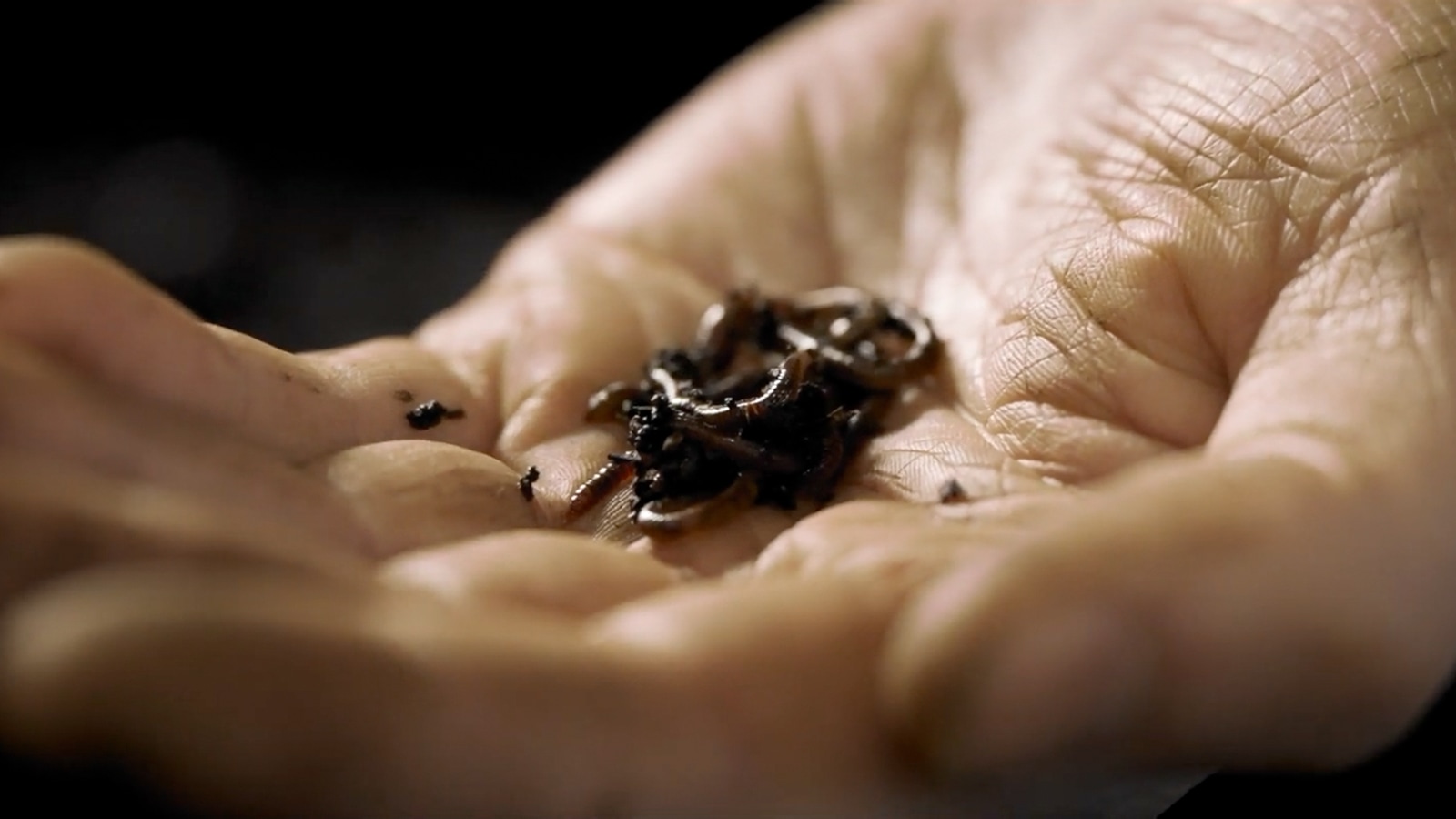
I hope you had a satisfying end to 2025 and that 2026 has arrived with promises and aspirations charged with momentum all year. Even though today is just the day after yesterday, the beginning of a new year holds ritual significance for many of us. The pause and reset seem worthwhile. I’m all in, even as the news about what we humans are getting up to on the planet is often less than uplifting. It would be easy to despair, but it’s still important to me that the trees, all the other plants, and all the critters that live in my outdoor space have a place to prosper. Being a good steward of my land and learning from it sustains my mental and physical health (more goals). The payoff for me is seeing life creeping back in. New birds nesting, a collection of fat grubs under a rotting log that will grow into massive goliath beetles. An orchid I’ve never seen before.
Rebecca McMackin observed that gardeners are fundamentally hopeful people. I include everyone who doesn’t consider themselves a gardener but strives to create a healthy habitat around their homes. I’m more of that kind of gardener, as my feeble attempts to grow food attest.
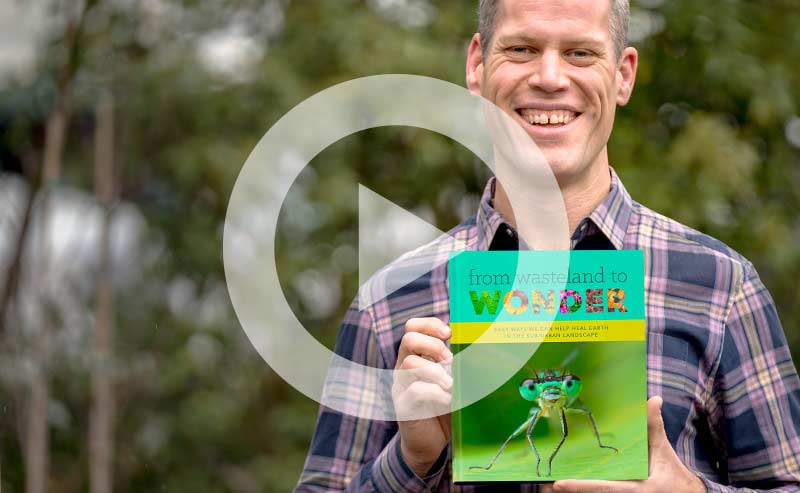
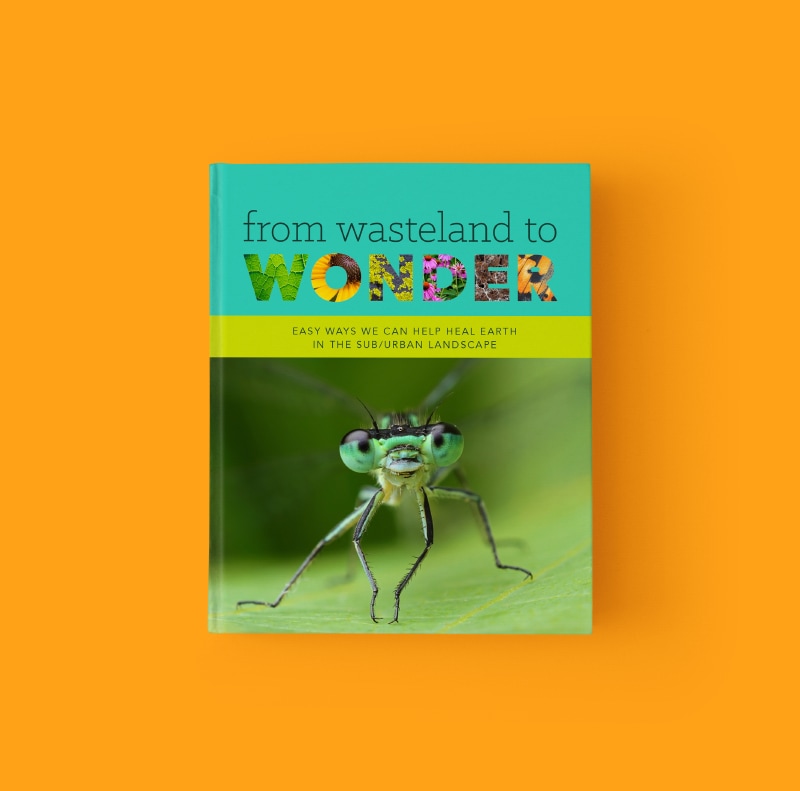
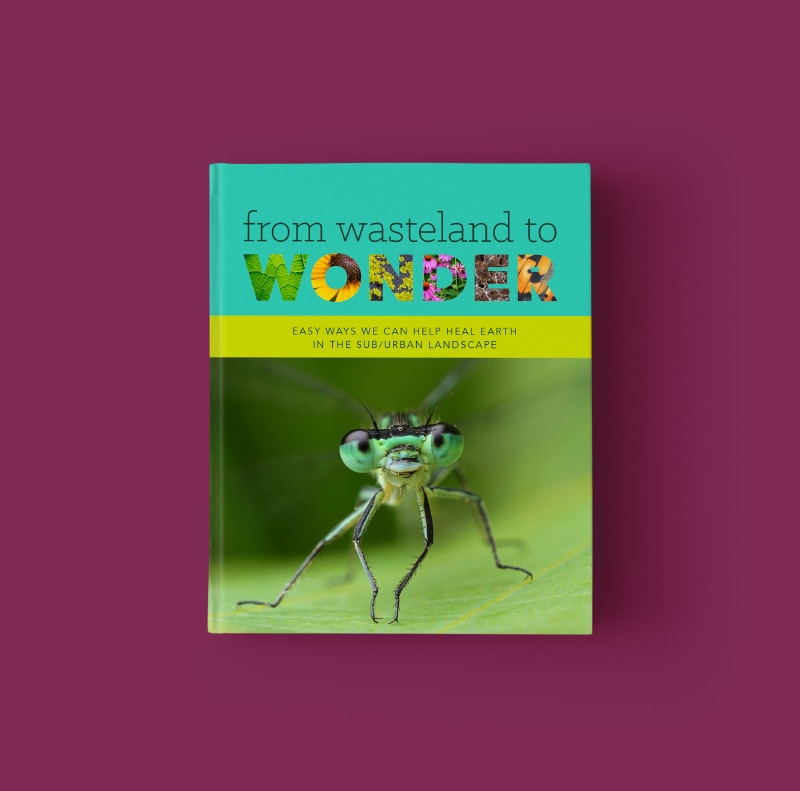
Before I get too far into the rest of the Tribune, I want to mention two talks Basil will be doing this winter. Join Basil on February 18 at 7 PM EST for a Wild Ones webinar covering key ideas from From Wasteland to Wonder plus a live Q&A. Register for the free webinar here. Later on in the year, Basil will be participating in this thought-provoking series “How Trees and Forests Shape Our Climate” organized by Biodiversity for a Livable Climate. Don’t miss their upcoming talk about wildfires on January 26 at 7:00-8:30 PM EST.
Weather Notes
We enter 2026 with a rainfall deficit. 2025 wasn’t the warmest year on record for North Carolina; 2019 was, but it was right up there, close behind. Expect the pattern of dry days and dry soils punctuated by deluges to become our new “normal”.
Although we are warmer than we used to be, the increasing heat isn’t uniform across days and seasons. We might not remark much on the hot summer days. Those have been true forever, right? Our winters are getting warmer faster than our summers, and the nights aren’t cooling as much as they used to. This means a longer growing season, less seasonal rest, and shorter night rests. We are subjecting our plants to a version of the “always on” rest-deprived lifestyle that takes such a heavy toll on all of us.
Rain Summary (from RDU):
- 0.98” since 12/16 (historic average 3.44”)
- 0.02” Year-to-date (historic average 1.73”)
Yard Sleuthing: Not Seeing the Forest for the Trees (and that’s OK)
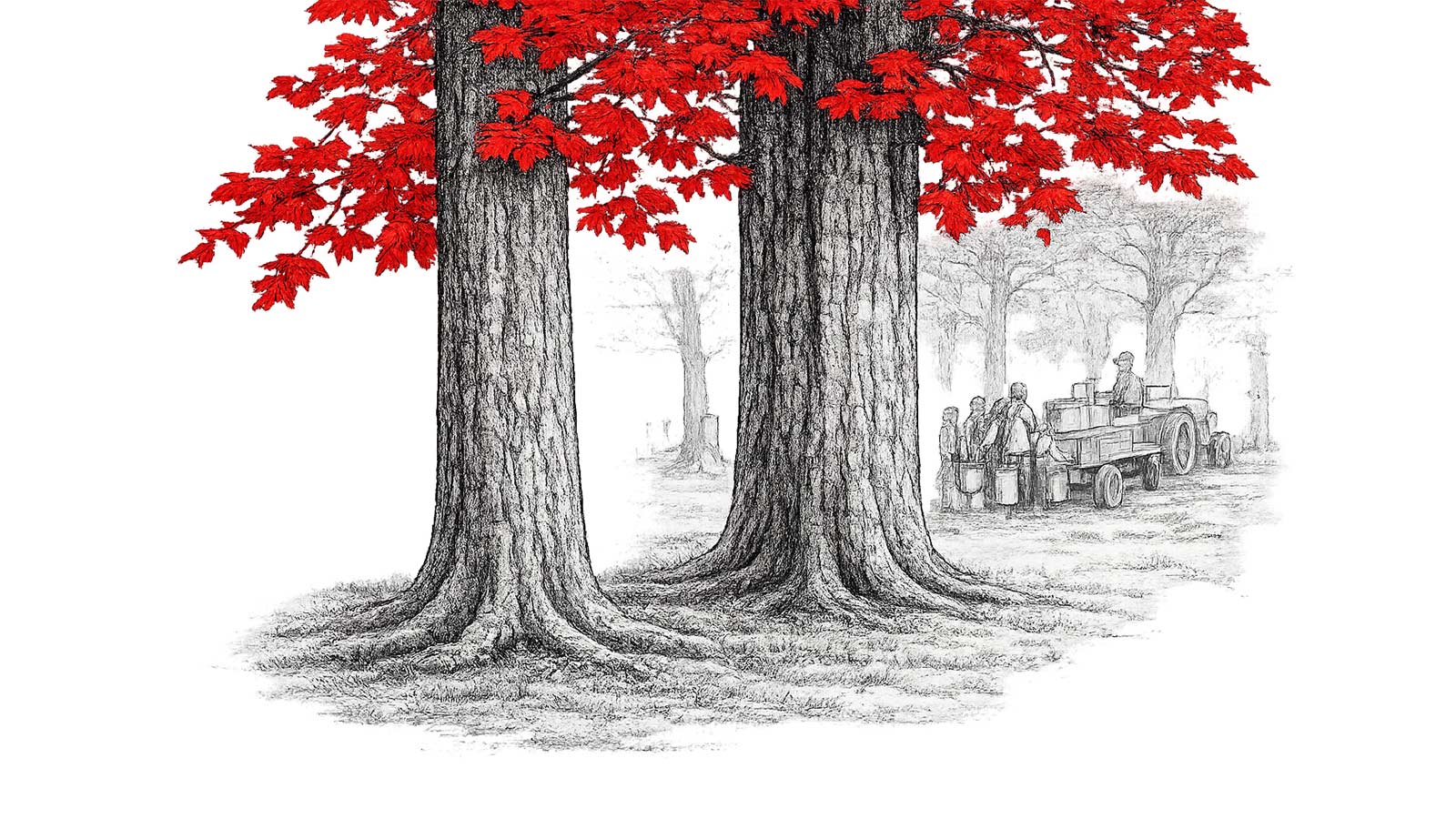
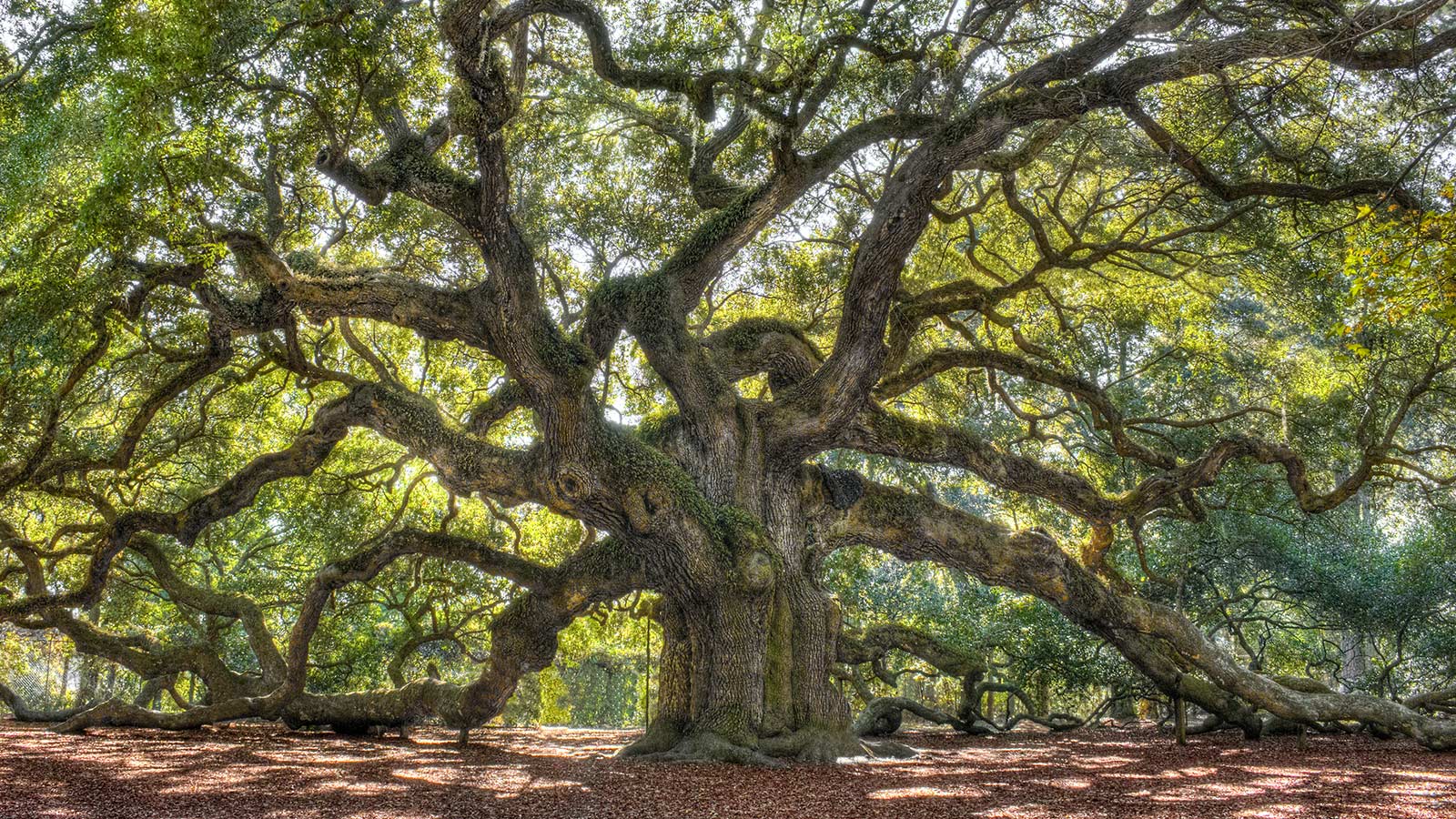
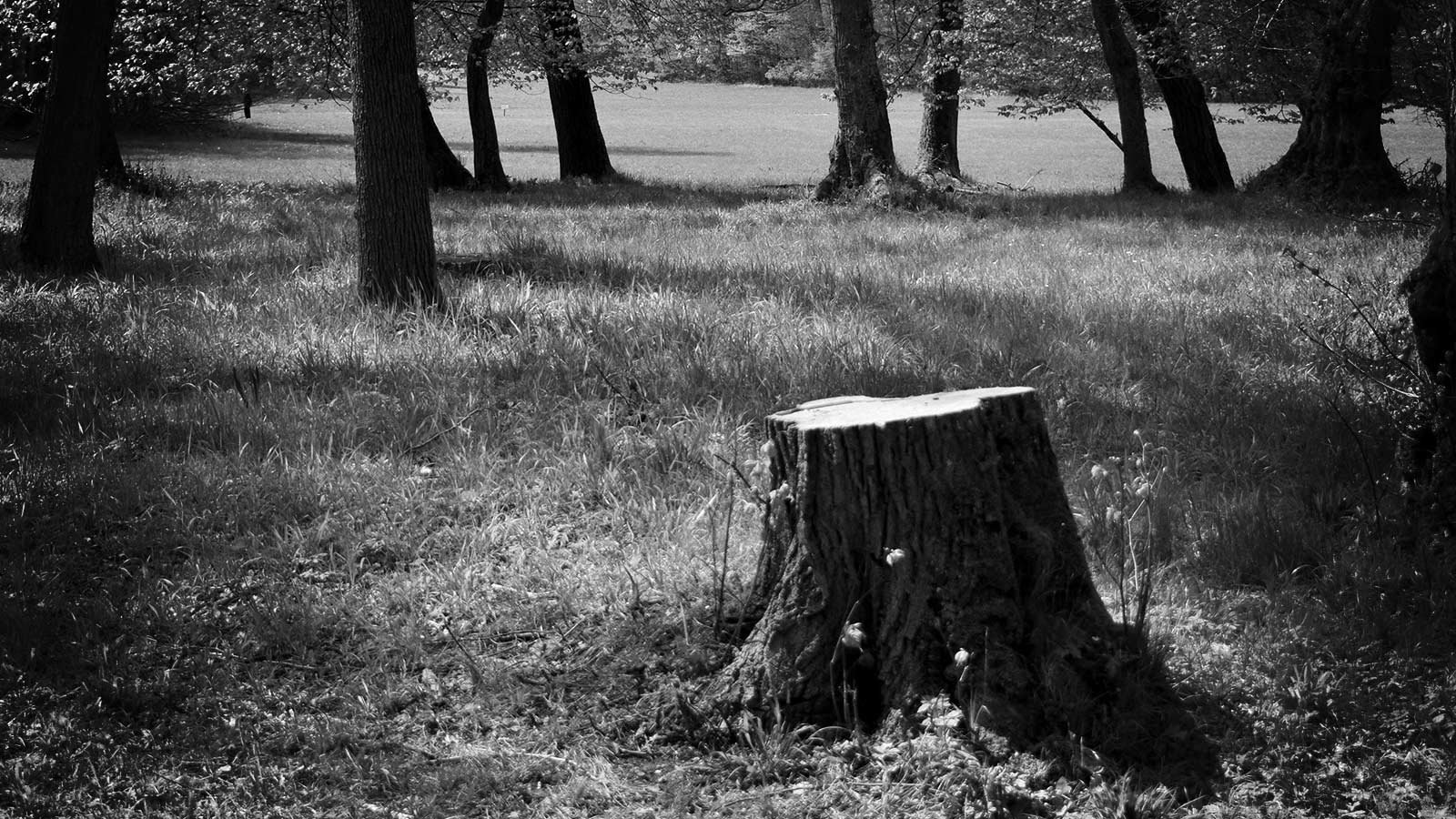
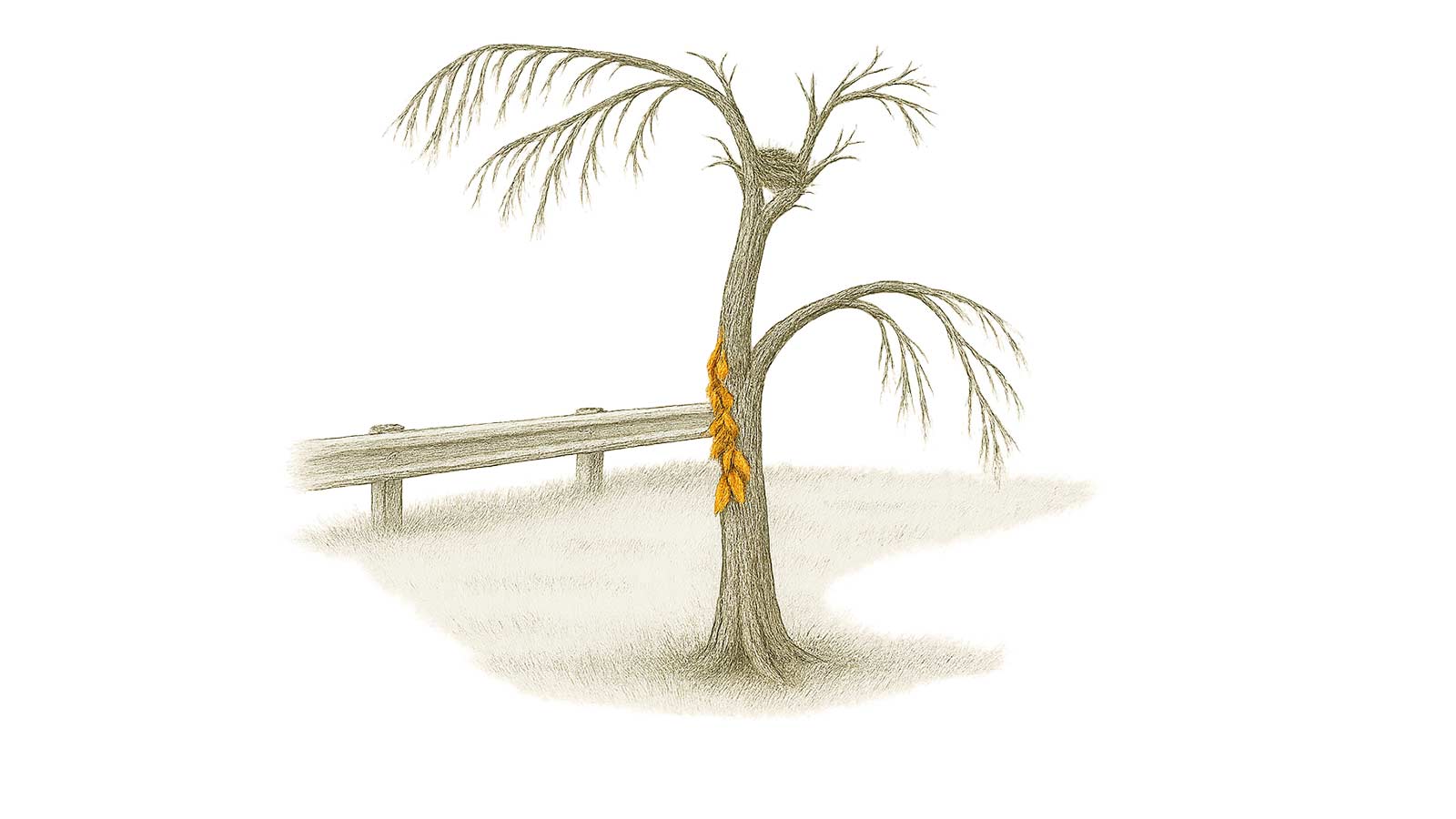
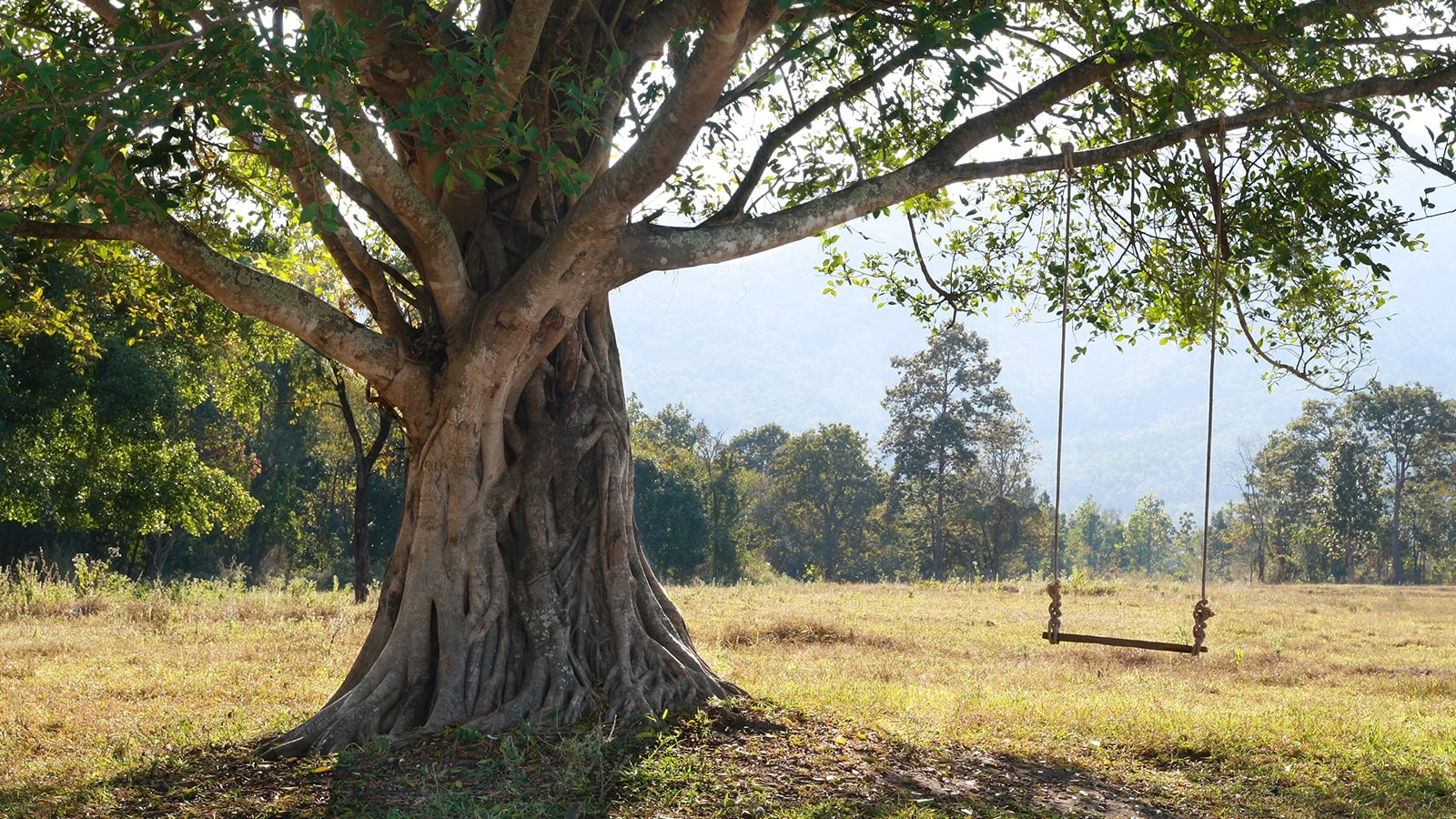
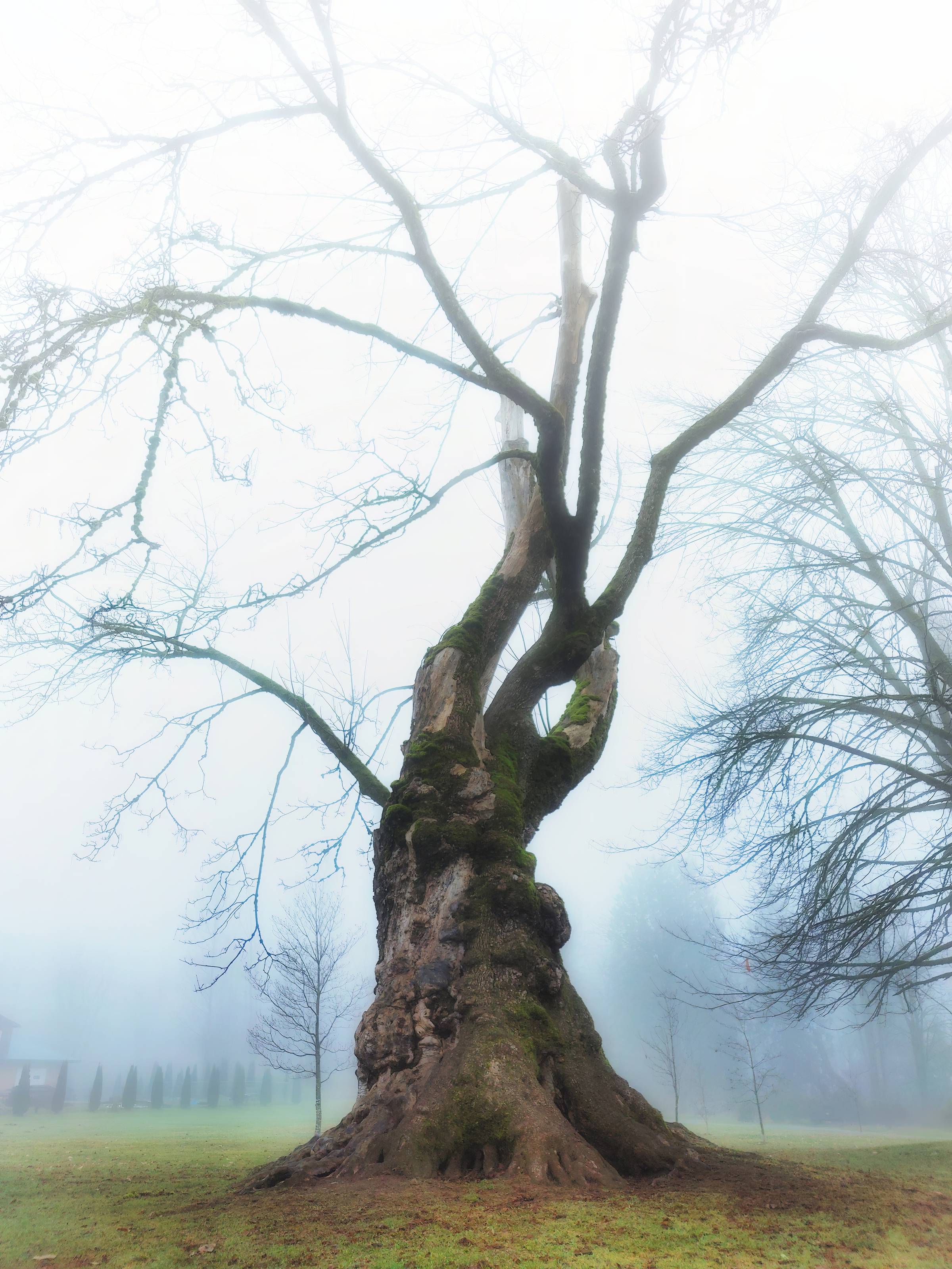
I look at individual trees a lot more in the winter, seeing them more than the forest. Sleeping trees reveal a lot. Some look like they are barely hanging on – how do they have live branches at all when the trunk is a hollow, contorted mass? These trees have been through a lot, and yet they continue to awaken and make new leaves each spring. Red maples are famous for looking like complete wrecks to us, but as long as there are living pathways under the bark to the live limbs, there’s life. Maples are really good at figuring out how to keep on going with just threads of apparent life. Some trees are wildly bent, and how did that even happen? I like to make guesses about the events that crafted a tree with a wildly sinuous trunk or a weird hollow.
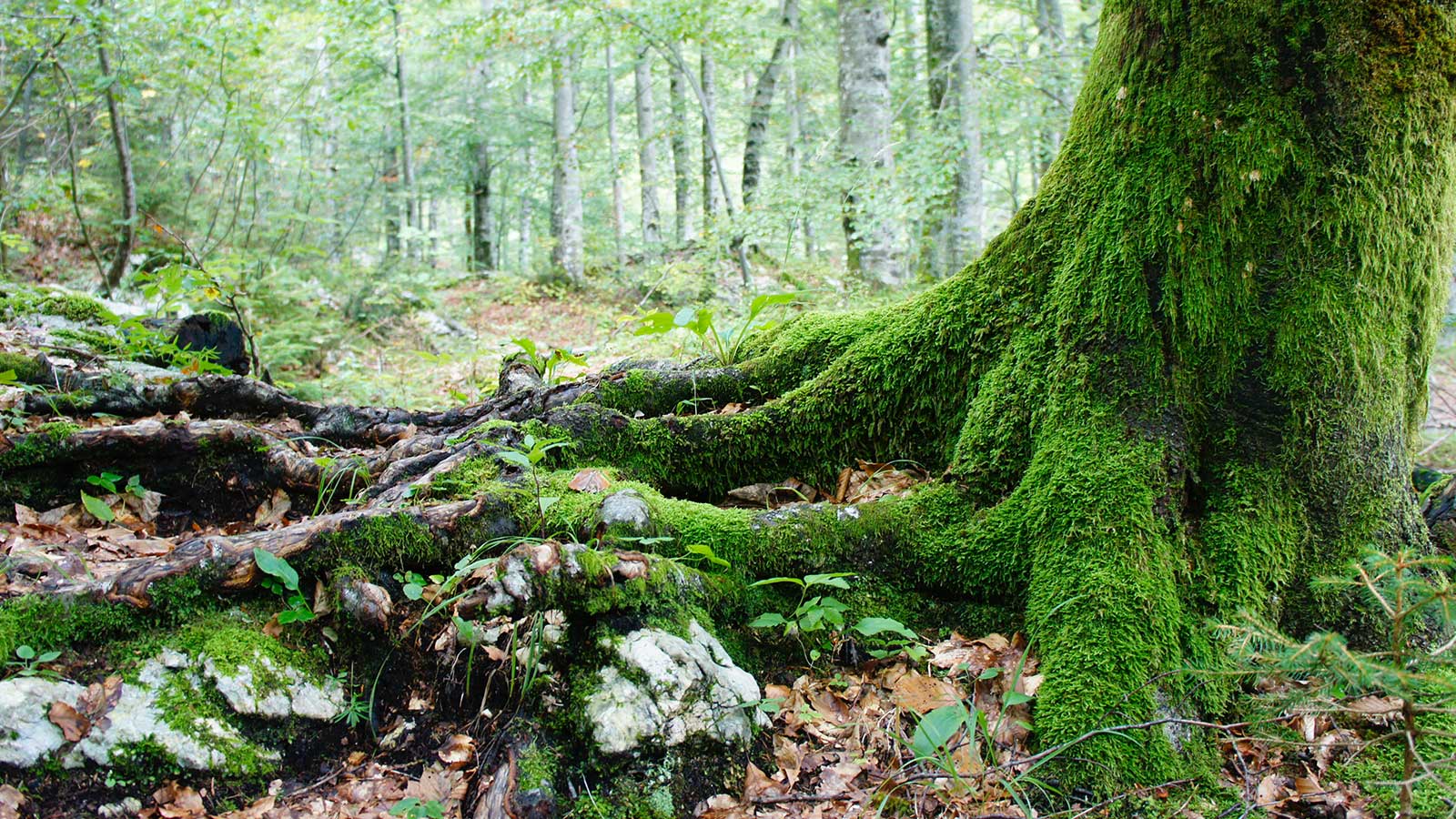
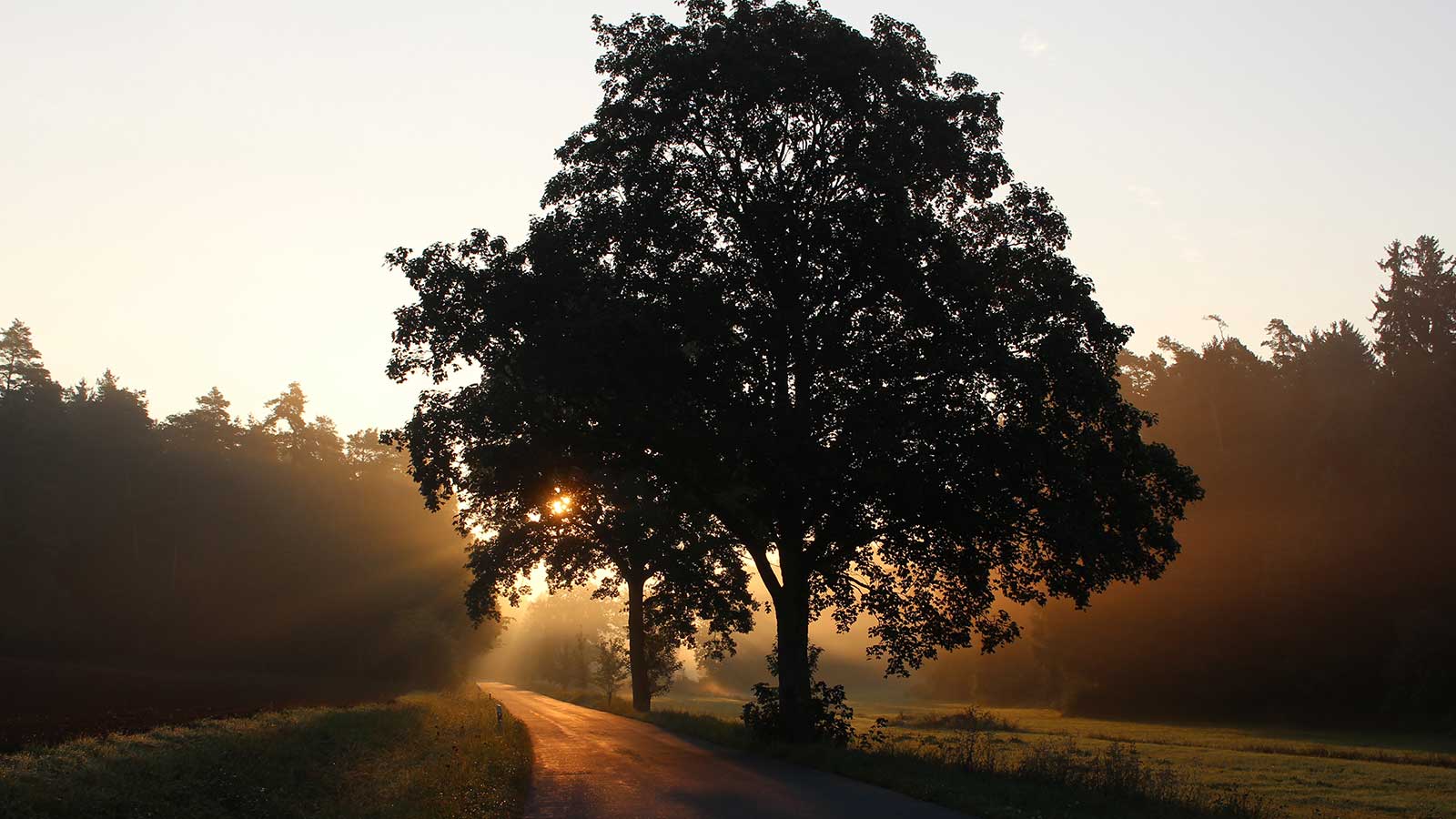
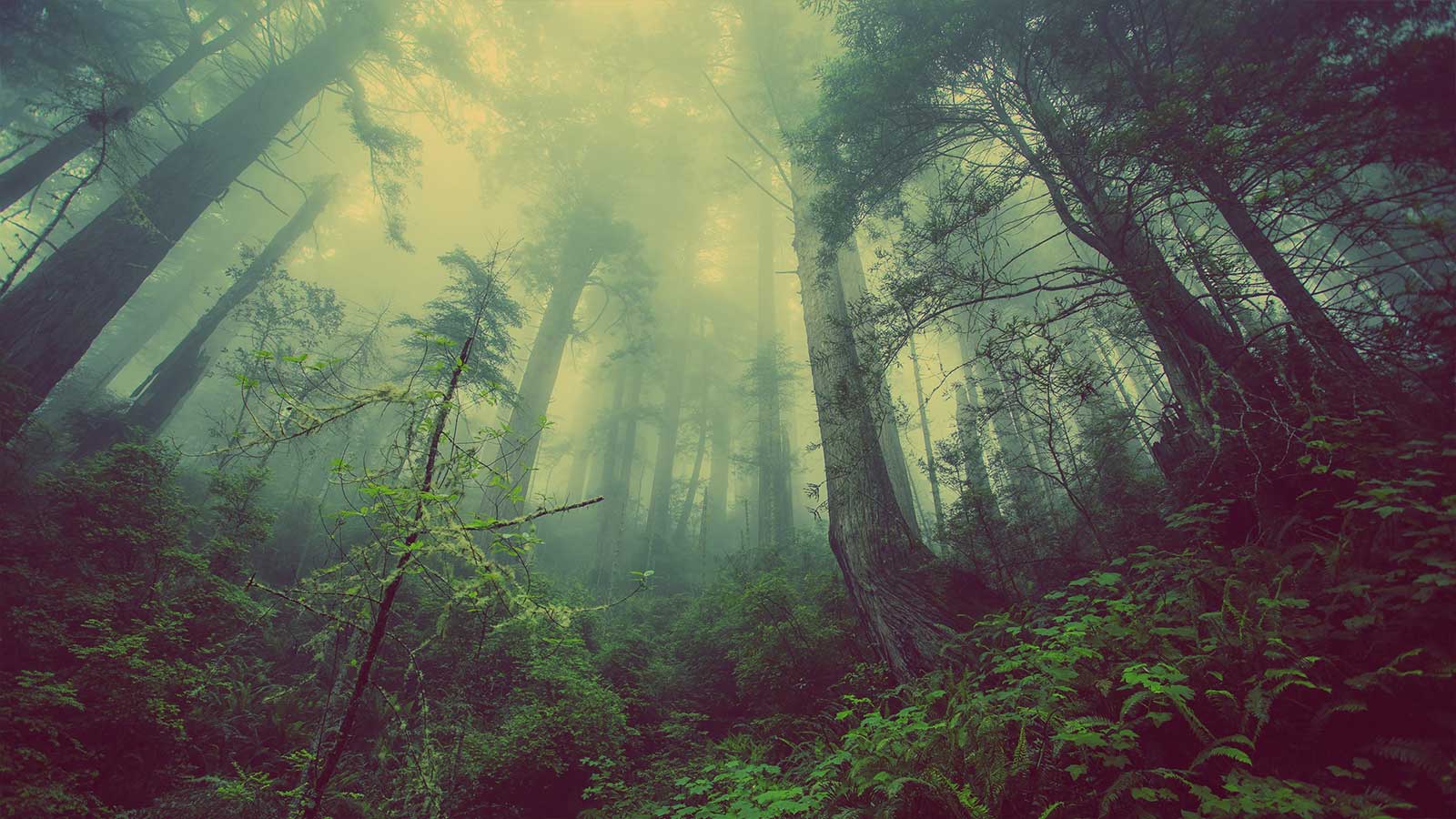
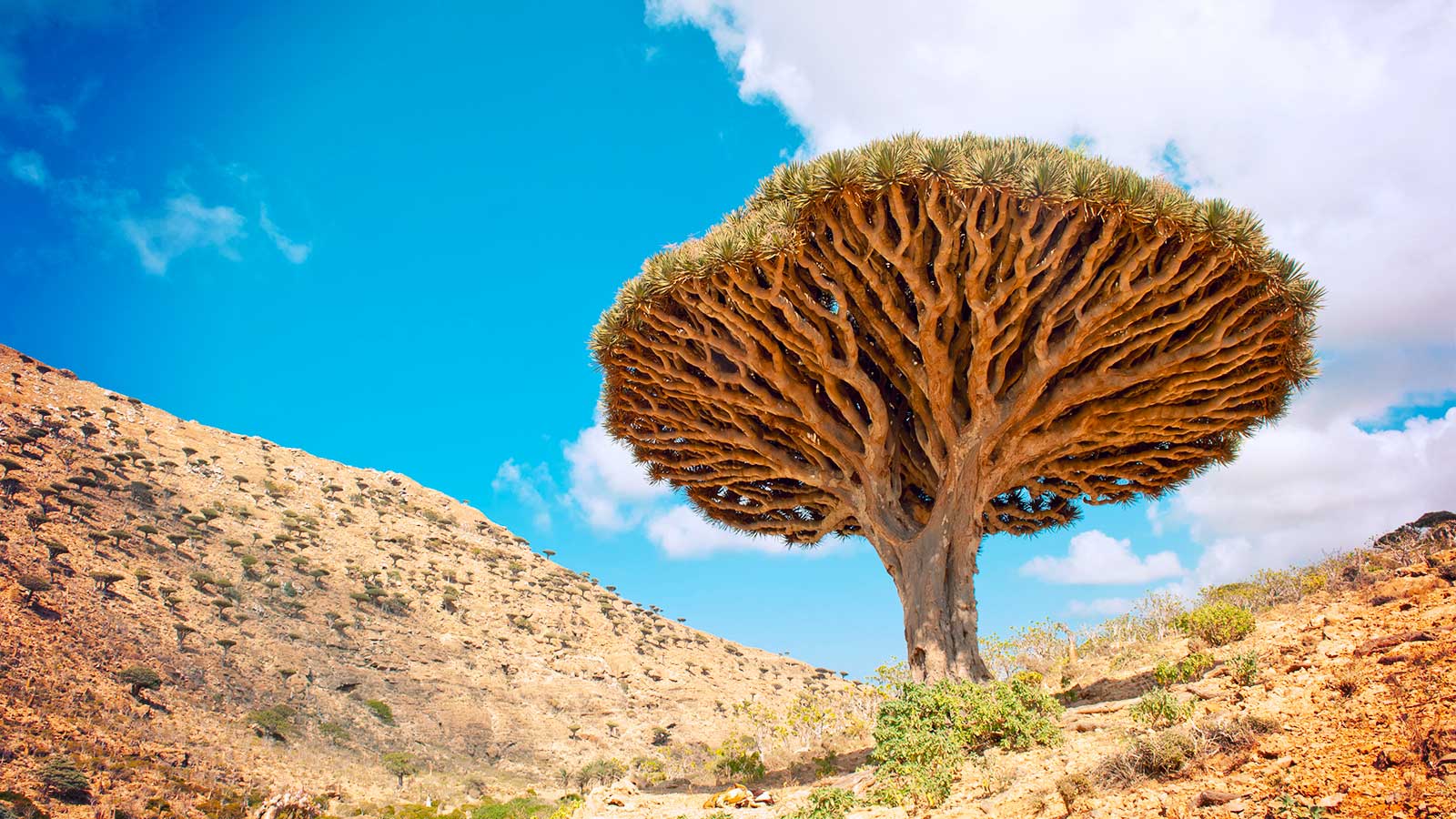
On foggy days in the woods, an enigmatic forest wizard transforms into a twisted oak, its lower limbs broken yet still outstretched in a wise gesture. Or maybe it was something else. On such days, I imagine dragons still dwell here.
How do your trees make you feel?
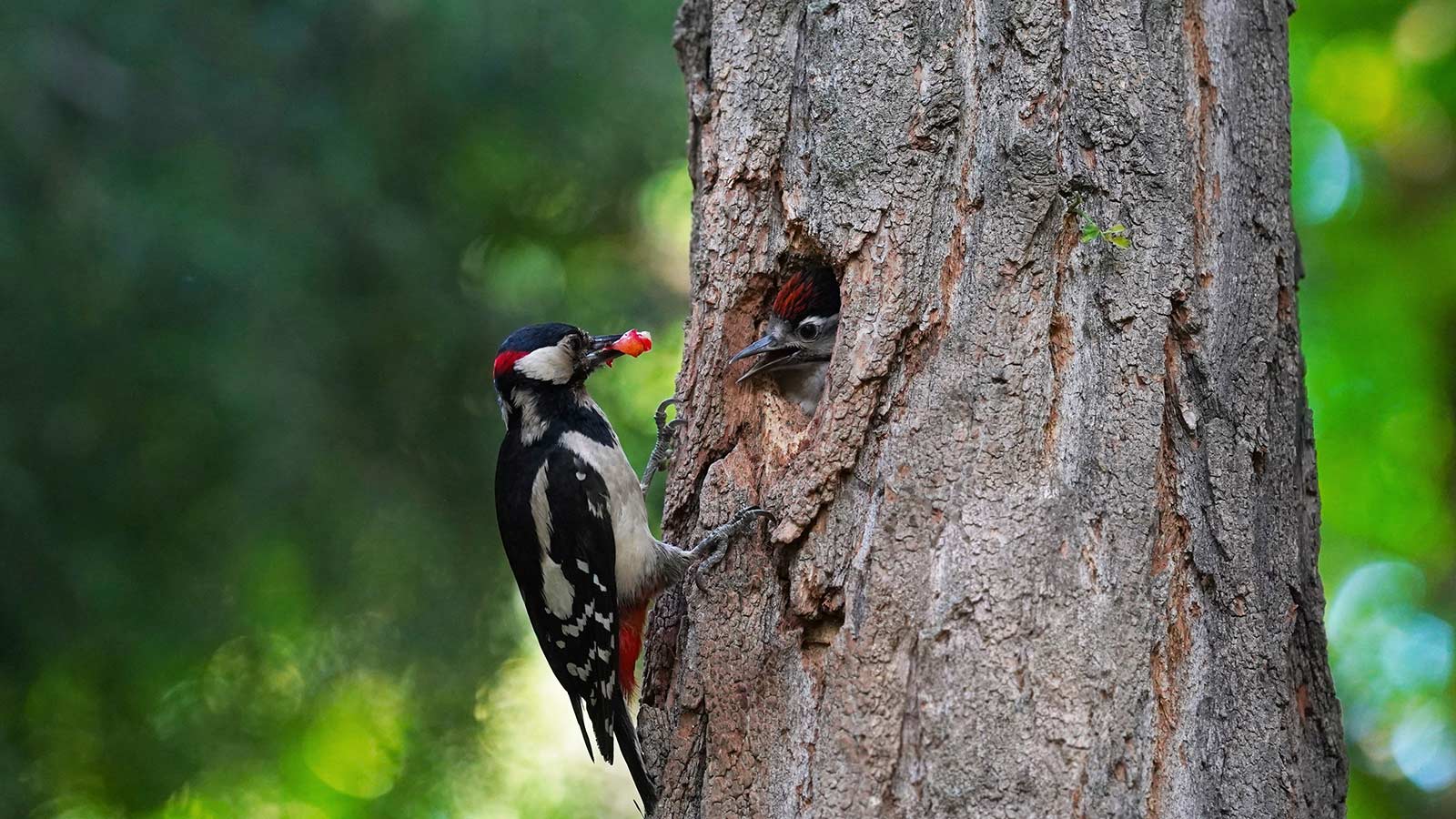
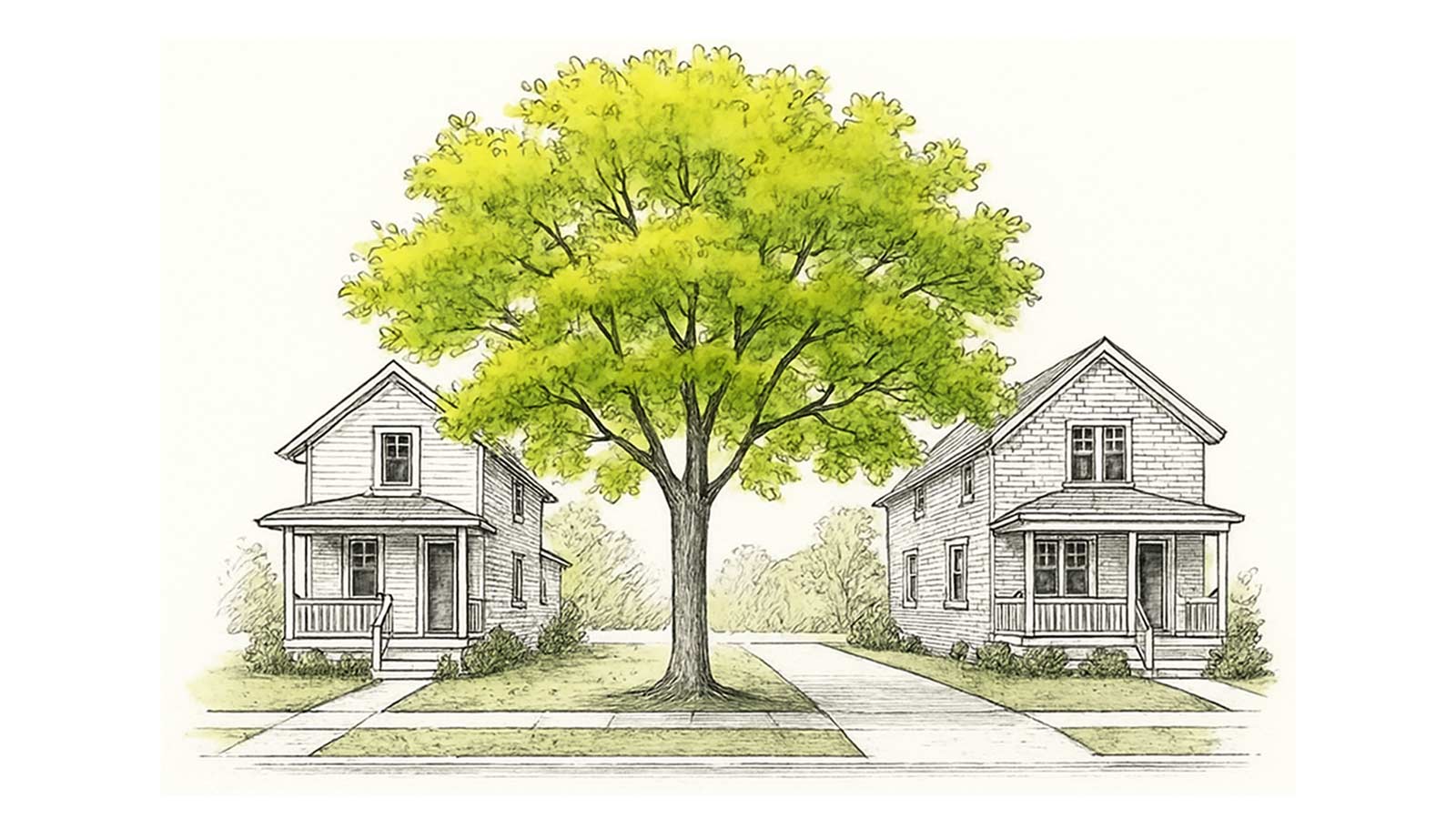
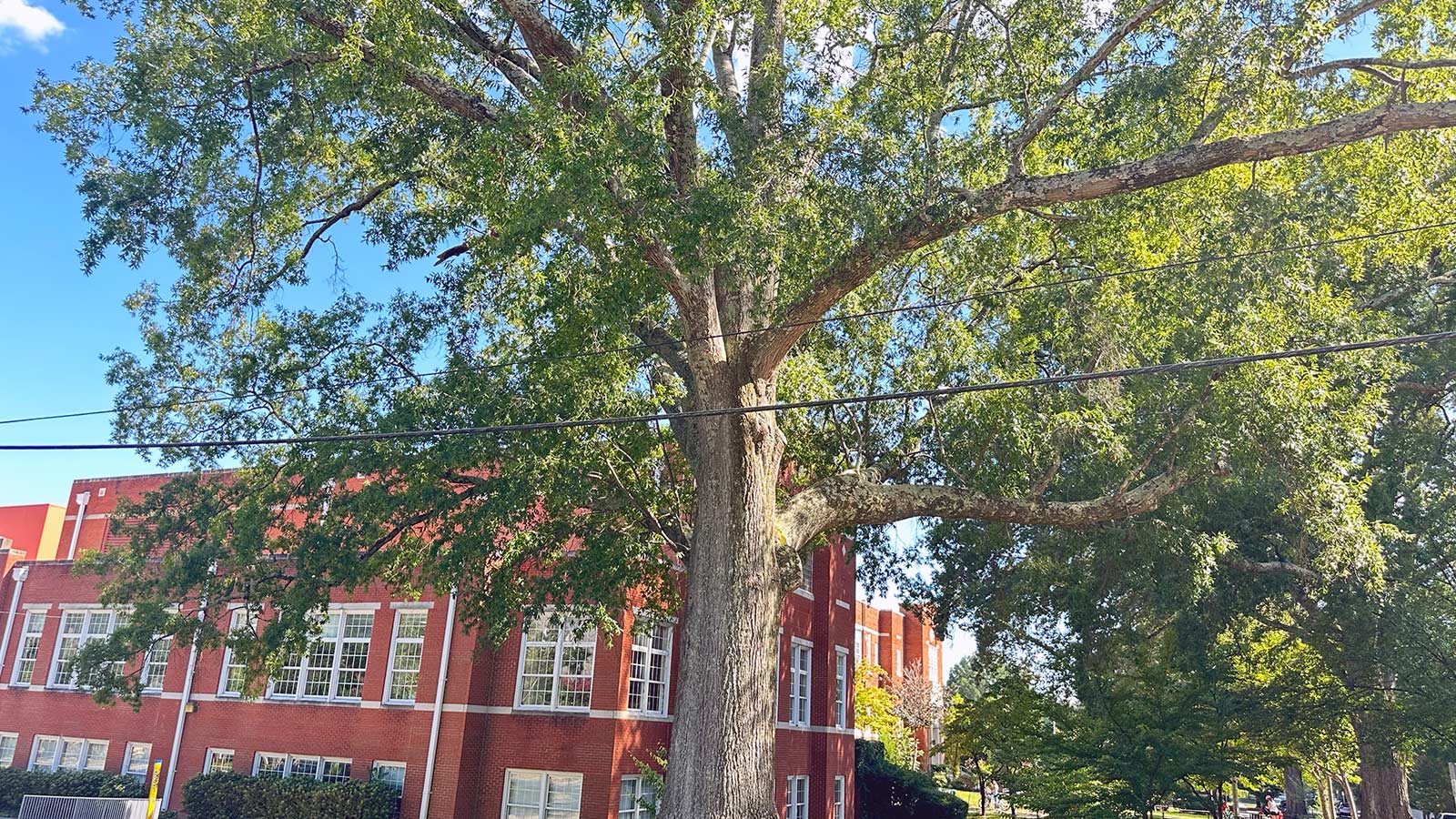
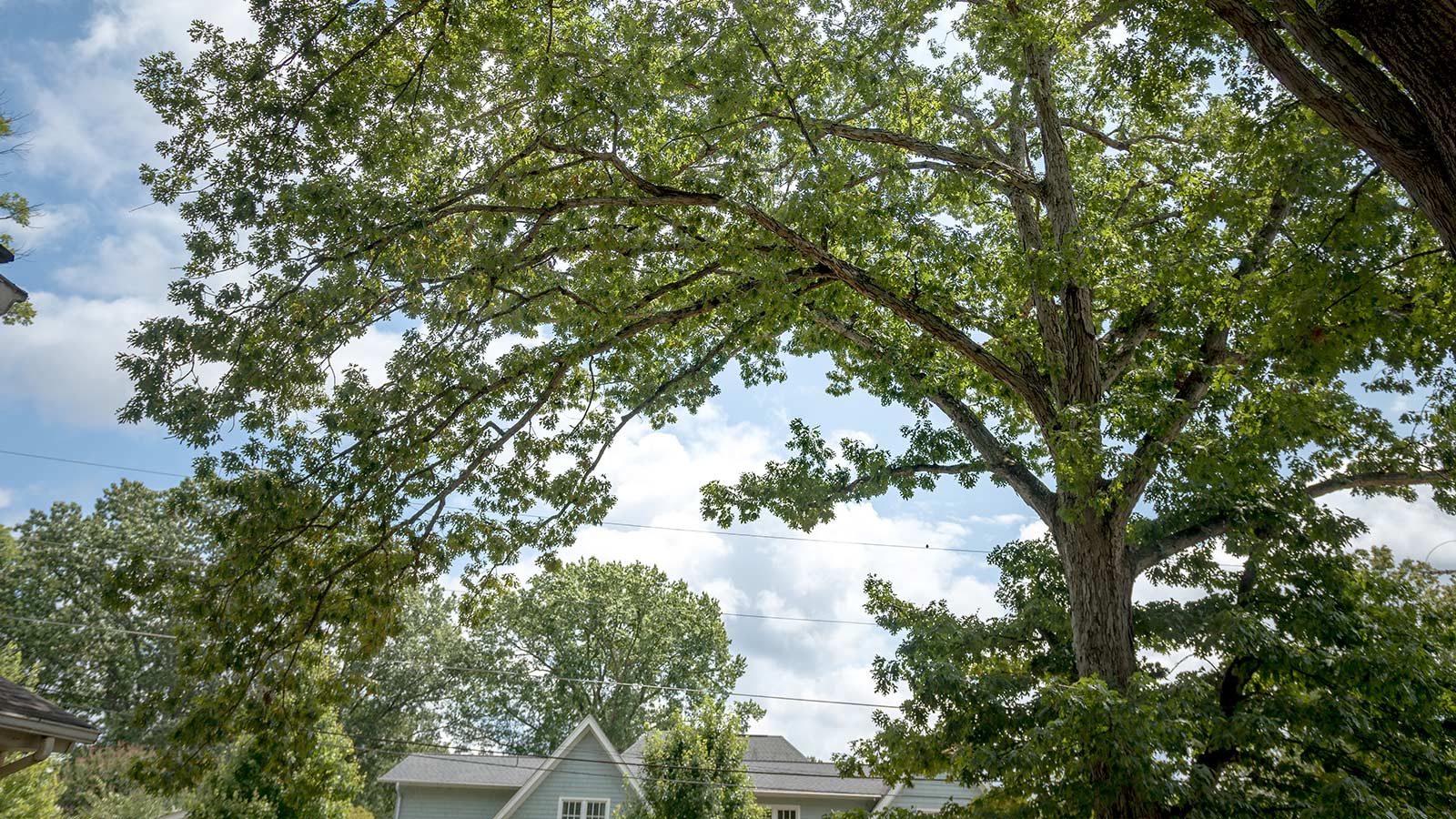
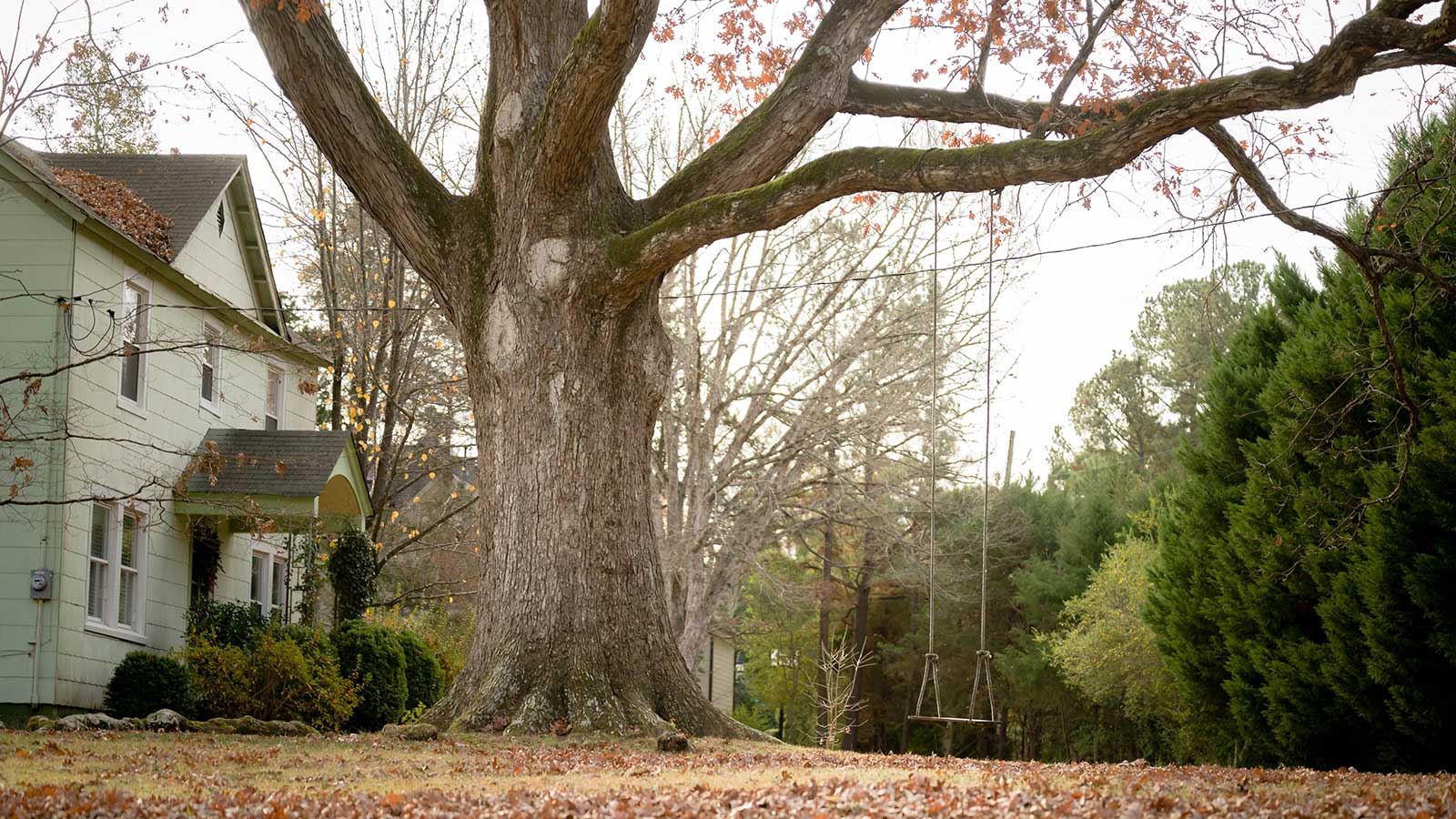
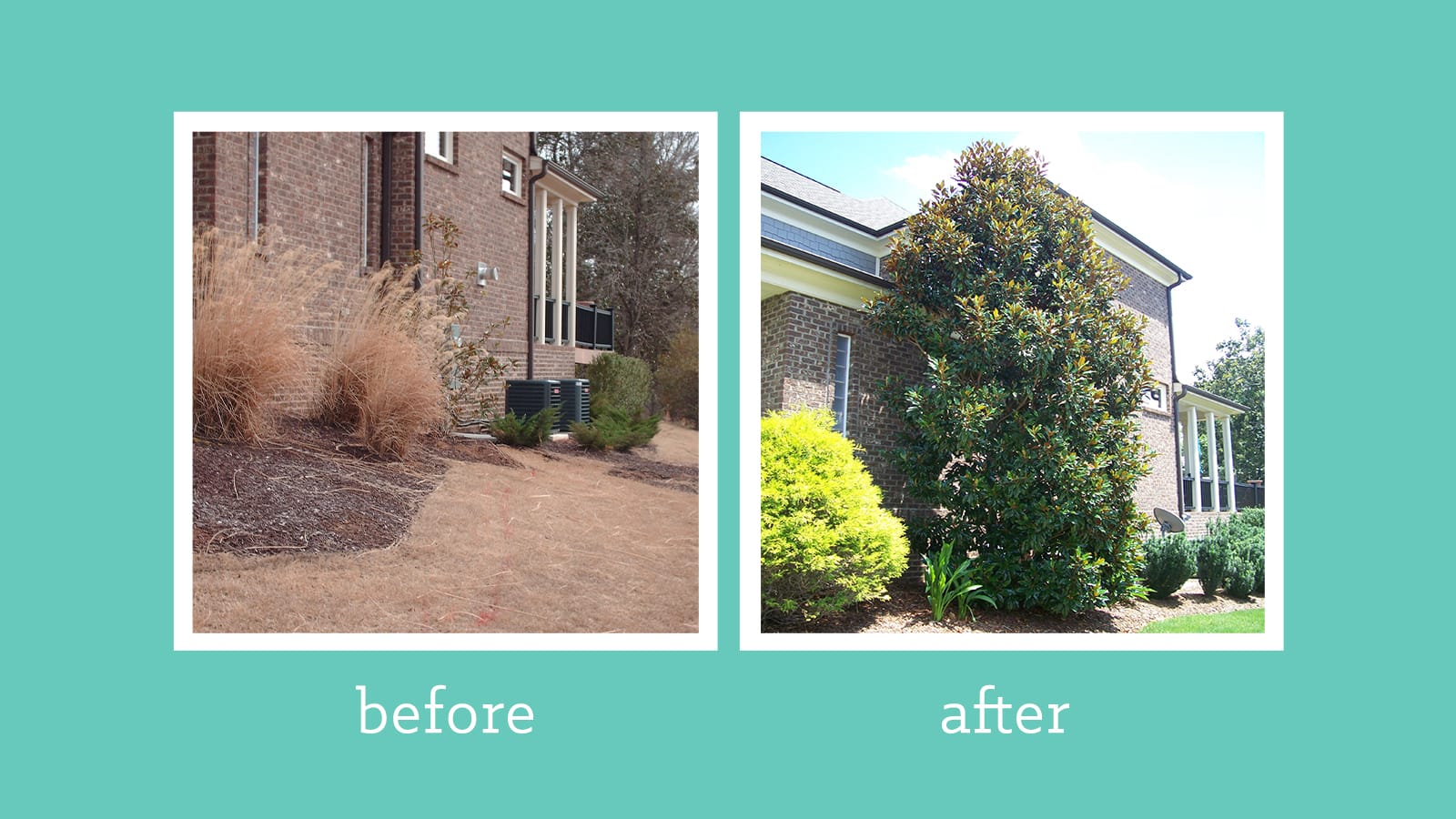
A pair of stately oaks framing a columned home could mean the satisfaction of a well-maintained property asset. Oh, and very welcome summer shade. A funky maple in the back corner that persists no matter what and hosts a woodpecker family every year might connect you to the seasons. The little magnolia you planted 4 years ago might be really taking off this year – a feeling of stewardship. Not sure about that sweetgum. I mean, it looks cool in the fall, but those gumballs get everywhere, and it’s starting to rub the siding. That burly willow oak is pretty cool, but a bit scary. Its limbs are beautiful and enormous.
Introduce Yourself to Your Trees
Your relationship with your trees depends on the trees themselves, where they are, and how you feel about your outdoor space. All of those feelings are valid, and all of the concerns can be managed with proper attention.
If I could make just one plea, it would be to save your trees, no matter how you feel about them, unless they pose a hazard to your property. In all cases, regardless of your relationship with your trees, consider giving them some care. Remember, we’ve revved up demands on them with climate change, just as we’ve revved up our own with our hectic schedules.
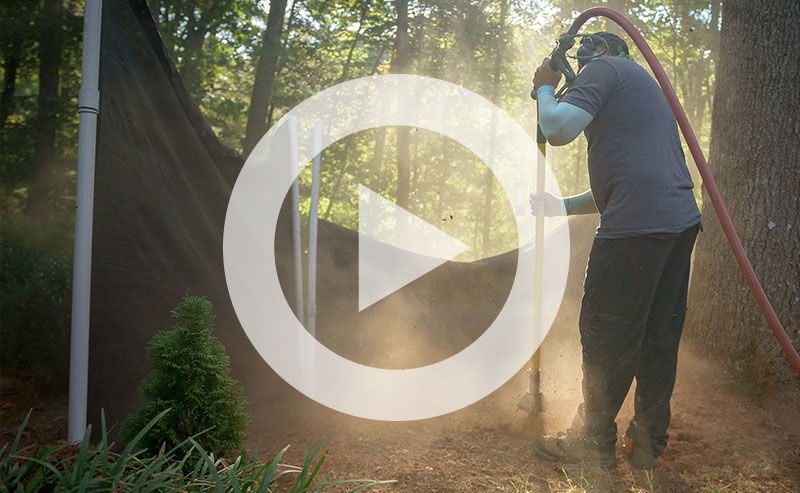
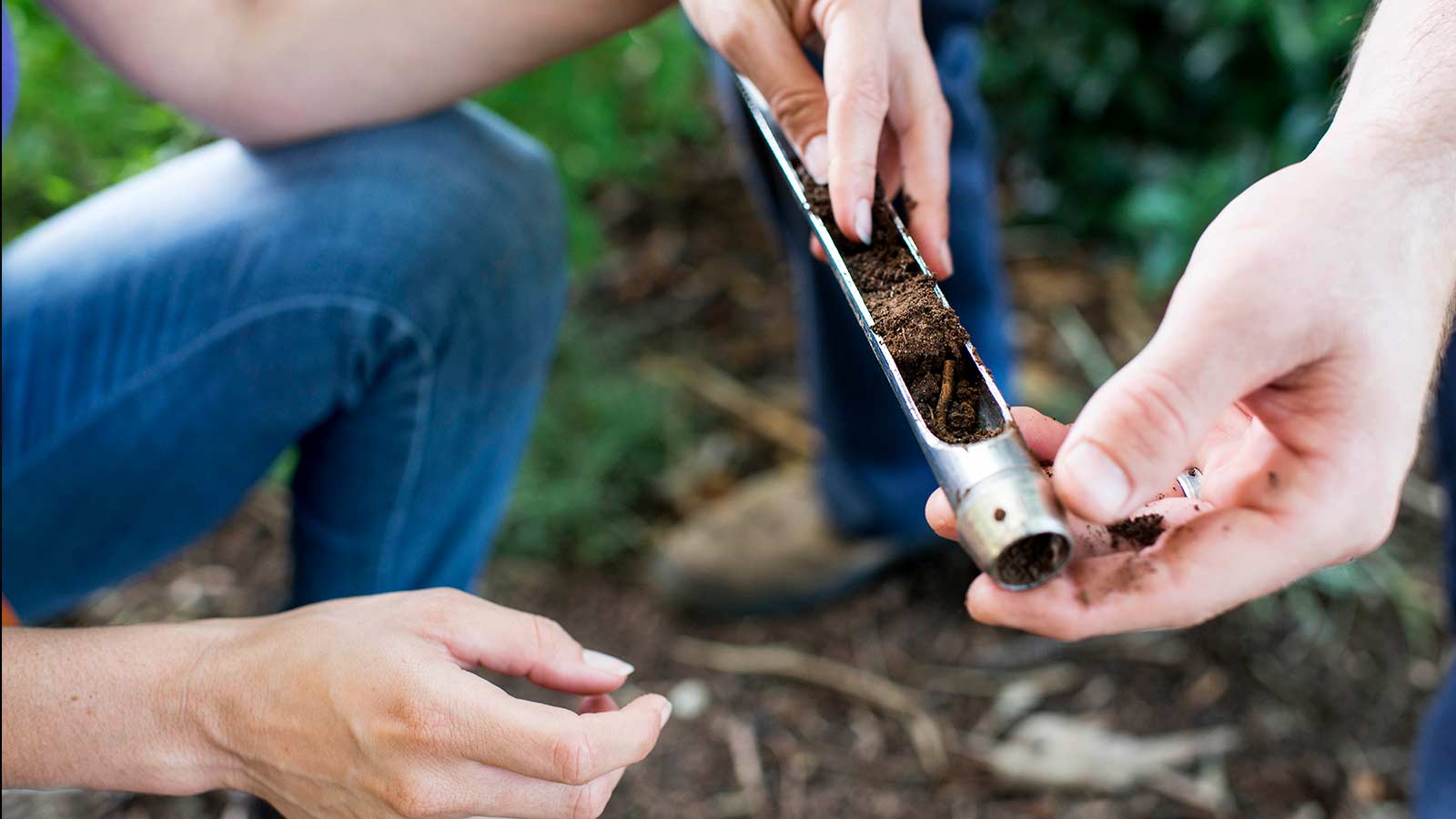
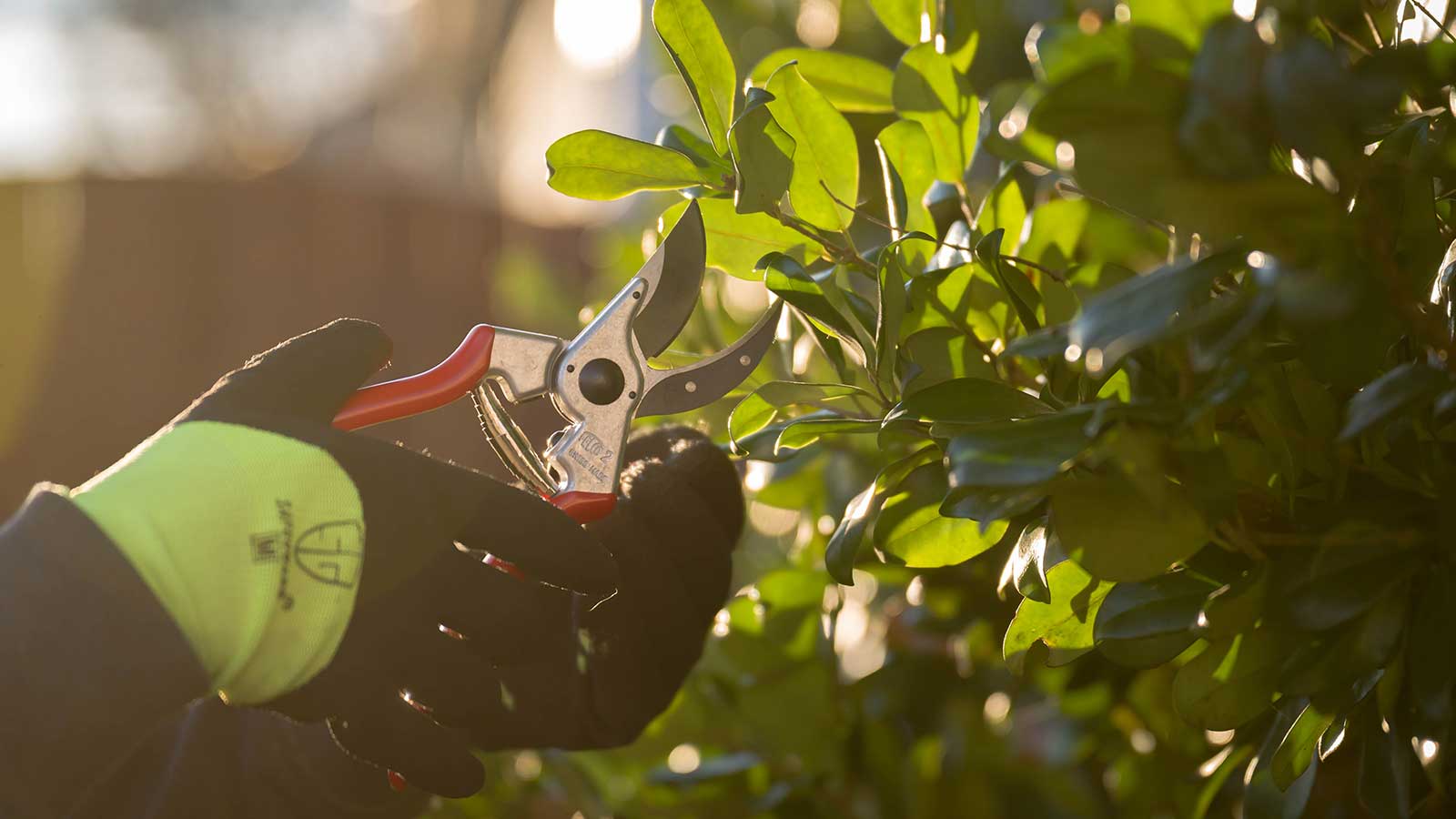
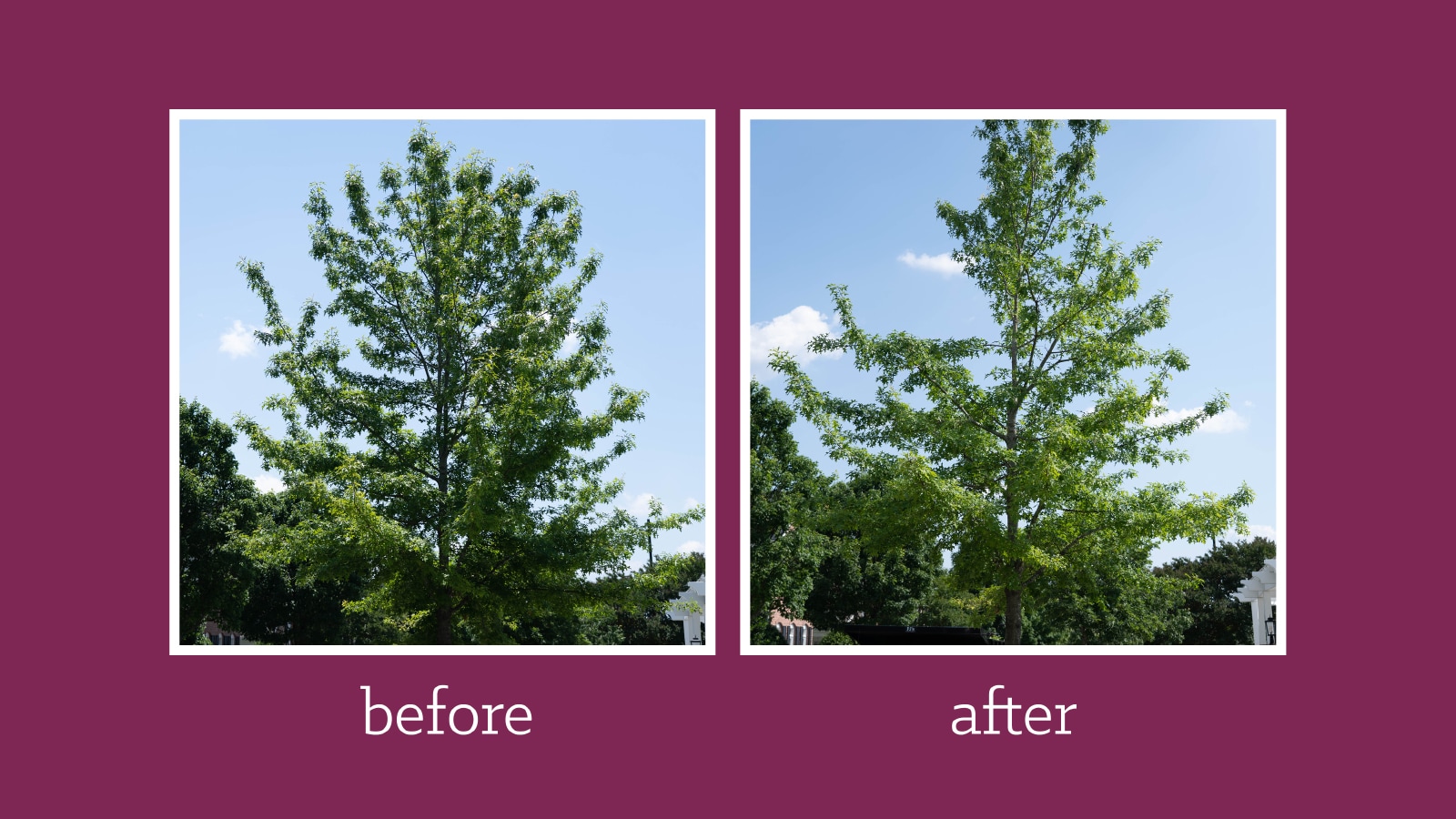
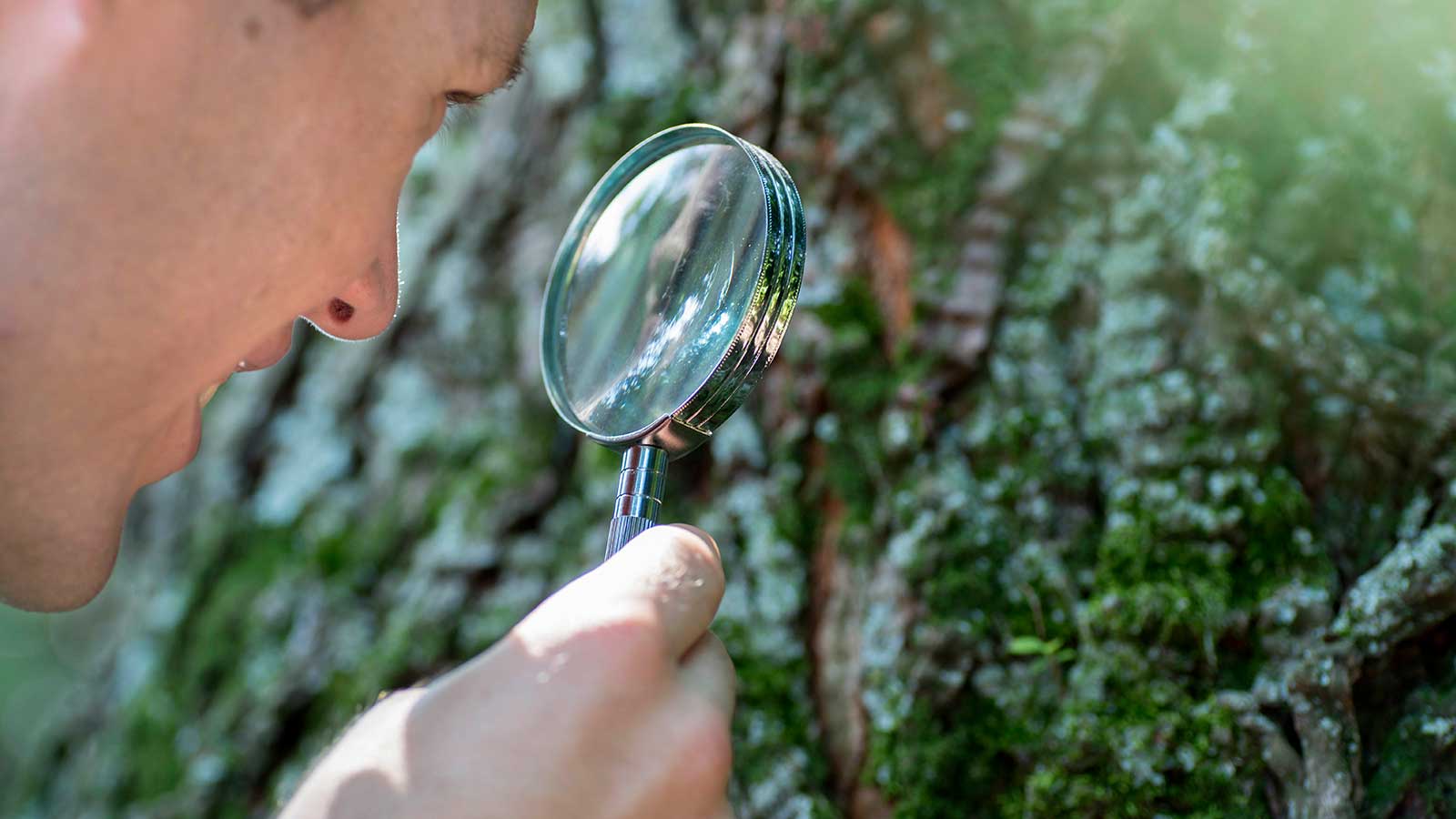
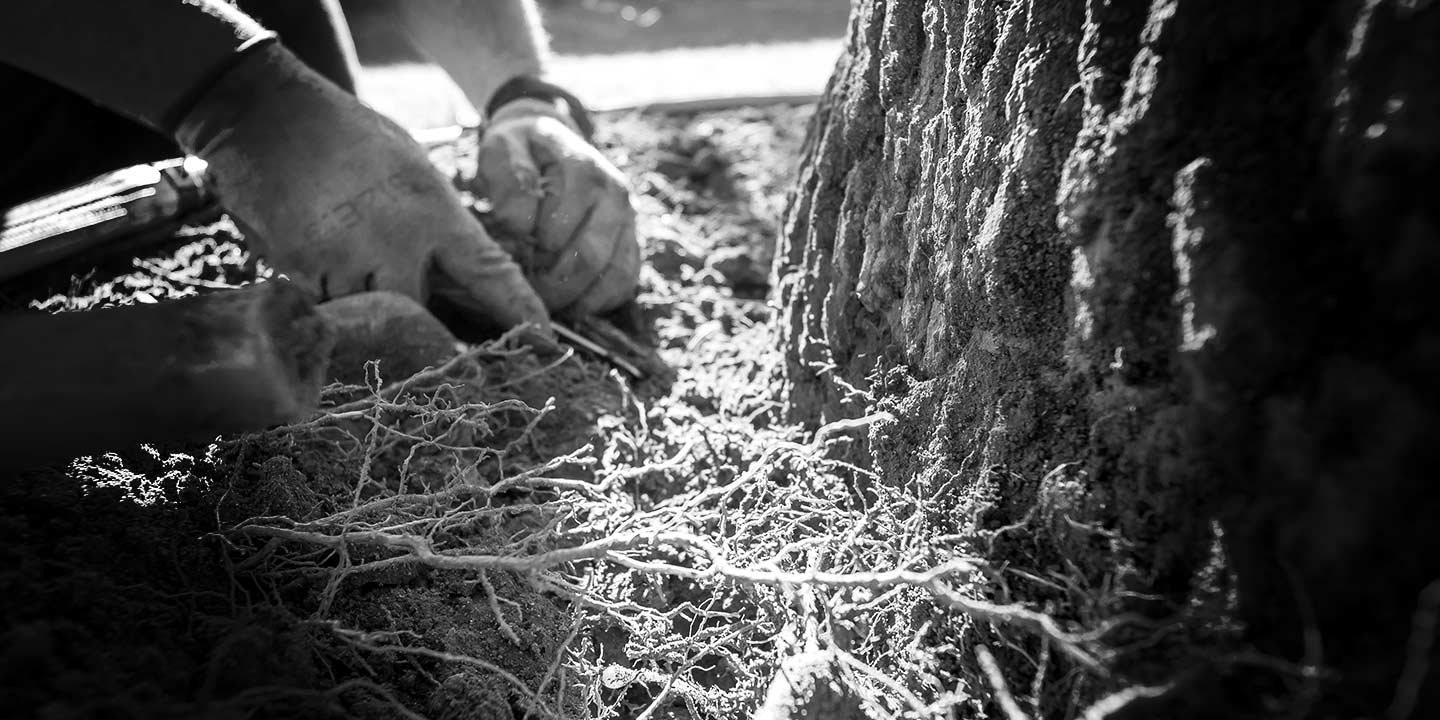
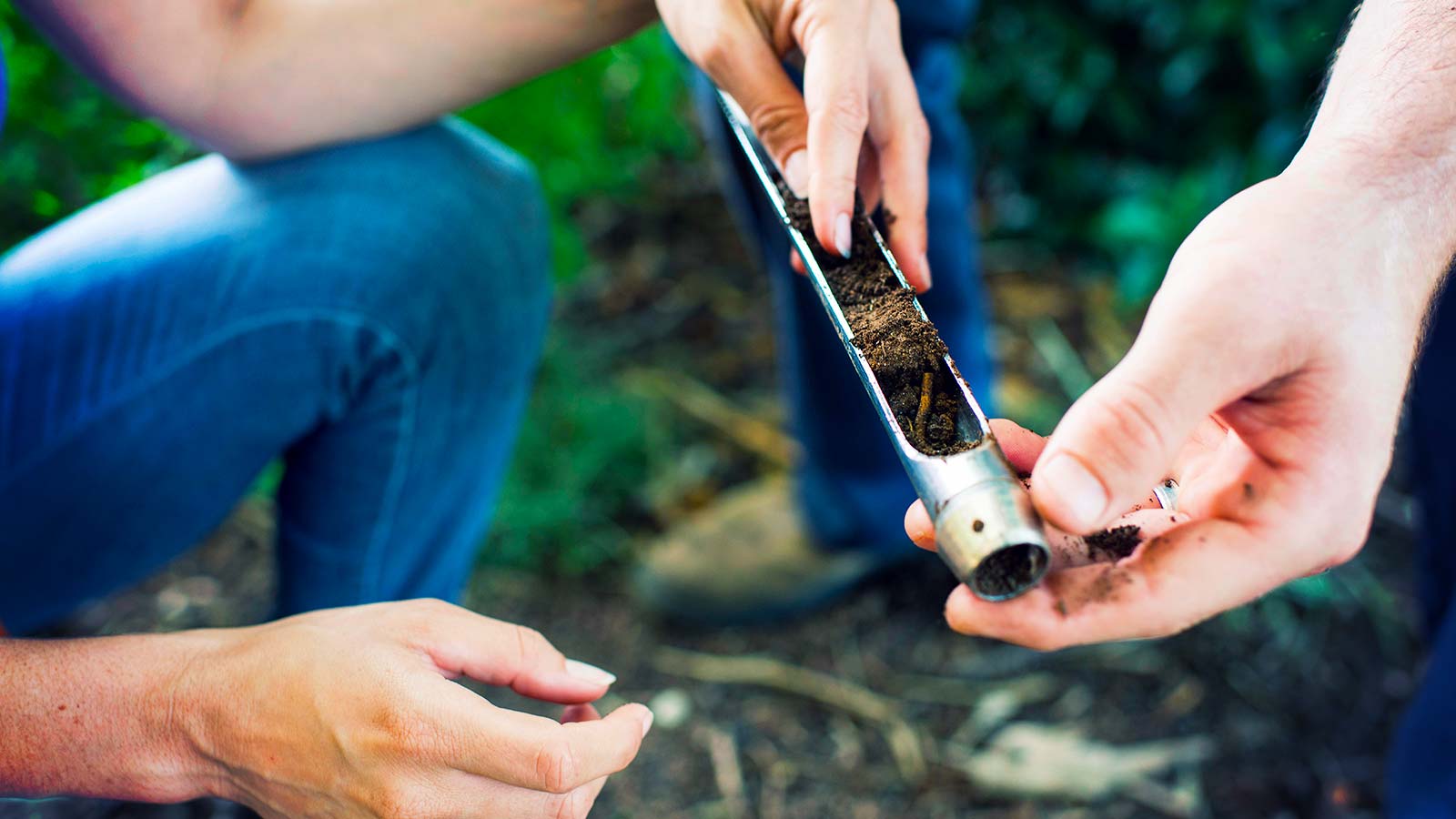
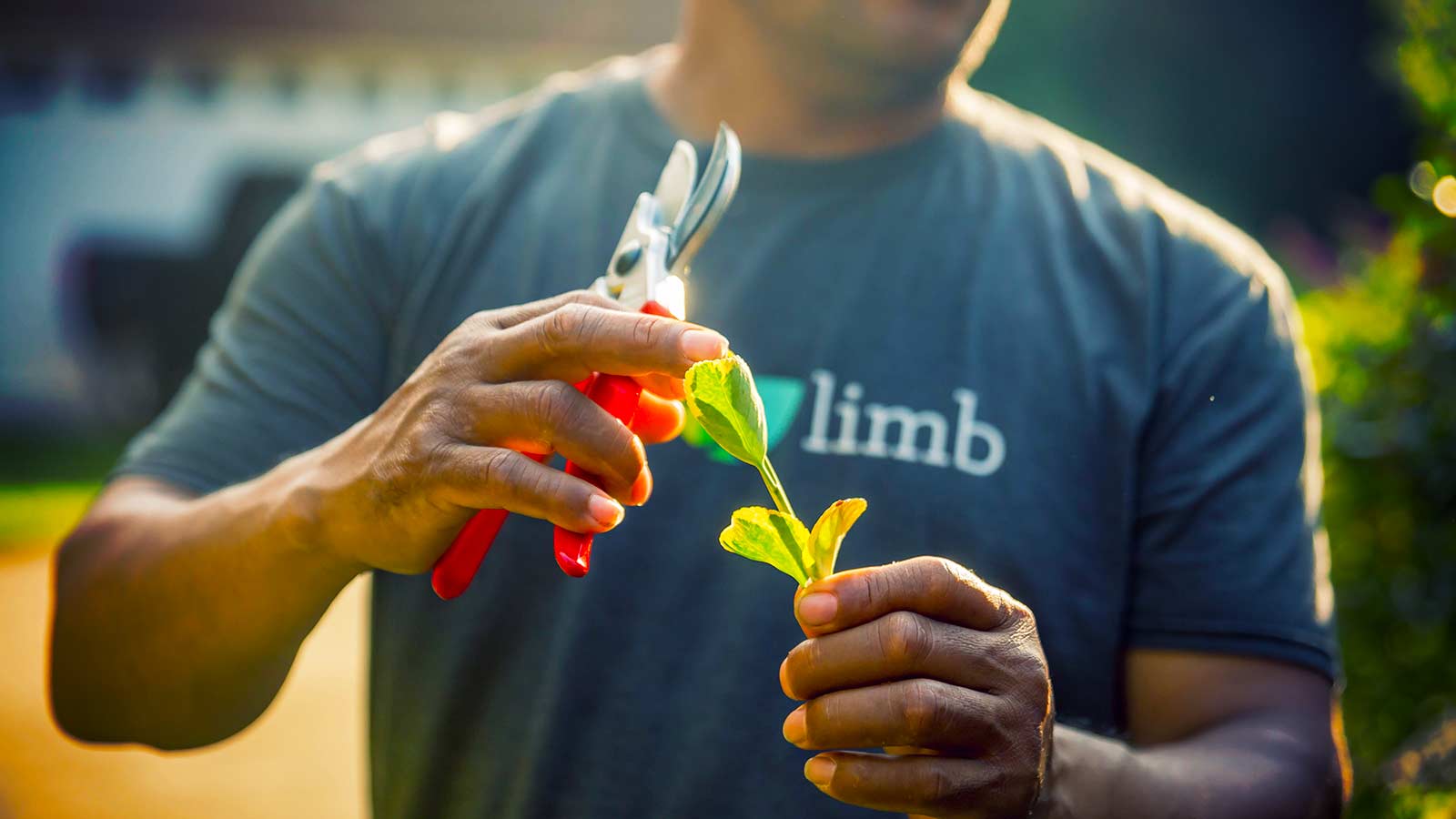
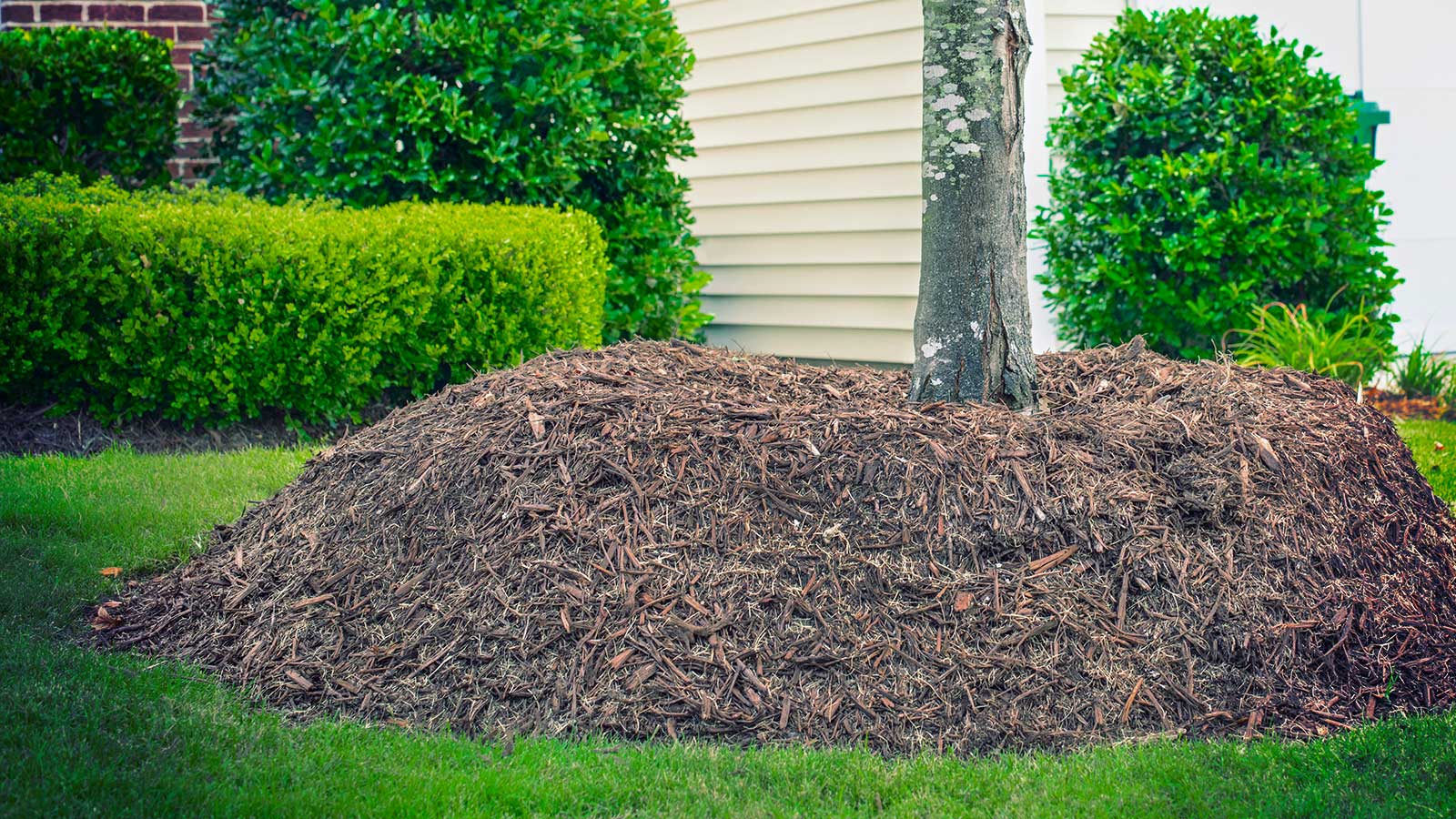
Pruning and soil improvement are the keys to your trees’ strength and health, respectively. Winter is also a great time to take a good look at each of your trees. Just notice them. Notice their details. What cool attributes do they have? Give them a checkup while you’re doing that. Chapter 11 in From Wasteland to Wonder will get you started. And as always, come to us for help. Contact usfor a professional review of your trees.
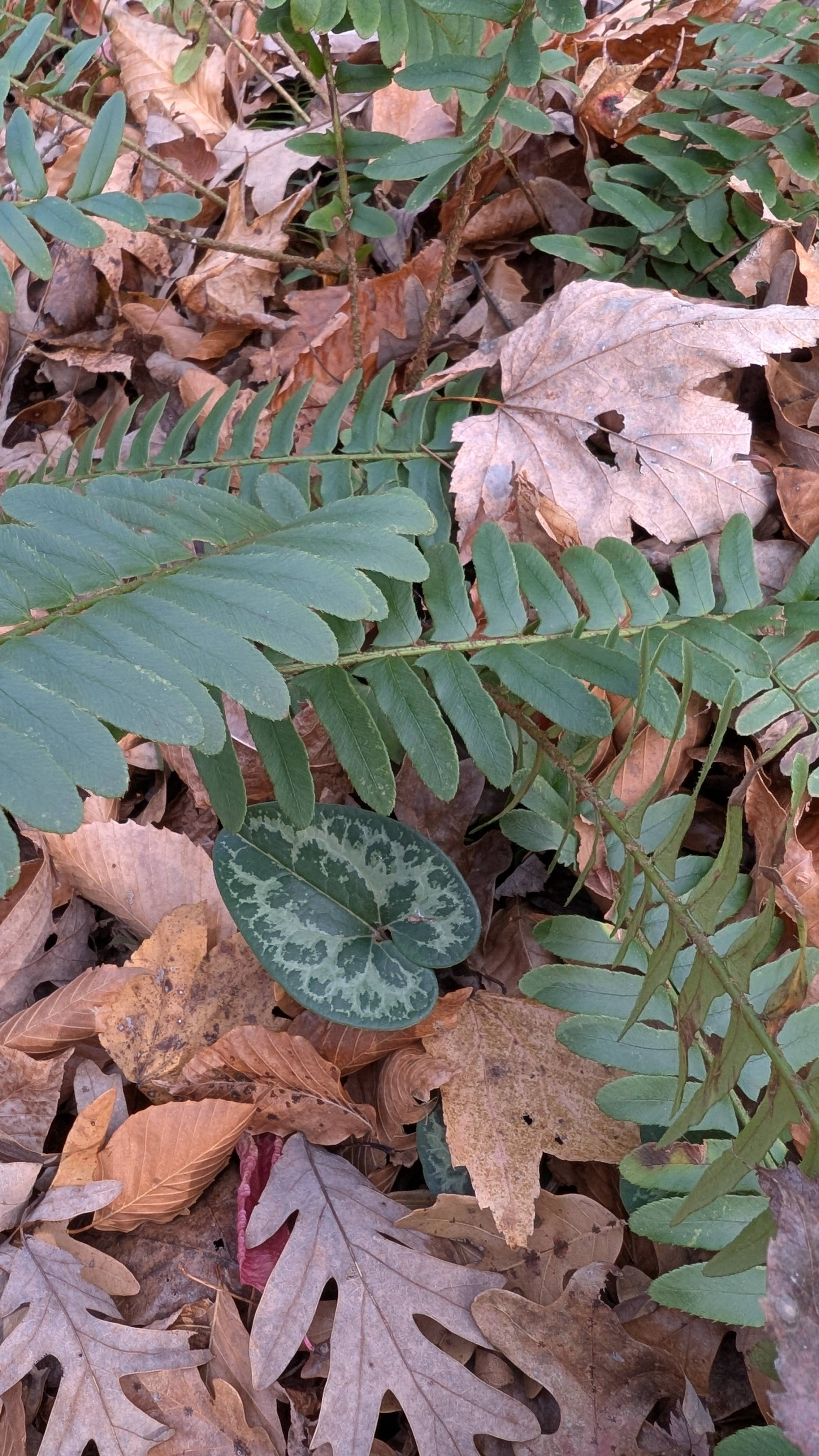
Plant of the Month: Christmas Fern (Polystichum acrostichoides)
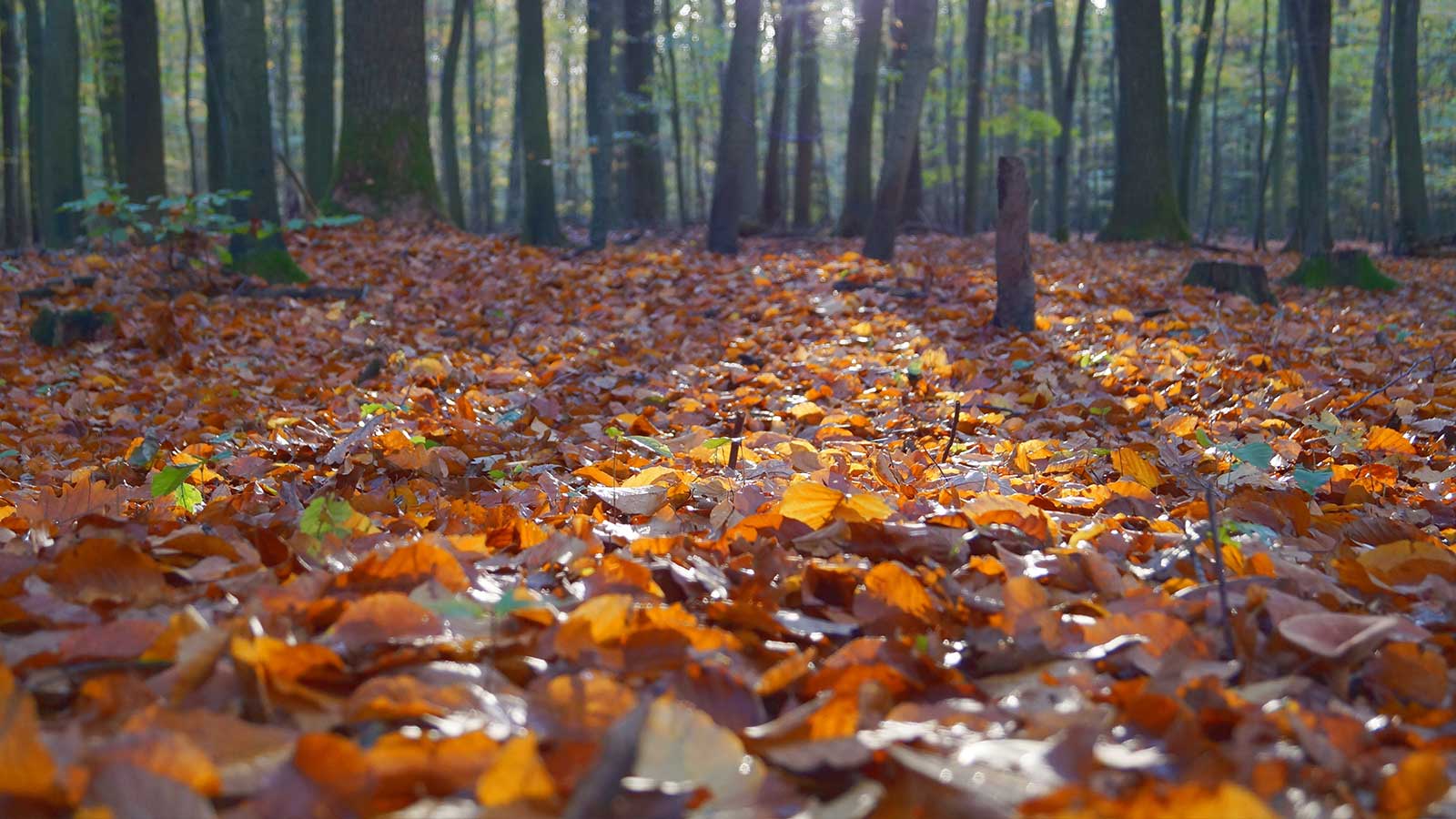
Ferns in January? This bold, deer-proof, and winter-proof fern adds bold green sprays of fronds to the carpet of russets and gold on the forest floor.
- You can grow these hardy ferns in shady places in your yard, perhaps under the canopies of well-mulched trees.
- Not fussy about soil except that it doesn’t like places that are persistently or often wet.
- Low maintenance.
- Winter cover for small animals, including foraging birds.
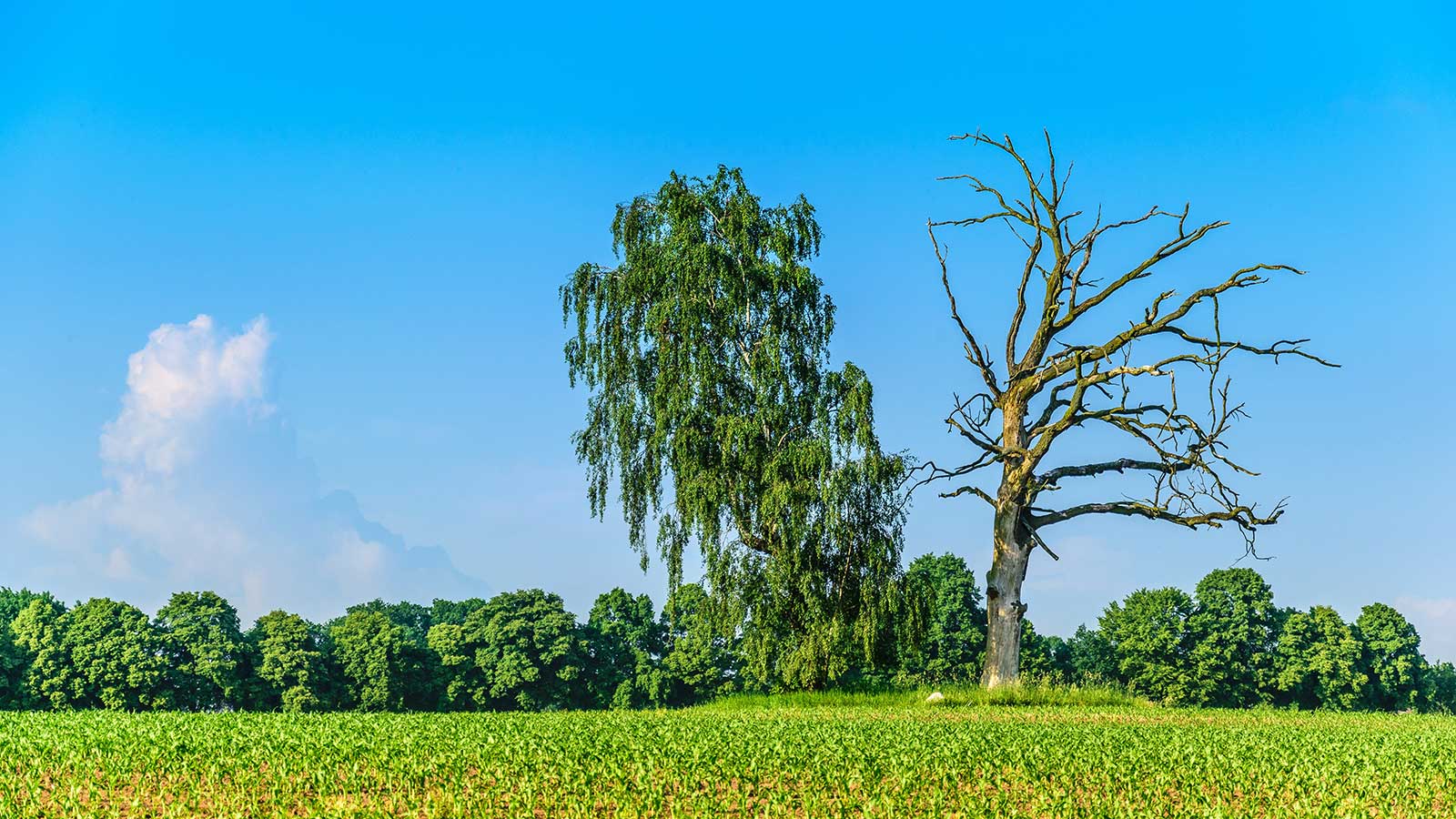
Q&A: Is My Tree Dead
Q: A small tree I planted a few years ago didn’t look great this fall. I’m worried it might be dead. How can I tell if it’s dead, or should I wait until spring?
A: You can certainly wait until spring to see how it leafs out. On the other hand, winter is a great time to plant, so if the tree is really dead, you might want to take the opportunity to plant a new tree now.
Here are ways to tell if your tree is dead. You will need to check many of the limbs to find out how many are dead.
-
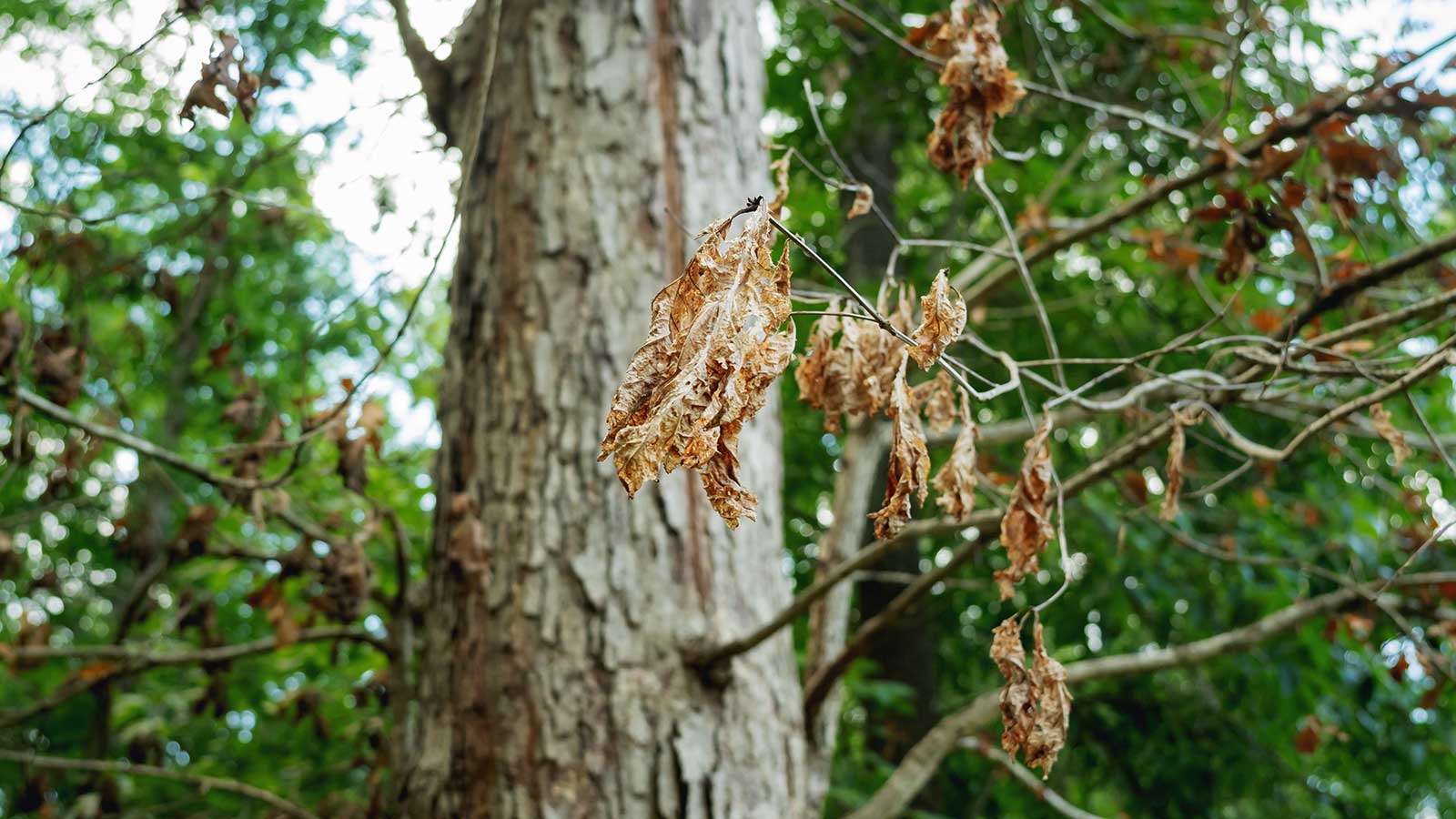
Buds: Live buds are plump, though their shape varies by species. Dead buds appear shriveled or dried out and may come off with a light touch. Once you get good at examining buds, you can use binoculars to assess higher limbs.
-
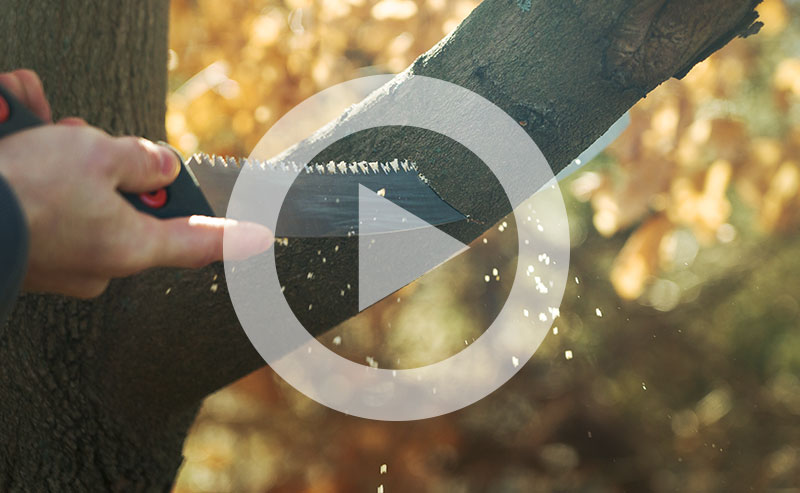
Twig flexibility: Lightly flex the twigs. Live ones bend, and dead ones will crack.
-
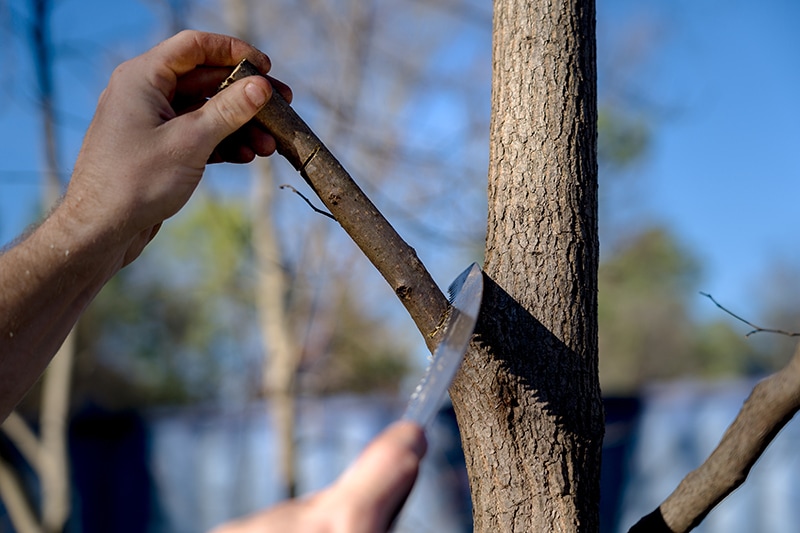
Bark scratch: Try to scratch off a small piece of bark from a small twig. If the tissue underneath looks moist and green, it’s alive. If it’s dark brown and the scratched tissue seems dry, it’s probably dead.
-
The trunk: If most of the bark is peeling off the trunk, there’s a good chance the tree is not long for this world.
-
Trunk shake: Grasp the trunk and pull or push. Does the trunk bend, or does the entire root ball appear to move? If the latter, the roots have either died or the tree never established properly.
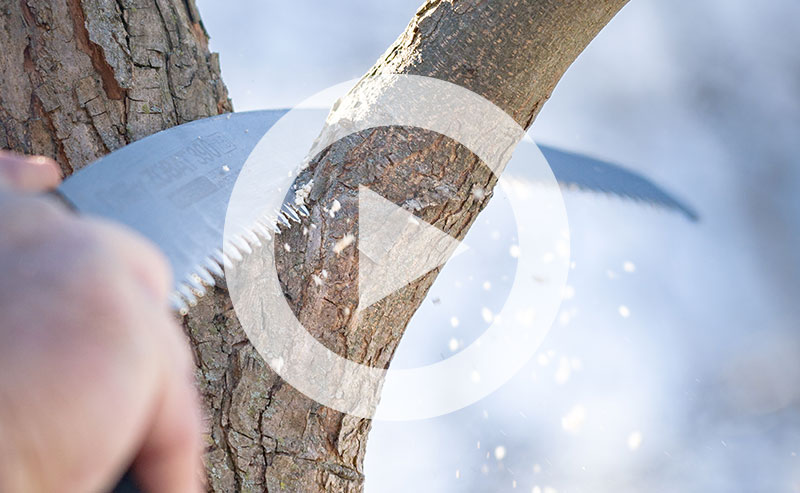
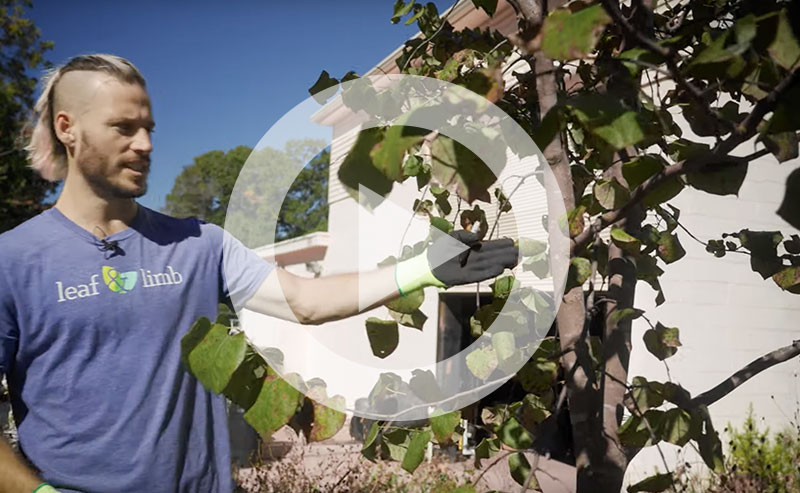
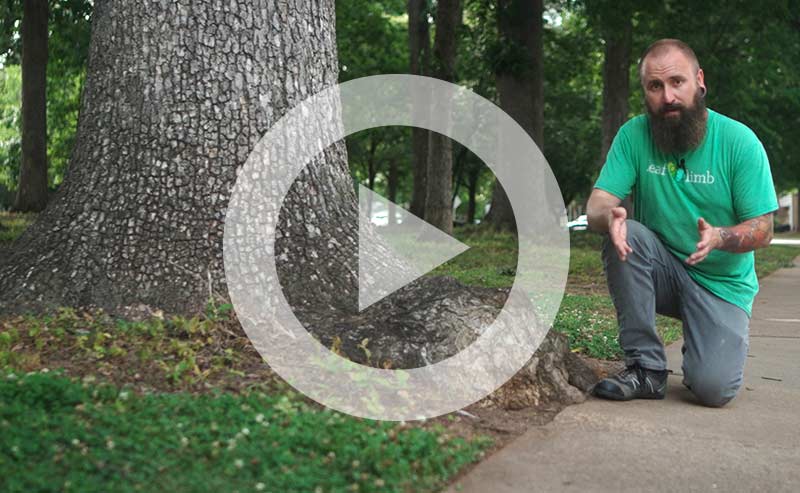
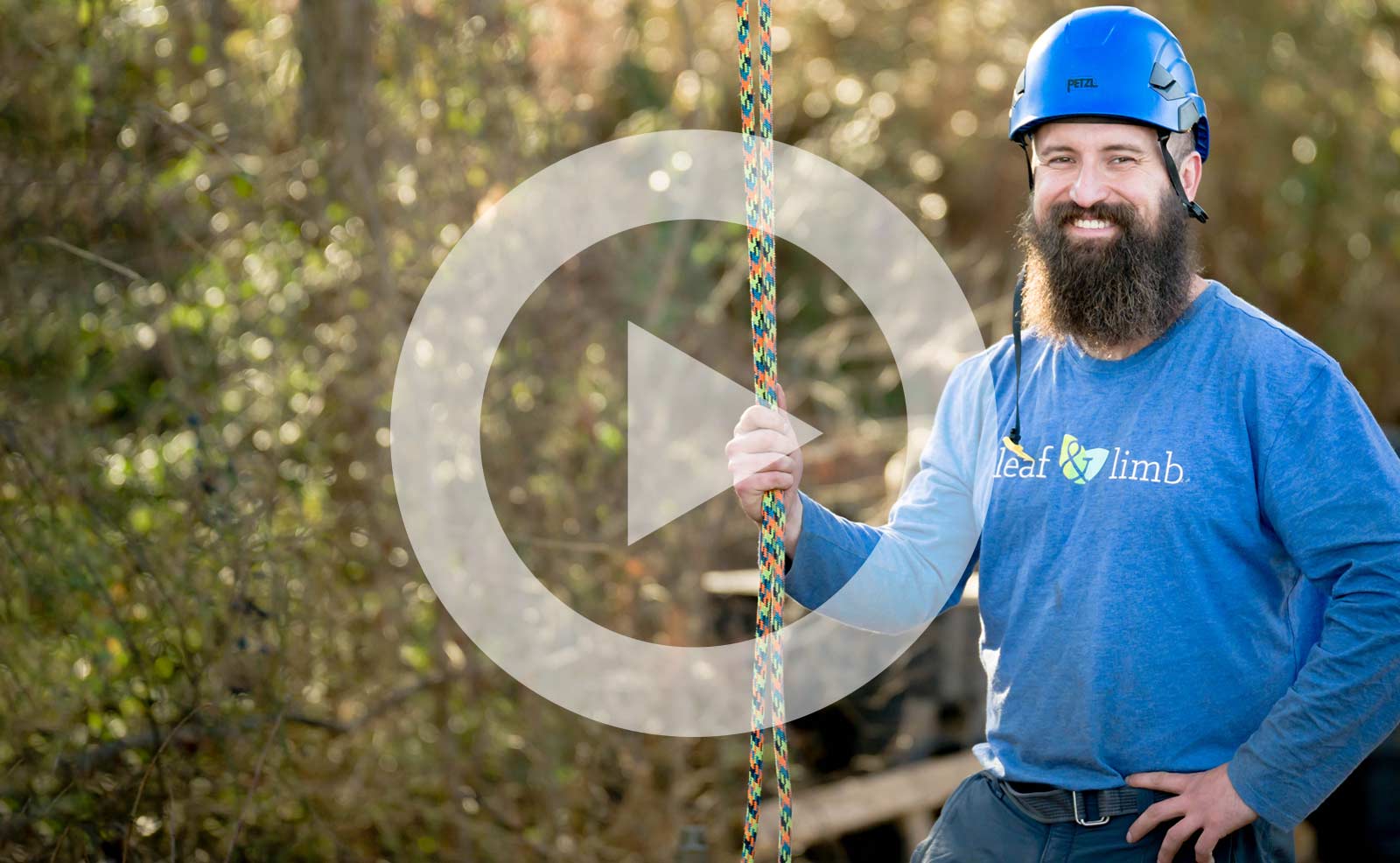
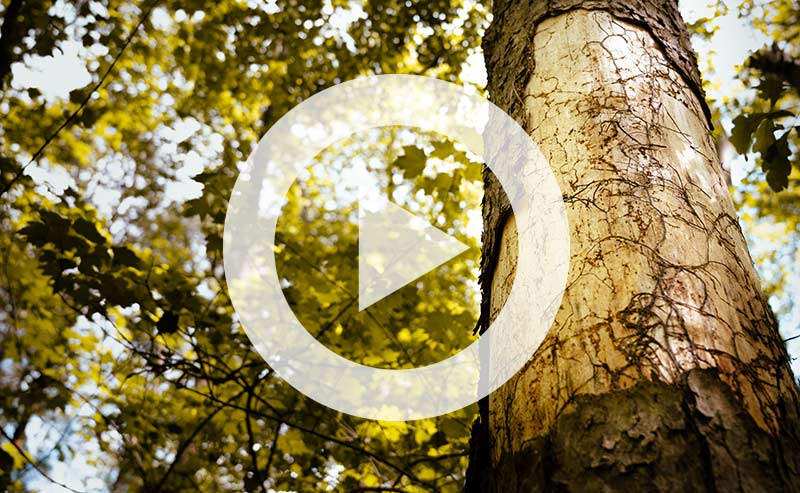
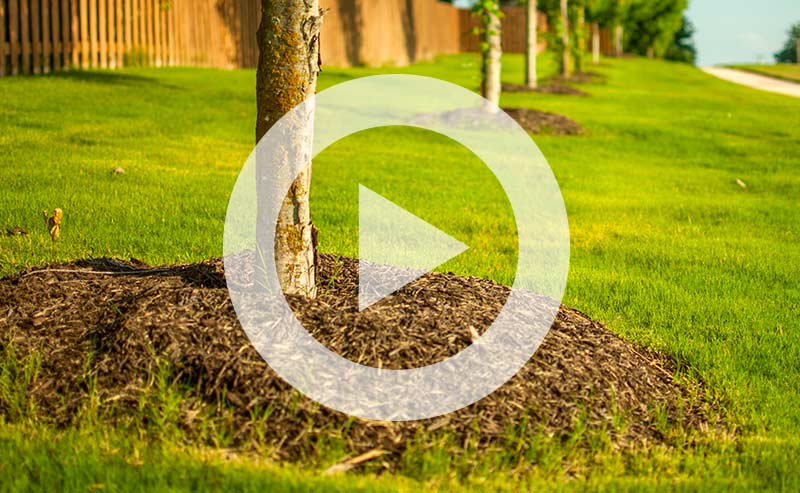
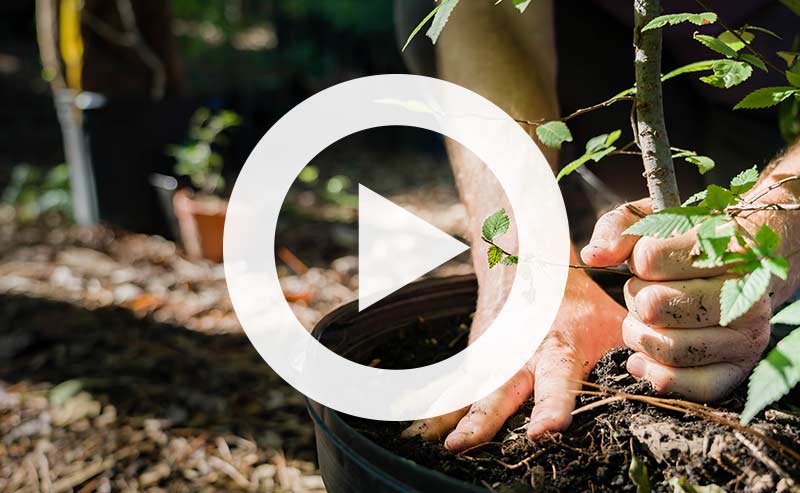
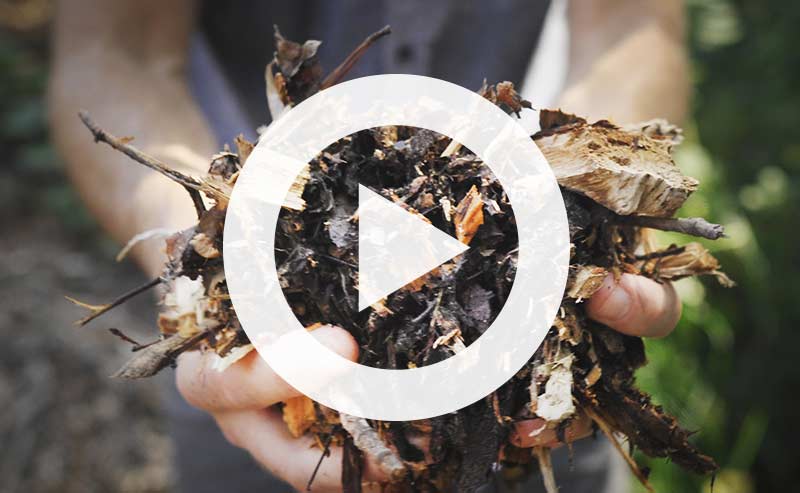
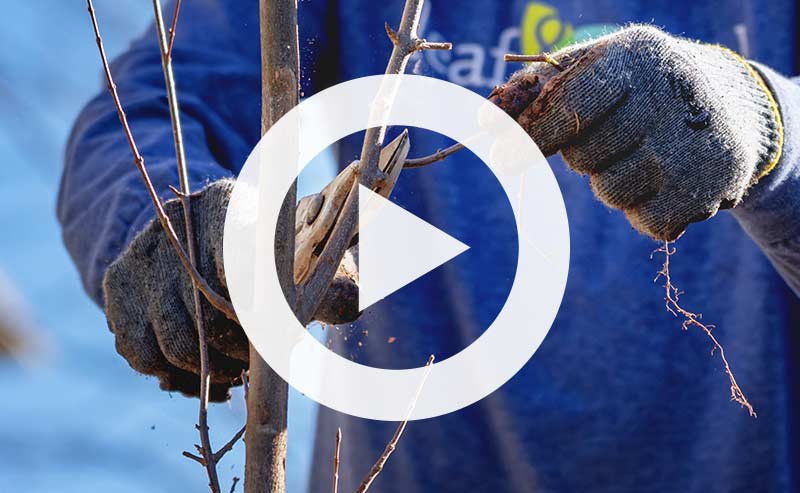
Watch a quick video on how to tell the difference between living and dead branches.
Some Things To Do Around Town
Do you feel like you could use a little calm, love, and reconnection these days? This Winter Tree Love Walk might be just what you need.
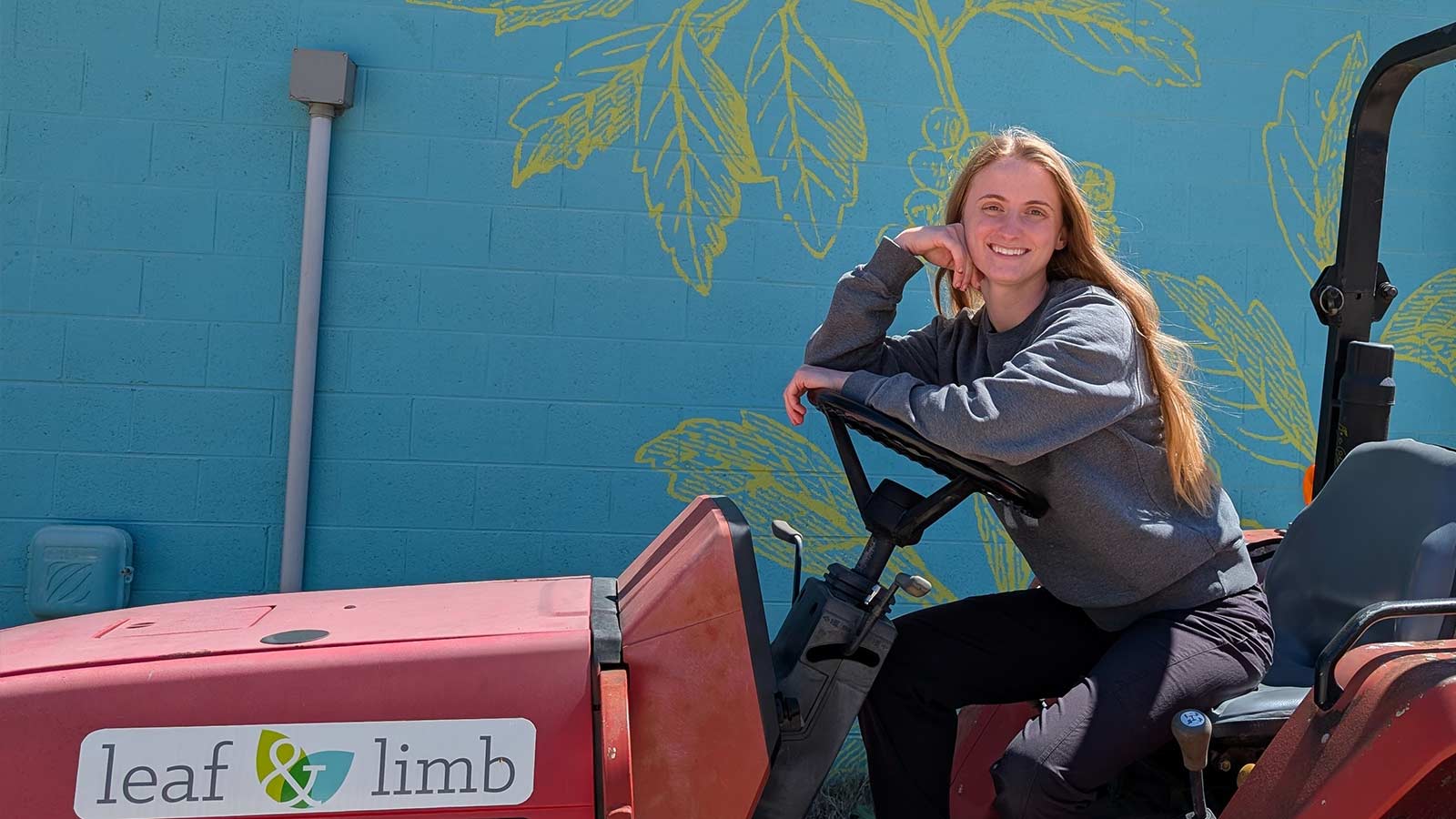
If you’re new to Gardening in the South, join Leaf & Limb and the JC Raulston Arboretum staff for an informative series of talks about how to achieve success. I plan to be there with Leaf & Limb too. Come say hi!
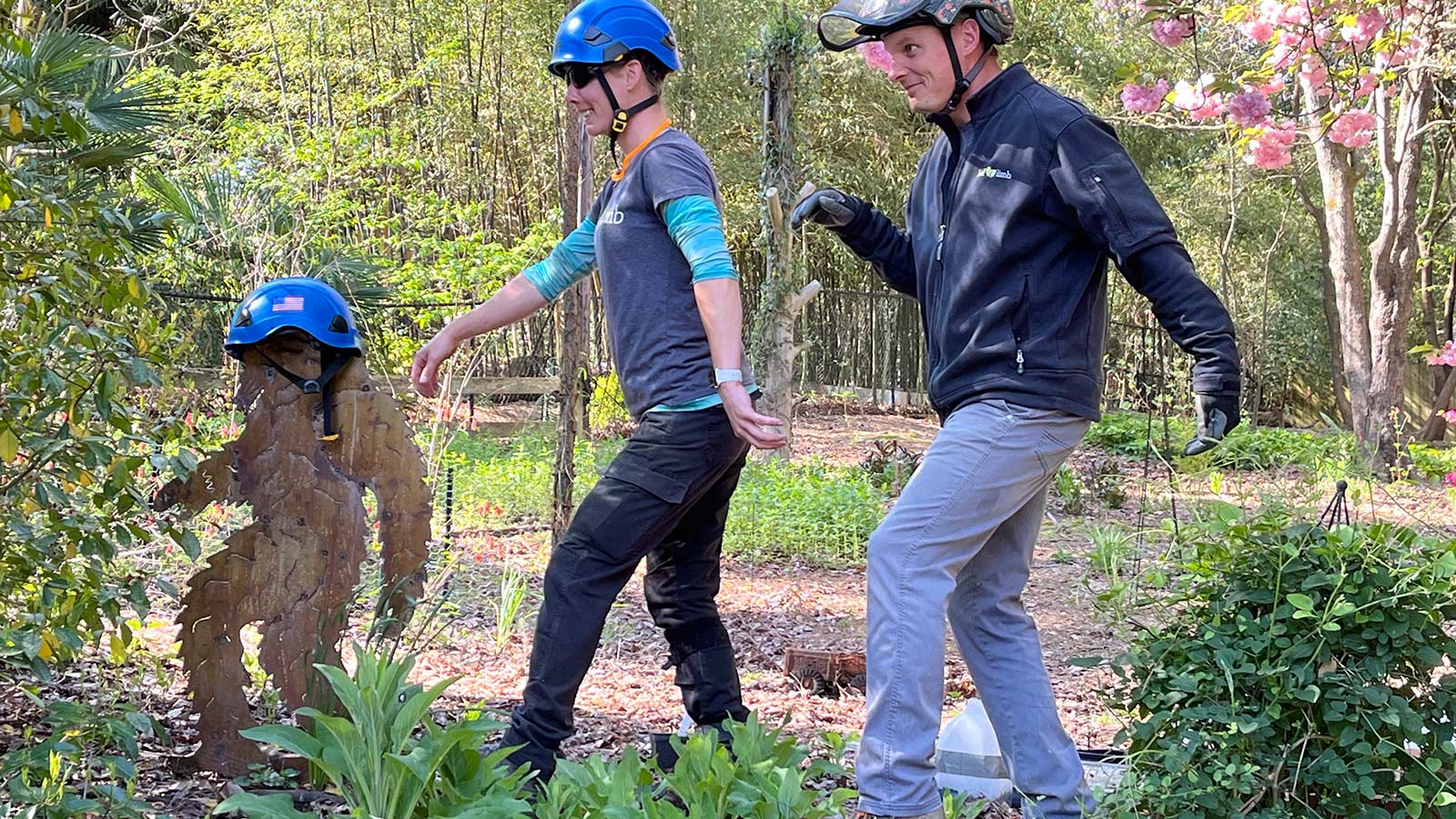
Also at Raulston – go find the Yeti! It’s a great excuse for a winter walk. And while you’re at it, go suss out the fabulous trolls in Dix Park if you haven’t yet. They are a marvel.
One Last Thing: Go Outside
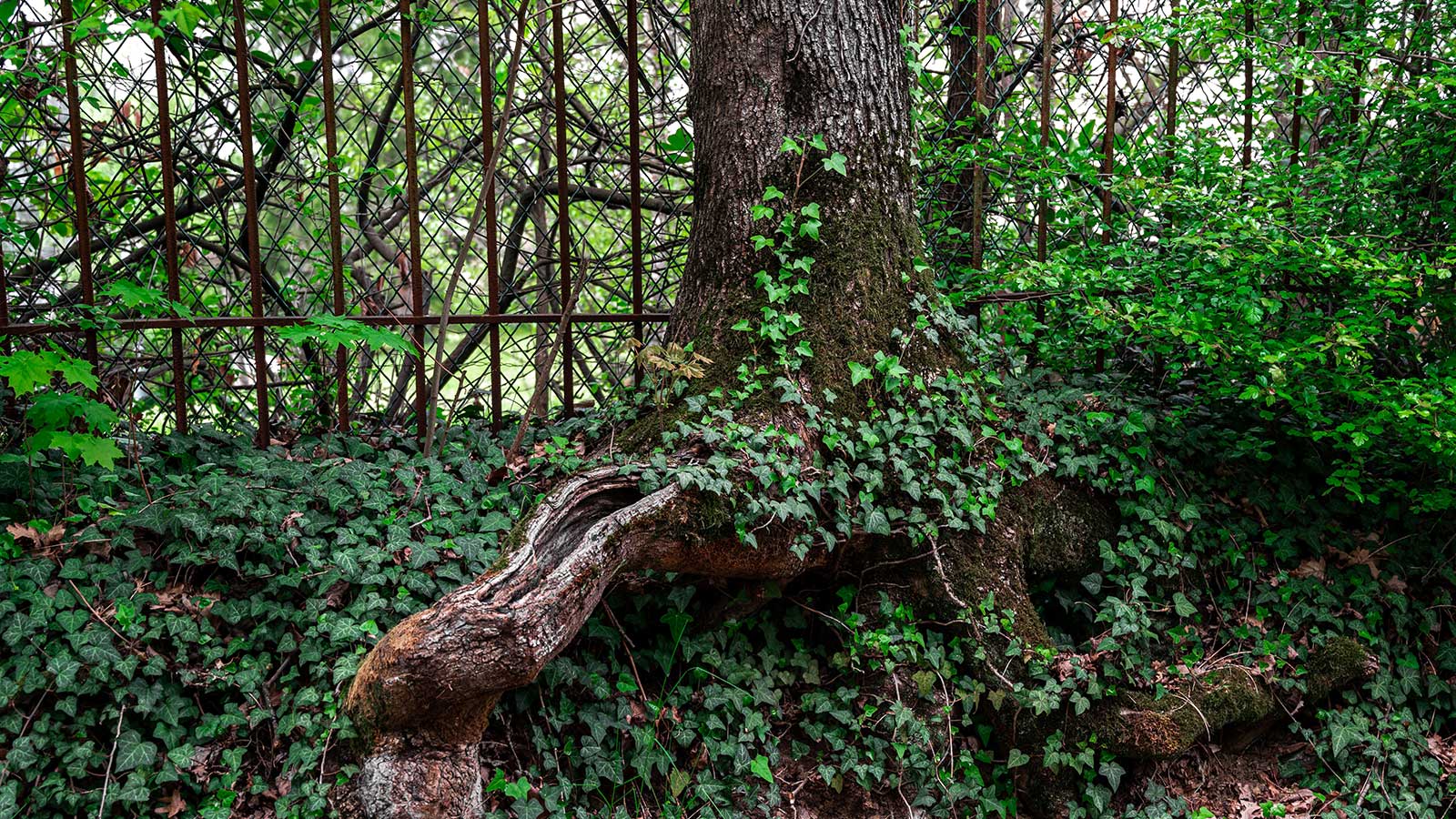
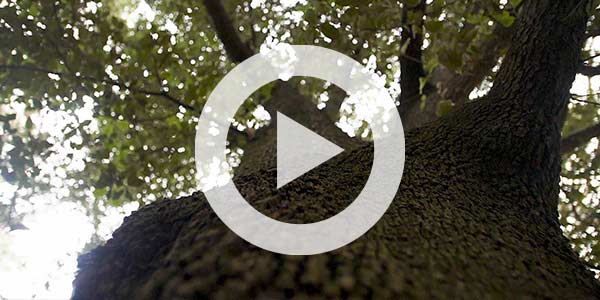
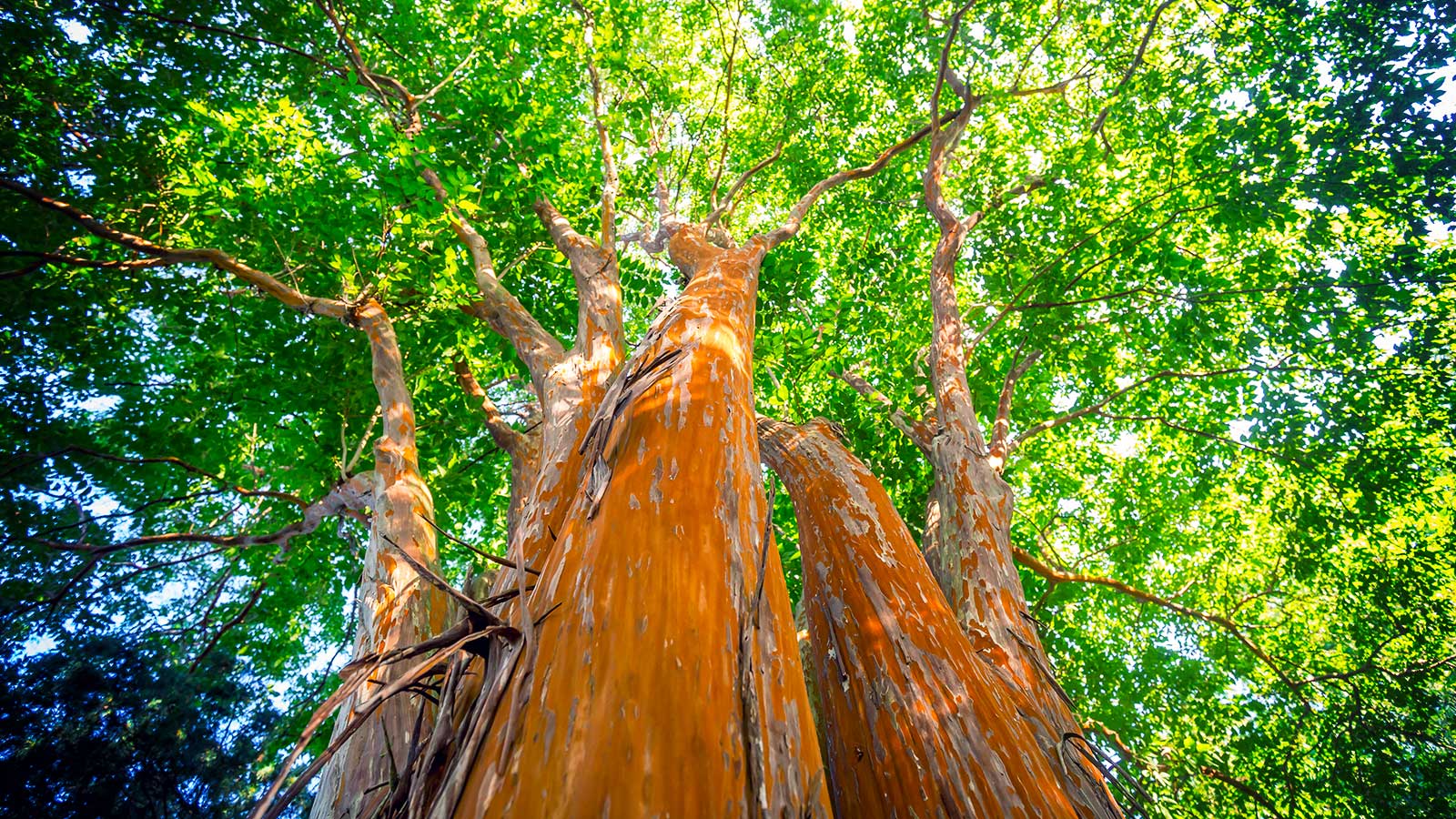
Last month, we looked at the canopy. Let’s stay on theme and look at the trunks today. Find a tree with a weird trunk, or better yet, take your kids on a woodland stroll and let them find one. Come up with a story about why it has that weird shape or that strange hollow. There are no rules. You can make it up, with fairies and wraiths involved, or focus on tree science to deduce how it all came about. Send me an image and your story about it. I’m curious!

Until next month, remember to sniff the blooms and listen to the birdsong.