Case Study | Two Simple Changes: One Thriving Oak
Small changes lead to big results with compost and stopping chemical use.
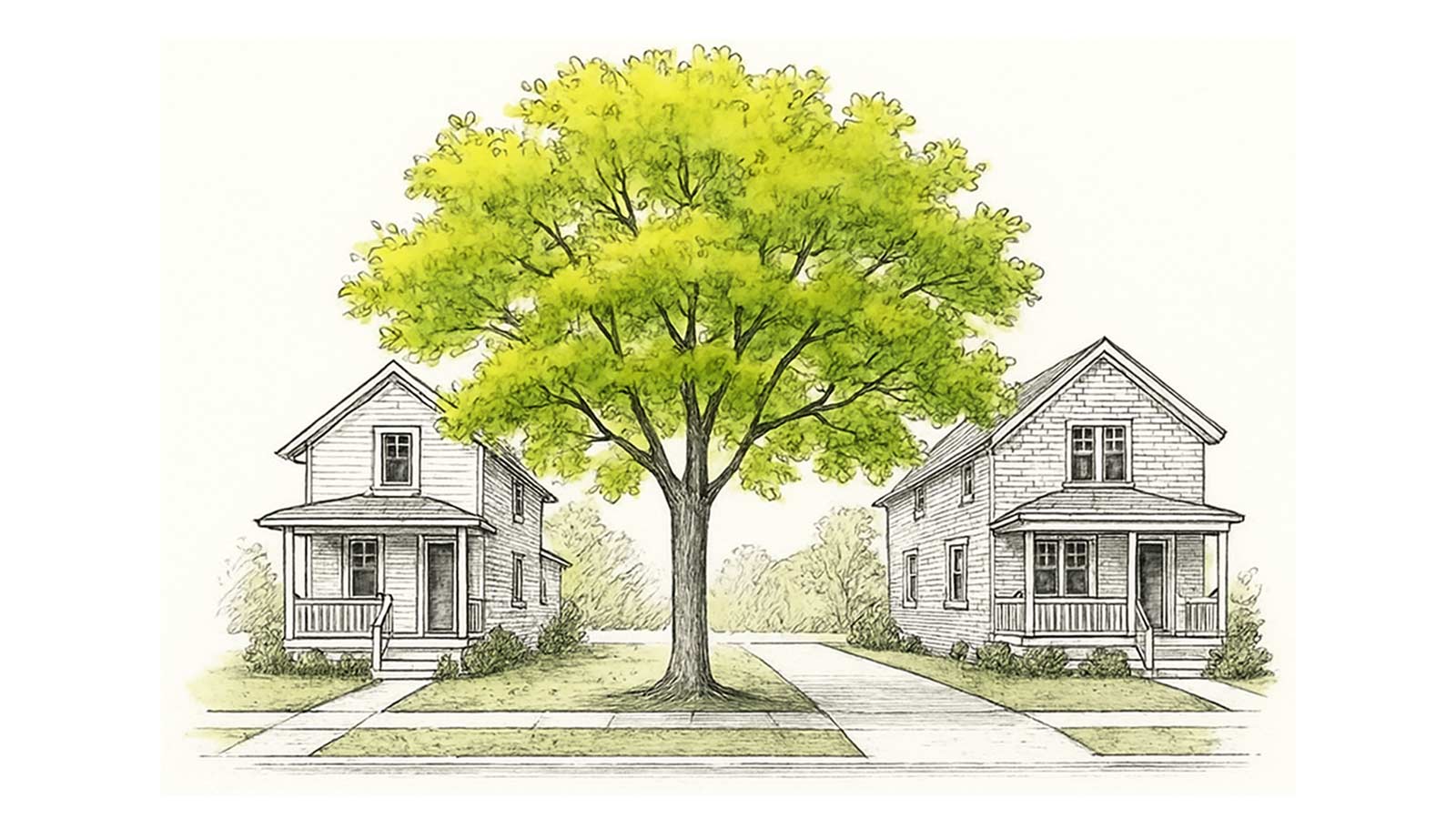
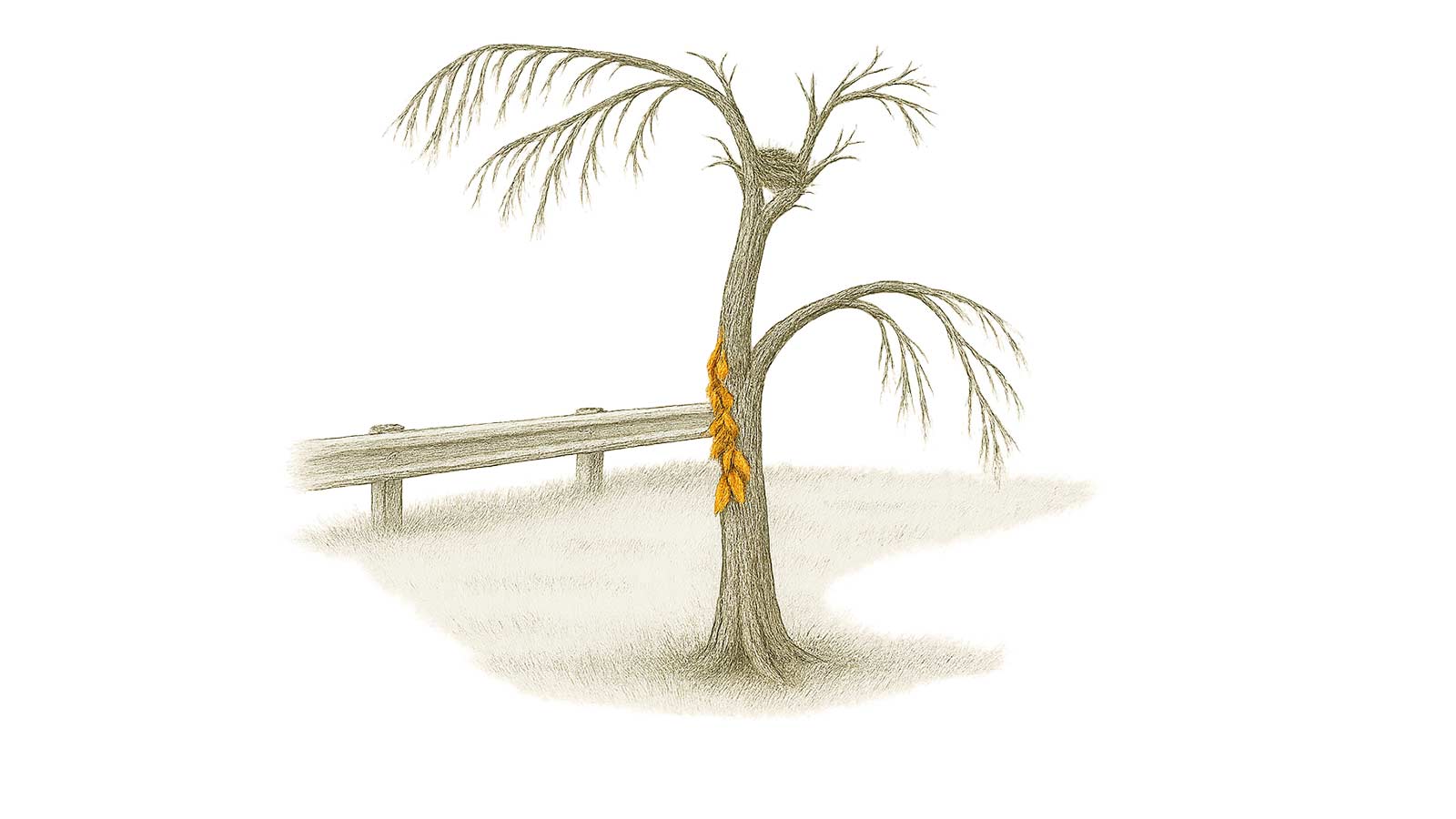
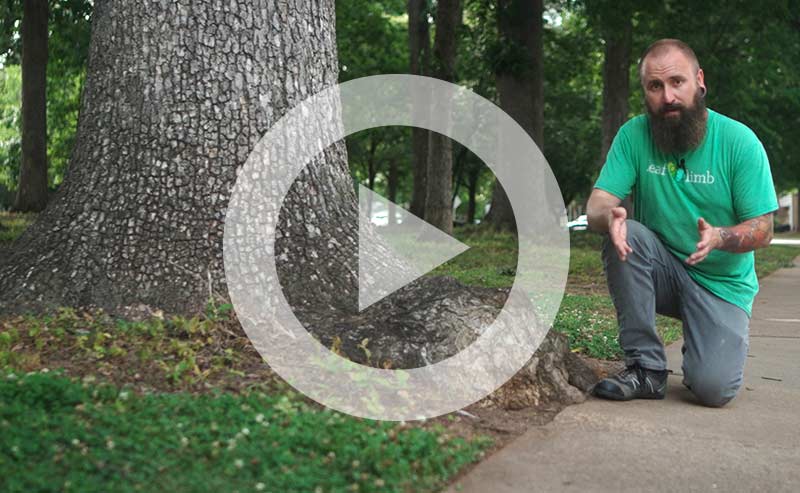
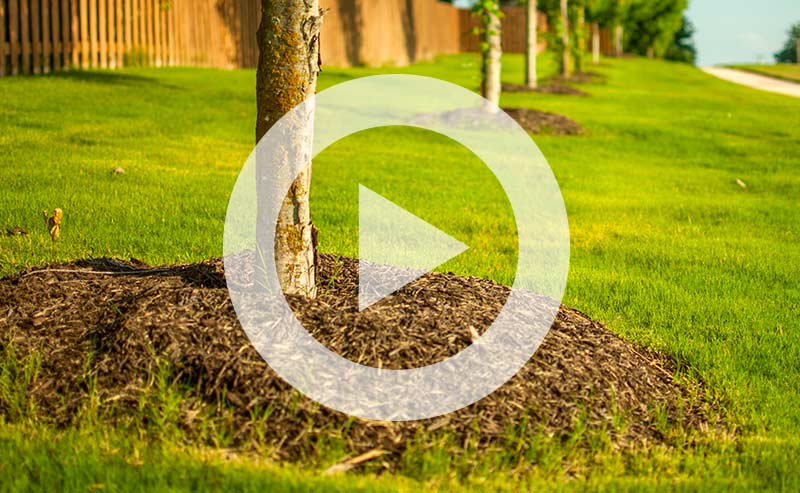
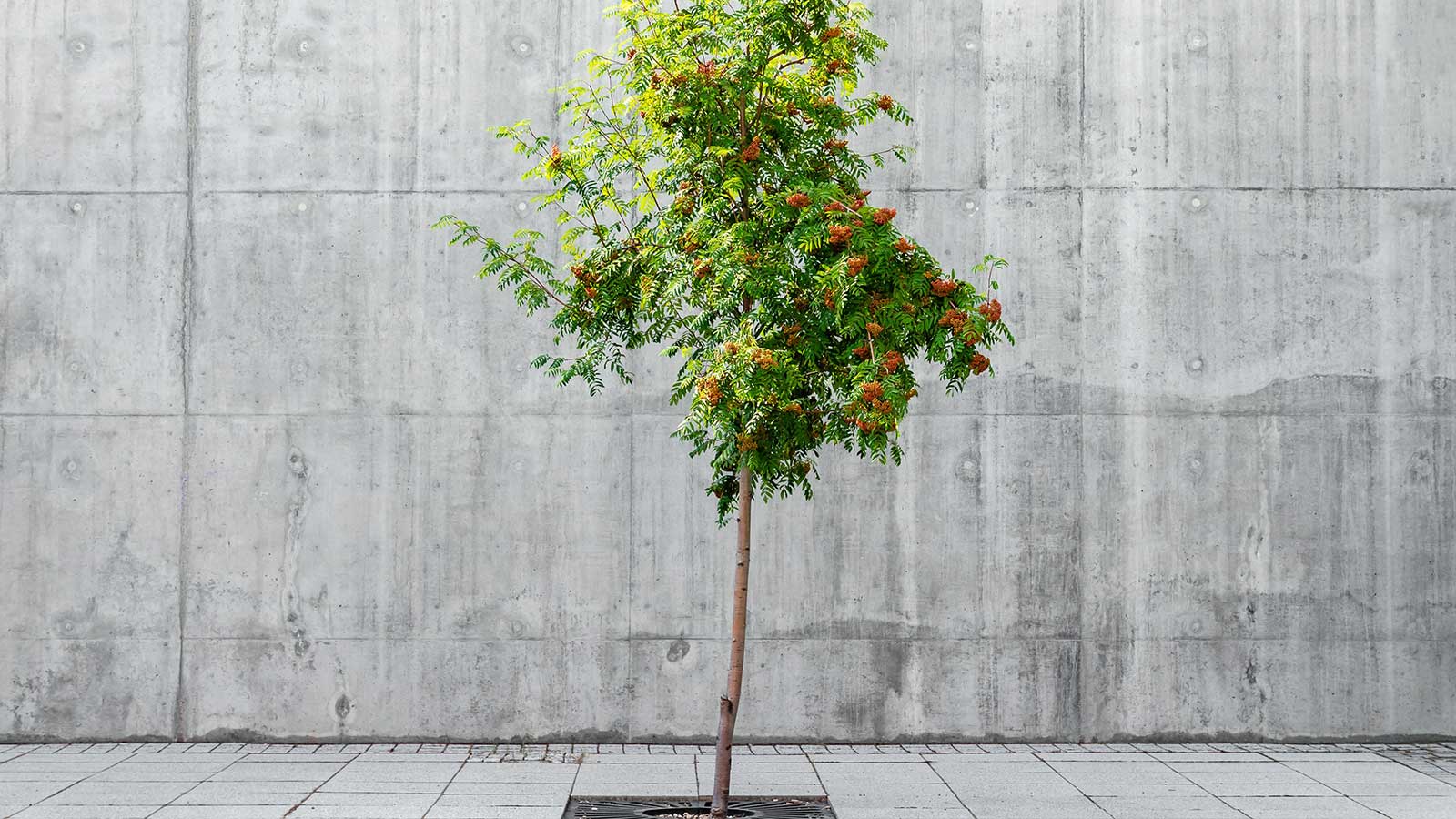
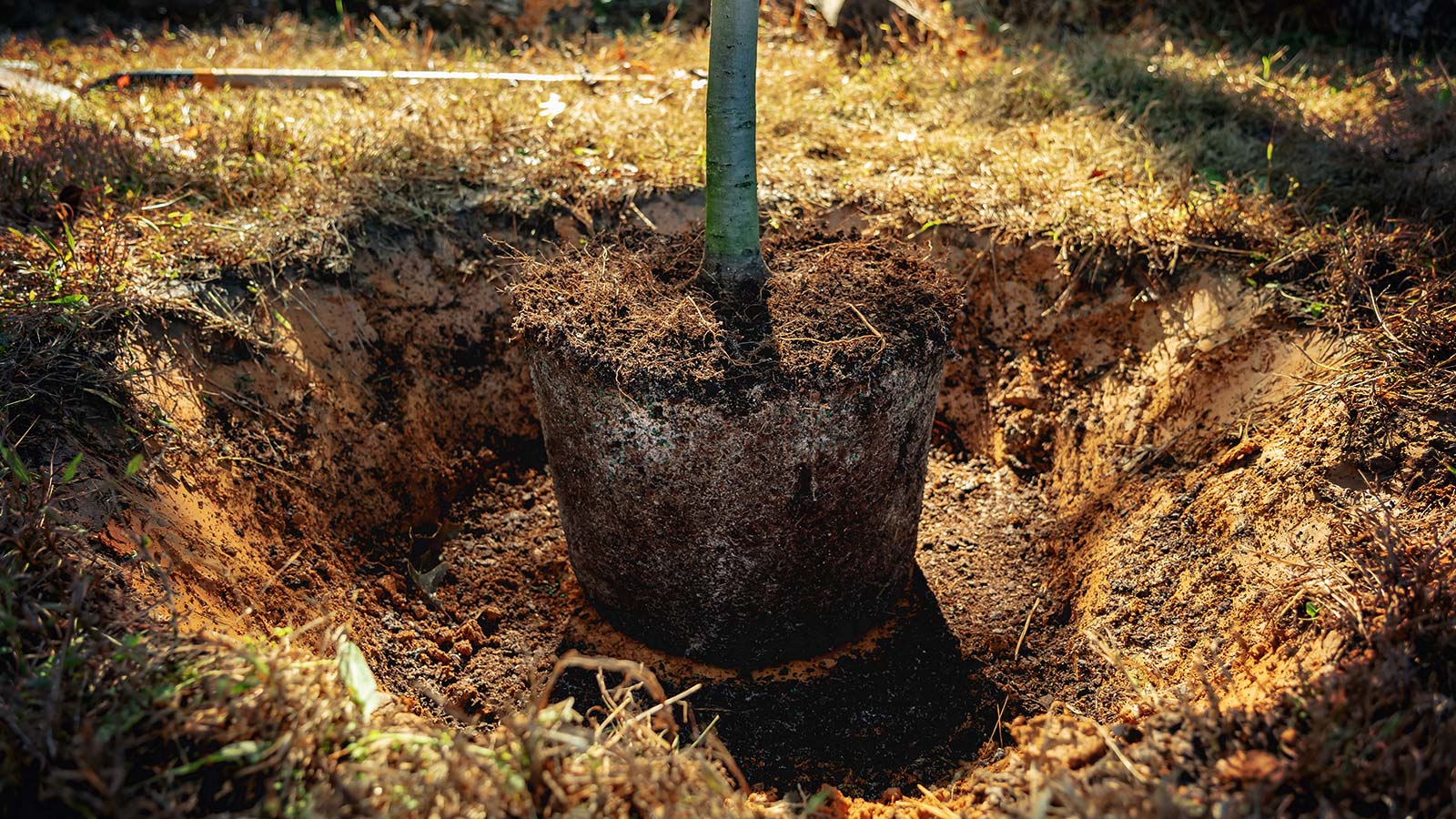
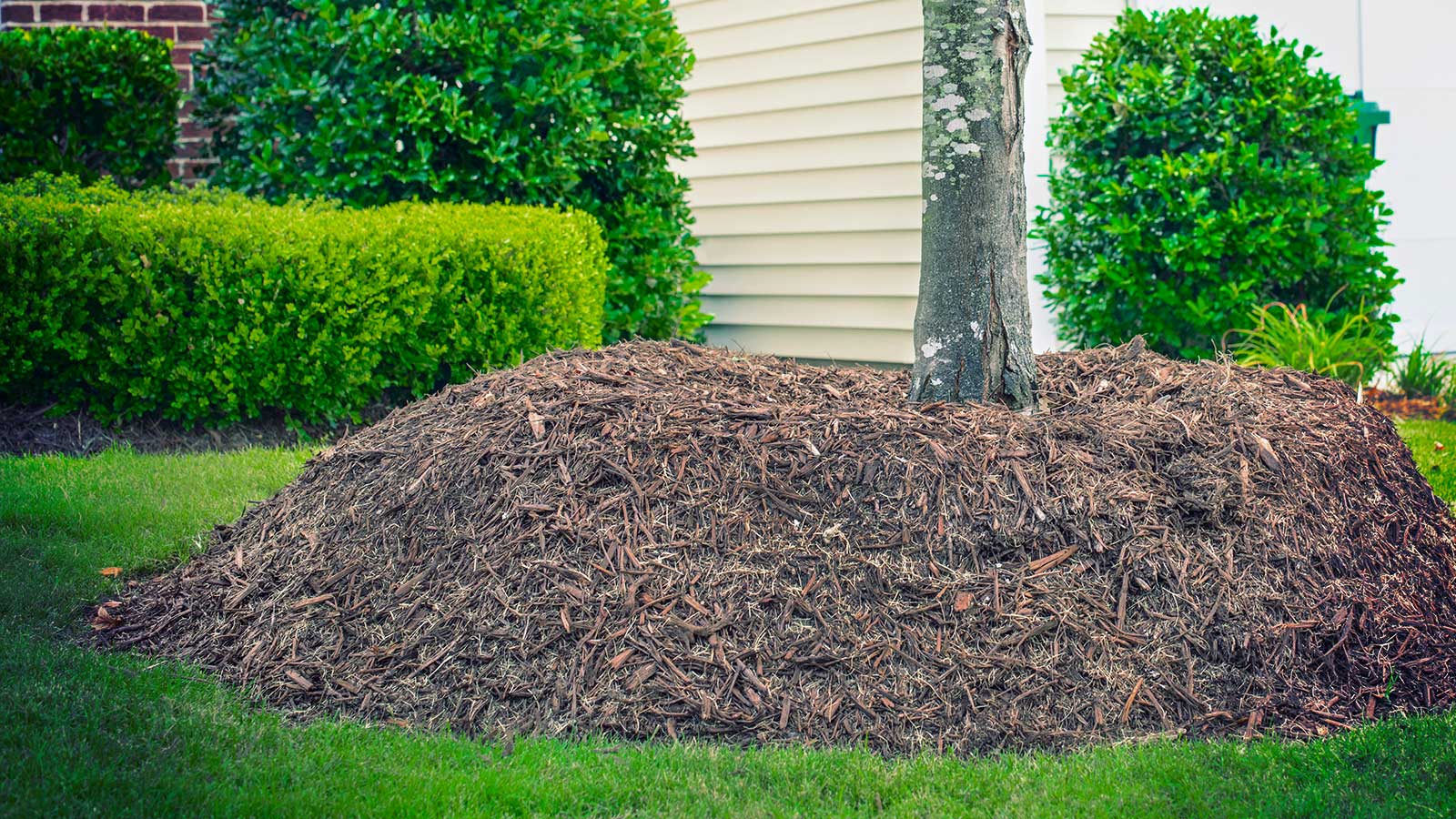
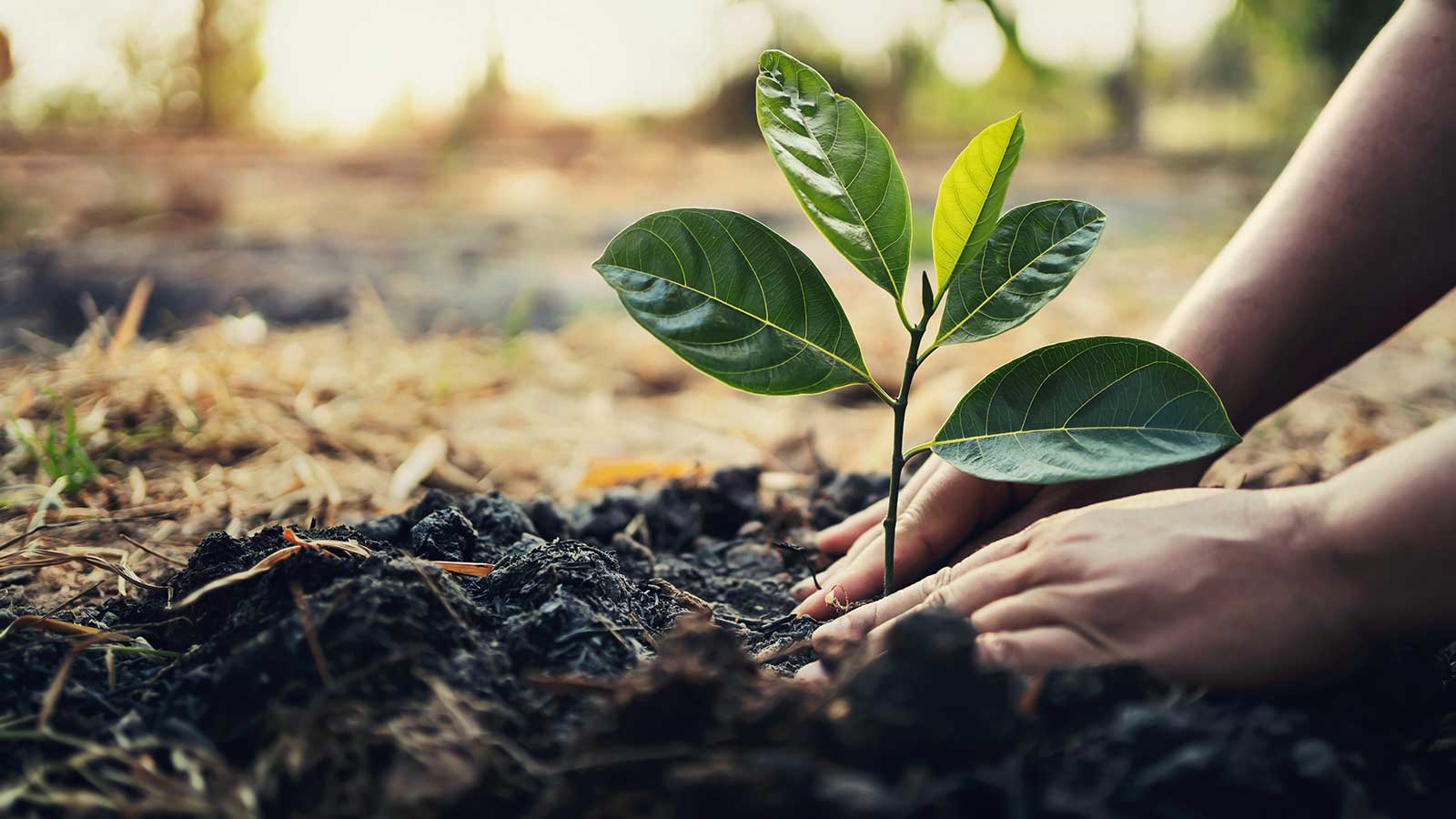
Many of the trees planted in the front yards of homes in newer developments face daunting odds. Good soil has been scraped away, and the remaining dirt is very compacted. Then, a ball-and-burlapped tree is quickly planted by crews rushing to finish the final landscaping for entire streets, often without giving each tree the care it may need.
It’s a triple-whammy:
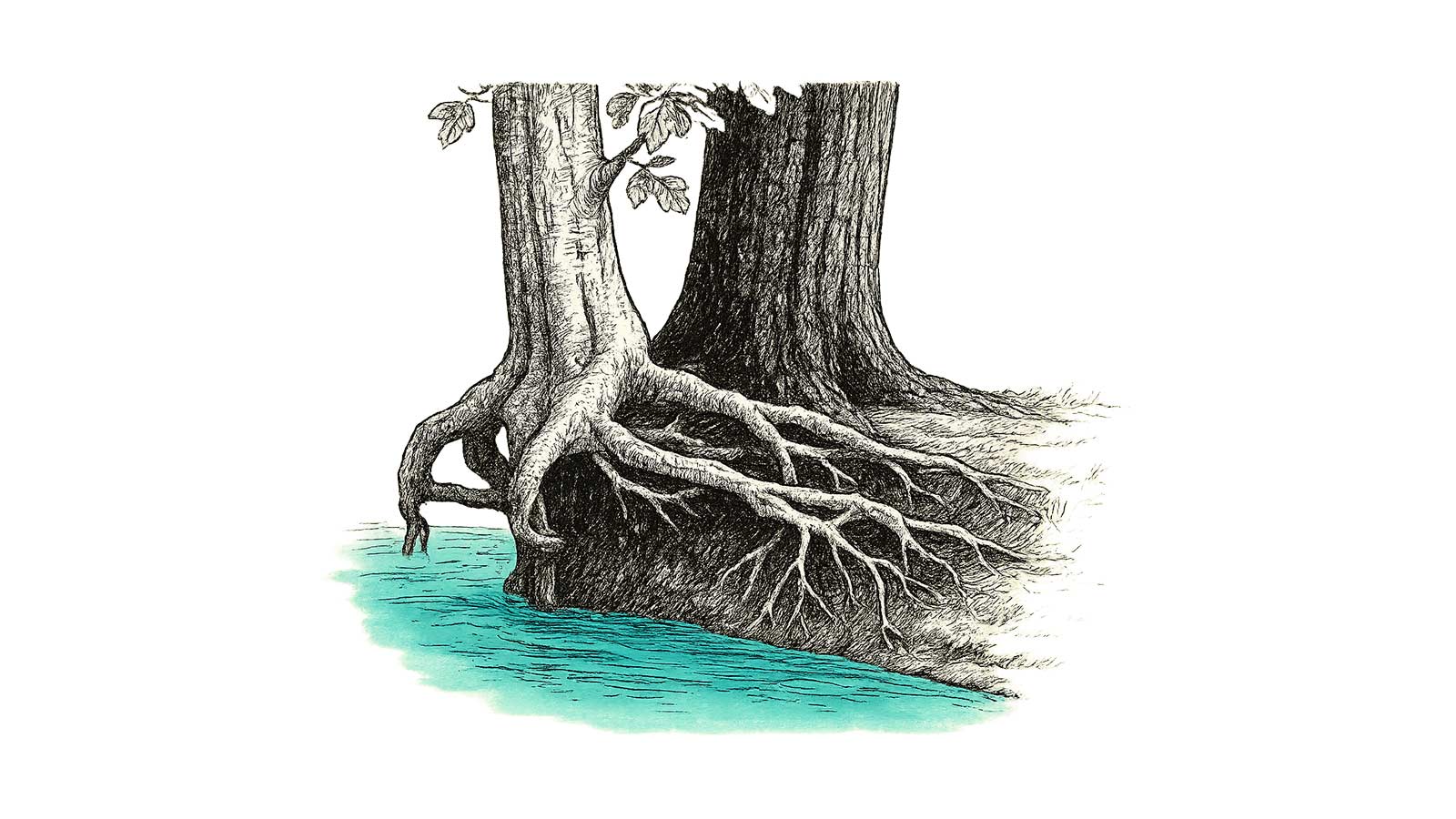
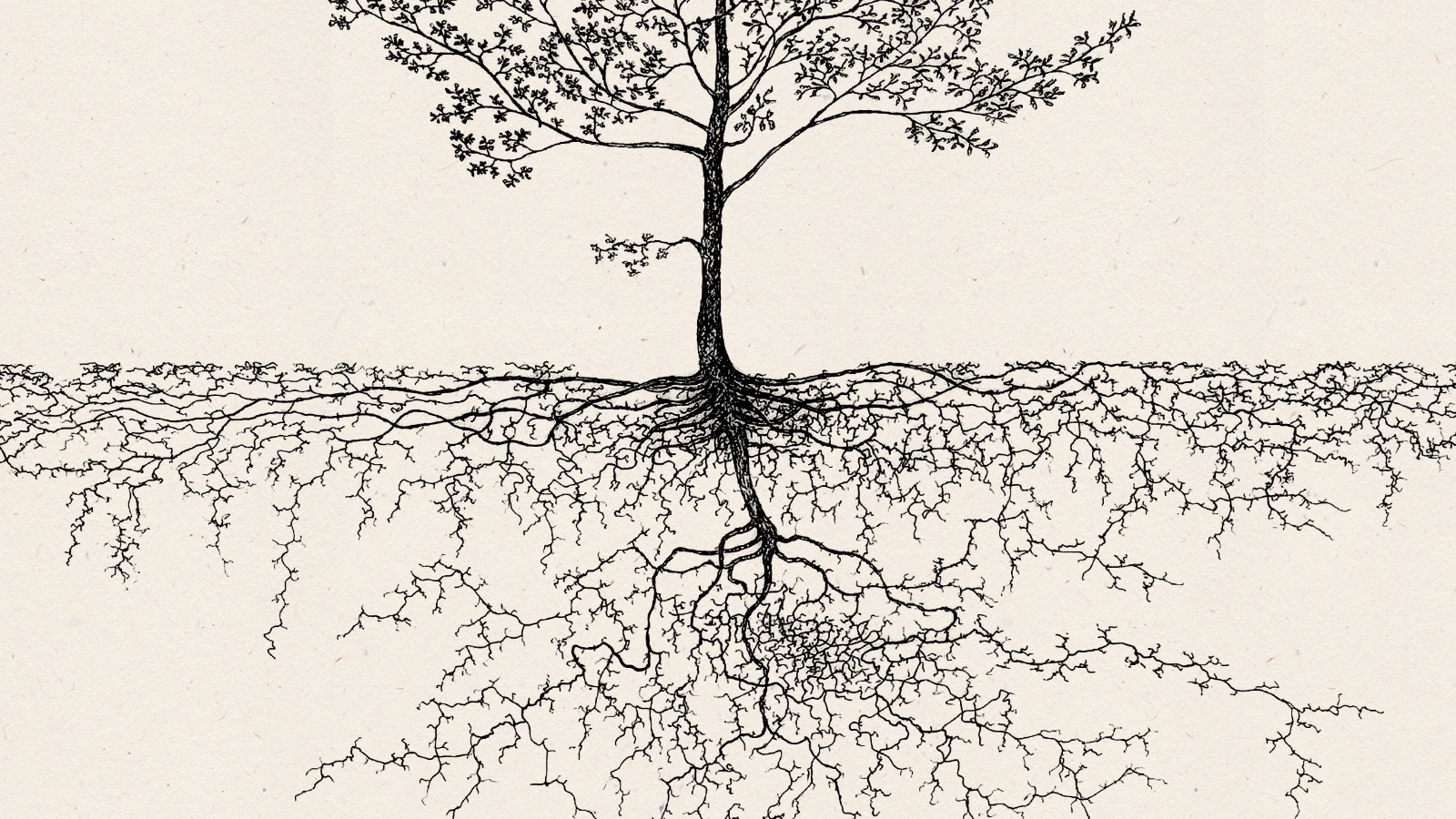
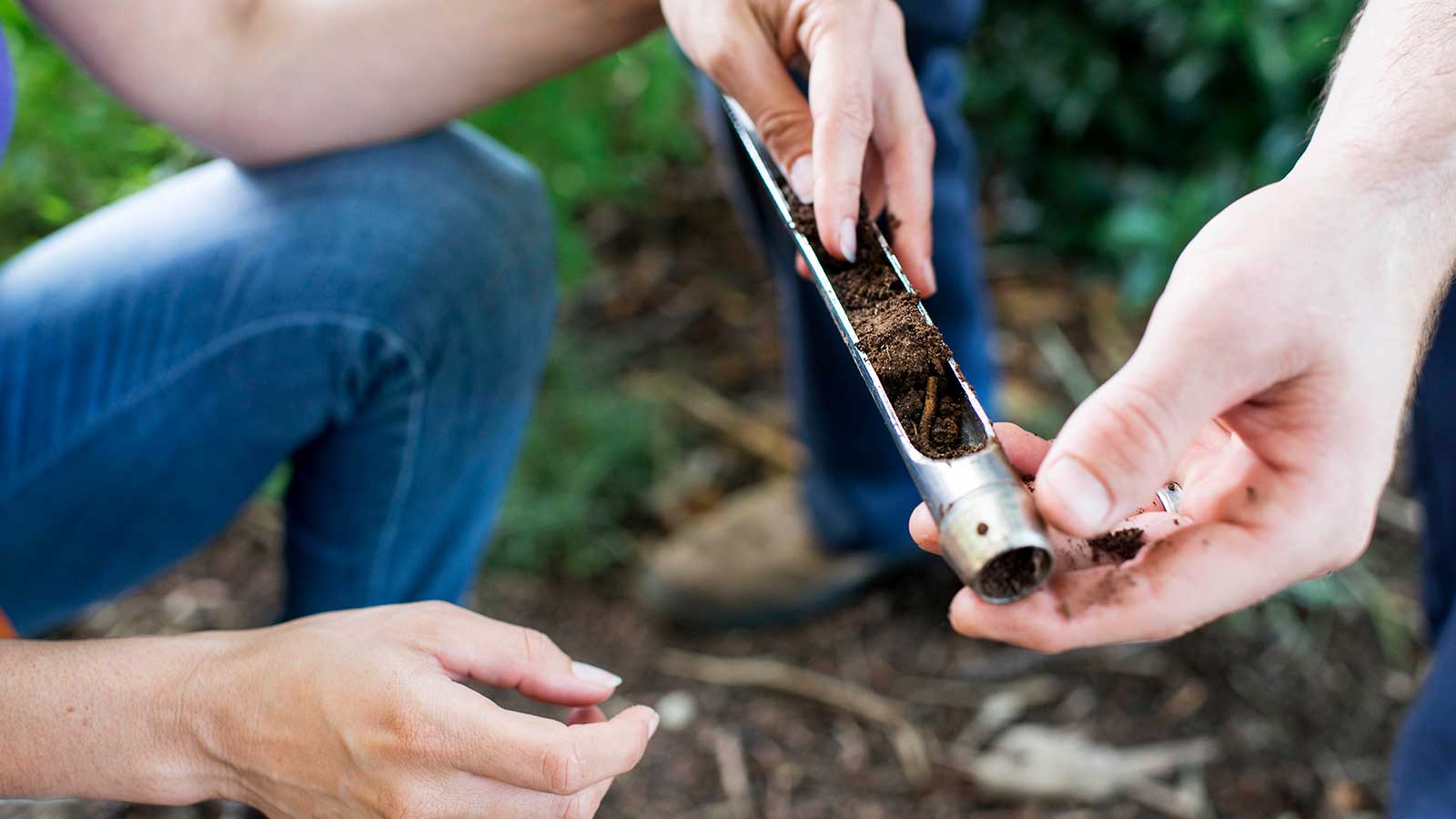
- The compact, clay-heavy dirt beneath the new turf doesn’t support strong root growth.
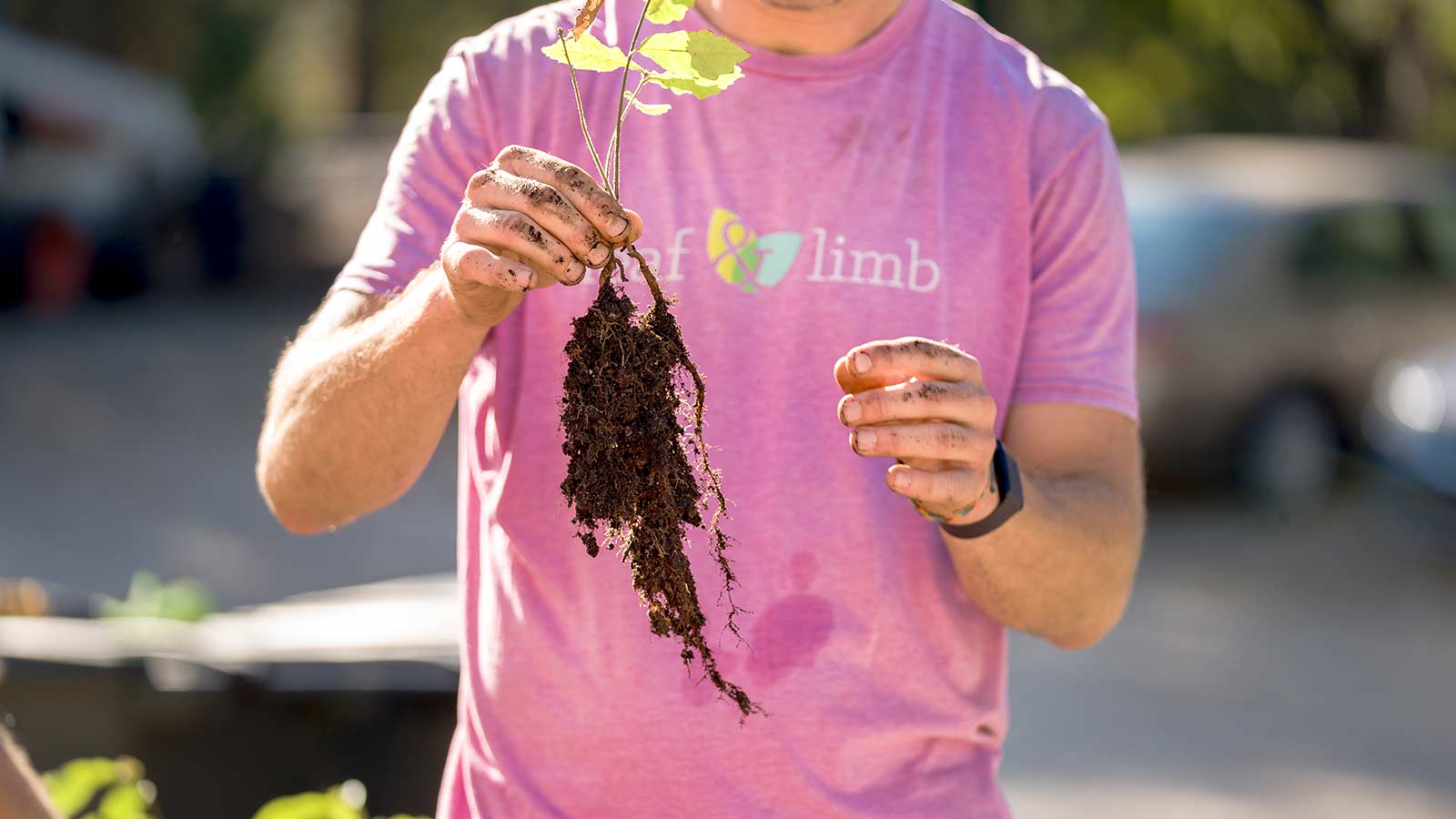
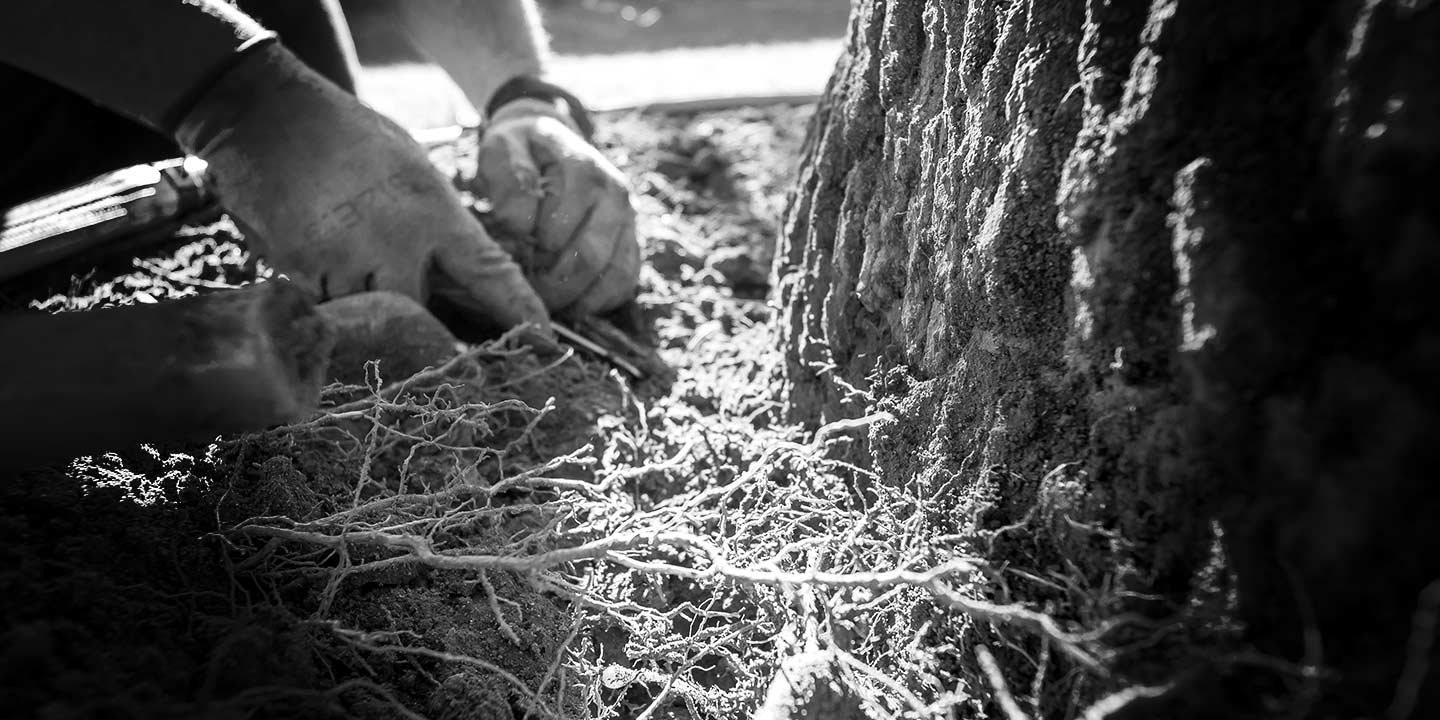
- The quickly planted tree needs nothing more urgently than careful planting and good soil to replace the up to 80% of roots lost when it was removed from the nursery and replanted in a new front yard, just to recover what it has lost.
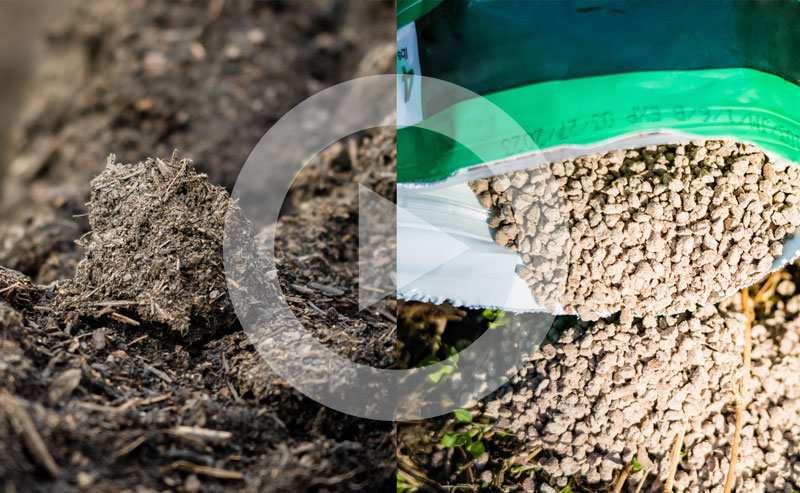
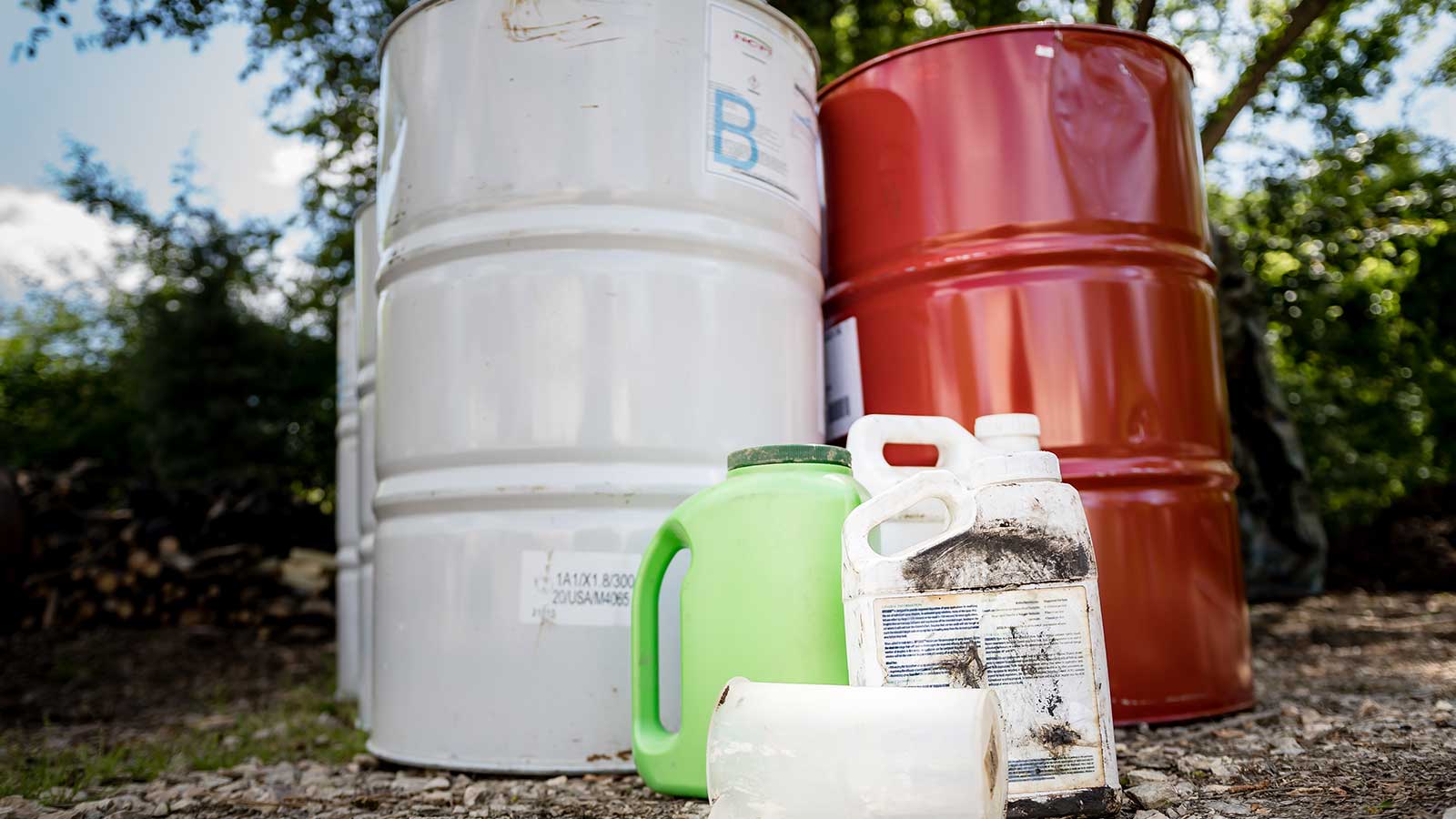
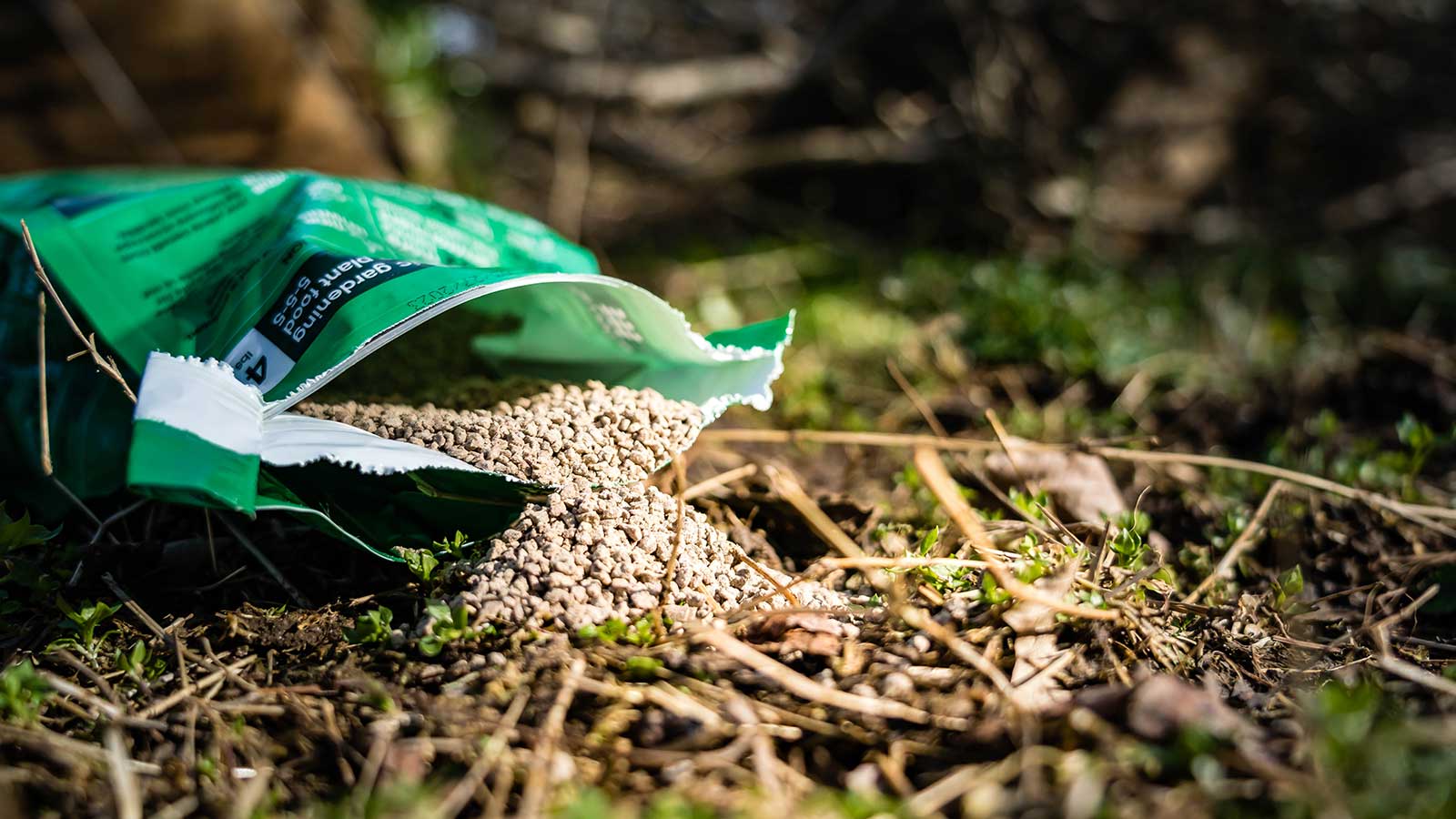
- Herbicides and fertilizers are often applied to lawns, which can unintentionally damage the struggling tree. Herbicides can harm the tree through chemical drift or by being absorbed by the roots. Fertilizers can also degrade soil quality over time, further restricting healthy root growth.
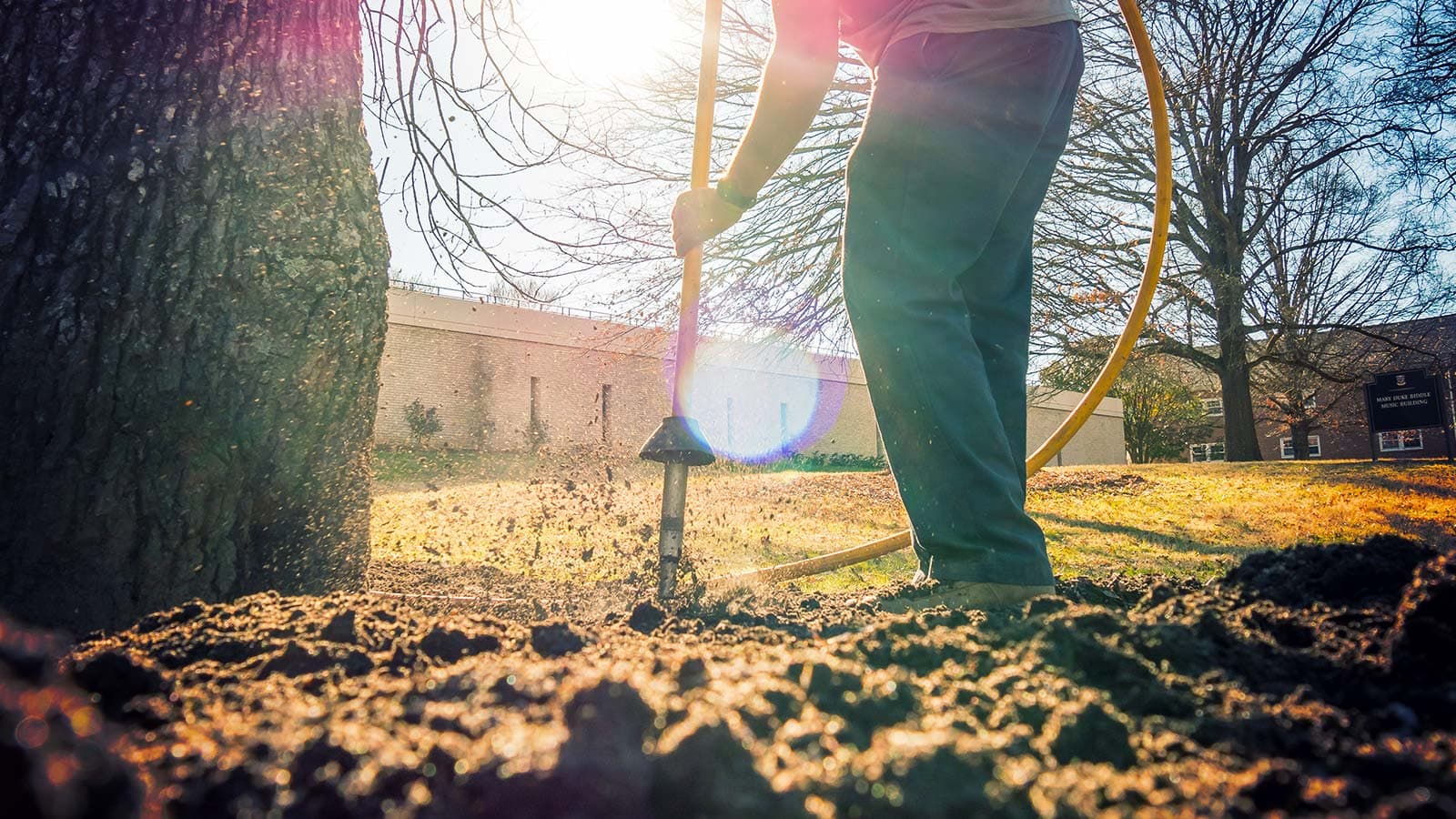
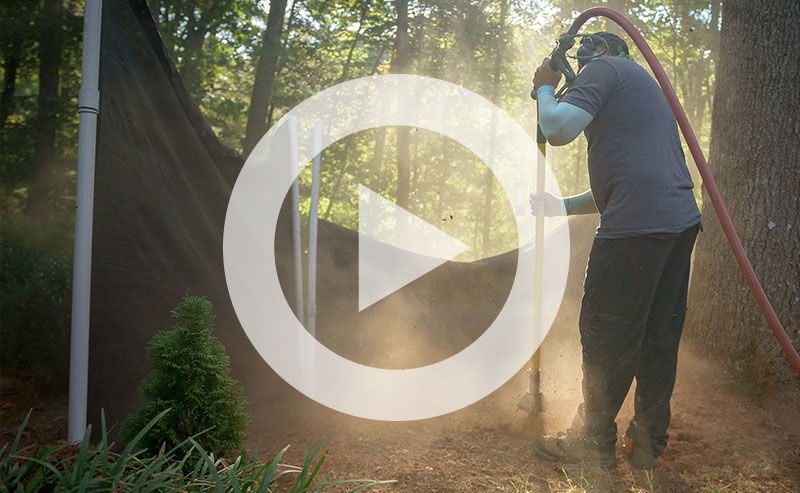
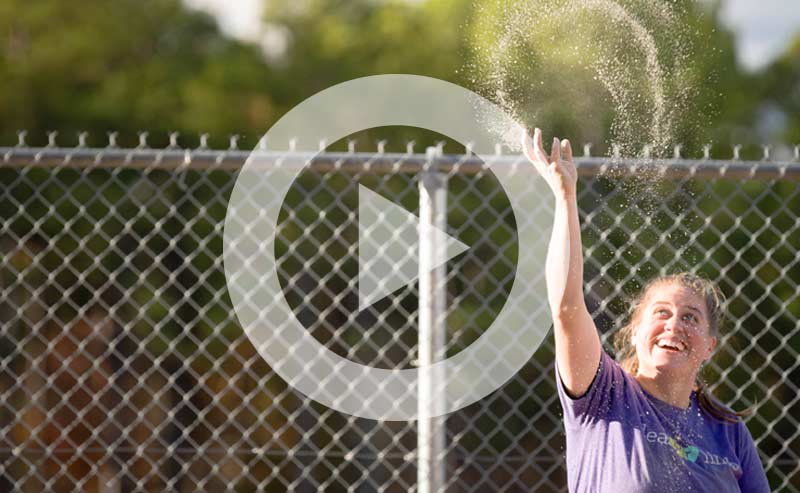
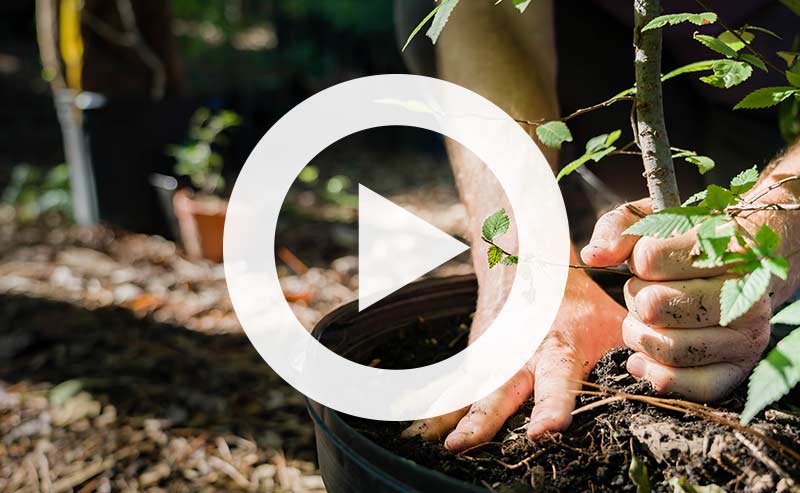
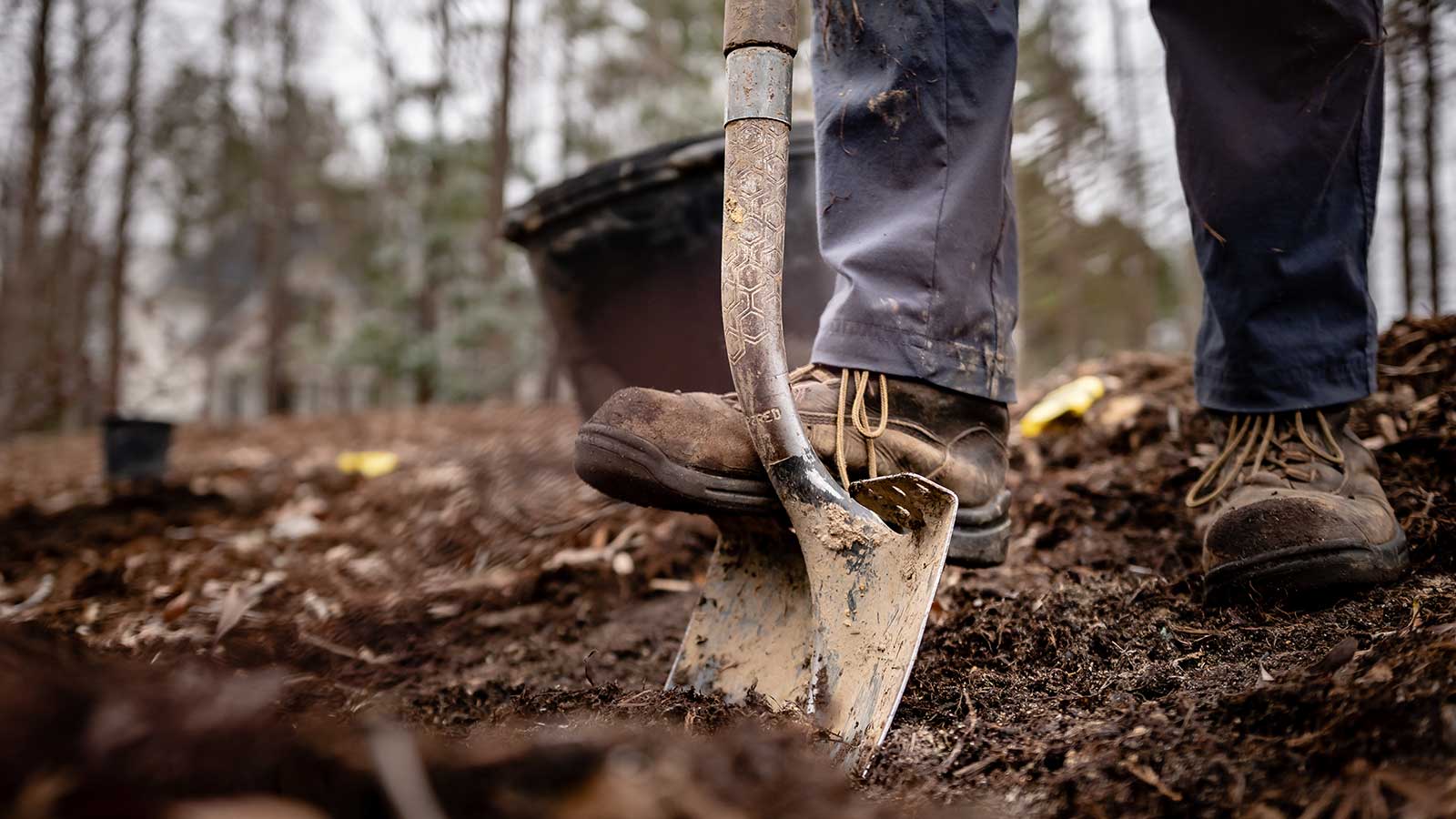
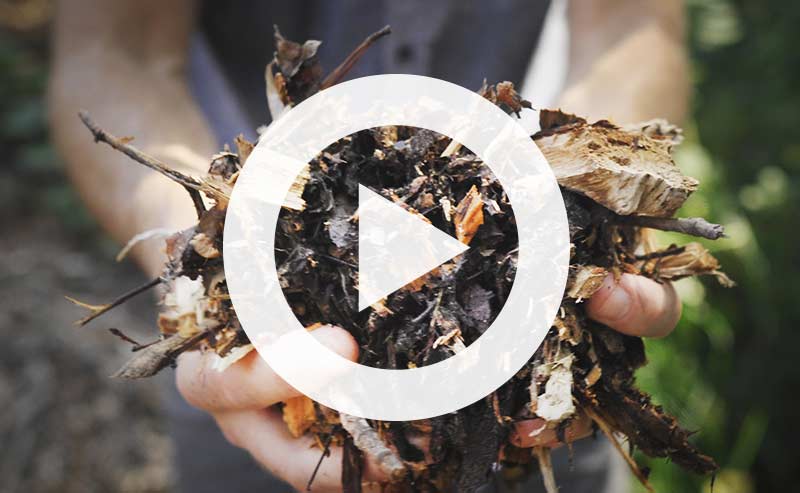
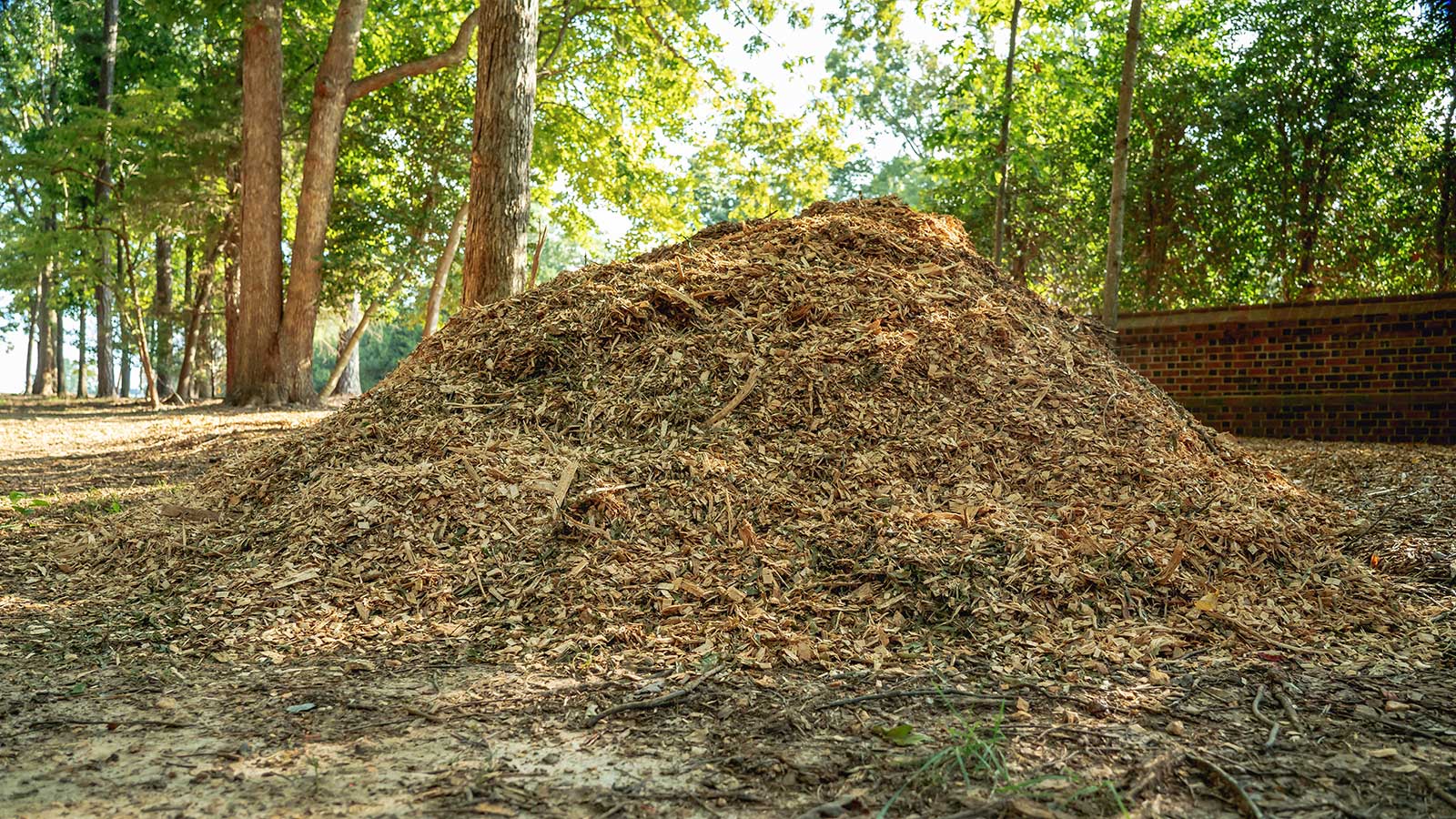
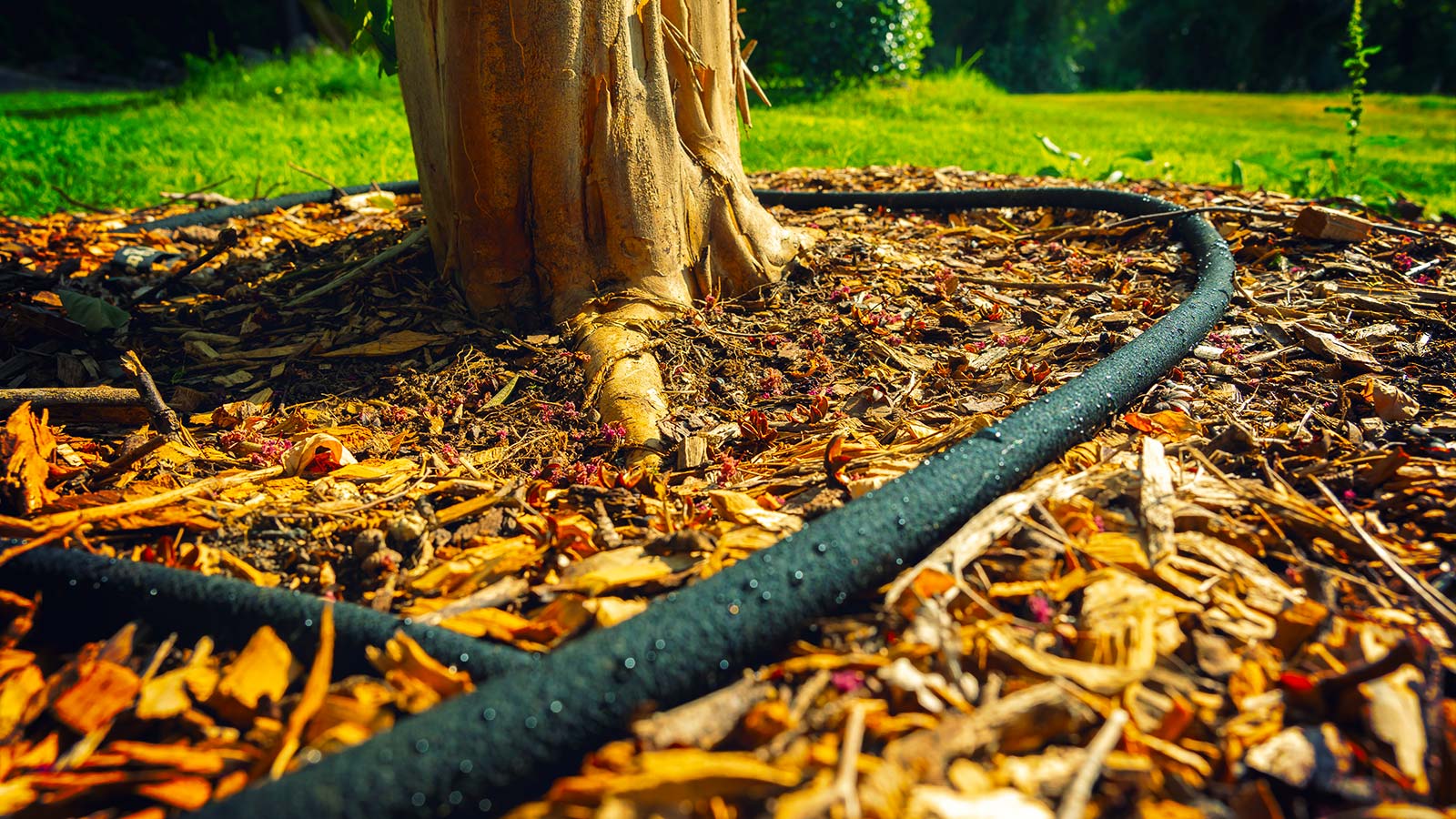
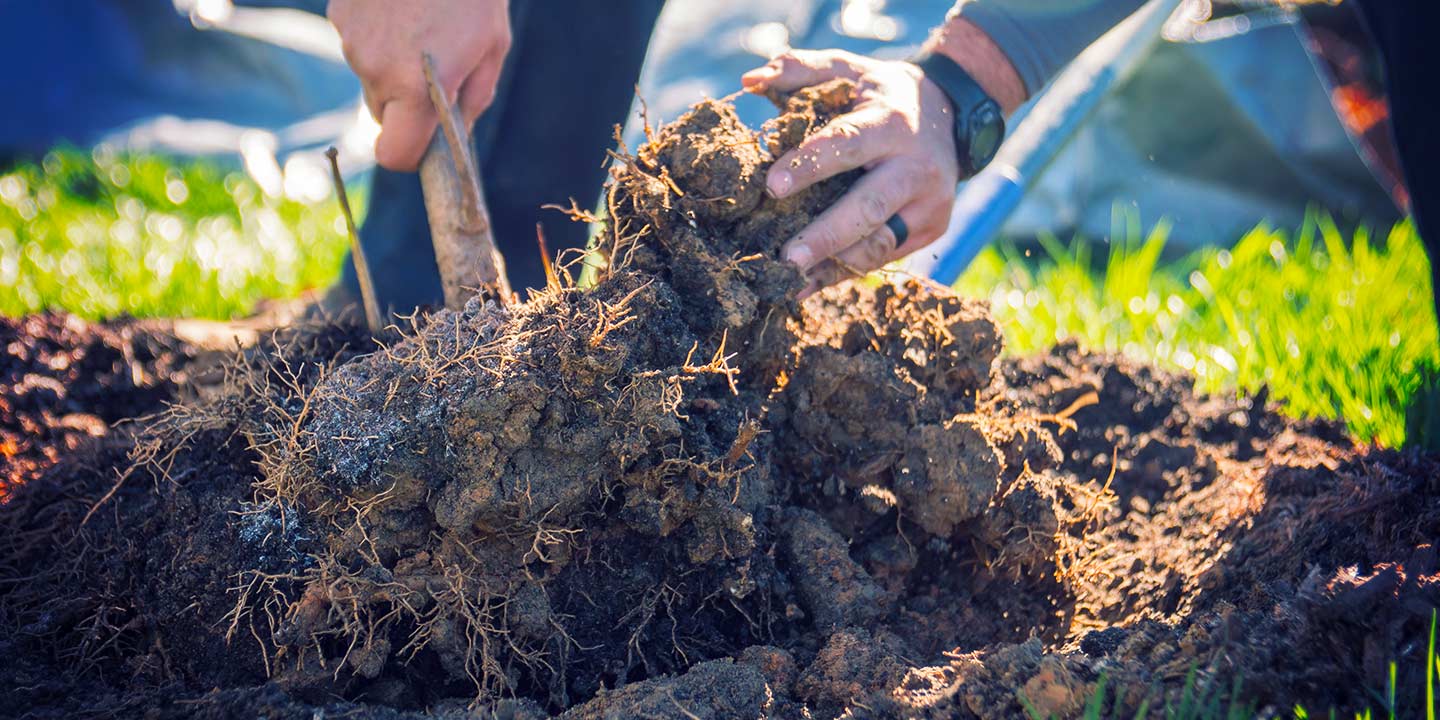
Liquid compost (sometimes called compost tea) was injected below the turf grass in the root zone of the tree. This natural treatment, which is more than just a fertilizer, has helped this struggling oak by enhancing soil quality. Removing chemical inputs also relieved additional stresses.
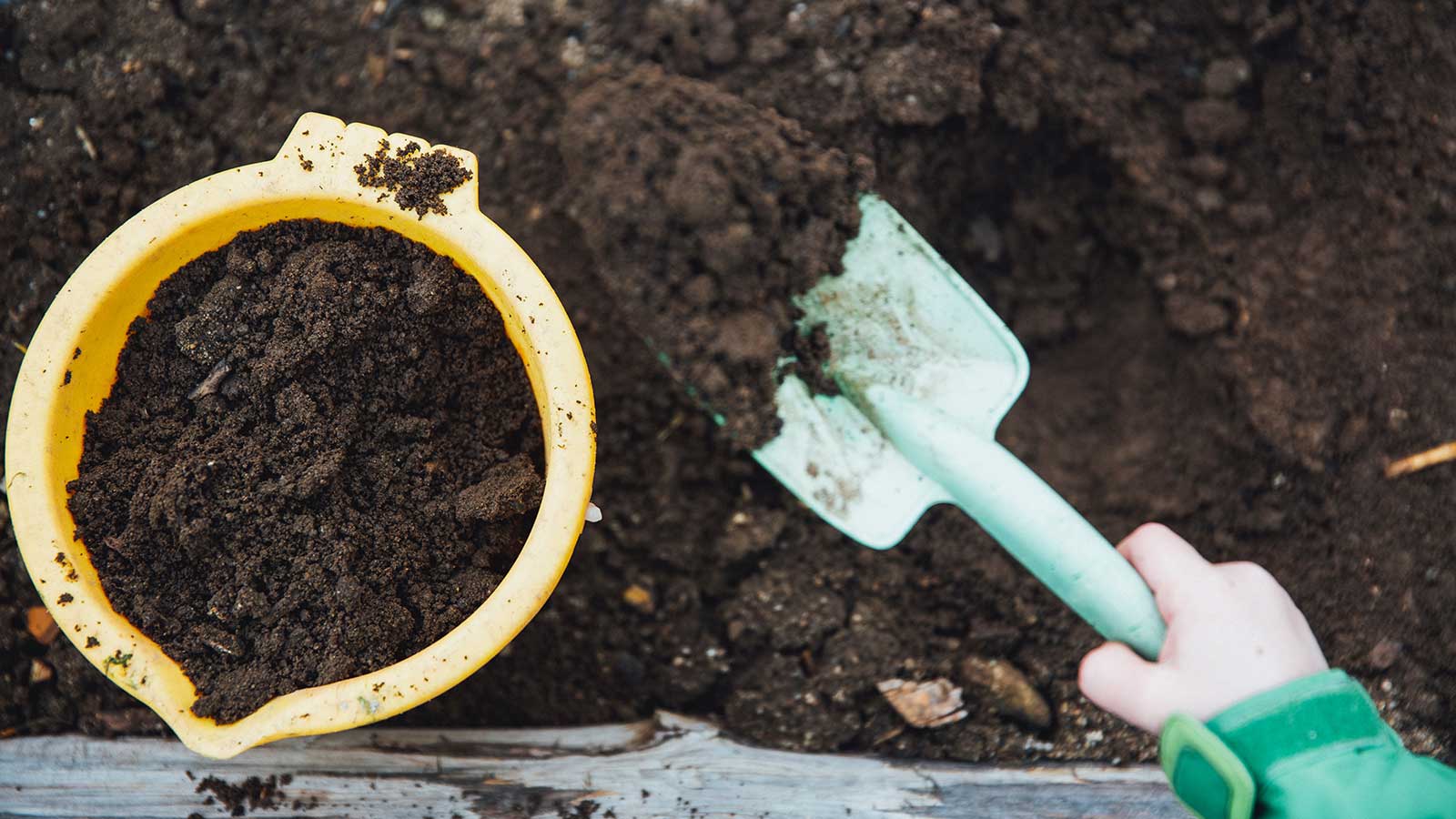
Restoring health to soil under turf grass is simple with compost.
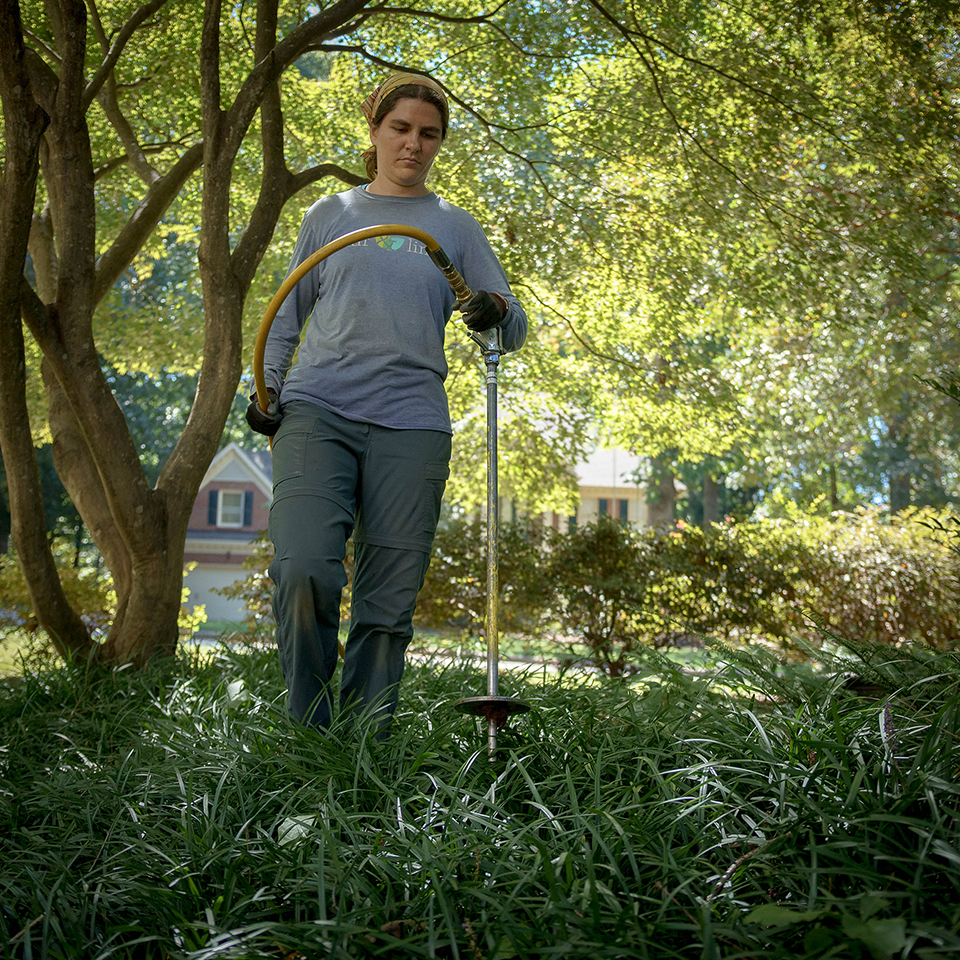
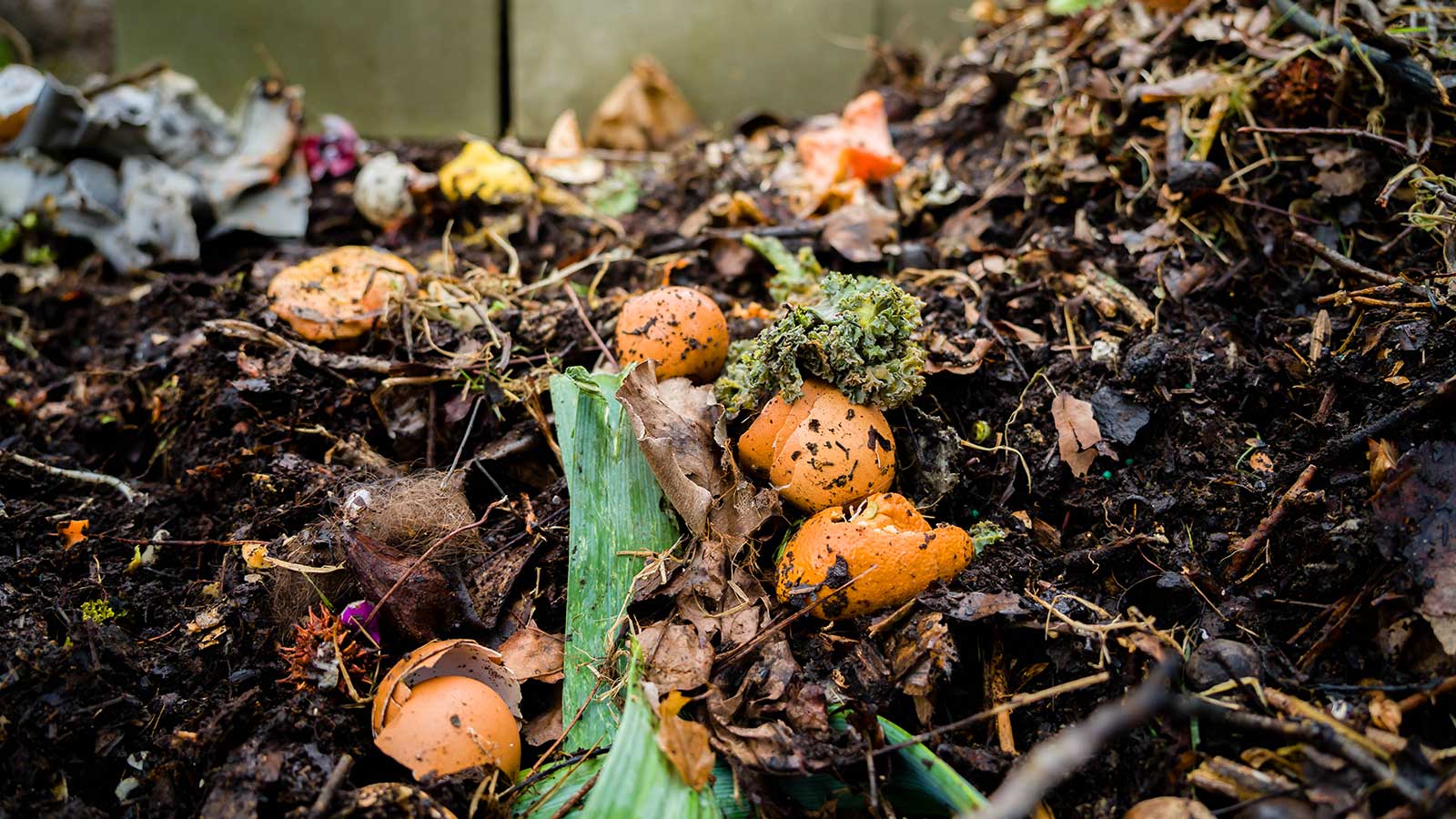
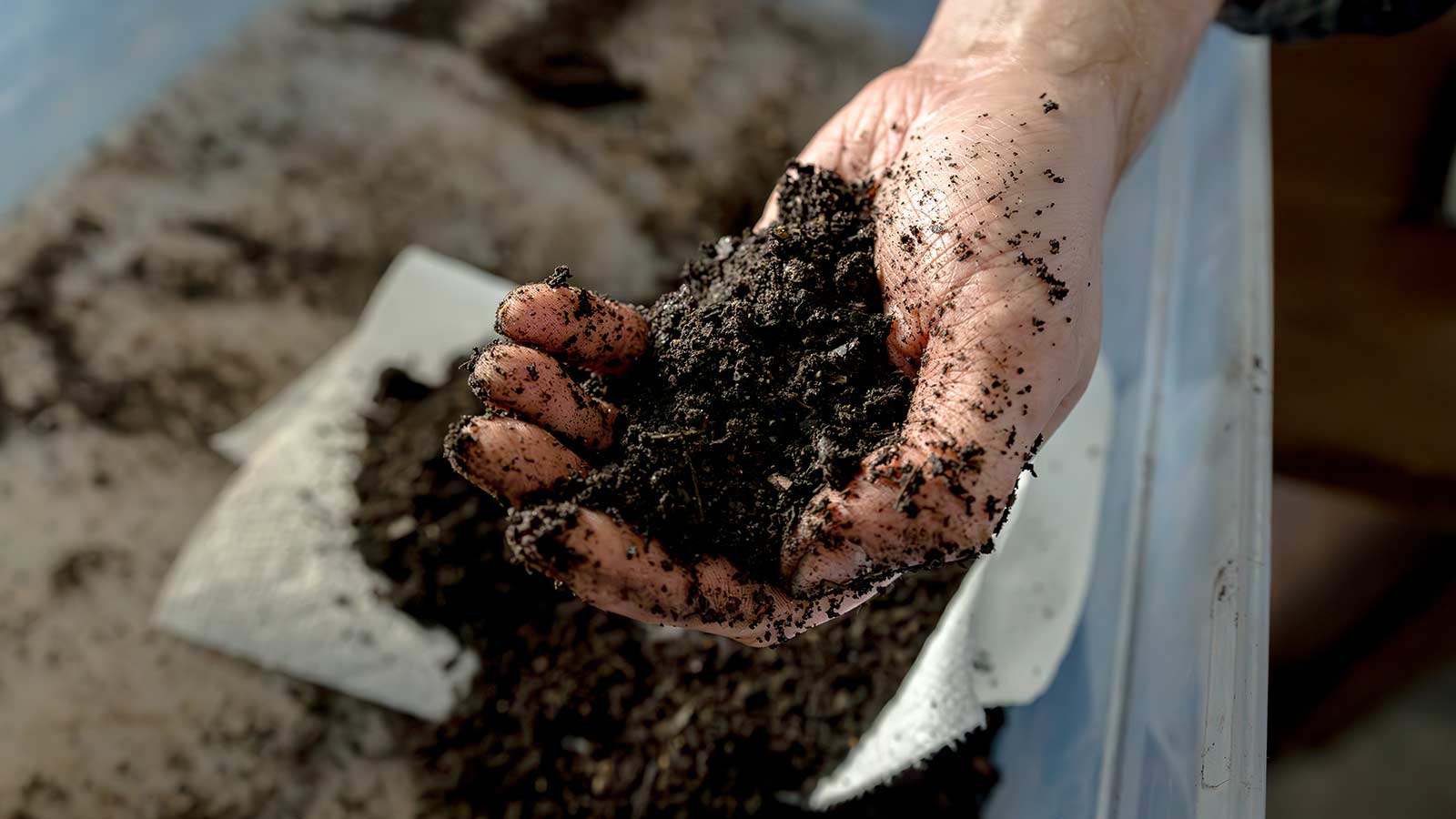
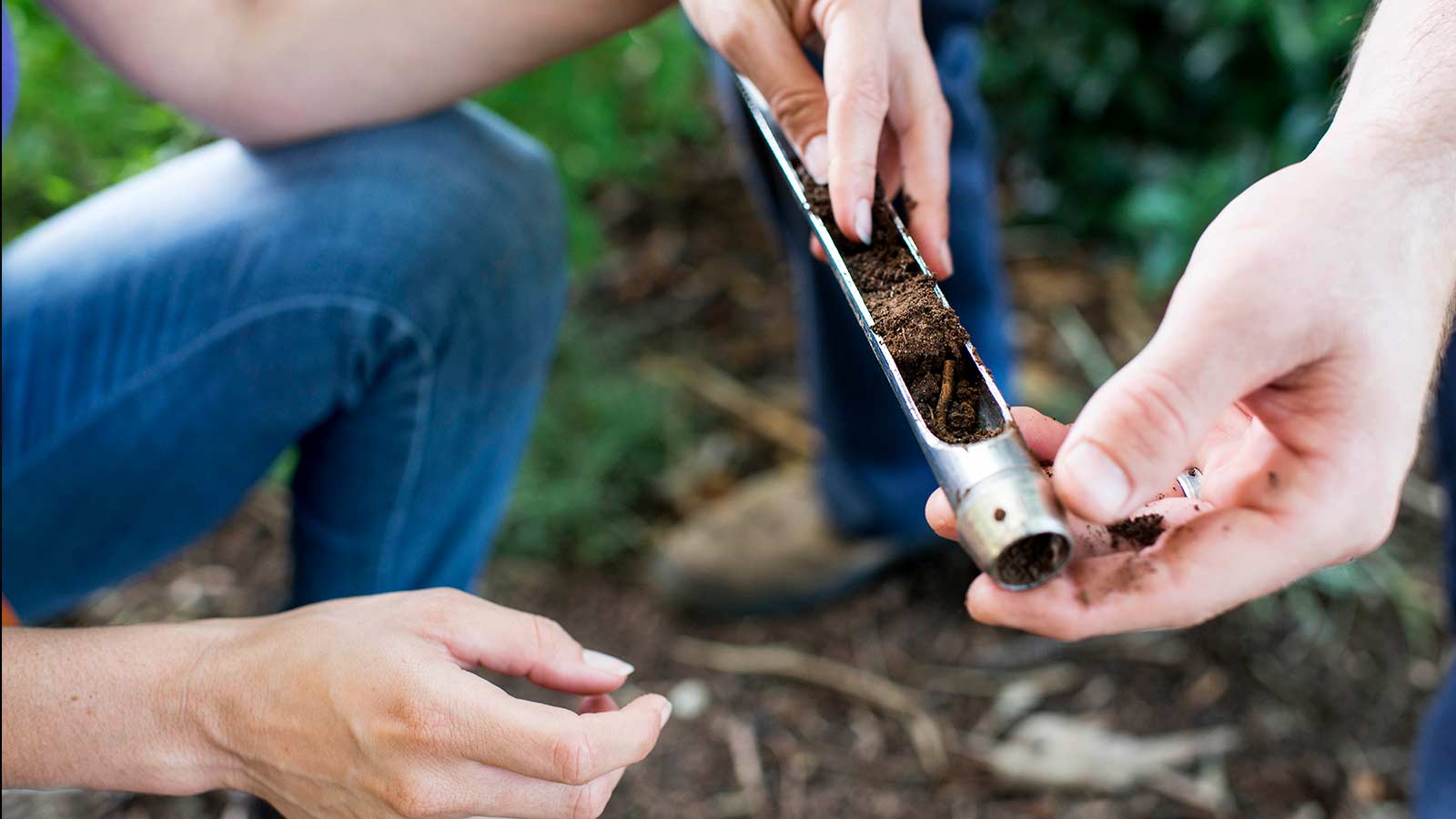
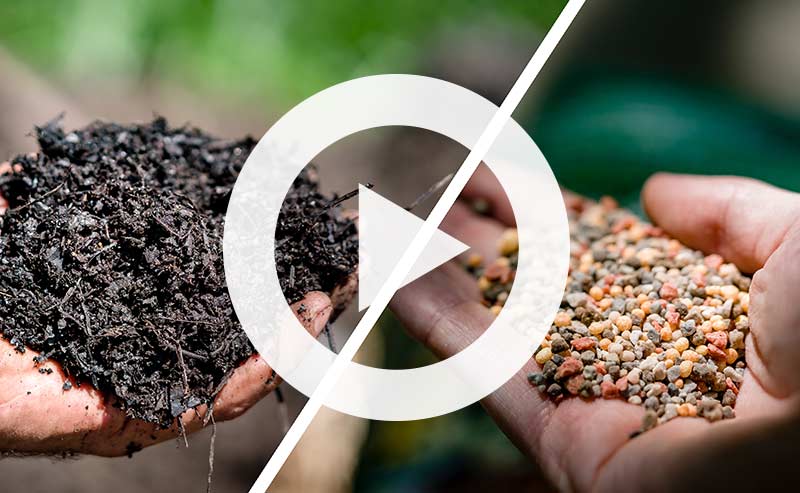
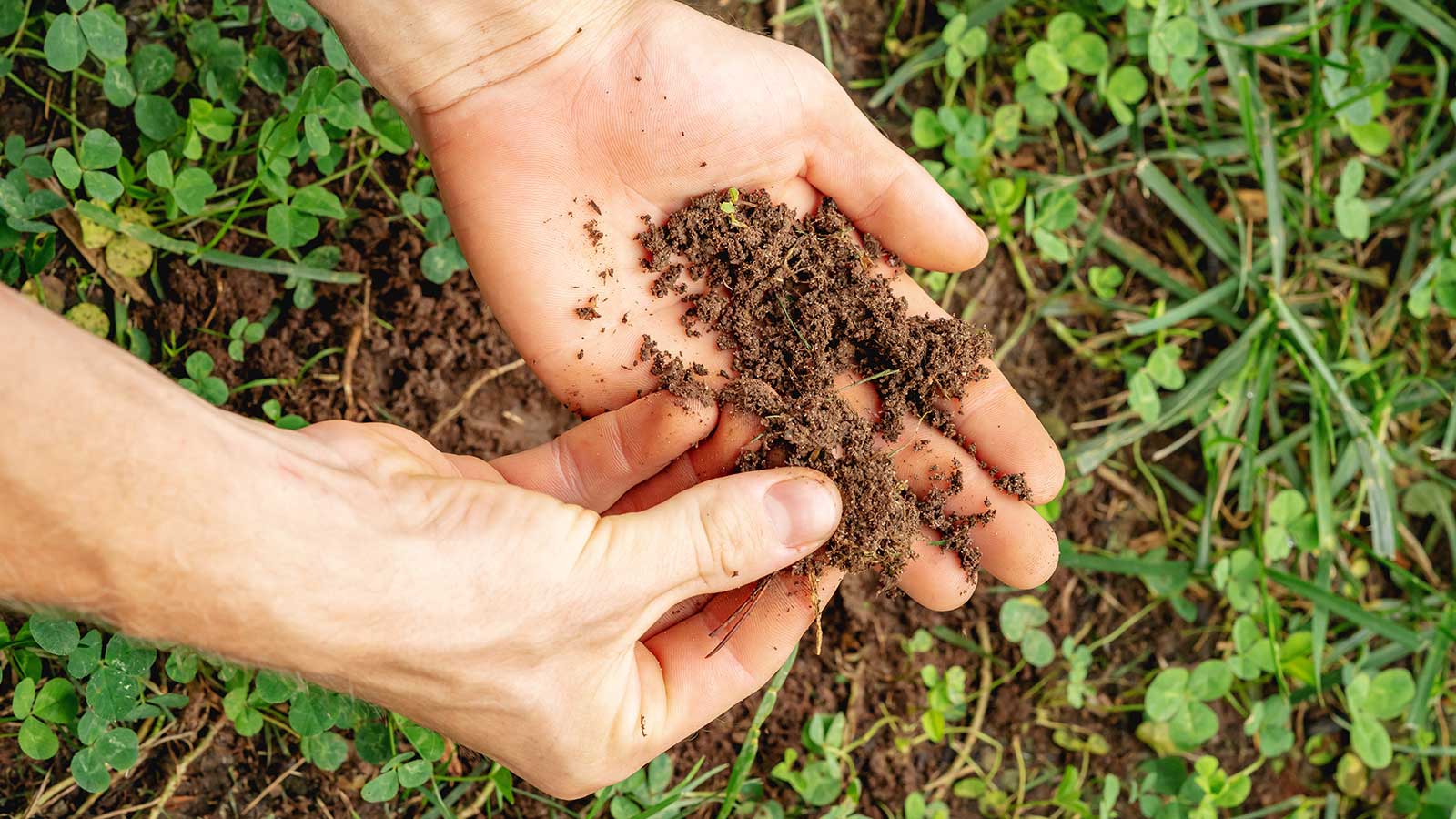
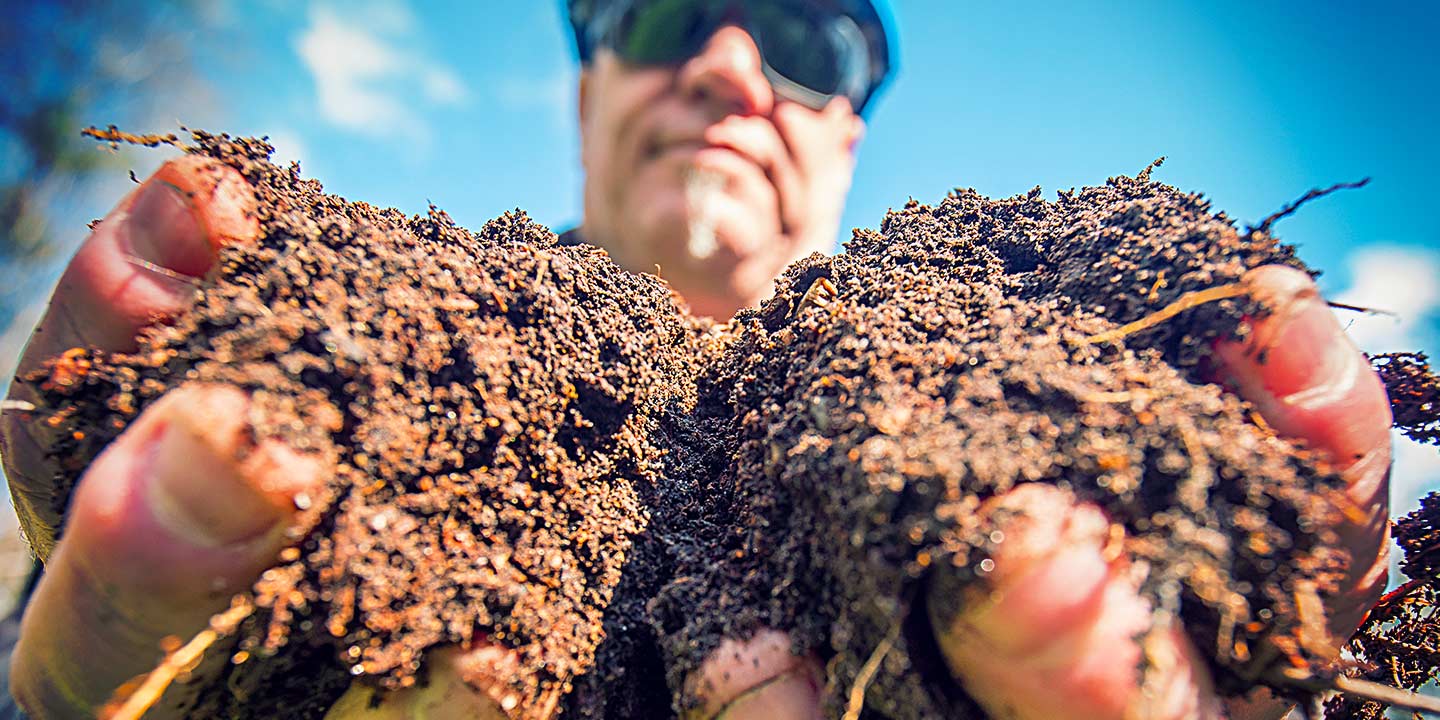
Compost builds good soil
This natural treatment has helped this struggling oak by enhancing soil quality. Removing chemical inputs also relieved additional stresses.
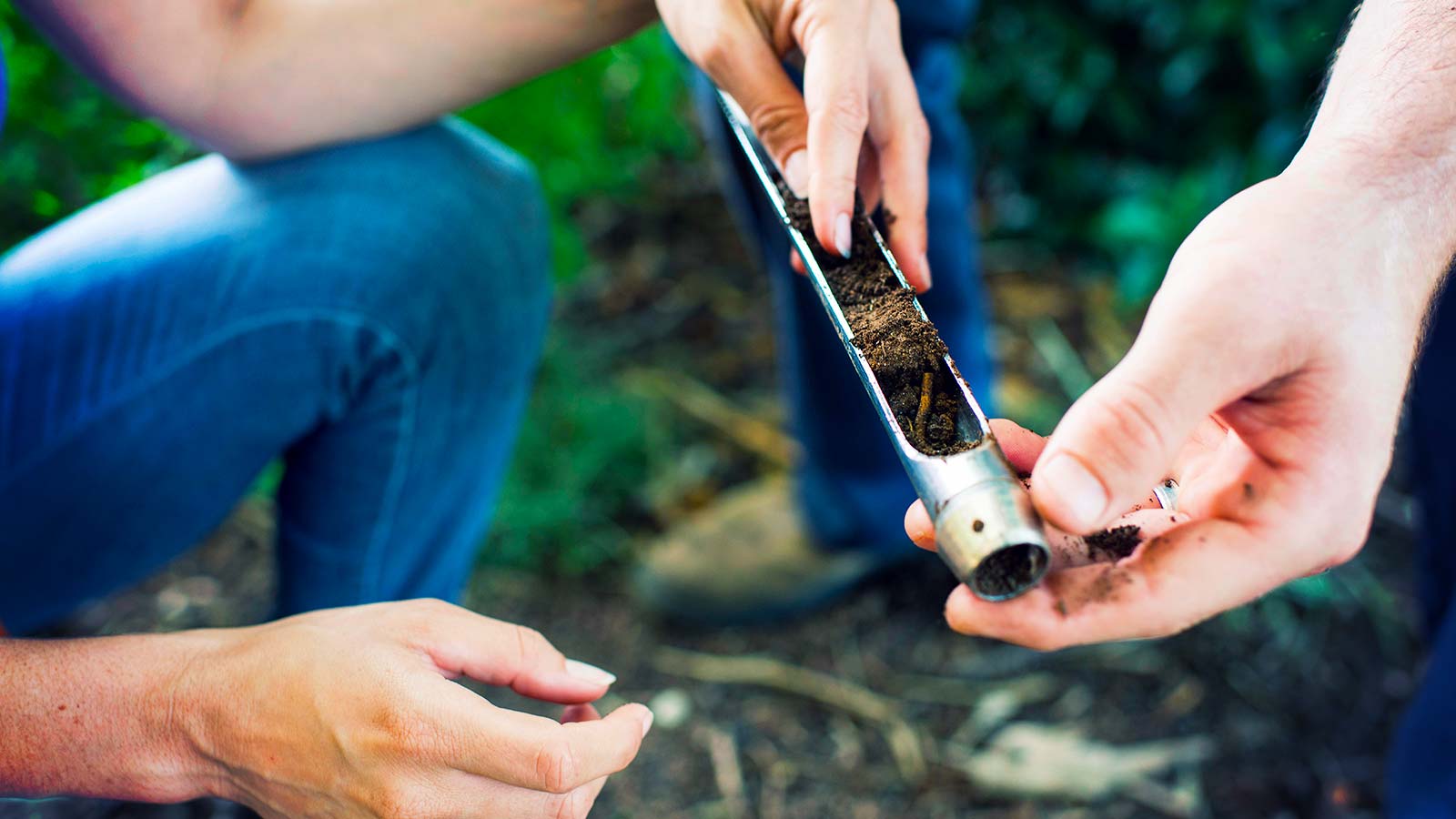
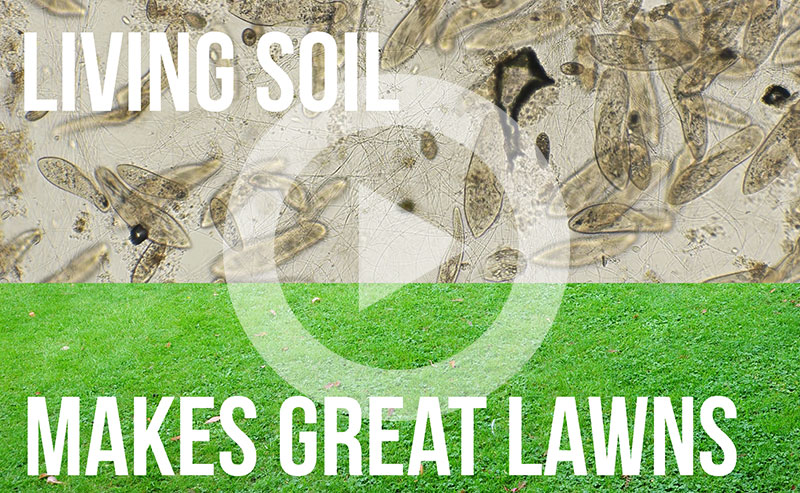
Compost recharges soil with the microbes and nutrients needed for healthy soil, and healthy tree roots.
Our goal is to transform dead dirt back to its original state of healthy soil, providing a rich foundation from which your trees can flourish.
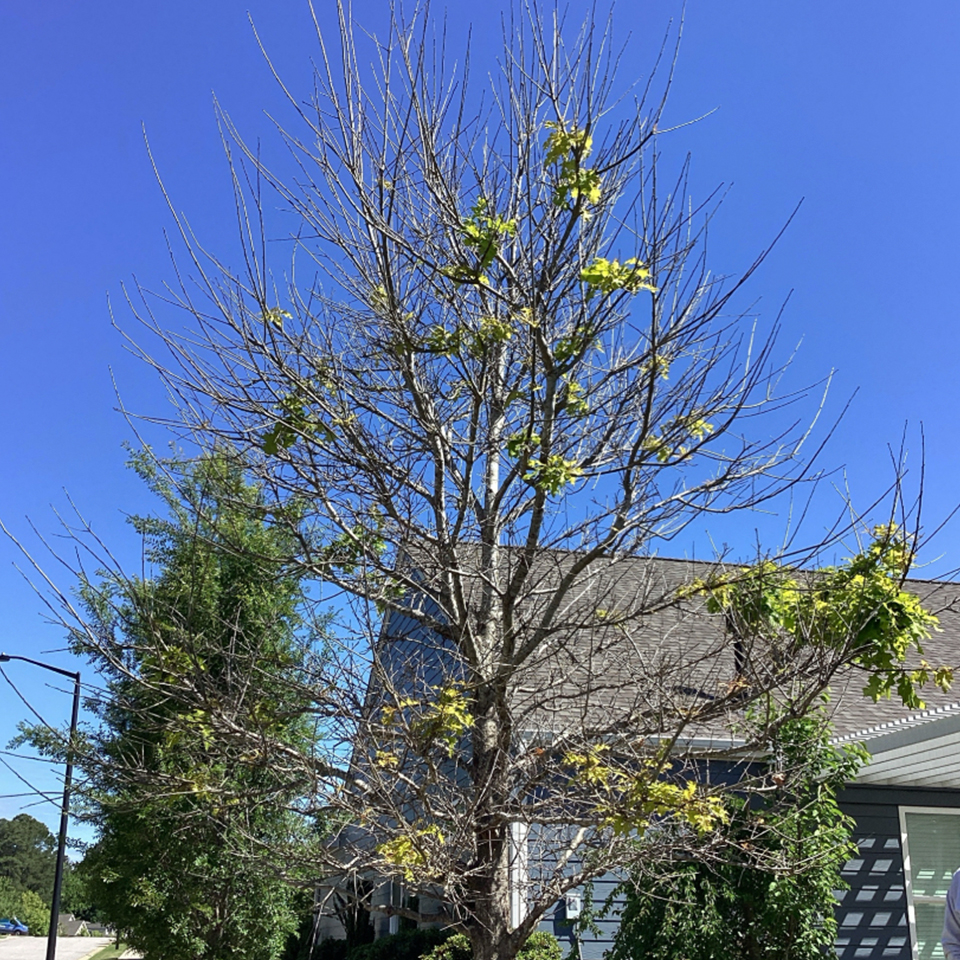
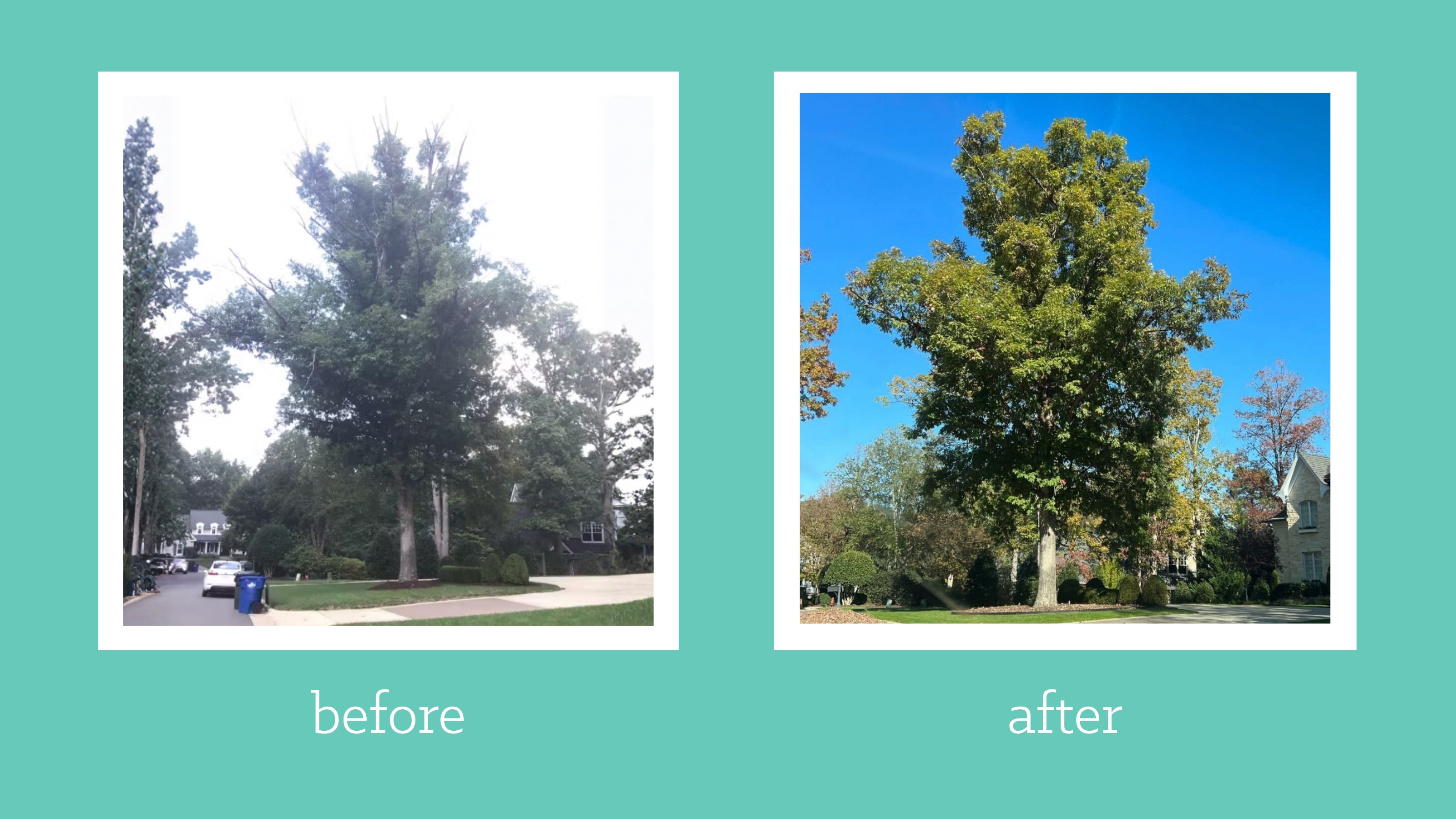
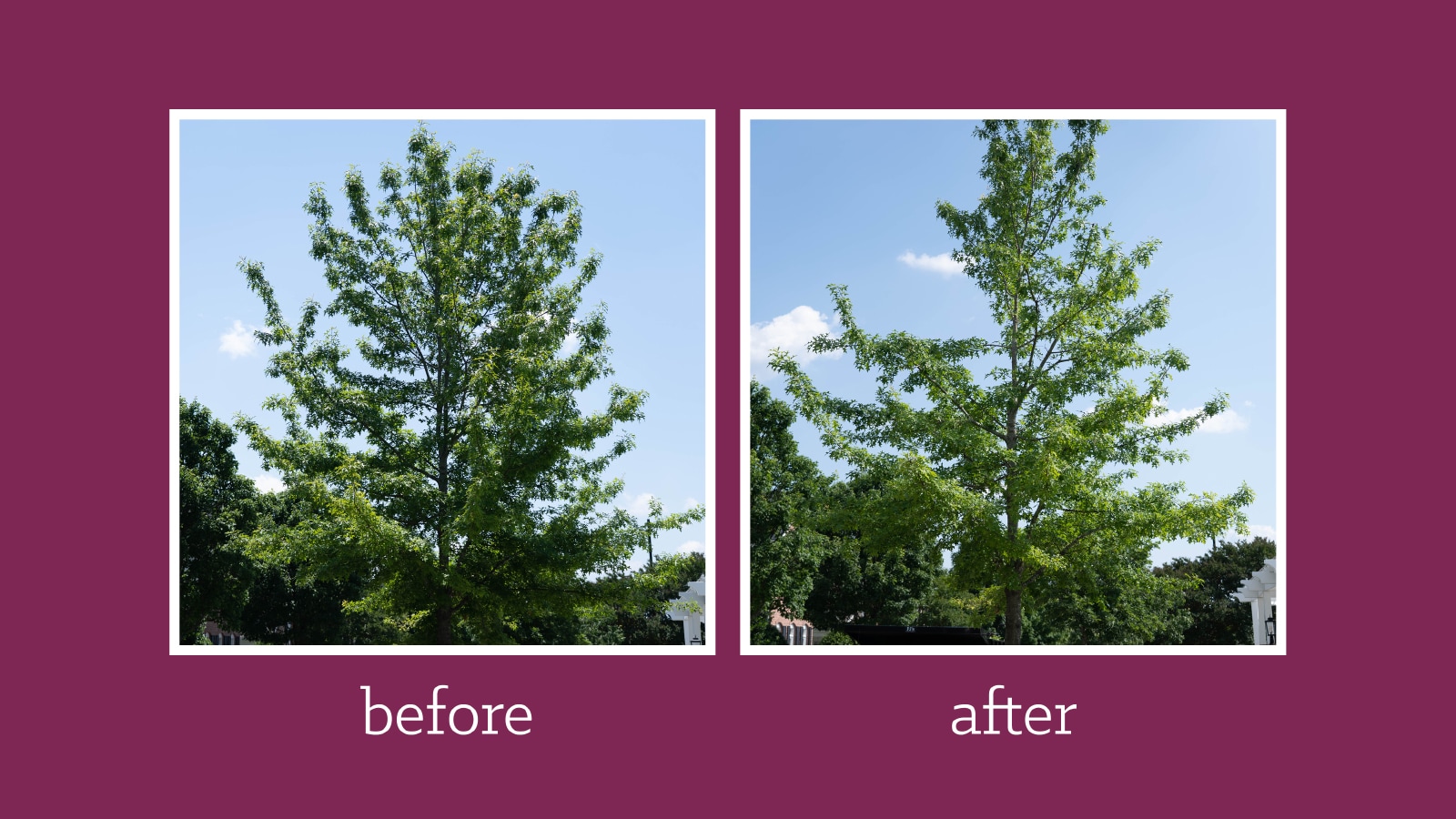
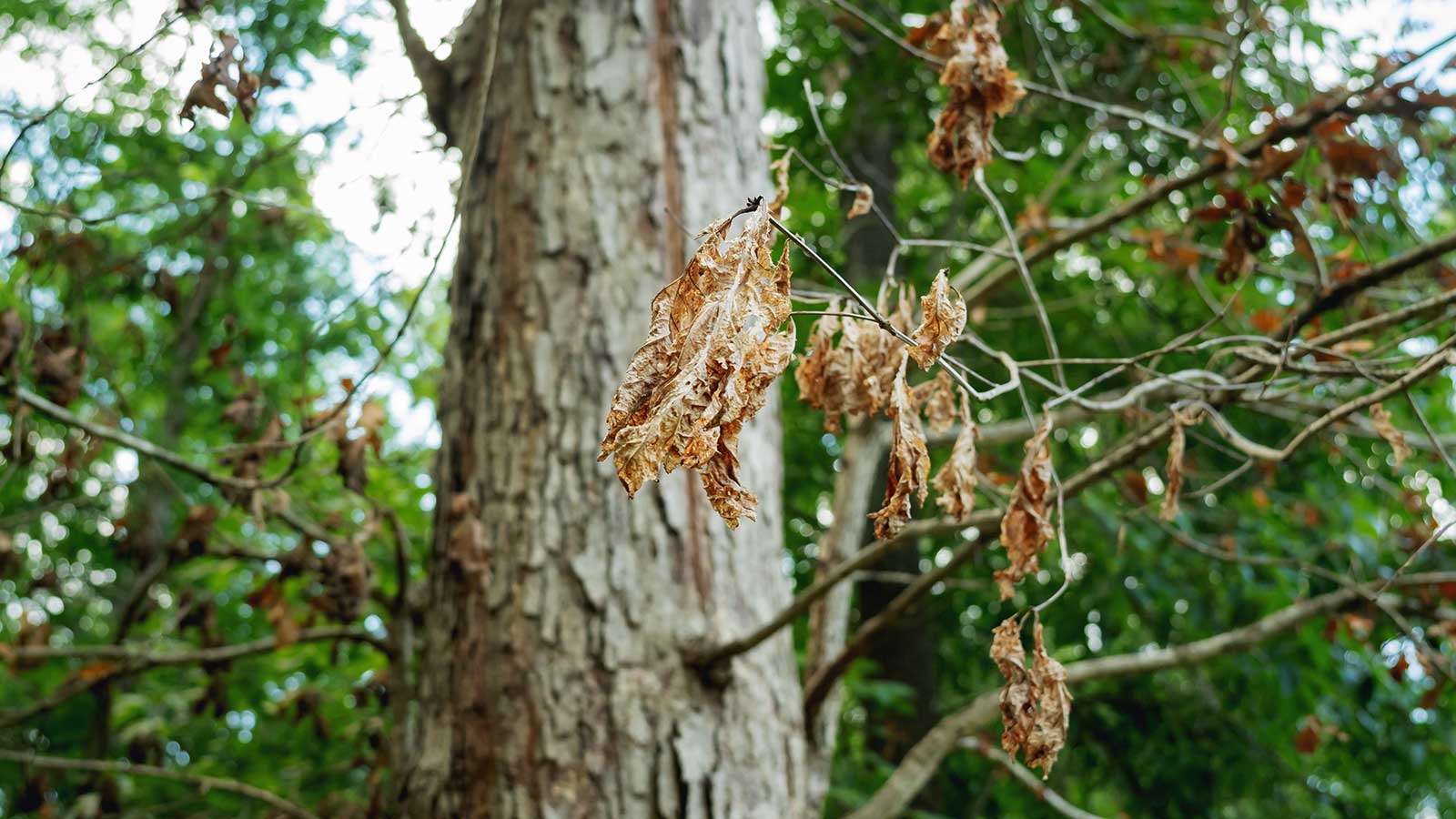
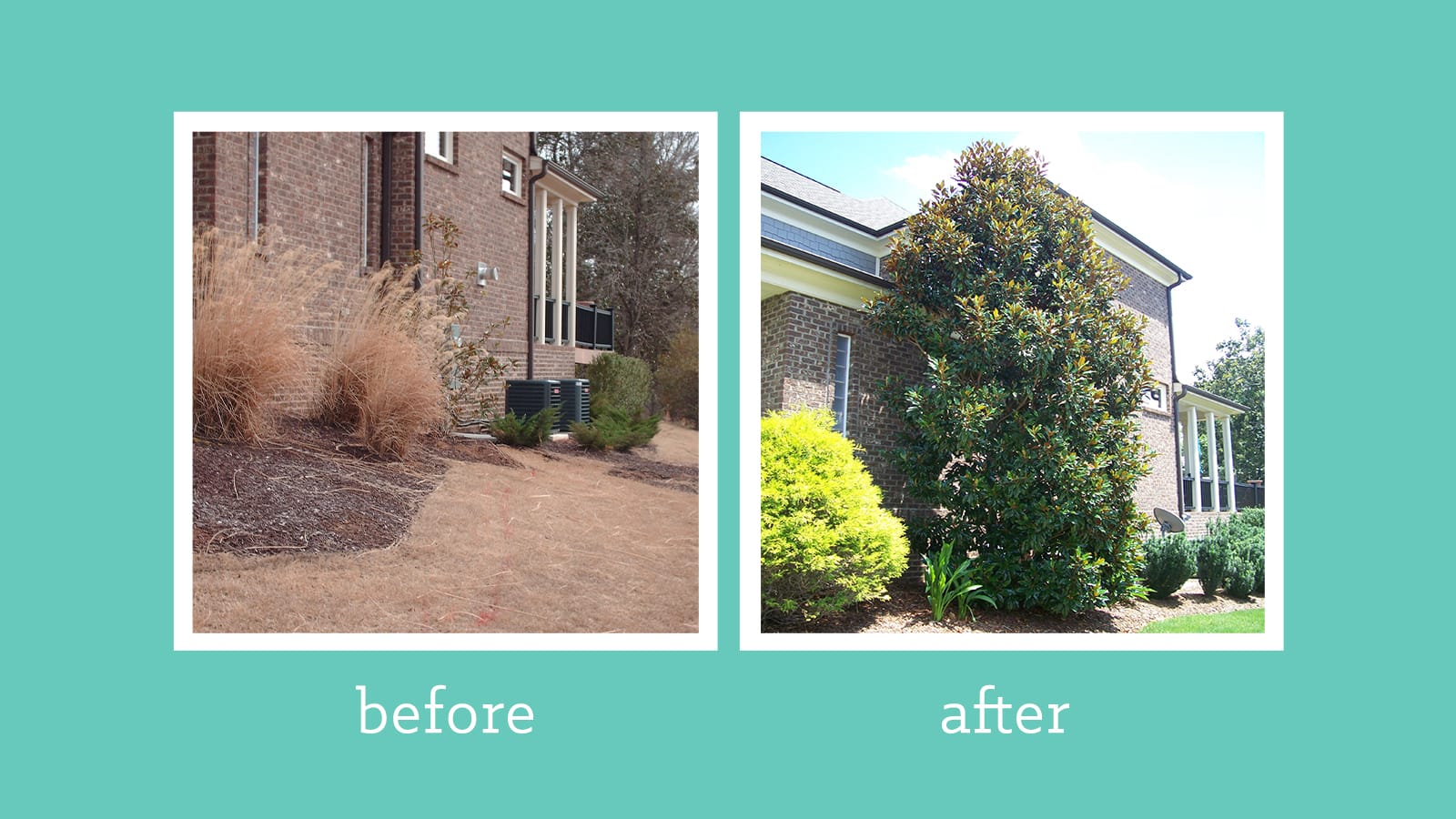
Before
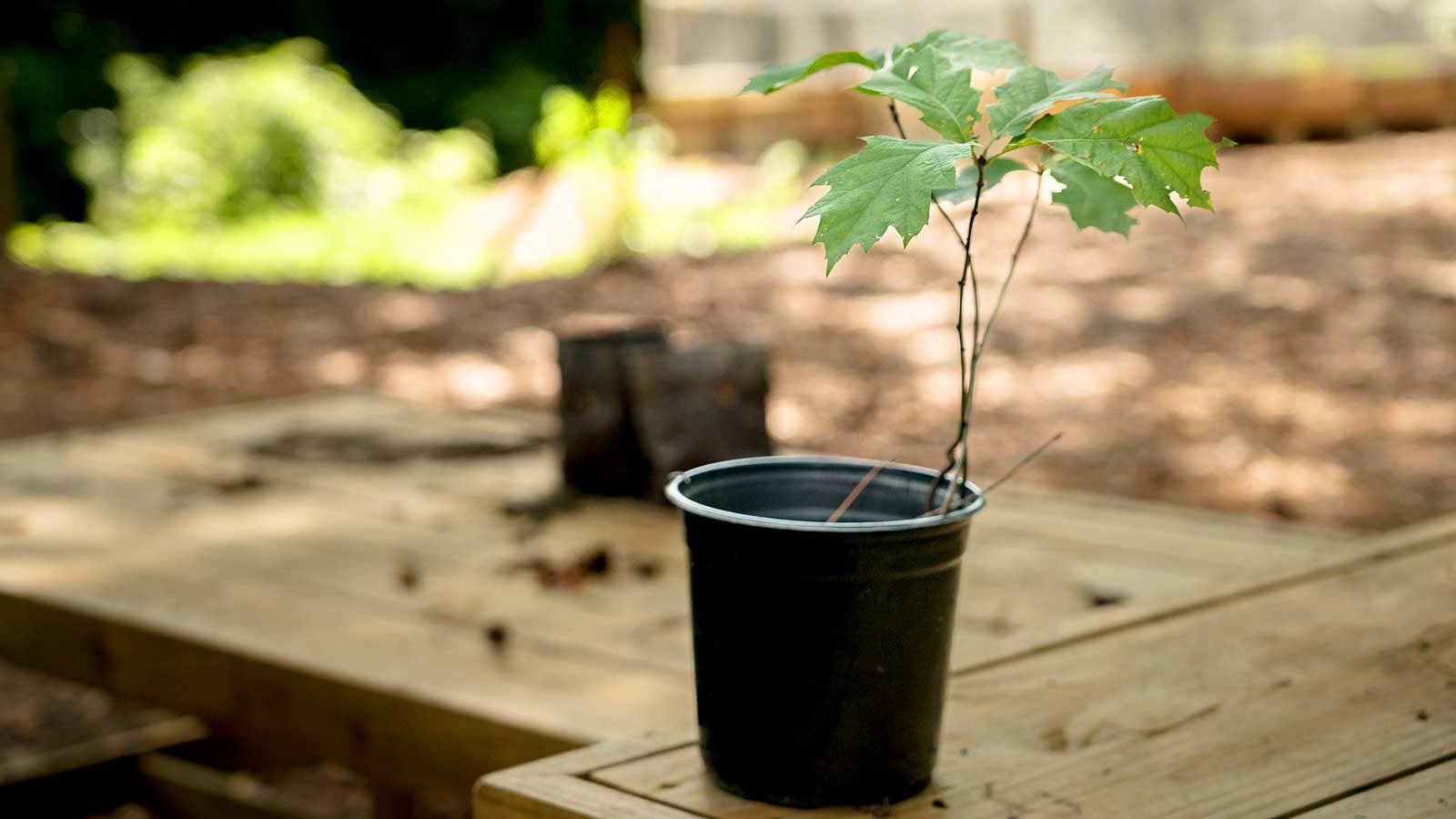
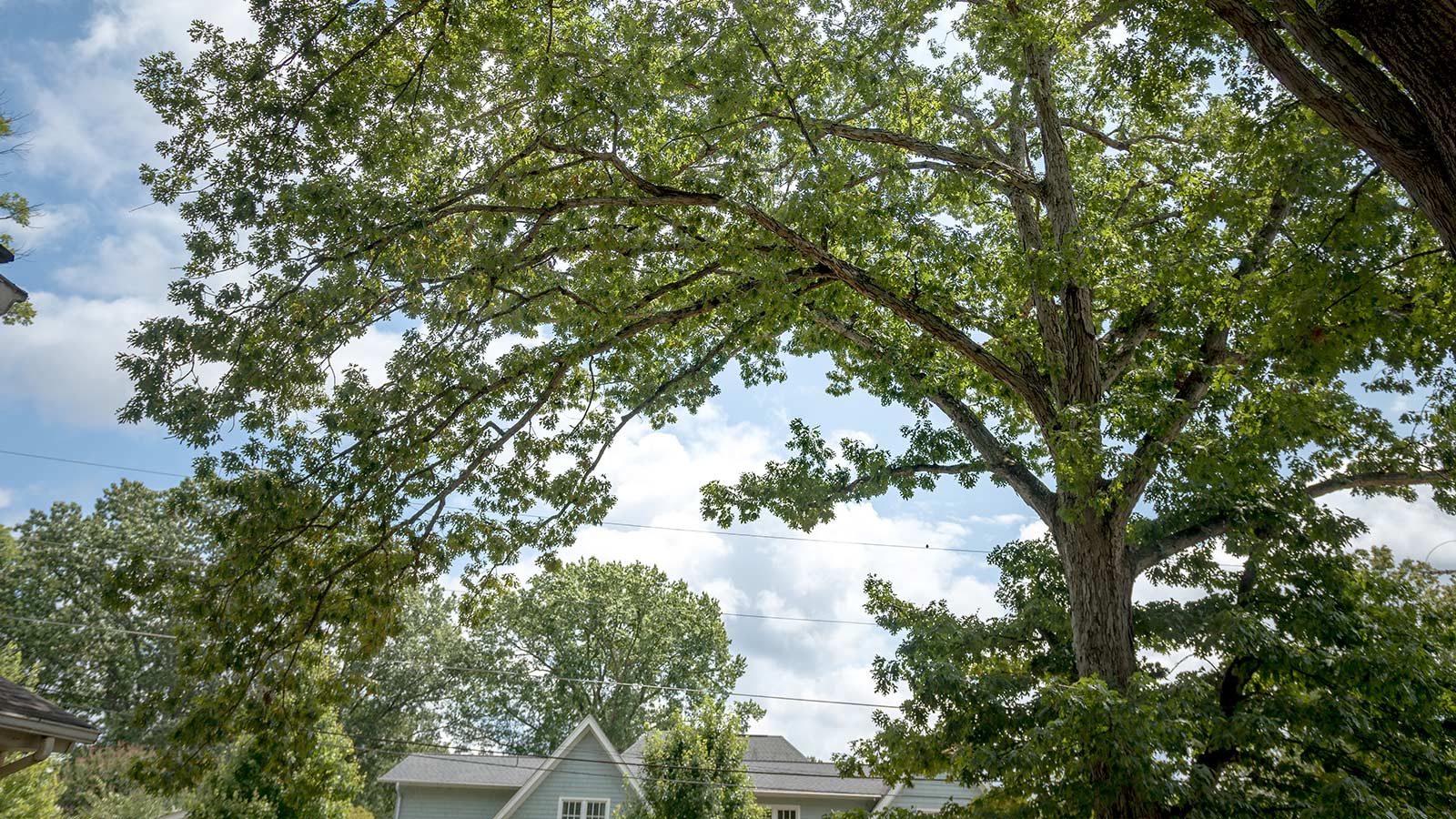
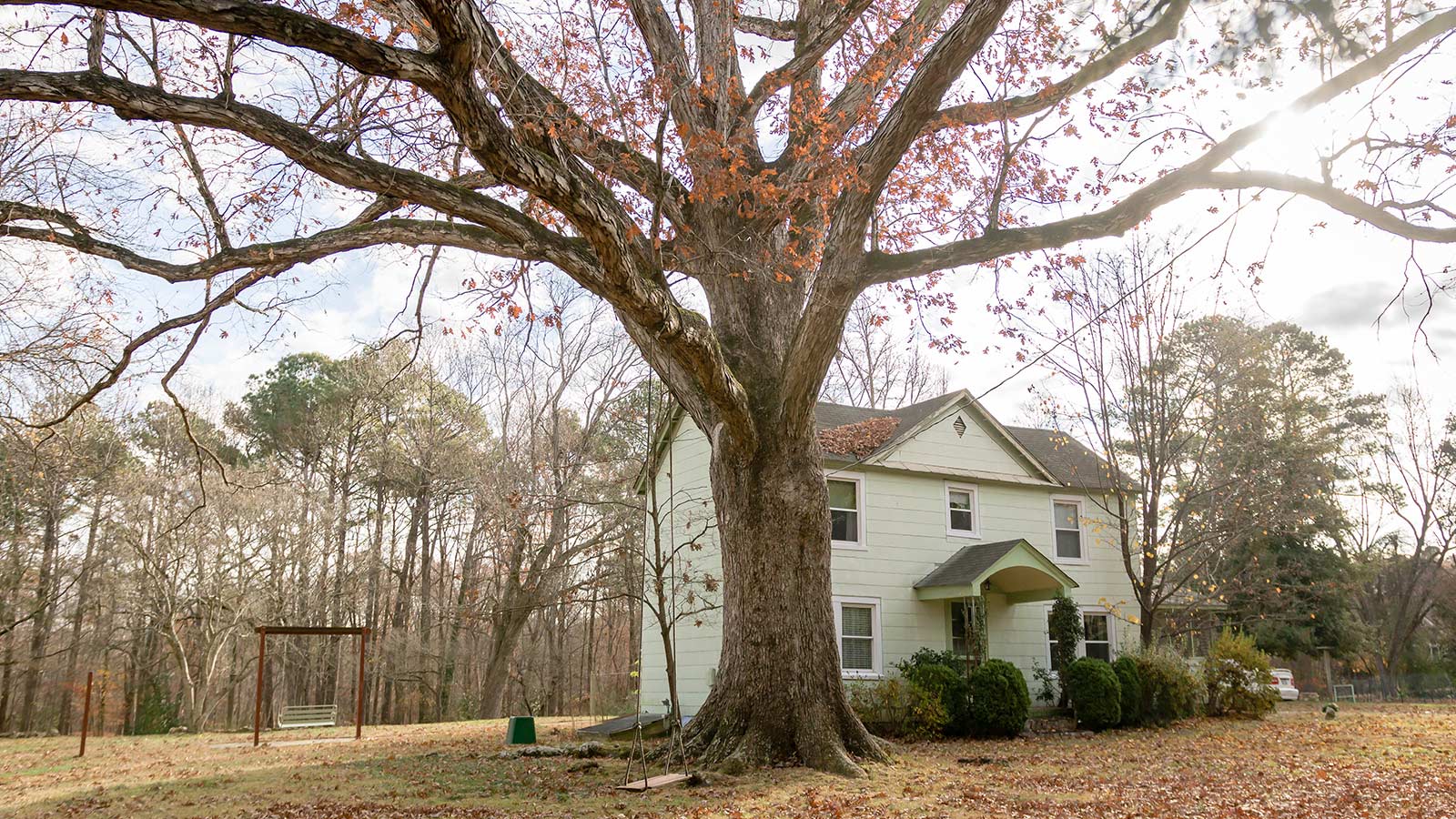
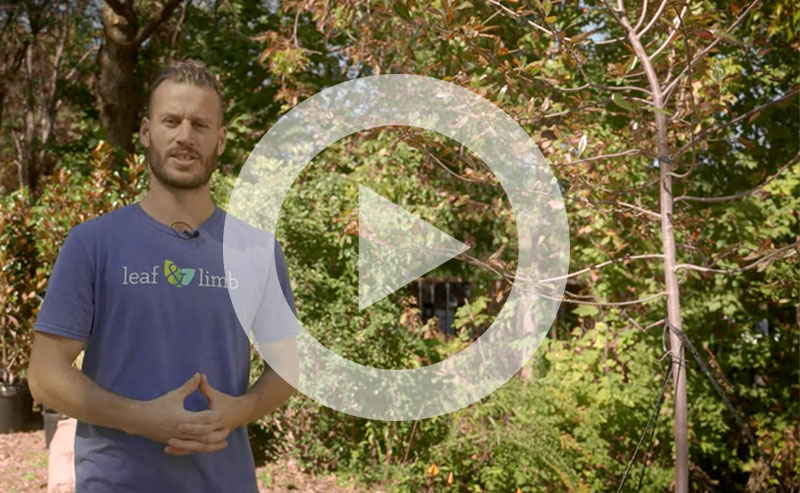
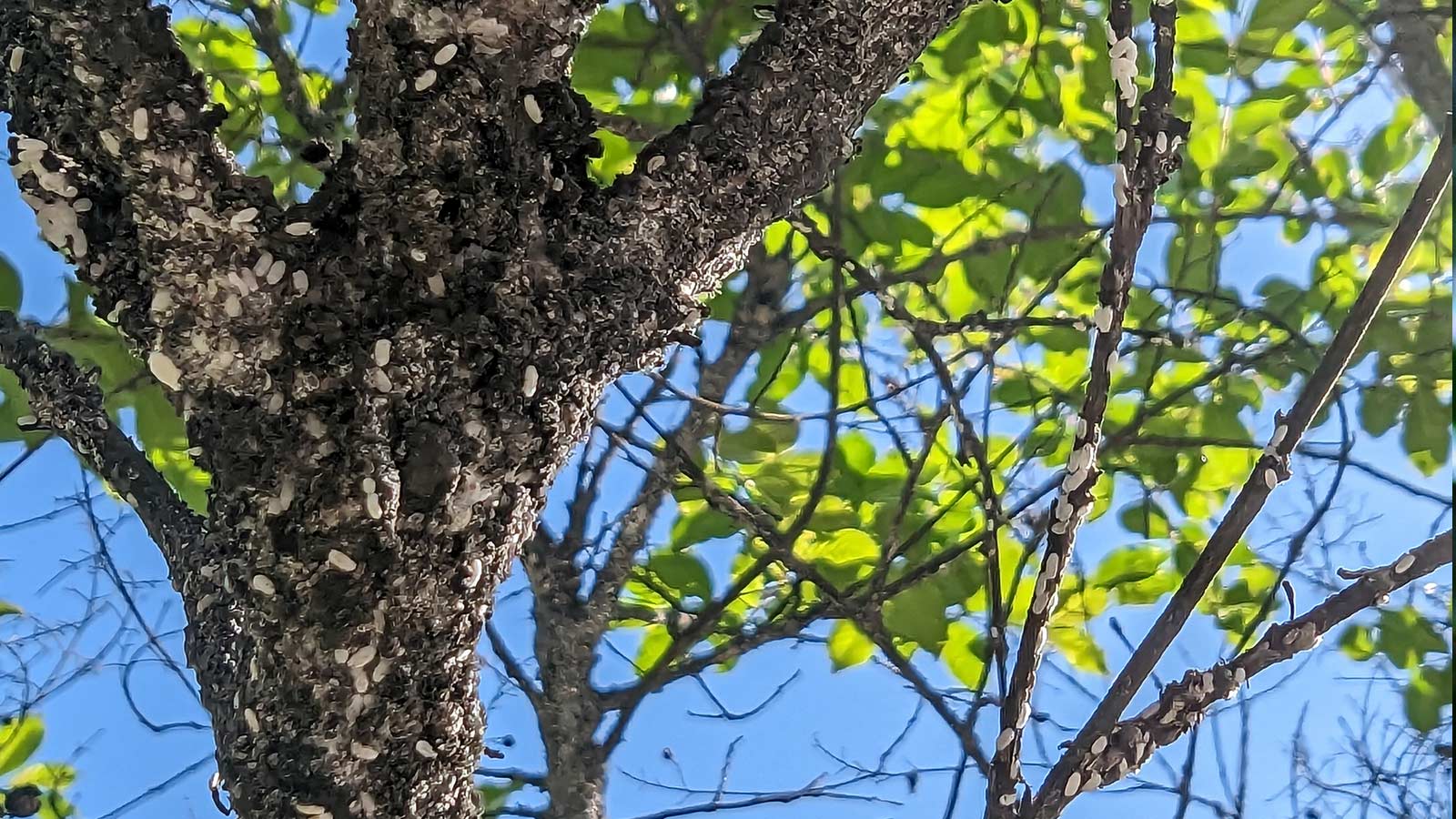
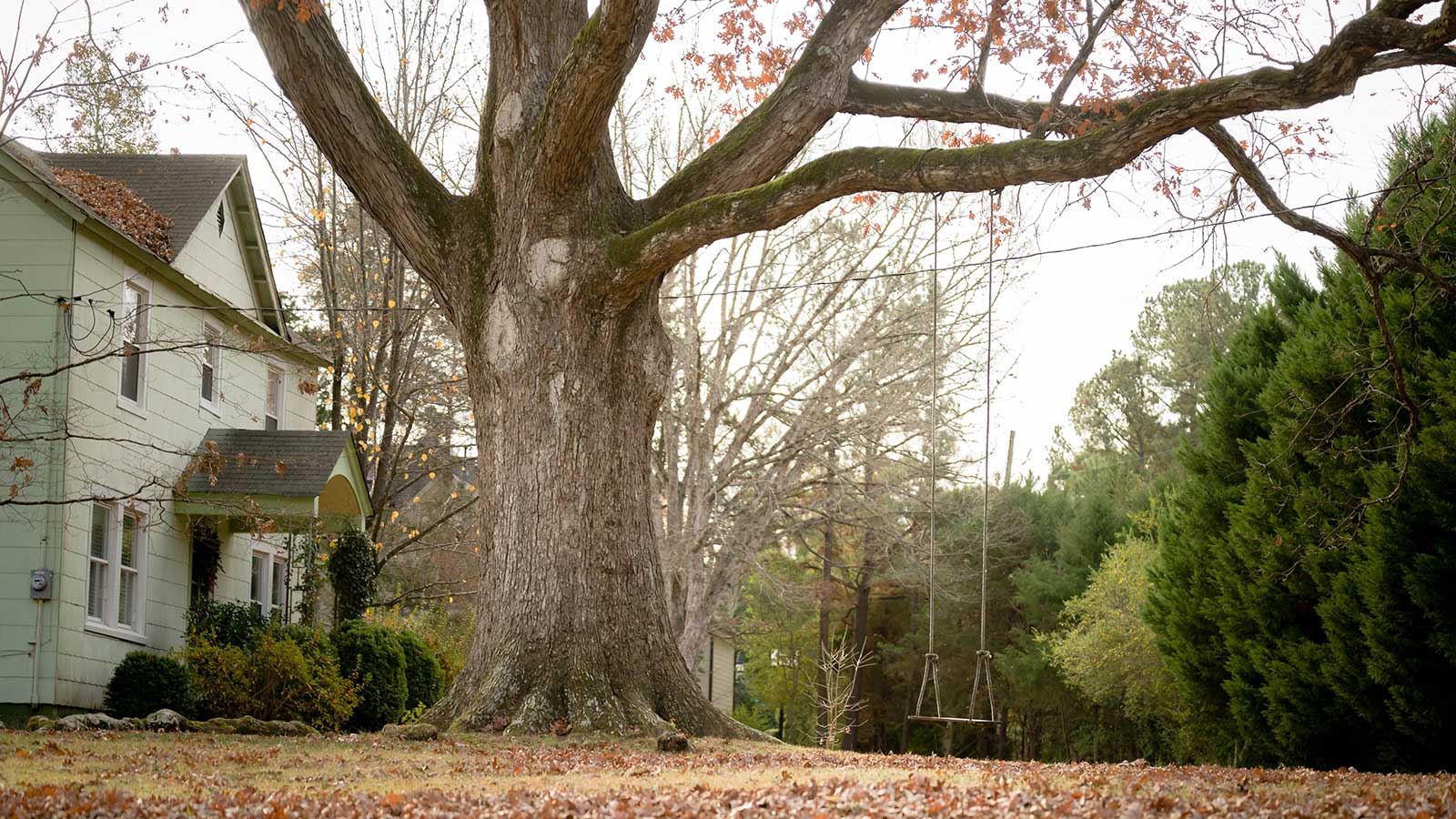
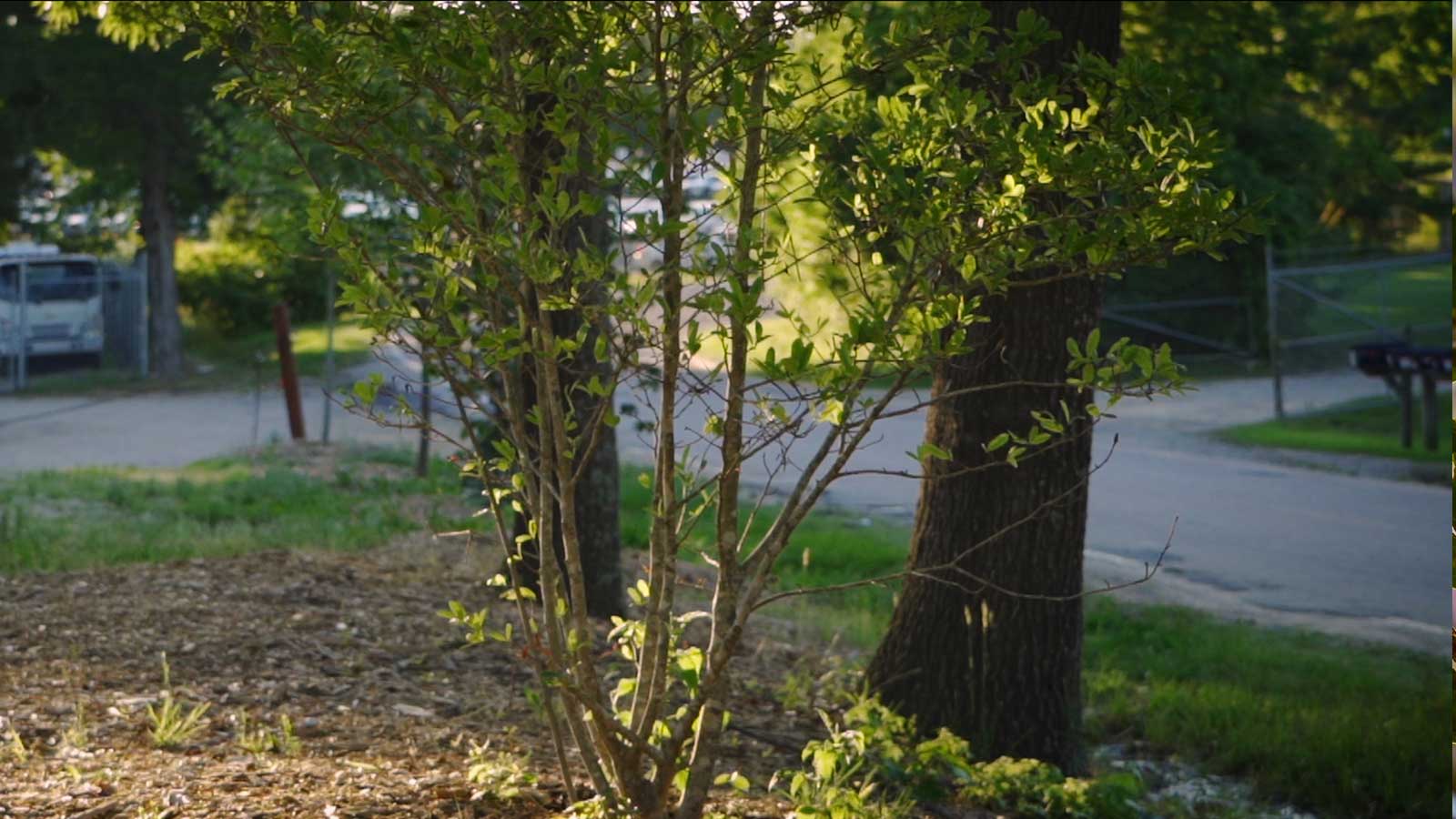
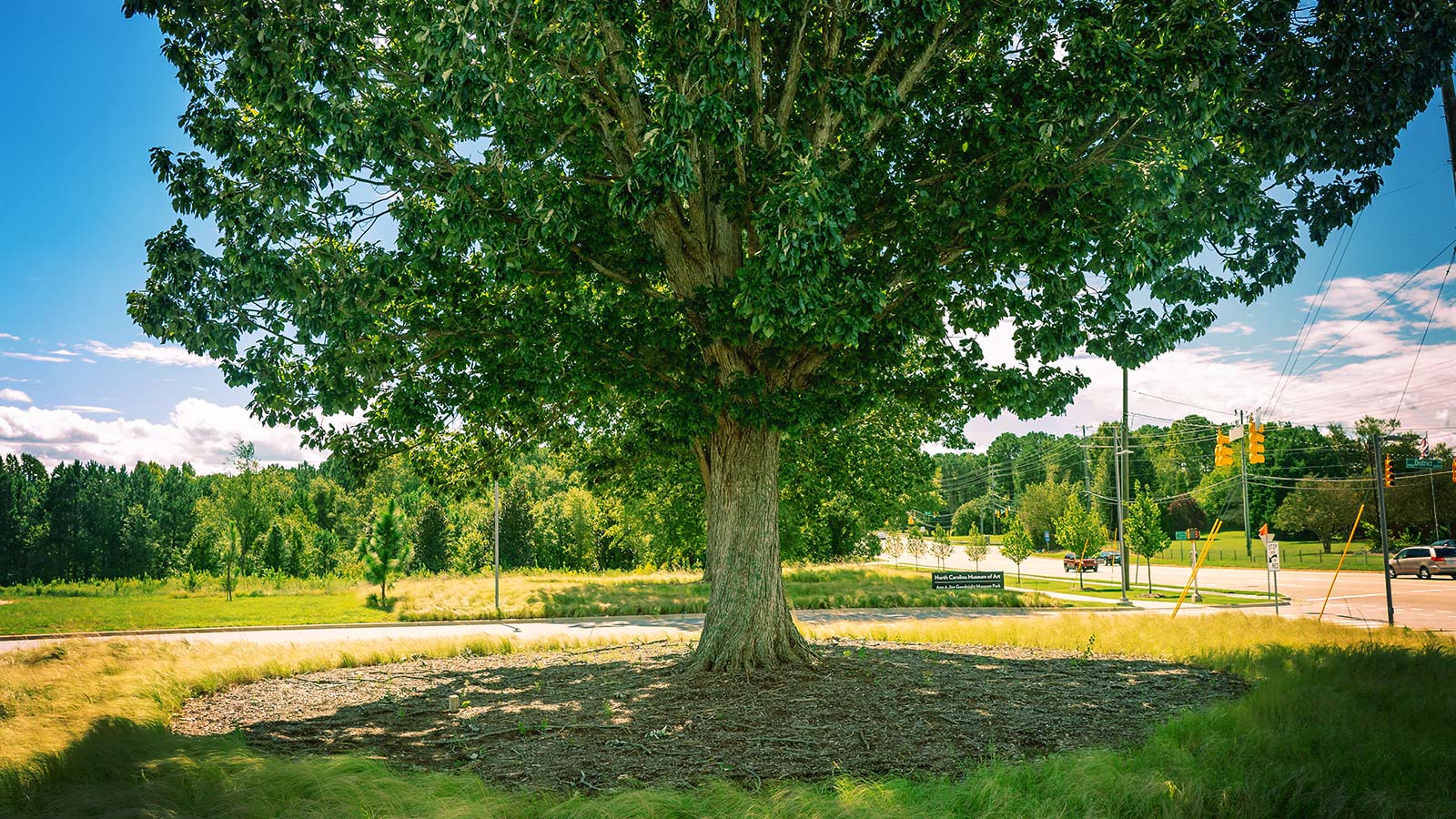
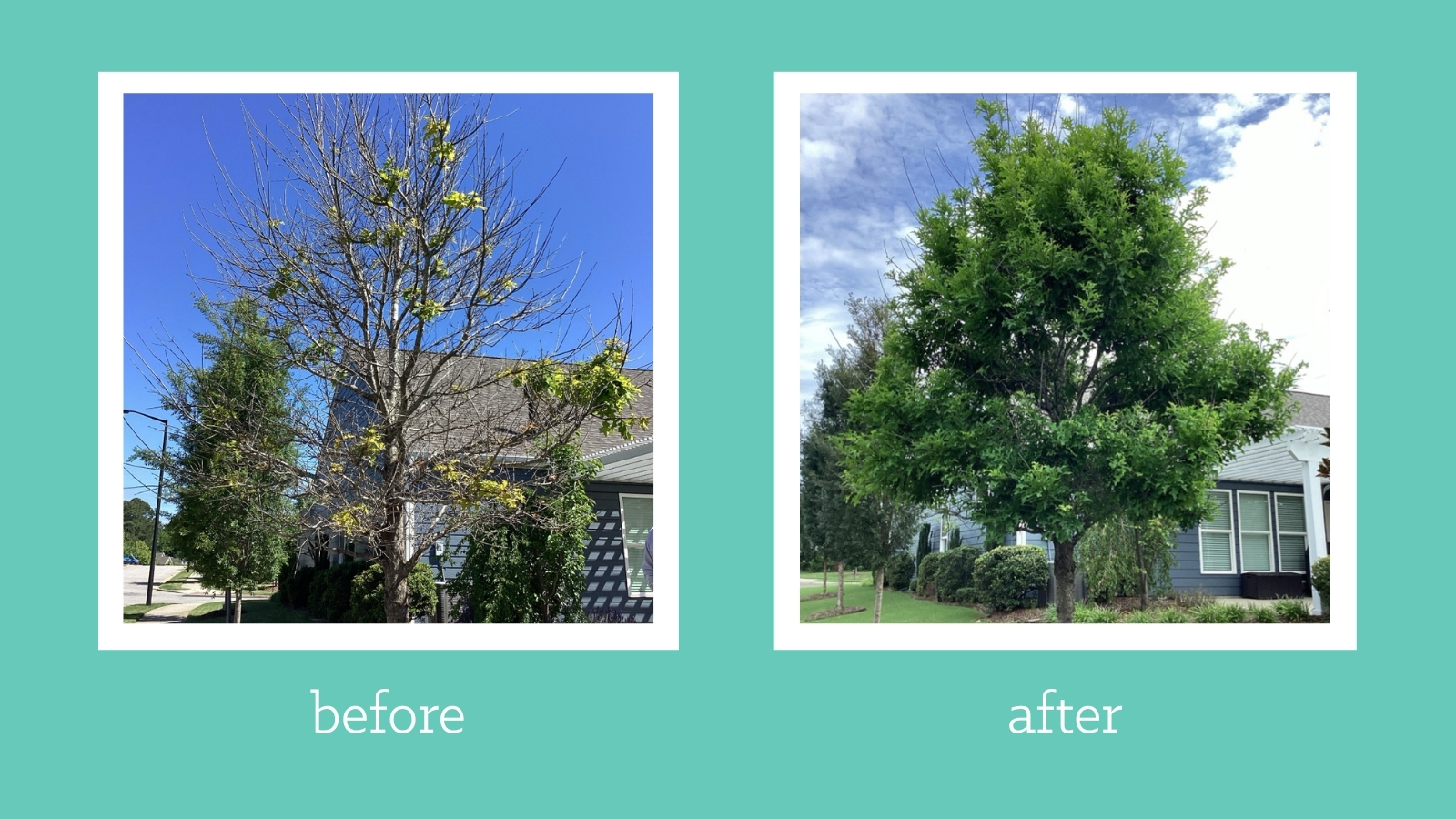
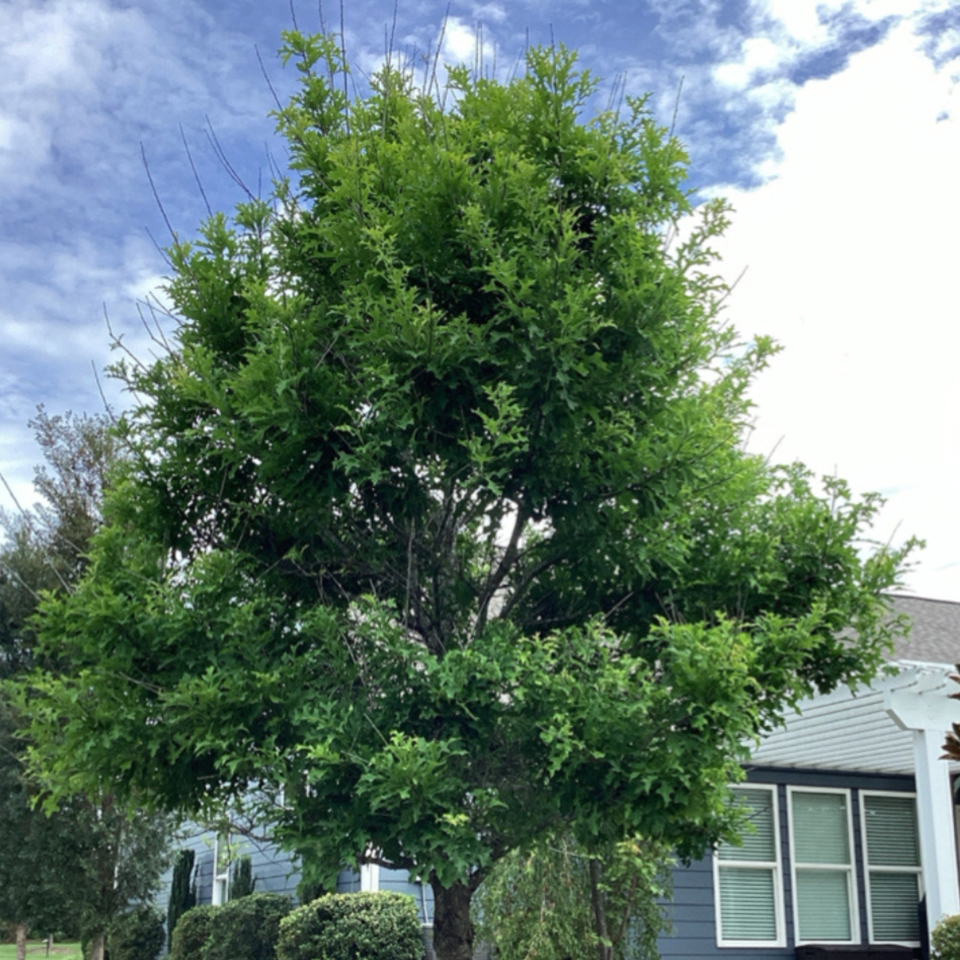
In the summer of 2024, this red oak at Carolina Arbors in Durham showed stresses common in trees planted in new developments – limb dieback and sparse new growth. The situation was worsened by a lawn service applying herbicides and fertilizers to the lawn, which could also harm the young tree. Selective herbicides used on lawns won’t harm grasses but can harm trees.
After
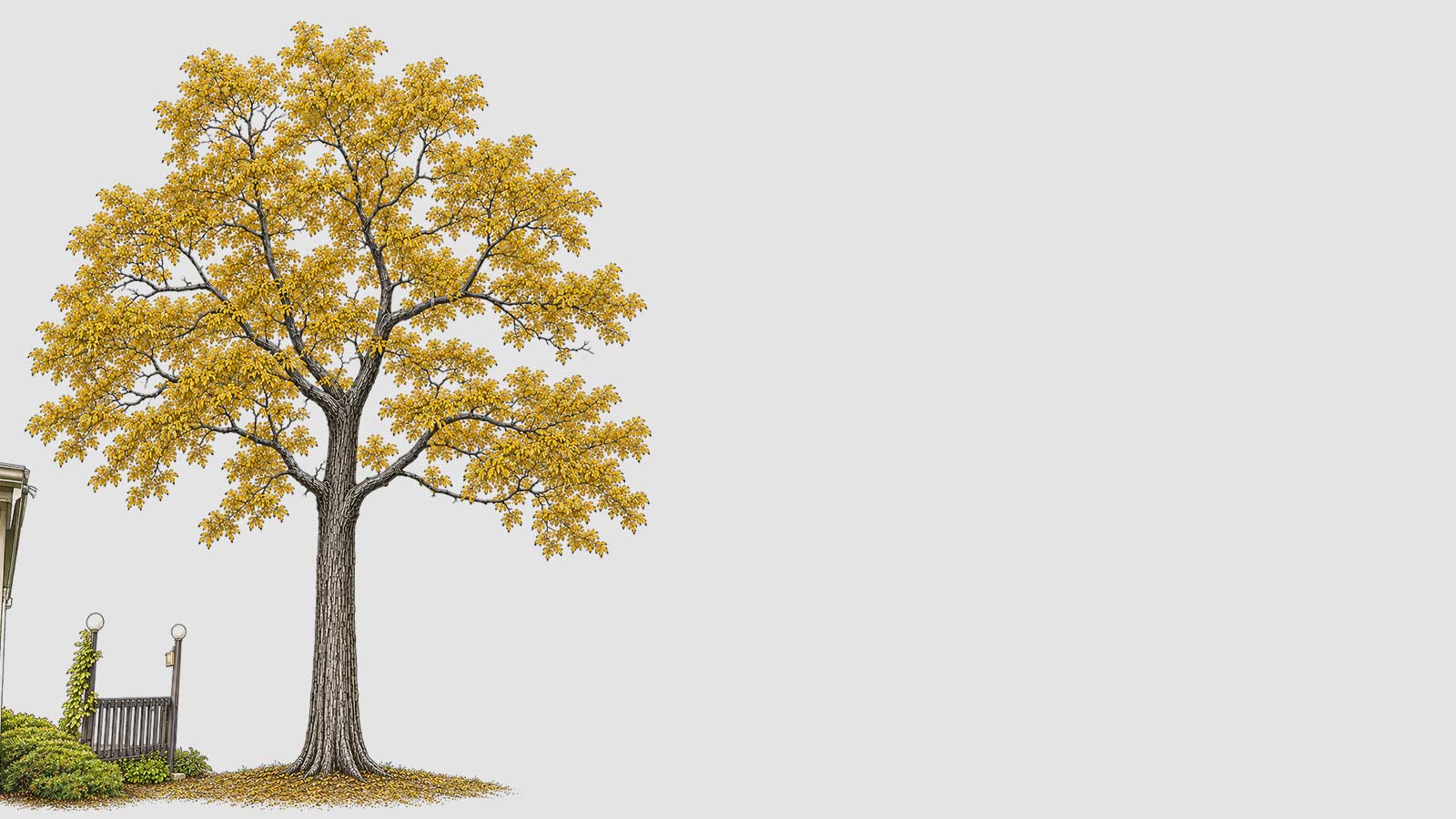
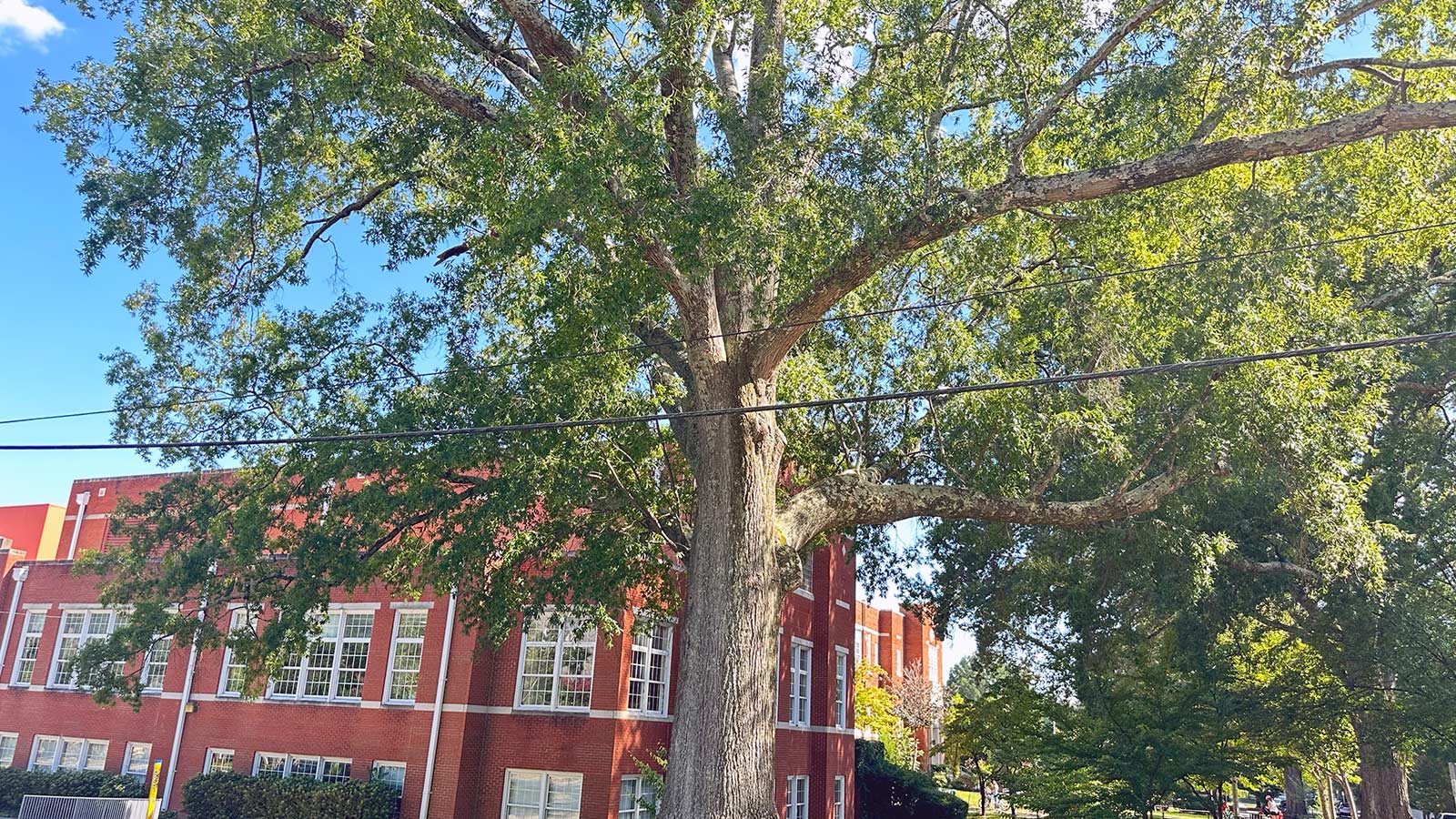
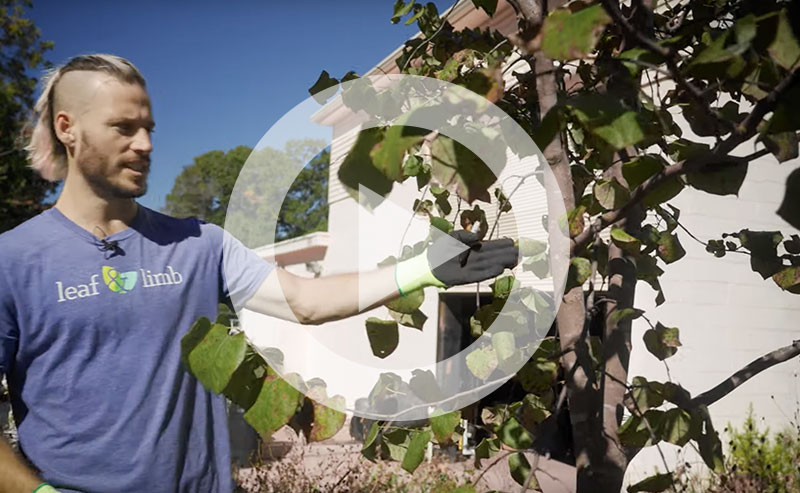
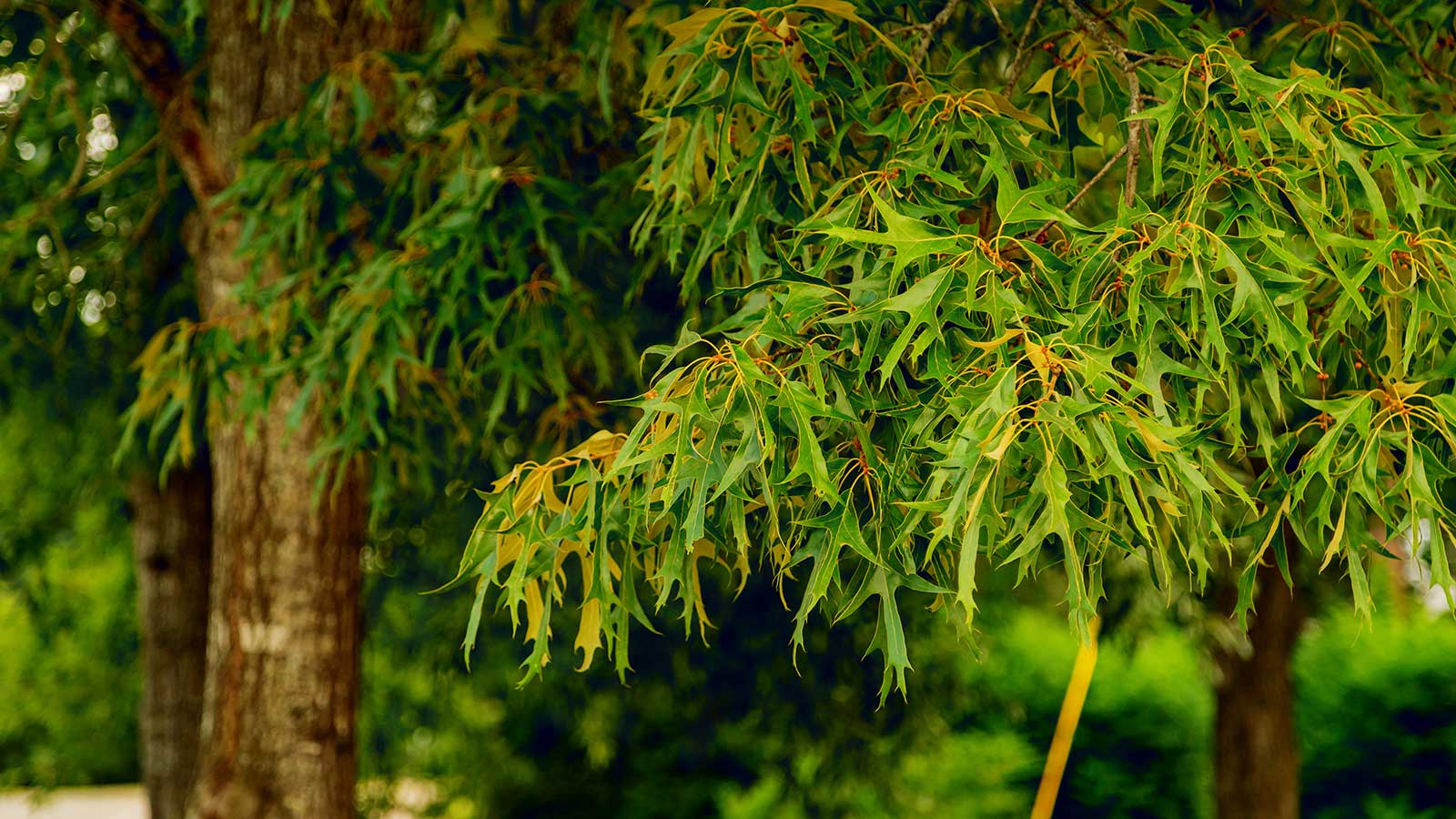
A year later, after two simple changes – inexpensive quarterly liquid compost injections (compost tea) and stopping herbicide service for the lawn – there was improvement. (Added bonus: compost is just as effective at helping develop healthy soil for turf grass.)
This tree had a complete turnaround, at minimal cost, and with no disruptions
This is a tree with a future.
Have questions about your tree? Want to share a tree revitalization success story? We would love to hear all about them. Send us a note.