April 2026 Treecologist Tribune
Days of Drought and Digging Bees

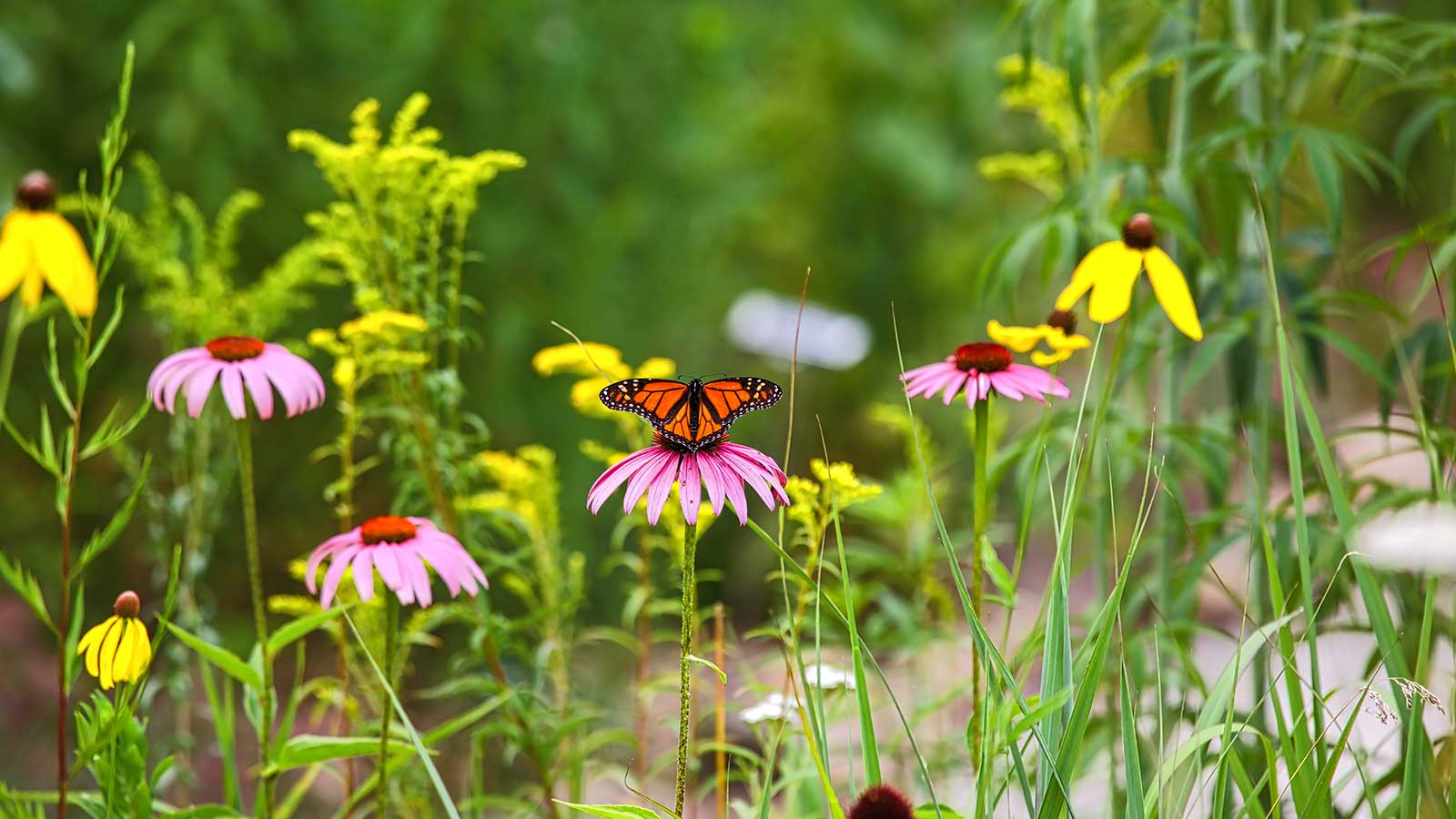
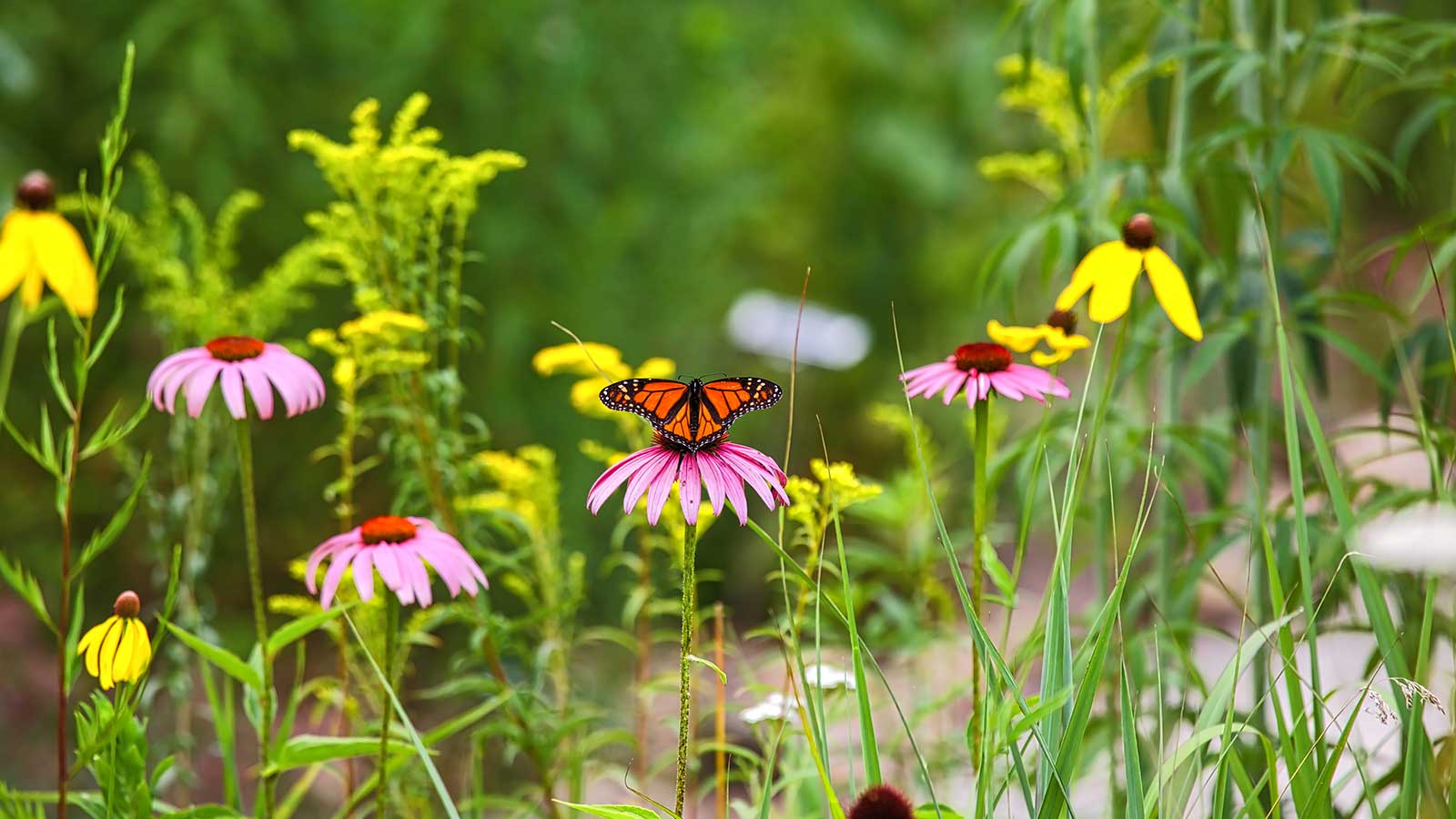
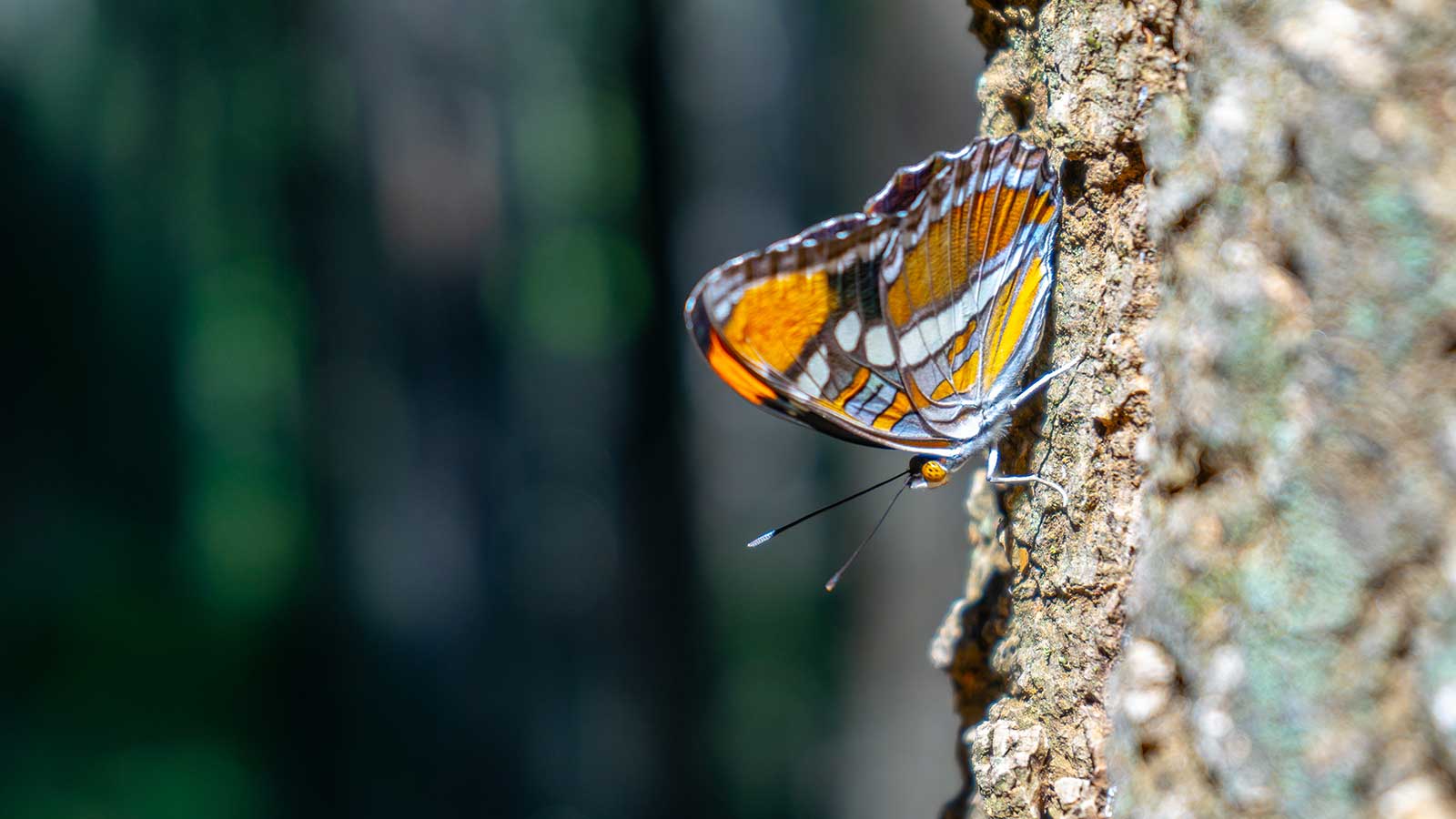
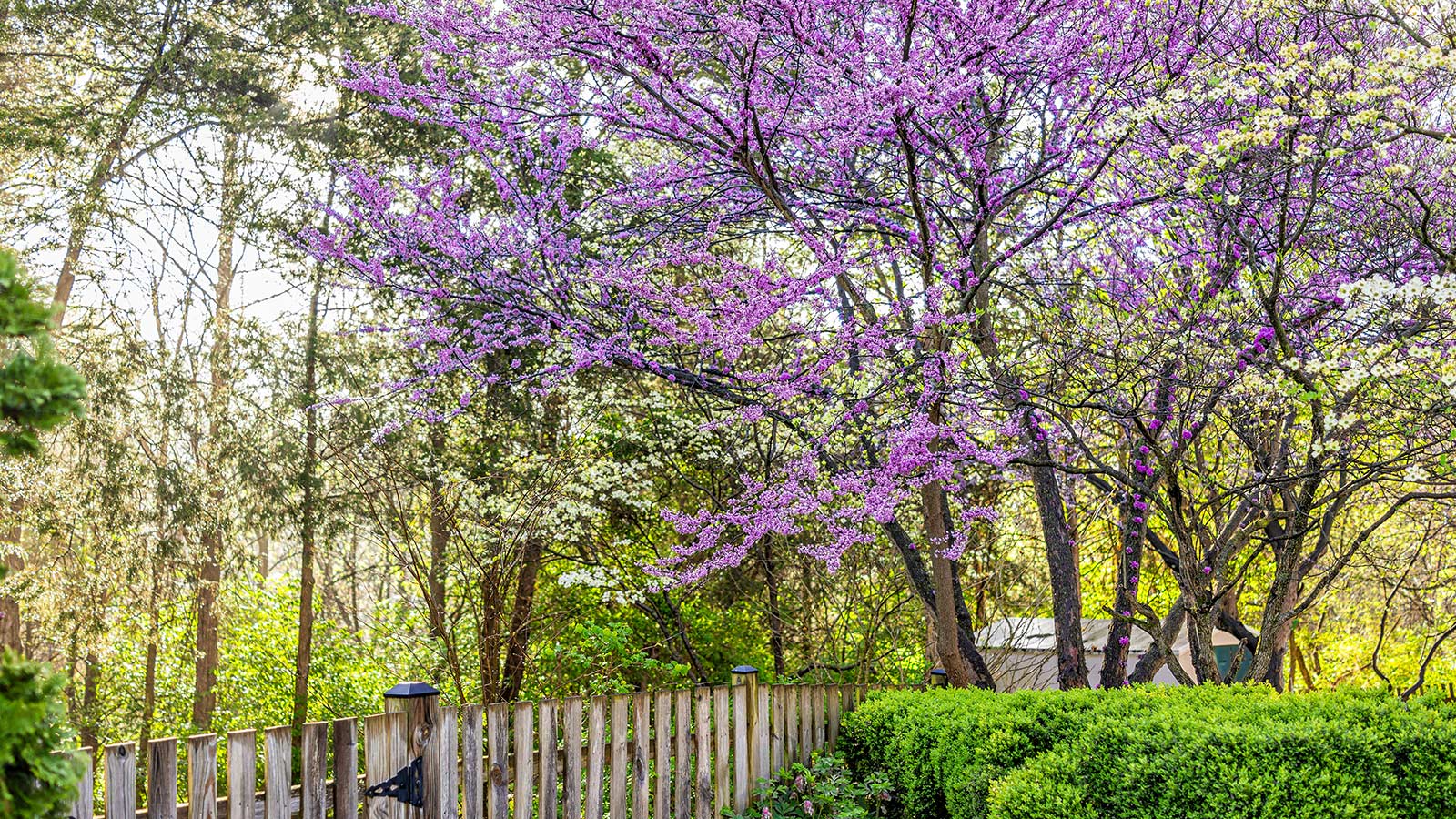
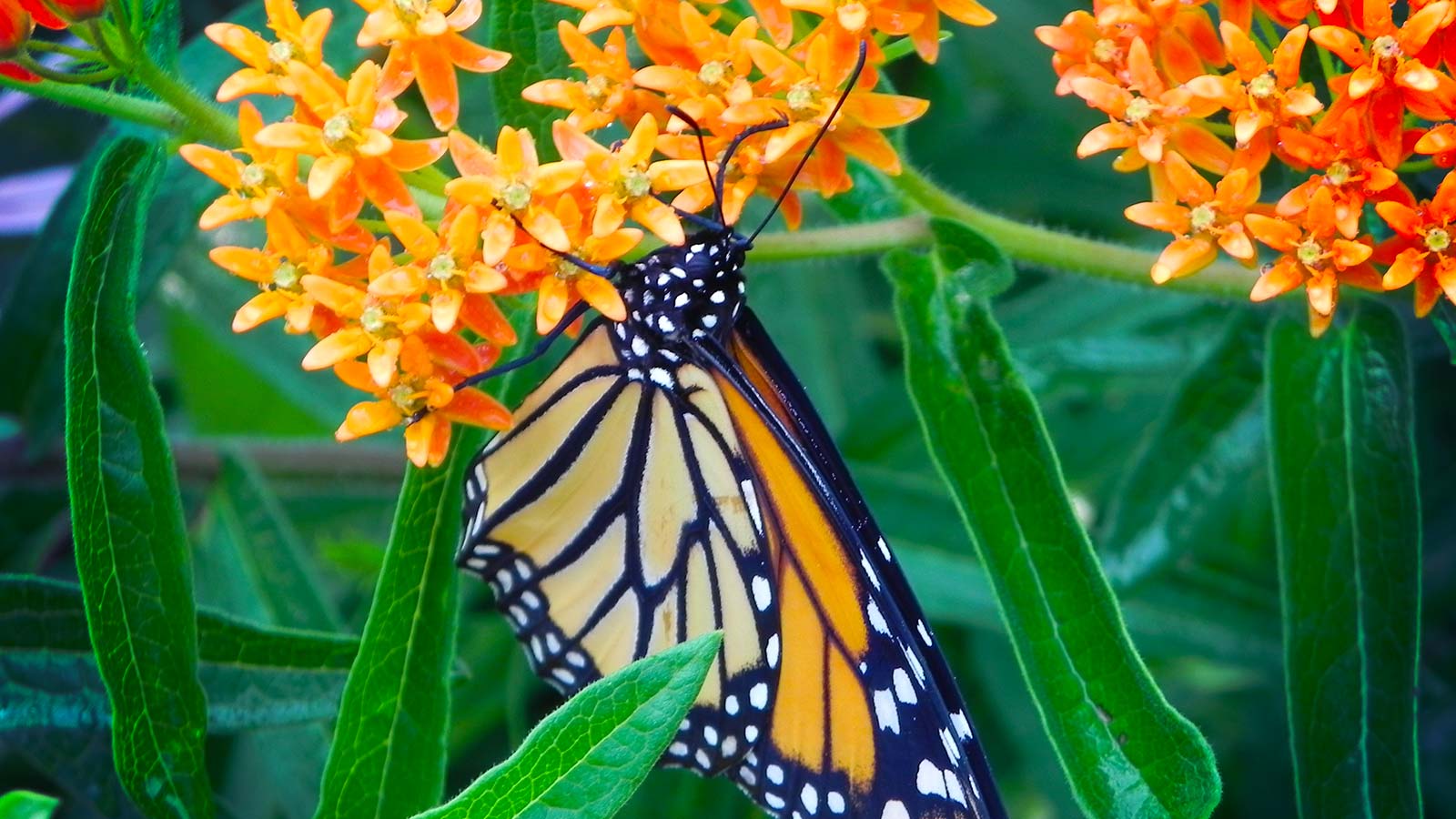
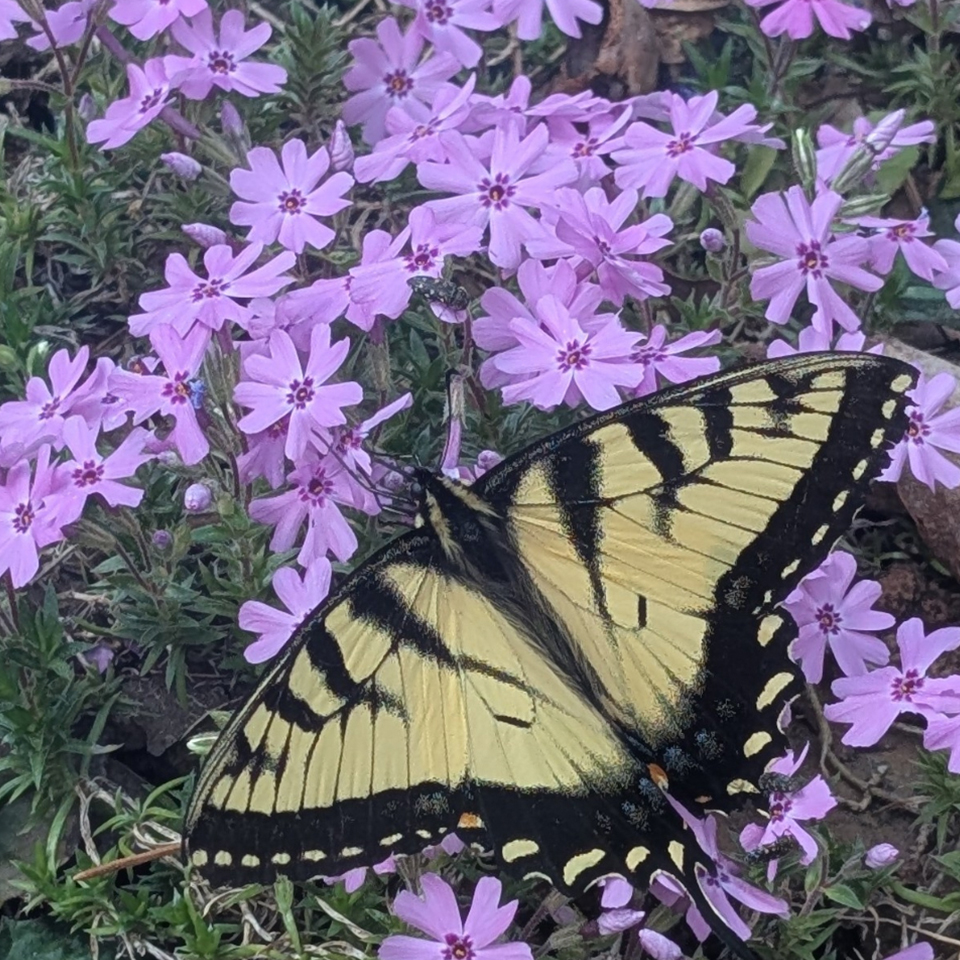
Mid-spring is bottle-green, fresh, and holds an anticipatory ambiance. You can breathe the cool morning air now that “the pollening” has swept through and done its deeds. I try to have as many, preferably native, plants blooming from early spring until a hard frost ushers everything back to bed. Eastern tiger swallowtails are sailing between the trees and alighting on whatever they can find, including the ground-hugging moss phlox.
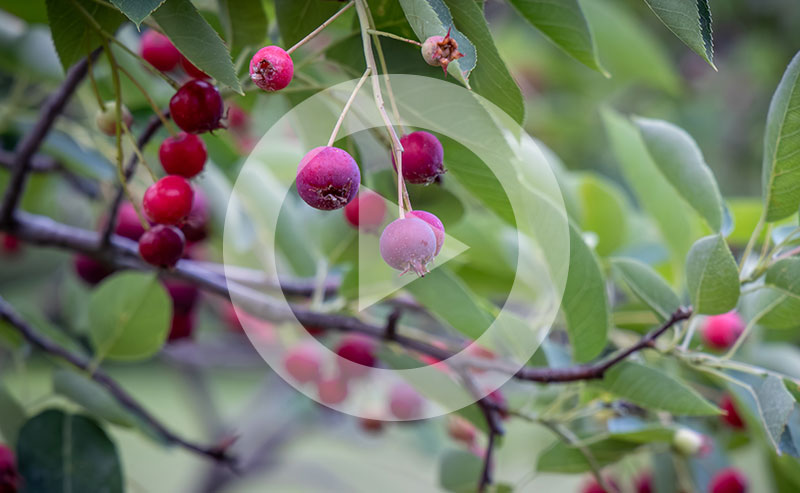
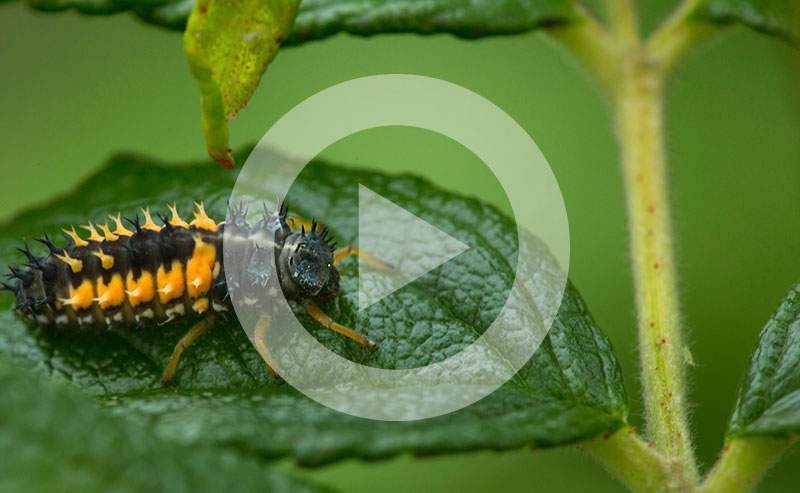
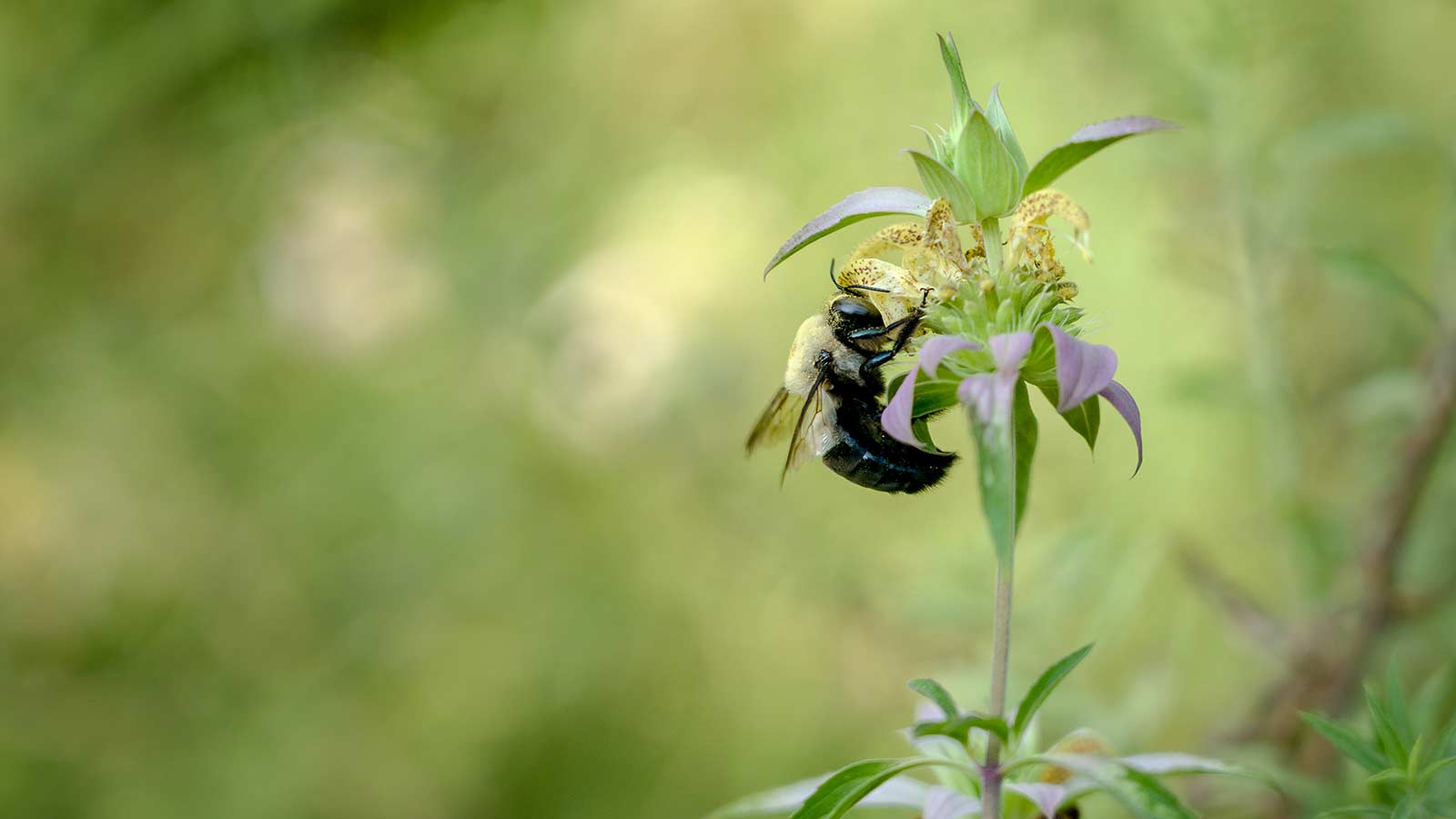
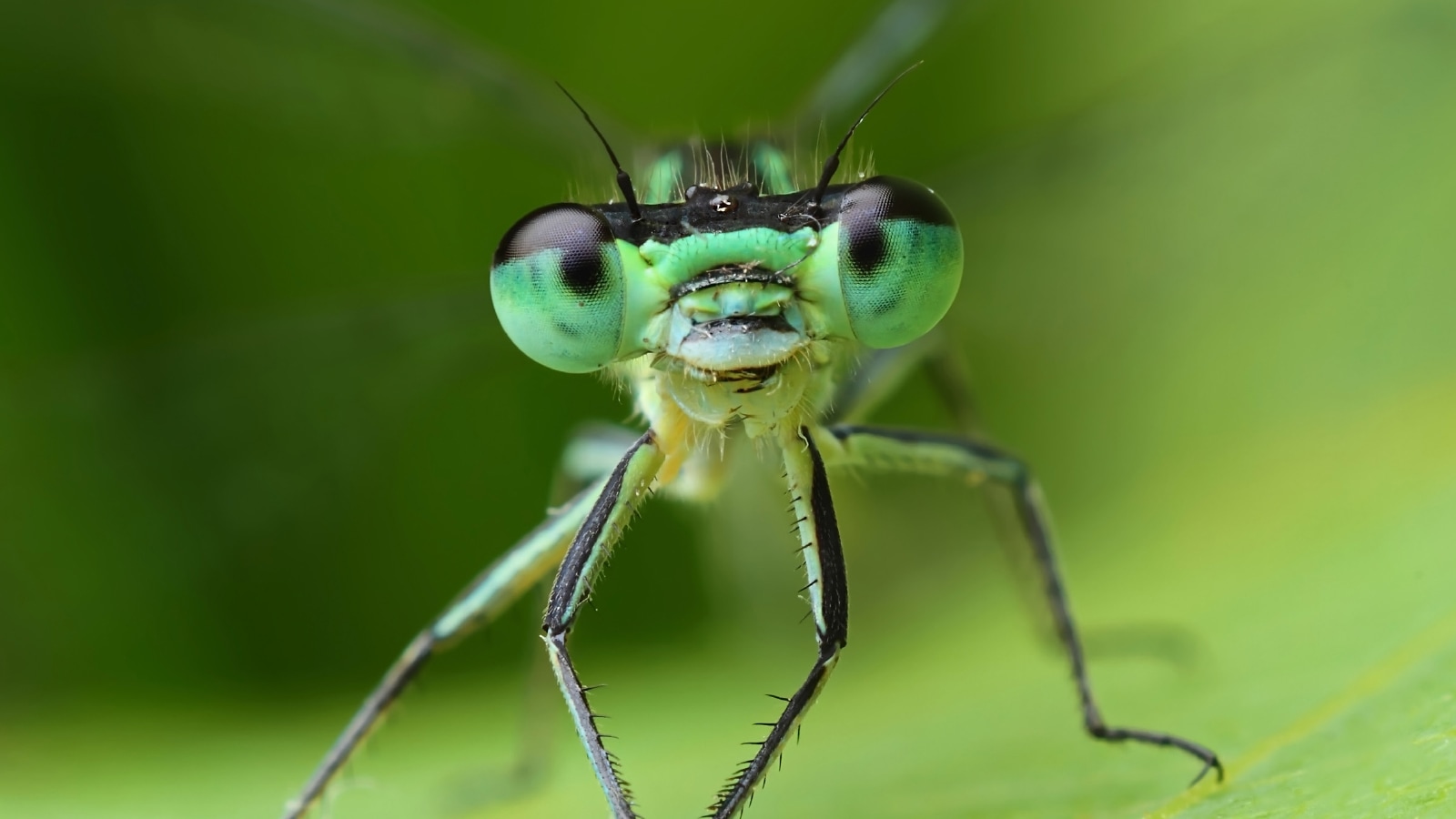
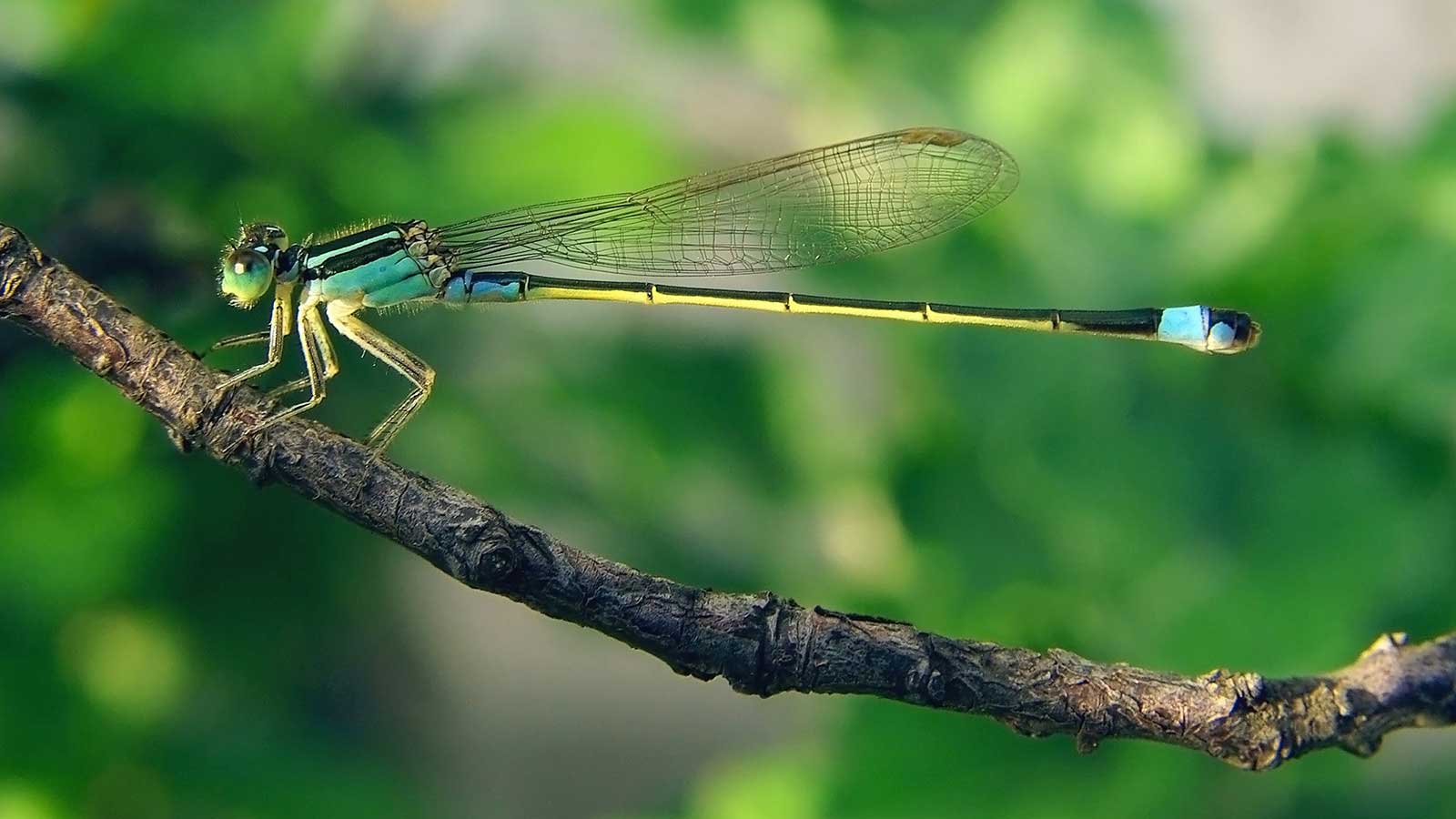
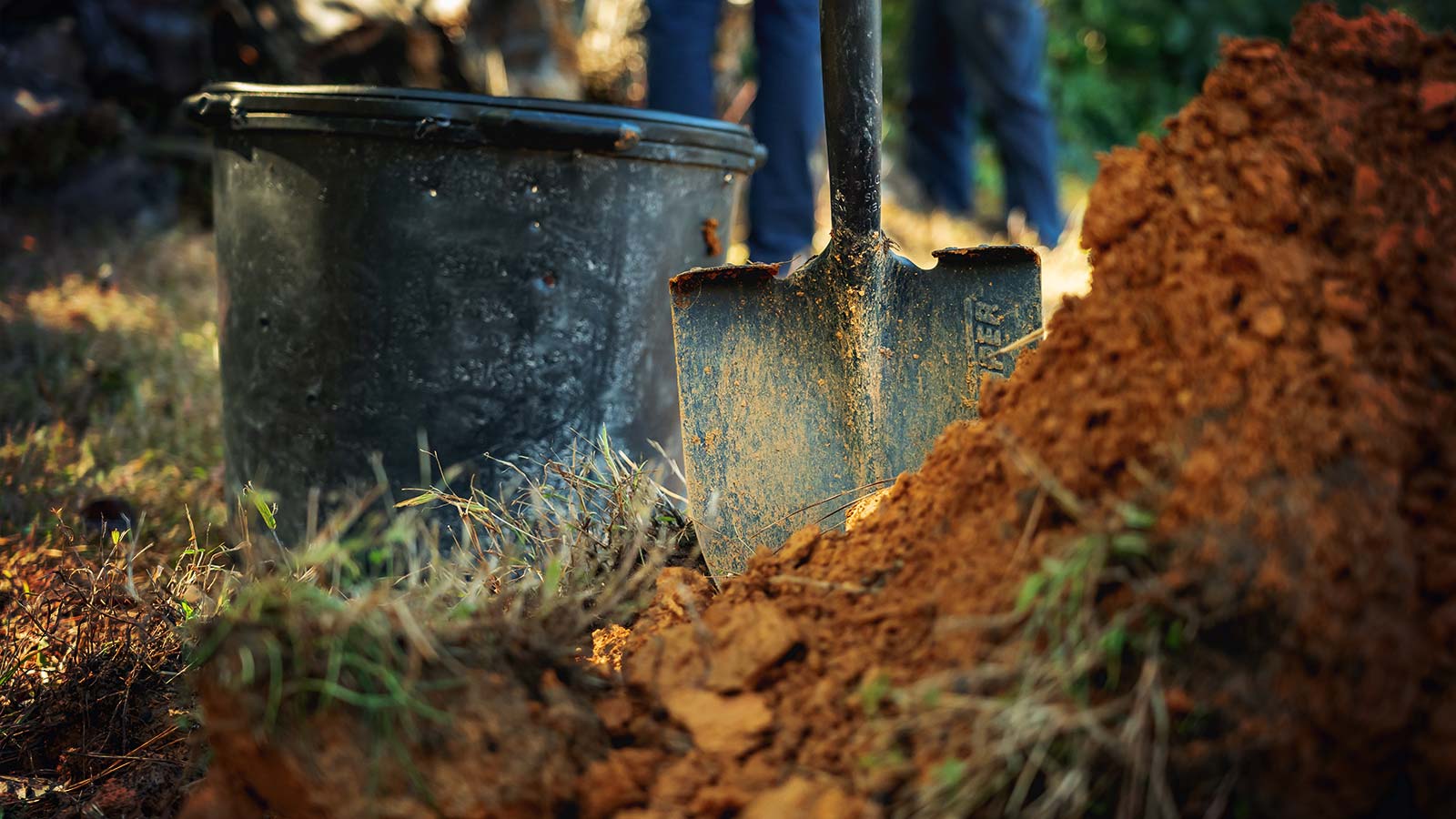
This is the year I’m finally putting in a small pond, mostly for the frogs and dragonflies, and whatever else might want to take advantage of the little oasis. When the hole was halfway dug, I discovered mason bees collecting the fine muddy clay that had collected at the bottom of the hole after some good rain. Now that this “mud mine” is covered with the finished pond (I didn’t trap any bees!), I’m going to create a new mud source that they will hopefully find next year. Some of us are so diligent about covering bare earth that we don’t leave resources for the bees that collect mud, or others that make their nests in bare ground. Here’s a fun clip showing one at work.
Weather Notes
We are still in a drought, and it’s just getting worse. The Triangle and most of the state are currently classified as experiencing Severe Drought or worse. How do we know when we are in a drought? It’s more than a gut feel. NC Drought Management Advisory Council (NC DMAC), which includes experts in meteorology, hydrology, water system management, and emergency response, gathers information on precipitation, soil moisture, groundwater, streamflow, reservoir and lake levels, agricultural impacts, wildfire danger, and local reports to make a weekly report of conditions across the State. You can find that here at ncdrought.org. The current report should give you pause.
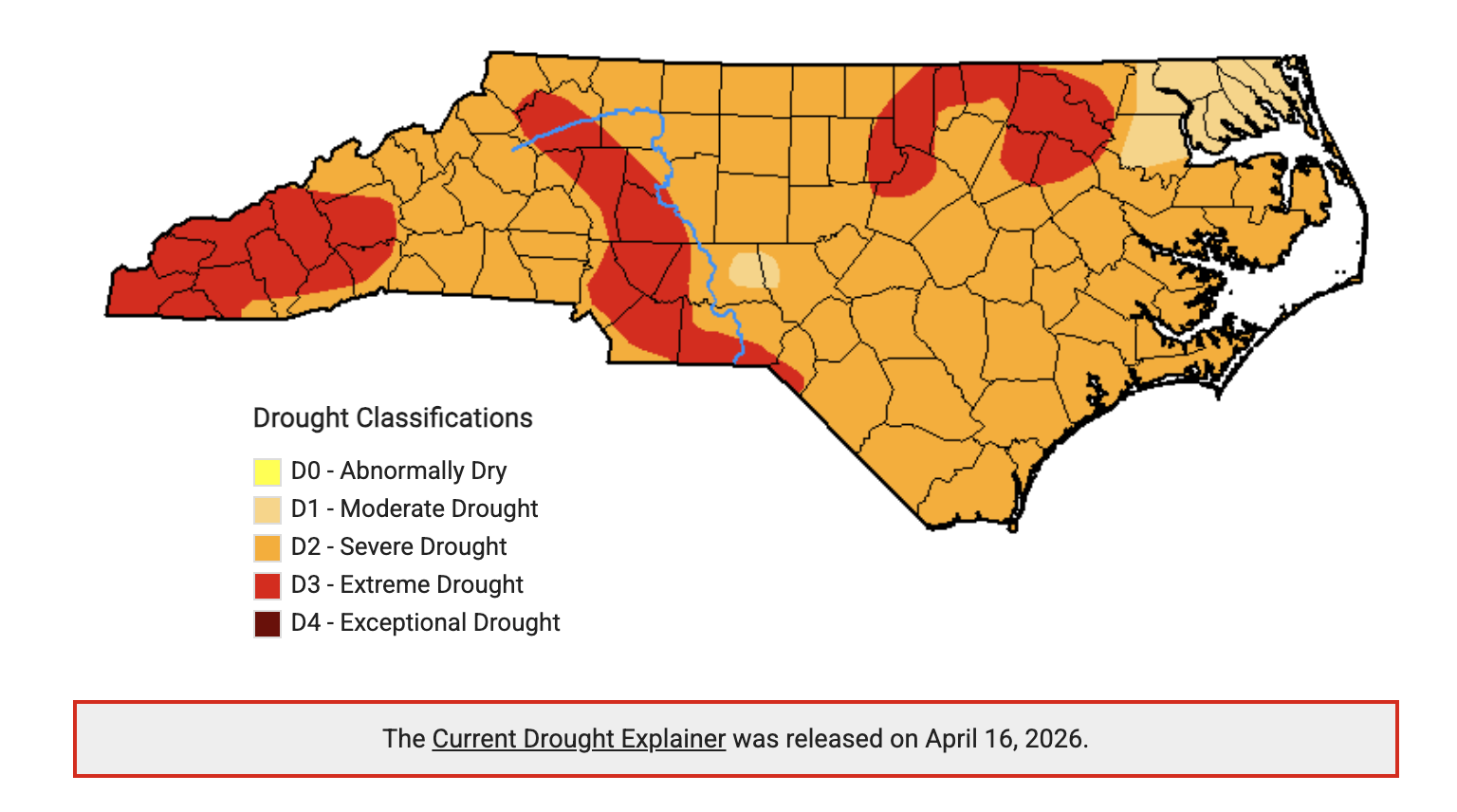
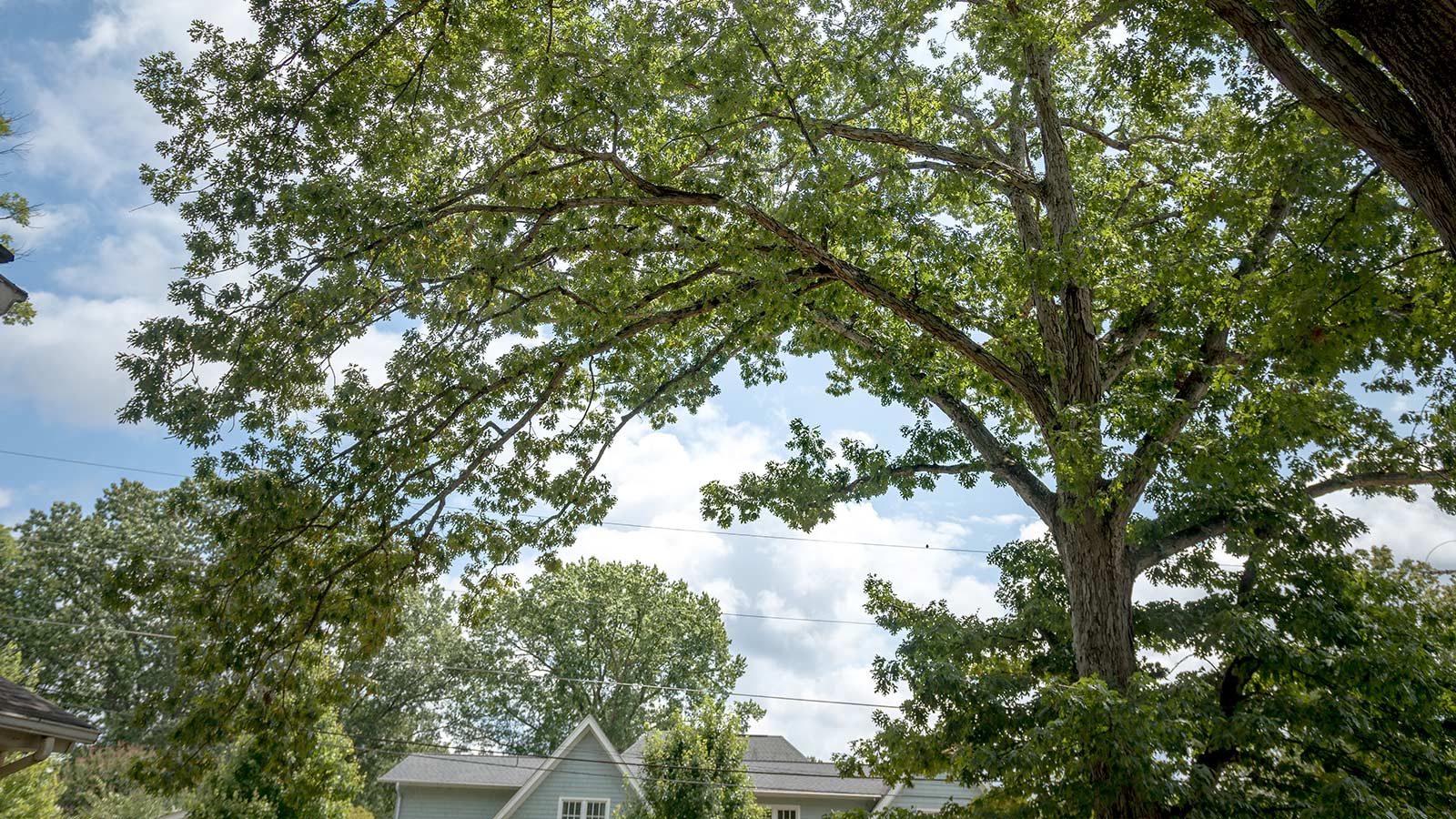
Although drought is measured from many angles and for many reasons, it almost certainly underestimates drought in sub/urban systems. This is because our sub/urban soil, which is highly compacted by human activity and has very low water-holding capacity, is not specifically factored in. Our trees have been running on empty since September, and it is extra hard for them now as we head into the growing season. And we’re under a fire ban, too, to emphasize the point even more.
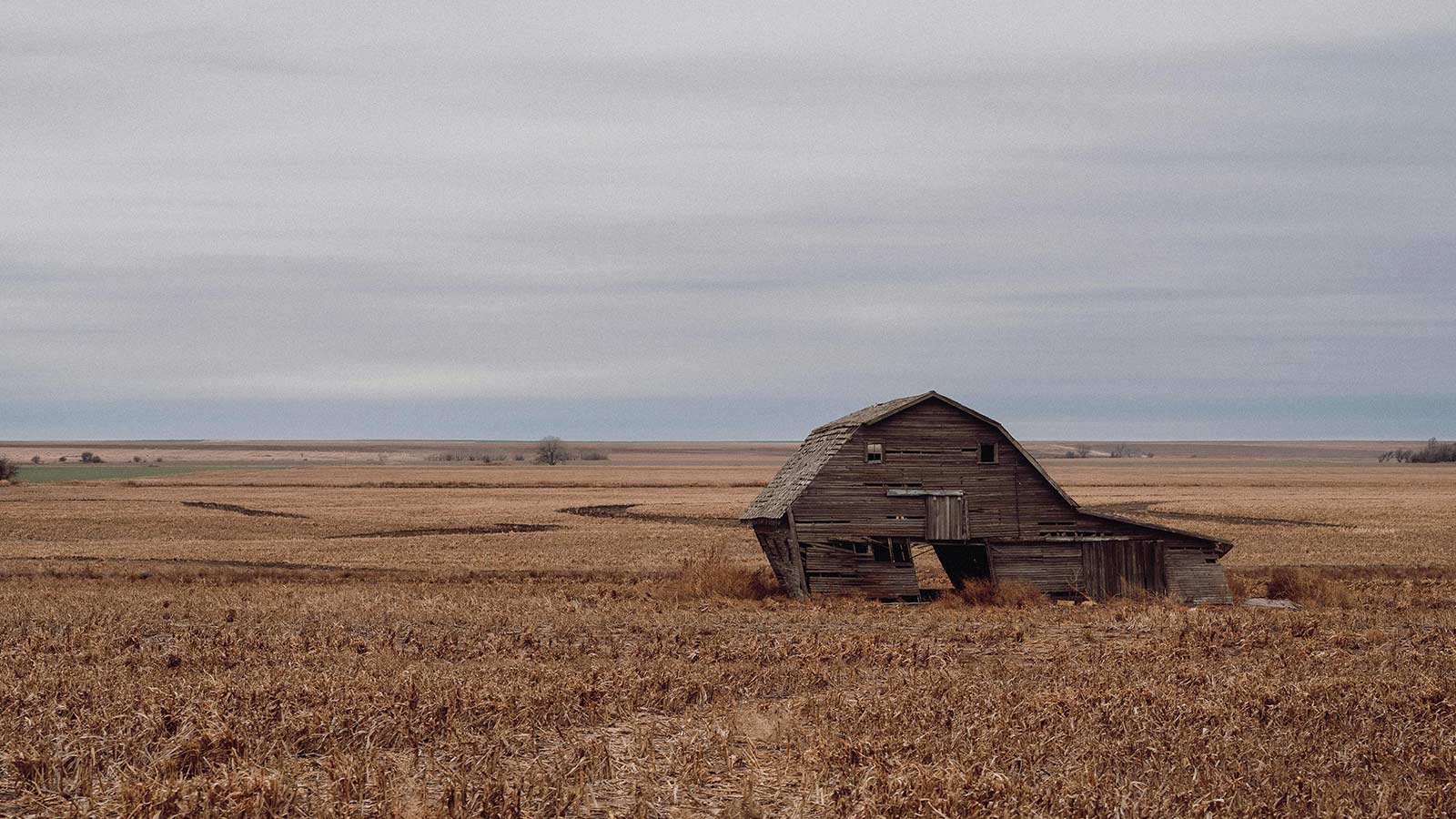
Bob Henson from Yale Climate Connects recently shared, “The nationally averaged precipitation total for 2026 to date is an ominous one: a mere 4.79 inches. That’s the lowest value on record for any January-to-March interval, including such notoriously dry periods as the Dust Bowl of the 1930s. The previous record low was 5.27 inches, set in Jan.-Mar. 1910.”
In addition, according to Eyewall, we set an unprecedented number of new heat records in March. “Over 1,500 new monthly records for March and over 500 tied monthly records with virtually no modern equivalent event in any month.”
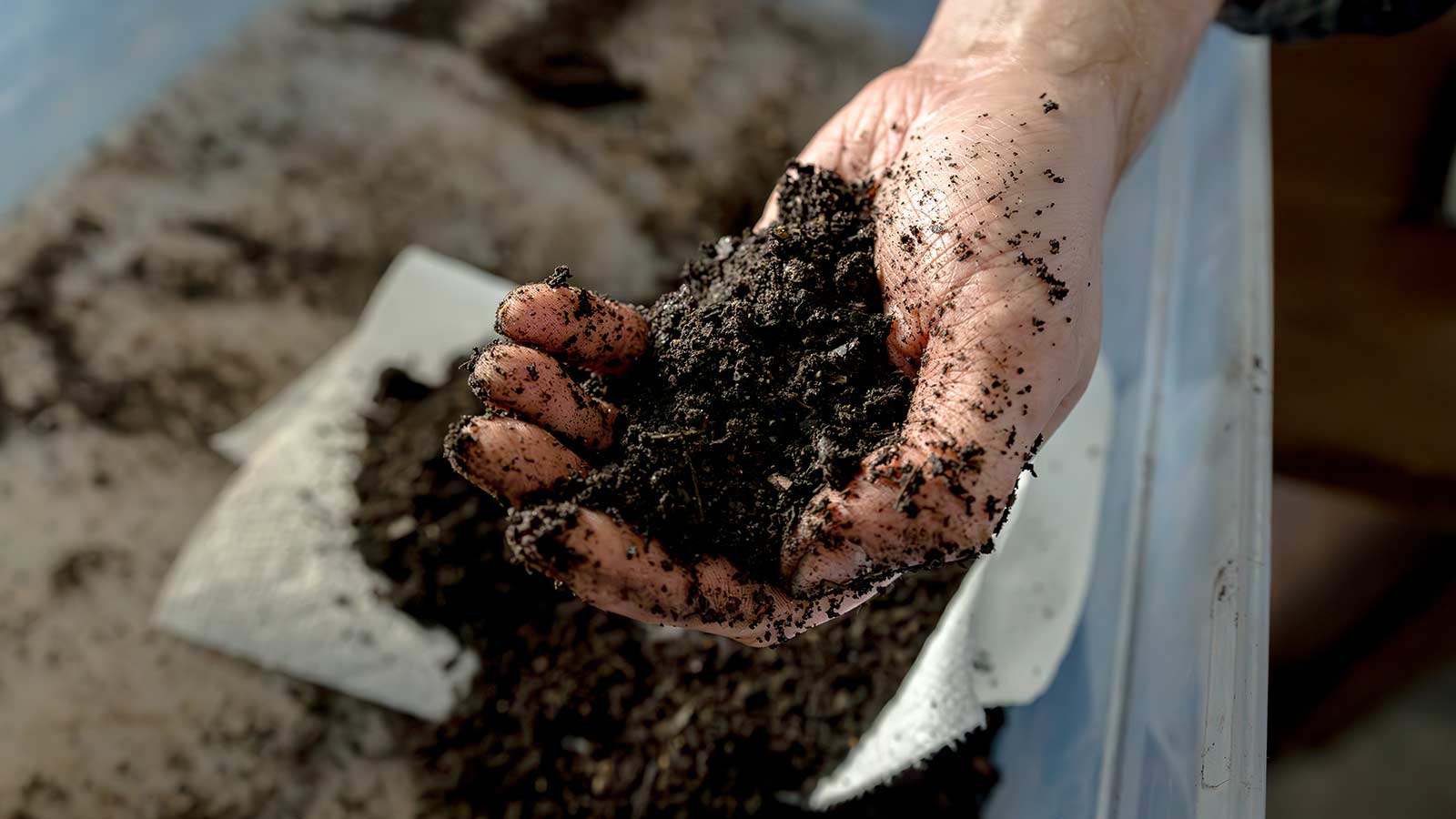
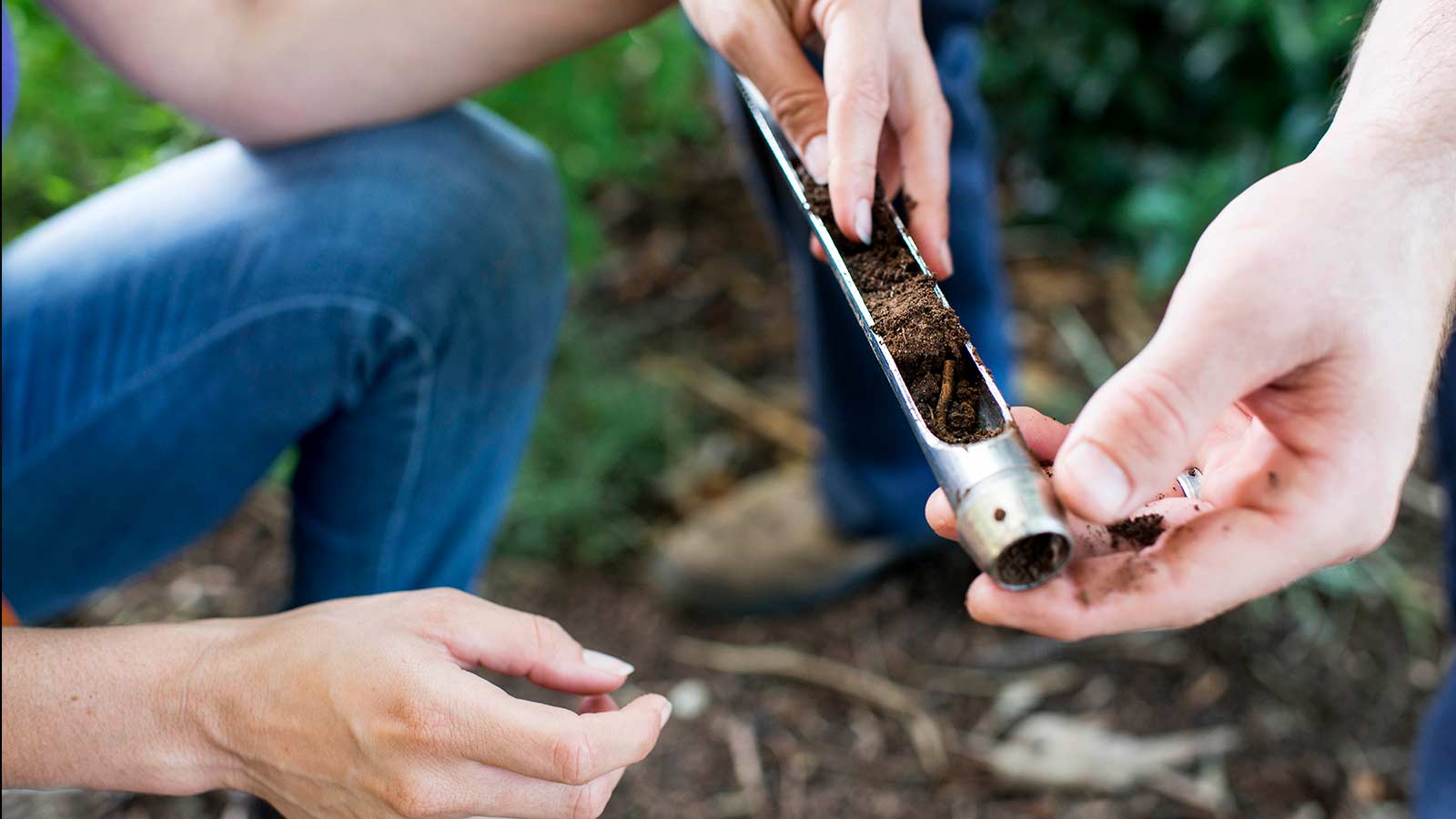
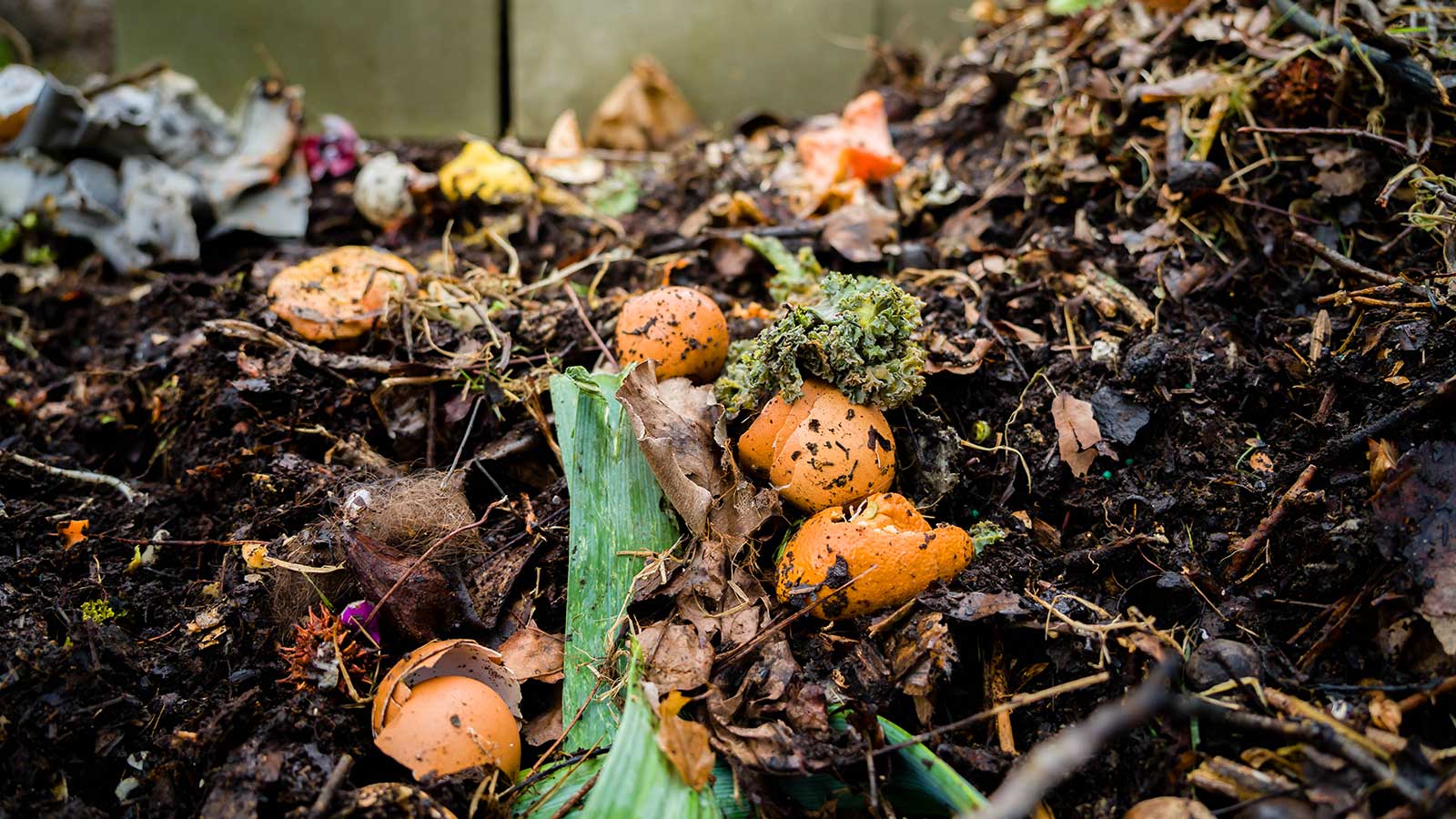
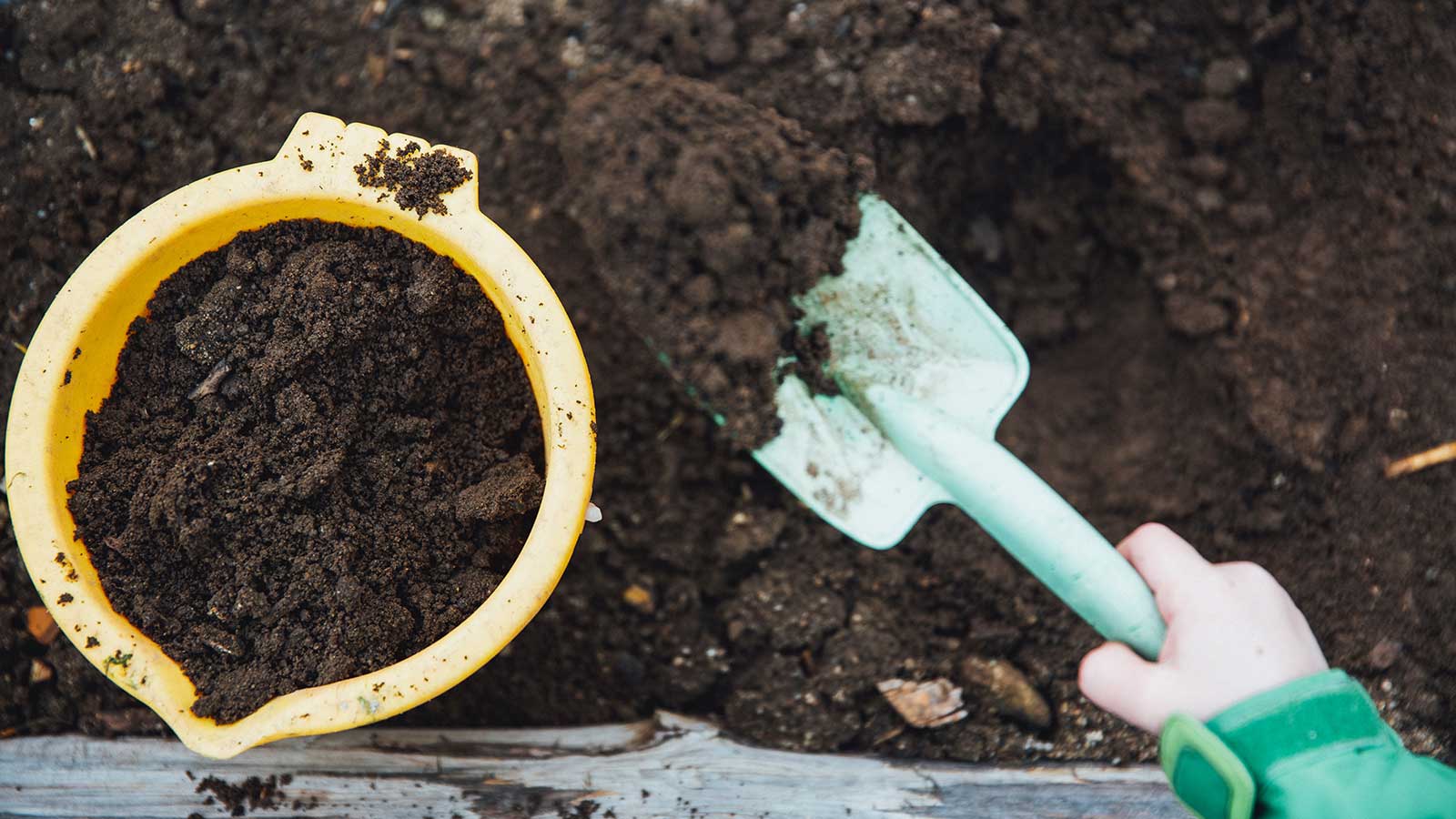
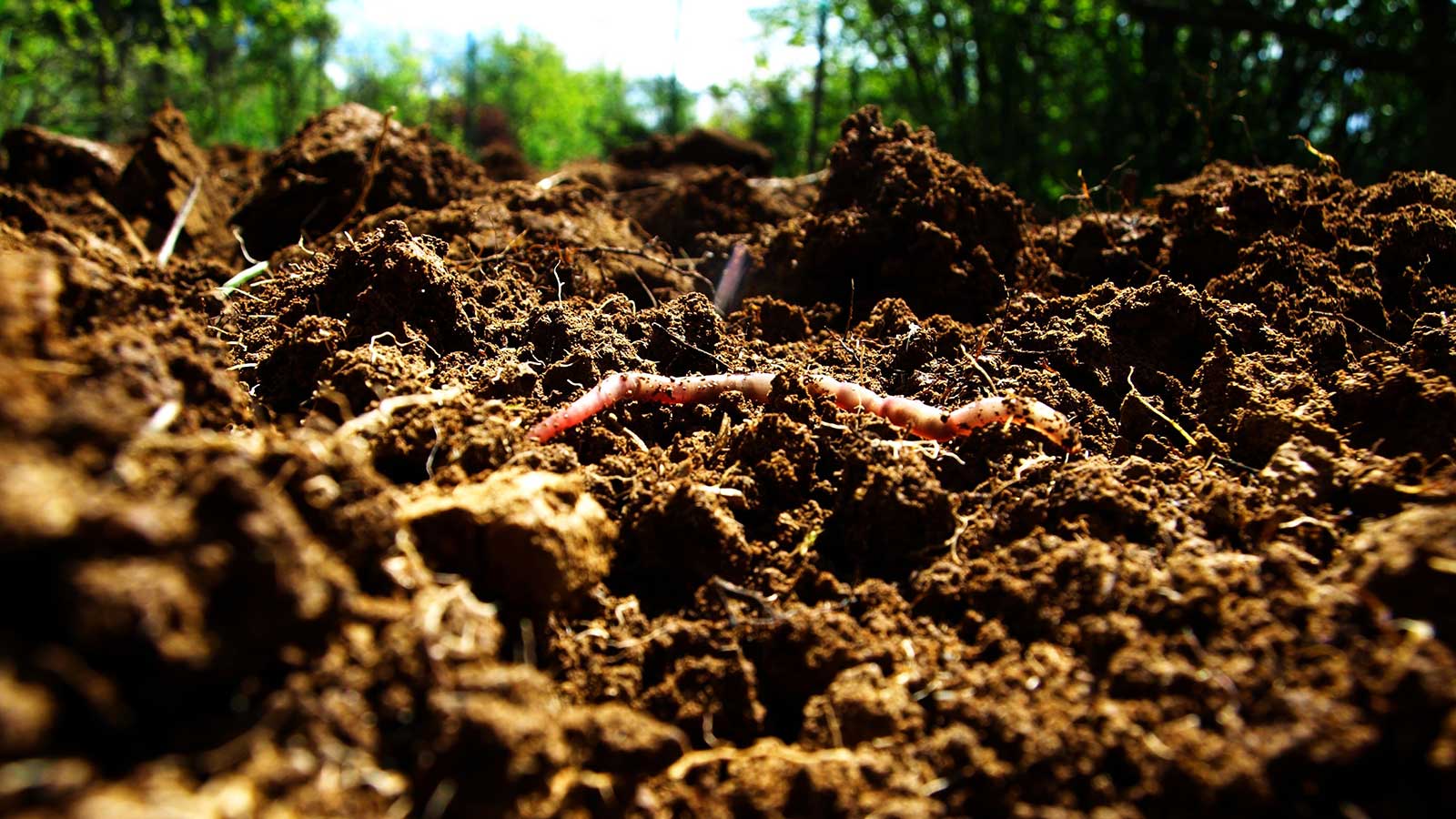
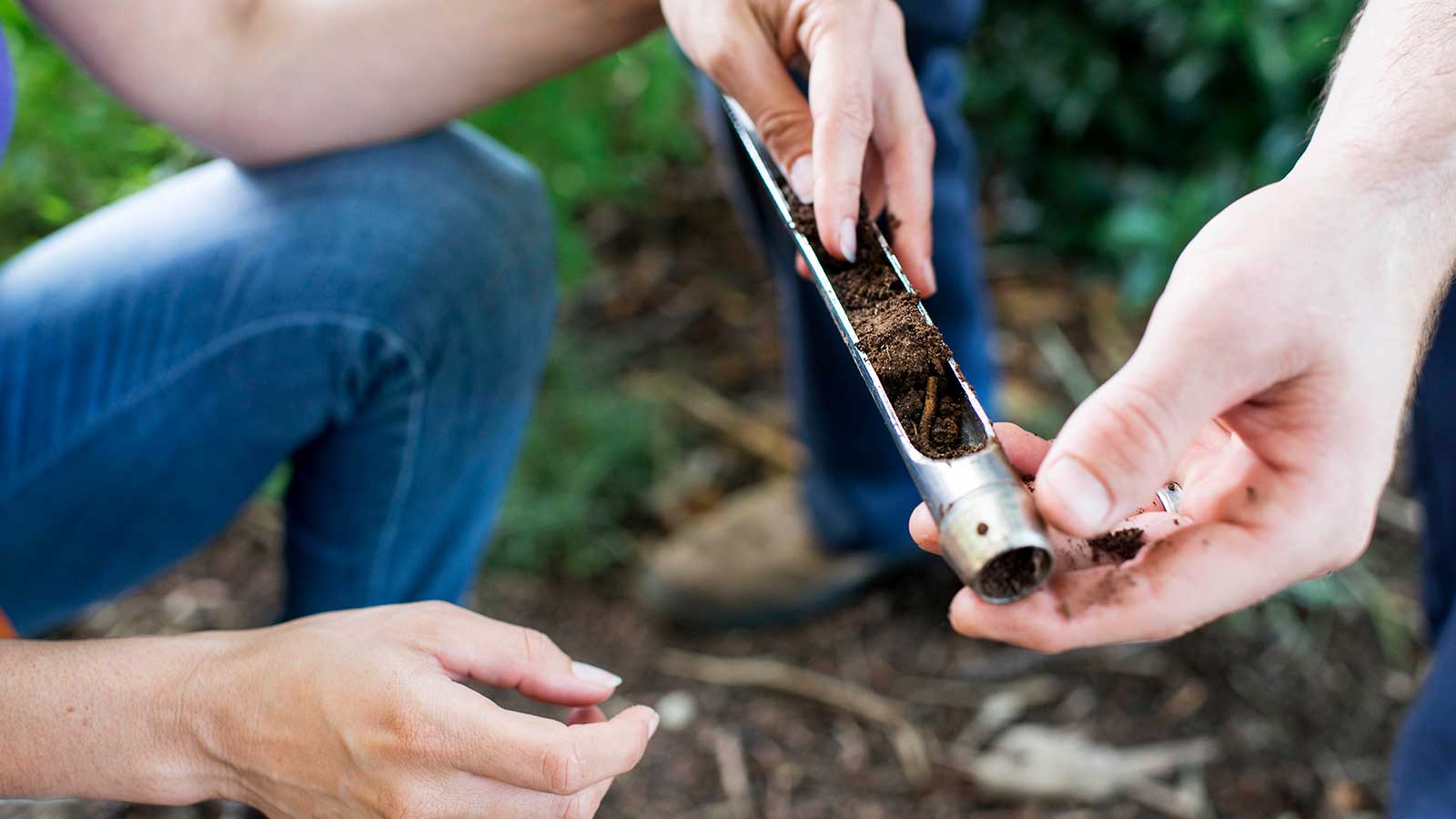
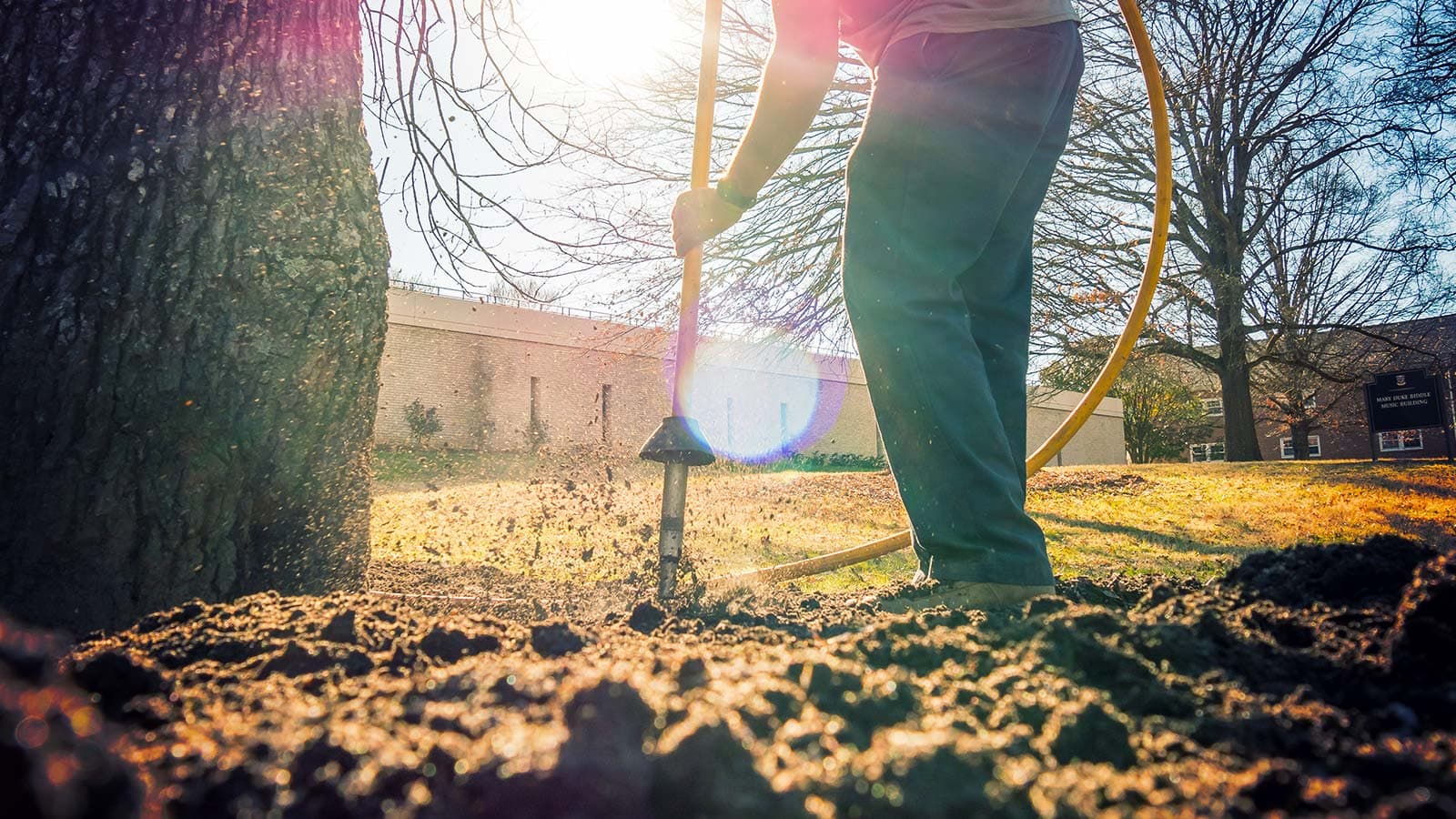
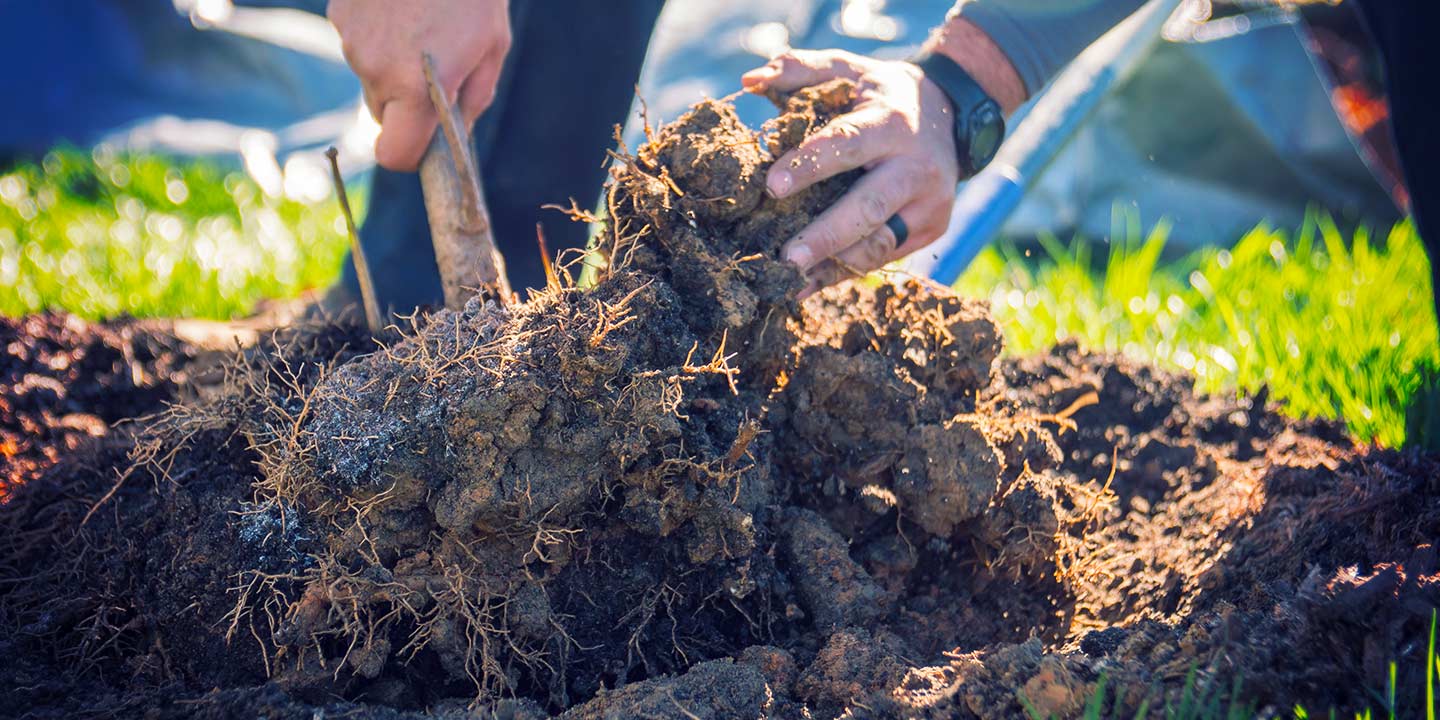
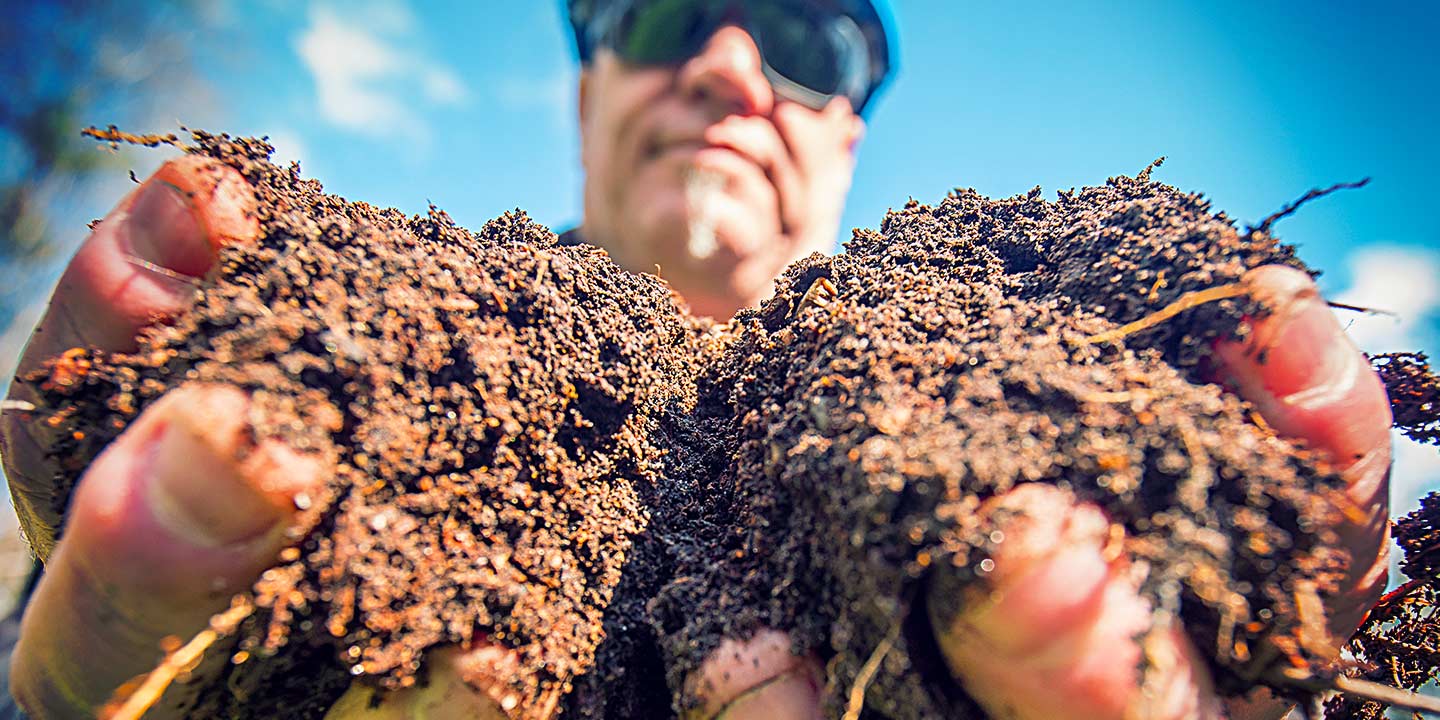
But even though we can’t summon rain, we can do something about it in our yards by improving the water-holding capacity of the soil around our trees. We talk about that a lot here because it’s so foundational to everything good we want for our trees. Here’s an article about 7 Ways to Improve Your Soil, or you can read more about soil in Basil’s book, From Wasteland to Wonder, starting on page 112.
Rain (Snow)Summary (from RDU):
- 0.49” since 03/24 (historic average 3.04”)
- 6.06” Year-to-date (historic average 12.55”)
Yard Sleuthing: Tent Caterpillars
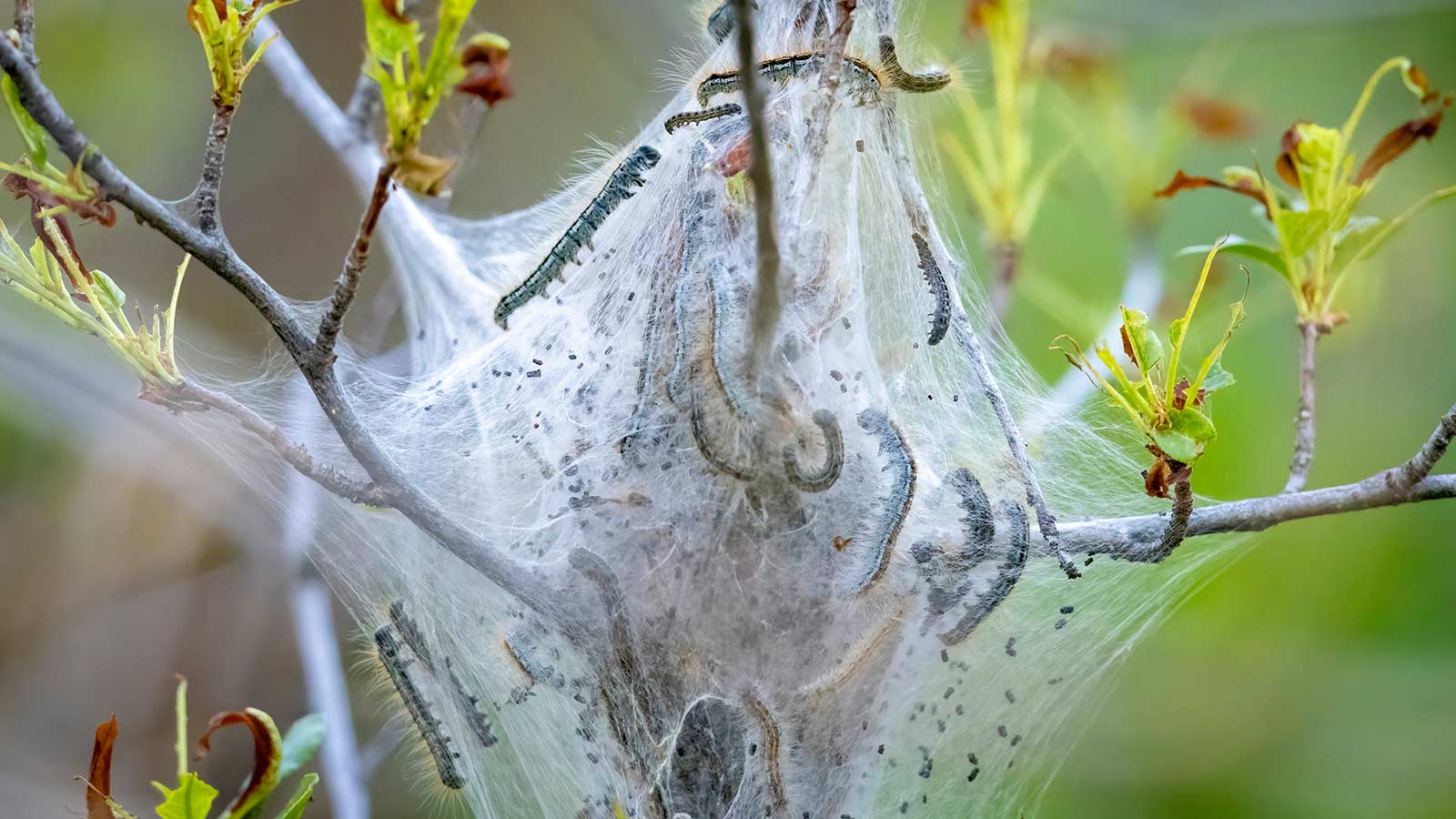
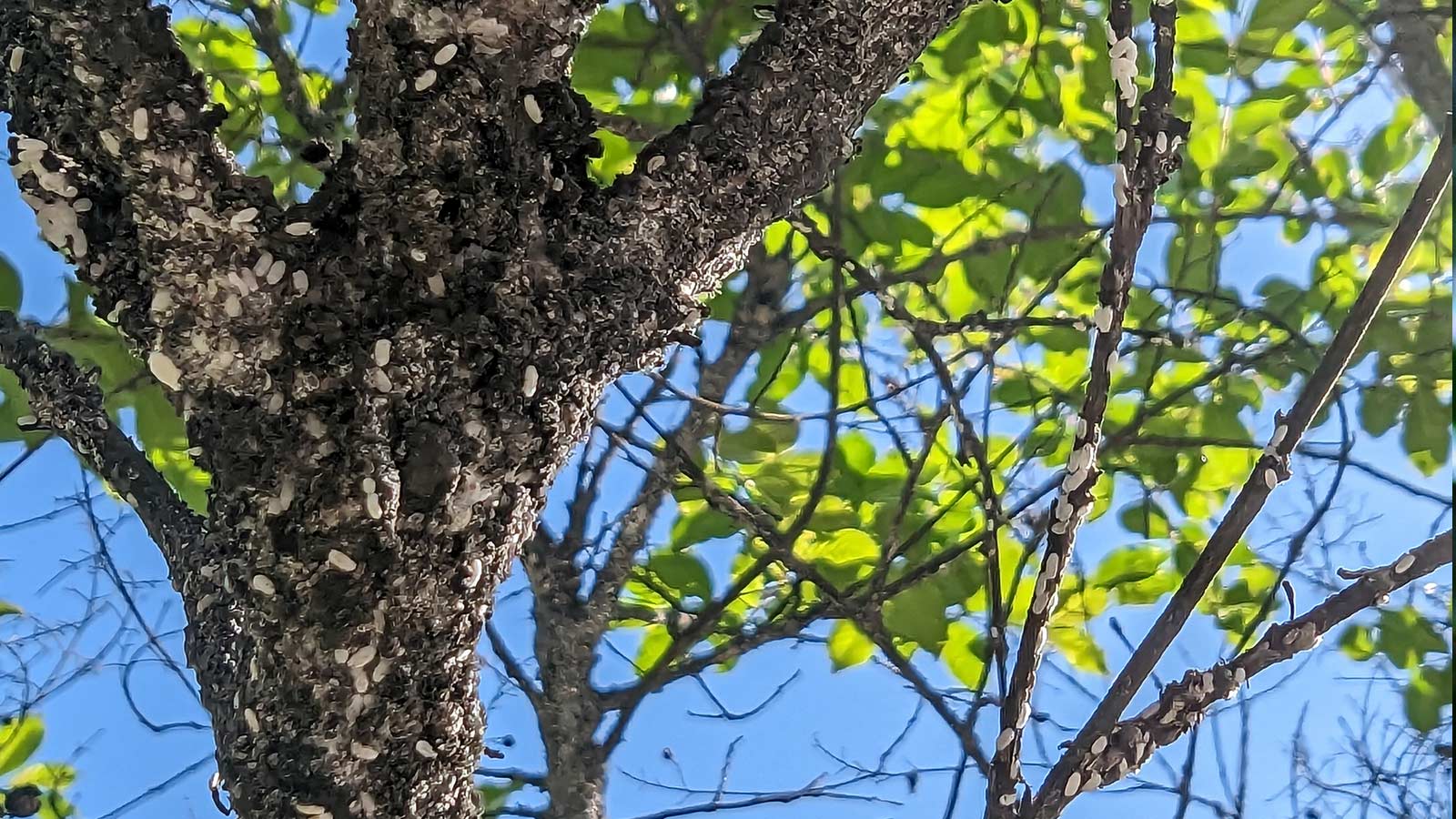
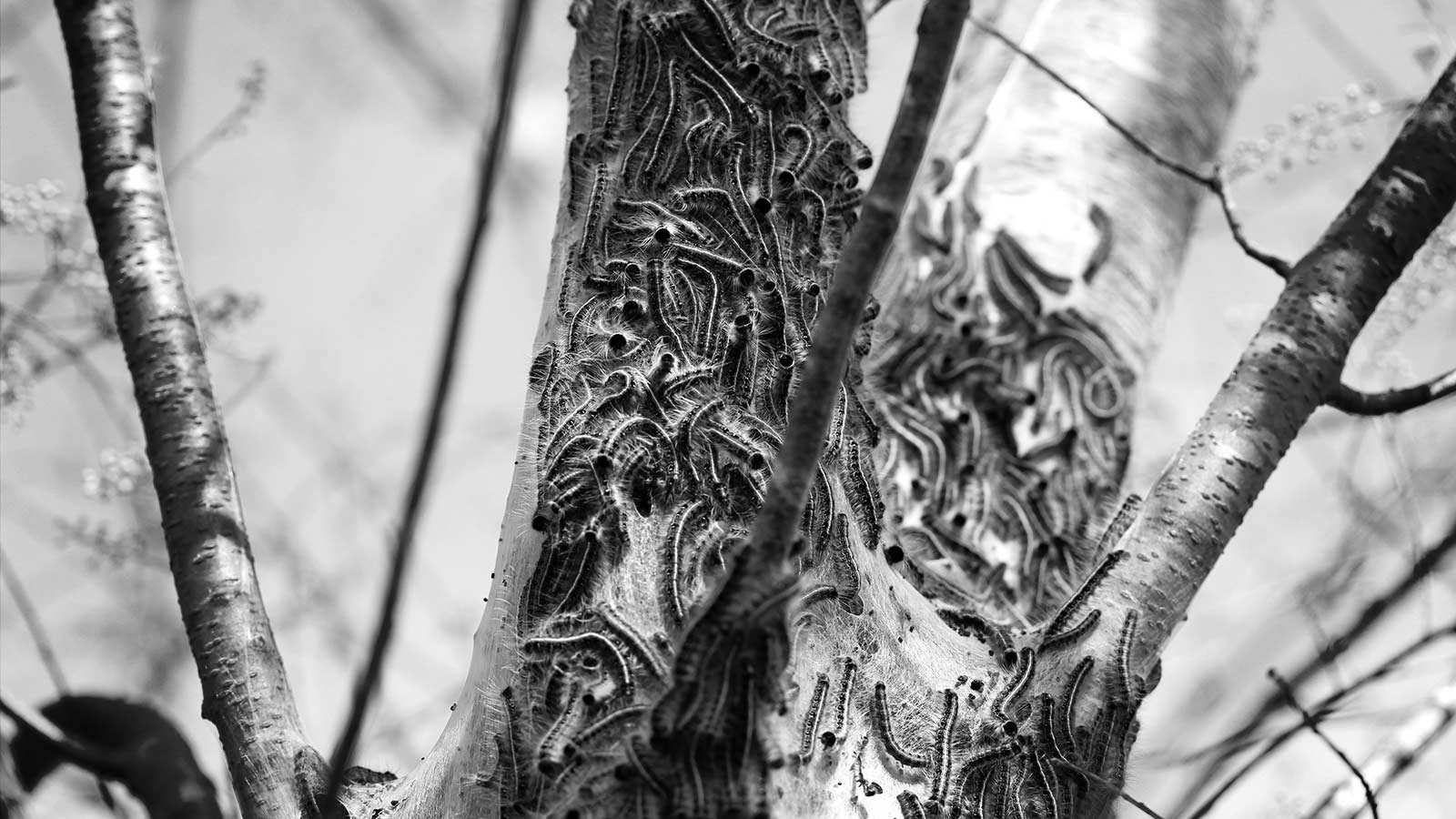
This is a good time to talk about tent caterpillars, specifically the eastern tent caterpillar (Malacosoma americanum). This is one of our more obvious and famous caterpillars. When you see a webbed nest in the crotch of a tree (usually a cherry or crab apple), as trees are budding out, you might not pay it much mind. The caterpillars that built it came from an egg mass that was laid last fall. The small caterpillars emerge from the nest when it’s warm and feed on leaves, going back into the tent for the night, where they have protection from predators and bad weather. As they grow, they make their webbed nest even larger. Eventually, when they become full-sized, they go for a wander and find a protected nook to spin a cocoon. The medium-sized brownish moth emerges a few weeks later to lay eggs.
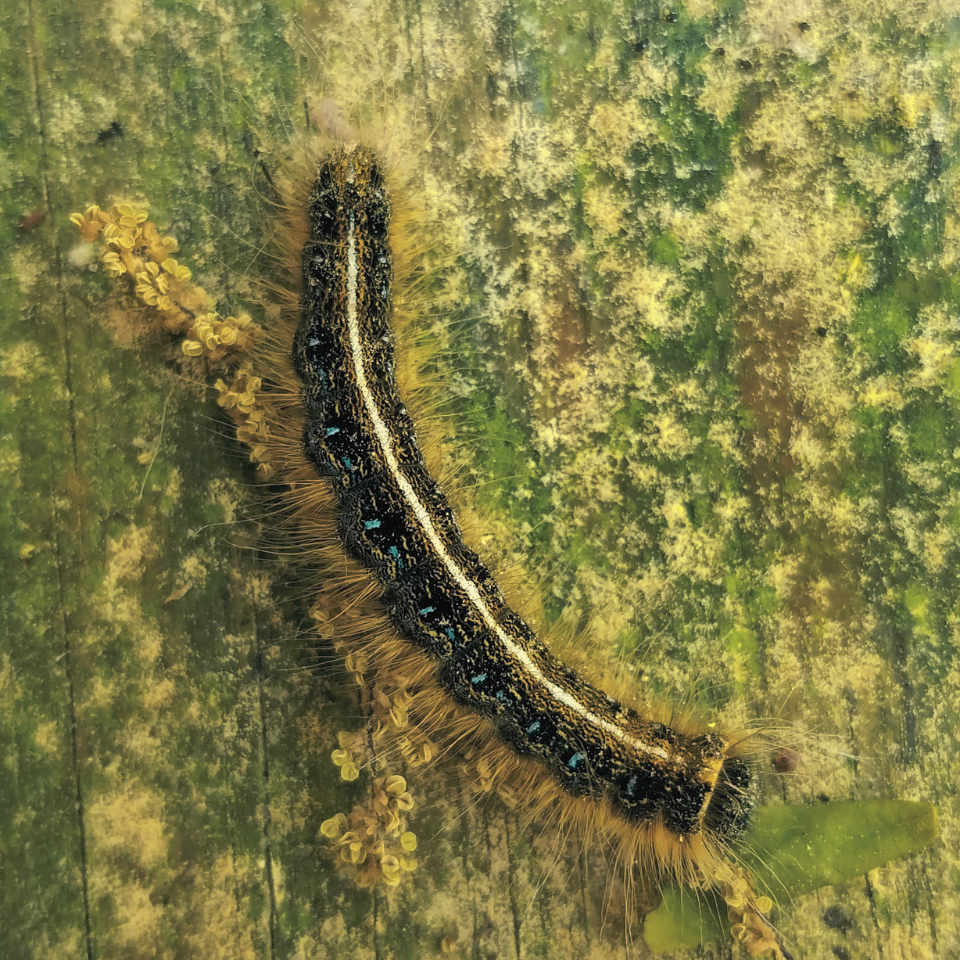
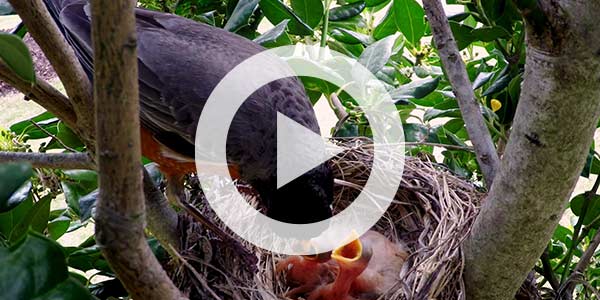
About once a decade, these caterpillars might emerge in large numbers. This doesn’t look like it will be one of those years, though. I remember these events from when I was a kid. They were everywhere! It was creepy because you could hardly avoid stepping on them. But it’s just part of a natural cycle. Lots of caterpillars mean more food for the birds, and although many trees are defoliated, the system will bounce back. The chewed leaves turn into caterpillar poop, which is just another source of fertilizer from Mother Nature. Here’s a video that shows what their nests look like.
Plant of the Month: Painted Buckeye (Aesculus sylvatica)
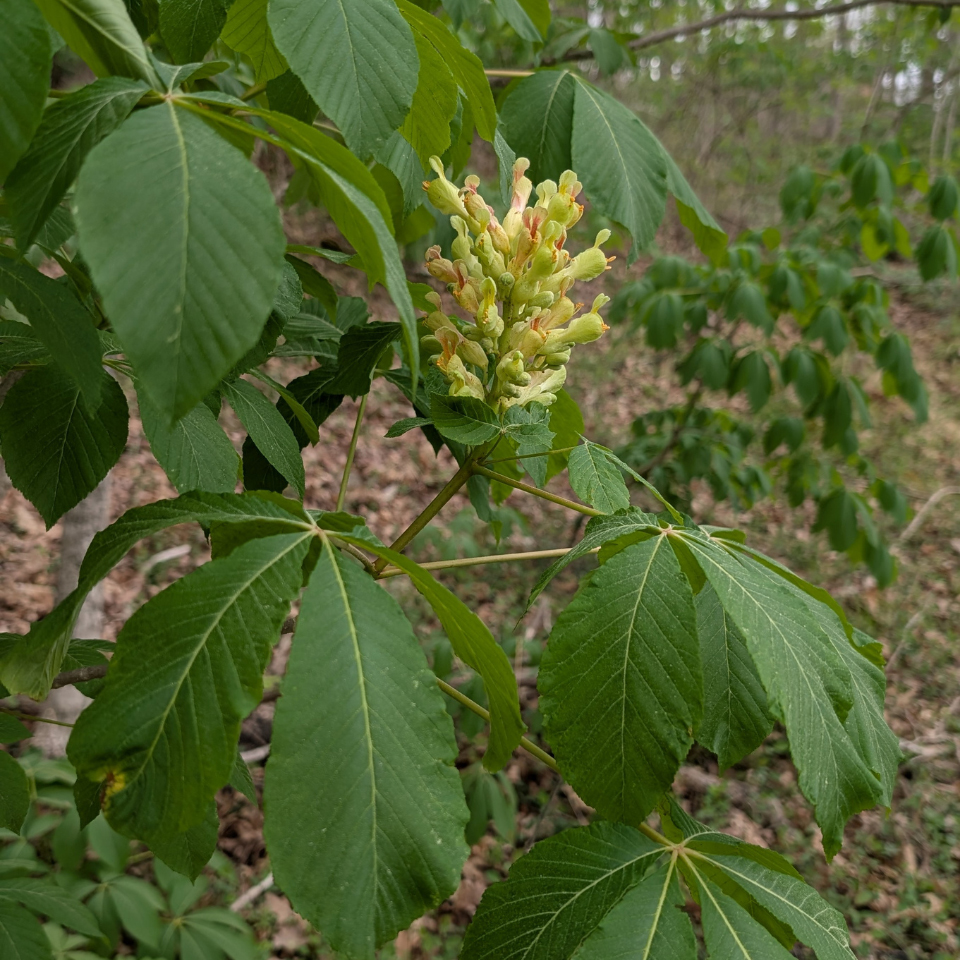
We have 5 native buckeye species in the Southeast, and the painted buckeye is the one native to the North Carolina Piedmont. You can find it along many trails in our regional parks.
- It is a small tree or shrub, 6 to 20 feet tall.
- Upright clusters of large, showy flowers in greenish yellow to pink arise over fans of compound leaves in spring.
- They are at home in moist, well-drained soils in part shade, perfect for understory planting.
- The flowers attract hummingbirds and bees, and the seeds are eaten by small animals. Although all parts of the plant are toxic to most animals, including us, this makes them an excellent deer-proof choice.
- The large, glossy brown seeds have a pale spot, which has earned them the name “buckeye” for their poetic resemblance to a buck deer’s eye. They resemble chestnuts, but do not eat these!
Q&A: Shrubs Looking Sad
Q: Why do some of my trees and shrubs look so rough this spring?
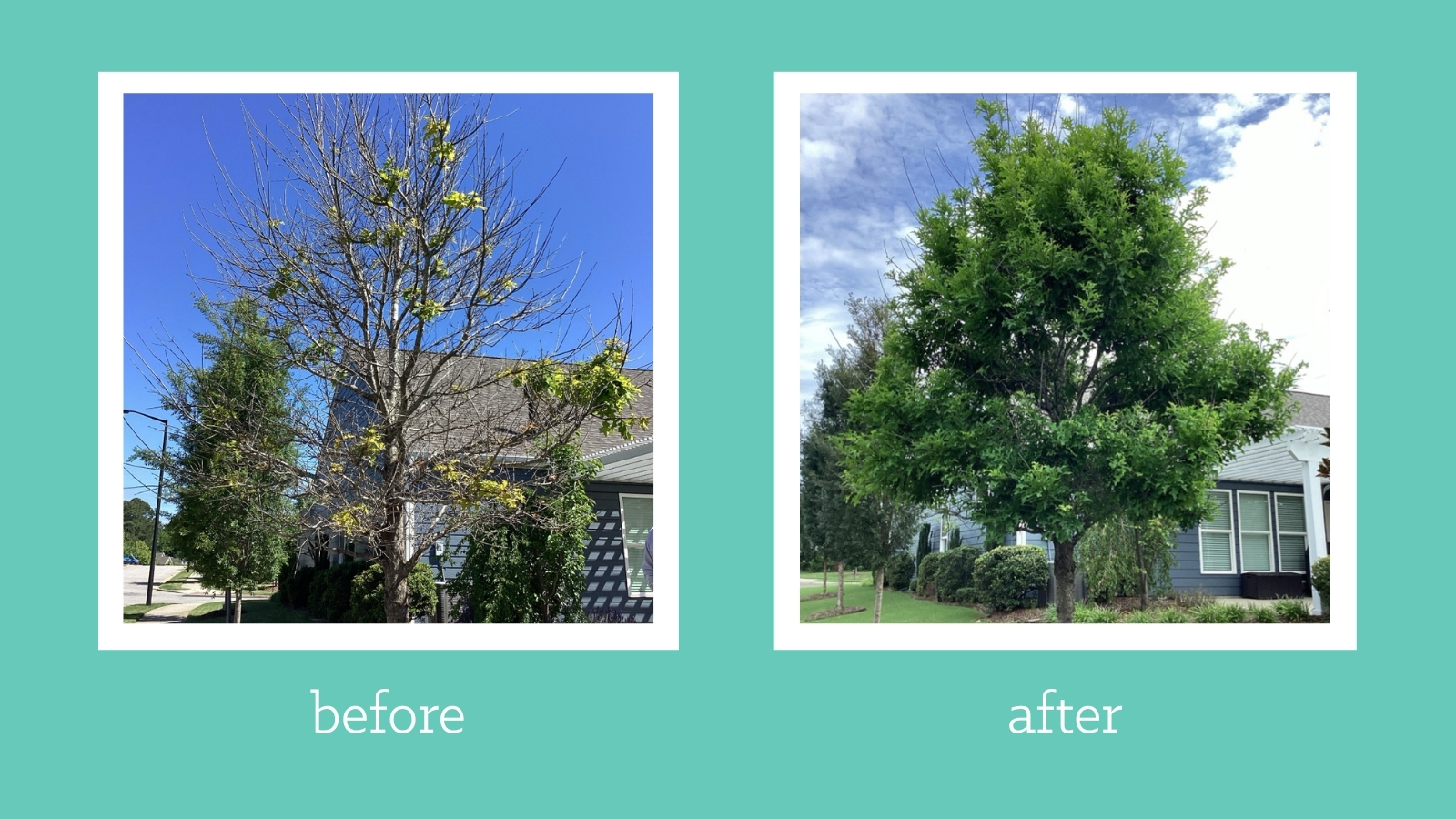
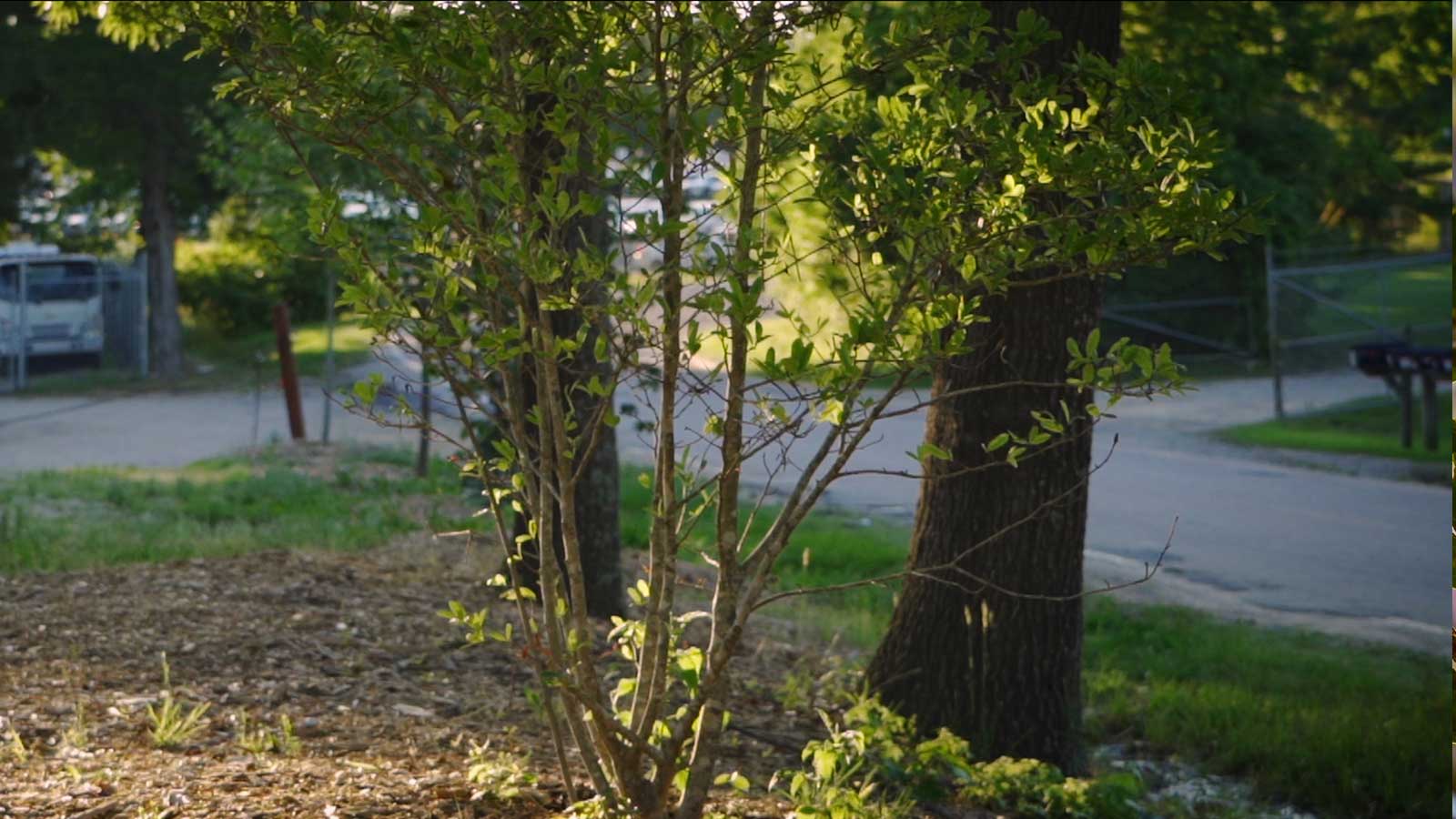
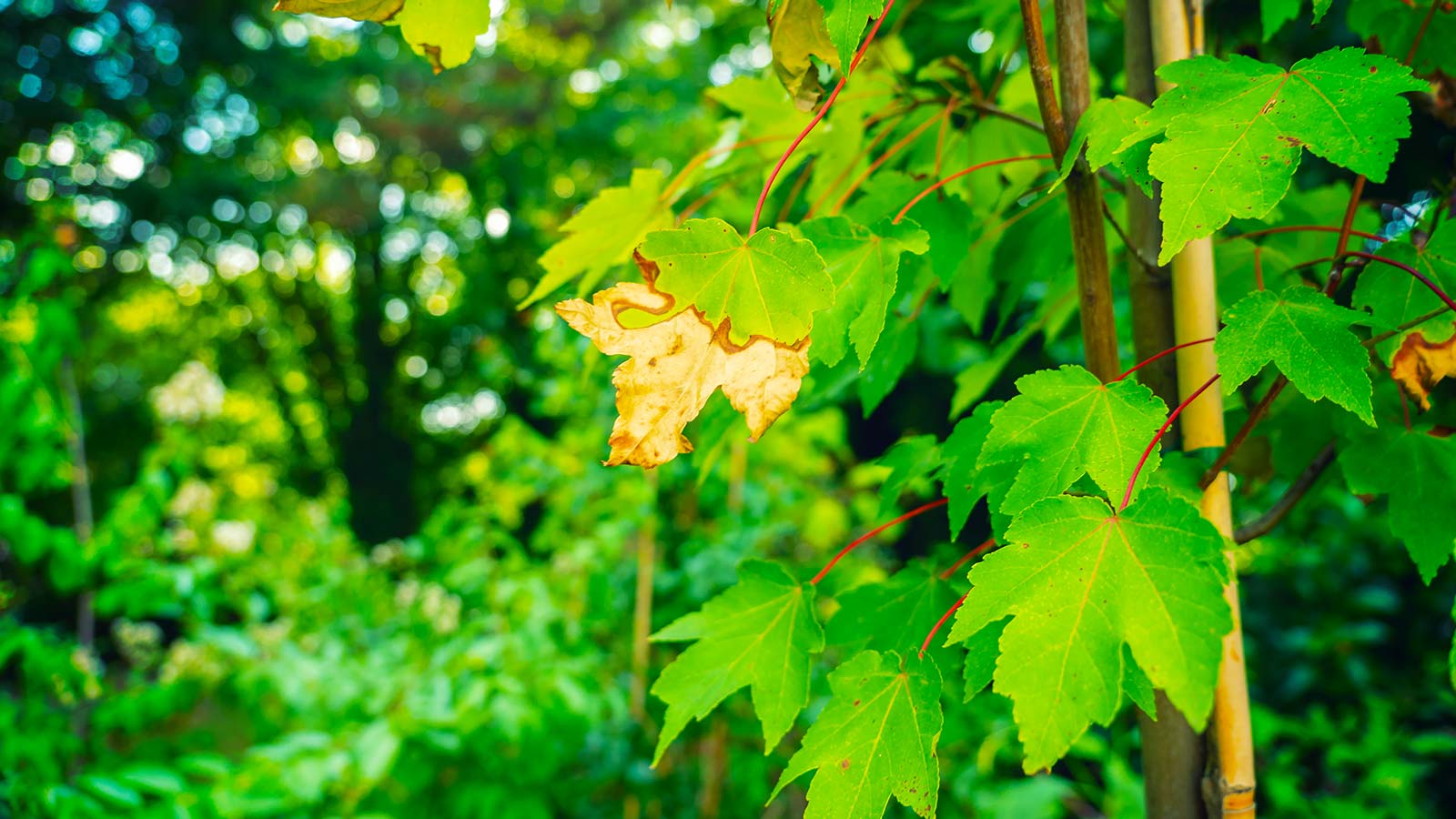
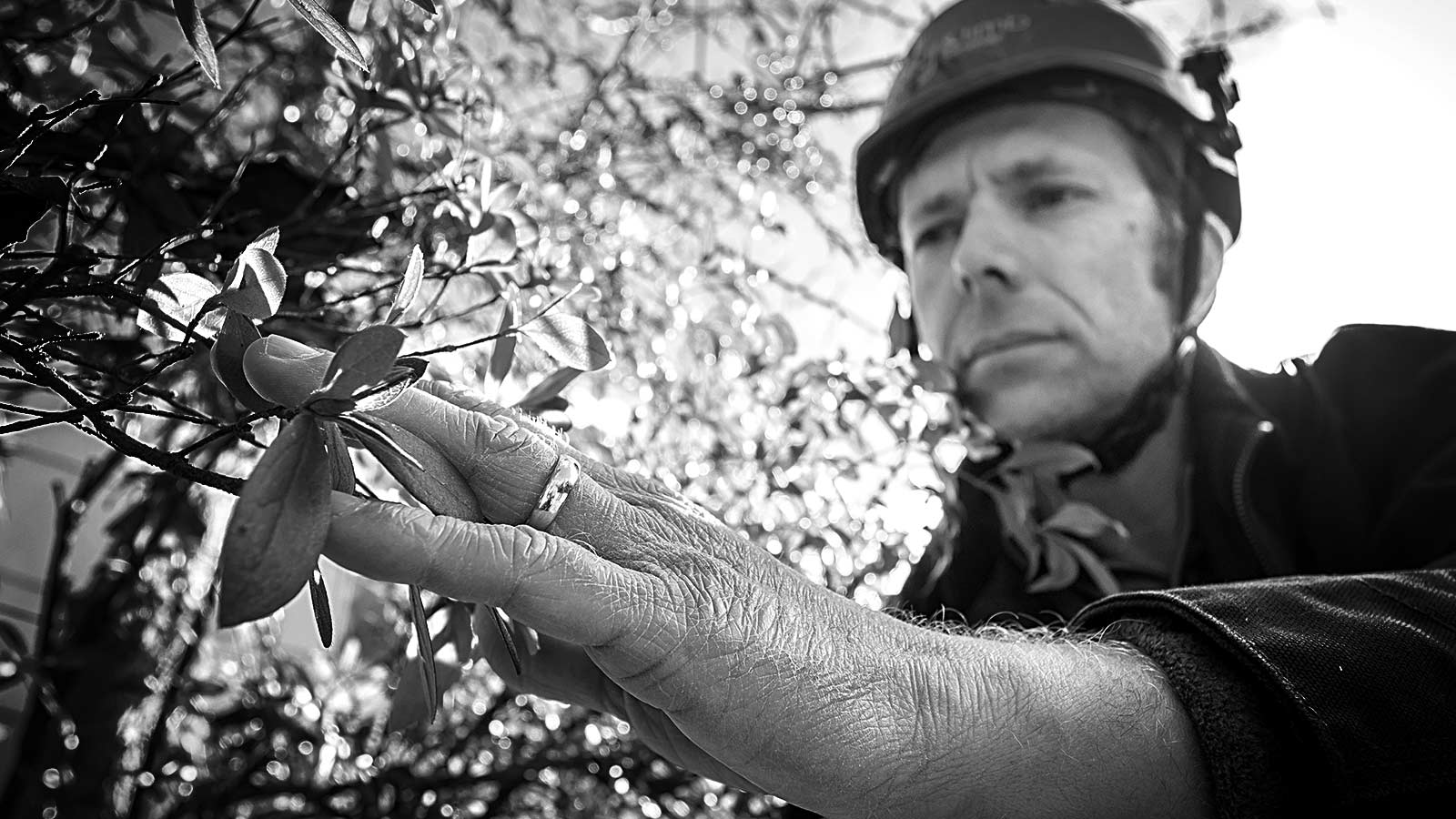
A: Three weather-related factors are the main reasons for the sad-looking appearance of trees and shrubs this spring. The first is frost damage that happened a month ago, but might only be noticed now, when things are starting to green up. That late-March cold snap came right on the heels of a warm spell that tricked plants into waking up early, only to get caught by a freeze at exactly the wrong time. Emerging leaves and plumping buds were right at their most delicate when winter conditions returned to smite them. But healthy plants will dig into their “bank accounts” and rebuild.
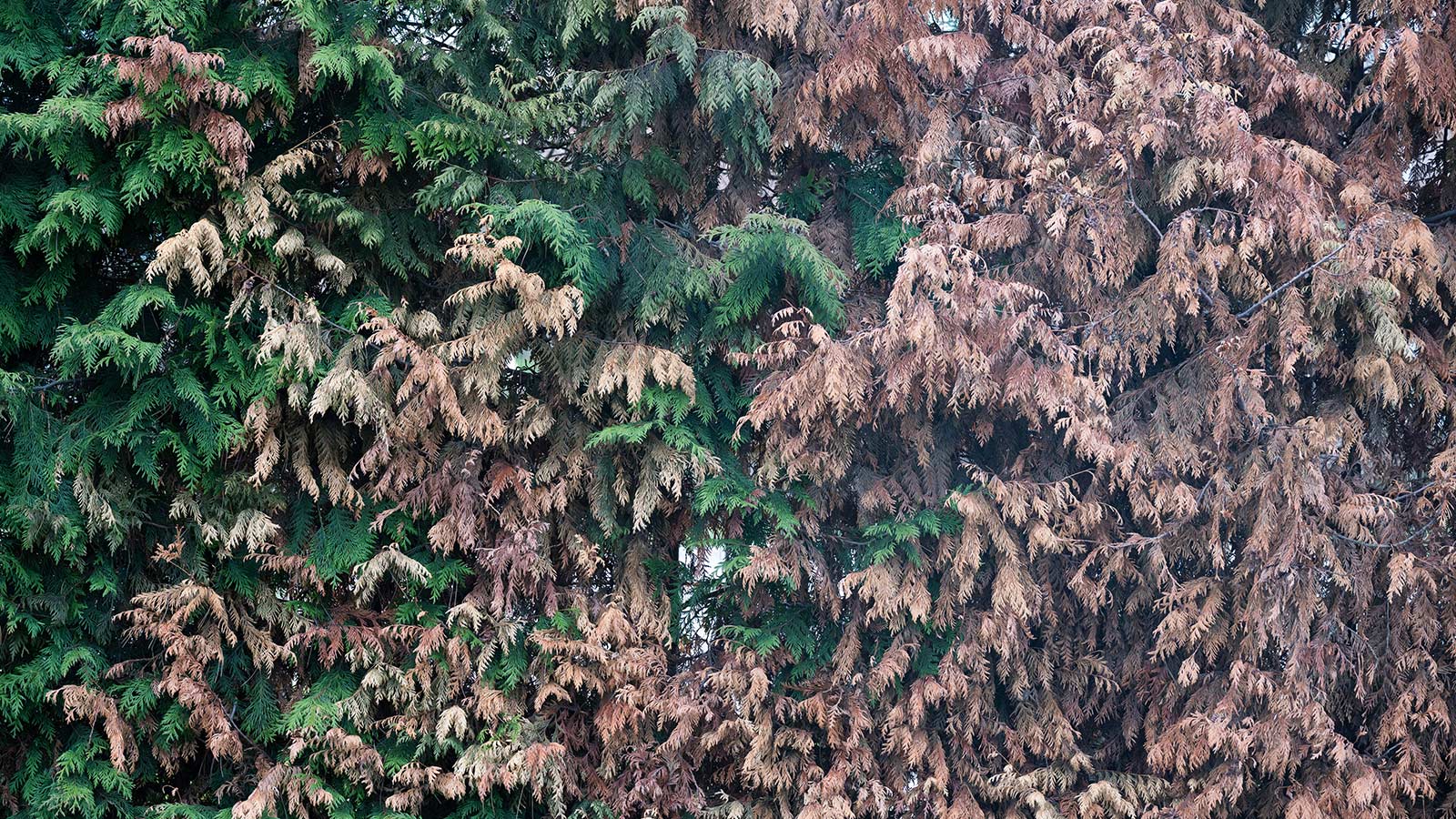
The second issue is the extended cold period we experienced this winter, which caused evergreens to bronze, turn brown, and appear dead. Similar to the plants that were frost damaged, healthy plants will recover.
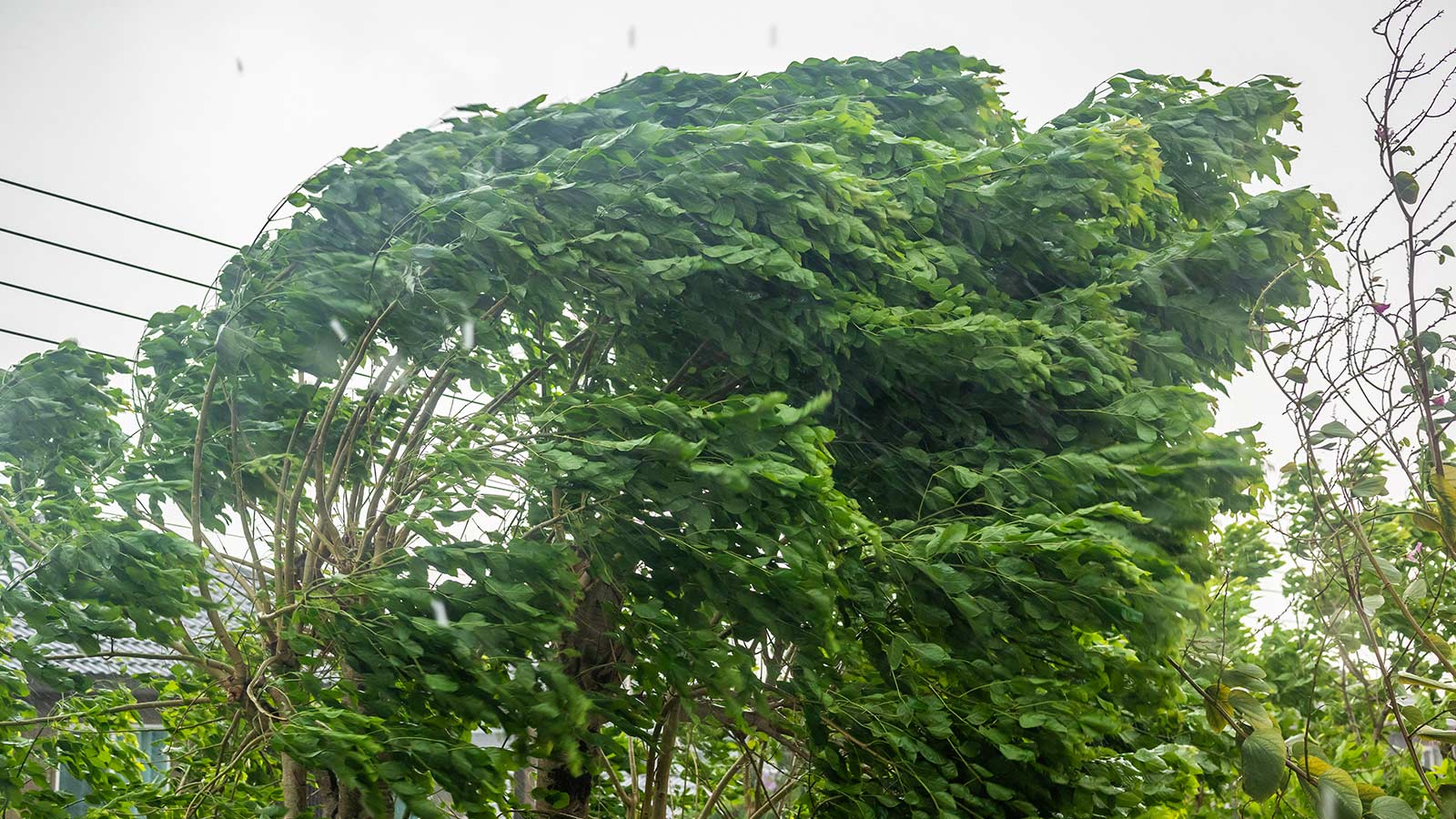
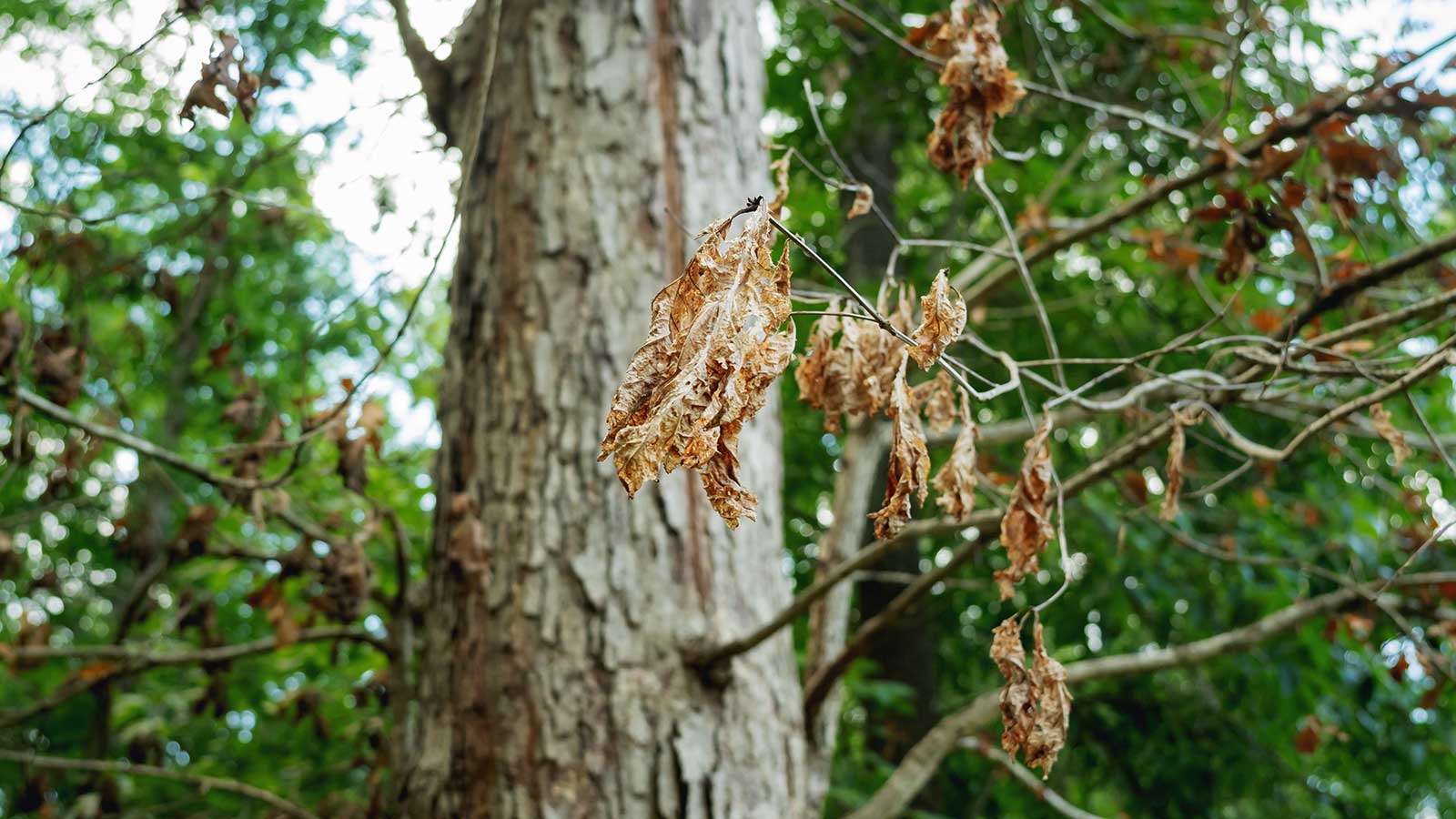
The third issue is the prolonged drought I mentioned earlier, and the victims we are likely to notice now are also evergreens. Unlike deciduous plants, which go dormant in winter by losing their leaves, evergreens continue to transpire — using and losing water — on days when temperatures are, for example, above 40 degrees, which happen many days during our mild winters. If the ground is frozen or dry but the air remains warm, they will have difficulty functioning. You might have heard terms like “winter burn” and “wind burn,” which describe what occurs in winter when plants try to operate but cannot access water. If the ground stays dry through spring, the damage might become apparent on deciduous plants — poor leaf emergence, tip dieback, and smaller or sparser leaves than usual.
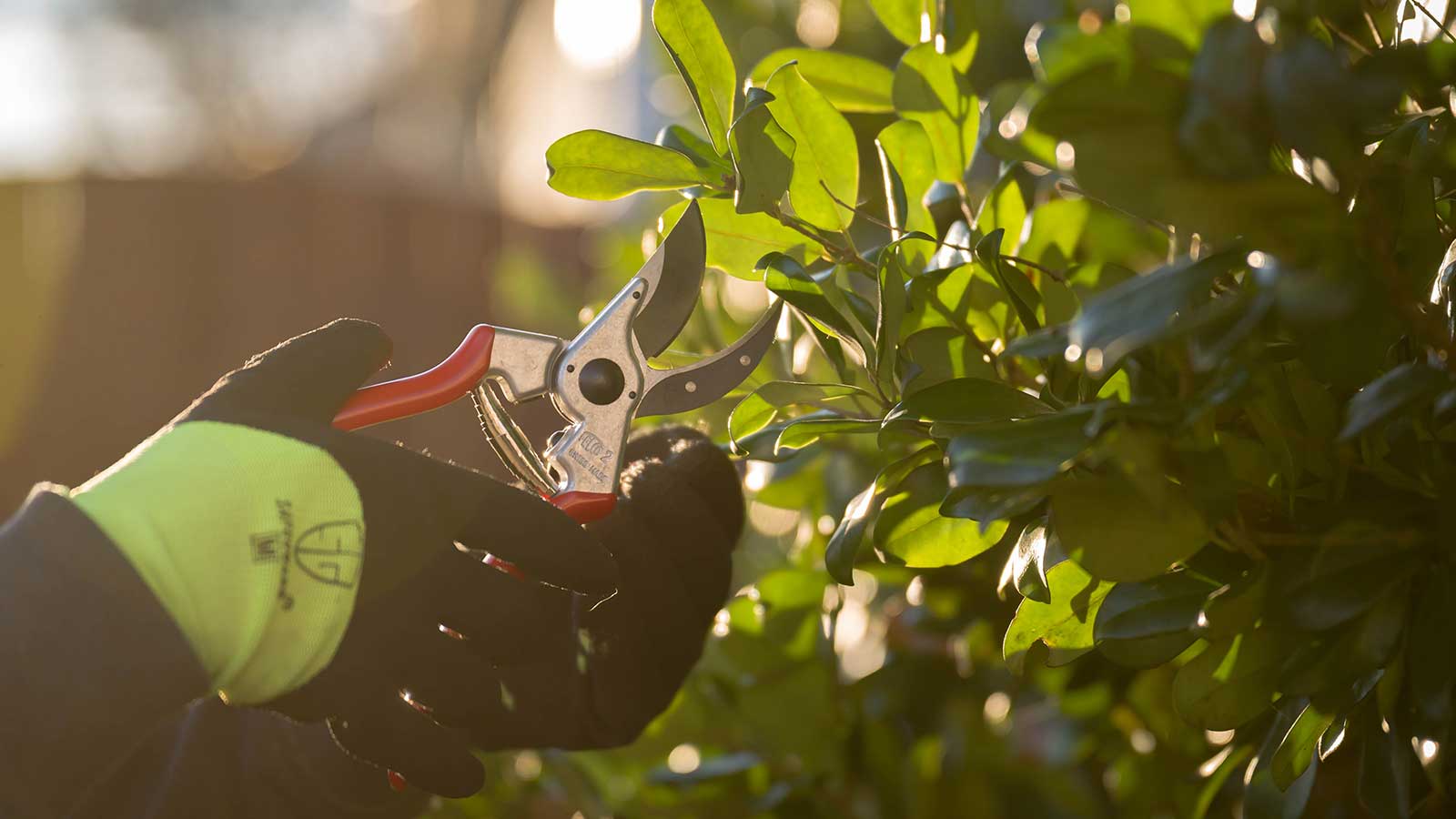
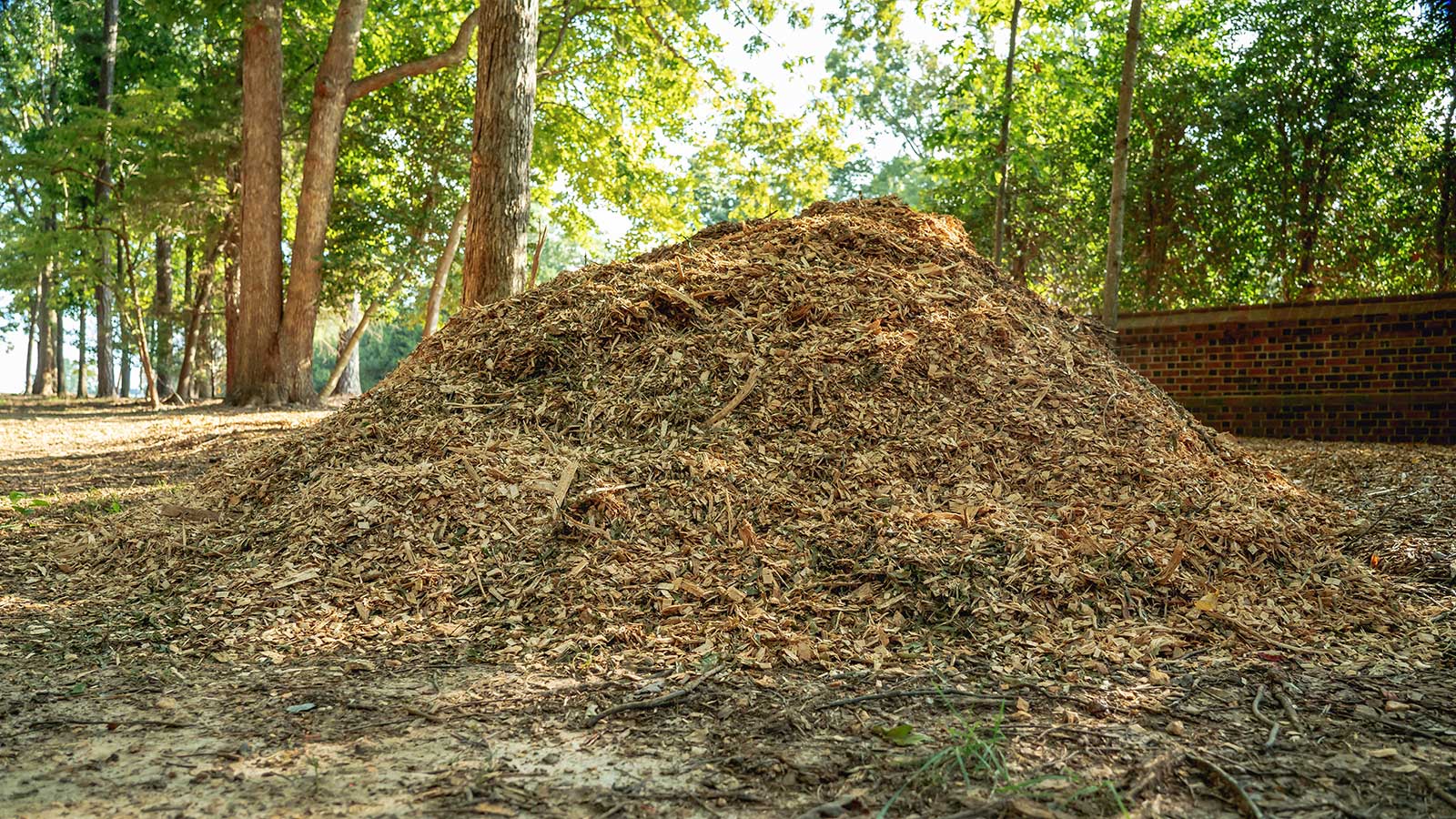
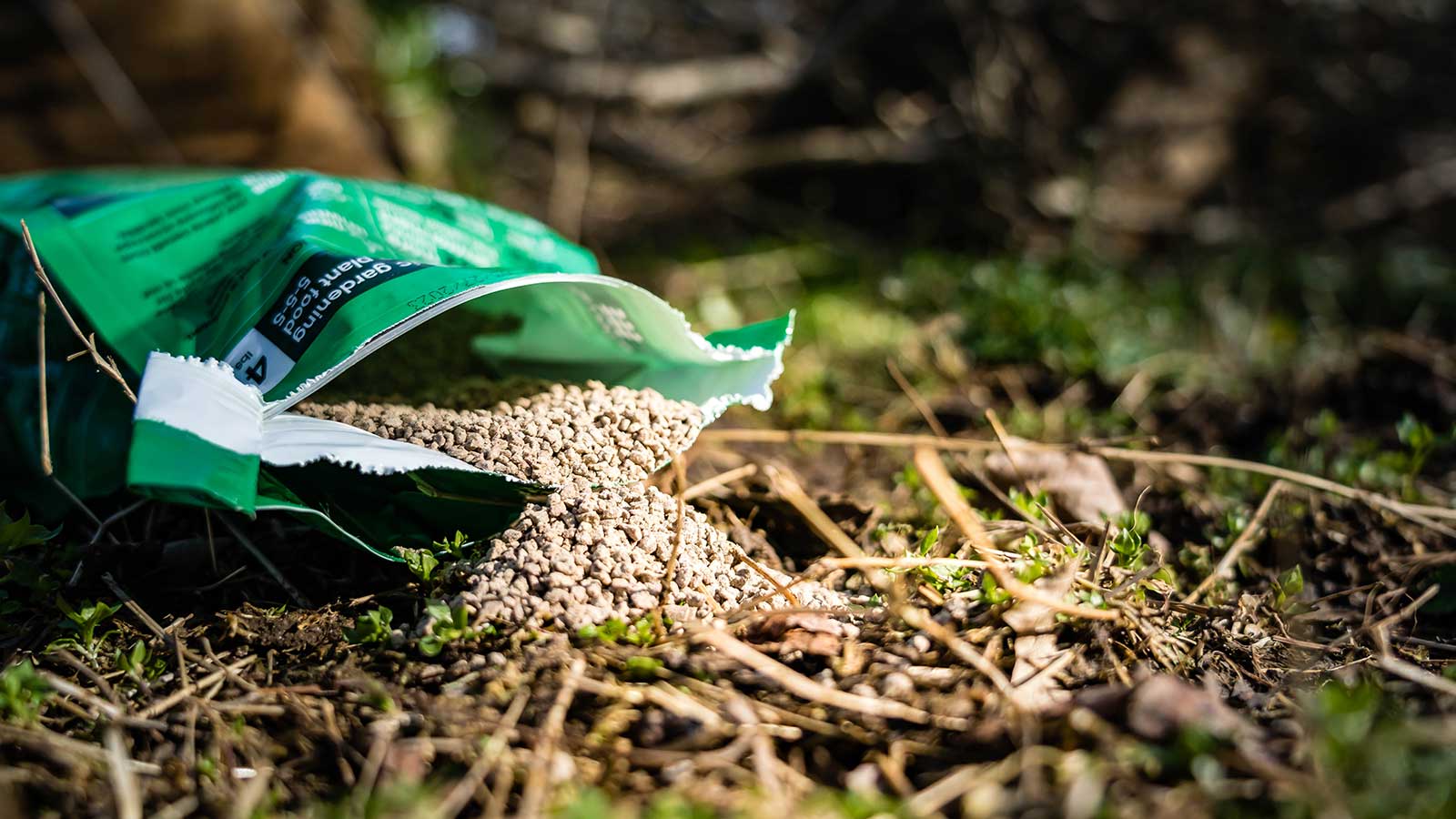
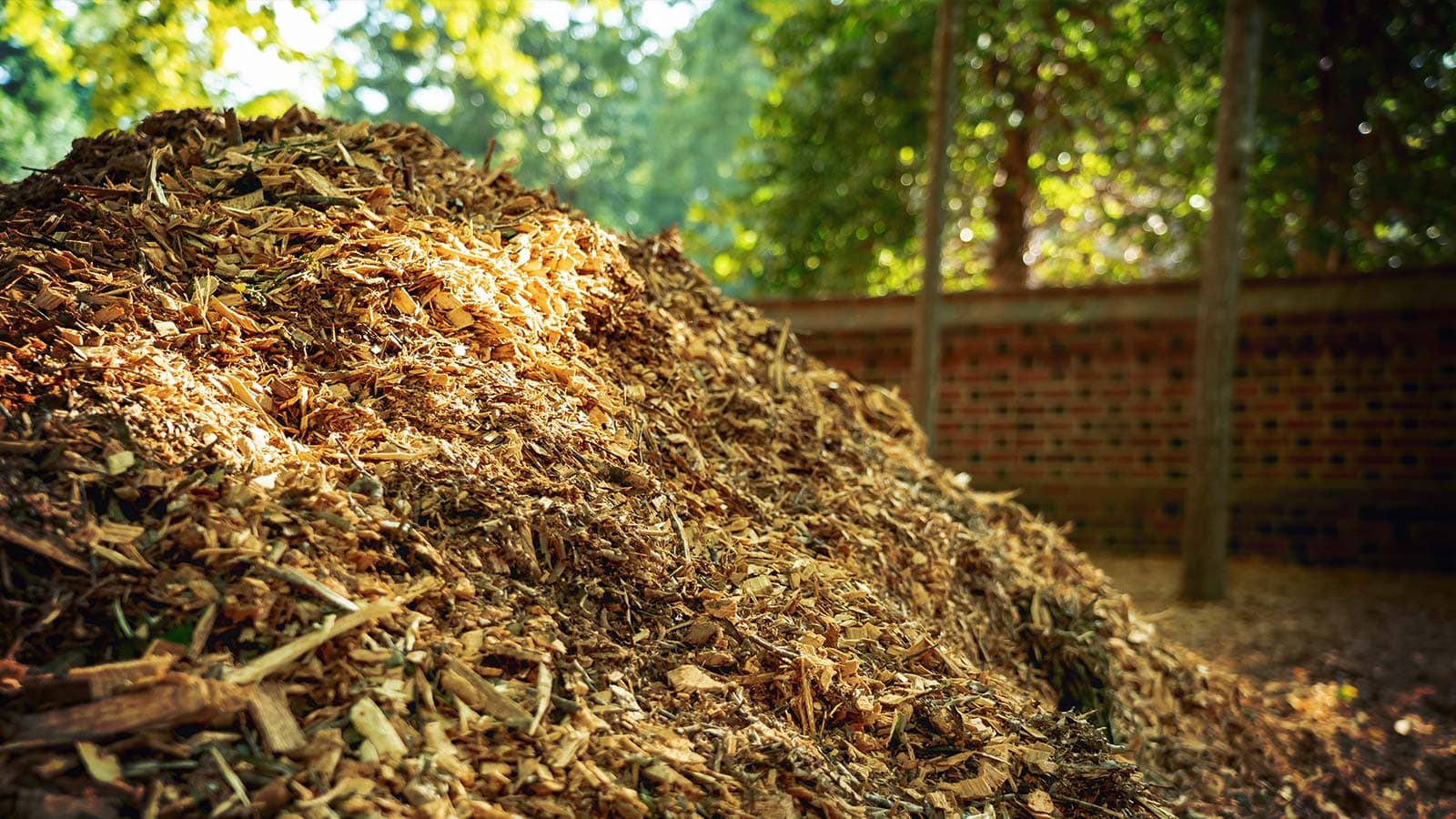
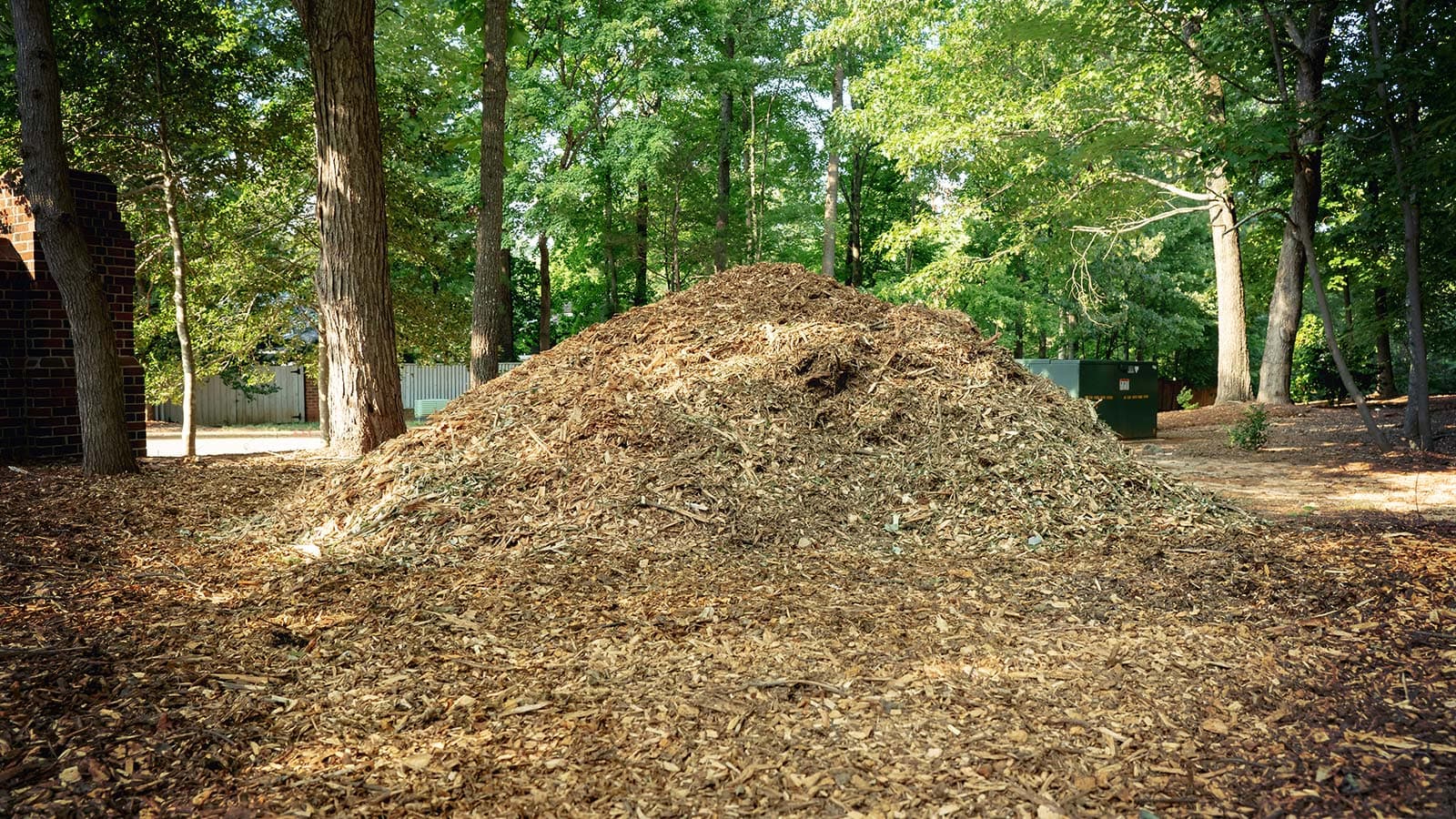
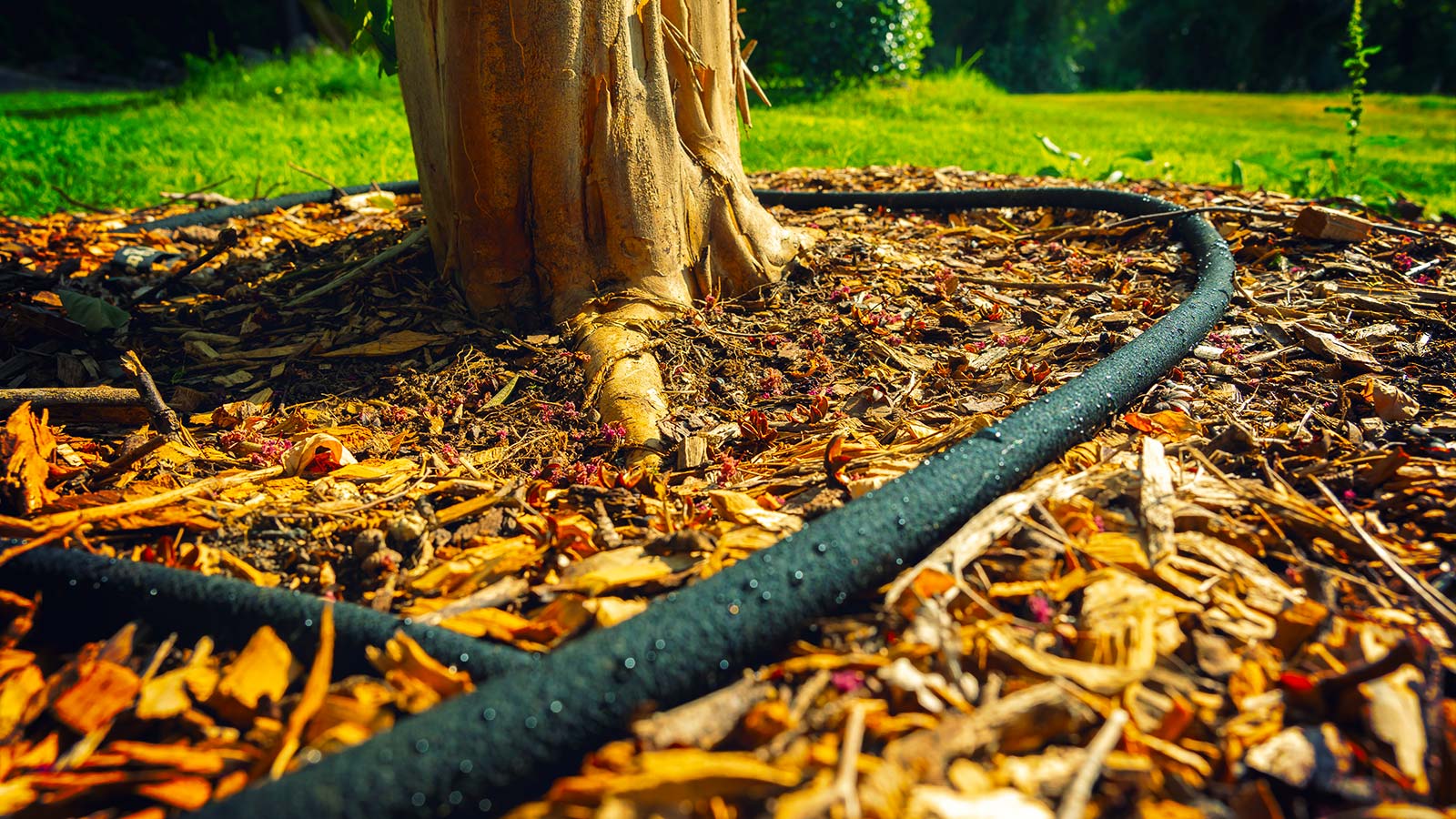
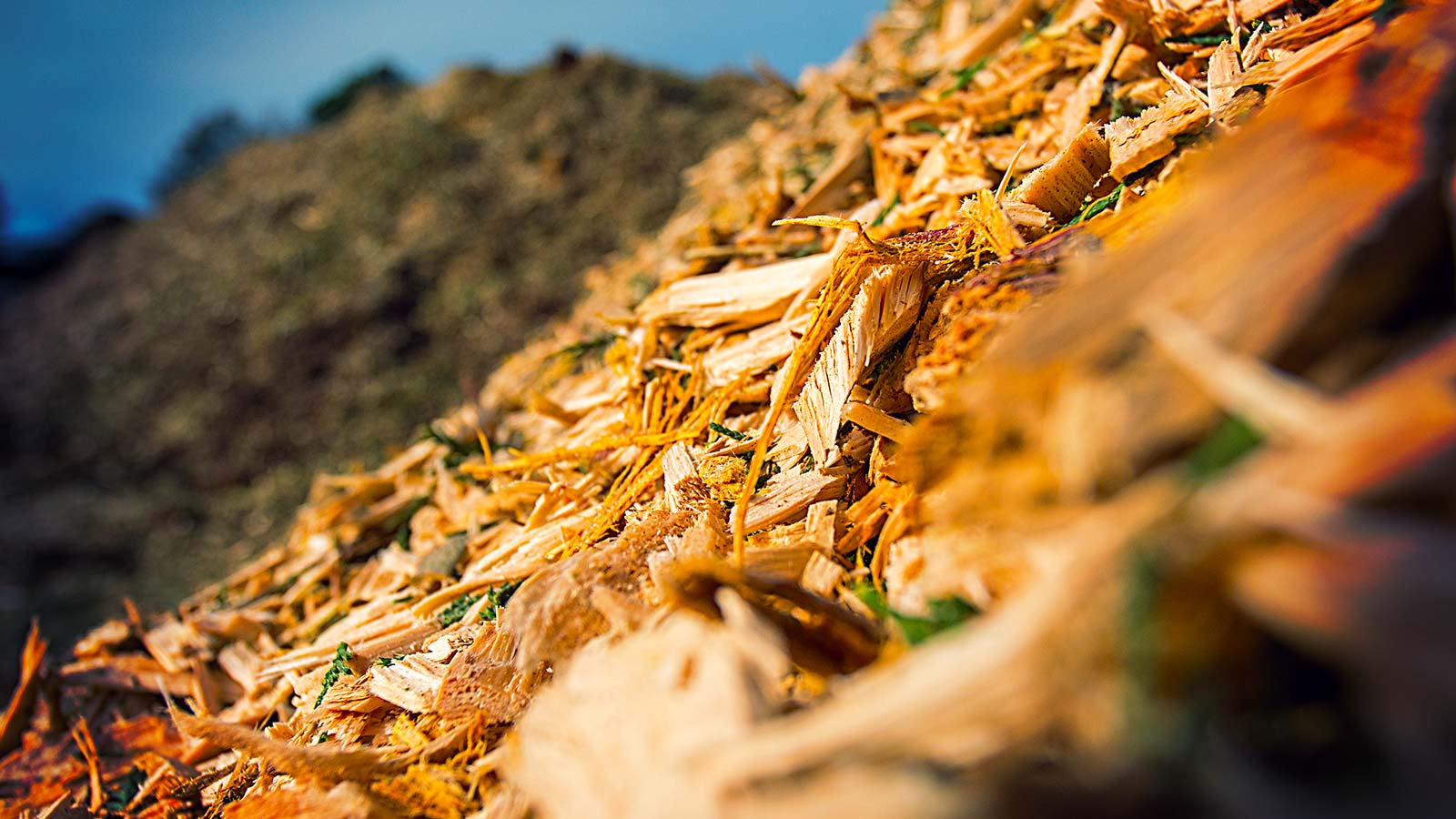
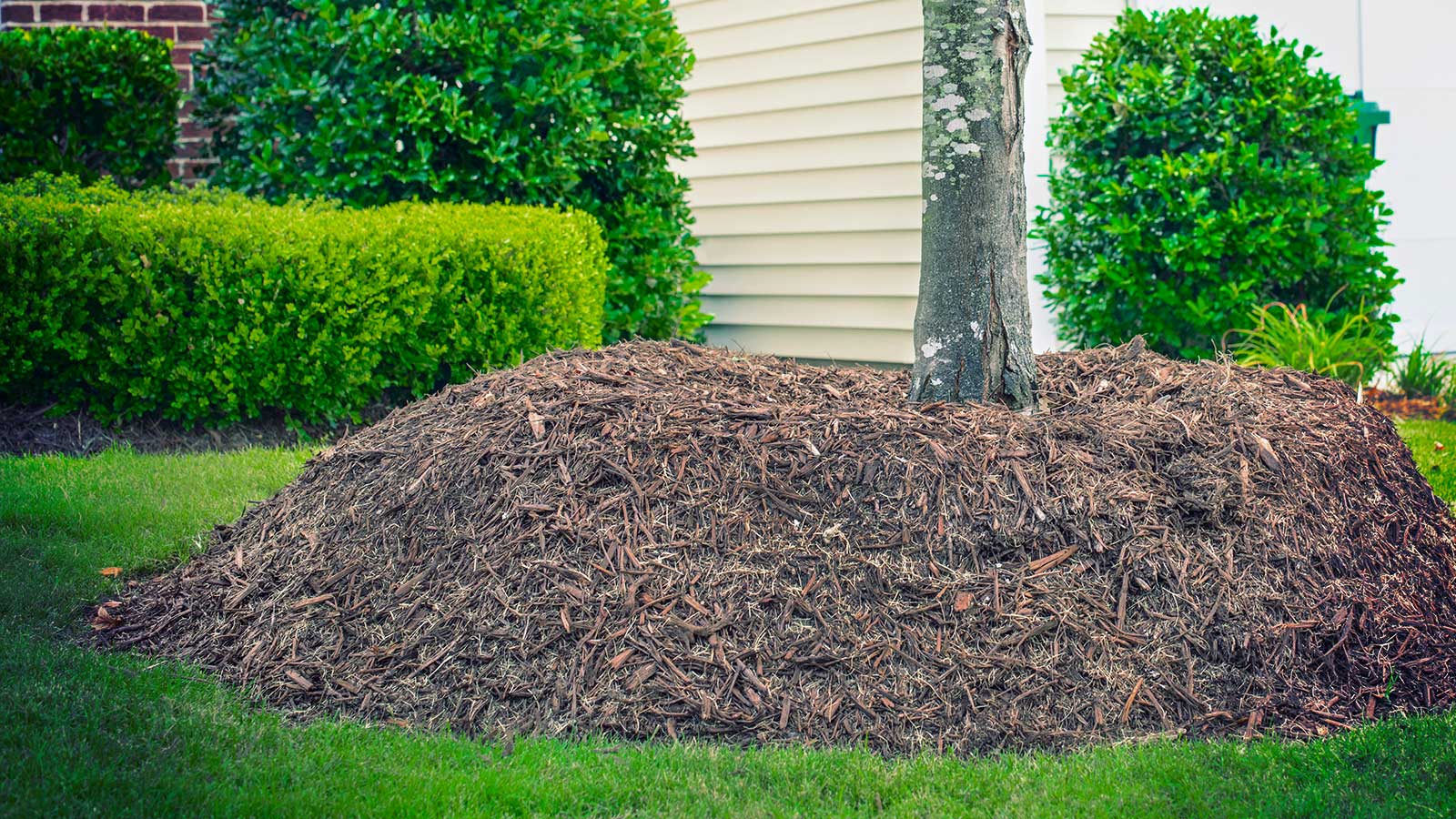
The remedy right now is to look at the condition of your soil and the mulch layer on top. Is the soil dusty and compressed? Is the mulch old and matted together, acting more like a barrier than a fluffy blanket? Triple-shred mulch is a notorious culprit. Loosen your soil and mulch layer. Add compost. Use arborist wood chips. If you water, do it deeply under the dripline, preferably with a soaker hose, rather than a sprinkler.
Things to Do Around Town
Join us this Earth Day (TODAY! 4/22) for an event celebrating Wake County’s trees. “Under One Canopy” is a public event that highlights the importance of Wake County’s urban tree canopy. Basil will be speaking as part of an expert panel.
Keep Durham Beautiful brings you the Third Annual Durham Garden Tour on May 2nd - 3rd. Visitors tour 8–10 distinctive gardens featuring sustainable and creative design. Tickets are $30, with need-based scholarships.
If you’re looking for something rewarding to do, Keep Durham Beautiful also has volunteer land stewardship offerings all month.
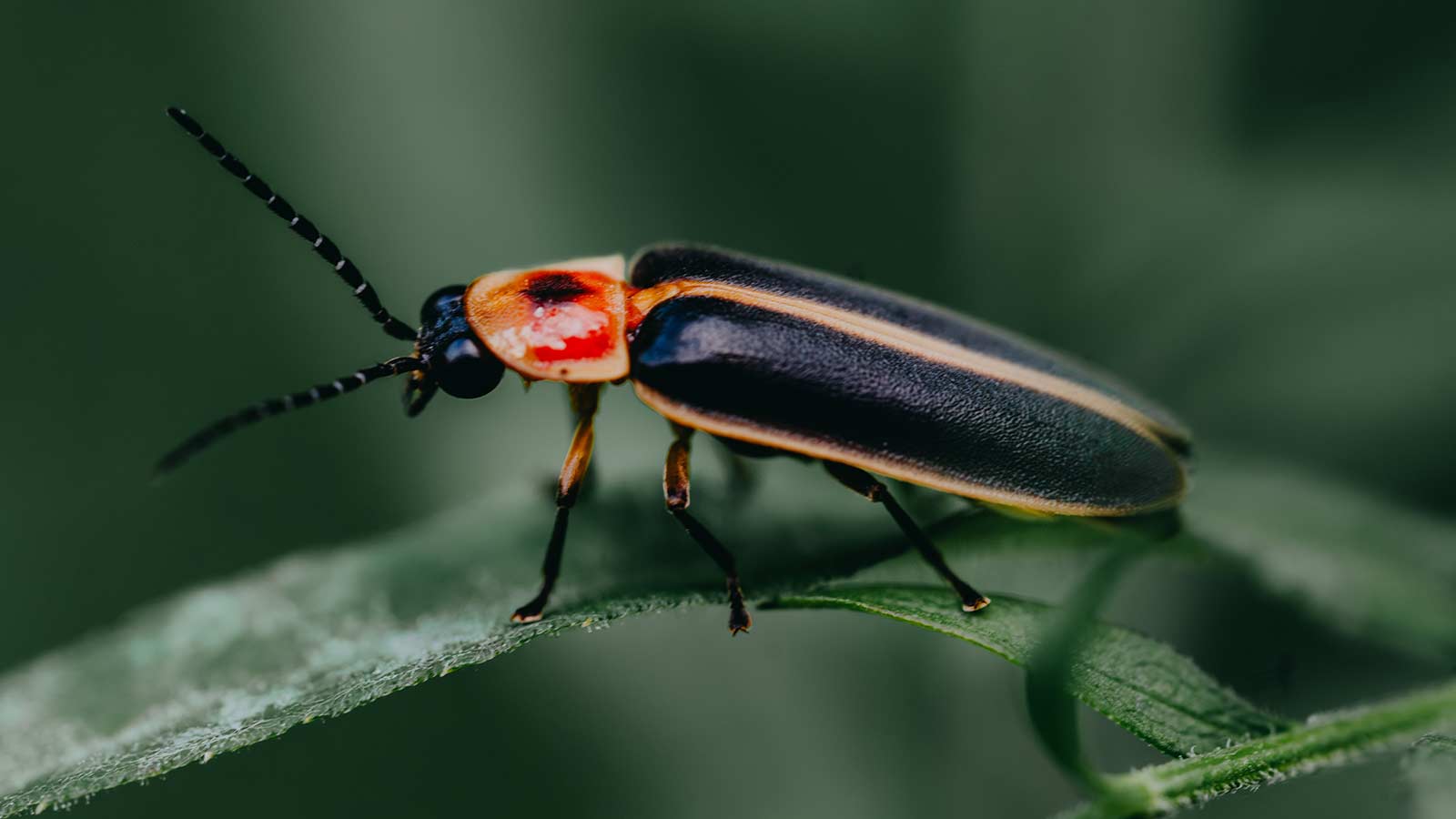
JC Raulston Arboretum offers Fireflies in the Garden on May 13th. Join Richard Joyce, conservation biologist with the Xerces Society and coordinator of the Firefly Atlas Project, for an evening exploring the world of fireflies.
Want to support efforts to protect the tree canopy in Raleigh? Raleigh’s tree canopy is shrinking, but momentum is building after 40+ supporters packed a March City Council meeting and helped pass a resolution in support of the city’s “Leaf Out” tree planting program. Add your name to this letter from the Audubon Society of NC by May 5th to urge continued investment when the draft budget arrives.
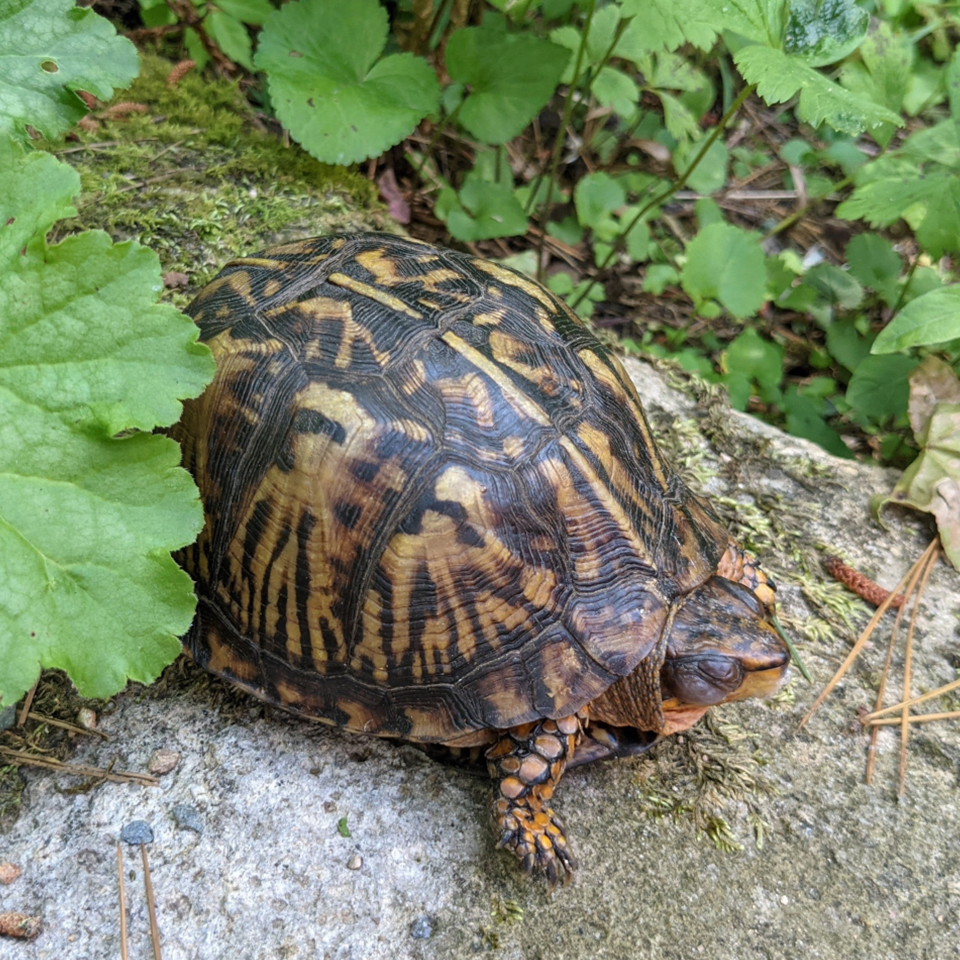
May 23 is World Turtle Day. Head out to any of our many parks and preserves. Look for turtles in slow rivers and lake edges. Hemlock Bluffs Nature Preserve in Cary has a pond that reliably hosts turtles, and it’s a lovely, easy walk. Eno River State Park, Jordan Lake, and Falls Lake also offer good chances. Bring binoculars.
One Last Thing: Go Outside
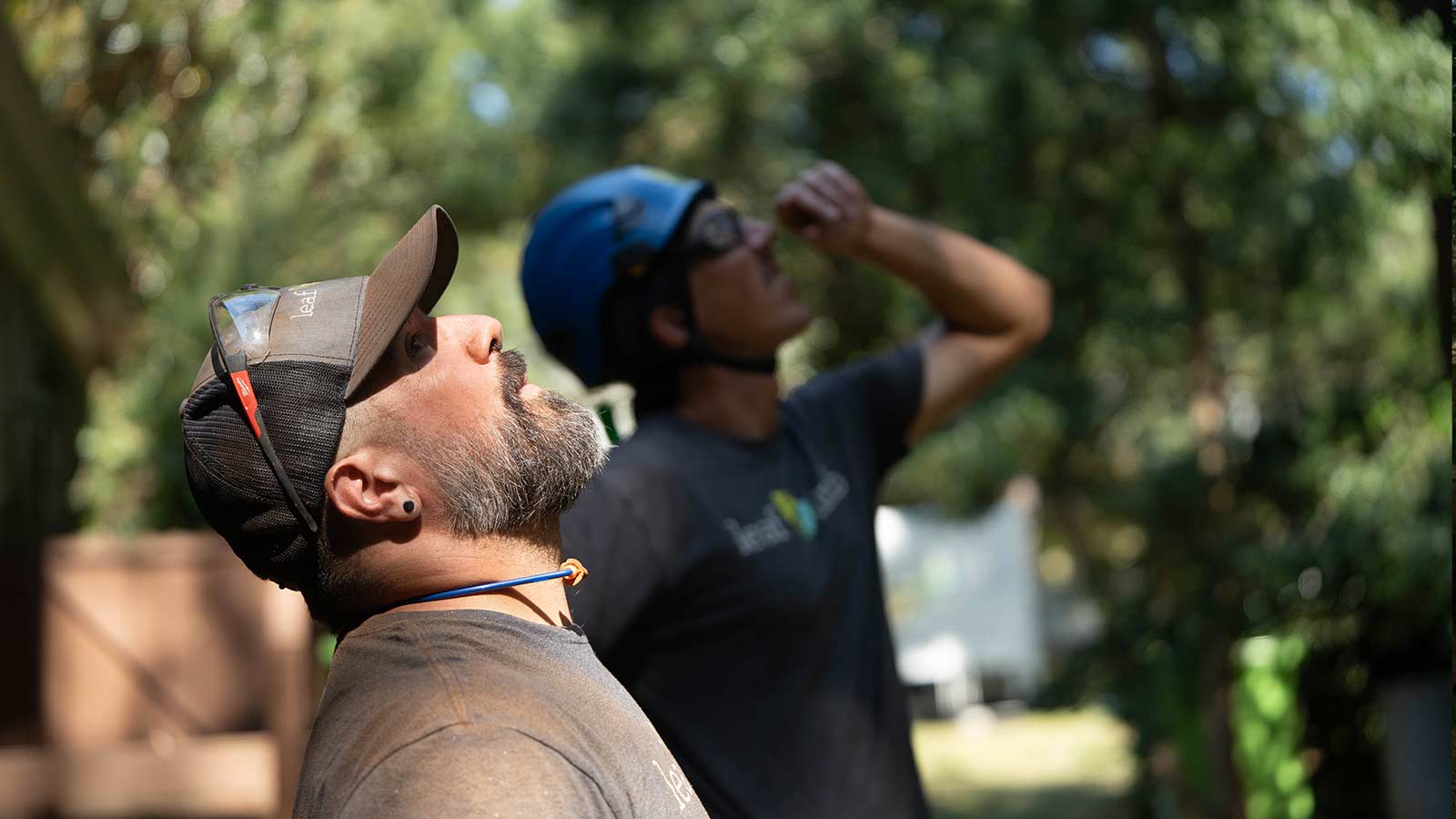
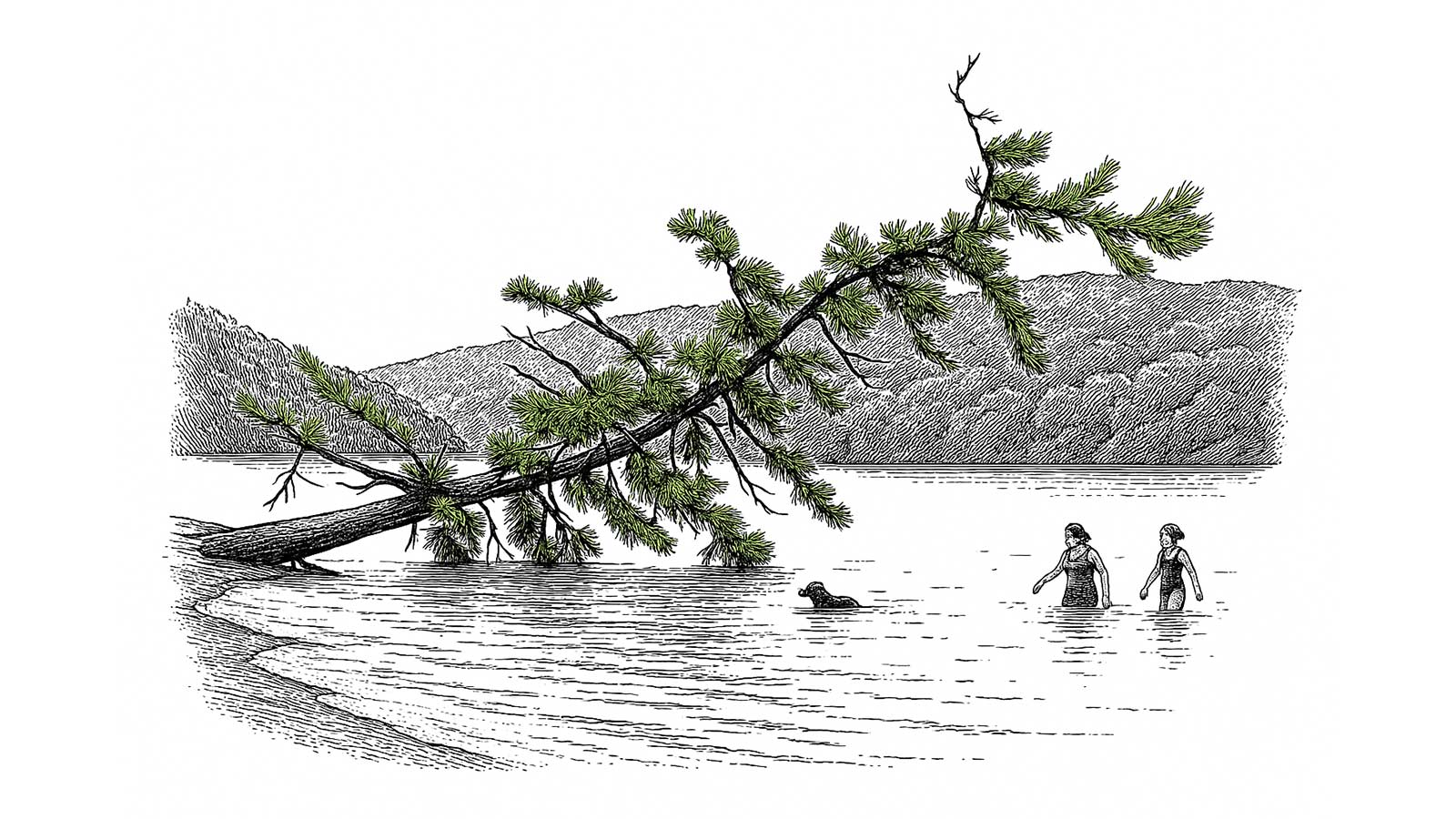
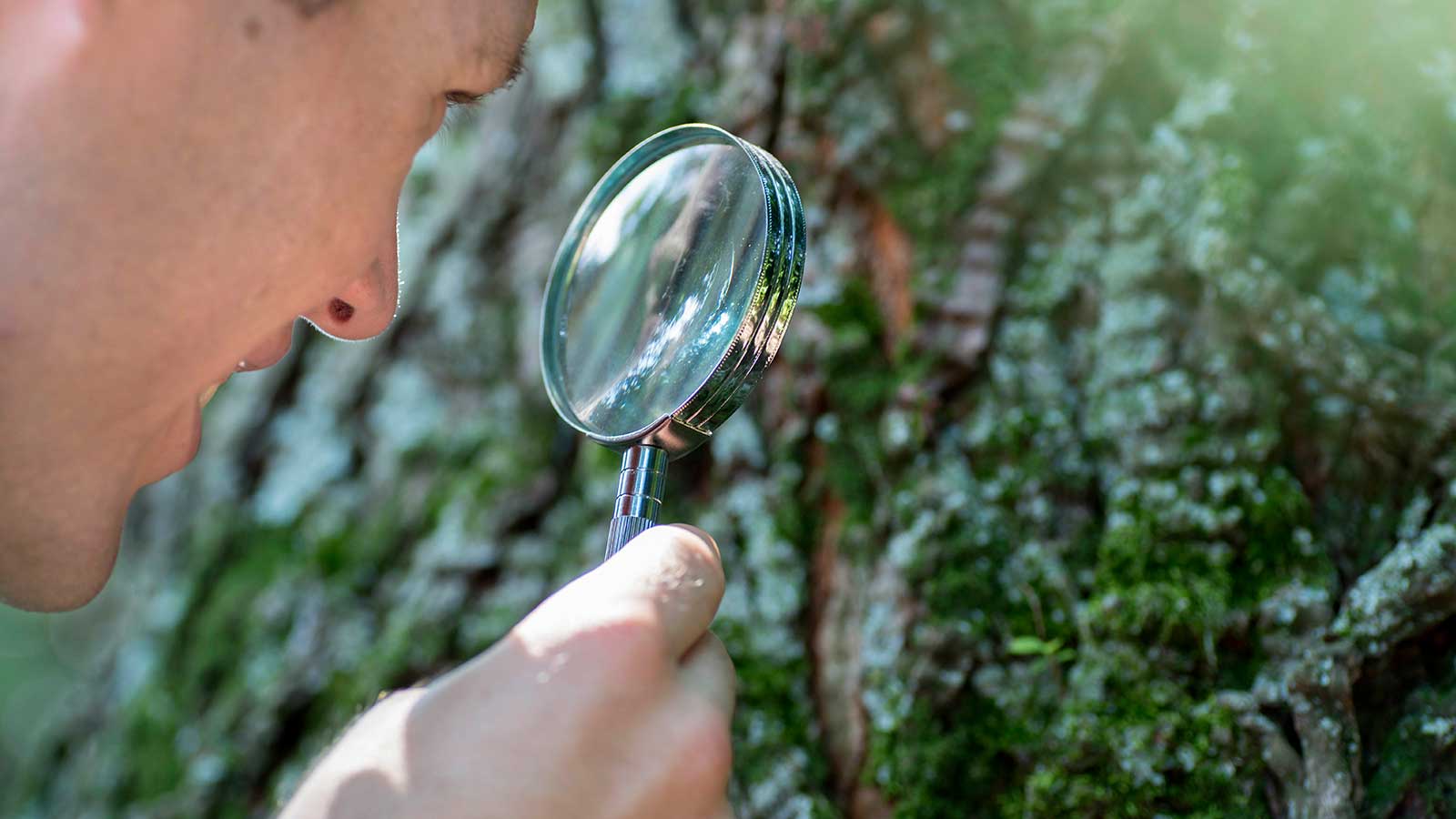
This month’s assignment is “long-looking,” or at least that’s what I call it. I’ve been doing it for decades, without really thinking of it as a formal “practice.” What you do is sit somewhere comfortable outdoors or even lie on your belly and get your nose close to the ground. Rest your eyes and gaze off into the canopy, across a lake, or even closer by, perhaps focusing your attention on an ant hill with busy residents moving things in and out of the colony. The “long” part means 10 minutes – set a timer. Do this for ten minutes and let your mind wander, but only within the realm of what you’re looking at. Notice the colors, shapes, and behaviors. Observe the way trees move, or that some flowers are more interesting to bees than others.
There’s science behind this. Practices like Attention Restoration Therapy, and Forest Bathing (Shinrin-yoku) help disengage us from our overstimulated sympathetic nervous system (“fight or flight”) and engage our parasympathetic nervous system (“rest and digest”). Breathe.
Until next month, remember to sniff the blooms and listen to the birdsong.