Spots, Holes, and Bugs on My Leaves: Should I Spray?
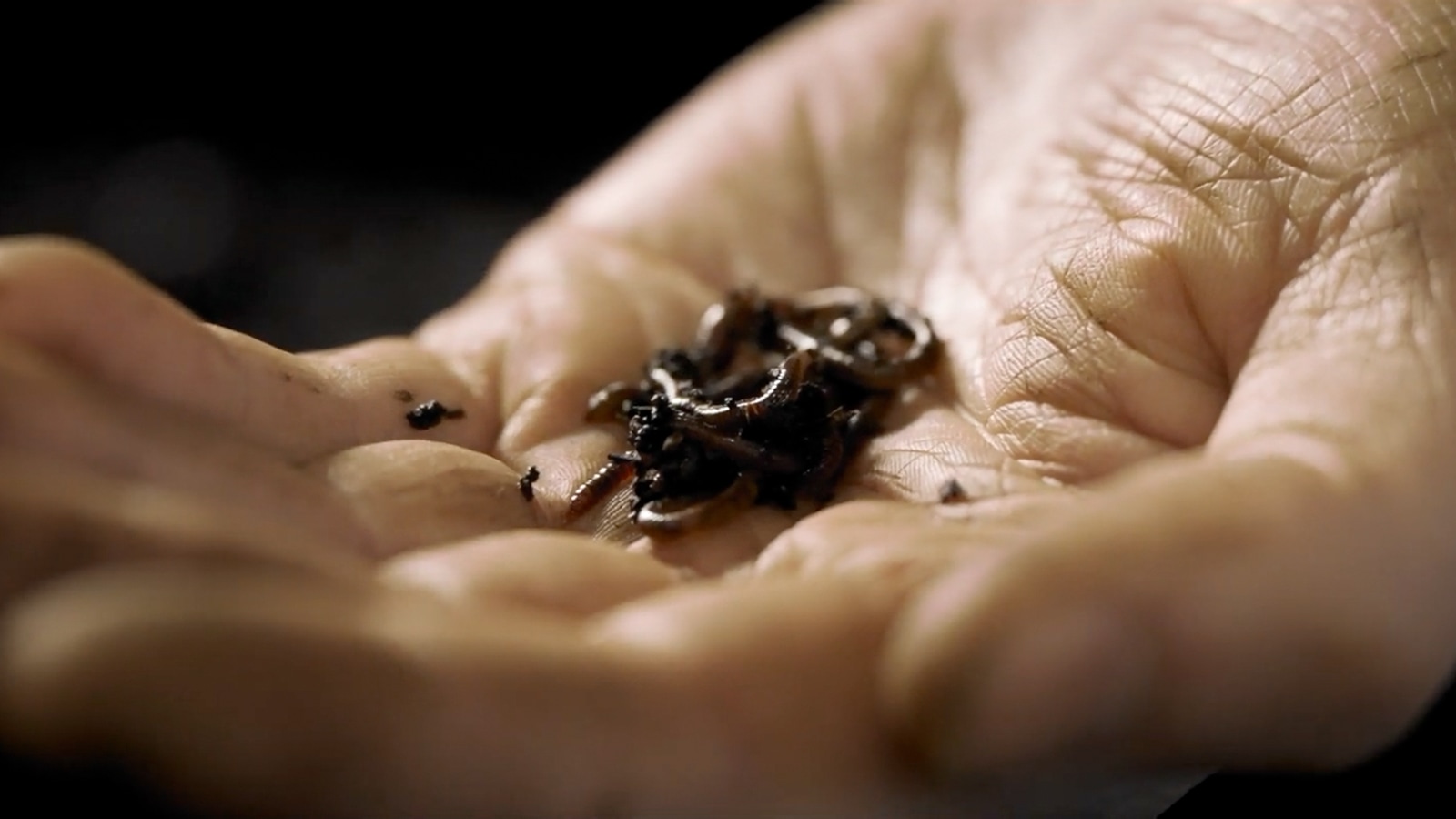
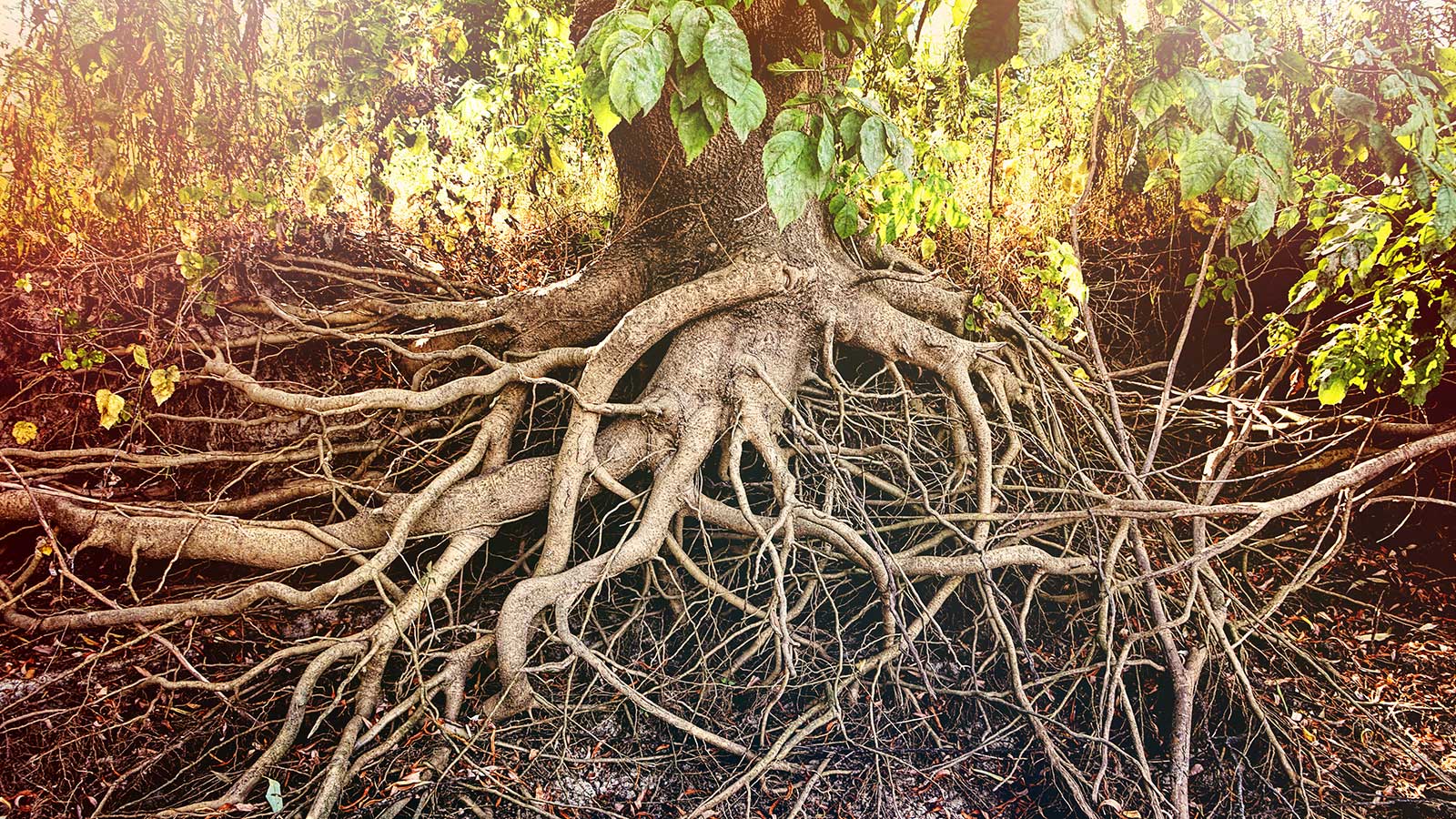
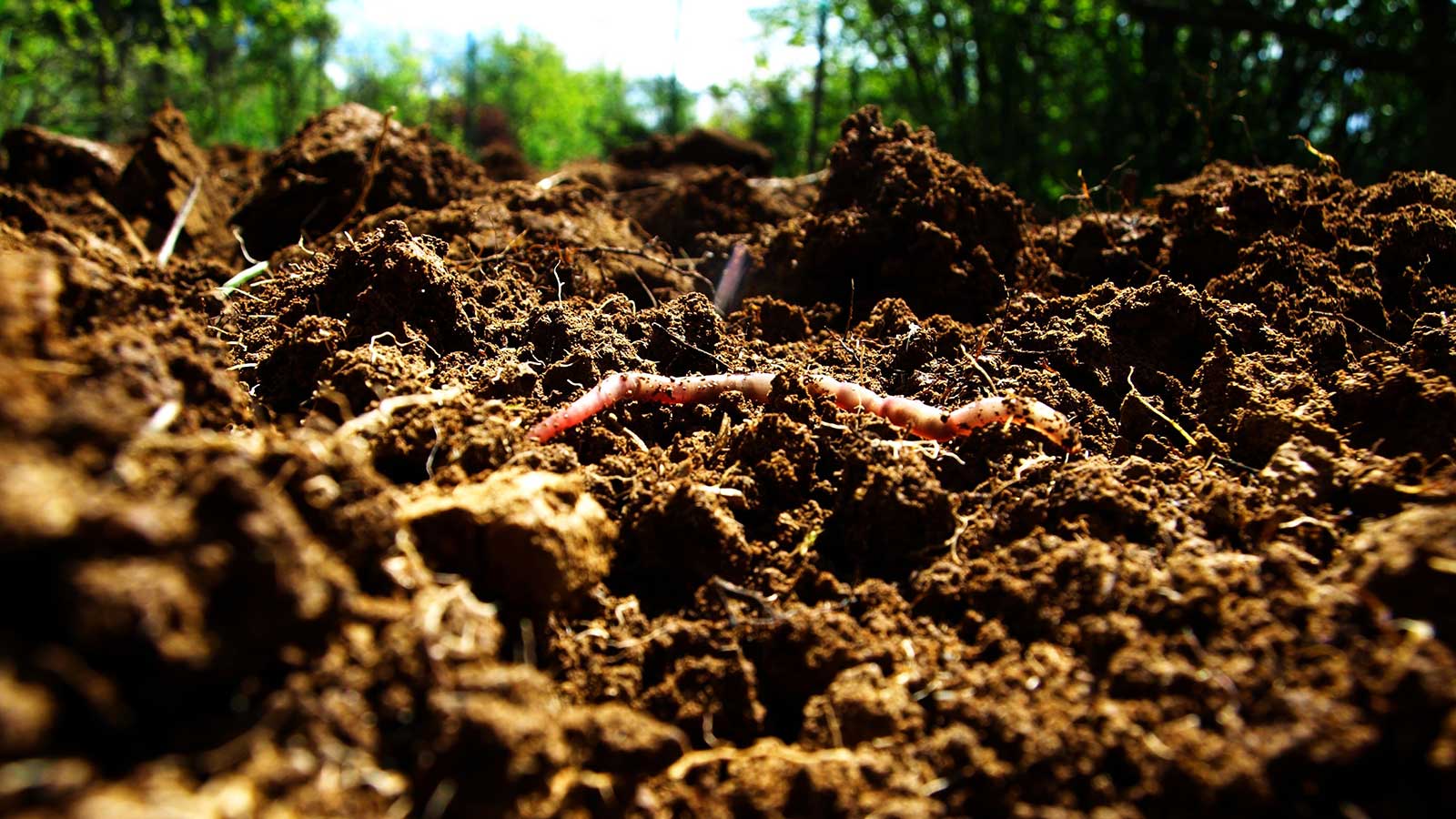
Many serious tree and shrub problems start in the soil — not with insects.
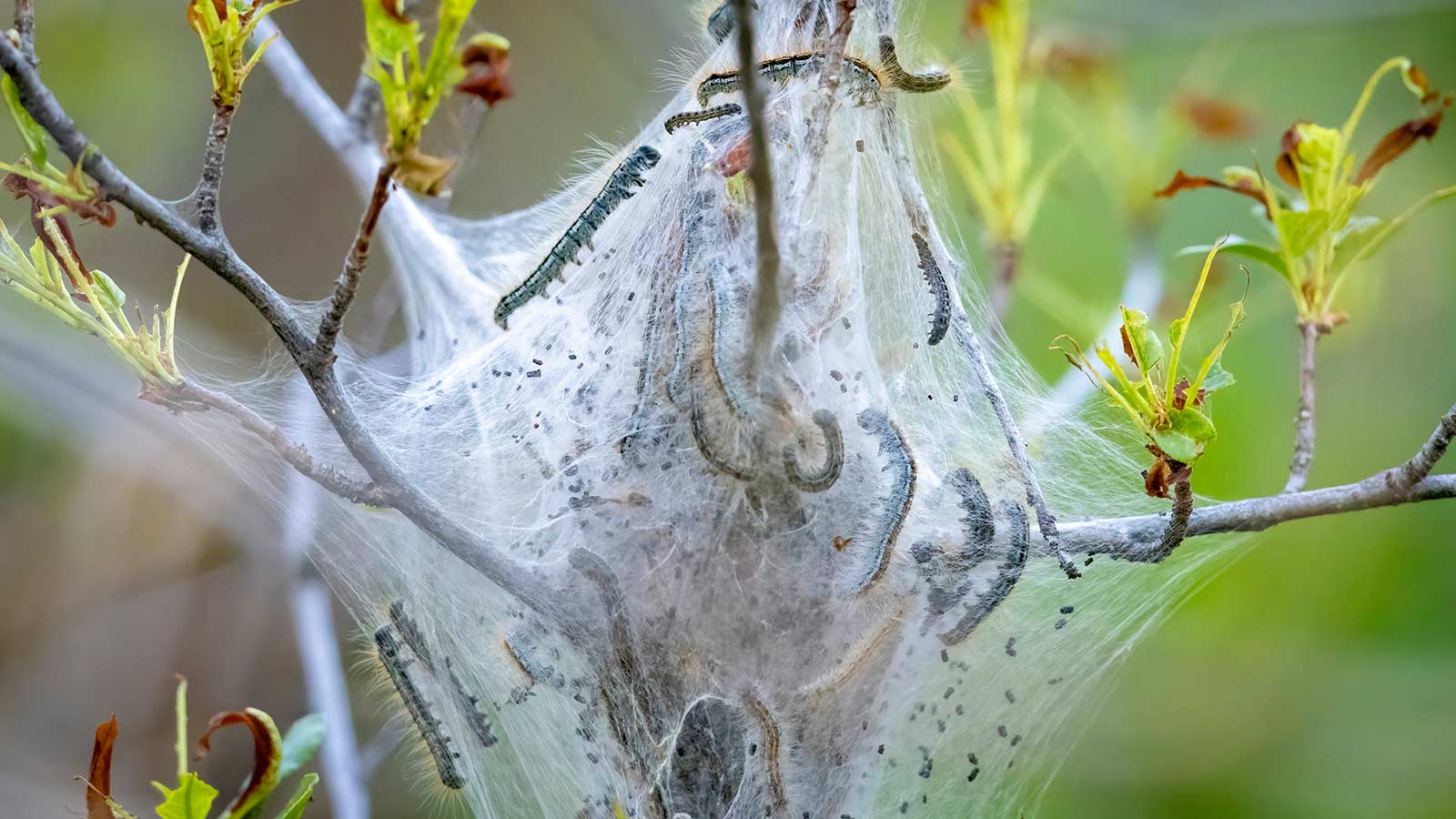
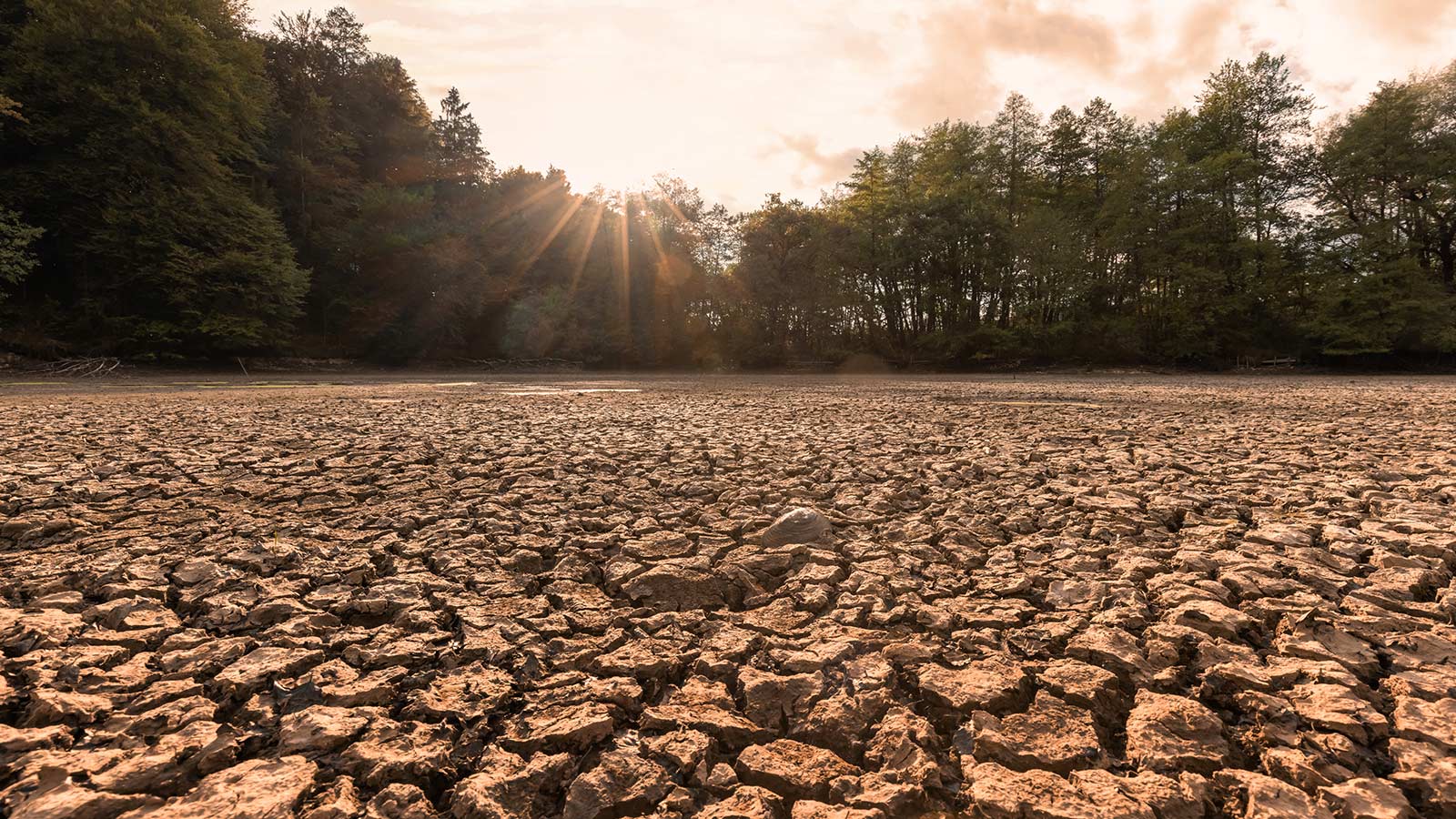
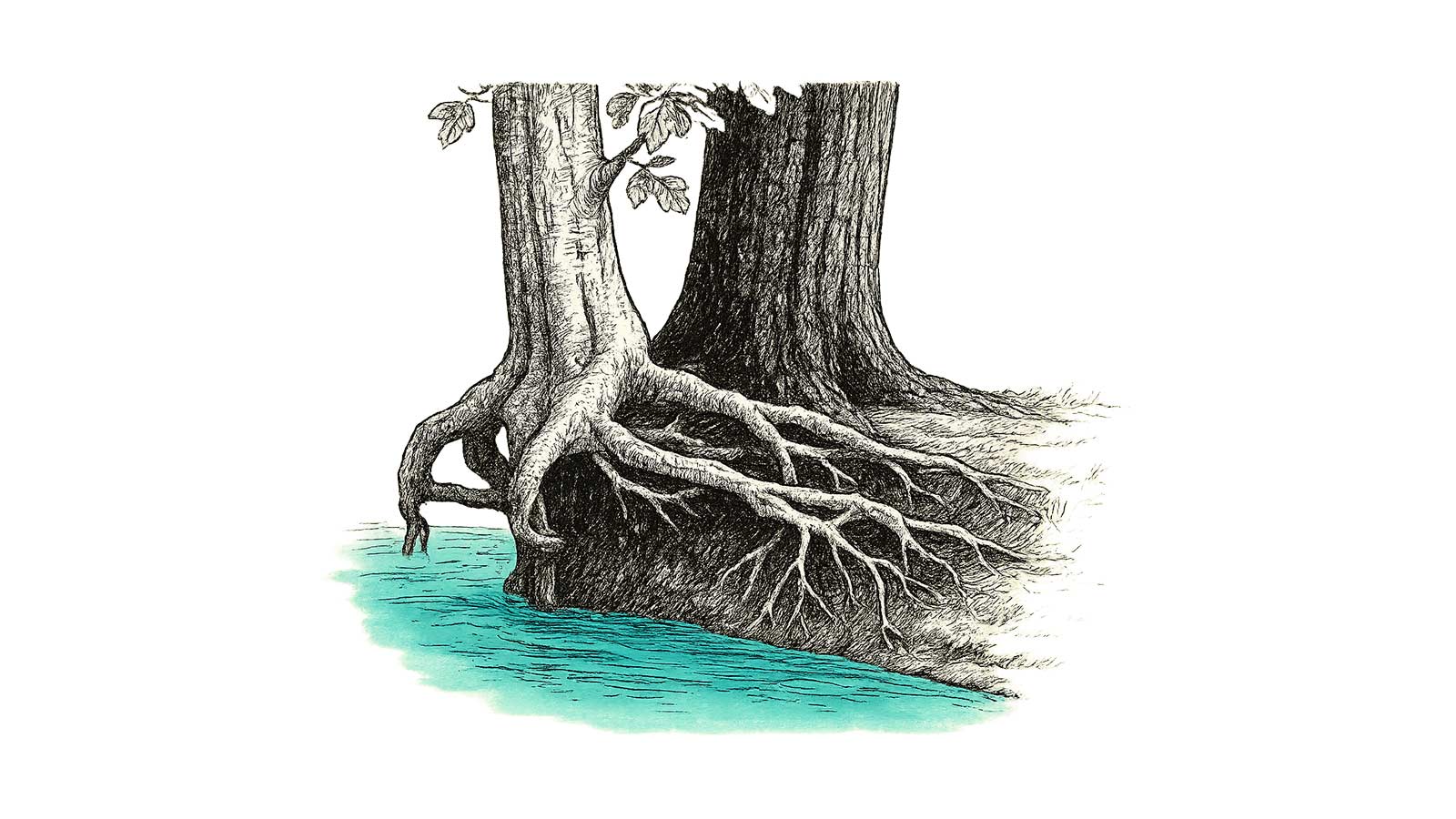
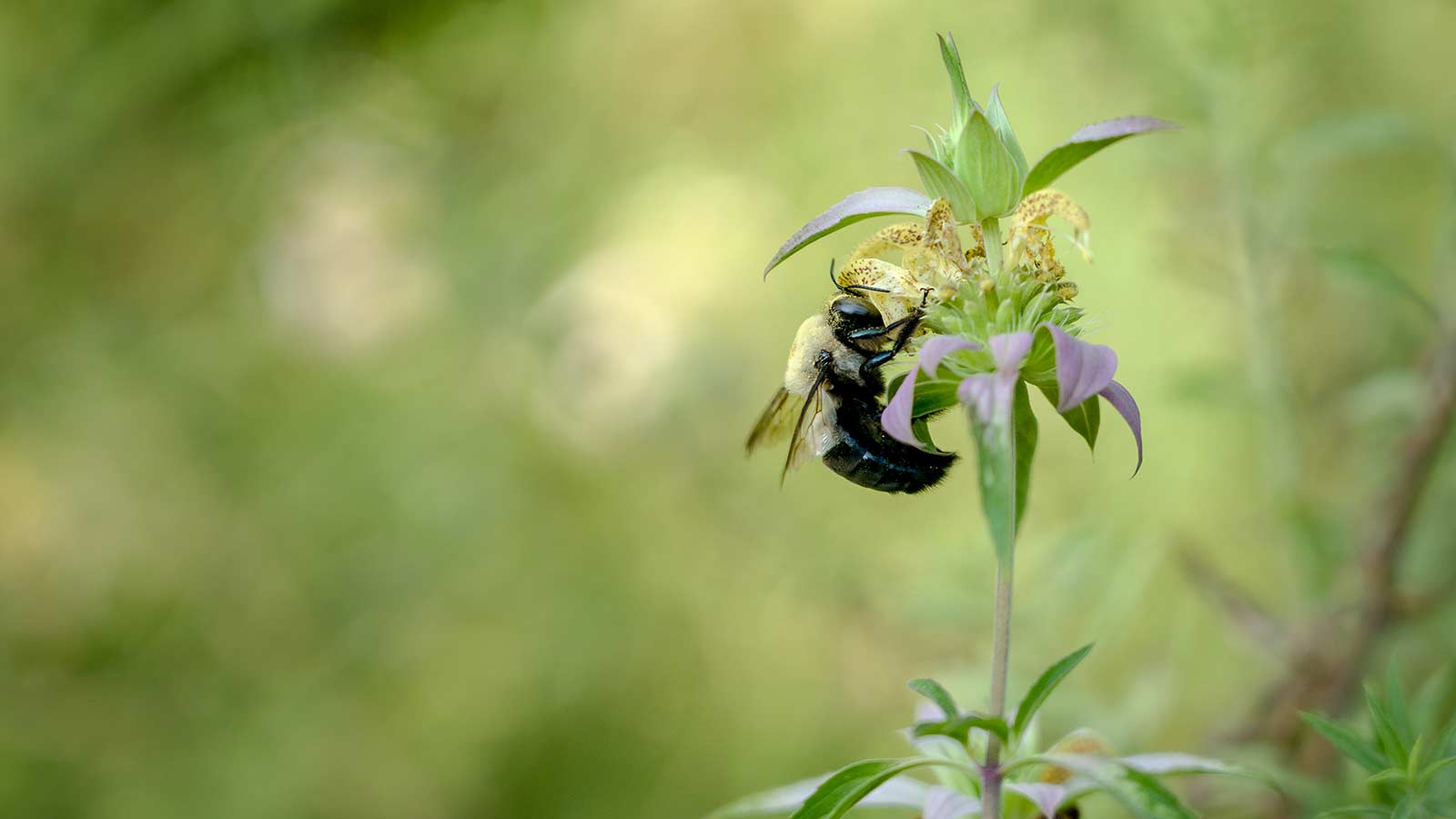
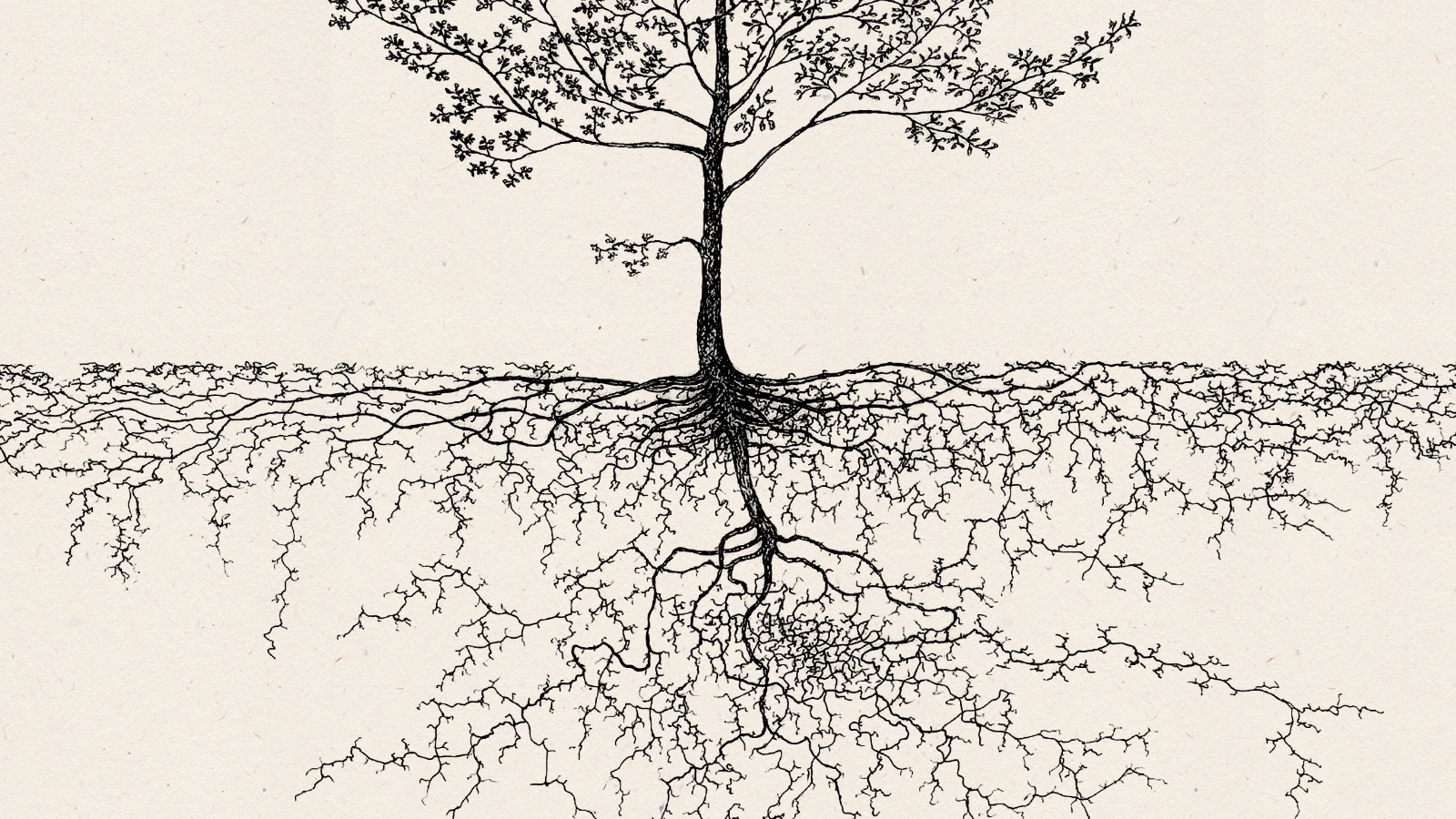
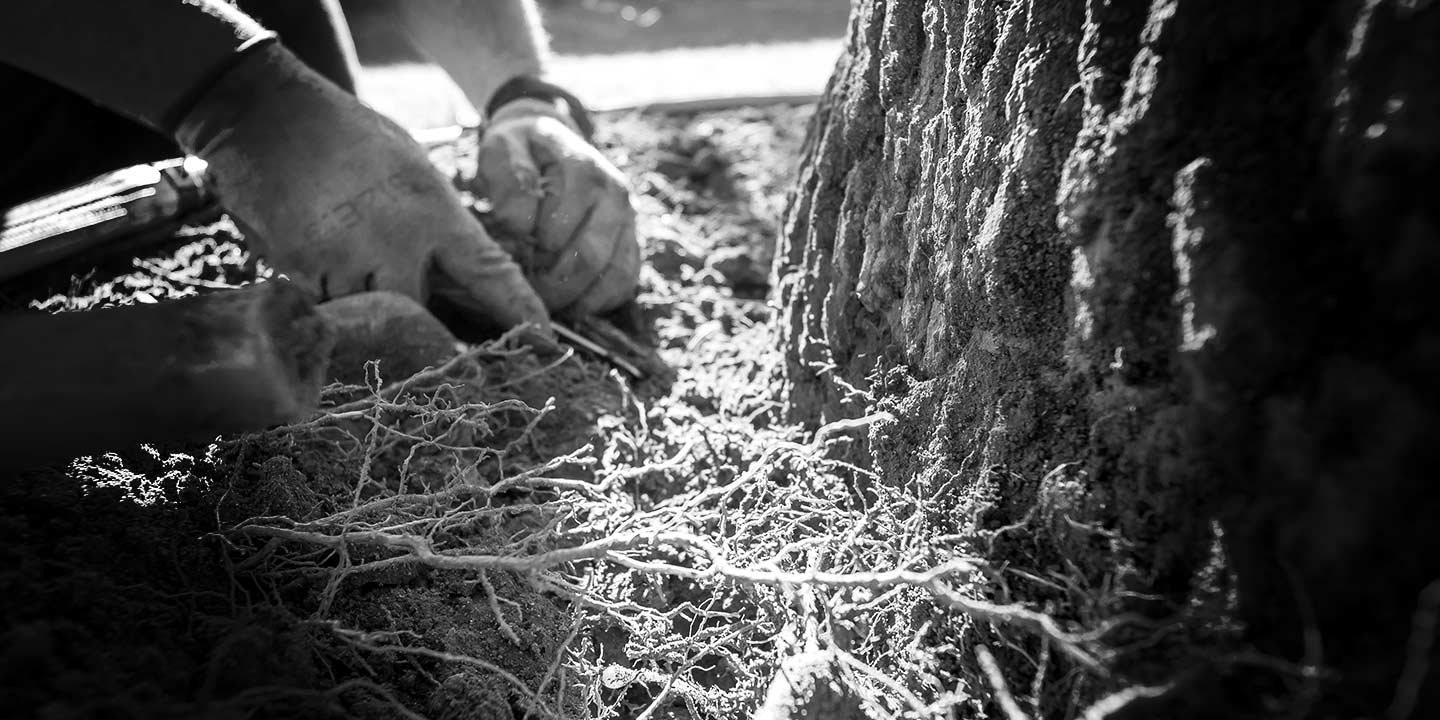
When we notice something wrong with our trees and shrubs, insects are usually the first suspects. Could the damage be caused by that little bug sunning itself on a leaf? But the truth is, many serious tree and shrub problems actually start underground. Insects tend to exploit plants that are already stressed, and their damage just happens to be what we see first. So before blaming the insects, it's worth looking deeper for the real cause.
In this article, we will quickly look at the most common ways trees and shrubs appear in distress to us and why. Then we will explore how to tell if it is serious and, finally, three ways to alleviate and possibly even prevent problems.
Diagnosing What's Wrong
Start by looking at the damage itself. Then ask the bigger question: why did it happen in the first place? Here are the most common categories of distress.
Trunk Damage and Branch Dieback
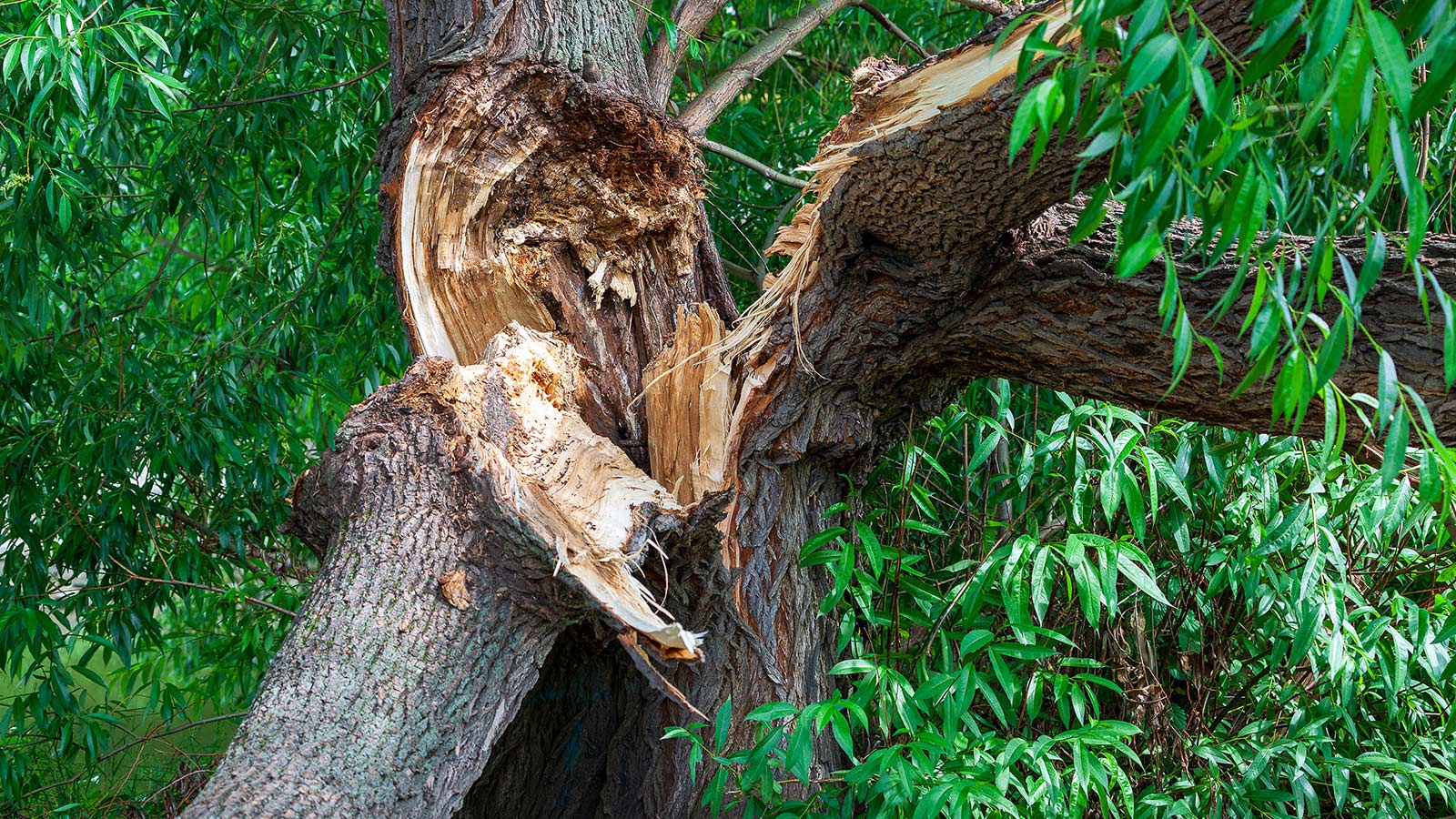
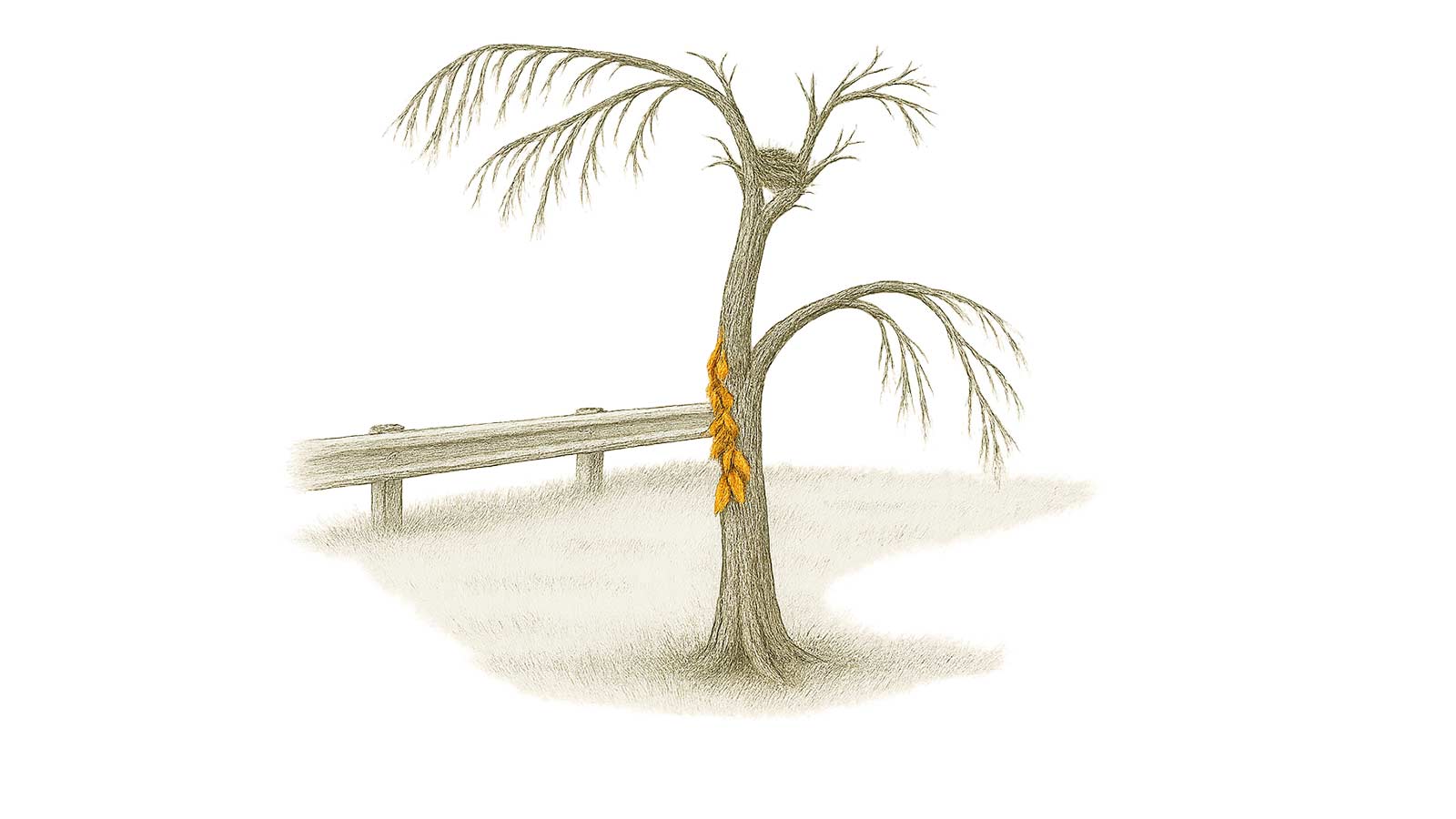
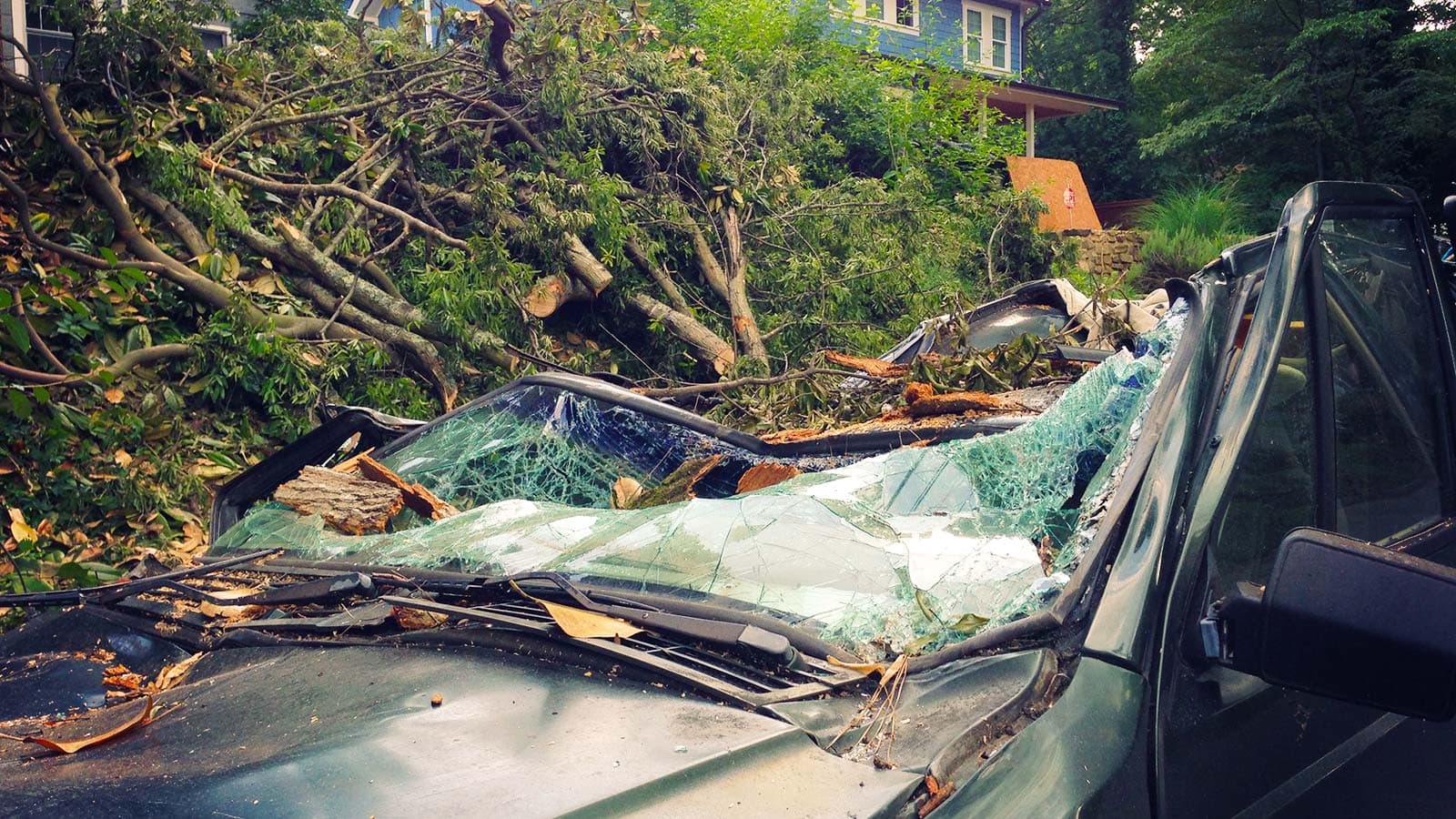
Everything from lightning strikes to poor soil conditions can be responsible for trunk and limb problems.

Cracks, bark falling off
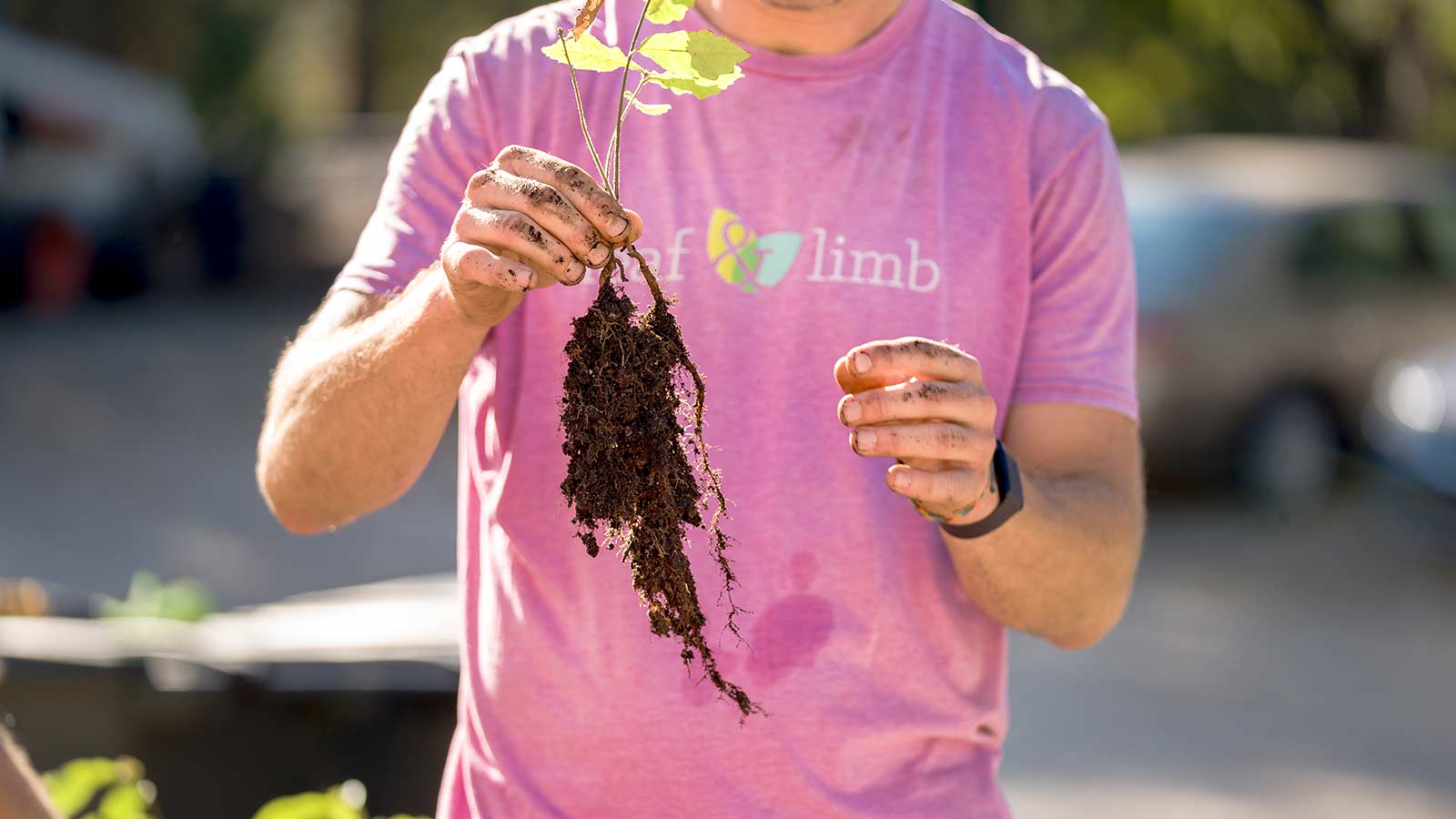
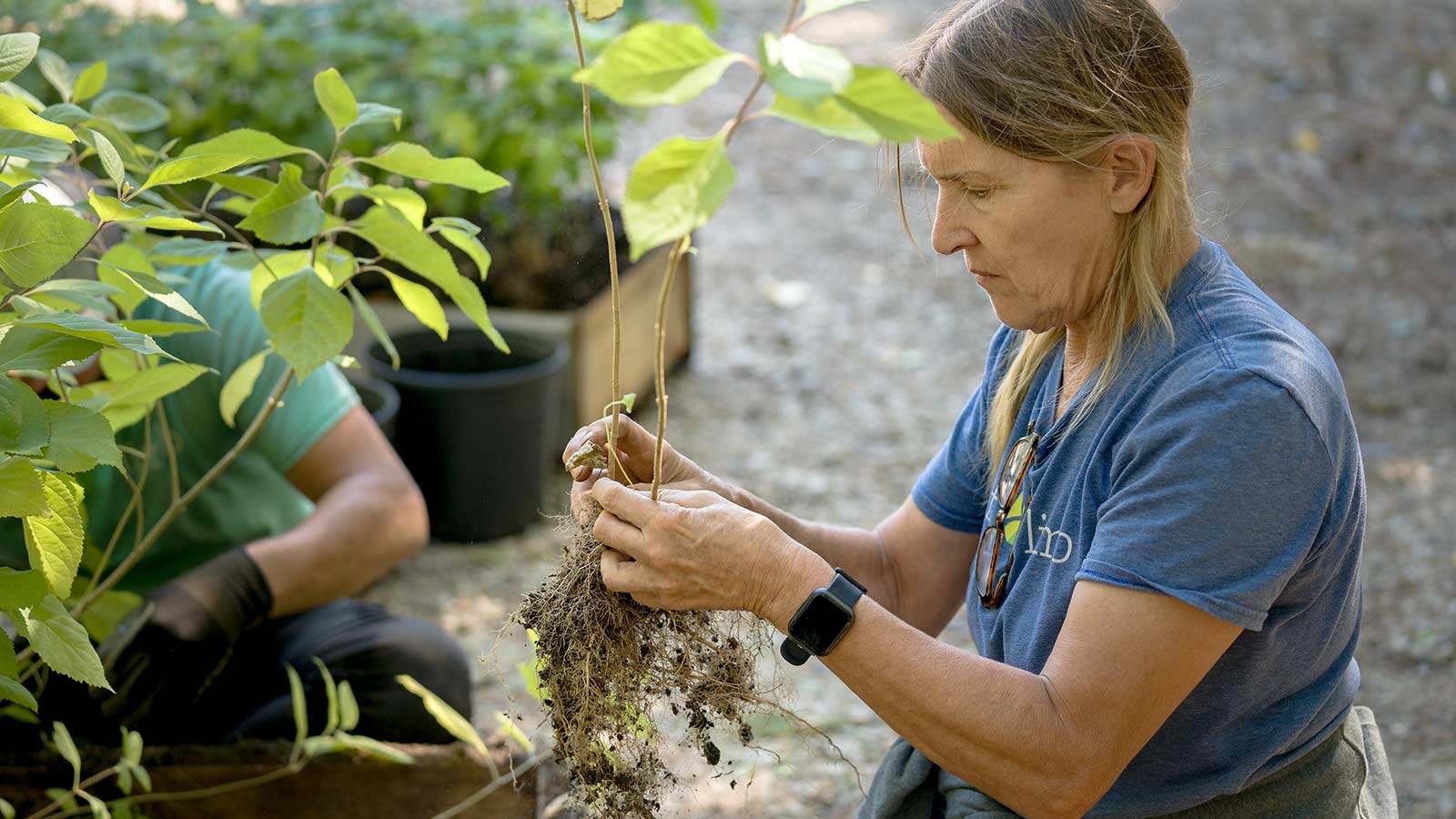
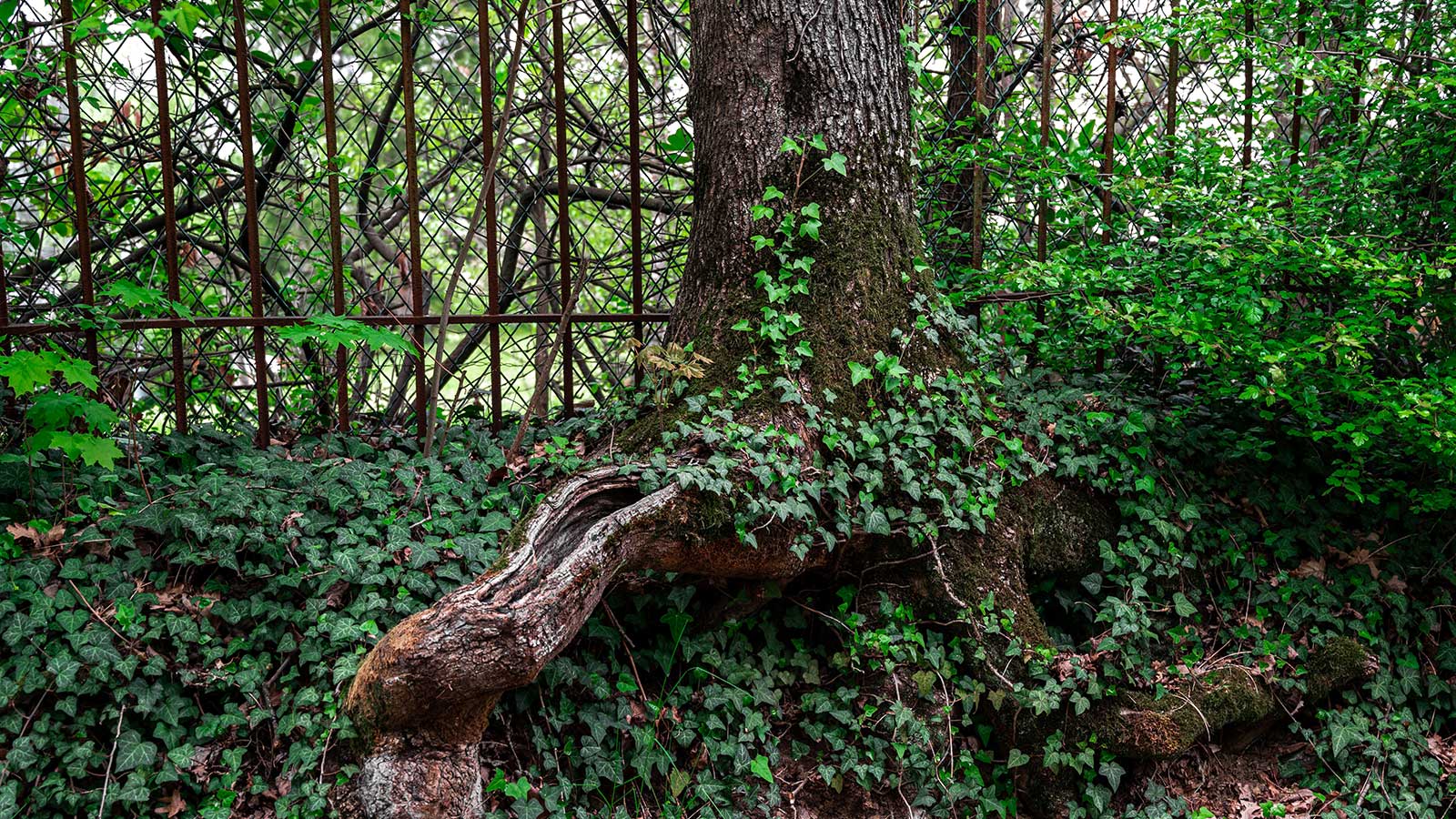
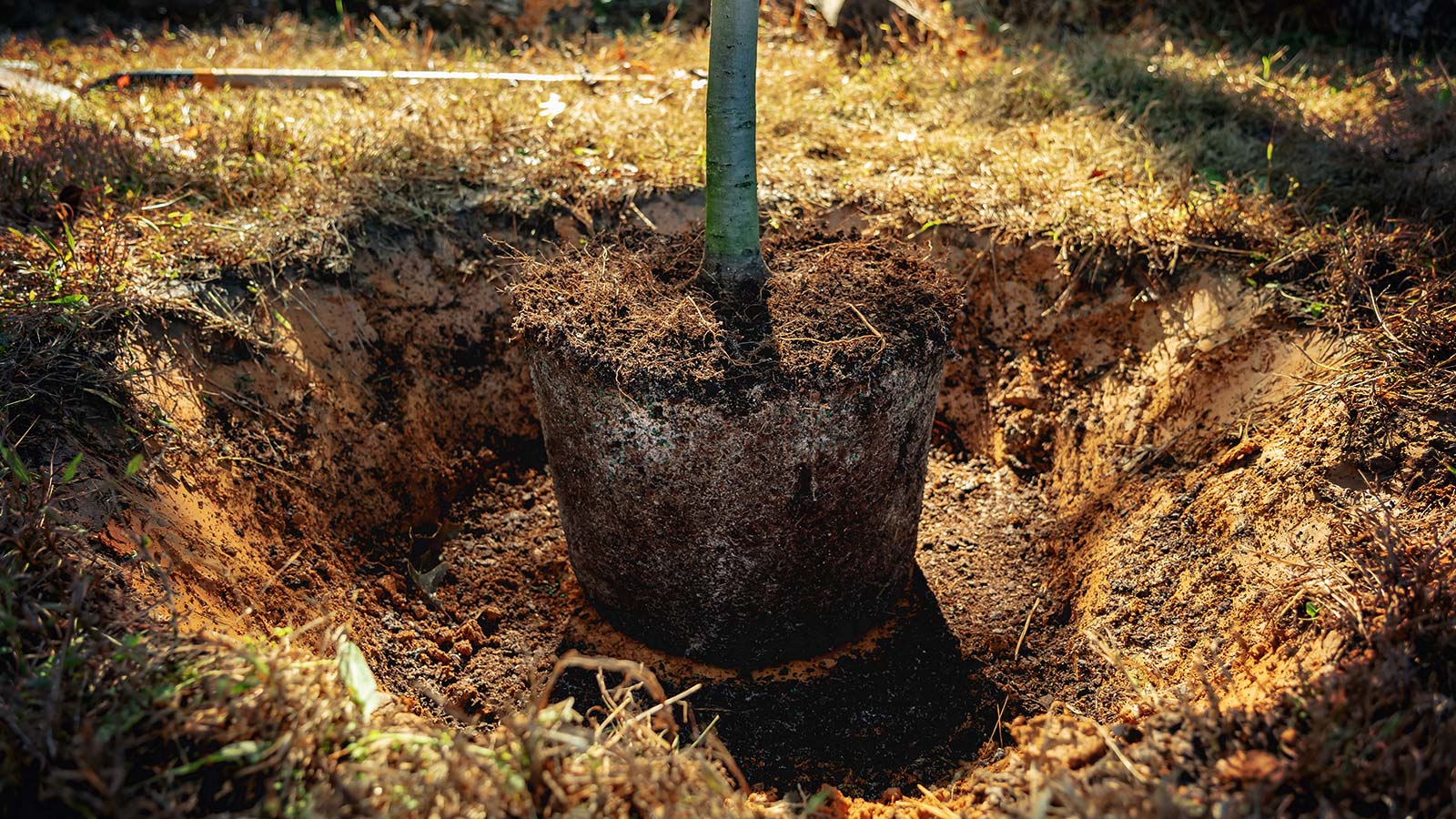
This could be anything from root problems caused by improper planting or a poorly developed root system before planting (trees and shrubs grown in pots often have circling roots that can eventually strangle the tree) to very poor soil conditions or even a lightning strike.
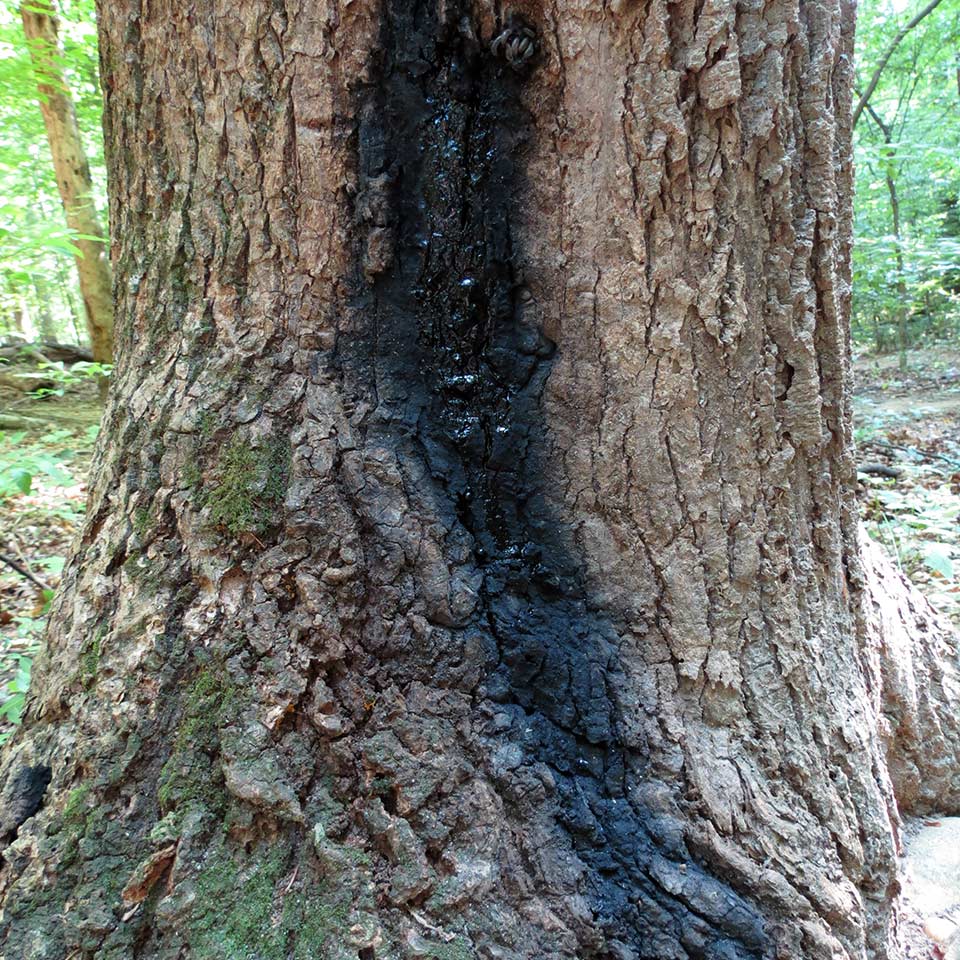
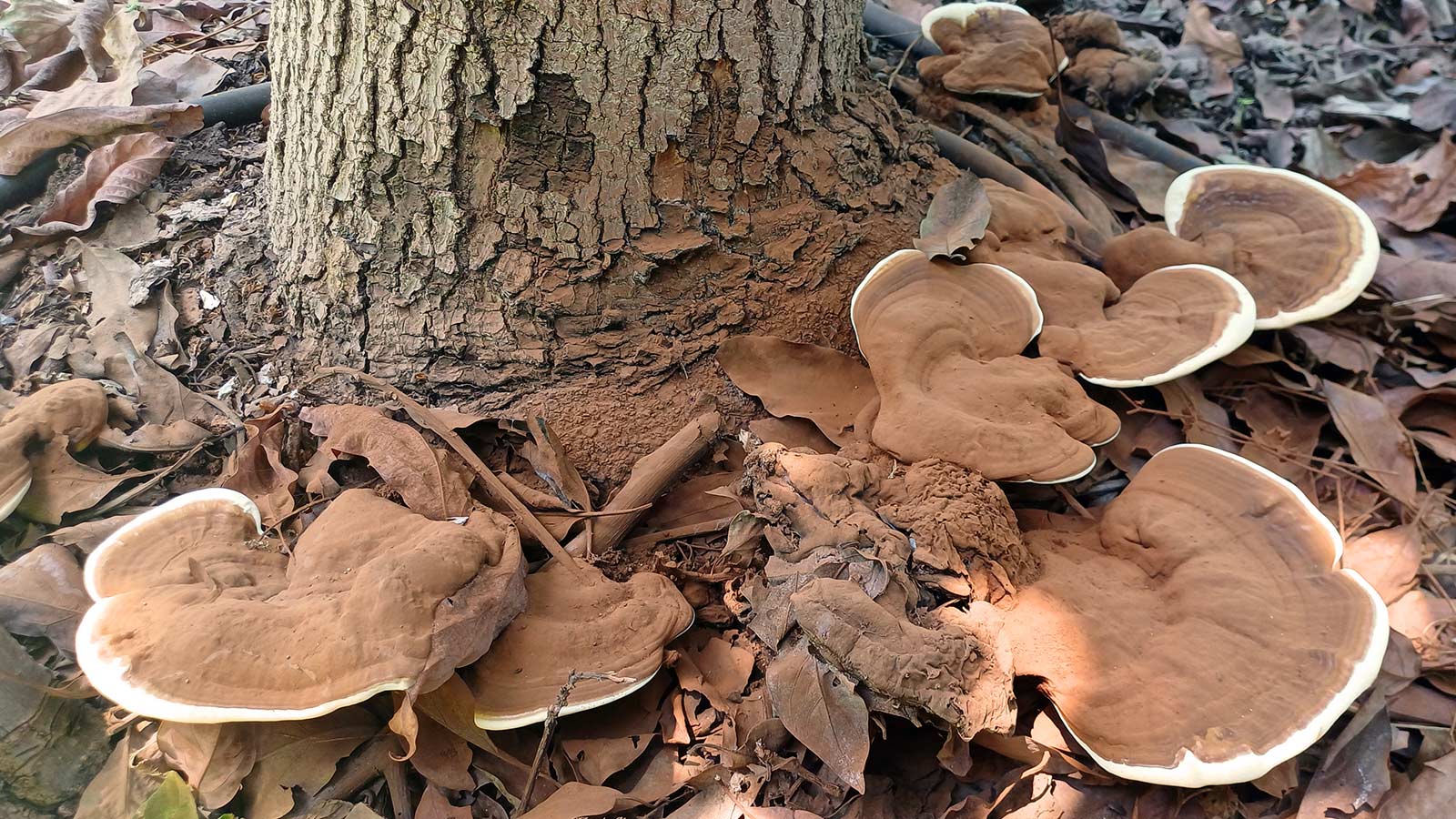
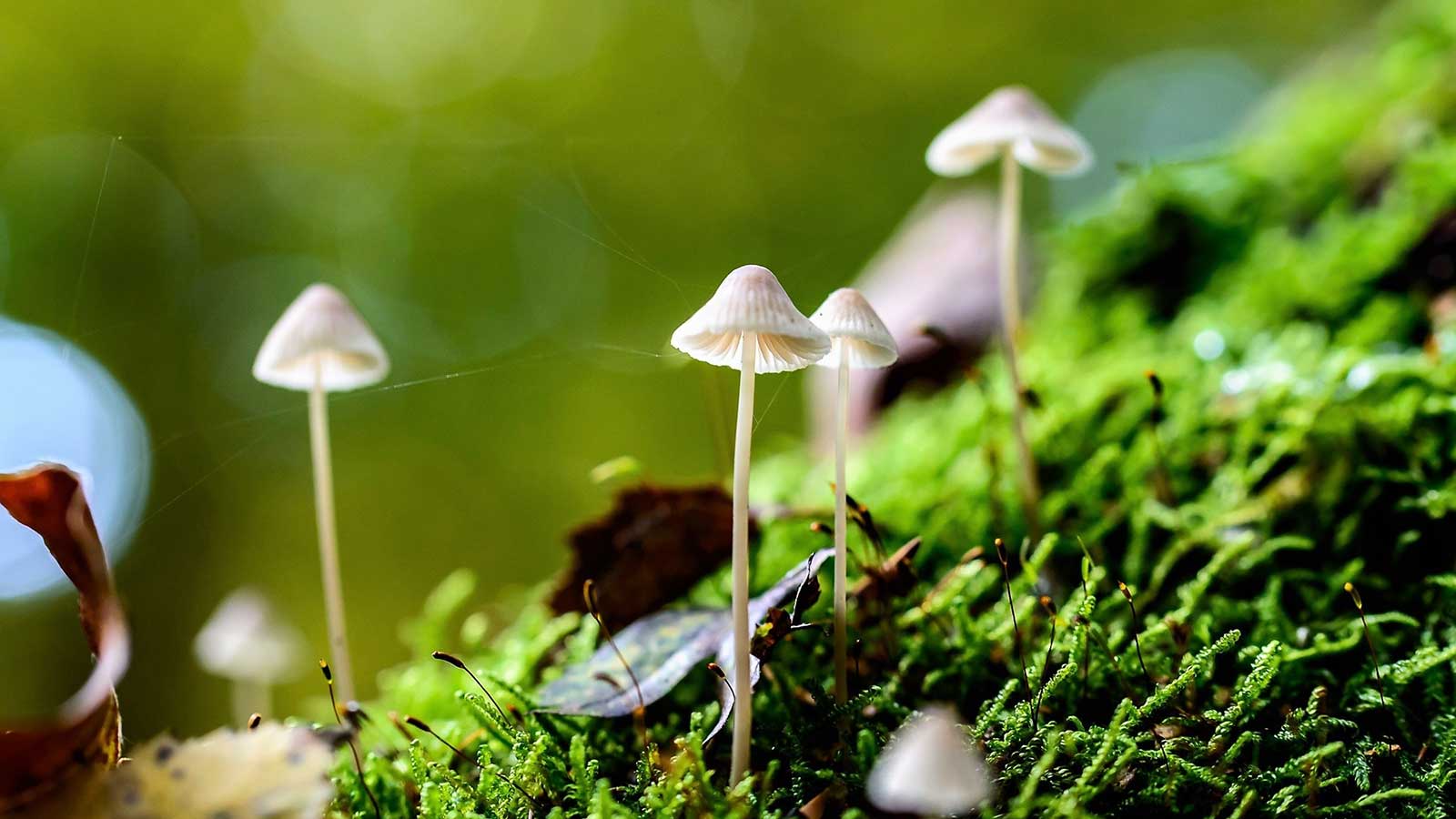
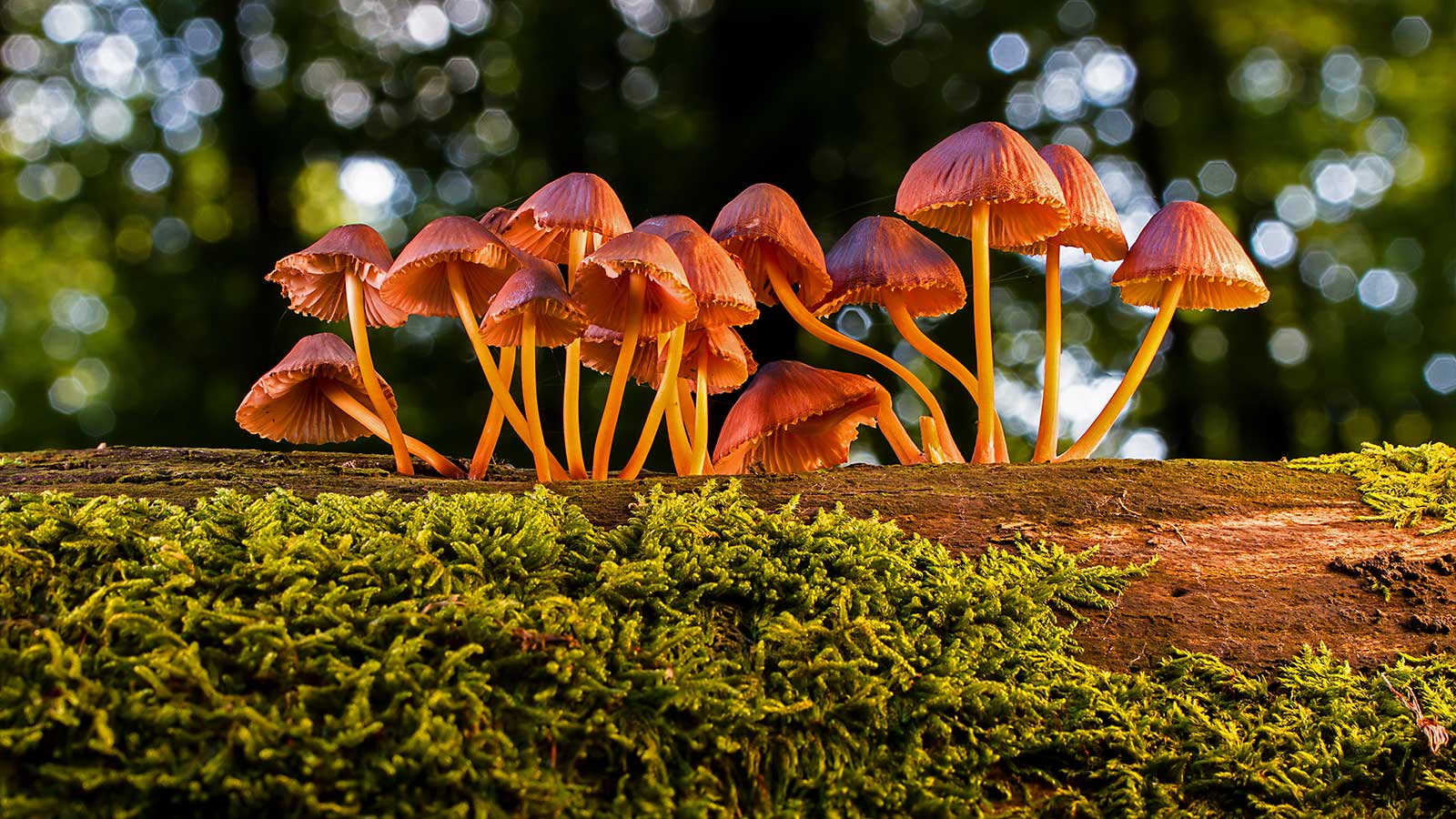
Oozing from holes or cracks, mushrooms
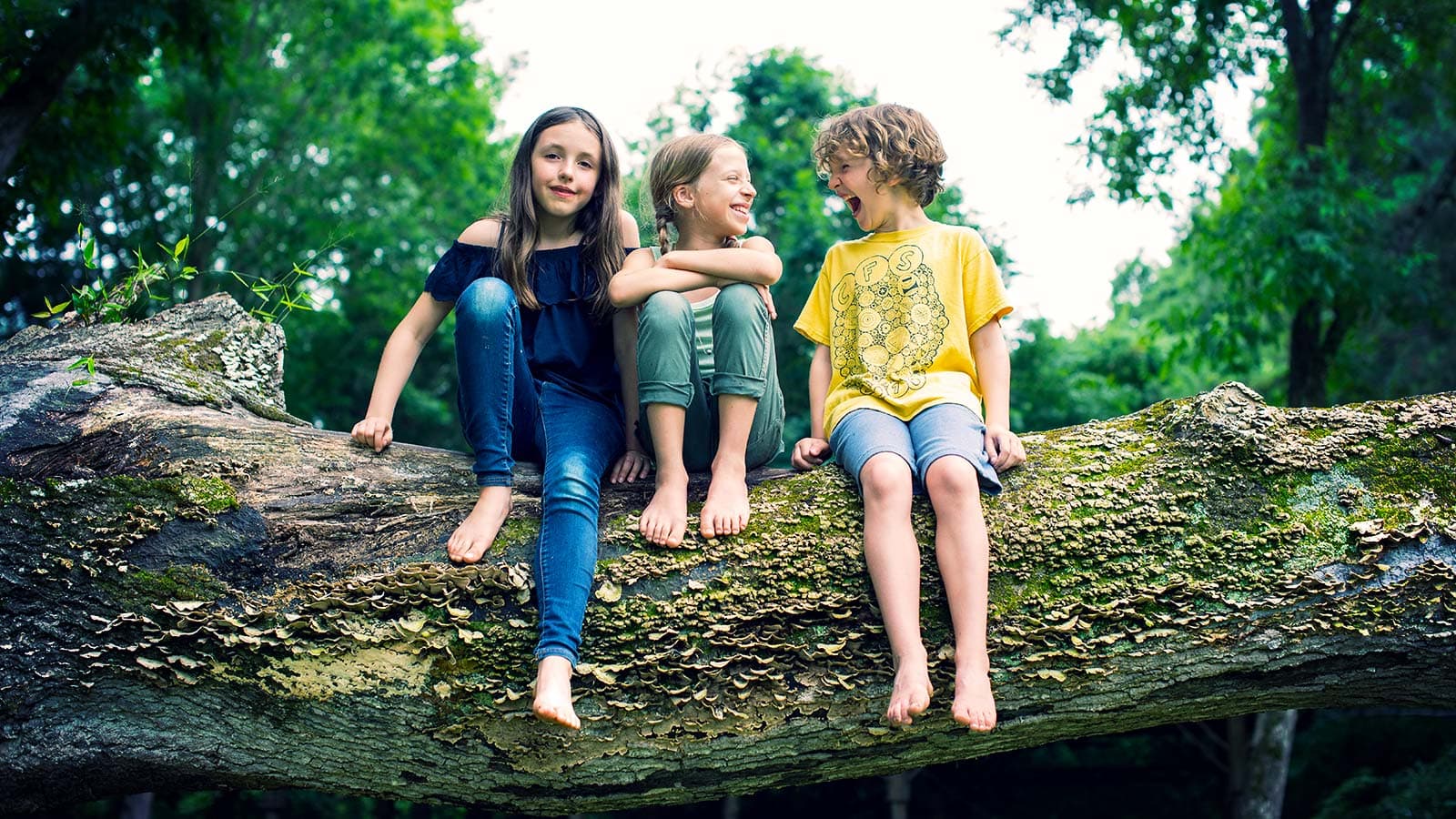
Often a sign of bacterial or fungal infection. Bacterial or fungal infections are often associated with trees in distress due to waterlogged or very compacted soil and root development problems.
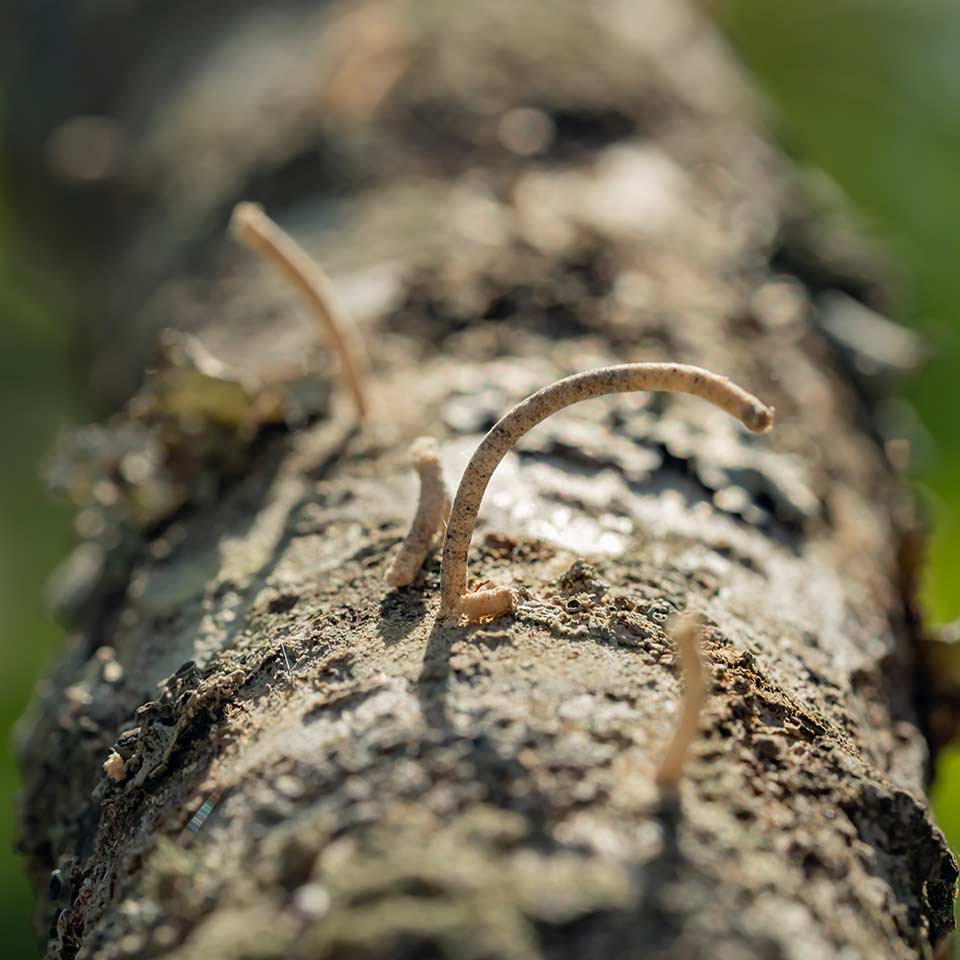
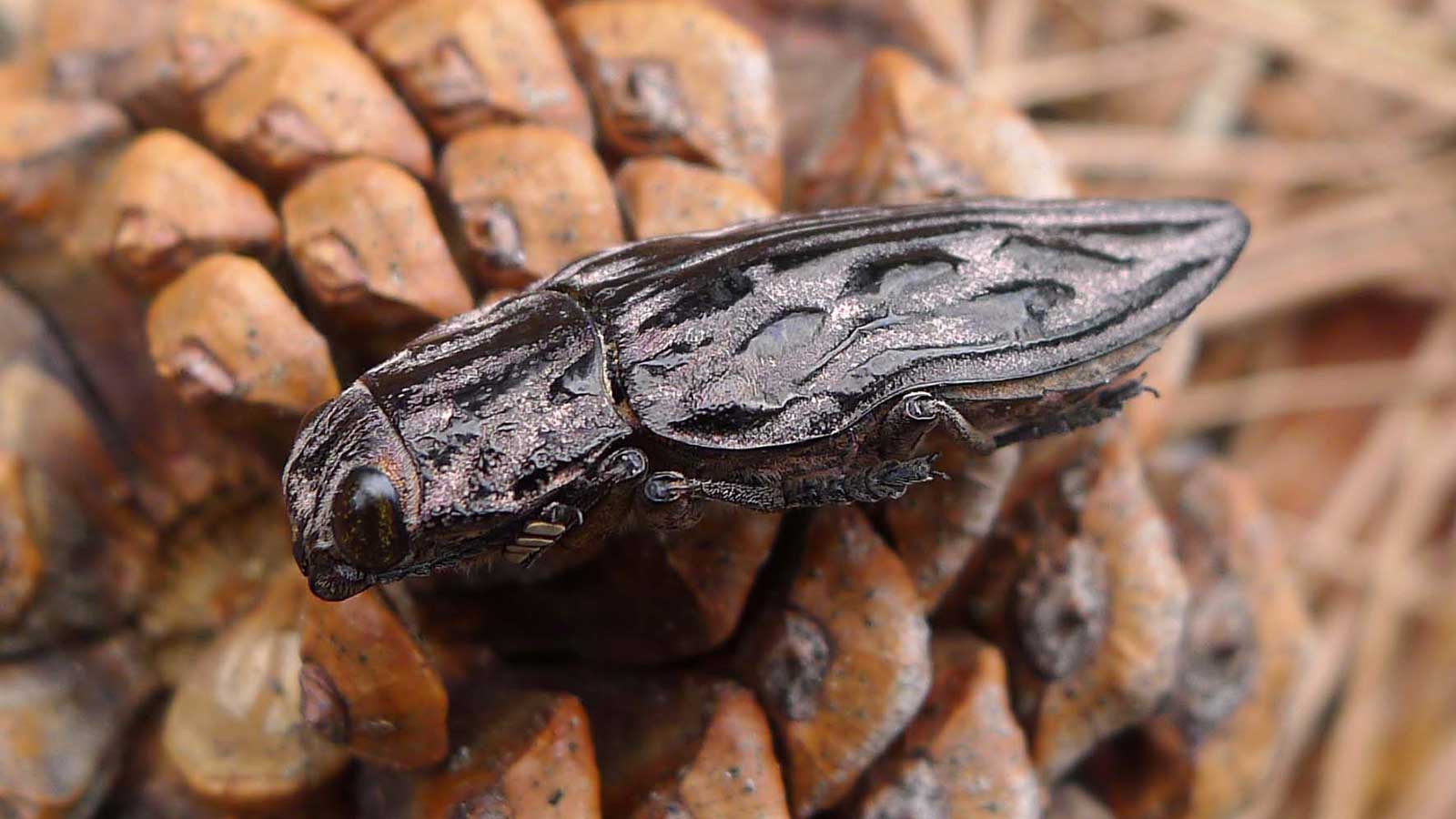
Boreholes and sawdust
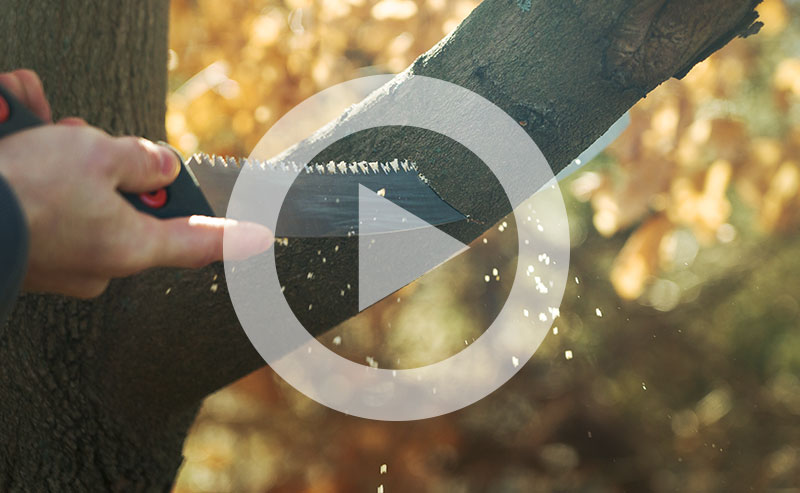
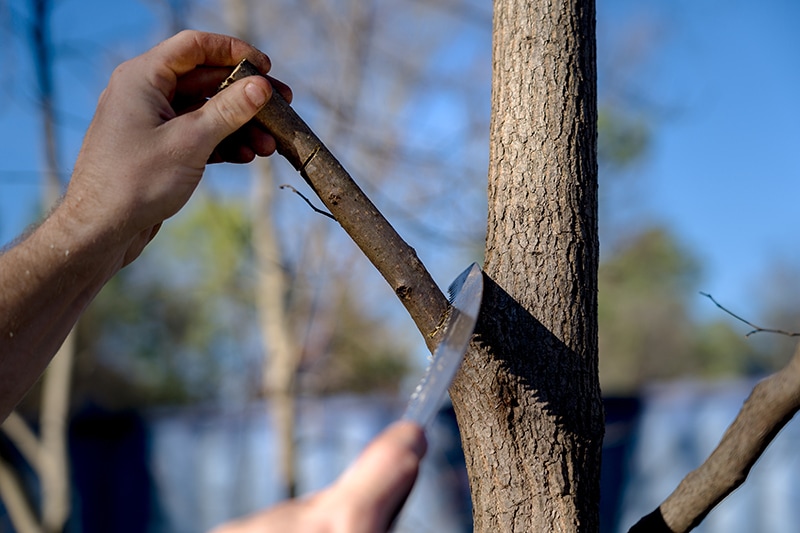
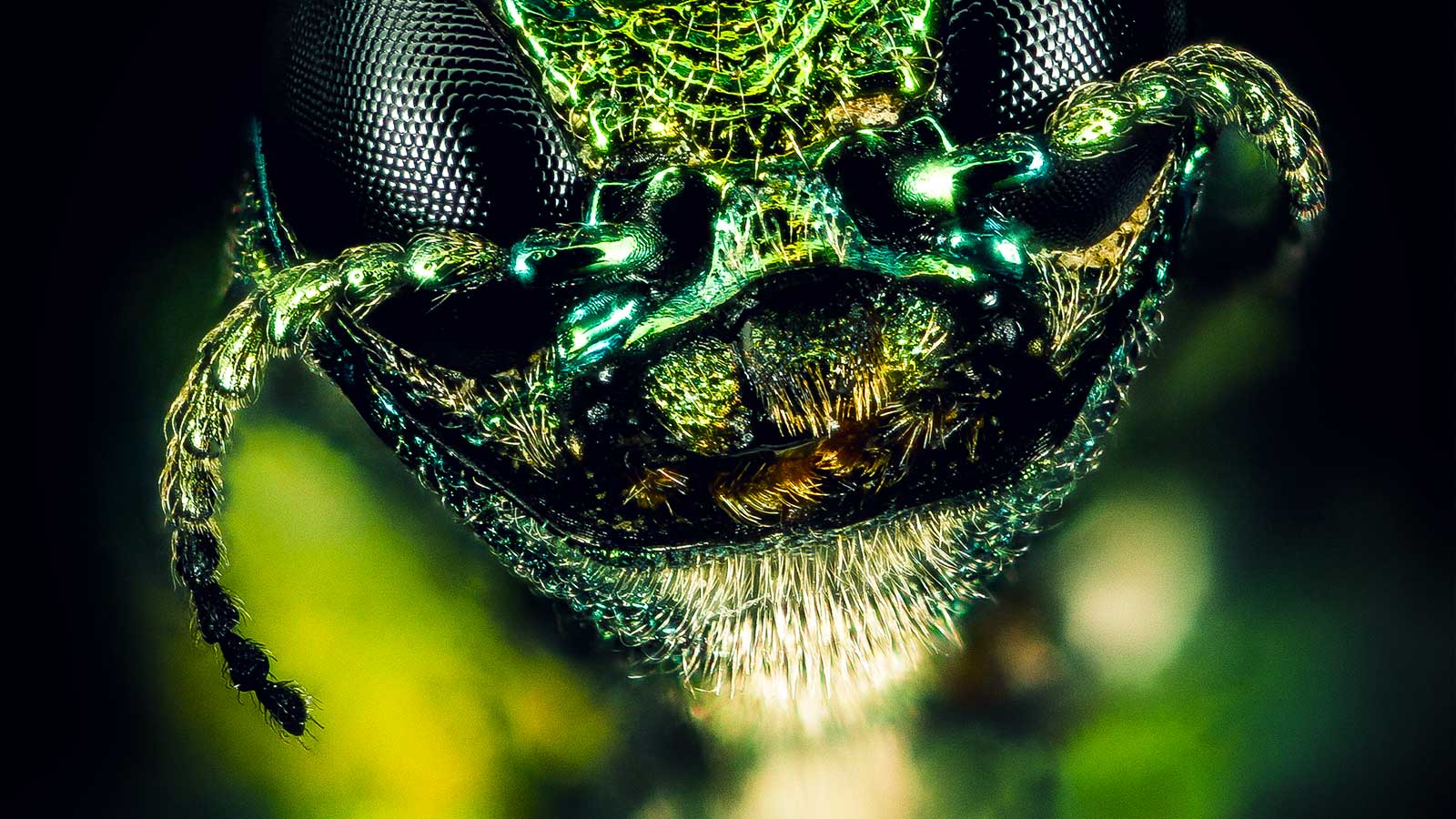
Most likely caused by insects such as the emerald ash borer, southern pine beetle, ambrosia beetle, or others. Knowing the tree species and the size and shape of the boreholes will help identify the culprit.
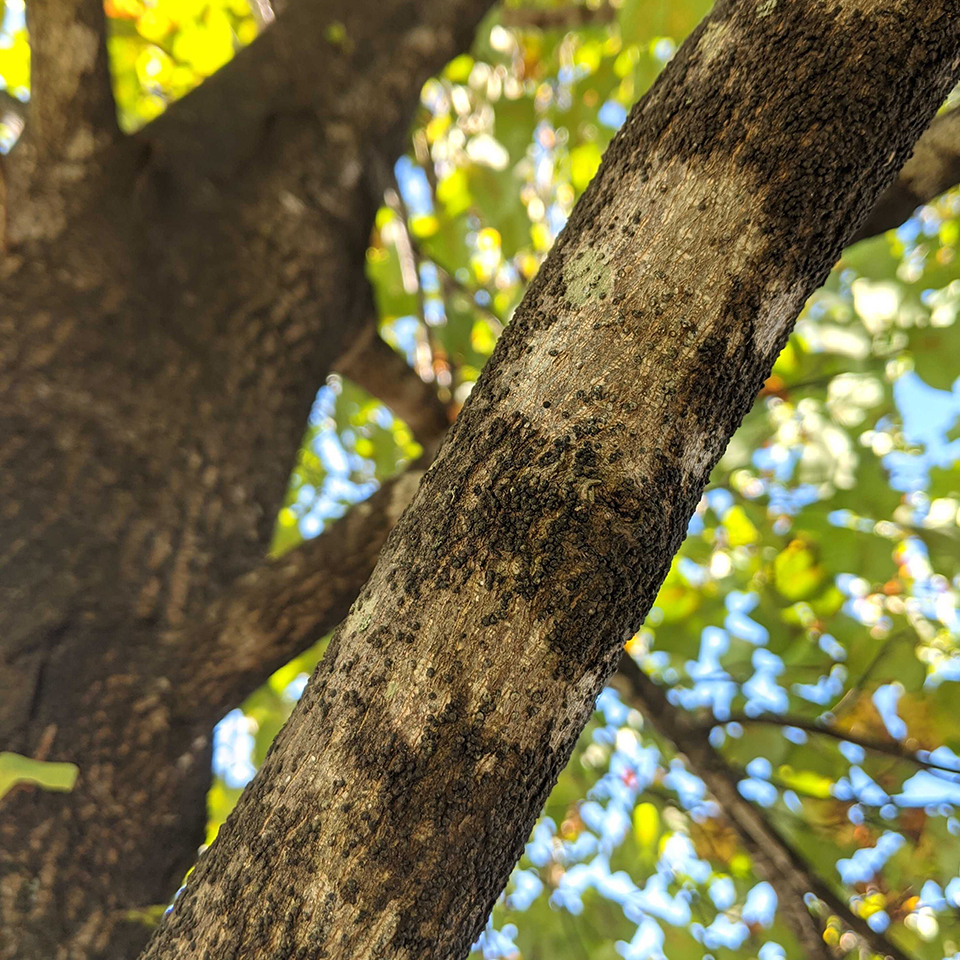
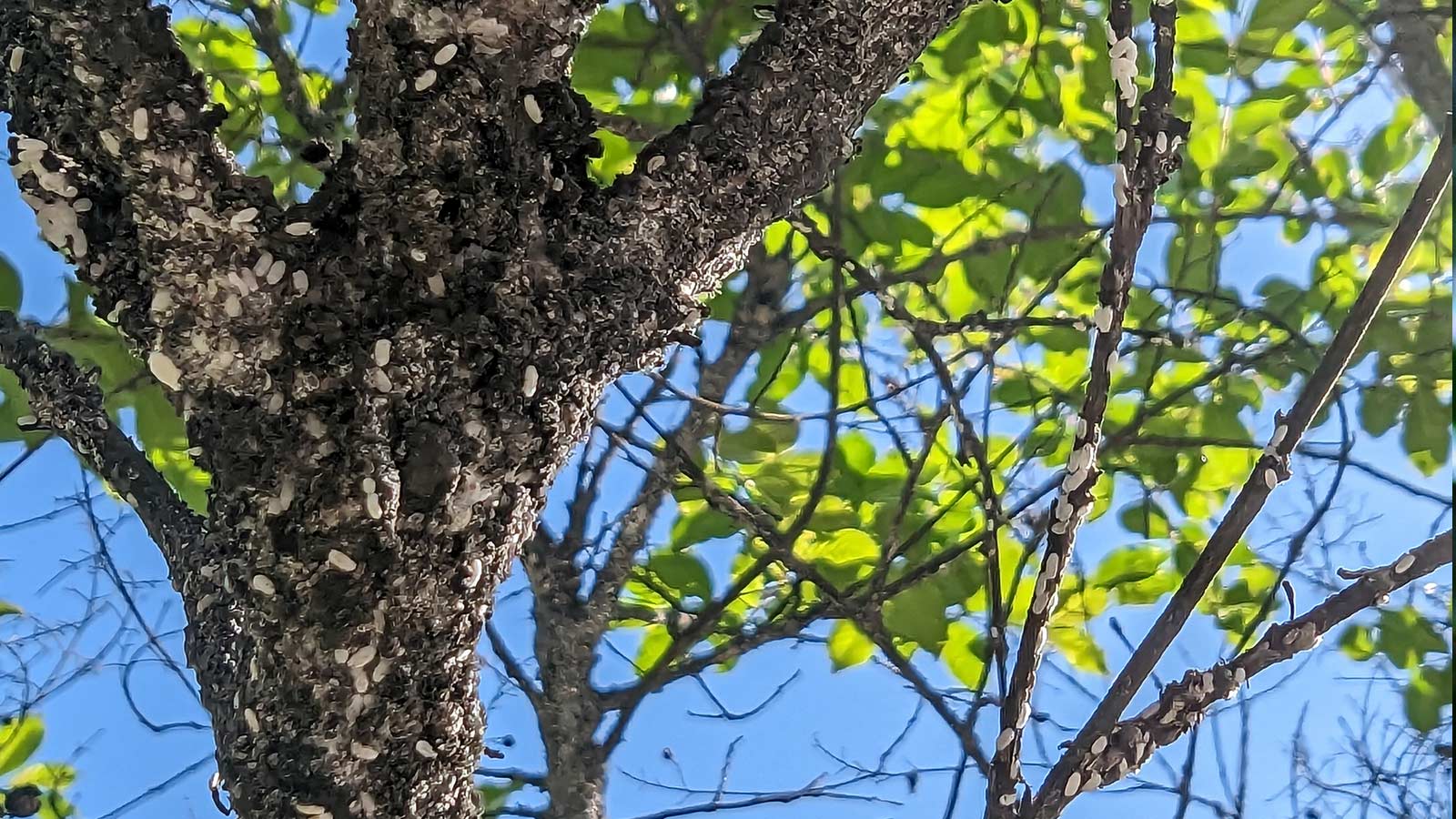
Tiny bumps and blackened stems
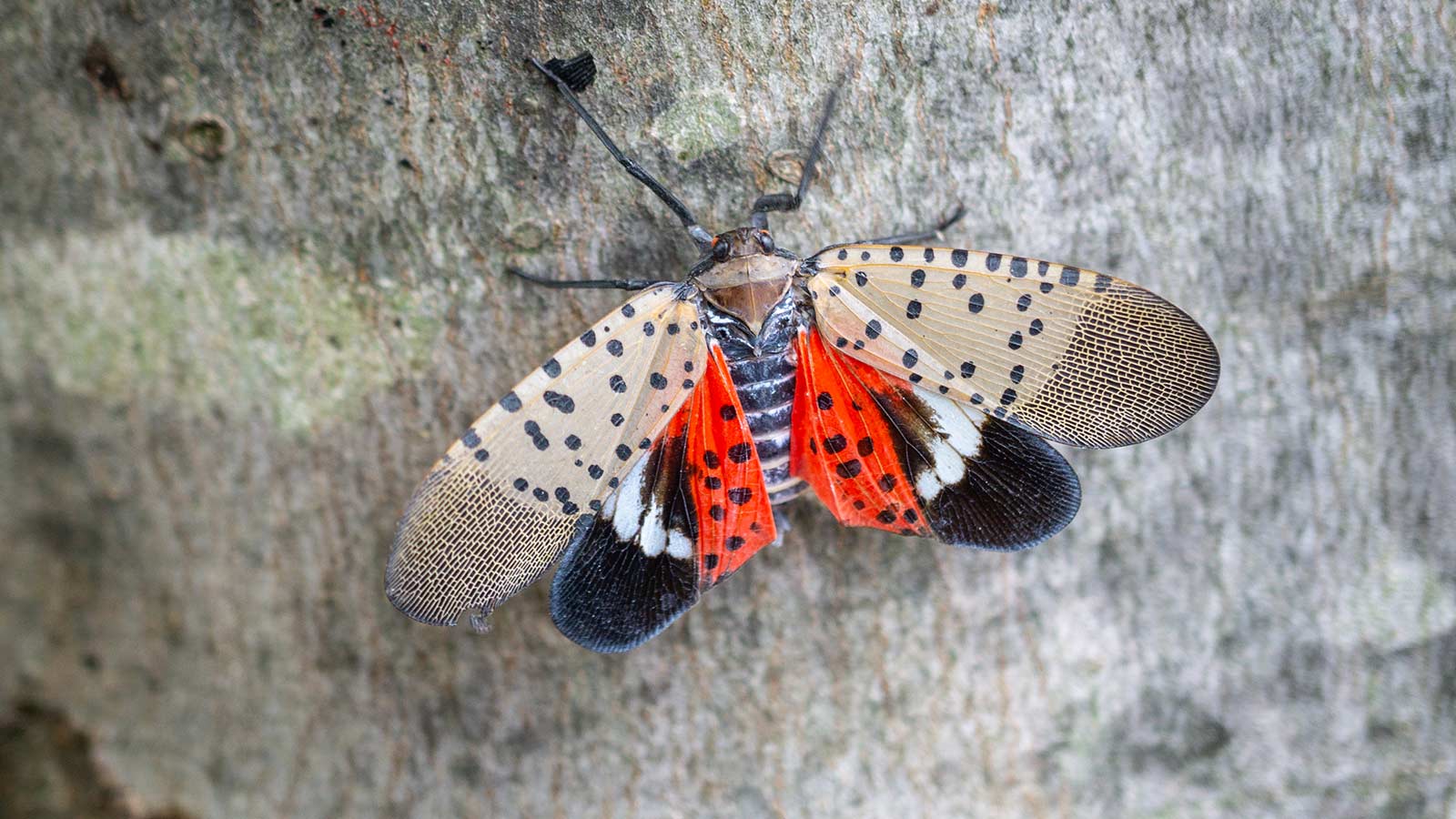
Scale insects, which don't even look like insects, can cause dieback of limbs and twigs by sucking sap from stems. Gloomy scale on red maples and crape myrtle bark scale are common.
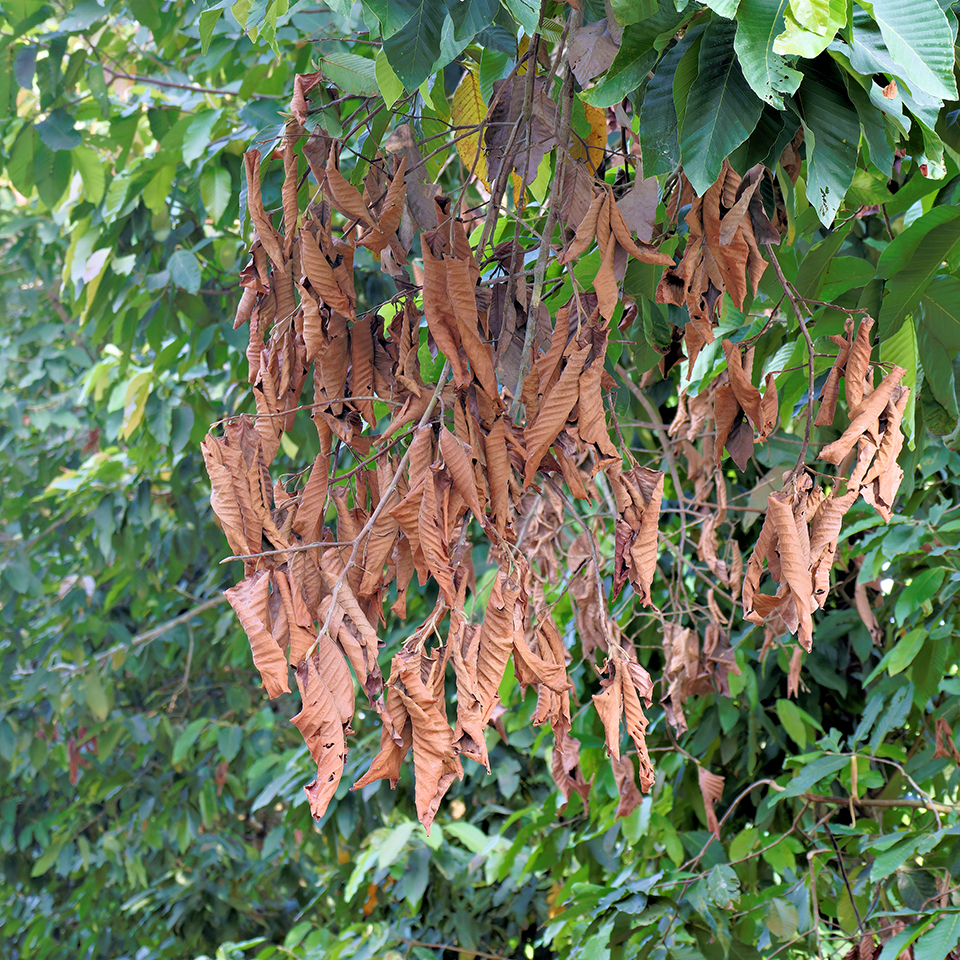
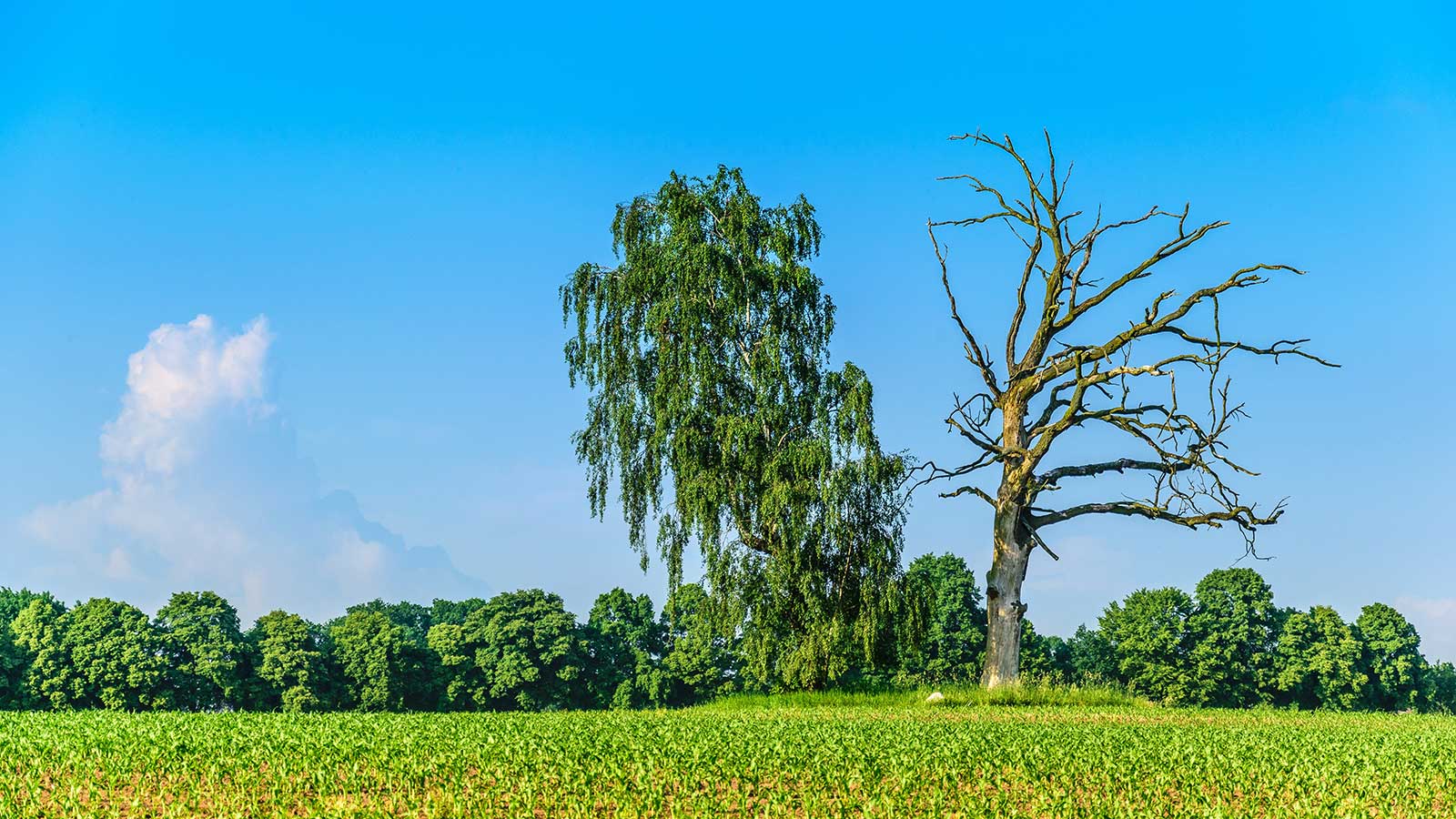
Limb dieback
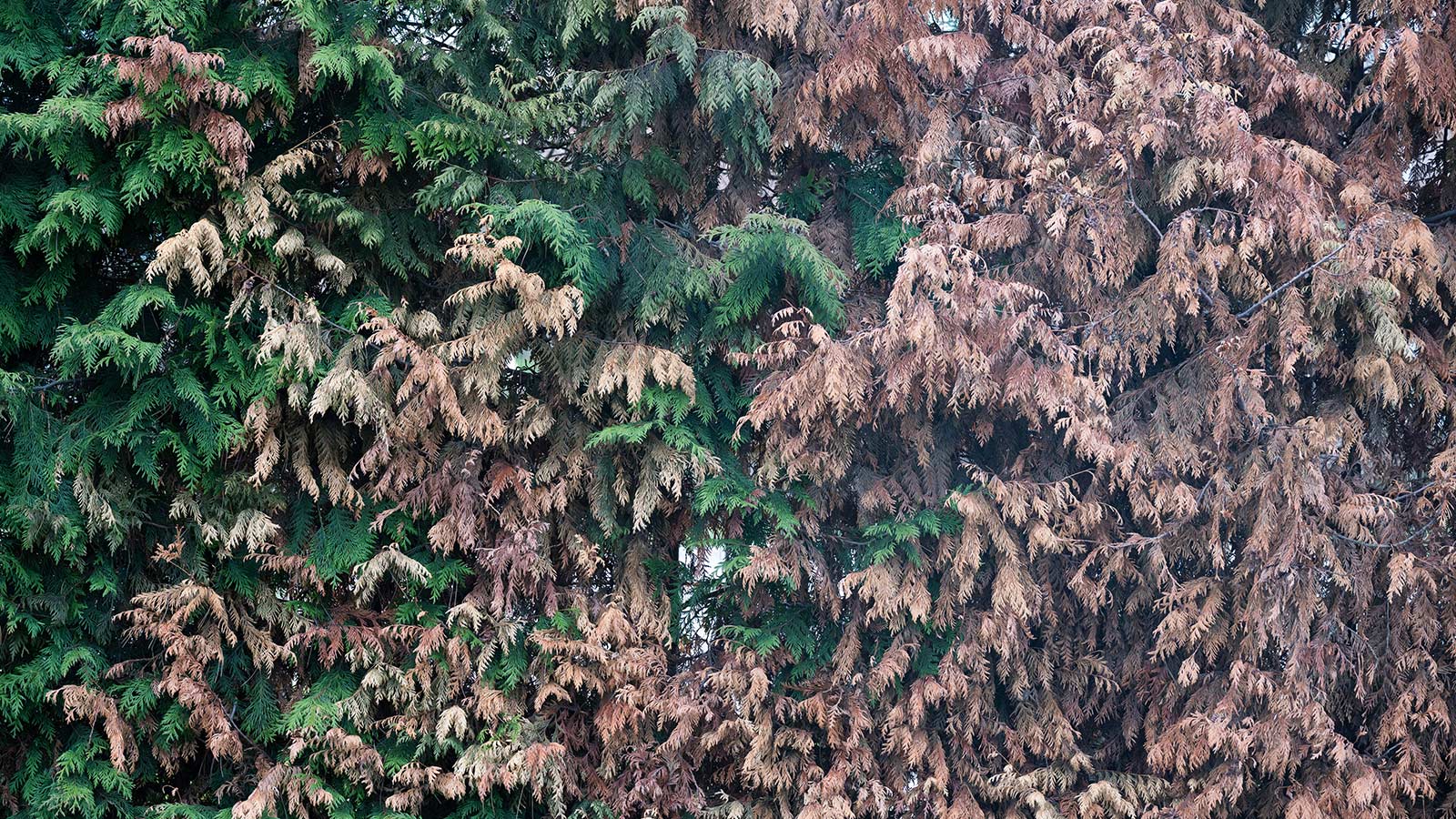
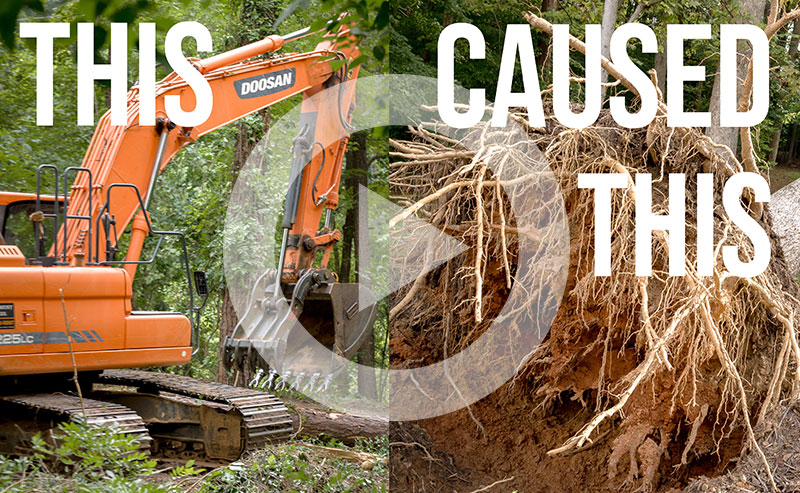
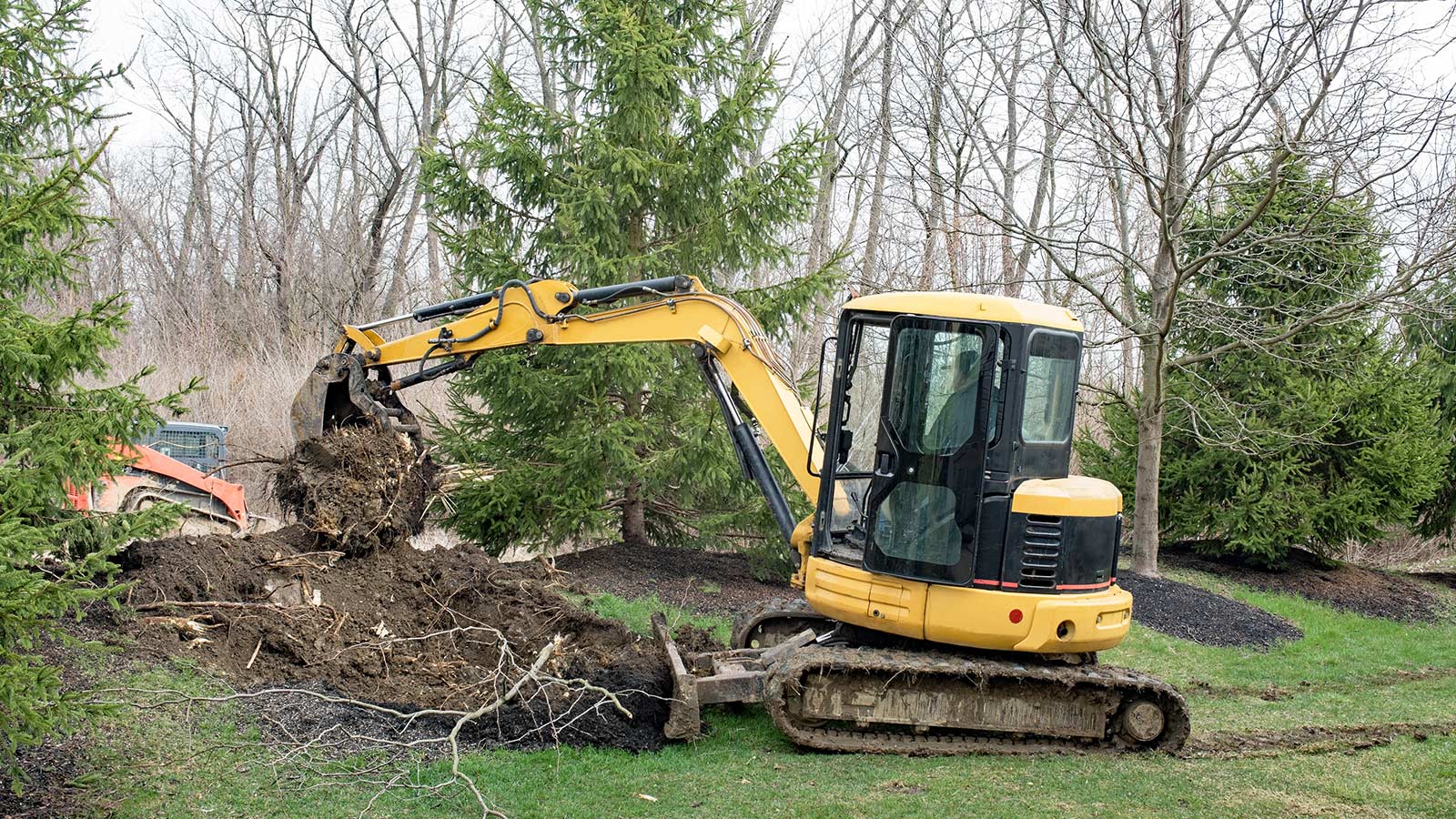
Without other above-ground signs is likely a root or soil issue. It may be associated with long-term decline from soil compaction and reduced soil vitality, or with improper watering. It may also be related to events over the last several years, such as construction, trenching, or grade changes. Tree decline due to human disruptions may take many years to manifest, especially in mature trees.
Leaf Damage and Discoloration
Leaf problems often indicate a plant is unhappy with its planting site or soil conditions. Insect feeding is only one of several signs of possible trouble on leaves.
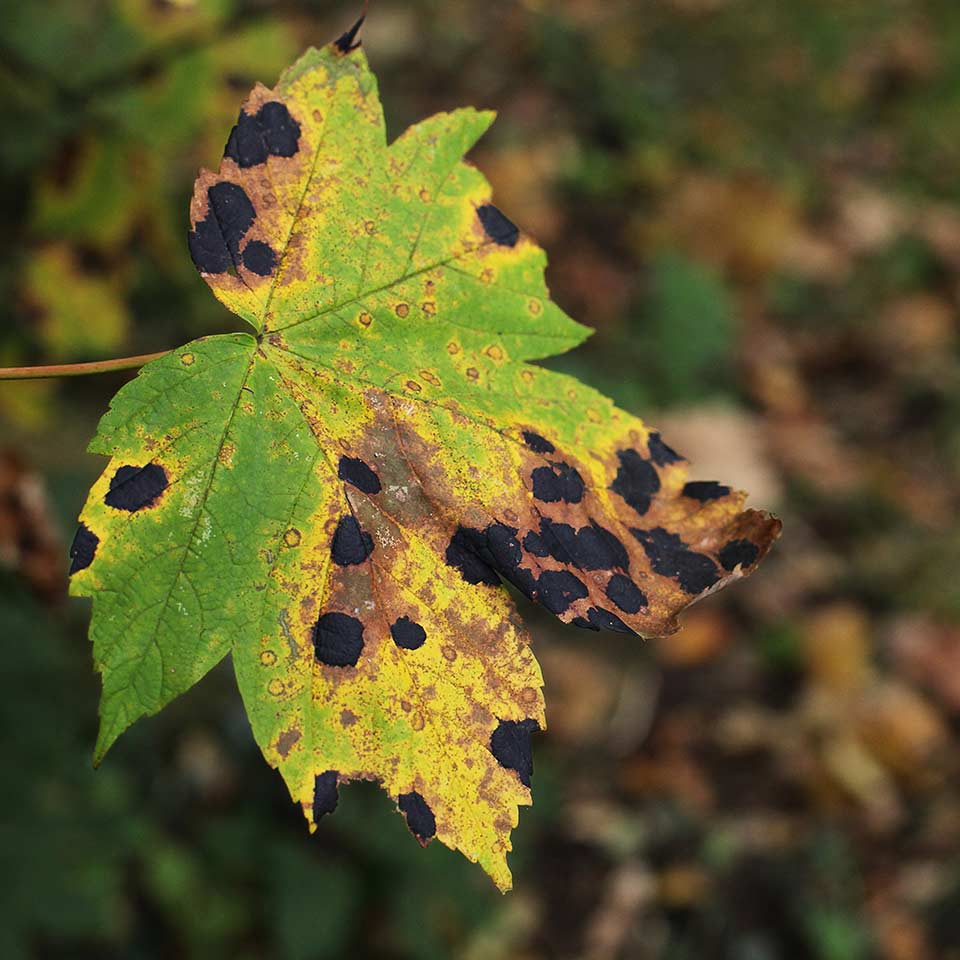
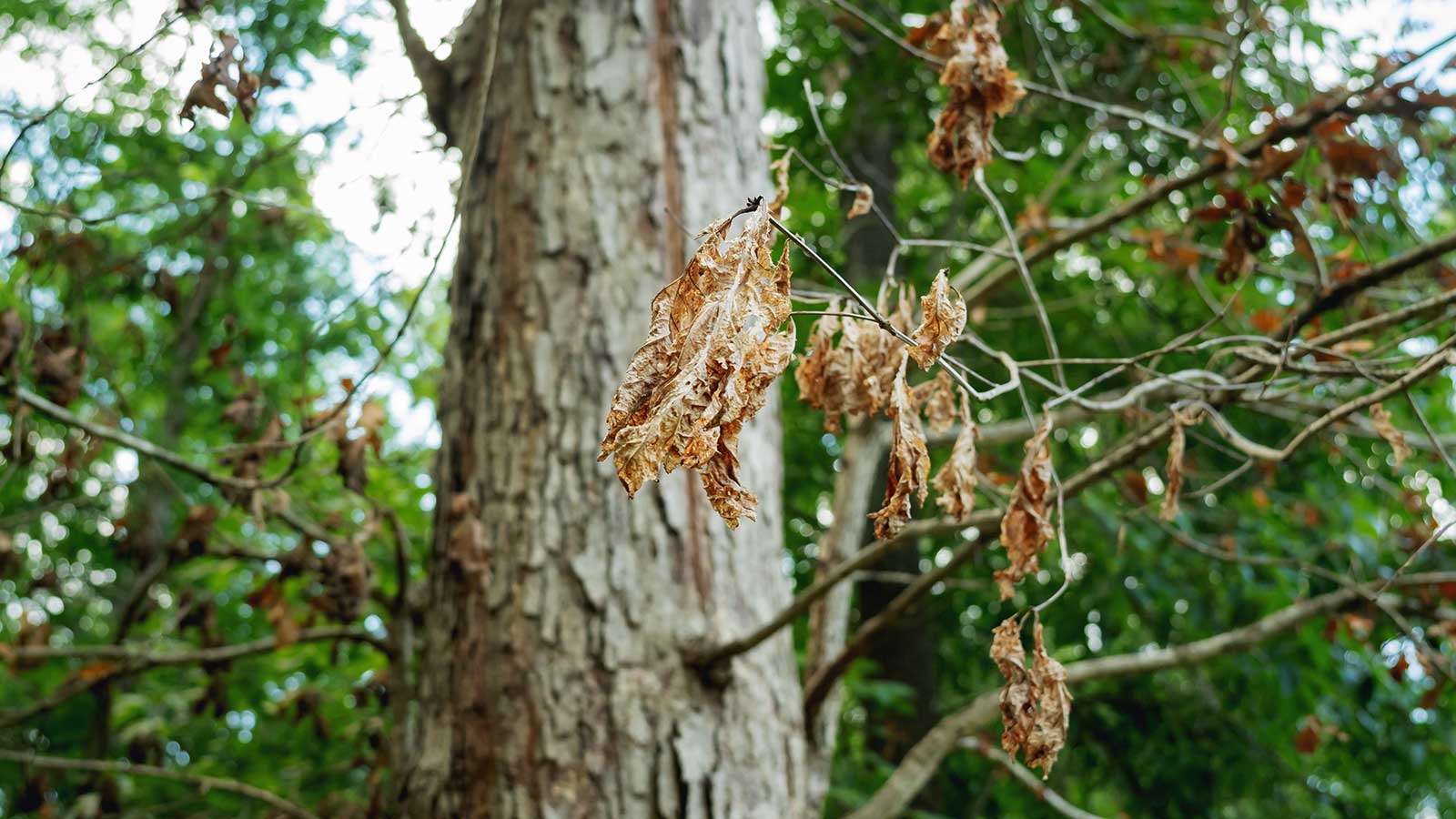
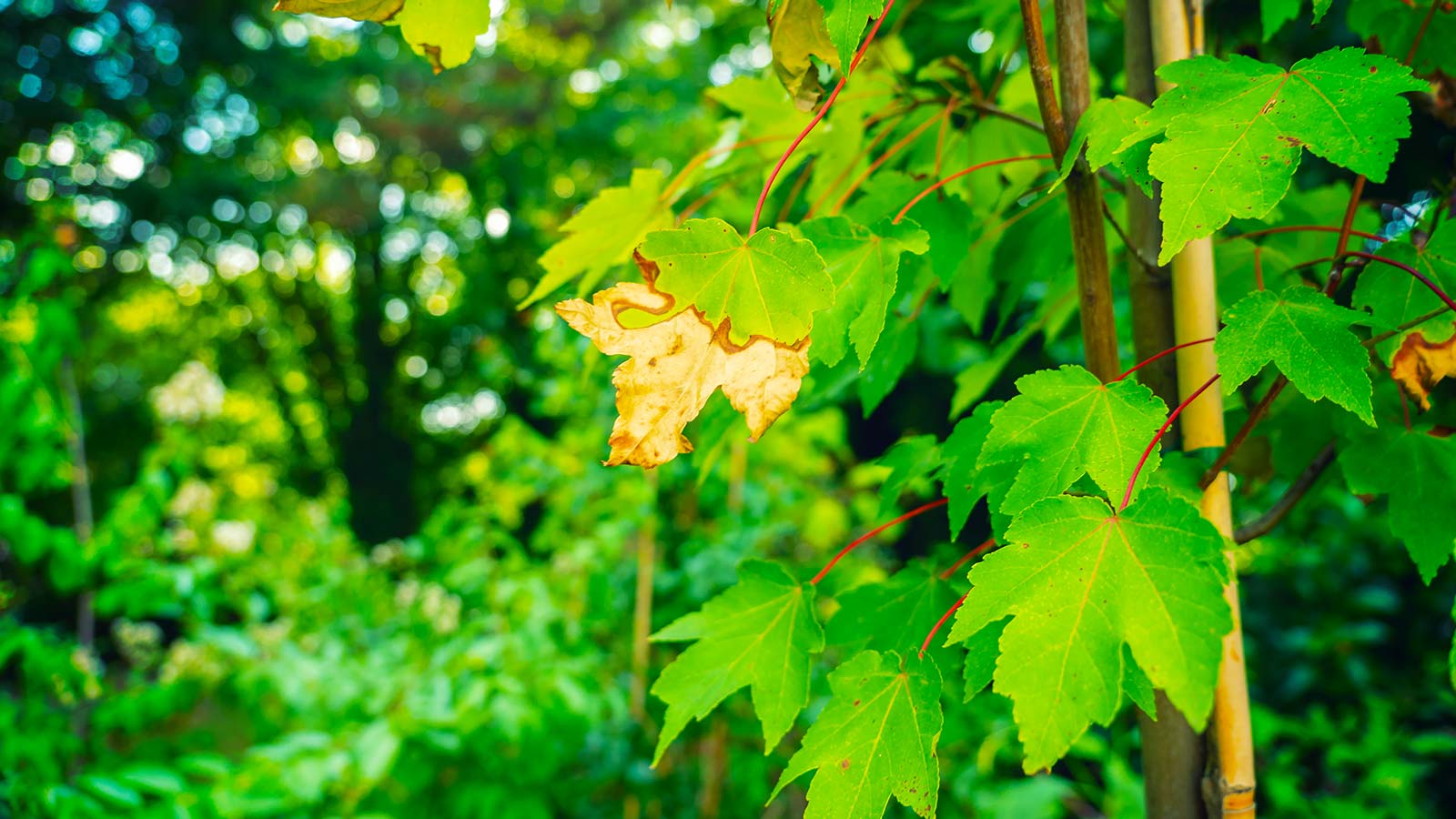
Mottled, splotchy, yellowed, distorted, or faded leaves
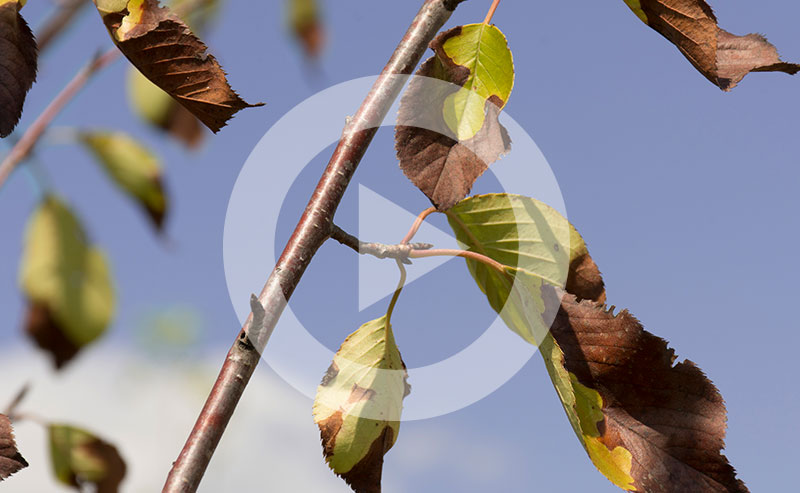
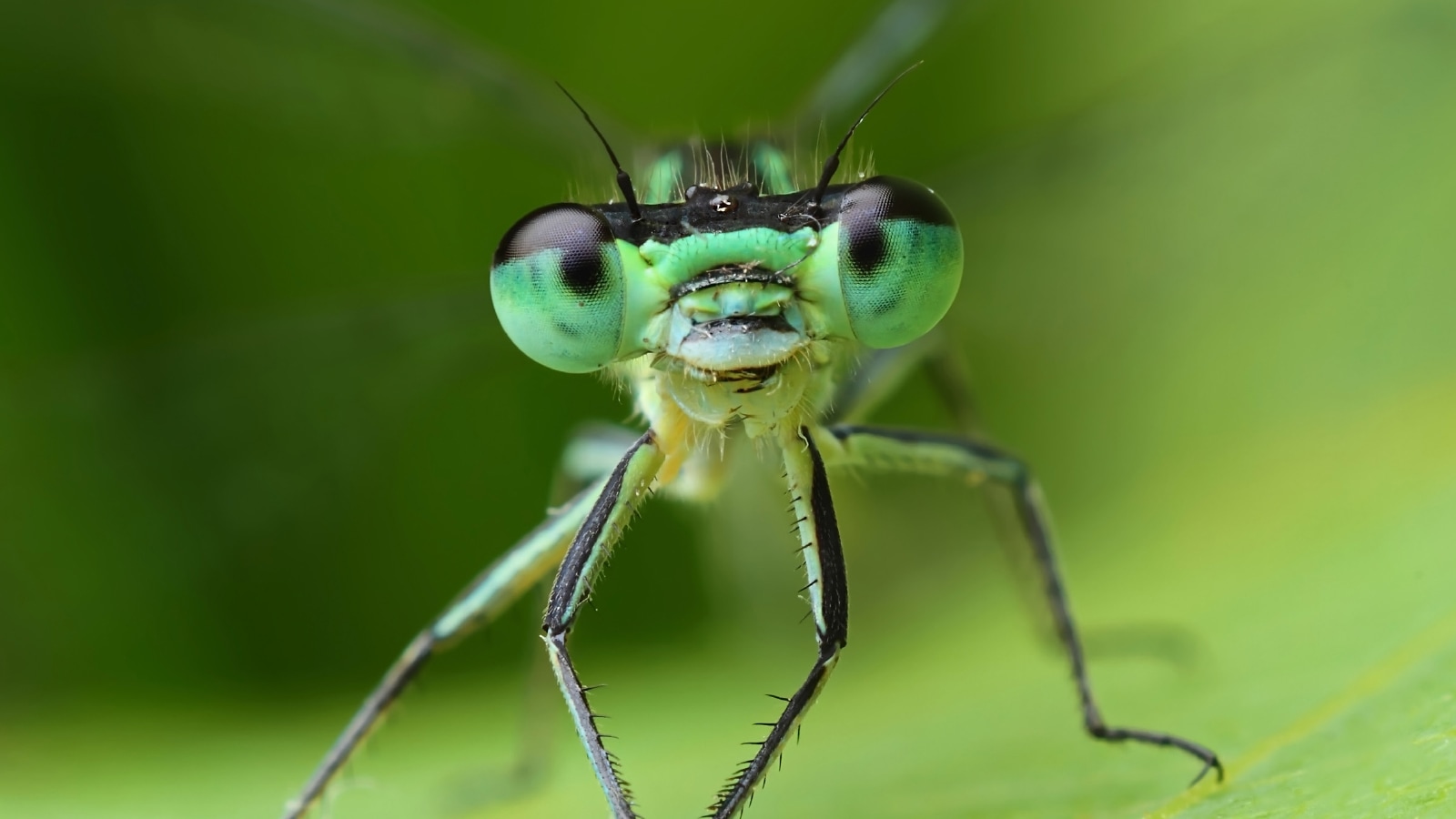
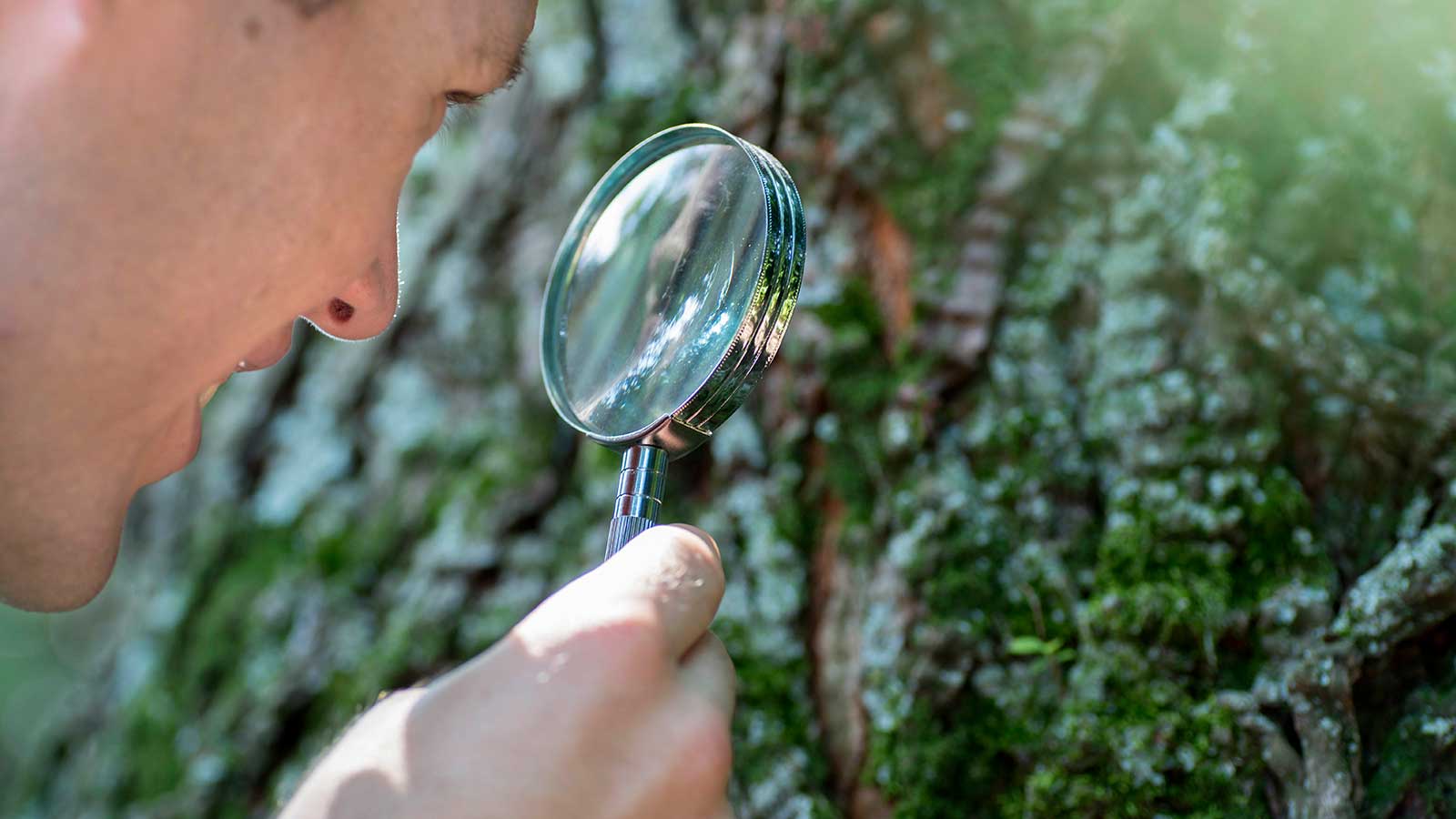
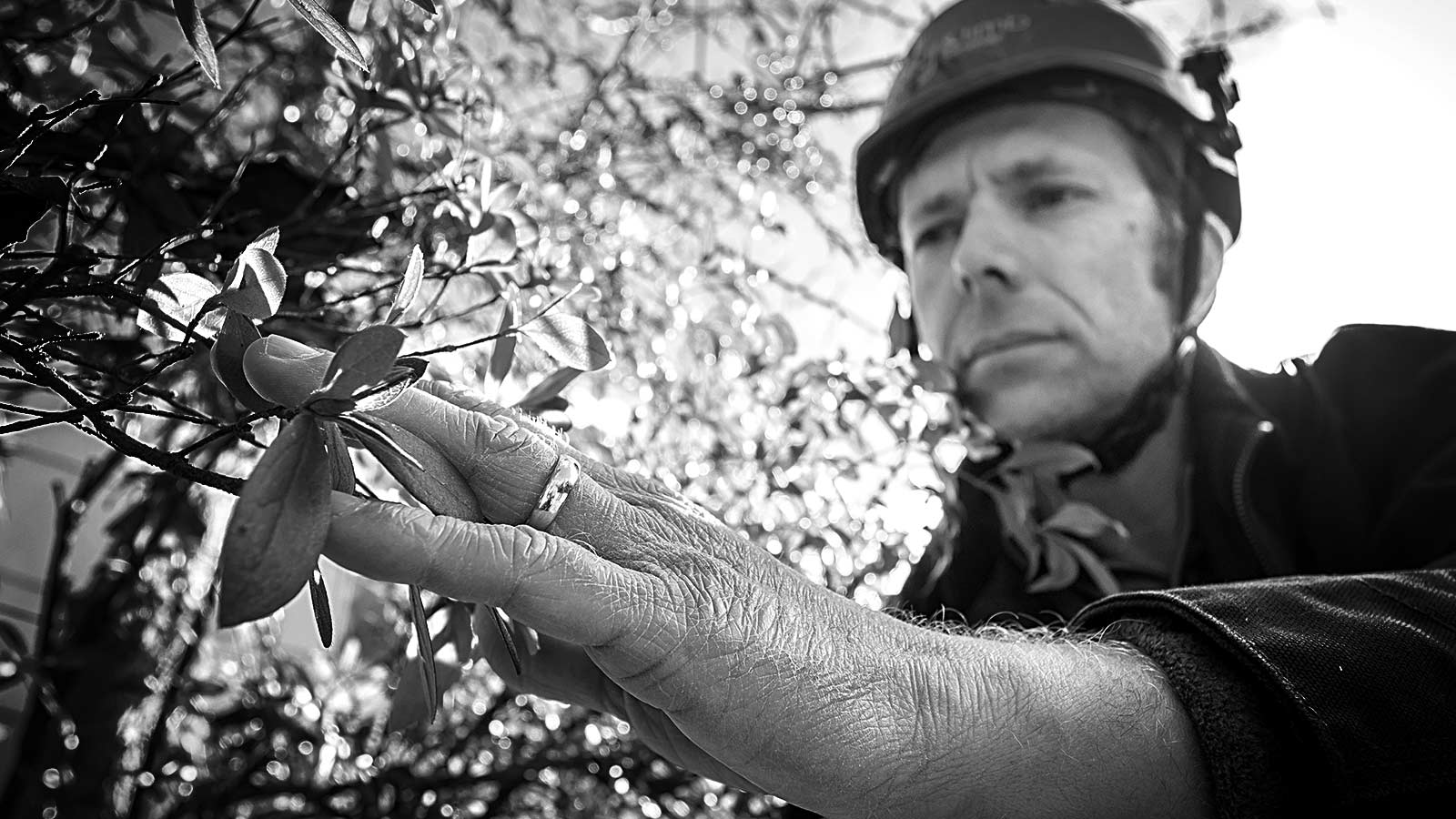
First, look under the leaves. If it's a tiny sucking insect, such as aphids, whiteflies, or lace bugs, that's where you'll find it. Very fine webbing (finer than even small spiders make) might reveal spider mites. If you don't see any insects, it could be a fungal infection. It's very common for the problem to be a soil or root issue, even if you find some of these plant-sucking insects. Too much or too little water, and compacted, poor soil often kick off a downward spiral. Plants struggling in a poor location are also often implicated.
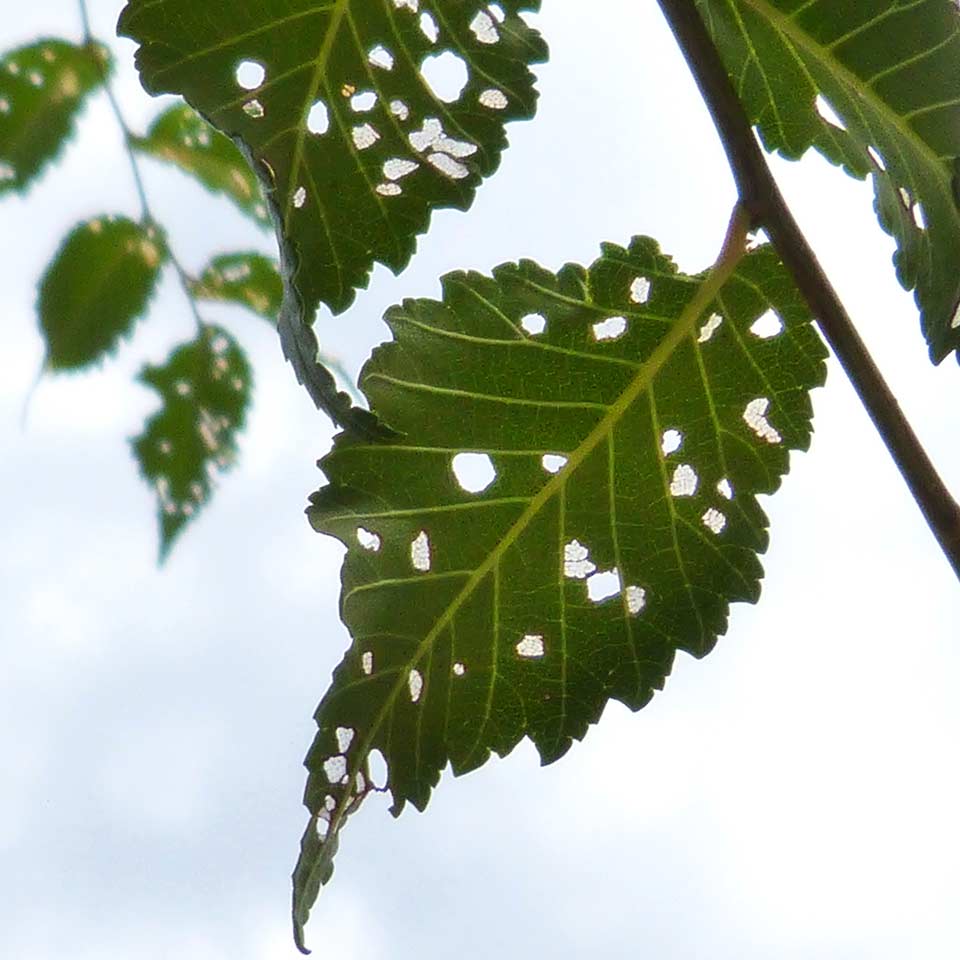
Chewed or battered leaves
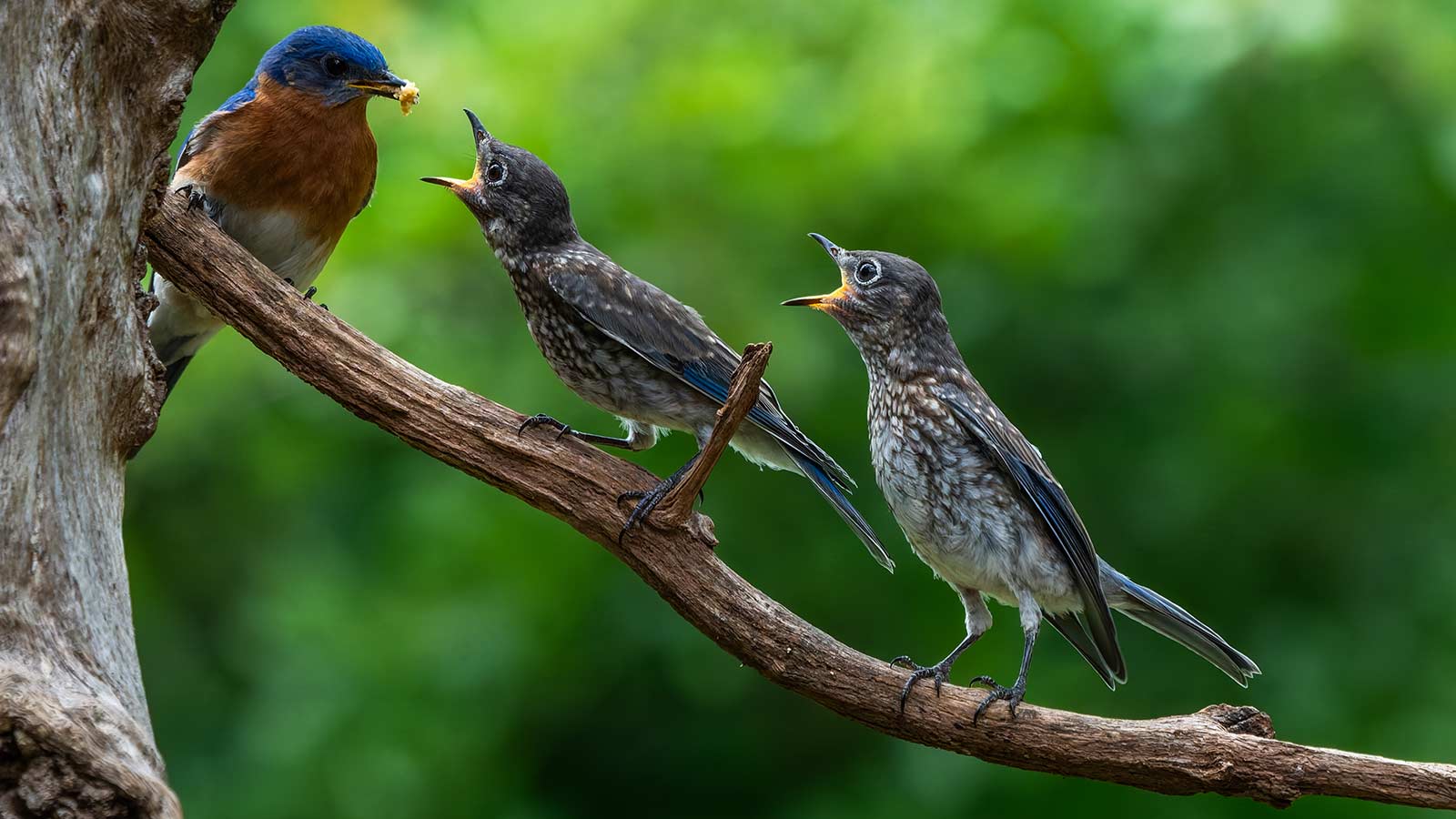
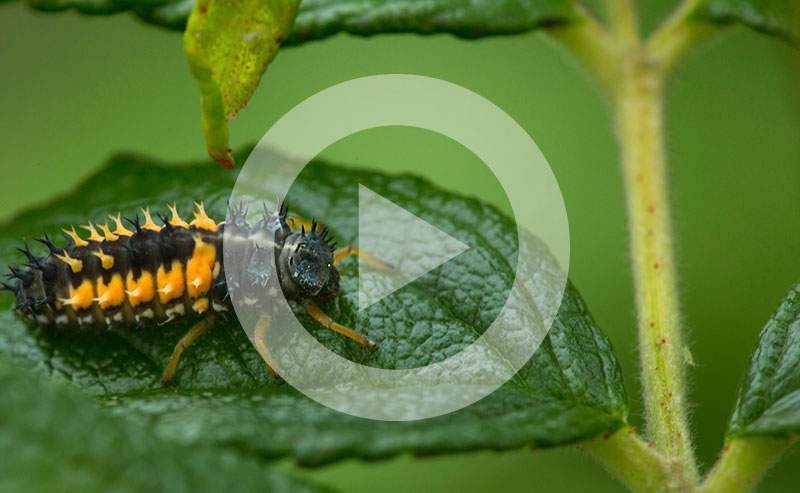
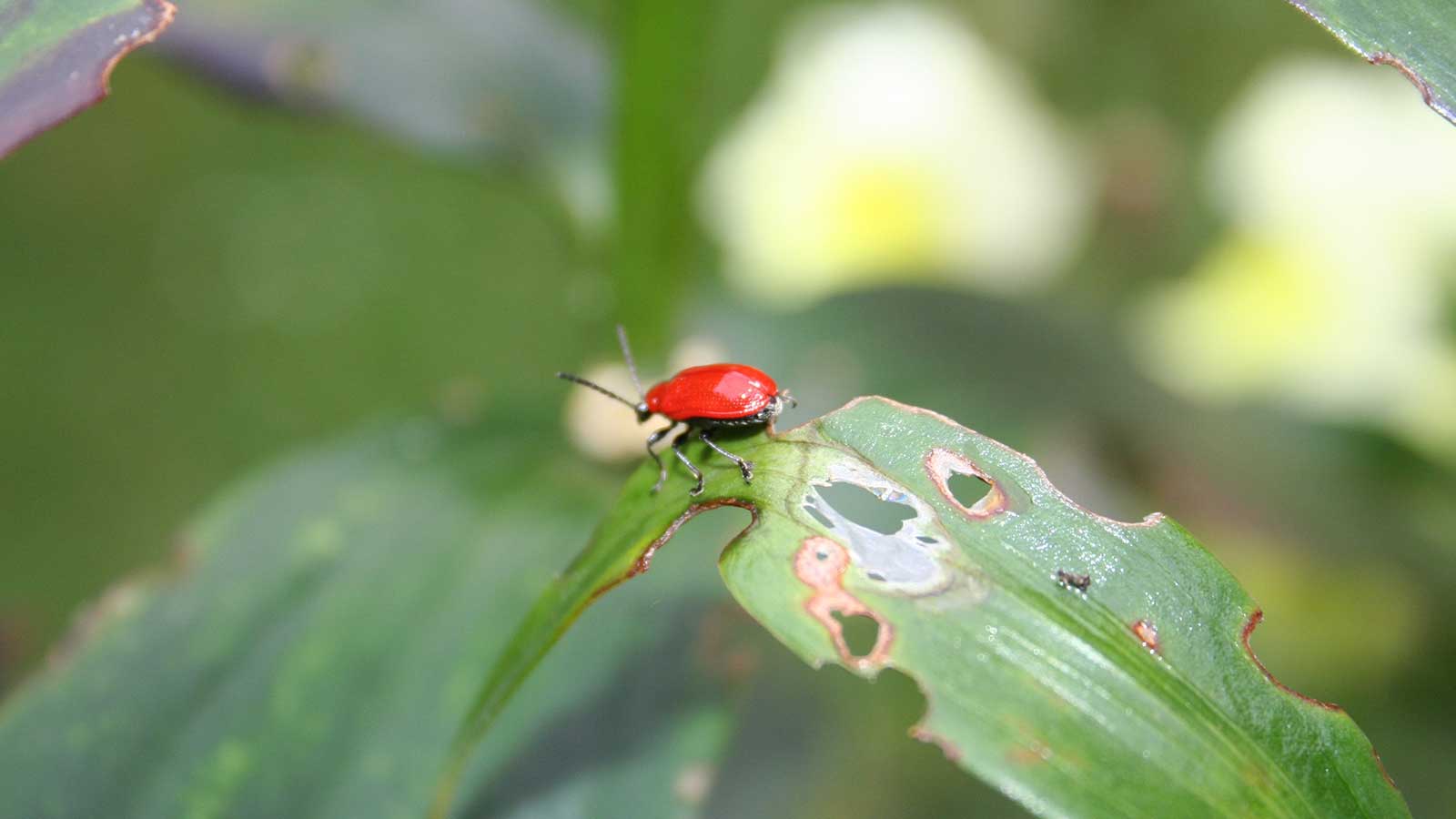
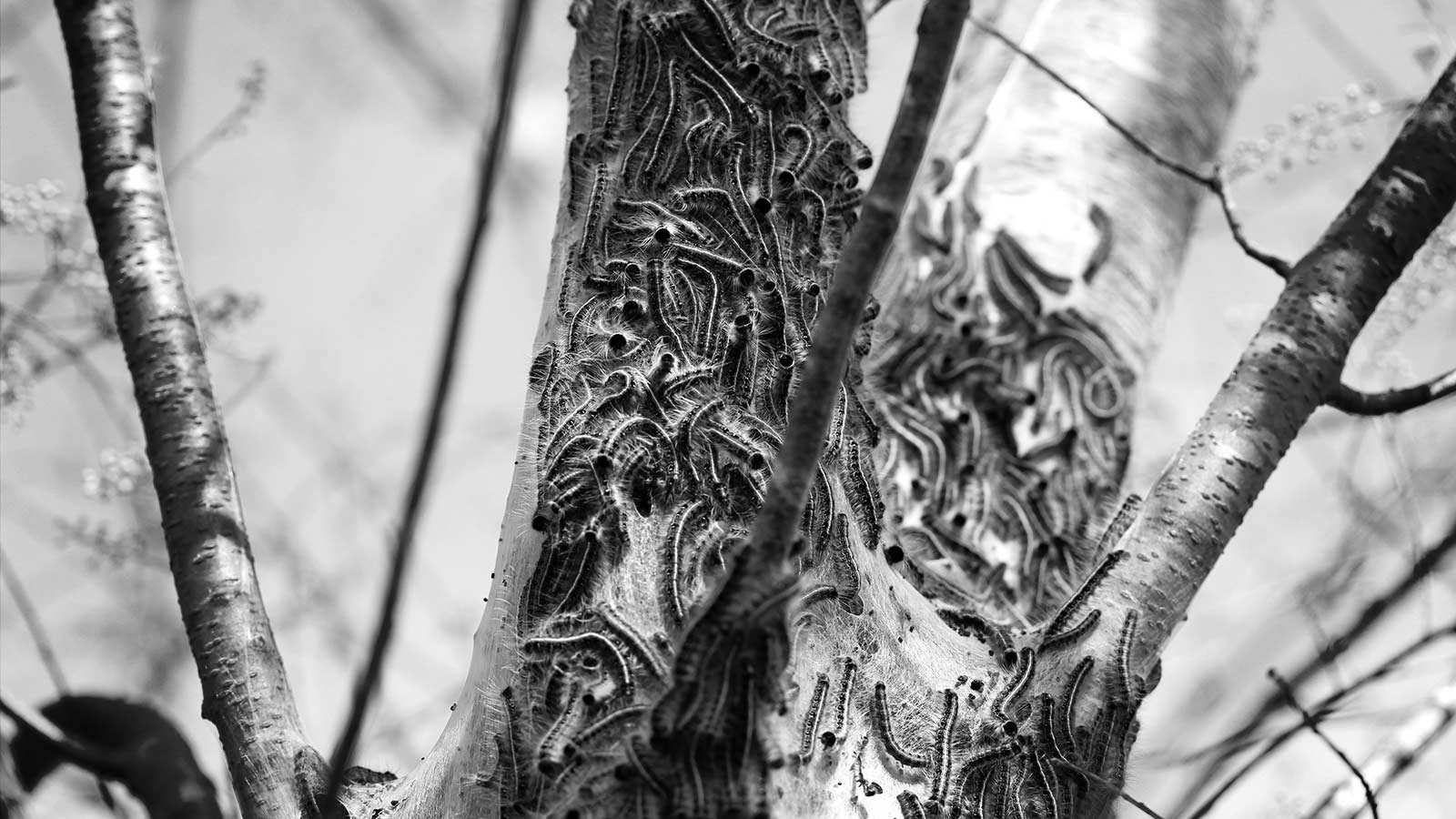
Likely an insect, although some fungal infections can leave holes, and wind and hail can also shred leaves. If it's a serious infestation, a culprit such as Japanese beetles will often be visible in high numbers, although some caterpillar species feed at night. Most insect leaf feeding is normal and necessary for supporting a diverse, healthy ecosystem. Caterpillars may eat leaves, but birds need those caterpillars to raise their young. In most cases, healthy trees and shrubs are not much harmed. Repeated defoliations over several years can weaken trees and shrubs. Keep your trees and shrubs in top shape by ensuring their soil is in good condition.
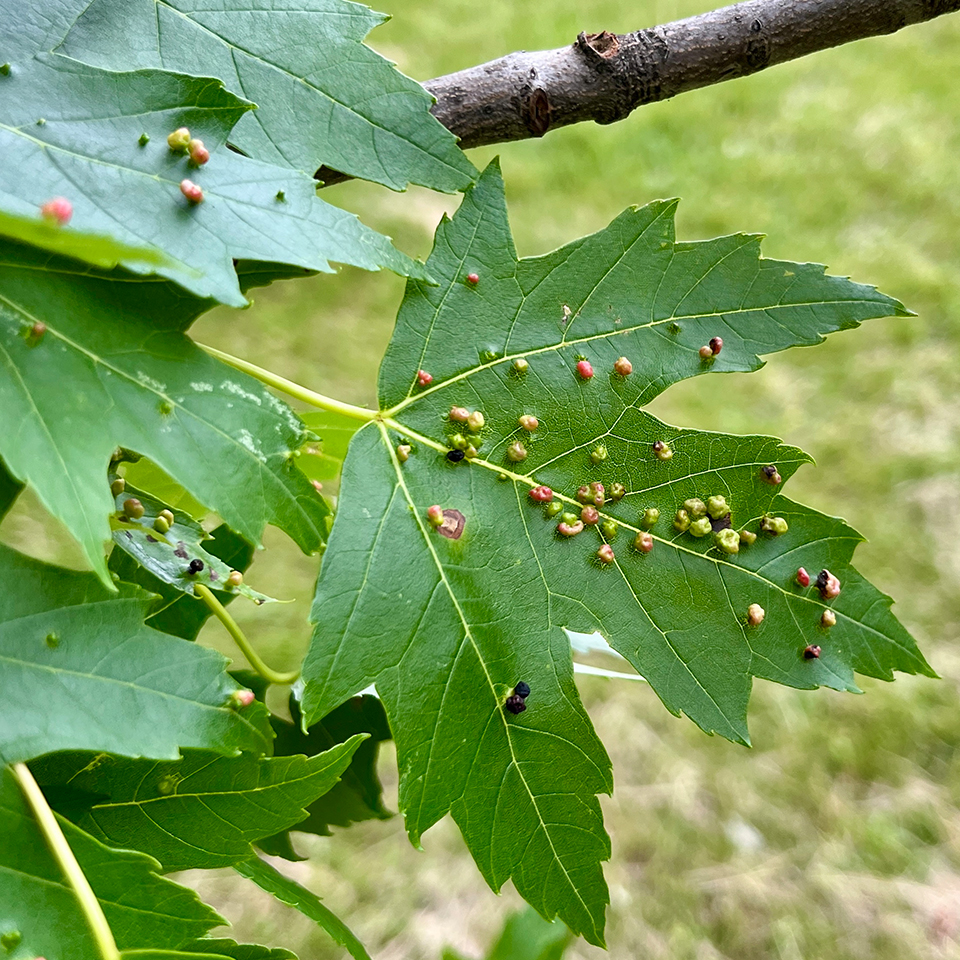
Weird bumps on leaves
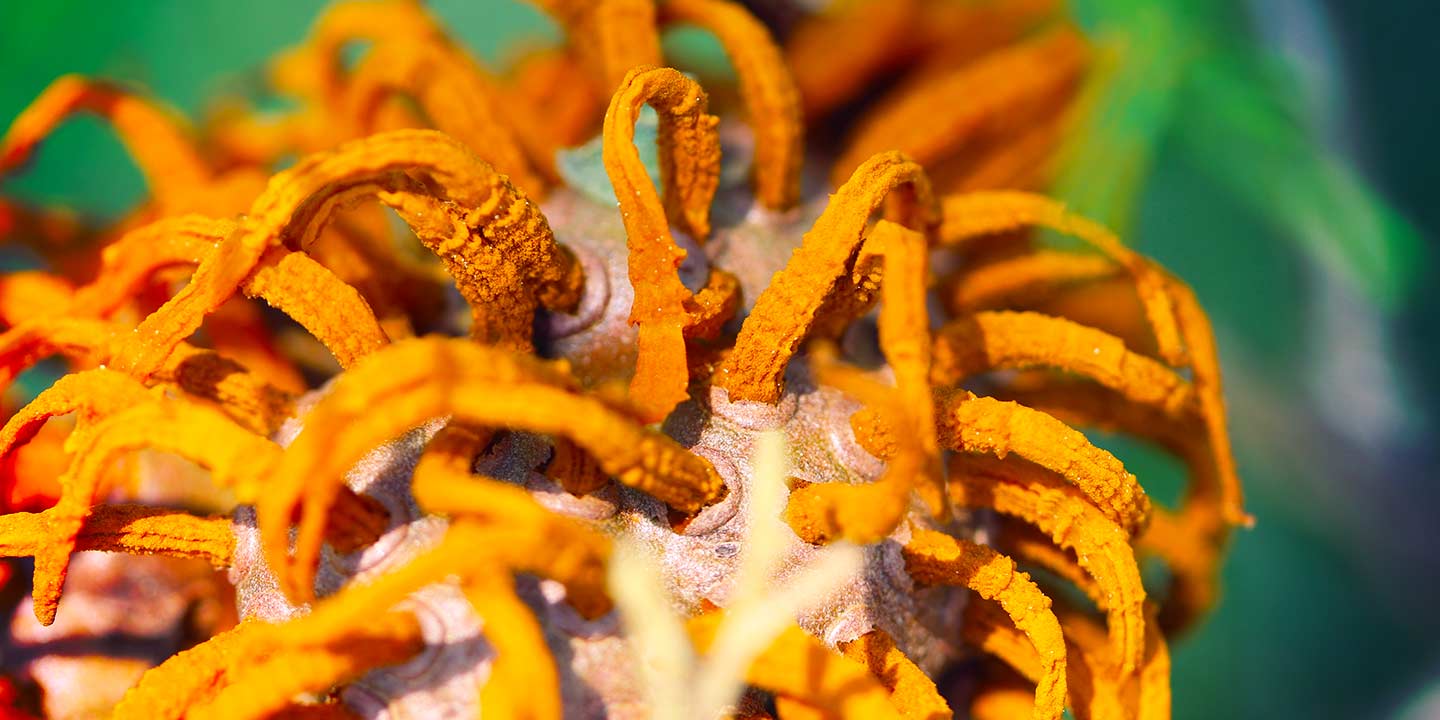
These are likely galls. Often bizarre and very noticeable, galls are formed by insects but rarely damage the plant on which they form. It's just an expression of a normal relationship between certain insects and certain plants.
How to Make Trees More Resilient to Pests
As with humans, the best way to prevent your trees and shrubs from succumbing to pest pressures is to keep them as healthy as you can. That means great soil and a well-balanced ecosystem. A little extra help might be needed from time to time. Here are three ways to make your trees and shrubs pest-proof.
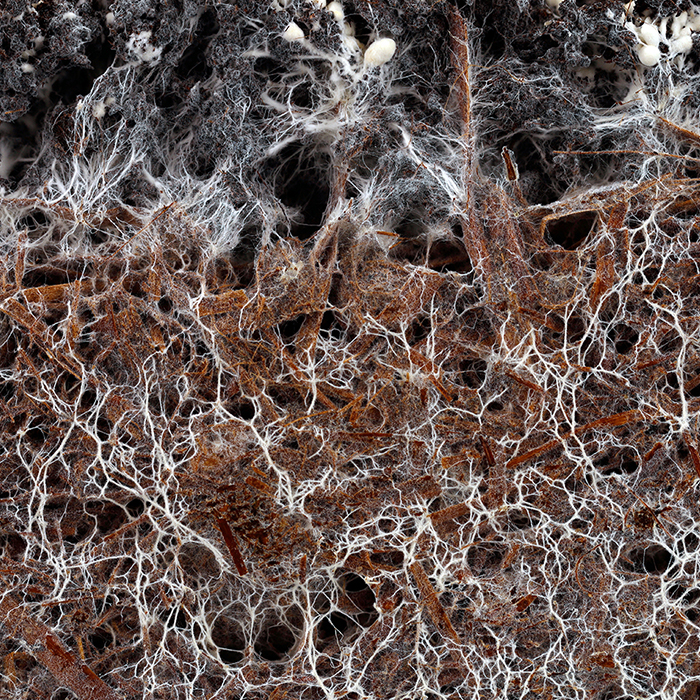
1. Soil is the Foundation for Healthy Plants
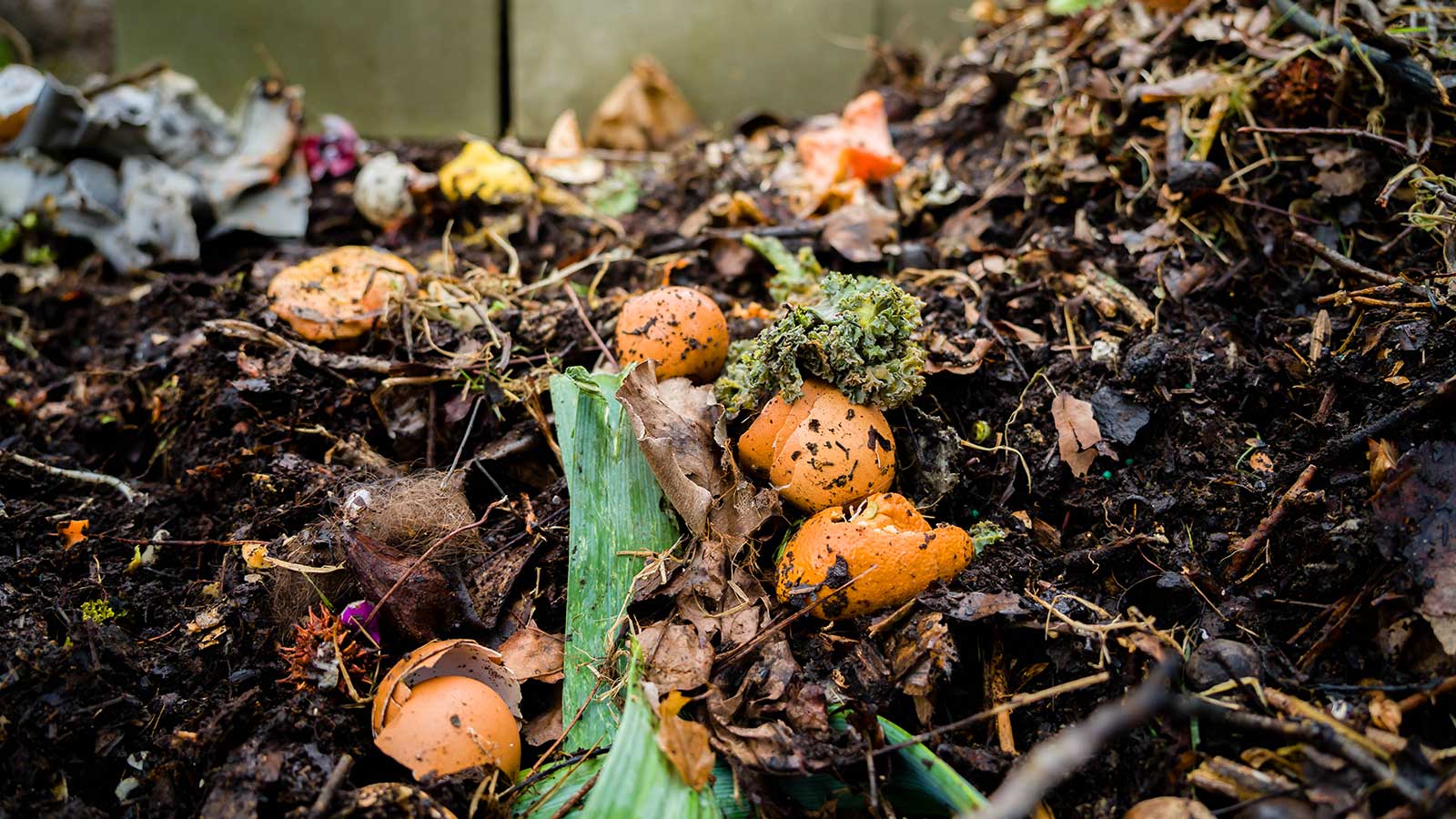
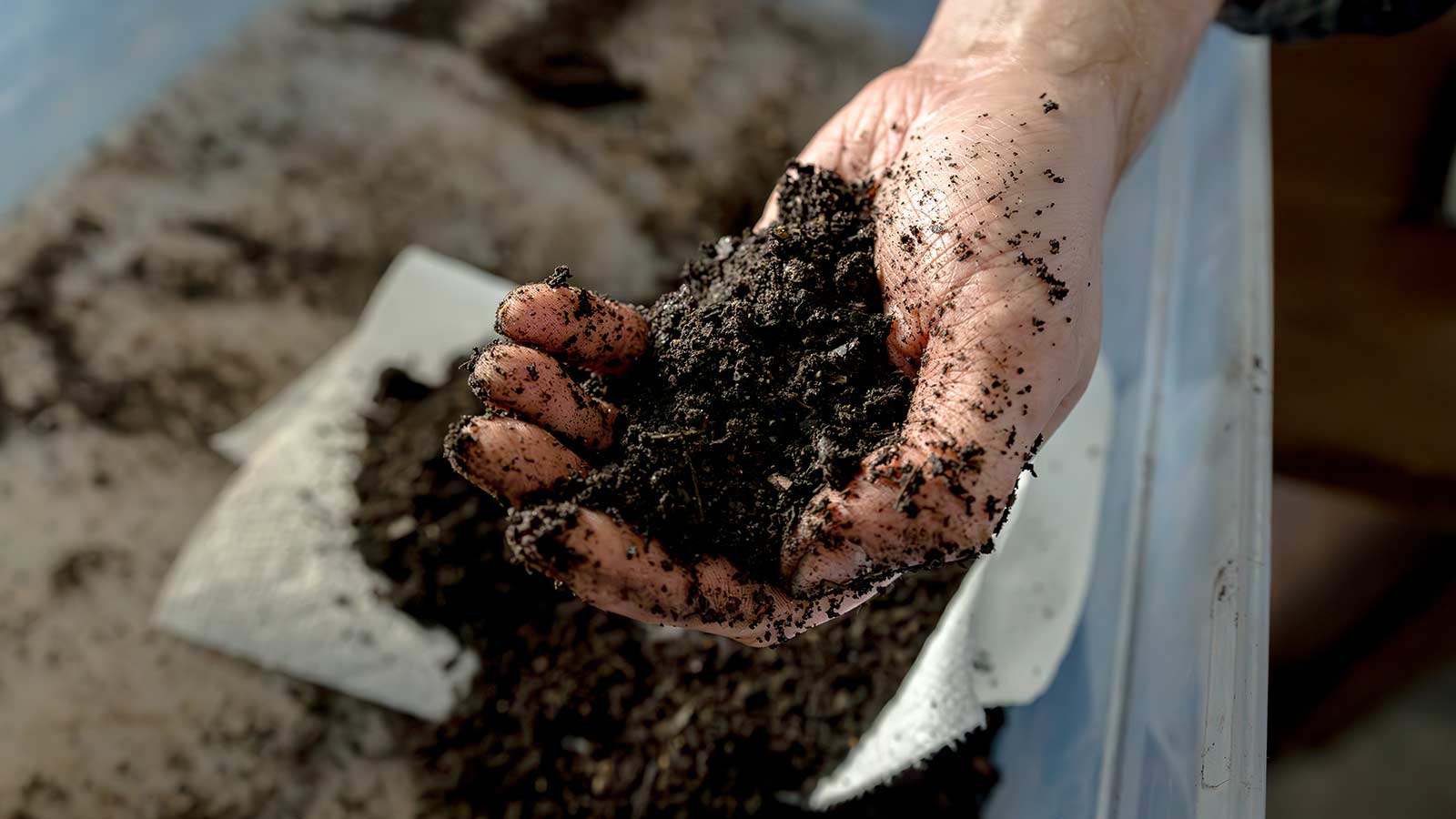
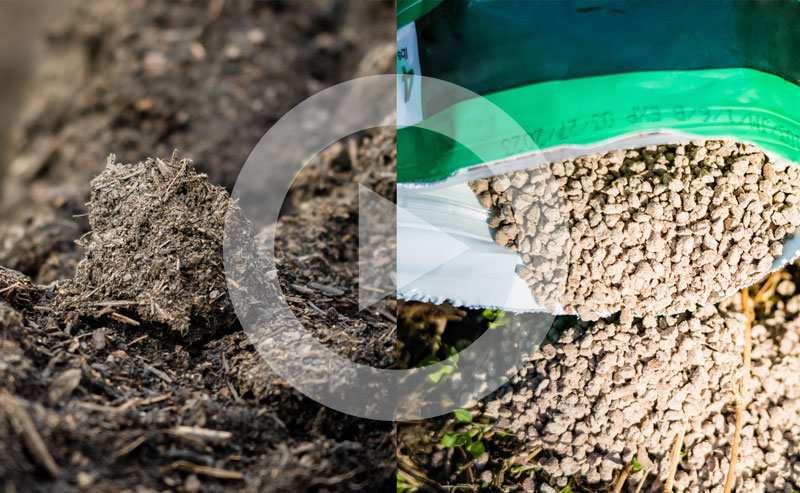
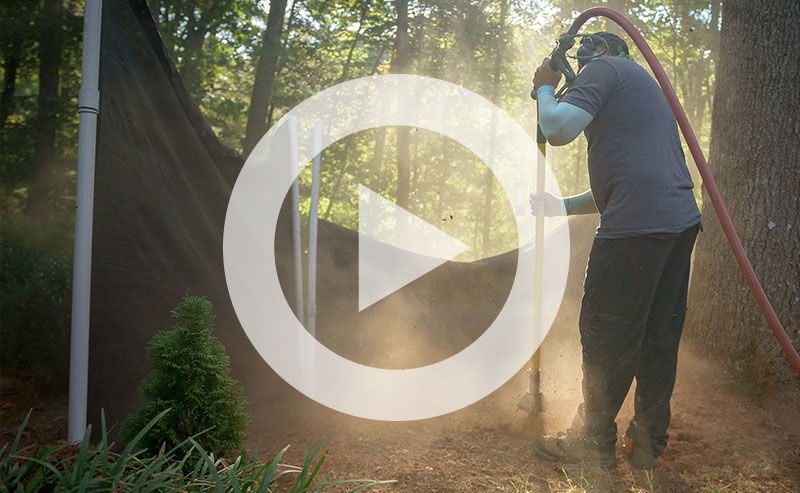
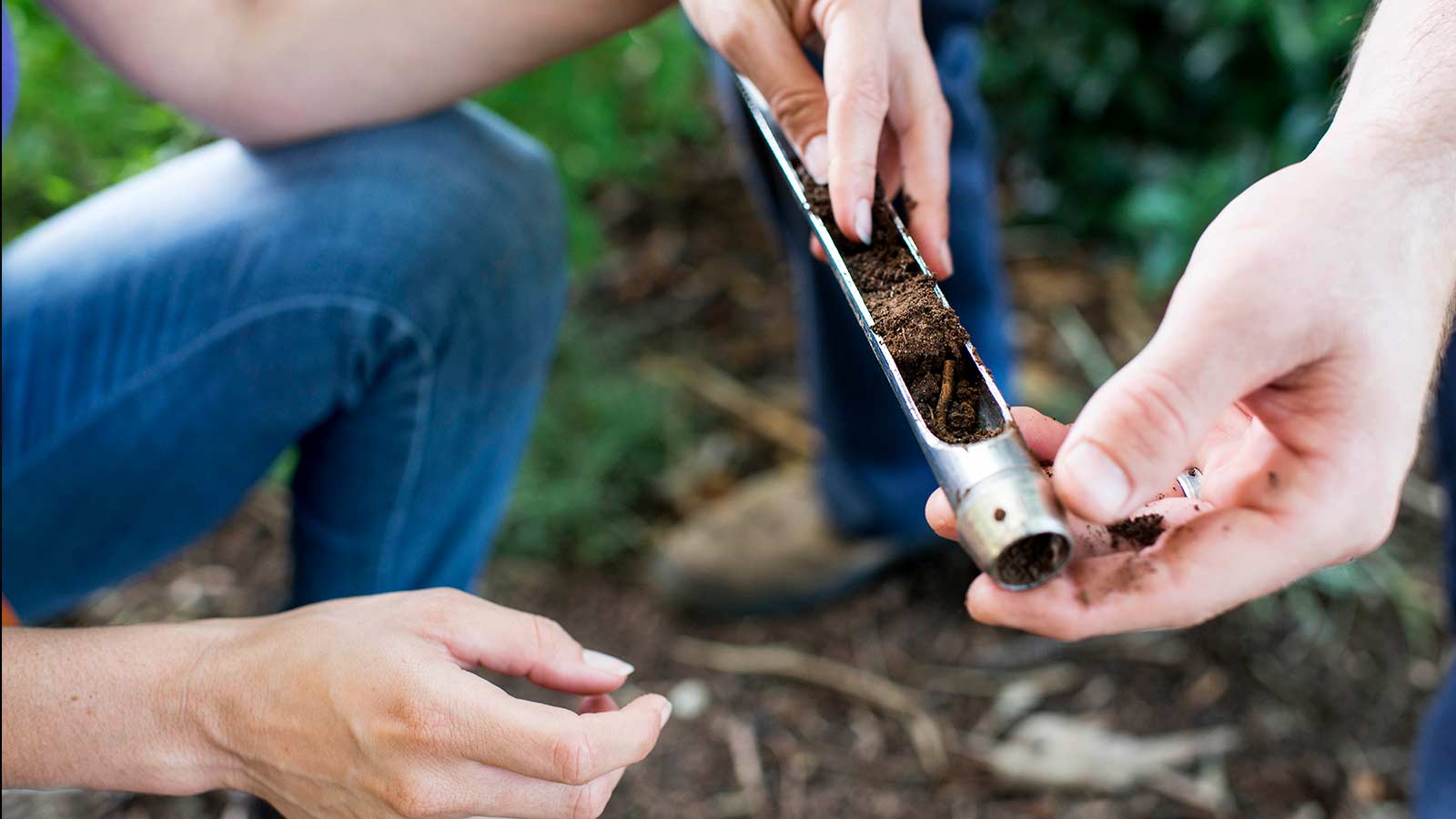
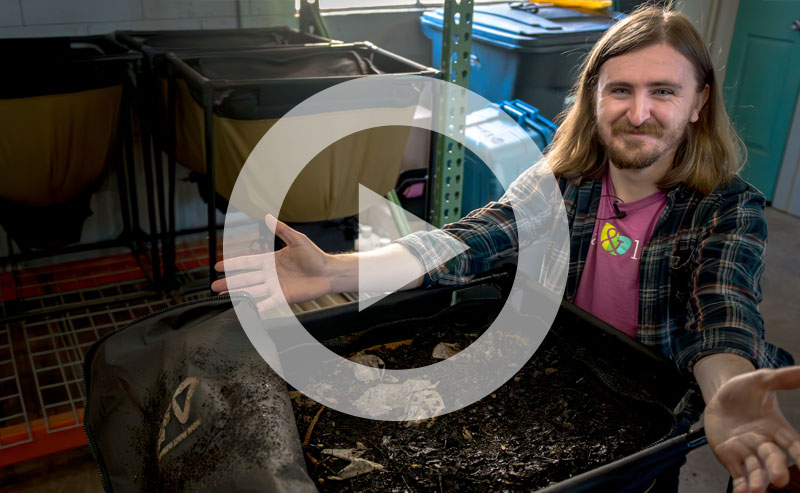
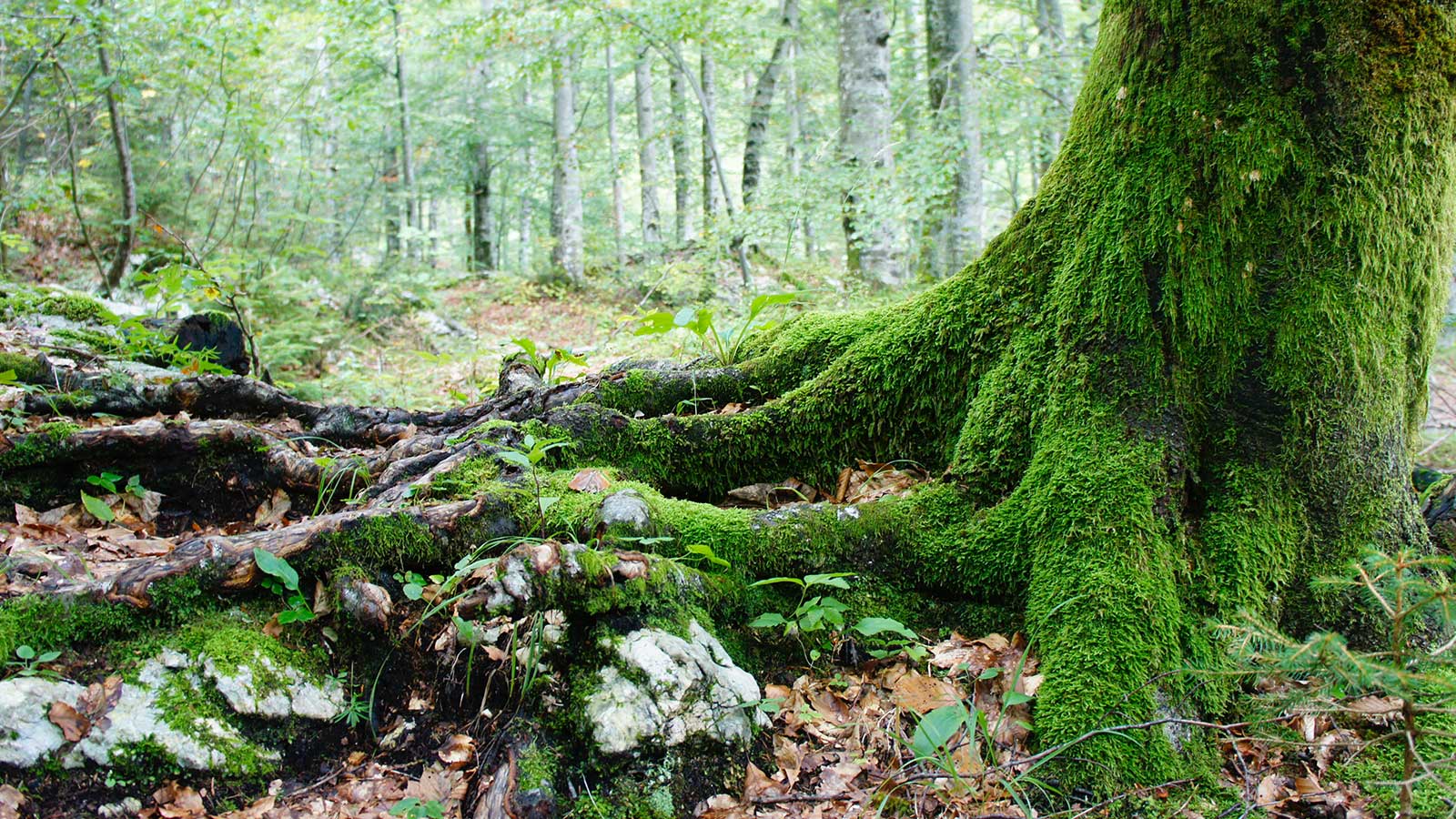
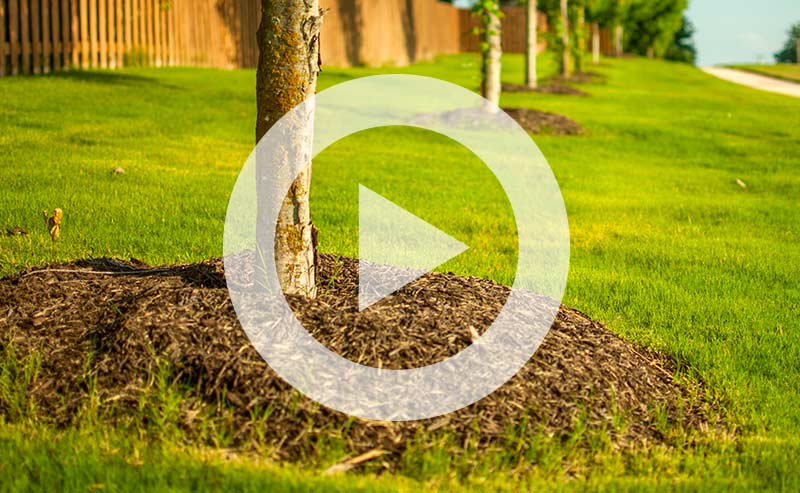
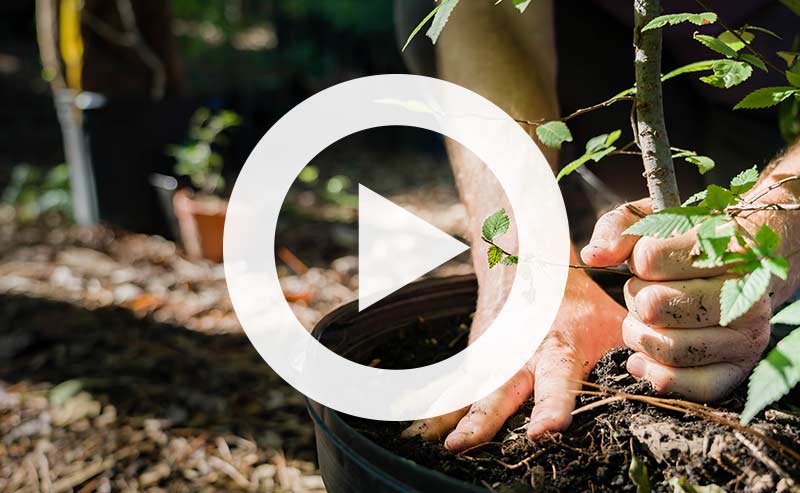
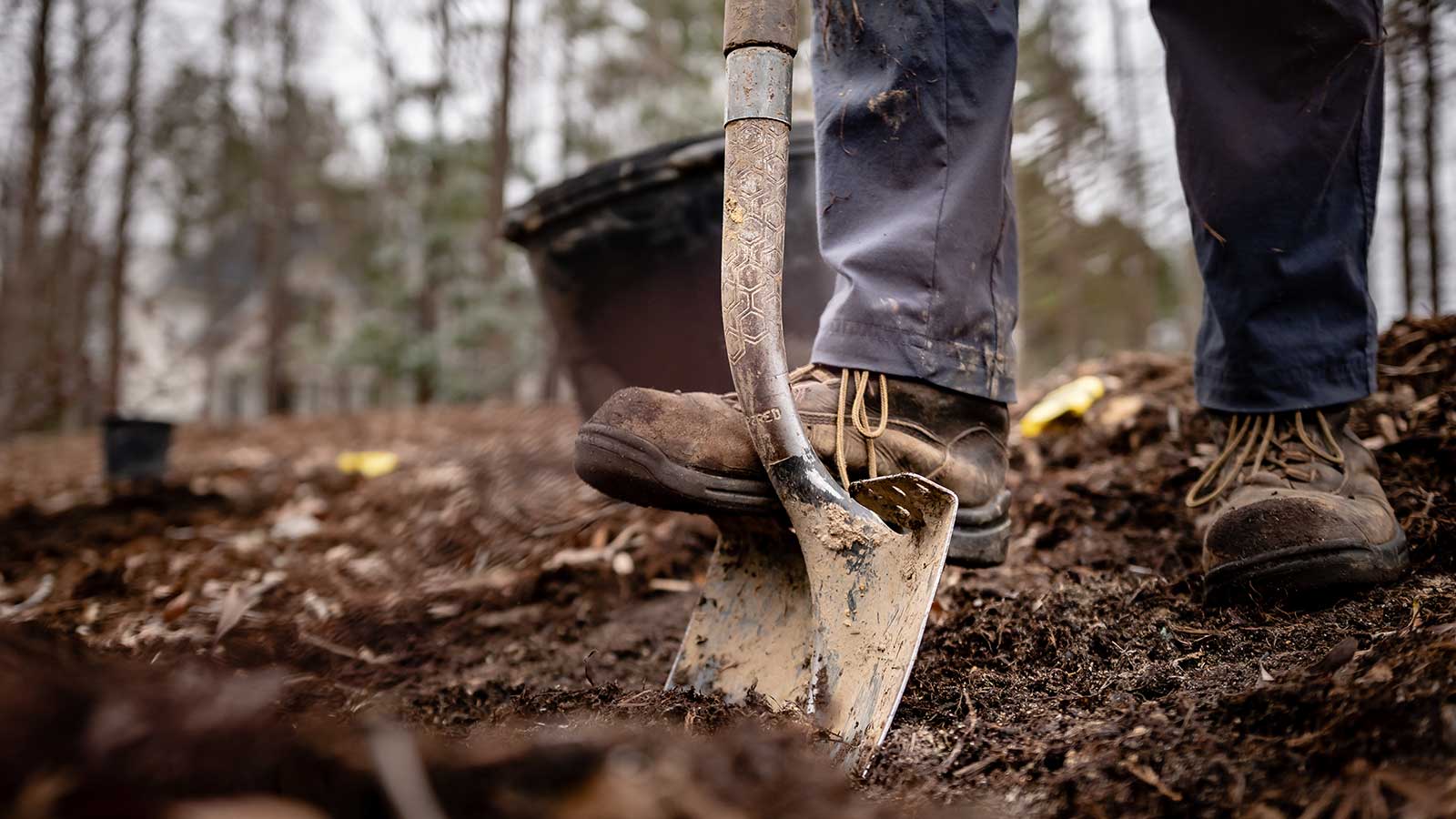
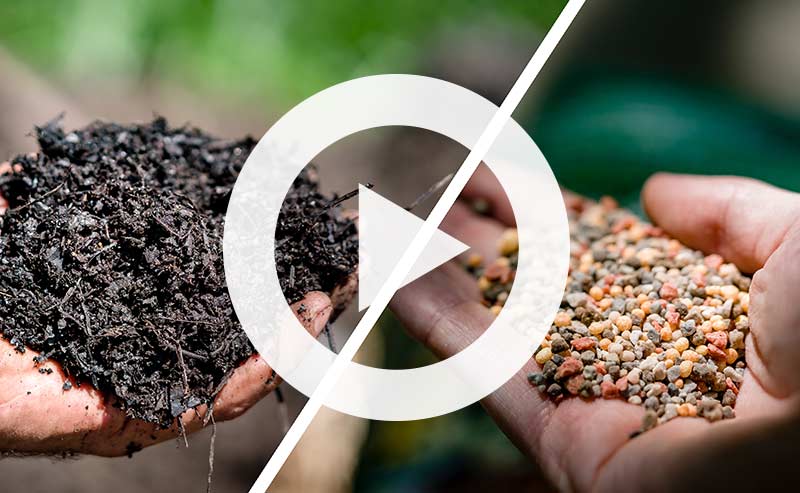
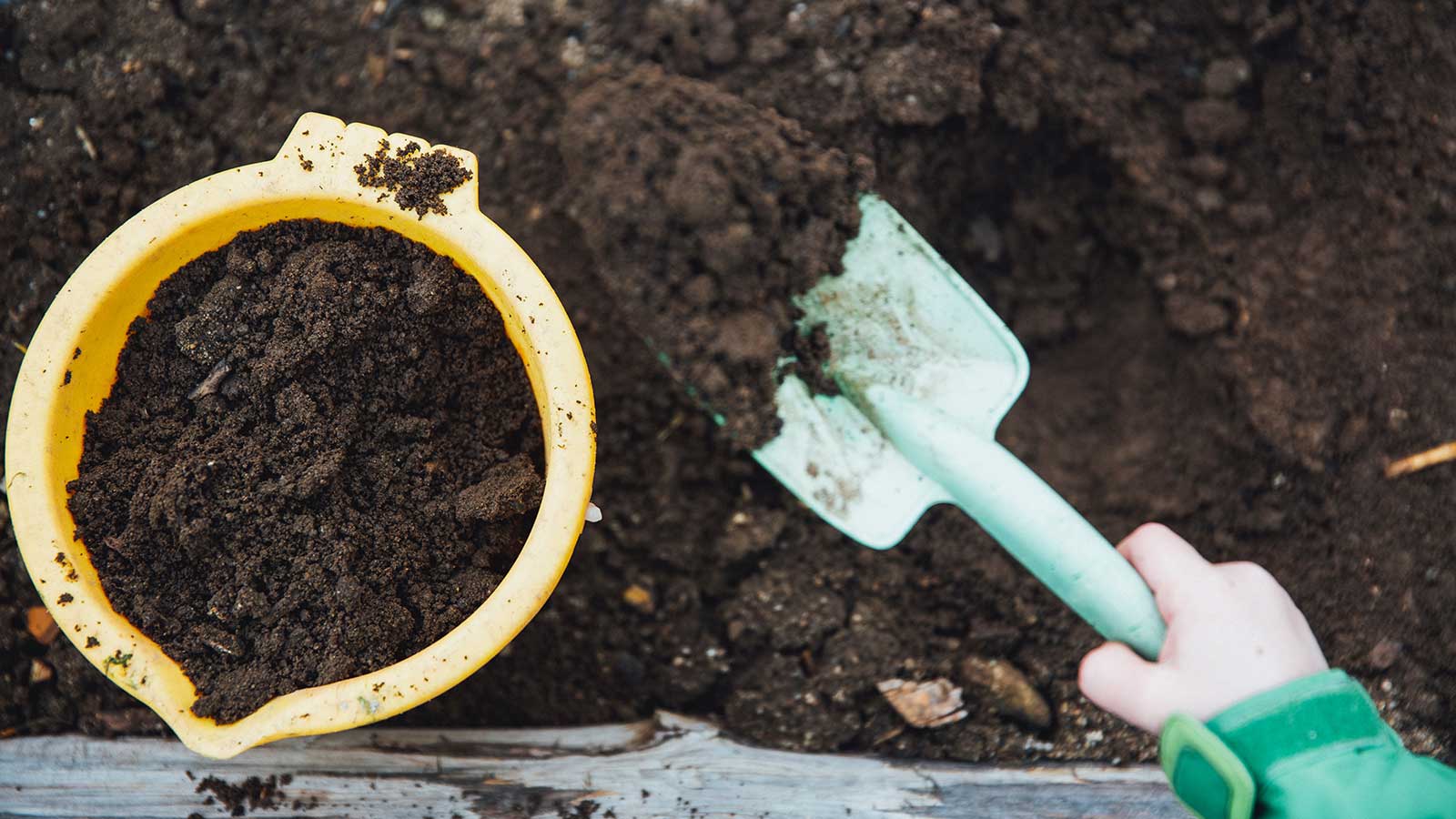
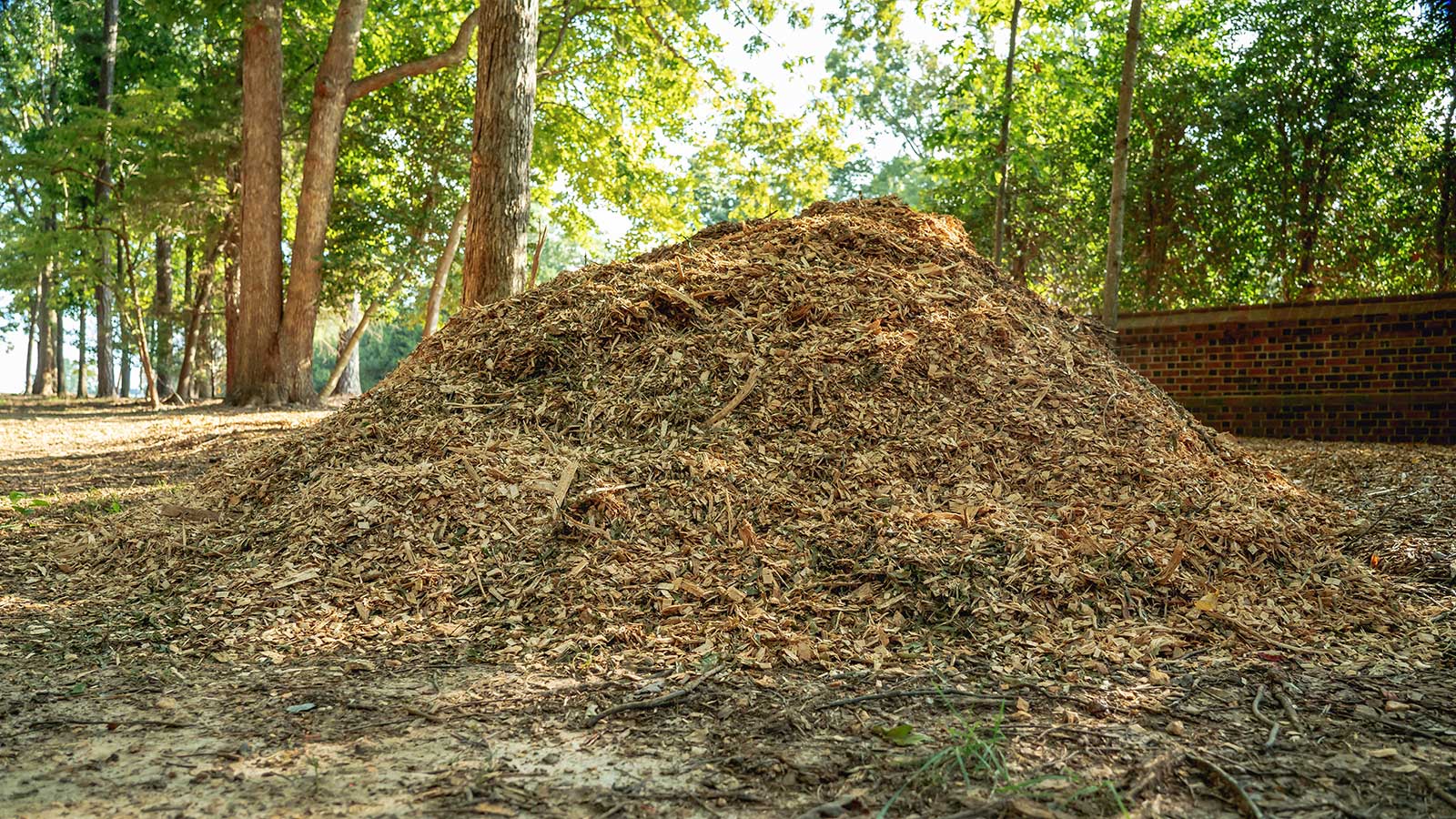
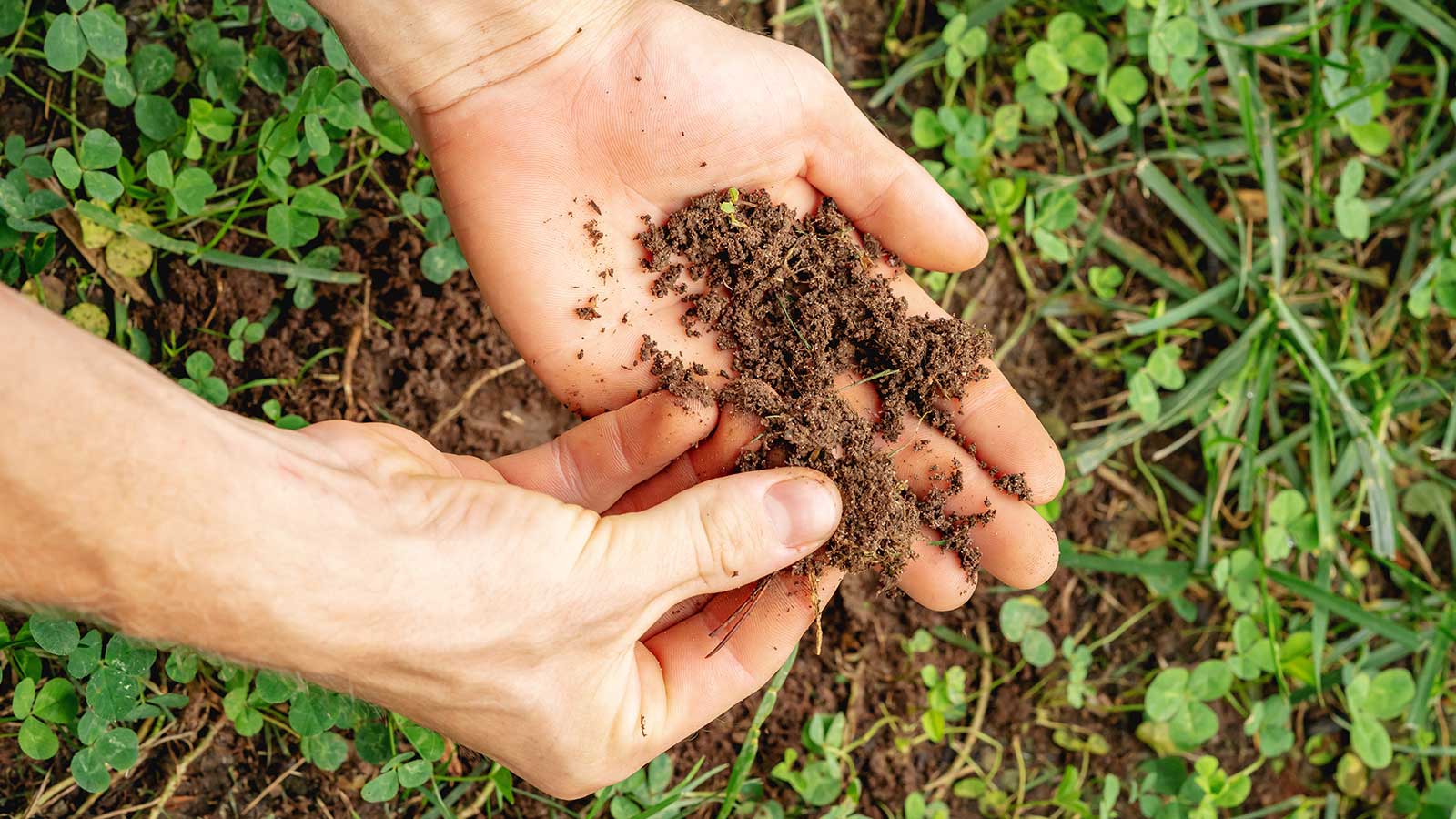
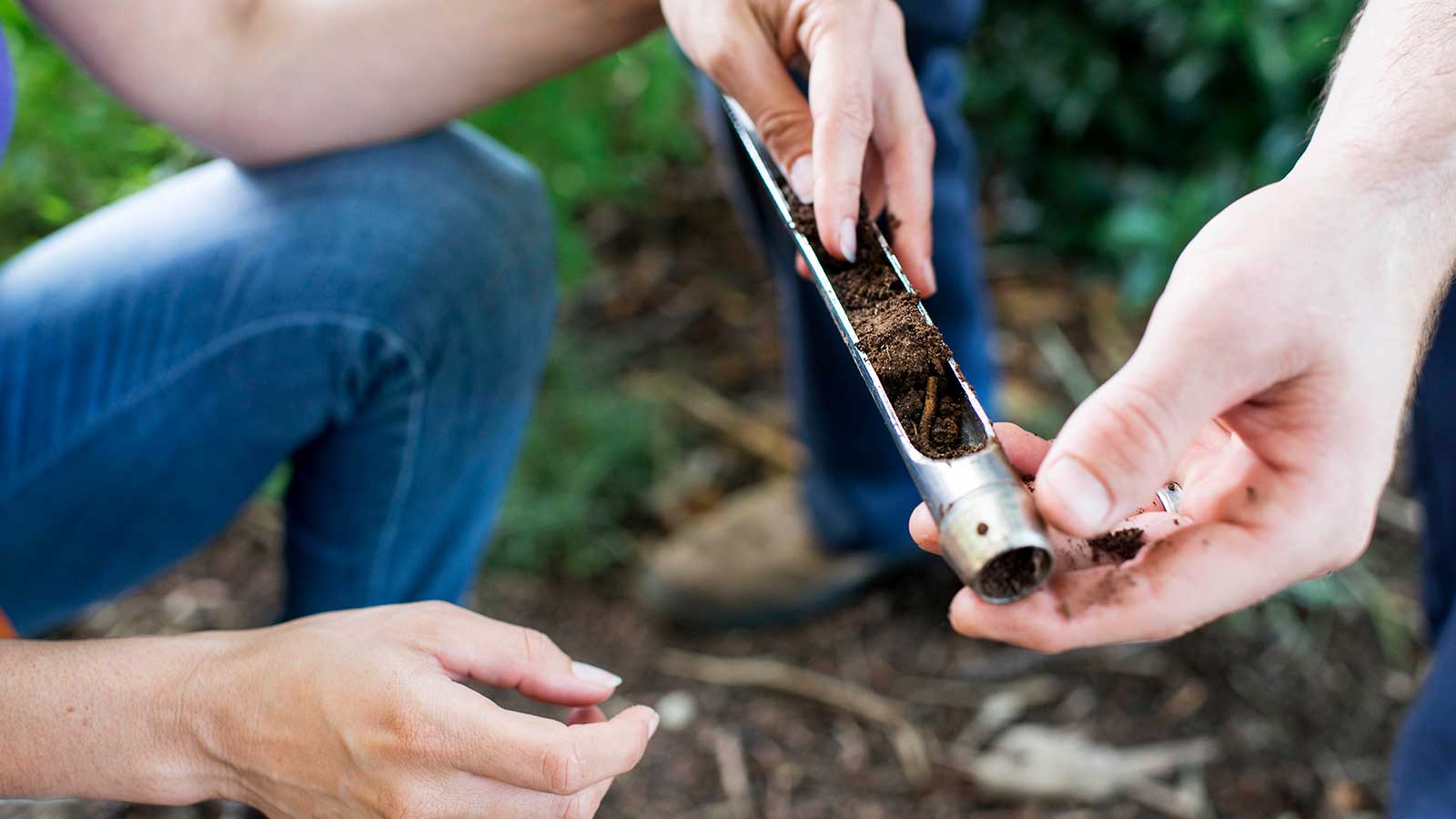
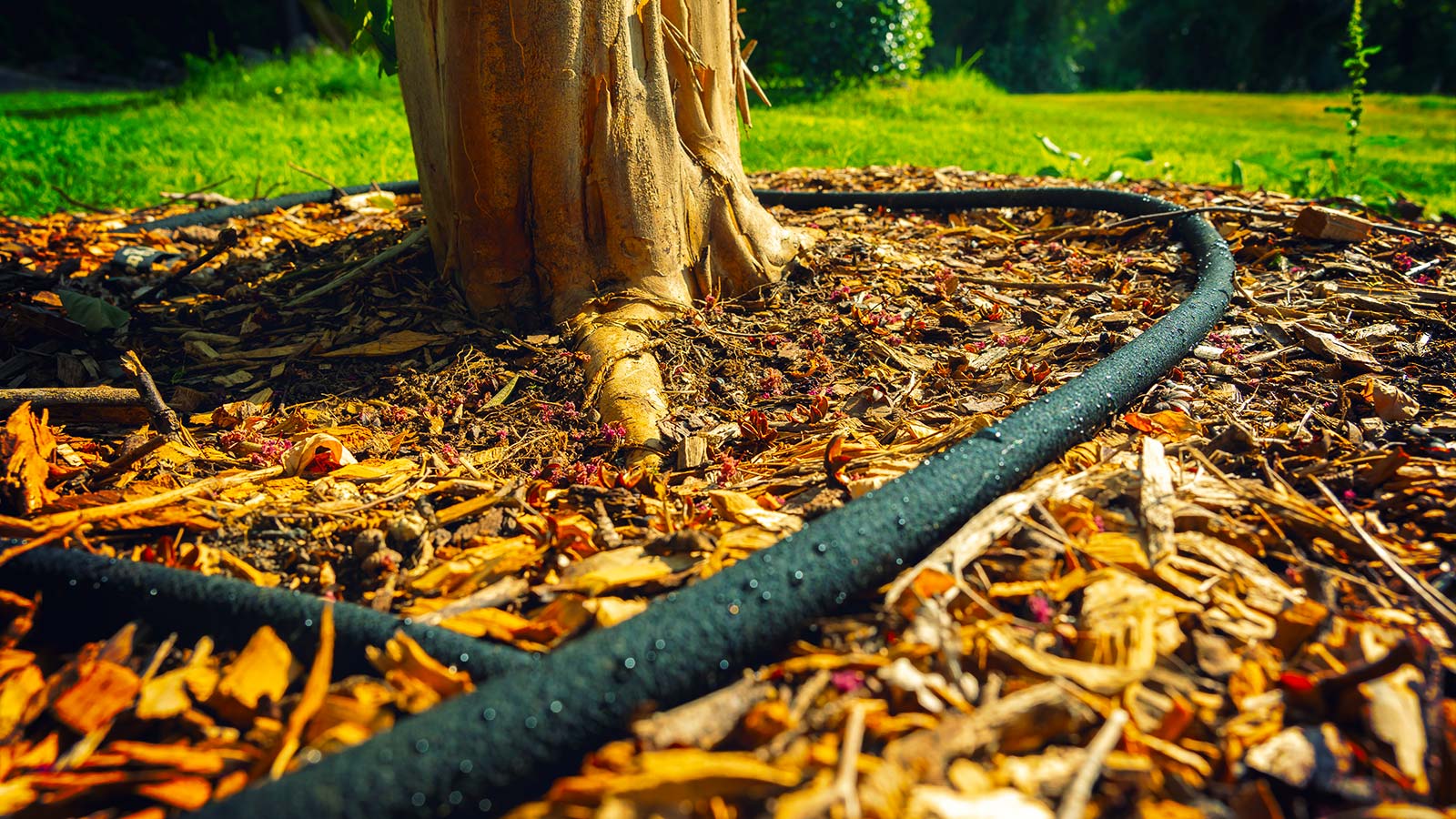
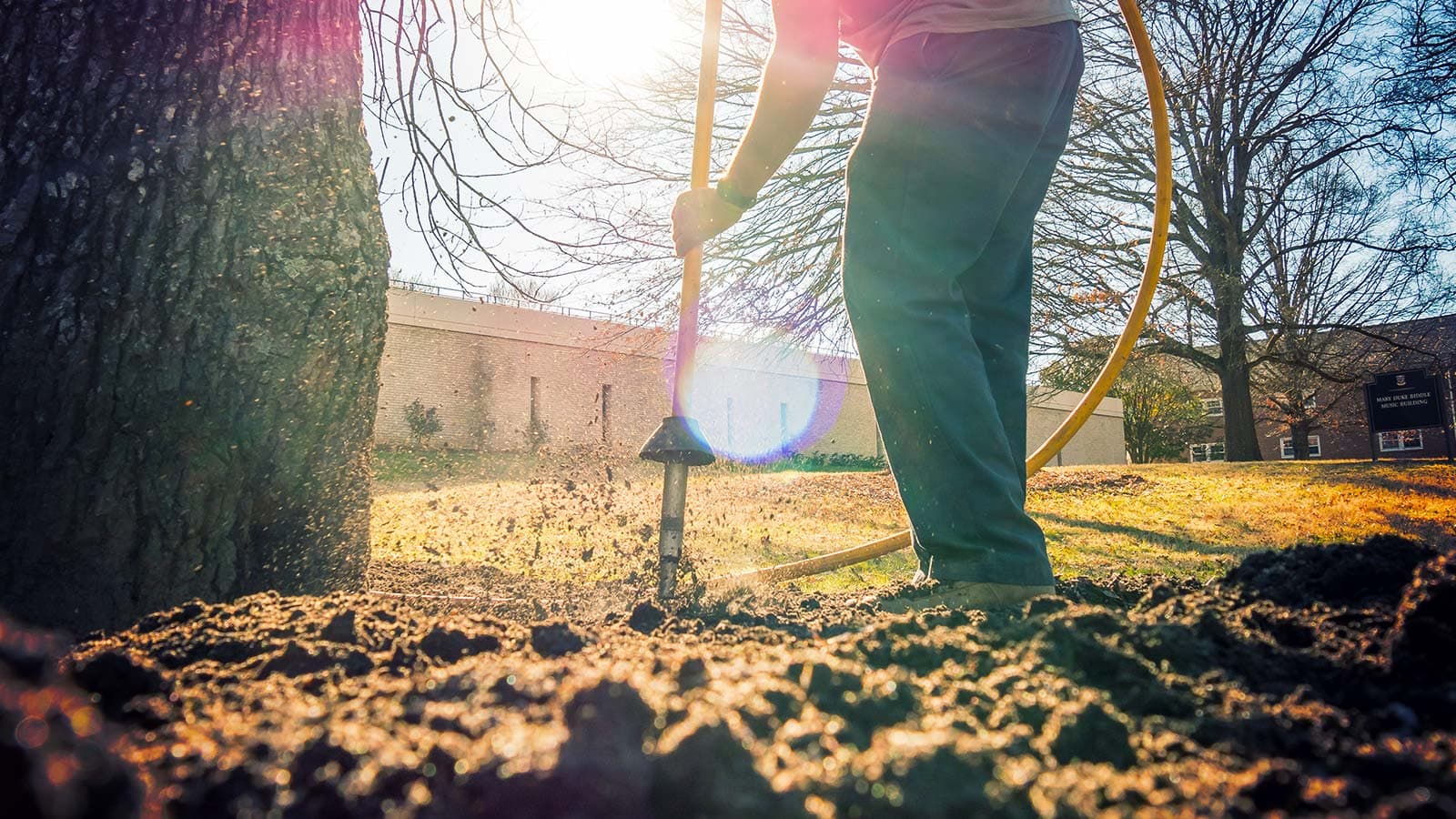
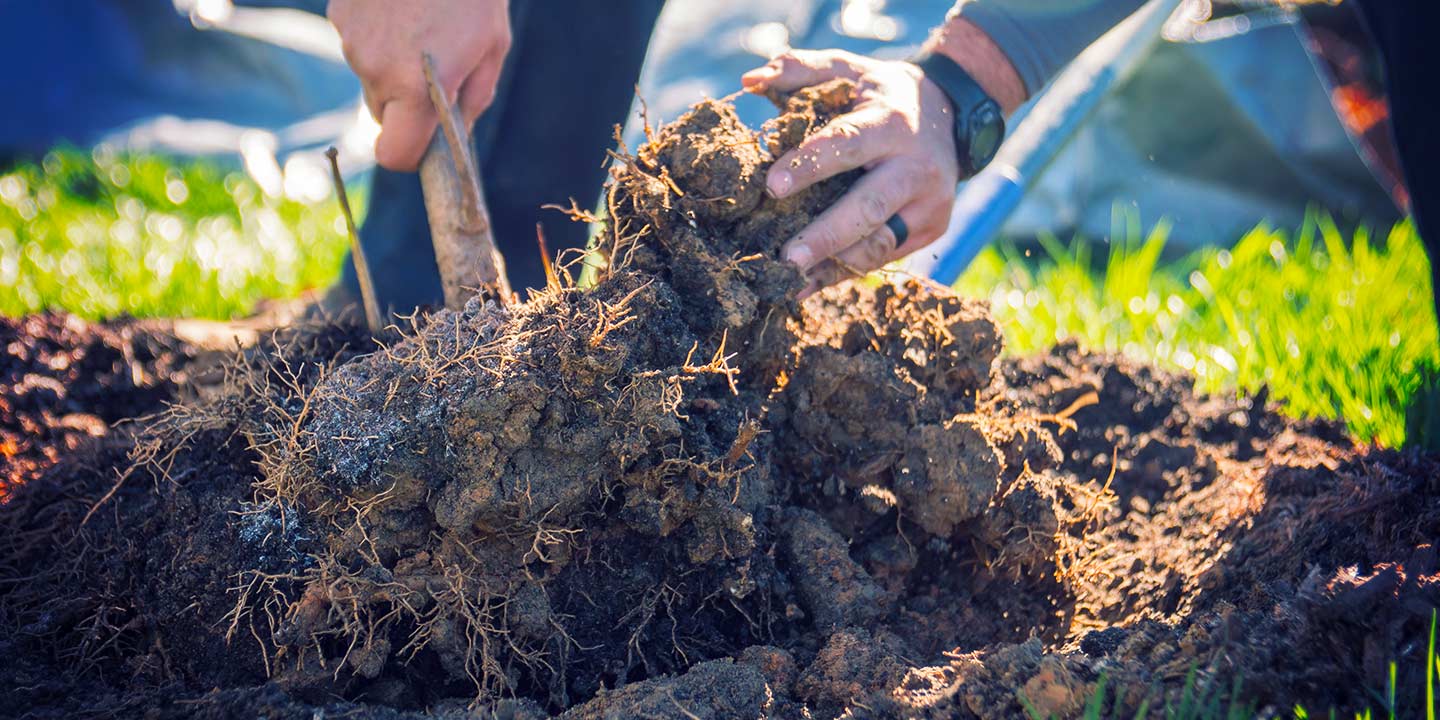
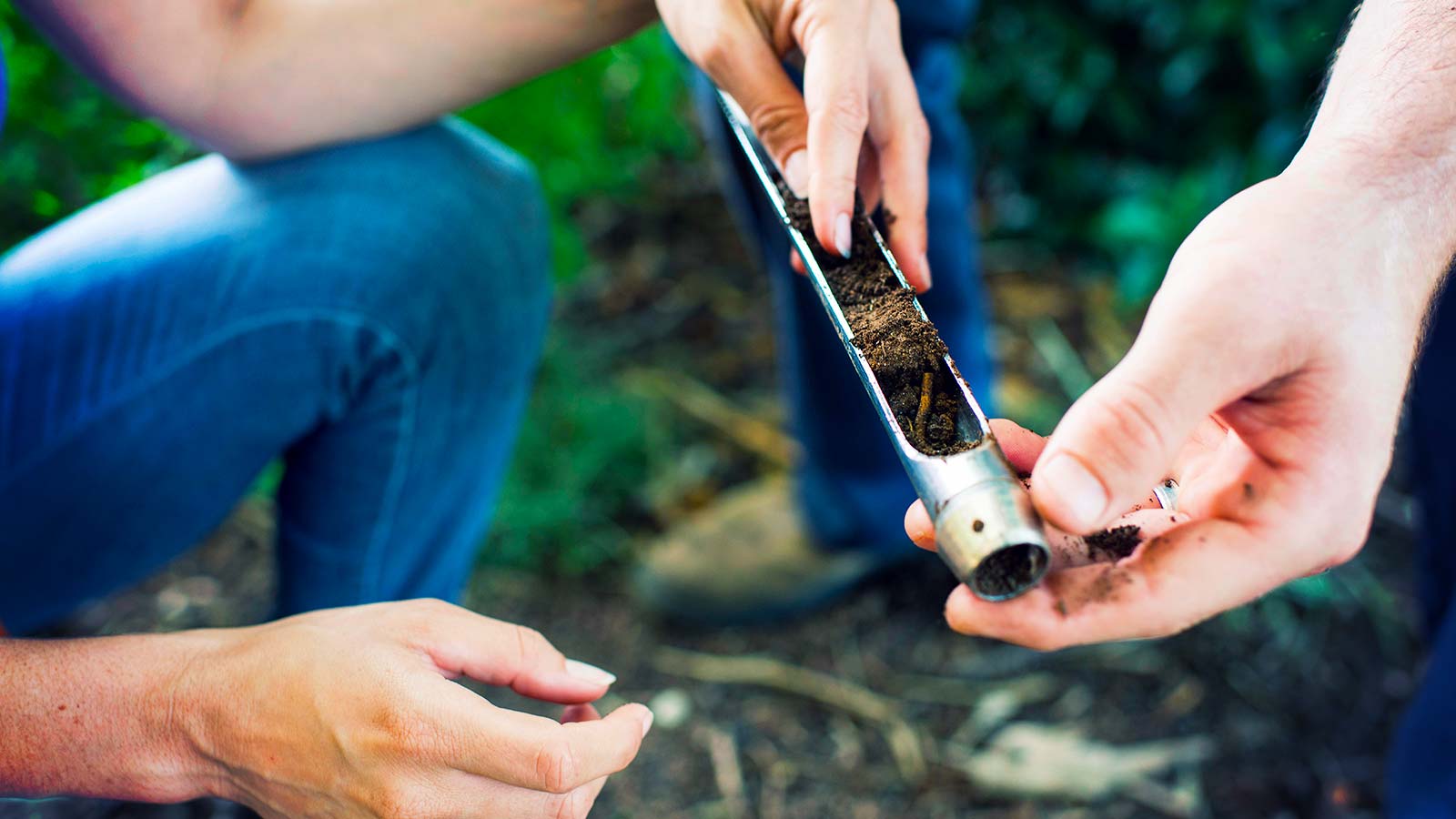
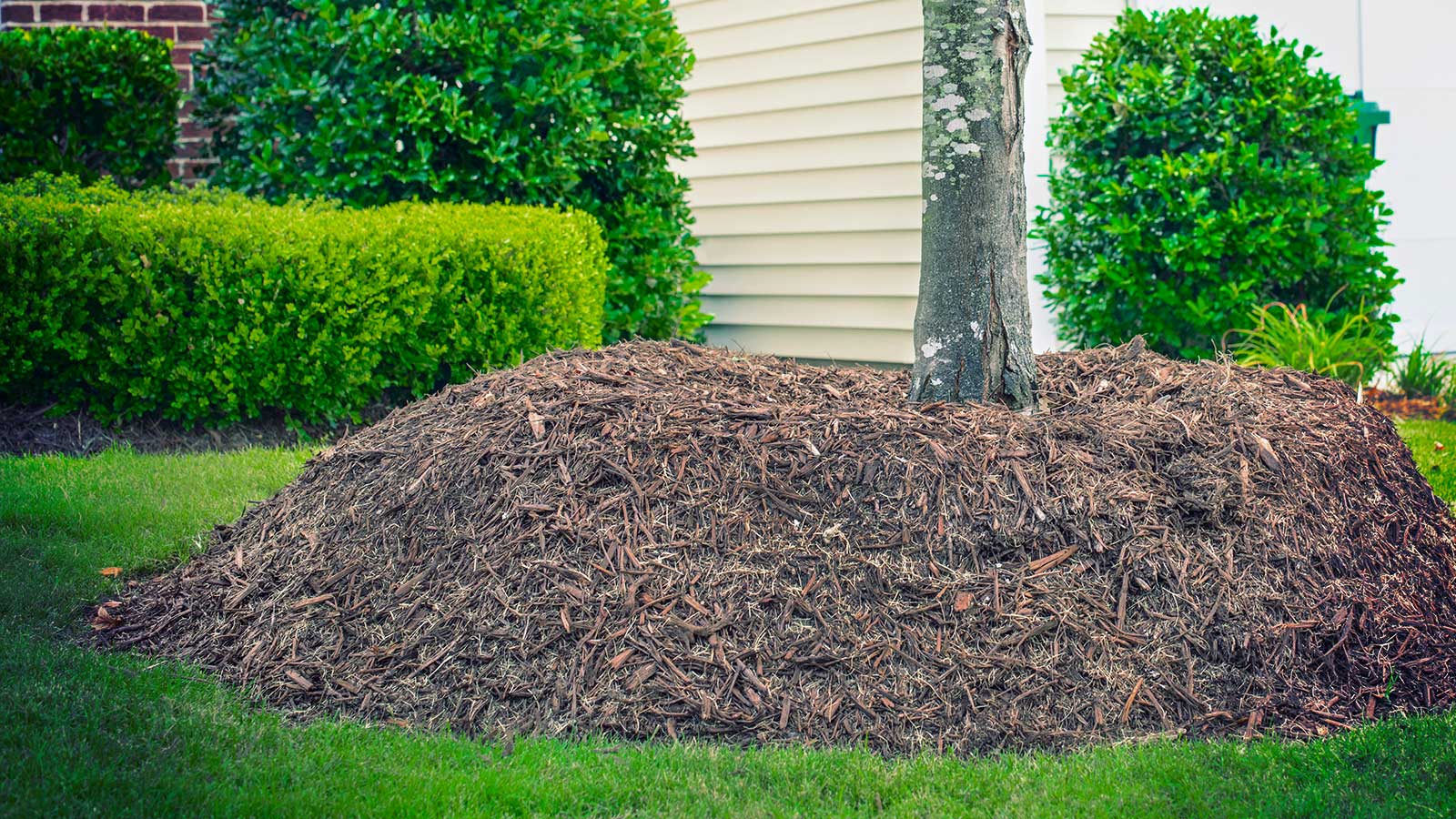
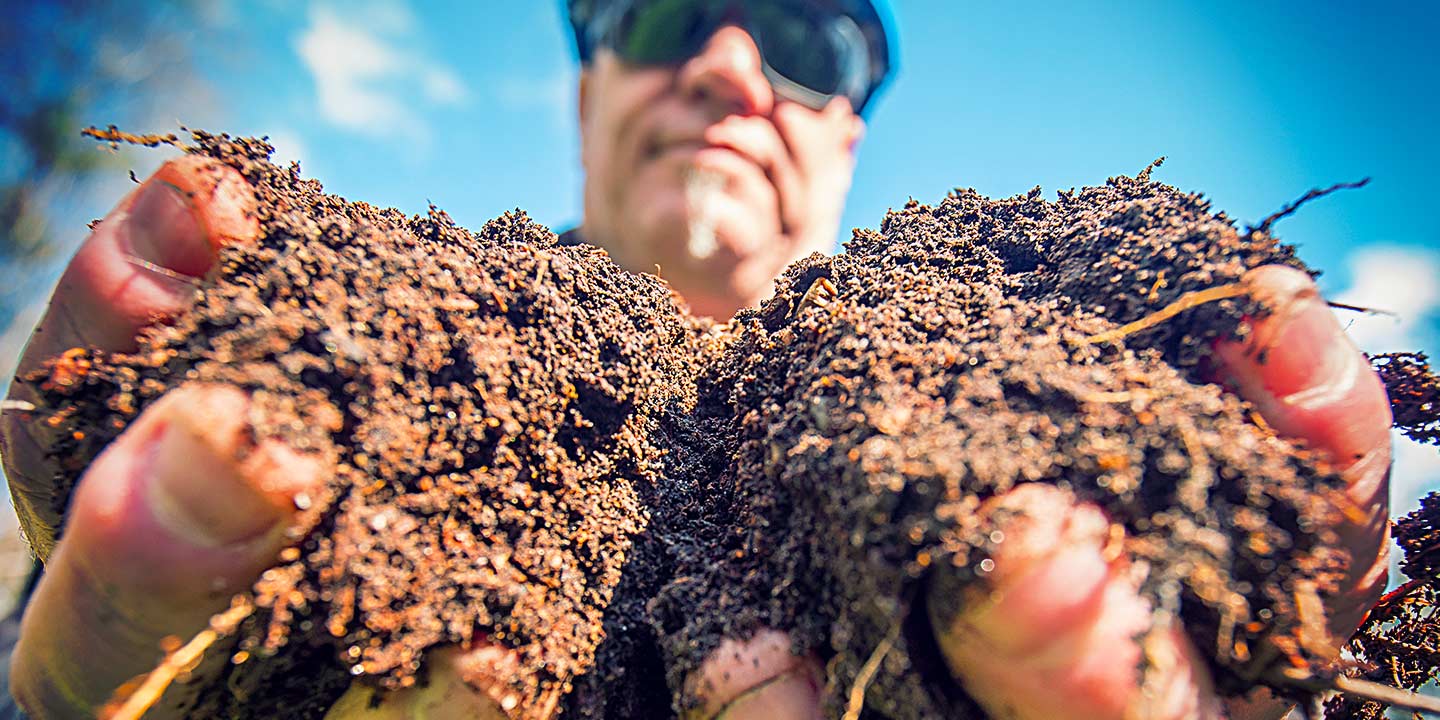
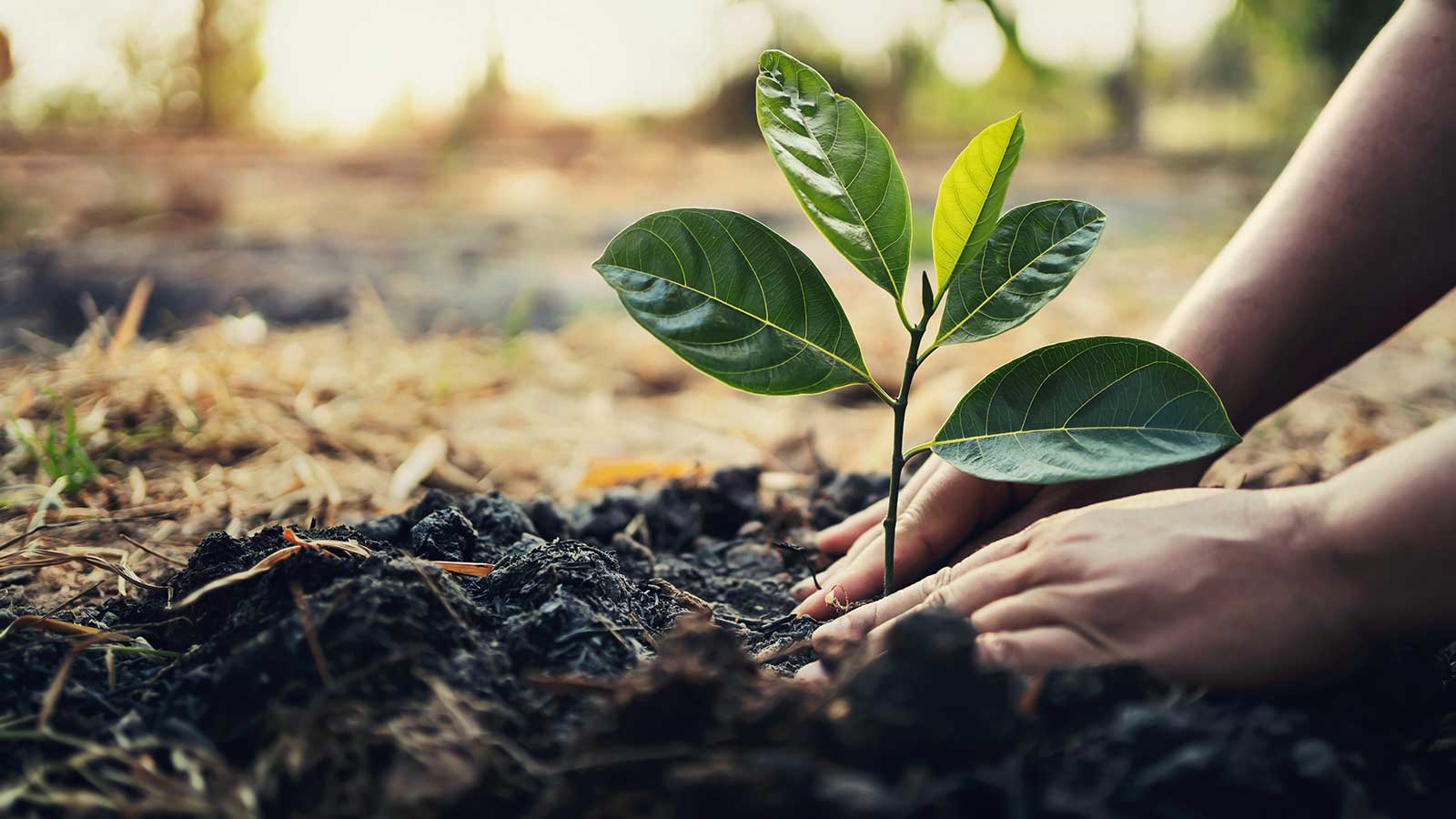
Healthy soil is where it all begins. Improving your soil by aerating it, adding compost, and using mulch is the single best thing you can do for your trees and shrubs. In good soil, roots can breathe and access ample, high-quality nutrients.
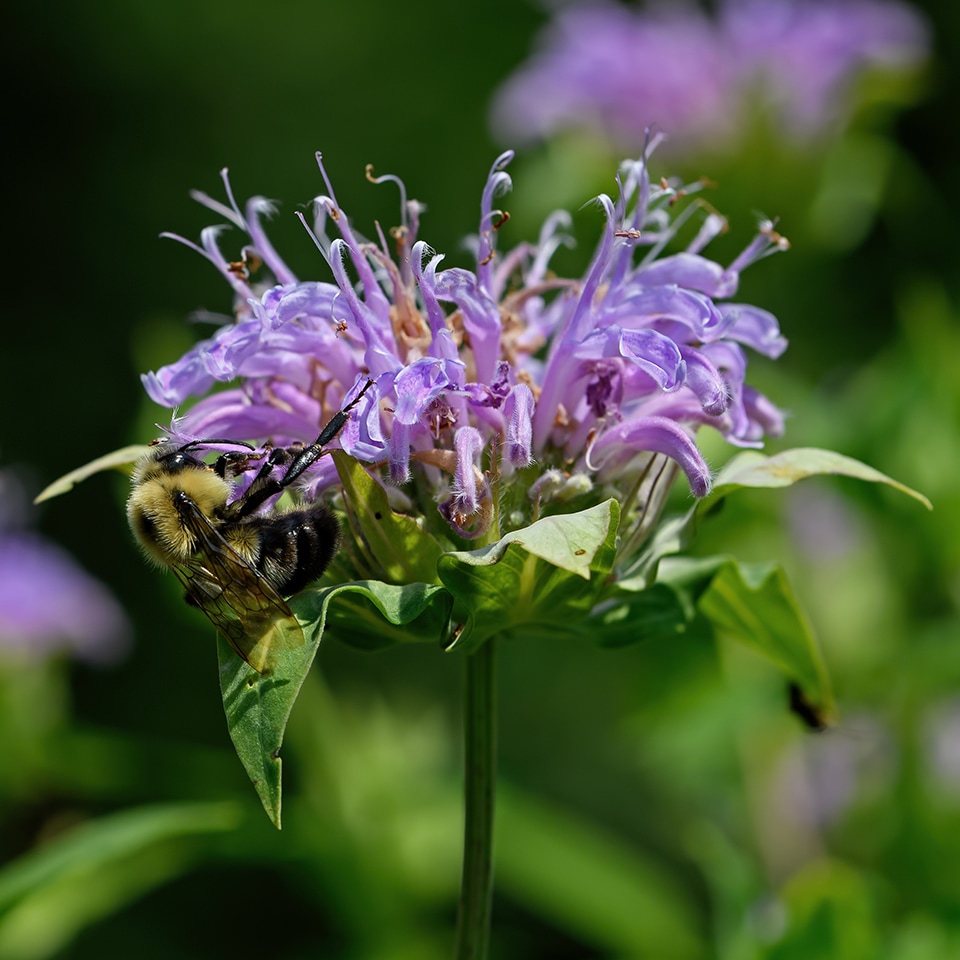
2. Outrageous Diversity Helps Mitigate Pest Problems
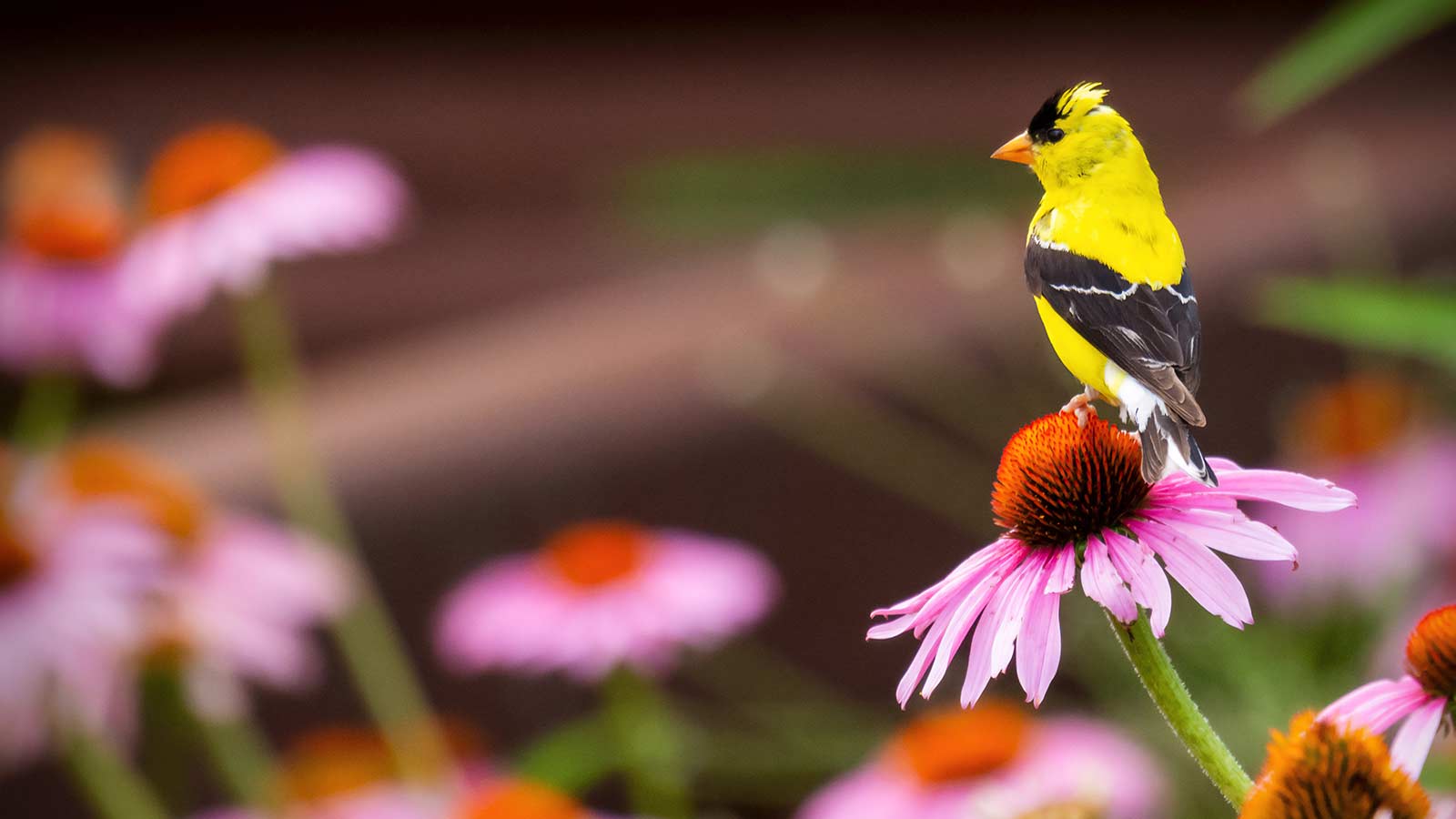
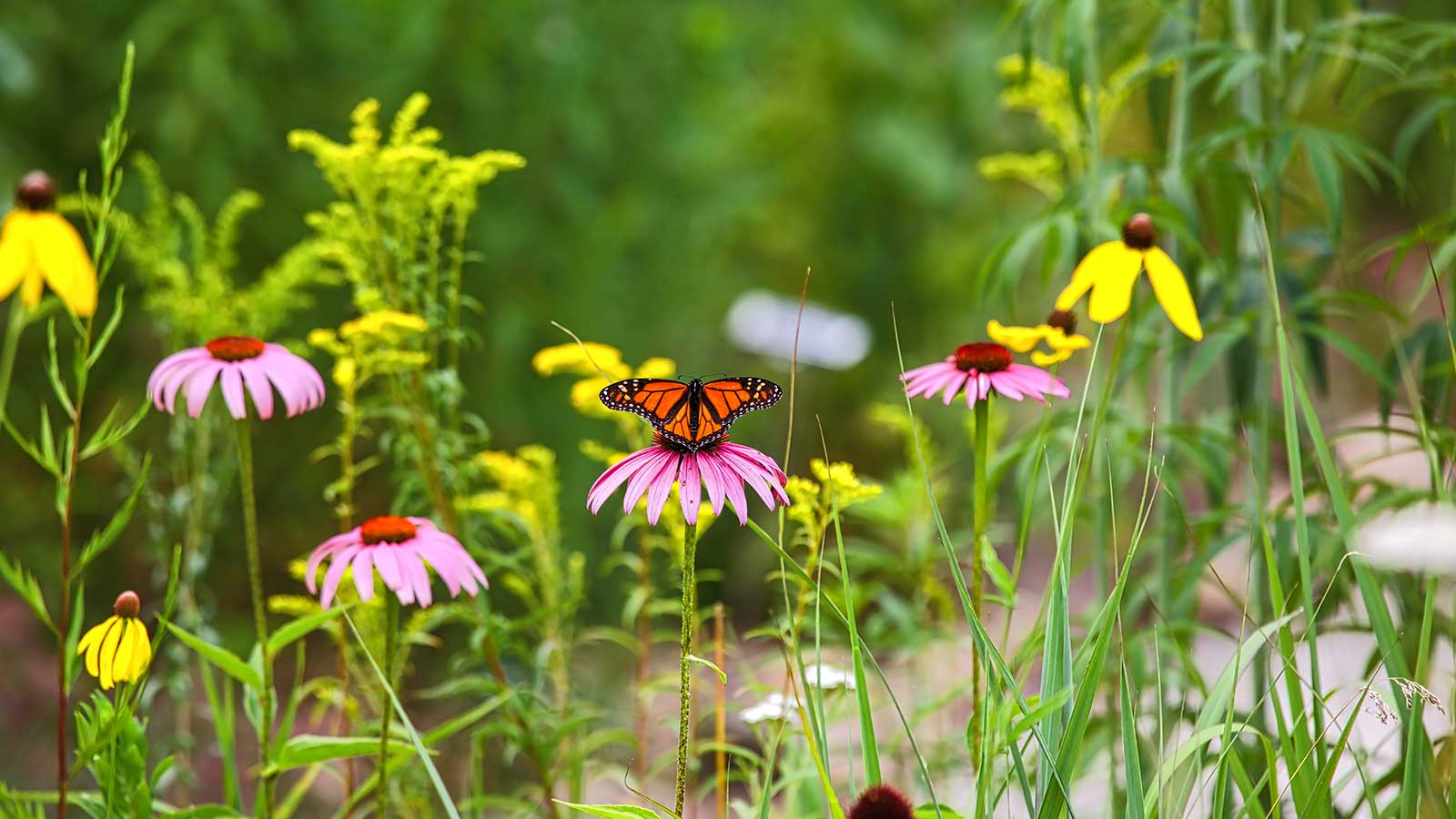
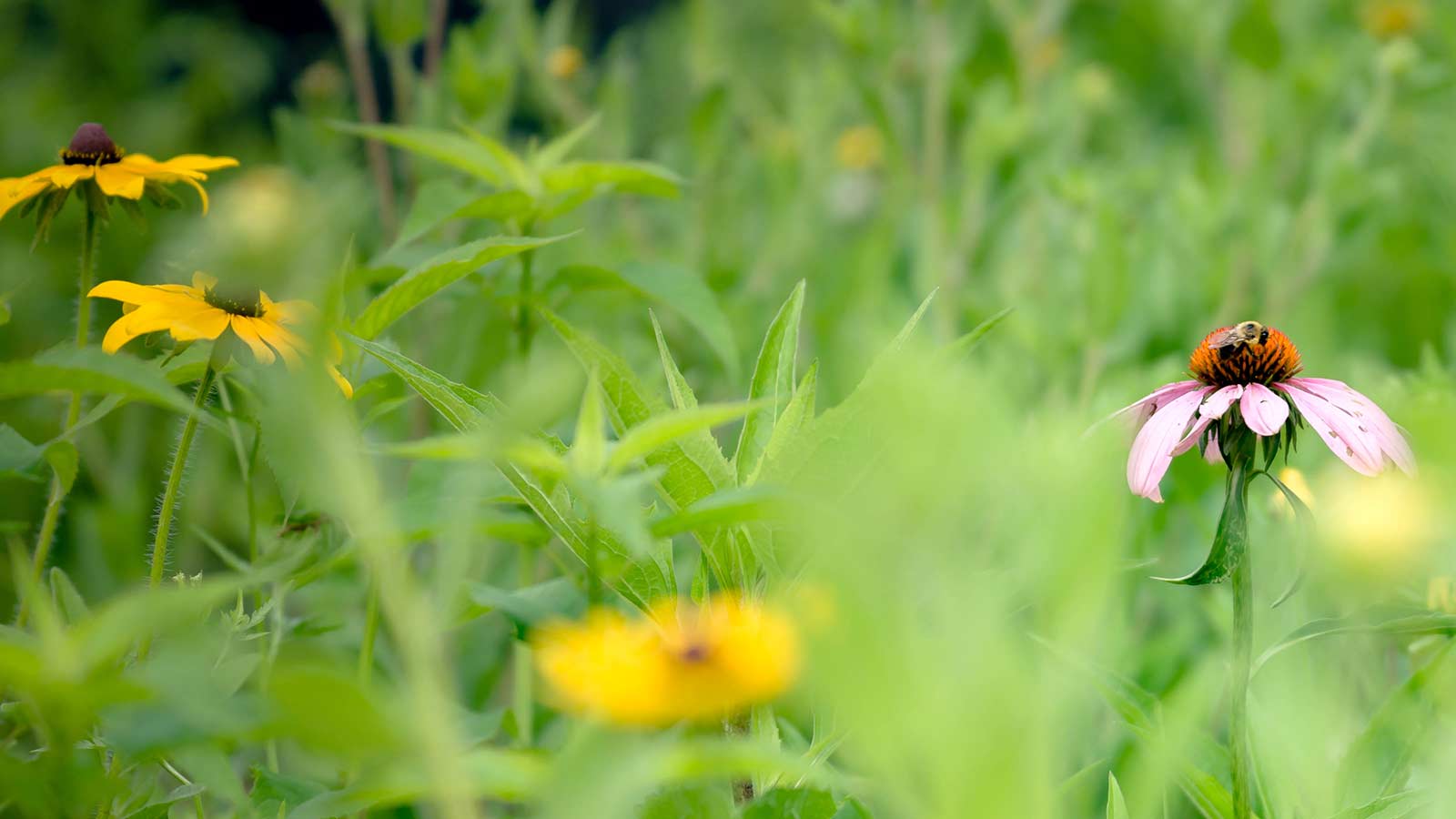
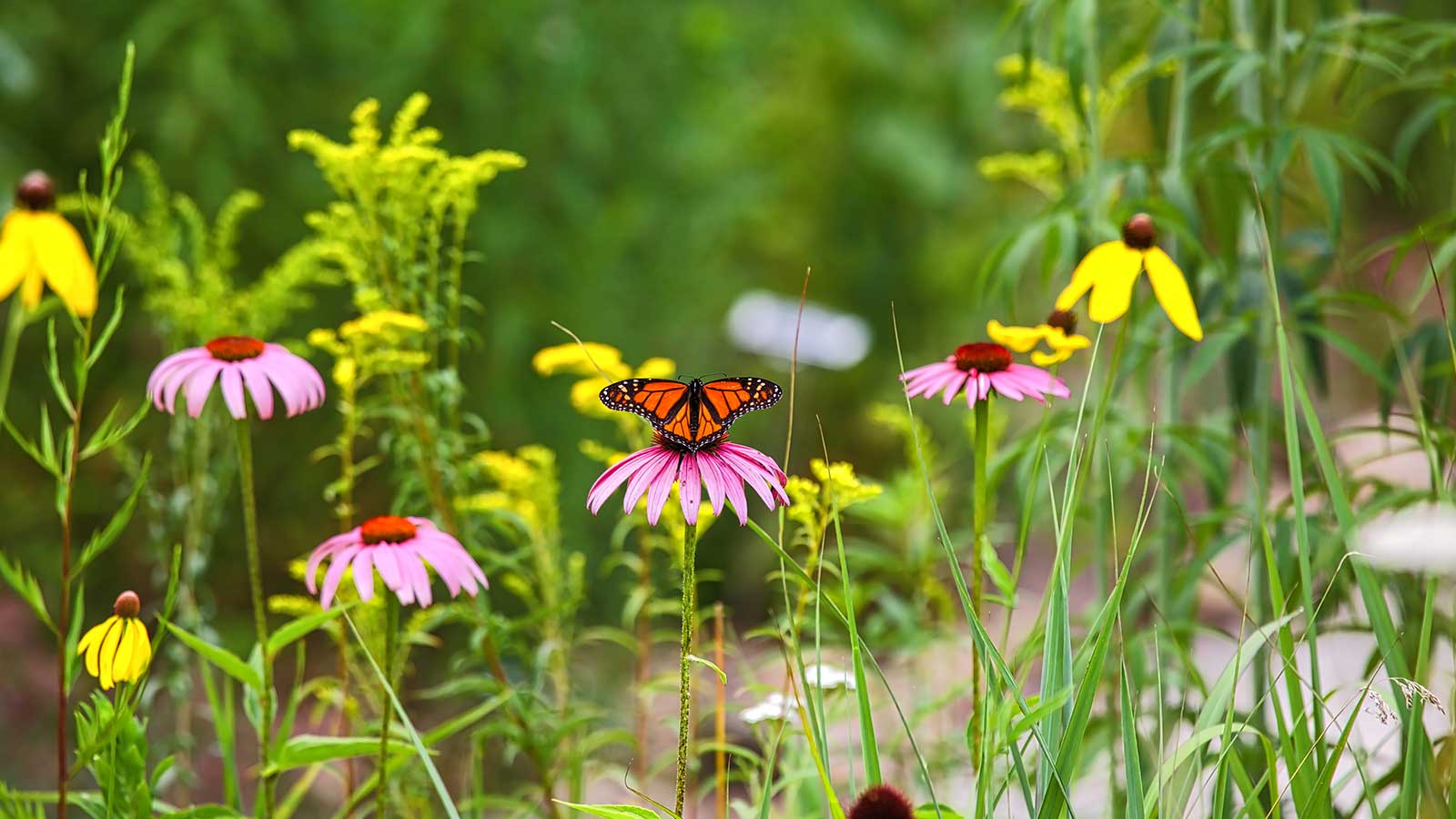
Diversity is not just about species diversity but also about plant sizes and shapes: an overhead canopy, an understory of shrubs, and patches of perennials and groundcovers. And just as importantly, use as many native plants as you can. Doug Tallamy of Homegrown National Park fame, in his many inspirational books, supports the idea that if at least 70% of your plants are native, you can support the insects, birds, and other animals that need quality habitat to exist and thrive. A thriving ecosystem builds balance and resilience.
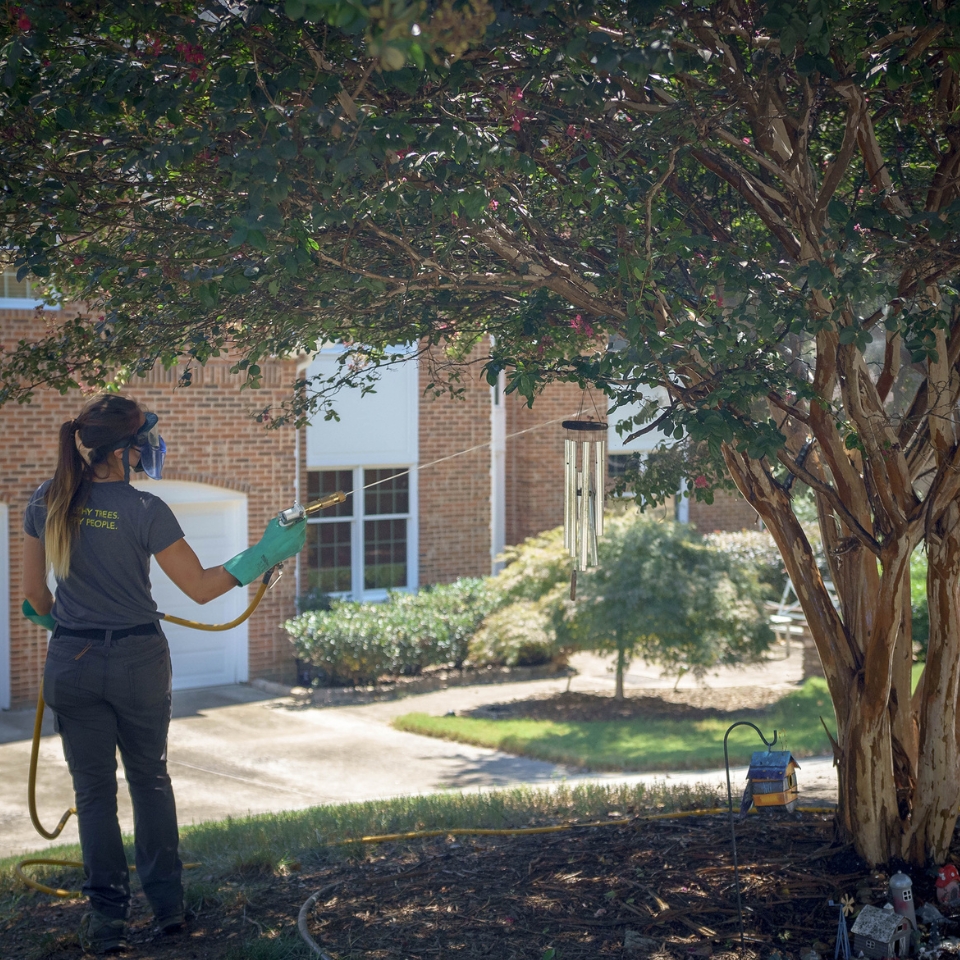
3. Sometimes Direct Treatments are Needed
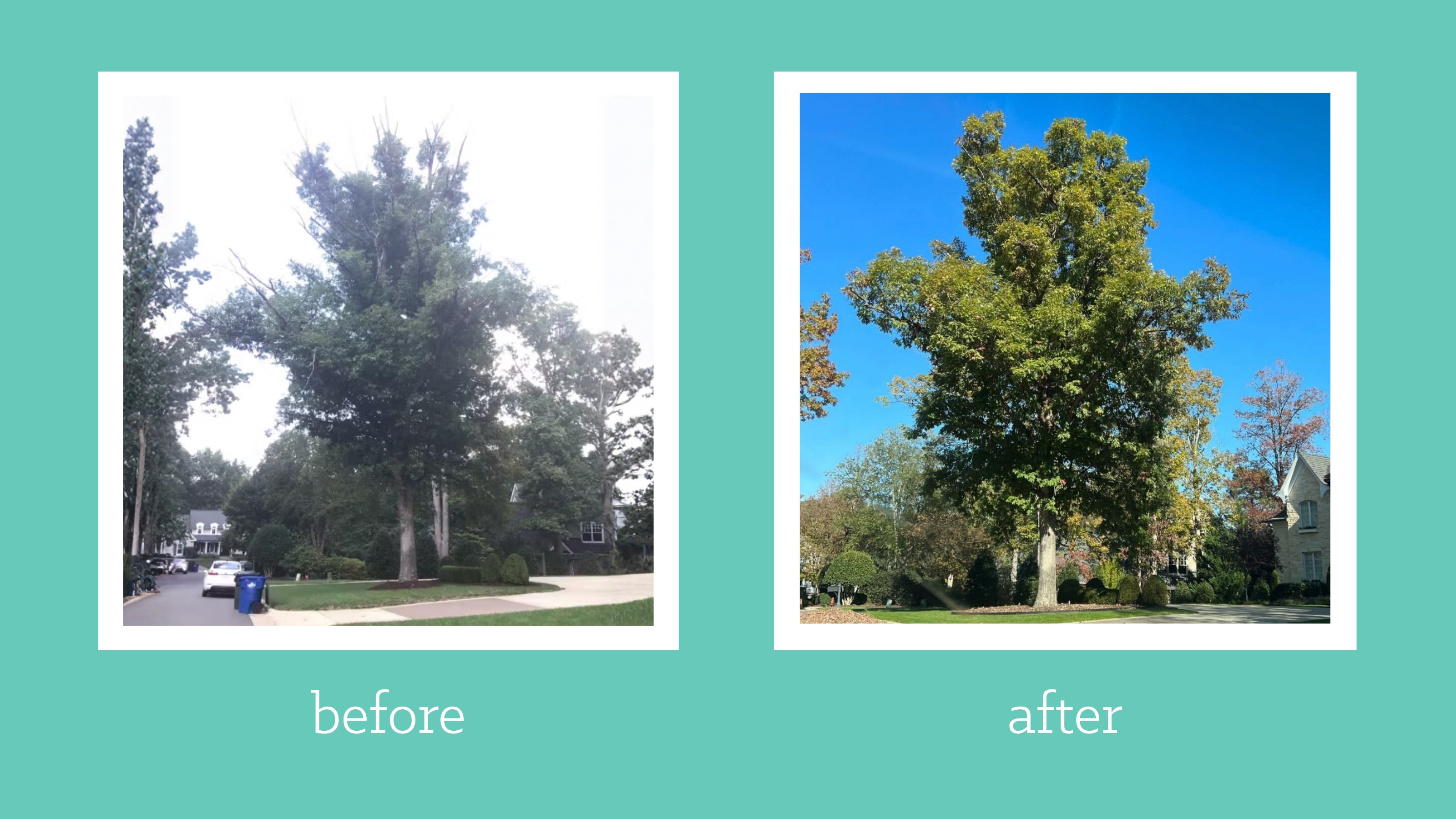
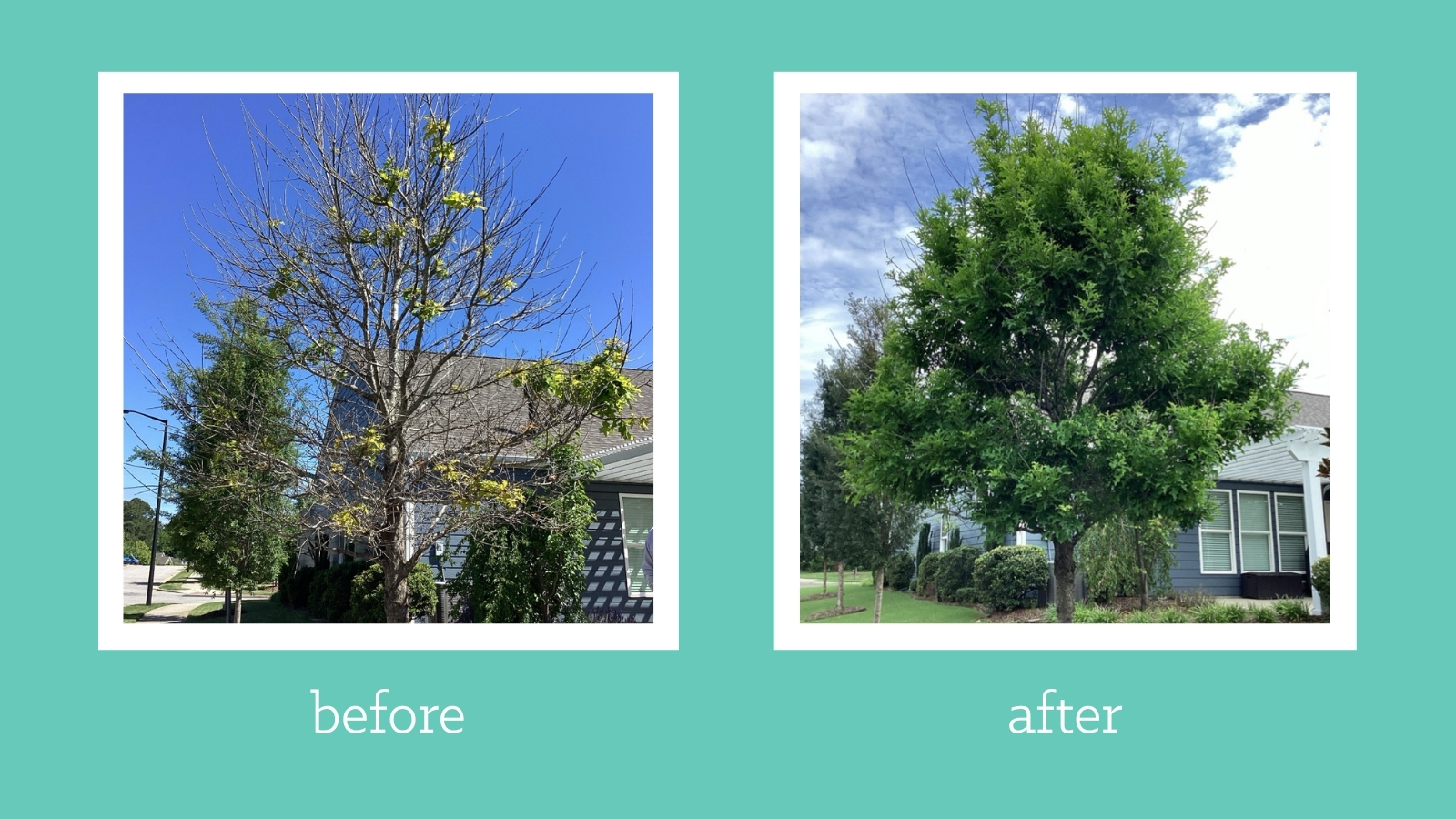
Sometimes, even when everything else is right, our trees and shrubs need a little extra help, especially when non-native pests like crape-myrtle bark scale or emerald ash borer strike. Effective sprays or chemical injections may be needed to prevent decline or death of the tree. Look for the least toxic product that is still effective. Horticultural oils, neem oil, and insect growth regulators (IGRs) are examples. For borers, such as emerald ash borer, which will kill the tree if left untreated, the treatment is injected directly into the tree, where it can fight the invader without collateral damage to other life. Some of these products are not available to homeowners and must be applied by a licensed company.
Work With Nature, Not Against It
Natural systems, when supported by healthy soils, solve almost all pest problems on their own. Good food and a healthy environment go a long way for trees and shrubs, just like they do for us. And when a particular problem does pop up, a targeted treatment beats a blanket spray every time. At least your trees don't need to exercise!