What's Eating My Leaves? 10 Signs of Insect Activity in North Carolina
From harmless leaf-cutters to tree-killing borers, here's what to look for.

There are hundreds of different kinds of insects in your yard right now. Some of them are beloved, but others instill fear or worry.
The good news: most insects are harmless (and many are helpful). The bad news: a few can do real damage. I'm sure you've witnessed Japanese beetles absolutely demolish some of your favorite plants.
Below is a quick list of ten common critters (or the signs they leave behind), in no particular order:
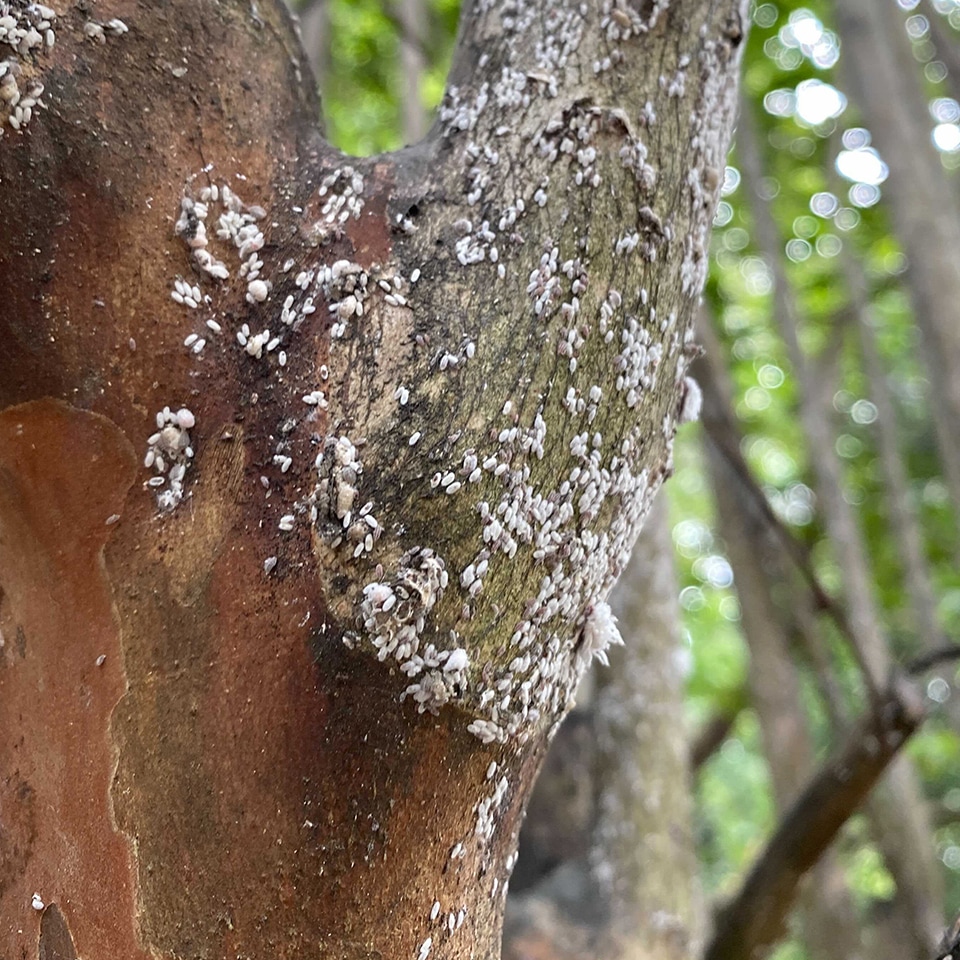
Scale insects
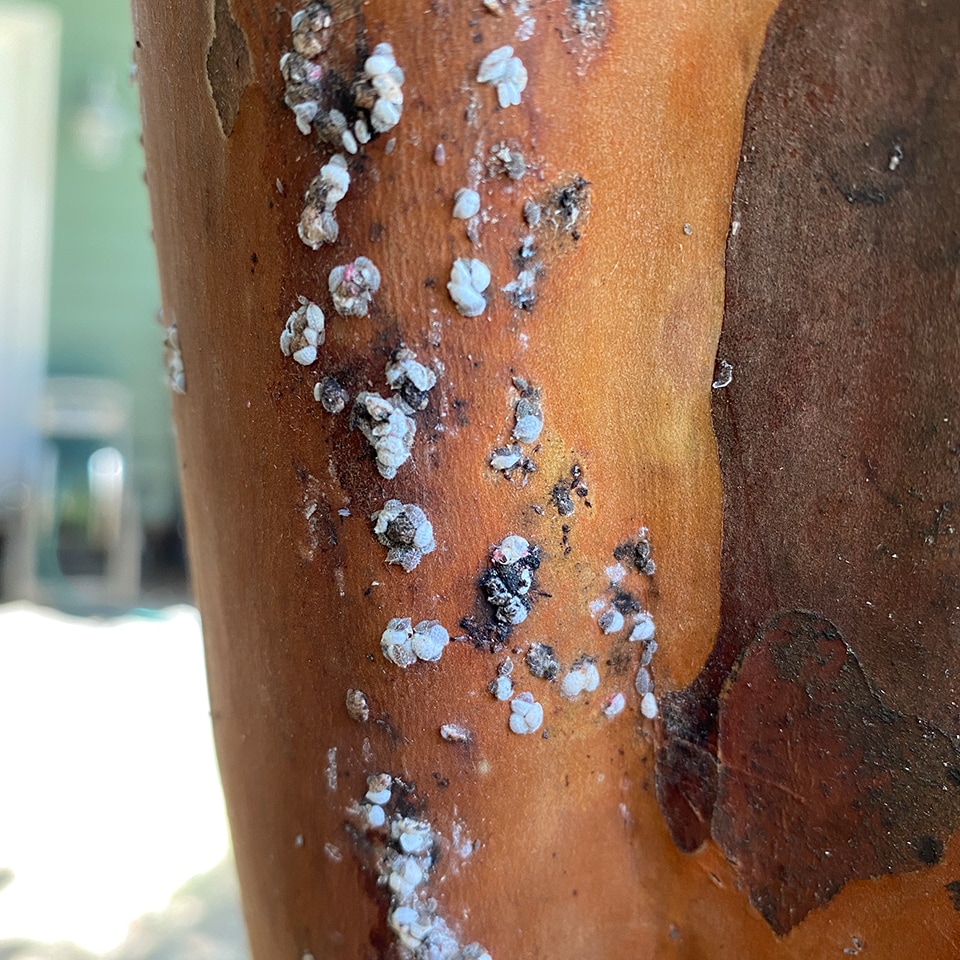
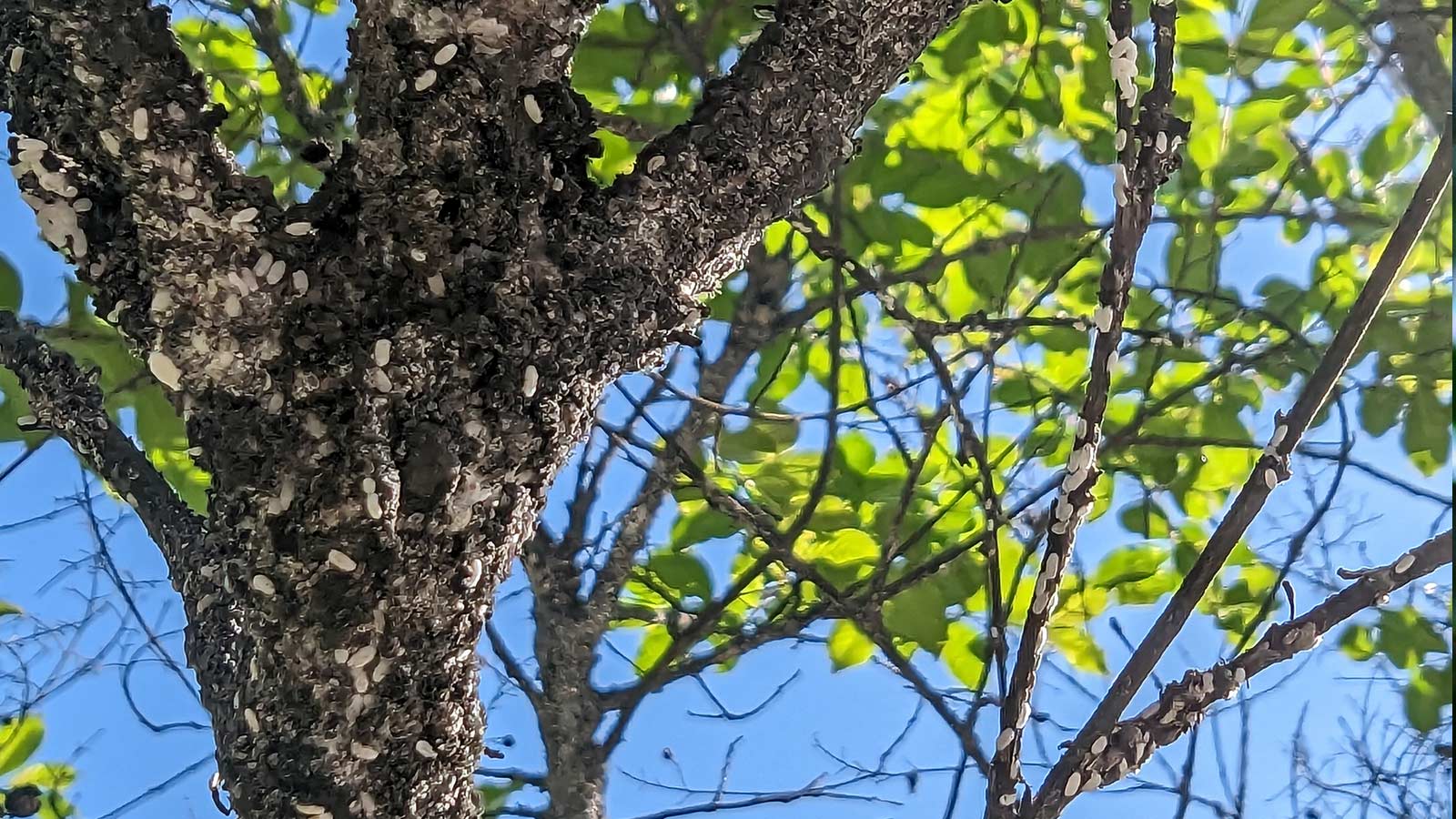
Scale insects don't even look like insects — think tiny limpet. In our region, gloomy scale on red maples and crape-myrtle bark scale are epidemic. They look like dark bumps (e.g., gloomy scale) or fluffy white blobs (e.g., crape-myrtle bark scale), depending on the species. They suck sap from twigs and branches, which can cause branch decline and dieback, especially if the plant is already under other stress.
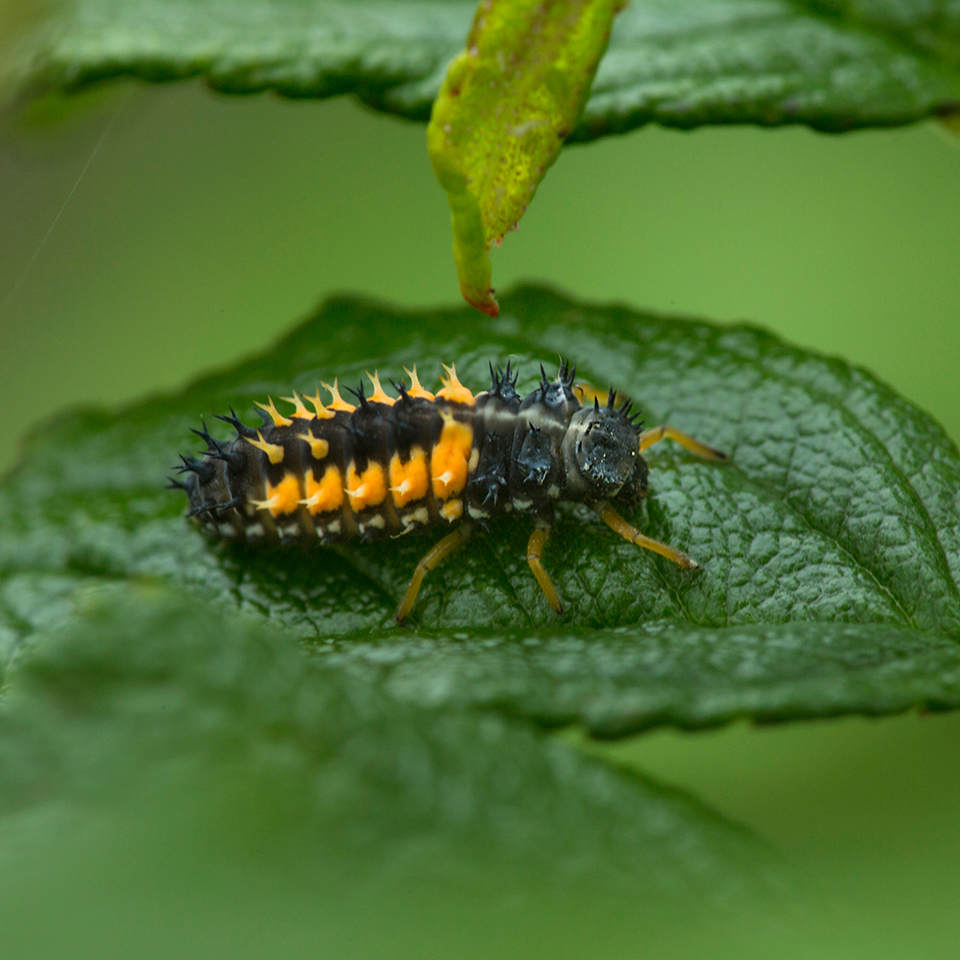
Ladybug larvae
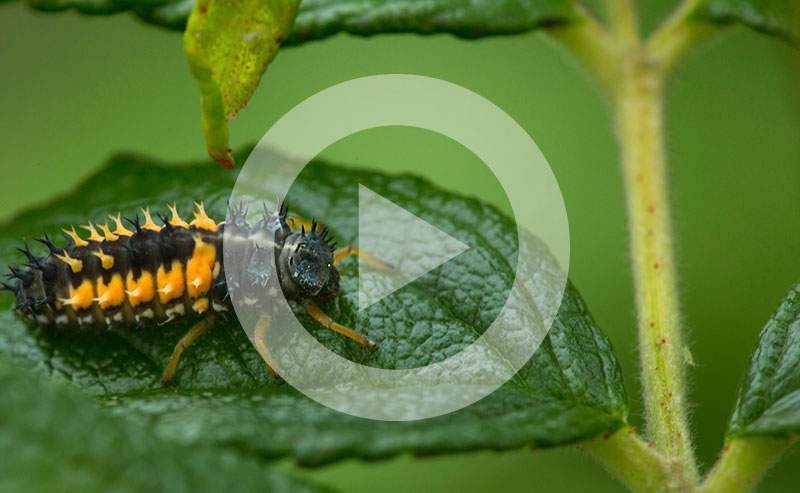
The young of ladybugs, which are really beetles look very different from their cheerfully colored parents. They look like tiny gray alligators, sometimes with red or orange spots, depending on the species. The good news is that despite their dubious appearance, they are voracious aphid eaters. You often find them on plants that are experiencing a lot of aphid feeding.
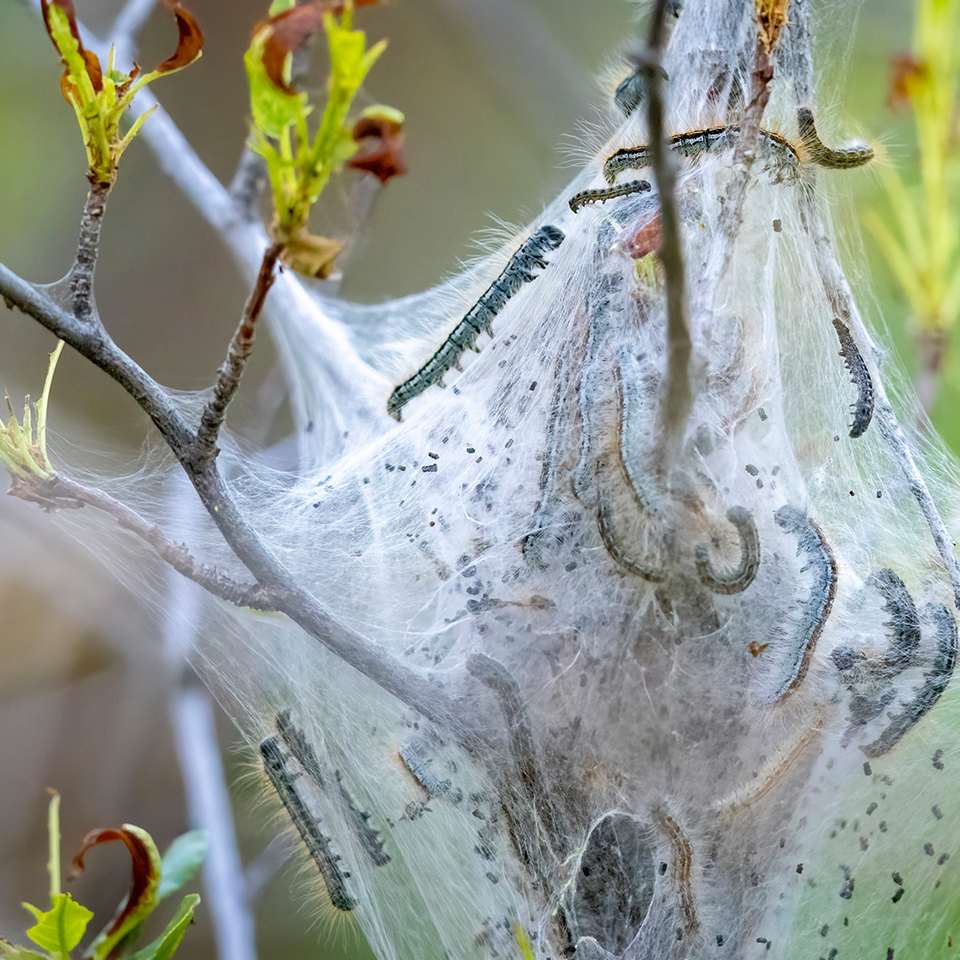
Tent caterpillars
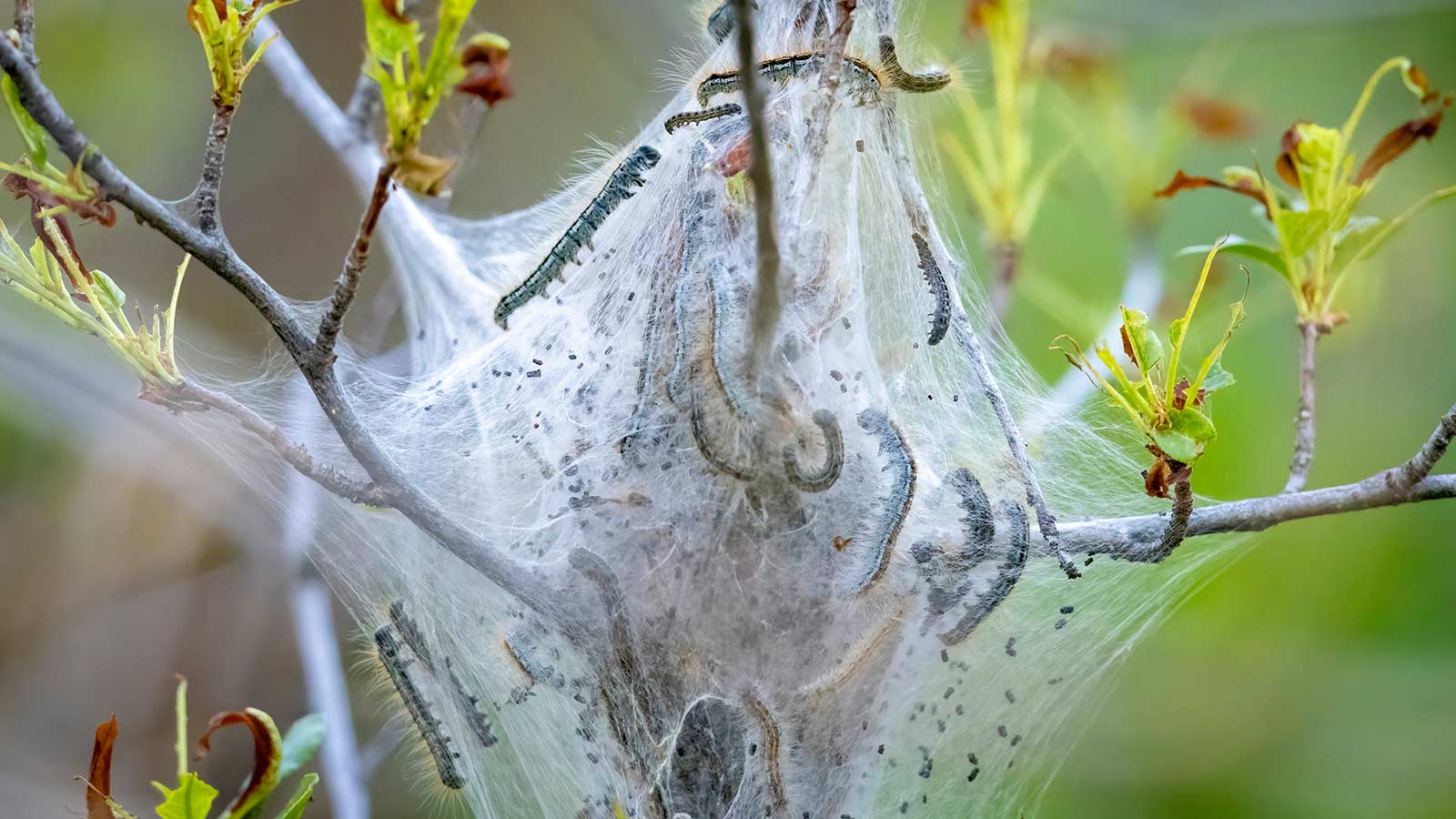
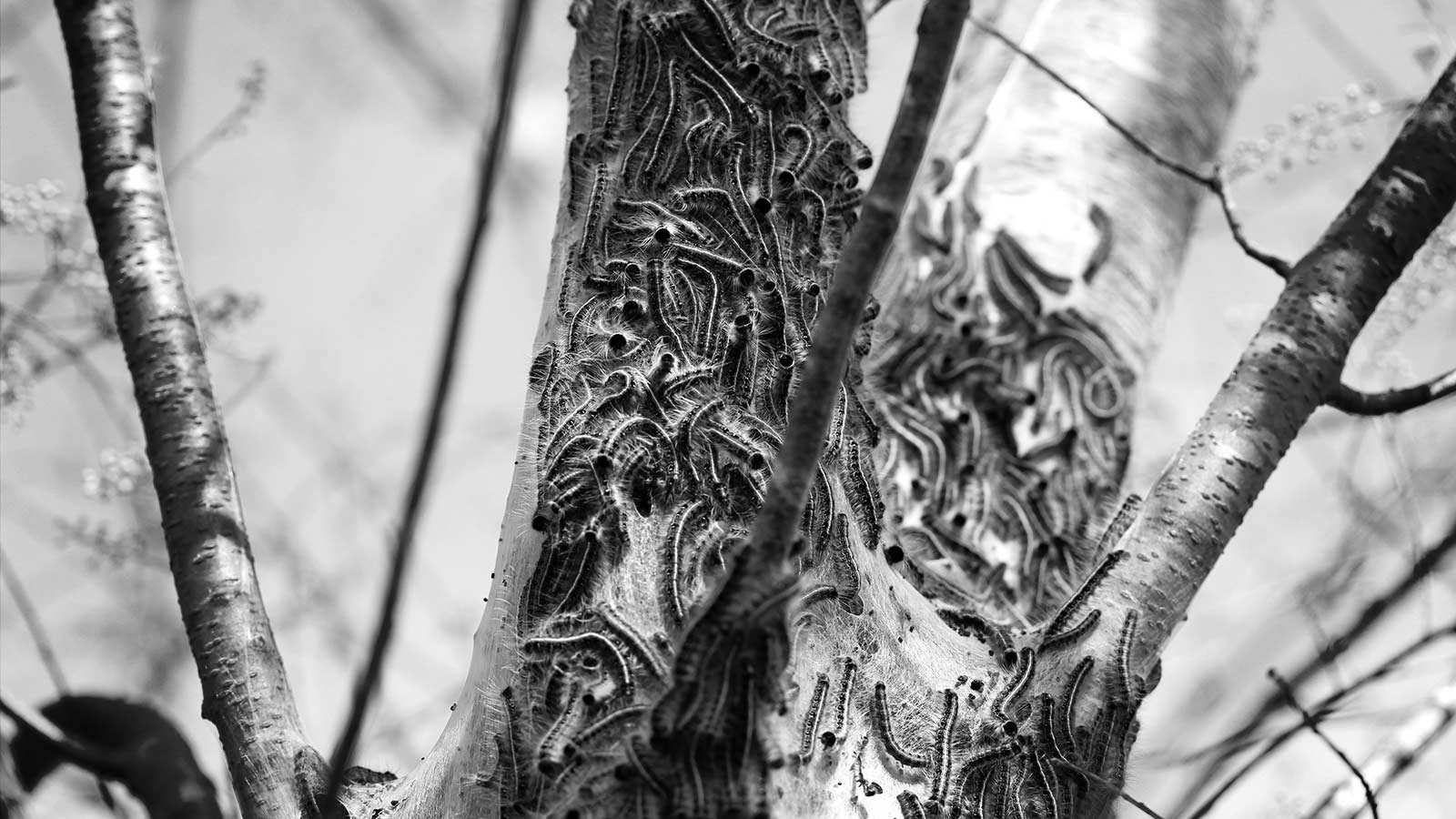
Some species of day-feeding caterpillars, particularly fall webworm and eastern tent caterpillar, protect themselves from predators by making a woven tent to feed inside. They proceed to chew leaves, but the perceived problem is mostly aesthetic. Healthy trees can easily withstand feeding. If you are concerned about them, poke the nests with a stick to open them up, and letting birds feed on them is probably all that's needed.
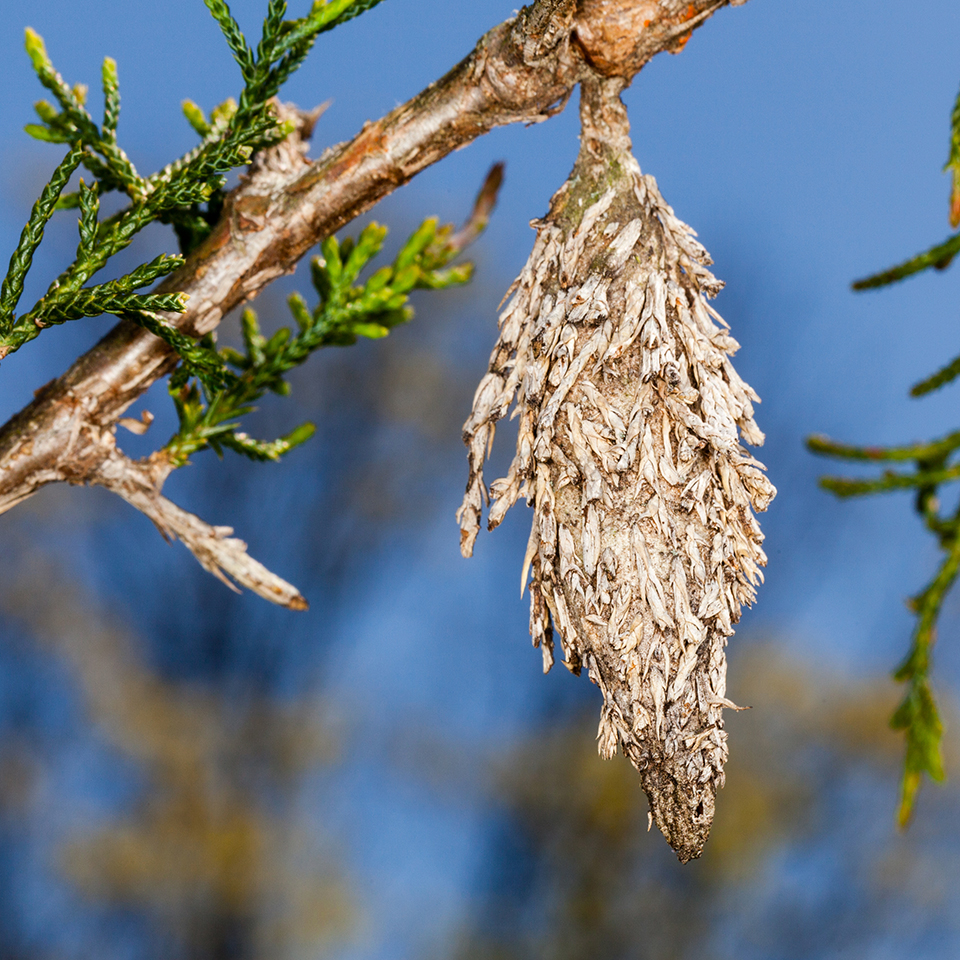
Bagworms
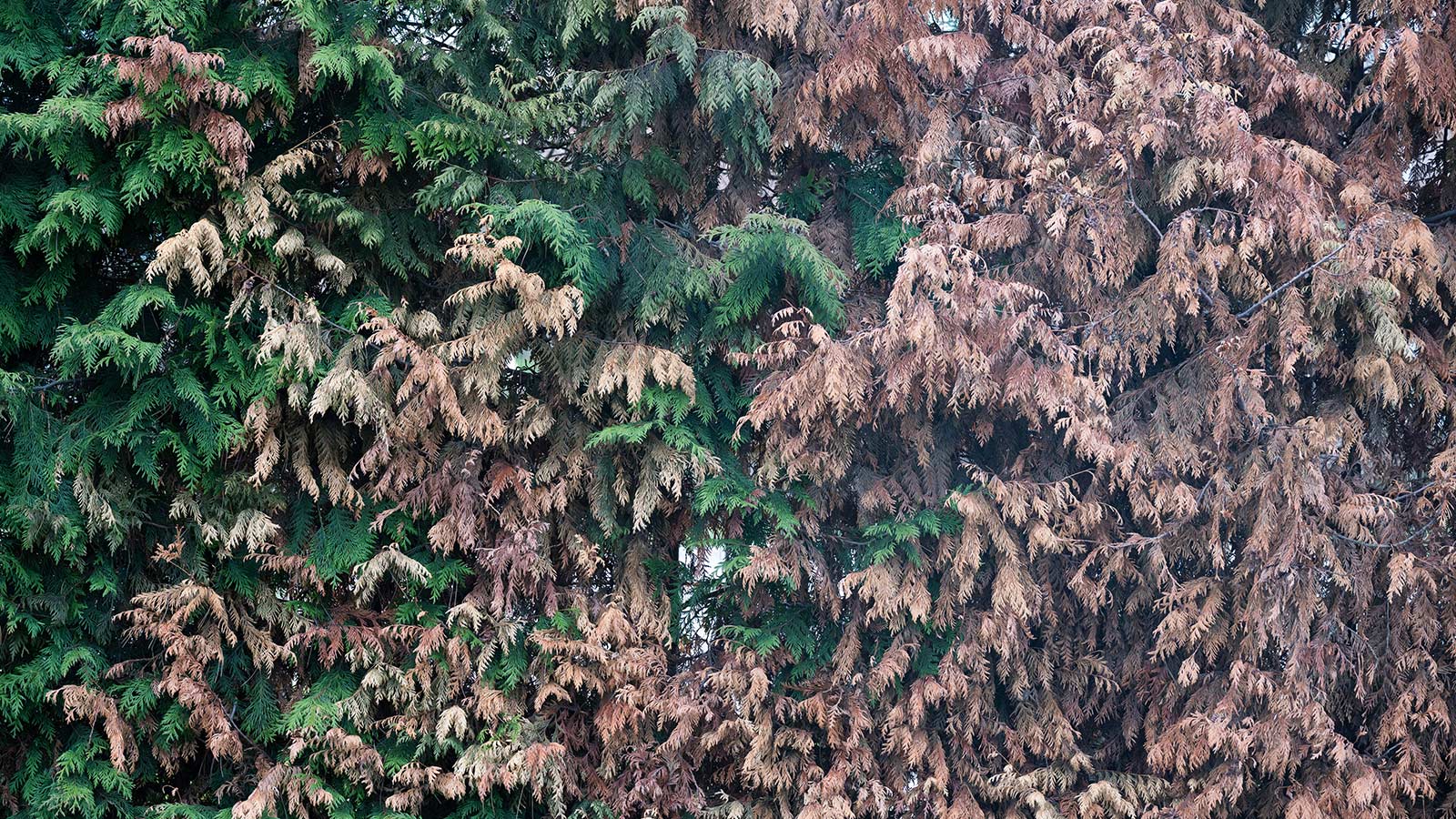
Another caterpillar that hides inside a little sac it forms from plant parts. It is common on evergreen species like Leyland cypress and arborvitae. The brown sacs look like part of the tree unless one takes a close look. The caterpillars poke their heads out to feed. They carry their protective sac around. Until late summer when they get ready to pupate. Unchecked, they can seriously defoliate an evergreen.
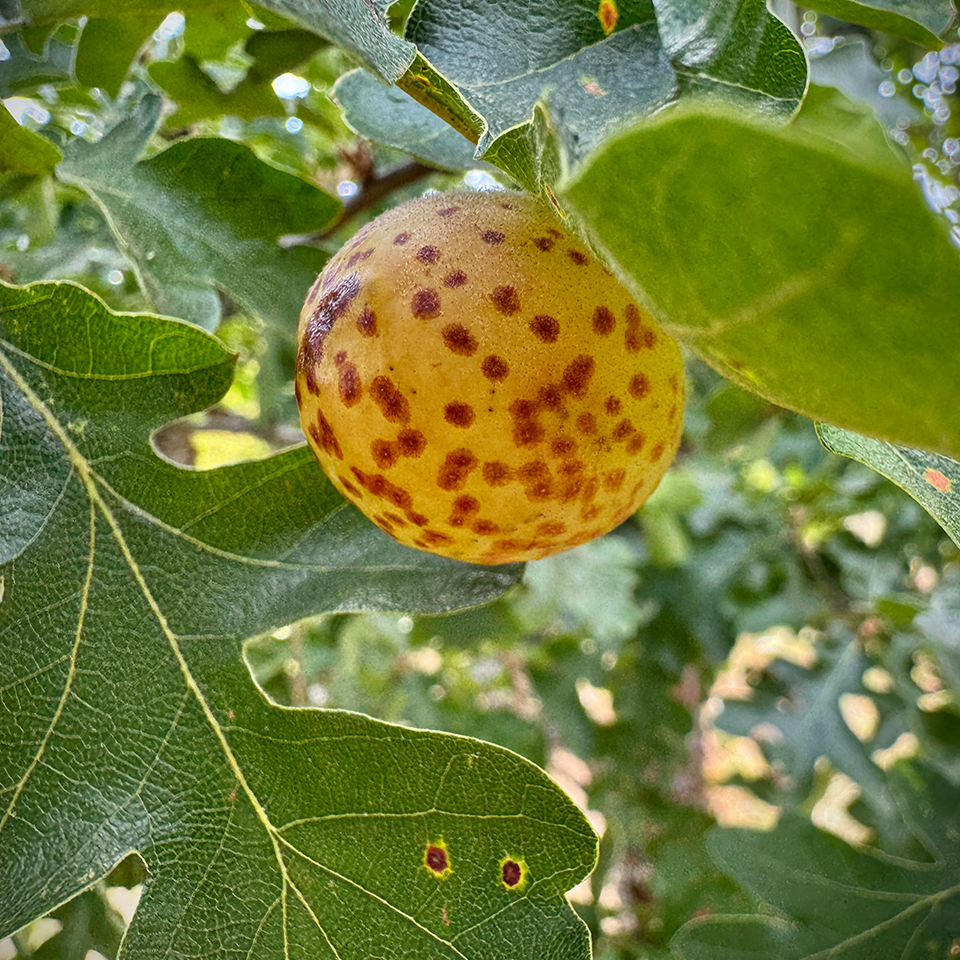
Galls
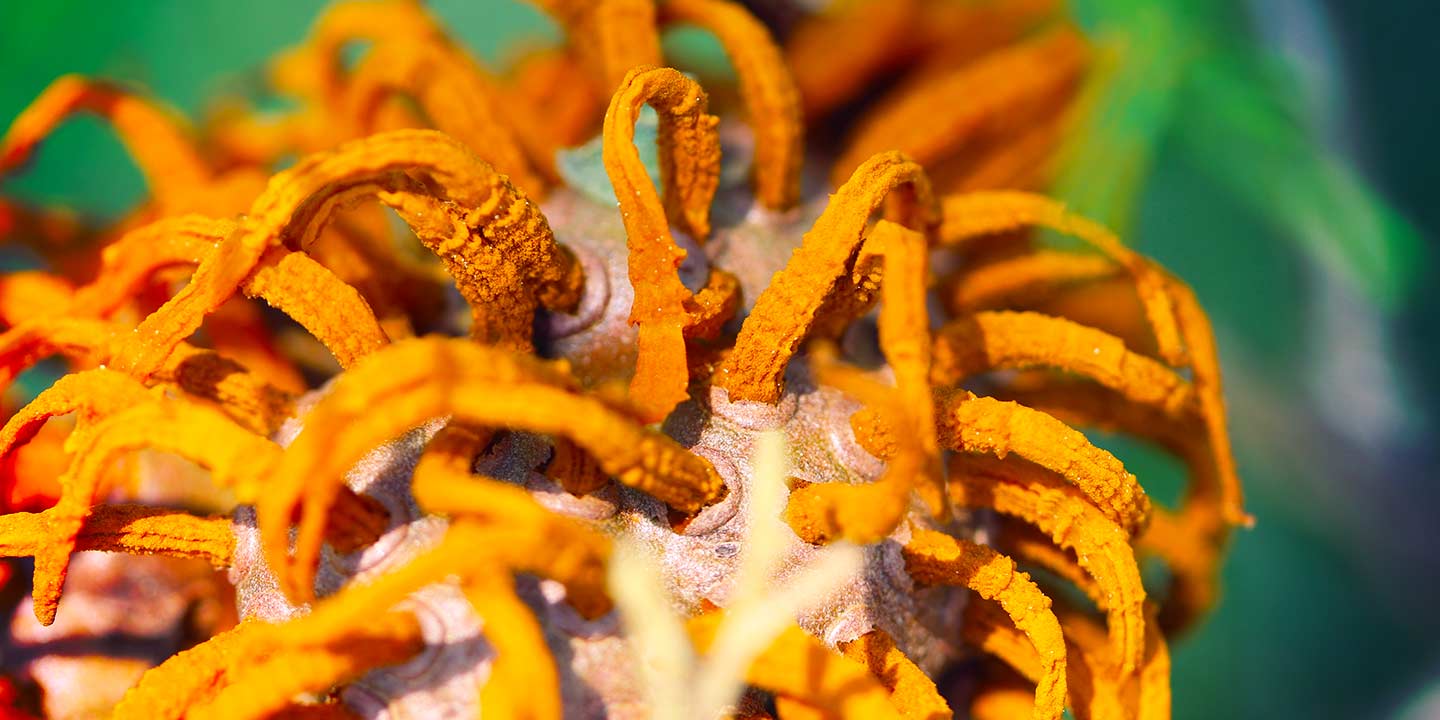
A gall is plant tissue that has been chemically reprogrammed by another organism — often an insect or mite — to form a tiny shelter and food source. Galls can be colorful, oddly shaped, and sometimes quite beautiful. They often worry people simply because they look downright "alien". In most cases, leaf and stem galls cause little harm to the plant and are just another expression of nature's diversity.
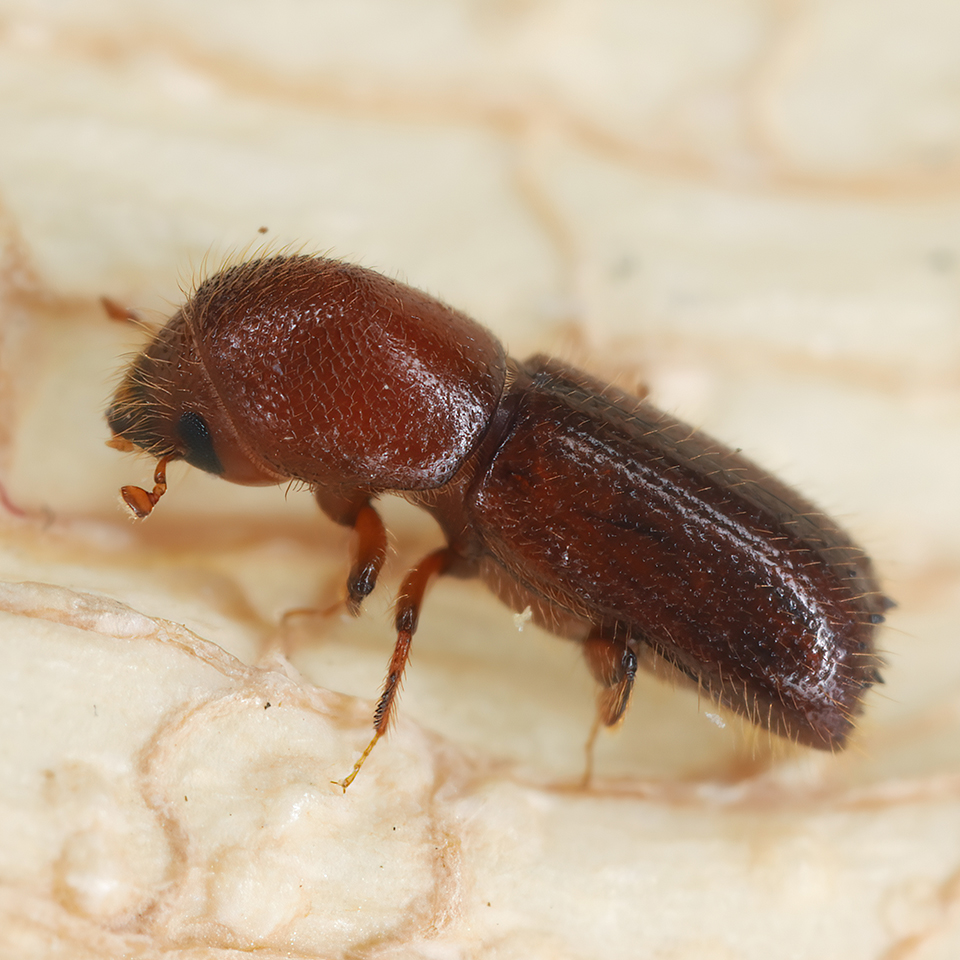
Ambrosia beetle
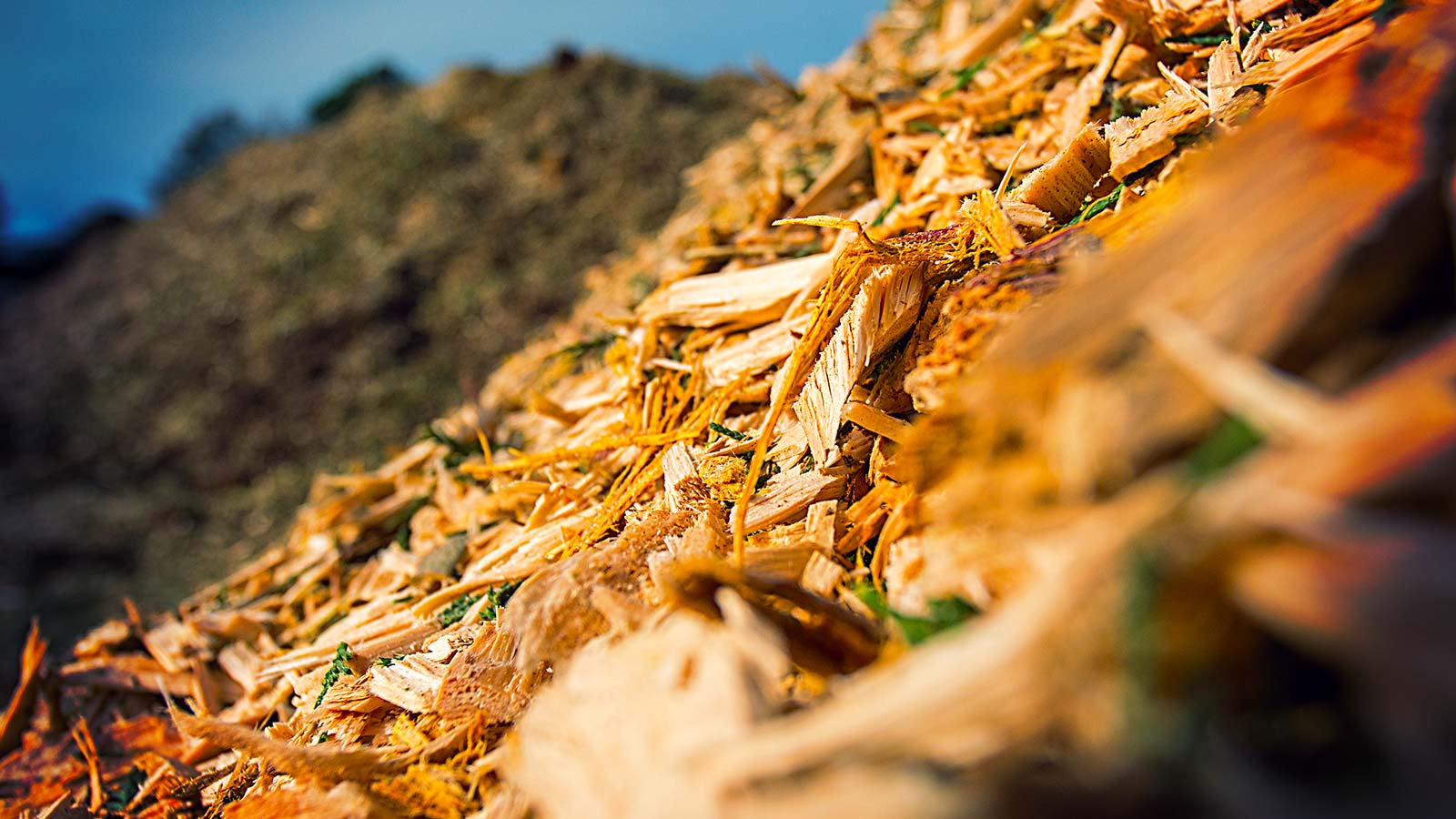
These tiny beetles, about the size of a sesame seed, are experts at finding stressed trees — especially newly planted ones. Females burrow into the lower trunk and lay eggs in tunnels. The larvae feed on a fungus that the beetles introduce inside the galleries. The clearest sign is tiny "toothpicks" of compacted sawdust sticking out of the bark. Their presence reveals seriously root-stressed trees.
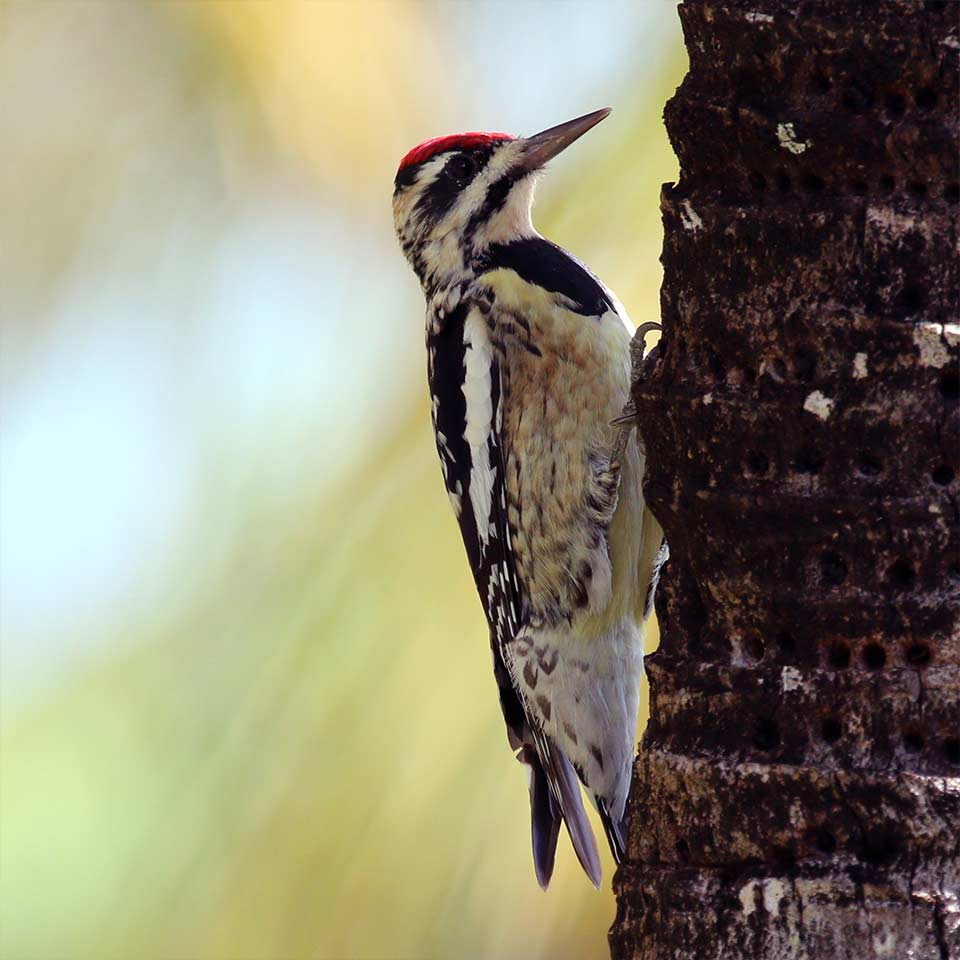
Sapsucker
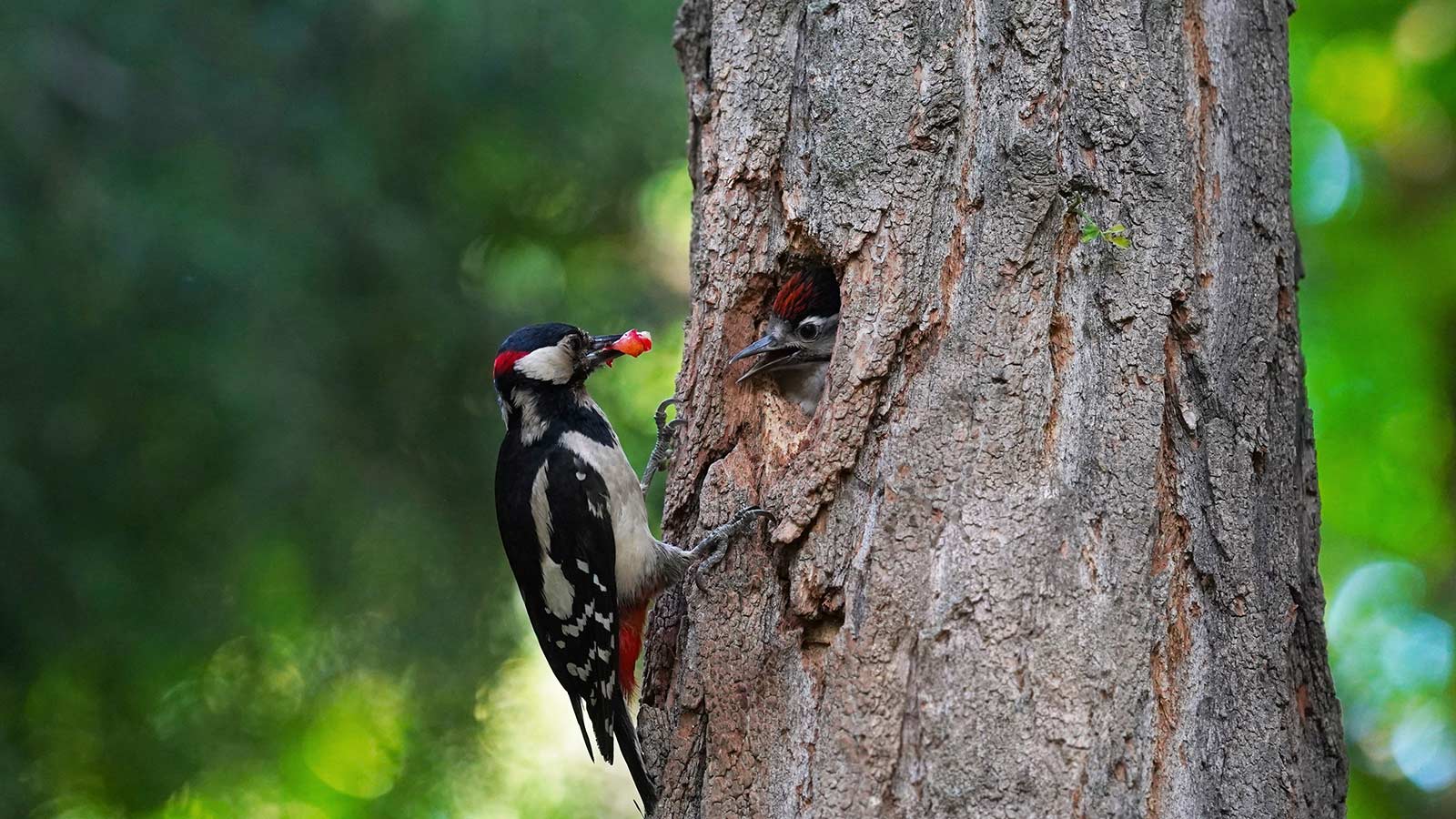
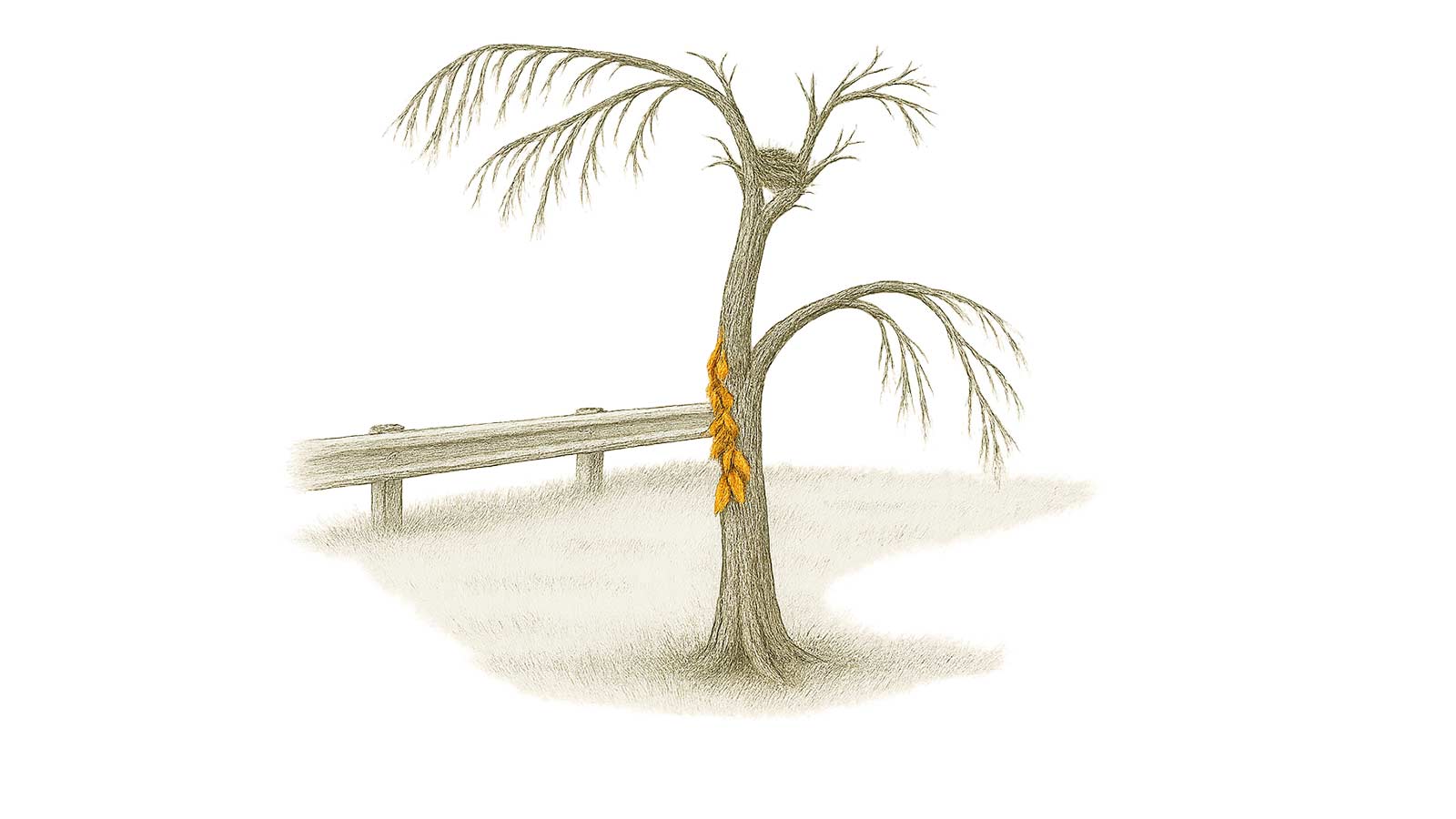
Not an insect this time, although the rows of shallow holes drilled on tree trunks suggest this. The culprit is a woodpecker that spends the winter here and goes further north in summer. Sapsuckers maintain these rows of pits to feed on sap and the insects attracted to the sap. The feeding doesn't do much harm to healthy trees, and the birds need to eat something. Small, valuable ornamentals can be protected with a loose wrap for winter, or with shiny objects hung nearby as deterrents. Pecans and hollies are much favored by these birds.
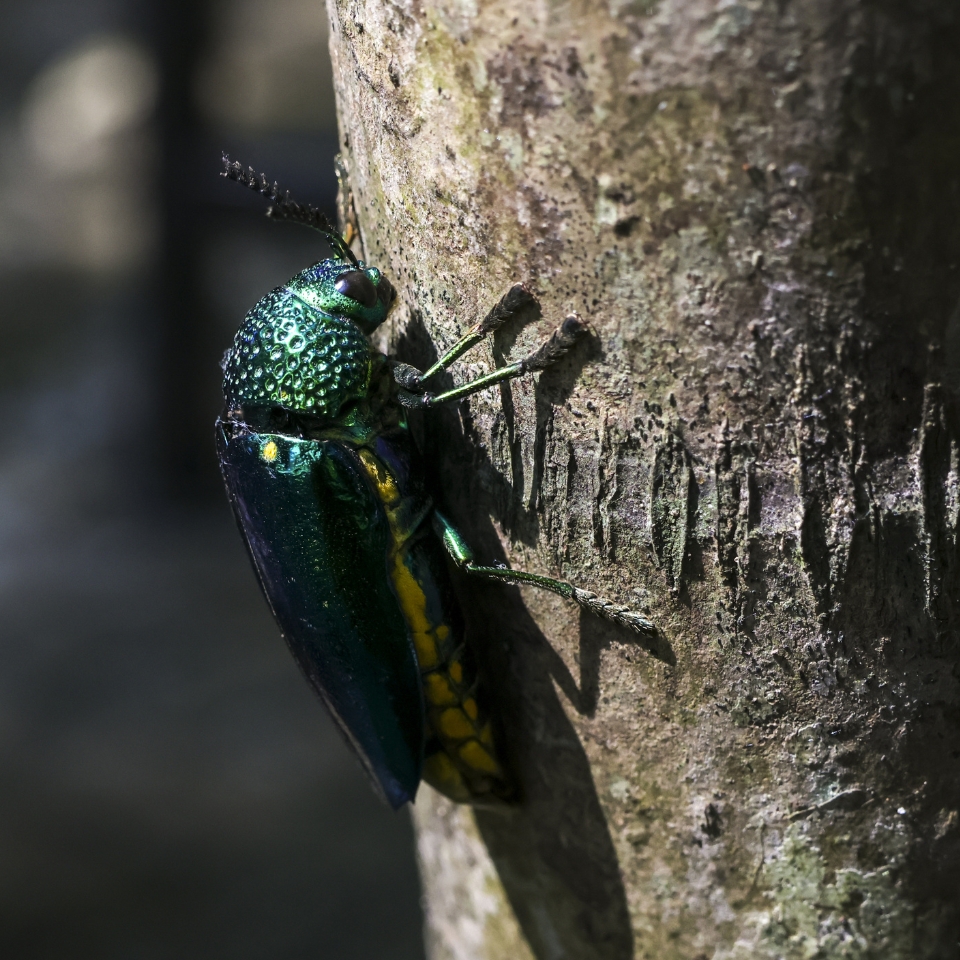
Emerald ash borer
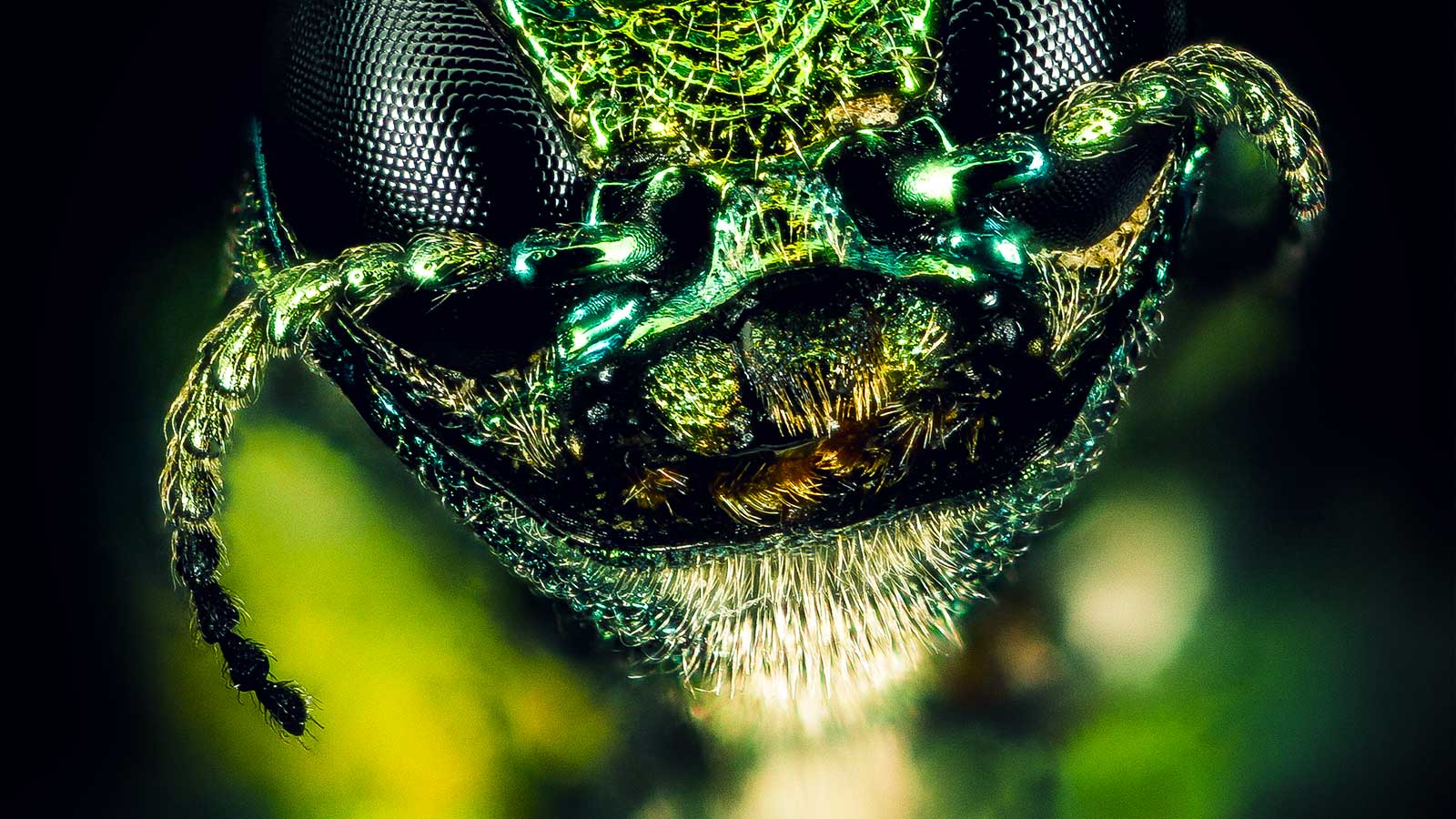
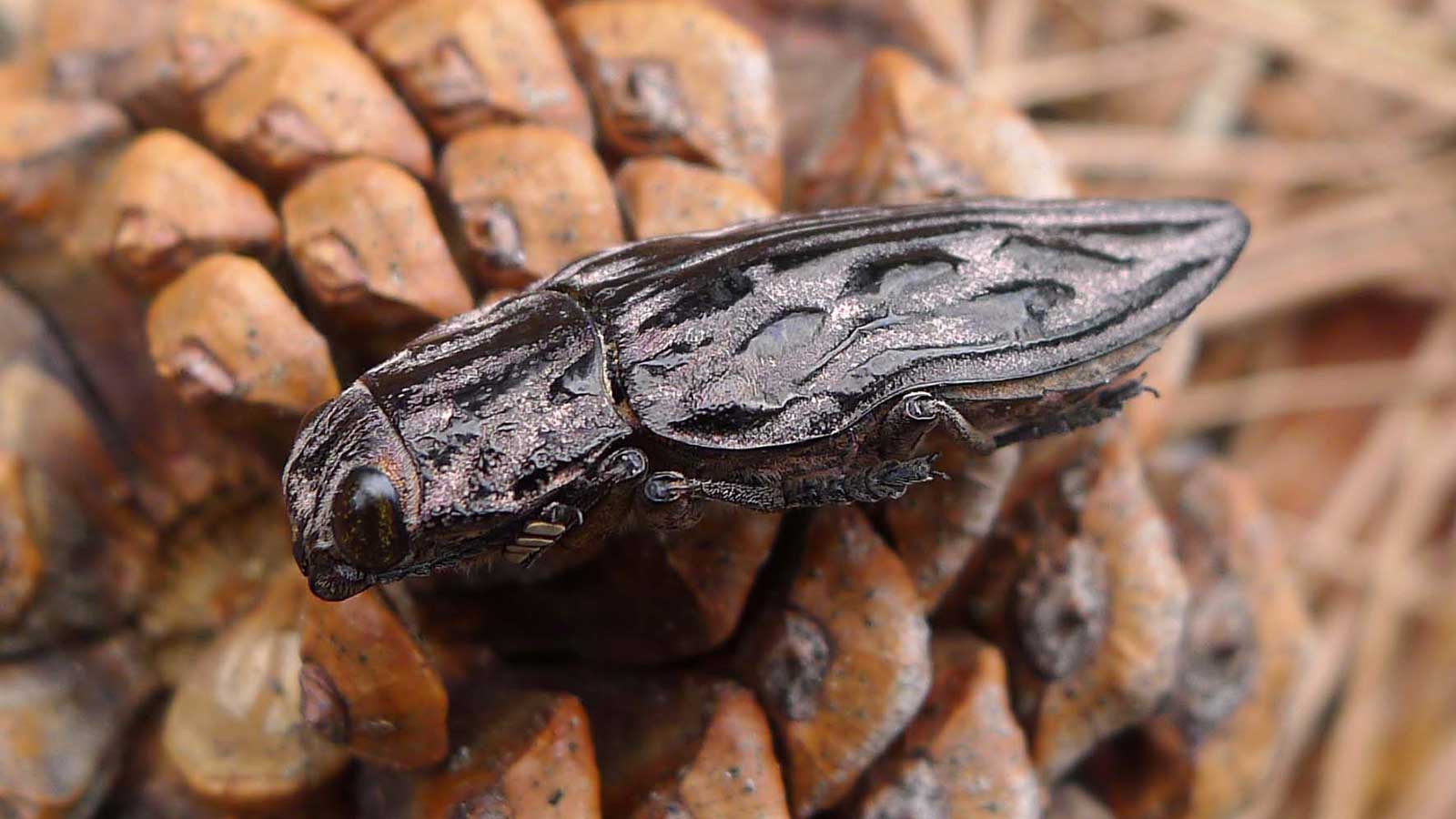
This metallic-green beetle has killed millions of ash trees in North America. The larvae tunnel beneath the bark, disrupting the tree's ability to move water and nutrients. Early signs include thinning canopies, bark splitting, and increased woodpecker activity as birds hunt the larvae. Without treatment, infested ash trees usually decline and die within a few years.
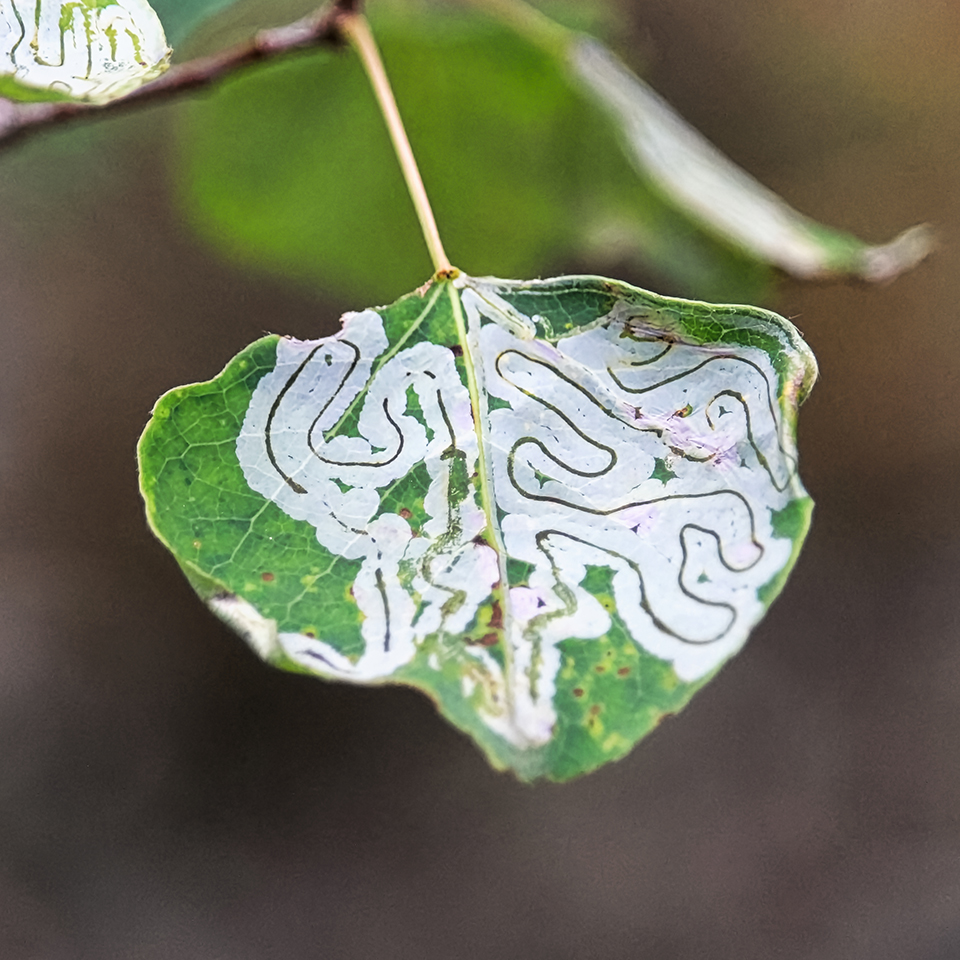
Leafminers
Leafminers are the tiny larvae of certain insects that feed between the upper and lower layers of a leaf. As they move, they leave winding trails or blotchy patches that can look alarming. Despite the dramatic patterns, the damage is usually cosmetic and rarely harms established trees or shrubs. Hollies, birch, and boxwood are common hosts. Keeping trees healthy, and in good soil is all you can do.
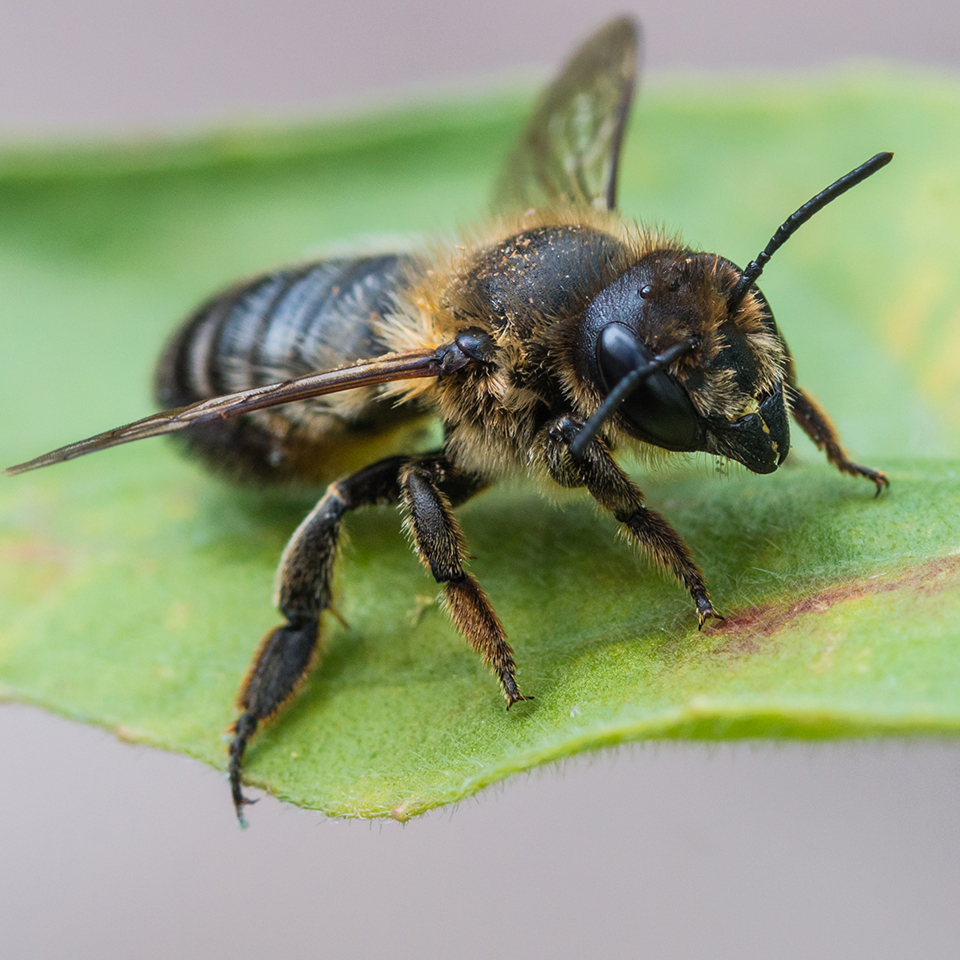
Leafcutter bee
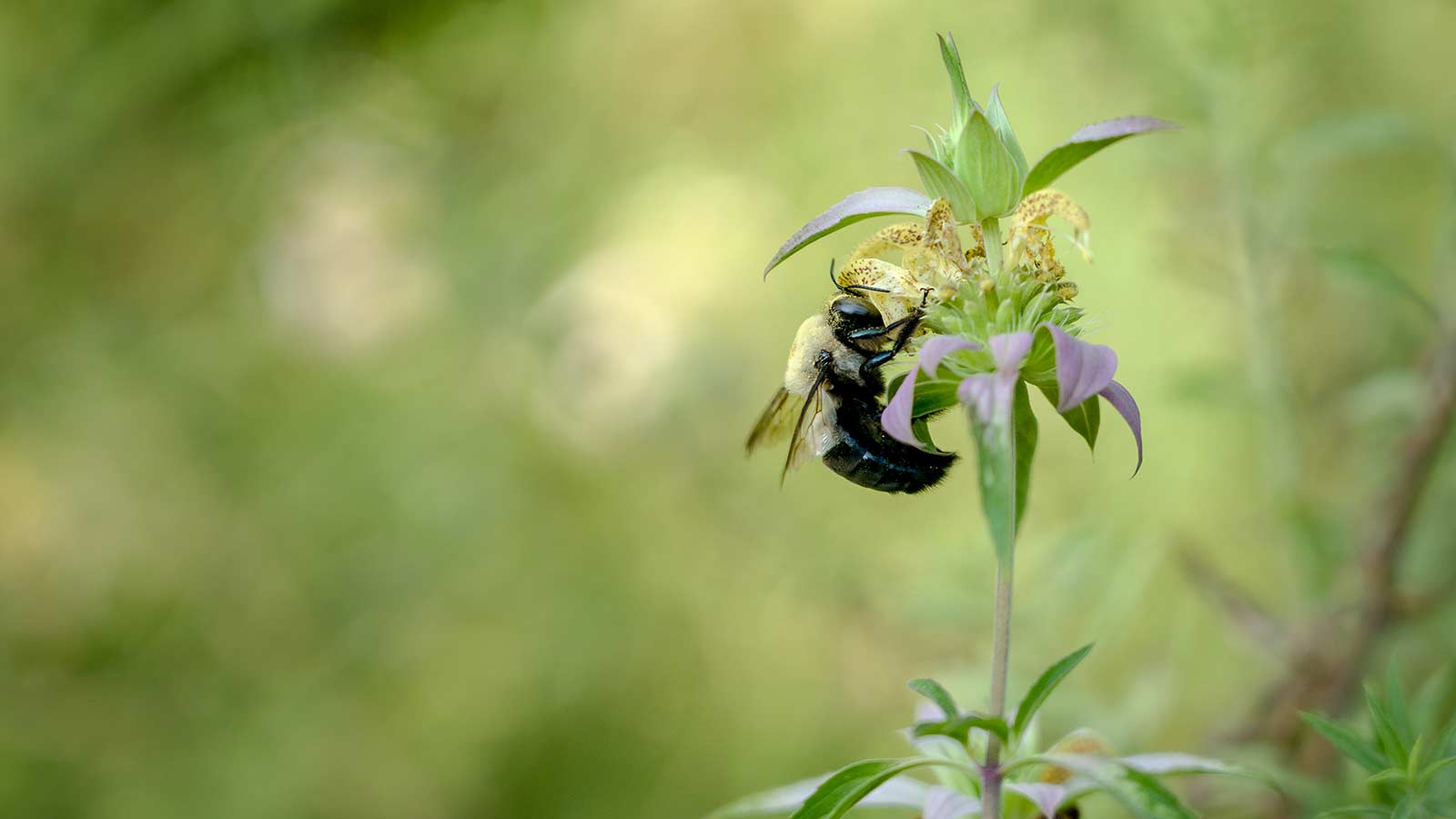
If you see neat half-moon cutouts along leaf edges, a leafcutter bee is likely responsible. These solitary bees cut small pieces of leaves to line their nests. The damage is cosmetic and does not threaten the plant's health. In fact, these bees are excellent pollinators and an important part of a healthy garden ecosystem.
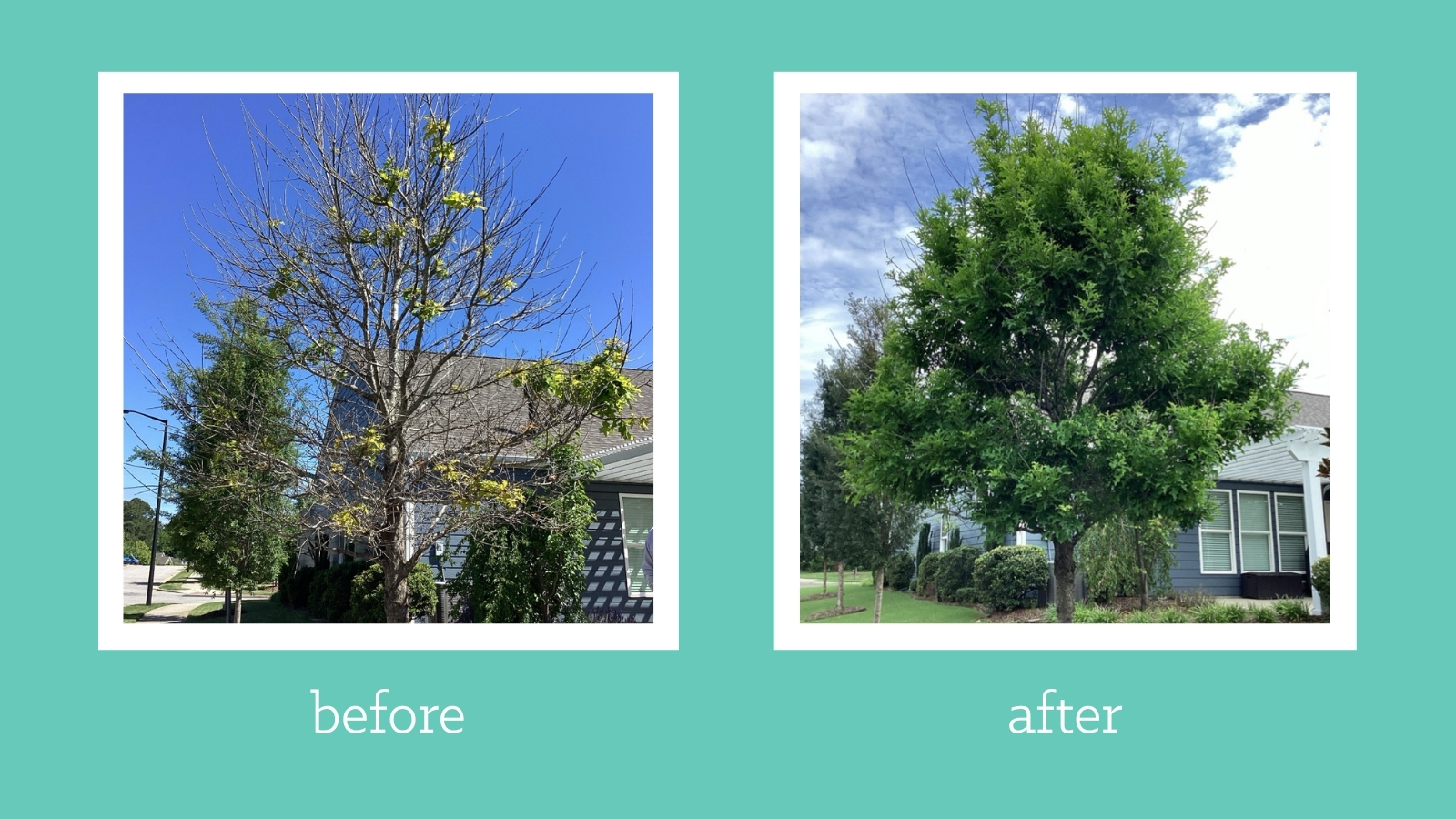
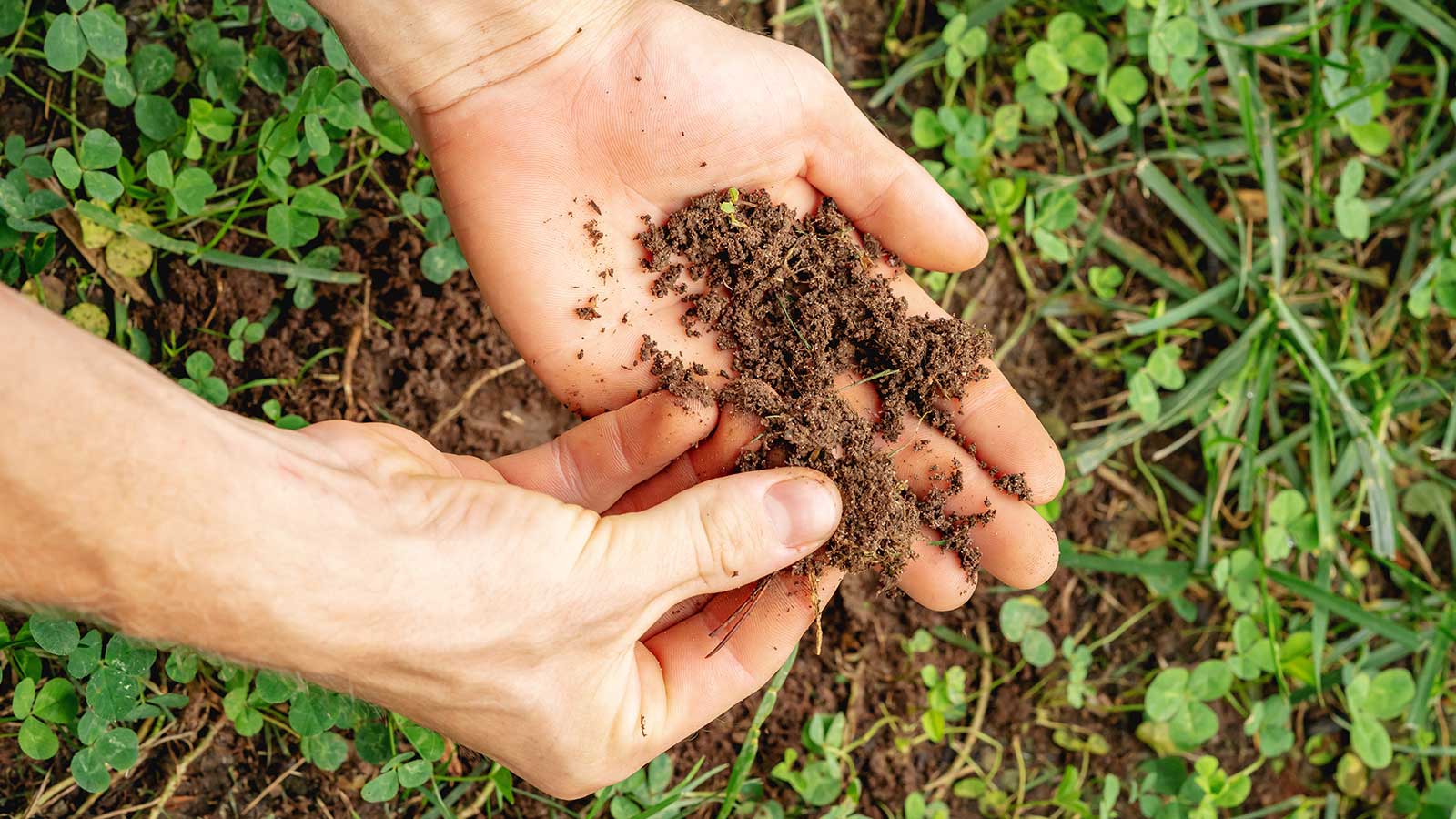
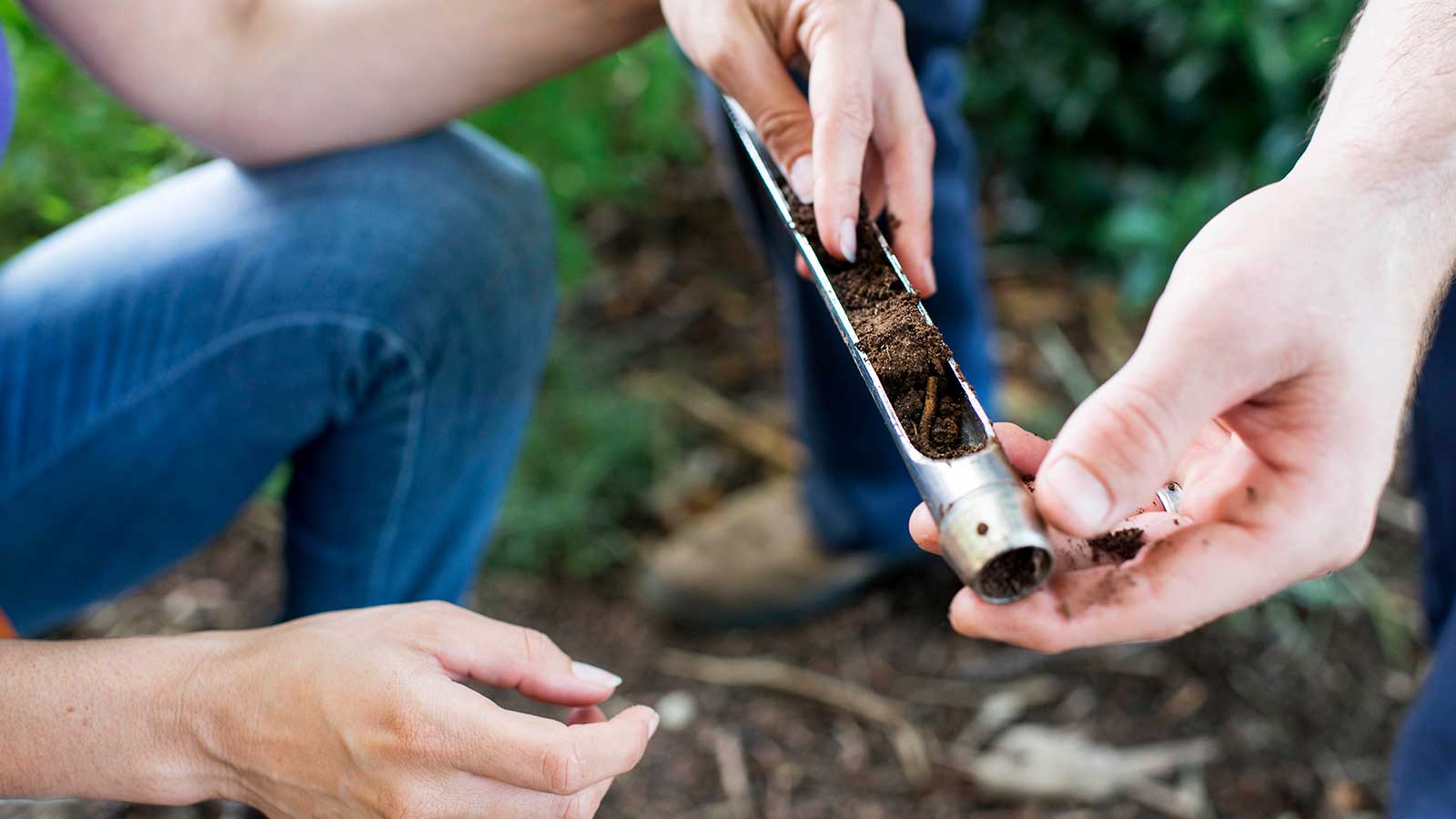
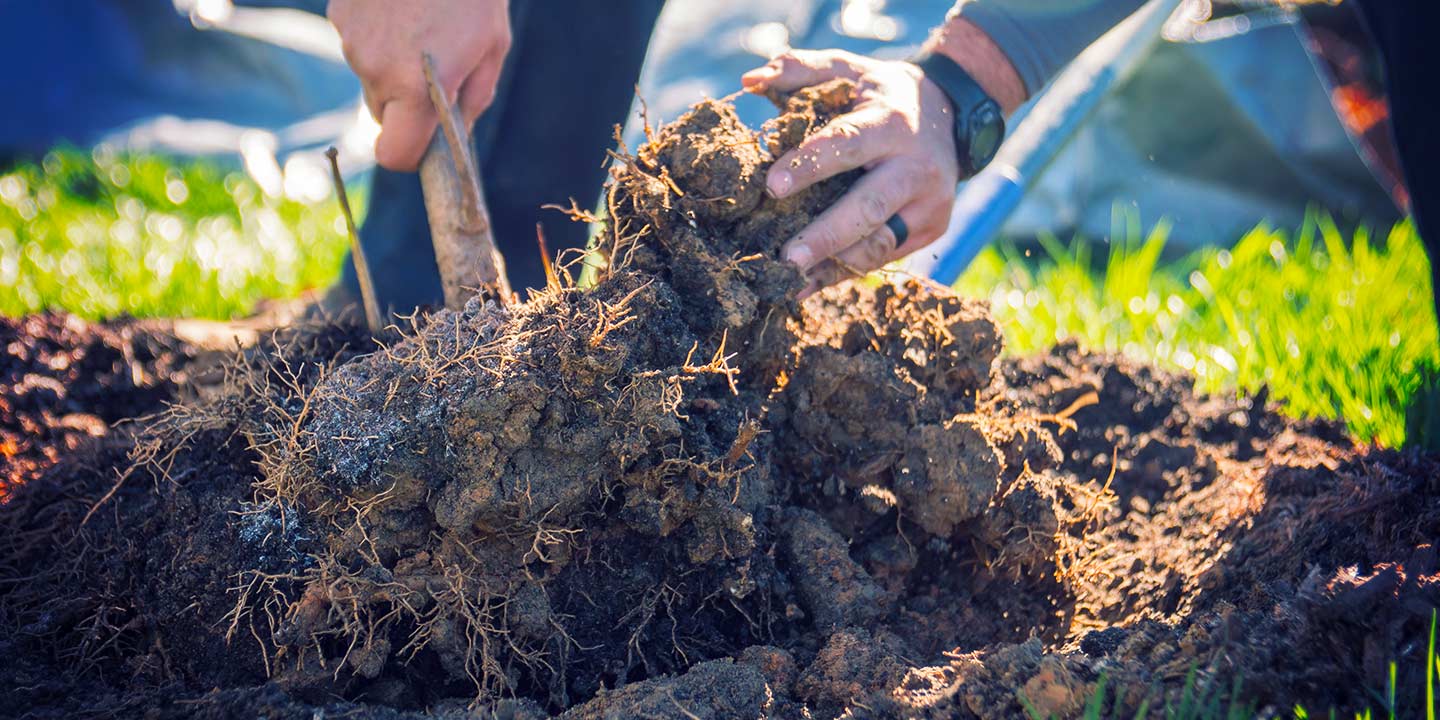
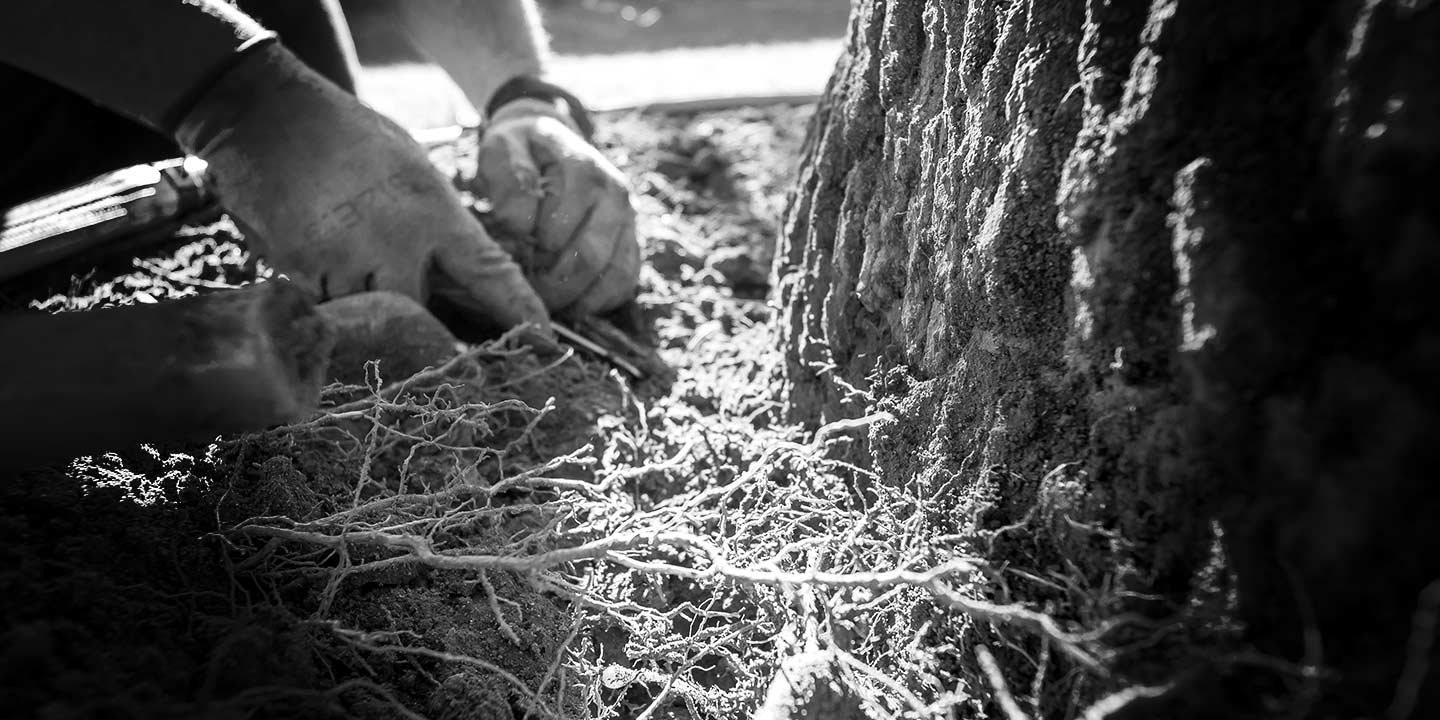
Most insects in your yard deserve a shrug or more often, a welcome cheer. But if you are starting to see significant damage and you are concerned, it's worth taking action. The first step is almost always improving soil health, because stronger roots mean stronger trees that can naturally resist pests. When insects do get the upper hand, we can also step in with targeted low-toxicity sprays for scale insects and trunk injections that protect trees from the most destructive borers.
Have you spotted alarming insects in your yard? Send us a message and we will help to determine the best path forward.