Video | Before You Spray: What Tree “Pests” Are REALLY Telling You
Learn why you shouldn't panic about pests.
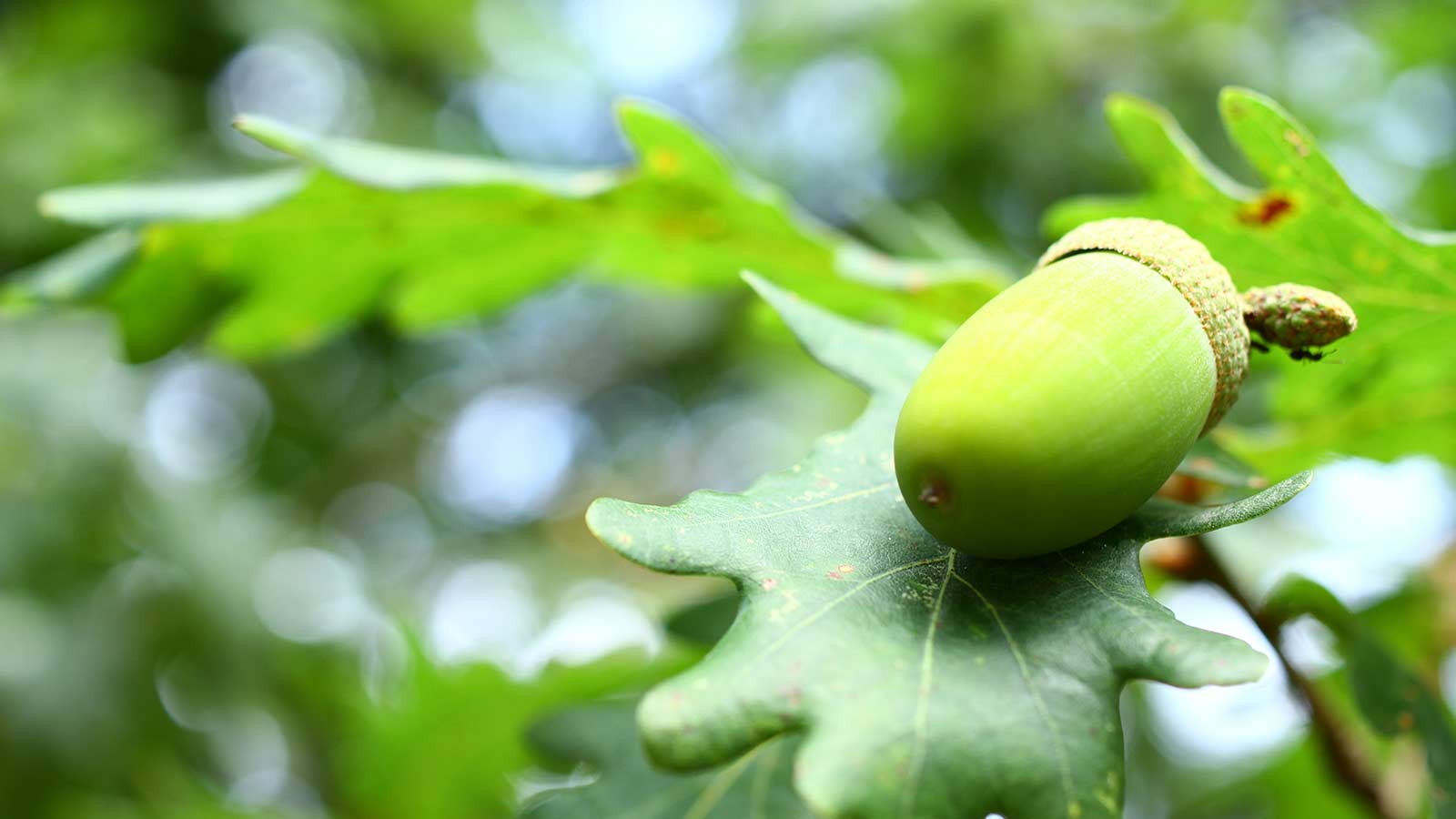
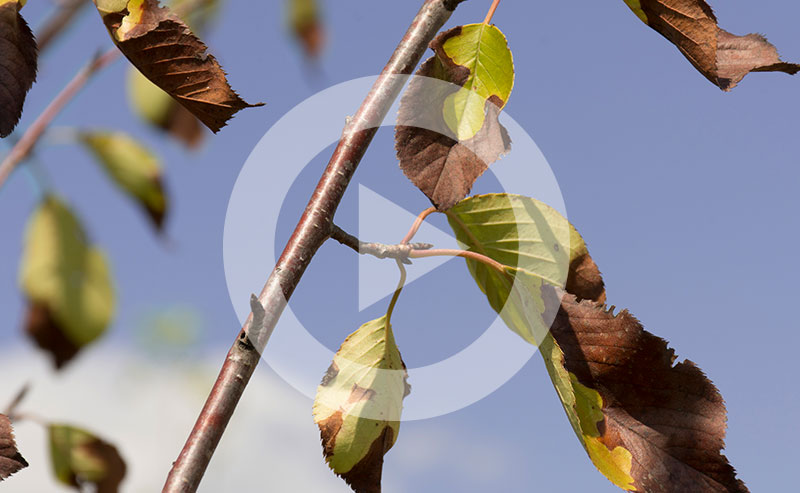
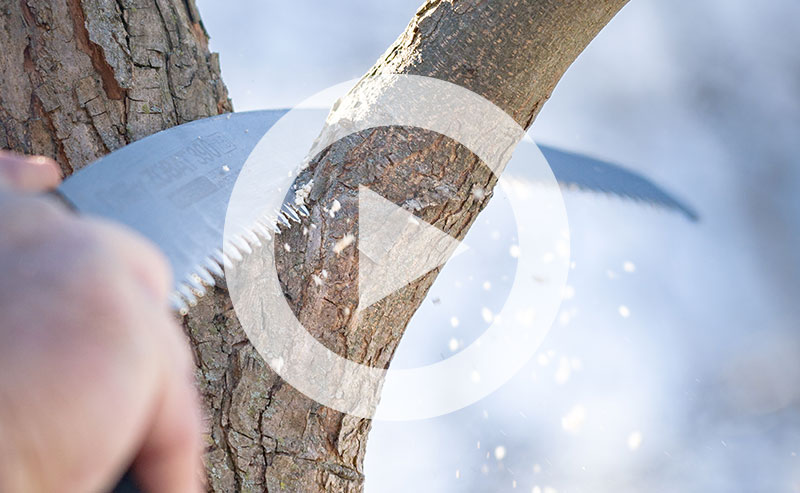
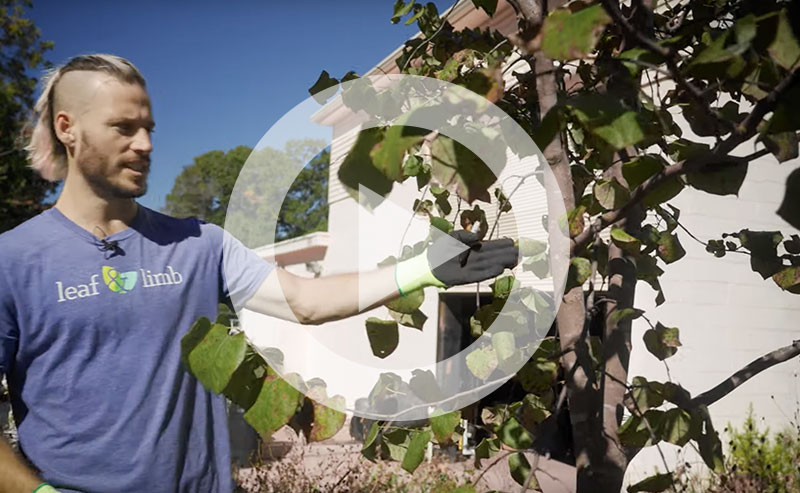
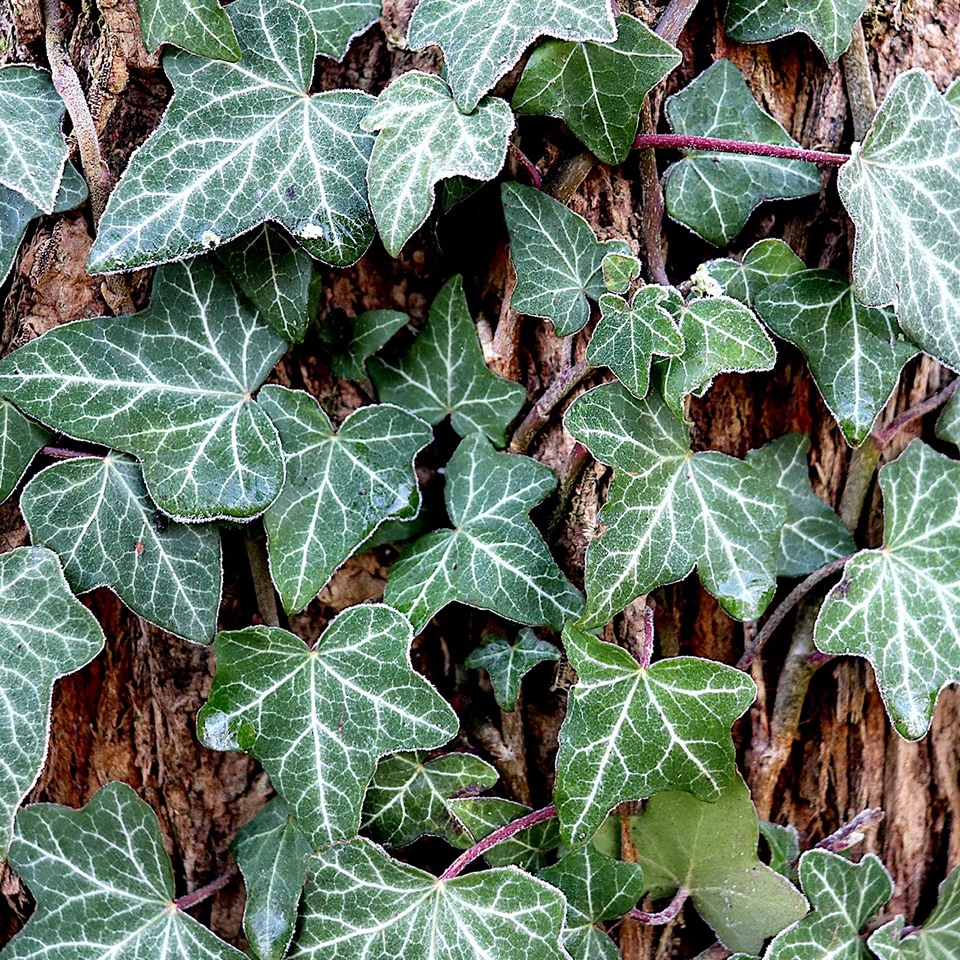
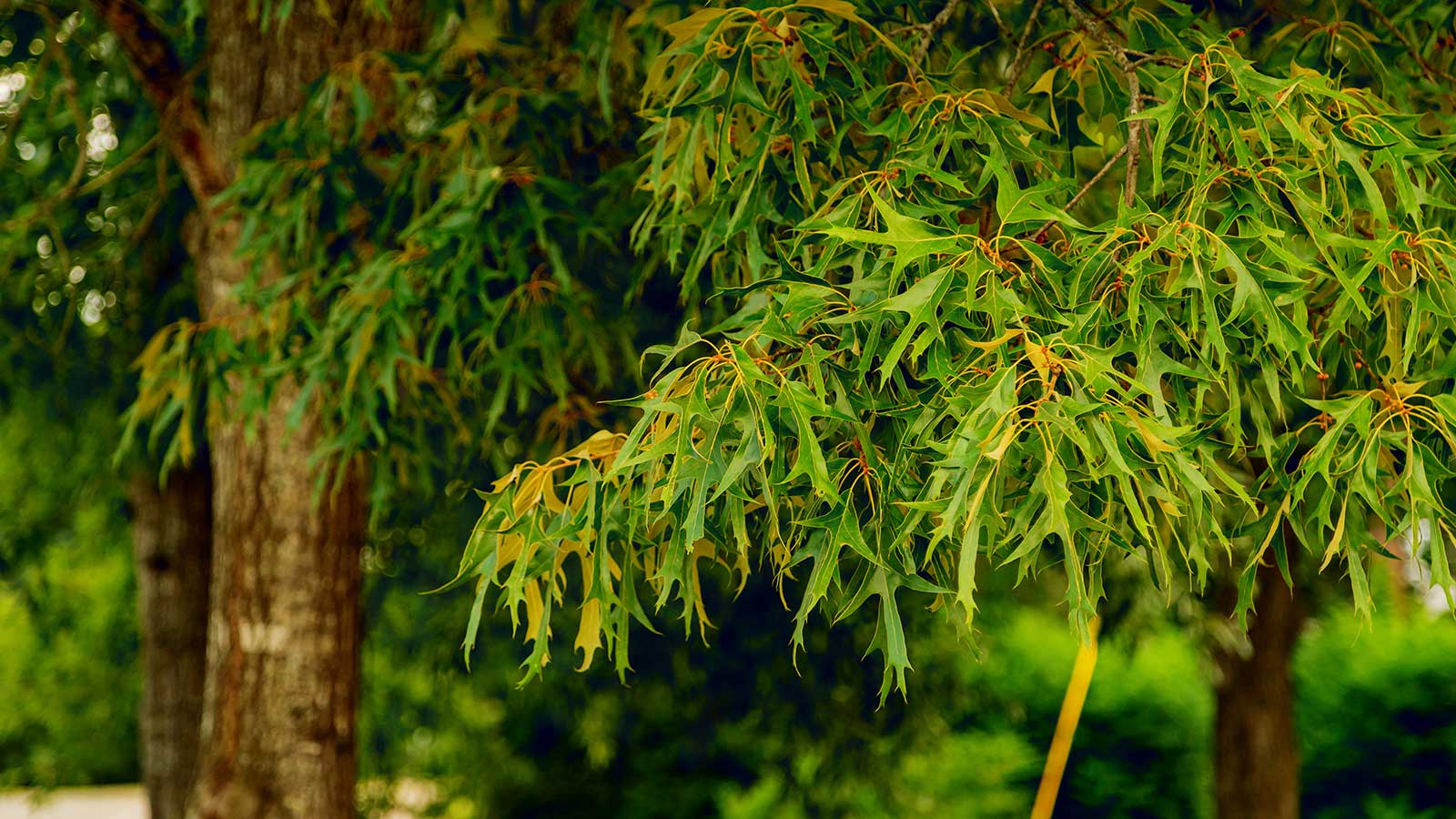
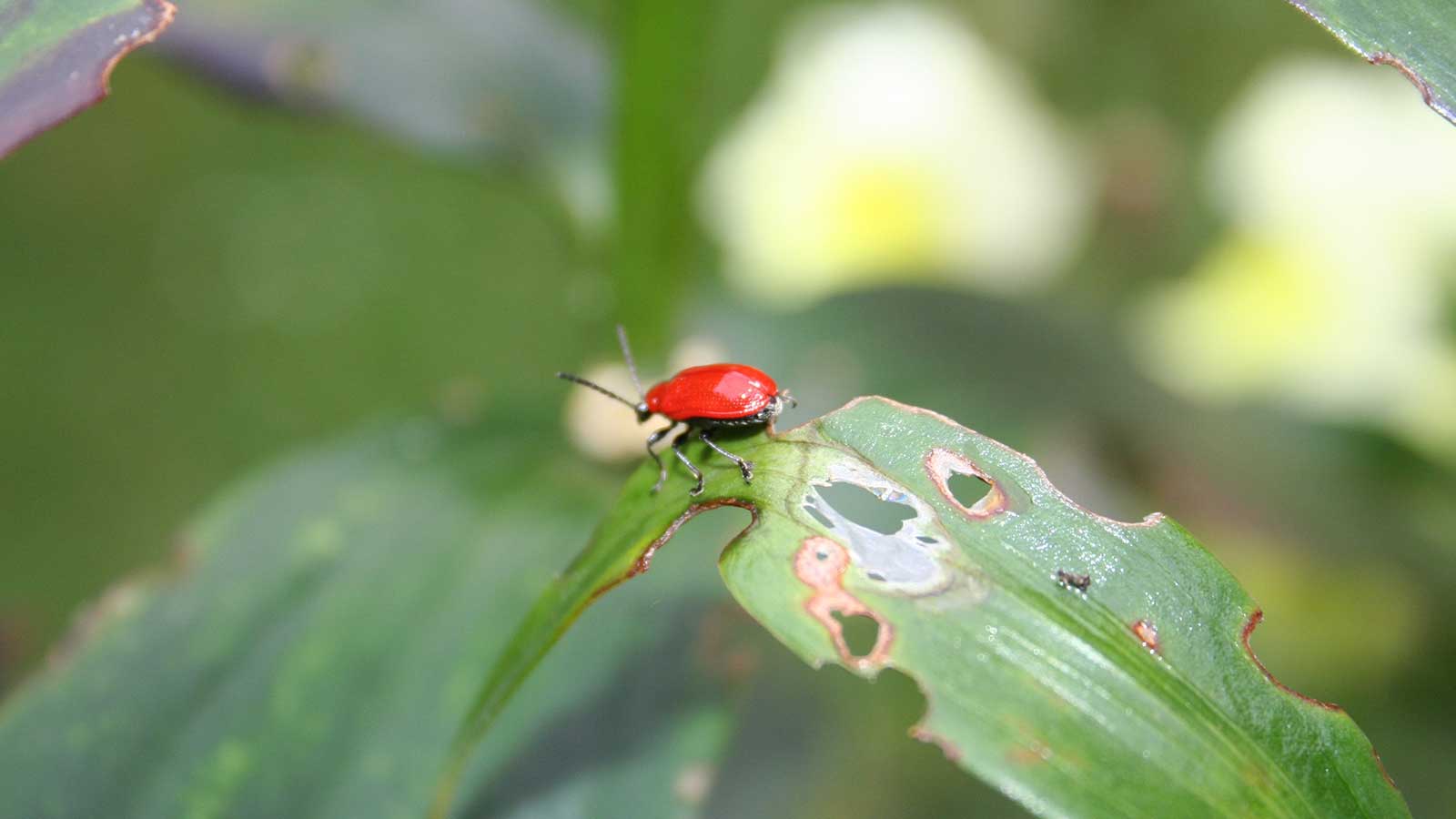
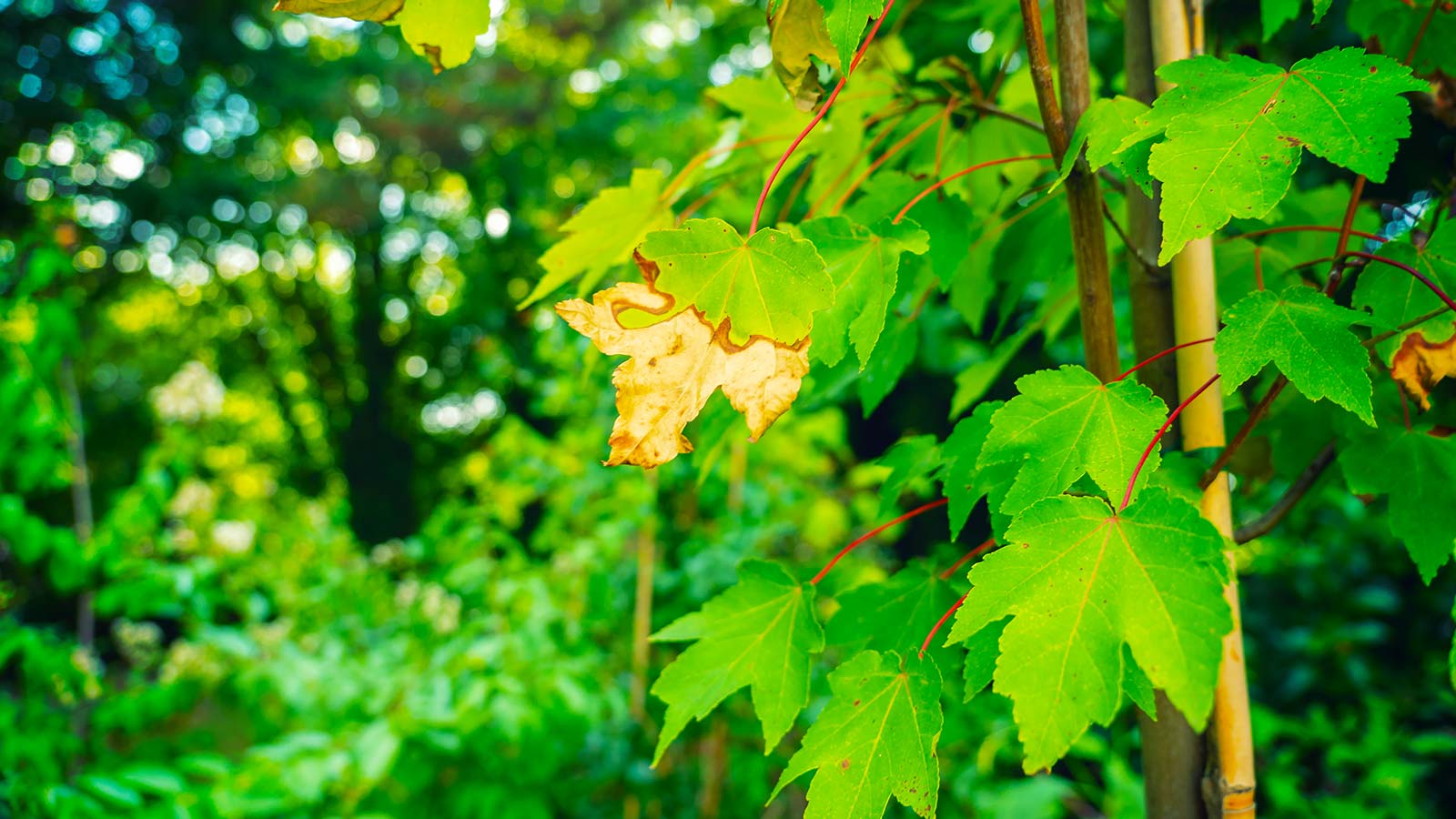
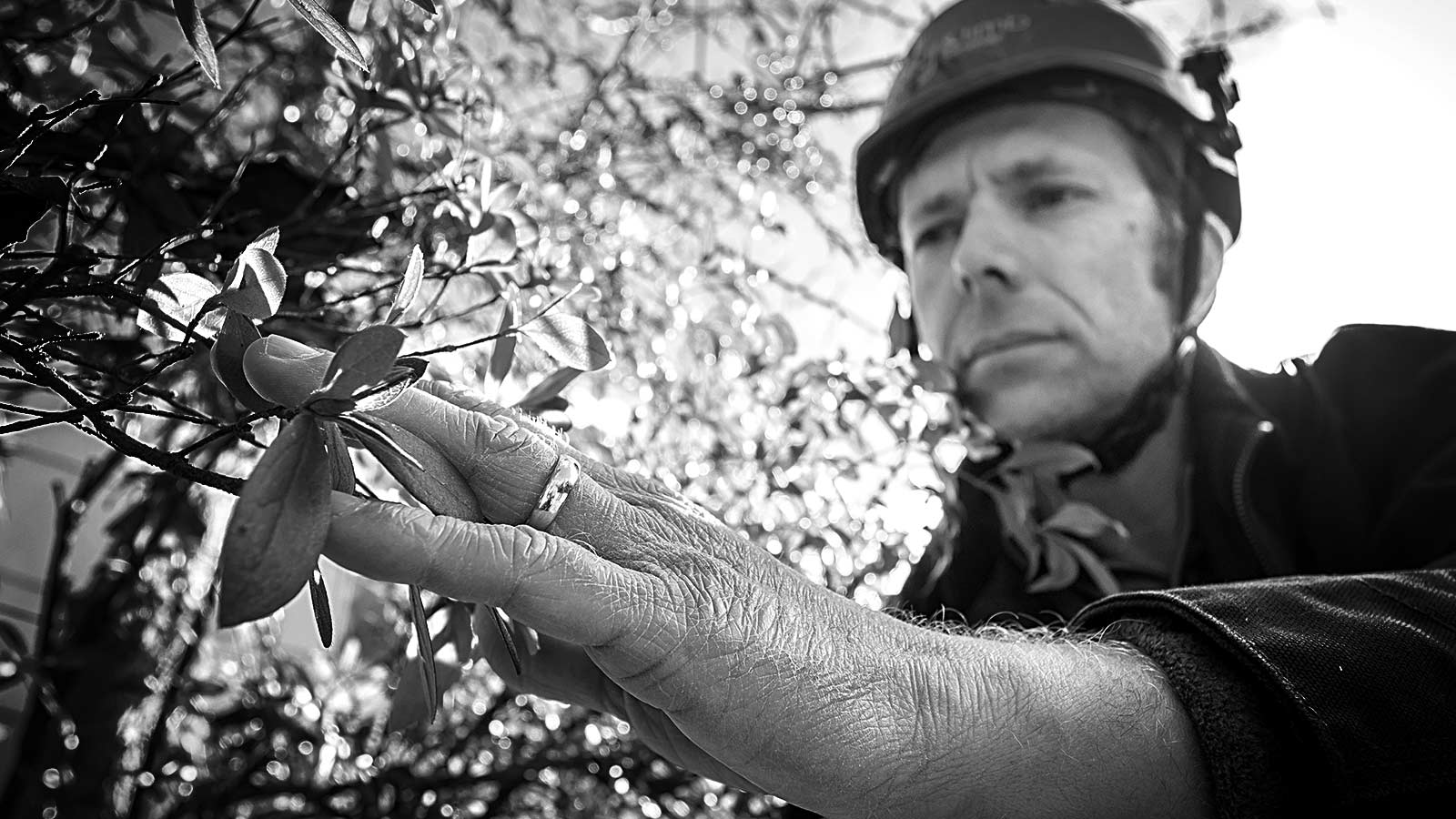
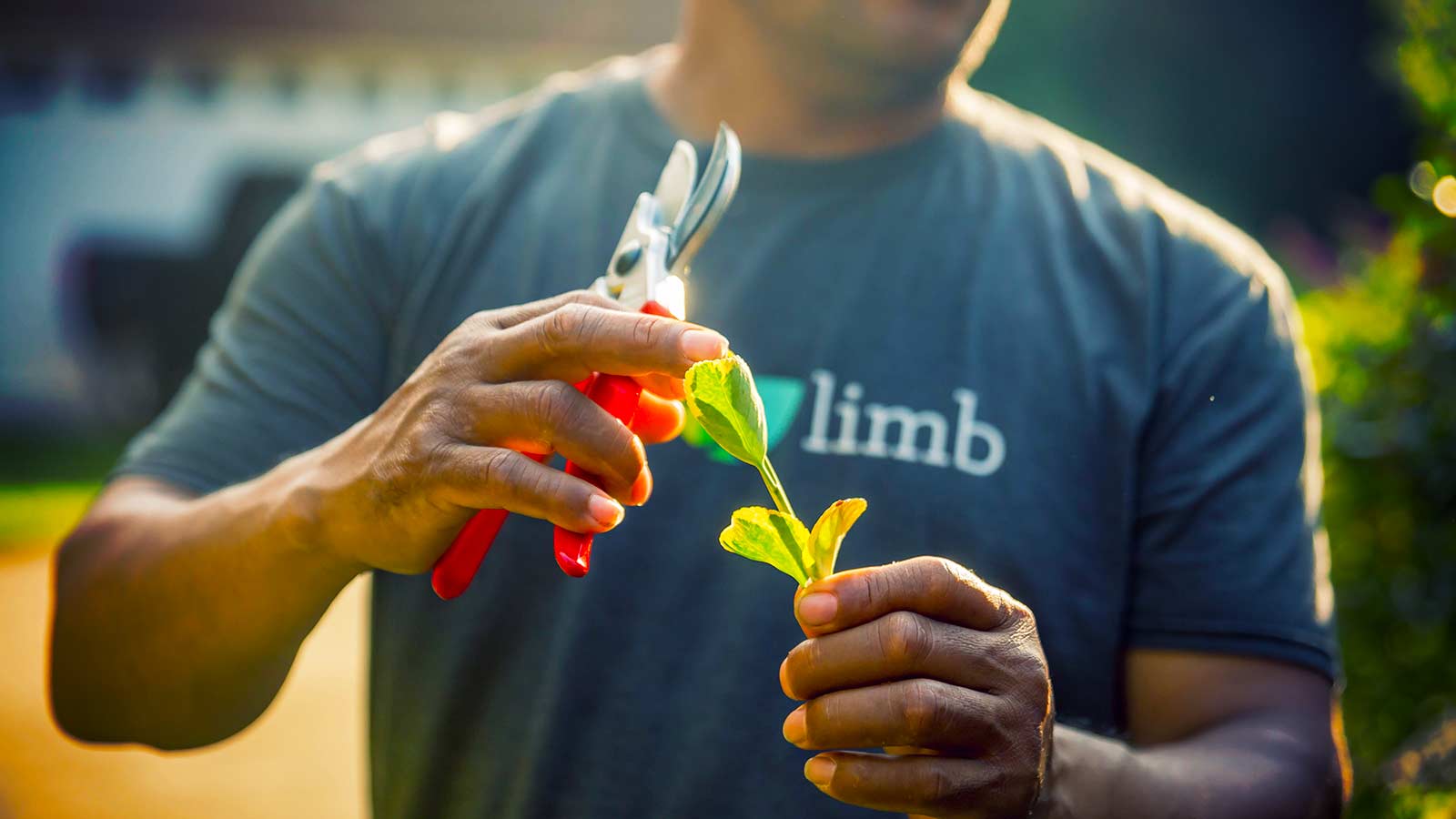
Have you ever seen holes like these in your leaves and immediately reached for a spray? Not so fast. Most of the time, there’s no need to treat at all.
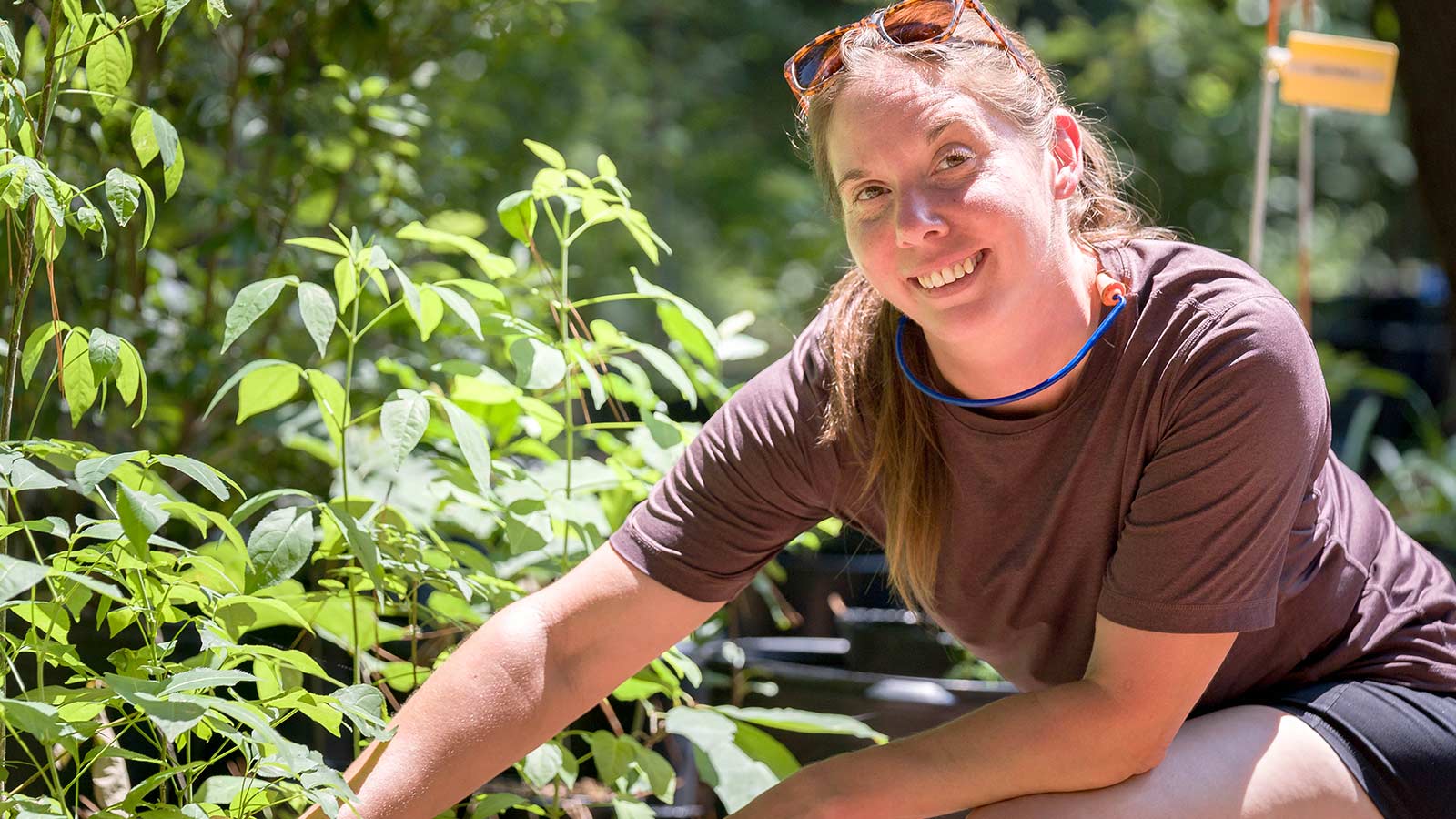
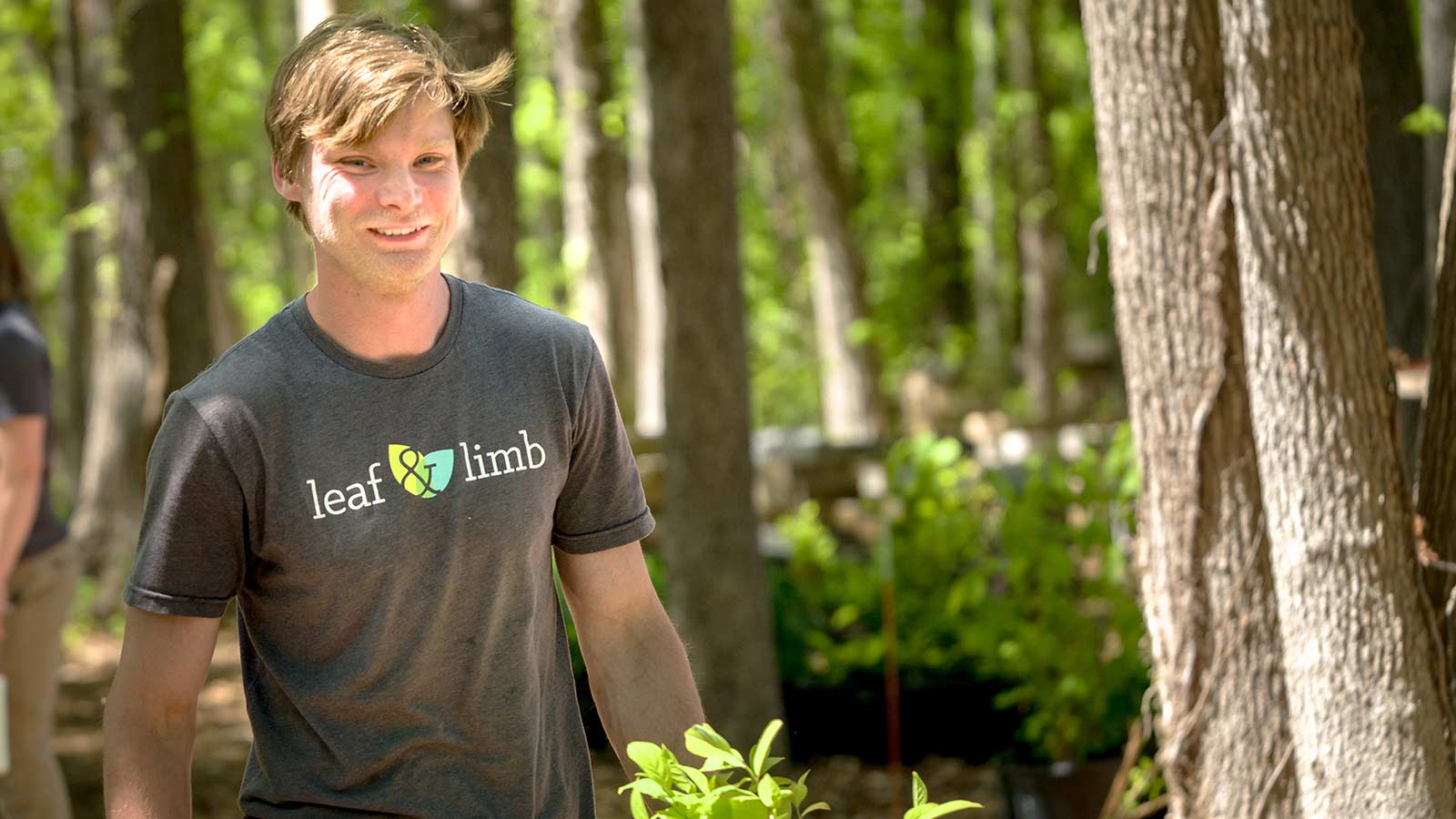
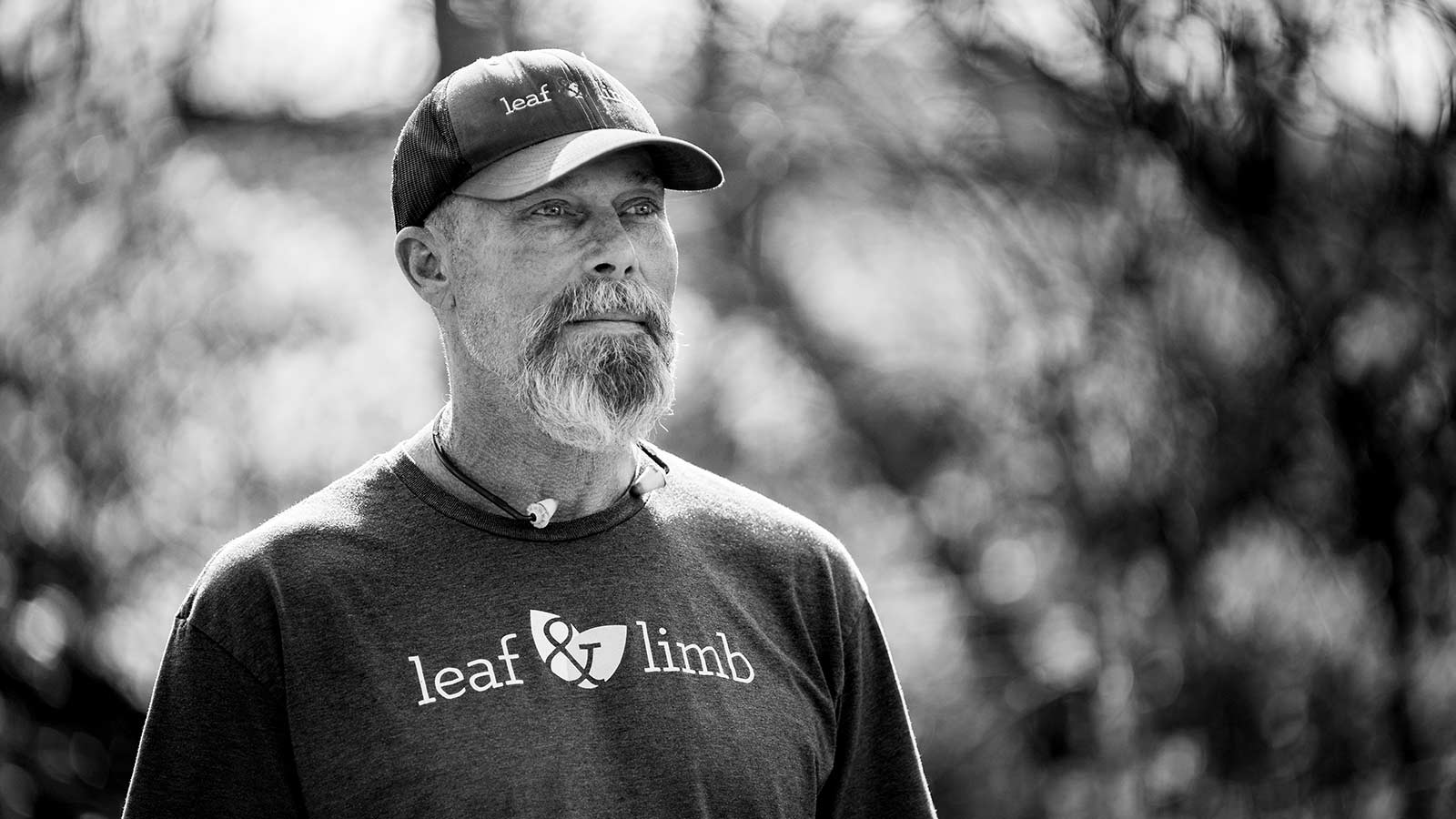
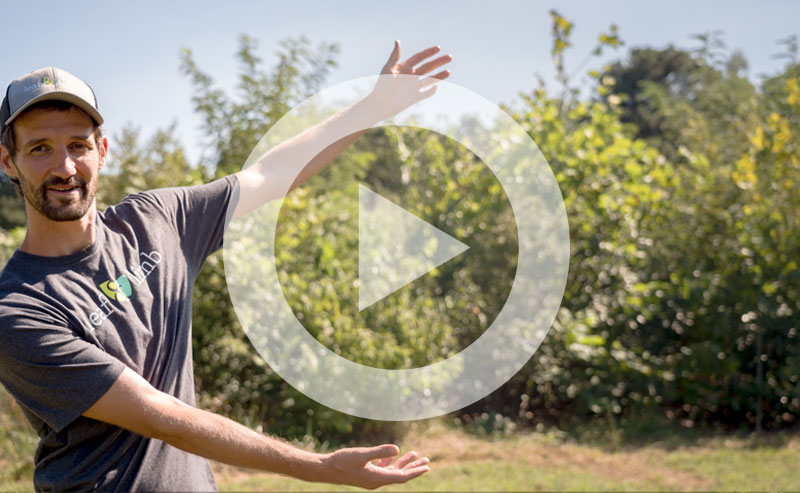
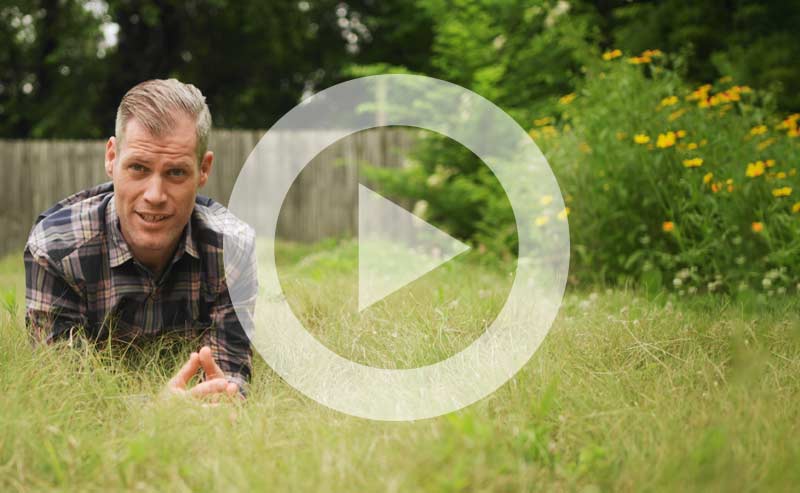
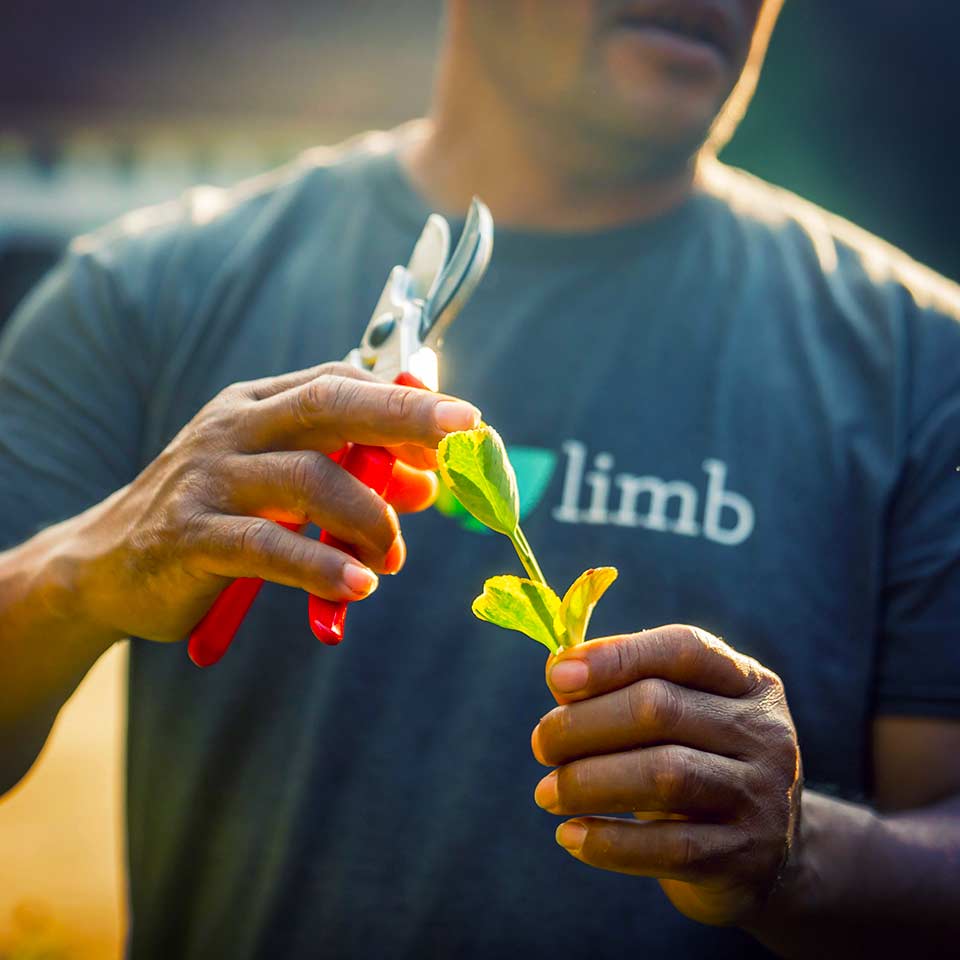
Hi, I’m Joe, and today we’re talking about pests. When to treat and when to wait.
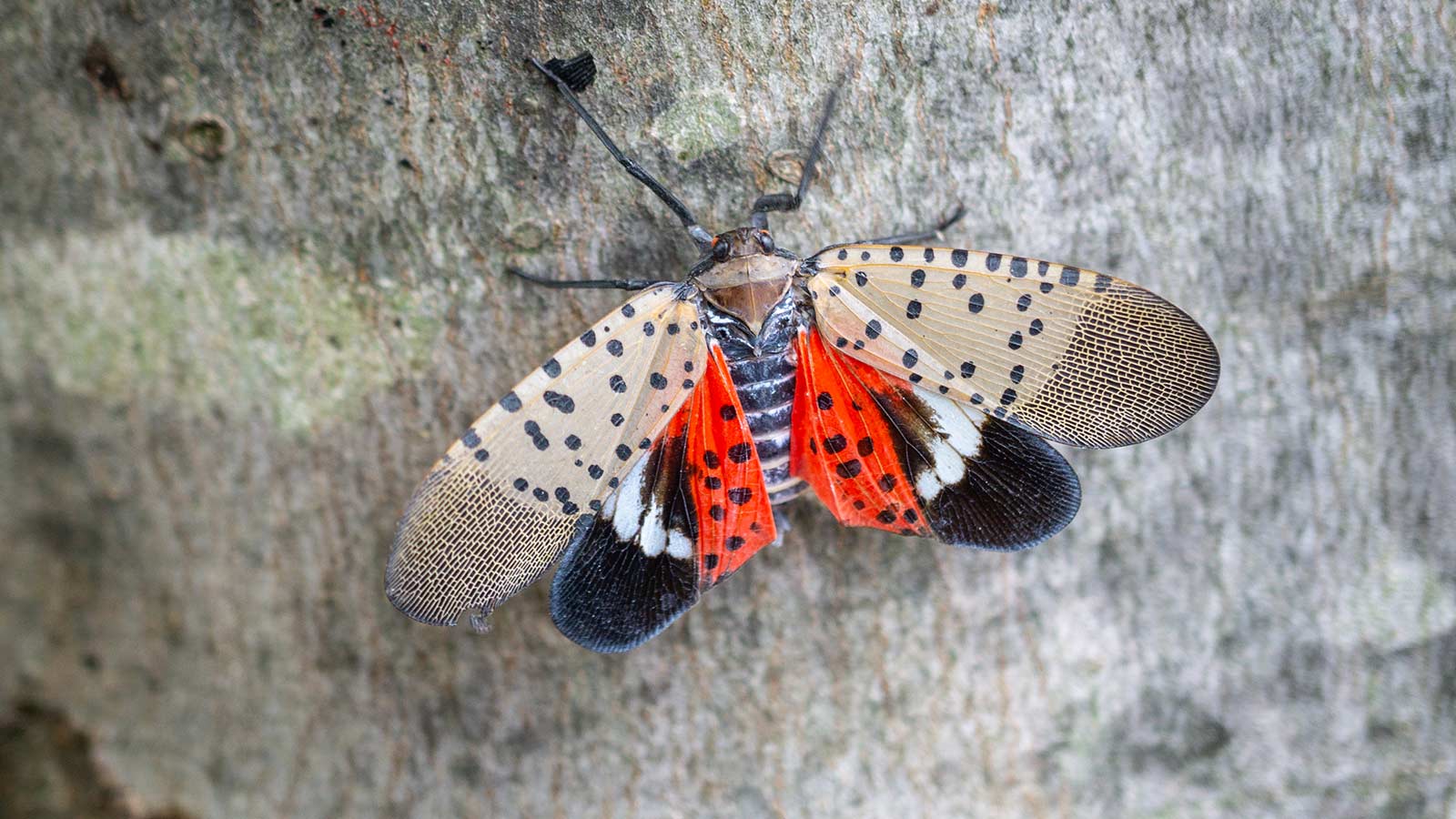
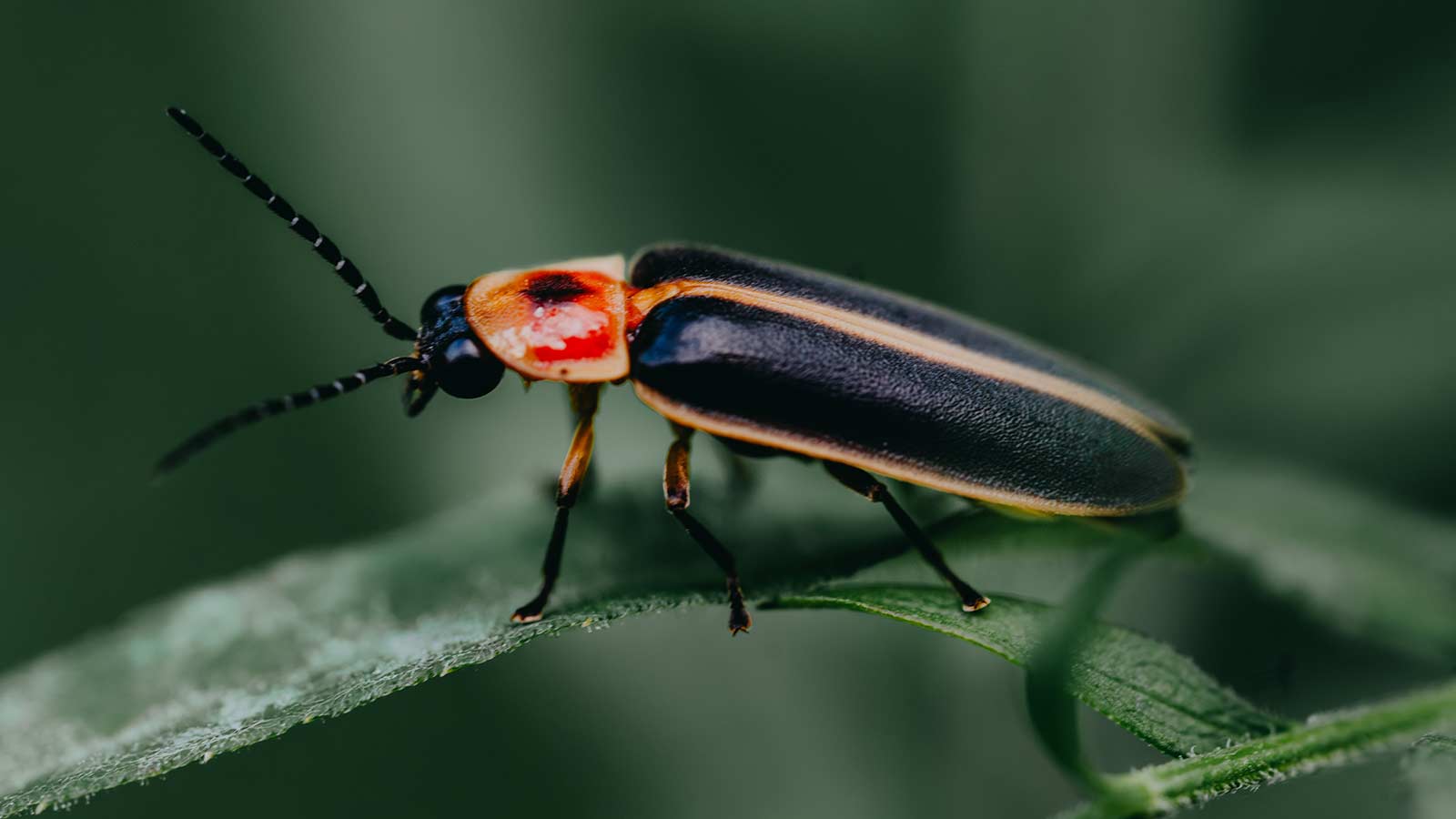
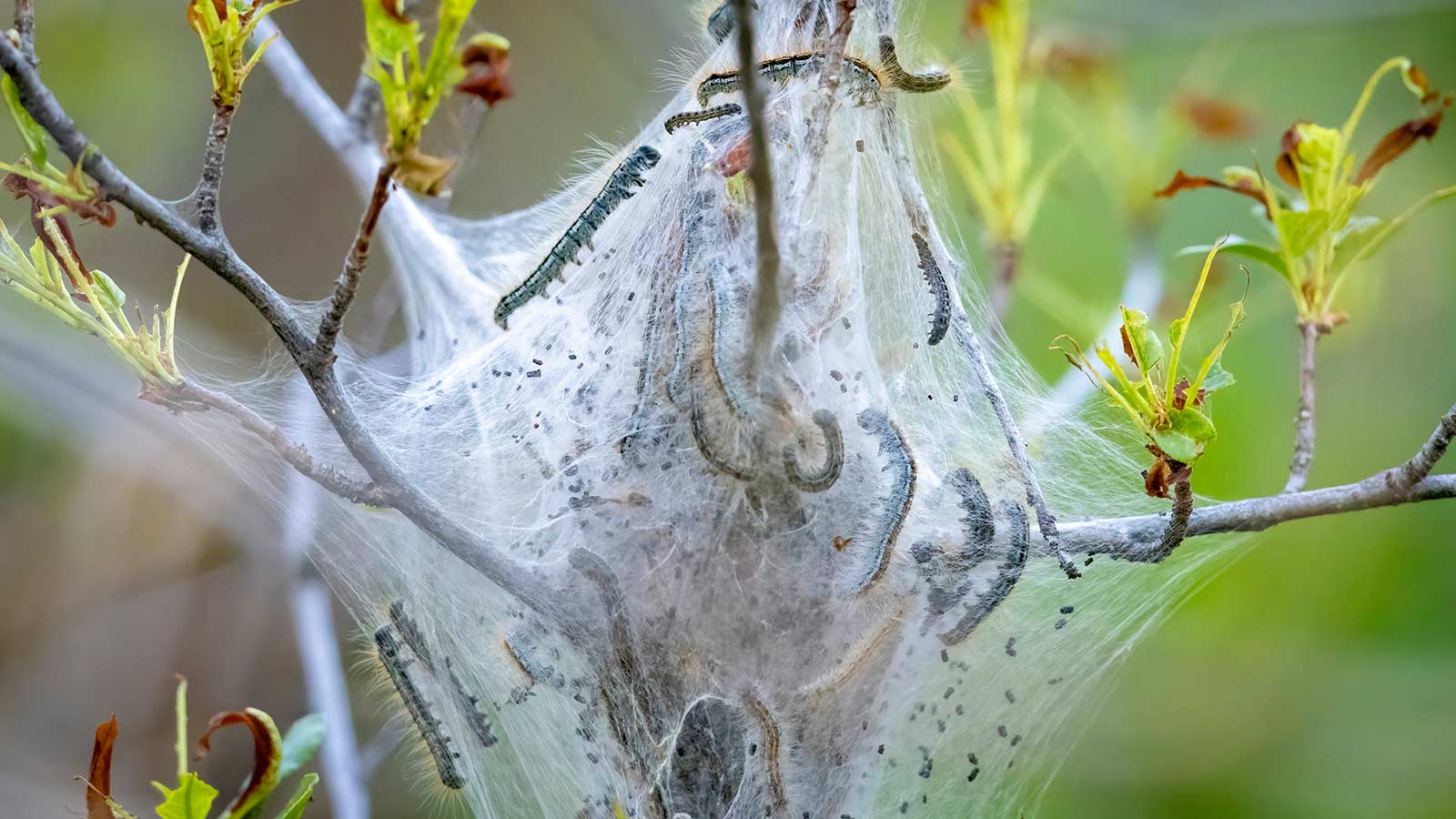
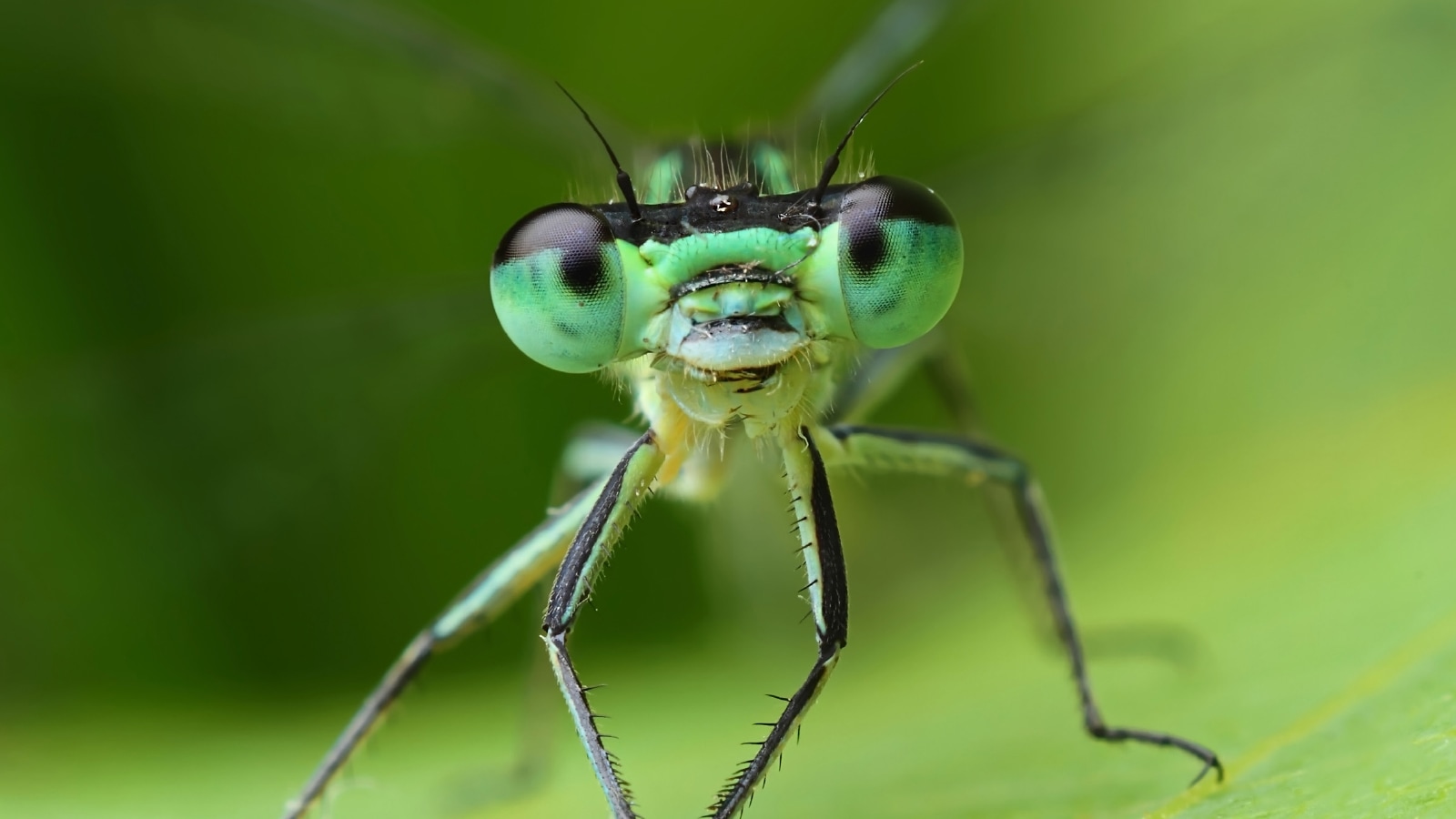
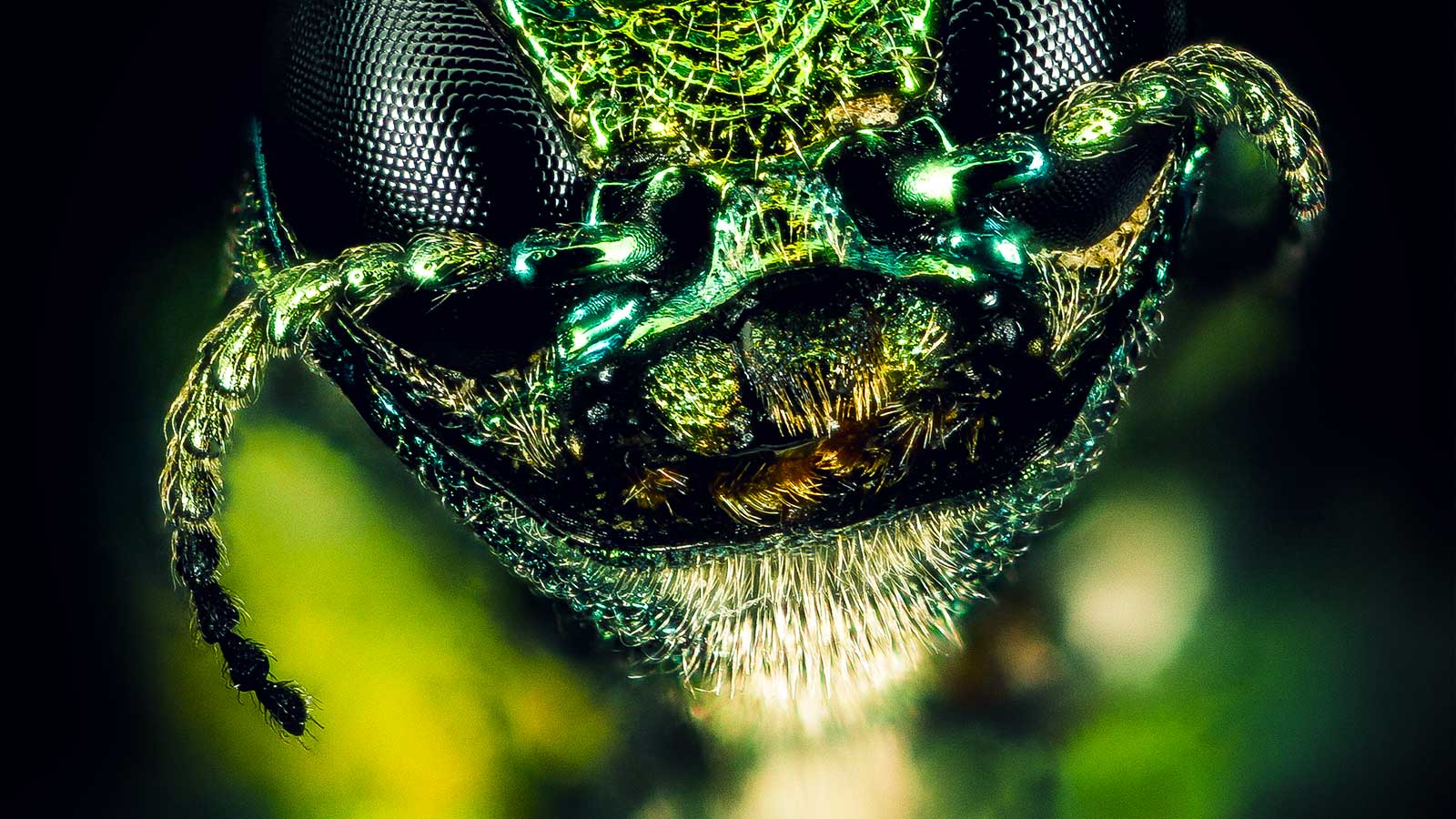
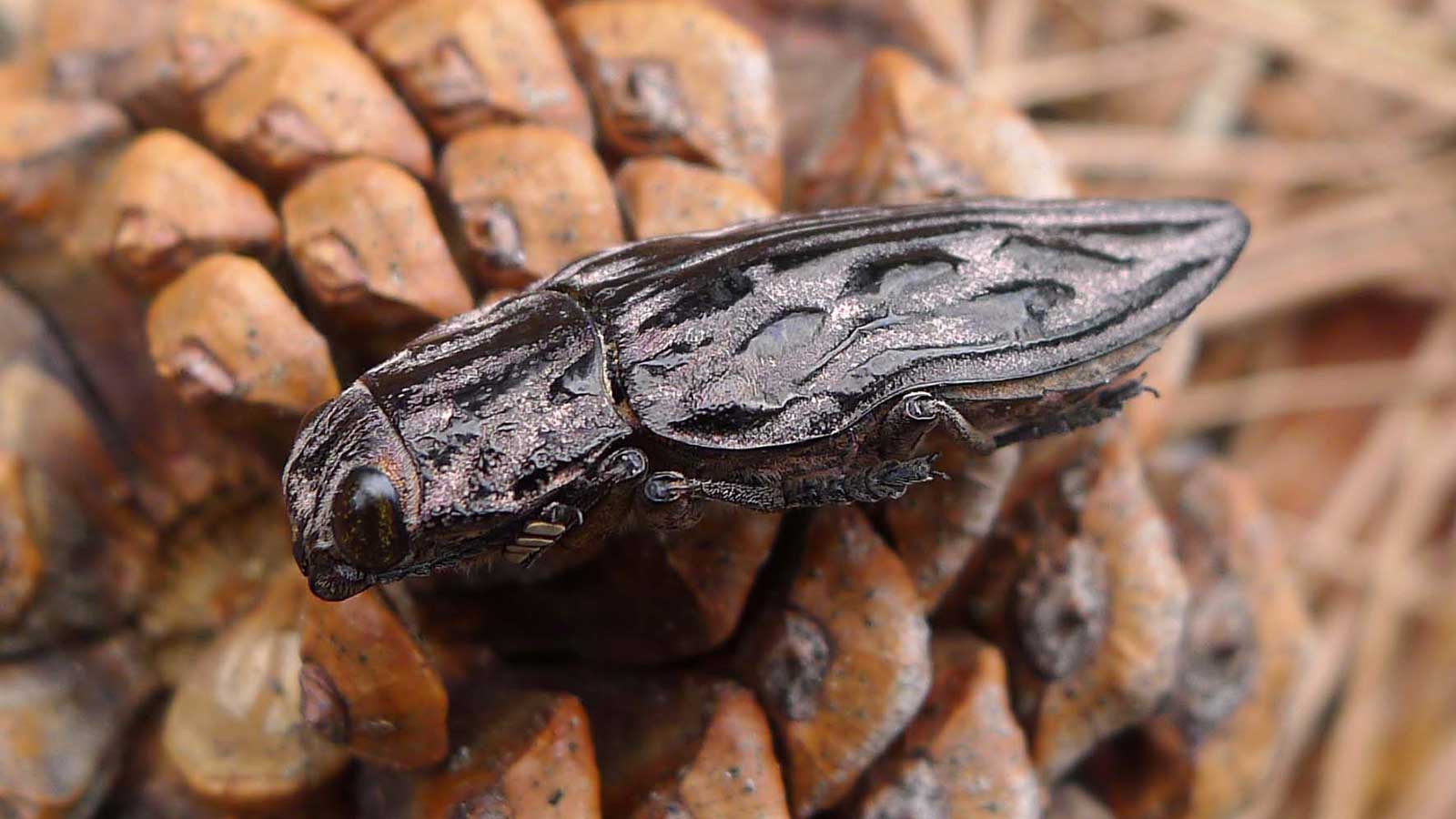
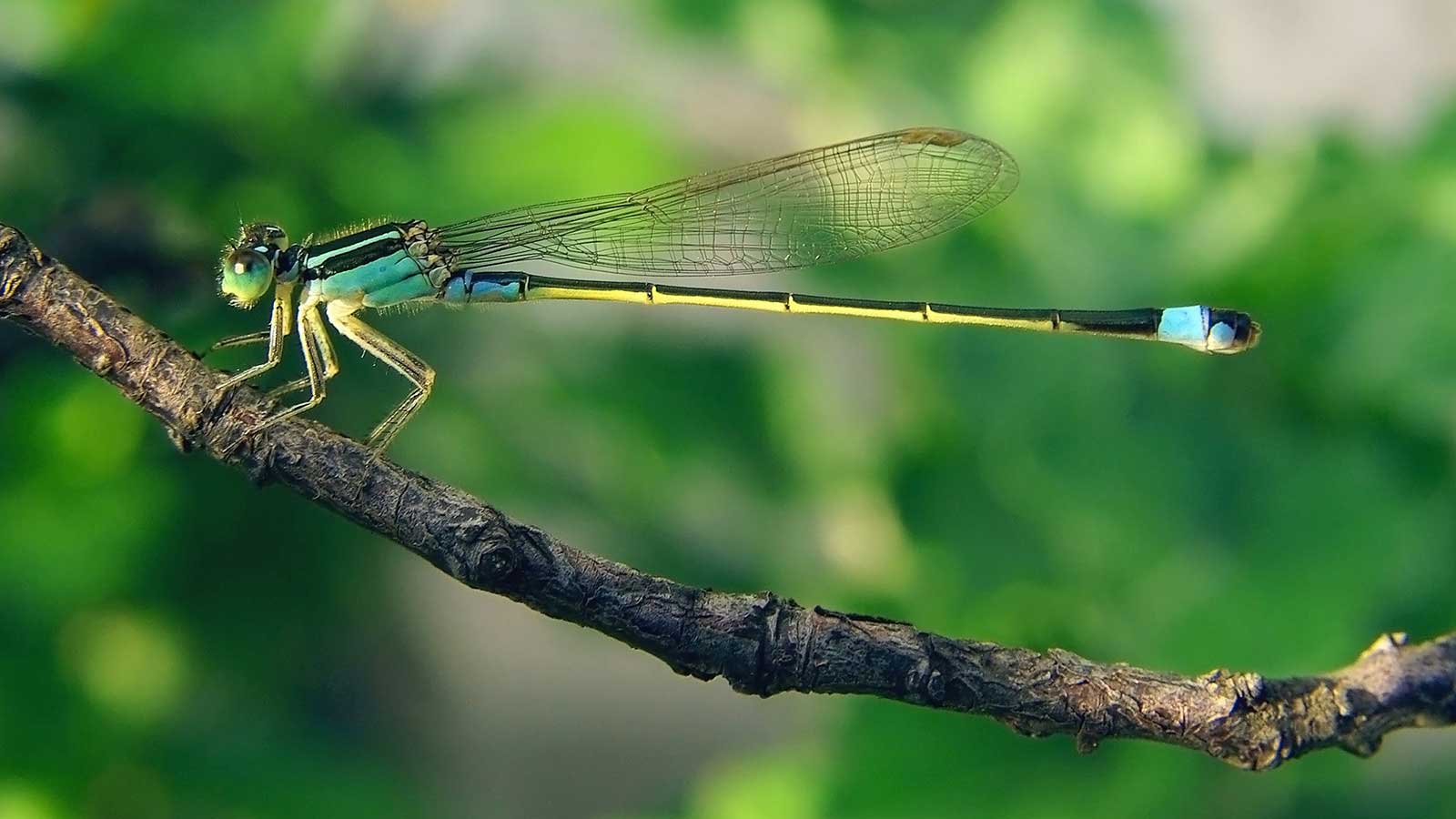
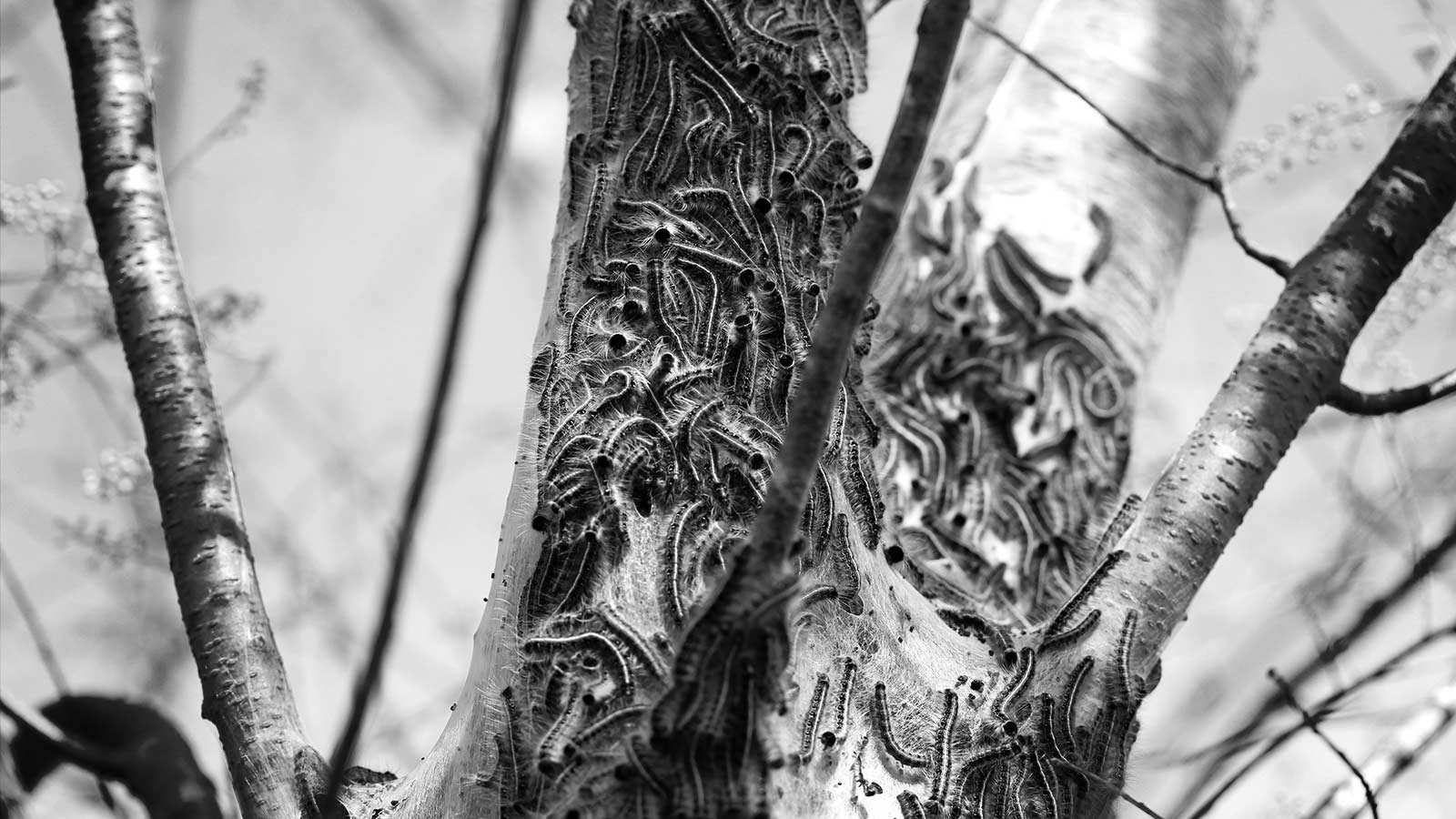
First of all, it helps to rethink the word pest. A pest is just an insect that’s interfering with what we expect from a perfect landscape, like a pristine lawn or an untouched leaf. But these little guys are part of a much bigger system.
They’re not inherently bad. They just do what all living things try to do; to try to survive. And it’s a good thing they do because they have an important role to play.
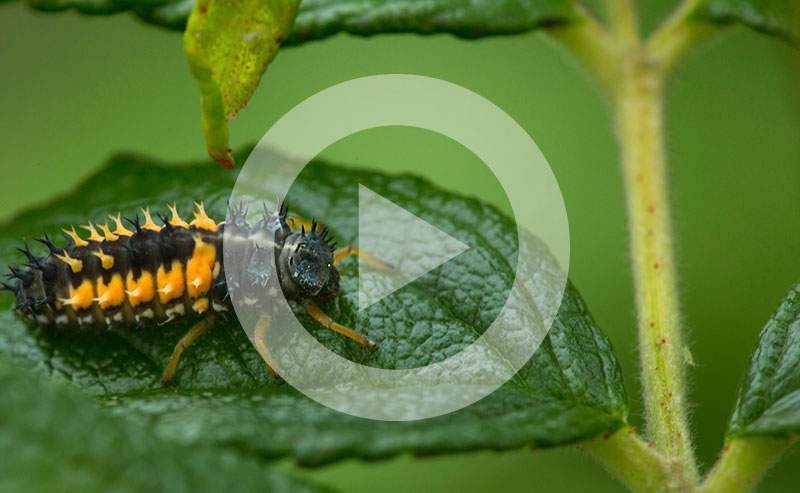
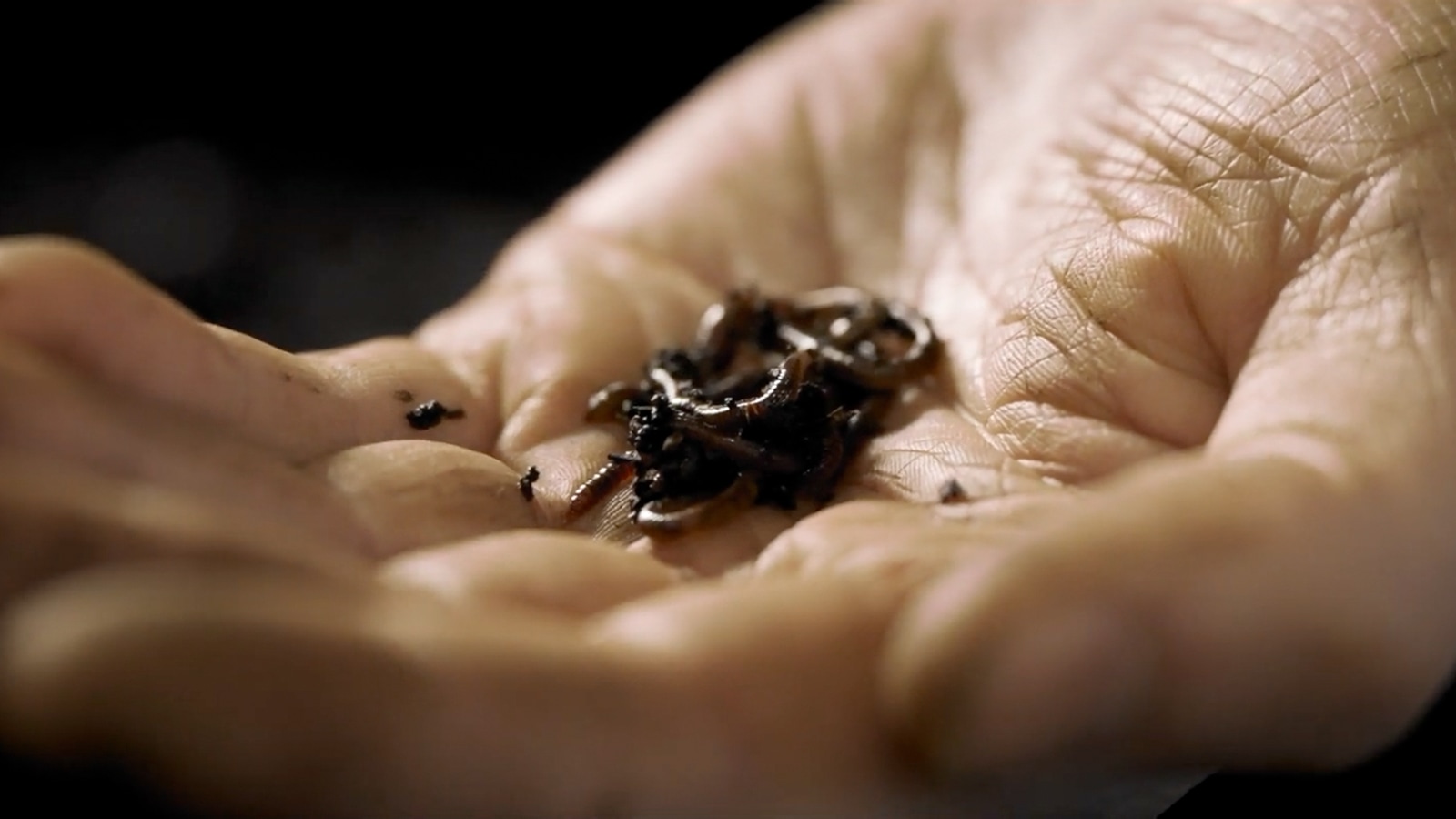
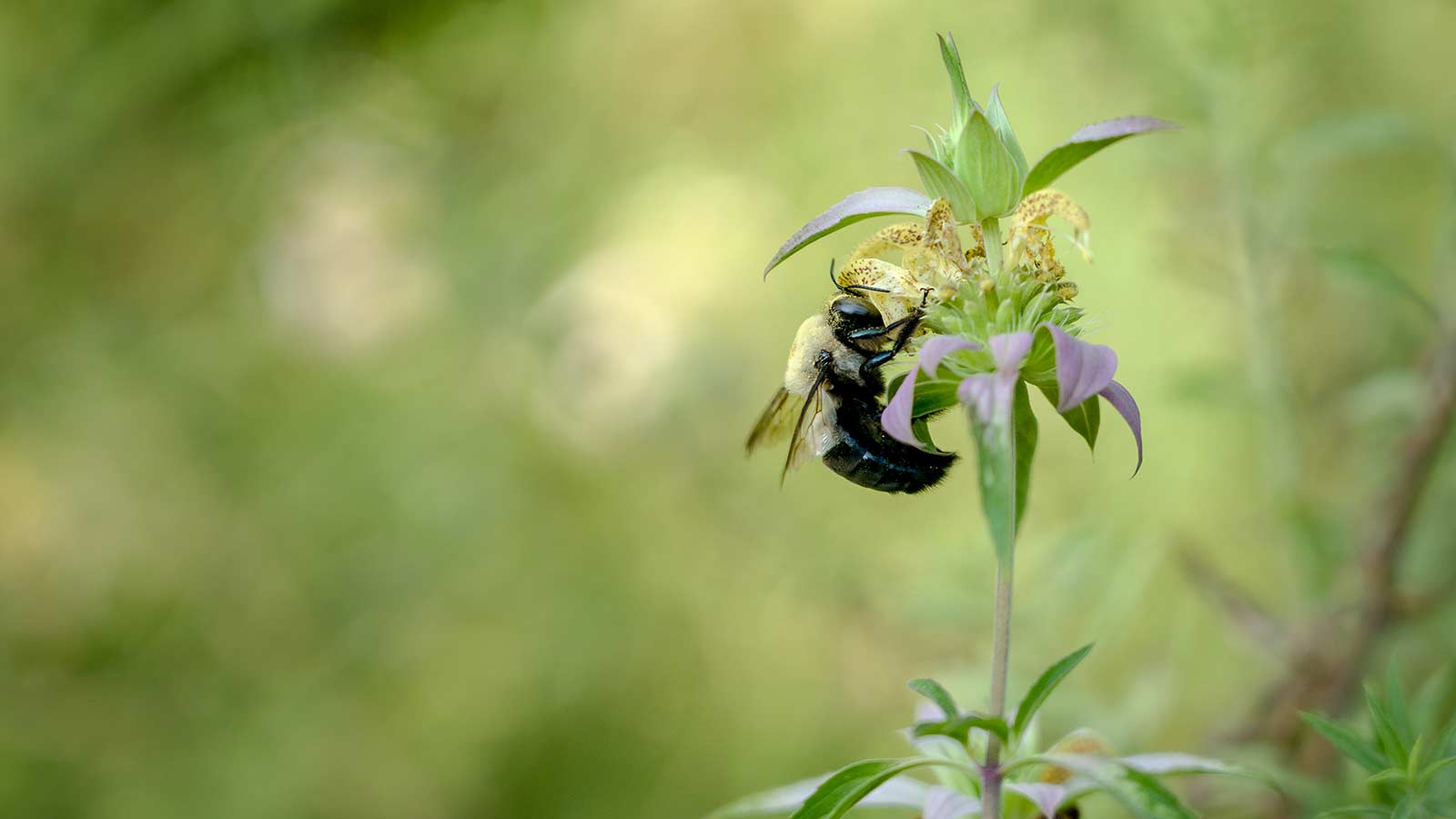
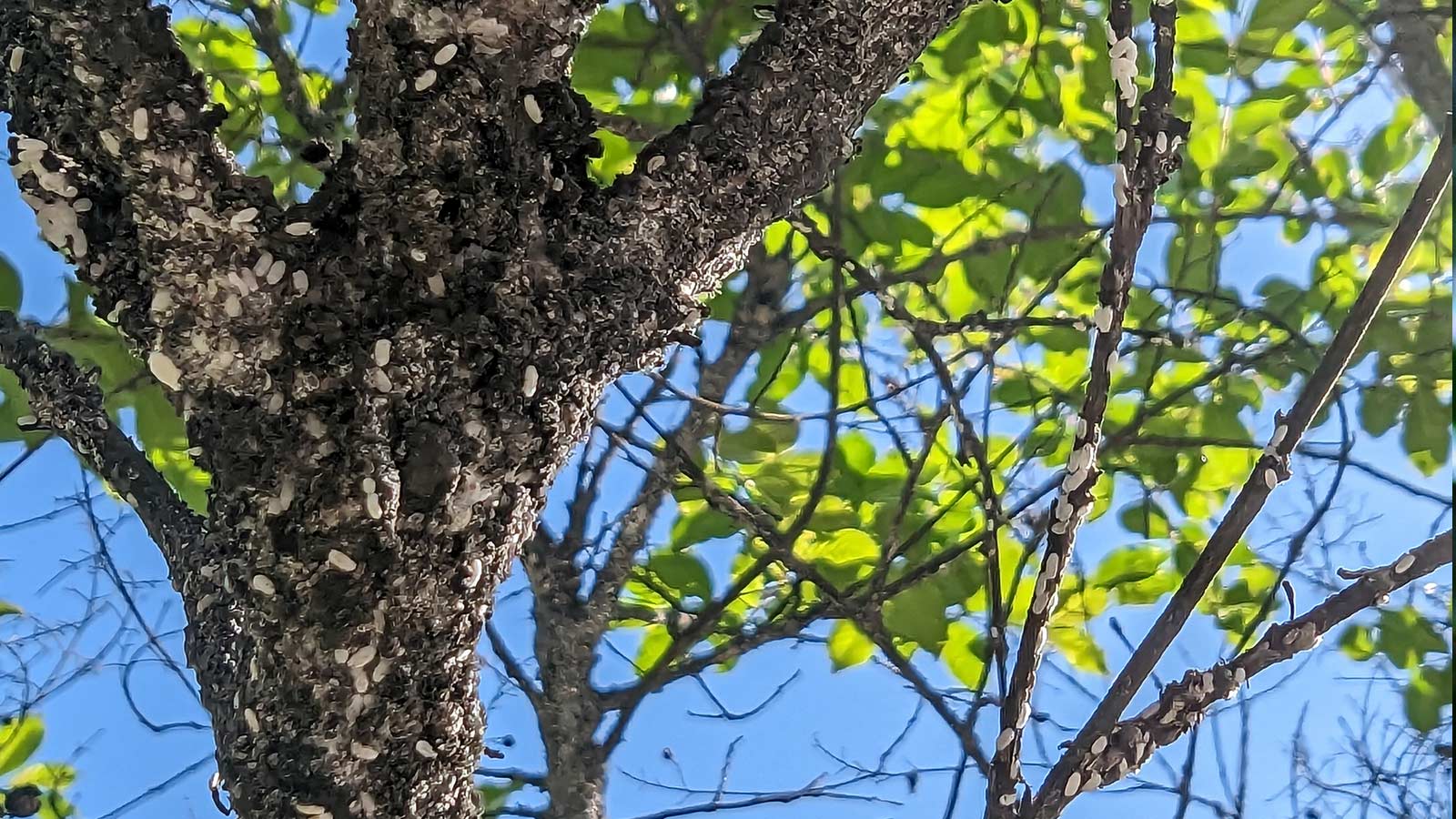
In a healthy ecosystem, insects balance each other out. For example, lady beetles, lace wings, and parasitic wasps all help keep populations of plant-damaging insects like scale and aphids in check.
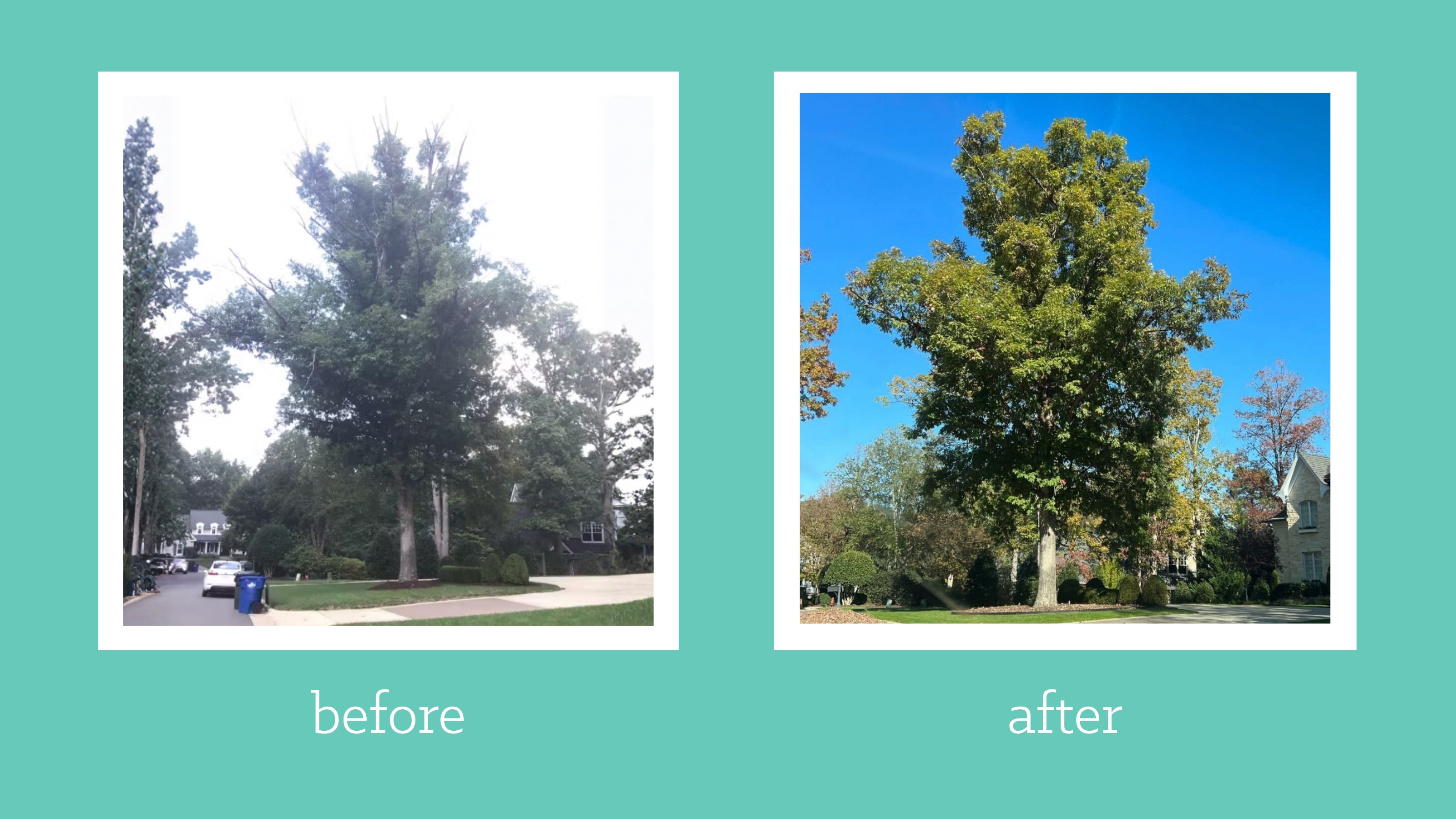
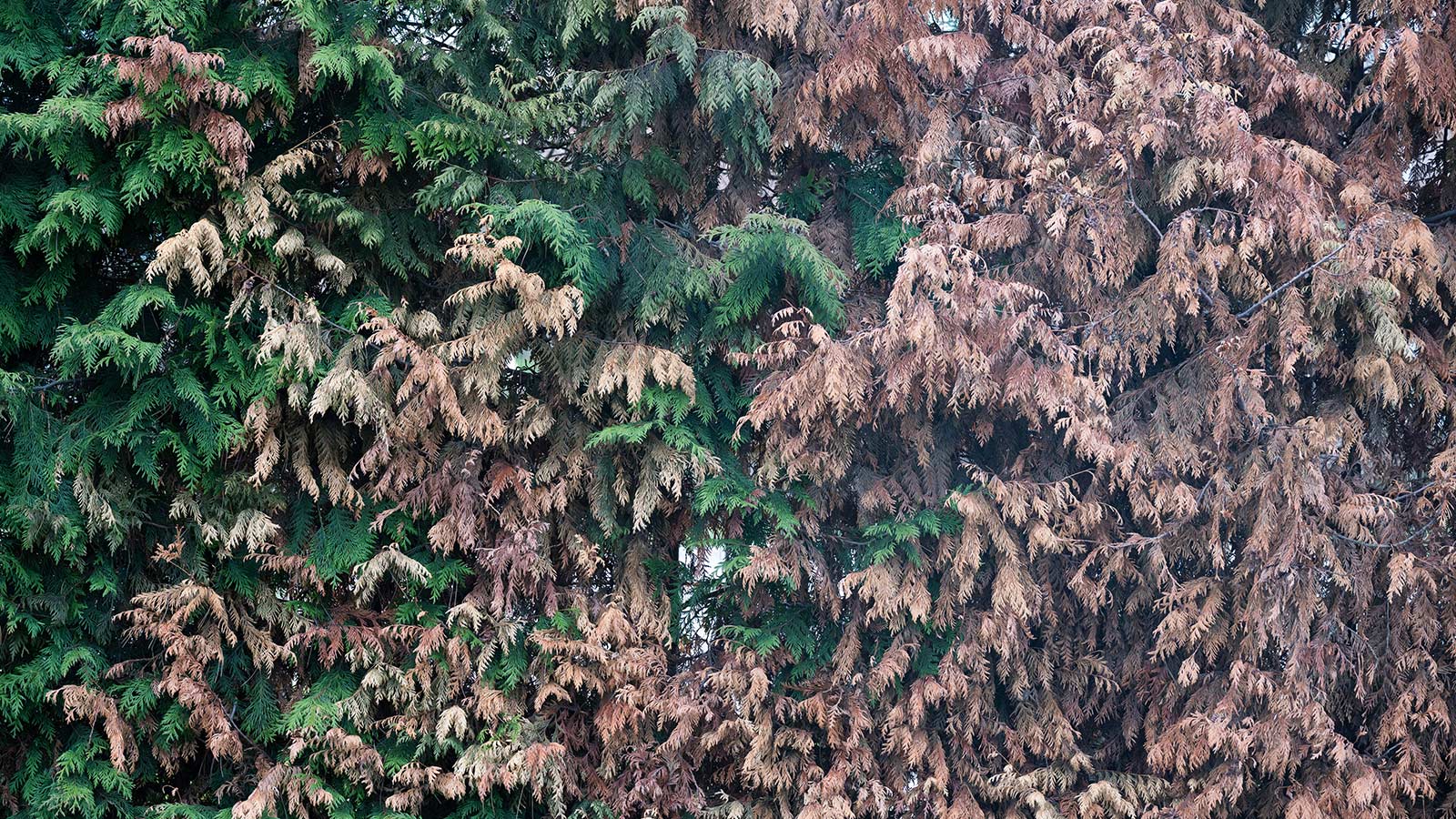
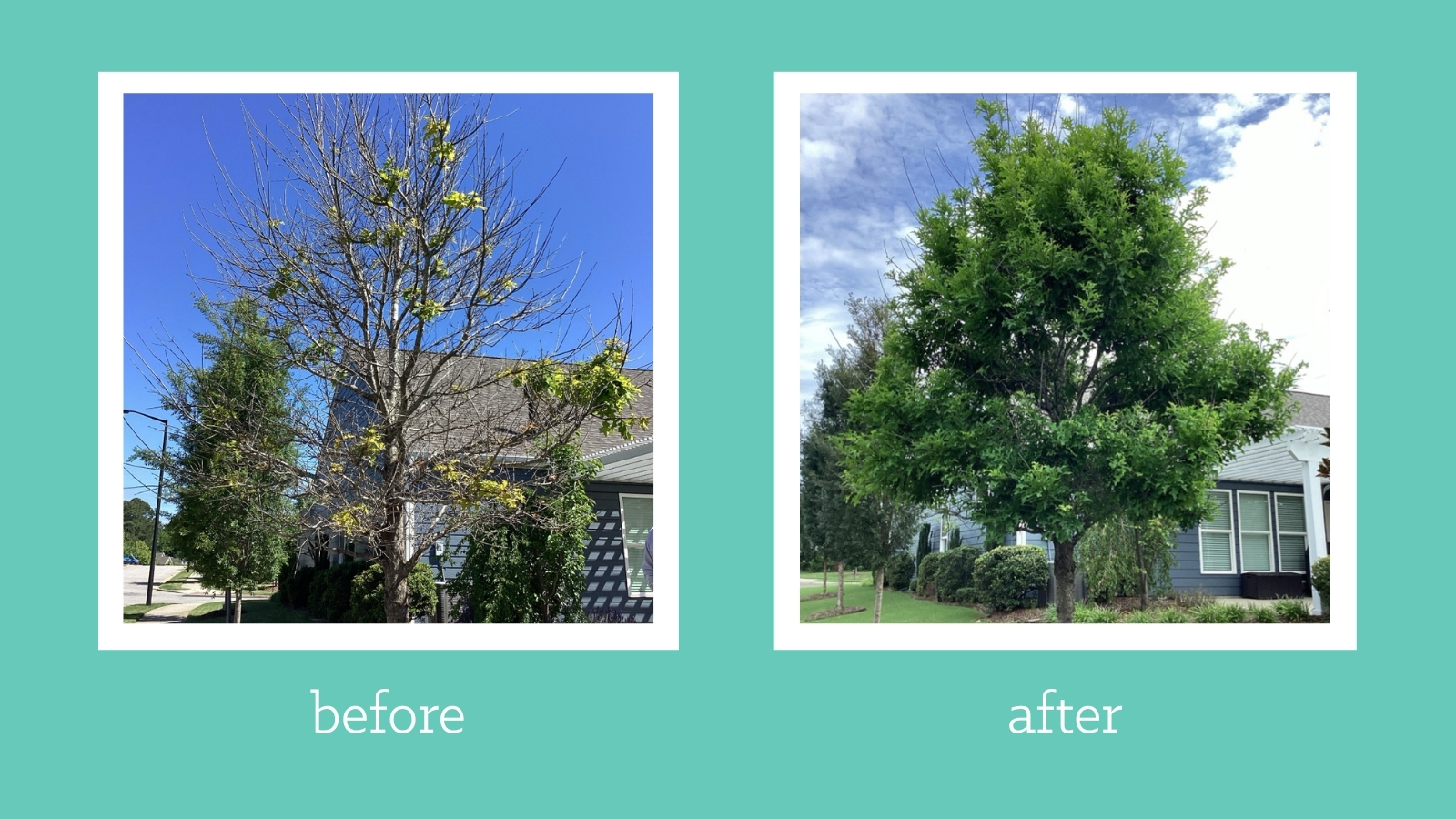
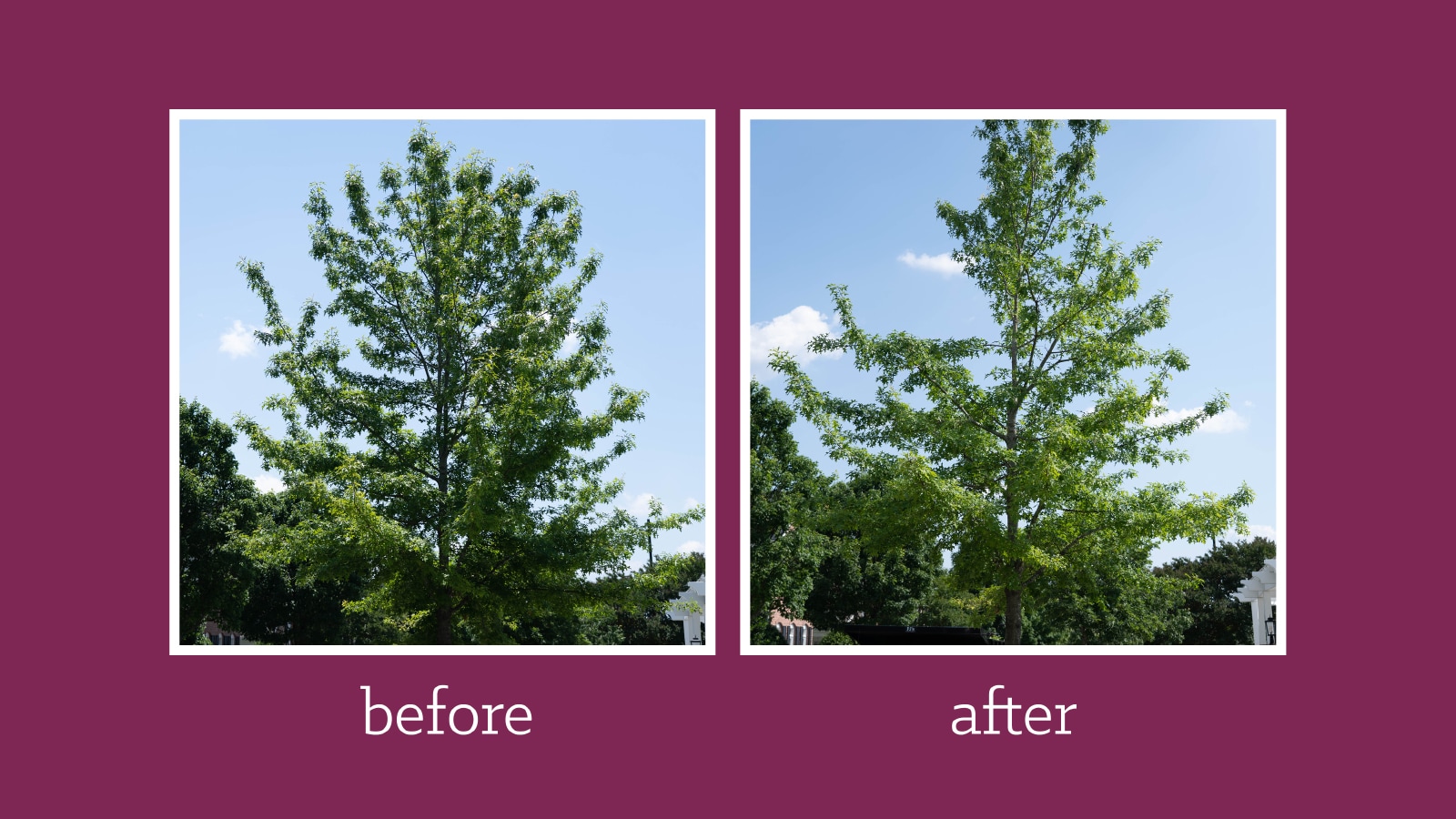
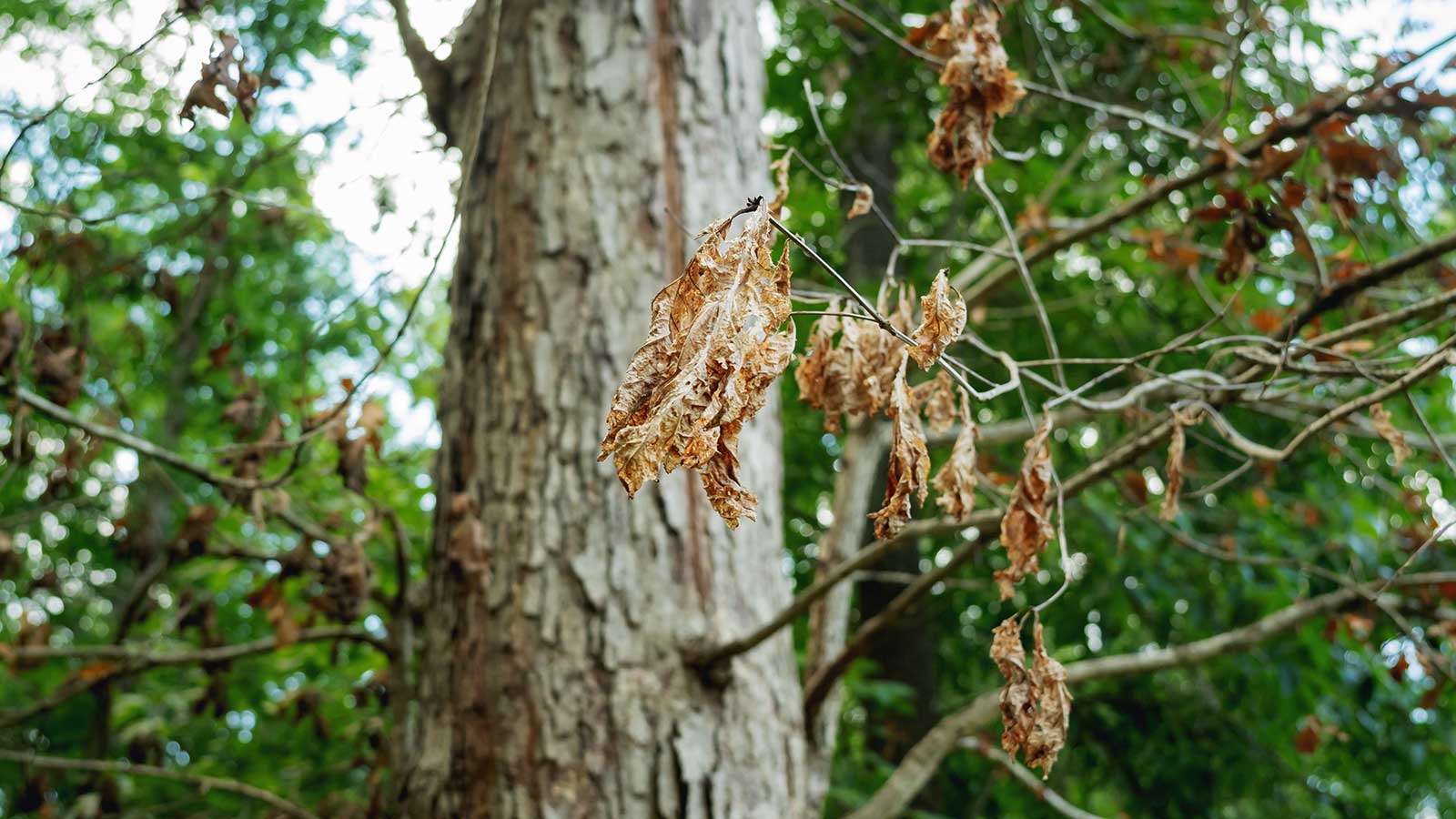
So a few chewed leaves are expected. That’s not really a problem. But if a larger portion of the canopy is damaged, that might be serious enough to warrant intervention.
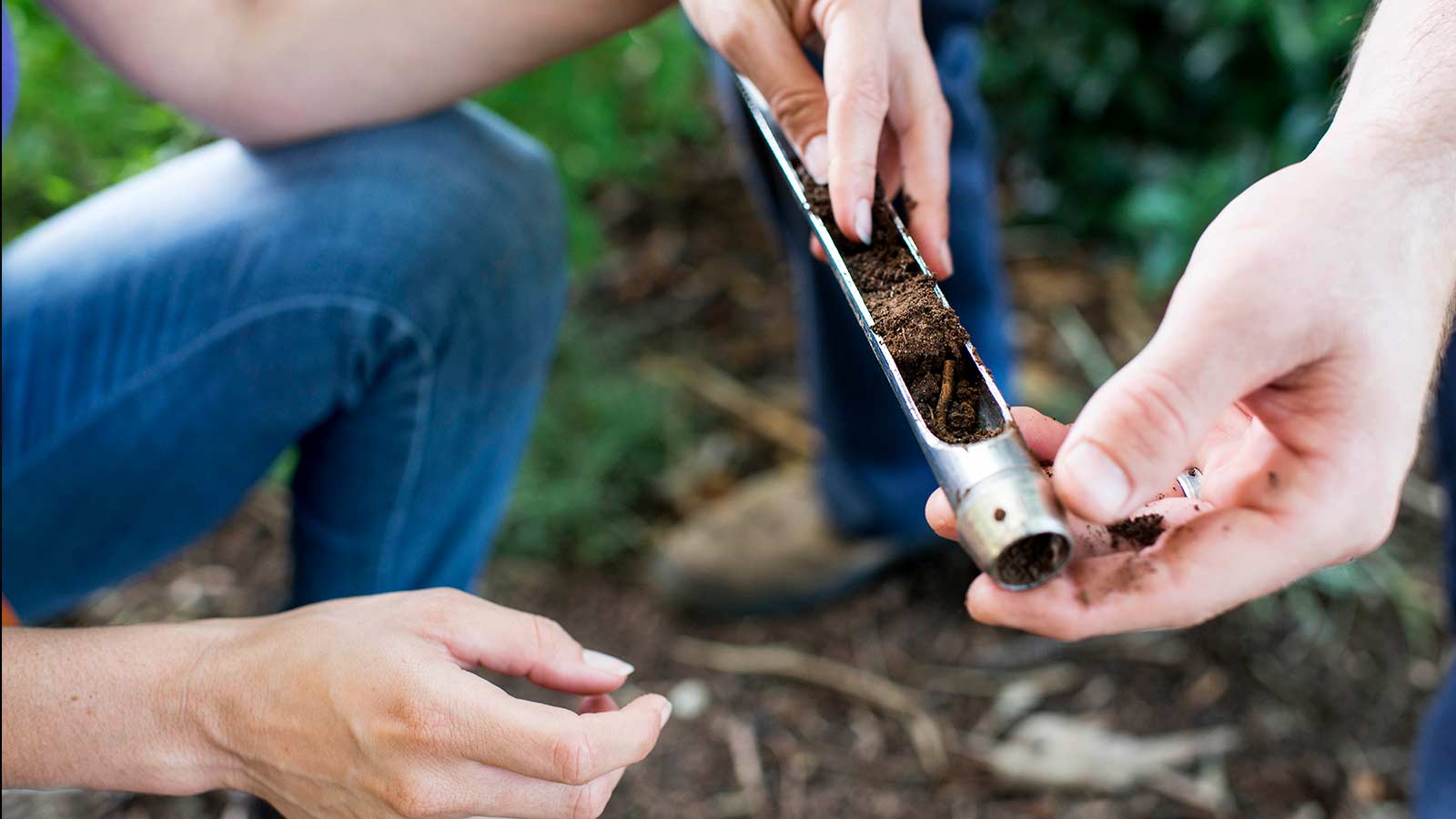
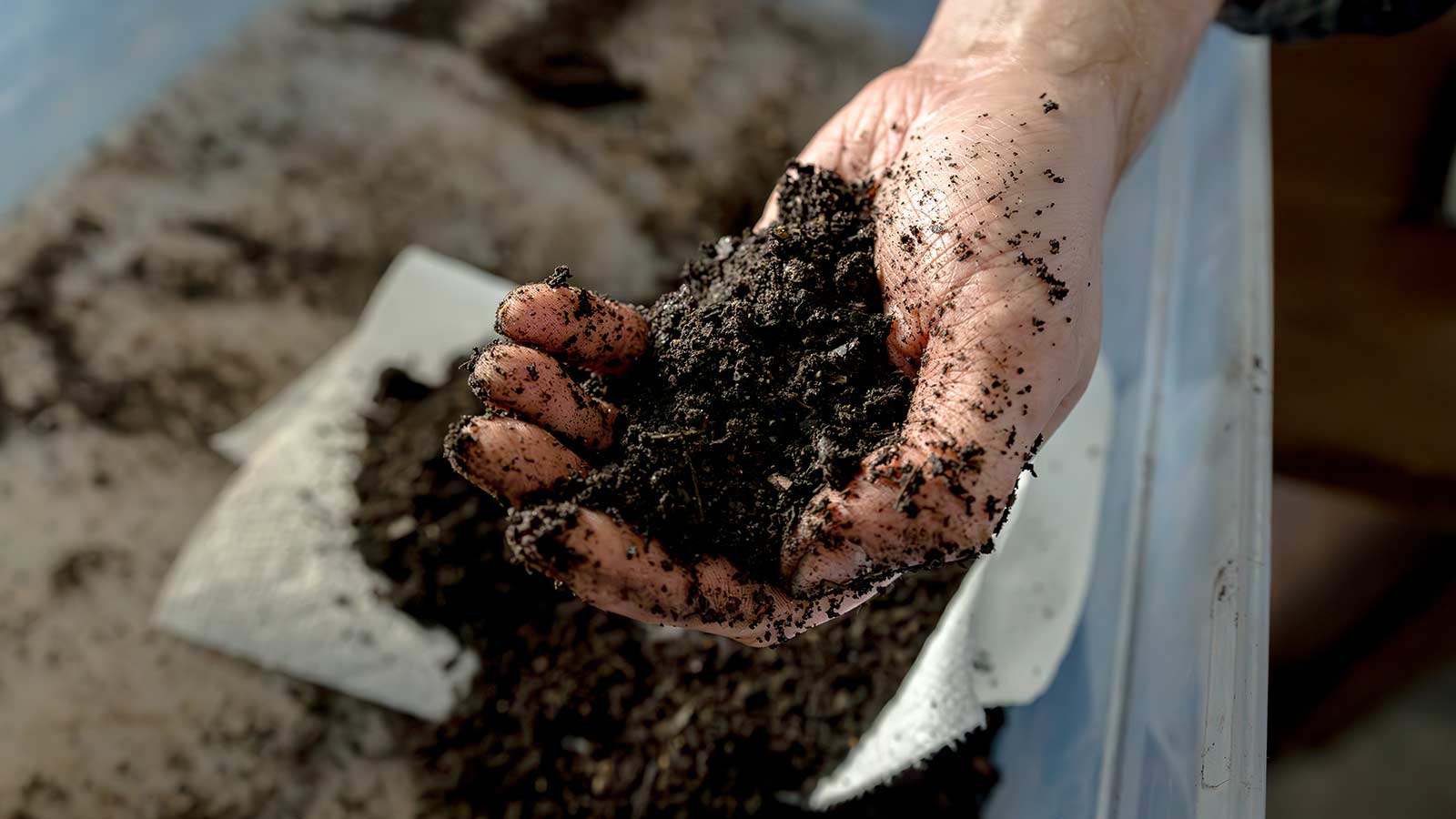
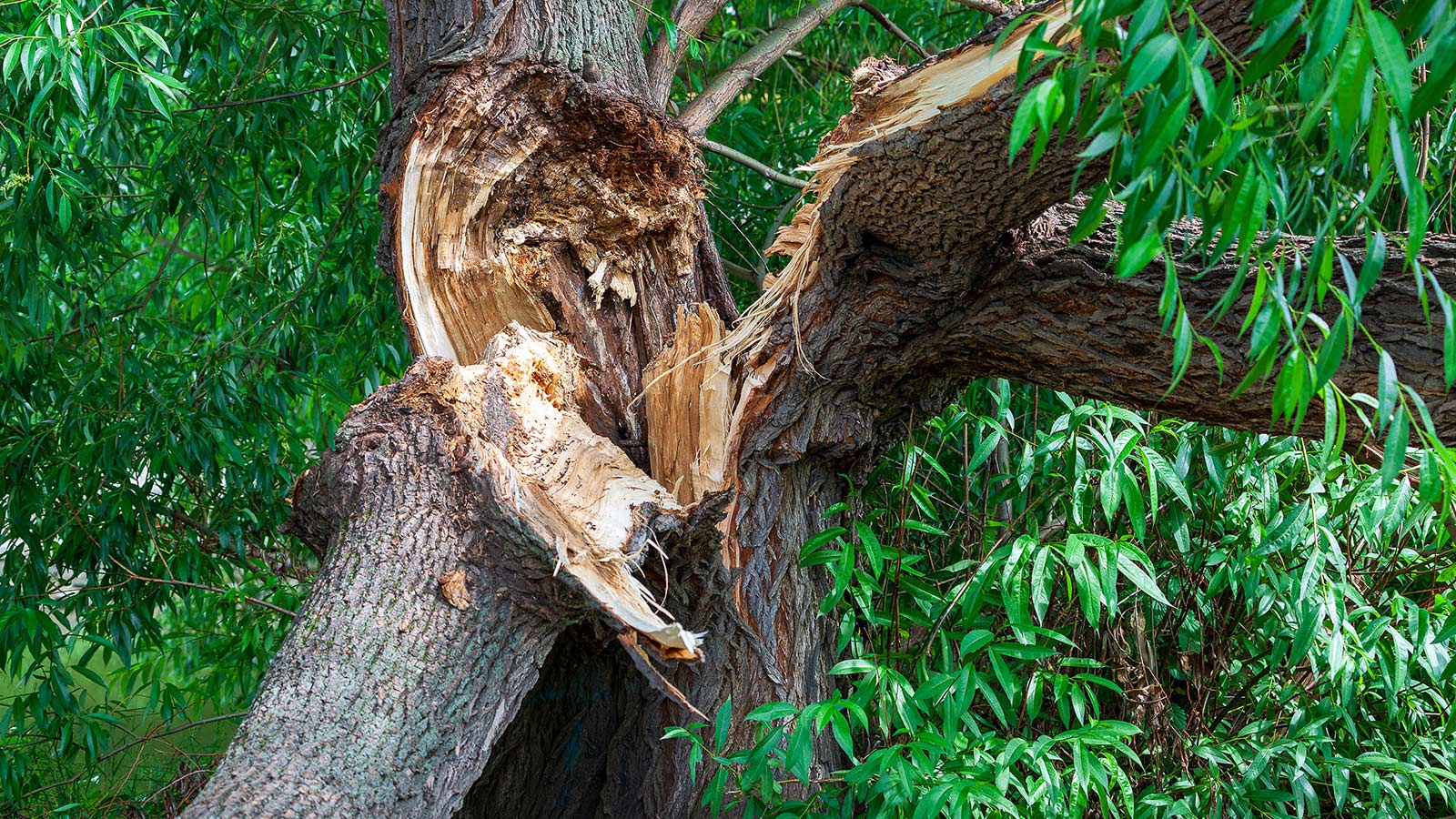
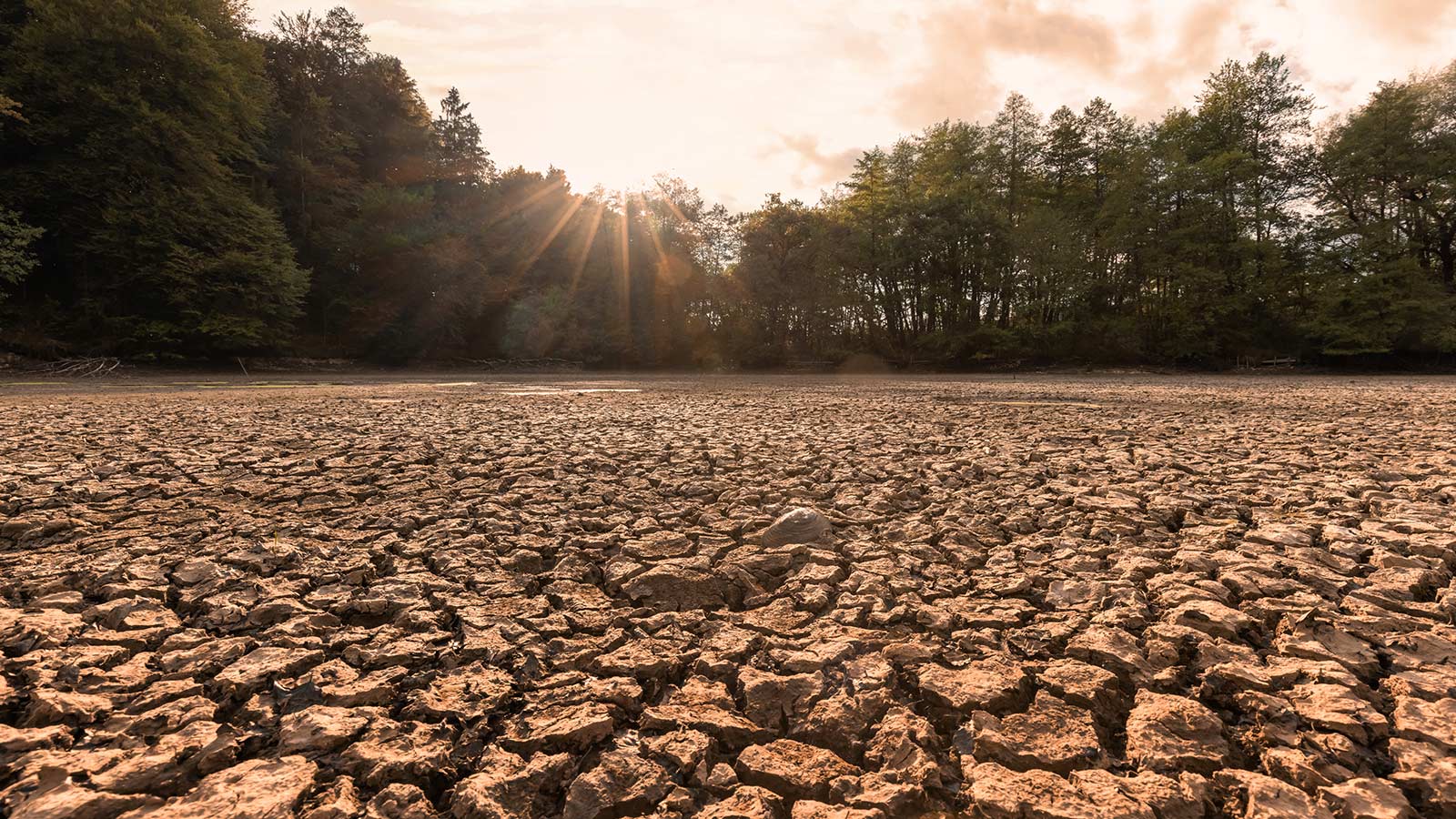
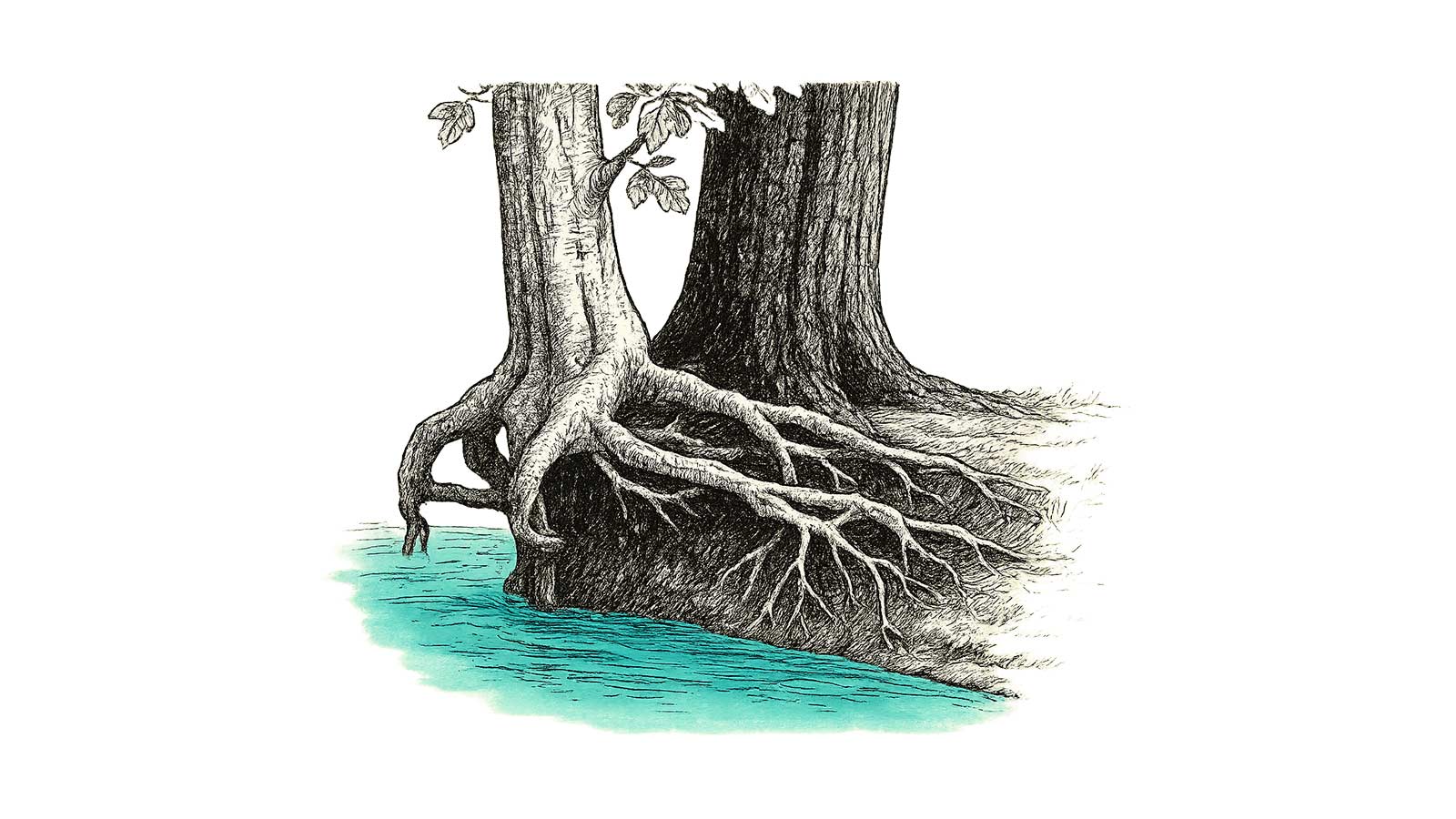
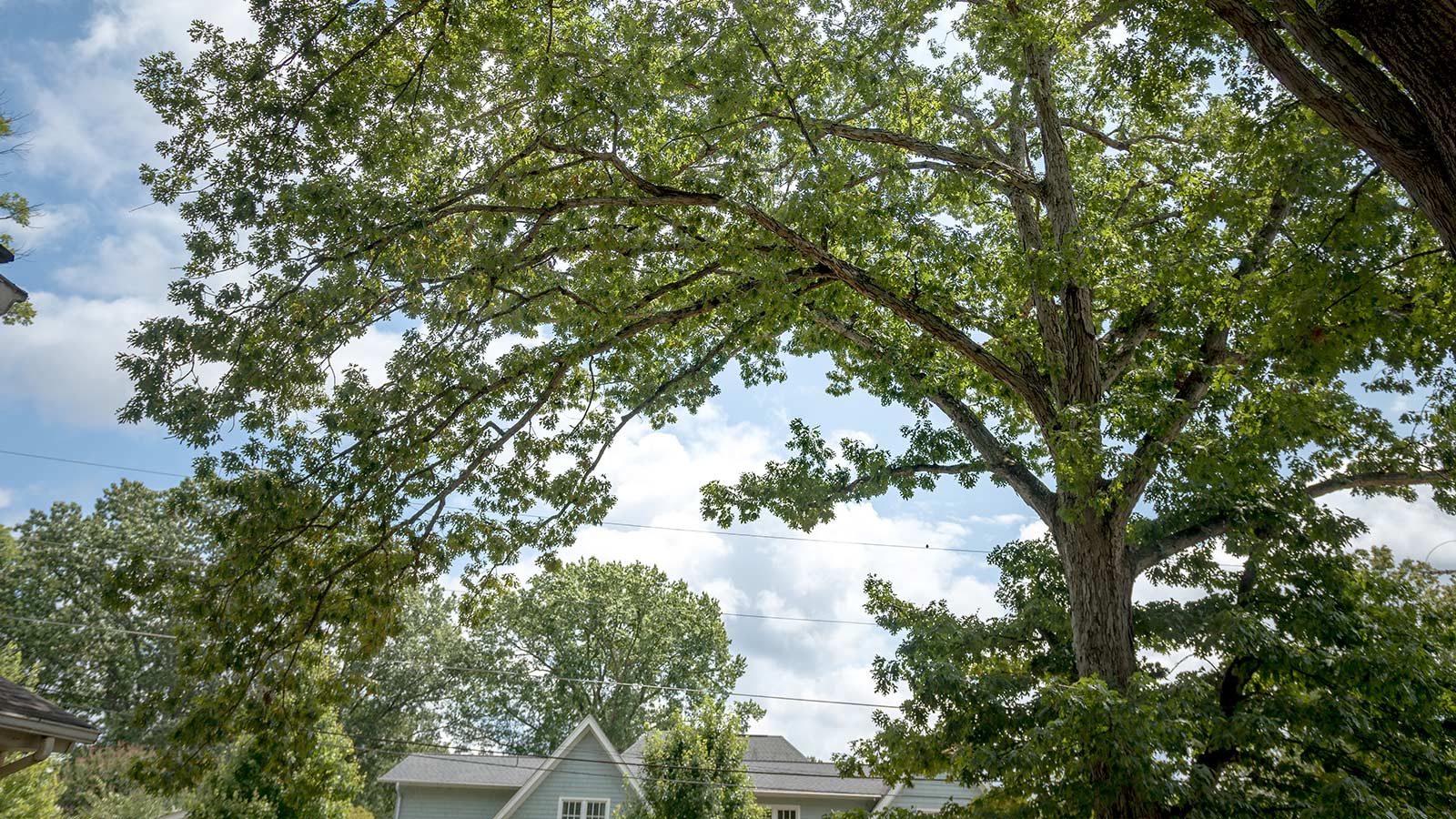
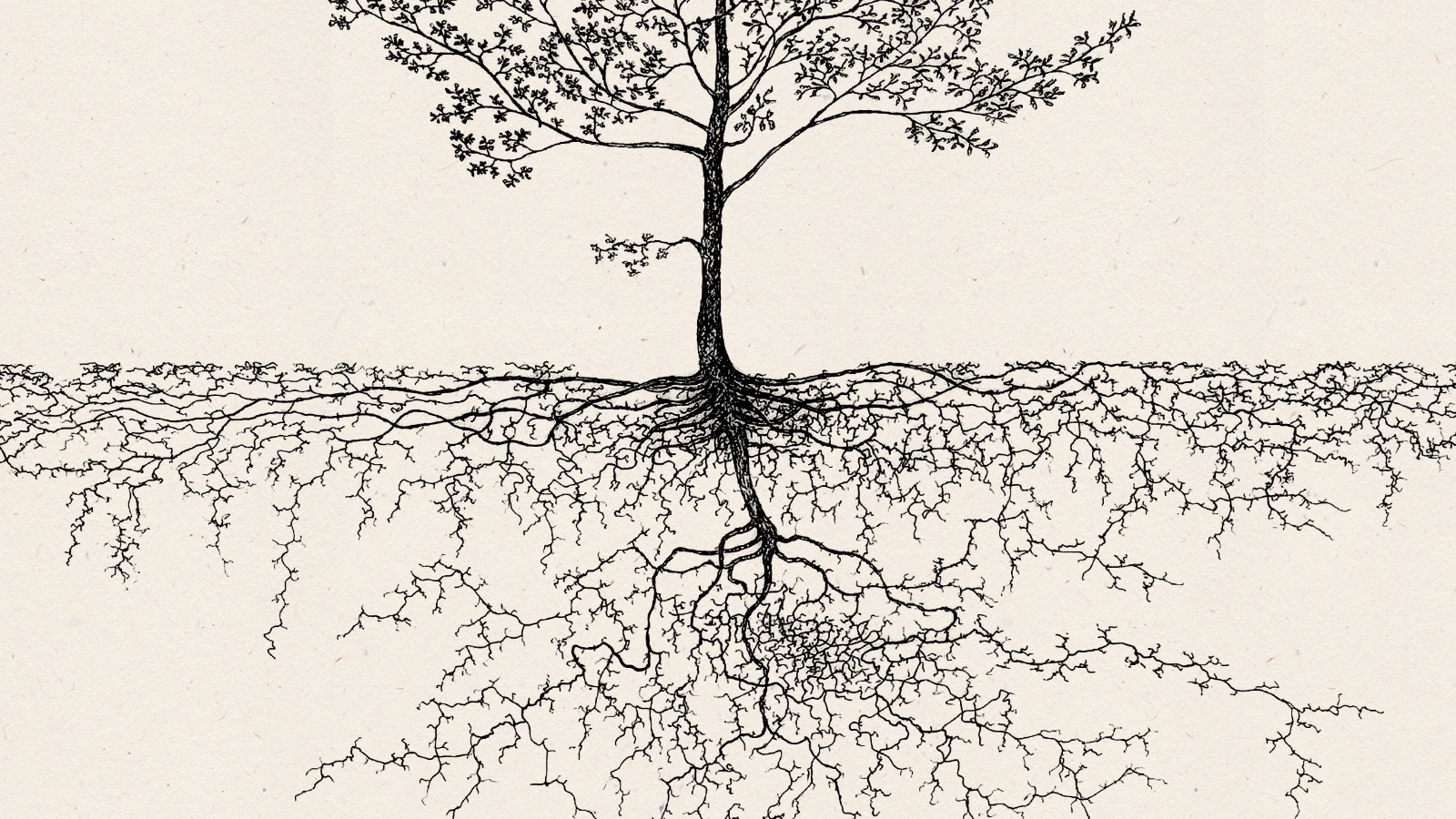
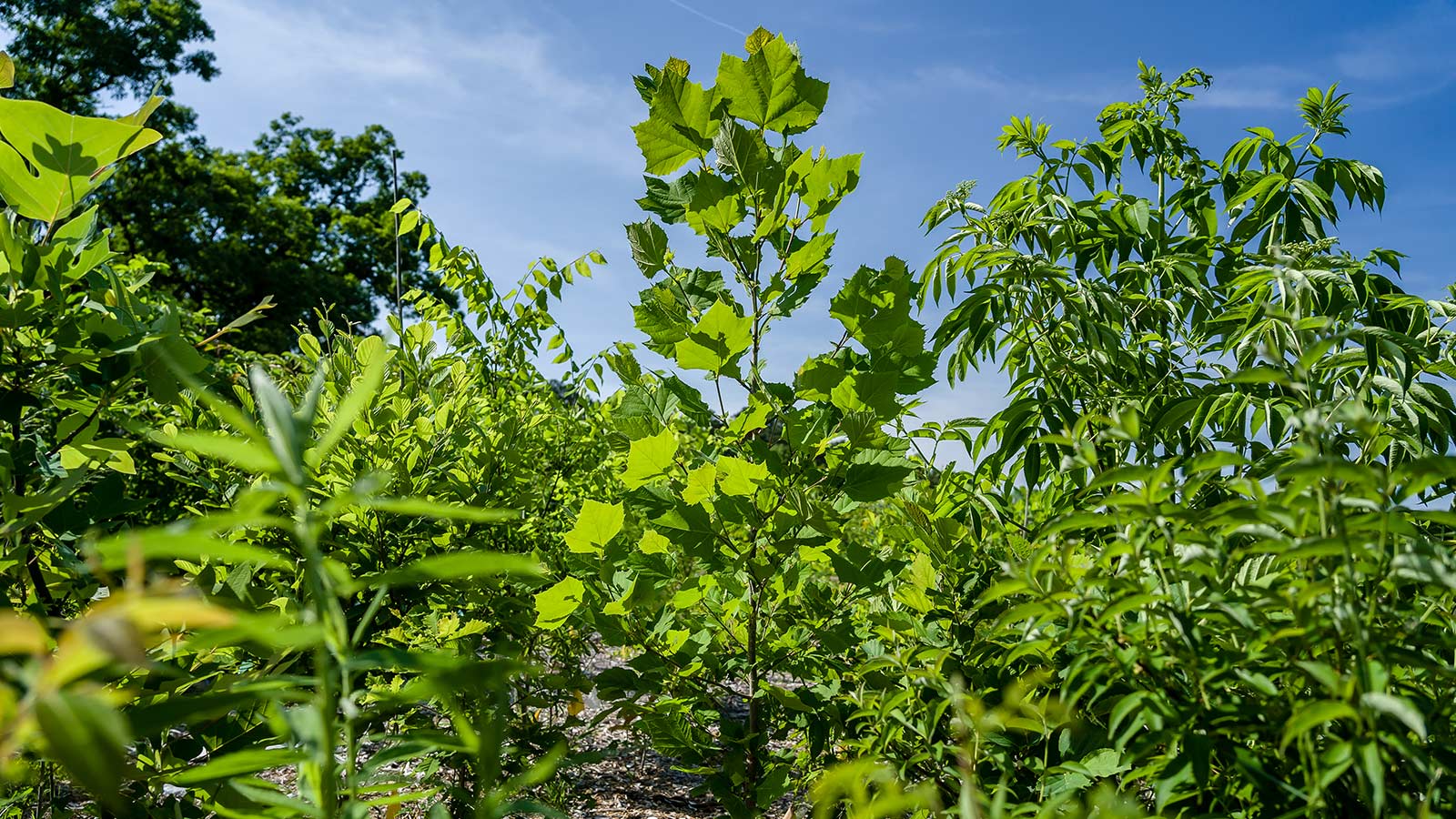
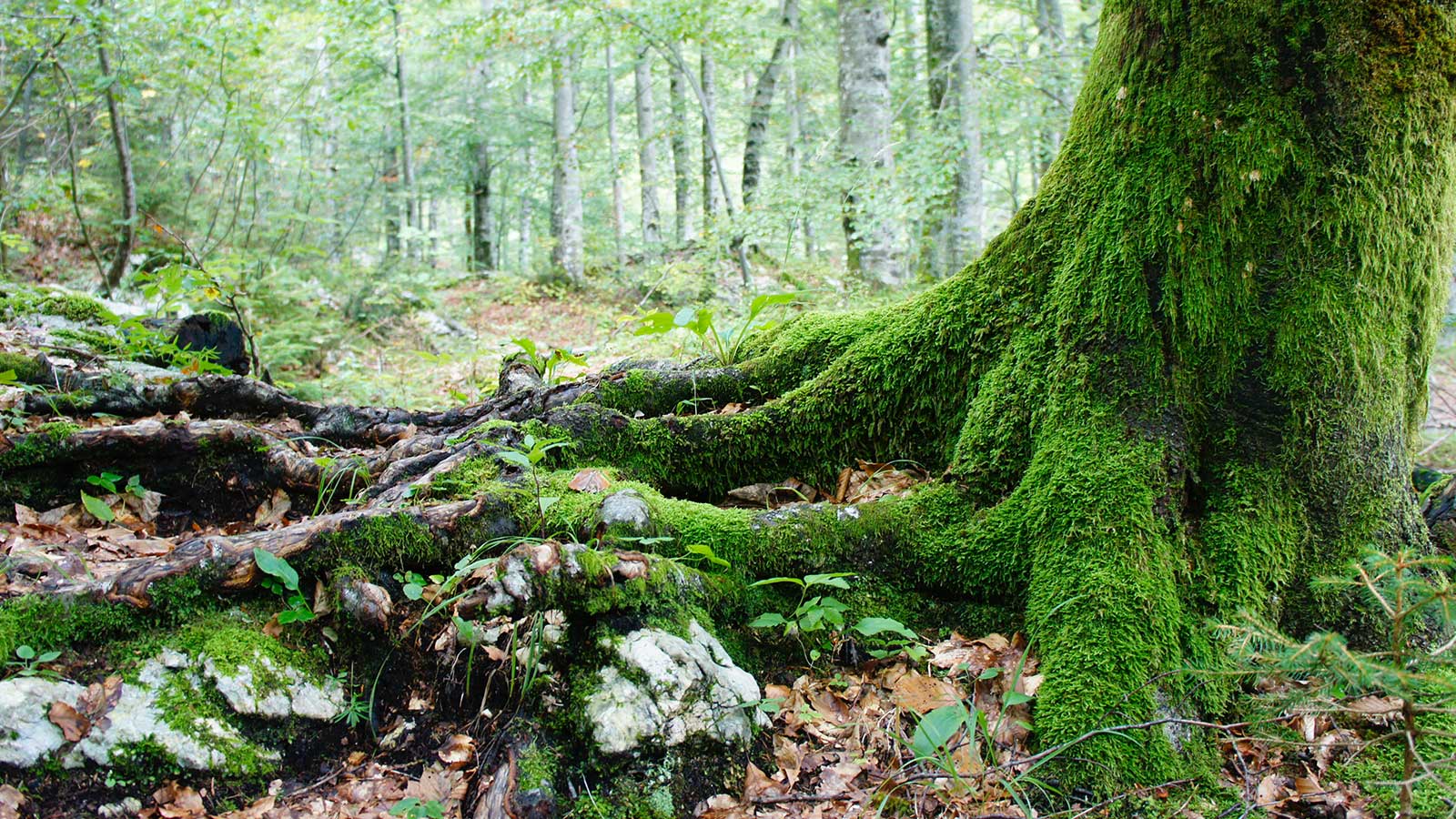
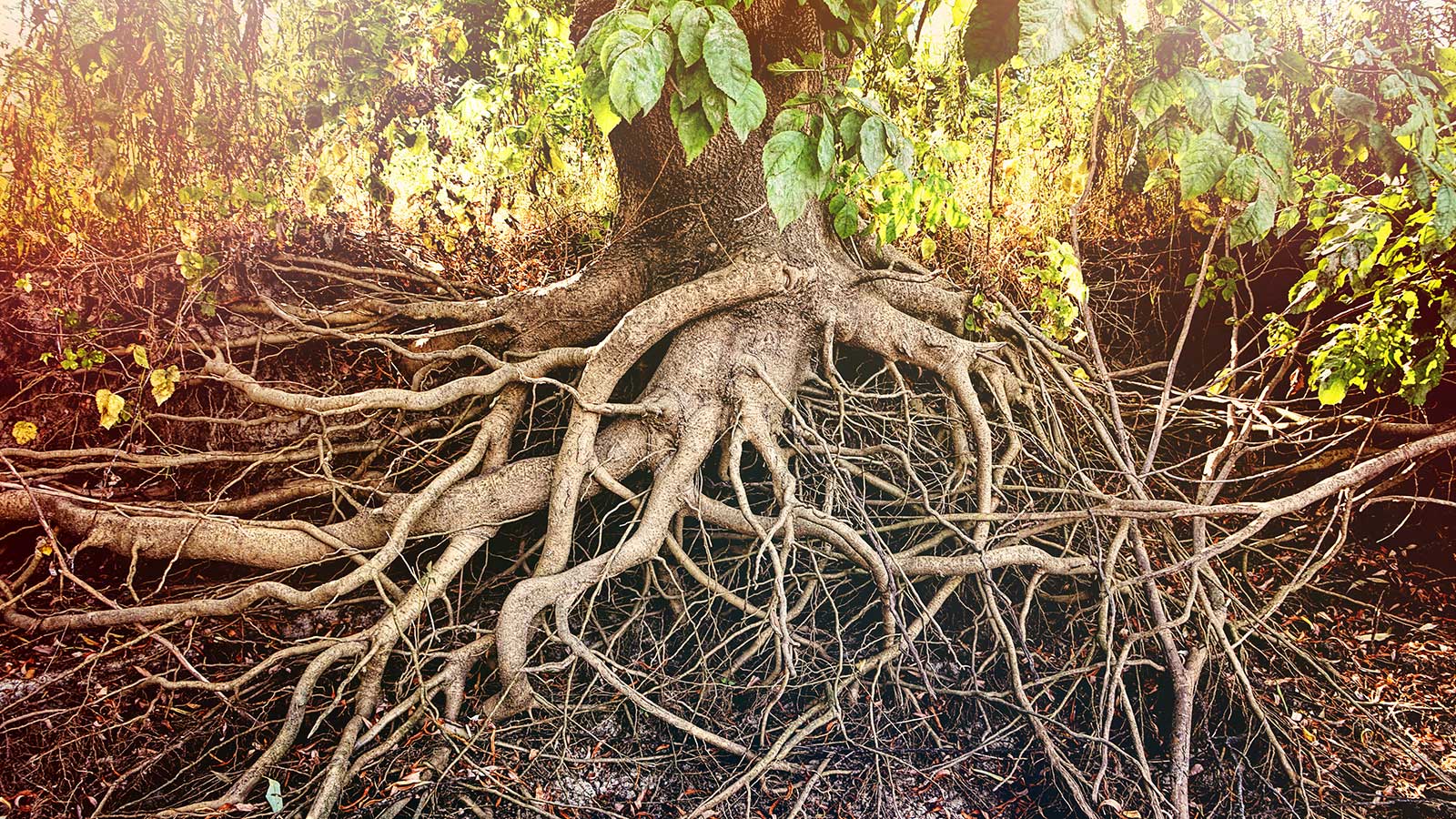
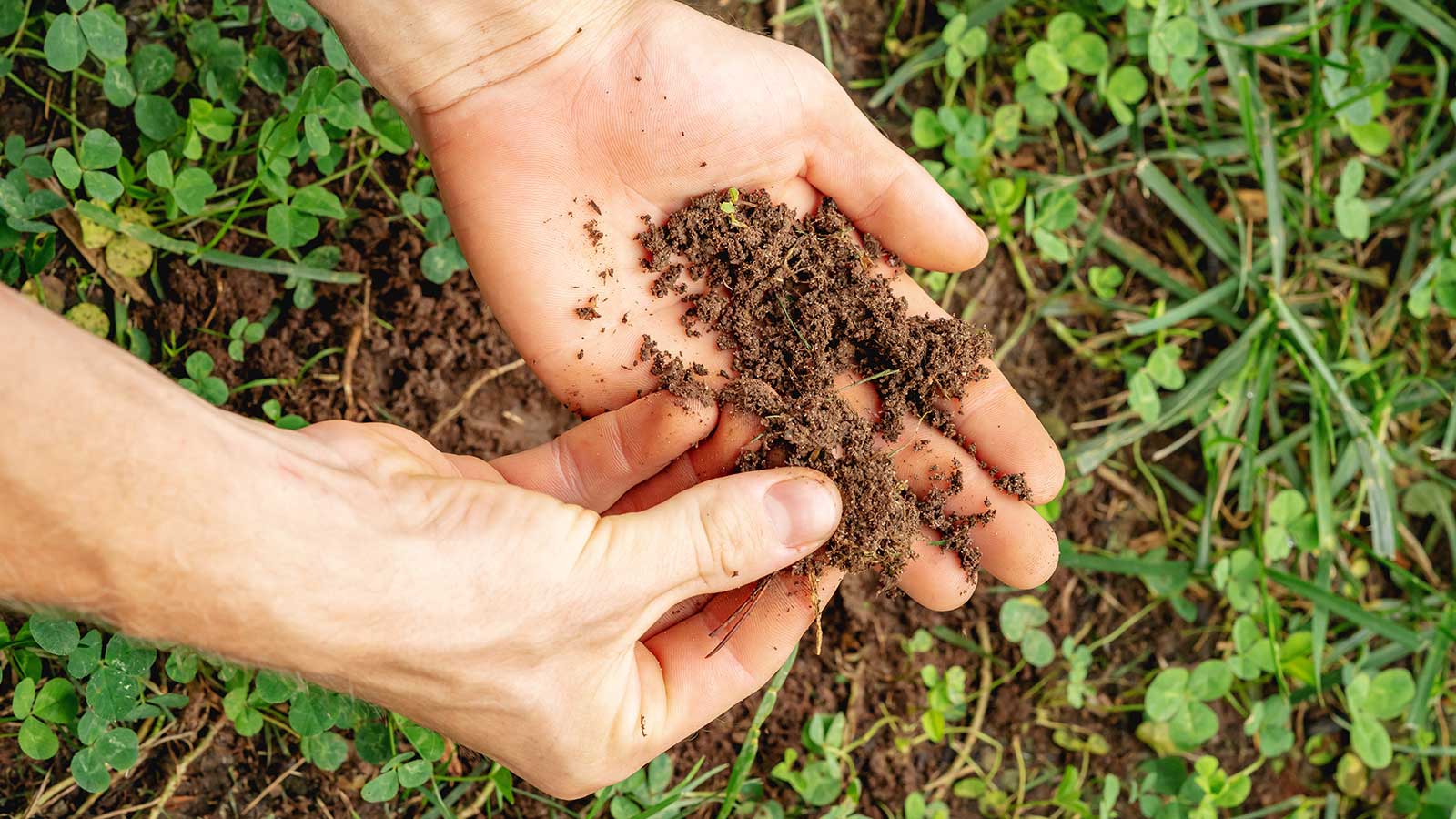
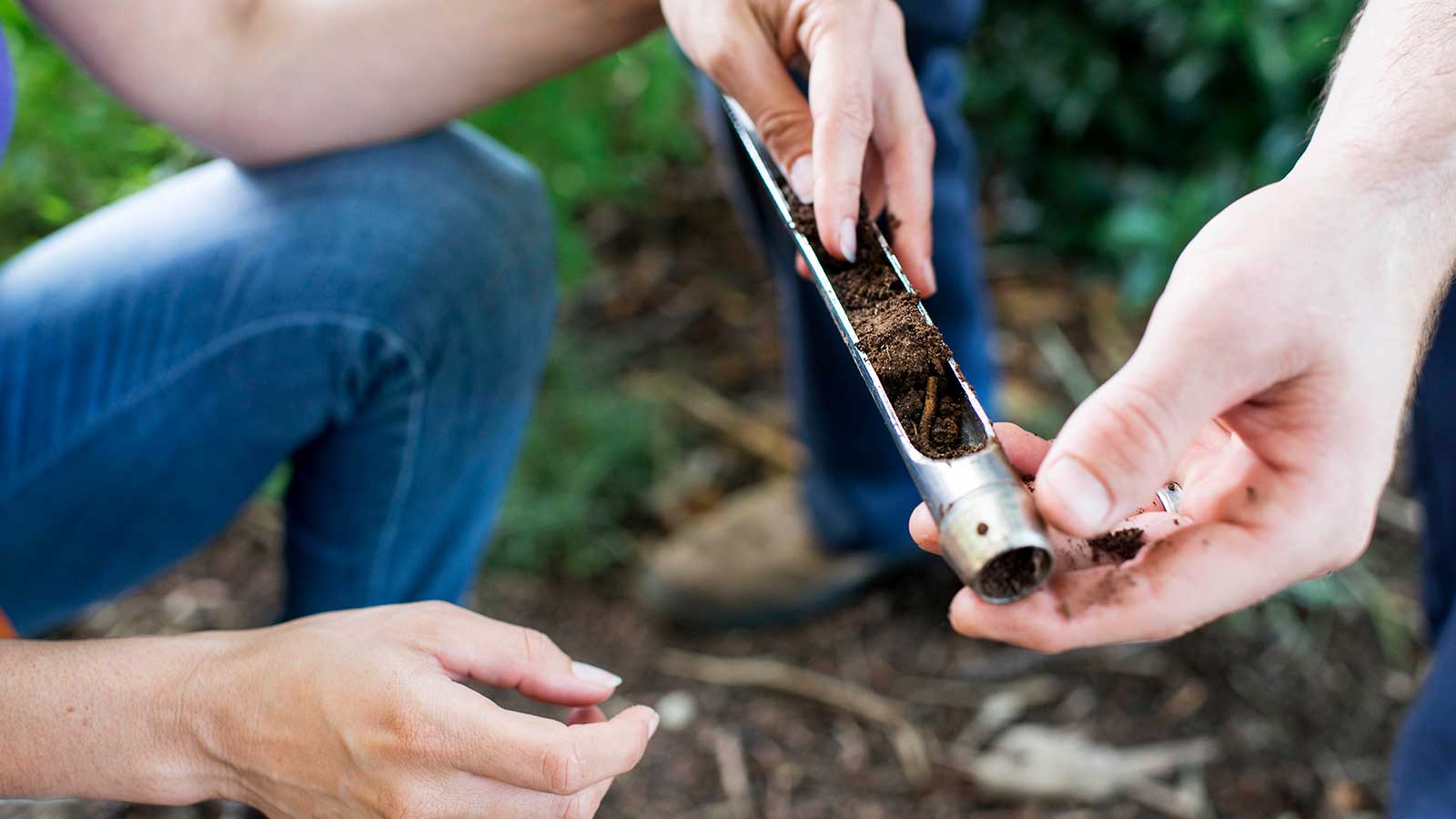
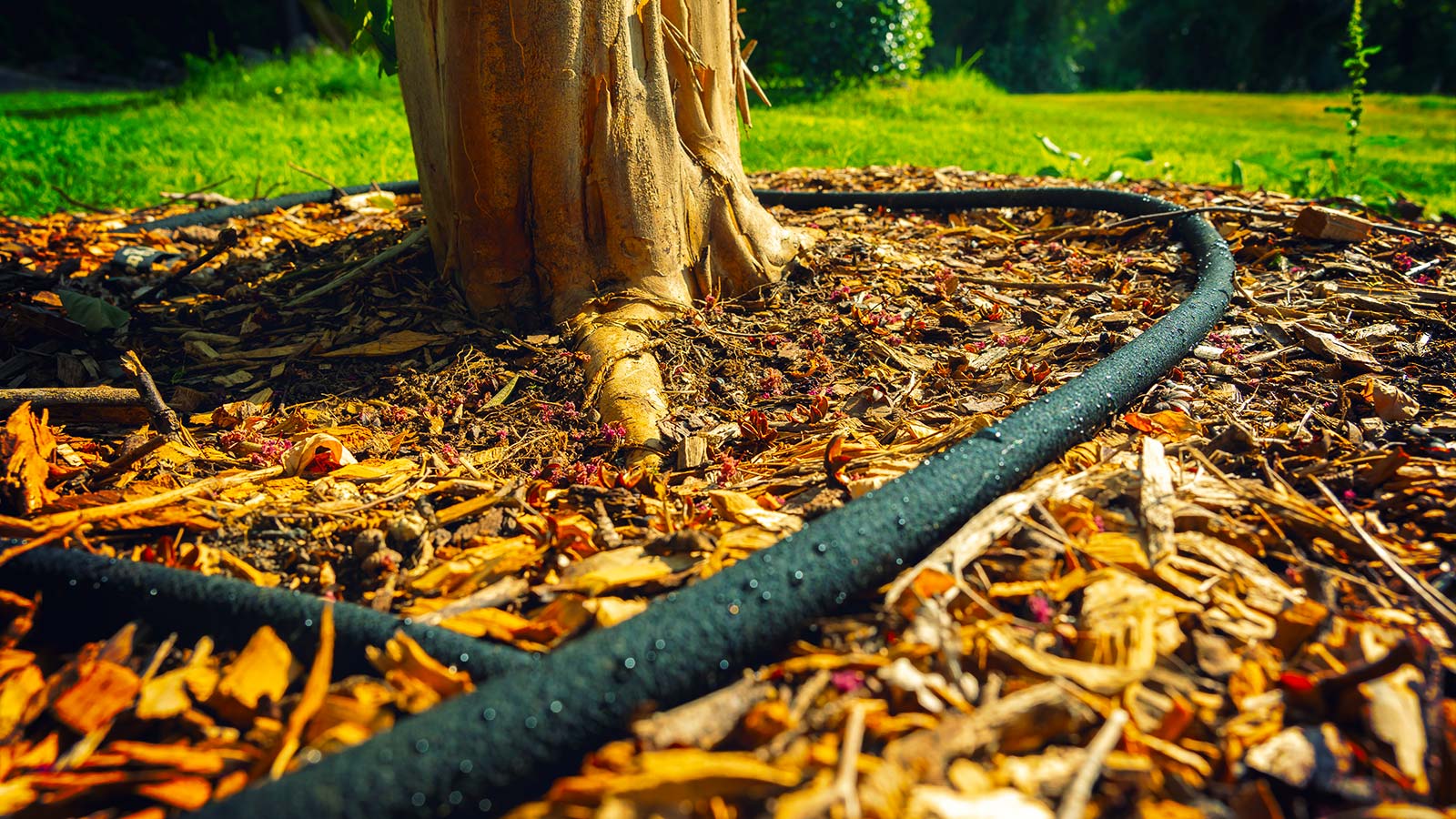
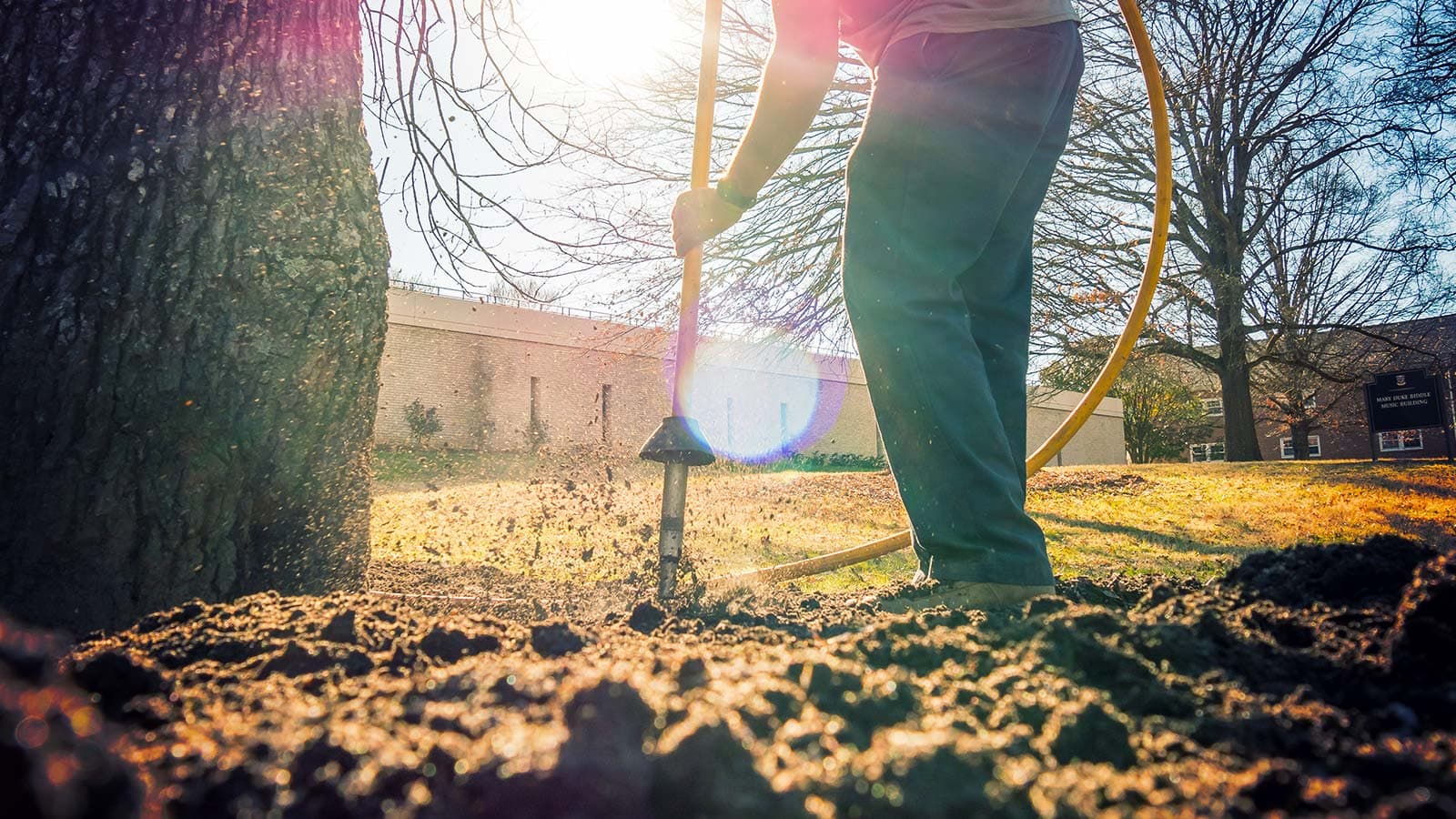
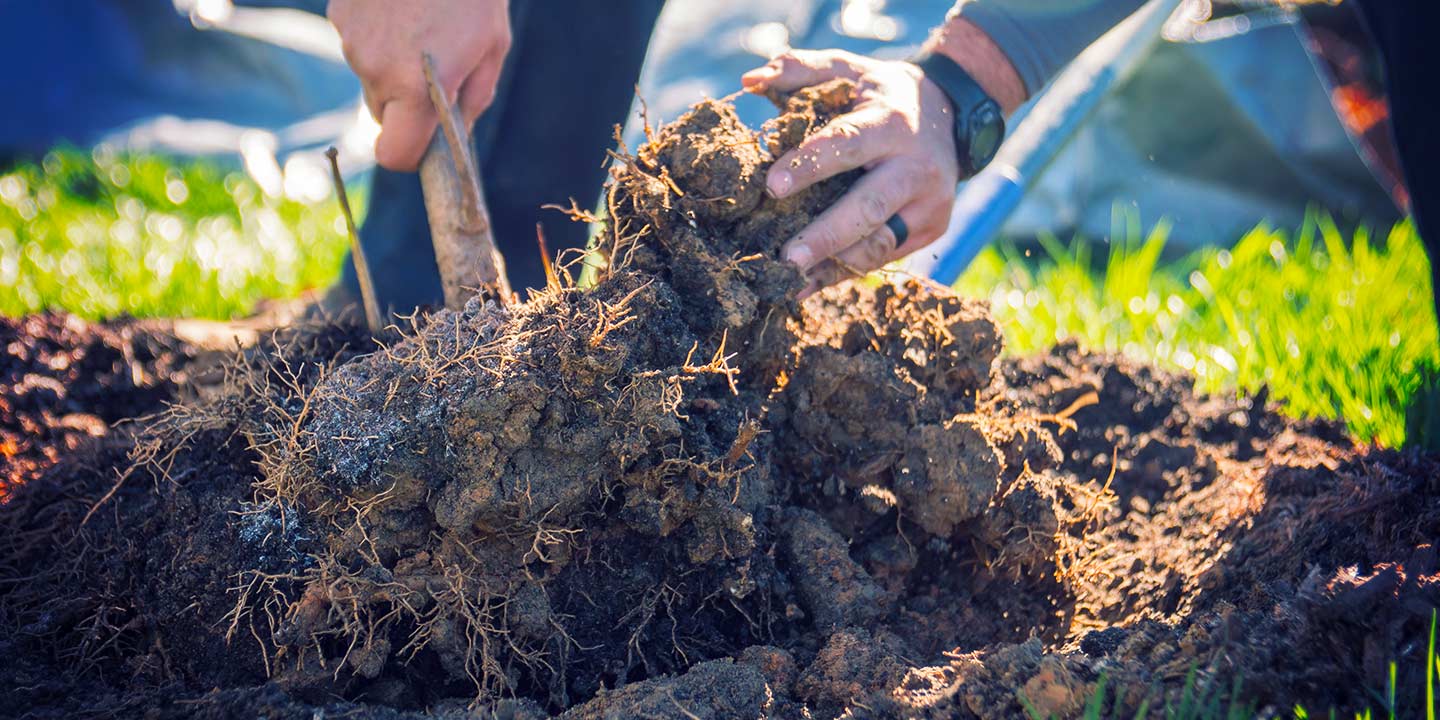
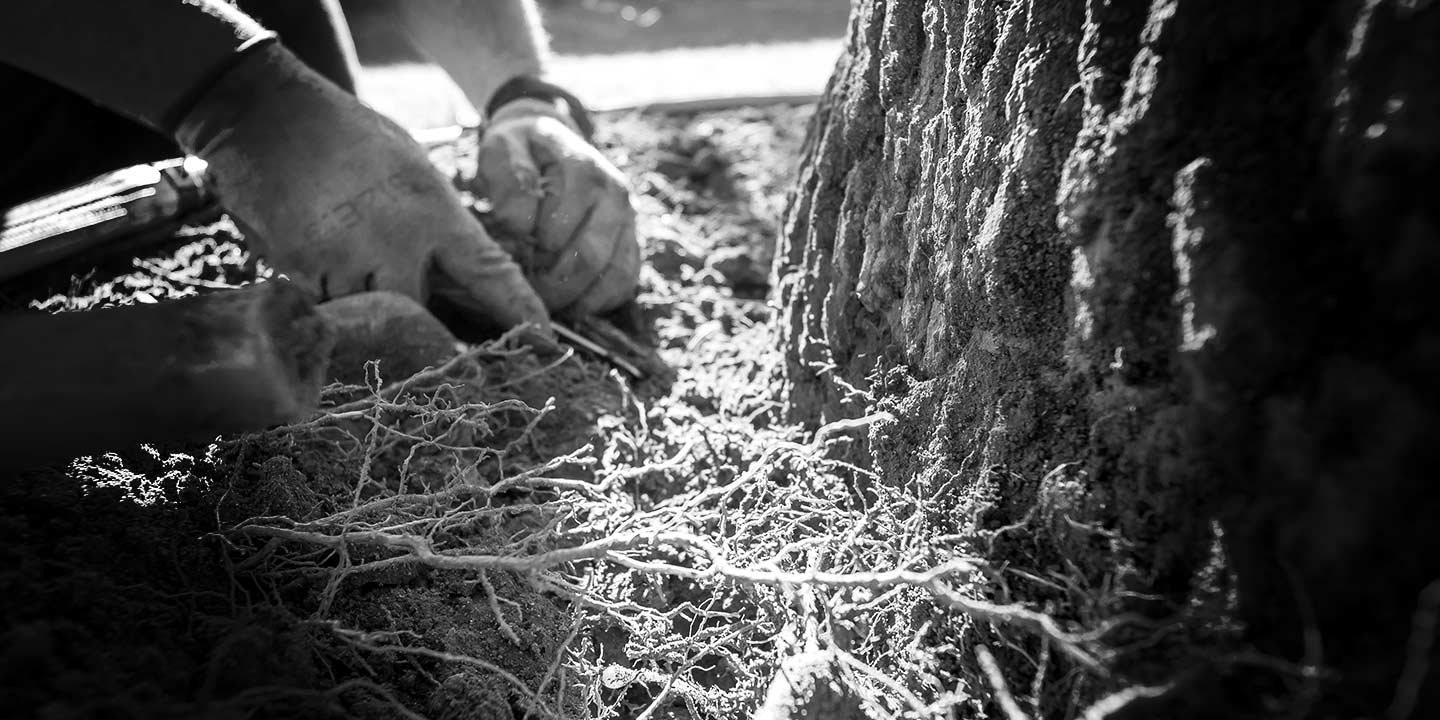
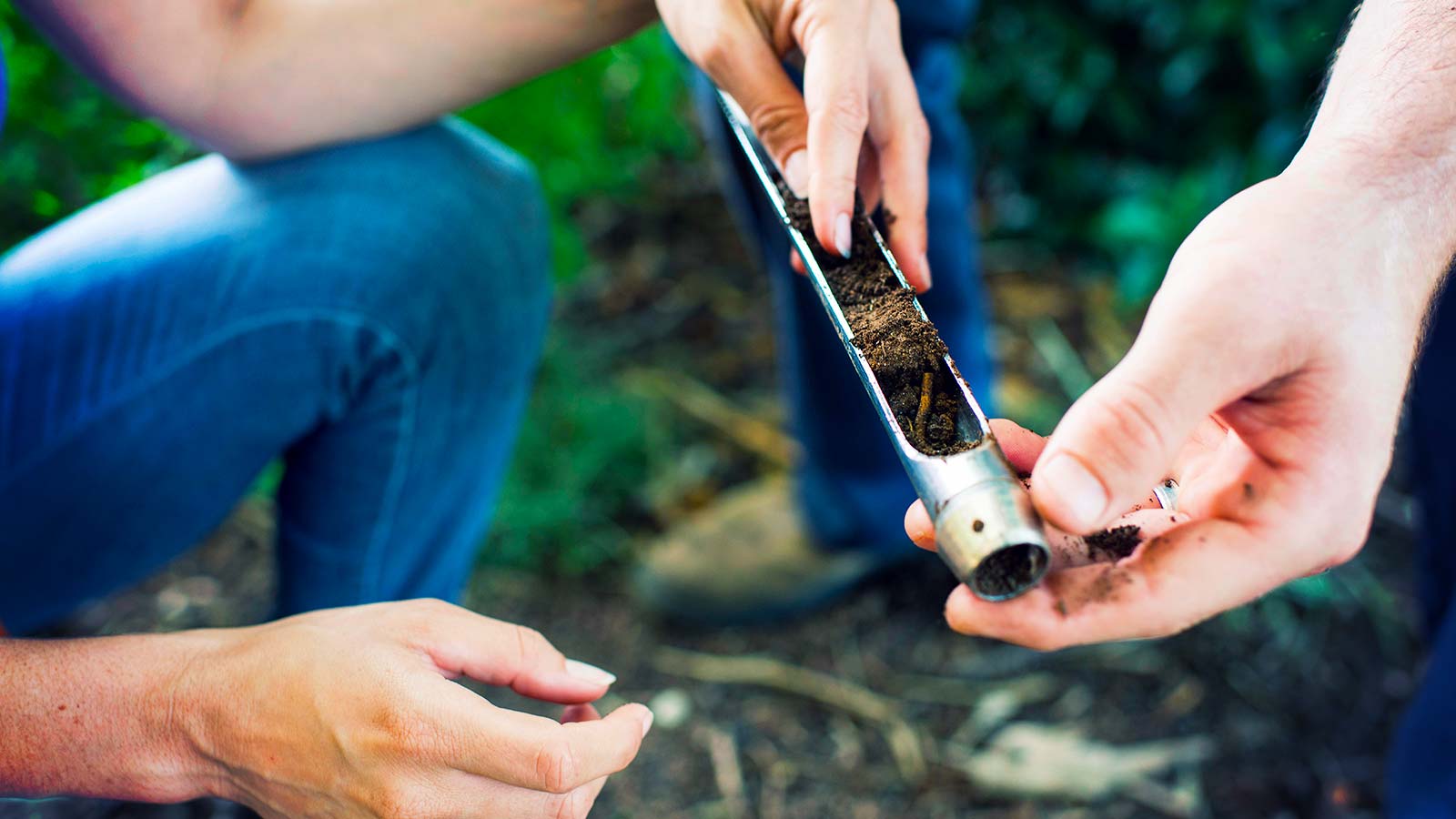
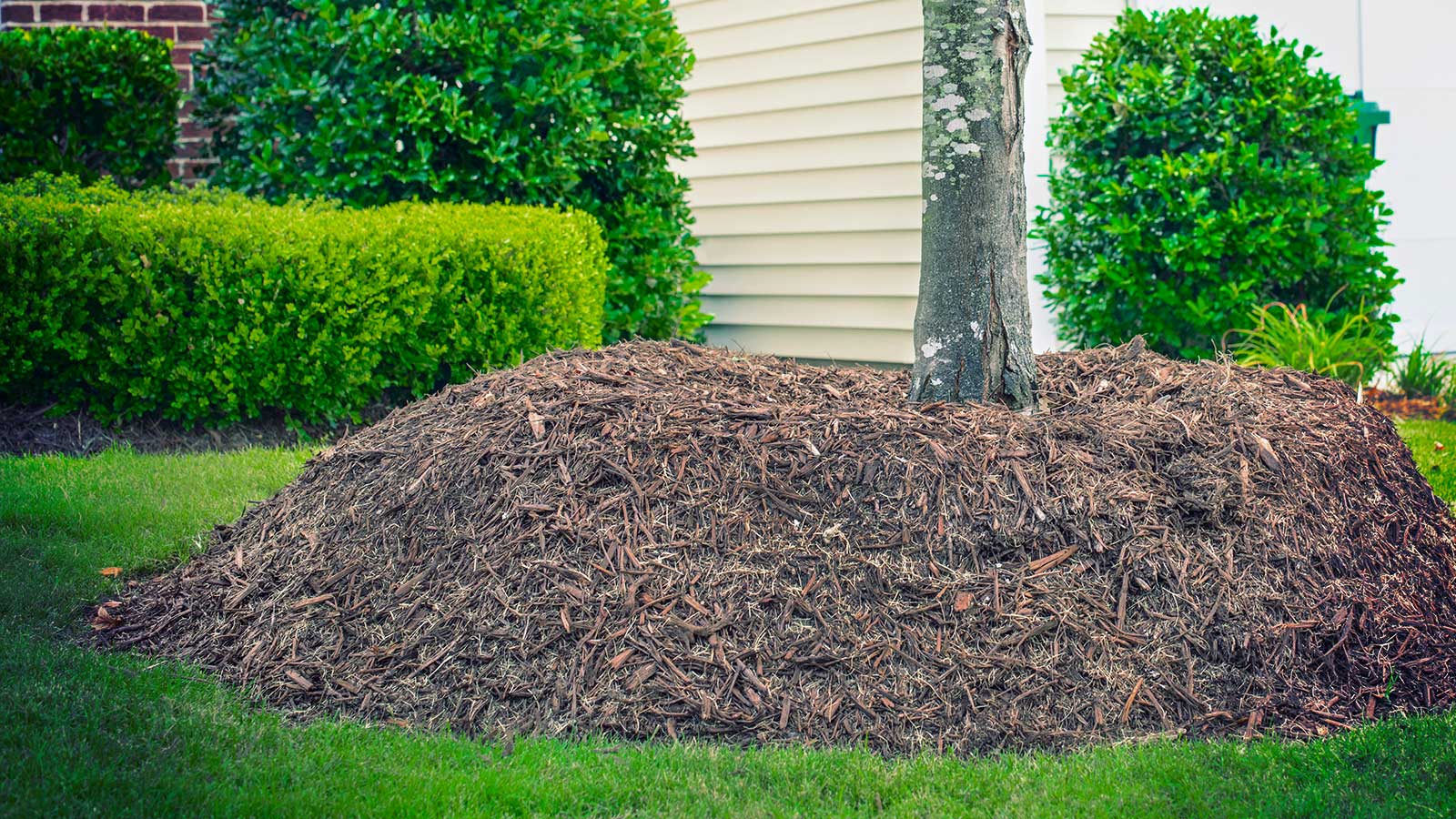
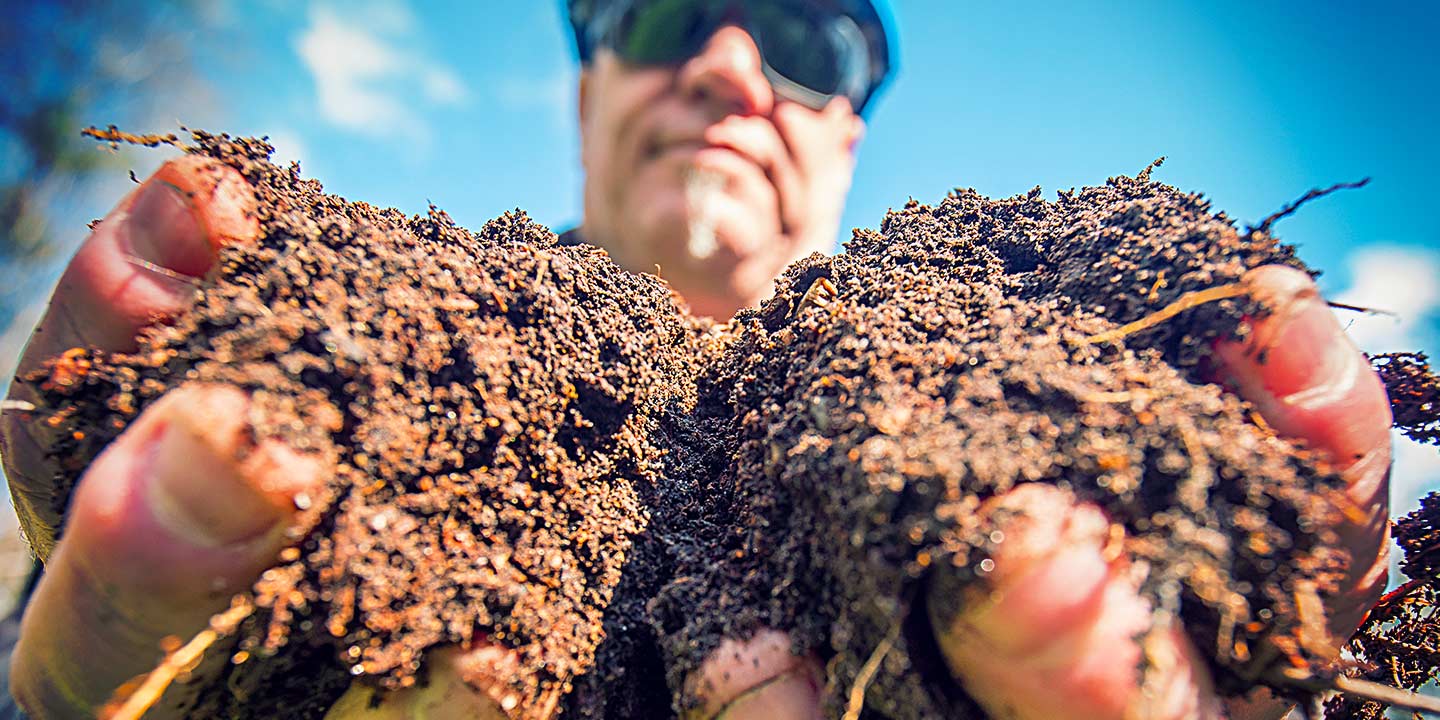
But our first step isn’t to reach for a spray. It’s to understand why the tree is struggling. We need to look at the overall health of the tree. Problems don’t usually start with the insect. They start with stress. Whether it’s from poor soils, compacted roots, or drought. Stressed trees are more vulnerable to damage.
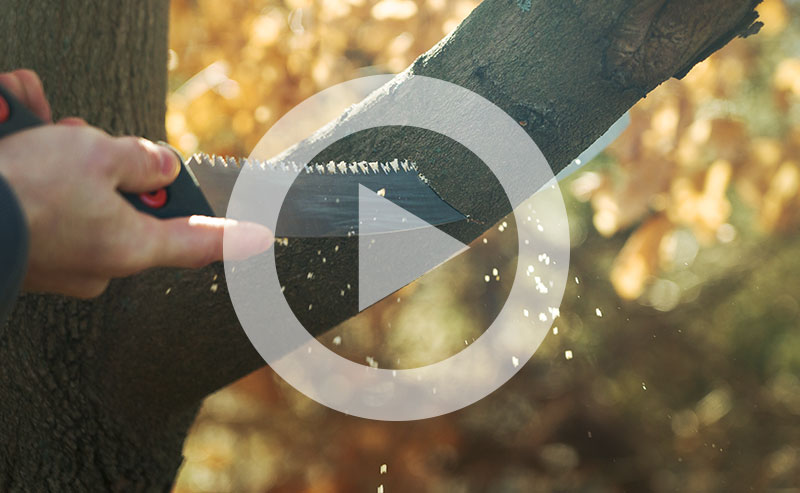
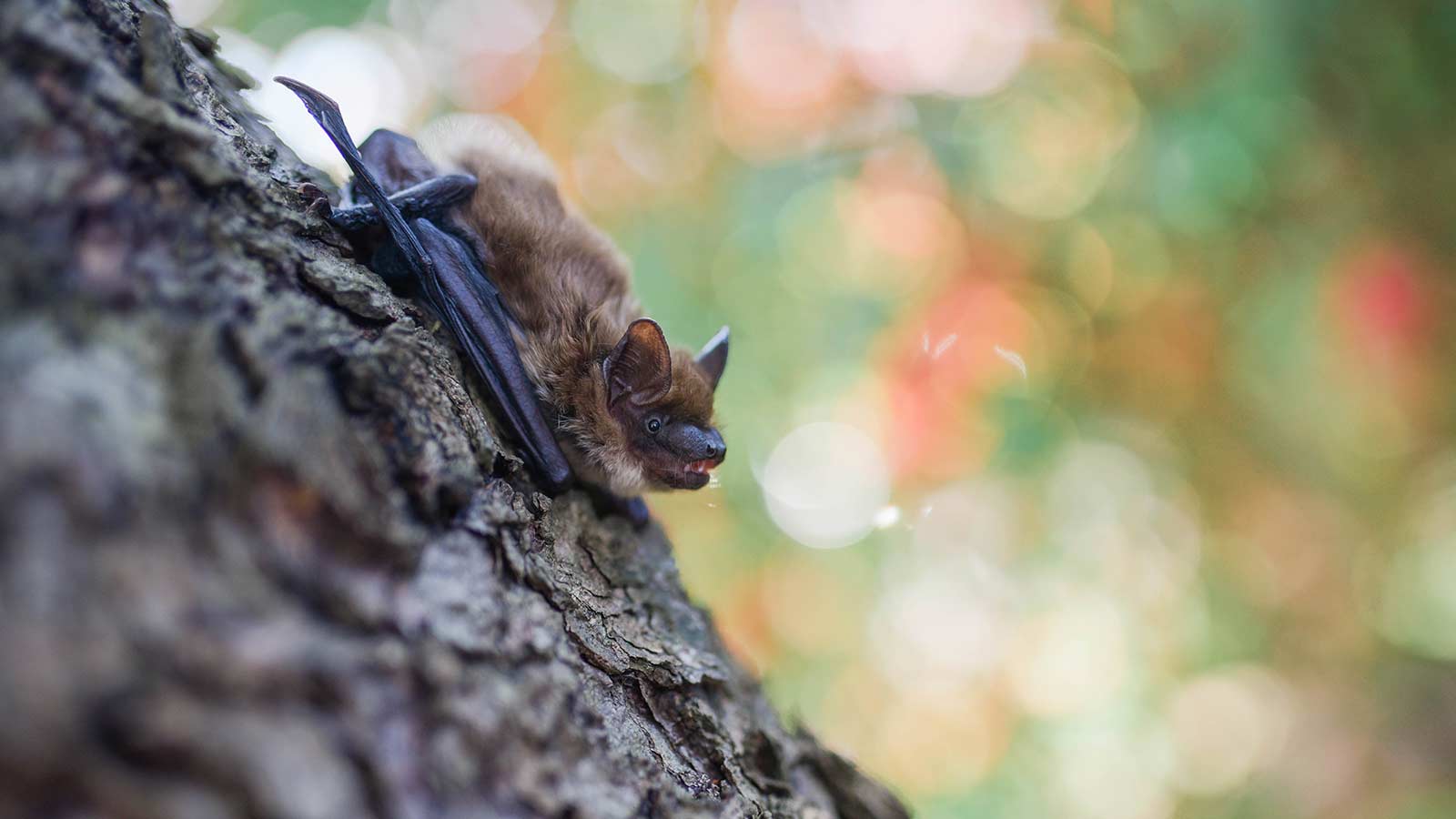
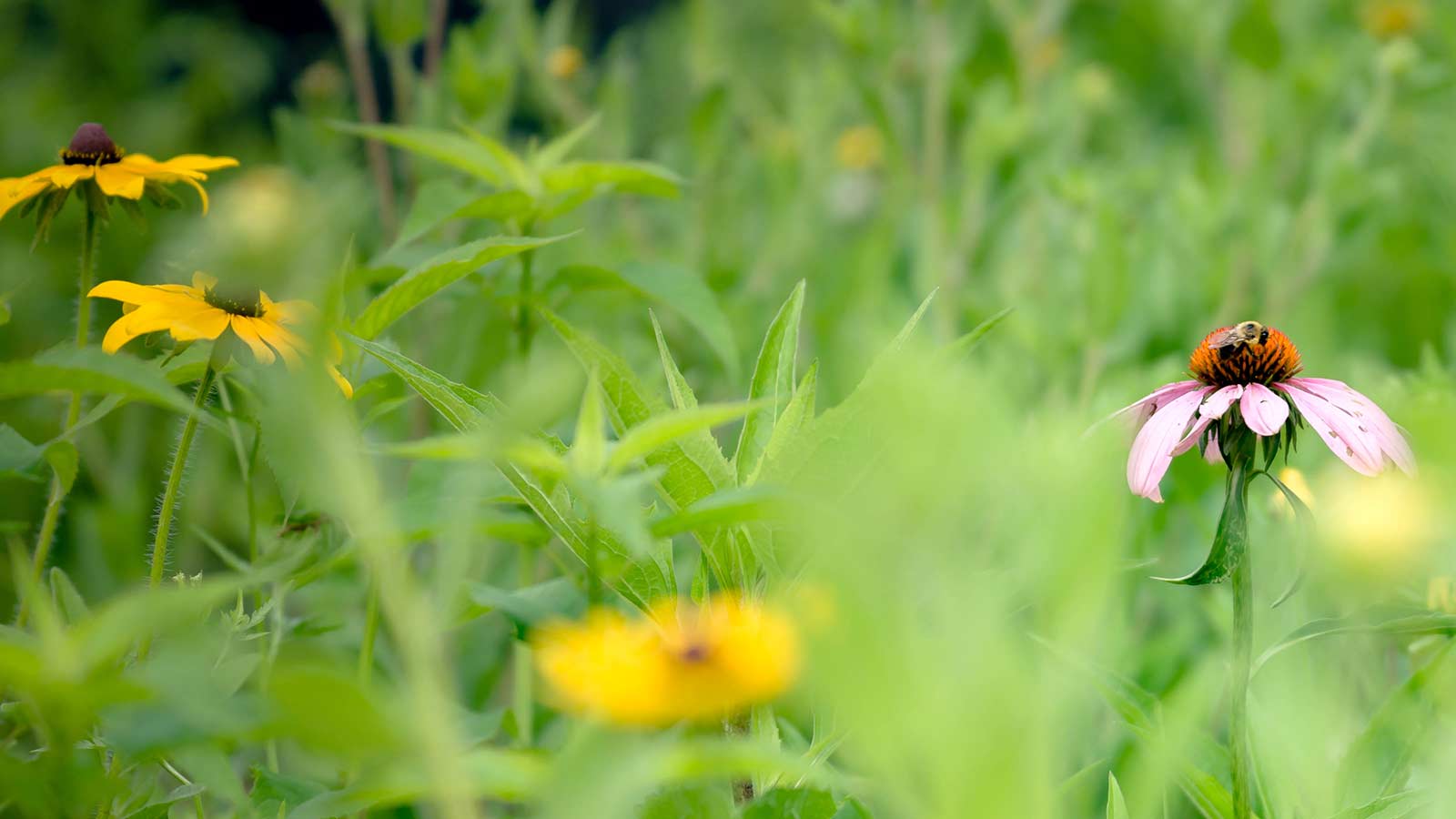
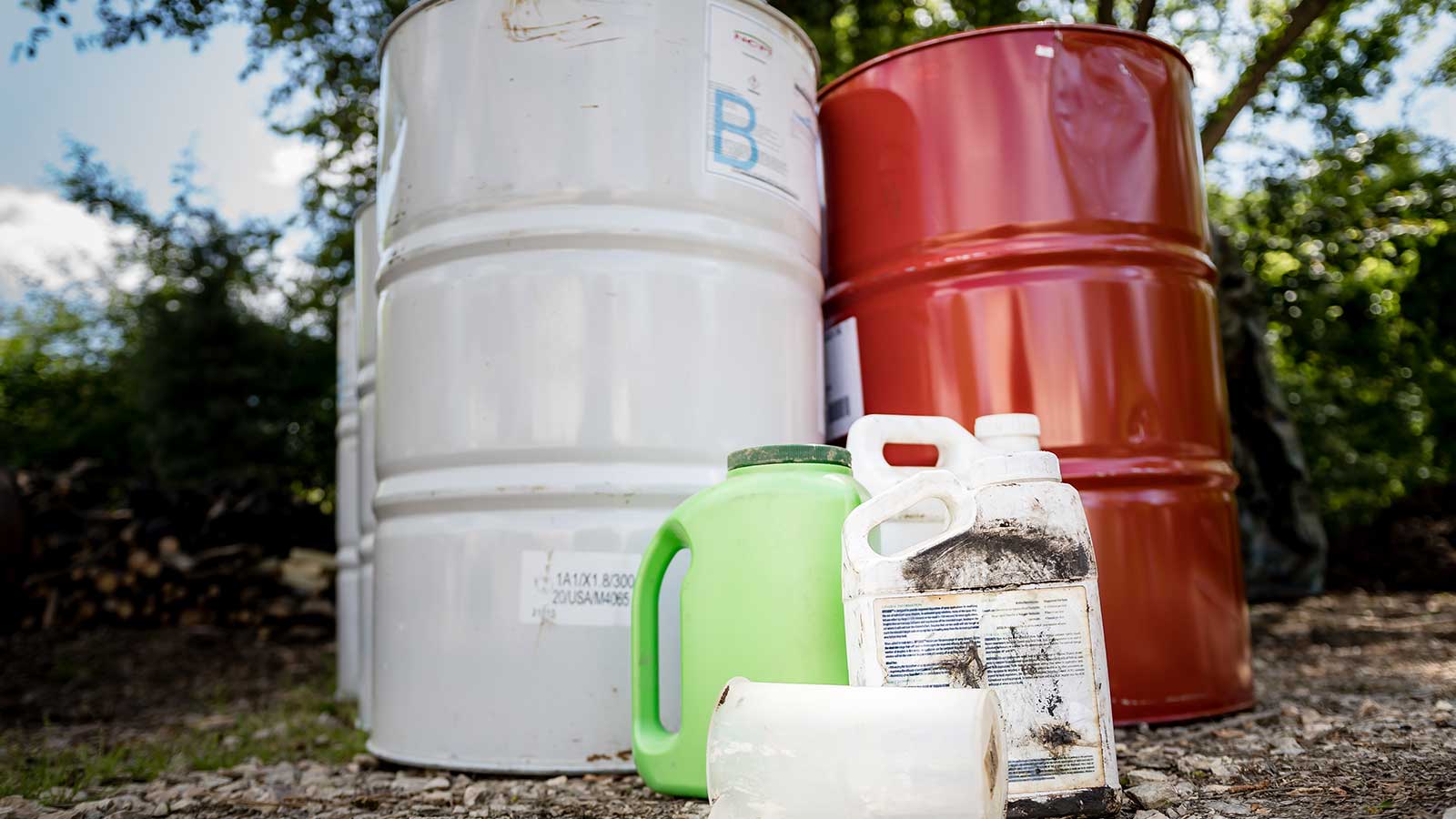
If the tree is still struggling after underlying issues have been addressed, we need to consider intervention. And when we do, we’re careful. Any treatment has the potential to impact more than just the target. We want to choose a solution that minimizes risks to people, pollinators, and the surrounding ecosystem. While still helping the tree. If we can’t do that, it’s just not worth it.
Because the goal is not to eliminate insects. It’s to create balance. These are simply organisms playing their role in a larger living system.