May 2026 Treecologist Tribune
Bubby-bush, Bees, and a Bark Mystery
Back in the 90’s, just about March 17th every year, my crows would return from wherever they spent the winter. I don’t remember what caused me to recognize the natural rhythms that go on all around us, even in a busy city, but the crows would be loud and insistent because they knew I had peanuts for them. Their sharp memory sharpened mine. After a couple of years, I would listen for them in the third week of March. And in the third week of October, they would be gone, leaving the snowy back yard to their relatives, the magpies, who seemed much better adapted to foraging through the snow, sweeping their beaks methodically to uncover tidbits below the snow line. That was in Alberta, where the seasons unfold differently, and at least some crows migrate.
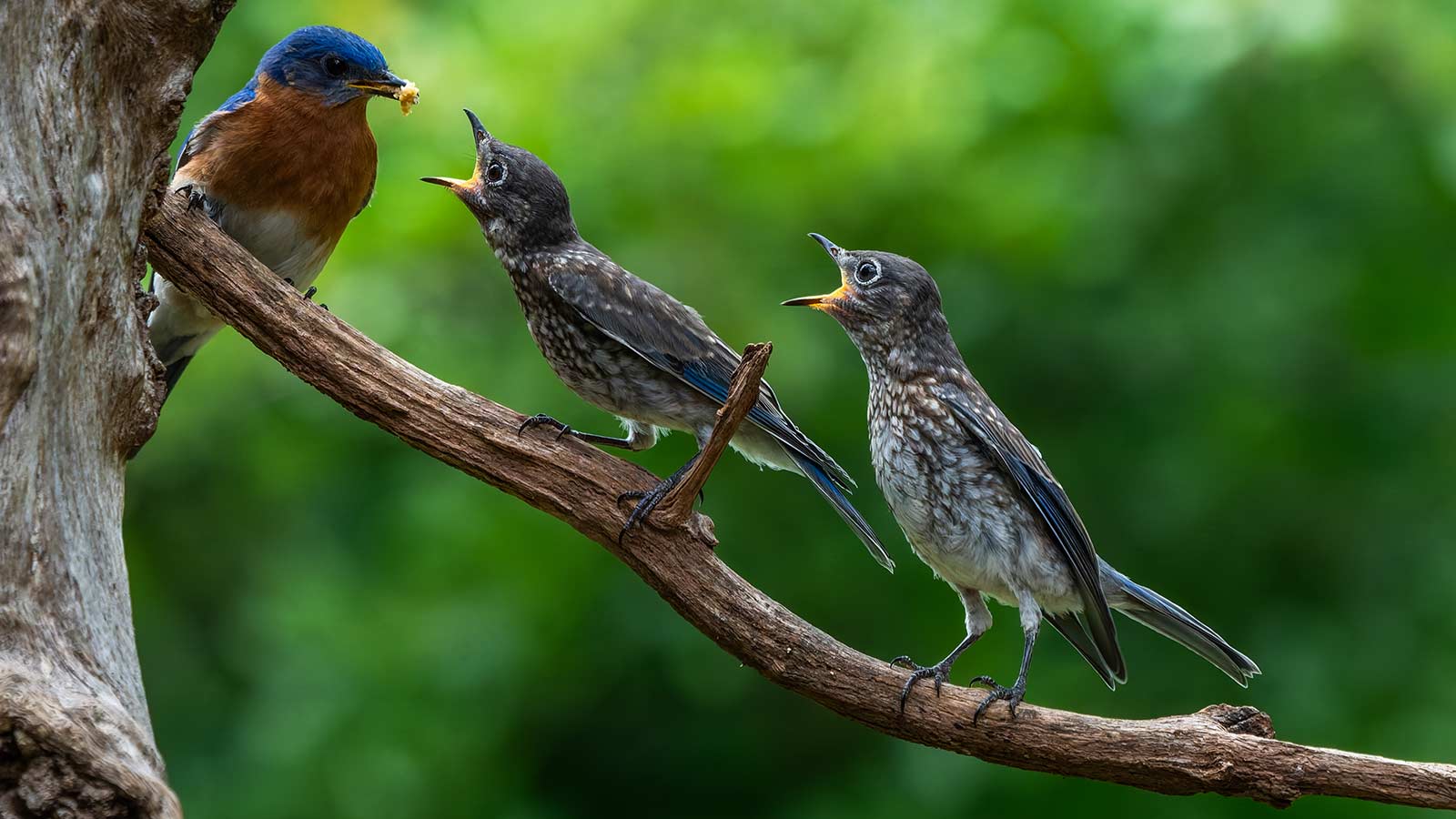
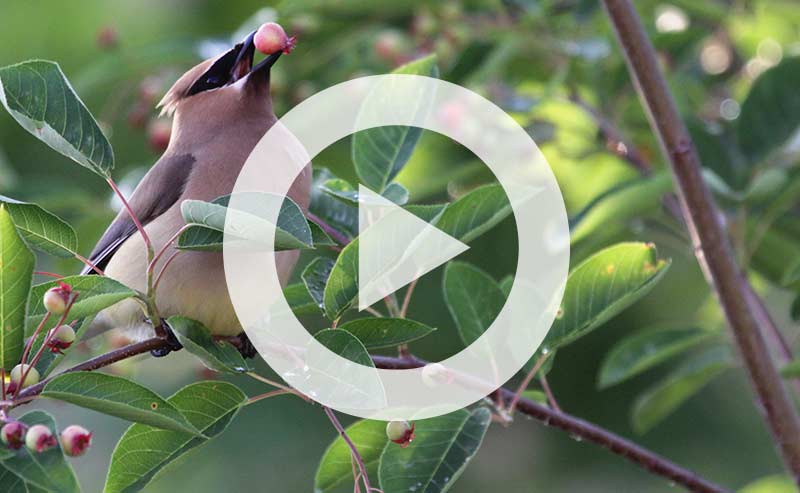
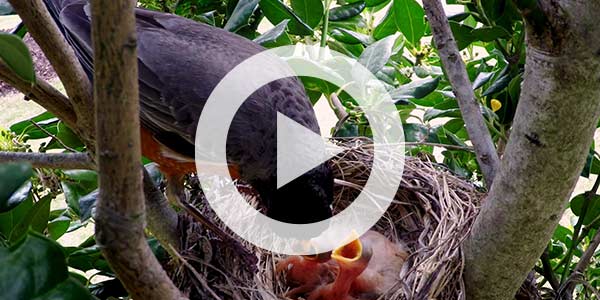
Here, similar rhythms become part of my notice. The eastern phoebes have just fledged their first brood from on top of the light in my carport. This has been going on for a few years, ever since I removed the mesh collar that the previous owner had installed, presumably to prevent them from nesting here. They never forgot the possibility of this good nesting site. Some dark evening in May, I will hear a couple of chimney swifts charge down the open chimney and start up a chattering racket.
Before we move on, the song of the wood thrush is one of life’s small wonders everyone should hear at least once. Have a listen here, recorded right from my front door.
Weather Notes
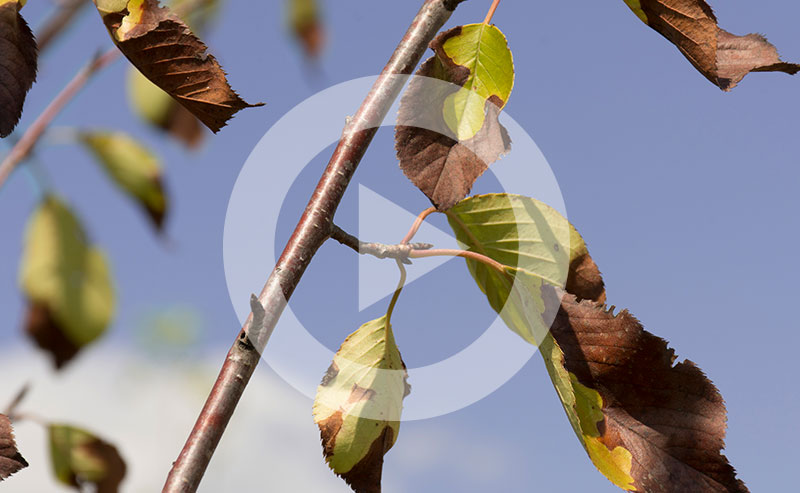
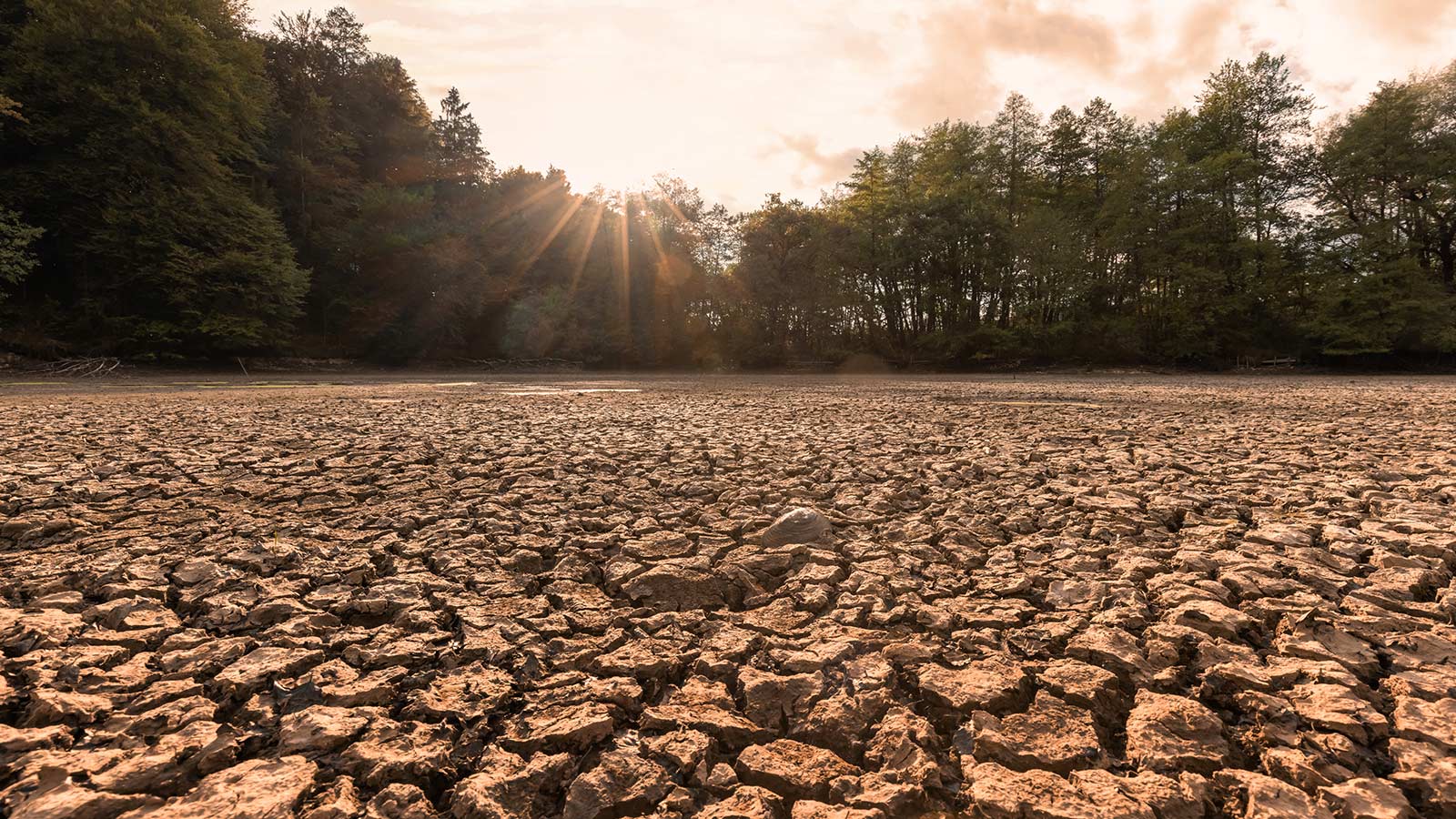
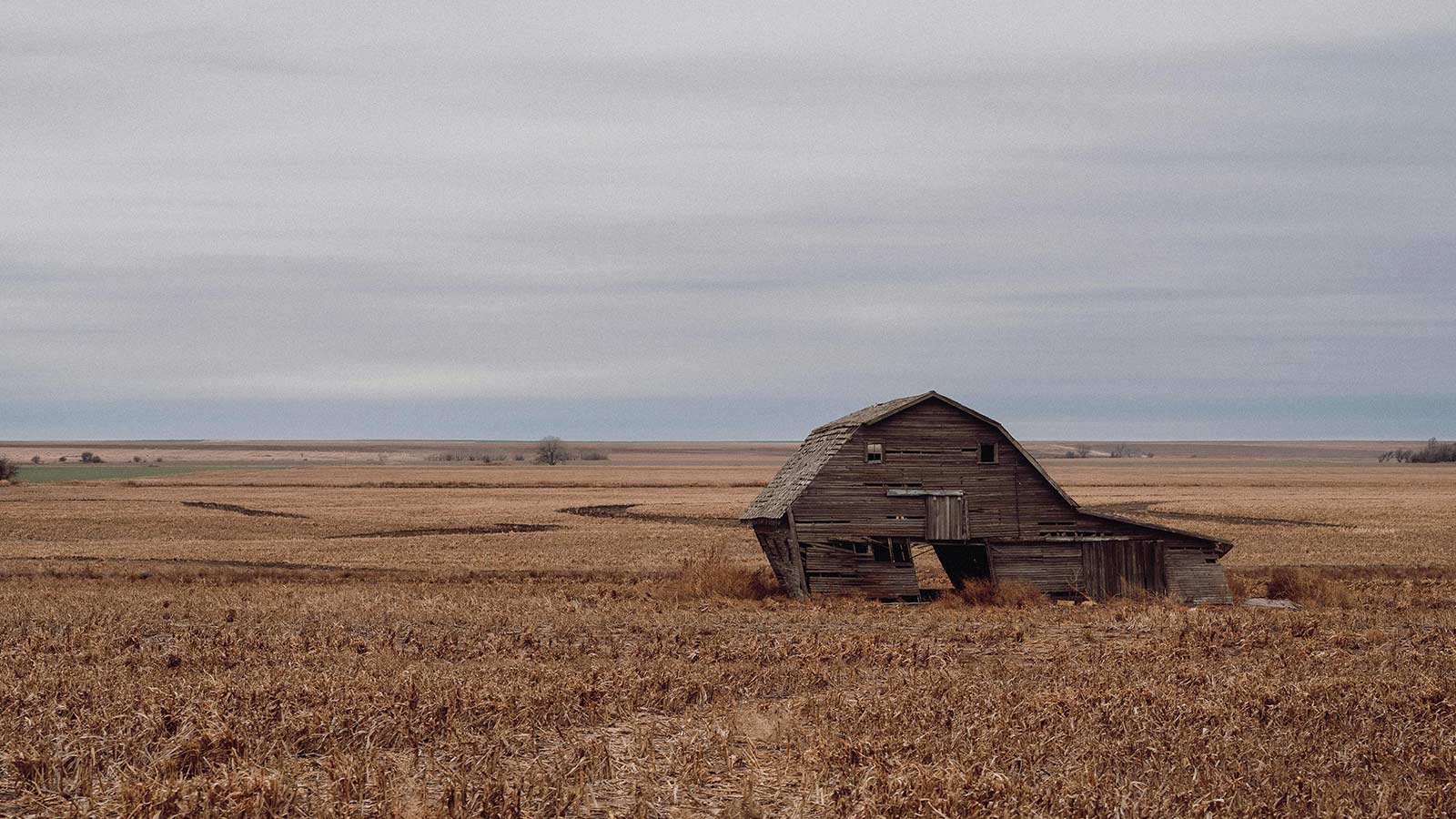
Even though we have had some rain, and things still look refreshingly green, the drought we are experiencing is worsening. Here’s a link to the drought map I shared last month showing how widespread and deep it is. I think everyone should be familiar with it. We haven’t had enough rain for a long time. We need days and days of steady soaking rain. So much of the rain we do get comes in storm torrents, and most of it just runs off, back into stormwater systems and streams. We need a long and lugubrious rainy day or ten. I can’t believe I said that out loud, but I do mean it.
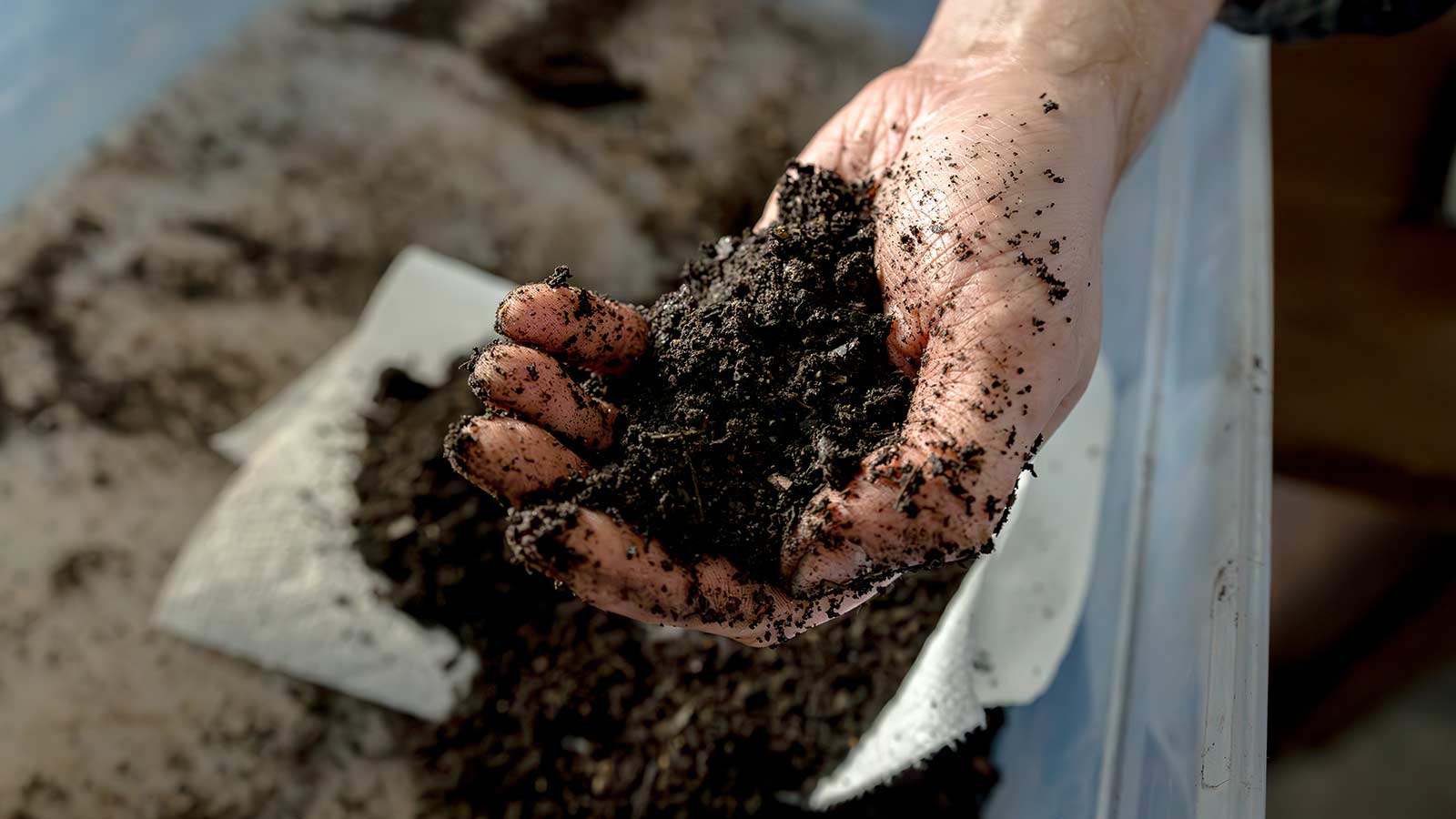
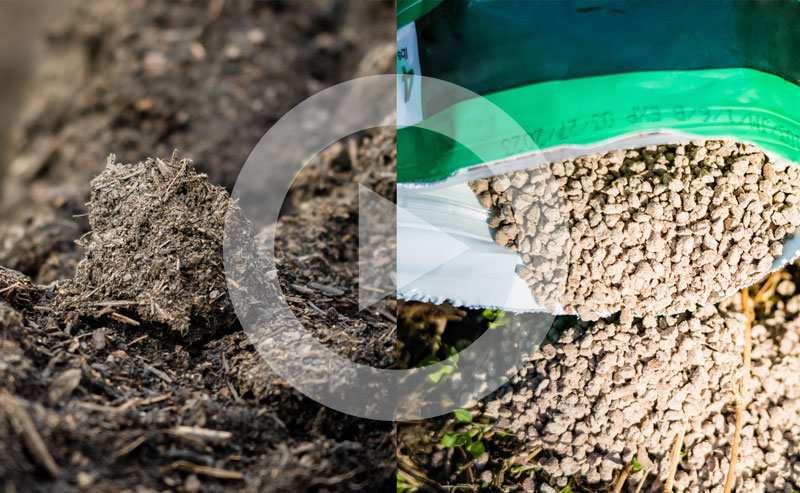
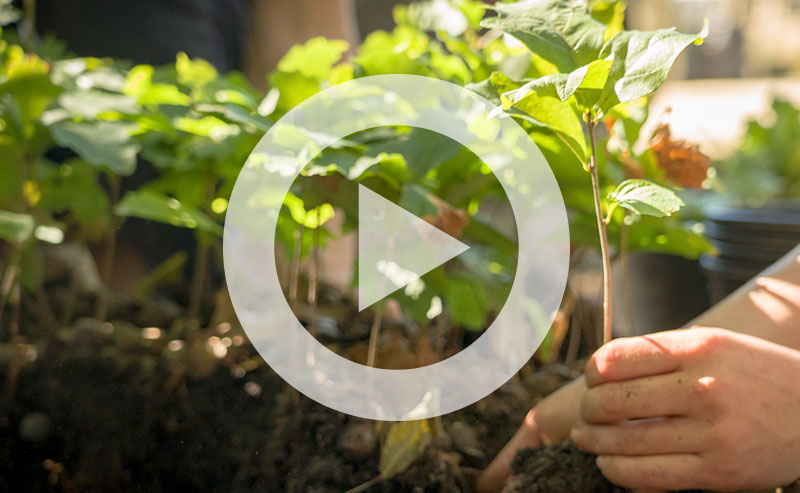
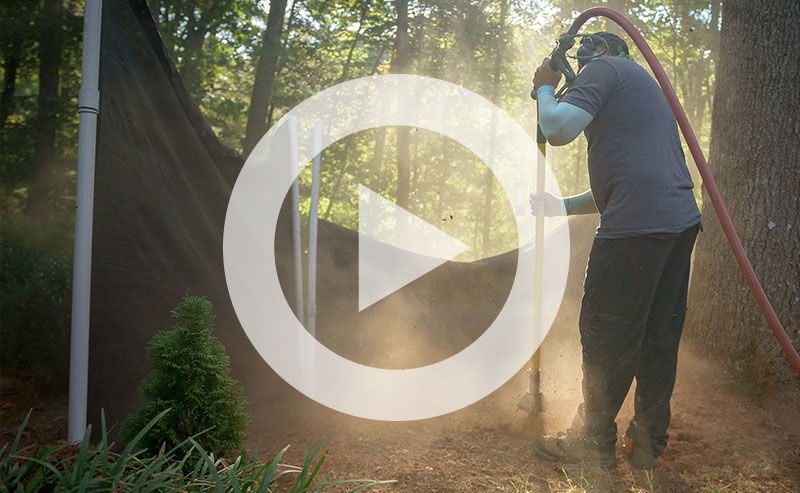
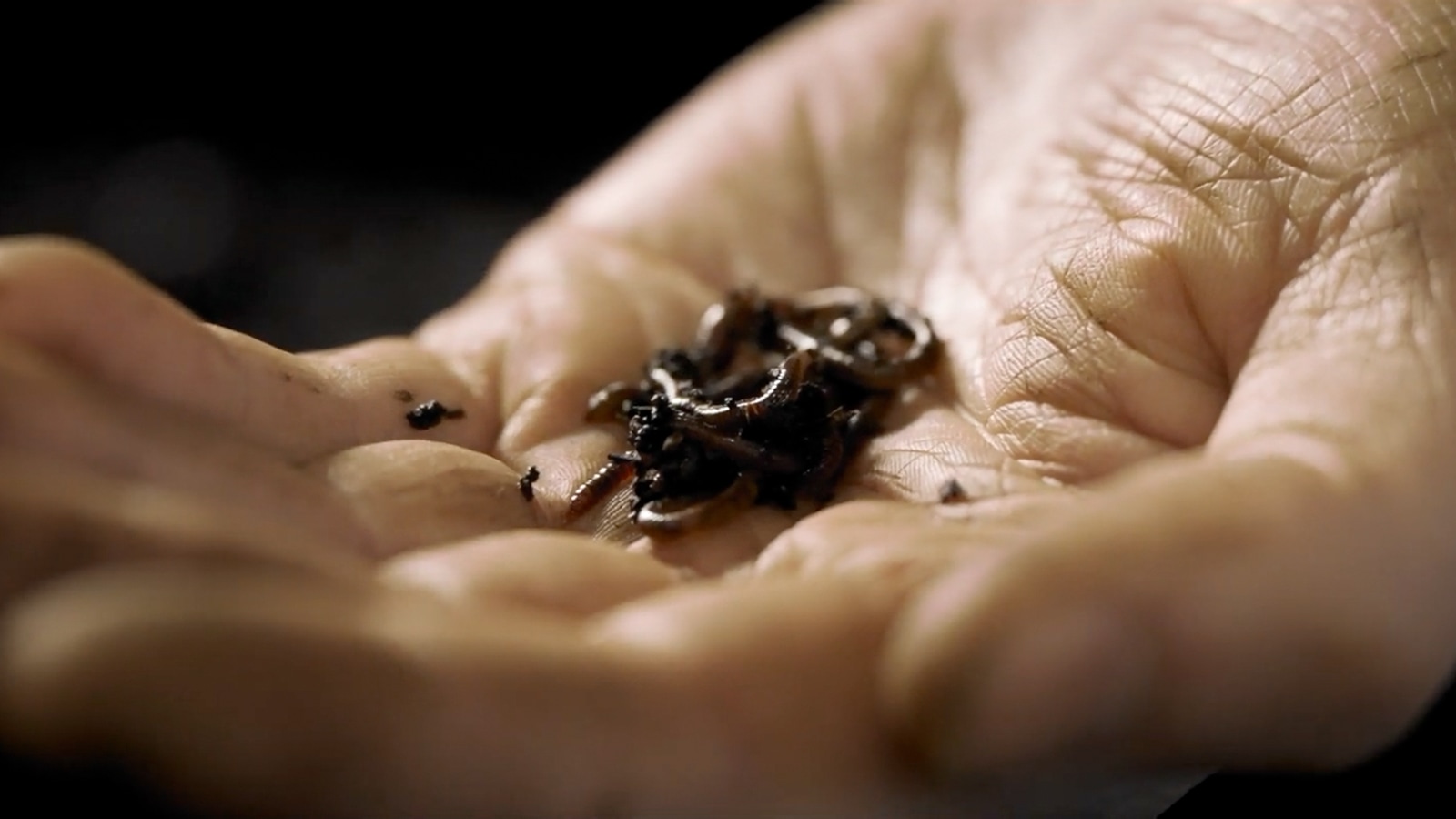
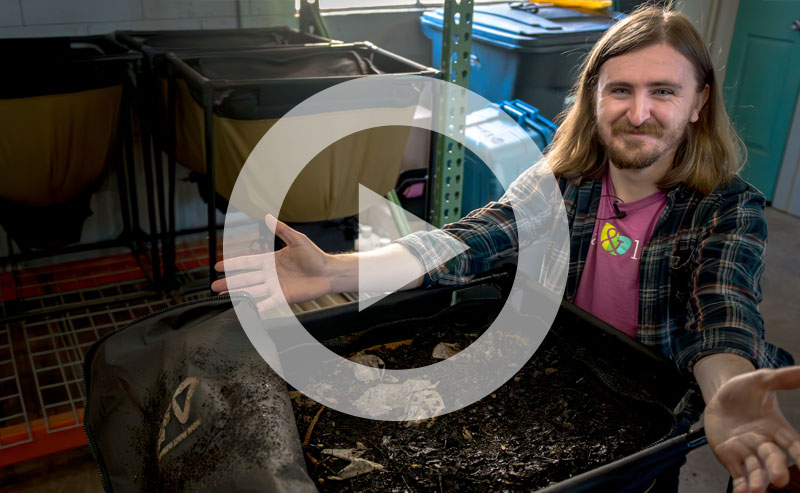
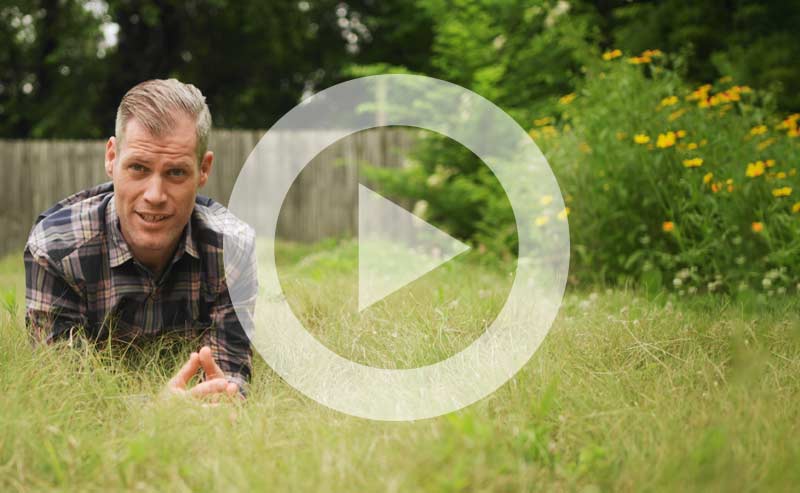
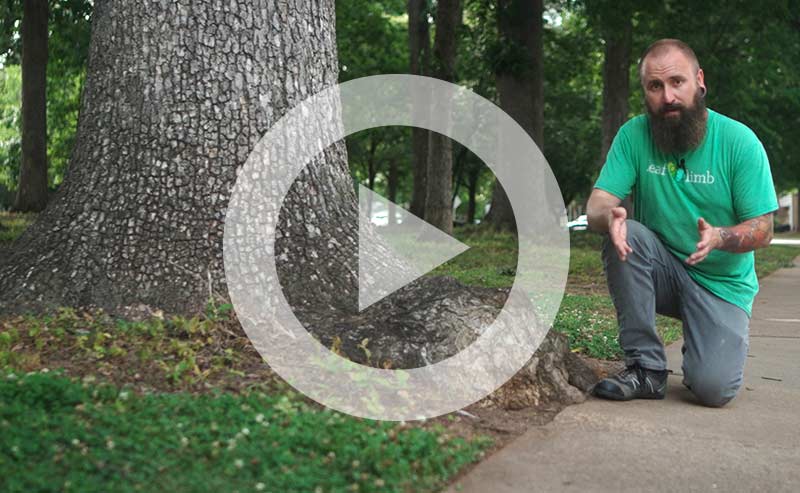
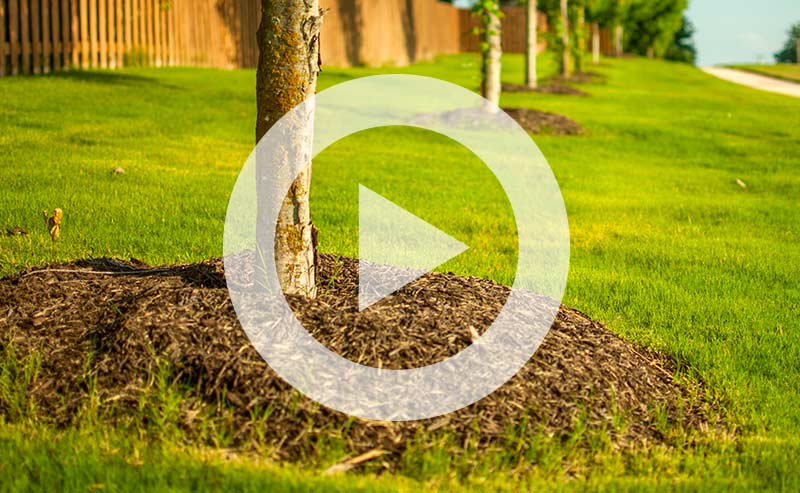
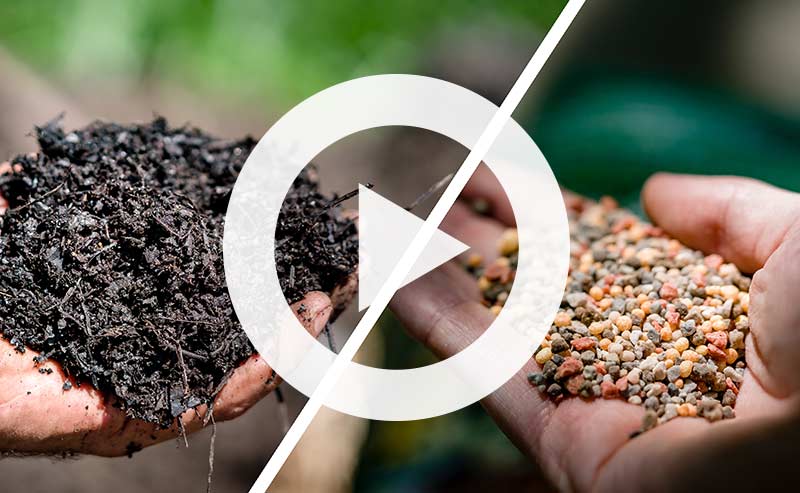
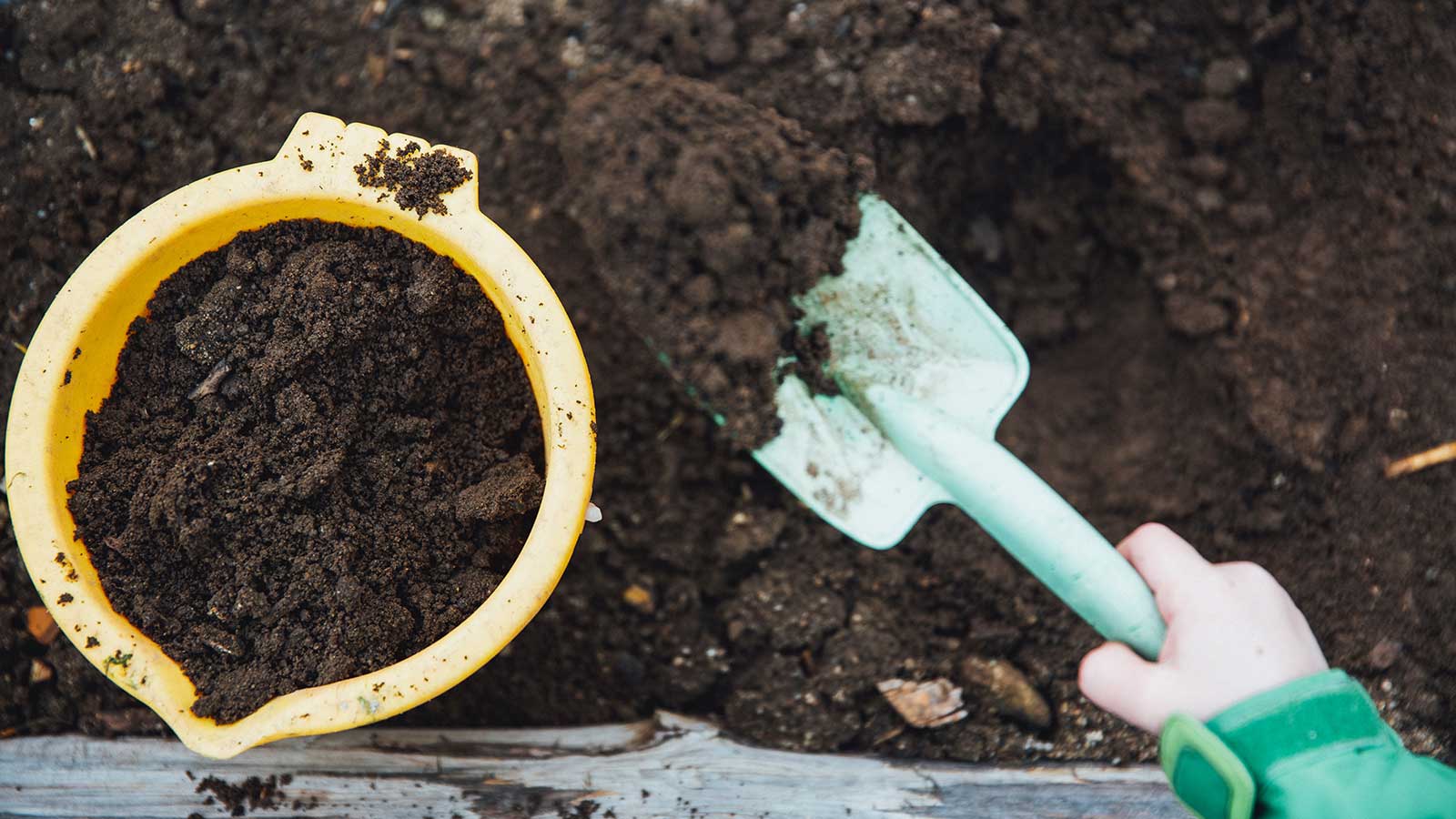
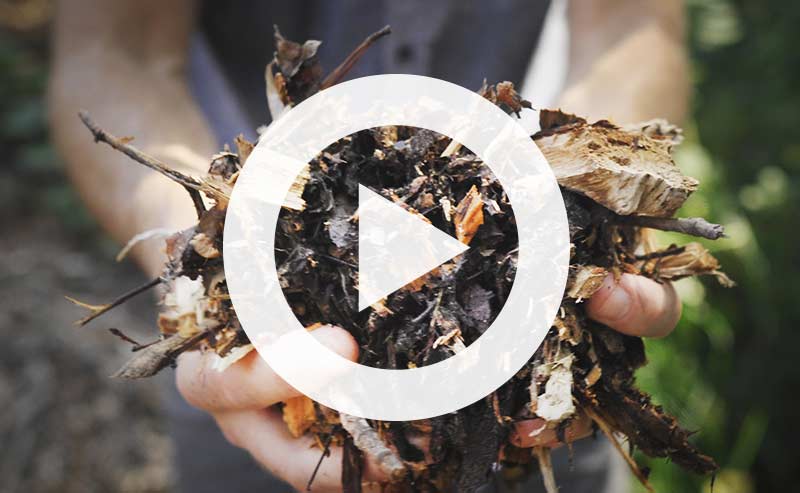
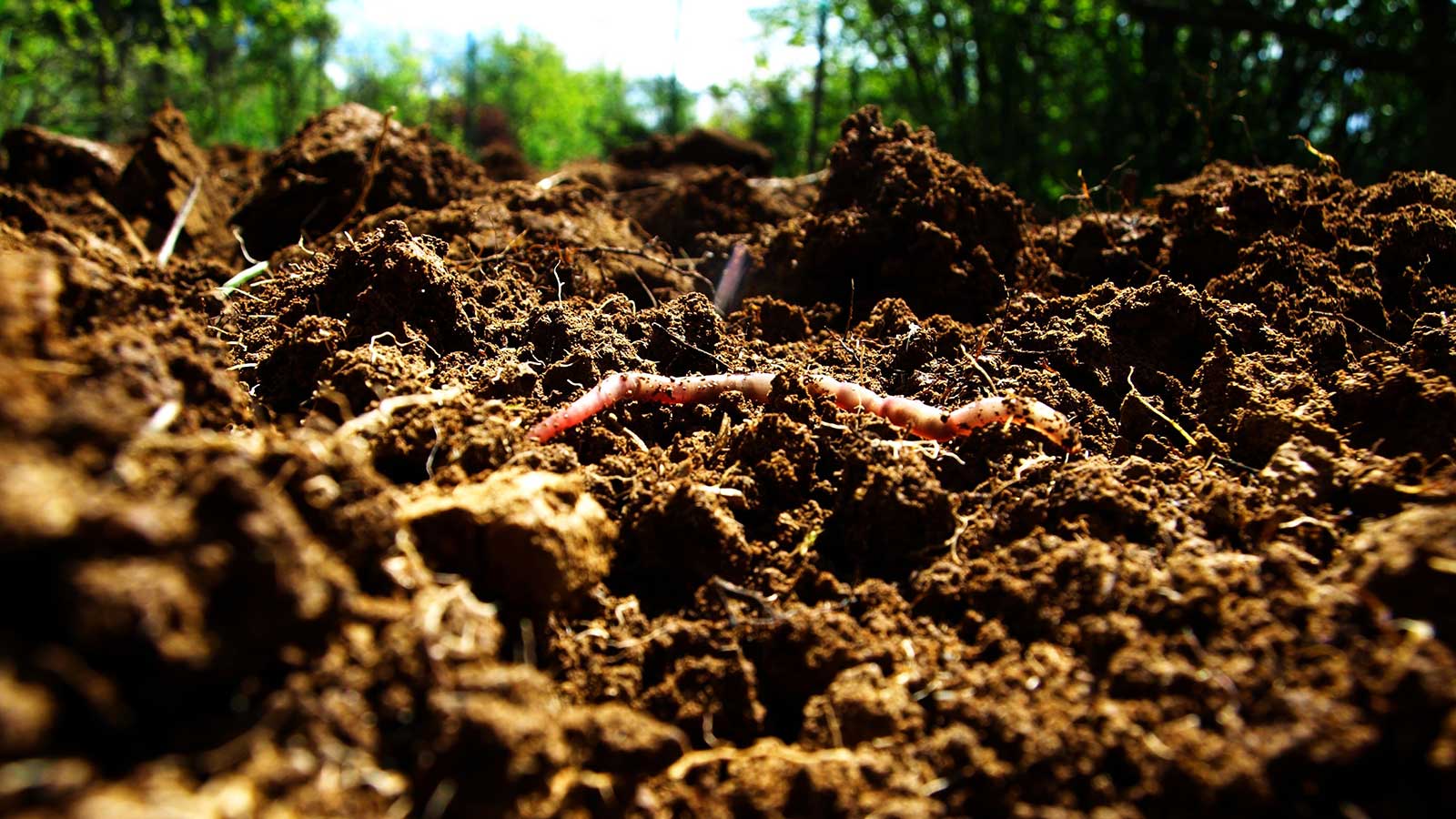
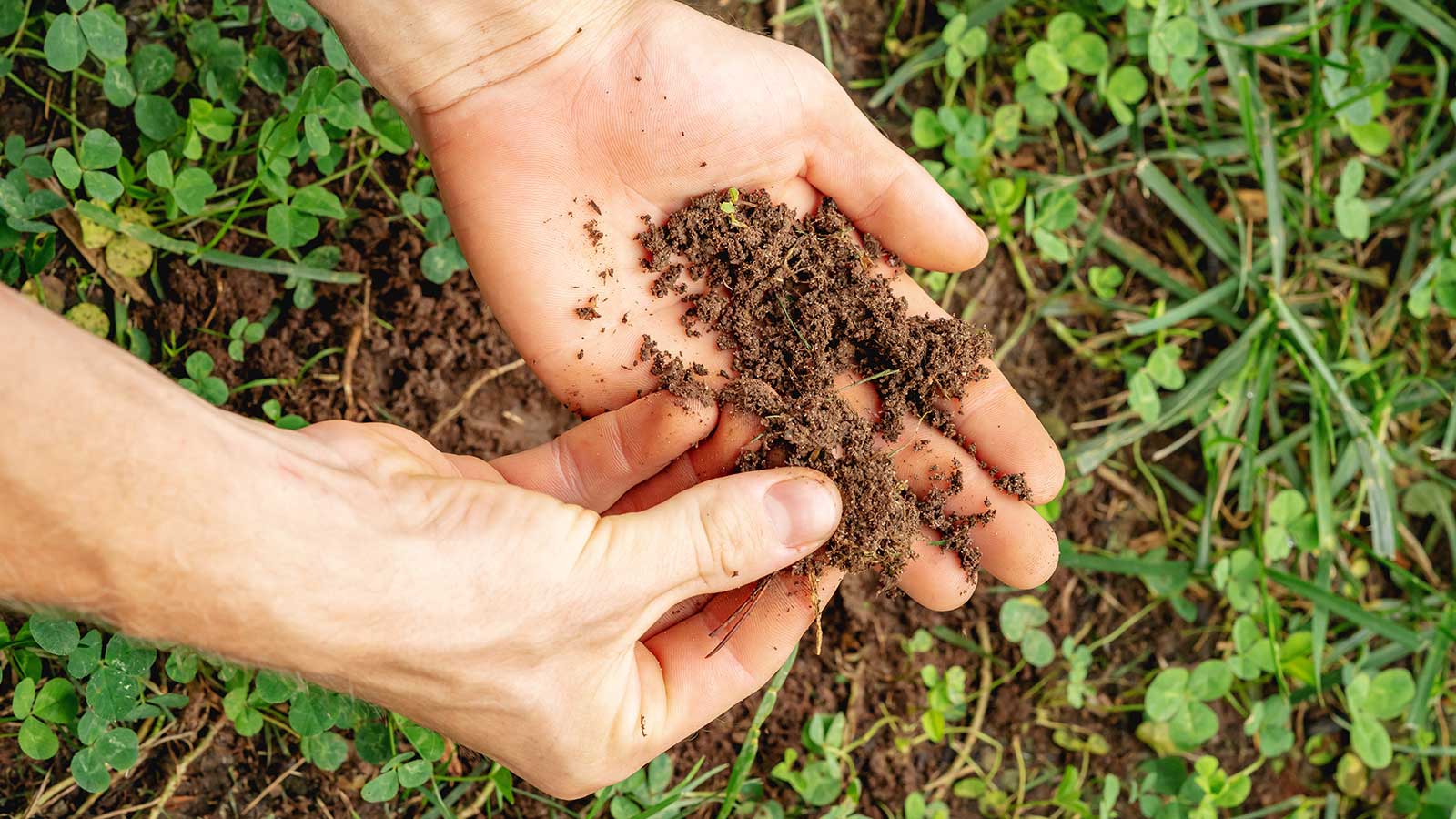
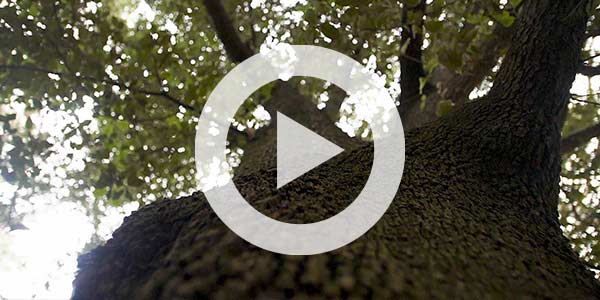
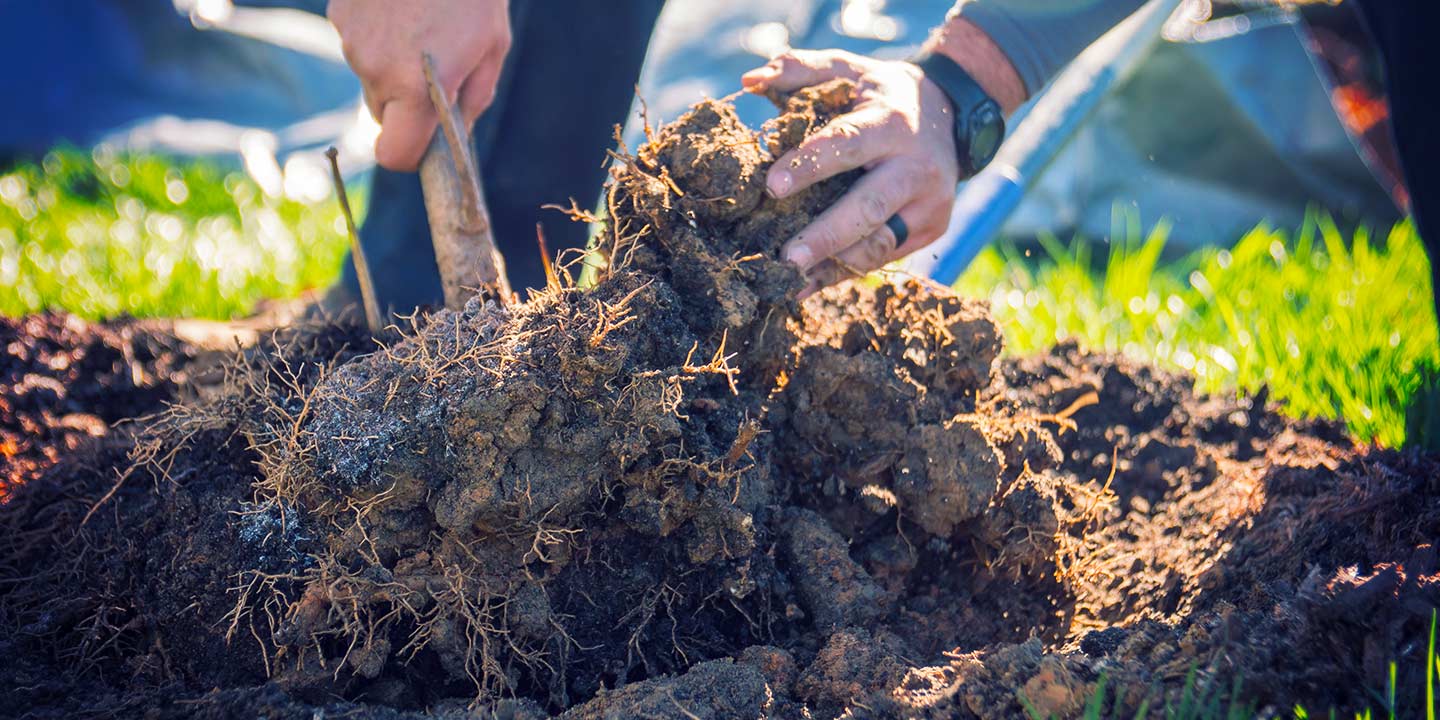
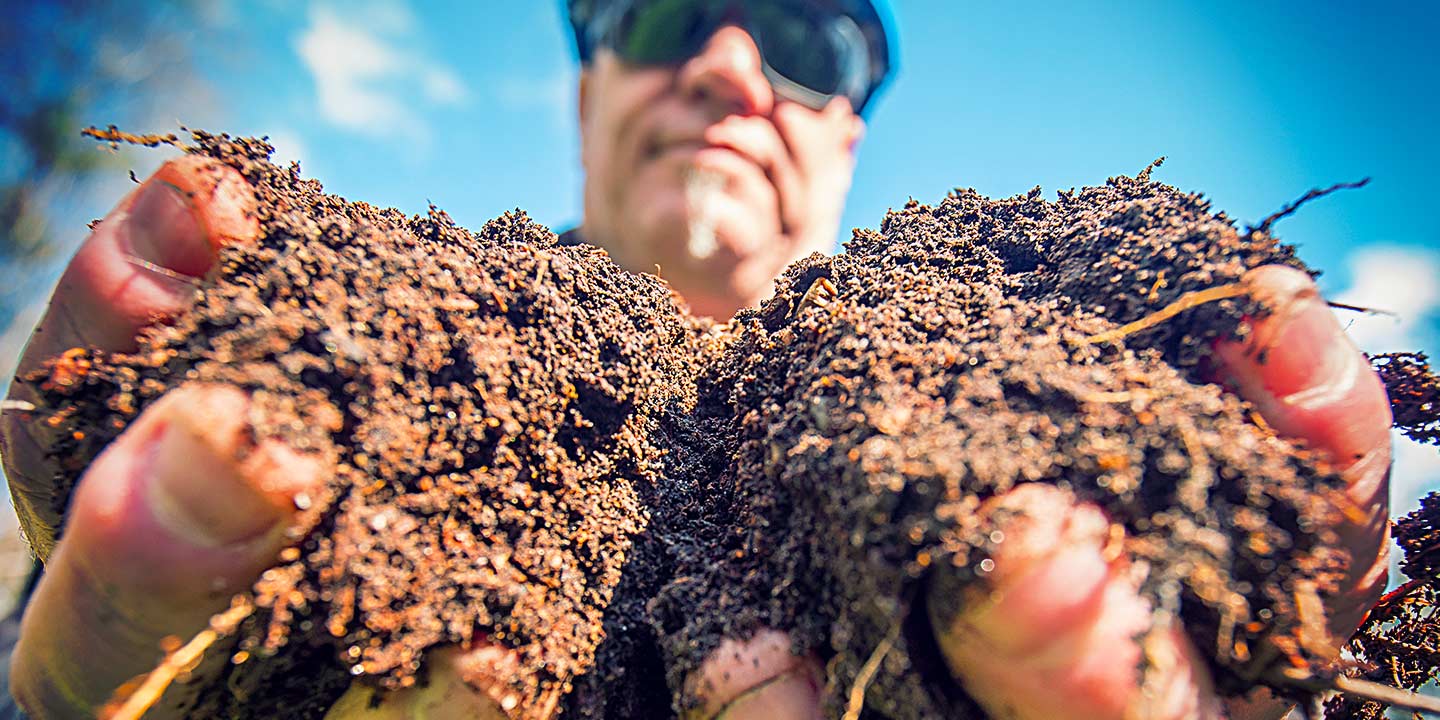
Here’s a short video I made of what the soil looked like after the half-inch of rain we got recently.
Our spring hasn’t been cooler than average, though it felt that way to me. I think it’s been a bit more of a roller coaster with cooler intervals between warm days. The cooler intervals might be helping our trees and shrubs during the worsening drought by slowing evaporation and reducing heat stress. But we really need rain. We have had less than half of the expected normal.
Rain Summary (from RDU):
- 1.26” since 04/21 (historic average 3.45”)
- 7.32” Year-to-date (historic average 14.92”)
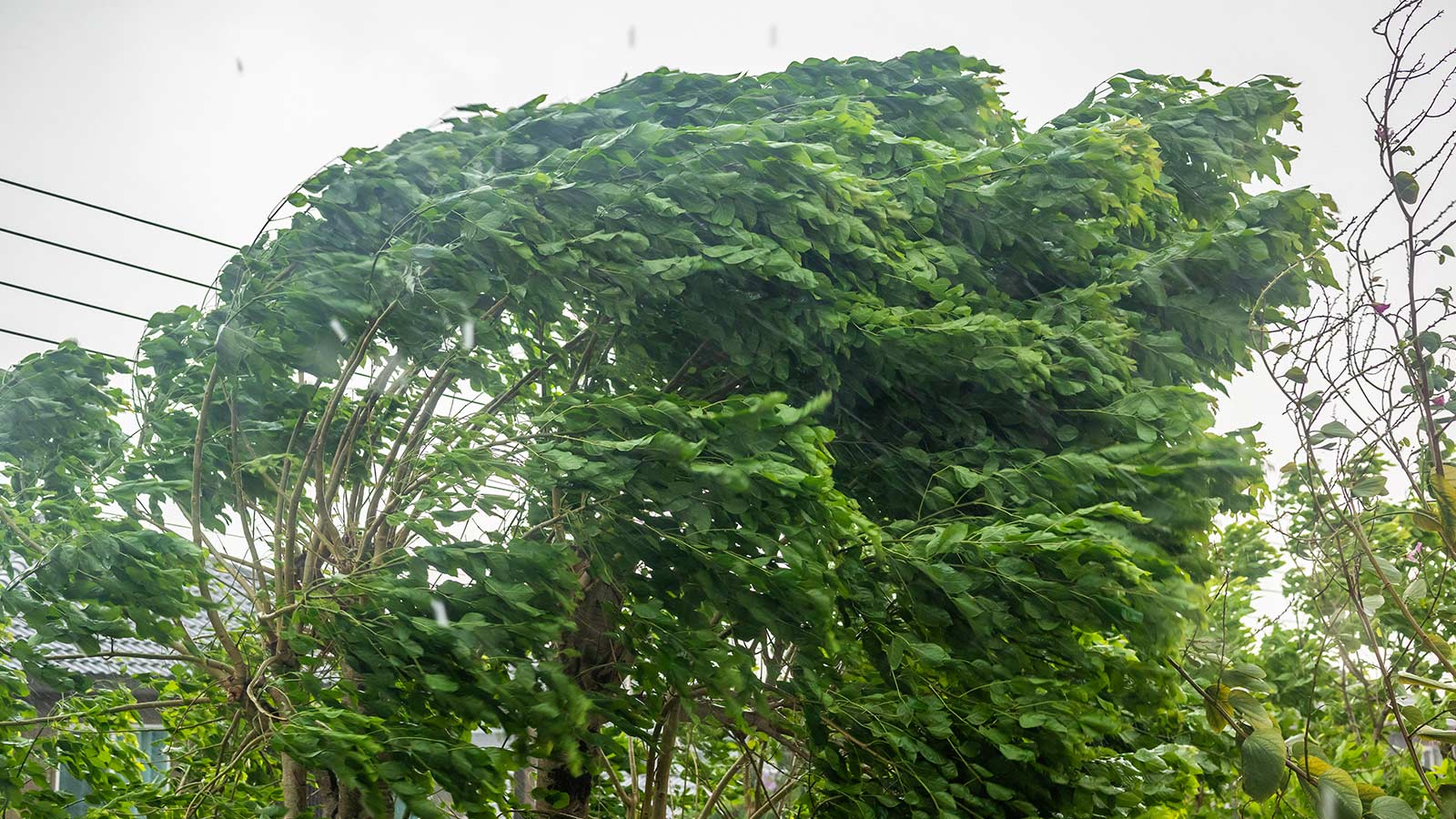
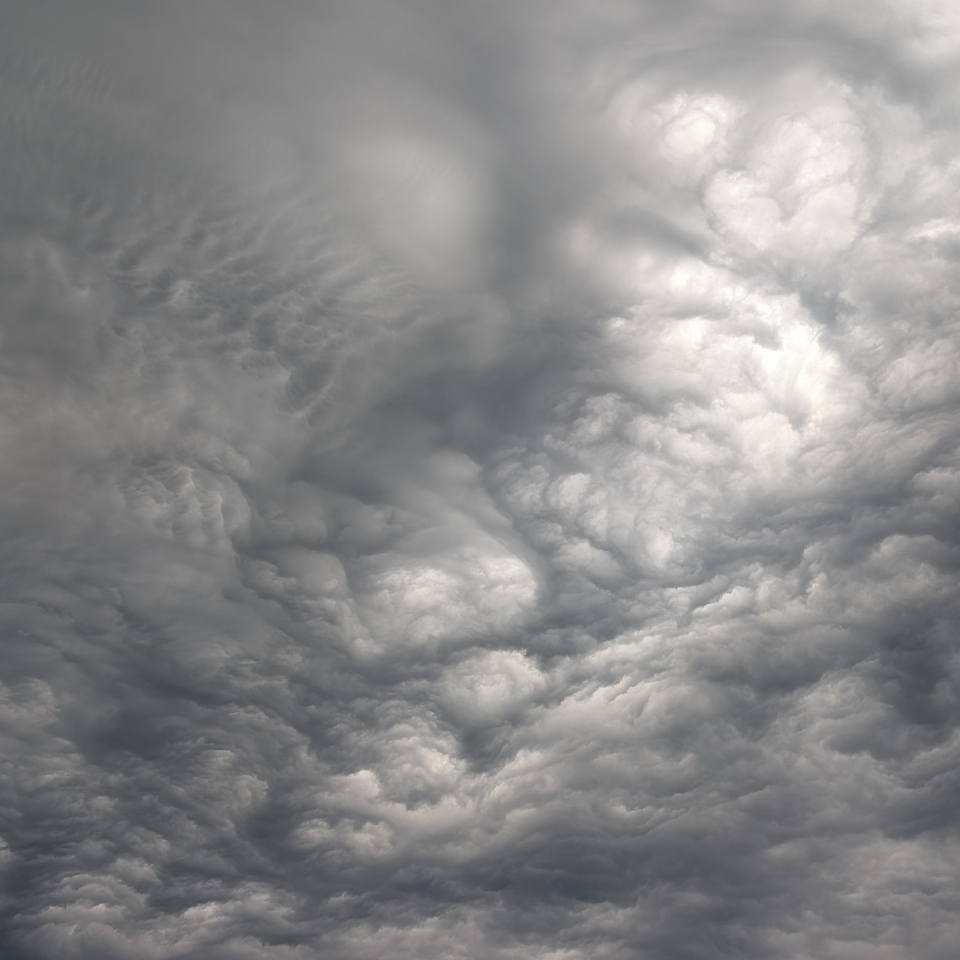
Vilhelm Bjerknes—one of the founders of modern weather forecasting—said “The sky behaves like a fluid—like a lake.” He didn’t mean it literally, of course. He meant that the air above us flows, swirls, and responds to forces in ways very similar to water.
Think of the sky as a vast, invisible lake. The oceans below heat and stir it, setting its currents in motion—and those currents are the weather we feel.
Yard Sleuthing: Making a Home for Bees
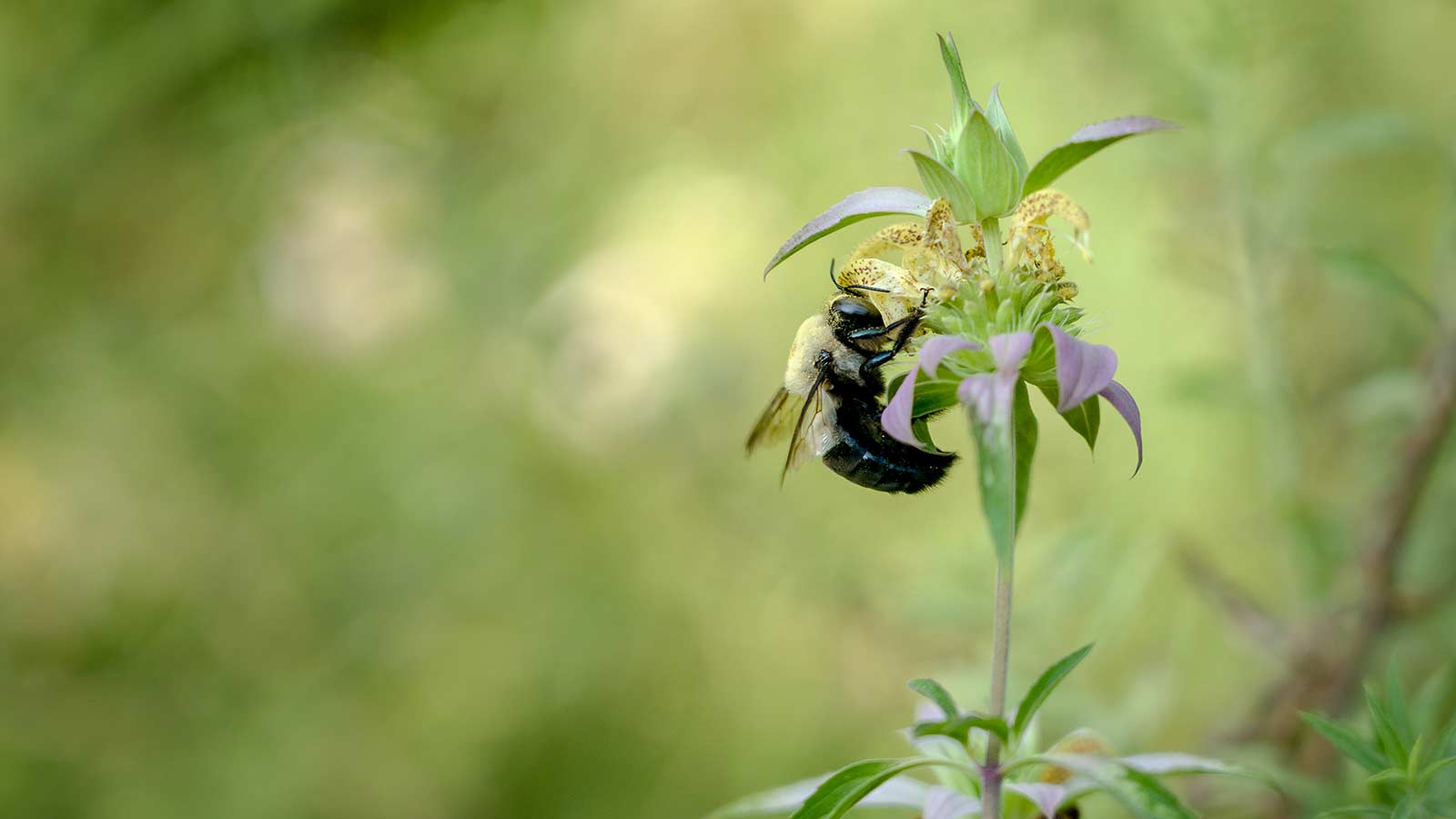
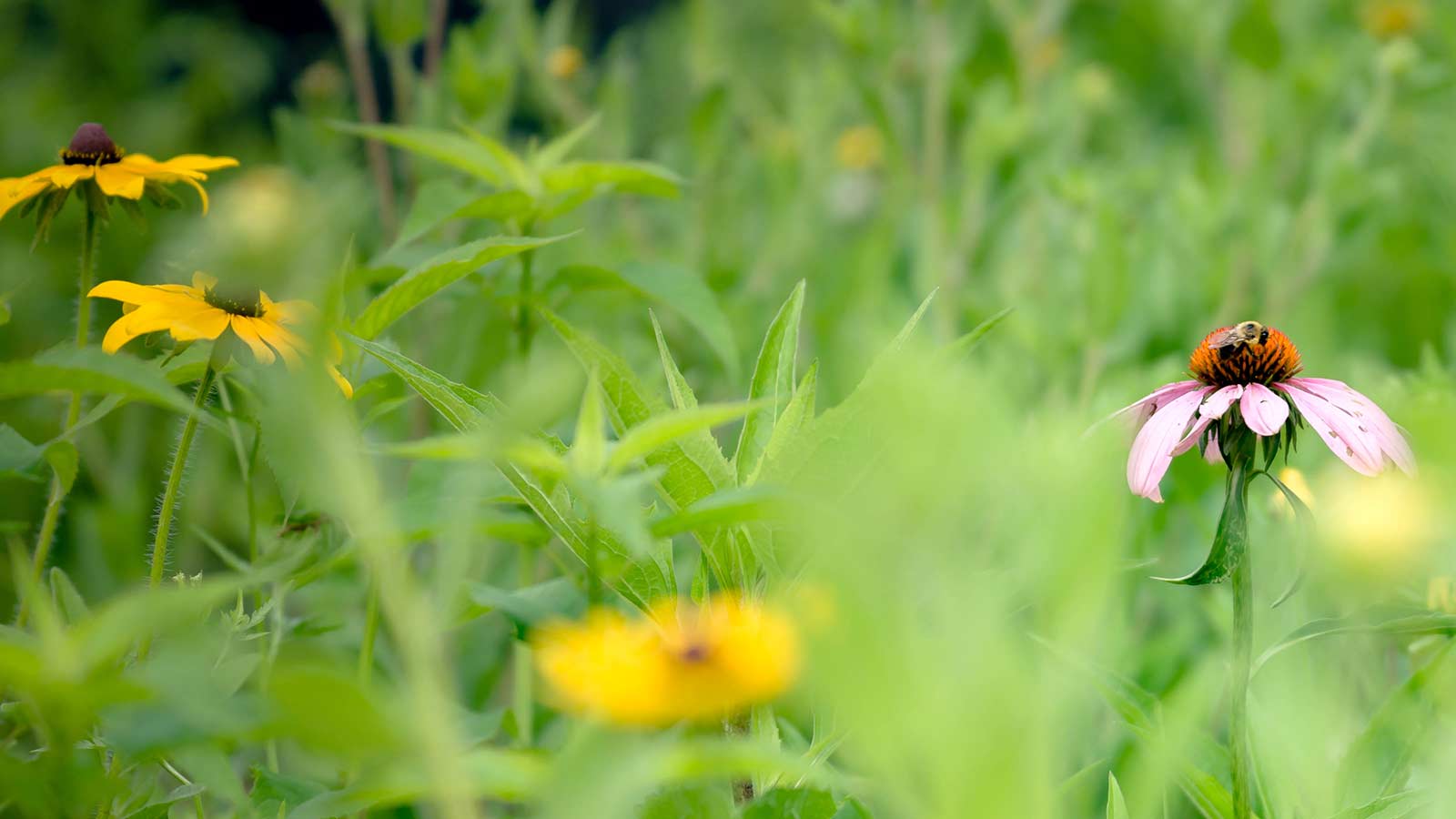
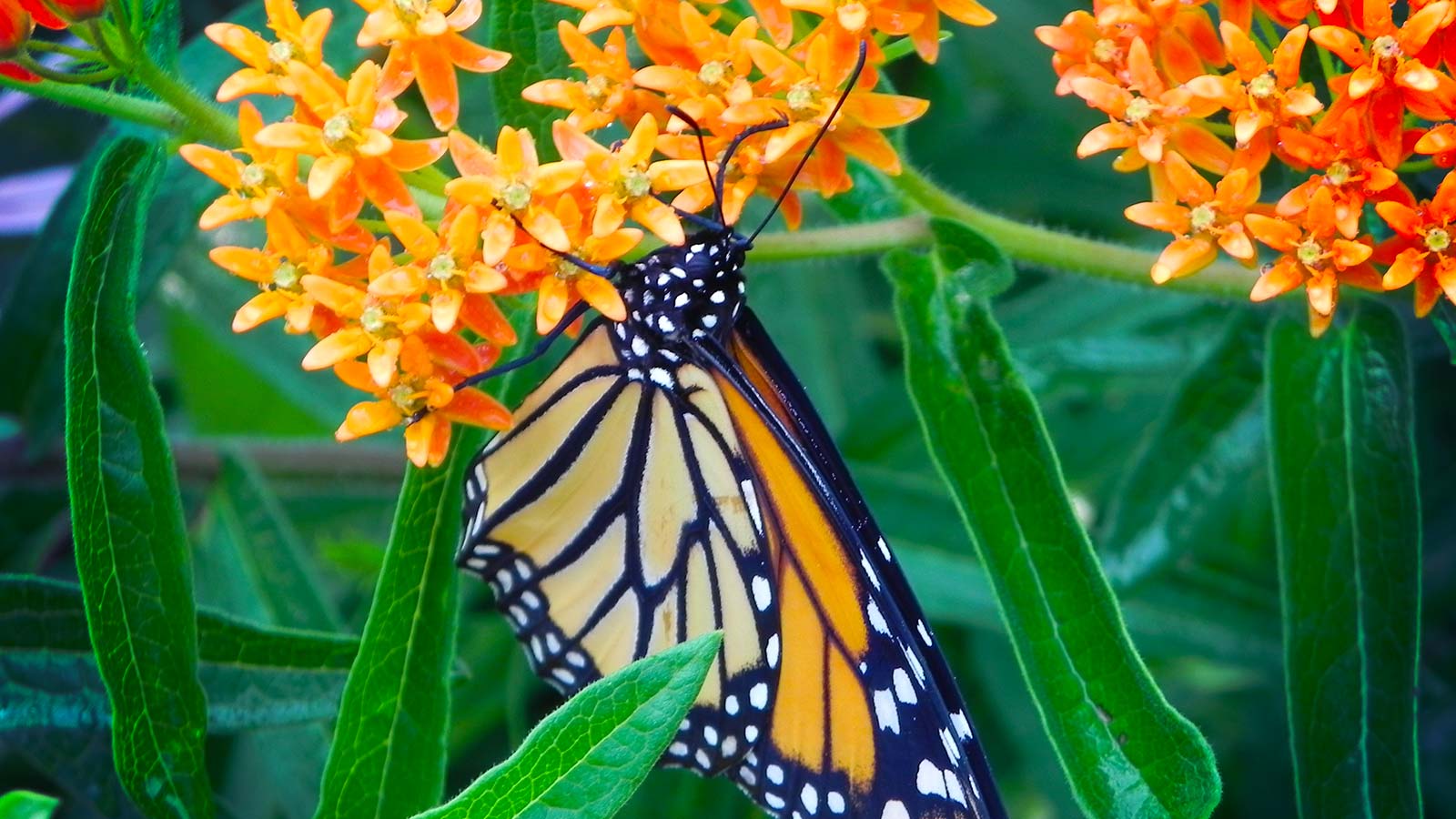
We’ve talked about the birds. Now let’s talk about the bees. Besides honey bees (which are not native, but agriculturally important), there are many families of bees, from shiny specks of bronze and black to the burly bumble bees. Most bees are solitary creatures, their adult lives spent collecting nectar and pollen to provision their young’s nests. Nests could be in the ground, in wood cavities, or inside hollow plant stems. There’s even a genus that needs empty snail shells to lay eggs in.
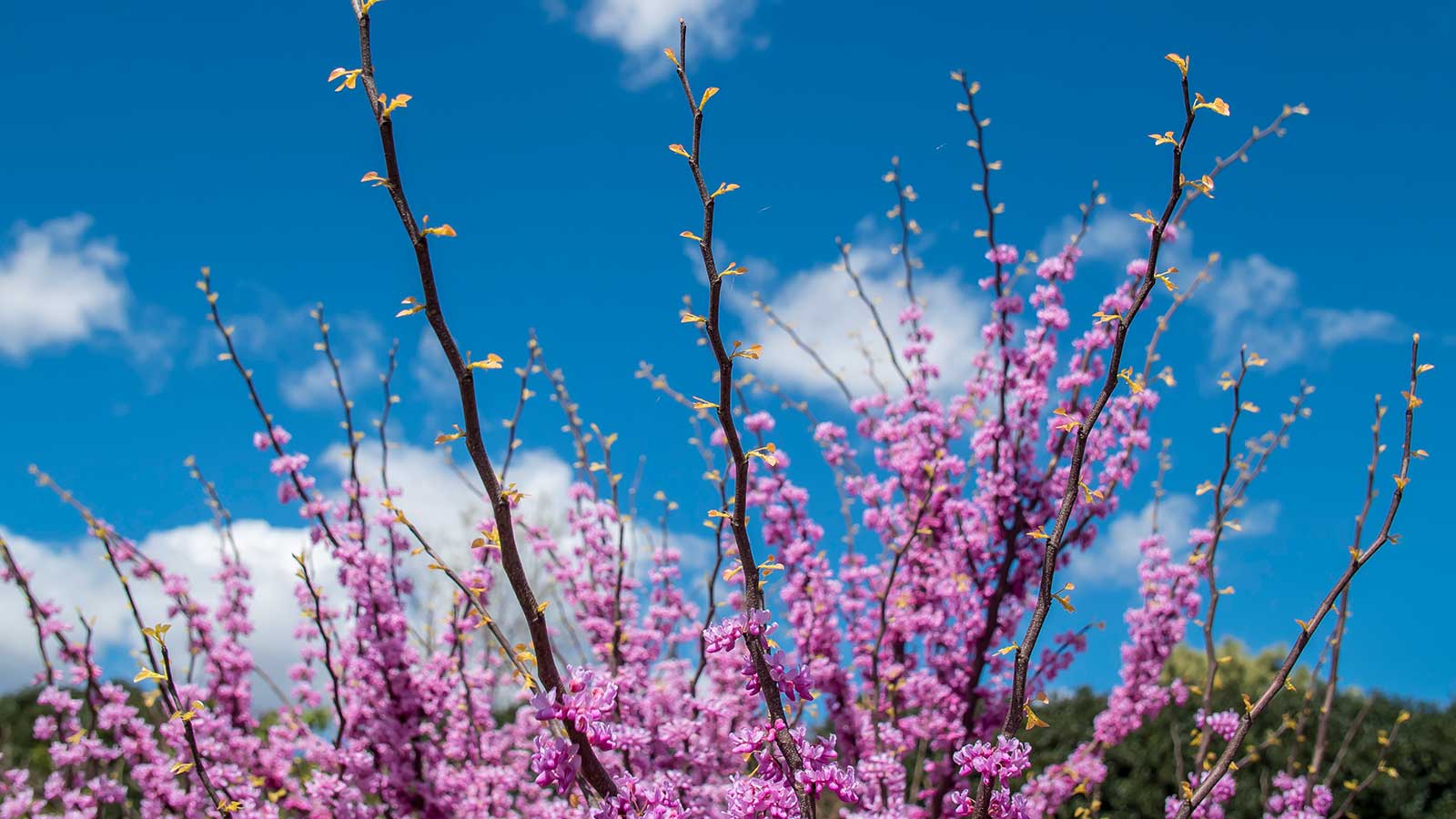
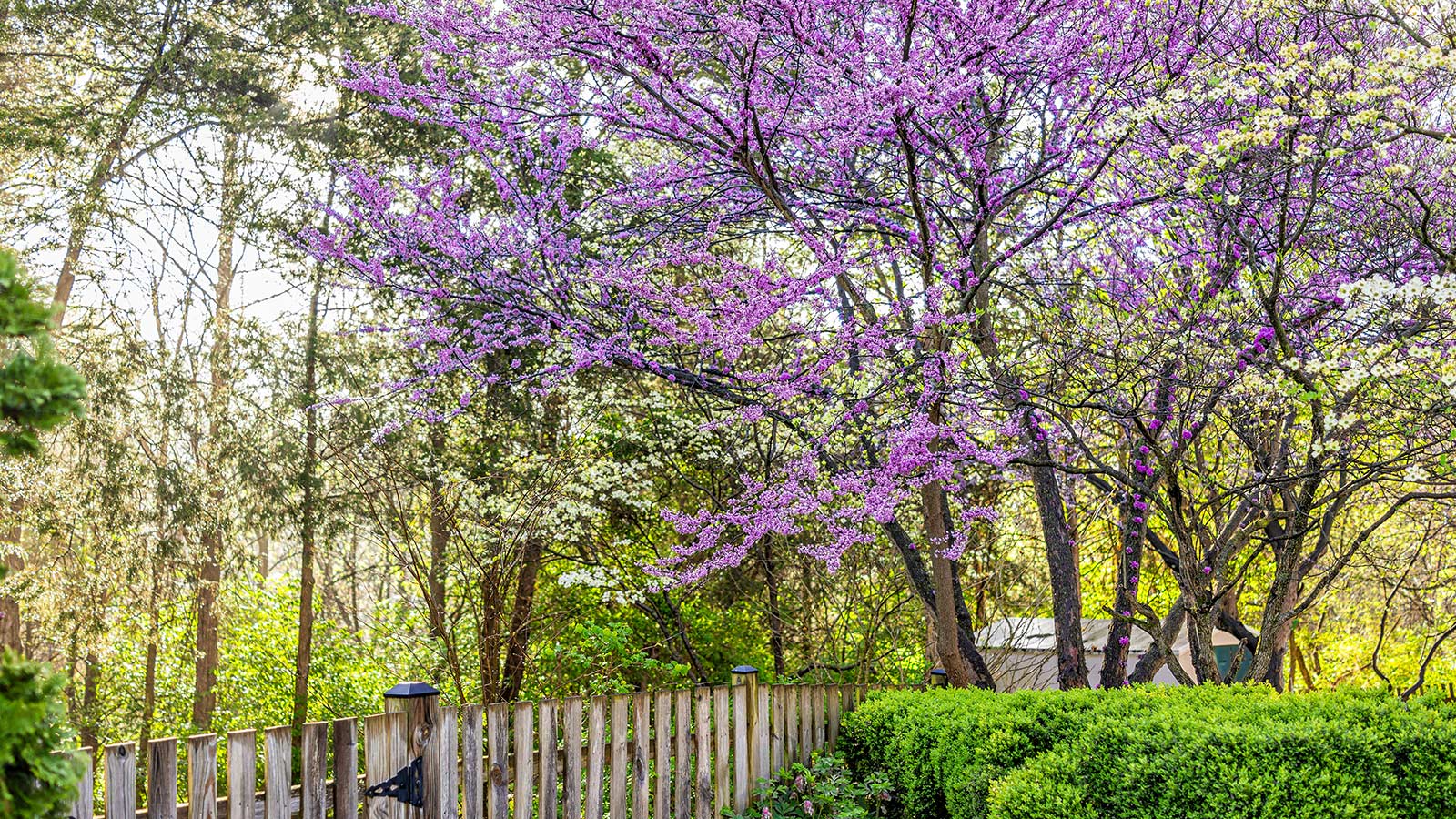
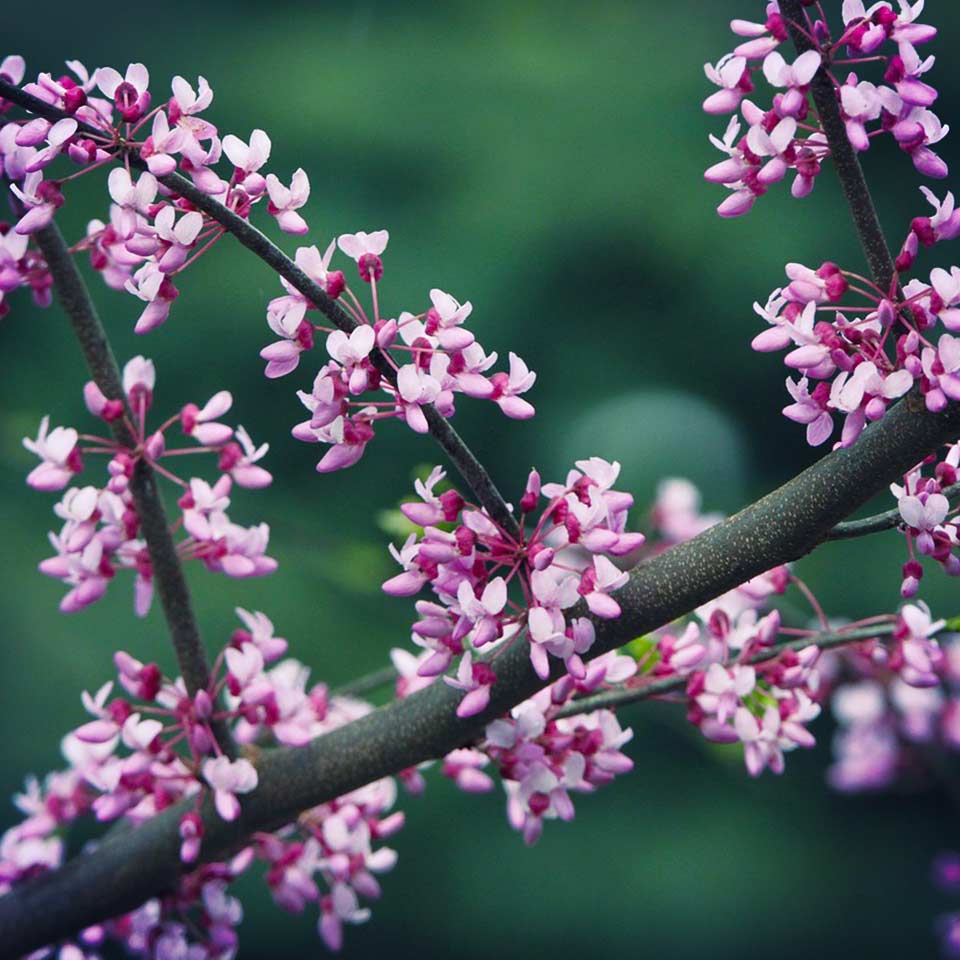
Last month, I discovered mason bees collecting mud for their nests. I’ve also discovered which leaves leafcutter bees like to collect to line the nest cells (redbud is popular). Even though I rarely see these bees, it makes me happy knowing they are out there doing bee stuff.
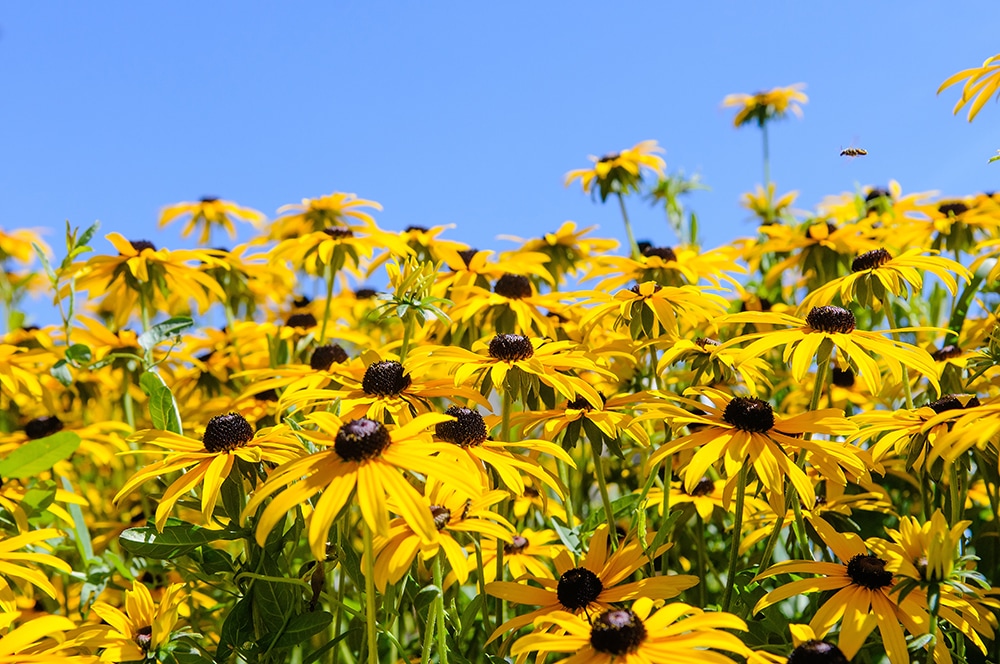
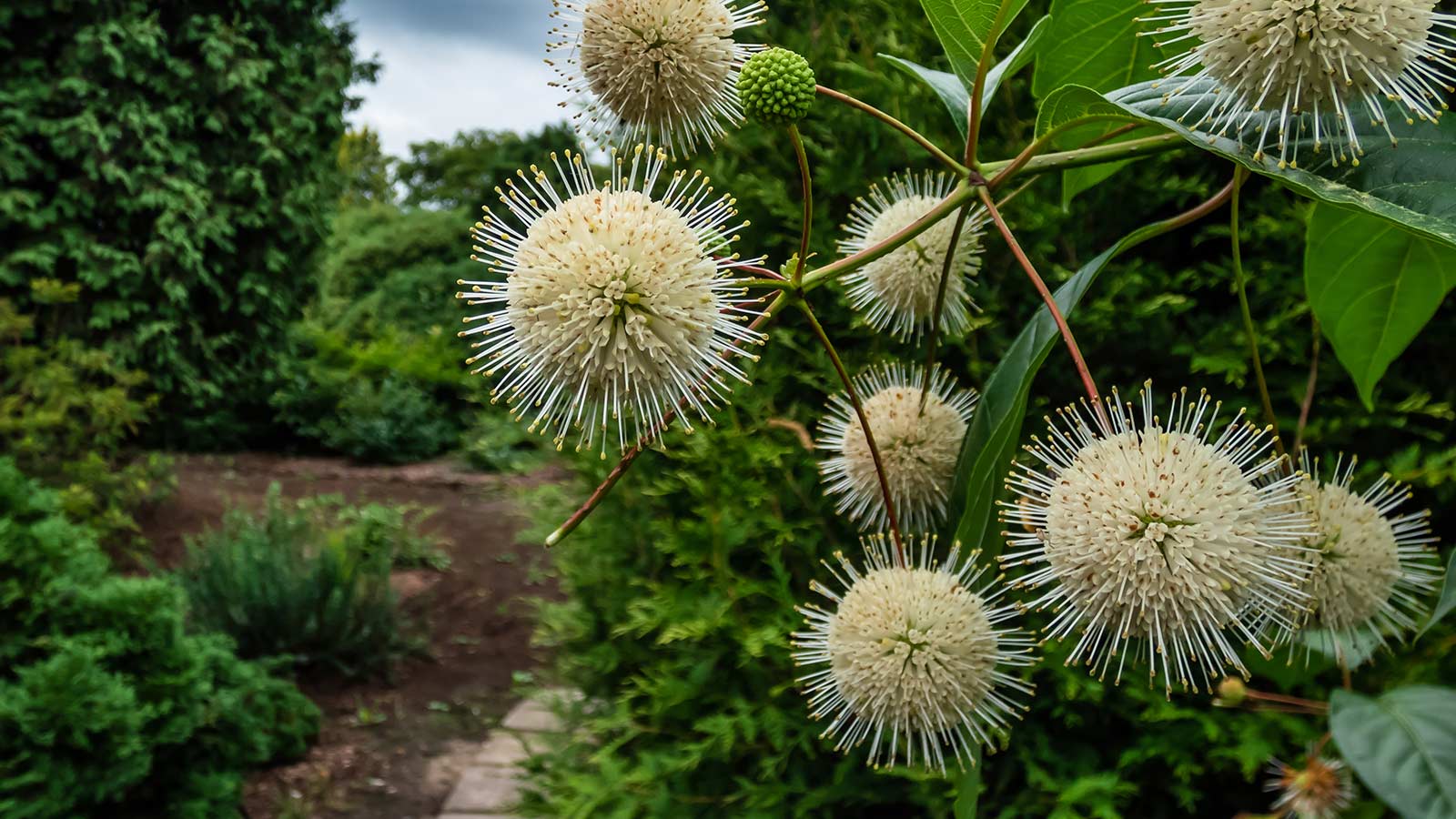
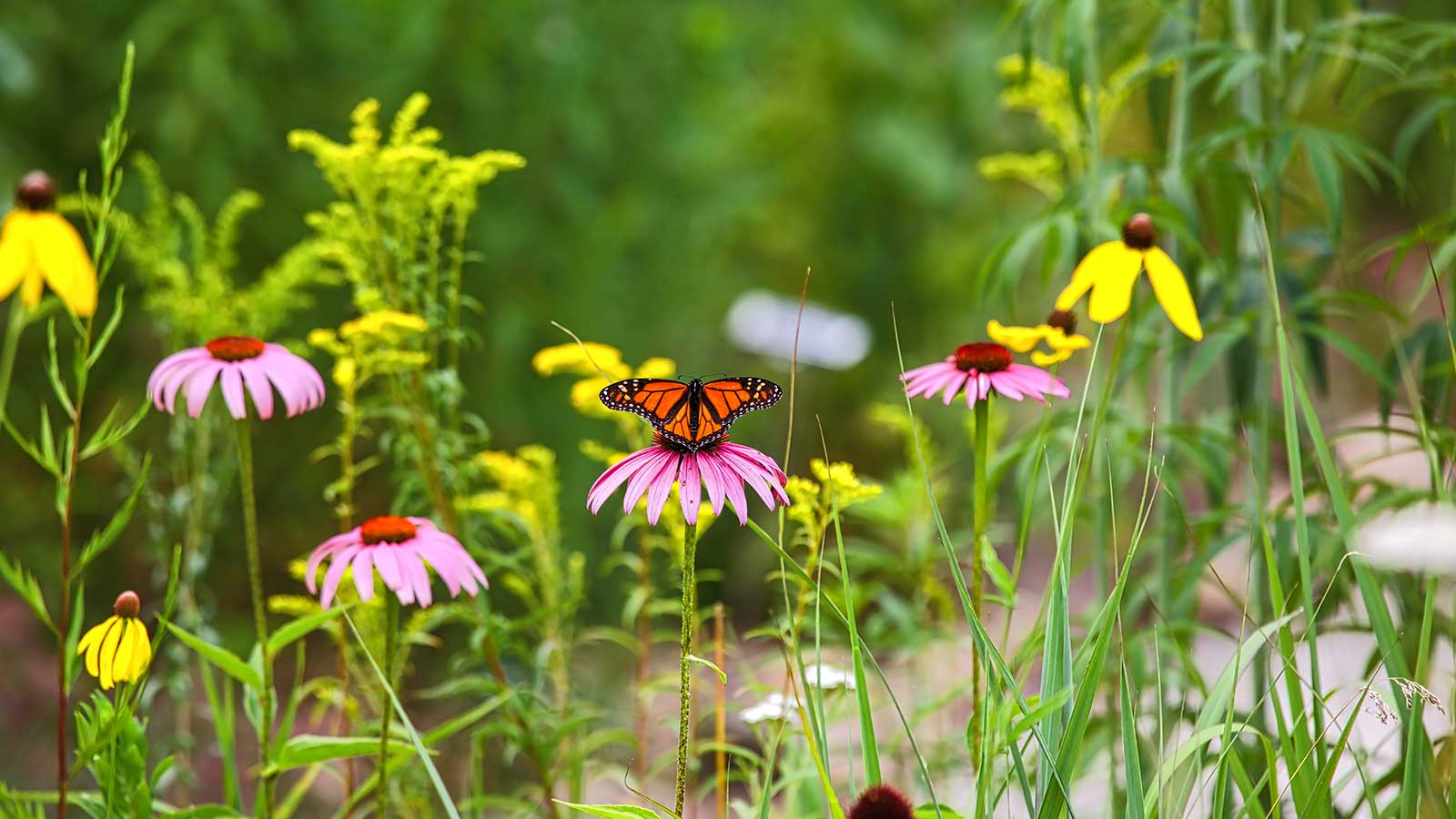
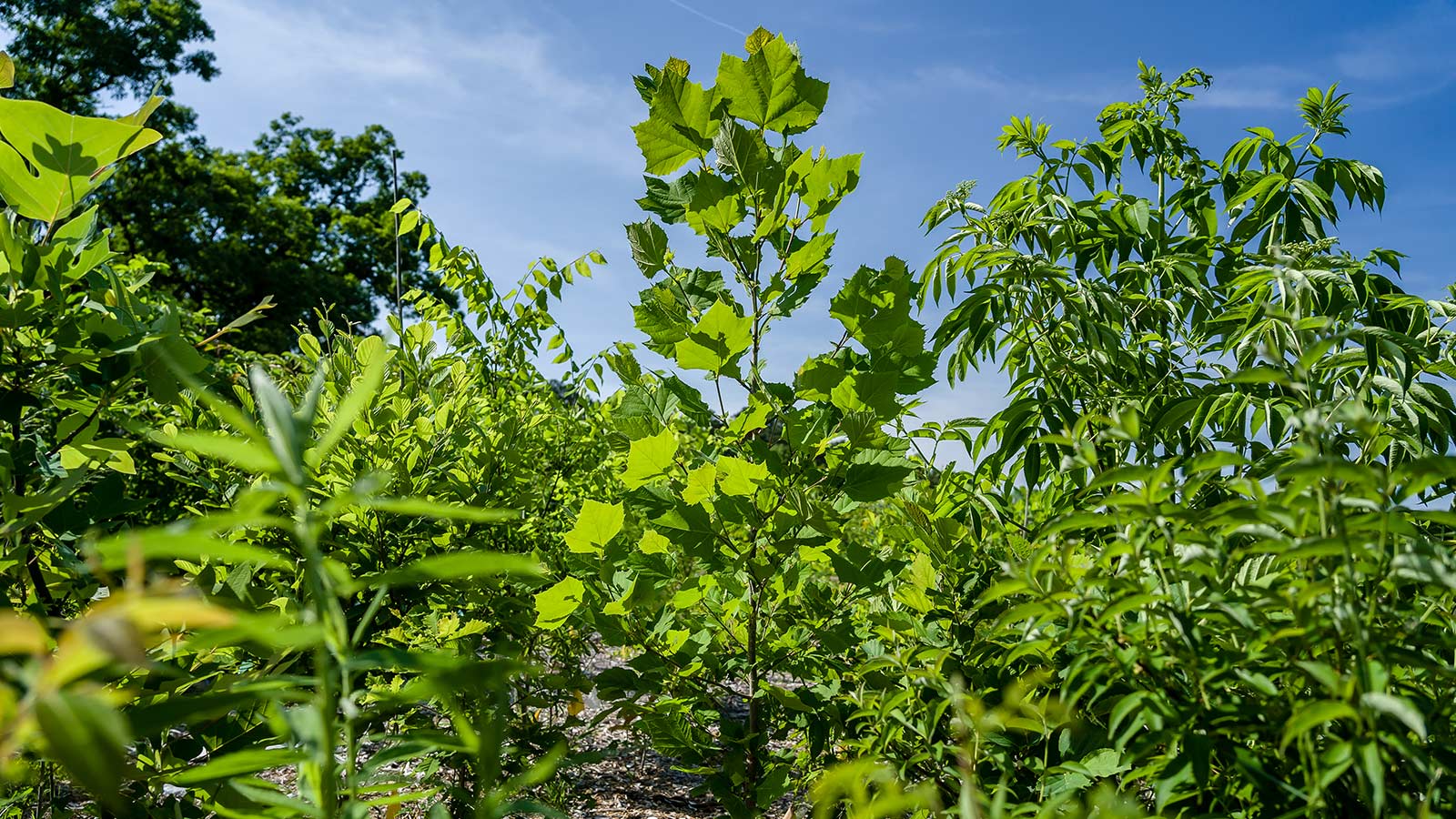
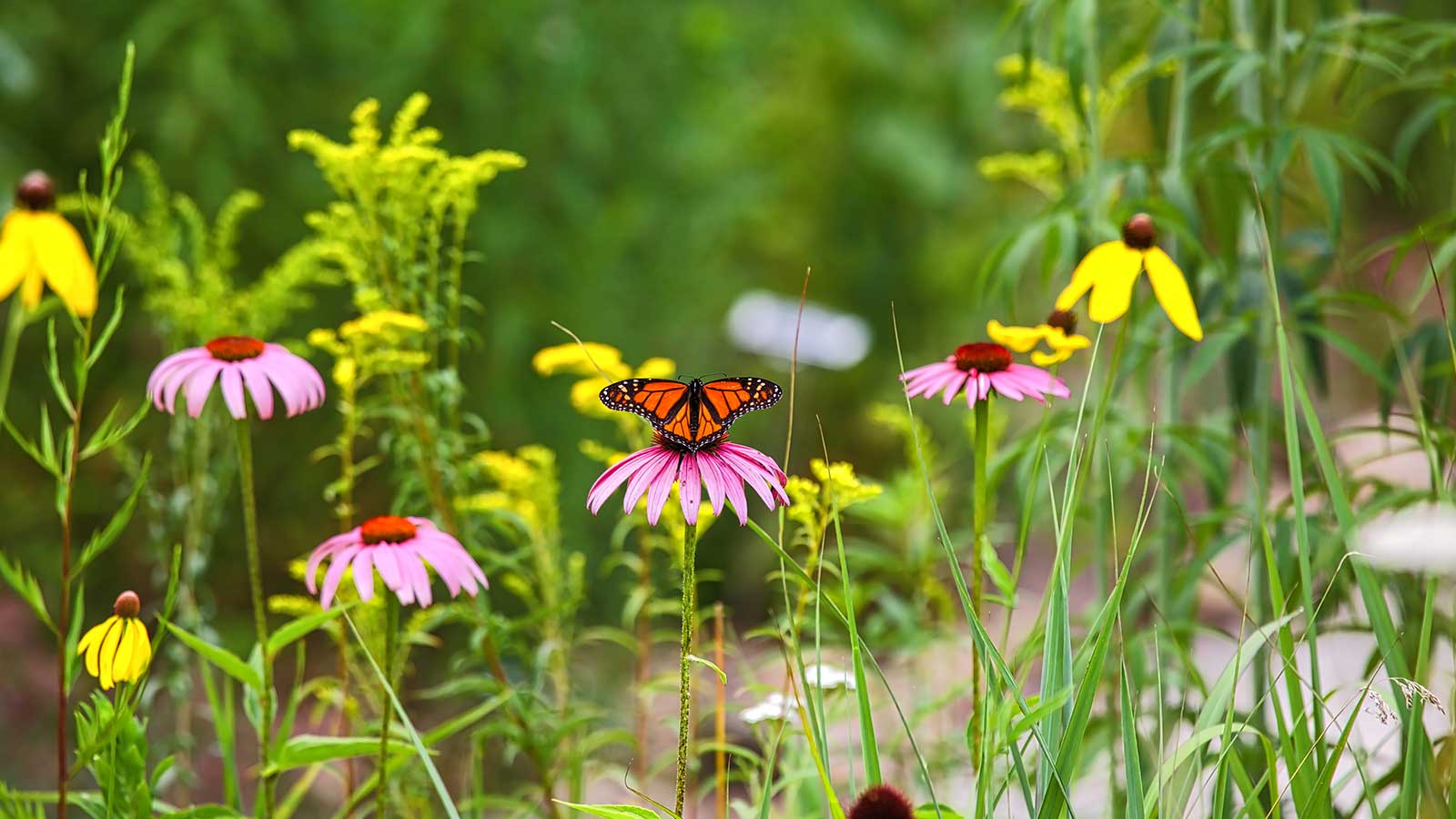
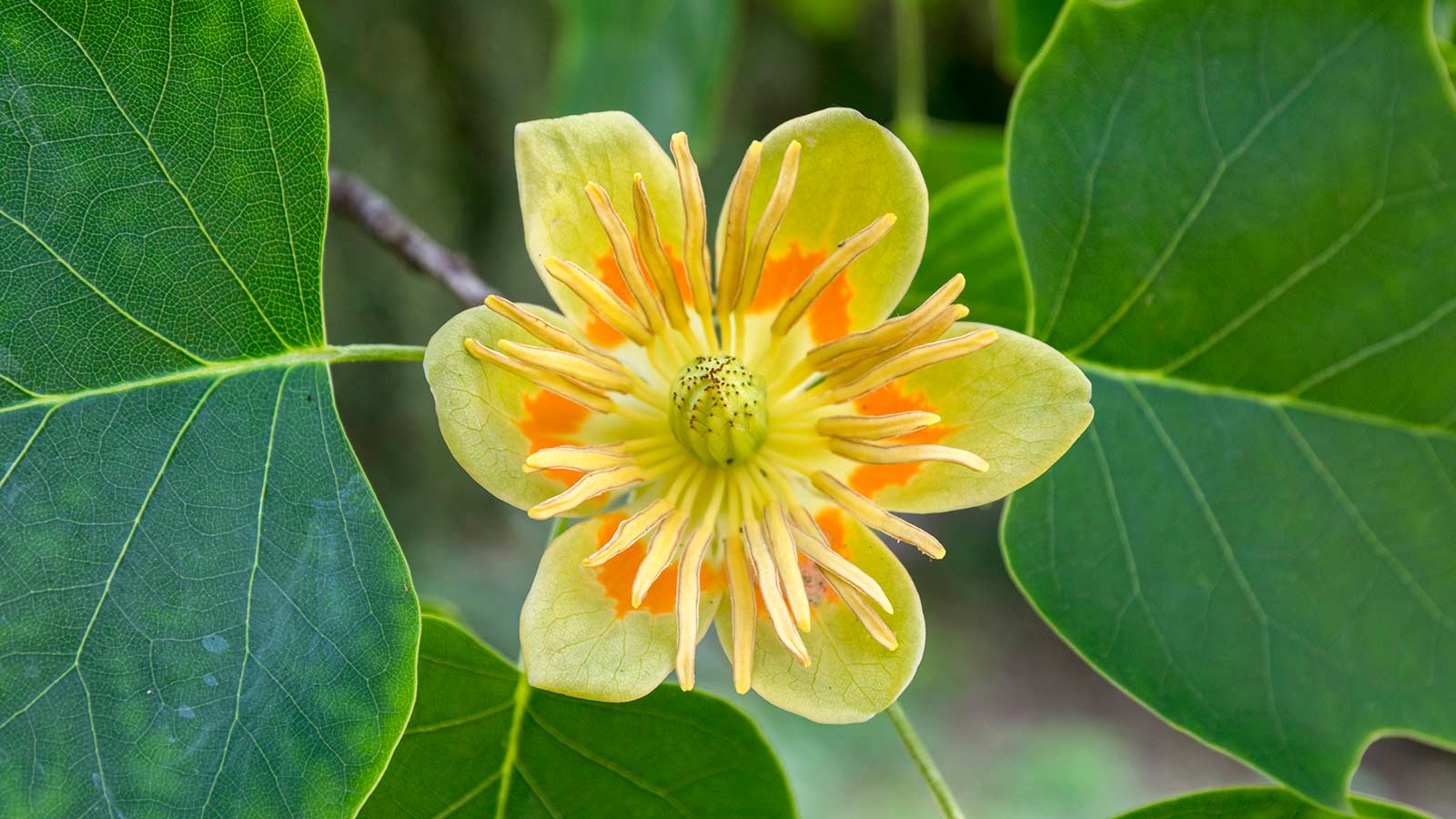
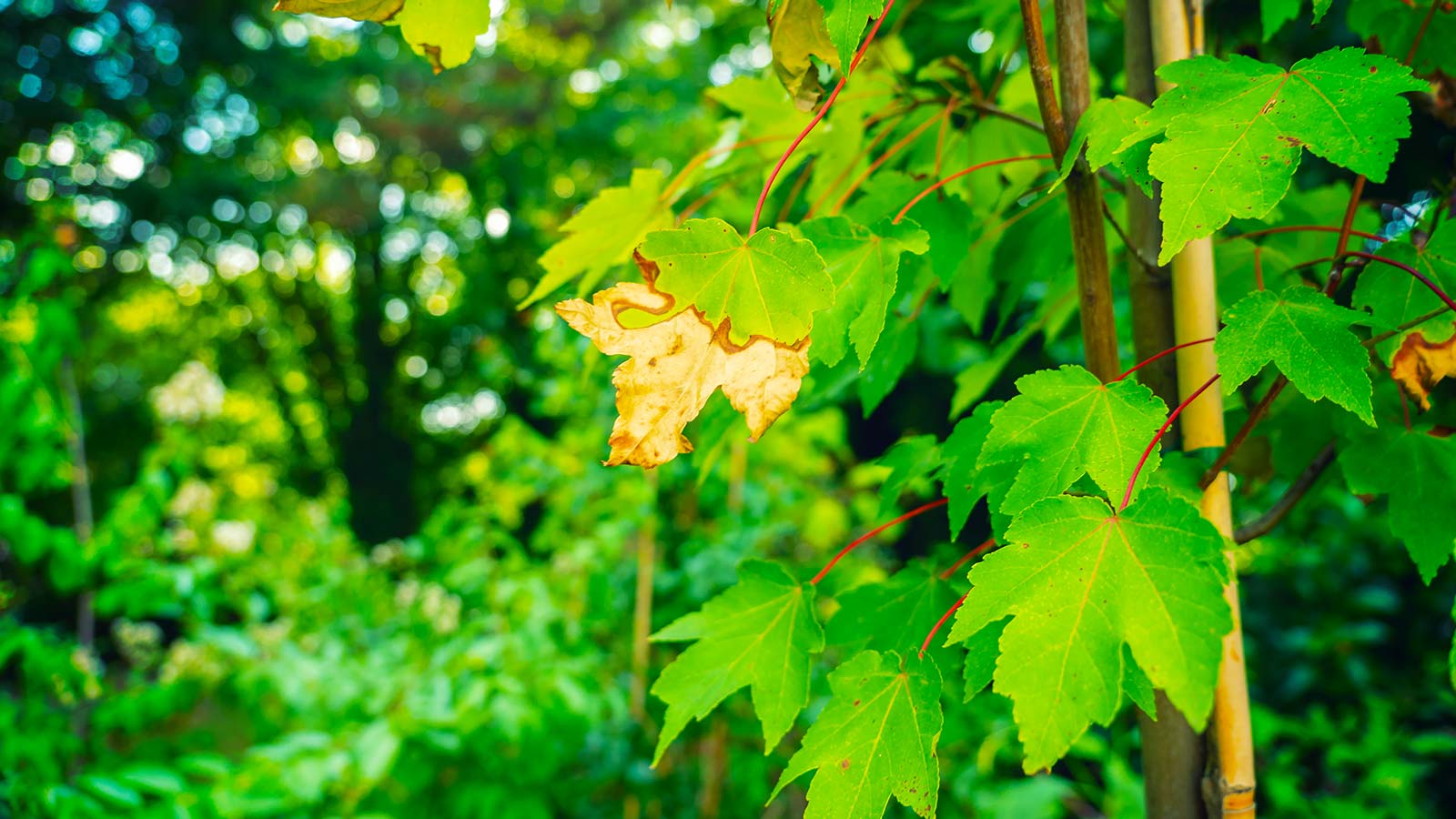
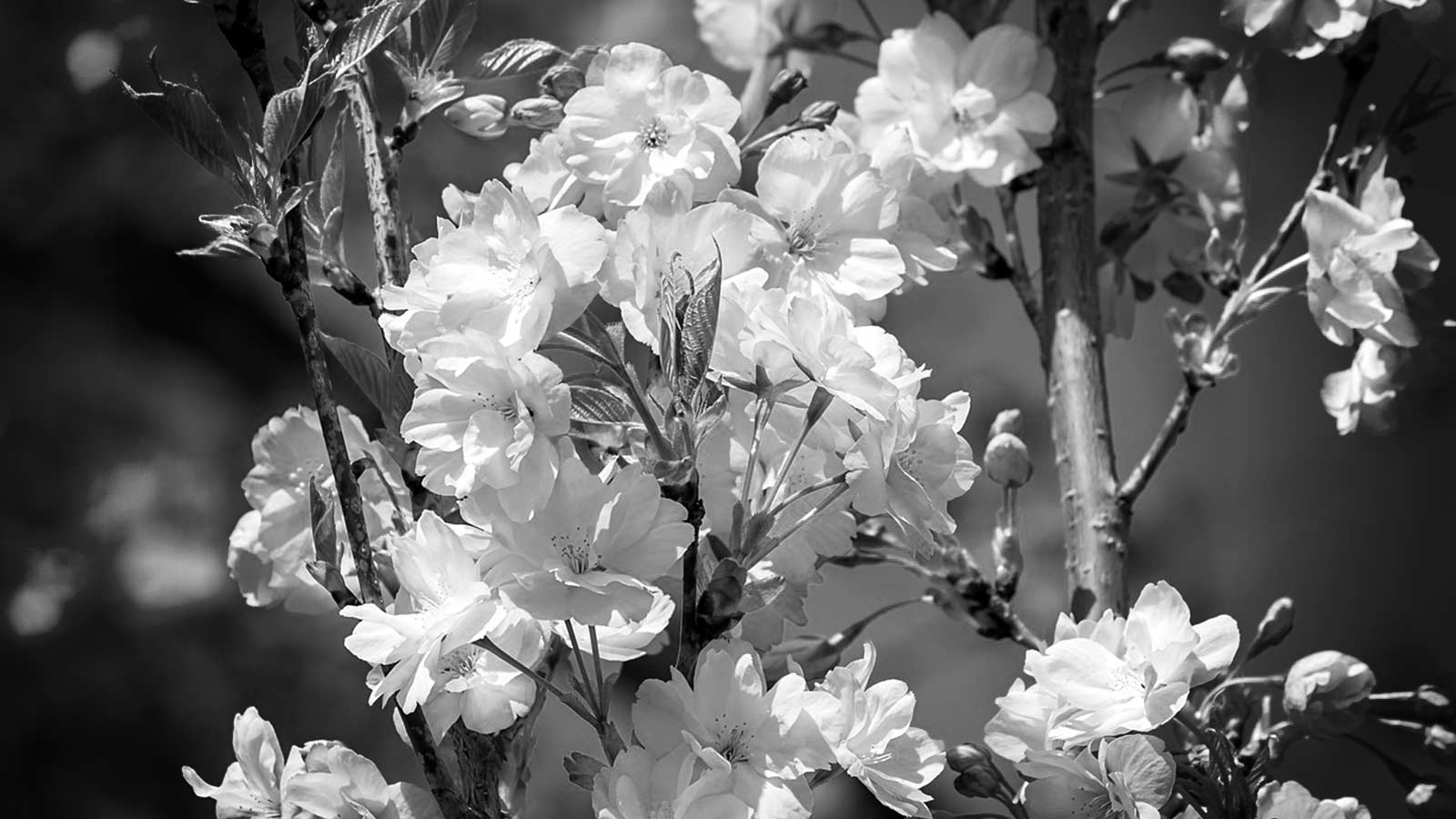
In my imagination, pollinator gardens, abuzz with bees, are waist-high Piedmont Prairies, awash in a swaying tapestry of blooms. It’s less well known that bees of all kinds not only rely on prairie flowers, but also heavily depend on the flowers of many of our native trees. We hardly notice it because it happens way up in the canopy, and since many bees are very small and dark, we barely notice most of them at all. Red maple, willows, and serviceberry support early emerging bees. In late spring, tulip poplars and black cherry are choice destinations. As summer sleepiness carries us towards fall, sourwoods and buttonbush display their offerings.
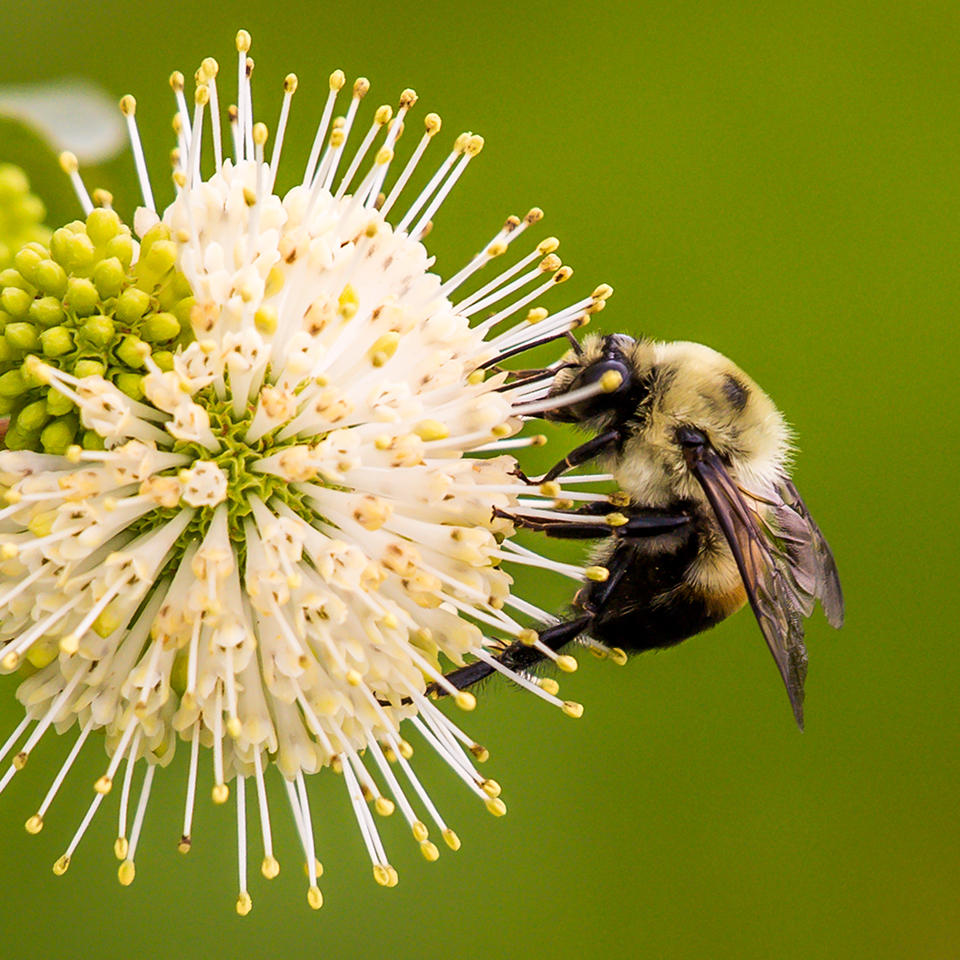
Everything you do in your yard influences what can prosper there, and it’s becoming ever clearer that we need to pay attention on many fronts to help create a future in which wildlife, plants, and humans thrive. So, make that meadow, and save pollinator trees. Remember to leave some bare earth for ground-nesting bees. Snap spent flower heads off in winter, leaving the stalks for spring’s emerging bees.
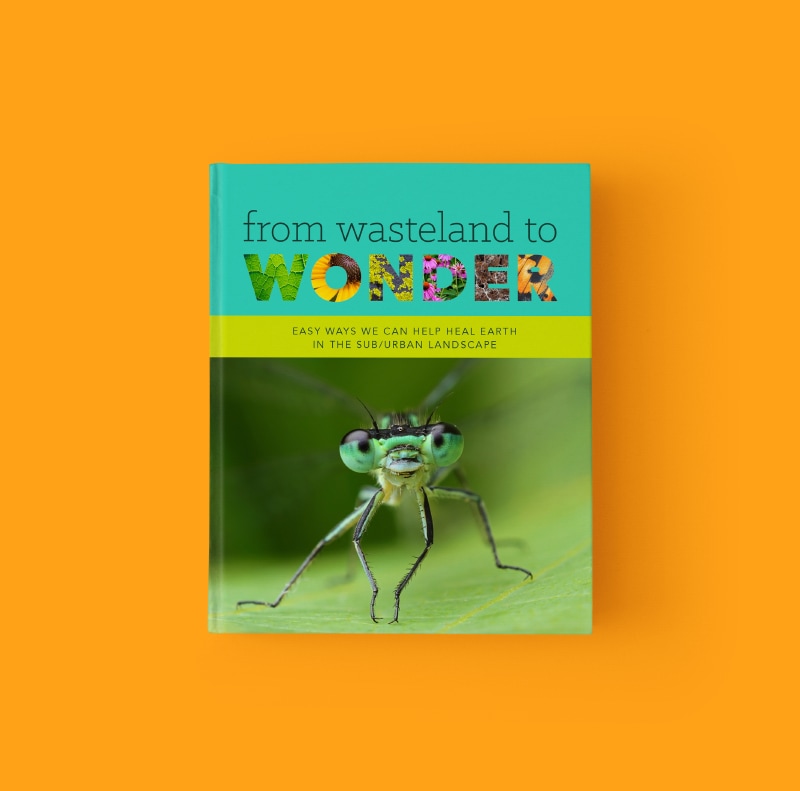
And if you don’t already have it, get the ebook of [From Wasteland to Wonder](https://www.leaflimb.com/wonder/) for free. In it, you’ll find lots of ways you can make your yard into a quality habitat for bees and other wildlife.
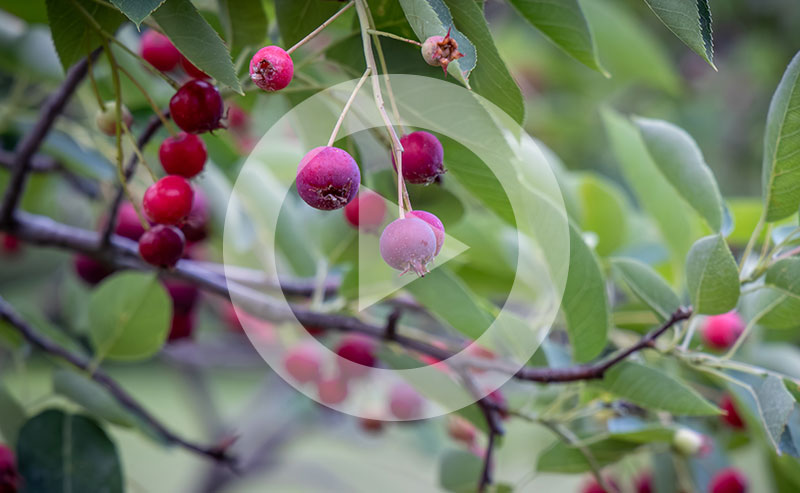
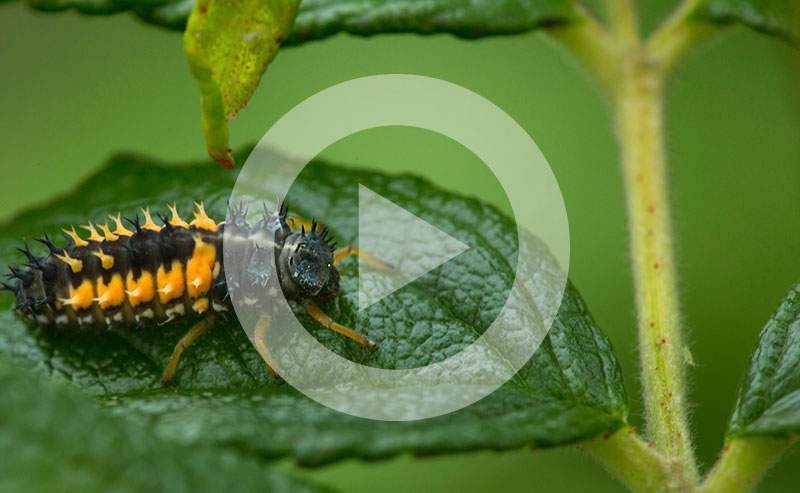
Here’s a video of bumble bees doing it their way.
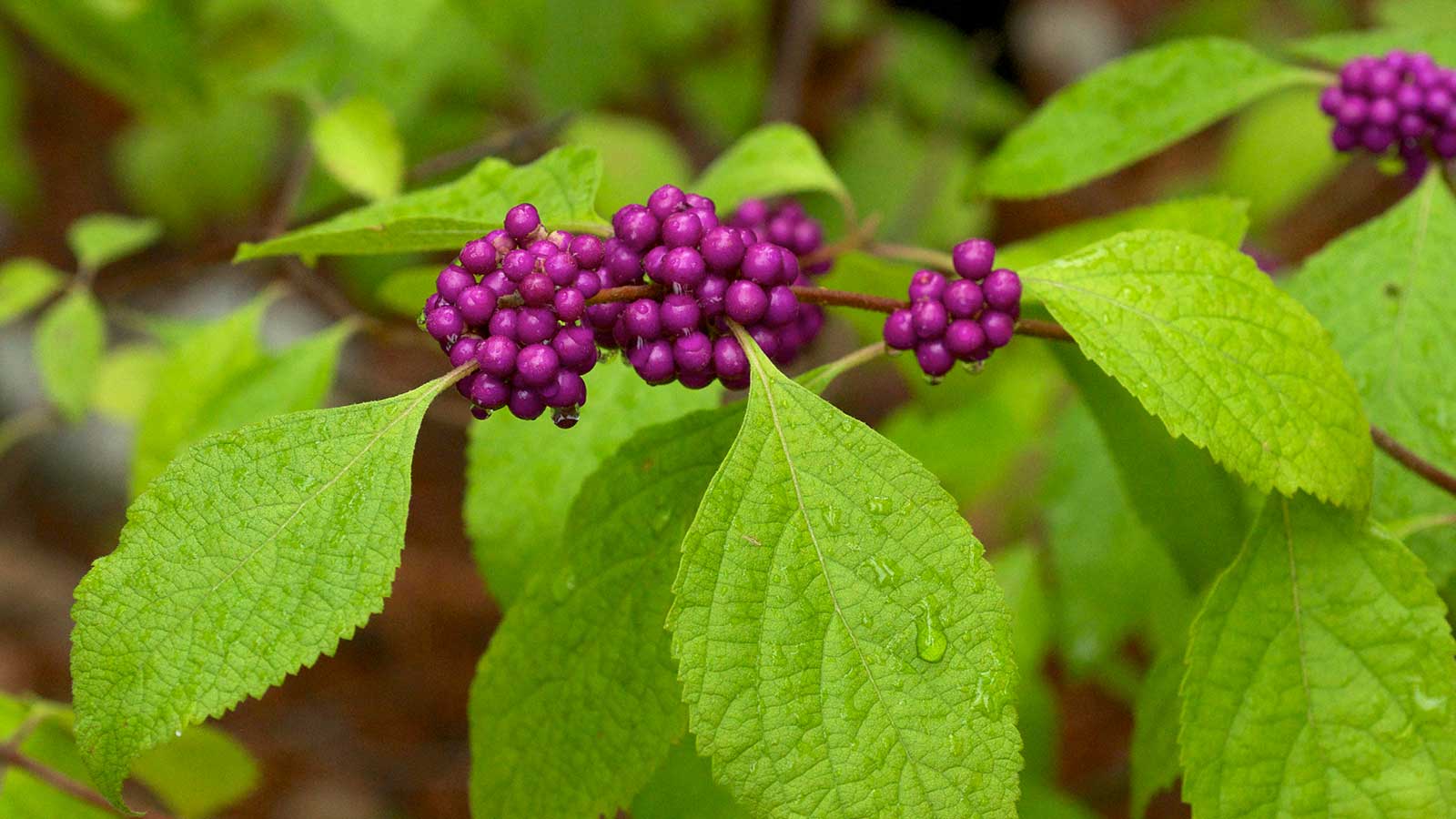
Plant of the Month: Sweet-shrub, Carolina allspice (Calycanthus floridus)
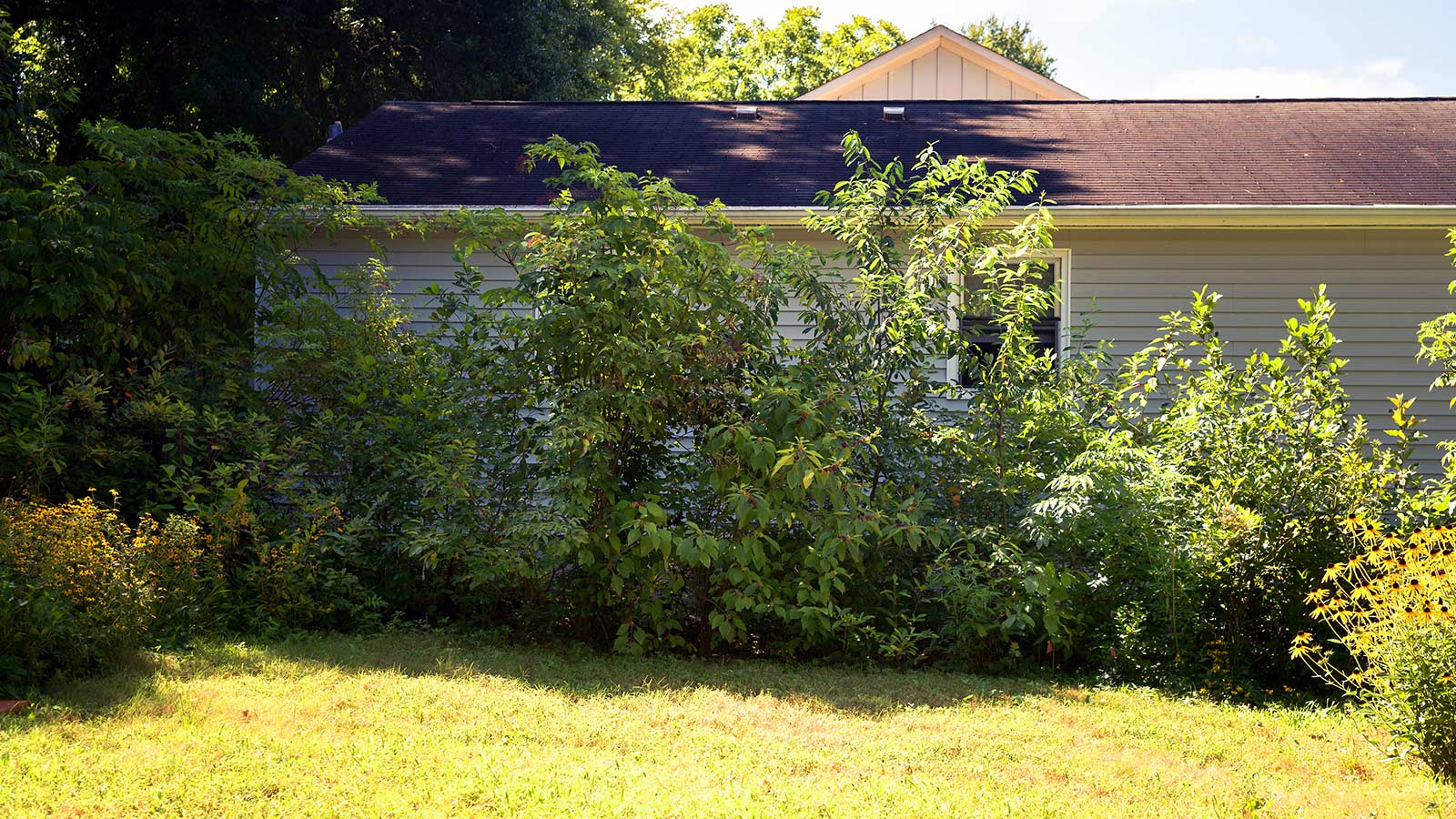
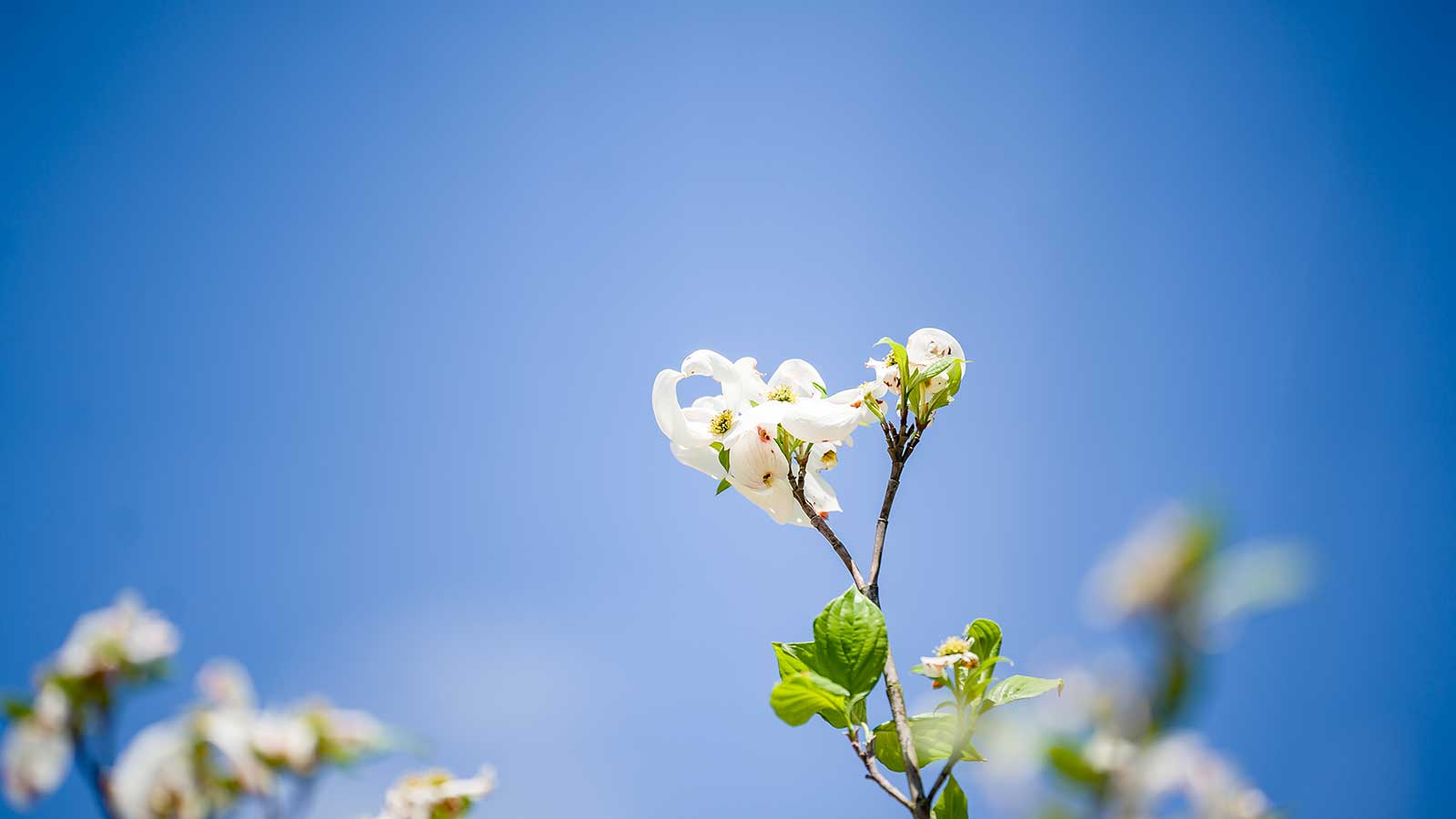
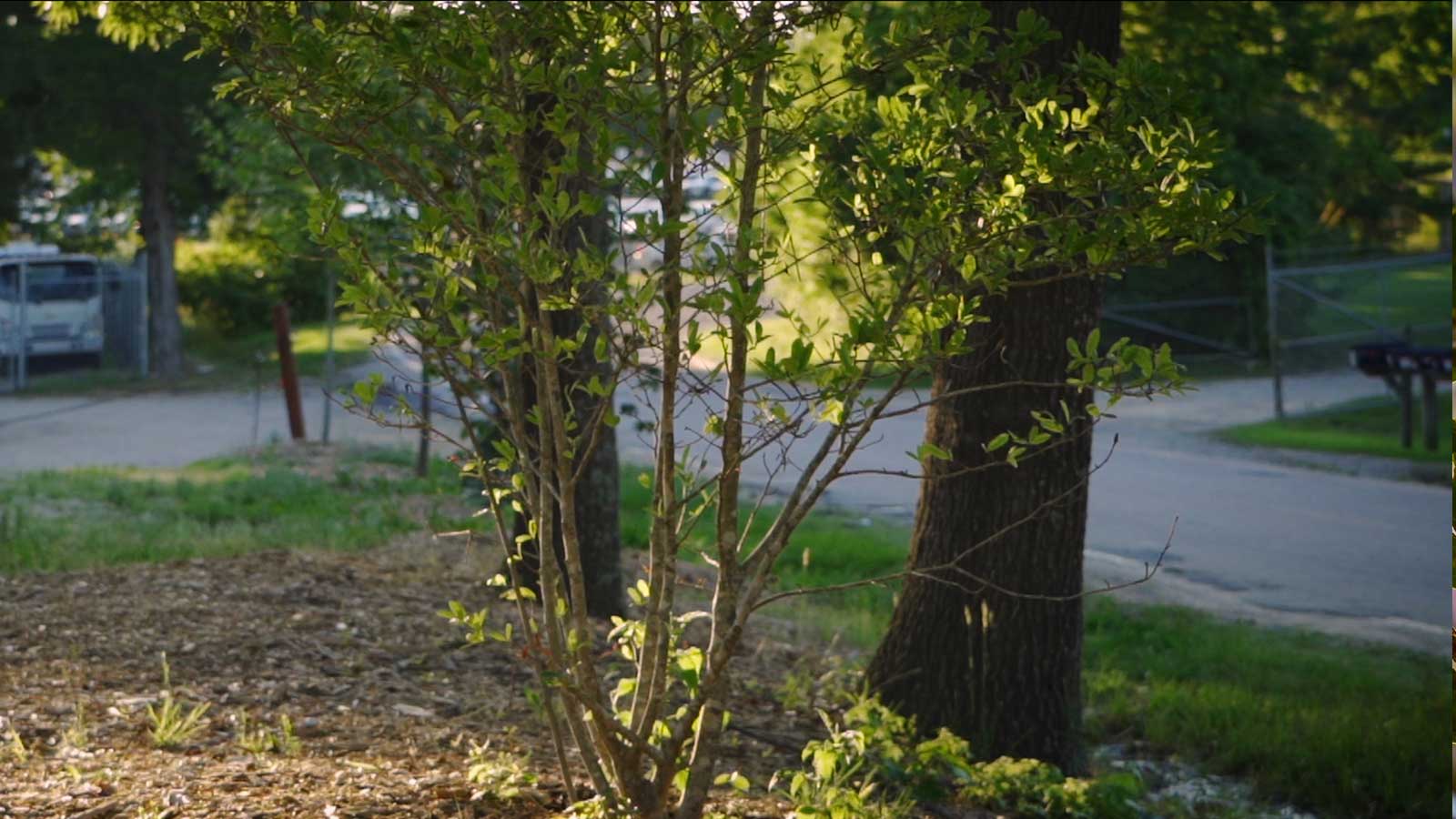
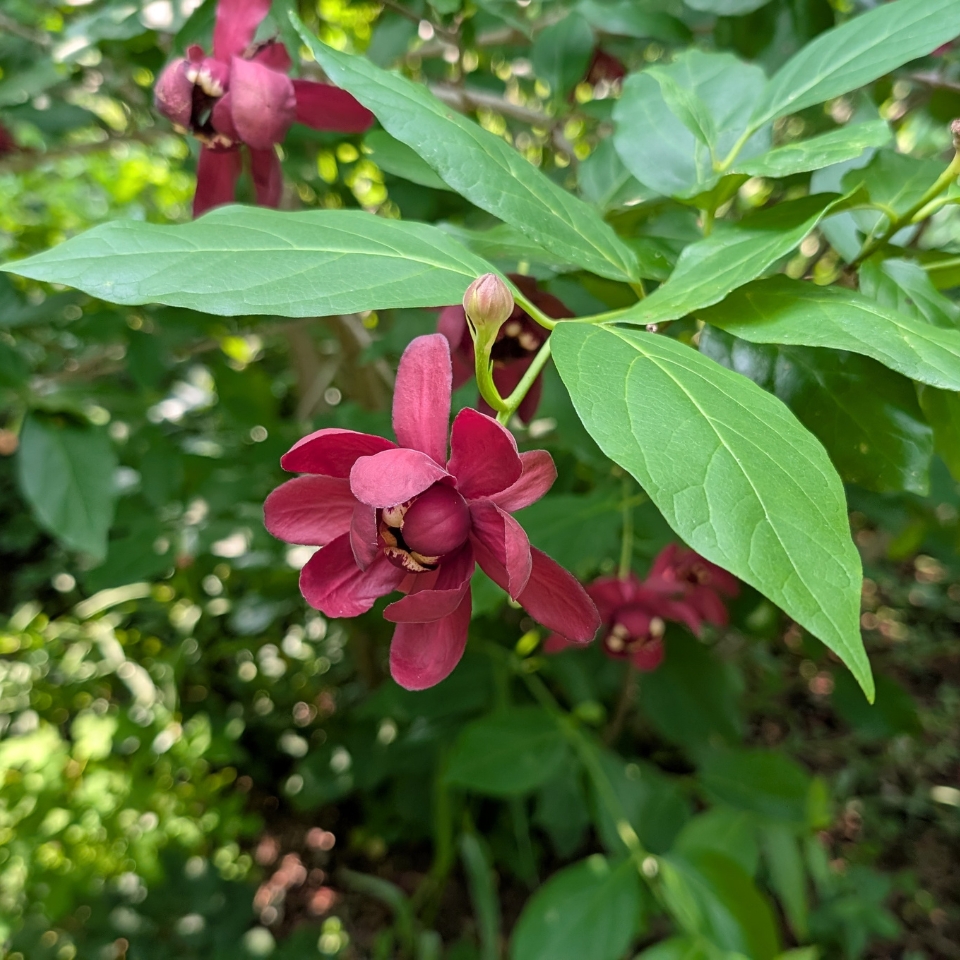
Sweet-shrub is also called sweet bubby-bush, and I think I’ll start calling it that. It’s native all over North Carolina, becoming more common towards the mountains.
- It forms a multi-stemmed clump from 2 to 7 feet tall.
- Very adaptable, comfortable in sun or shade, and tolerant of a wide range of soils, but like many plants, it truly shines in moist, well-structured soil with some protection from intense afternoon sun.
- The large brick-red cup-shaped flowers smell like spiced wine or fragrant fruit, and the fragrance varies from shrub to shrub.
- Deer-resistant.
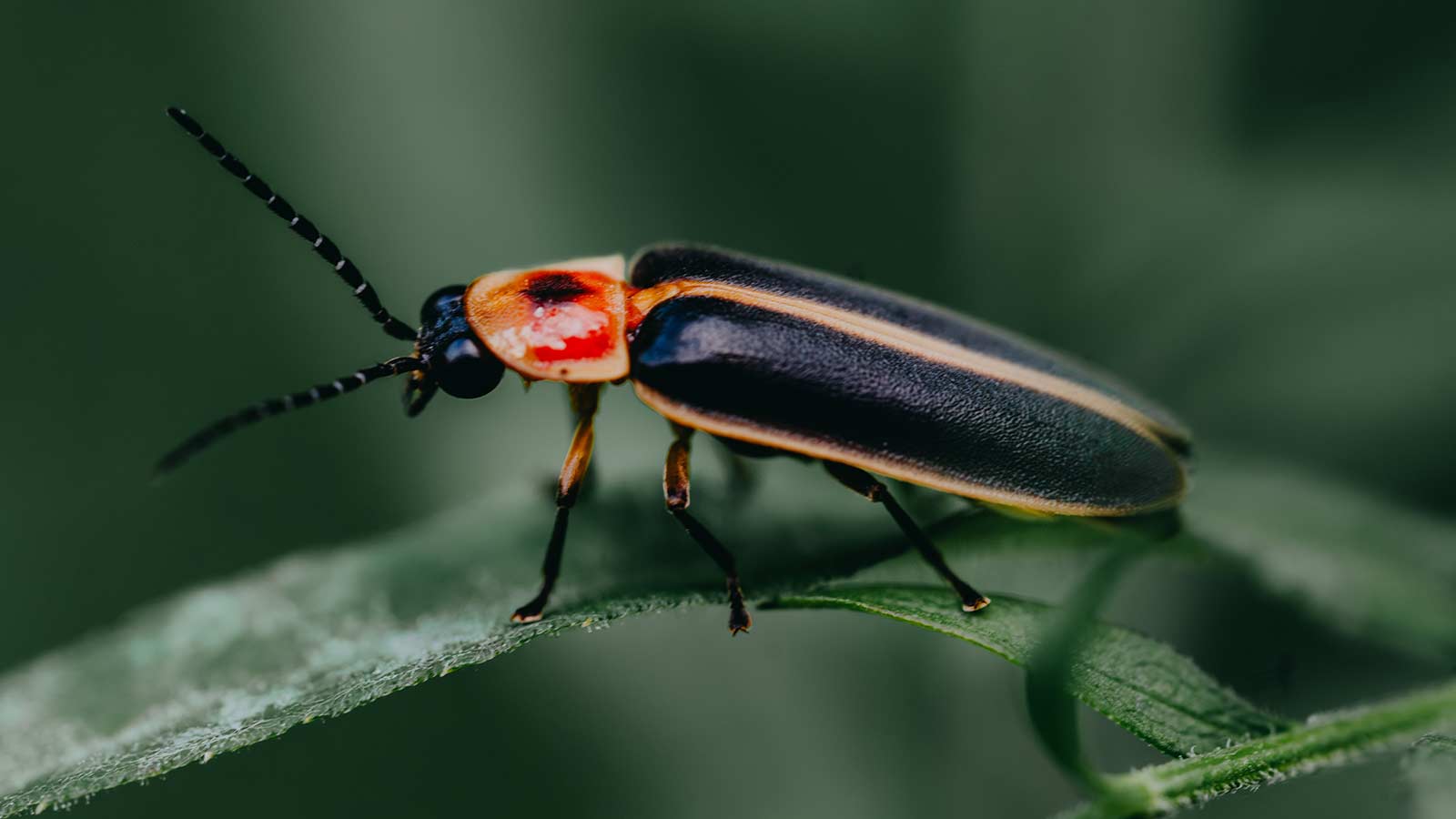
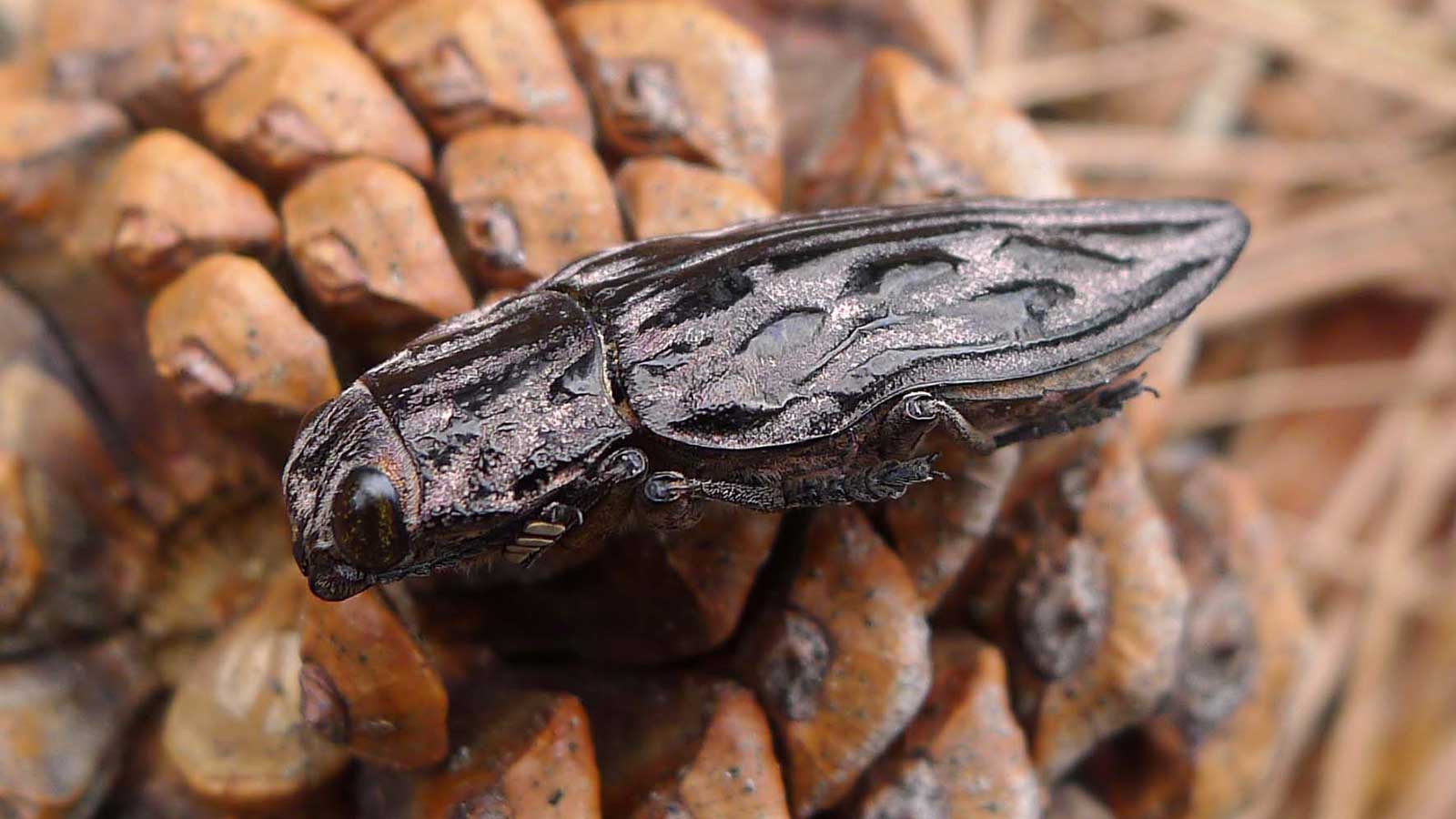
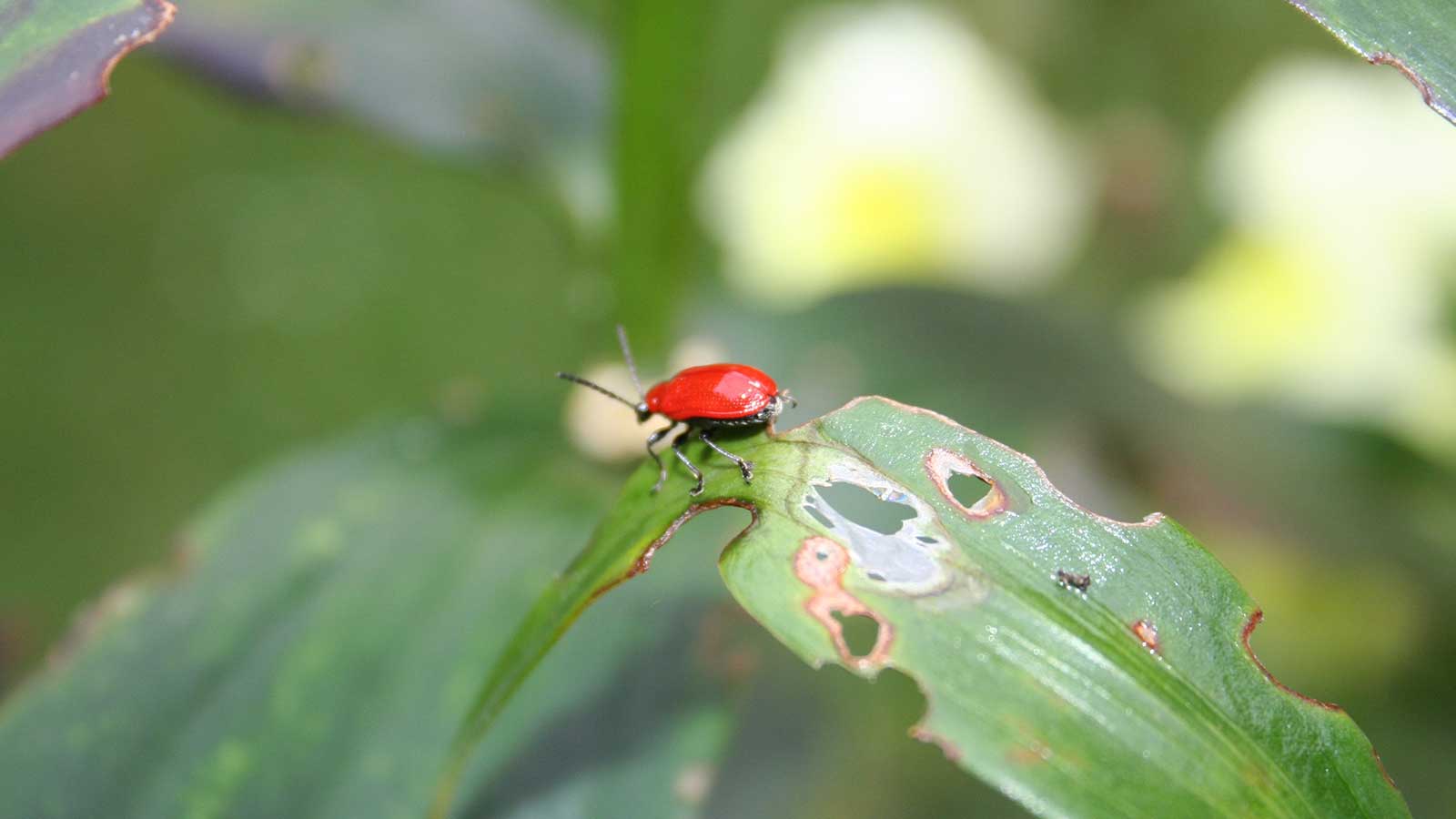
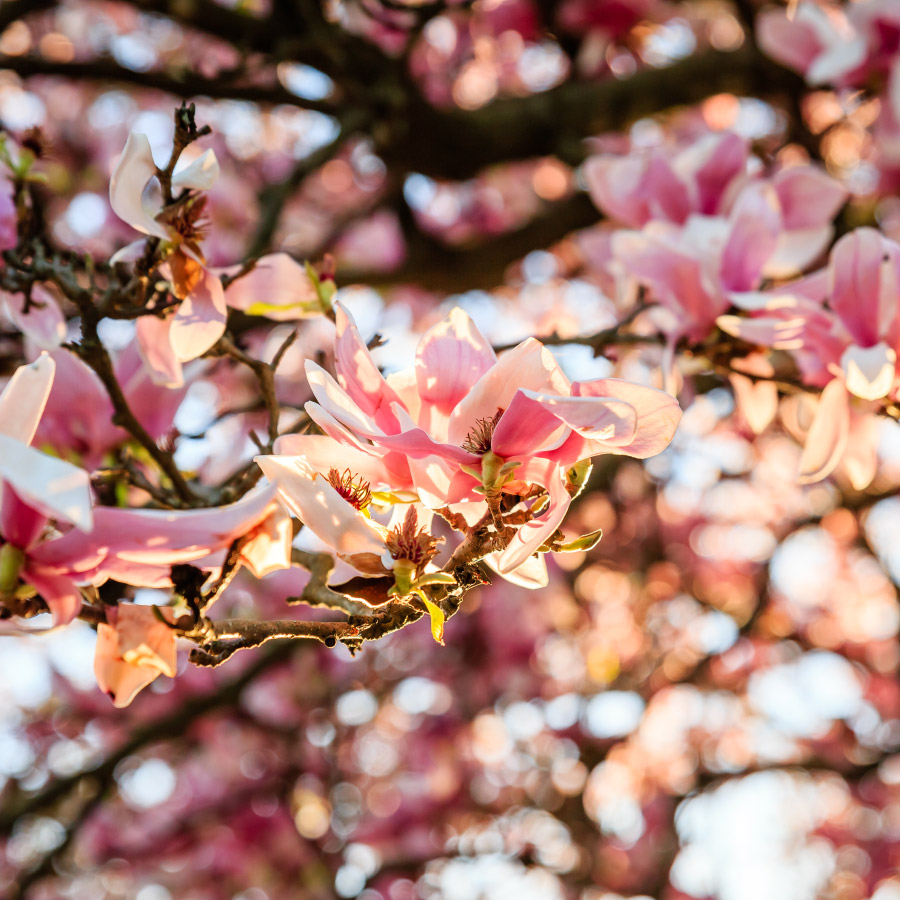
This shrub evokes a tropical, primitive feel, and that’s not inaccurate, since it’s an ancient species and, like magnolias with similar large, thick, cup-shaped flowers, it’s adapted for pollination by beetles. Its thick structure and fruity scent are perfect calls for beetles. Beetles were the original pollinators, helping move pollen around long before bees were on the scene.
Q&A: Bark Problems
Q: The trunk of my tree is bleeding some sort of goo. What is it, and what can I do?
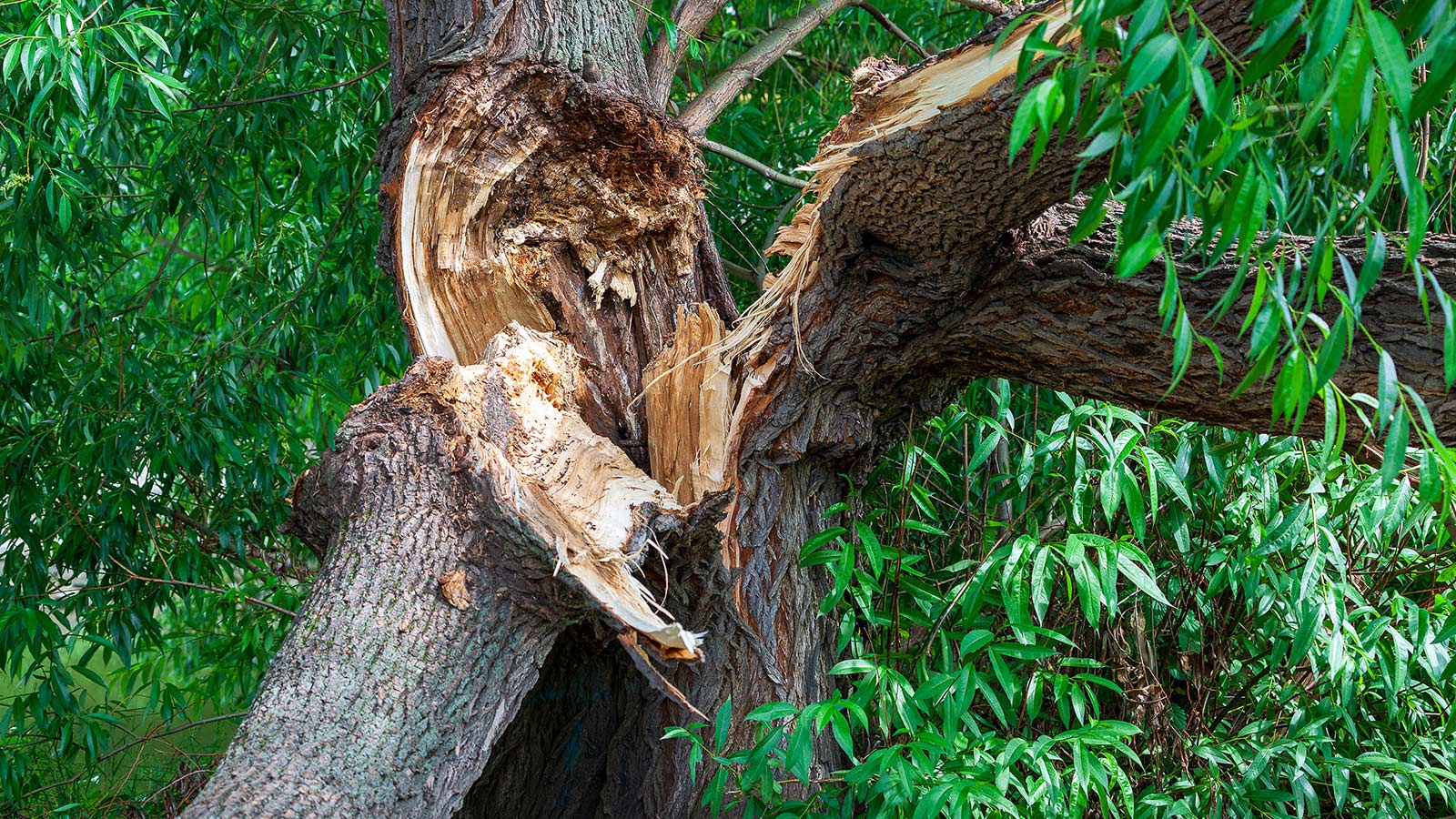
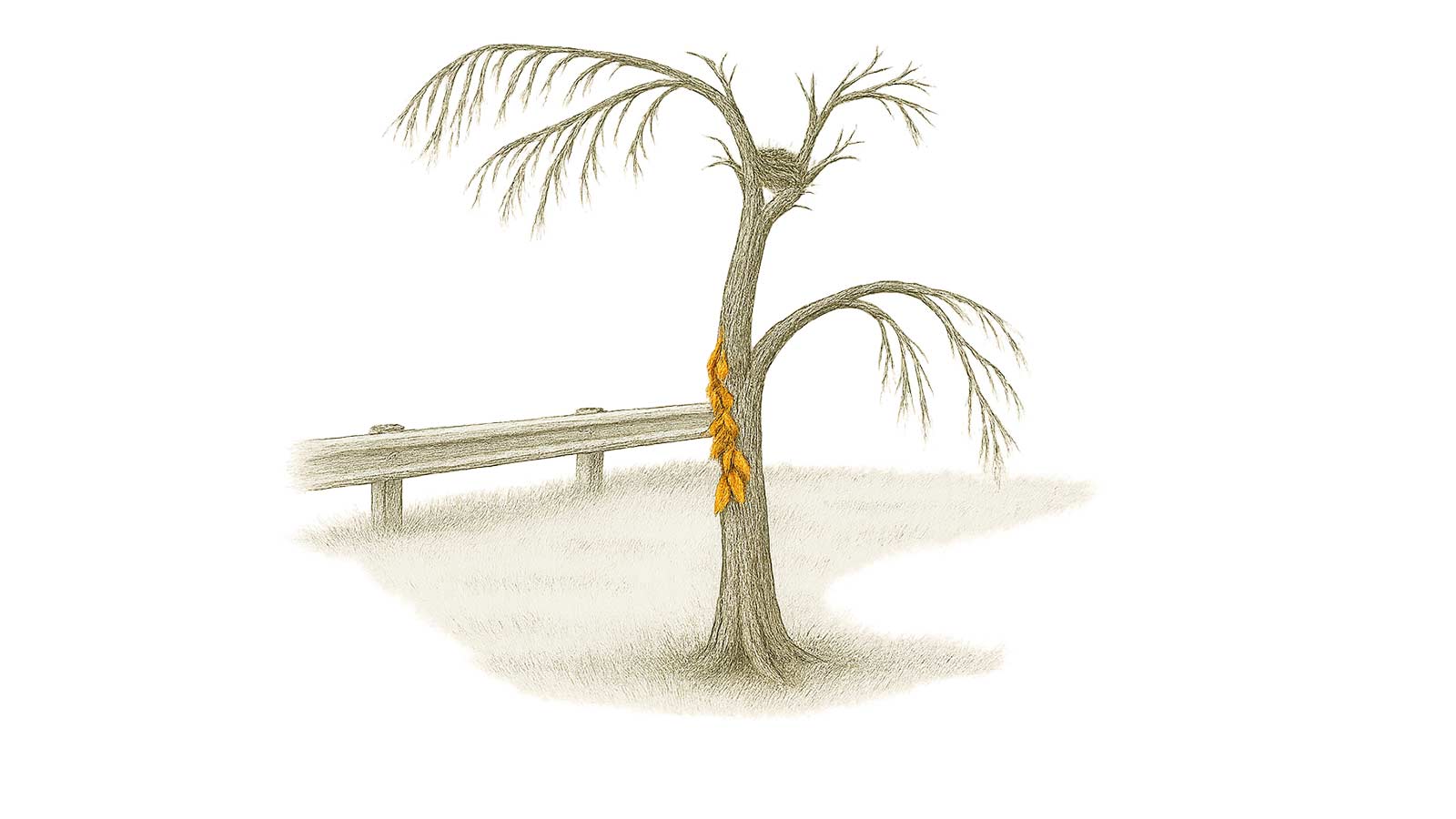
A: When you see sap, foam, or dark liquid oozing from a tree trunk, it usually means something inside the tree has been disrupted. It could be from bacteria, fungi, insects, or physical injury. The key is identifying which situation you’re dealing with.
Here is a short summary of the common culprits.
- Slime flux (bacterial wetwood) is often messy, but rarely fatal. You’ll notice dark, wet streaks, sometimes with bubbling or foaming running down the bark, often with a sour or fermented smell.
- Phytophthora bark canker is more serious and needs attention. You’ll see dark, or tarry black sap bleeding from a defined area of the trunk, sometimes with sunken or dead bark. It’s caused by a soil-borne water-mold pathogen where conditions are too wet or drainage is poor.
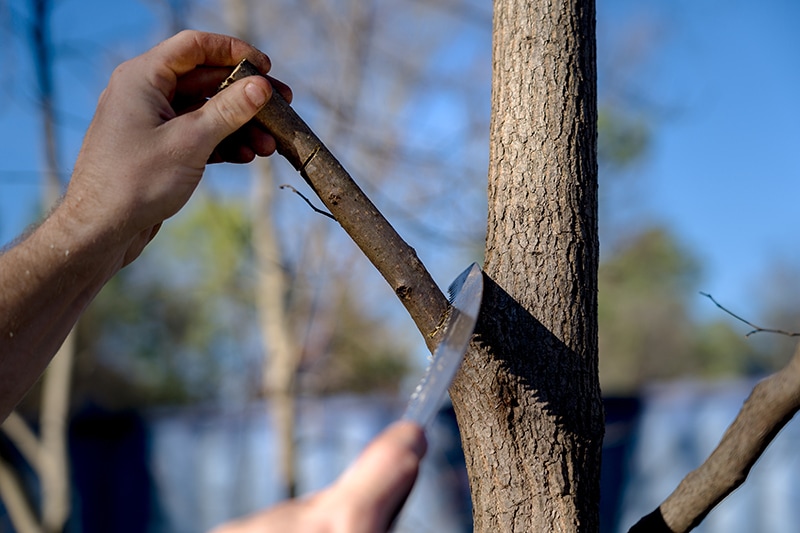
- Mechanical injury or stress response often shows up as clear or amber sap oozing from cracks, pruning wounds, mower damage, or deer rubbing. The tree is sealing off damaged tissue and pushing out sap as part of its defense. It’s usually not serious unless damage is extensive. Let the tree compartmentalize naturally—no wound paints needed.
- Insect activity is usually seen as sap mixed with sawdust-like material (“frass”), and small holes. It’s usually a secondary problem—they’re taking advantage of a weakened tree. Professional diagnosis is important to determine what is stressing the tree.
- Fungal cankers might be revealed by oozing, combined with cracked, sunken, or peeling bark. Fungal attacks can be serious, depending on how fast they spread and whether they encircle the trunk. Another sign of a stressed tree.
What you can do right now
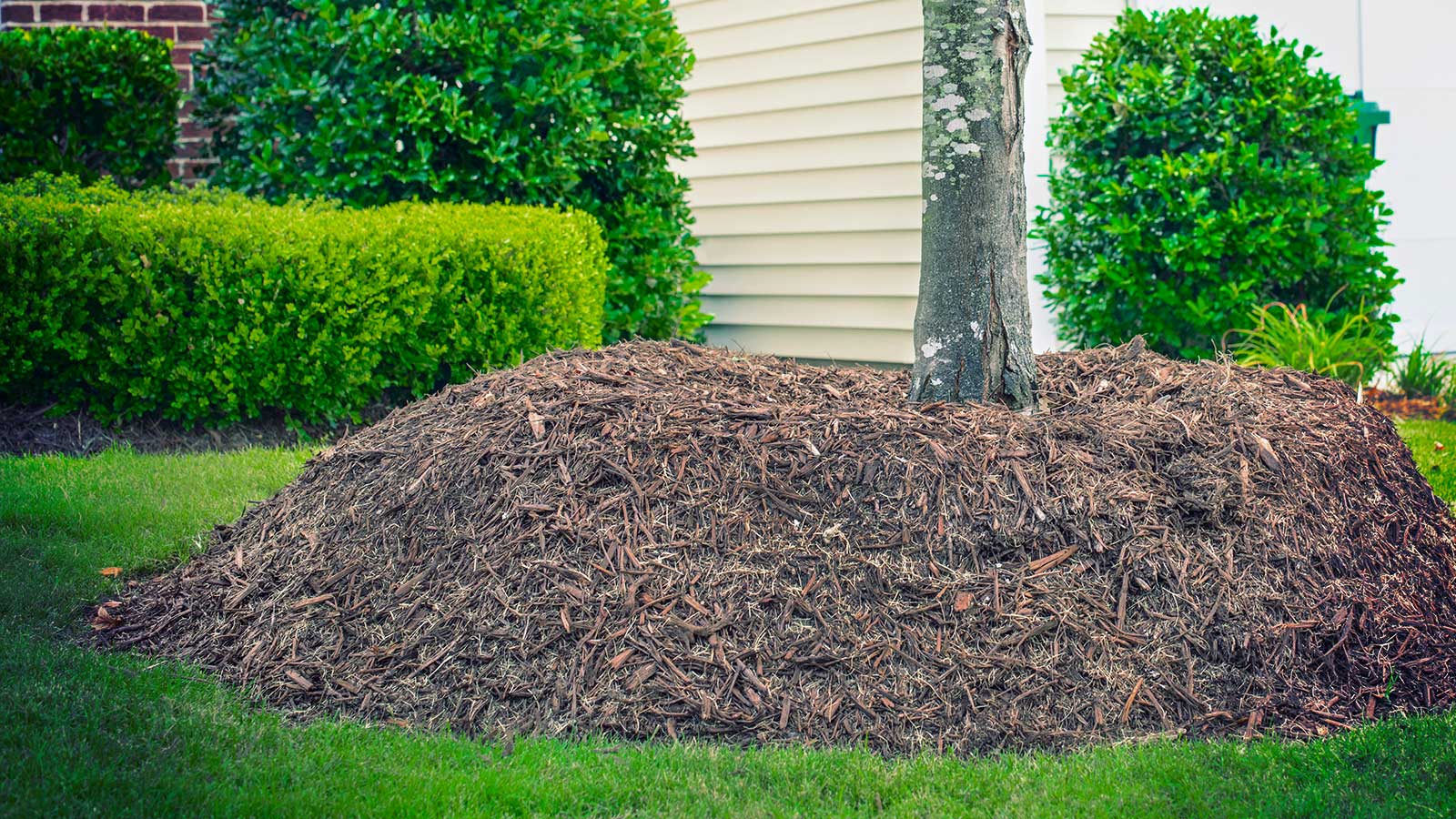
- Pull mulch away from the trunk (no mulch volcanoes!)
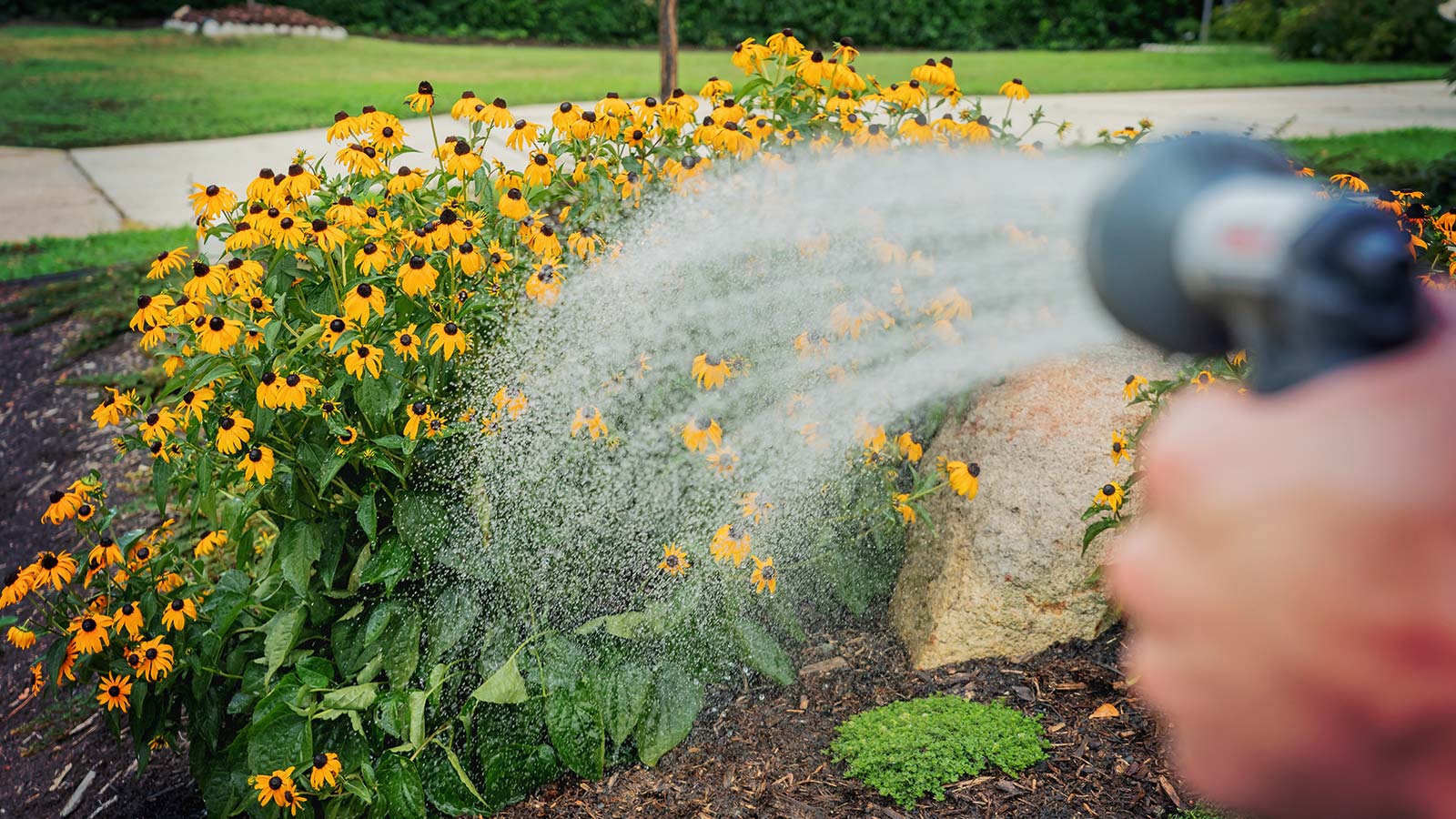
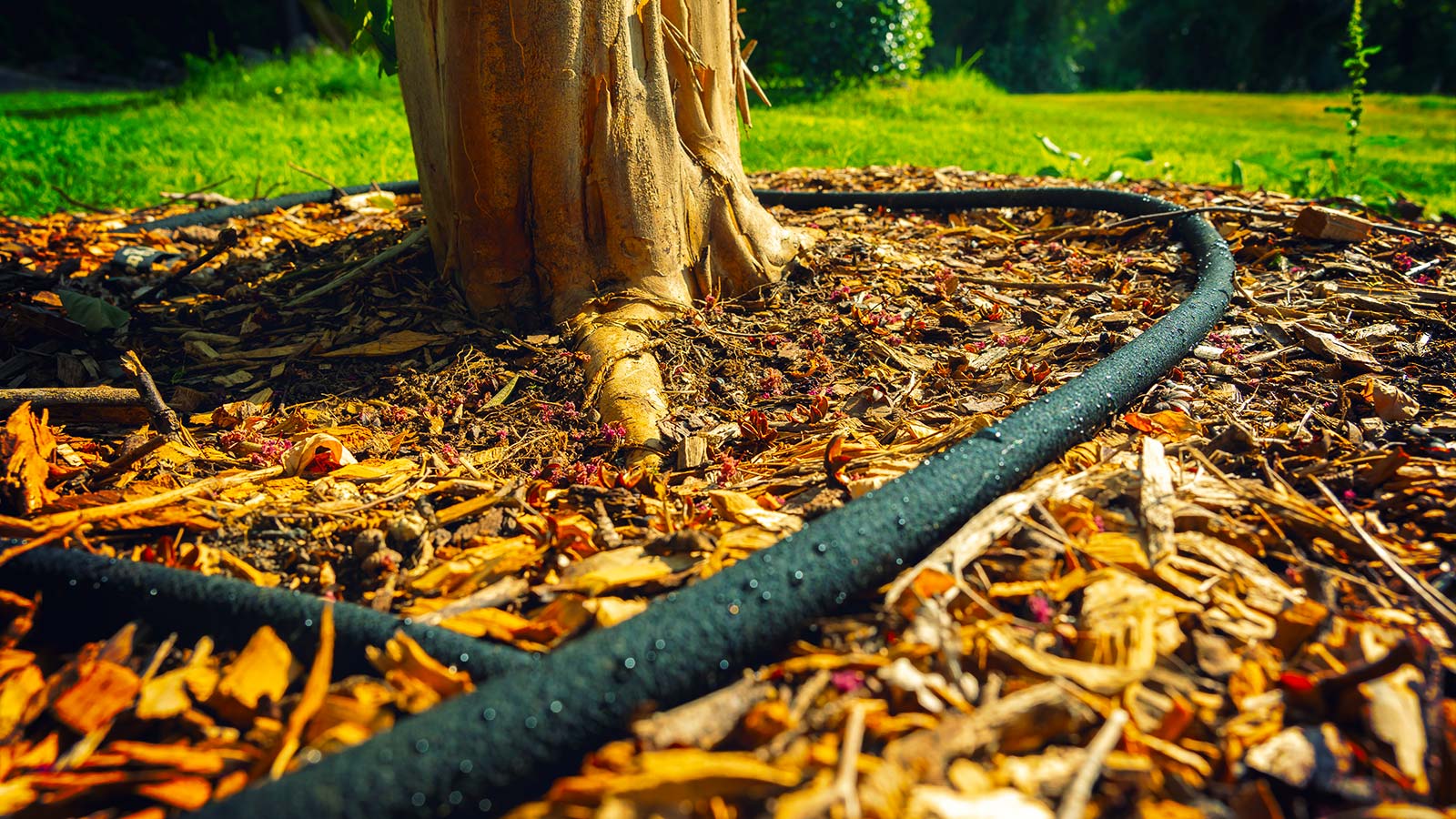
- Water deeply during dry periods at ground level (not with sprinklers), but don’t keep the soil soggy
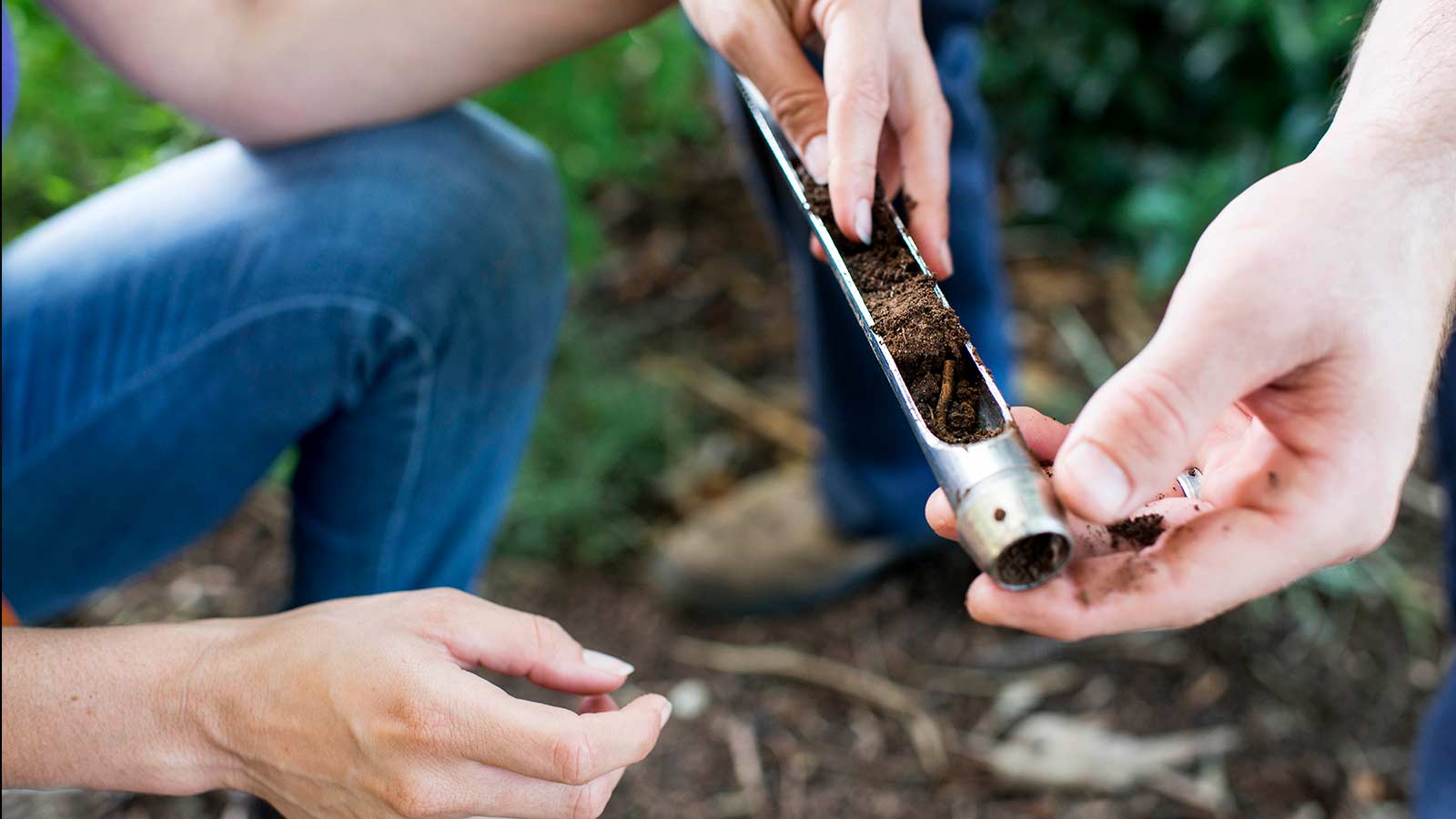
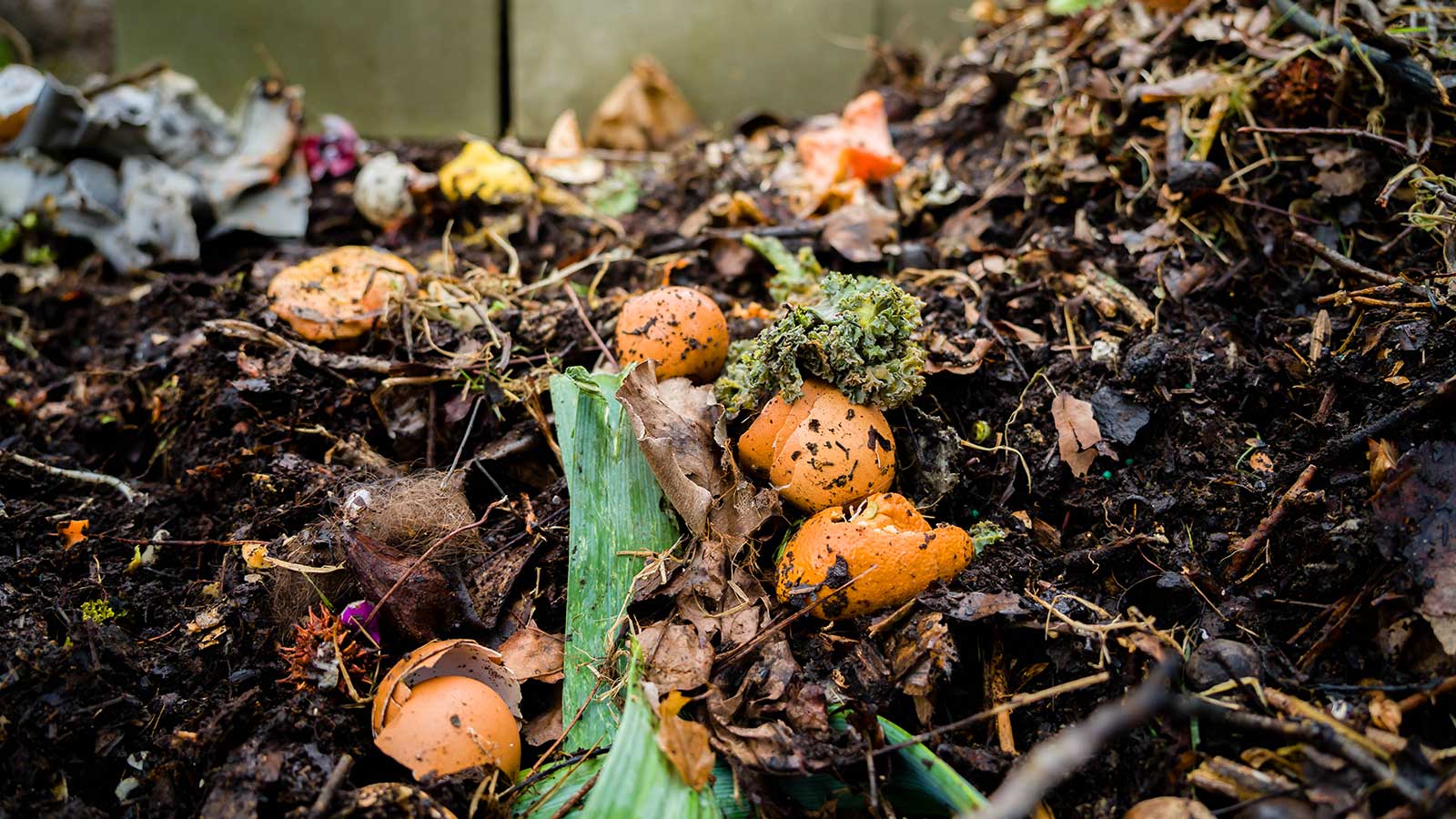
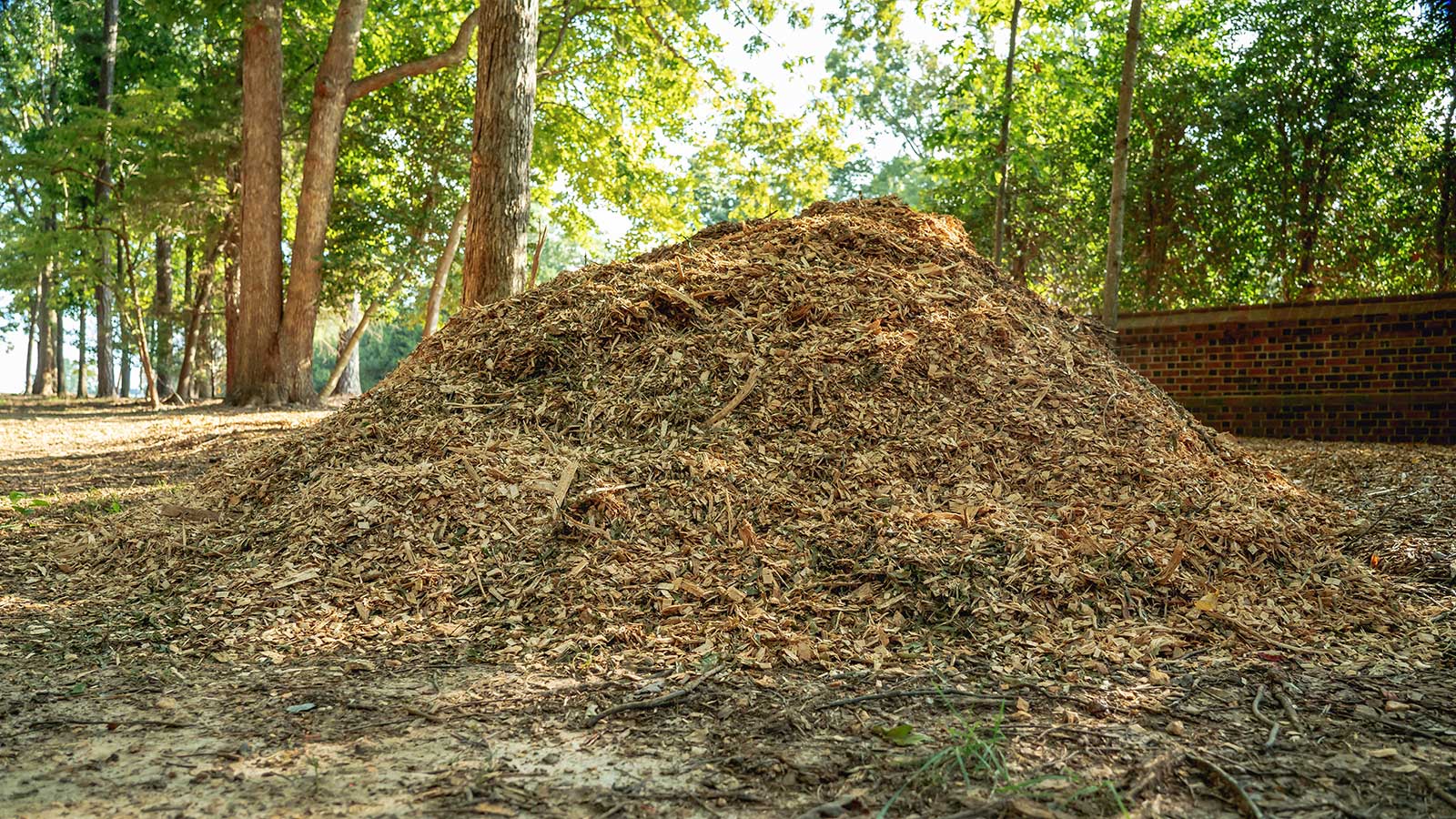
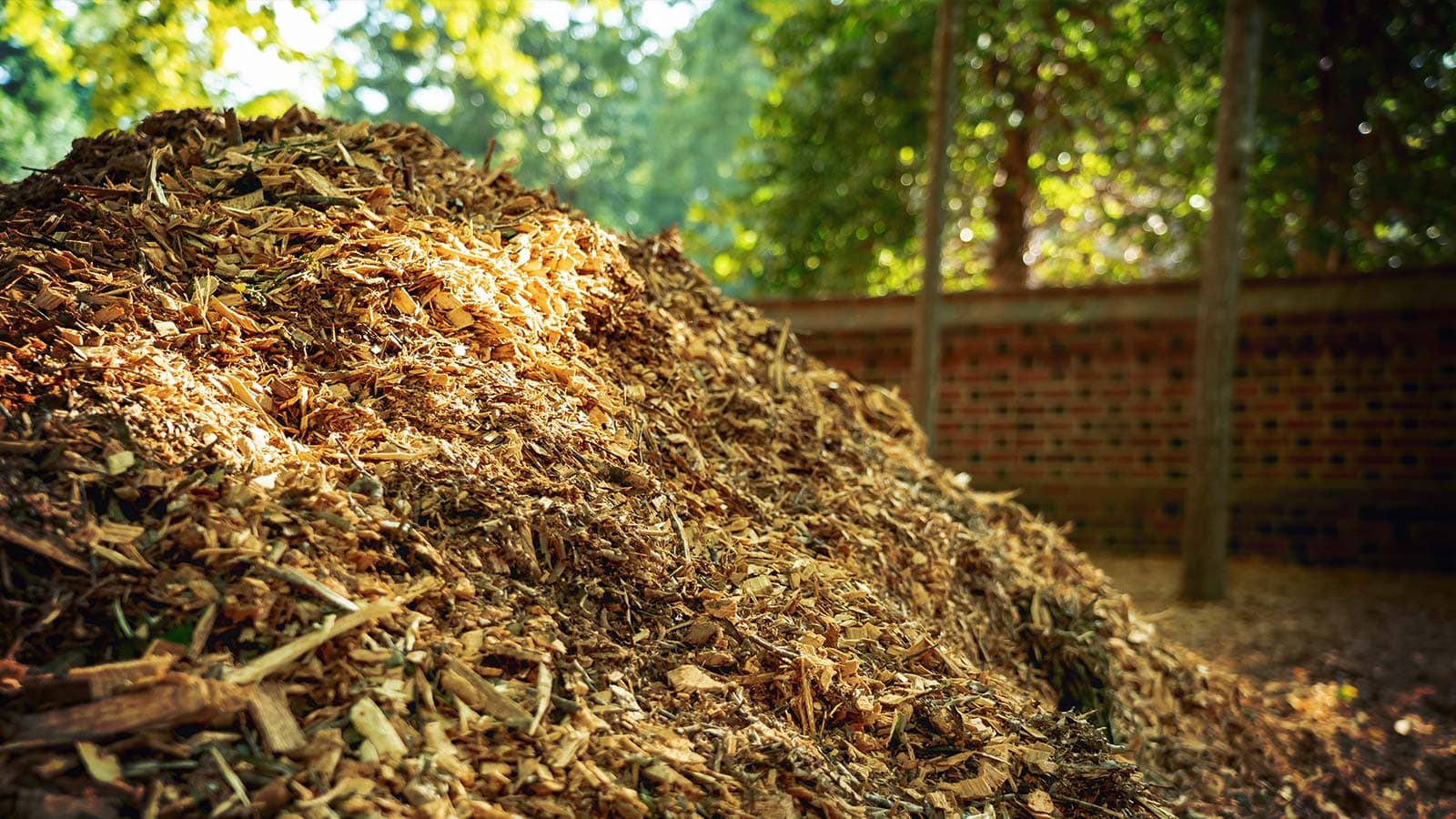
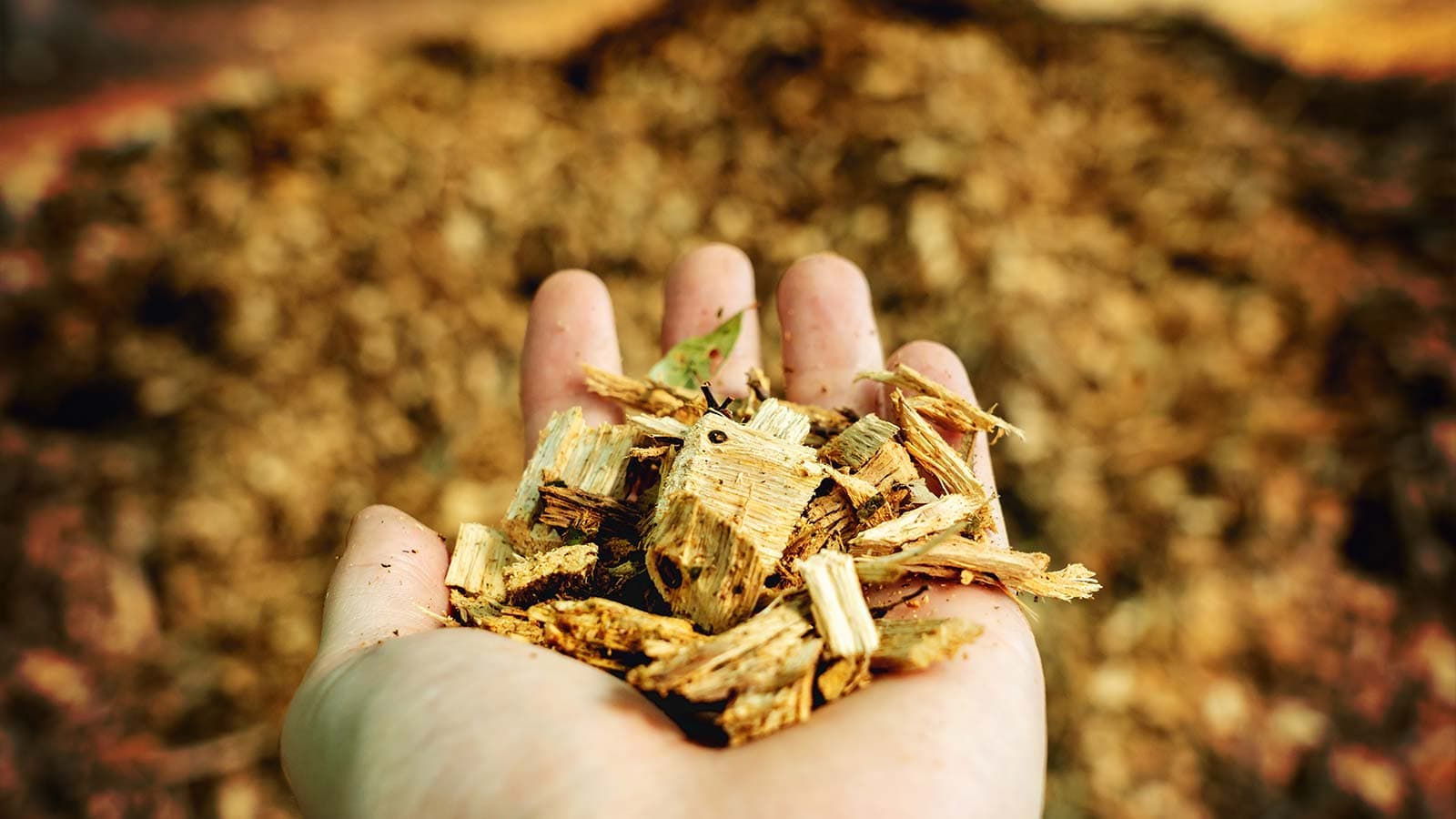
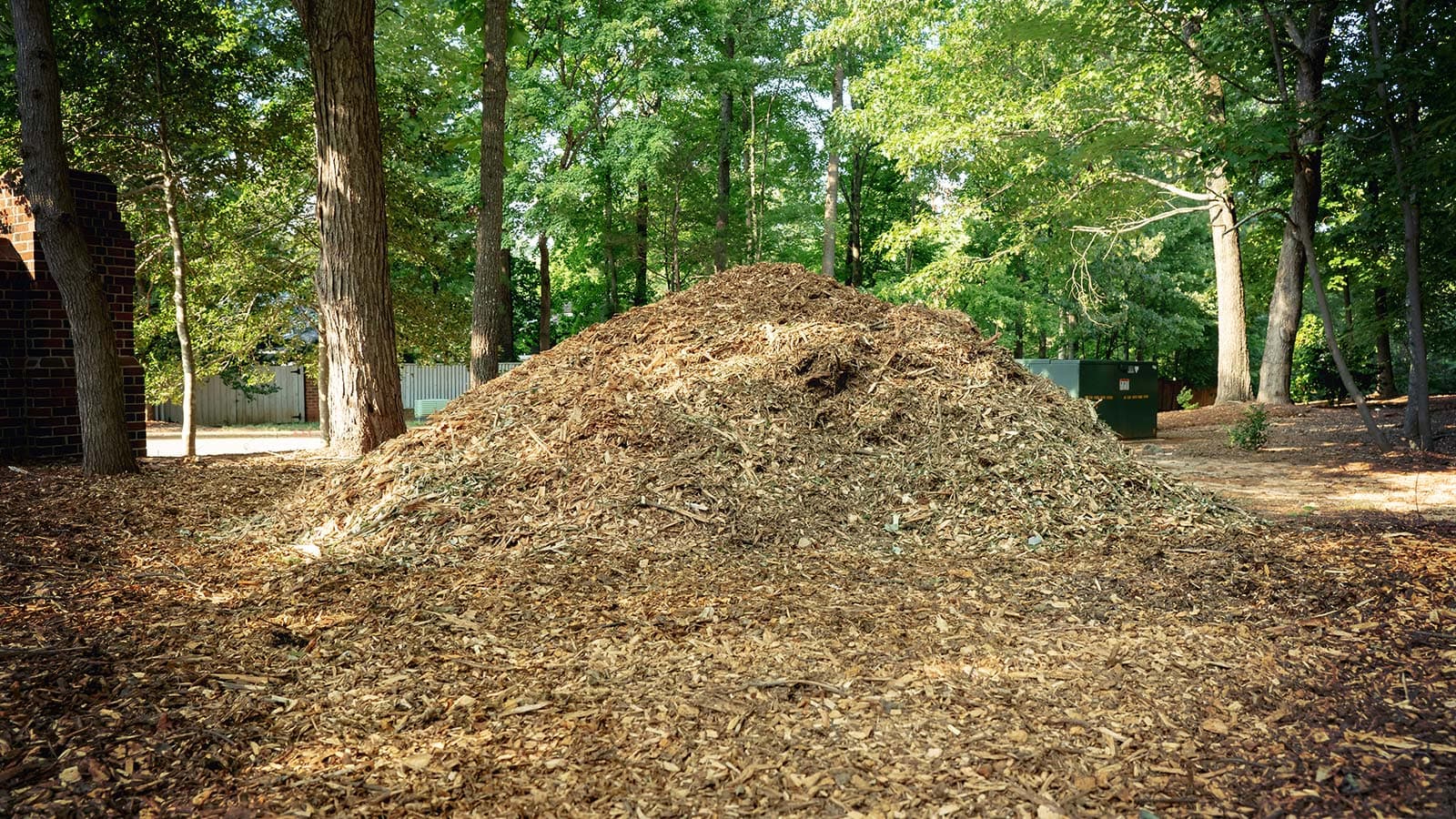
- Improve soil health(aeration, compost, arborist wood chips)
- Avoid further injury to the trunk and roots
Get a professional diagnosis if:
- the oozing area is expanding
- bark is dying or sloughing off
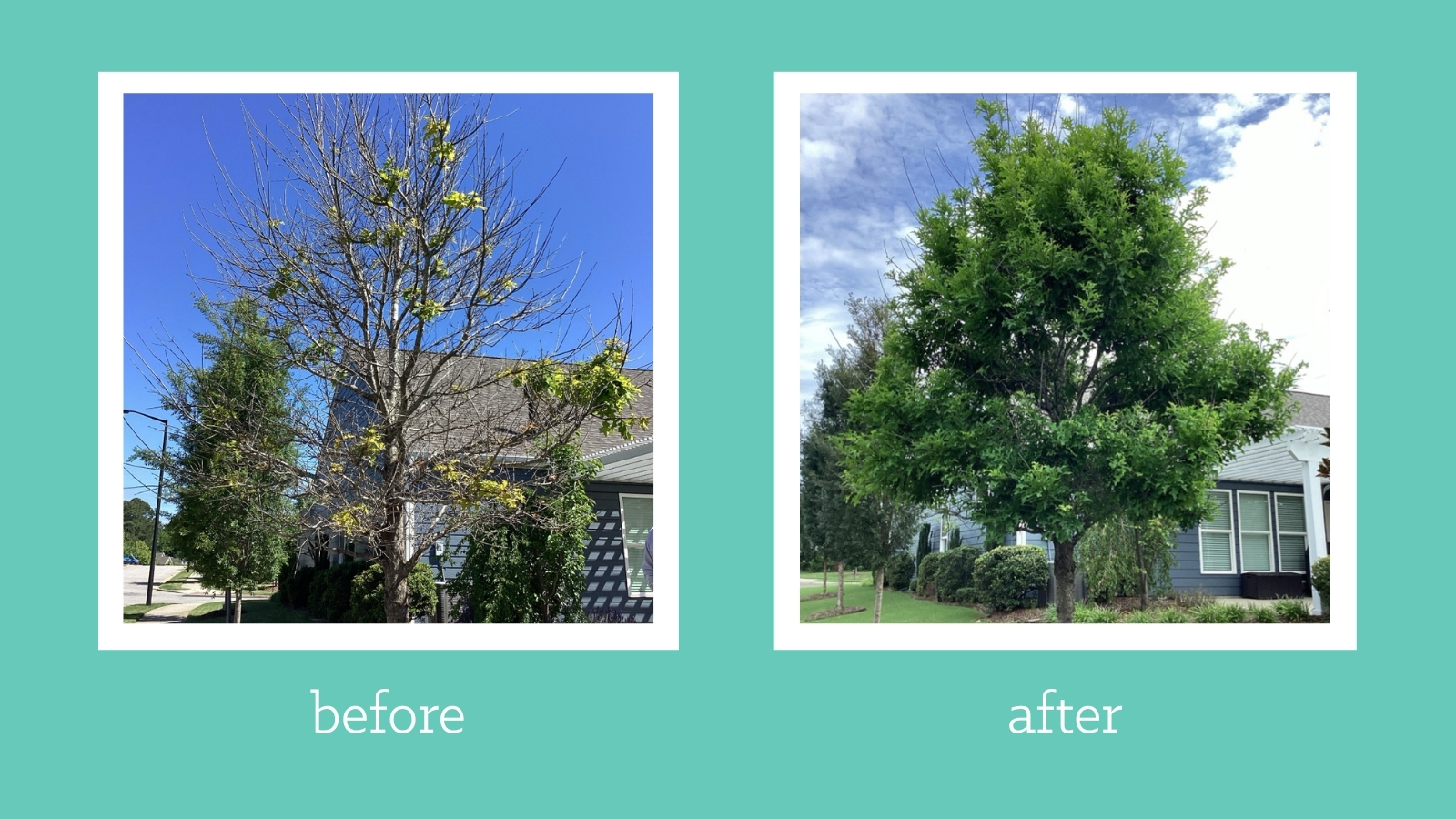
- the tree is declining (thin canopy, dieback)
But… the Drought
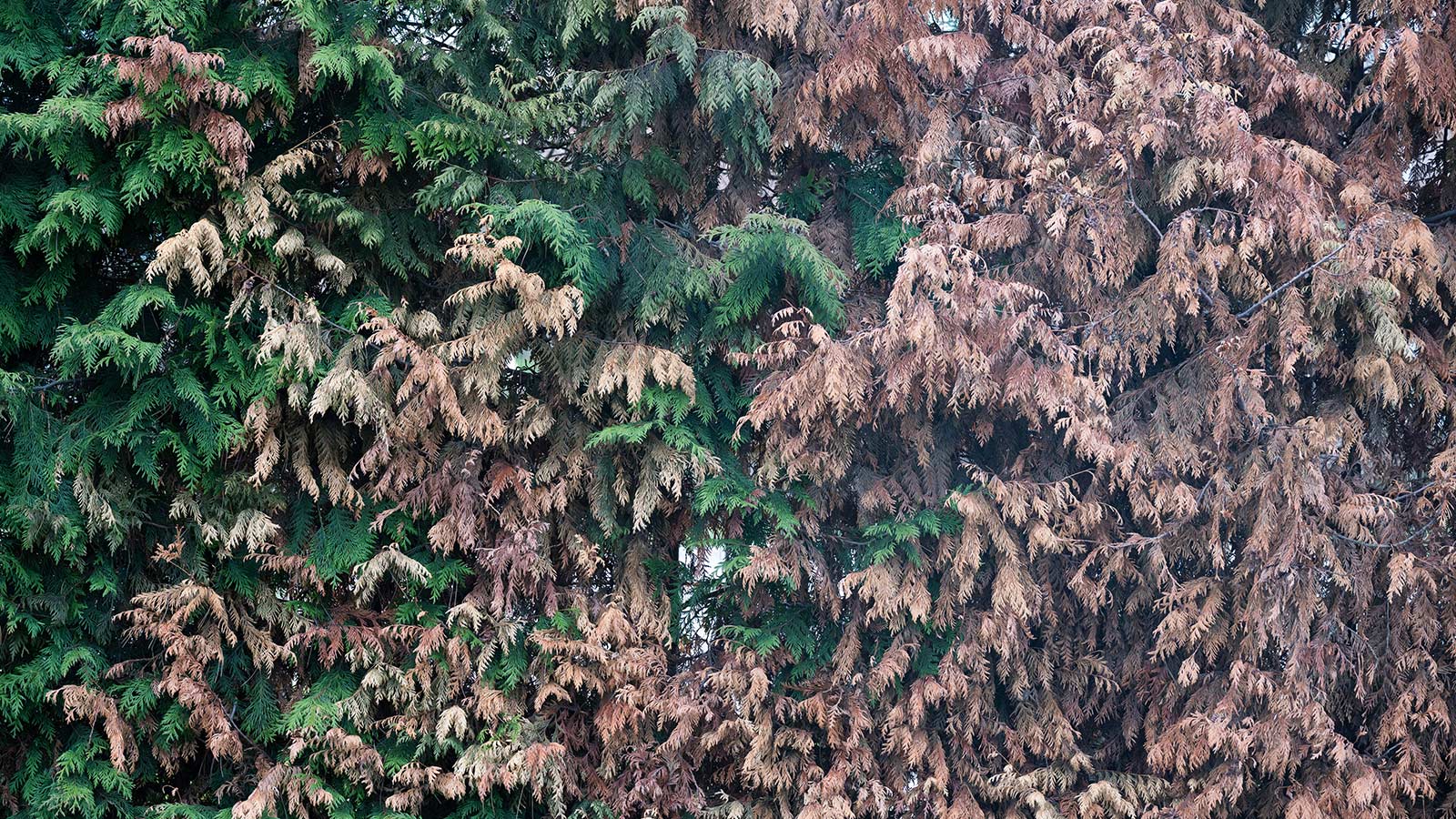
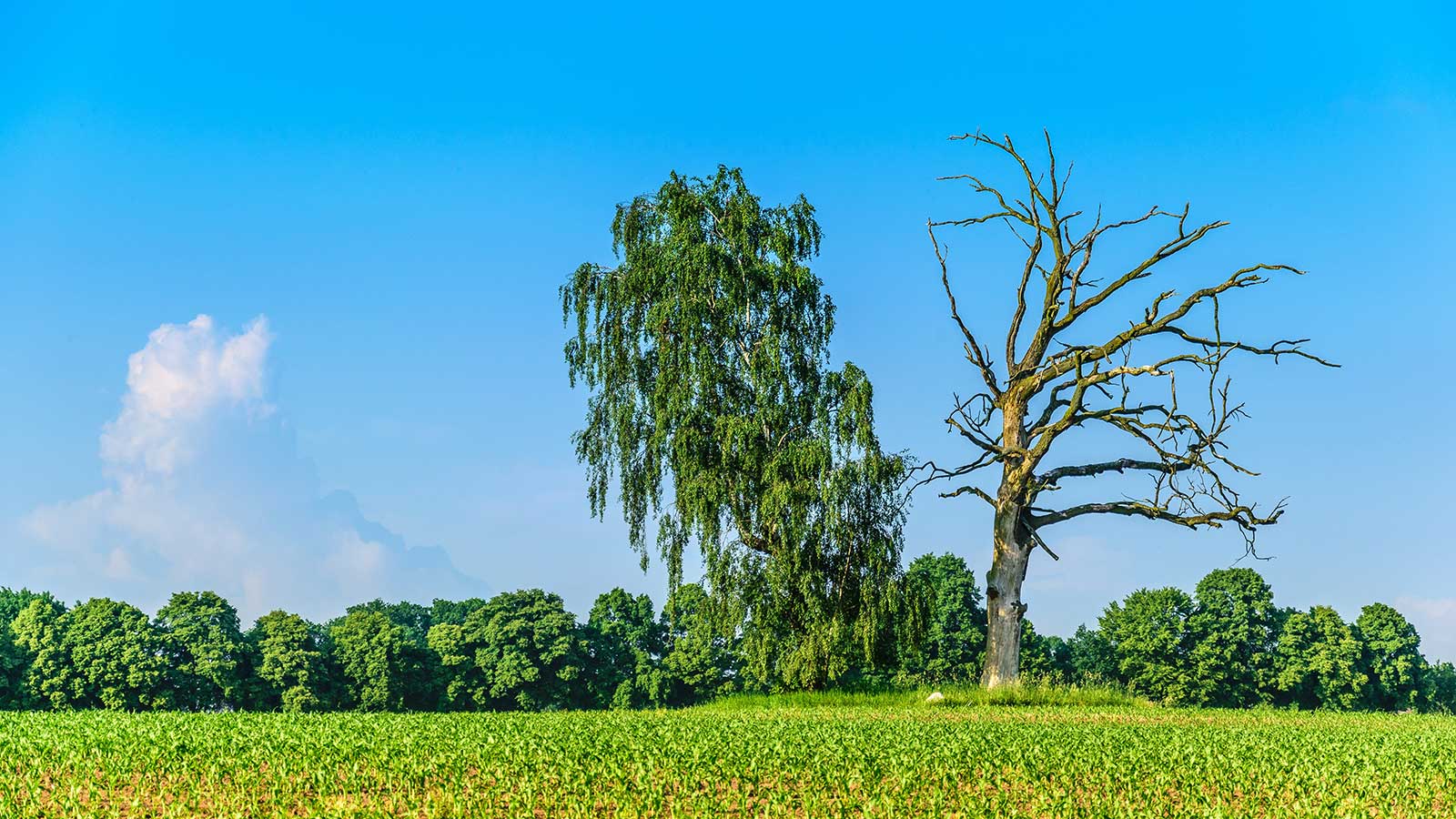
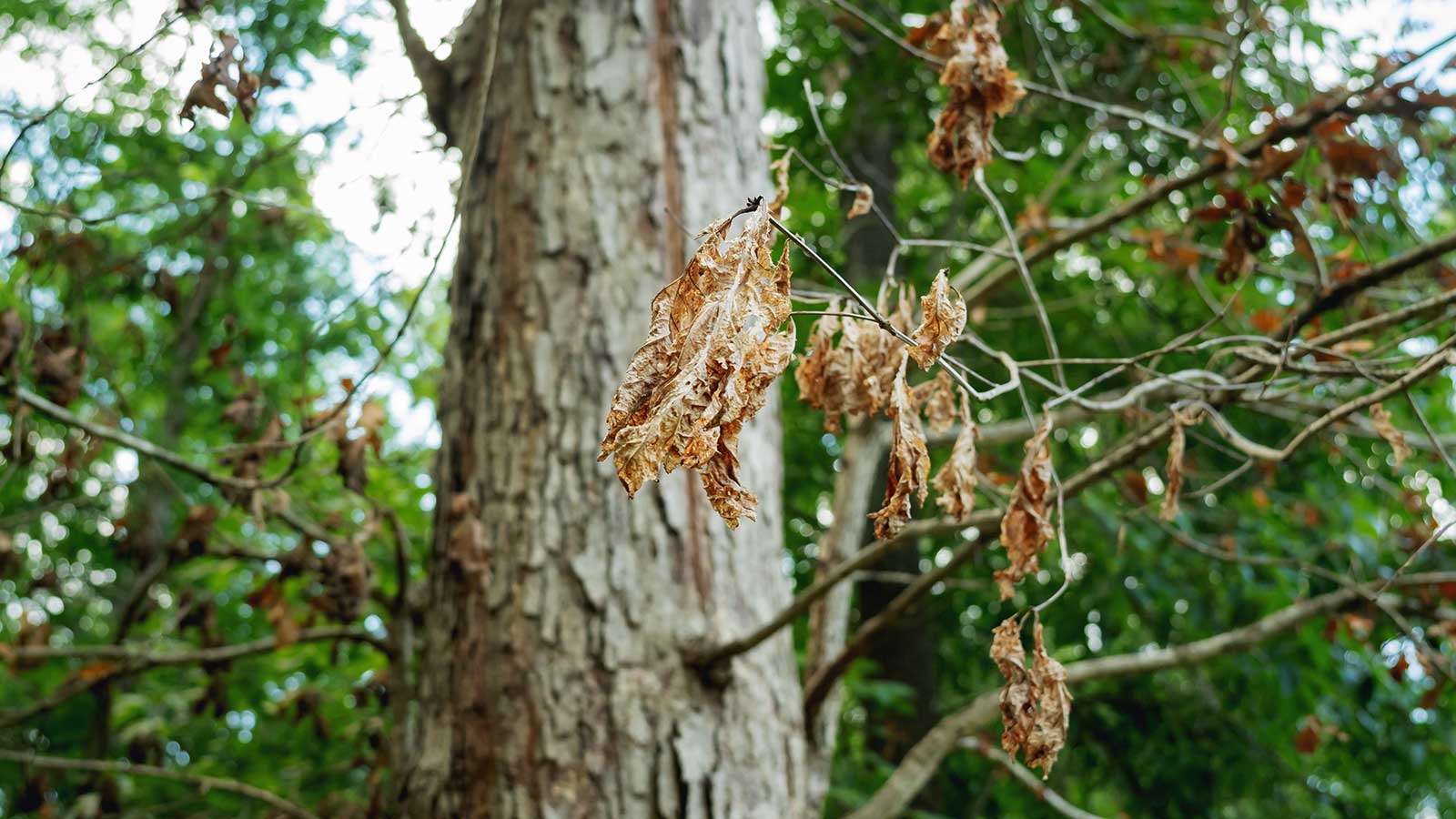
The drought remains the primary reason, or at least a serious exacerbating factor, behind the ongoing struggles many of our trees and shrubs are facing this year. I covered that last month, but it’s still front-and-center, so here’s a link back to that edition in case you missed it.
Some Things to Do Around Town
Want to make an ongoing impact? Join the 12-week Less Lawn, More Life Challenge. Each week, you’ll get a new, actionable to-do and the opportunity to join webinars with experts.
On May 23rd, at JC Raulston Arboretum: Do you admire handmade cards? Join JCRA volunteer and artist, Debra Singer-Harter, to have fun making whimsical flower art, even if you have no drawing or painting experience!
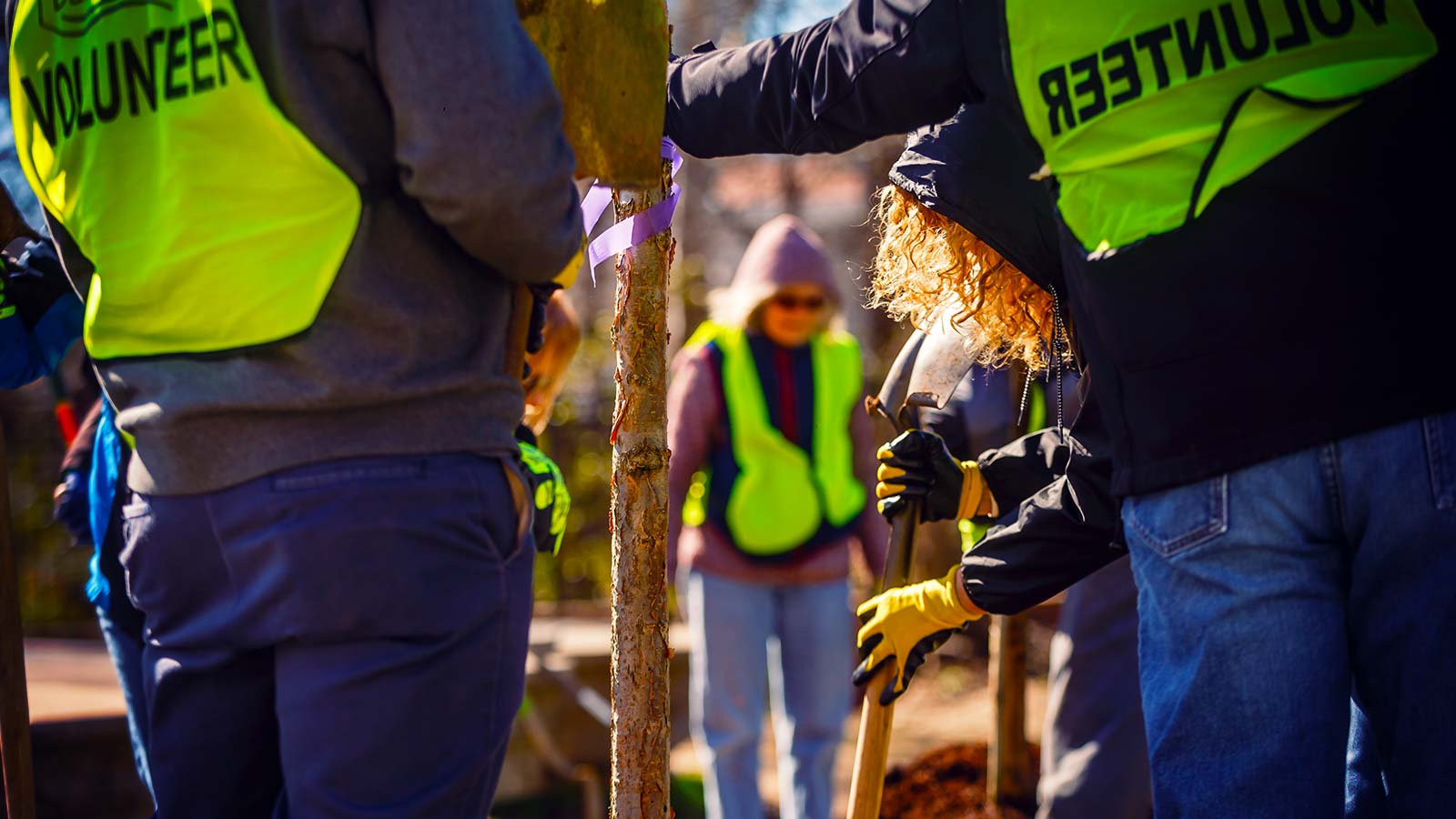
May 22nd and beyond. Want to learn which non-native plants are invasive, meet your neighbors, and get some exercise, all at the same time? Join volunteers at Keep Durham Beautiful for various invasive plant removal projects.
Consider birding! Did you know that Brumley North near Hillsborough is the #2 Hotspot for birding in the state? Join accomplished birders from Triangle Land Conservancy and New Hope Bird Alliance on June 13th for an easy and informative bird-finding ramble.
Right now. Stop fogging for mosquitoes. Instead, join the mosquito bucket challenge with Homegrown National Park. Learn how and add your bucket to the Homegrown National Park Biodiversity Map so your impact is counted alongside thousands of others.
One Last Thing: Go Outside
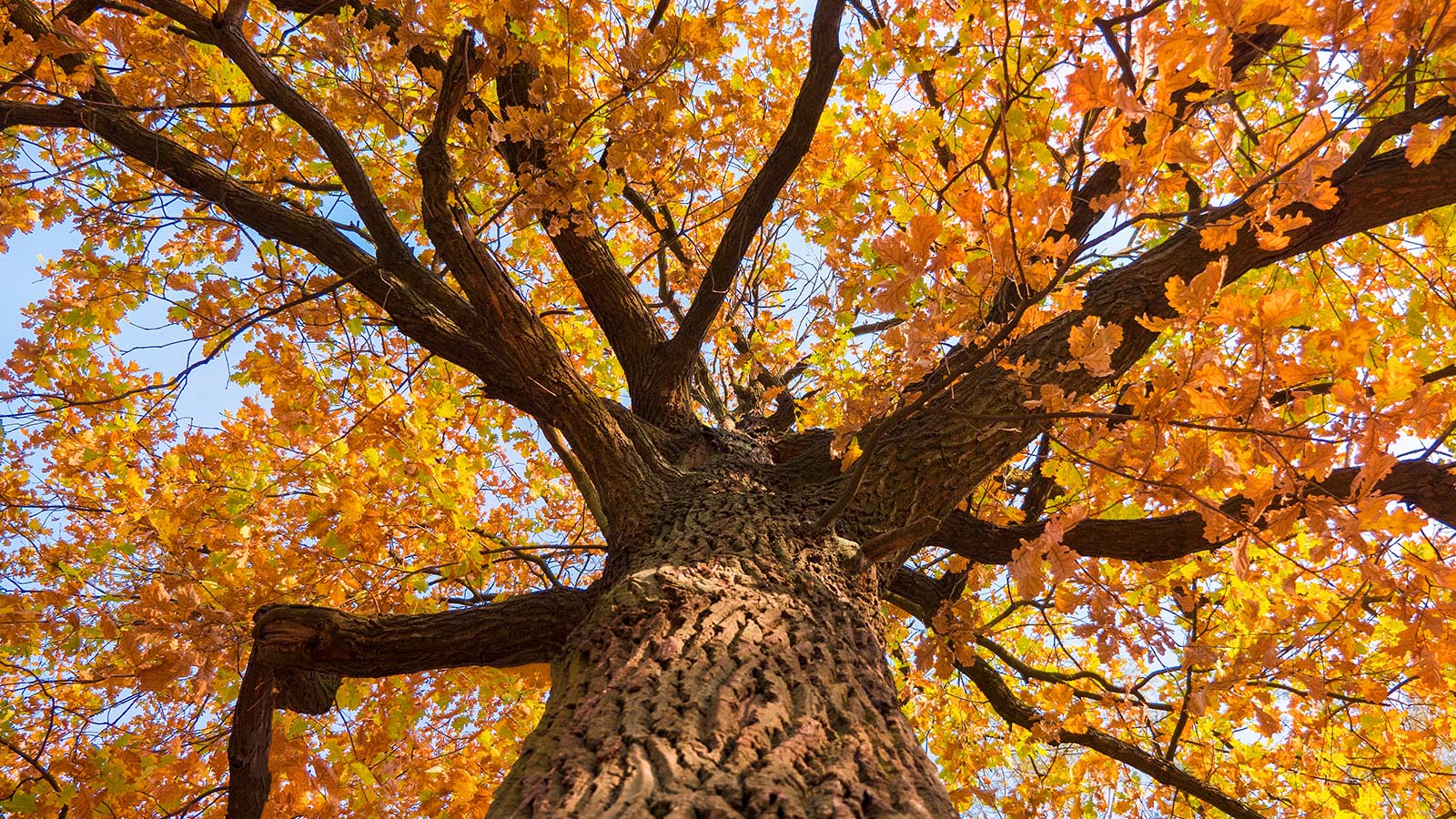
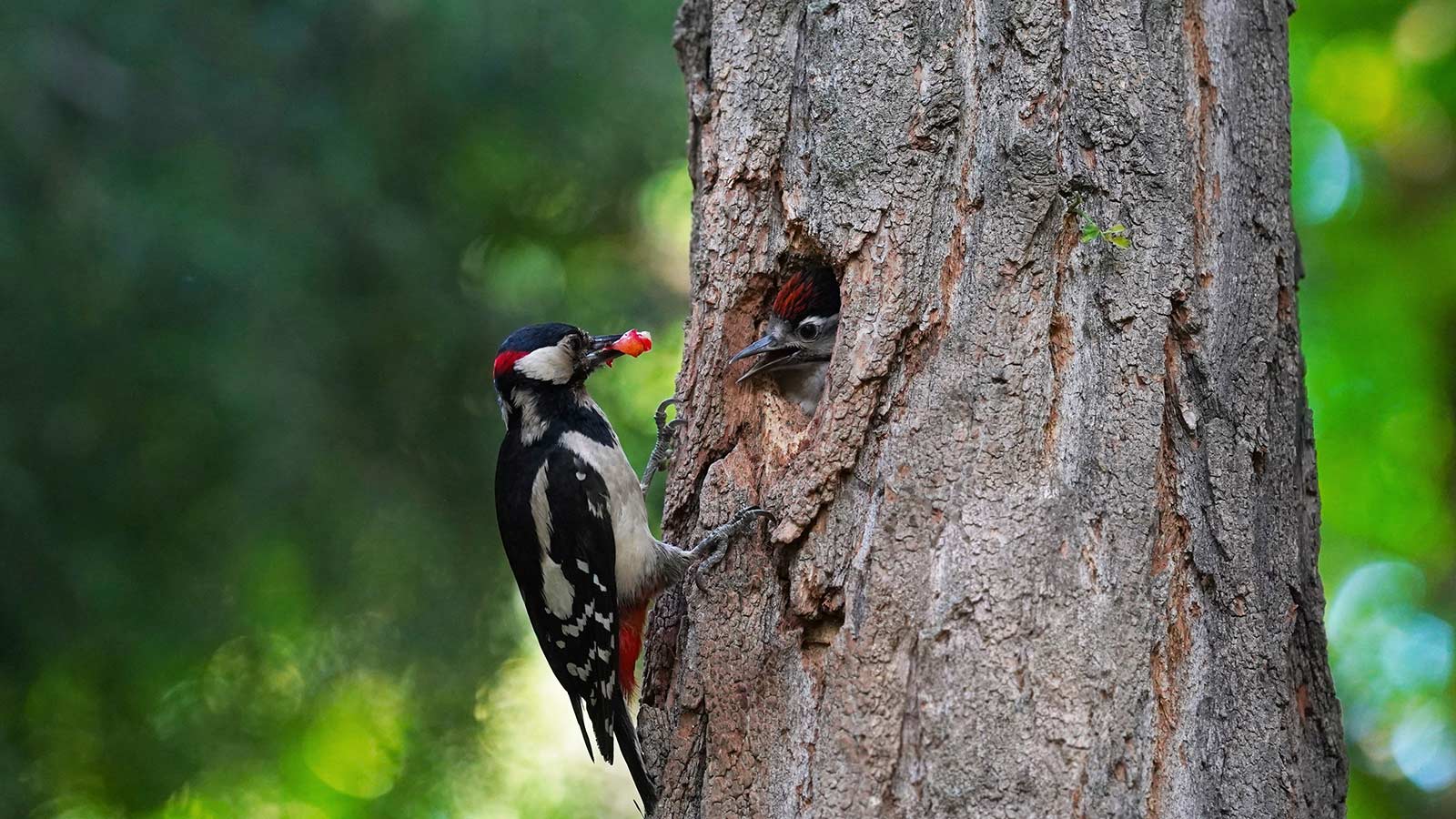
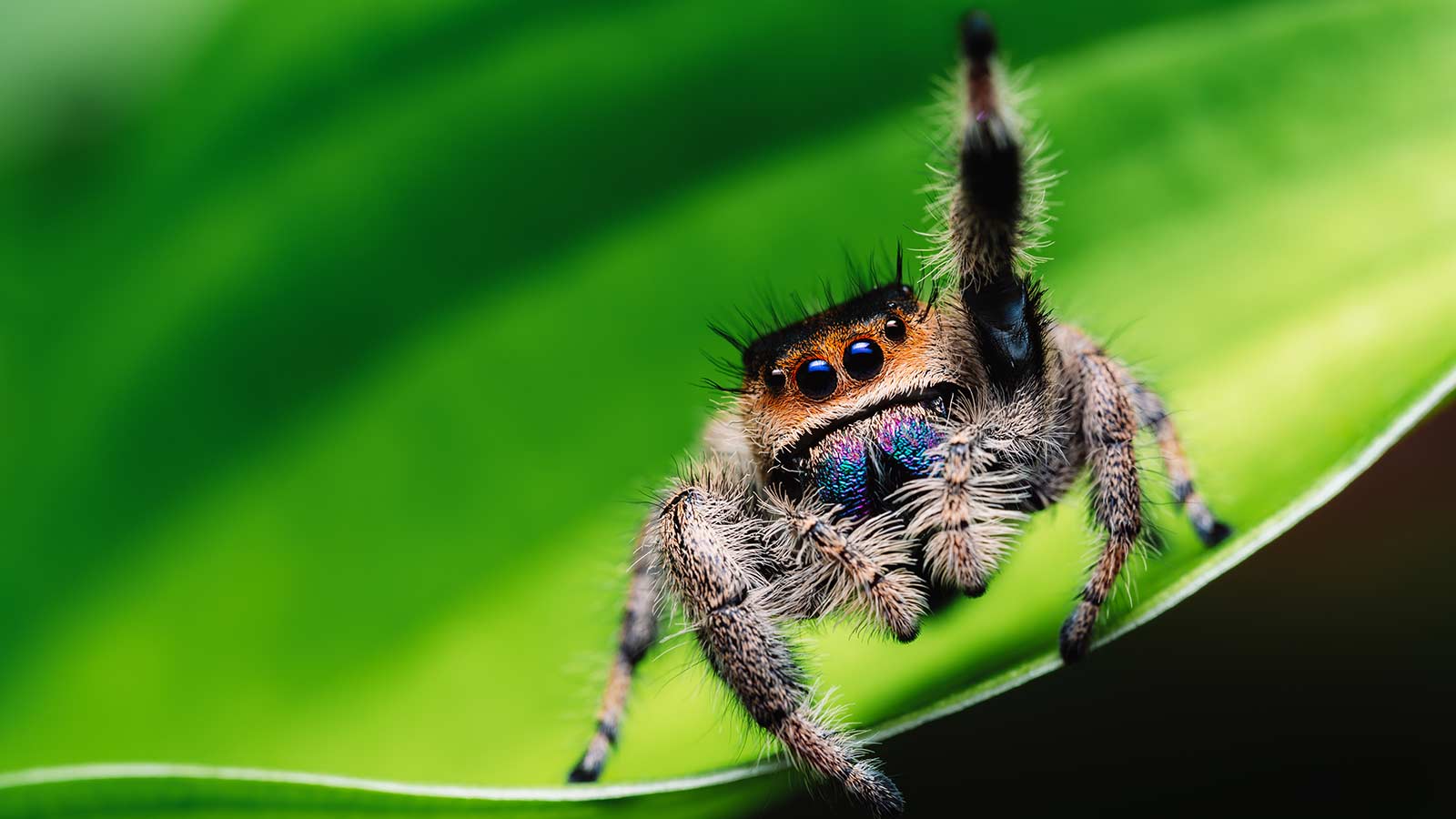
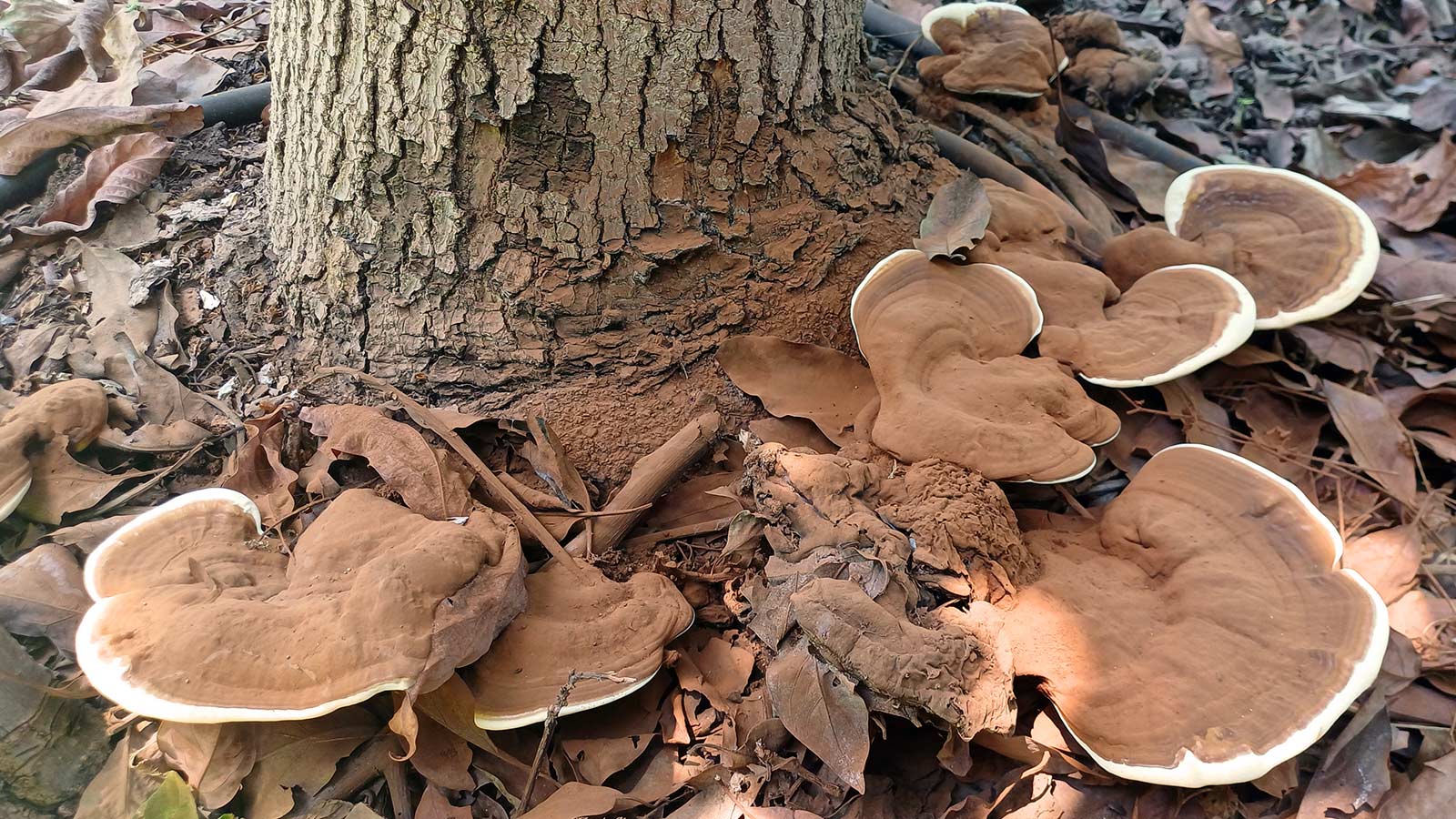
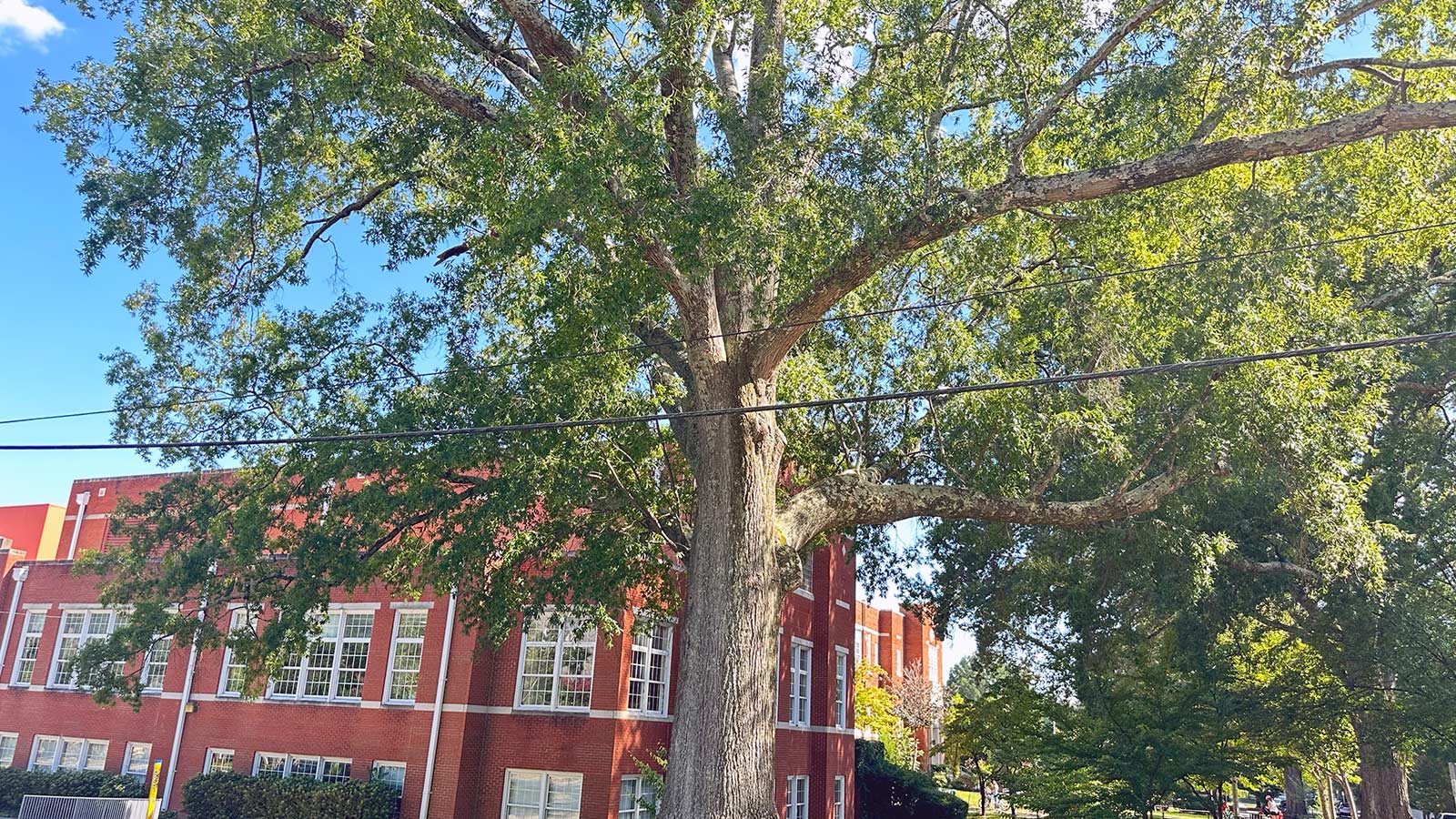
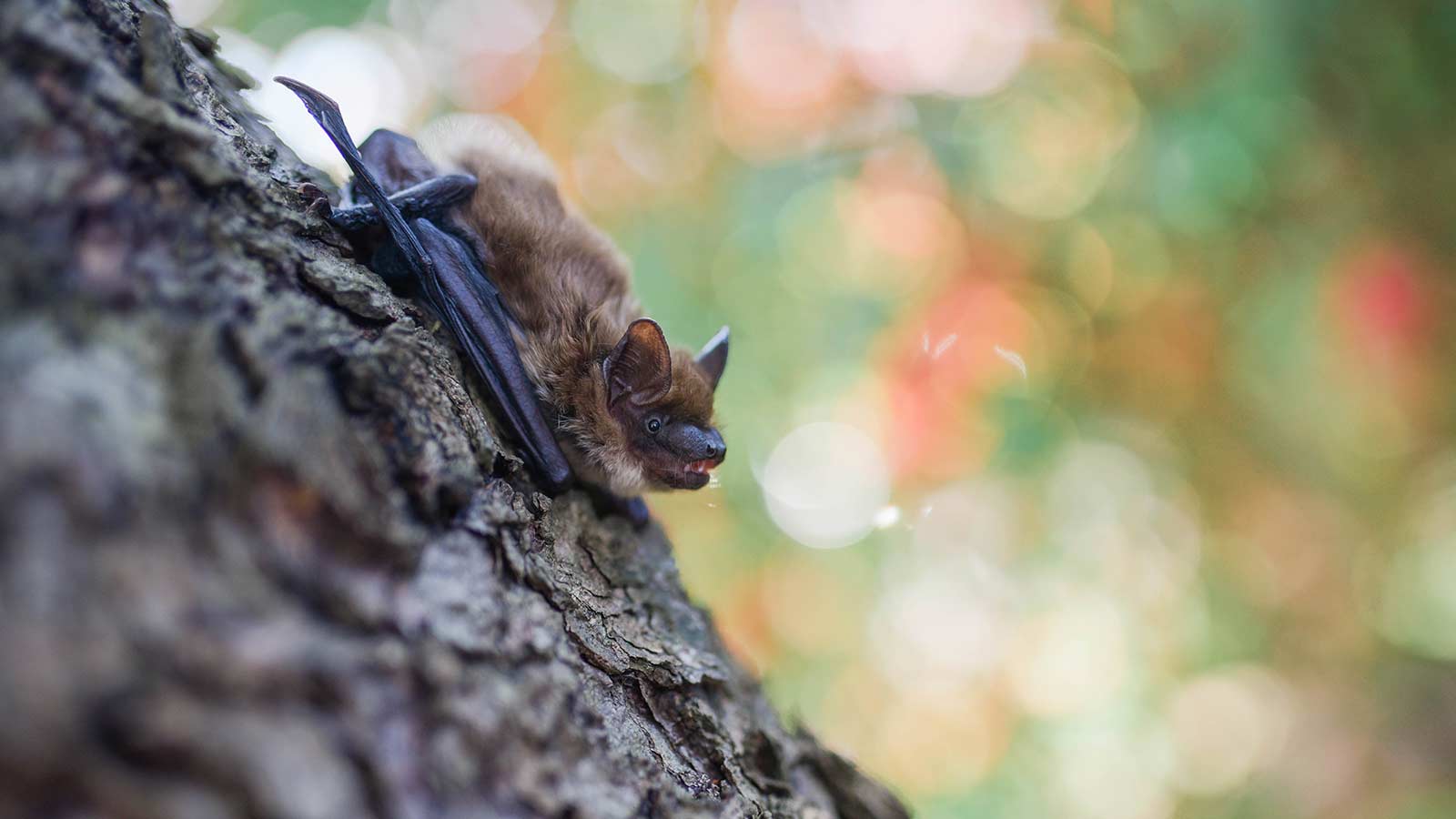
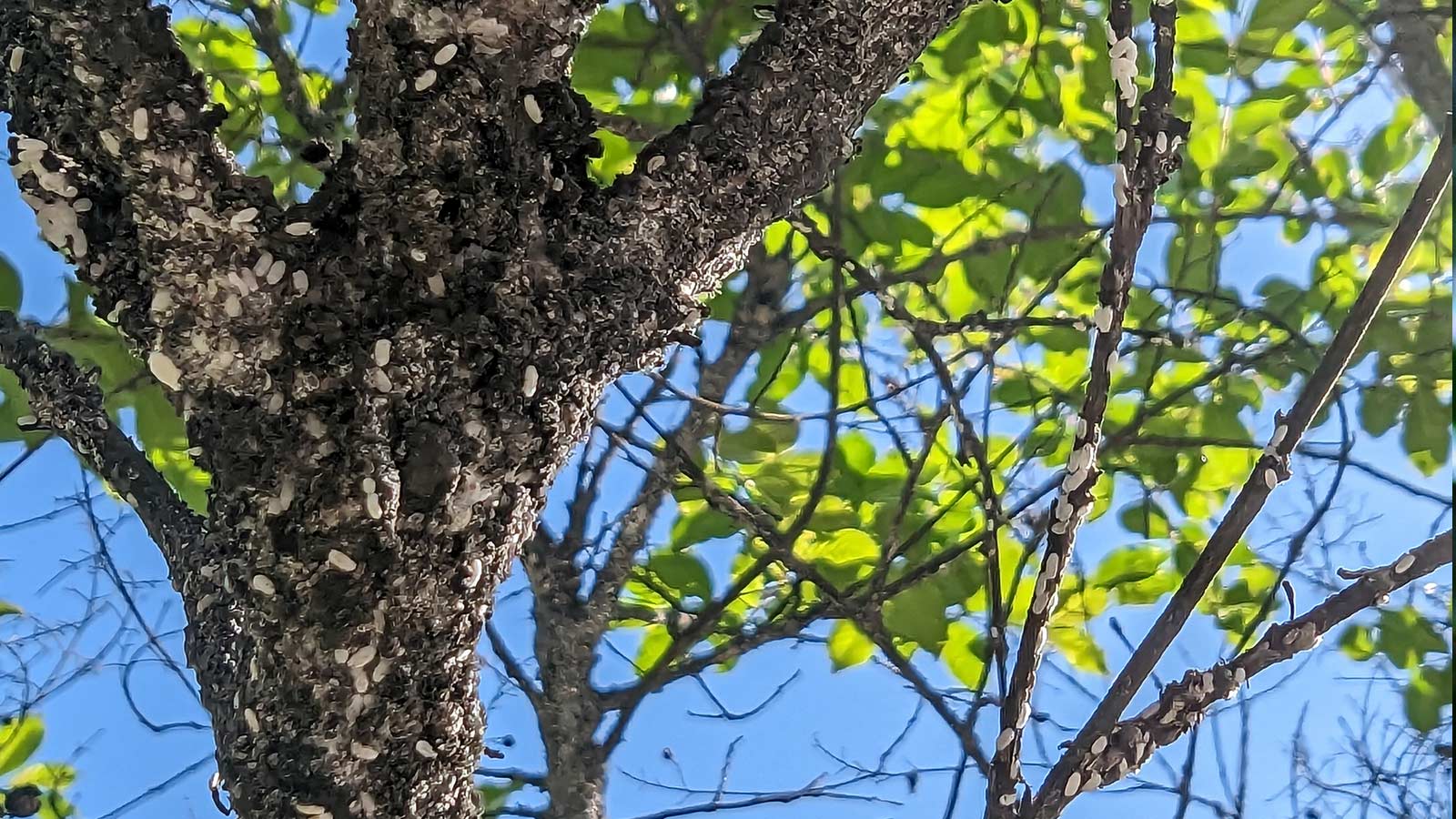
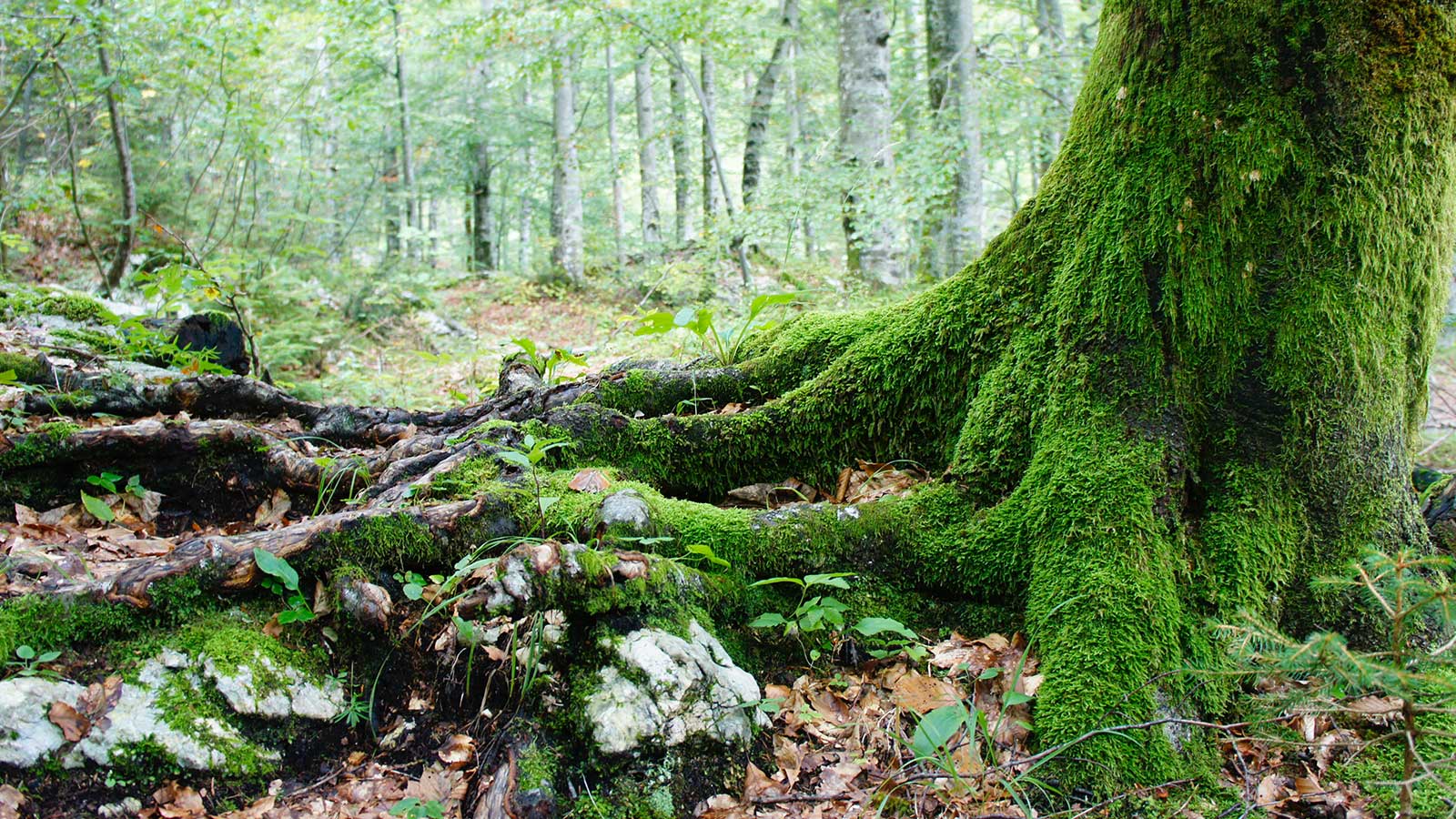
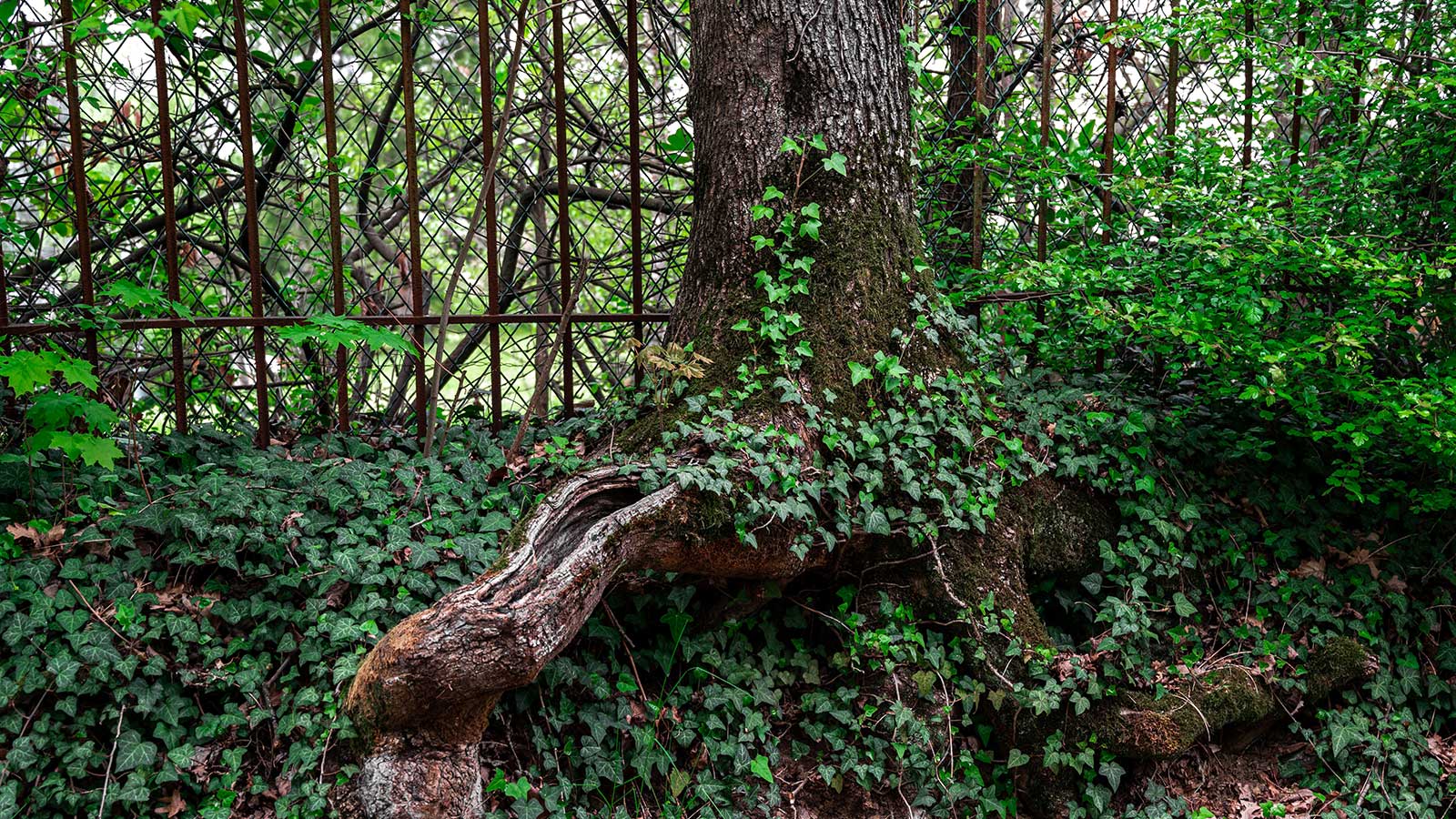
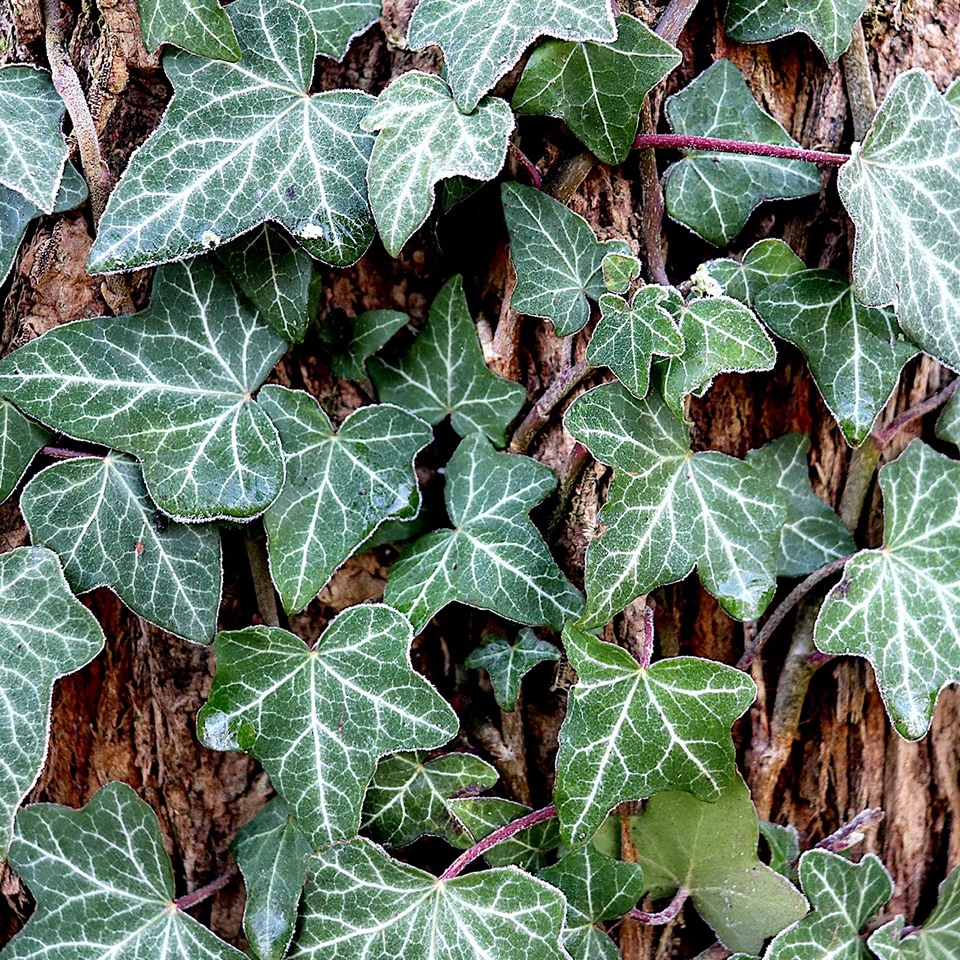
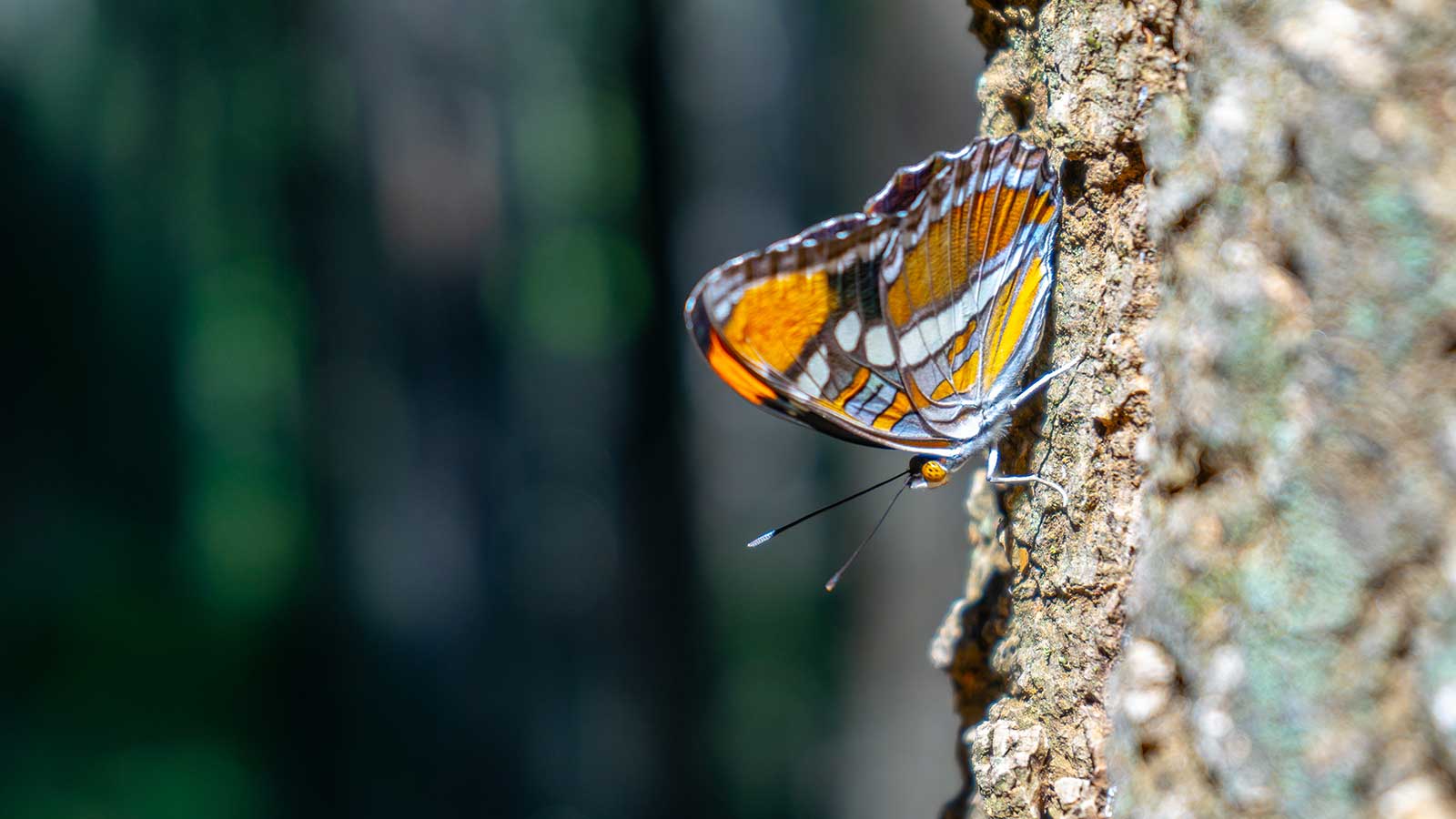
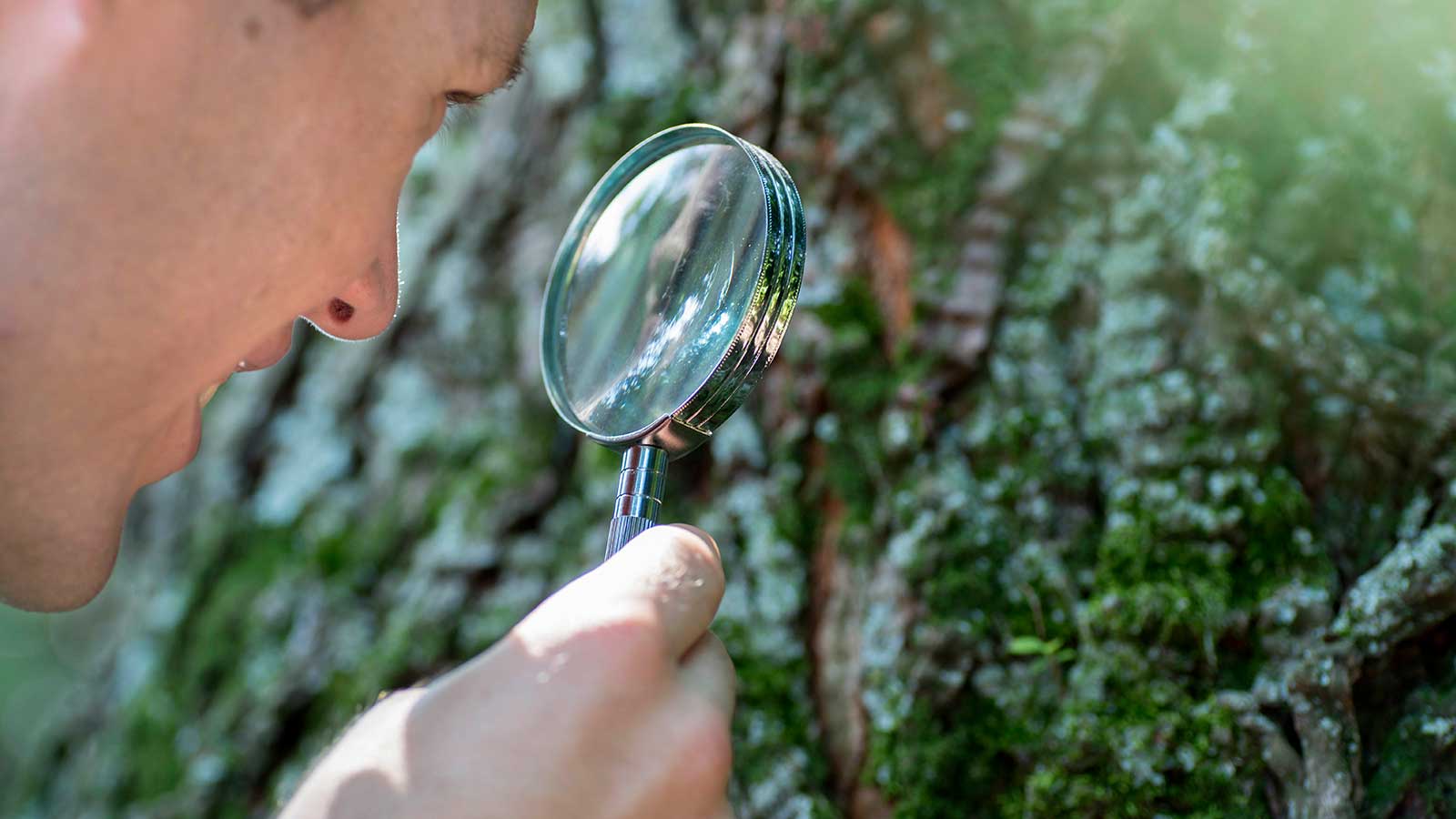
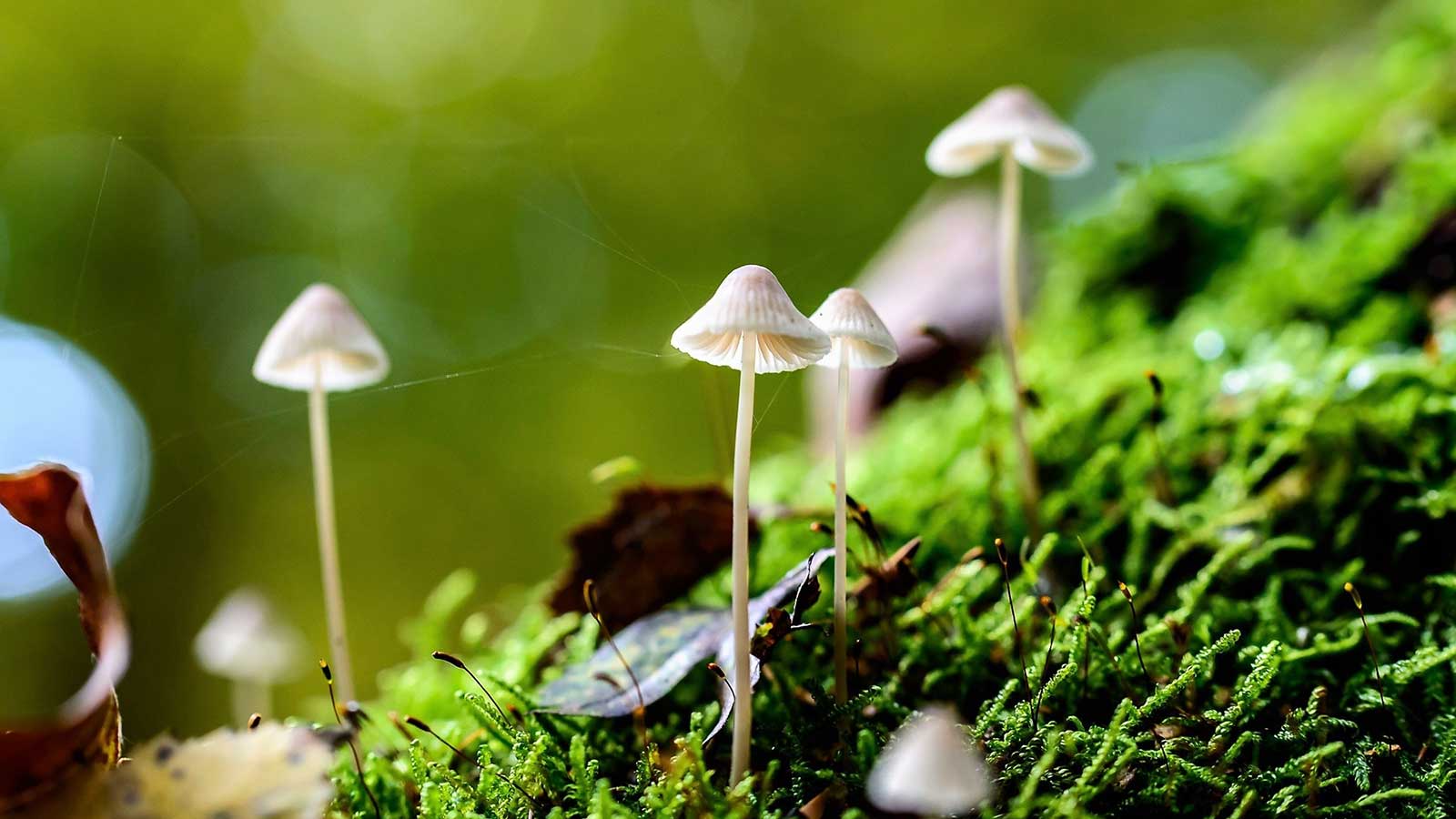
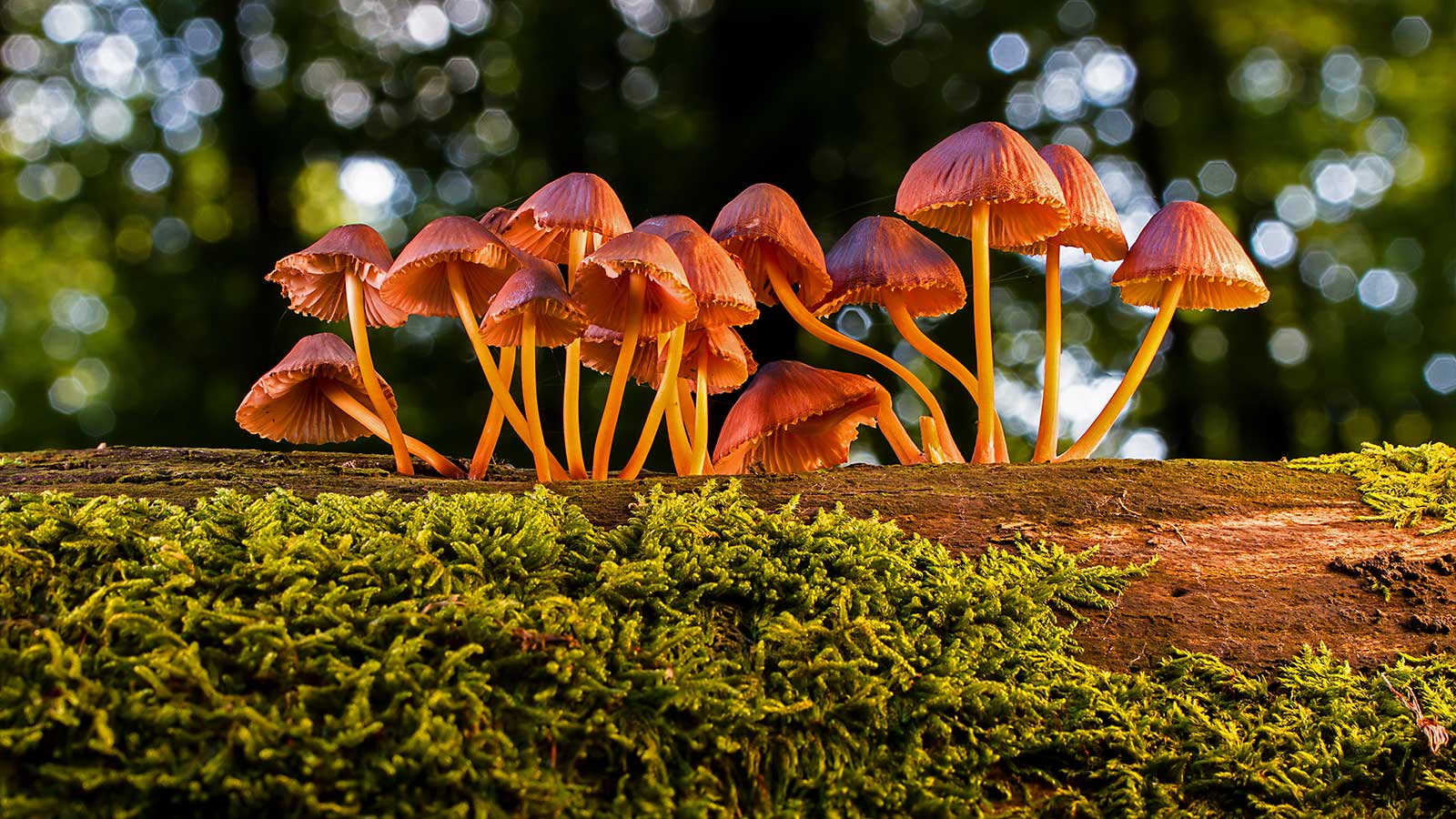
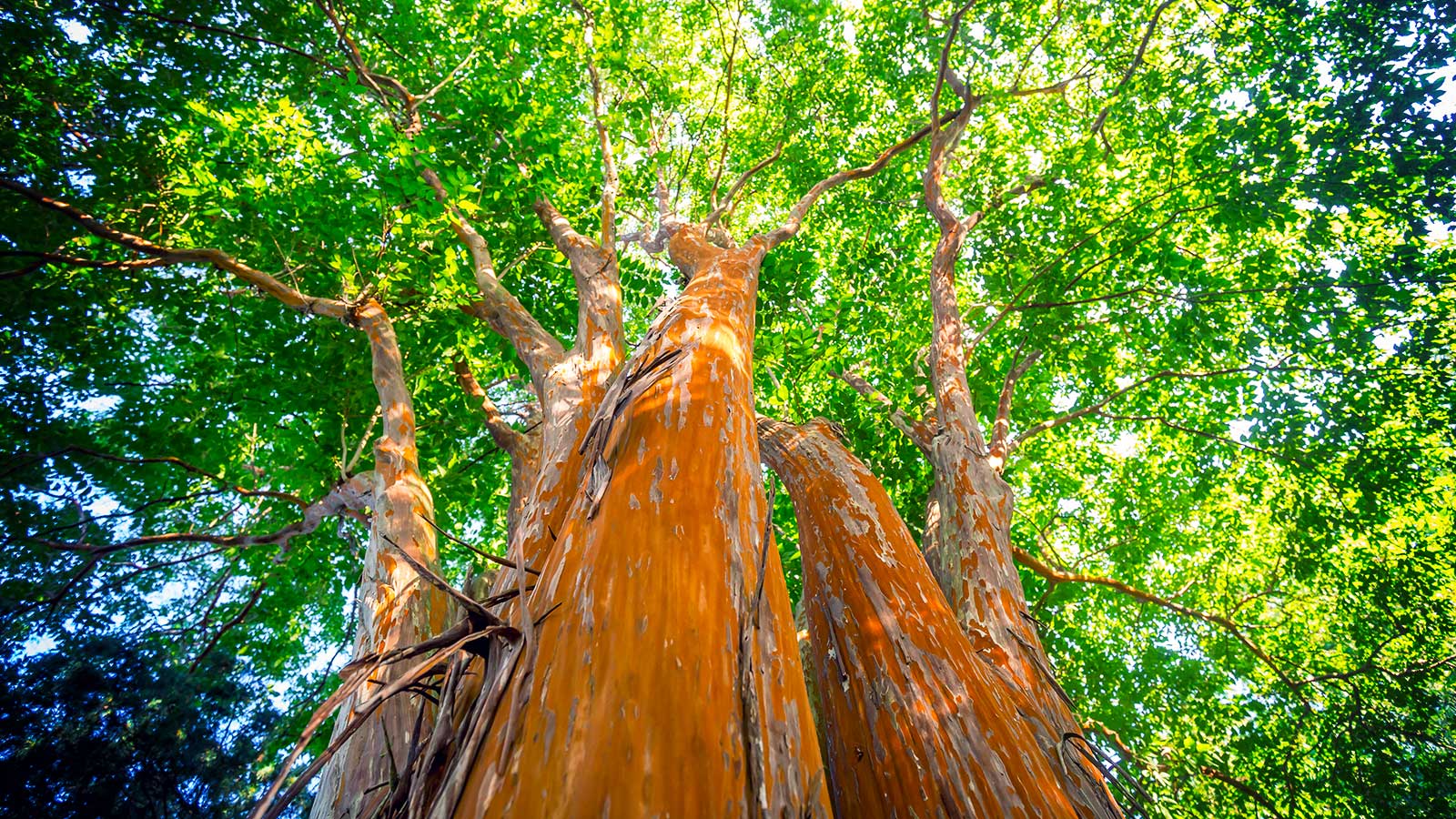
I’m constantly looking at tree bark, and you should too. This month’s assignment is to find at least 5 cool things on the bark of your tree, not just to notice problems, but for its own sake. Sometimes referred to as the “barkosphere”, bark is more than a protective covering. Many scientists consider trees to be not just a single organism, but a whole community - a holobiont for you science nerds. Look at the bark of your trees in detail with a hand lens. You will find moss, lichens, large and tiny fungi, ants, and spiders of all sizes, and probably a lot more. Most of this stuff growing on and with your trees signifies a healthy system.
Scientists have recently learned that microbes living in tree bark can remove methane (a potent greenhouse gas) from the air, making trees an even more important hedge against warming than we thought.
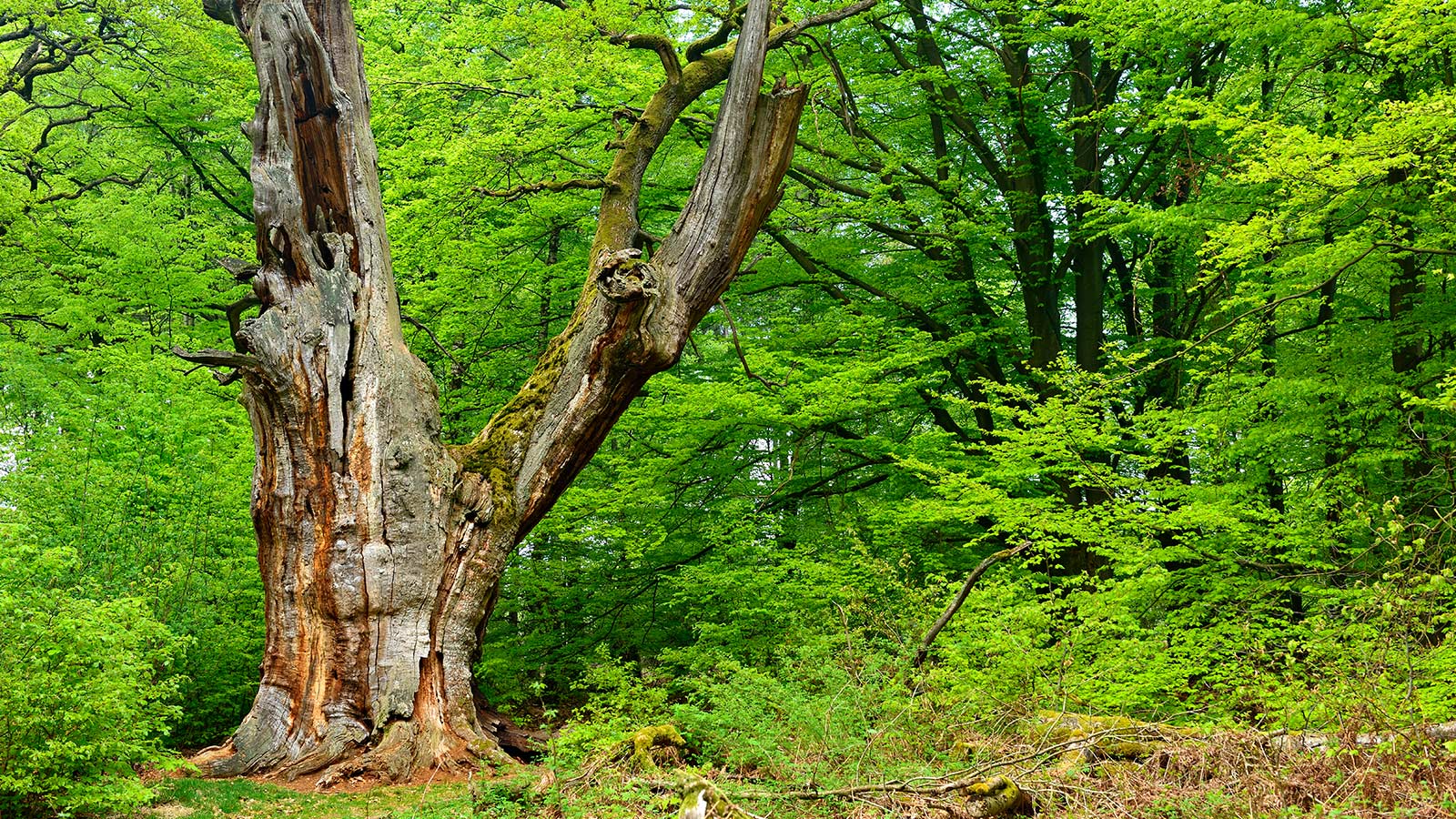
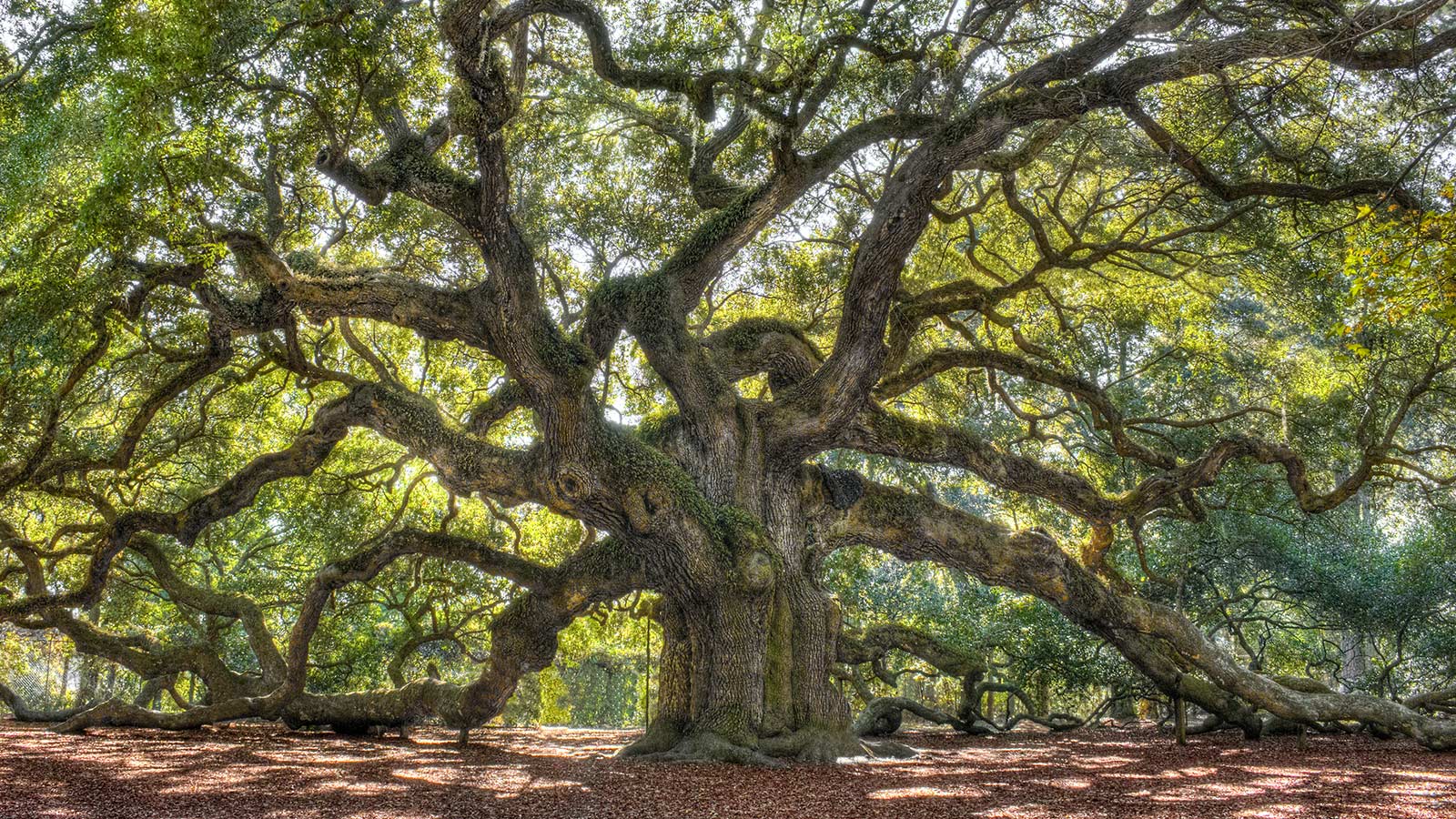
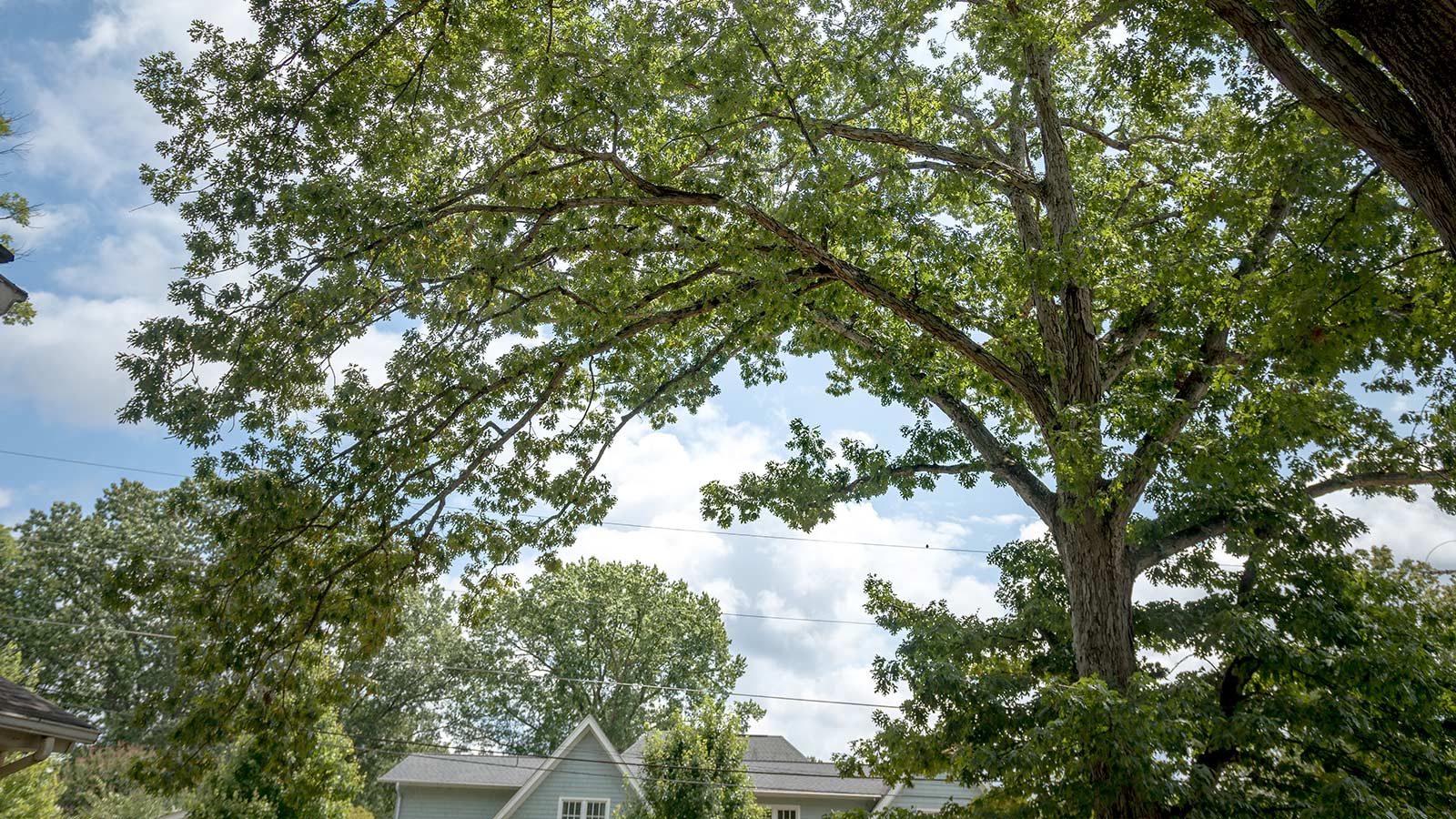
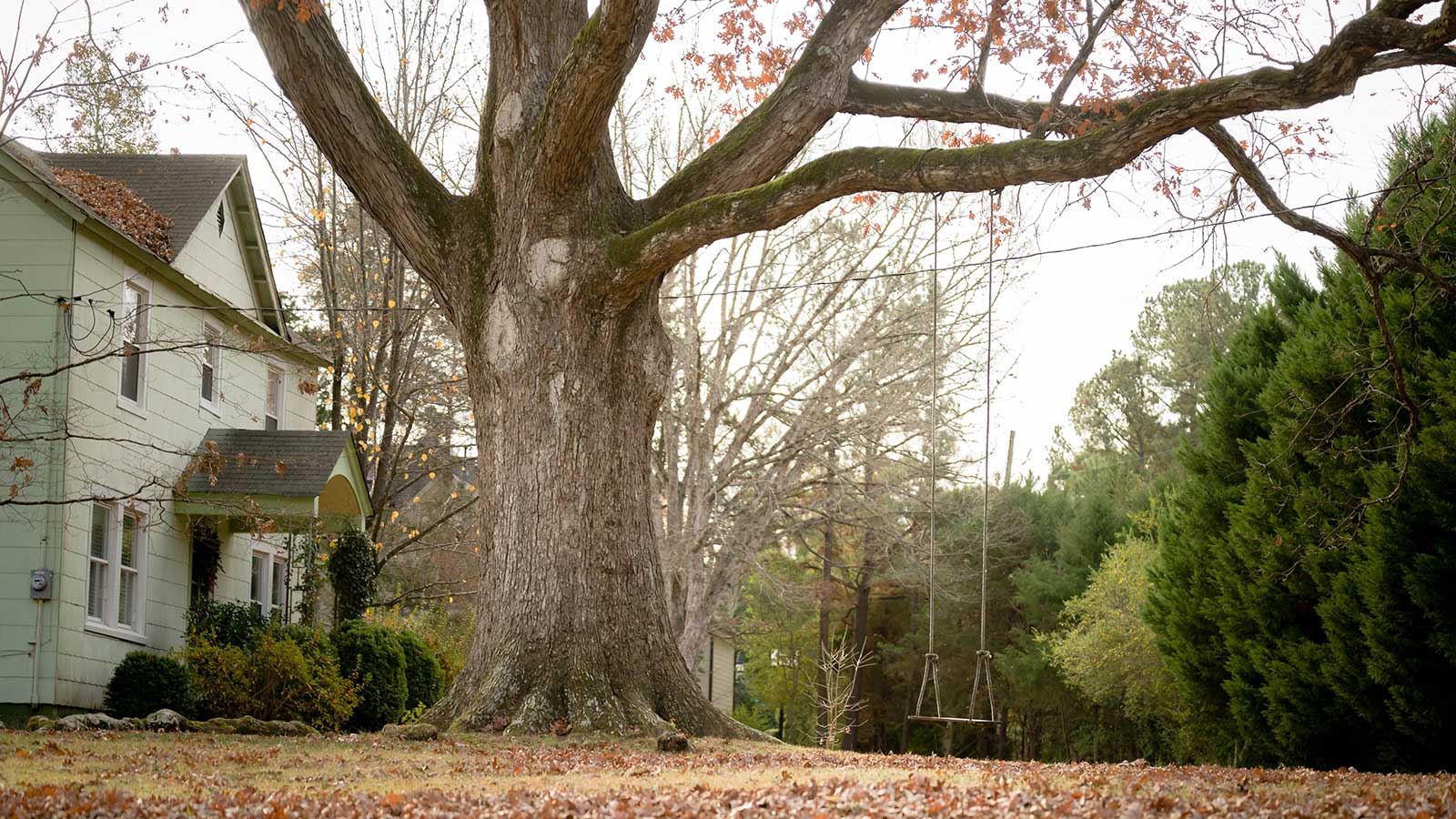
While you’re out there, you’ll notice that thick craggy bark holds more life than thin bark on young trees. Our old trees are very important in more ways than we even know. Give them a hug.
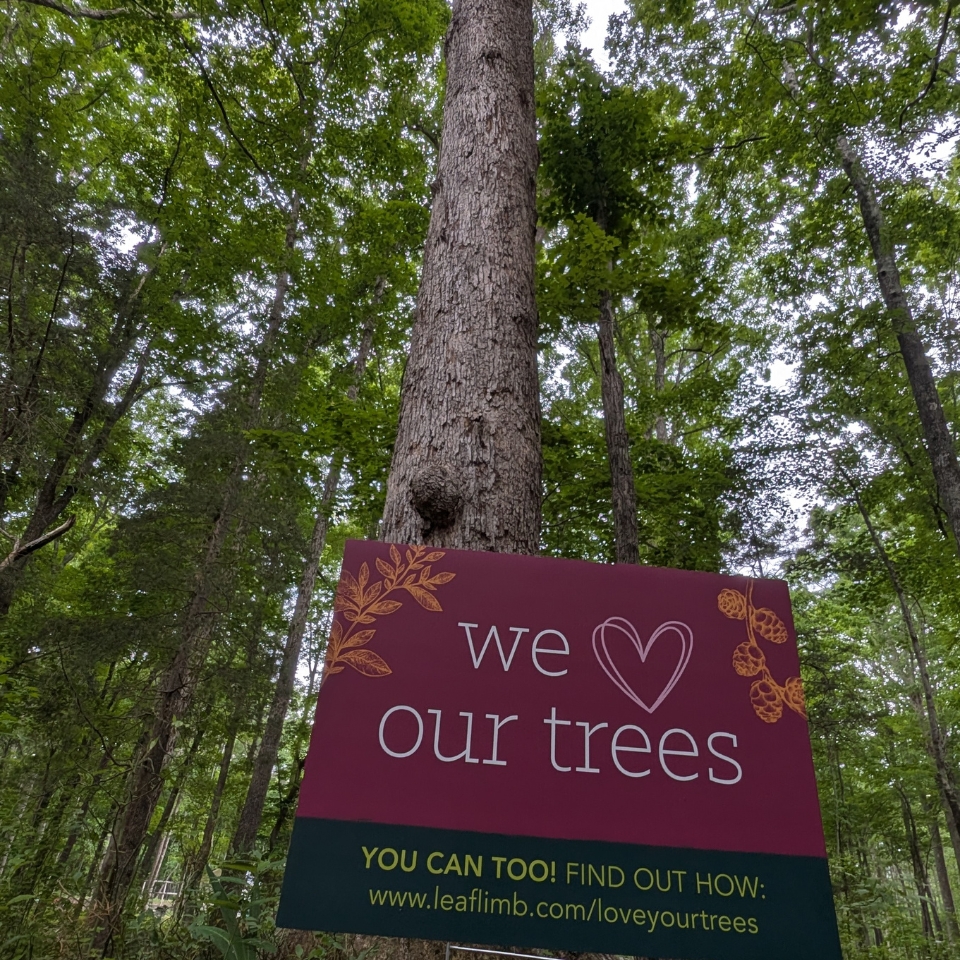
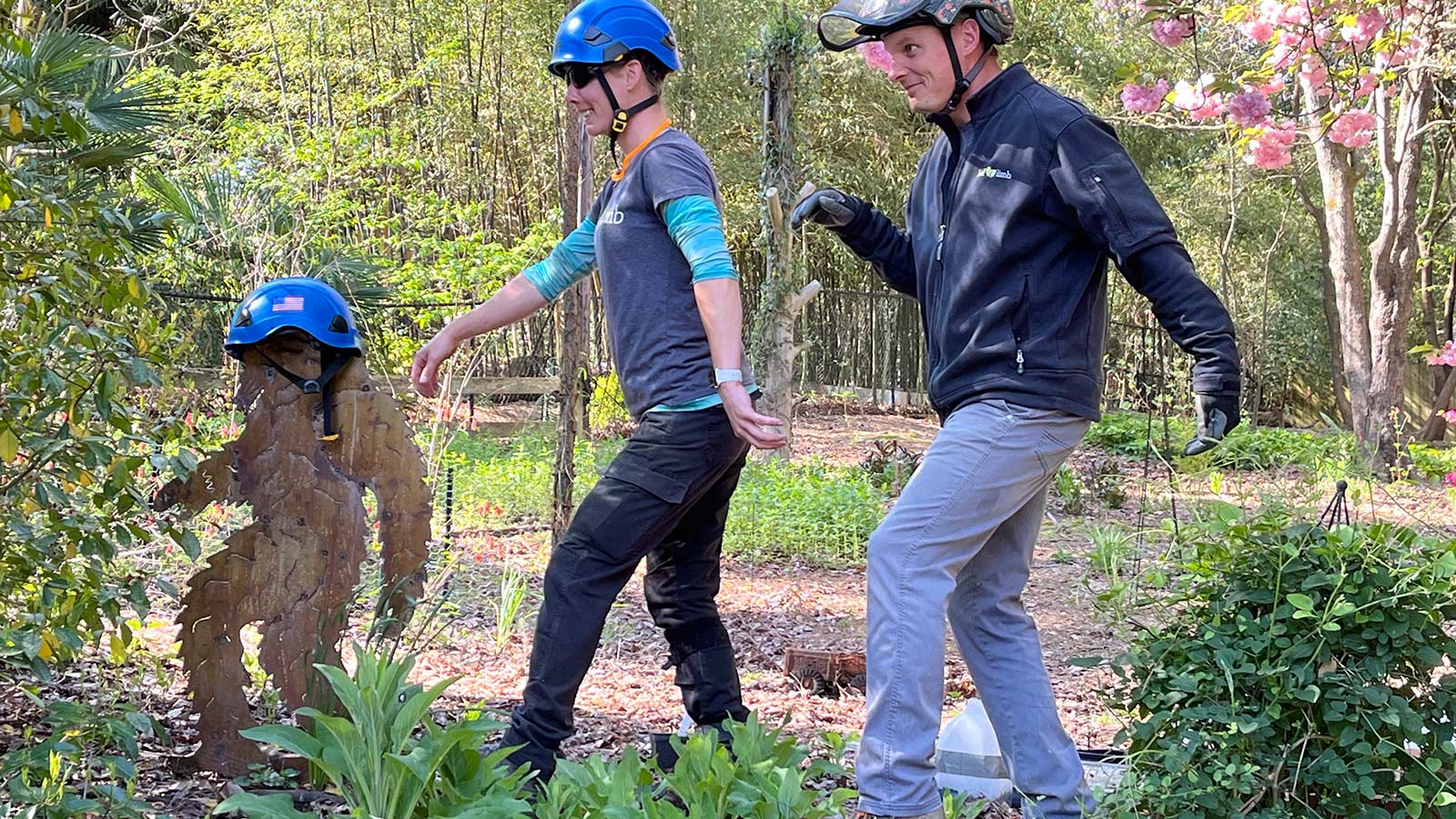
Want one of these signs for your own? Send us a message, and we can let you know how to get one. Note: these are only available for pickup. Shipping is not available.
Until next month, remember to sniff the blooms and listen to the birdsong.