Wondering How to Get Rid of Crape Myrtle Bark Scale?
This challenging new pest has spread quickly throughout the Southeast over the last few years. Here is what we recommend.
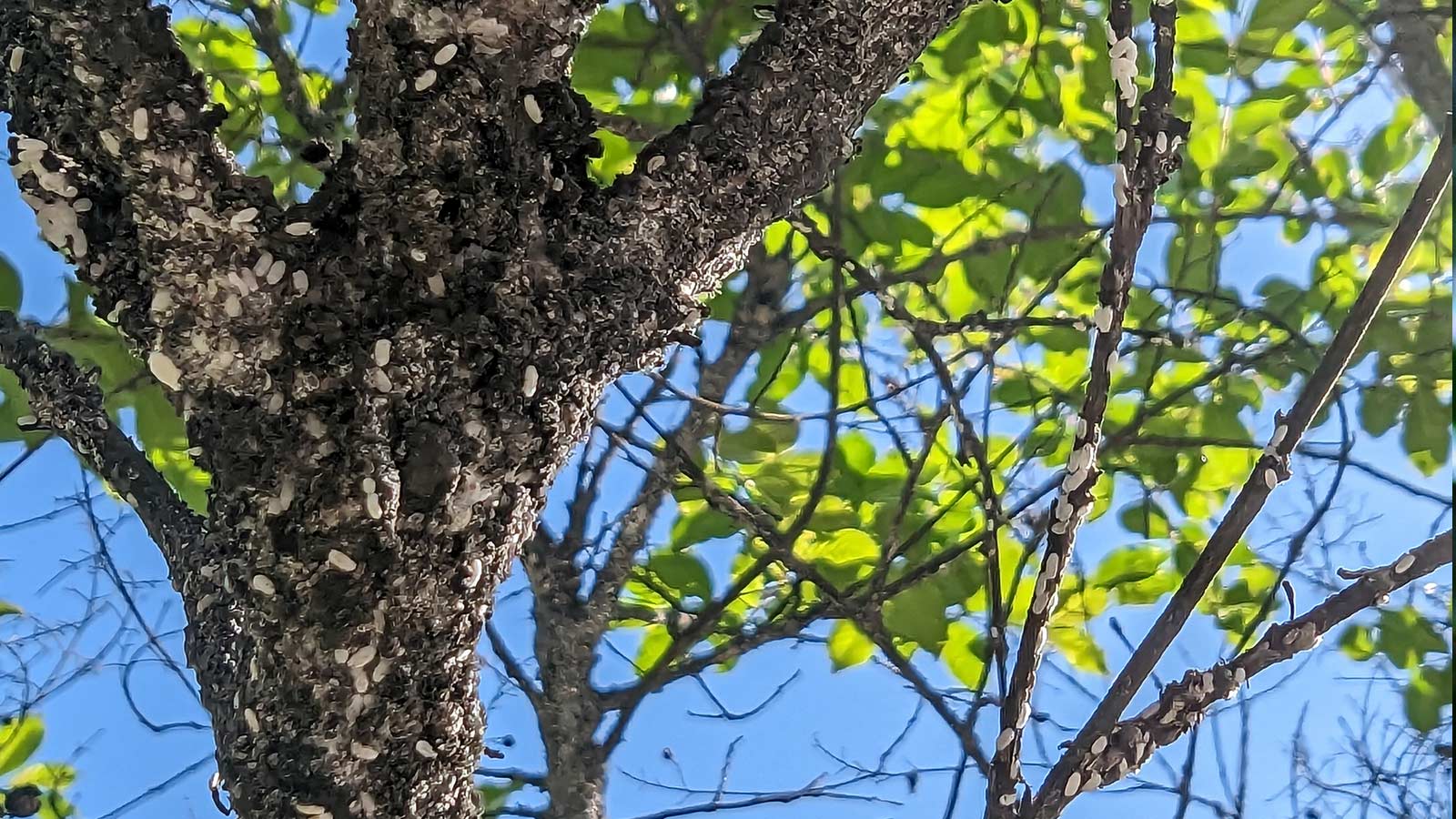
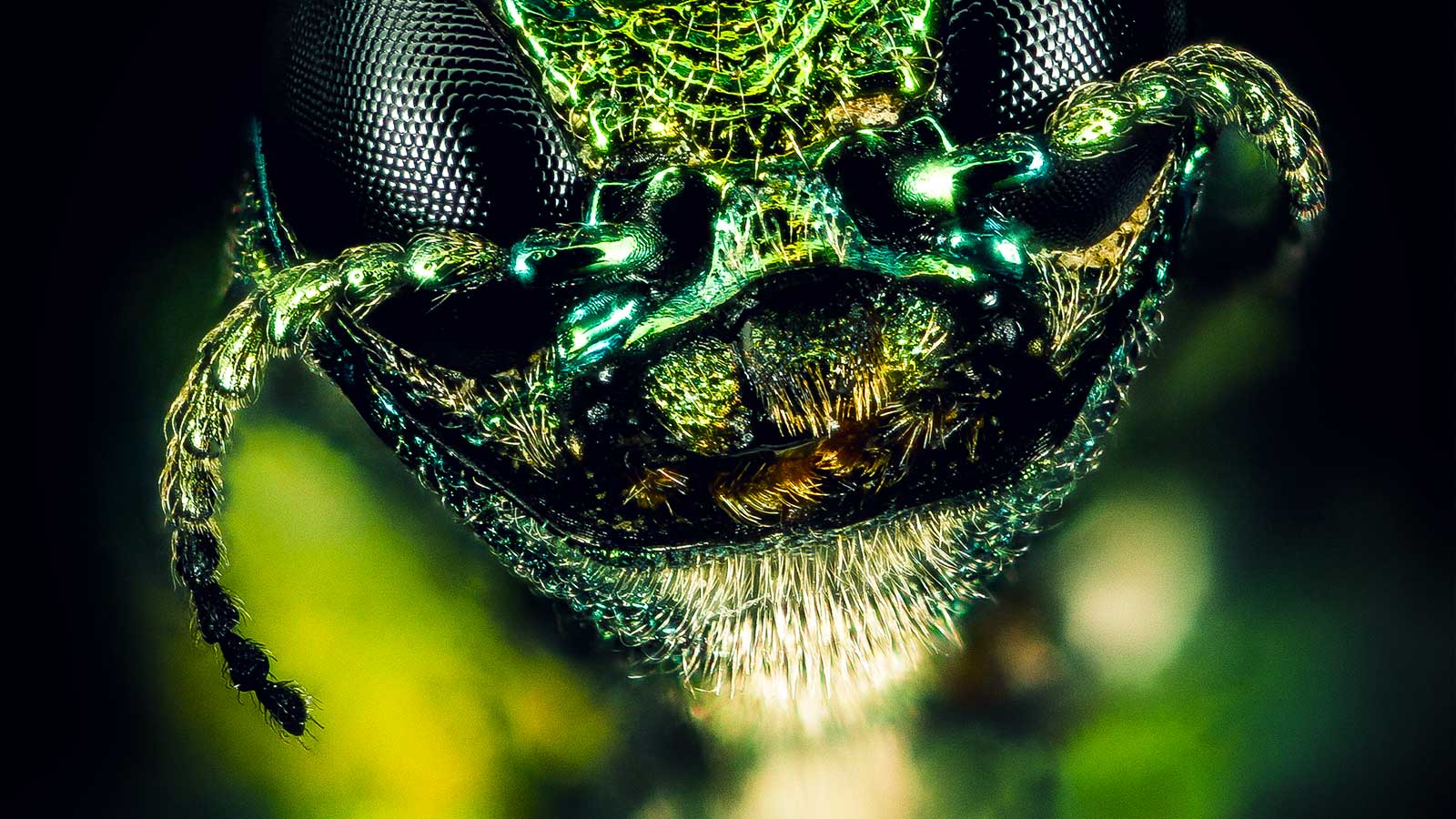
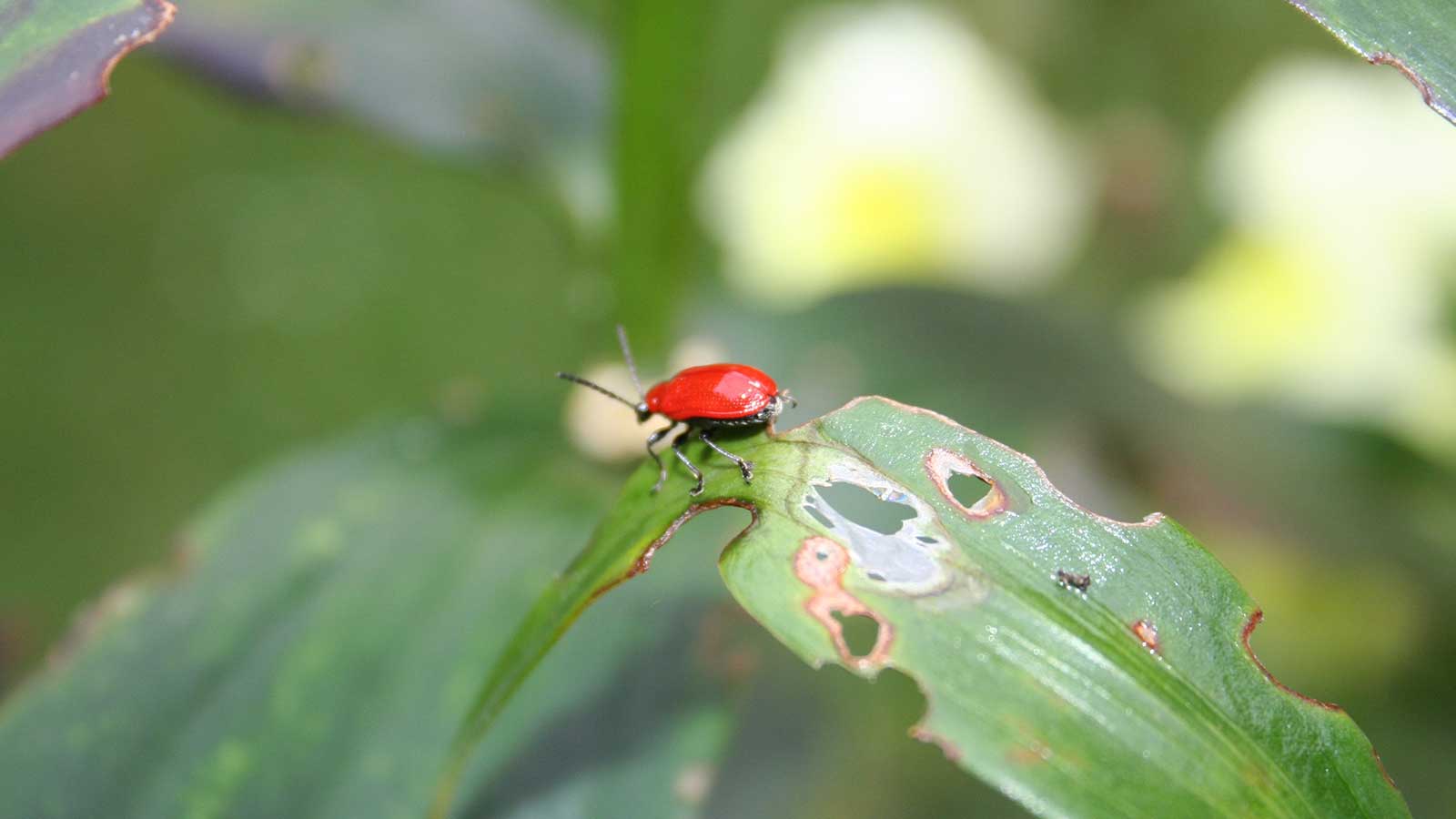
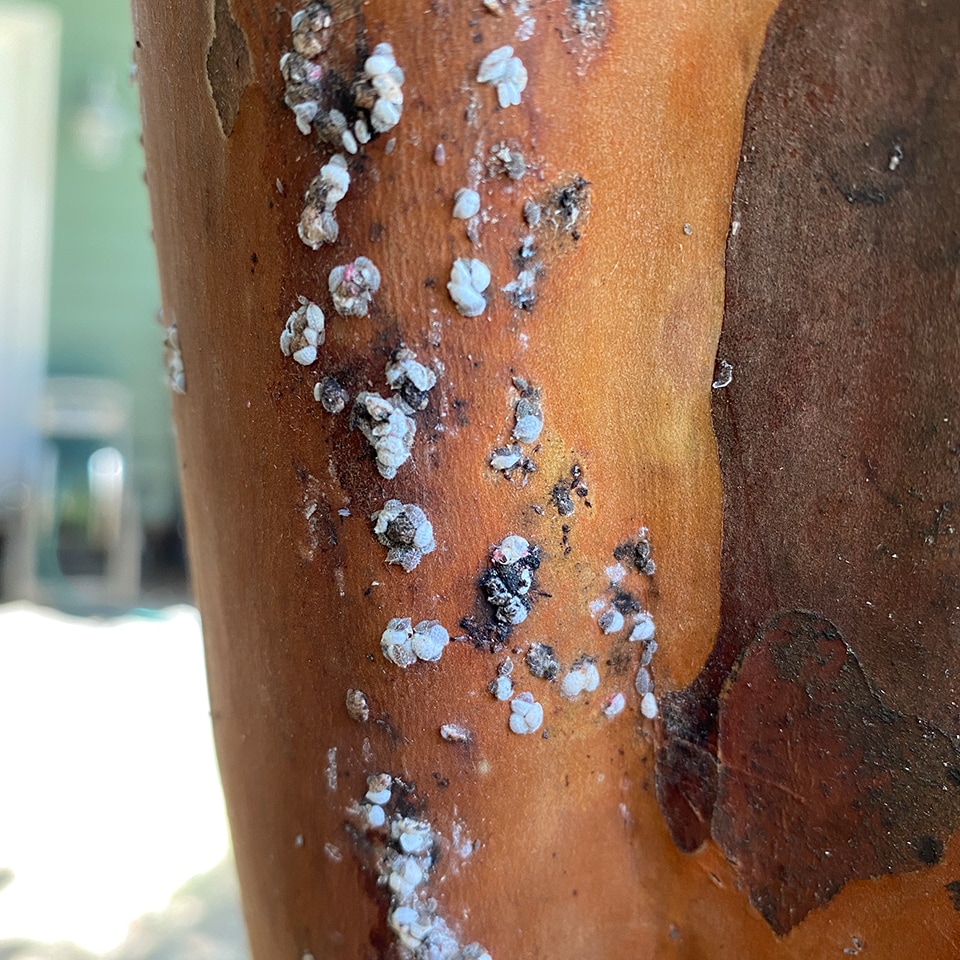
Crape myrtle bark scale is an invasive insect that we have seen spread quickly through central North Carolina over the last few years. This pest looks like a small white or grey bump on the bark of a tree or shrub. A heavy infestation weakens the health of a tree and, in some cases, can even kill it.
Even a light infestation can look unsightly. This pest produces a lot of waste, also known as honeydew. Sooty mold will grow on the honeydew, making the bark, foliage, and anything under the tree turn black.
The crape myrtle bark scale was first introduced in Texas in 2004, most likely by nursery stock. However, it has spread throughout the Southeast, including North Carolina. As the name suggests, it primarily impacts crape myrtles.
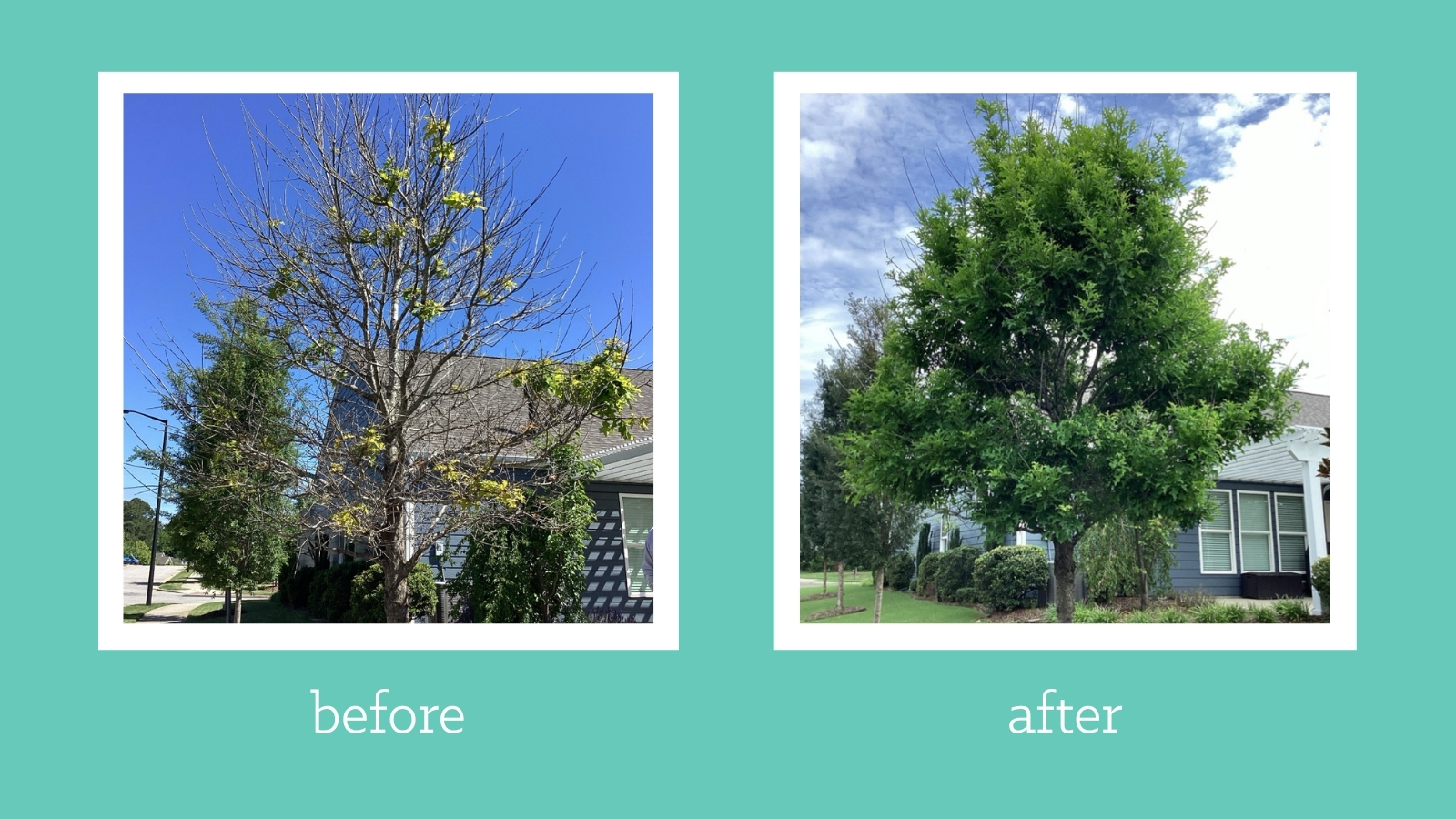
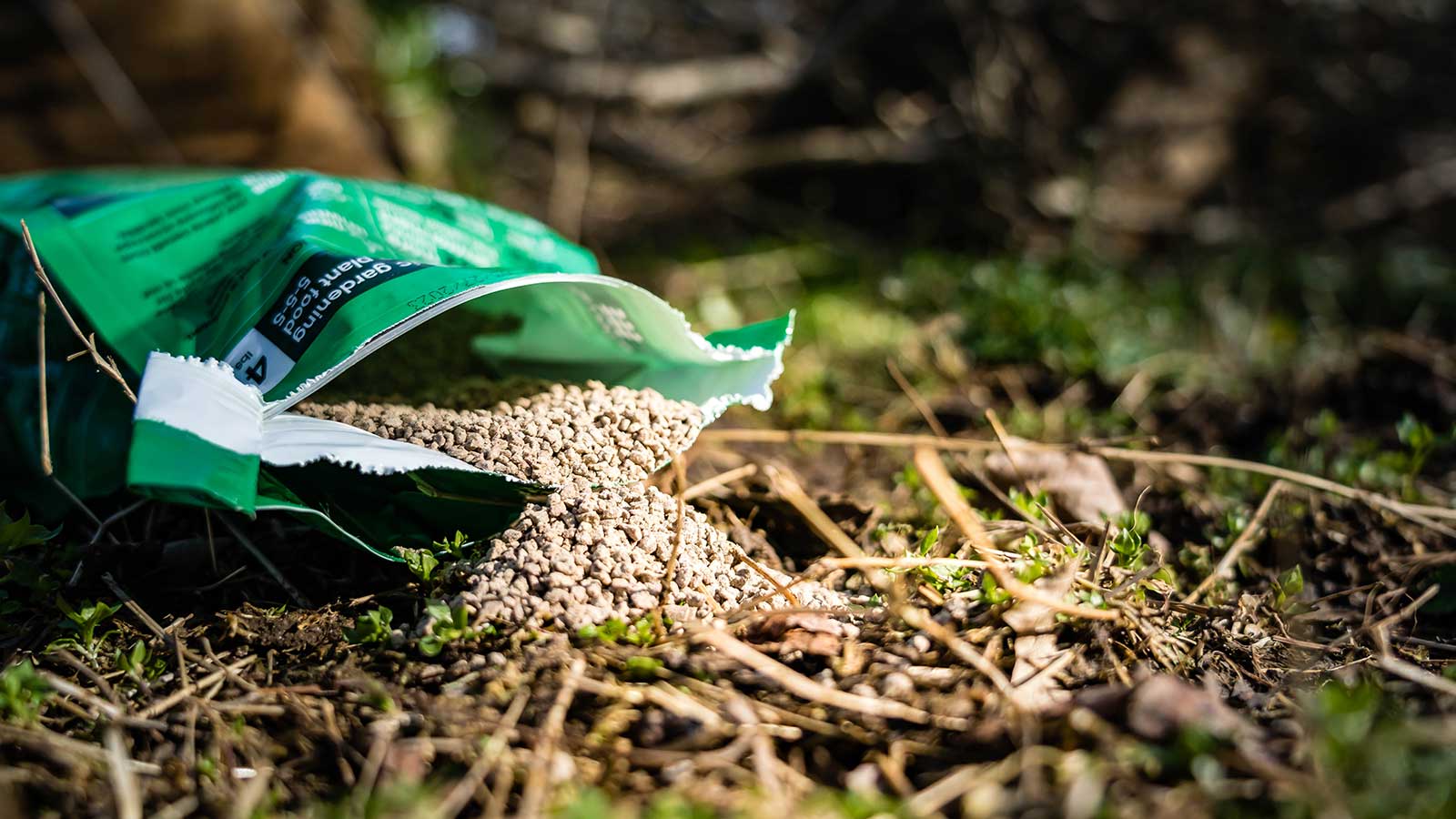
Some might suggest harsh chemical treatments, but these are harmful to pollinators and our ecosystem as a whole. We recommend that you avoid these options - the collateral damage to other life is simply not worth it, especially in light of our non-toxic option. We have non-toxic treatment options that are as effective as the toxic chemicals. Our approach is to use an insect growth regulator in the spring and fall, and a horticultural oil in the dormant season. These products cause little damage to other insects and life on the property. They also aim to supress the Crape Myrtle Bark Scale insects rather than eradicate them. This results in the same outcome as toxic options with far less damage along the way.
It's very important to note that because this is an invasive pest, any treatment, whether toxic or non-toxic, will require ongoing treatments due to re-infestation. Even if we fully supress the Crape Myrtle Bark Scale, more will come back later and begin a new infestation.
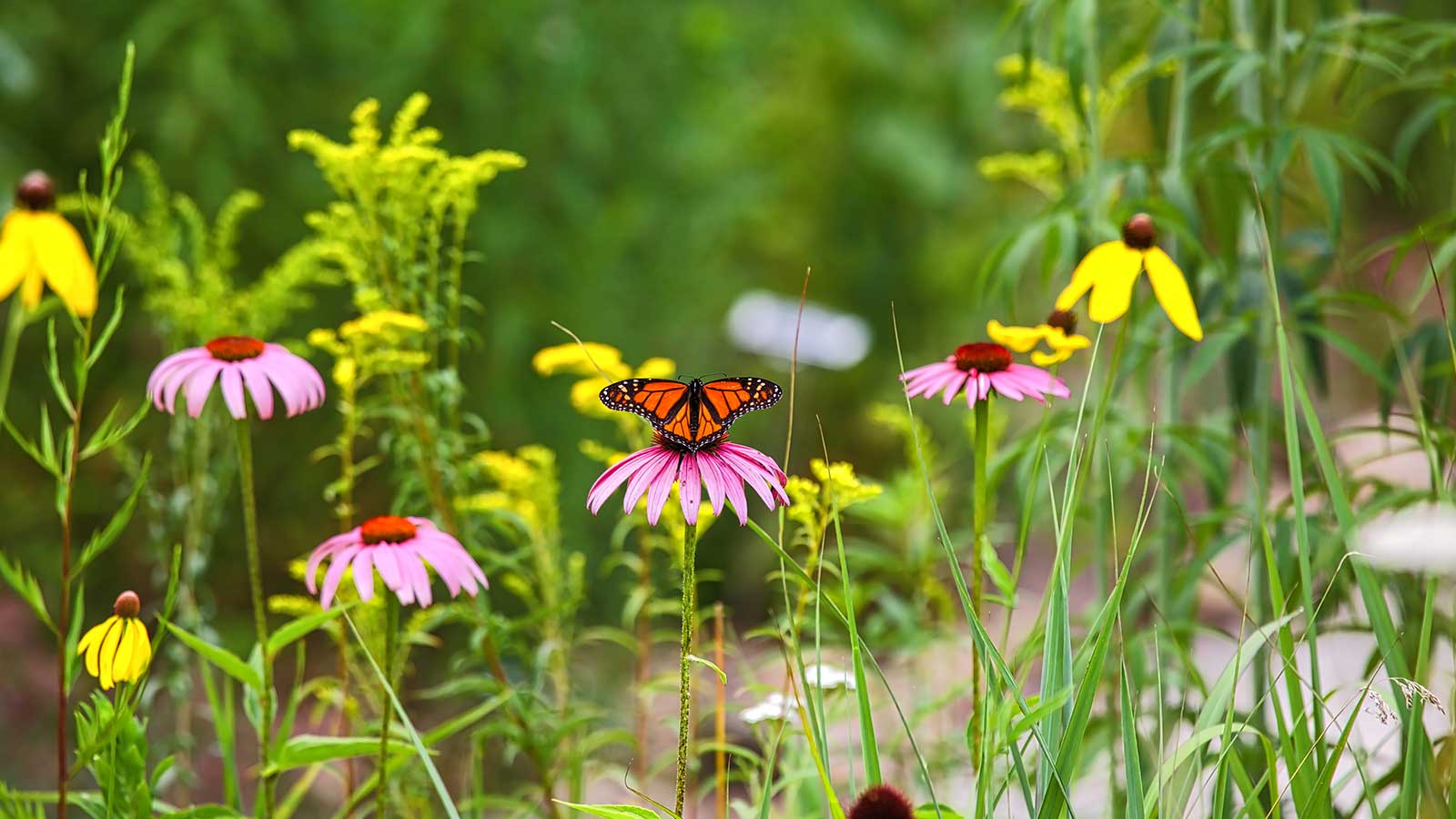
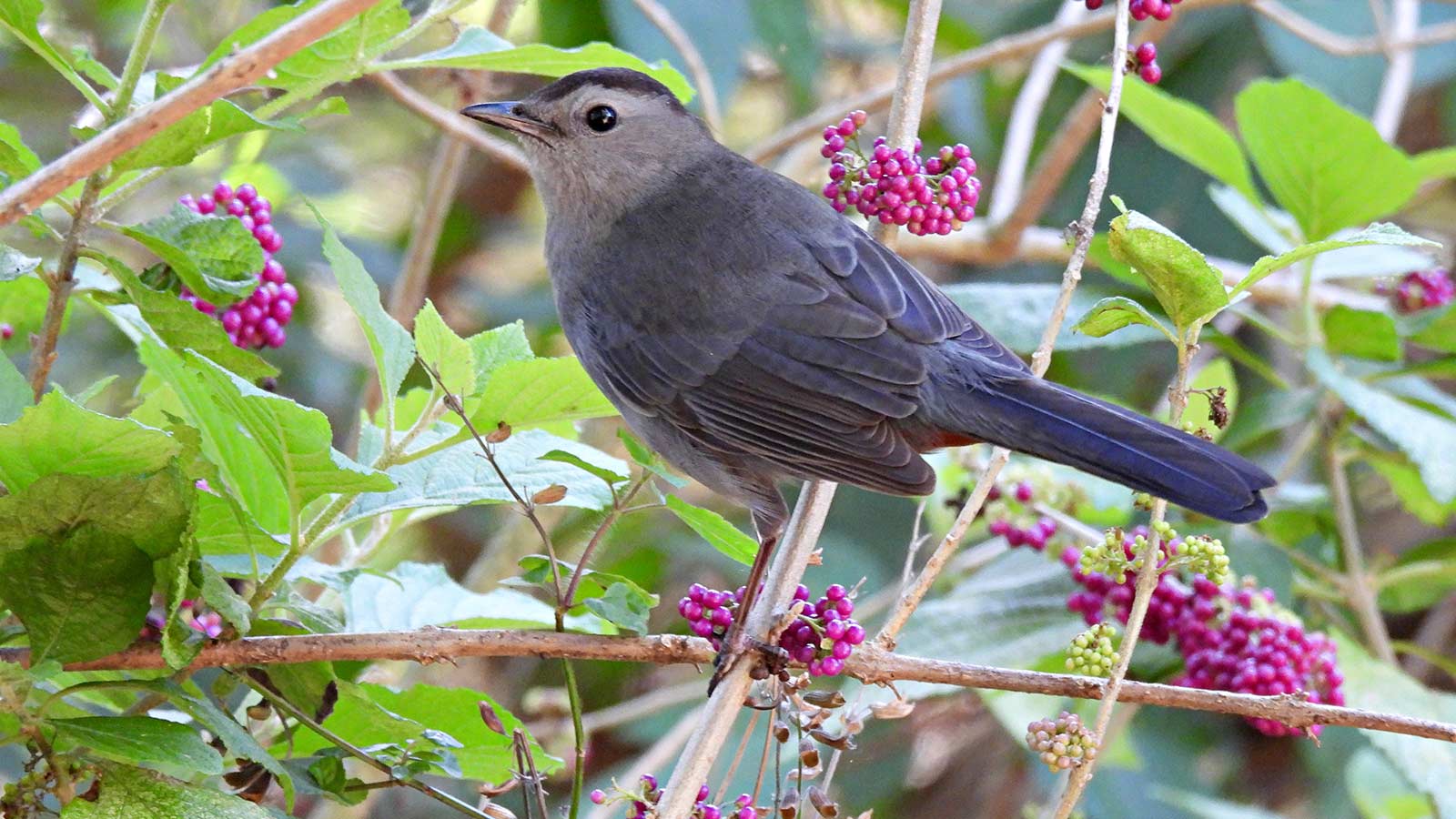
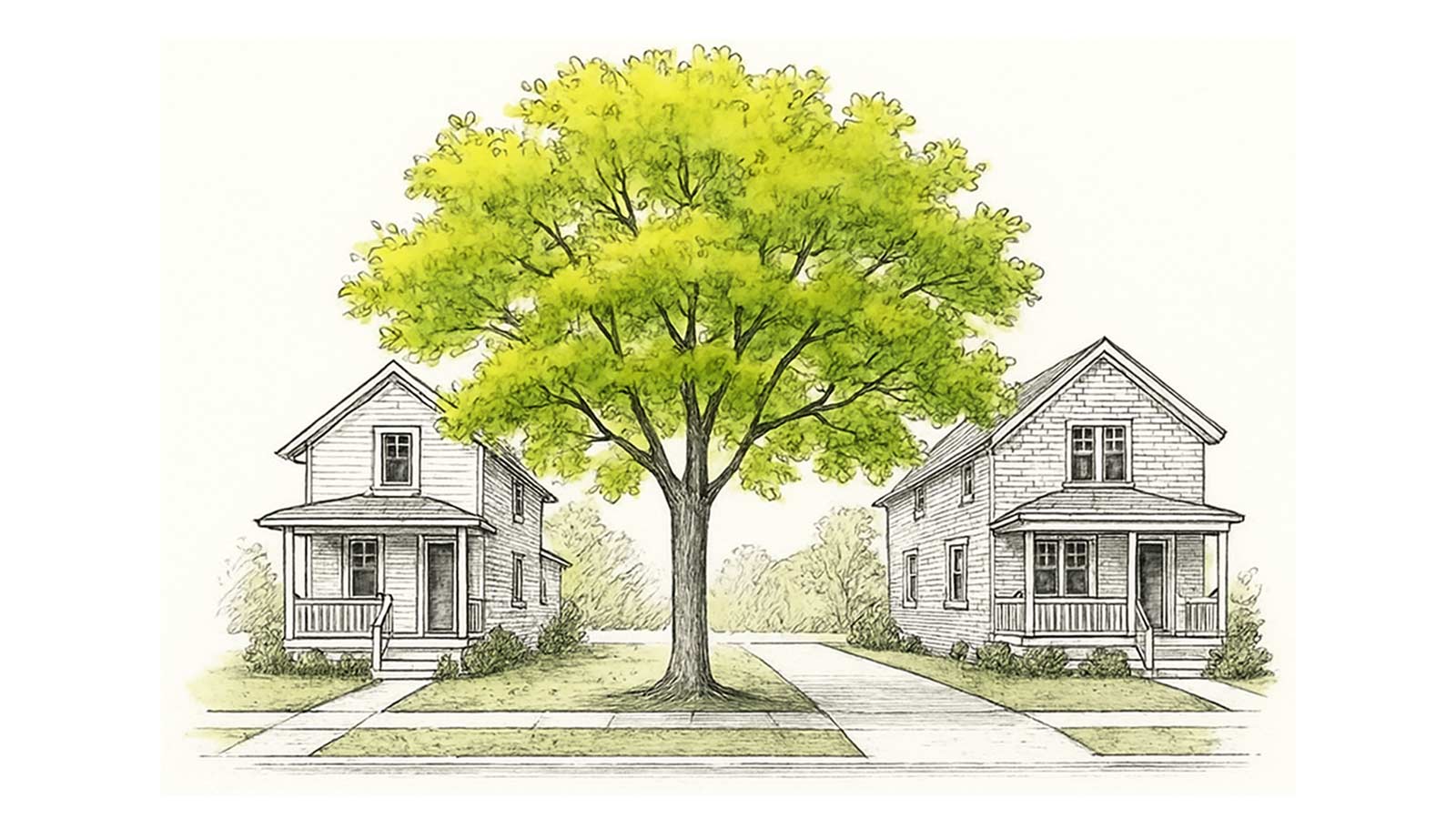
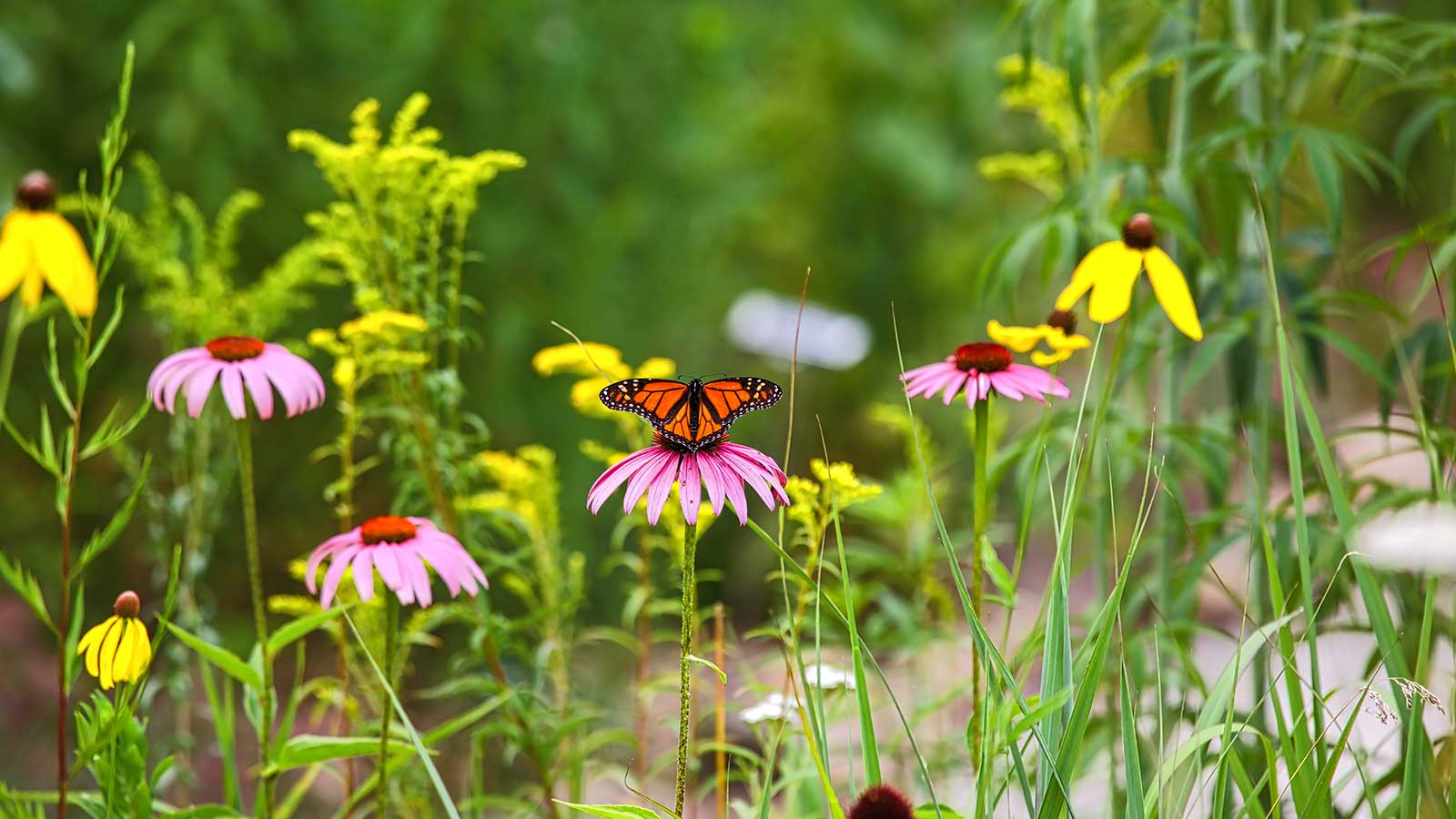
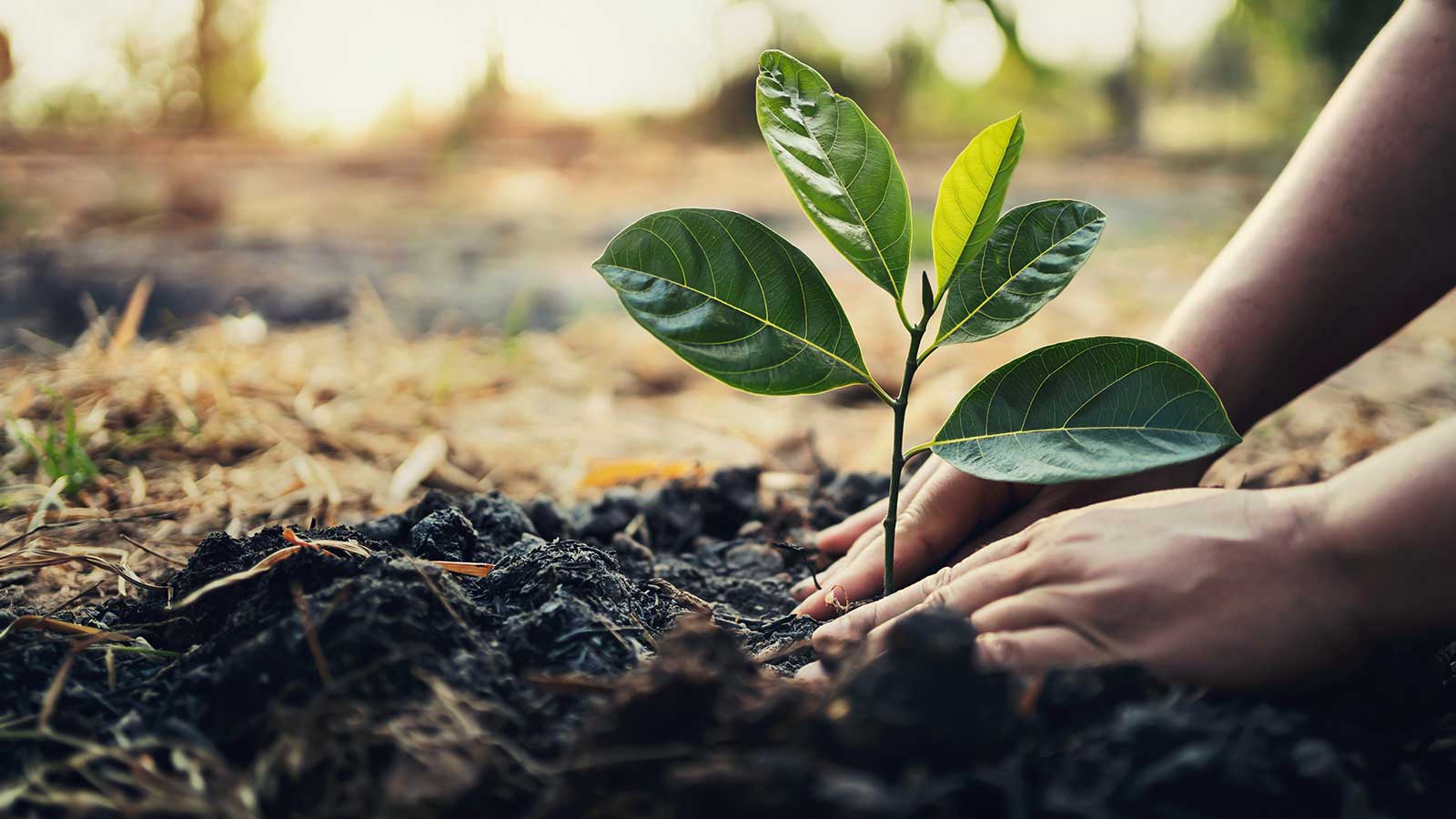
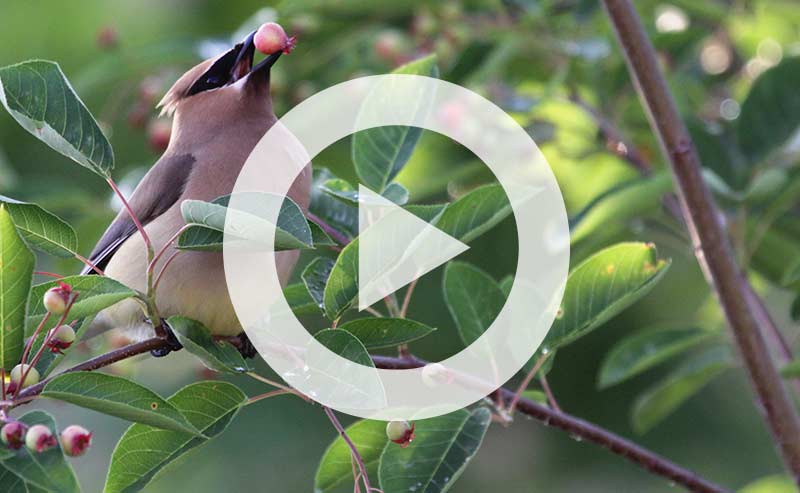
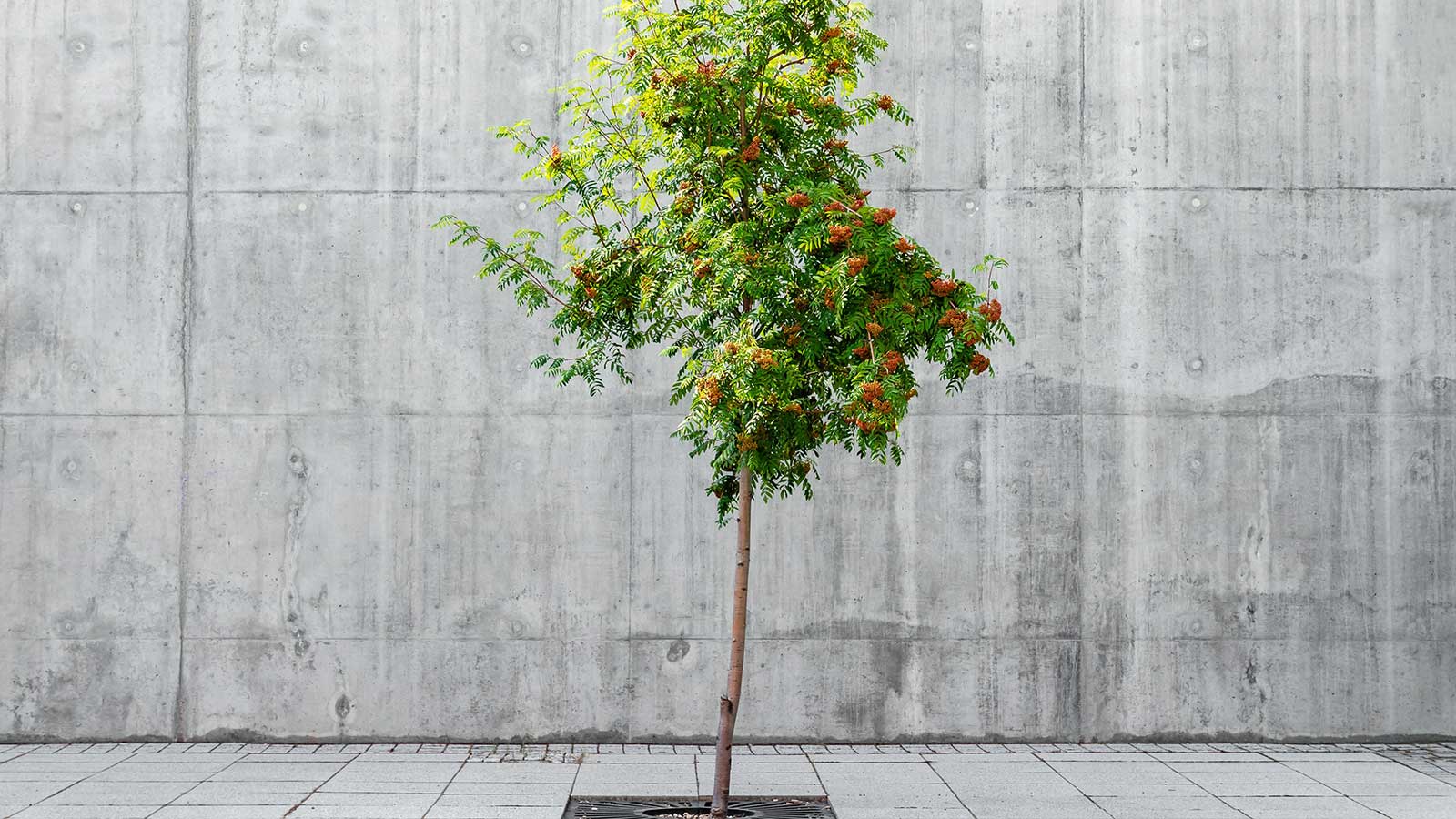
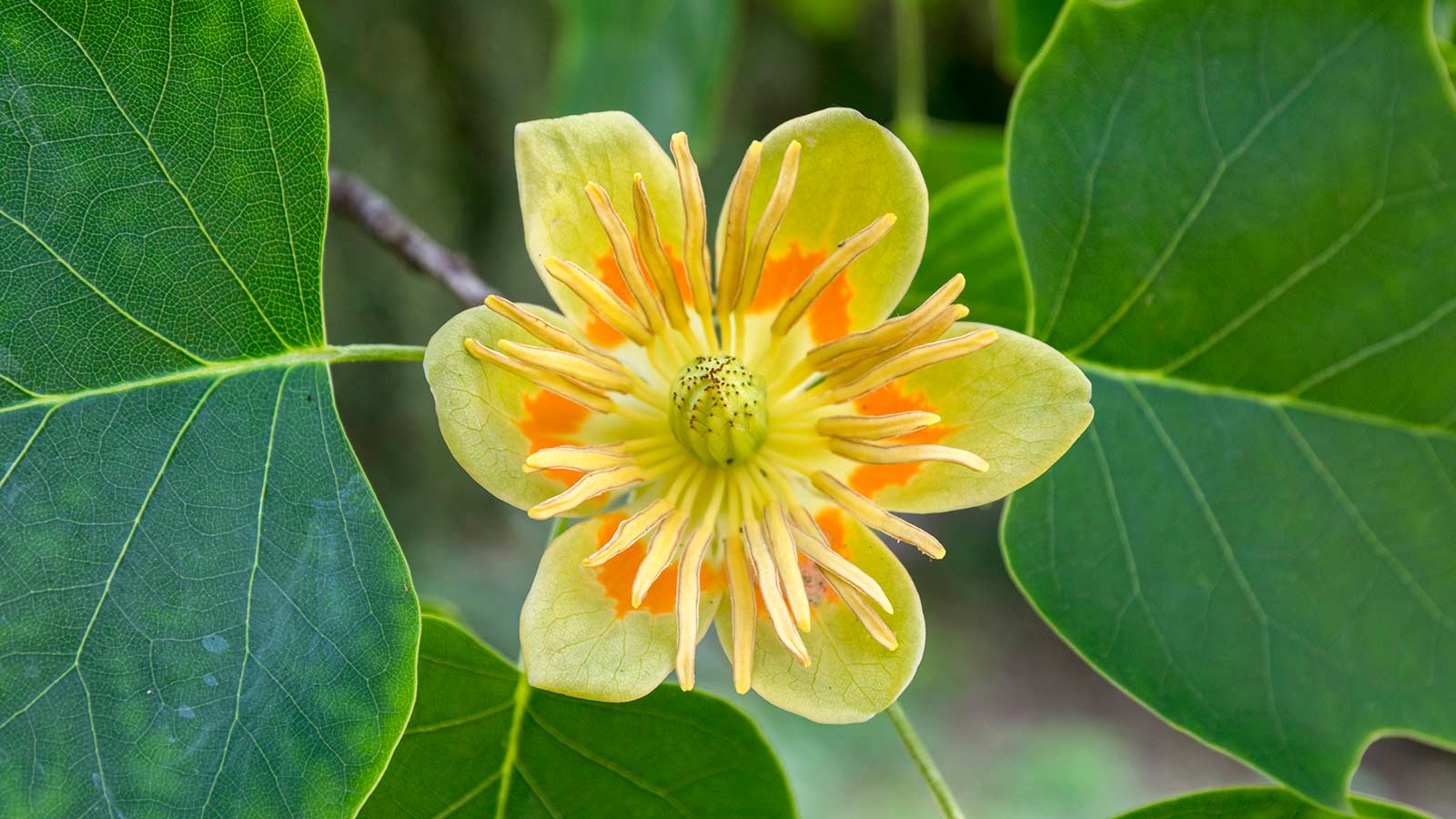
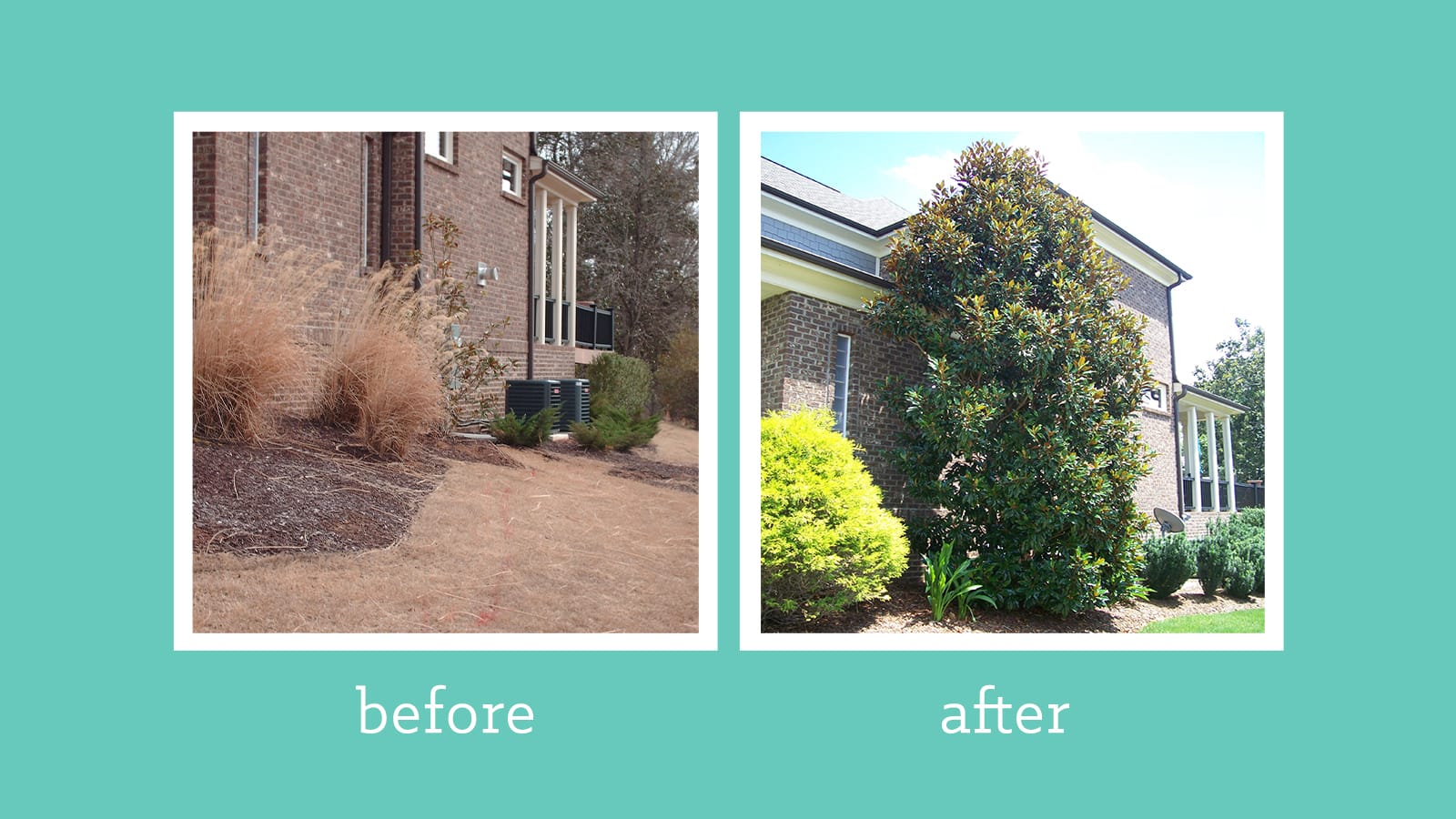
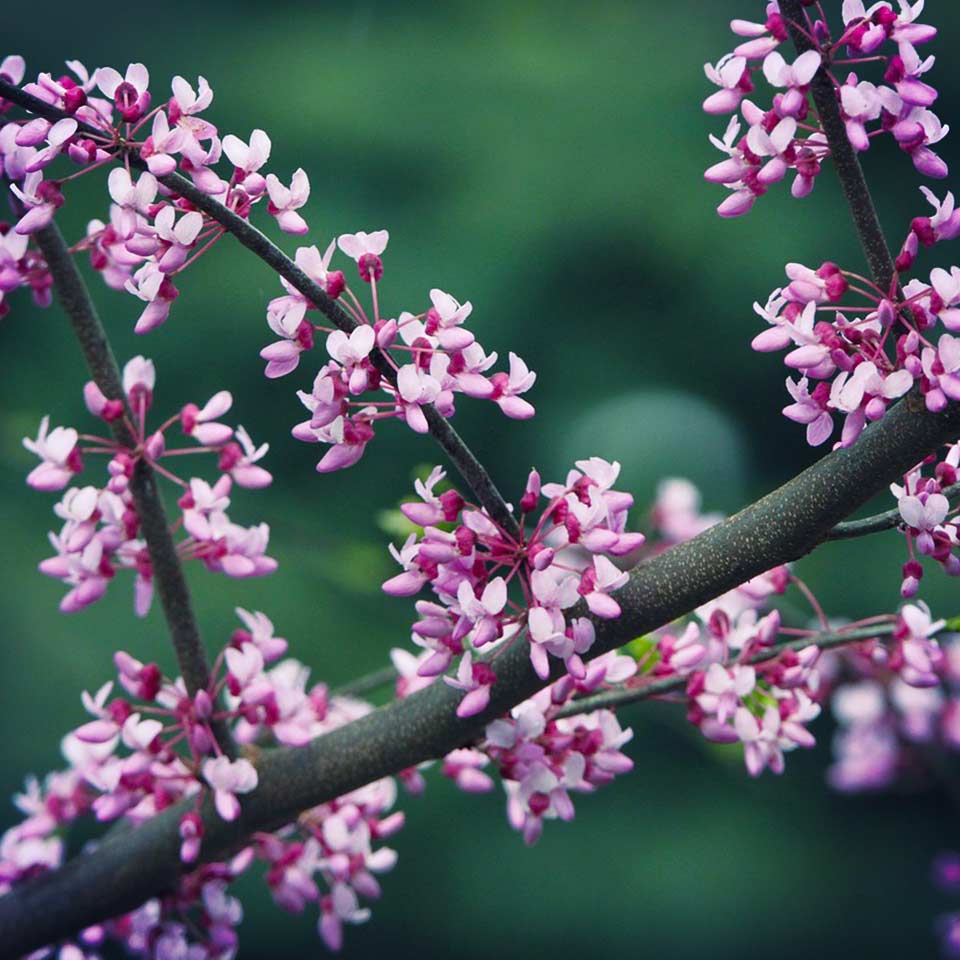
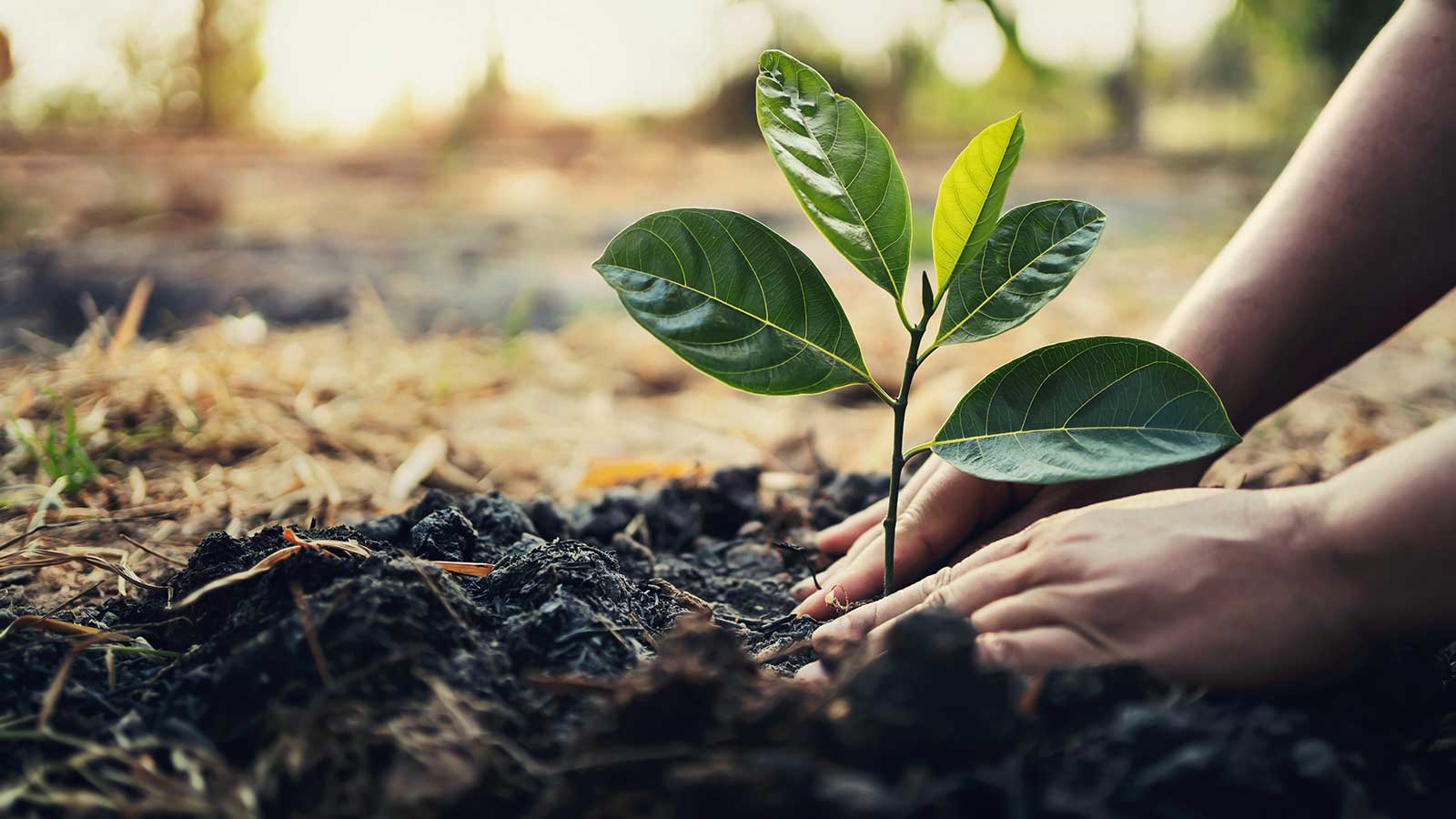
For this reason, it's worth noting that when measured across a longer time span, the cost of treatment can be more expensive than the cost of replacement. This harmful pest is not going anywhere anytime soon, so the best option is to remove it and replace it with a native tree that provides food and shelter for the many bees, birds, and butterflies that need help. But if you prefer to keep your crape myrtle and do not have an issue with the potential of ongoing costs, we can offer you a highly-effective non-toxic treatment approach. We look forward to speaking with you! Send us a message, and we’ll reply as soon as possible.