12 Birds You Can Attract with a Piedmont Prairie in NC
Open space, seed heads, insects in the thatch—these birds are drawn to exactly what a Piedmont Prairie provides.
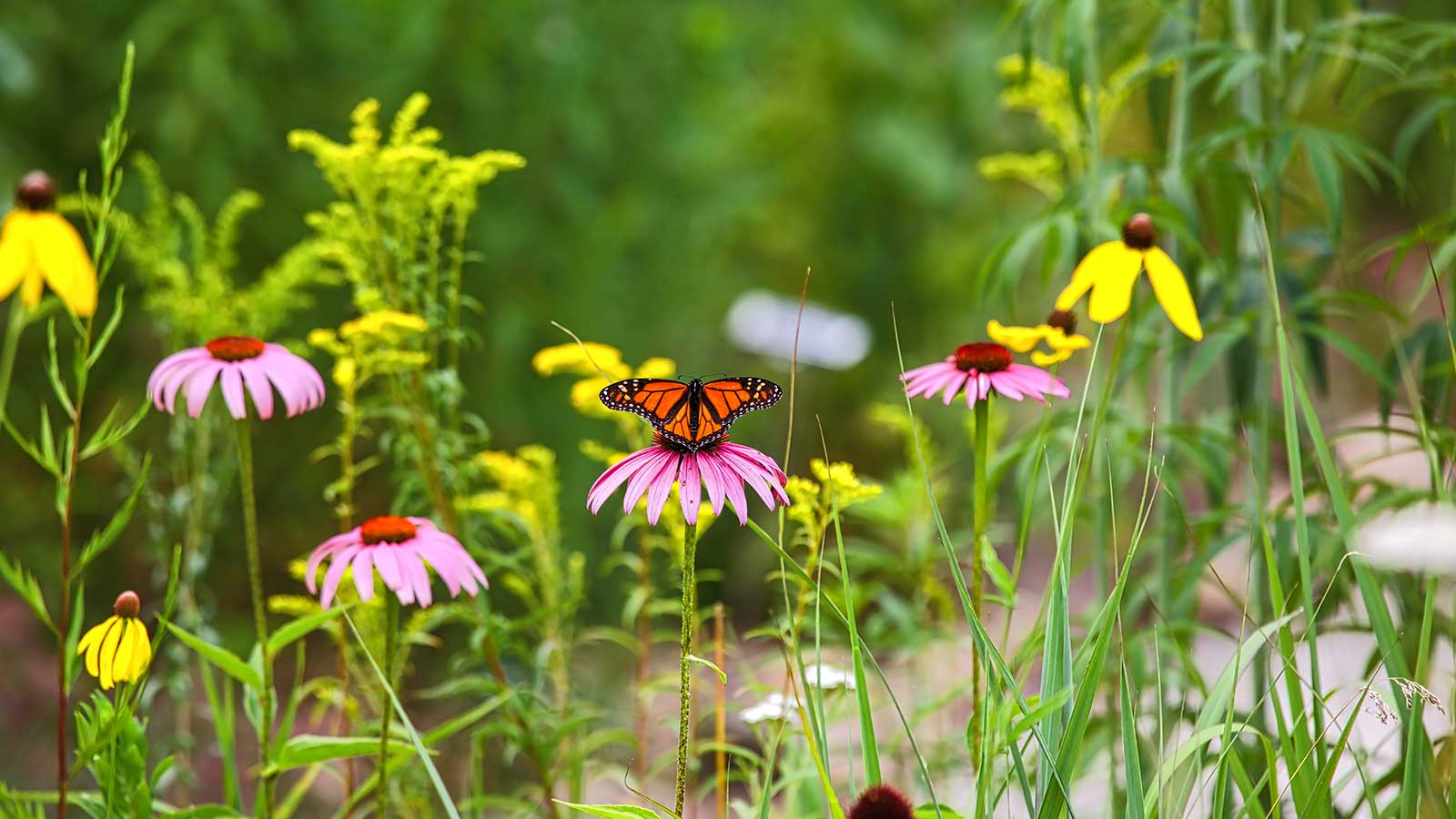
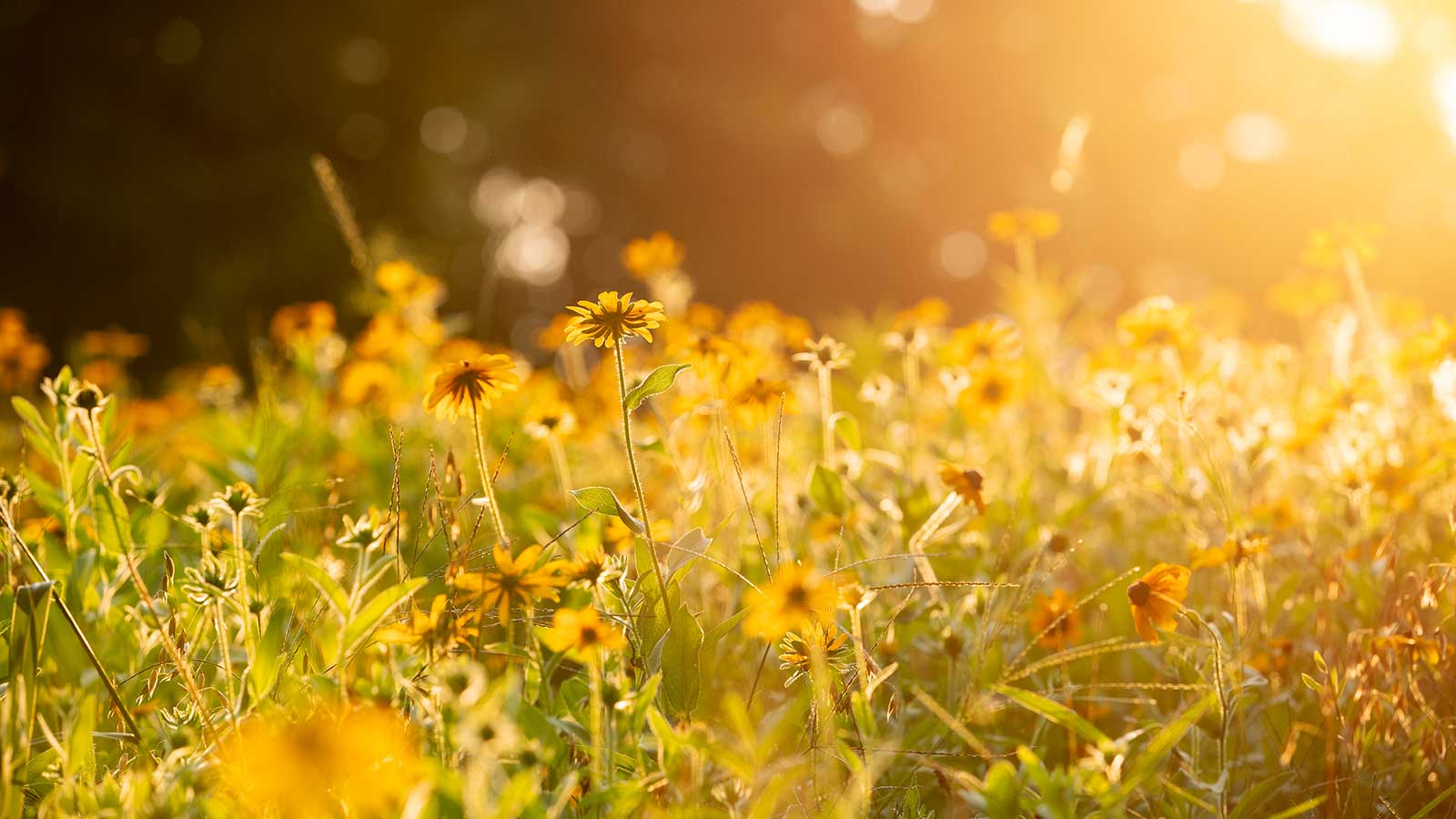
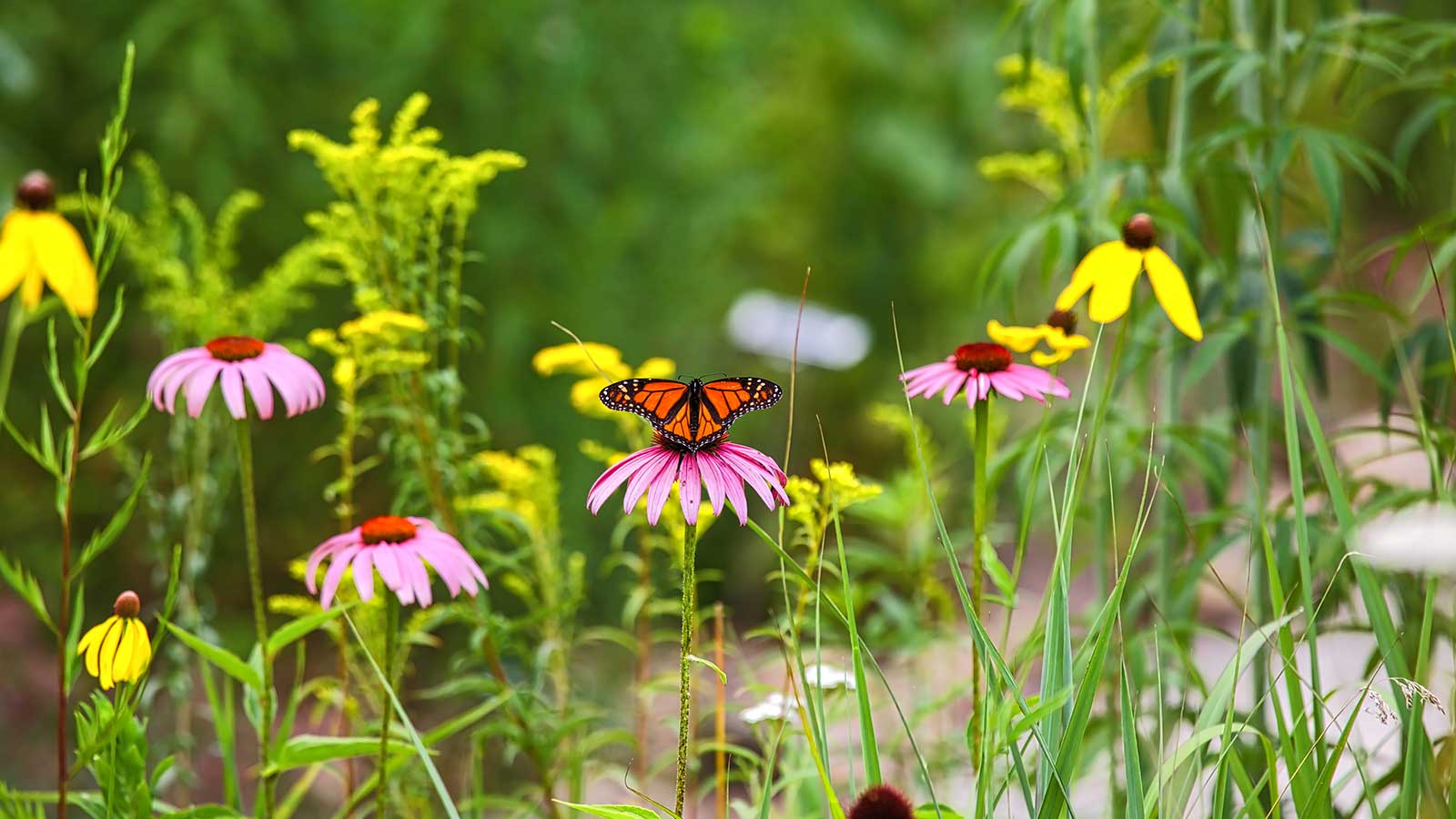
Meet 12 avian beauties that will alight and take a good look at your real estate if you have a native meadow, which we call Piedmont Prairies. They may come for meals or even to make a home and raise young.
These birds are drawn to exactly the kind of landscape a Piedmont Prairie provides: open space, seed heads left standing, insects in the thatch, and a little wildness to move through. Some will arrive with the first warm days of Spring. Others will surprise you by staying all Winter. All of them are worth pausing what you are doing to watch.
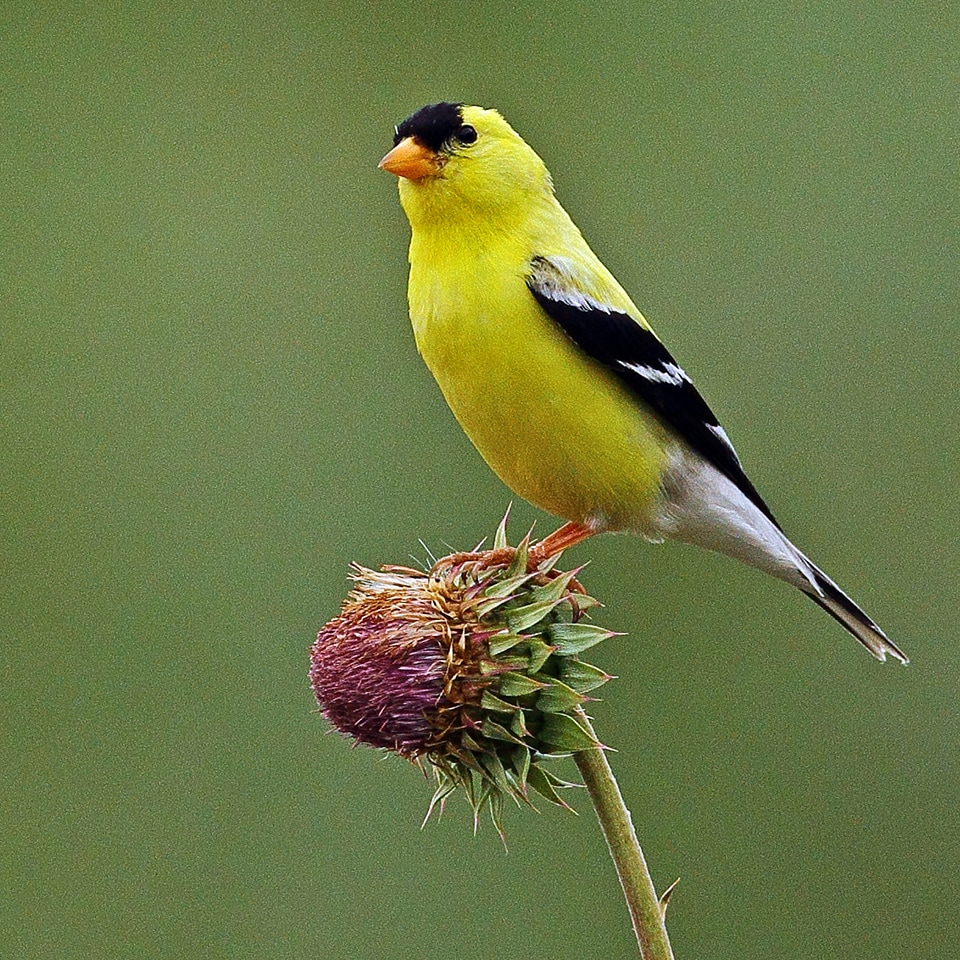
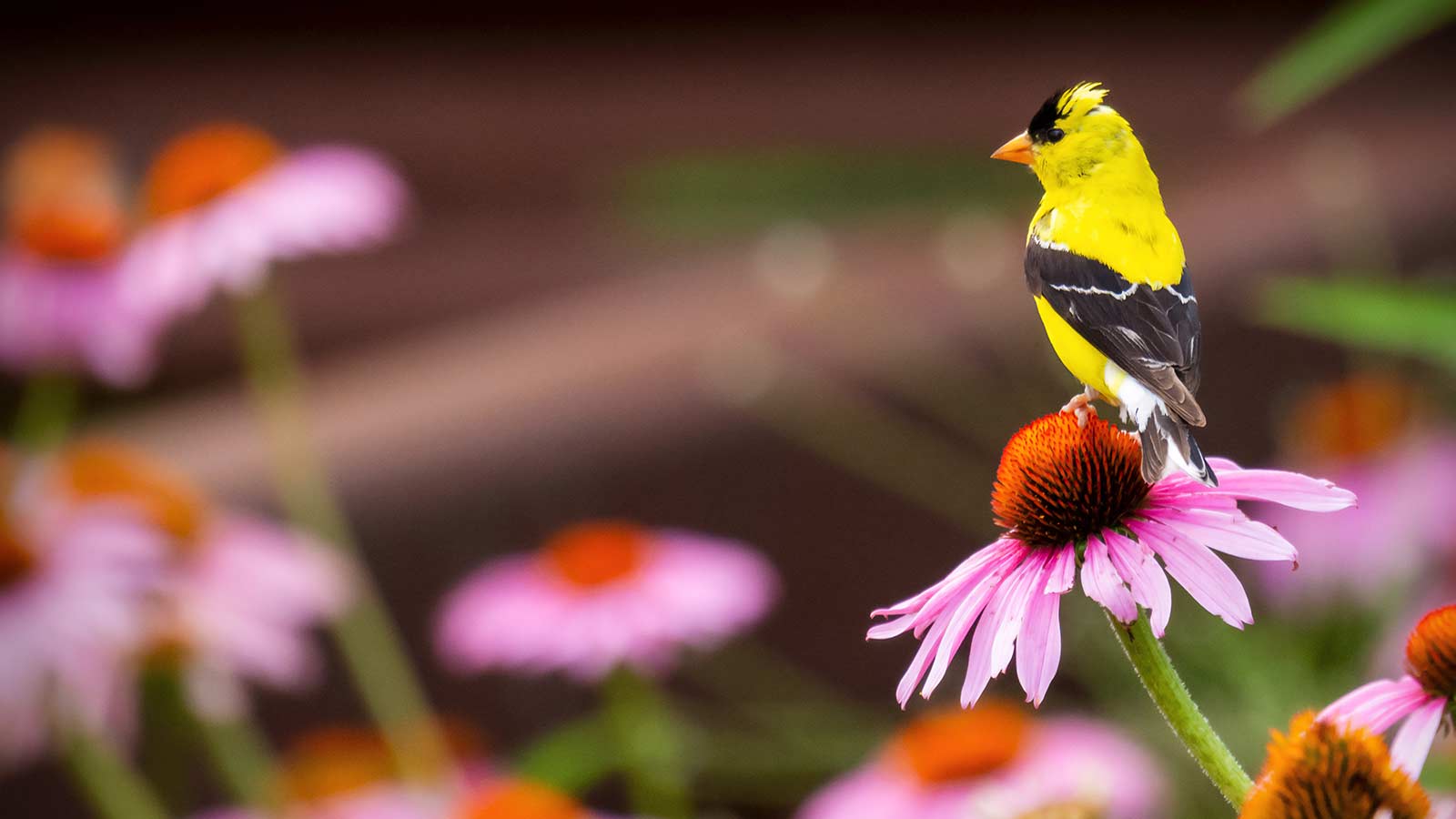
American Goldfinch
(Spinus tristis)
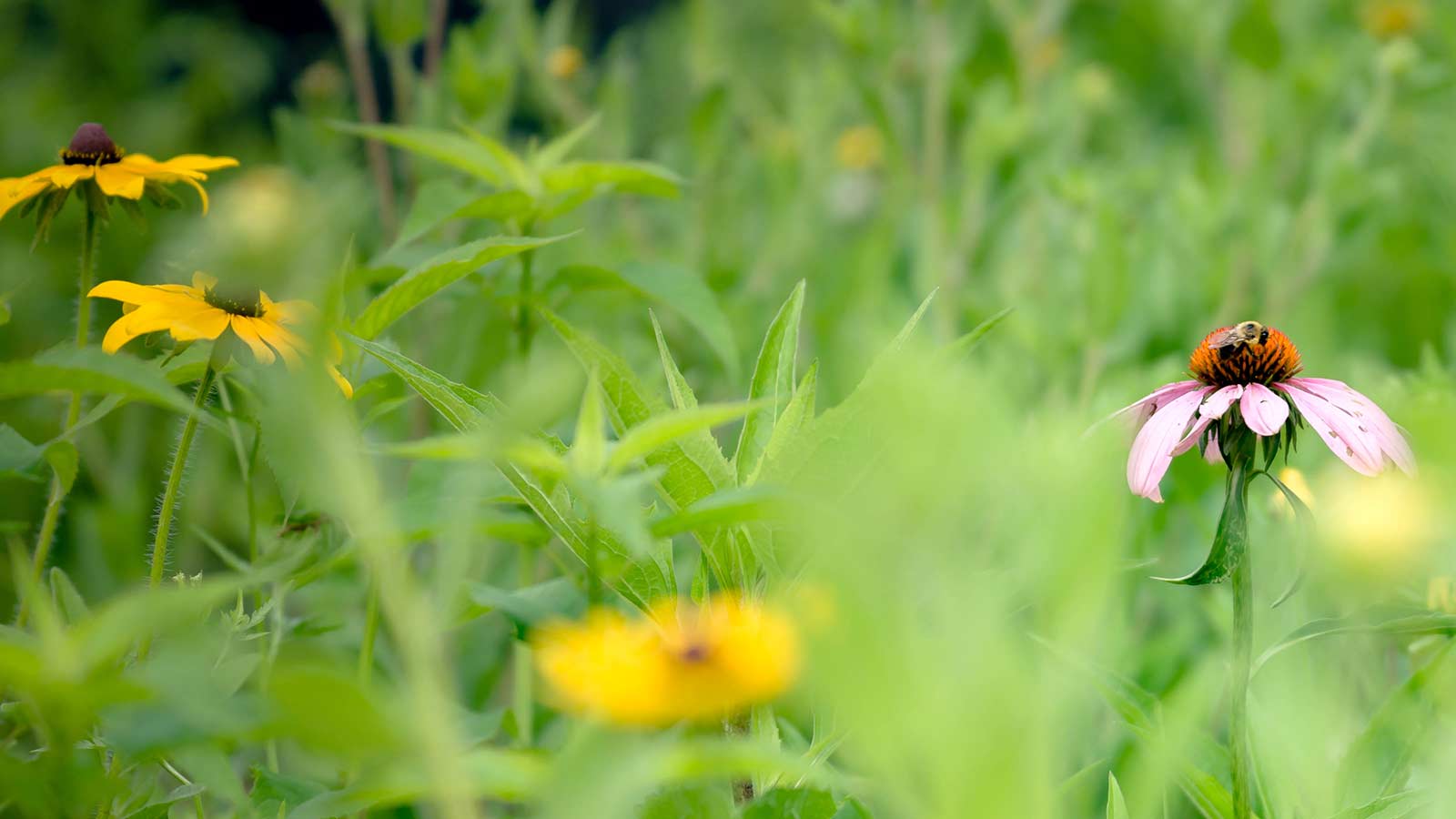
This iconic golden charmer appears year-round in the Southeast, and in Summer the male turns a deep, unmistakably saturated yellow. Goldfinches are strict seed eaters with a particular love for native coneflowers, black-eyed susans, and other native meadow staples. They cling to dried seed heads well into Winter, swinging in the wind like tiny acrobats. Unlike most songbirds, they time their nesting to coincide with peak thistle seed production—raising young later in the season than nearly any other bird in North America.
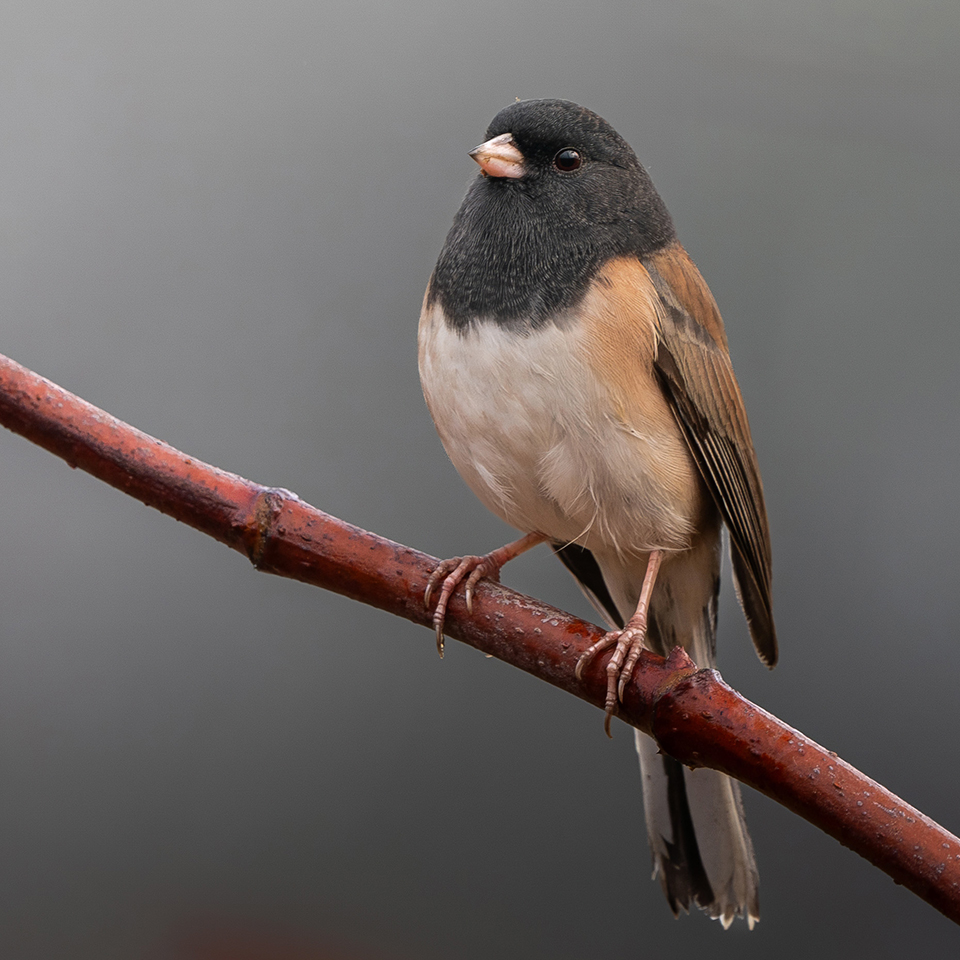
Dark-Eyed Junco
(Junco hyemalis)
In Fall, a flash of white tail feathers in the leaf litter usually means a junco has arrived for the season—and seldom just one, but a whole flock. Their sooty gray heads and light-colored beaks give them away. They spend their breeding summers in the mountains and boreal forests, then drop down into yards and meadows across the Southeast for Winter. Juncos are ground foragers, picking through fallen seed heads and loose soil with thorough determination.
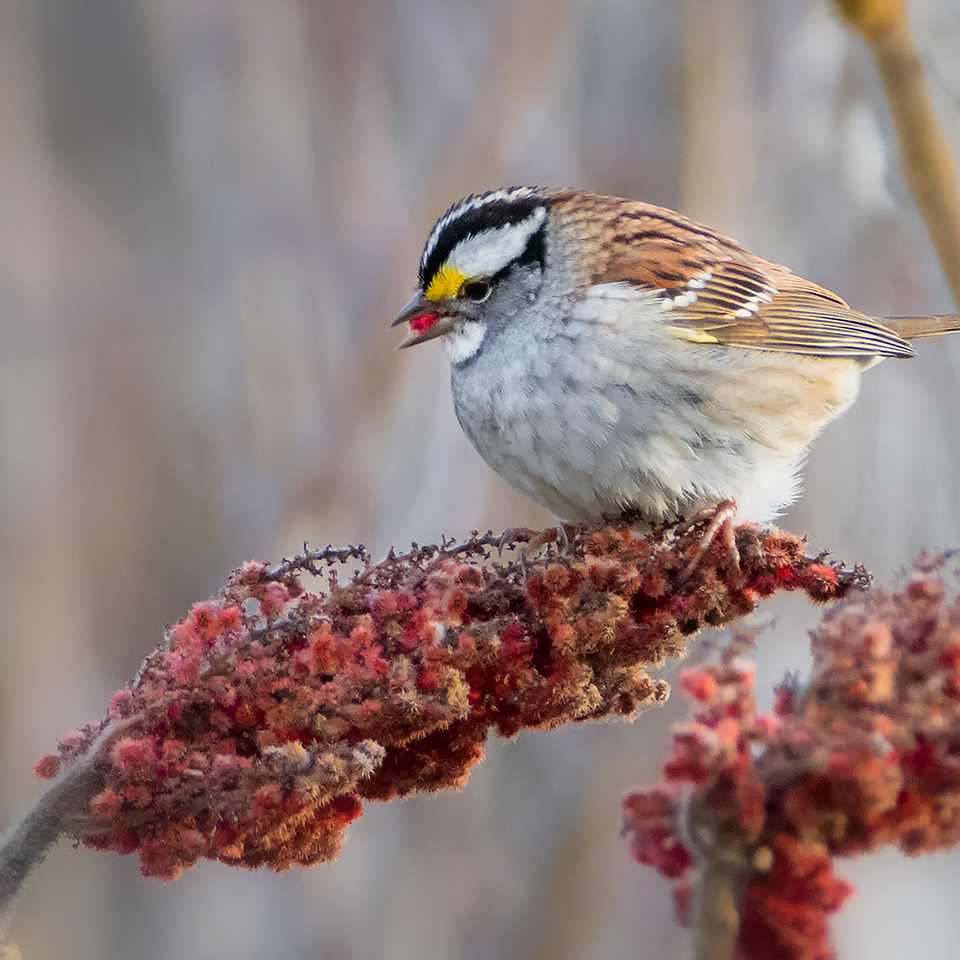
White-Throated Sparrow
(Zonotrichia albicollis)
This Winter visitor is best known for its song: a whistled phrase often transcribed as "Old Sam Peabody, Peabody, Peabody." It scratches through leaf litter and low vegetation with a two-footed backward hop called a "double-scratch," turning over debris to find seeds and small invertebrates. They arrive in the Southeast in October and linger through April, making them among the longest-staying Winter birds you can reliably attract to a native meadow.
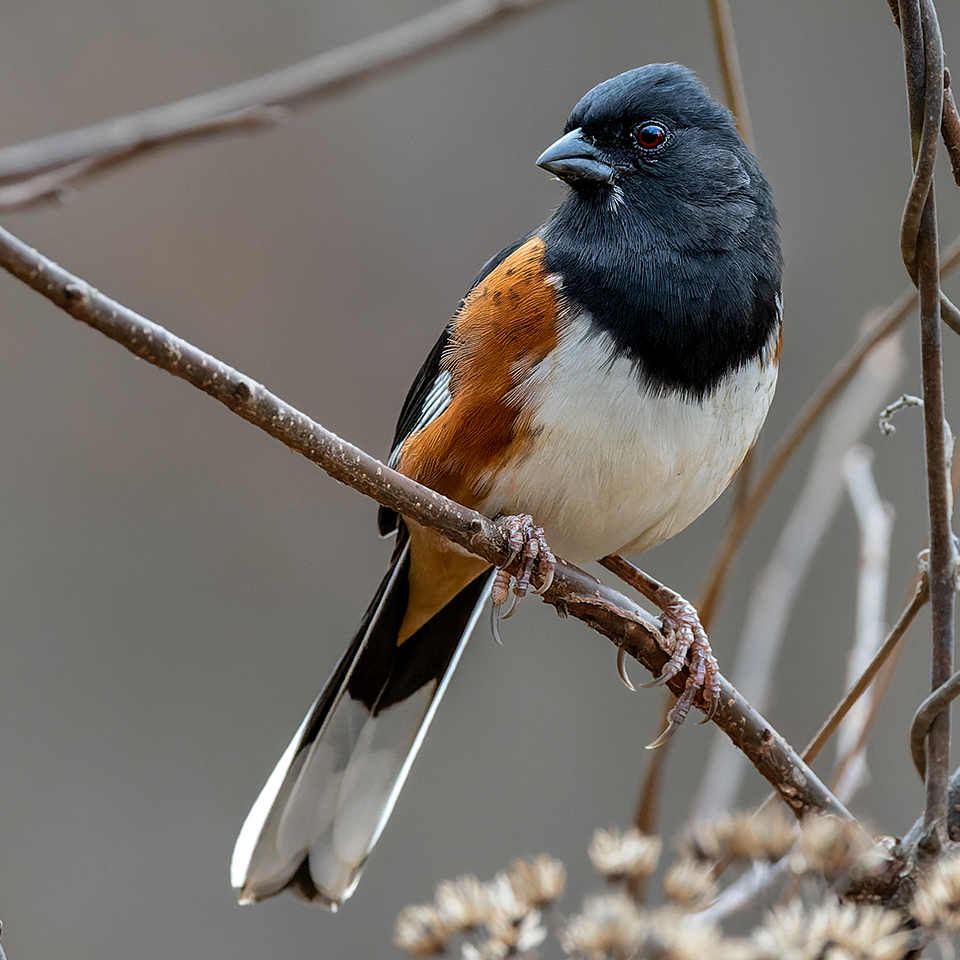
Eastern Towhee
(Pipilo erythrophthalmus)
You often hear a towhee before you see one: the rustle in the brush is disproportionately loud for a bird that size. They scratch through leaf litter aggressively, kicking both feet back at once to uncover seeds and insects. Towhees are present year-round in much of the Southeast and are especially common where Piedmont Prairies meet the shrubby edge. Their call, a sharp "drink-your-tea," is one of the more cheerful sounds a garden can host.
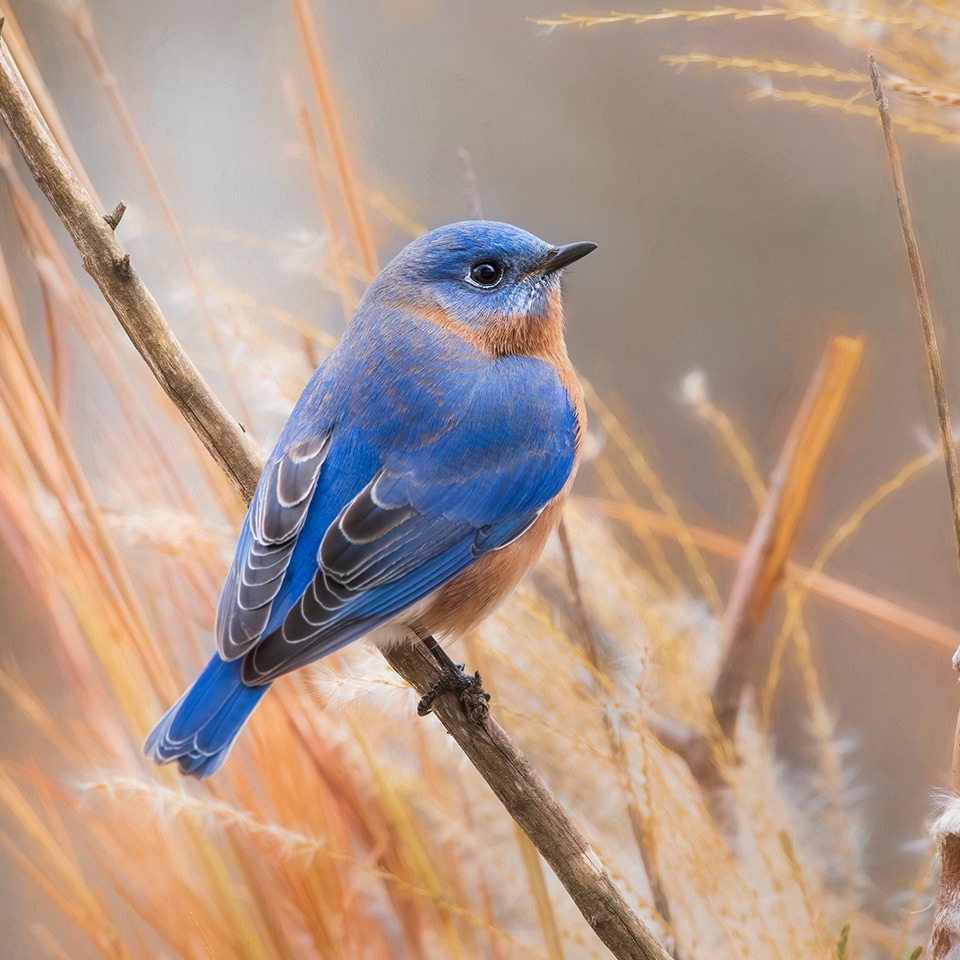
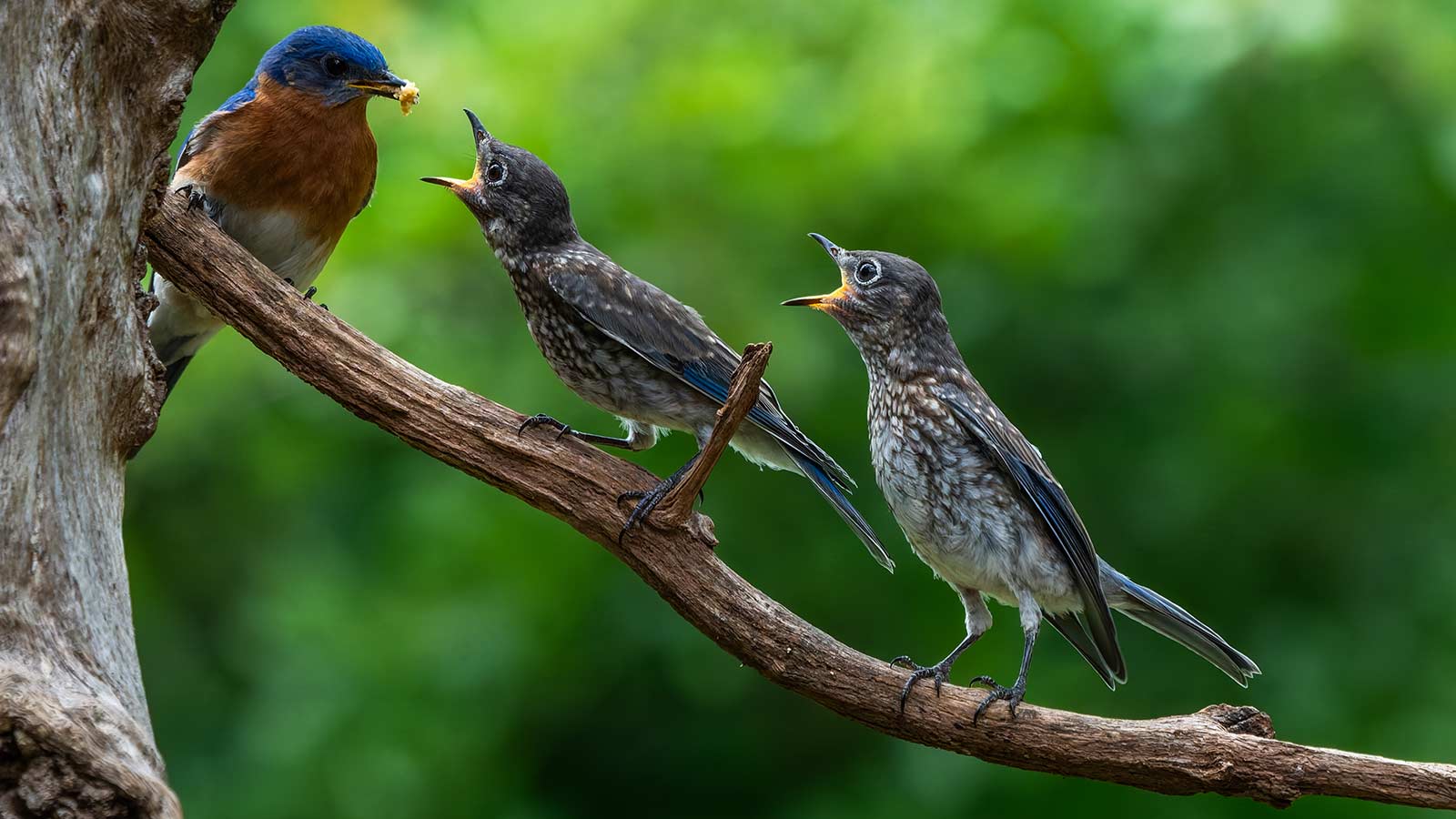
Eastern Bluebird
(Sialia sialis)
Bluebirds are year-round residents of the Southeast and among the most sought-after visitors to any naturalistic yard. They are aerial foragers and do not descend to poke around like sparrows—instead, they perch on a post or low branch and drop down onto insects. A native meadow feeds them well, but a nest box or a nearby woody perch will dramatically increase your chances of keeping them close. Few sights are as satisfying as a male bluebird hovering over a Piedmont Prairie planting in late-afternoon light.
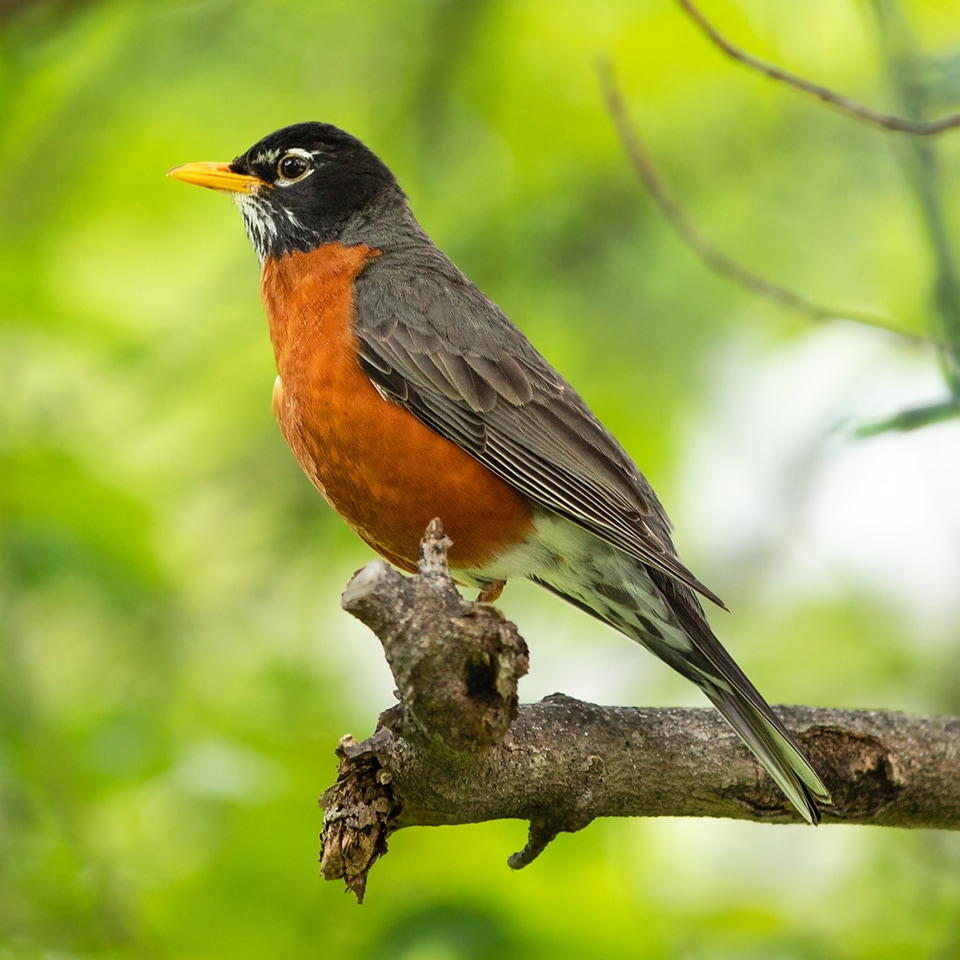
American Robin
(Turdus migratorius)
Most people think of robins as a reliable sign of Spring, but in the Southeast they can be present year-round. In Winter, they shift from worms to berries and fruit, often moving in large, roving flocks that descend on a yard and vanish just as quickly. What they want from a Piedmont Prairie is open ground for foraging and nearby structural diversity. They are also among the first birds to sing in the morning, often starting a full hour before sunrise.
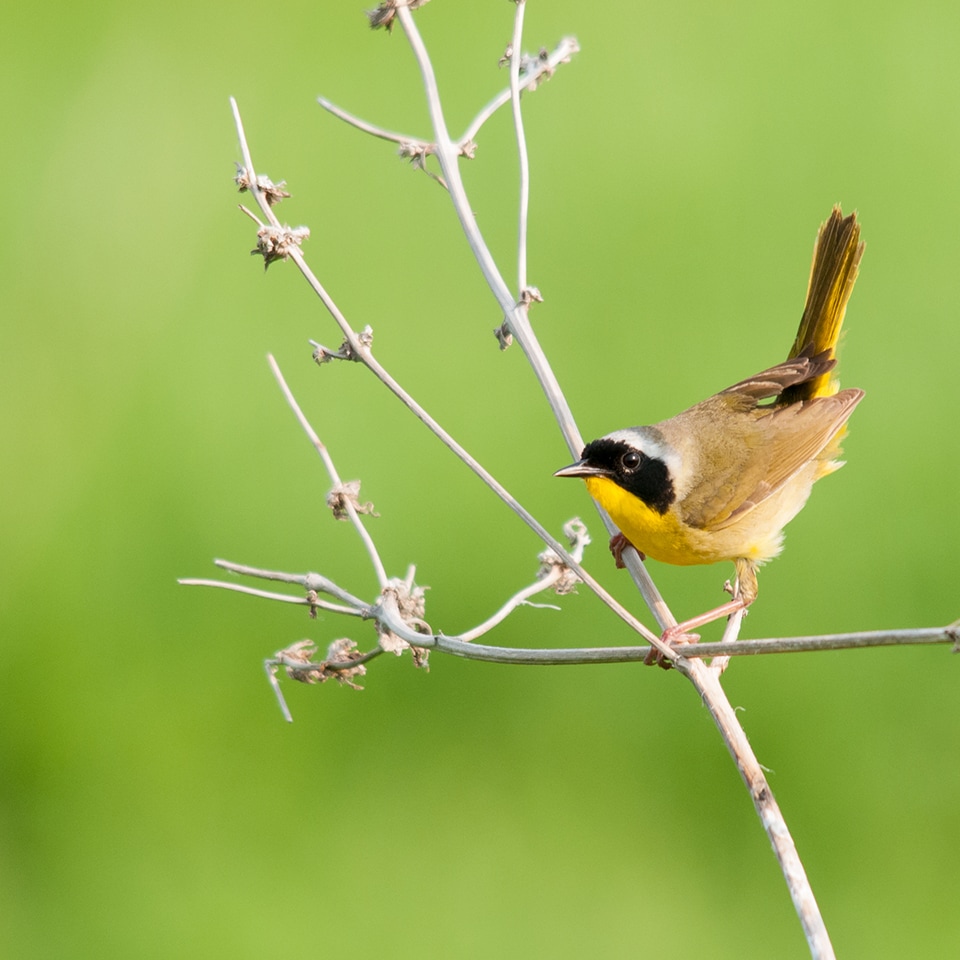
Common Yellowthroat
(Geothlypis trichas)
The male yellowthroat wears a bold black mask that makes him look like the tiniest bandit in the bird world. This warbler thrives in native meadows with nearby moisture—whether that is a rain garden, a low wet area, or even a reliable birdbath. They nest low in dense vegetation and forage for insects in the tangled base of grasses and wildflowers. Listen for their repetitive, emphatic "witchety-witchety-witchety" in Spring and Summer.
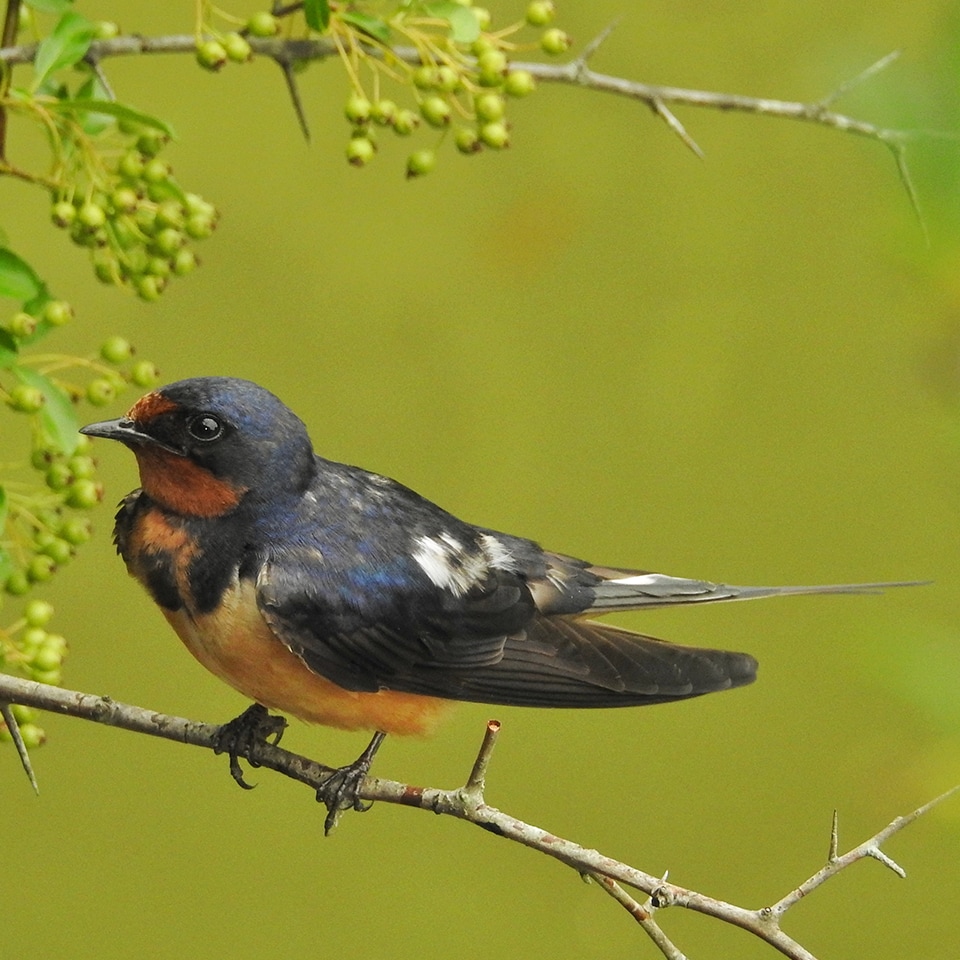
Barn Swallow
(Hirundo rustica)
Barn swallows do not forage in the meadow—they work the air above it, coursing back and forth in fast, sweeping arcs to catch flying insects on the wing. A summer Piedmont Prairie generates an enormous insect hatch, which is exactly the kind of aerial buffet barn swallows are built for. They arrive in Spring, raise young in the Summer months, and are typically gone by Fall. Watching a swallow at dusk, barely clearing the seed heads, is a lovely way to spend a late Summer evening.
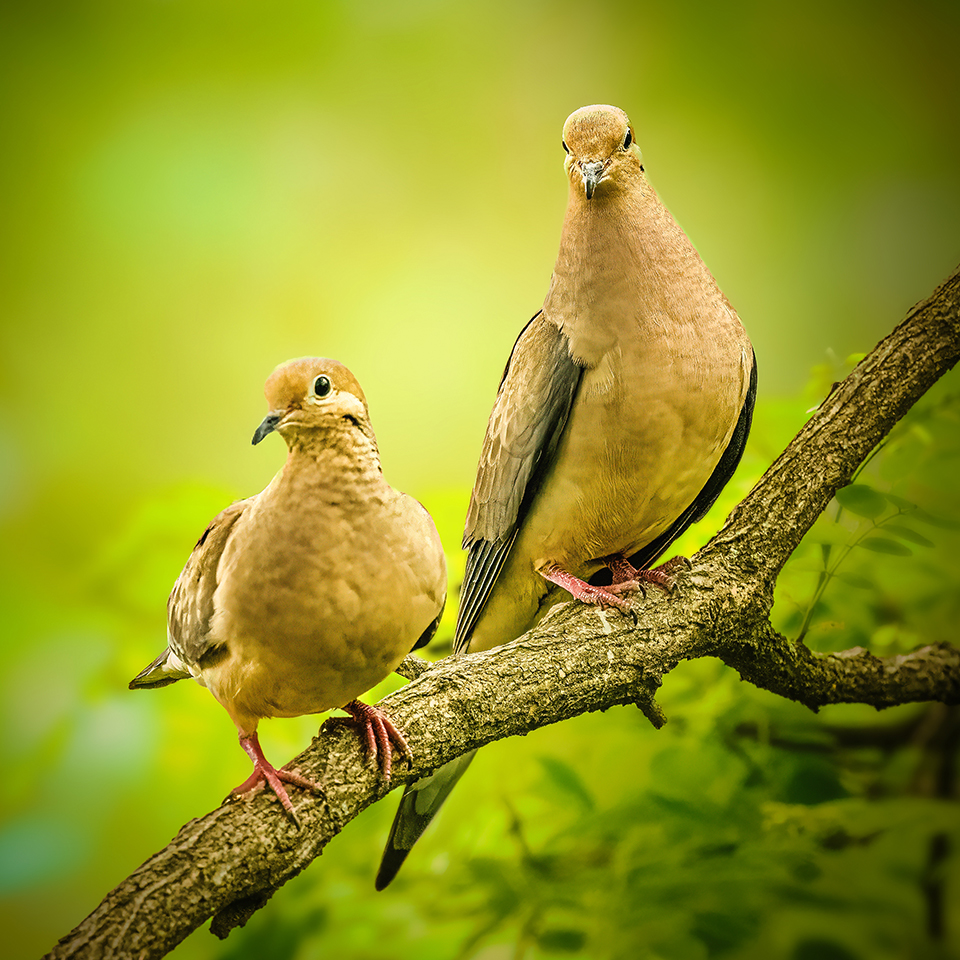
Mourning Dove
(Zenaida macroura)
Mourning doves are ground-feeding seed specialists present year-round across the Southeast. They methodically pick through open areas, swallowing seeds whole and storing them in a specialized pouch called a crop to digest later. A native meadow with scattered bare patches and plenty of fallen seed heads is ideal habitat. The soft, mournful call they are named for is one of the most familiar sounds in any suburban landscape—and is easy to mistake for an owl when you first hear it.
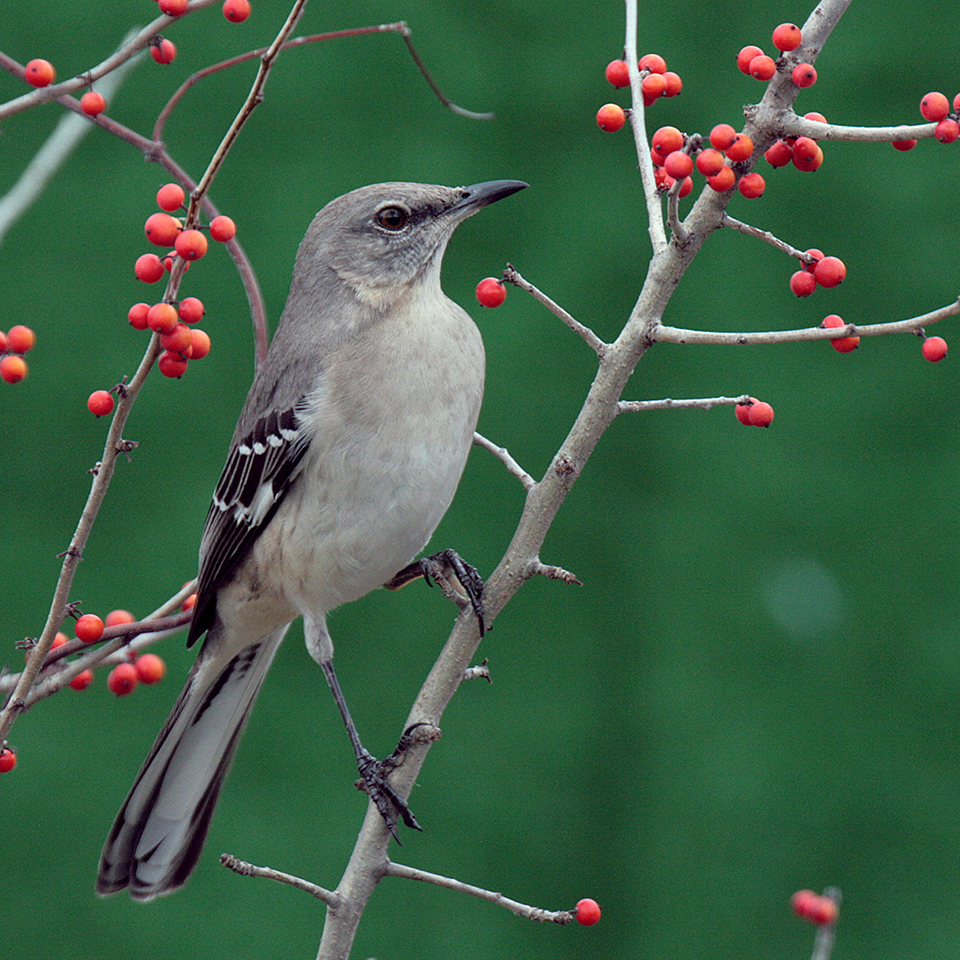
Northern Mockingbird
(Mimus polyglottos)
The mockingbird has a lot to say. It can imitate the calls of dozens of other species and will sometimes run through its entire catalog in a single performance, even at two in the morning. Mockingbirds are year-round residents, fiercely territorial, and surprisingly bold around other birds much larger than themselves. They are opportunistic foragers that eat both insects and fruit depending on the season, so a Piedmont Prairie with diverse plantings keeps them interested throughout the year.
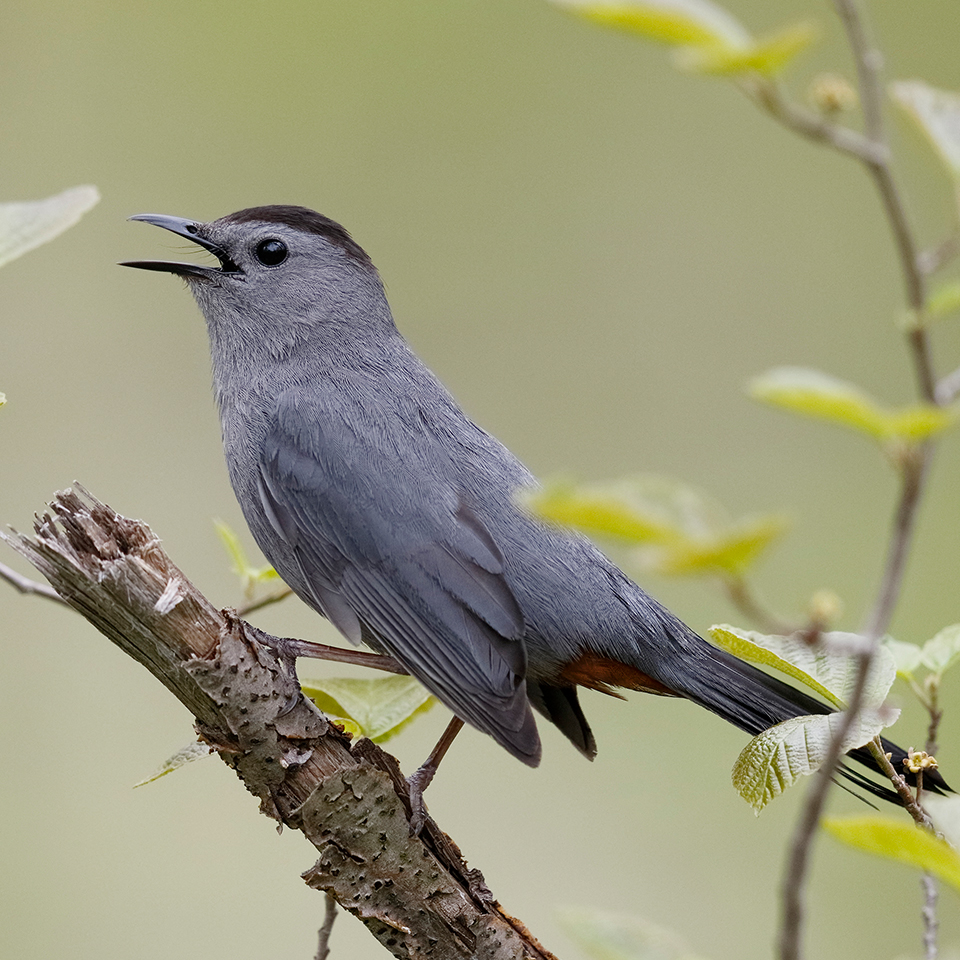
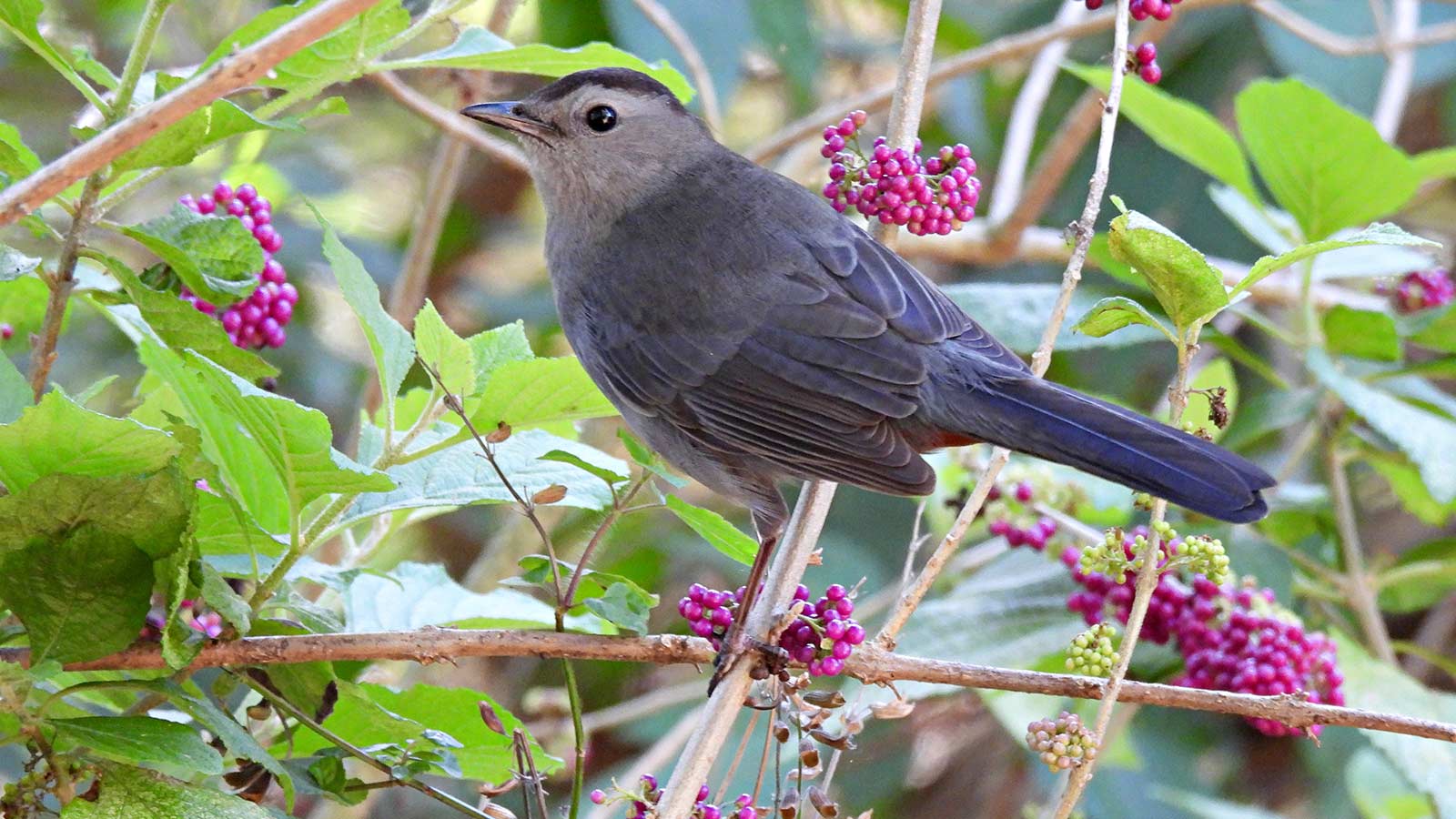
Gray Catbird
(Dumetella carolinensis)
The catbird gets its name from its distinctive call: a nasal, descending mew that sounds exactly like a small, irritated cat somewhere in the shrubs. It breeds in Summer across much of the Southeast and lingers in dense vegetation at the edges of open areas, making the shrubby margins of a Piedmont Prairie ideal habitat. Like the mockingbird, it is a mimic, but it tends to jumble its phrases into a long, continuous murmur. Catbirds are considered generalist adaptors, thriving where edge habitat is plentiful.
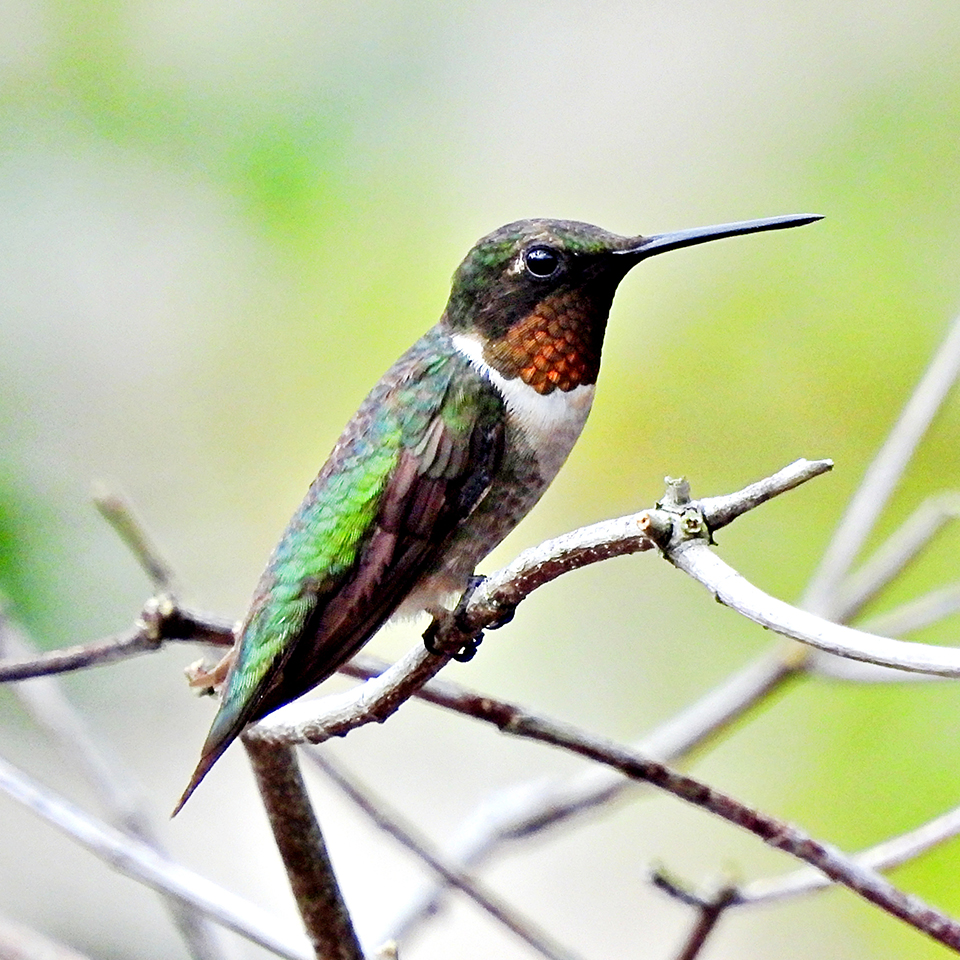
Ruby-Throated Hummingbird
(Archilochus colubris)
The ruby-throated hummingbird arrives in the Southeast in Spring and departs by Fall. This bird will visit sub/urban yards if the flowers are there. The male's iridescent red throat is a structural color, produced by the physics of light—so it can appear almost black at certain angles and blazing red at others. They are also feisty, and males will spend as much energy chasing rivals as they do feeding. Hummingbirds enjoy nectar to fuel their energy-driven flight, but they need plenty of insects to raise their young.
A Piedmont Prairie does not just feed birds. It supports wildlife through all seasons and in many ways. And the birds bring joy—making your native meadow a kinetic art installation complete with soundtrack.
If you are curious about what a Piedmont Prairie could look like on your own property, we would love to talk.