June 2026 Treecologist Tribune
Acrobats, Sherwood Forest and the Worsening Drought

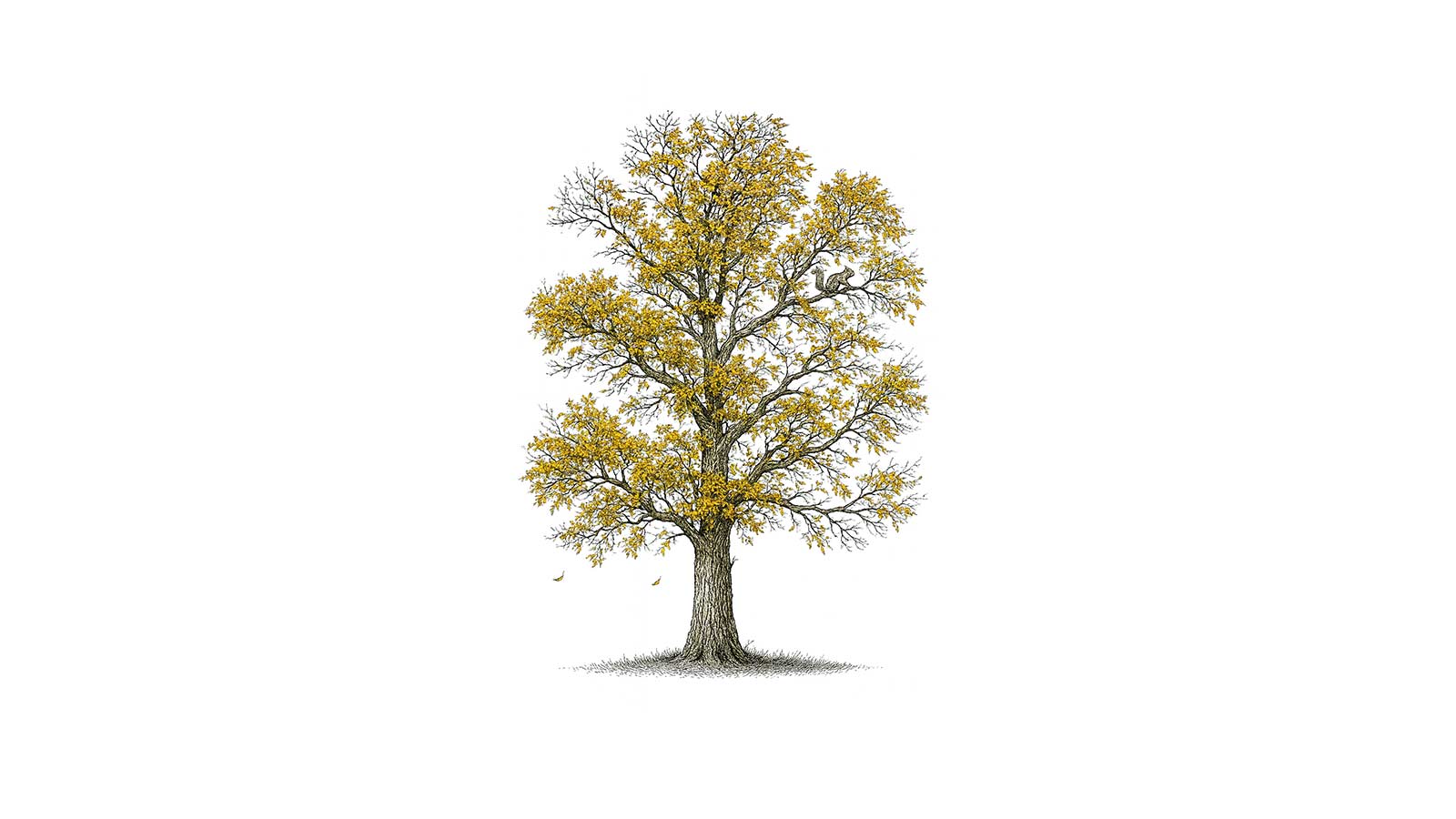
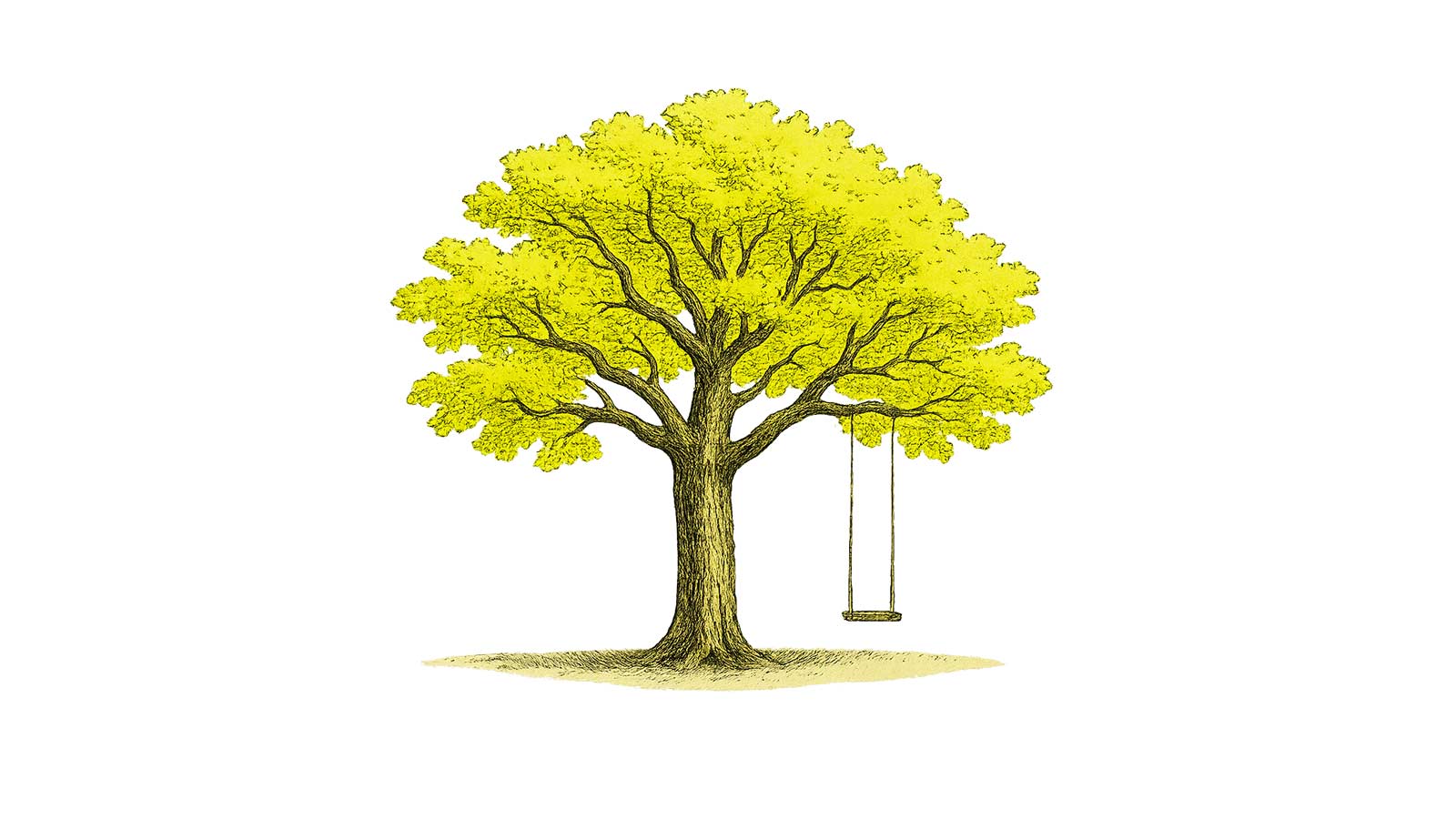
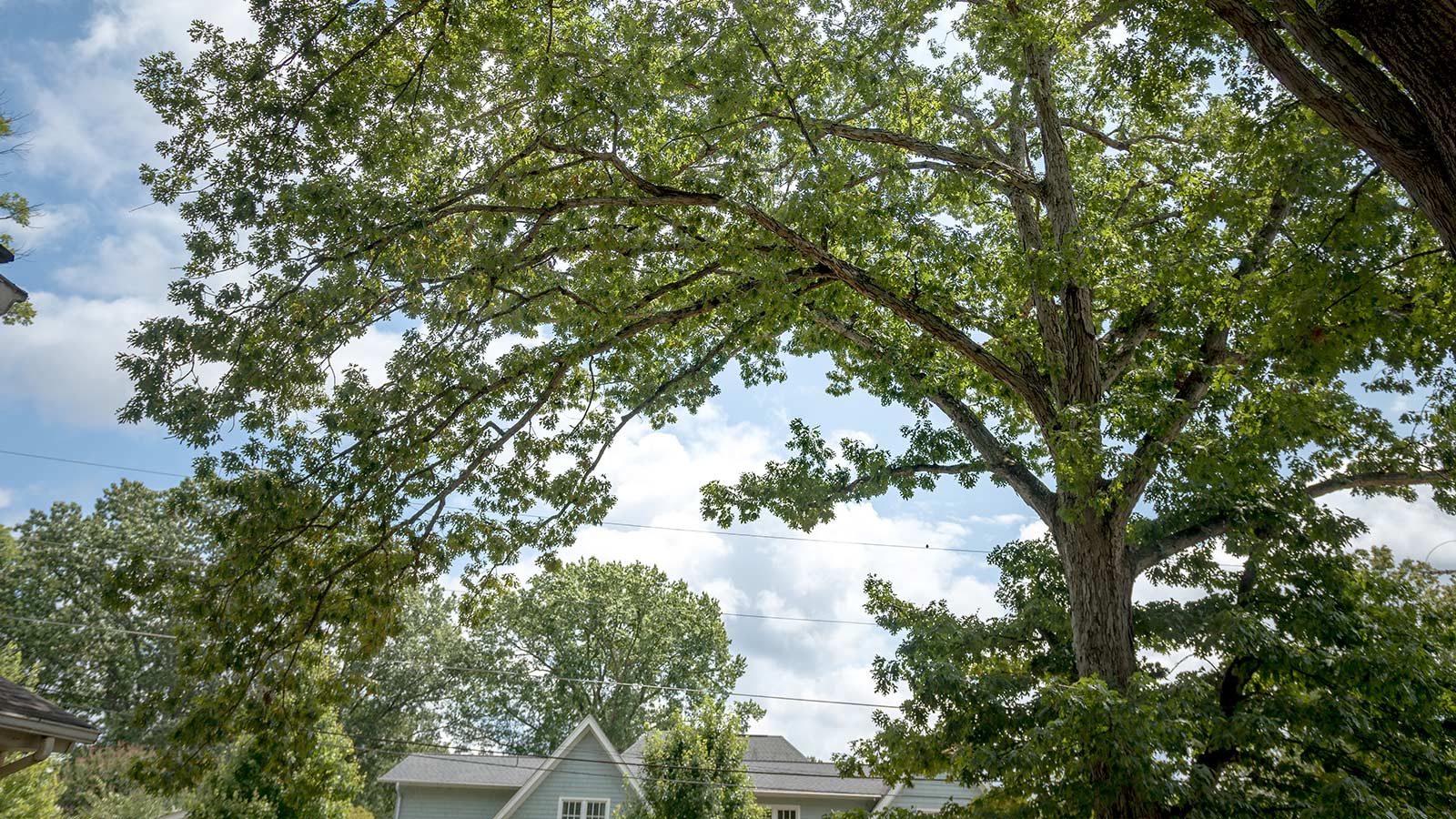
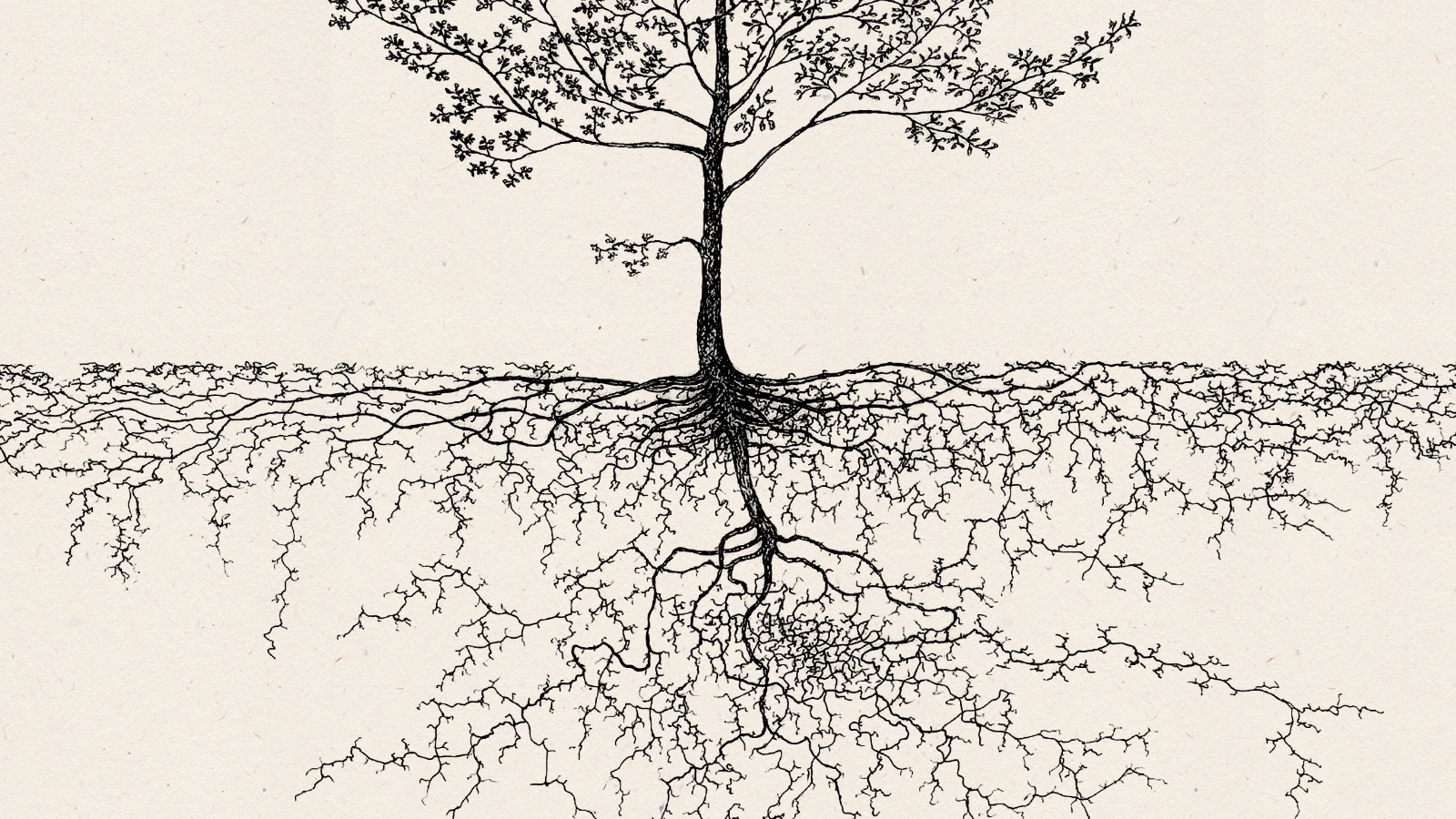
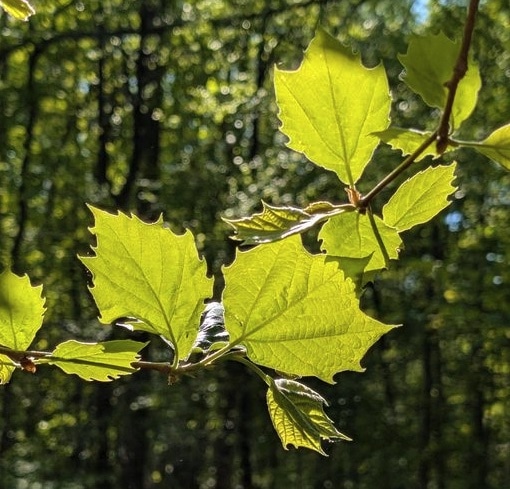
Money doesn’t grow on trees, or so they say. But for trees, money really does grow on trees. I like to think of each leaf on a tree as a little dollar bill. That’s not as far-fetched as it sounds. Trees earn “capital” through photosynthesis, and each leaf is a little factory that creates the carbohydrates (glucose) it needs to support everything it needs to do, from growing to making seeds to providing defenses against pests.
We earn dollar bills to support everything we need to do. We need enough of them to meet our daily needs, with hopefully something left over to save for lean times. Same with trees. Trees need to meet all their metabolic needs and have something left over to store for needs during droughts, pest attacks, and other extraordinary circumstances. Trees with reserves are resilient trees.
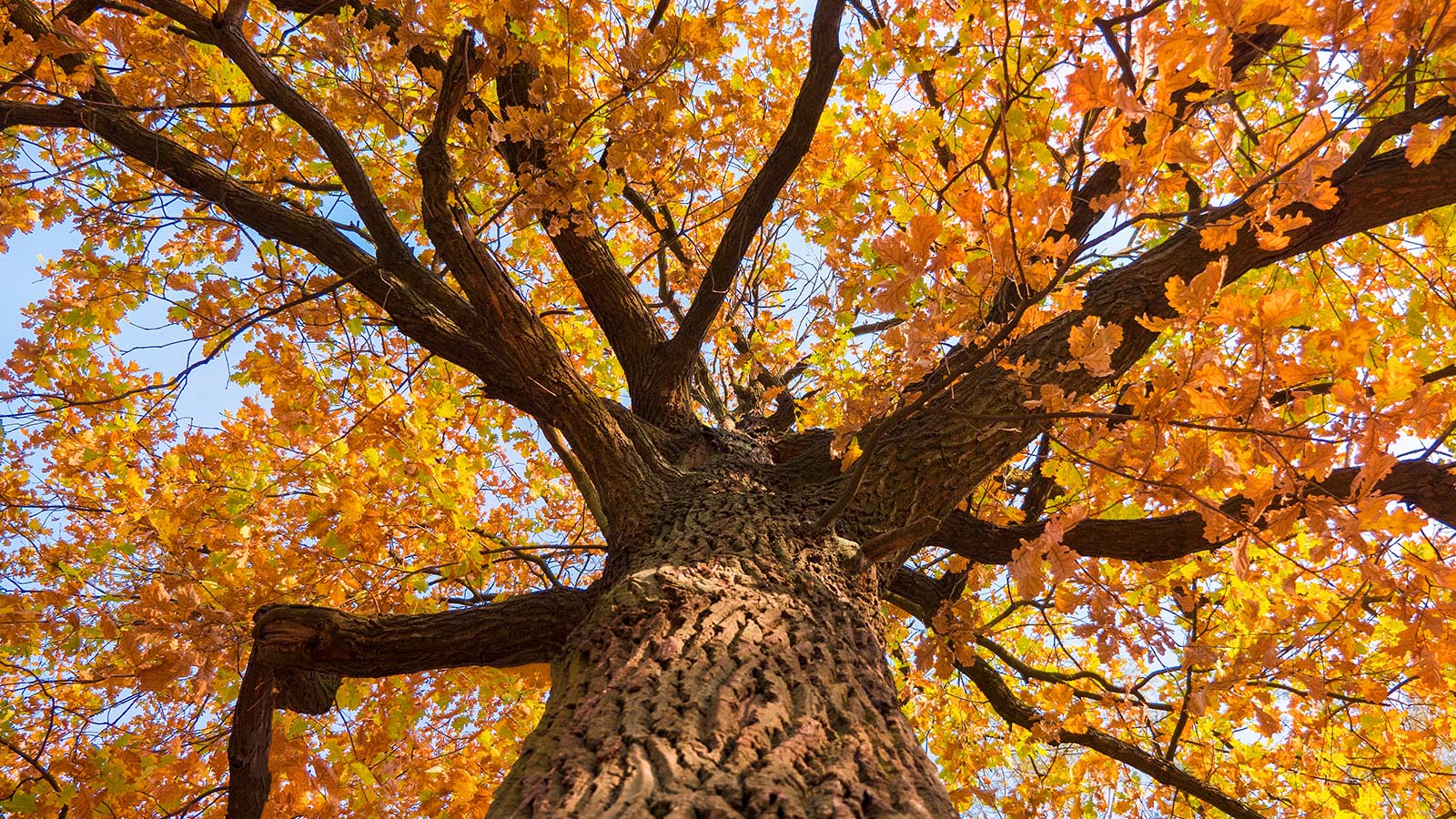
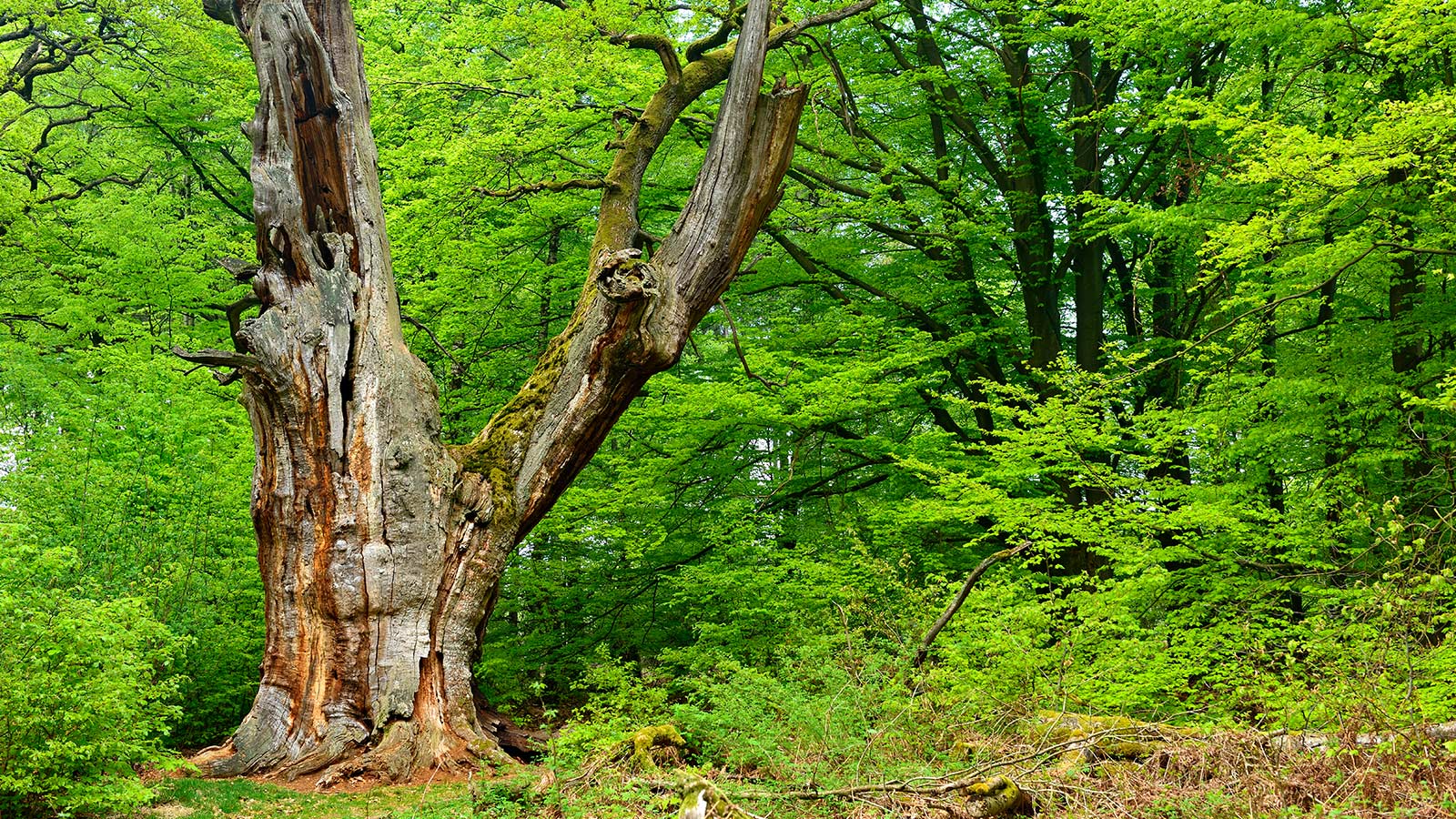
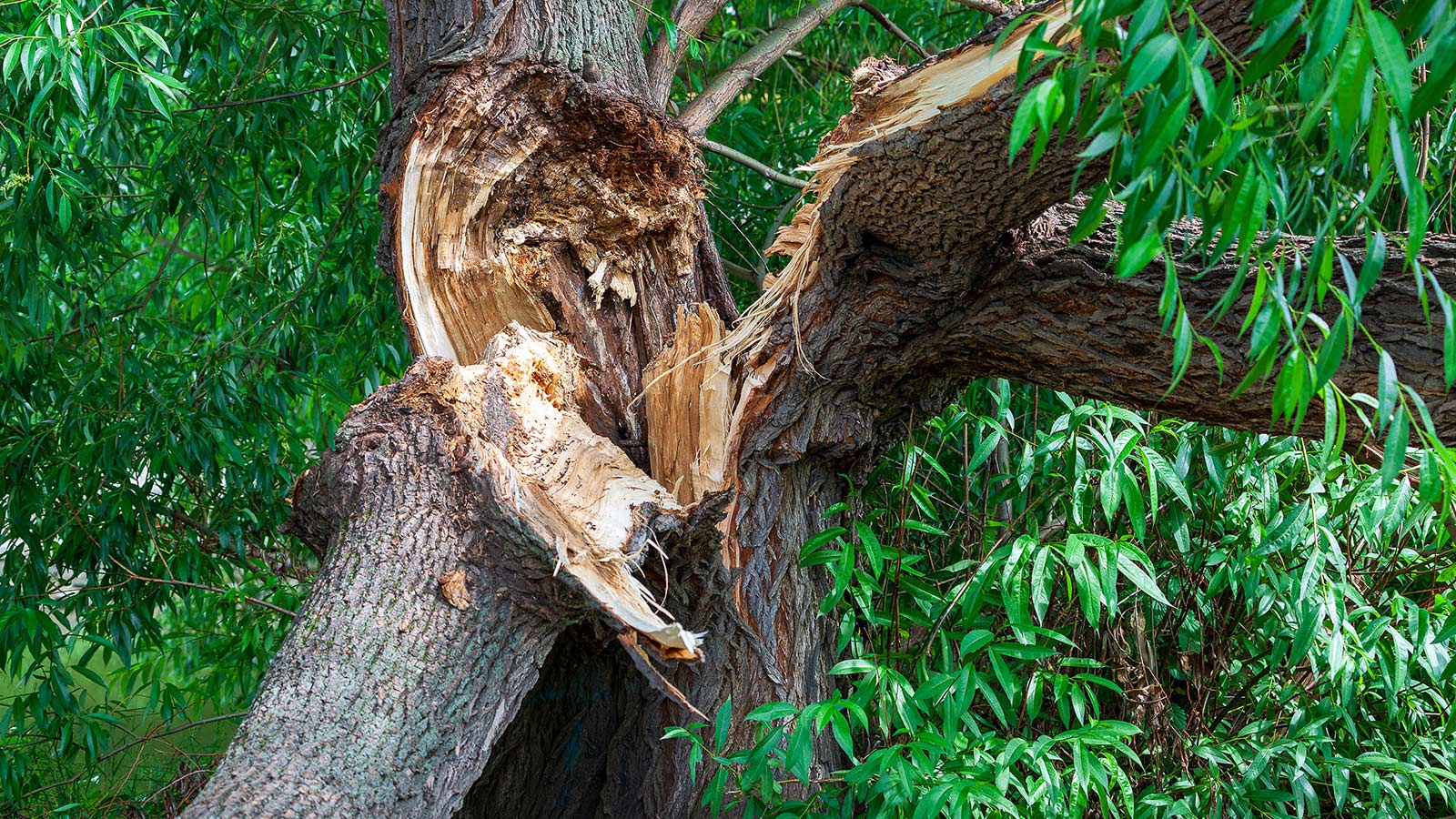
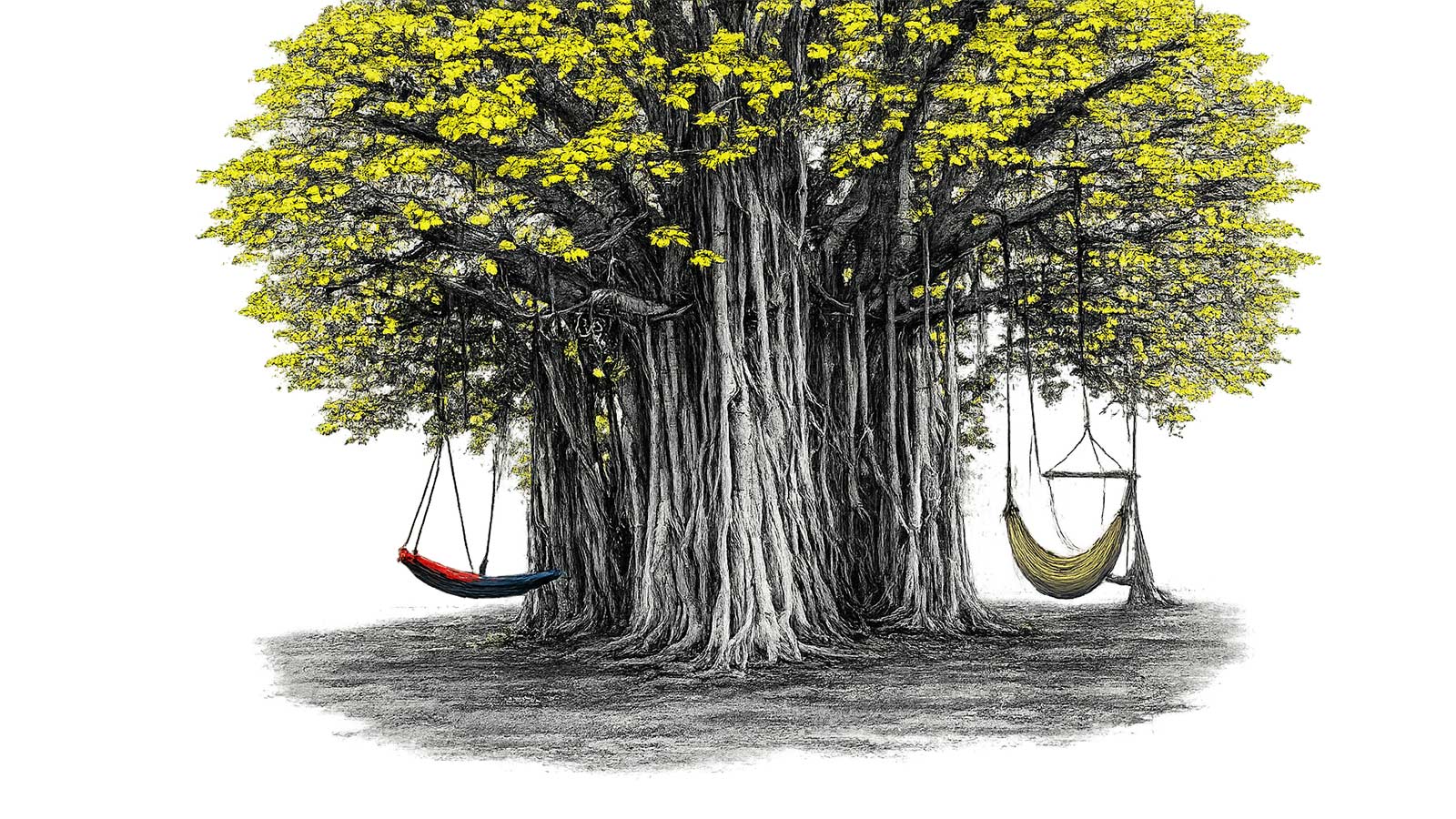
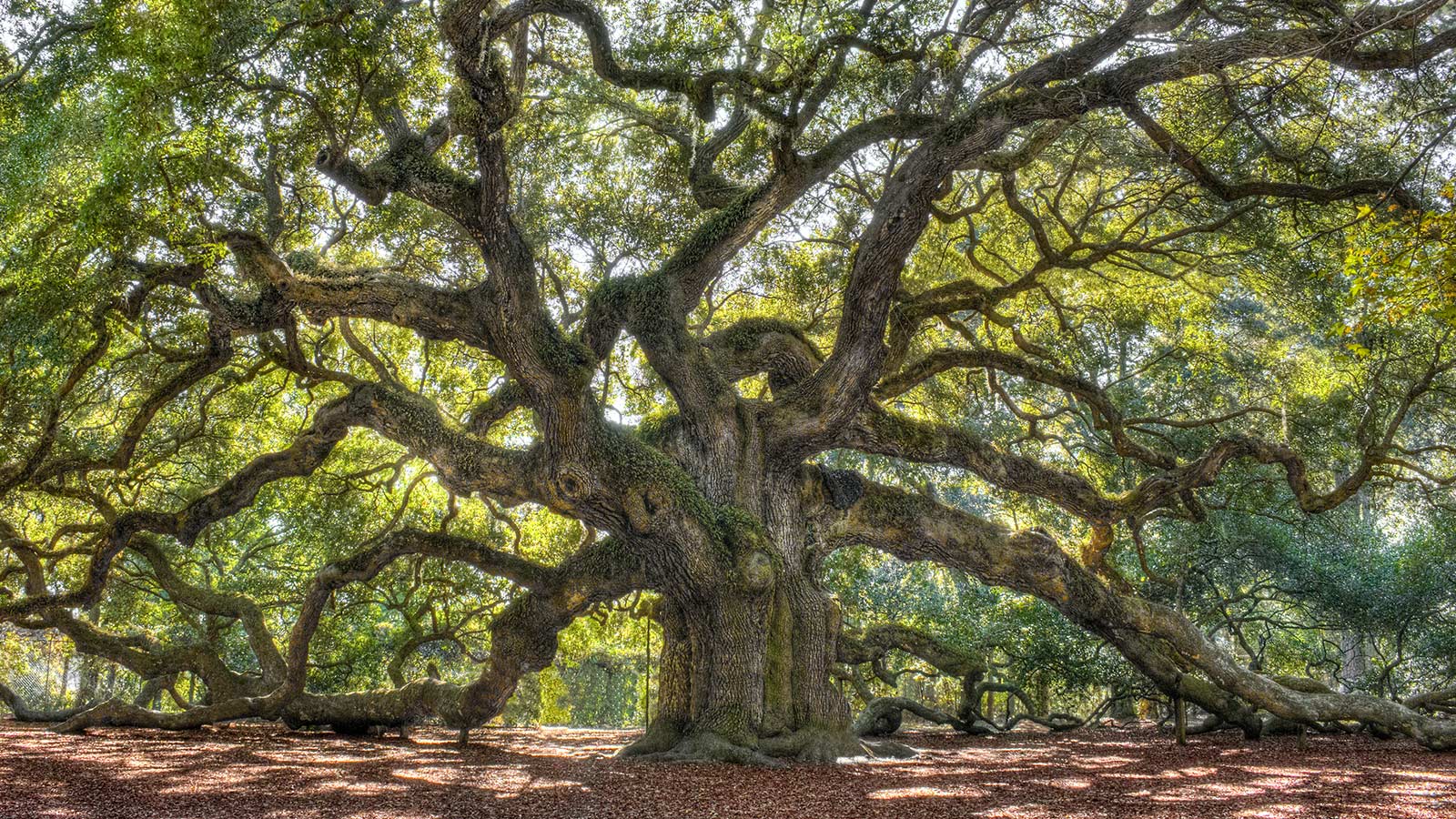
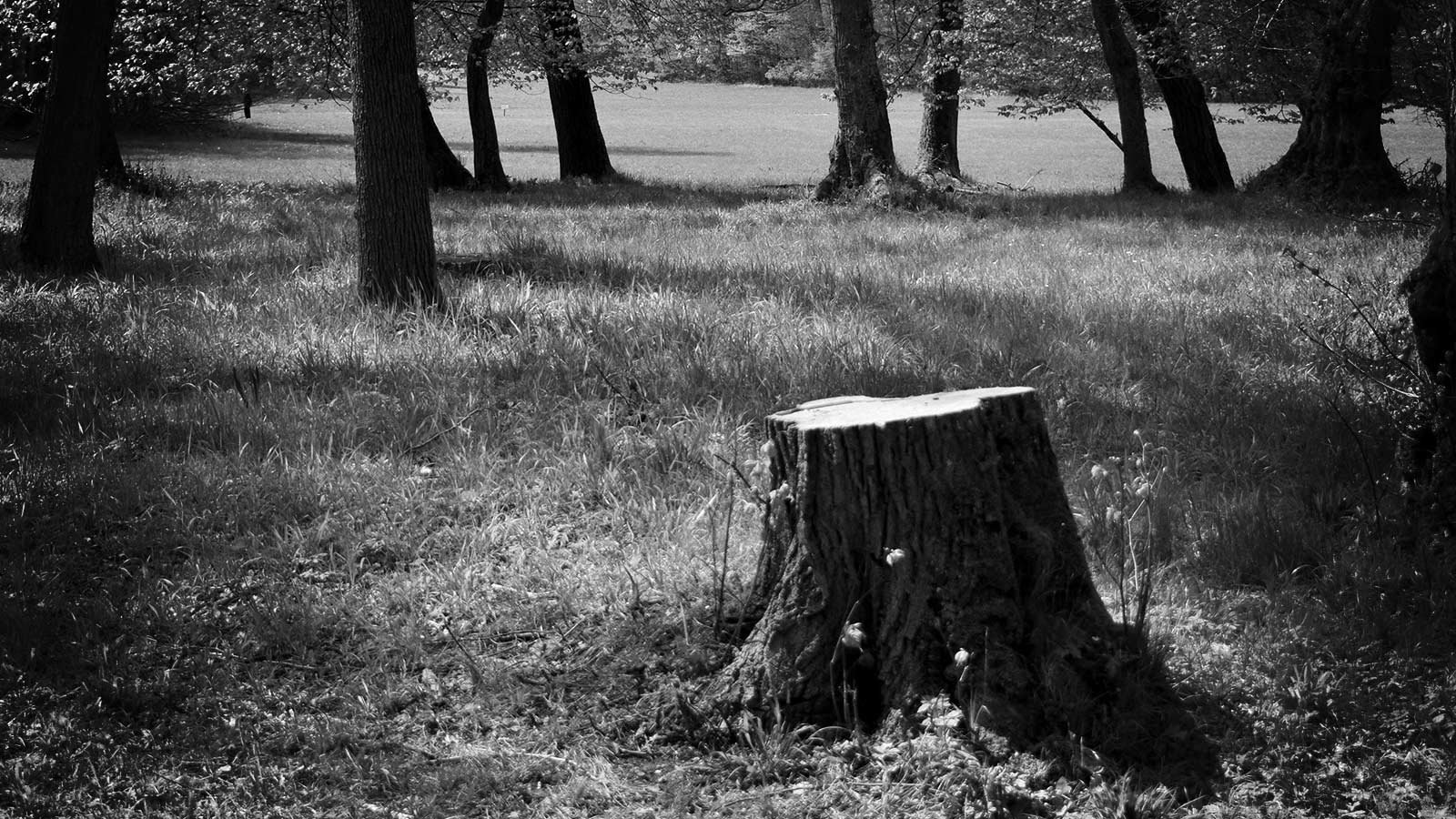
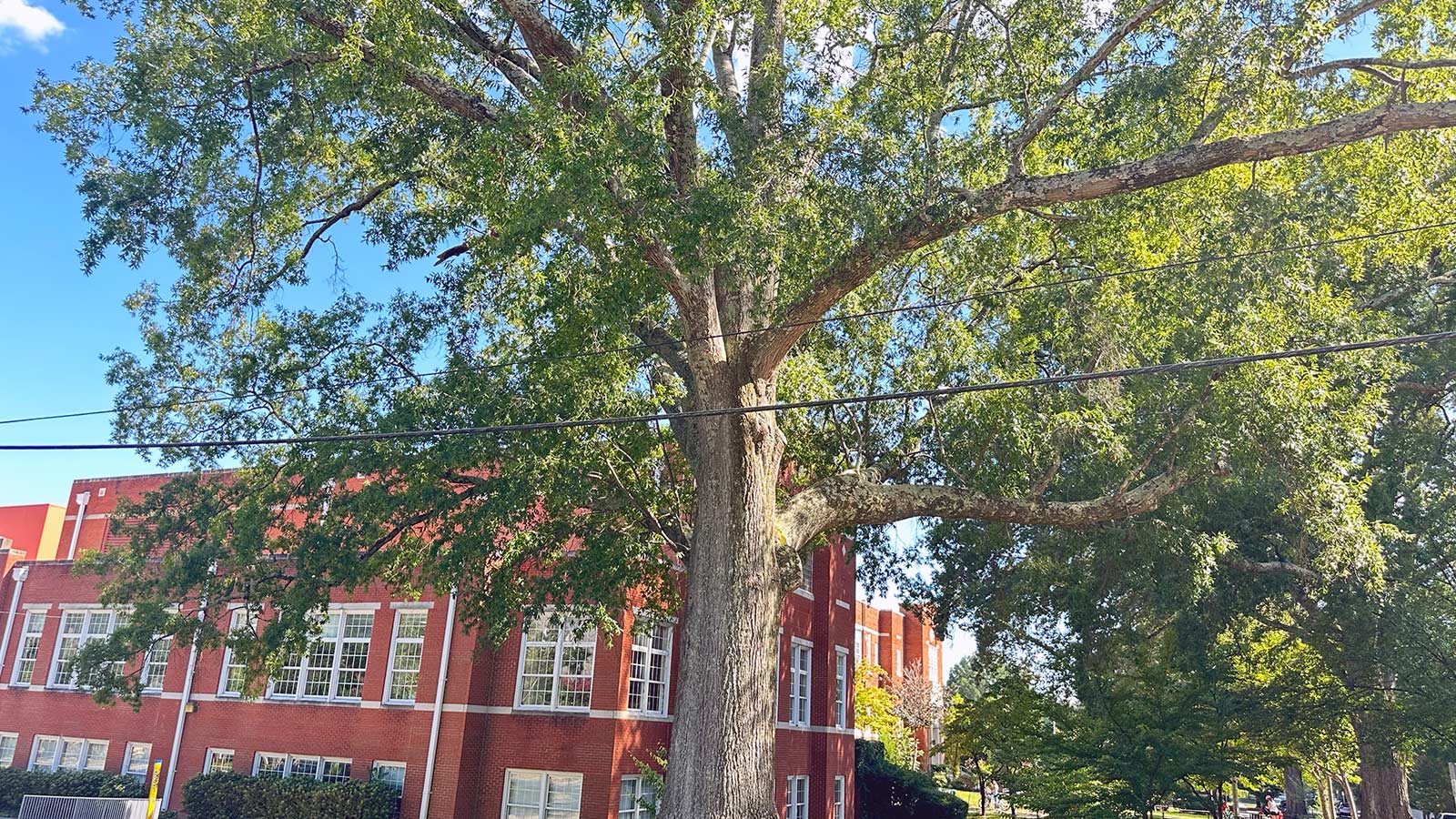
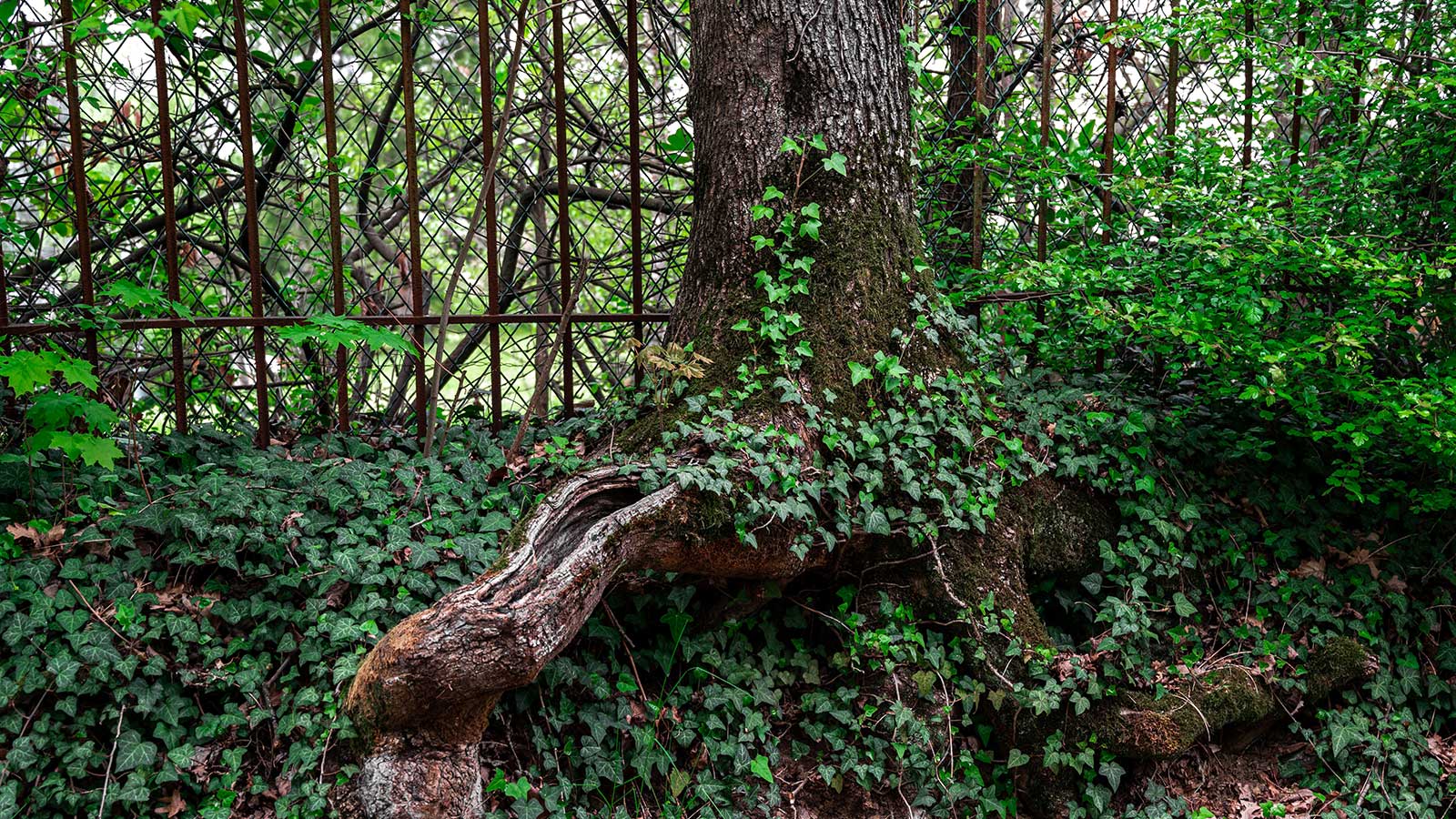
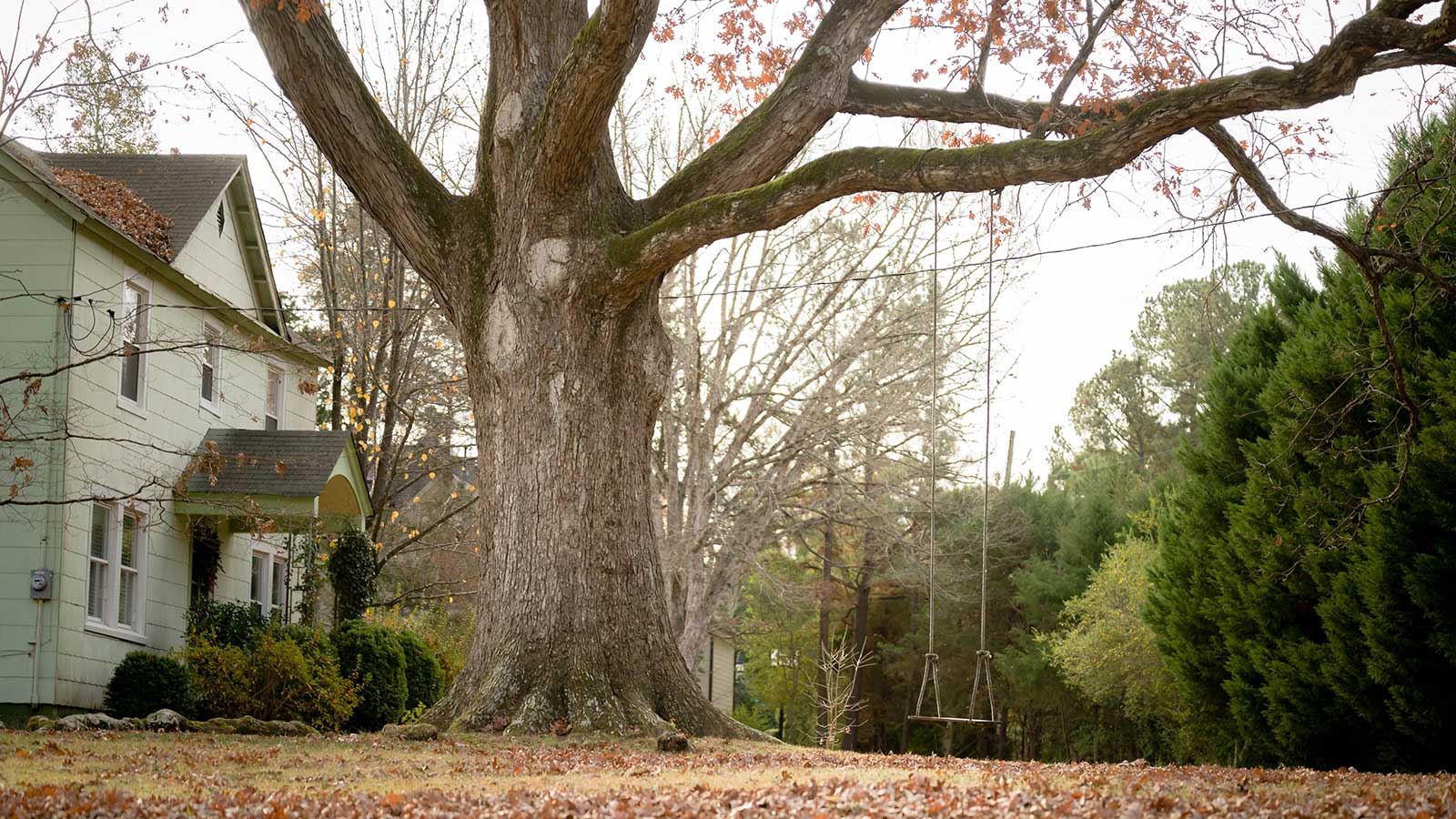
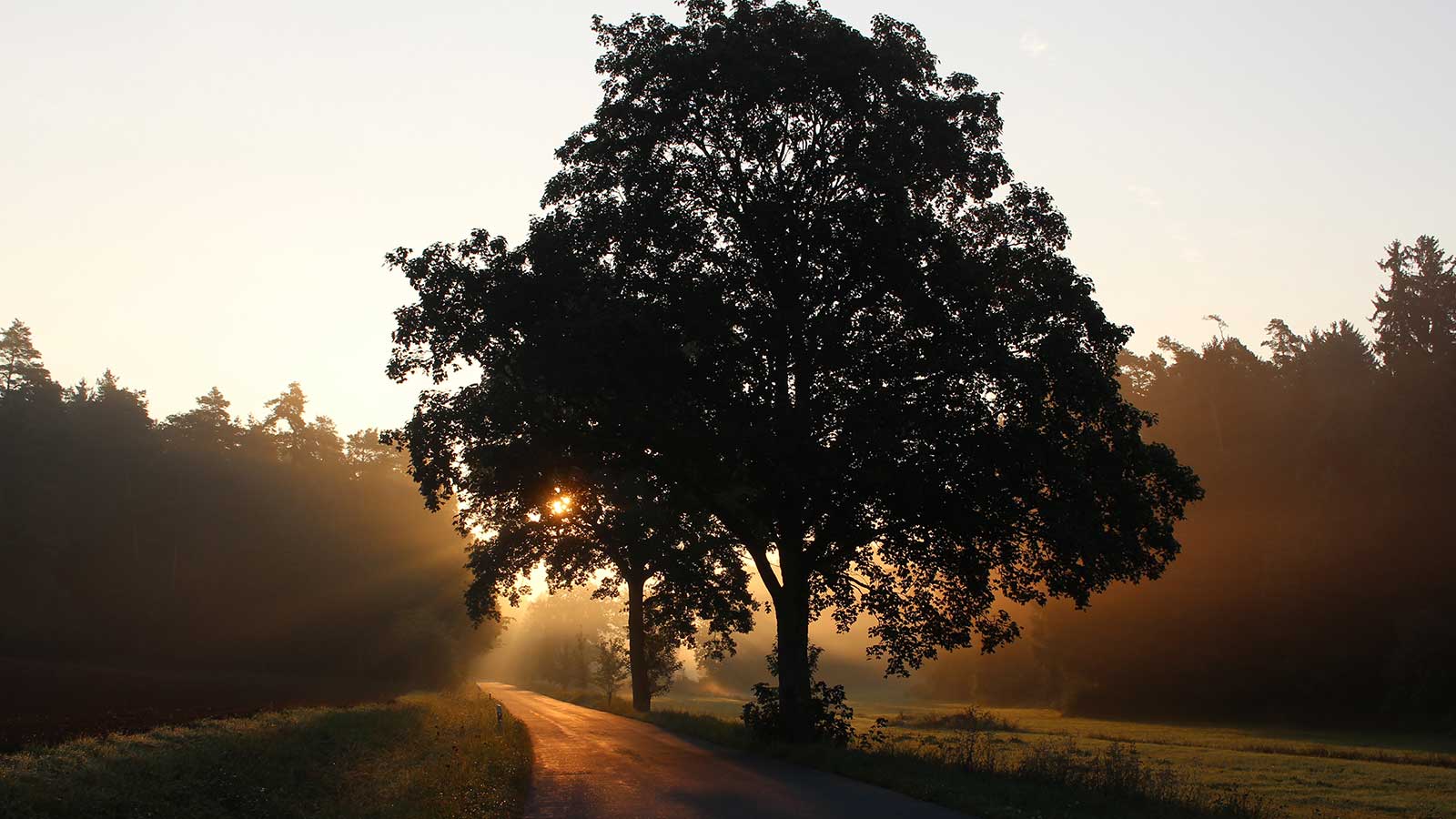
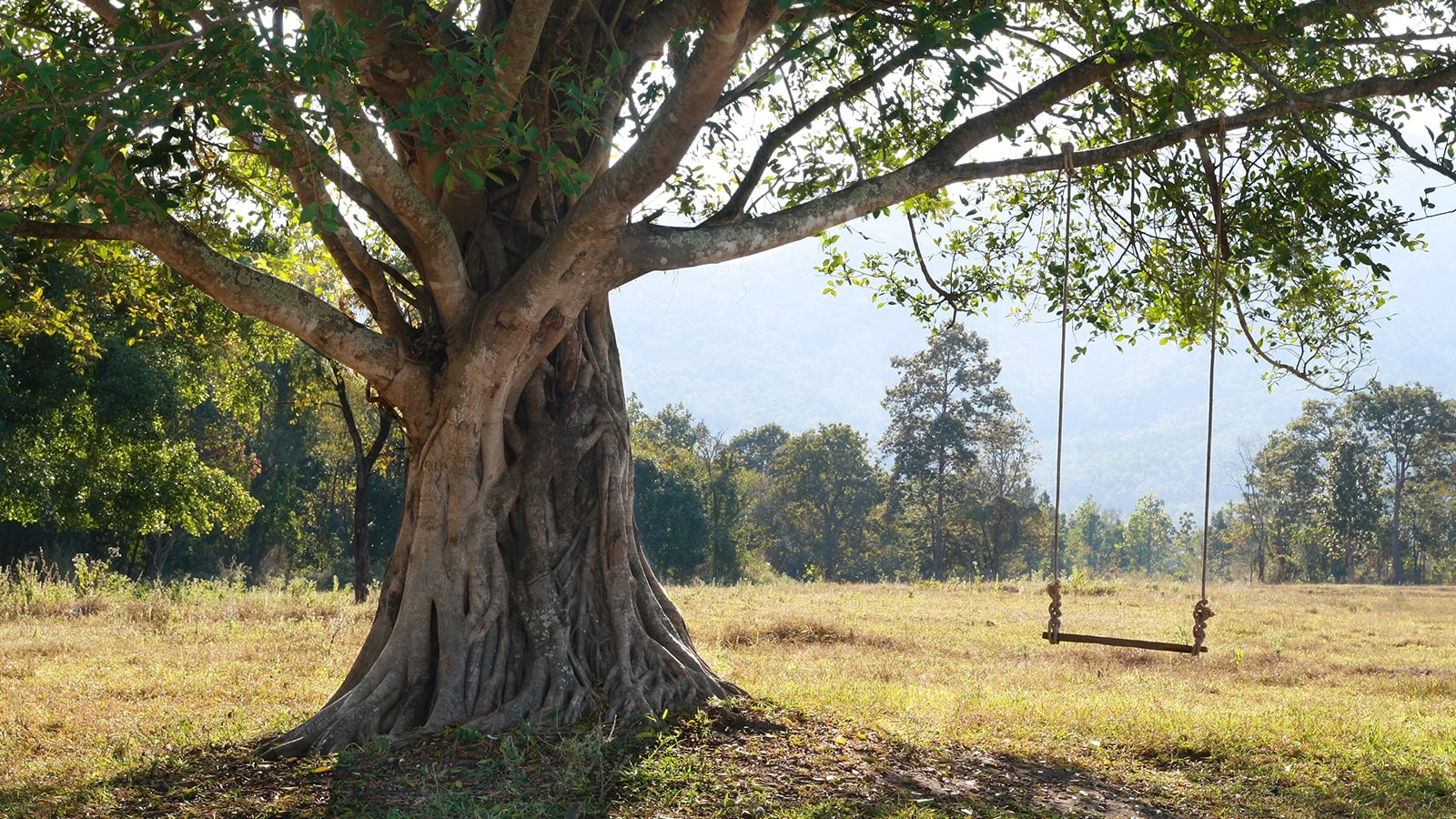
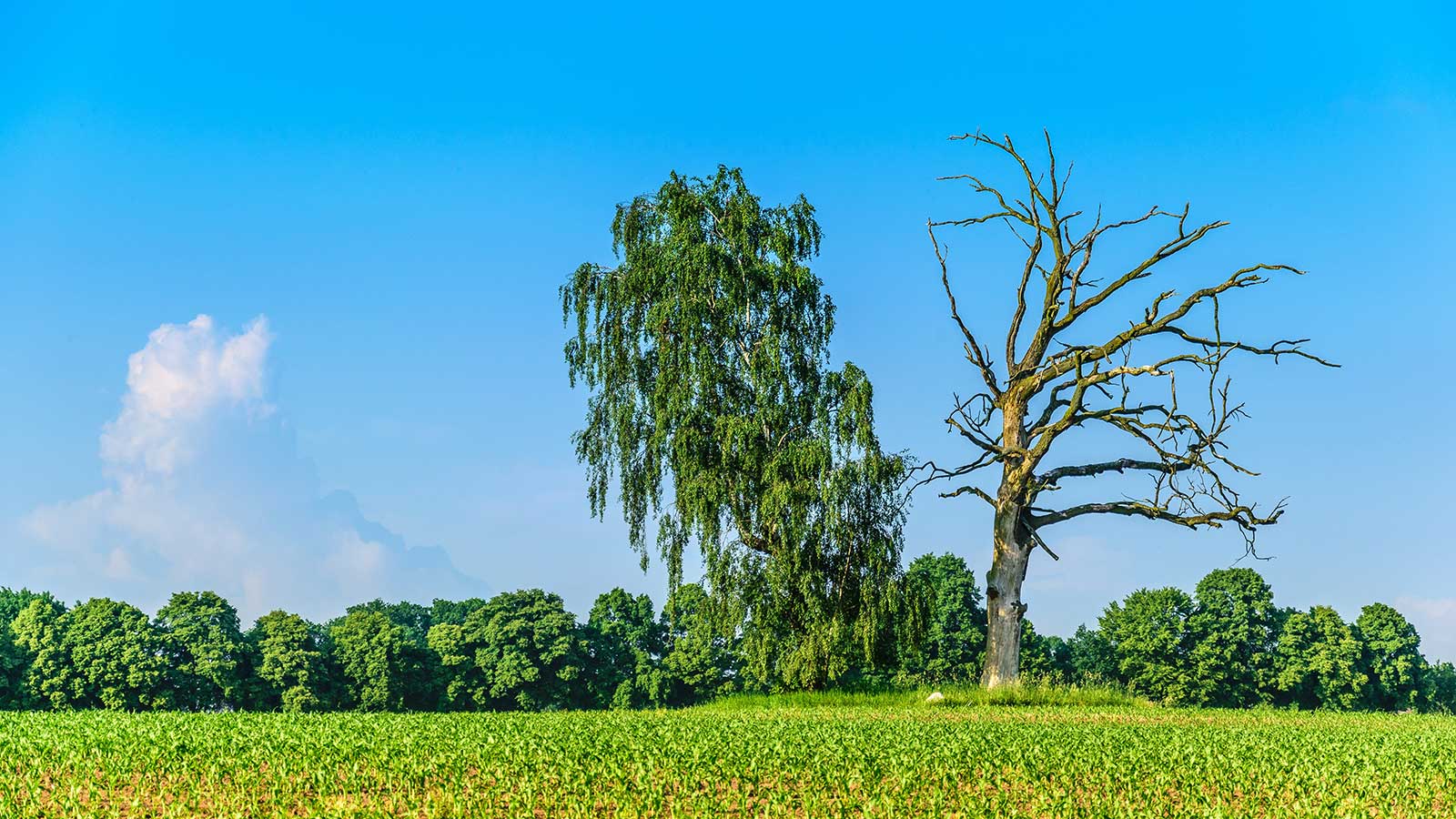
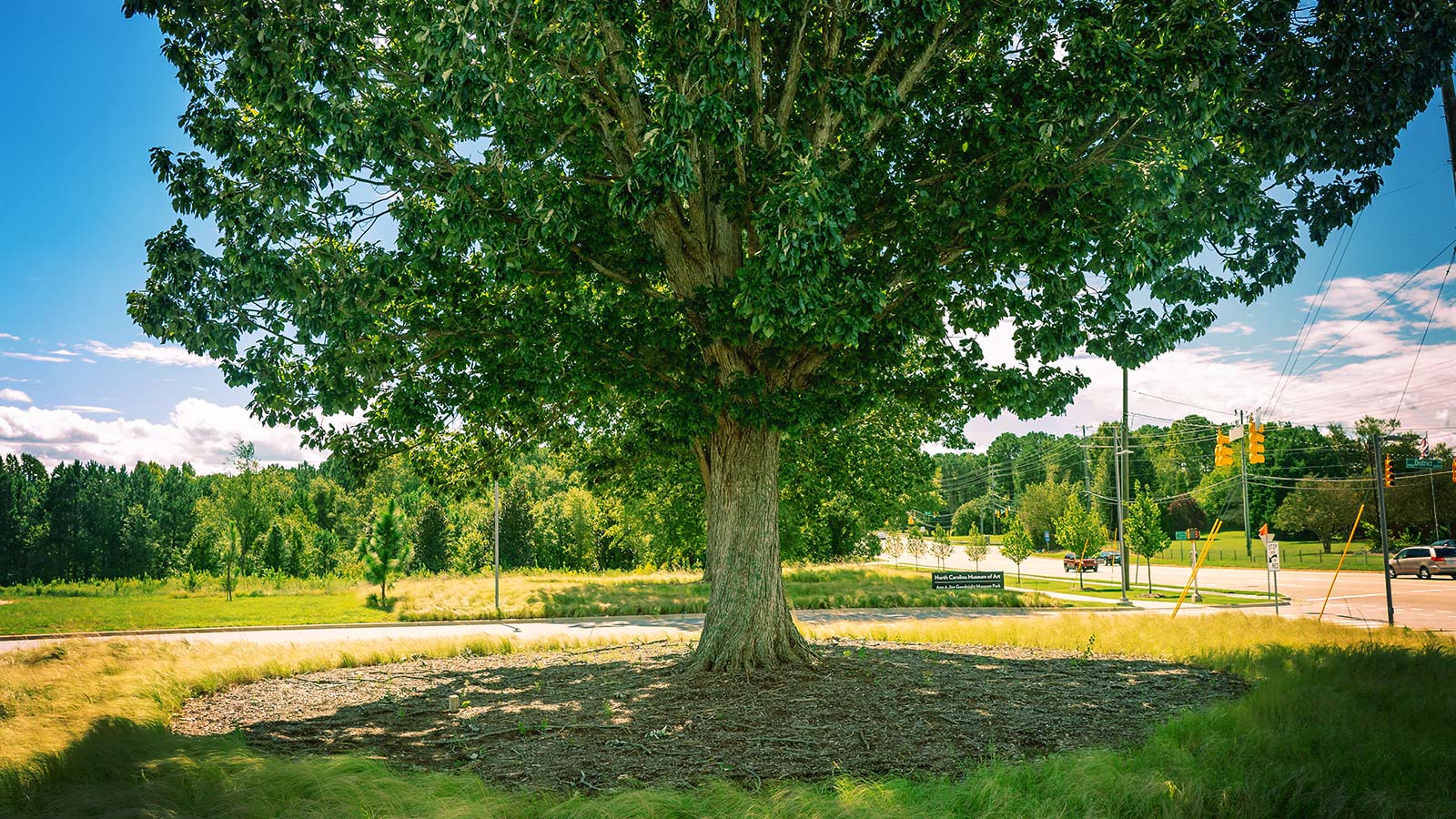
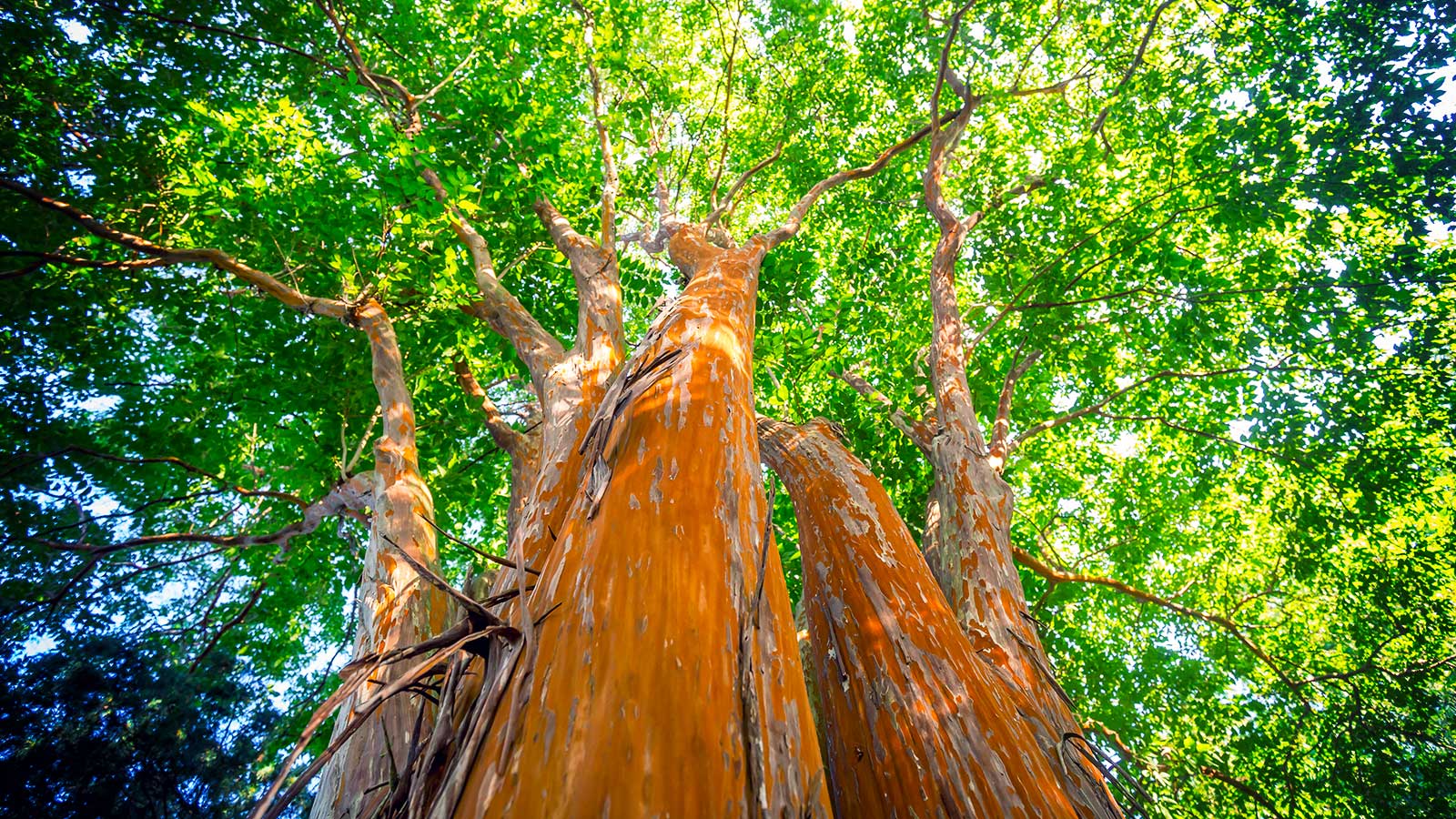
As if to highlight the stresses on our beloved trees, the 1200-year-old Major Oak, of Sherwood Forest fame, failed to leaf out this month. That means it did not have the reserves to do the one most basic thing it needed to do, just to live. Trees are theoretically immortal, but changes, both natural and those created by humans, conspire to kill them eventually. Soil compaction from visitors, prolonged drought, and climate warming were the main factors affecting this venerable old tree. Check out this article about old trees to learn more about these amazing life forms we share the planet with.
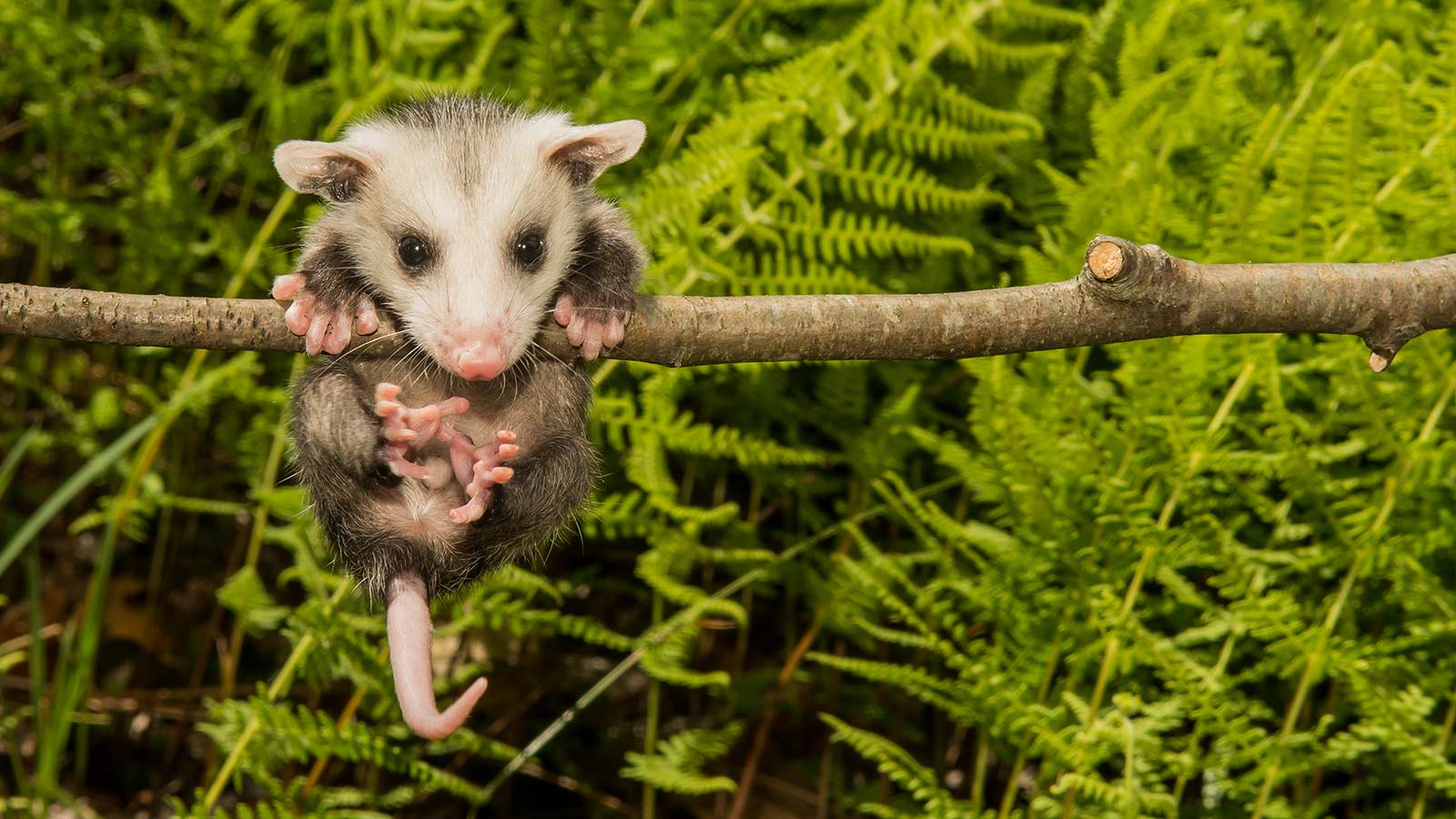
Trees are a lot like us, really. We will talk about this some more, because it is especially important right now, but first, let’s talk about something fun (and be sure to read to the end to see an adorable baby owl).
Yard Sleuthing: The Other Pollinators
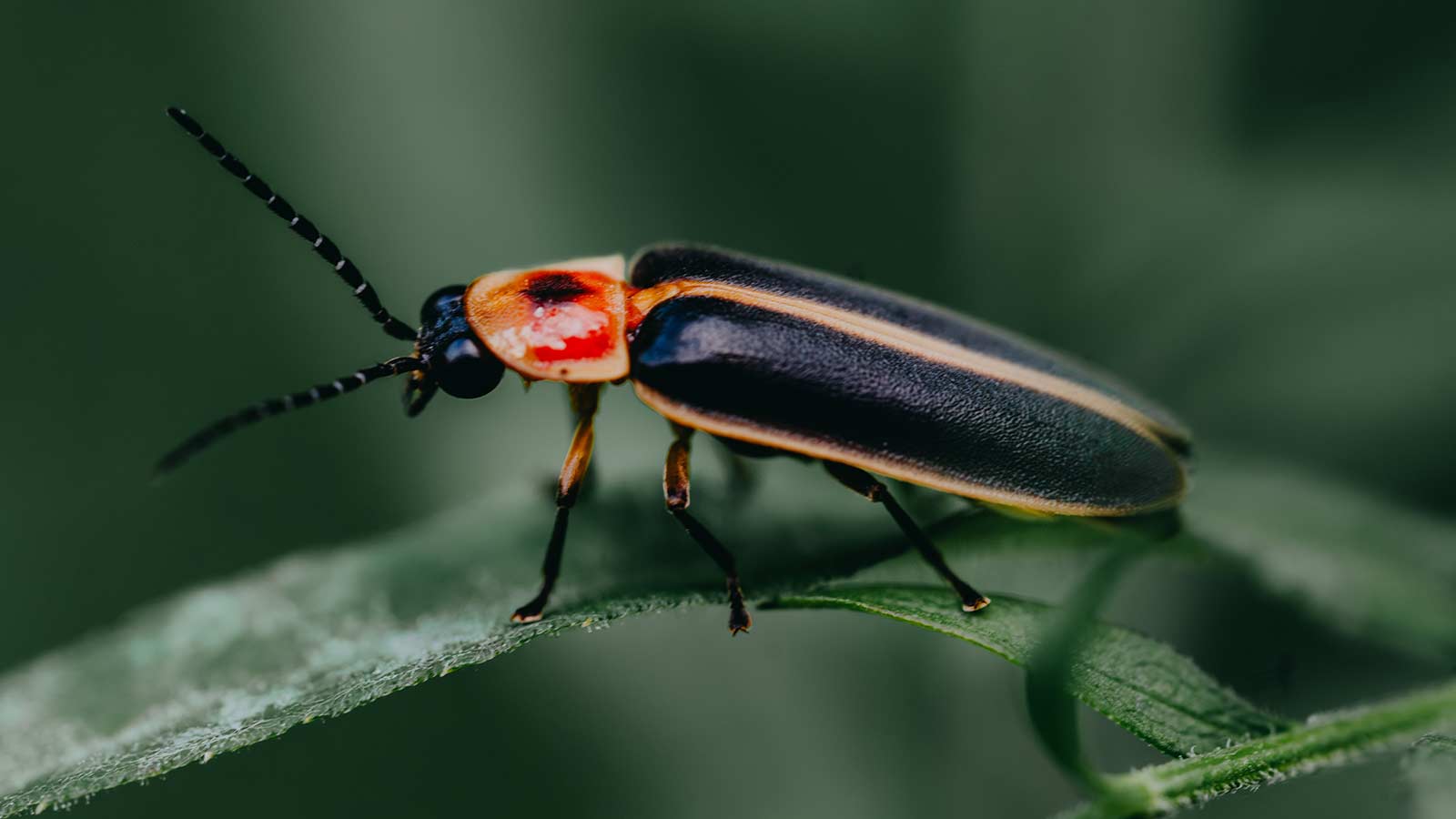
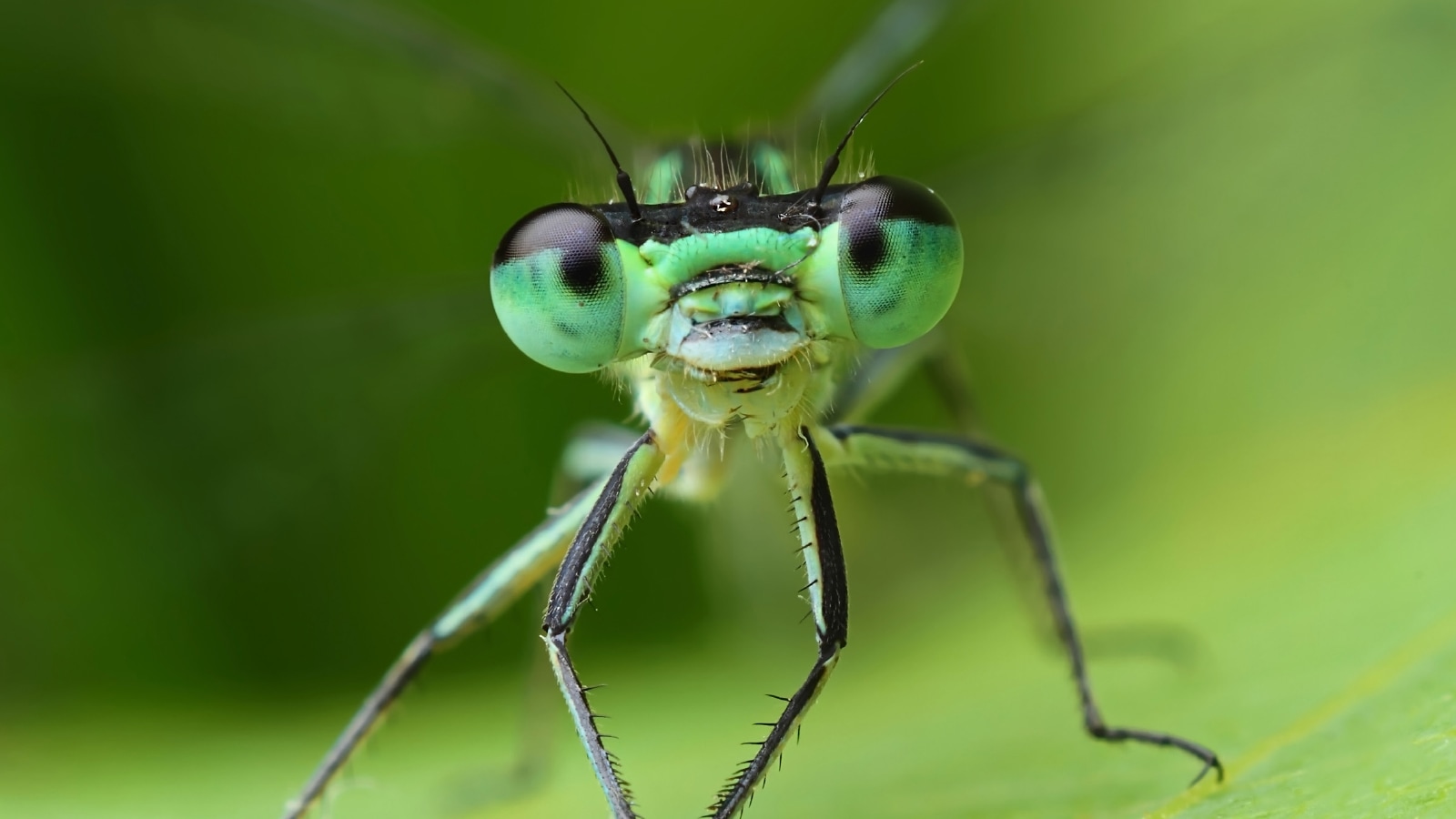
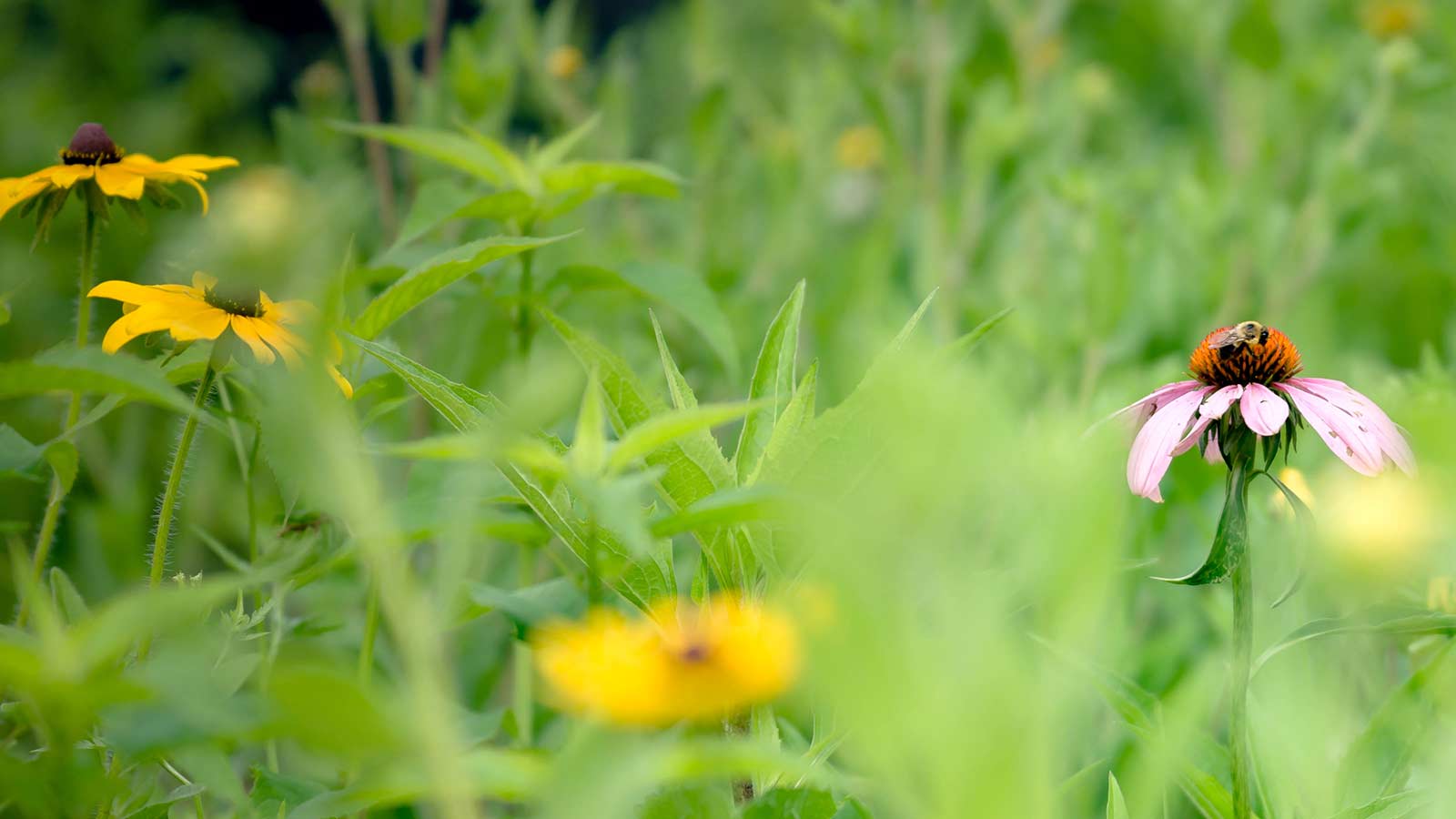
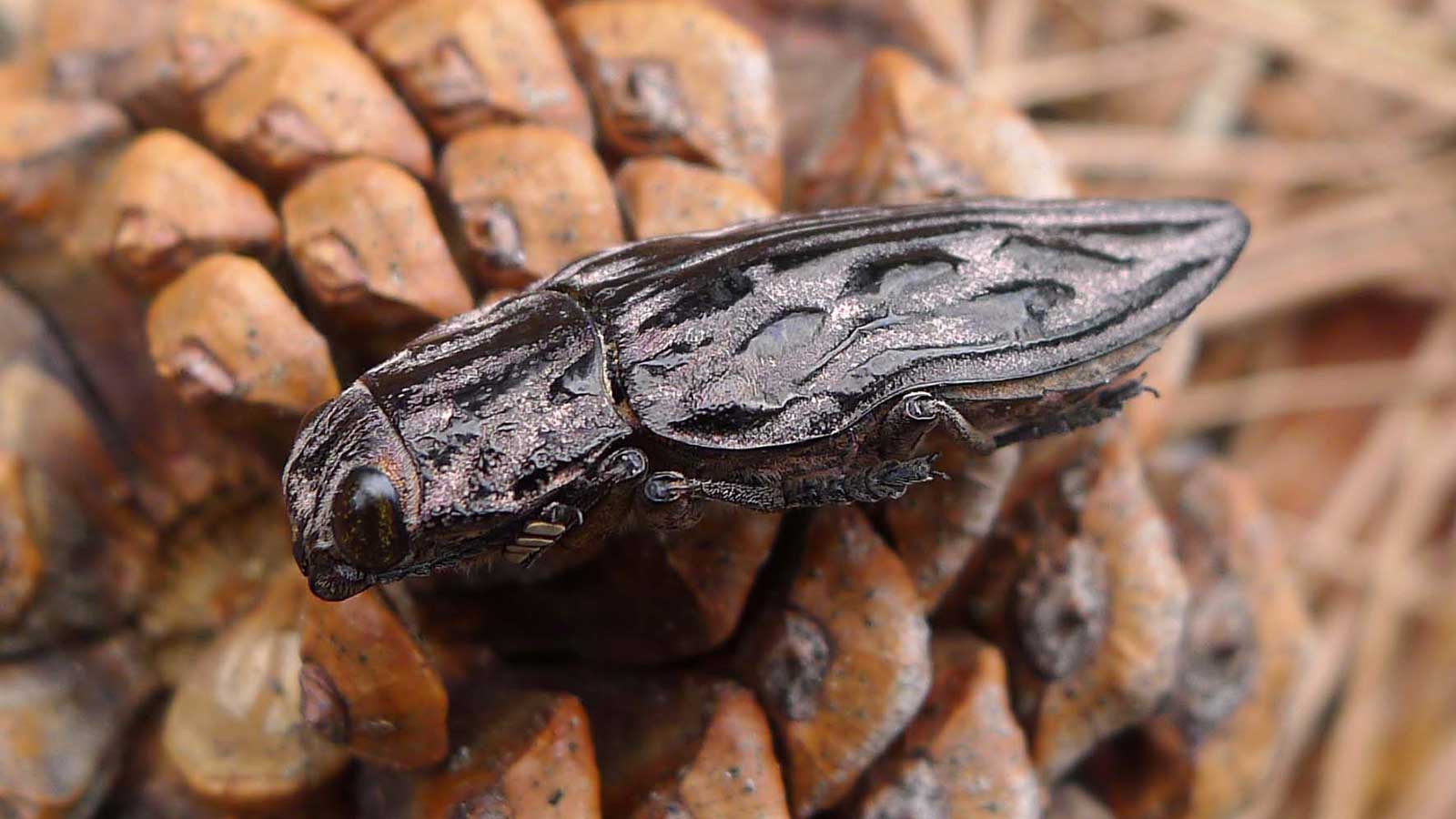
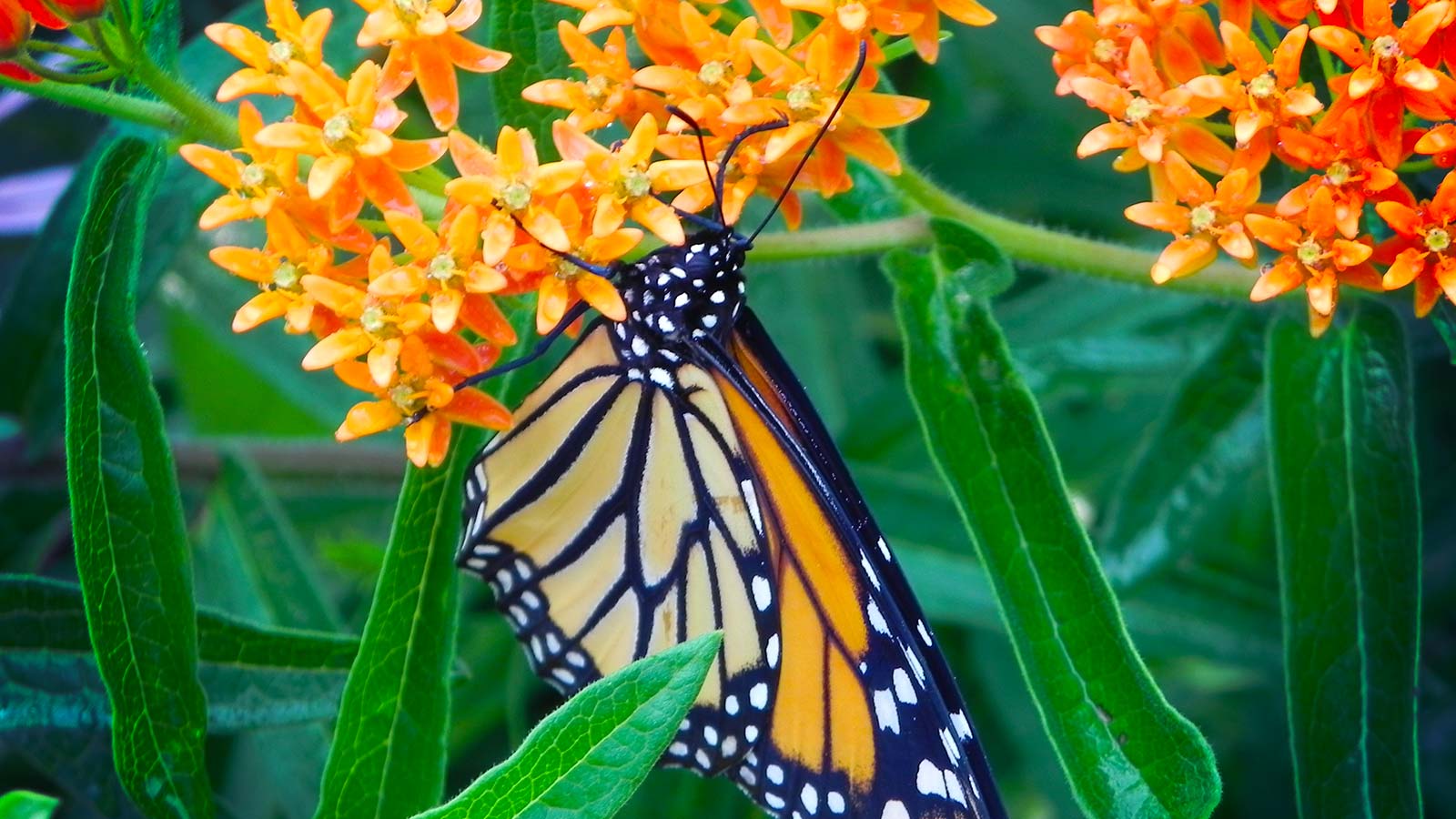
Look in as many flowers as you can. Of course, you must sniff them too, but whenever you see flowers, take a good look inside. You might be surprised by the tiny critters you’ll find. Flowering plants and insects have evolved together for 130 million years in a long evolutionary tango. But bees didn’t become the go-to pollinator powerhouse they are now until much later. Back in the early days, beetles dominated the insect world, and flowering plants evolved to take advantage of their numbers. Flies and wasps were at the dance too and remain important pollinators to this day.
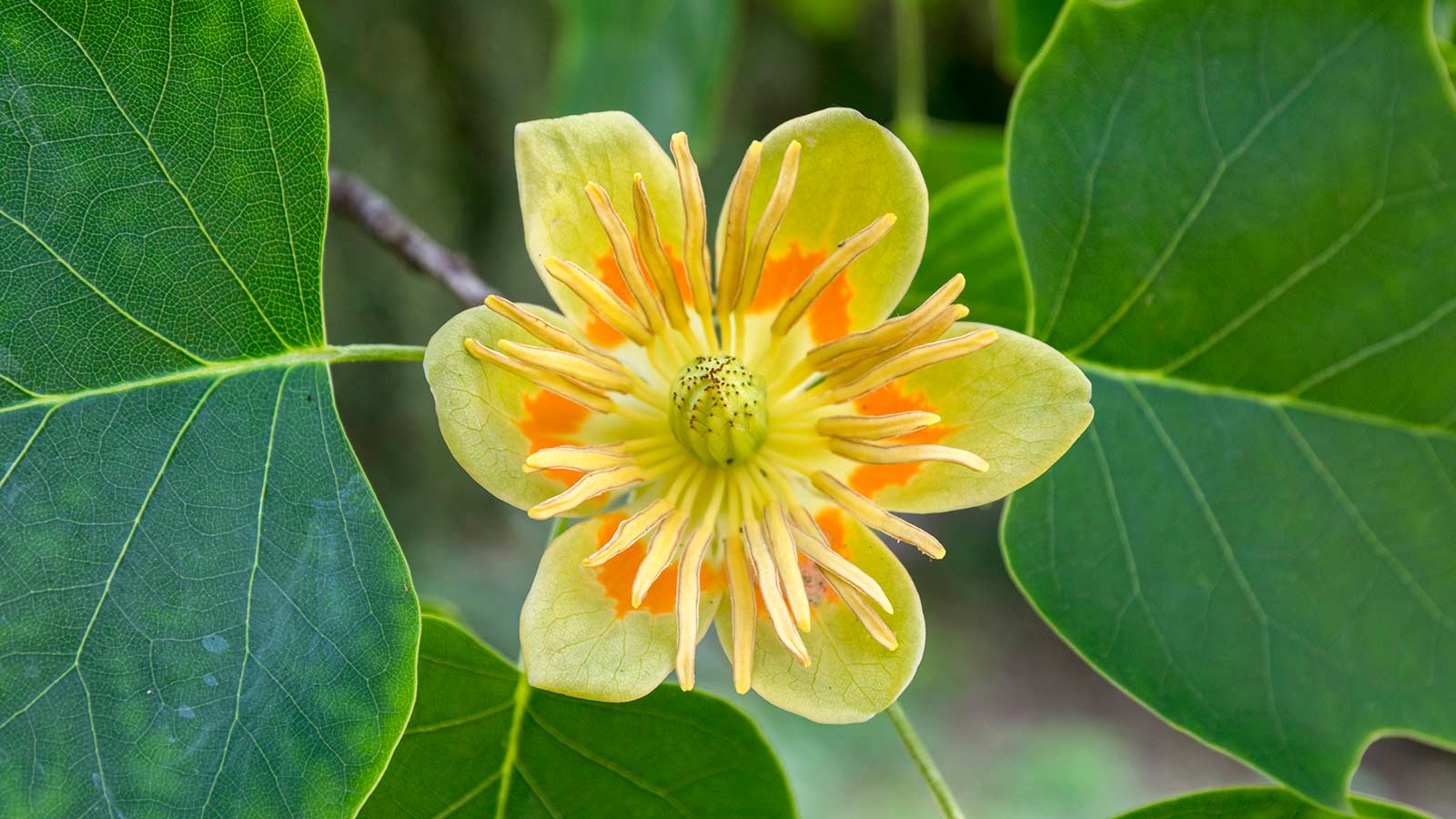
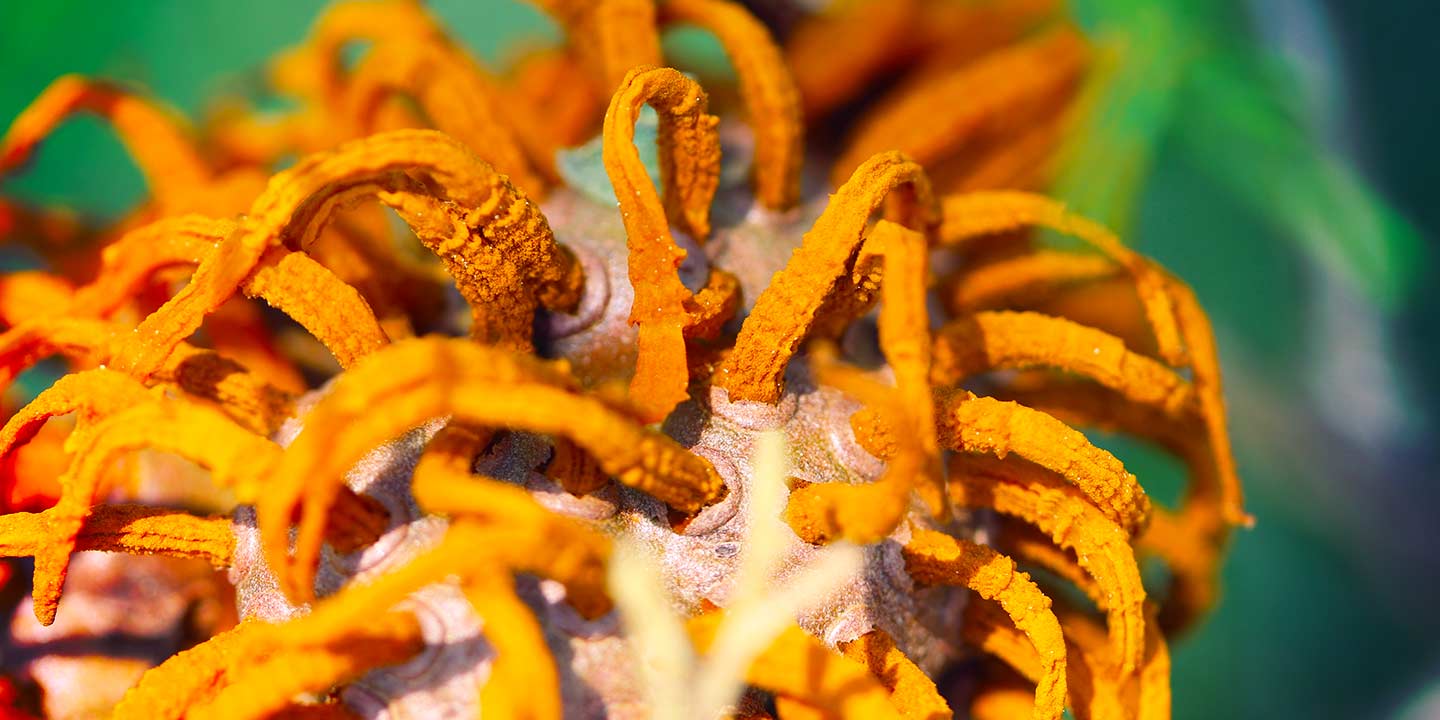
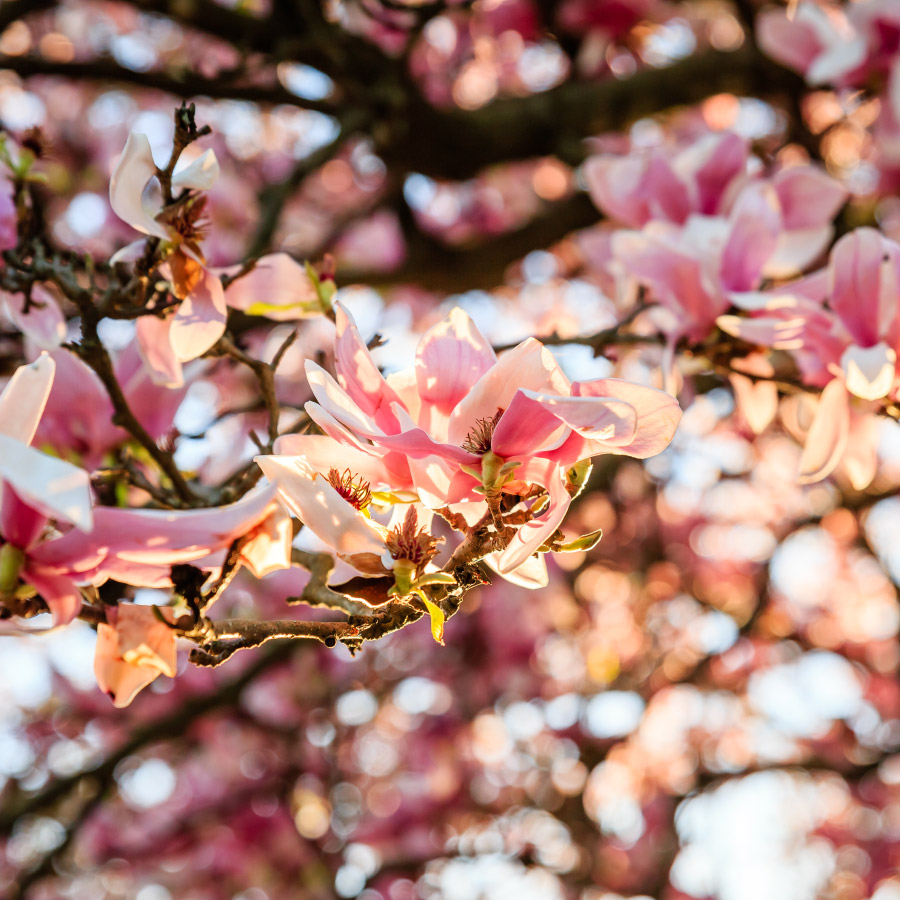
Magnolias are among the oldest flowering plants still with us. Their flowers, with thick petals, stout stamens, and anthers, are adapted for the relatively clumsy and messy ways that beetles go about their flower business. These flowers often have a heavy, sweet, or fruity fragrance that attracts beetles.
Moths, whose caterpillars power songbird populations, are also pollinators. The yucca moth specializes in yucca pollination. Many moths are drawn to sweetly scented white flowers. That reminds me to remind you to turn off light sources at night. The moths need all the help they can get.
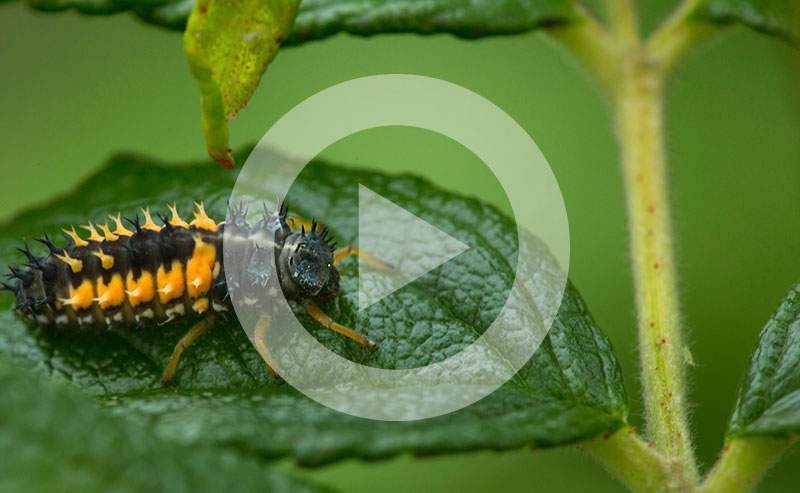
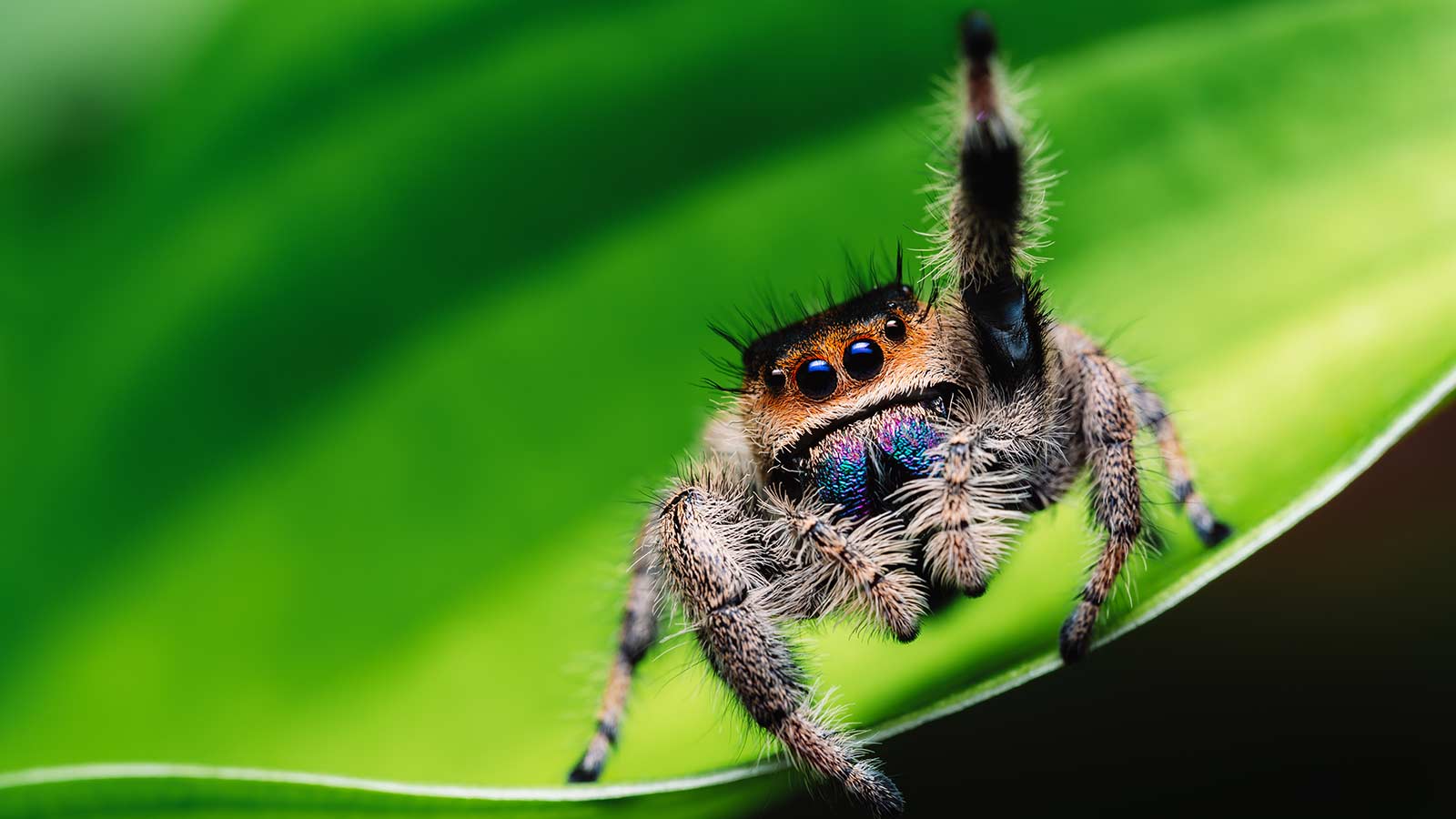
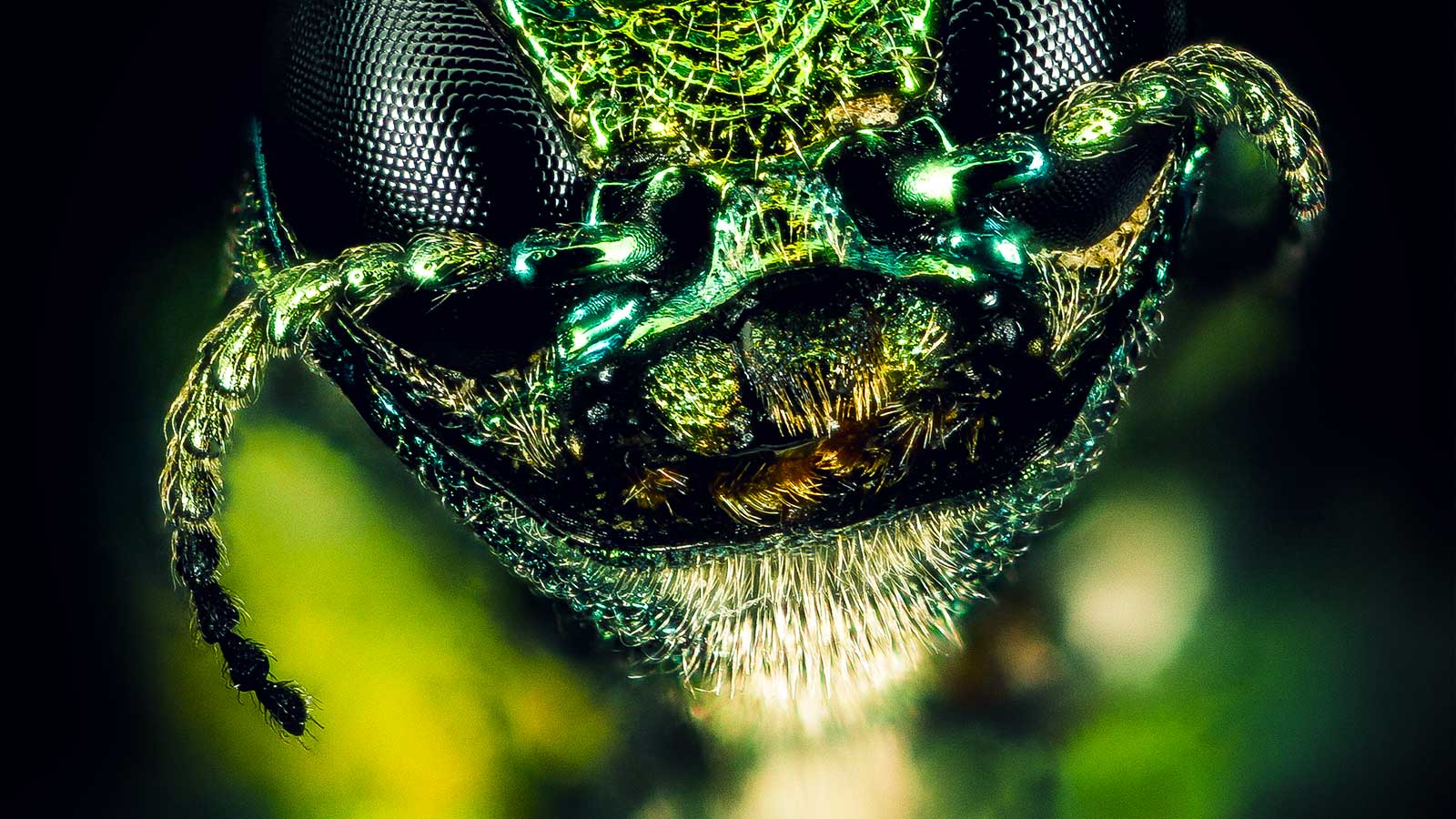
Check out some acrobatic beetles here.

Weather Notes
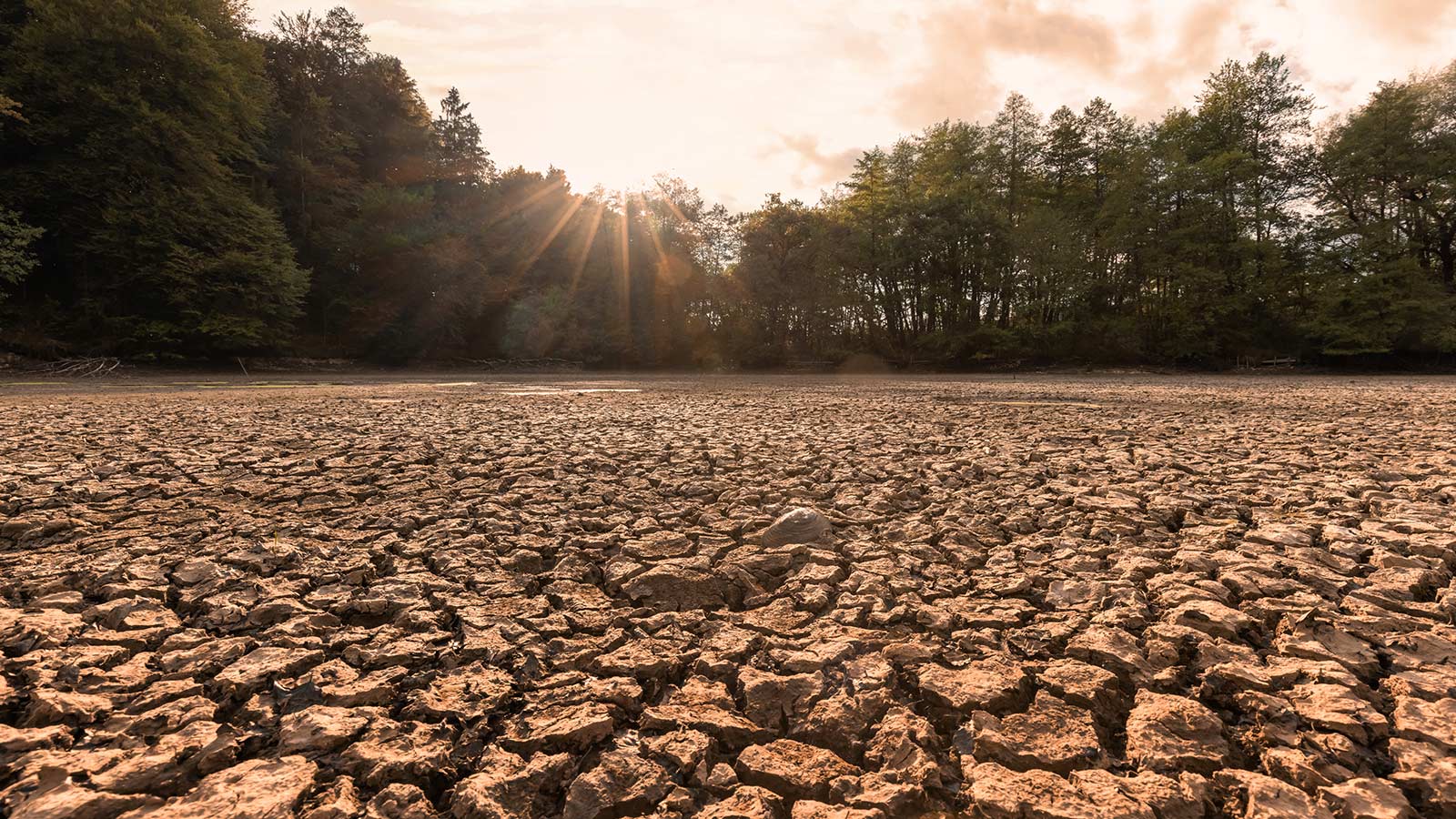
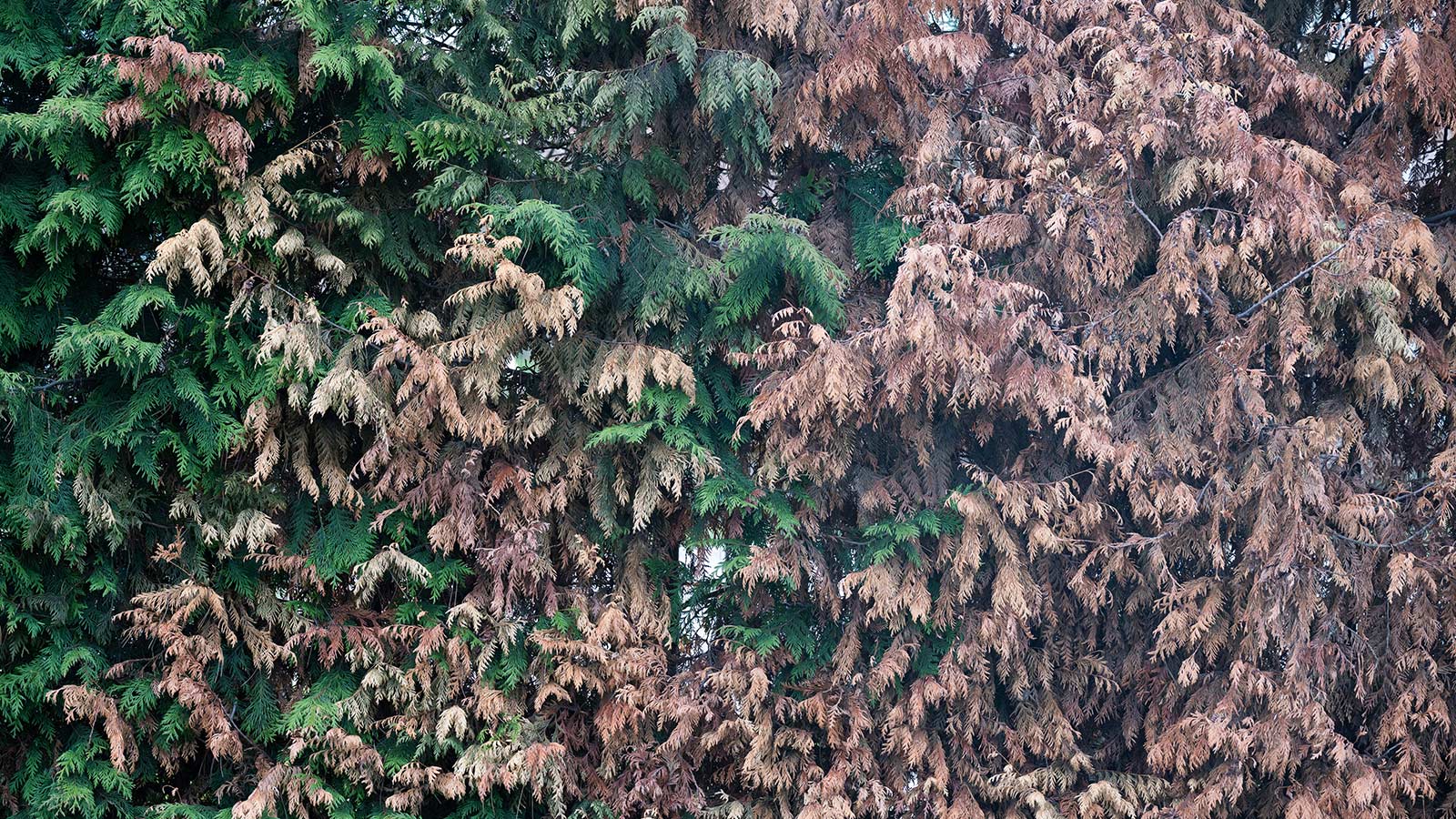
Ehe weather story is still about drought, which is getting worse, even though things still look green. We have been officially in Exceptional Drought for a few weeks now. It is the driest year on record at RDU. Strict water restrictions have already been imposed in Durham, and other municipalities in the Triangle have some restrictions. Expect more of this in the coming weeks.
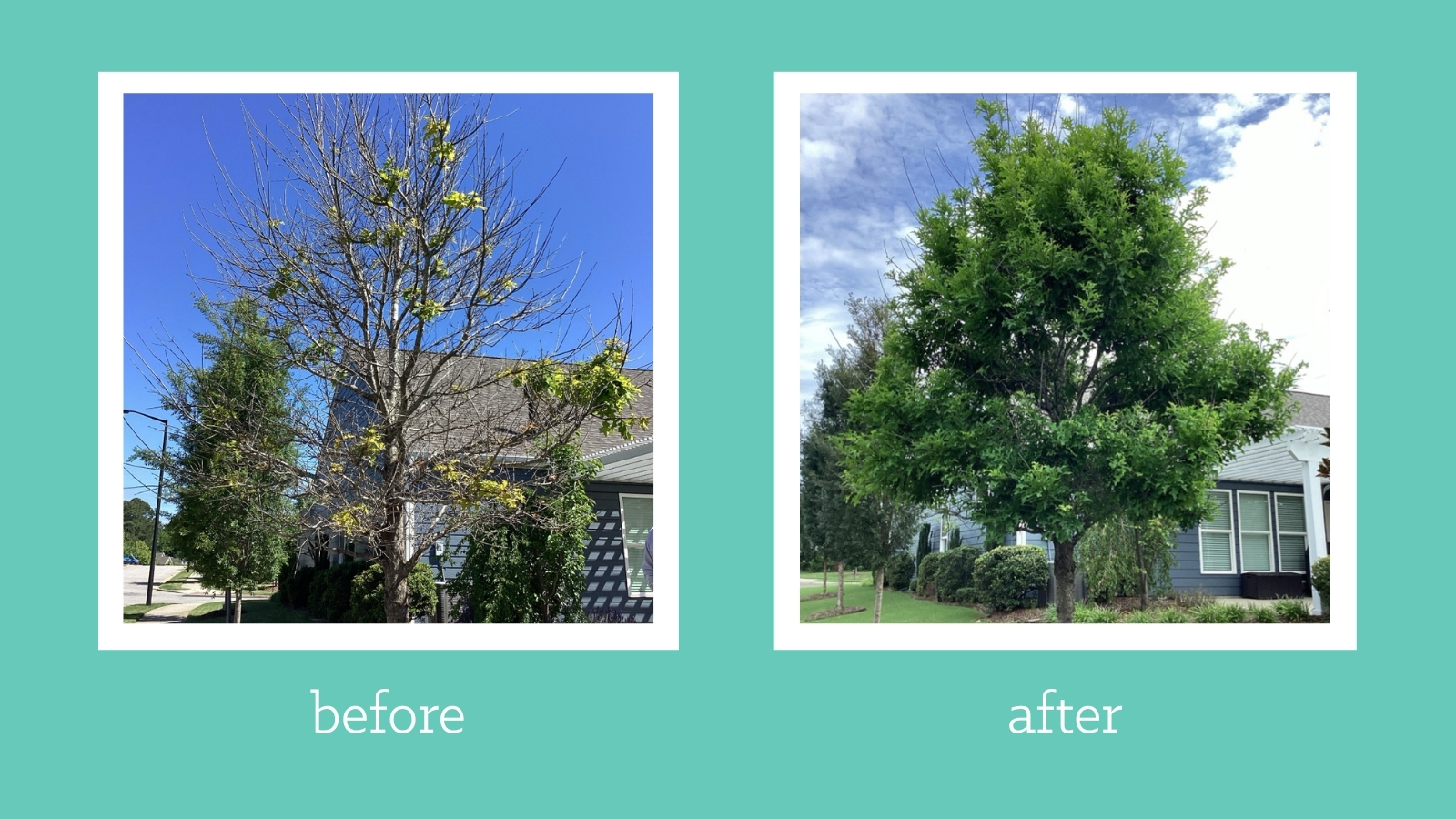
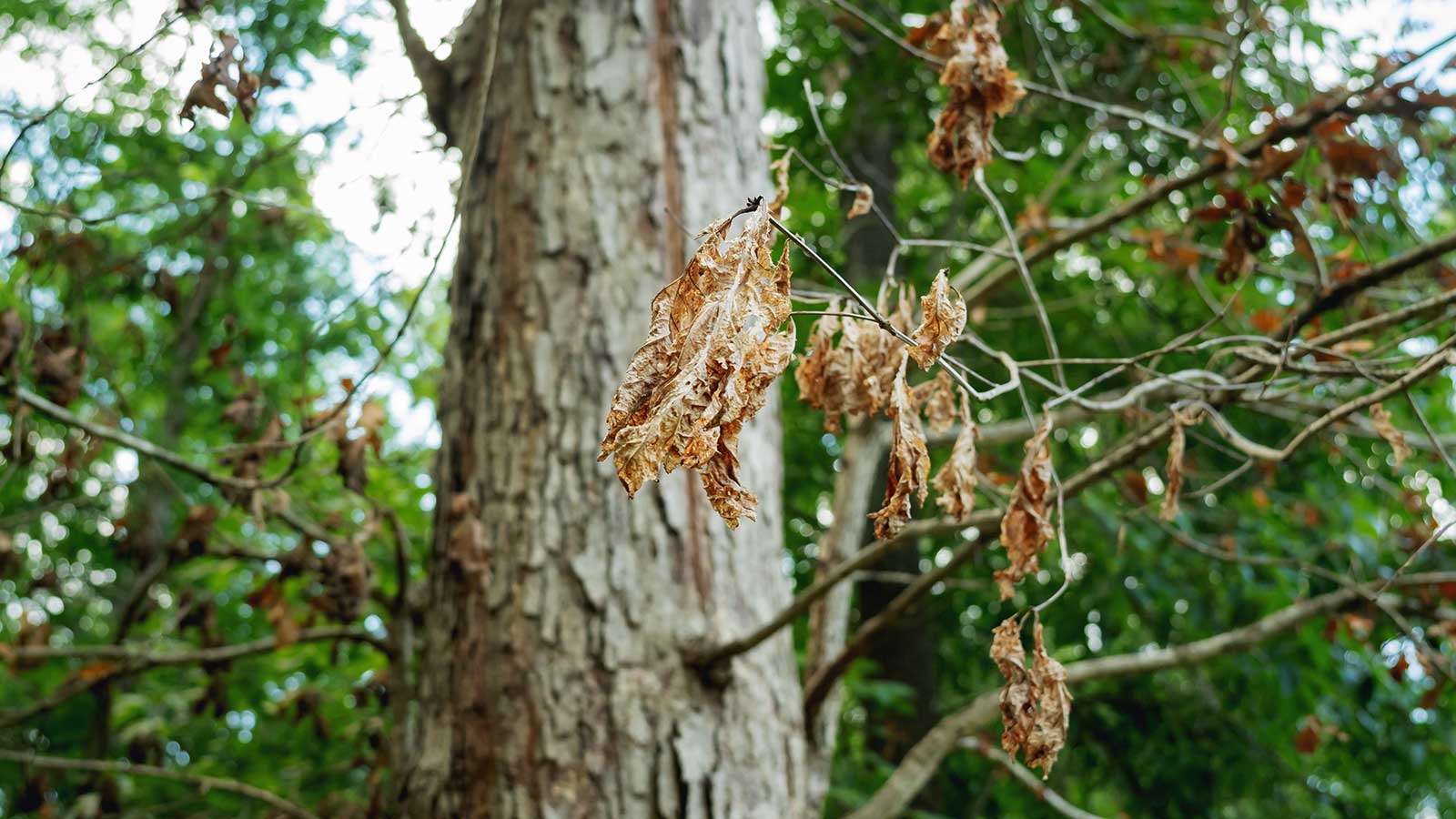
Very hot days are not helping, but it is the record-high minimum (nighttime) temperatures that are making things especially hard on our plants. Plant growth mainly occurs at night. Nighttime is when trees are cashing in their daytime earnings – the sugars they make with photosynthesis. Warm nights accelerate respiration — when trees burn those stored sugars to grow. These record warm overnight lows cause trees to burn through their carbohydrate reserves much faster than normal. If the nights don’t cool down, a tree essentially can’t save energy — it spends everything it earned during the day just keeping its metabolic processes running. It’s a bad economy for trees! It can’t grow, and seed production could be stunted or even aborted. Chemical defenses, such as pine resin, may slow down or stop, leaving trees vulnerable to insect attacks.
An El Niño event appears to be underway this year, and it’s increasingly looking like it will be a very strong one. You might wonder if this will be bad or good for us. It might start out being bad for us, because El Niño typically suppresses our summer storm activity, which could mean less rain. But we need so much rain that a few gully washers aren’t going to help much anyway. The good news is that we could get a lot of rain in late fall and winter. We will surely need it. If we get endless dreary wet winter days, long after the memory of the hot, dry summer fades, we should remember to be grateful.
Rain Summary (from RDU):
- 0.00” since 5/26 (historic average 3.66”)
- 6.83” Year-to-date (historic average 19.94”)
The rain numbers don’t include the deluge we experienced yesterday. It will be nowhere what we need to get out of the drought, and a lot of it will just wash back into waterways before soaking in, but it’s better than nothing.
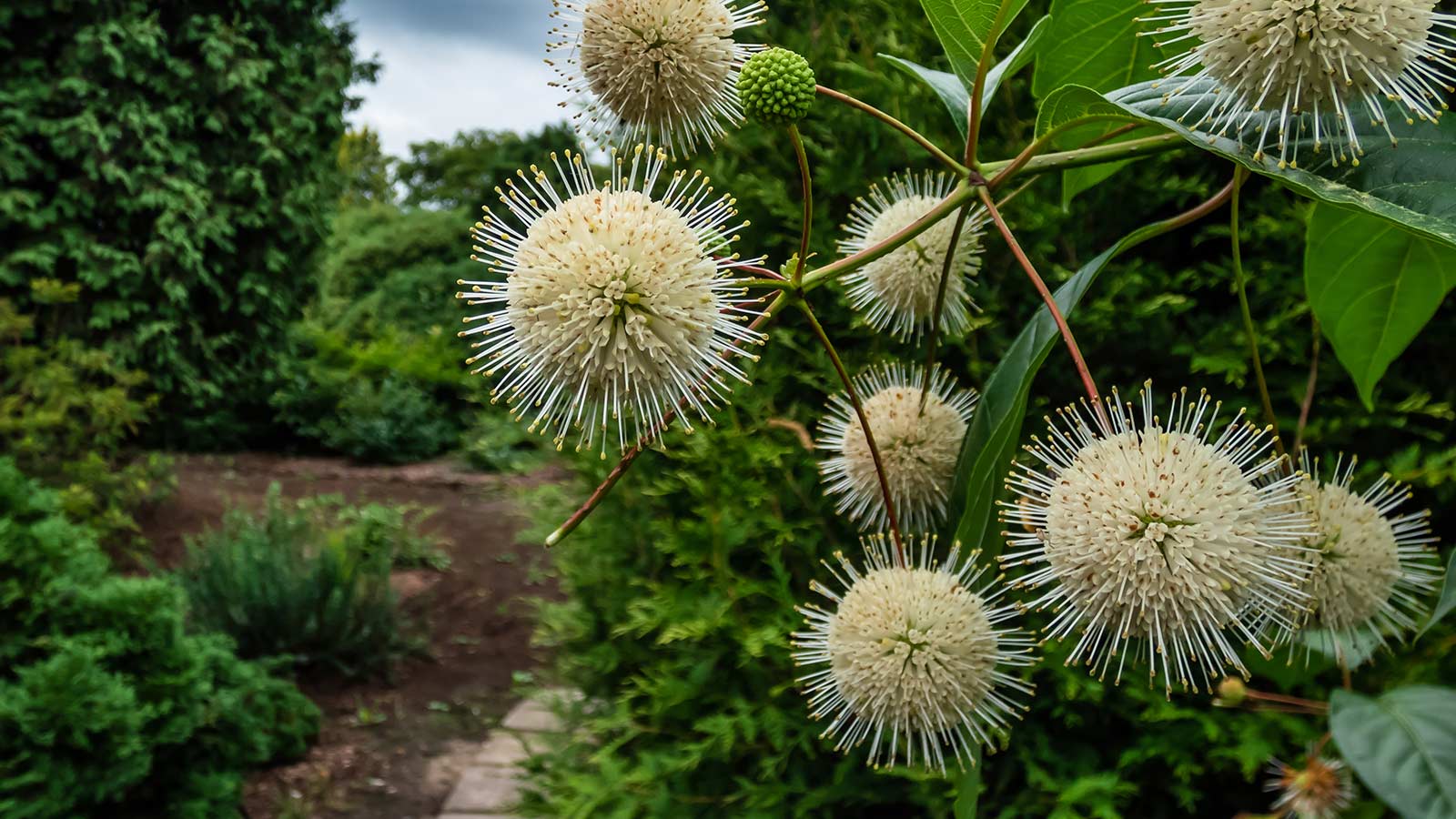
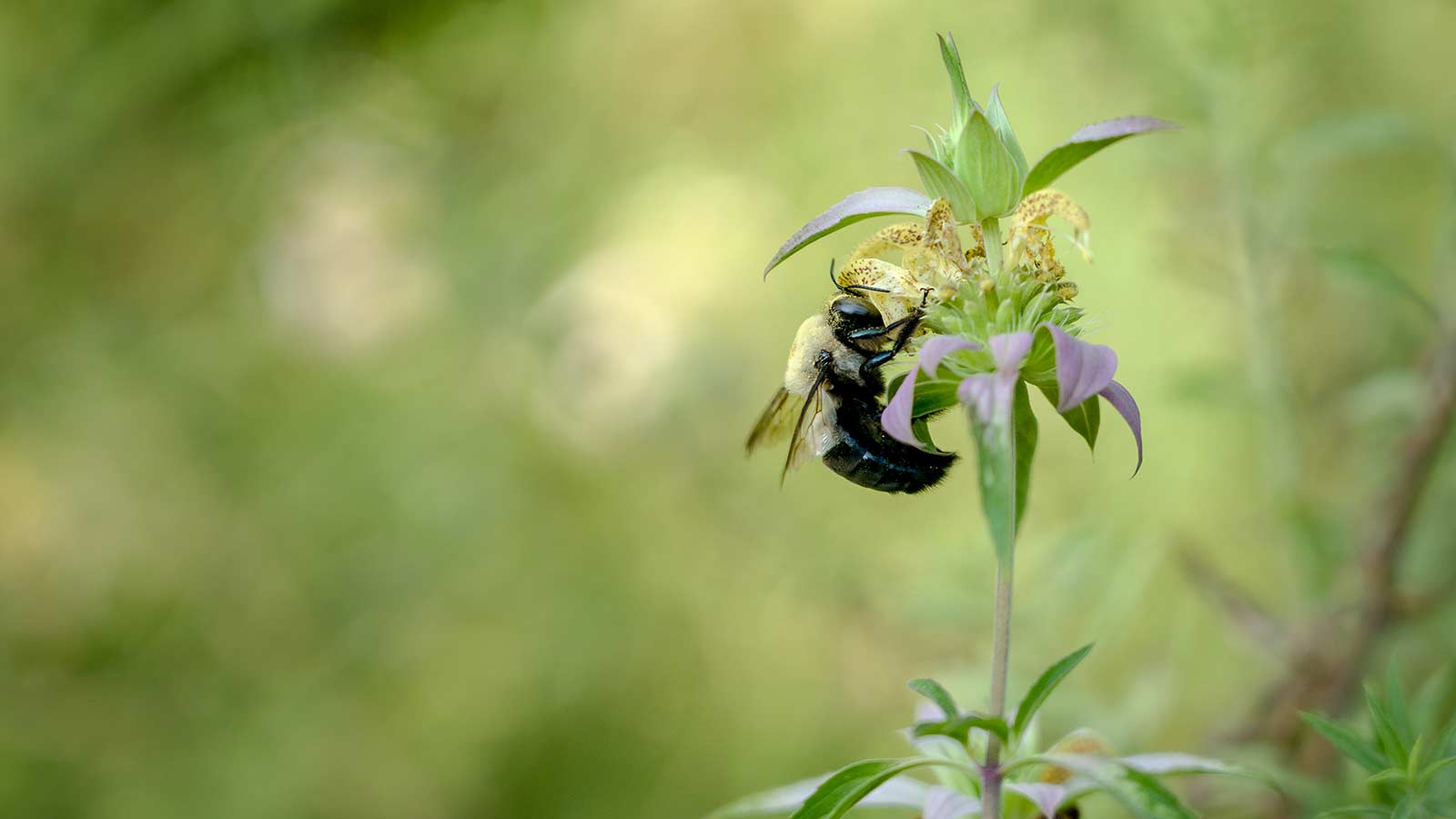
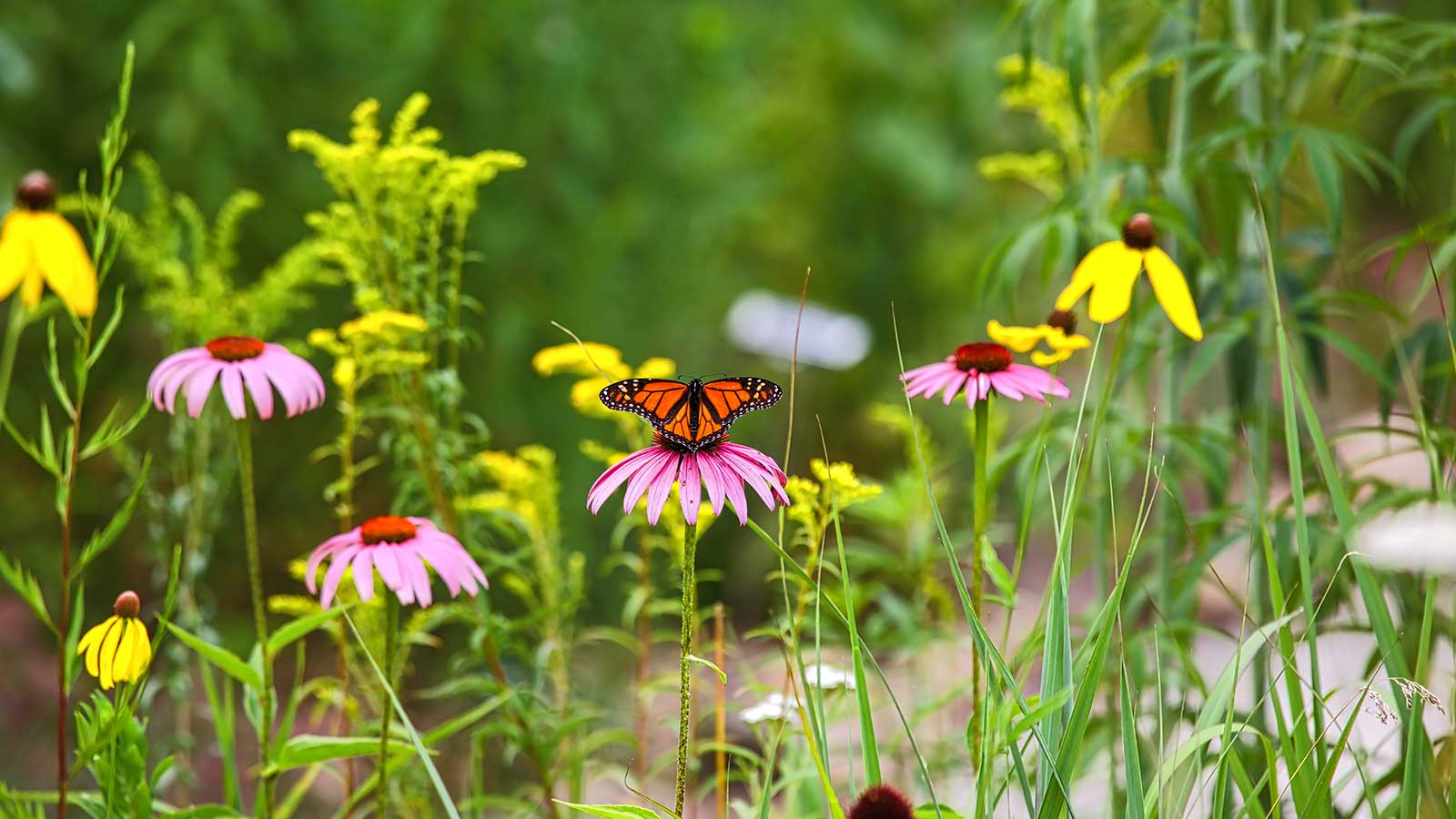
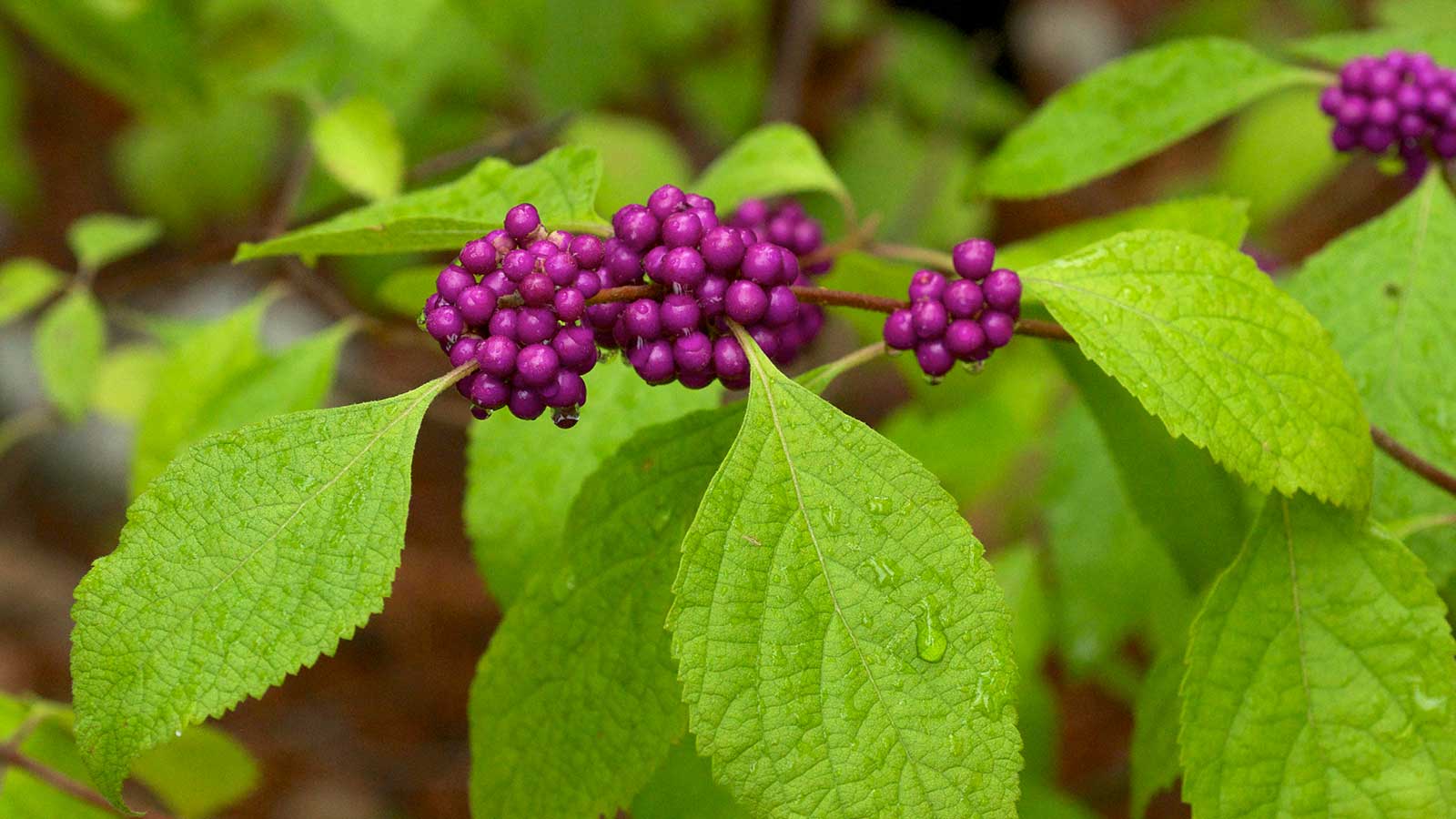
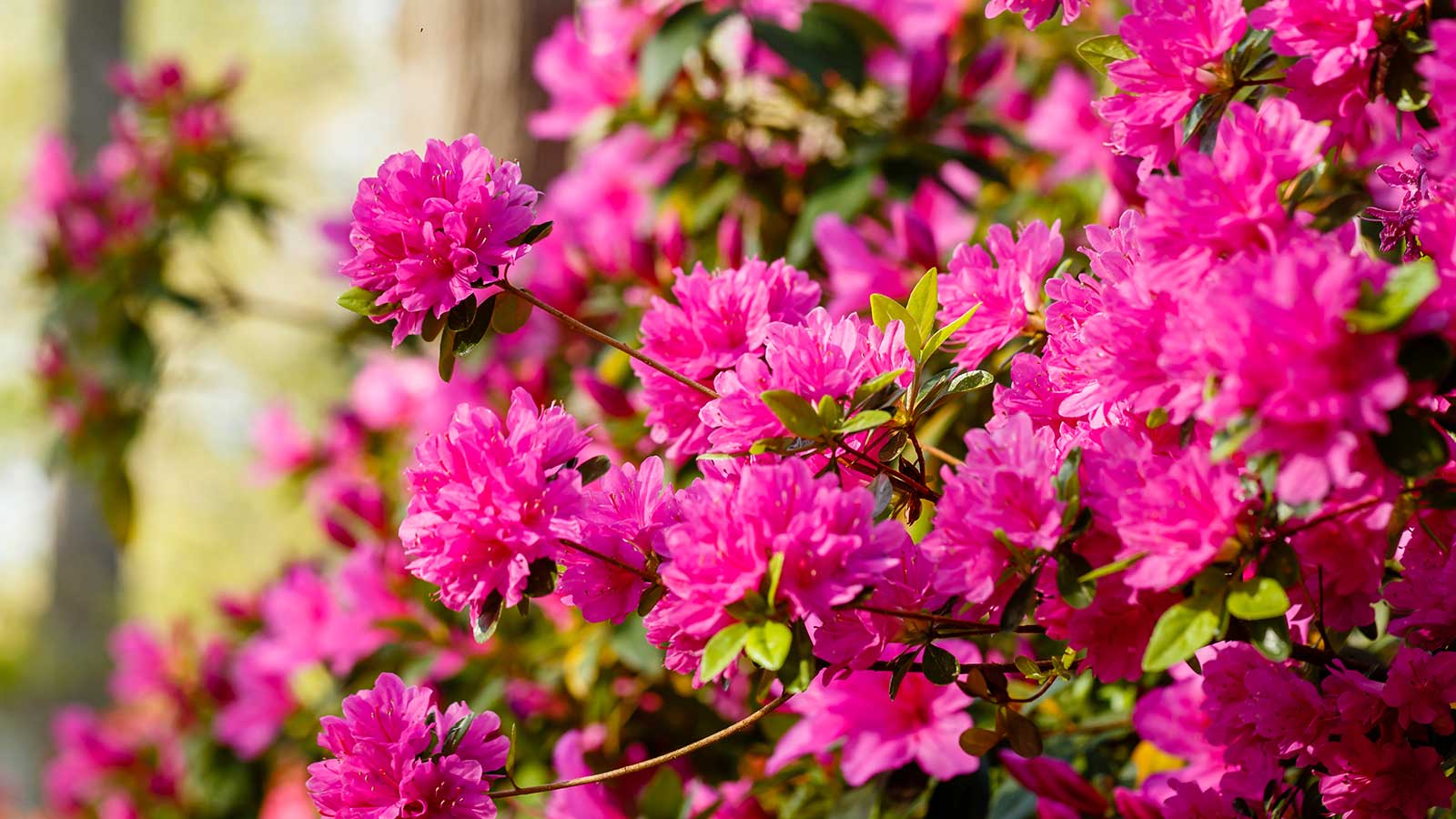
Plant of the Month: Sweet-shrub, Eastern Bergamot (Monarda fistulosa)
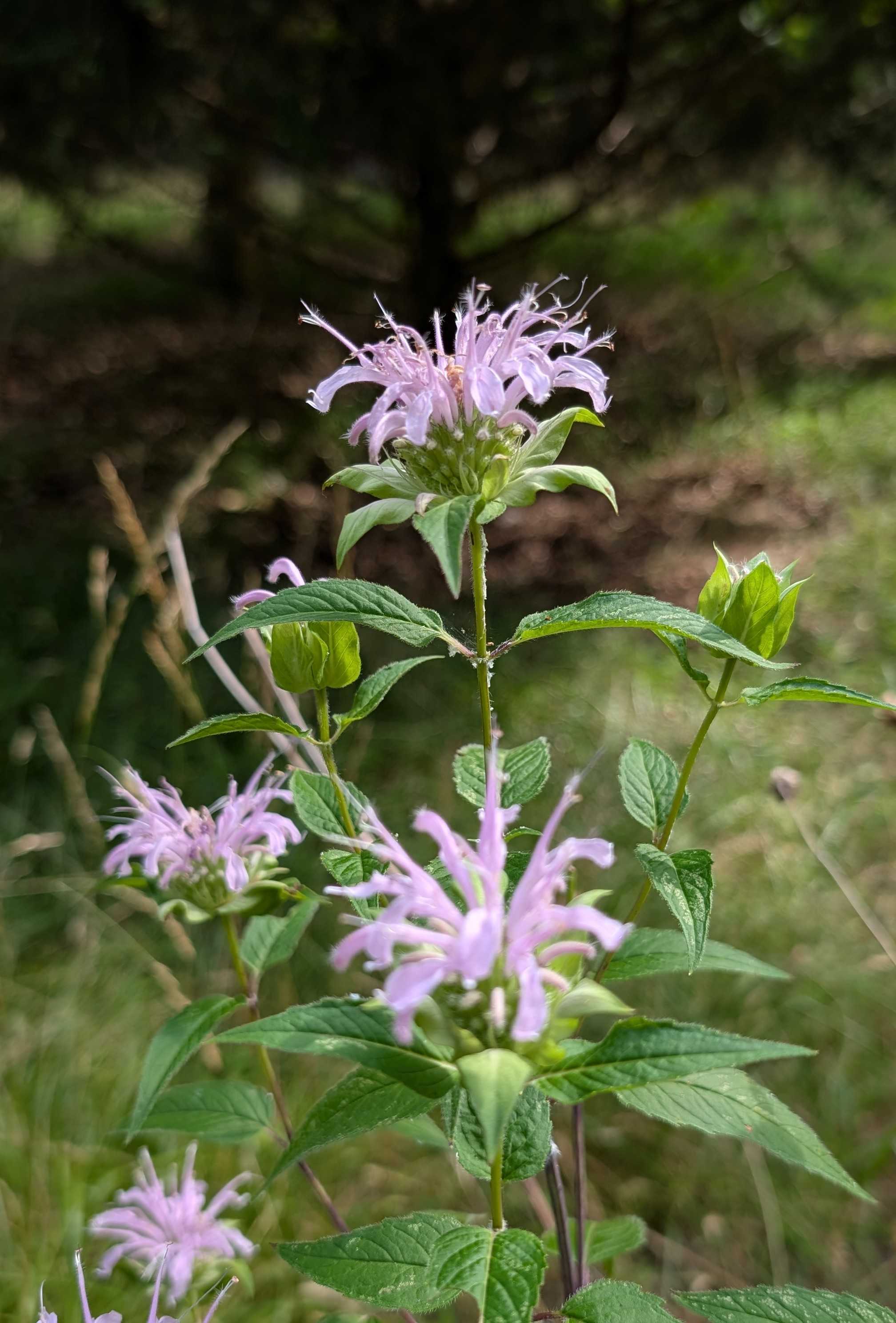
I’m choosing this amazing plant for June because it can power through the toughest conditions, like this prolonged drought, and show up for the insects and our pleasure as if nothing at all hard to bear was going on.
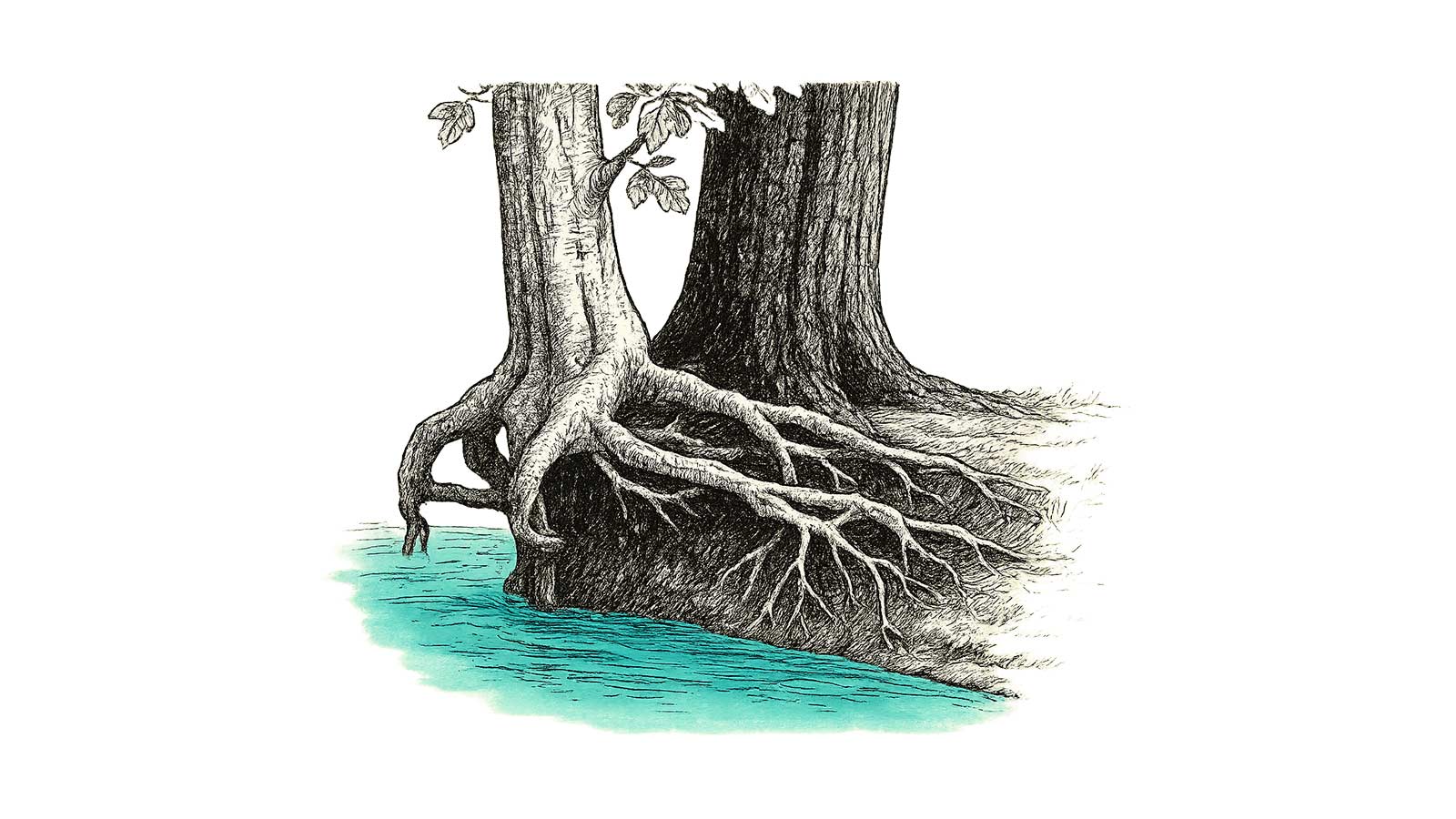
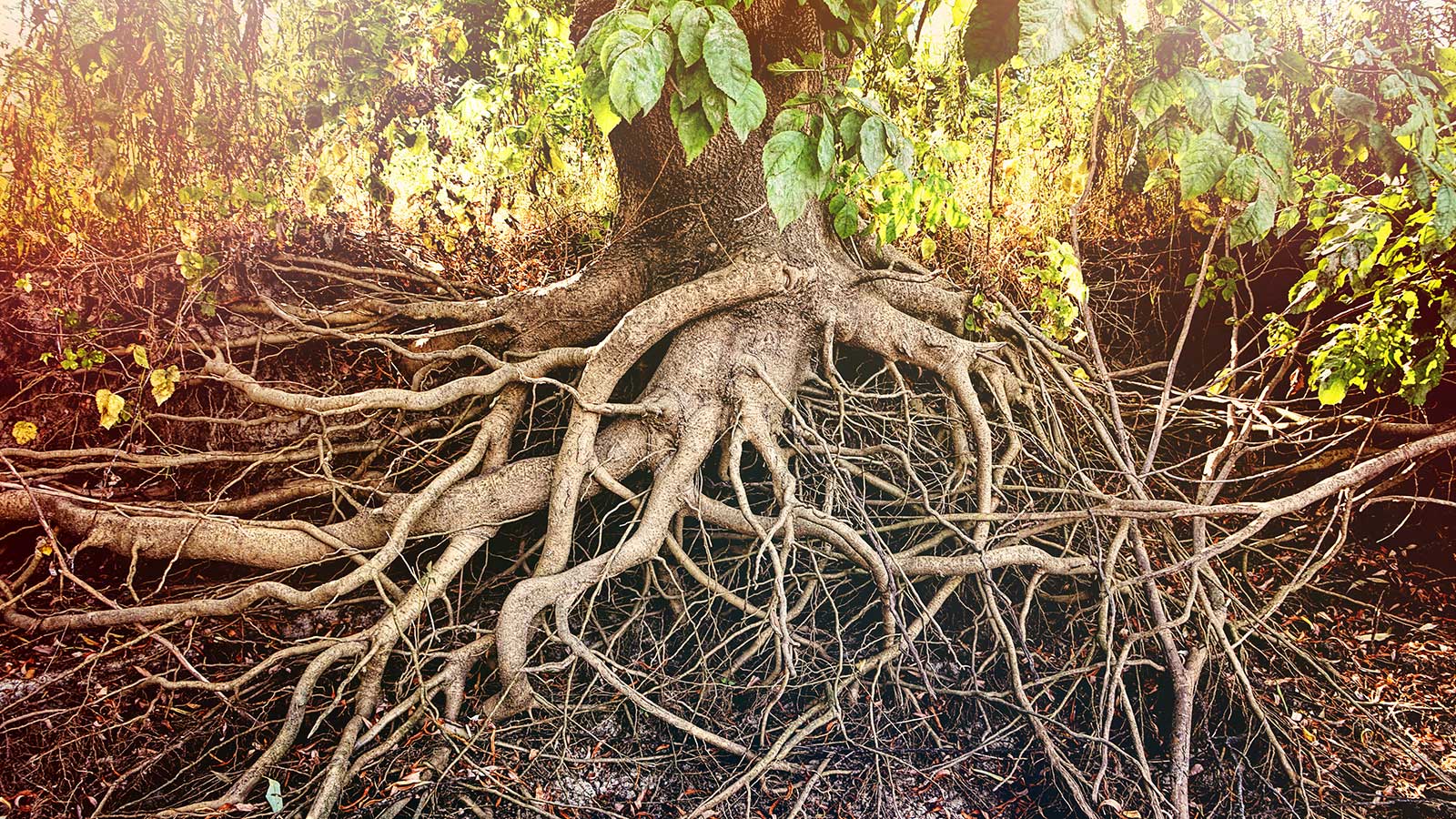
- Exceptionally deep roots are the secret to its drought tolerance. This means less watering, and, as a bonus, deep roots have significant soil-improving qualities.
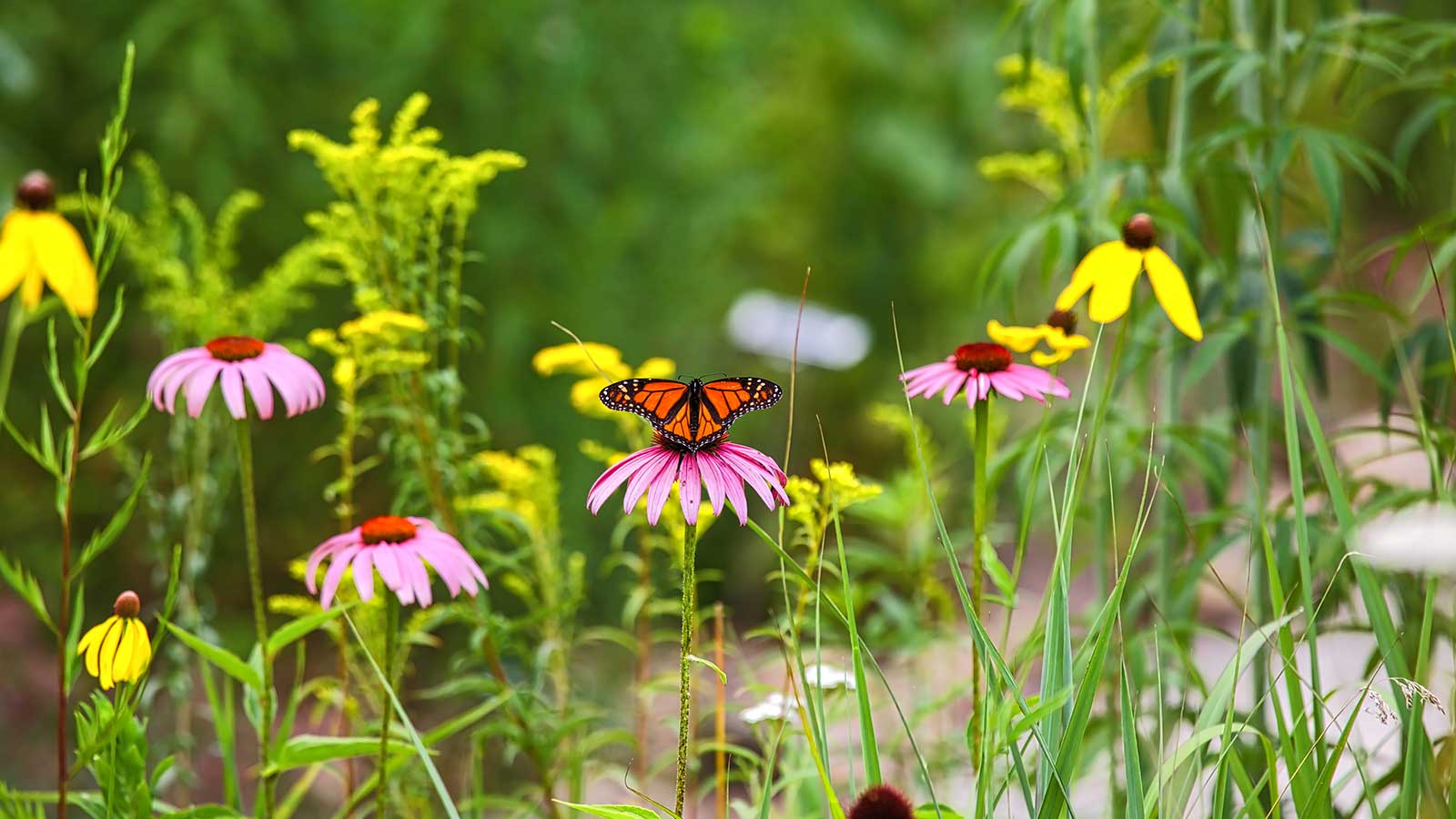
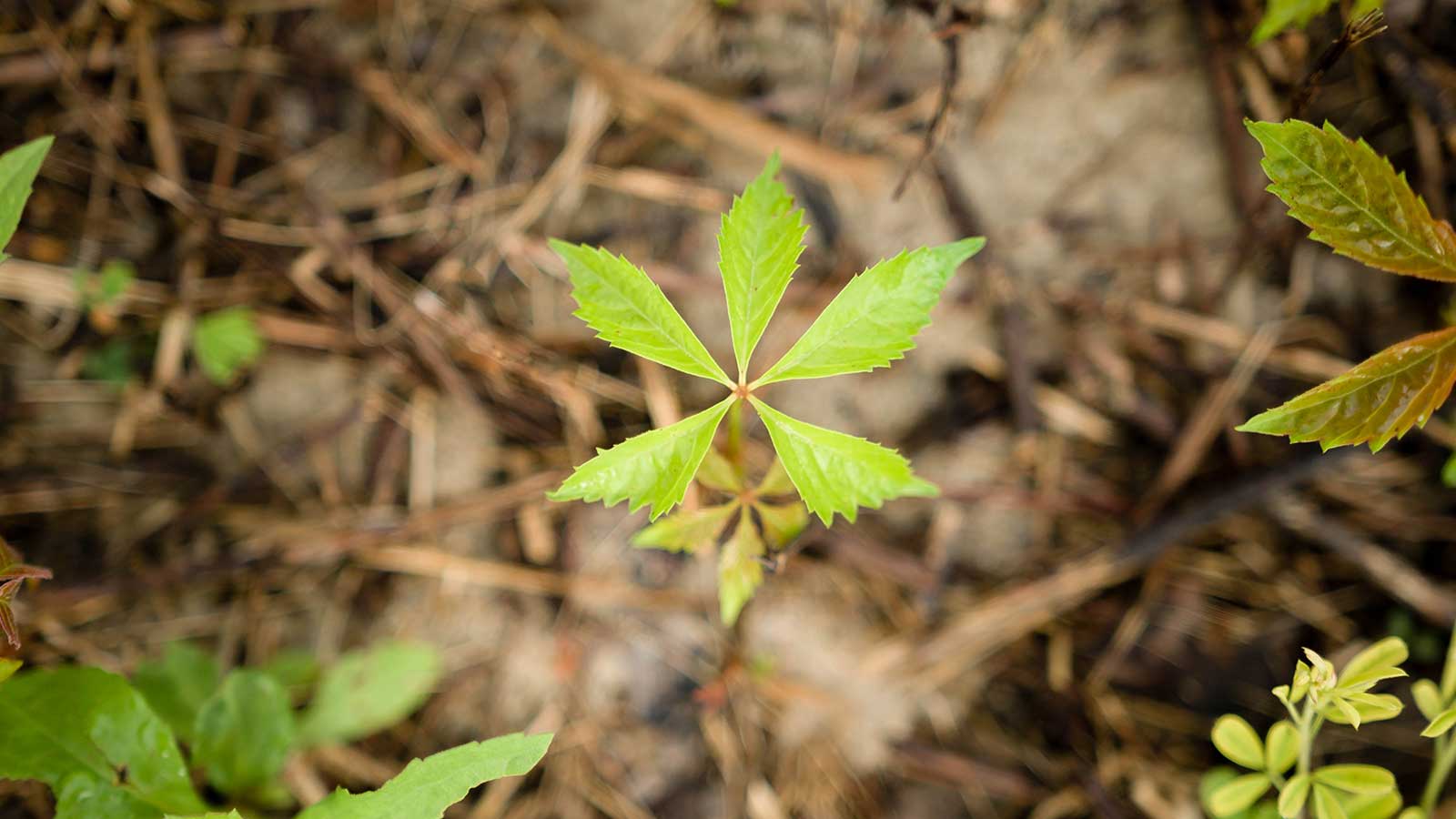
- A great generalist pollinator. Hundreds of insects choose Monarda. It also hosts some very specific pollinators that depend on its unique characteristics. You might even see hummingbirds, and just as excitingly, clear-winged hummingbird moths. These daytime moths especially like this plant. And, just as importantly, many moth and butterfly caterpillars rely on it.
- Less prone to powdery mildew than red monarda (M. didyma)
- Just needs a sunny spot that does not stay wet. But, like most plants, it will need some extra water to get established. A great choice for a prairie or meadow.
- There are 8 or 9 species native to North Carolina.
Q&A: Drought Woes
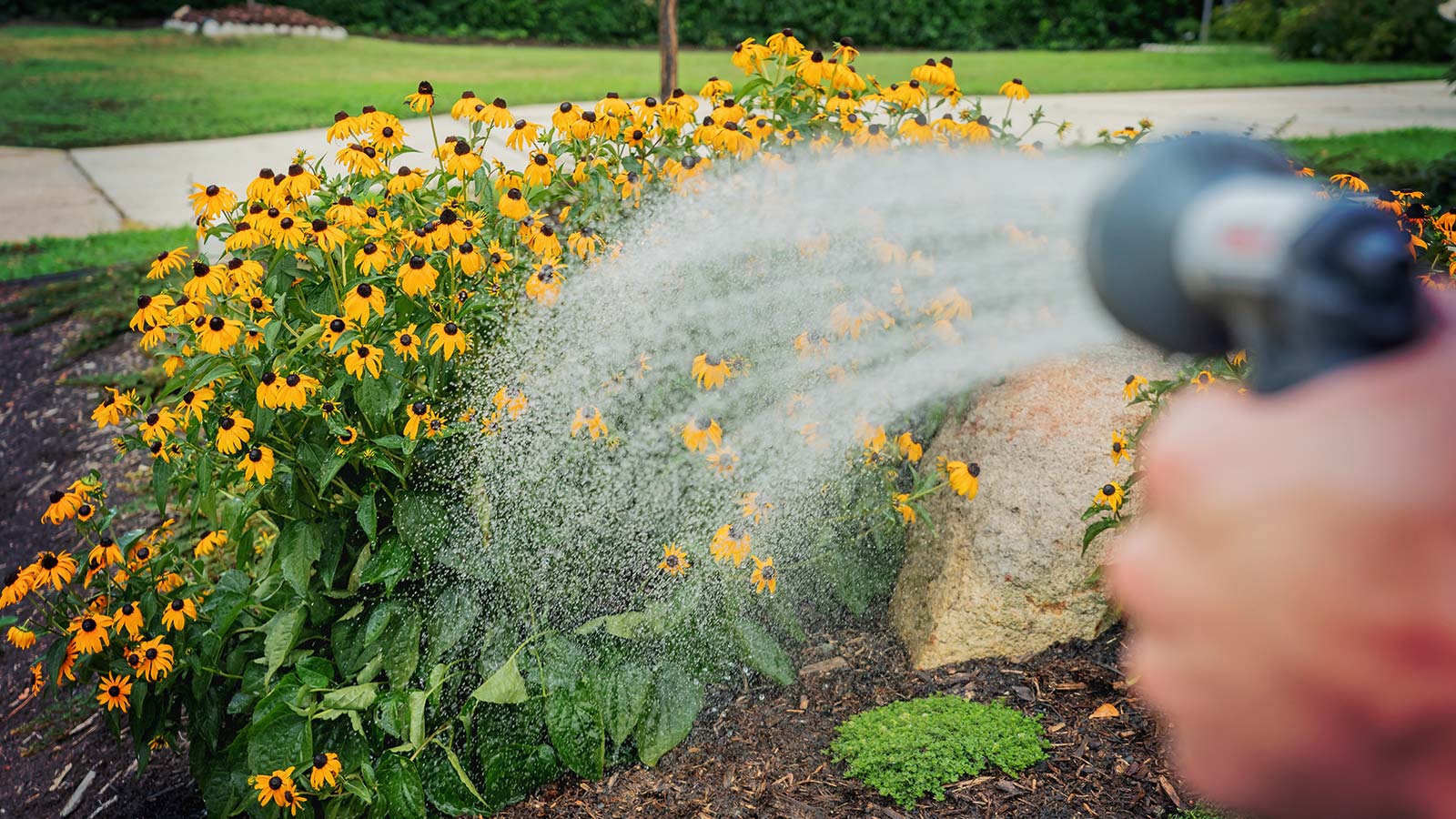
A: The first thing to determine is whether your watering is effective. Even if we weren’t under watering restrictions, sprinkler systems won’t help much and will waste a lot of water, especially in the heat we are experiencing. Water needs to soak through the root zone. Check these things:
- How quickly are you adding water? The more compact the soil, the more water will run off rather than reach the roots. If you are using a watering can for small plants, are you watering slowly enough that the water stays near the stem and soaks in?
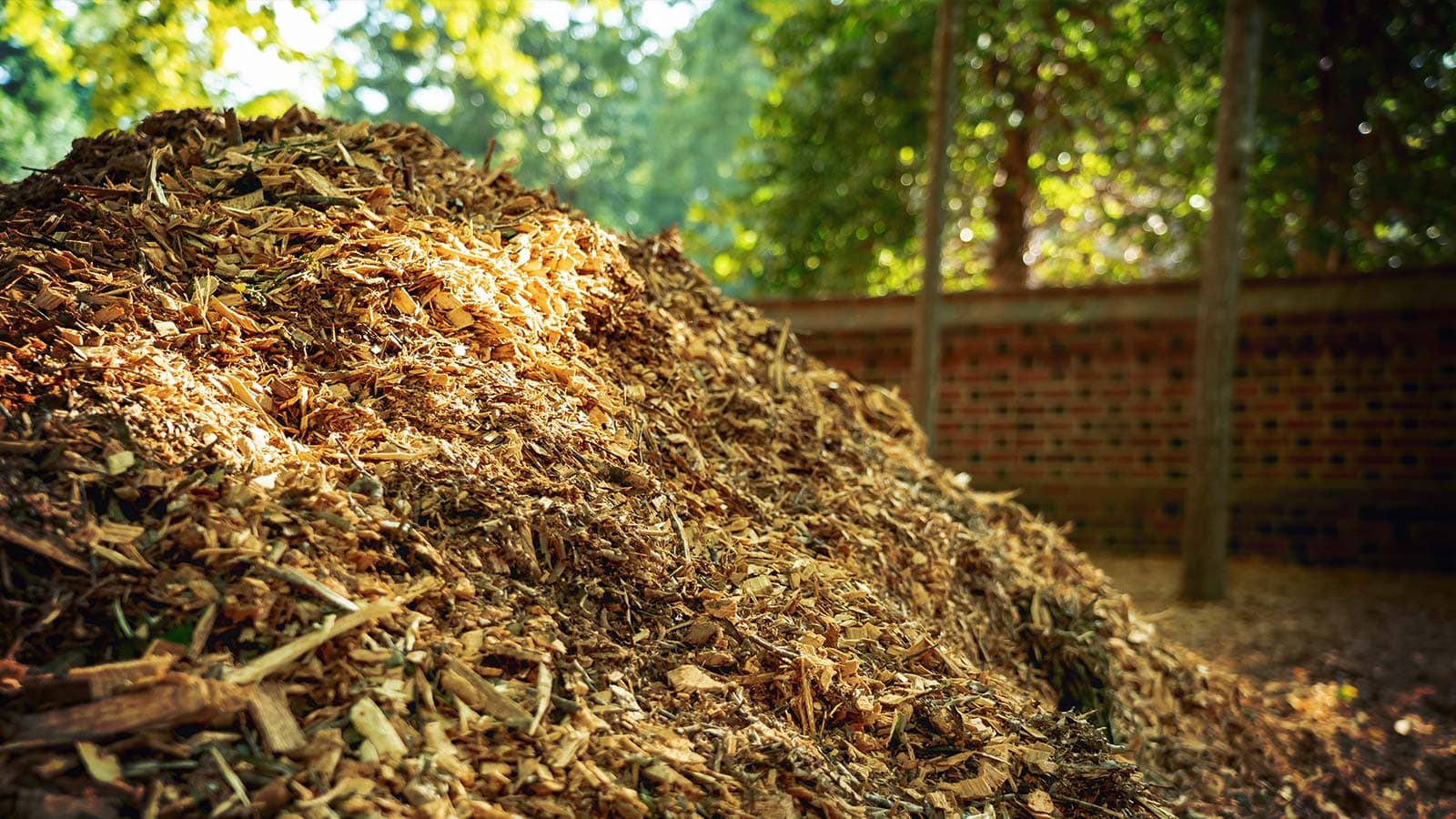
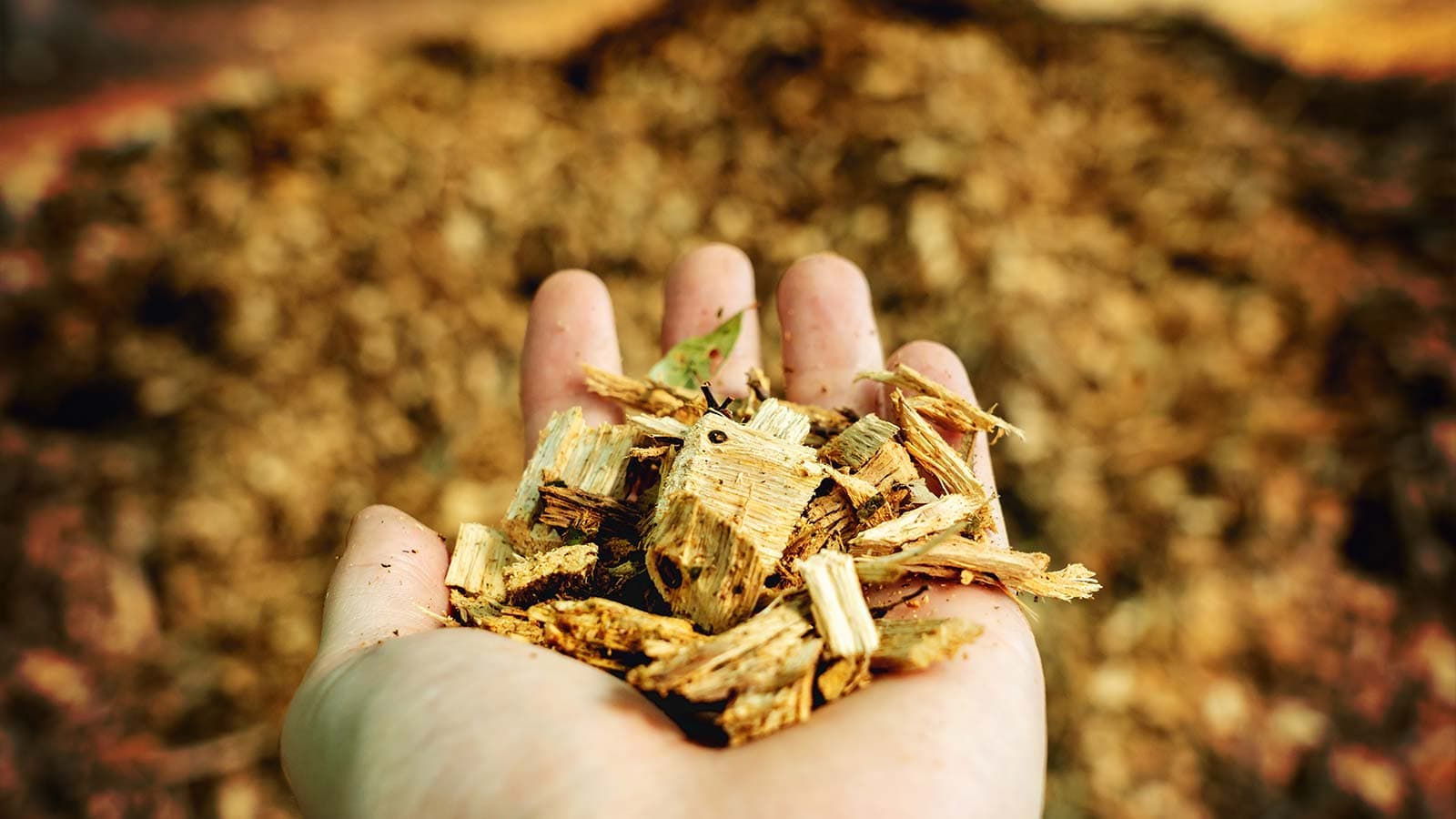
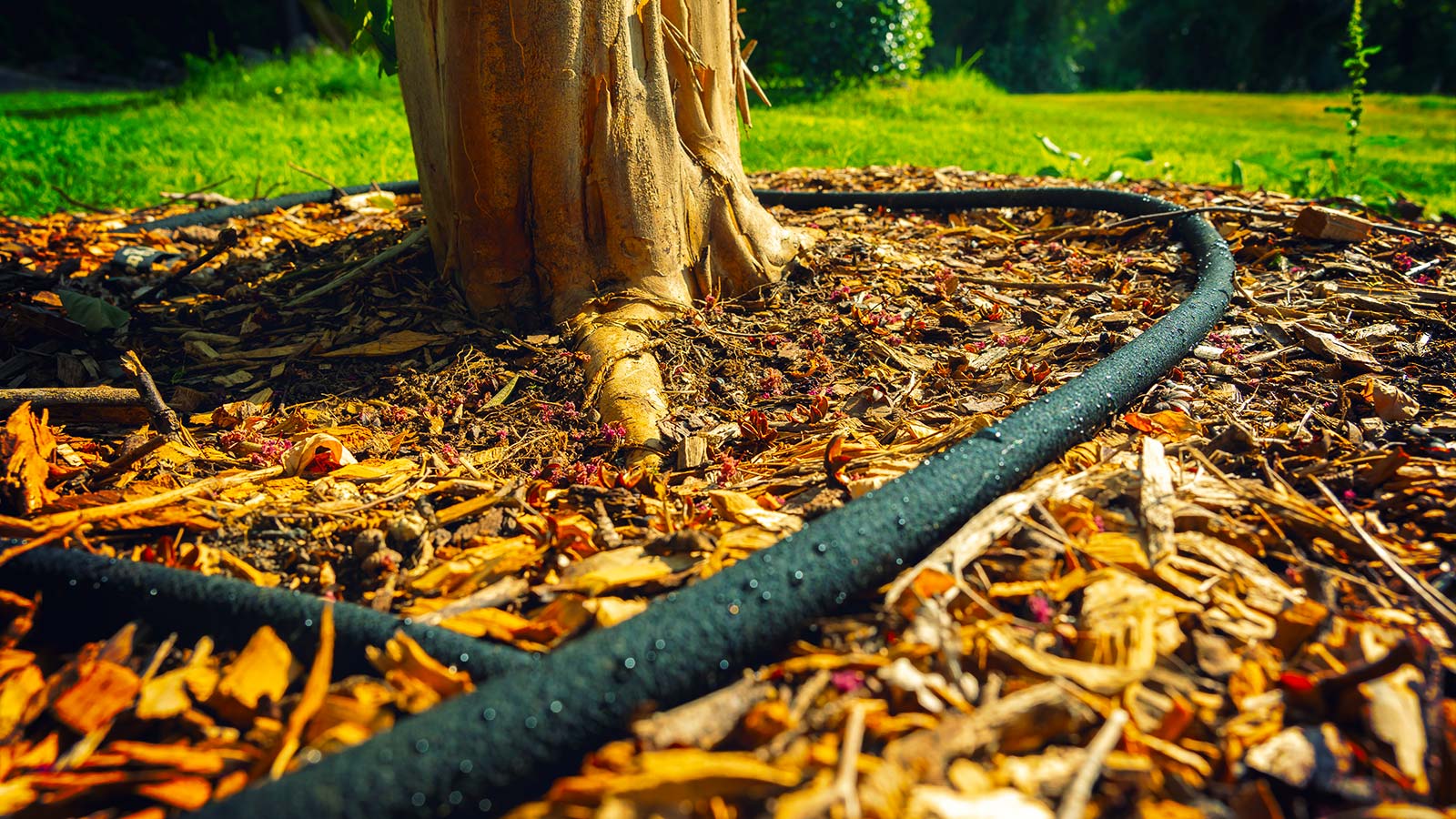
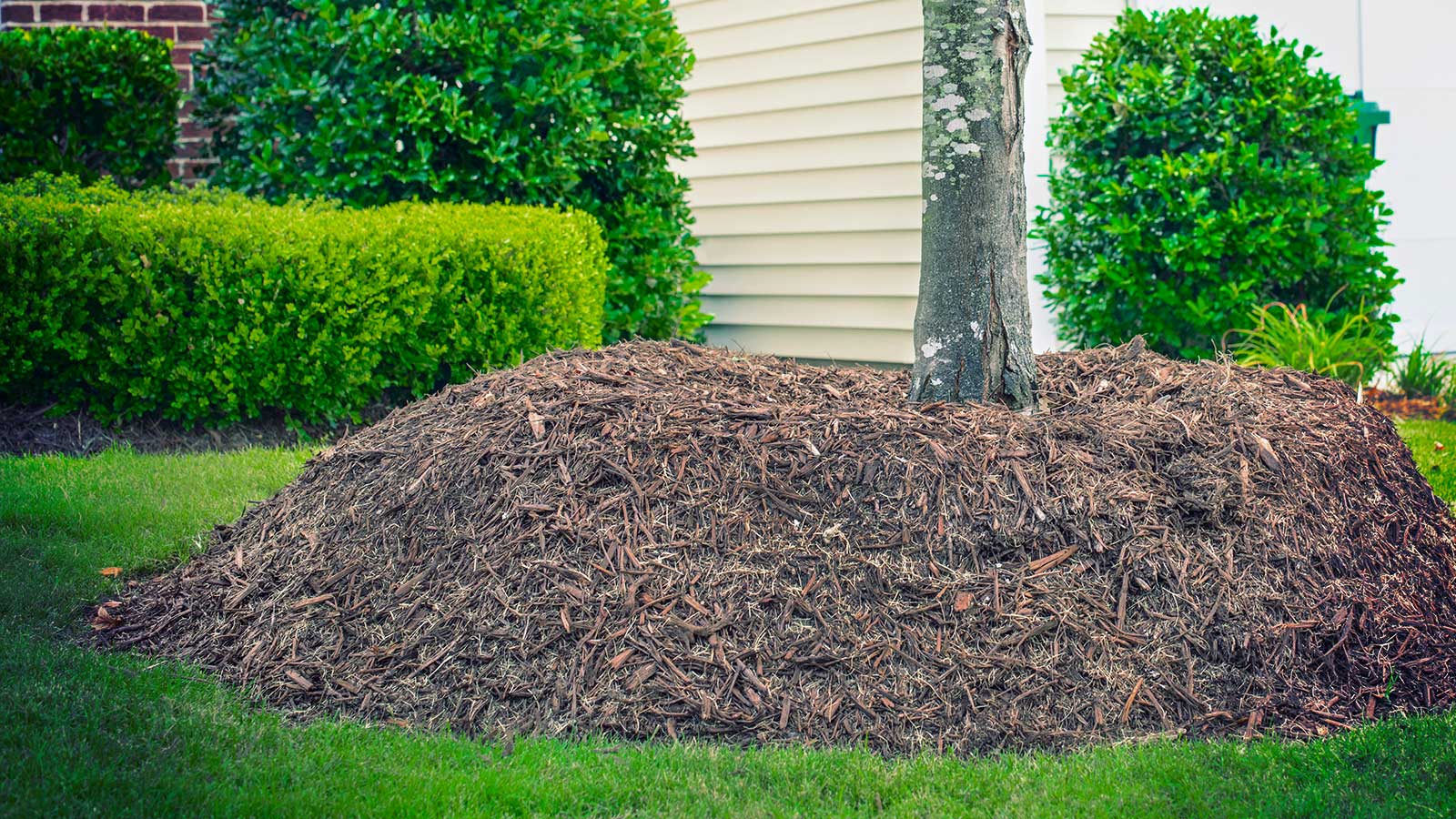
- If you are mulching, is the water getting through the mulch? Mulch is great at helping hold moisture in, but if there is no moisture beneath the mulch, it could be soaking up the water, with little getting below the mulch layer. Pull mulch away from smaller plants and newly planted things before watering. You can fluff the mulch back over afterward.
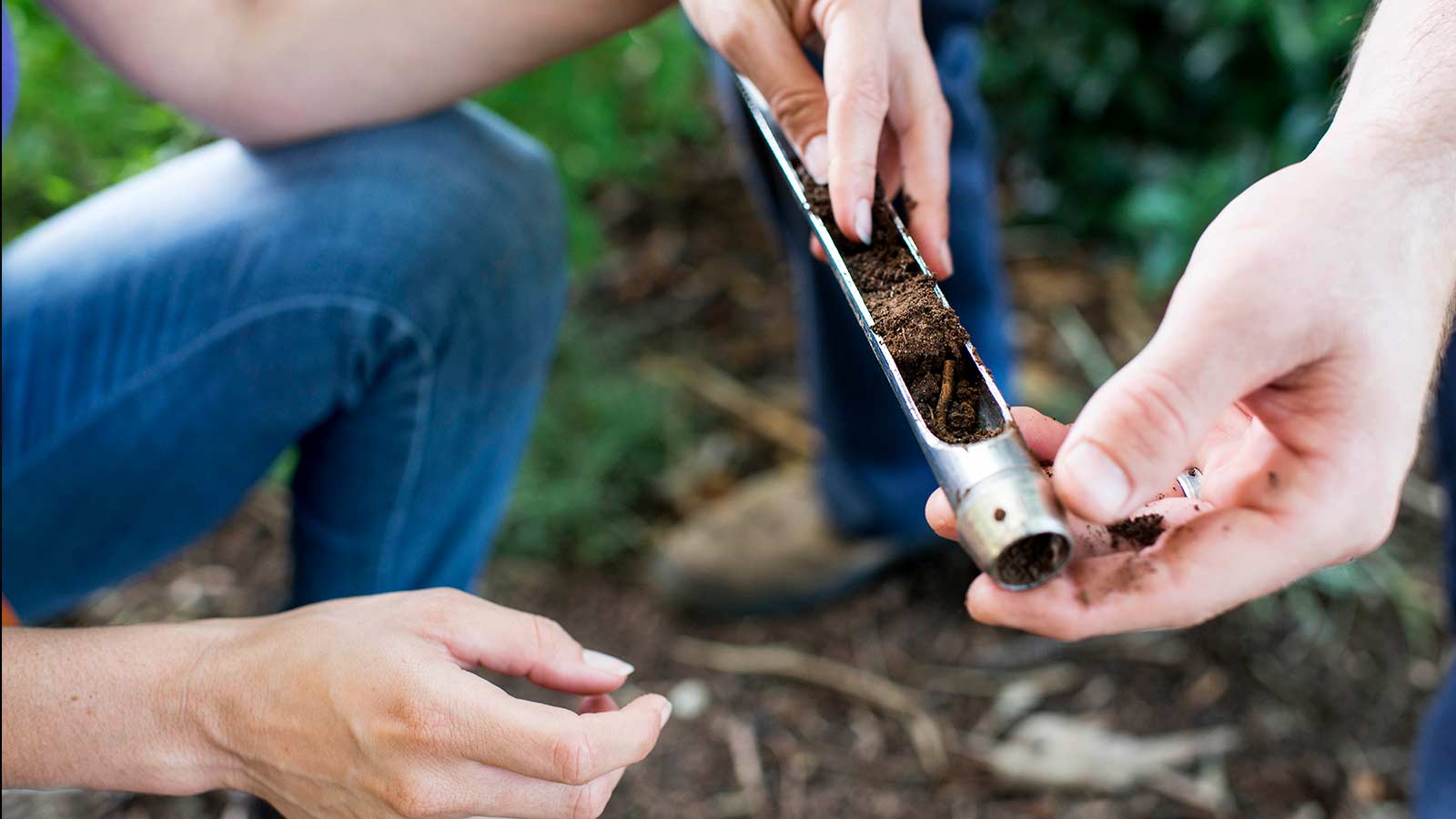
- Are you physically checking how moist the soil is 4 or 6 inches down? You need to do this until you develop a good sense of how much water is needed, and the amount can vary a lot around your yard.
Some things you can do to help during this hot, dry season.
- Focus on what was planted this year. These plants are most vulnerable, even those that are drought-tolerant once established.
- To save water, use water from other sources, like kiddie pools. You can even use graywater from your dishwashing if more stringent water restrictions are imposed.
- Punch a few very small holes in the bottom of an empty milk or juice jug. Save the cap. Fill the jug quickly, then put the cap on. Turn it upside down to carry it to thirsty plants, such as newly planted trees, then turn it upright near the base of the plant. The water will drip out slowly over about 20 minutes, soaking the soil deeply. Remove the mulch under the jug.
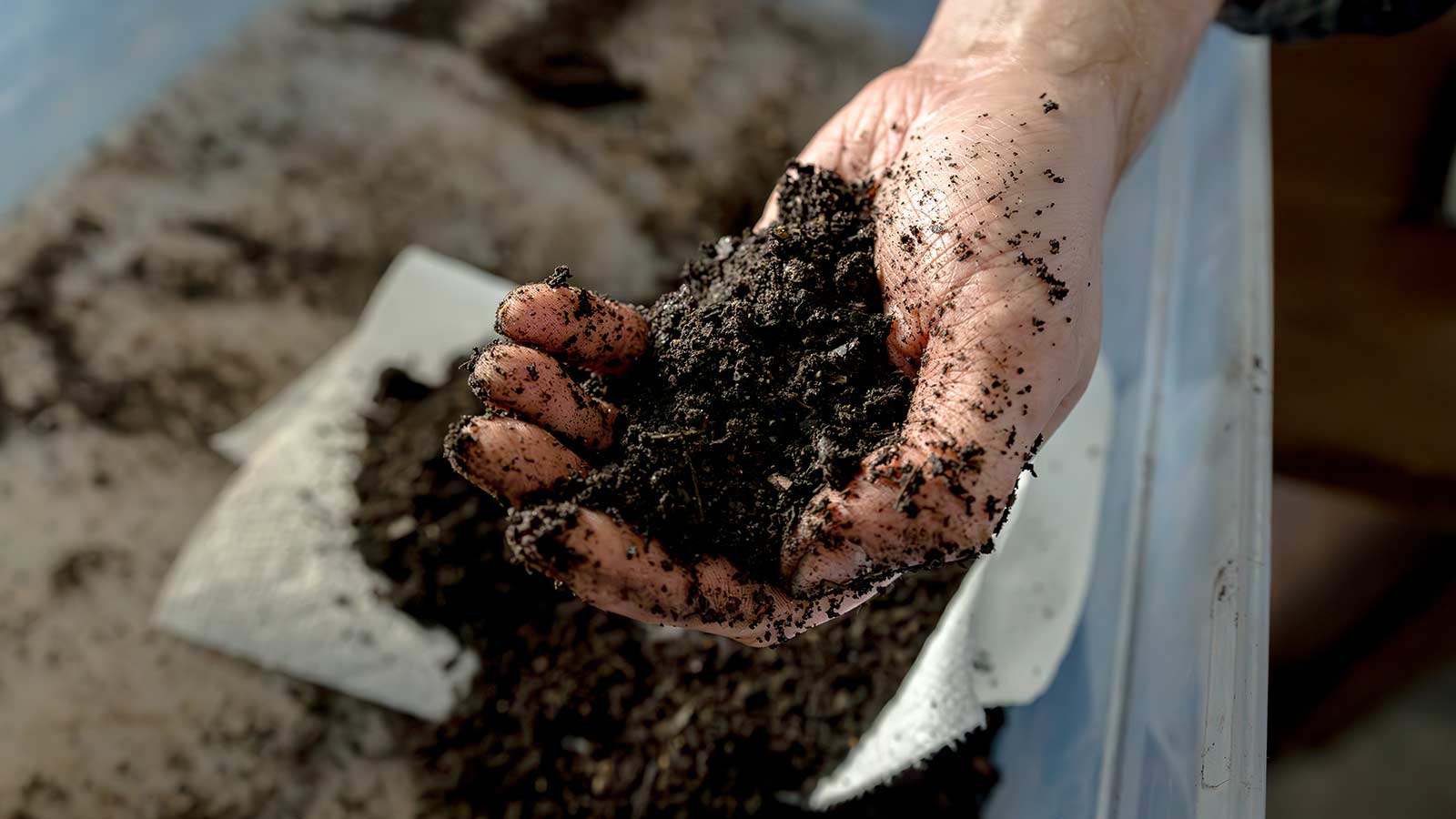
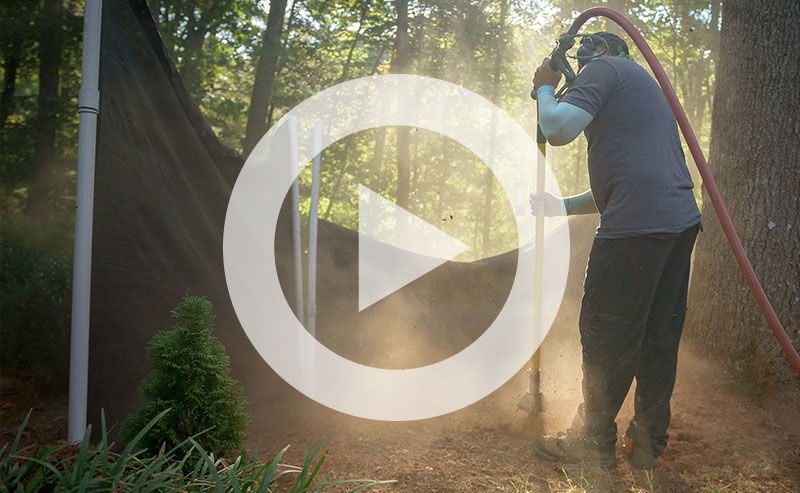
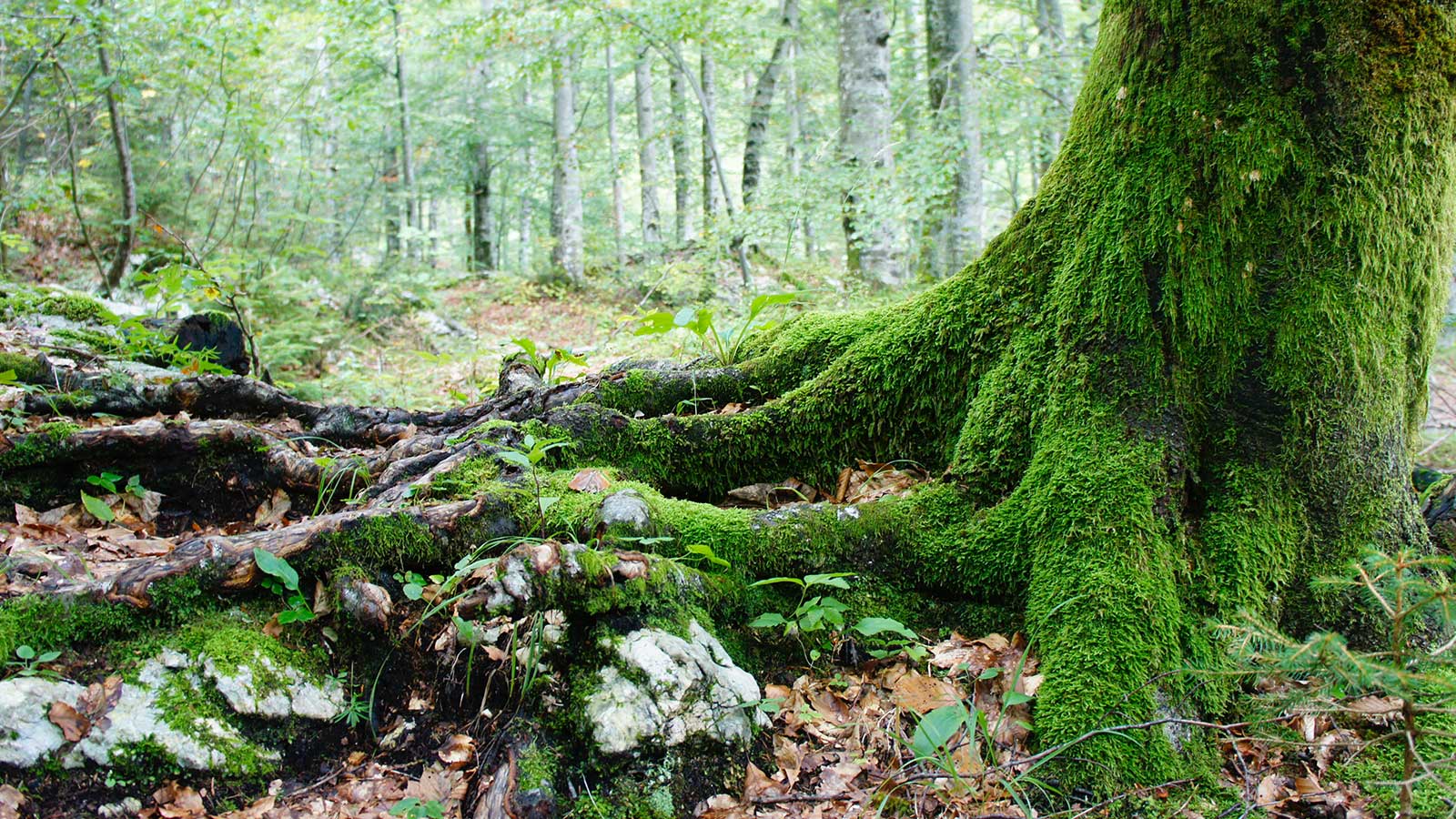
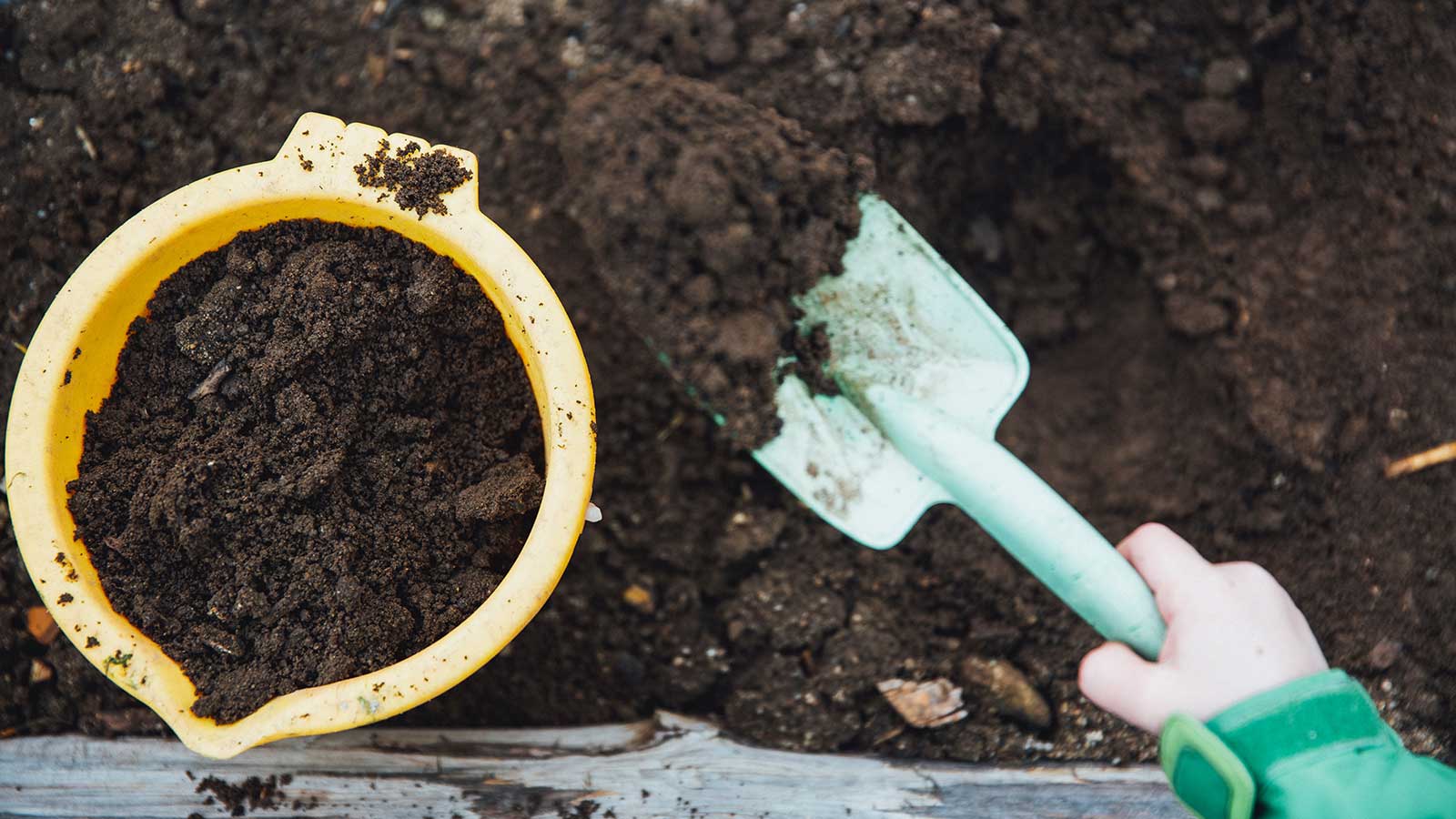
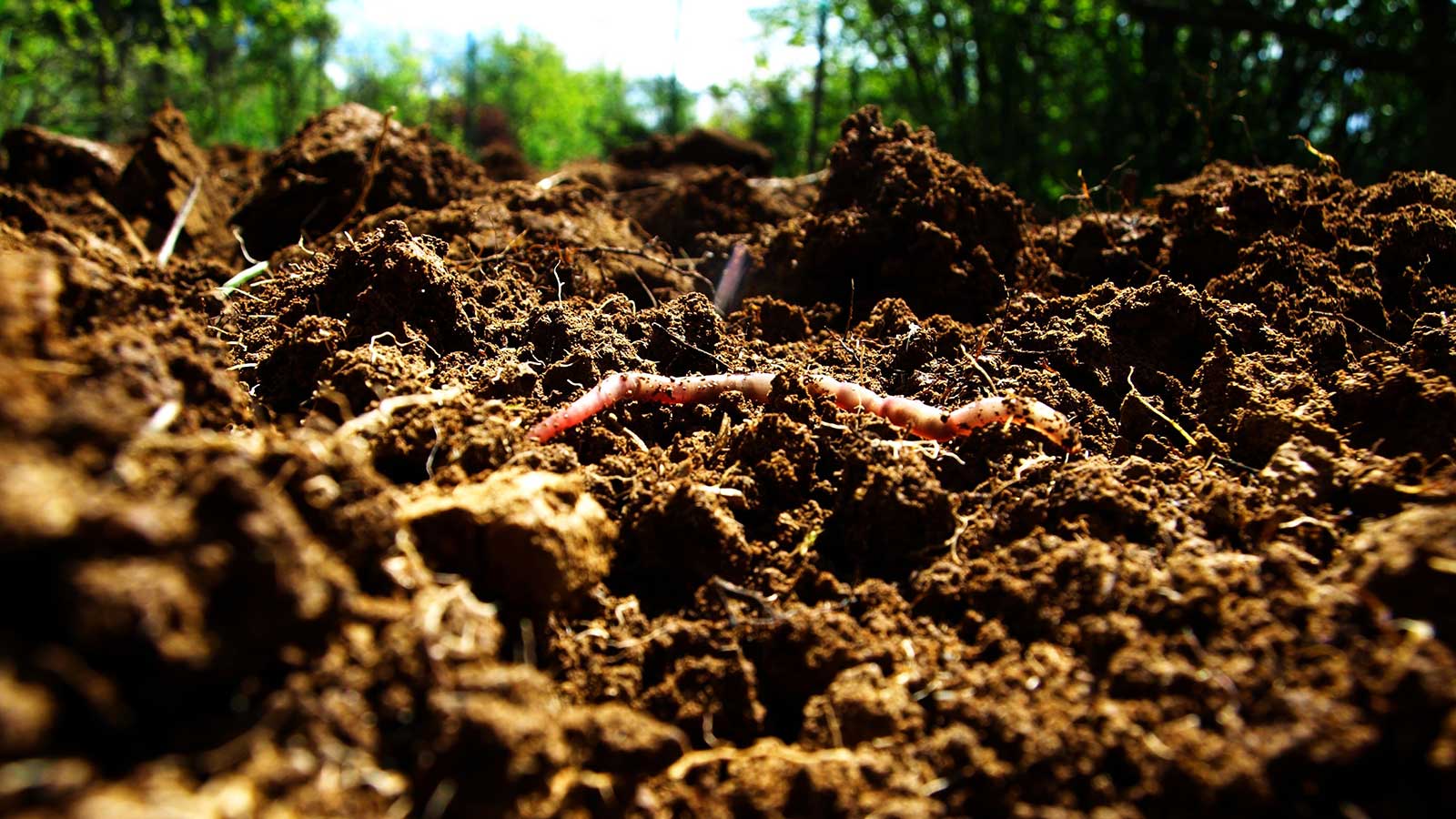
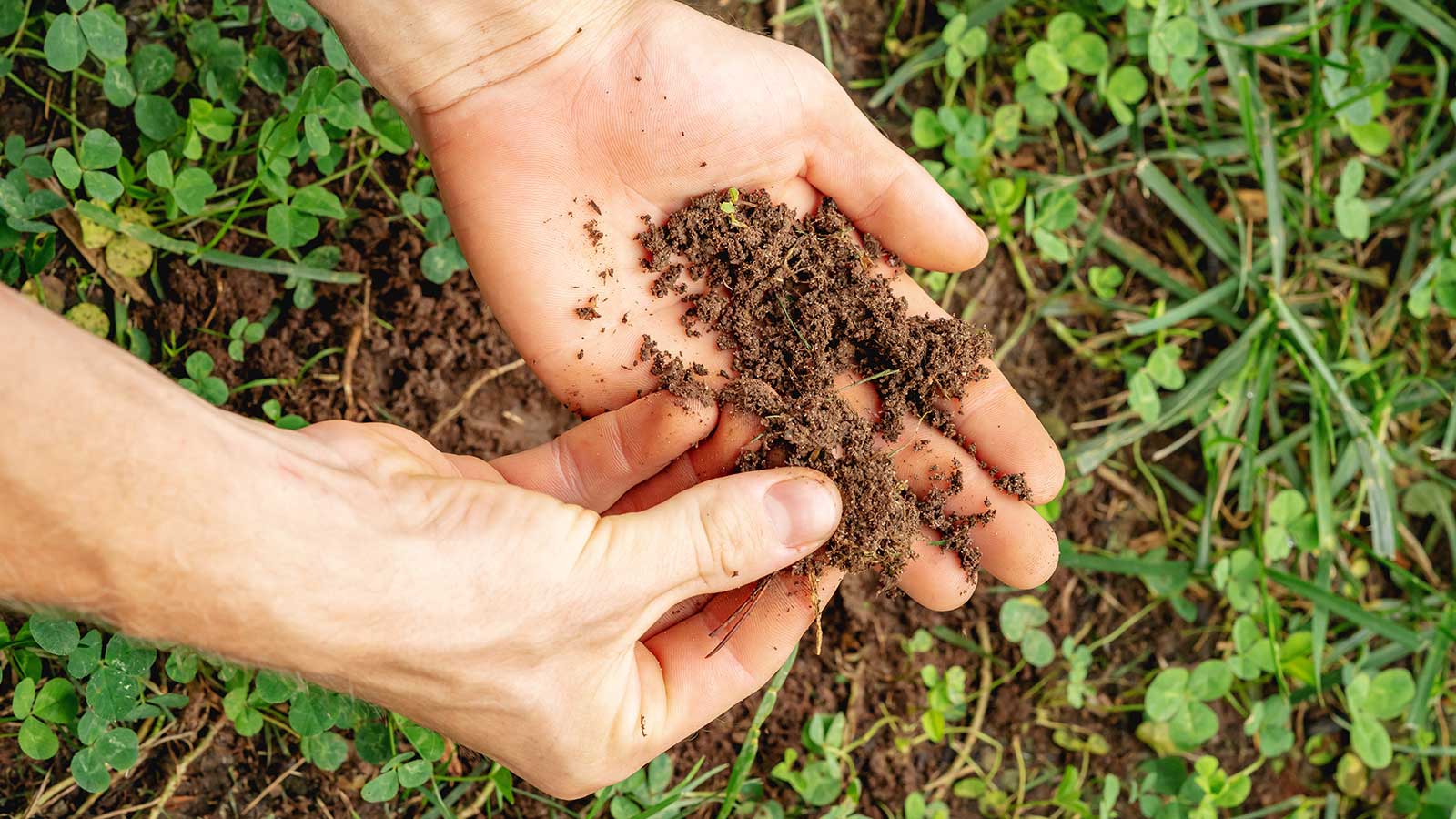
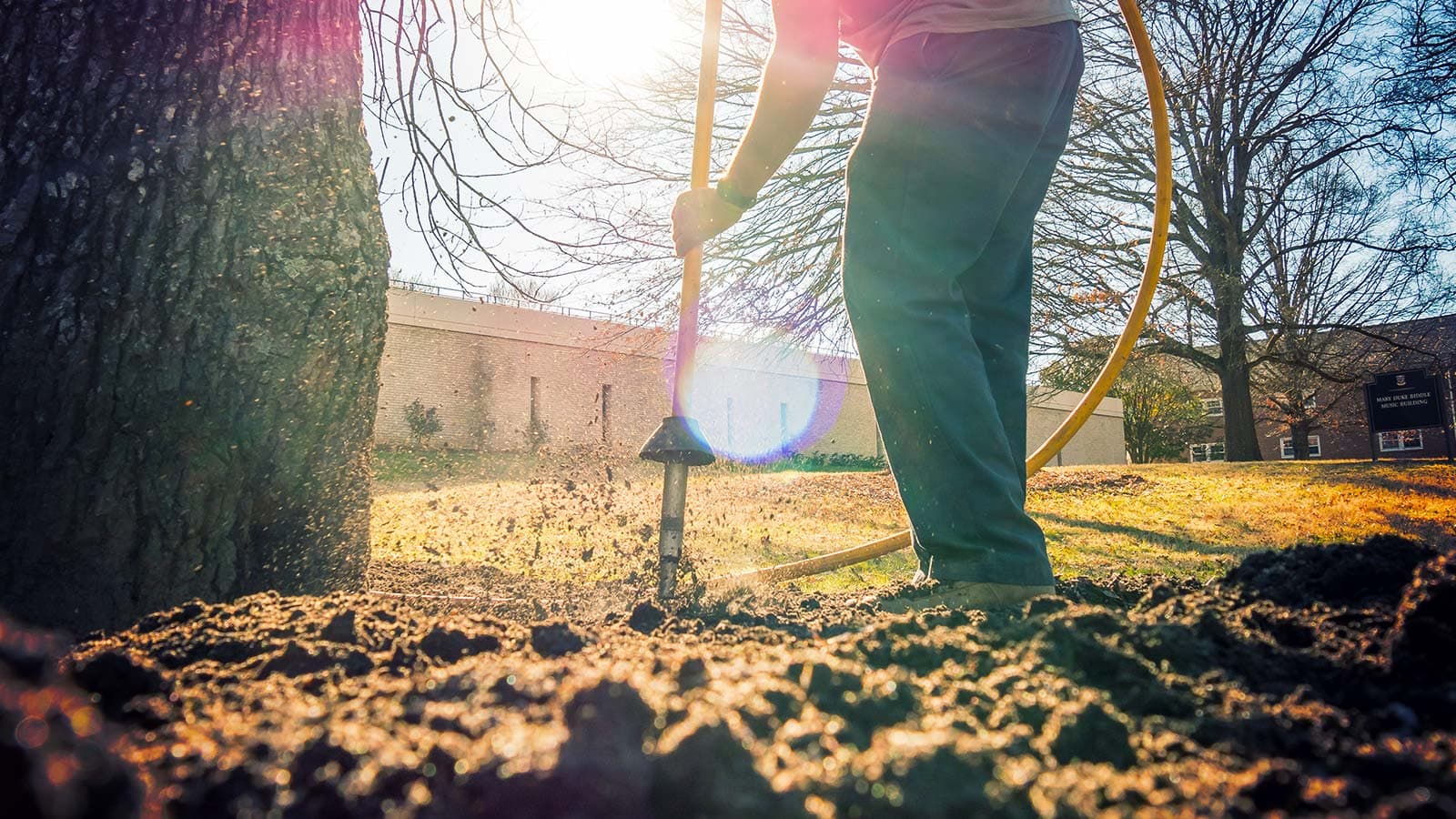
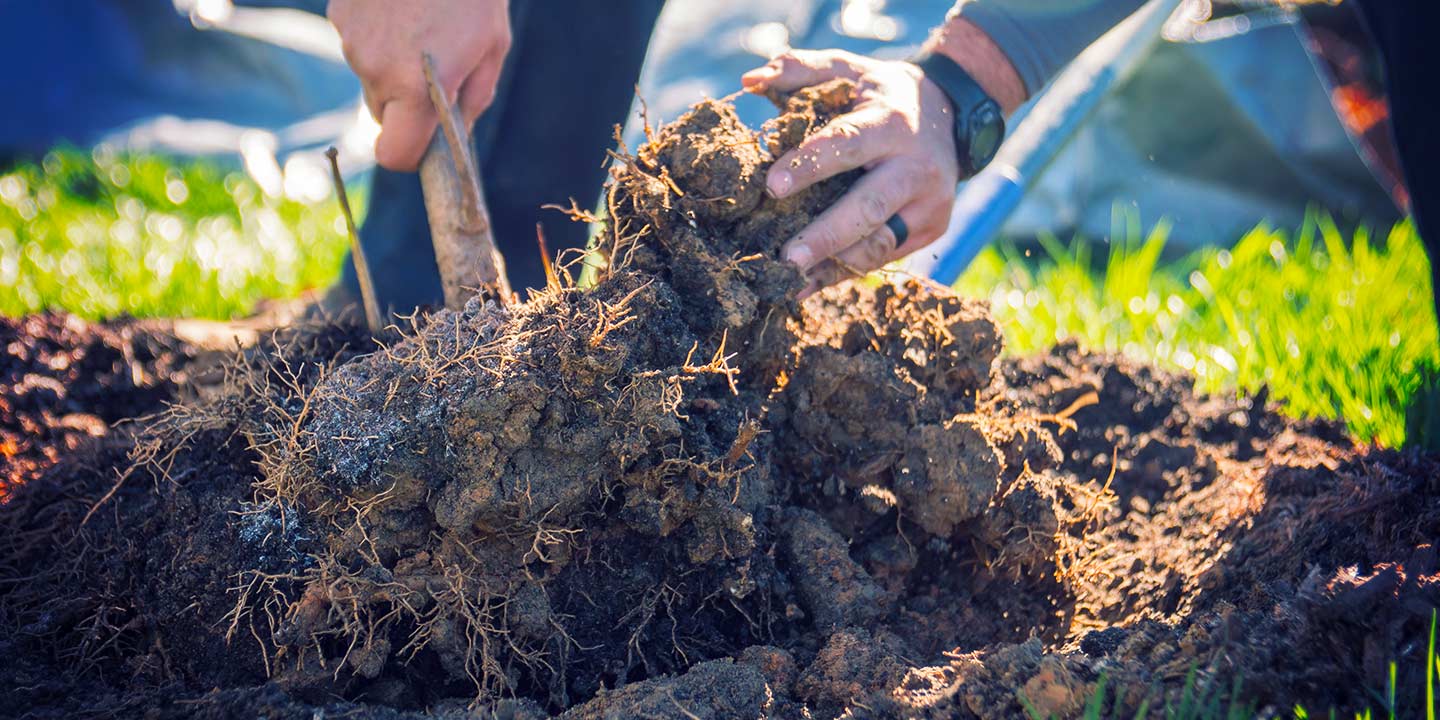
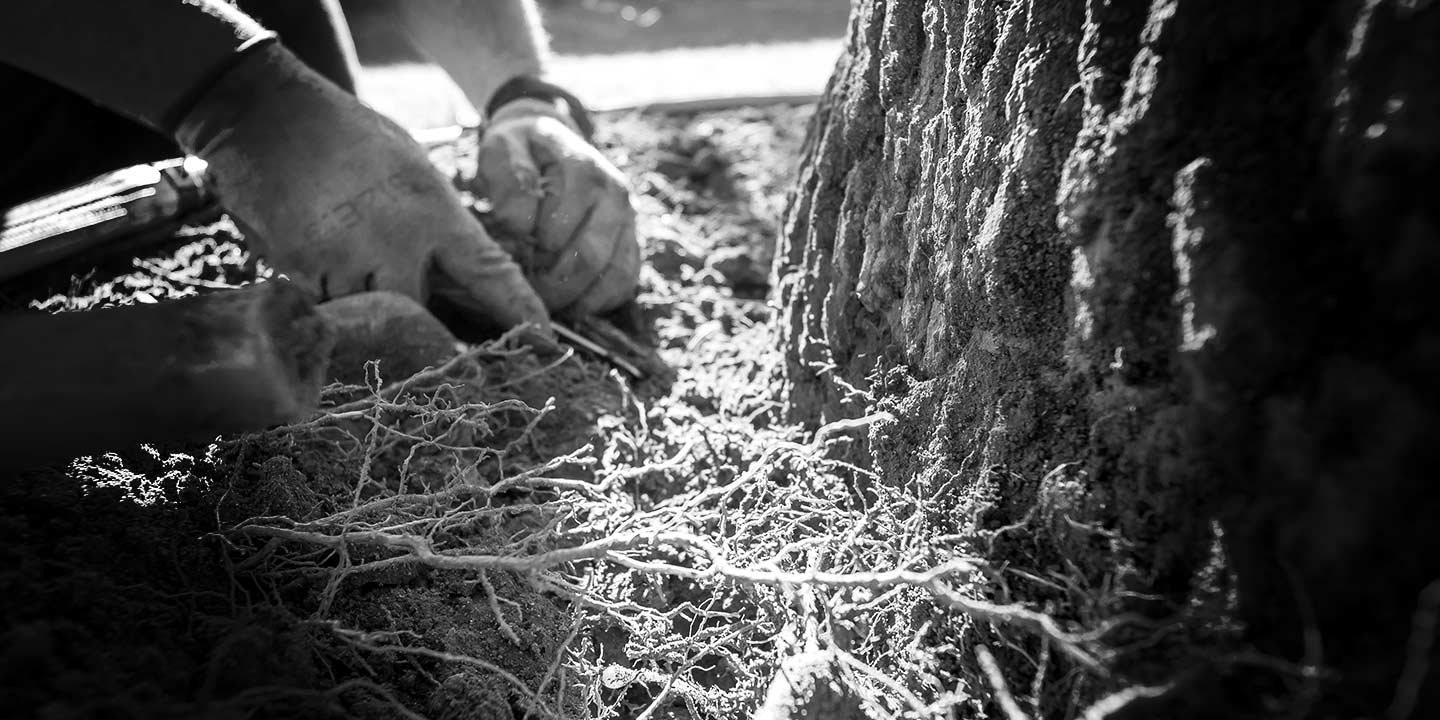
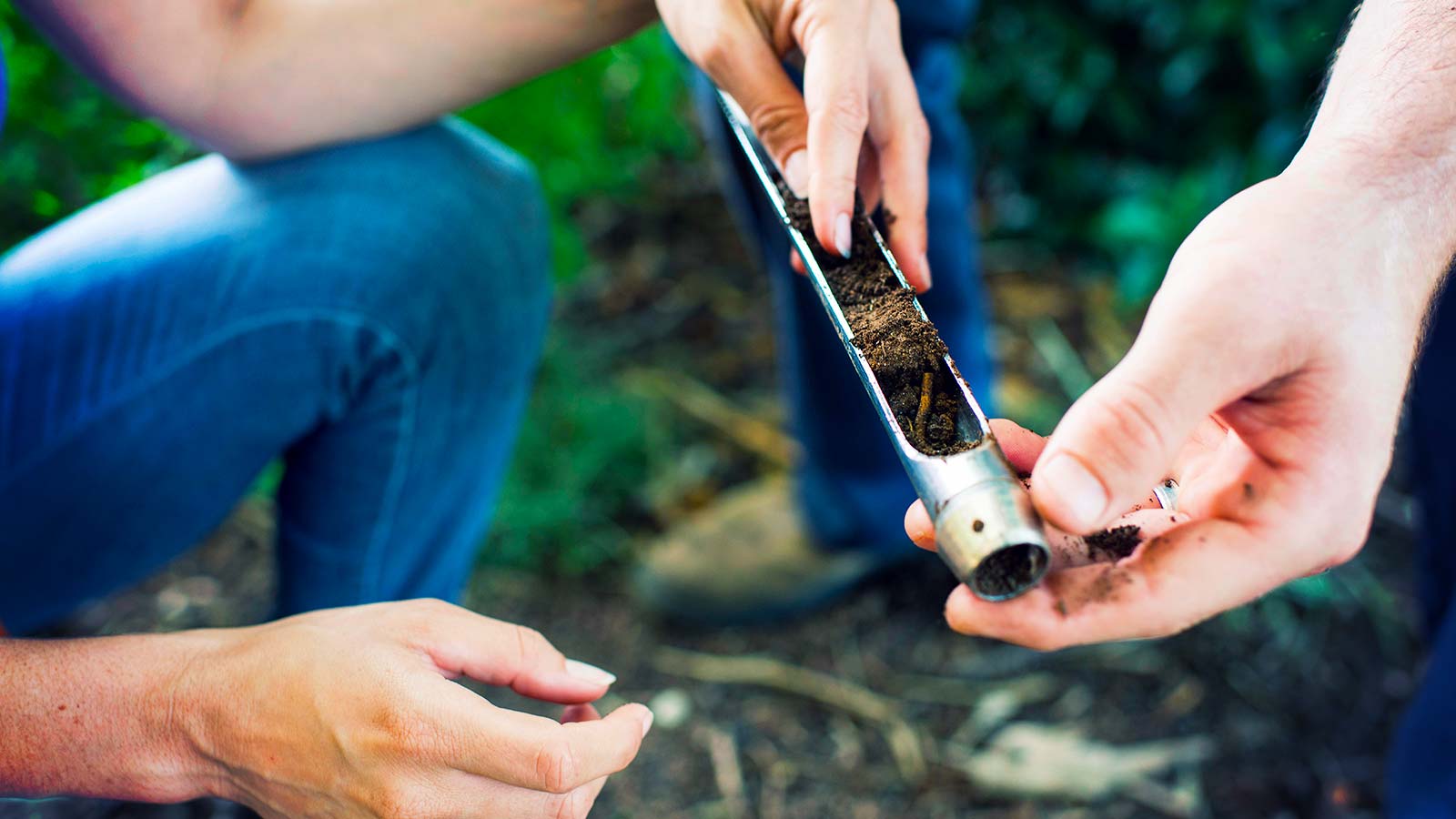
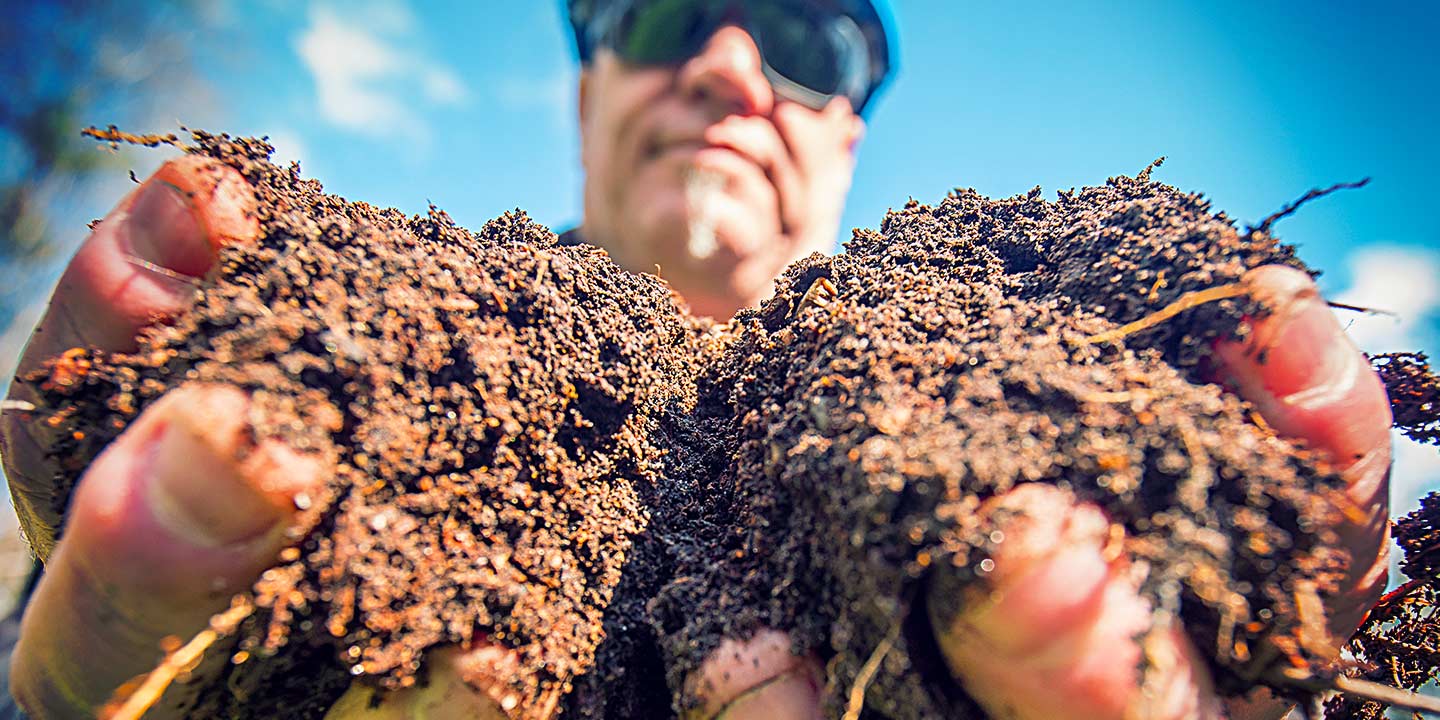
- Improve your soil. This overlooked solution to water problems is the best thing you can do, especially for your big old trees that aren’t realistically “waterable”, especially in a drought. You can learn about this in From Wasteland to Wonder on page 92. Digital copies are free! If your plants are still suffering, even with a good watering regimen, they may be experiencing drought-related problems, such as heat stress and pest infestations. We can help. Contact us.
Some Things to Do Around Town
July 6 (and July 13 & 20), 6:30 pm Responsible Gardening in a Changing Climate, JC Raulston Arboretum, Raleigh. Bryce Lane leads this timely evening program on adapting your garden practices to our changing climate. Available both in person and online.
Aug 15, 10 am The Durham County Library Garden Club is hosting a talk and Q&A about tree care featuring our very own Treecologist, Matt Archibald. Register here.
Aug 15, 1 pm We can all use a restorative connection to Nature. Plan an excursion to Franklinville to experience forest bathing with the Deep River Folk School. Check out their varied offerings here. There really is something for everyone.
September 12, 1:00–5:00 pm 60th Anniversary Celebration, Eno River Association, DPlex Plaza, Durham. Mark your calendars now. Free and open to the public, this replaces the traditional Festival for the Eno this year. An evening Benefit Concert at the Carolina Theatre follows, featuring Pura Fé & Cary Morin, Jake Xerxes Fussell, and Tre. Charles.
One Last Thing: Go Outside
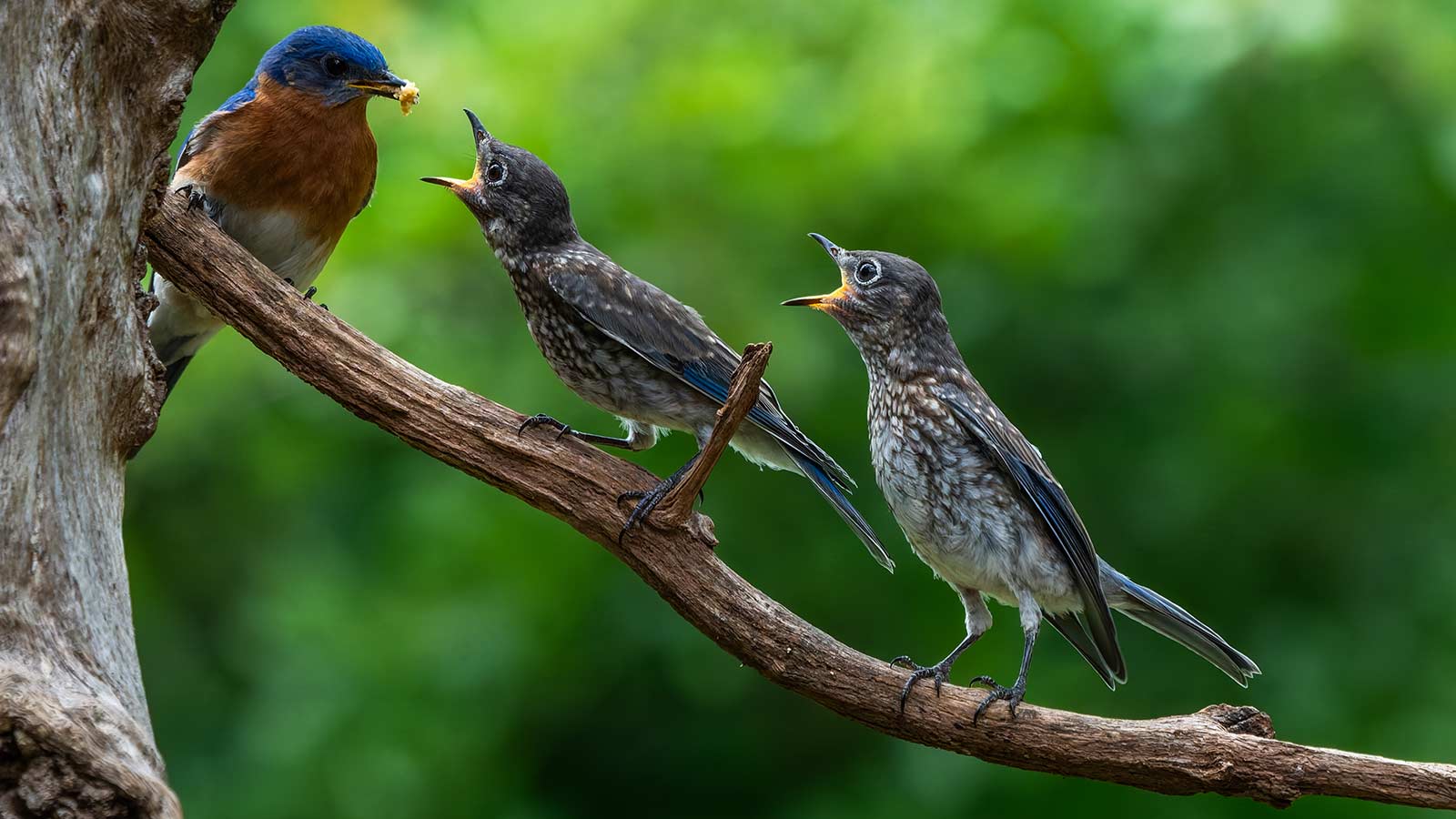
Go ahead and close your eyes. This month is about sounds, specifically how sound is an important pillar of ecological communities. In an essay titled “Quieting the Anthropocene – Part 2,” Jason Anthony discusses the importance of bioacoustics. Many animals rely on sound. Anthony describes the competing sounds in dense habitats like rainforests as a crowded radio dial.
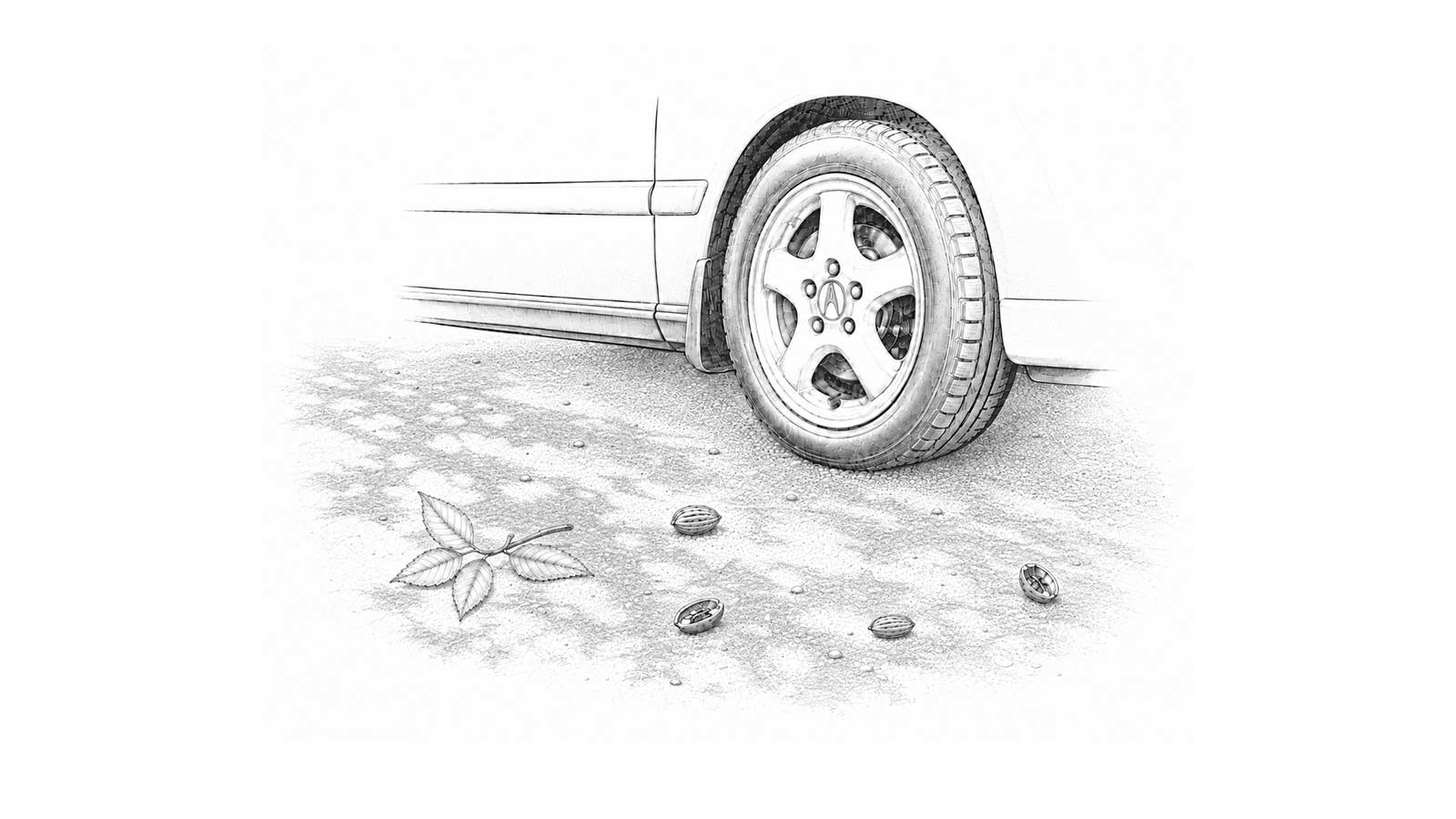
How does an animal that relies on sound get its message across? Closer to home, Ben Goldfarb, in his new book “Crossings” (the best book I read in 2025), talks about the effect that road noise has on the lives of animals that live near busy highways. For example, owls rely on their keen hearing to detect the footsteps of their rodent prey, and when the rumble of tires and engines prevents them from picking up the auditory signals they need to survive, they have no choice but to leave the area.
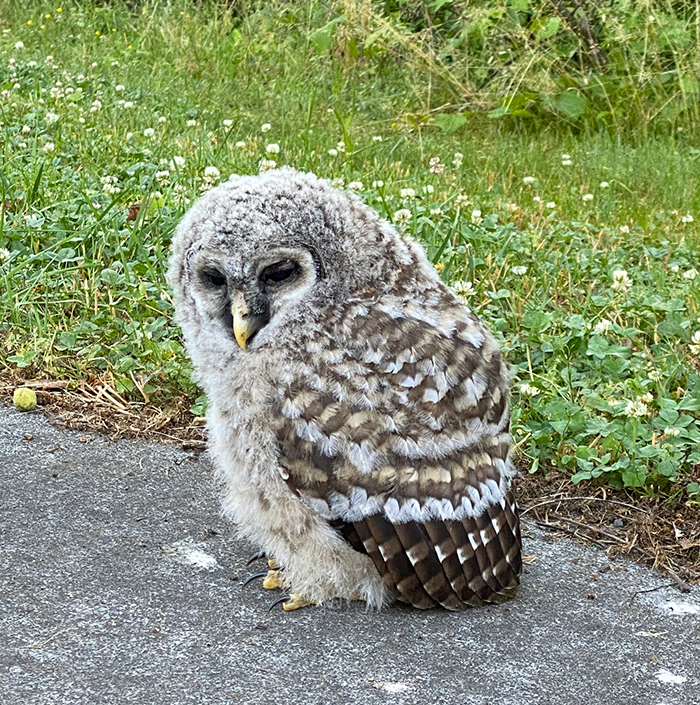
Today, I just want you to sit outside for a while, close your eyes, and think about this while you pick up the sounds around you.
Until next month, remember to sniff the blooms and listen to the birdsong.