July 2026 Treecologist Tribune
Frogs, Rosy Maple Moths, and Zinnias Make the Cut

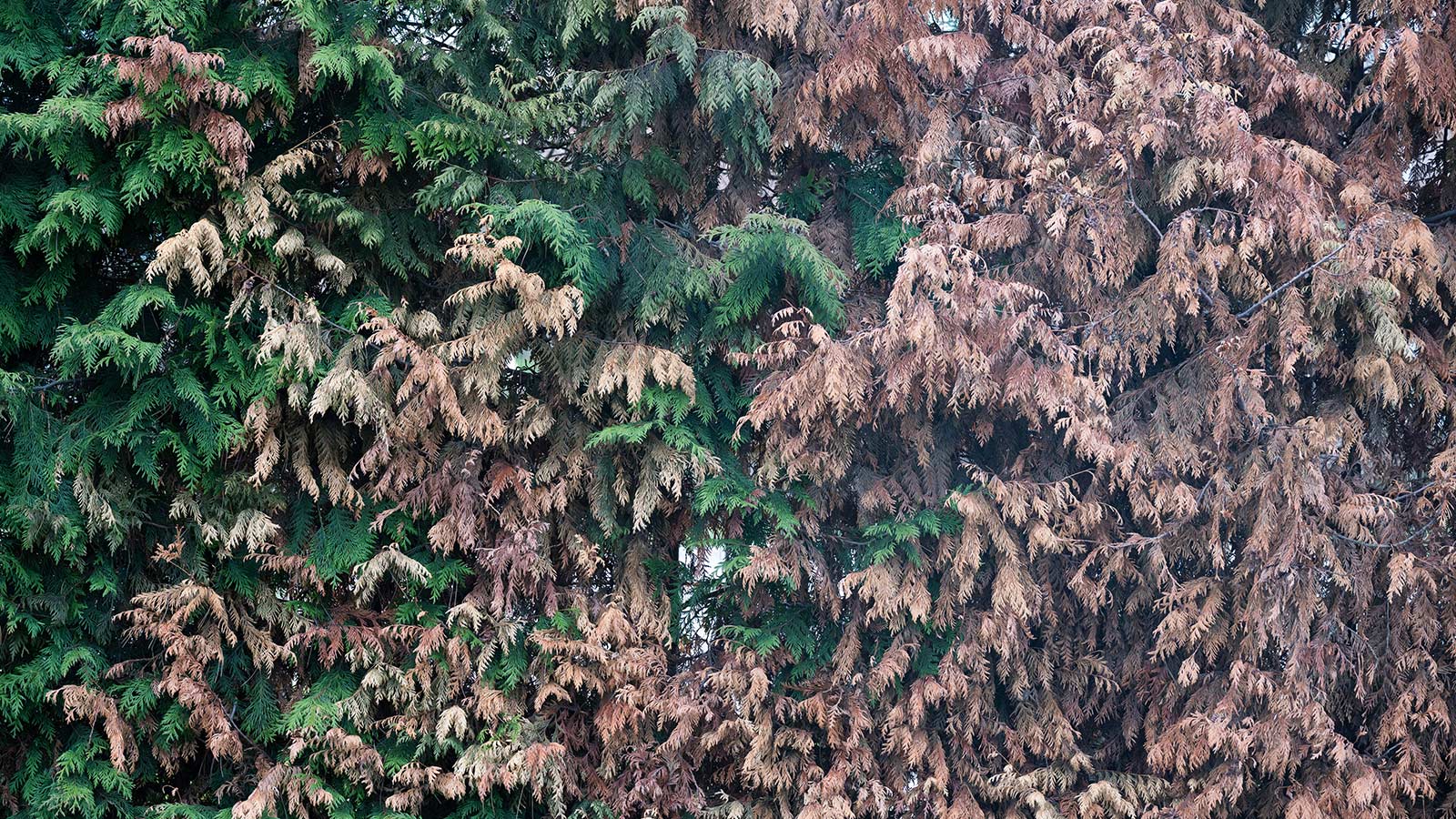
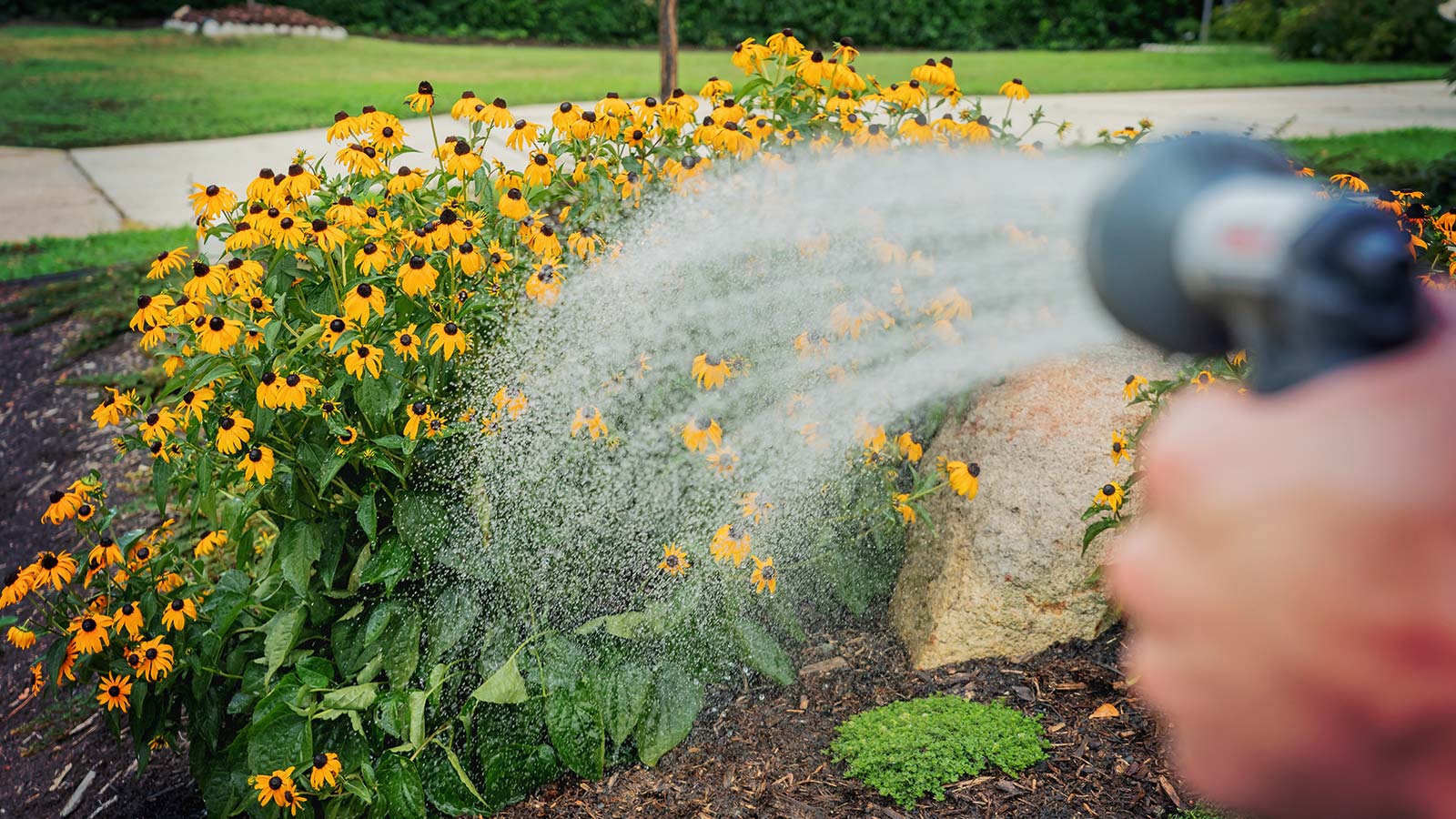
I’ve come to appreciate that in the South, high summer is a “hunker down” season for gardeners the way the dead of winter is on the high northern plains. But it differs also. The critters and most plants don’t get to sleep through a Southern Summer. With drought only slightly alleviated, and temperatures in the melty range, I’m mostly making sure newly planted things get a drink and keeping an eye on my beleaguered trees.
Yard Sleuthing Part 1: A Drop to Drink
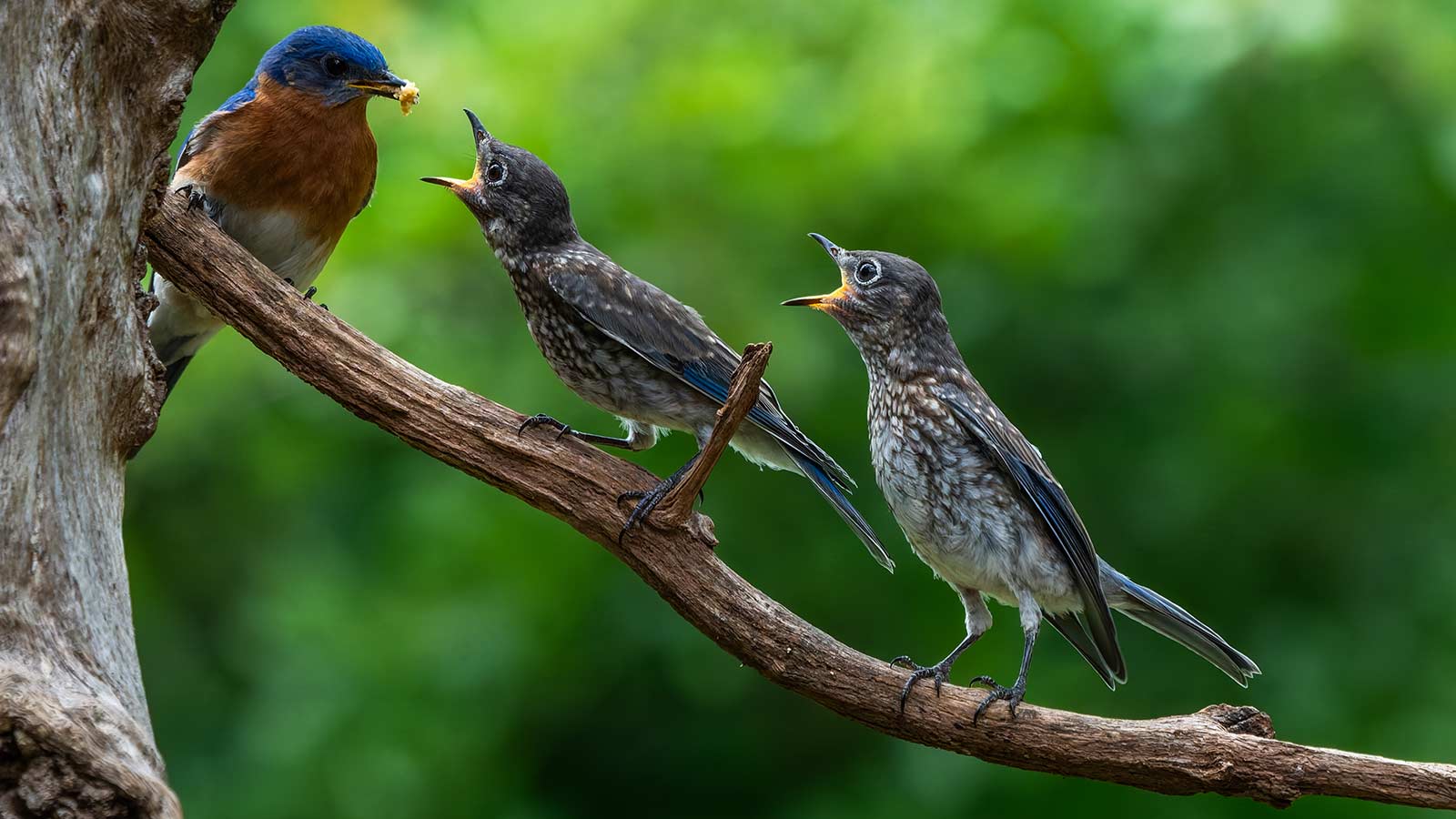
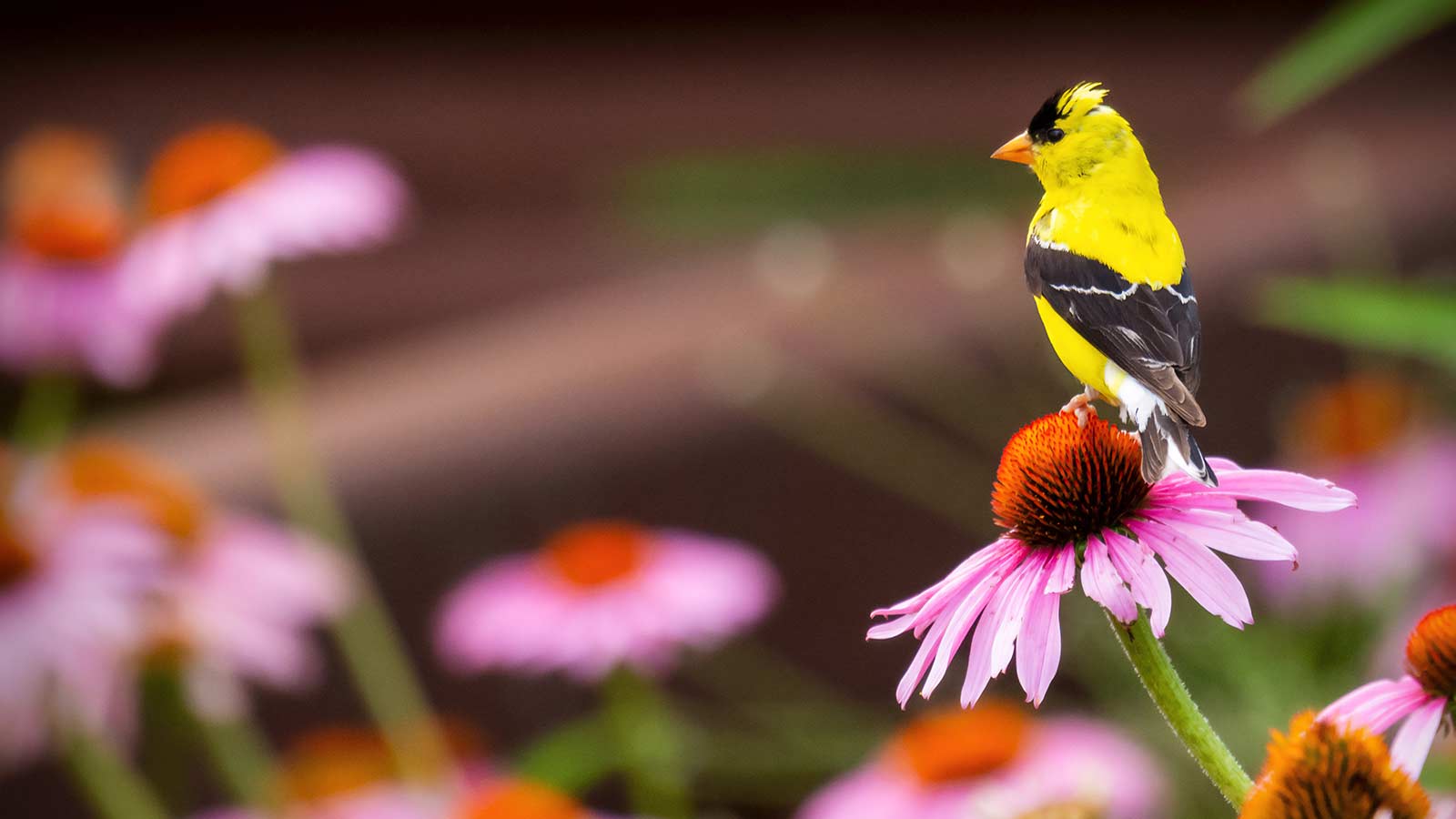
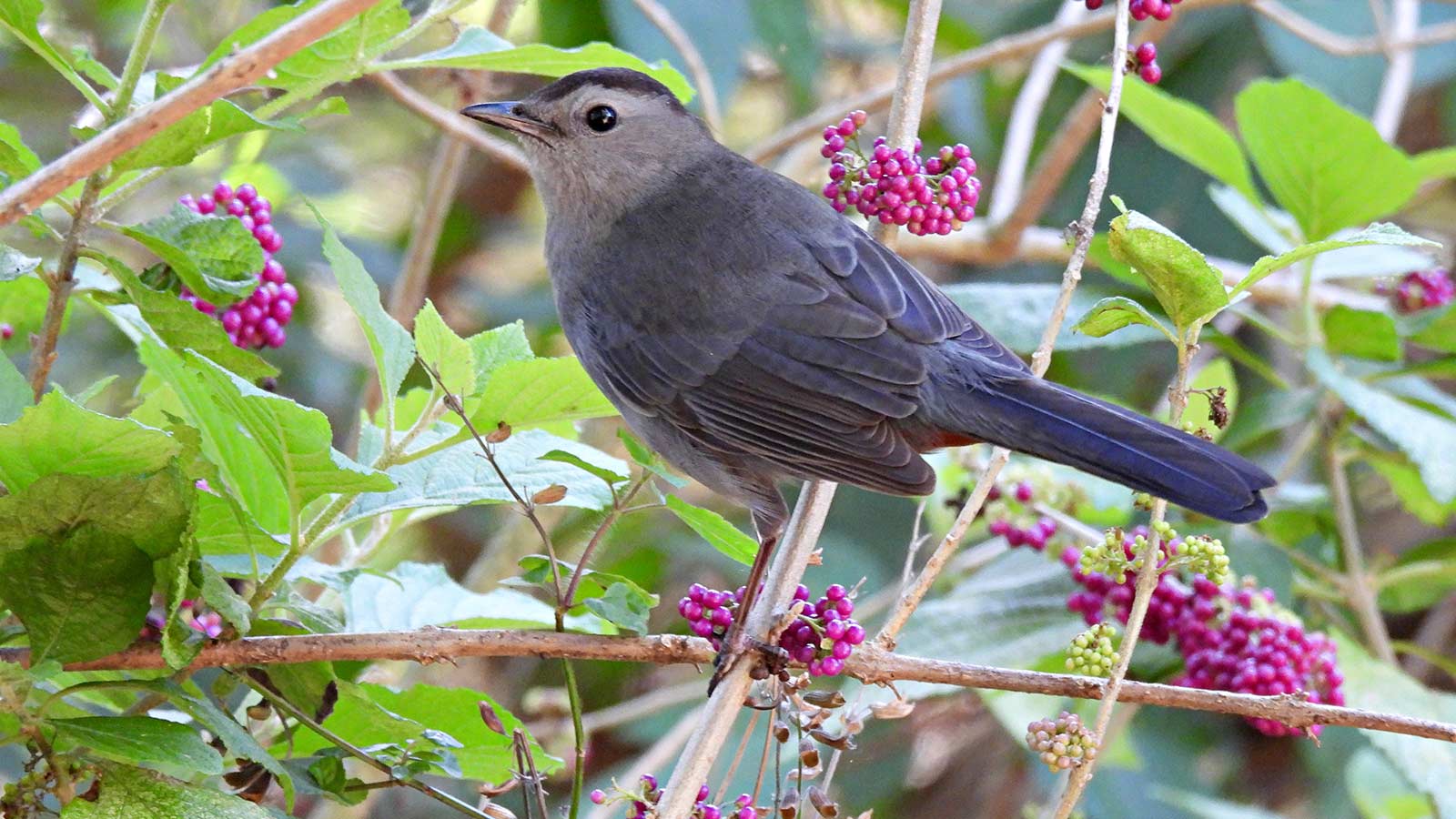
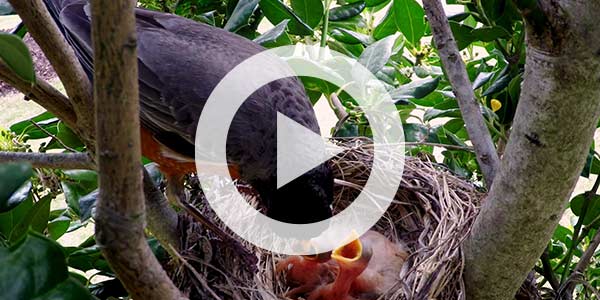
Speaking of drinks, I’ve been noticing what uses my bird baths besides the many birds I’ve counted, from titmice to goldfinches, bluebirds, and tanagers. Earlier in the spring, yellowjackets appeared entranced by an old concrete birdbath that holds several large rocks and water.
Yellowjackets use water for drinking and for making the paper they chew to build their nests. They might also be hunting for both dead and live insect tidbits to take back for their young. The adult wasps mostly use nectar to fuel their flight, but they are predators for their young, who are fed insect protein.
Lately, I’ve been seeing honey bees making frequent shuttle flights. I’ve learned that they take water back to the hive to help cool it down when temperatures become dangerously high for them. And yellowjackets do that too. These insects know about the science of evaporative cooling. But I imagine having to spend resources to do that instead of their usually scheduled work of gathering food and nest materials is a hardship.
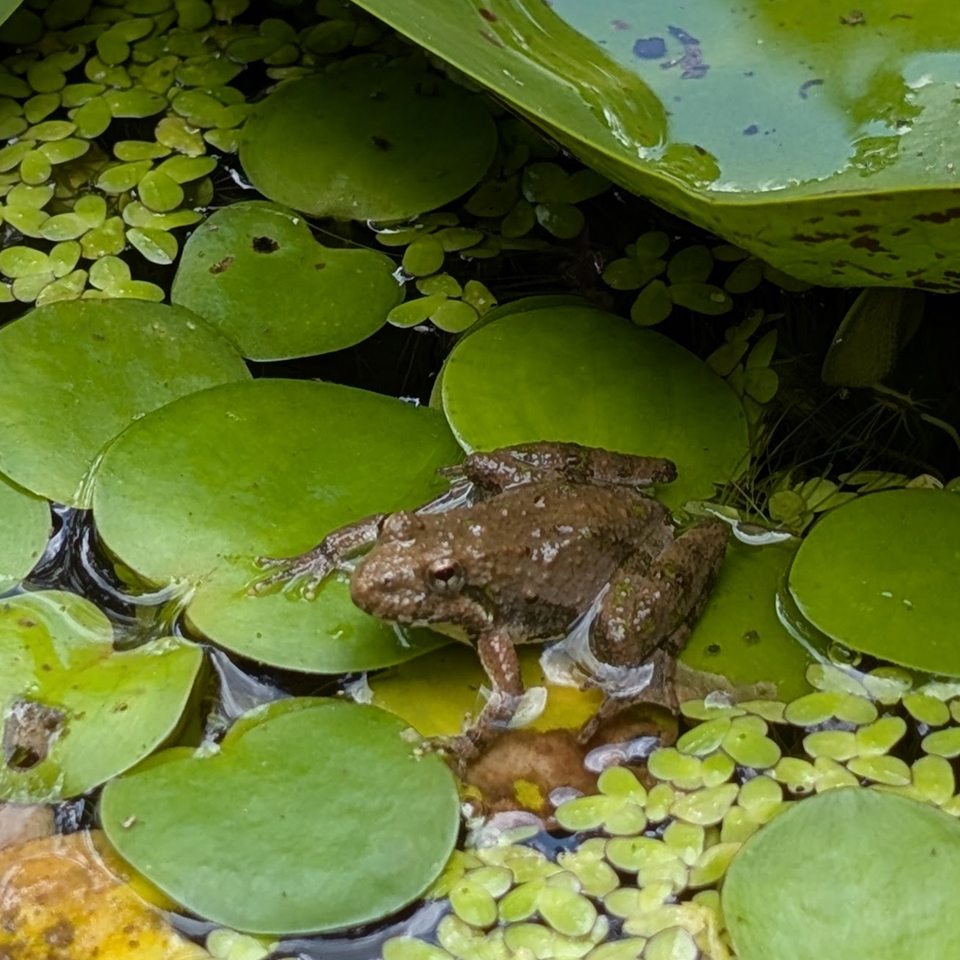
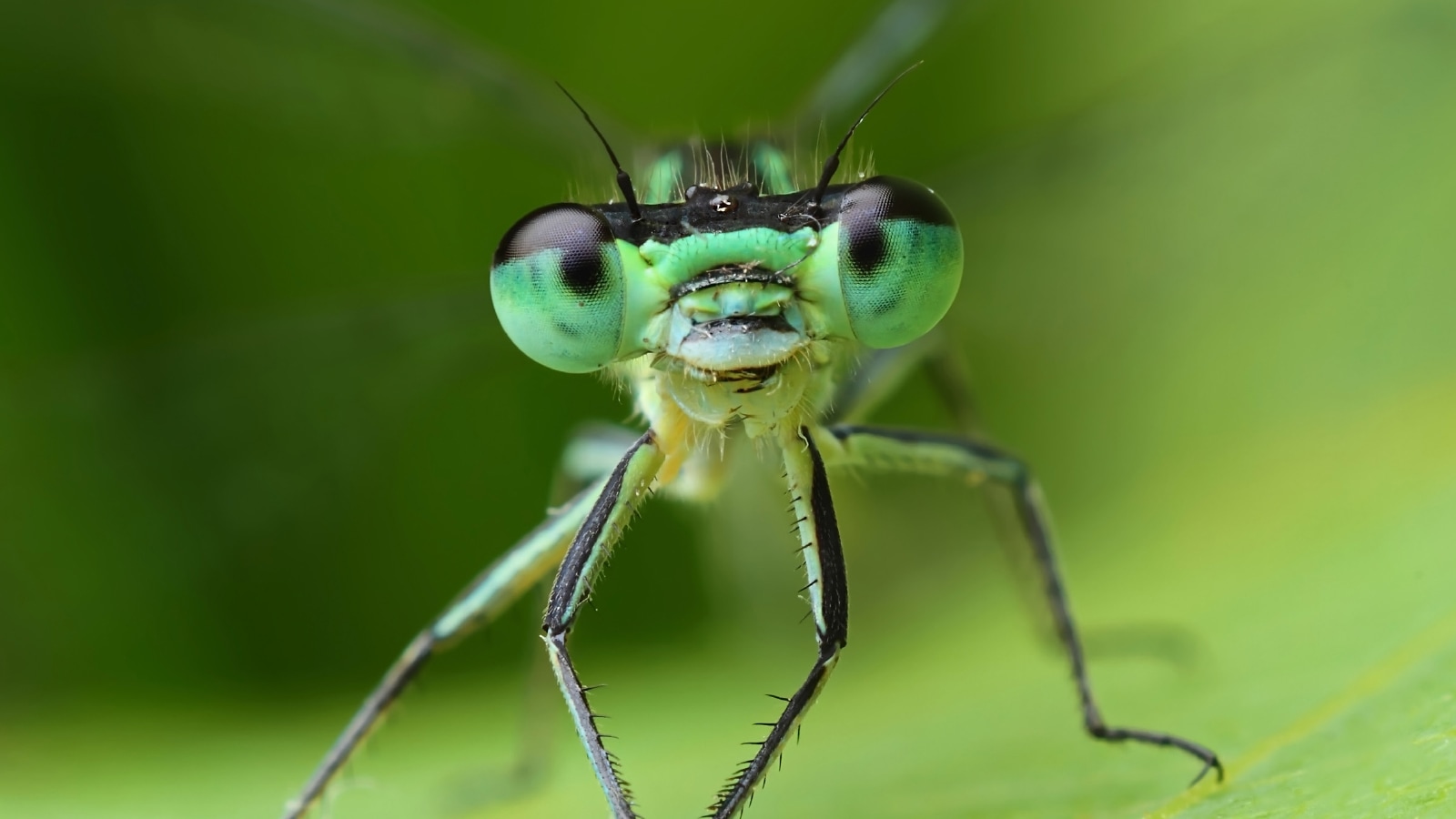
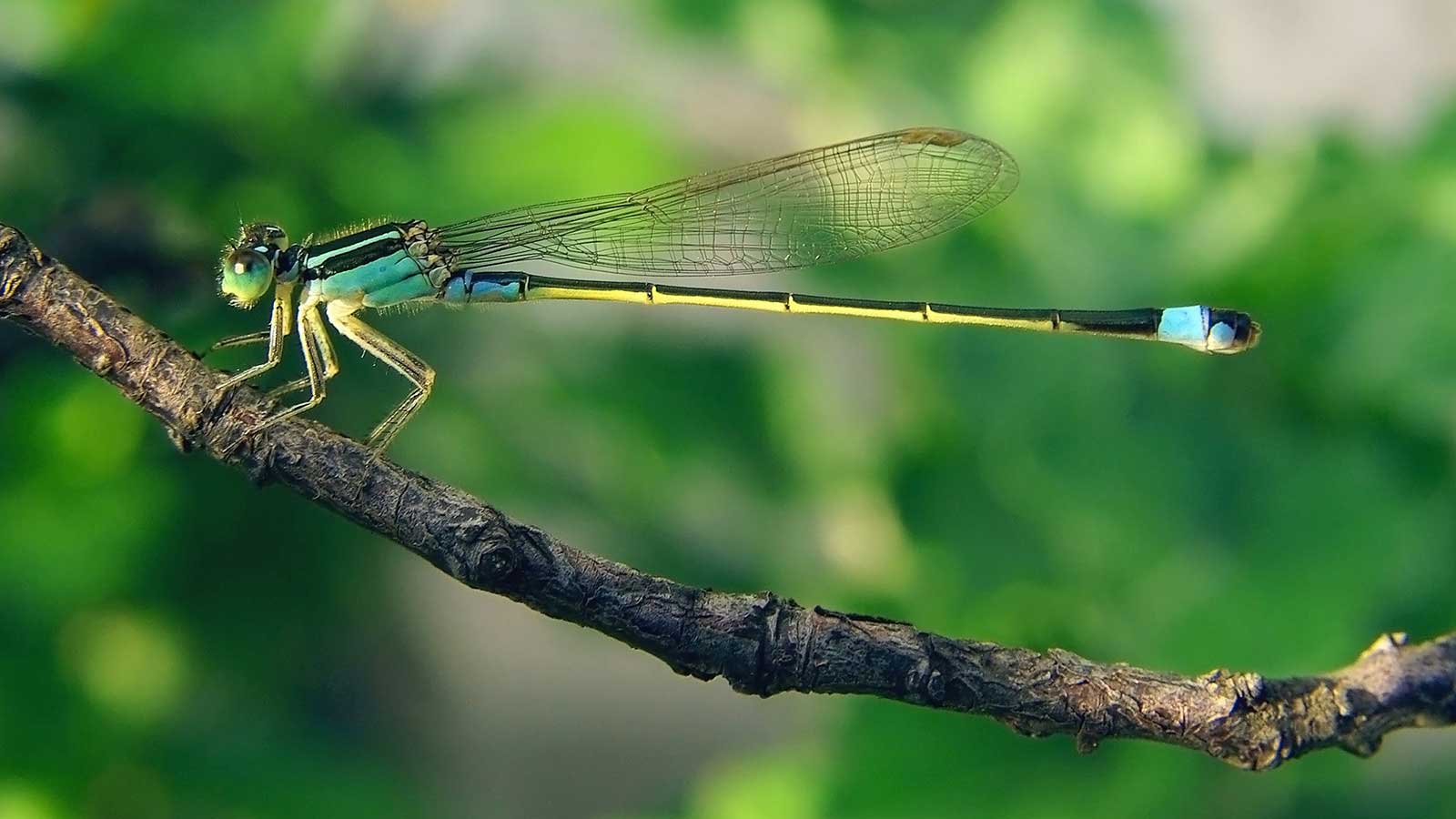
My small DIY ponds were not installed long before the frogs found them. Frogs just know. I don’t know how they know, but they wasted no time making them home. And tiny damselflies, and some dragonflies. If you build it, they will come, whether it’s a bird bath, a small pond, or even just a wet area. Water is life.
Weather Notes
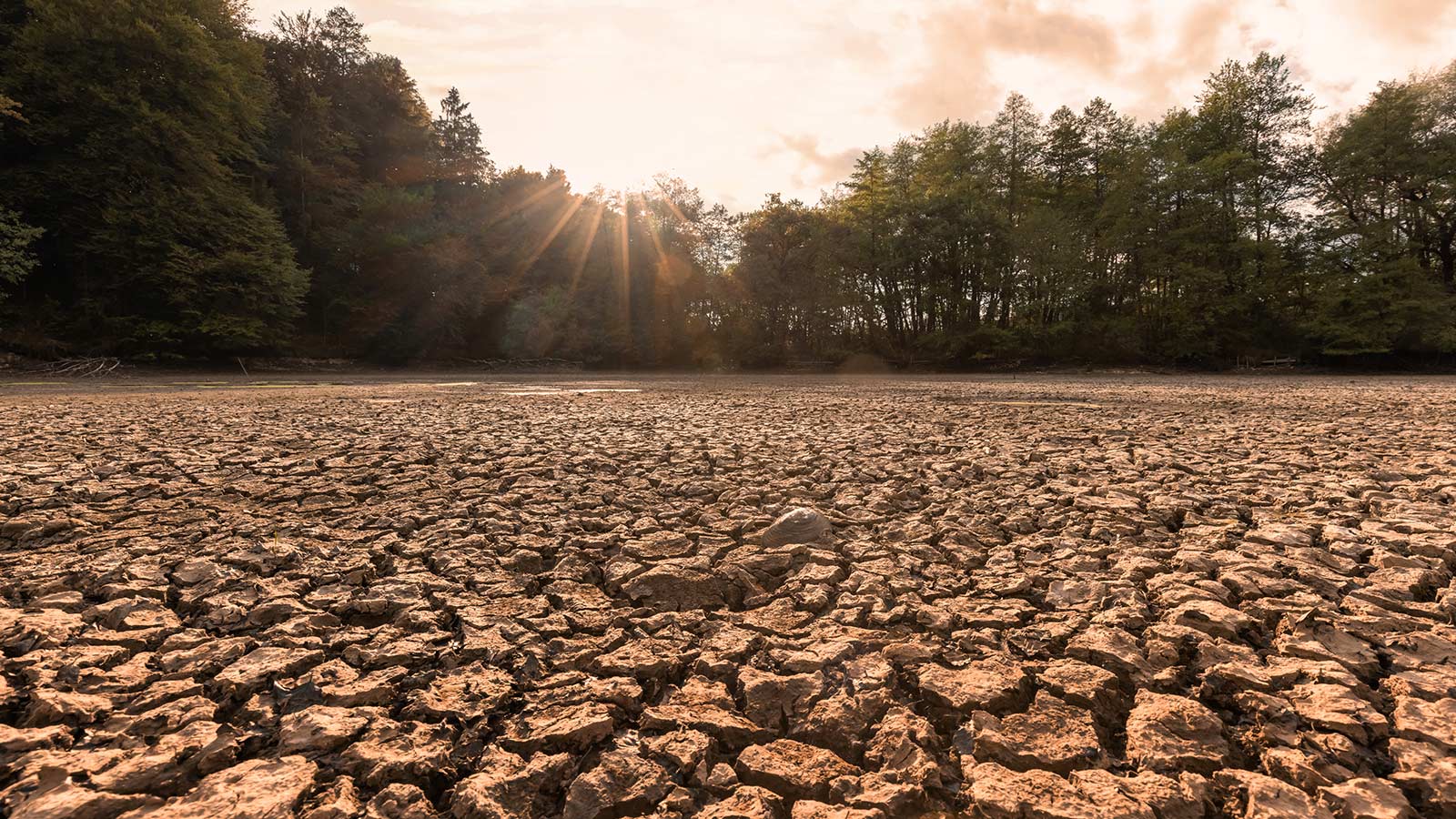
We are still in severe to extreme drought, especially in the northwestern part of the Triangle. Pop-up thunderstorms have been granting us rain in a patchwork of events for many weeks, and summer storm Bertha has given us a few inches of the kind of rain we need. This all helps, but we won’t be out of drought until reservoirs and groundwater reserves are replenished.
It was the eighth warmest June on record for Raleigh, and July has ramped up the heat and hasn’t let up much at all except for the cool break that summer storm Bertha brought last week. The heat is a factor in continued drought as evaporation rates send water skyward again before it has a chance to sink into the earth. Hot days are hard on us and the critters we share our yards with.
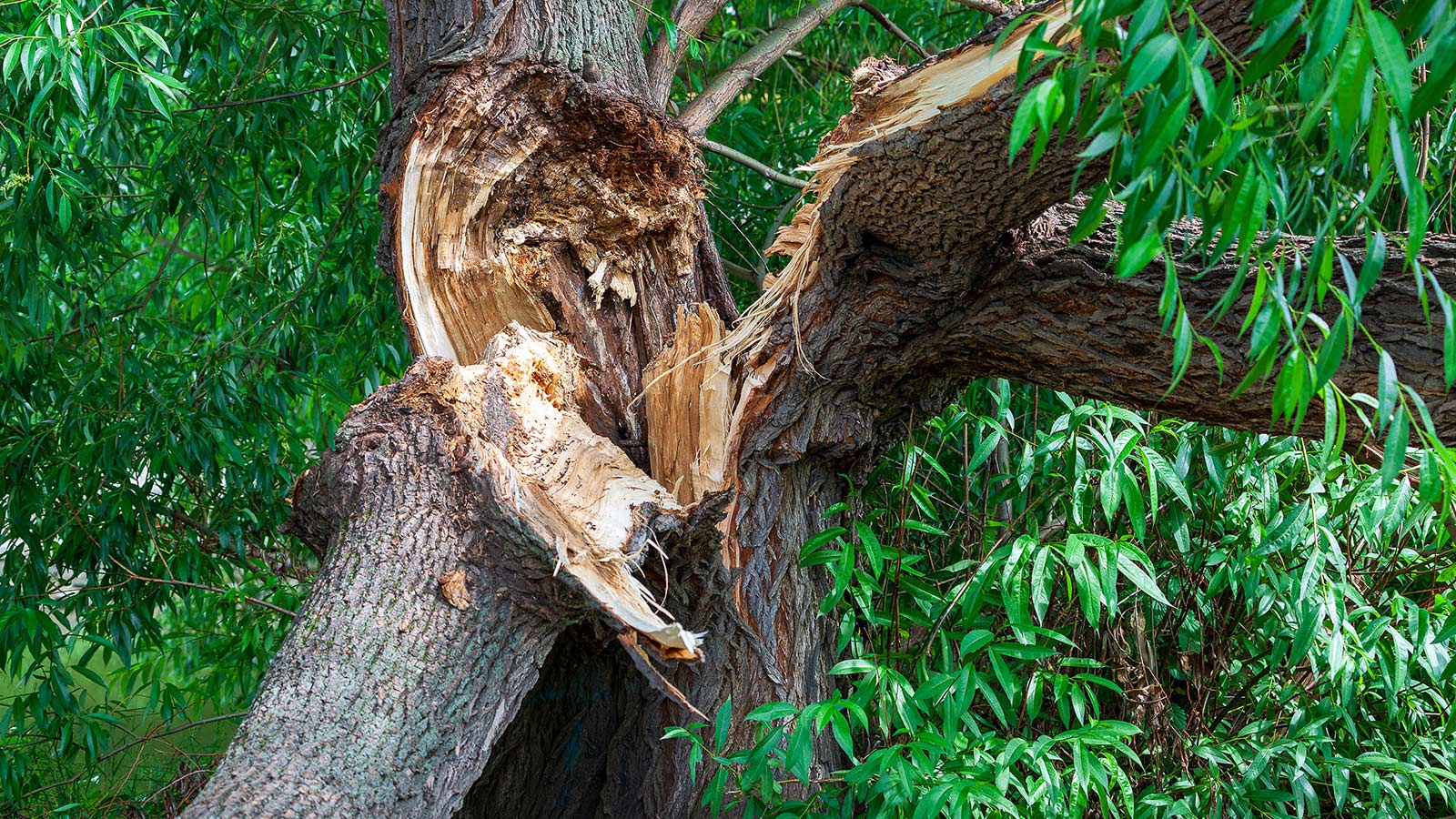
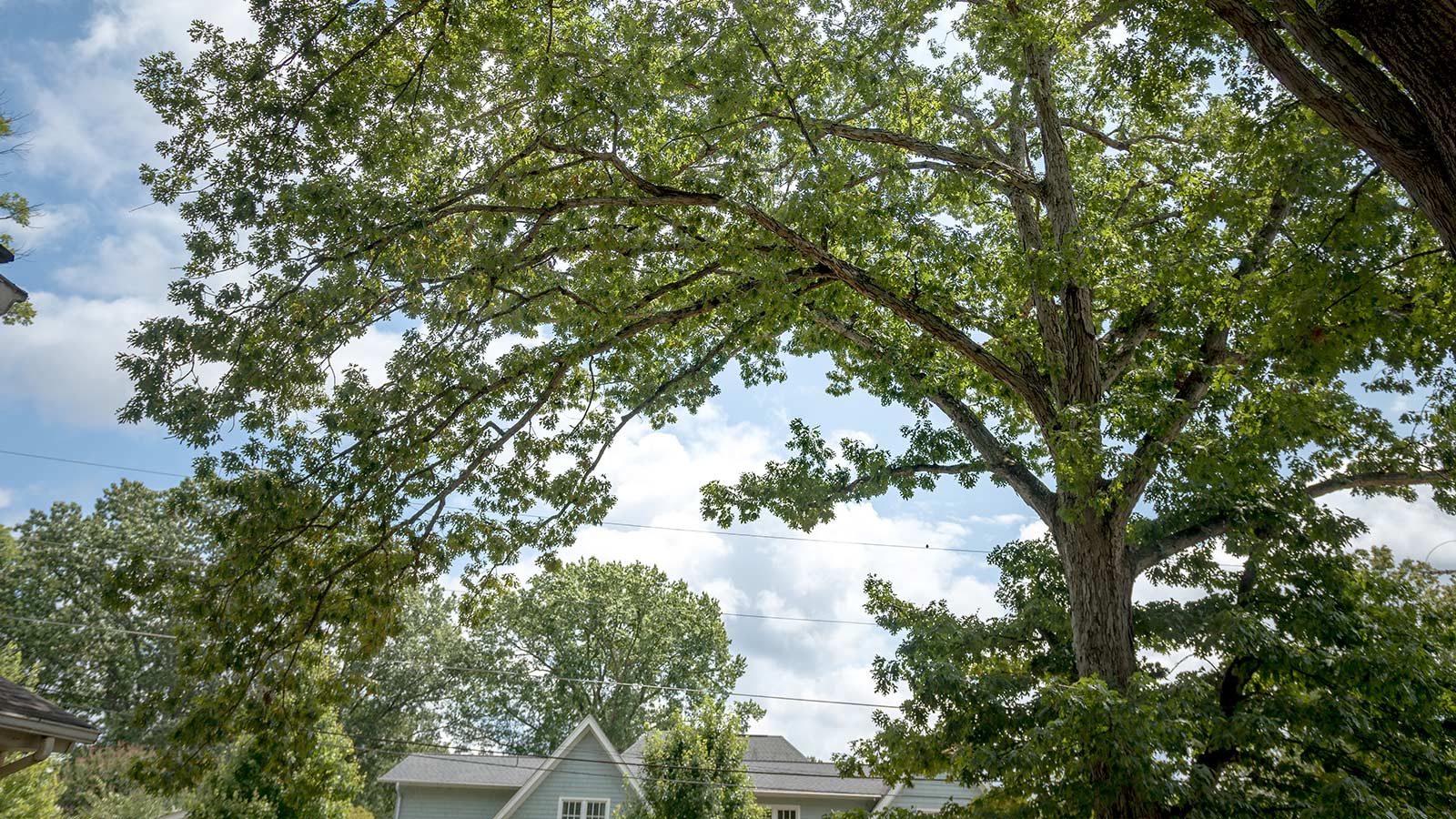
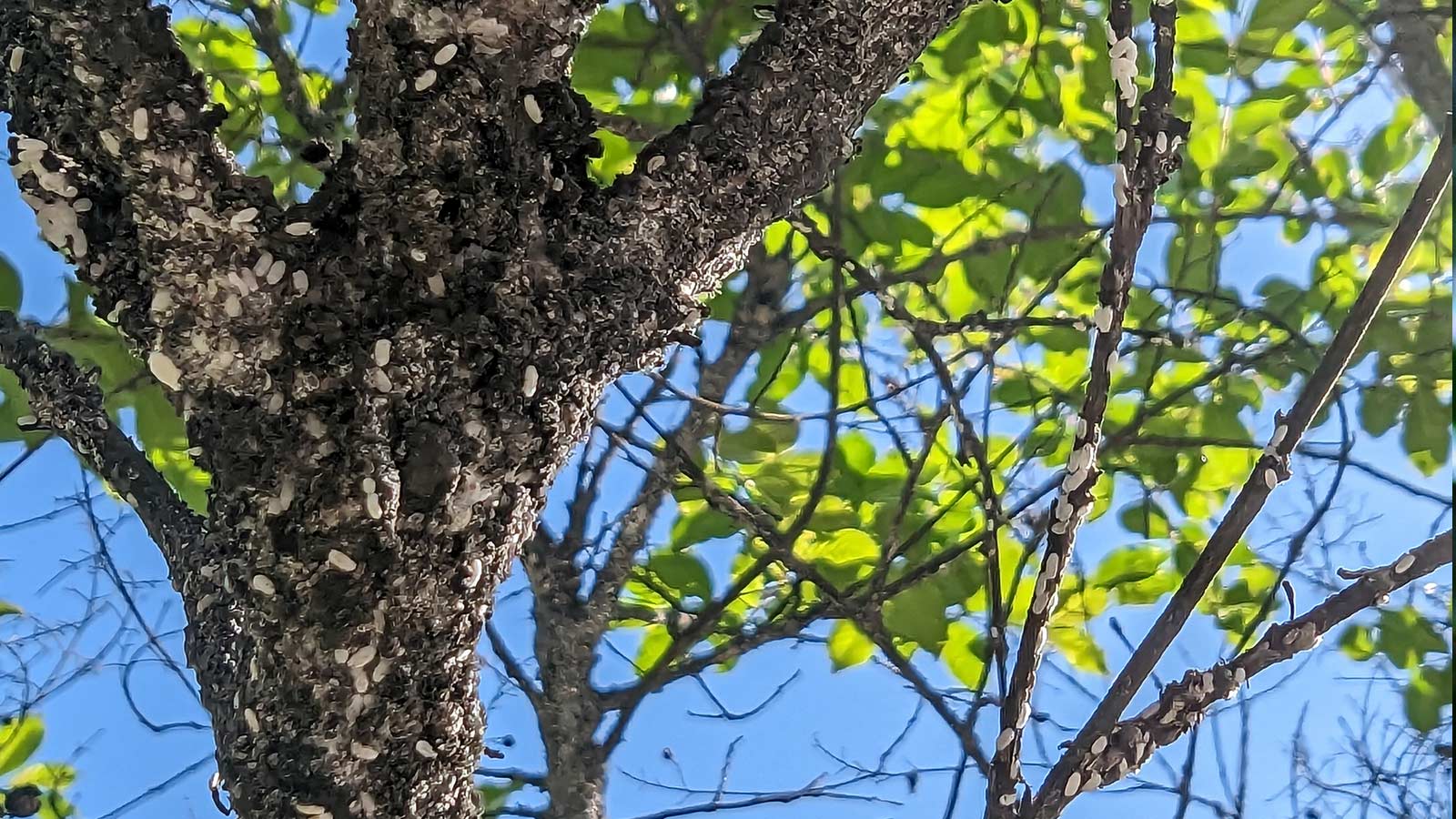
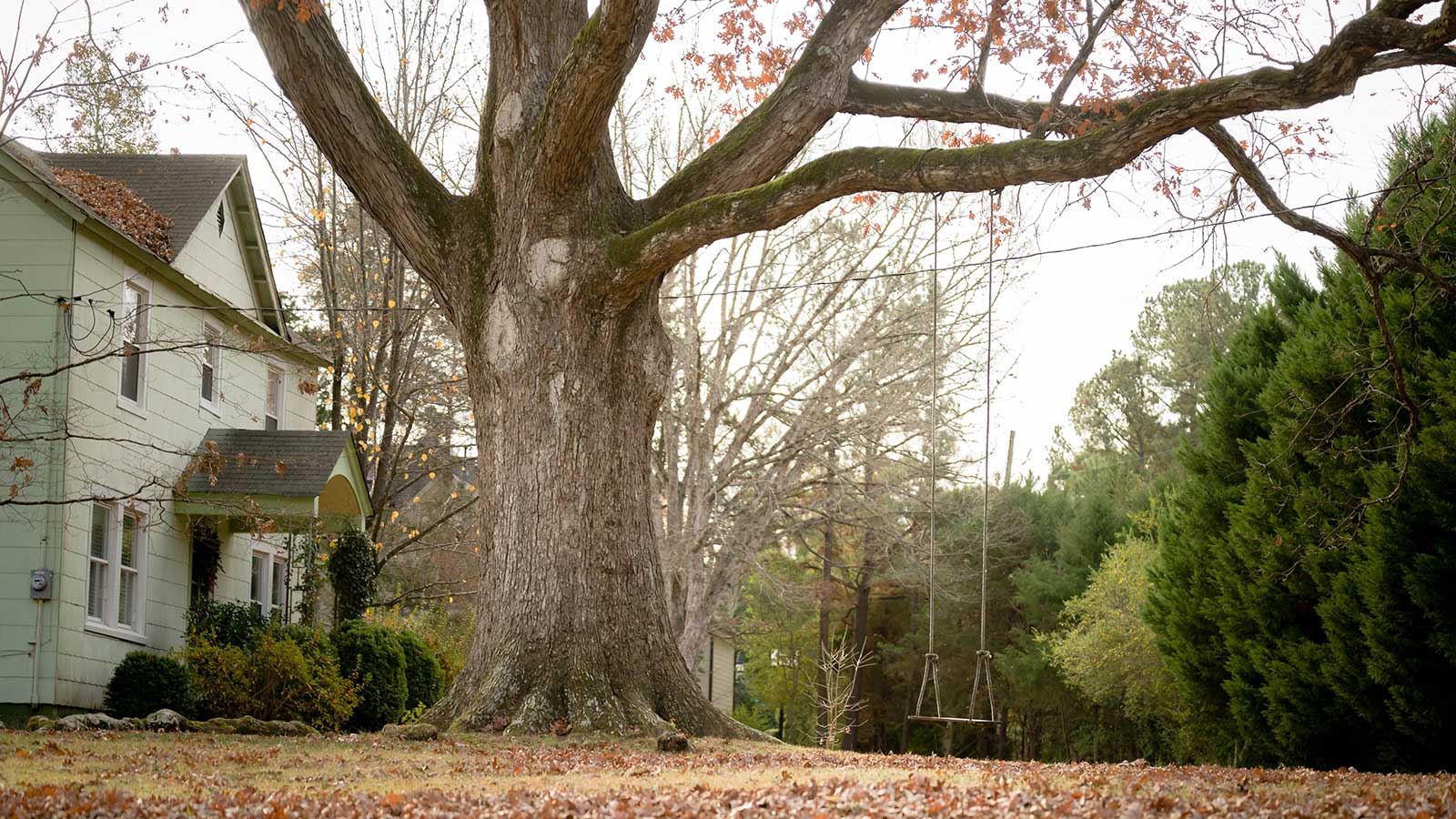
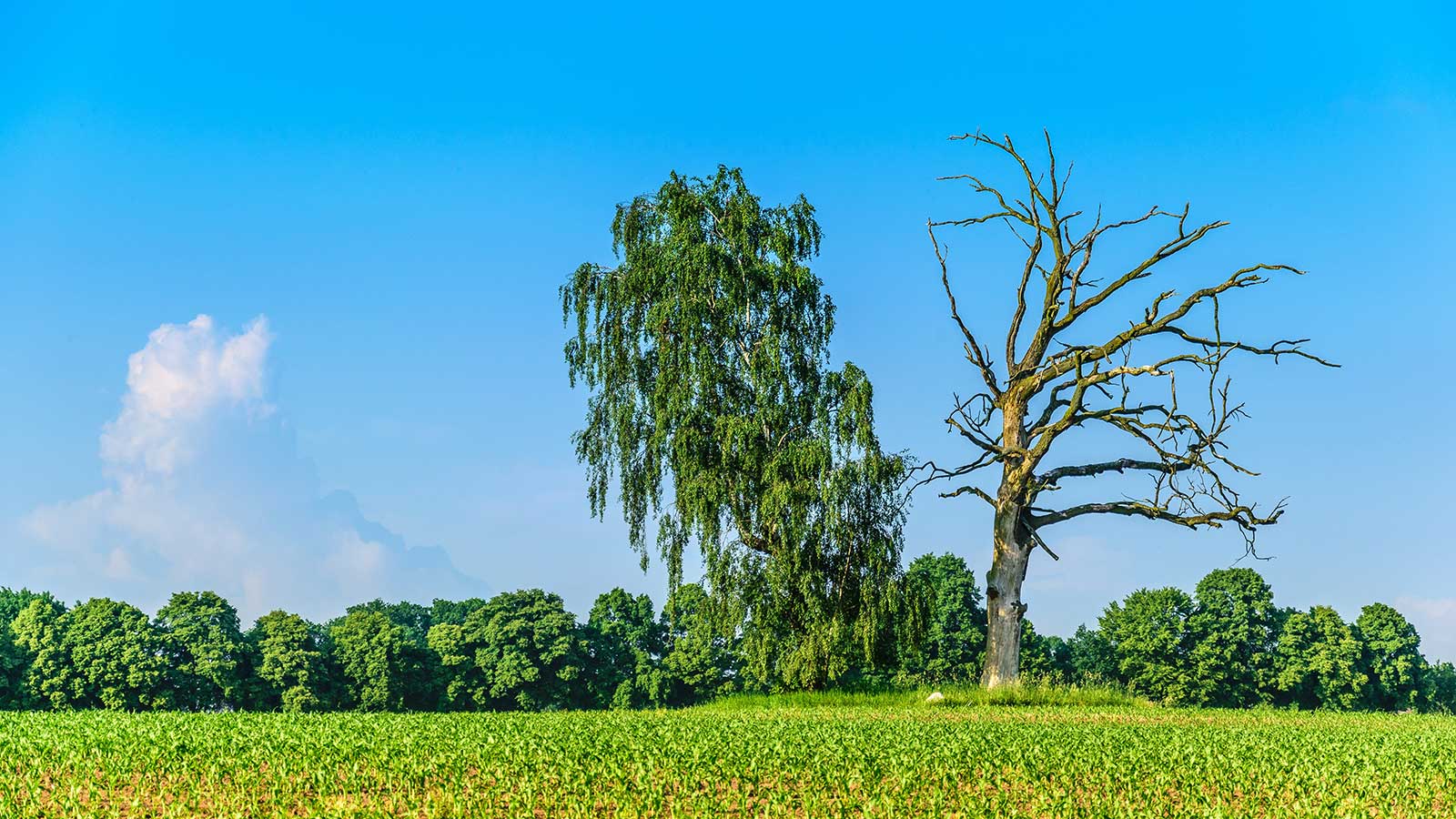
Our trees and other plants feel it too. But while most of us can escape to comfort at night, our trees face additional challenges. Like us, trees use the night to slow down and rest. They continue to respire, but on warm nights they keep burning through their stored sugars just to stay alive instead of recharging, leaving less energy in reserve for the heat and drought waiting for them the next day.
For months now, the possibility of an extra strong El Niño event has been growing more likely. El Niño has definitely started, and it’s on track to be a big one, possibly even the biggest one ever recorded. Although El Niño is a natural phenomenon, it’s likely that climate warming is making El Niño more intense and frequent. Take 10 minutes to watch this from Climate Adam, and you’ll get a really good idea of the complexity of the relationship between El Niño and climate warming. And for us? What will El Niño bring? Probably a bunch of rain this Fall and Winter. Maybe snow. Less sure about temperatures. That will depend on the mood of the North Atlantic against that of El Niño.
Rain Summary (from RDU):
- 7.00” since 6/30 (historic average 3.71”)
- 18.67” Year-to-date (historic average 24.69”)
Yard Sleuthing Part 2: What Stewardship of Nature Means
I’ve been thinking a lot about native plants, healthy ecosystems, human-accelerated, as well as natural change, and what it means for everyone involved in trying to keep the planet from wreckage. I believe we cannot restore the Natural world to its state before settlement of the New World changed everything. I fantasize about seeing what it would have looked like here in 1492. But thinking this is what a restoration goal should look like is a values position, not a scientific pursuit. Also, to achieve it, we could not be here.
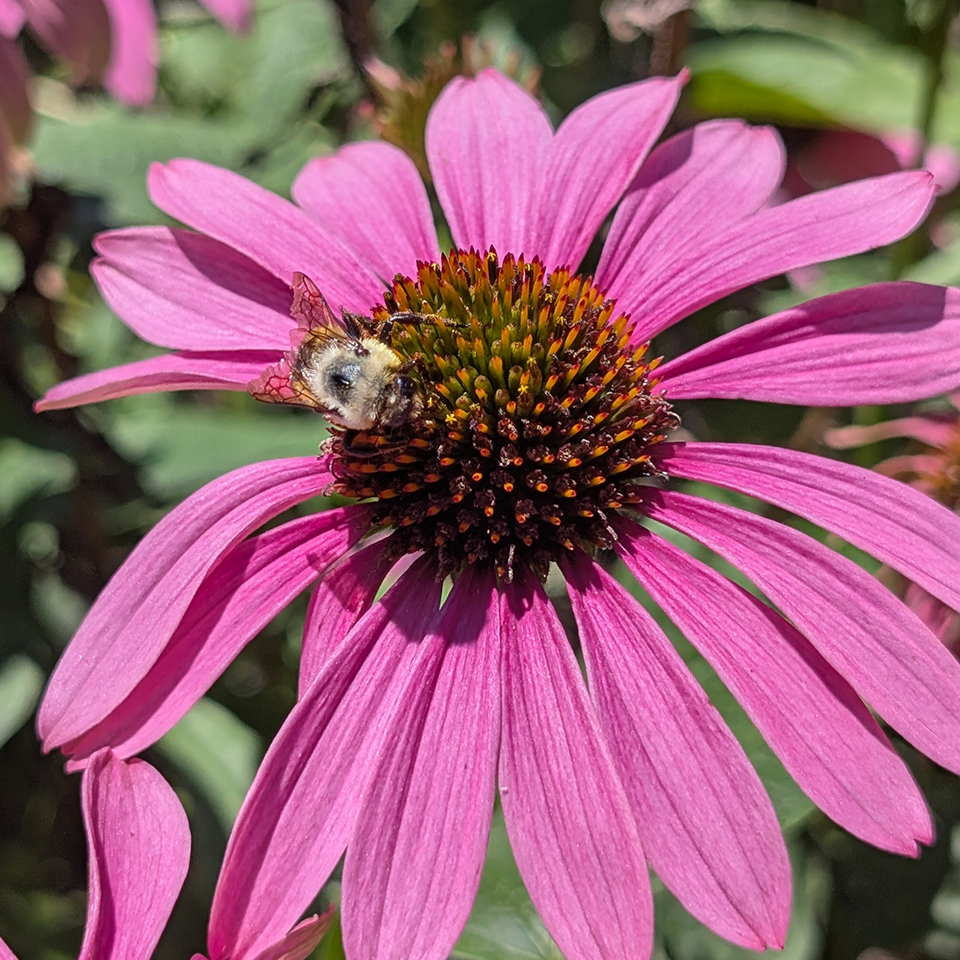
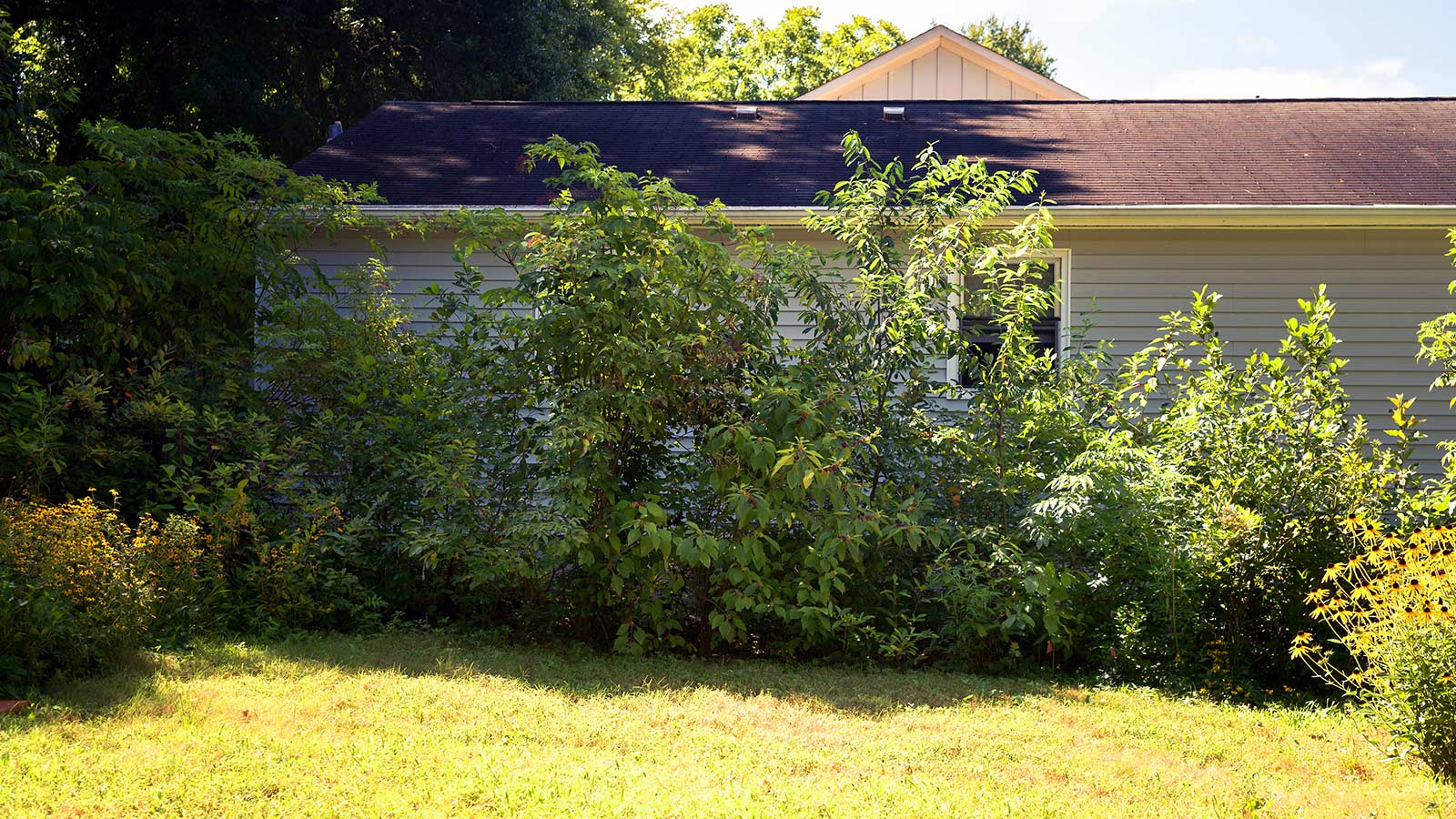
Nevertheless, I’m a big believer in growing as many native plants as I can, and removing invasive non-natives with extreme prejudice, not only for my own pleasure but also to support the birds and insects that rely on plants native to our region. These are among the best things we can do. However, in a heating world that is bringing more pressure to bear on all ecosystems, doing my best to steward my land in a way that alleviates hardships for the flora and fauna living there means that, while native vegetation is foundational, it’s not all there is. I think about ecosystem benefits every time I add a plant to my yard.
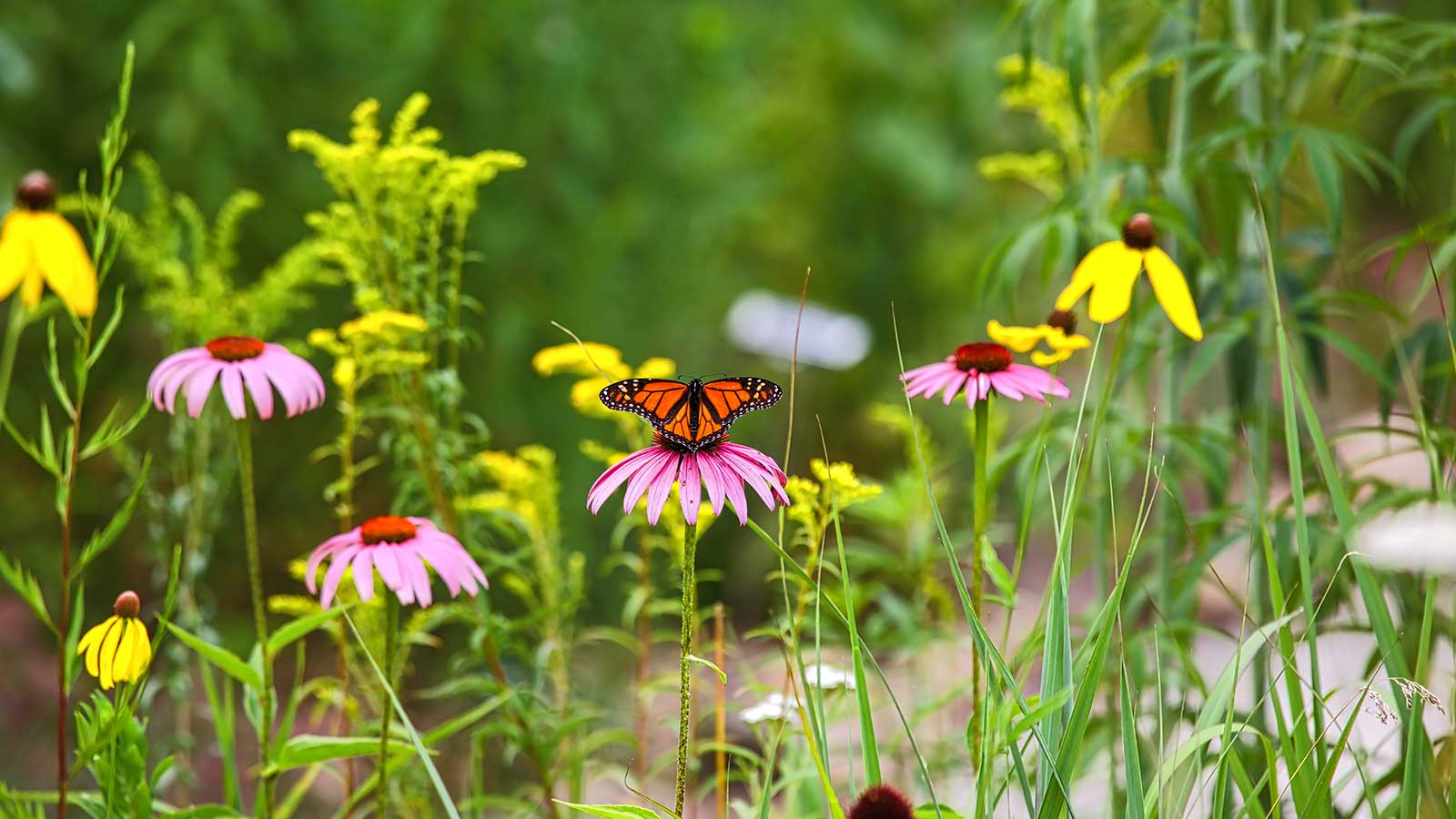
I learned something unexpected from a few packs of zinnia seeds in the face of my disappointment that my winter-seeded prairie meadow has decided to wait out the drought. I had imagined a waist-high prairie humming with bees and butterflies by now. A few patches of monarda and mountain mint have bravely come through. But seeds are smart. They are waiting for better conditions. Next year will be better if we get some rain. And once established, prairies are the ultimate drought-resistant landscape. I will be patient.
Those zinnias though. These non-native garden favorites stand rigidly head-high despite the general air of wilting around them. They are abuzz. I had never planted these ordinary garden staples before. I picked up a couple of seed packets to throw in with some herbs I thought would be fun to try. They have earned their place.
Plant of the Month: Zinnias
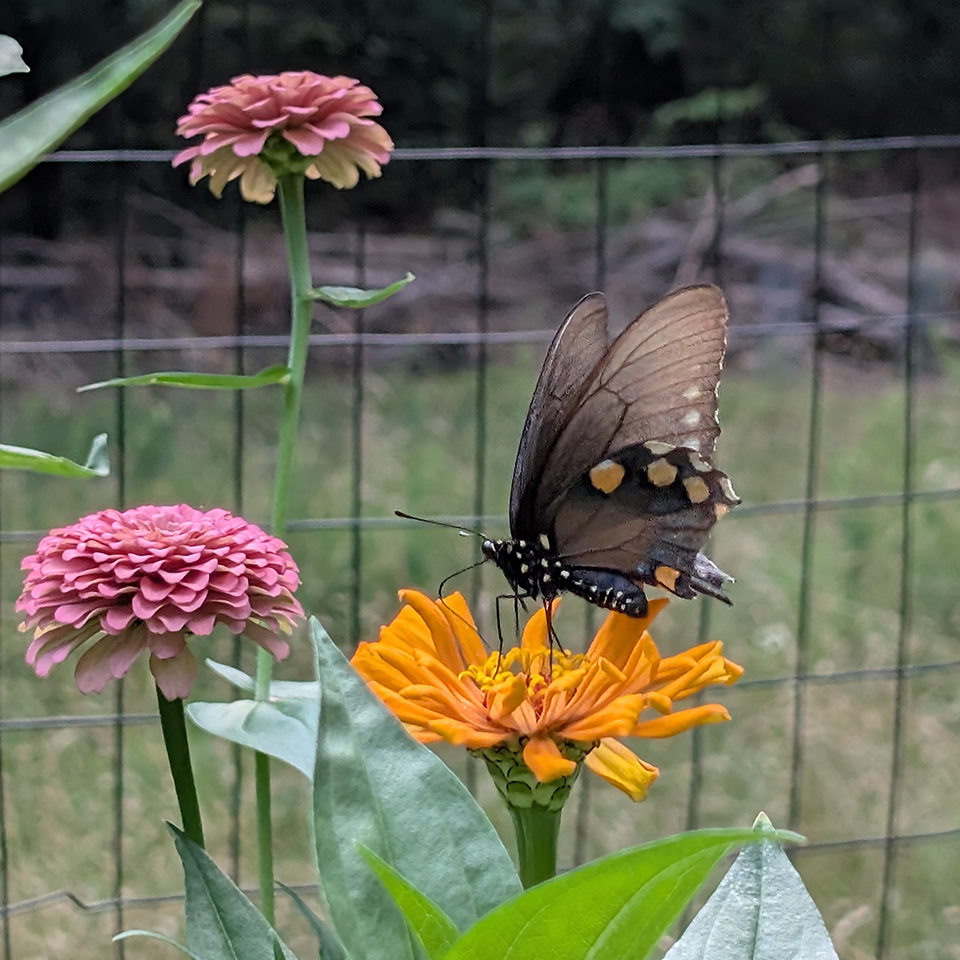
I’m choosing zinnias for the reasons I champion above. Even though they are non-native to the Southeast, I think they shine in the “hunker-down” season, not just with their outrageously colored flowers, but also because their wildlife-service value is proven. I also like that nothing seems to bother them.
Zinnias come from scrubby Mexican and Central American grasslands. They weren’t the tall, eye-popping blooms they are now. Wild zinnias were so drab that Mexicans reportedly called them “mal de ojos,” meaning “sickness of the eyes” or “evil eyes”. It took German botanist Johann Gottfried Zinn (after whom the genus is named) and, later, French horticulturists in the 1880s, breeding Zinnia elegans, to turn a scraggly roadside weed into the glory we know today.
- Zinnias like lots of sun (six to eight hours).
- They prefer soil that doesn’t stay wet and are very drought-tolerant once established.
- They are true annuals, living for only one season, expending their energy for lots of blooms and seeds. Plant them every year. They may self-seed.
- Choose single or semi-double blooms, which are useful for pollinators. Pollinators can’t access fully double blooms. The Profusion series is a good choice.
- Some caterpillars will eat them (yay for the birds!).
Oh yeah, and zinnias have already been to space. Read about that here.
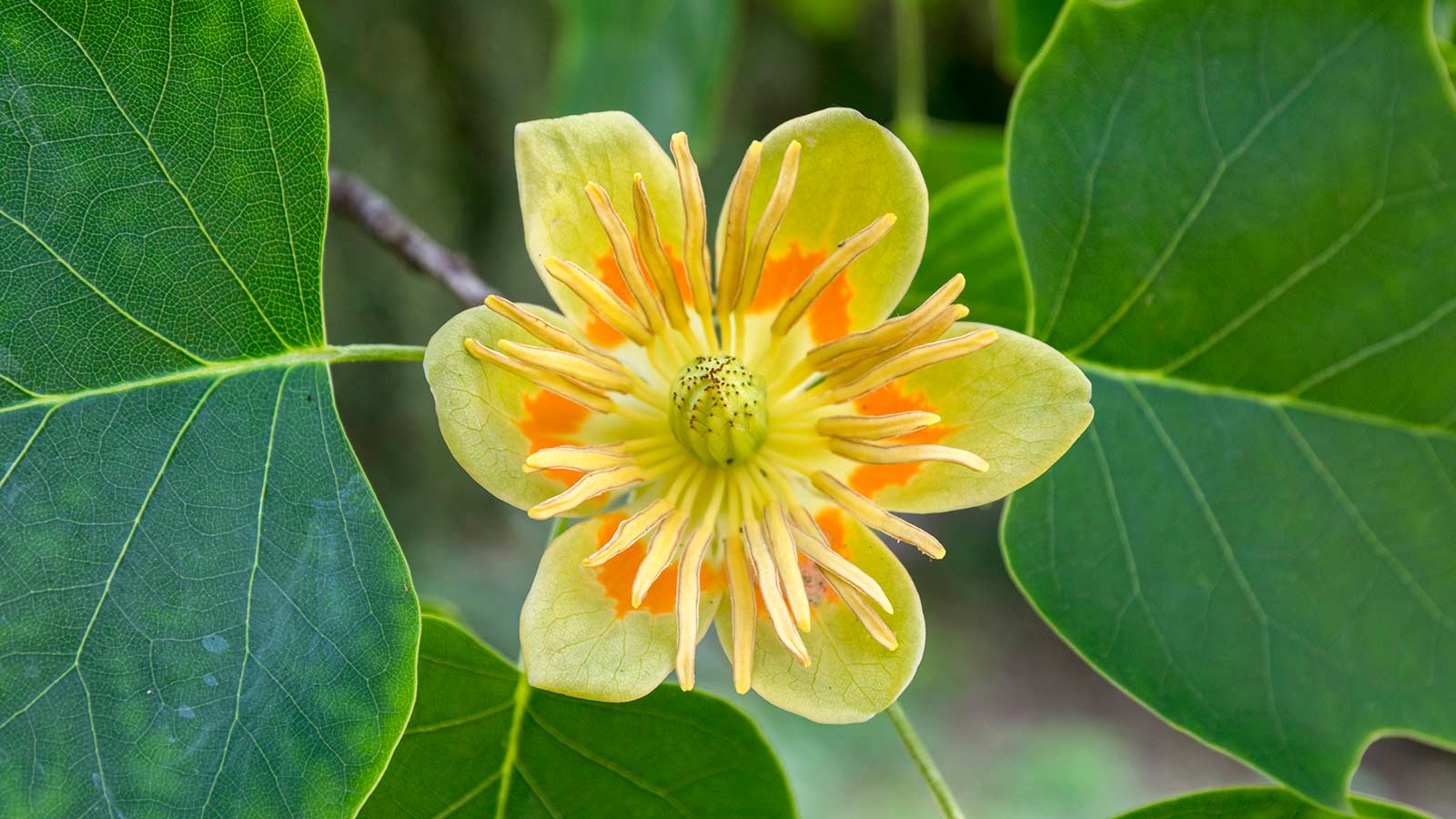
Q&A: Help! What’s Wrong with my Tulip Poplar?
Q: My tulip poplar is losing its leaves. What should I do?
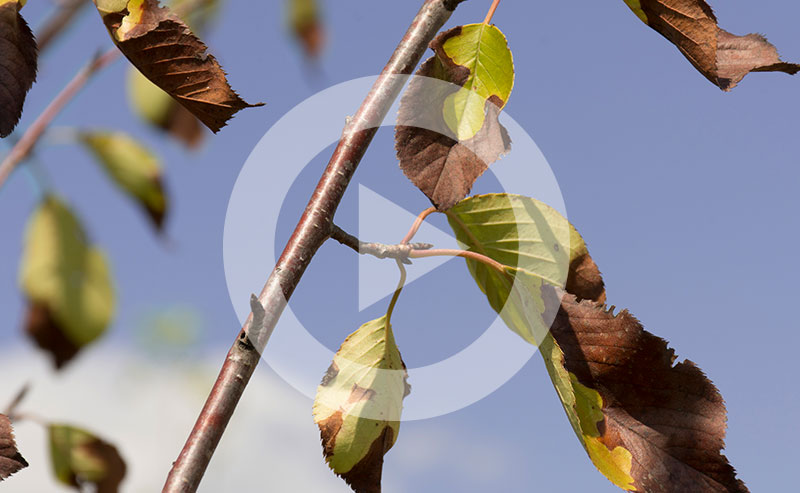
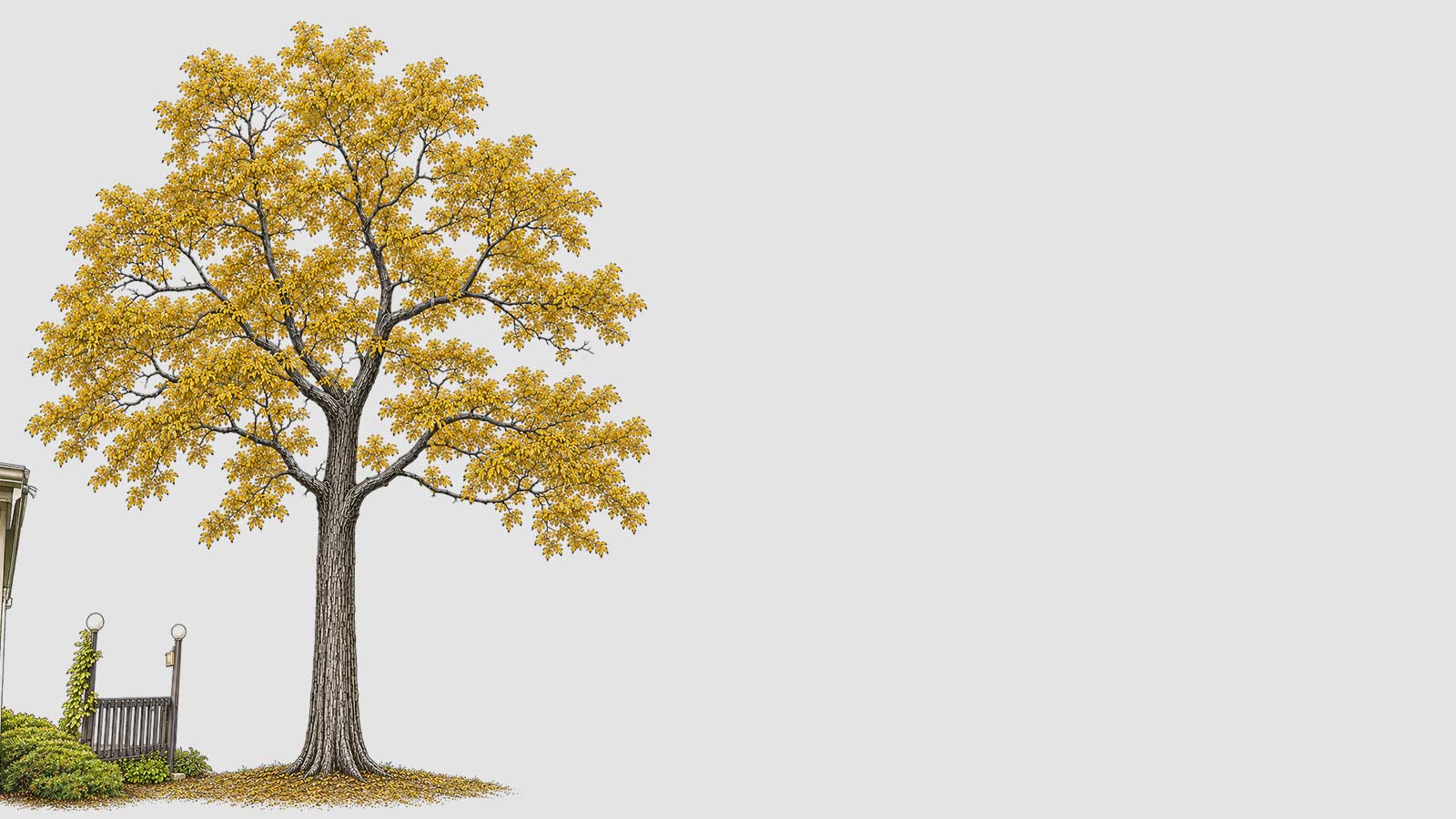
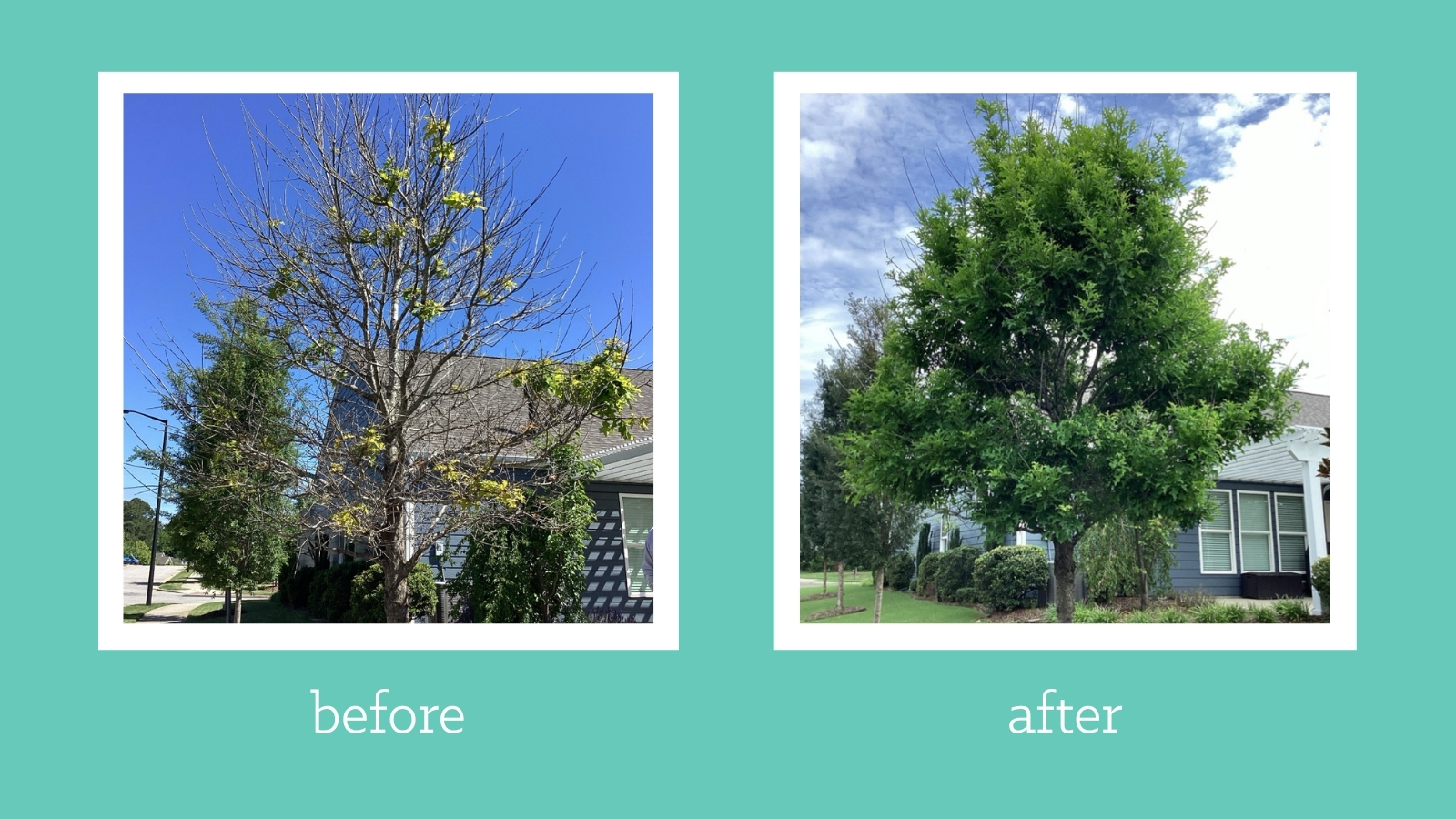
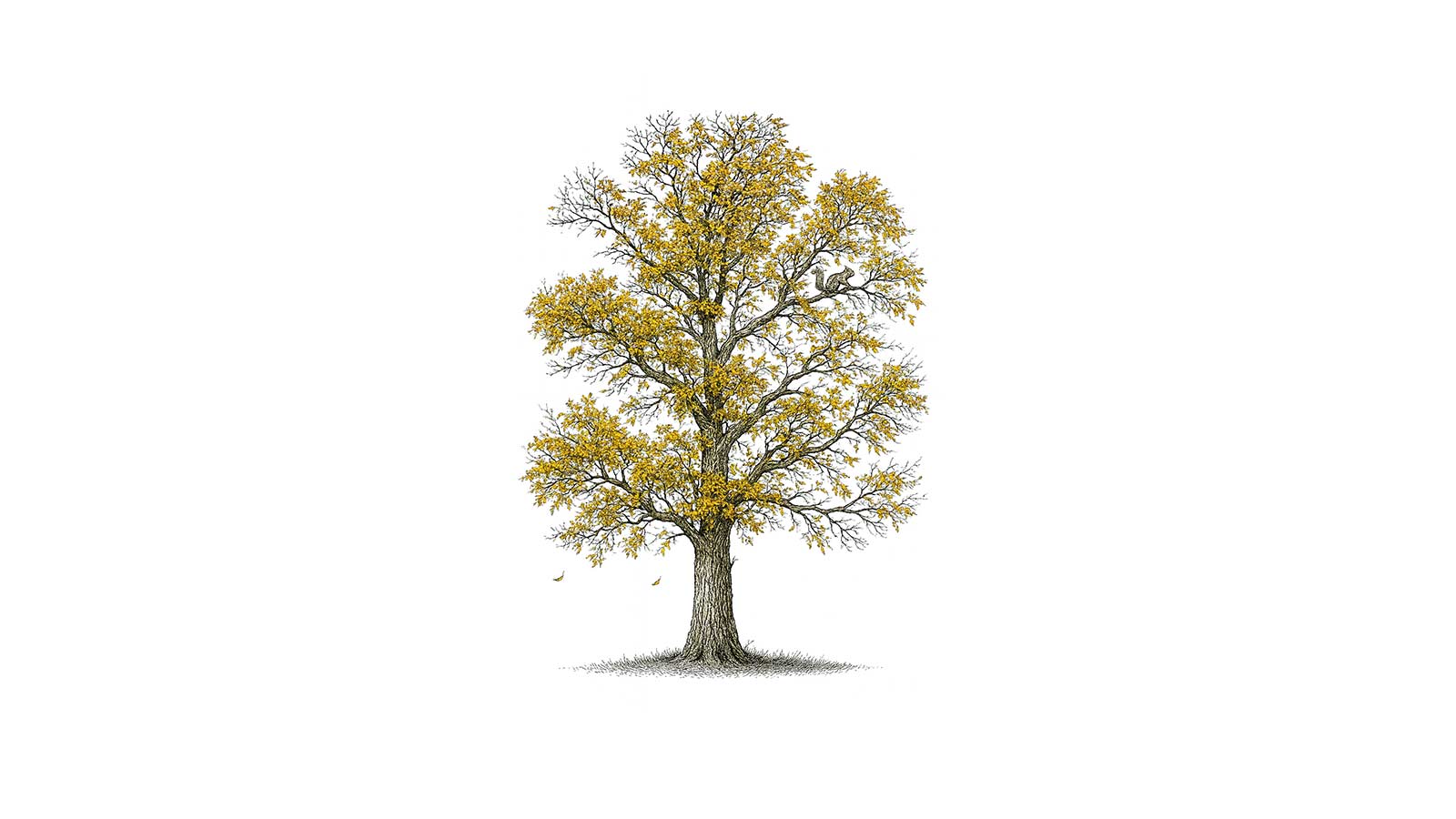
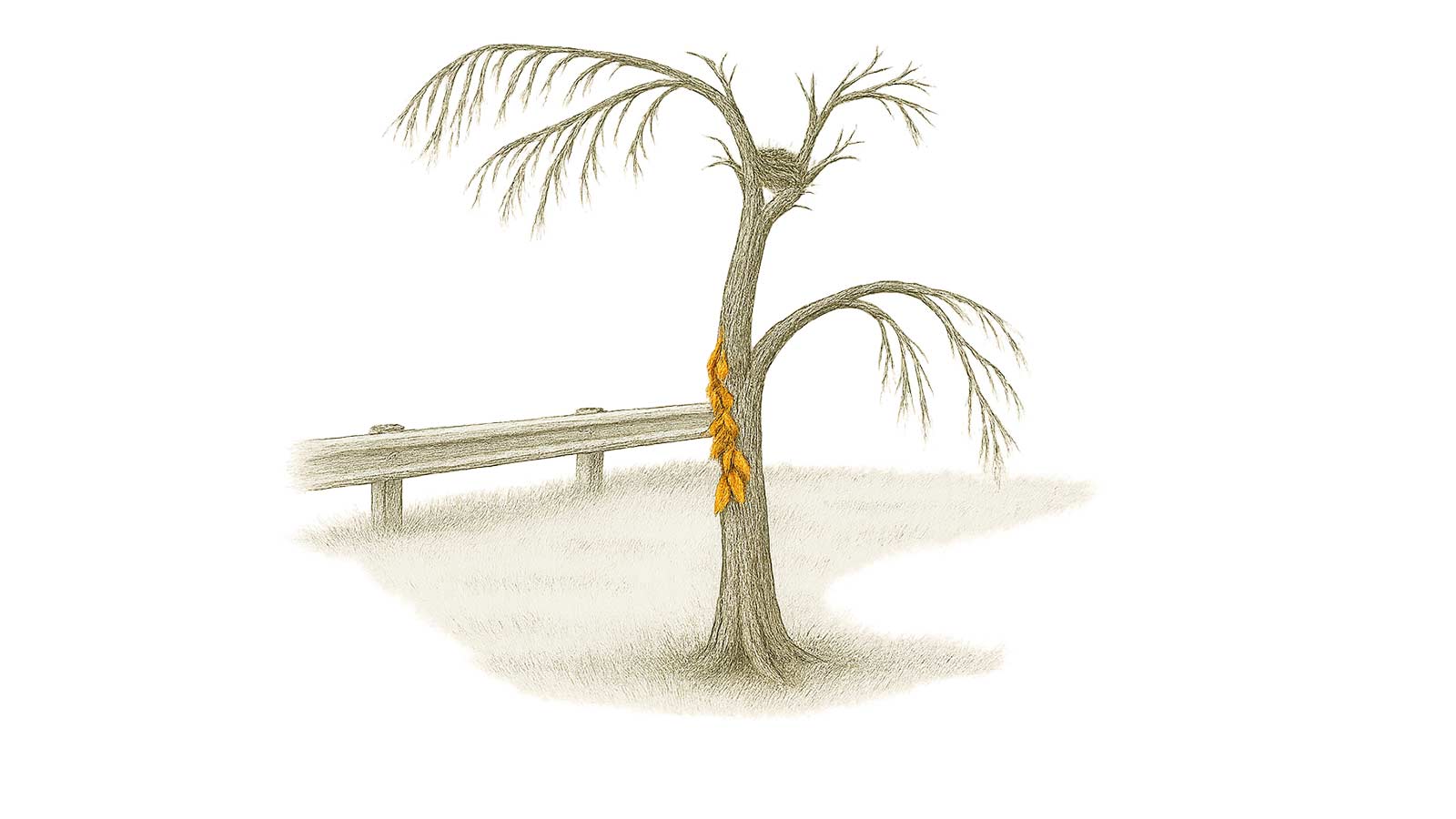
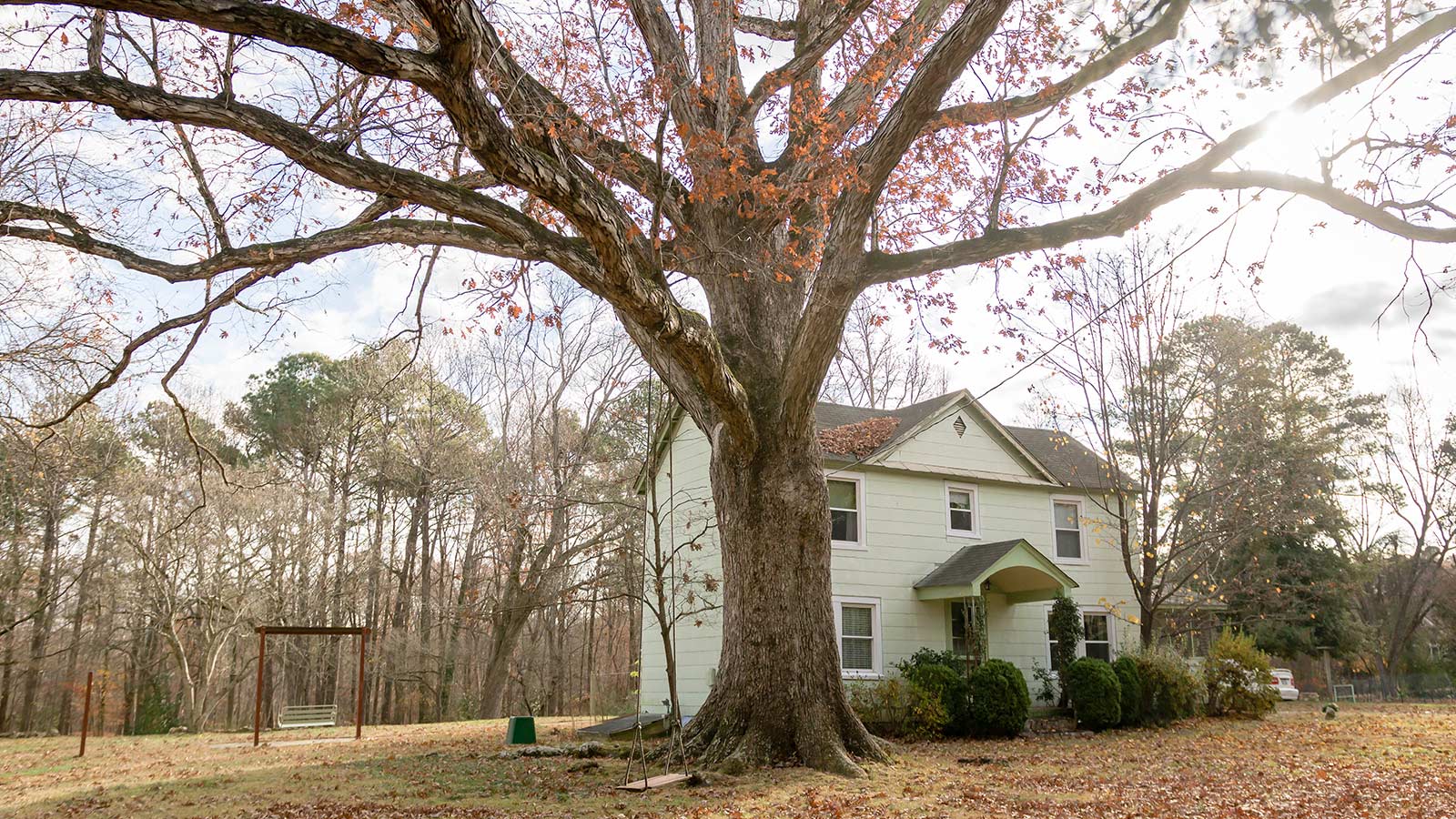
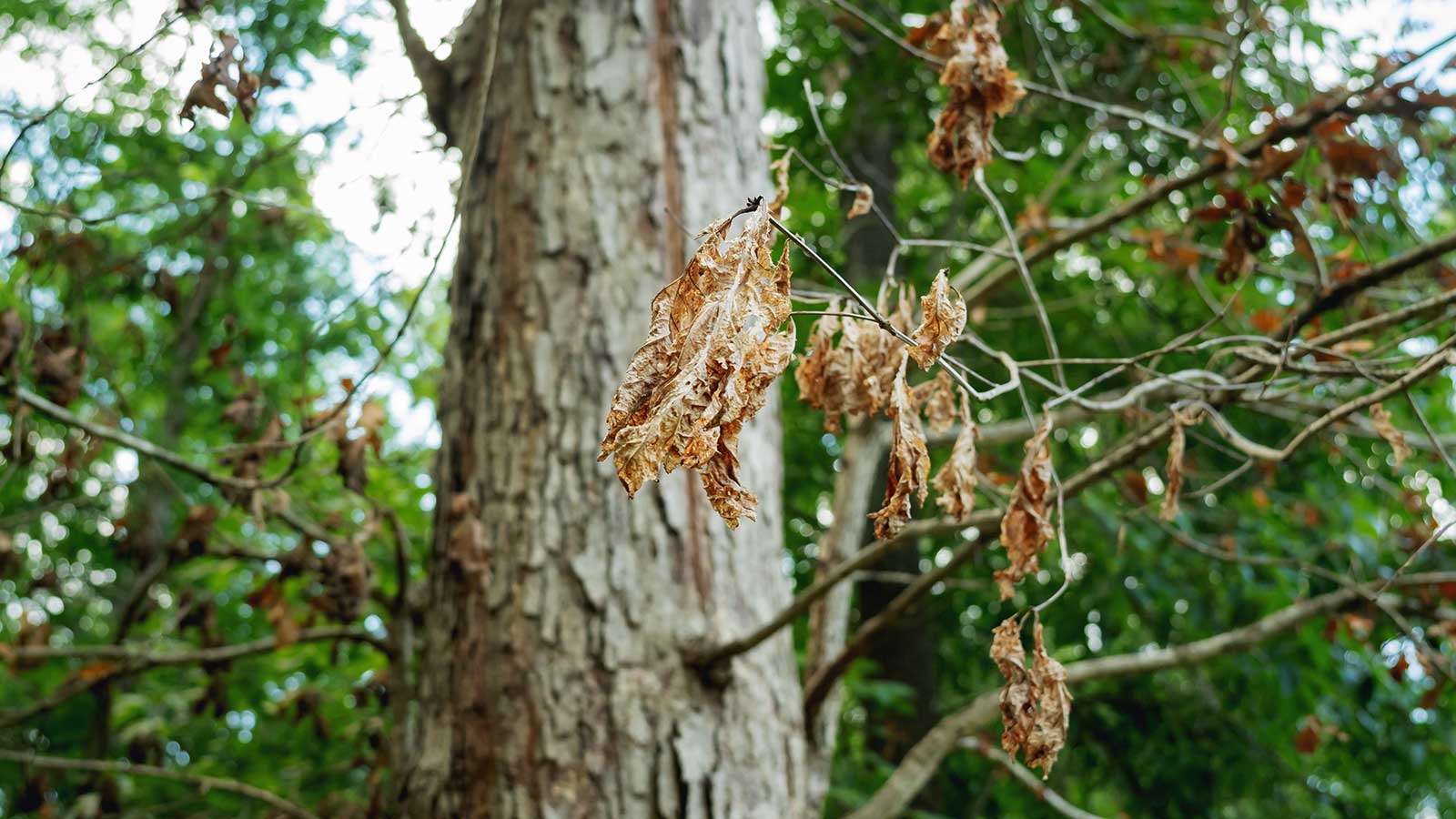
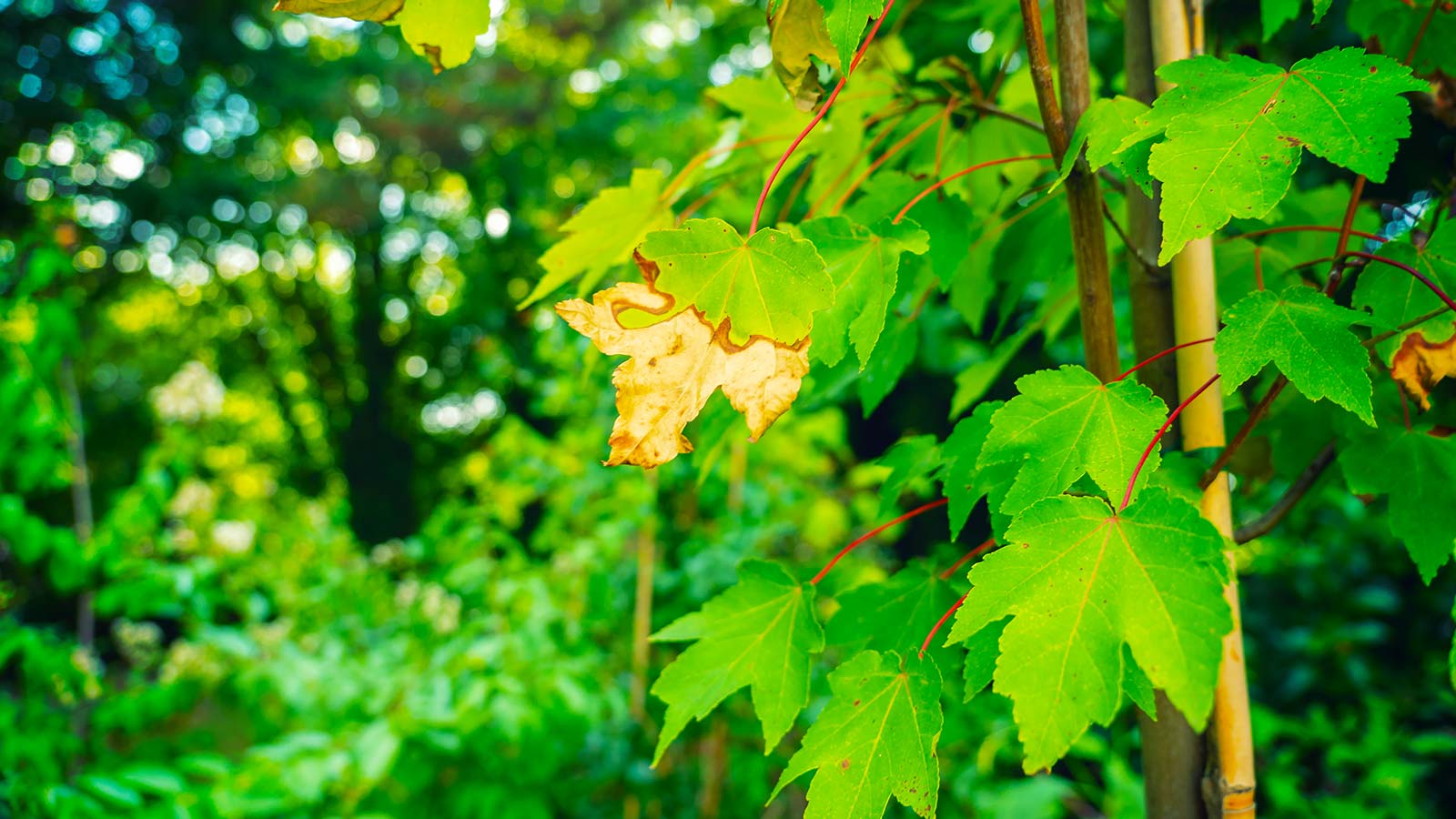
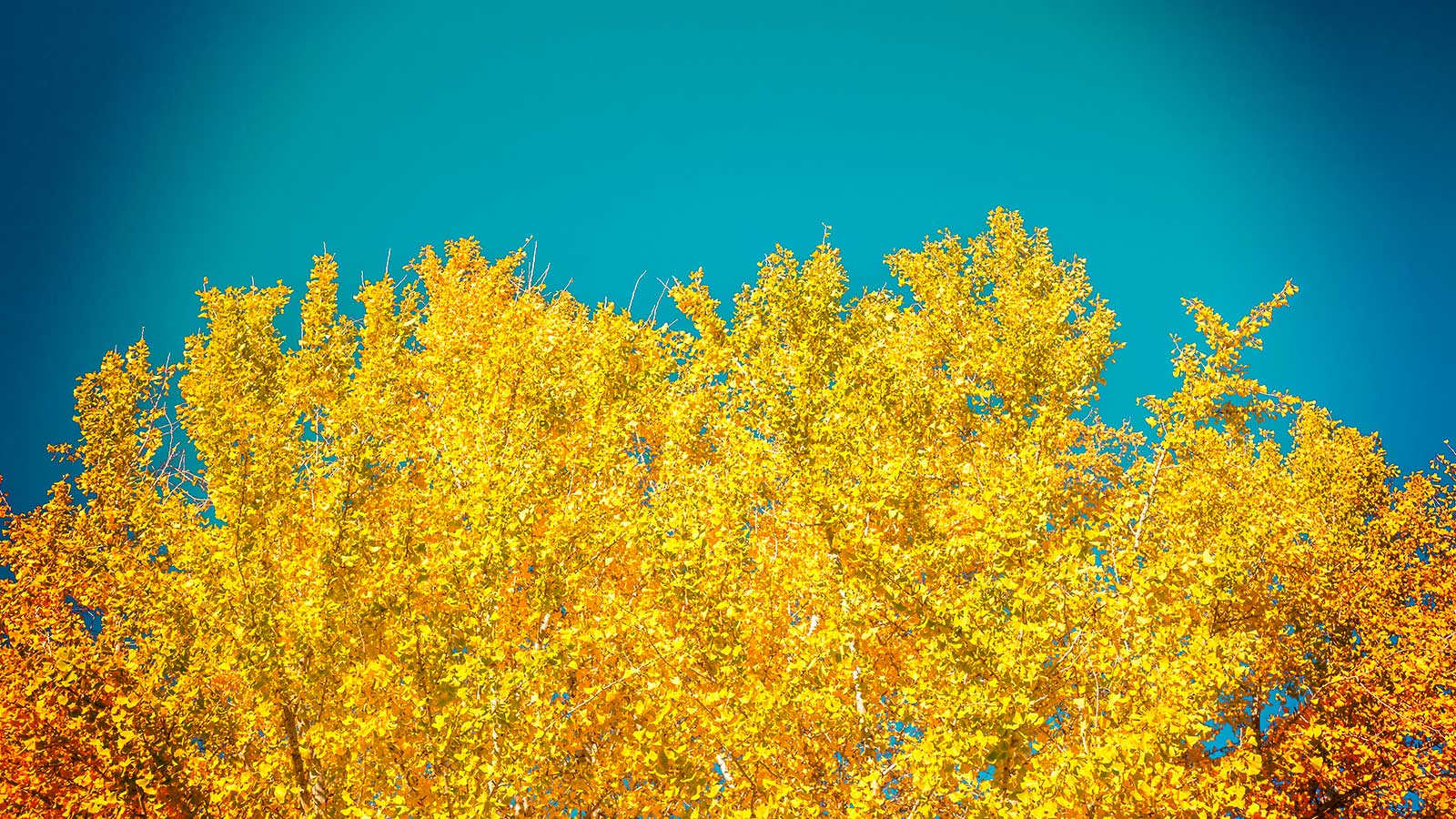
A: Tulip poplars are less drought-tolerant than some other trees and will selectively drop leaves. Interior leaves turn bright yellow and fall off. This sacrificial leaf drop is a normal response to drought. If the tree is otherwise healthy, it will leaf out as normal next year. Don’t panic, but don’t ignore it either.
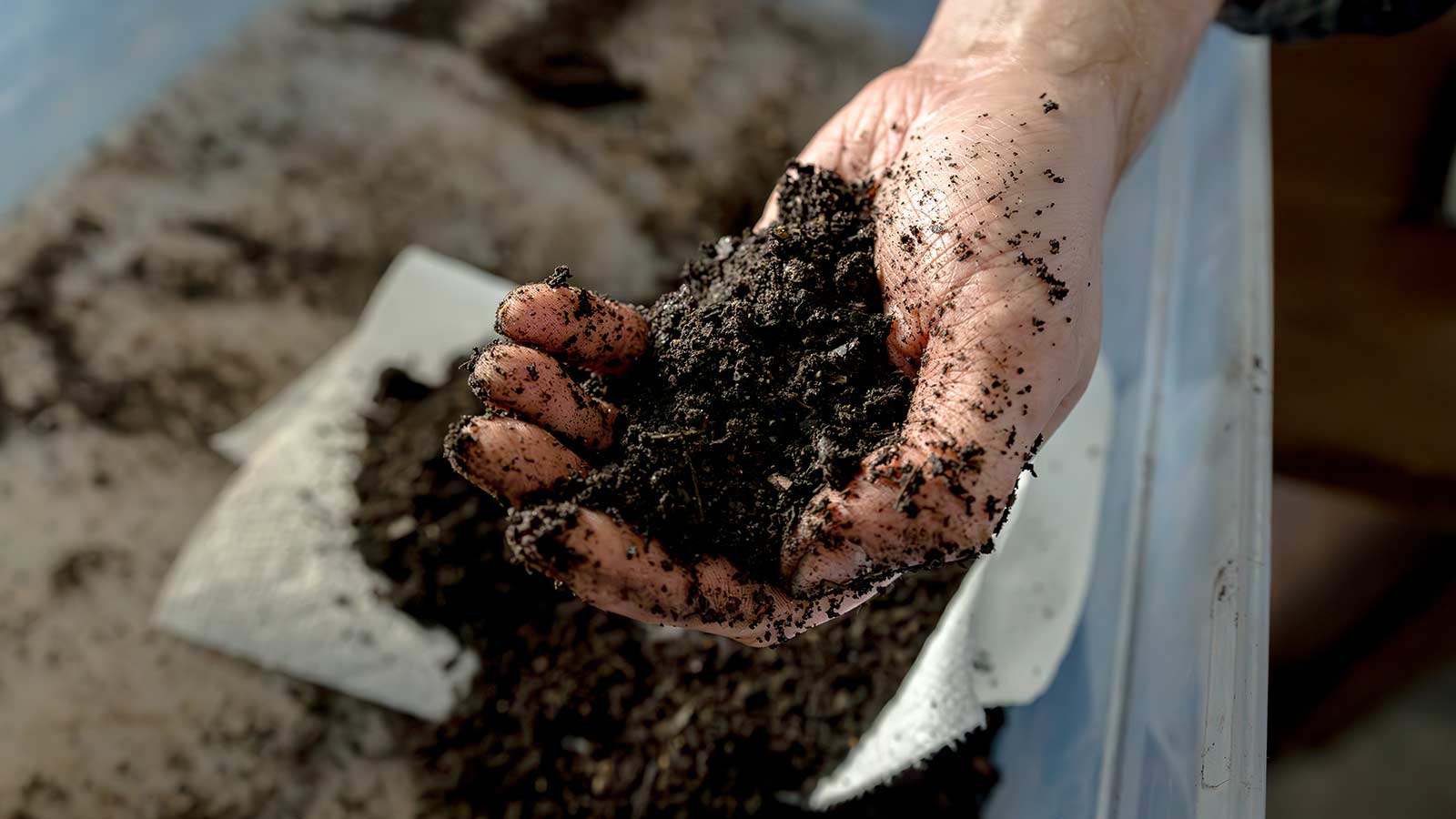
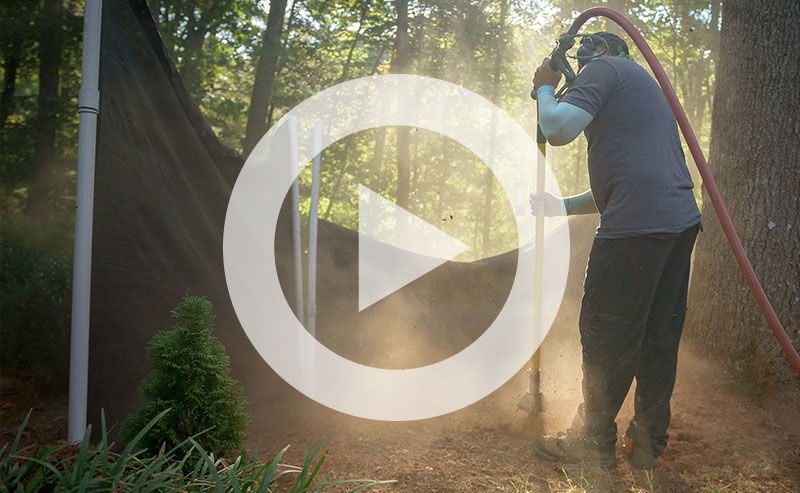
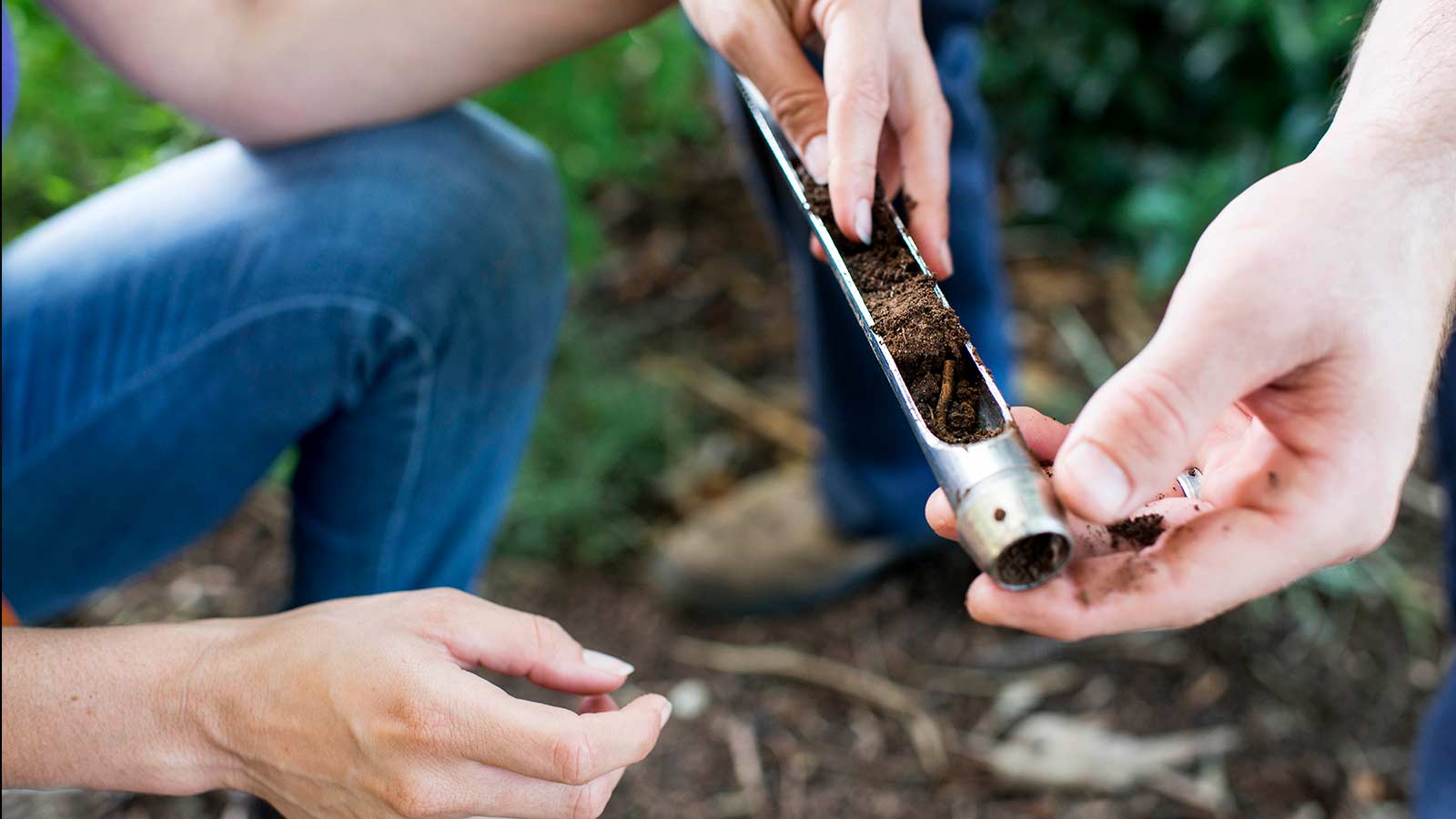
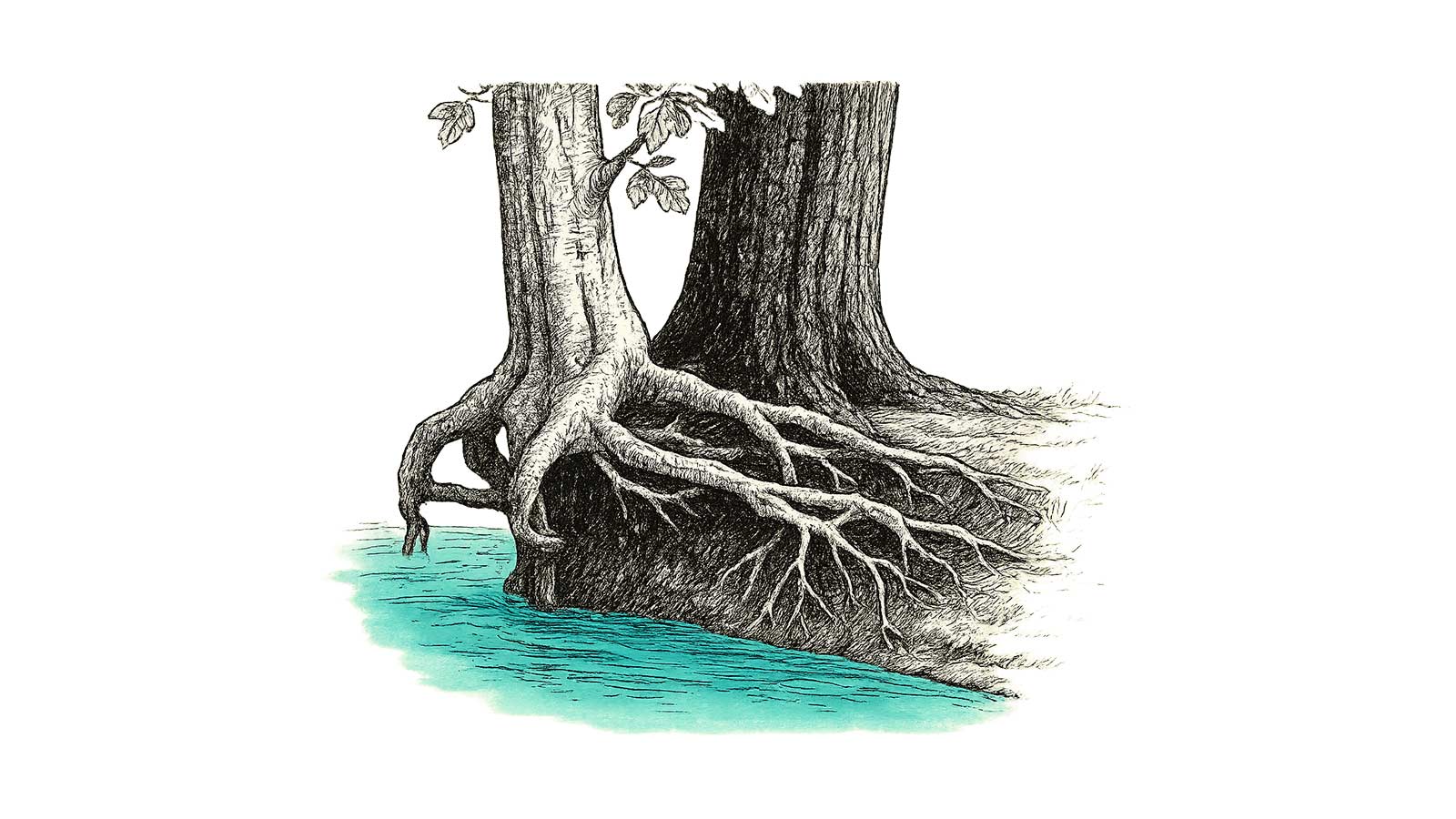
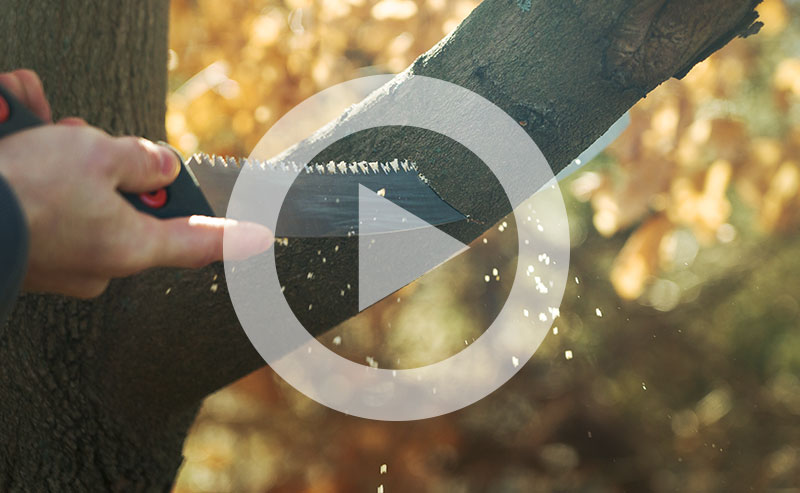
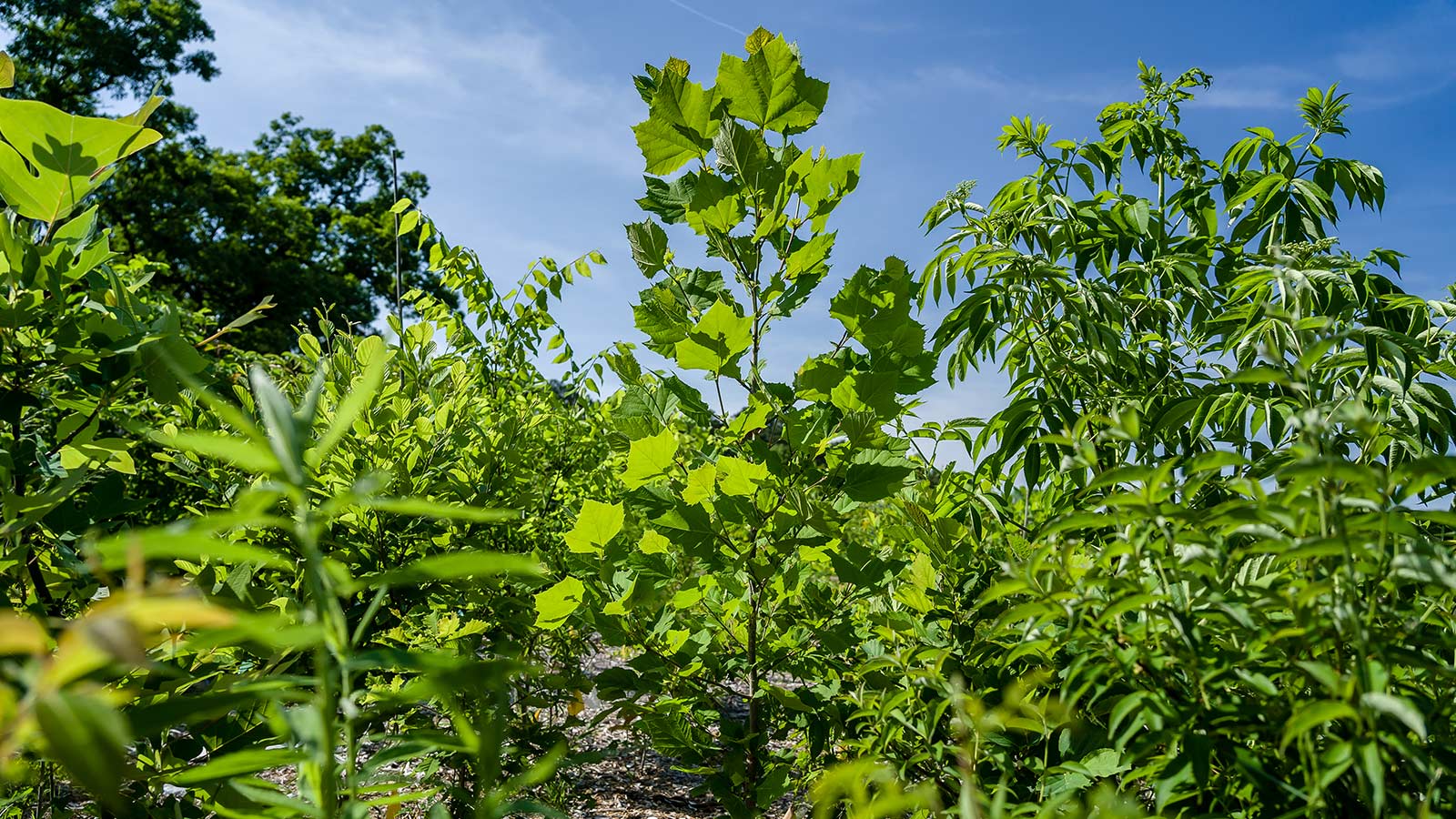
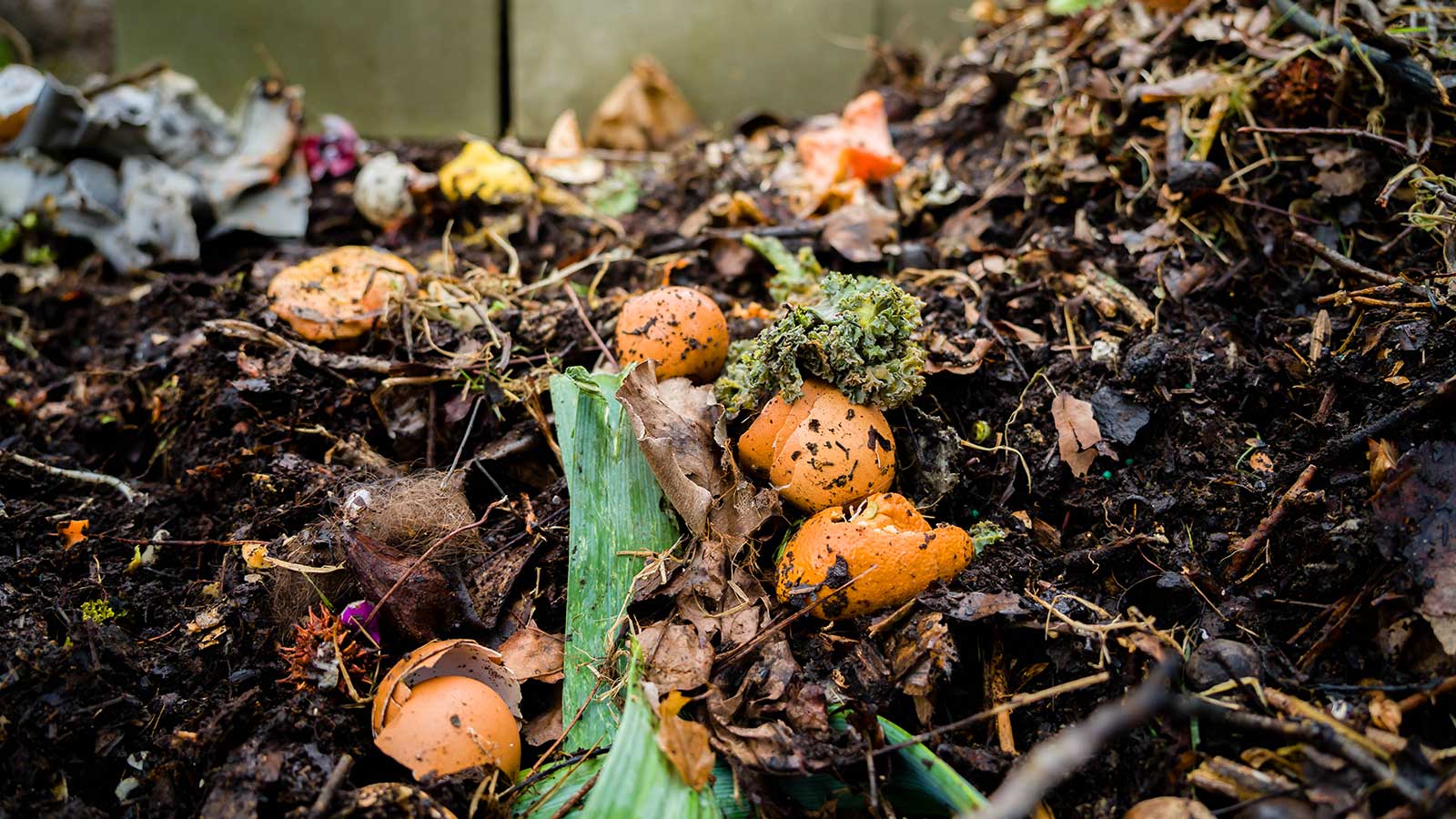
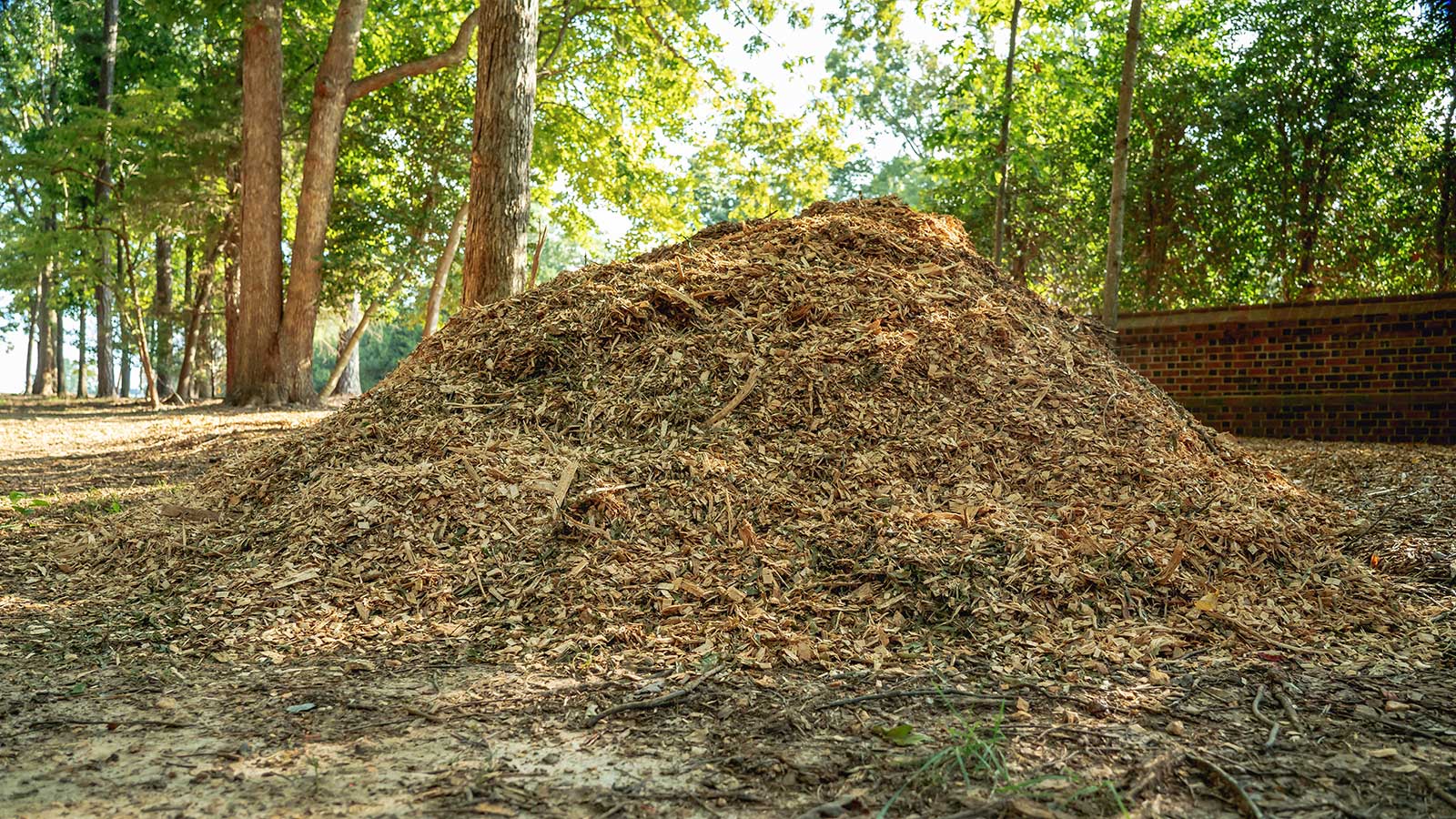
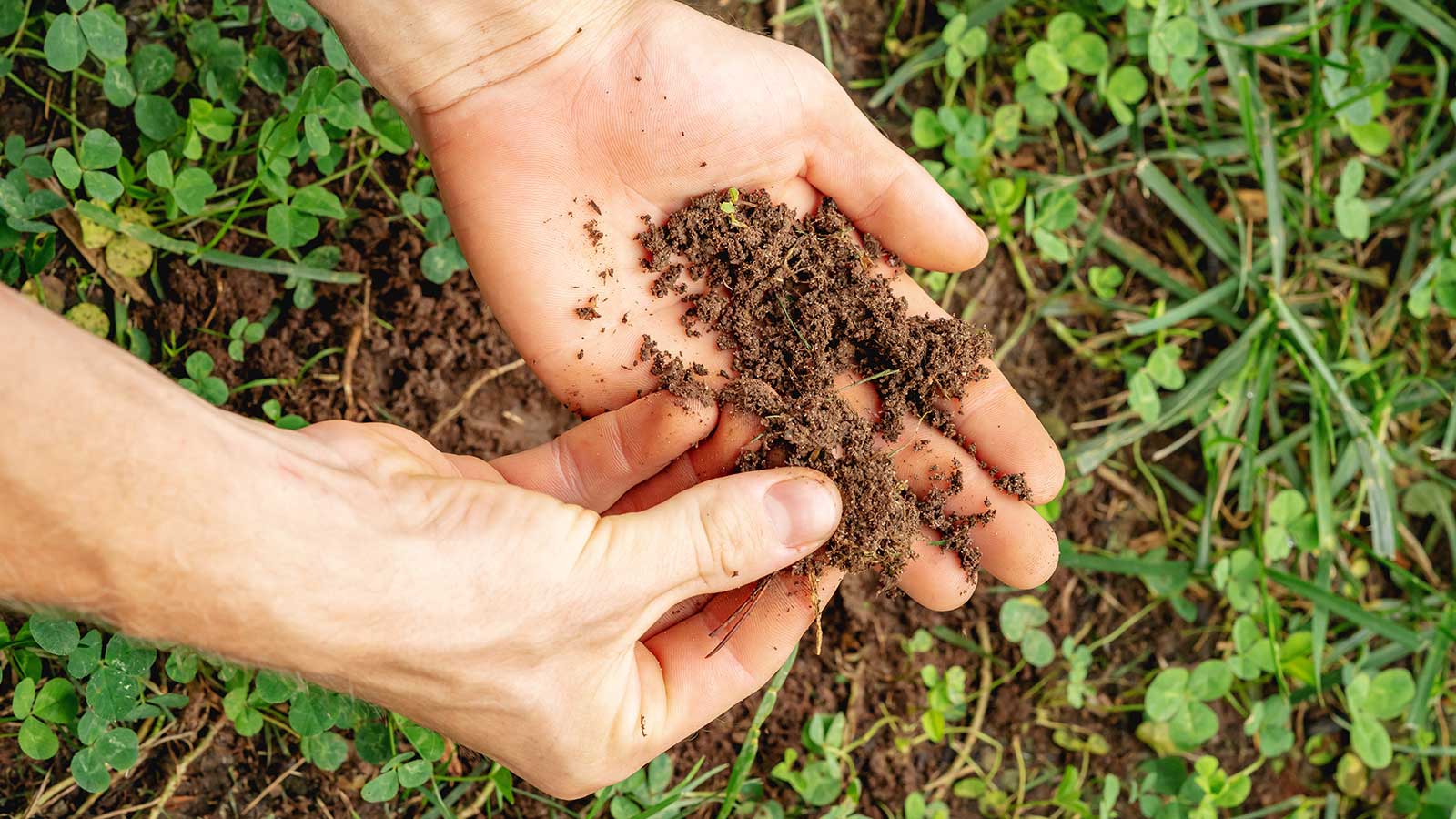
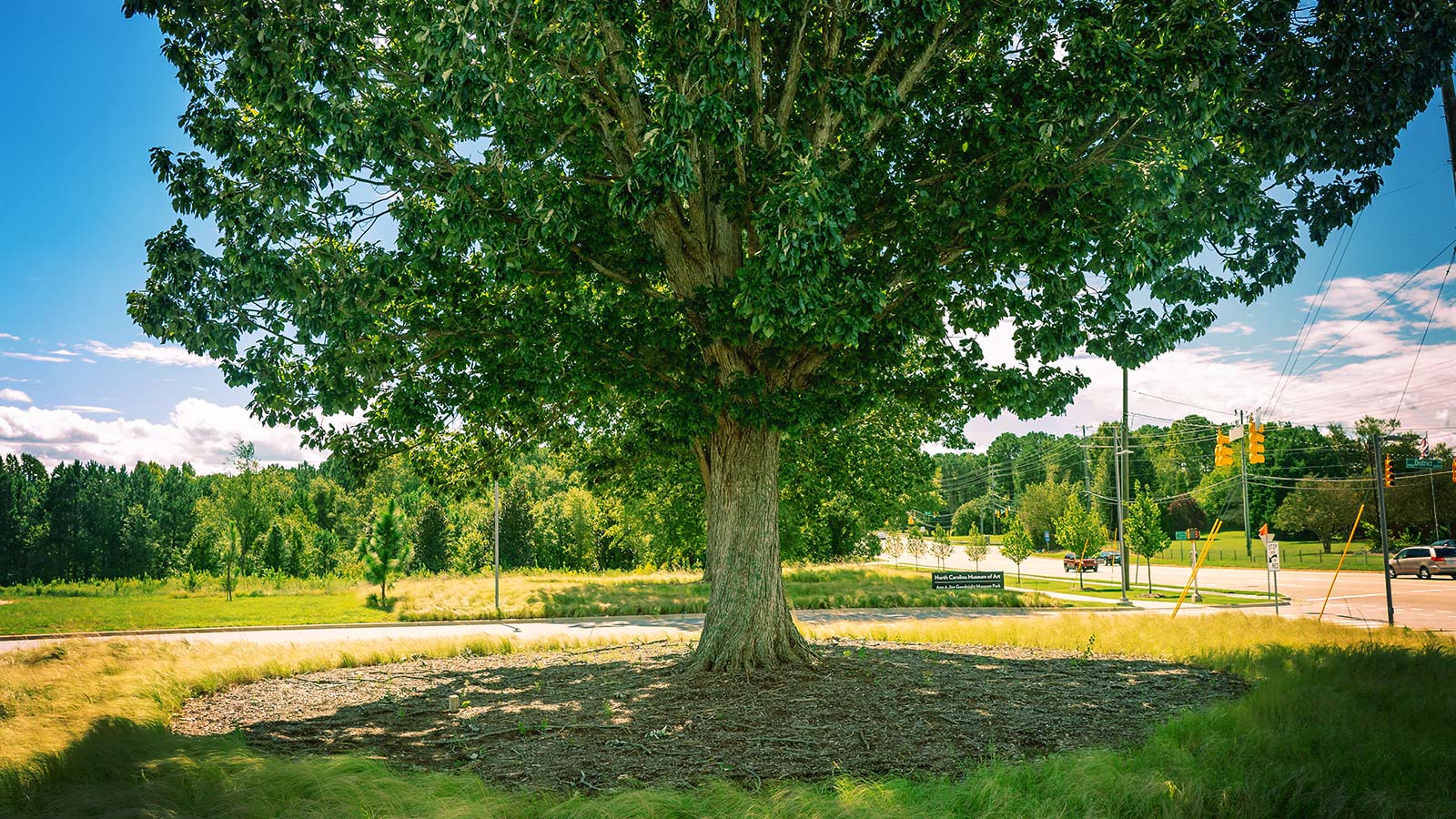
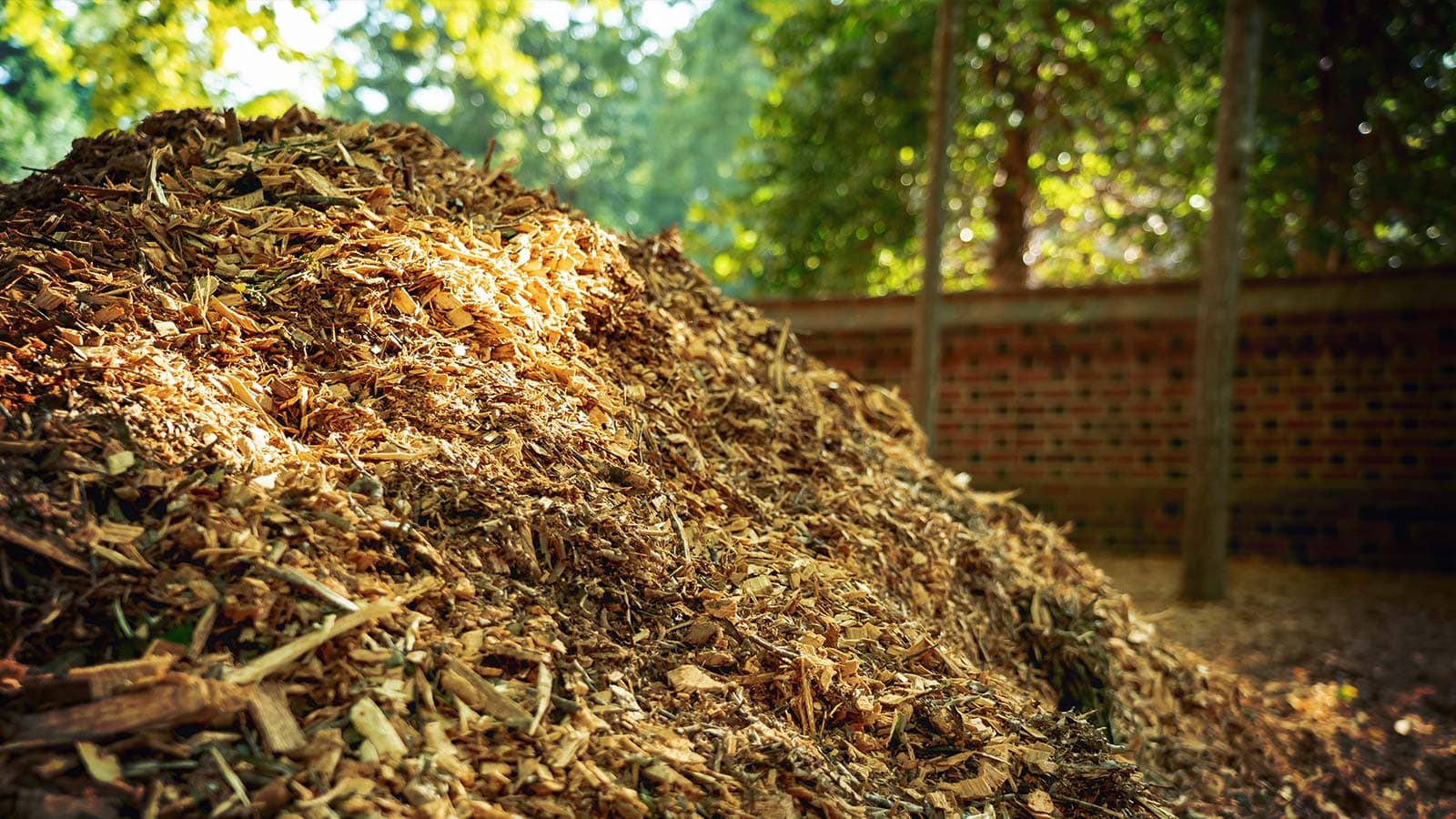
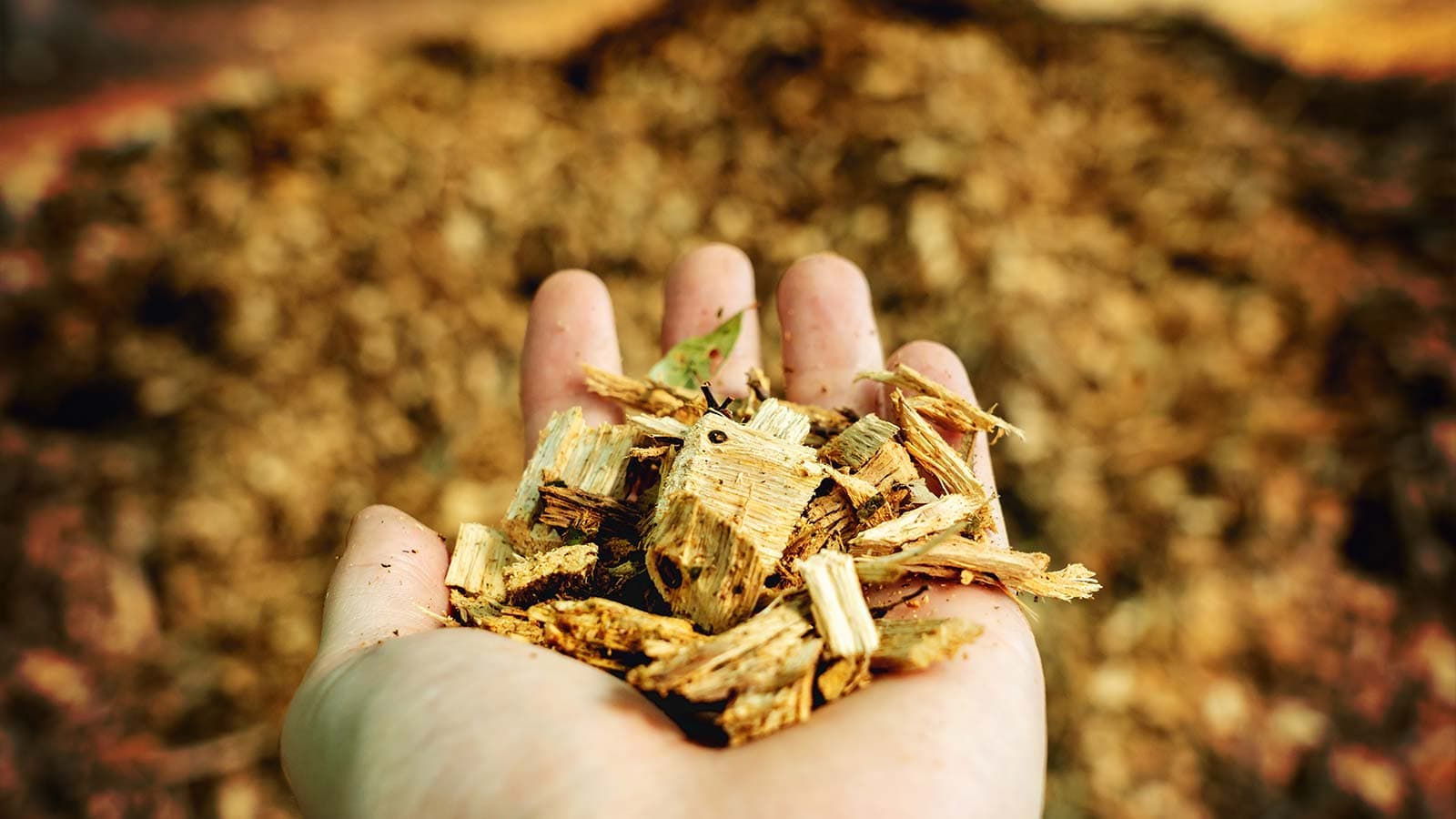
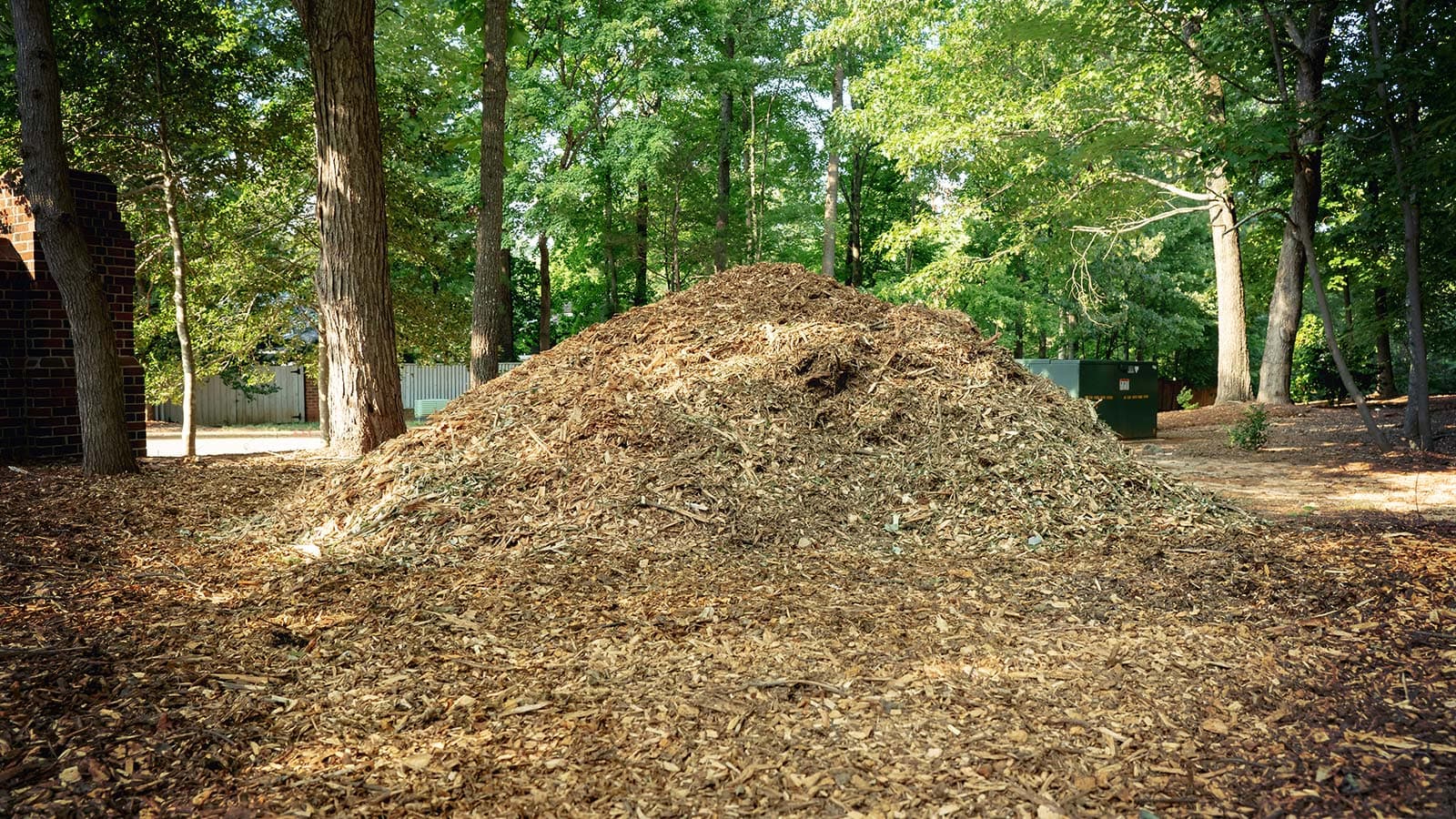
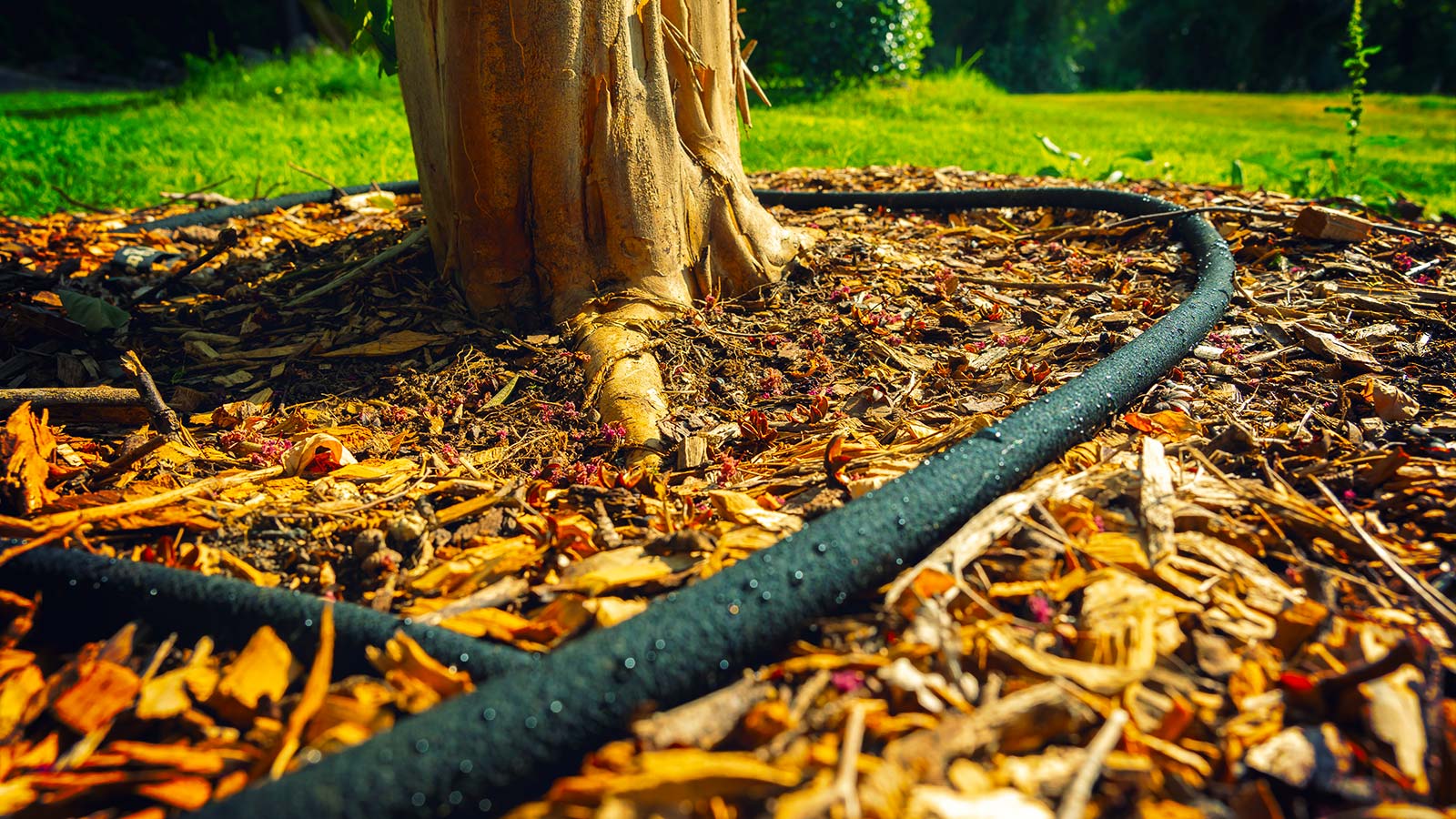
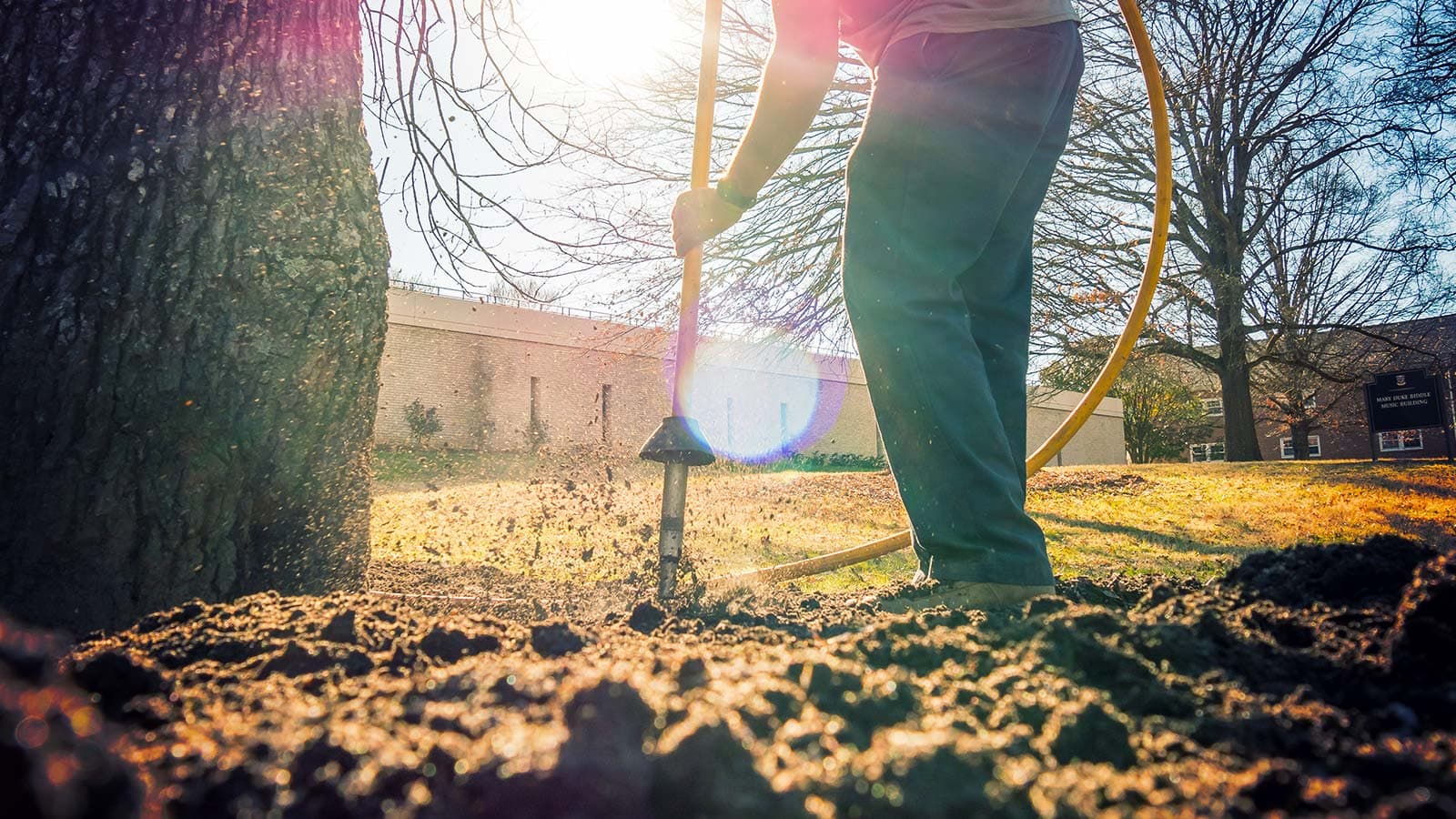
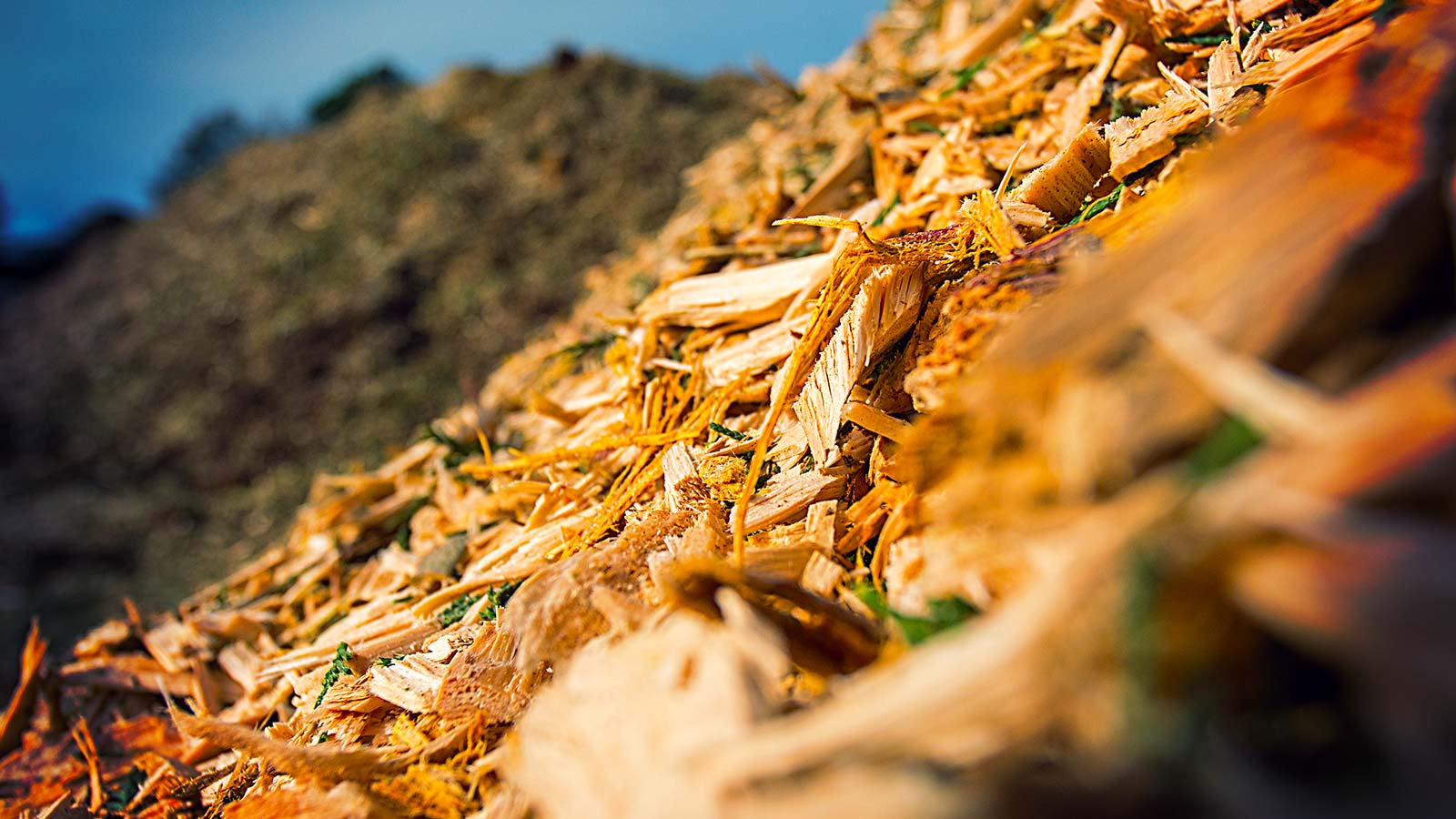
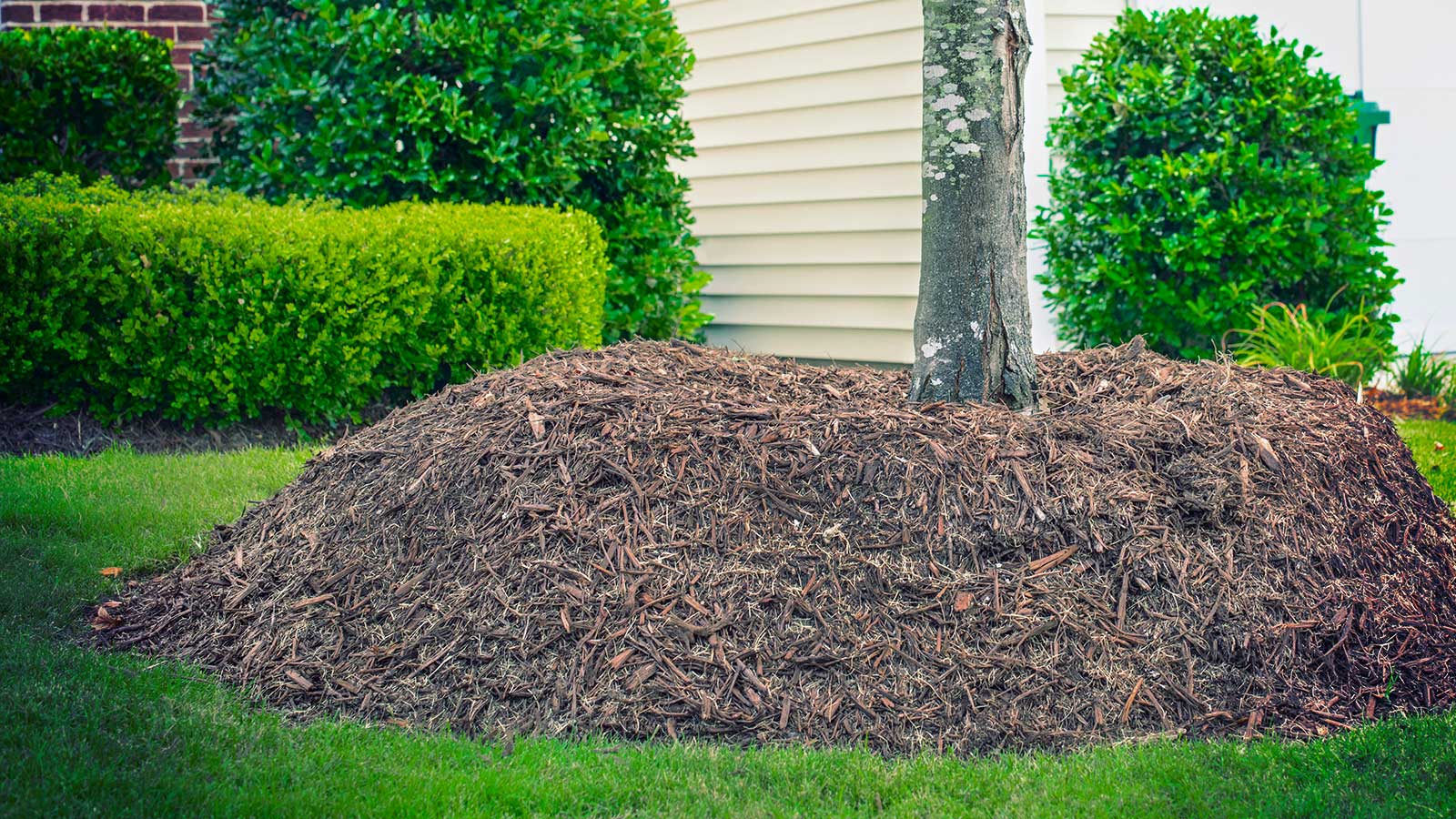
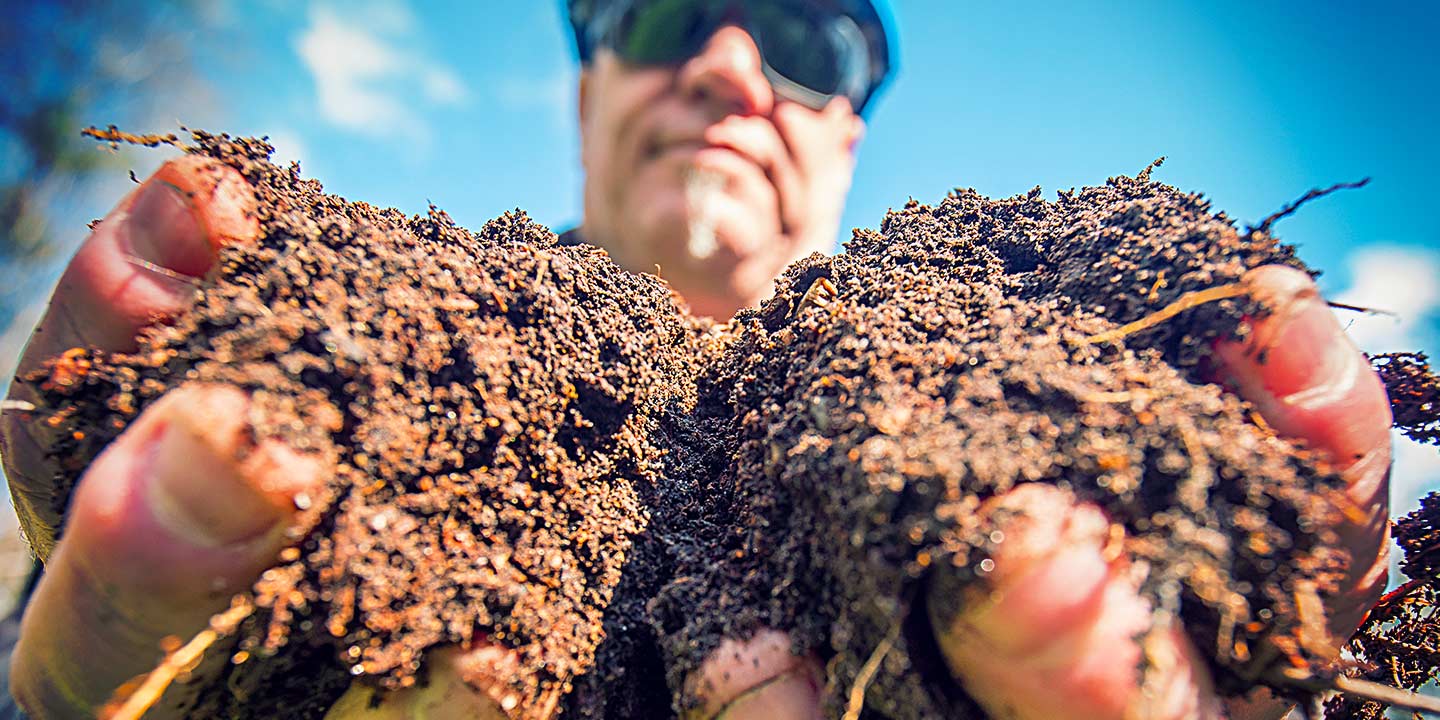
To start with, you can leave the leaves to build up soil or apply compost. If you’d like to take it a step further, consider a soil improvement treatment. This involves aerating the soil under the canopy with an air spade, incorporating dollops of compost, and mulching the whole area with a generous bed of wood chips. This will restore the soil’s ability to act like a sponge, allowing rain to soak in rather than run off. This is one of the best hedges against drought that we can do for our big ol’ trees of all species. You can read more about that in From Wasteland to Wonder on page 89 (the digital version is free!).
Things To Do Around the Triangle (and in the News)
-
Aug 11, 6 pm Join one of our Treecologists, Matt Archibald, on a tree ID walk at JC Raulston Arboretum during their Evening Garden Stroll. Meet at the water feature by the Ruby McSwain Education Center (there is another tour starting at the visitor center).
-
August 21-22 Check here to join The Great Southeast Pollinator Census. The site is chock full of resources for people wanting to understand pollinators, their roles, diversity, how you help, and also participate in this year’s count.
-
Aug 28, 9-11 am Trail Talks with TLC: Old Creedmoor. Join a guided tree walk in Triangle Land Conservancy’s newest preserve.
-
Sat, Aug 29, 9 am Intro to Gardening in the South is a recurring and popular half-day event sponsored by Leaf & Limb, especially tailored for people new to gardening in the South.
-
Check out all the ways you can blow off steam, get exercise, meet cool people, and help make the world a better place right here with Rewild NC. Join Steven Feuerstein and his band of merry minions at a park or favorite place near you and learn what plants are invasive and how to remove them.
-
If you were touched by our last tree & me story about American chestnut trees, learn more here about efforts to save them.
-
Two recent news items highlighting our responsibilities to other life-forms (one good 😊 and one bad ☹️).
-
The good one: A town in Québec has recognized trees as living beings with rights; read about it here.
-
The bad one: A new federal rule has narrowed a key protection in the Endangered Species Act. It changes how “harm” is defined, so broad habitat damage no longer counts on its own, only direct harm to an individual animal or plant. Species that are threatened (headed toward endangered status, but not there yet) lost safeguards too. Learn more here, and if you’d like to add your voice, this petition asks the Departments of the Interior and Commerce to restore habitat protections.
-
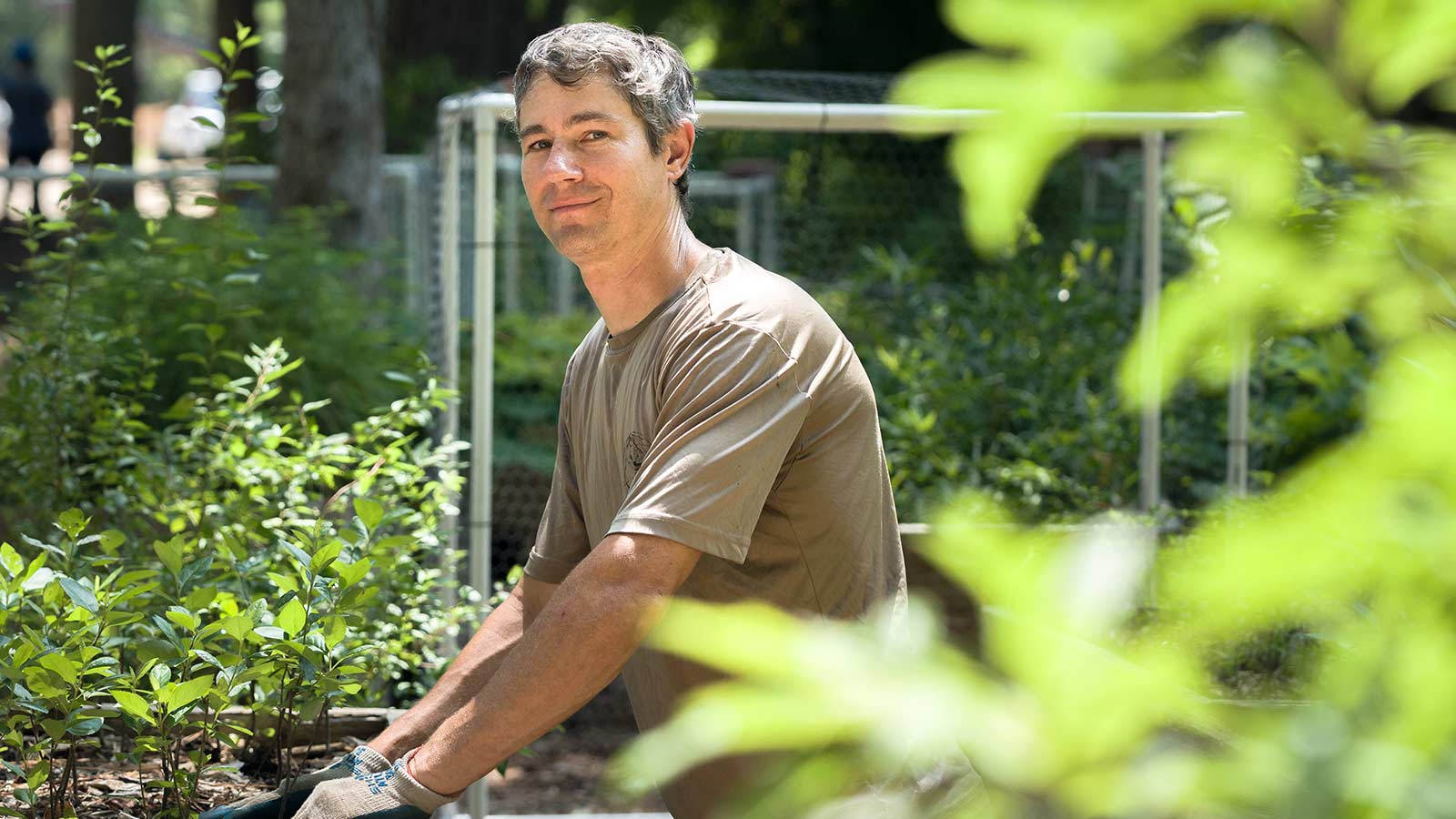
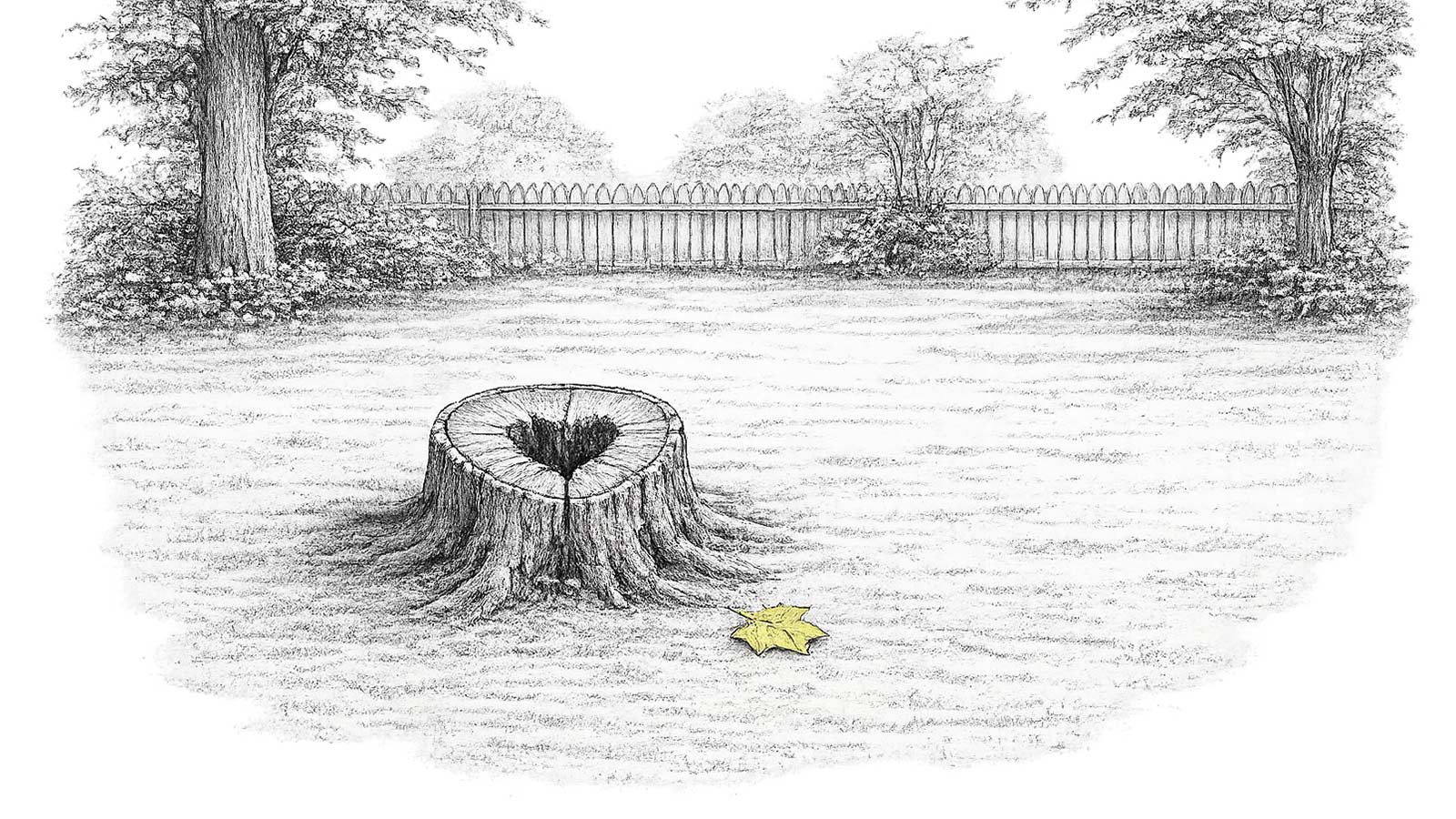
End with an inspirational read that just hit the press about the arborist who stopped removing trees. (I bet you can guess who it is about! Thanks to Angelique at SYNKD for taking the time to write that piece.)
-
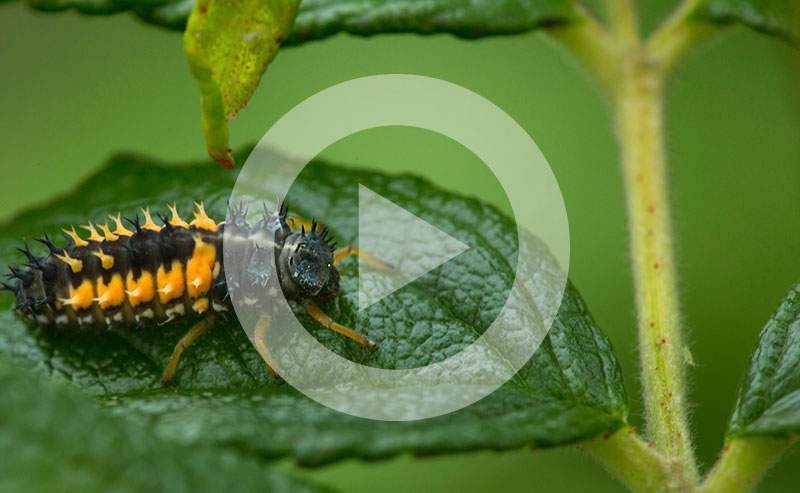
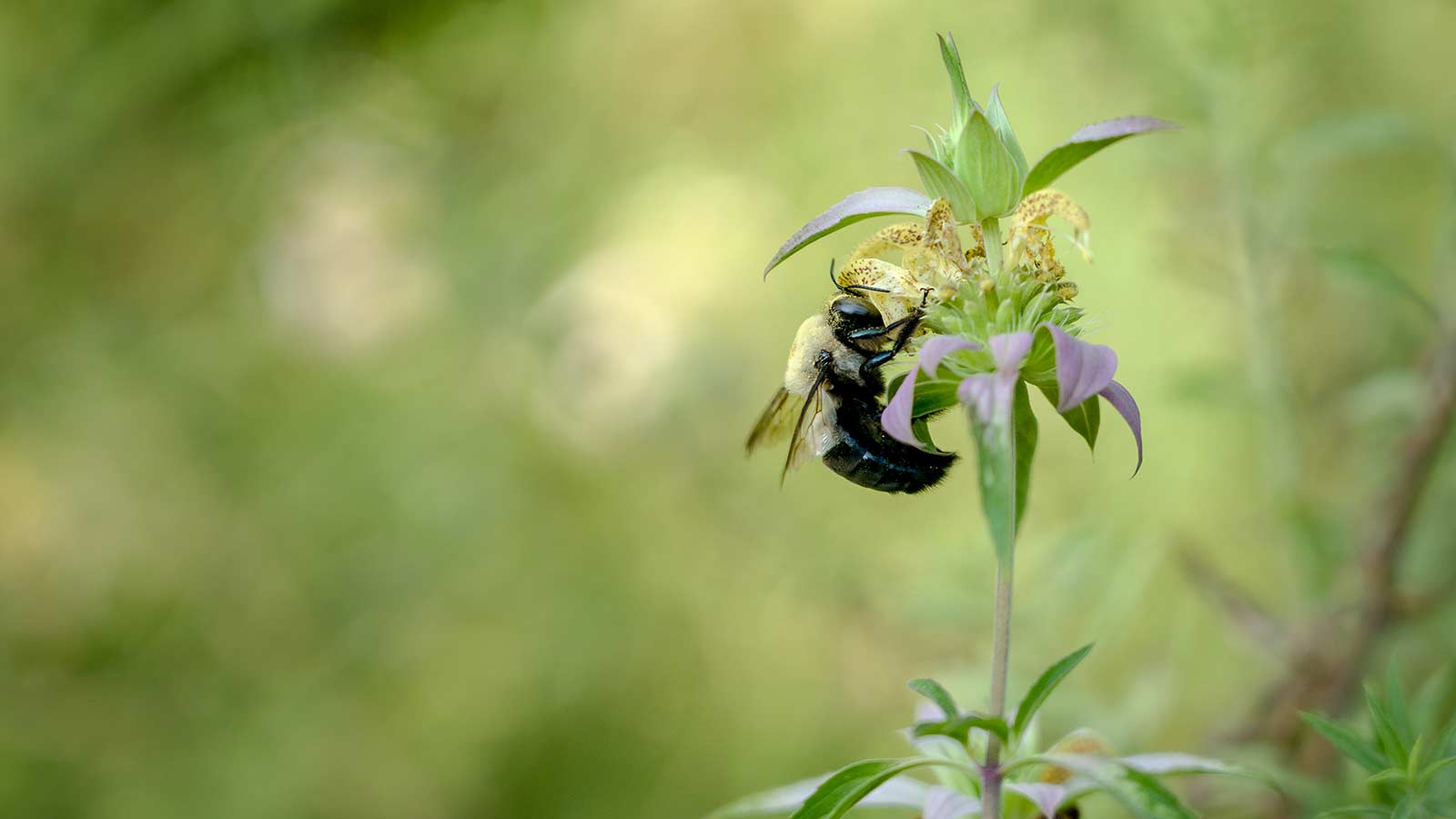
Just for fun, here’s a short video of carpenter bees collecting nectar in their own special way.
One Last Thing: Go Outside
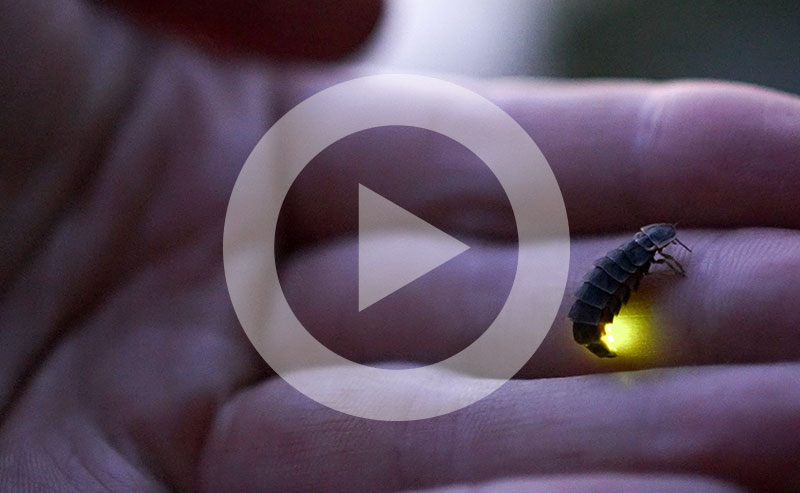
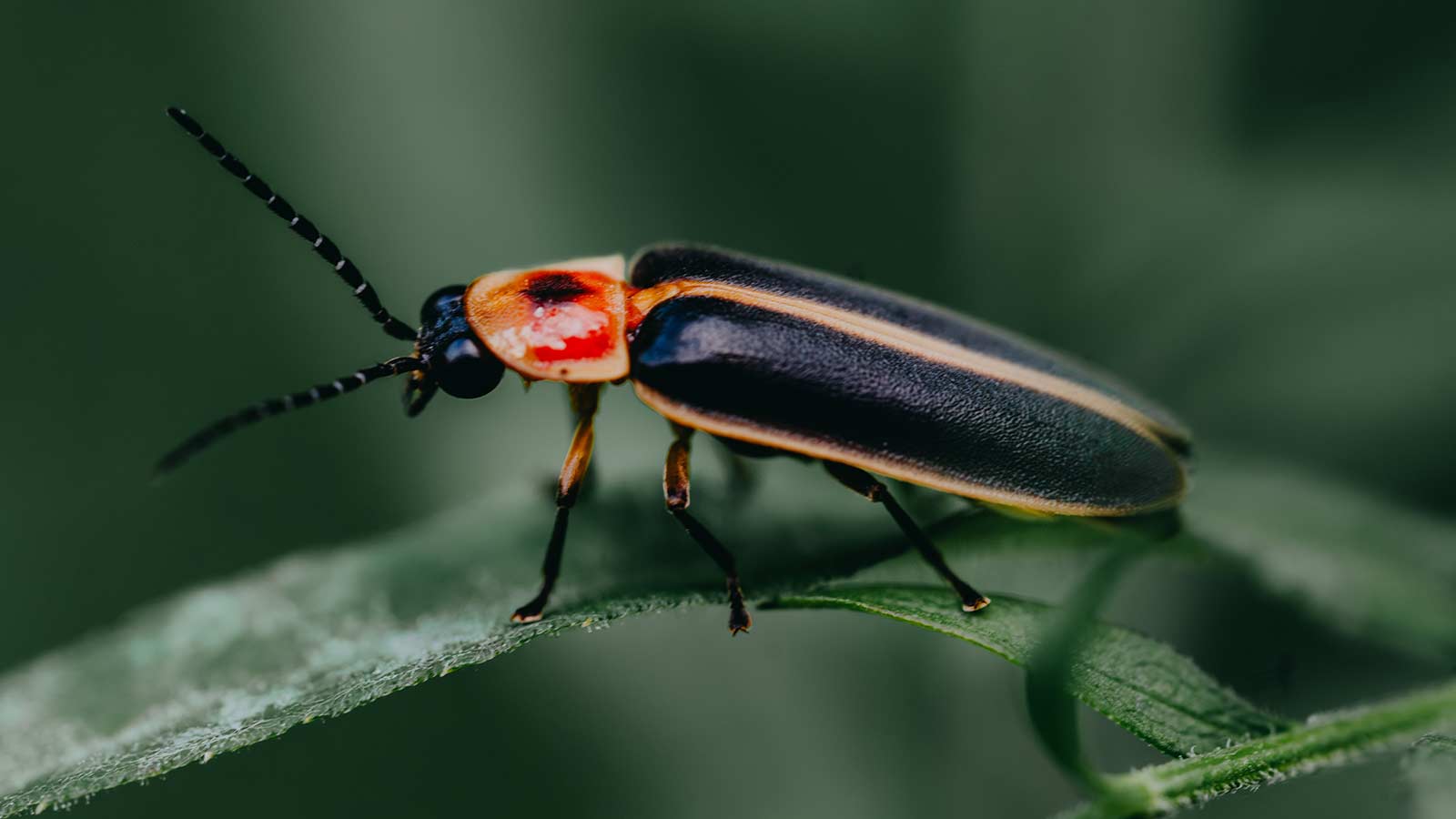
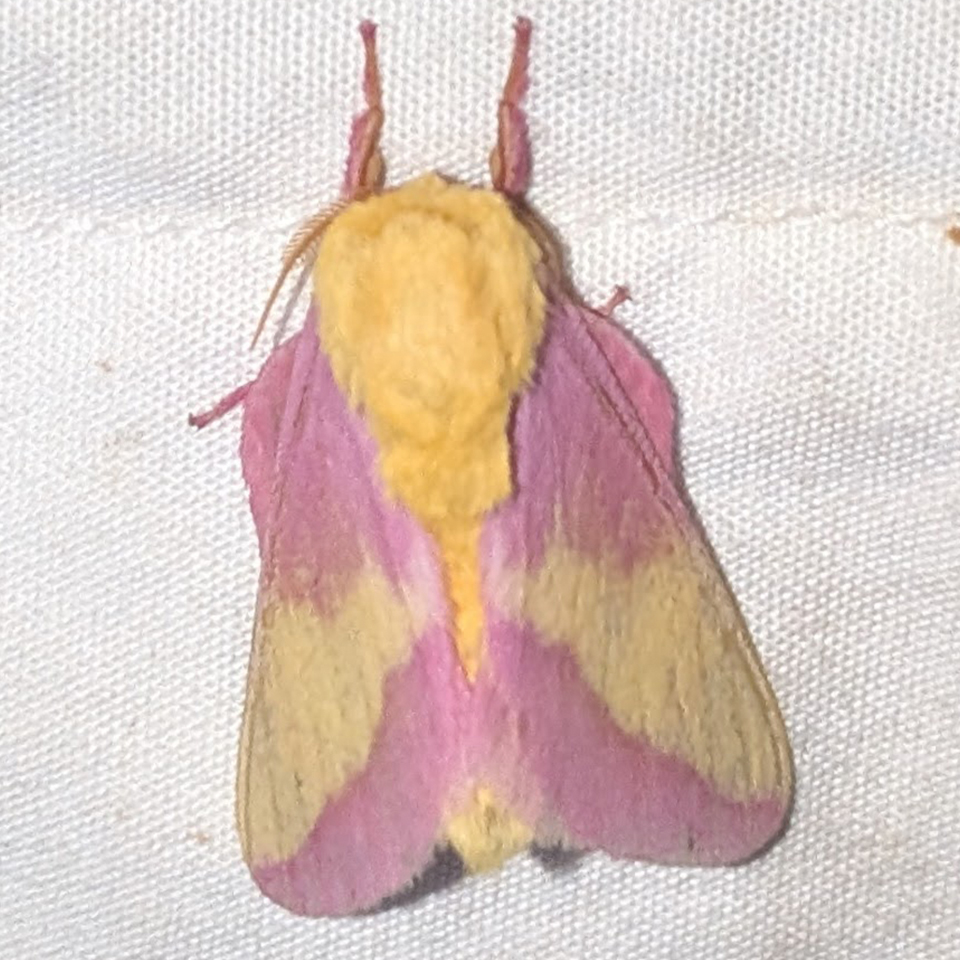
Go outside at night and flip on the porch light. Sit quietly for 10 minutes, not looking at the porch light (we’ll come back to that), and try to identify what you hear. Tree frogs? Katydids? Can you see any fireflies? Before you go in, look around the porch light. Are there any moths or other insects? Try to take pictures of any resting ones and identify them on iNaturalist or another app. Remember to turn off the light when you go in so our night visitors can go on their way to do whatever they need to do.
Until next month, remember to sniff the blooms and listen to the birdsong.