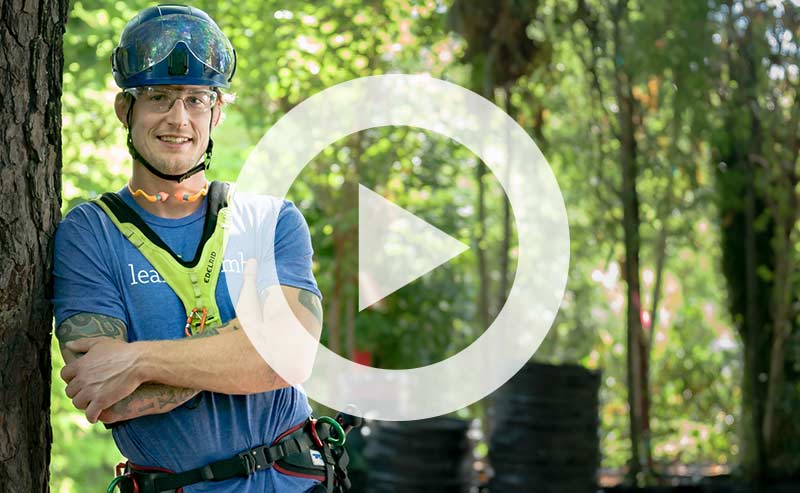
Video | 5 Favorite Native Trees & Where to Plant Them
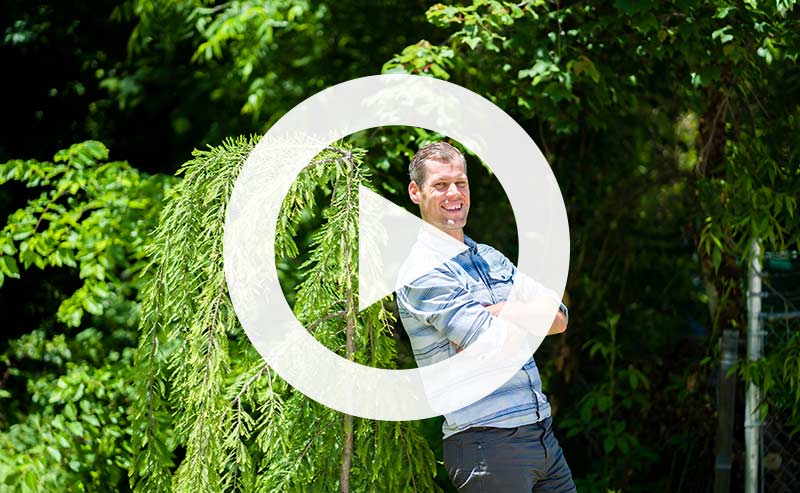
How big will it get? Will it handle the heat? EB answers the questions we get asked most.
We know it’s difficult to make decisions on what native plants to plant in your yard. We often get asked, how big will this tree get? Will this tree do well in the heat of summer? Will this tree lose its leaves over the winter? Today we’re going to talk about some of our favorite native trees and where you can plant them.
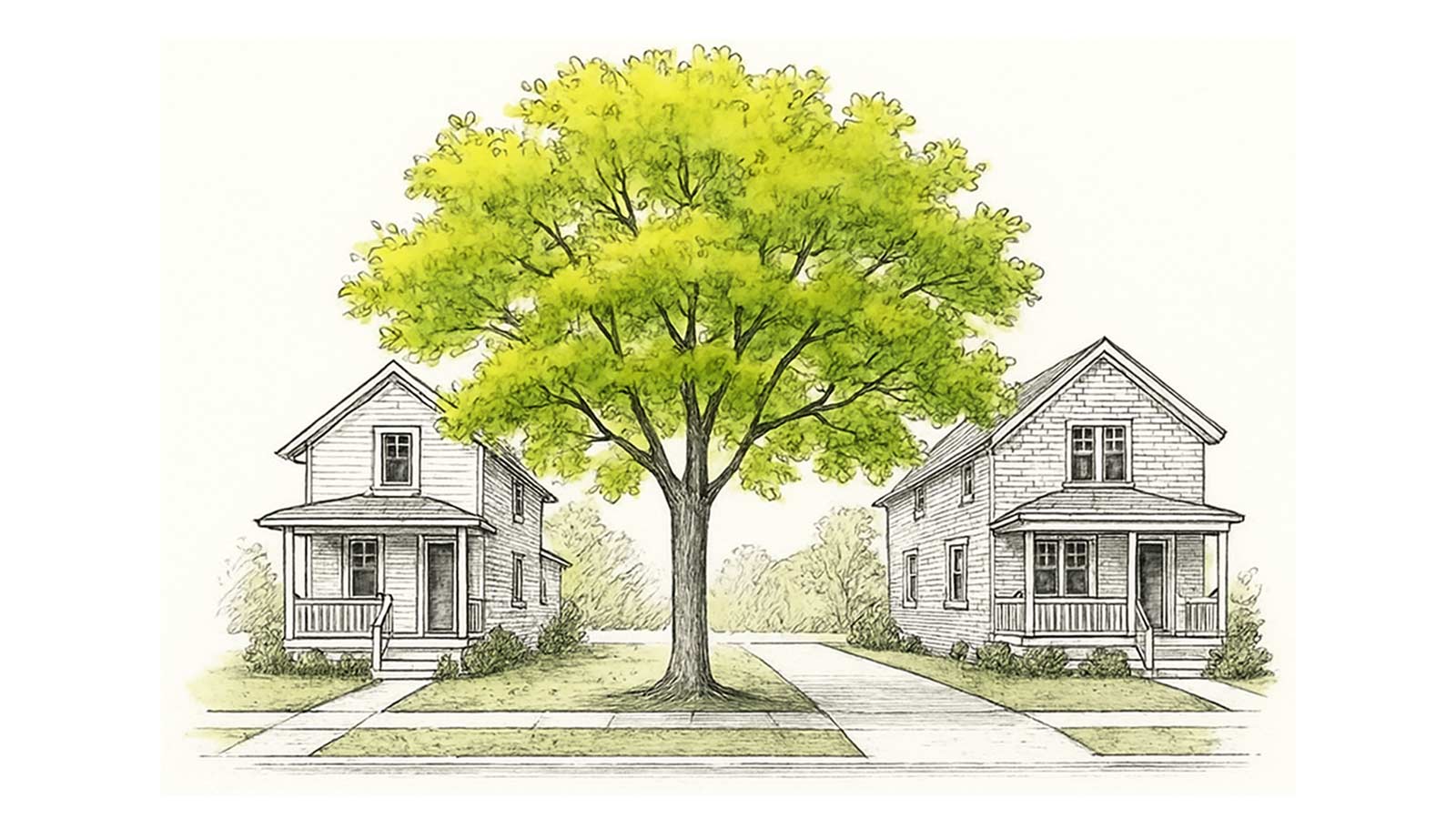
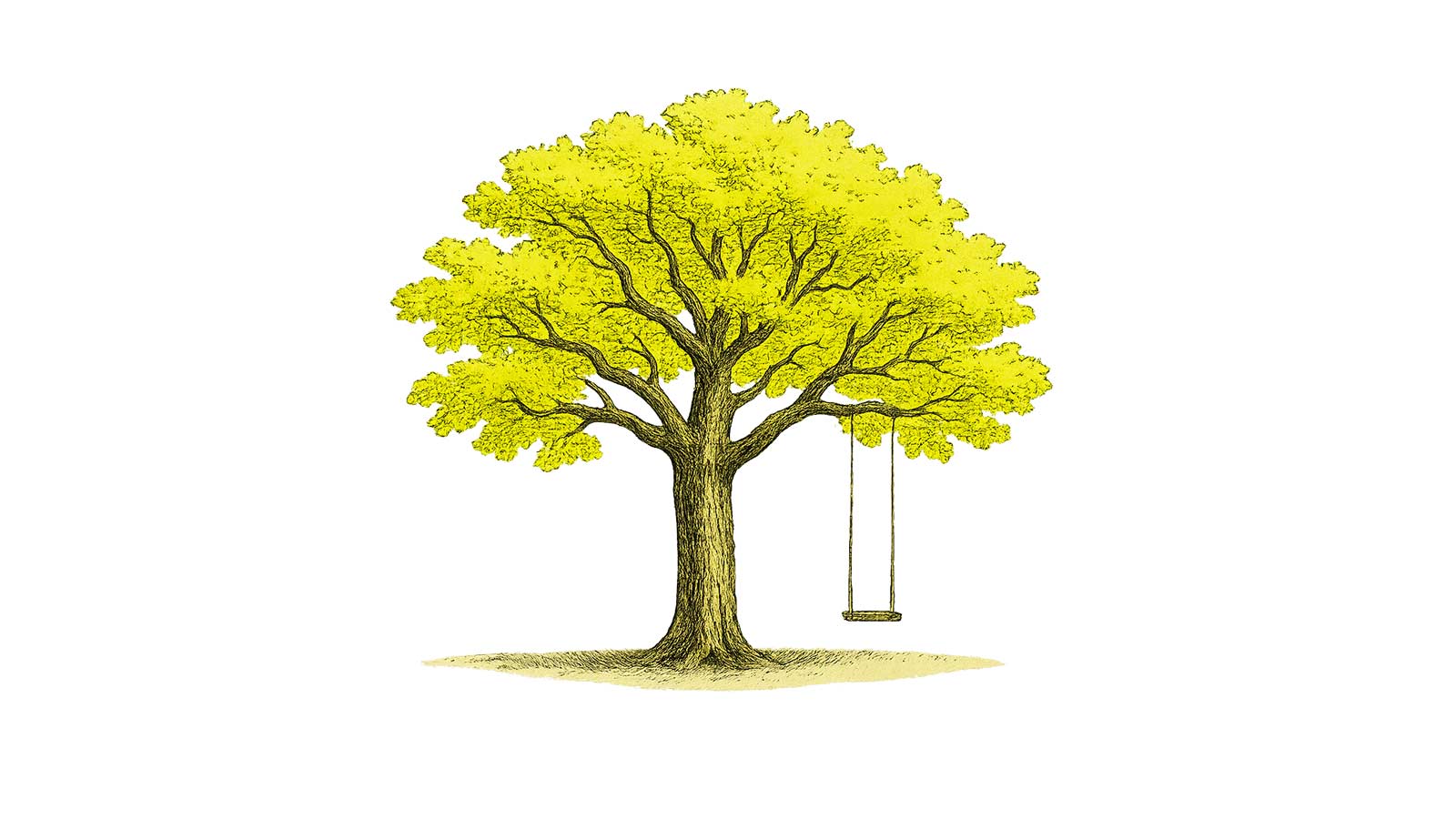
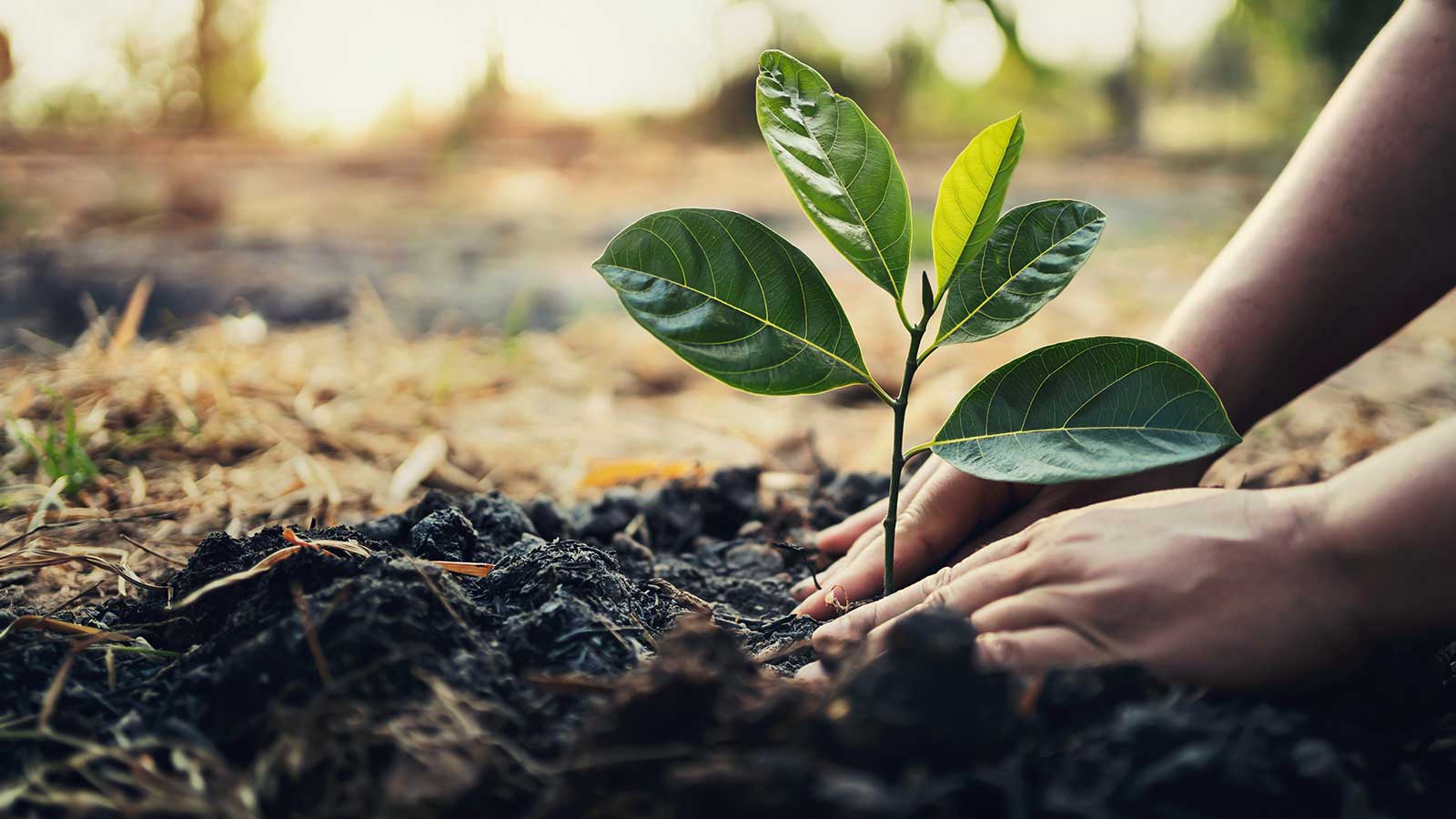
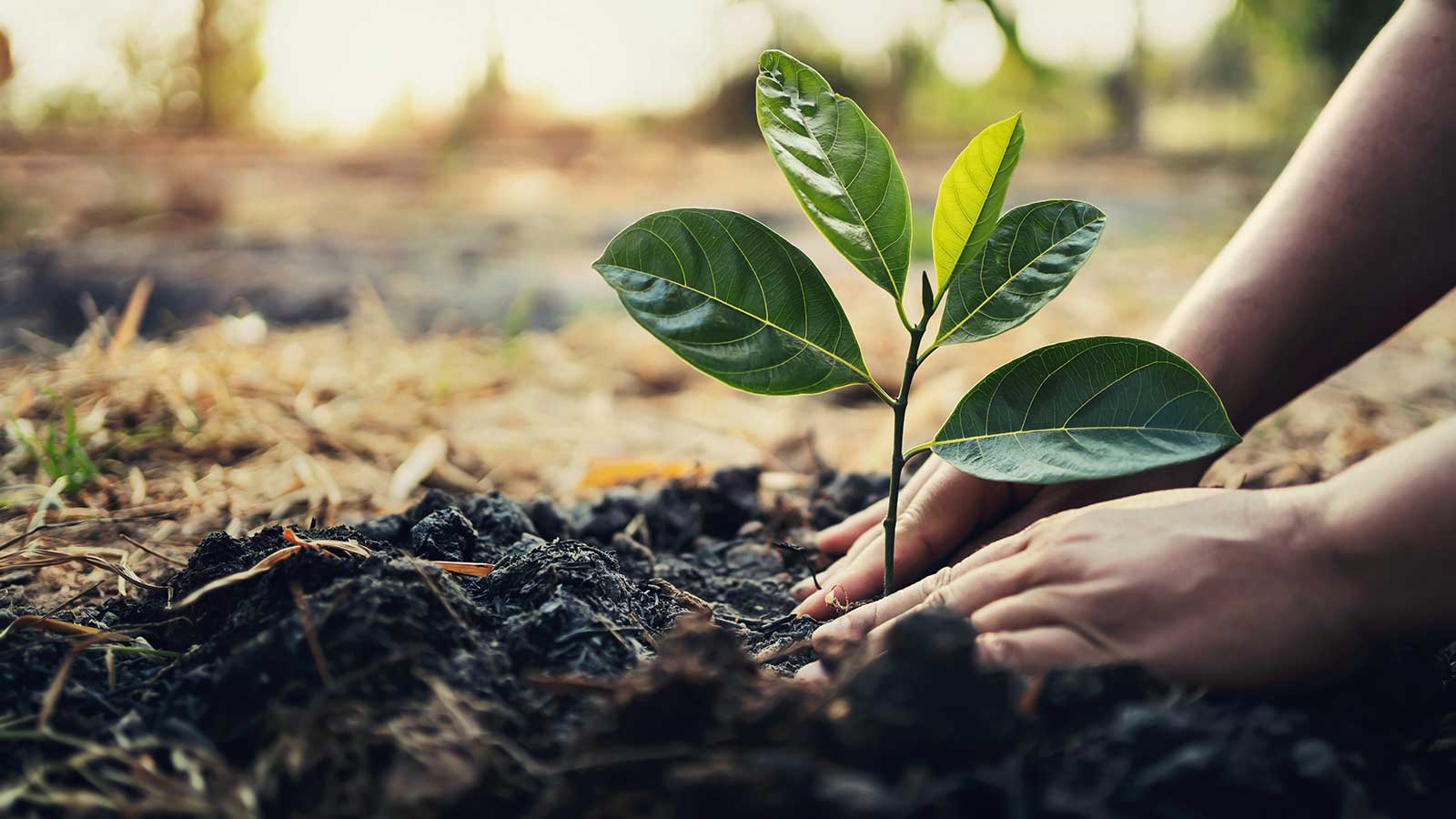
As we know, planting native trees is one of the best things we can do to help heal Earth. But we have to have the right tree in the right place. There’s a native plant for every location or ecological niche. Let me show you some of our favorites.
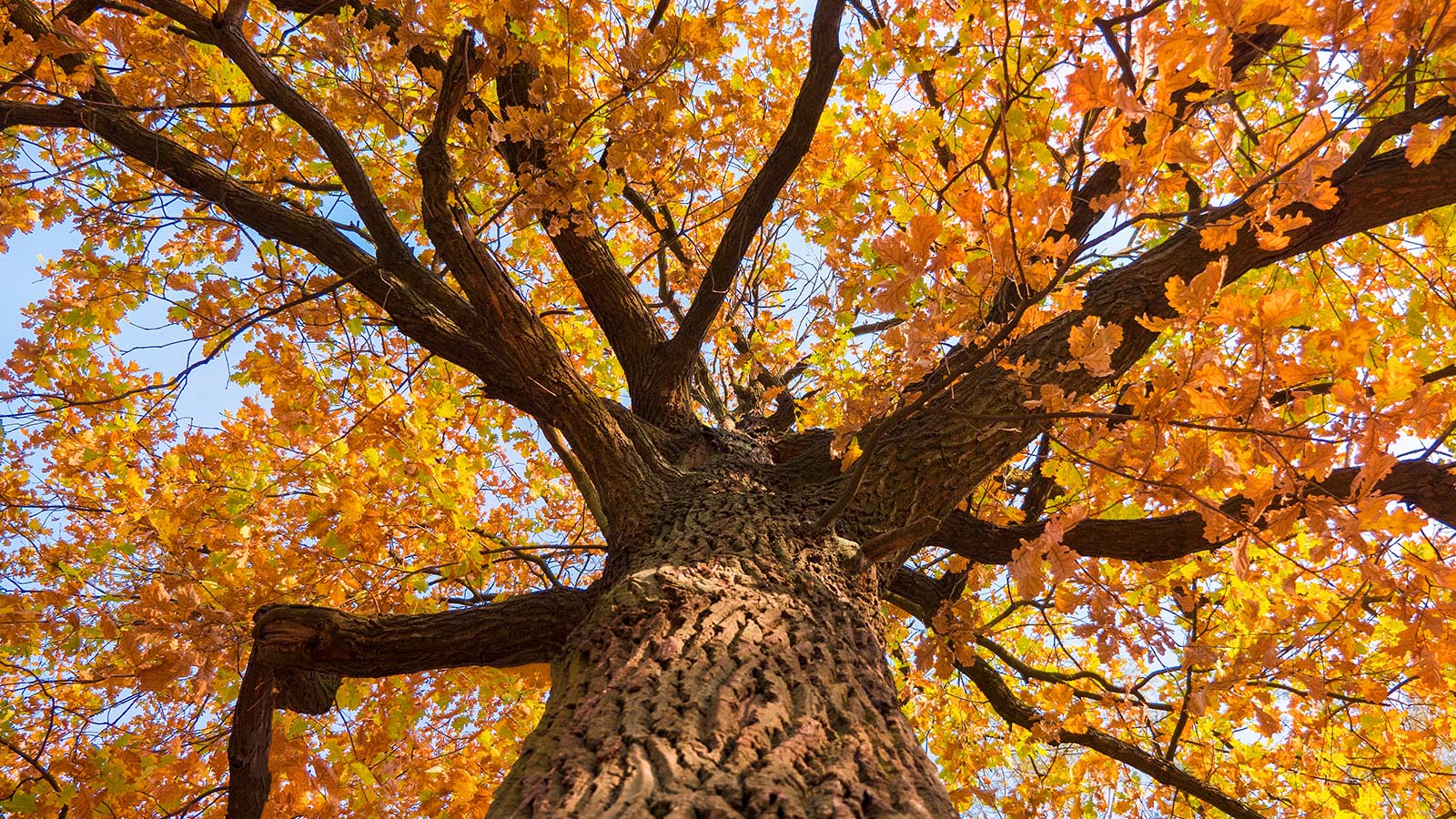
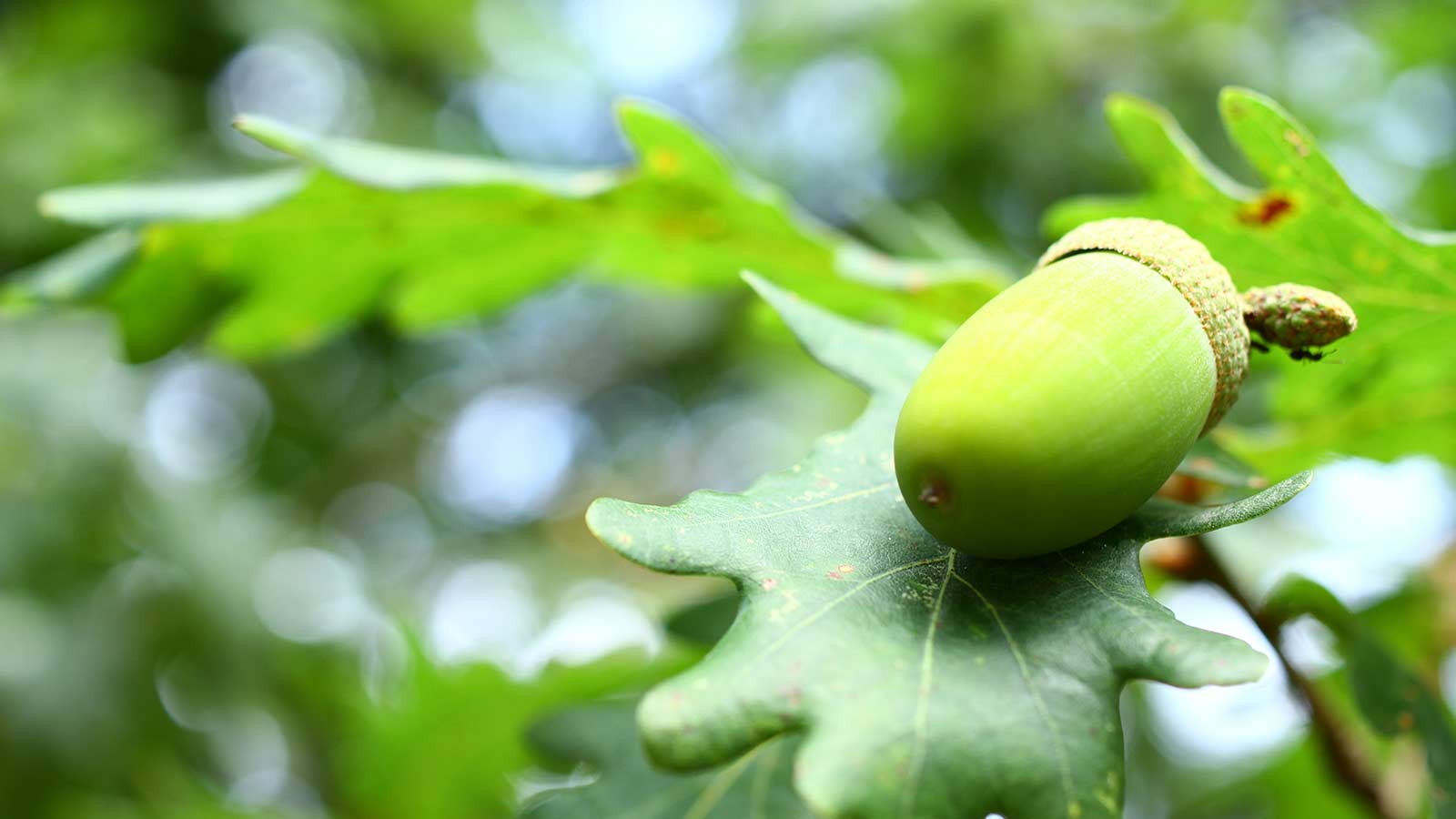
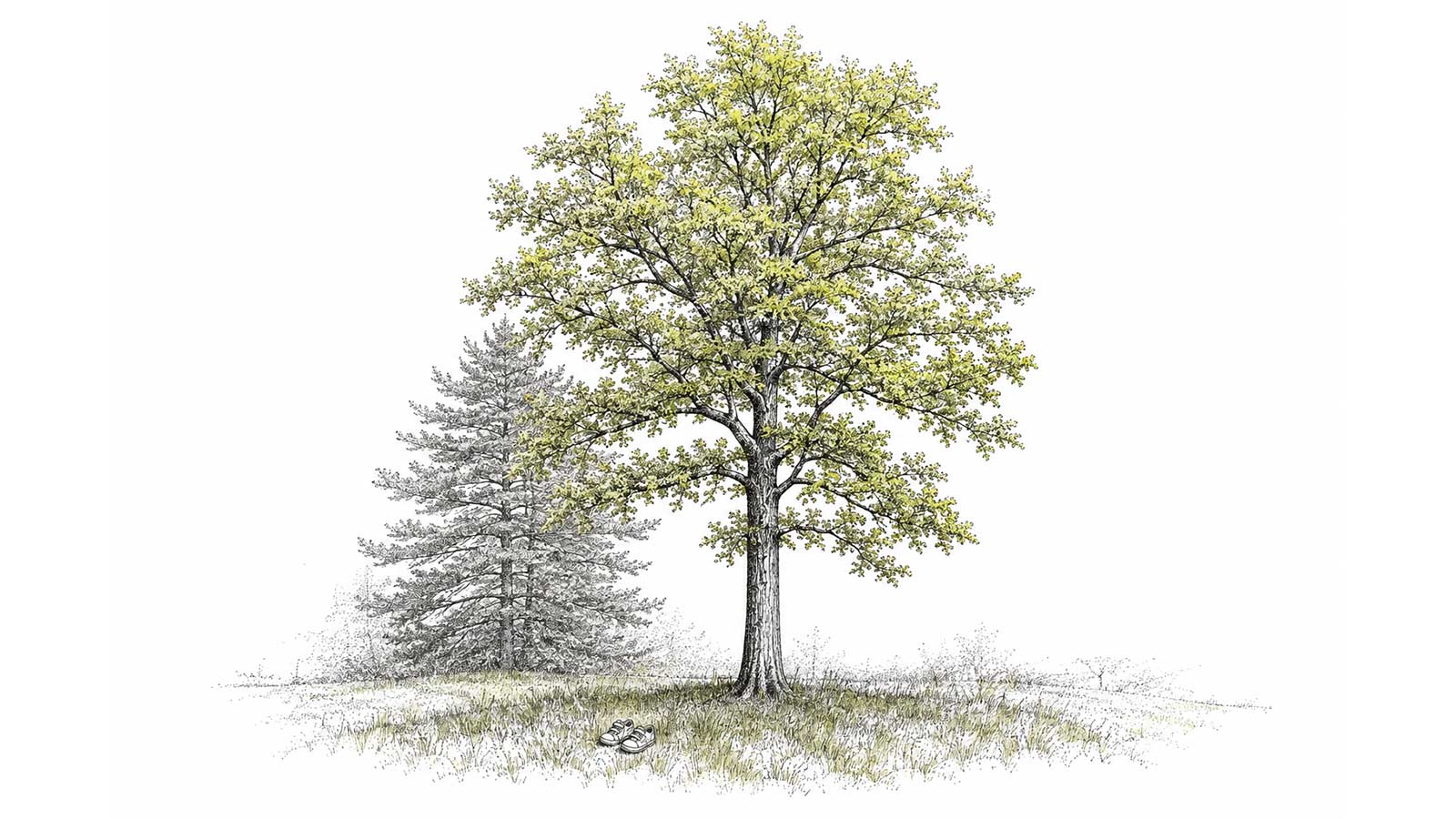
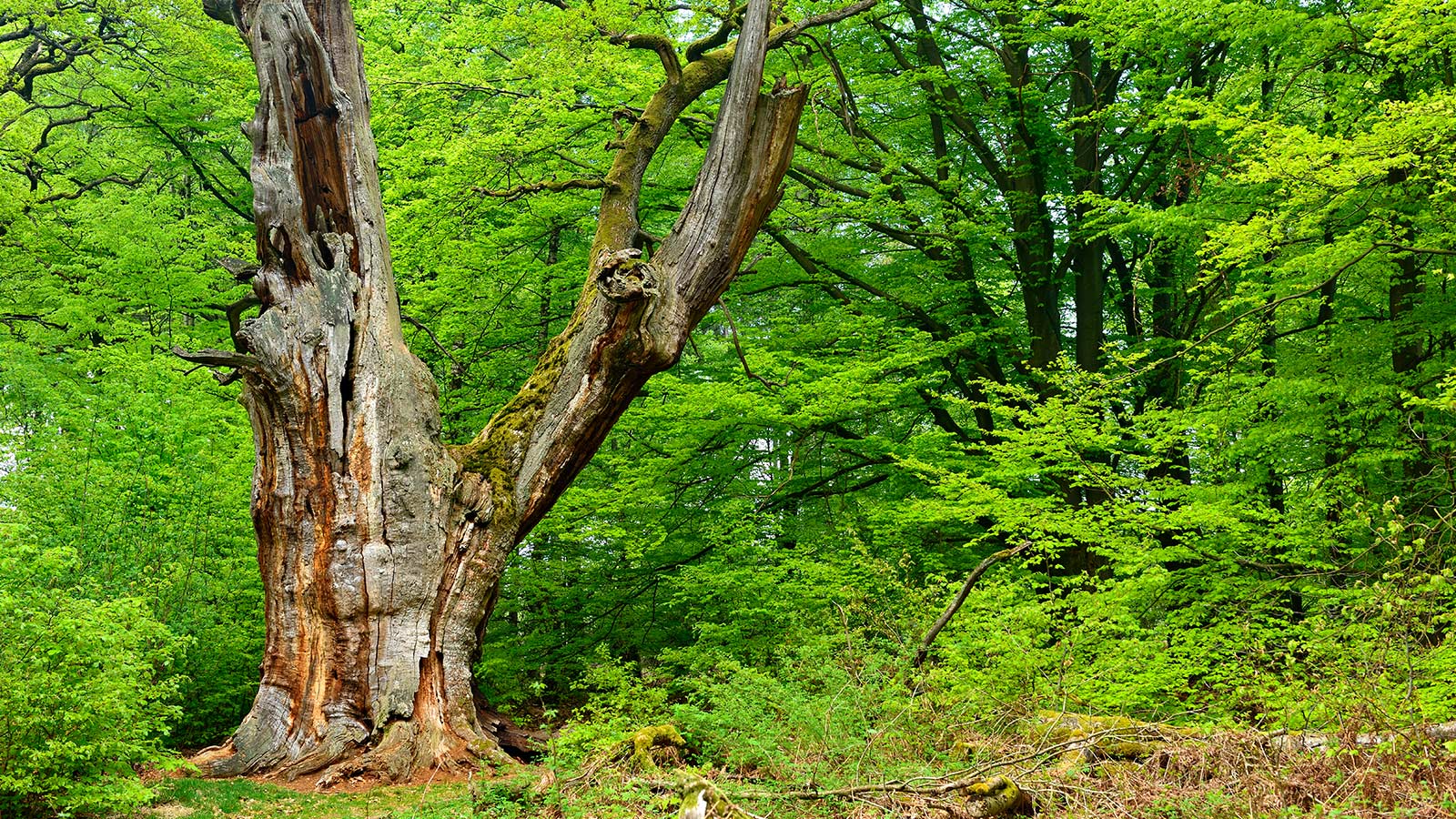
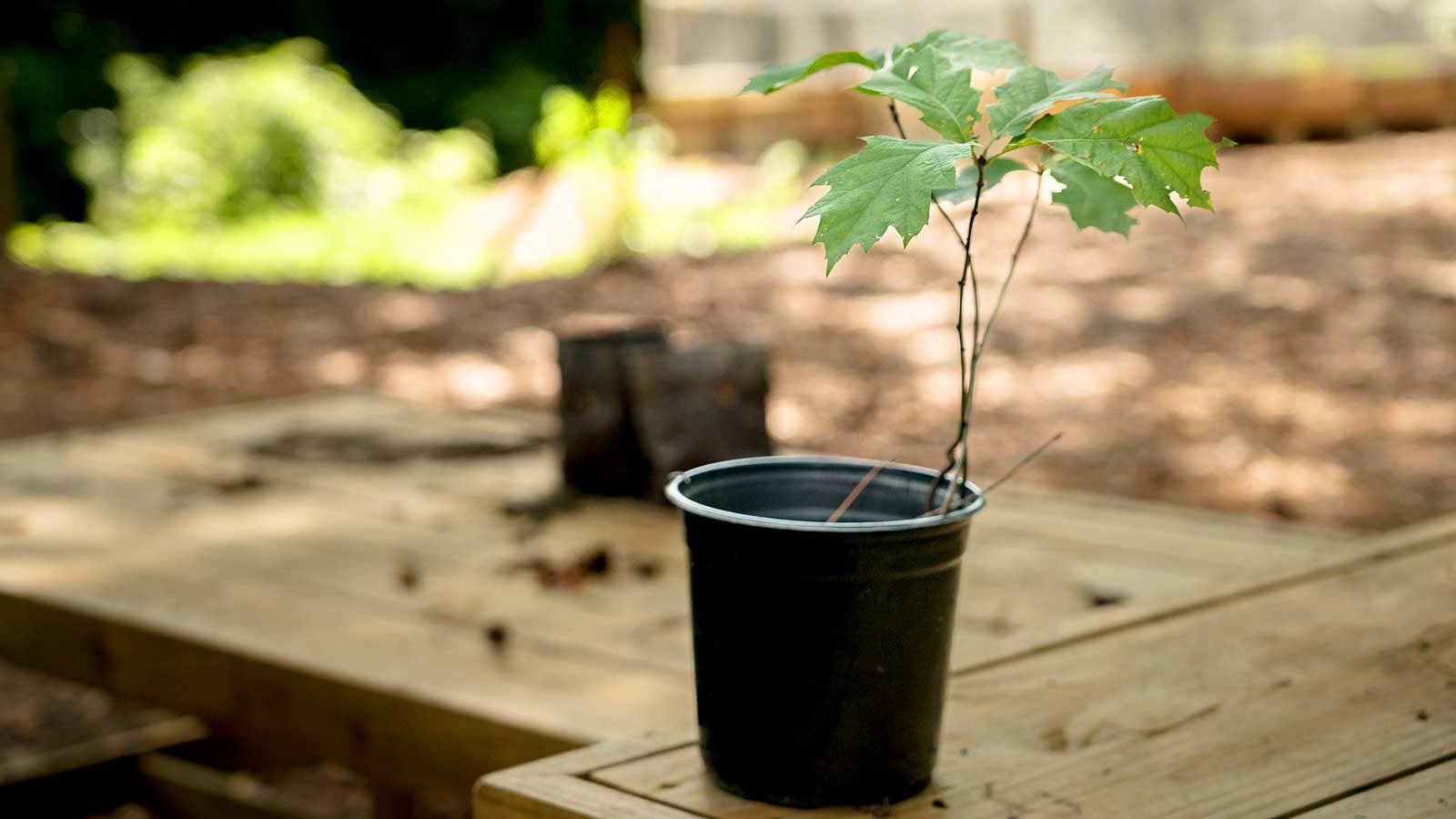
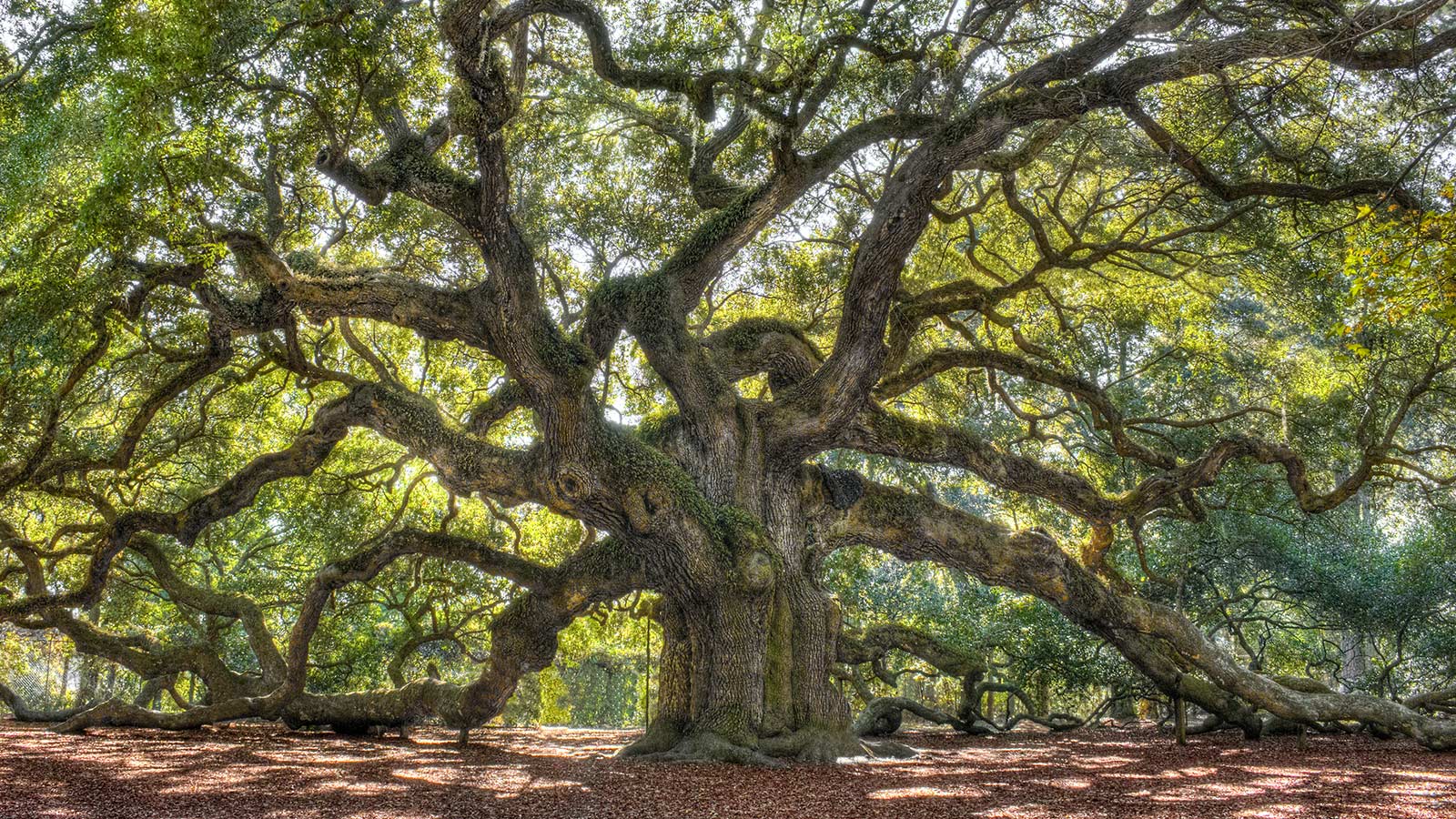
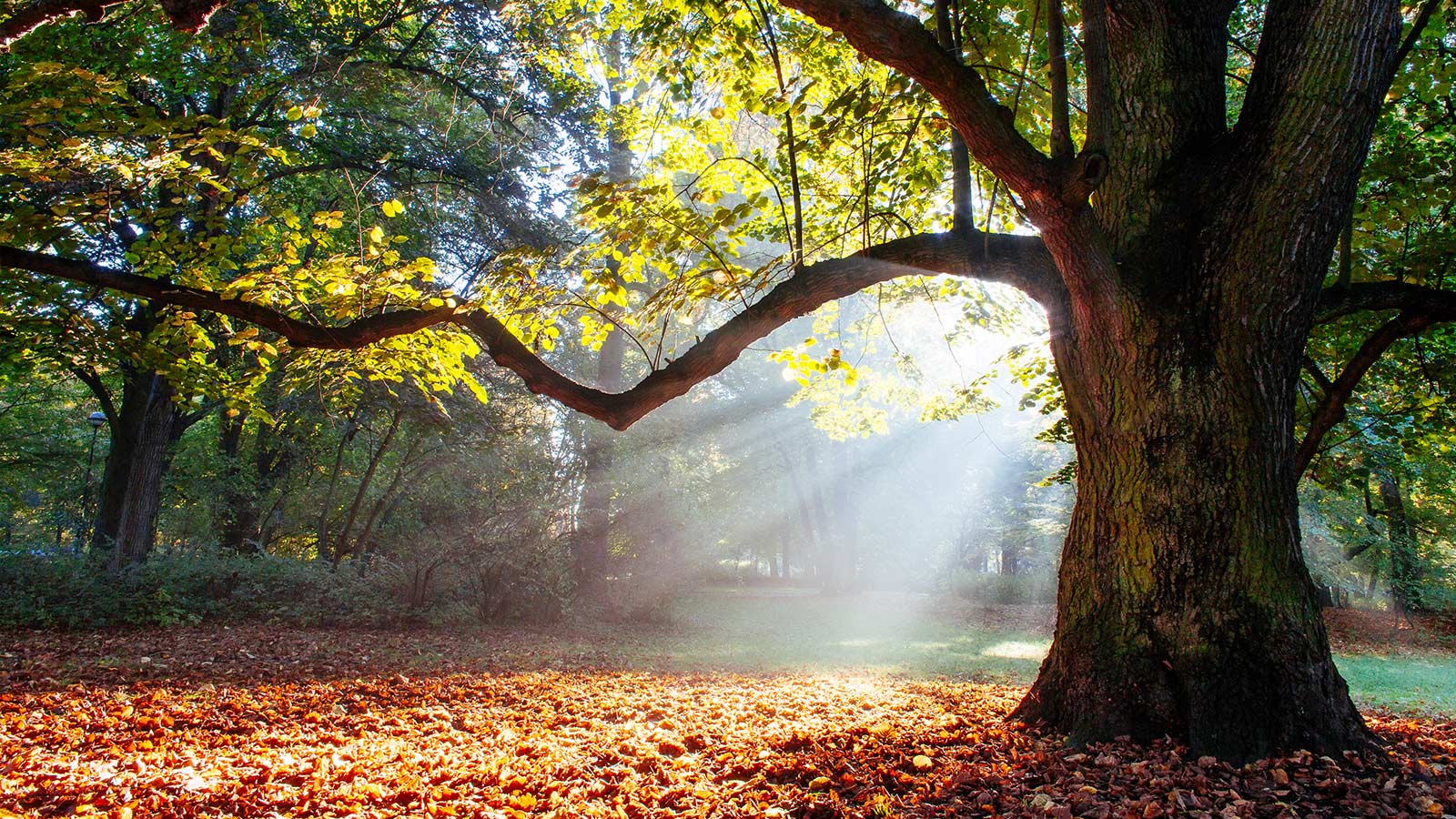
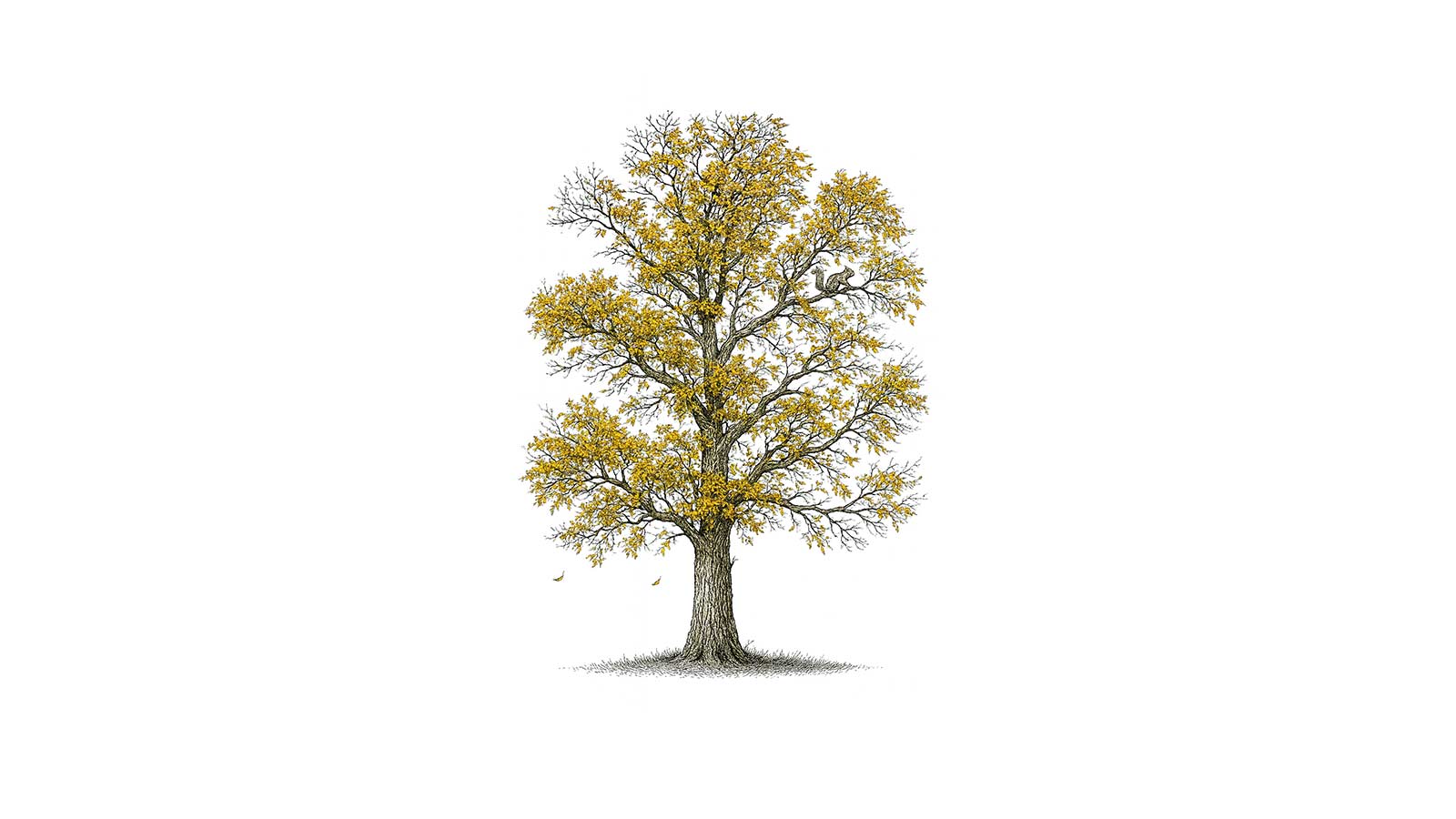
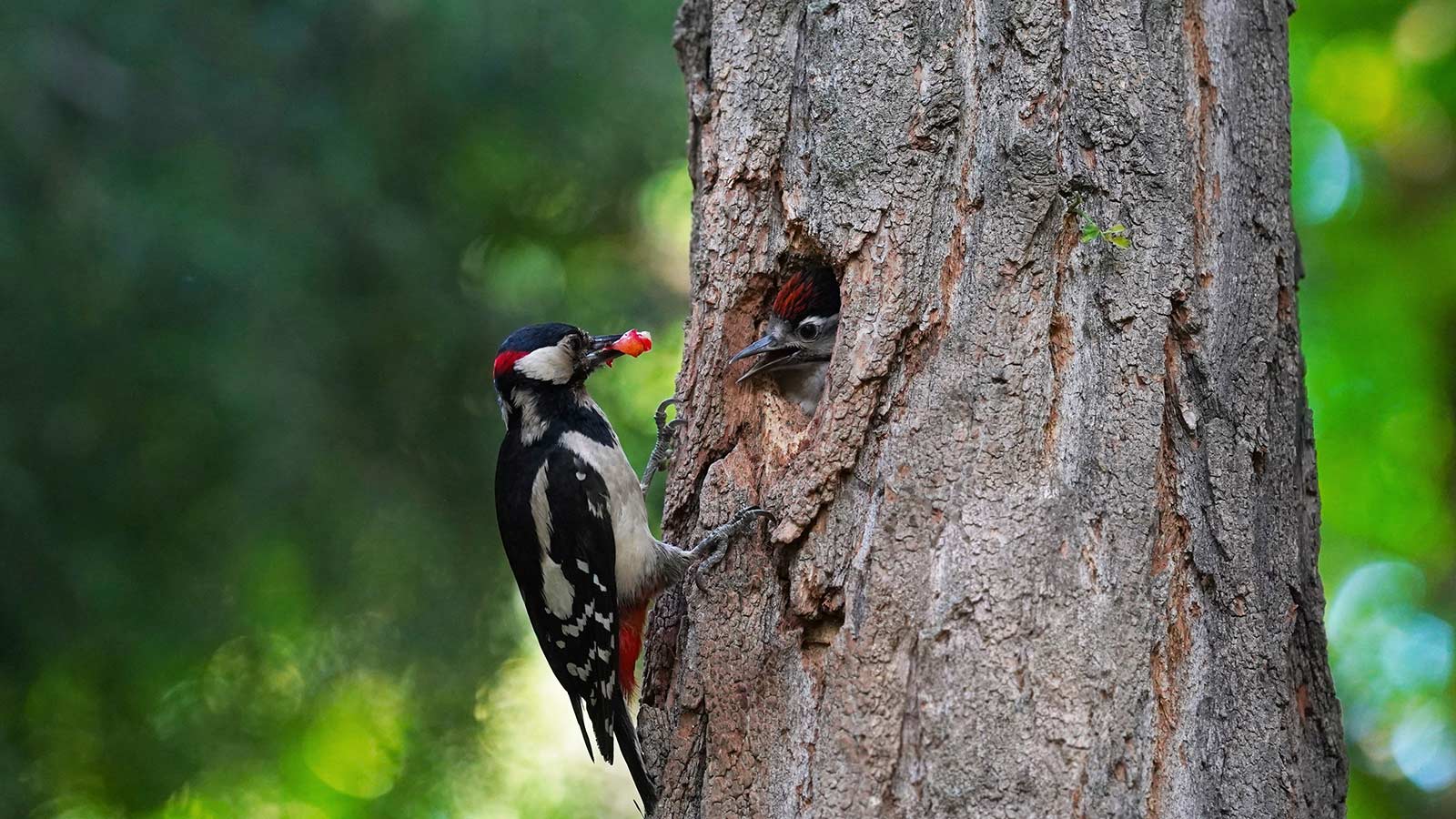
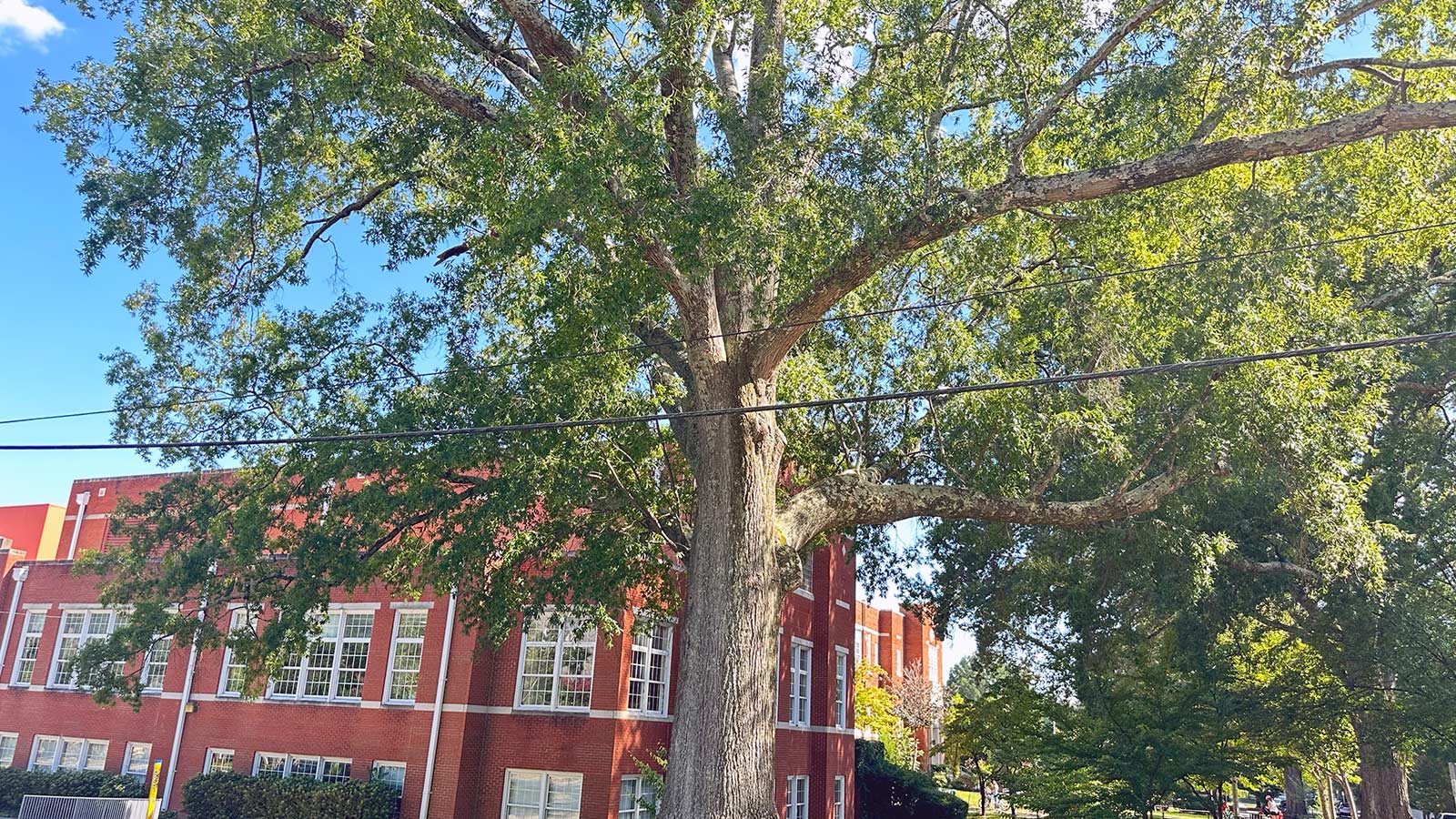
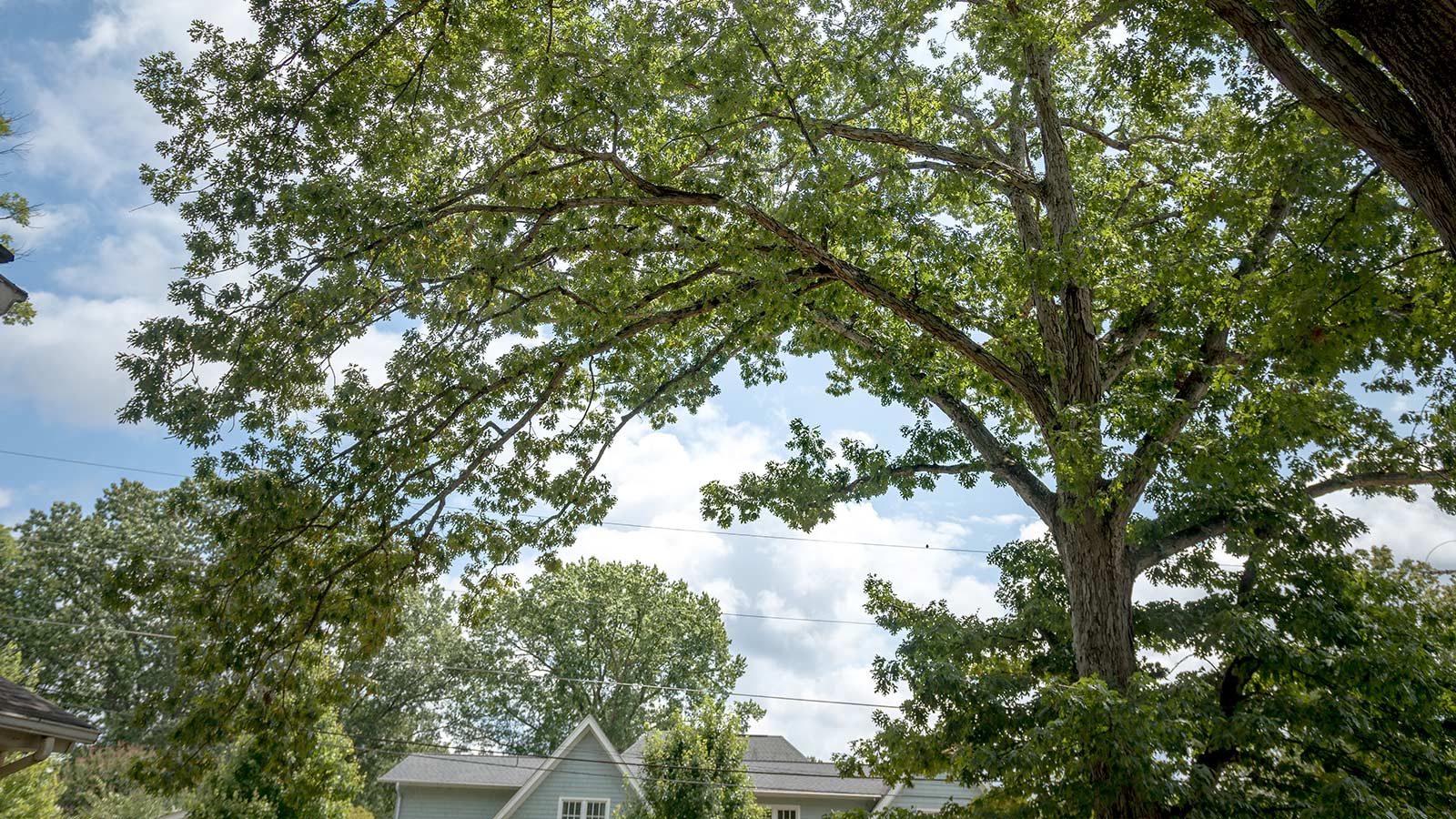
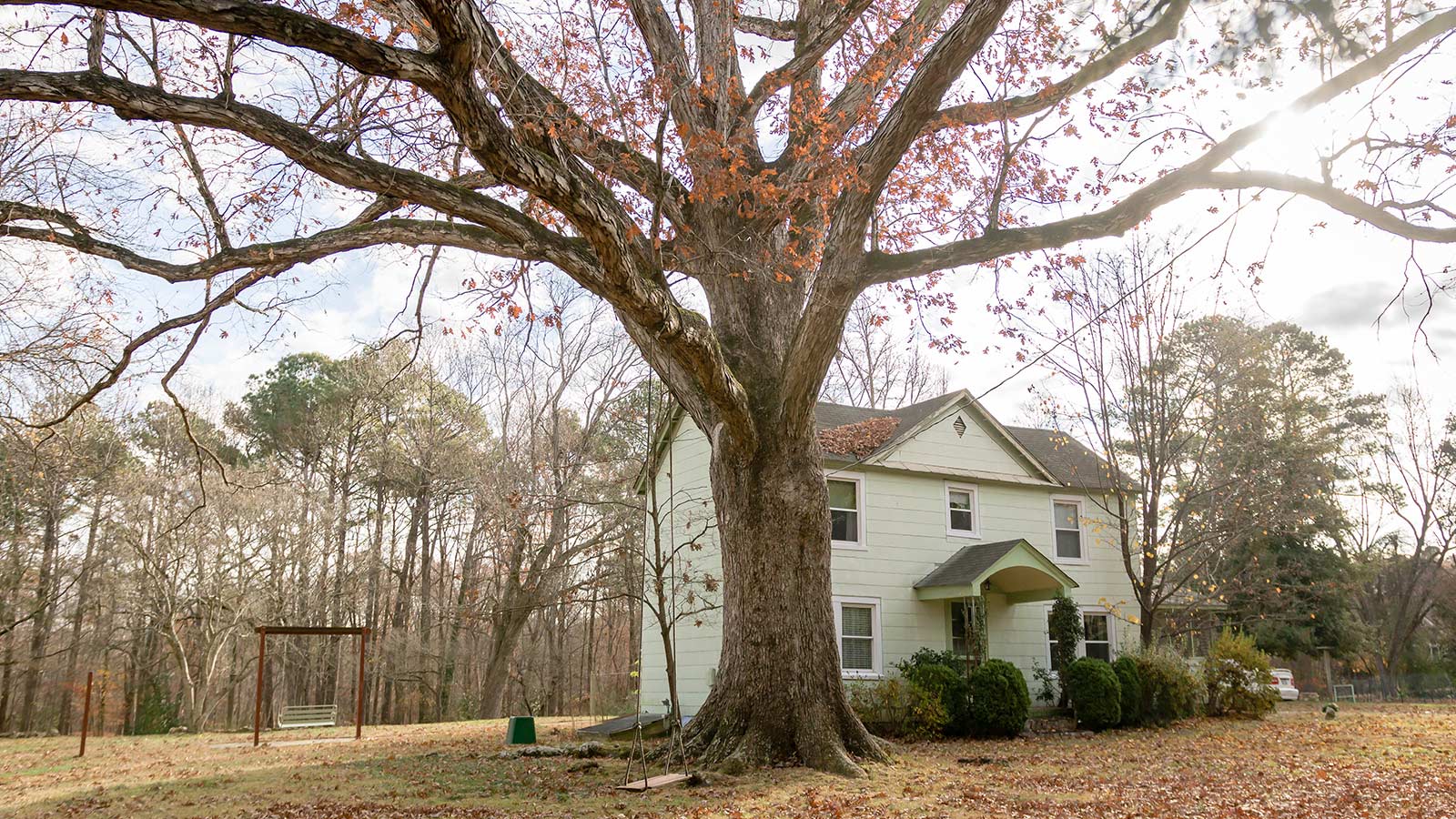
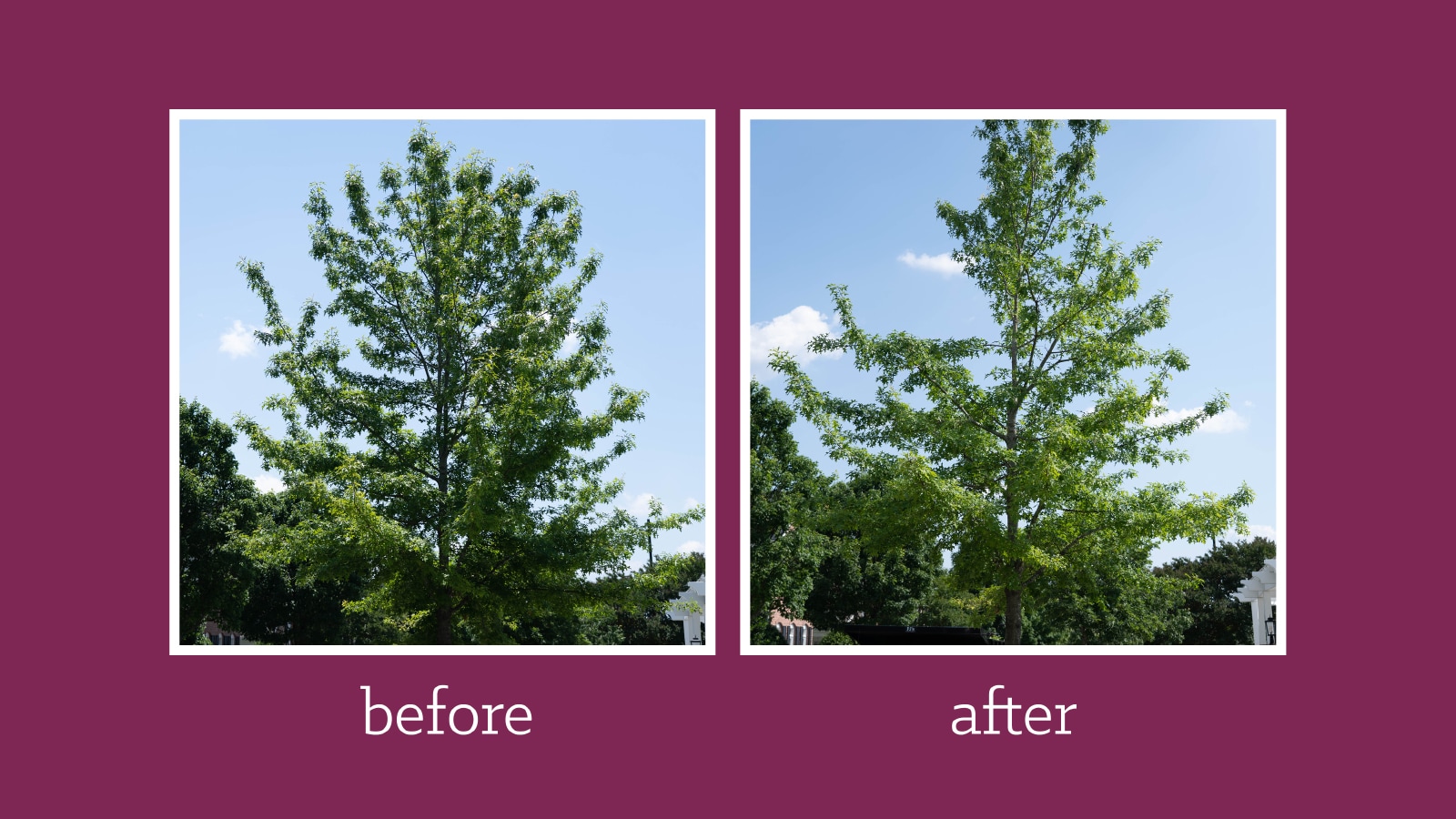
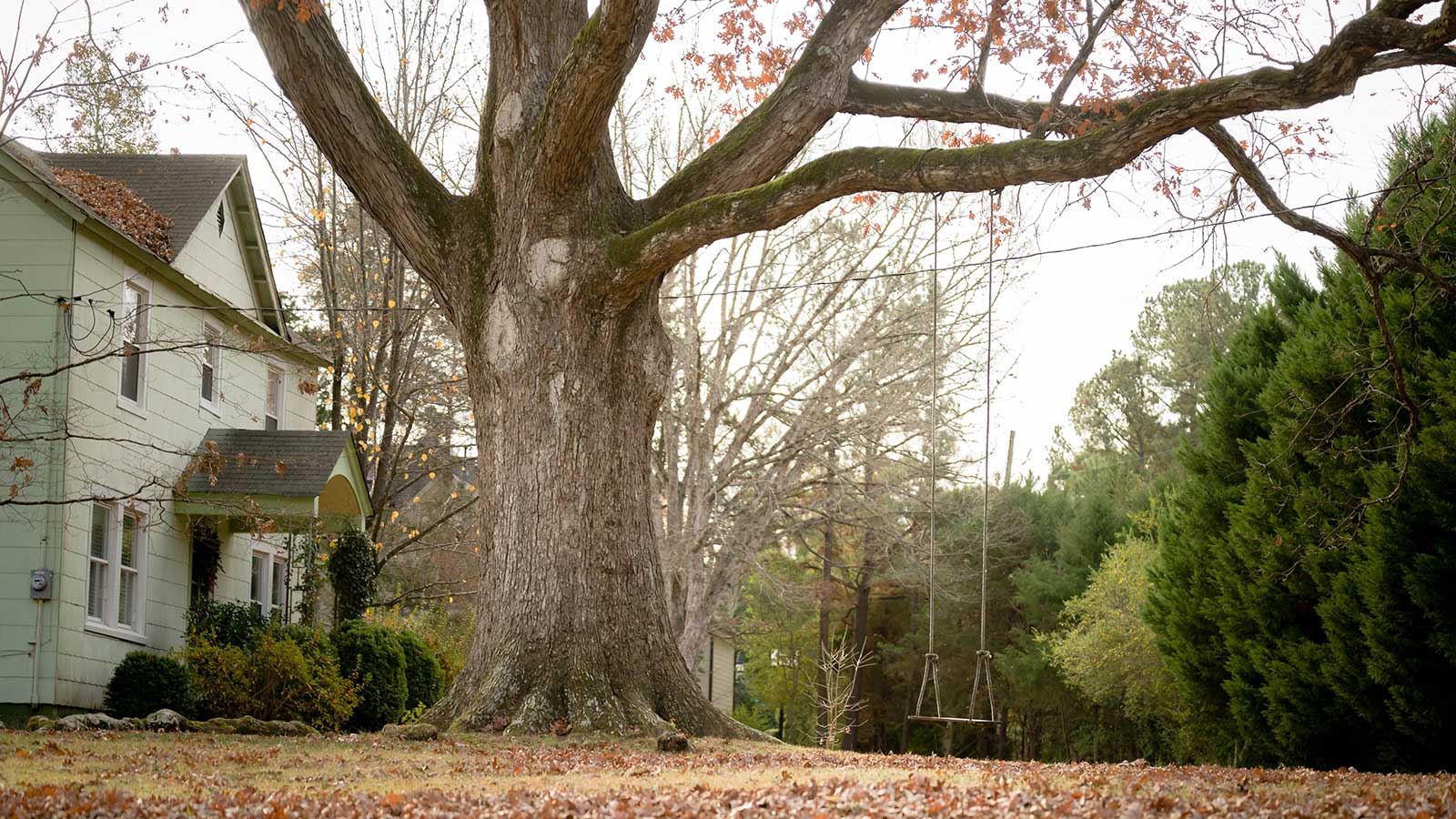
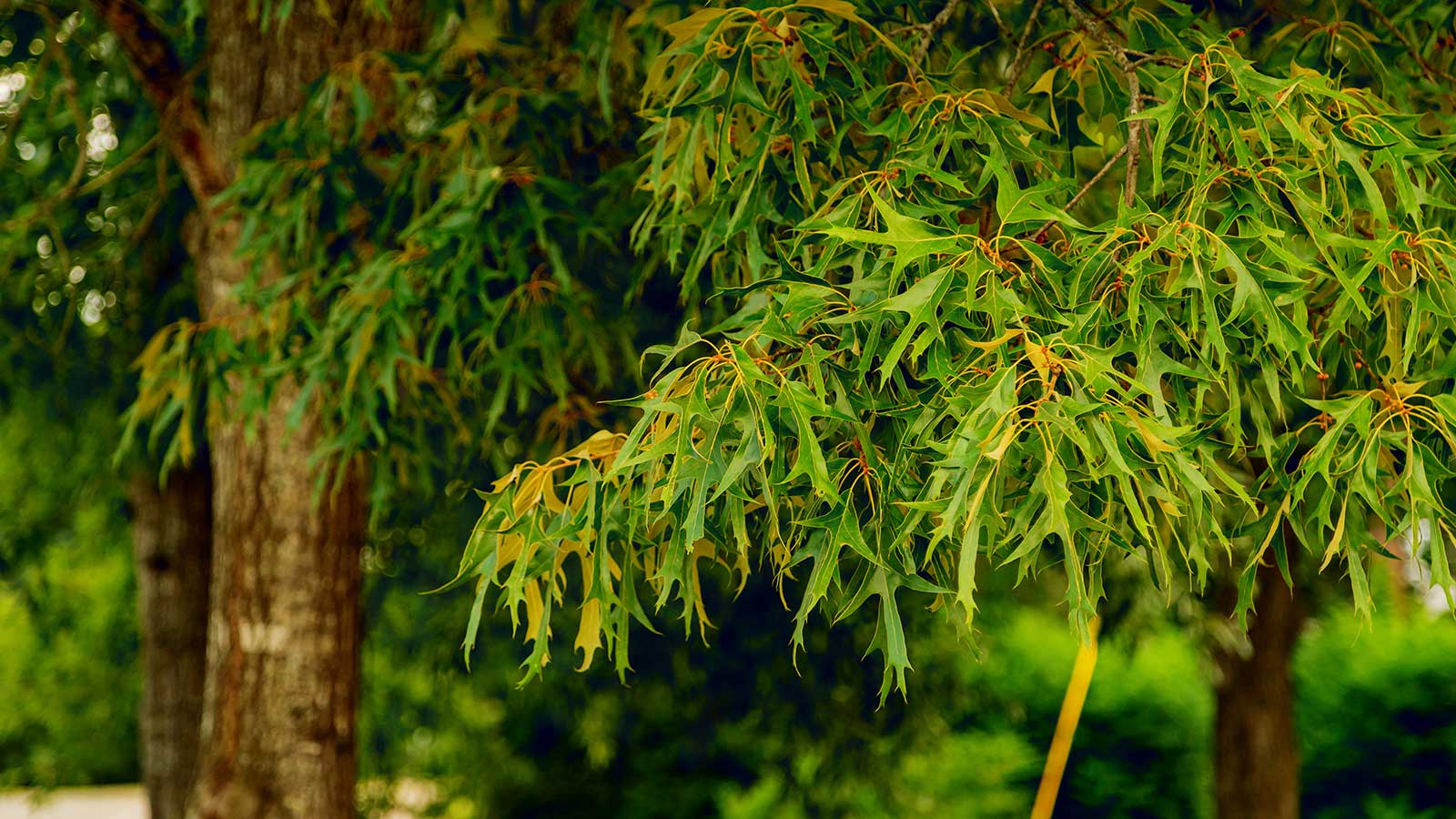
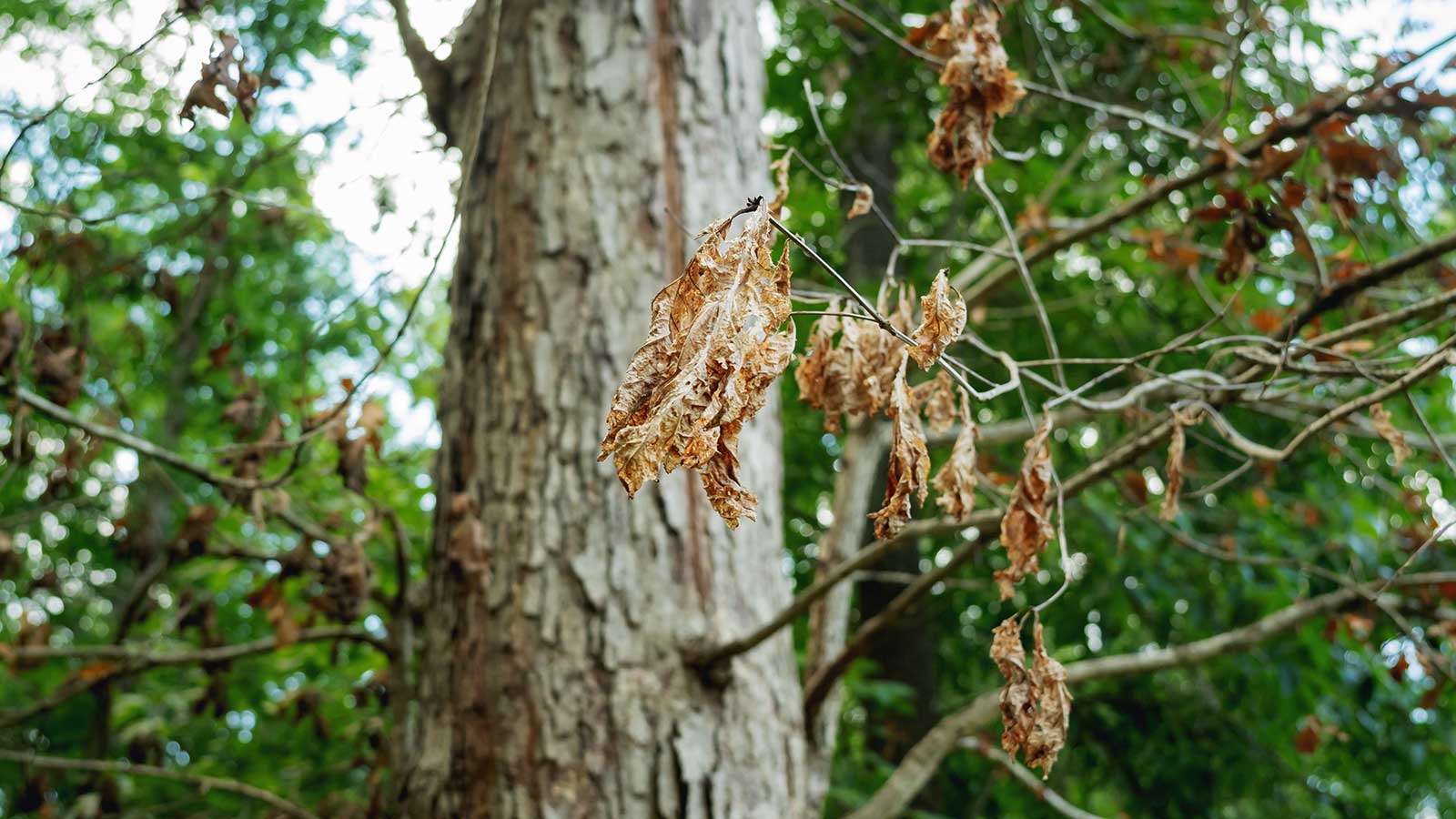
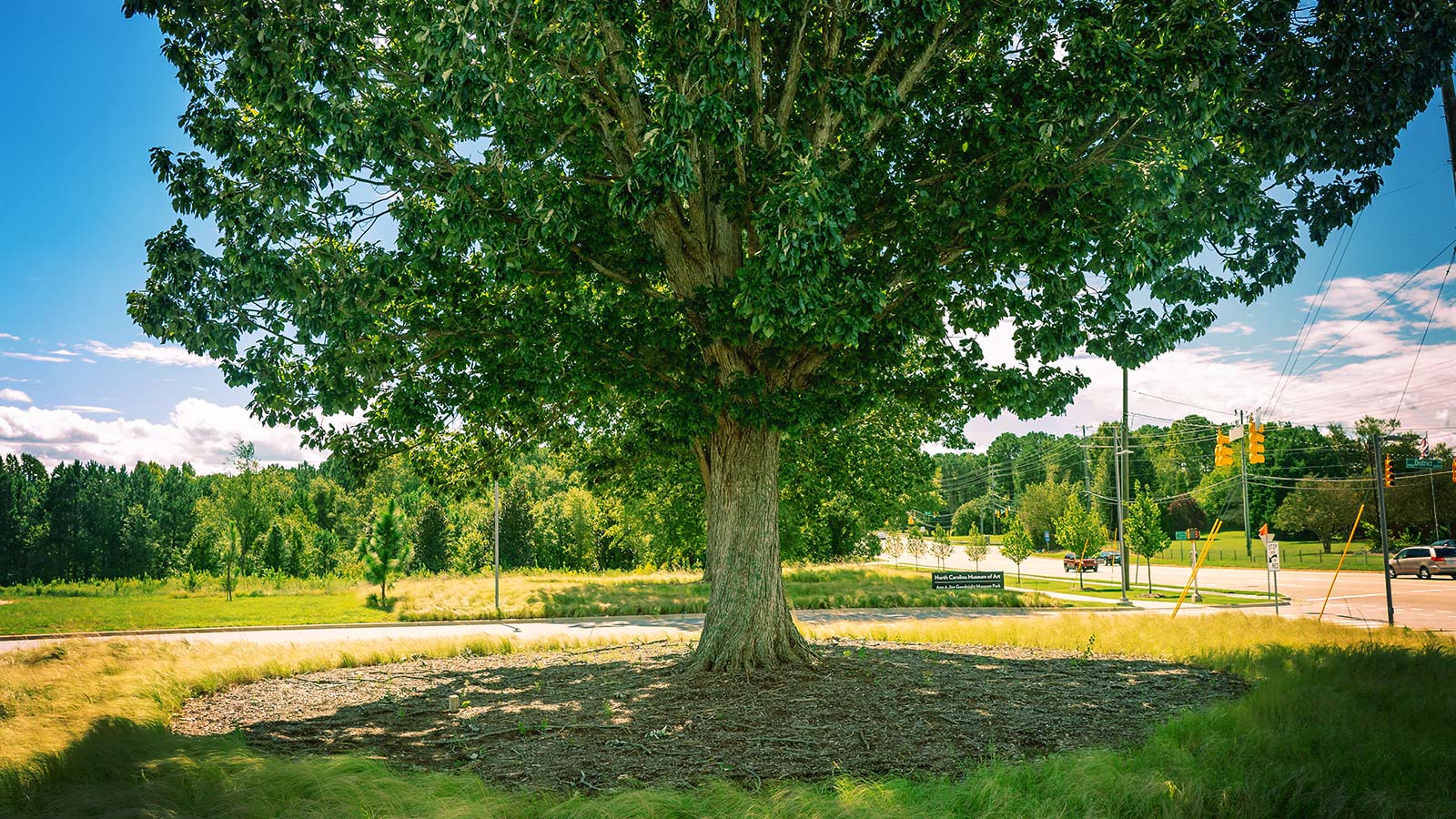
Here we have southern red oak, Quercus falcata. This tree gets very big, both tall and wide. It has thick leaves which help retain moisture and resist heat. It’s deciduous, so it loses its leaves in the fall. It likes full sun, and most importantly, it’s a keystone species, which means it supports caterpillars, birds, and other wildlife.
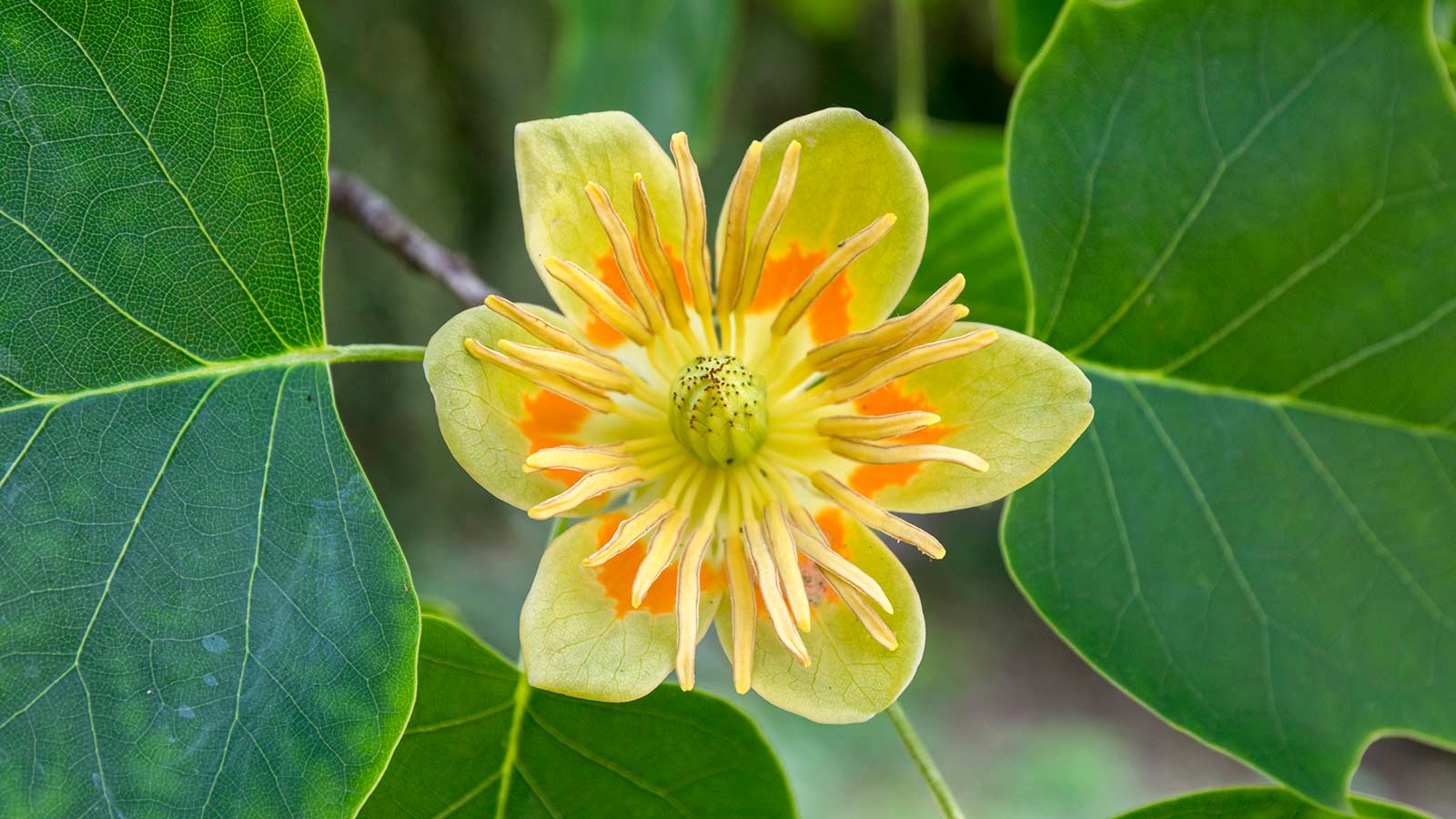
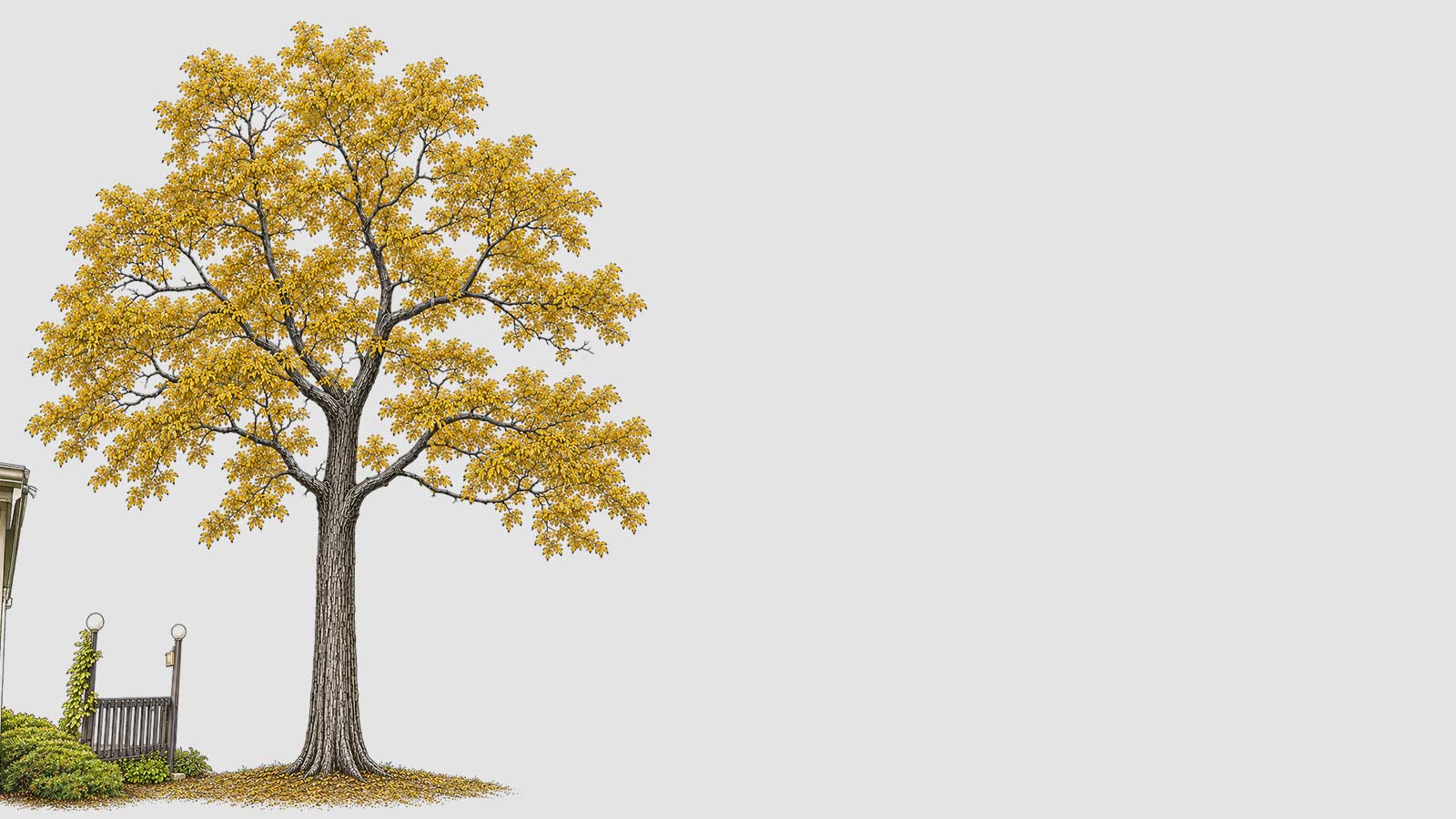
Next we have tulip poplar, Liriodendron tulipifera. Fun fact: it’s neither a tulip or a poplar, but it is one of the fastest-growing and tallest trees on the East Coast. It needs sun to thrive, and it will lose its leaves in the fall. So make sure to give this tree plenty of space and plenty of sun.
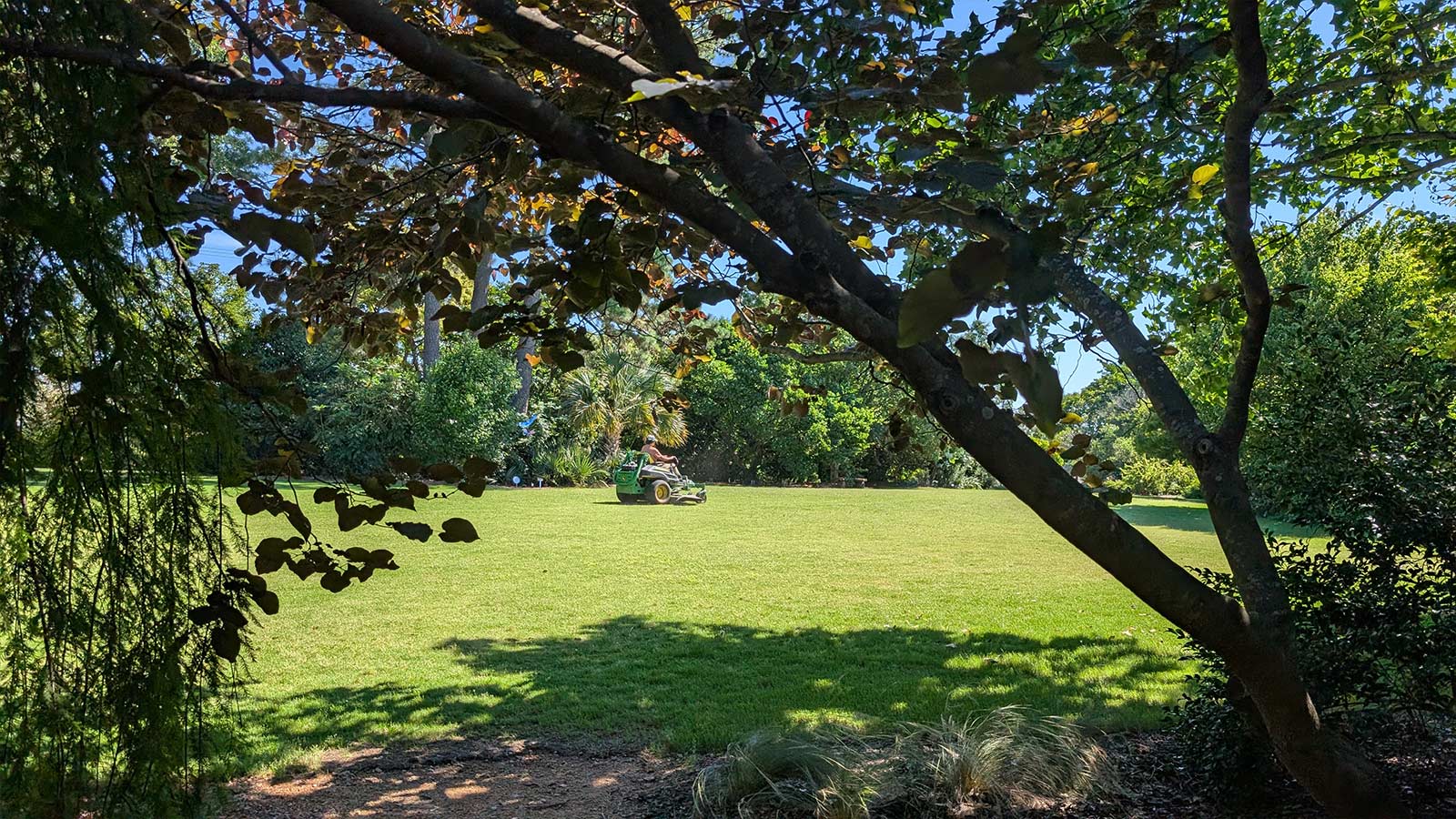
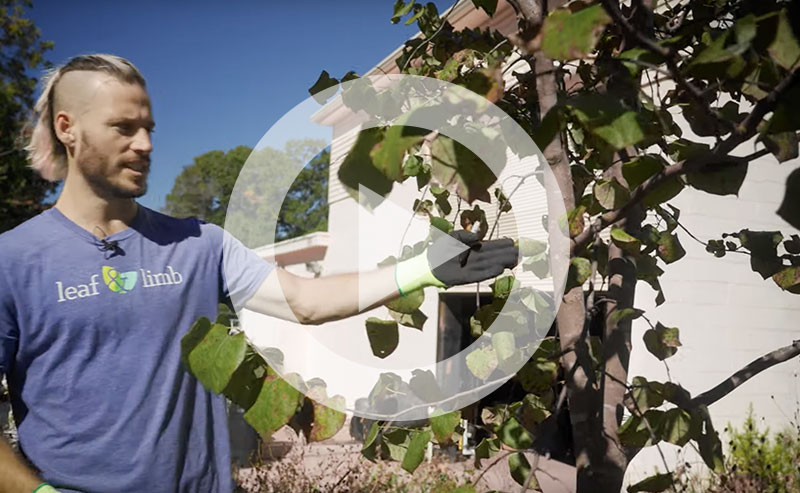
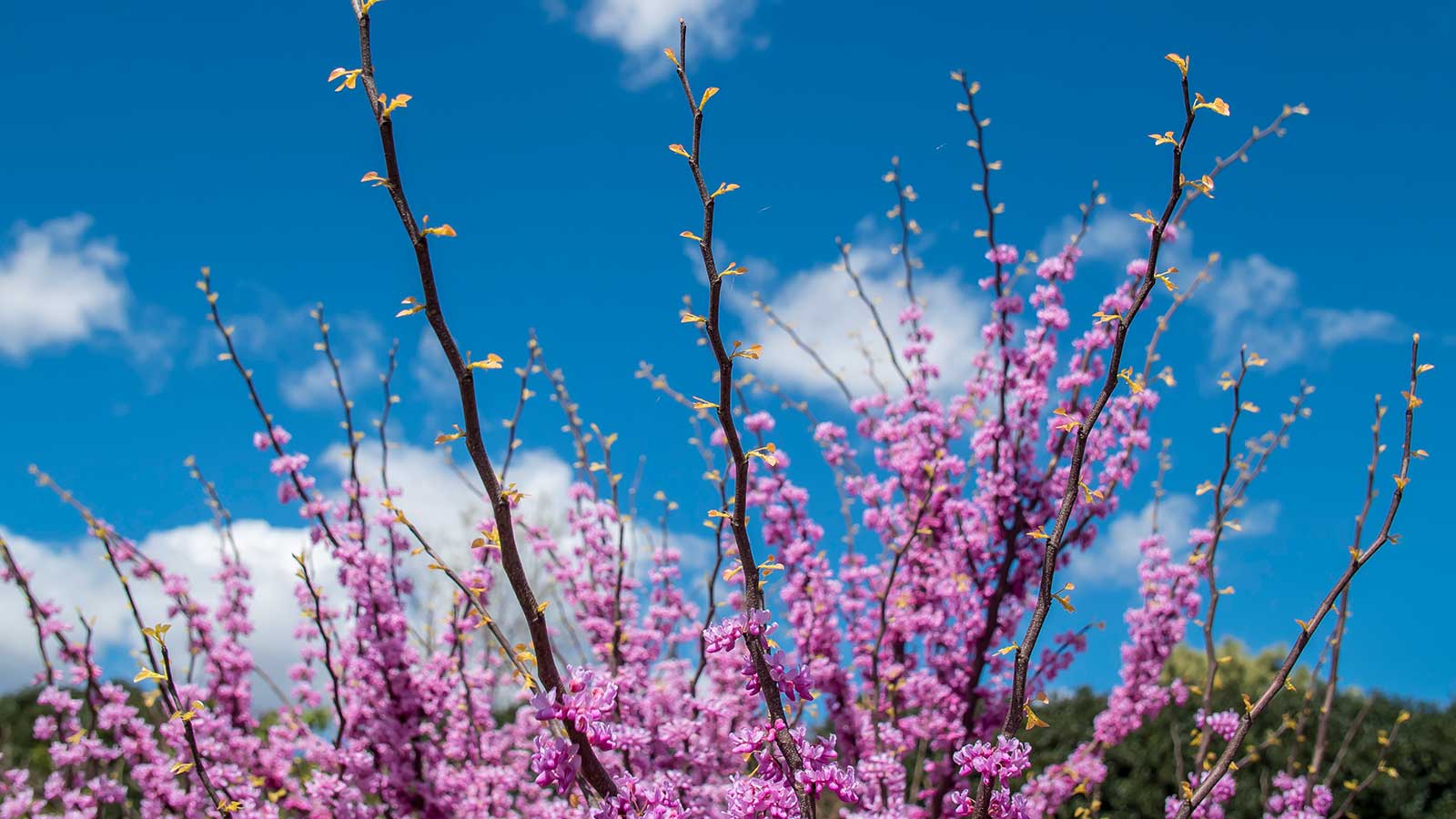
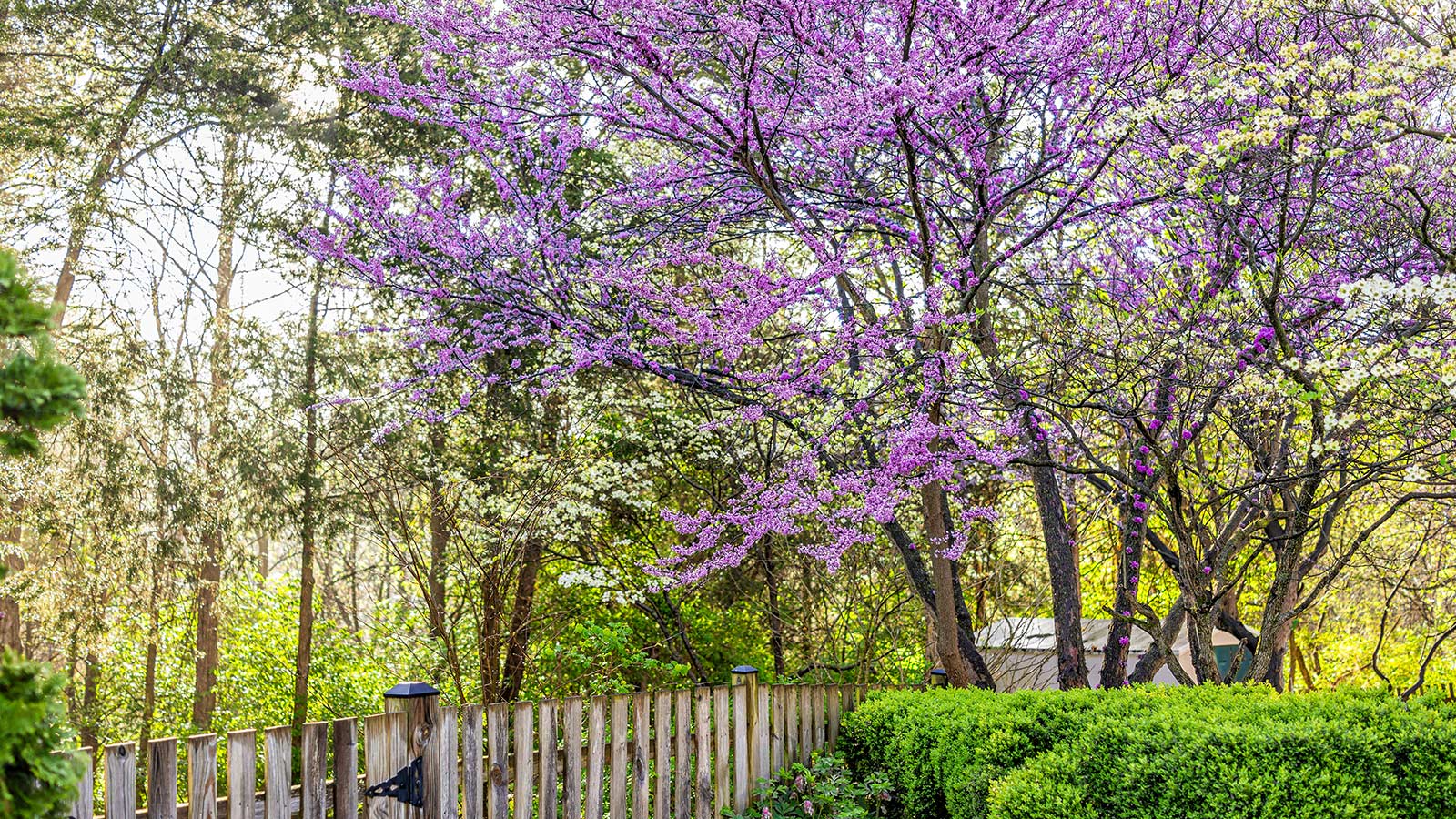
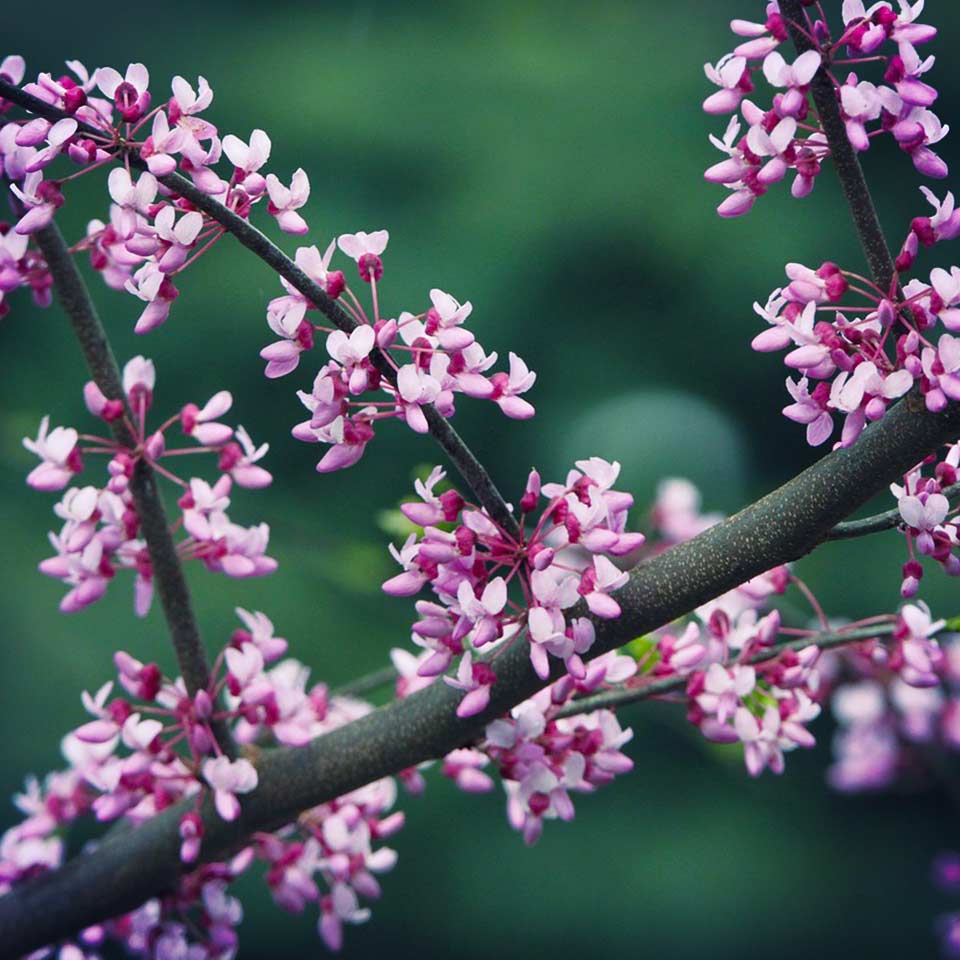
Here’s a smaller tree. This is the eastern redbud, or Cercis canadensis. It only grows to about 30 feet tall and does well in dry or drought conditions. It’s not an evergreen, meaning it loses its leaves in the fall. The most striking feature of the redbud are its blossoms, which come out in early spring and are beautiful purplish pink, and are also edible.
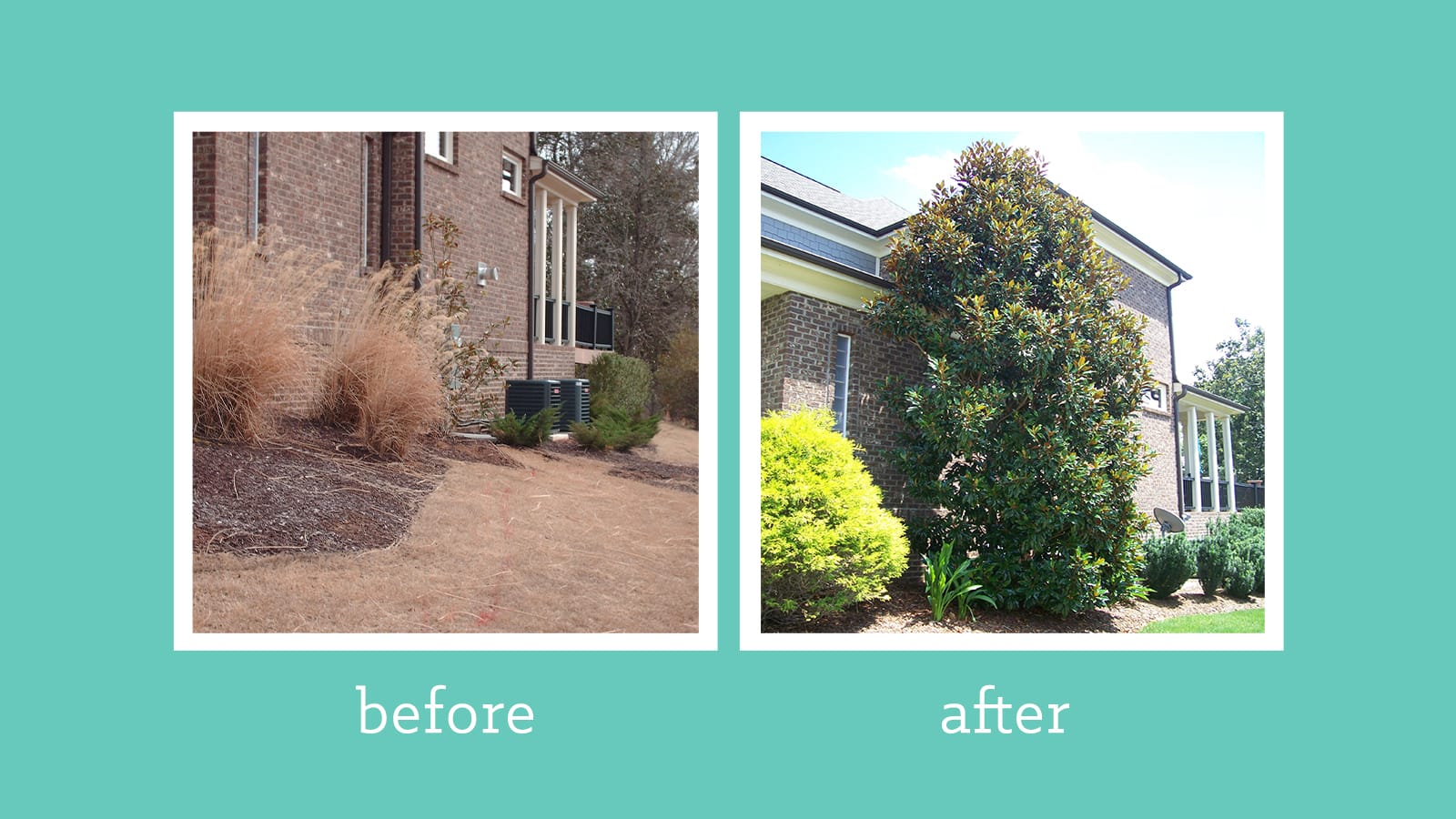
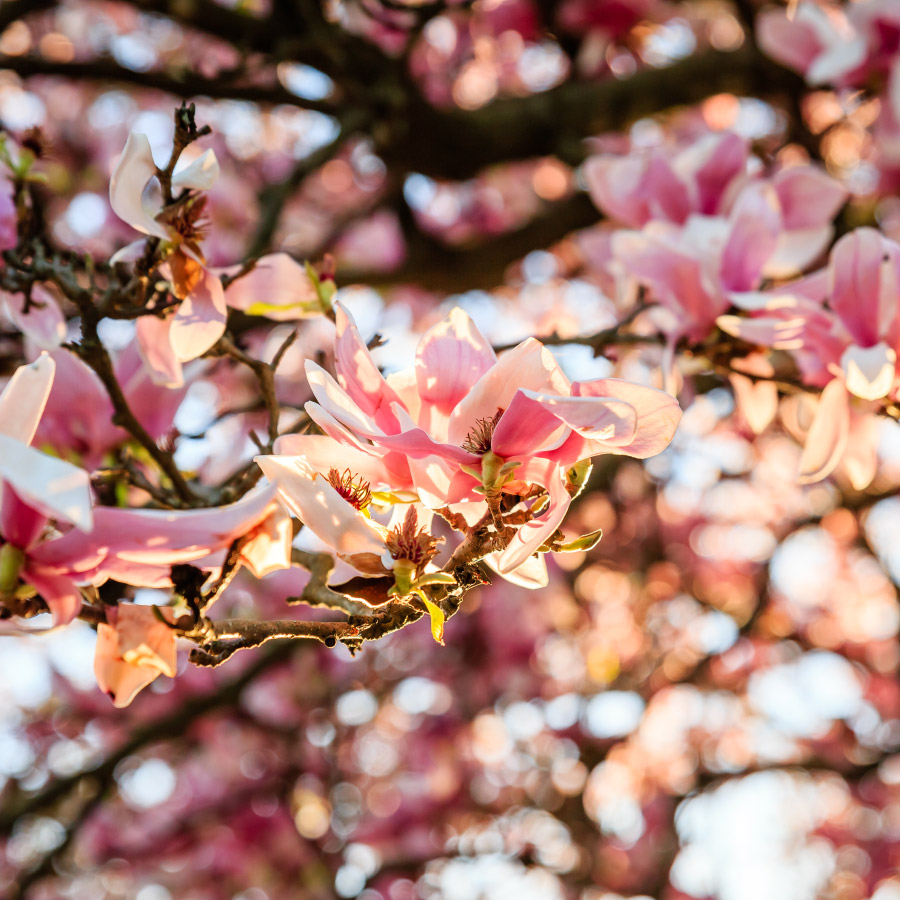
Here we have an evergreen. This tree keeps its leaves, and they stay green all year round. This is southern magnolia, Magnolia grandiflora. It can get very big, up to 120 feet tall. Its thick, waxy leaves do well in full sun and in the heat. Its distinctive large white blossoms have a beautiful, lemony scent.
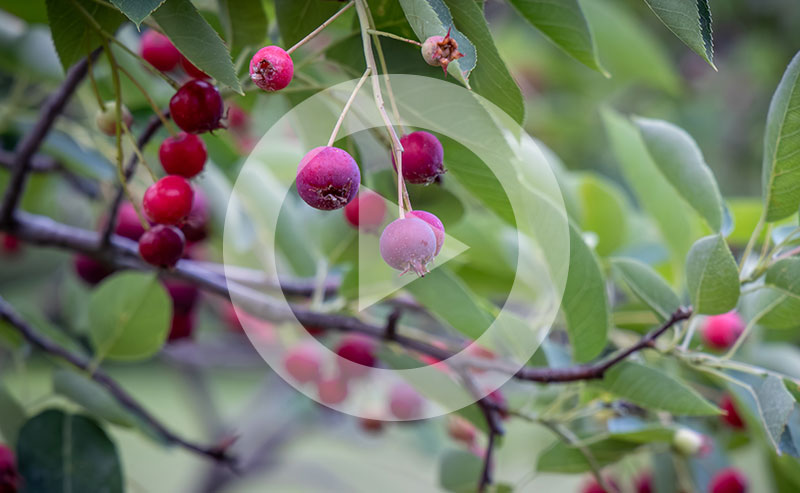
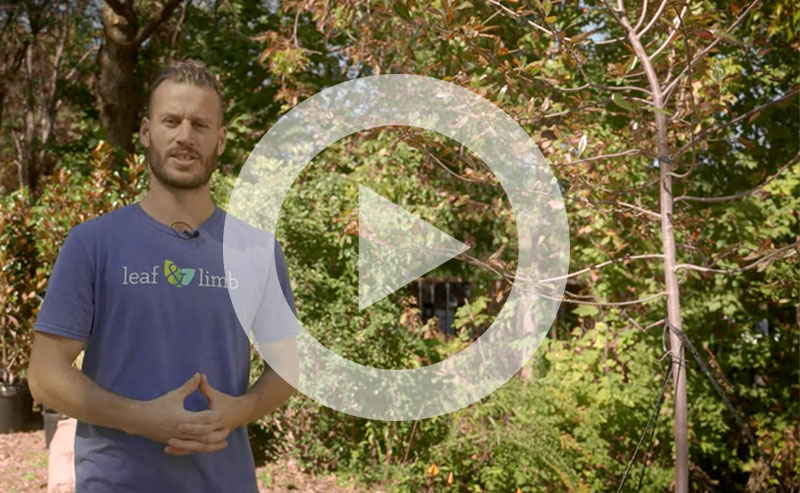
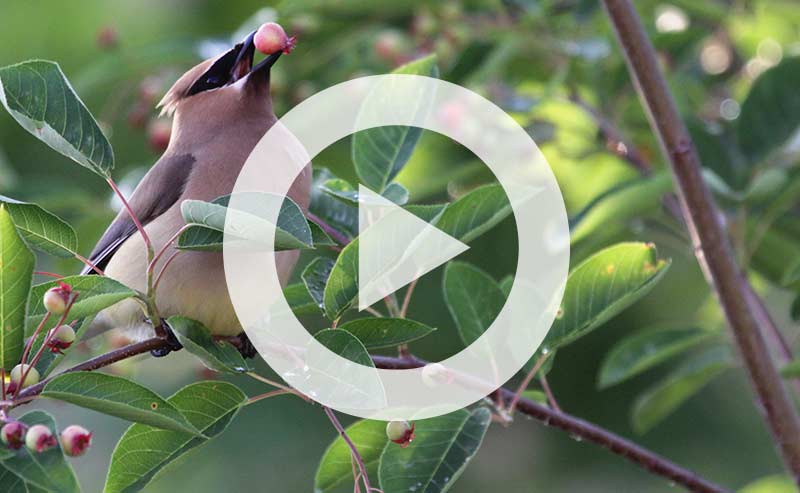
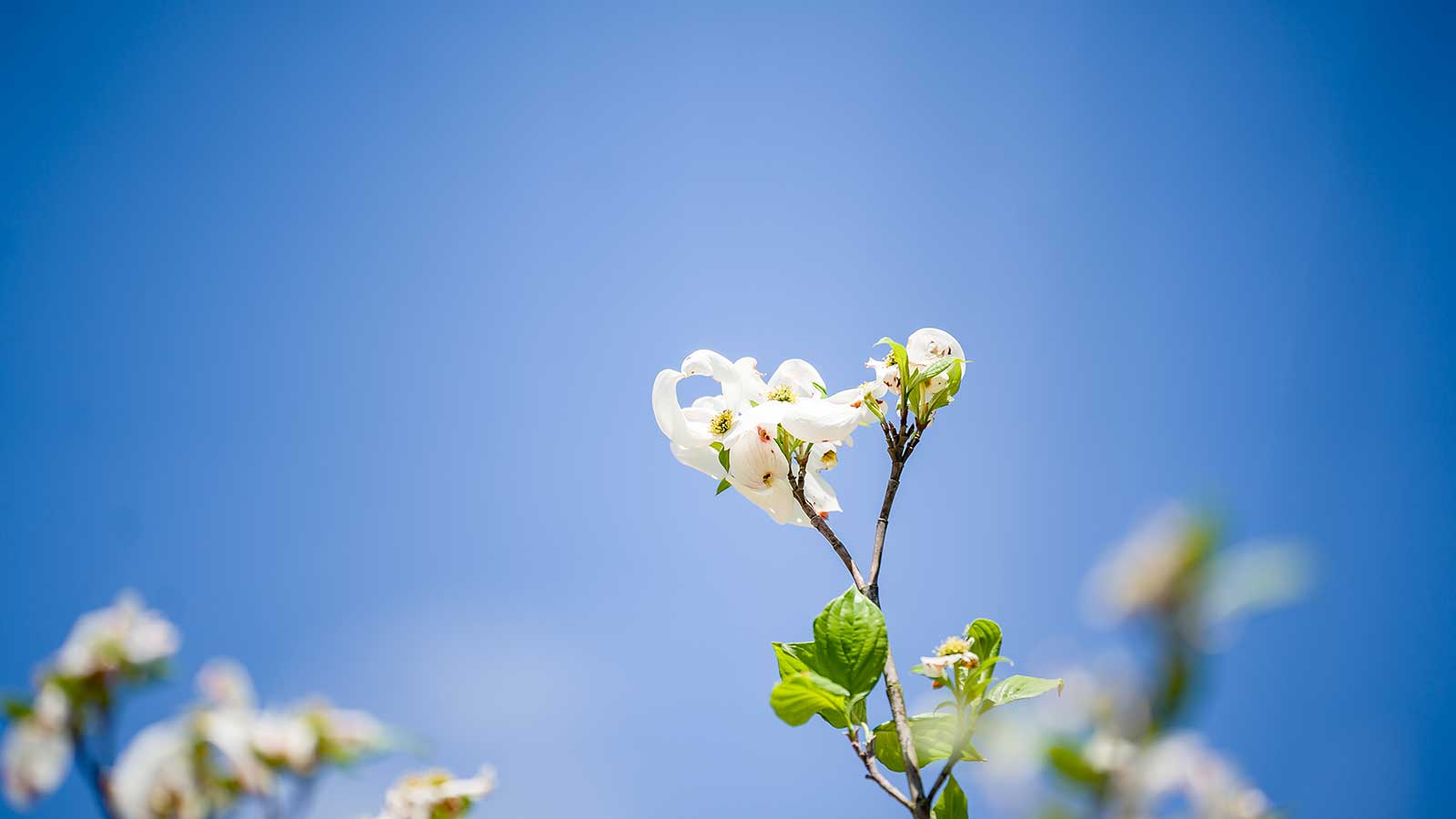
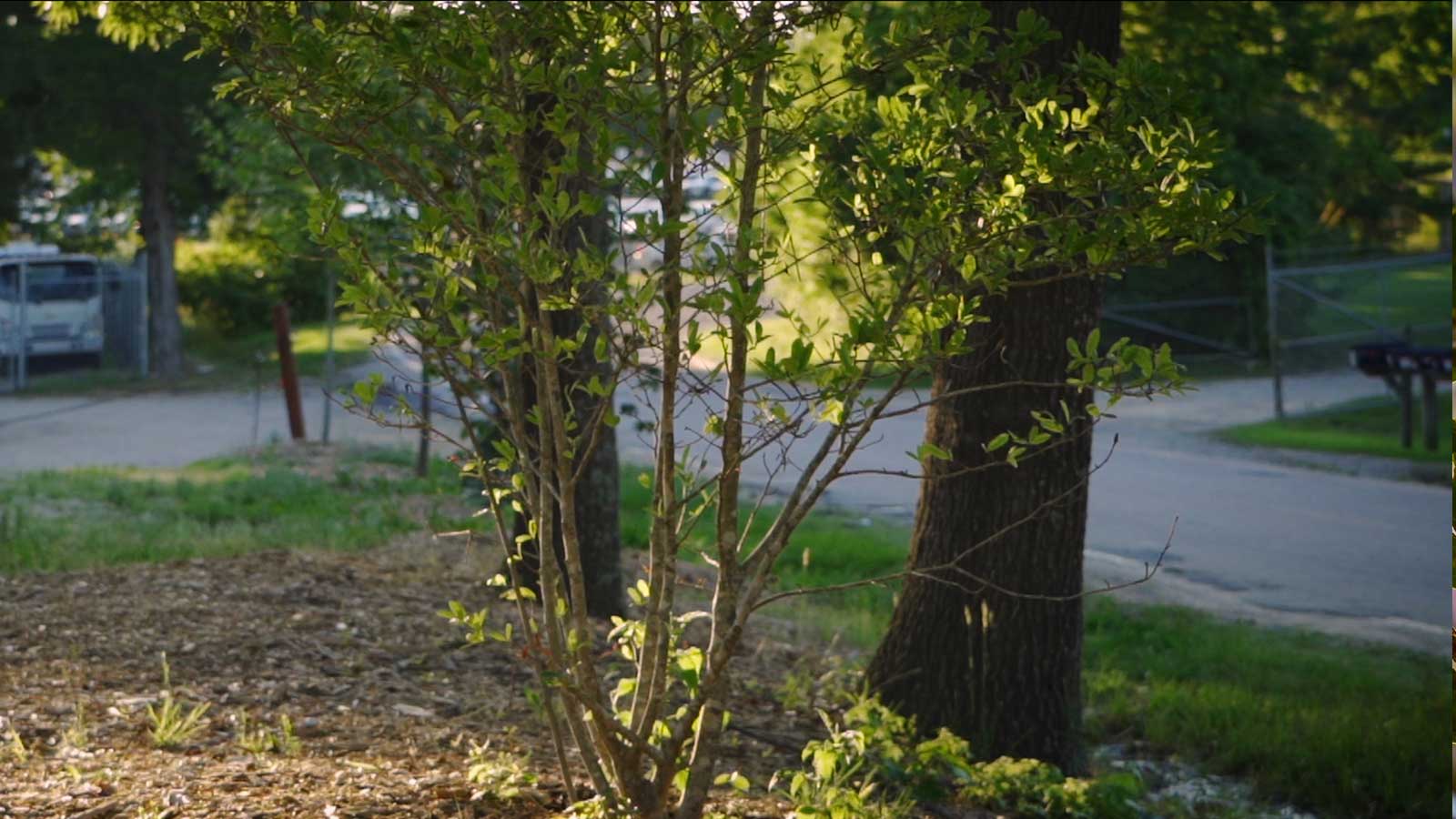
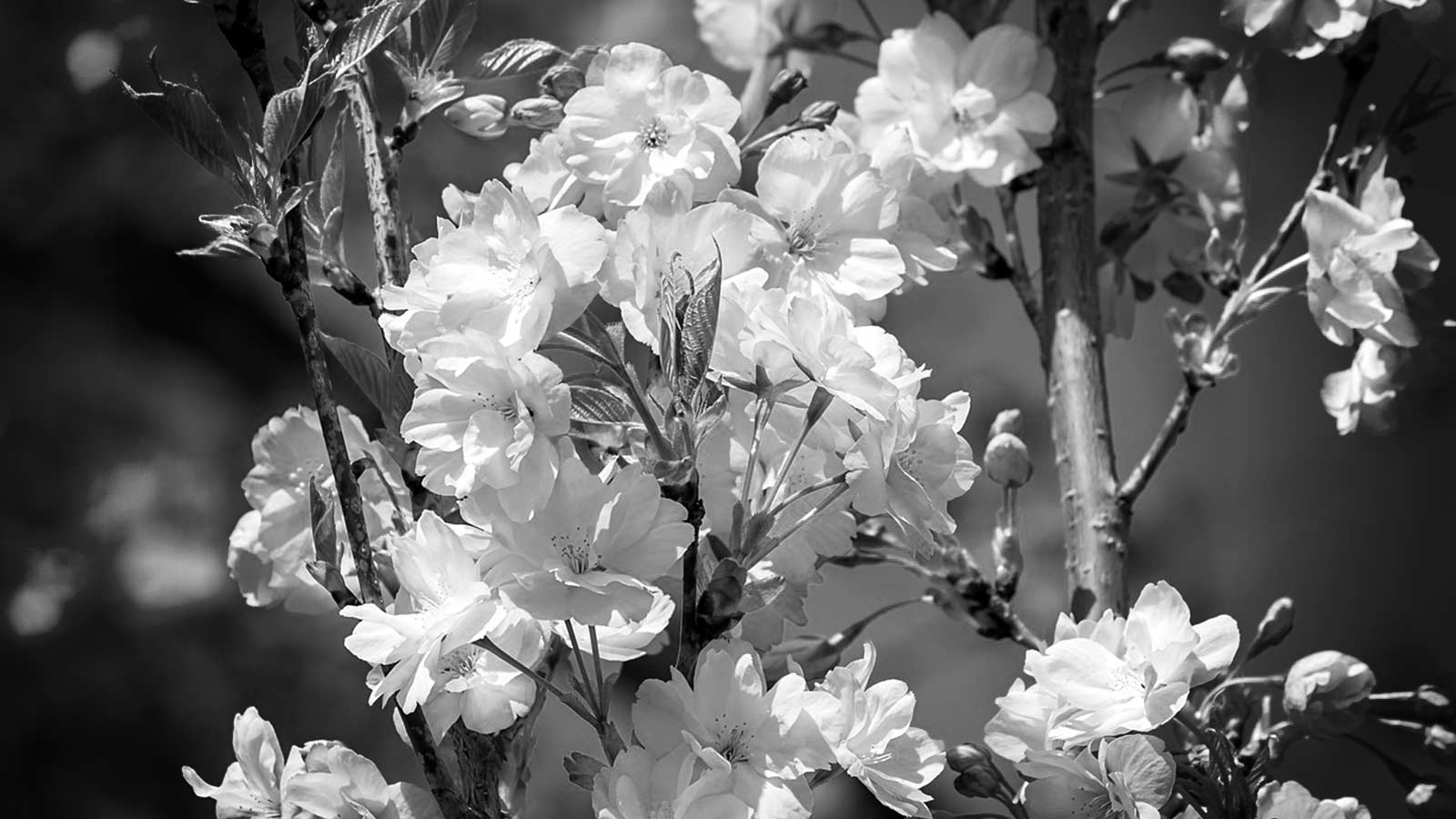
And finally, we have the serviceberry. It’s an interesting one because it can be raised as a shrub or small tree like this one. It stays small, about 15 to 25 feet, and it can handle some shade or be in full sun, like this one. Its small white blossoms are really important for pollinators.
With so many options, it can be difficult to pick the right tree for the right place. But deciding to plant even one native plant means you’re in the right direction. Because planting a native tree is an investment in the future and a promise to make tomorrow better than today.