Get To Know Project Pando: Meet Heather
Project Pando is installing a Pocket Forest at TLC's Williamson Preserve. Learn how Heather is involved.
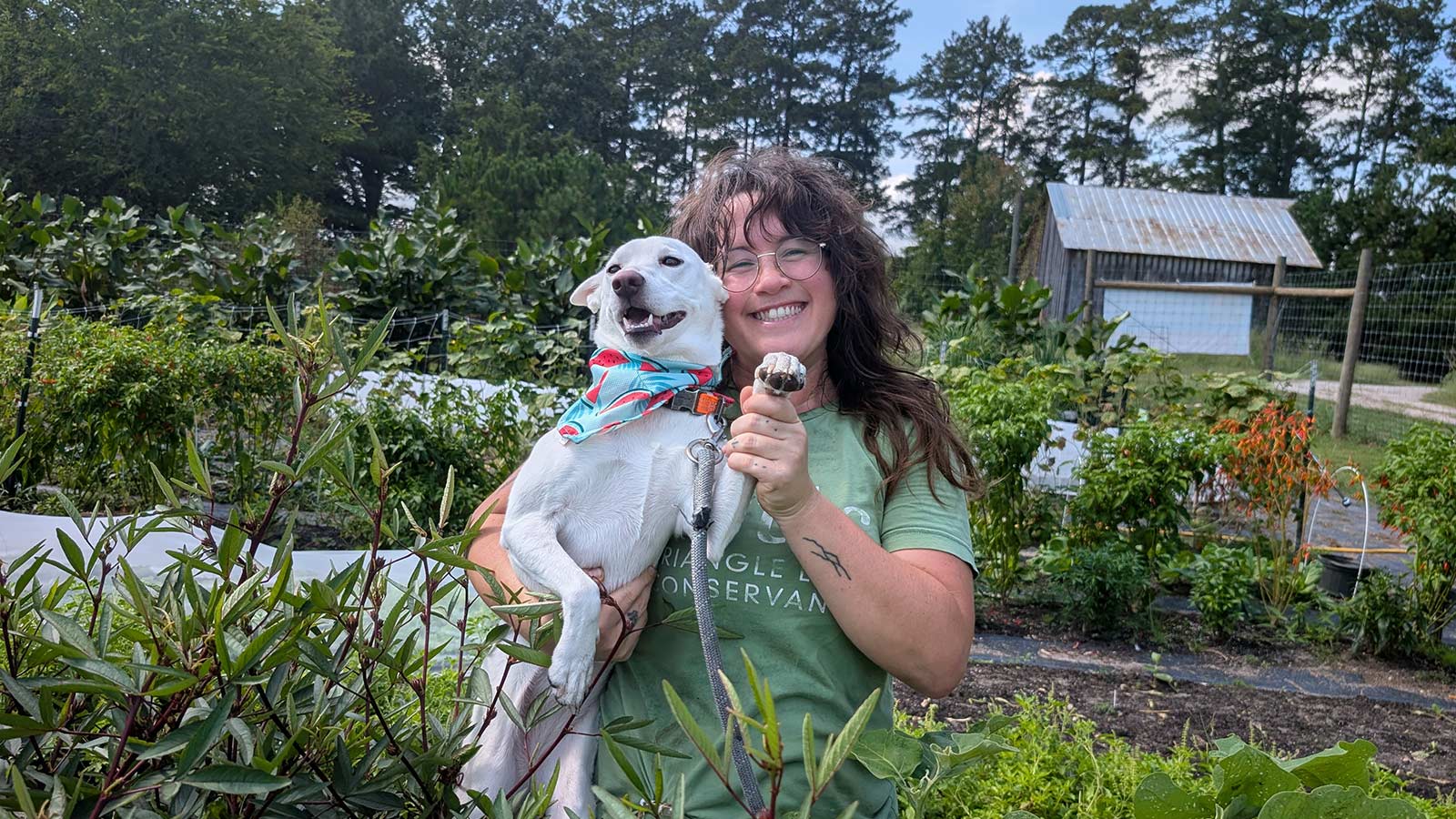
Go ahead and introduce yourself however you’d like.
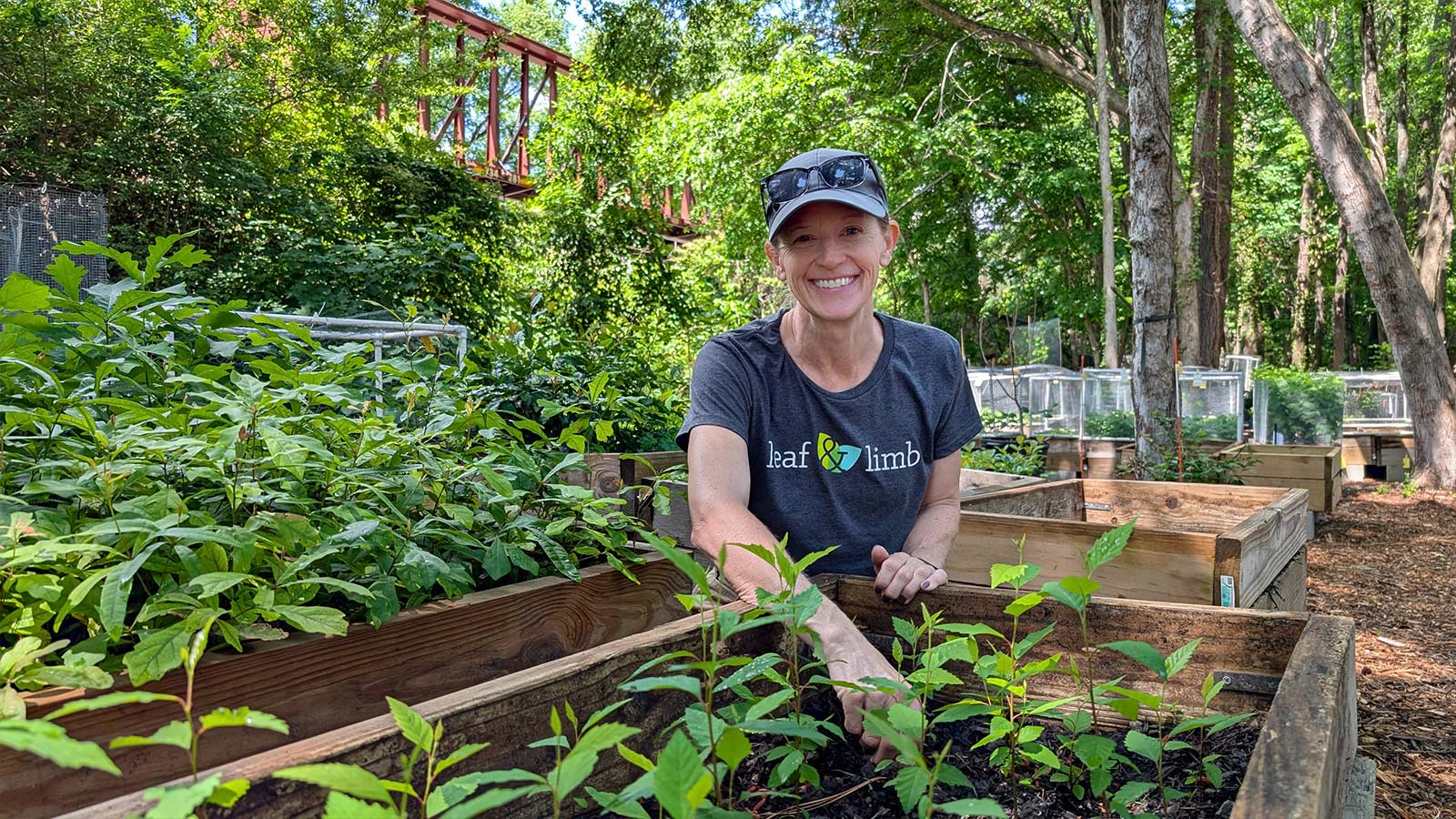
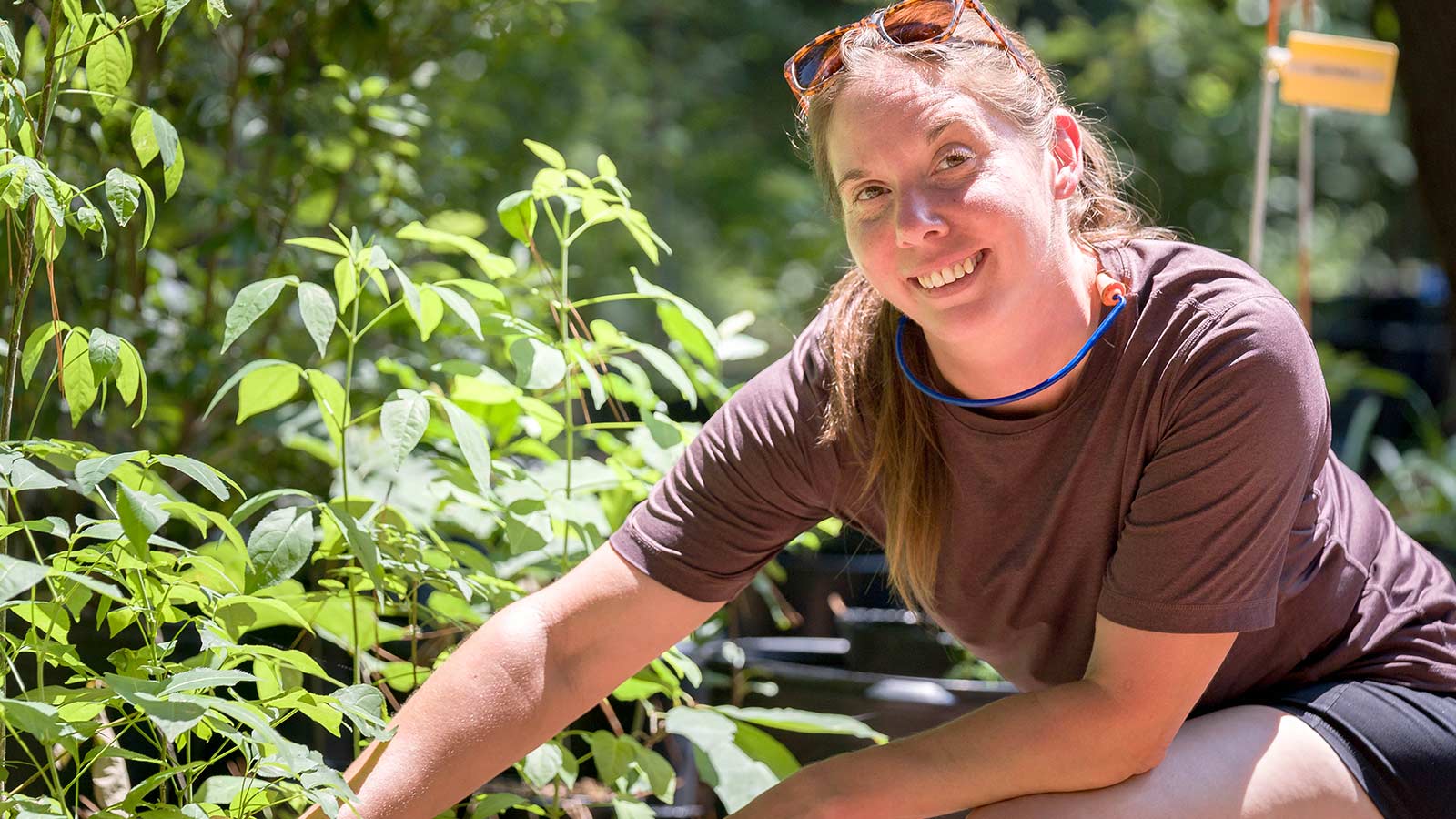
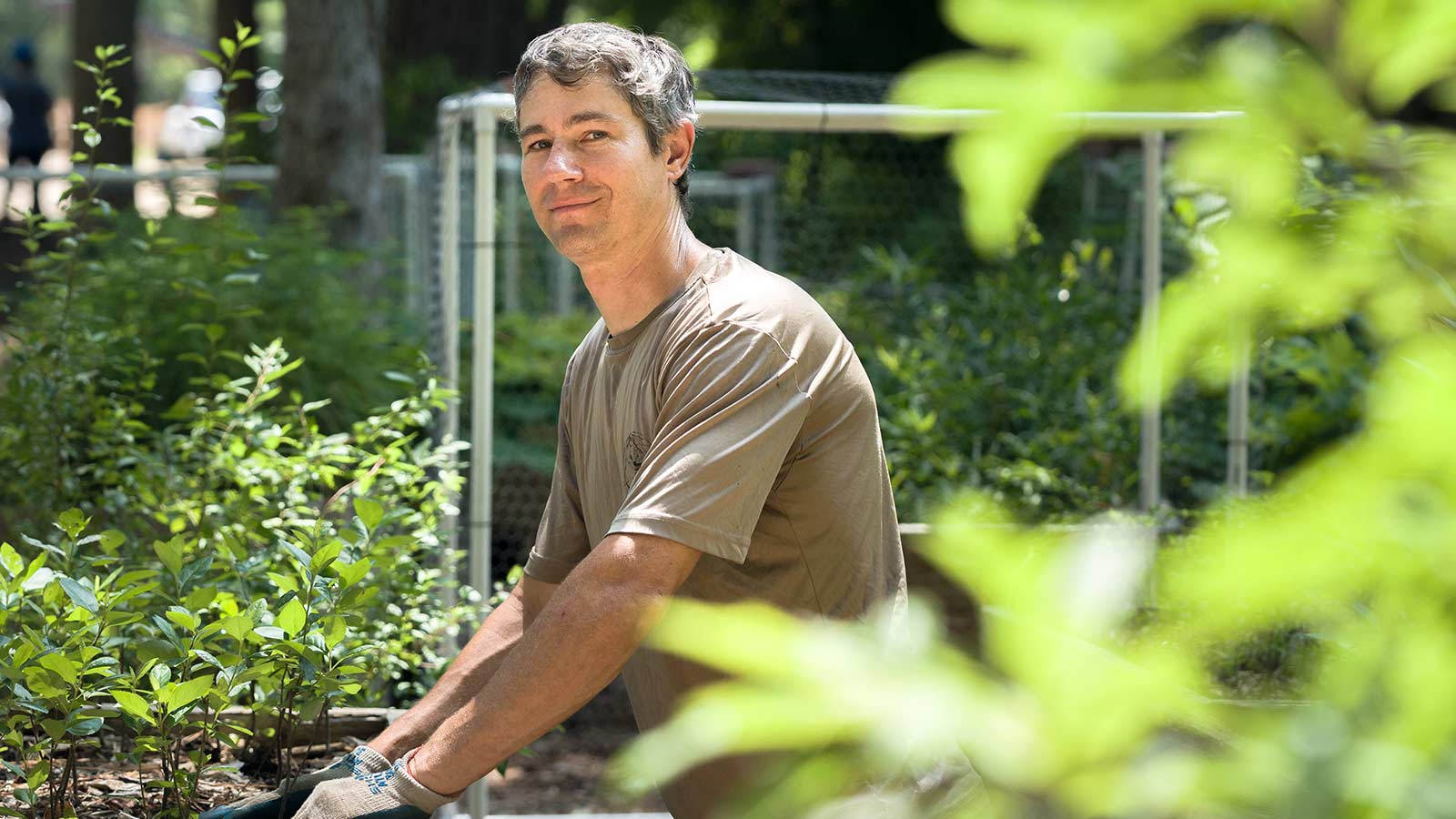
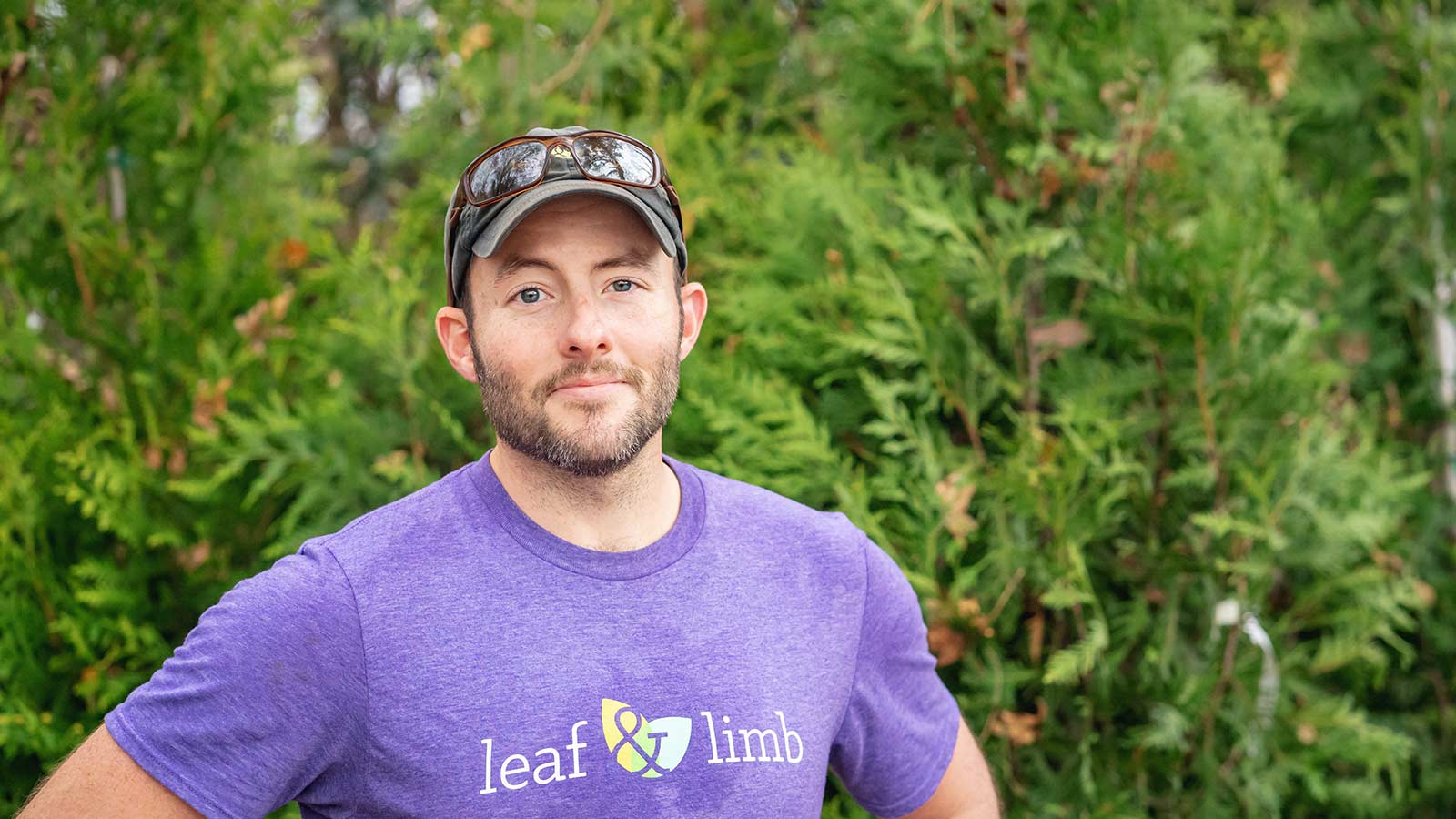
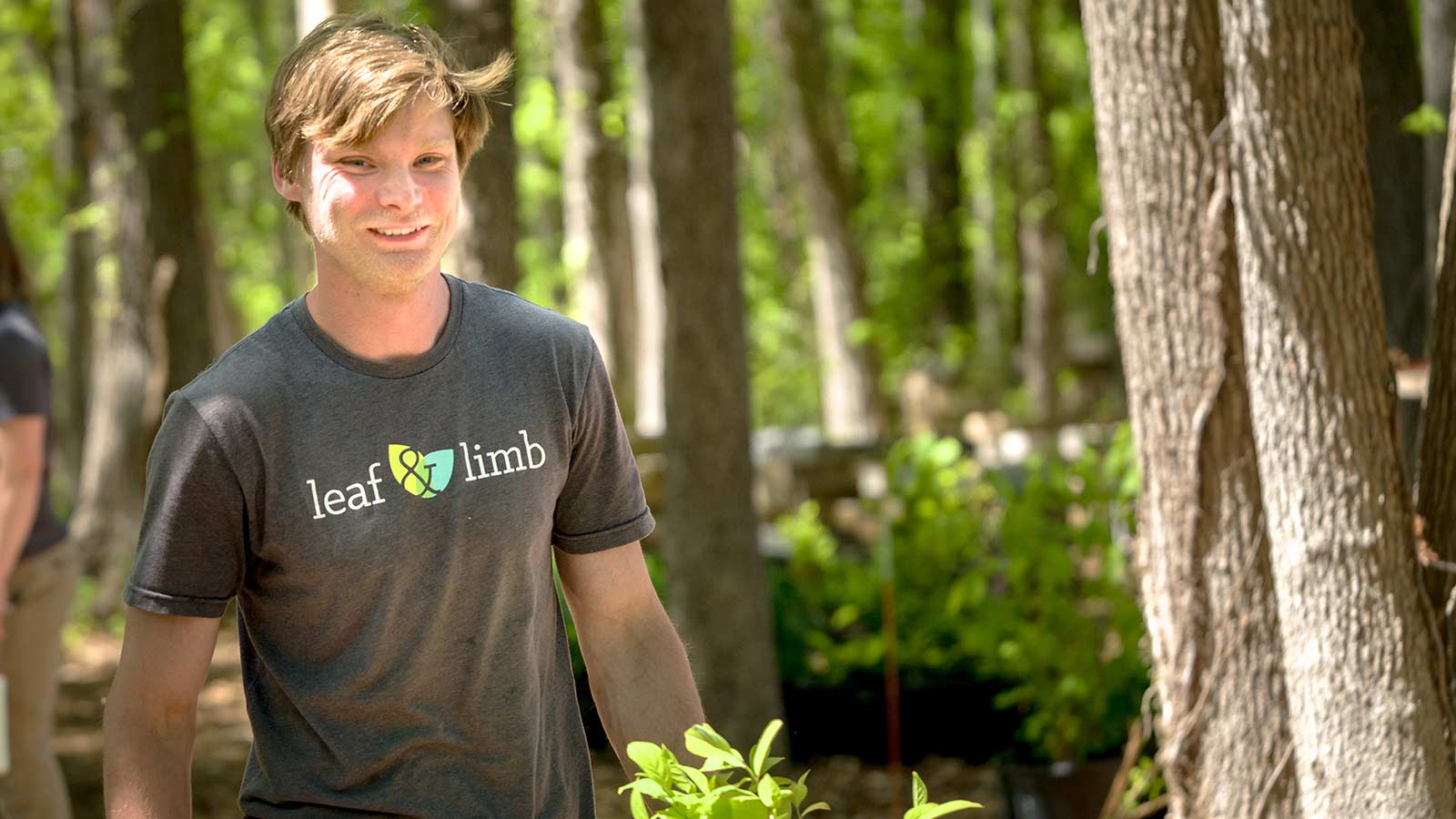
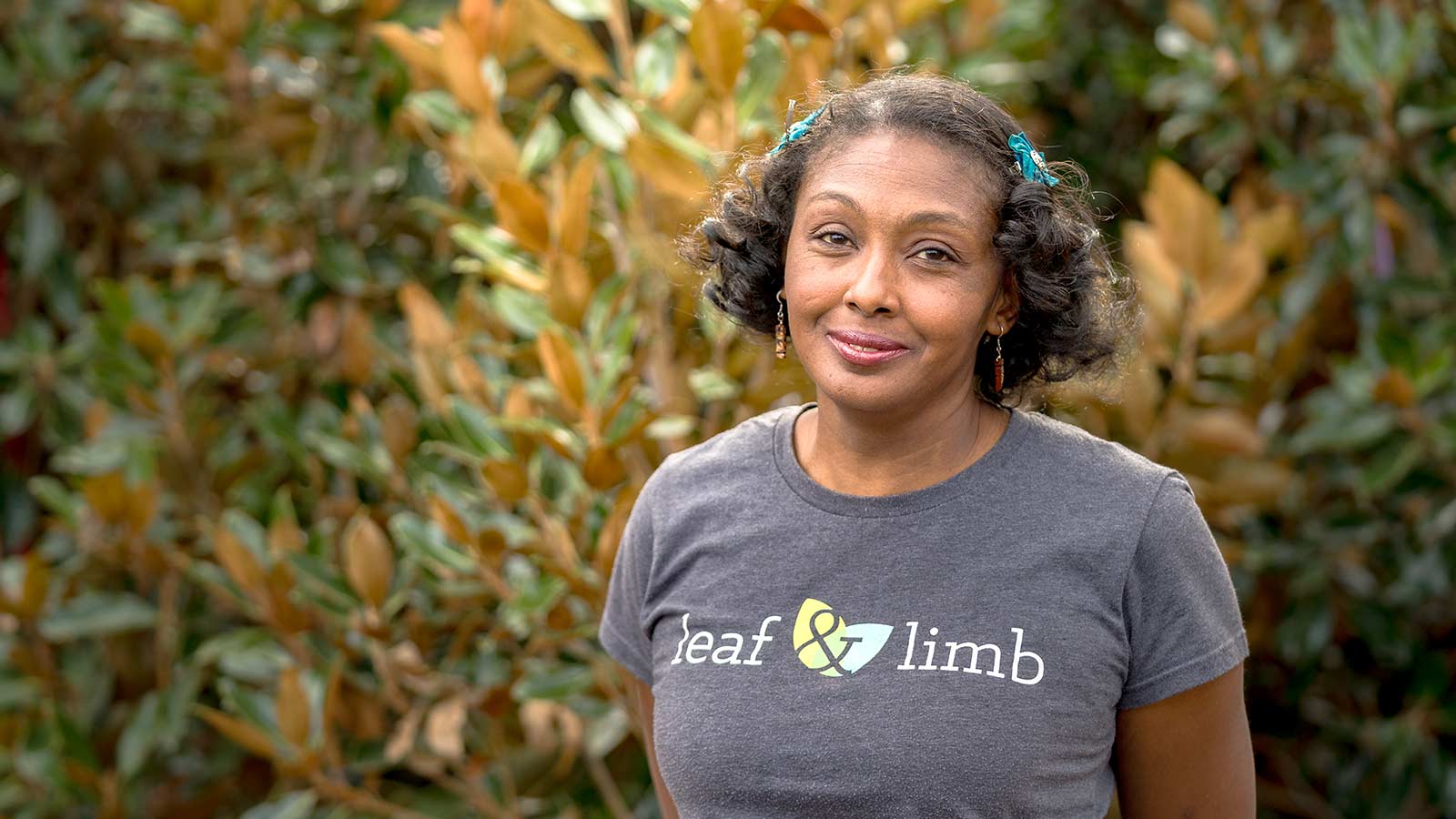
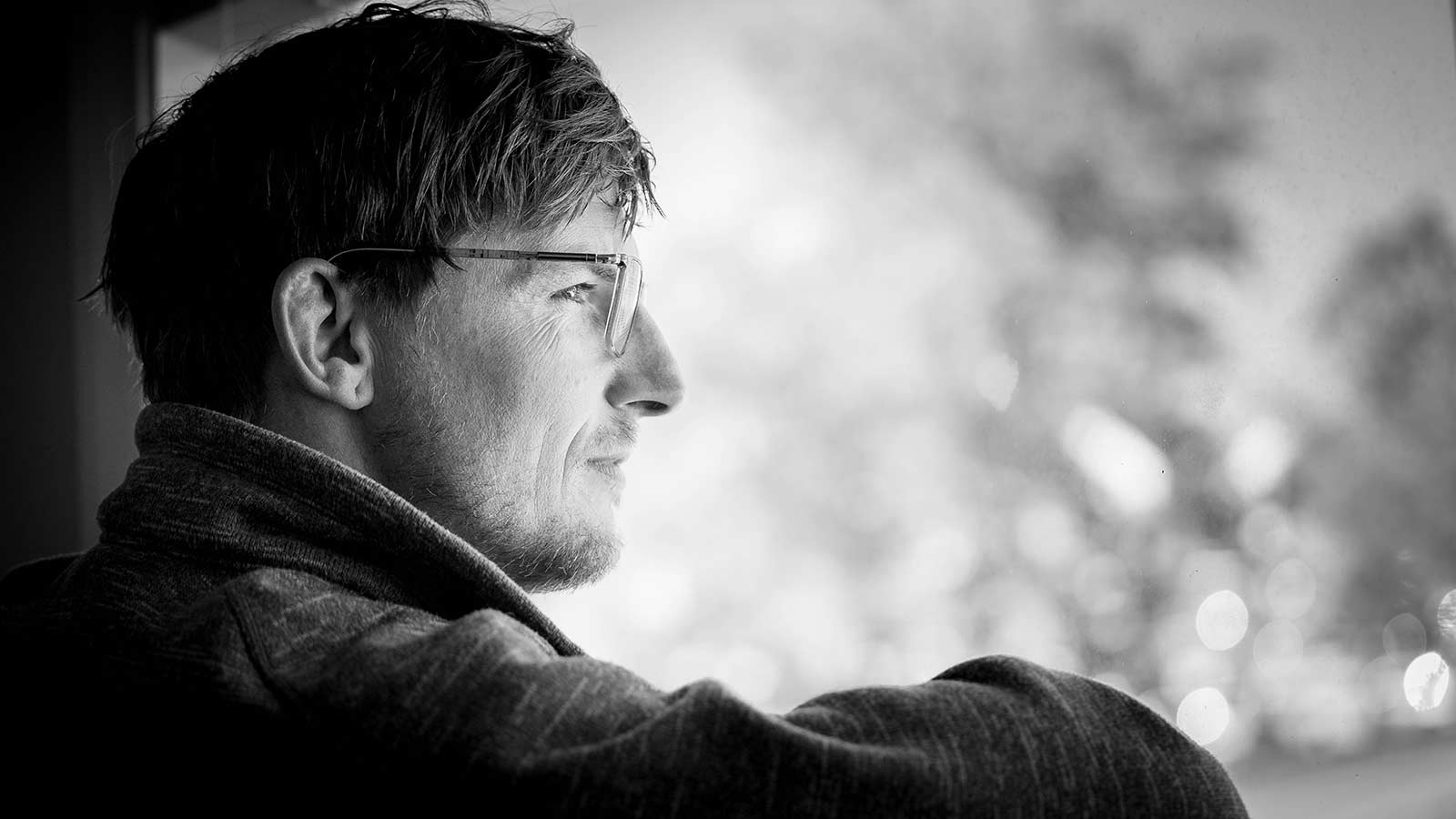
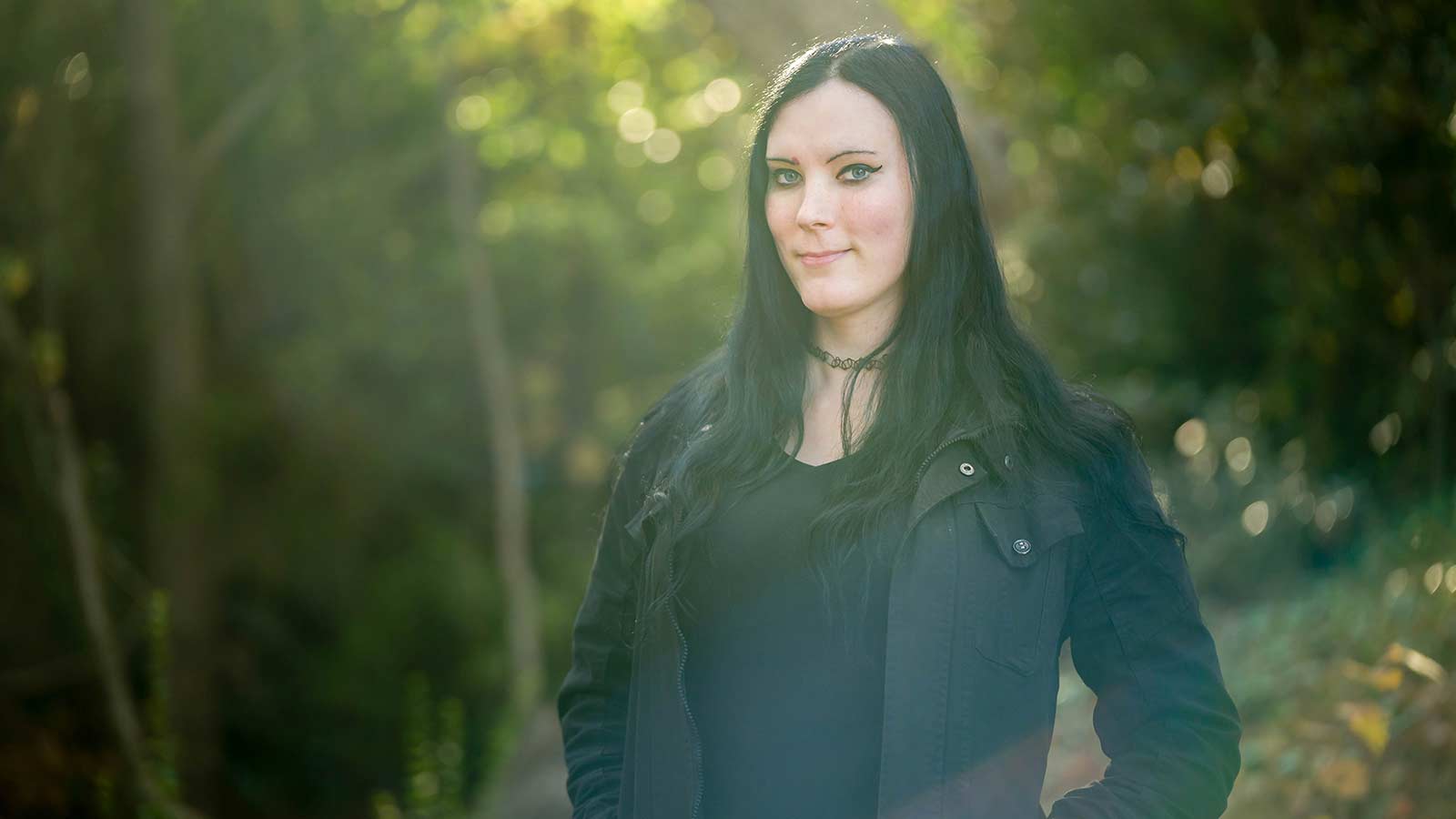
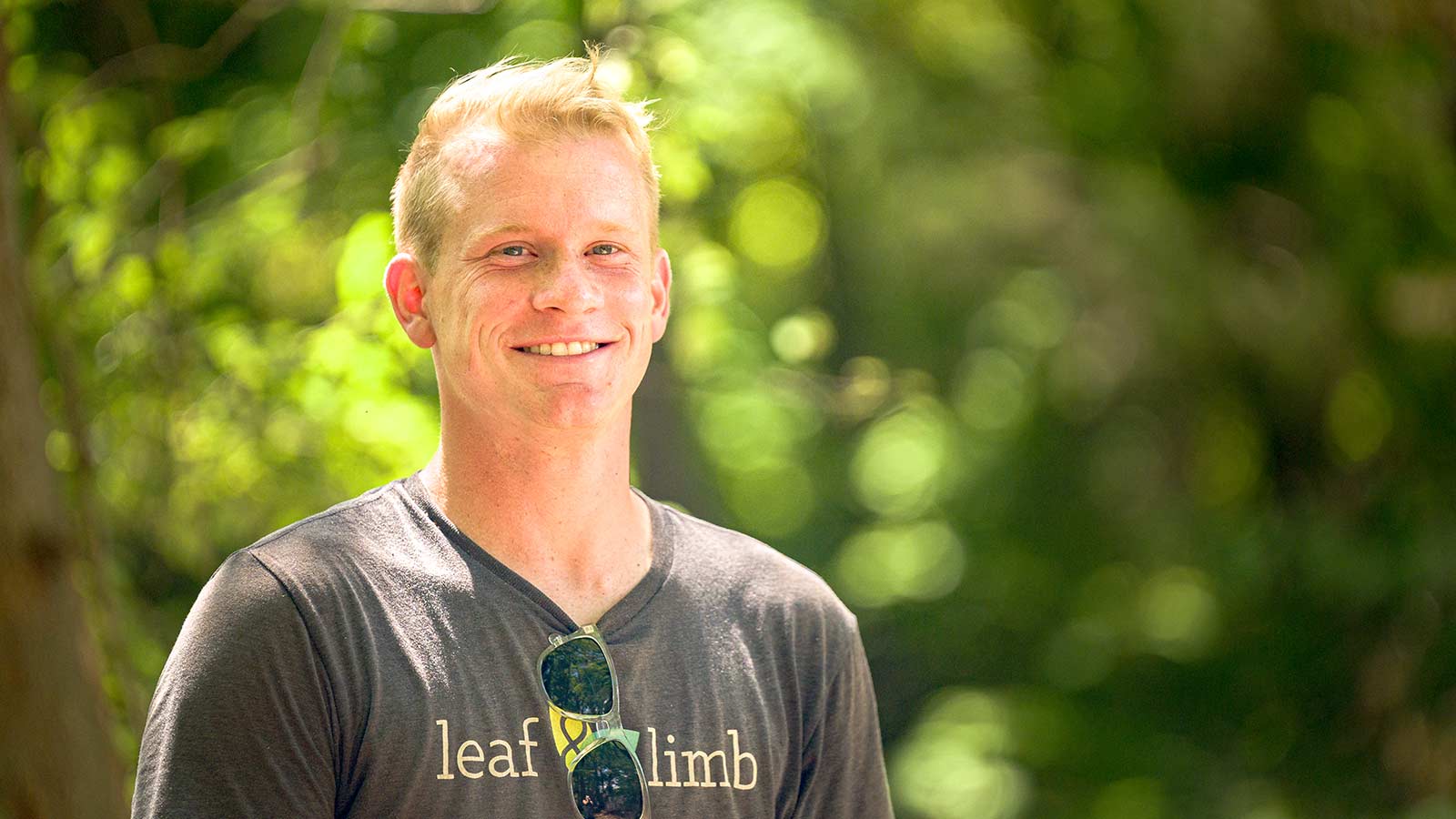
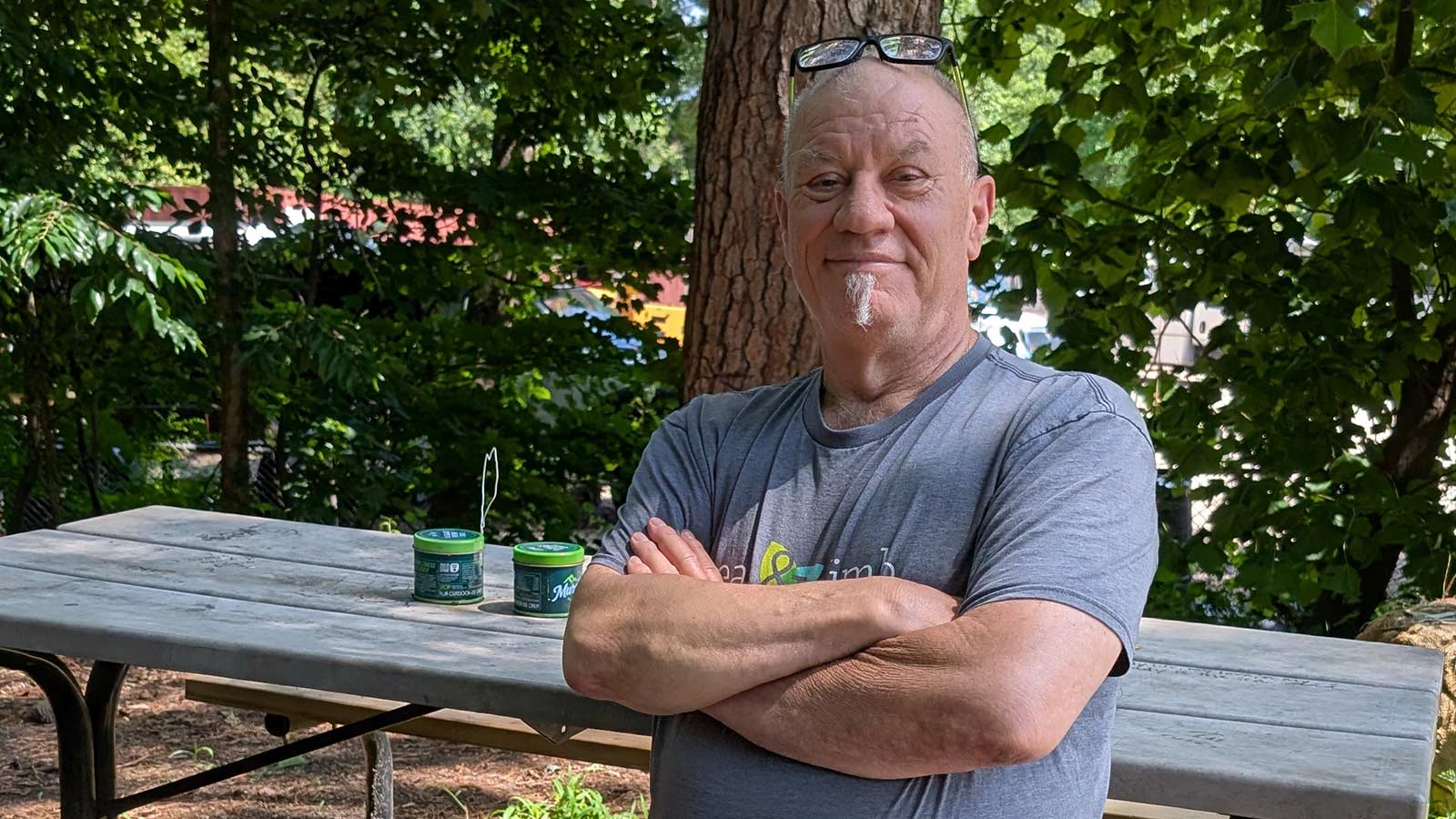
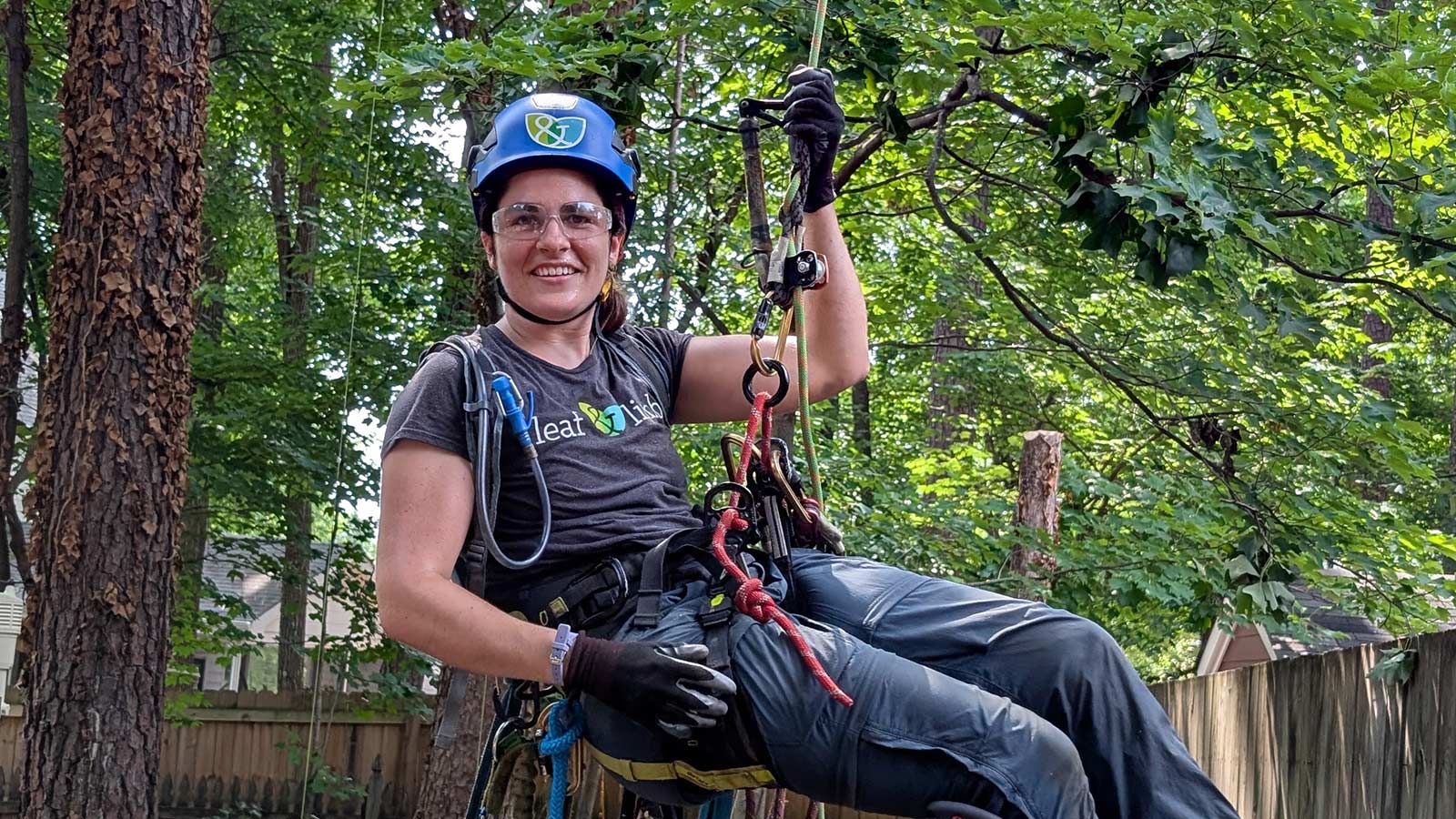
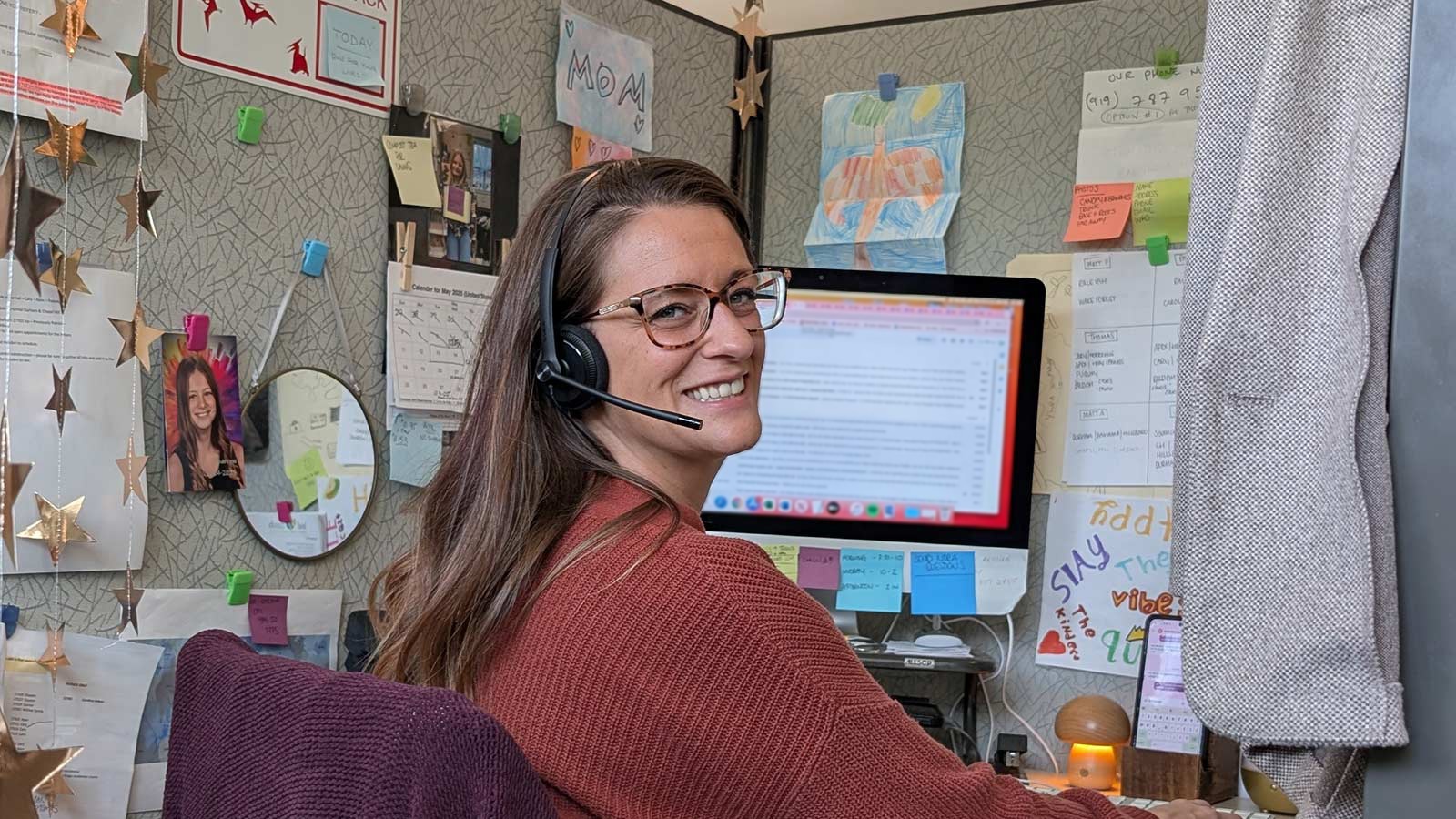
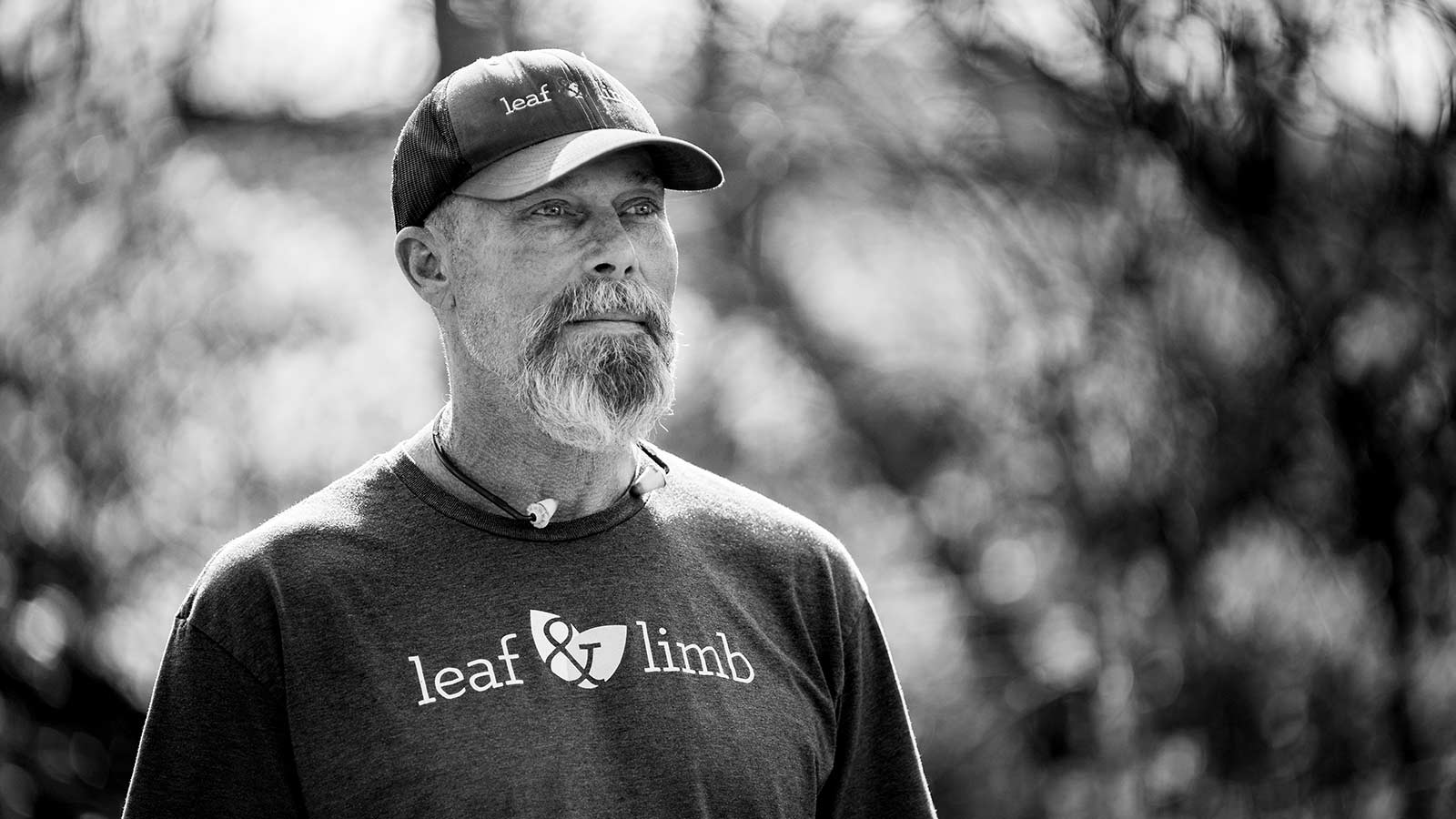
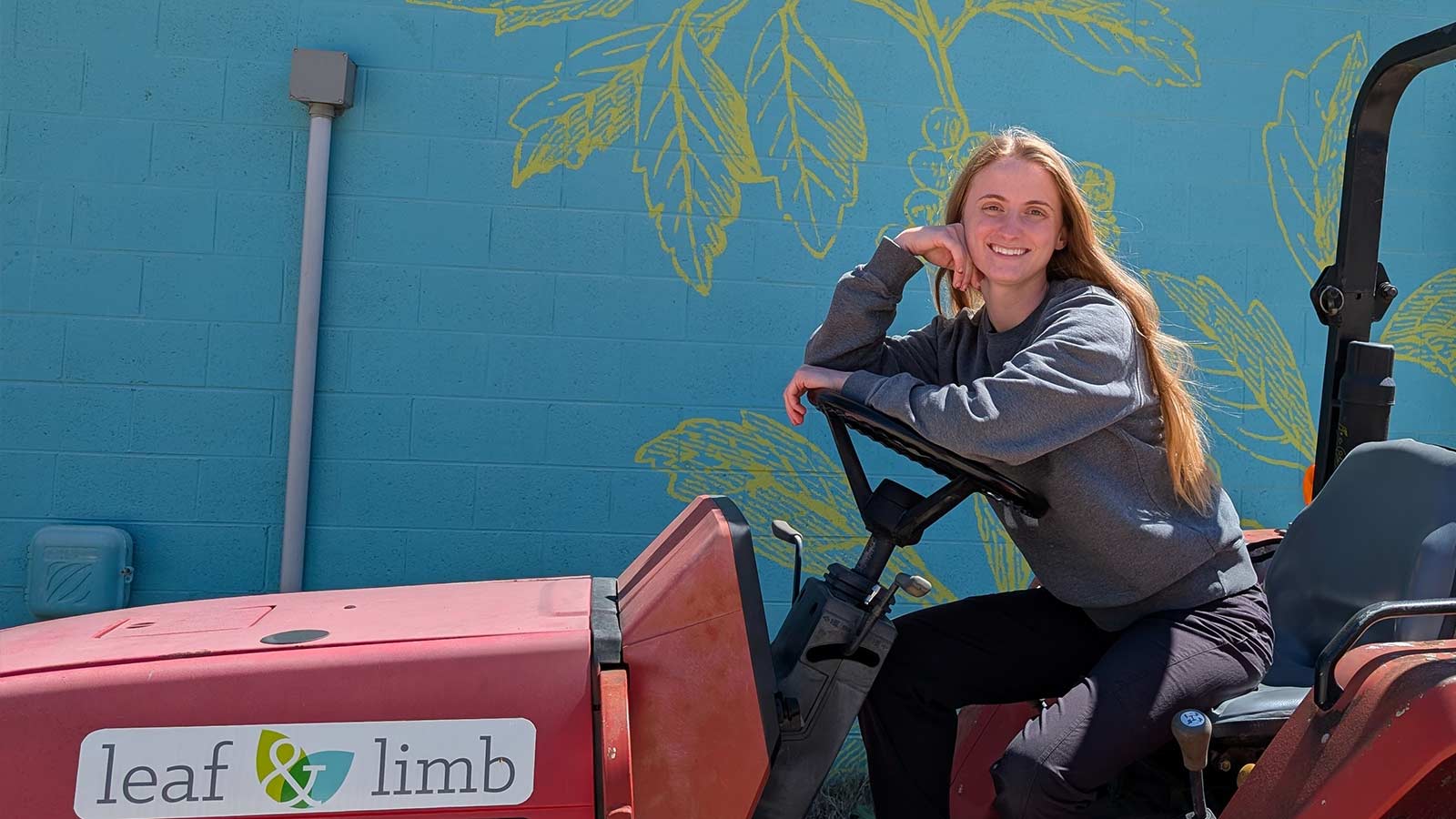
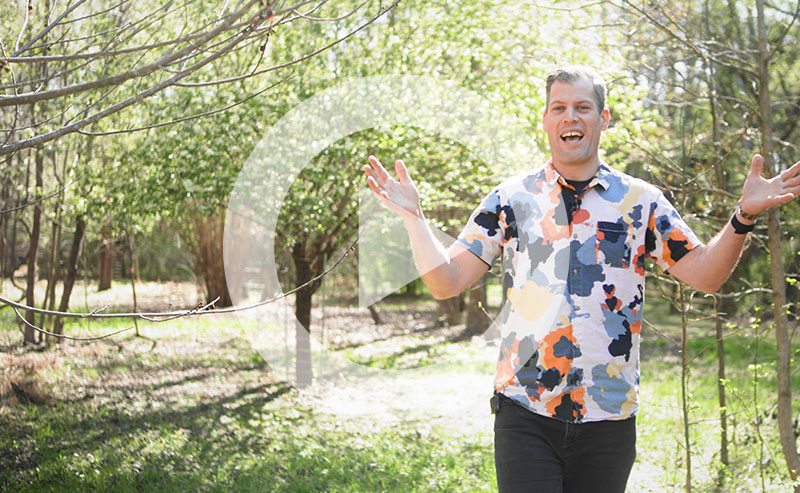
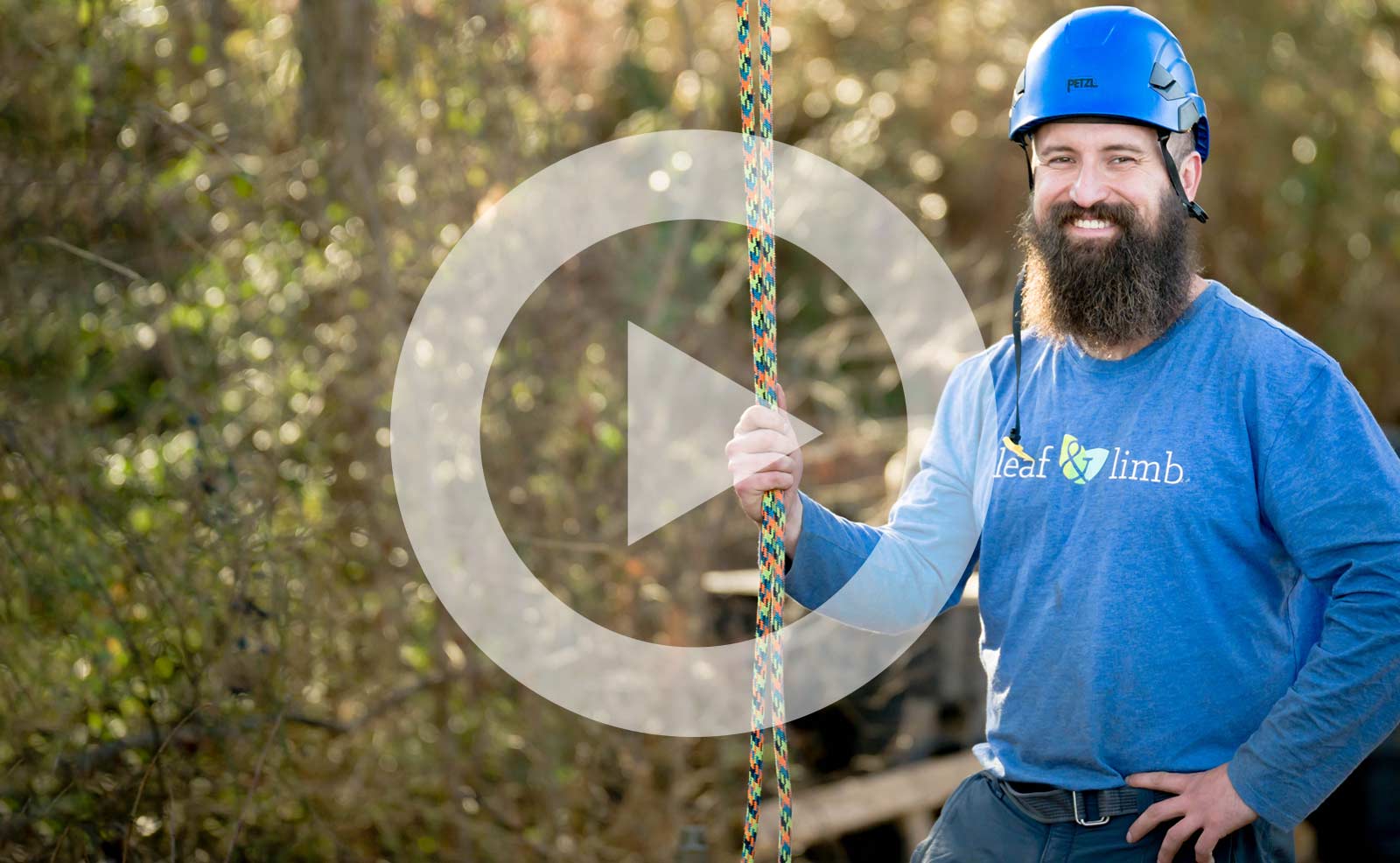
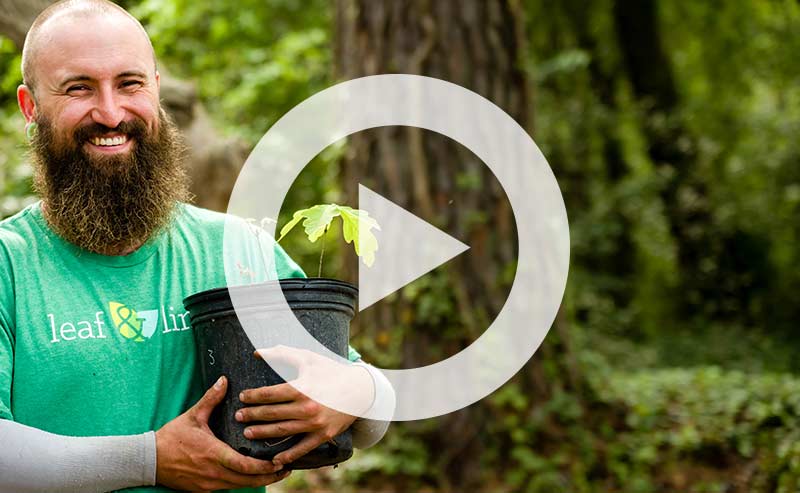
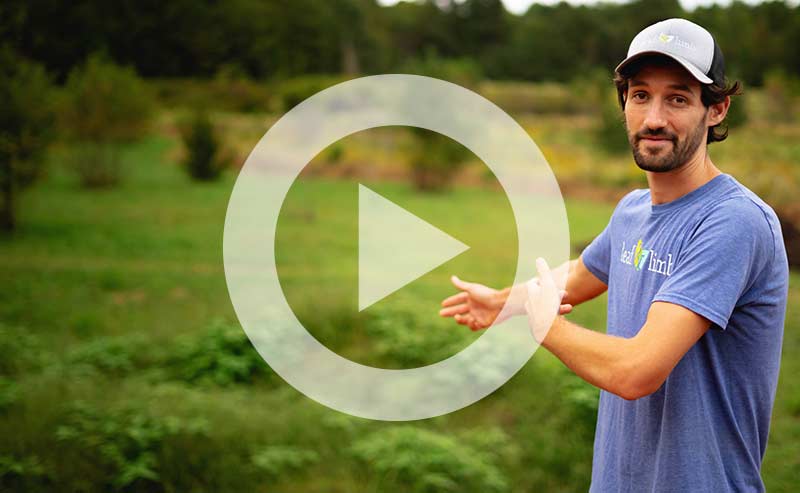
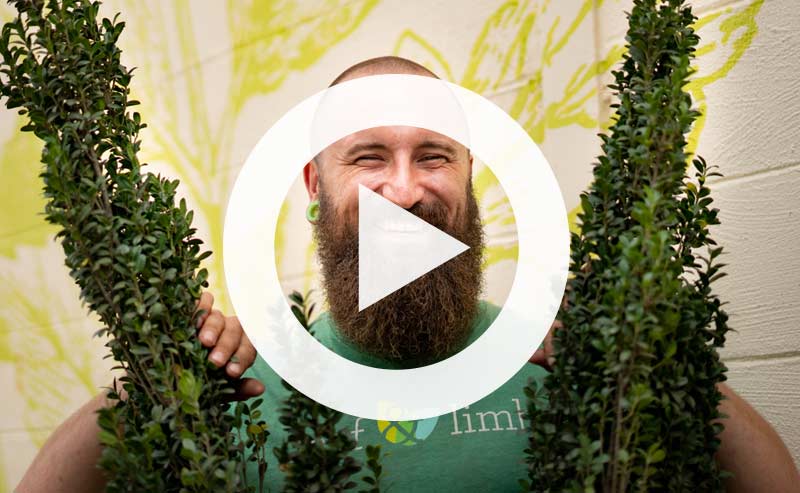
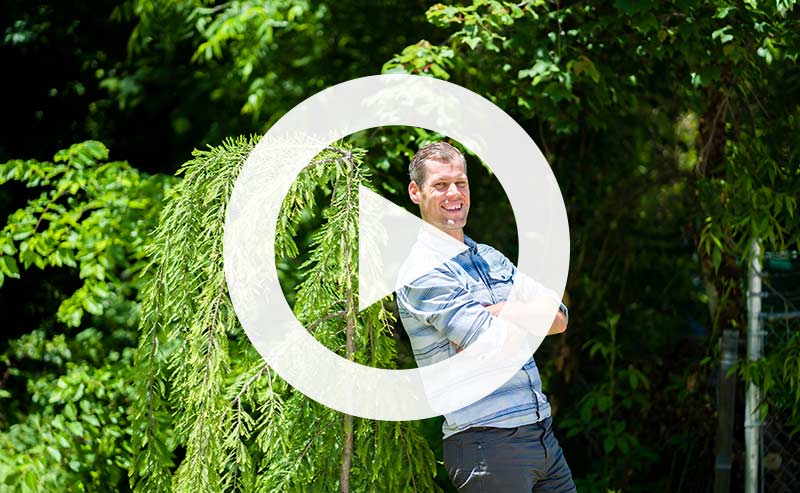
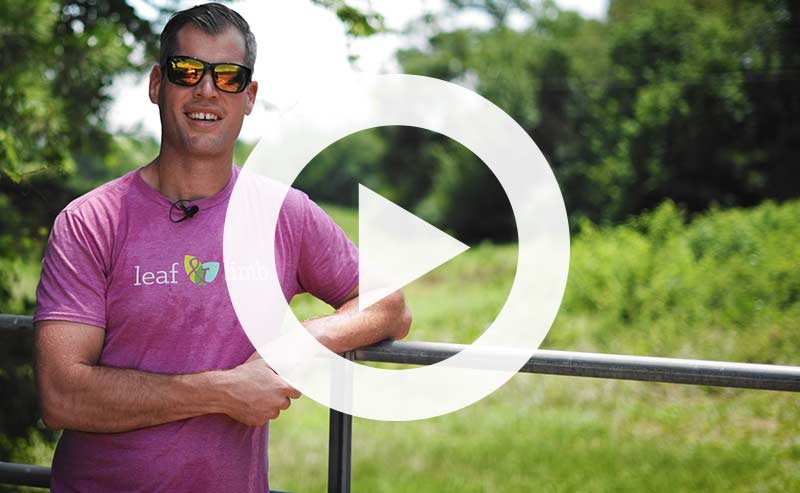
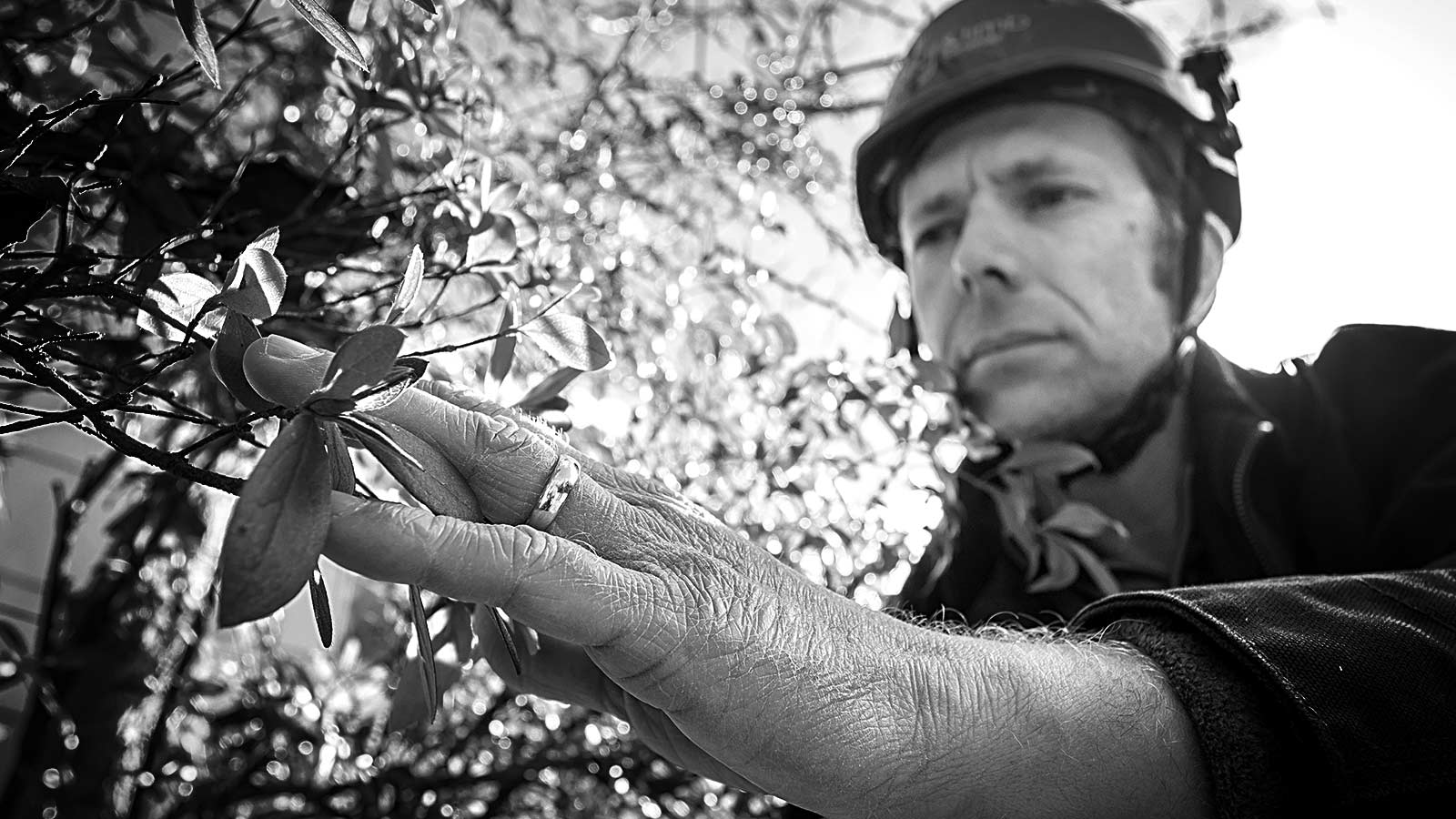
My name is Heather Szaro. I’m the farm manager at the Williamson Preserve with Triangle Land Conservancy and I manage the Williamson Farm Program. And this is Cricket, my dog!
Tell us about the Williamson Farm Program.
It’s a little bit of a mouthful, but it’s the best thing we could come up with. TLC does its own thing with conservation work and land conservation; some of it is farmland. But separate from that, we also have a lot of public preserves. And one of those public preserves, which Leaf & Limb’s Pandoland is on, is in Wake County and has 120 acres of farmland out of about 730 acres on the Preserve. Part of the stipulation when we had this land generously donated to us was that they wanted to see part of it farmed, as it had been before. And so TLC created this program, which we now call the Williamson Farm Program, that essentially acts as a land access program. It’s a land access program where beginning farmers or the next generation of farmers can get some land to farm on. They need access to a lot of things that, in Wake County and in North Carolina, you generally can’t get right now: land access that isn’t going to be developed anytime soon.
Williamson sits right on the border of Johnston and Wake County, which are among the top 40 counties in the nation for projected farmland loss by 2040. The number of farms disappearing here is pretty staggering. Then the remaining land is really expensive because landowners can get a premium from putting apartments on it. So, if you’re renting the land to farm, you never know when the landowner might die and their kids want to sell it. The Williamson farmland will be conserved in perpetuity, so we will never have apartments on it.
We also have an equipment share program. We have a shared tractor that farmers can use. You use it at Pandoland sometimes, too. We offer quite a few resources and events. But the important part of the farm program is that it’s a land access program. This allows farmers to establish their farm and invest in it without fear that the land will be taken from them, either through development or by being sold to someone who just wants to get rid of it.
So they actually farm a piece of the Preserve?
Yes. So this is land that they don’t own, but they farm it. They’re under a license agreement with us. They’re their own farm. They’re either an LLC or a 501c3 non-profit. We have several 501c3s. Probably 50-50 on whether they’re a non-profit farm.
And we do not take any profits. We do not tell them what to do and how to farm as long as they farm under the agreements we have, which include things like sustainability and environmentally conscious practices.
So a person could learn about farming by starting a farm here?
They should know how to farm before they come here. It’s not like an incubator program, where you have a little garden plot, learn to garden, and then grow from there. They have to have some experience because farming has such a high failure rate, even when you know how to farm. Farming is really, really hard, it’s expensive, and you don’t make a lot of money. Most people who start here aren’t full-time farmers. They have day jobs, and this is a weekend, morning, and night gig until they can get established. Even then, it’s a labor of love and community. So, it’s not a teaching farm, but it is kind of a learning farm. It’s really easy to get out of if it doesn’t work for you. You just tell me you’re out, and then that’s it. Other people will find out there’s land available.
Is there land always available?
Not always. But we just got a new farm, which I’ll tell you about in a minute. Not all of our farmland is being farmed at the moment. Some of it lacks access. Not all fields have water and electricity. Some land is ready; you could start a farm tomorrow. As one field gets farmed, I’ll move to the next field and figure out how to get water and electricity there. Not all farm fields are good for vegetables, and not all farm fields should be used for cattle or other livestock. So some fields are better for that. That mitigates a lot of the barriers to entry for people to start a farm, because about two thirds of startup costs for a farm are land and equipment access. And we’ve got those covered.
What made you get into this kind of work? Did you grow up on a farm?
I do not come from a farm. I found this path in college and fell in love with it. I grew up in the suburbs without a garden. I can trace my family back for generations before I find a farmer. With regular farming, you can’t make a living unless you own land. I came to it, honestly, when I was about 19, and I’ve never looked back. What spoke to me at 19, when I worked on my first farm, was the mental health benefits of being on a farm, which is funny because it’s also one of the most difficult and stressful ways to make a living.
But I find farming calming for the mind and body. I feel a very strong connection between people, food, and the earth they came from. I didn’t really have that growing up. I fell in love with agricultural therapy and its effects on people with PTSD or those coping with violent backgrounds. If you can provide somebody who is struggling with the opportunity to grow food, nurture it into a plant that then produces food they can either eat or give to somebody they care about, from start to finish, it is very empowering. It was empowering for me, so I’ve always been working on small farms.
I graduated from college with an ag degree. I worked on a few farms and in restaurants because that’s how you pay the bills. Some of the restaurants bought food from the farms I worked on. Then I worked in agriculture with the Peace Corps in Paraguay for two and a half years. After that, I traveled and came back to North Carolina. I moved to Raleigh for a job managing a farm right before COVID. I had managed a few farms, but this was my first official, I’m-in-charge role. Then COVID hit. The farm sold to several restaurants. When the restaurants closed, the farm closed. I had a few jobs here and there, including working in a botanical garden, but I was always trying to get back into ag. I’ve been at TLC for five years now.
Do you see yourself owning your own farm one day, or do you see yourself in this kind of niche?
I used to see myself owning a farm, but land prices have become so astronomical throughout North Carolina that it’s really hard to imagine. I am currently unsure whether I want to run a farm that operates at a farmers’ market. It sounds nice. I would love to get back to my roots. But I love the community aspects of this job. I love this job. I haven’t even gotten tired of driving 45 minutes one way. I’ll be here five years in December, and it doesn’t feel like it. I’ve never done anything for five years – except to have the name Heather! There’s still so much to do with this program. If I wasn’t doing this, I would like to grow food in a more food-justice-oriented way and maybe work with a restaurant that cooks free meals or have it in the hands of people straight in my community.
Tell me about the new farm you mentioned earlier.
Our newest farmer, whom I just finished onboarding, is very excited about the Pocket Forest that Project Pando is planting next year right planting next year right beside their planned farm.”. They are a nonprofit with a small urban garden in southeast Raleigh at a housing project. They grow vegetables and bring them straight to the doors of the residents at that housing project. Many of the folks there are elderly and have mobility issues. It was serendipitous that they reached out to us about looking for farmland and wanted to expand to a few acres to start growing produce in a very serious way, instead of just a little here and a little there.
Why is it important to have a Pocket Forest here?
The biggest reason is that it will be on the trail that every single person uses to access our trail system, which can see upwards of a thousand people on the weekends. So, everyone who accesses Williamson will pass by this Pocket Forest and learn about it.
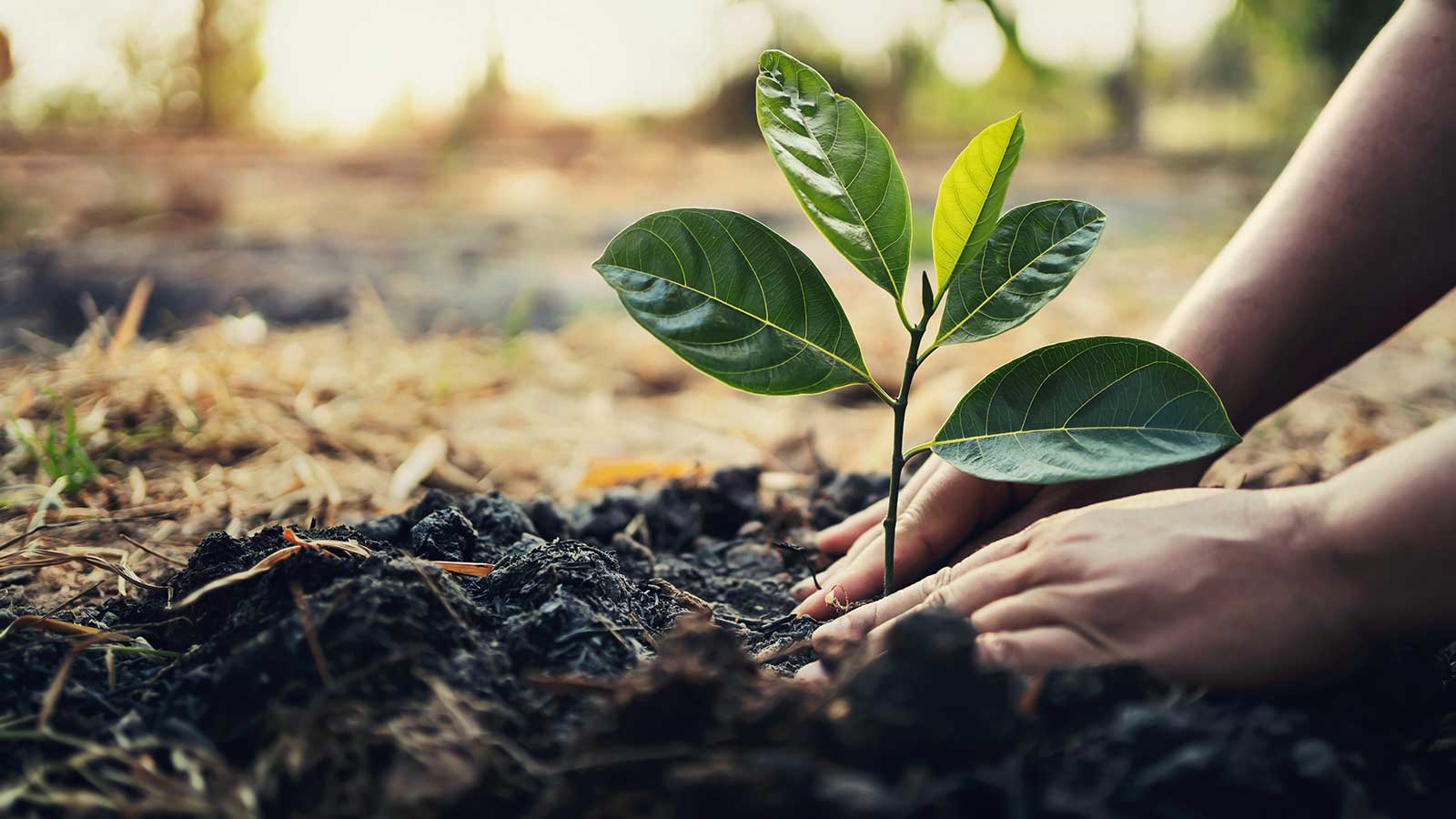
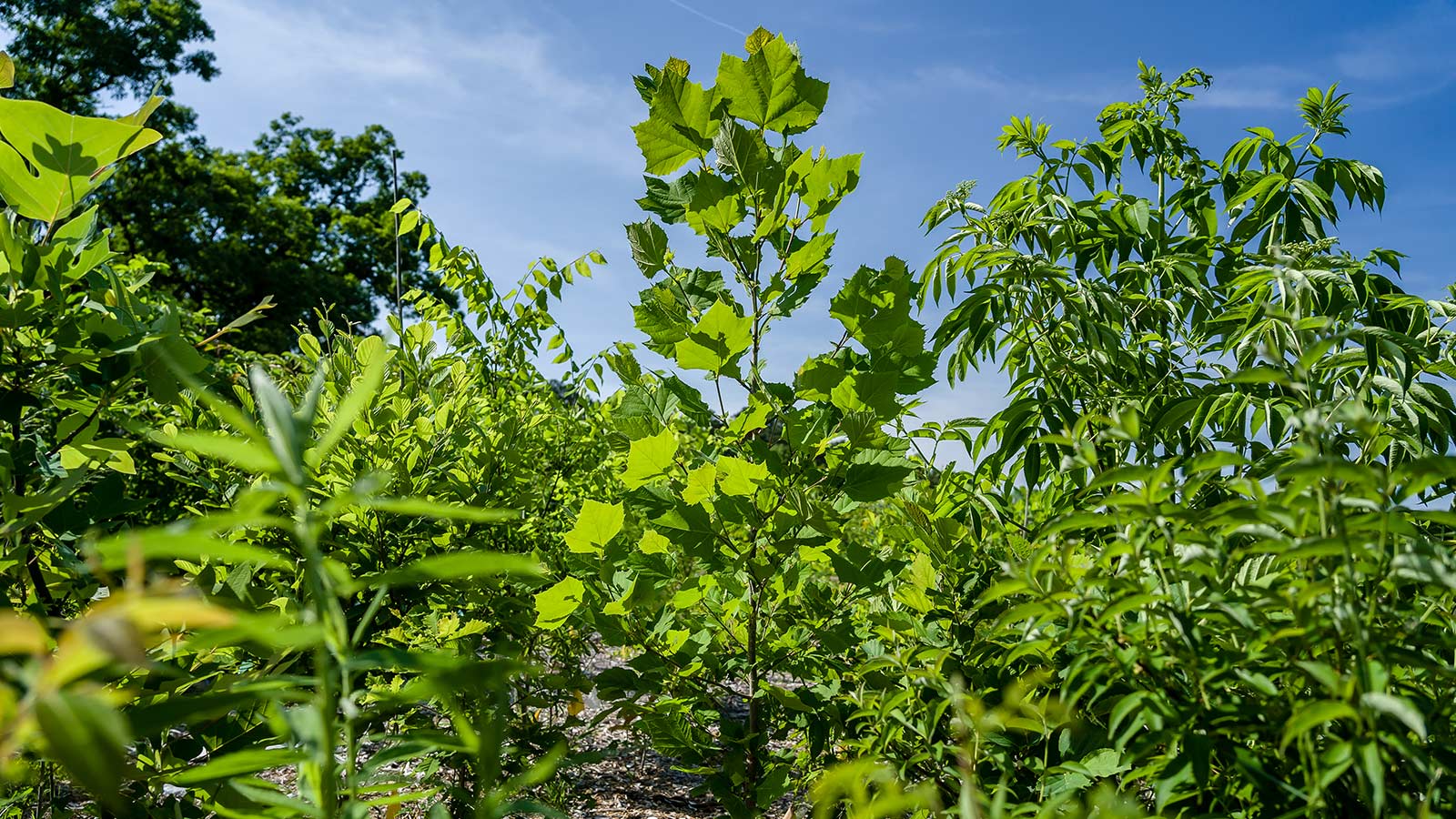
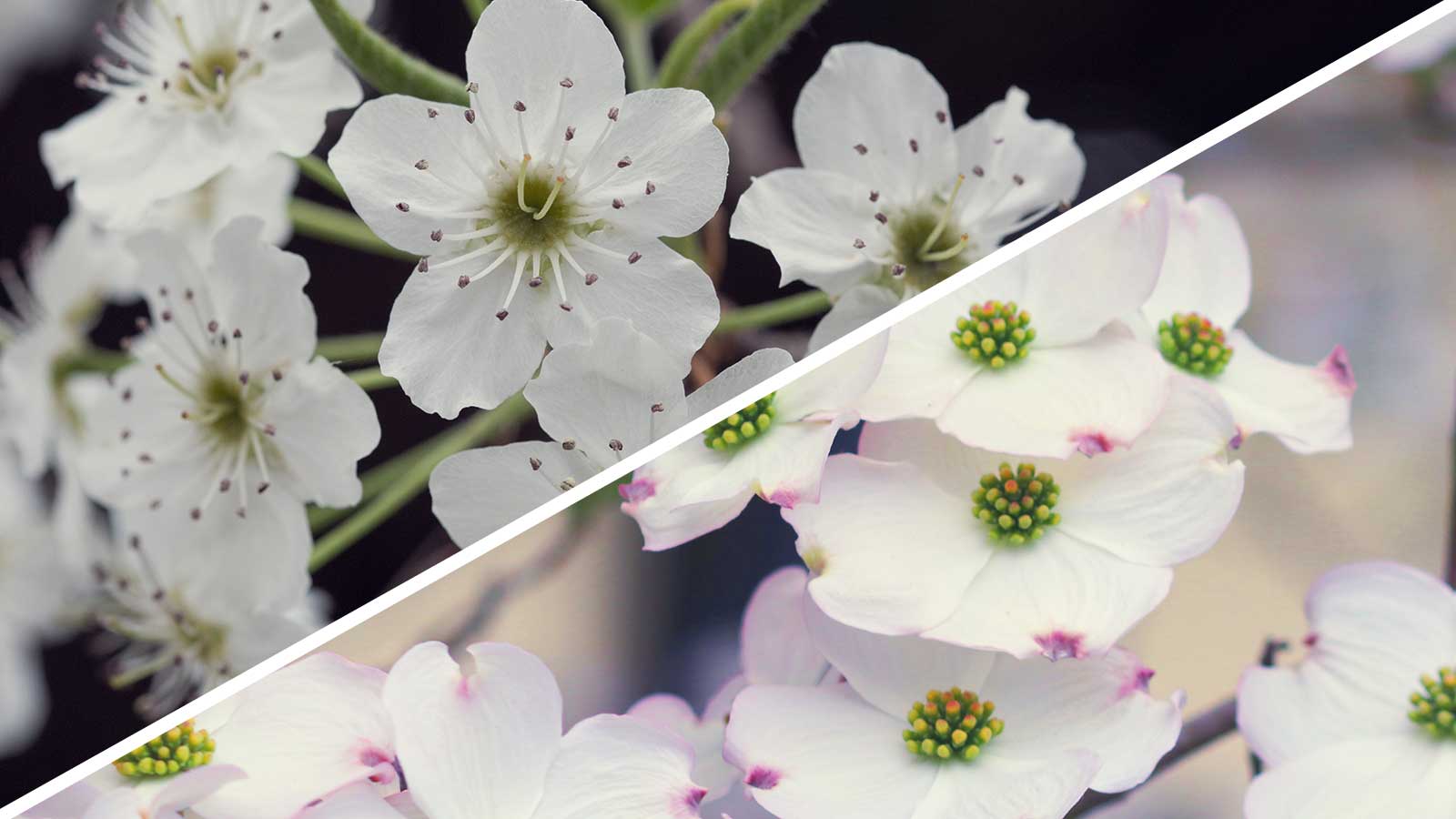
It is also going to be used by more than just passersby, our farmers like the one I just mentioned will use it too. Also, the Korean community farm is looking forward to the fruit and medicinal plants. So whatever Project Pando plants there, everyone’s going to be really excited about it around here.