Get To Know Leaf & Limb: Meet Janet
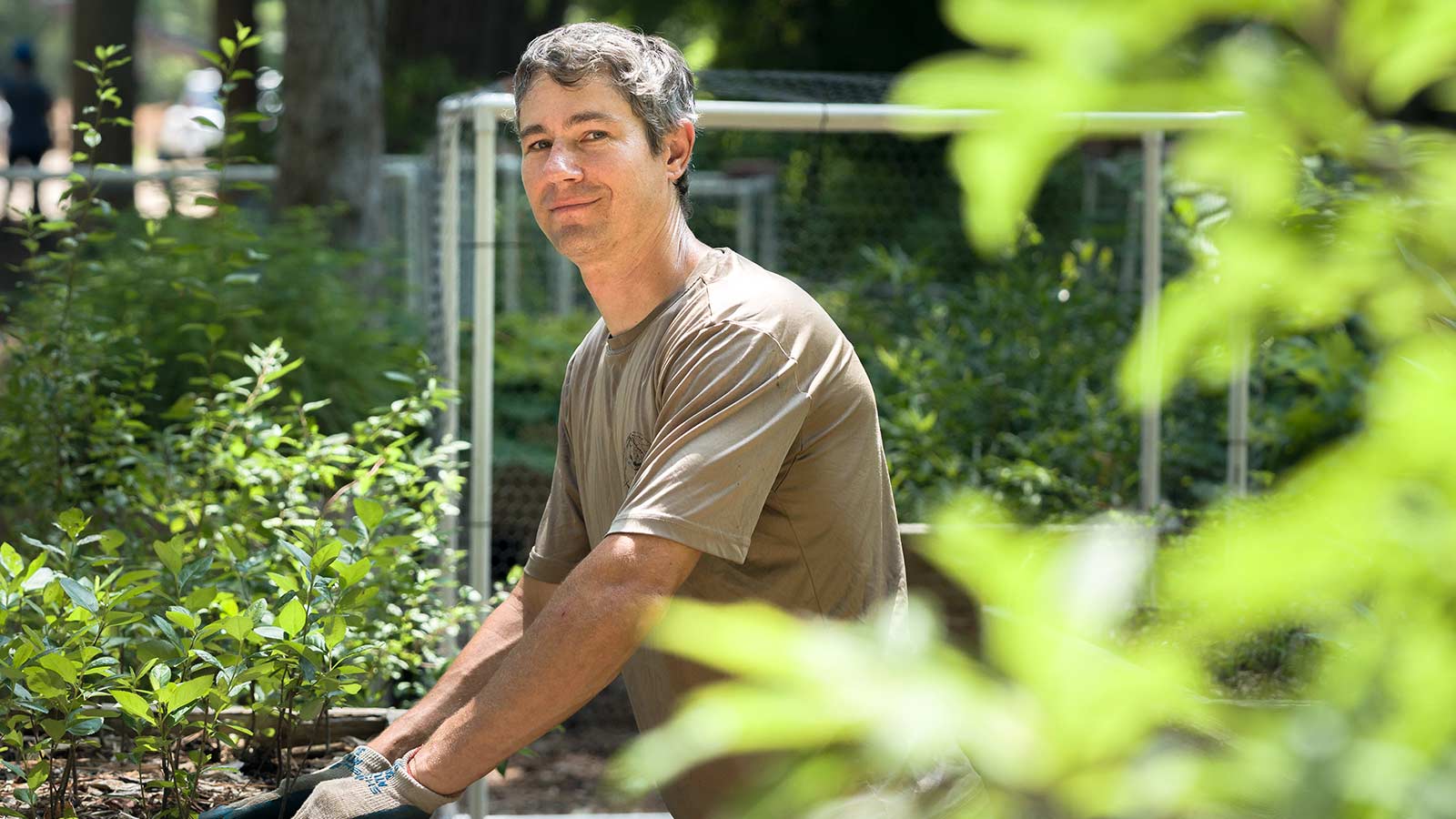
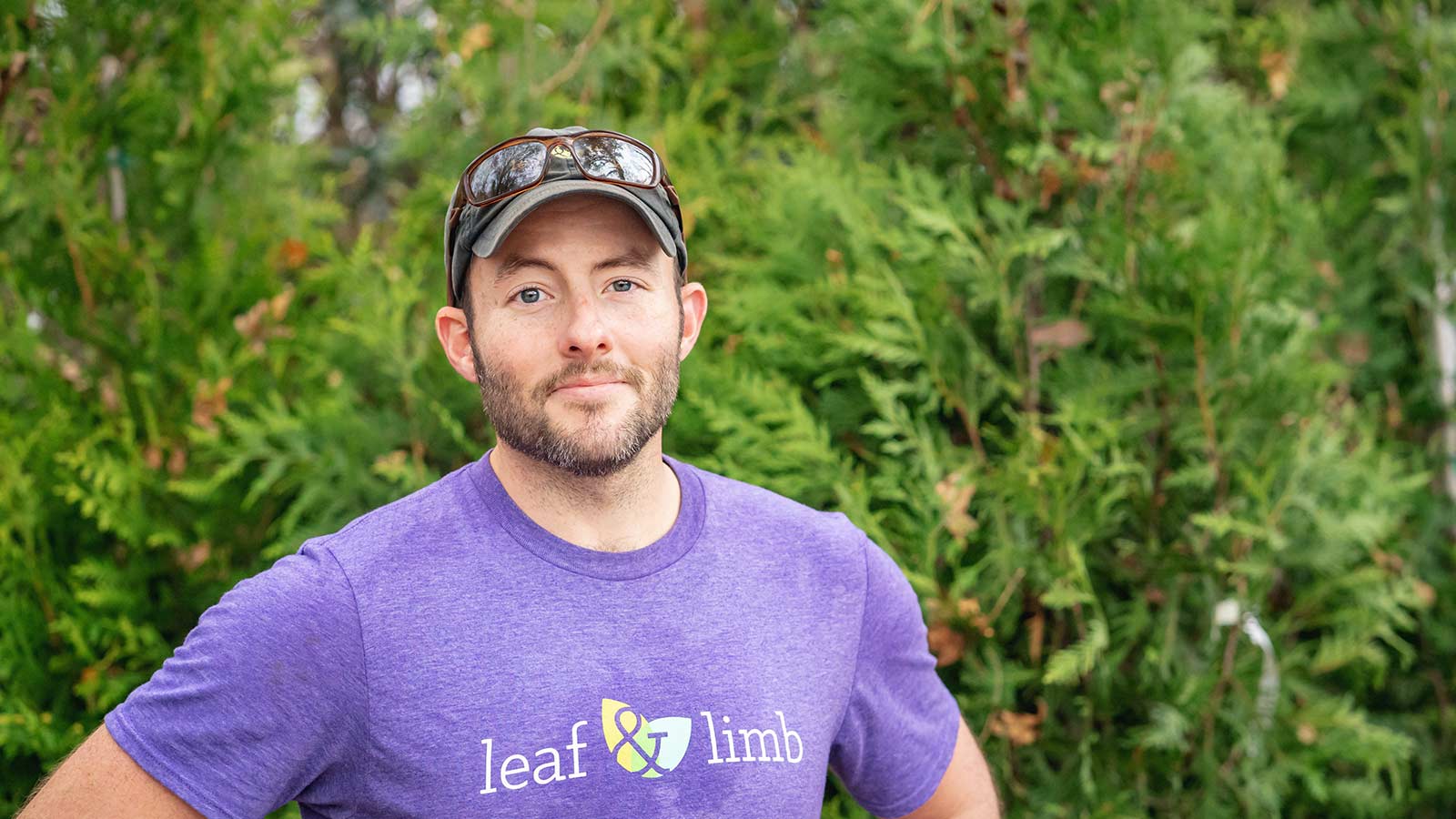
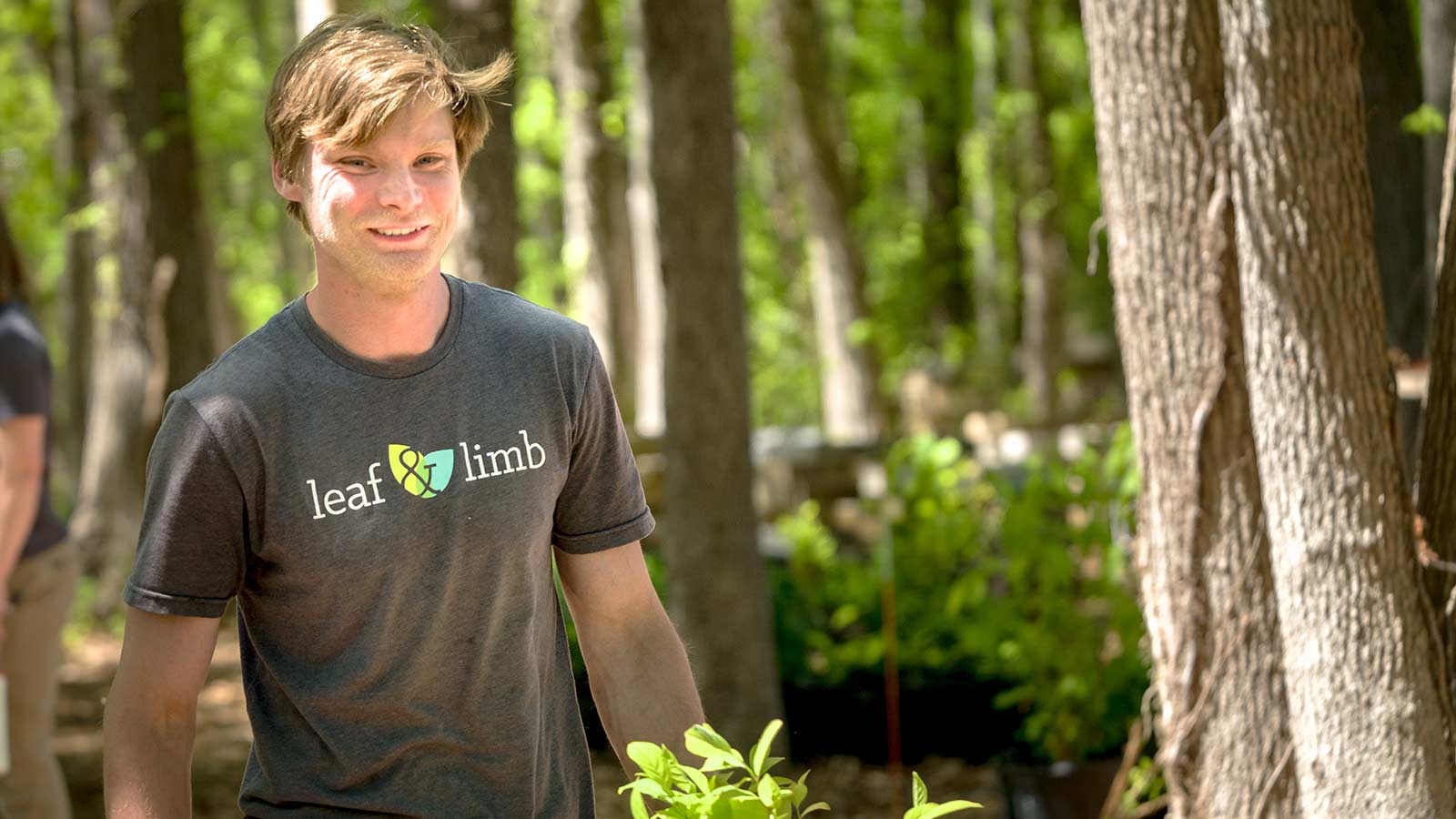
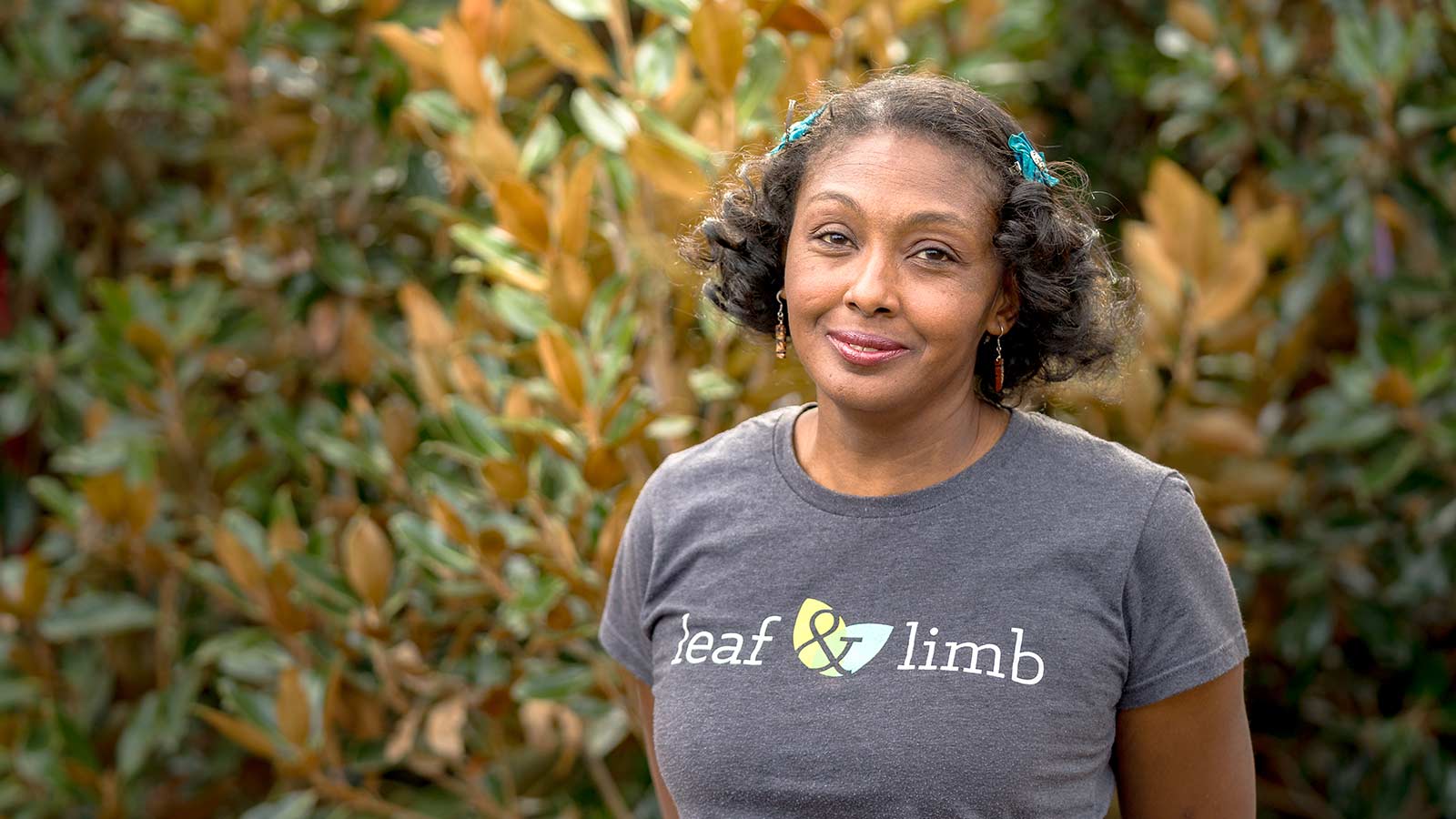
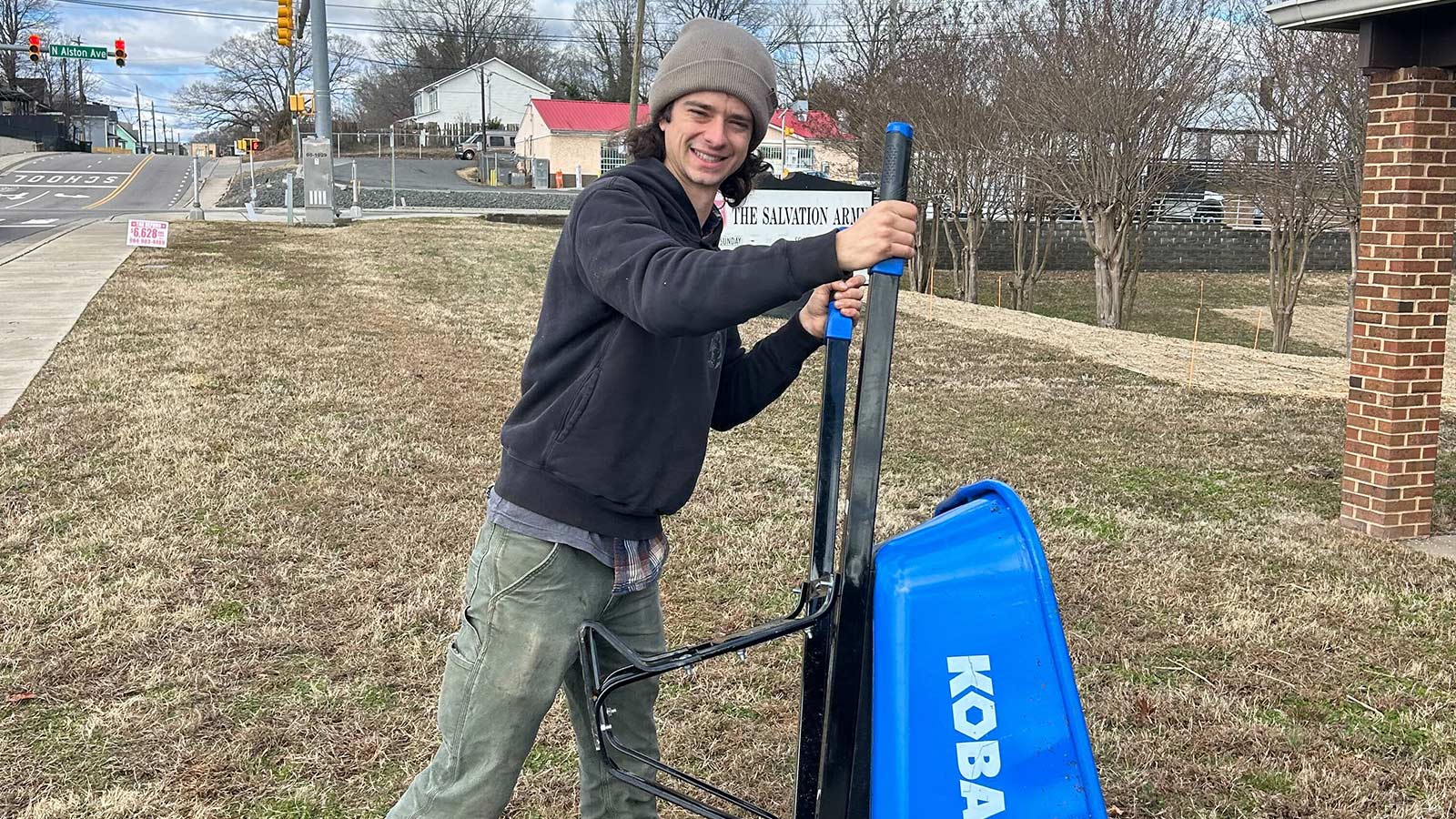
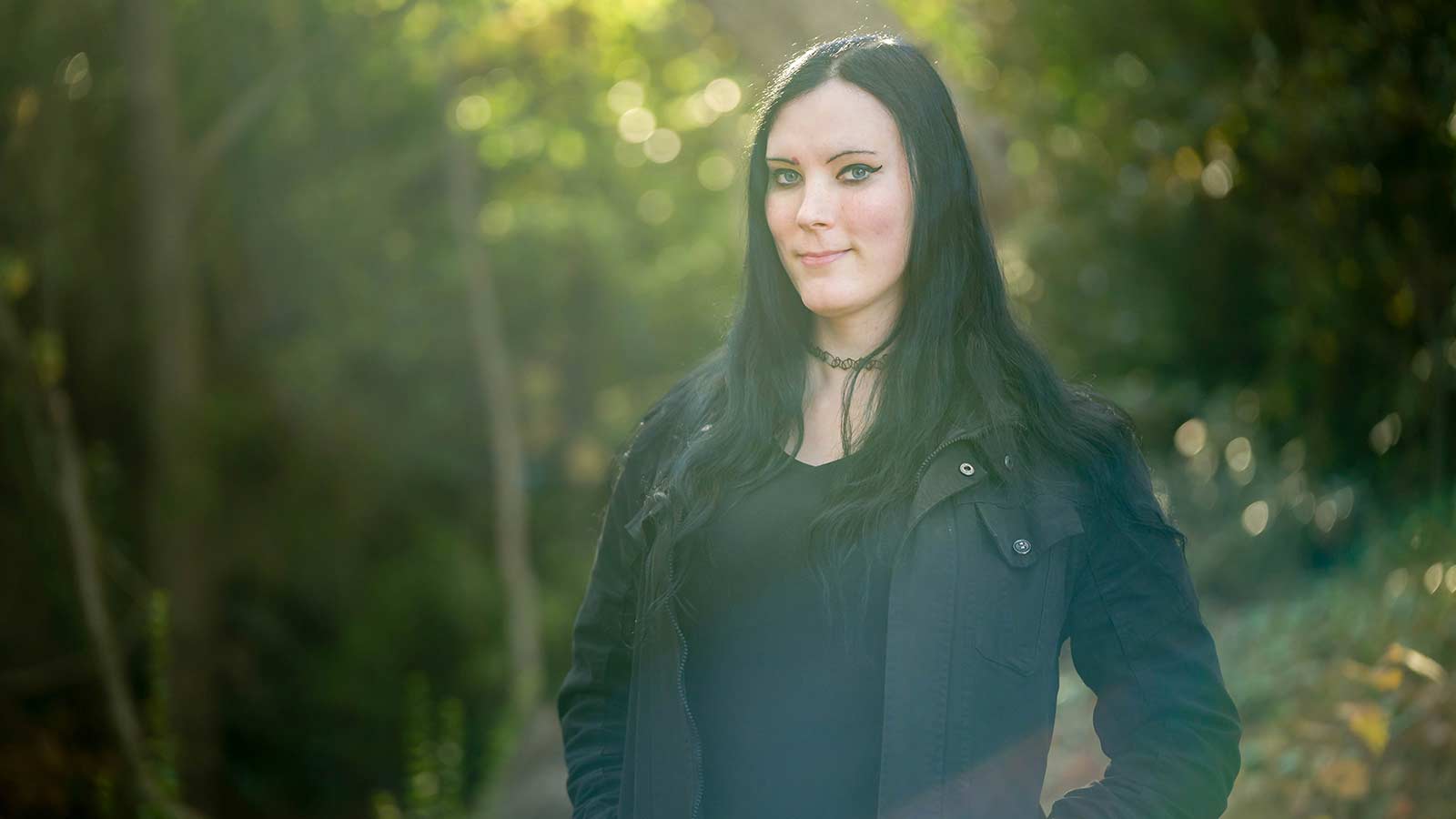
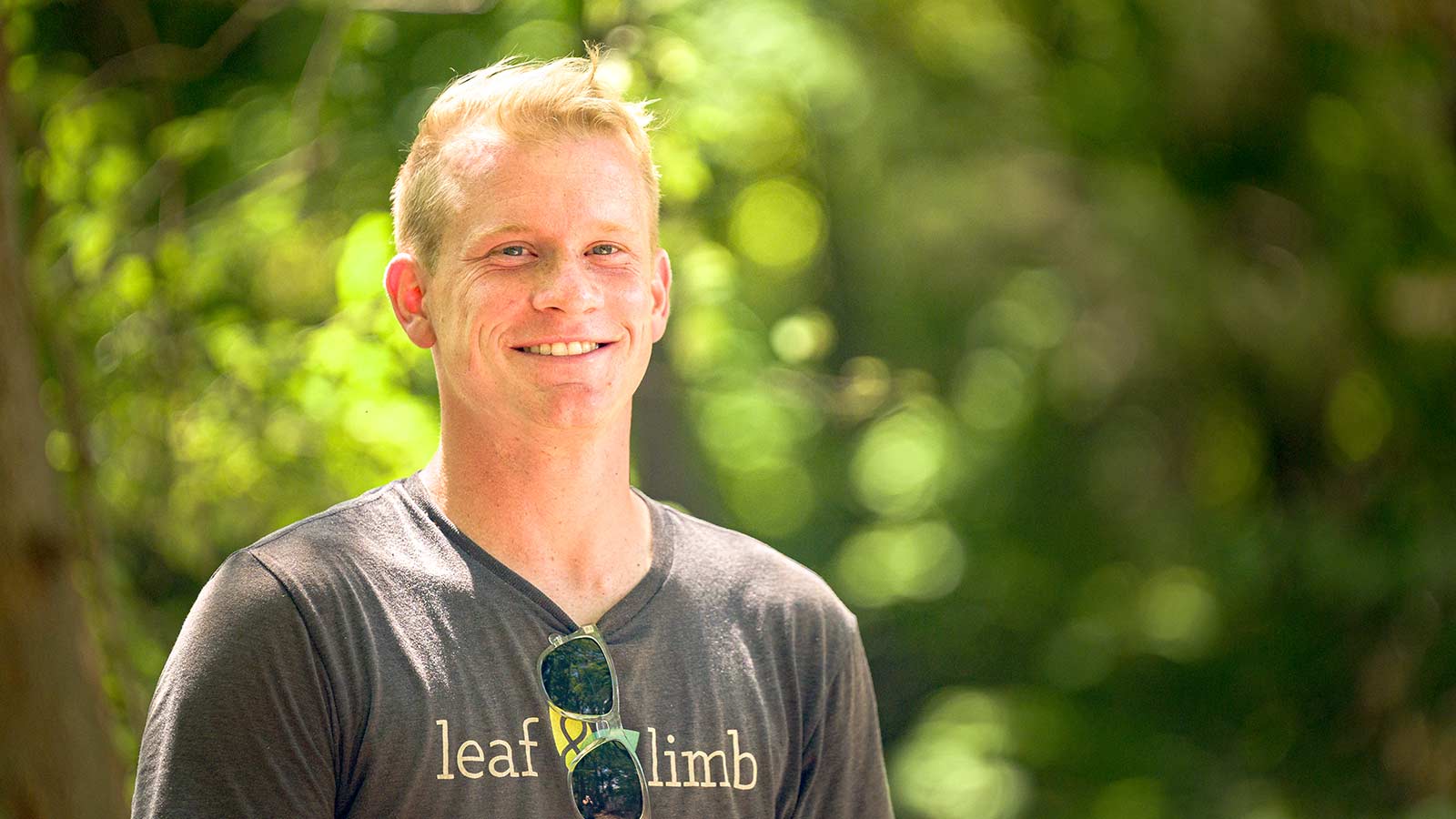
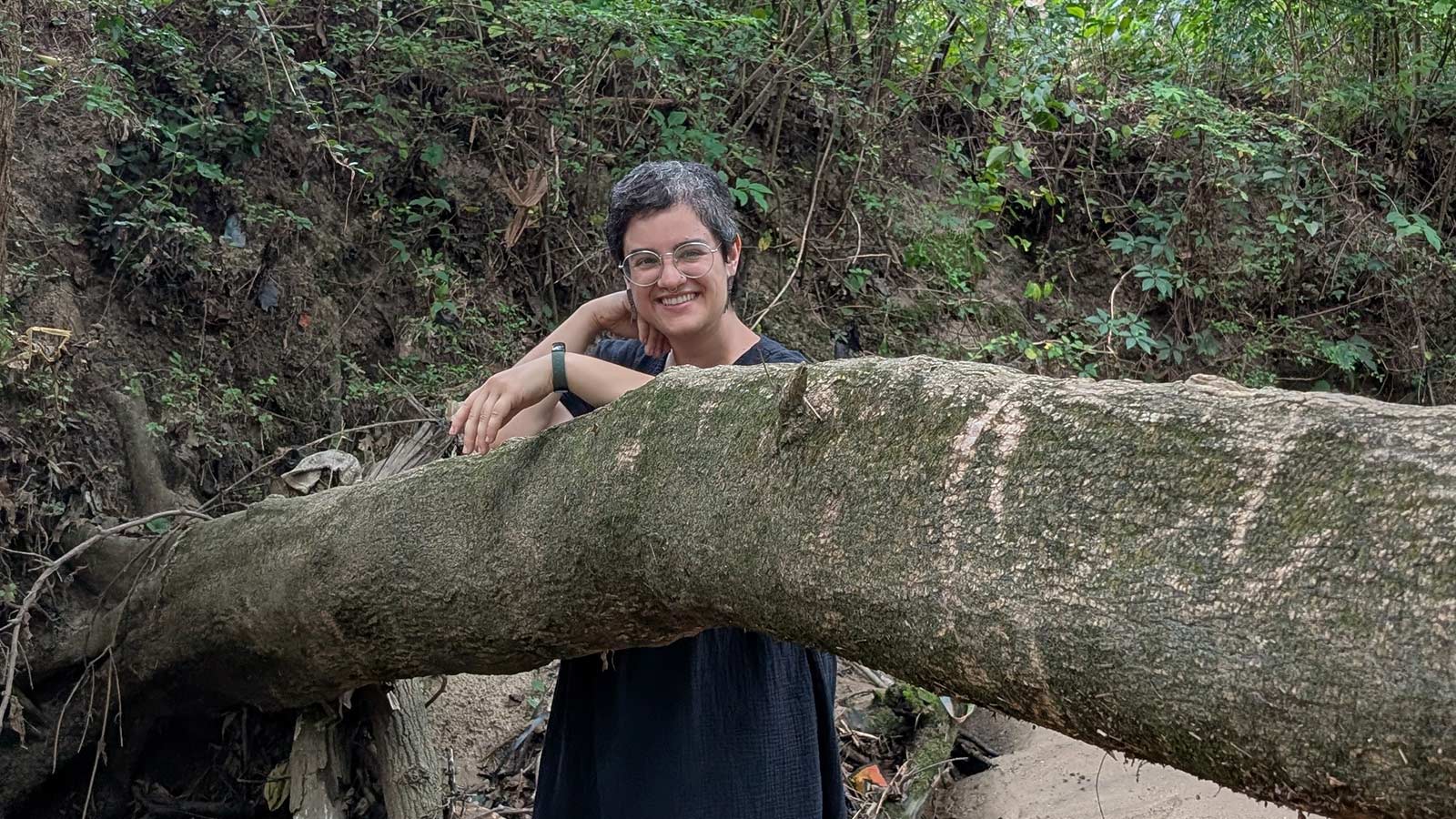
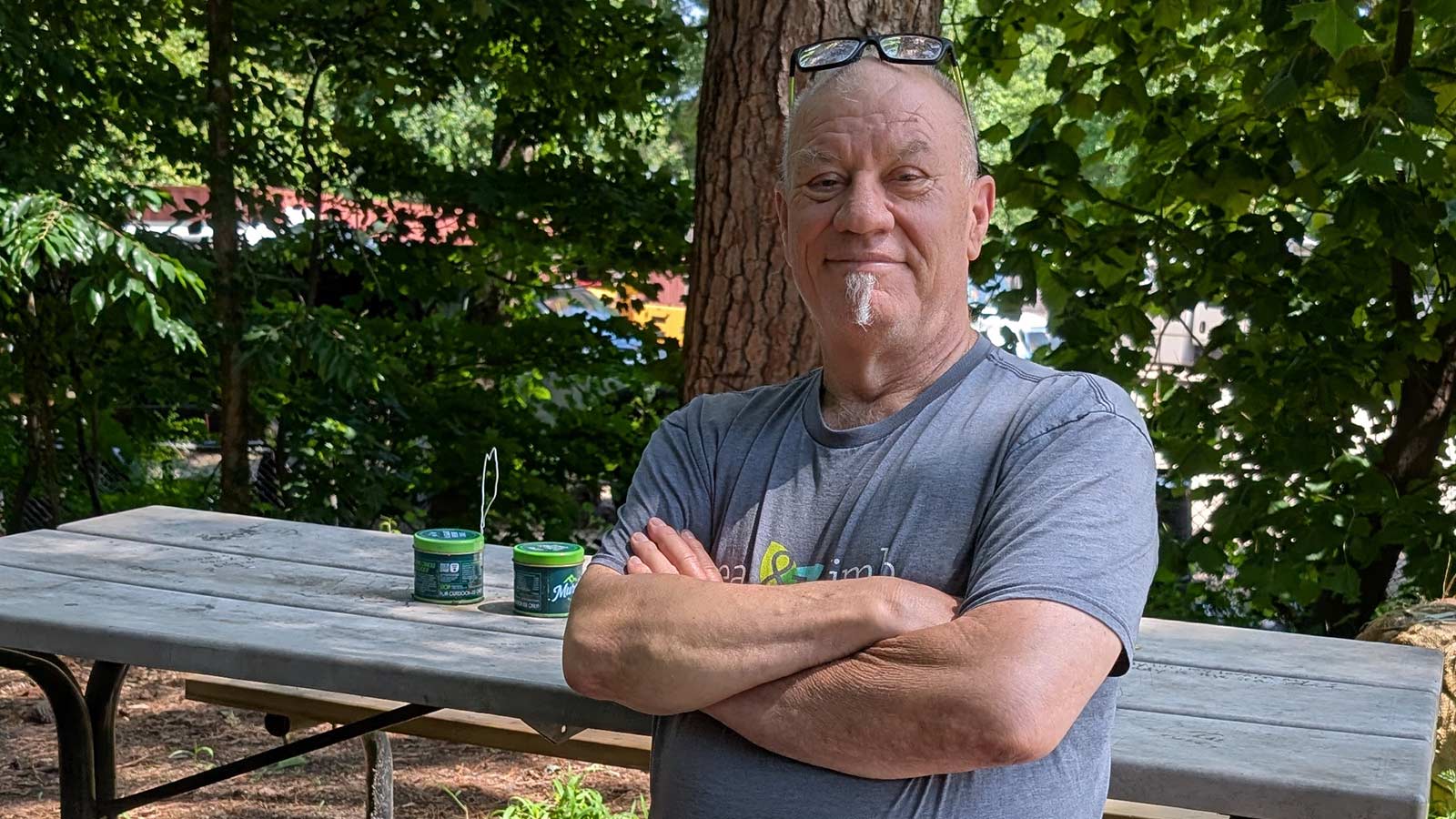
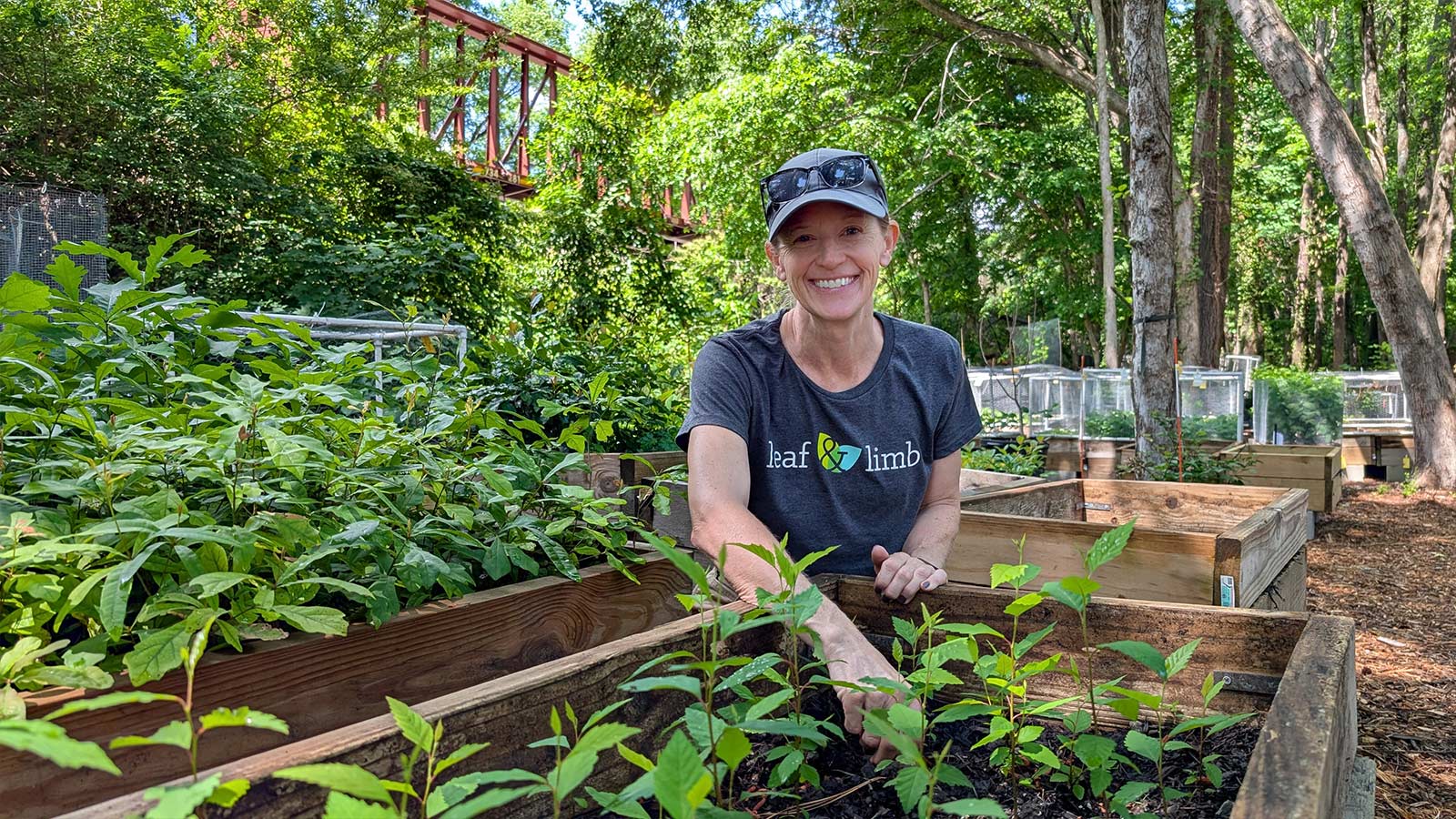
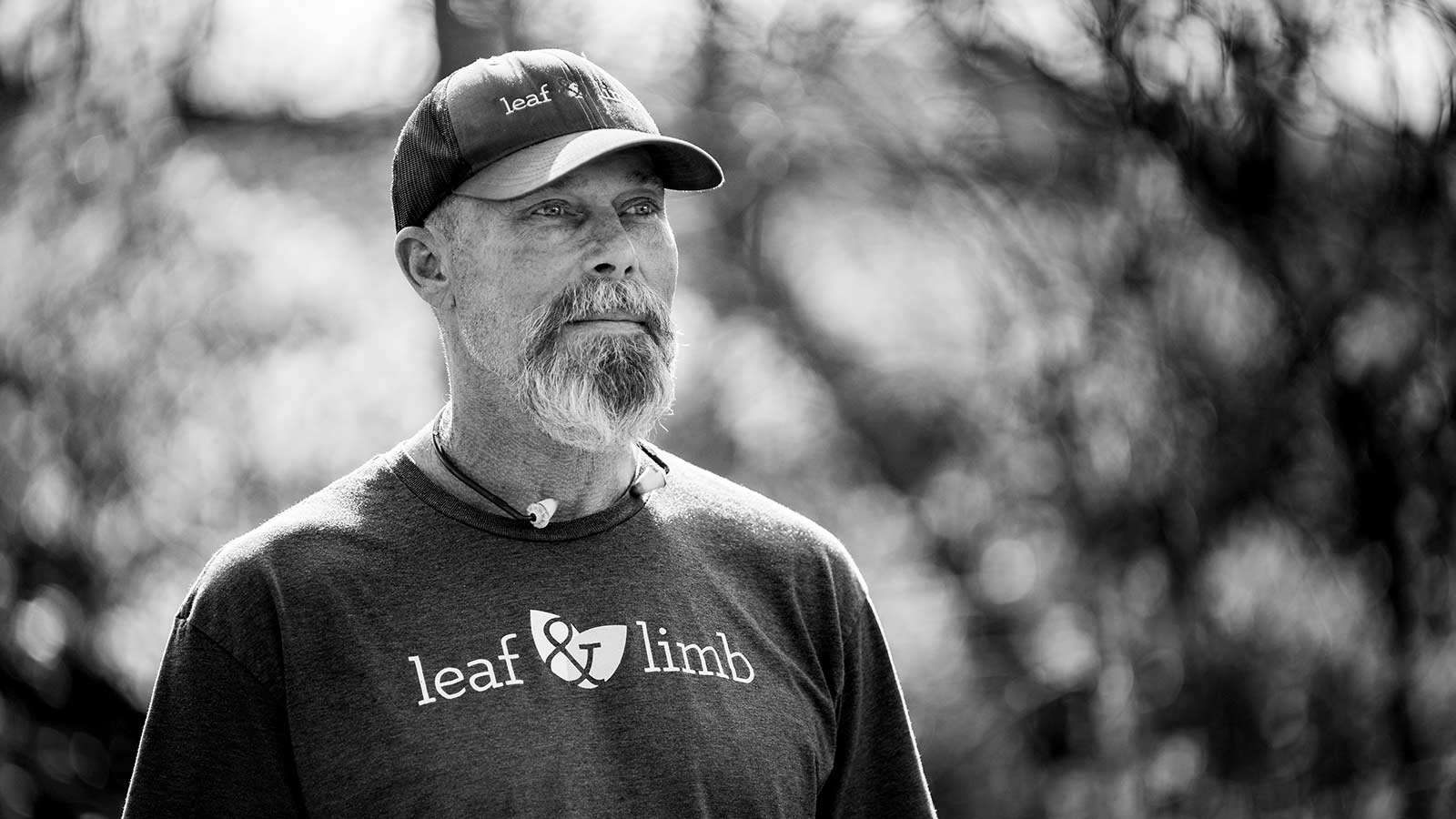
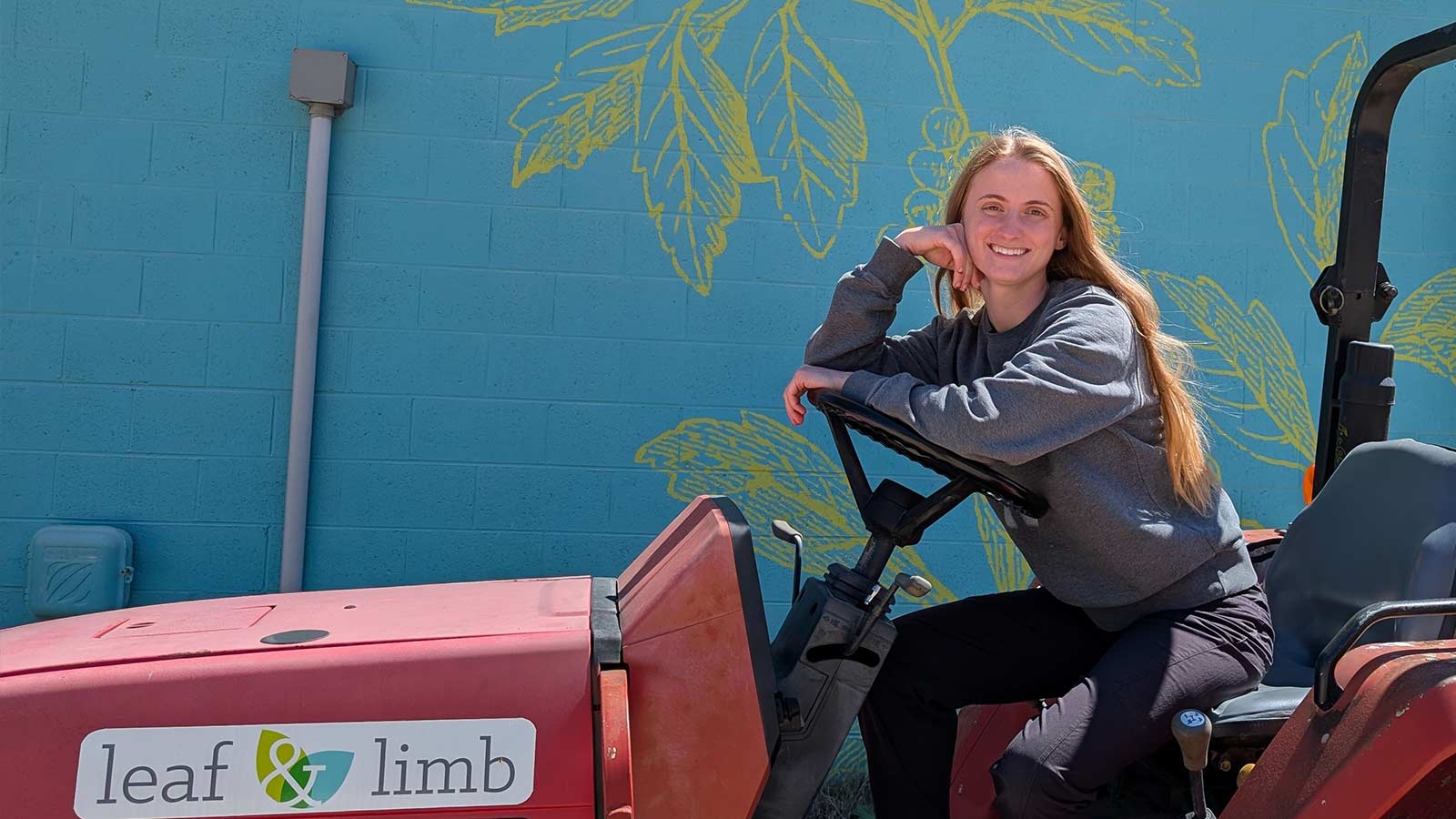
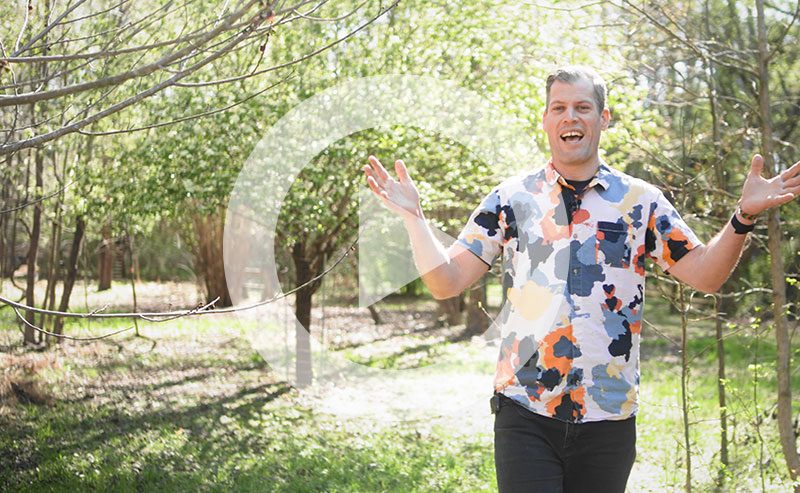
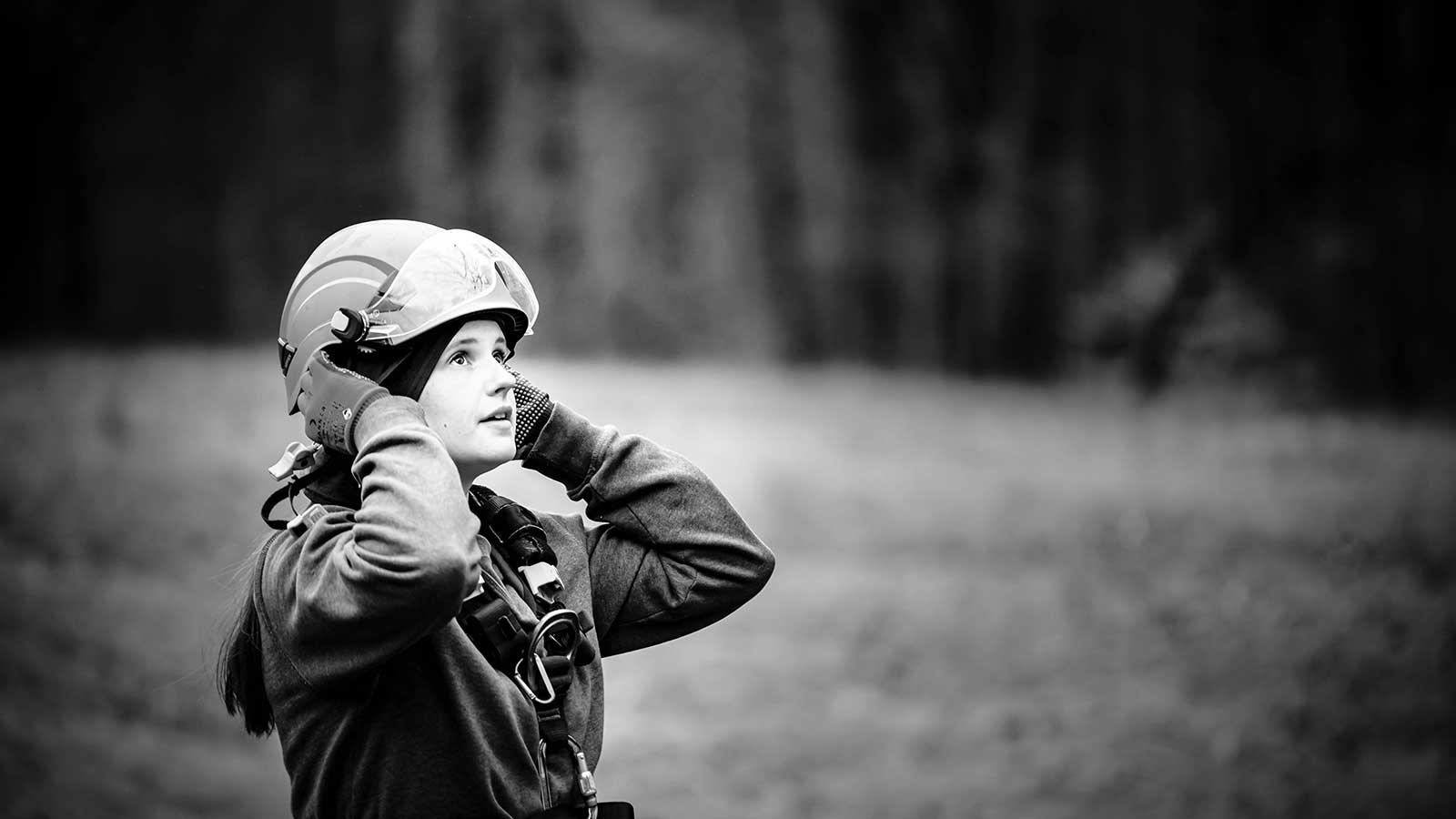
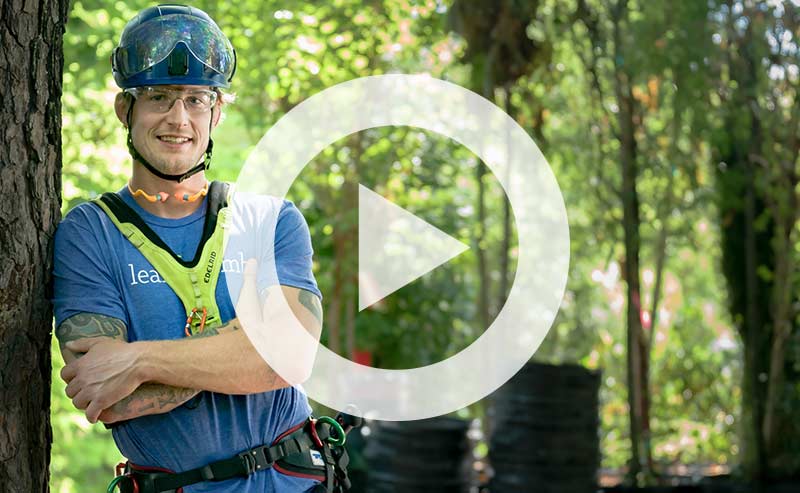
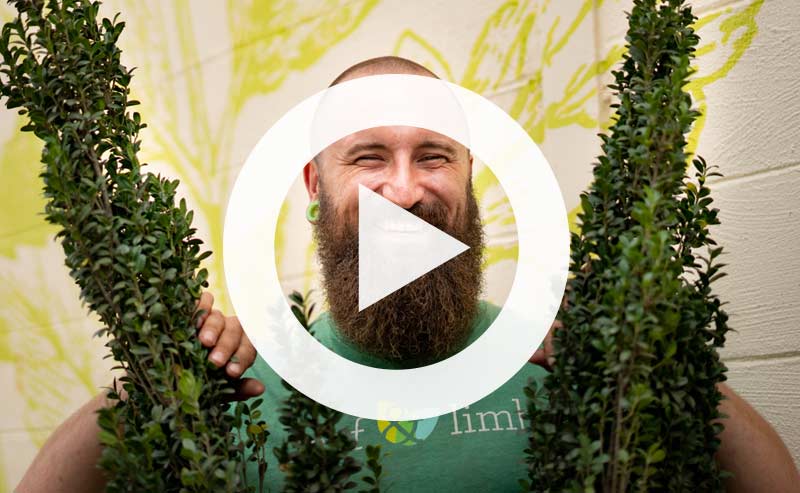
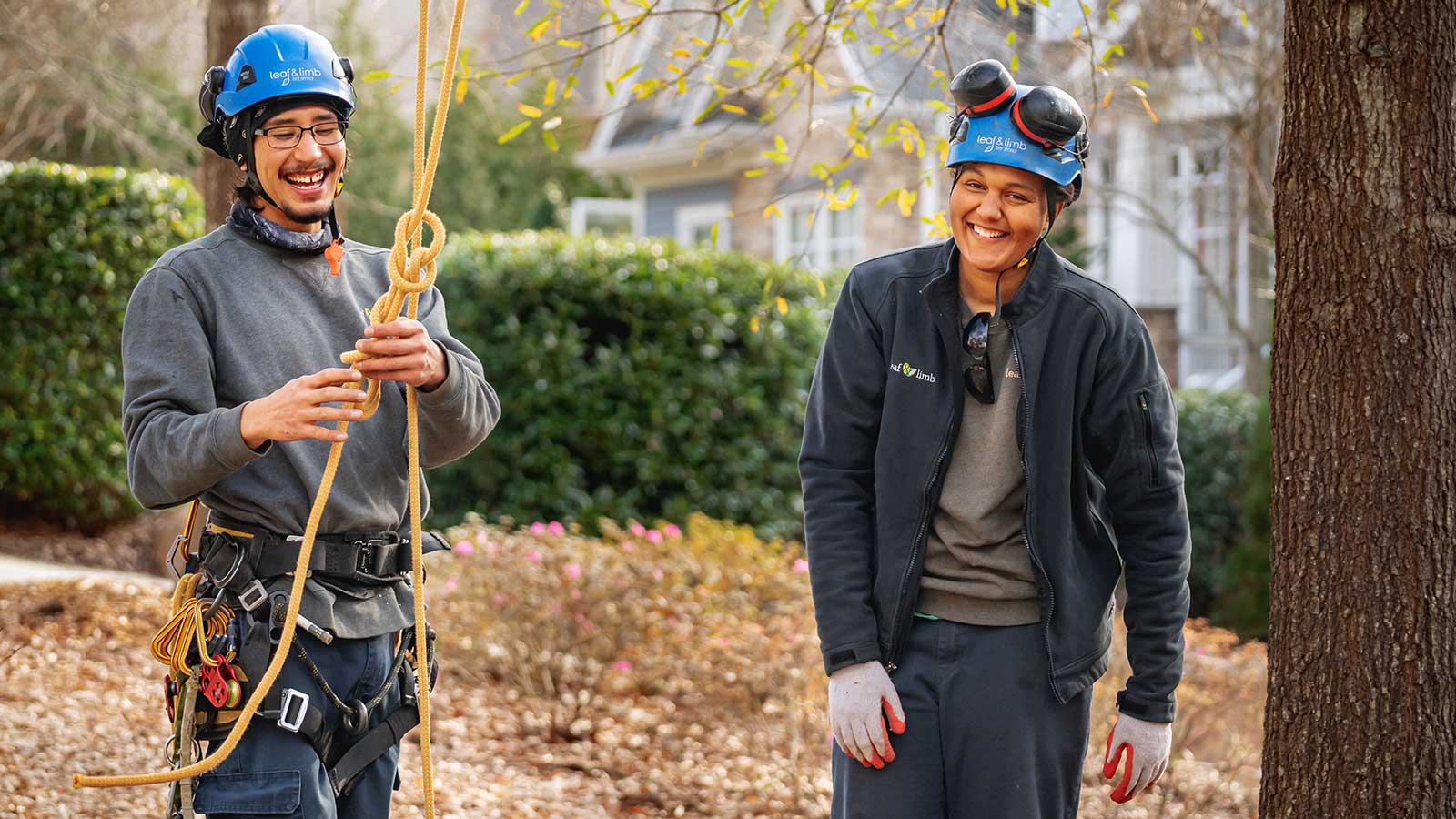
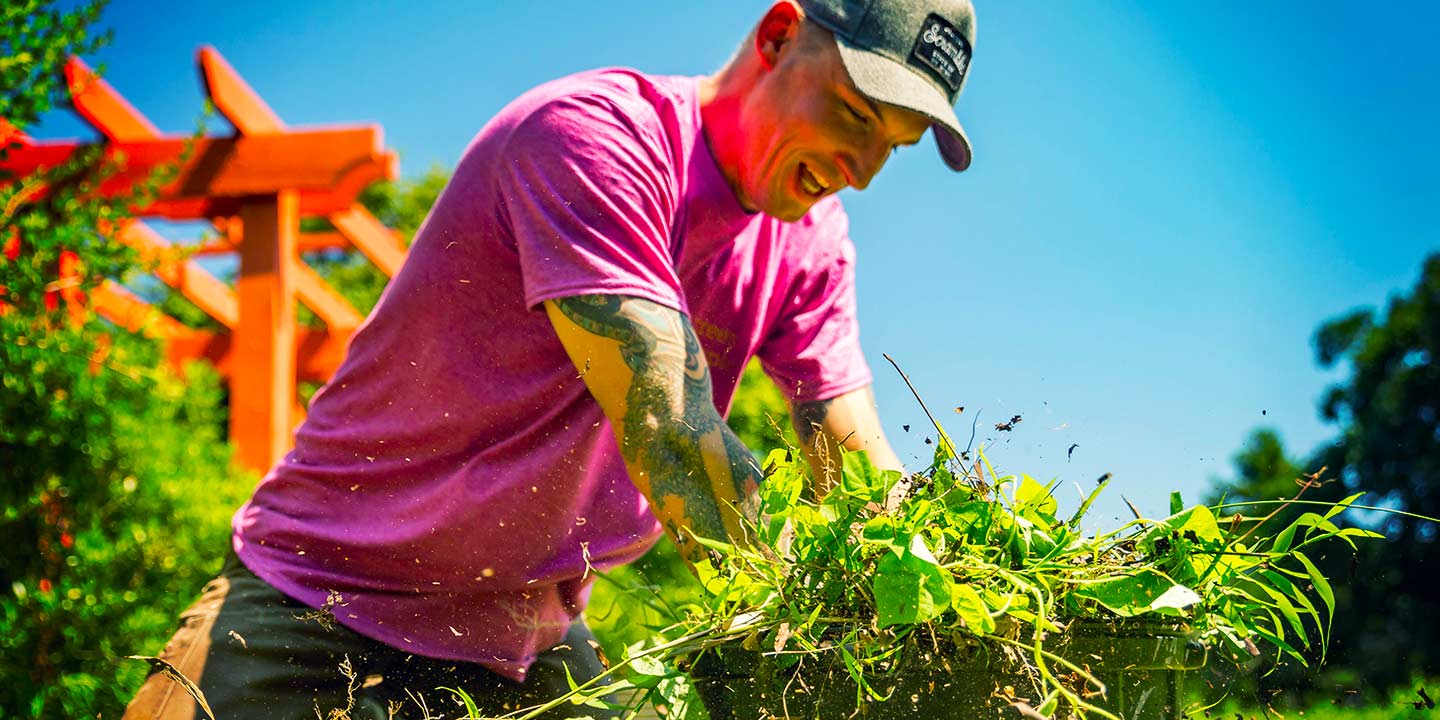
Janet Cowell spent her summer interning with Leaf & Limb, learning how to climb, improve the soil, and care for trees from the ground up.
As I usually do, I’ll ask you to introduce yourself, however you would like.
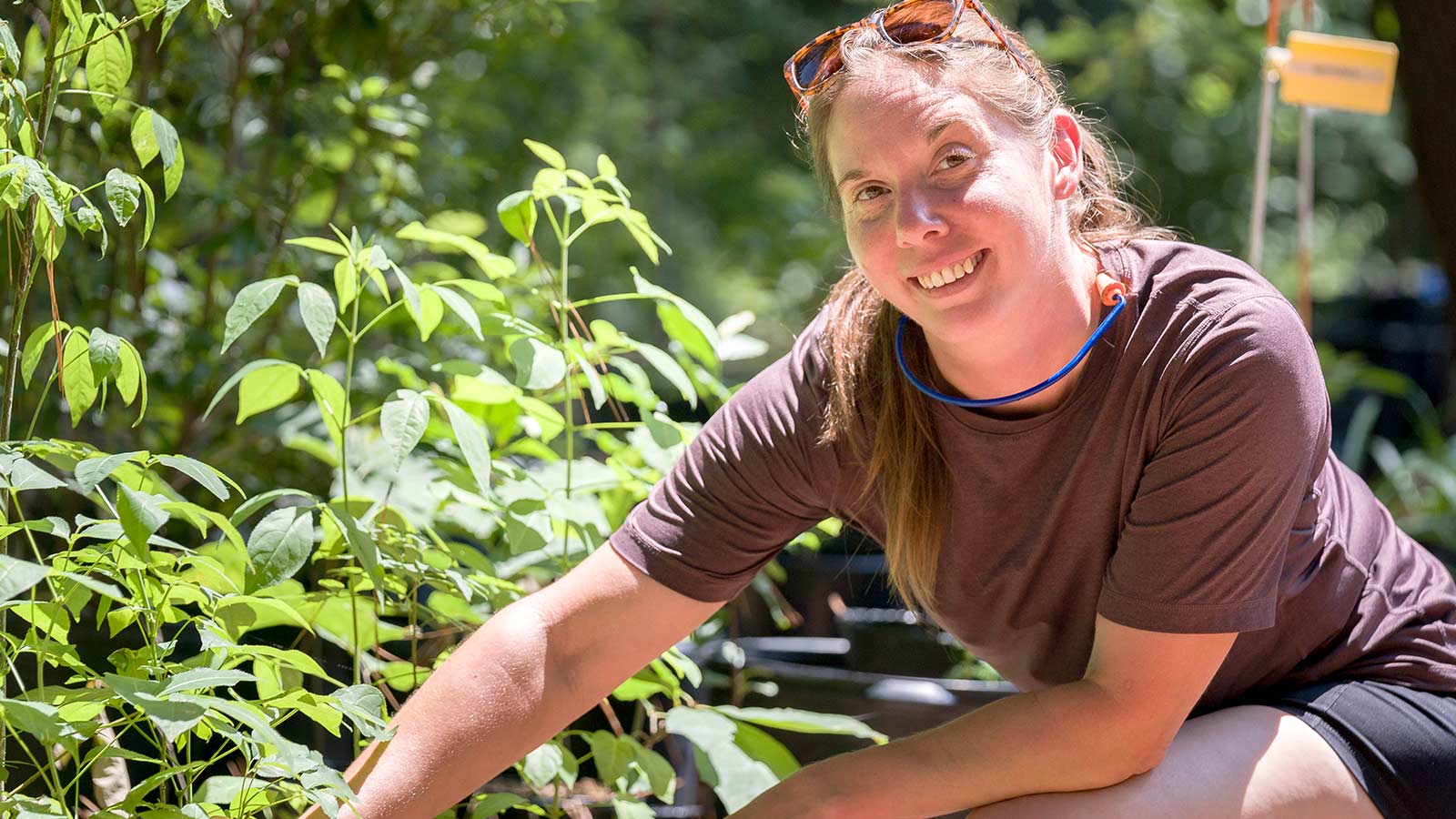
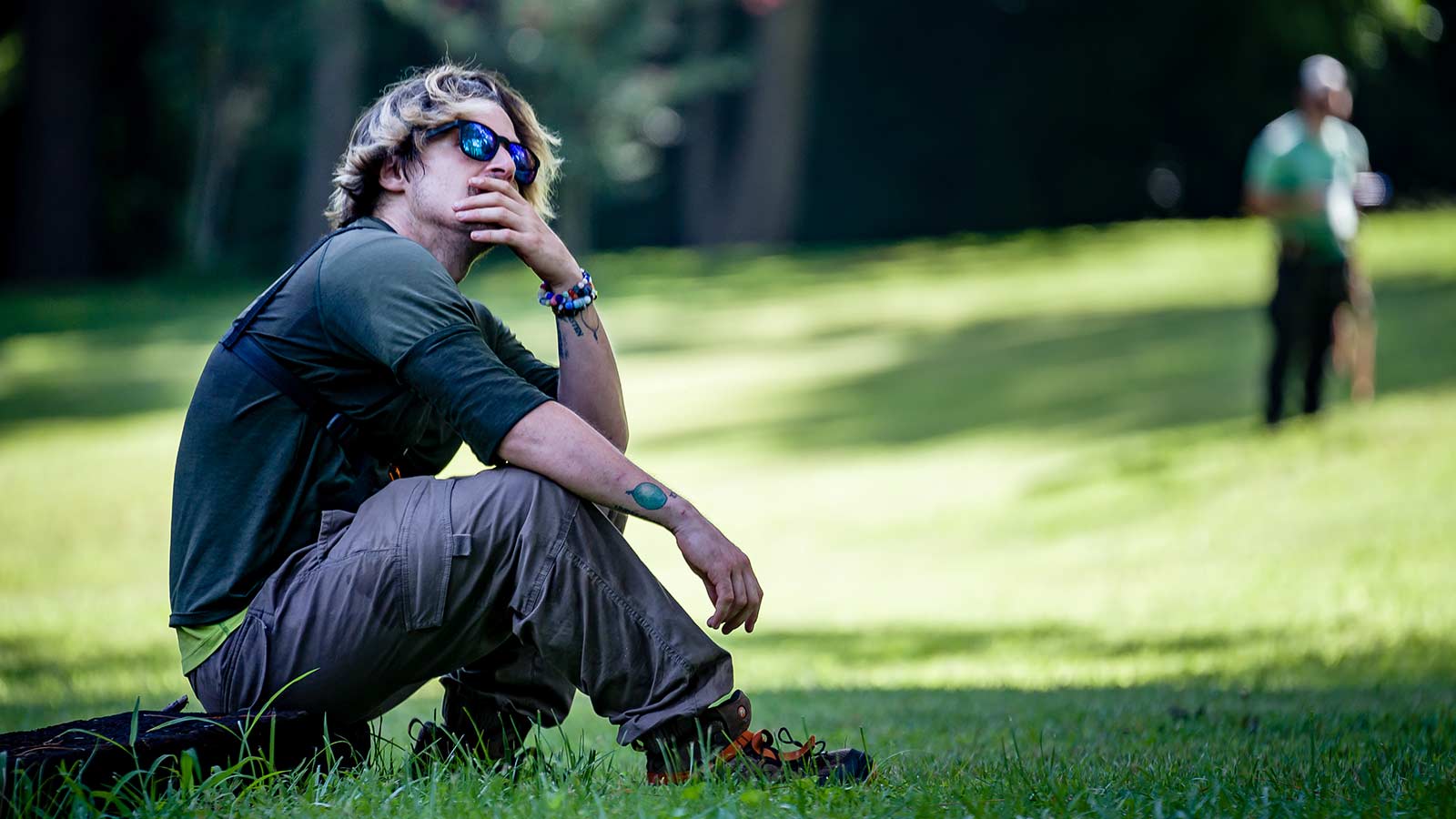
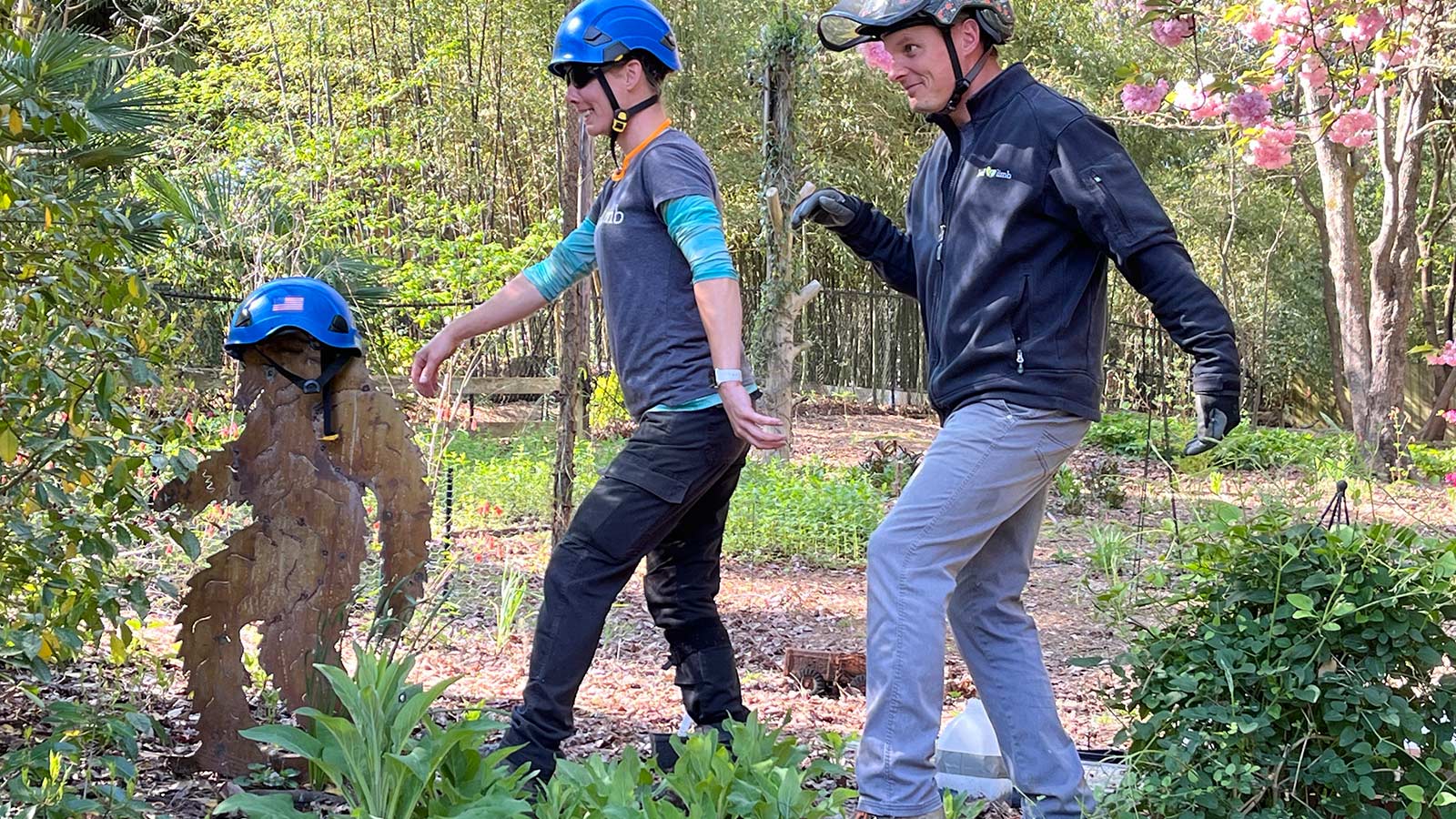
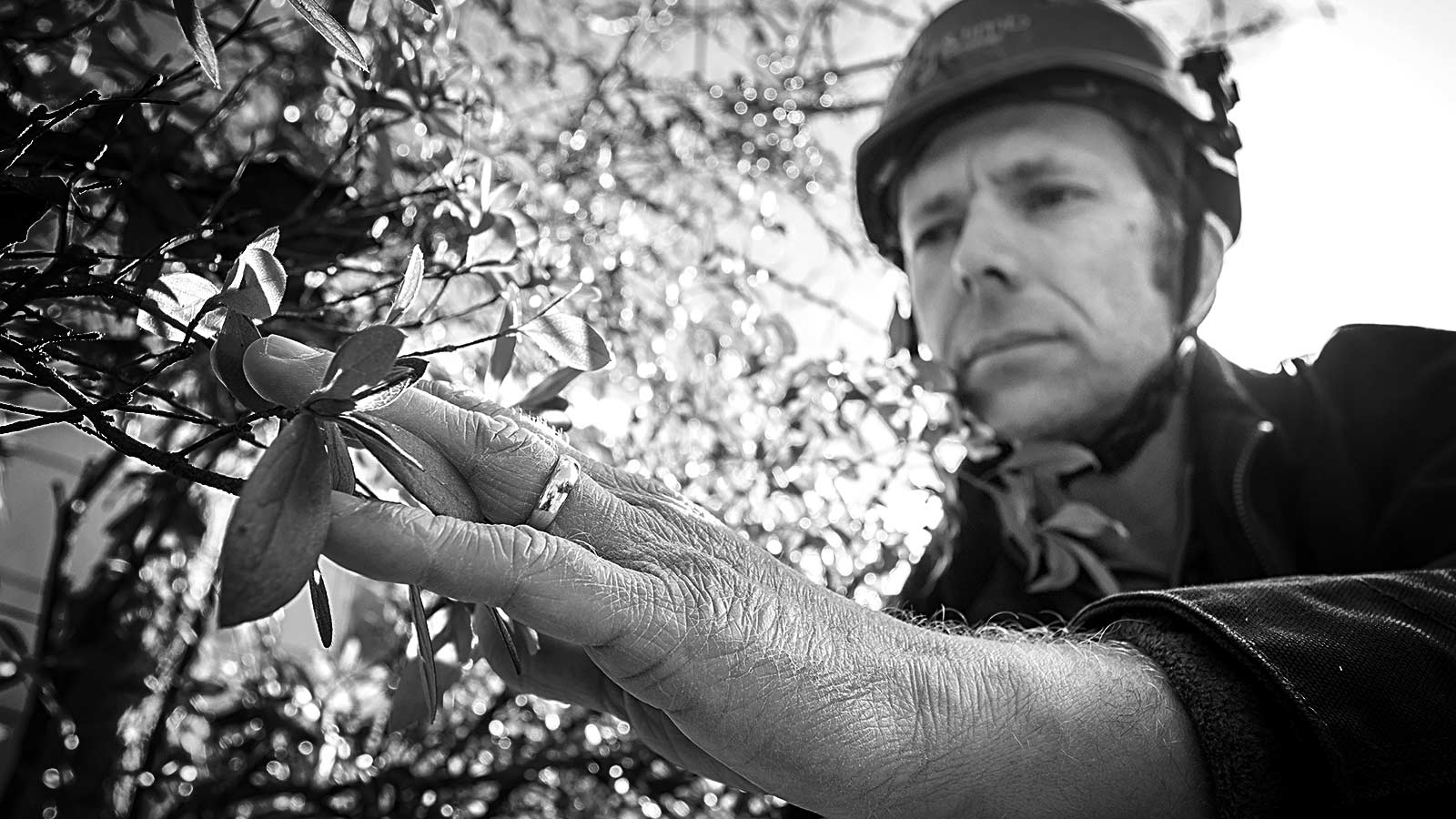
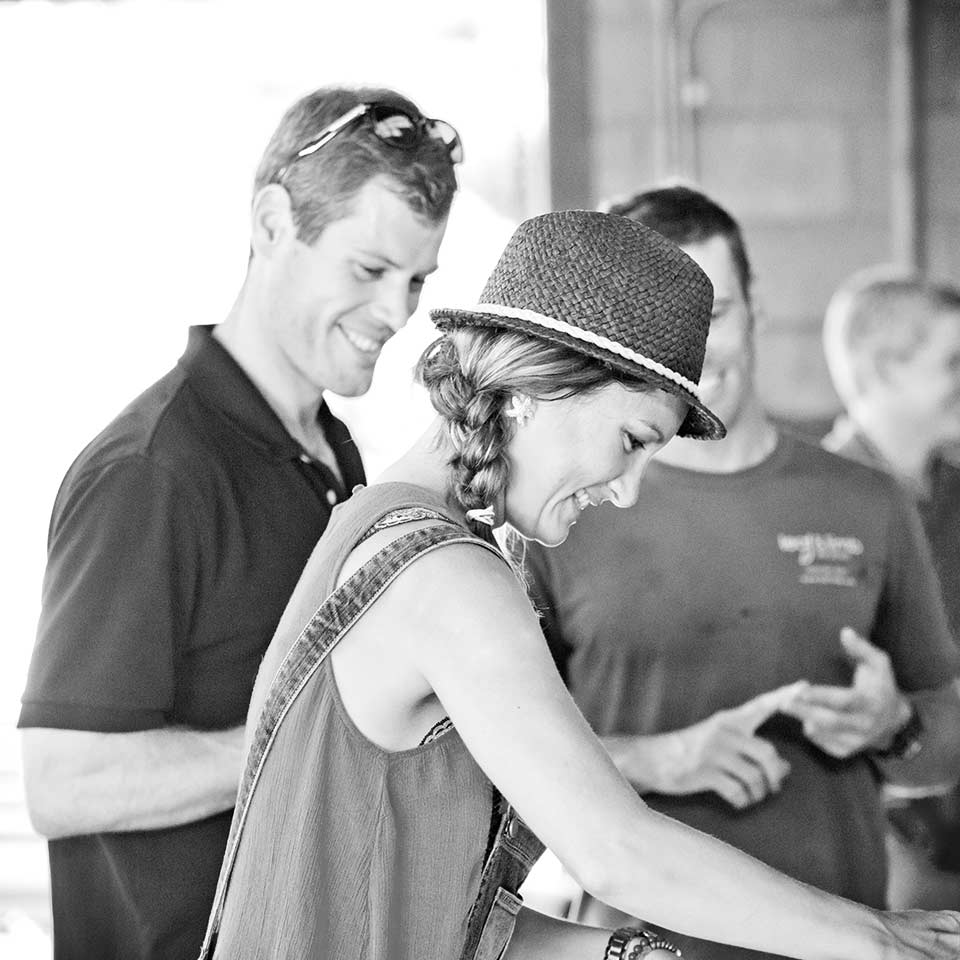
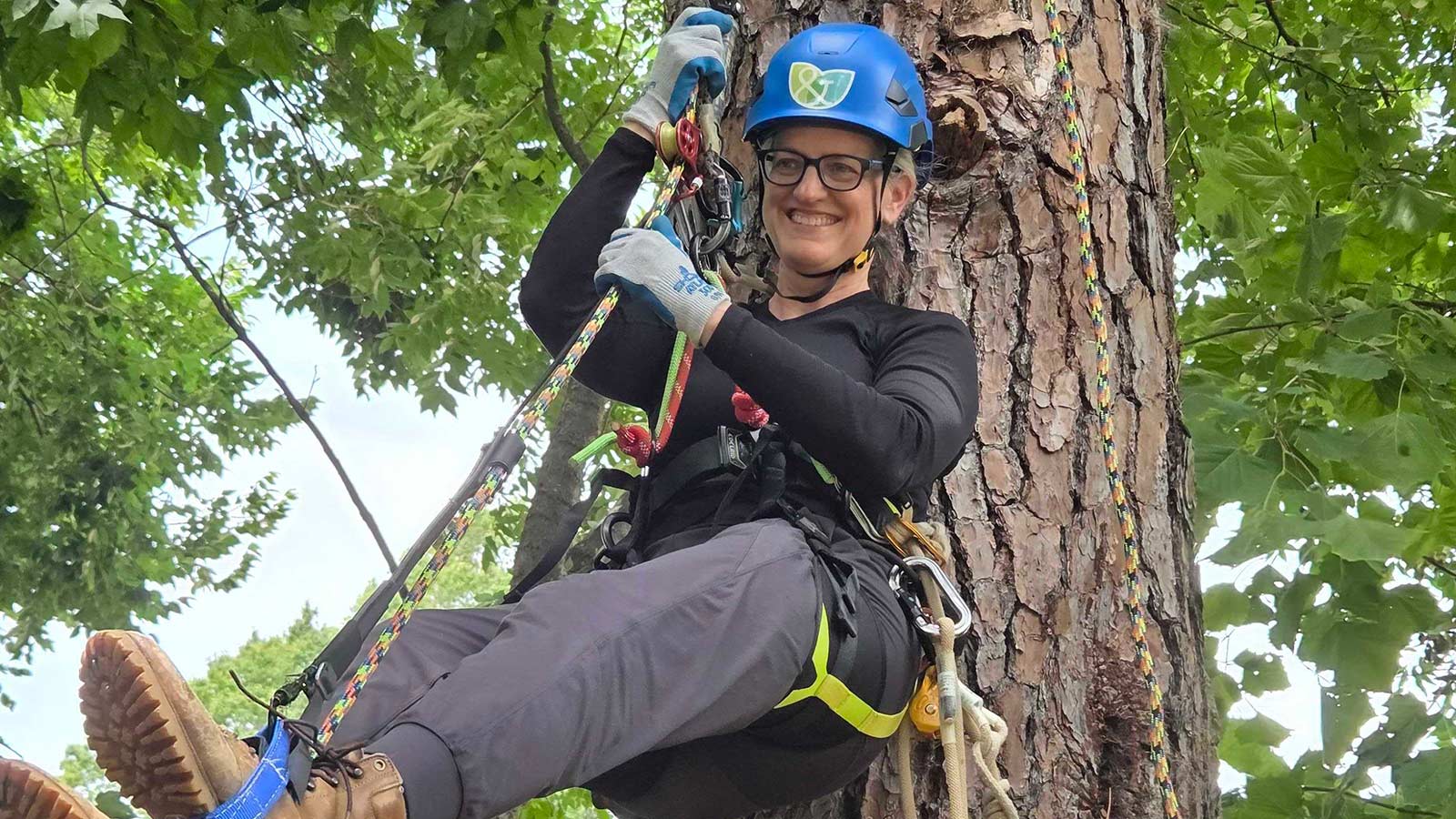
I am Janet Cowell and I live in Raleigh, and I’ve been here almost 30 years, and I’m the mayor of Raleigh right now. This summer, I was interning at Leaf & Limb. Trees are really important to the city, and I hear about them a lot, but I feel like we don’t have much practical knowledge about them, so I wanted to immerse myself in the work and work with arborists and people who care a lot about trees.
What made you want to try something like this? Did you just one day think “I’m going to call up Leaf & Limb and see if I can intern with them for a while?”
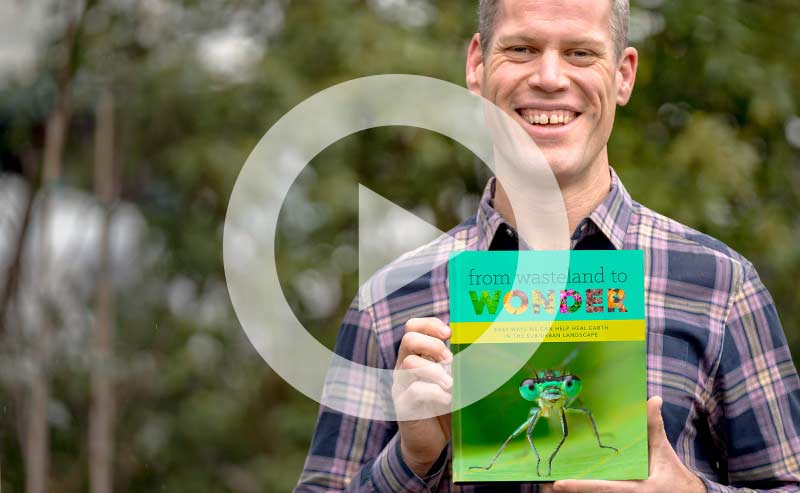
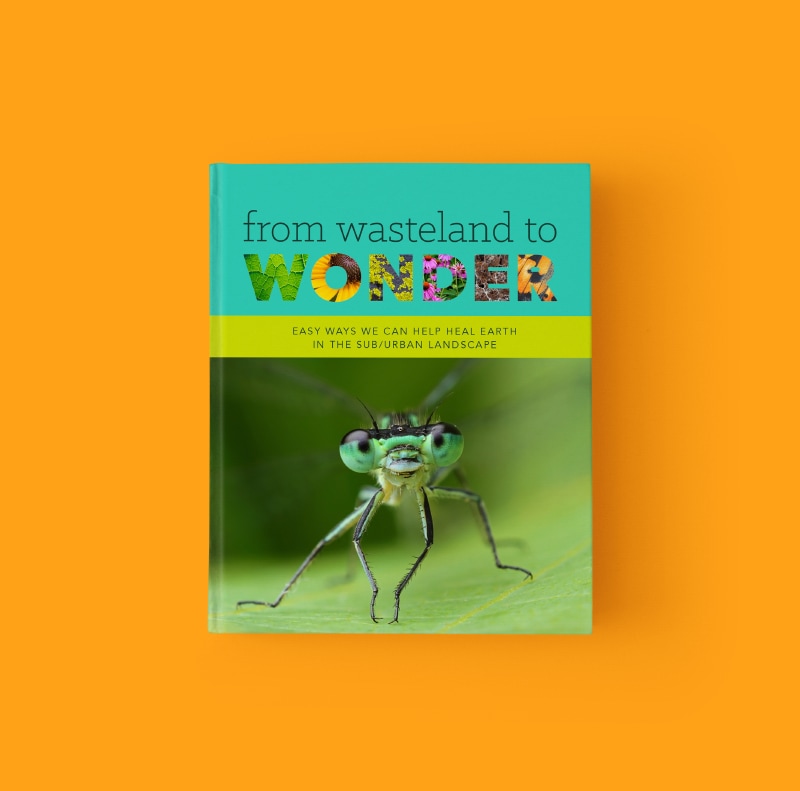
I met Basil a few years ago. I’ve heard Basil speak, and I also have From Wasteland to Wonder. I think Leaf & Limb has a broader Vision and Mission than most tree companies. Y’all have expanded into Piedmont prairies, and you’ve decided not to cut down trees, so learning what you were doing intrigued me. So, I put out a feeler, and y’all were receptive. We met a couple of times, and it turned into a two-month adventure.
What kind of things did you do at Leaf & Limb for the summer?
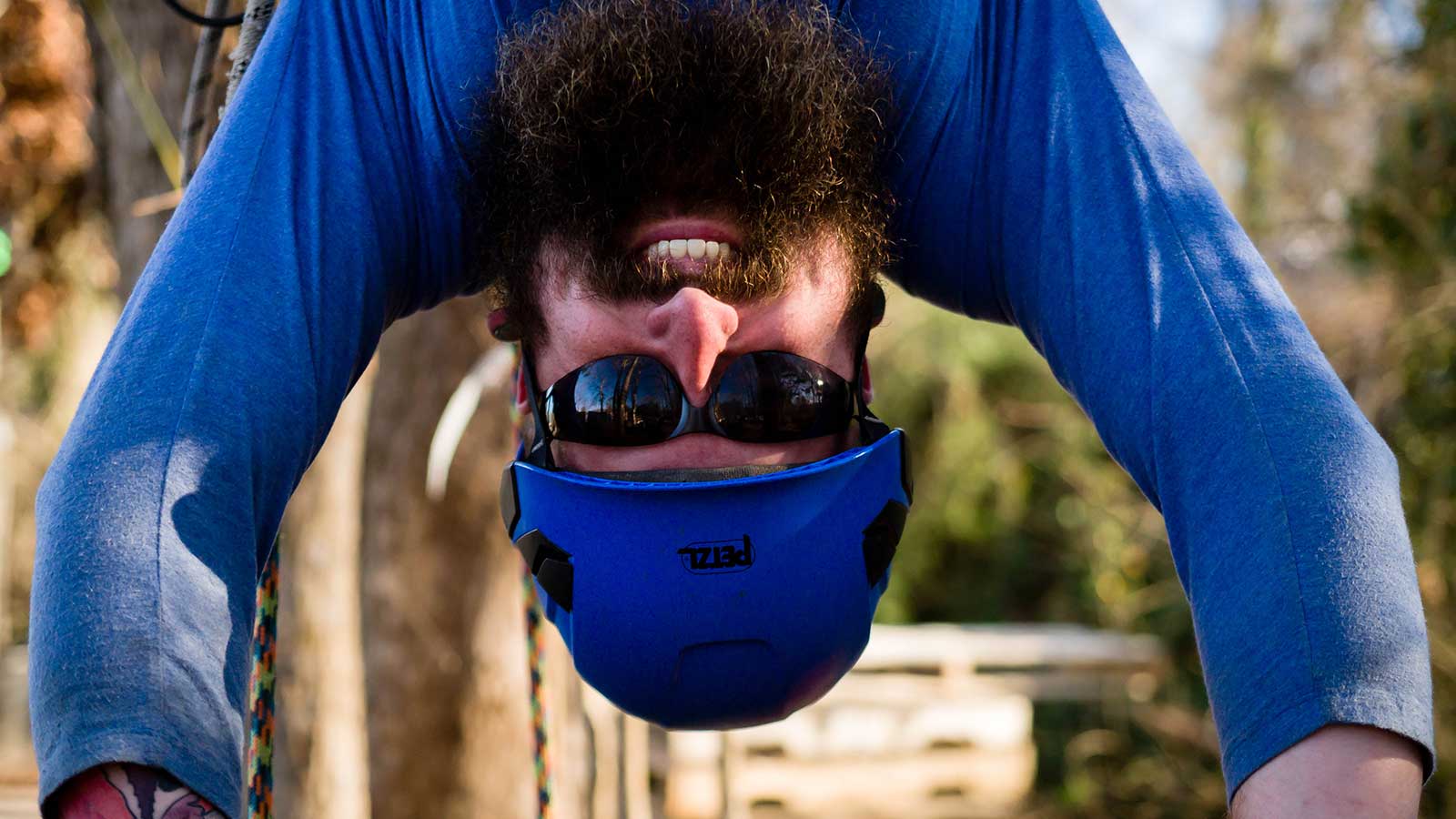
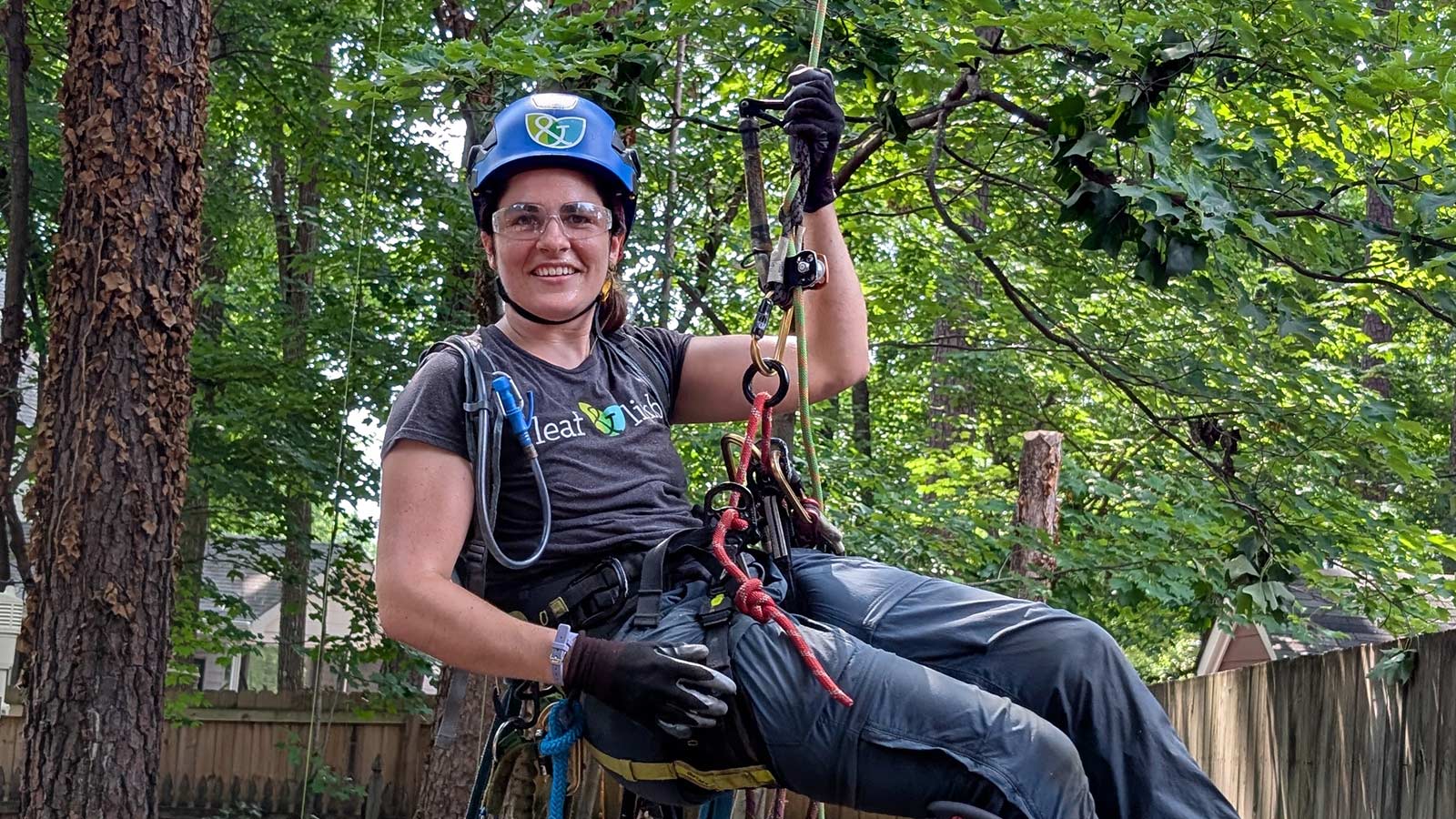
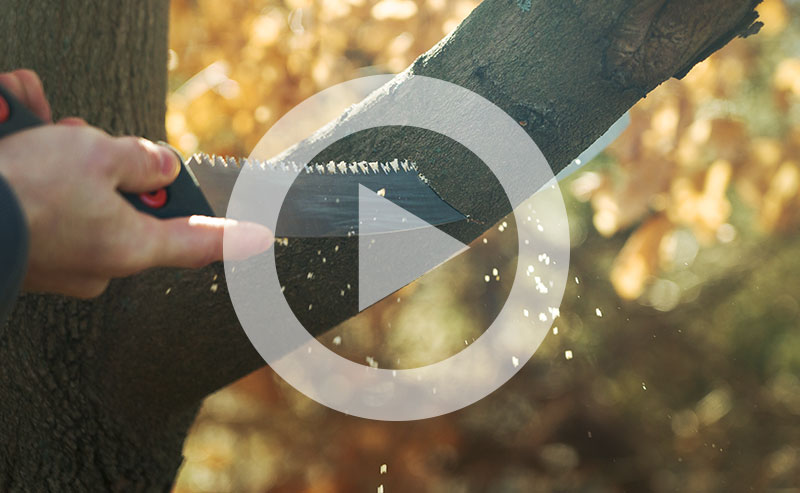
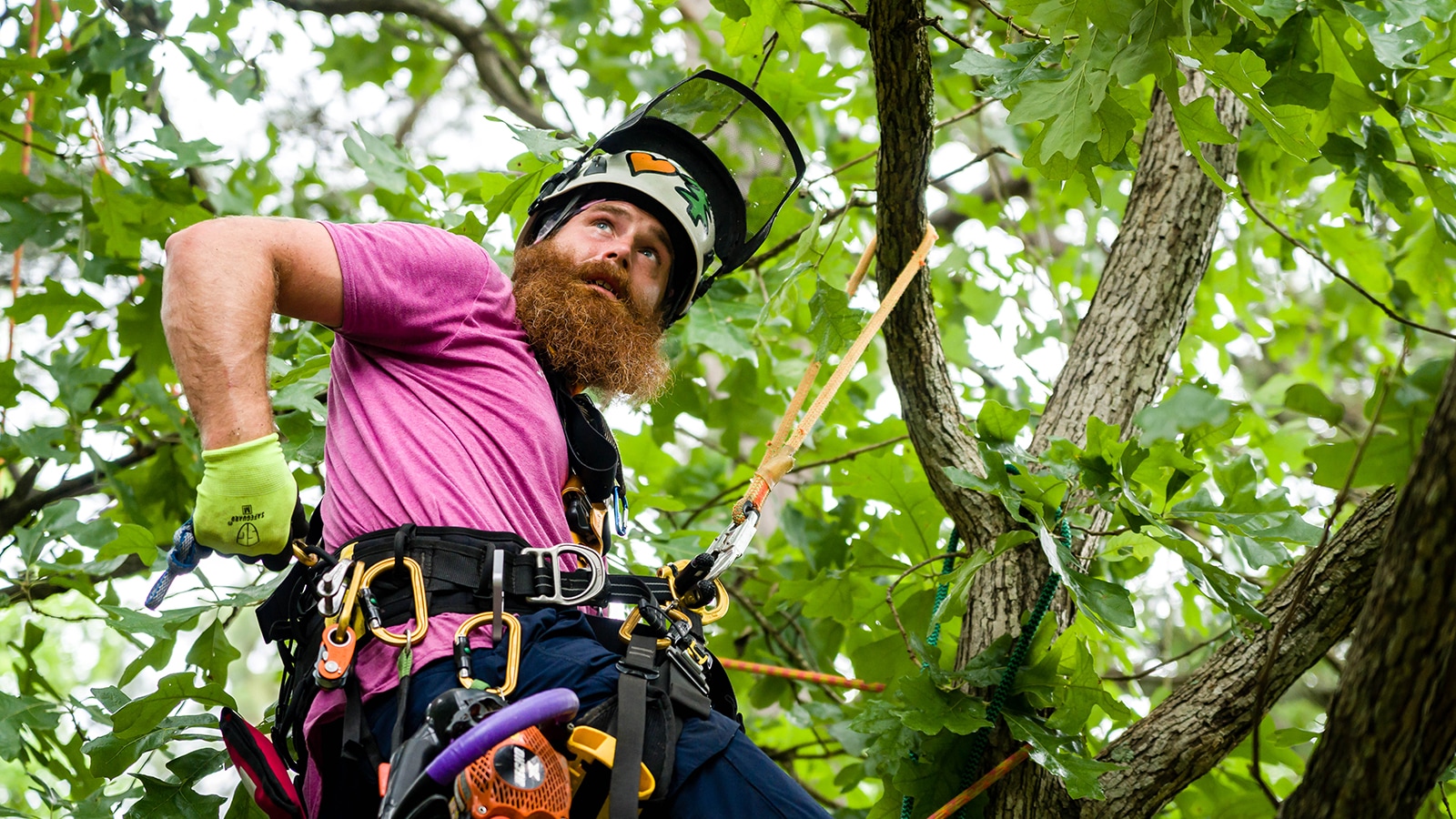
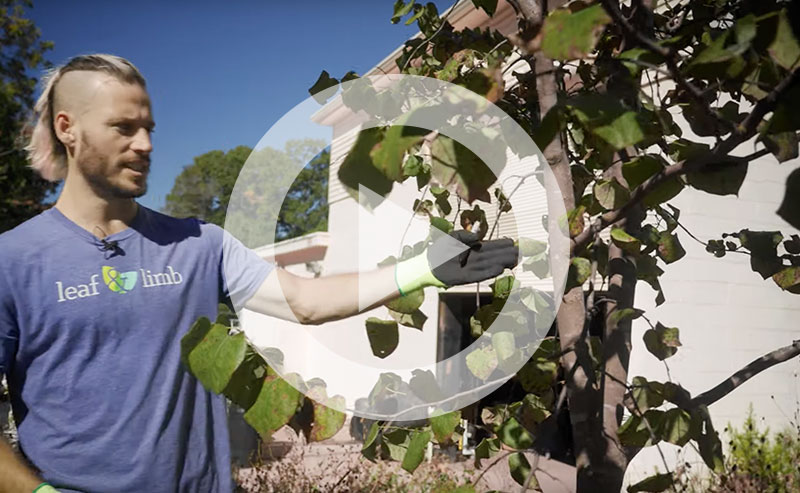
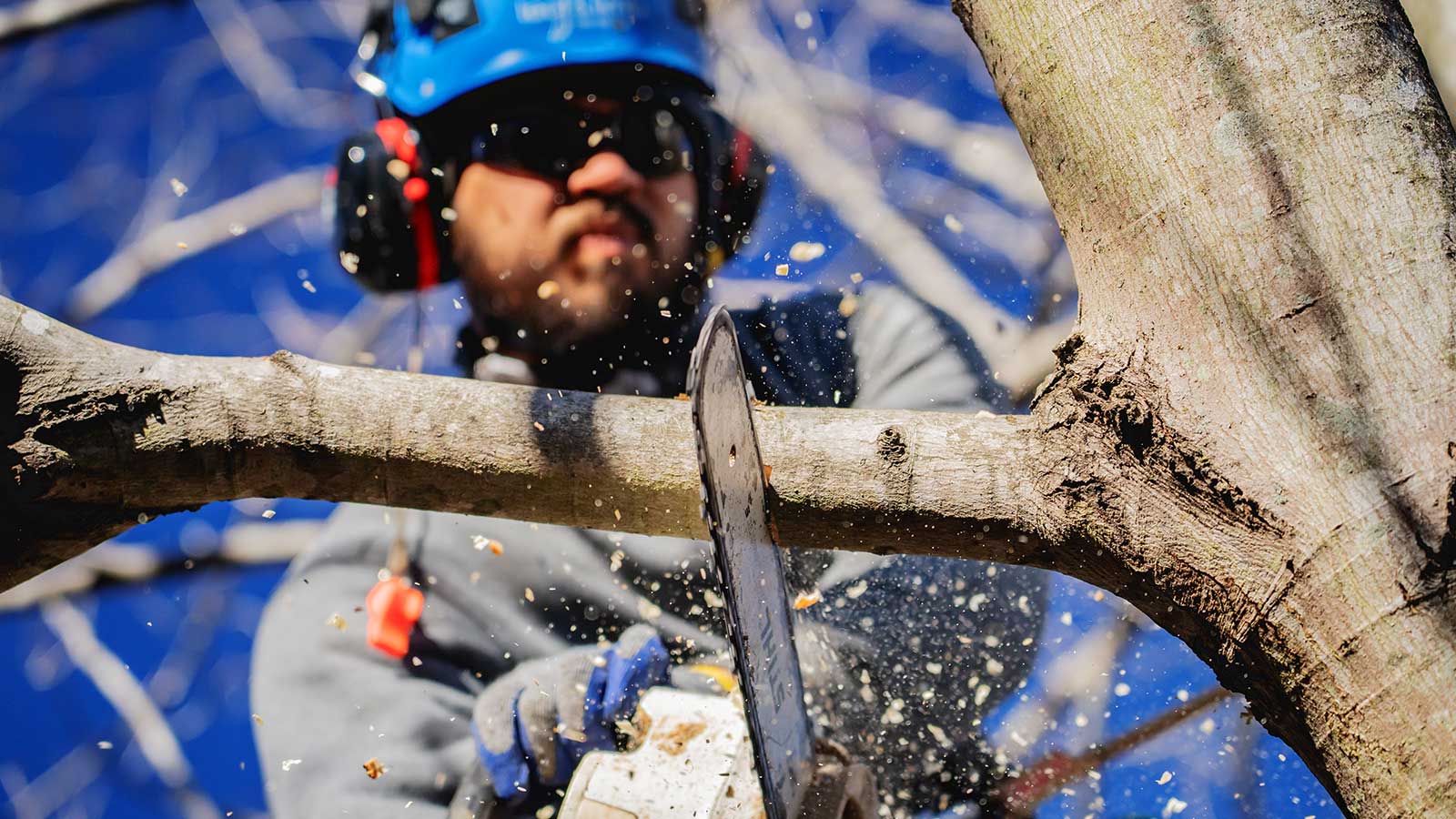
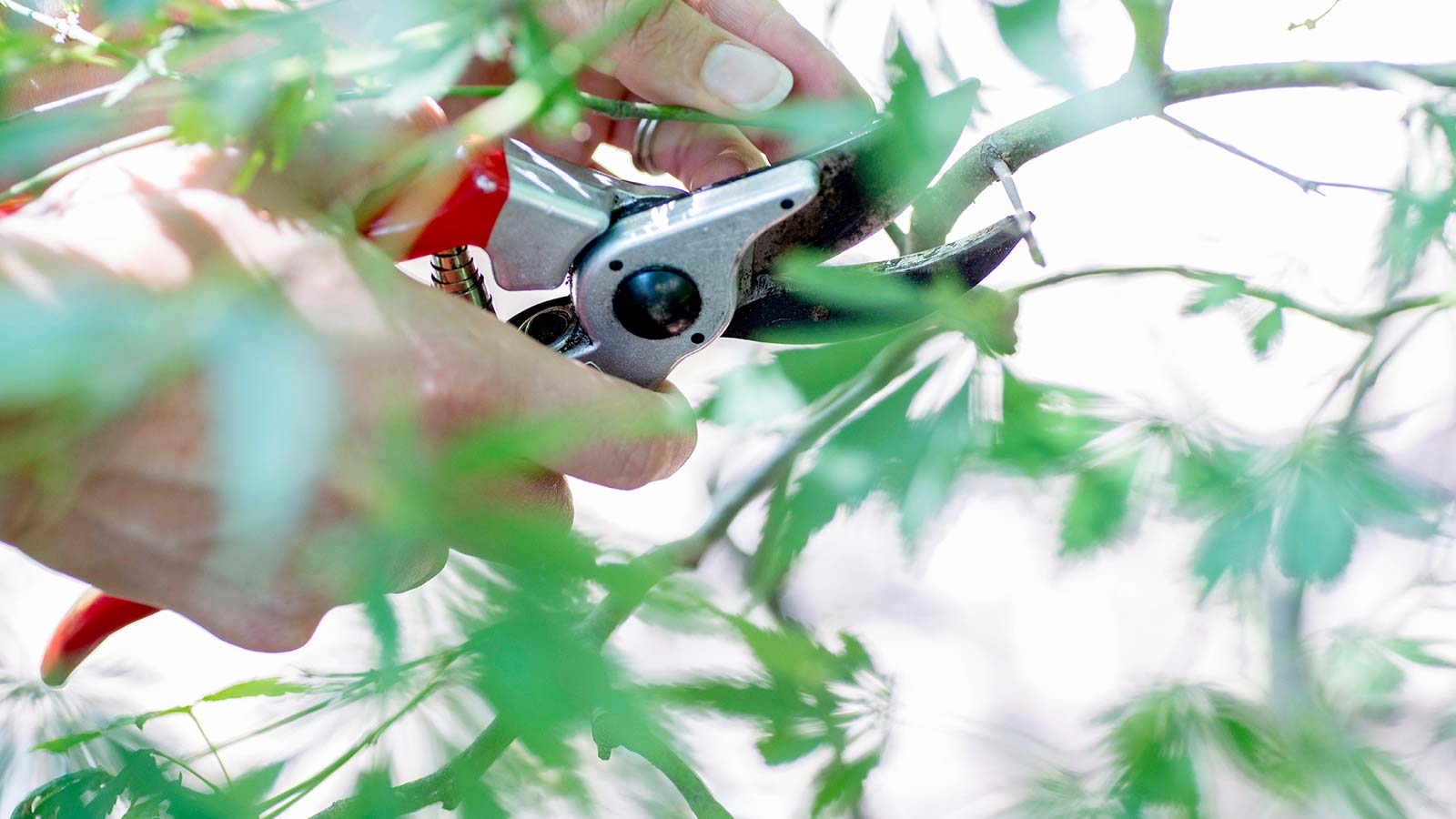
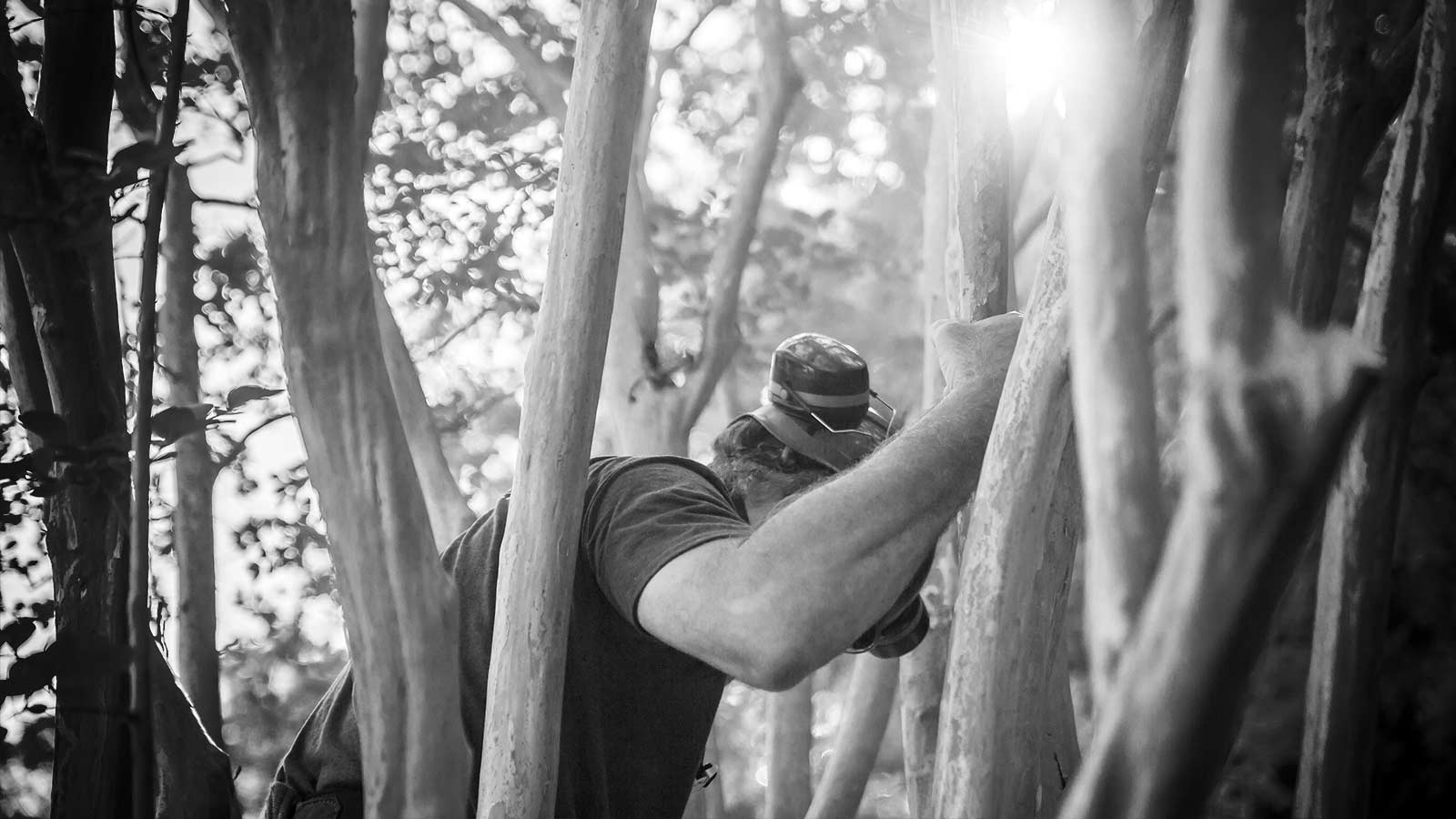
I followed your series of training modules, which is a modern set of skills, perspectives, and education around trees in an urban setting. The tree climbing camp was interesting. It’s fascinating to think that we’re with trees every day, but how few times do people actually get into trees, particularly really large trees? It was eye-opening that you can get up there with a relatively simple set of tools. What it’s like to be on a small branch 60 feet up is something – to realize how strong branches are. And the ways you can maneuver yourself around a tree using just ropes and pulleys. Obviously, it takes skill to do all of this well, but it’s not as complicated as I expected. It was also fun for me because I studied German and got to see some German words, like kernmantle for a type of climbing rope; kern means seed, and mantel means coat.
Have you had any aha moments yet? Like, a new idea just clicked?
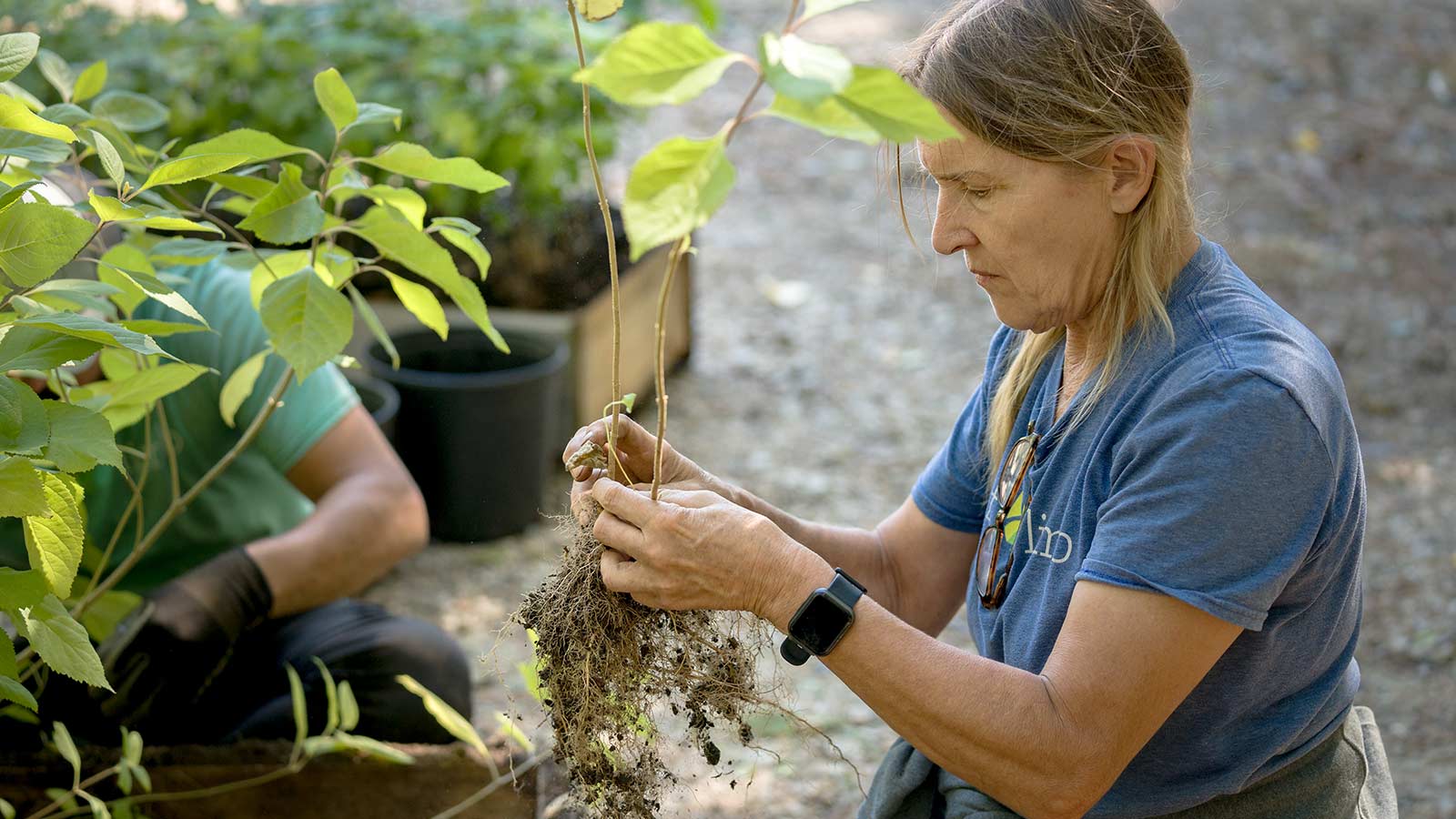
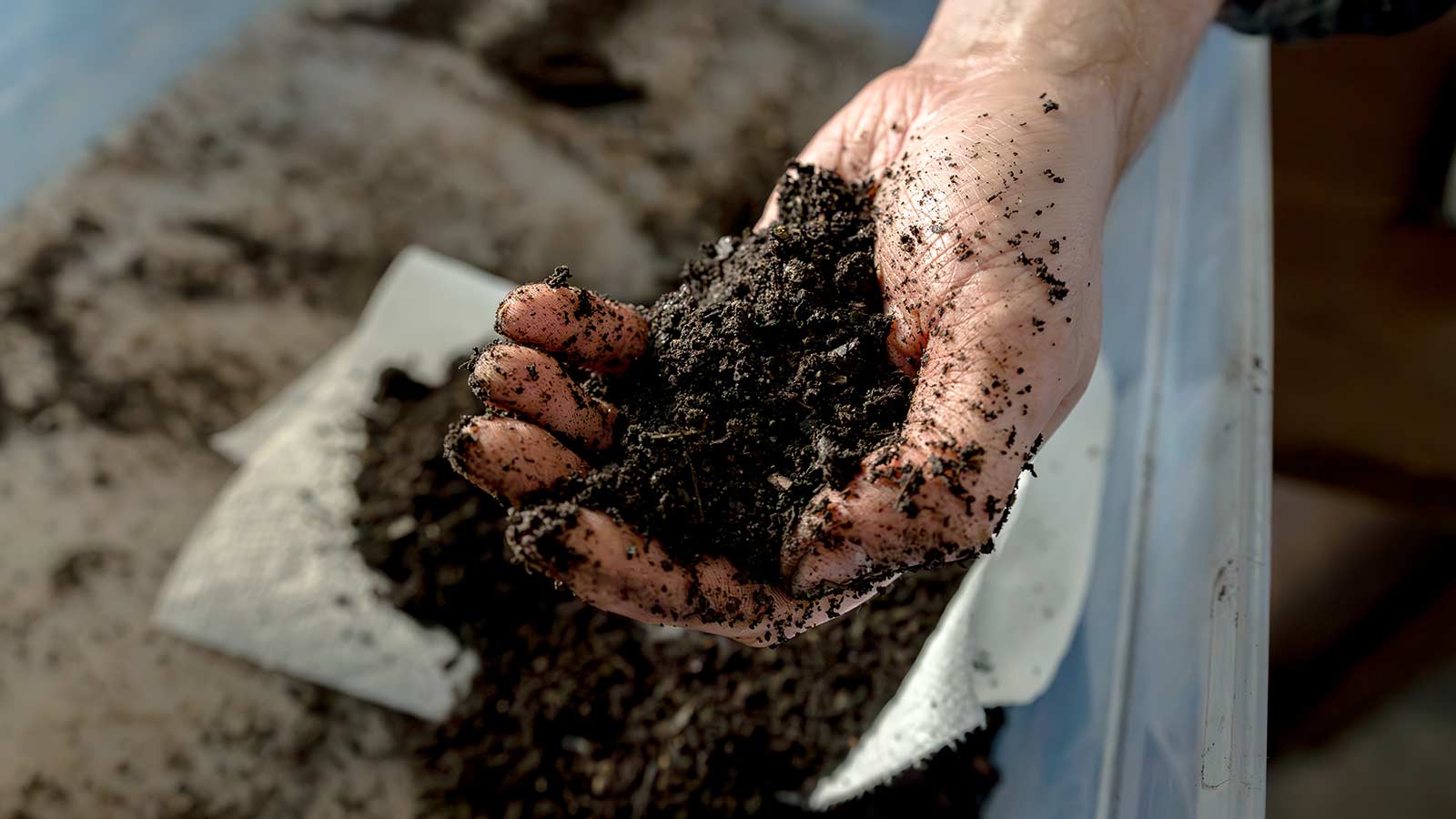
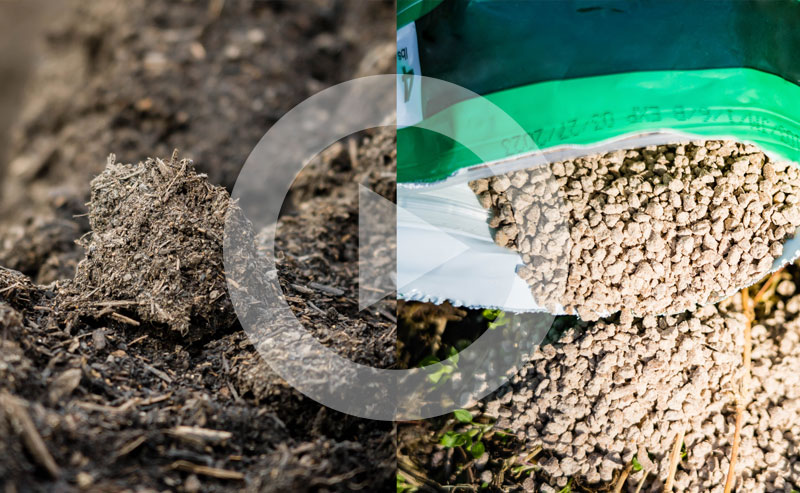
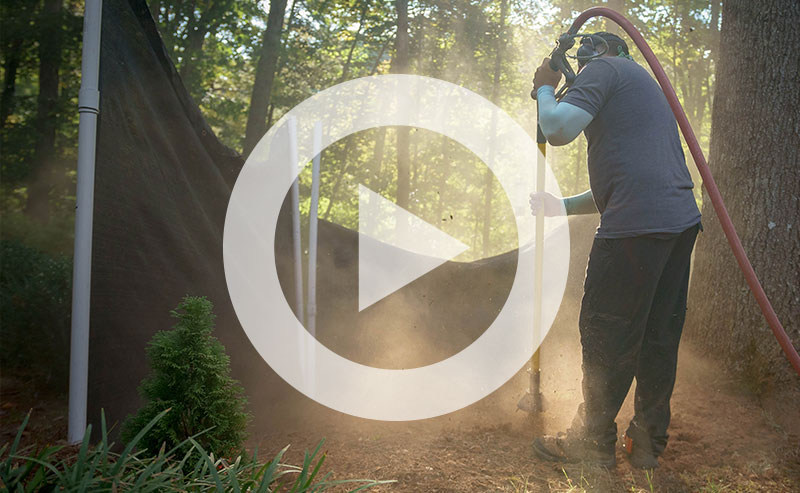
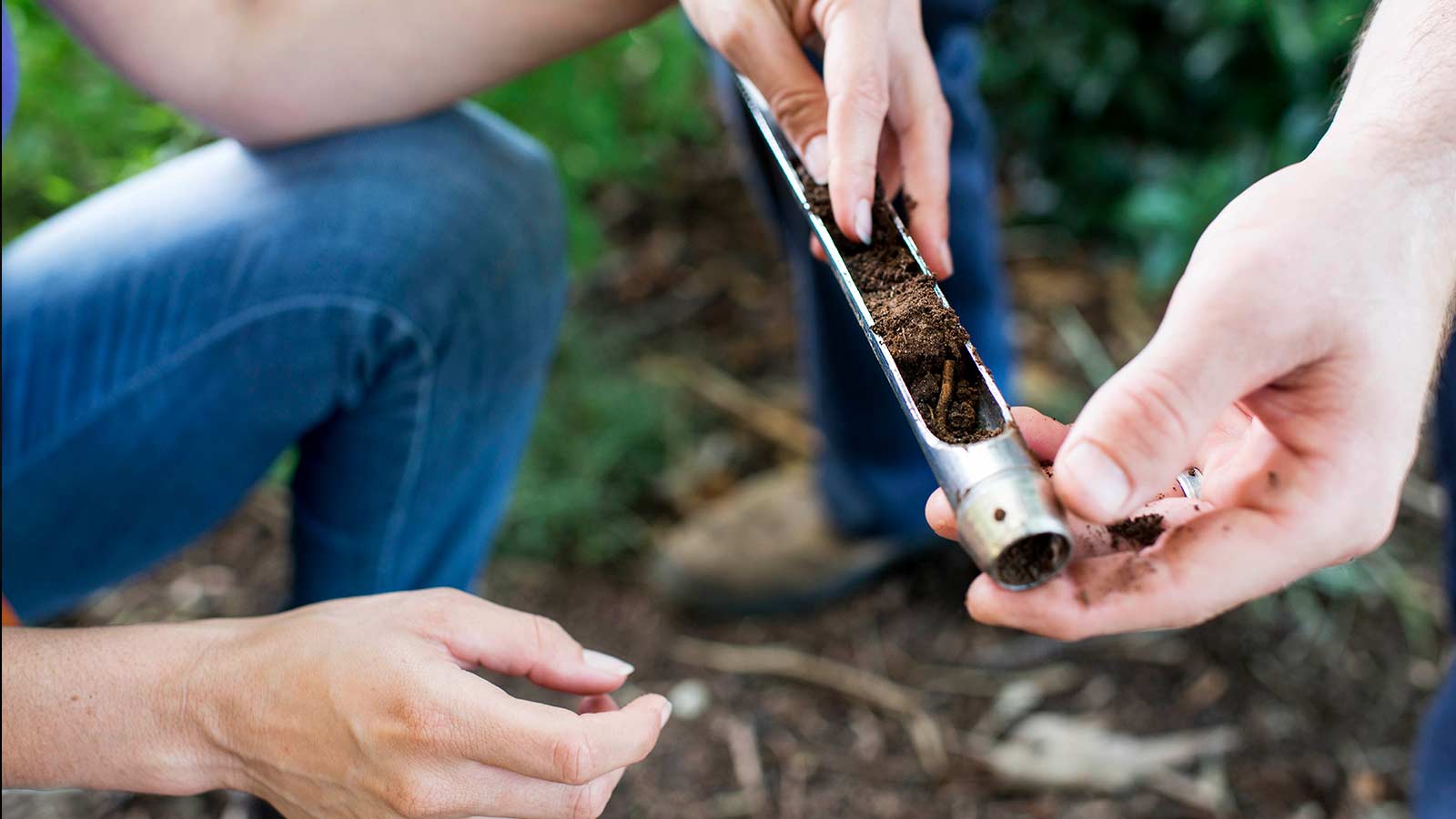
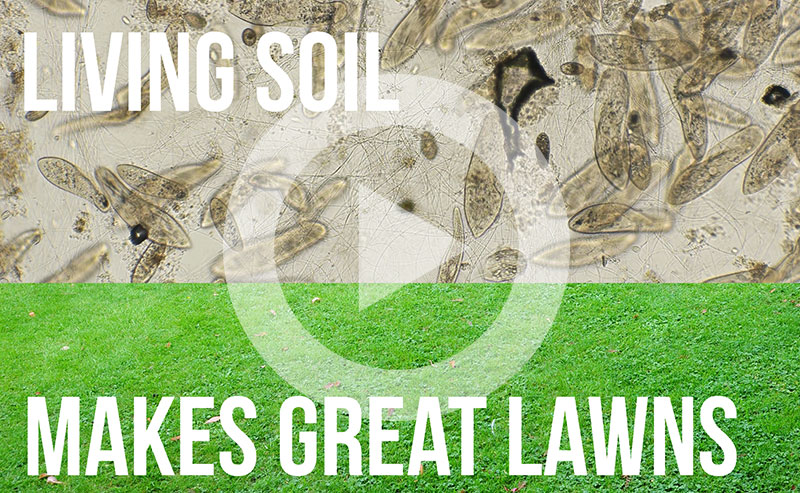
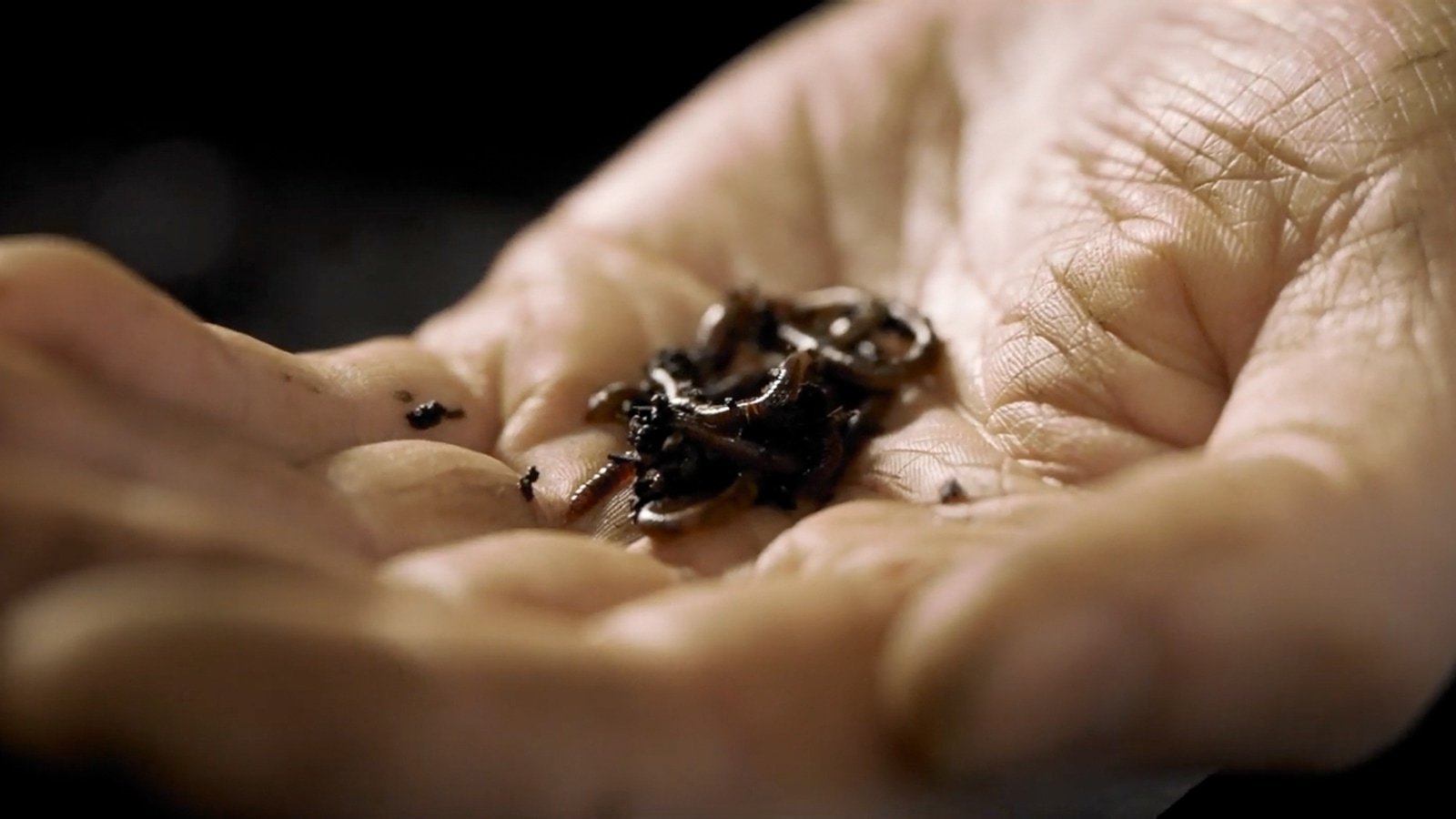
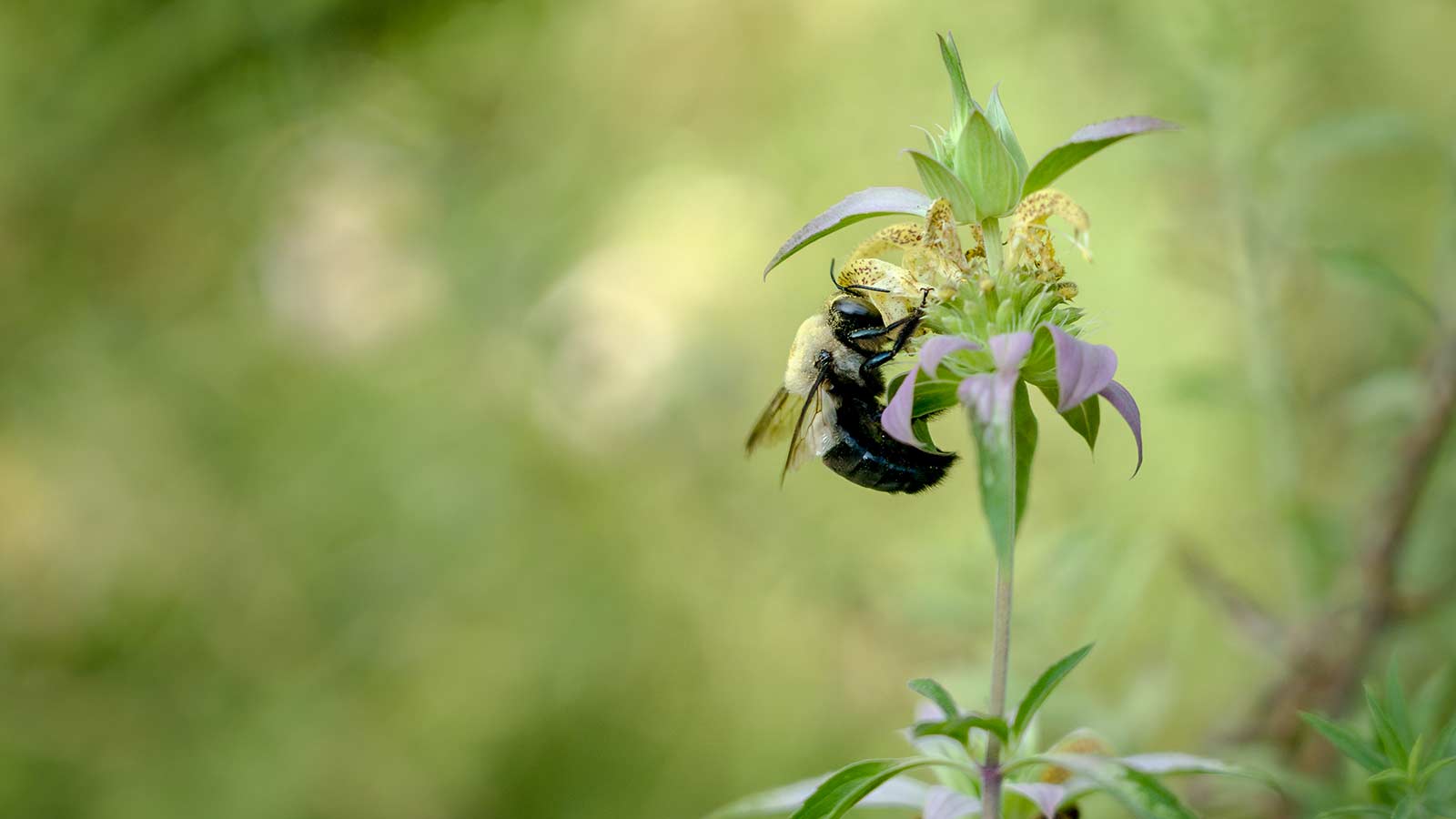
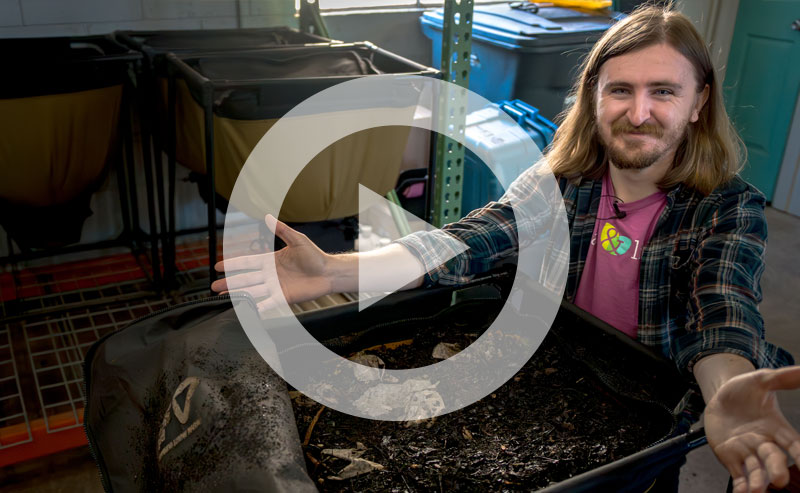
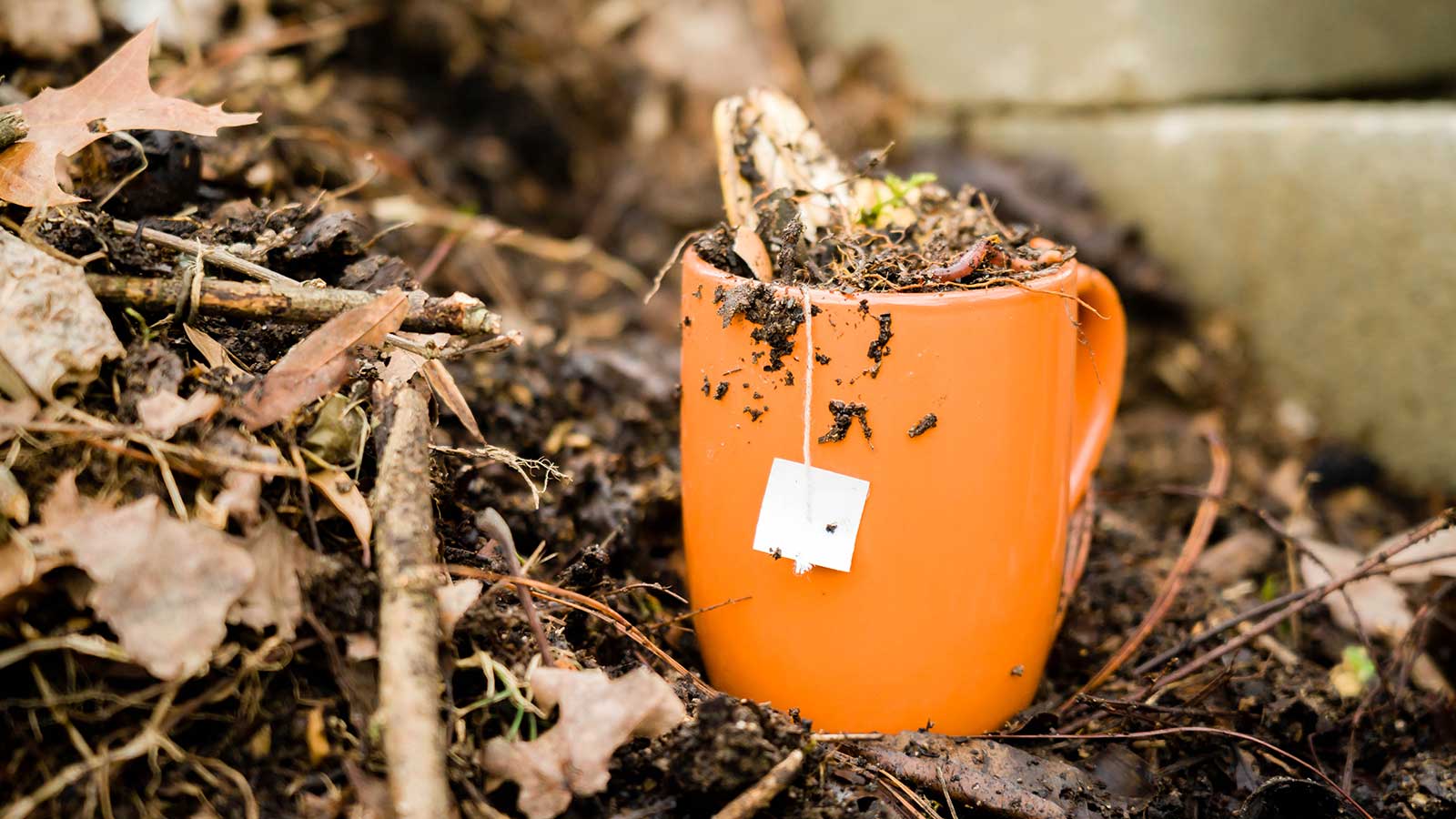
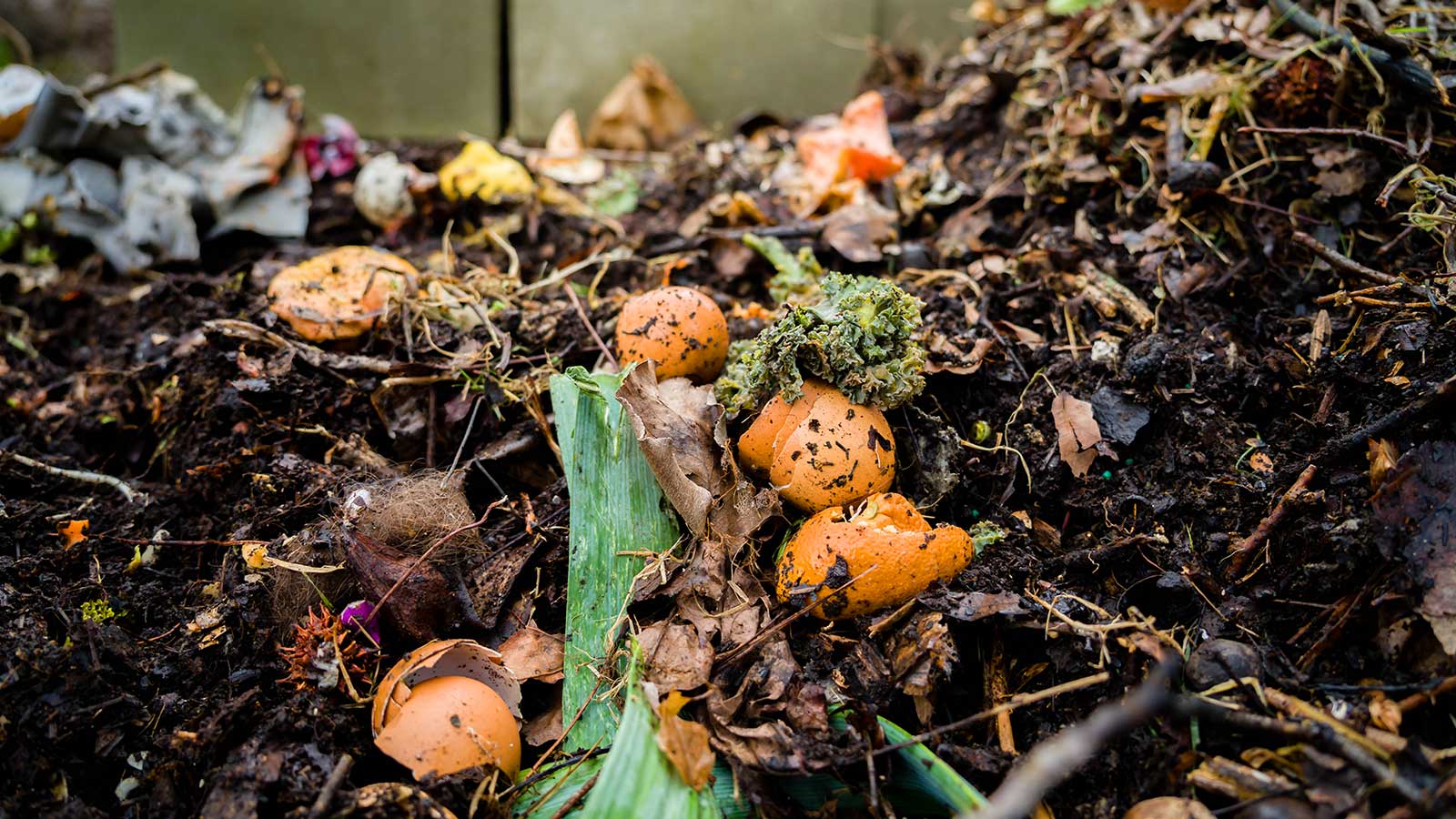
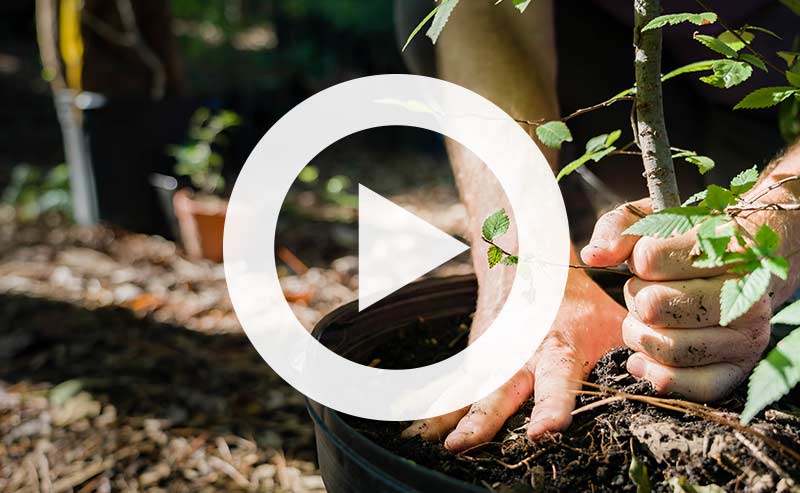
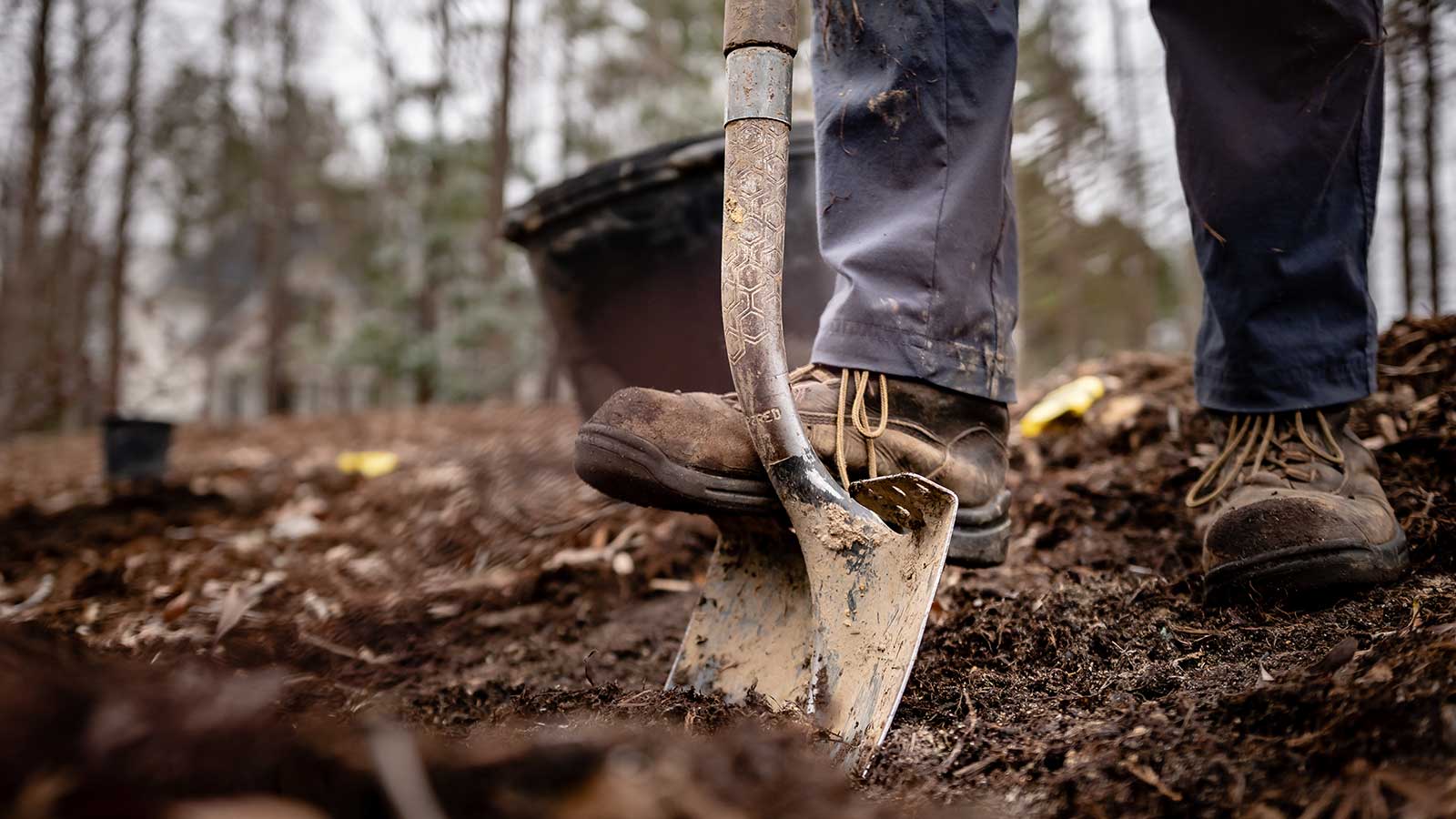
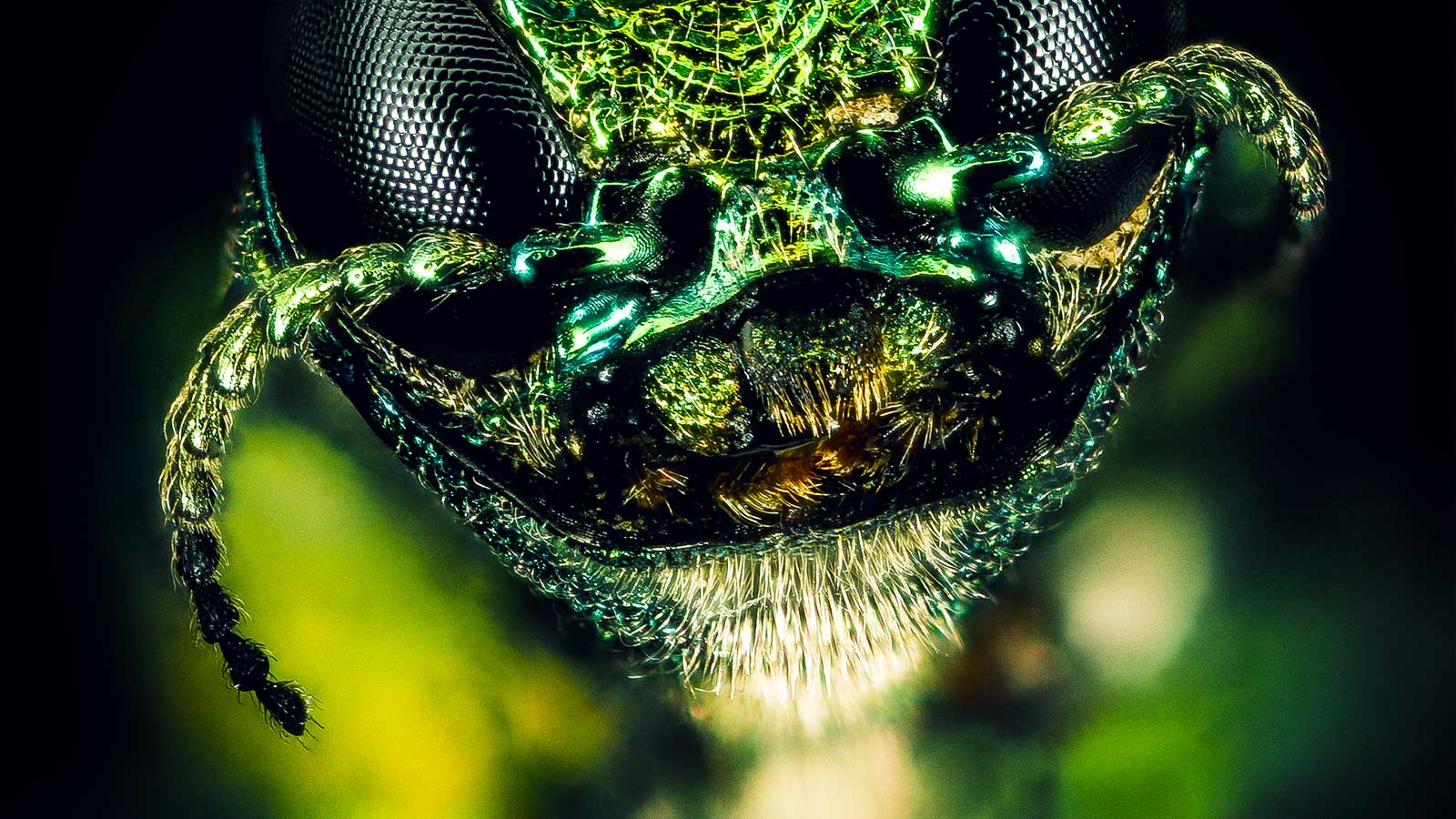
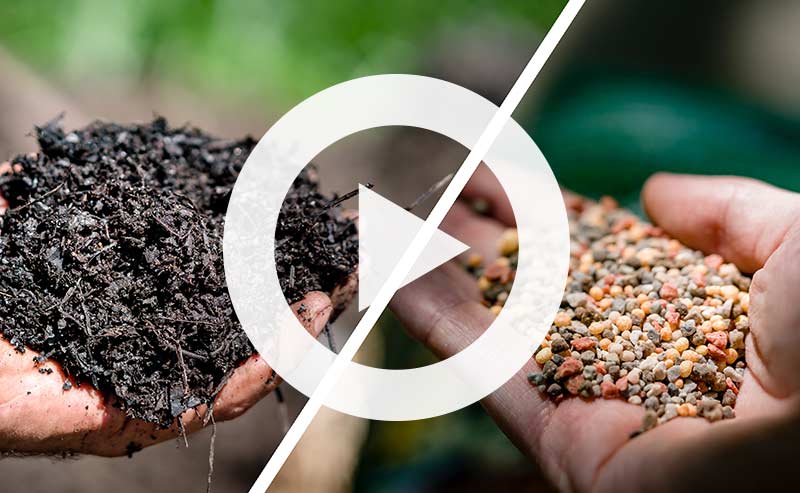
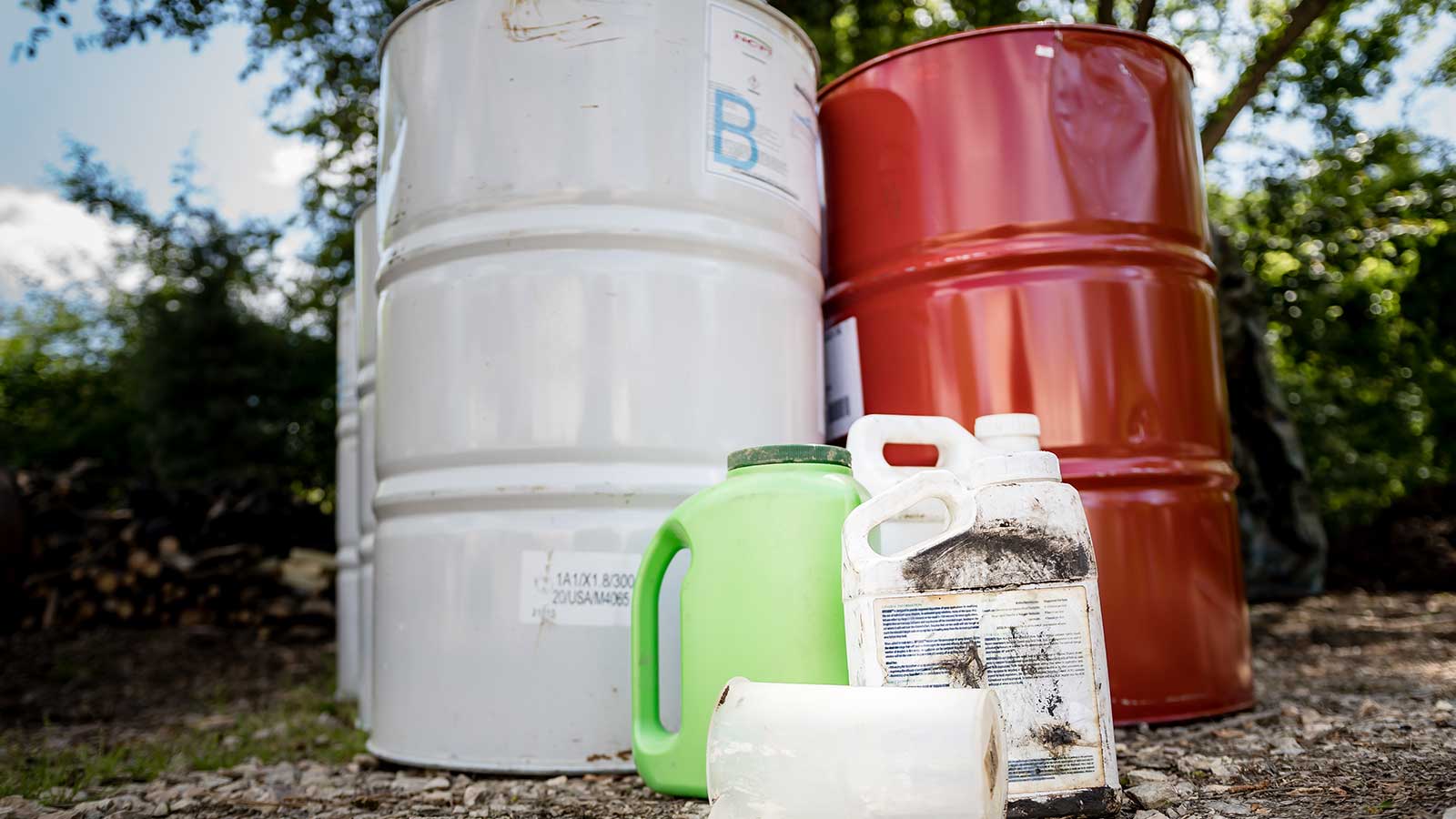
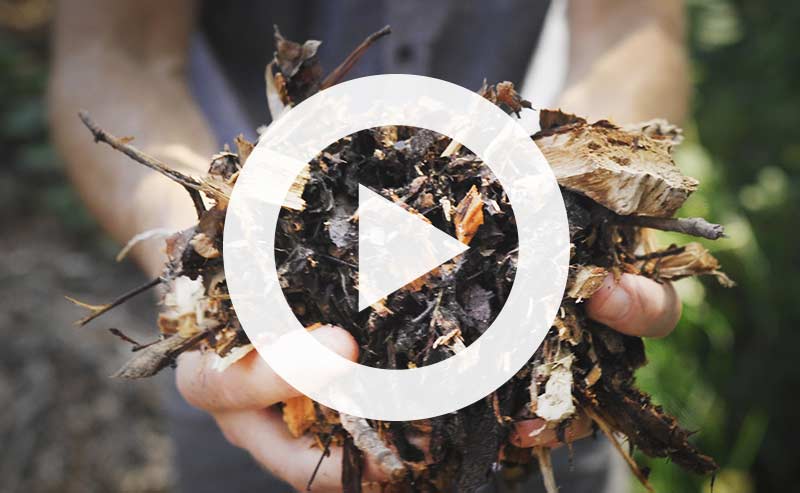
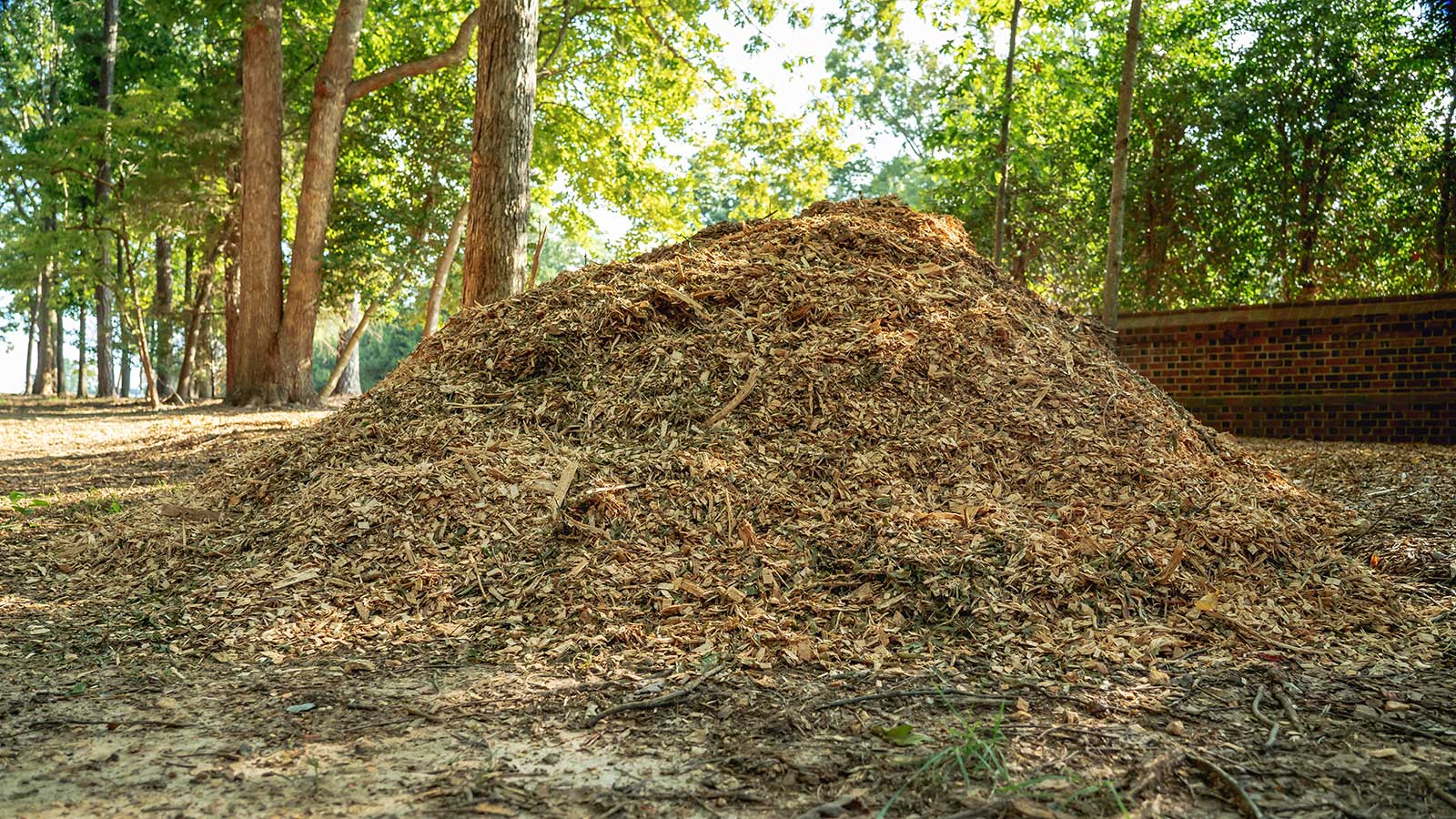
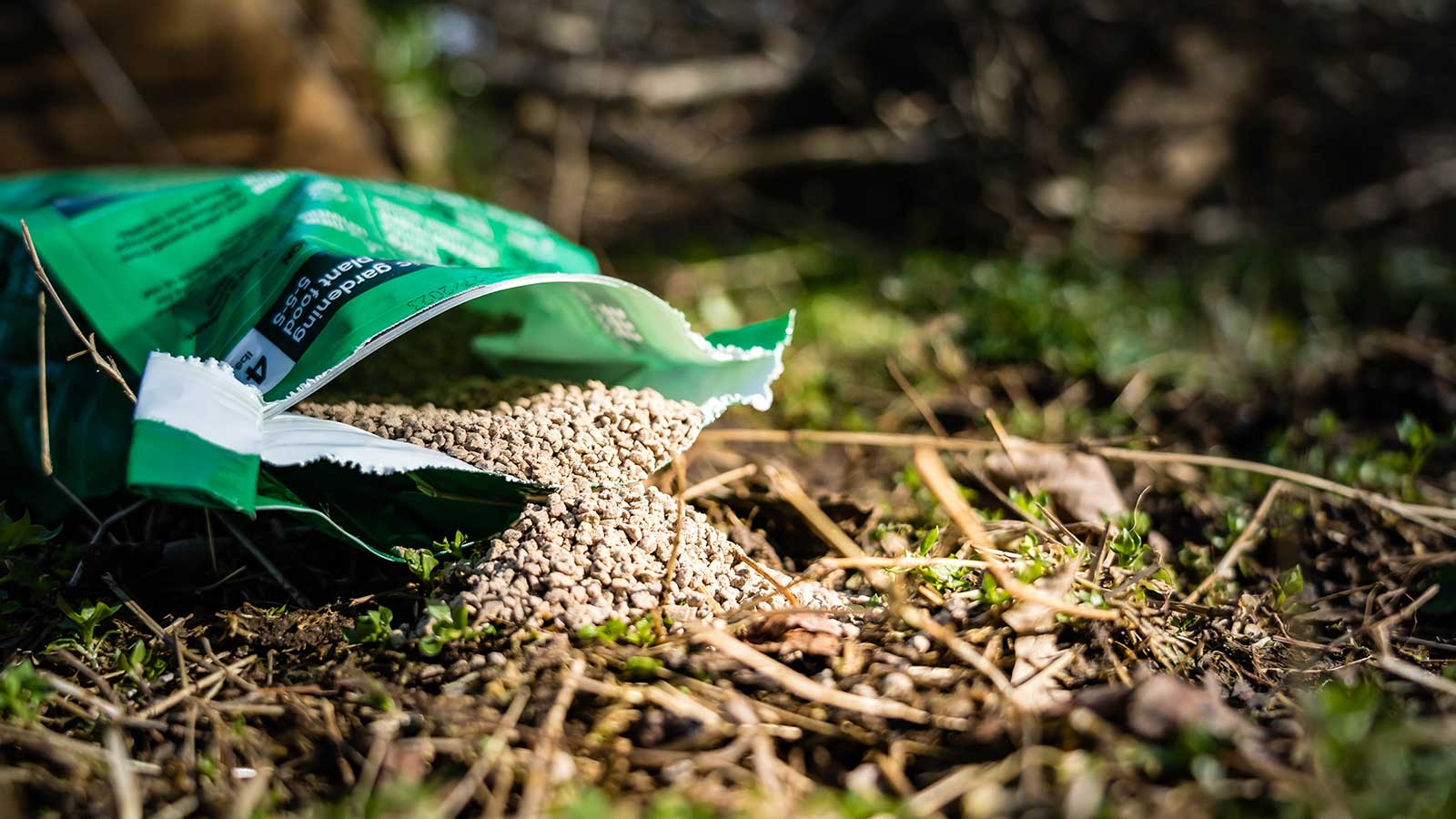
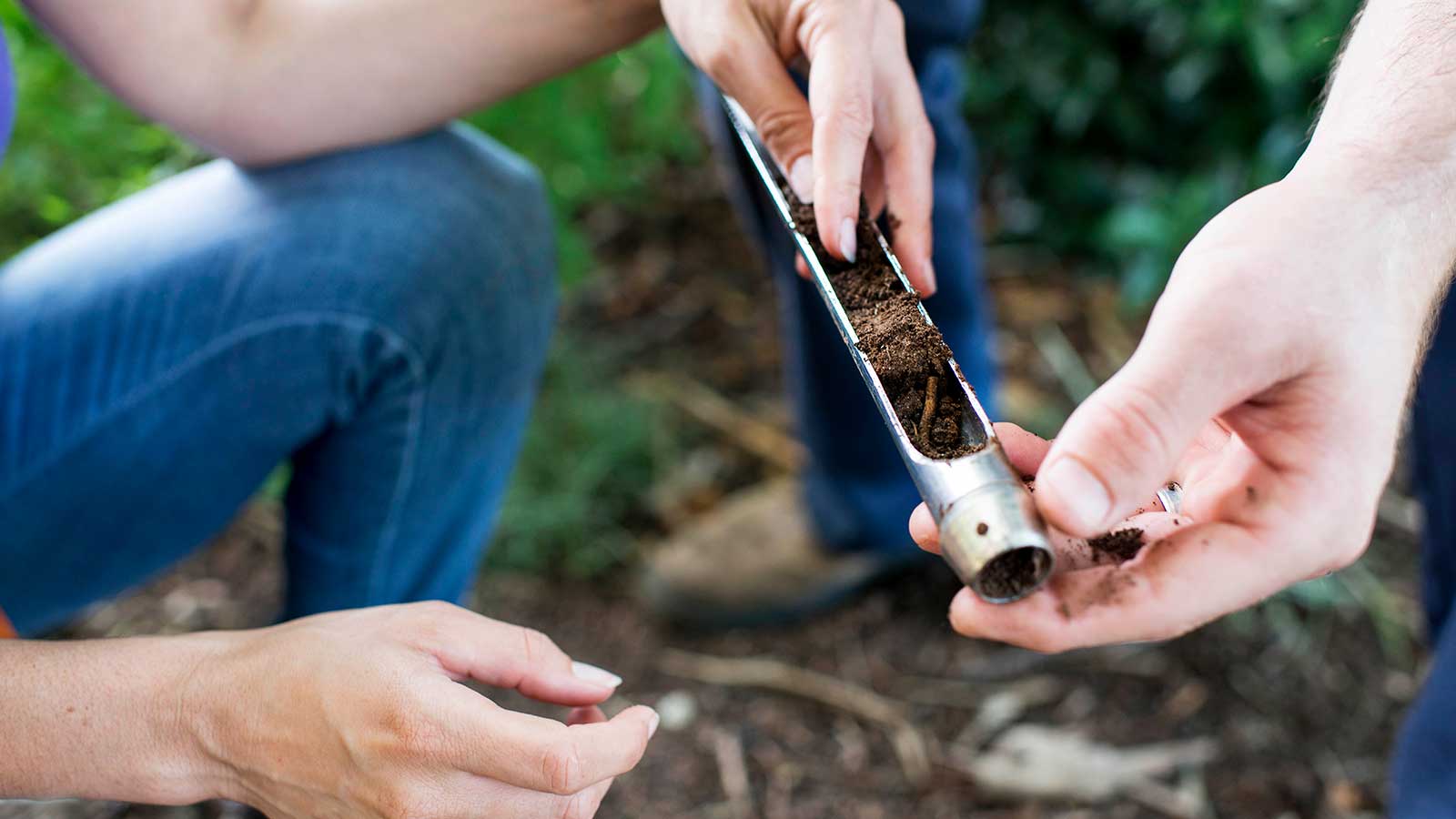
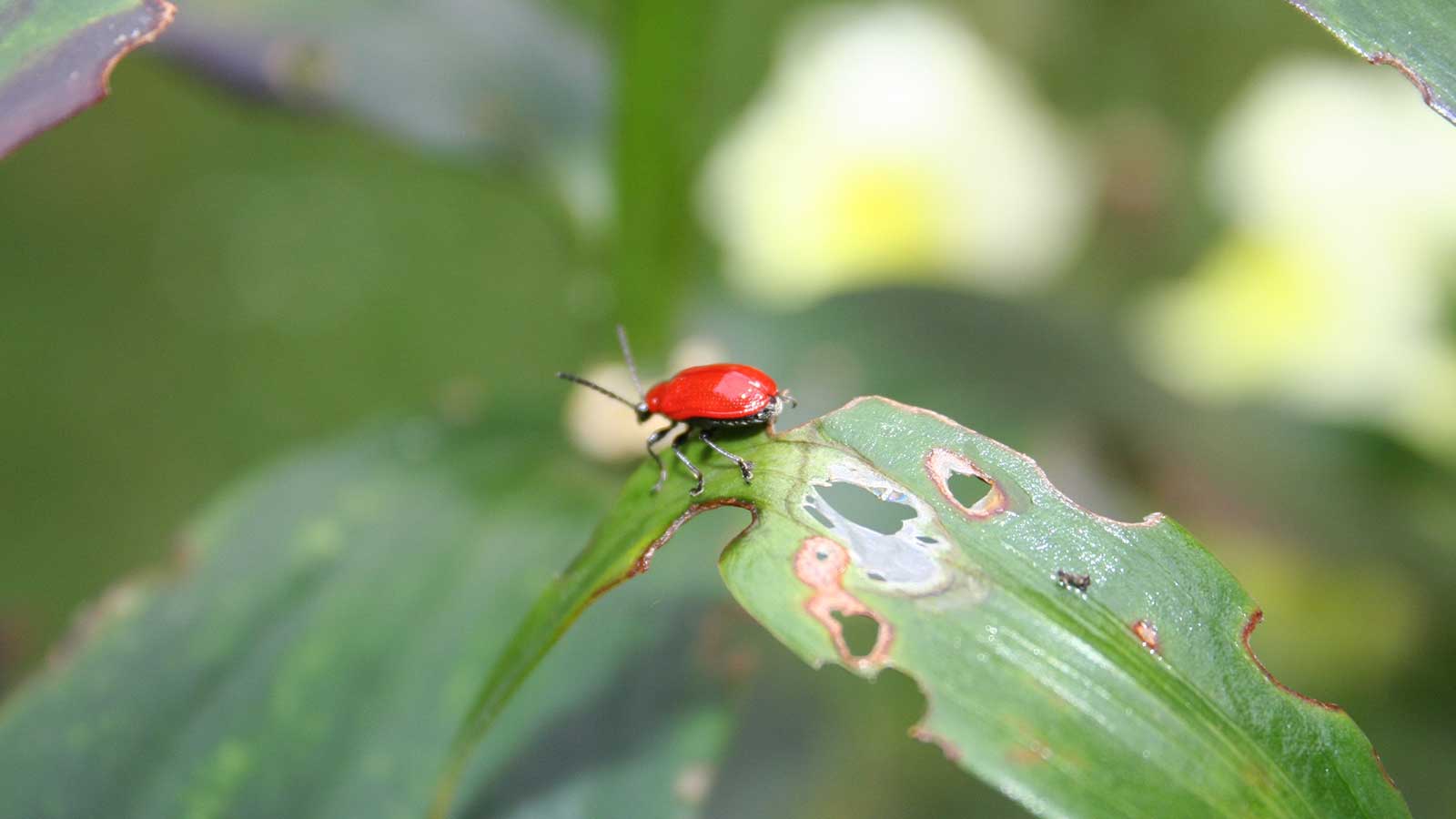
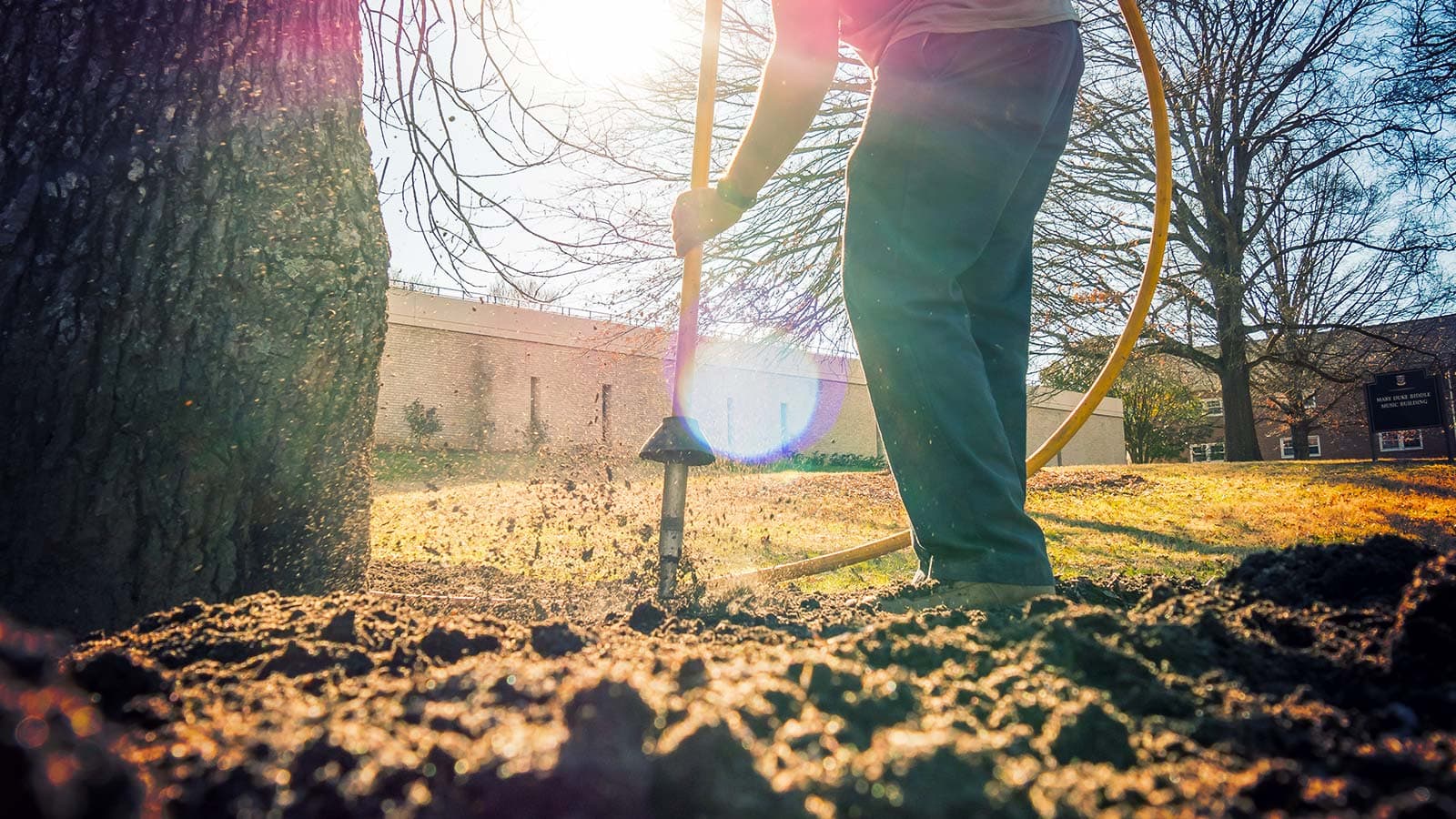
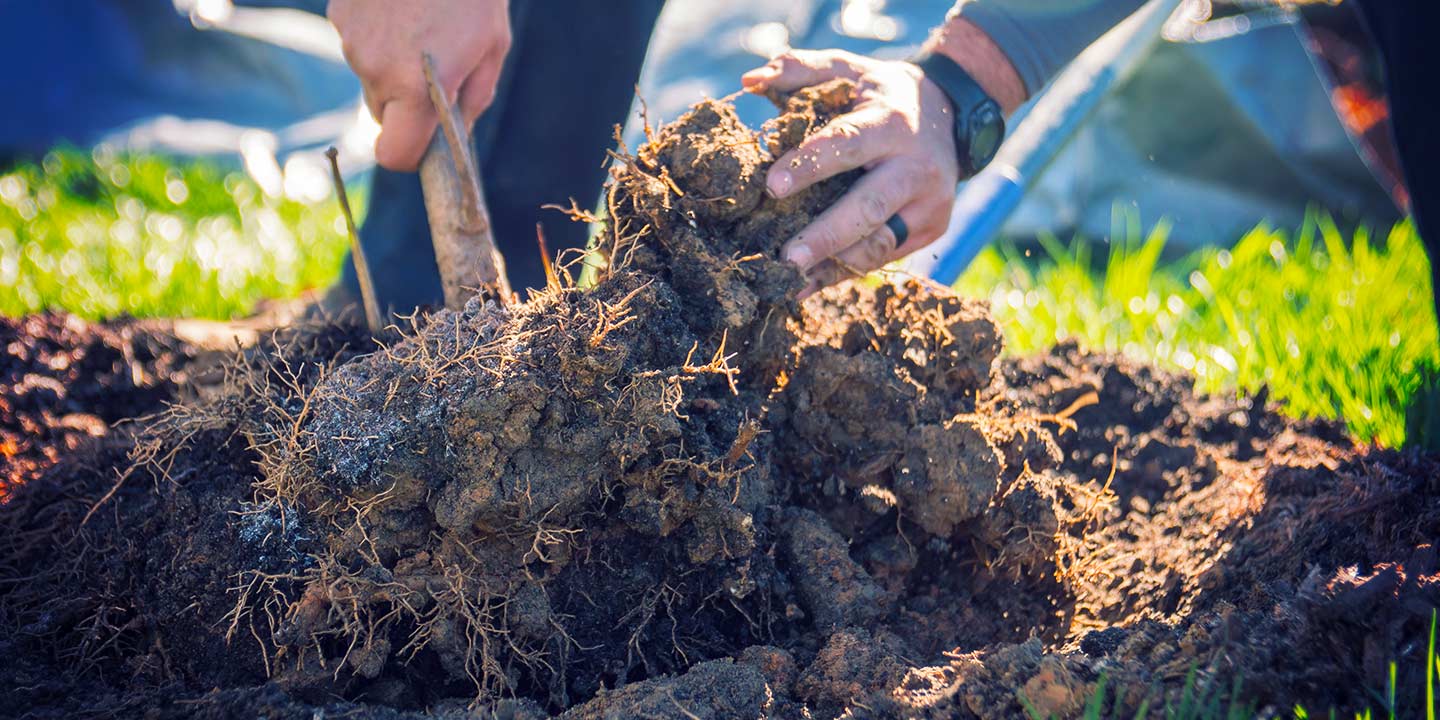
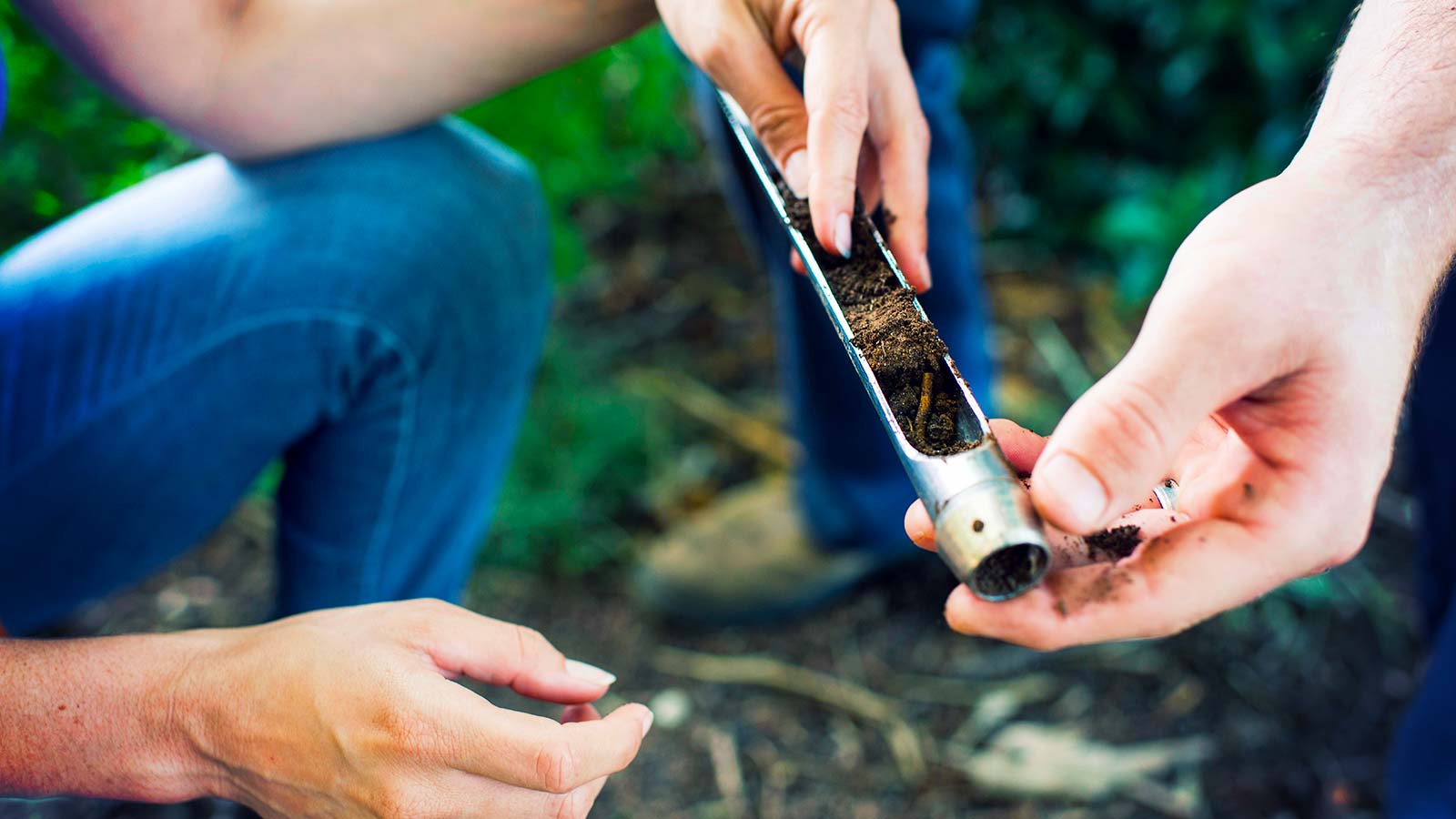
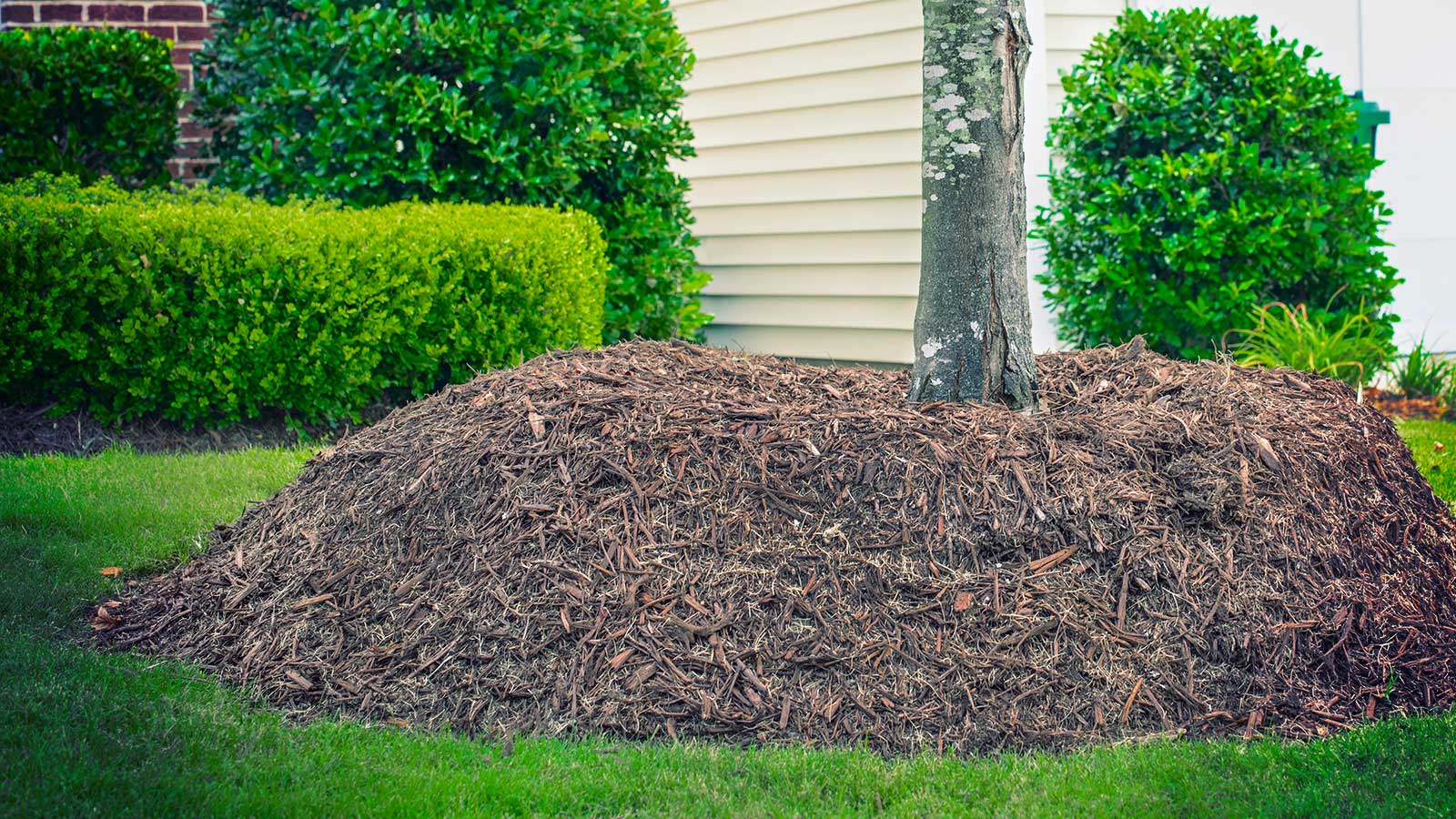
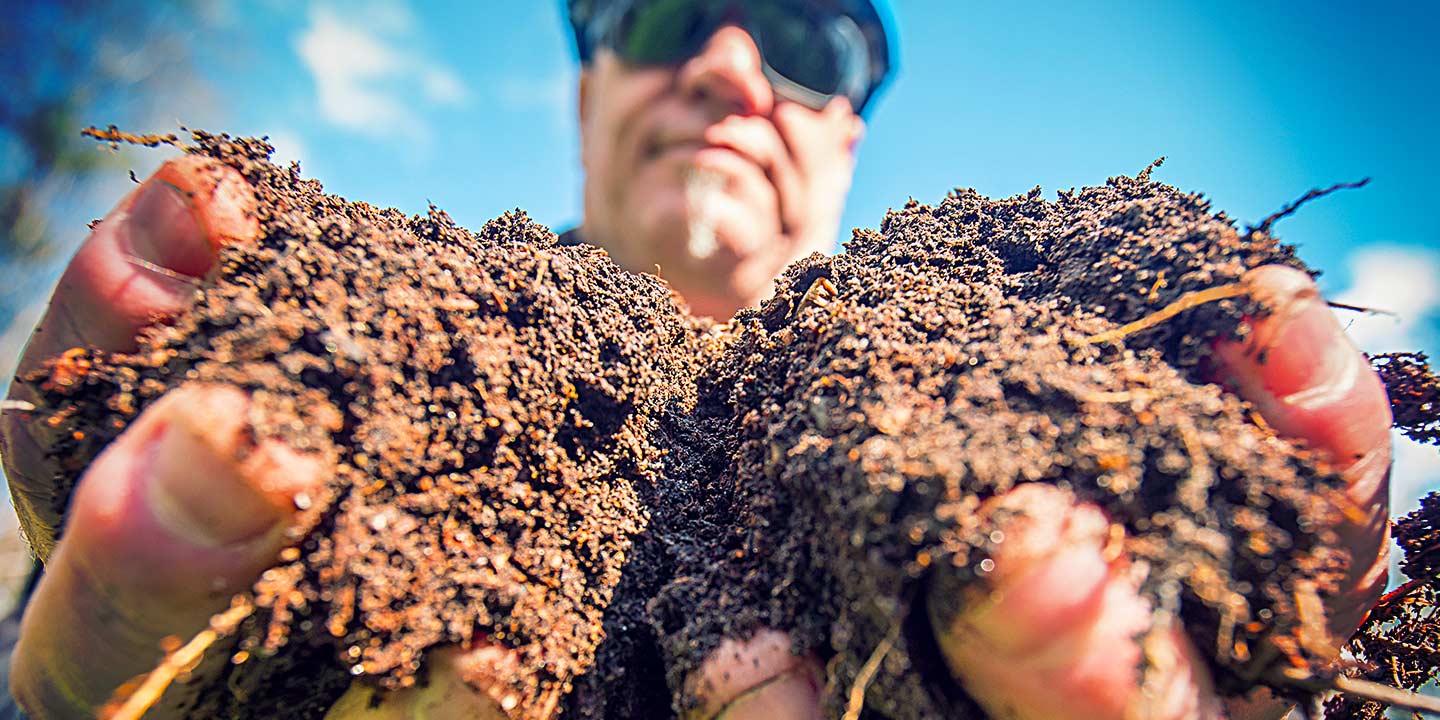
I think the whole biology versus chemistry angle for soil care – soil improvement, like using leaf litter versus commercially available fertilizer. I think most people think they’re doing the right thing by using some of these chemicals to fortify their tree or soil, but that route can actually cause harm. And that we really want to encourage natives, and the bugs that go with them. All this chemical use is really counterproductive; we are actually killing off a lot of the natural biology.
How did trees get to be a particular interest for you?
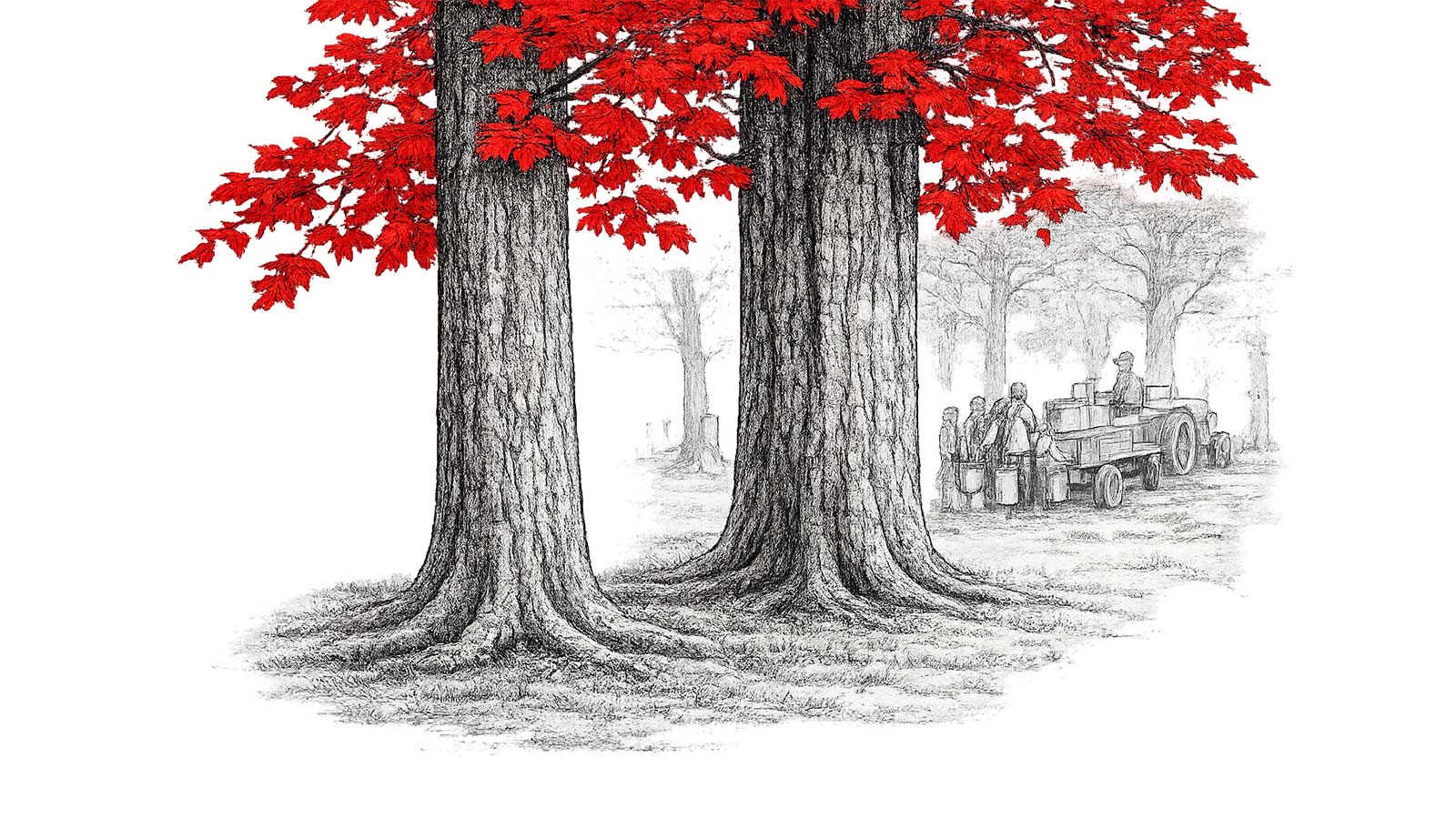
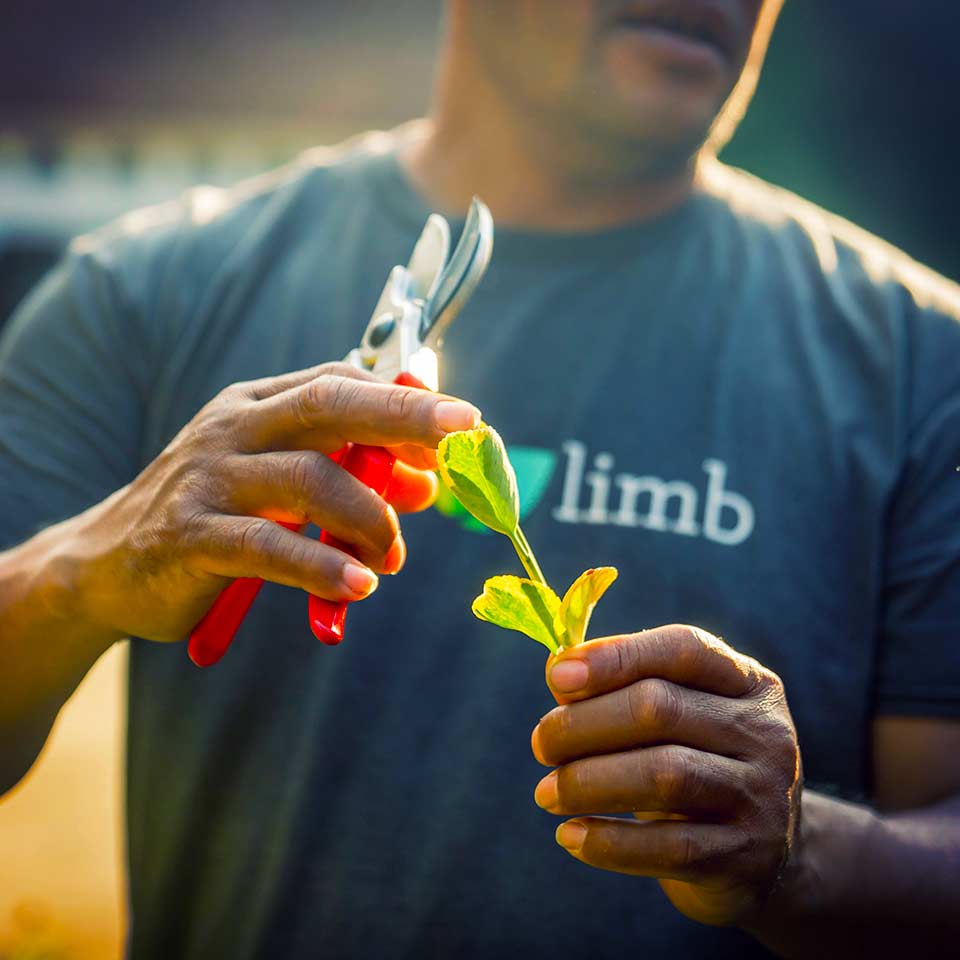
When I got out of business school, I dated a tree farmer up in Upstate New York and lived on a farm with lots of oaks and maples. The farm had an old orchard. I learned about pruning and really enjoyed learning about the trees and sustainable forestry. We made maple syrup and had these big apple parties. I got closer to Nature both in its wild state and in more domesticated farm country.
Is there a direction that you would like to see for Raleigh?
Raleigh is one of the fastest-growing cities in the United States. And during the last number of decades as we grew, it was in a very classic suburban model. But we have preserved a lot of our creeks and streams. I would like to see us reorient toward the city’s natural topography. So, instead of thinking about the surface as a pancake with a bunch of roads going across it, embrace the natural creeks and stream courses, and their ecologies.
With the more frequent deluges we can expect with climate warming, this is an important focus. Tell me more about what Raleigh is working on?
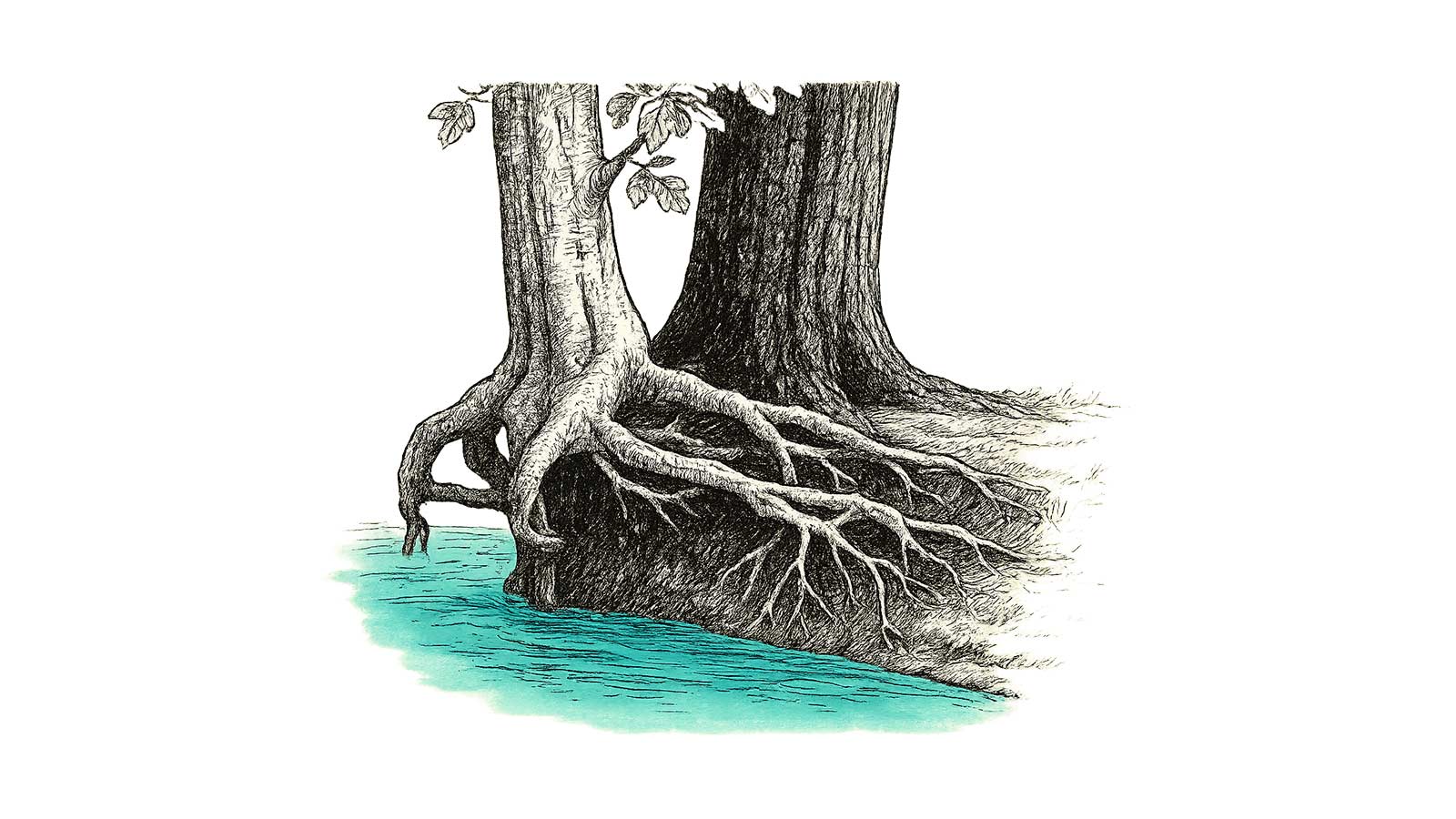
There’s a Sponge City concept that originated in China; you want your city to be a sponge that collects water where it falls. It shouldn’t be hitting asphalt and just running off. We’ve been looking at the Sponge City concept and working on how we can better distribute rain as it falls.
Our streams have been downsized, channelized, and they’re much more of a V versus that spread-out pattern that they should have. Restoring our streams is an existing City initiative right now.
We have a green stormwater infrastructure team that is using native plants to absorb and slow water instead of building culverts or riprap or hardened structures that people have used for decades.
We’re now learning that those aren’t the best techniques, and that you can slow water down and absorb it naturally by restoring streams and wetlands, planting trees, and using native plants. We can learn from nature to do it better than we have been. Ecosystems can be infrastructure; they’re more connected than many people think. But how do you package that and have people understand how all these elements connect?
NC State did a nice job restoring the stream through their work on part of the Rocky Branch. The Rocky Branch at Dix Park is also targeted for widening and restoring natural meanders. We also have the Pigeon House Branch, which is off Capital Boulevard and was buried. So, we’re going to “daylight” that stream. We’re going to take the concrete off the top of it and restore or enhance that stream so that people can enjoy it again as opposed to burying it.
We are also promoting things like rain gardens, rain barrels, to incentivize folks to keep their rain.
How do you feel that Raleigh sits relative to other large cities with other Green initiatives to deal with climate warming?
Most people comment on how green the city is, and we have saved a much larger percentage of our canopy than many nearby cities. That said, because we are a high-growth city, a lot of trees are coming down right now, especially on the suburban edge. That has been challenging; I would say we are probably in the middle of the pack on tree preservation.
We tend to be ranked pretty highly on our Parks. Our green waste system is one of the best in the country. We have a climate plan. We have done advanced work around some of our fleet. We convert methane from our sewage treatment plants into natural gas to fuel our buses. We are also converting a lot of our fleet from gas or diesel to hybrid or natural gas. I think some of the work we already talked about that our Stormwater Team has done has been pretty advanced.
Can you think of ways that the city can foster a bigger awareness of the natural world around them, not just kids, but grown-ups, too?
Let’s change people’s idea of a park being a bunch of ball fields and some green space. Let’s have our Parks reflect the natural differences in topography. We have an incredible Greenway network that mostly follows streams, and we are connecting them and aiming to have it all walkable and bikeable. It’s important to bring people back to understanding that the water in the streams along the Greenways all flows toward the Neuse, and then to the Atlantic. We have the Crabtree and the Walnut trails with the natural trees that should be in those floodplains and waterways. I think we have 36 different watersheds flowing into these two main Creeks. There’s an art piece down on the Crabtree Trail near Crabtree Valley Mall that shows the flooding of Crabtree Creek, and it has sticks showing how high the water went when it flooded. And it’s an amazing piece of art.
What’s one thing that you would ask people to do in their yards?
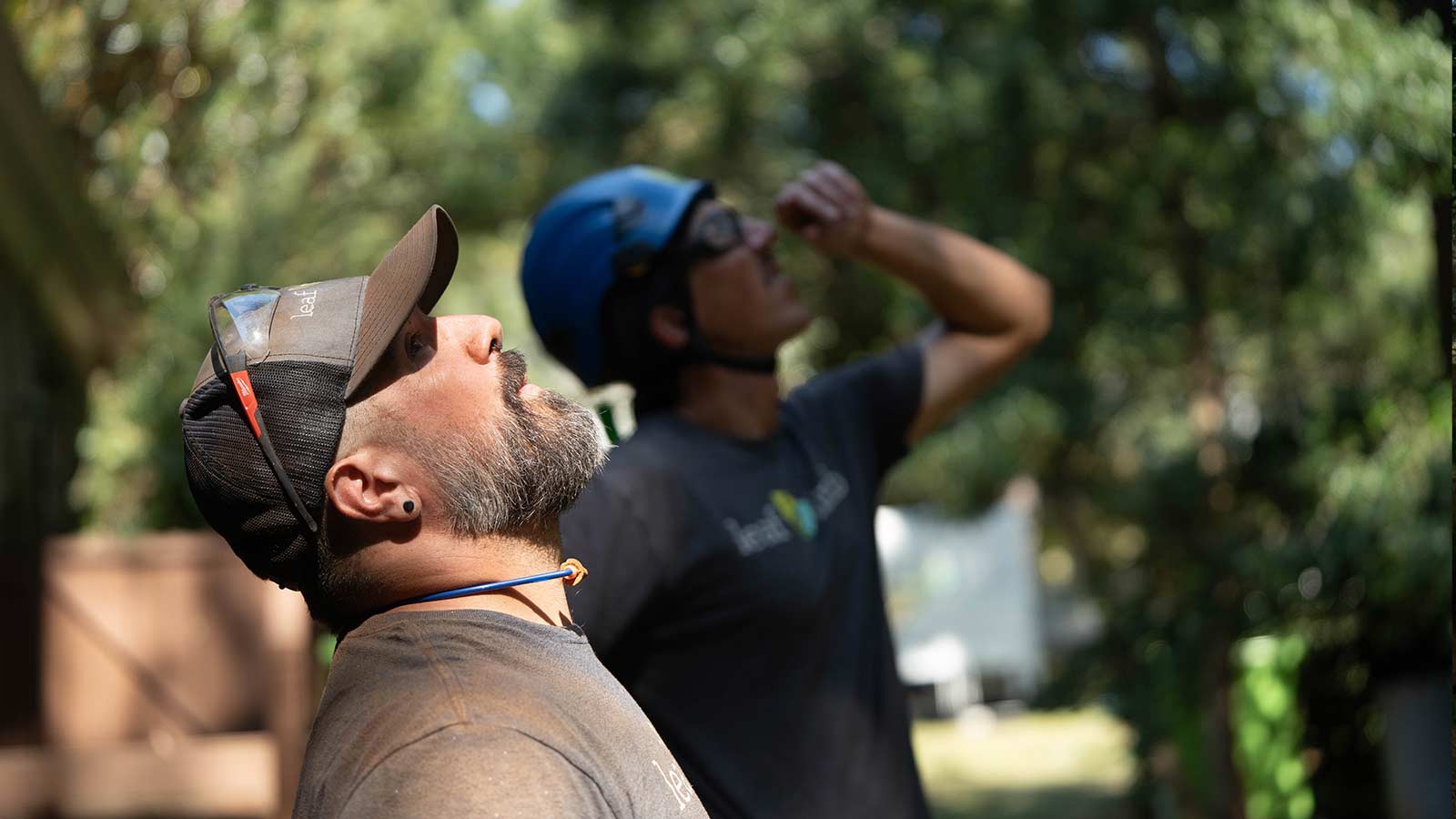
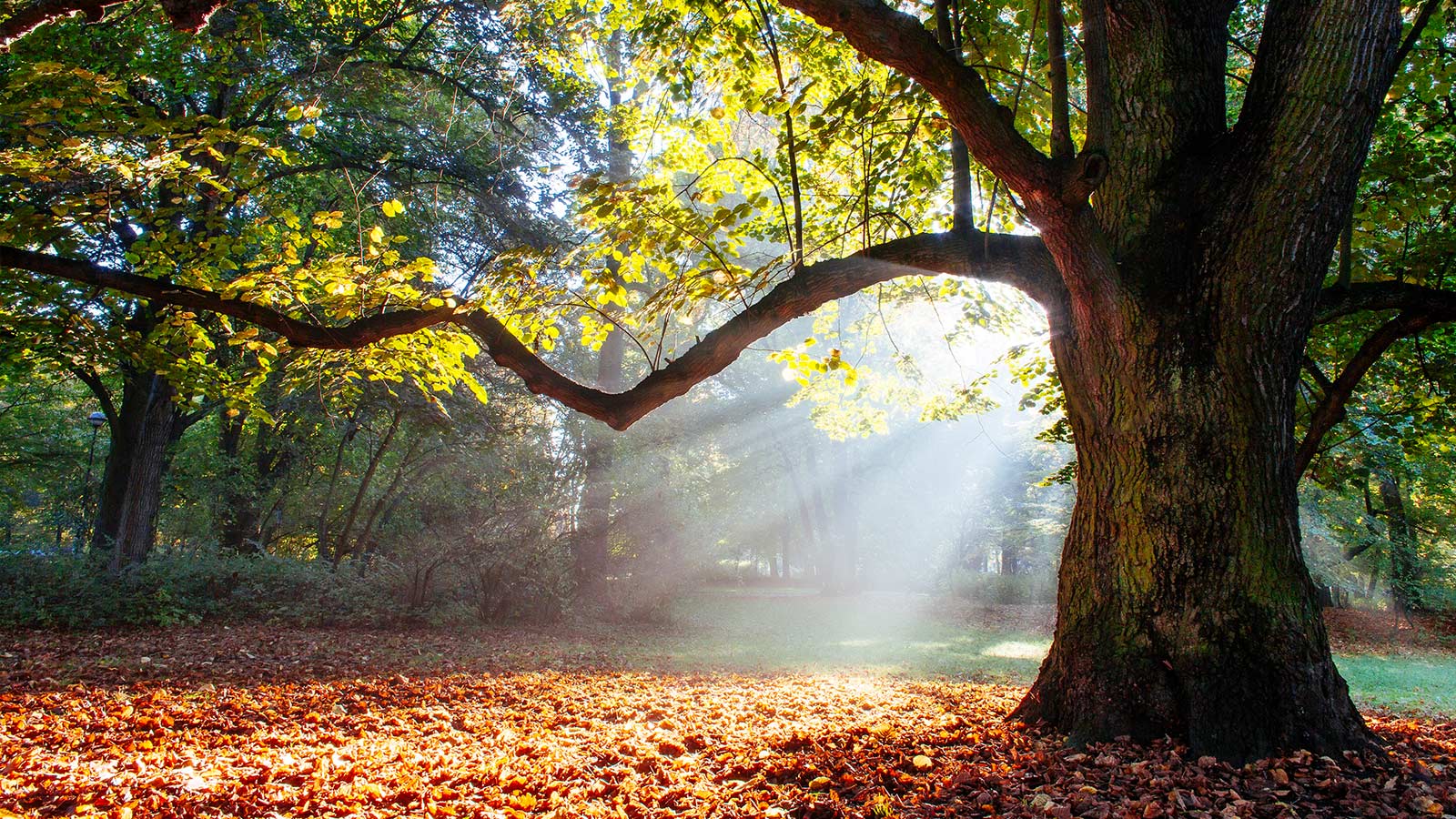
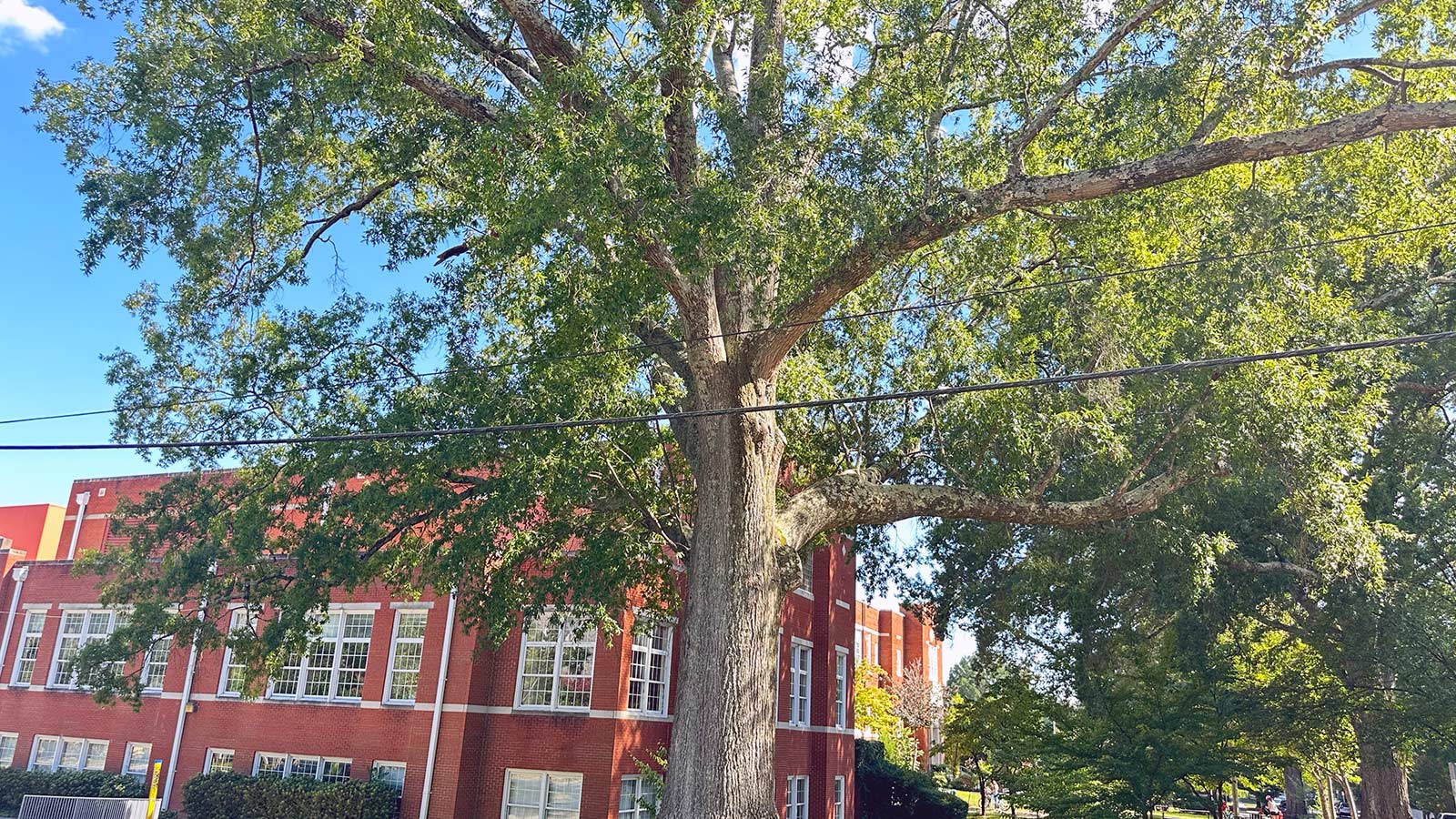
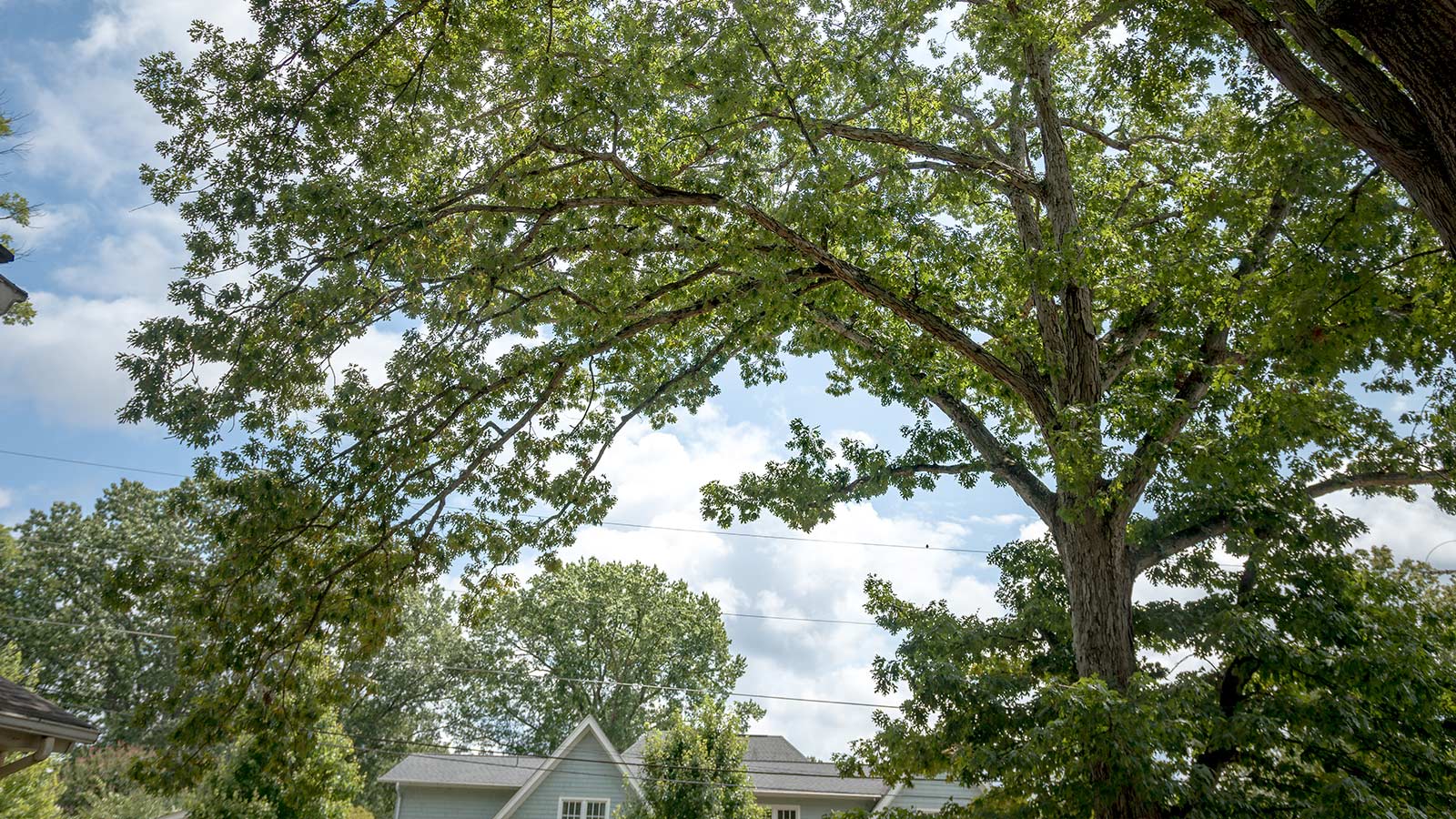
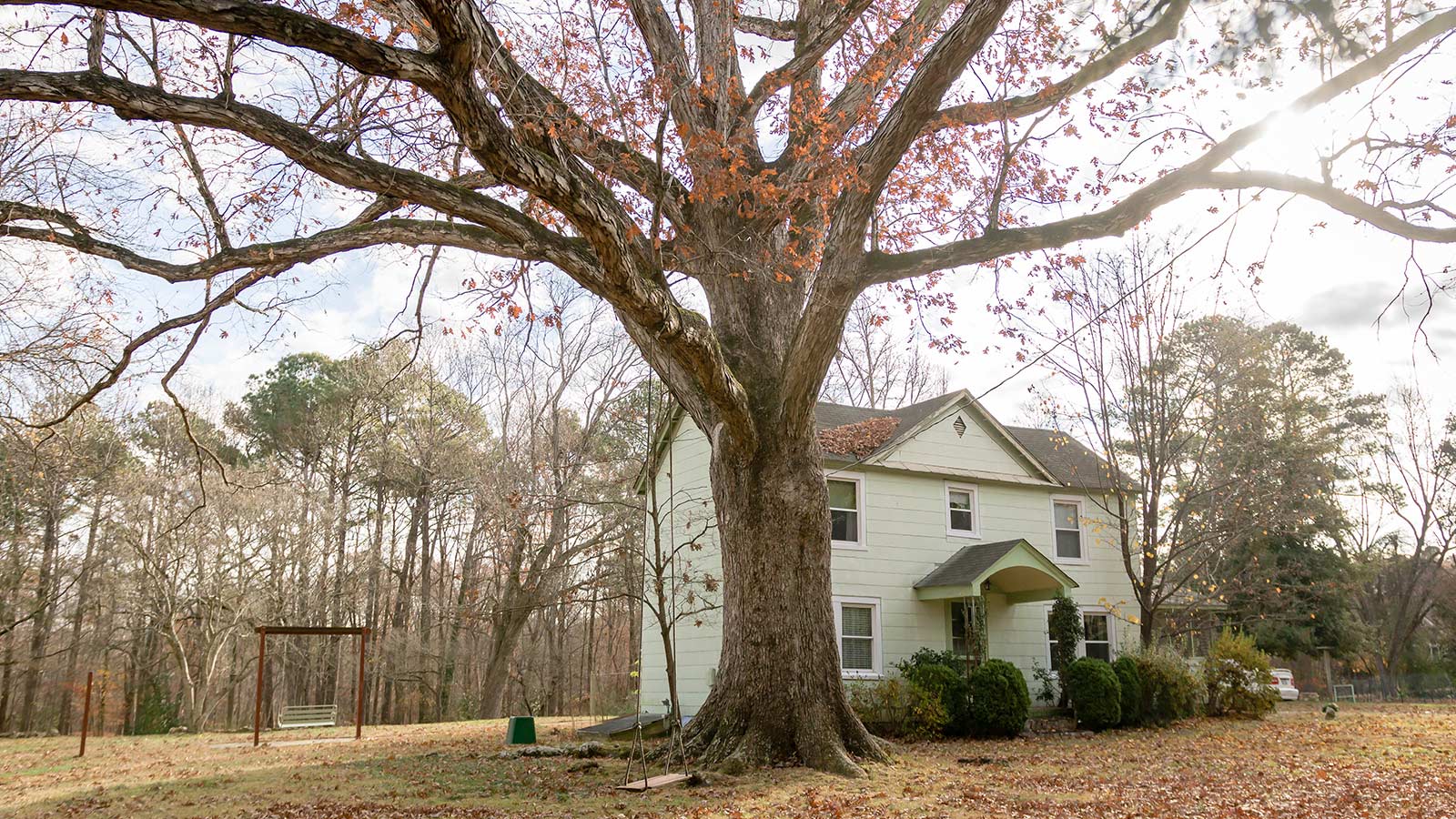
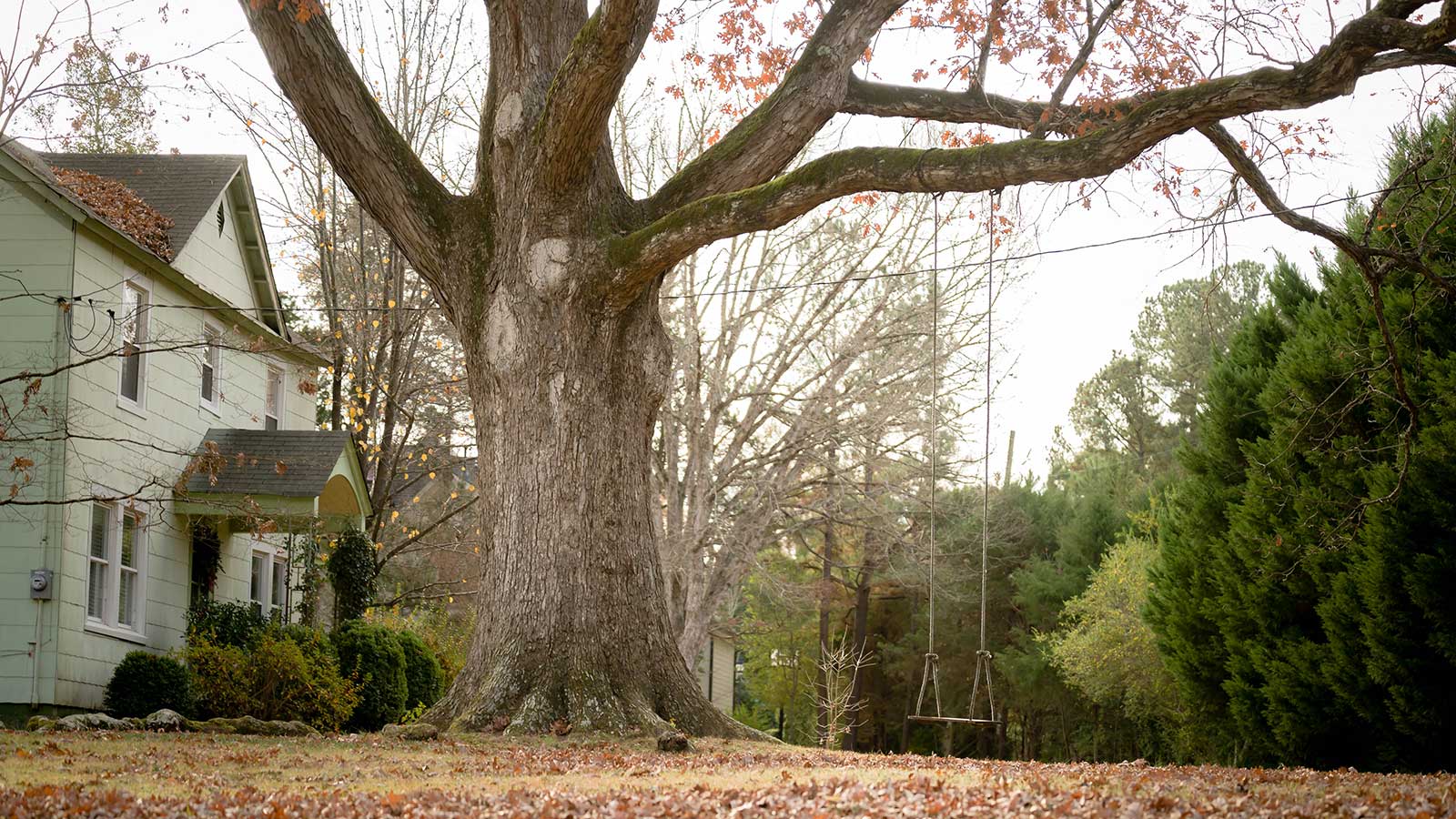
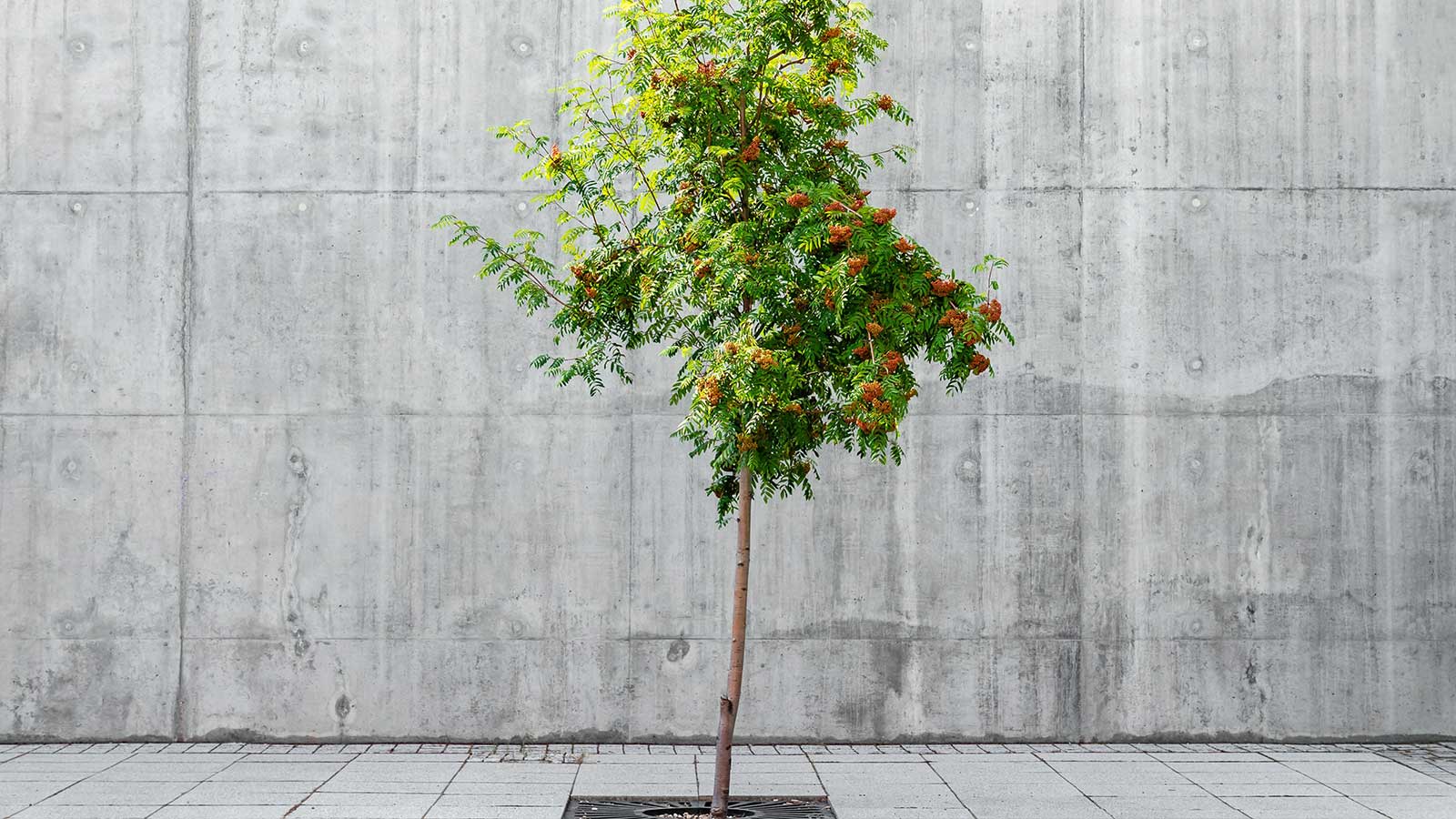
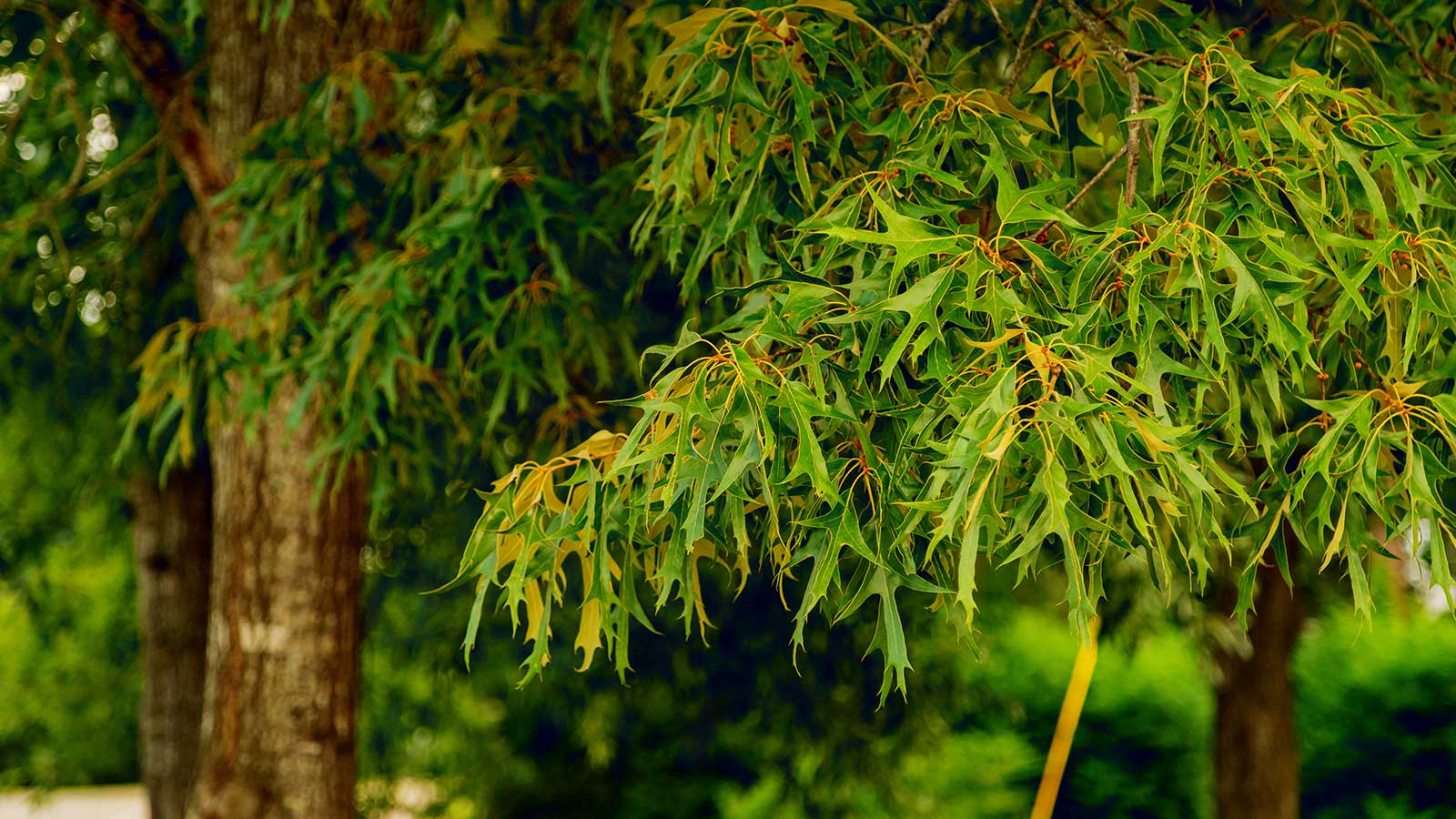
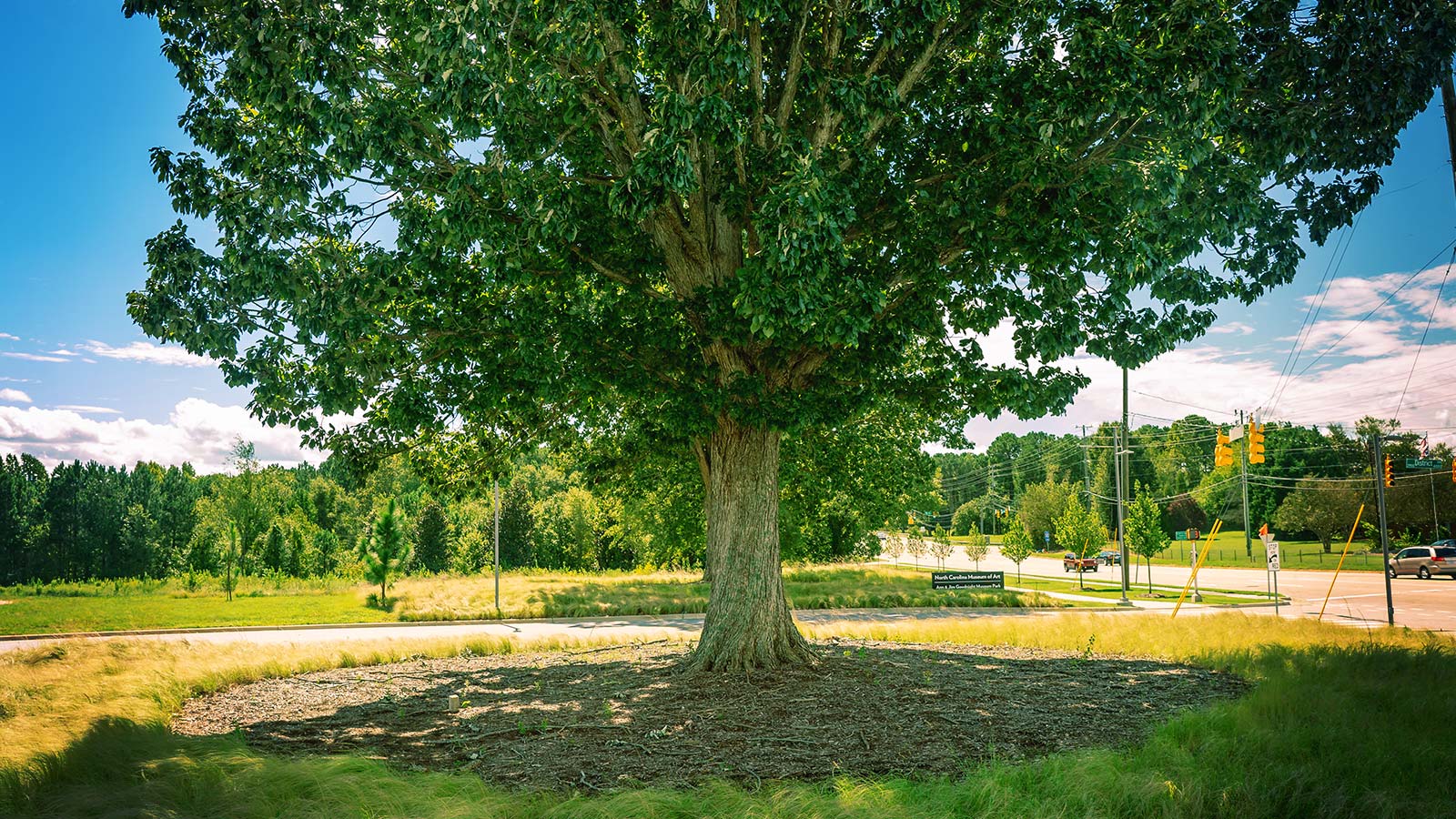
Go outside and before you even step under a tree, look up at that tree. And not just to check on the health of your tree but just the fact that we tend to move in this two-dimensional space and don’t think about all that is above us. I have a very large willow oak, and I will spend some time watching the squirrels and how they’re nesting and how they’re moving around the tree, and the blue jays. I love the acorns. There’s a whole life in these big old trees. Slow down and discover what’s happening.