Why Drought Hits Some Trees Harder: It Starts With the Soil
Here's what's happening underground (and in the sky).
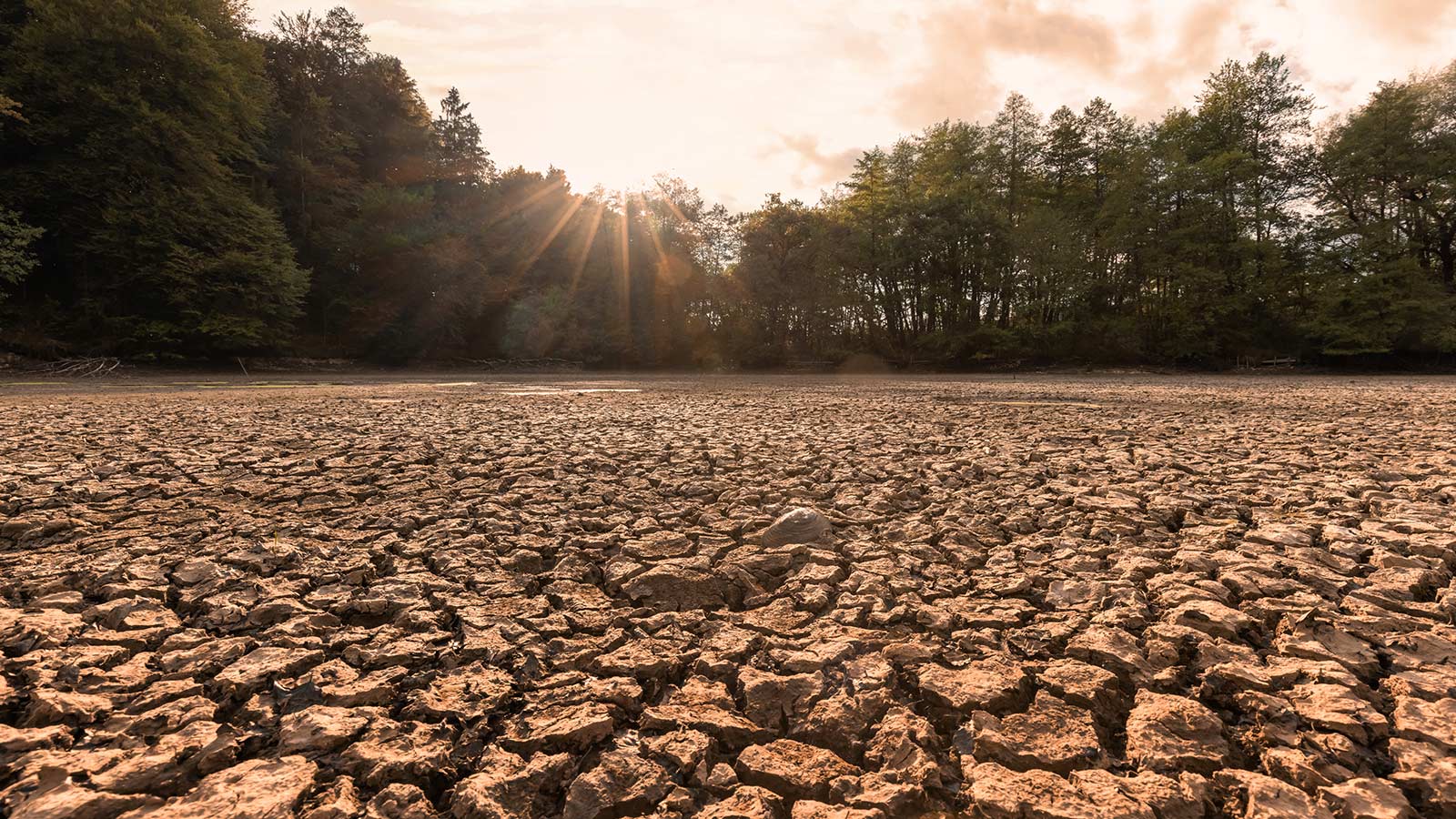
Did you know that the secret to drought-resilient trees has more to do with the soil than water?
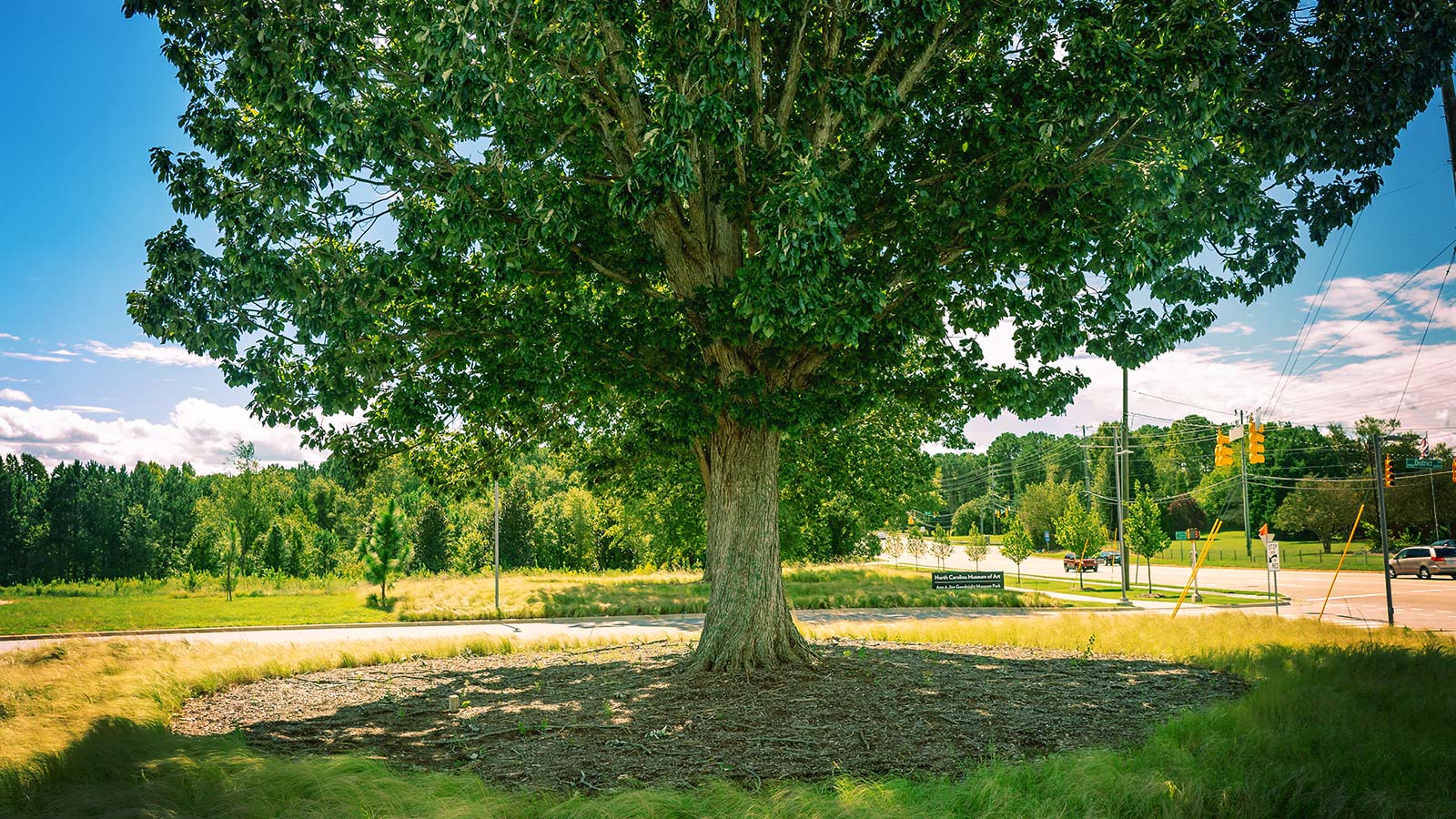
Trees rooted in healthy, organic-rich soil have a reservoir to draw from when rain stops. Trees in compacted sub/urban soil are already running on empty before the dry season starts. With droughts becoming longer and more frequent in Central North Carolina, what's happening underground matters.
Before we get to the soil, let's explore the relationship between trees and rain. First, we'll talk about how healthy forest systems should function, then how trees experience drought, and finally what you can do to regain some of these benefits for your trees through a well-executed soil improvement program.
How Trees Keep the Rain Moving
Let's get a bit sciency first. Trees and rain are more connected than you might think. In a nutshell, forests don't just receive rain. They store it, move it through the landscape, and even help make more of it.
Here's how it works. Rain falls. Healthy soil soaks it up like a sponge and stores it. Tree roots pull that water up into the canopy. Eventually it escapes the leaves as vapor in a process called transpiration. That vapor rises and forms clouds. And you already know what clouds do: they make rain.
Trees do more than just pump vapor back into the air to make more rain.
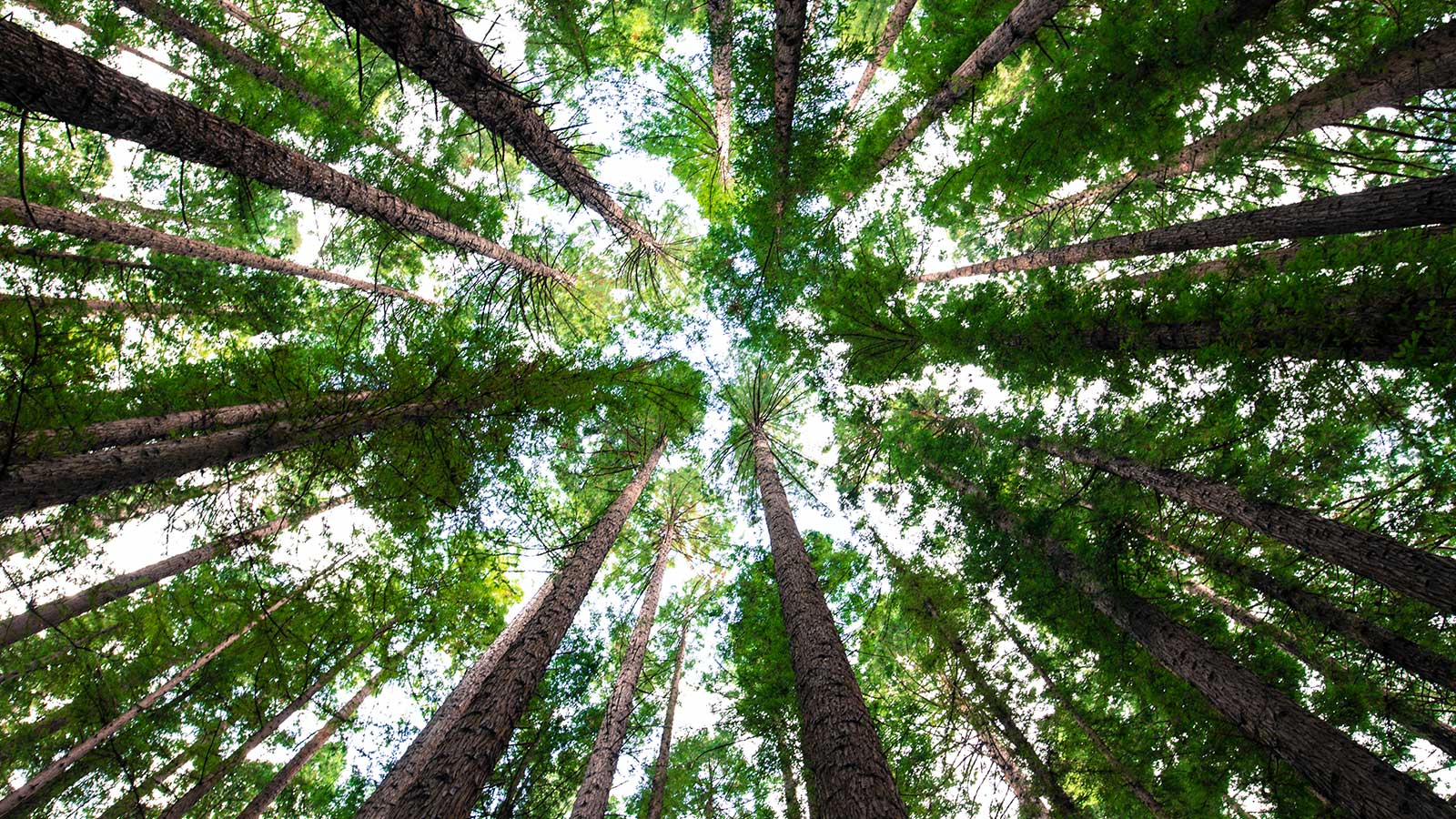
Trees advance the movement of water vapor, and hence clouds and rain, further inland than ocean moisture alone can reach. As trees release moisture into the air through transpiration, clouds form and move further inland. Without forests, moist air blown inland can only go so far—often a few hundred miles—before it dries out and cloud formation becomes less likely. It's a relay race, where the moisture moves tree by tree, inland to where plants and animals need it.
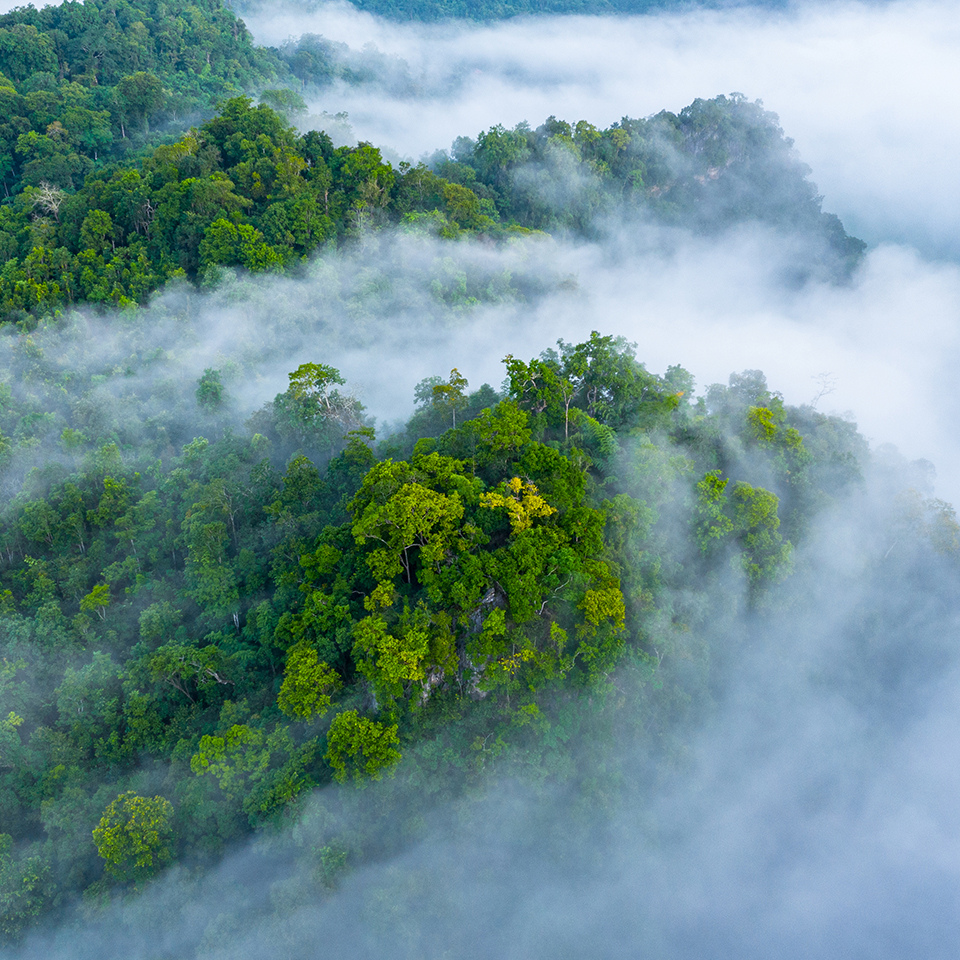
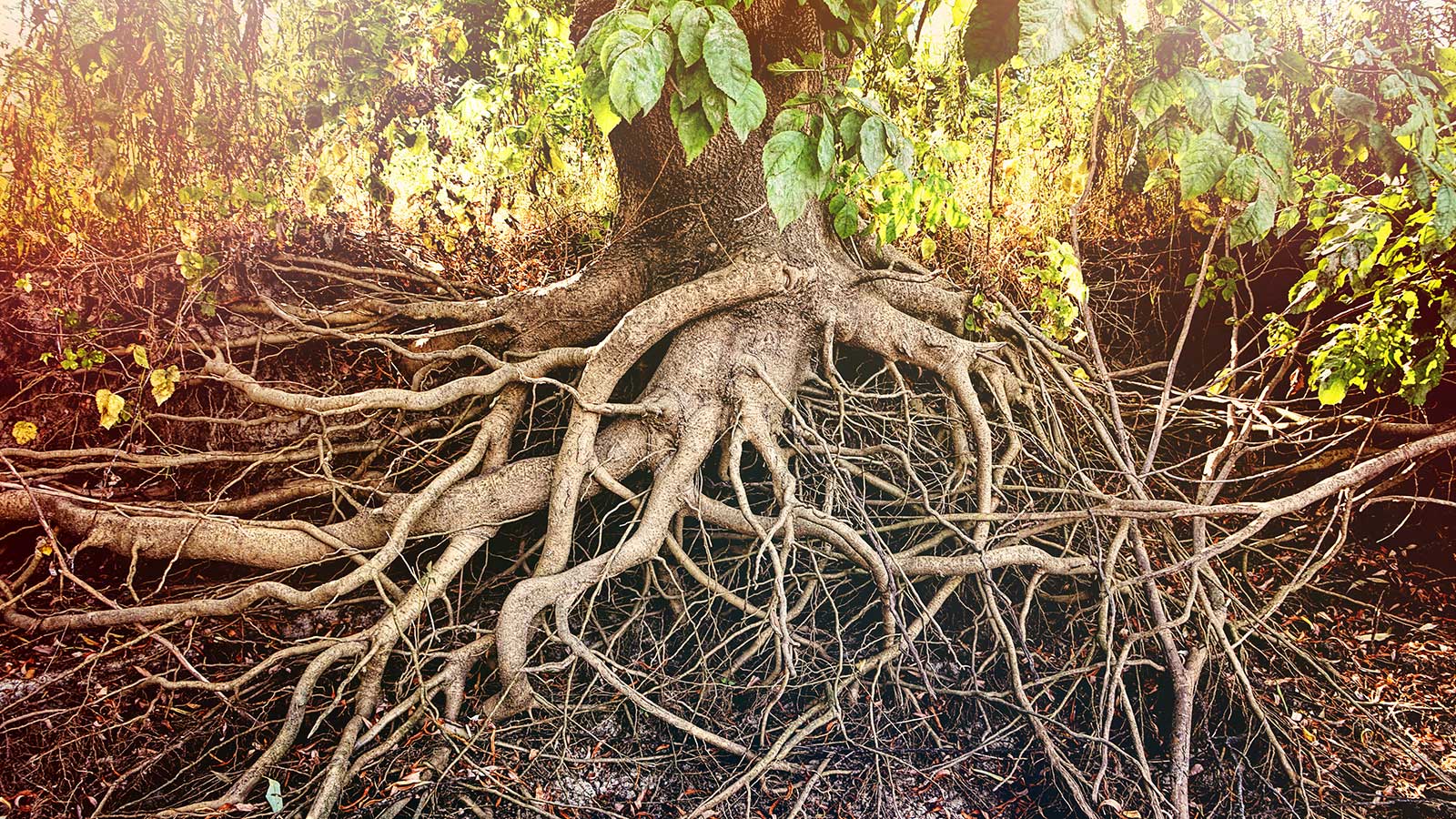
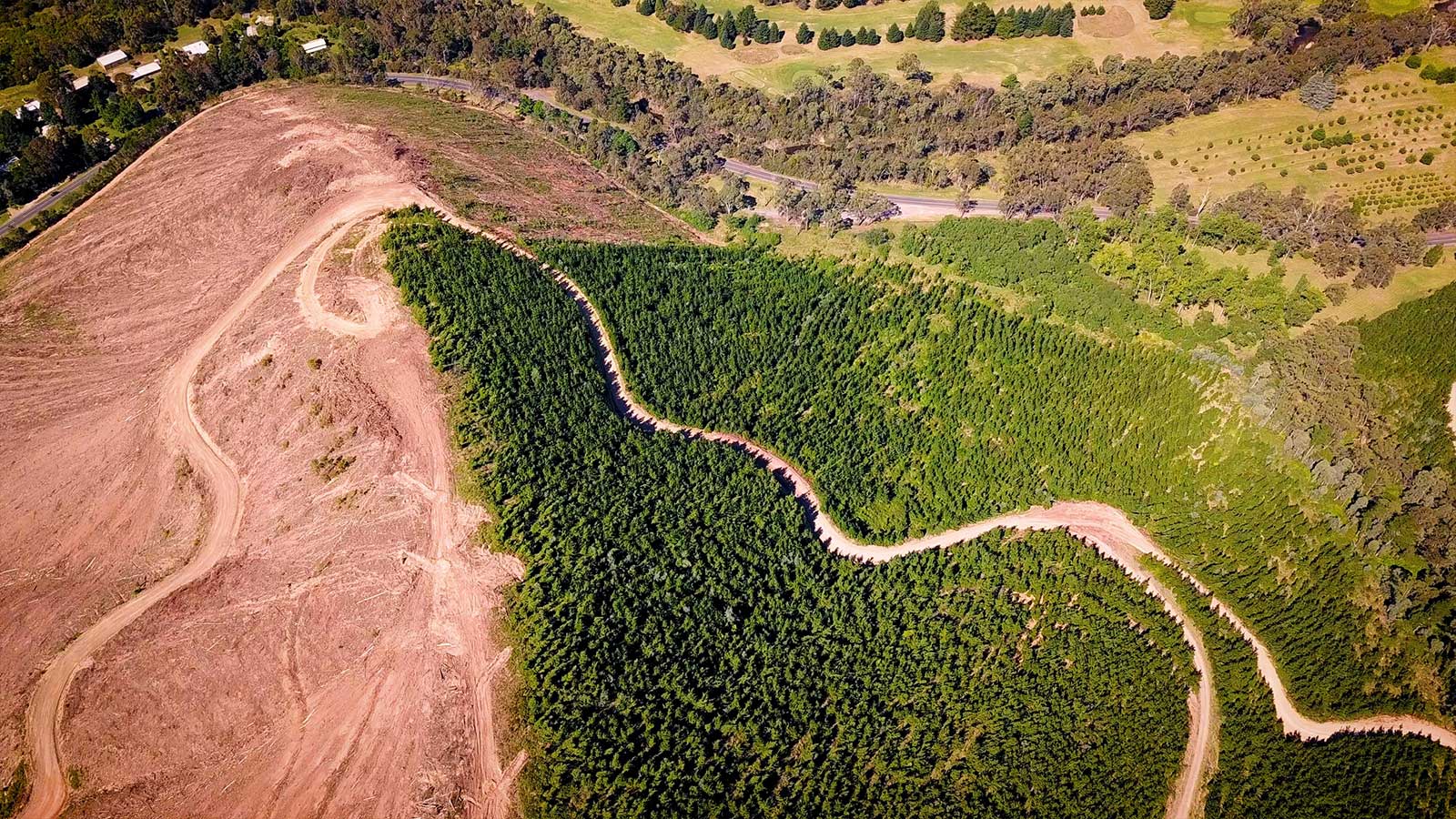
Poor soil makes everything worse. When soils are compacted, tree canopies thin out. Thinner canopies mean less water is stored in the ground, and in turn, less water is returned to the air. This process can happen well before a drought even starts. Over time, it builds on itself and dry conditions get harder to shake.
How Trees Experience Drought
Let's consider a scenario. The fall season is abnormally dry and drought conditions persist through winter, spring, and summer.
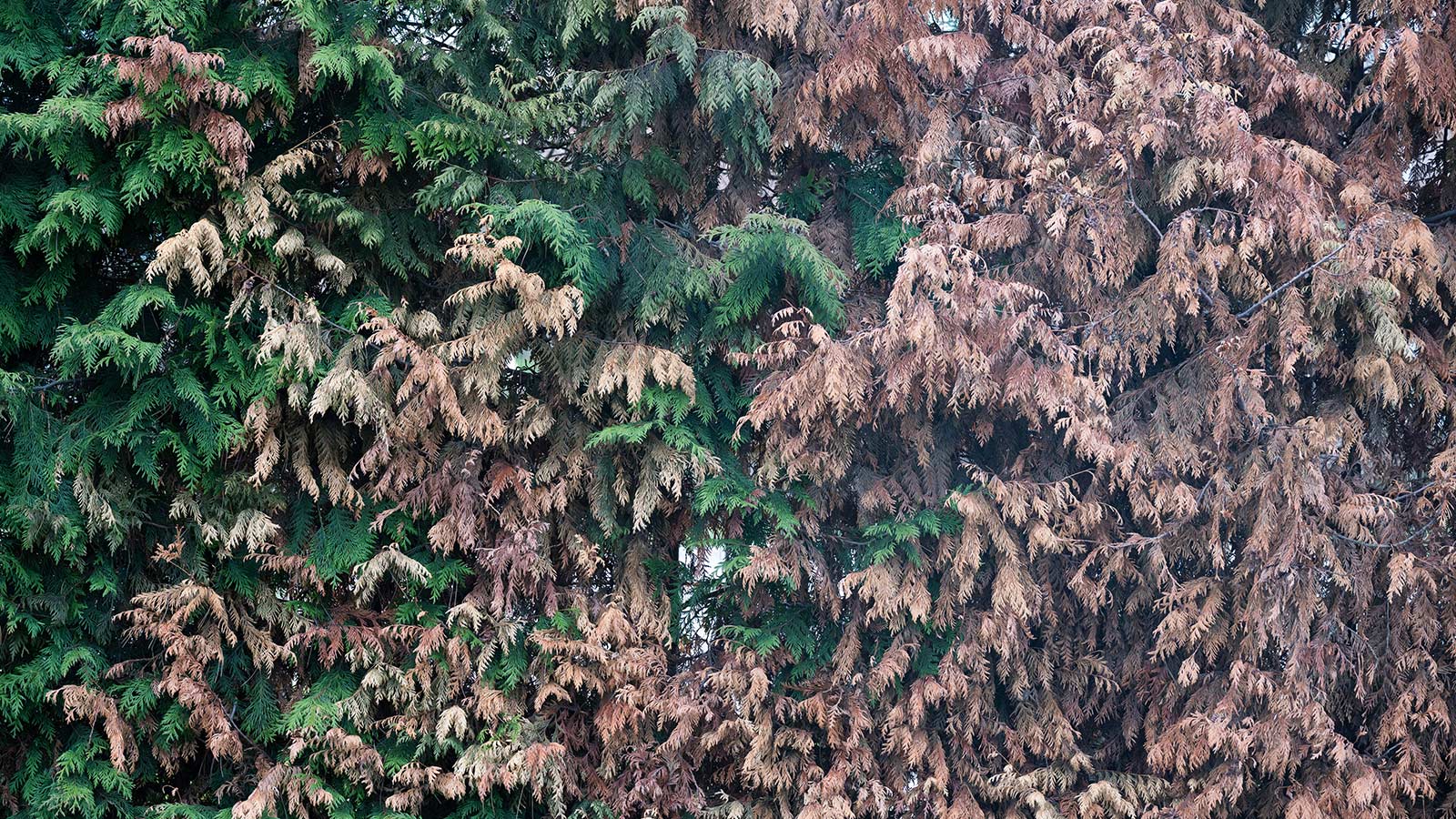
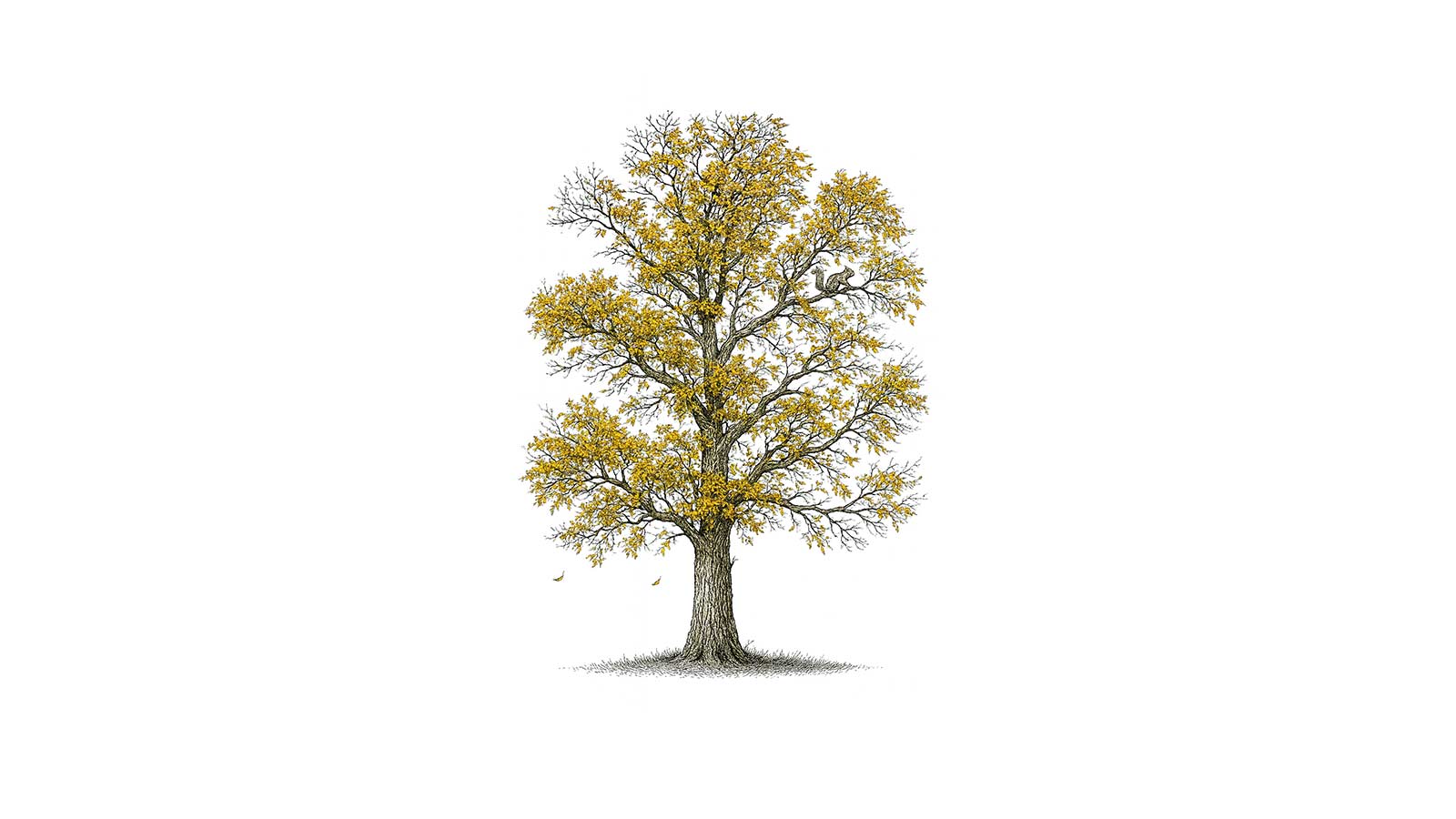
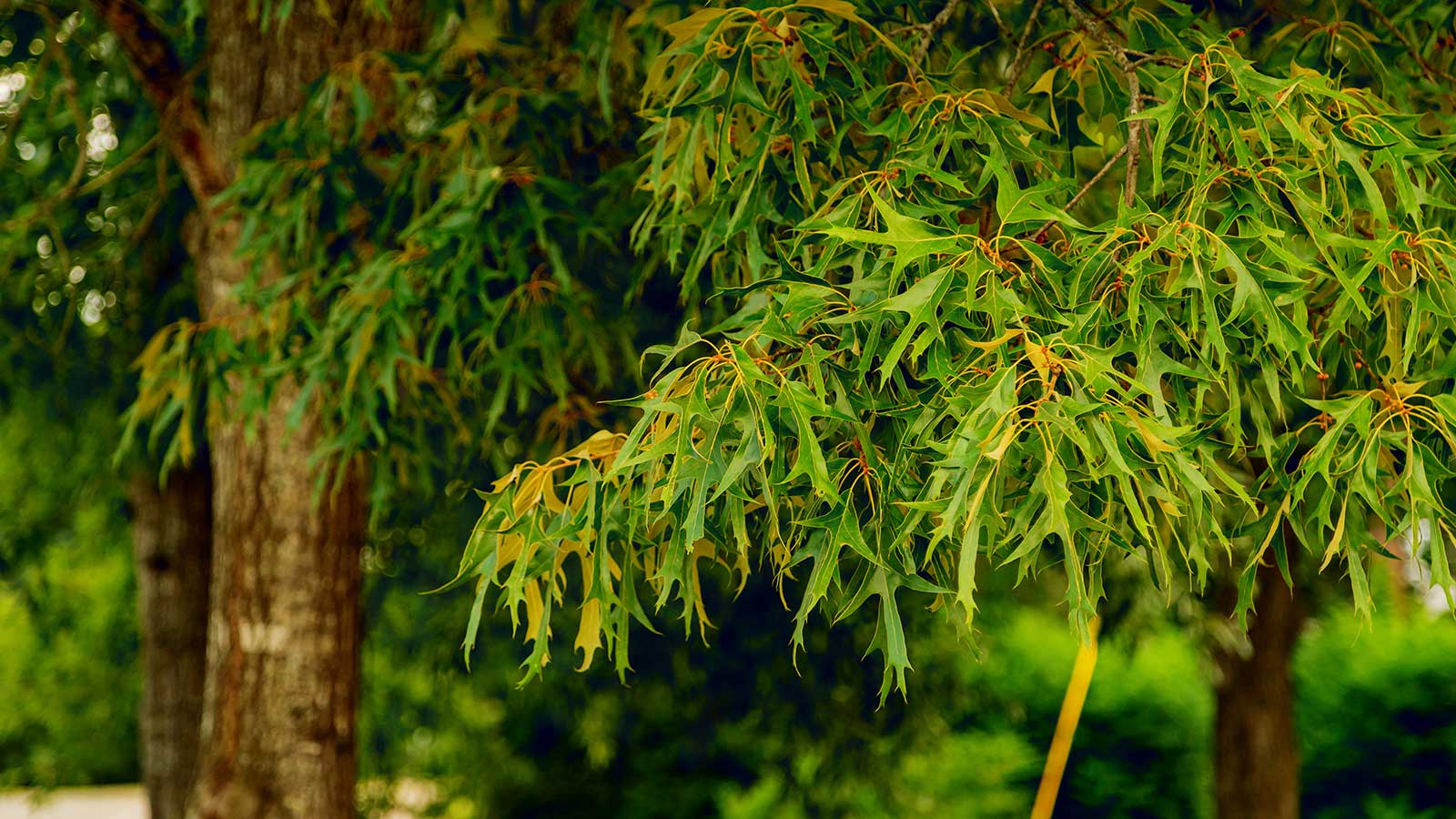
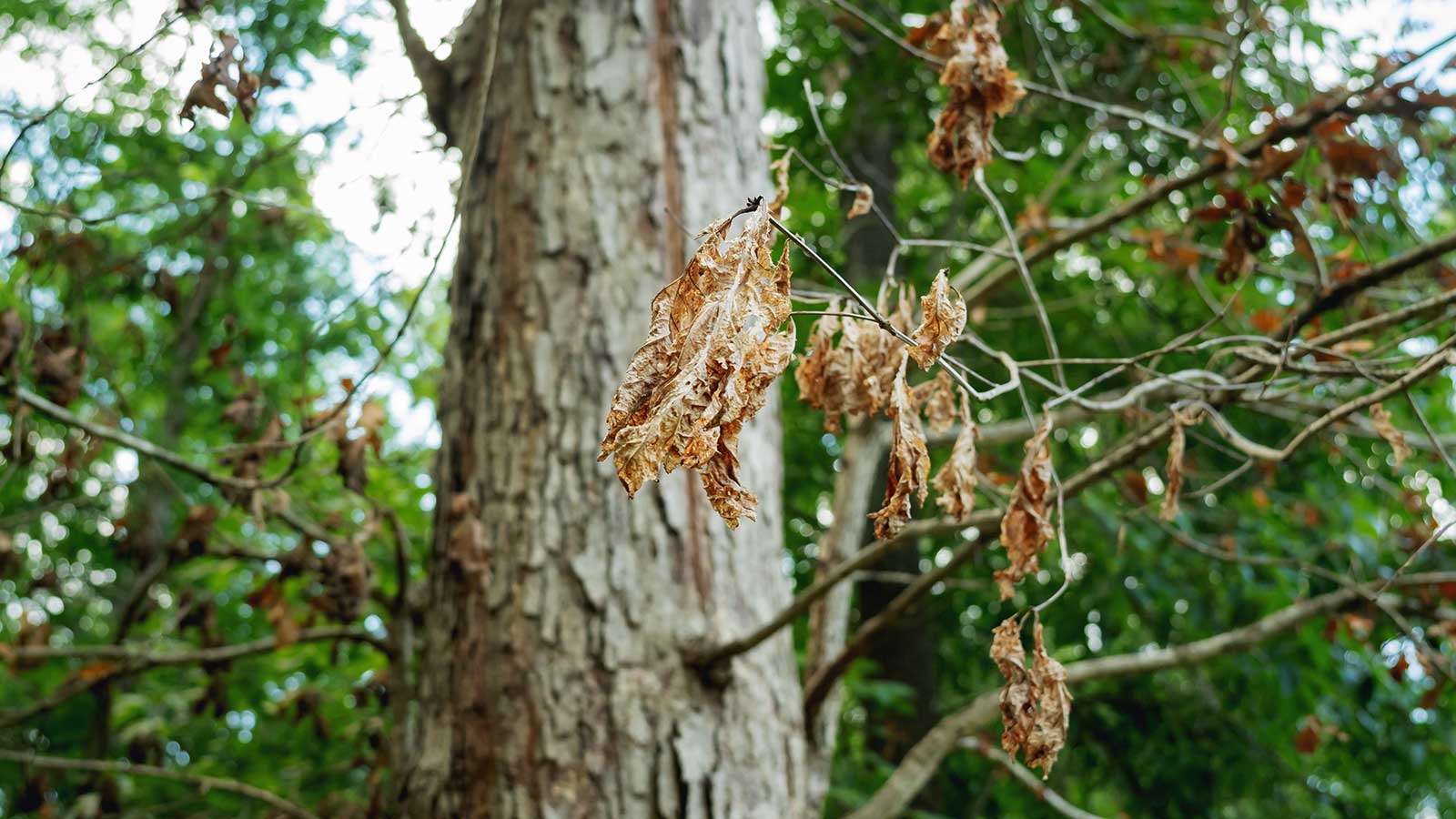
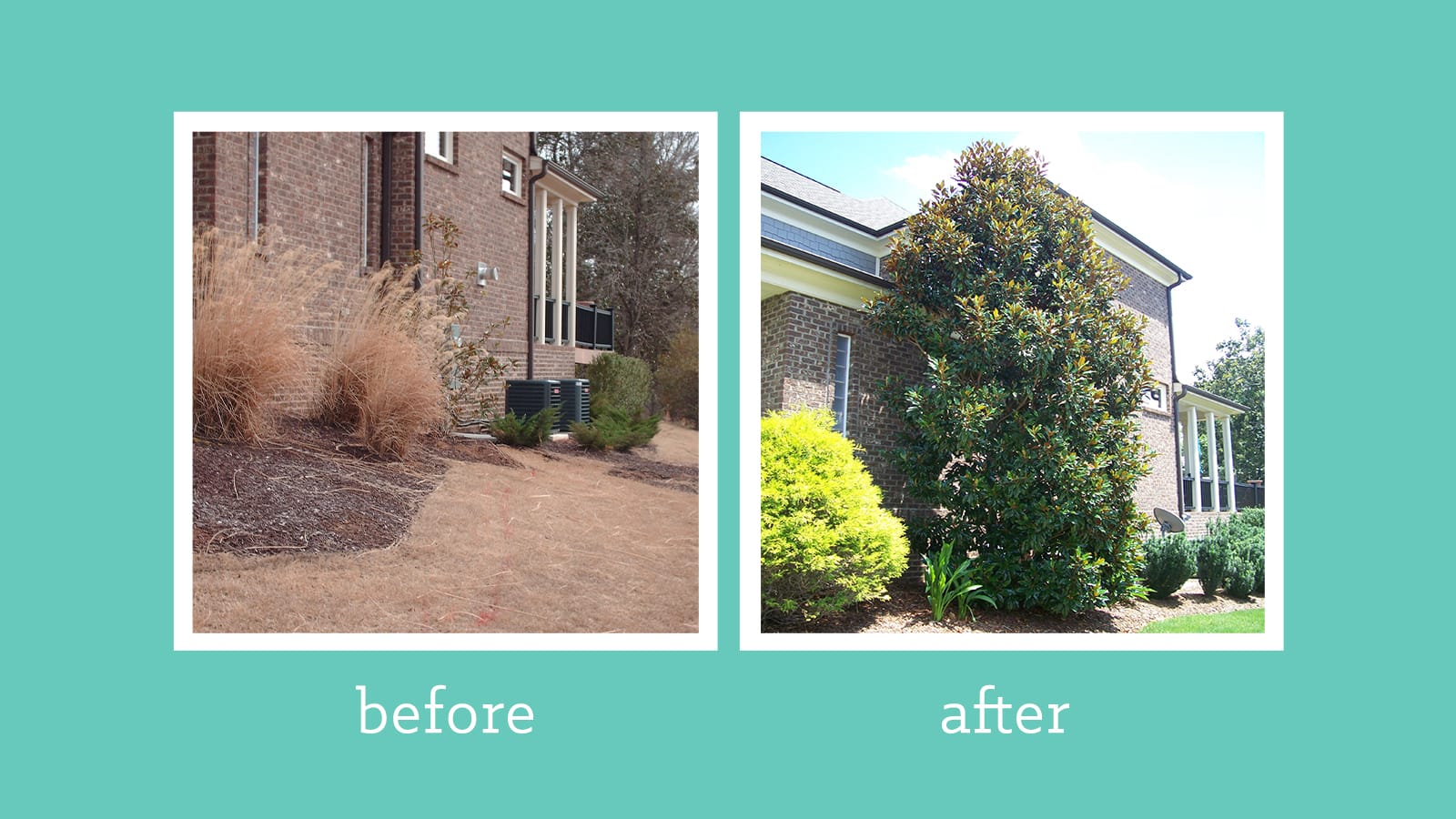
Evergreen trees will show signs of drought stress first, even in the winter. Their needles turn dull and the branches start to brown. That's because evergreens keep using water on warm days, and warm days aren't rare during the winter in the Southeast, even in January.
As spring arrives, deciduous trees that leaf out after a dry fall and winter often look different than usual.
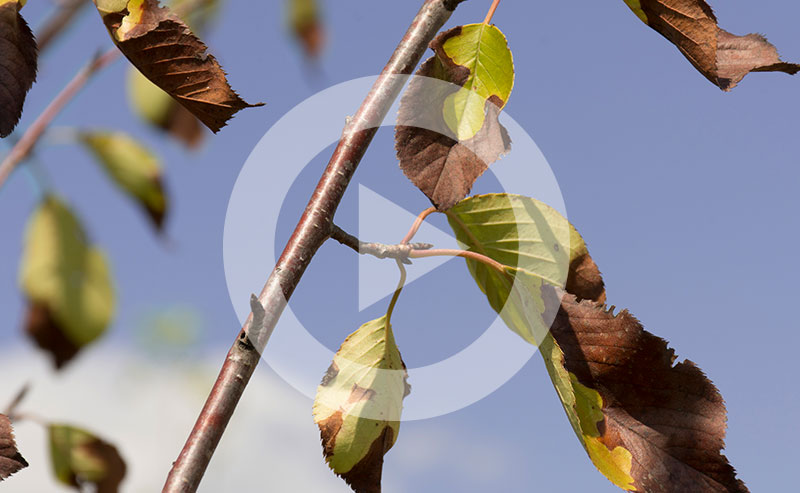
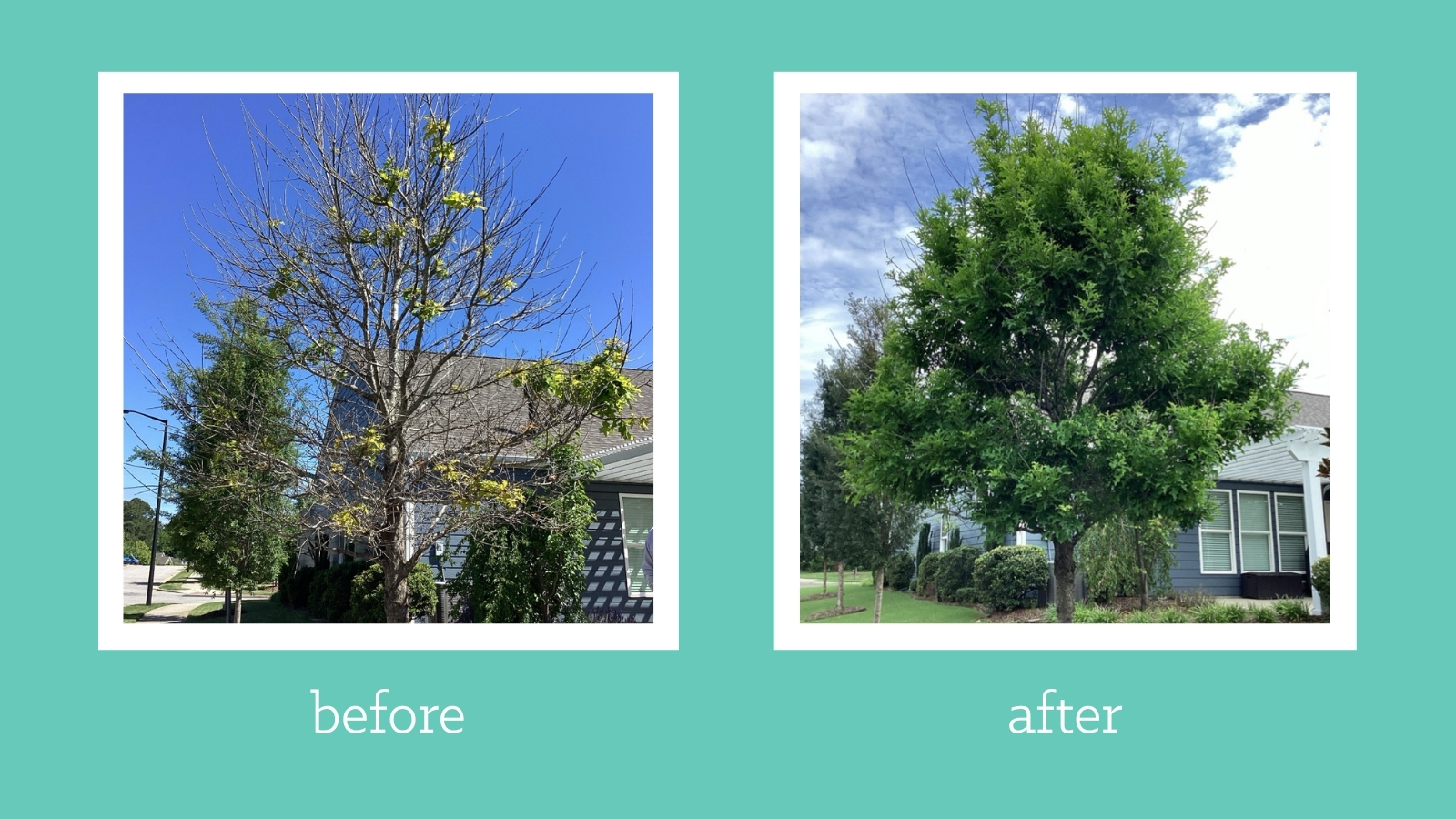
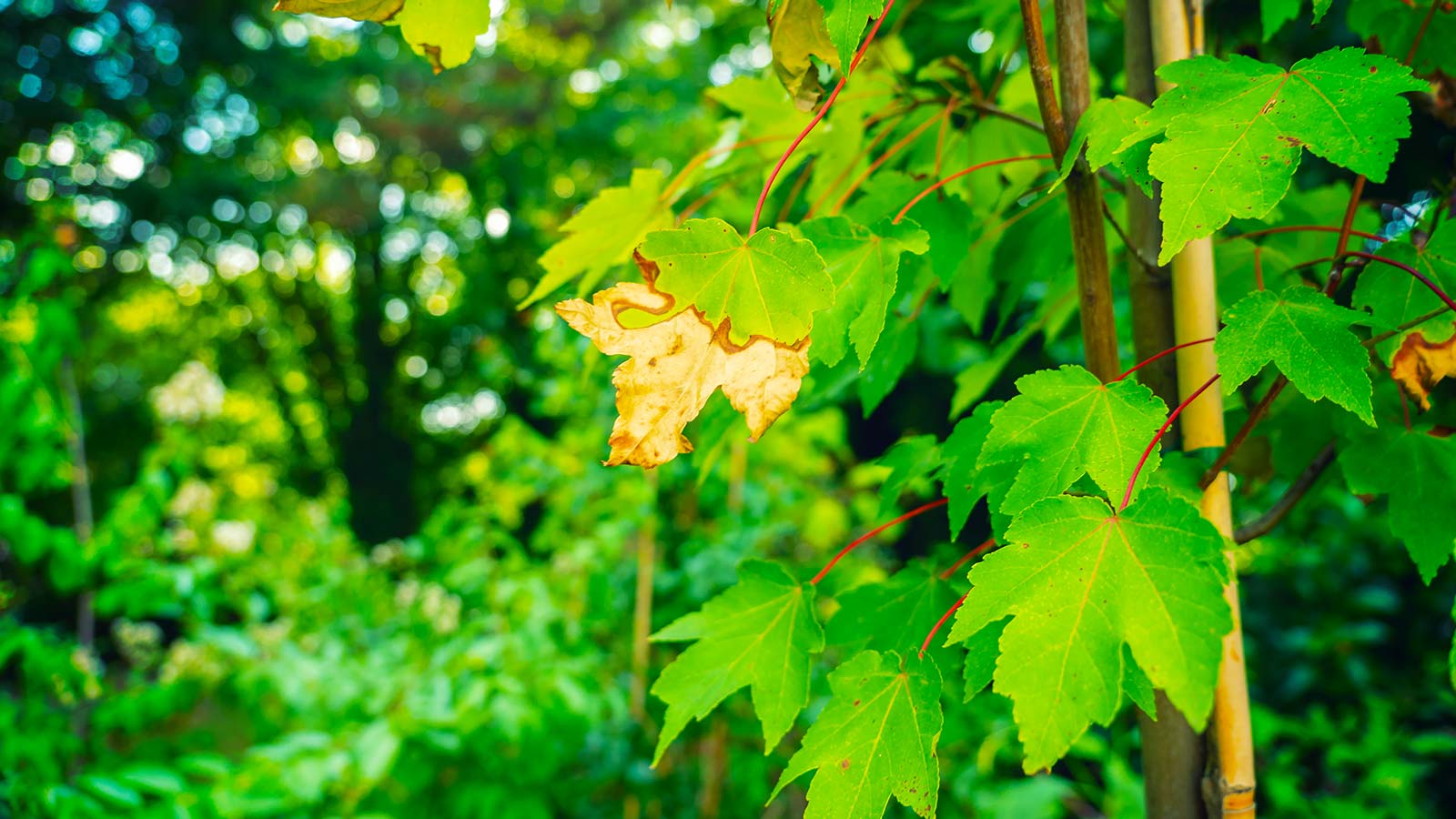
Their leaves come in smaller. Their canopy looks thinner than it should and their twigs have stunted growth. The tree is trying to conserve water while still trying to function. As the season progresses, leaves lose their vibrant sheen and may start to wilt or curl at the edges.
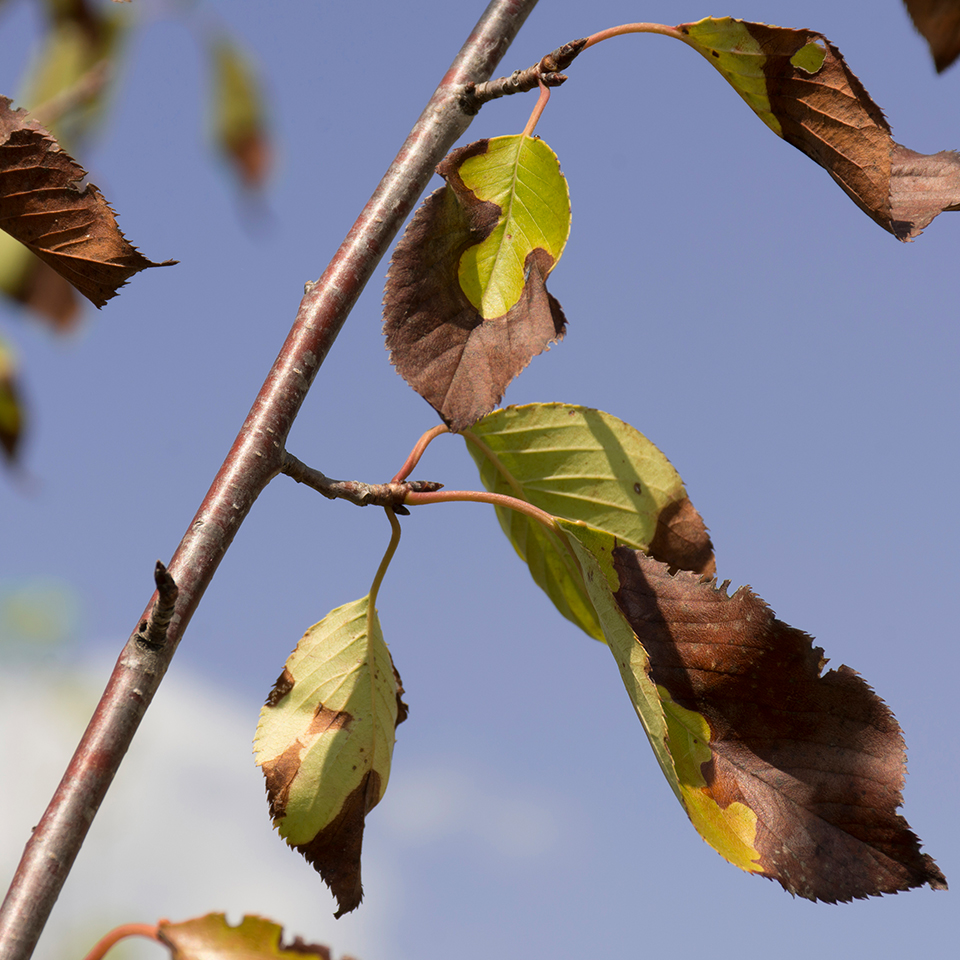
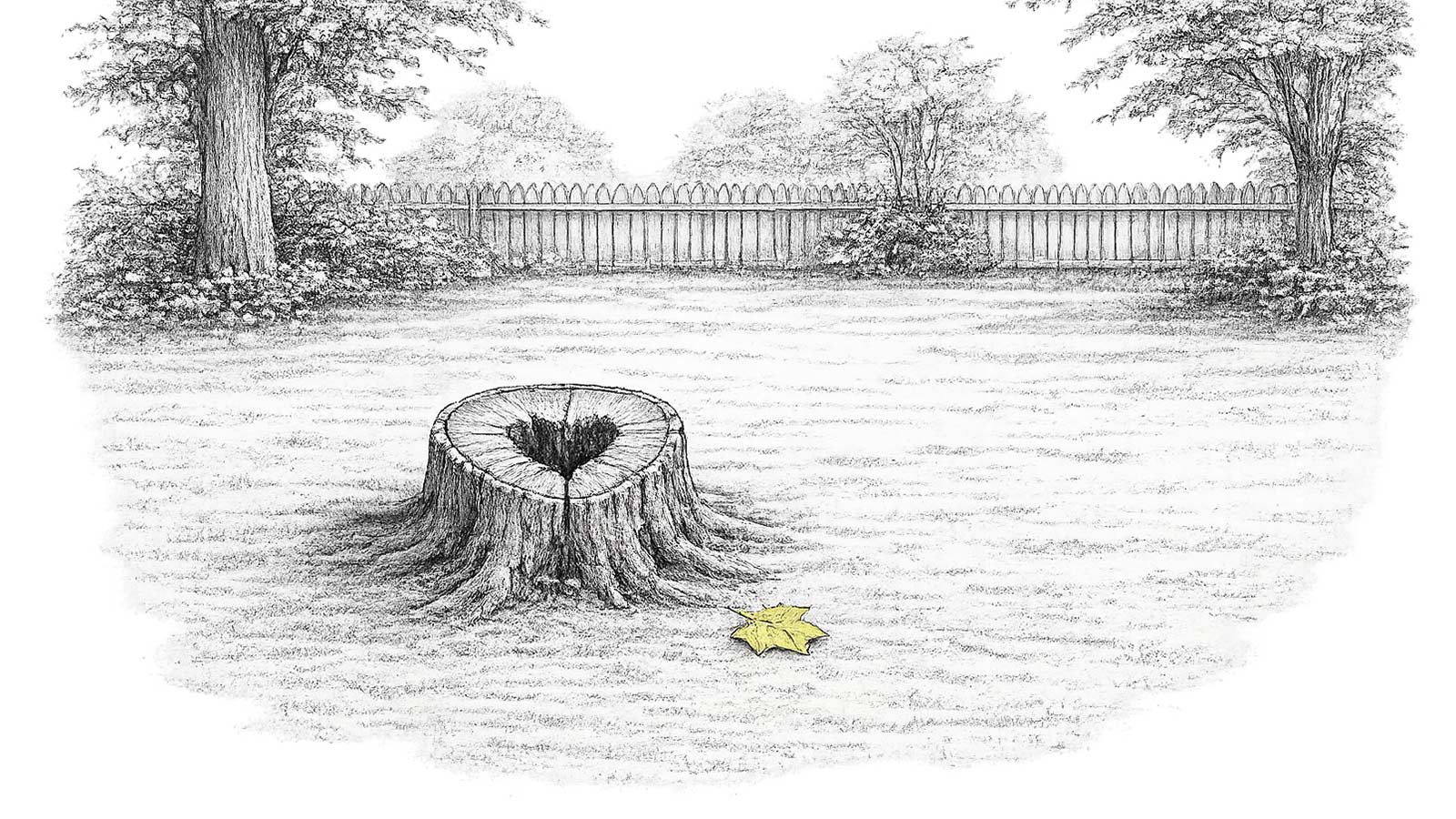
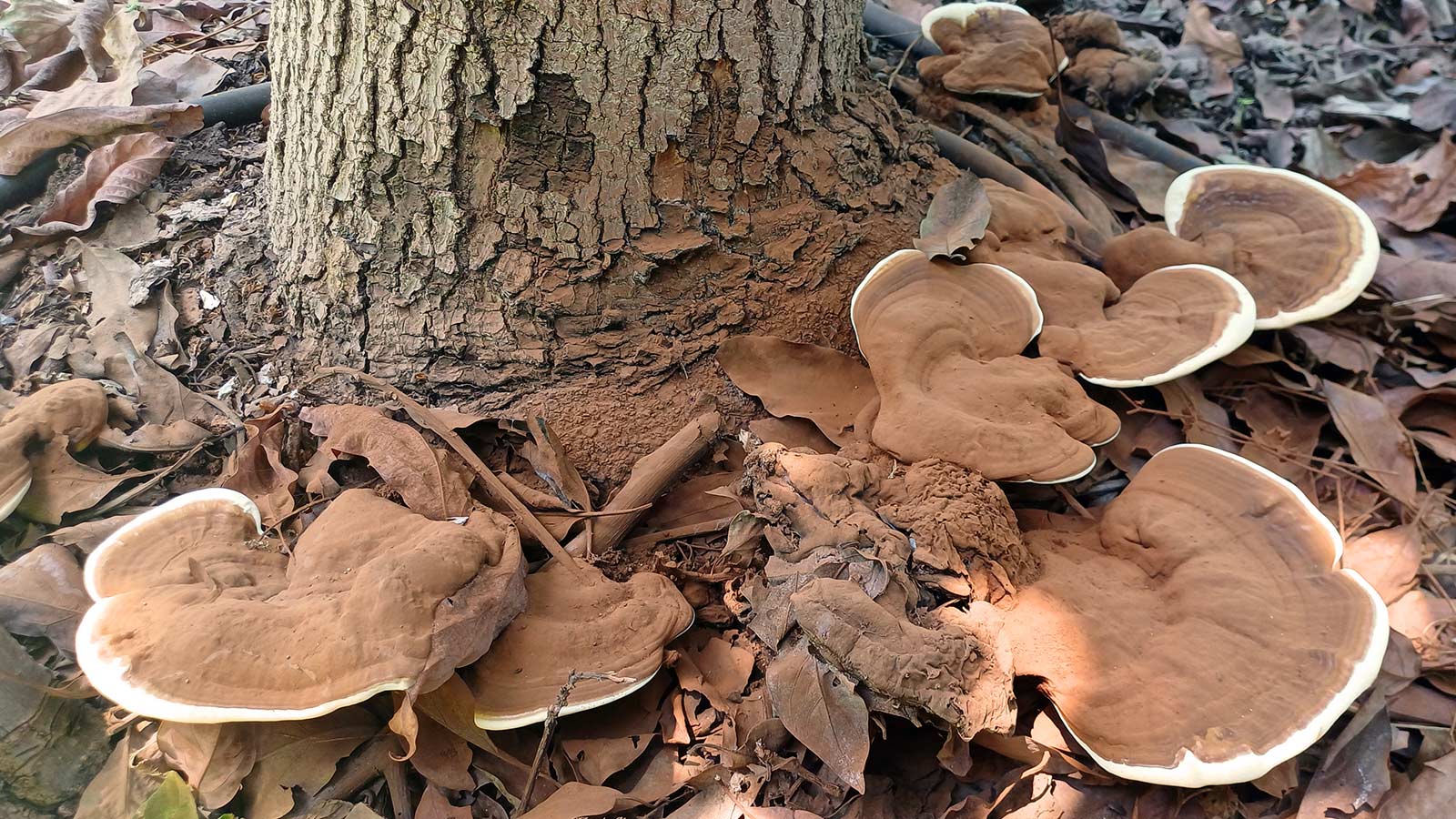
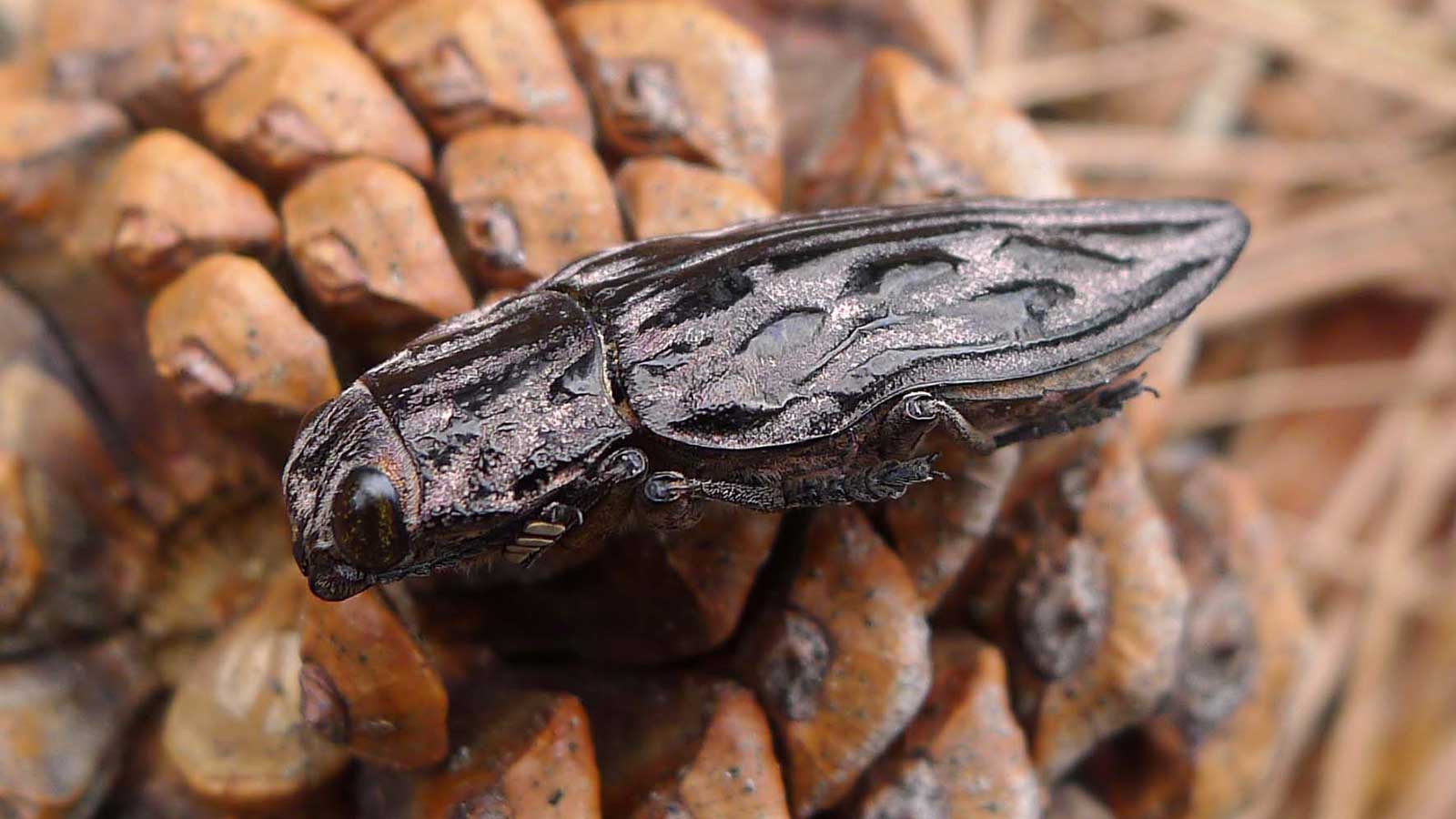
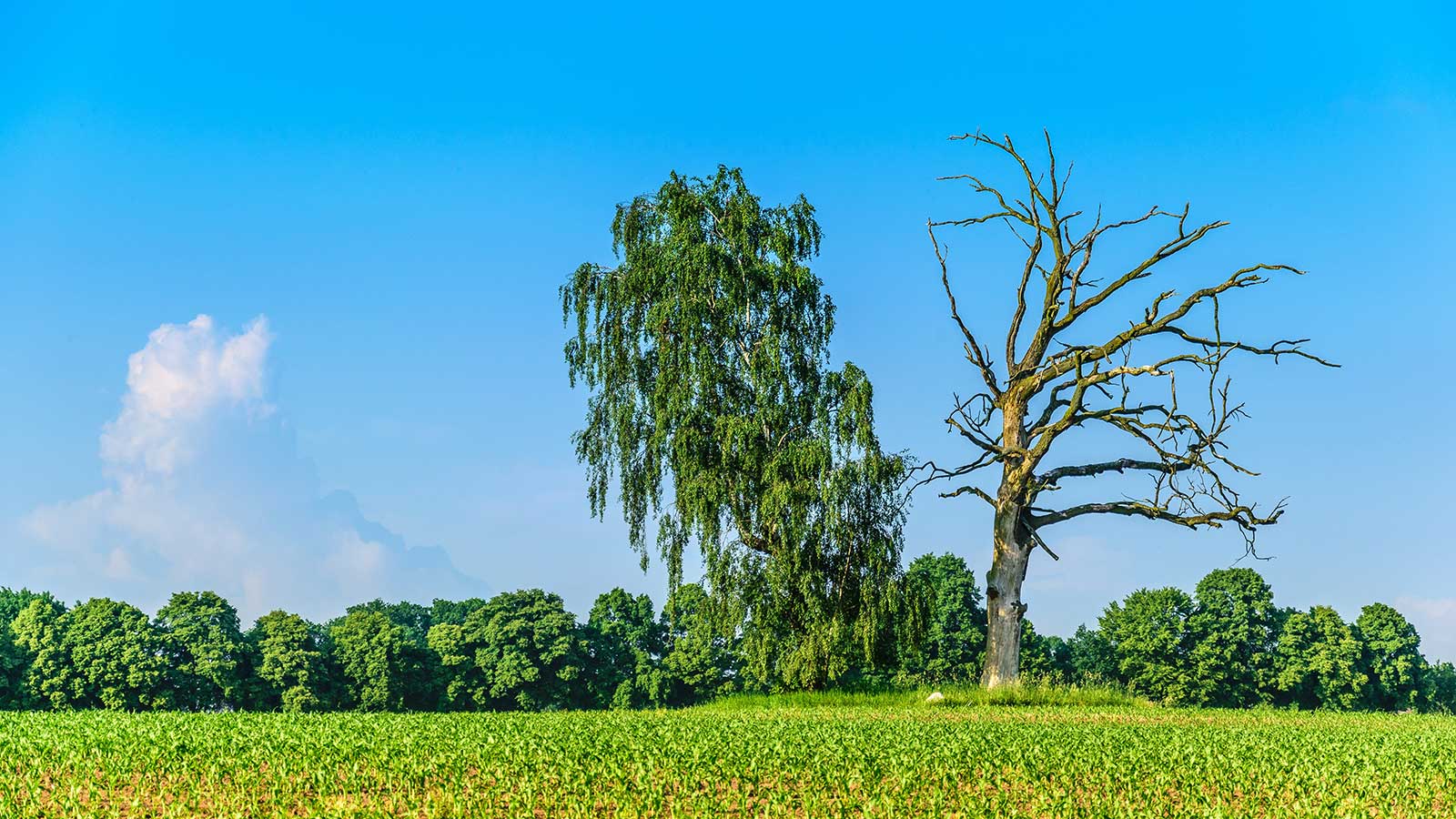
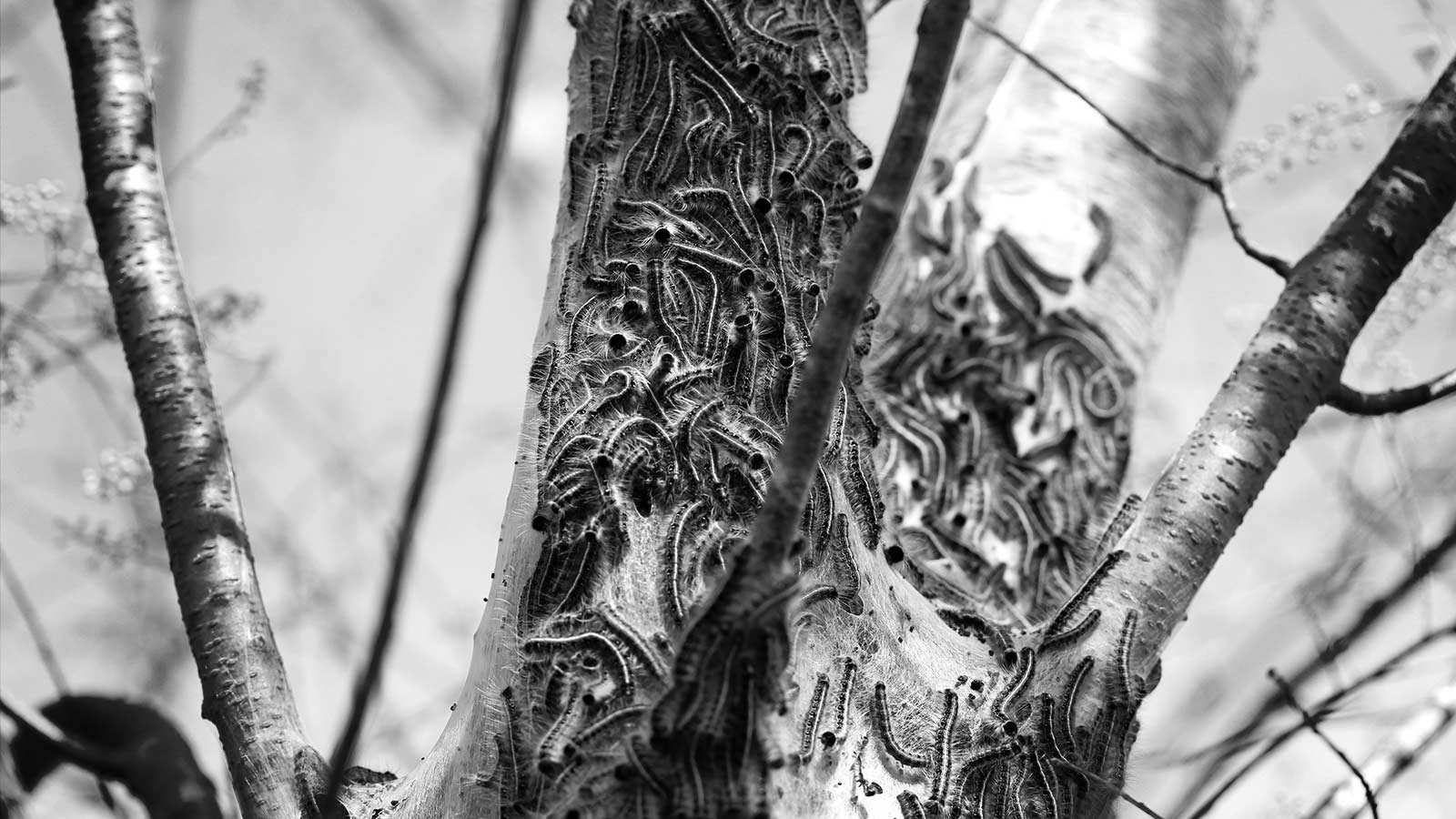
As a dry summer drags on, trees begin dropping leaves earlier to conserve moisture, and small branches may start to die off. As drought worsens, the tree's internal plumbing begins to fail. Water no longer moves easily from the roots to the canopy, leading to dieback in the crown. At the same time, the tree loses the fluid pressure and resources it needs to defend itself against wood-boring insects and diseases. Once a tree is in that state, it can spiral and some trees never recover.
The Story in the Soil
So what can you do to prevent that downward spiral?
You can't control the rain, but you can control what happens to it.
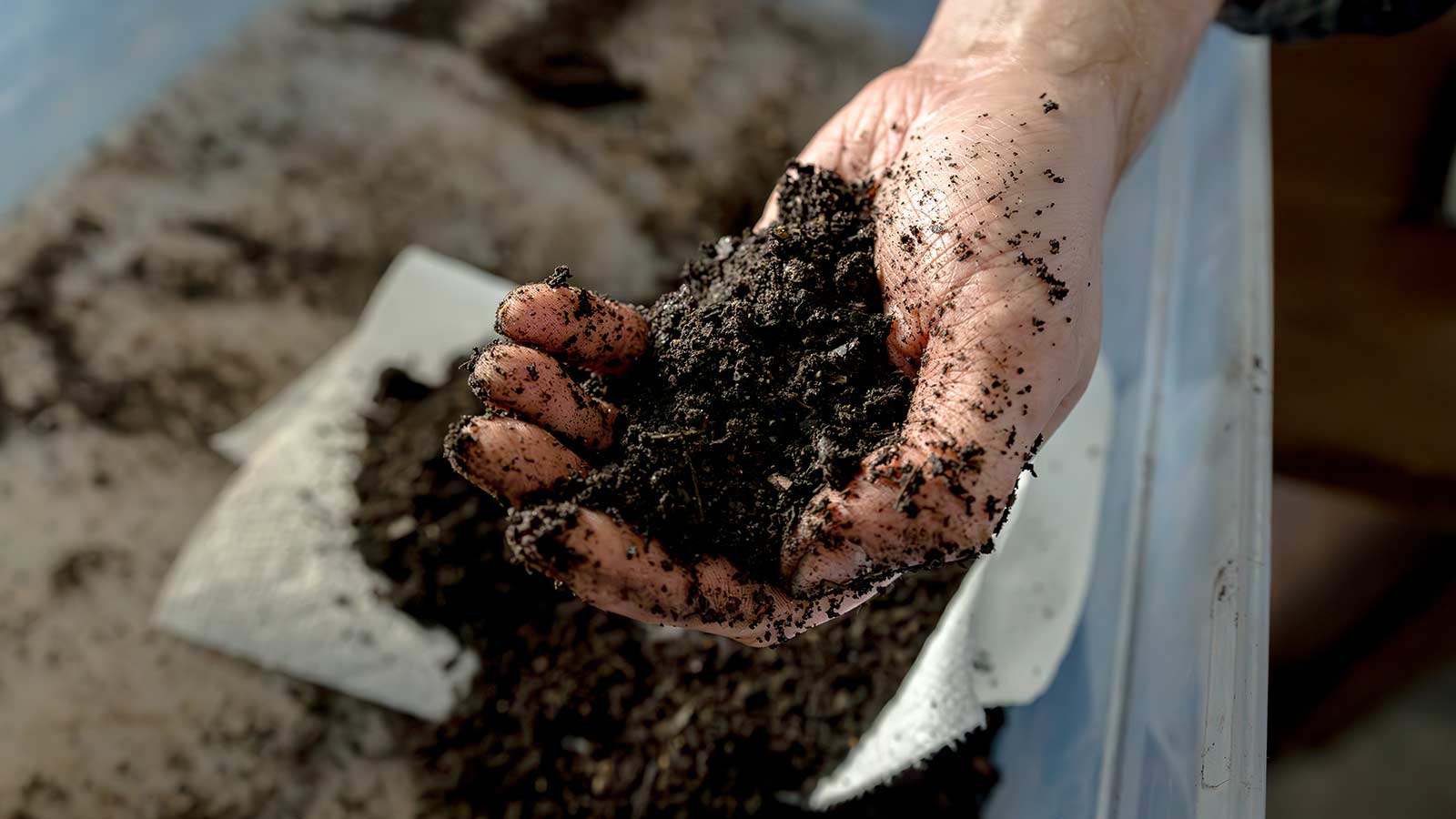
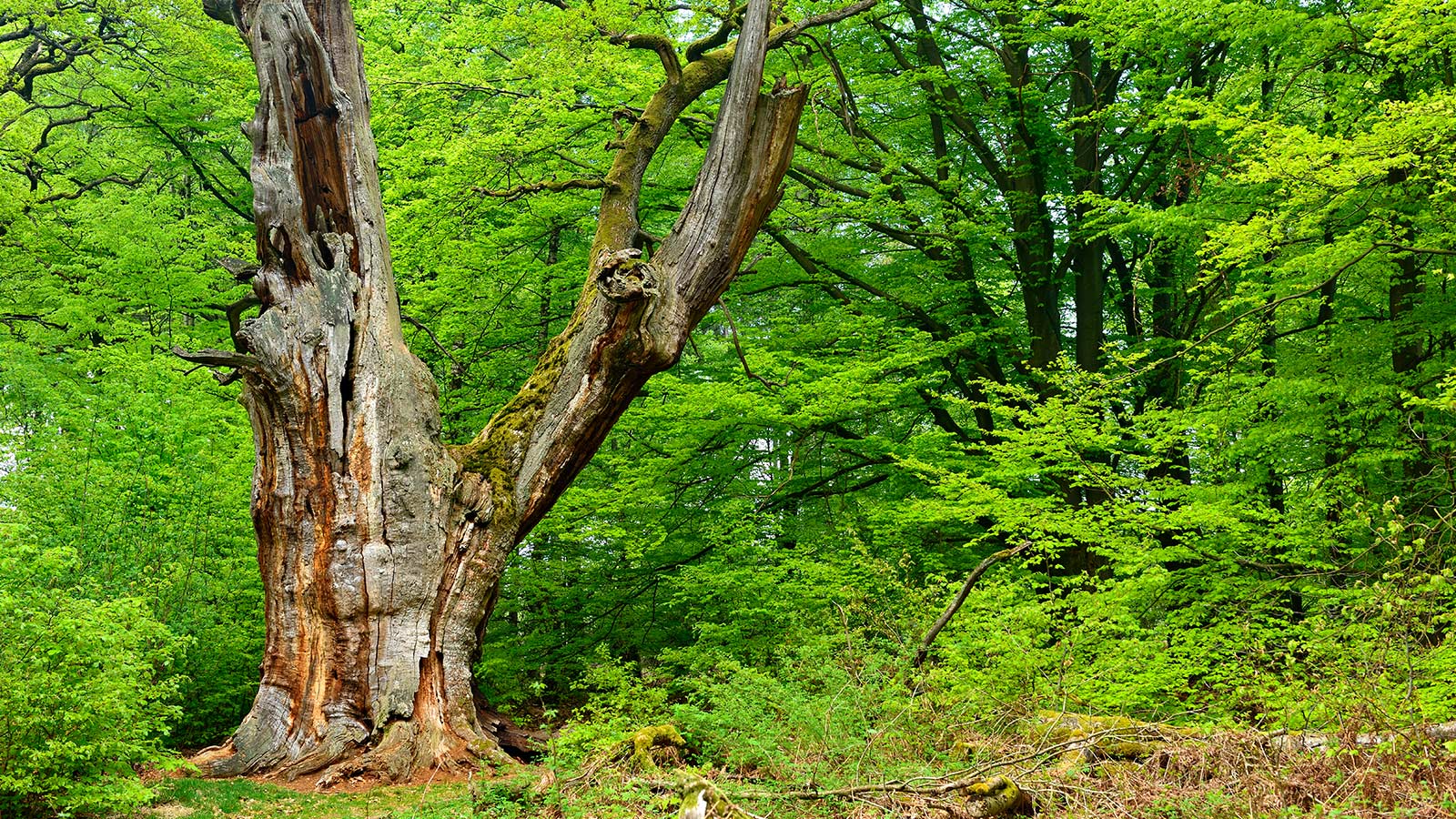
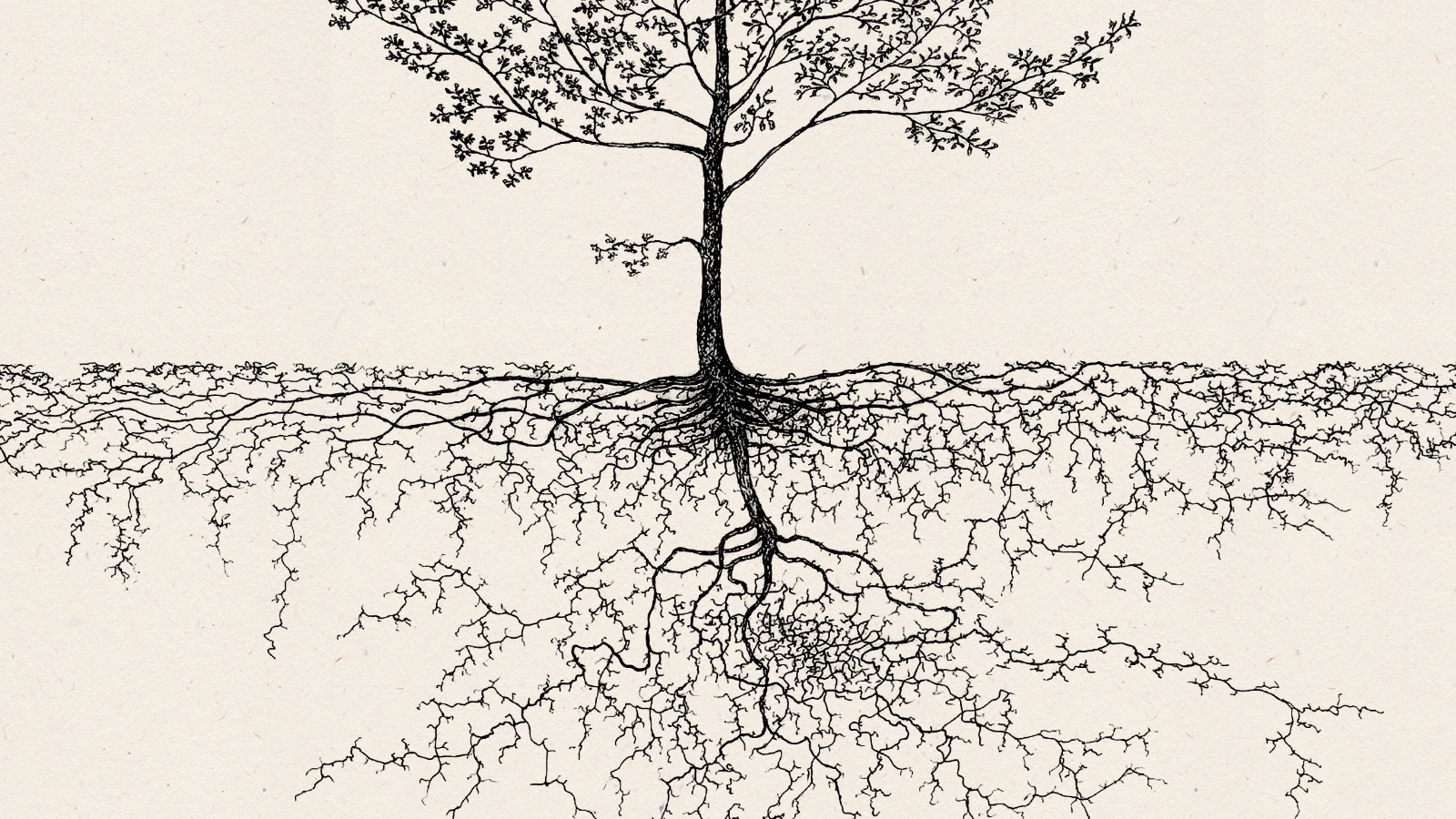
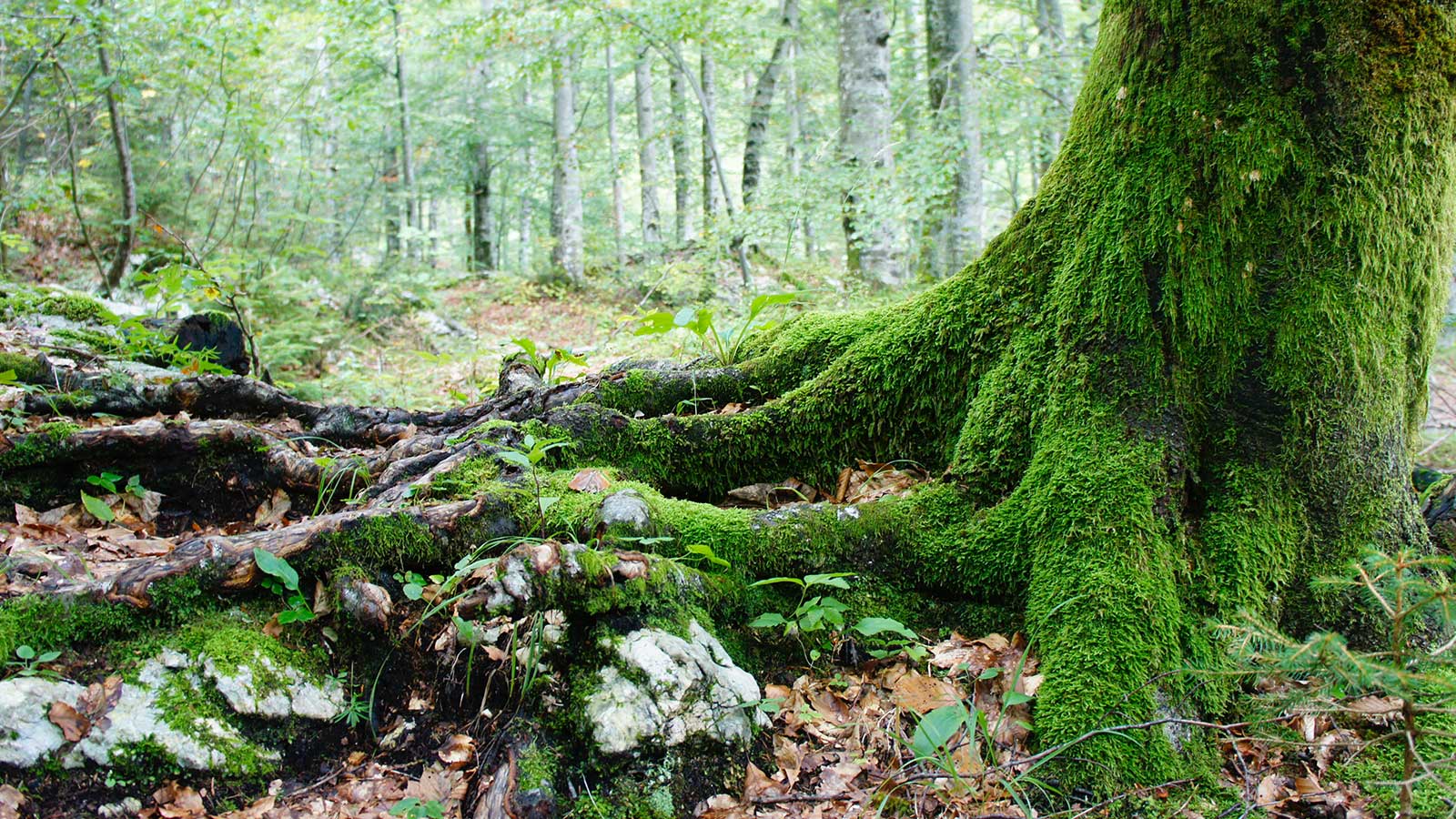
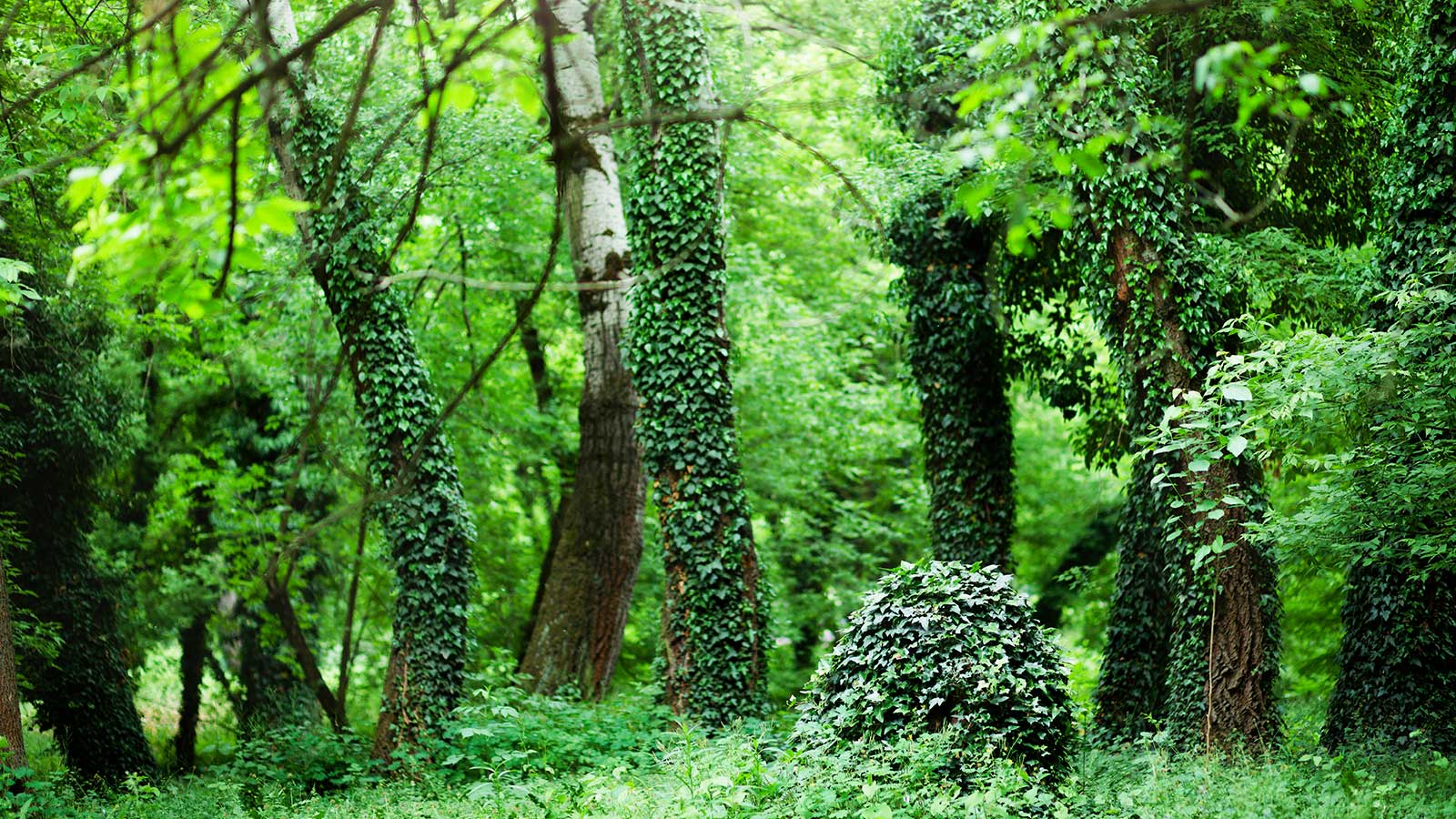
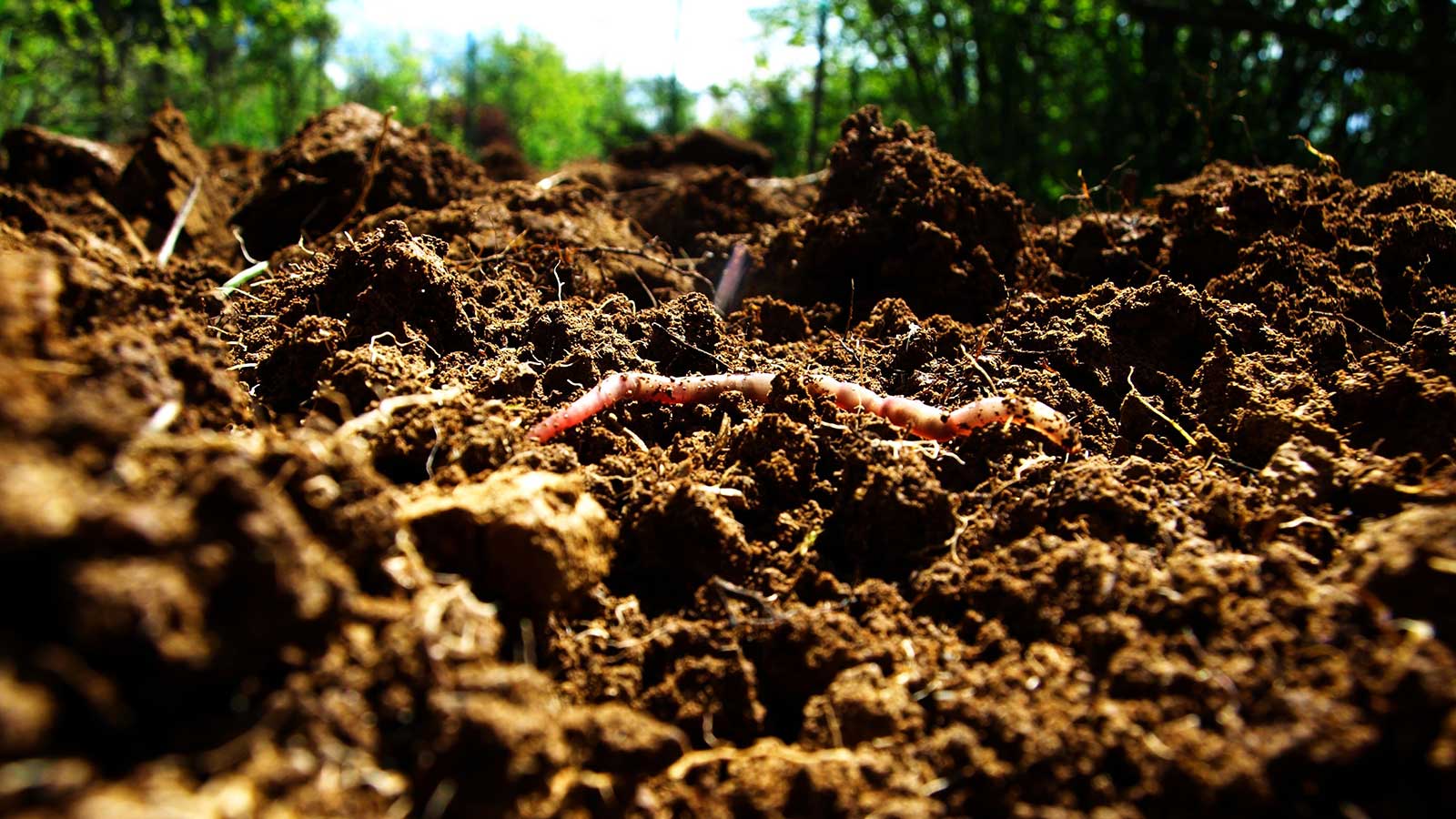
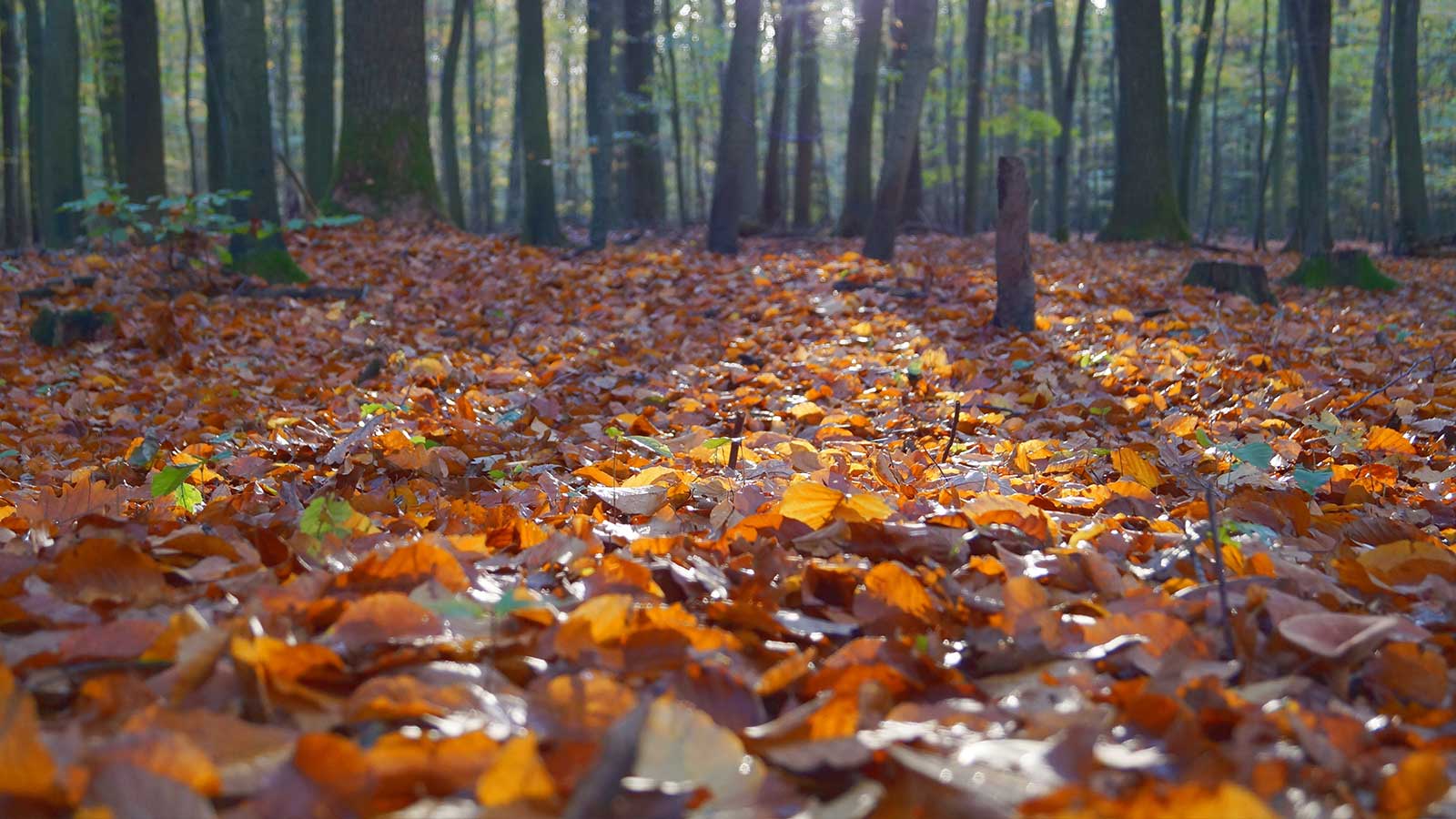
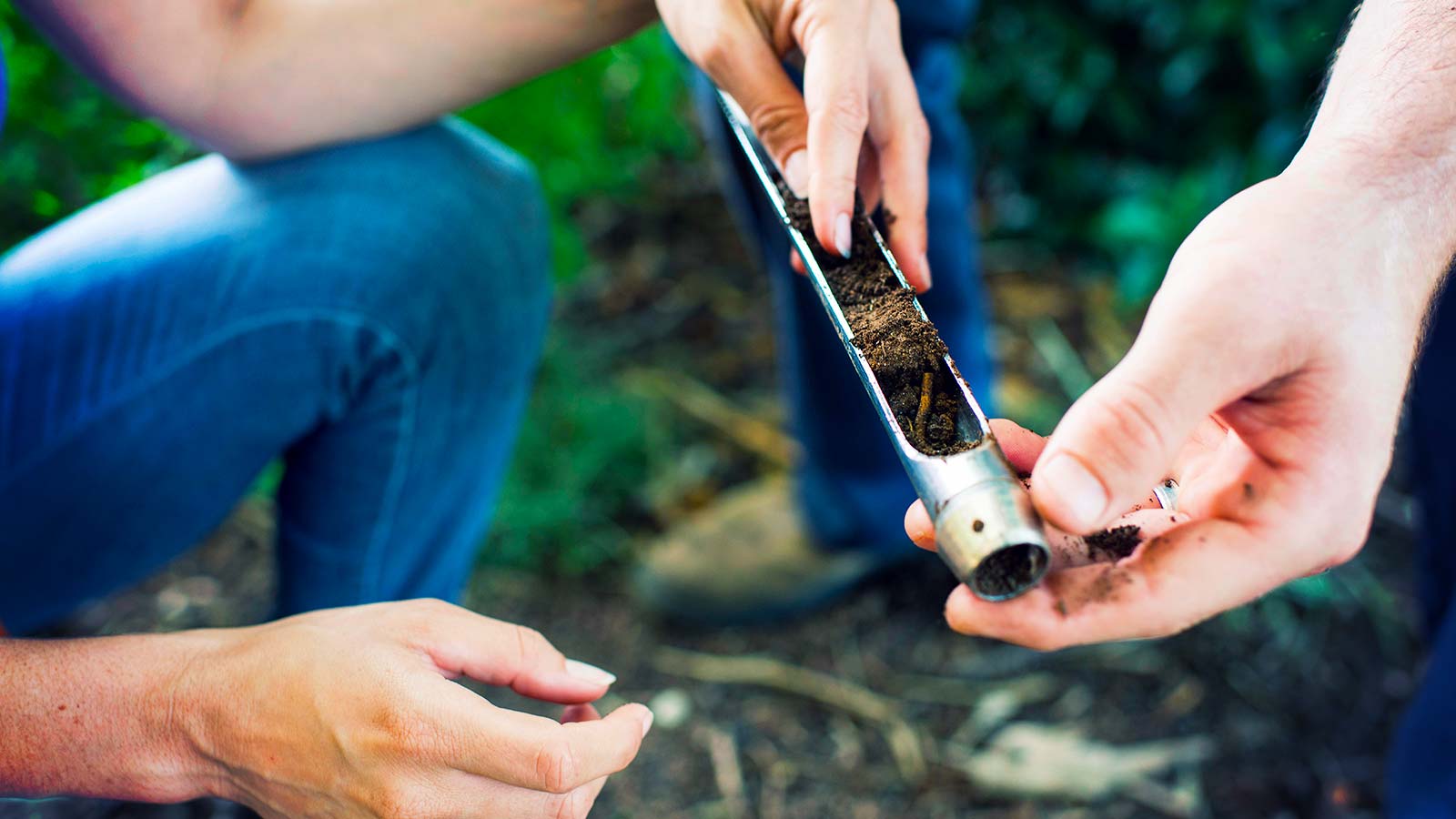
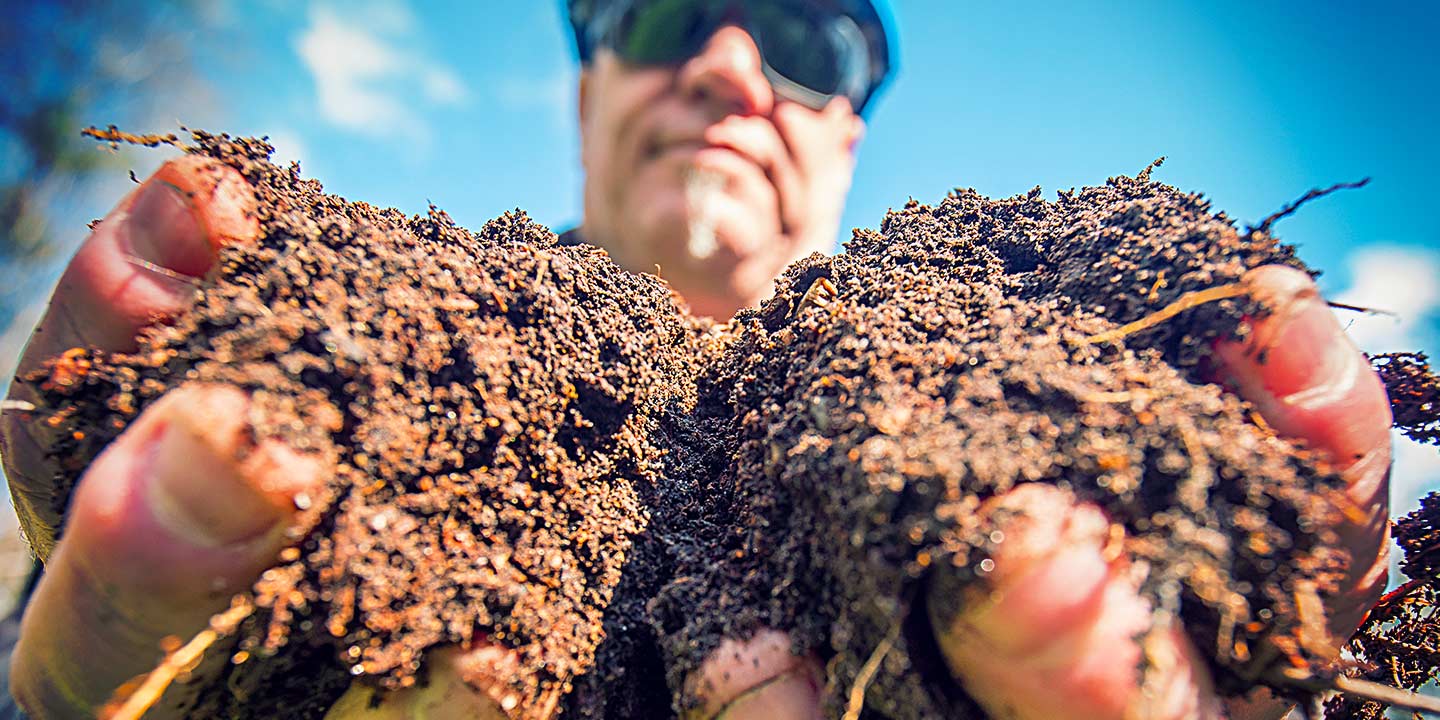
Let's go back to the beginning of our story: rain falling on healthy forest soil. This is the key. Healthy soils store rain in the same way a sponge does. Over centuries, undisturbed soil builds up organic matter and open pore space that holds water for later. Think of this soil as a giant underground cistern – where water is stored until the forest needs it.
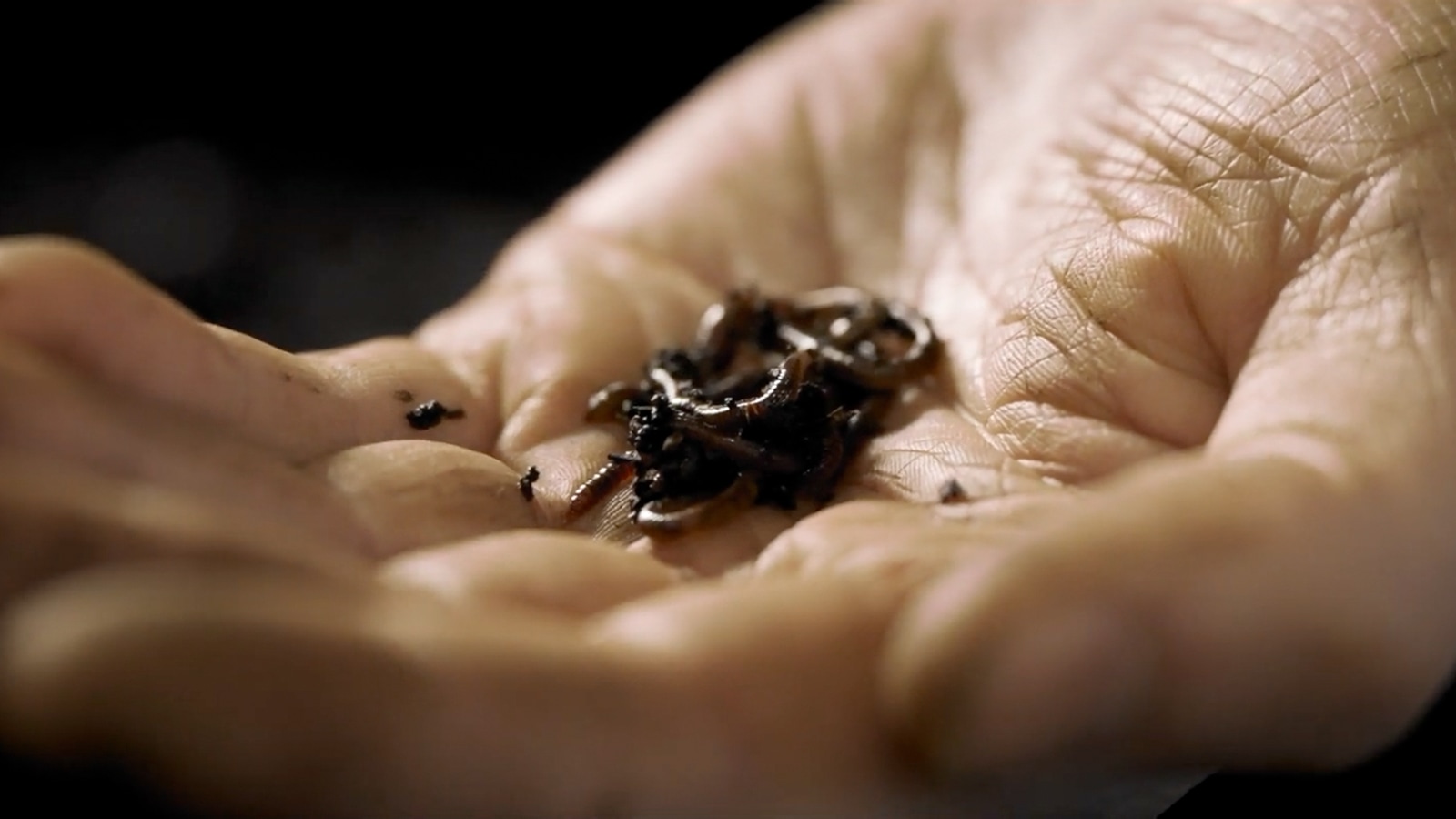
This kind of soil has a deep layer of fallen leaves on top. Underneath it's rich with stores of decomposed wood and other organic matter. A thriving community of microbes feeds the roots nutrients. Ants and other small animals keep the pore space open. Without this good, spongy soil, rain just runs off and begins its journey back to the ocean in a hurry. Does this remind you of anywhere in particular?
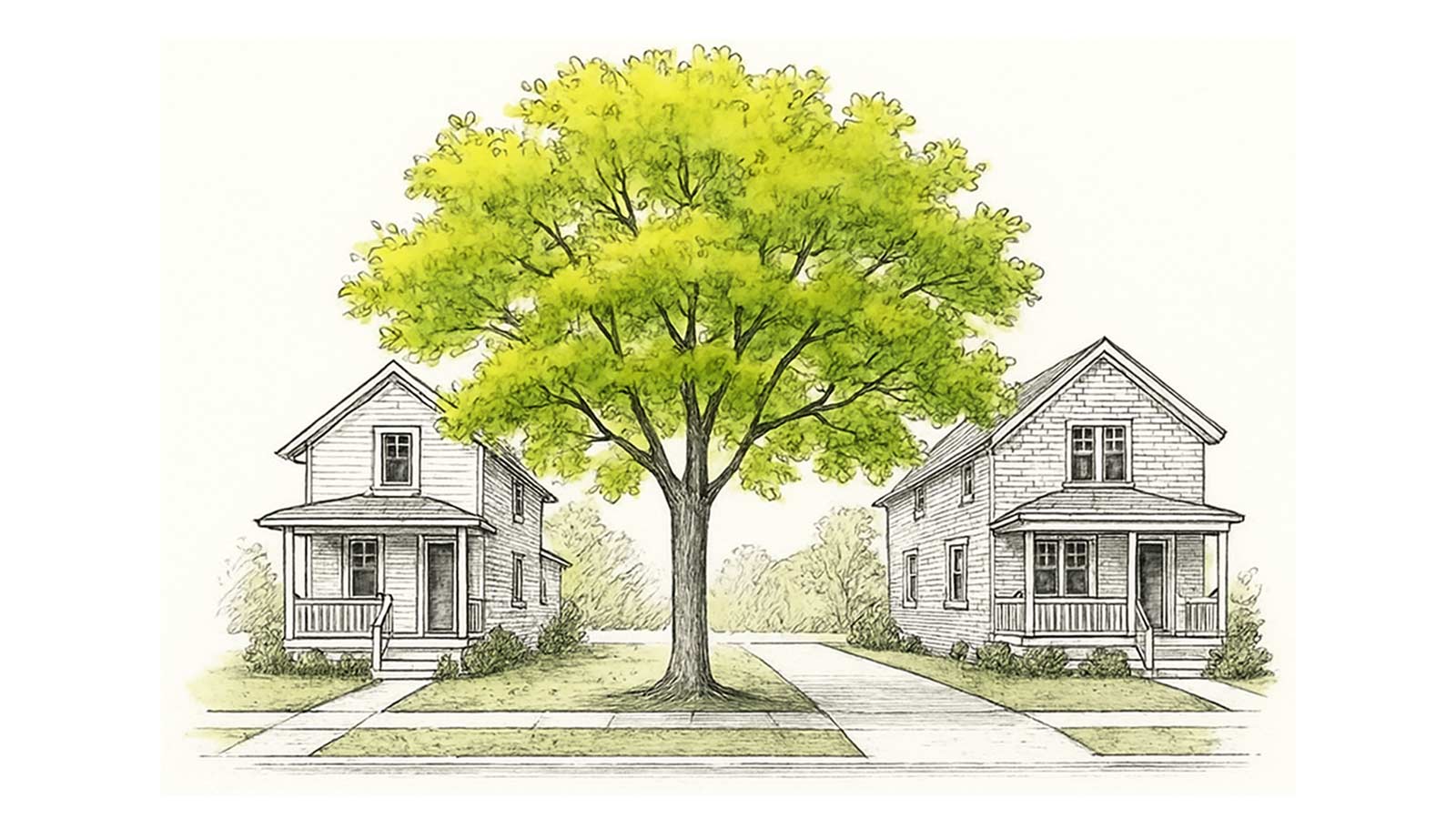
Our sub/urban spaces lack this rich, spongy soil.
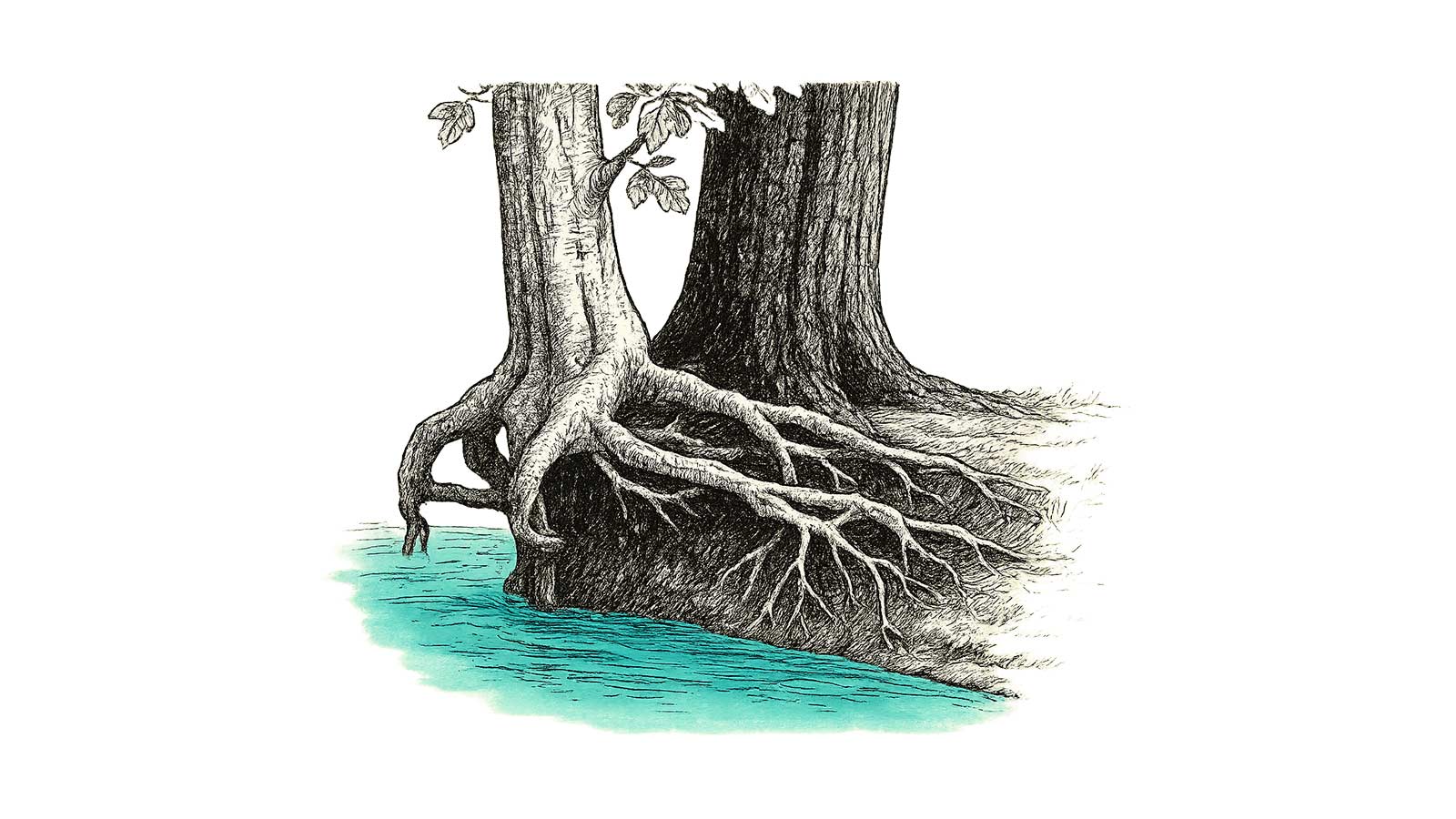
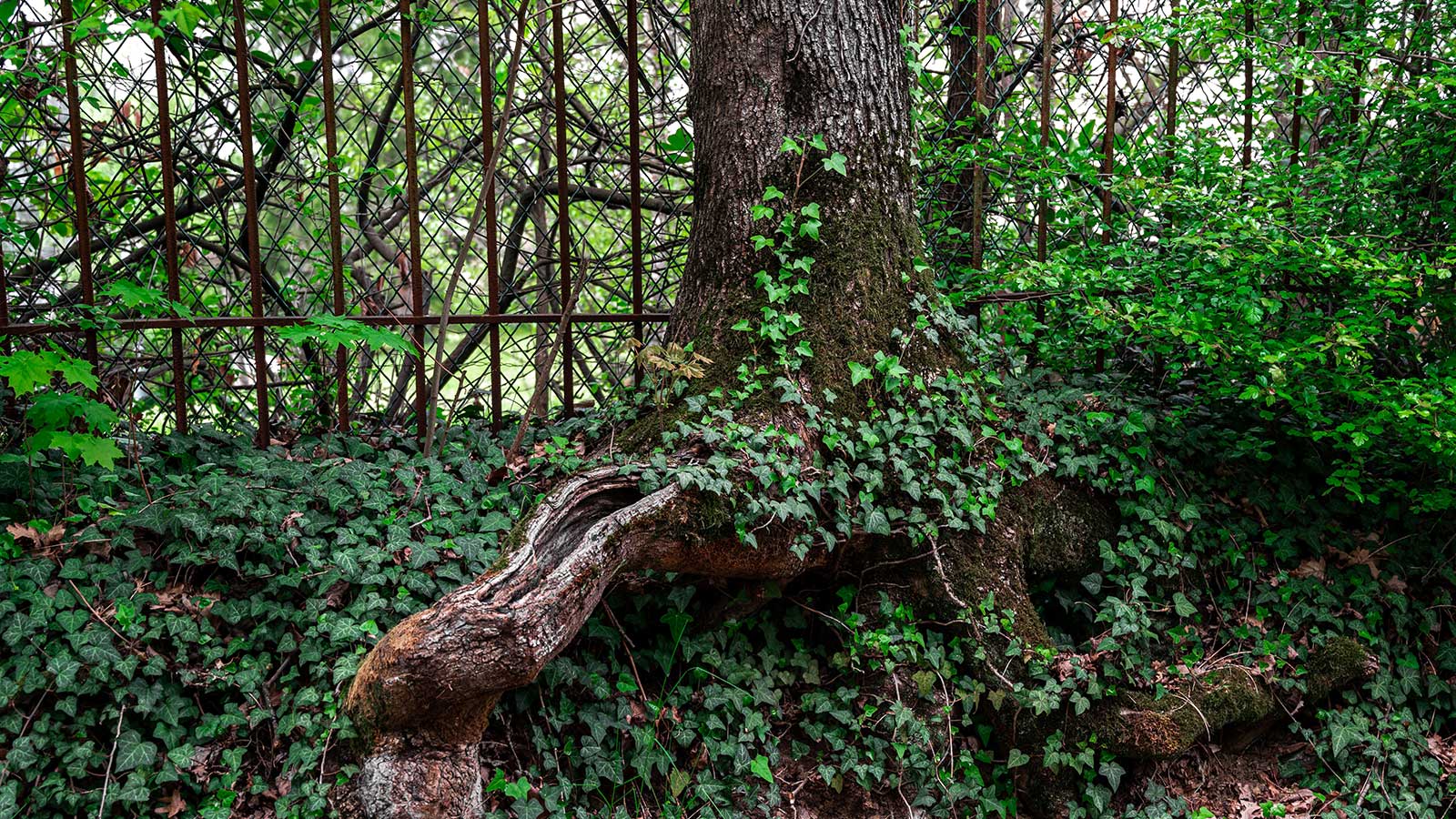
Decades of development, plus constant foot and vehicle traffic, leave the dirt compacted and nutrient-poor. And each fall, the leaves that should replenish the soil get raked up and hauled away instead. The rest of the ground isn't soil at all. It's concrete and asphalt.
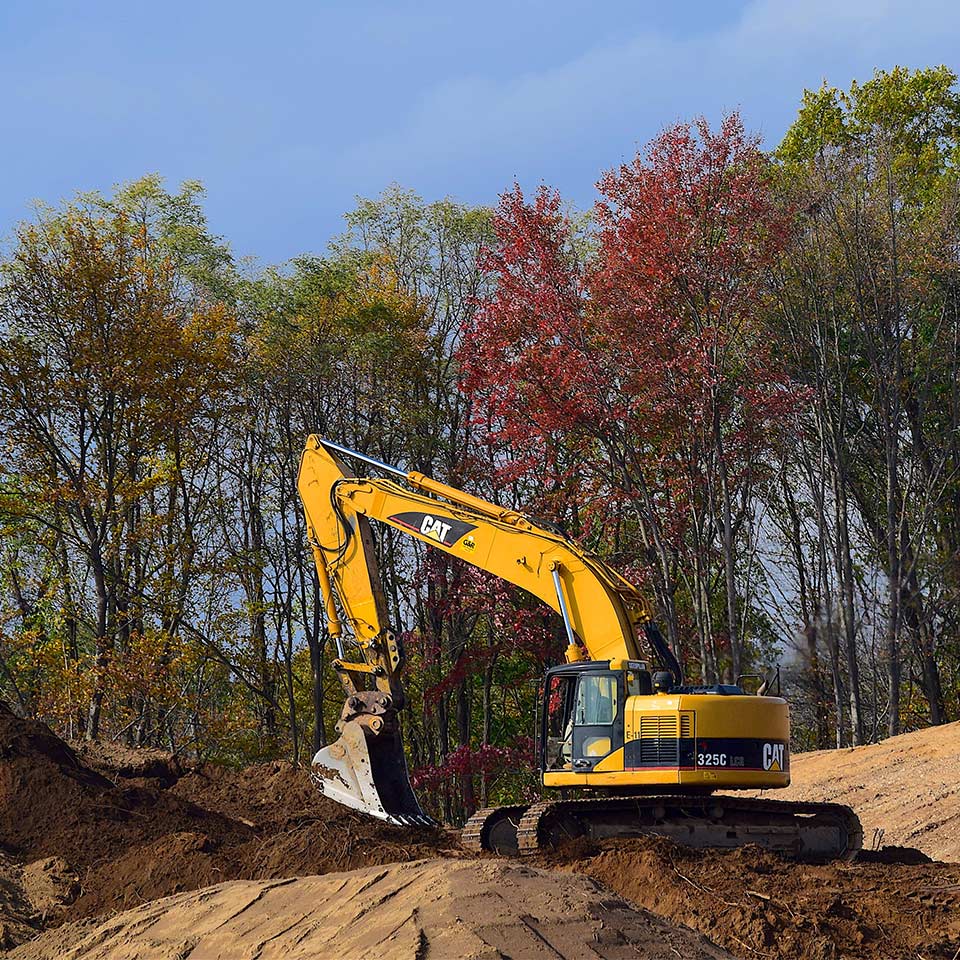
A great deal of the rain we do get just races back into rivers and out to sea. The trees don't get much chance to use it. Water now runs off the land instead of soaking in. There is no soil to hold the rain. This is like being offered a shower when you are dying of thirst. You need water inside your body, not running off your skin.
How Do We Get from Dirt to Soil?
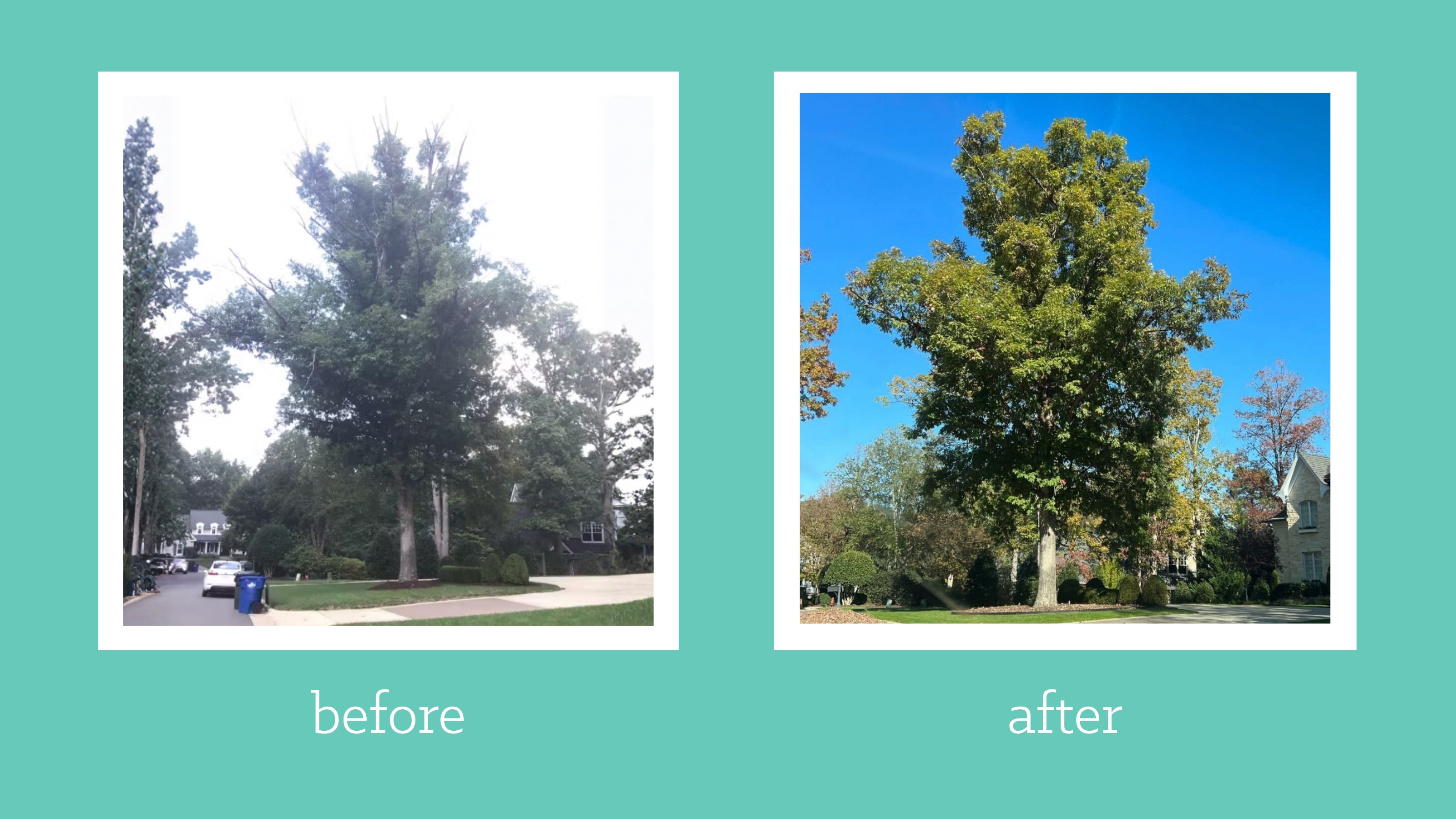
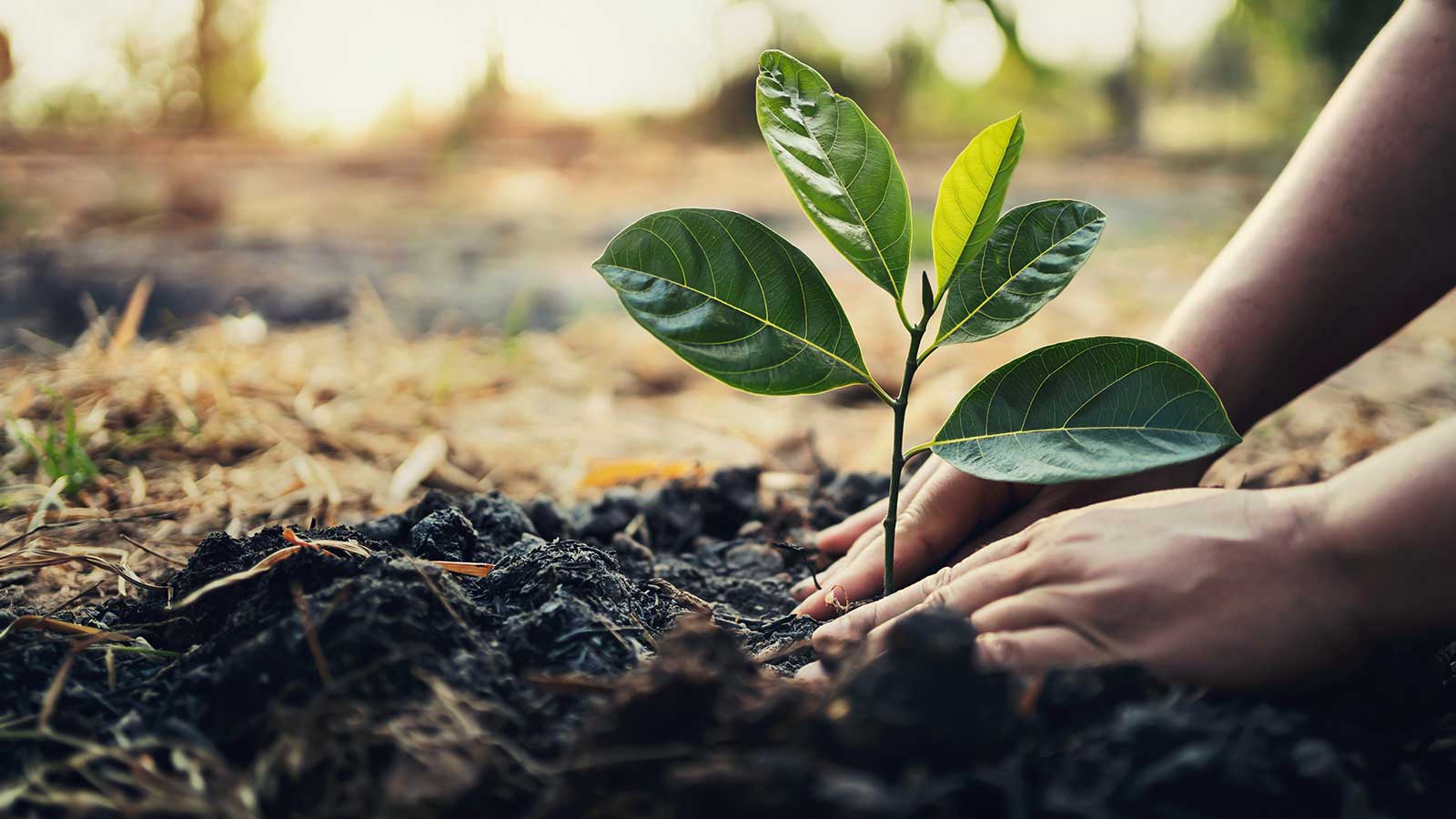
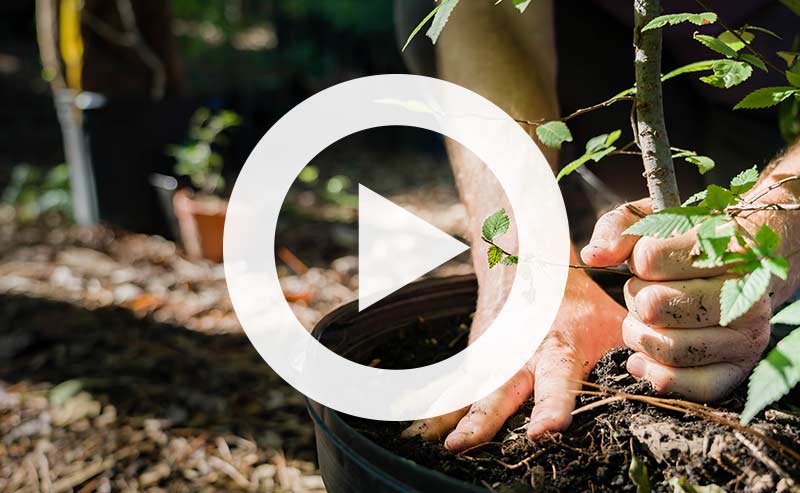
We've broken the relationship between forests and clouds in our sub/urban spaces, but the good news is that it doesn't have to stay this way. We can at least rebuild the soil around our most valuable trees.
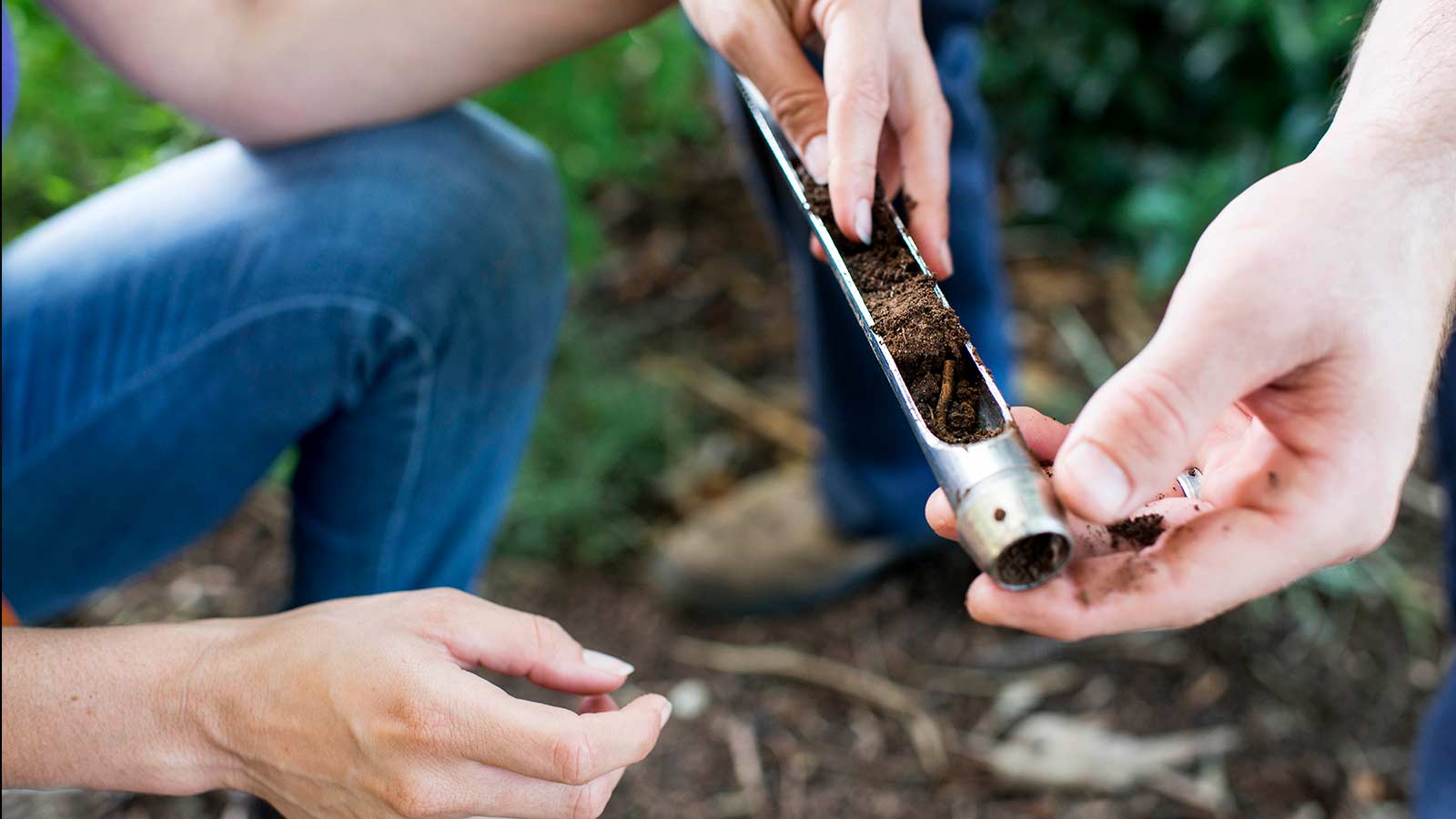
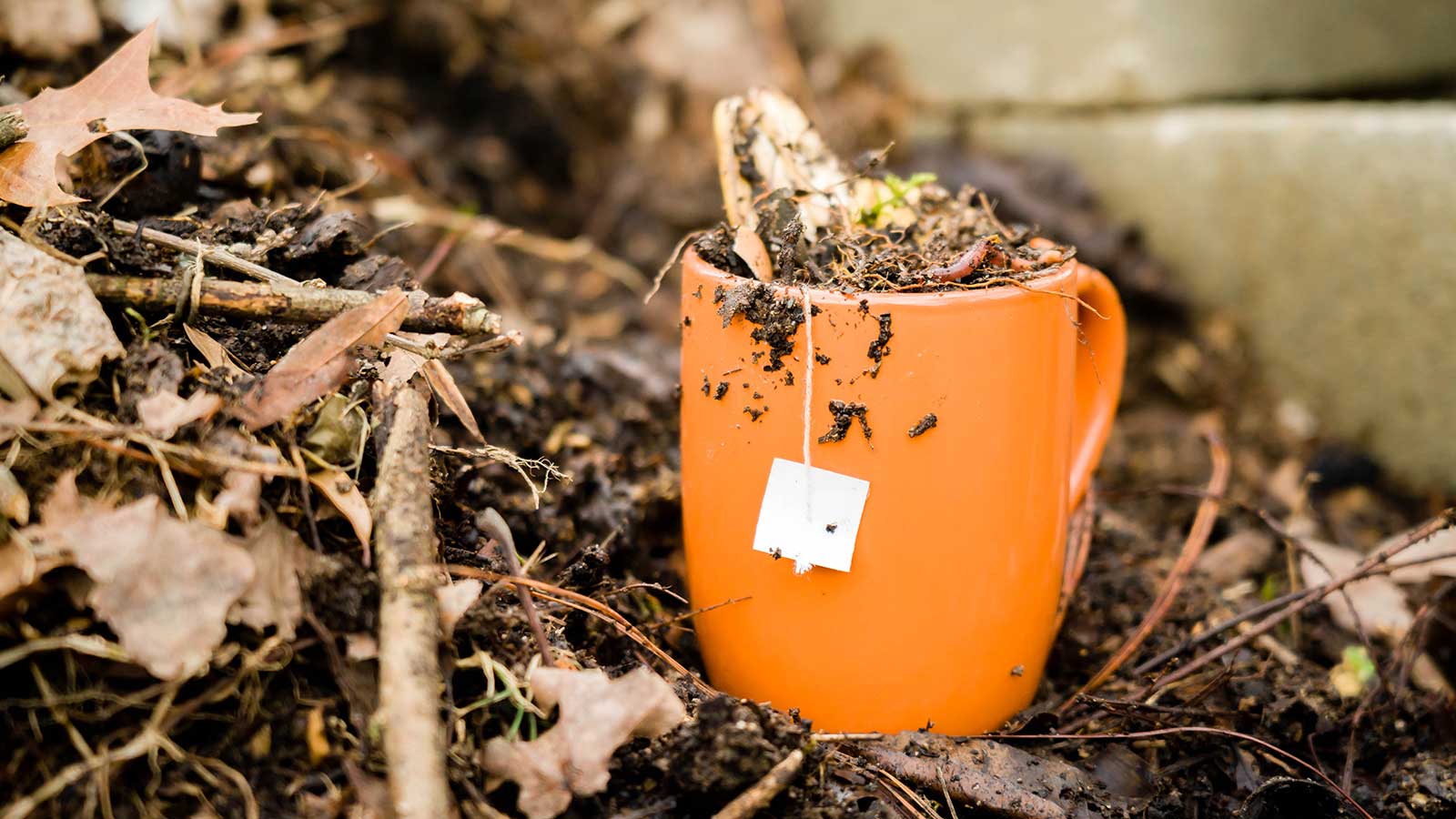
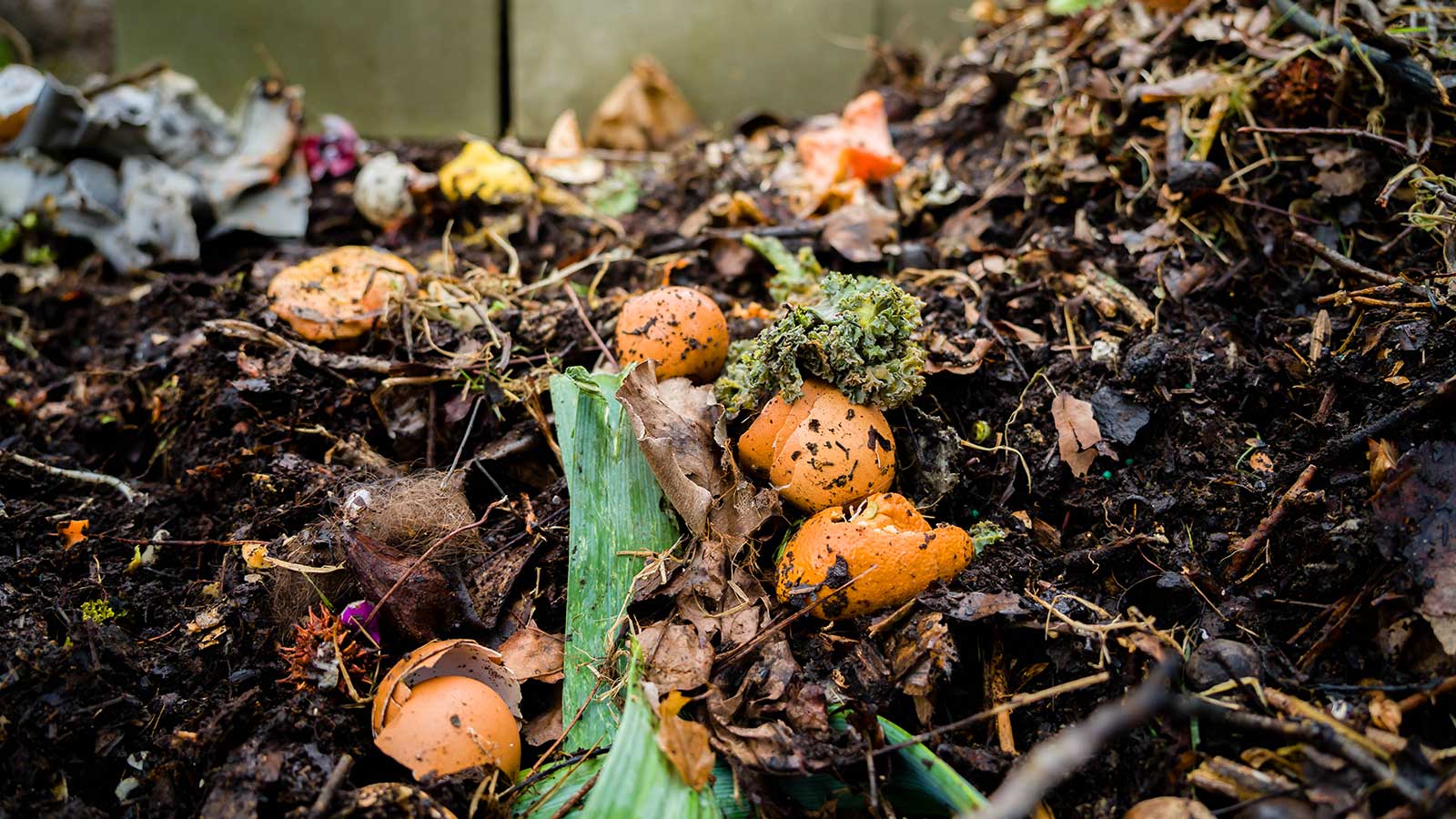
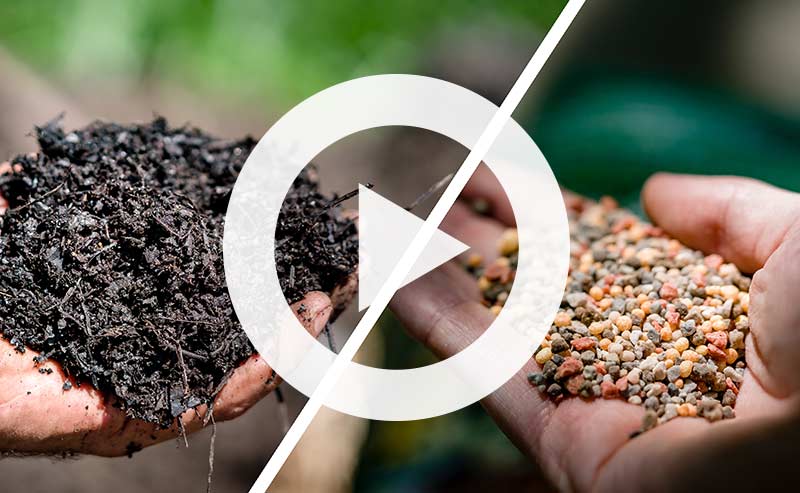
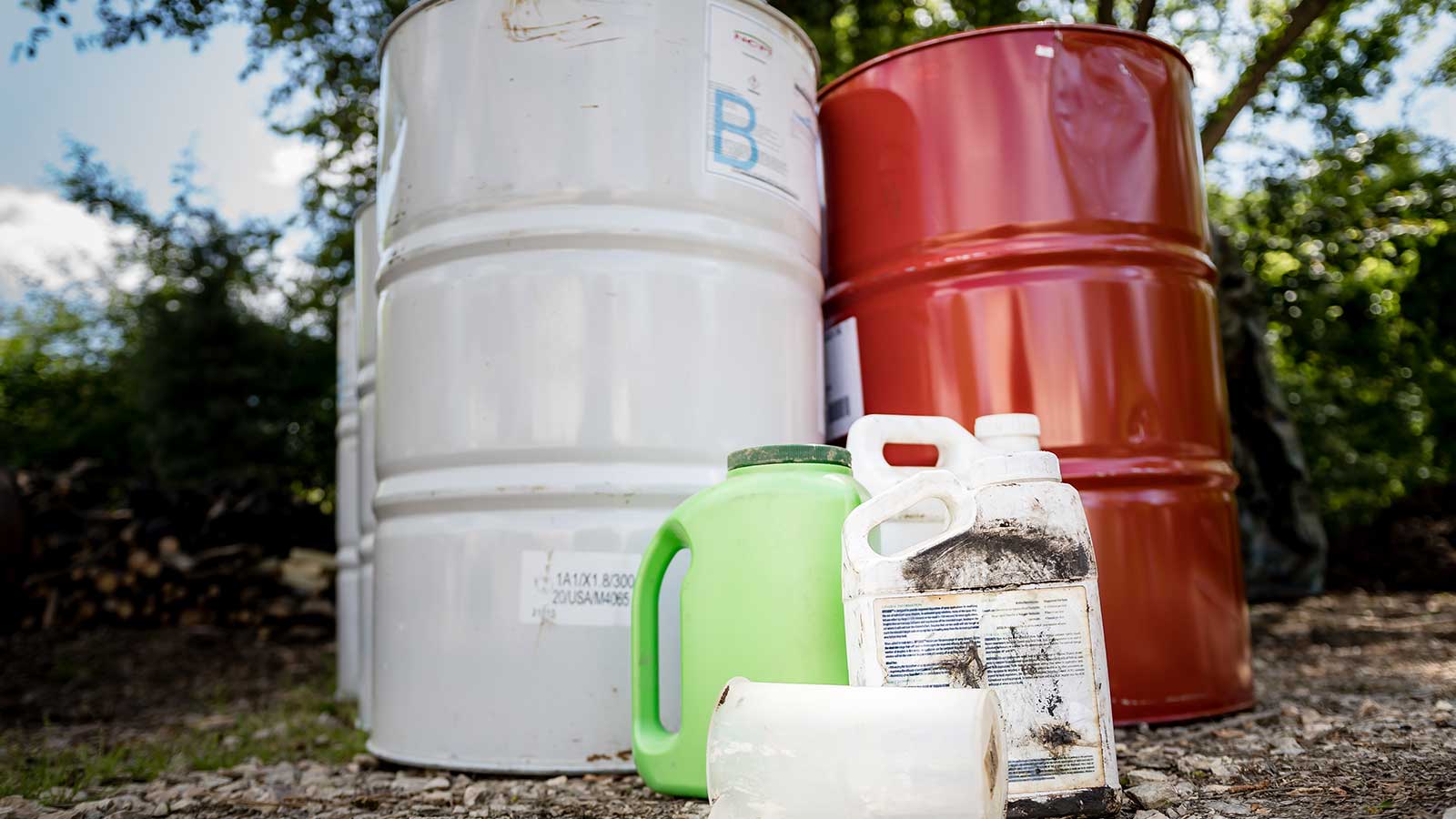
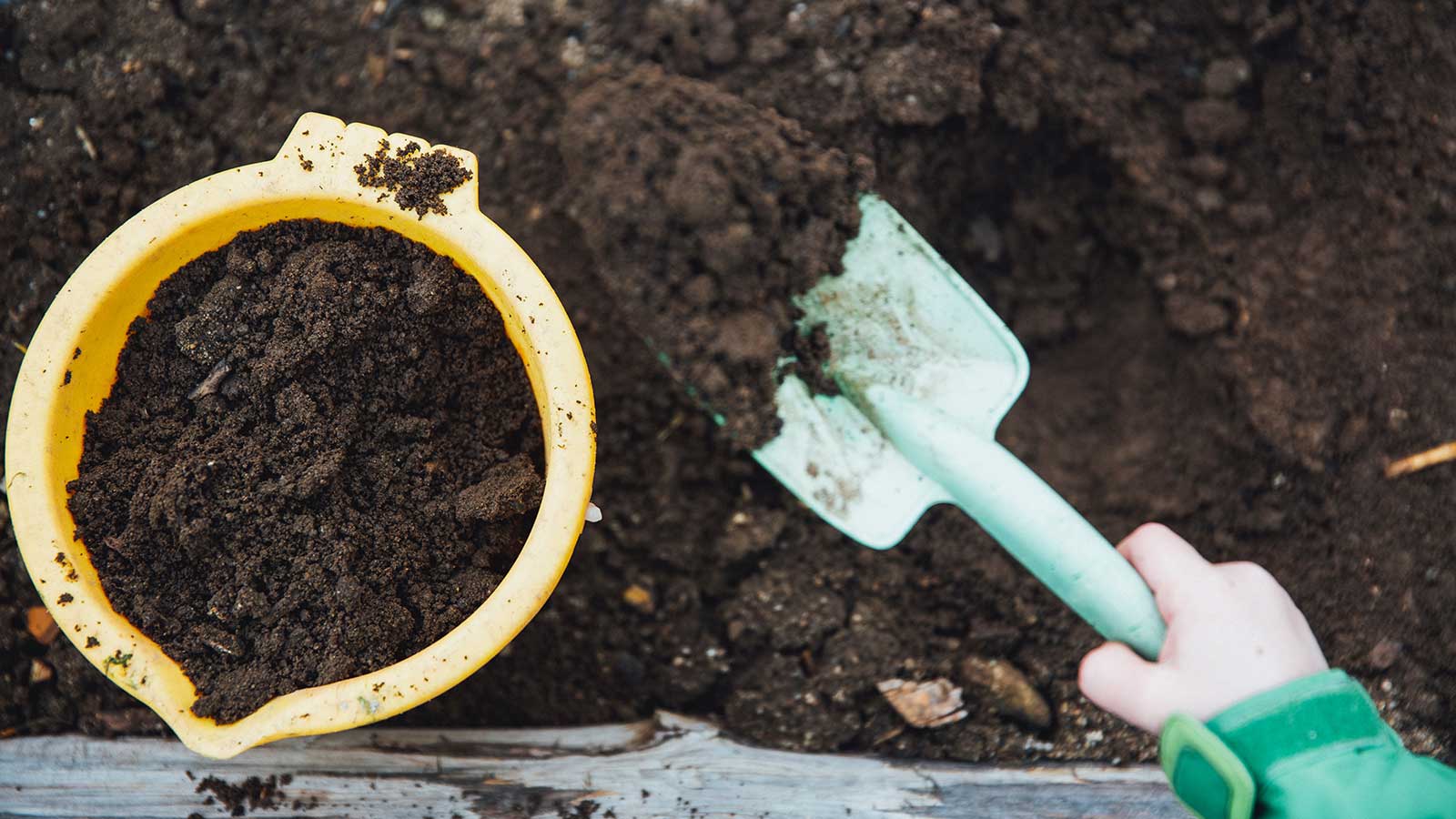
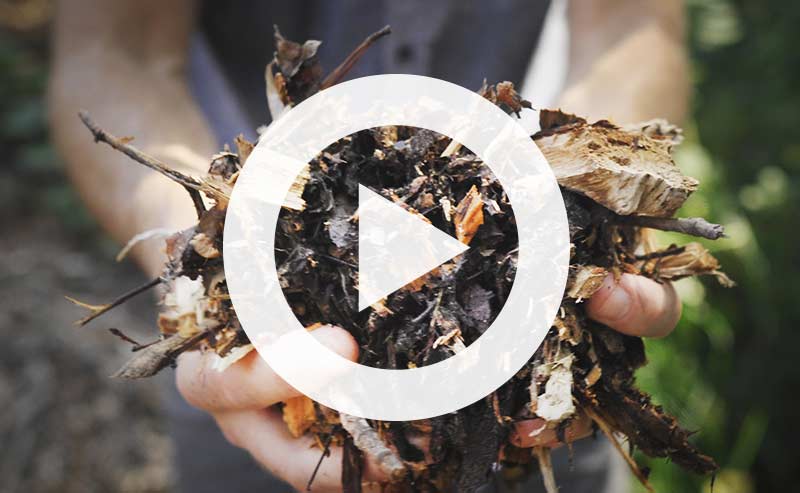
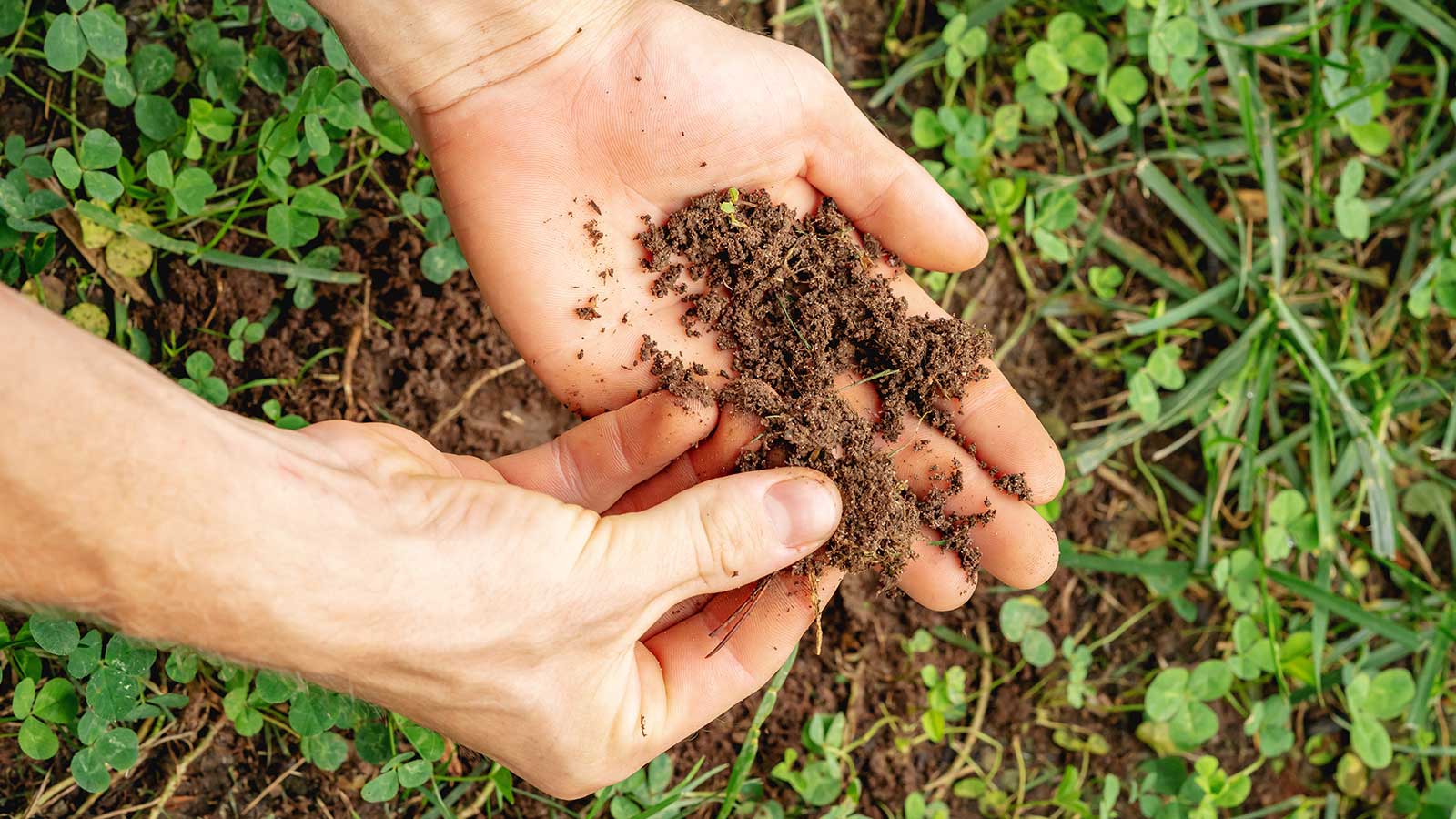
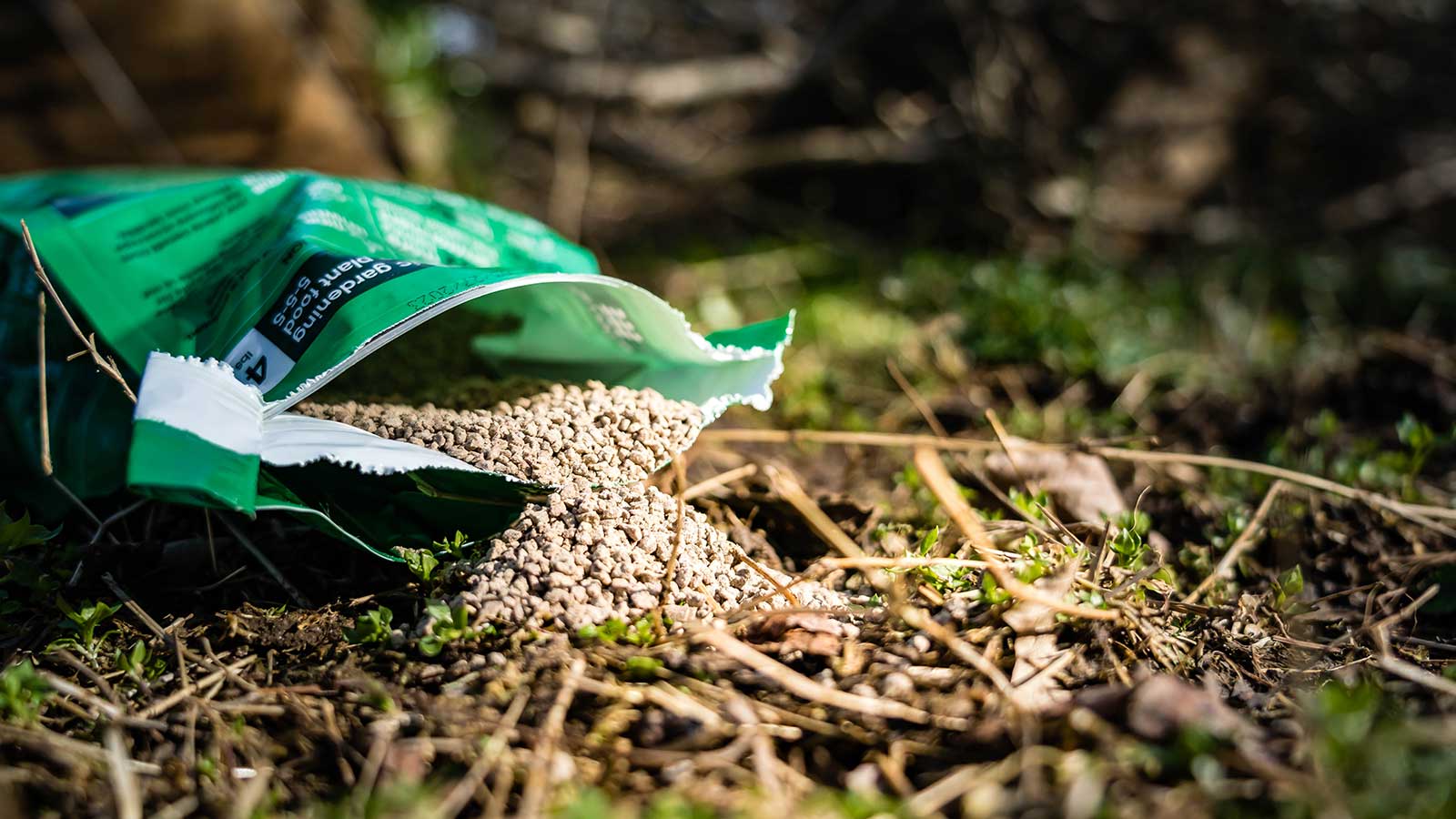
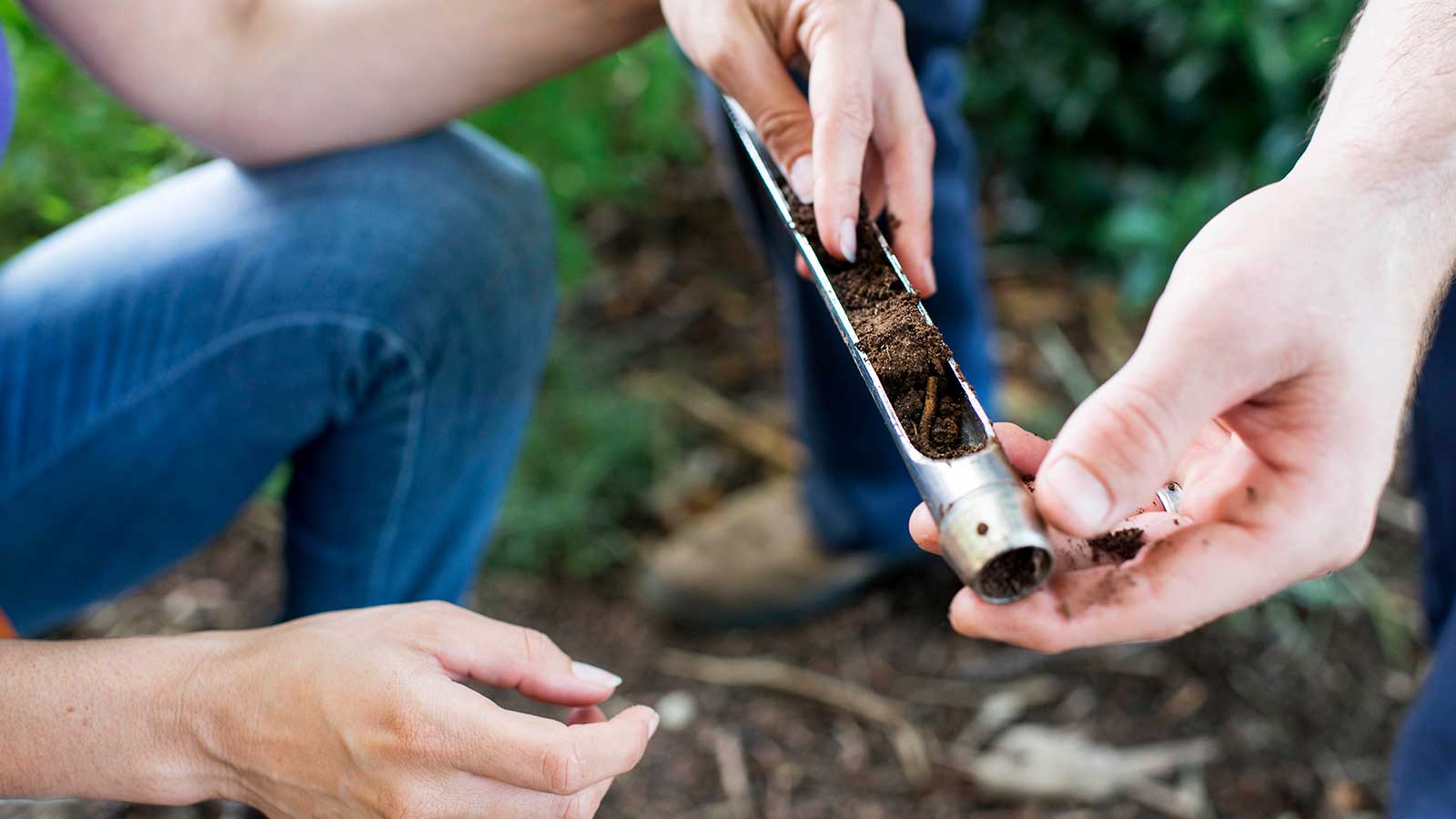
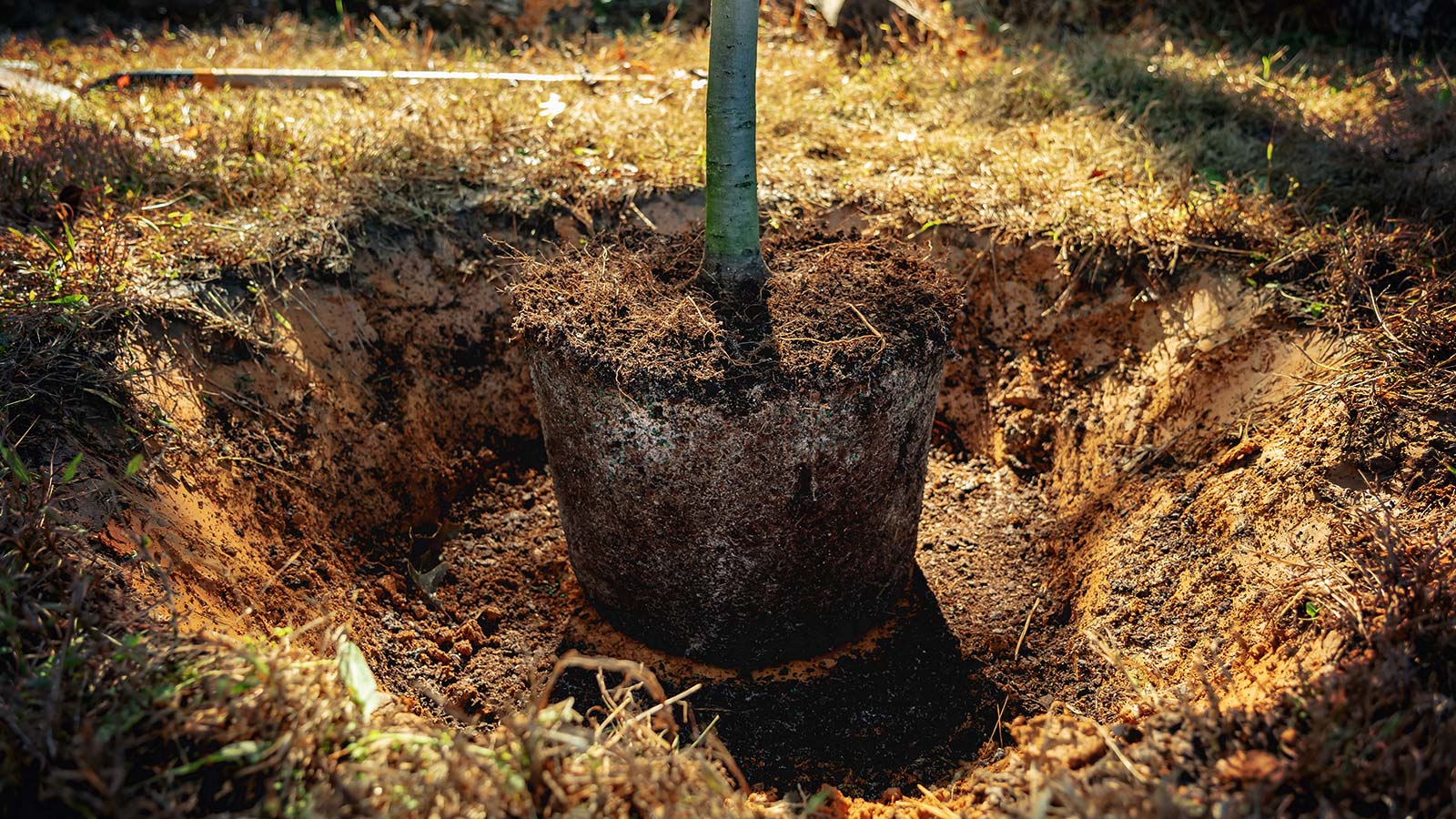
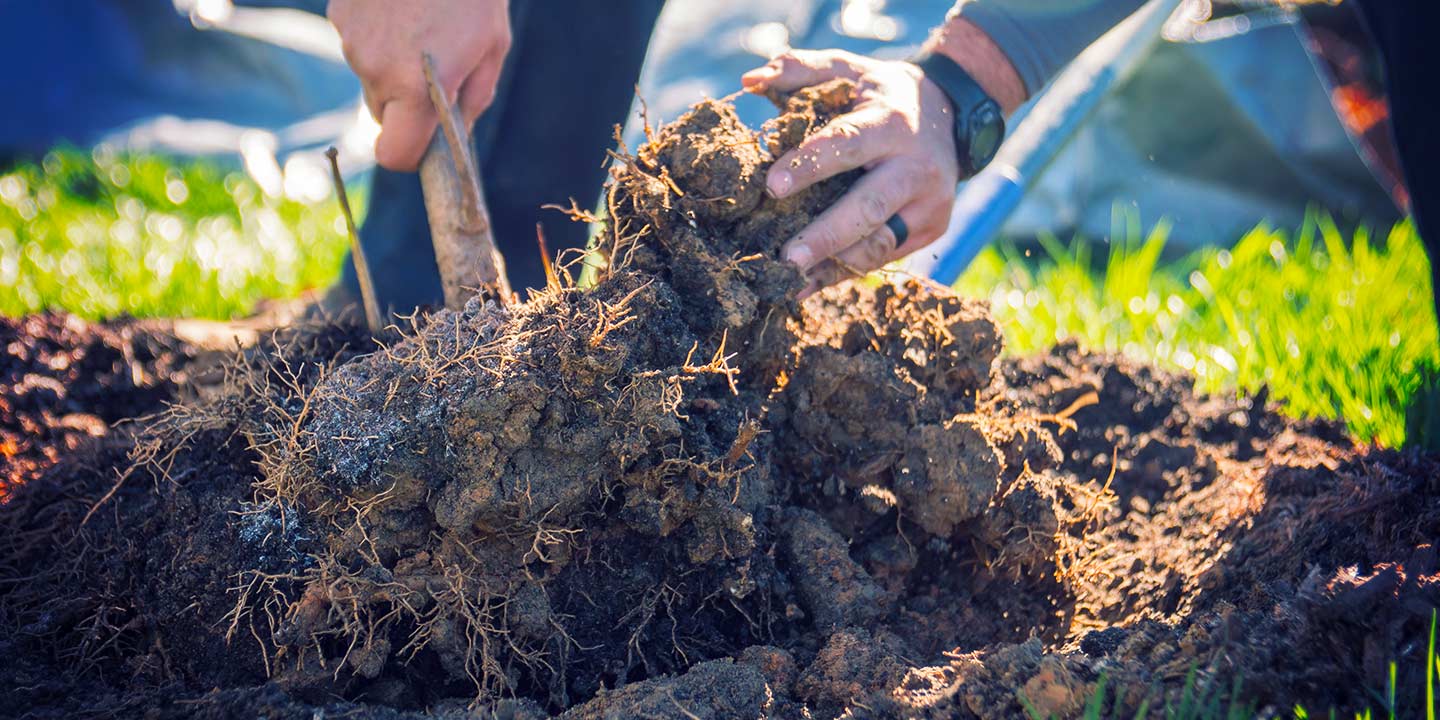
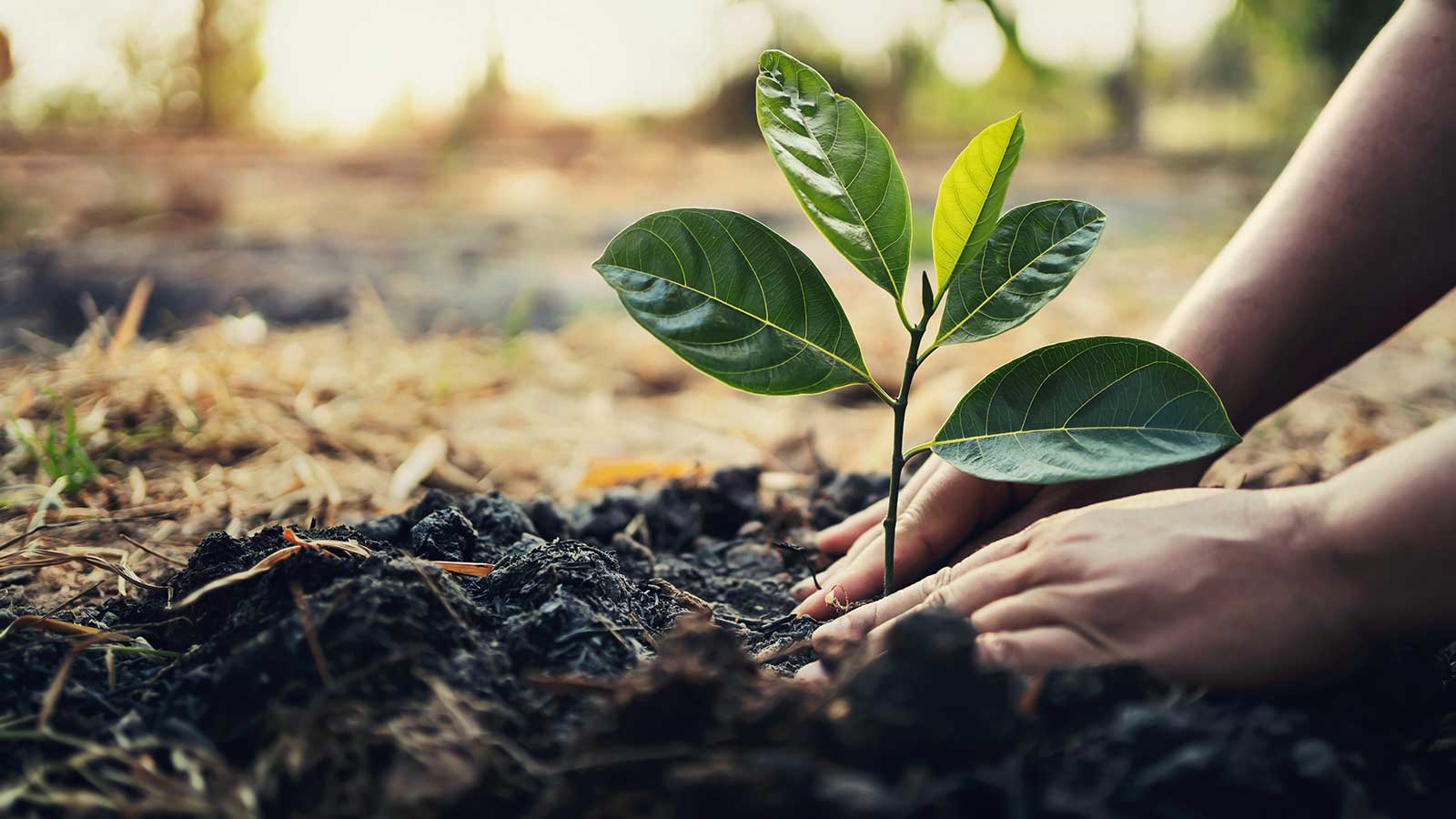
Rebuilding the soil means making it more like the living, biologically diverse, spongy woodland soils where trees thrive. Start by reducing compaction: loosen the soil, and keep foot and vehicle traffic away from the area under the canopy. From there, work in more organic matter, whether that's compost, liquid compost (compost tea), or a thick layer of leaves or wood chips. Native shrubs and other plants add to the effect, building a lively web of roots underground. And skip the chemicals entirely: fertilizers, pesticides, mosquito sprays all work against the soil you're trying to build.
Decades of soil damage can begin to be reversed in a single afternoon.
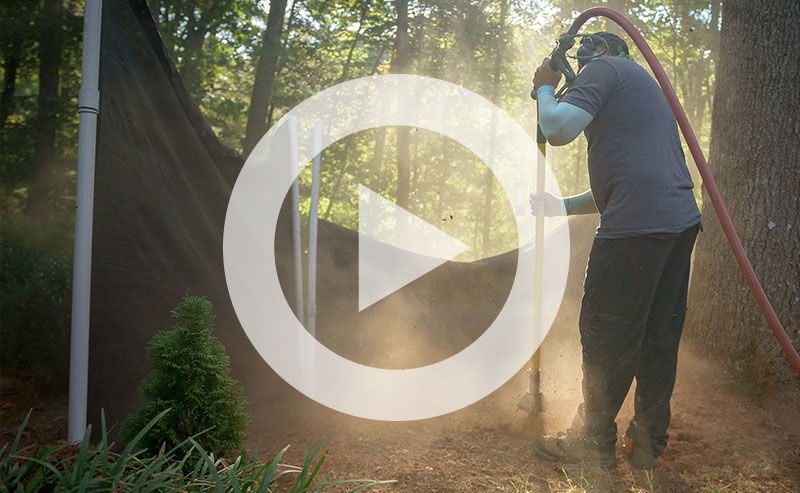
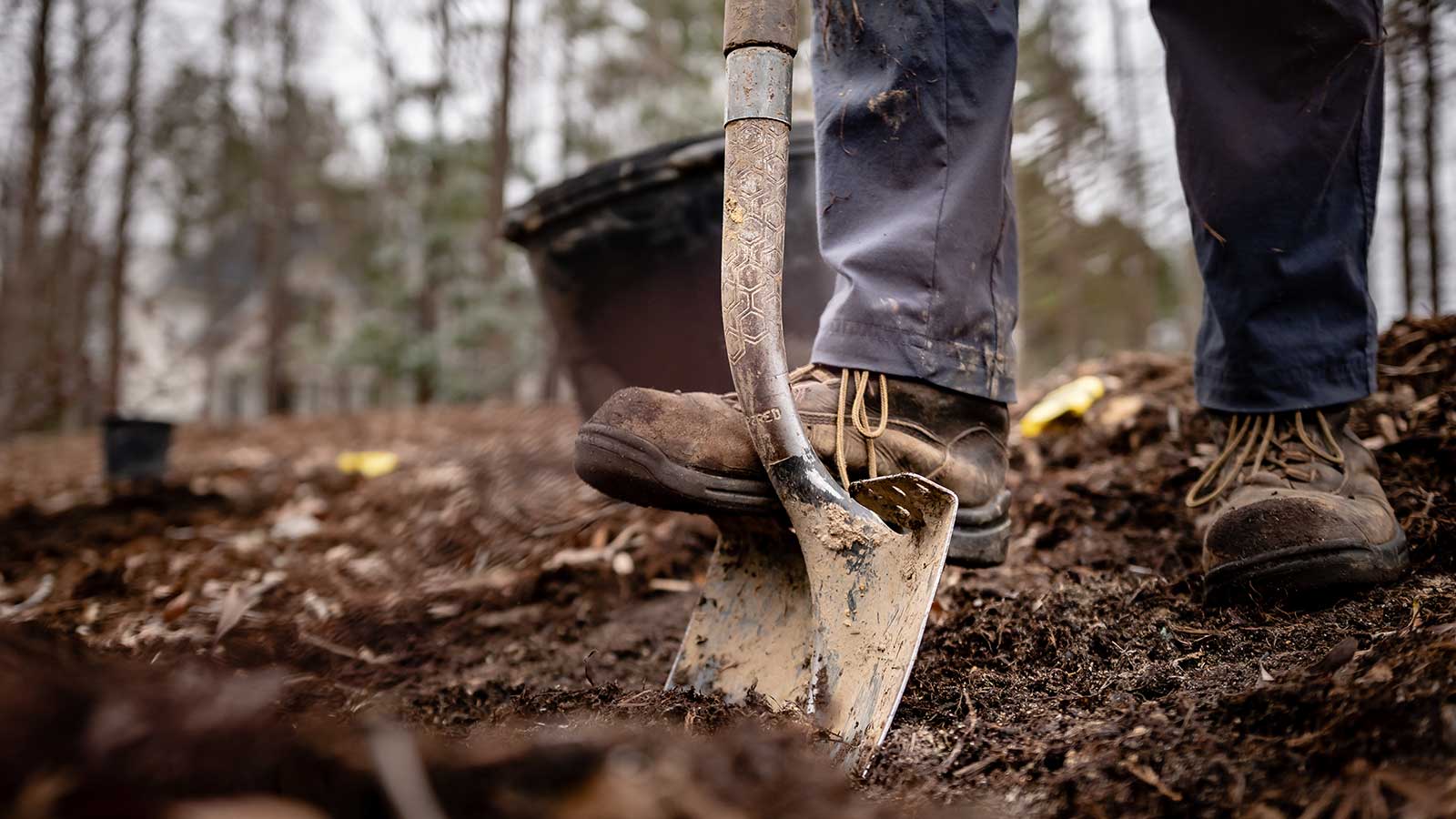
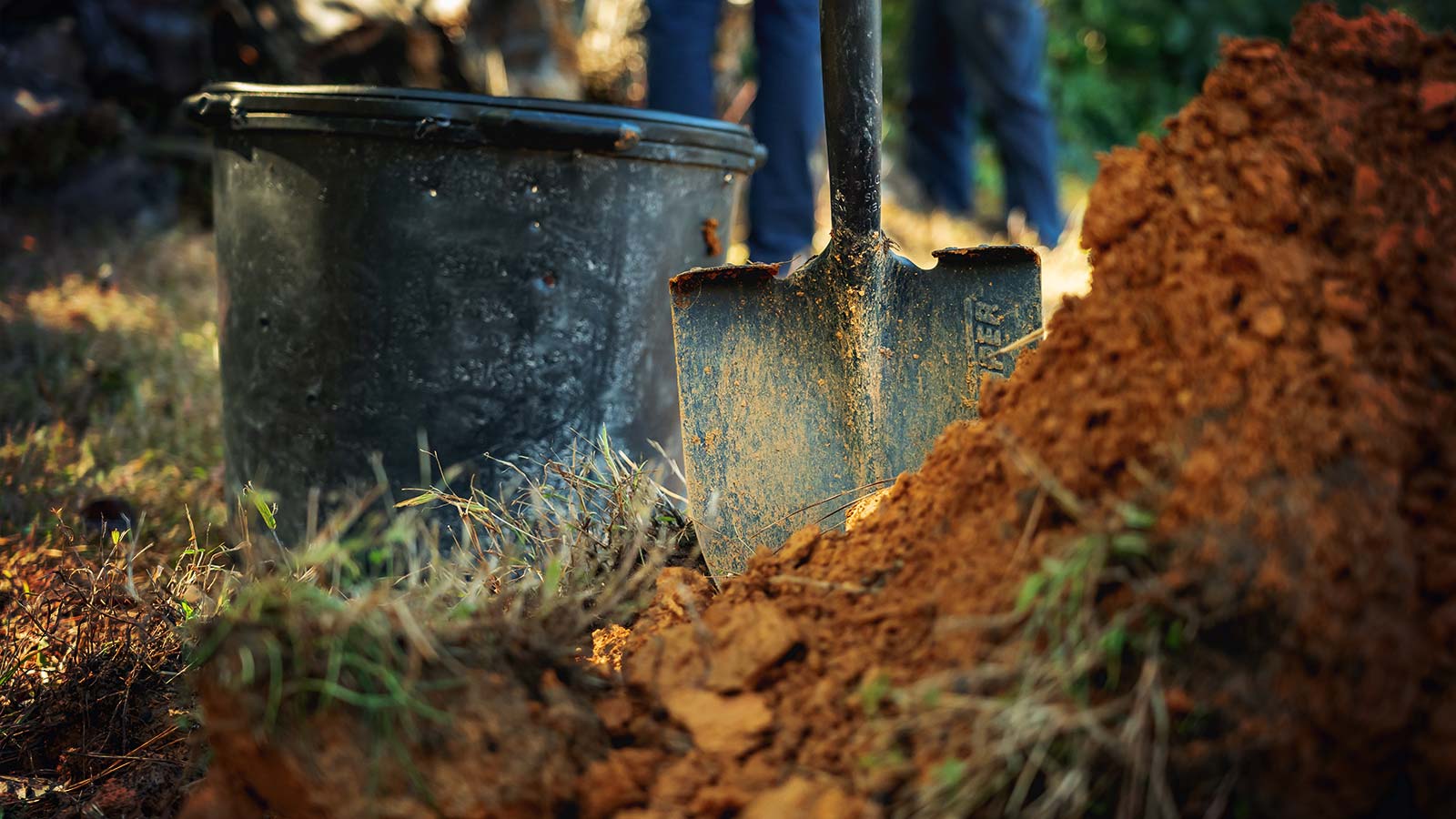
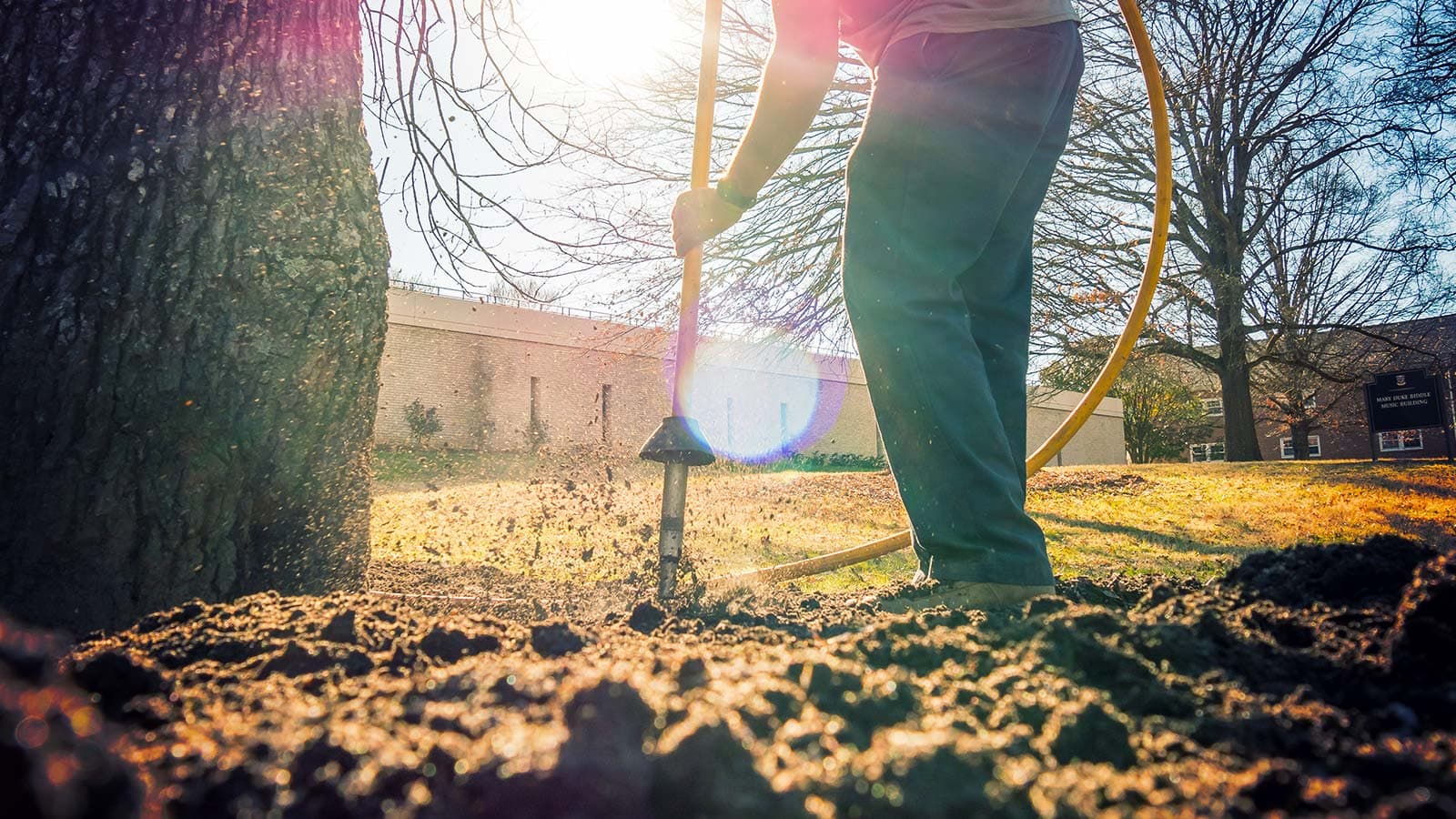
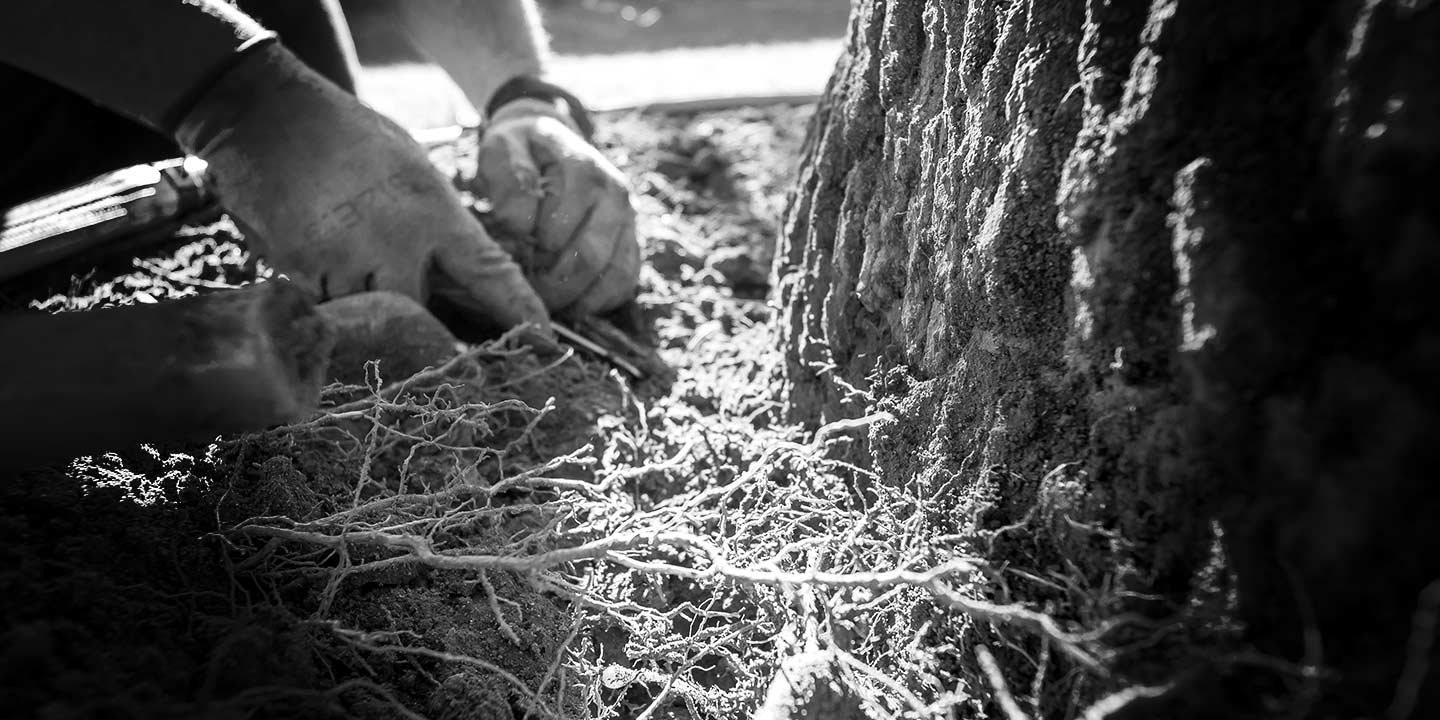
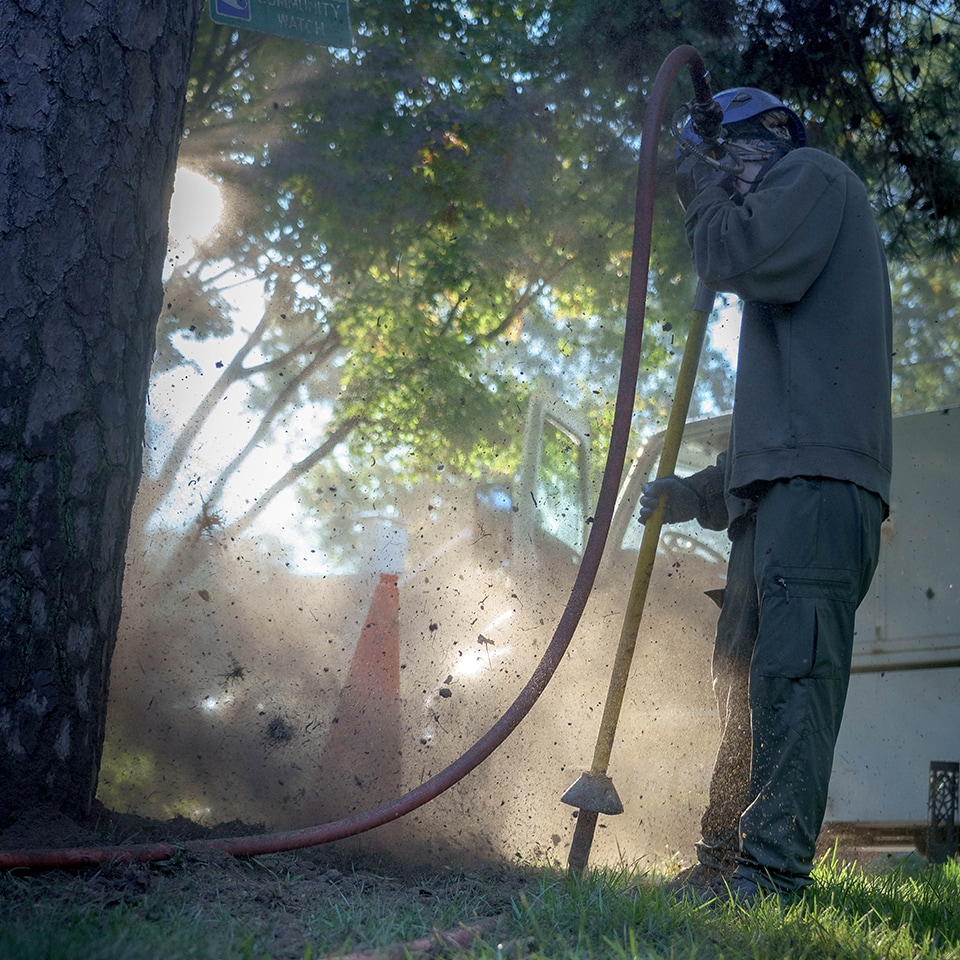
If you'd like to speed up the process, you can invest in a soil improvement program. It is costly, but highly effectve. It starts with an air-spade, a tool that uses pressurized air to break up compacted soil. Leaf compost gets layered on or mixed in next.
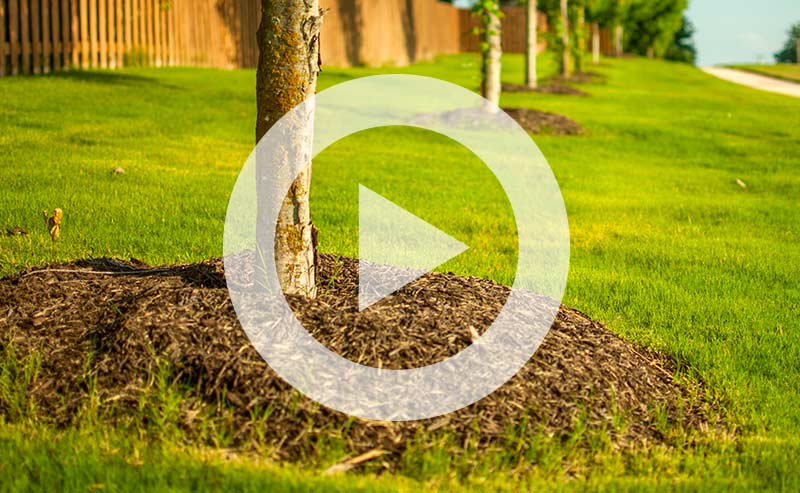
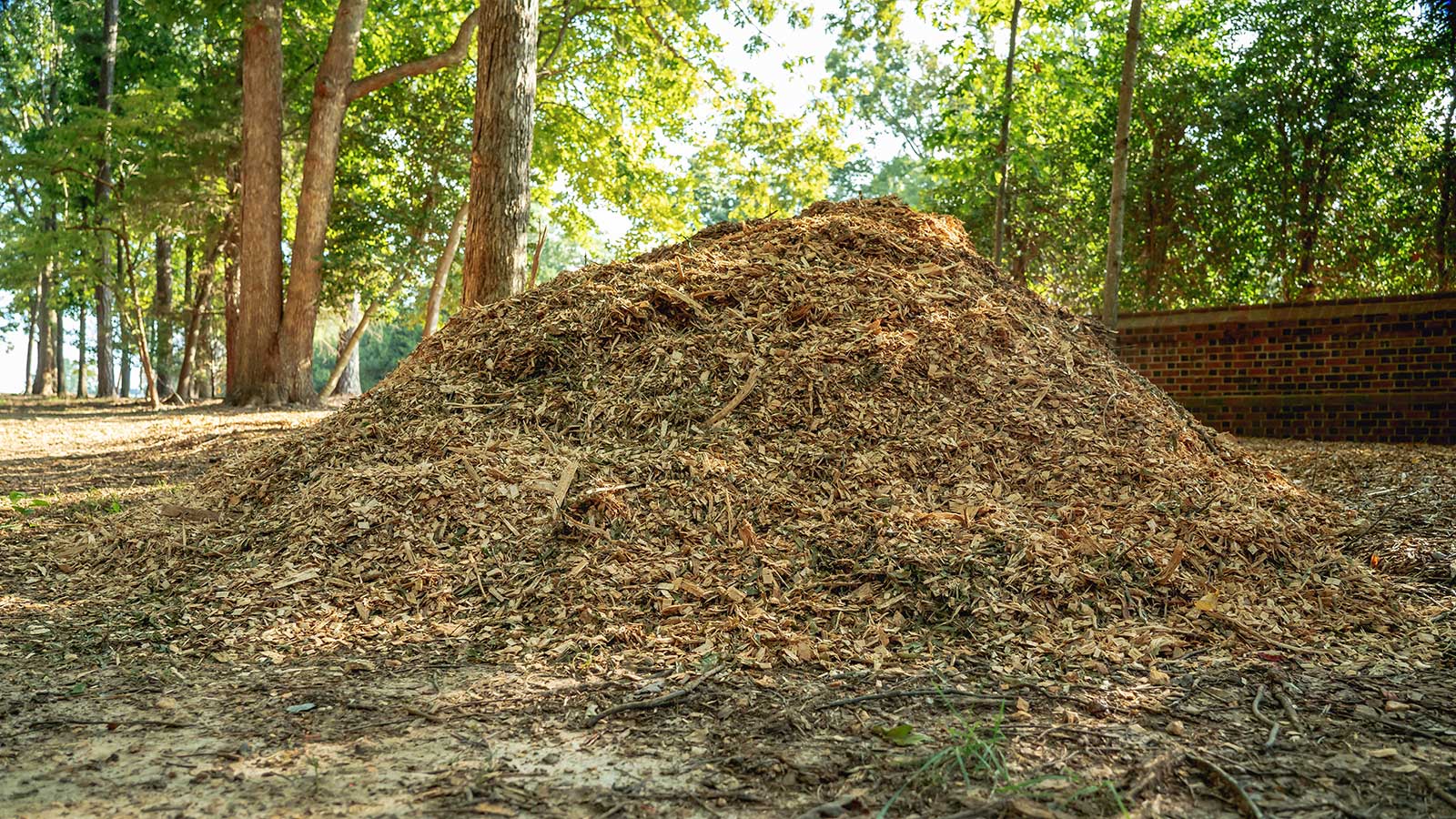
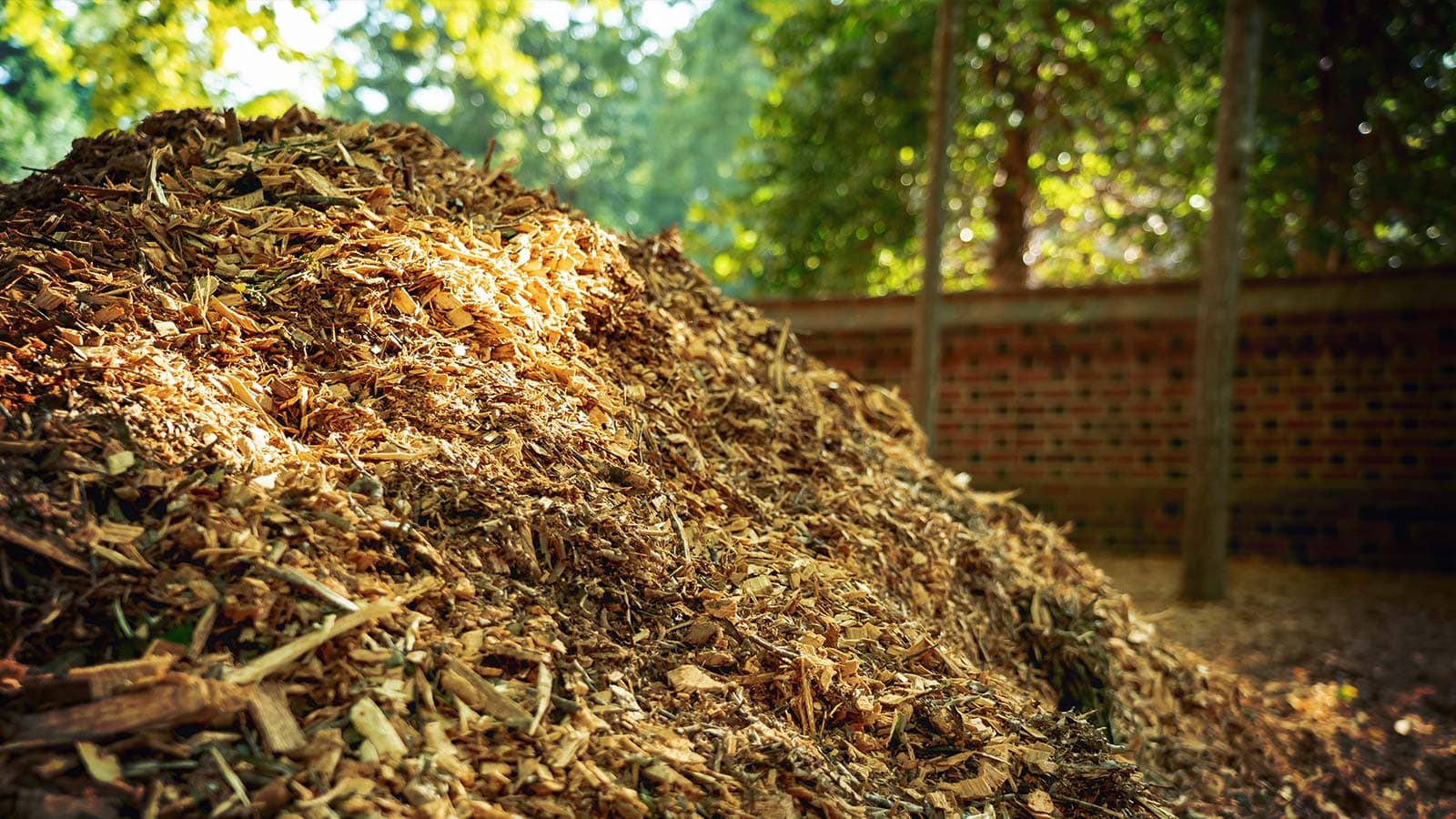
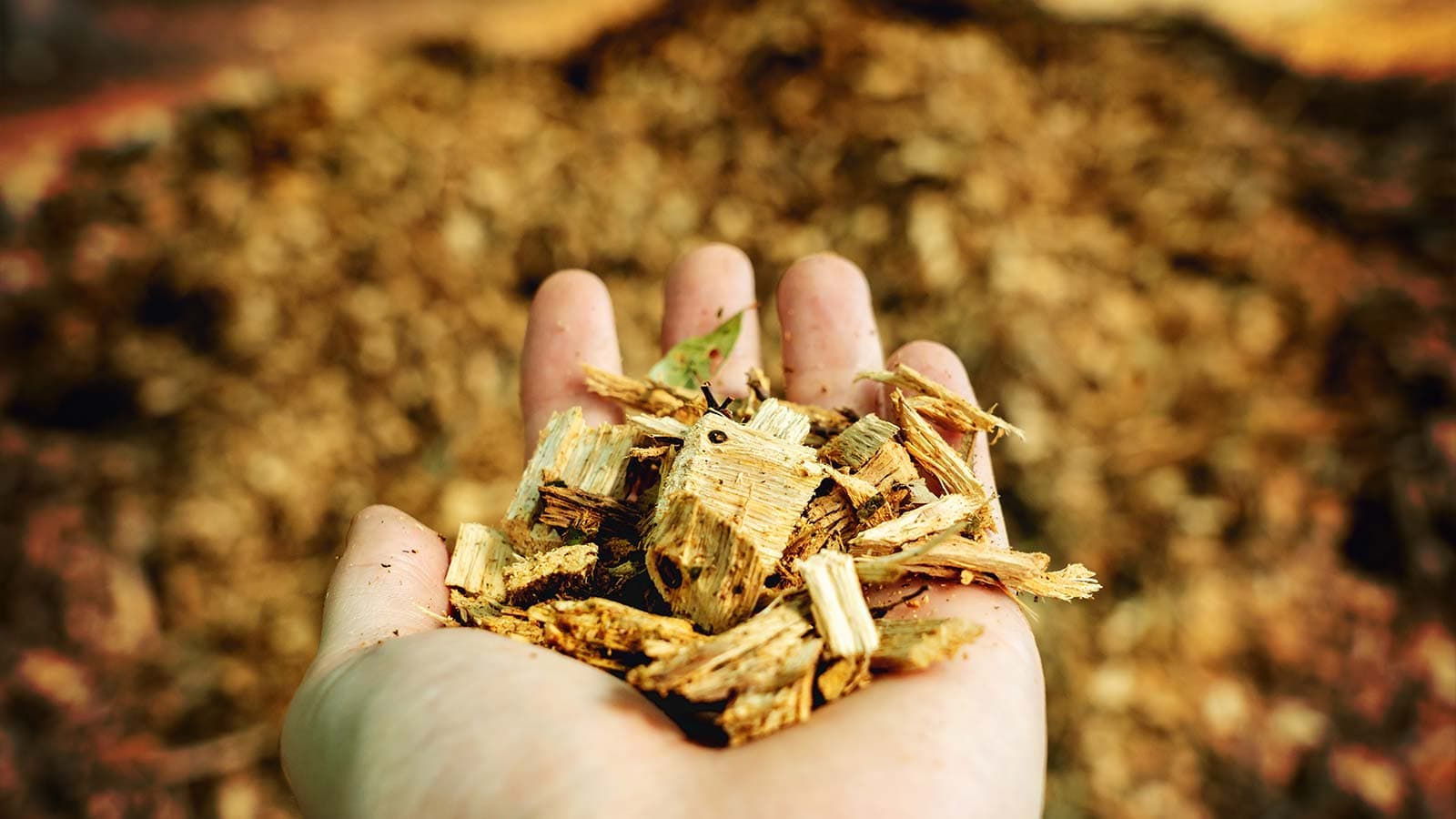
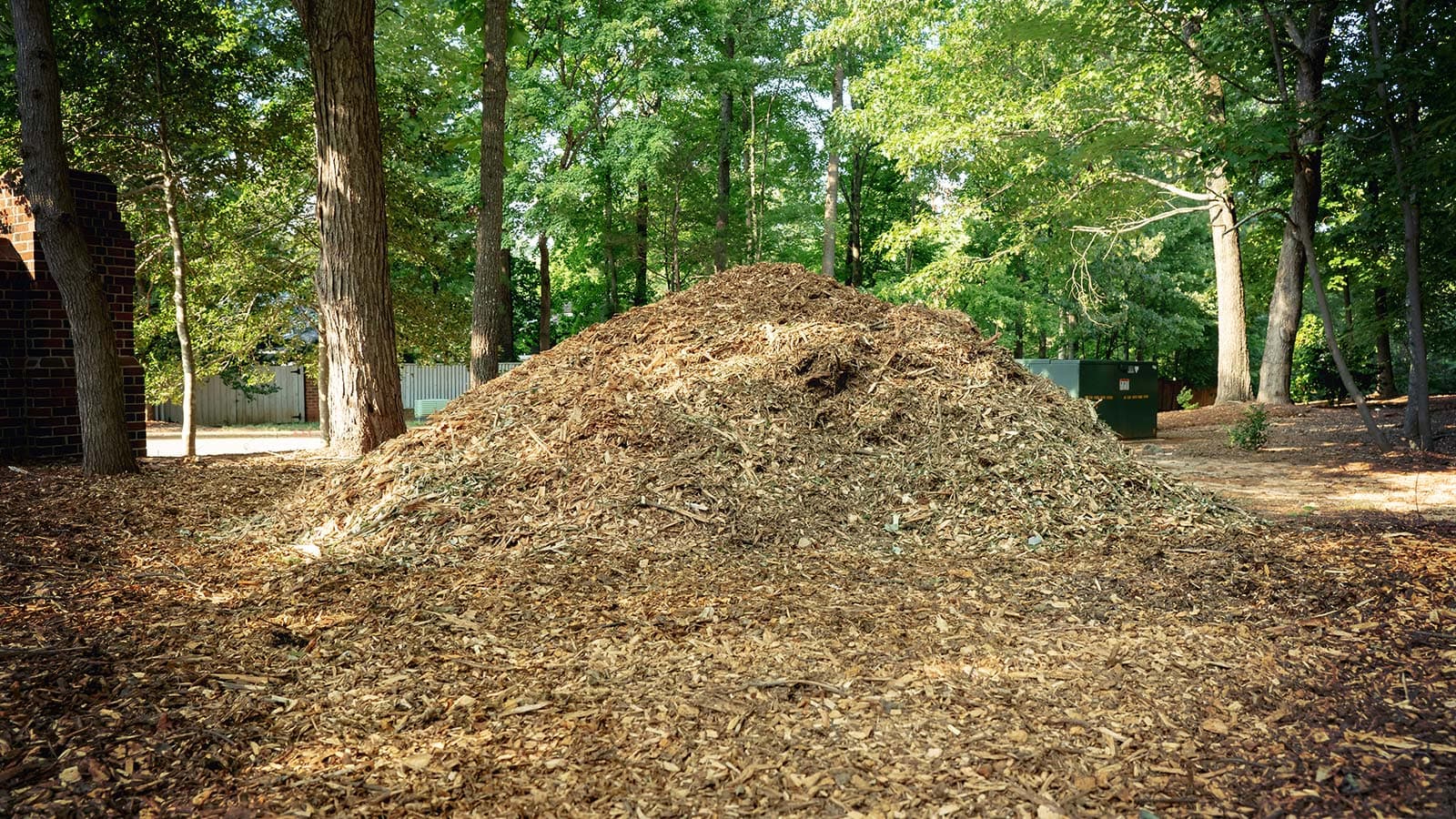
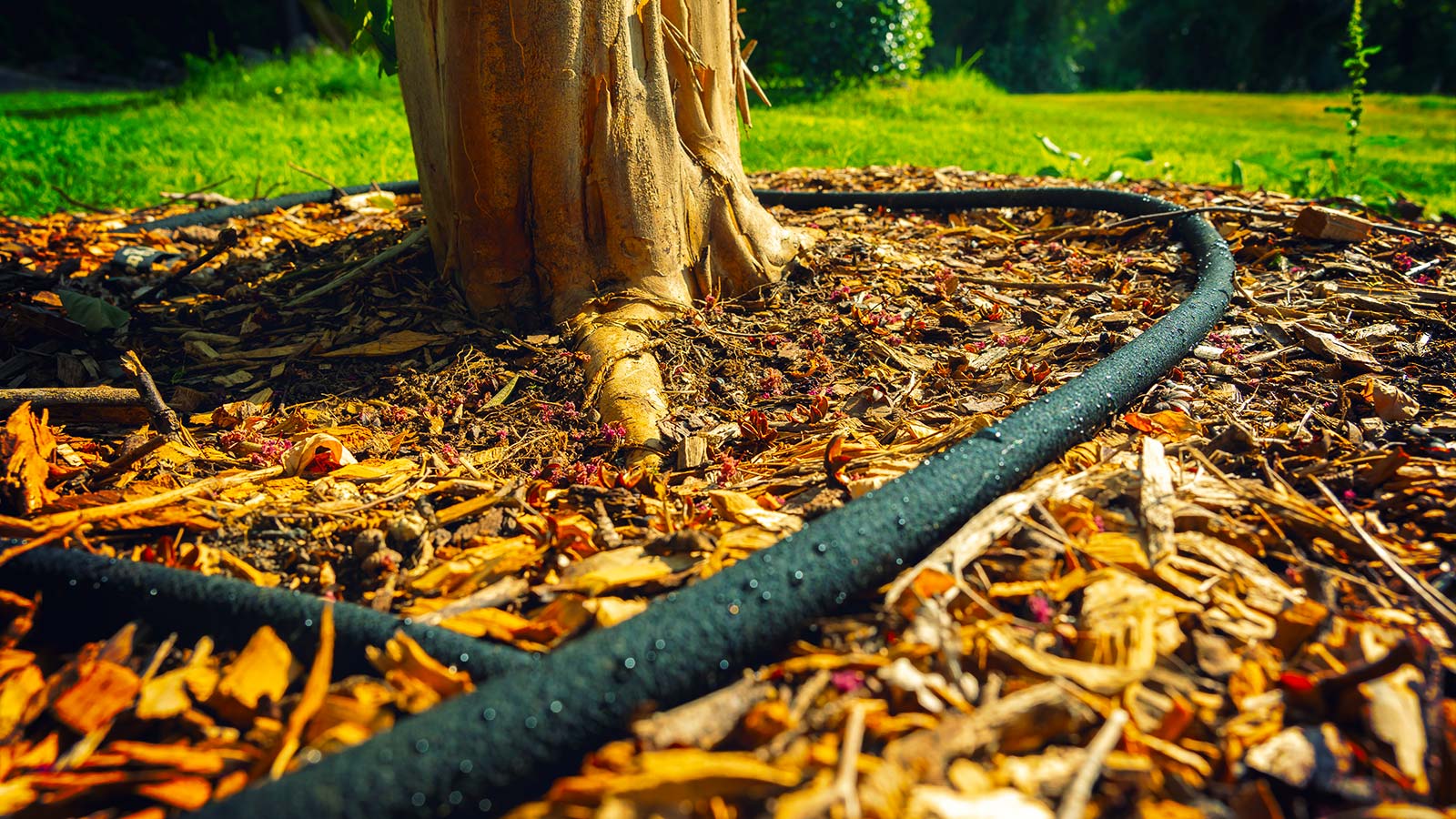
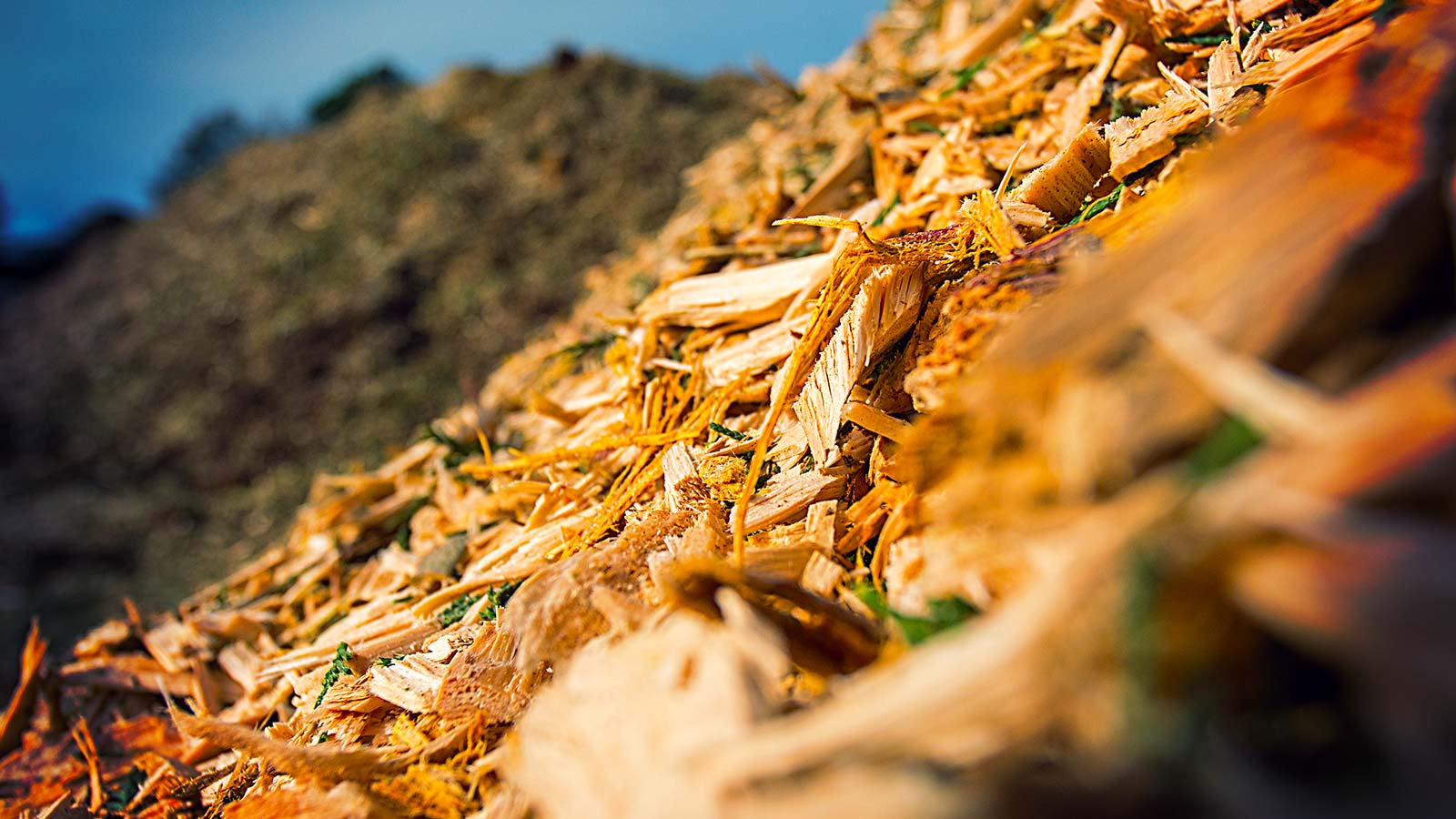
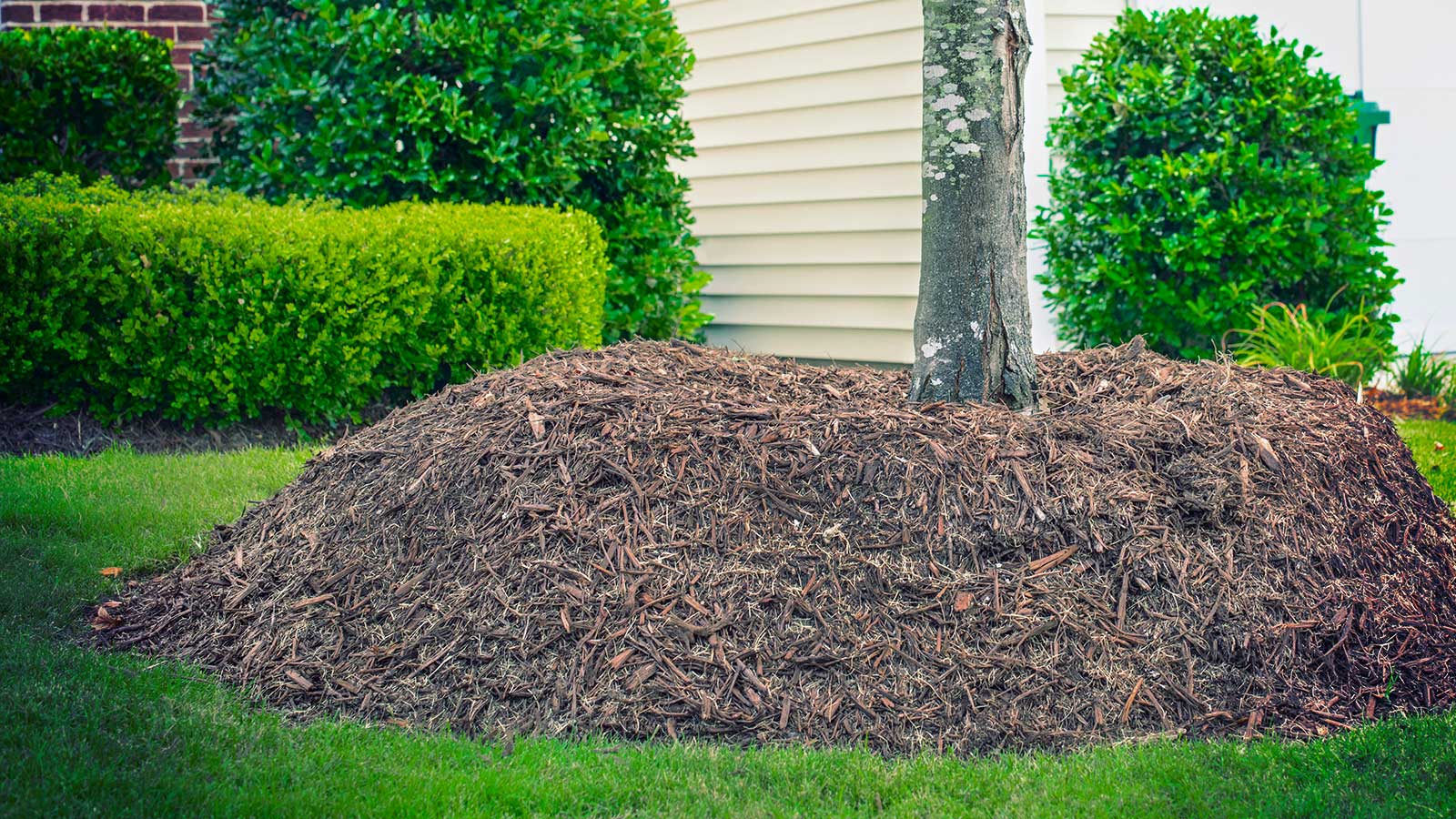
The final step is a blanket of wood chip mulch, two to four inches deep. That blanket does the same work that decades of fallen leaves would do on a forest floor. Another added layer: leaving fallen leaves beneath the canopy instead of raking them.
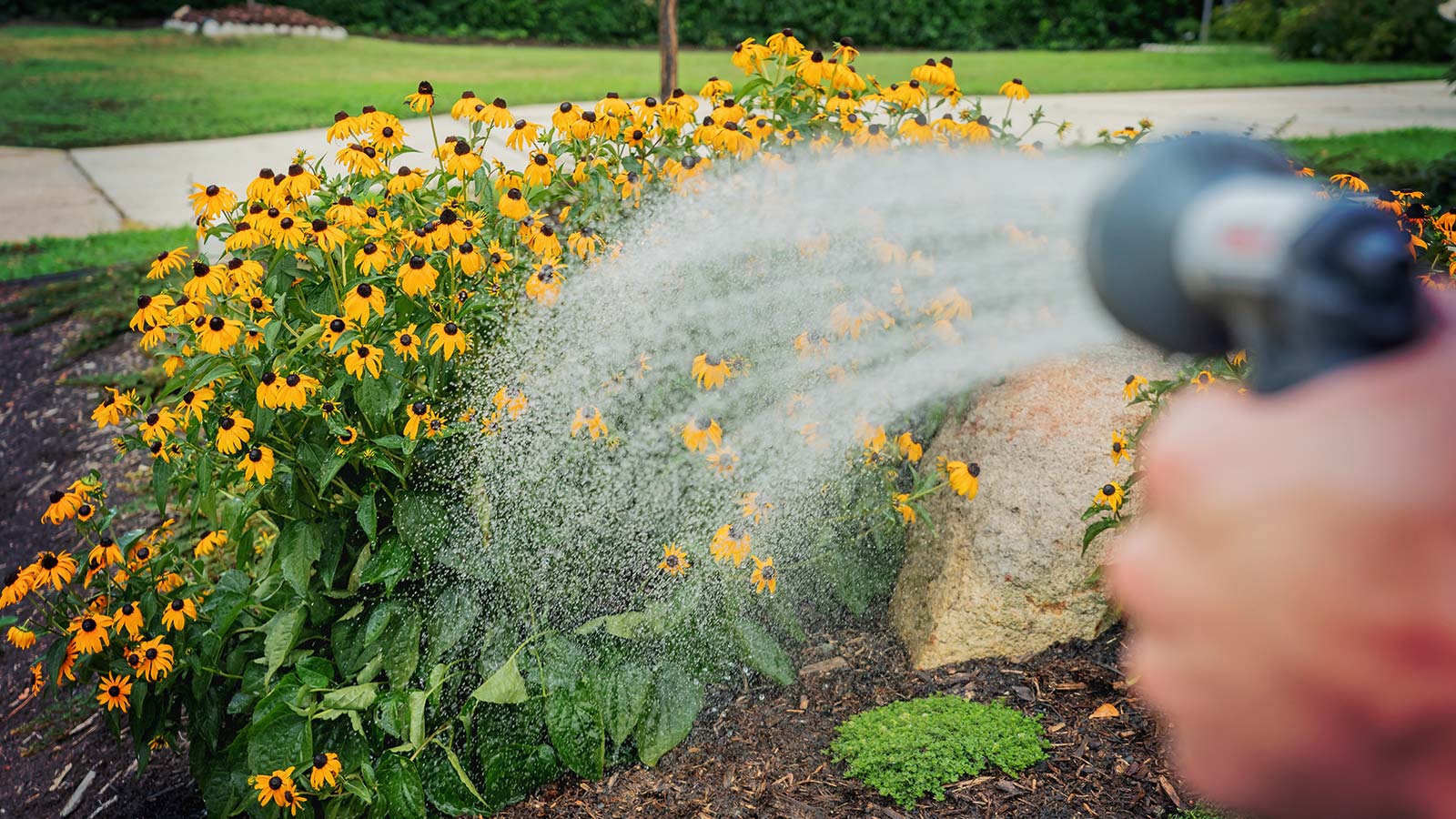
When conditions are very dry (but restrictions don't limit usage), use a soaker hose beneath the mulch layer to deliver water directly where it's needed instead of losing it to evaporation — especially crucial during drought.
Soil bursting with life is always vital to the health of your trees and shrubs. However, as extreme weather like drought becomes increasingly common, that healthy soil matters even more for sustaining your trees and shrubs long term.
Ready to help your trees become more resilient? Reach out to our Treecologists — we’d love to help give your trees and shrubs a boost during this challenging weather.