7 Ways to Help Your Trees and Shrubs During (and After) a Drought
Watering isn't where drought resilience starts. These are the soil-first steps that actually help.
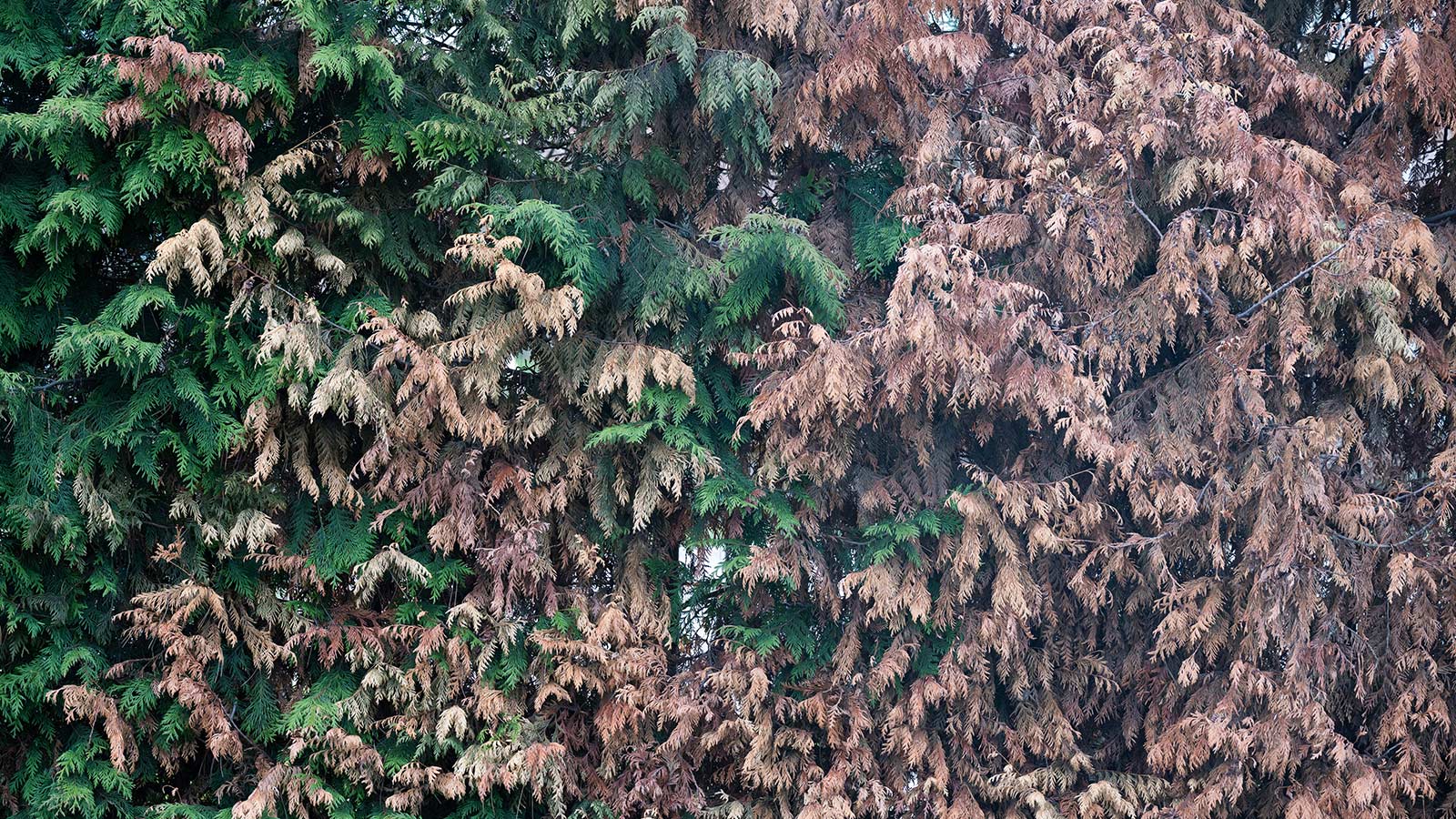
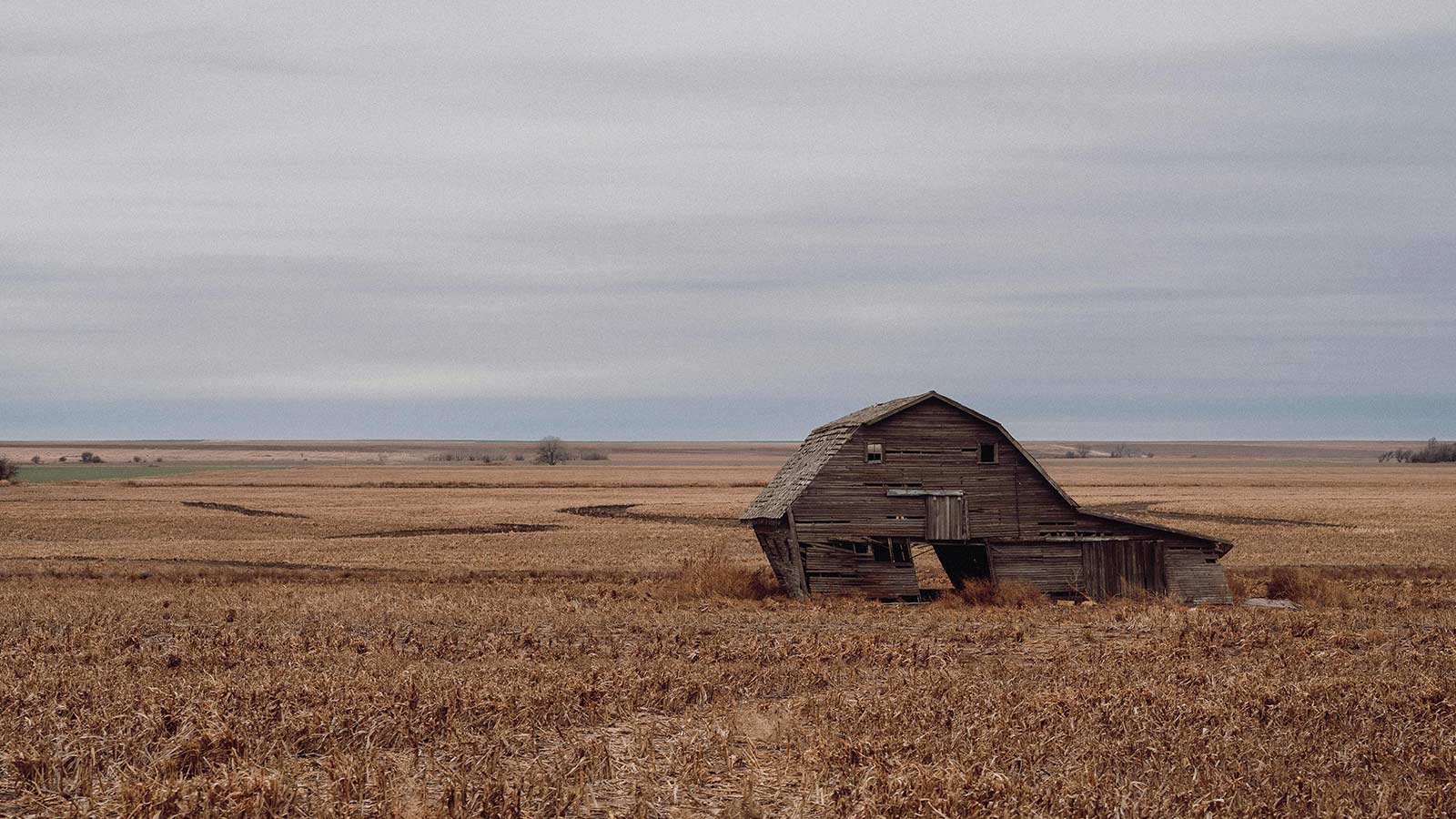
Right now, across Raleigh, Durham, and Chapel Hill, trees are already feeling this drought. This spring was the driest on record (and the records go way back to 1895), and we haven't seen much rain since.
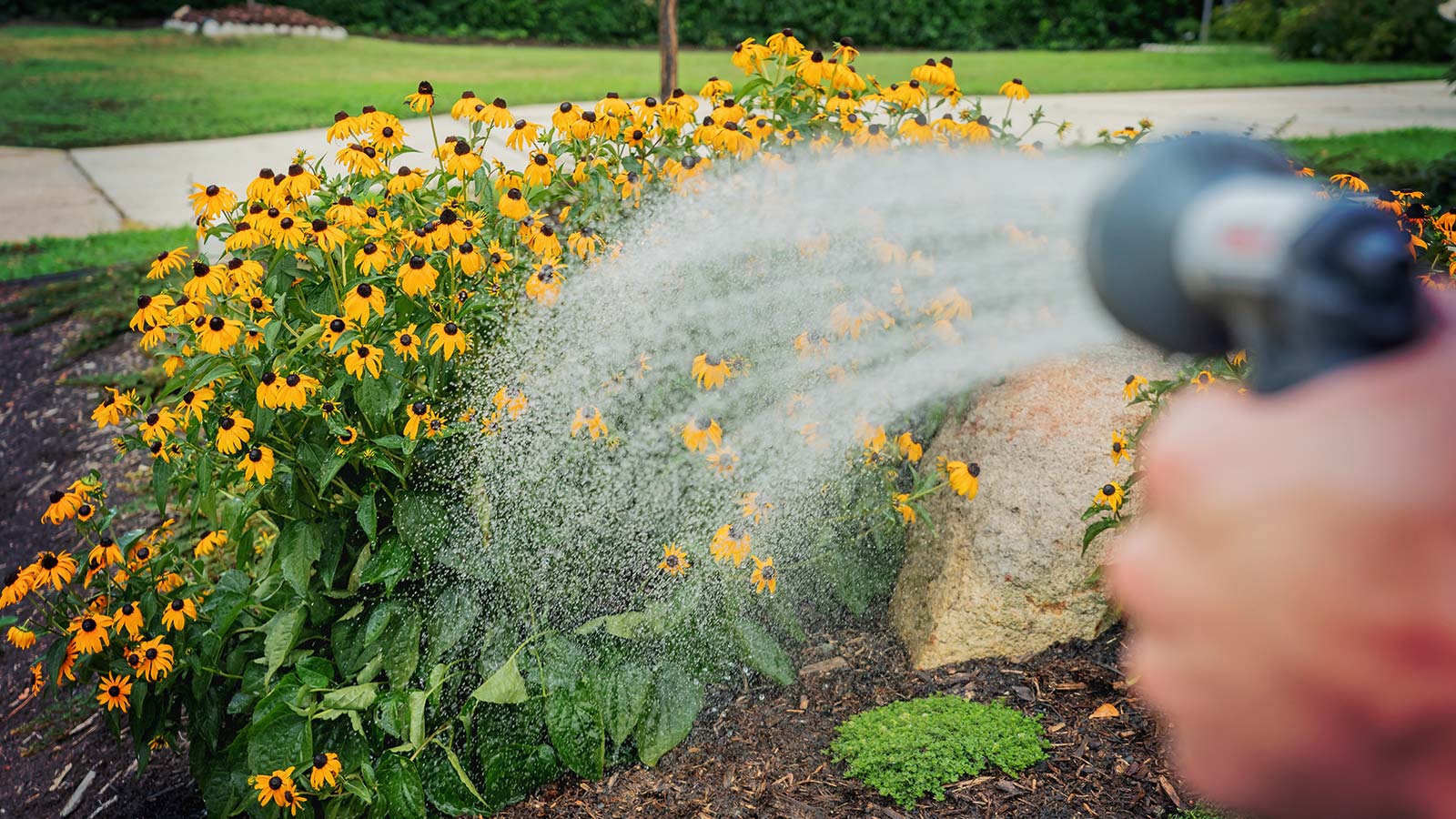
Here's the counterintuitive part: the fix everyone reaches for first, watering, isn't where drought resilience actually starts. It starts with the soil. And the work to rebuild that soil is something you can start this week, not next spring.
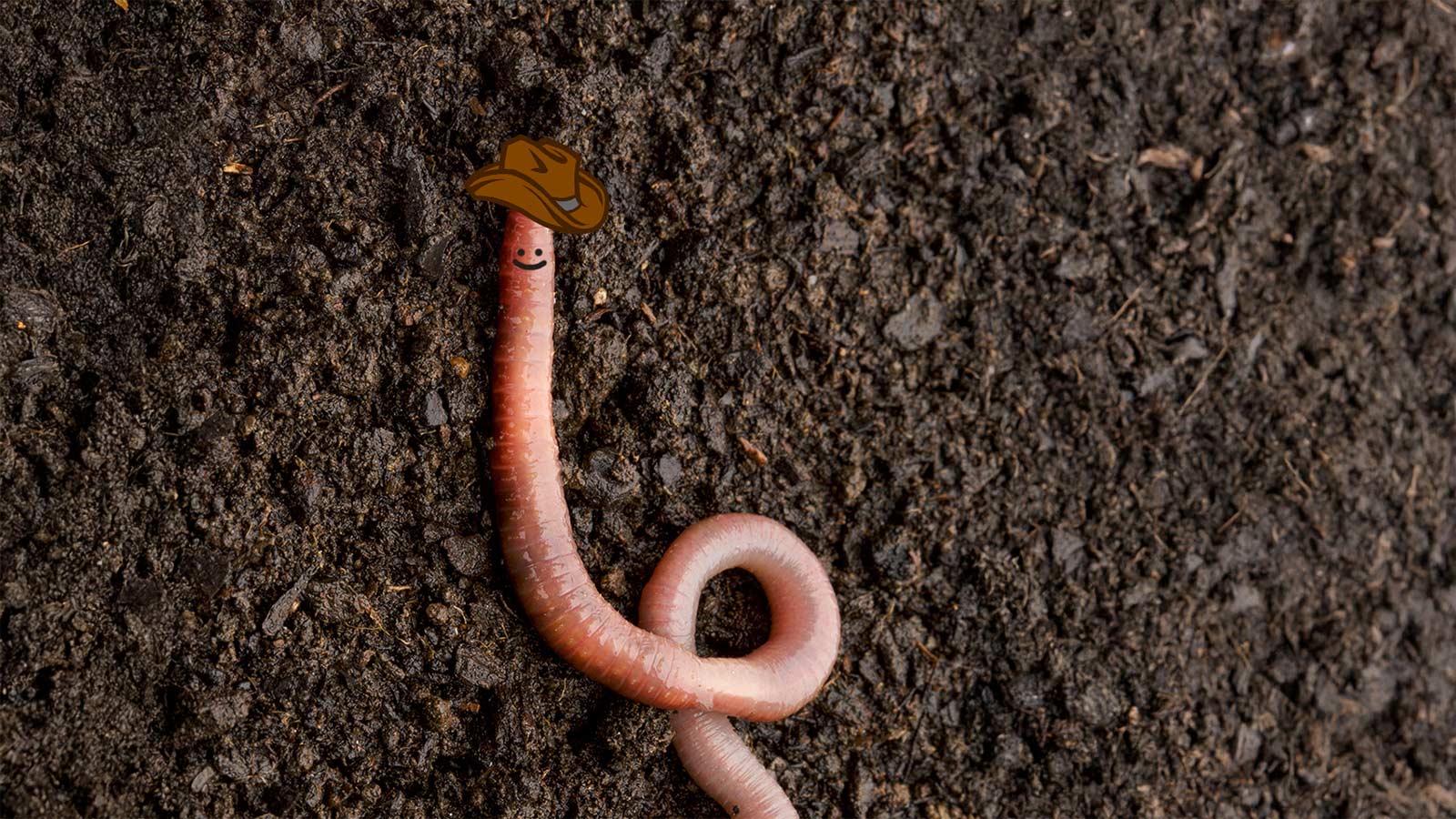
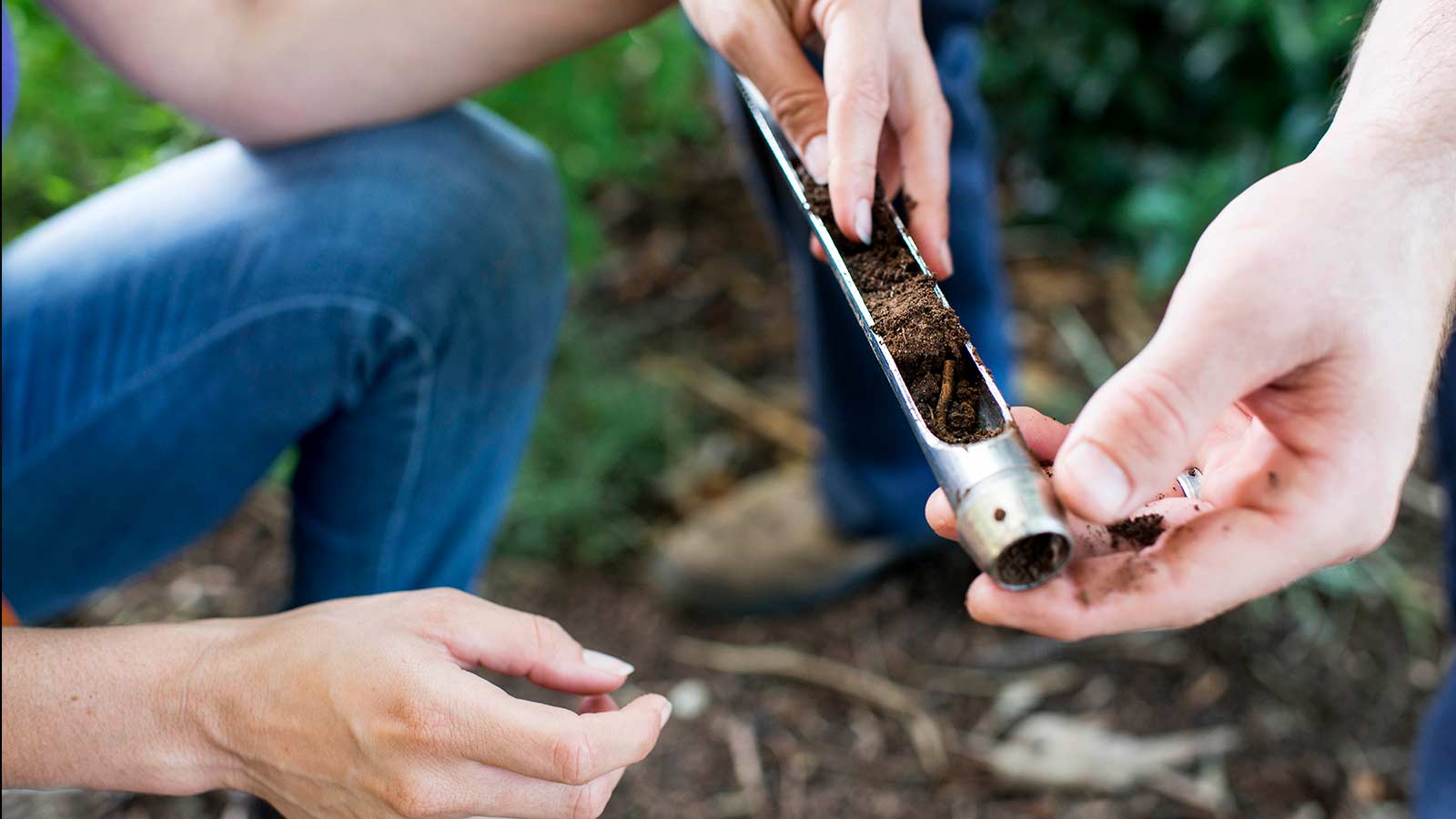
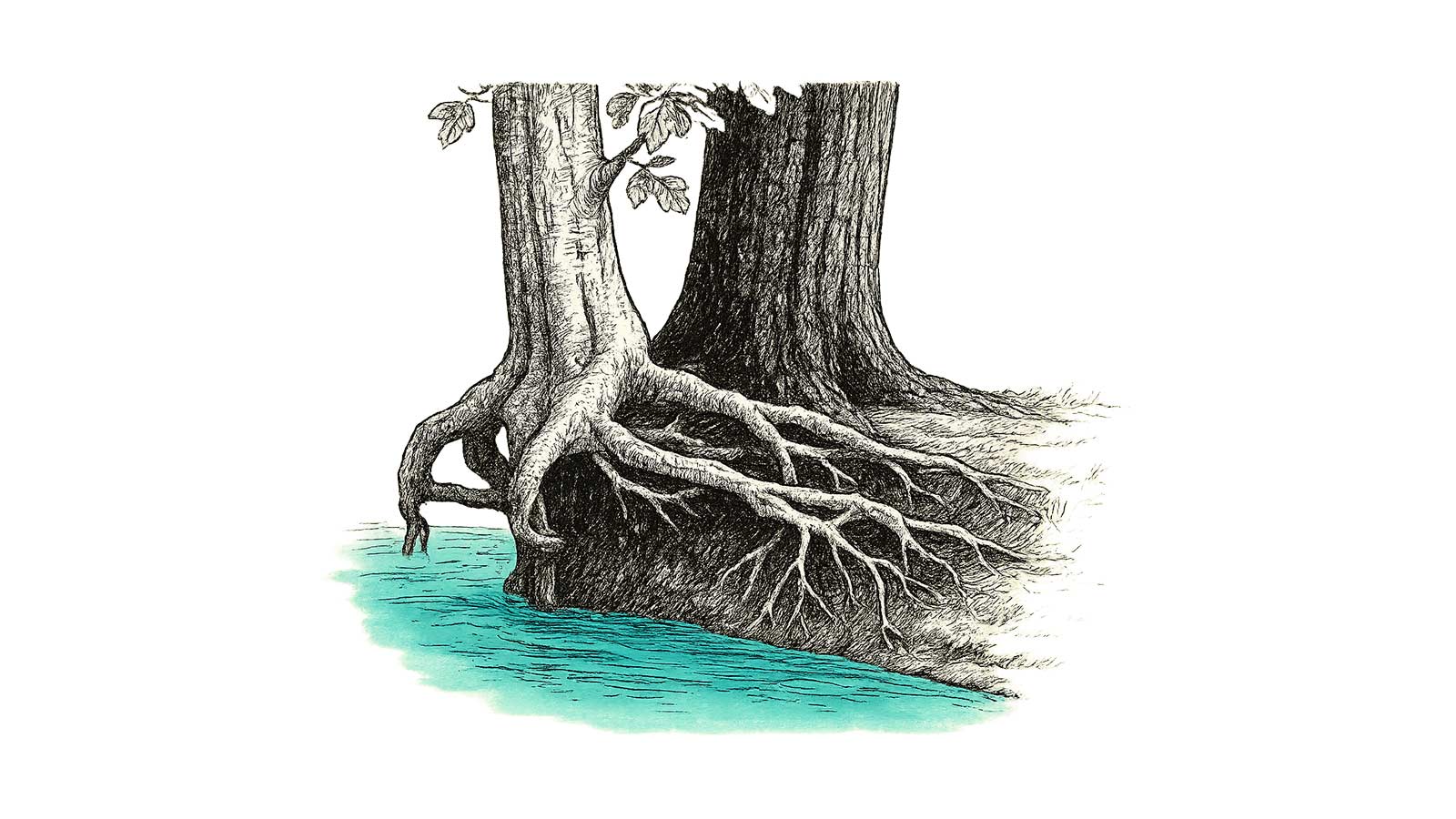
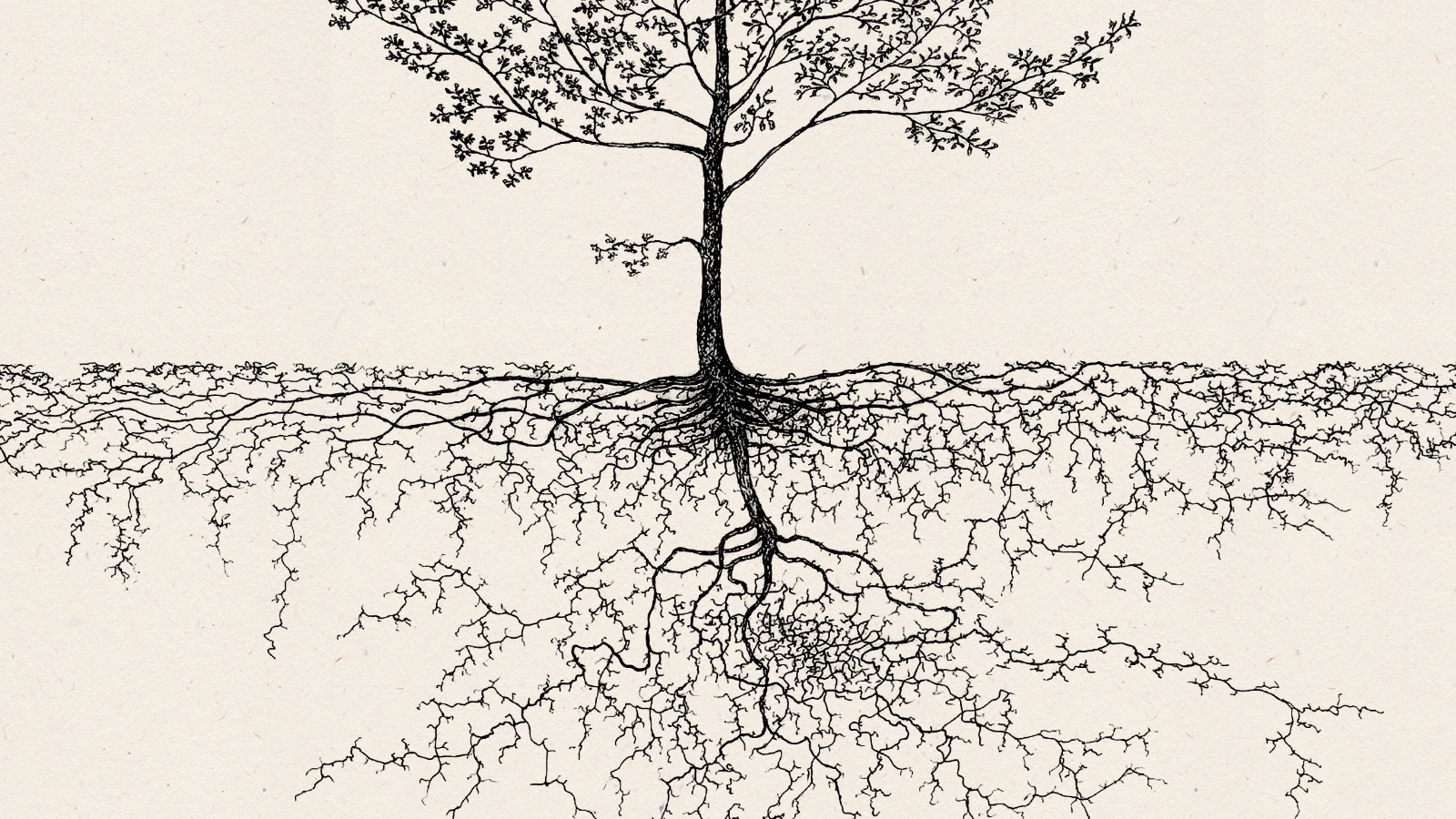
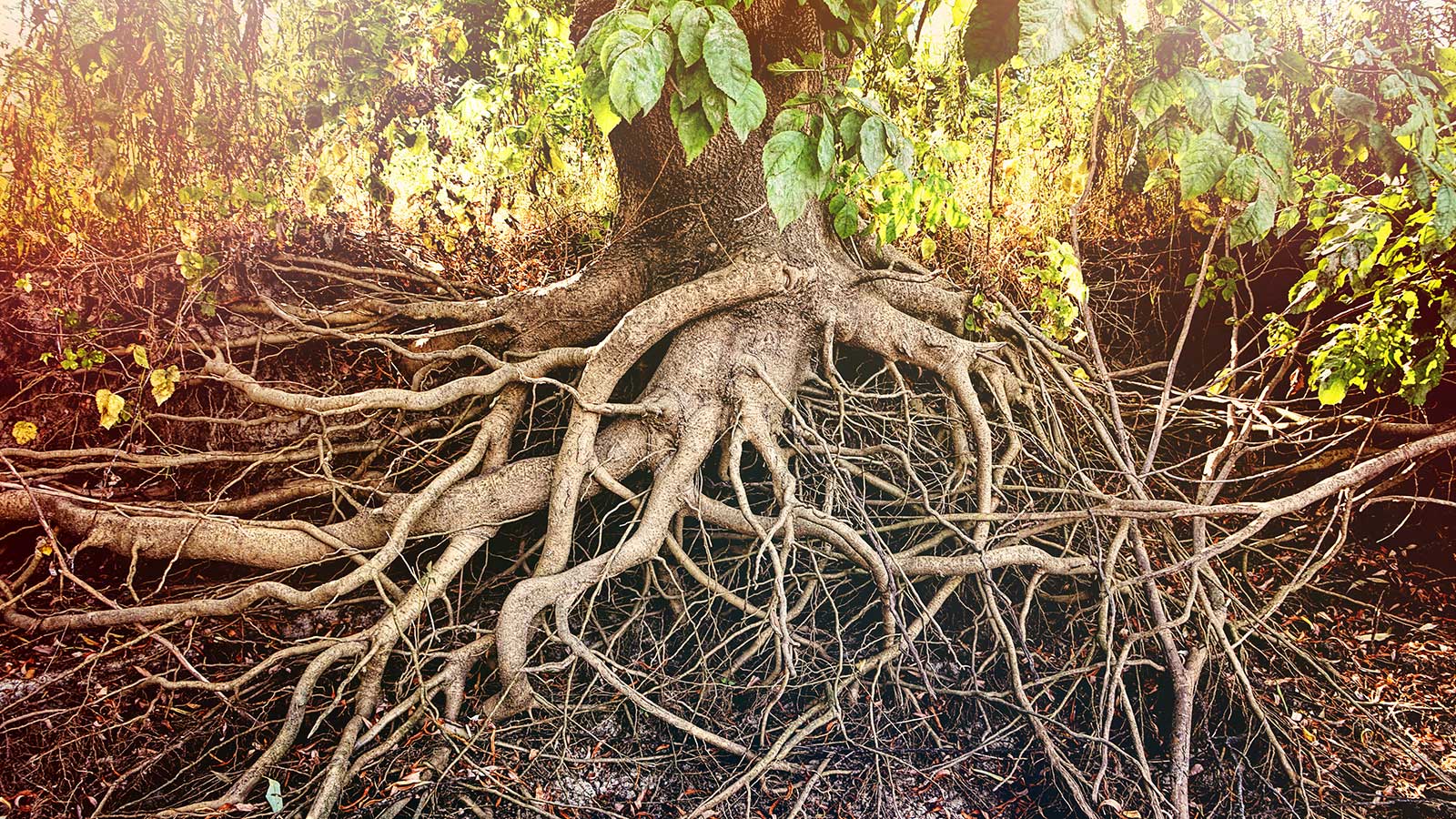
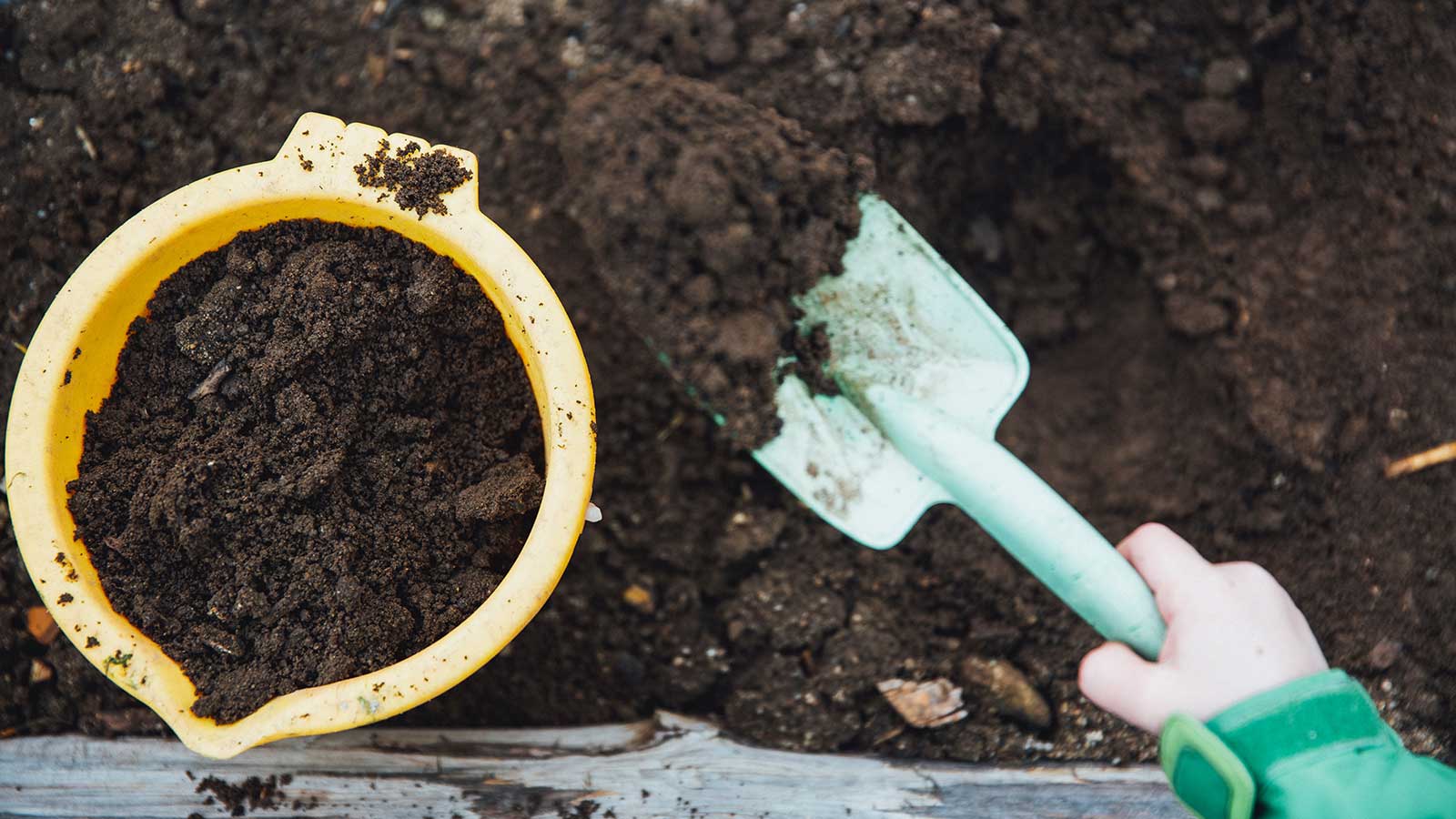
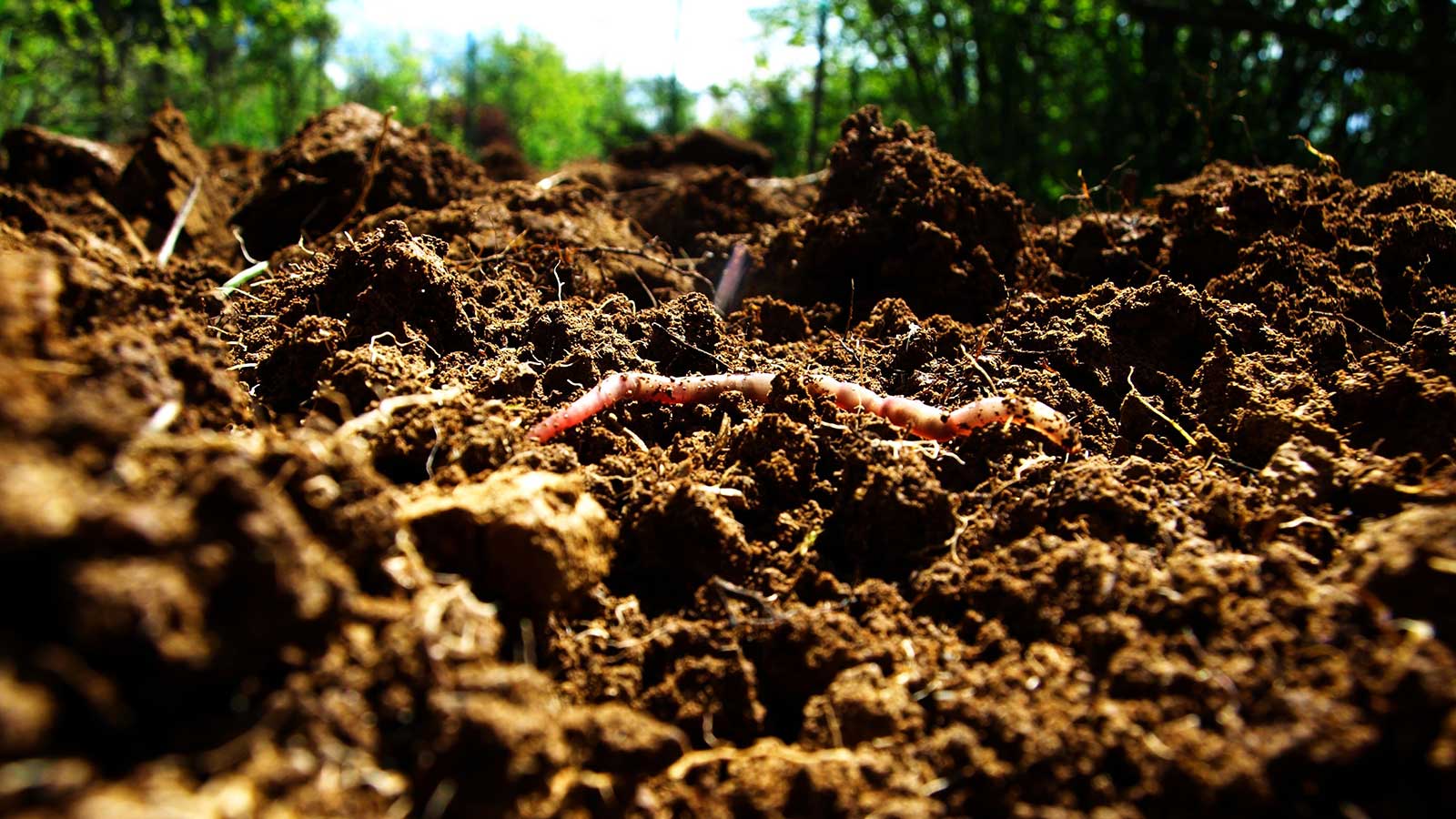
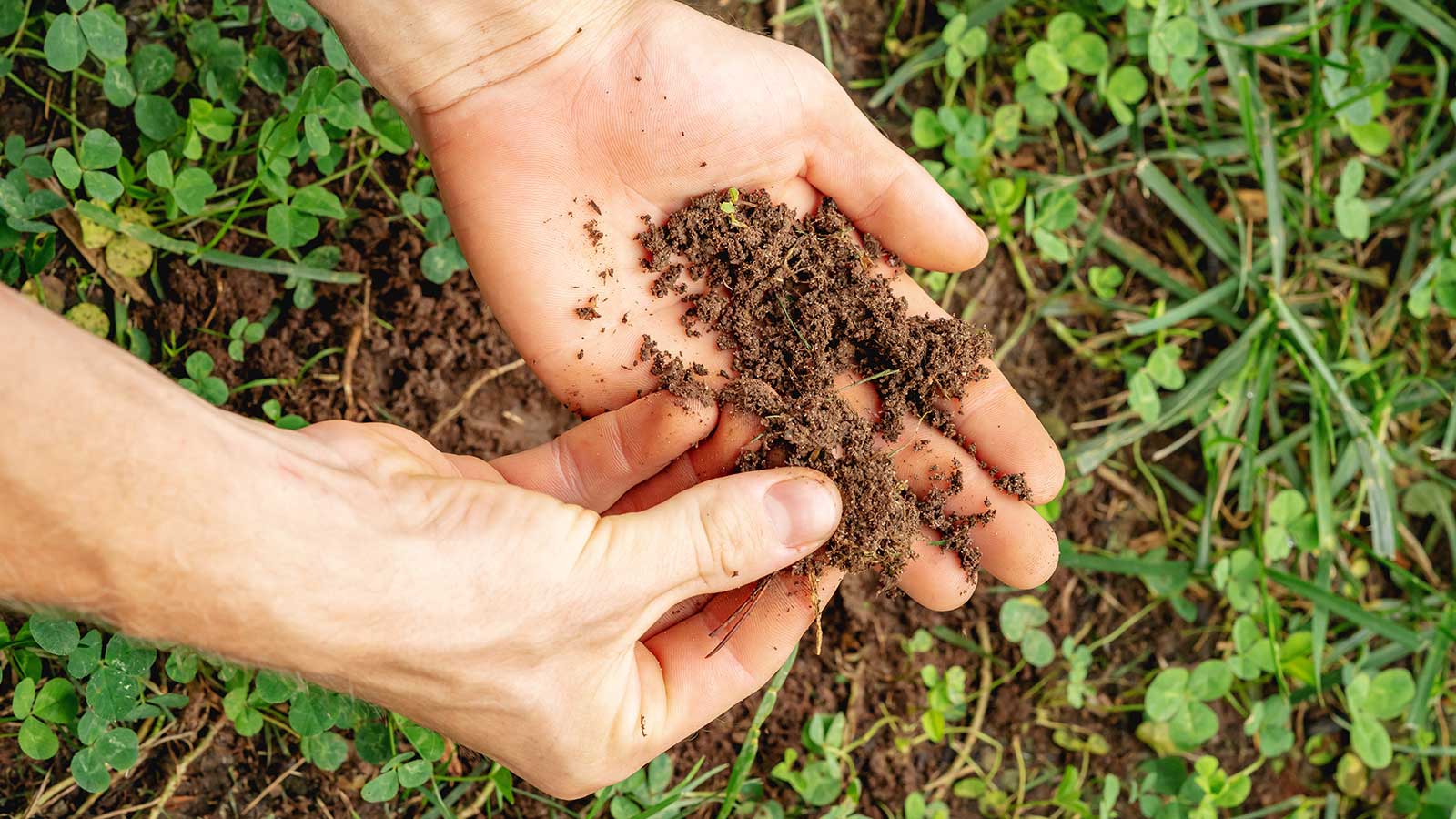
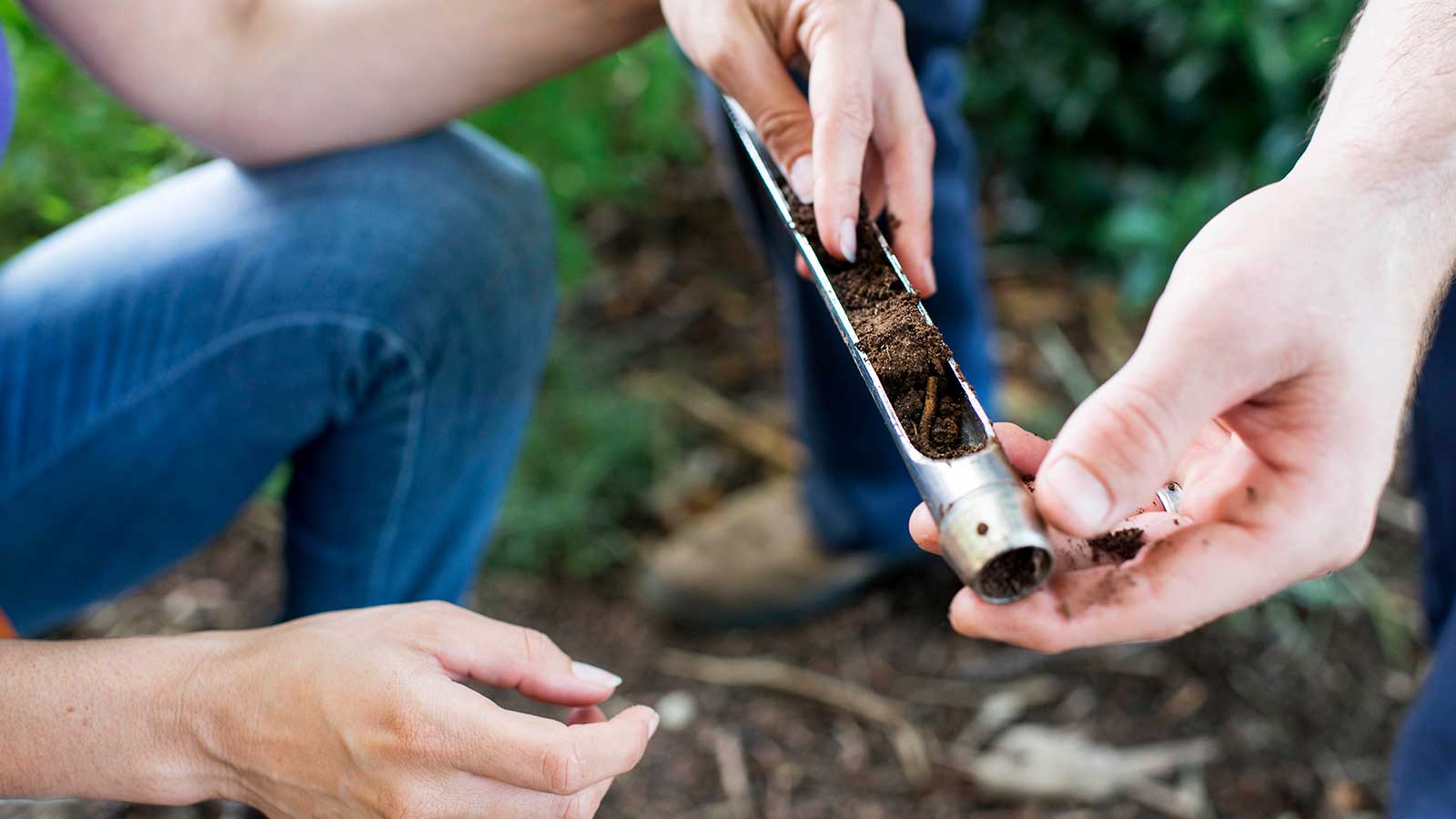
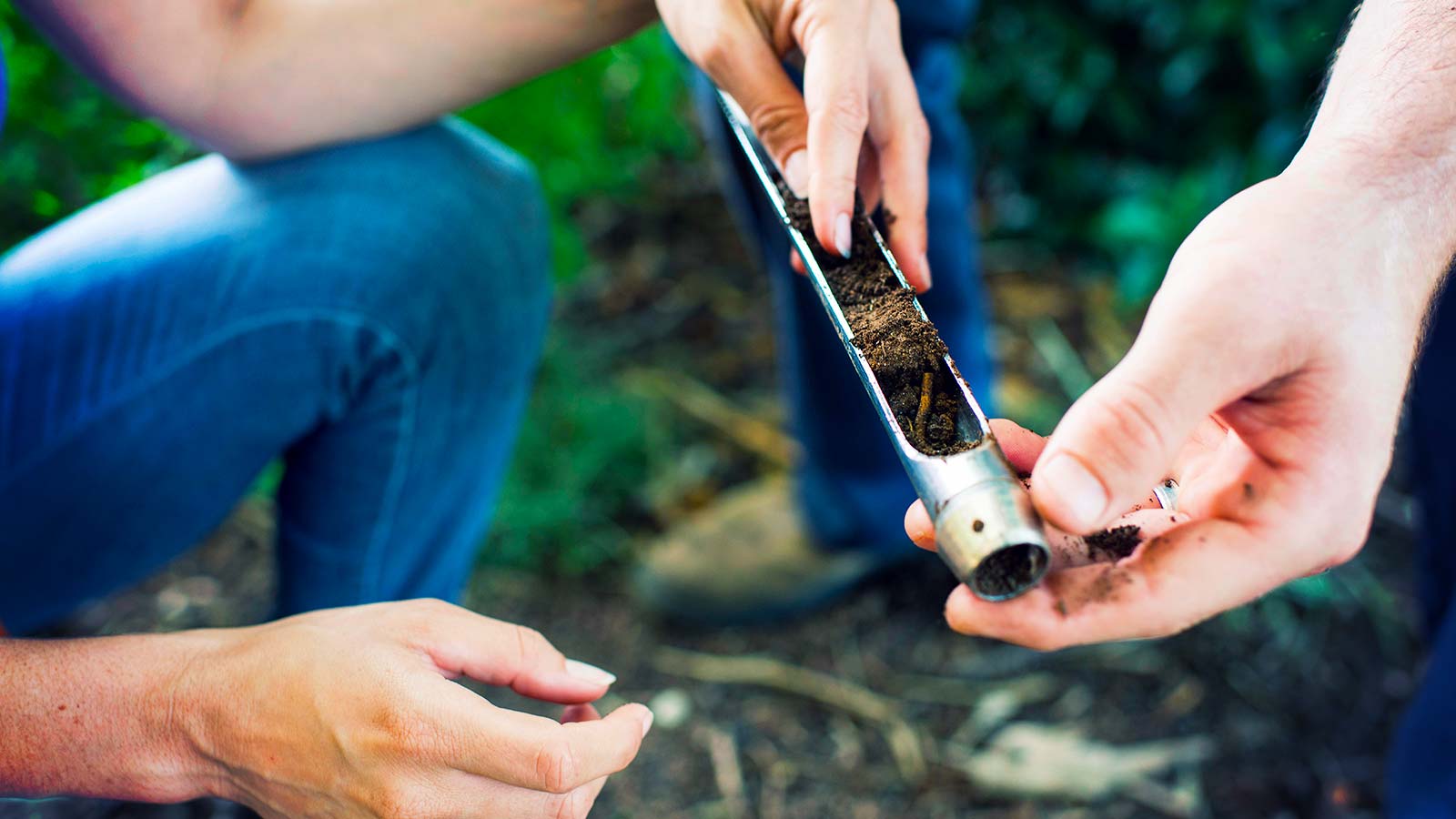
Compacted soil can't hold onto what little rain we do get. It just runs off before your trees get a sip. Healthy, organic-rich soil works more like a sponge, storing water underground so roots can draw on it for weeks after a storm.
Here's where to focus your energy first.
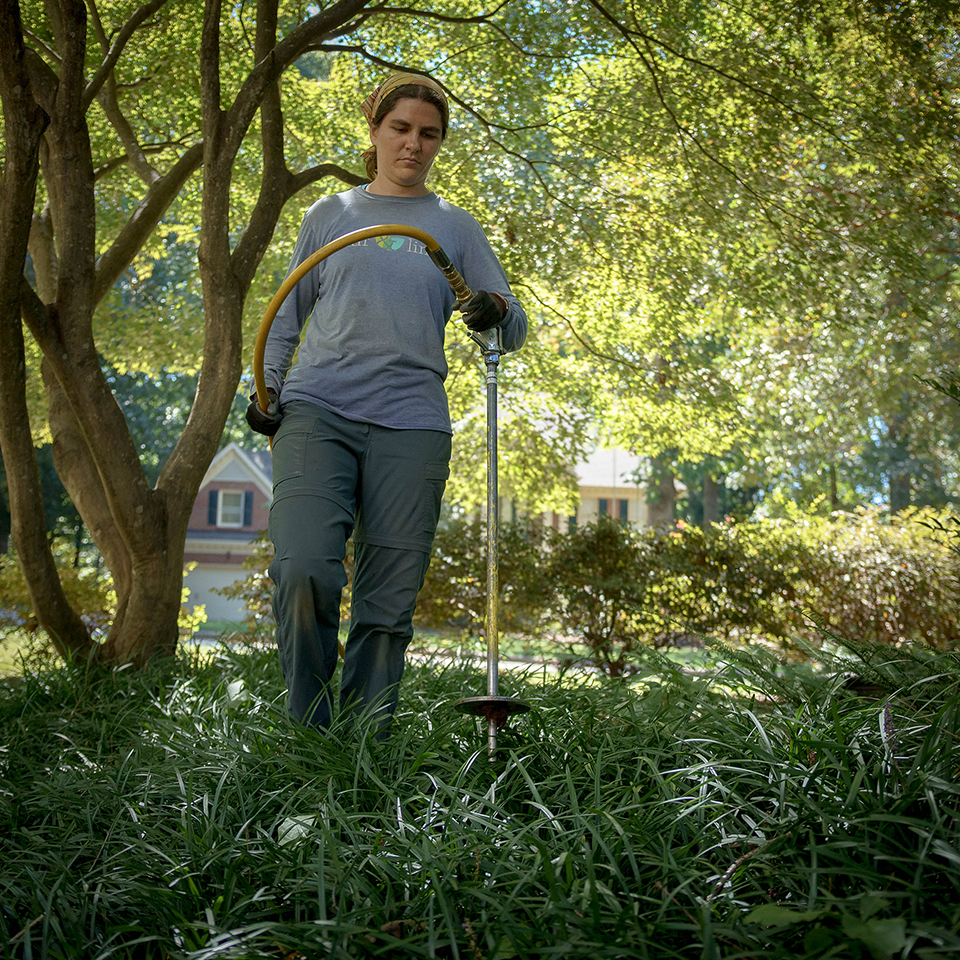
Apply Compost
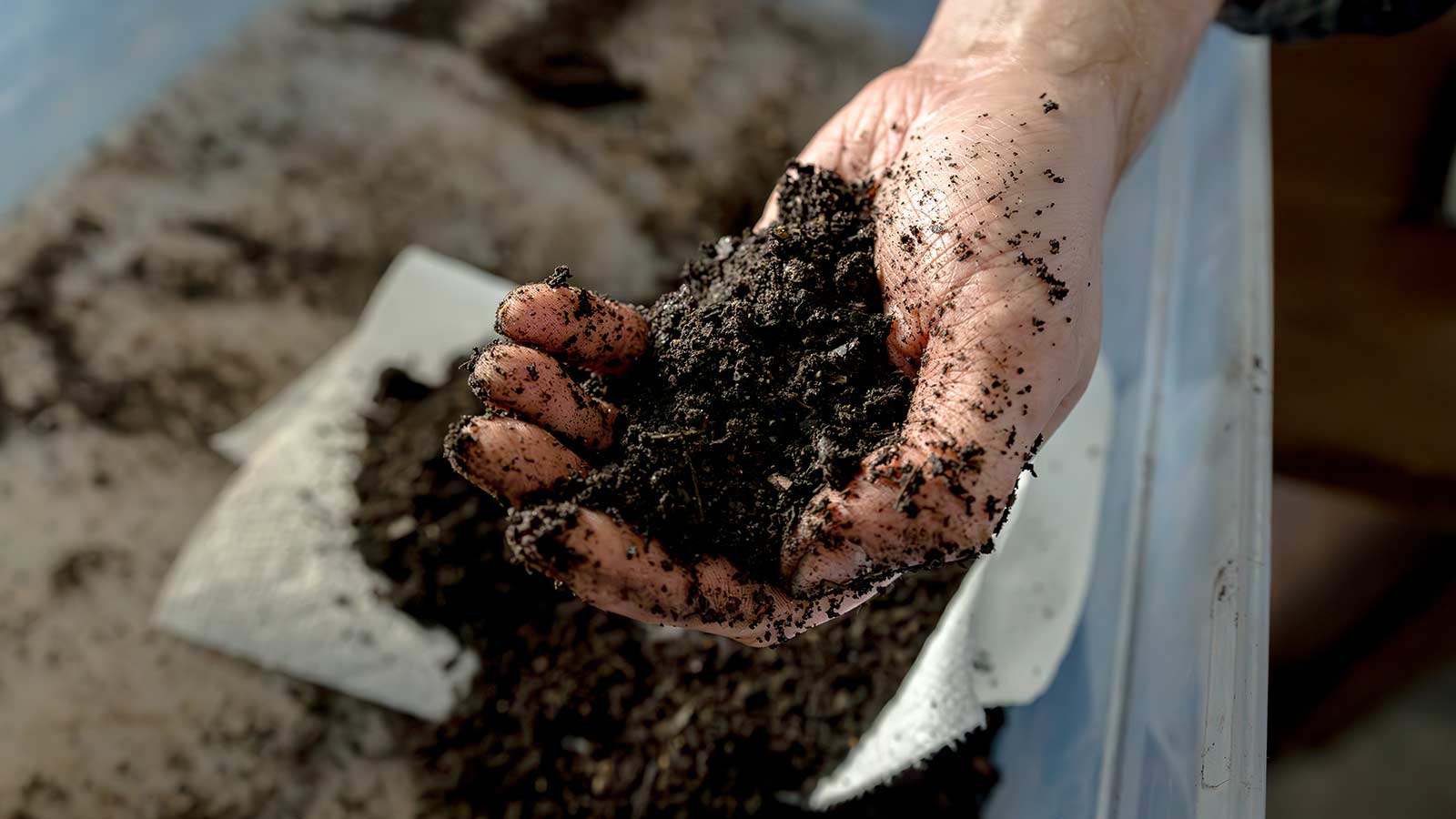
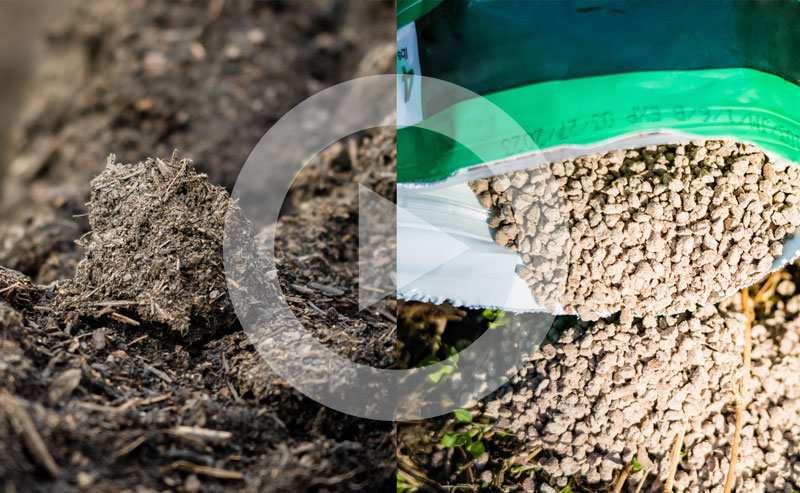
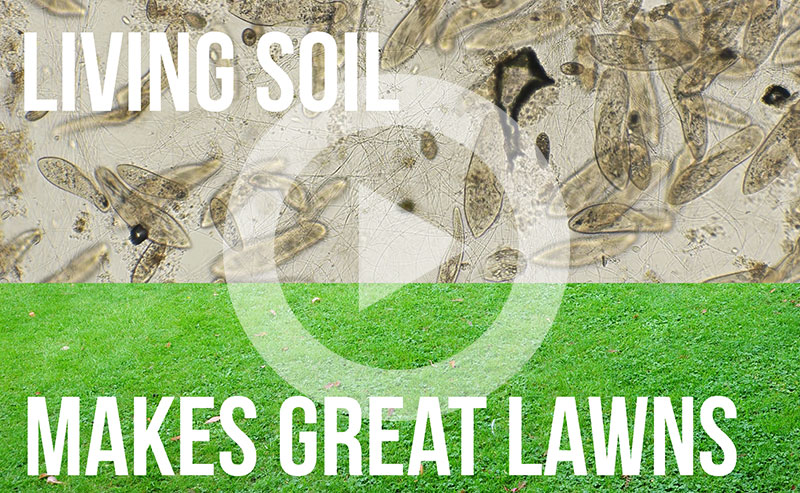
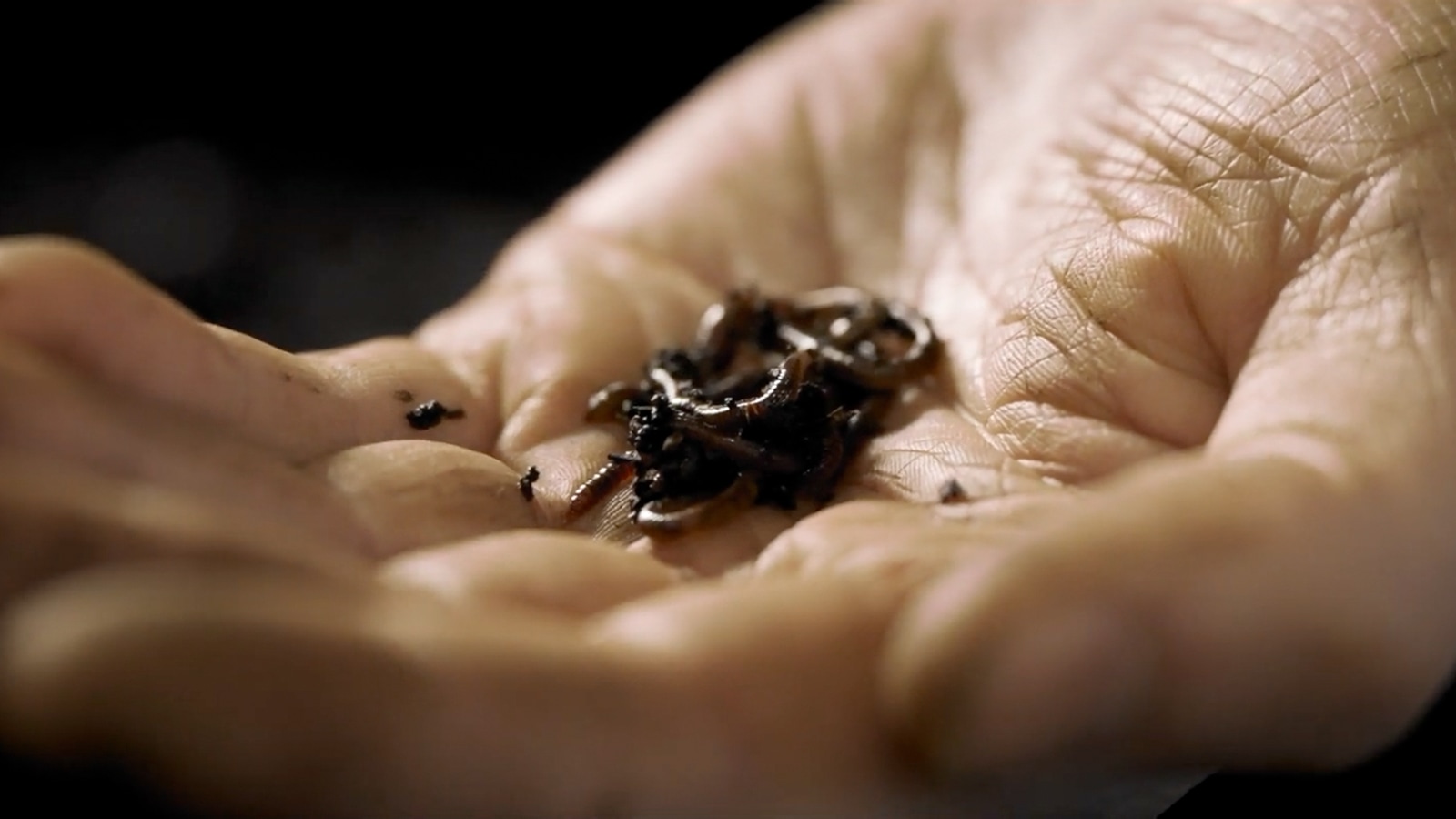
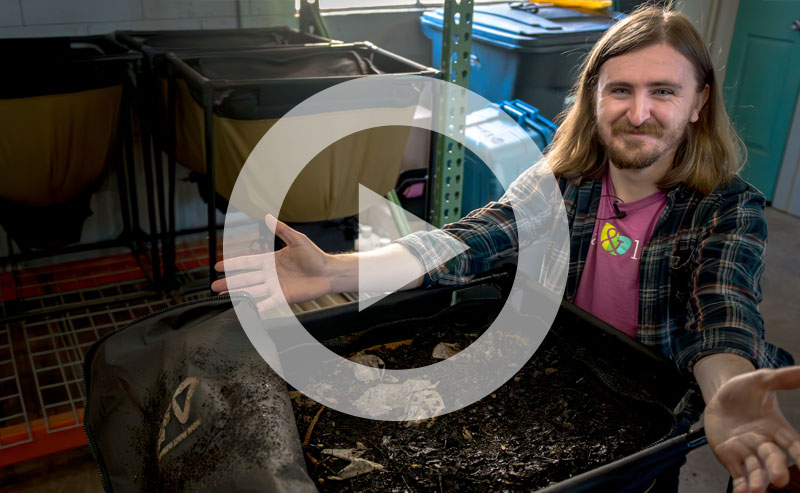
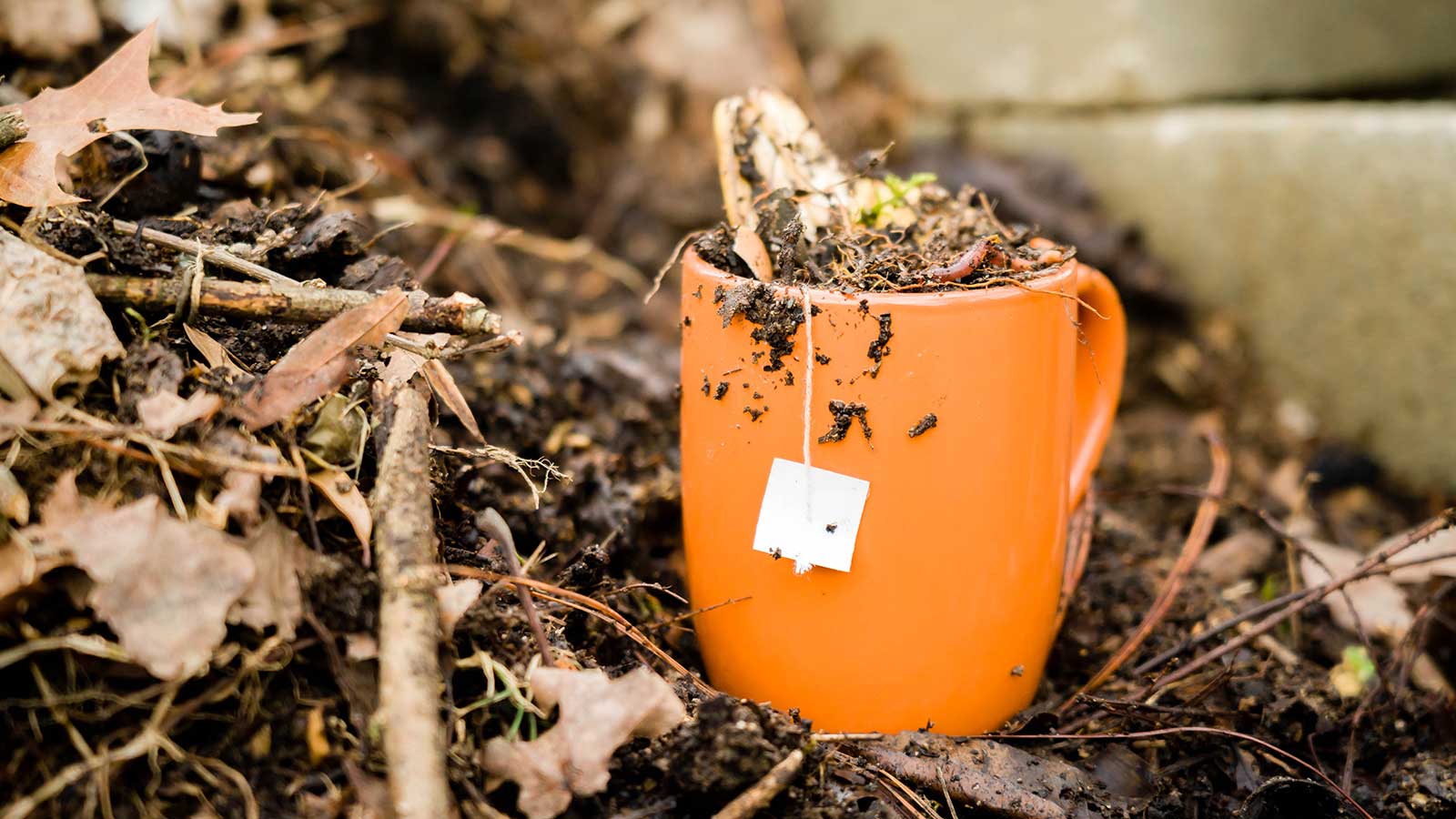
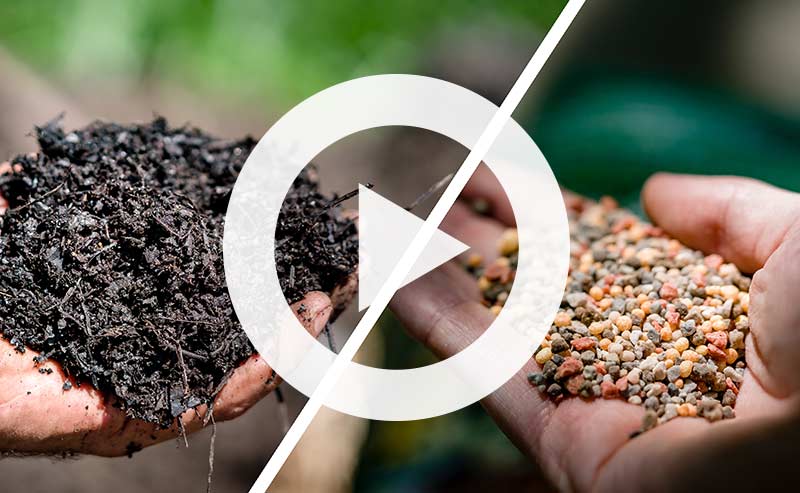
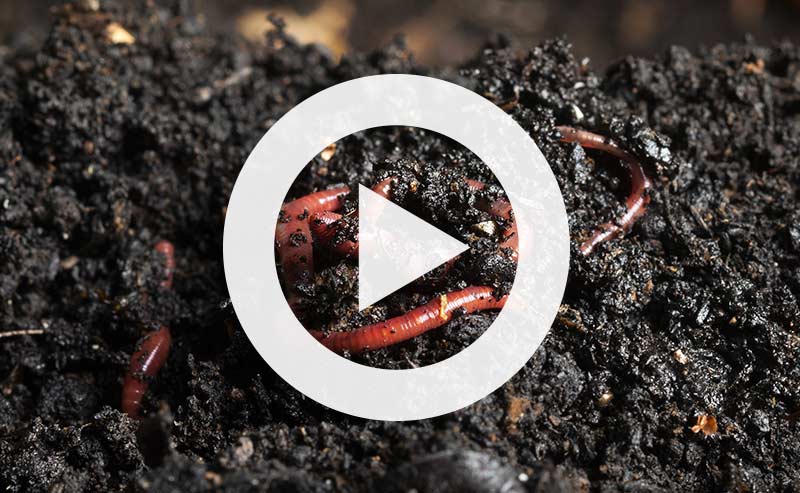
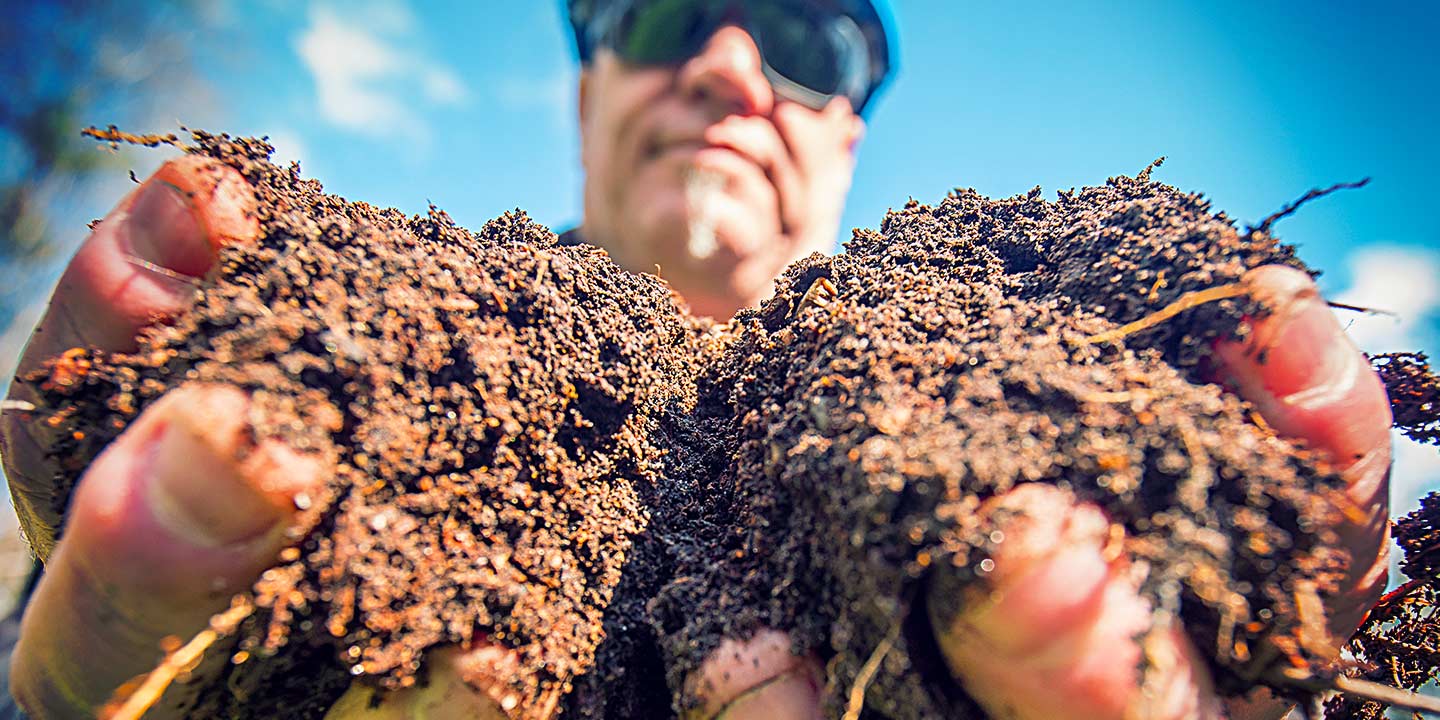
A liquid compost application delivers concentrated organic matter and beneficial microbes straight to the root zone, jumpstarting the soil's ability to hold water.
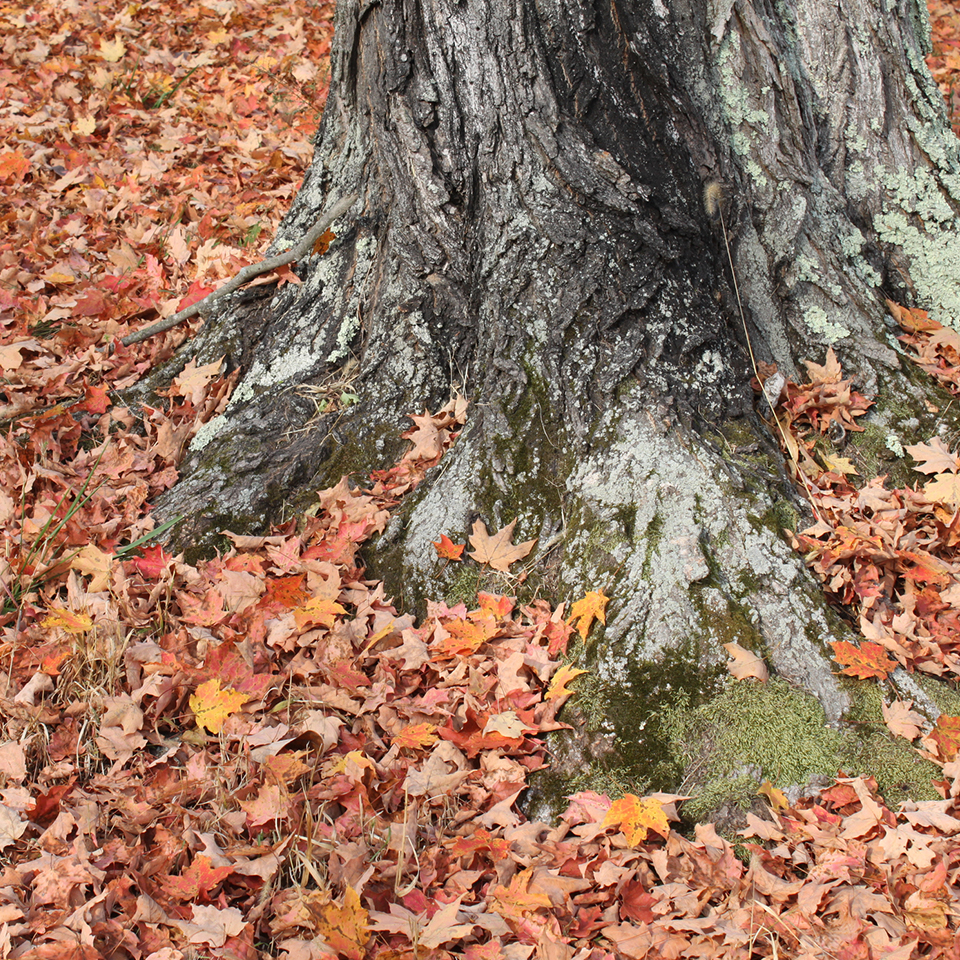
Leave the Leaves
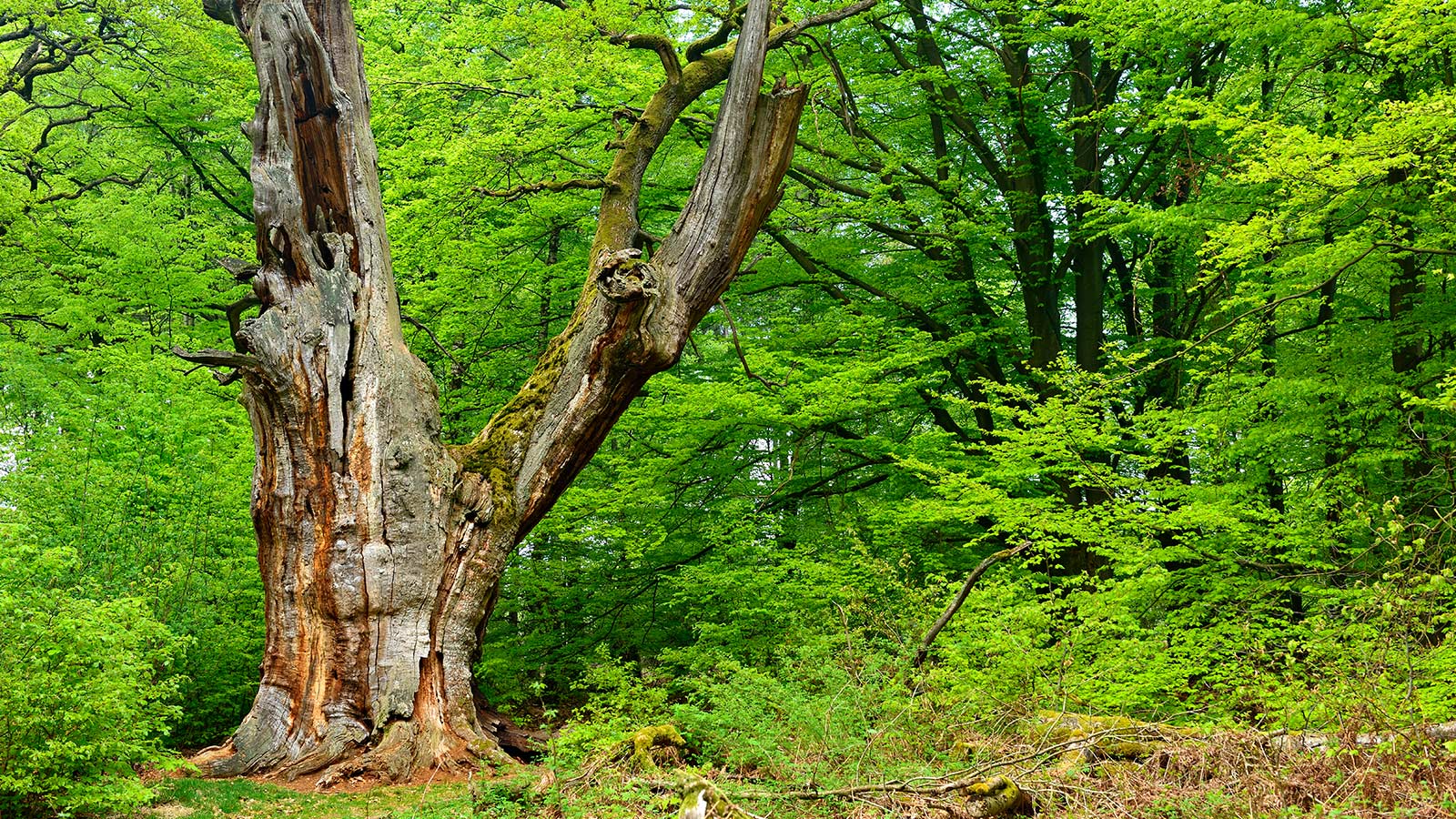
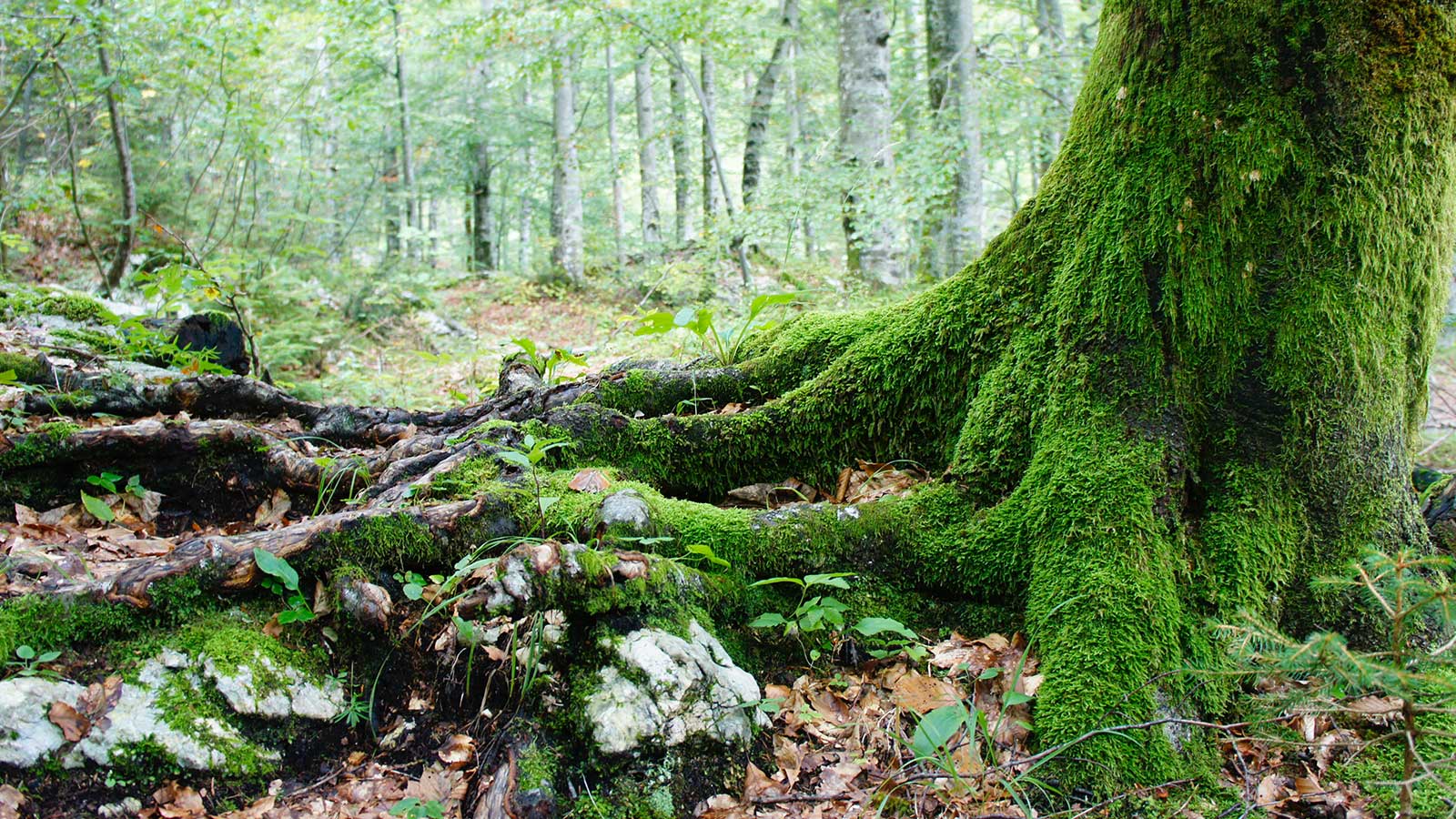
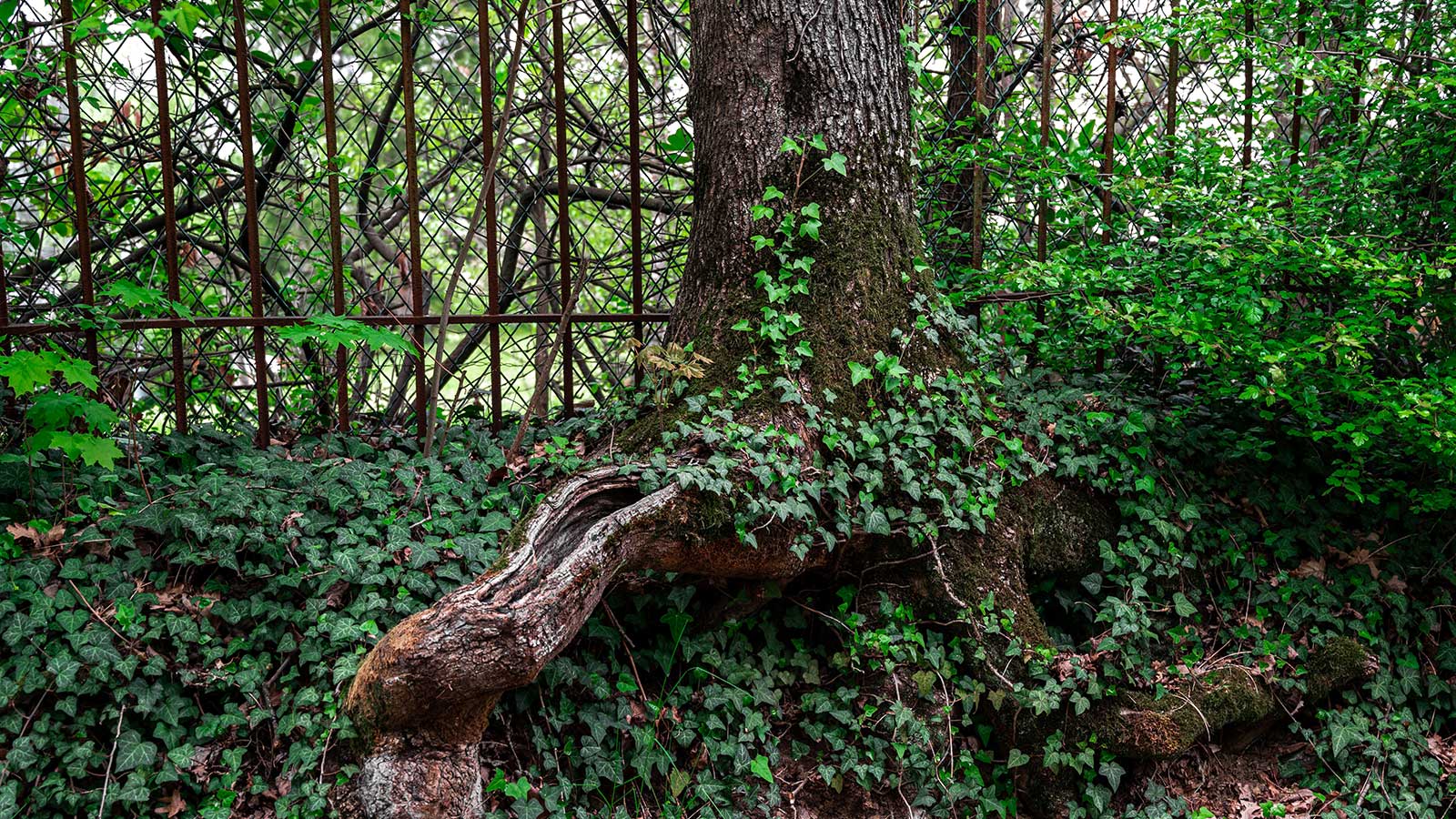
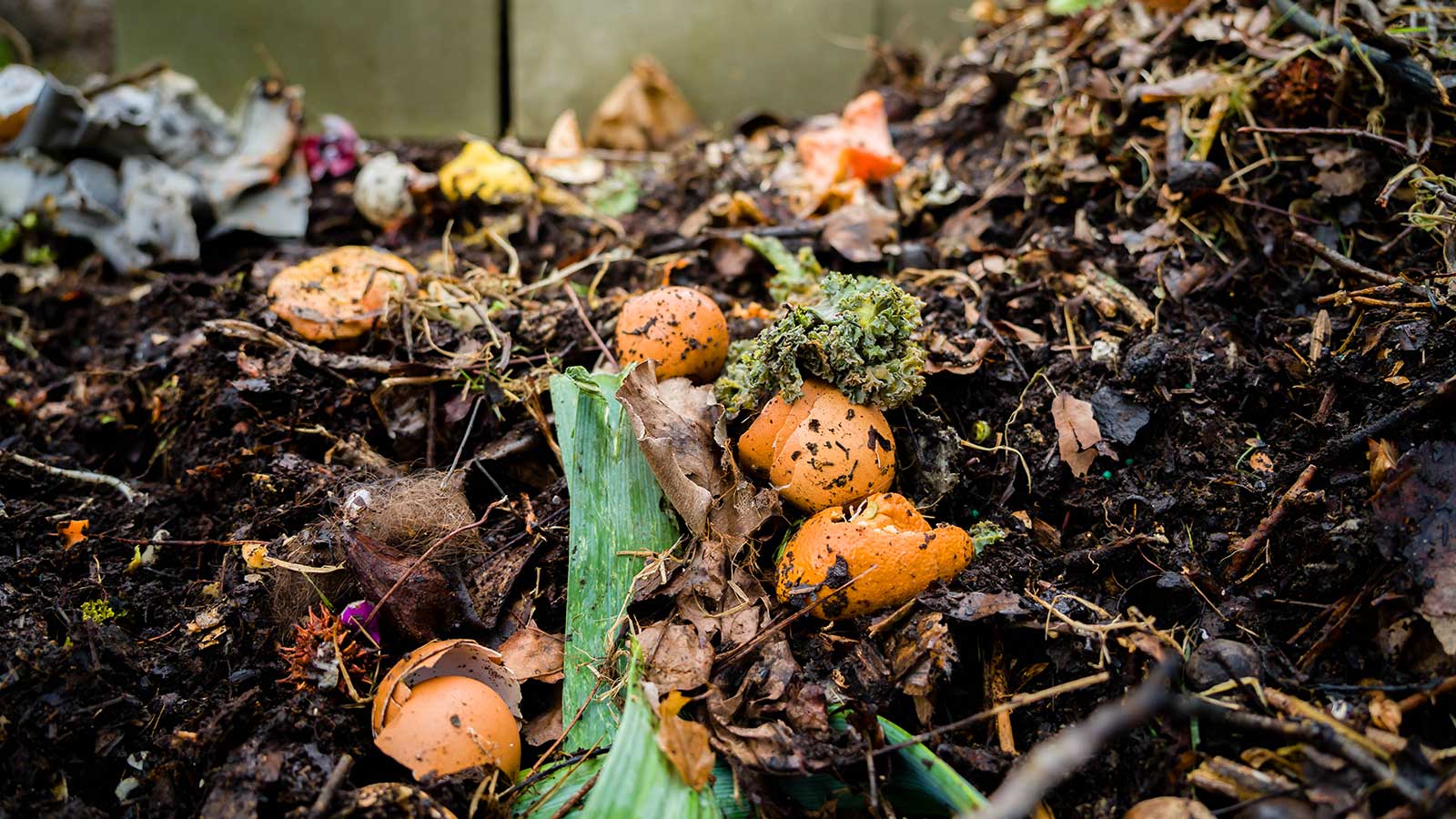
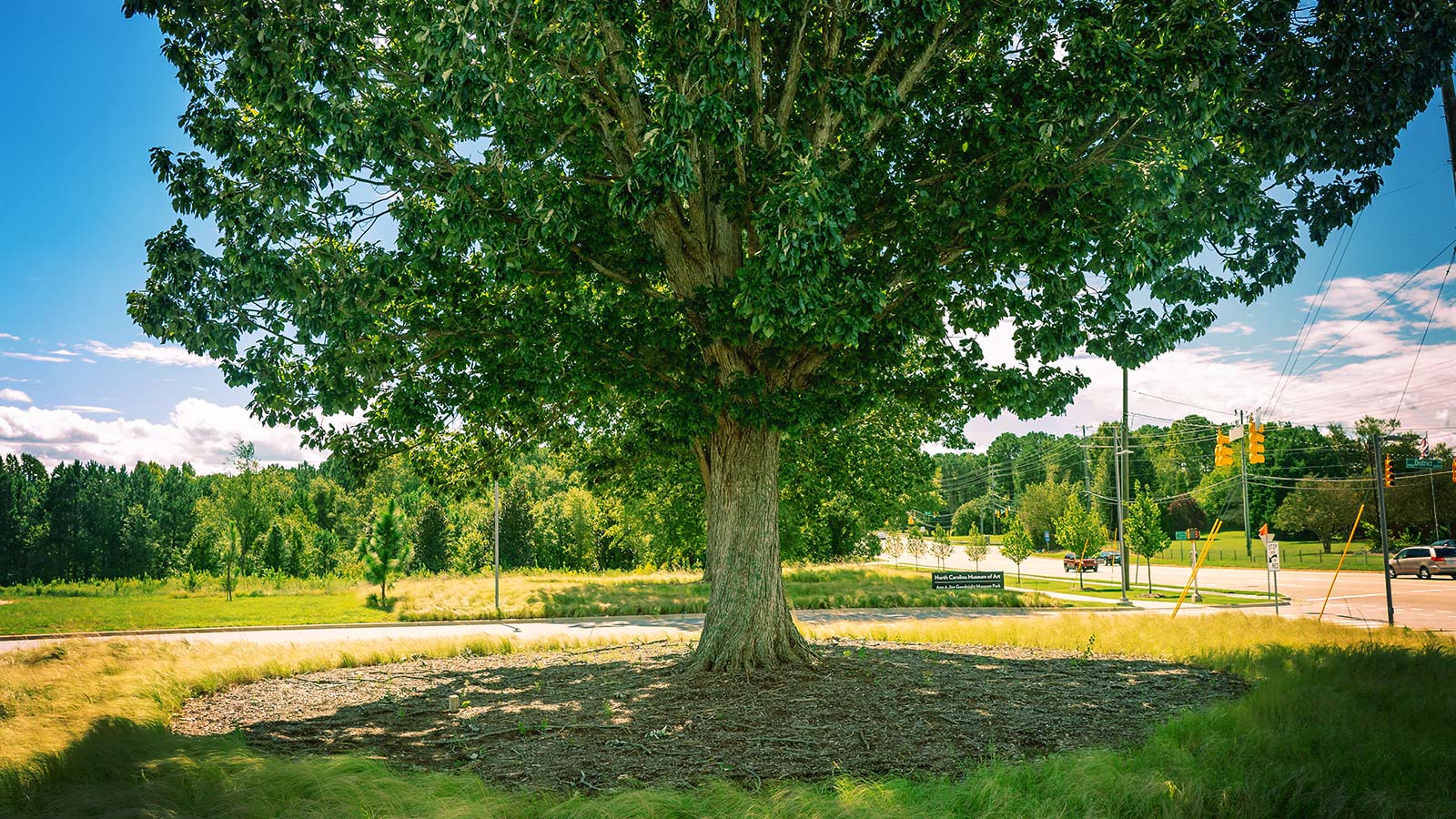
Skip raking under your trees this fall and winter. Fallen leaves rebuild the organic layer that soil needs to hold water, breaking down slowly into the same organic matter a forest floor builds on its own. Left in place, they begin feeding the soil before winter even sets in, and it costs you nothing (and you have one less chore to do!).
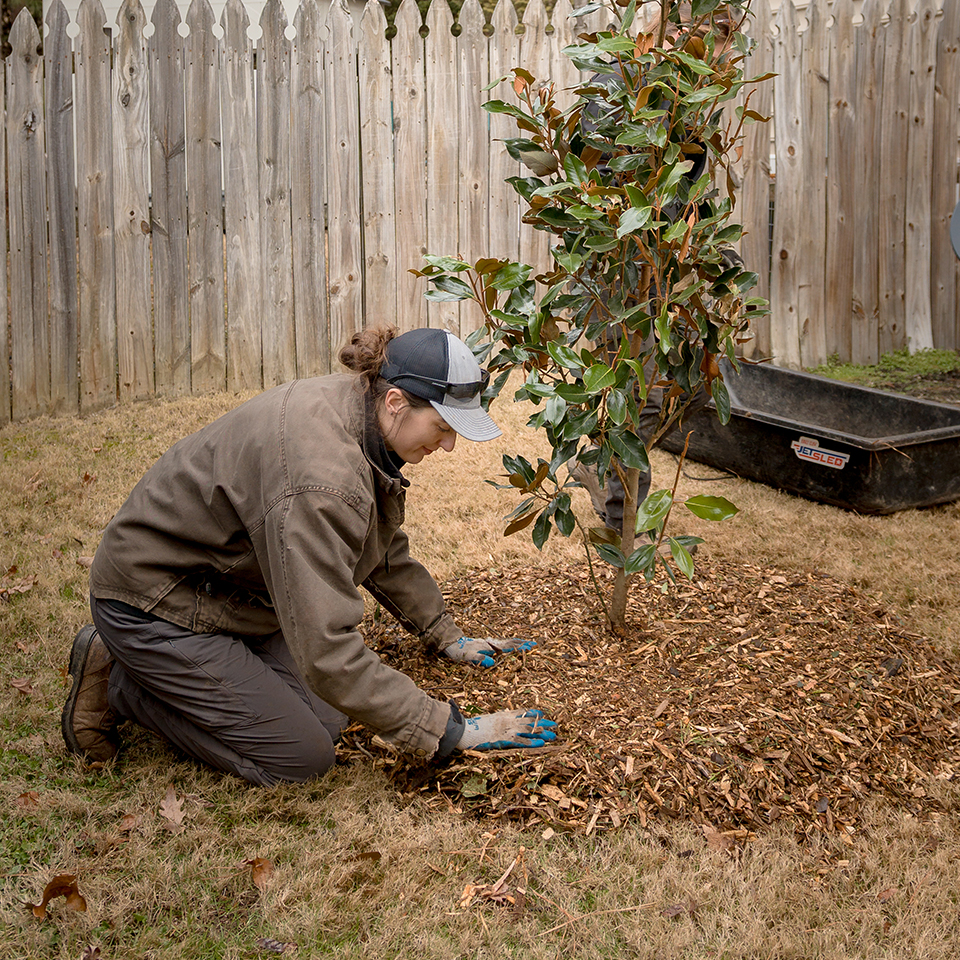
Mulch Generously
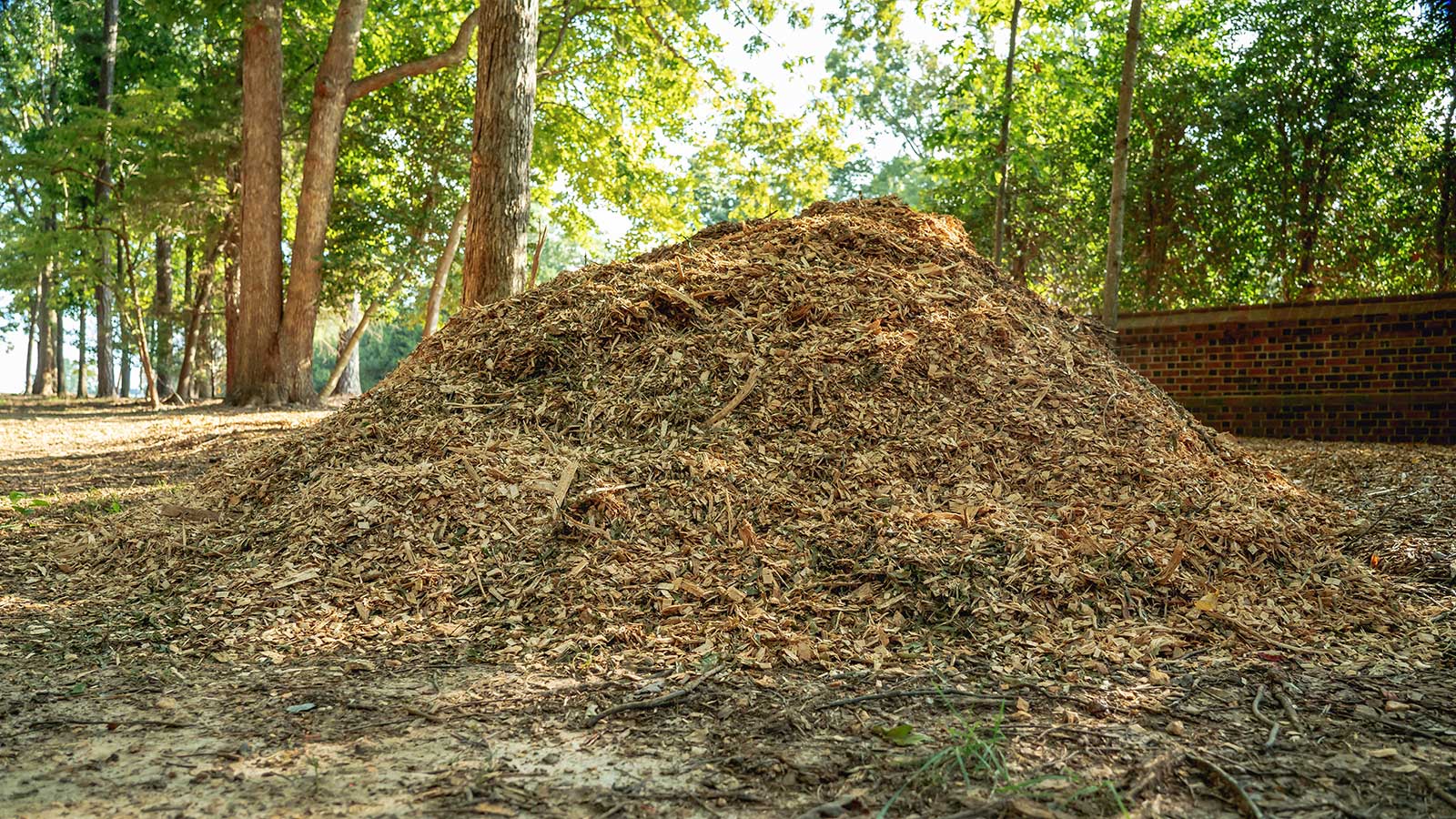
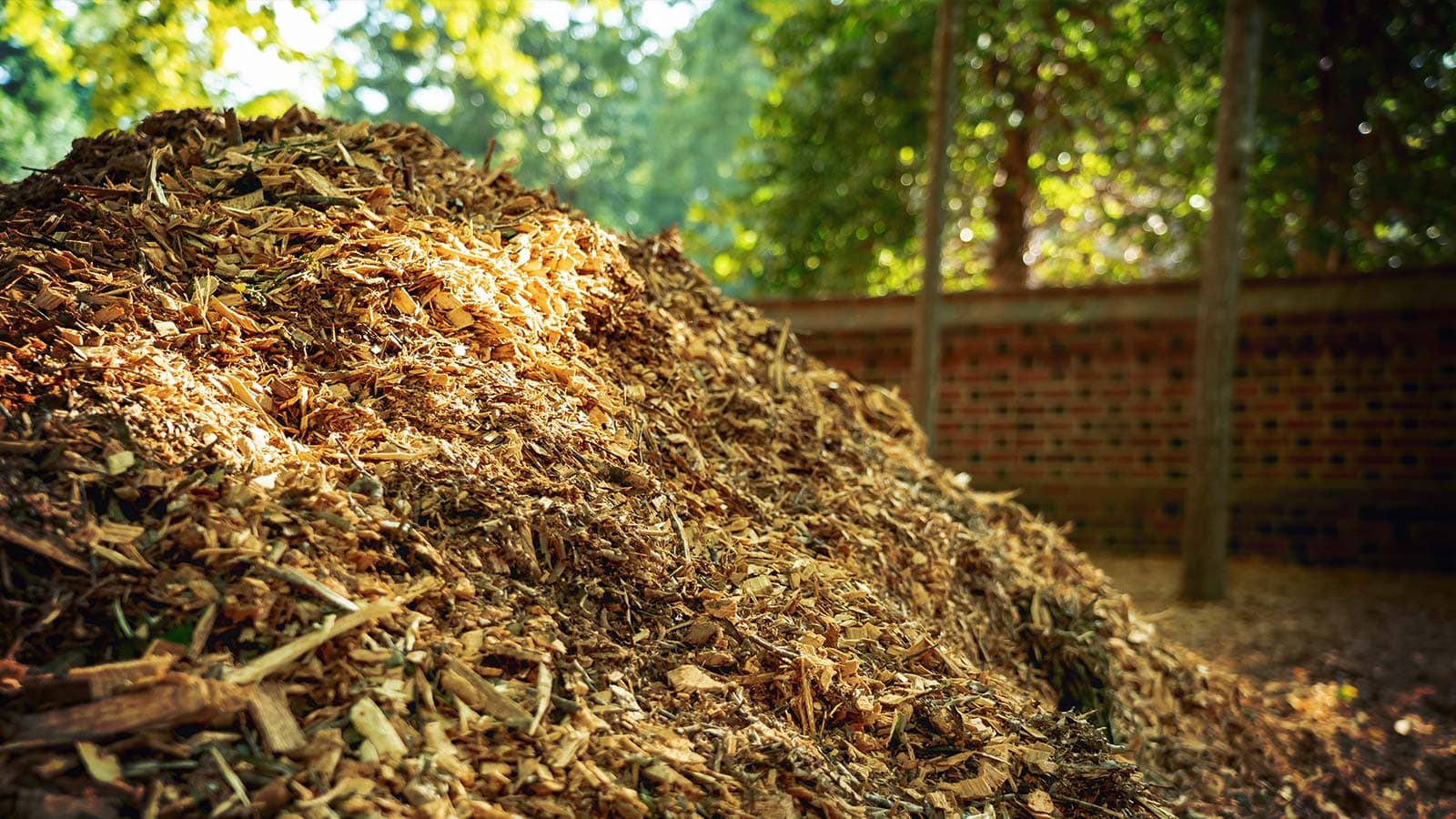
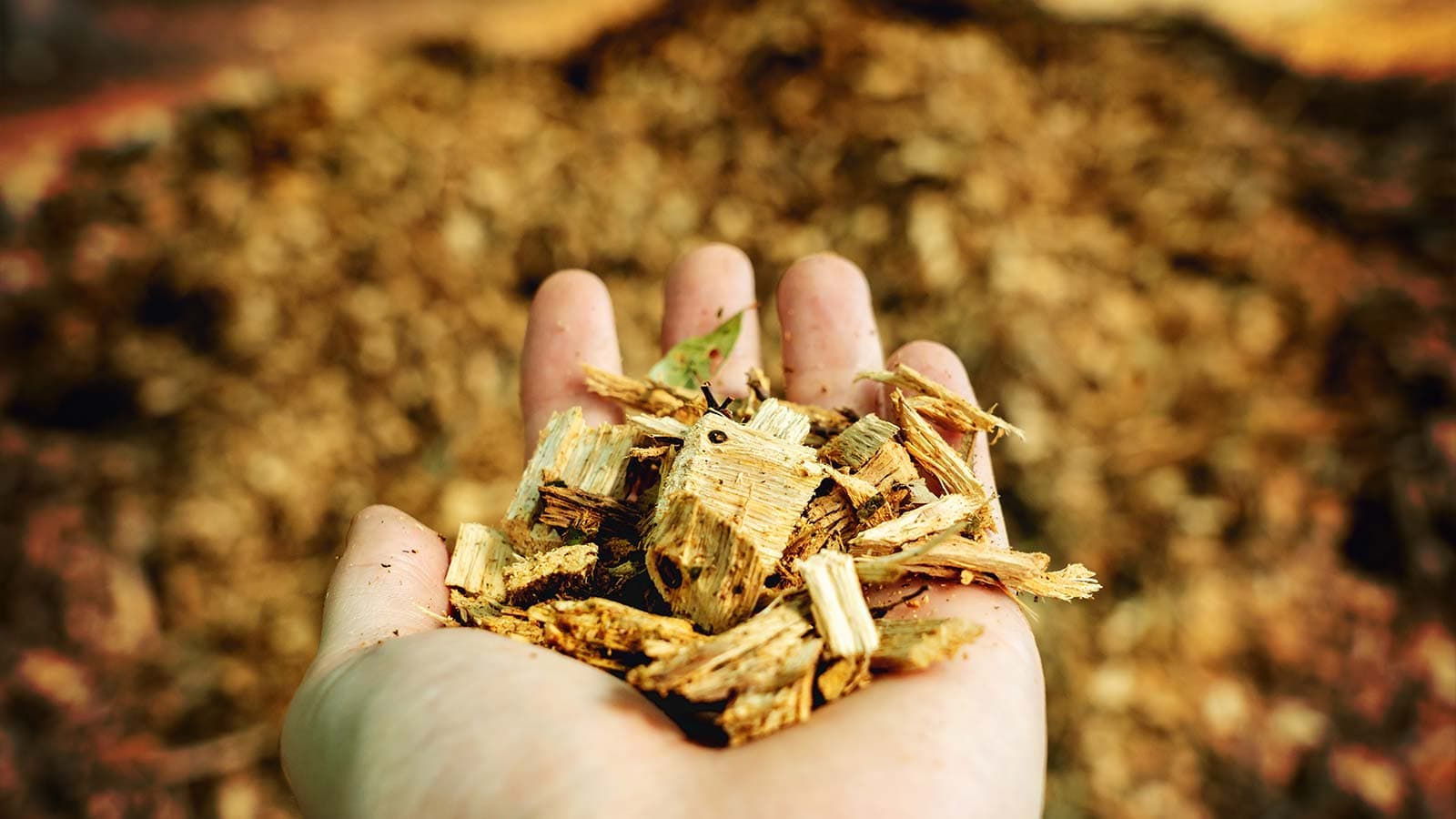
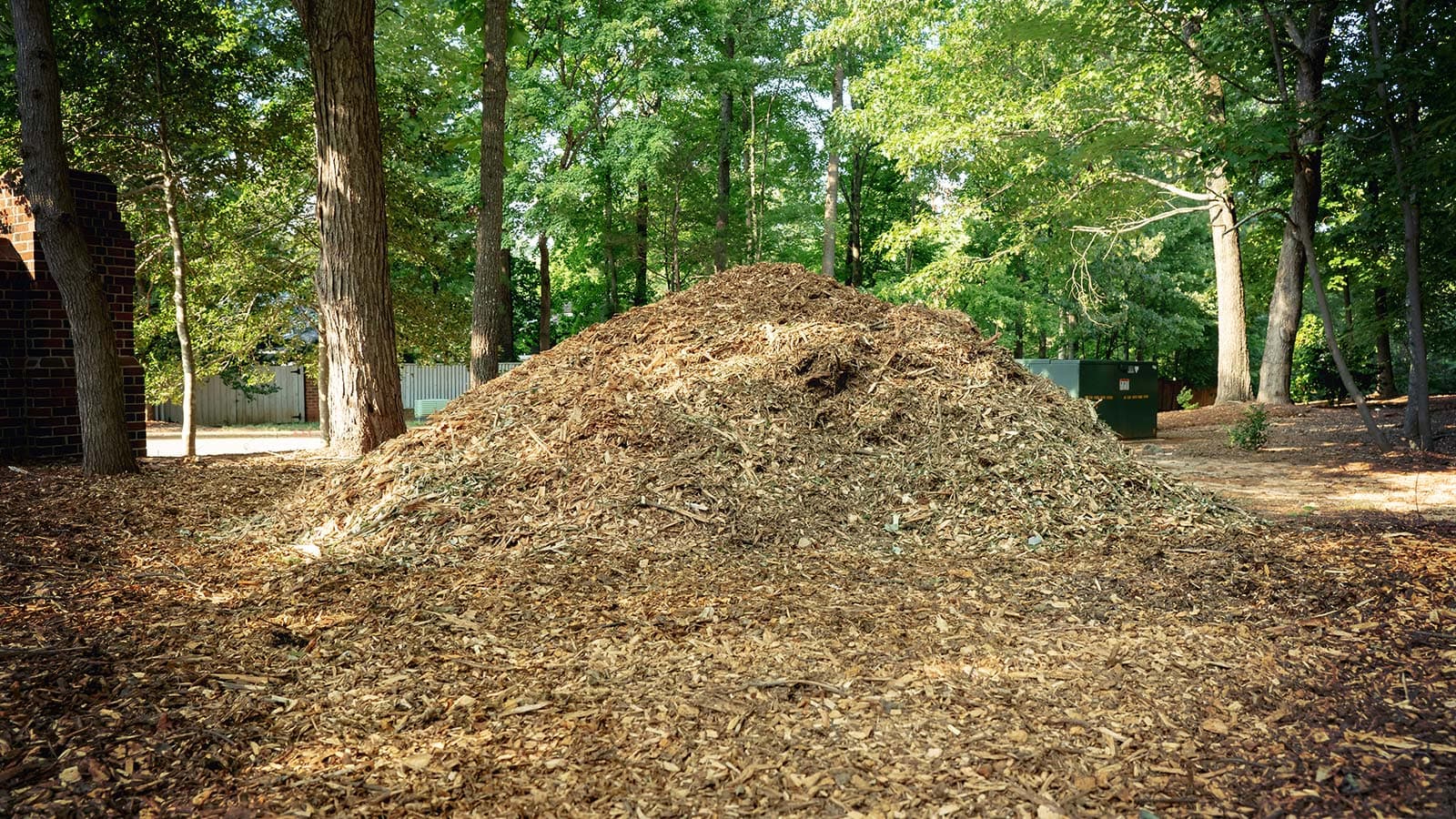
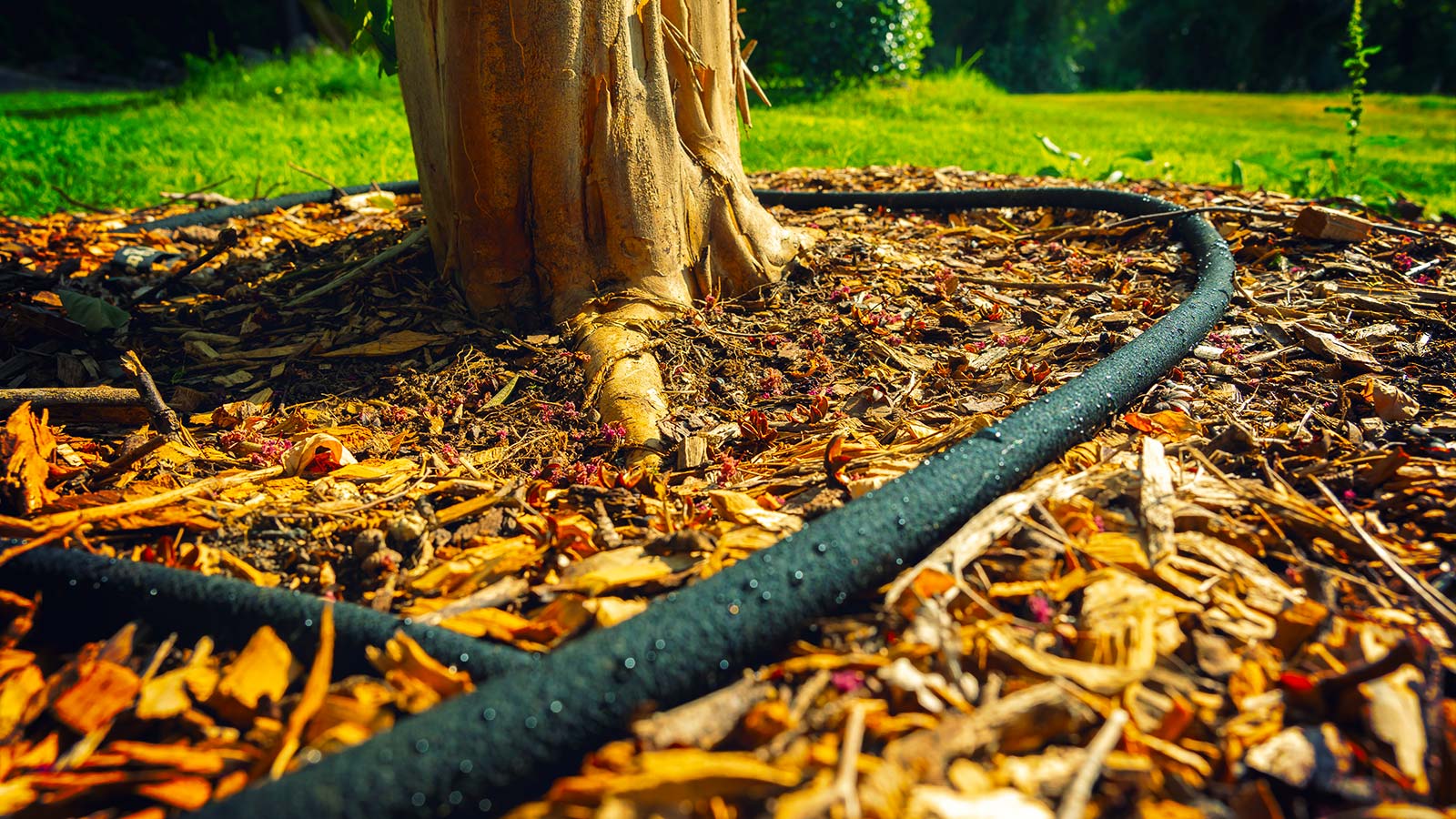
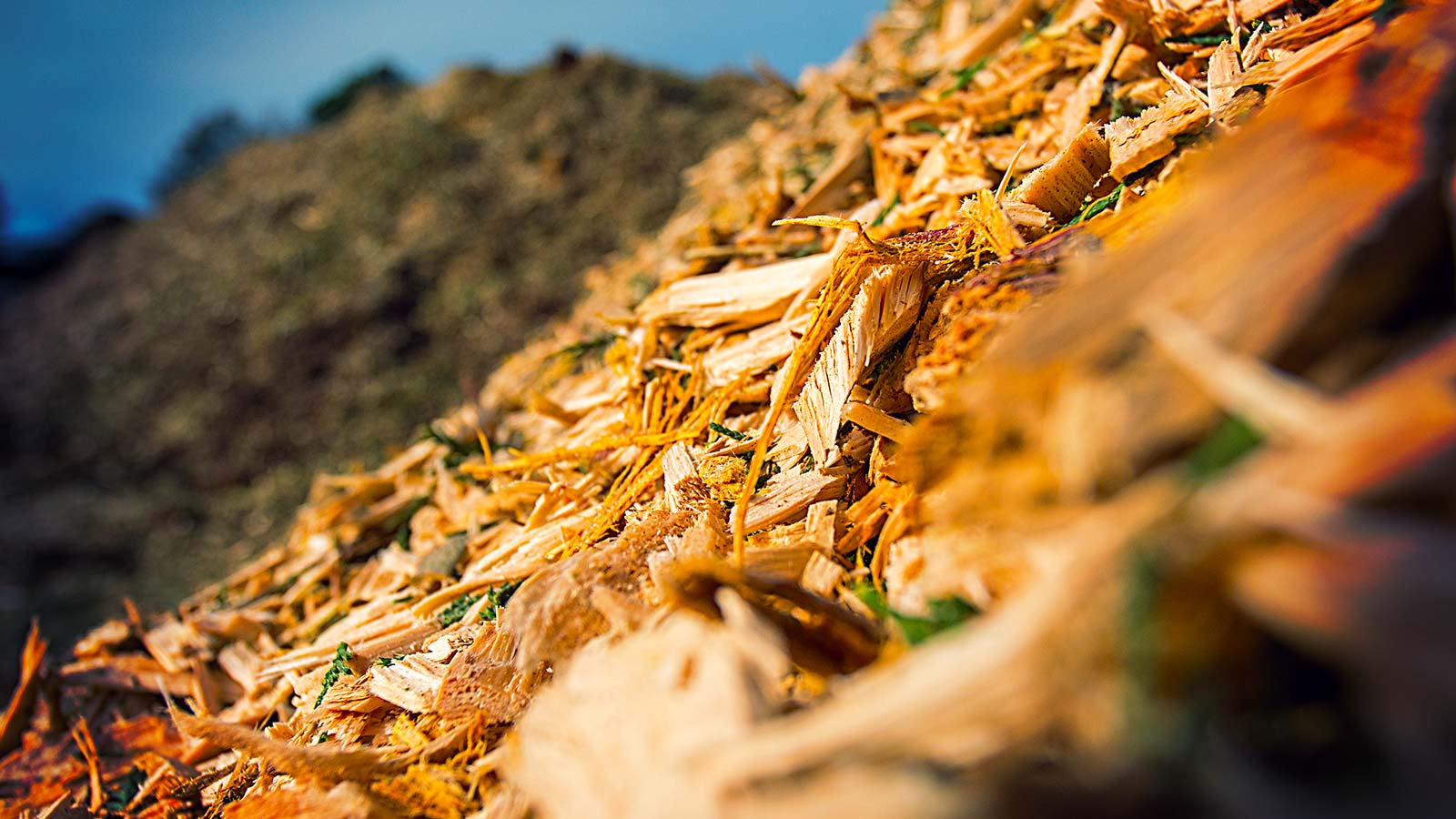
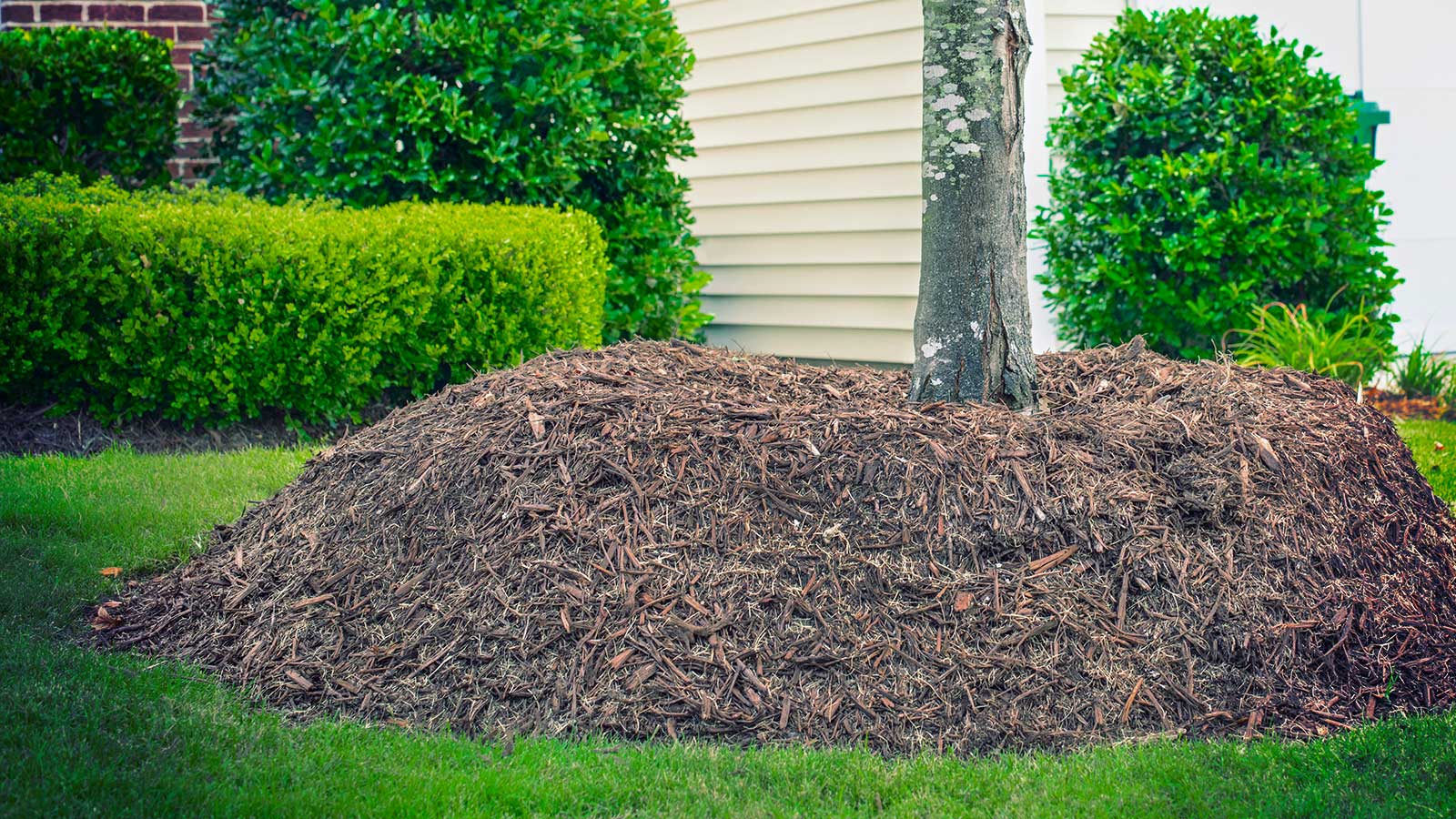
Spread arborist wood chips two to four inches deep around the root zone (but keep it away from the trunk). This mimics the leaf layer of a forest floor, slowing evaporation and keeping moisture in the ground instead of losing it to sun and wind.
Break Up Compaction
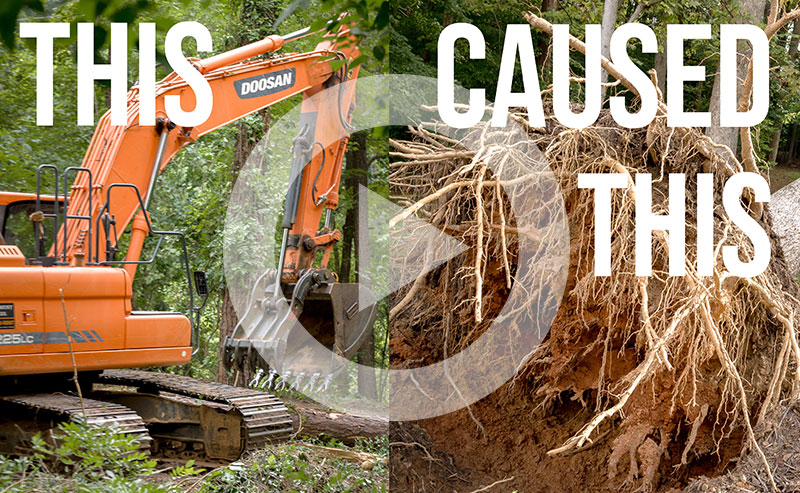
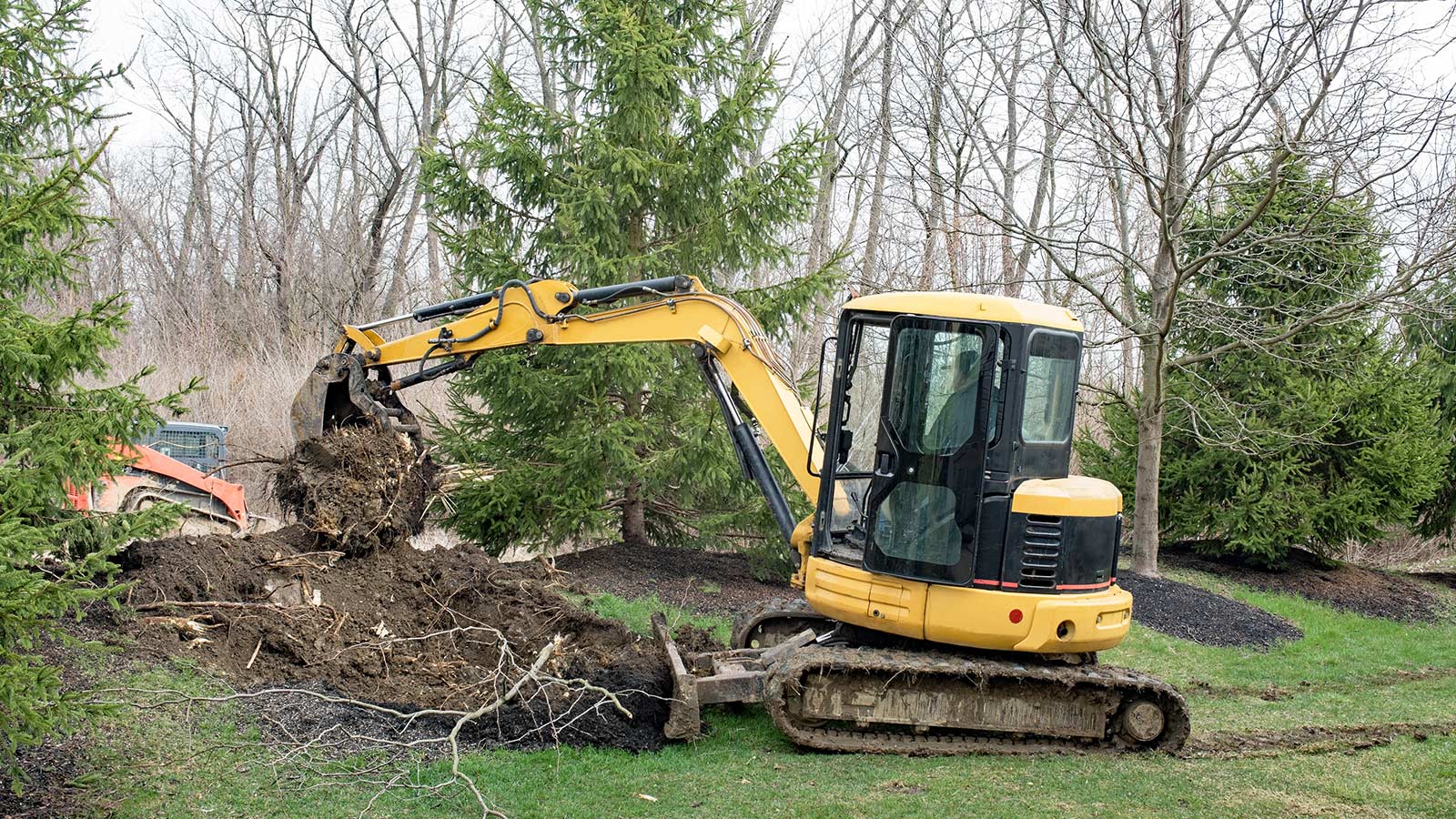
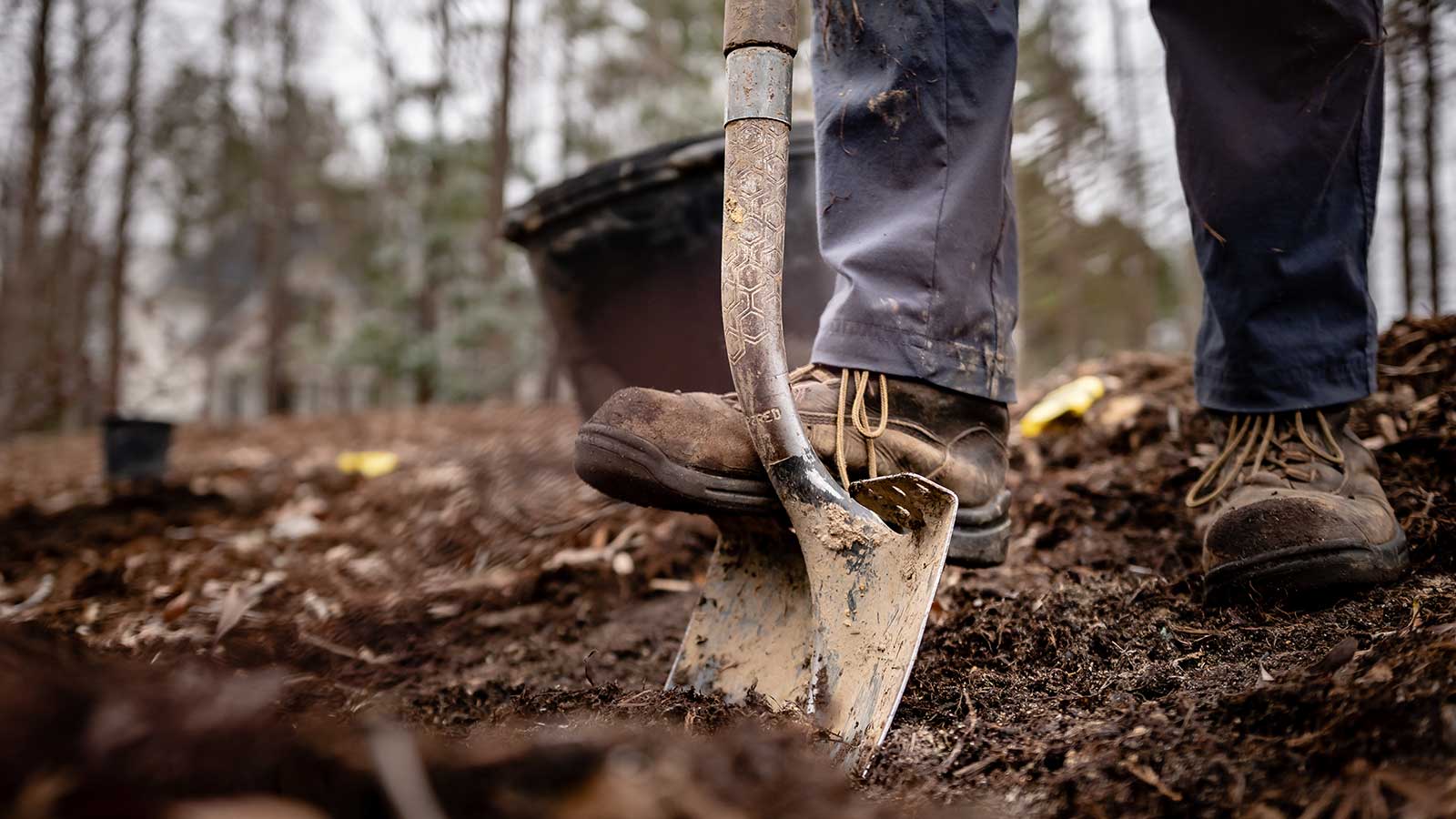
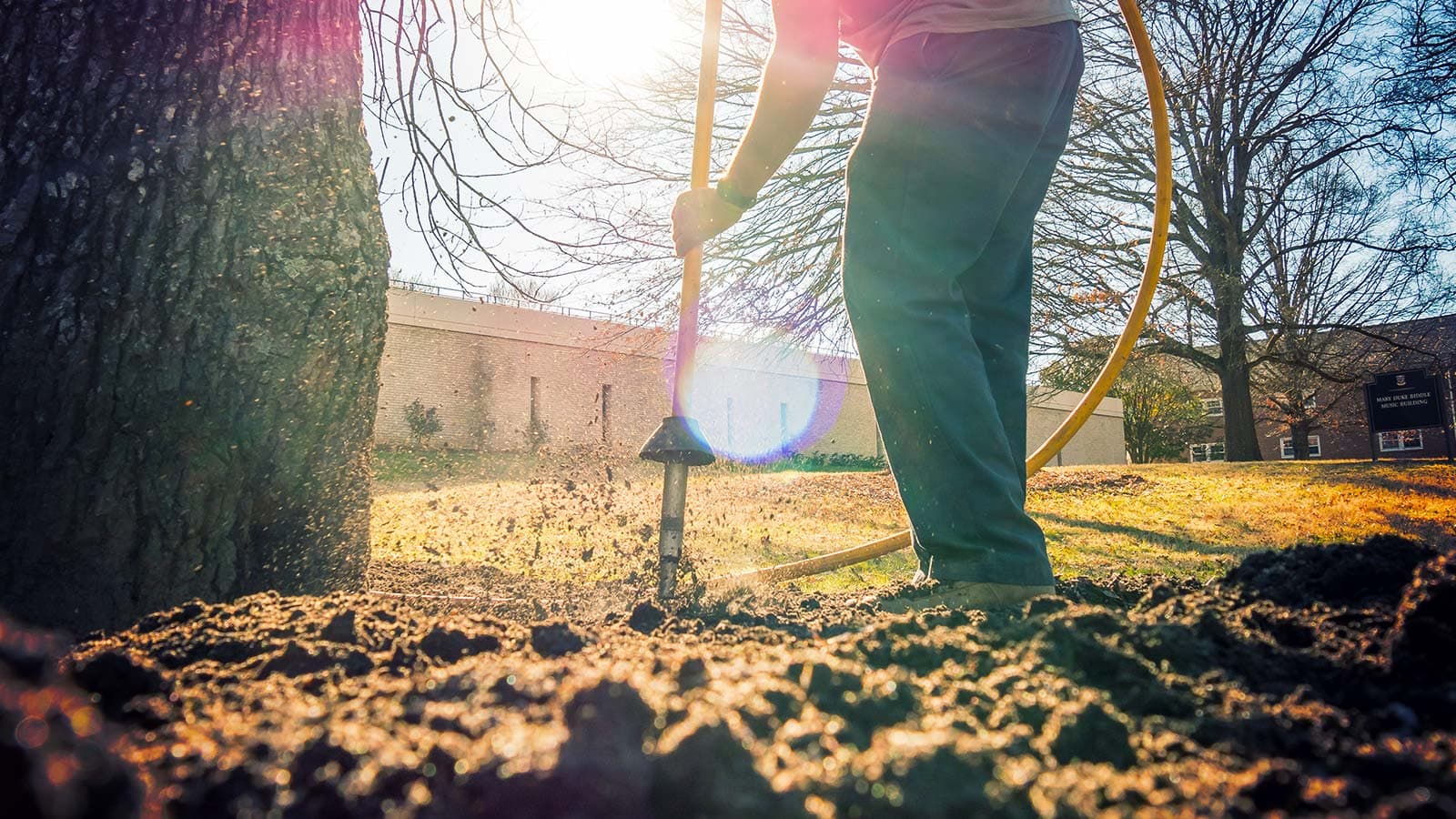
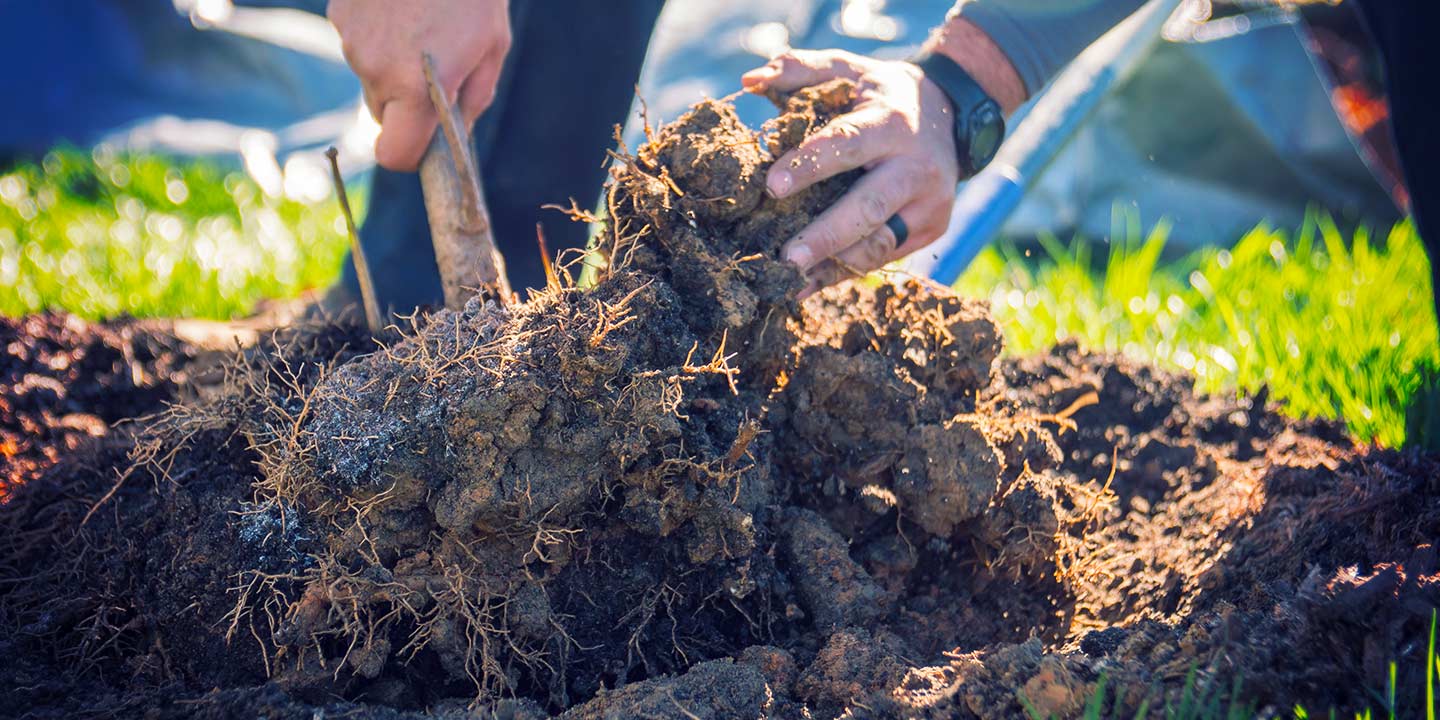
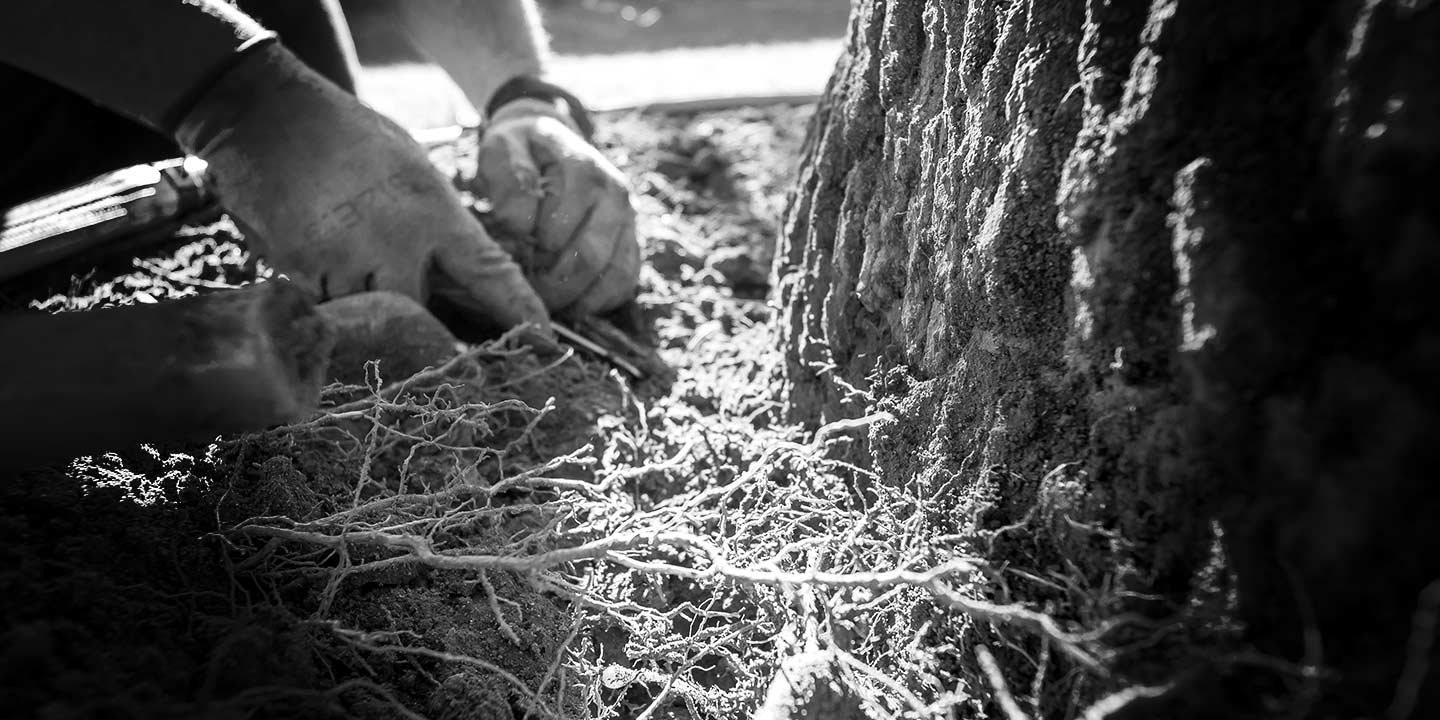
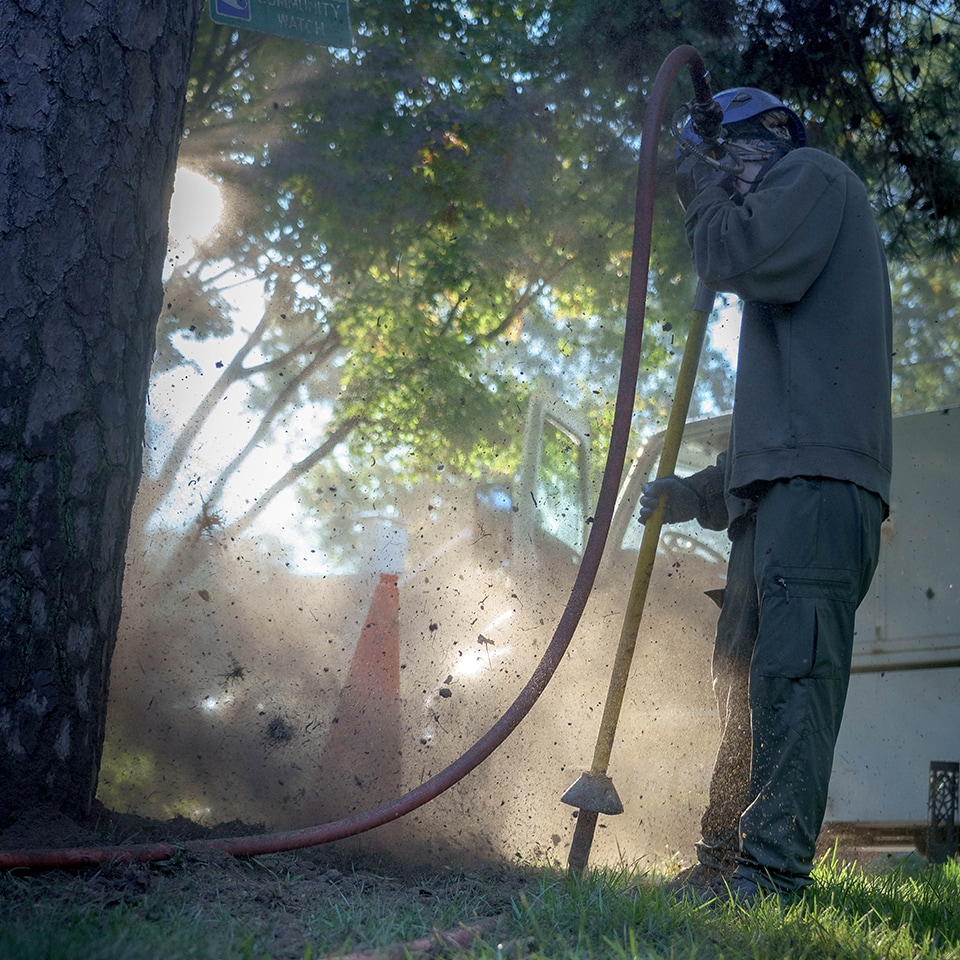
If soil under your trees is hard packed from years of foot or vehicle traffic, an air spade treatment opens it back up so water and roots can move through it. Compressed air breaks apart compaction without damaging roots, unlike digging or tilling.
Cut the Chemicals
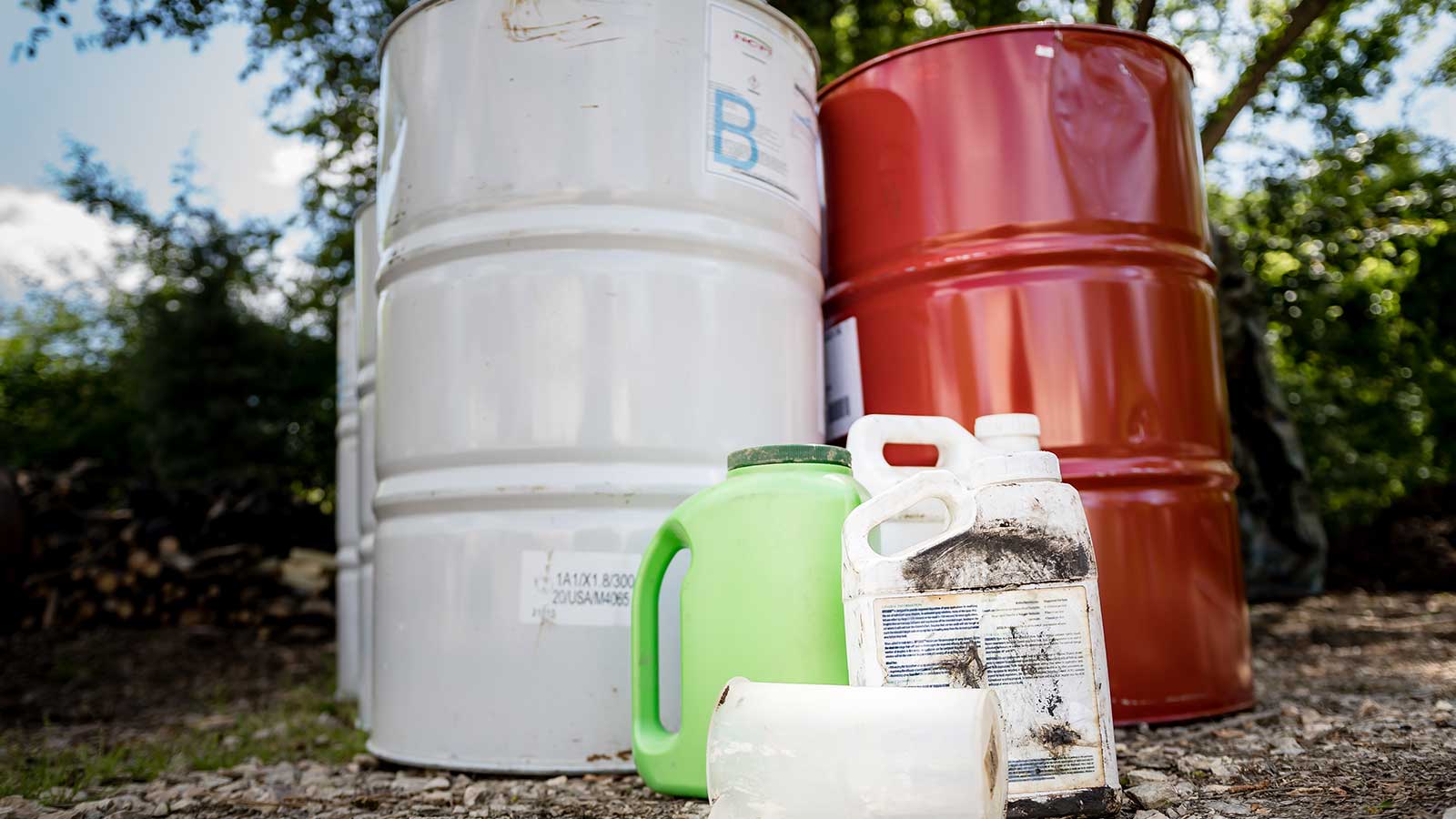
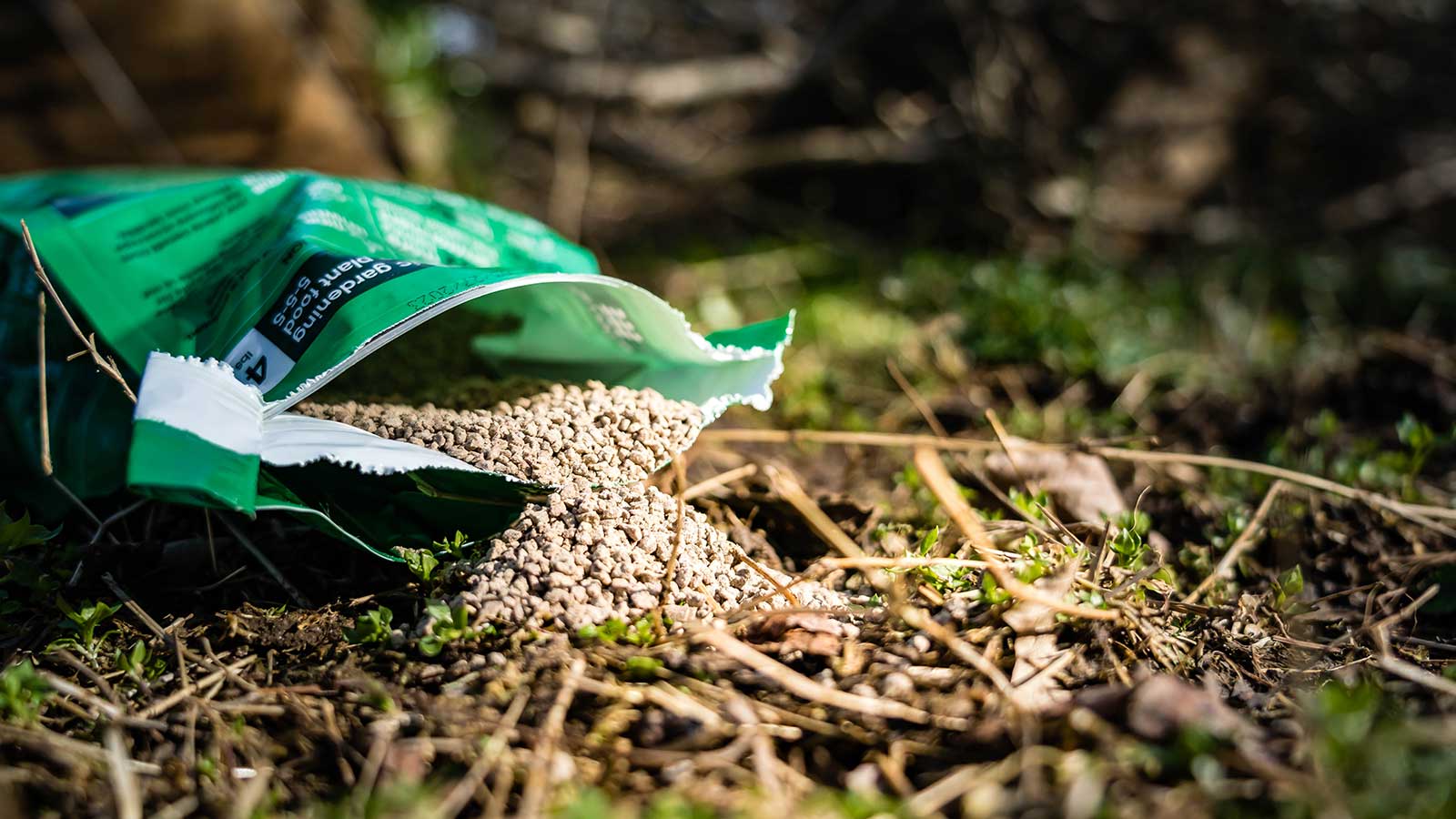
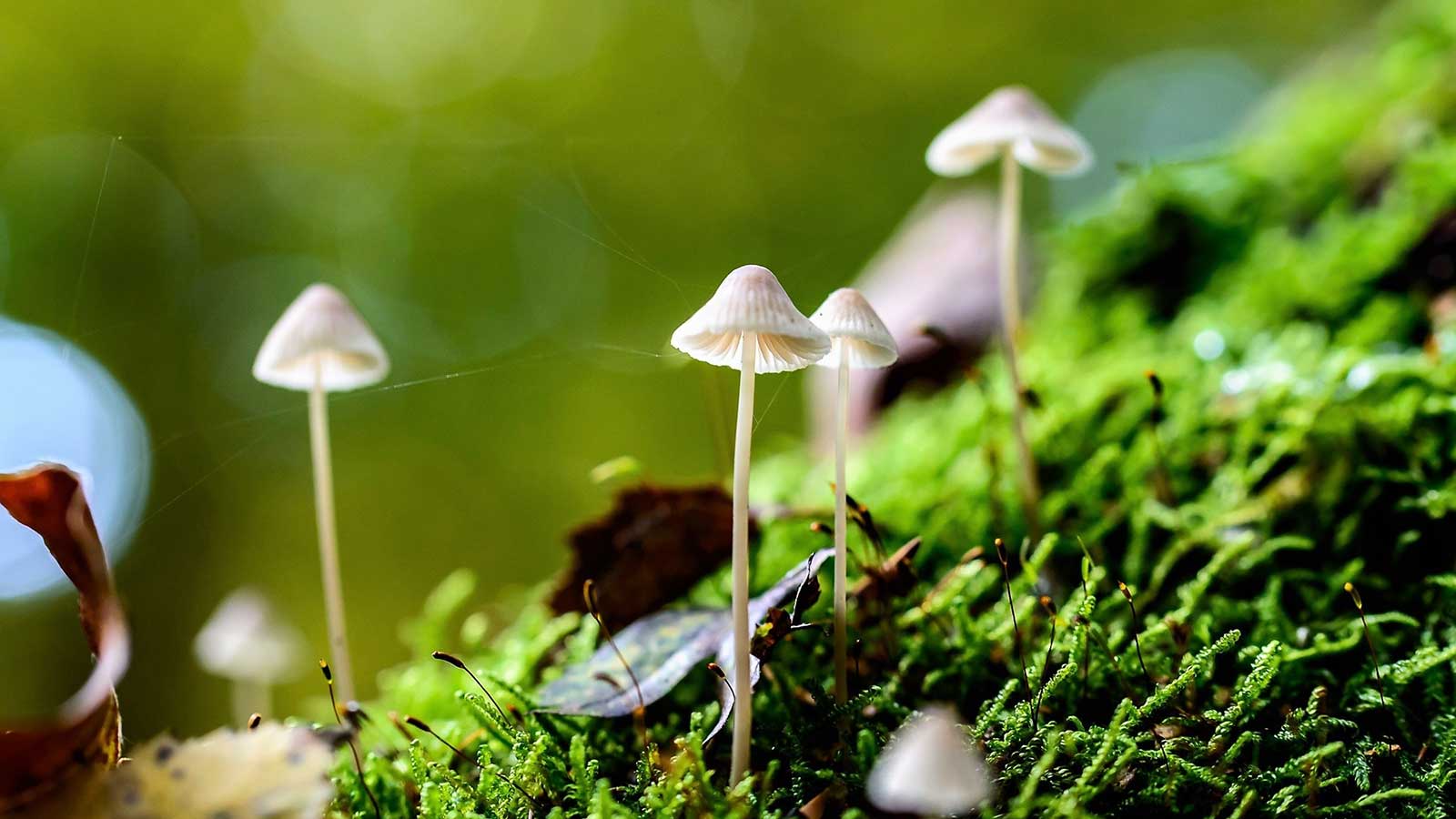
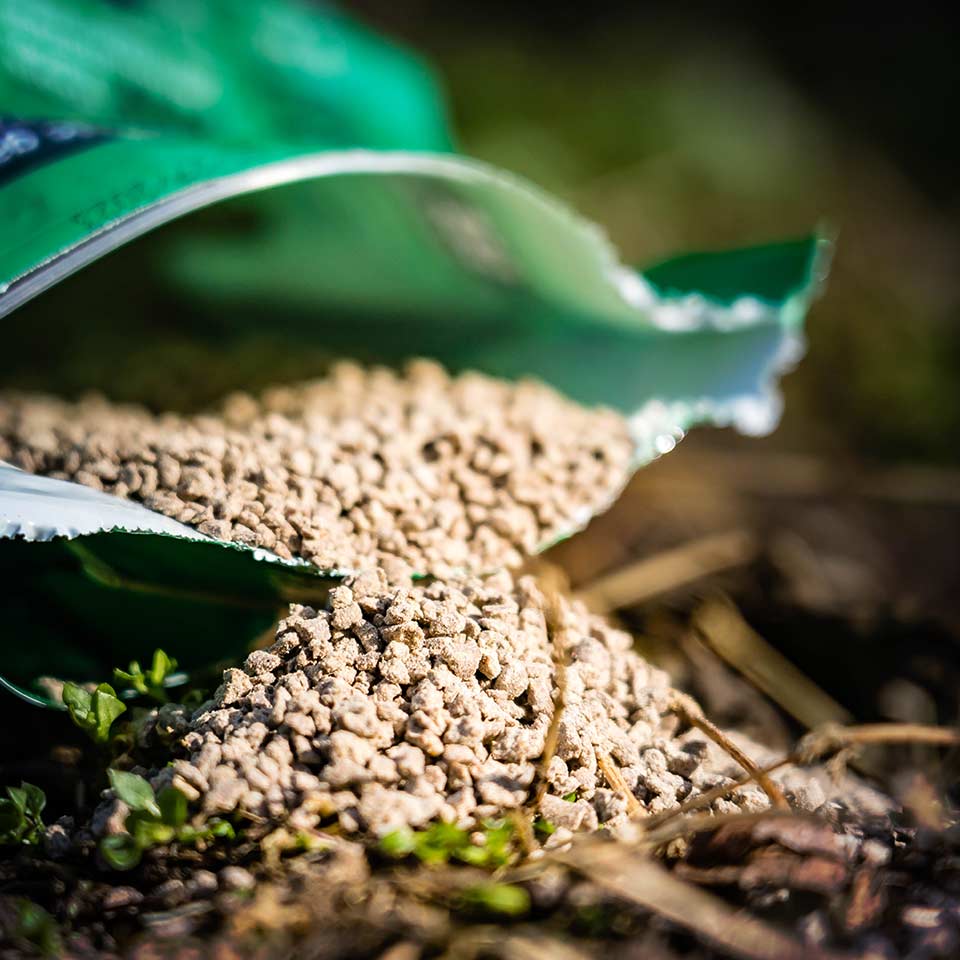
Fertilizers, herbicides, pesticides, and fungicides all work against the microbes and fungi that keep soil alive and absorbent. Every application sets back the biology you are trying to rebuild elsewhere in the yard. Removing chemical inputs is one of the simplest, lowest-cost changes you can make, and it gives compost and mulch a fighting chance to do their work.
Plant Native
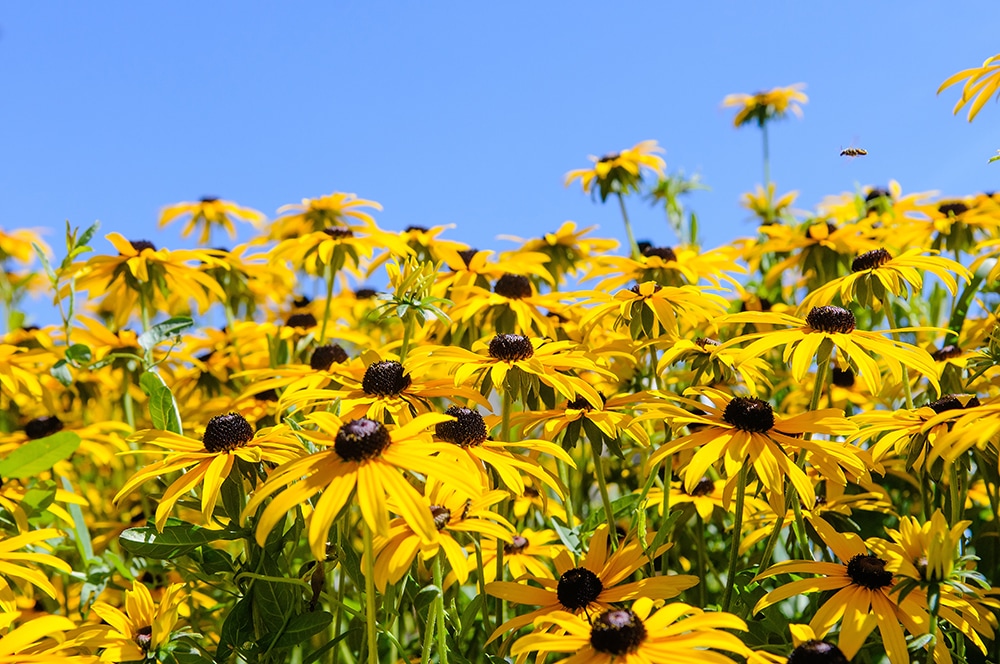
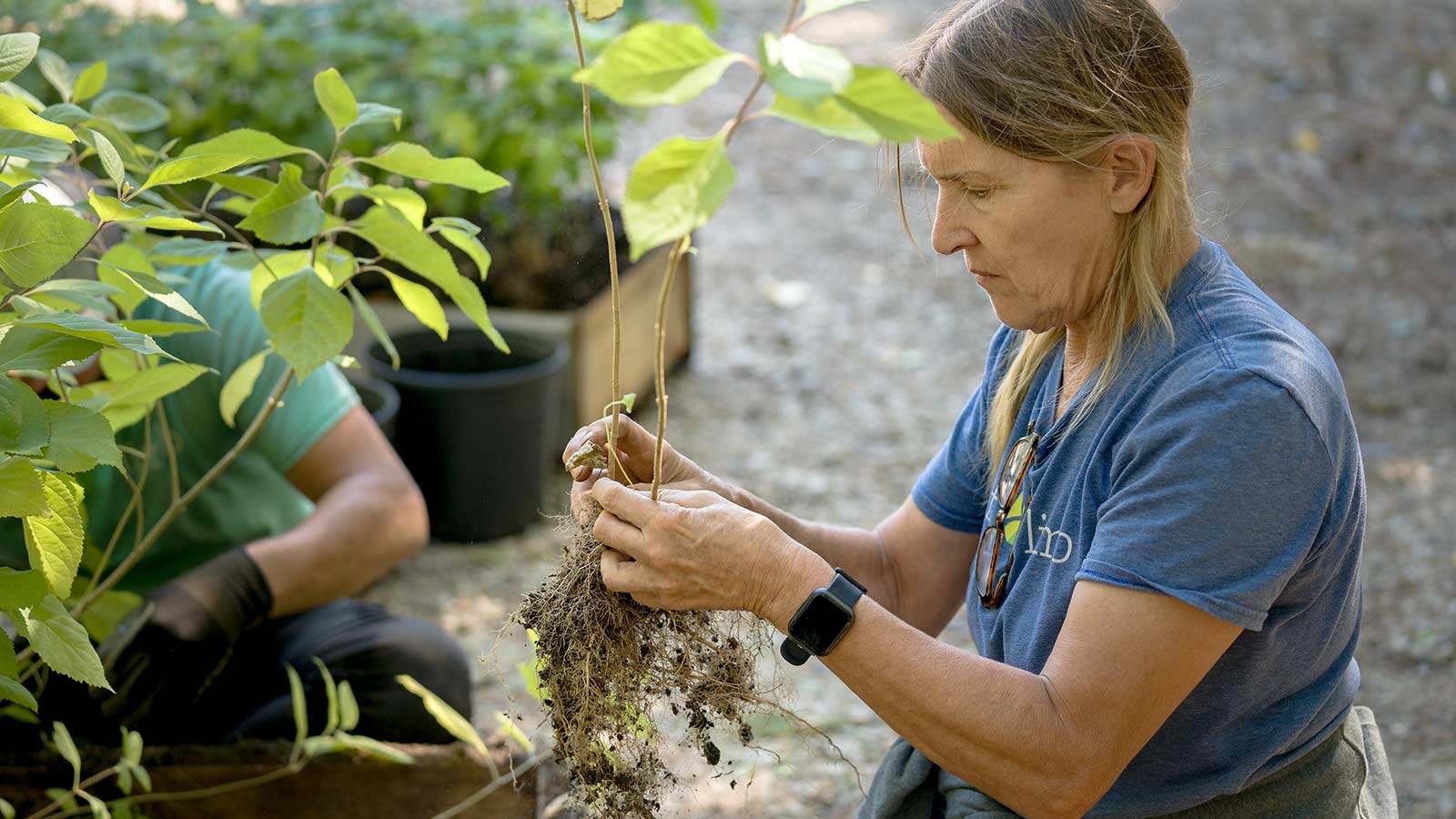
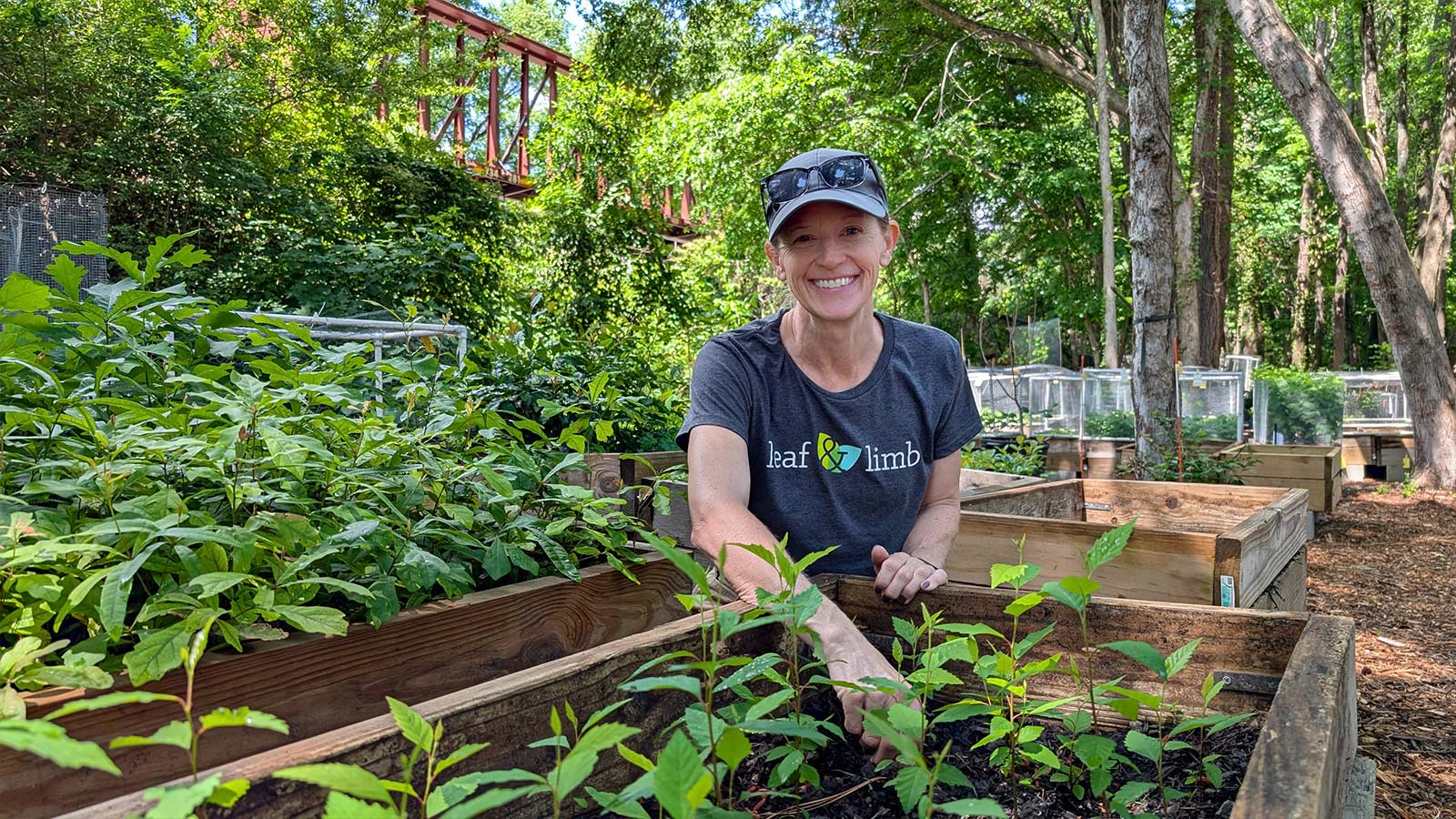
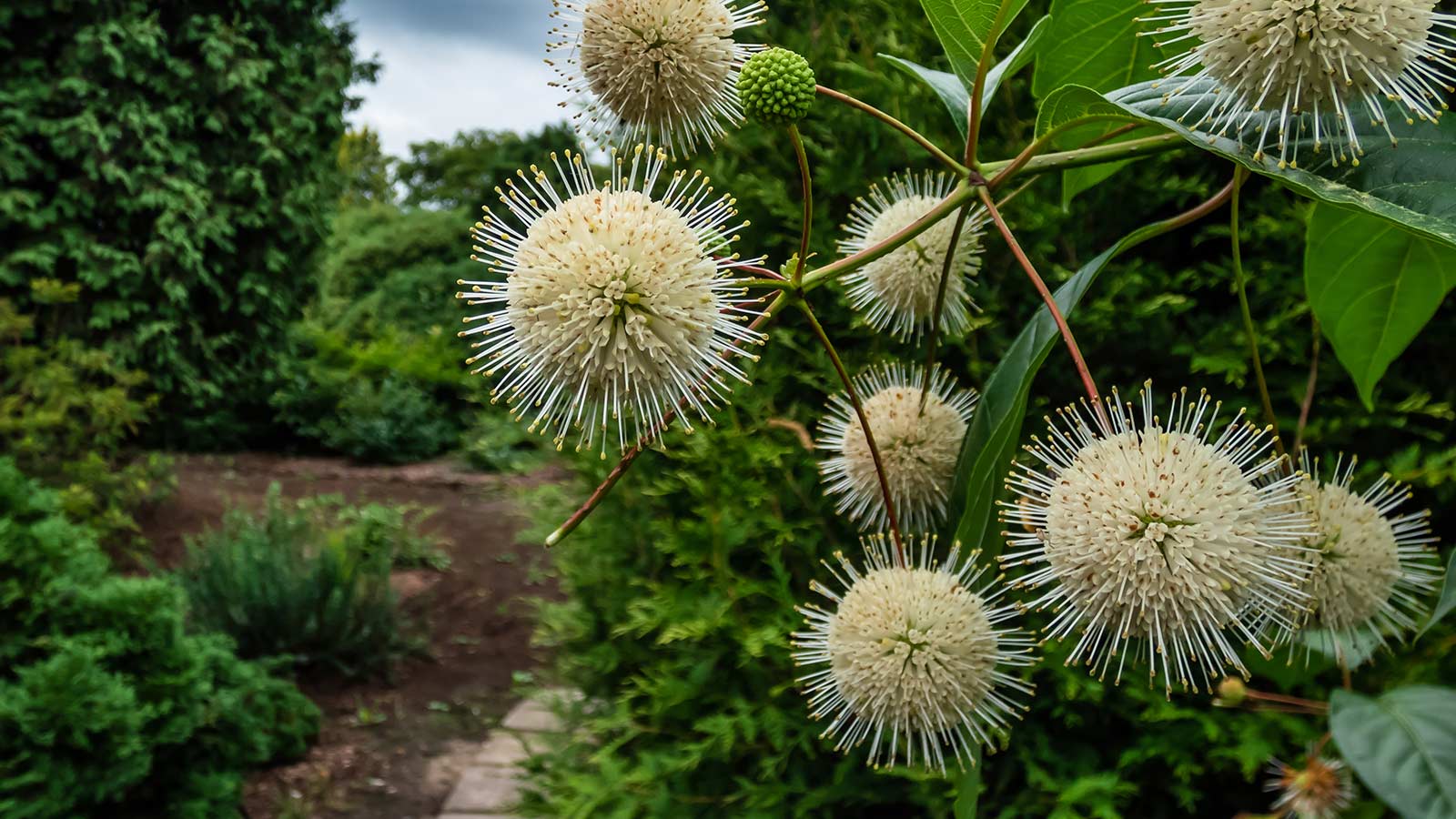
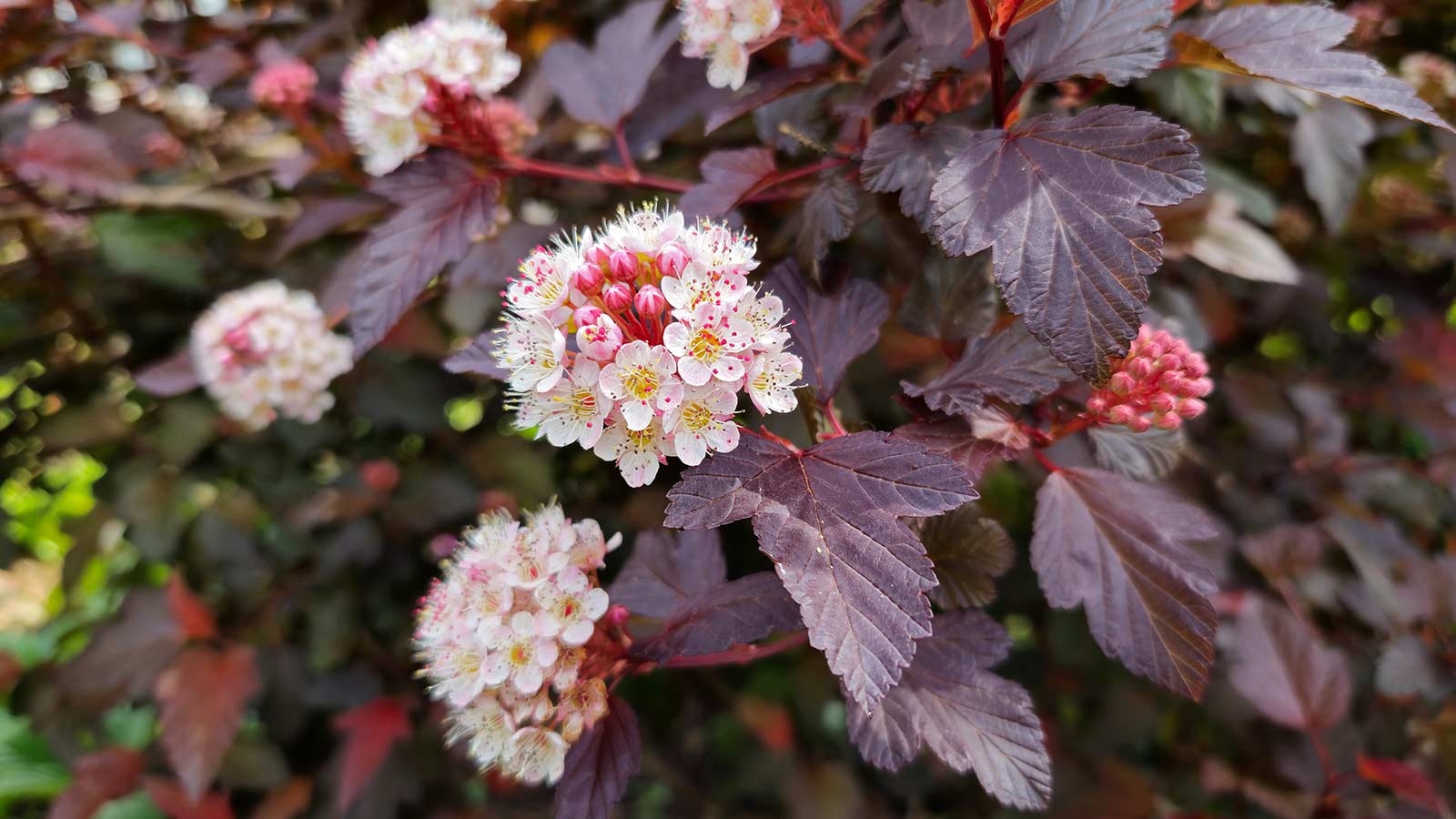
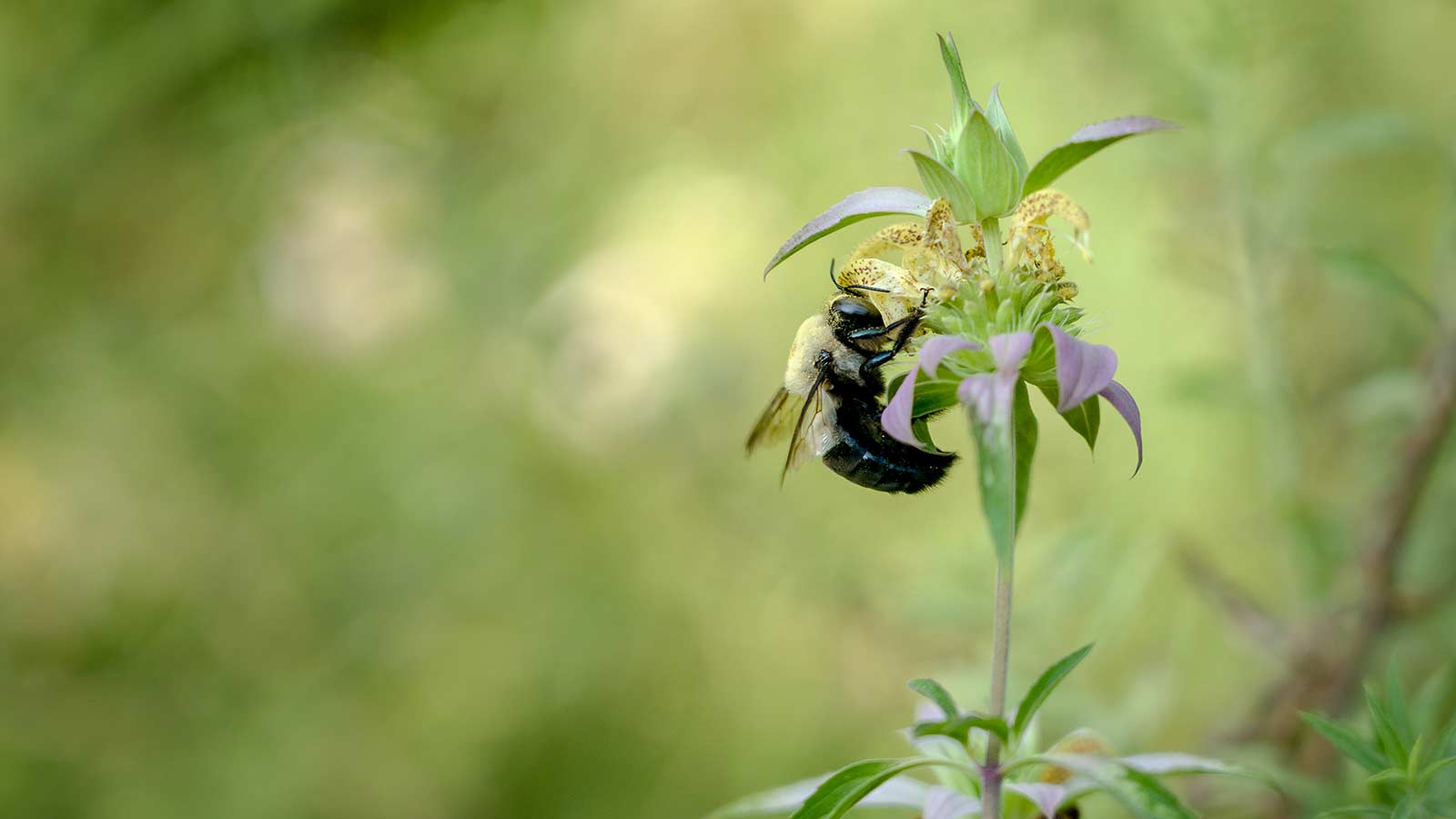
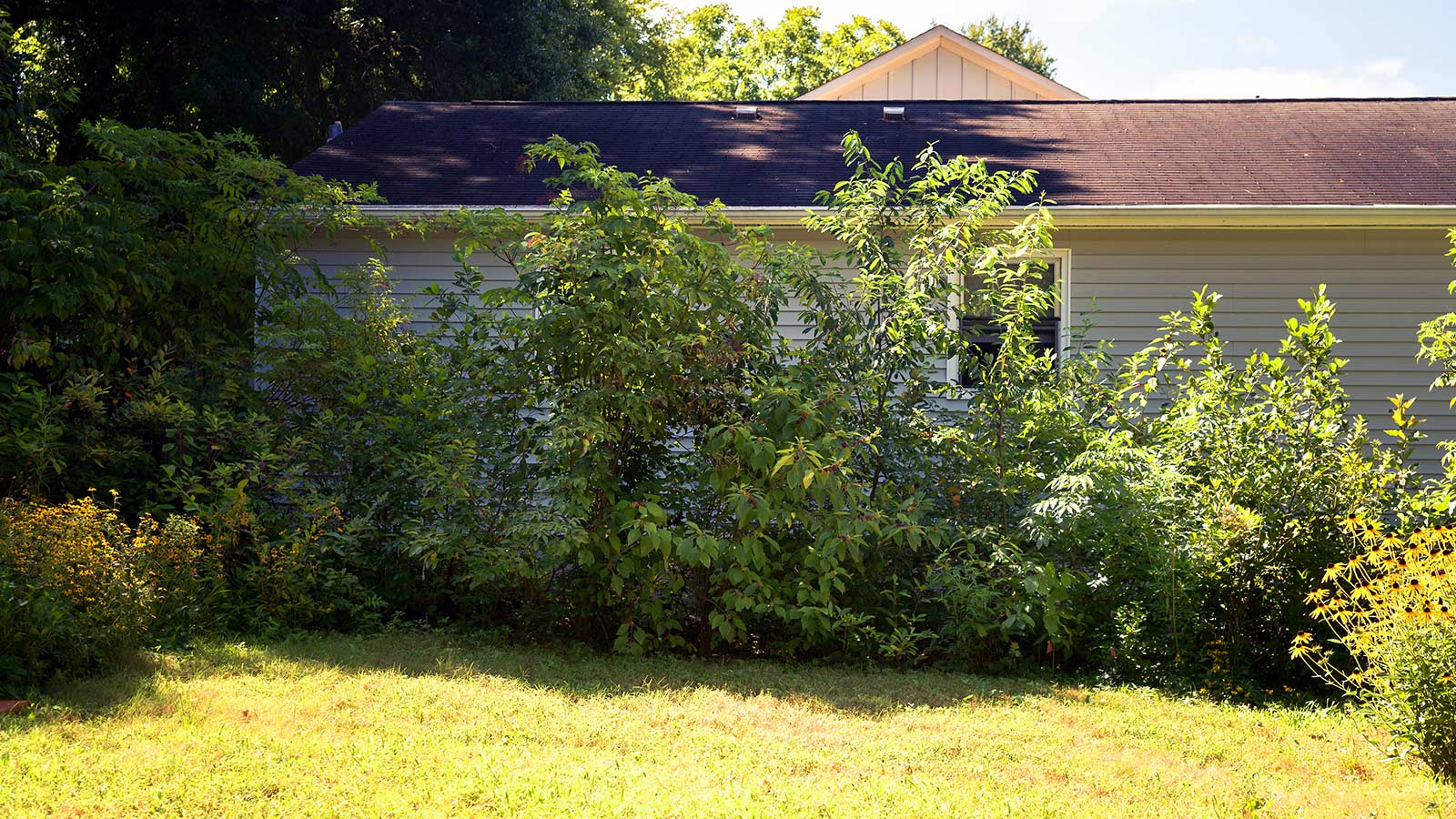
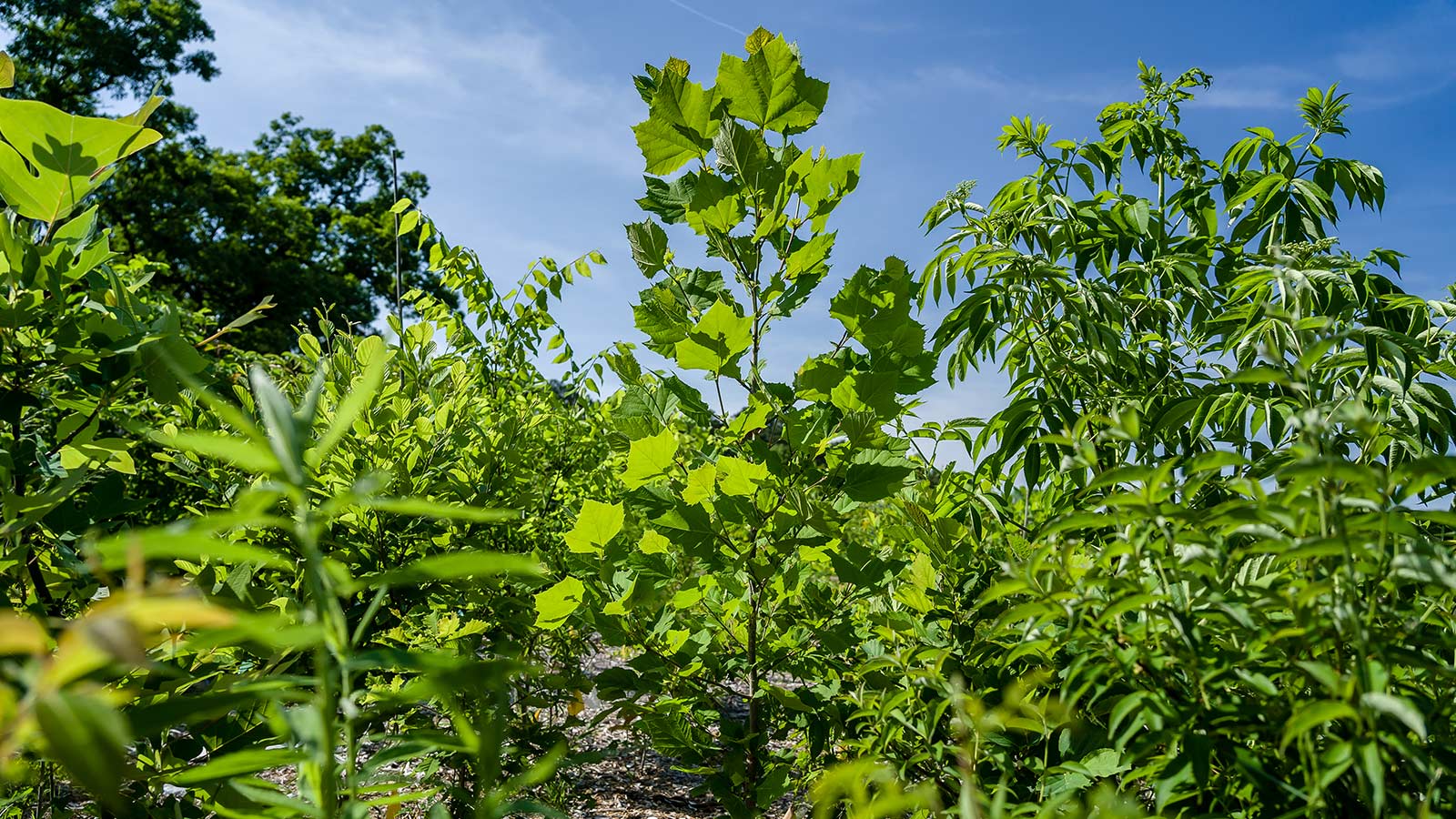
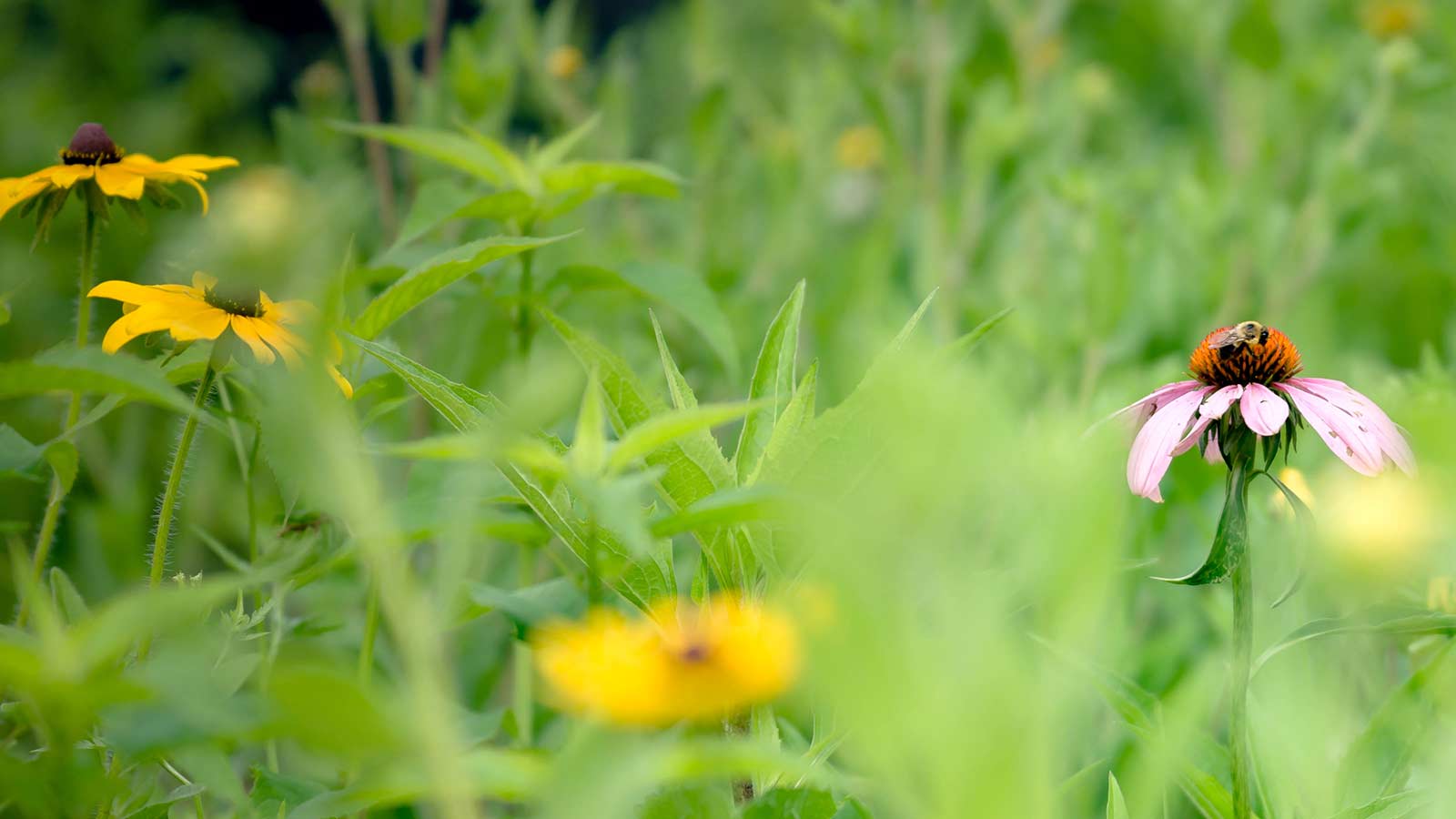
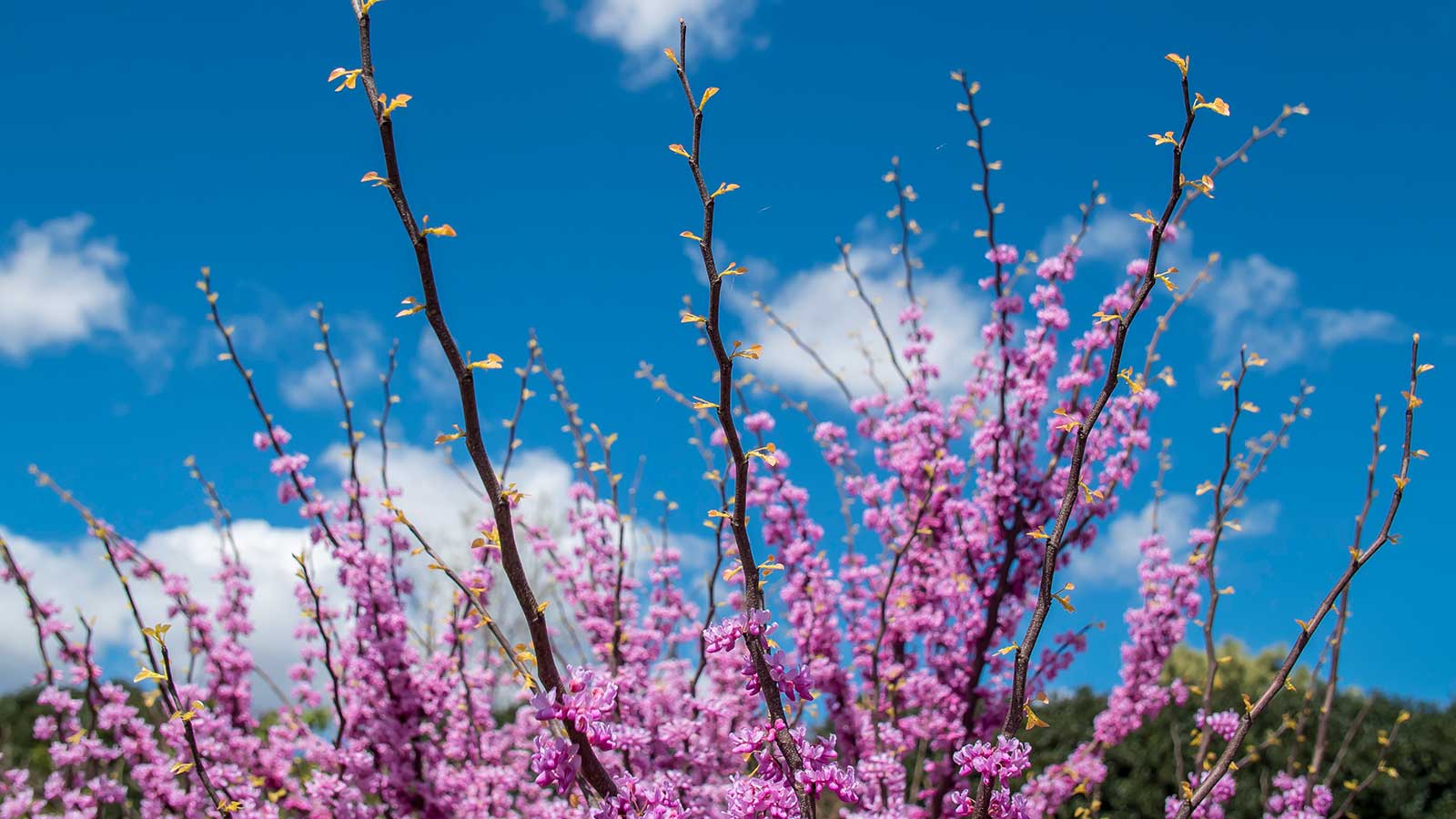
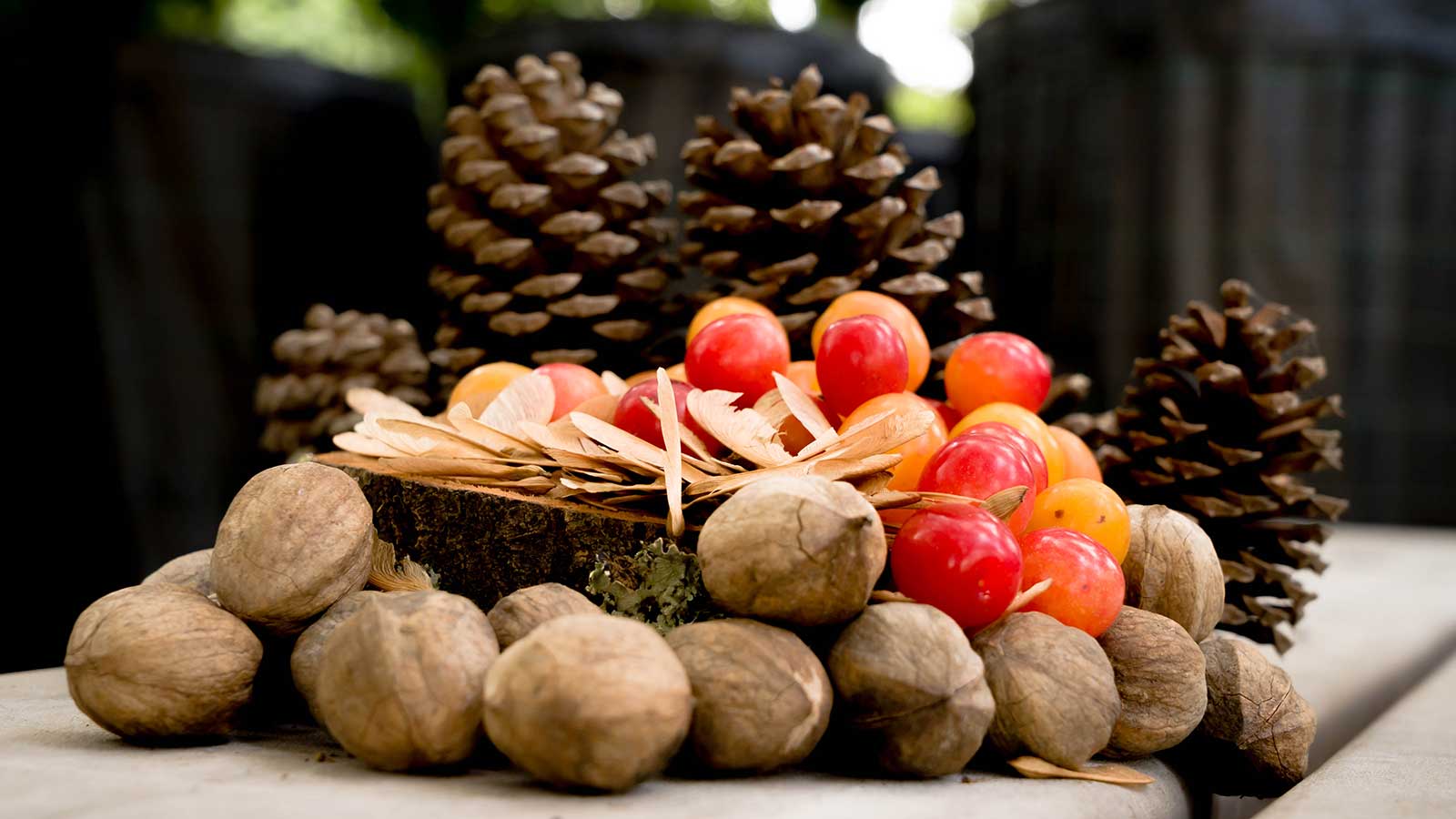
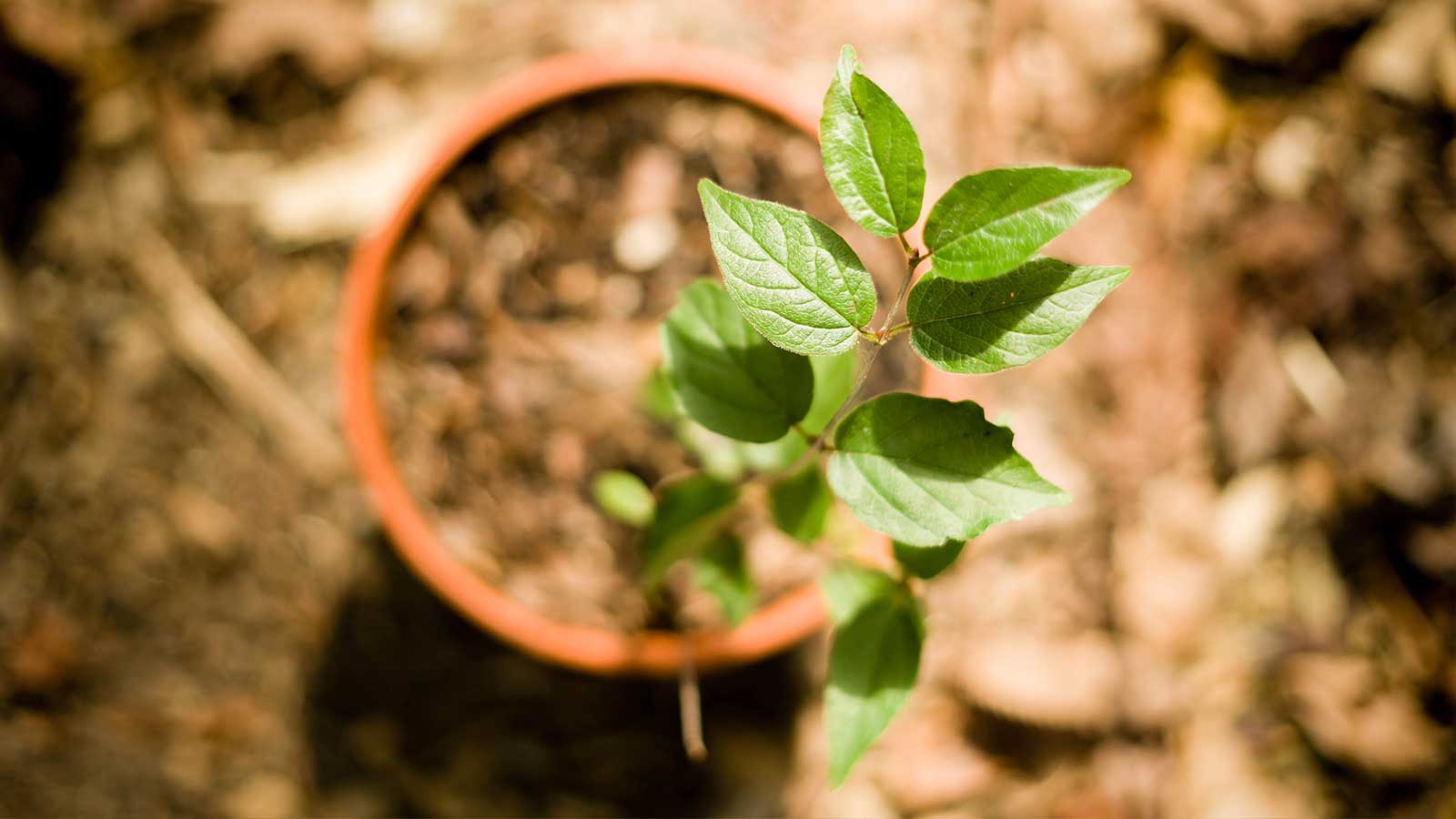
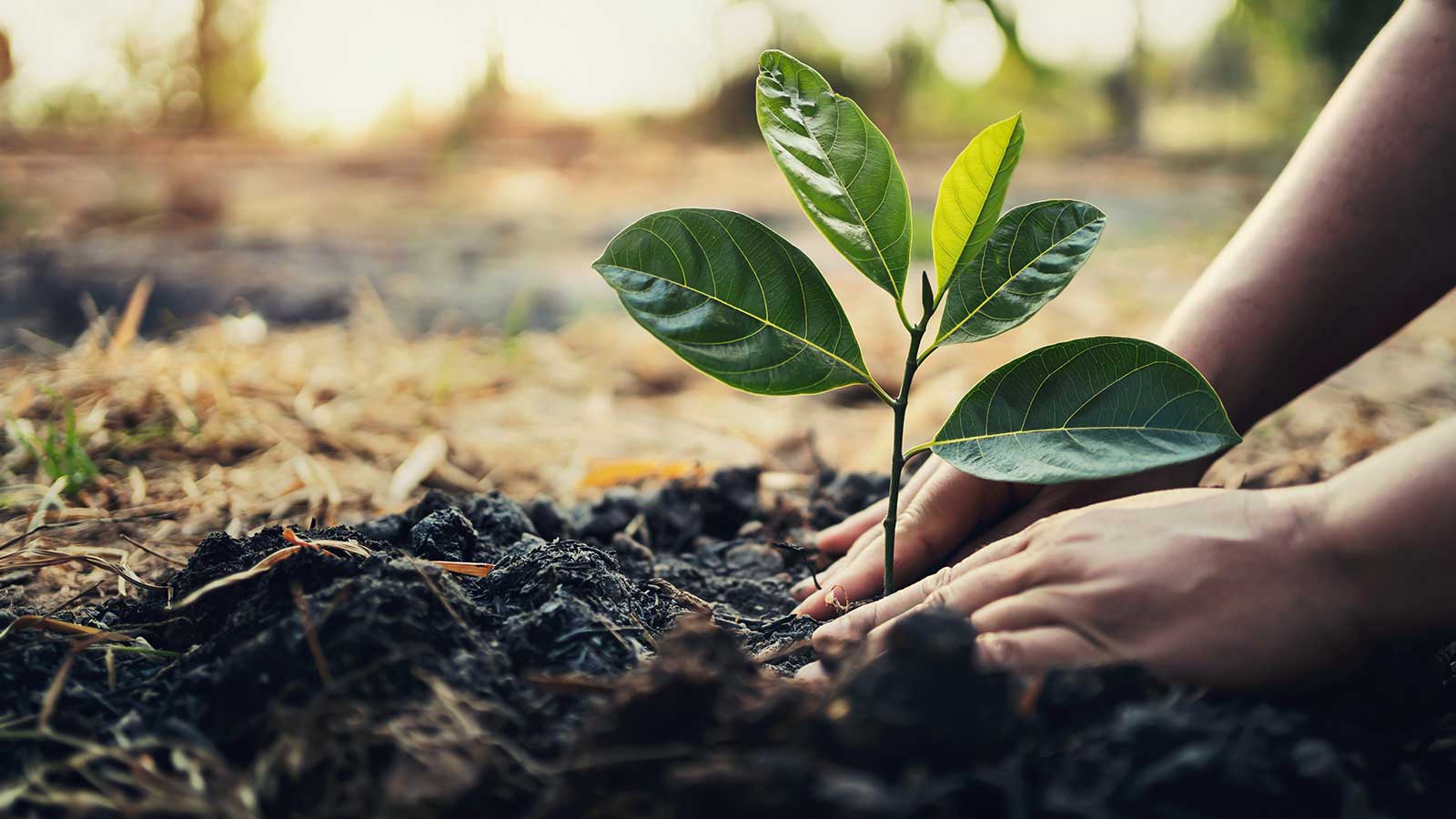
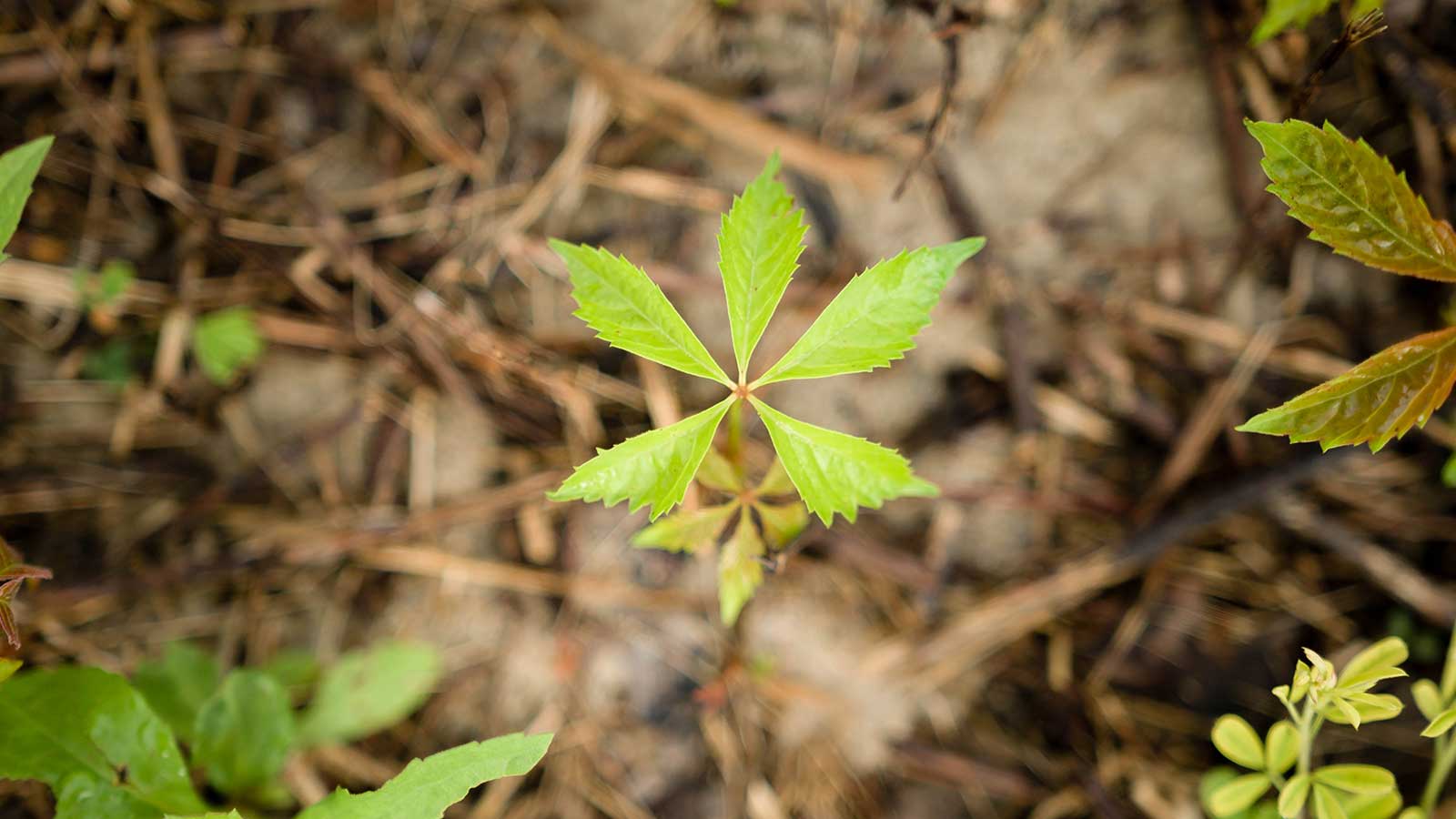
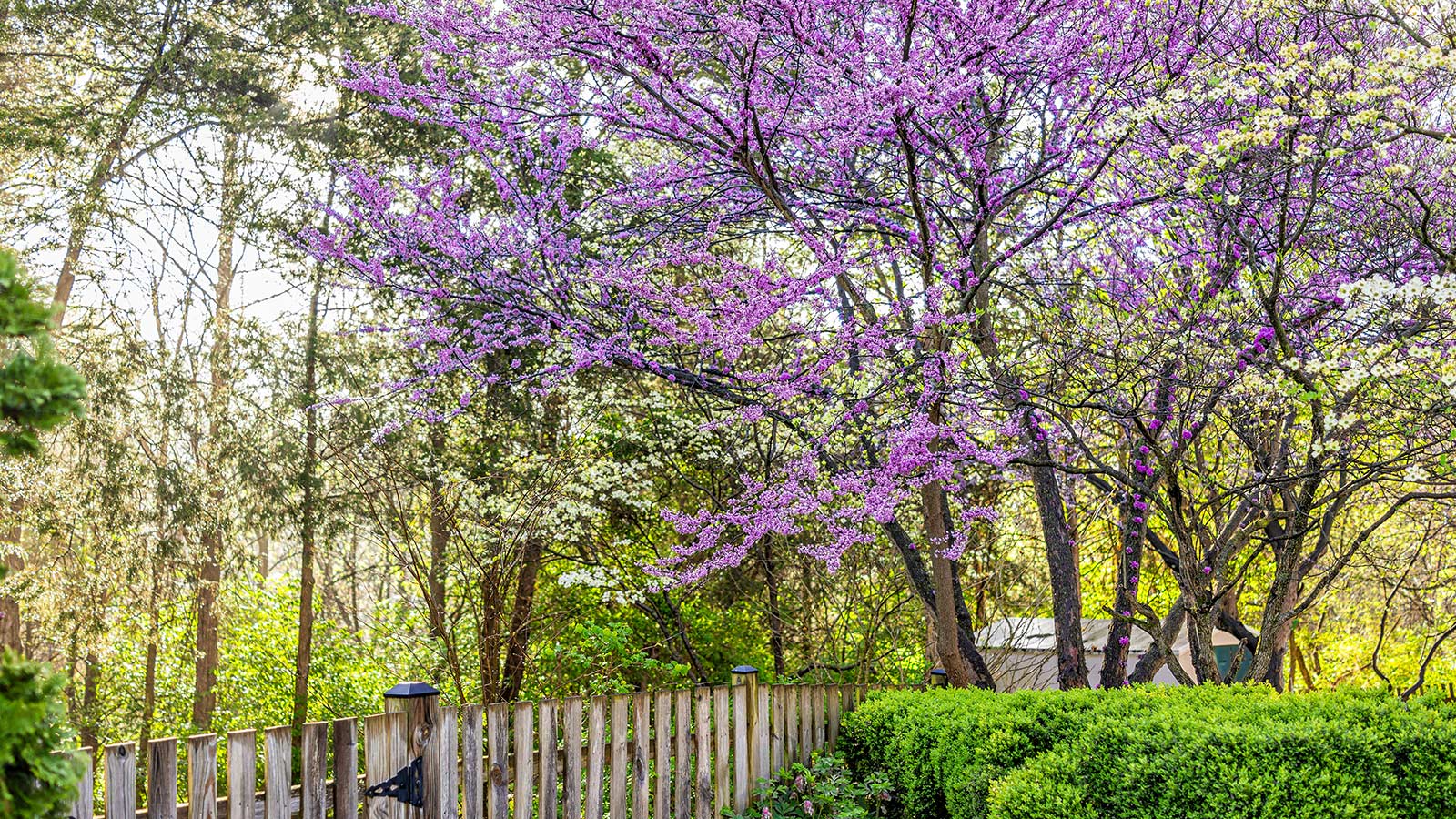
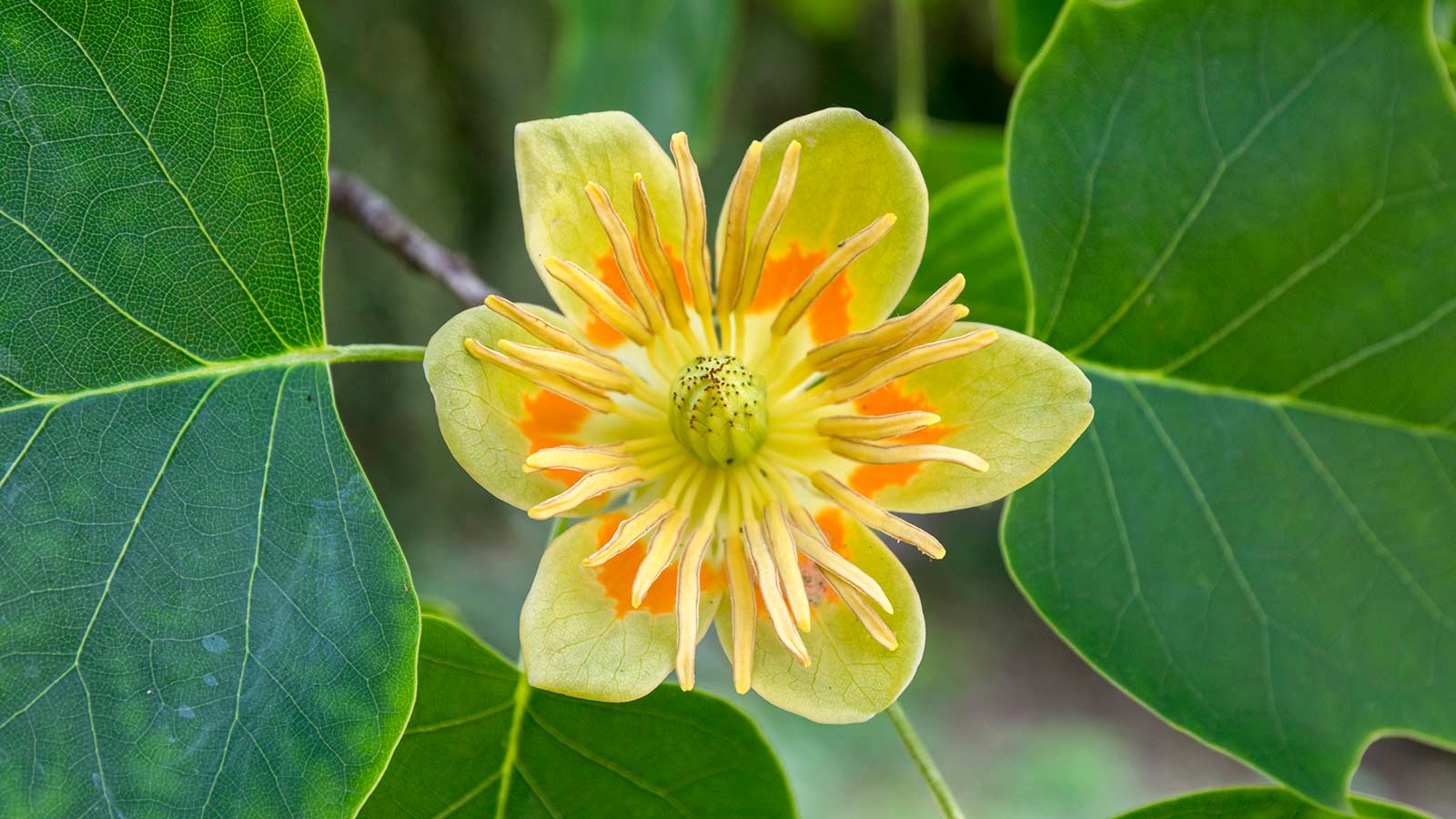
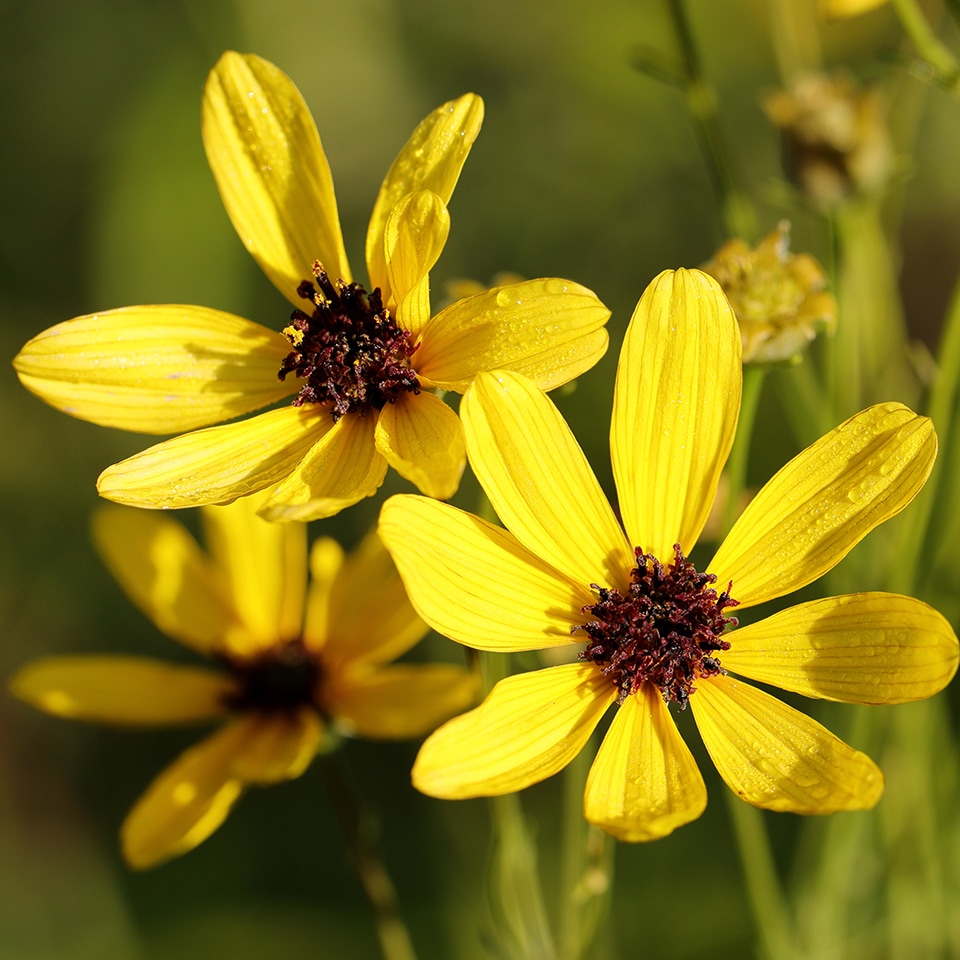
Native trees, shrubs, and flowers build deeper root systems over time, which makes your whole landscape more resilient to dry spells. Those roots also open channels in the soil that water can follow long after the plant itself has finished growing for the season. The more native plants surrounding your trees, the more resilient the whole system becomes.
Watch for Early Stress Signs
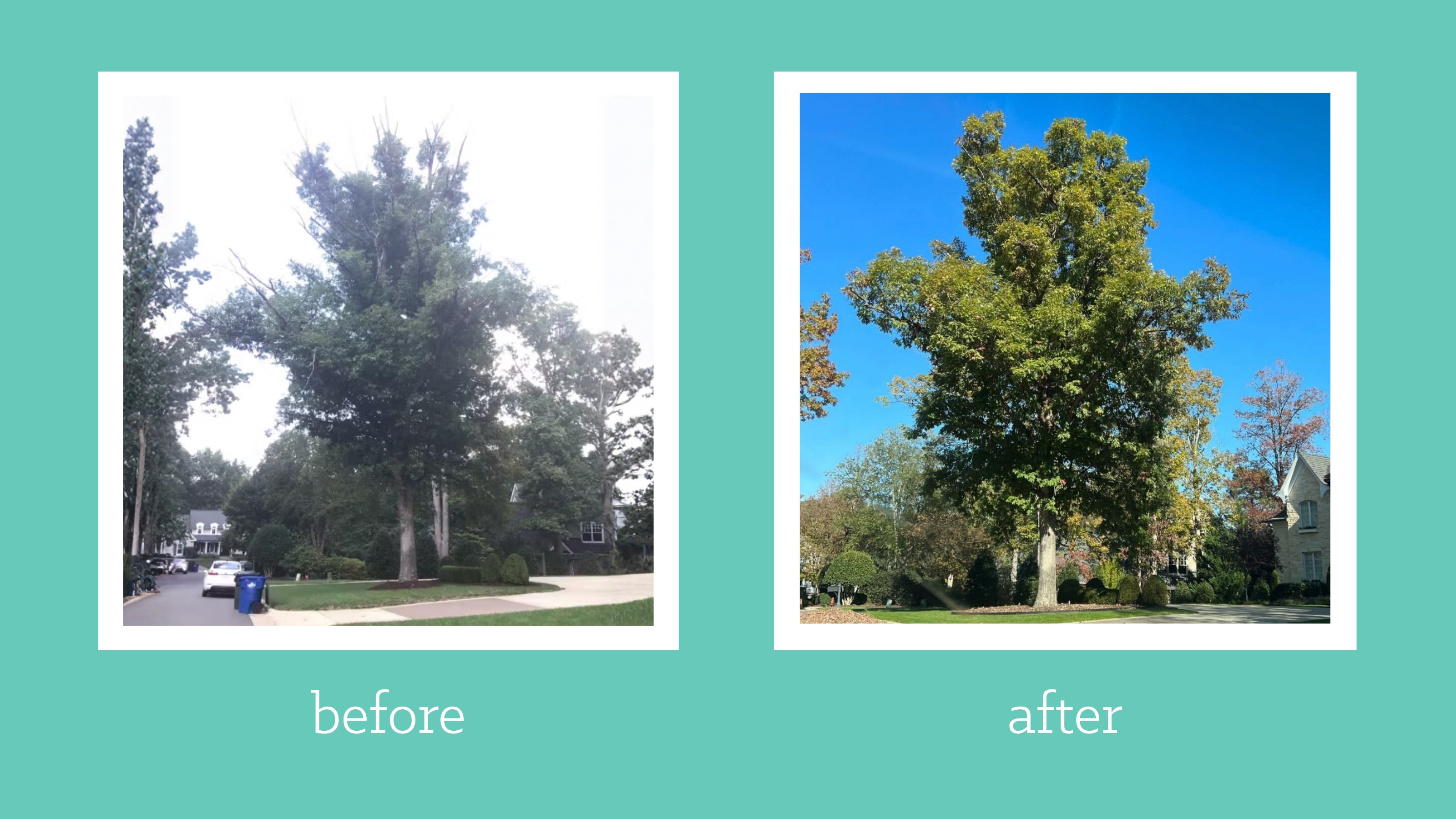
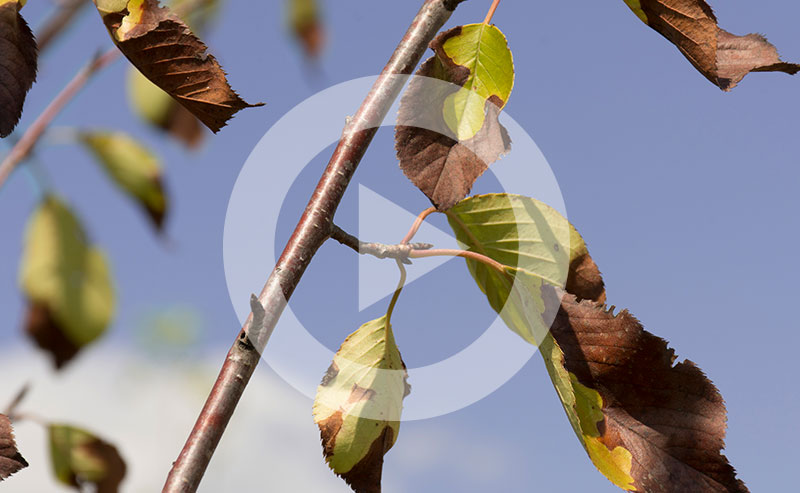
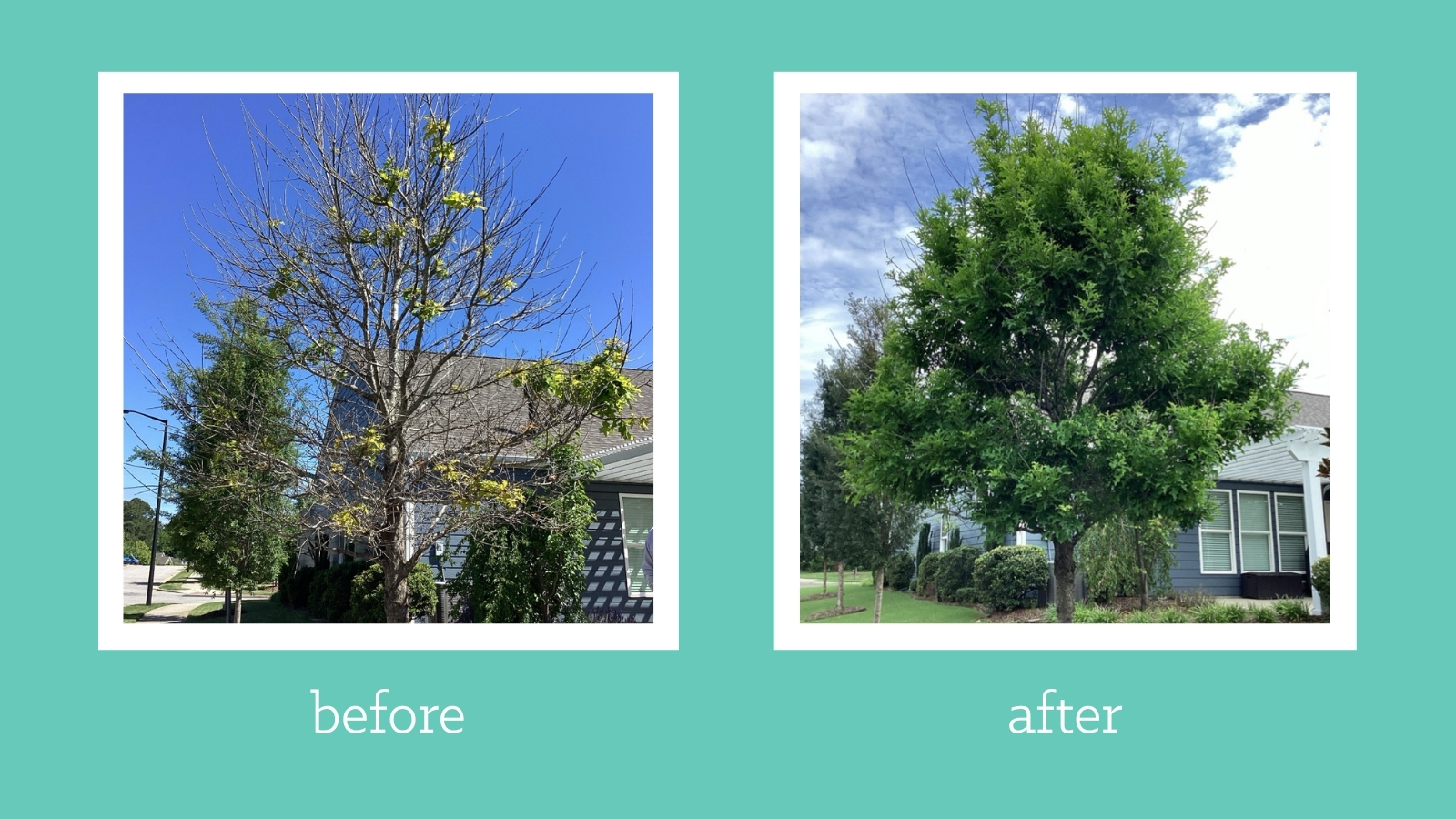
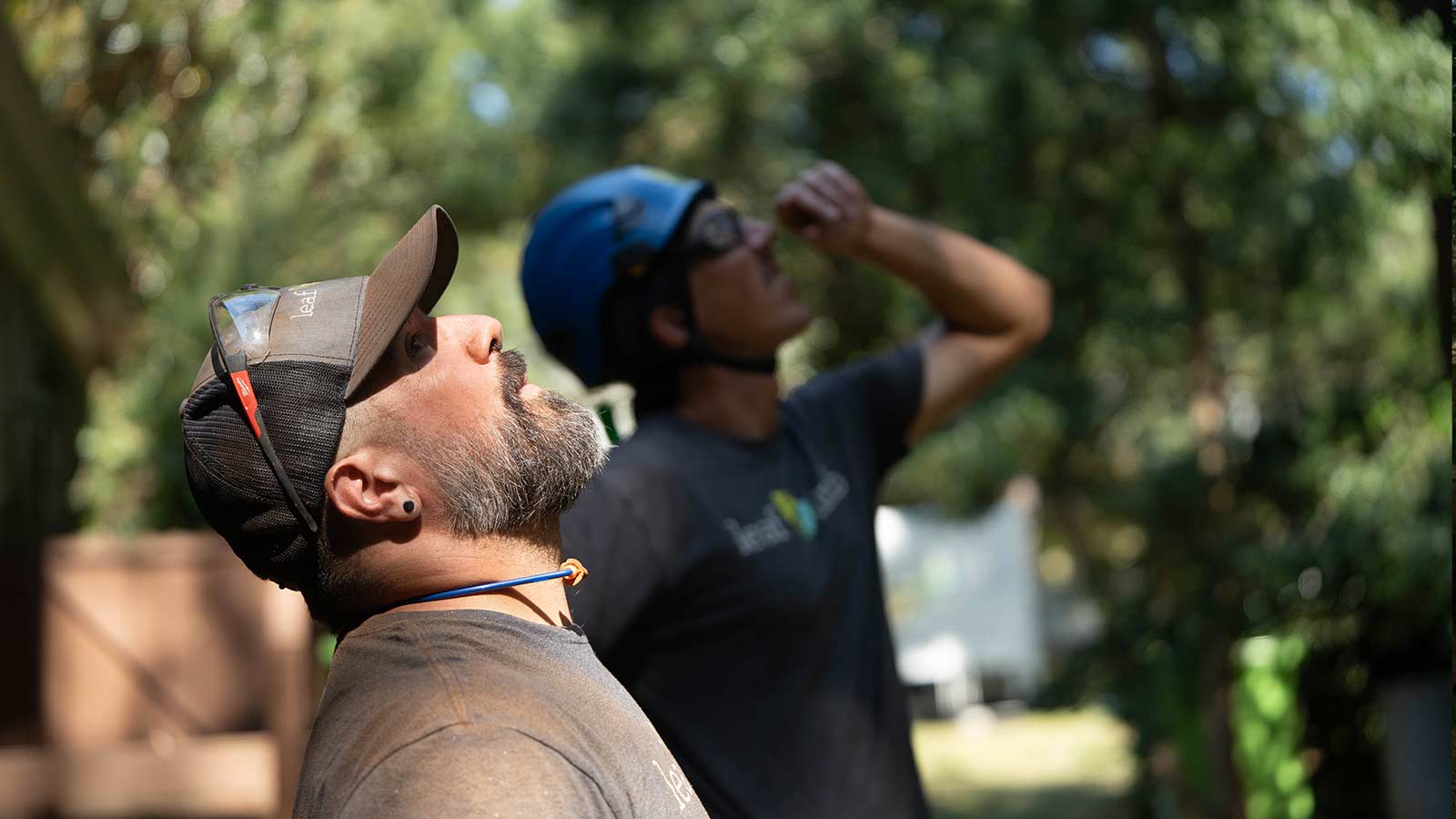
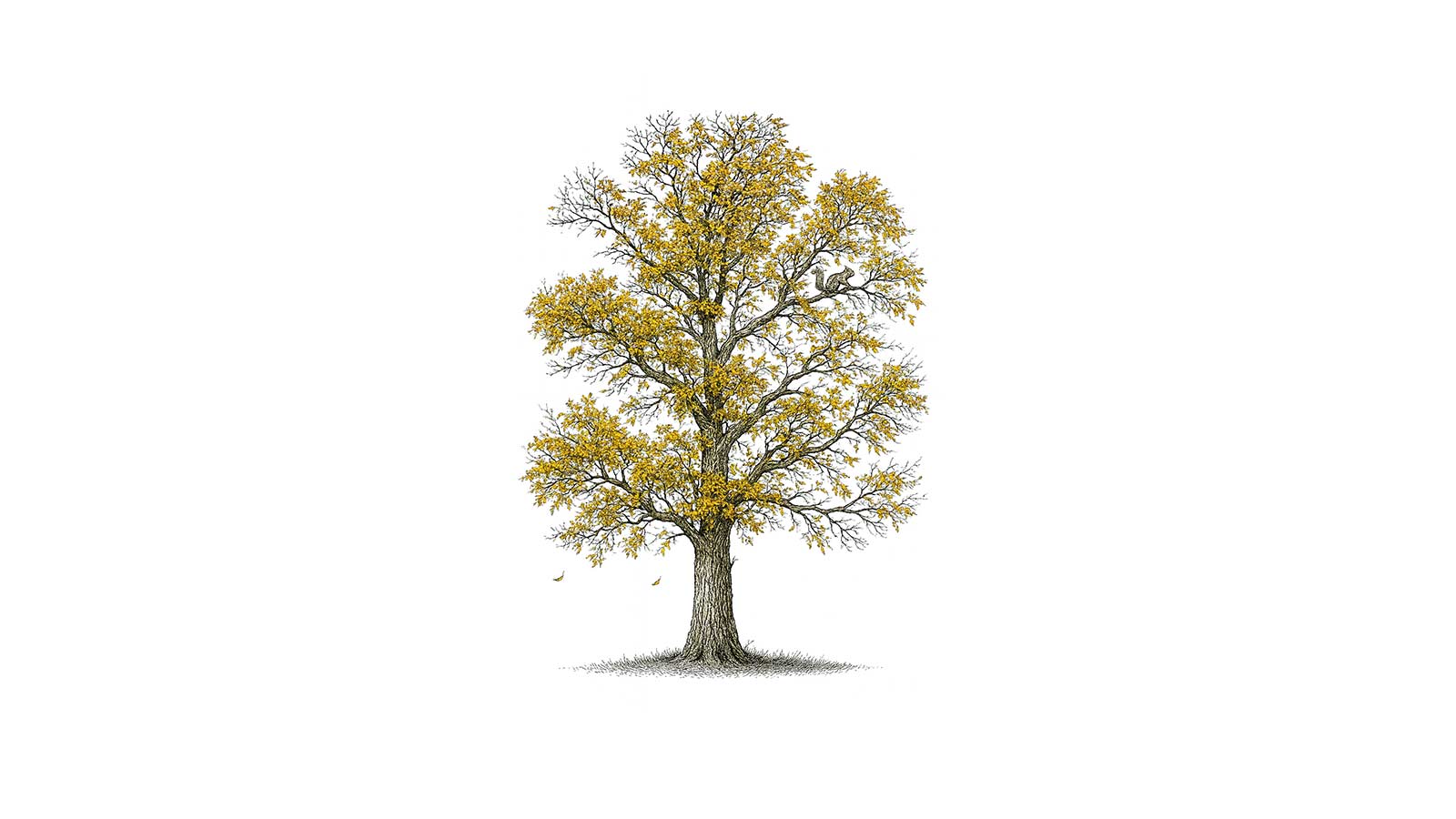
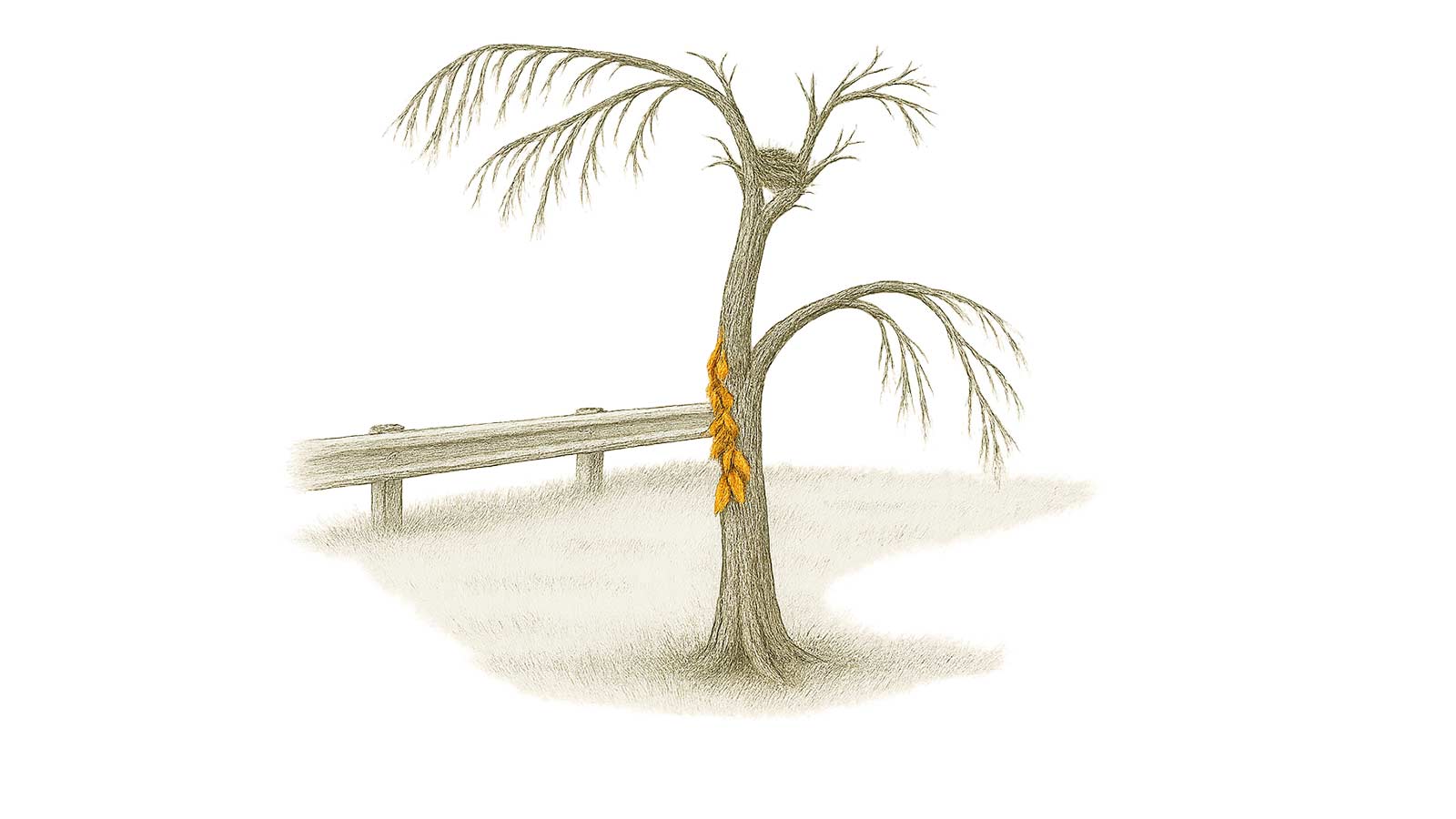
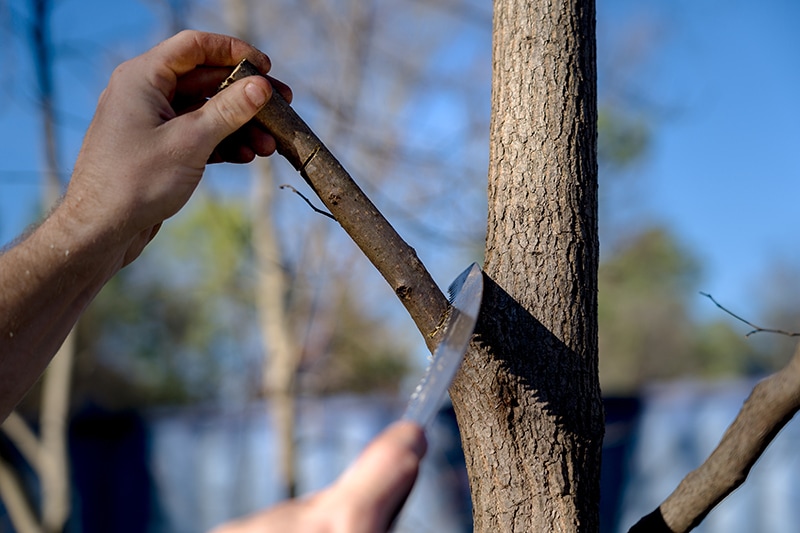
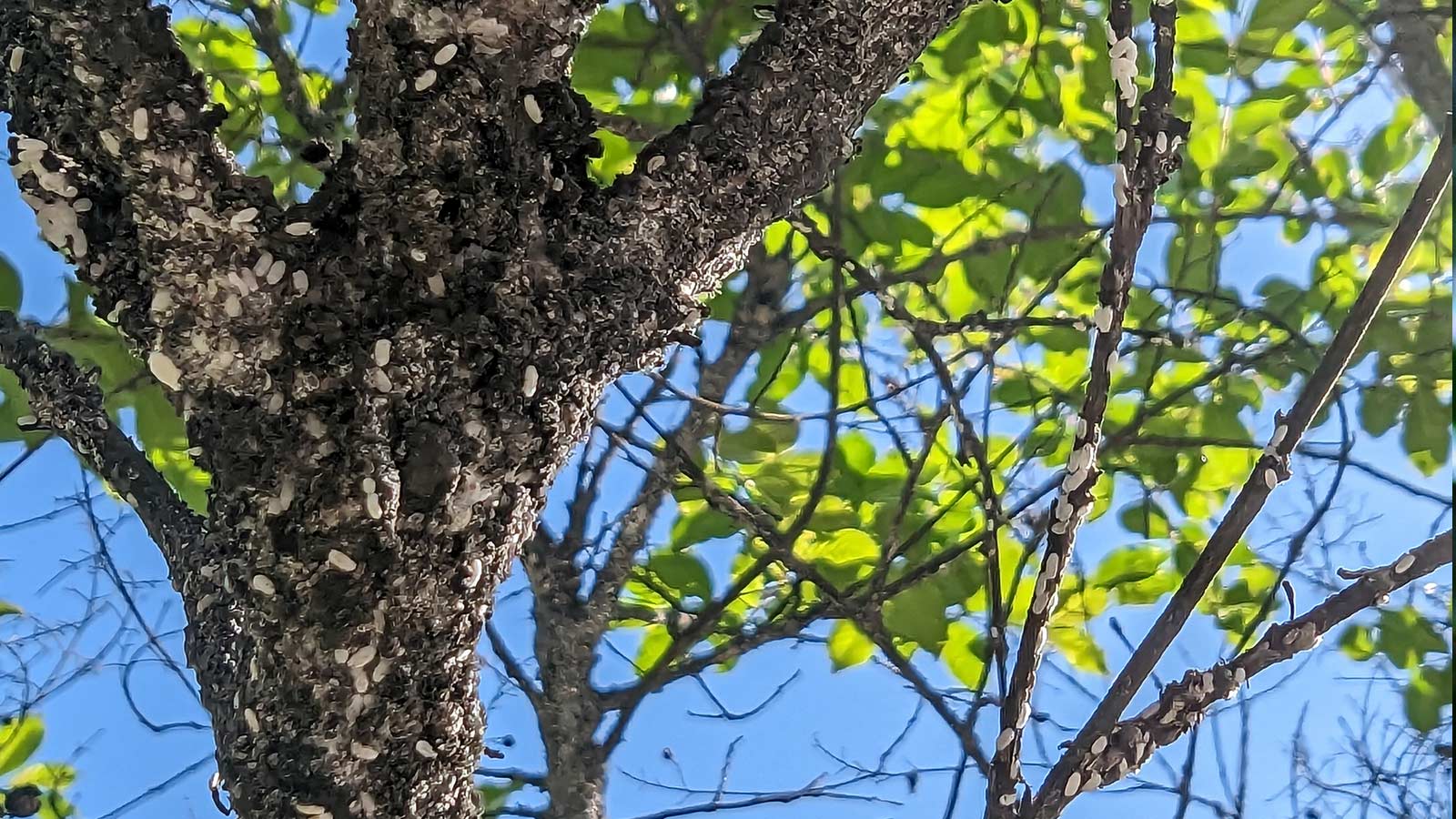
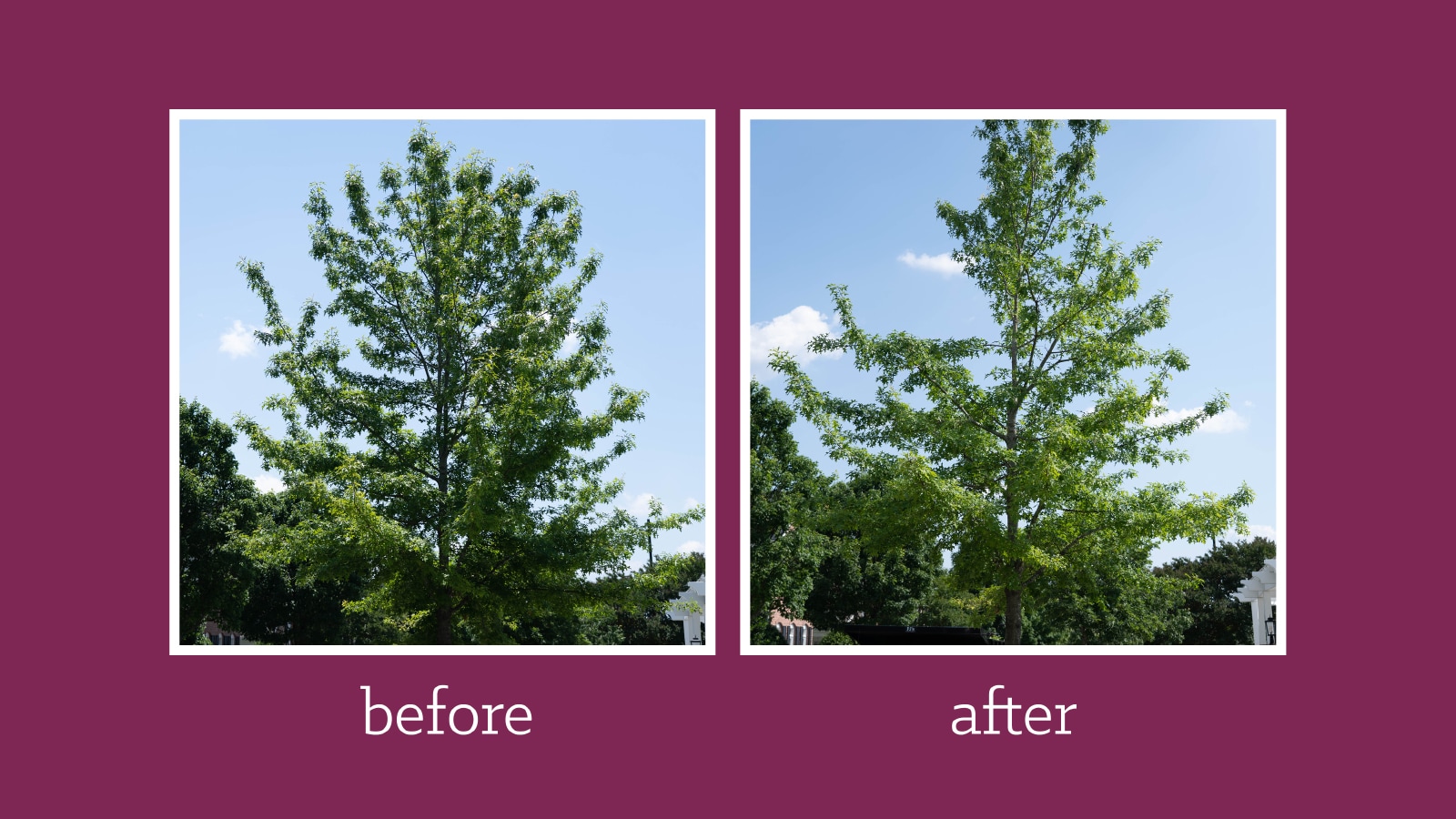
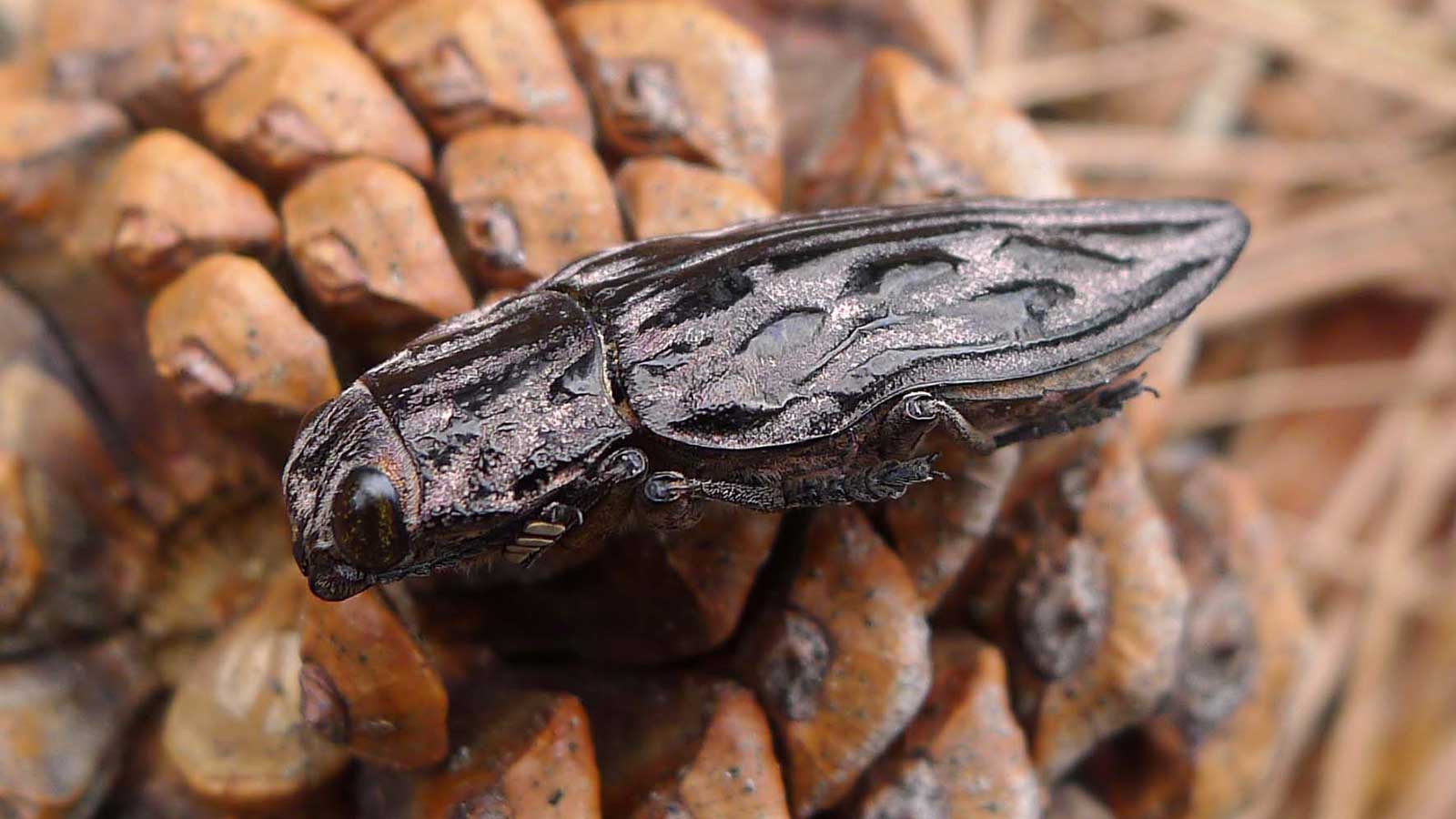
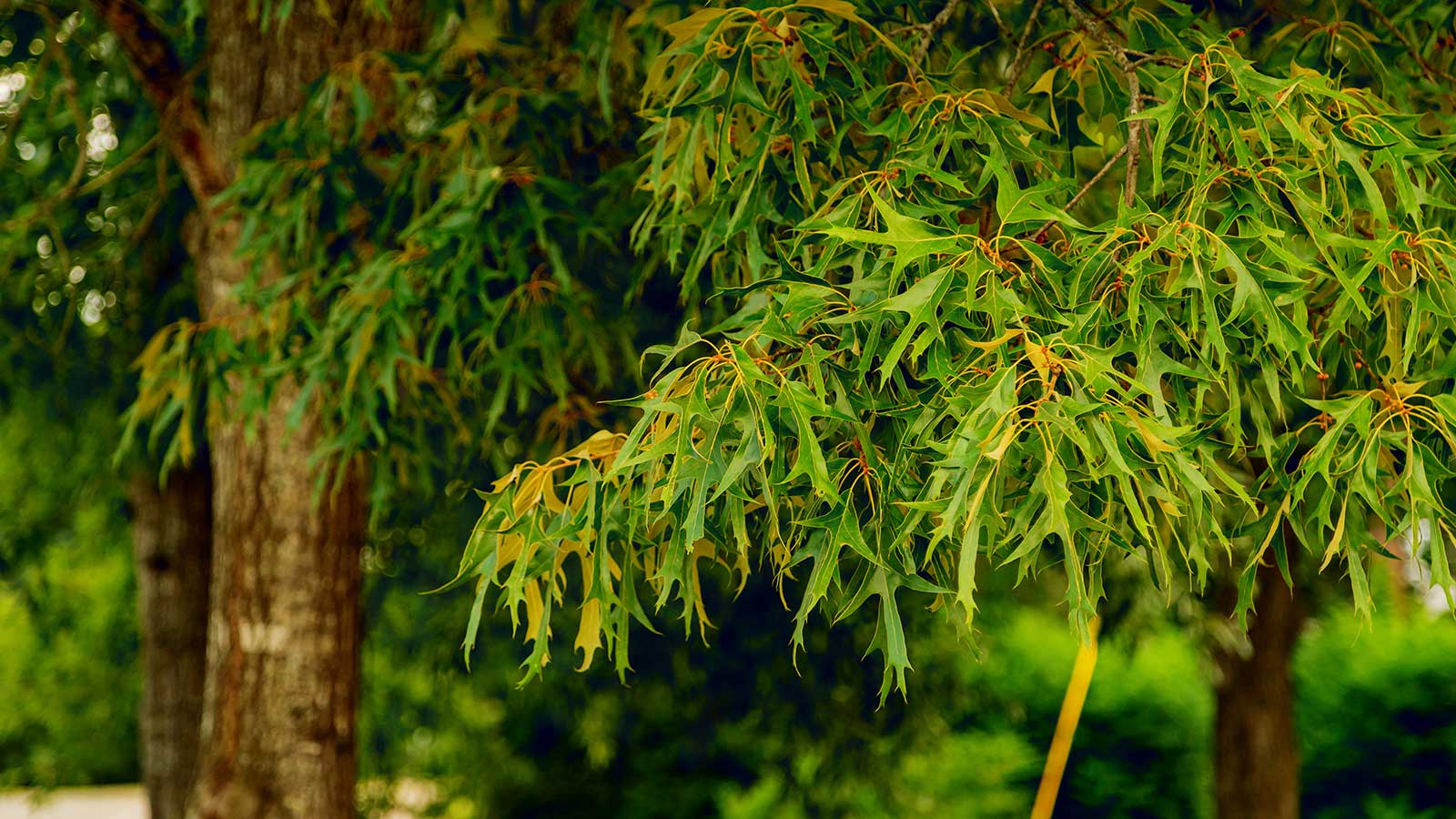
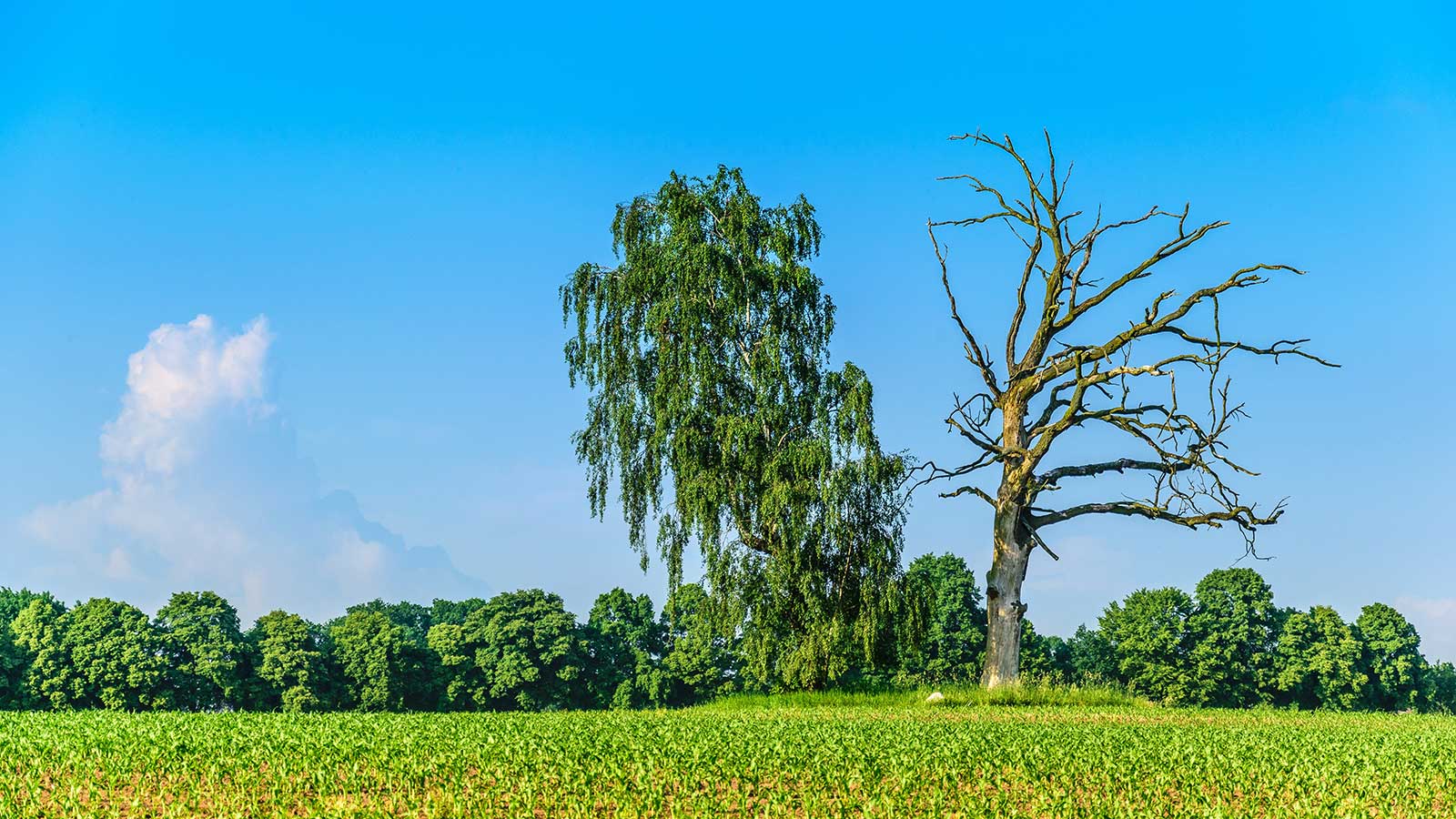
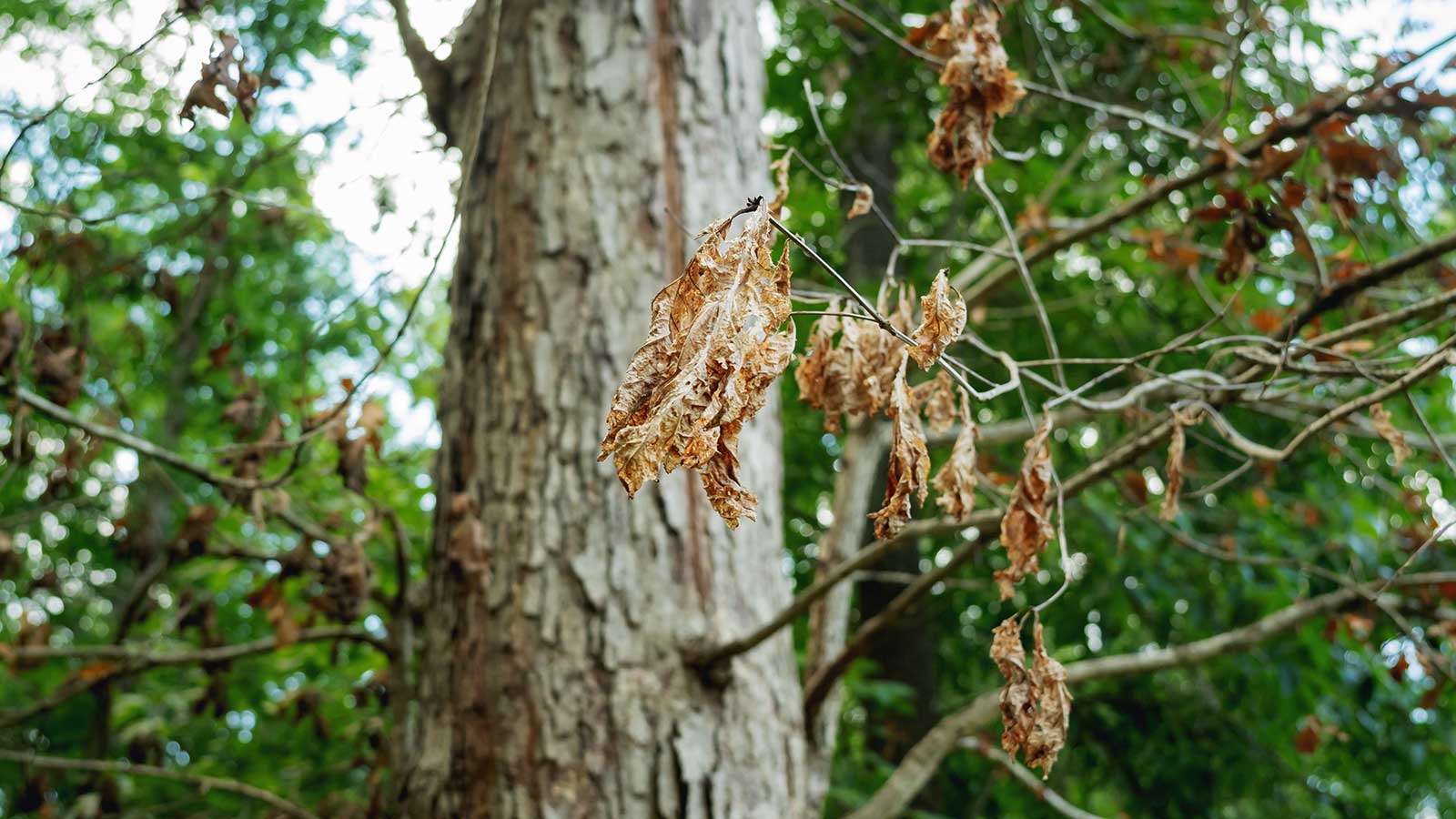
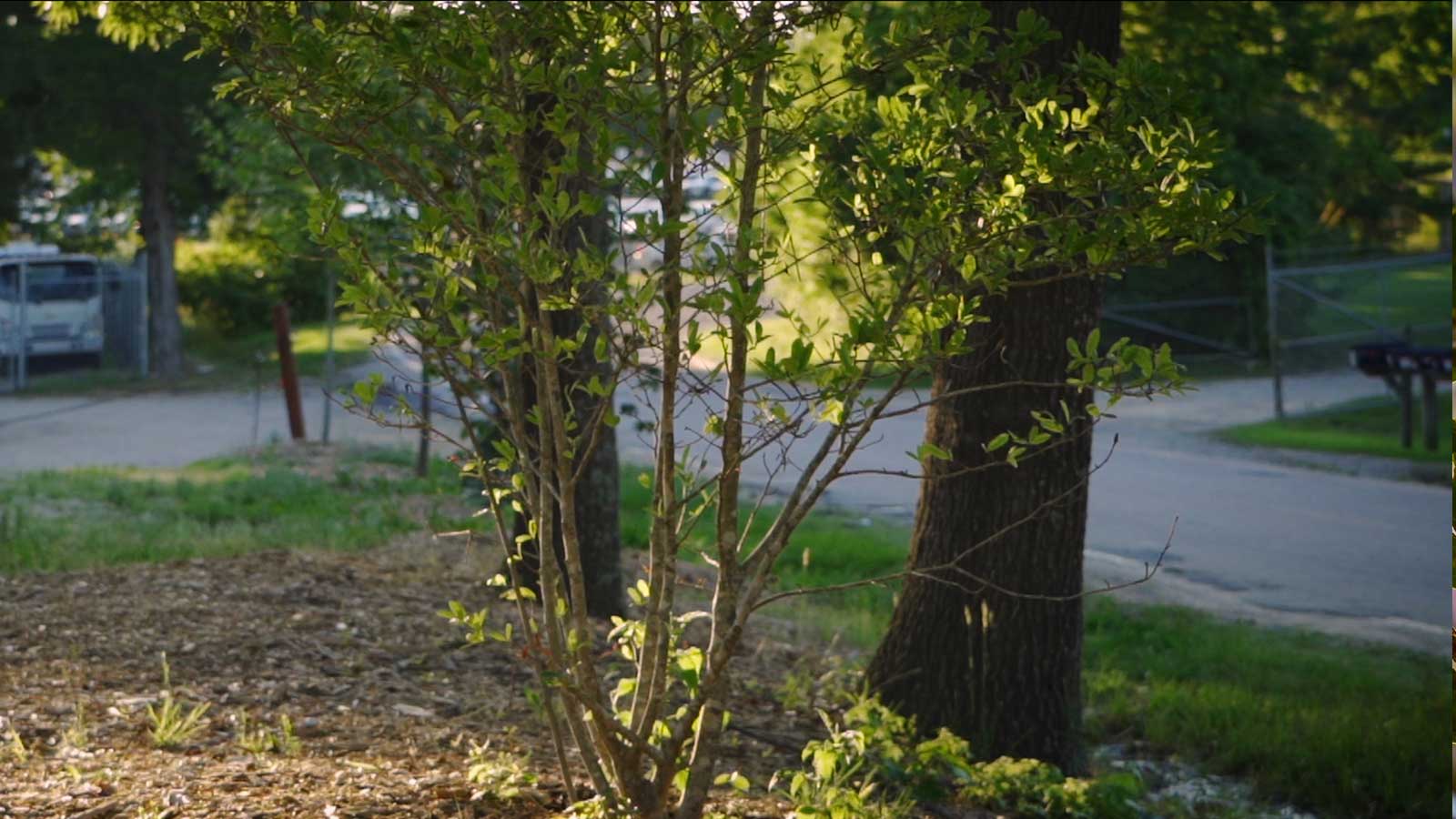
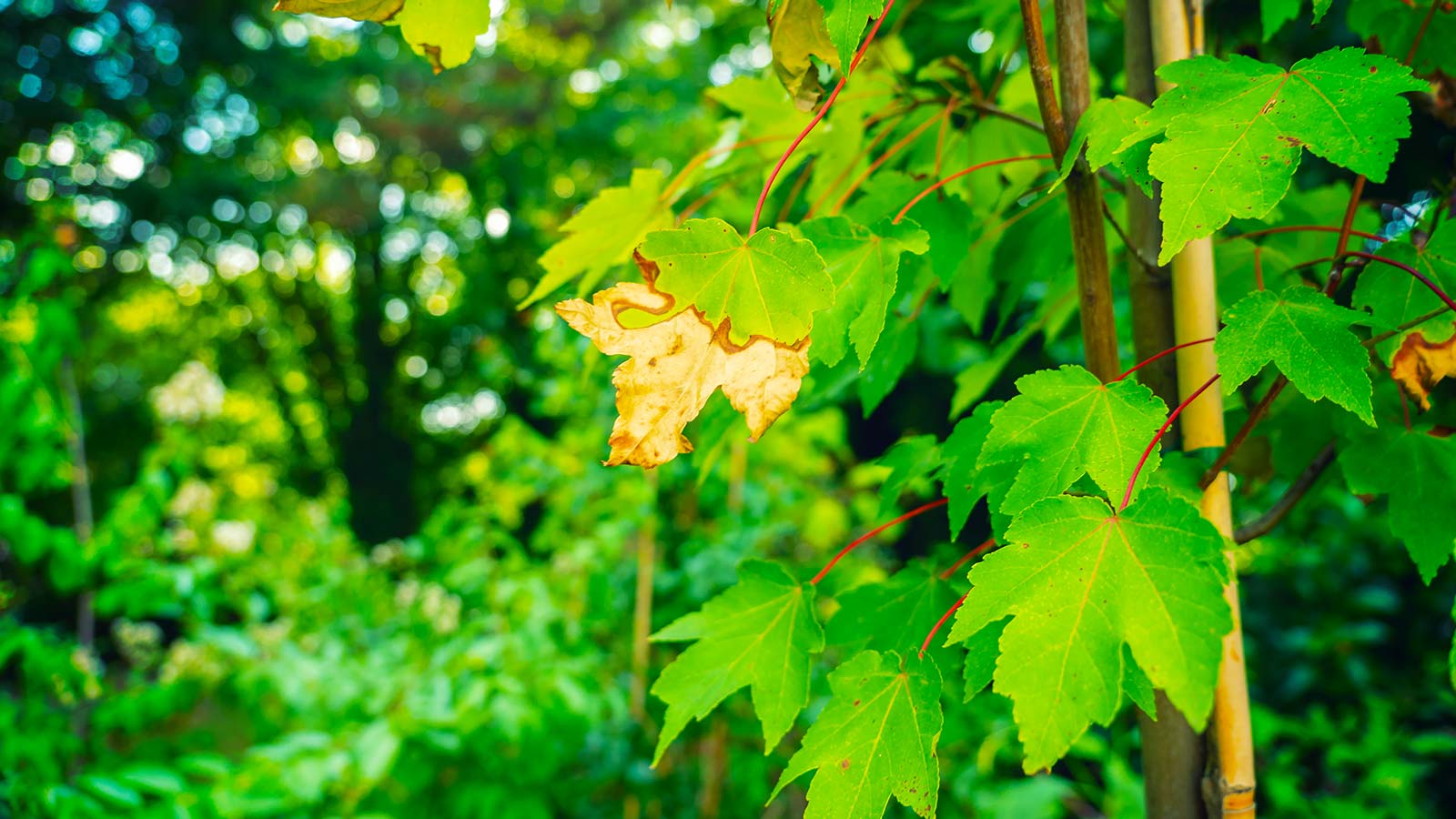
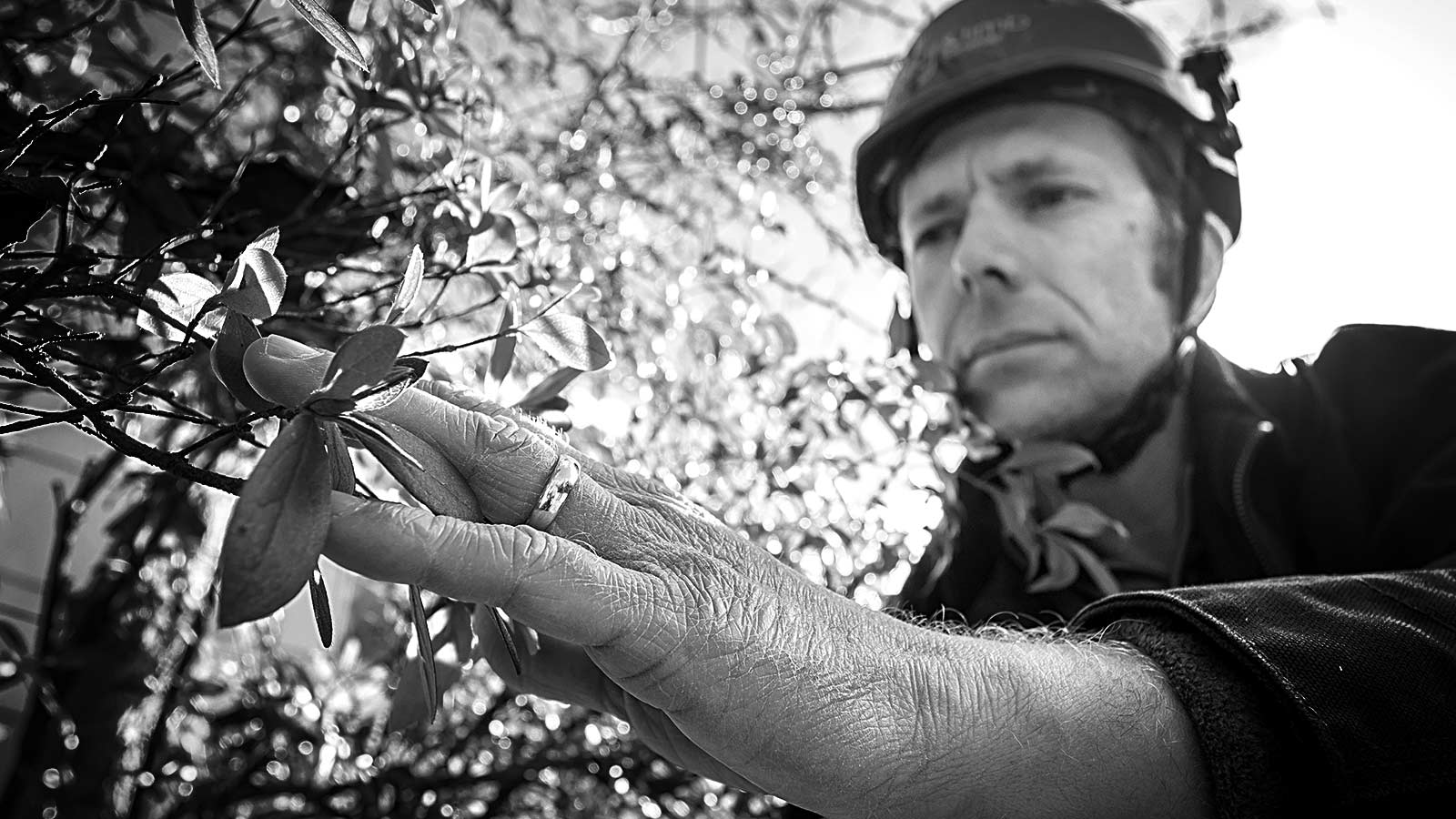
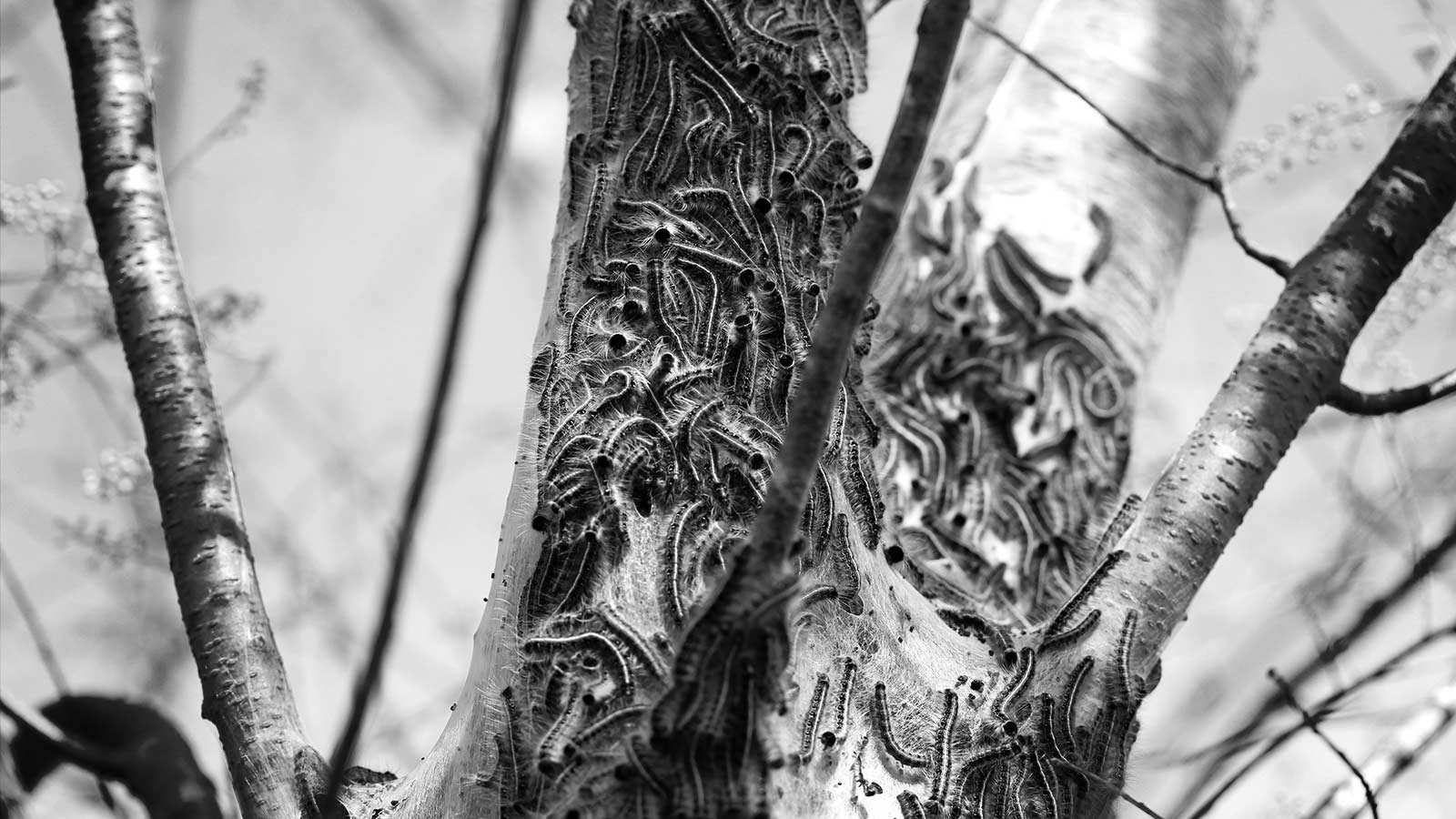
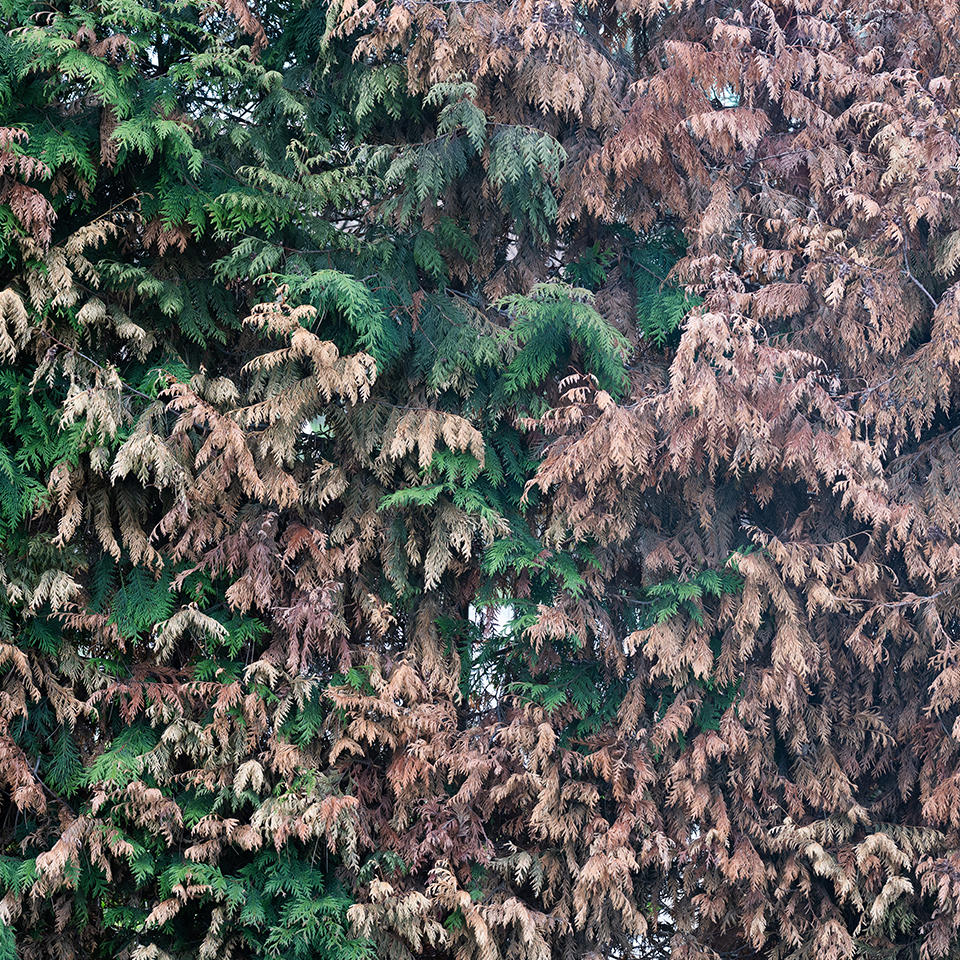
Dulling evergreen needles, smaller or thinner leaf-out in spring, early leaf drop, and stunted twig growth all signal a tree pulling back to conserve water. These signs often show up before a tree looks obviously unhealthy, which is exactly when soil improvement has the most time to help. Catching stress early can mean the difference between a tree that recovers and one that spirals.
This drought won't be the last one. Summers in Central North Carolina are trending longer and drier, which makes the next few weeks a good time to act, not a reason to wait for better conditions.
The good news is that soil can start healing fast. A compost tea application and air spade session can loosen years of compaction and restock the soil's biology in a single afternoon. A layer of wood chips laid down this weekend starts protecting roots and moisture right away. Leaves left in place this fall begin feeding the soil before winter even sets in.
Your trees don't need a perfect solution today. They need the process started. Every bit of organic matter, every native plant, every skipped chemical treatment adds a little more capacity for your soil to hold onto the water it gets, so your trees are ready for the next dry stretch, not just this one.
If your trees are already showing signs of stress, we would love to help you build a plan to make your trees and shrubs more resilient.