Where Did the Birds Go?
Replacing a lawn with a Piedmont Prairie is one of the most direct things you can do to help bring back life.
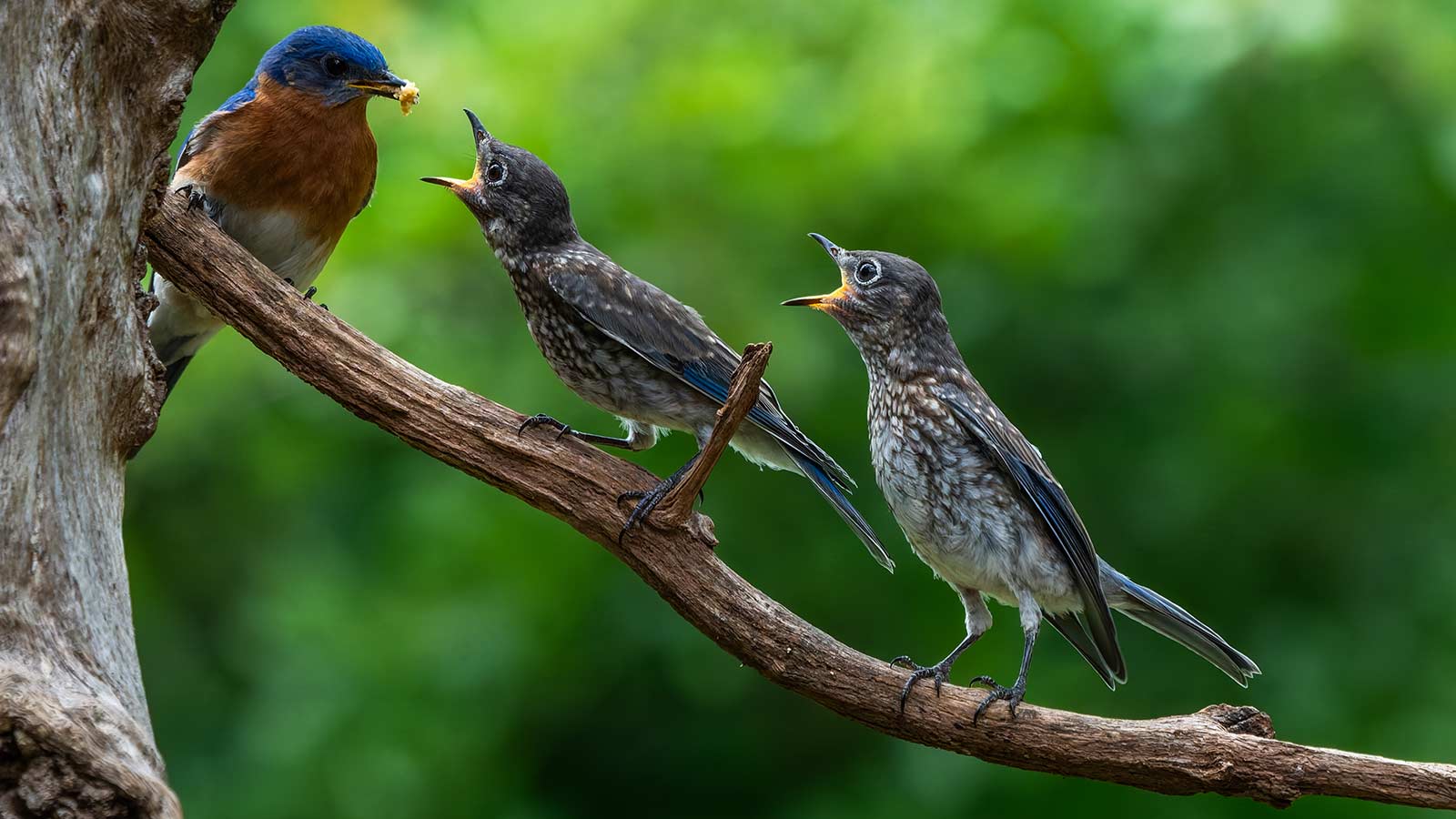
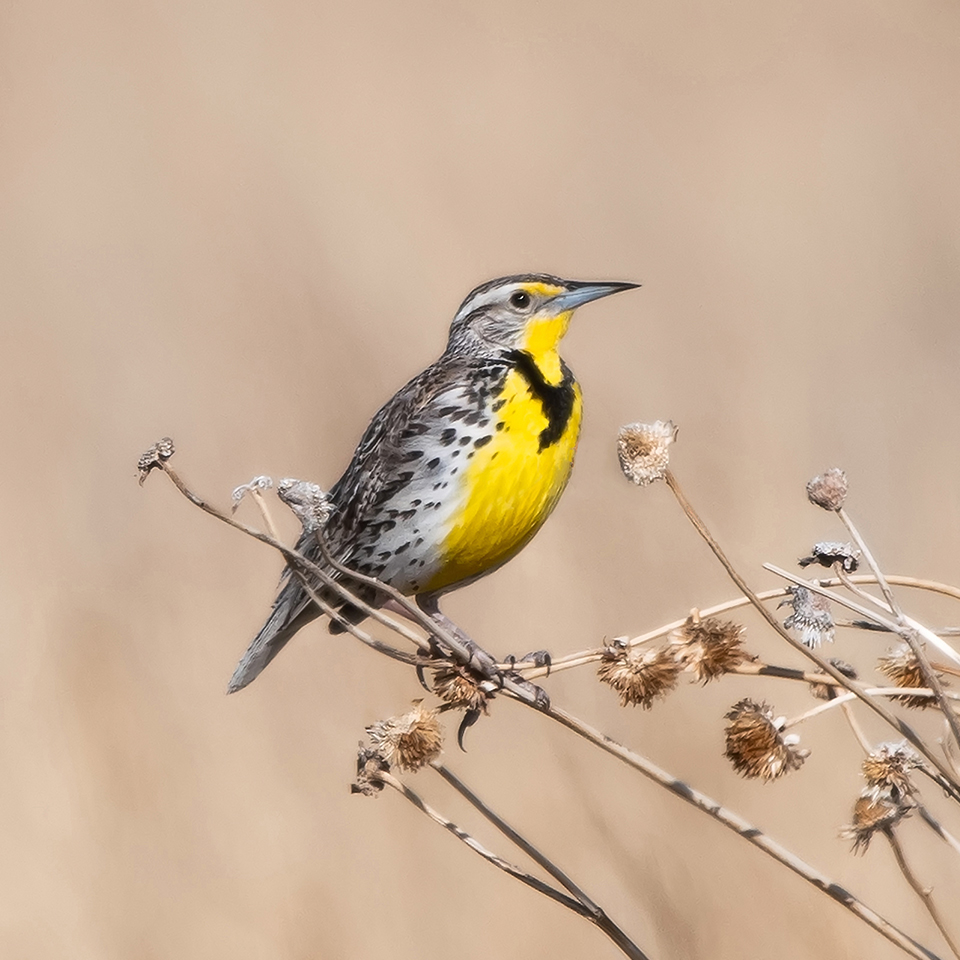
The sound of an eastern meadowlark used to be part of summer's soundtrack. Now its clear whistle is something people remember more than they hear.
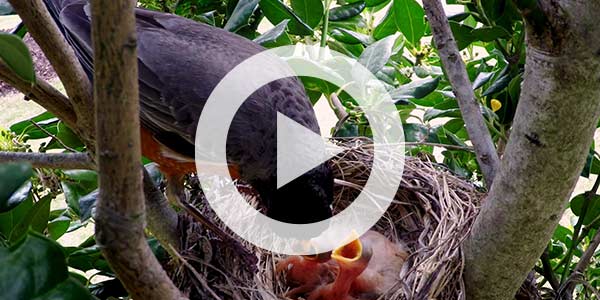
Bird populations are declining — not just because of one dramatic event, but because the habitats they evolved with have steadily diminished. According to a 2019 study published in Science, North America has lost nearly 3 billion birds since 1970. Grassland birds have been hit the hardest of all. Cornell Lab of Ornithology reports that 3 out of every 4 eastern meadowlarks have been lost since 1970.
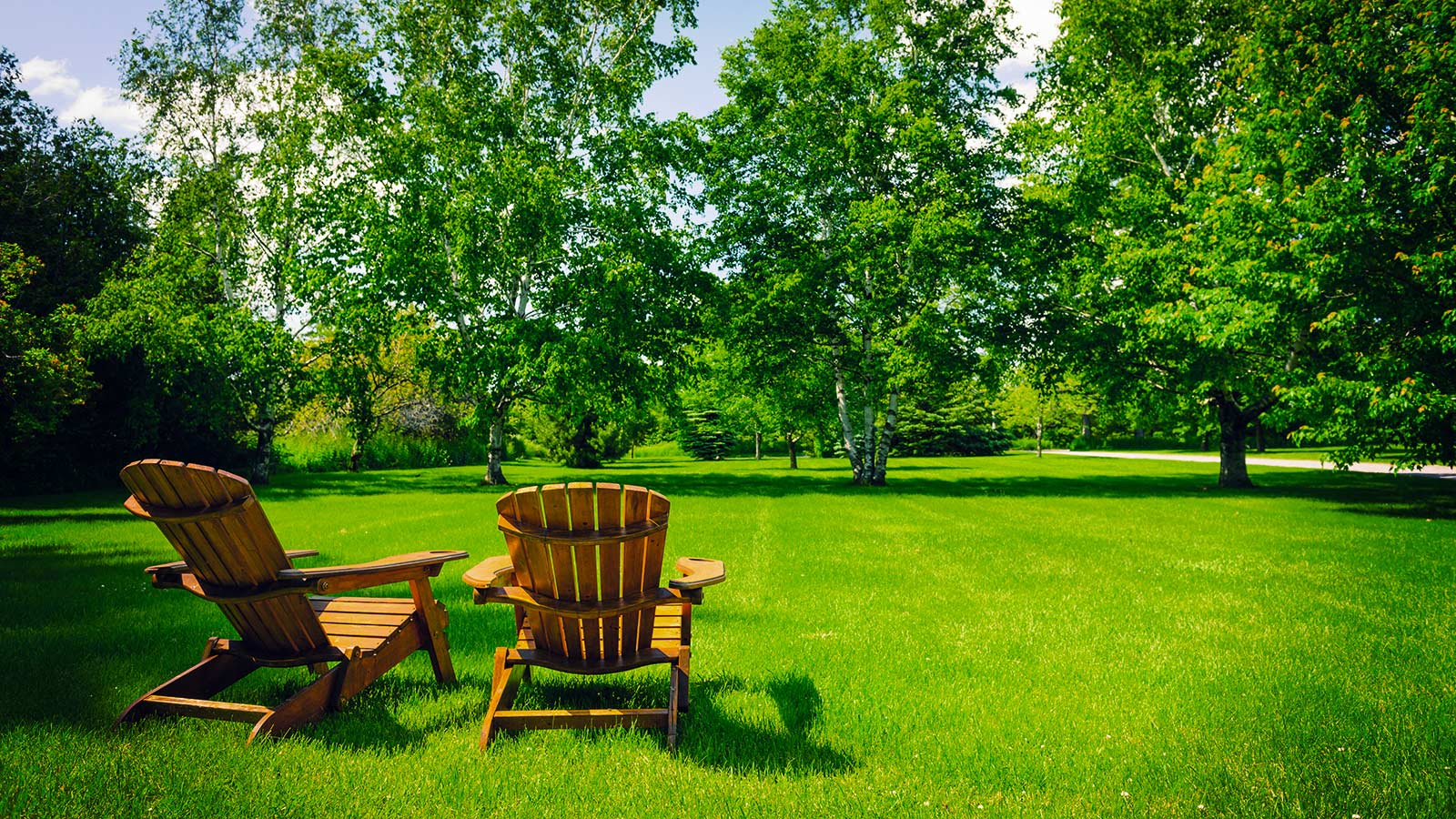
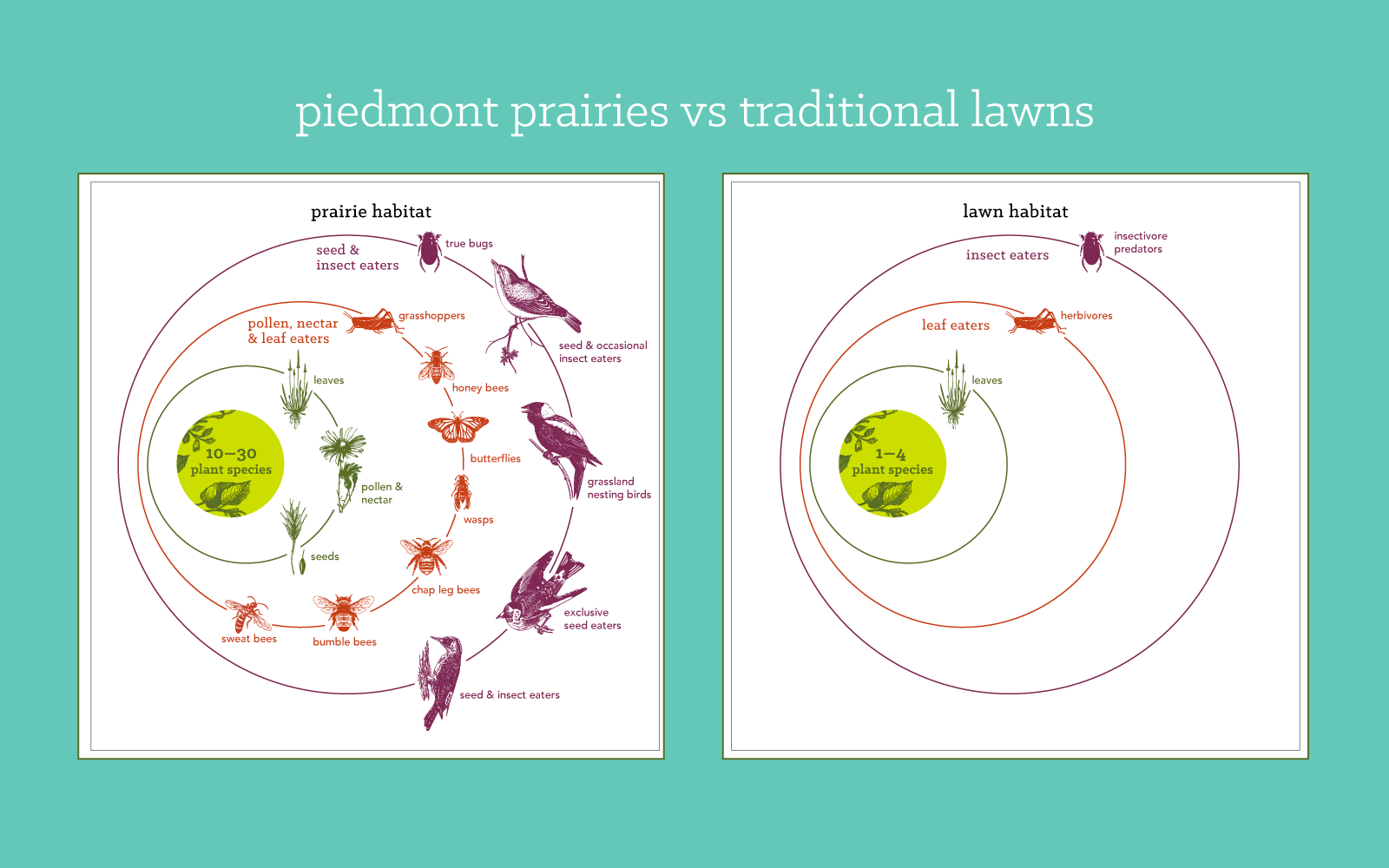
Lawns have replaced native meadows, and that loss is part of what's driving the decline. Even an imperfect lawn, with its casual clusters of violets and dandelions, hosts few insects, which in turn means very few food sources for birds. The bird calls have been replaced by the sound of leaf blowers.
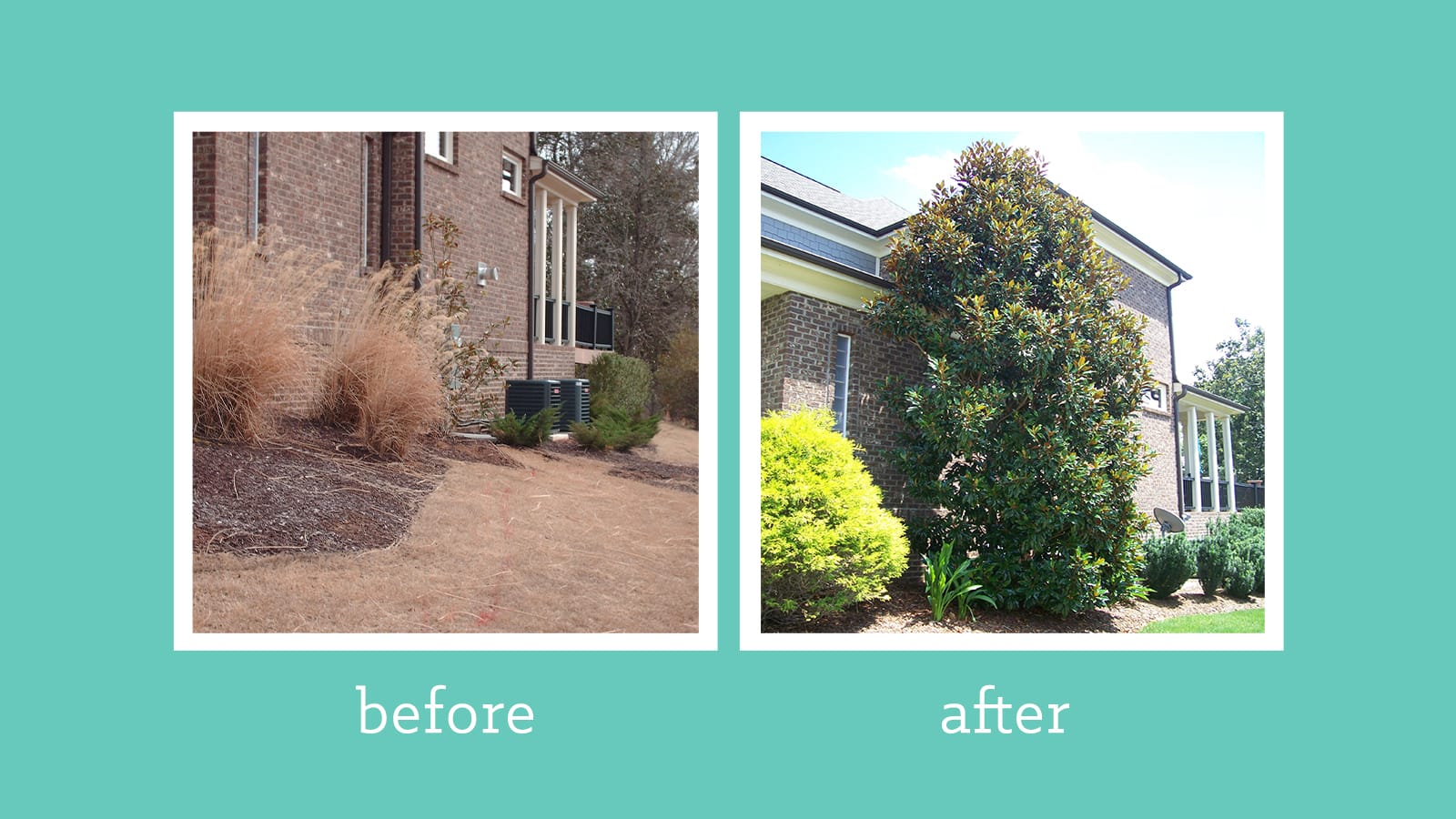
But it's far from hopeless. Replacing a lawn with a native meadow, which we call a Piedmont Prairie, is one of the most direct things you can do to help bring back some of what has been lost — from the deep rich foundational soil to the meadowlark on the fencepost.
A Brief History of Piedmont Prairies
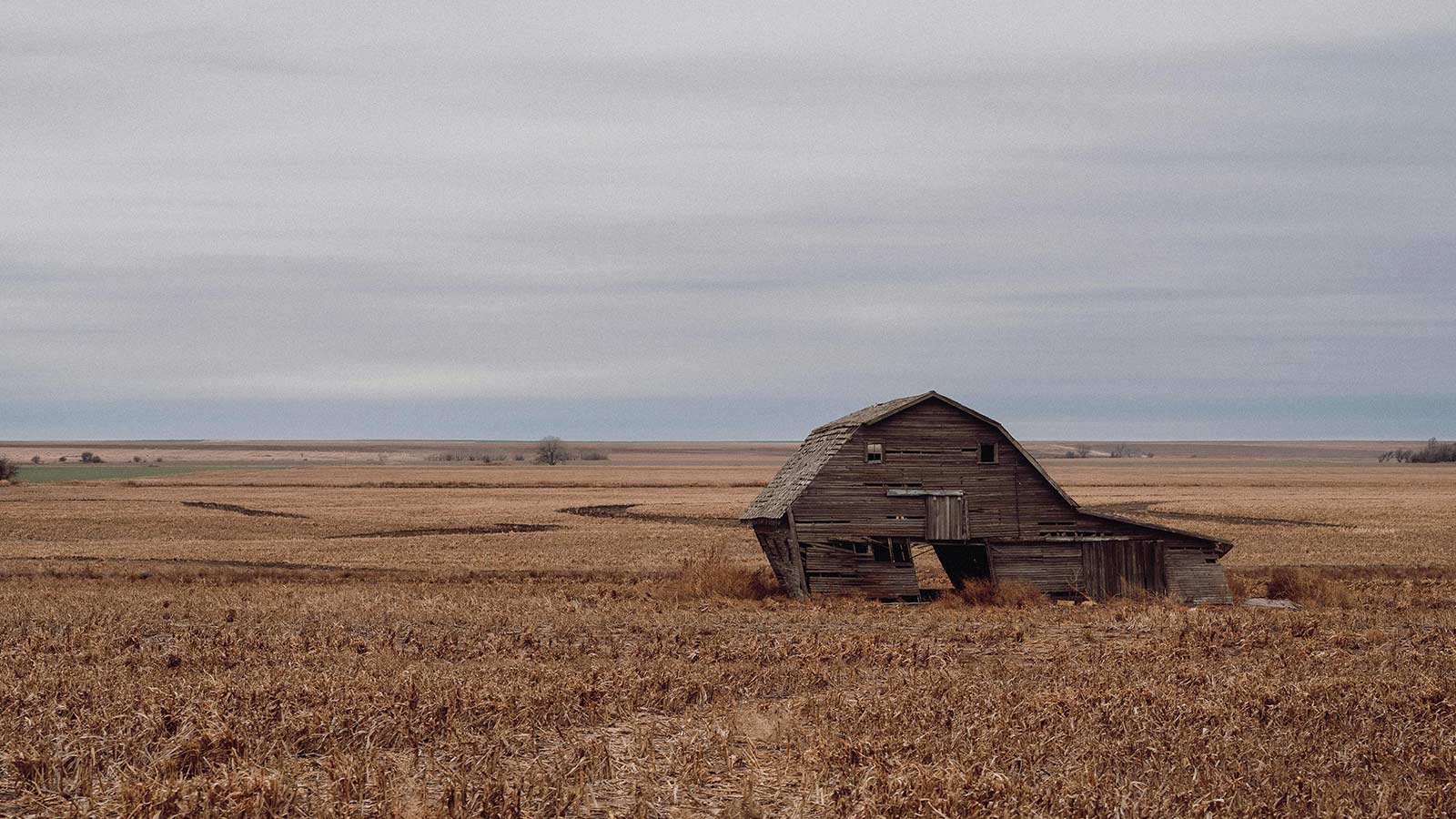
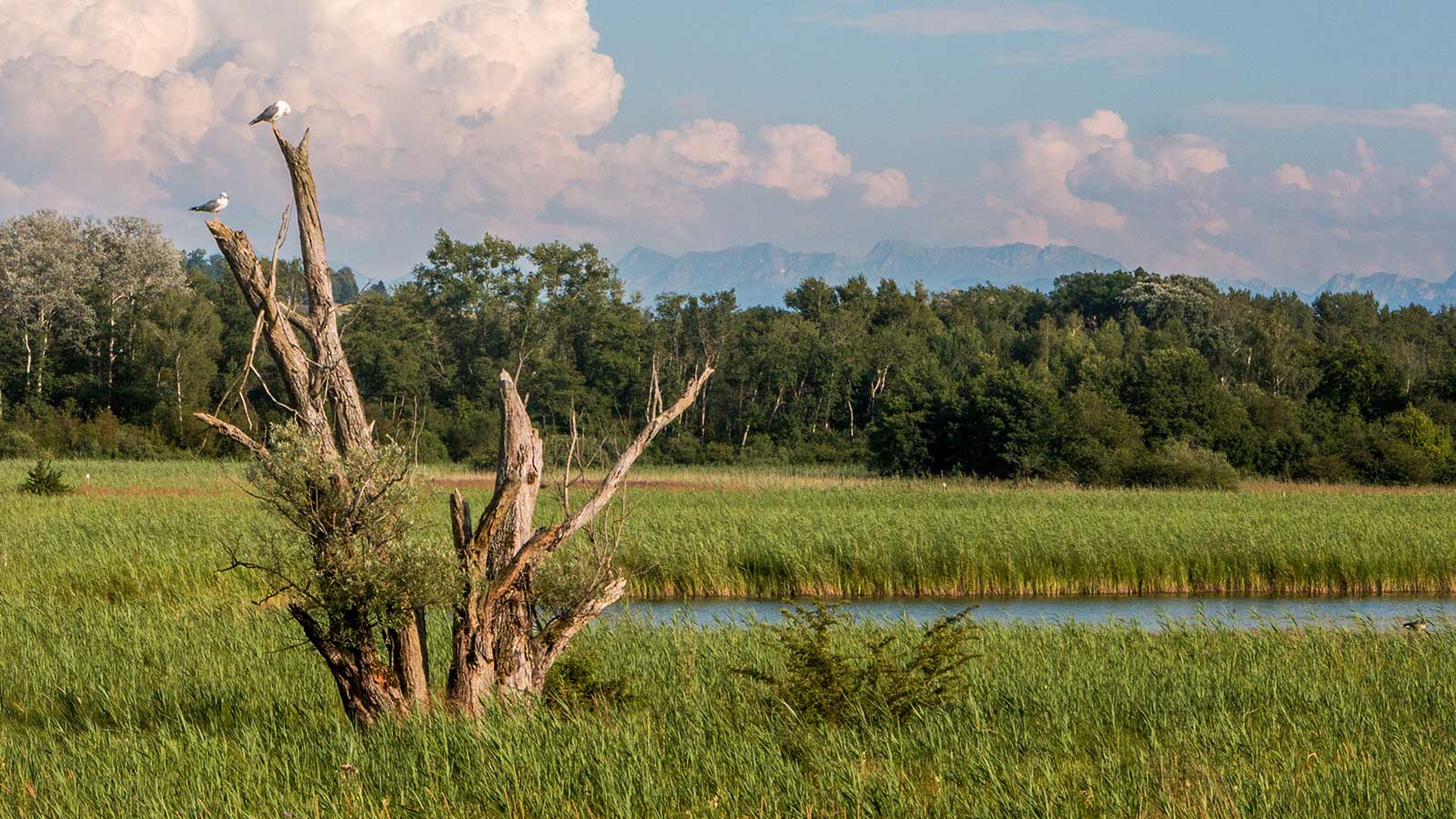
Long before subdivisions and fescue lawns, parts of the southeastern Piedmont contained open grasslands, savannas, and meadow-like ecosystems filled with grasses, flowers, insects, birds, and grazing animals. Today, only fragments remain.
They were never as vast as the Great Plains, but they were real. Geology, fire, and the land management practices of indigenous peoples conspired to hold back the trees and allow grassland communities to take hold. Researchers are still uncovering just how ancient and widespread these systems were across the Southeast.
A Yard Full of Life
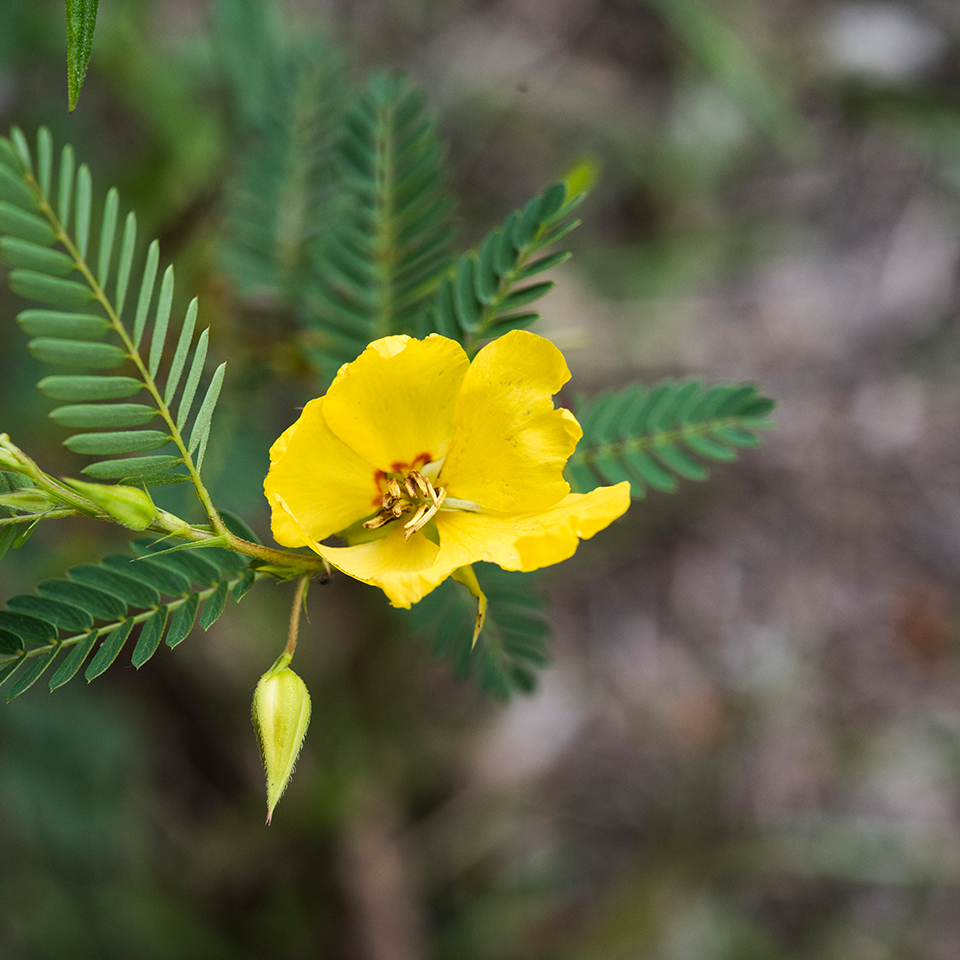
Planting a Piedmont Prairie is a direct statement of intention. You are choosing pollinators over pesticides, birdsong over leaf blowers, and soil that is full of life rather than dead dirt. More song, more life, more joy.
Besides the joy it brings us, reintroducing diversity of life in increasingly impoverished sub/urban spaces is a profoundly important step in stopping the decline of birds, insects, and many other small creatures that are rarely seen but are the glue that holds whole systems together. When you build a native meadow, you are rebuilding important habitat that is often absent in sub/urban spaces, especially in our region where trees often dominate.
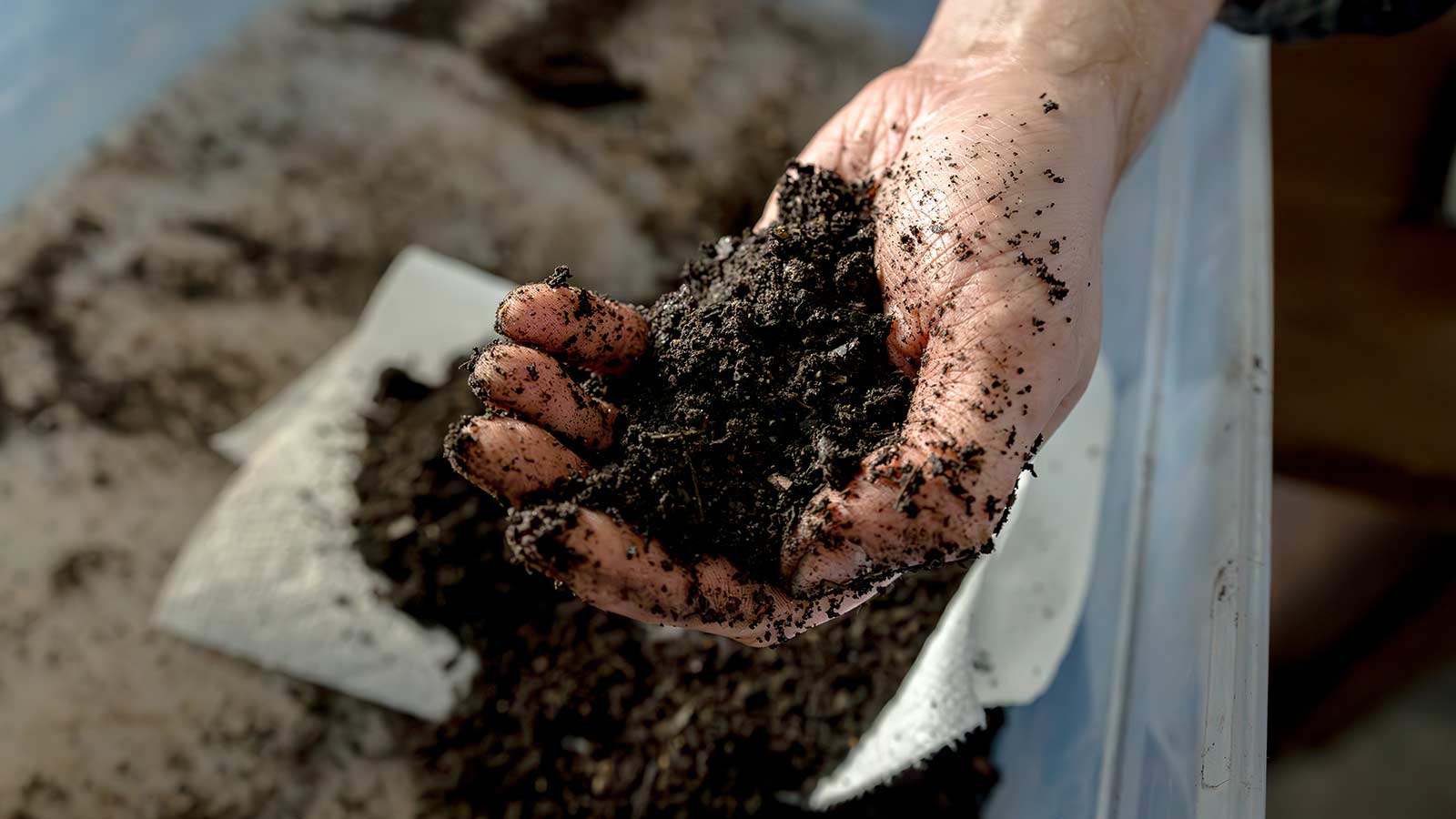
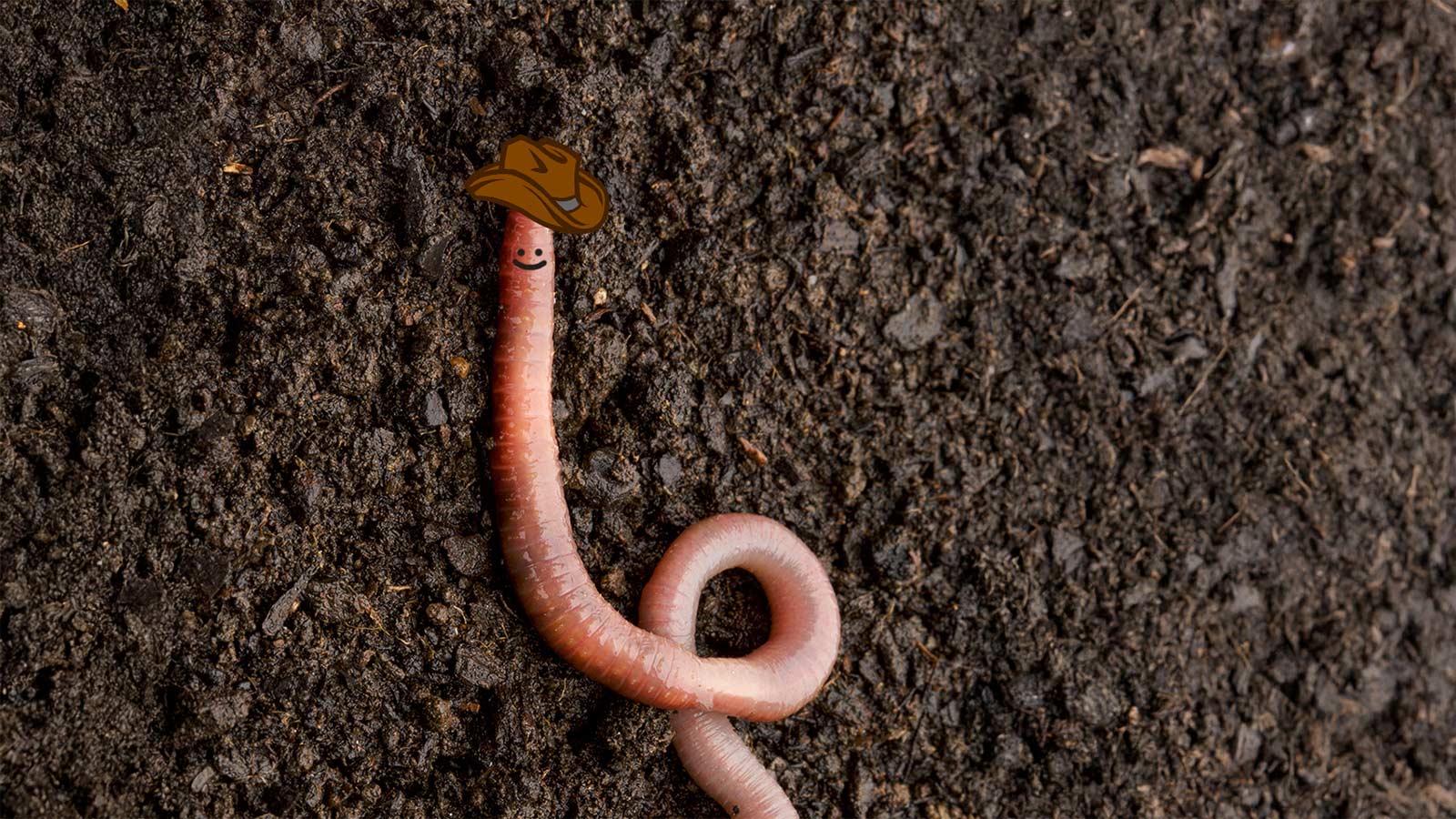
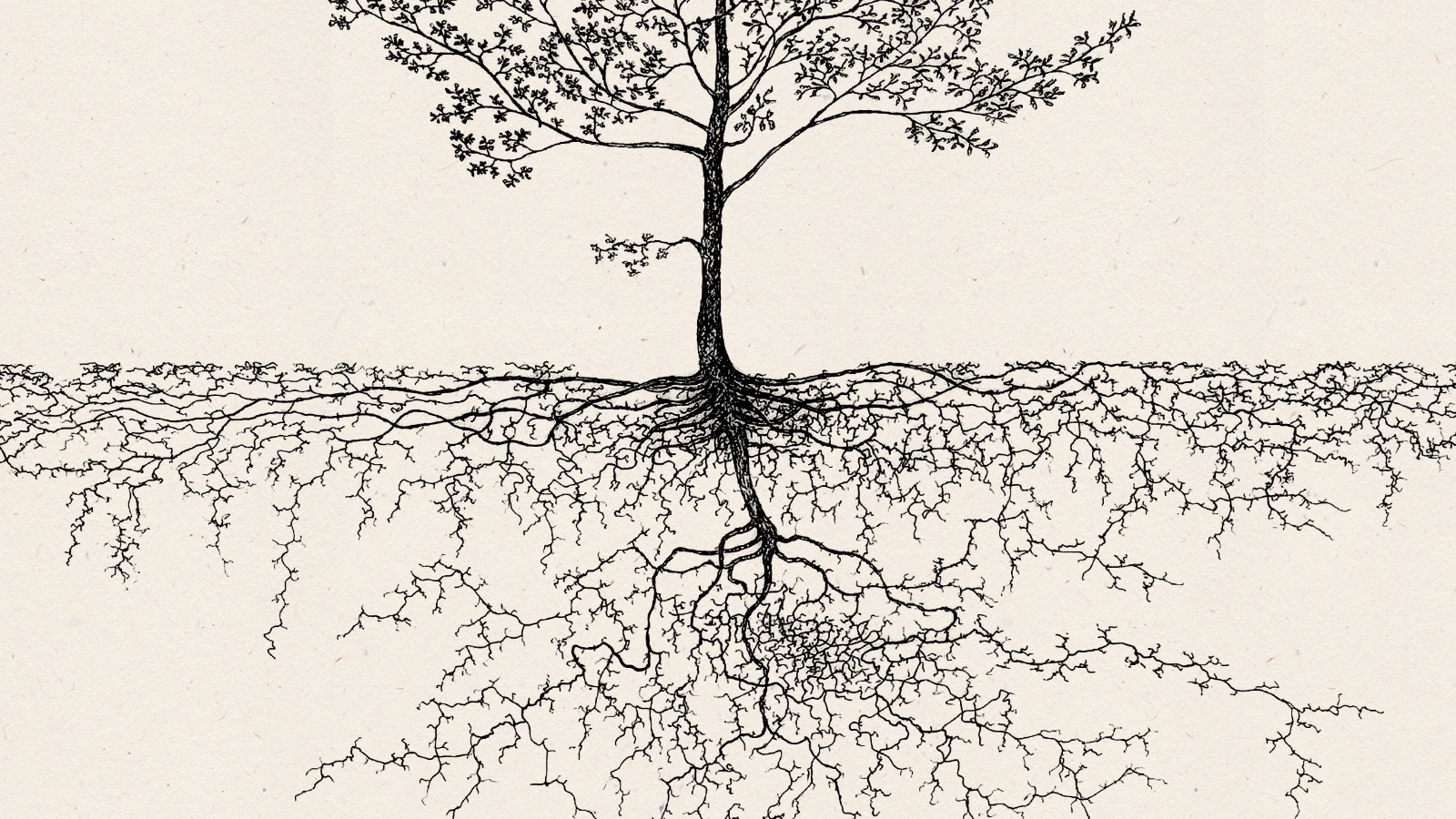
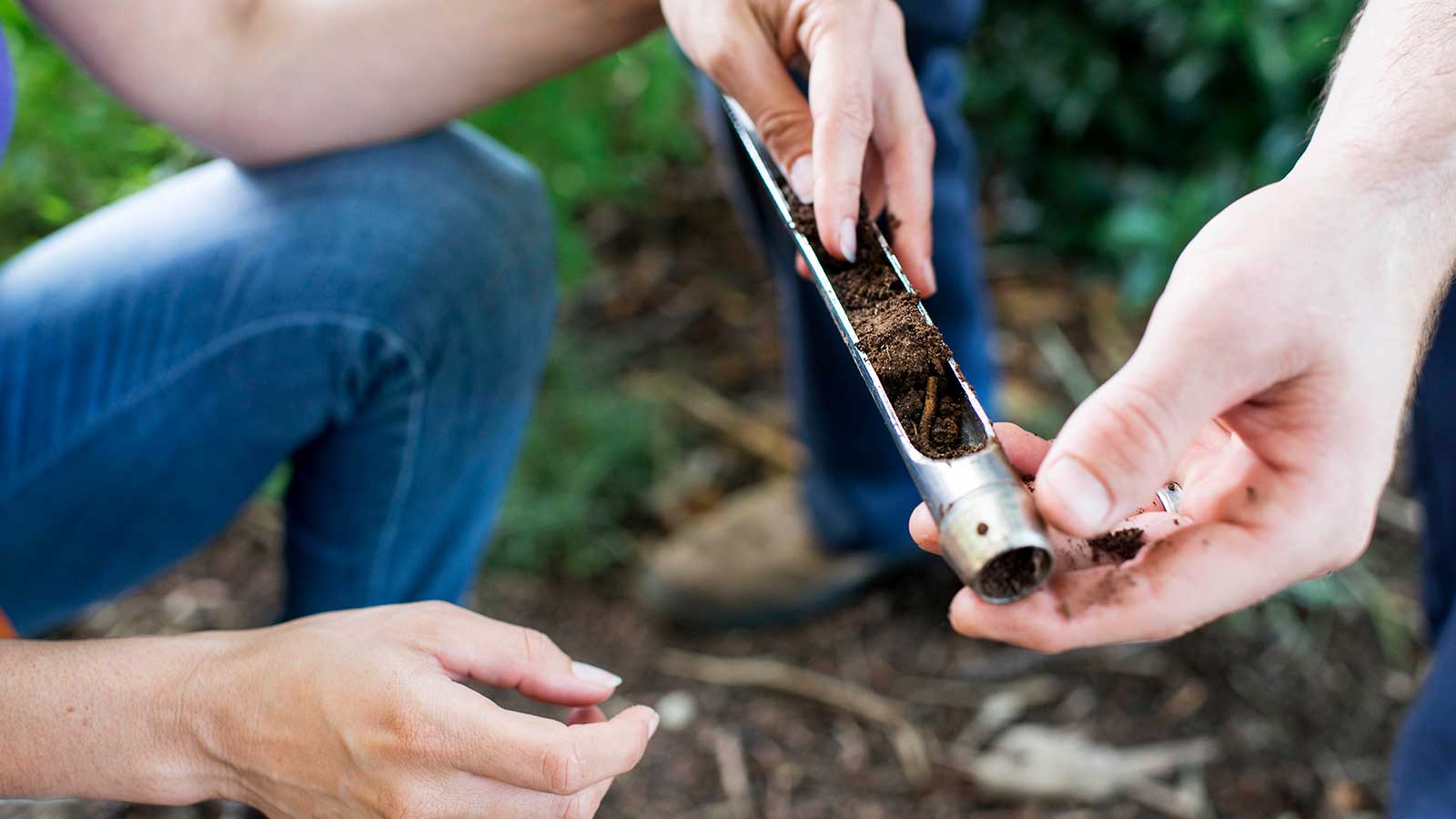
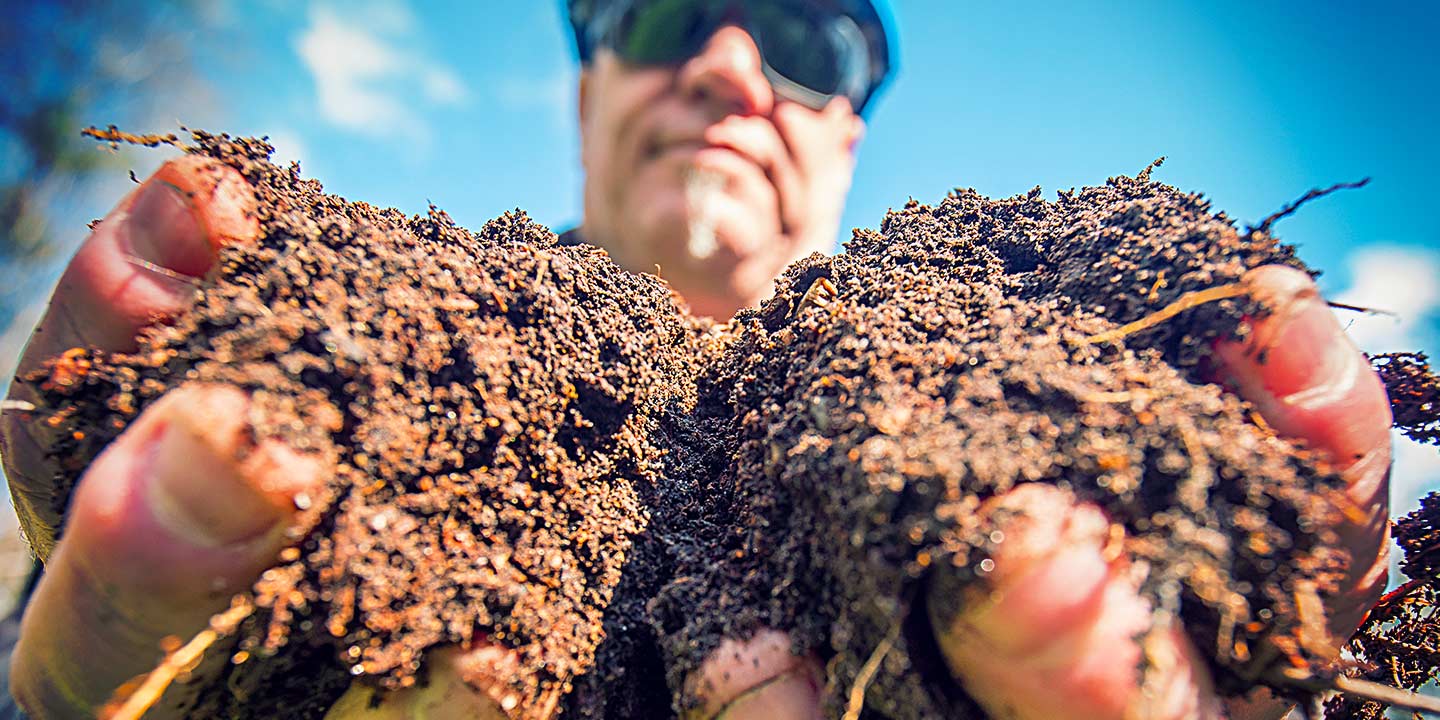
When we bring more natural landscapes and native plants into our yards, the rebuilding starts underground, with the soil. In the end, diversity creates a balanced ecosystem that can manage fluctuations and small disasters, rebuild, and keep going. An established Piedmont Prairie can take care of itself. A bad season doesn't unravel it.
Building a Food Web
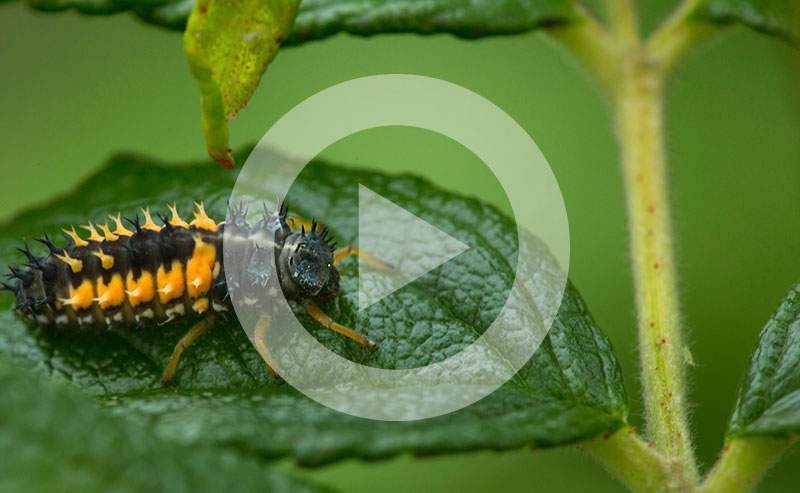
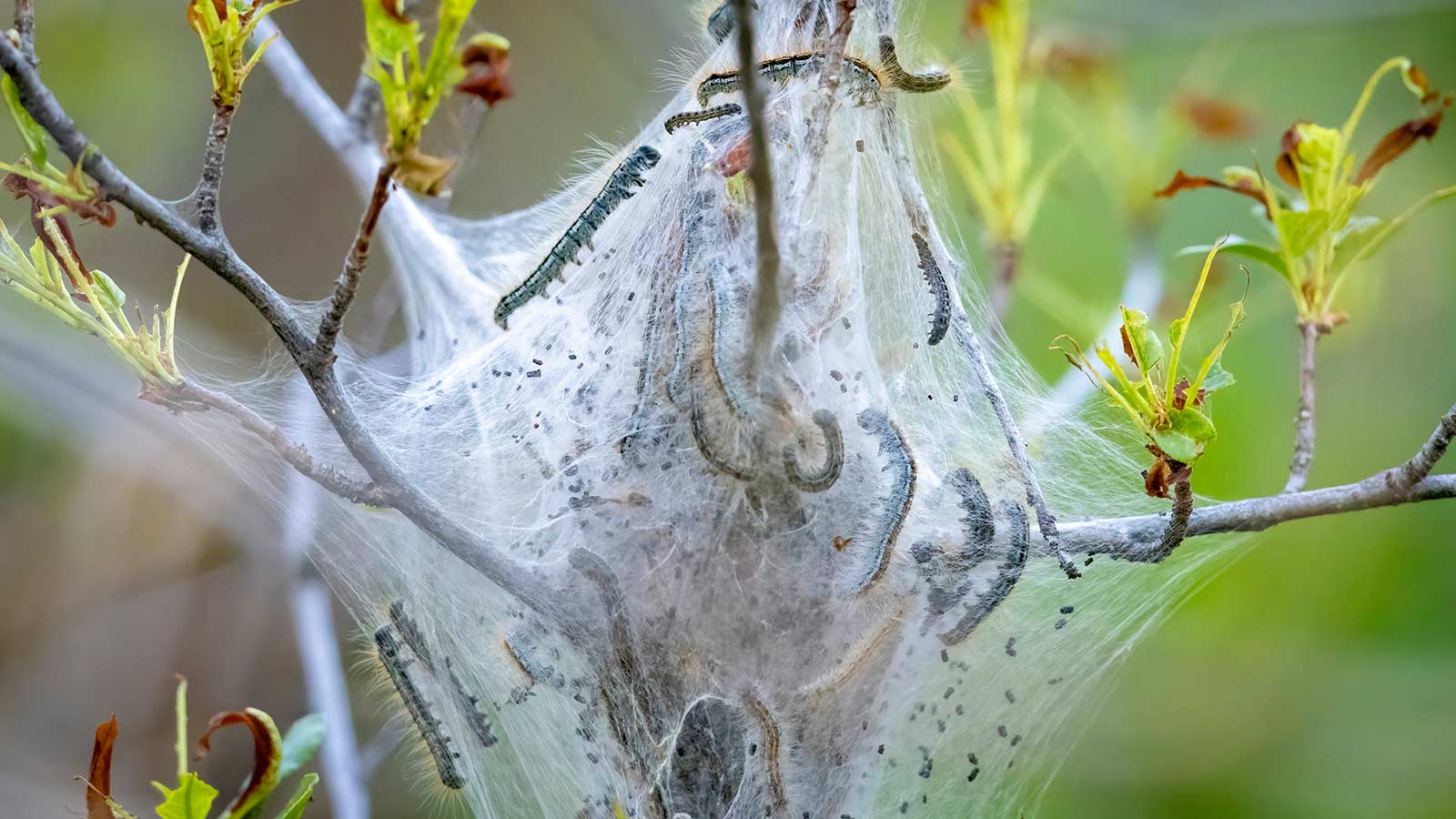
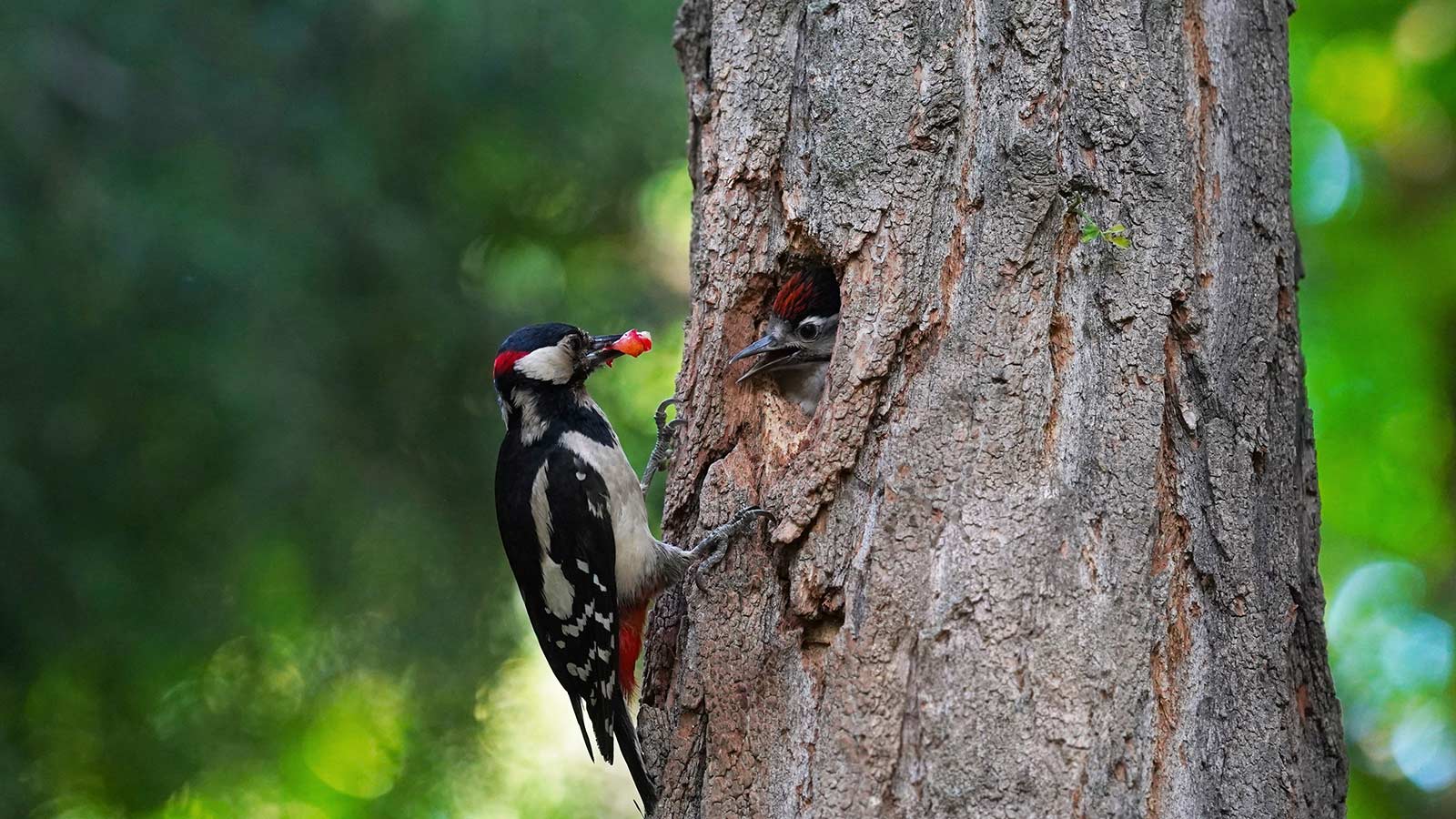
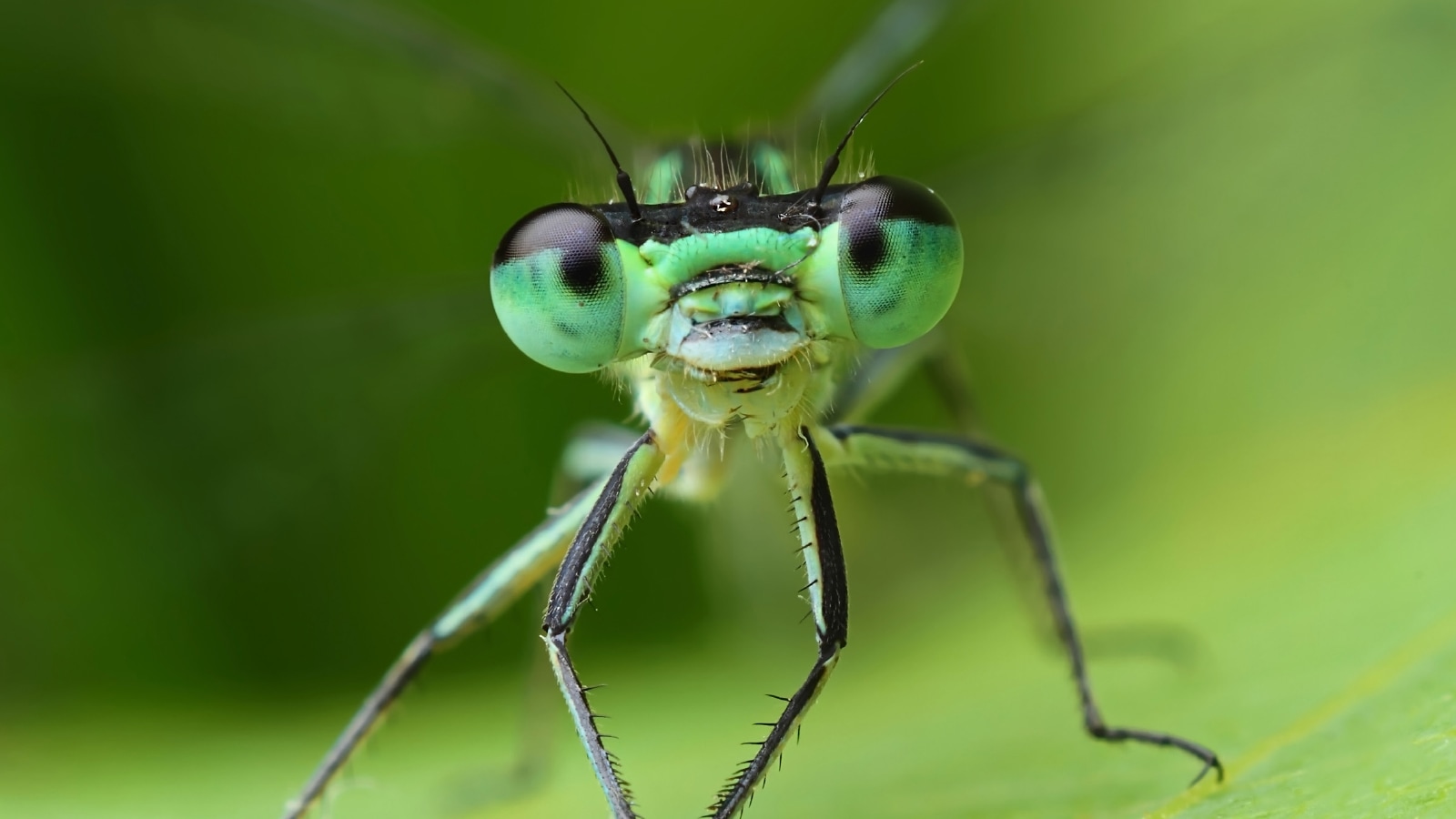
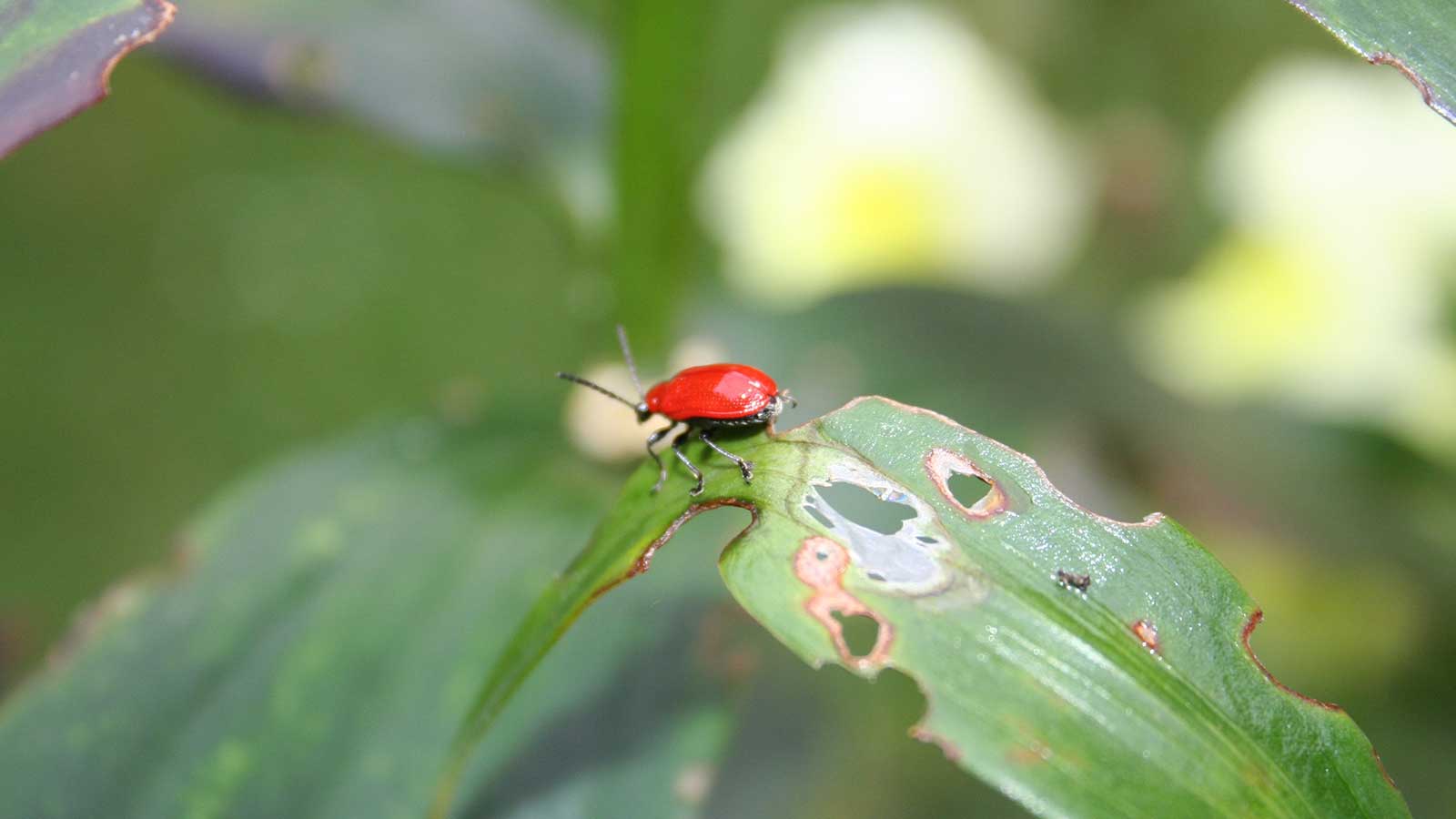
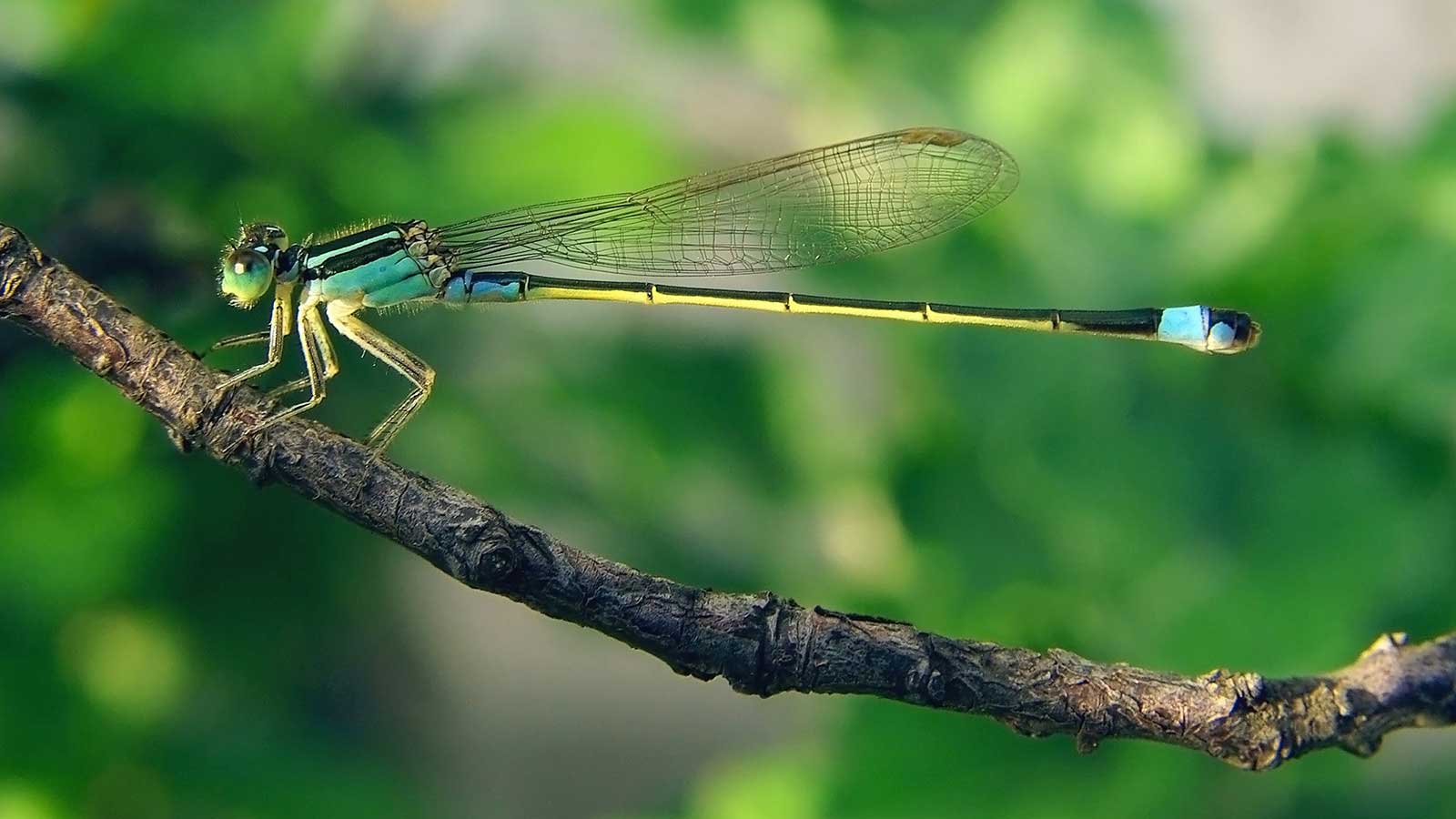
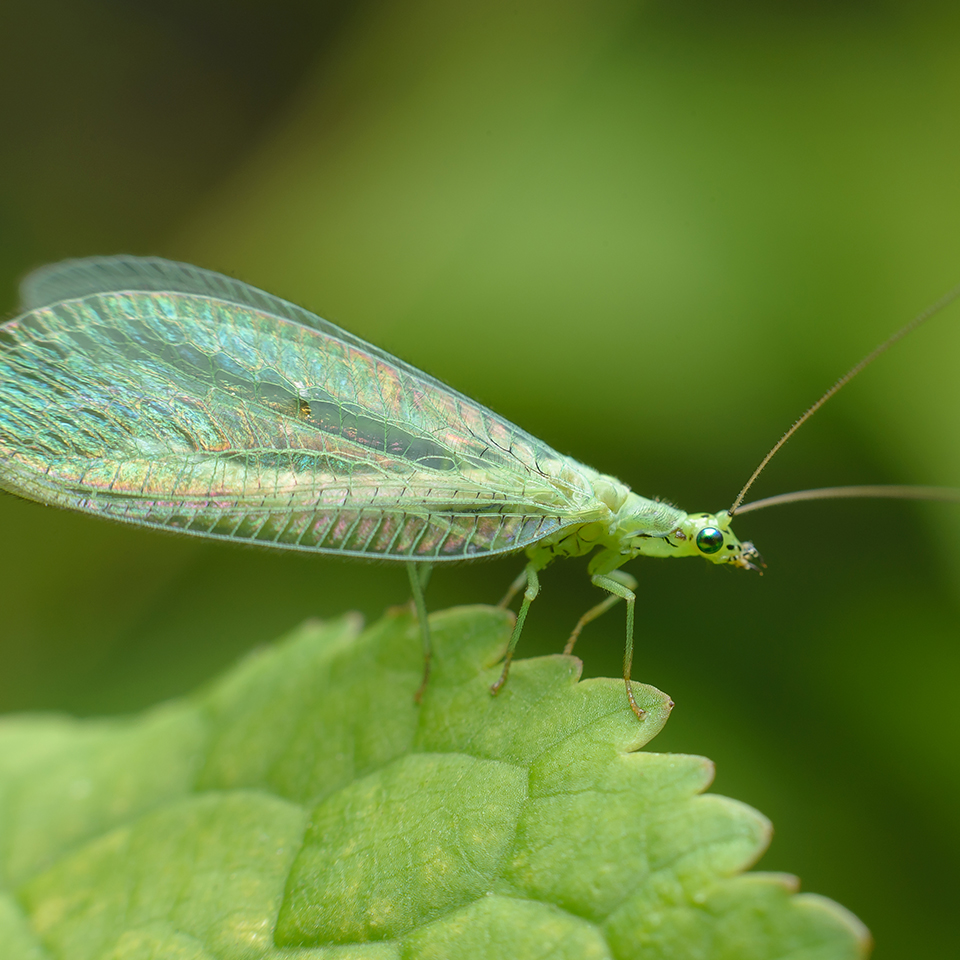
Diversity increases ecosystem complexity, providing more ecological niches for plants, insects, and other animals. Native plants attract the insects that feed on them. In turn, birds are drawn to the abundance of insects and may raise successful broods on the bounty. Predatory insects like dragonflies, lacewings, lady beetles, and robber flies begin to patrol for meals.
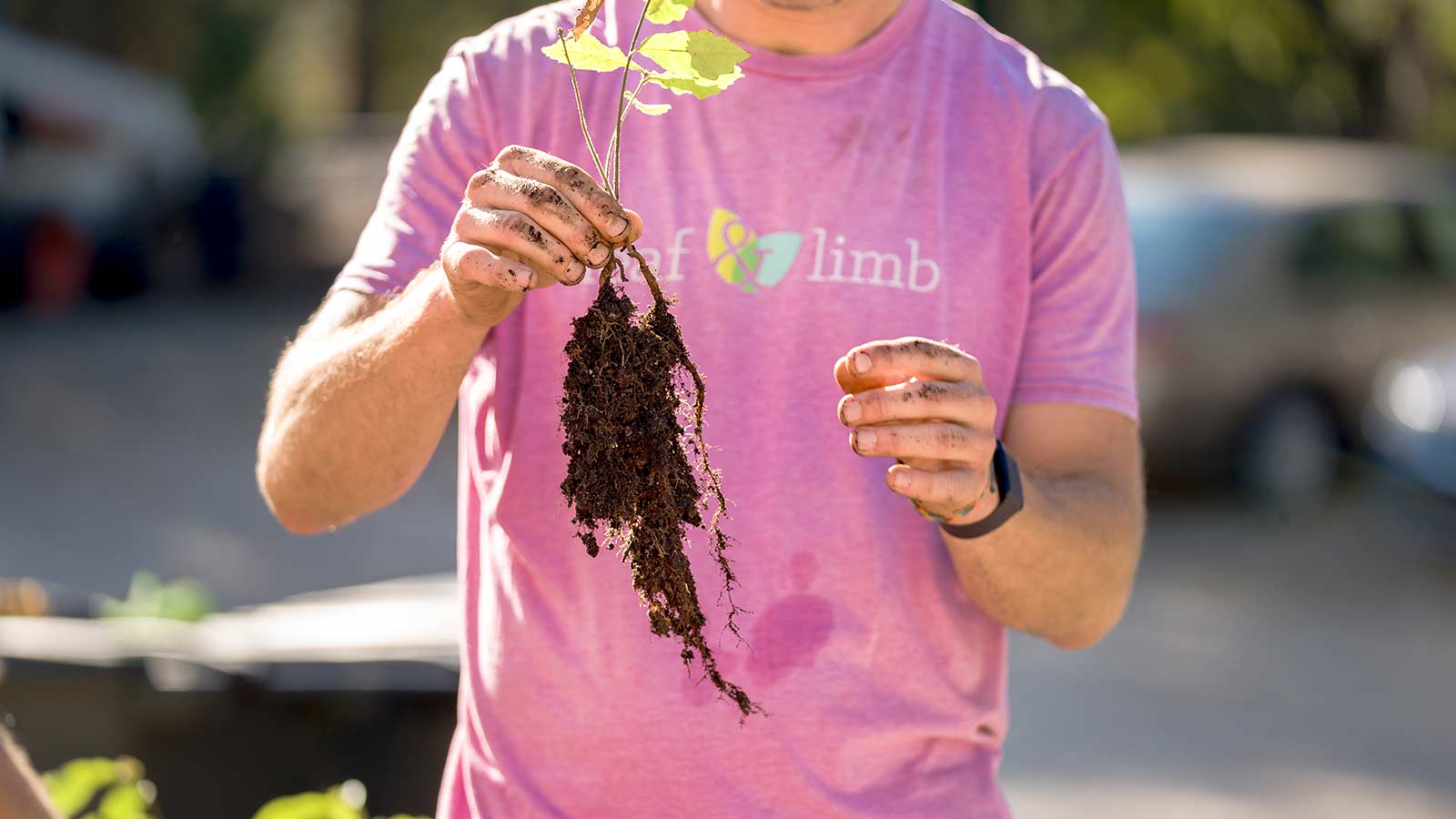
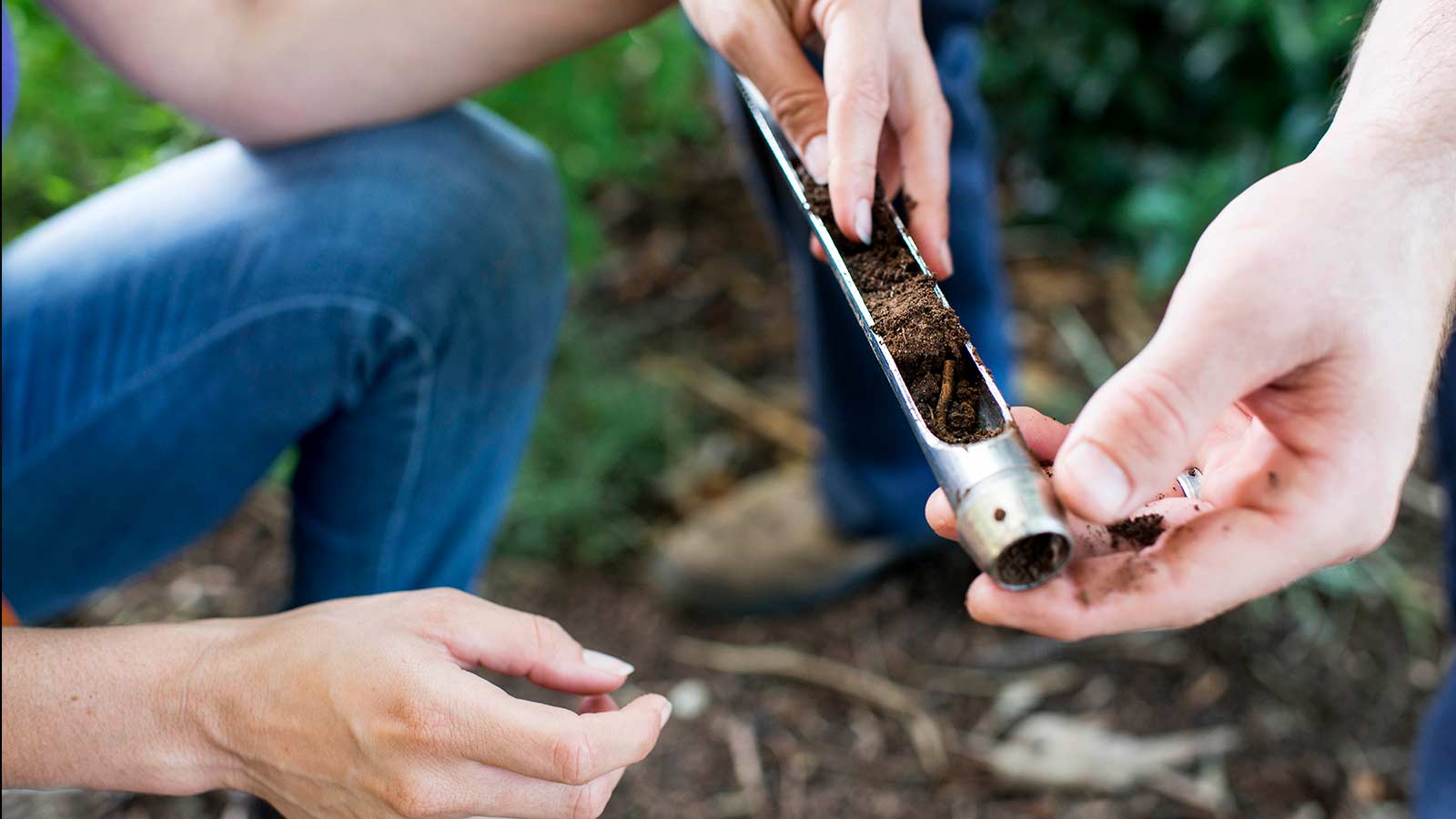
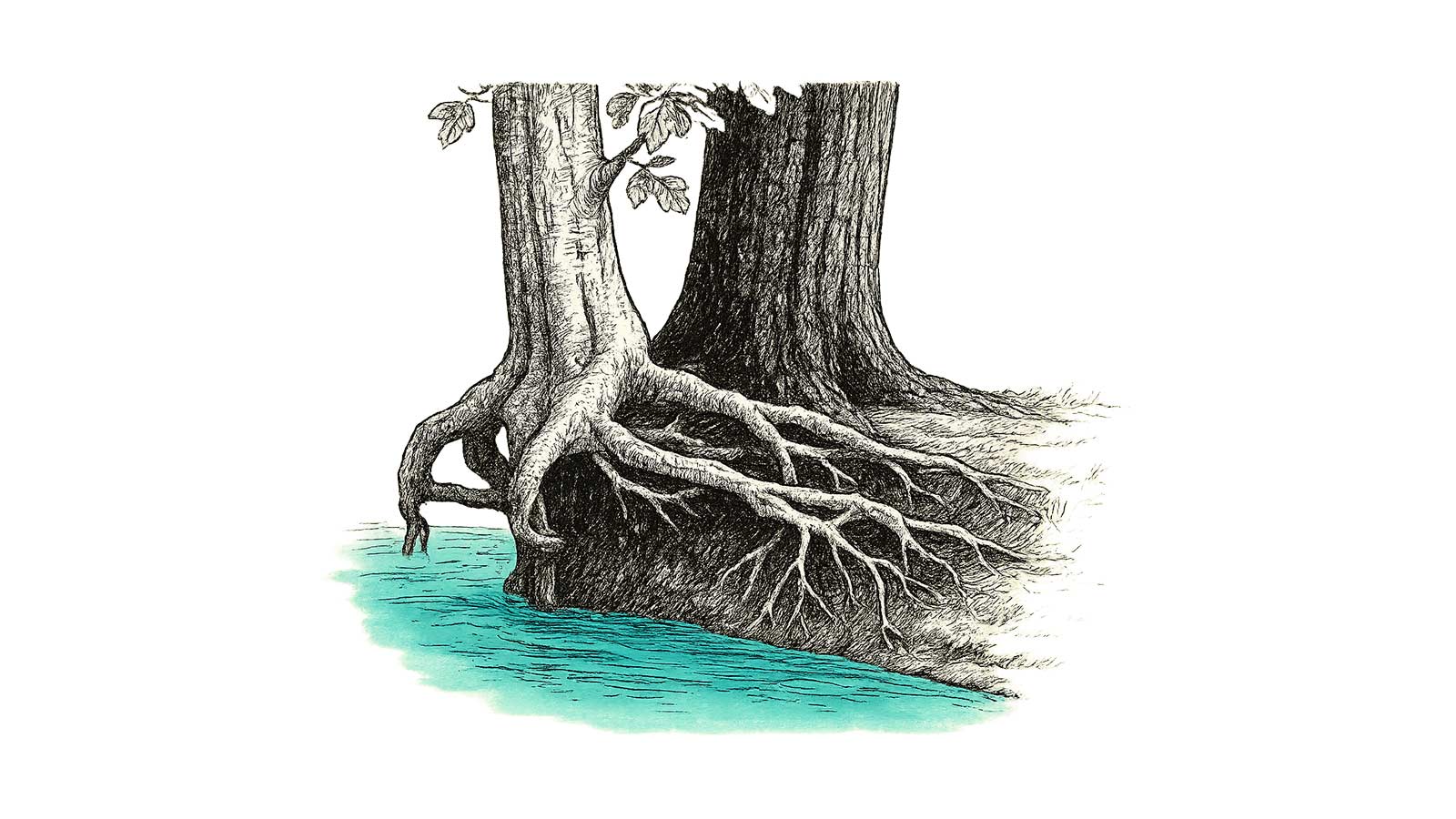
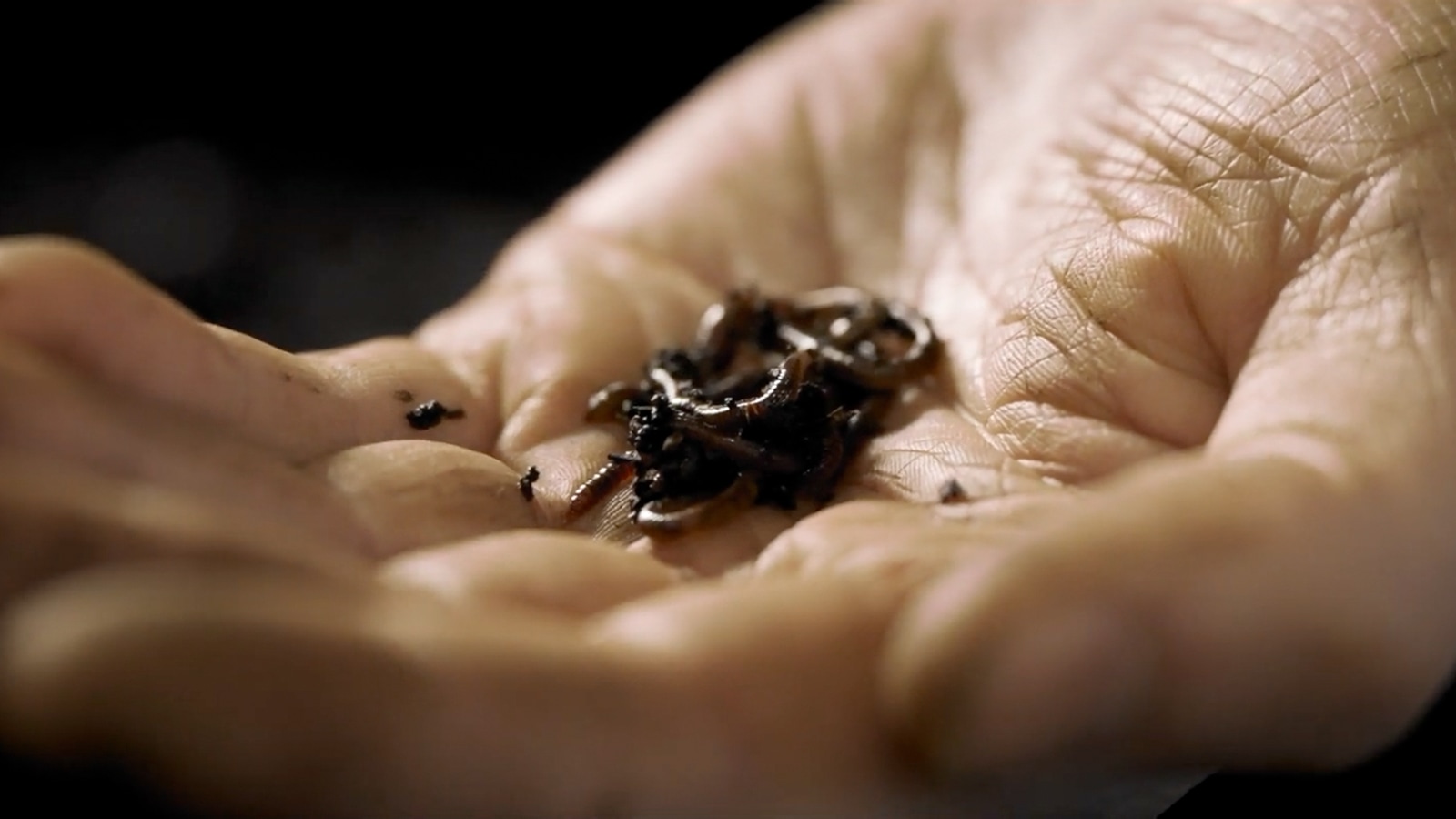
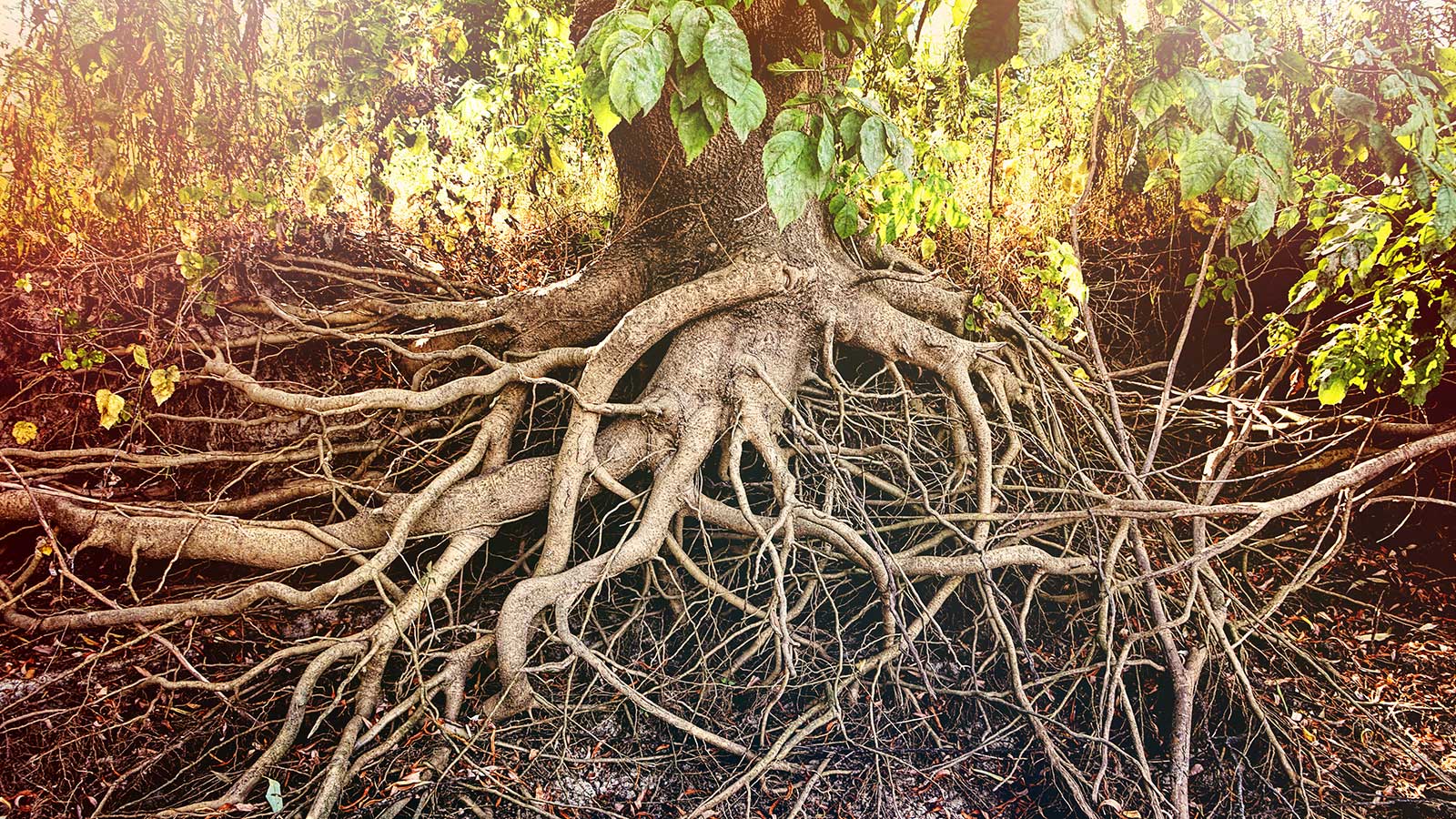
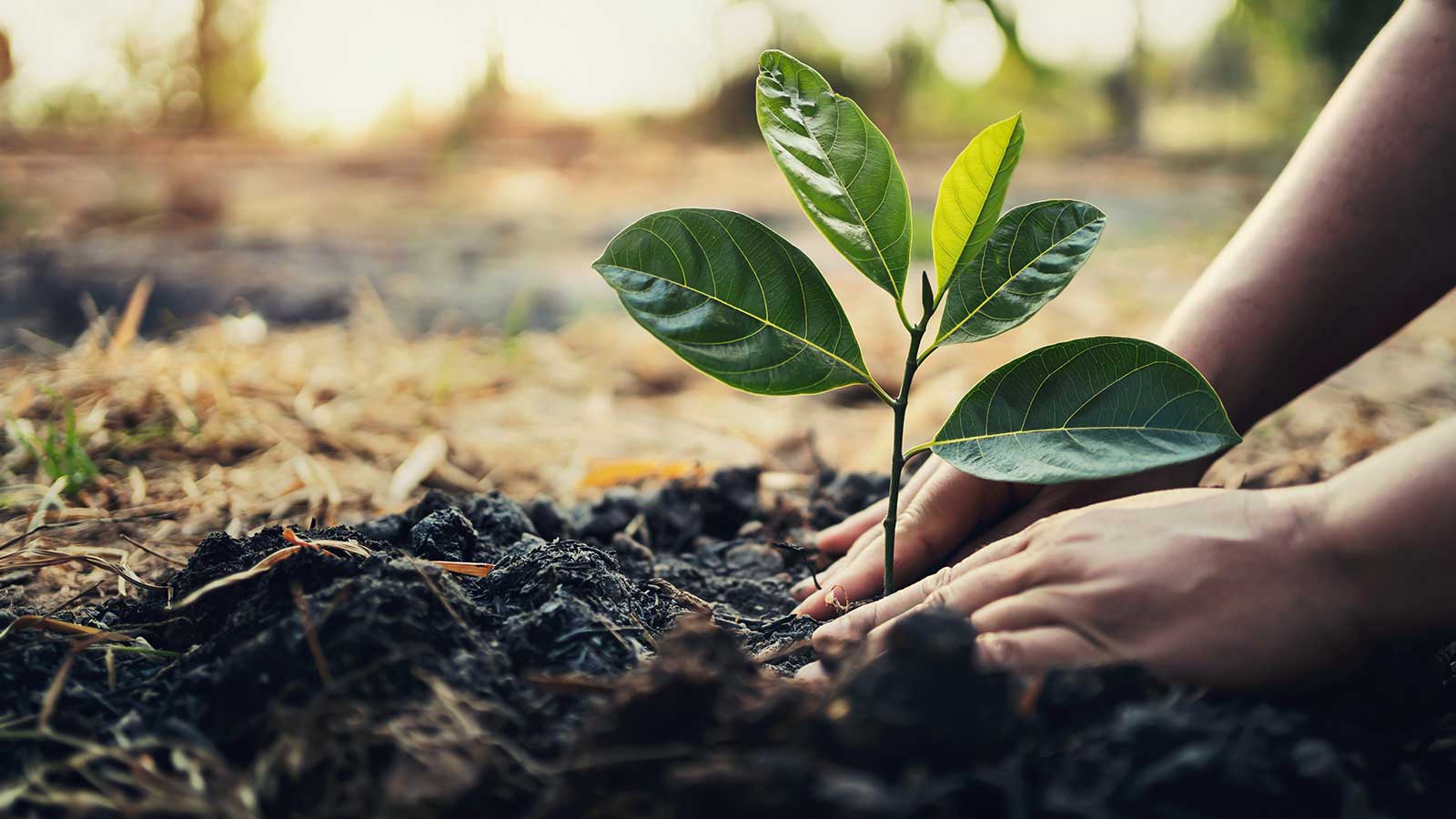
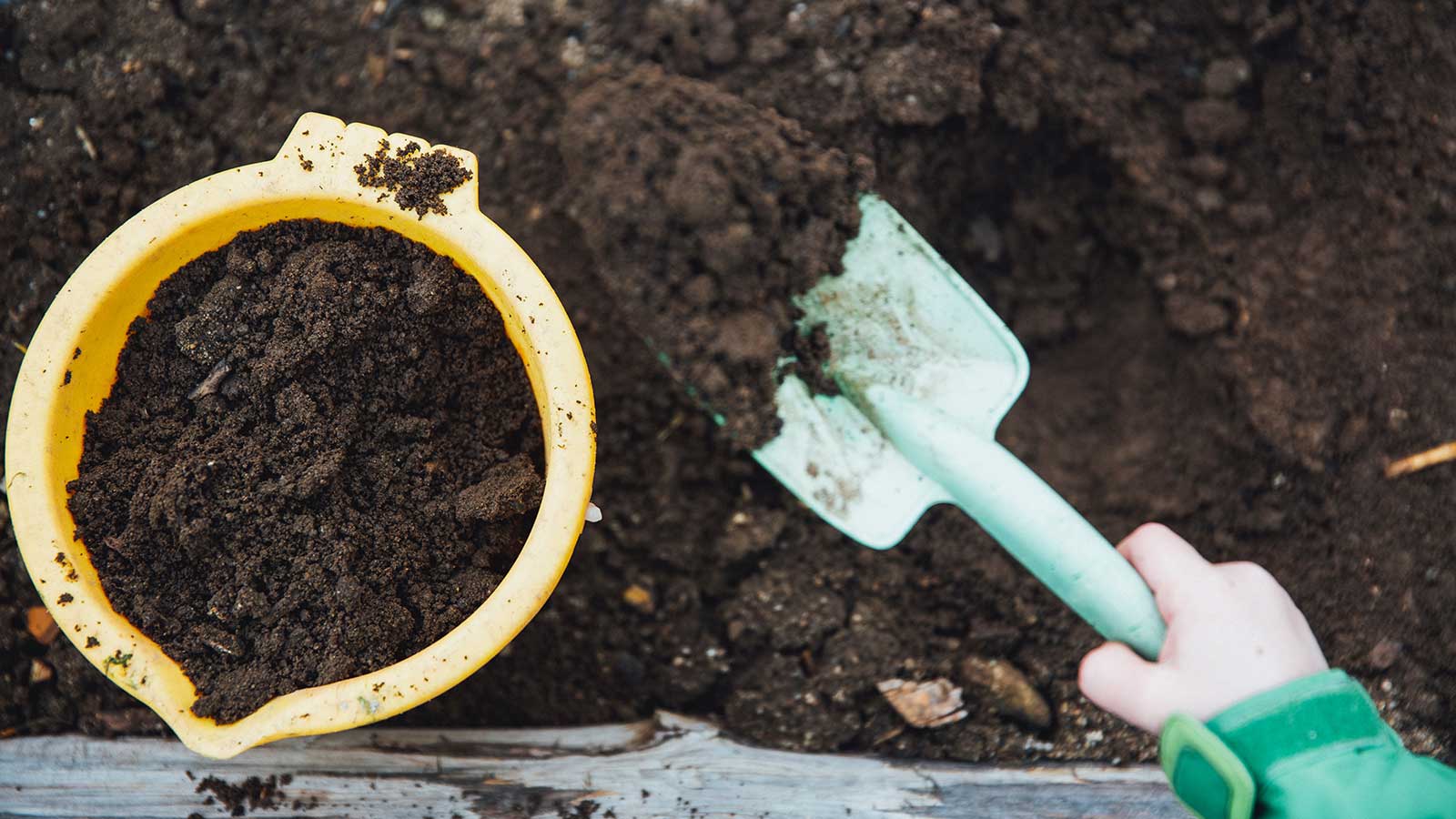
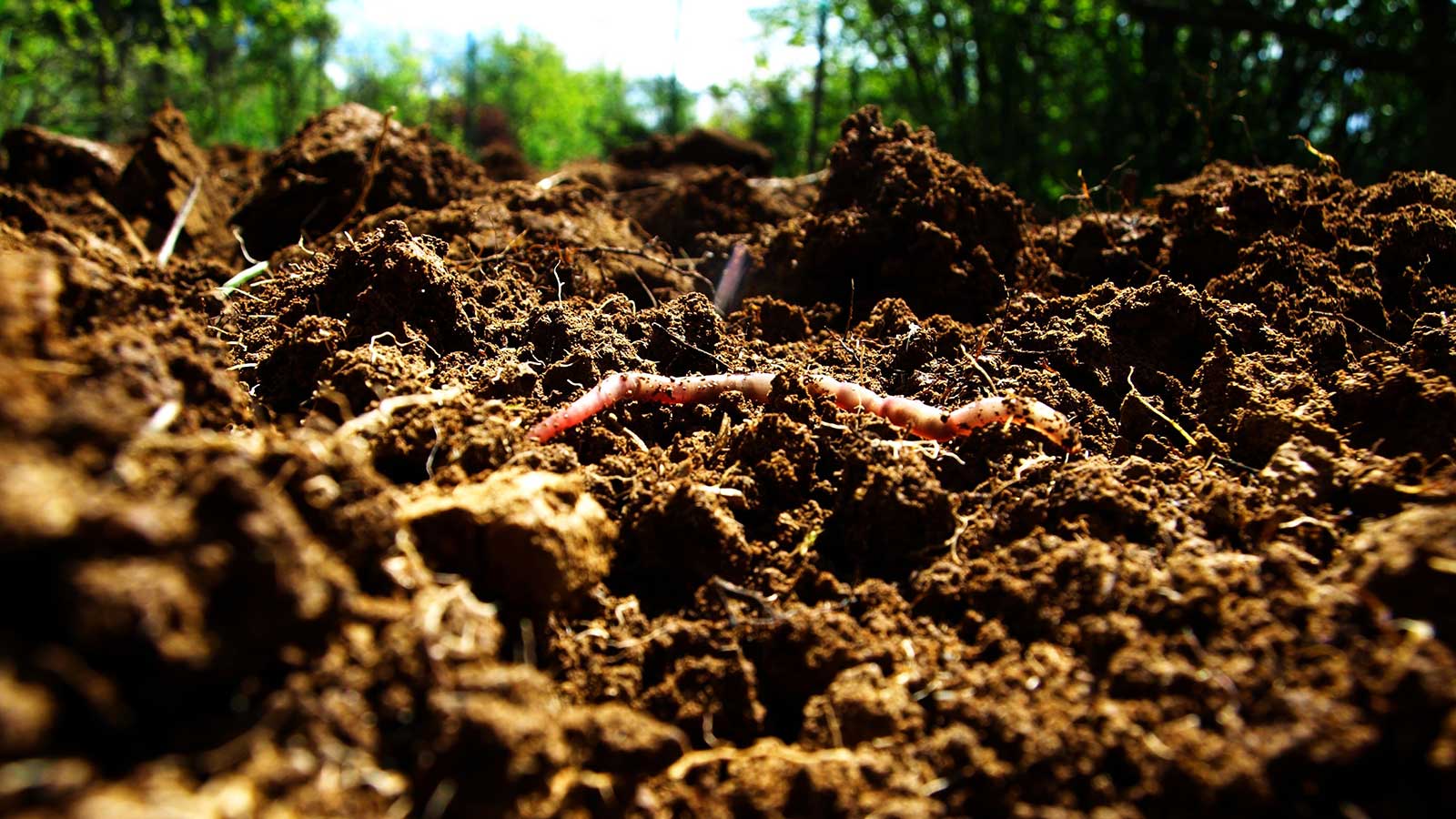
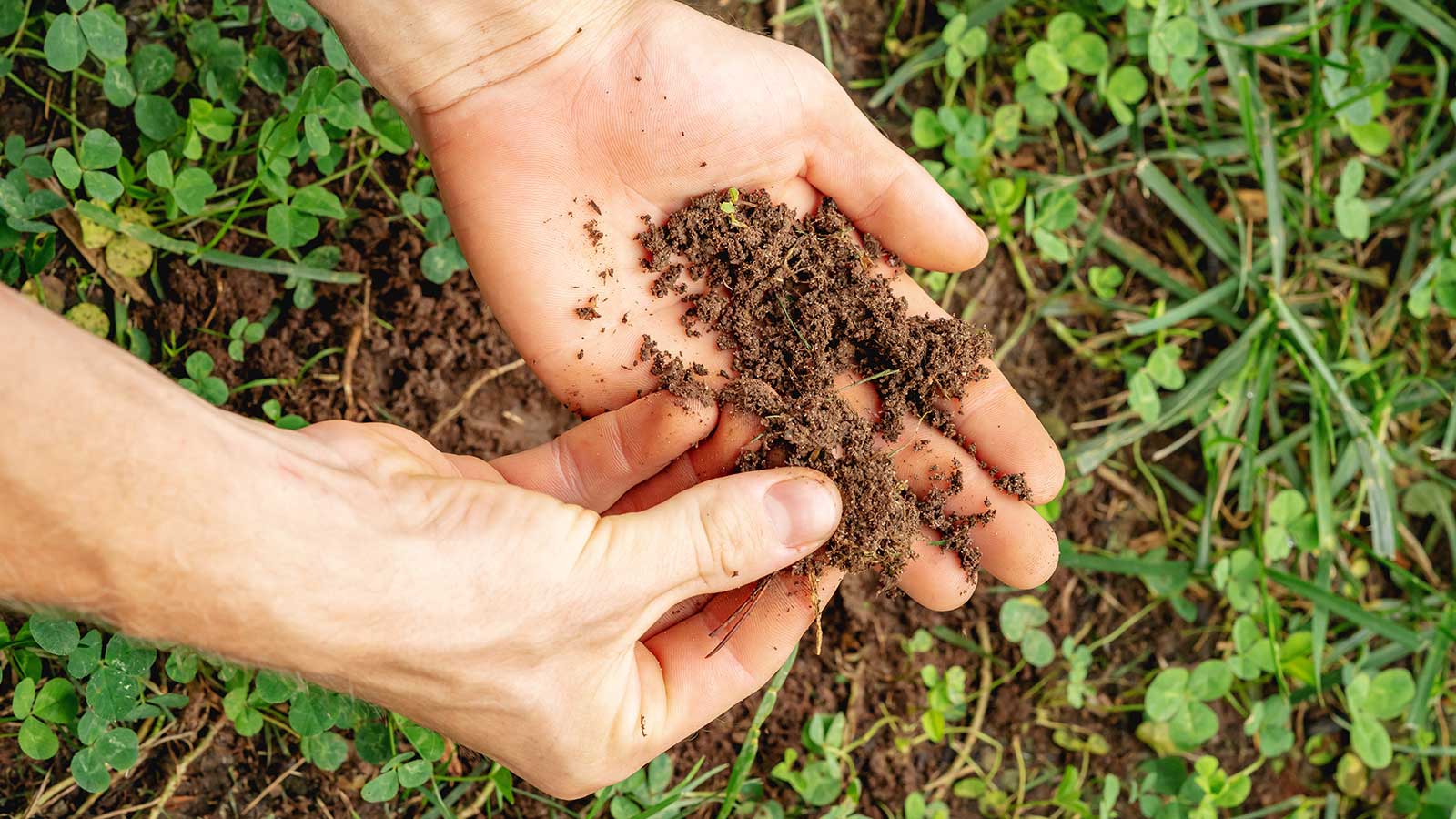
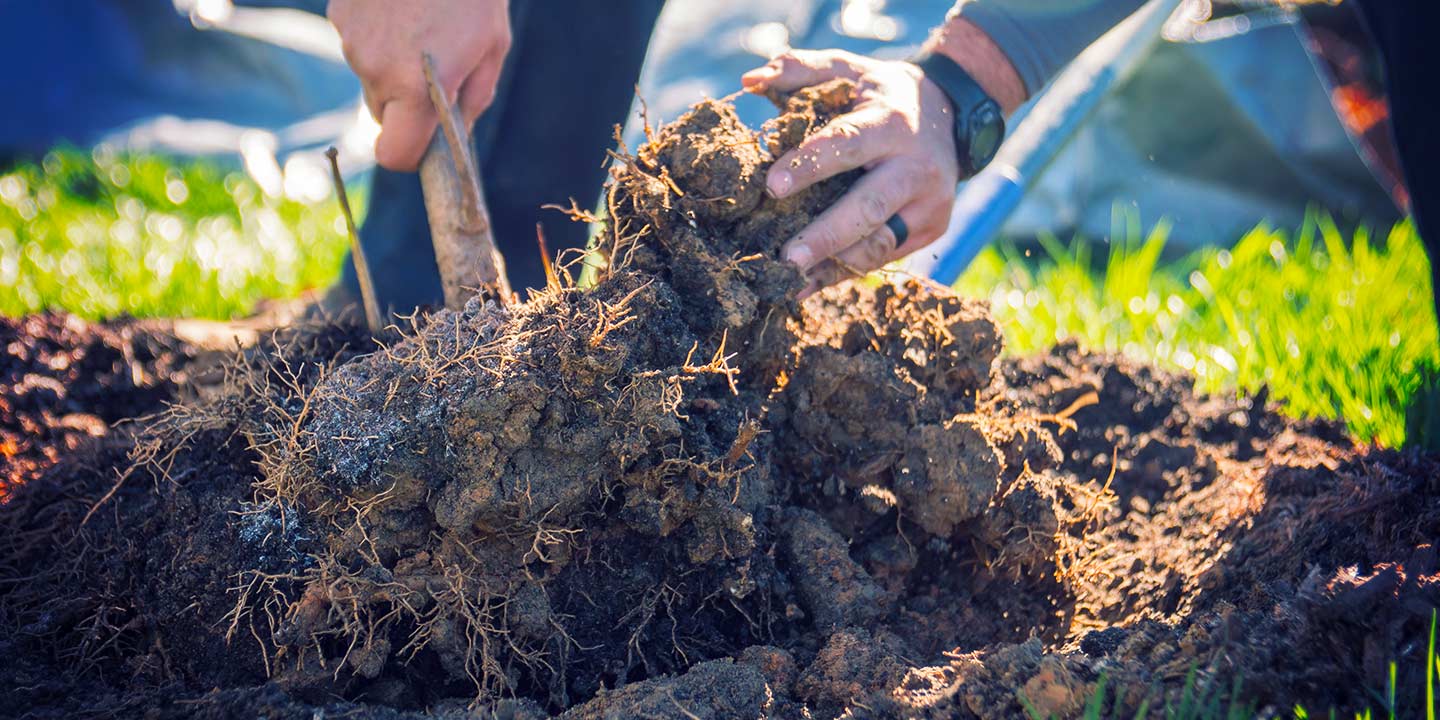
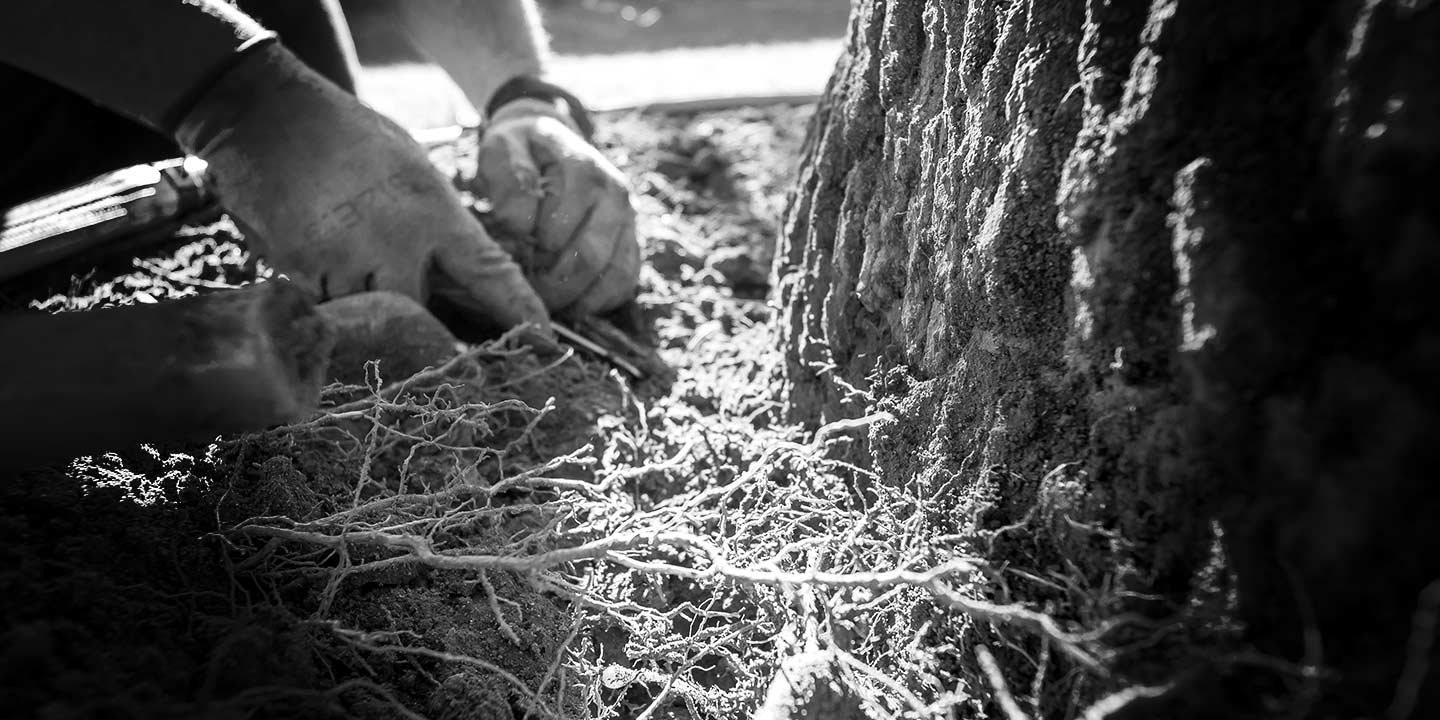
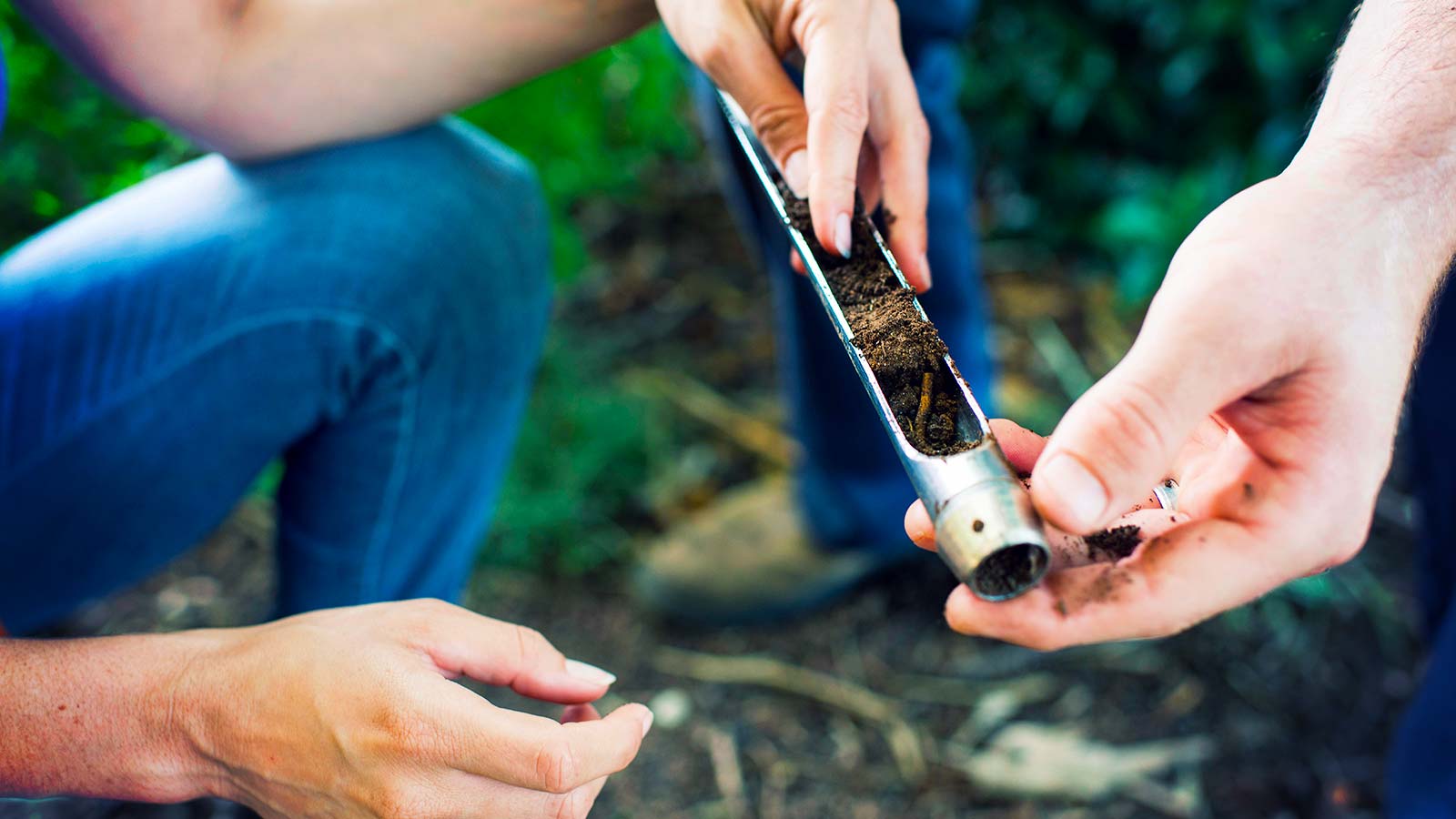
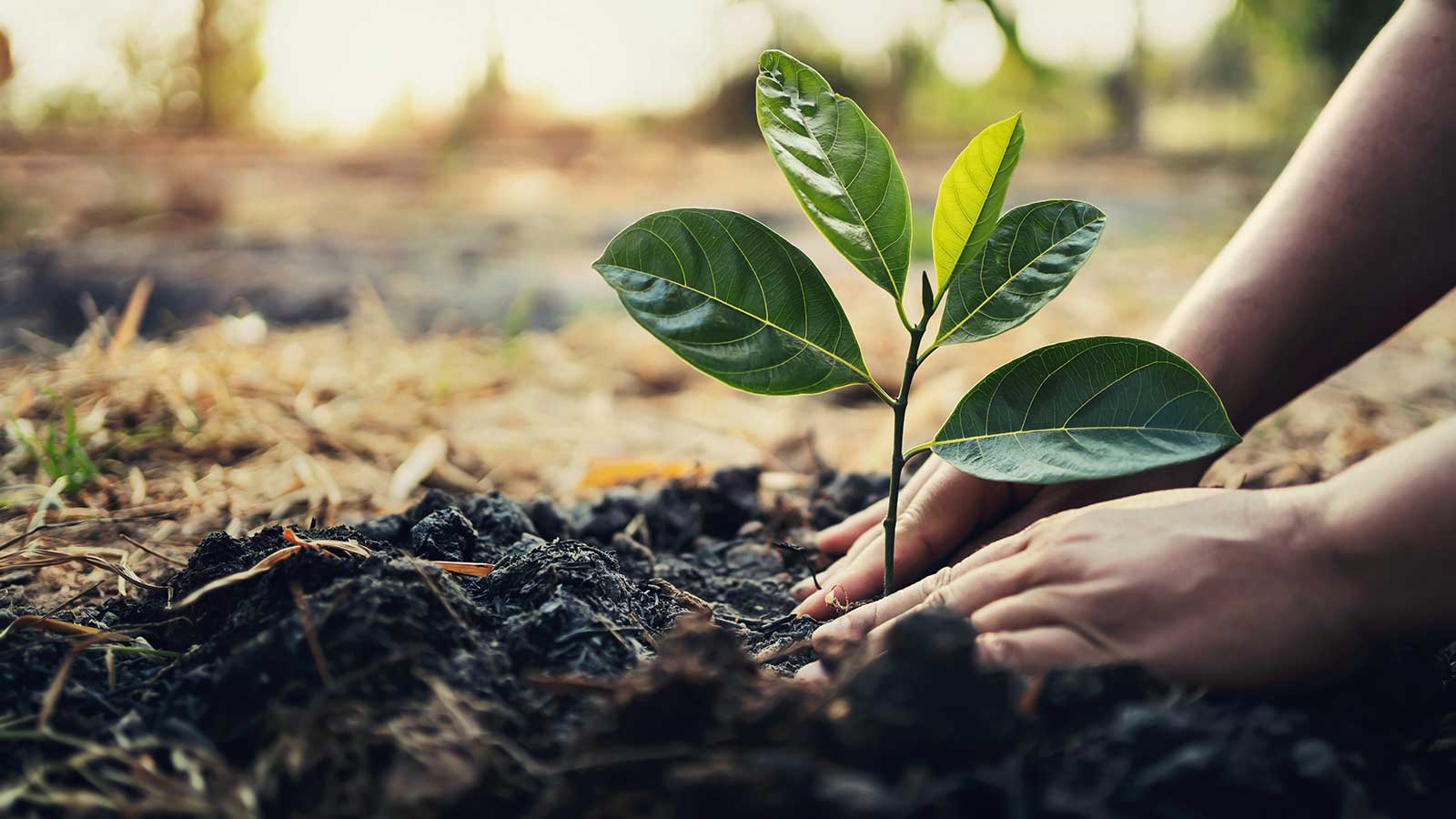
And as roots of native meadow plants grow into the soil, the soil improves. Pore spaces are created. Rain can enter and stay. Dead roots and plant tops become recycled, enriching the soil even more. Insects and other small life forms make their way through thatch layers and into the soil. More things are happening. A community is rebuilding.
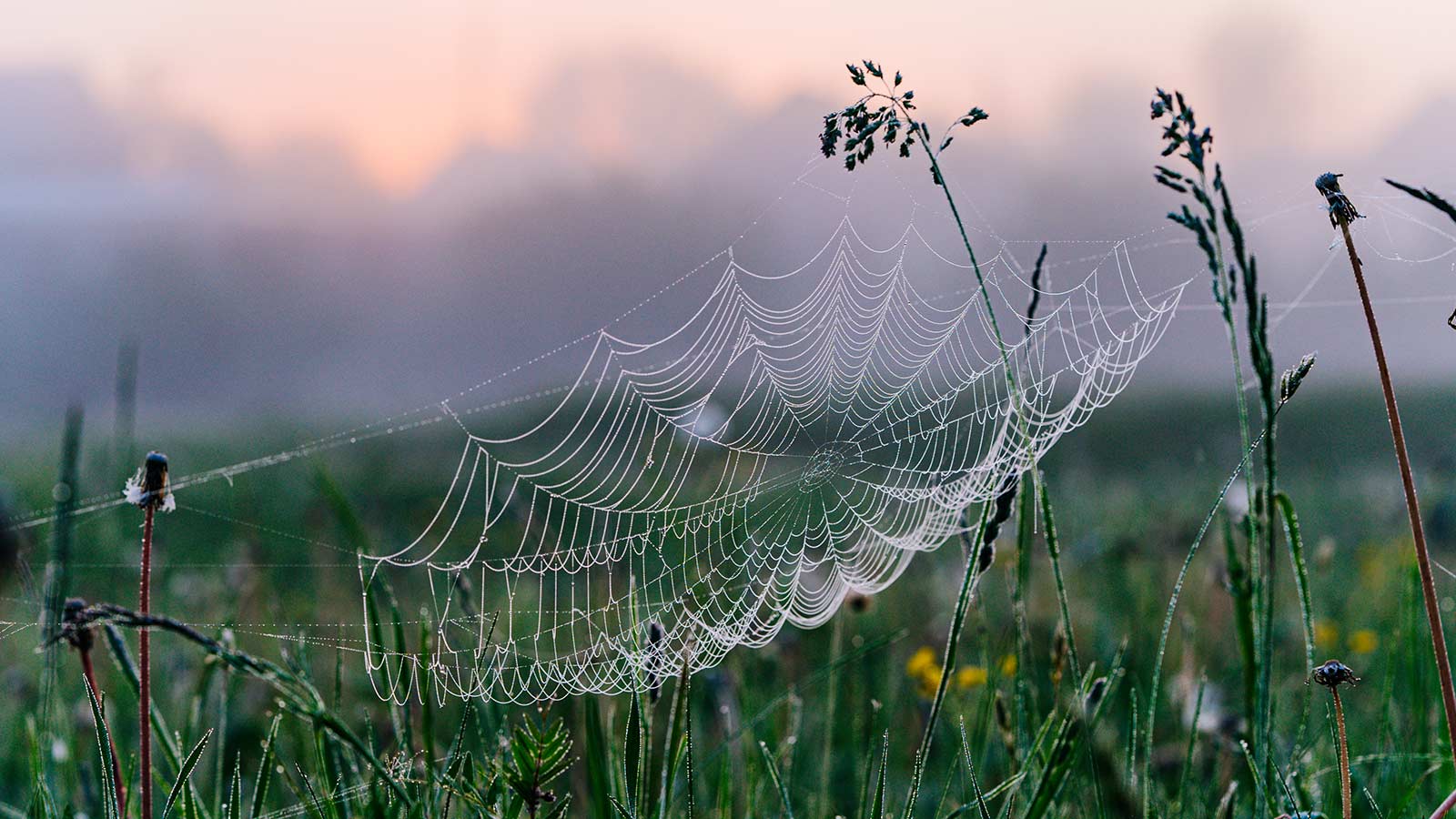
Plants are being nibbled on — and that's OK. In fact, it's necessary for plant-eating insects and other animals to have plants to eat. The predatory insects, spiders, and birds will make sure they don't eat them all.
Signs of Life
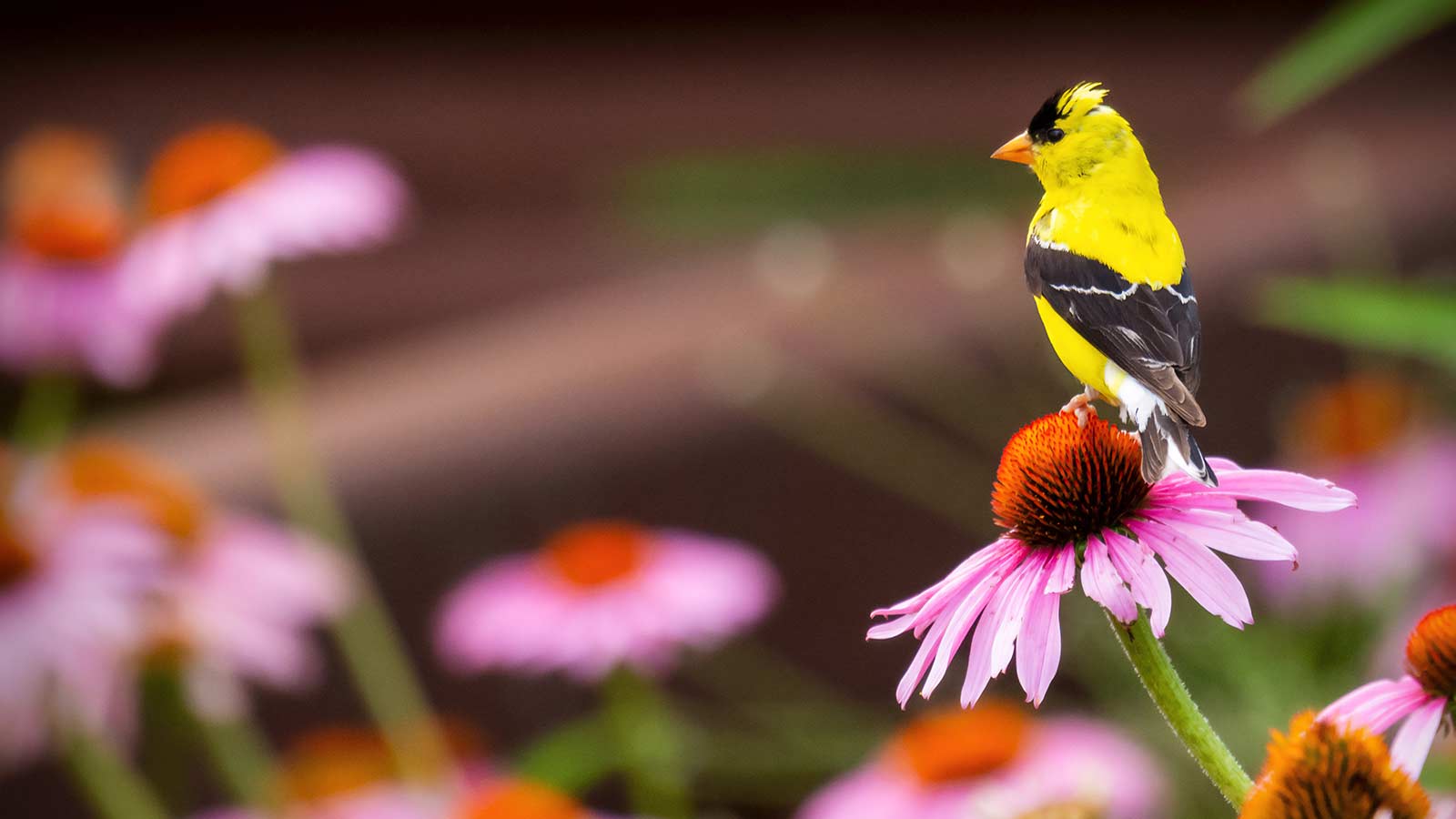
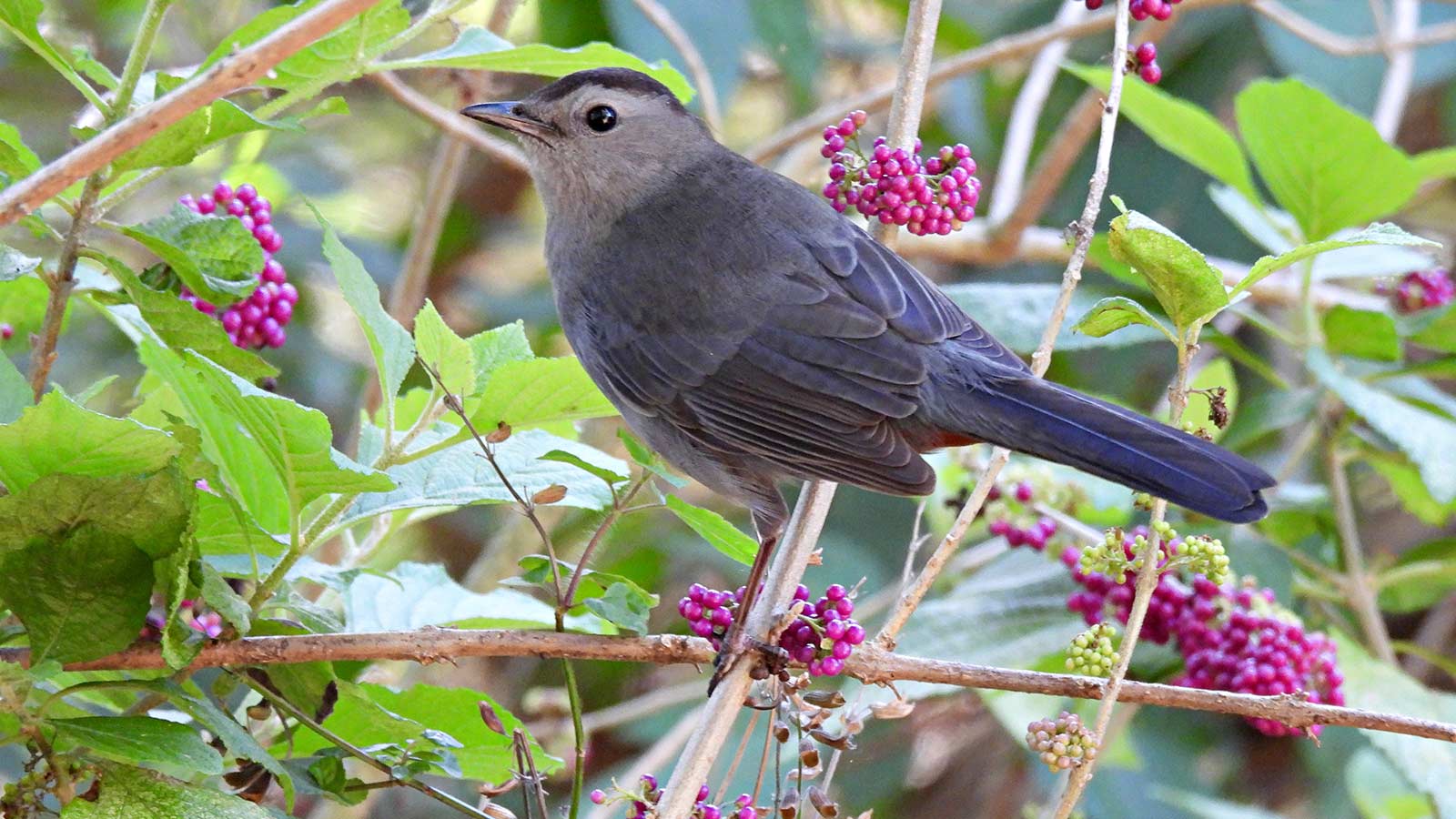
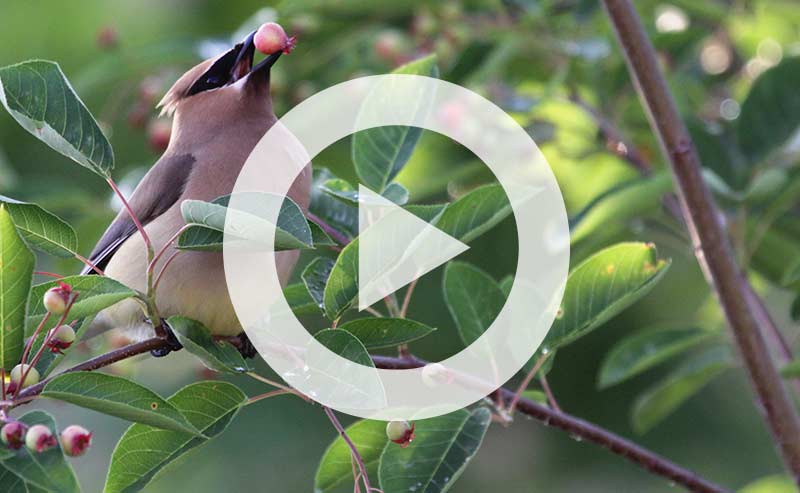
You might not notice some of these small but important things happening, but you may notice birds you never saw before: the flash of a deep yellow goldfinch, the beautiful notes of the song sparrow, or a northern mockingbird running through its full repertoire. If your Piedmont Prairie is close enough to city edges, you might even see and hear eastern meadowlarks.
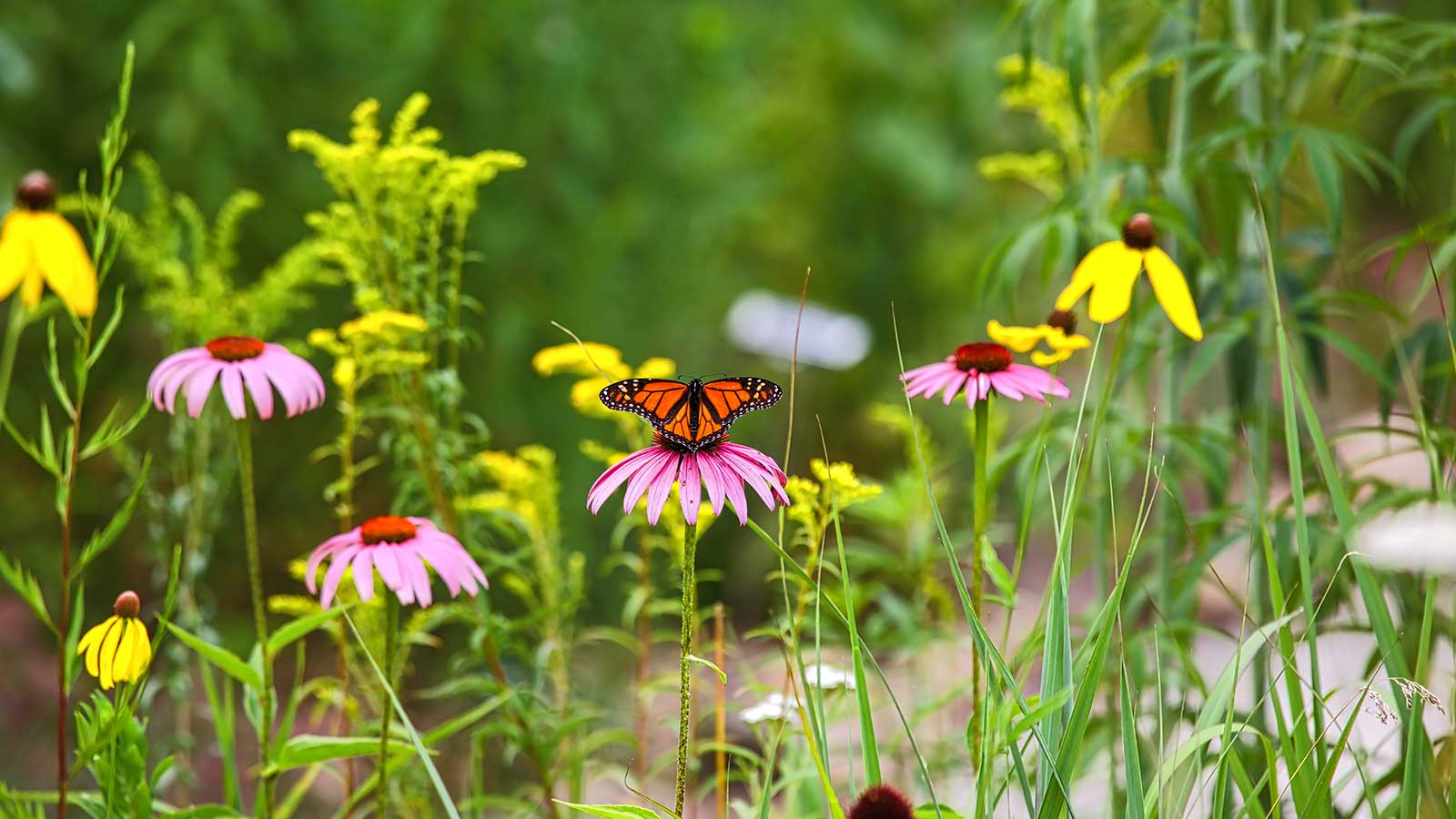
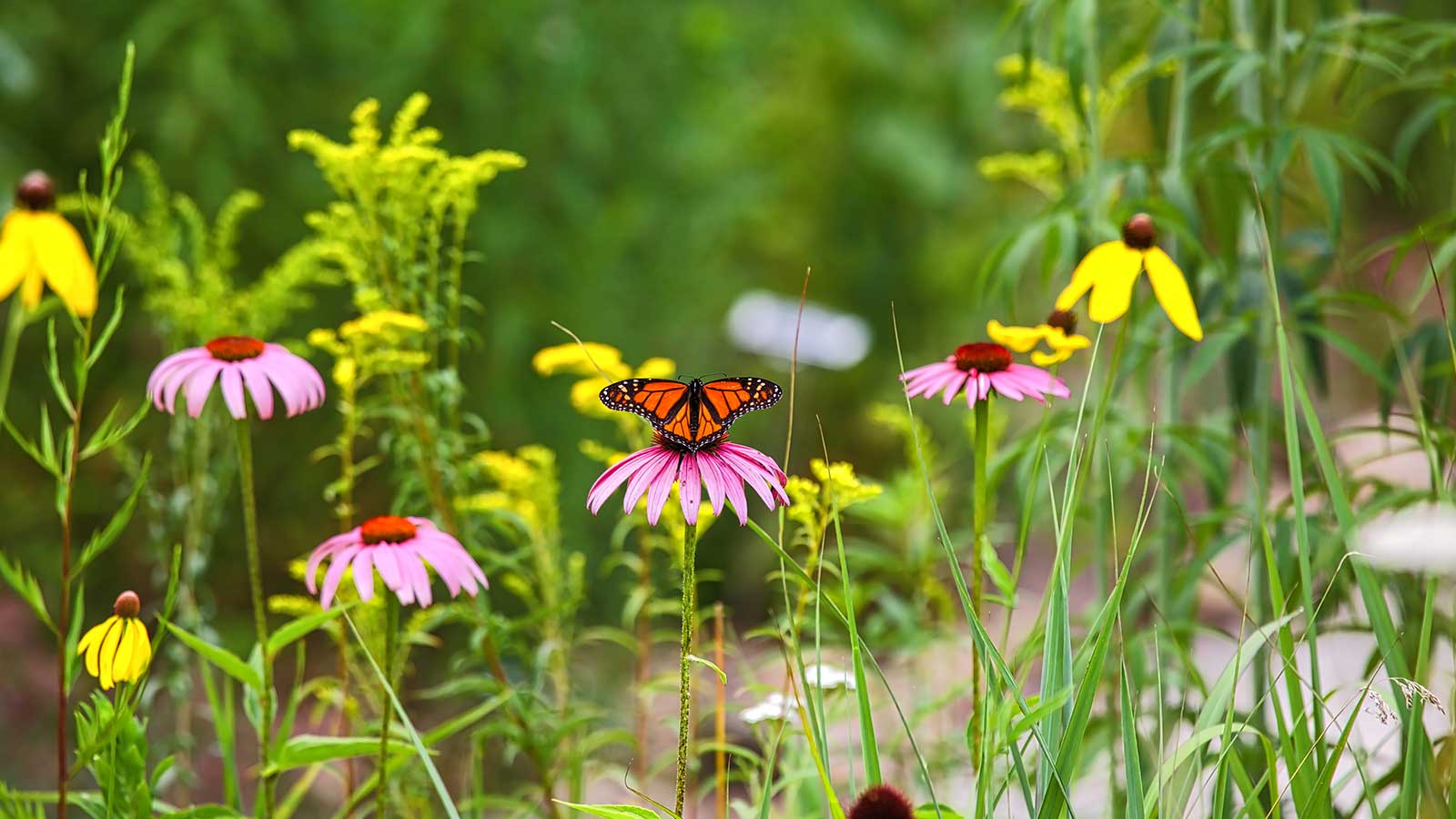
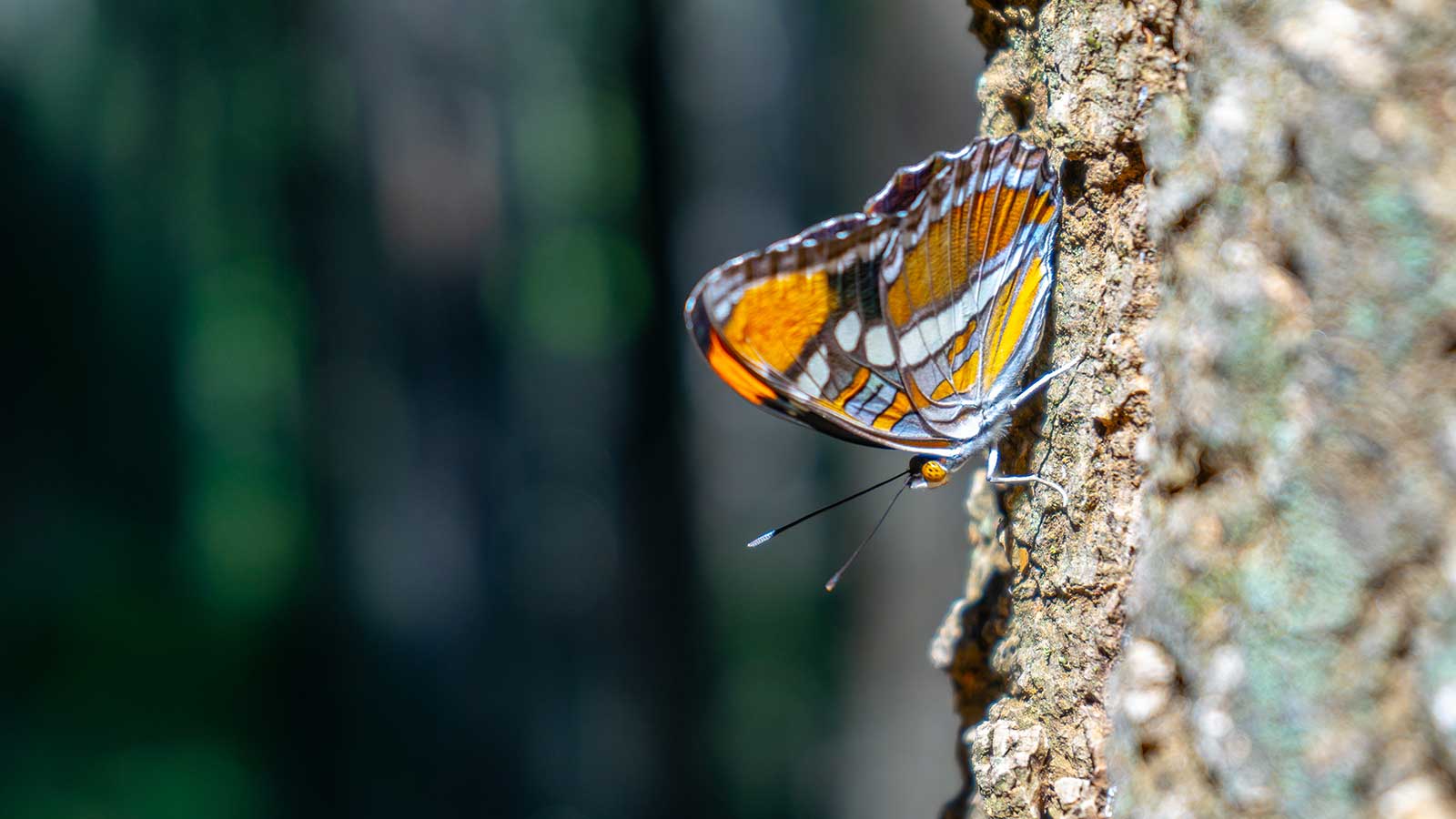
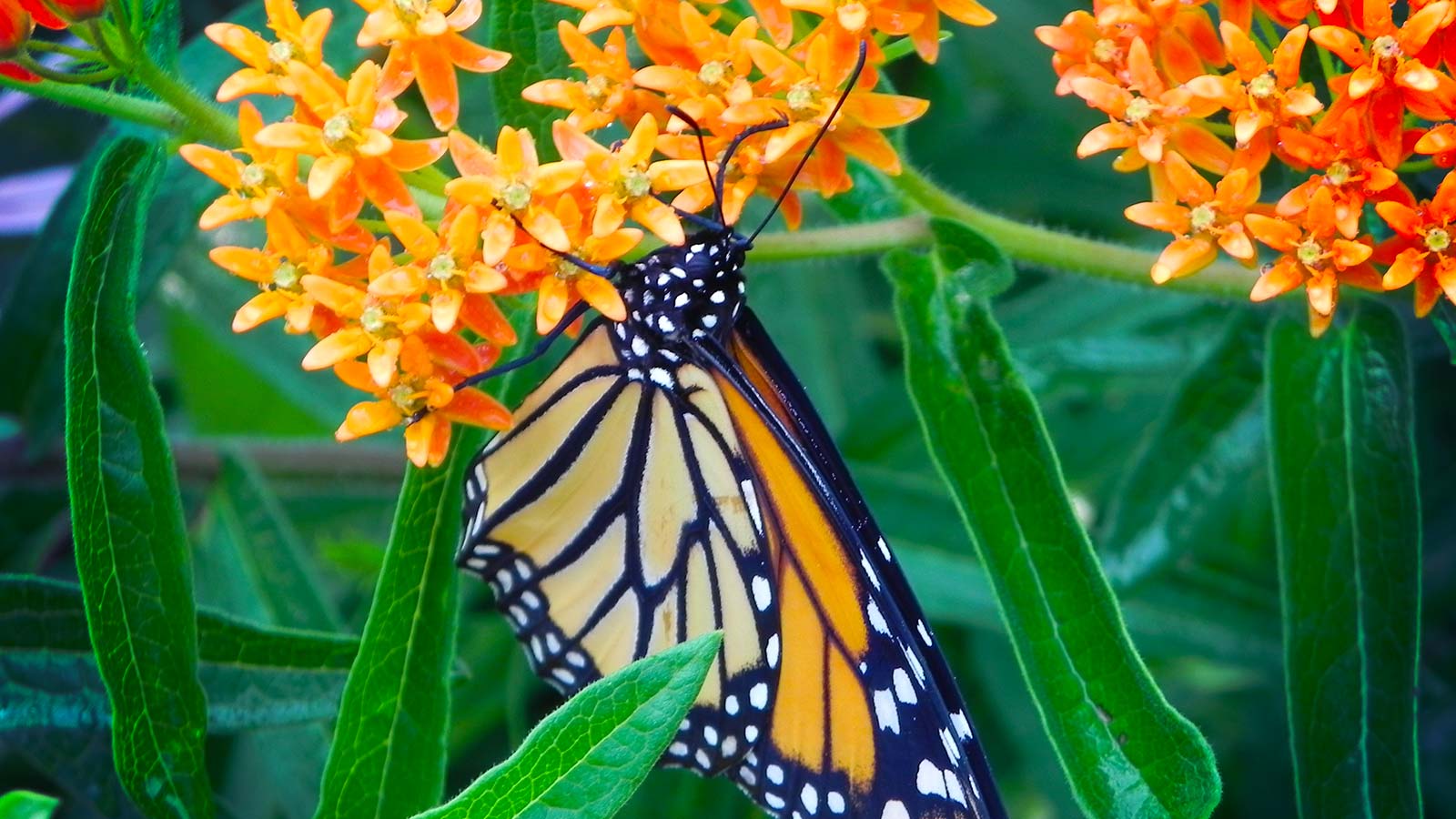
The birds that are attracted to our feeders also enjoy the seeds that mature in our native meadows, but to raise a brood, they need a reliable supply of small insects. The caterpillars of moths and butterflies are key. When you see butterflies in your Piedmont Prairie, the joy includes not only their personal charm but also knowing that their caterpillars have something to eat and grow on — and because of that, so do the birds.
The 4 Seasons of a Piedmont Prairie
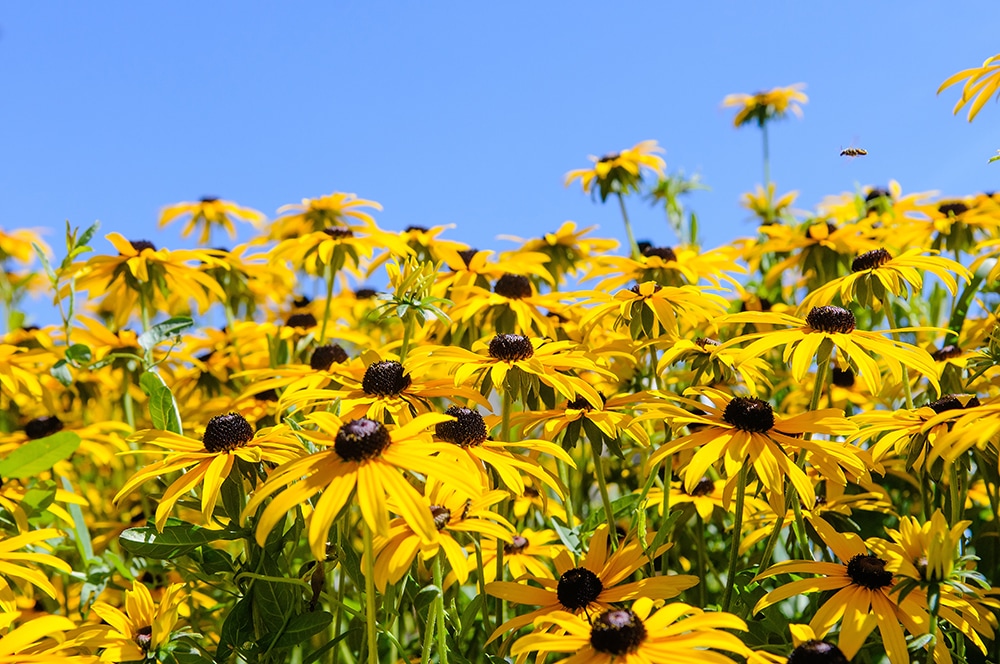
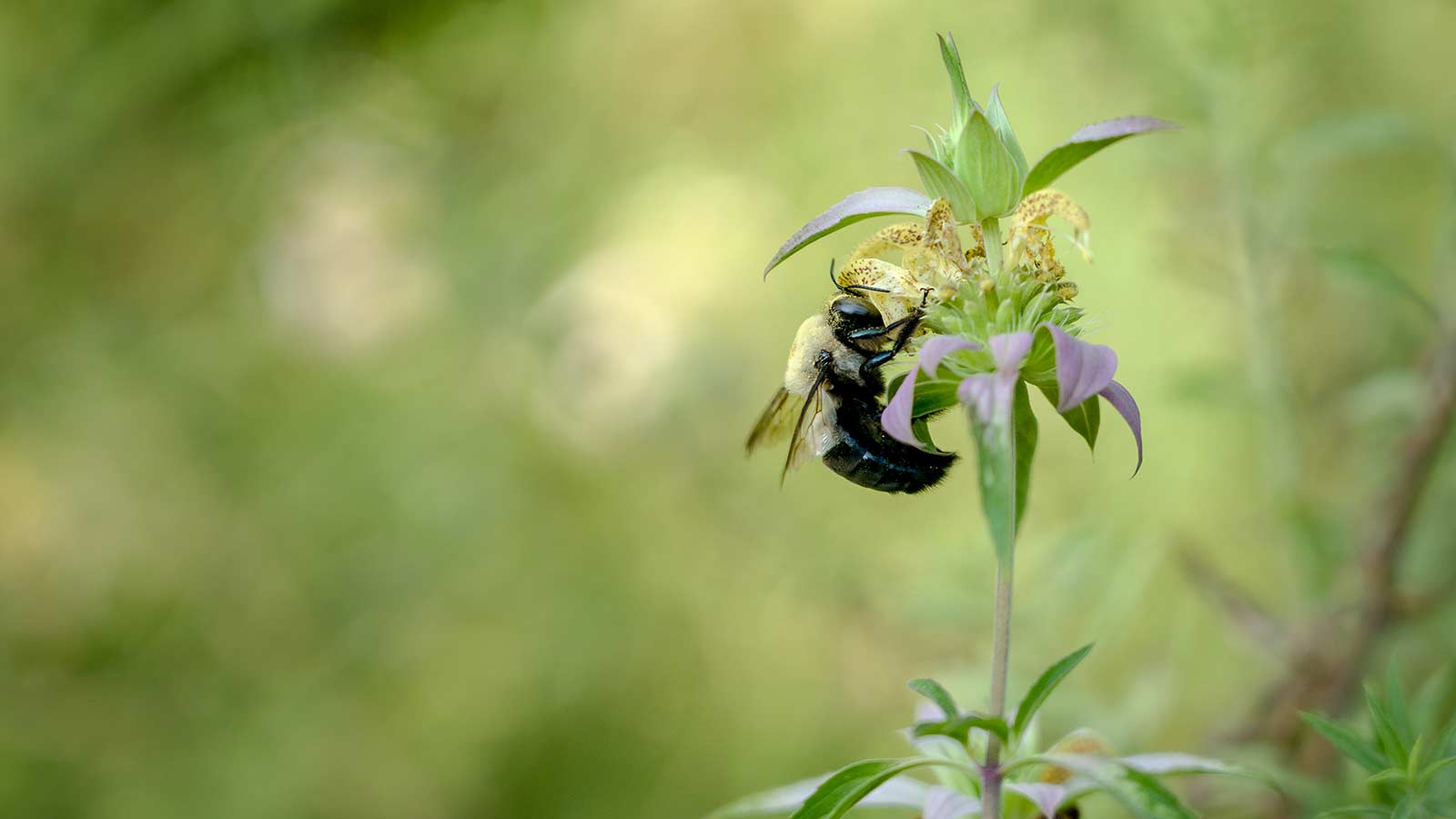
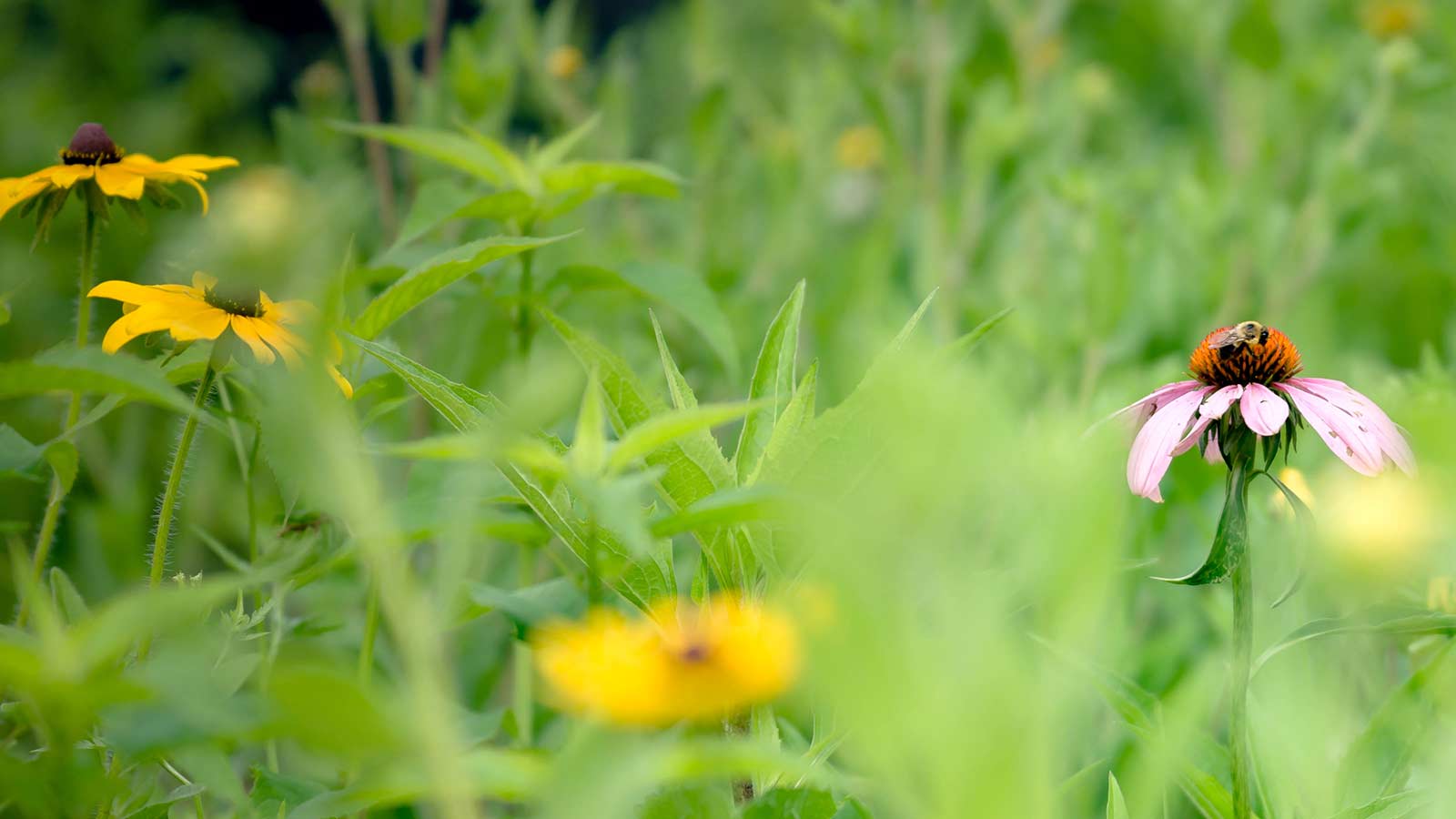
In late spring through full summer, a native meadow is a color- and movement-filled space. Sparrows shuffle through the grasses. Goldfinches alight on the slenderest of stems. Dragonflies patrol and bees forage for nectar and pollen. Even after frosts knock everything back, the prairie keeps working. The remains of grasses and other plants are important in their own season, from fall to winter, providing cover for numerous insects and other animals. Seeds feed birds and other animals. The hollow stems of spent plants are the future homes for nesting bees. It all has a purpose, and winter is as important as any other season.
Creating an Intentional Space
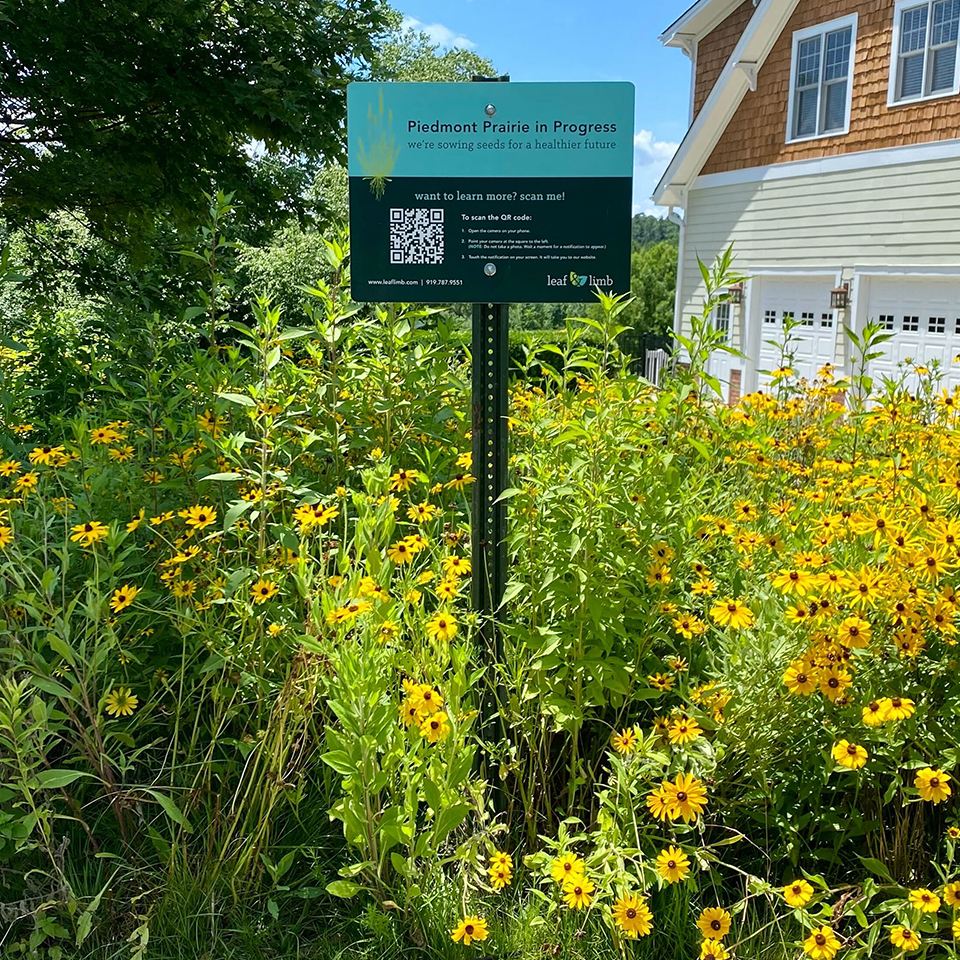
We can add our own aesthetic components — and for a Piedmont Prairie that could include something as simple as a neatly mowed edge, birdhouses, water sources, or a rustic fence. Signage is an excellent way to explain to neighbors and passersby what is happening in your yard. If some of your neighbors were inspired to do the same, the invitation to grassland birds gets bigger. That is how wildlife corridors form.
A Piedmont Prairie is not just prettier than a lawn. It behaves differently. It builds soil, holds rain, stores carbon, feeds everything, and in winter continues to provide necessary cover for grassland birds and the insects that overwinter in stems and thatch. They also require less maintenance and cost less over time. Native meadows are among the most environmentally sustainable landscapes we can have in our yards.
A lawn is mostly surface. A Piedmont Prairie becomes infrastructure.
Ready to get started? Reach out to our Treecologists — we’d love to help you think through what a prairie could look like in your yard.