Drought Is Here: How to Save Your Trees Without Wasting Water
Watering isn't the fix — it's the soil that decides whether your trees survive a dry season.
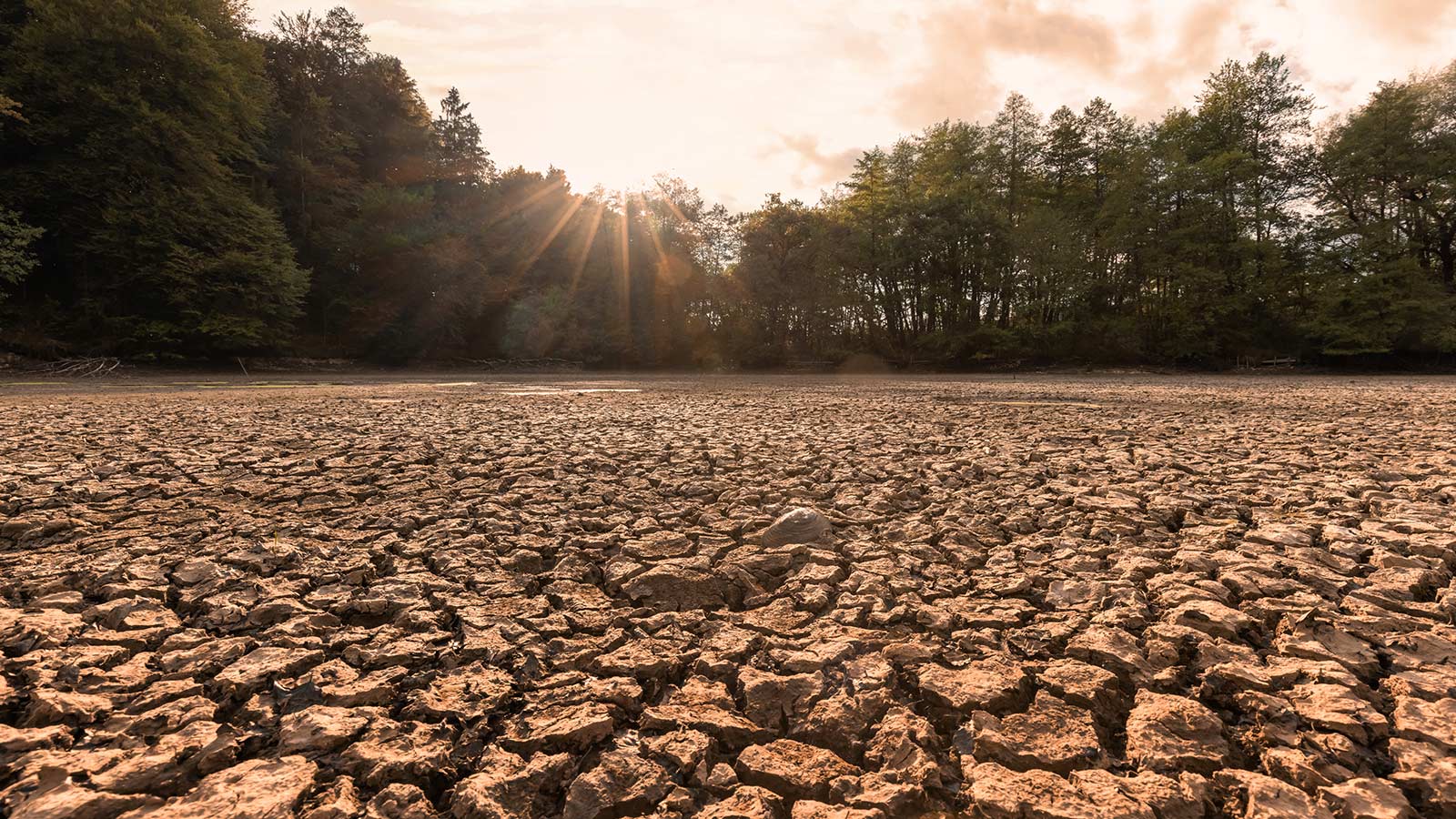
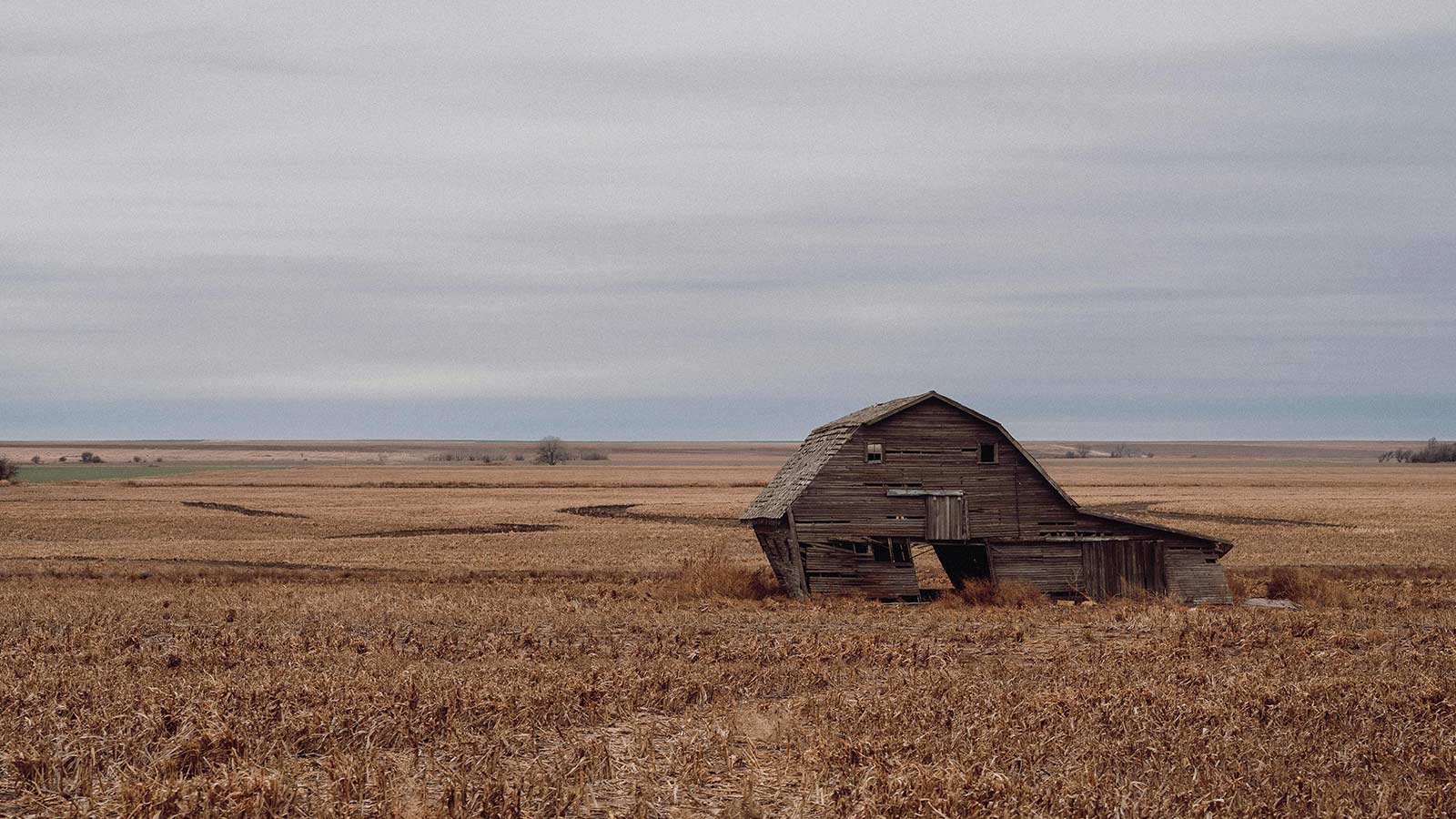
This past January through March was our driest spring on record. It might look green out there, but it’s been drier than the Dust Bowl. In North Carolina, we are over 15 inches below our usual rainfall, which means we would need 8 to 12 inches of steady rain fall in a single month just to recover.
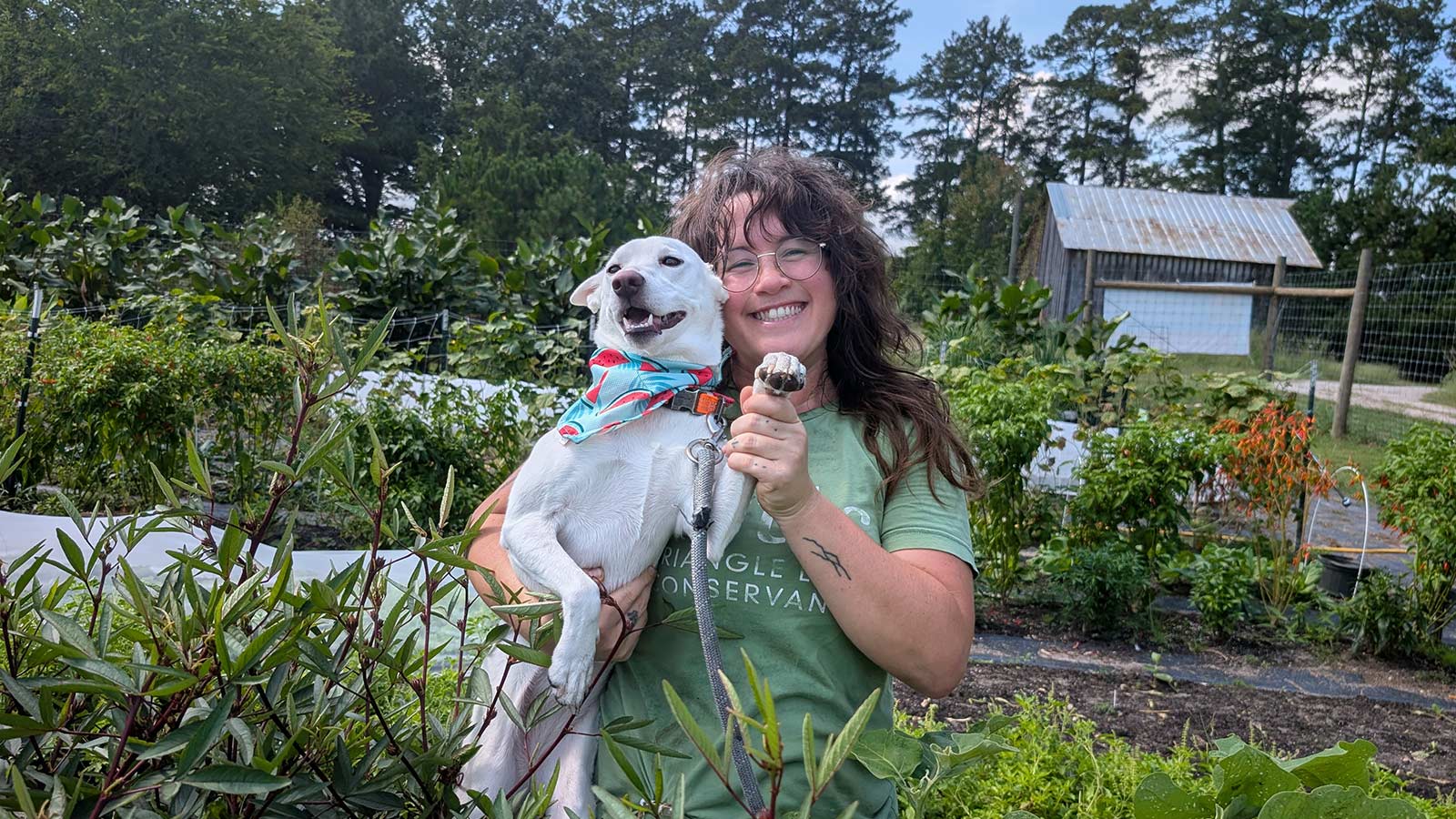
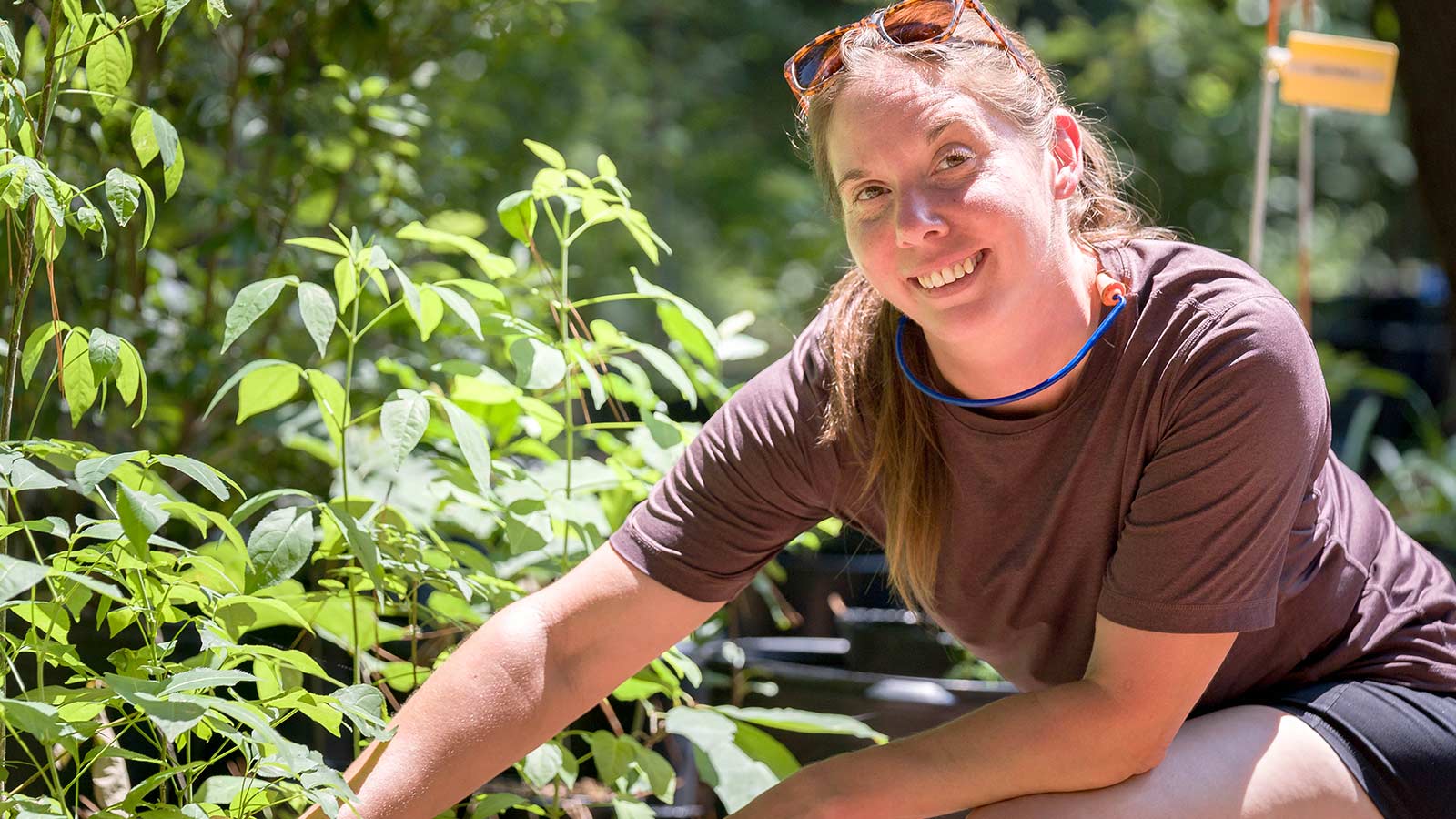
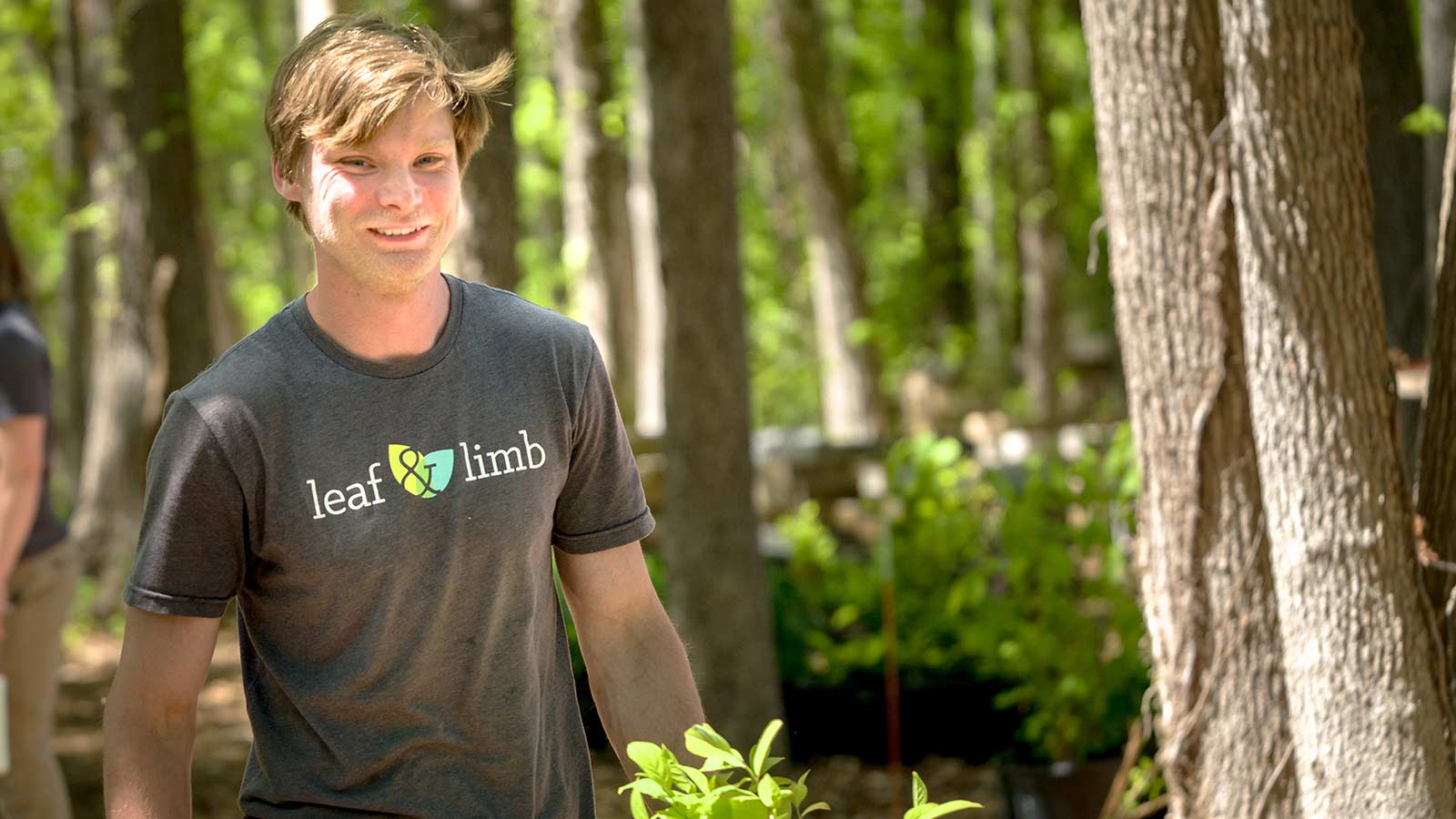
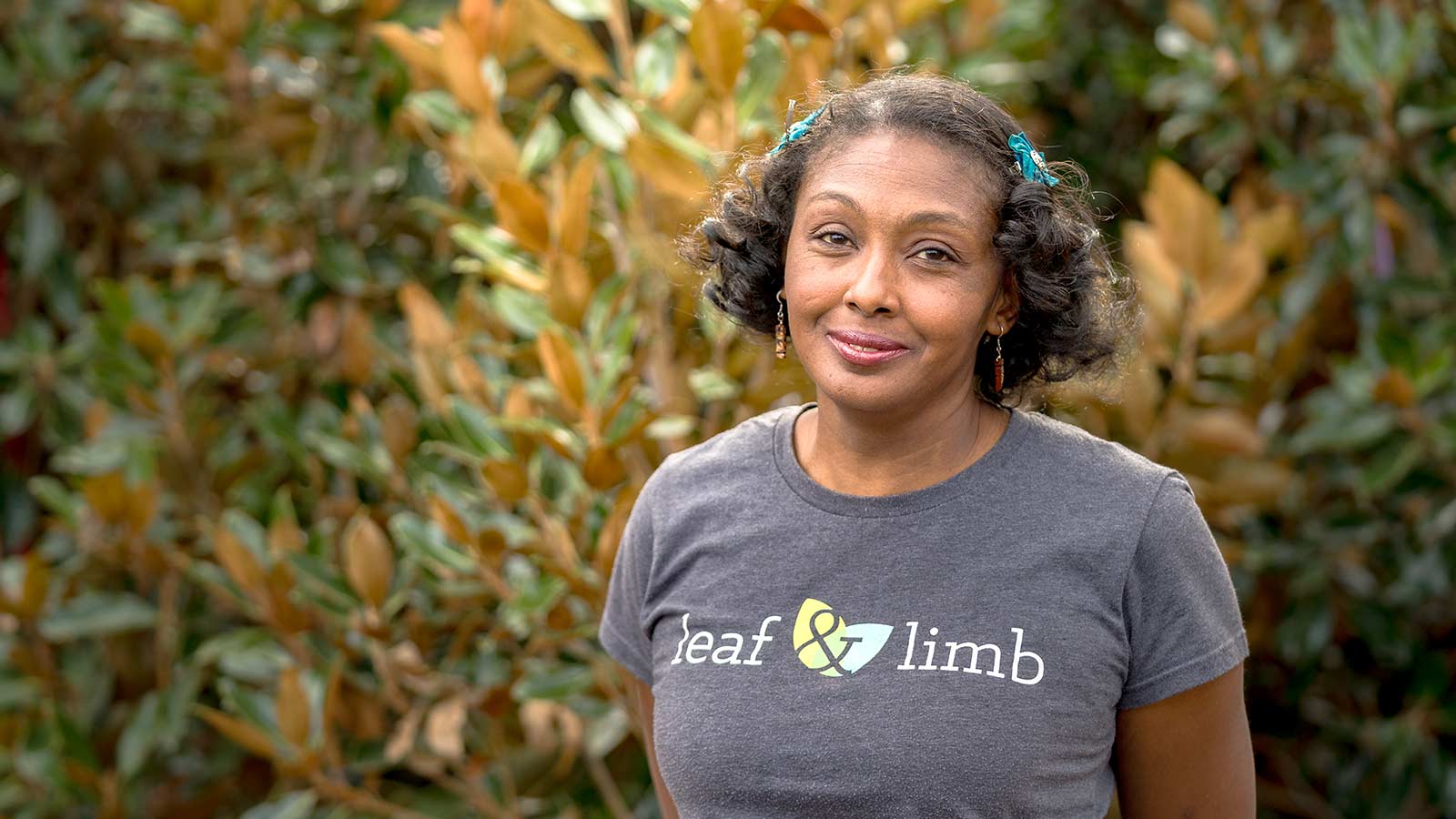
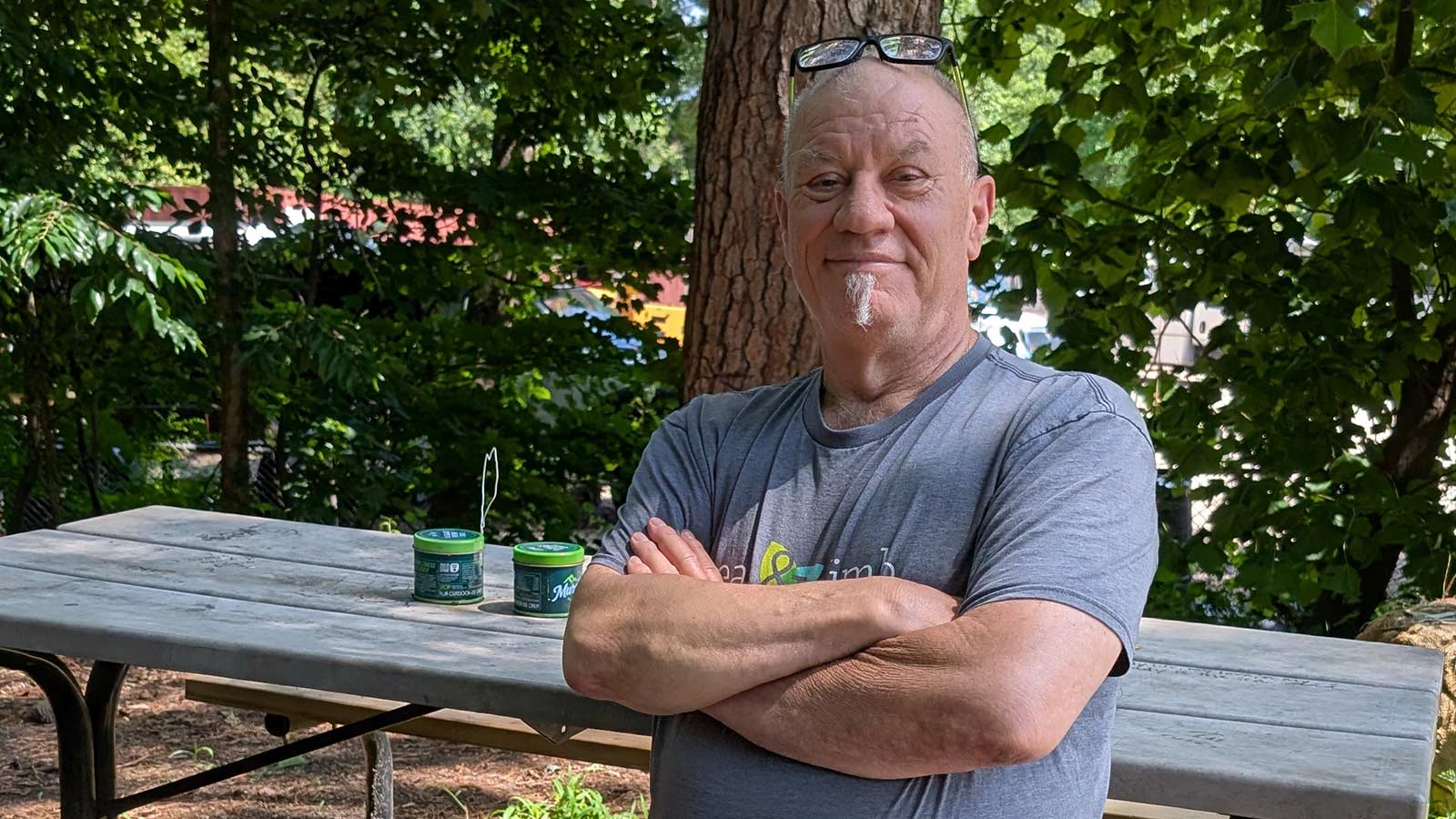
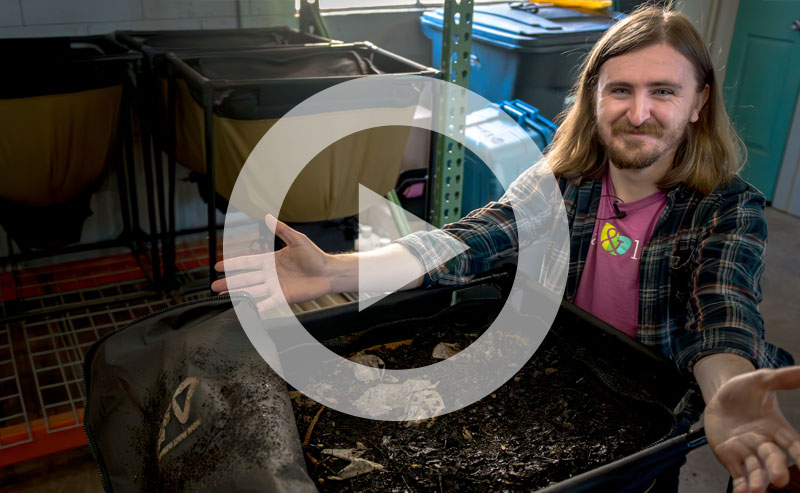
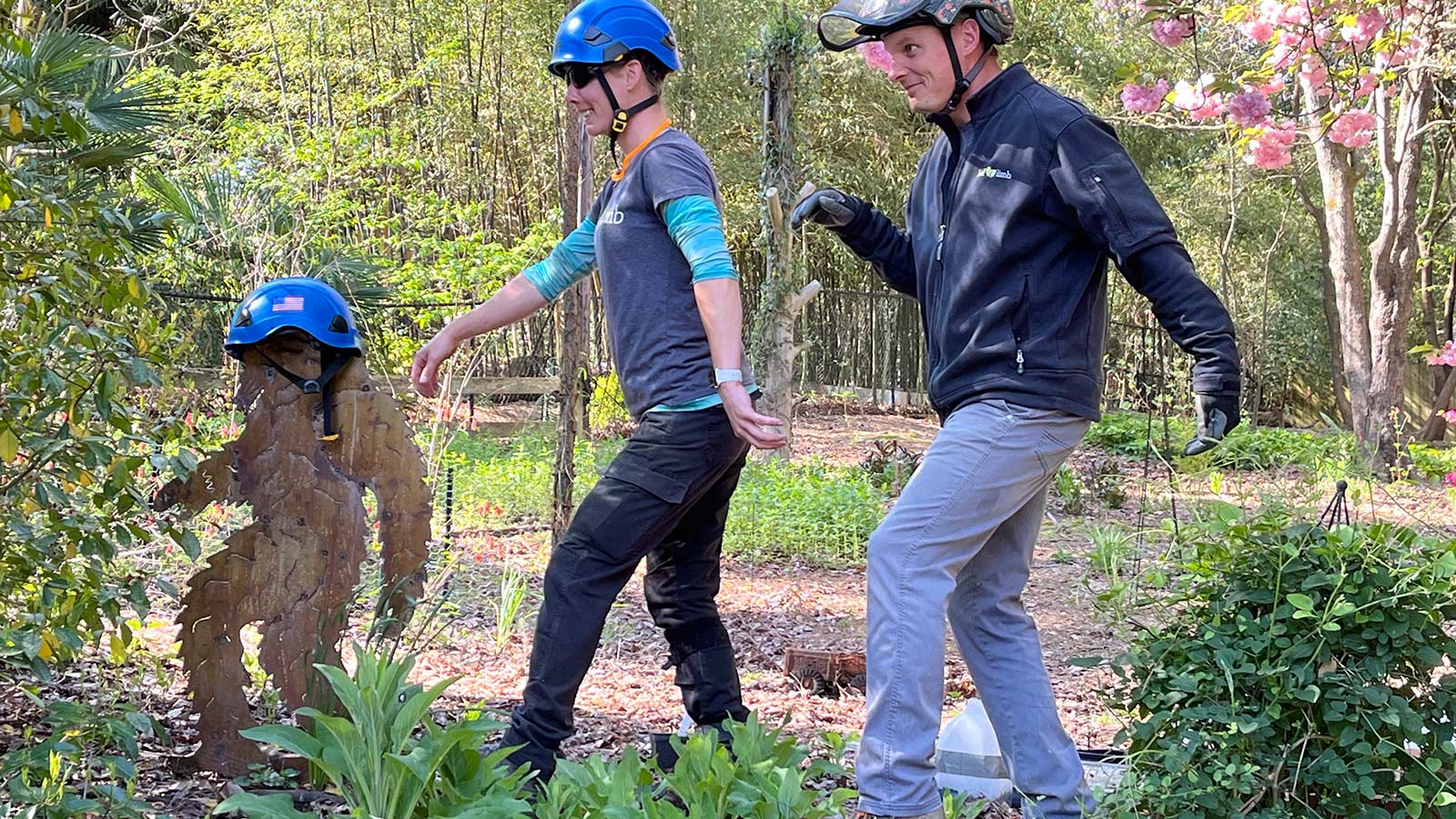
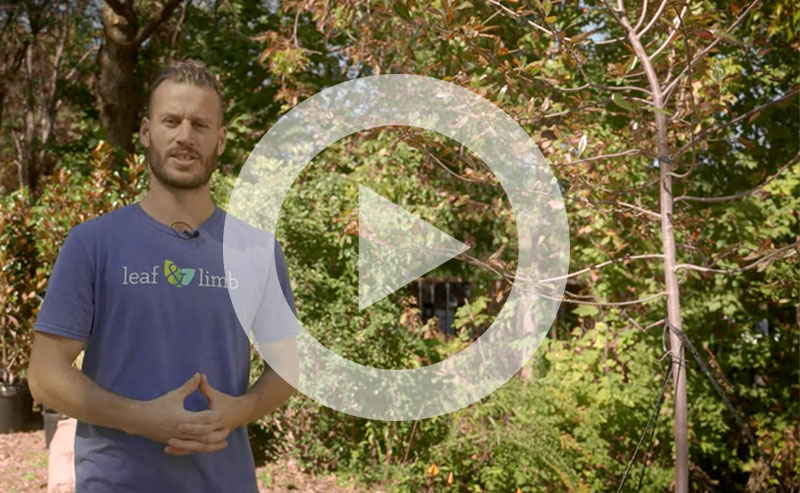
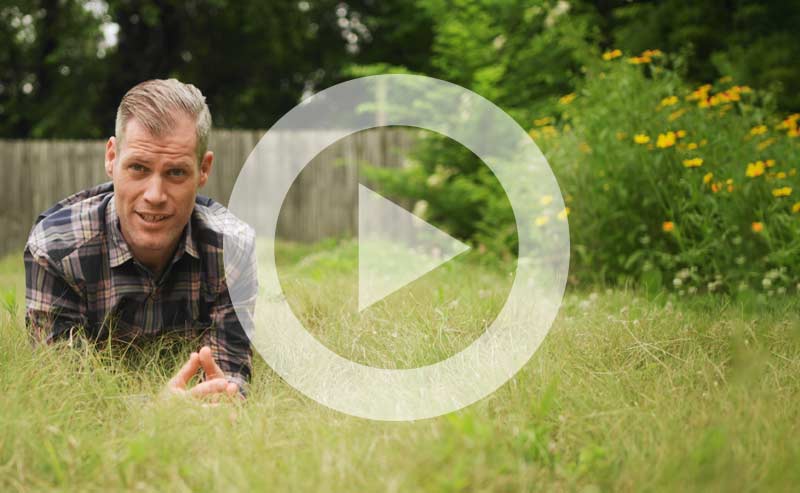
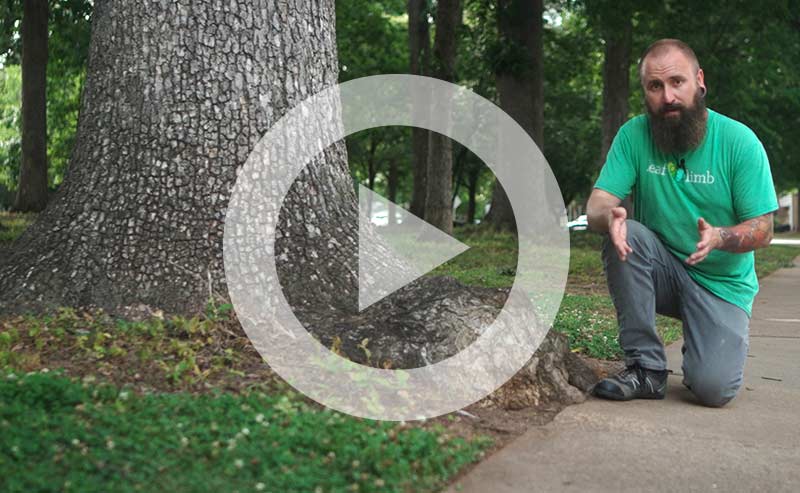
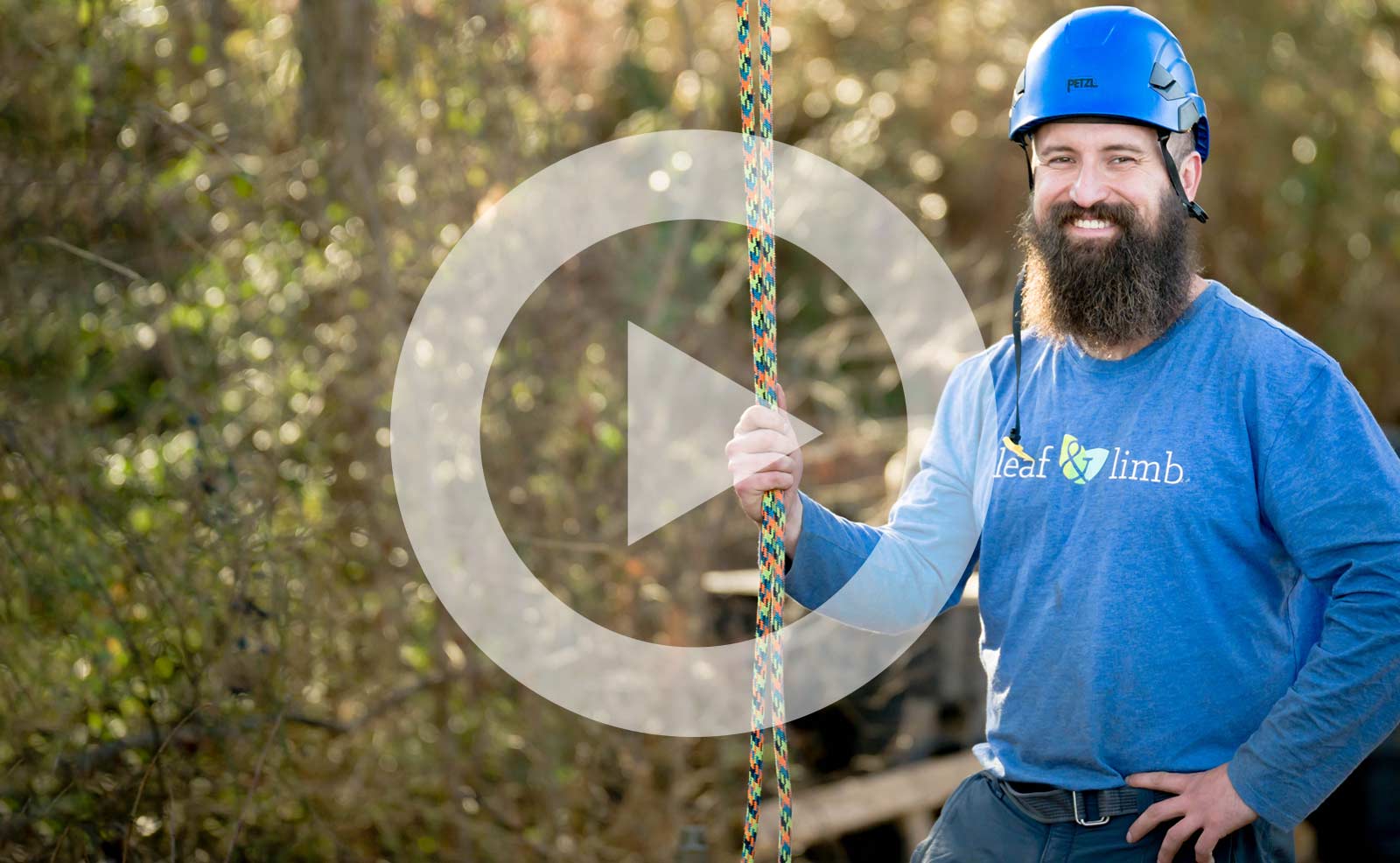
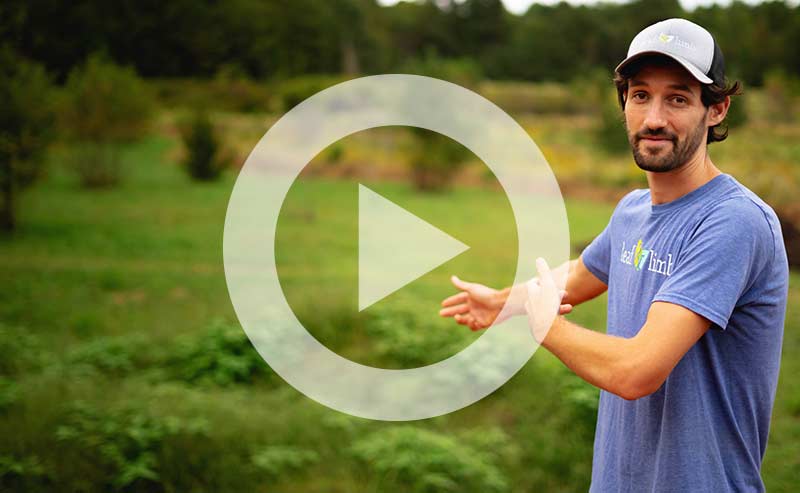
Hi, I’m Greyson. Today we’re talking about drought, and how to help your trees when they’re facing harsh conditions.
Where do we start? It’s not even with the tree. And no, it’s not even watering. It’s with the ground itself.
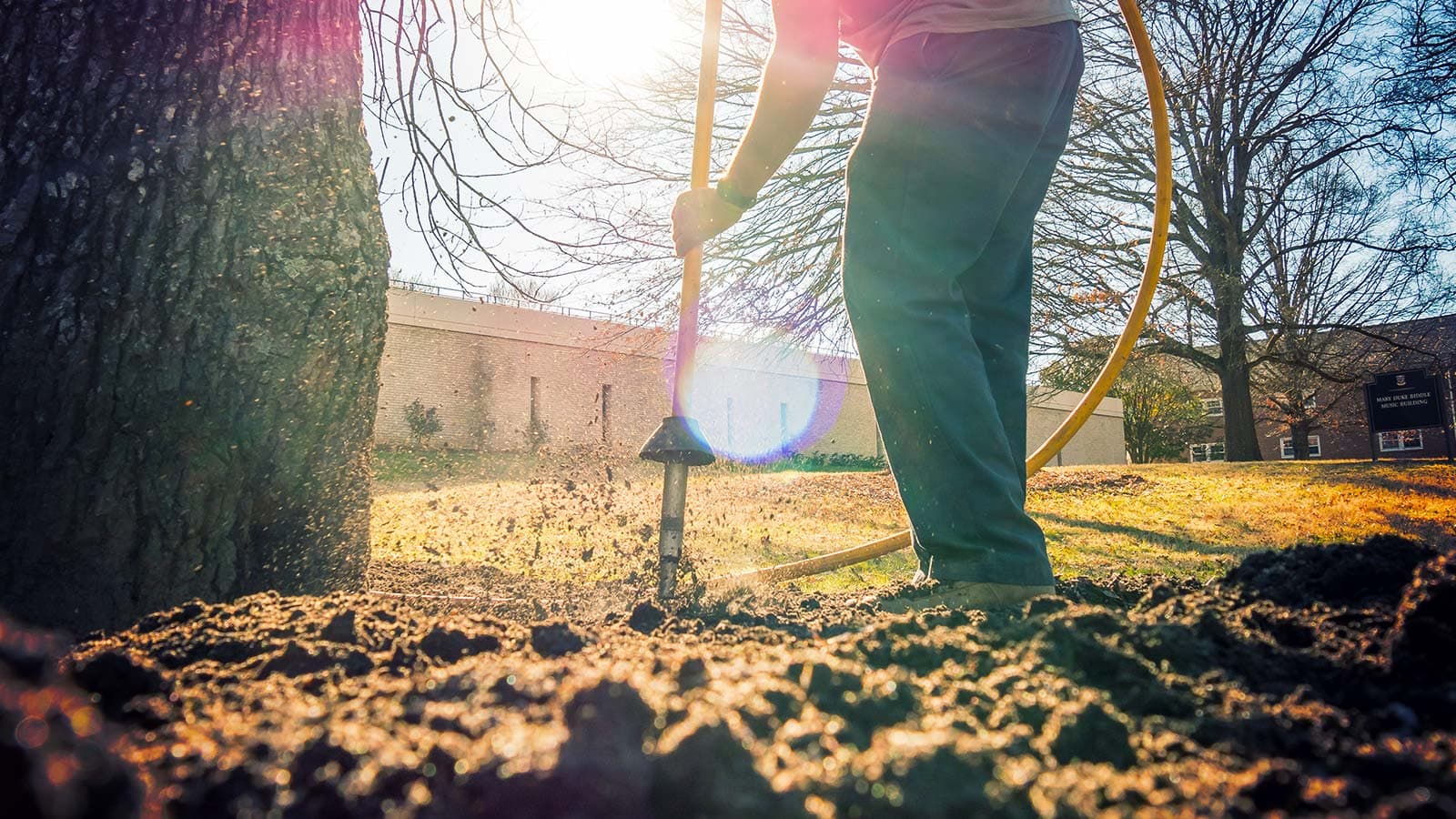
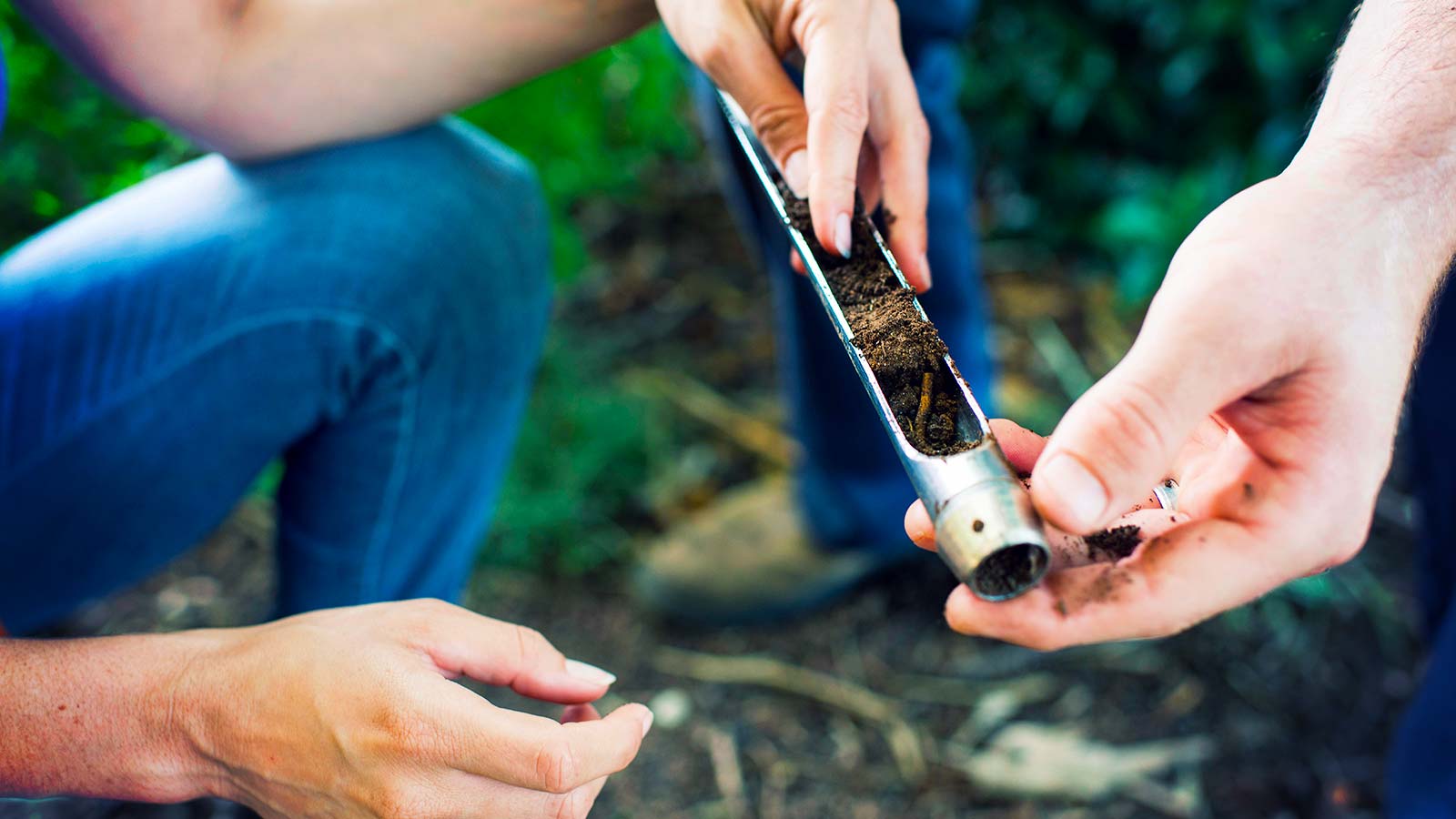
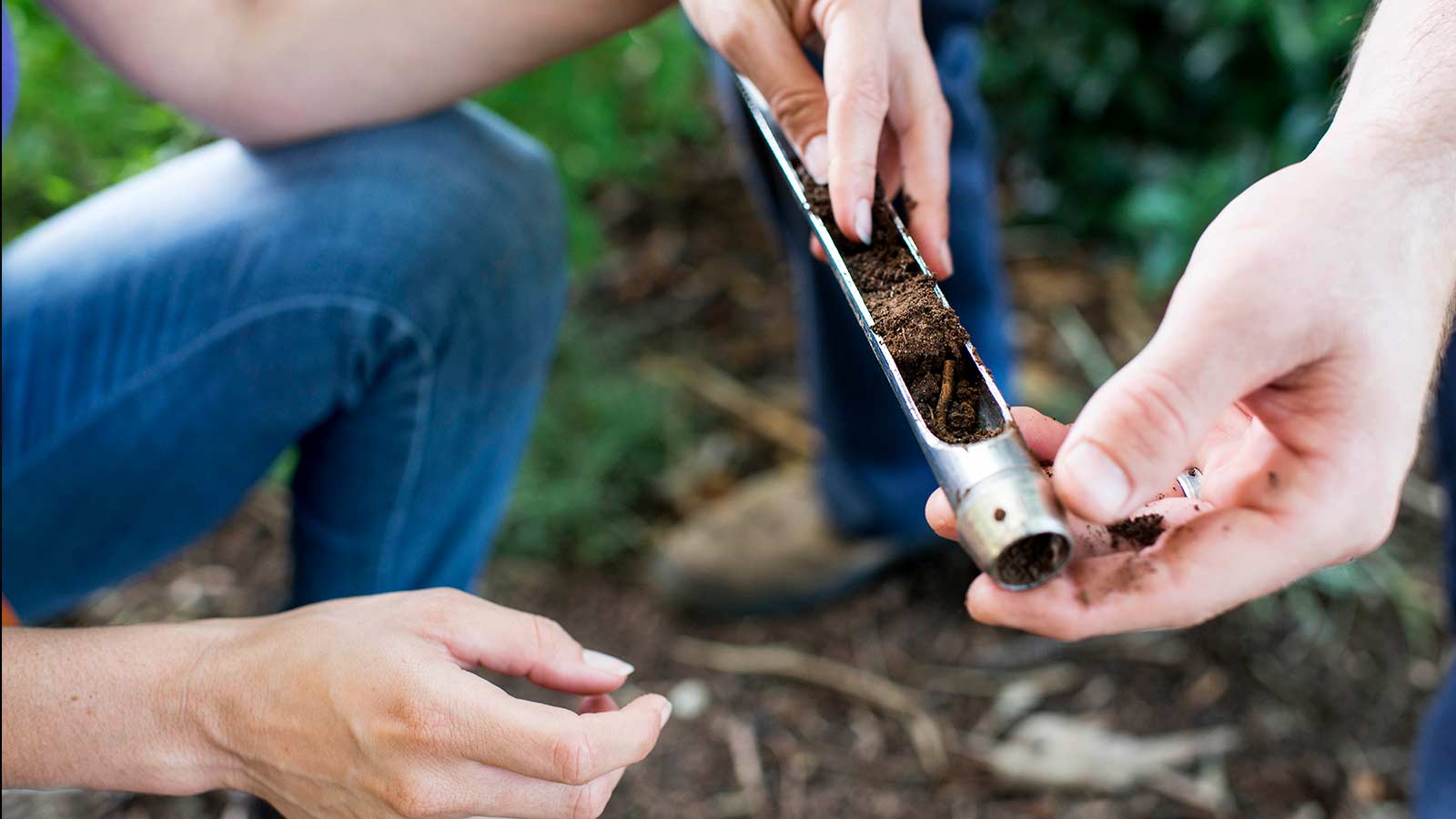
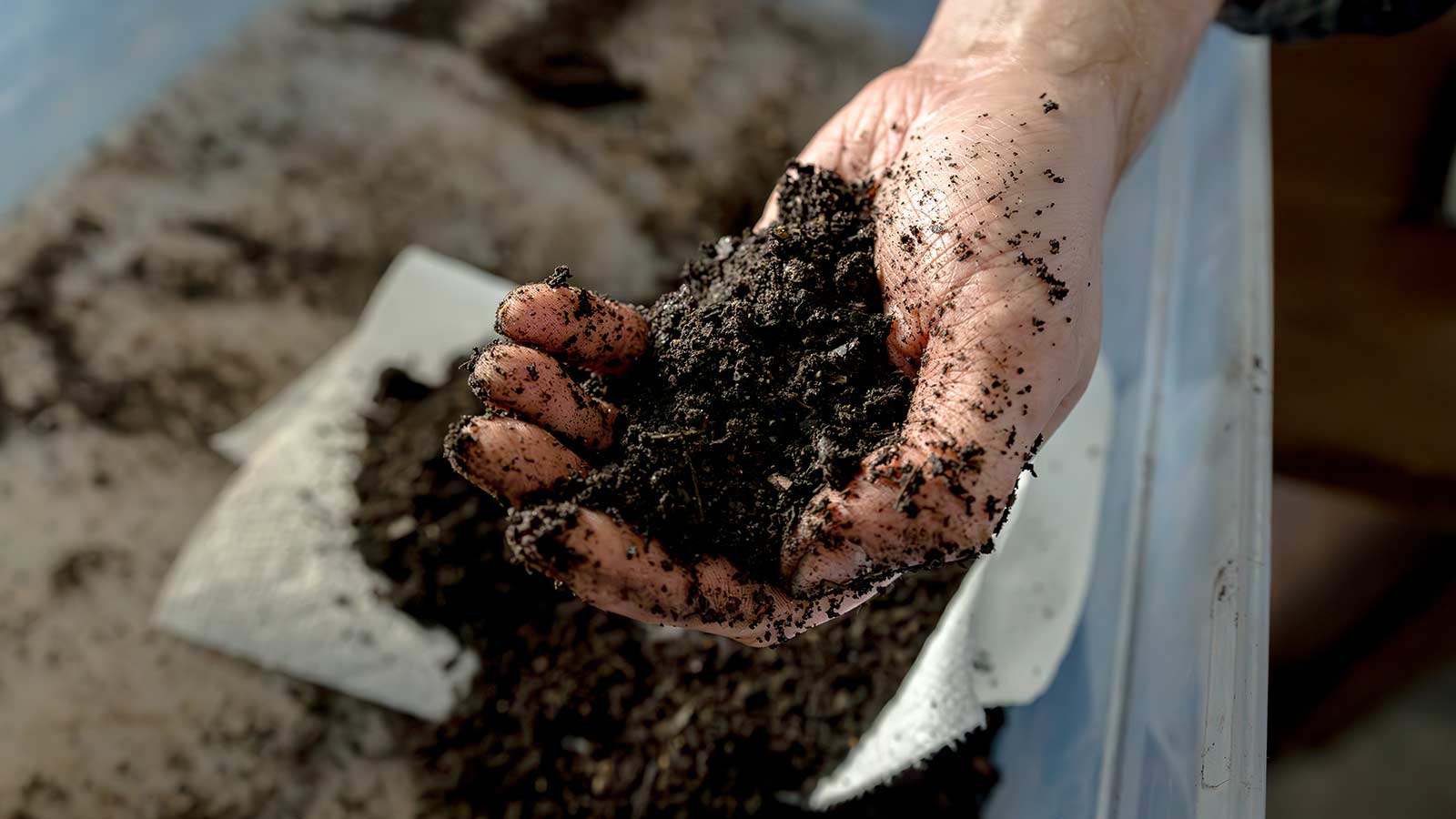
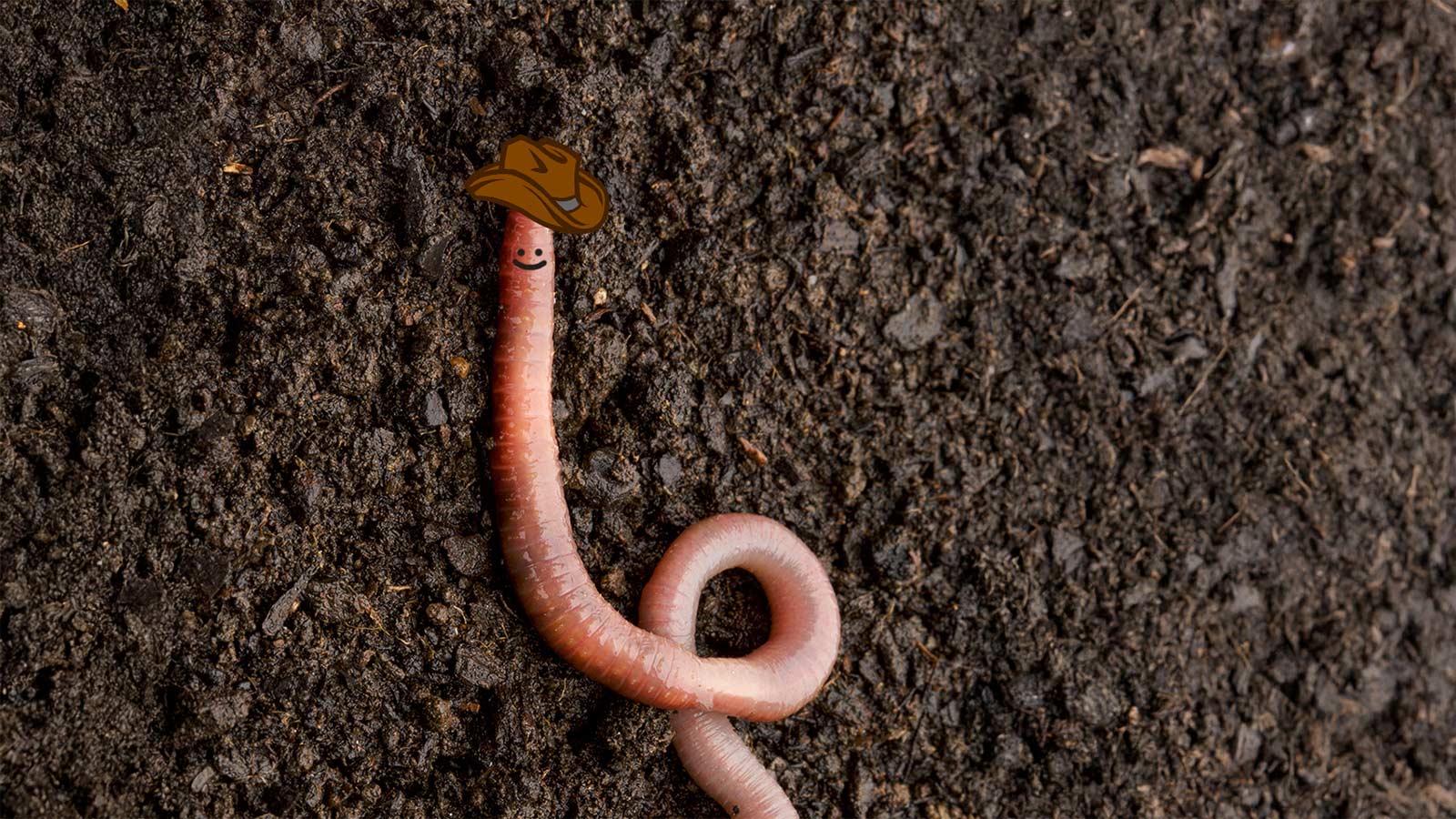
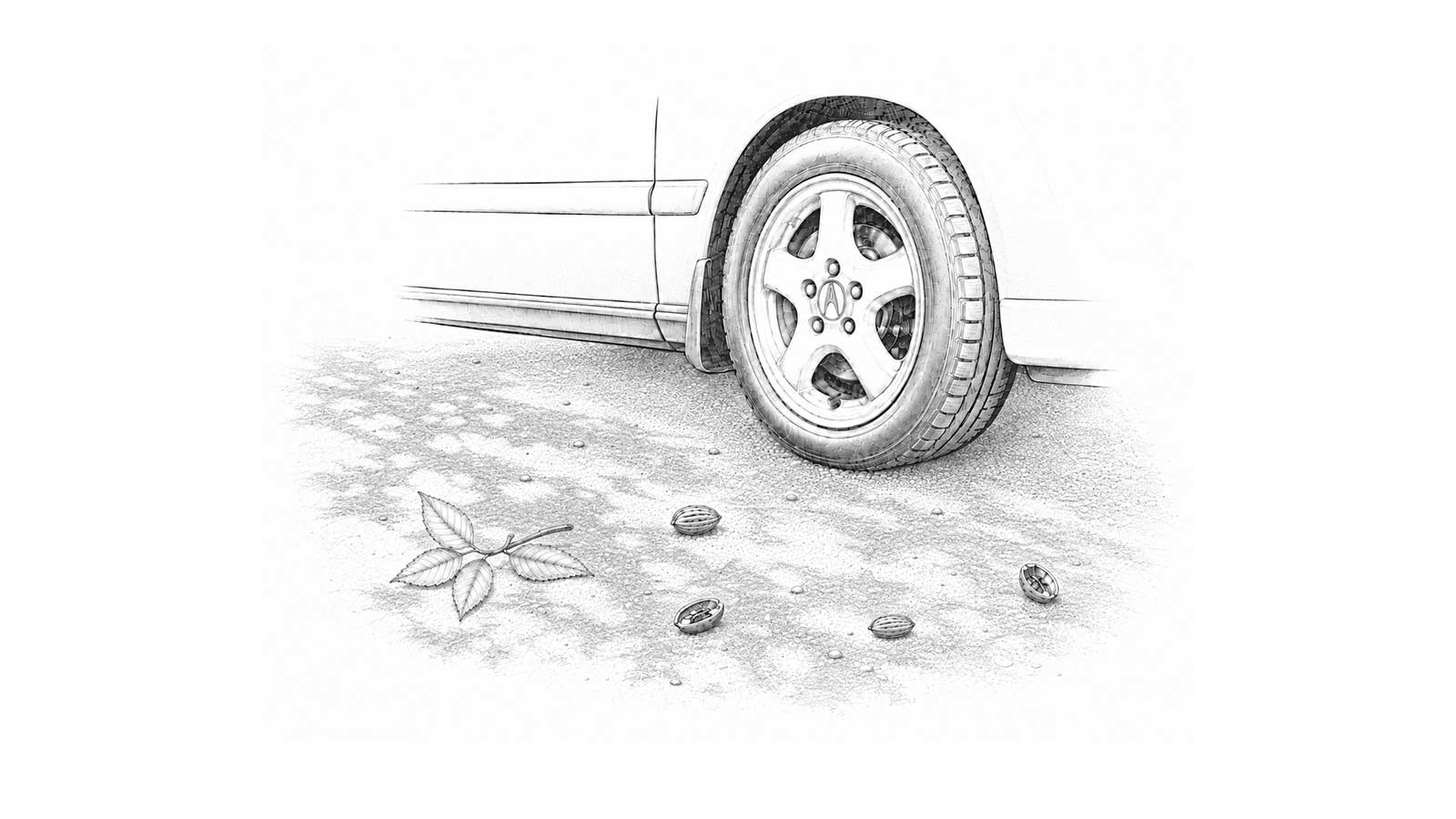
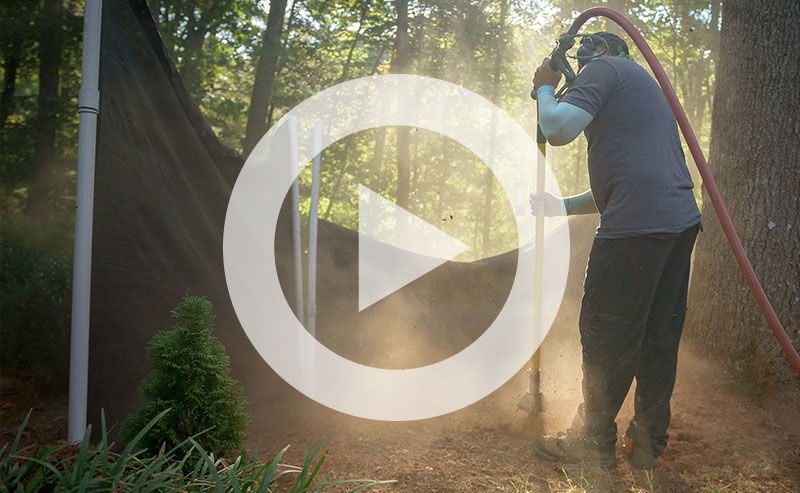
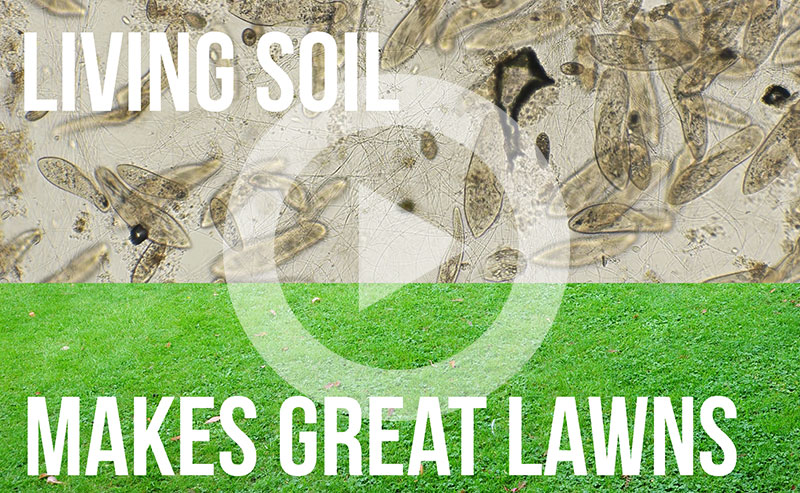
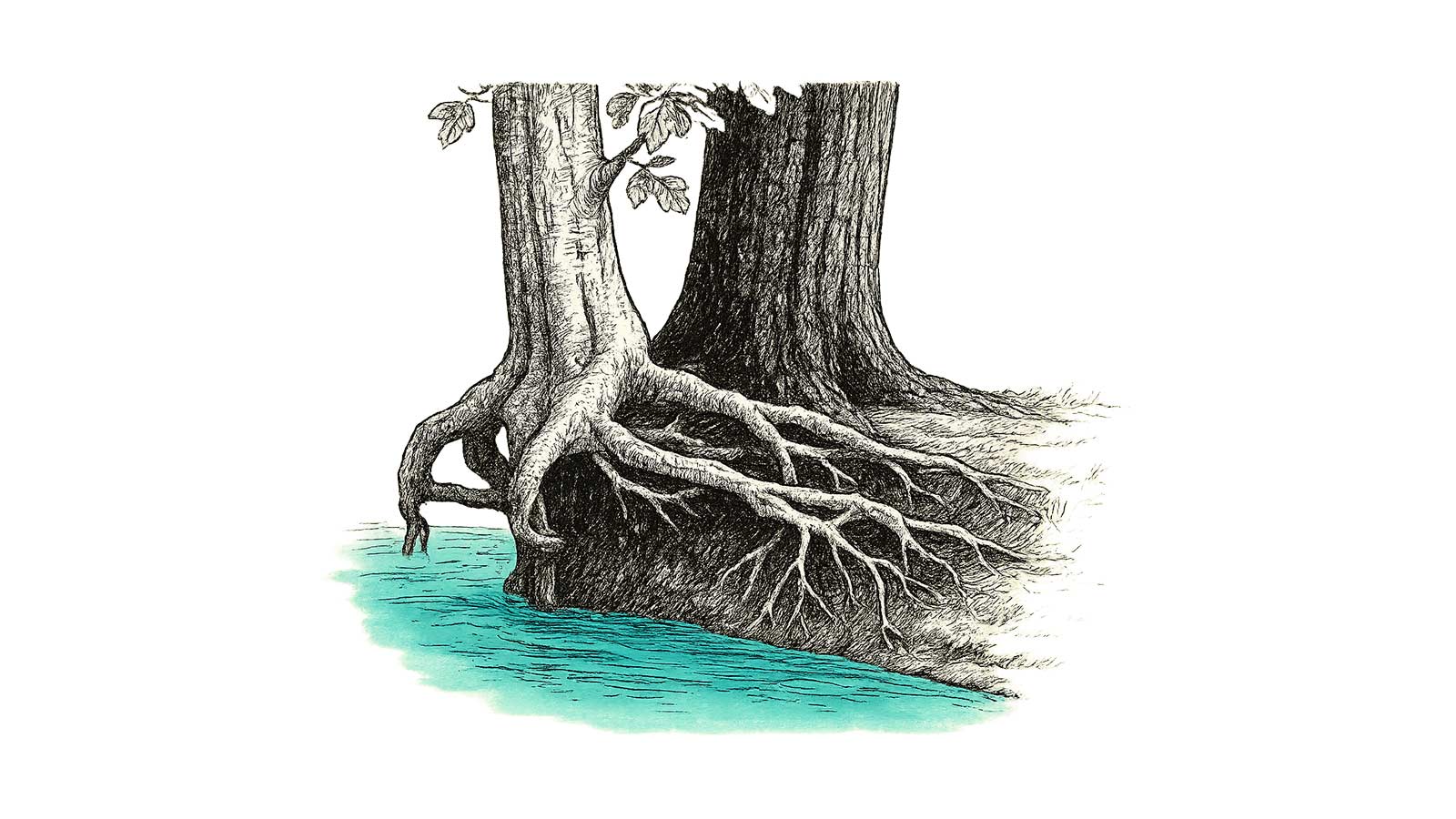
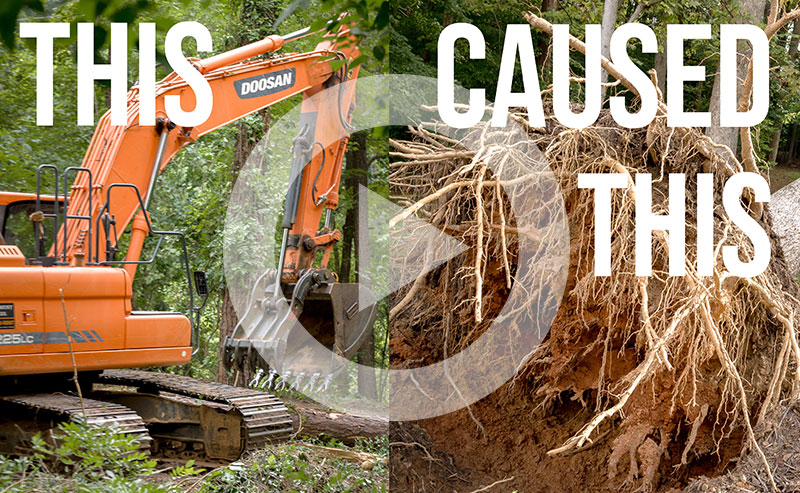
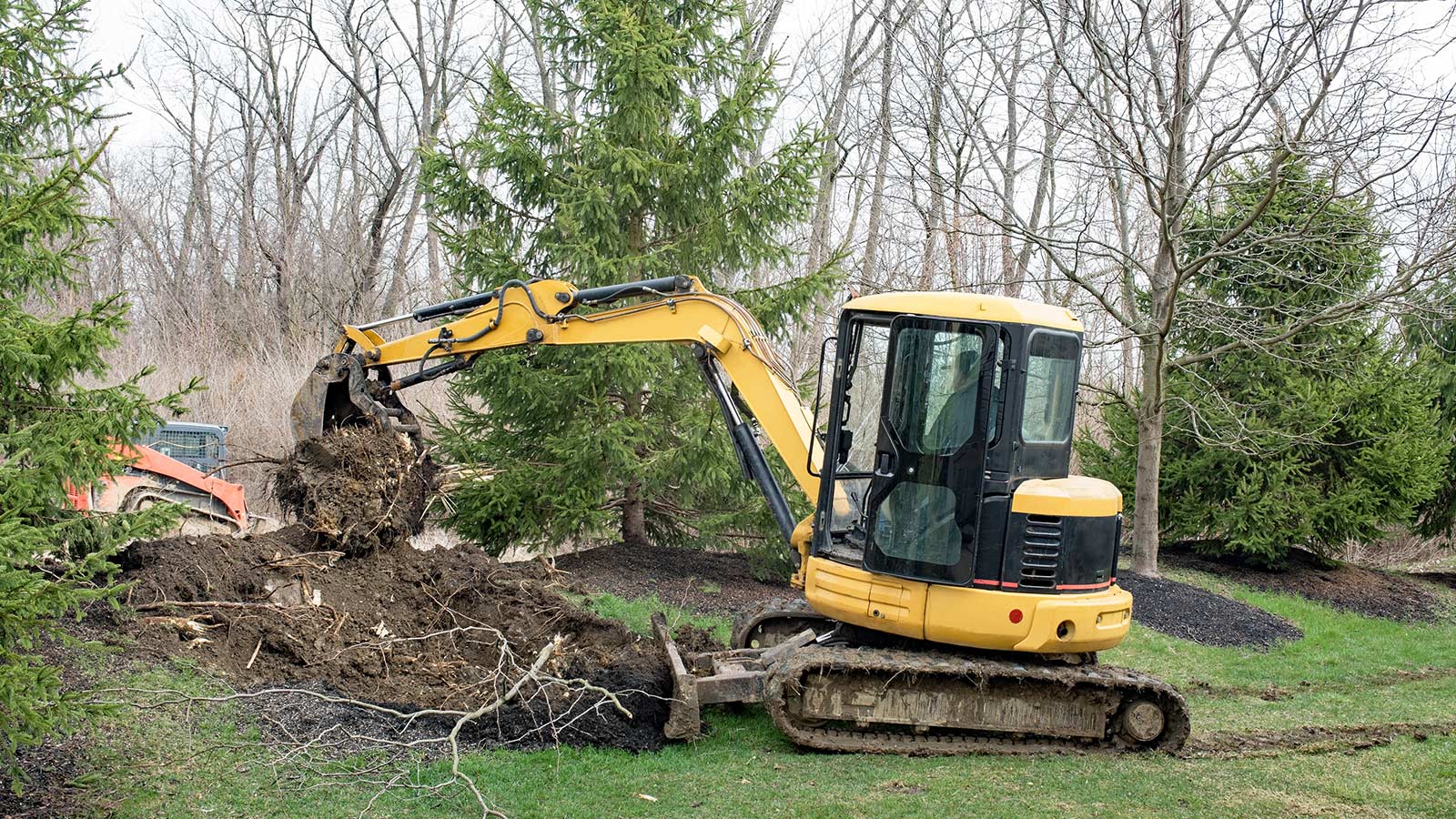
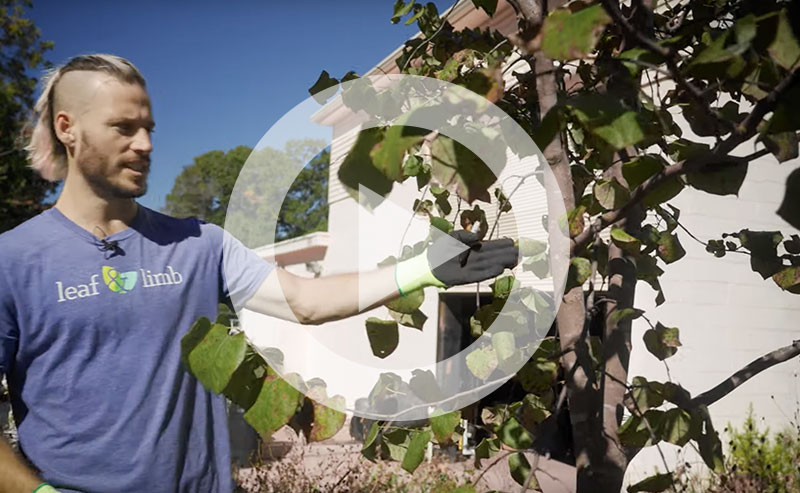
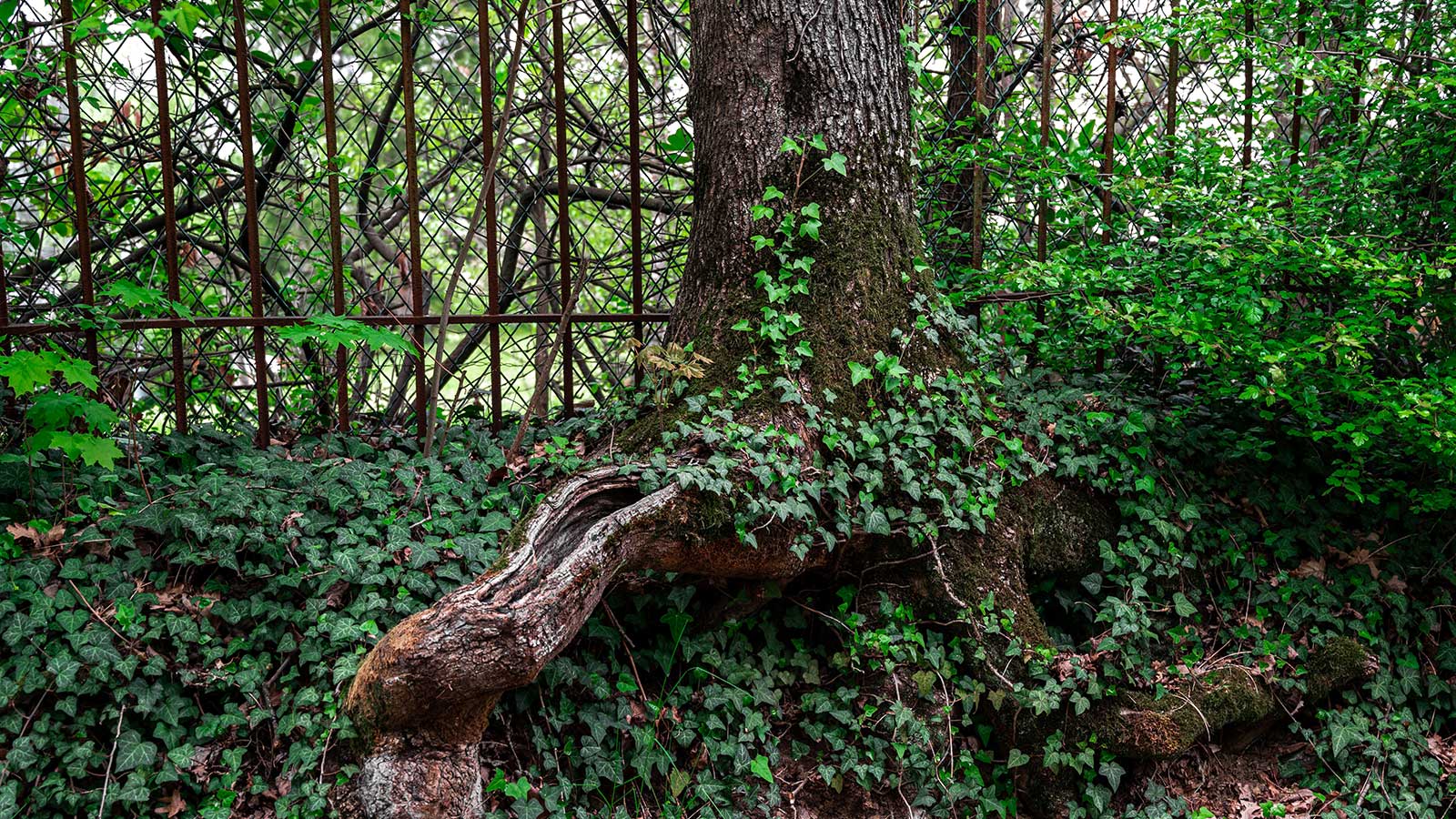
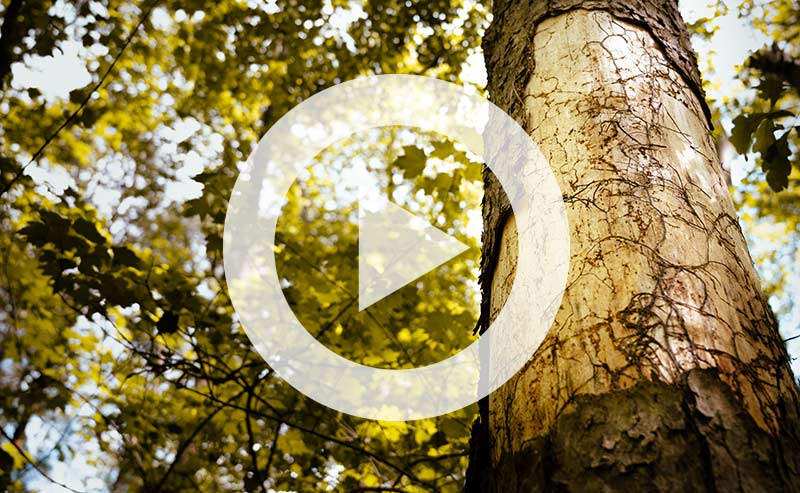
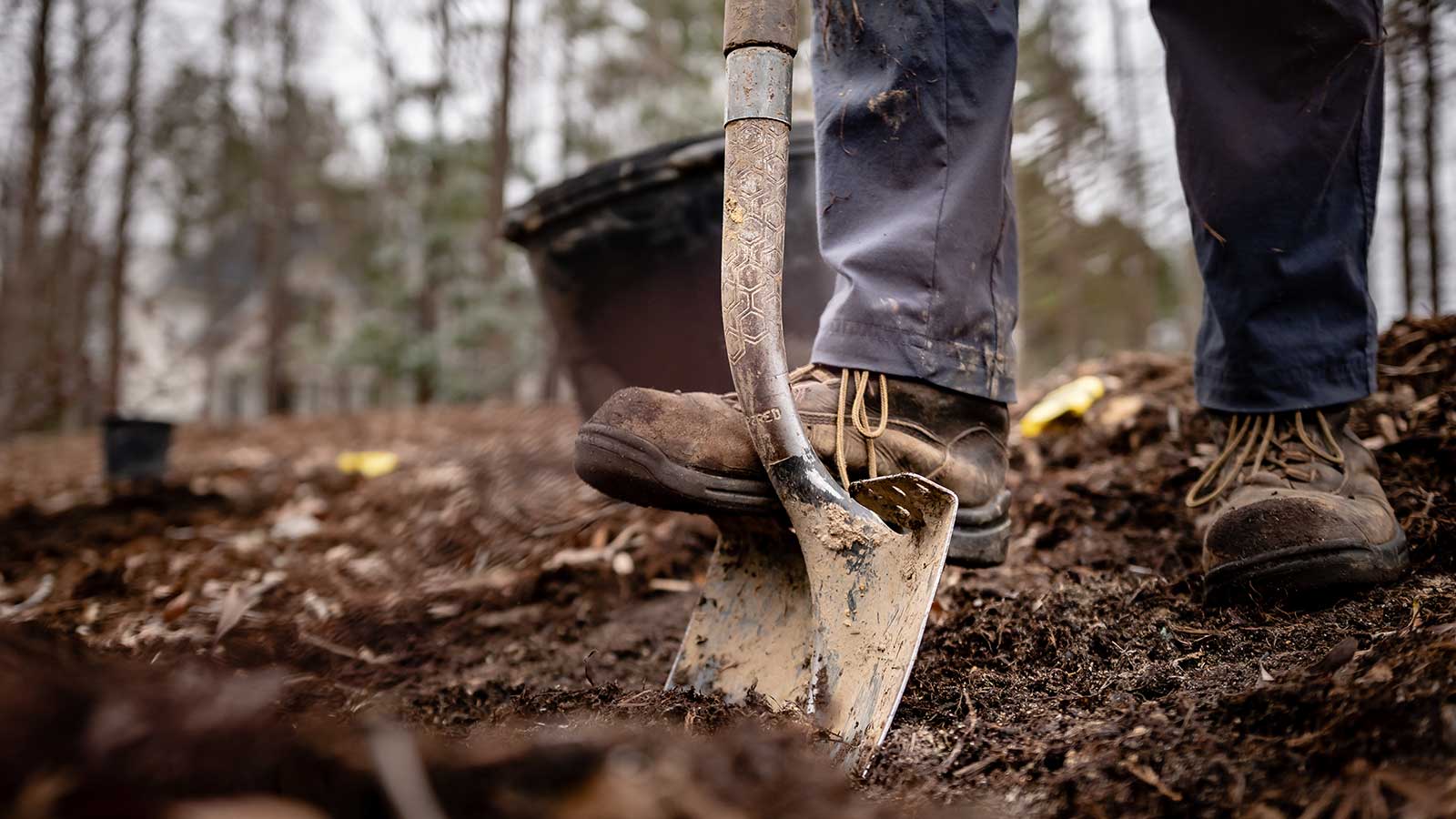
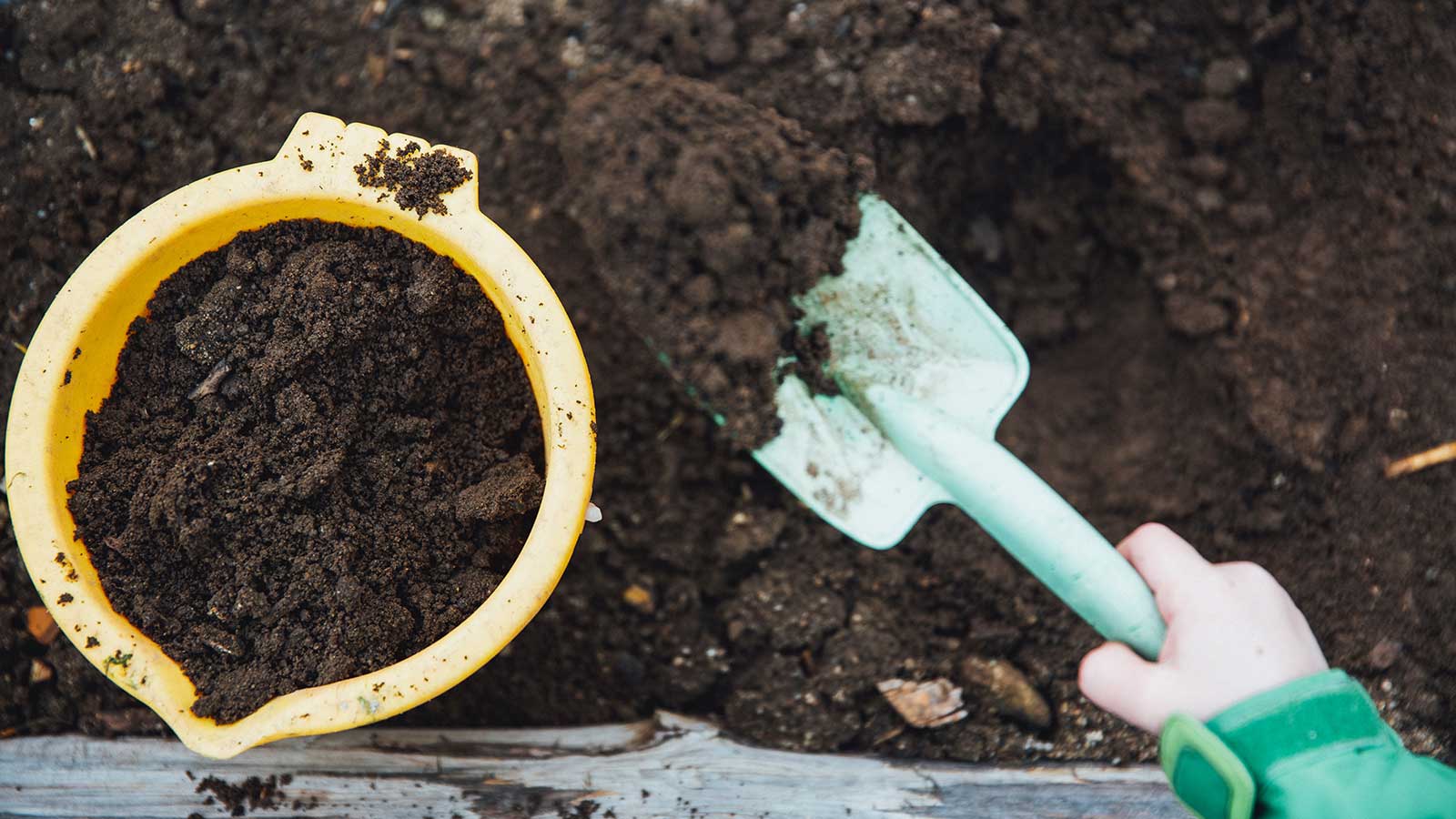
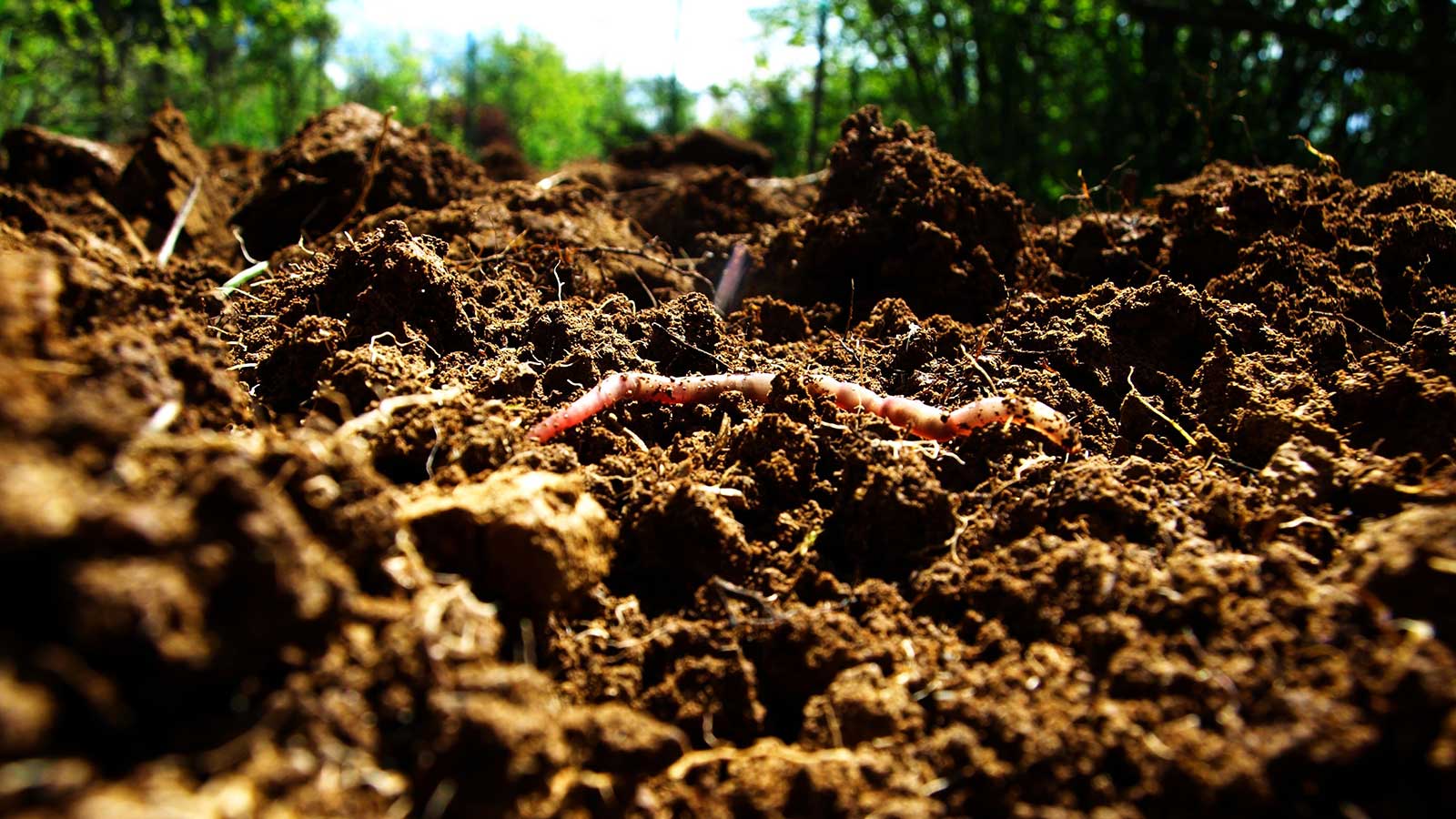
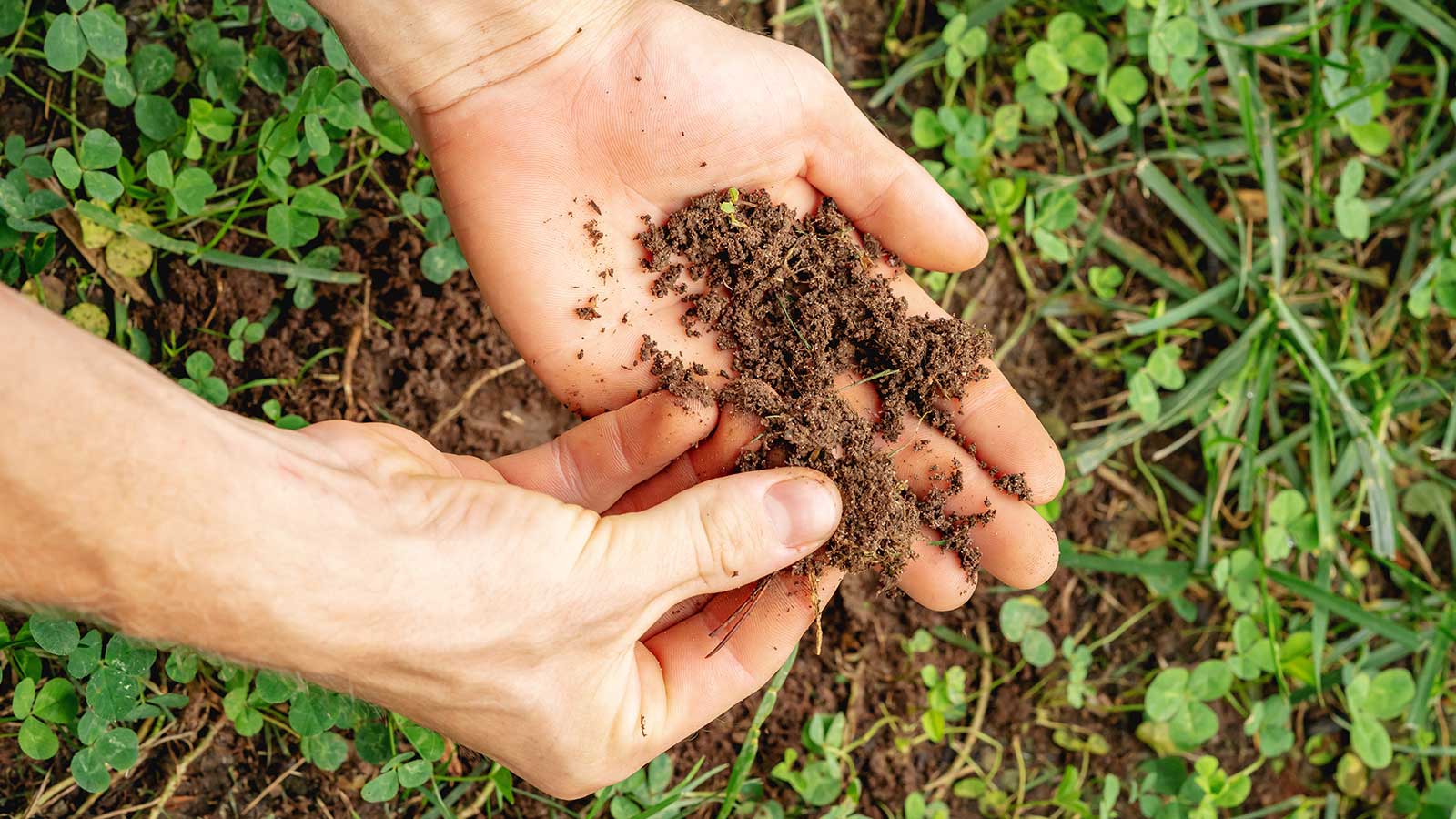
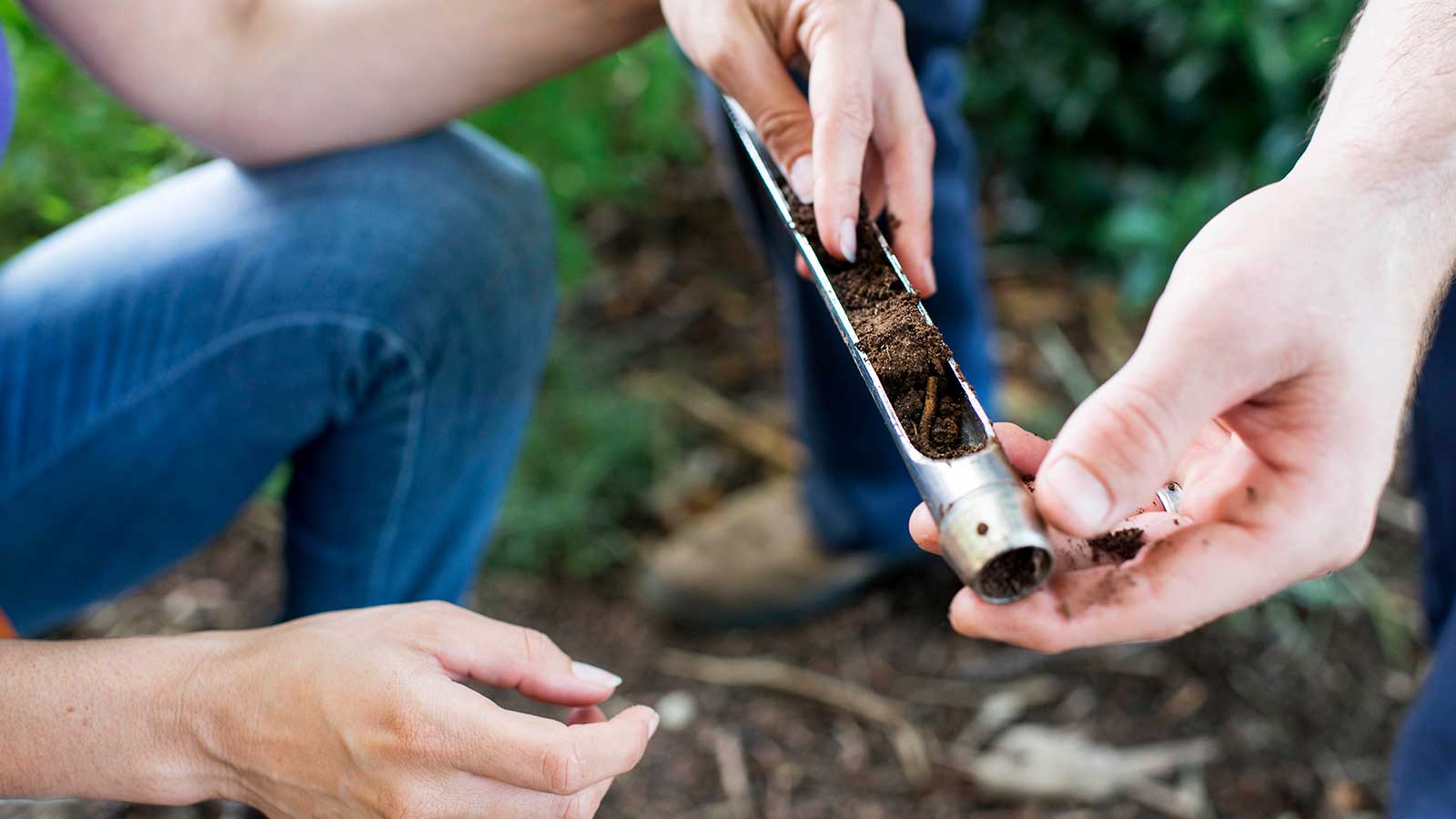
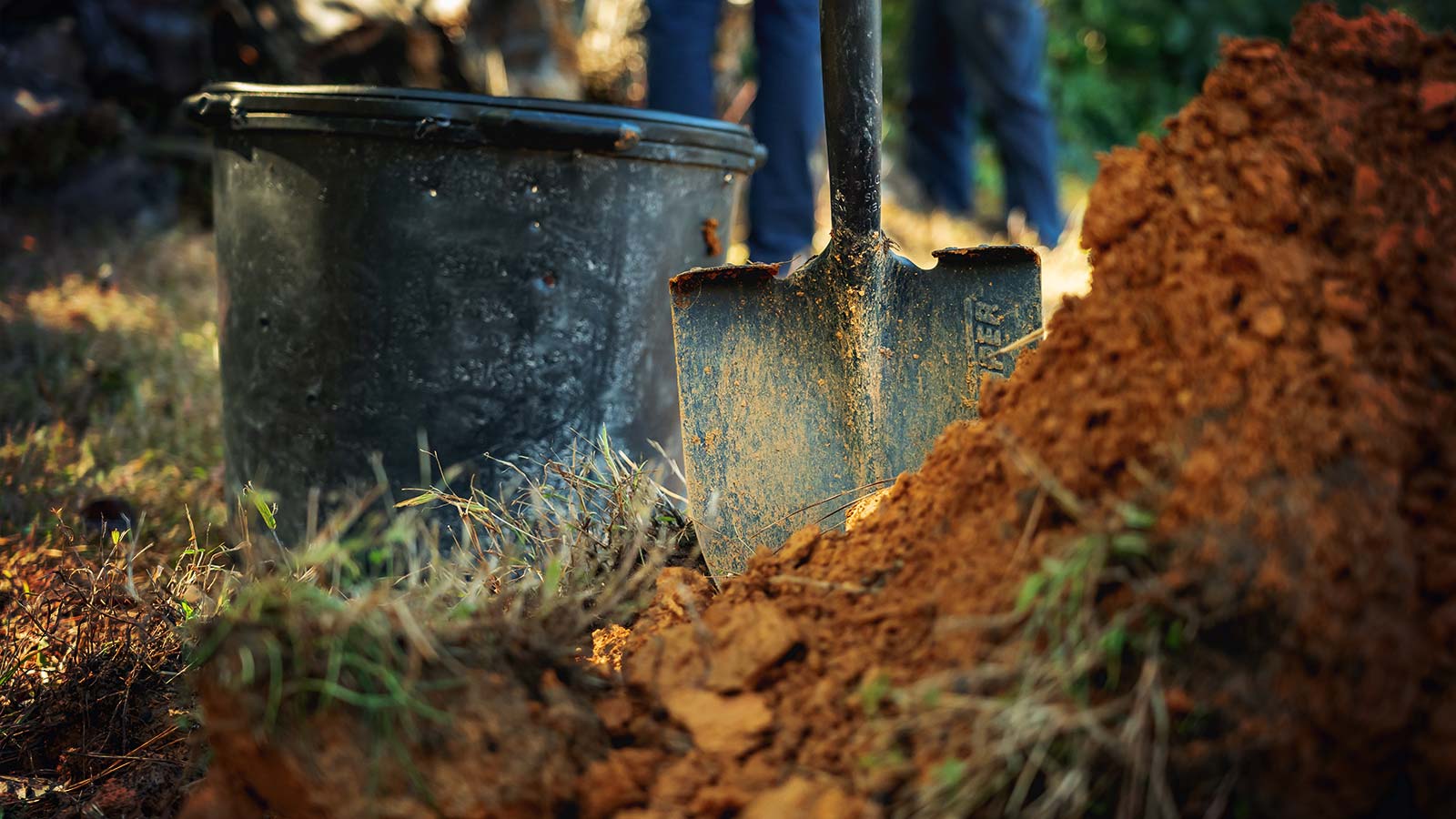
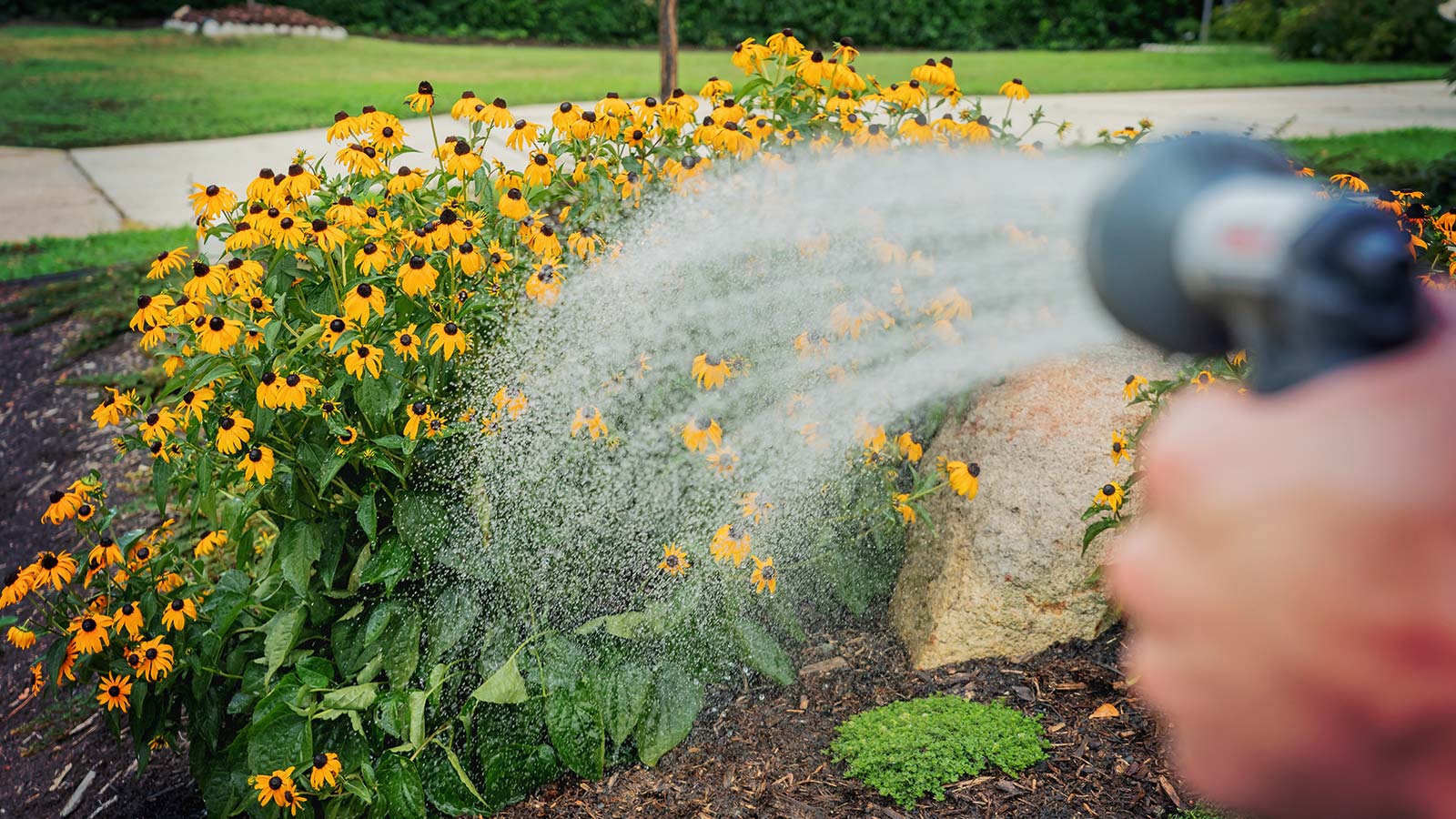
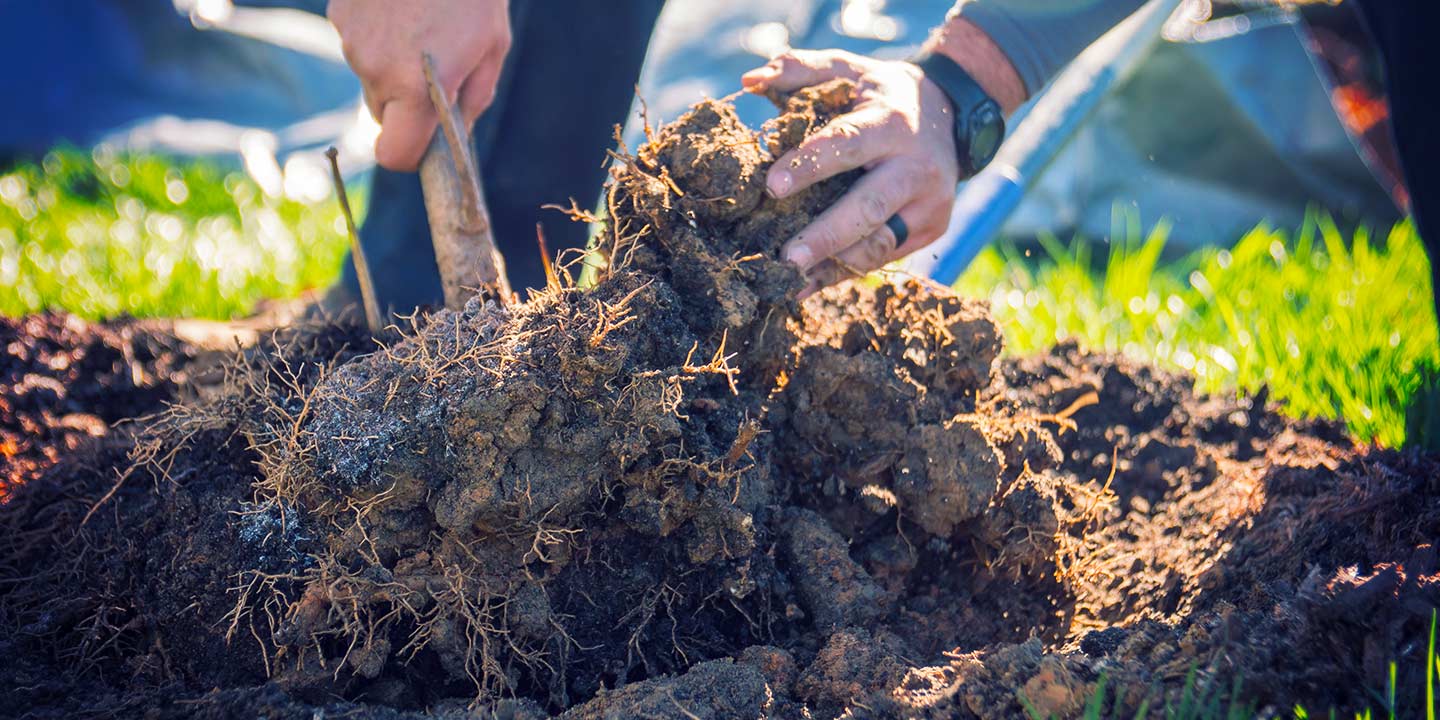
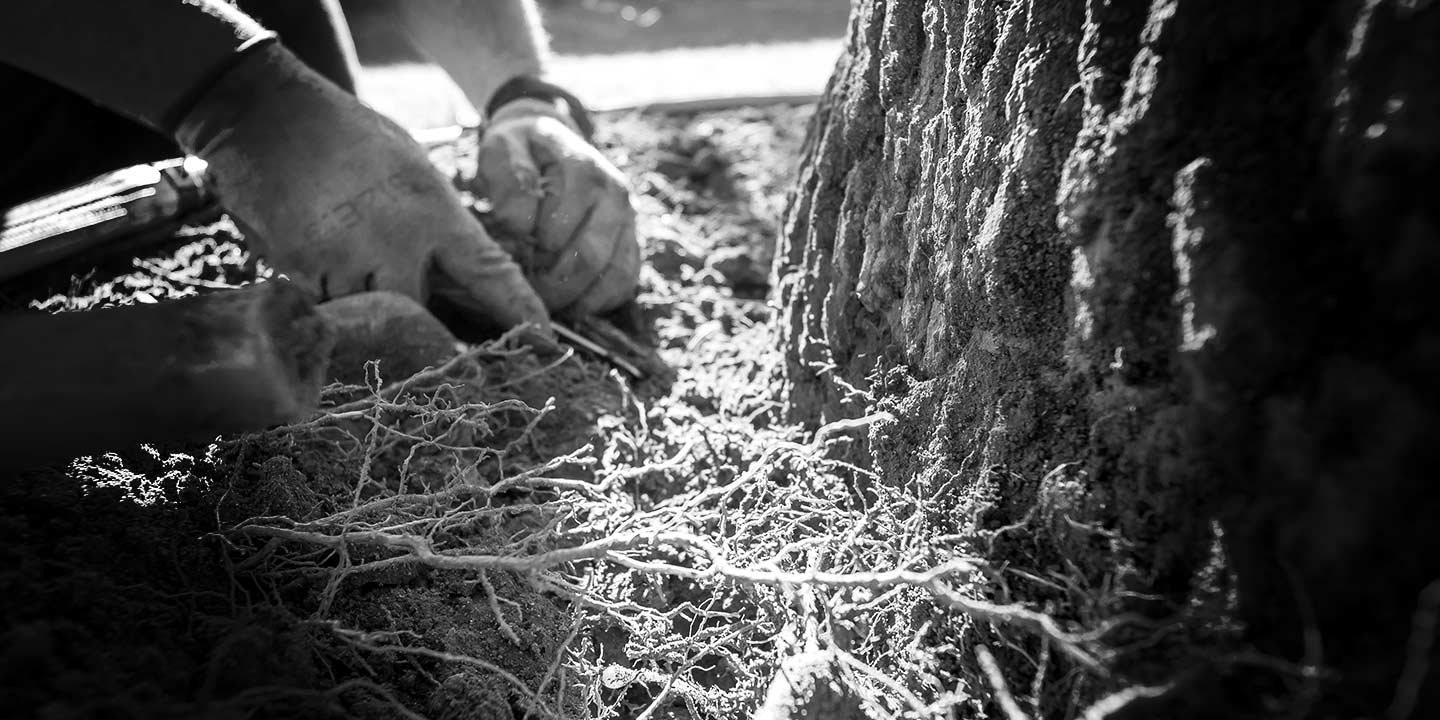
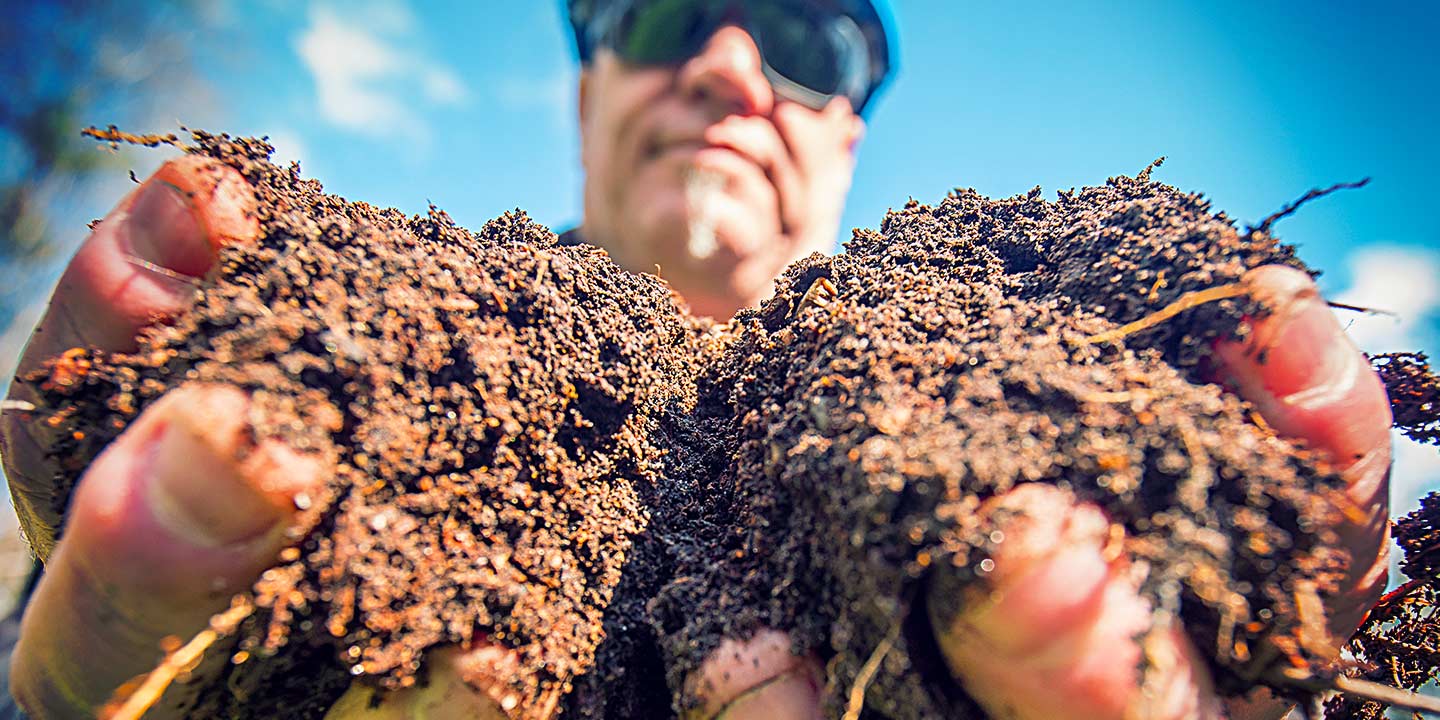
Healthy soils work like a sponge. Soils soak up the rain so trees can sip on it for weeks after a storm. But most yards don’t have healthy soil. They have compacted dirt like what you see here. When it rains, the water runs off and the trees never get a sip. That’s like you or I taking a shower when we’re thirsty instead of drinking a cold glass of water.
So how do we turn dirt back into soil? Well, there are three basic approaches: add organic matter, stop using harmful chemicals, and plant native plants.
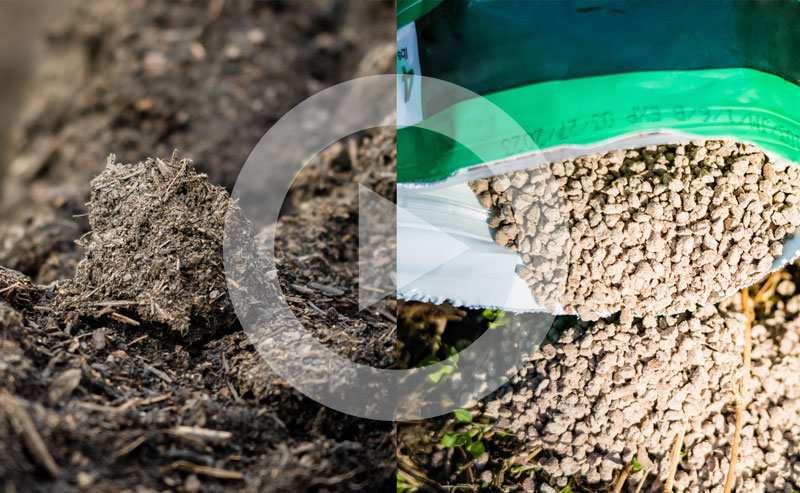
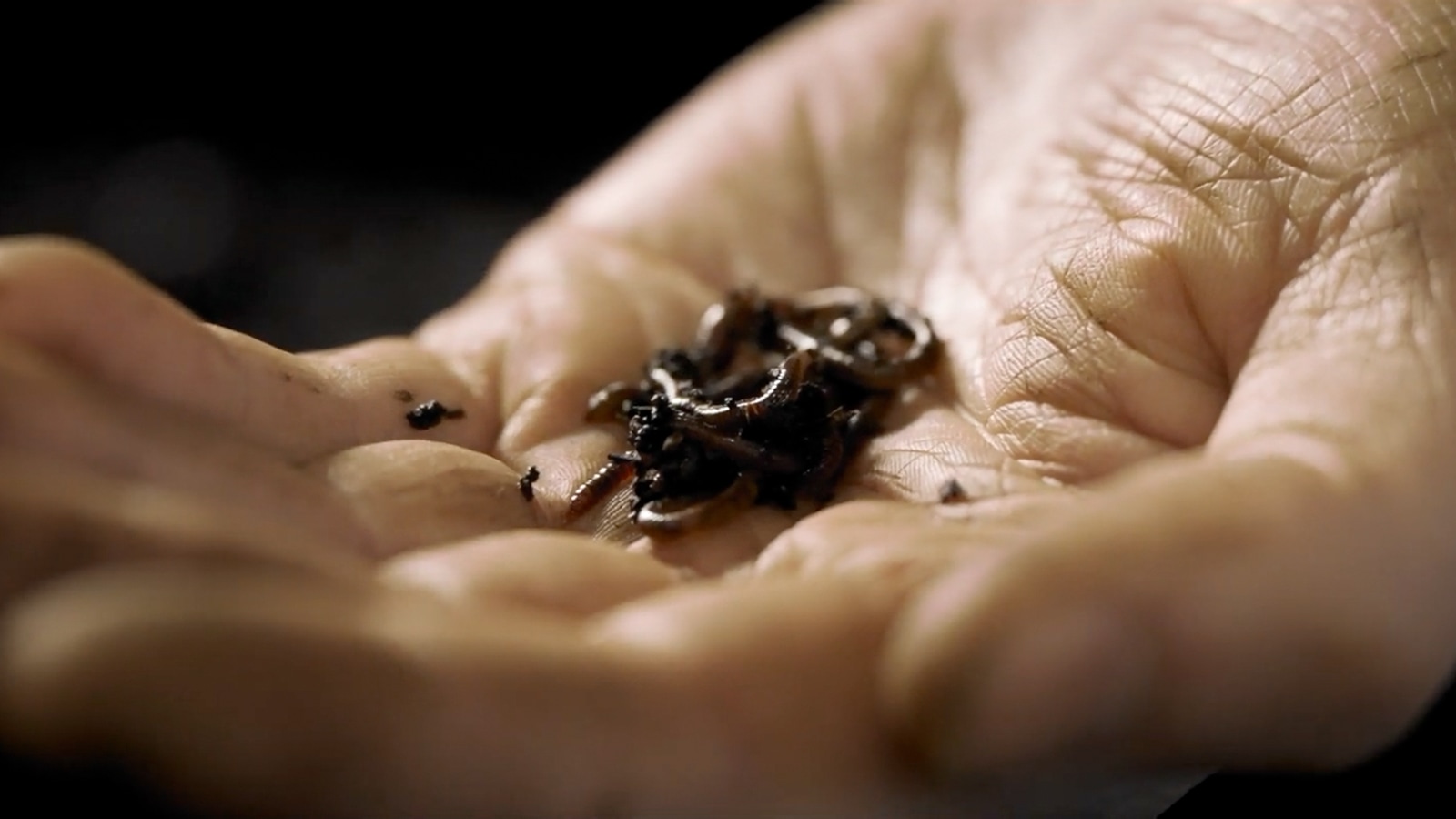
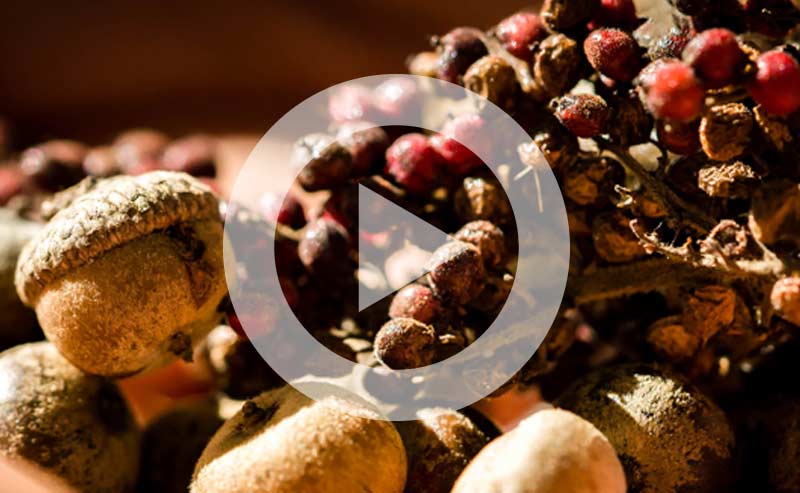
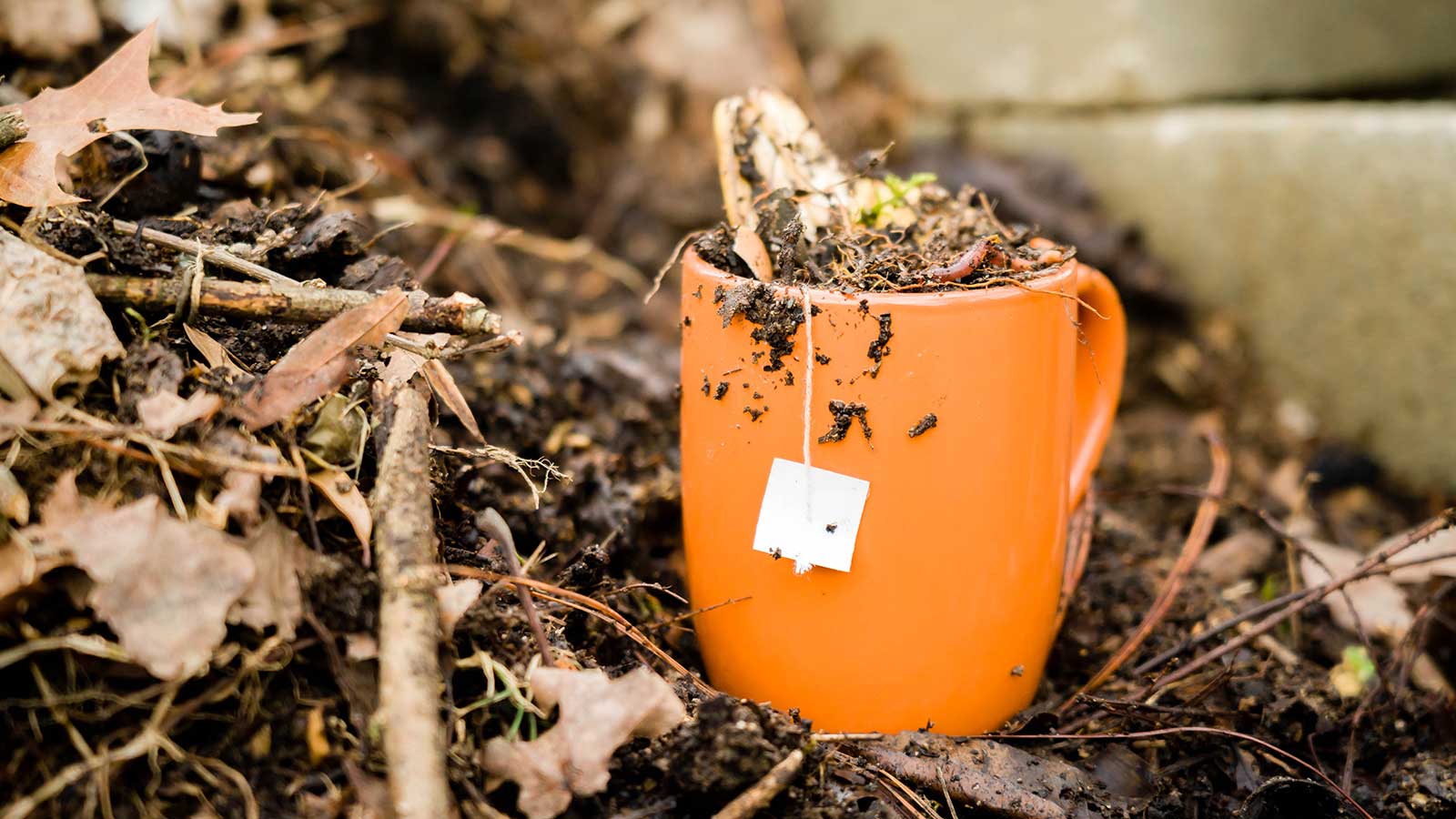
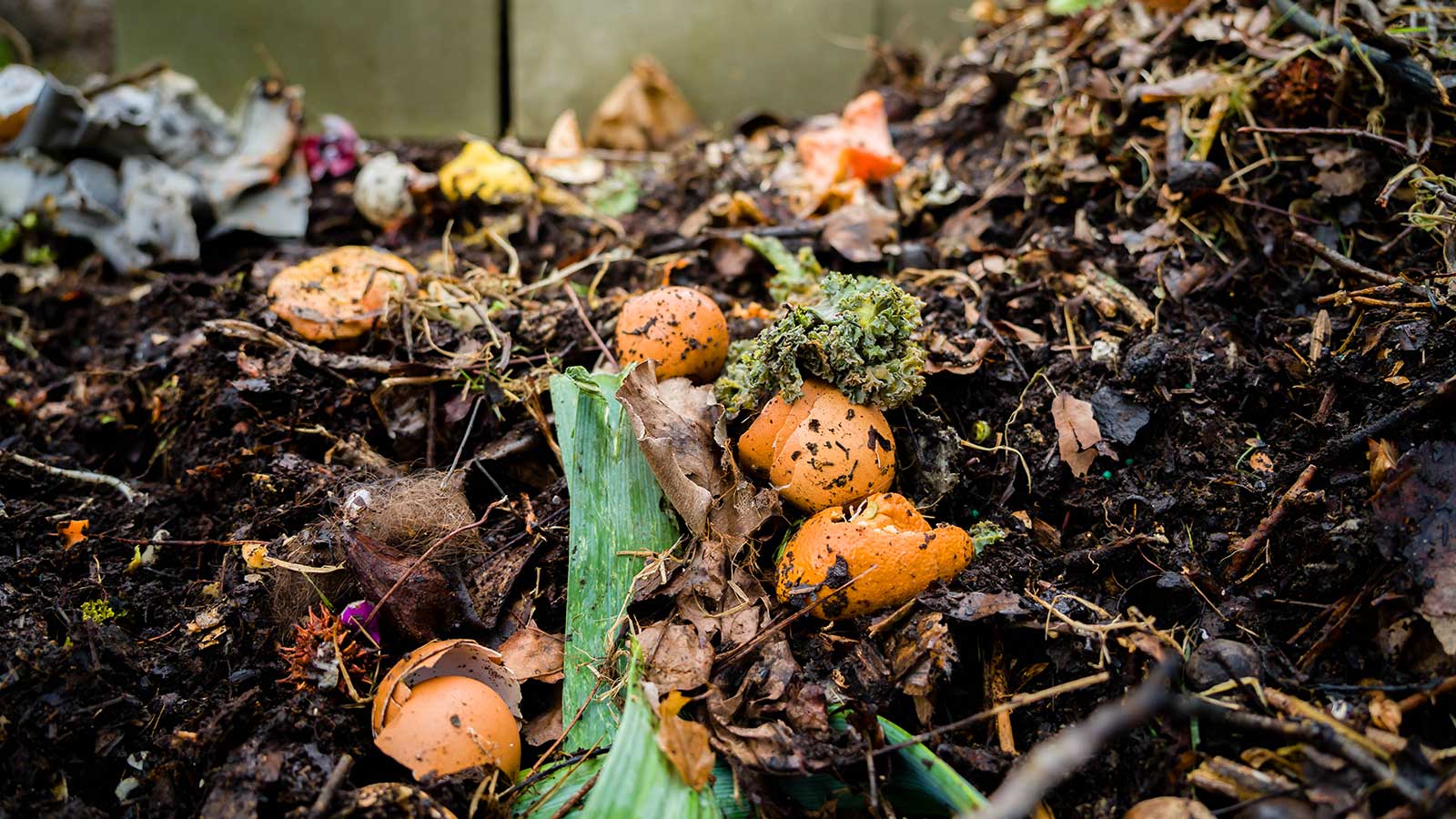
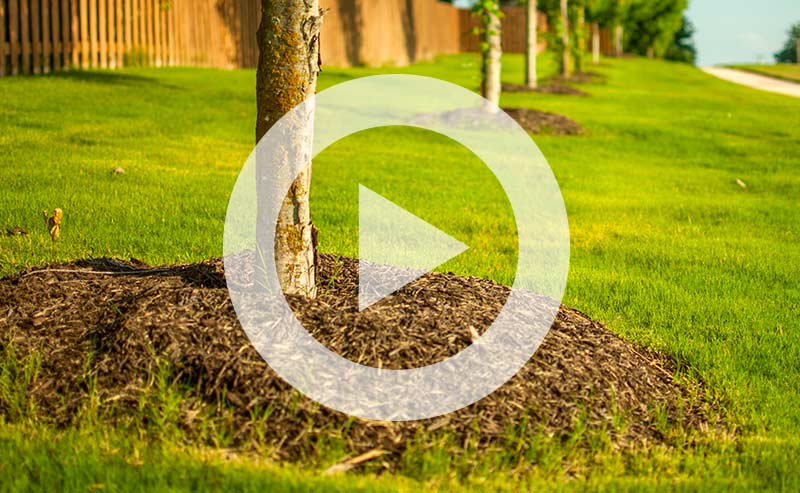
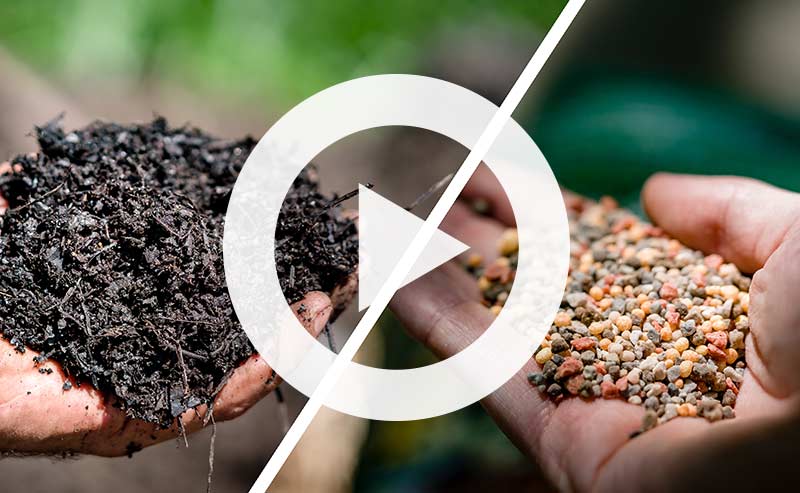
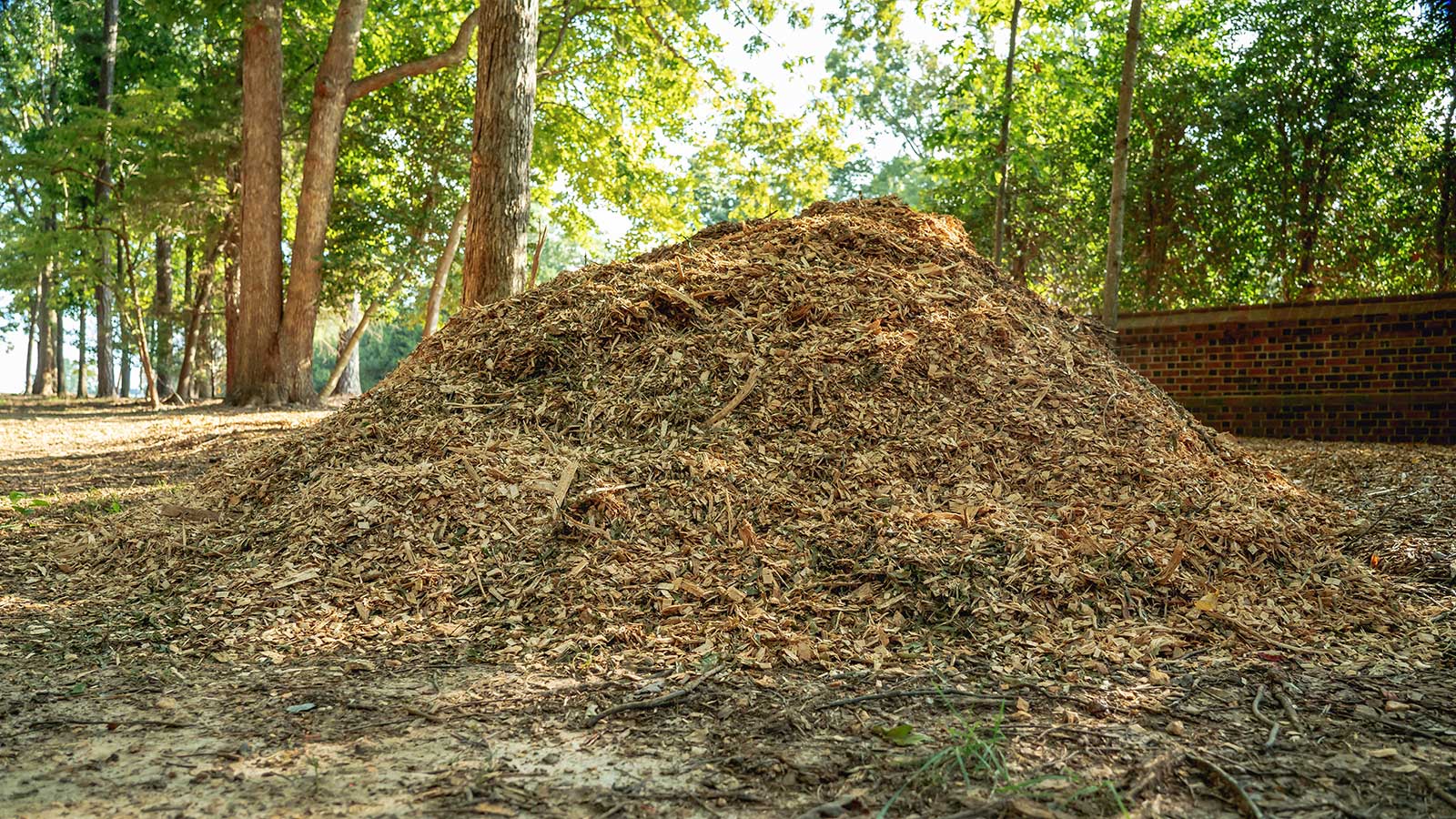
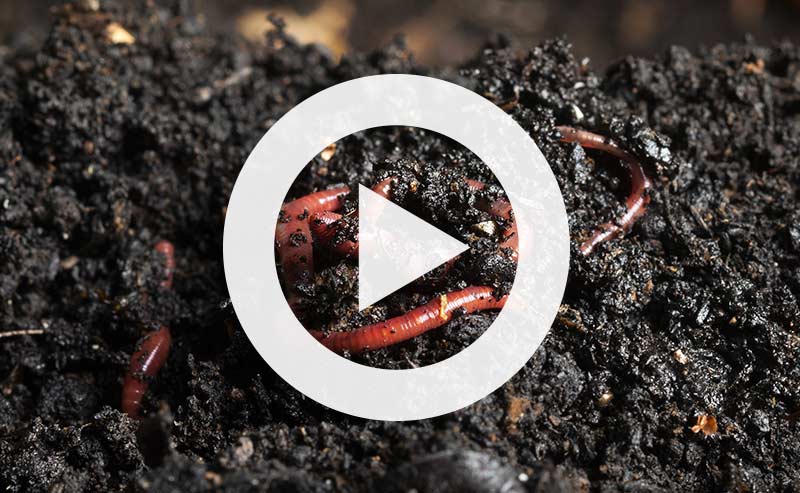
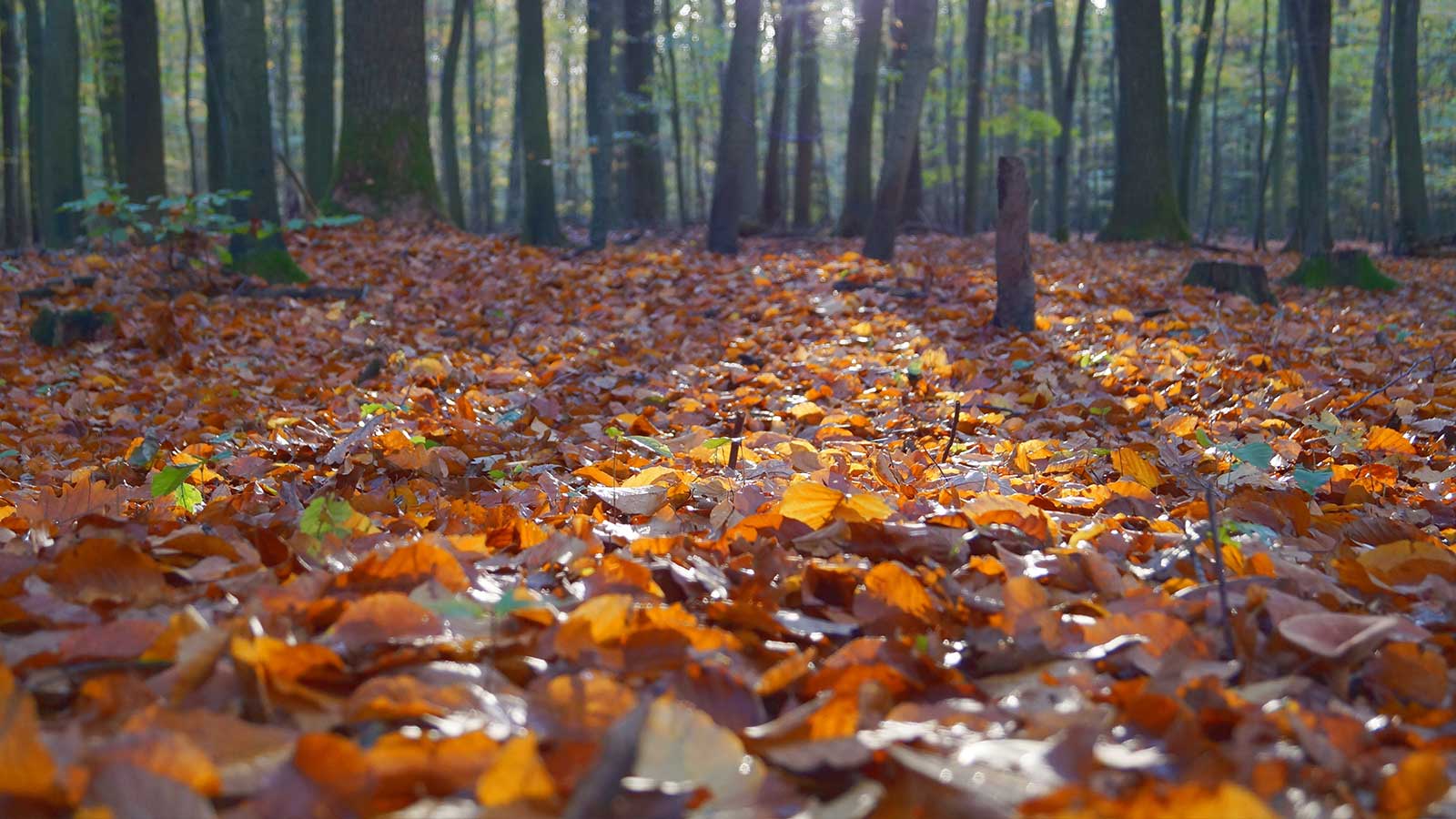
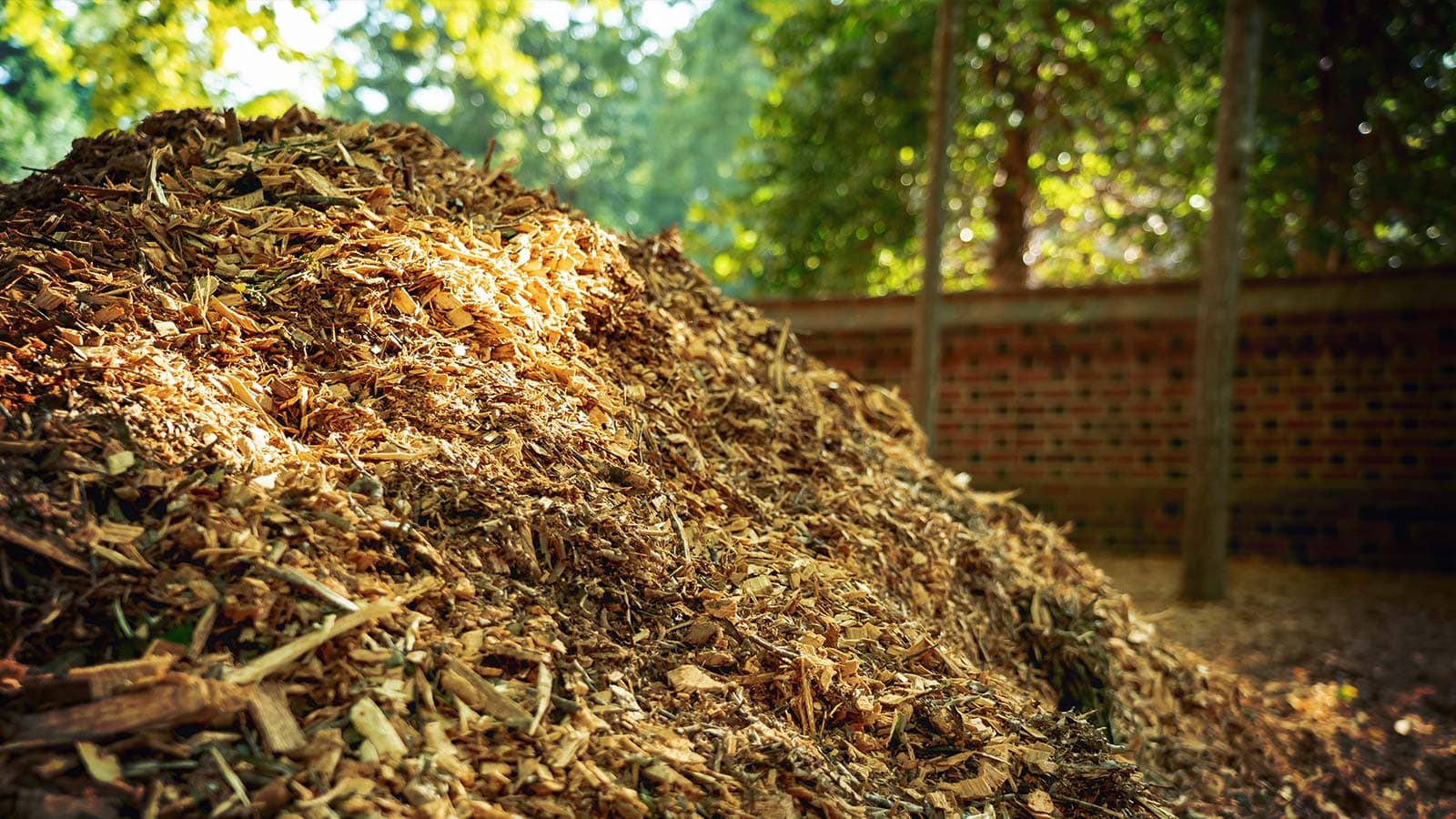
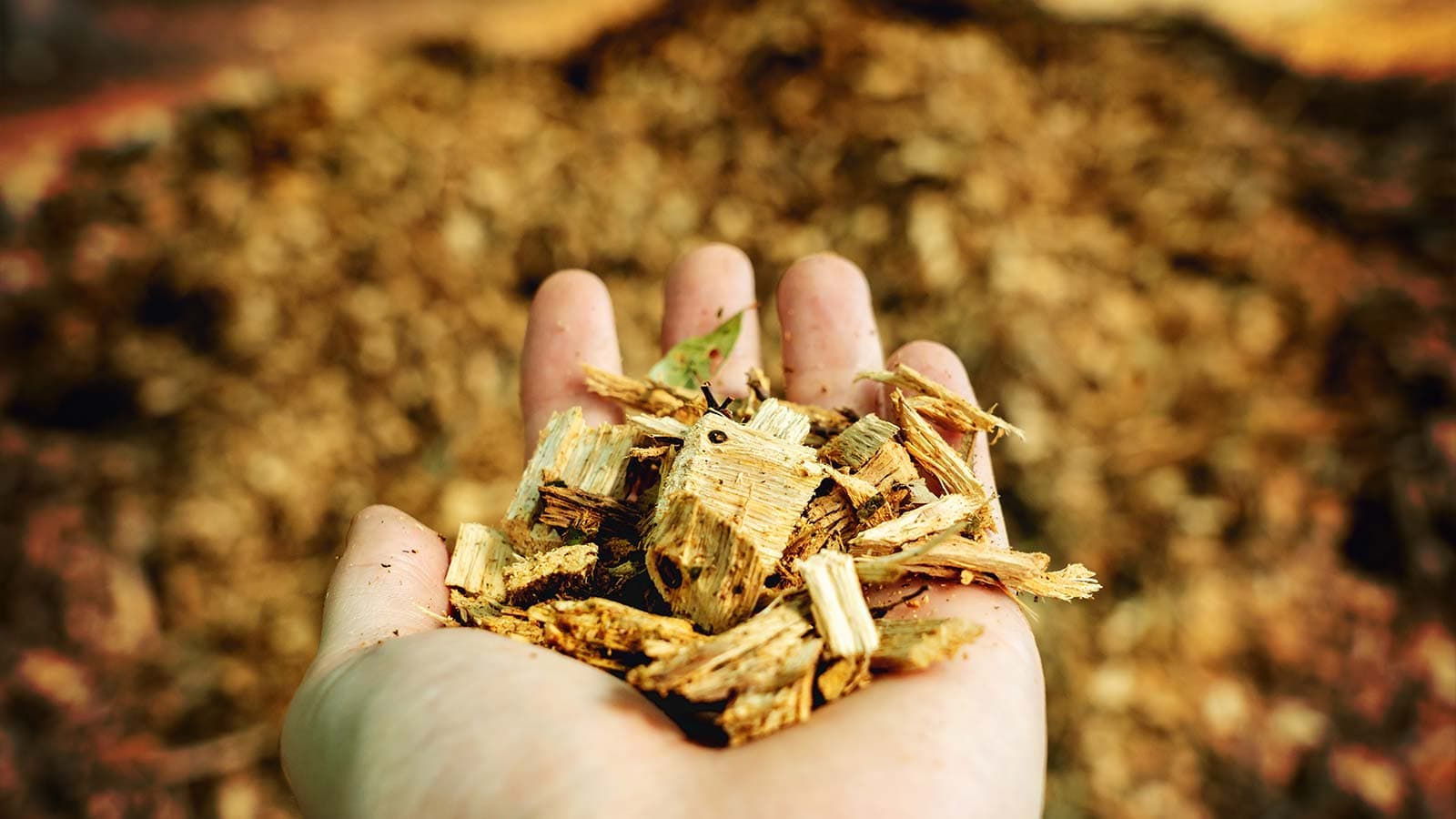
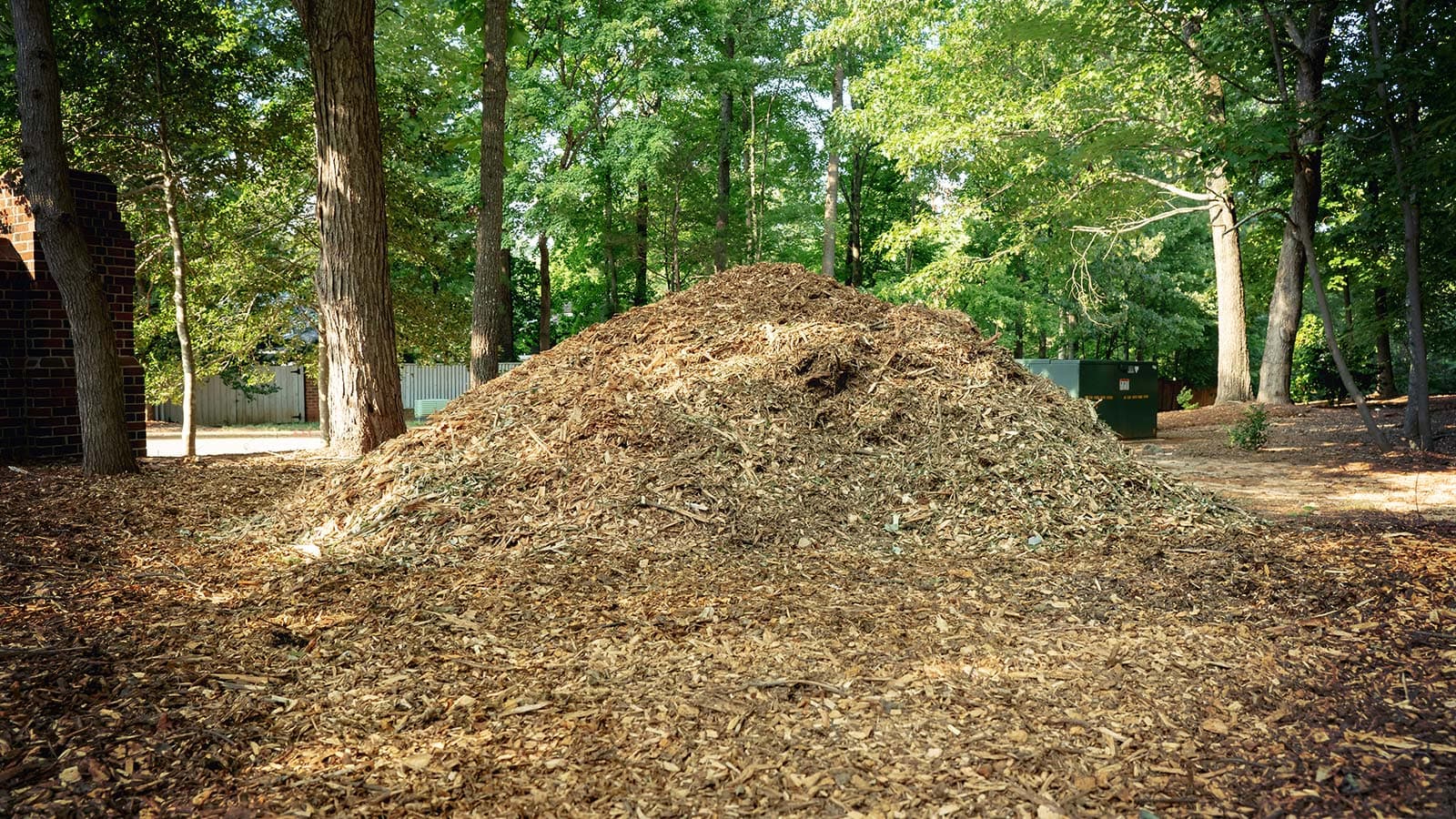
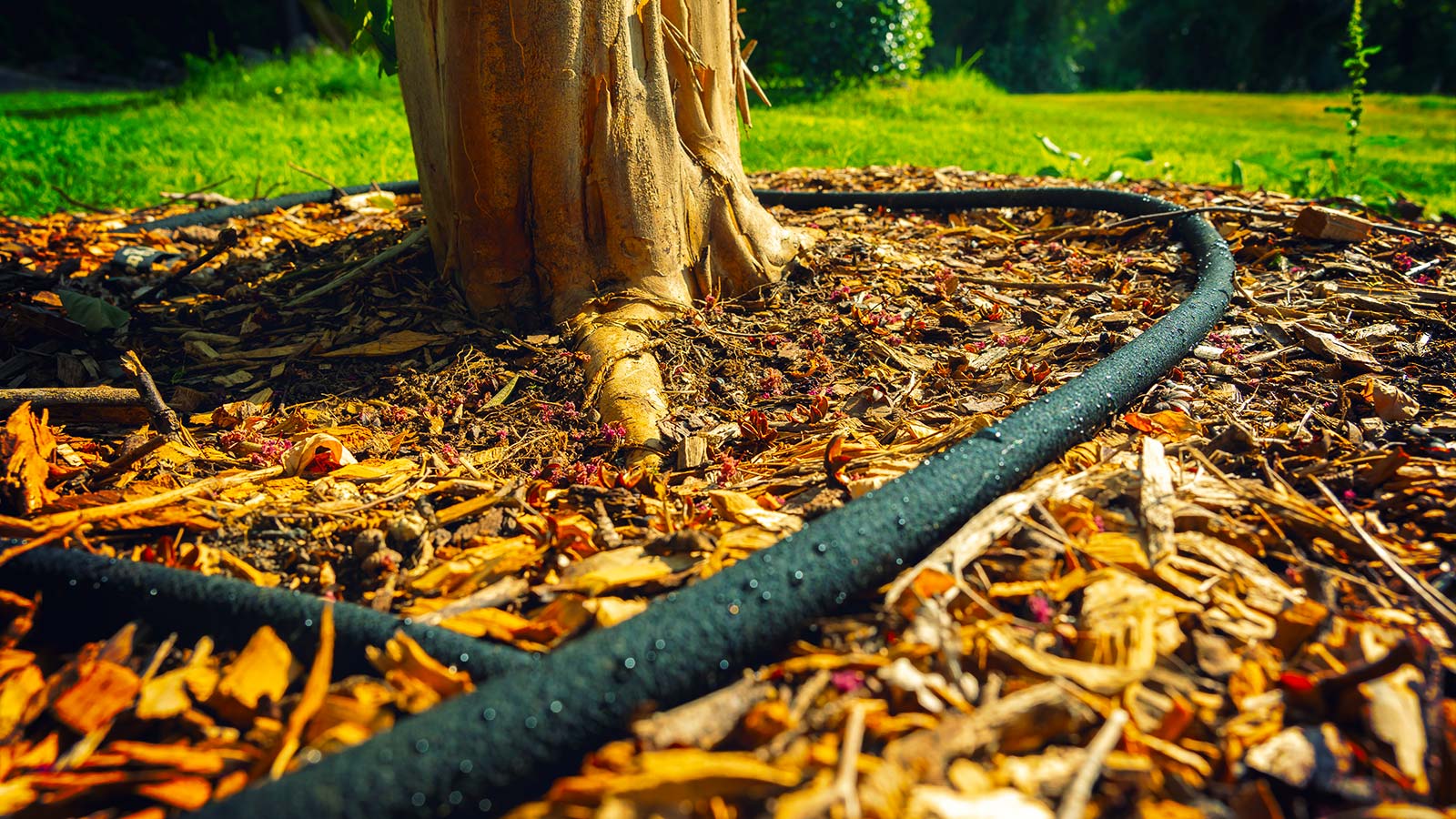
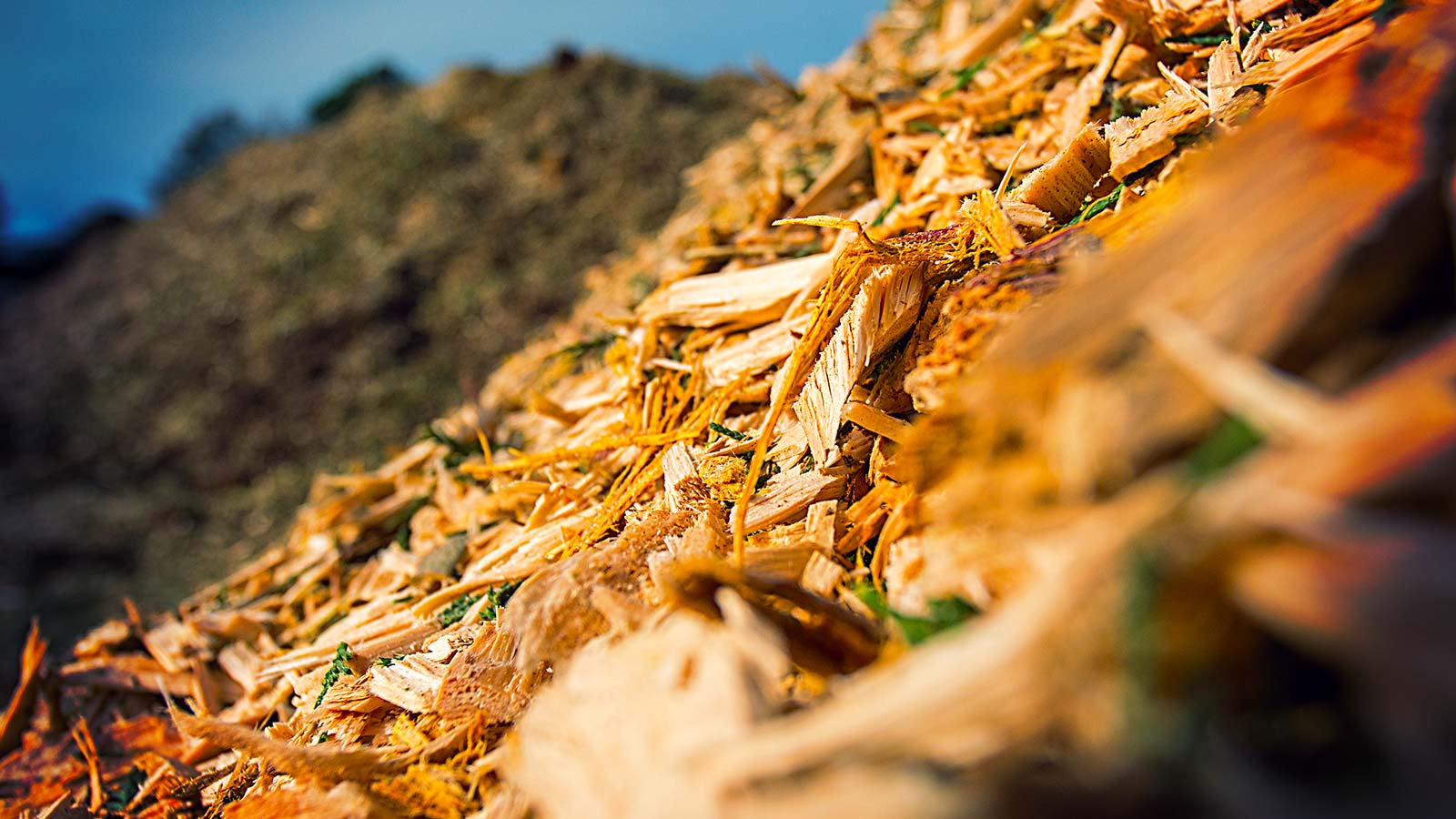
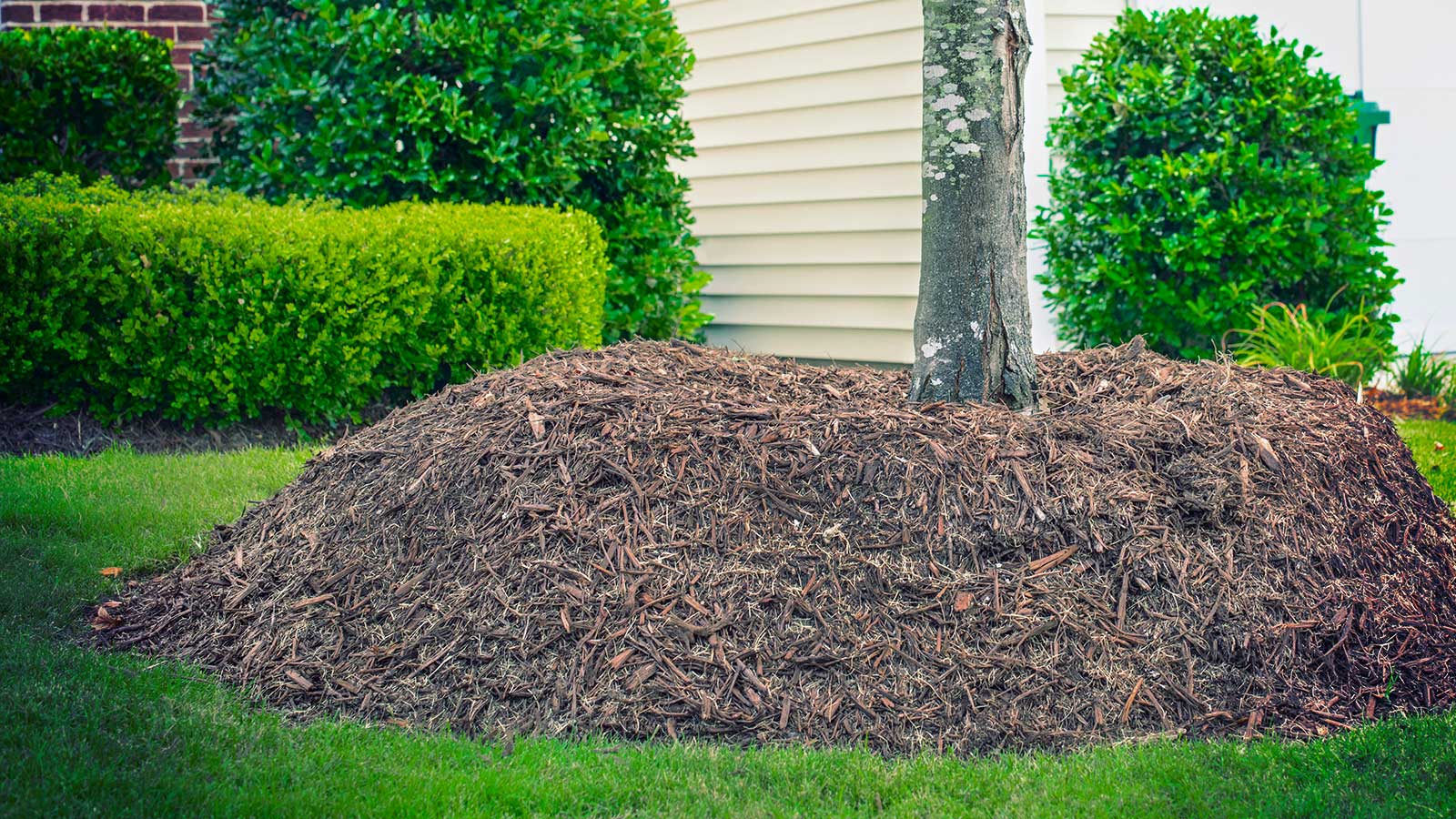
First, organic matter feeds the life in the soil. Leaves rotting in place, arborist wood chips, compost — these are what turn dead dirt into a healthy soil sponge. Wood chips also protect soil from these extreme temperature swings, which matters more than ever. In March alone, we set 1,500 new heat records across the country, more than any other month on record.
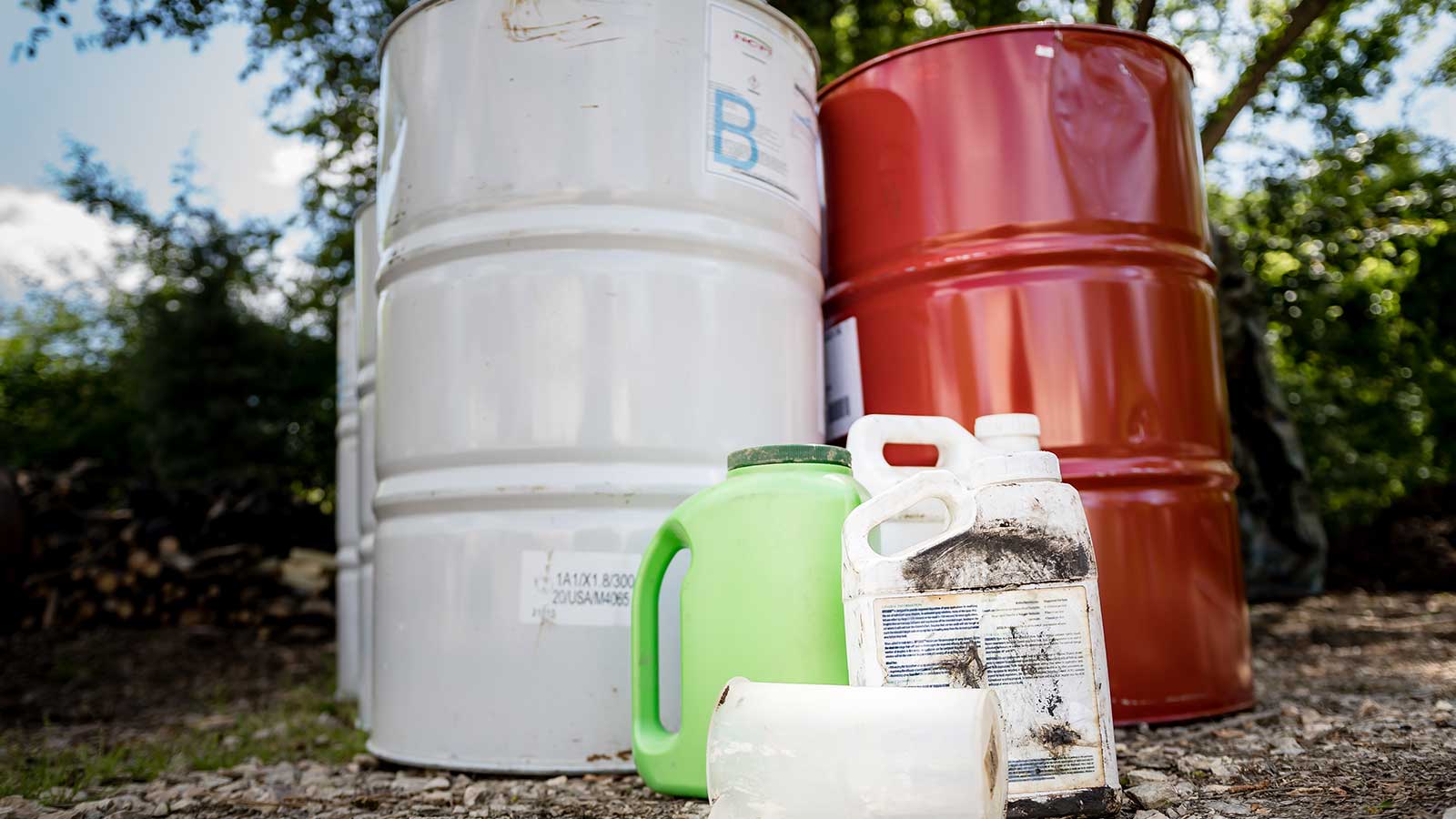
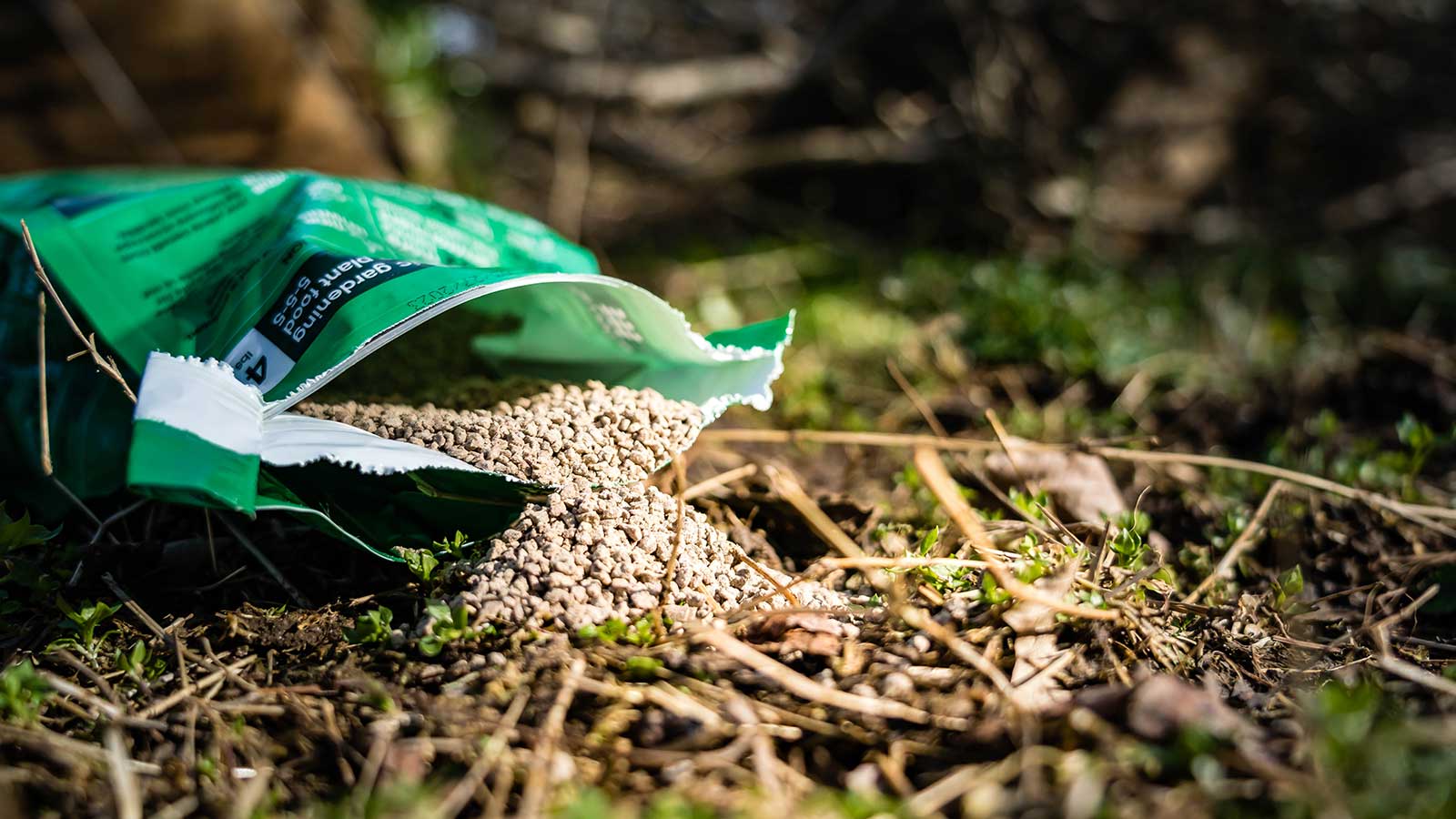
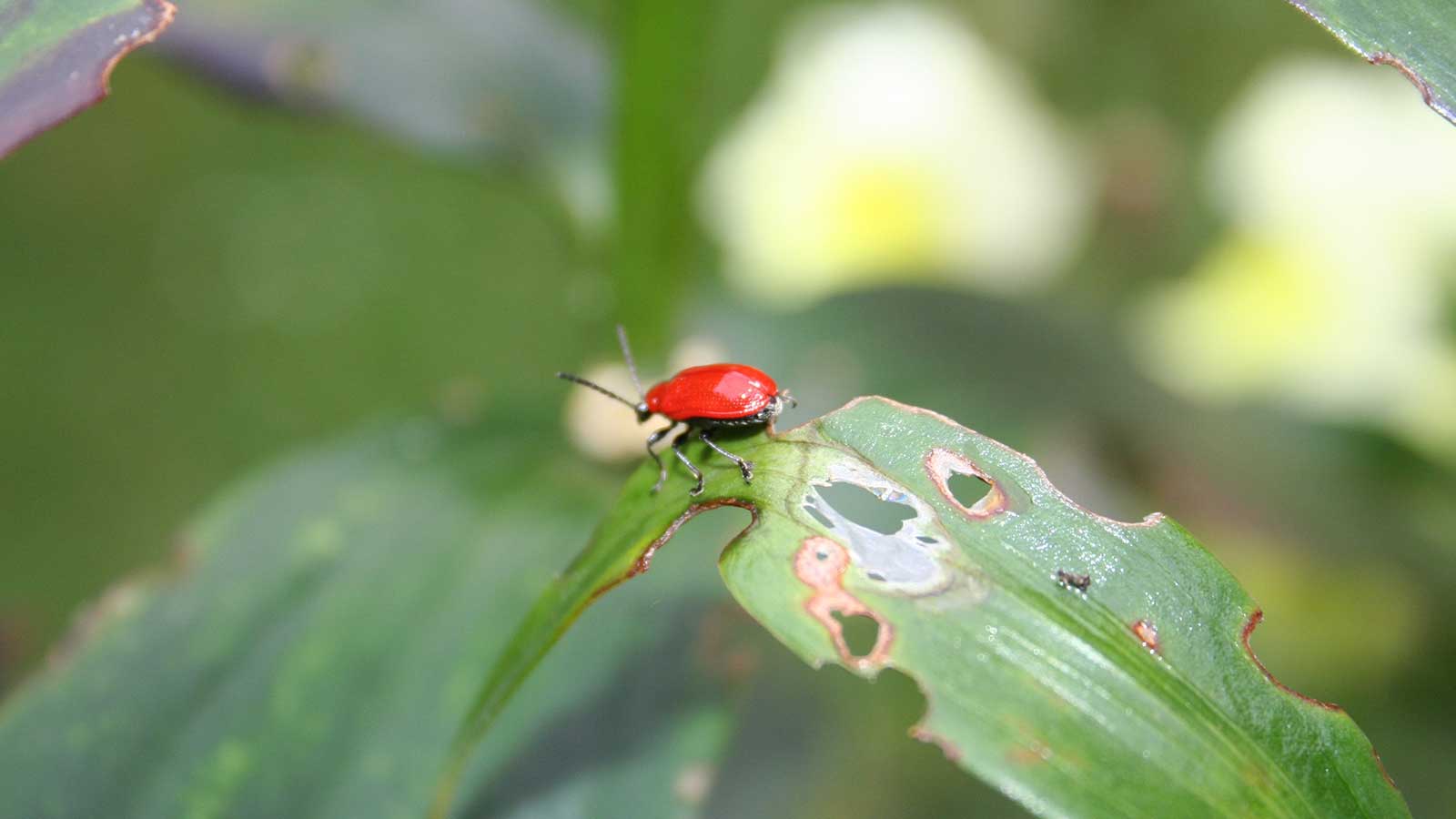
Second, do no harm. Avoid the products that kill life in the soil: synthetic fertilizers, herbicides, pesticides, fungicides, mosquito sprays. Healthy soil is alive, and these products are quietly killing that life.
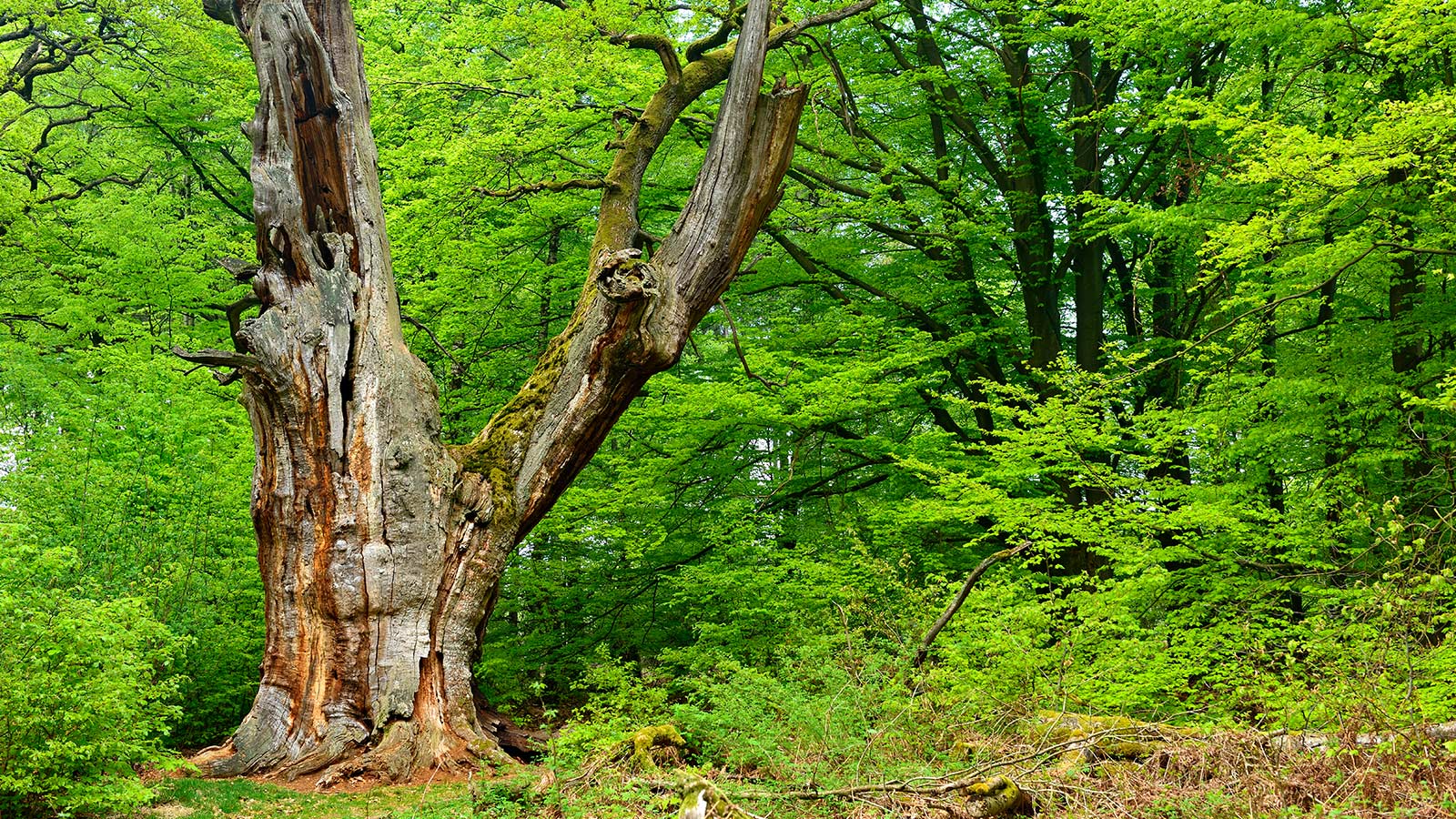
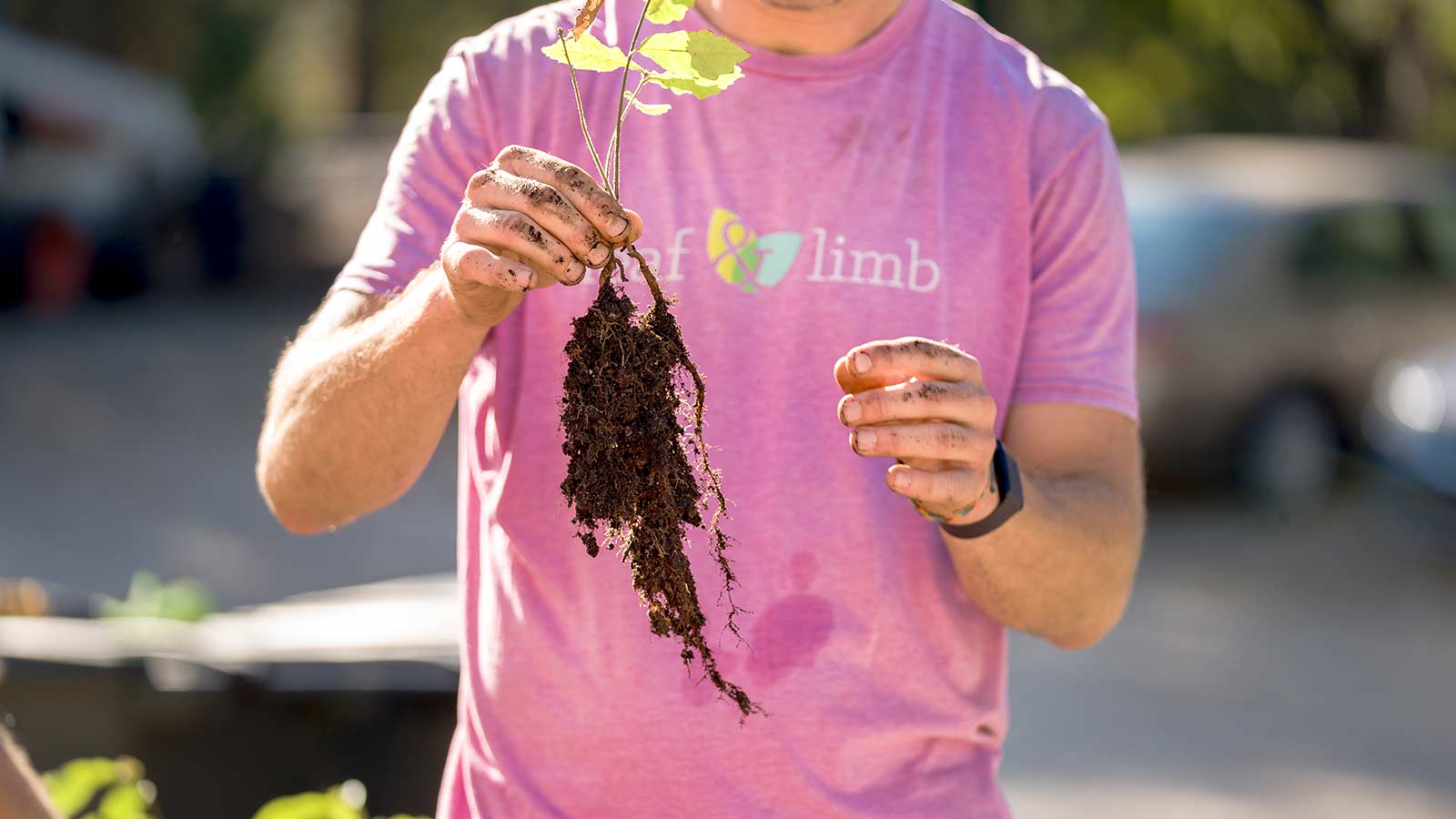
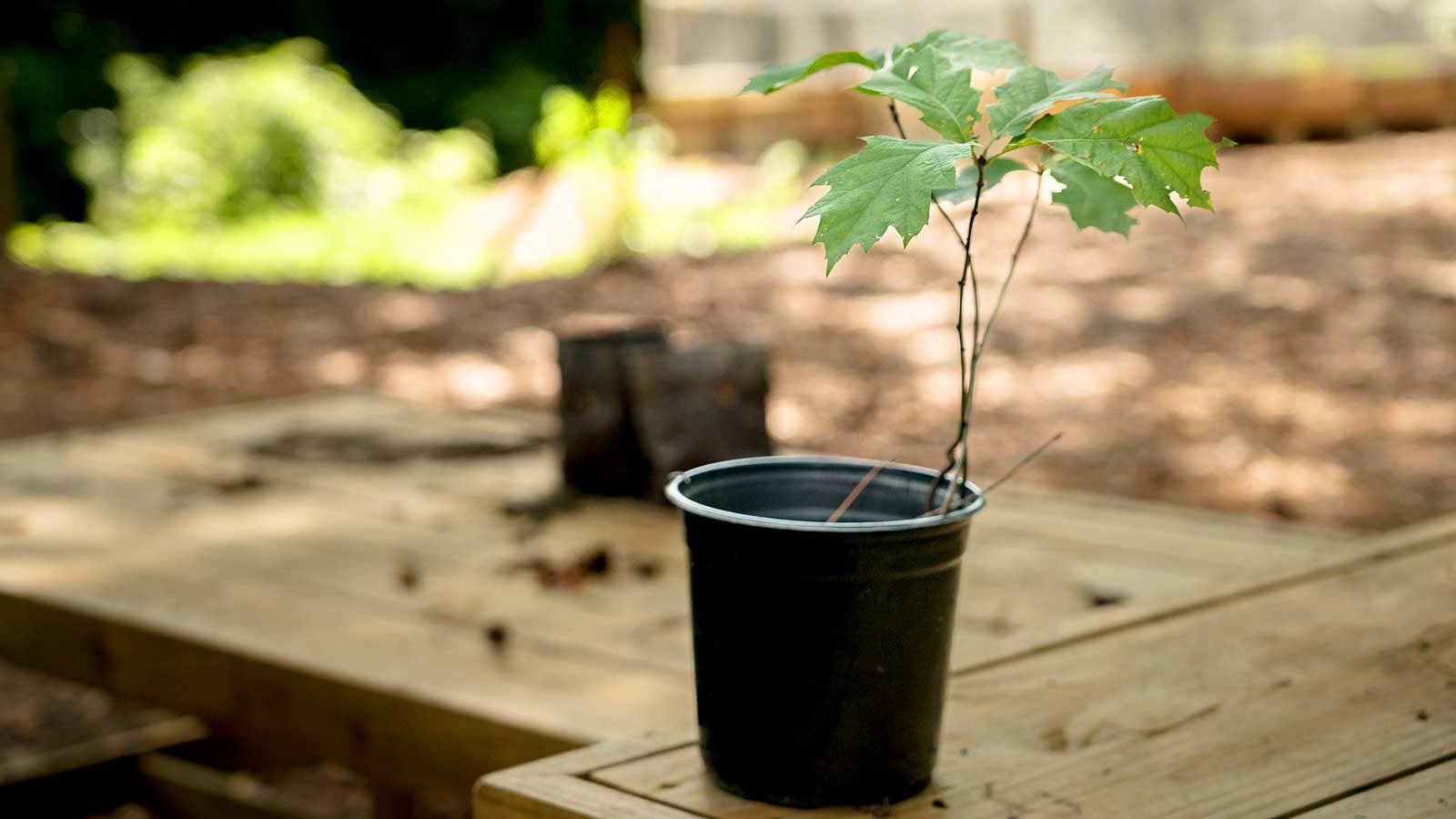
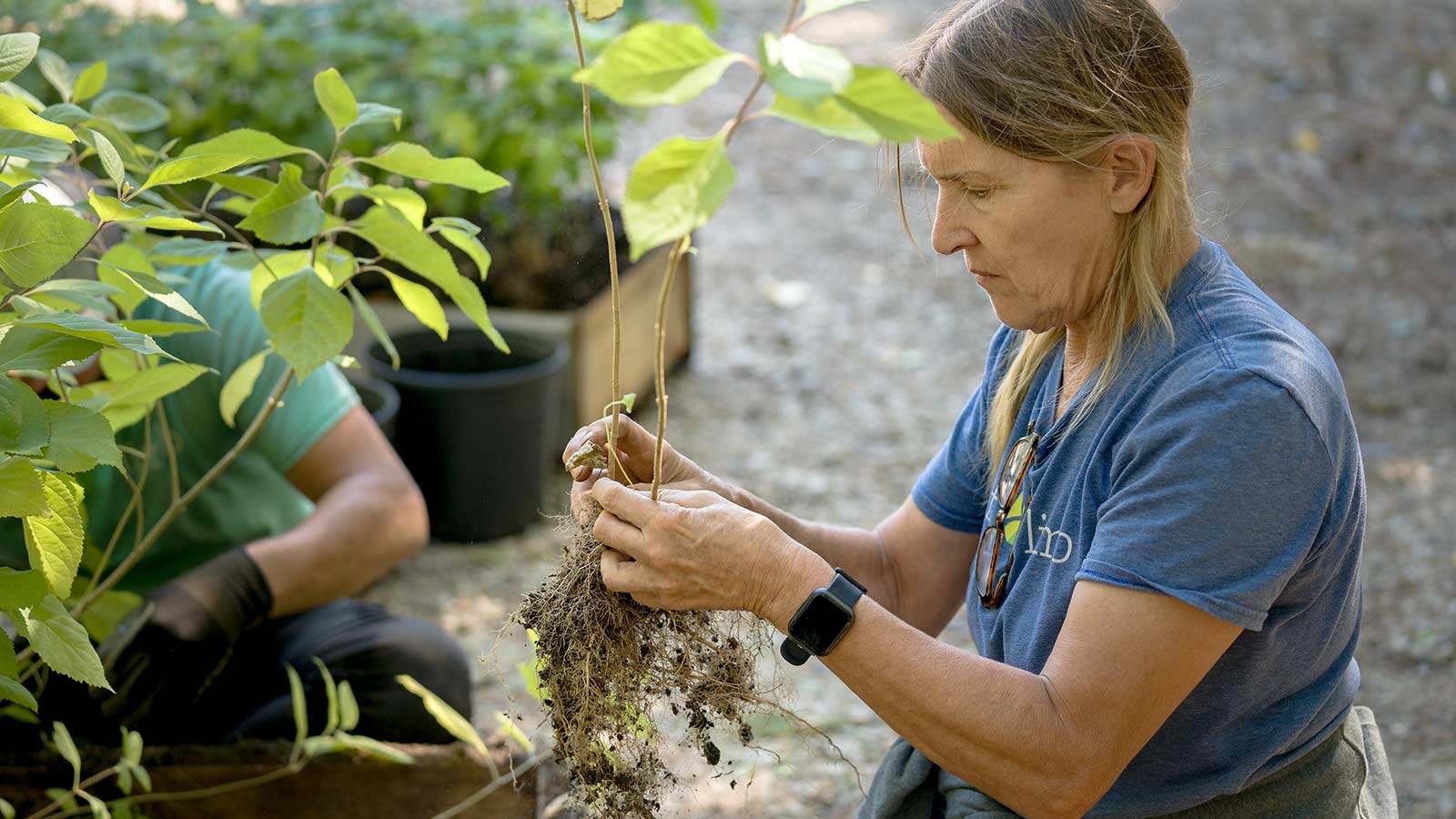
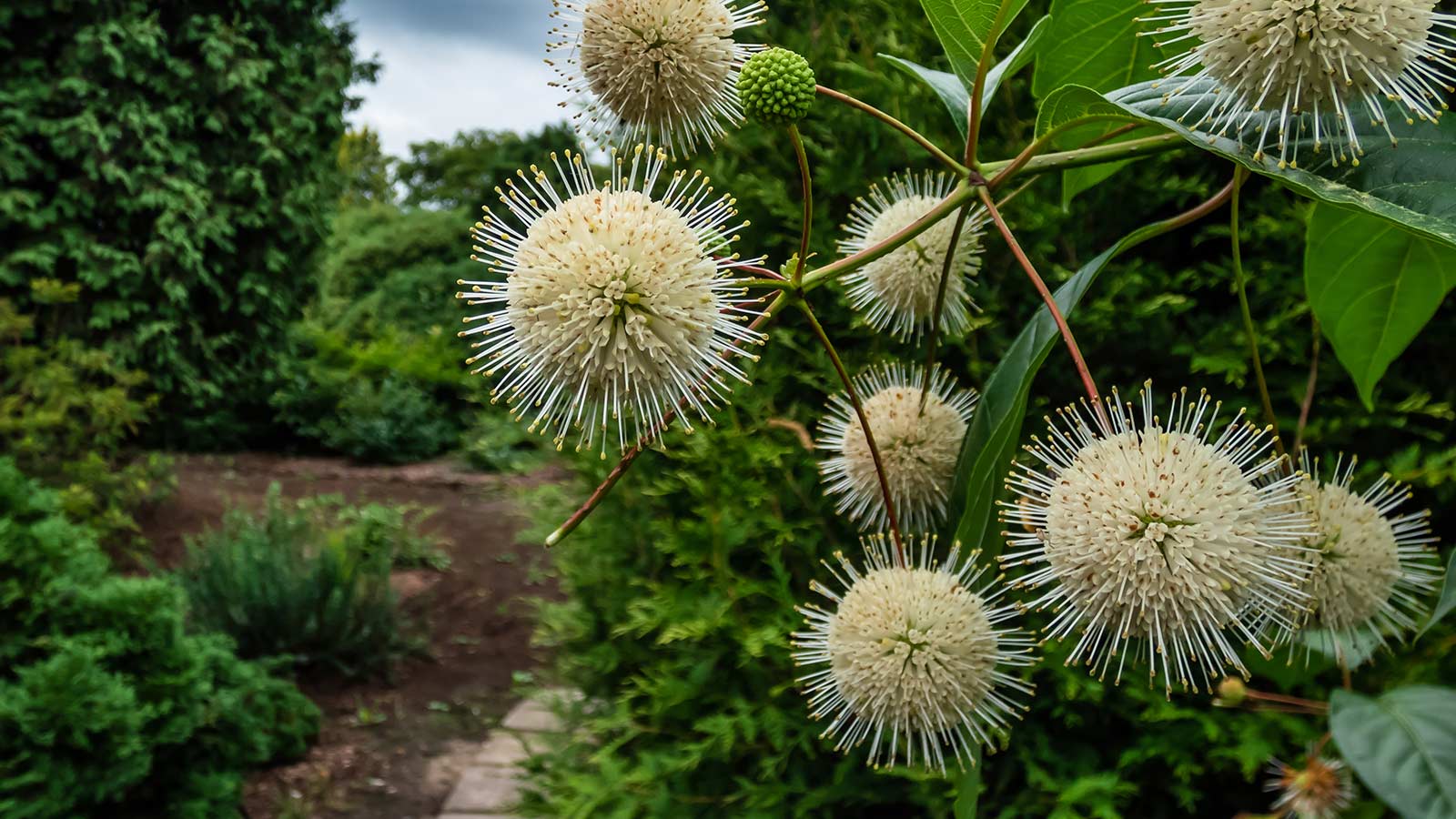
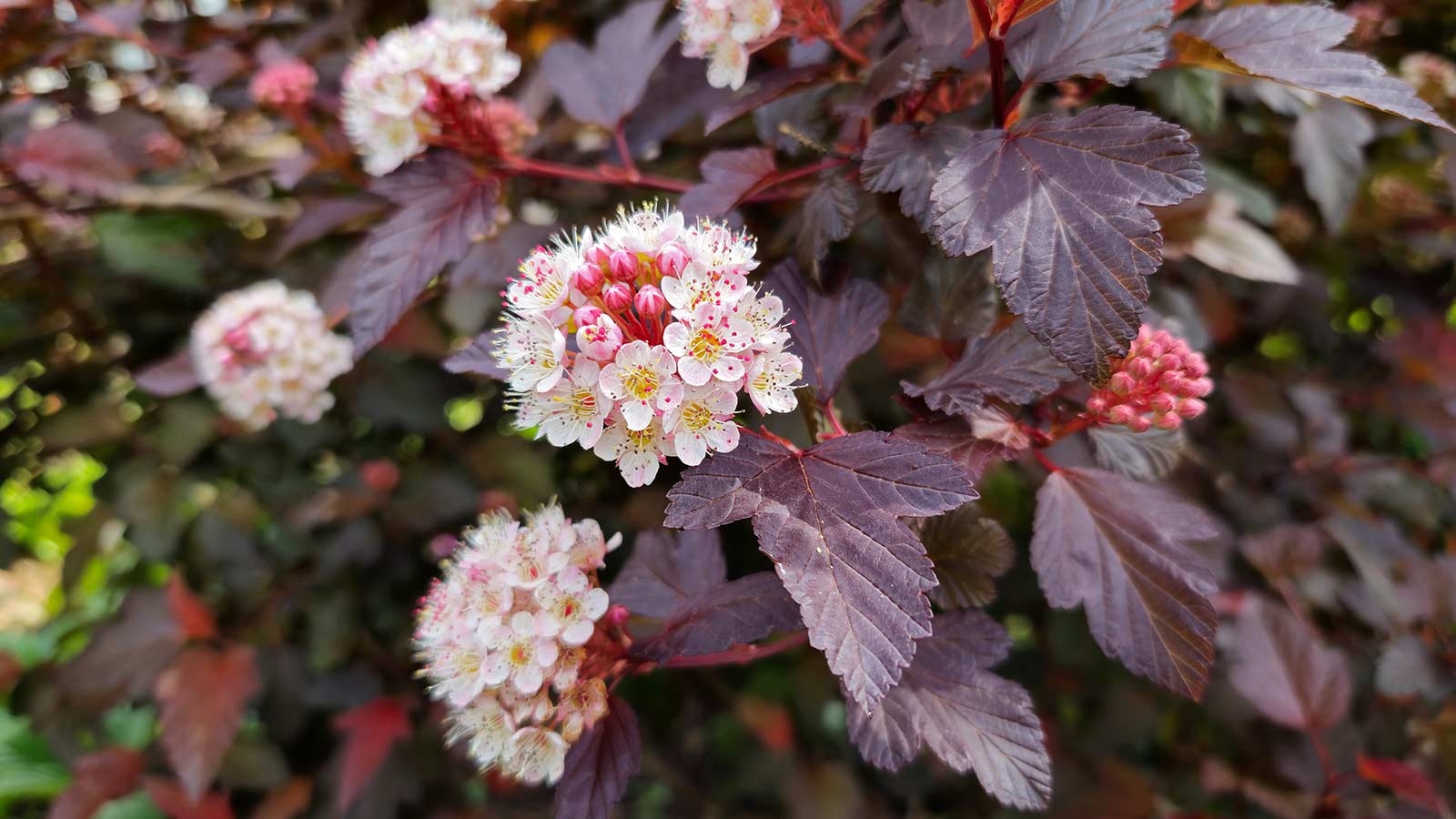
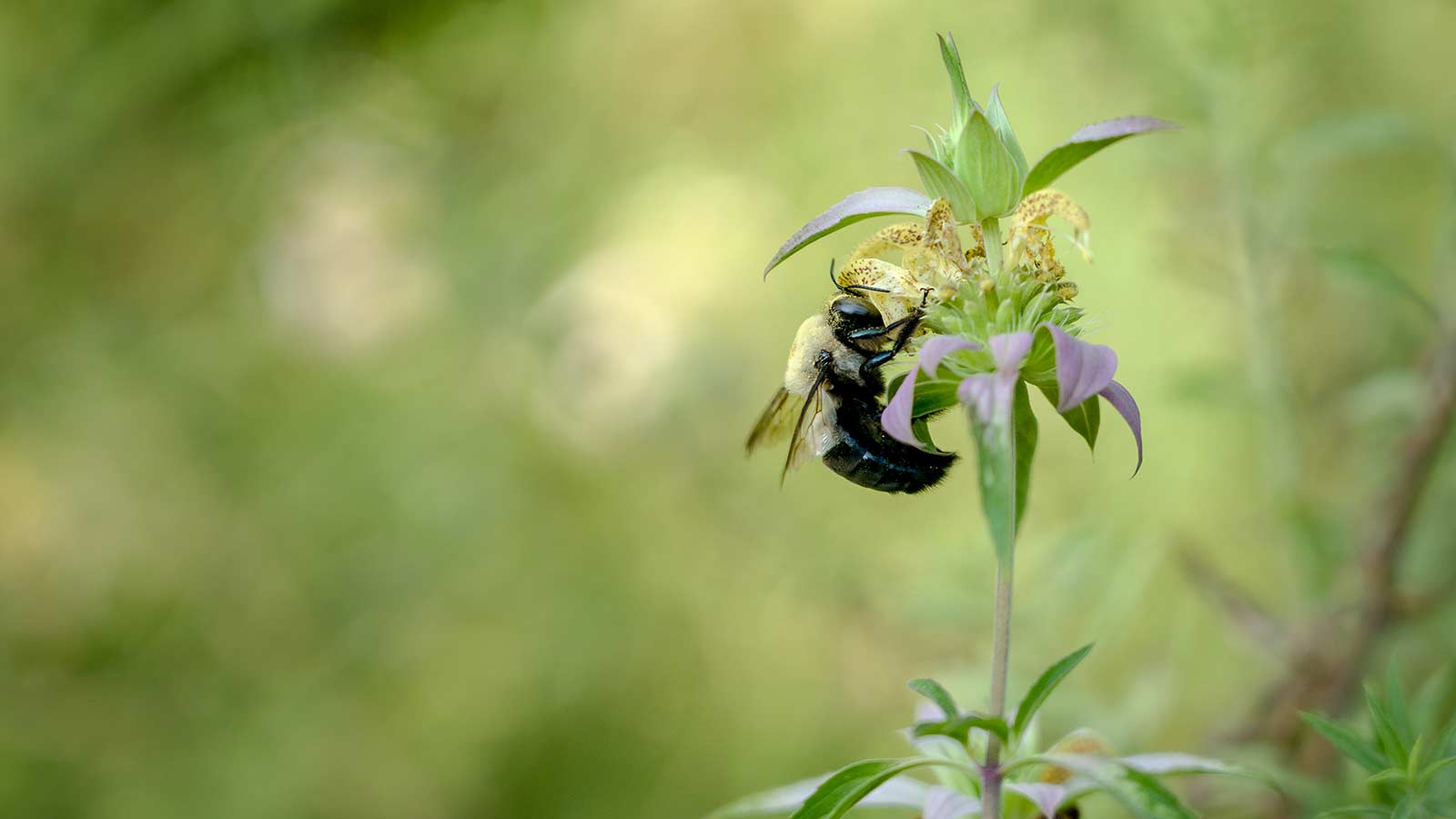
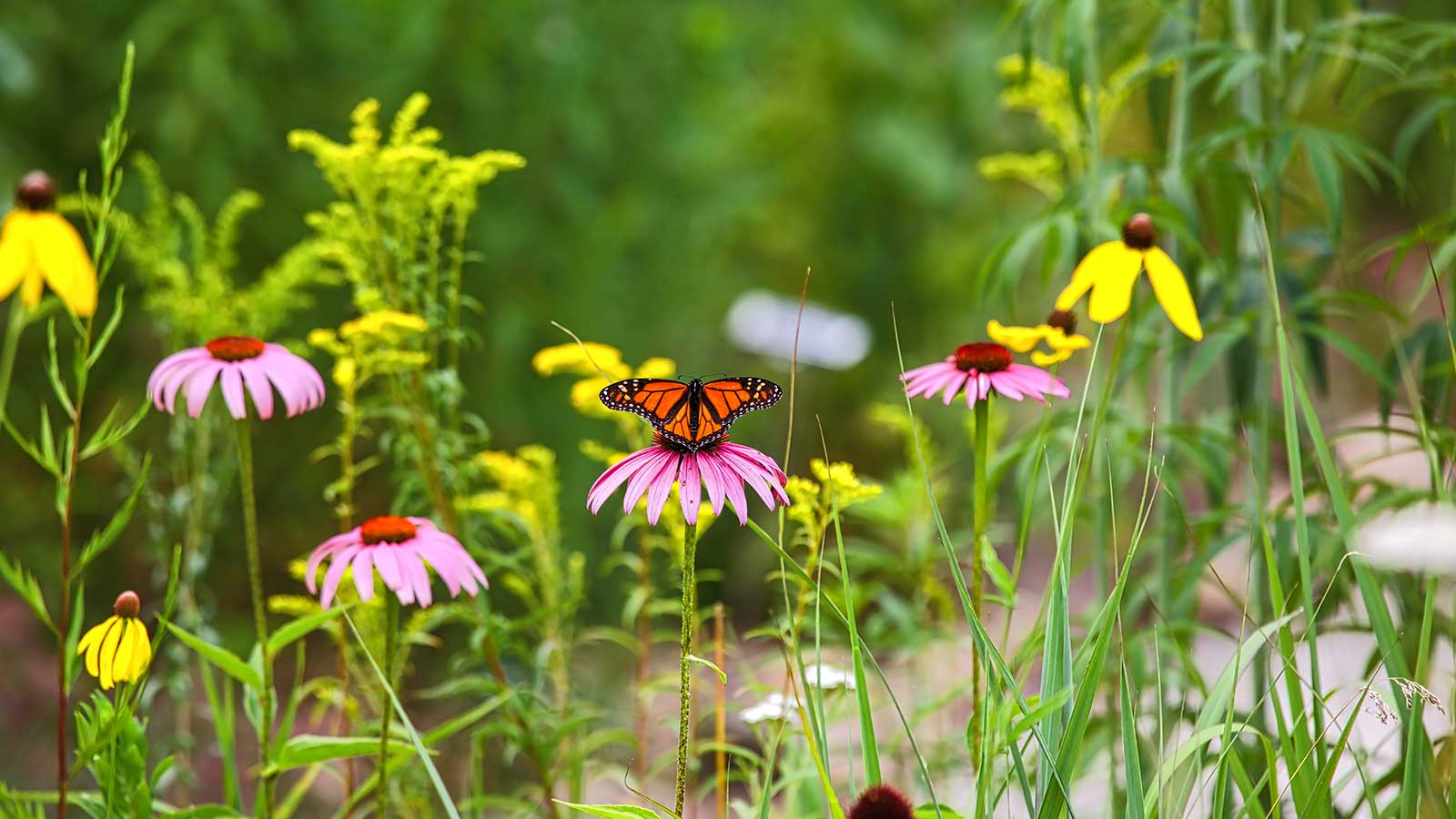
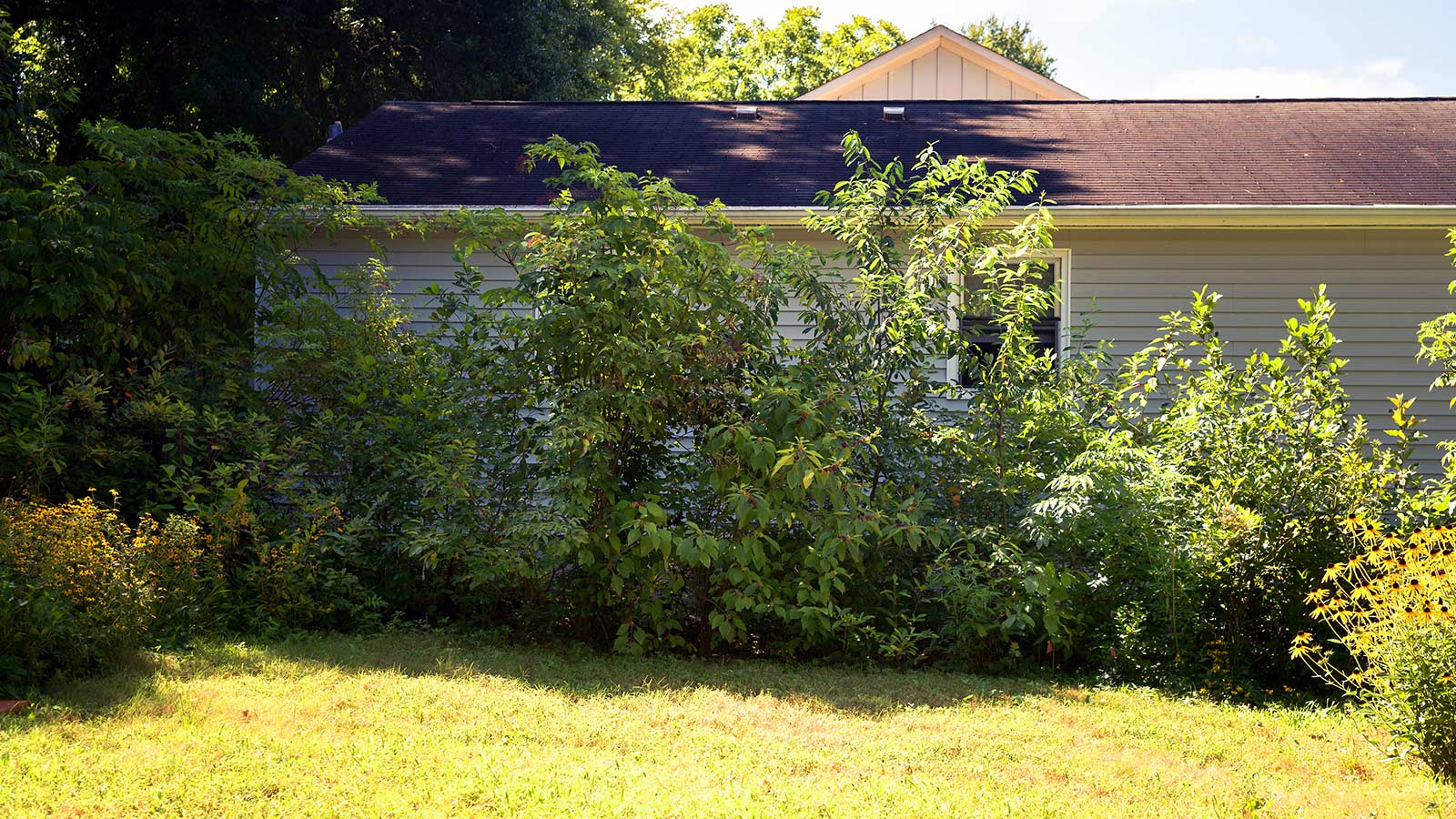
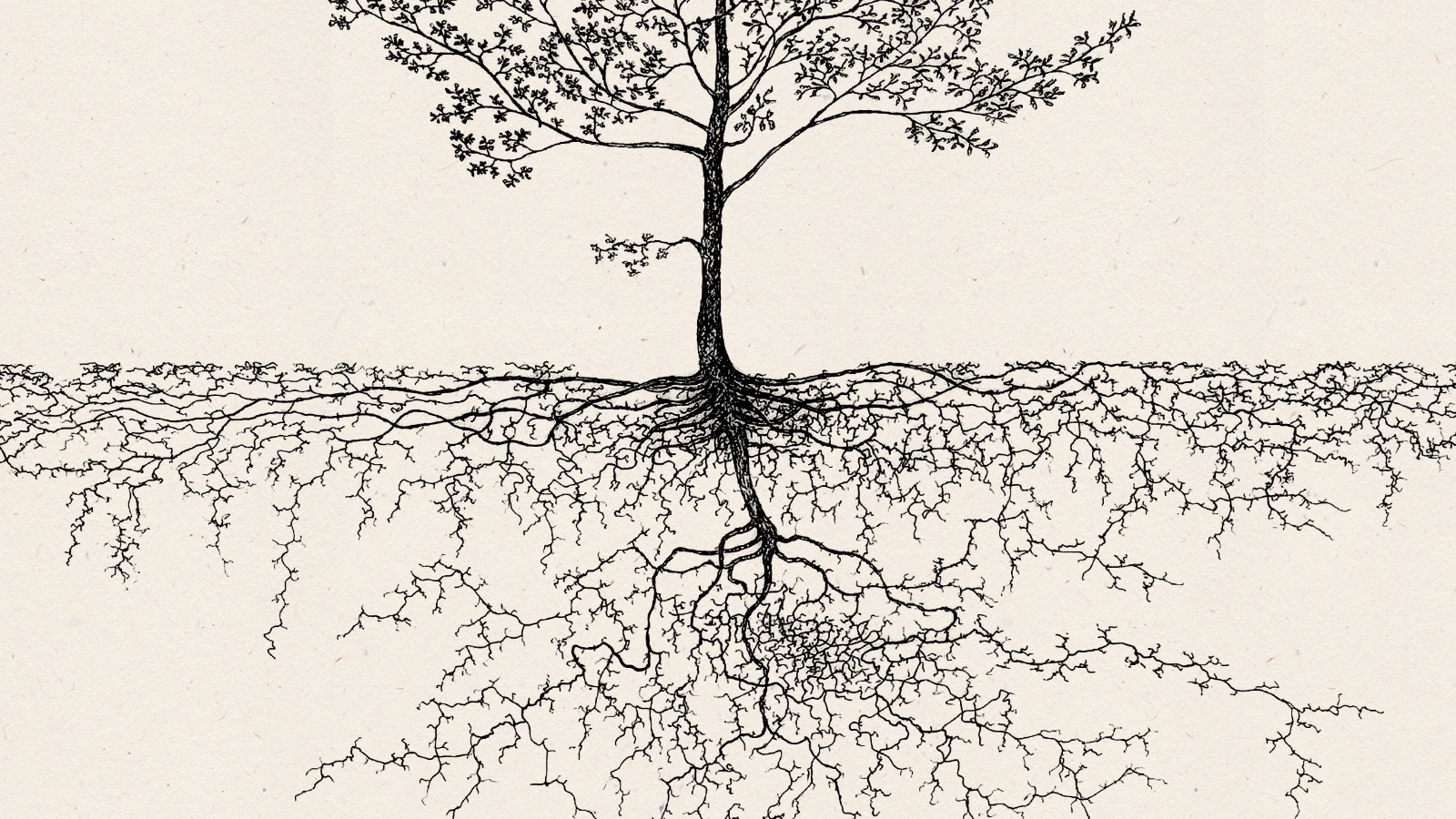
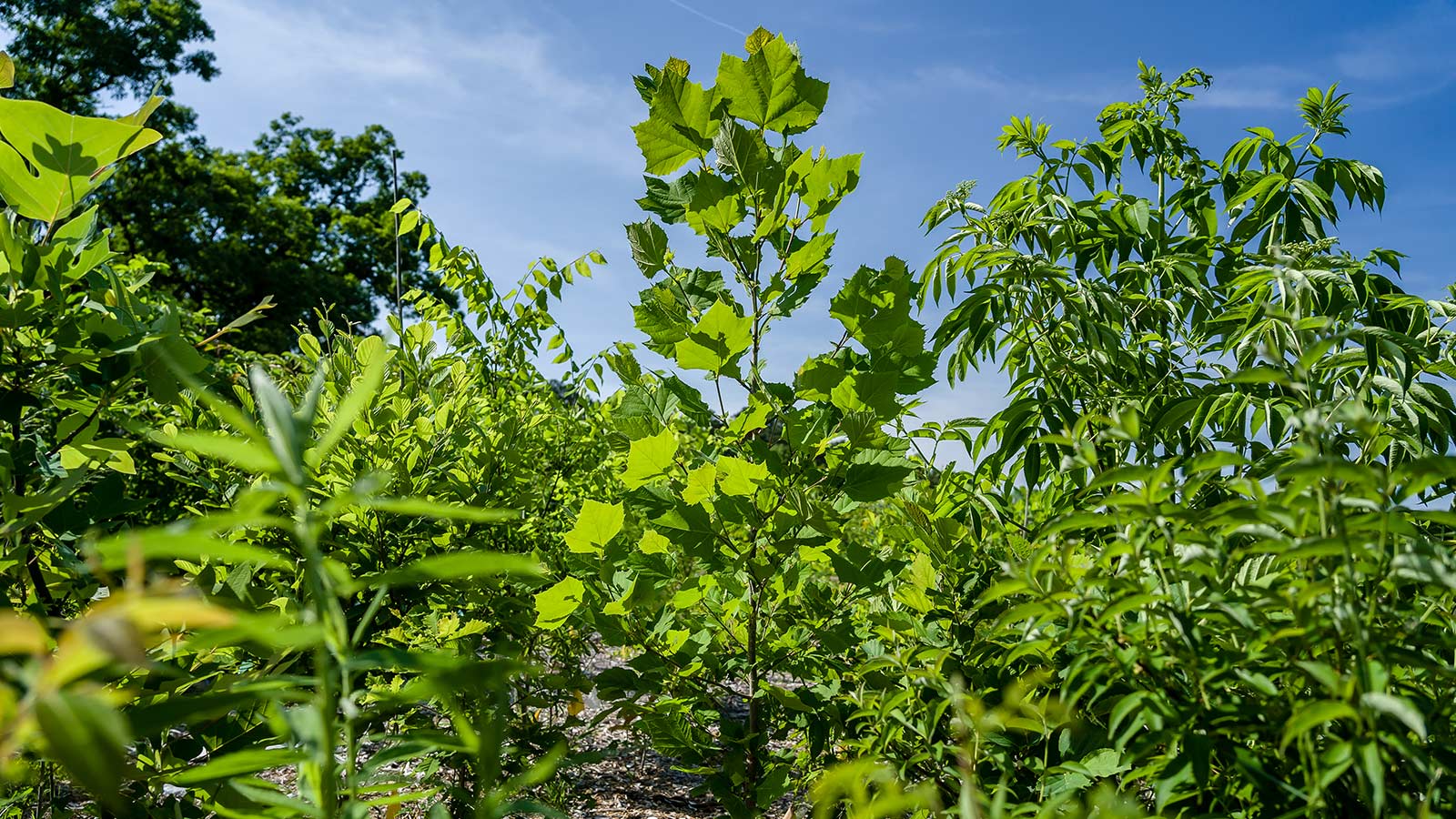
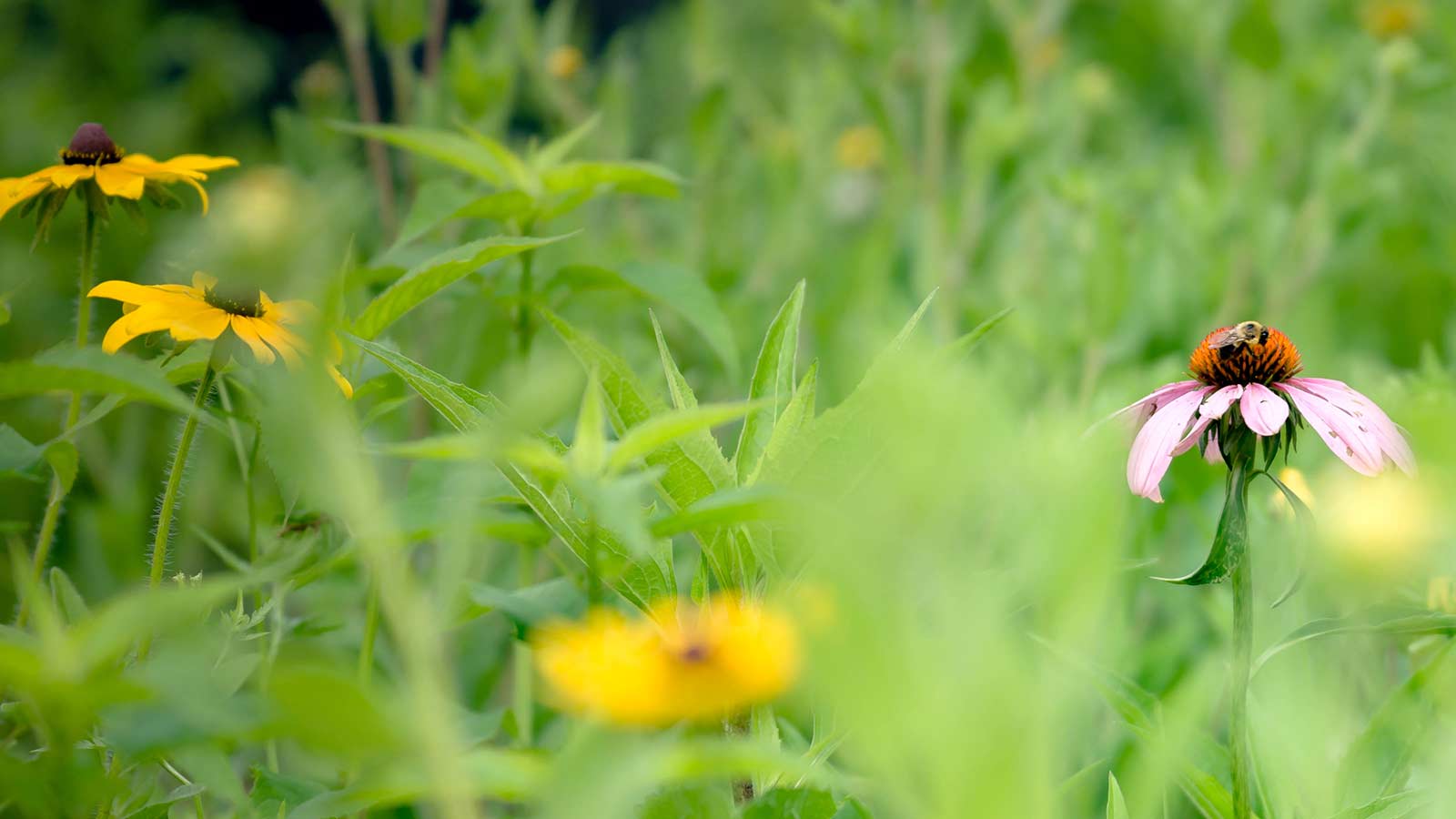
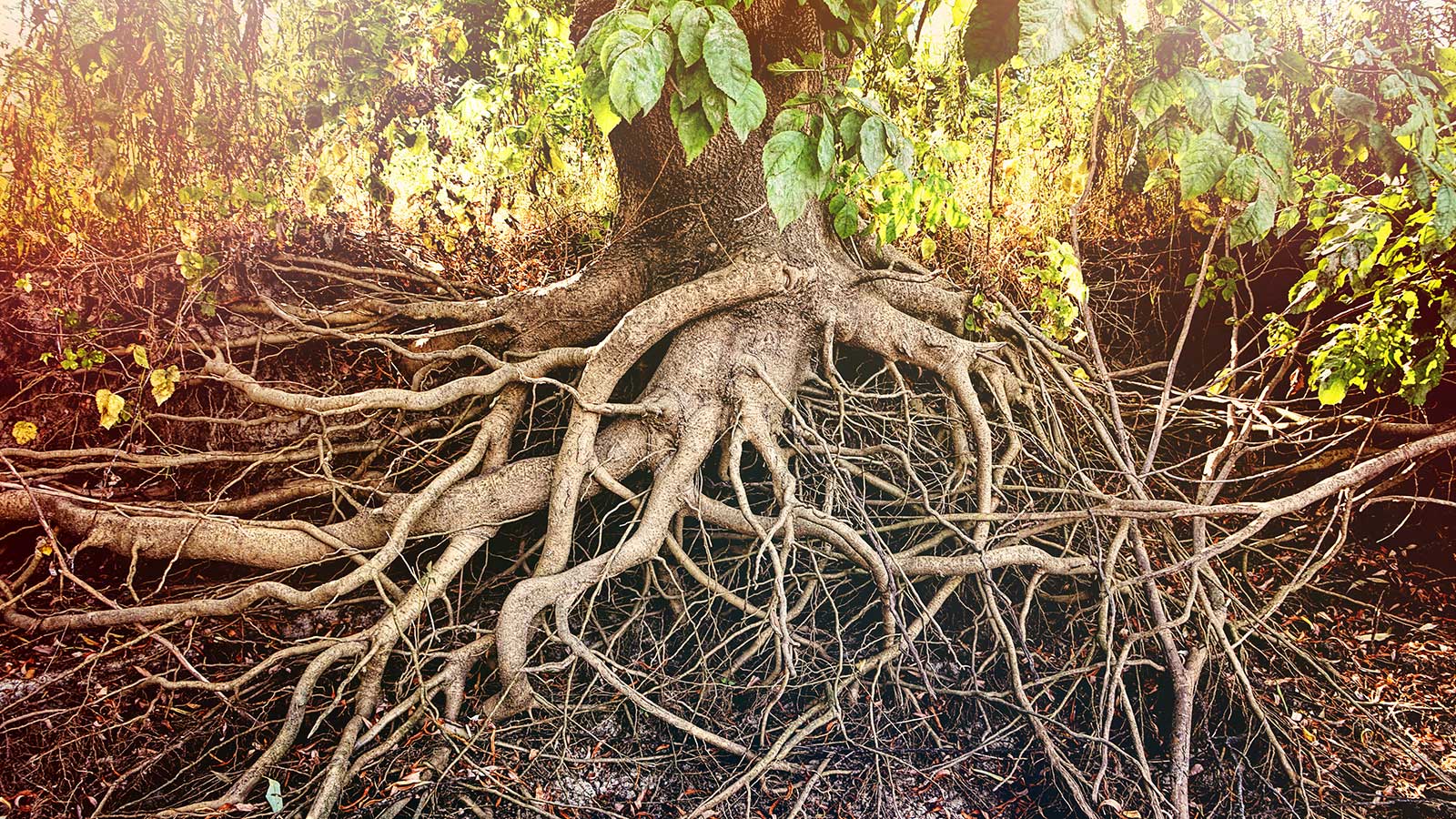
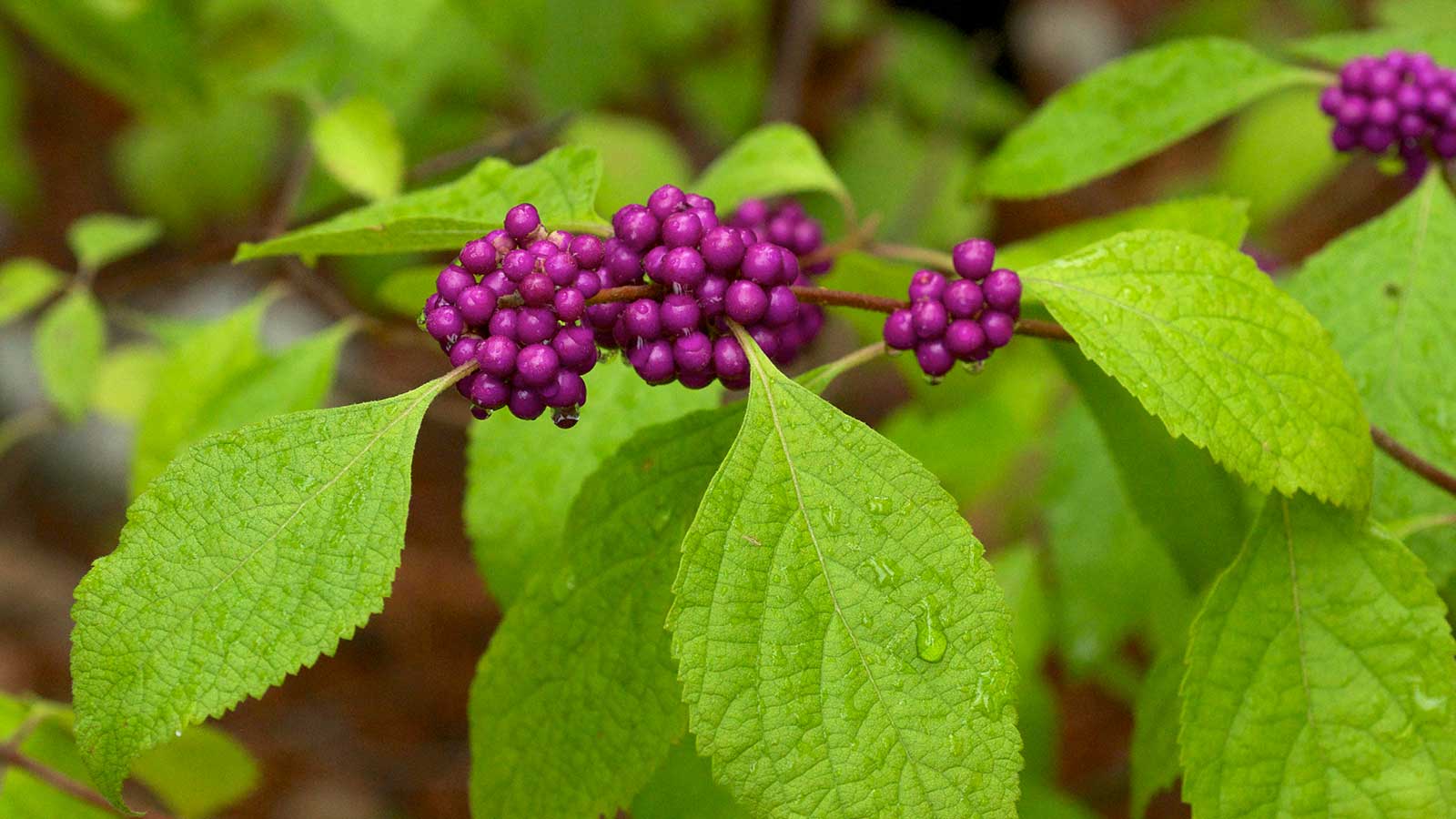
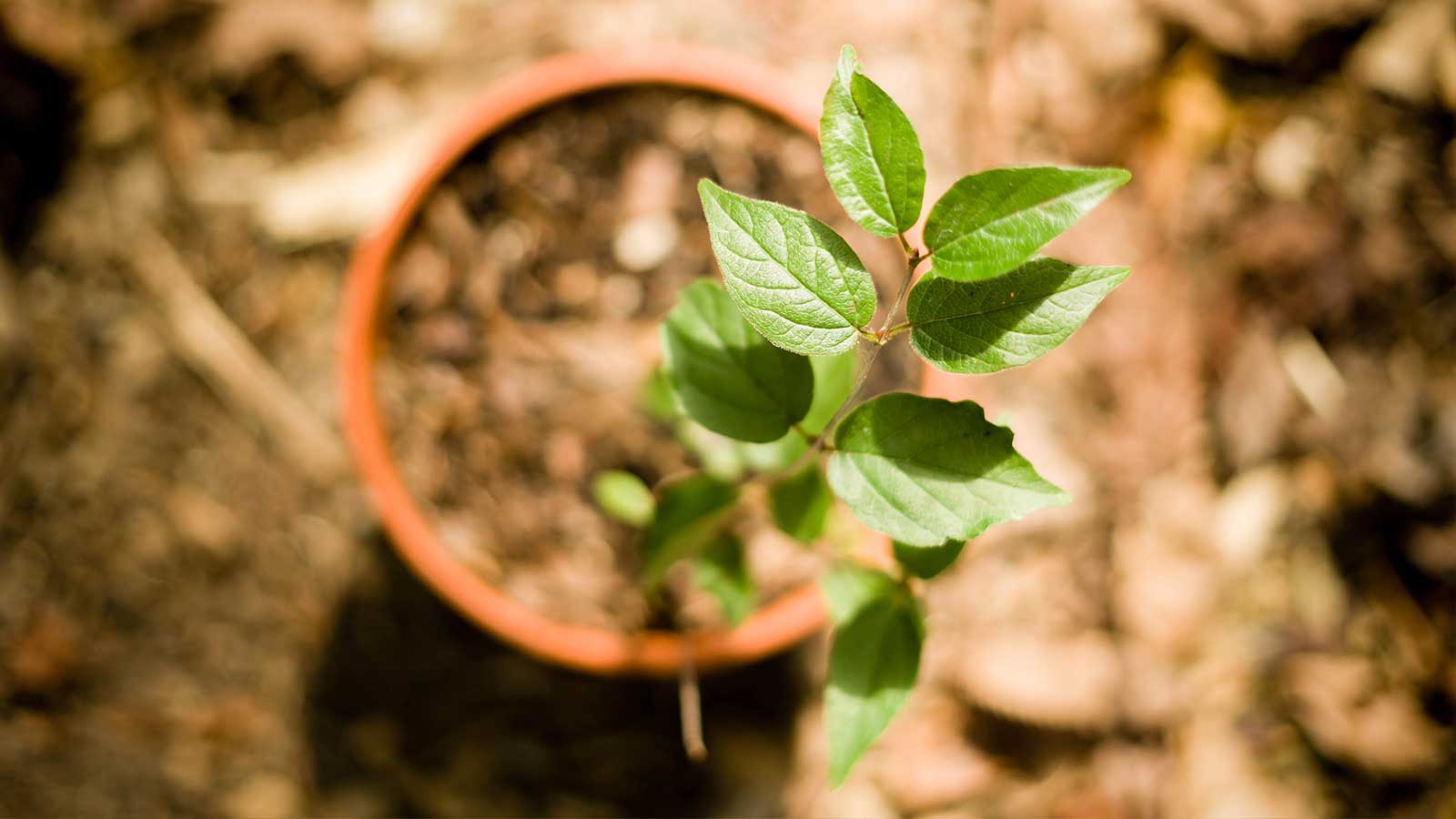
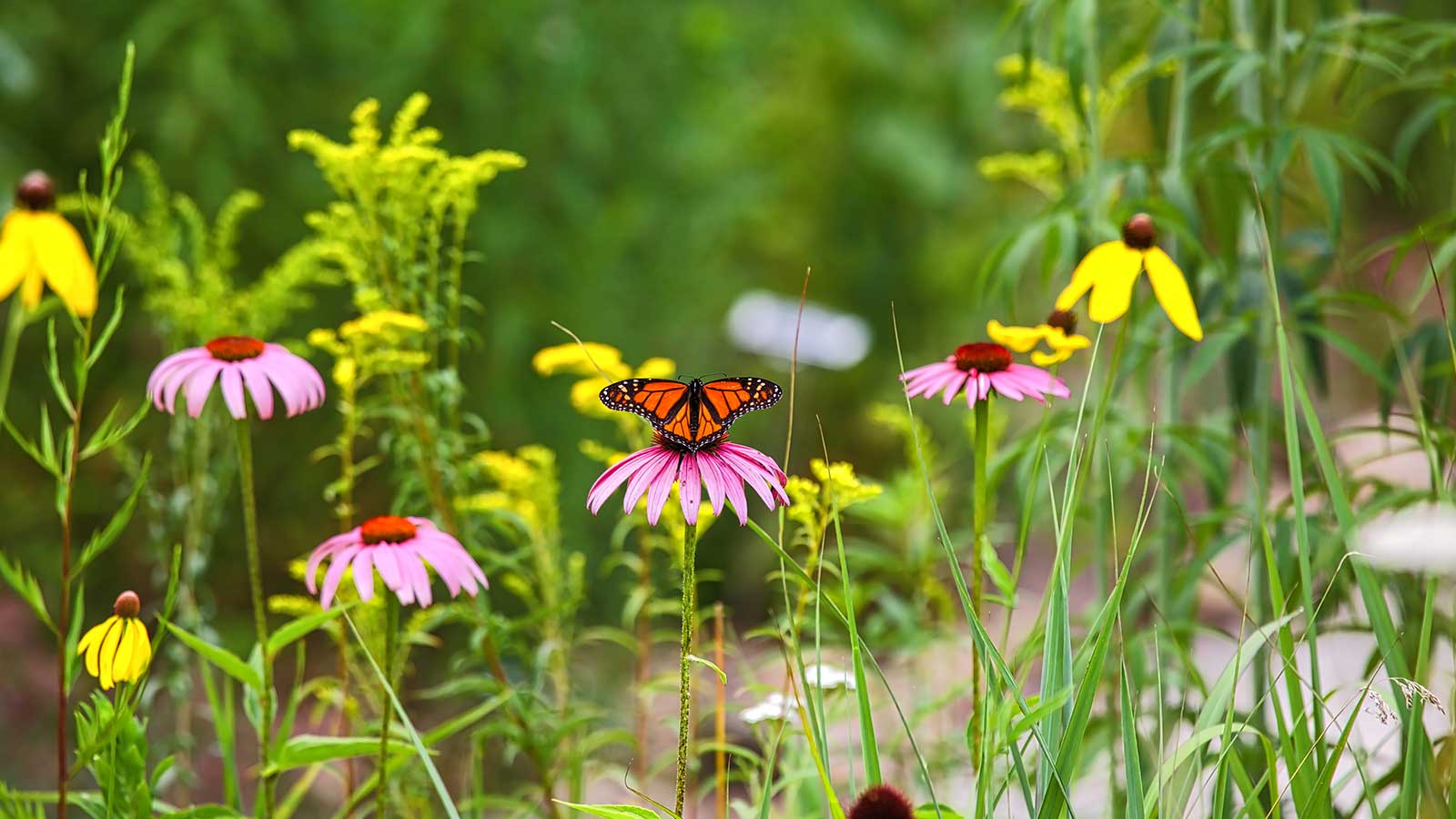
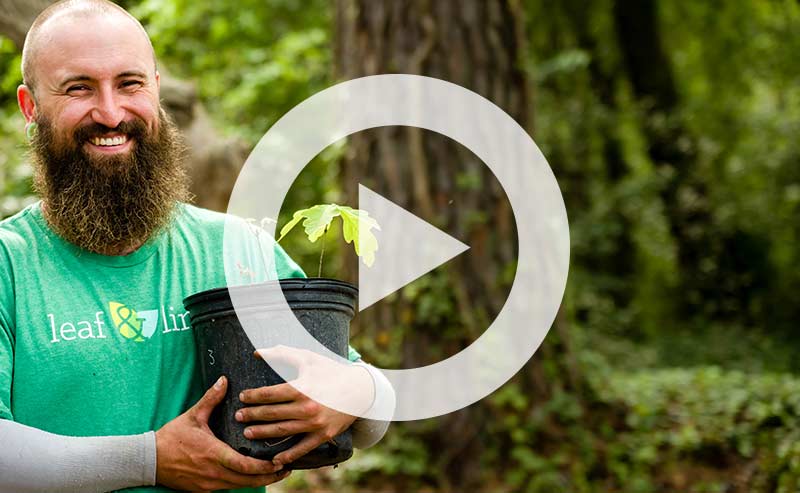
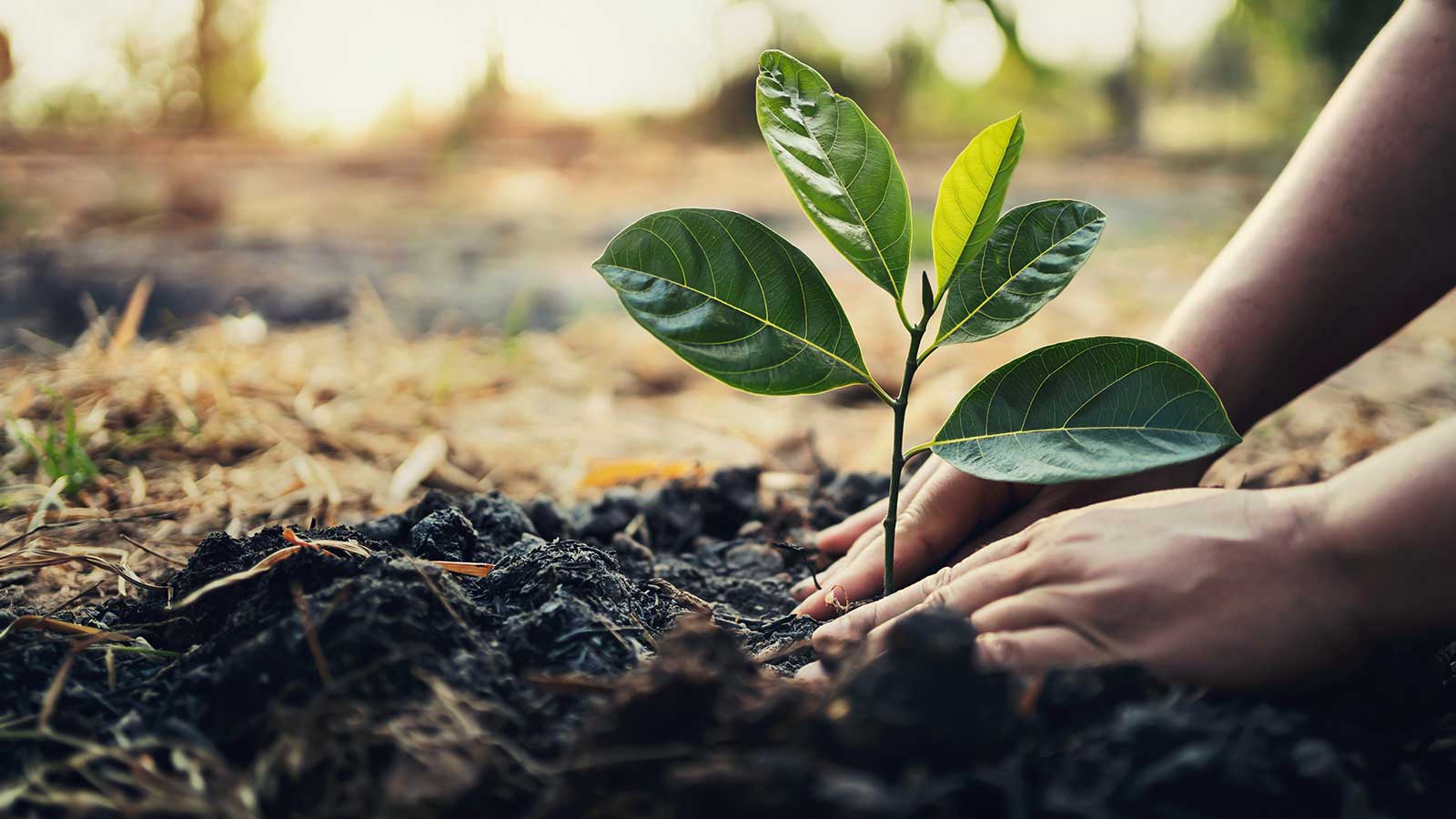
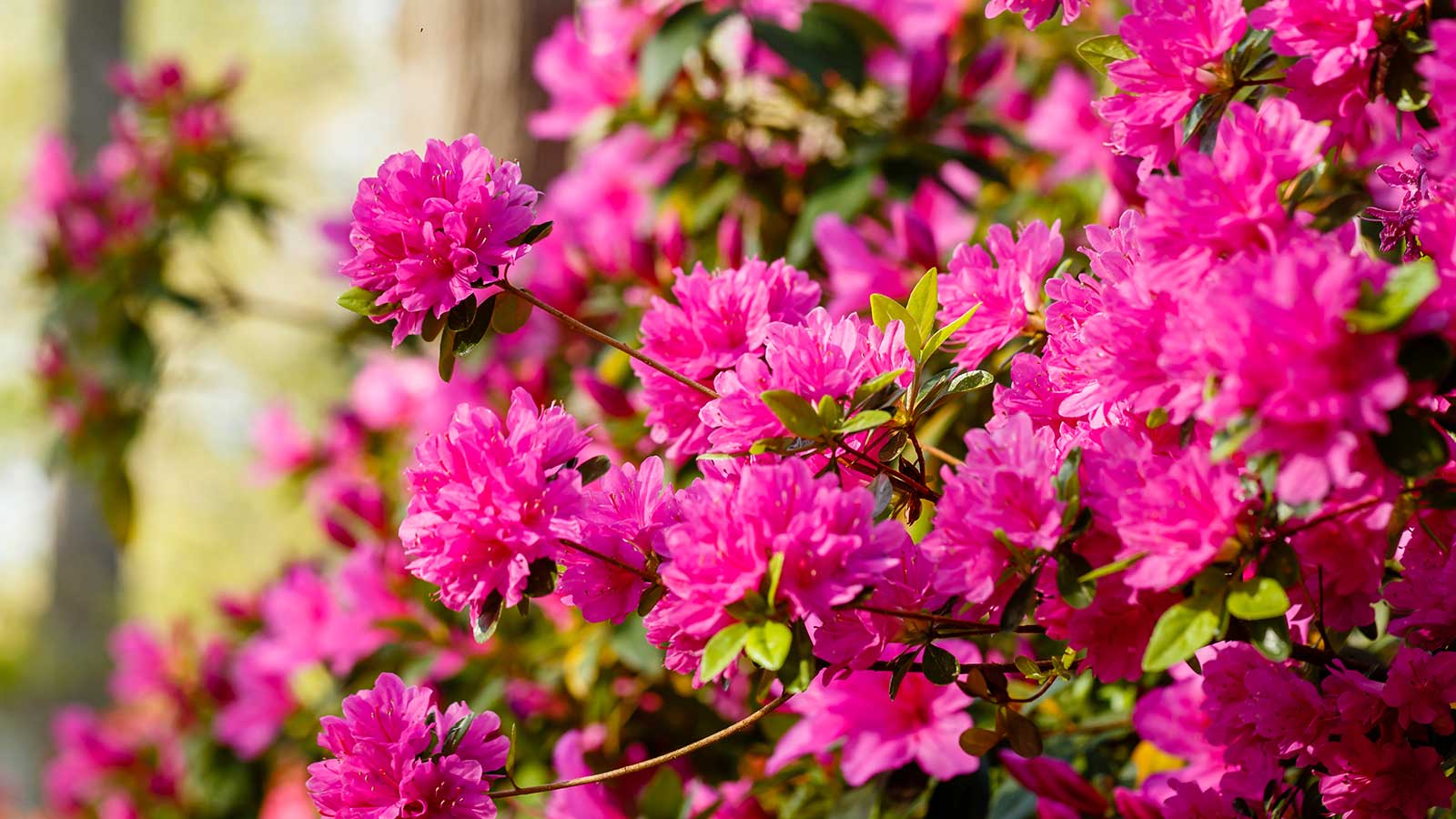
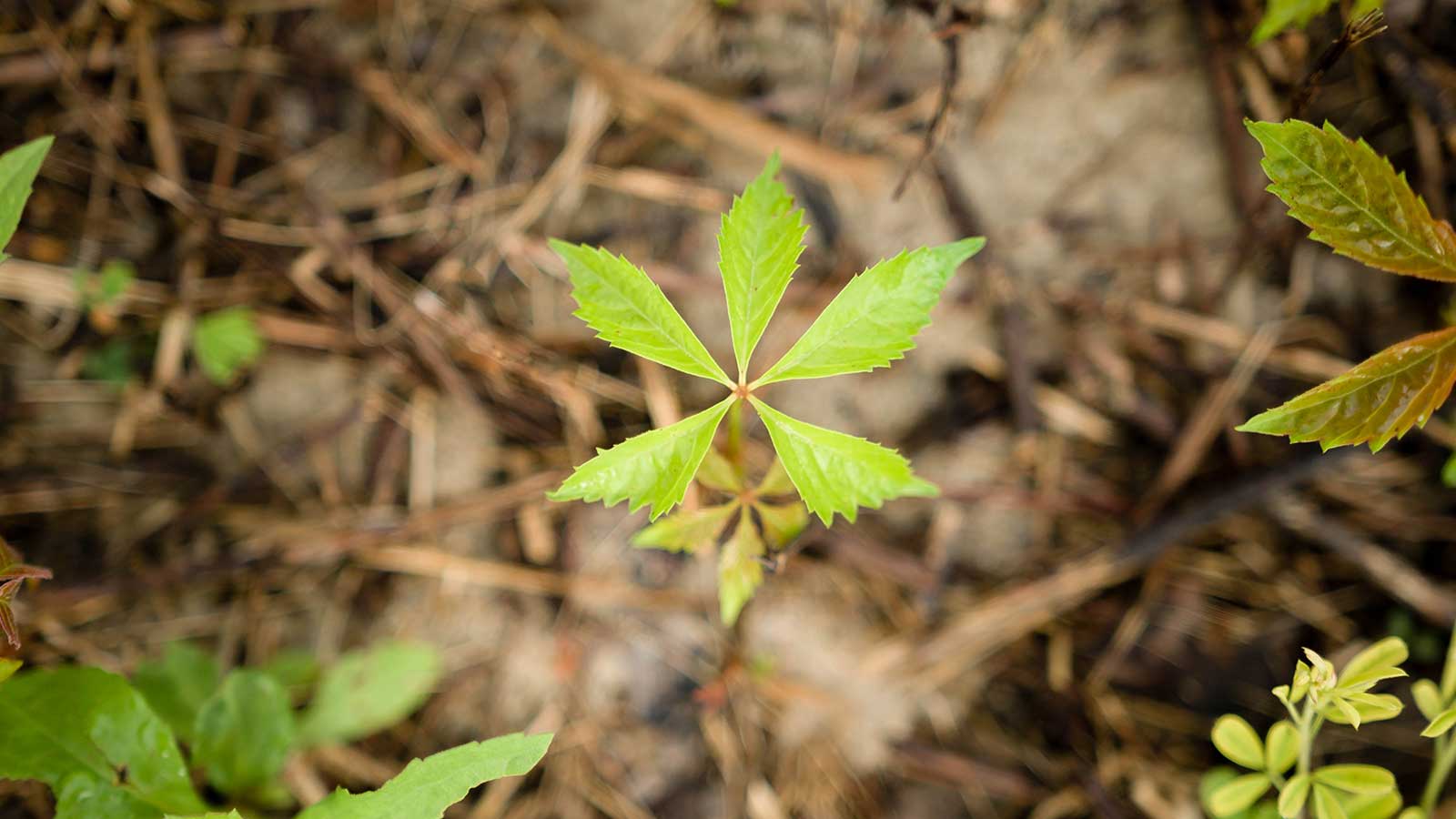
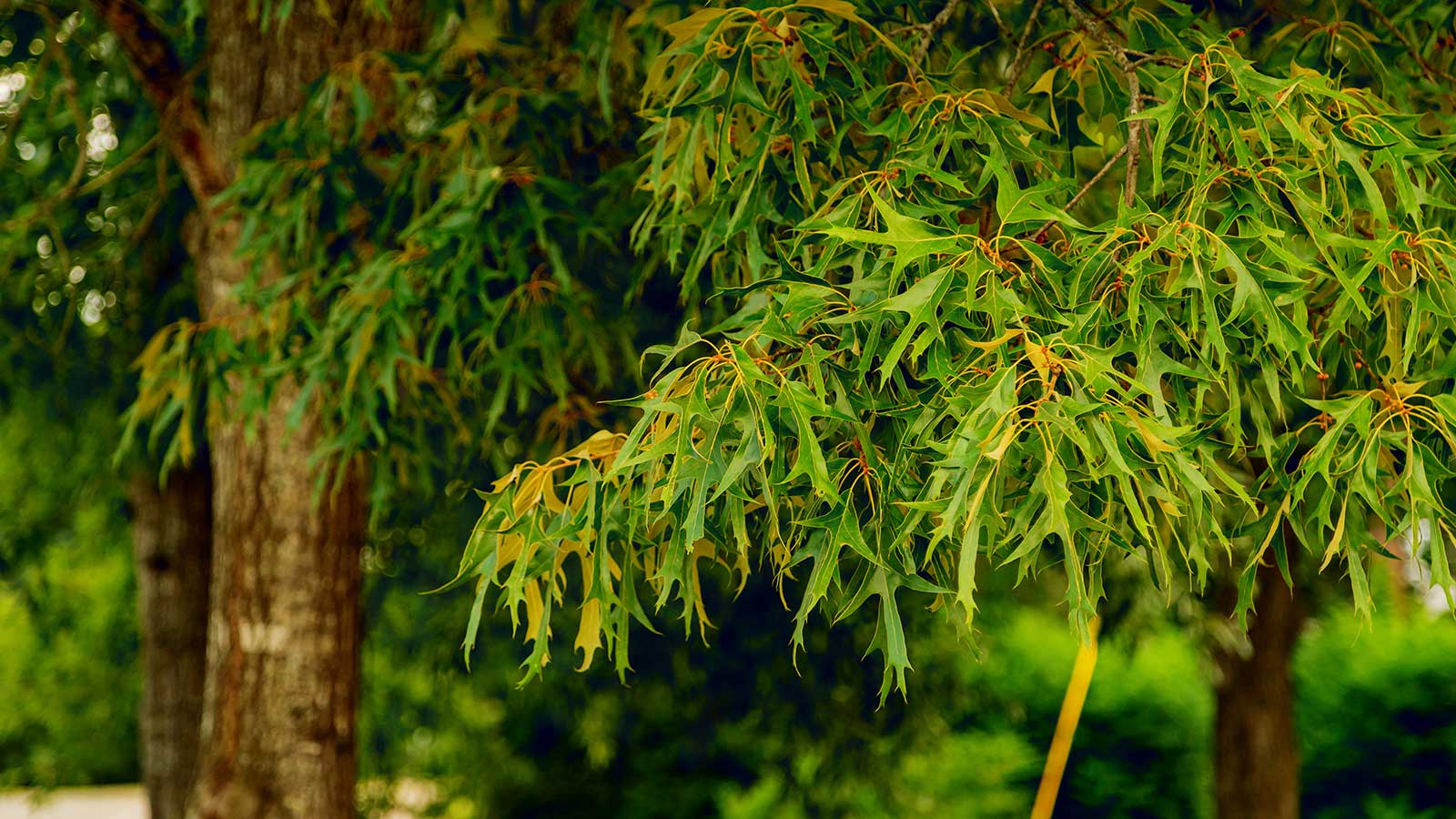
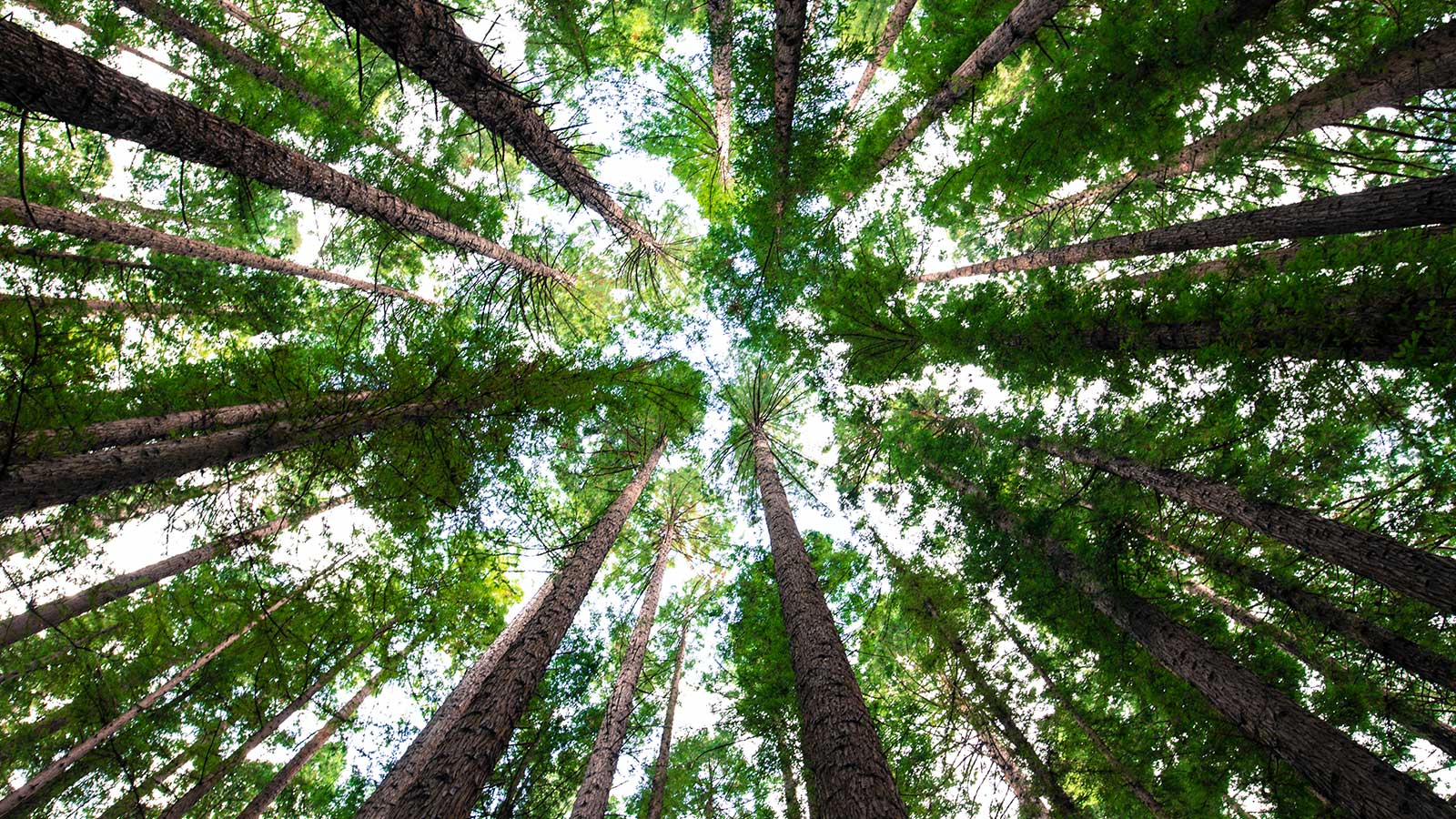
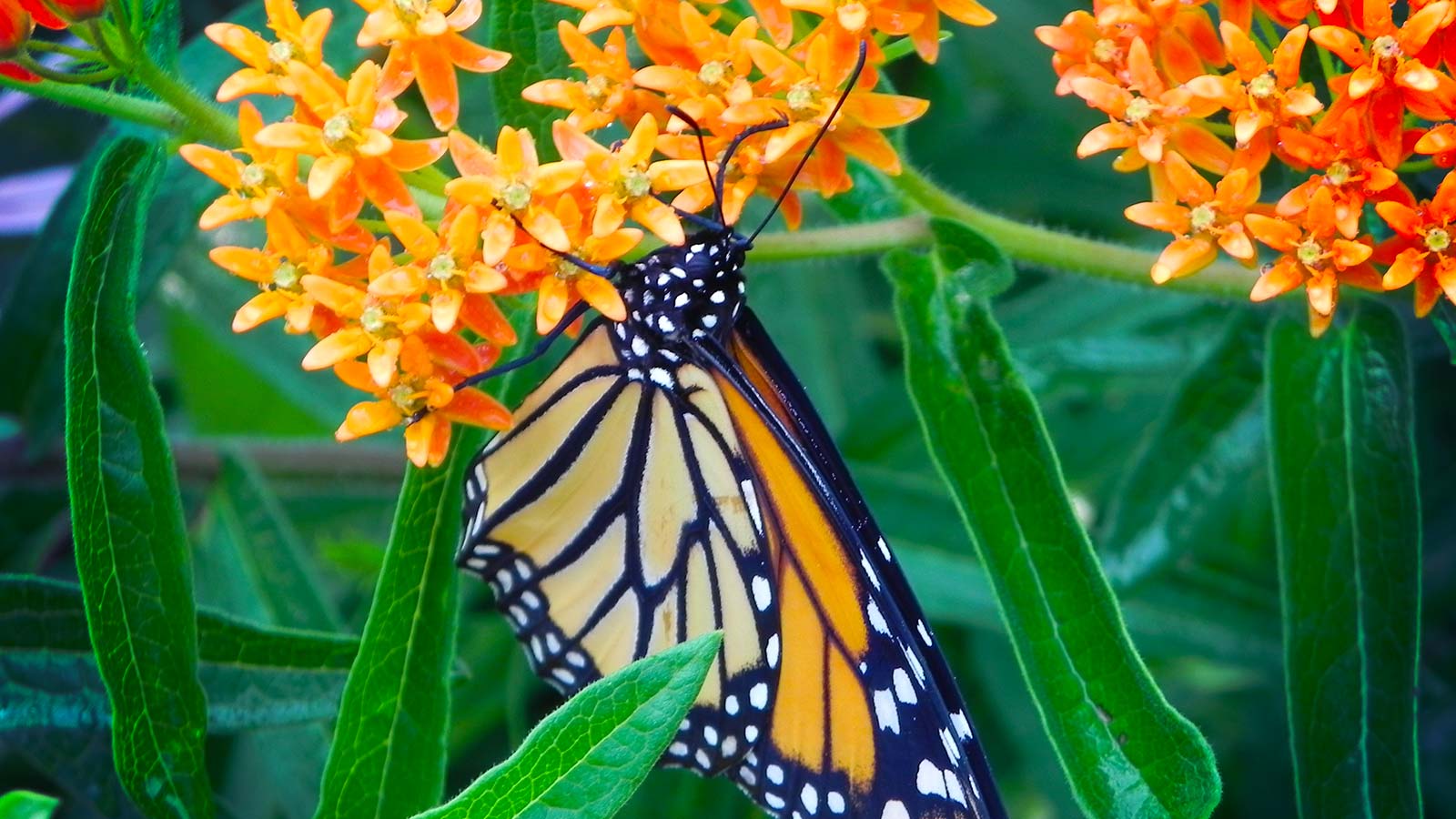
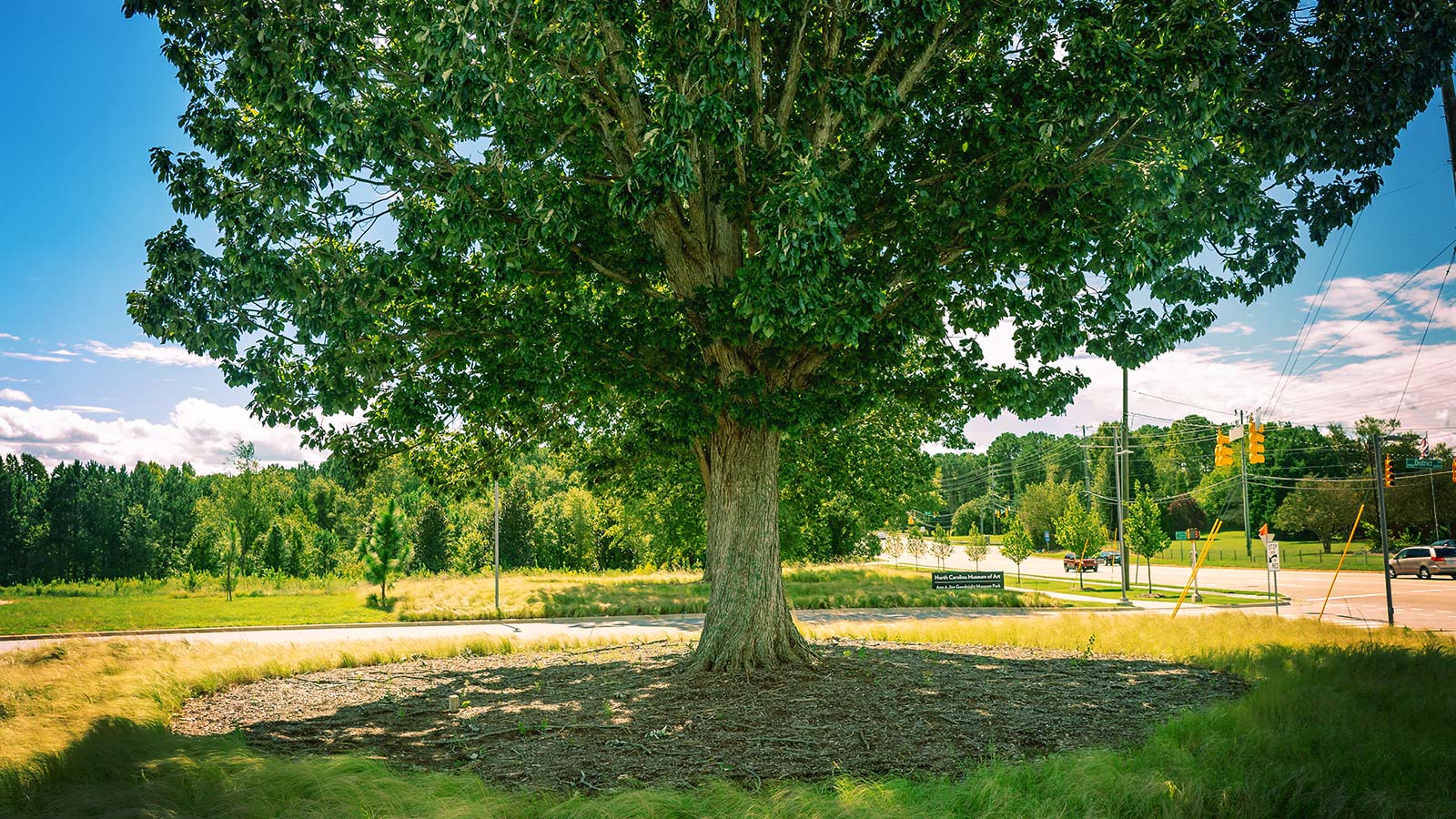
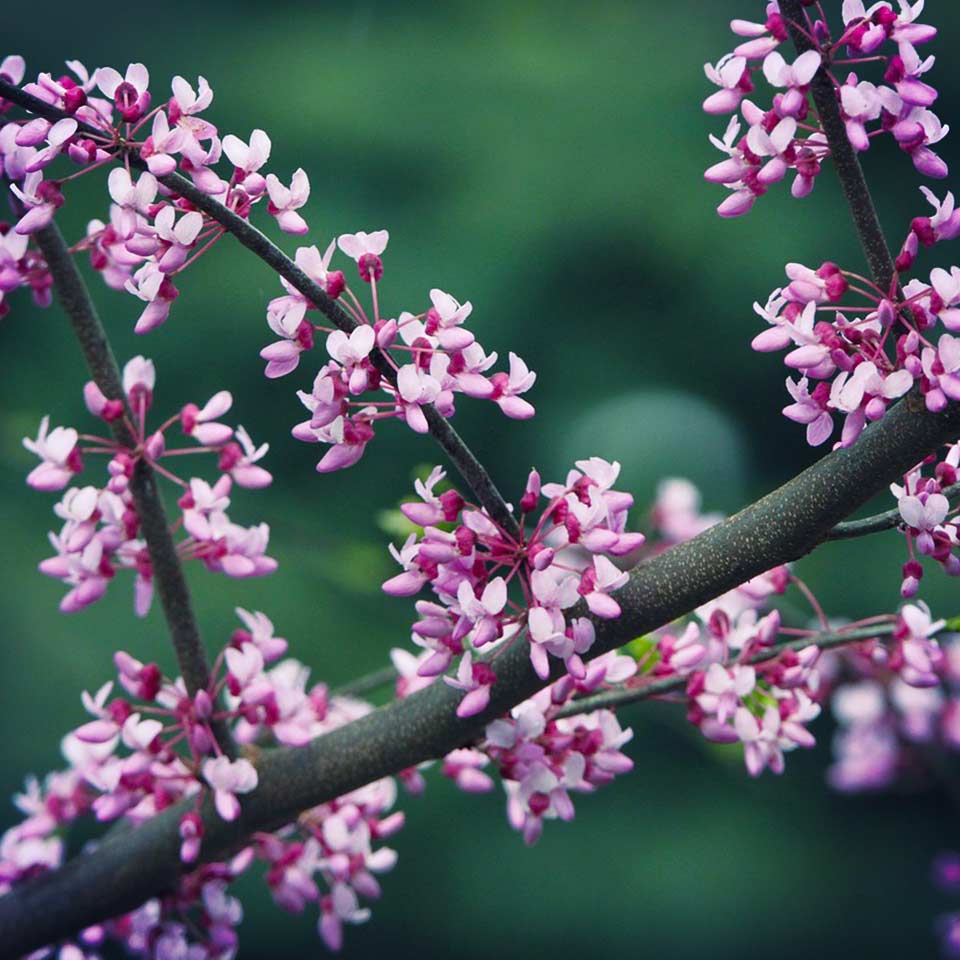
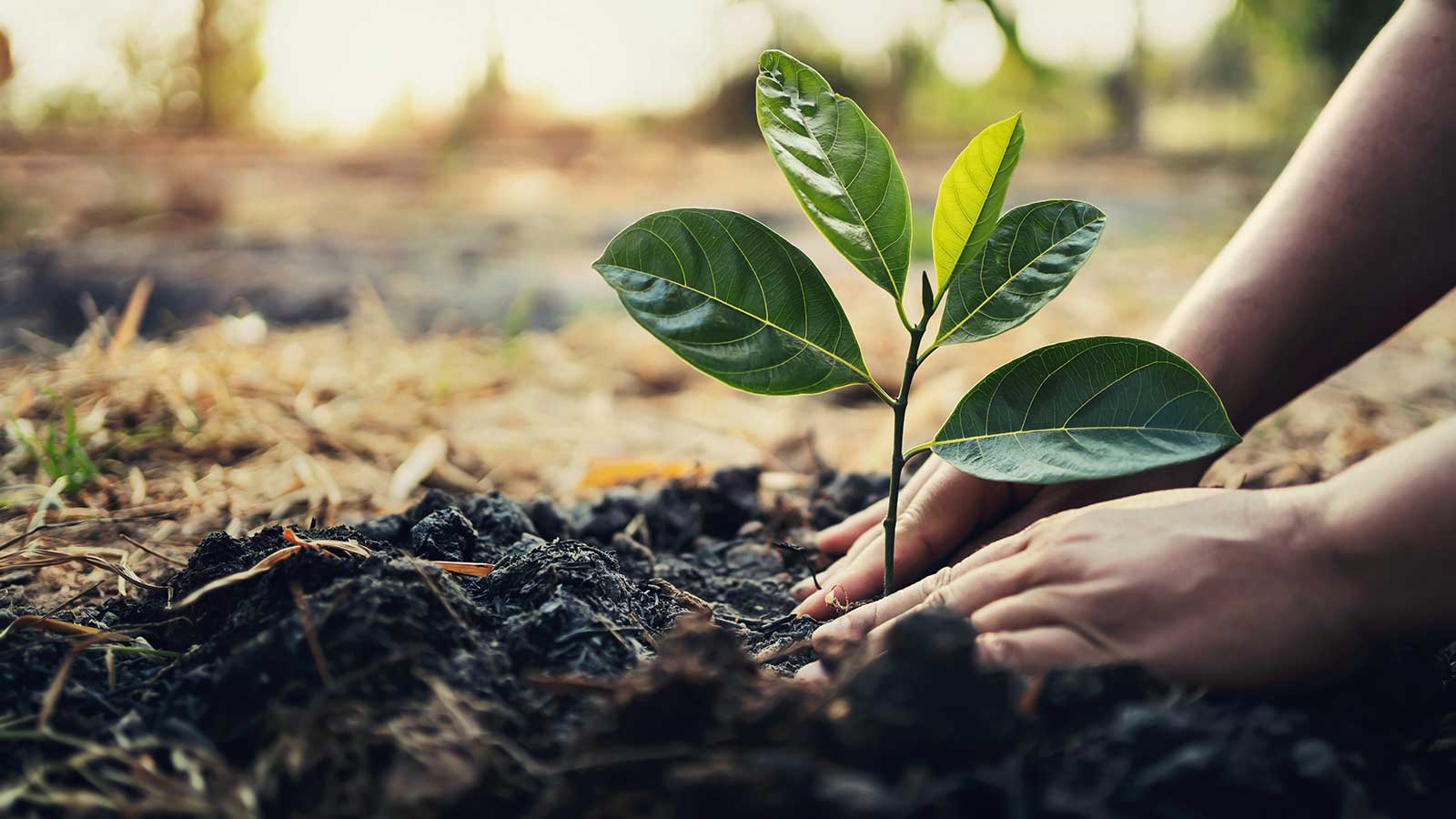
Third, plant as many native trees, shrubs, and flowers as you can. After all, plants are the long game. Their deep roots transform soil over time to hold more water, making your entire landscape more resilient against drought. More native plants means a stronger ecosystem.
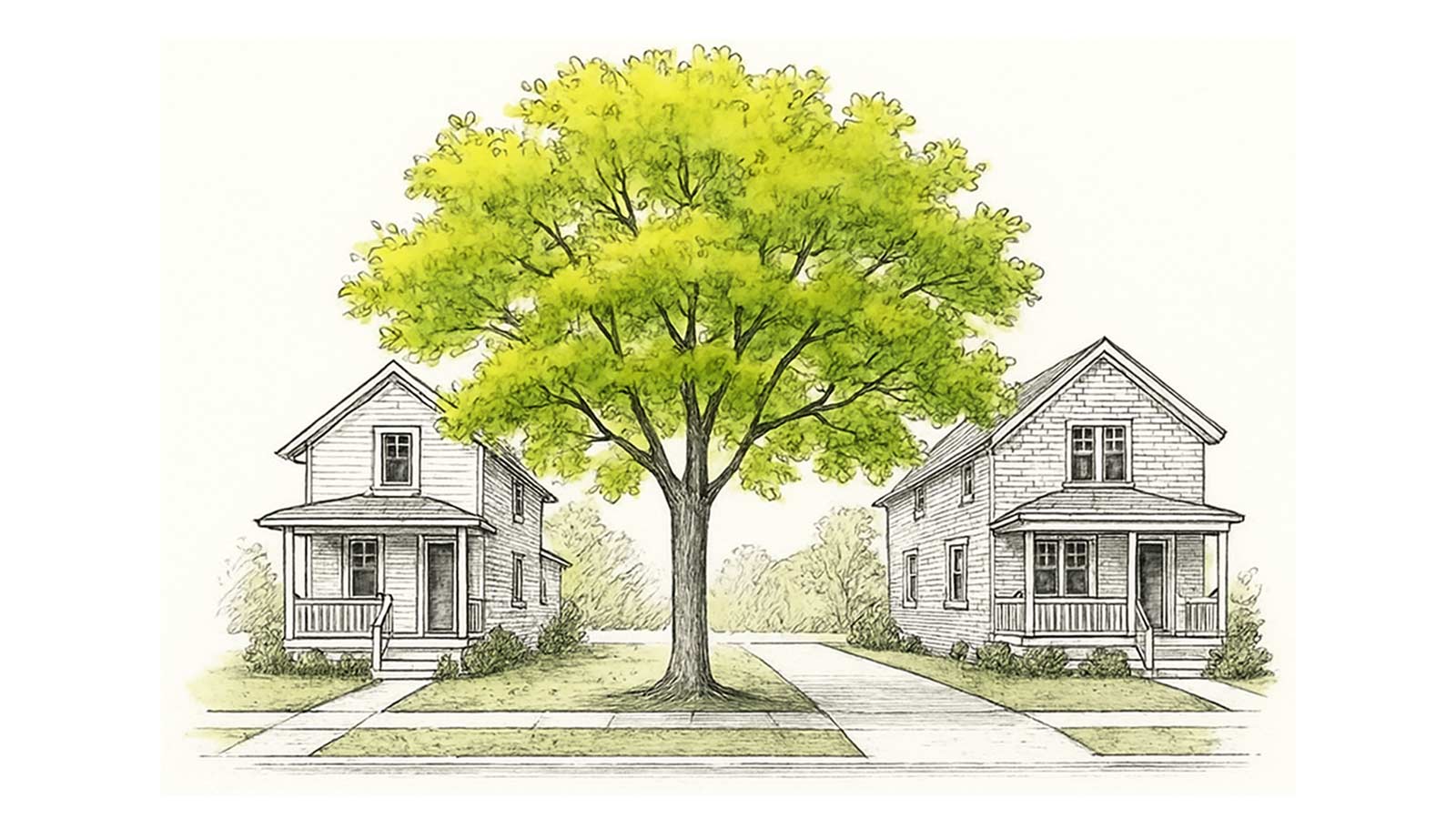
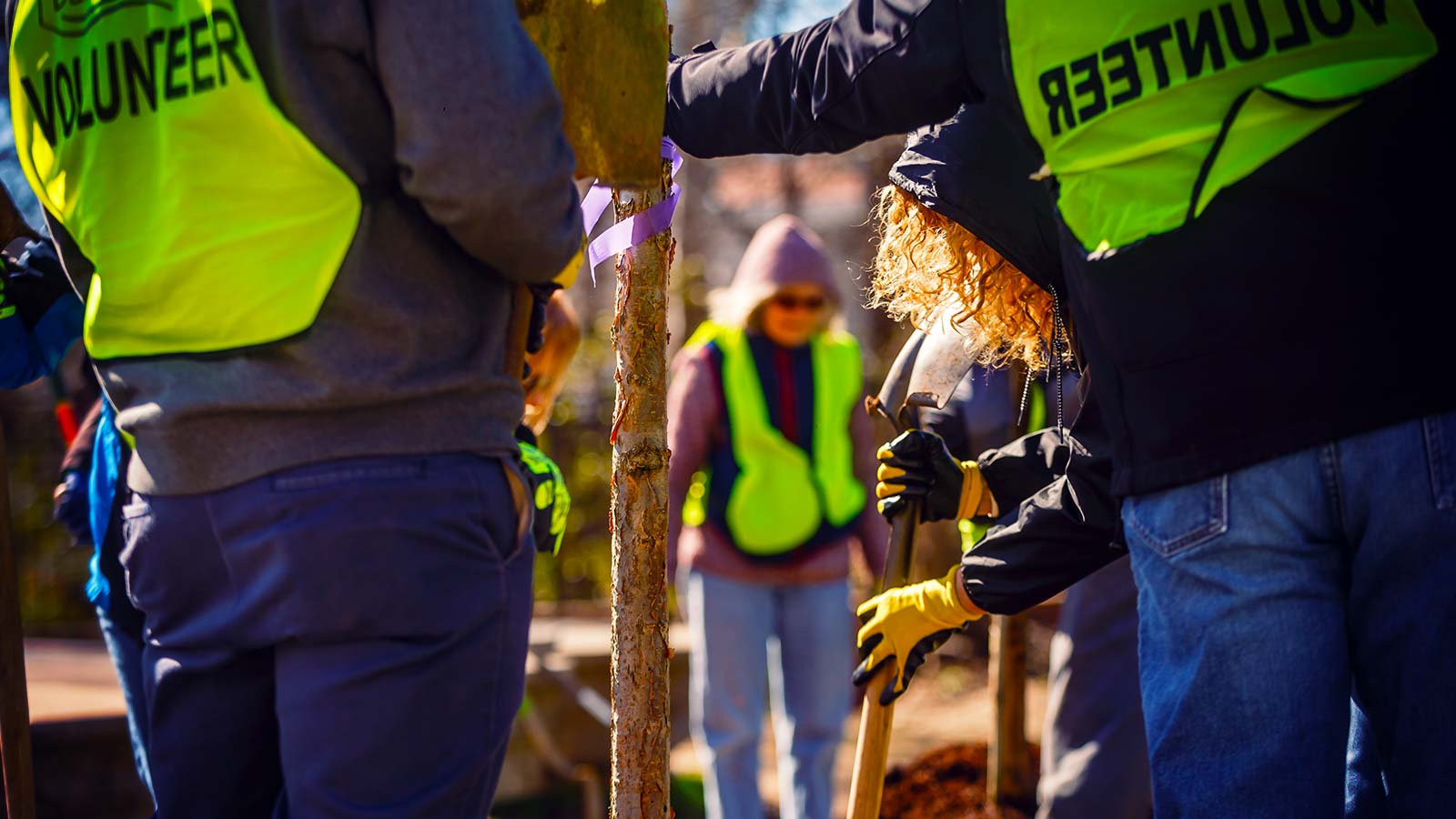
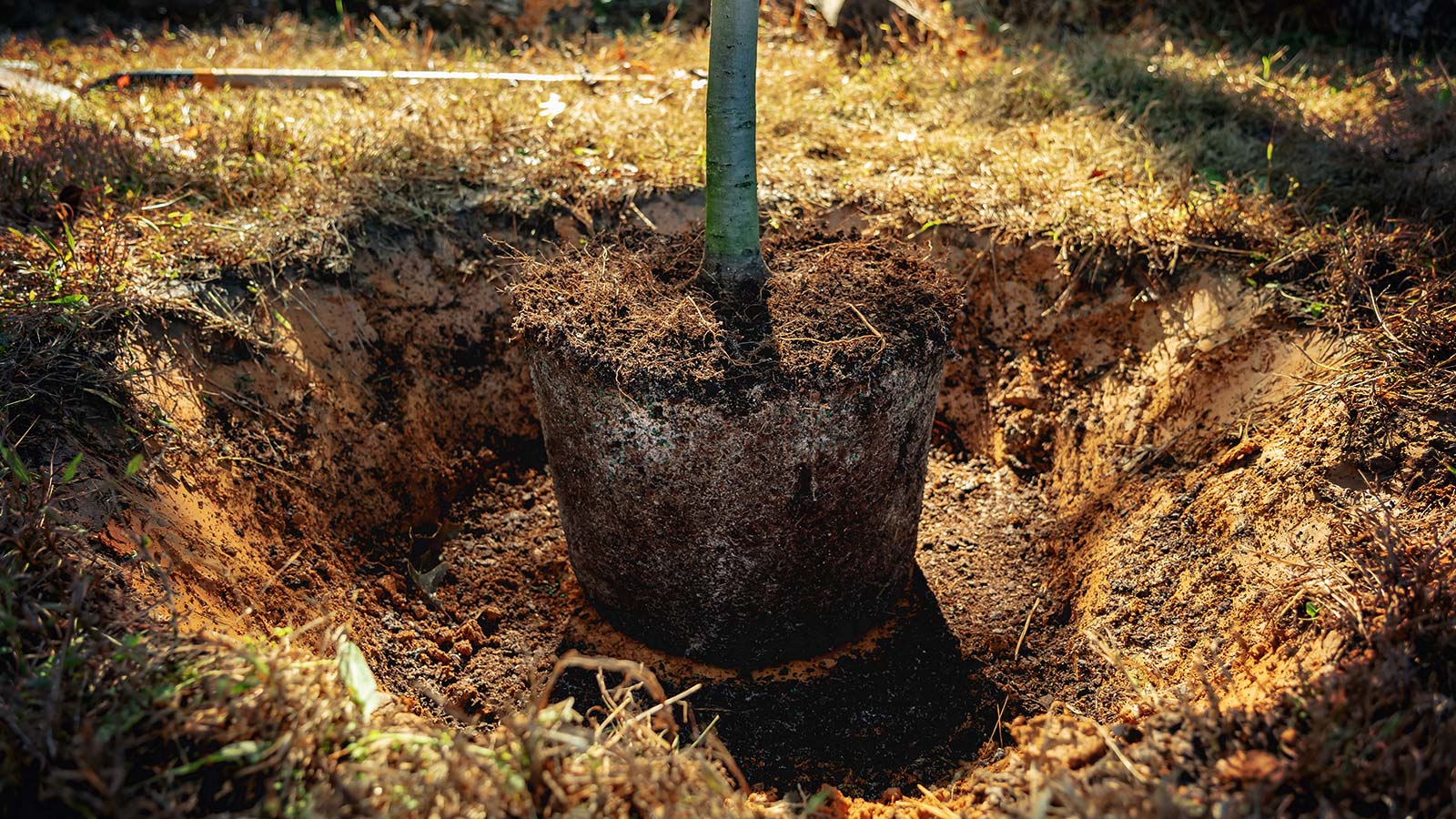
So what does this look like in your yard? Well, the easiest places to start cost you nothing. Leave the leaves where they fall. Stop using harmful chemicals. Spread wood chips. Just these things alone will give your soil a major boost. And of course, if you can, plant some native trees, shrubs, and flowers. Even one matters.
Drought is difficult, and the answer is not watering one tree at a time. It’s building landscapes that hold more water. That means healthier soils, less chemicals, and more native plants. That’s how we get through the hard seasons together.