Even After it Dies, A Tree Still Gives Life
A dead tree's second life feeds a whole community, and eventually returns to the soil as rich, healthy earth.
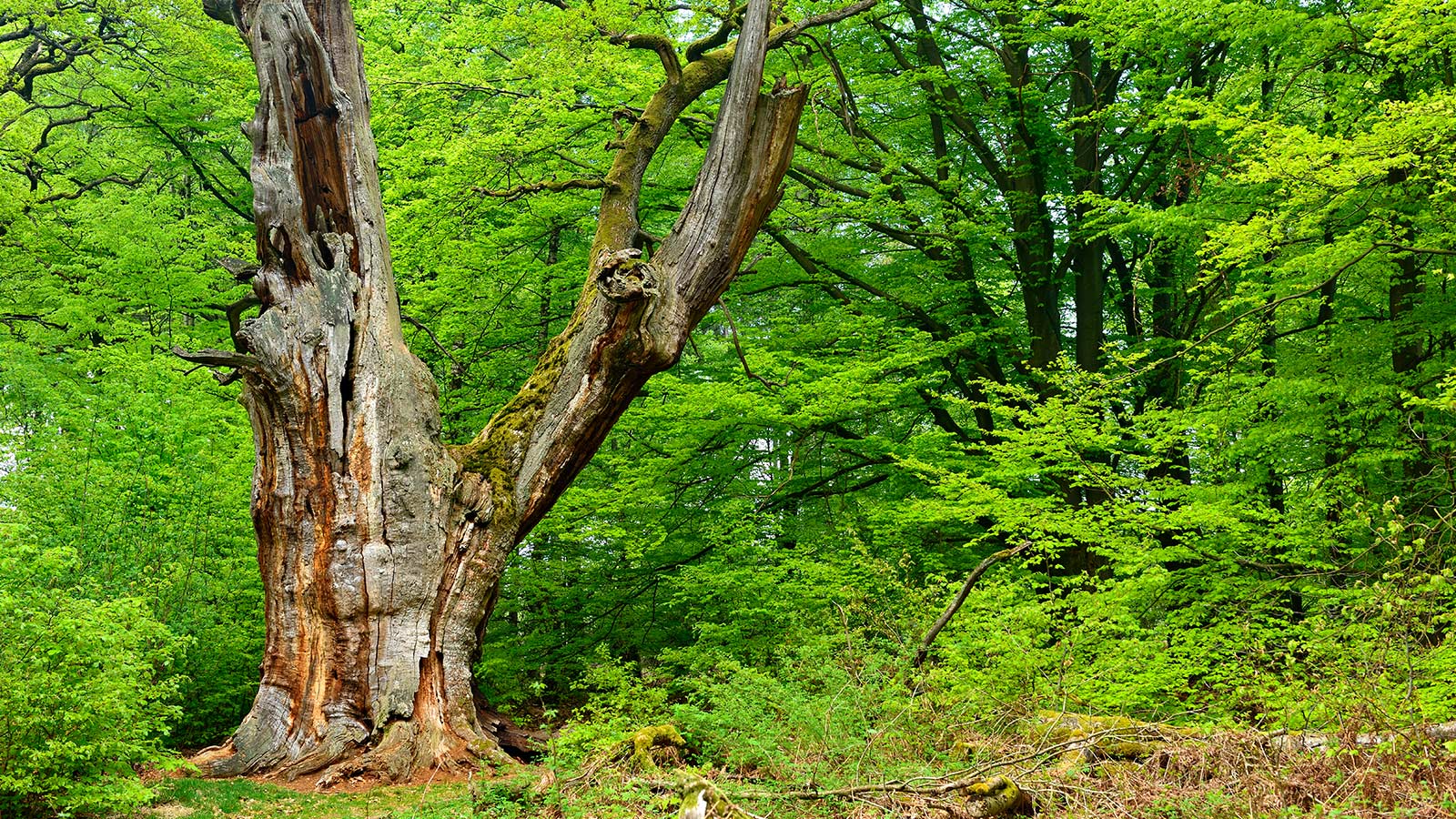
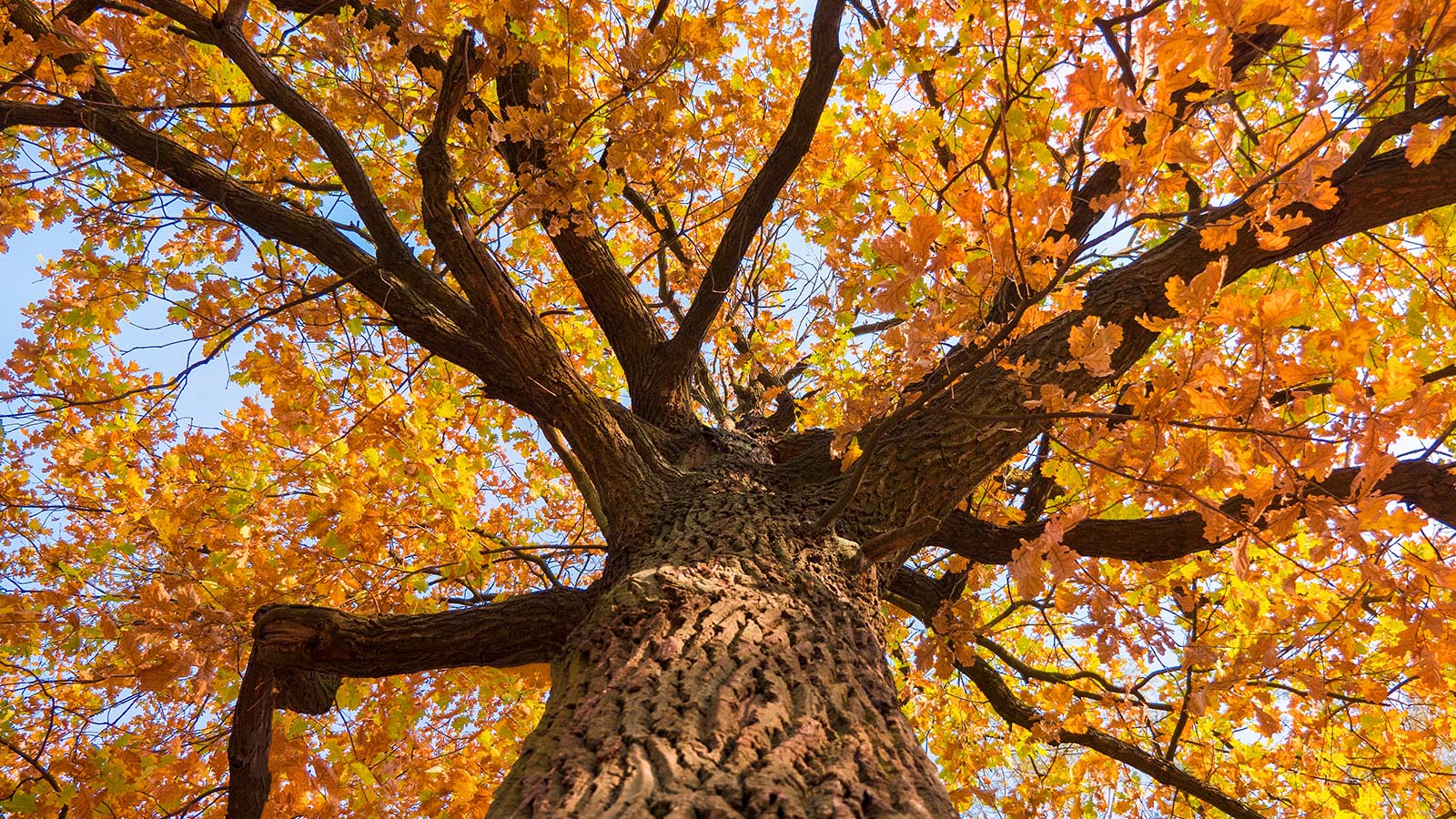
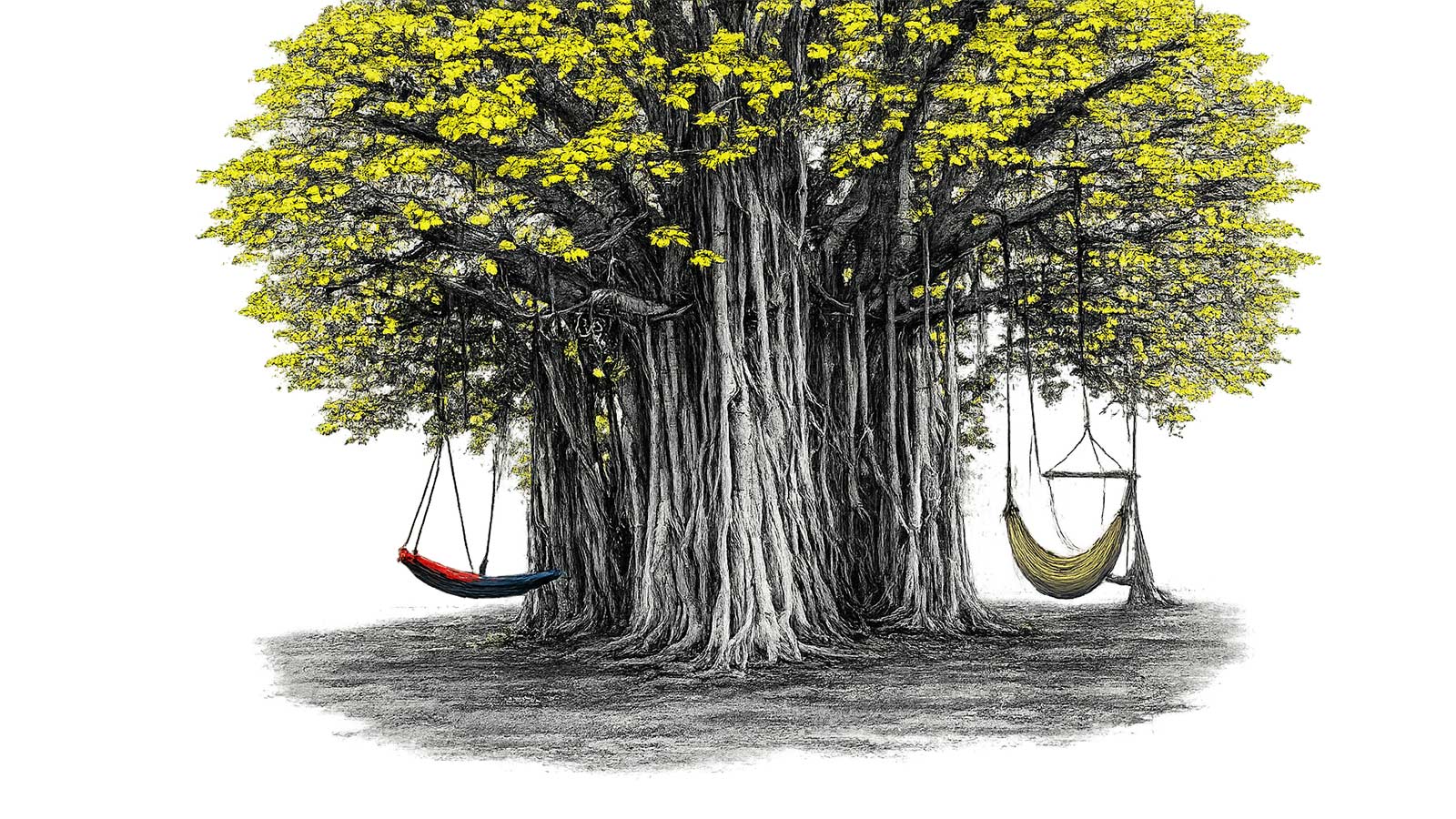
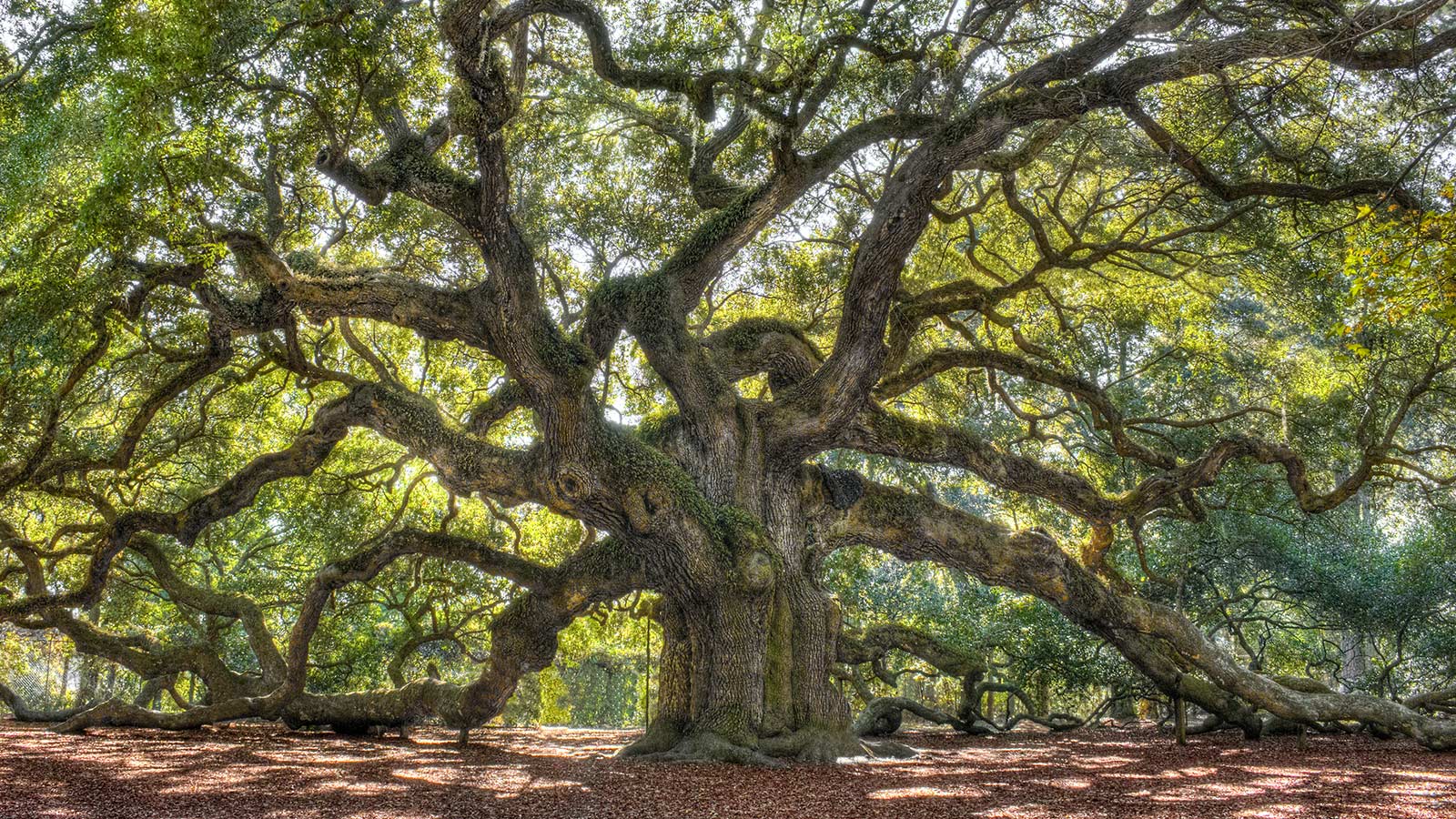
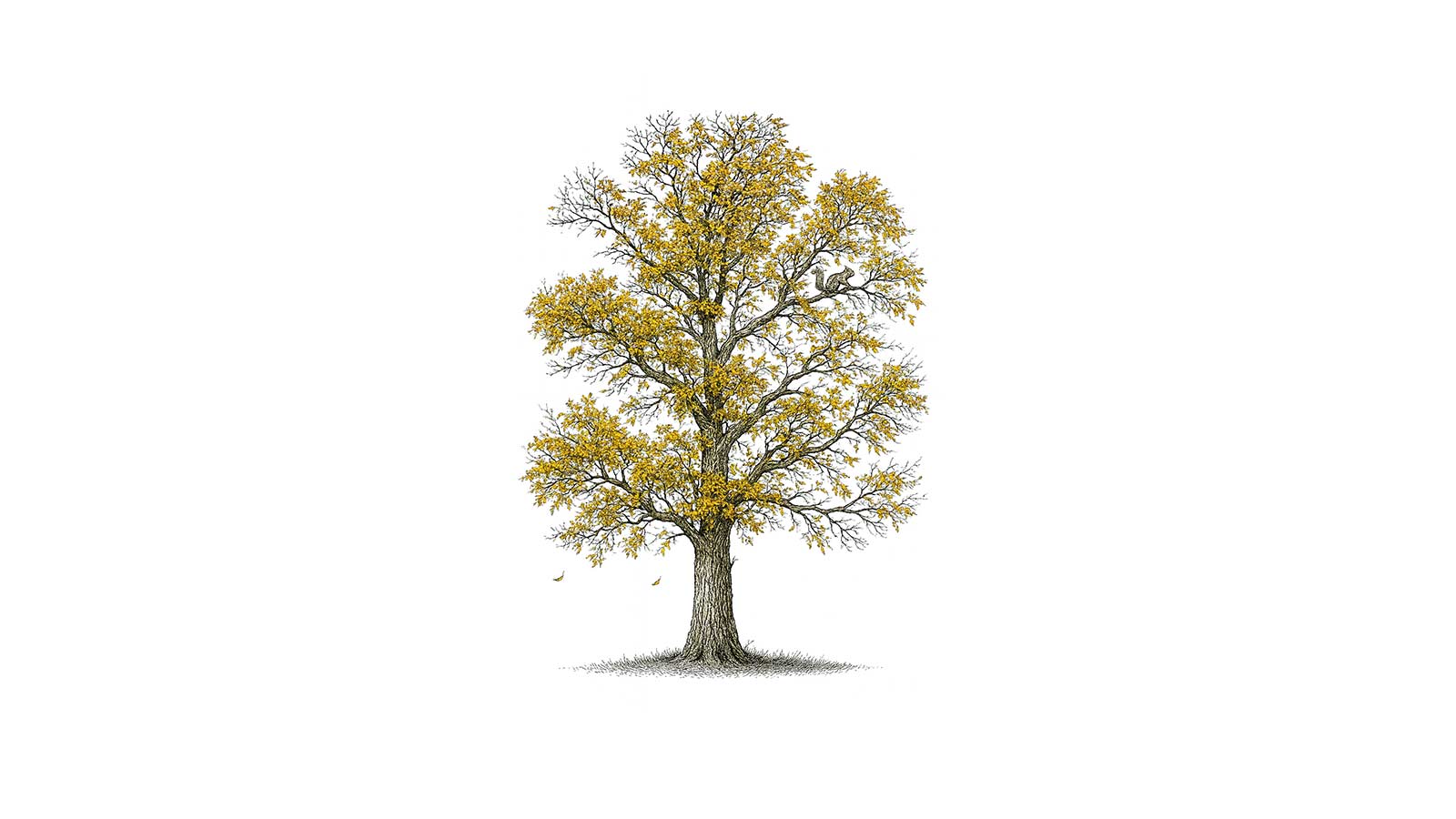
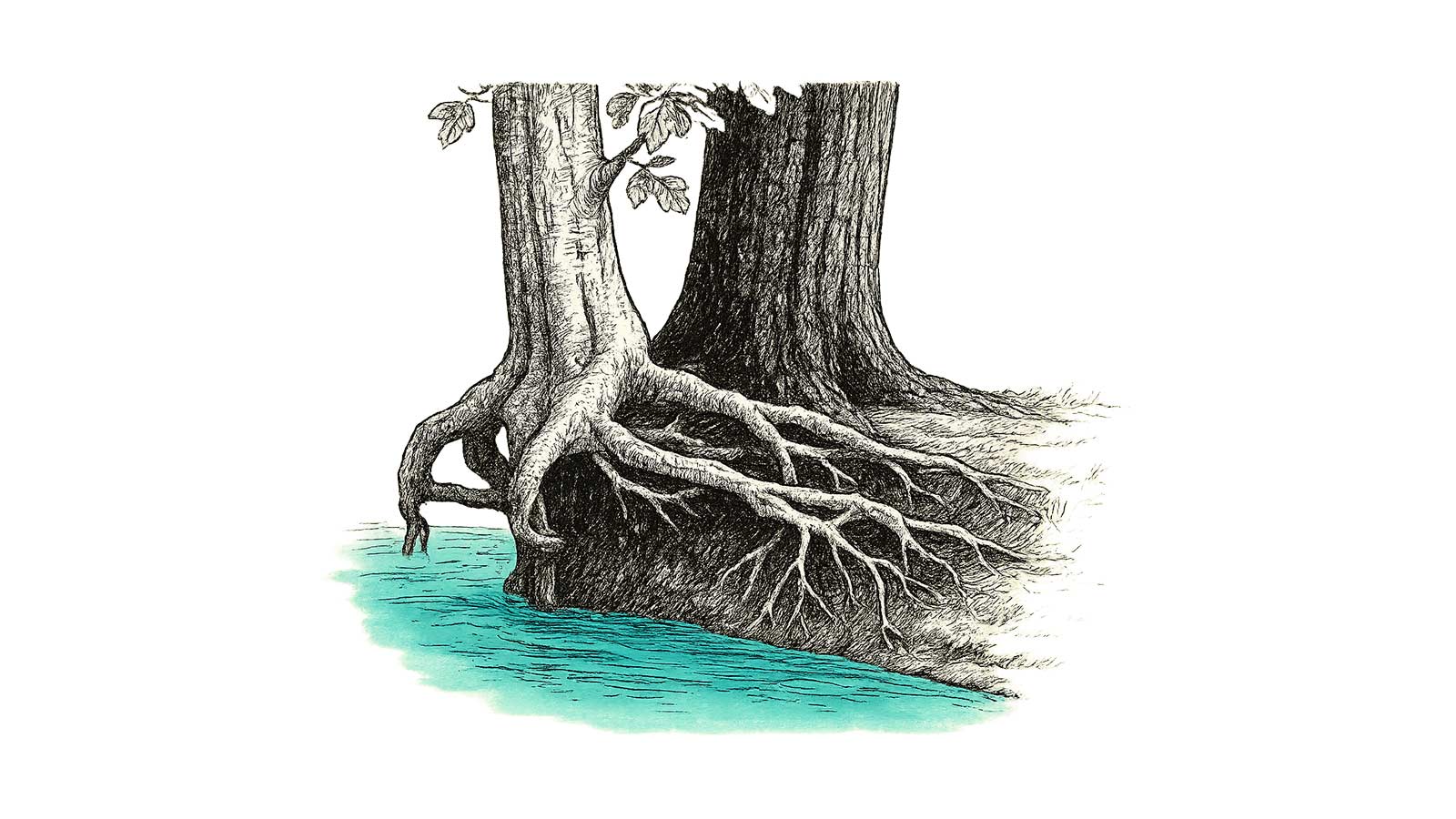
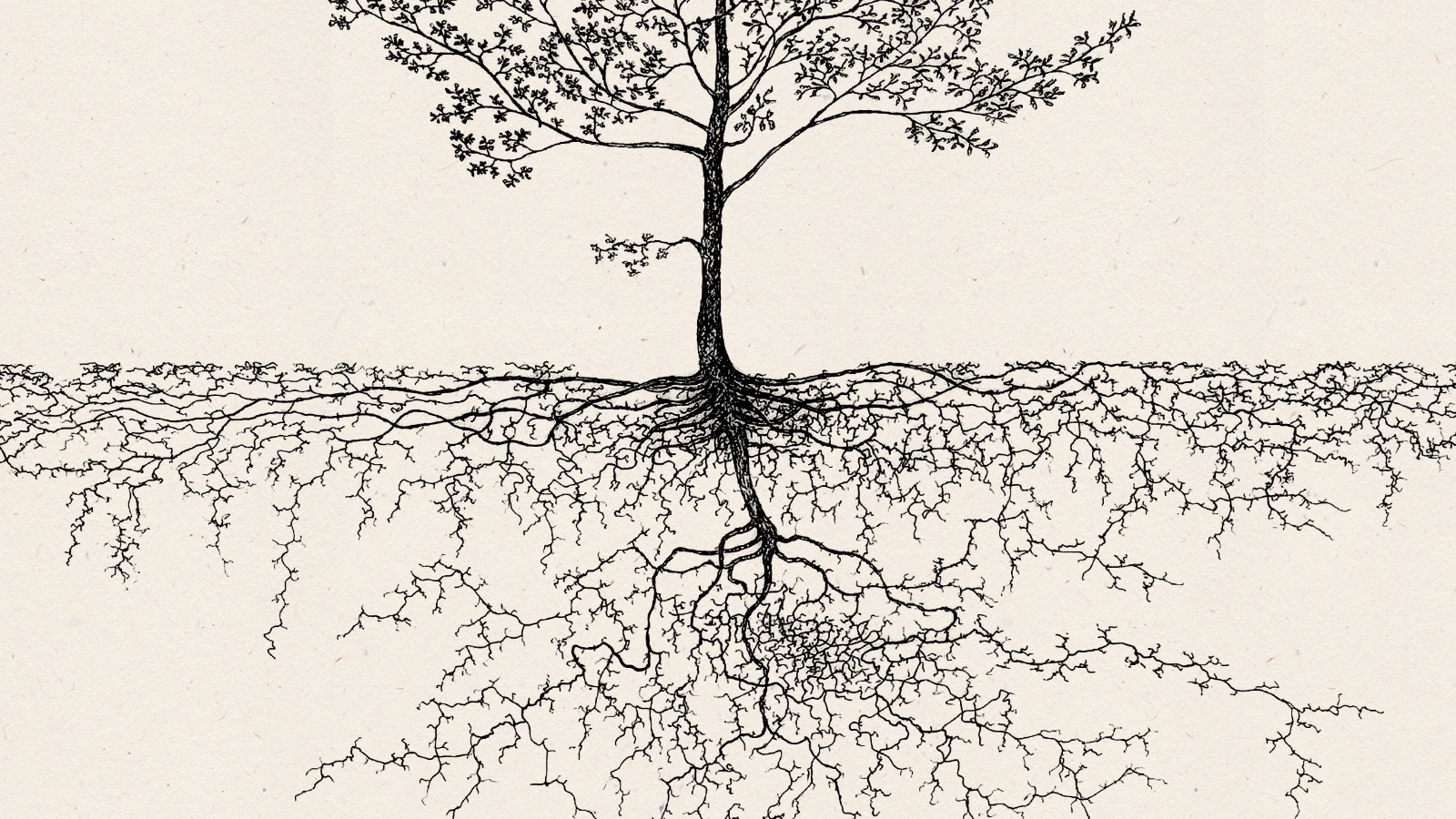
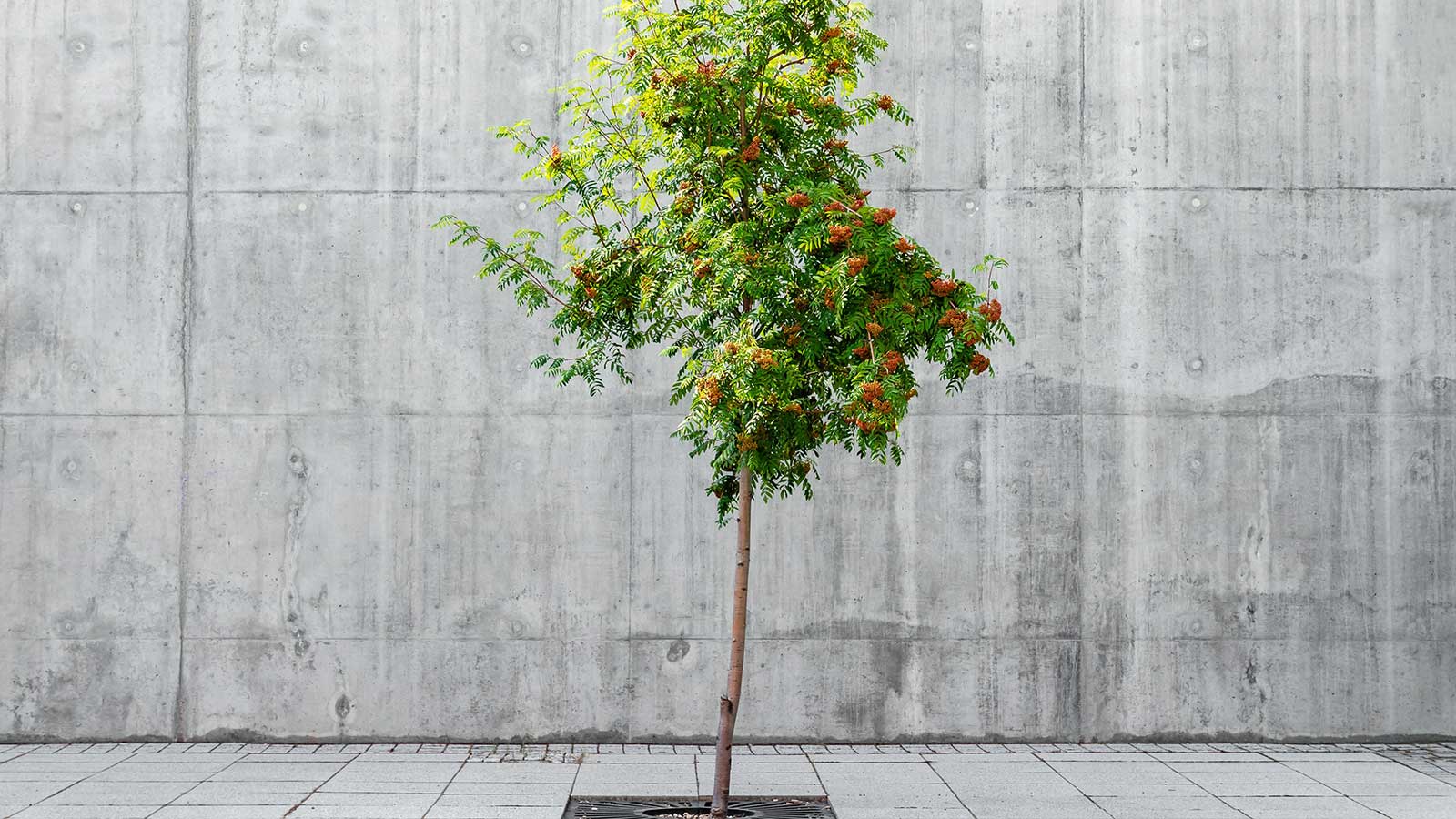
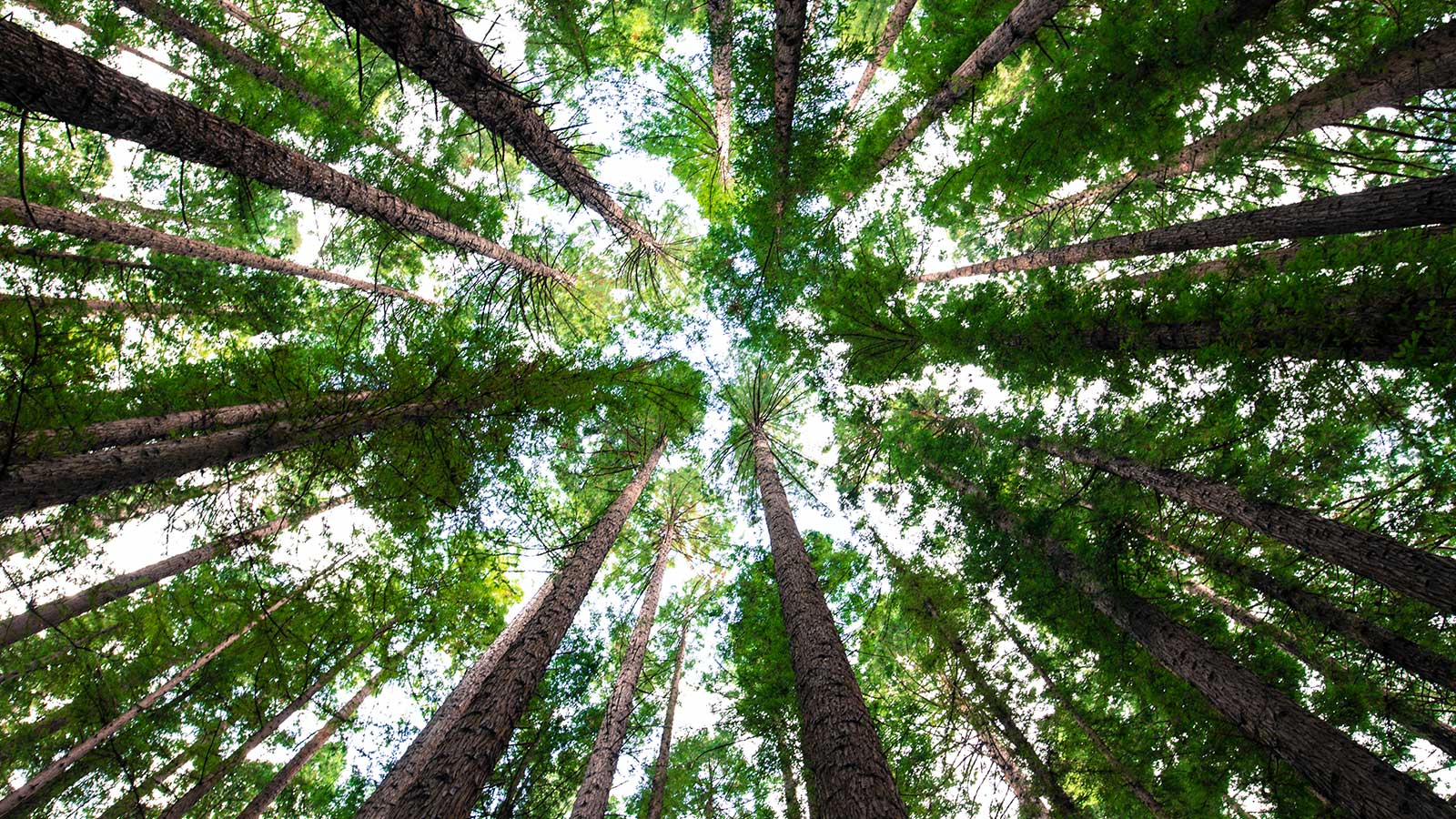
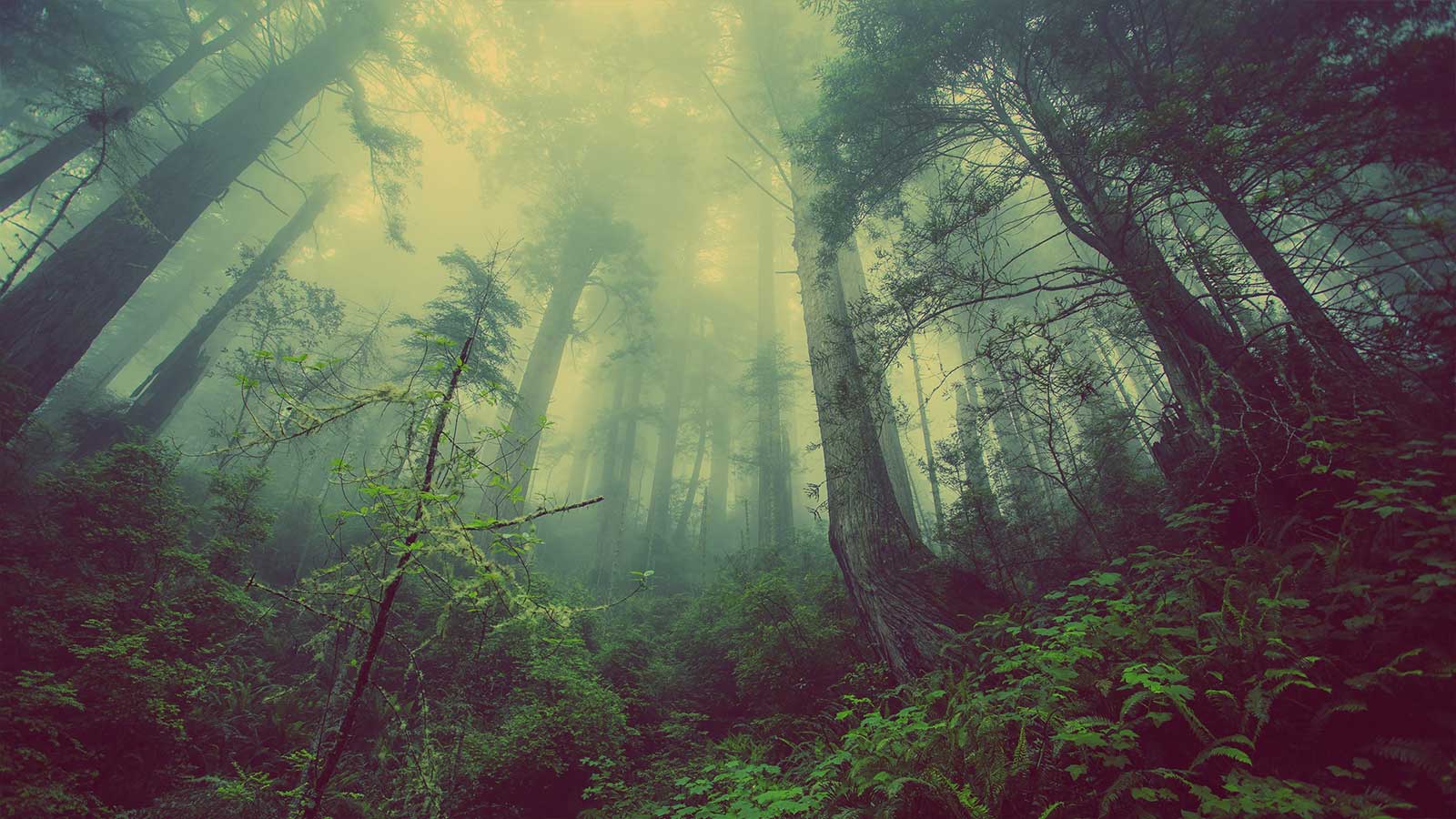
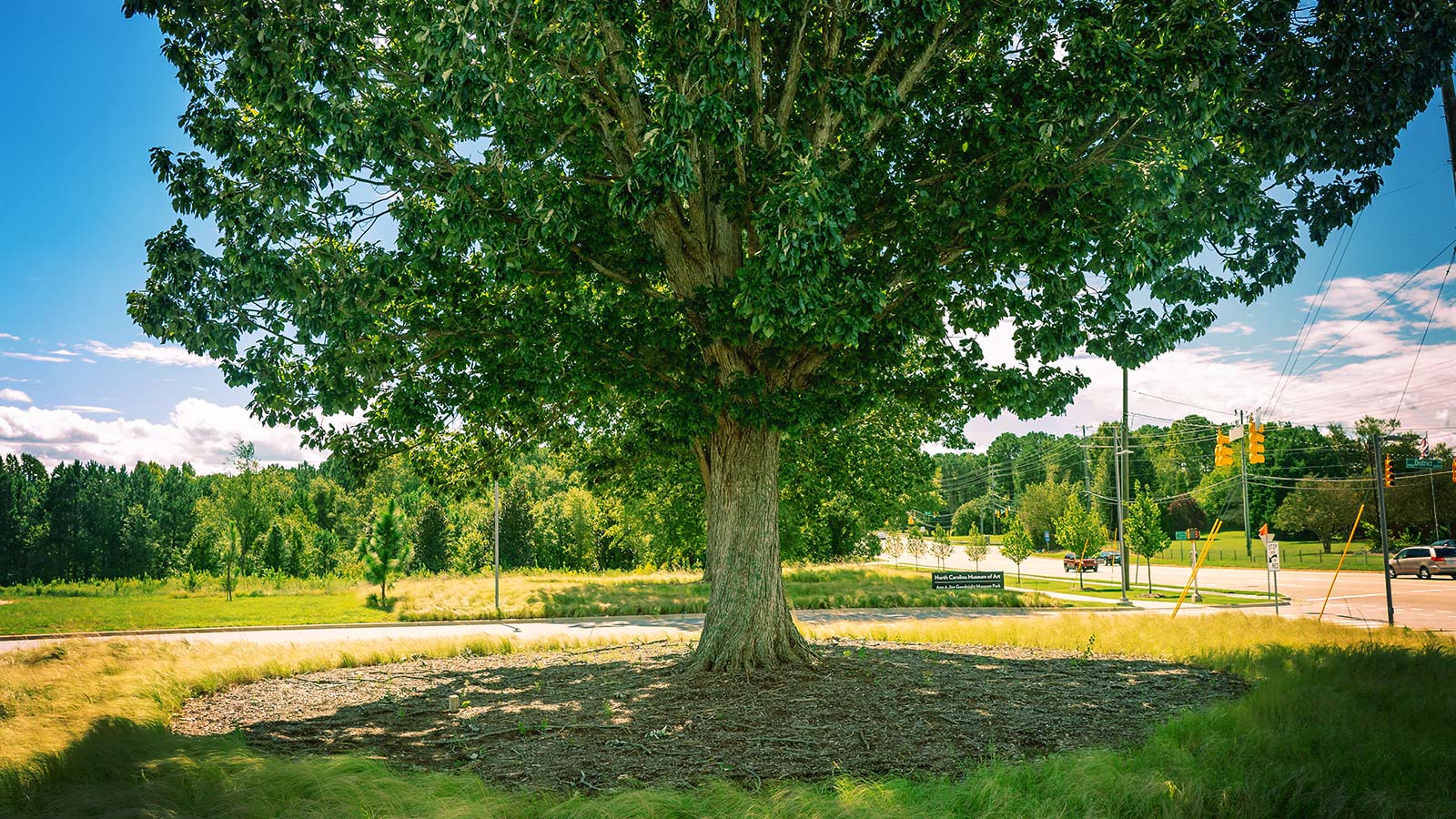
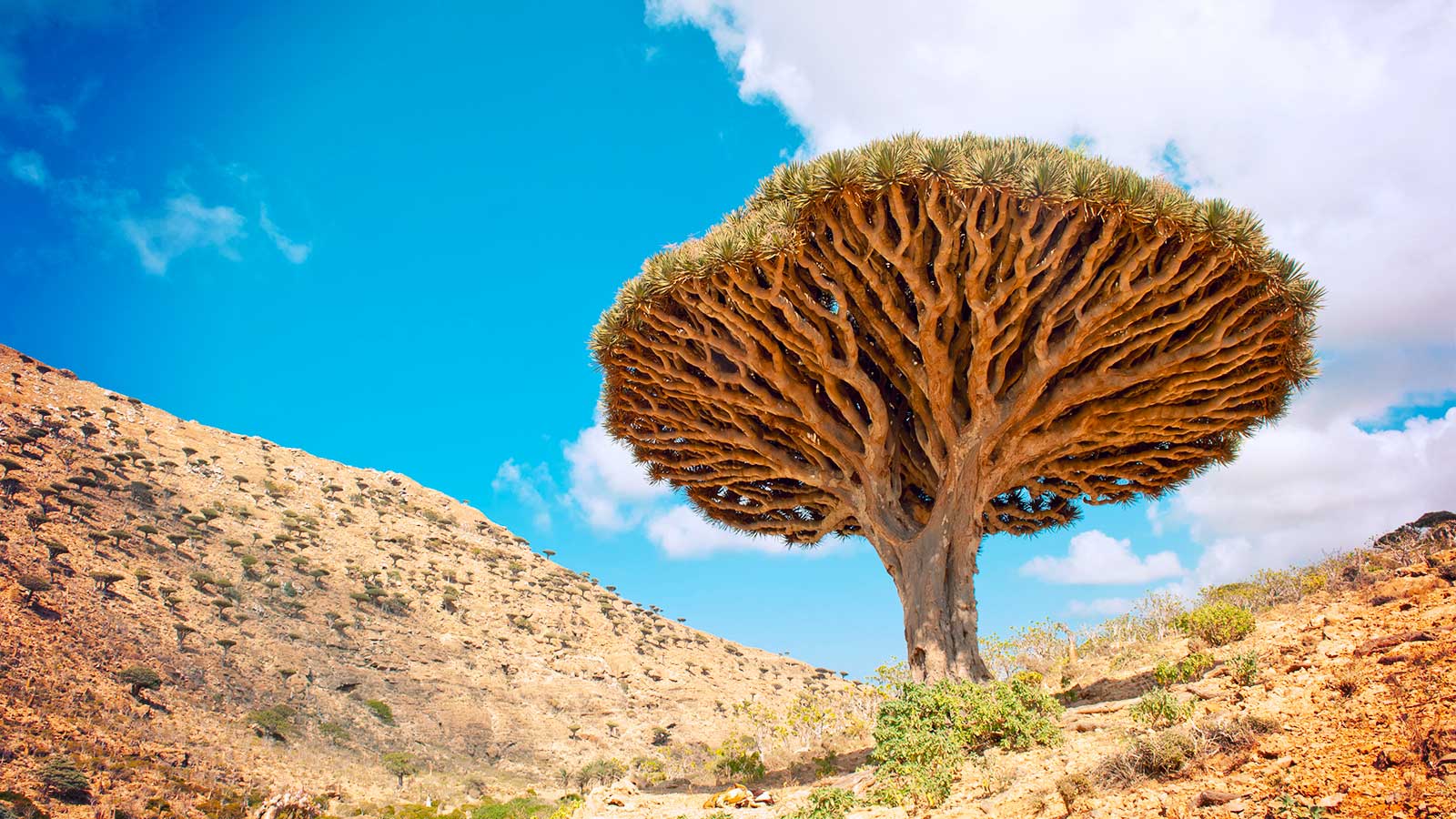
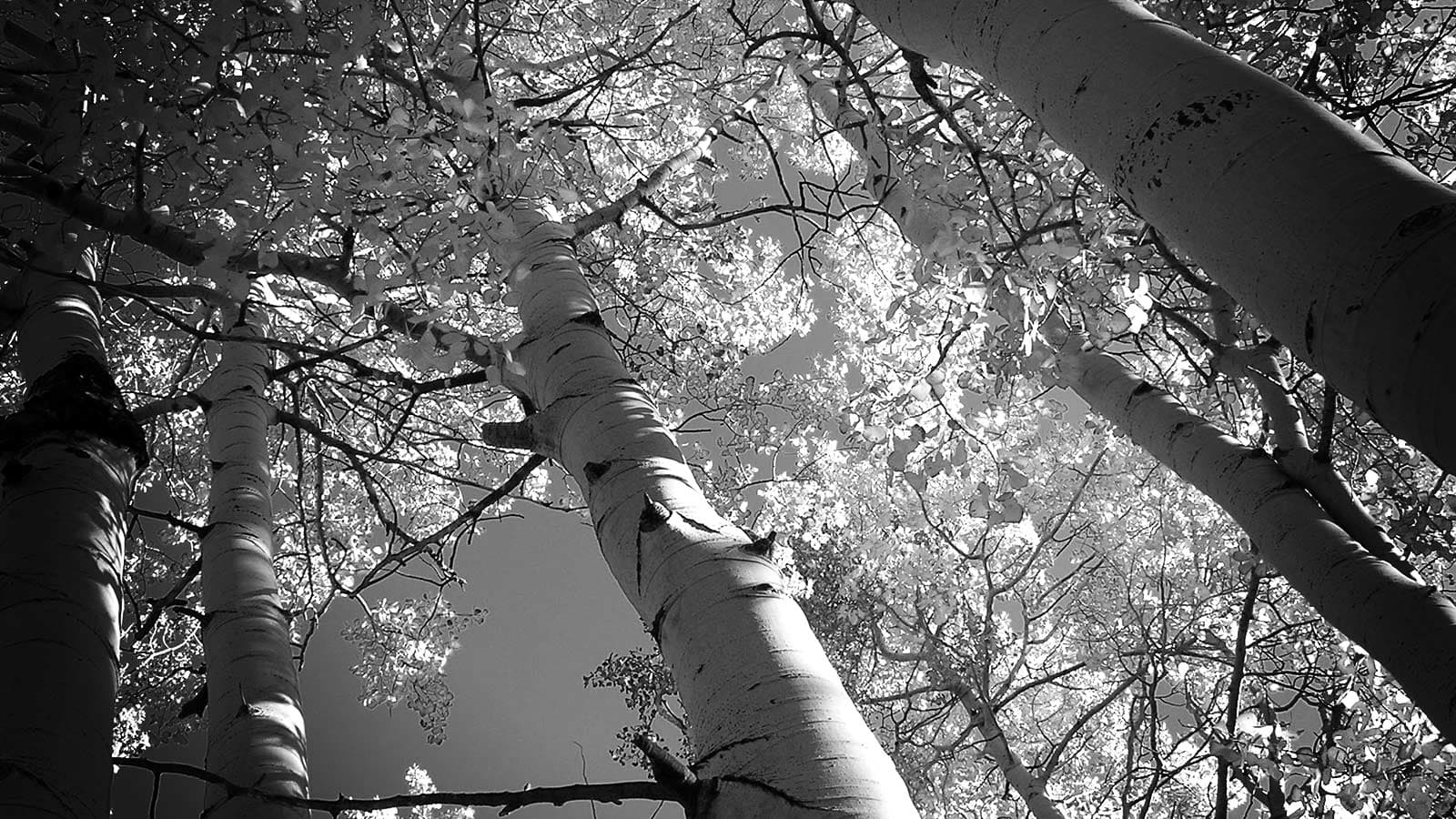
While it's alive, a tree uses powerful energy from the Sun, water, and carbon dioxide from the sky to create food for other life. It freely shares sugar and carbon from its roots and leaves. As it does so, it provides the backbone for terrestrial life, which either eats leaves or eats something that eats leaves. This life creates complex systems that produce rich soil, abundant fresh water, and securely hold CO2 within a living layer of Earth.
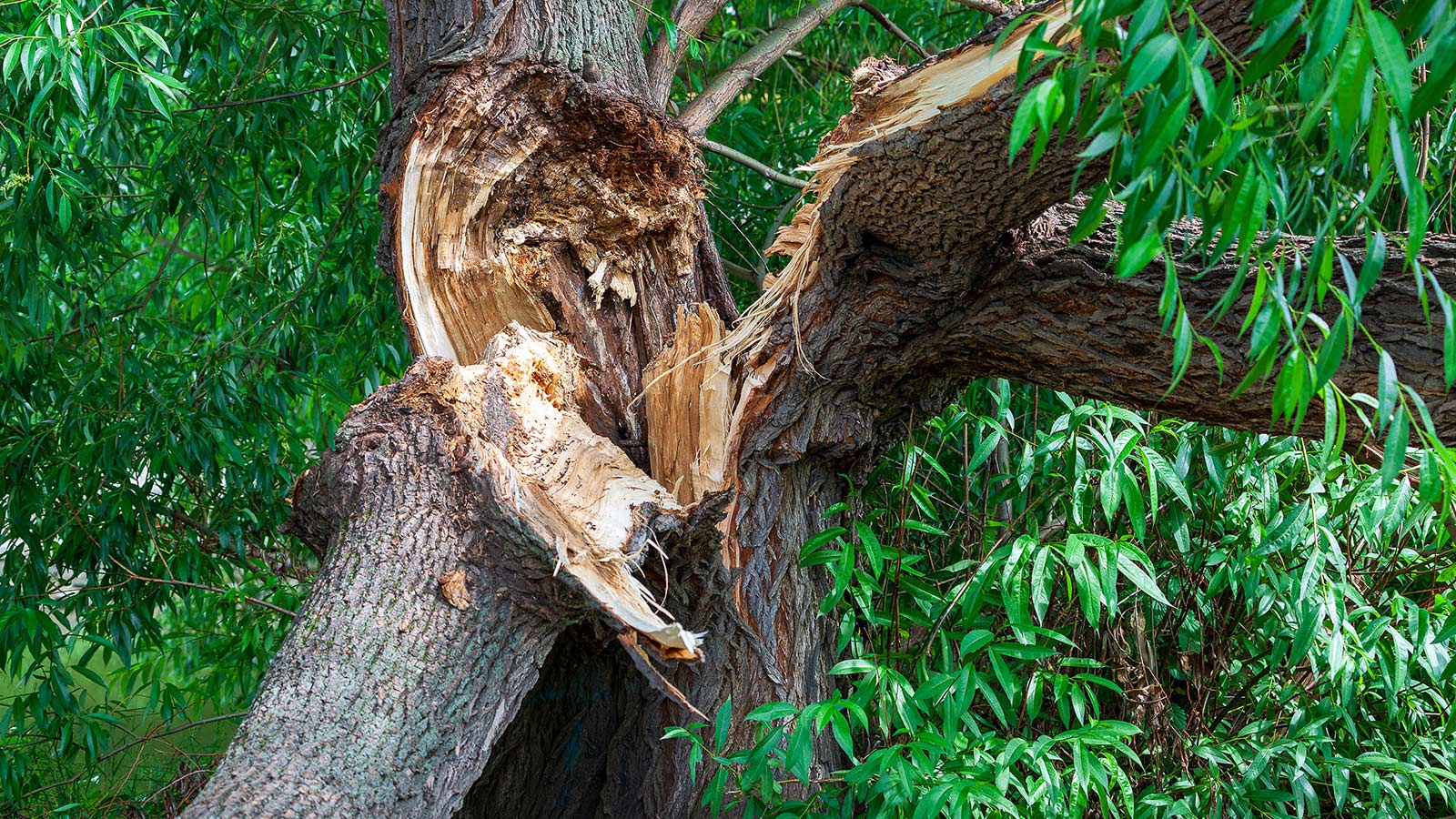
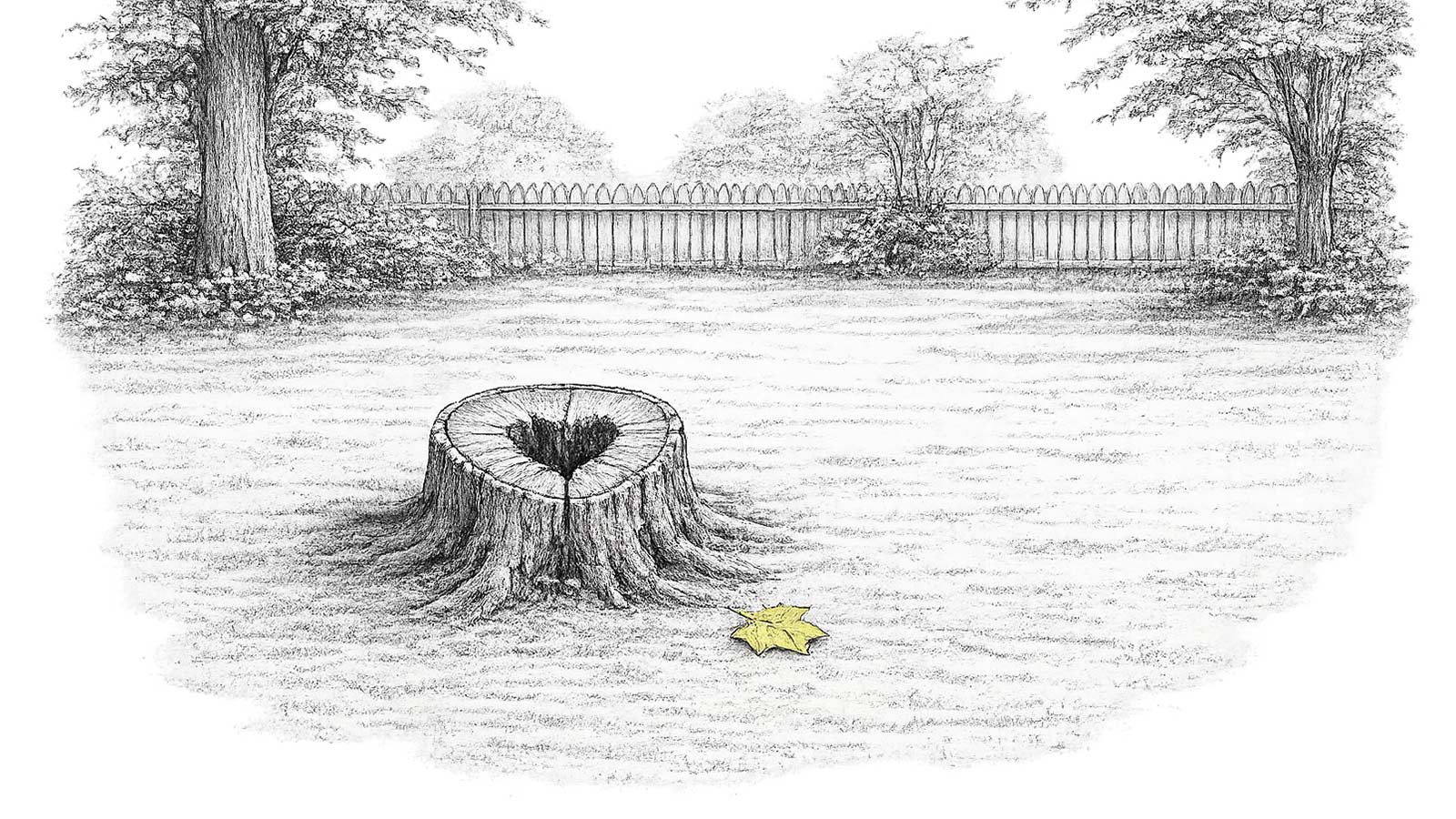
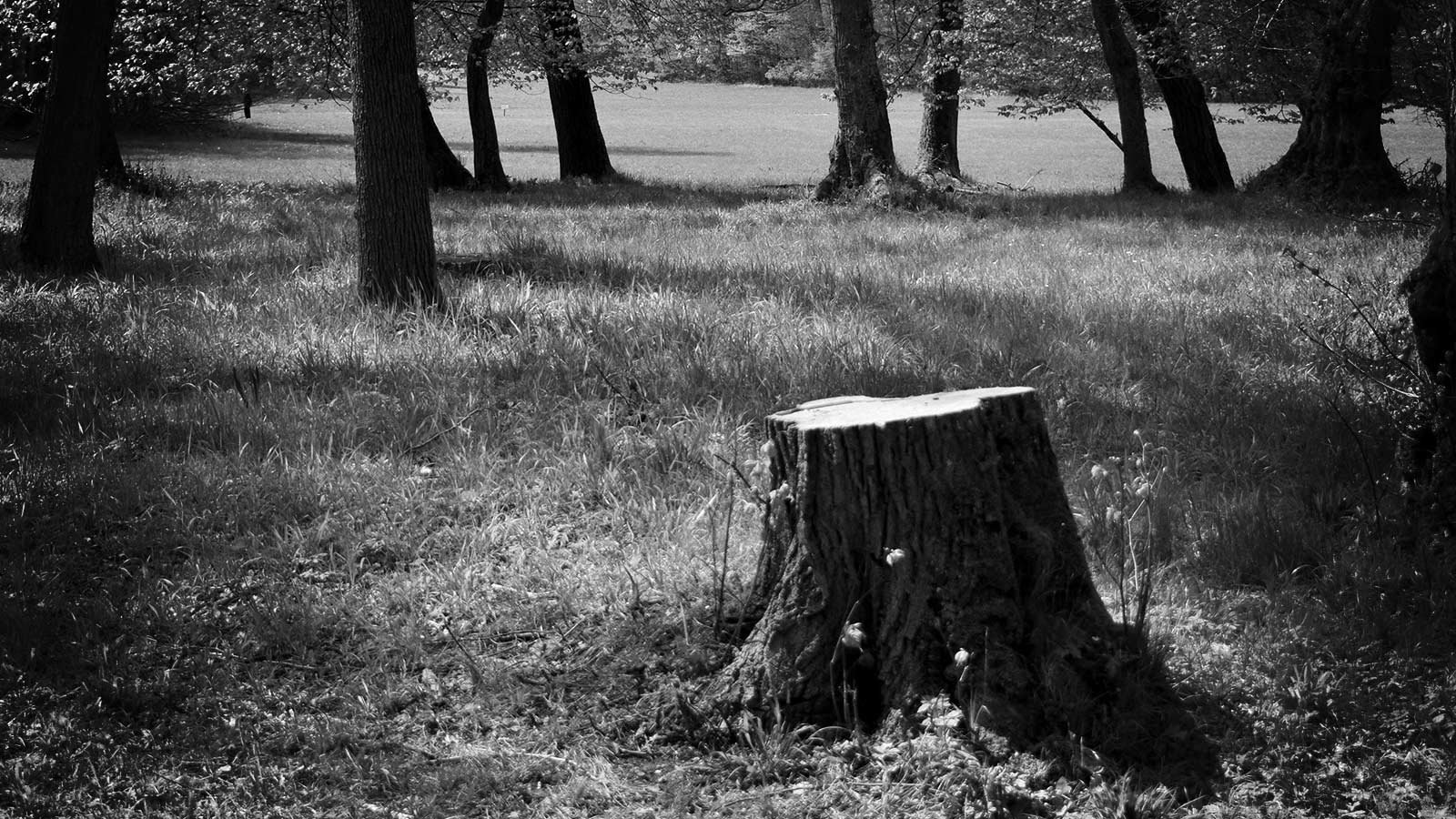
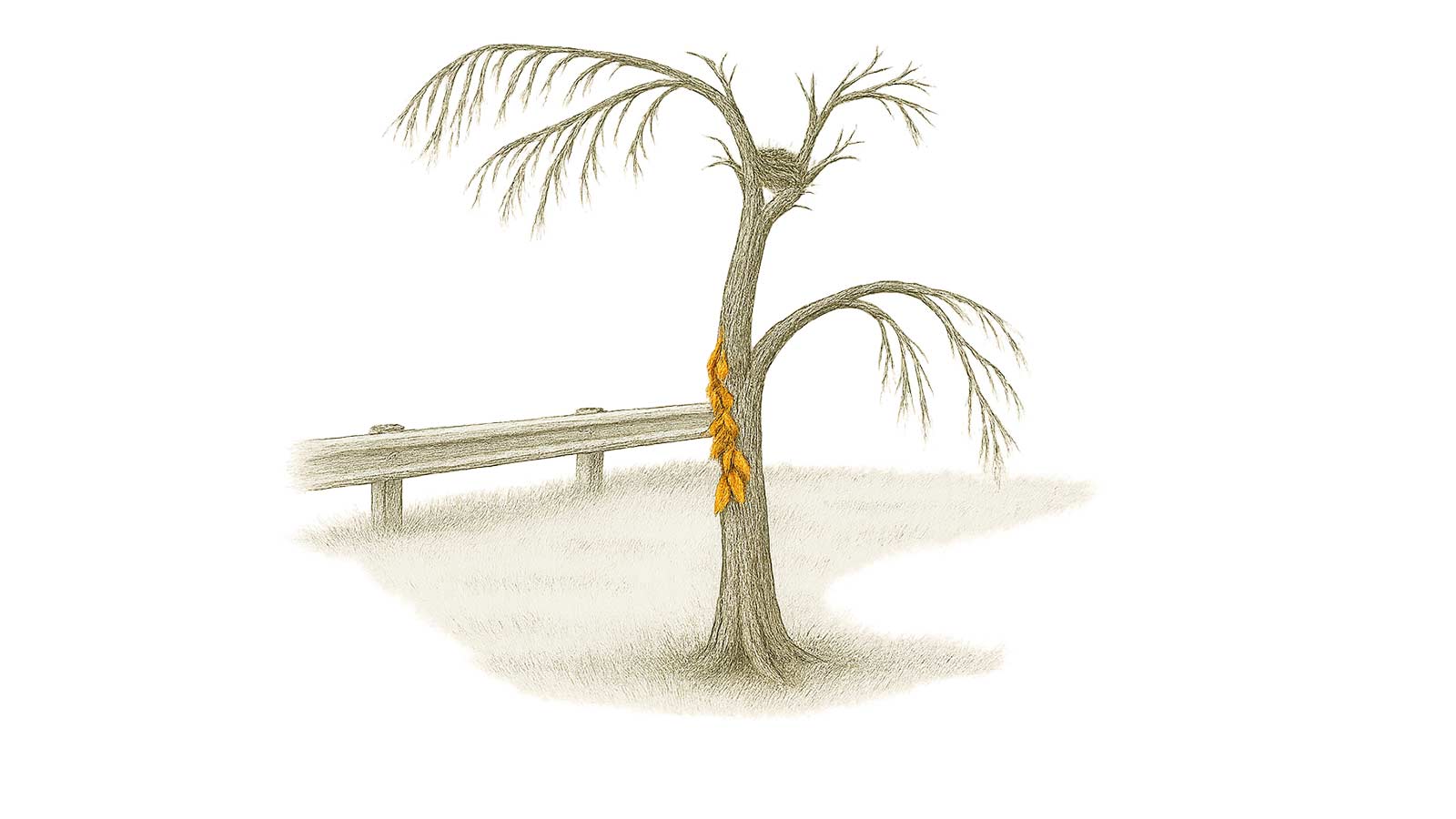
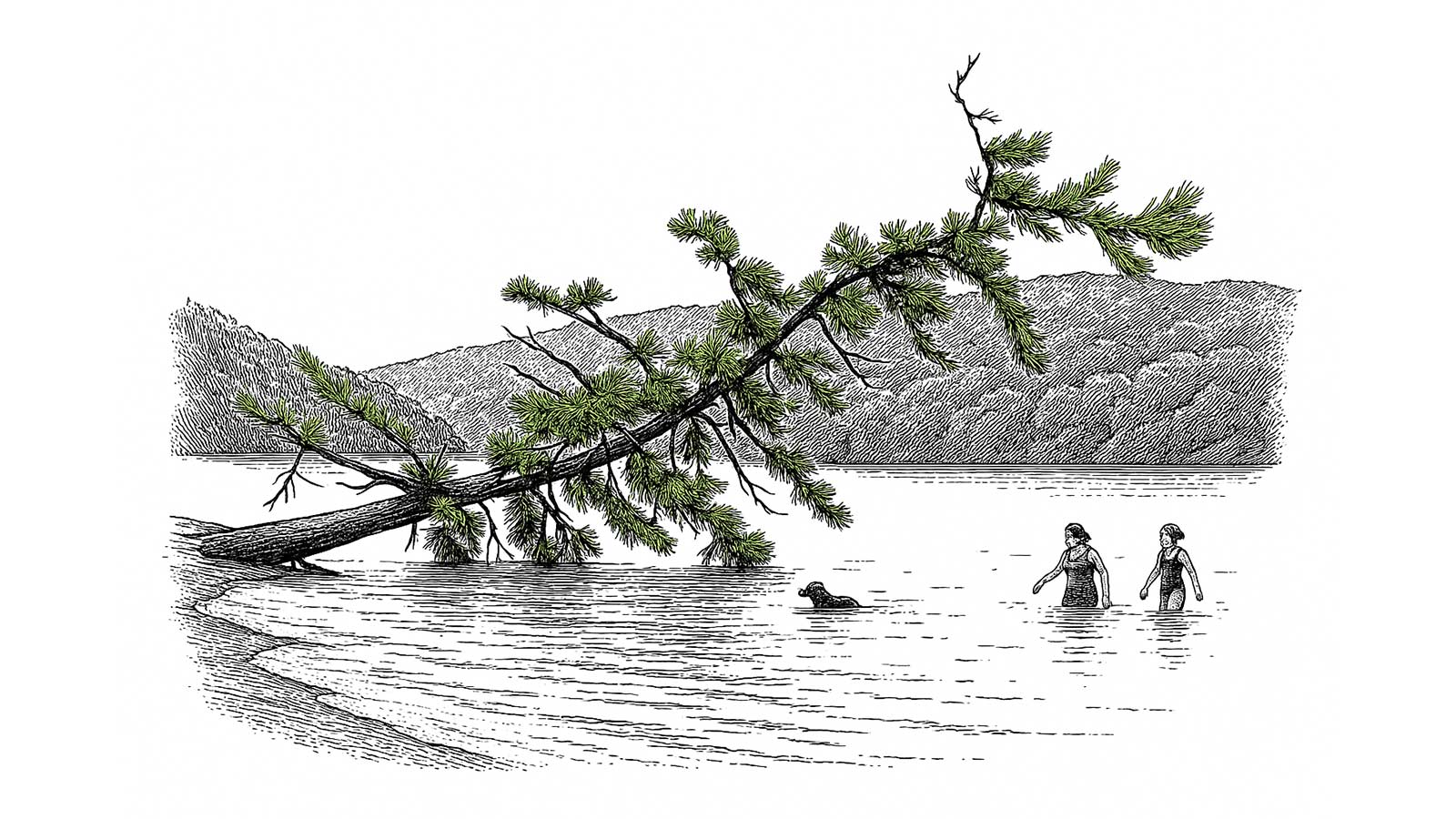
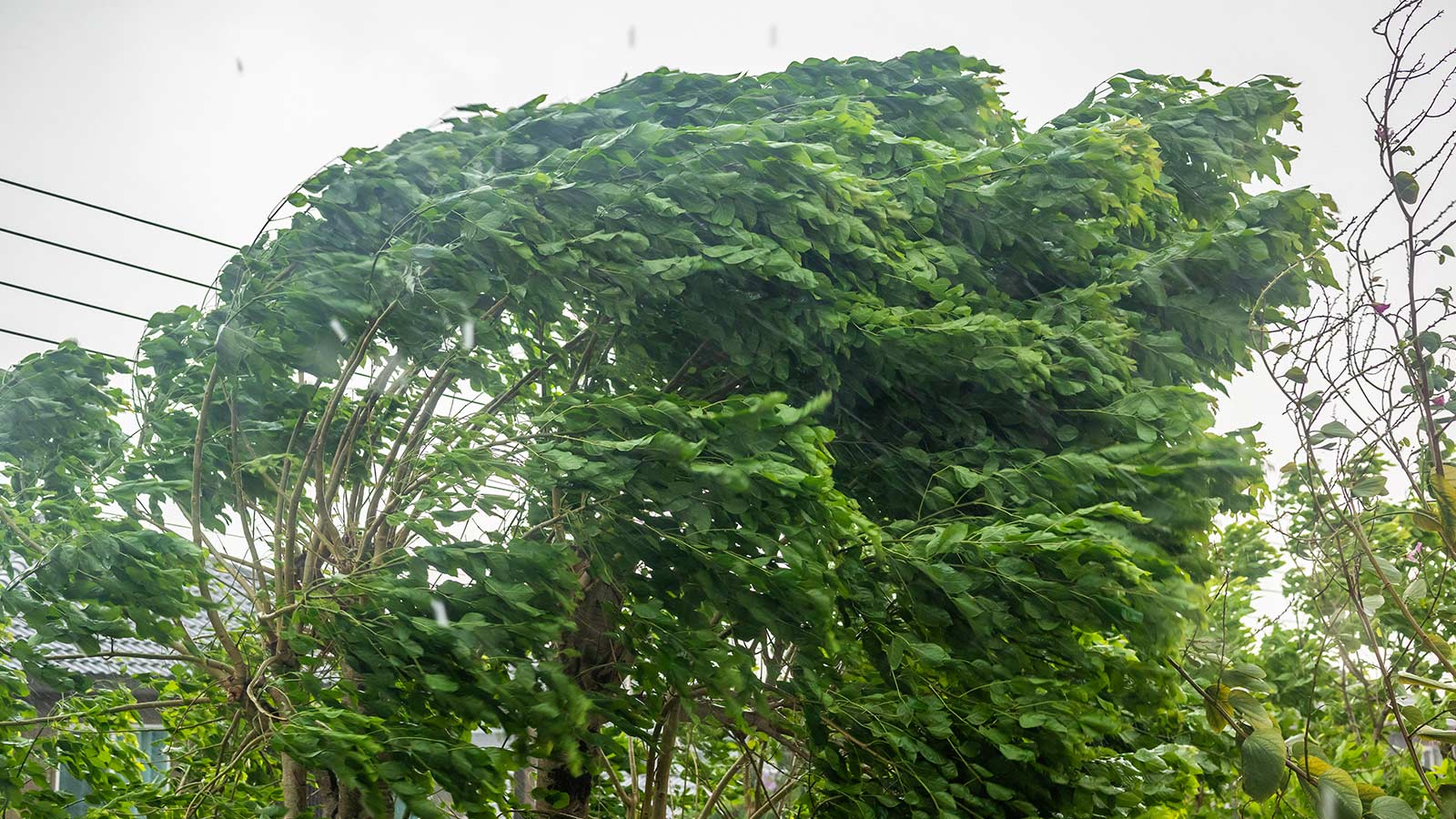
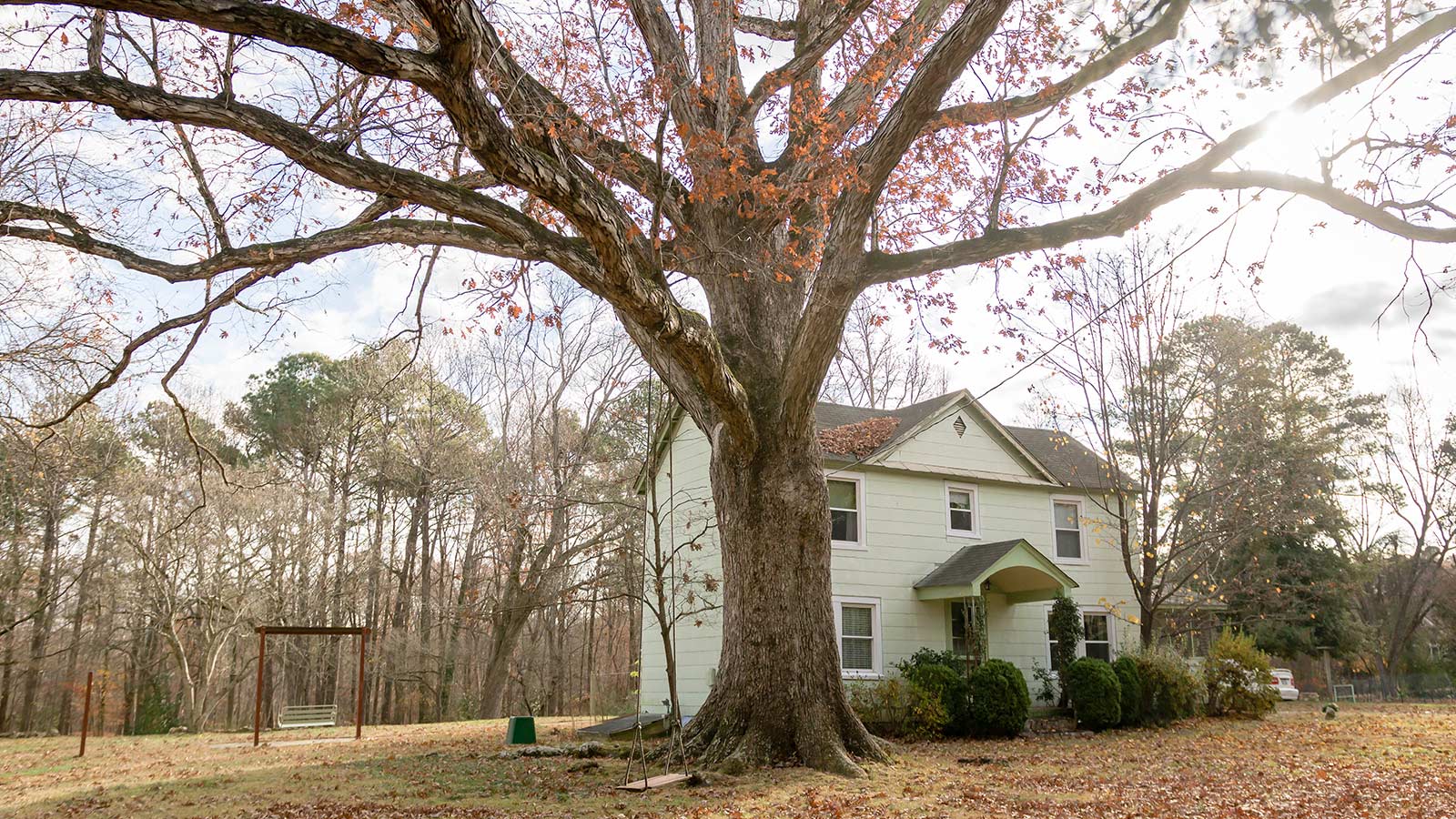
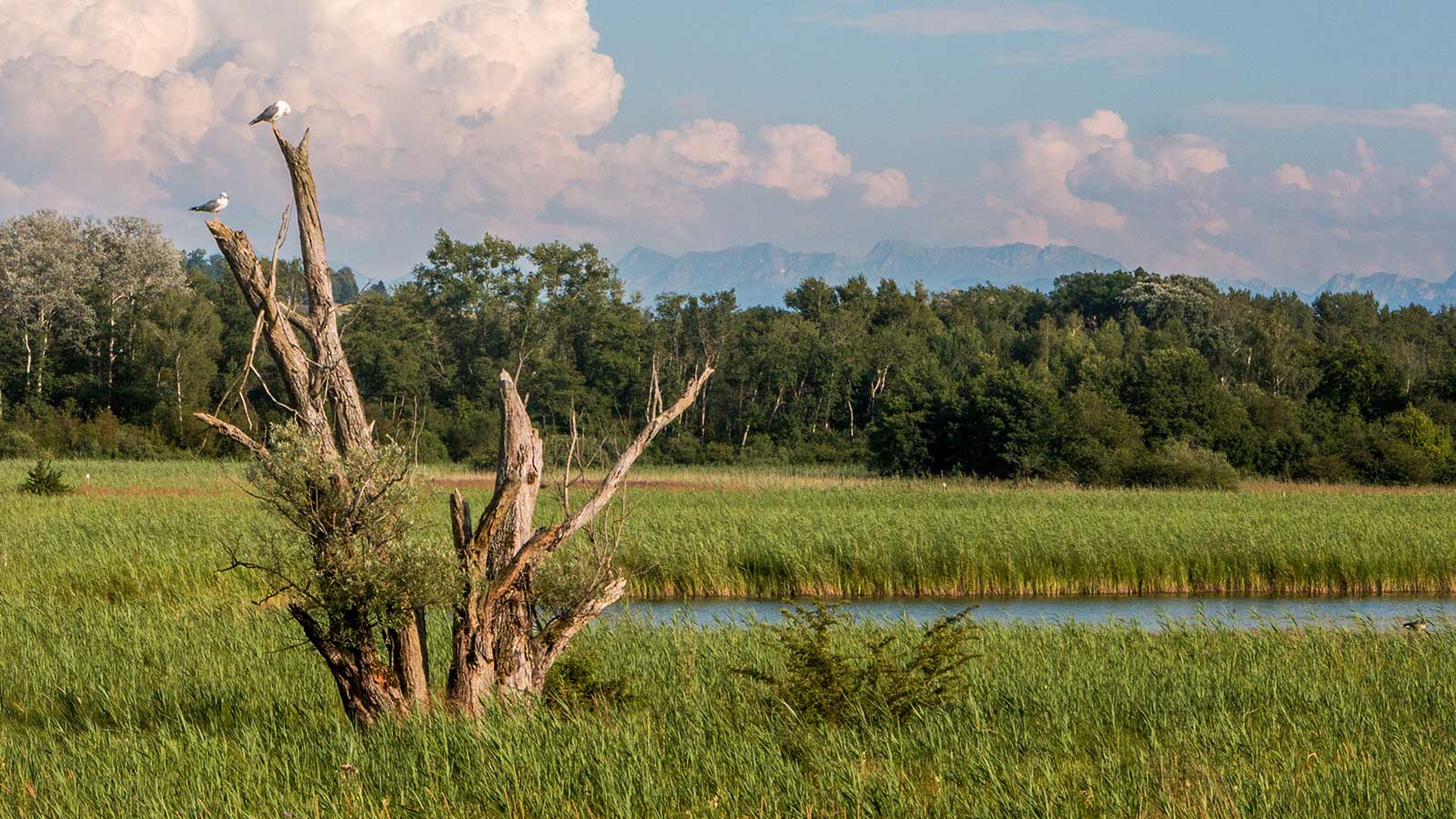
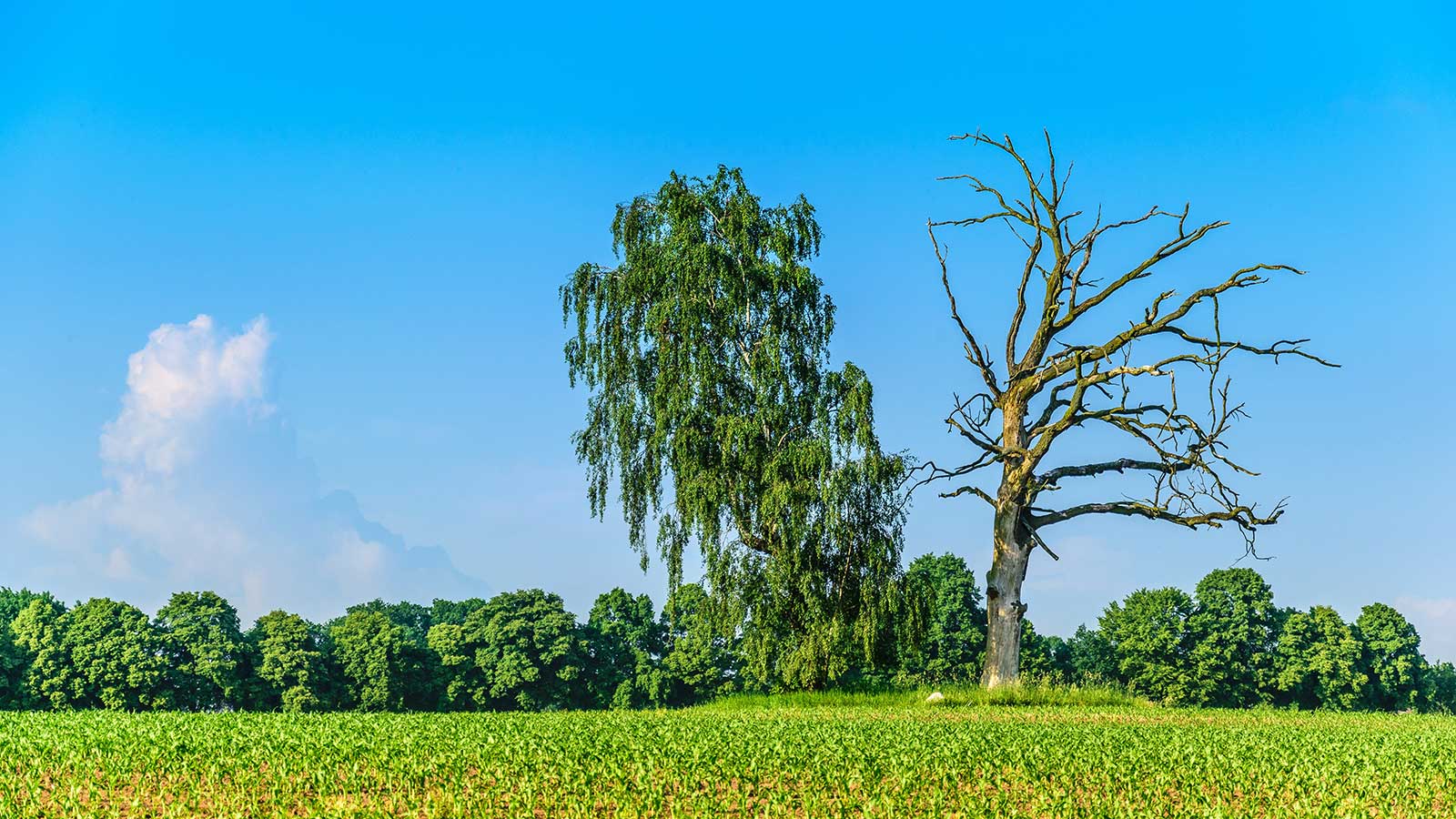
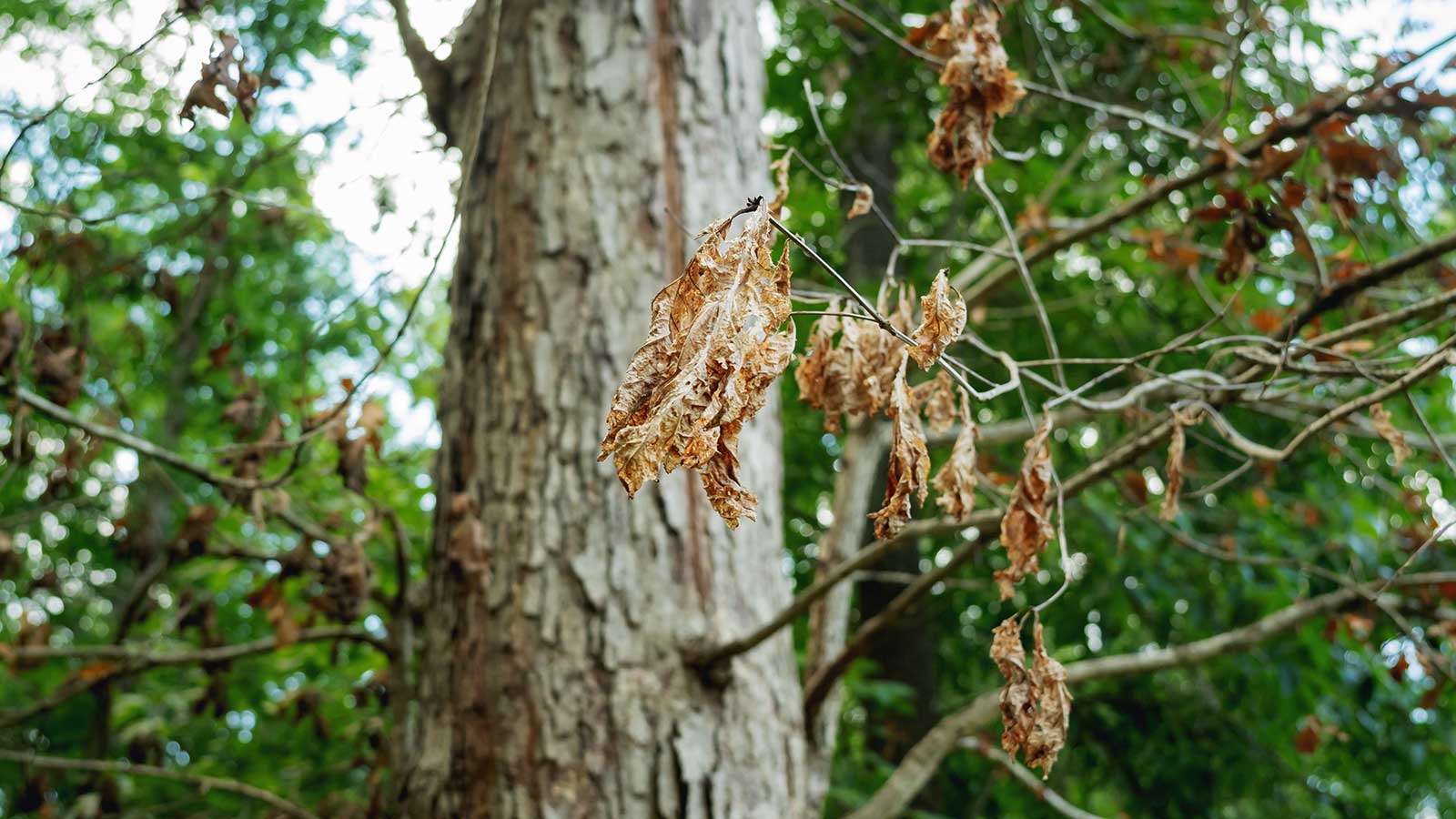
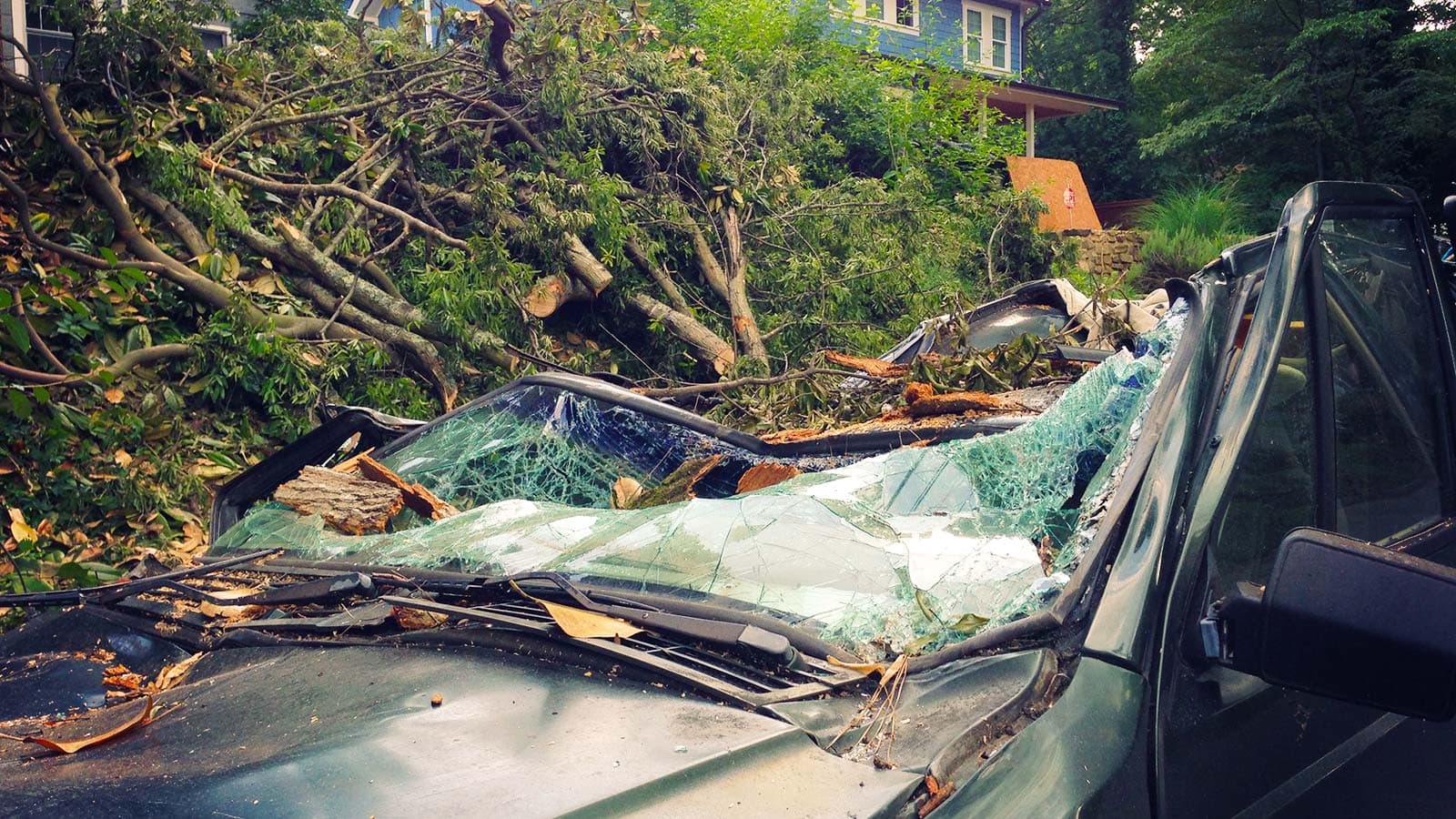
And then it happens. Perhaps a violent storm blows through, or lightning causes irreparable harm. The tree dies. The birds, insects, and moss that once called this tree home move on or pass away. What is seemingly the low point for this community of life becomes the start of an incredible new community, one centered on a dead tree.
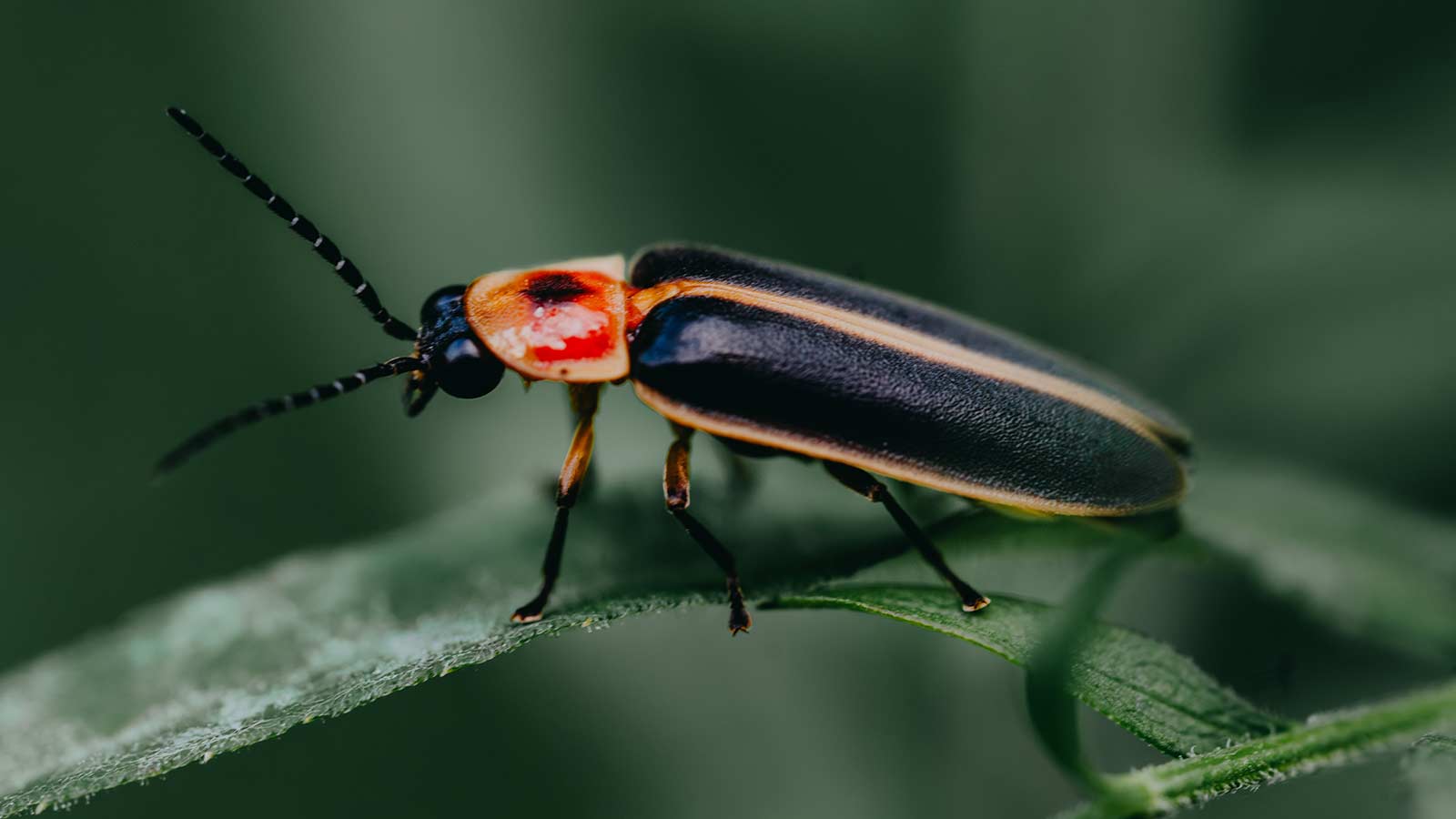
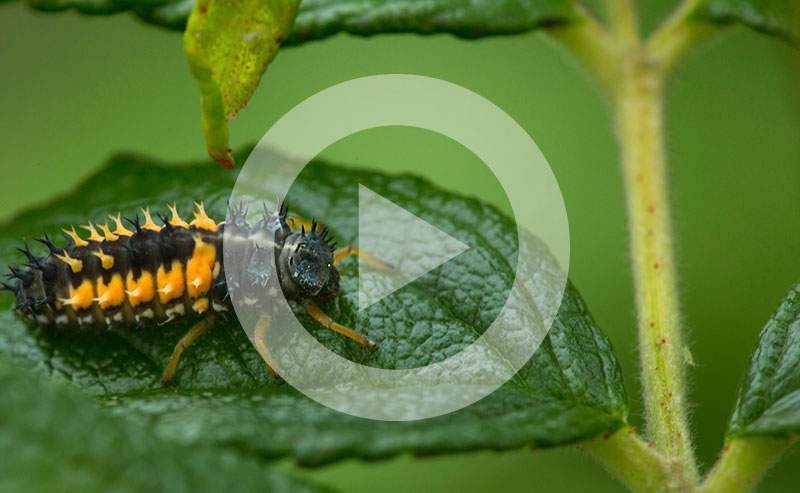
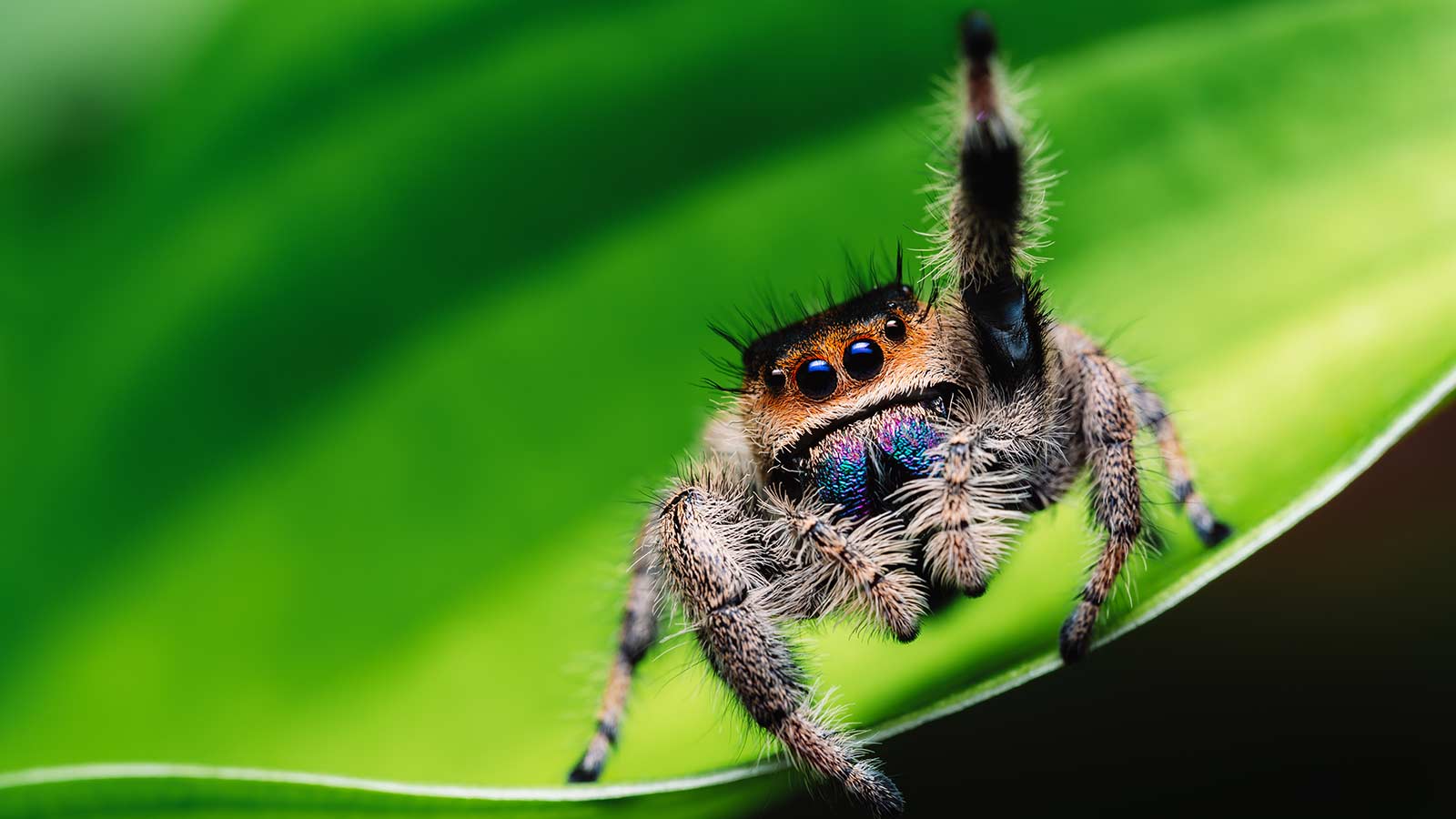
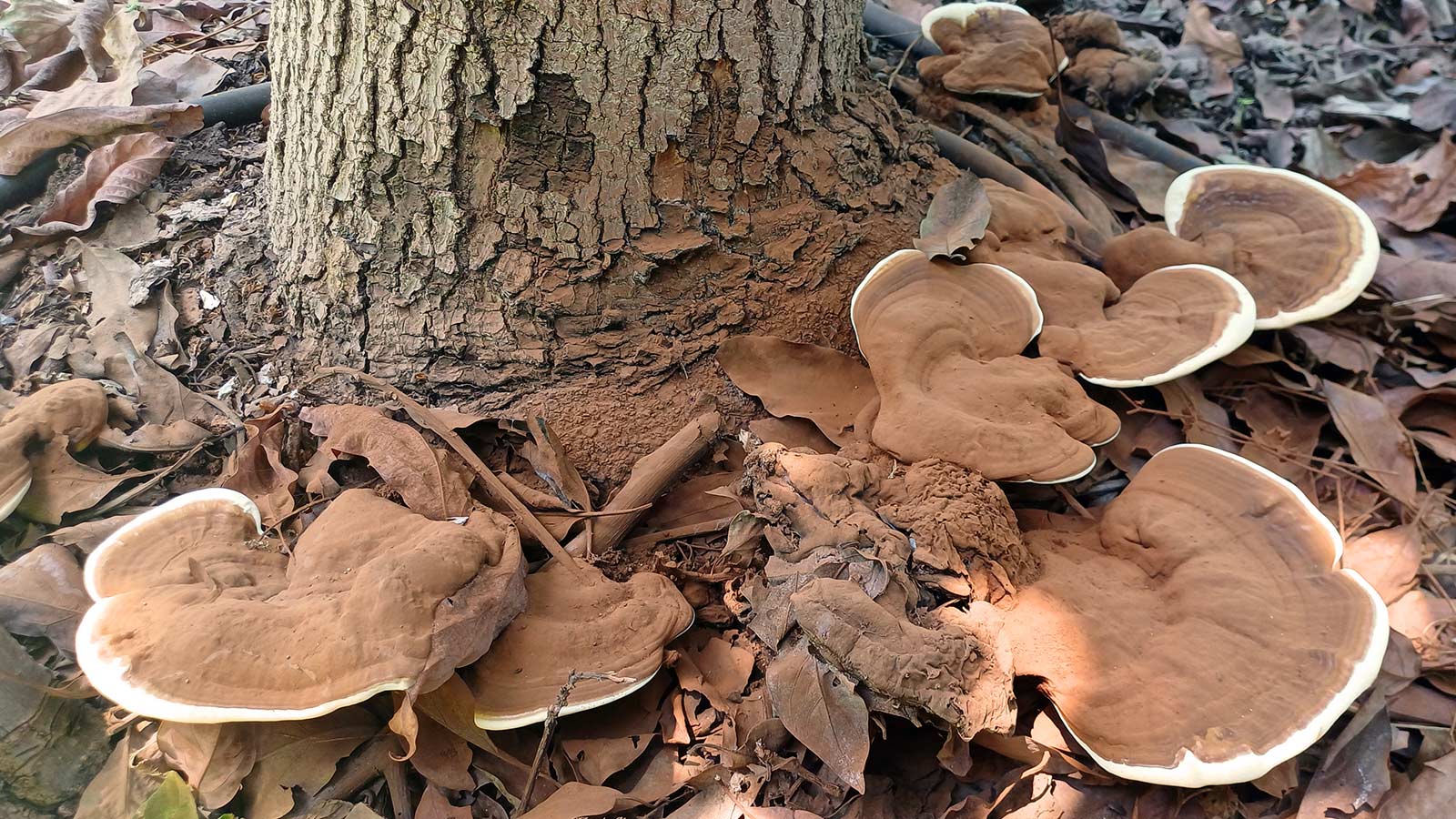
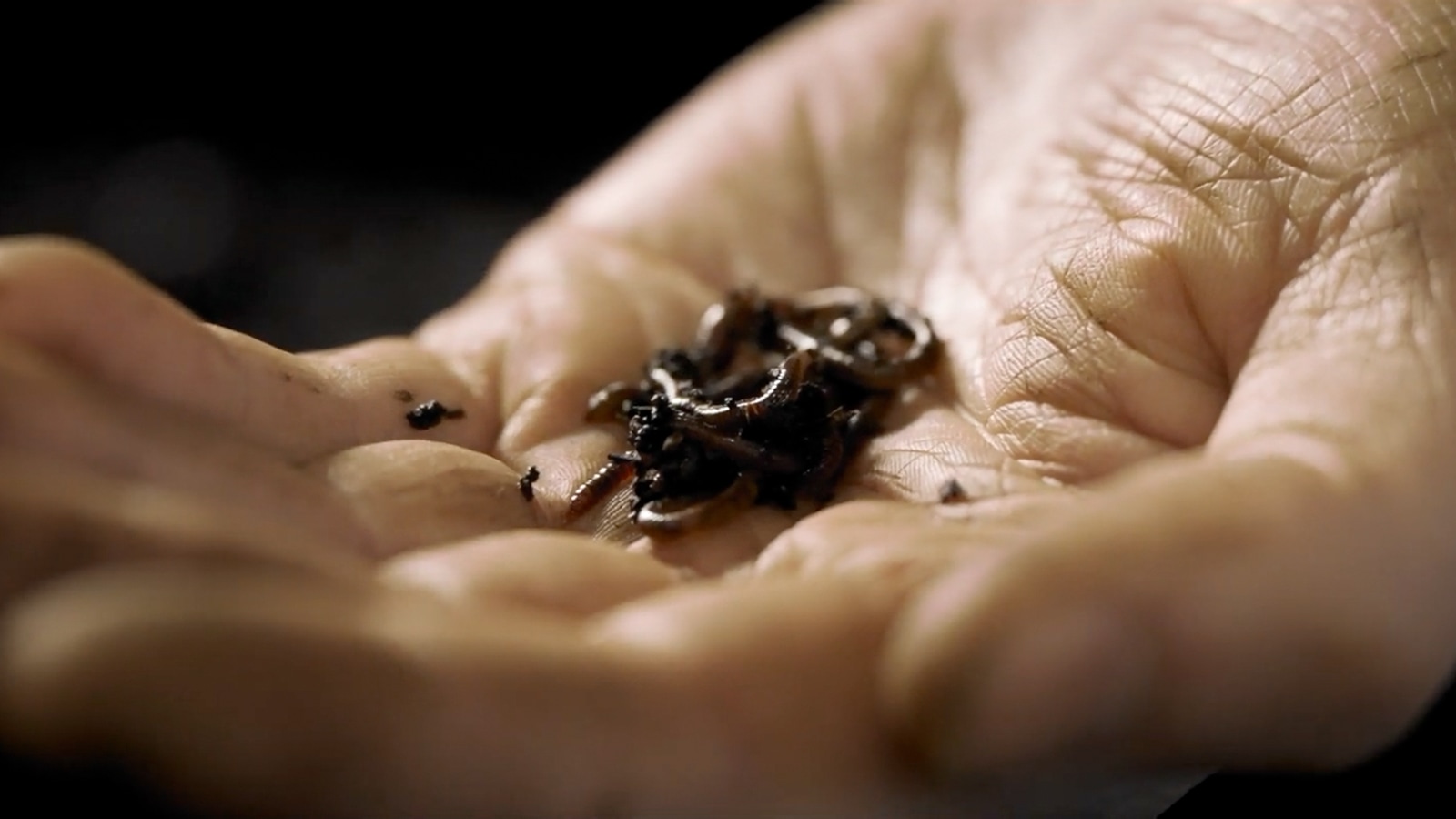
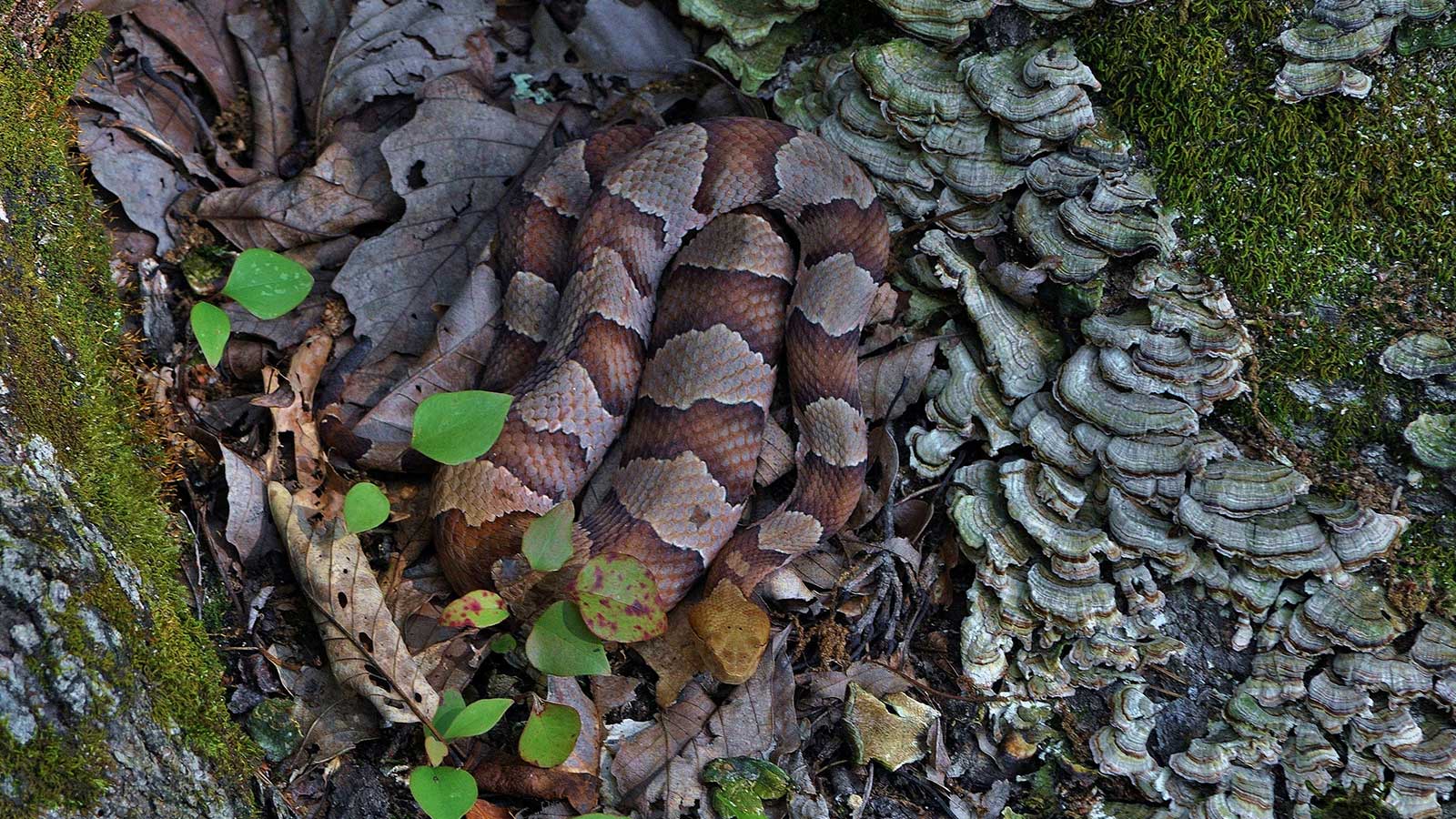
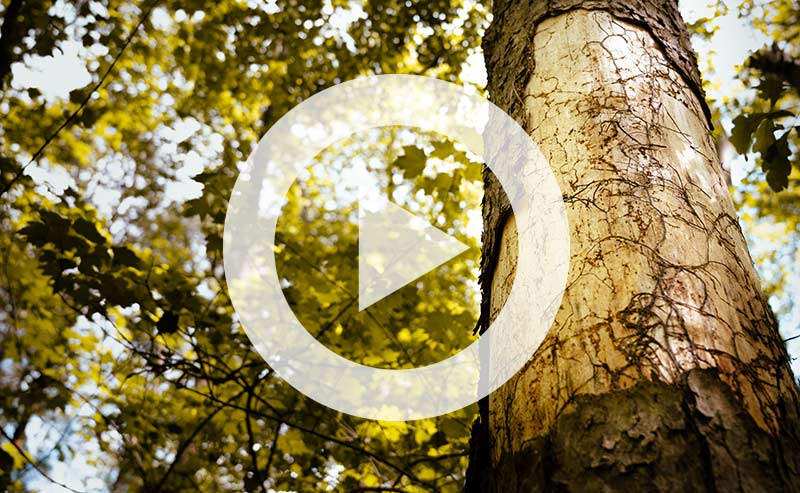
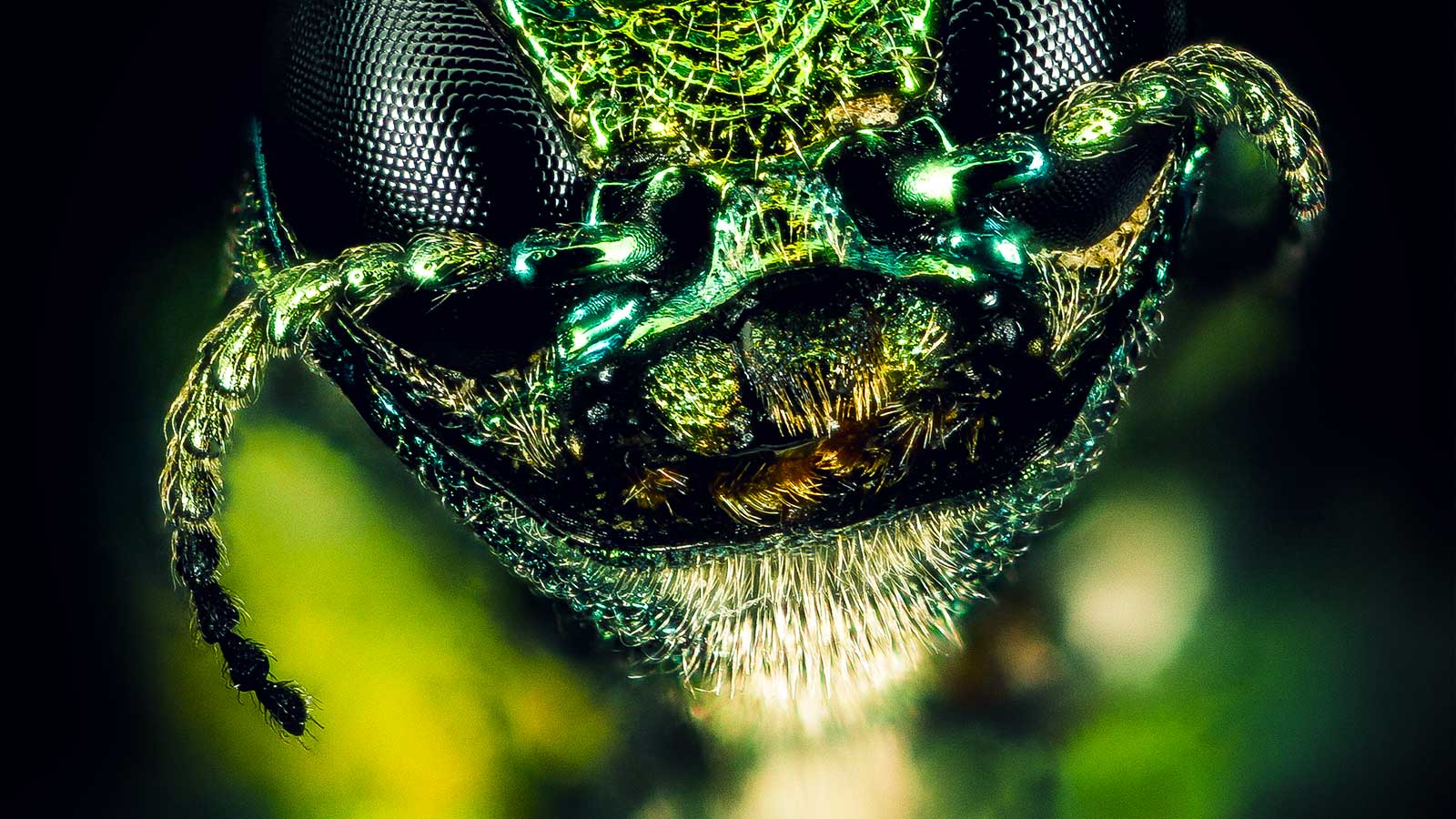
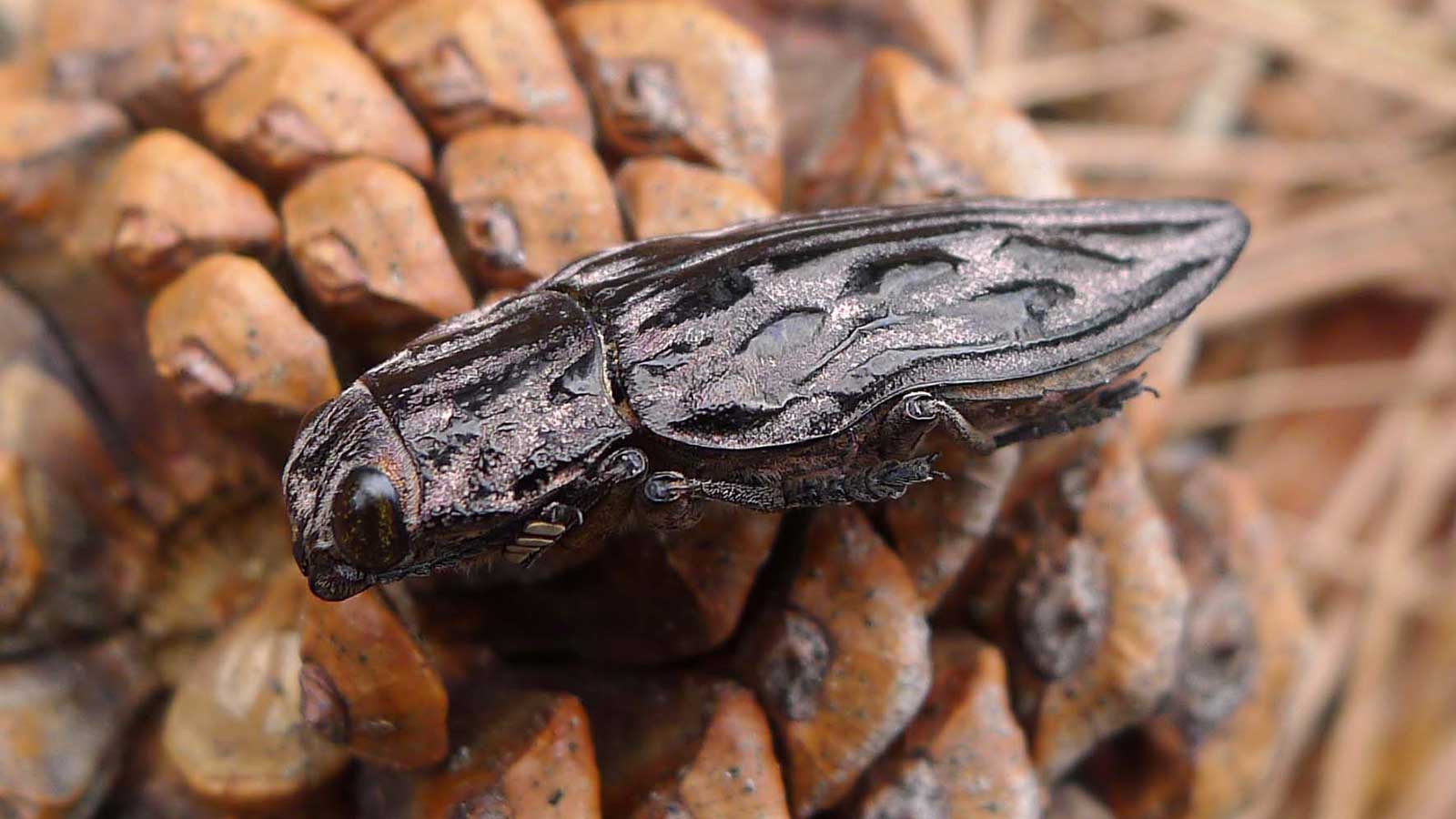
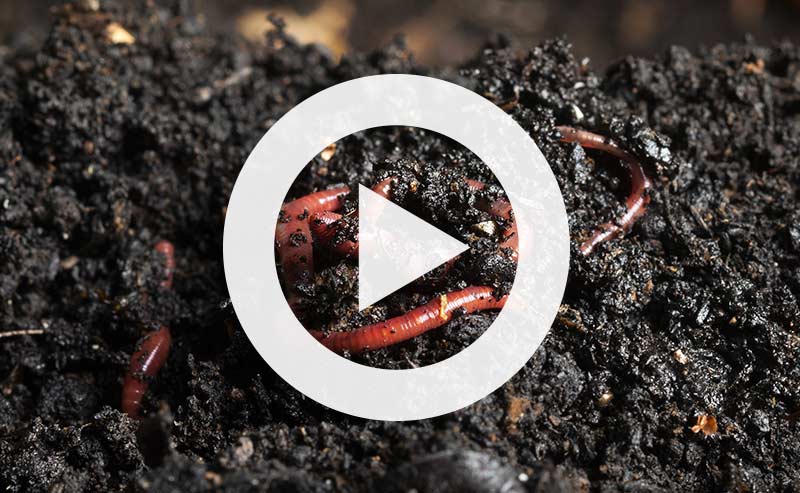
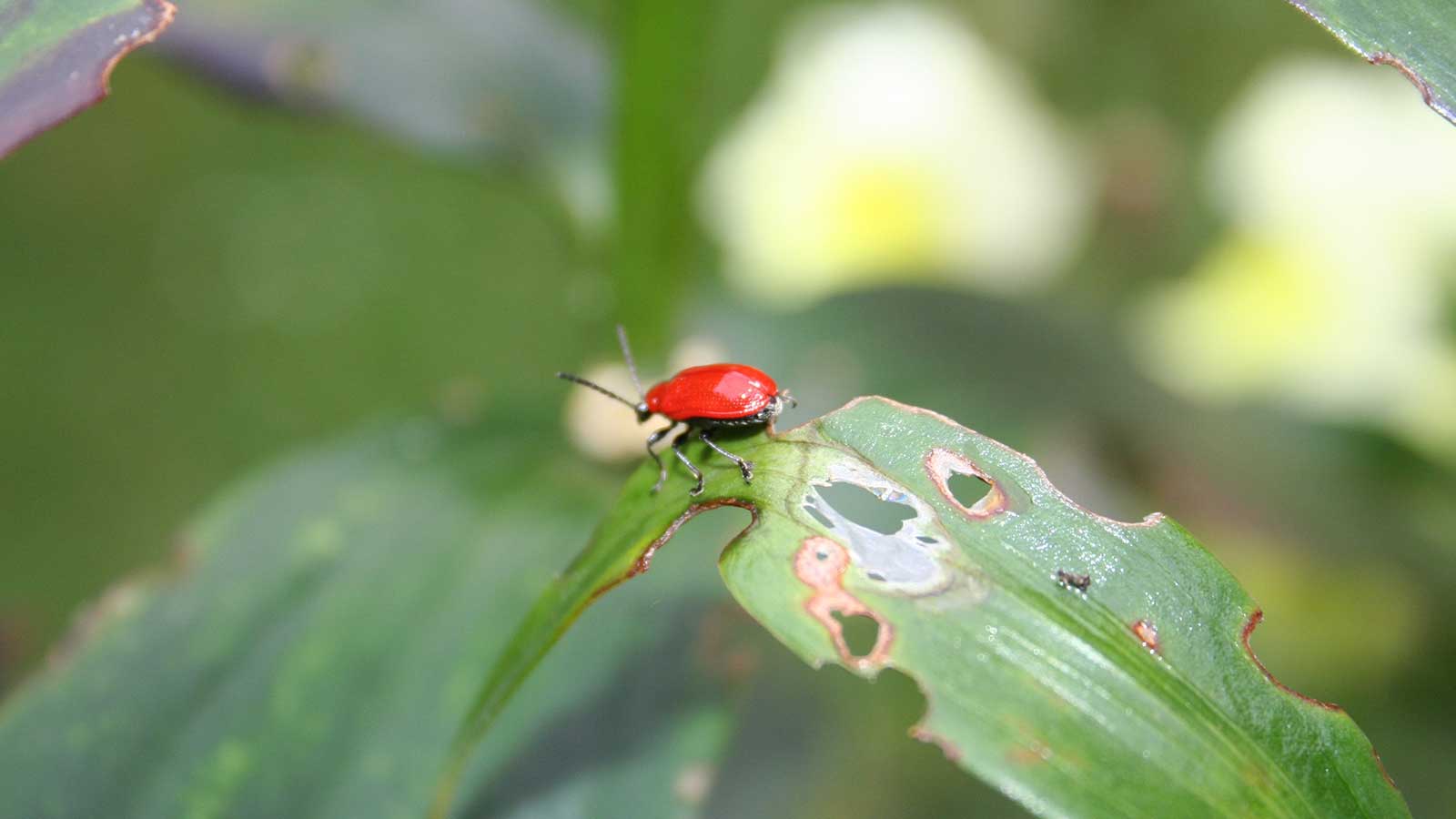
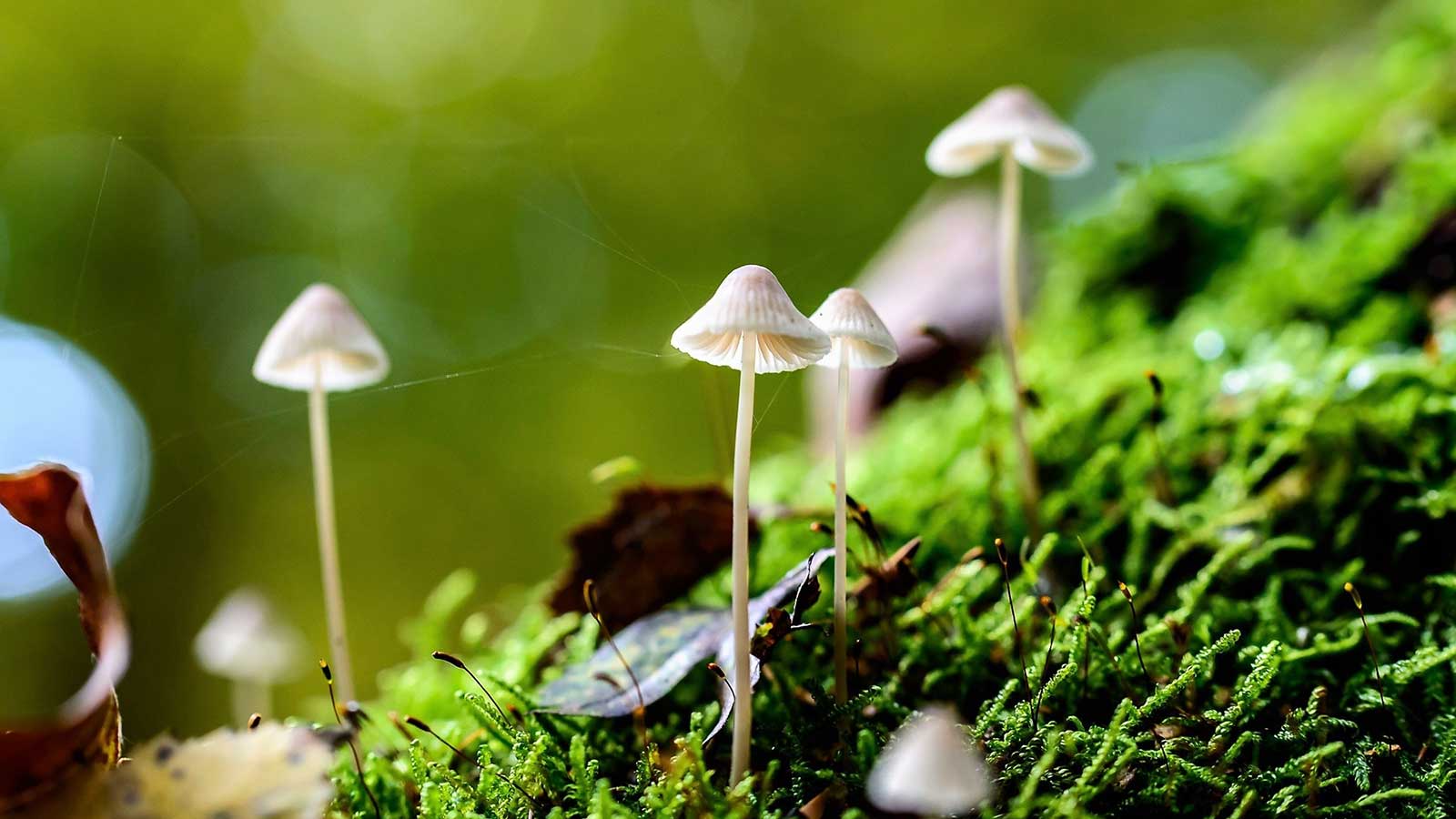
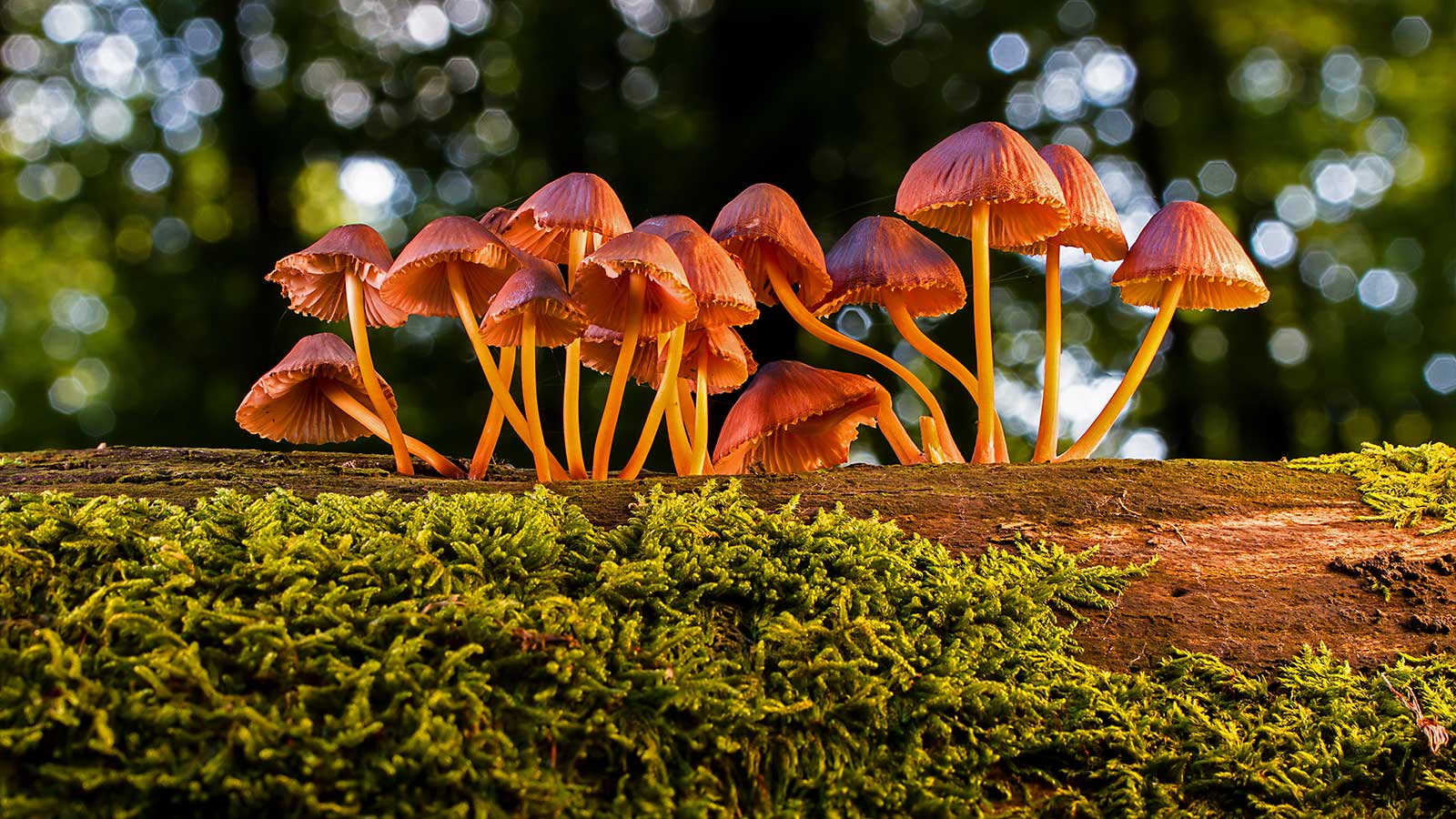
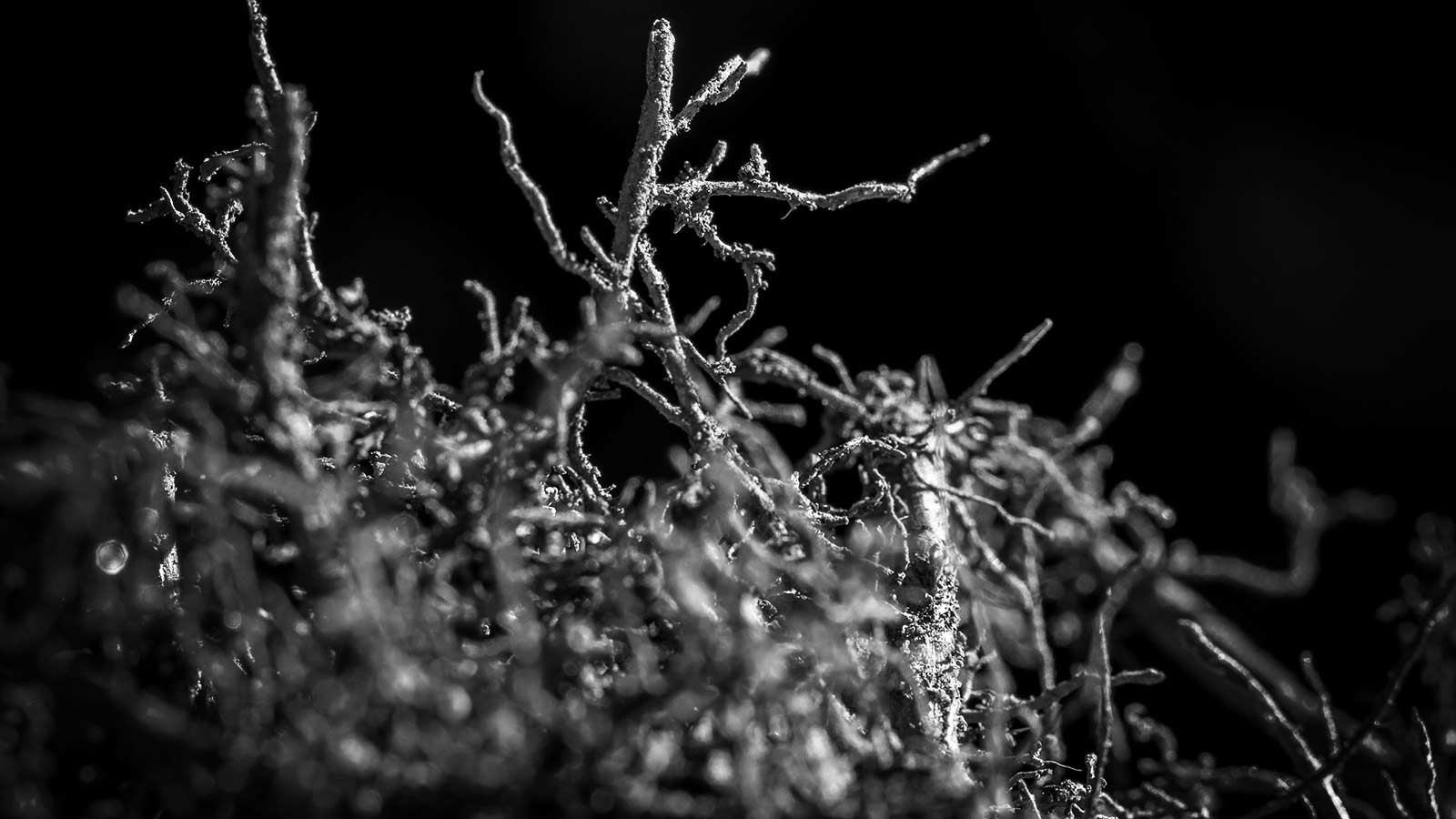
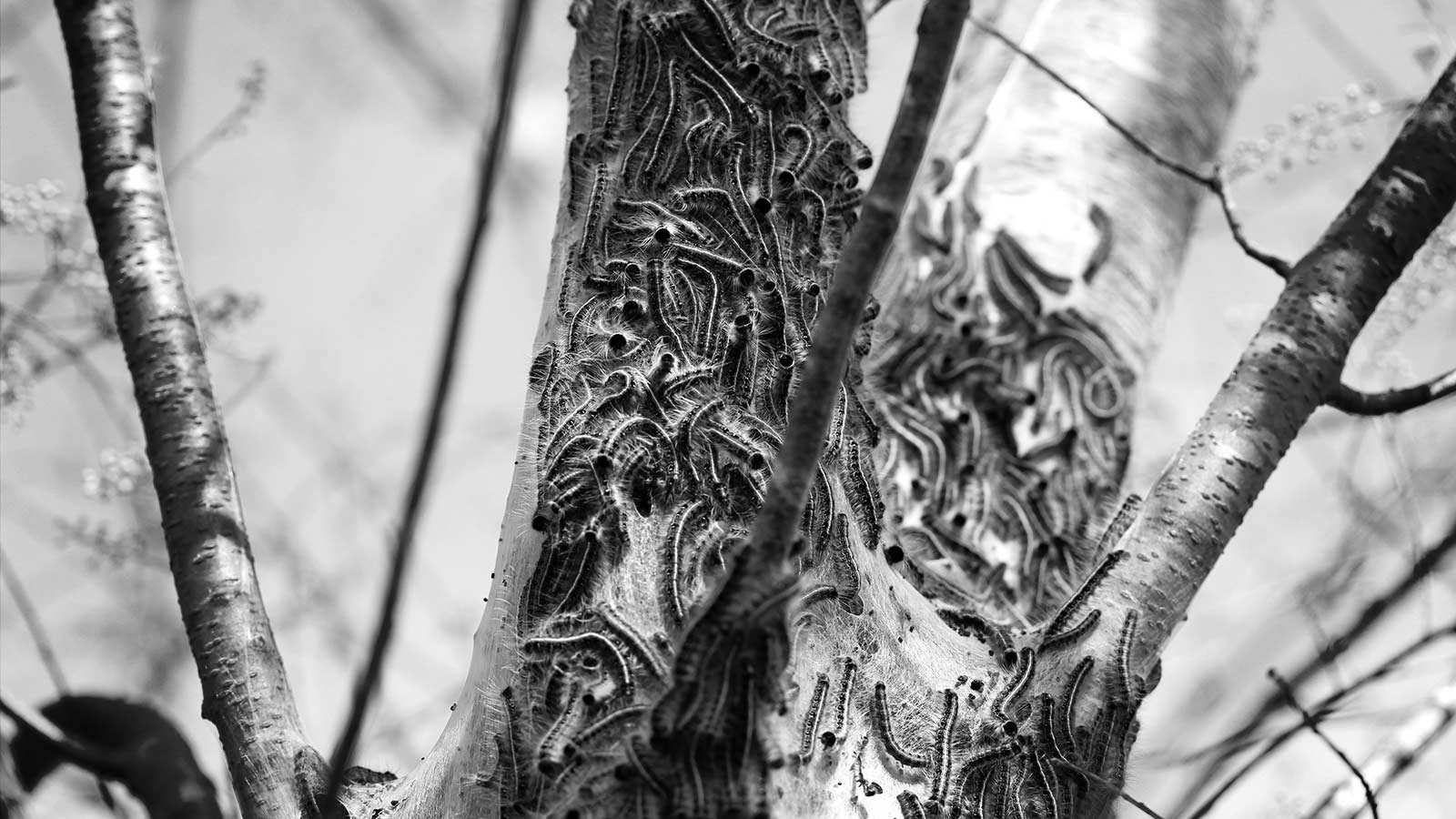
Wood-decay fungi use enzymes to break down the wood into simple molecules that they use to grow and reproduce. Bacteria help facilitate this process. To do this, the fungi must import nutrients from the living soil ecosystem outside of the tree. By introducing nutrients into the dead wood, the fungi generate a food source for various species of beetles. These beetles would not be able to survive on dead wood alone due to its lack of nitrogen, phosphorus, potassium, magnesium, and other key nutrients. The young beetle grubs develop slowly within the decaying wood across several years. They also tear apart the wood into tiny pieces, which speeds up the physical repackaging of the once-living tree into useable energy for surrounding communities of life. Because beetles are adapted to grow from dead wood – a food source that is notoriously challenging to consume – they form the base of many complex food webs. During and after maturation they provide food for woodpeckers, snakes, birds, and spiders, to name only a handful. Termites play a similar role.
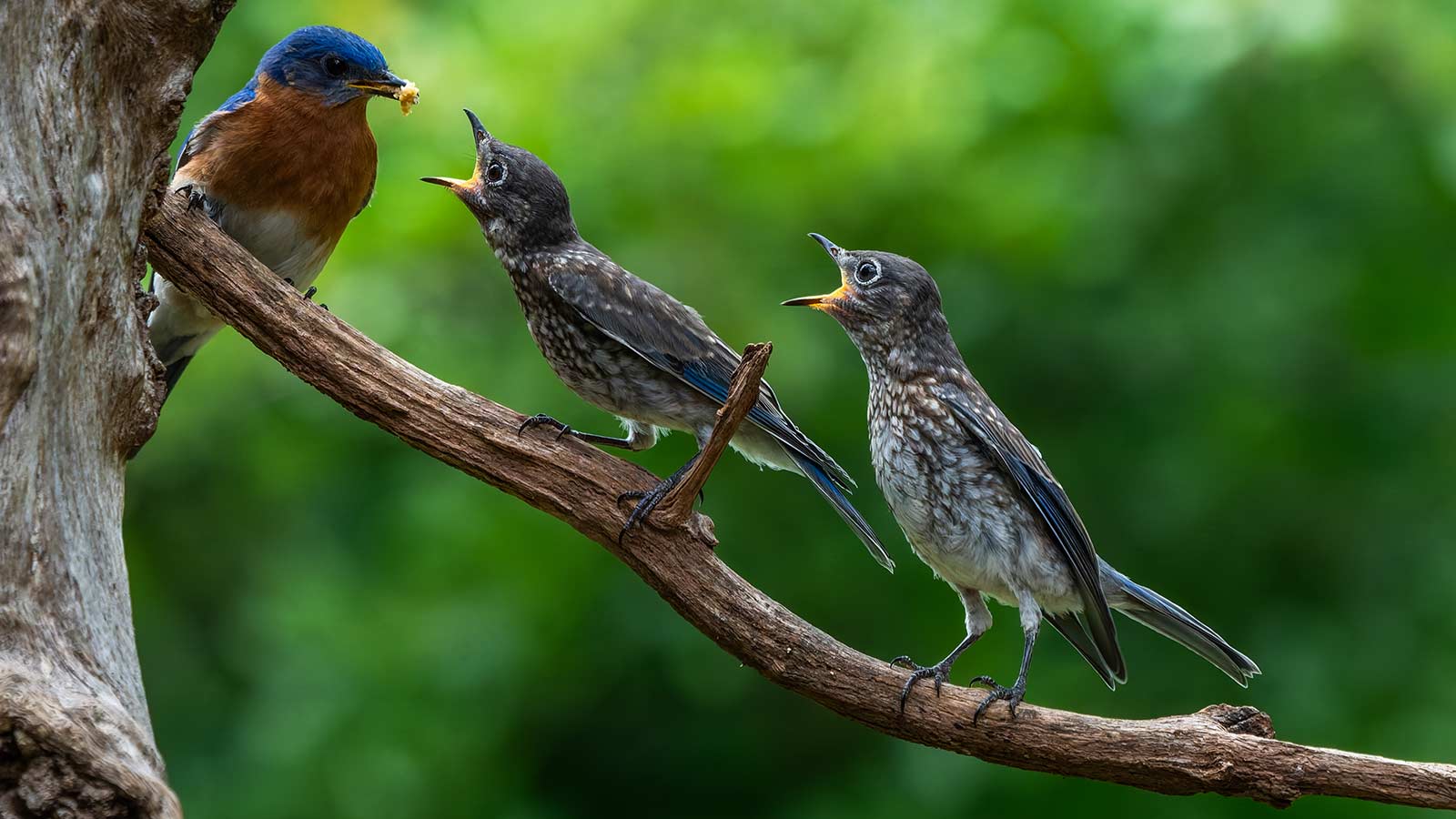
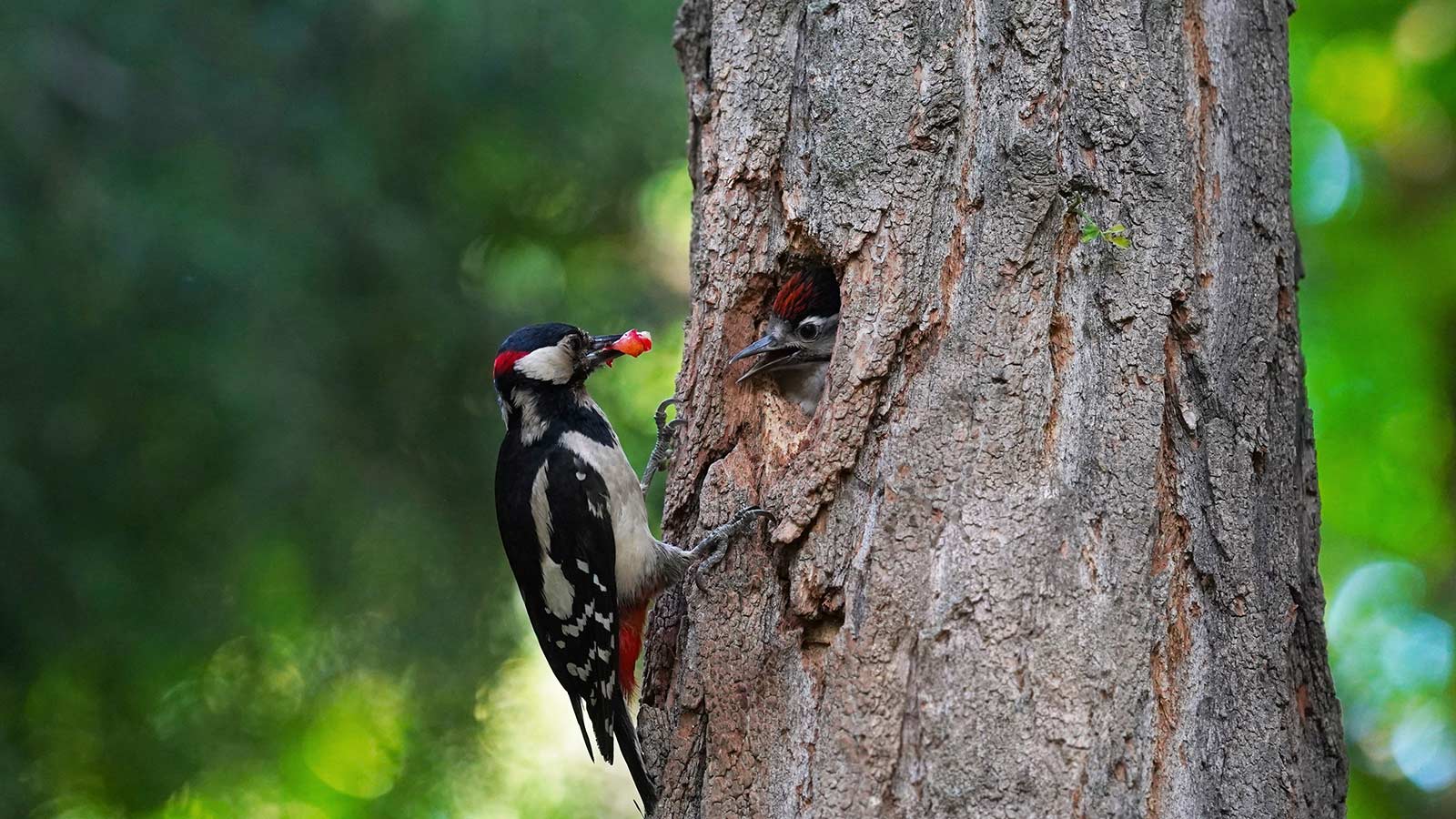
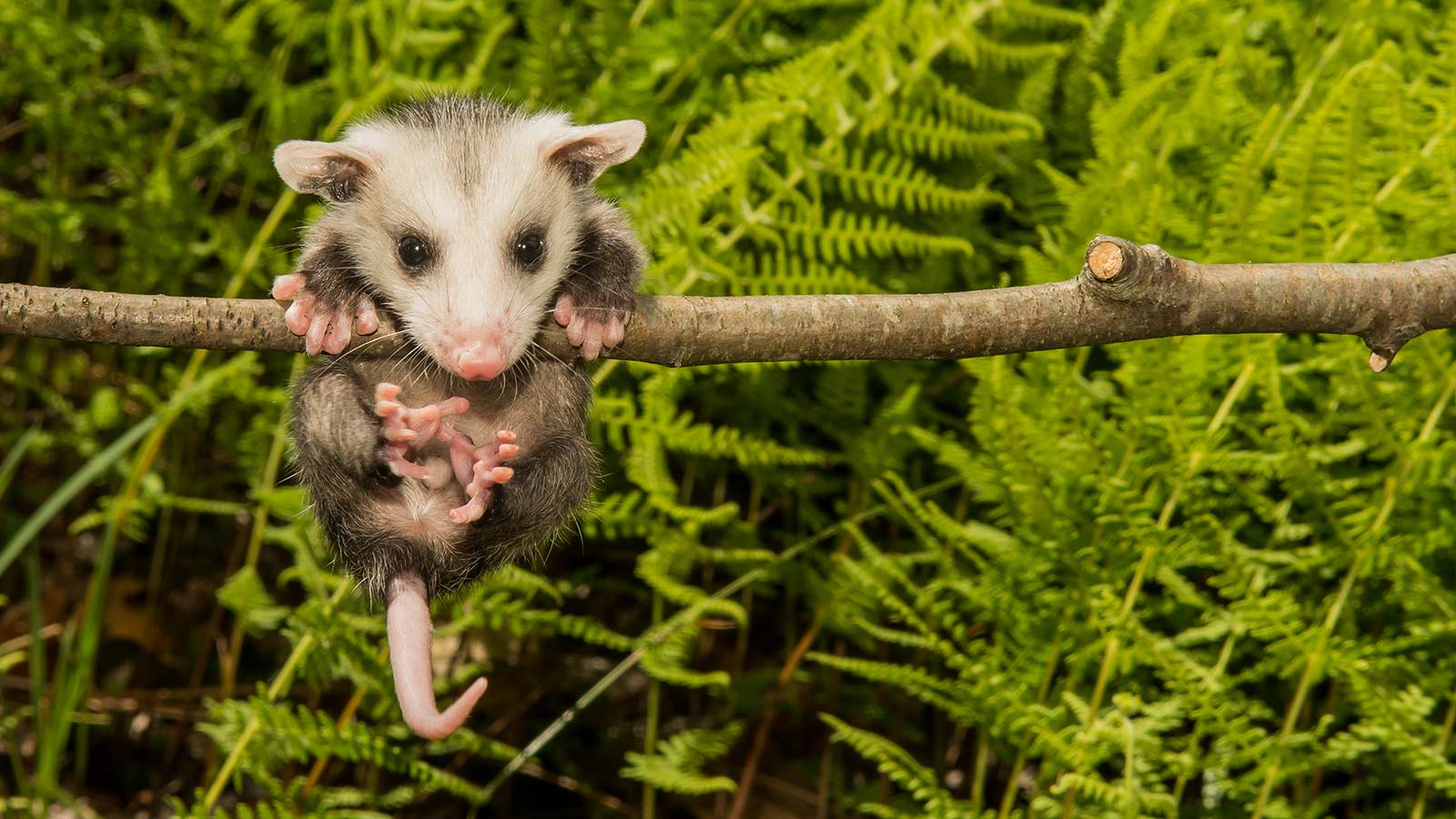
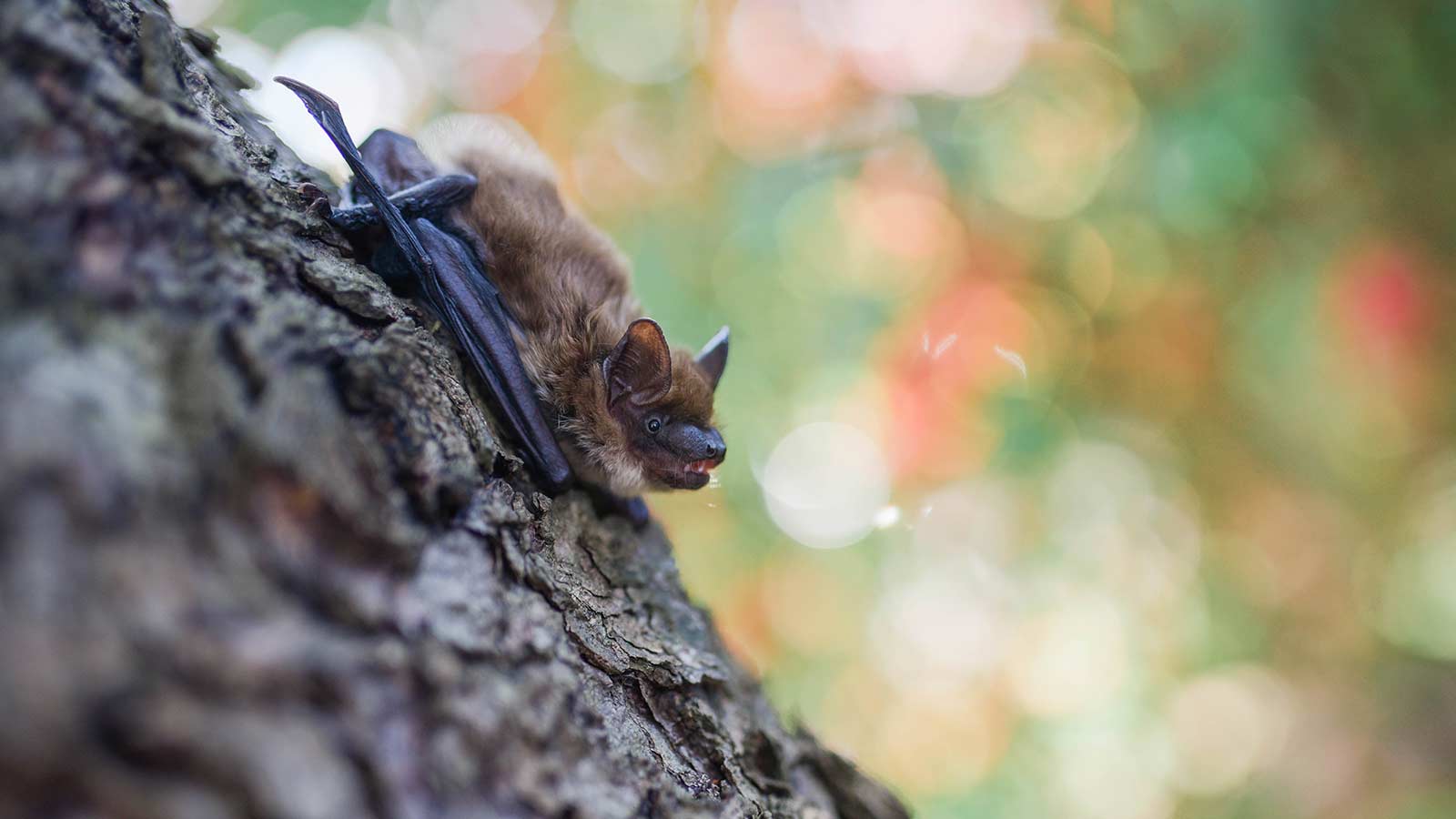
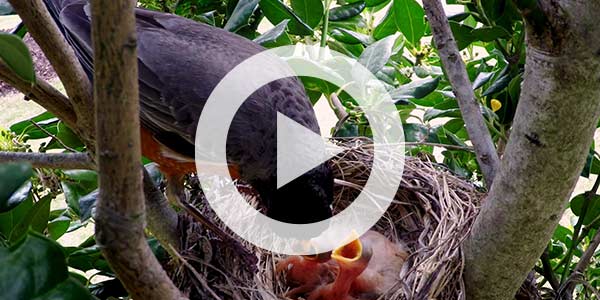
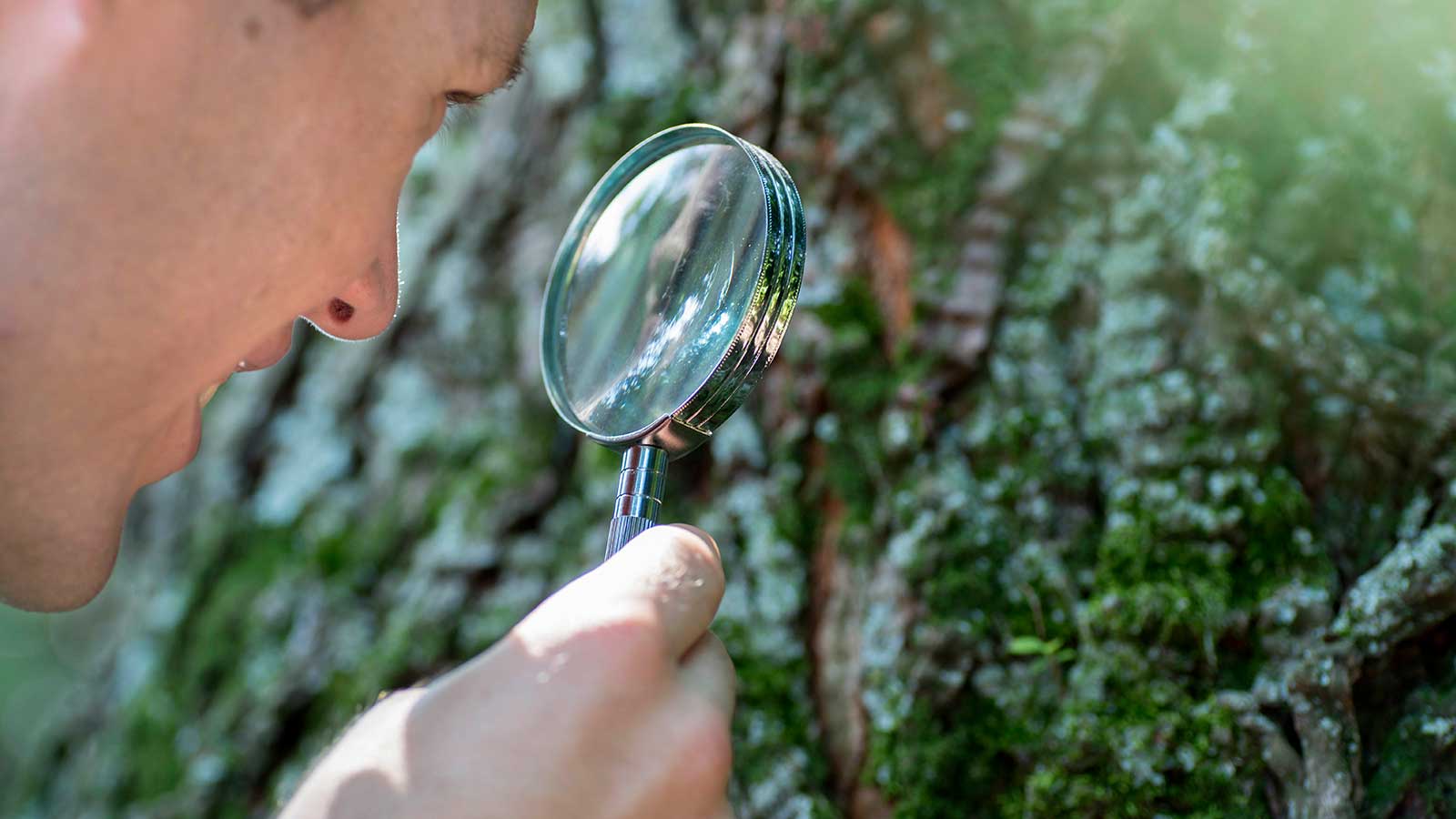
In addition to providing a foundation of food for life, they also provide shelter. Woodpeckers use their powerful beaks to excavate holes in which to raise their young, and to search for beetle grubs and termites. Songbirds nest in cavities. Owls, falcons, ducks, and around 85 other bird species in North America rely on dead trees for the same purpose: a place to safely raise their babies. Mosses, lichens, moths, bats, salamanders, raccoons, porcupines, and an array of other life call dead trees home.
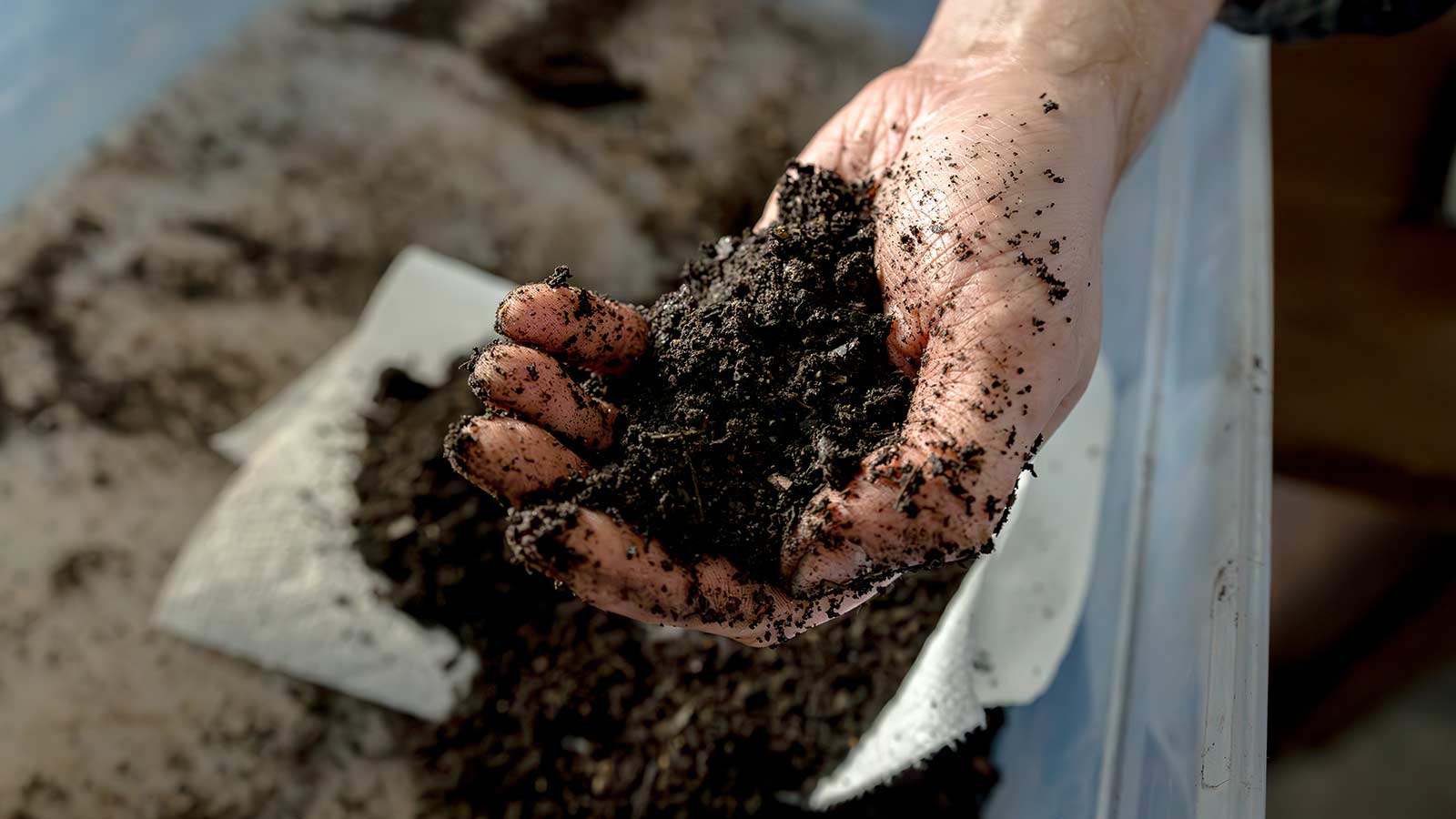
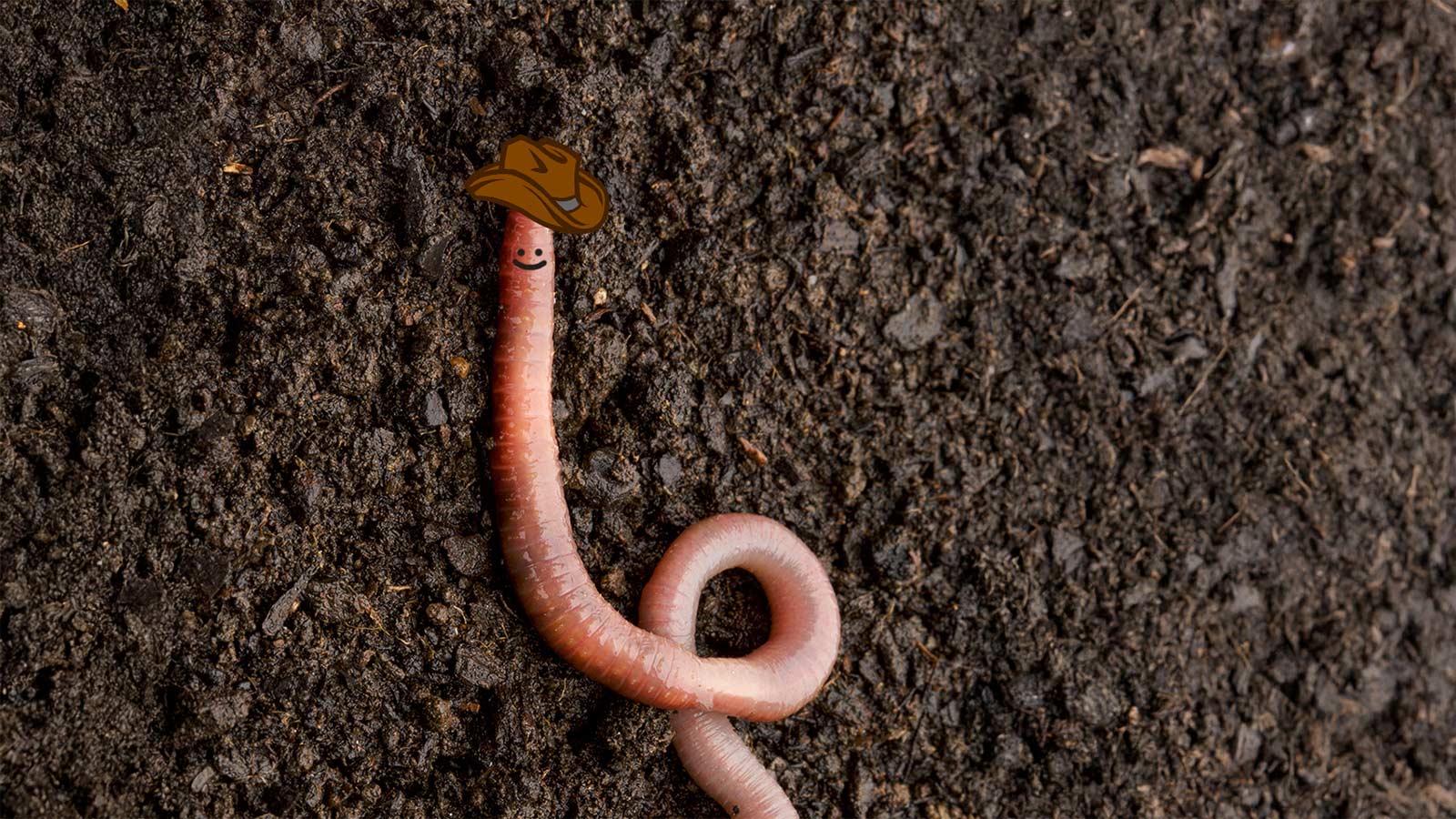
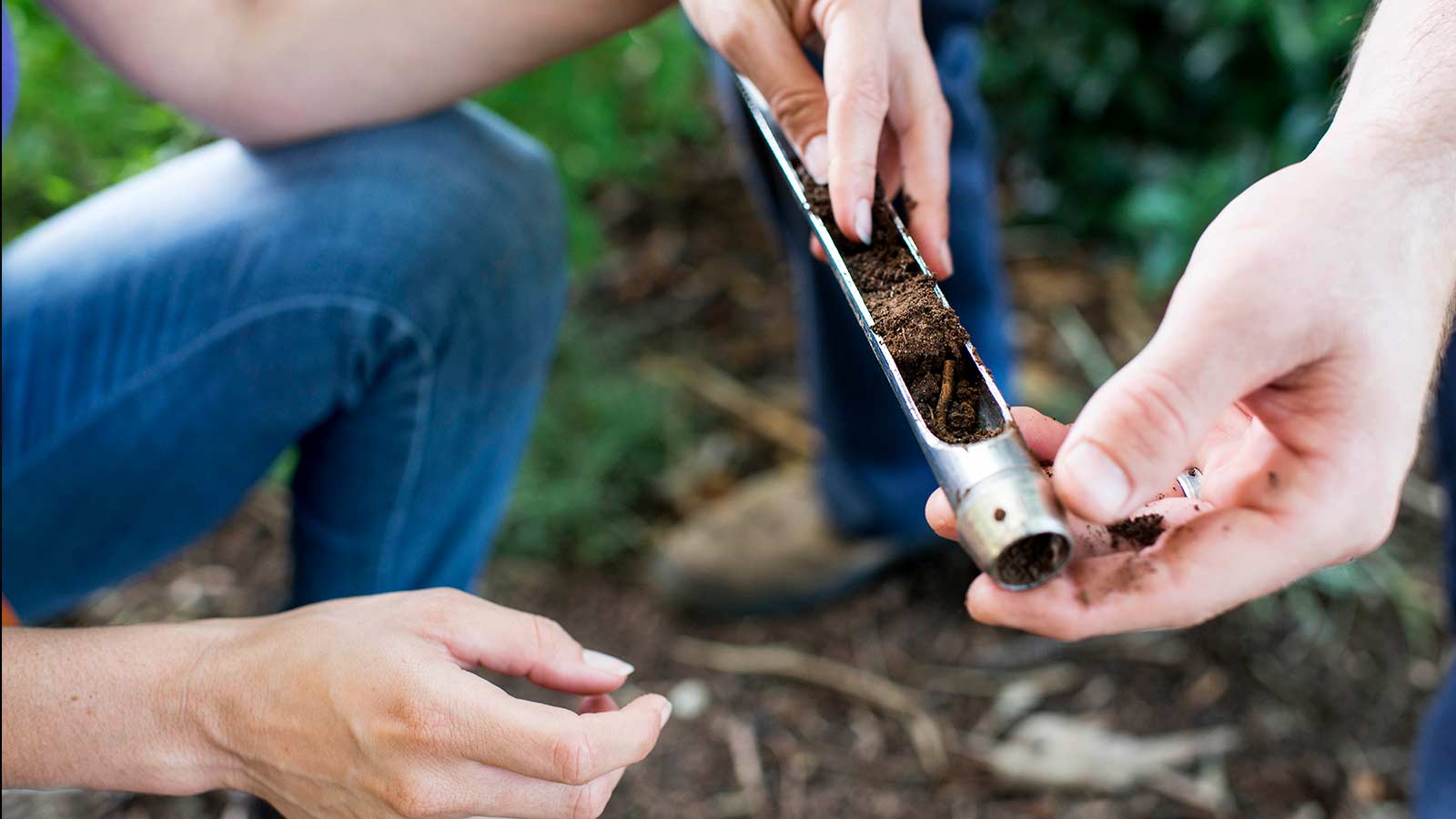
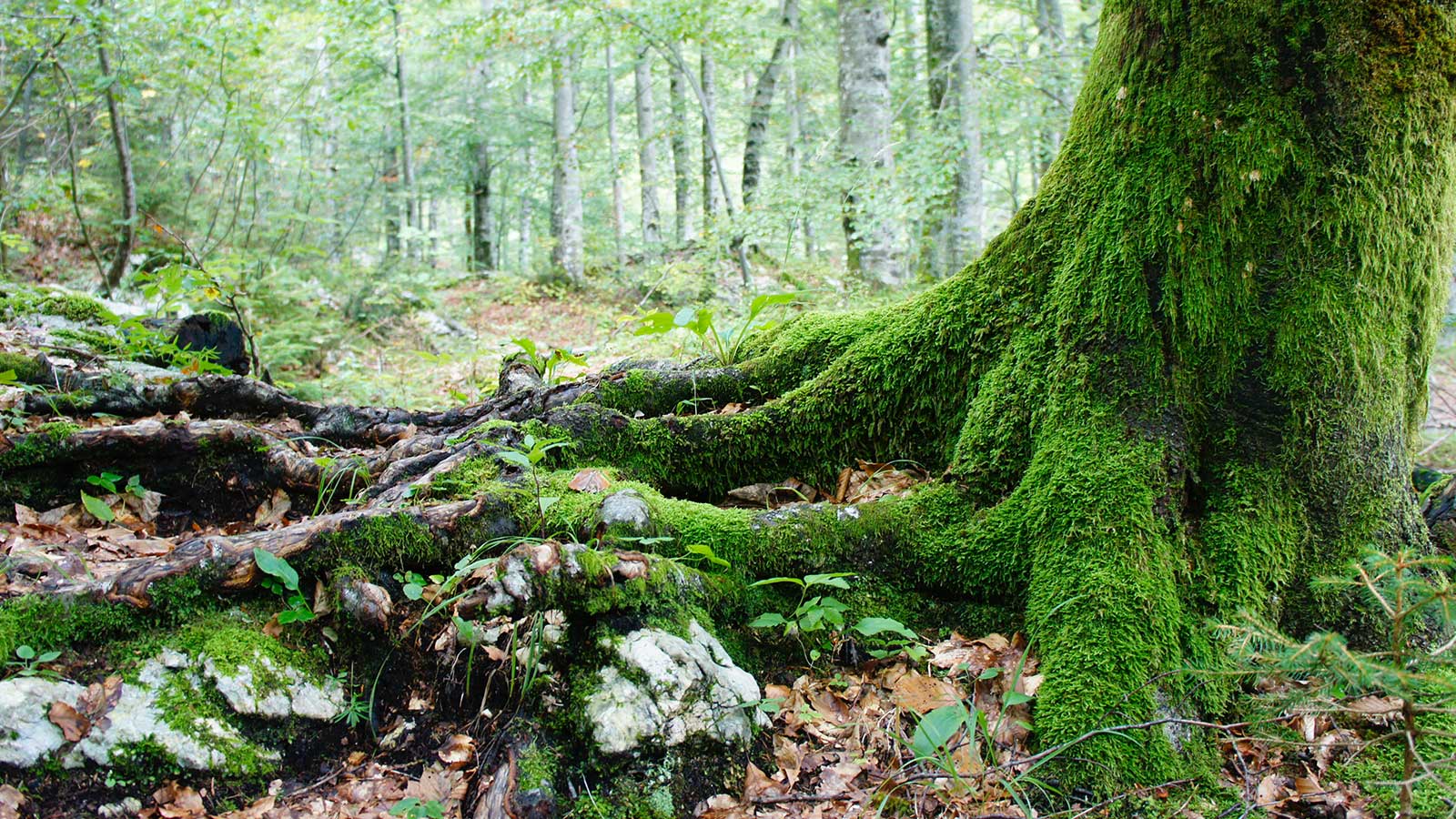
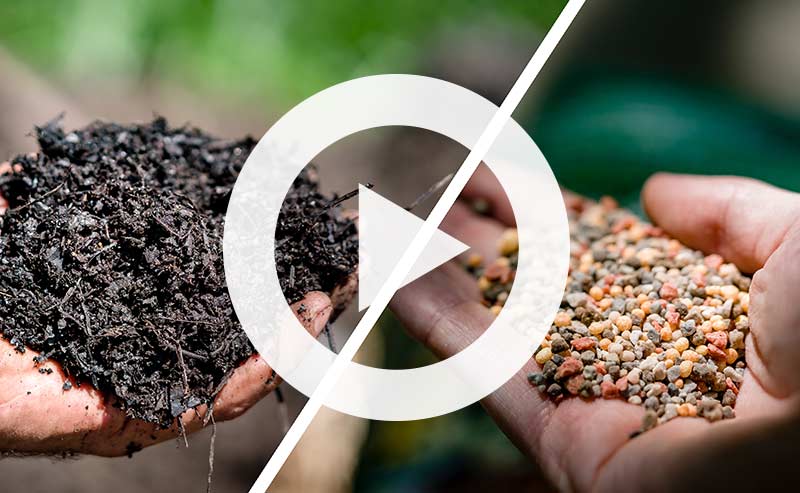
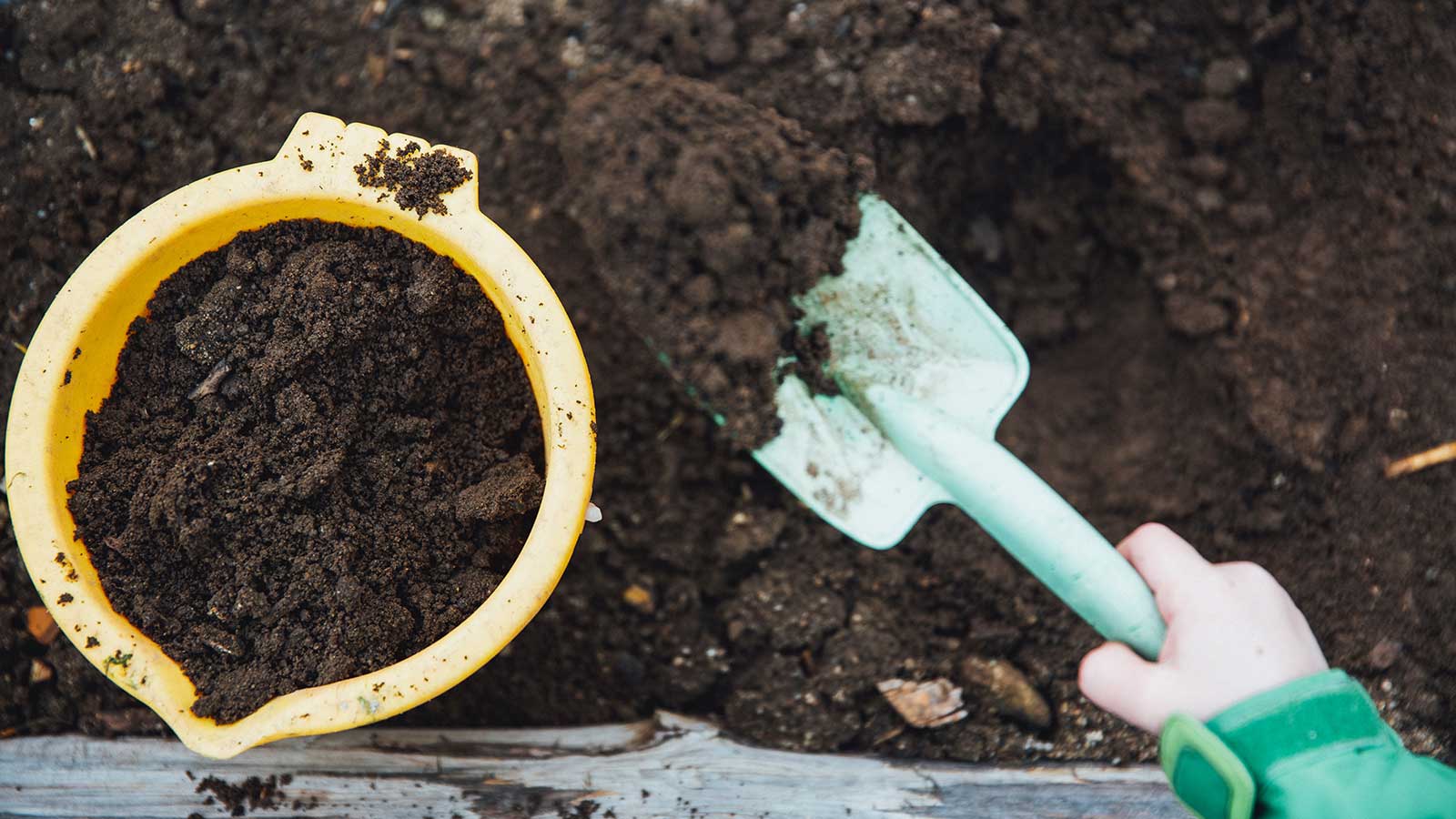
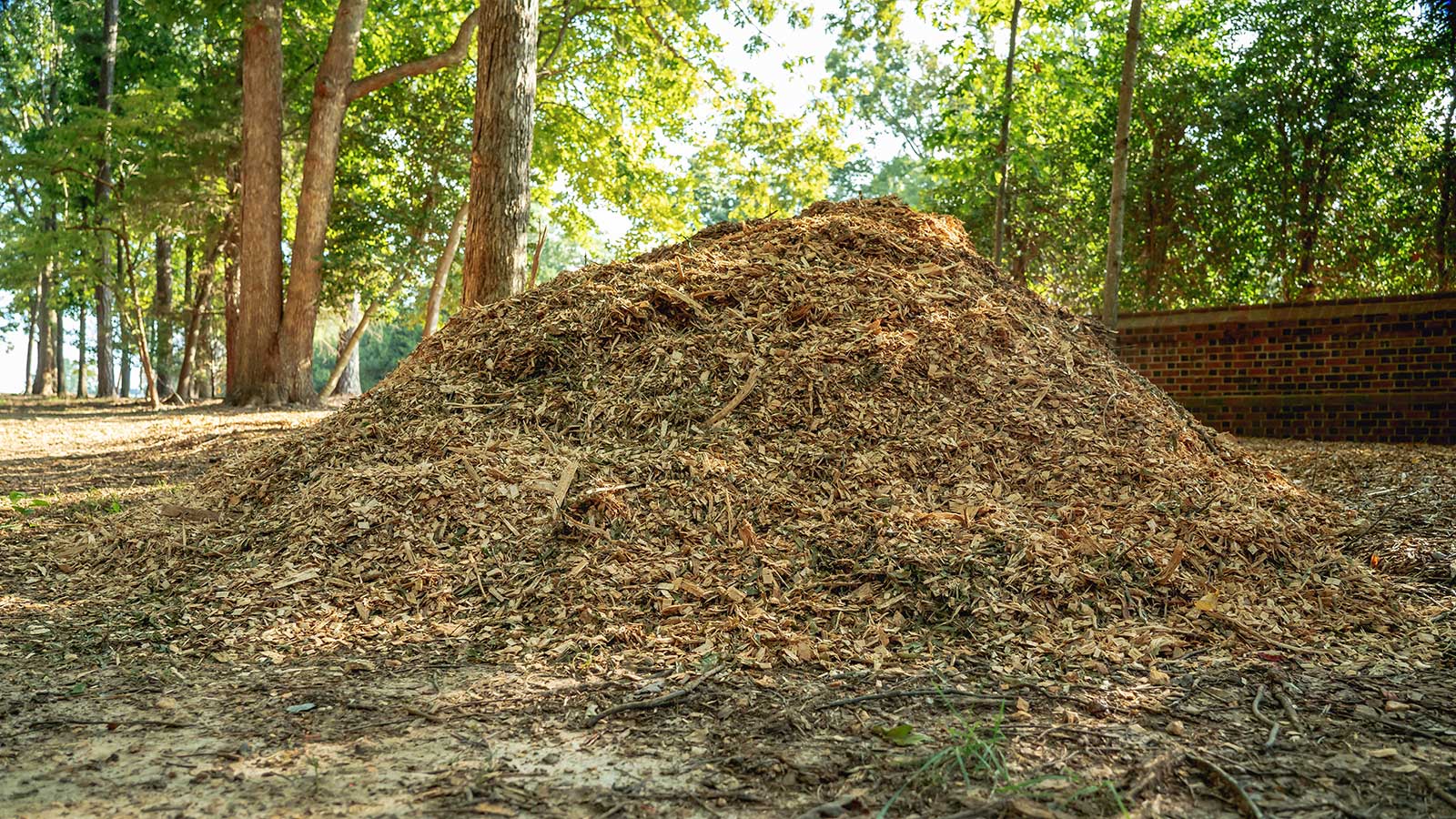
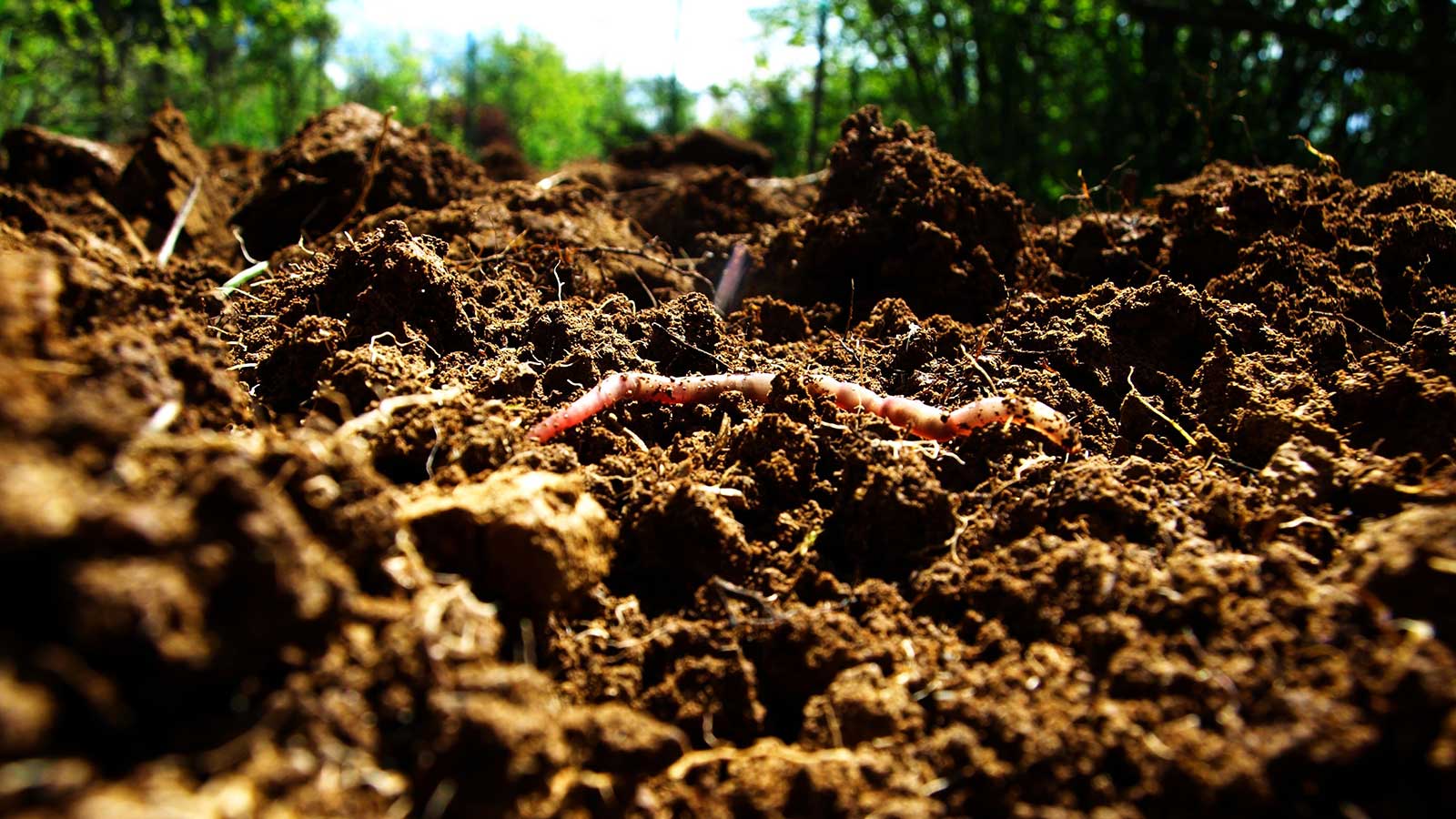
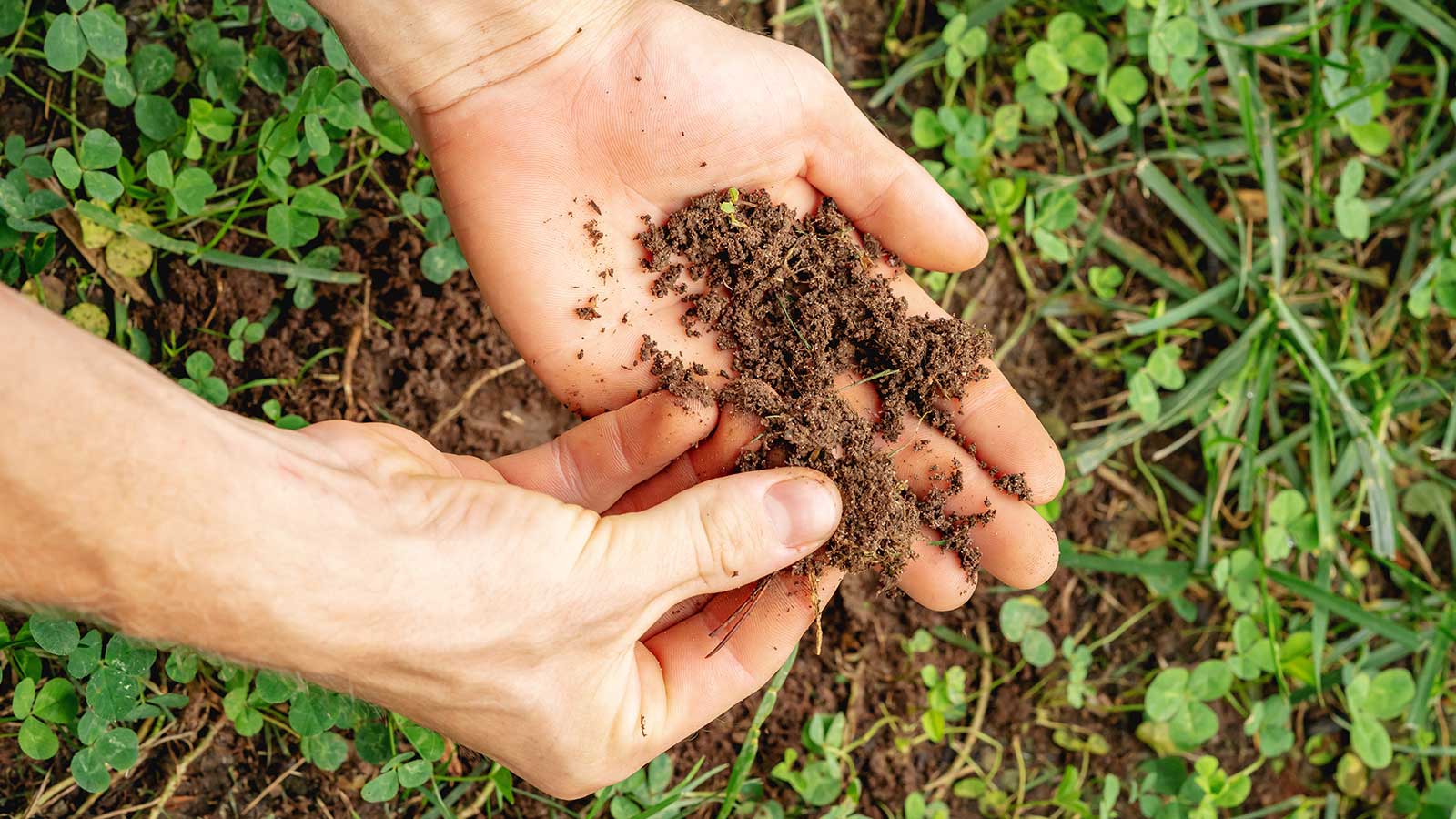
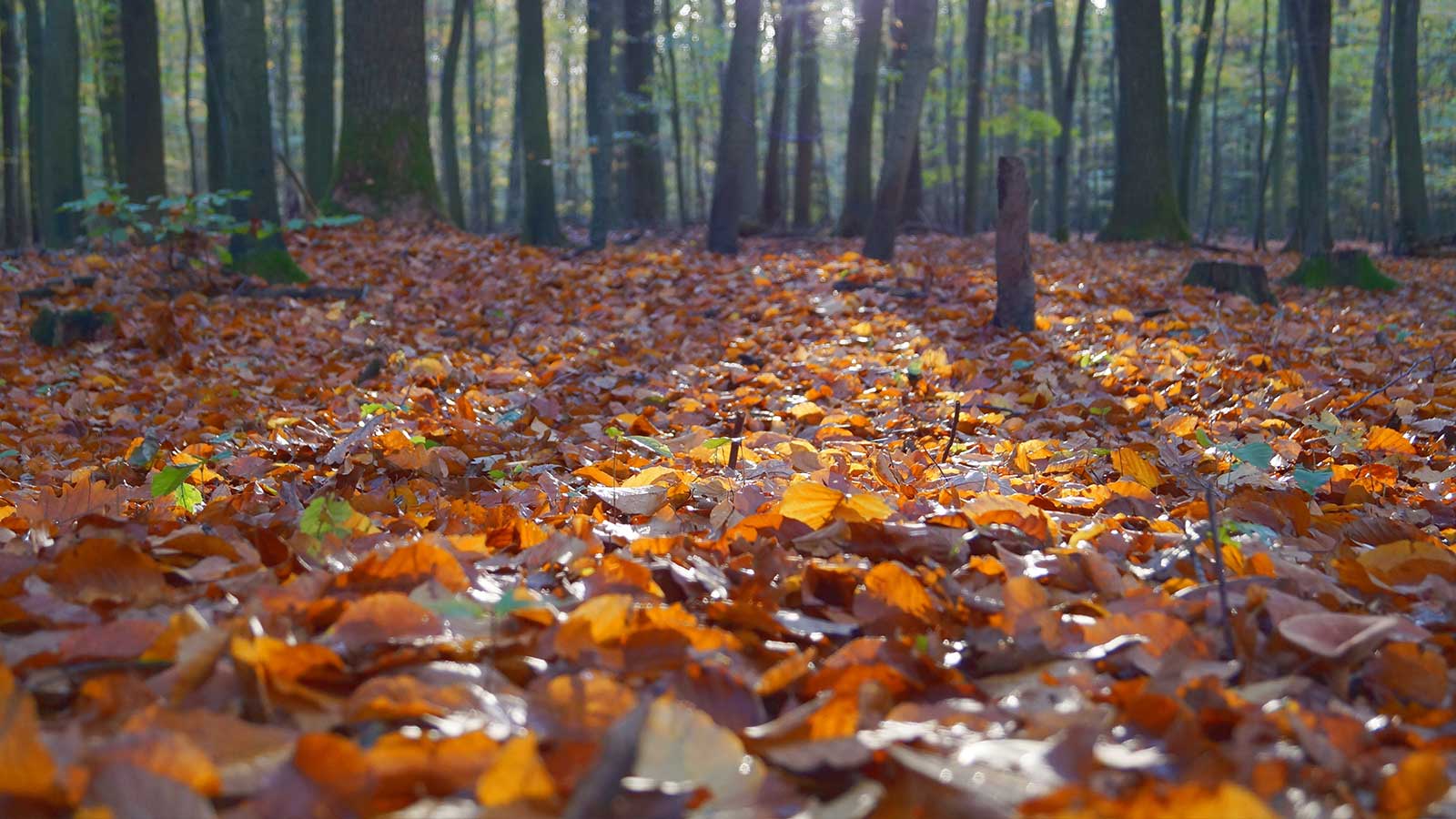
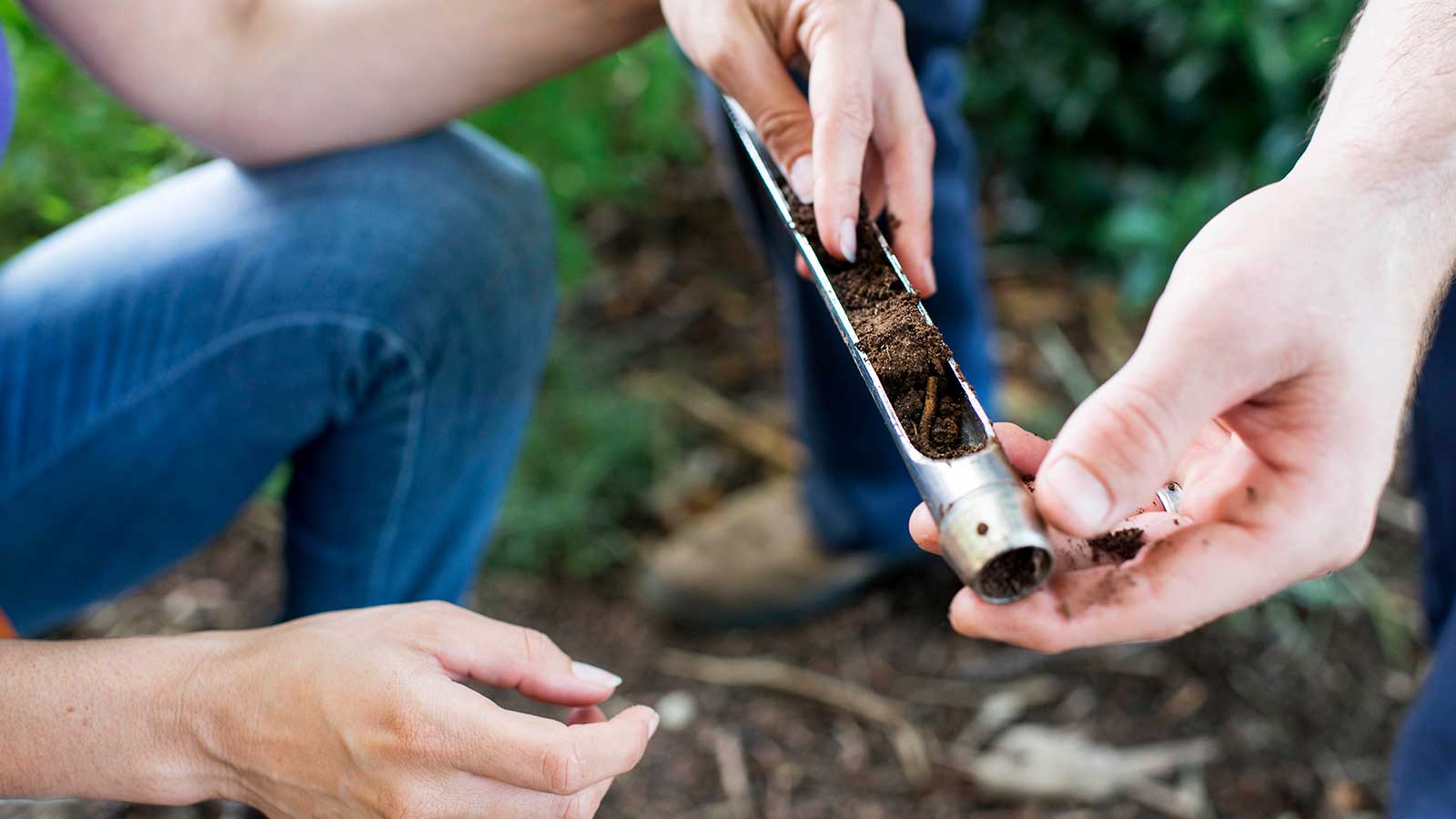
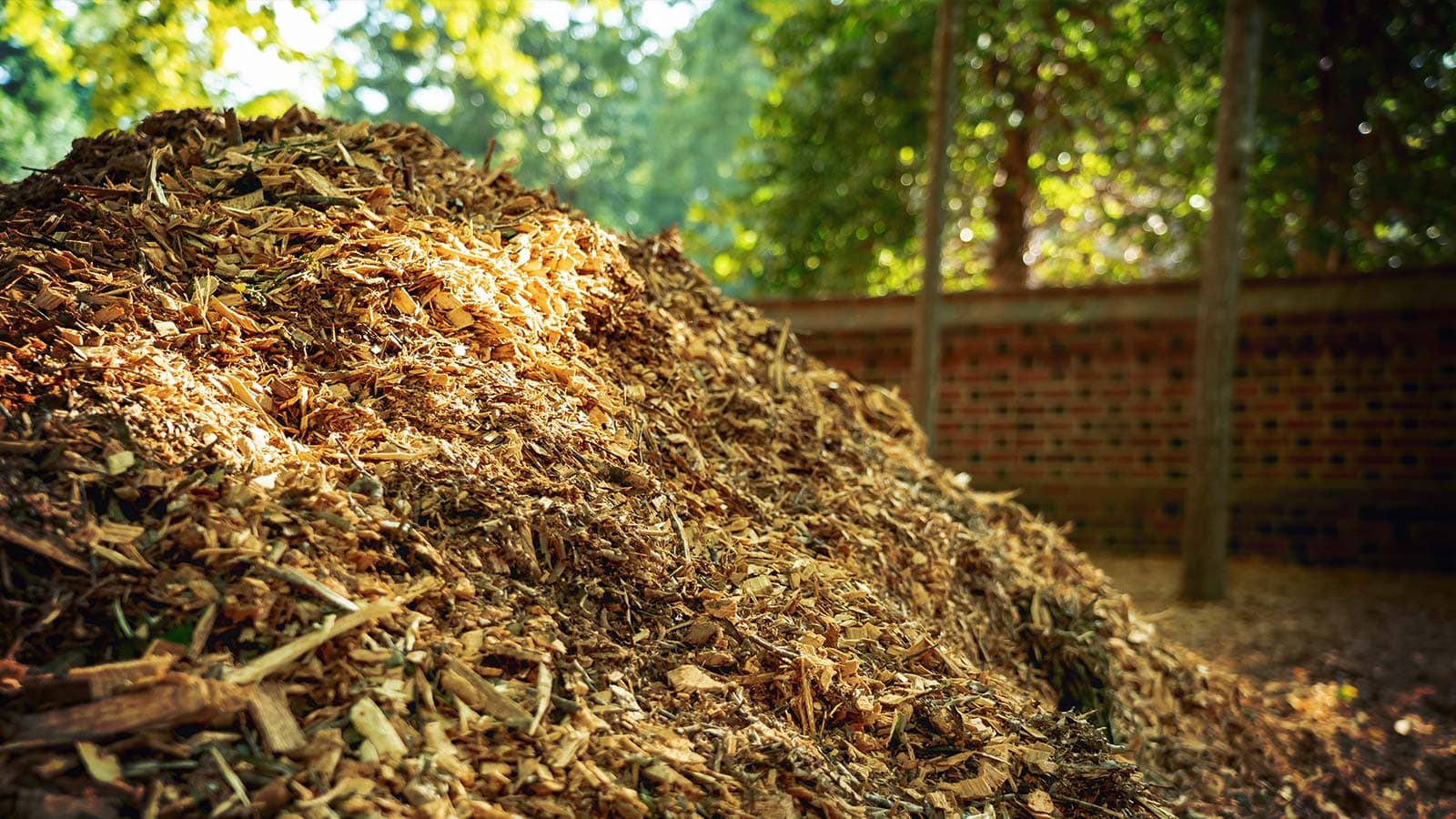
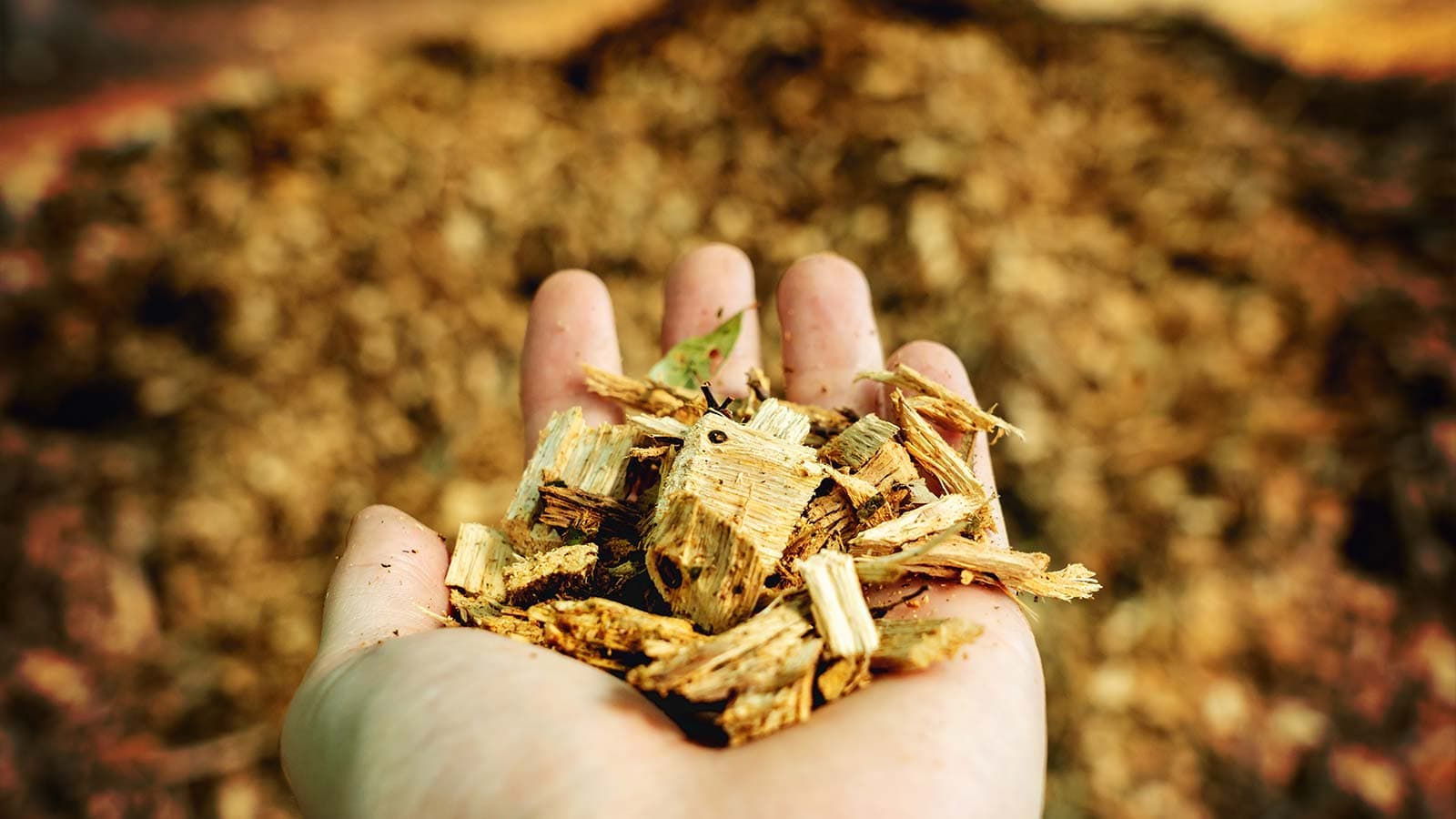
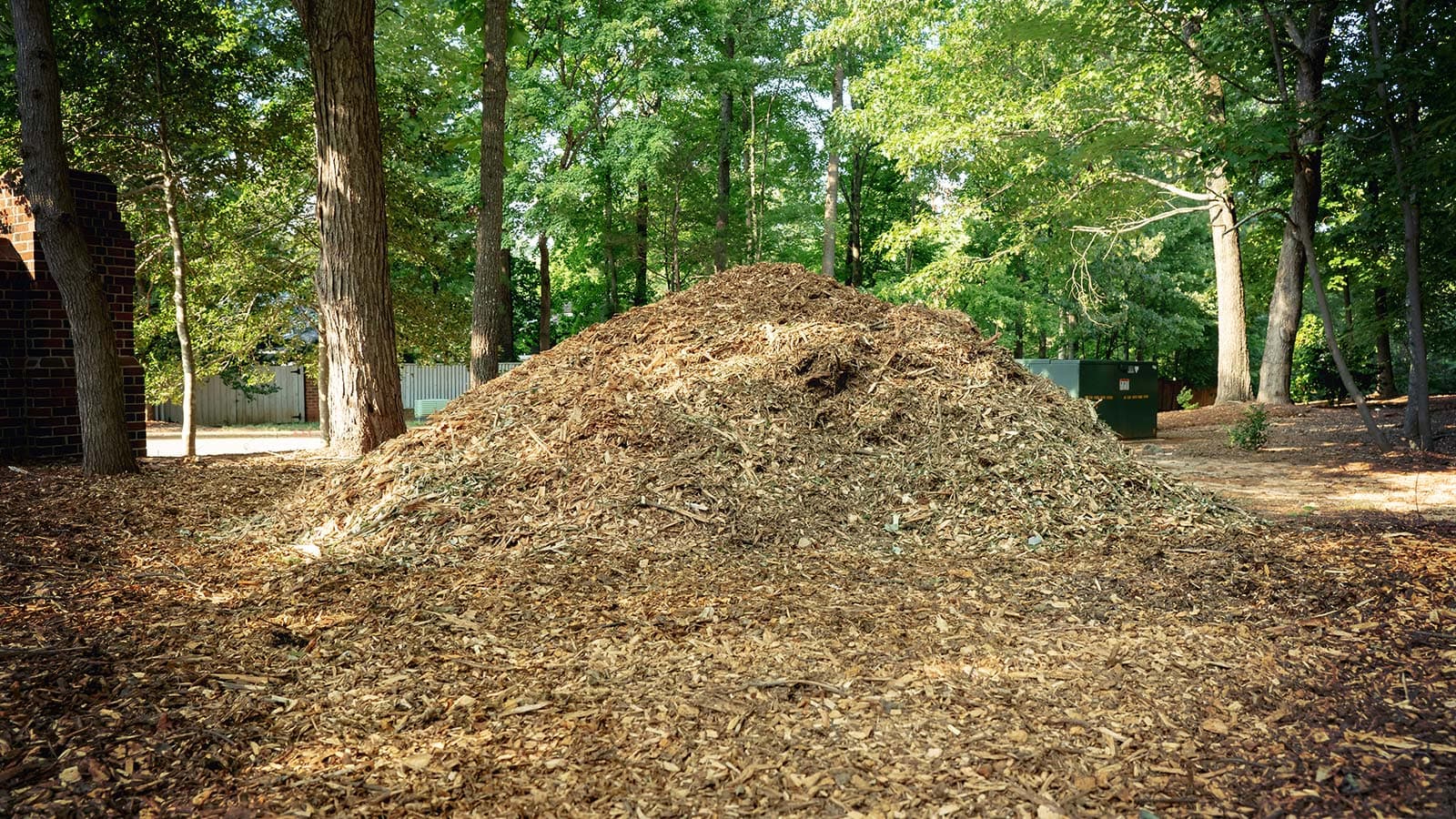
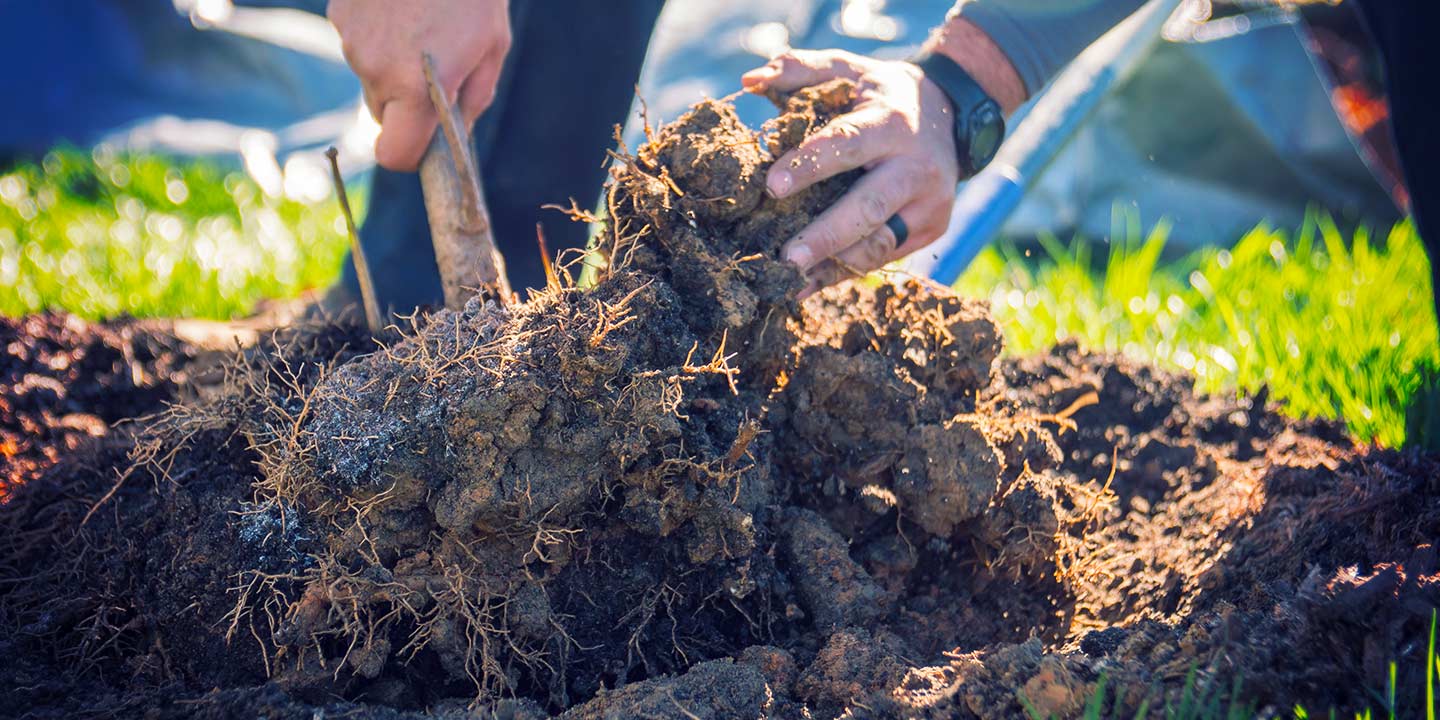
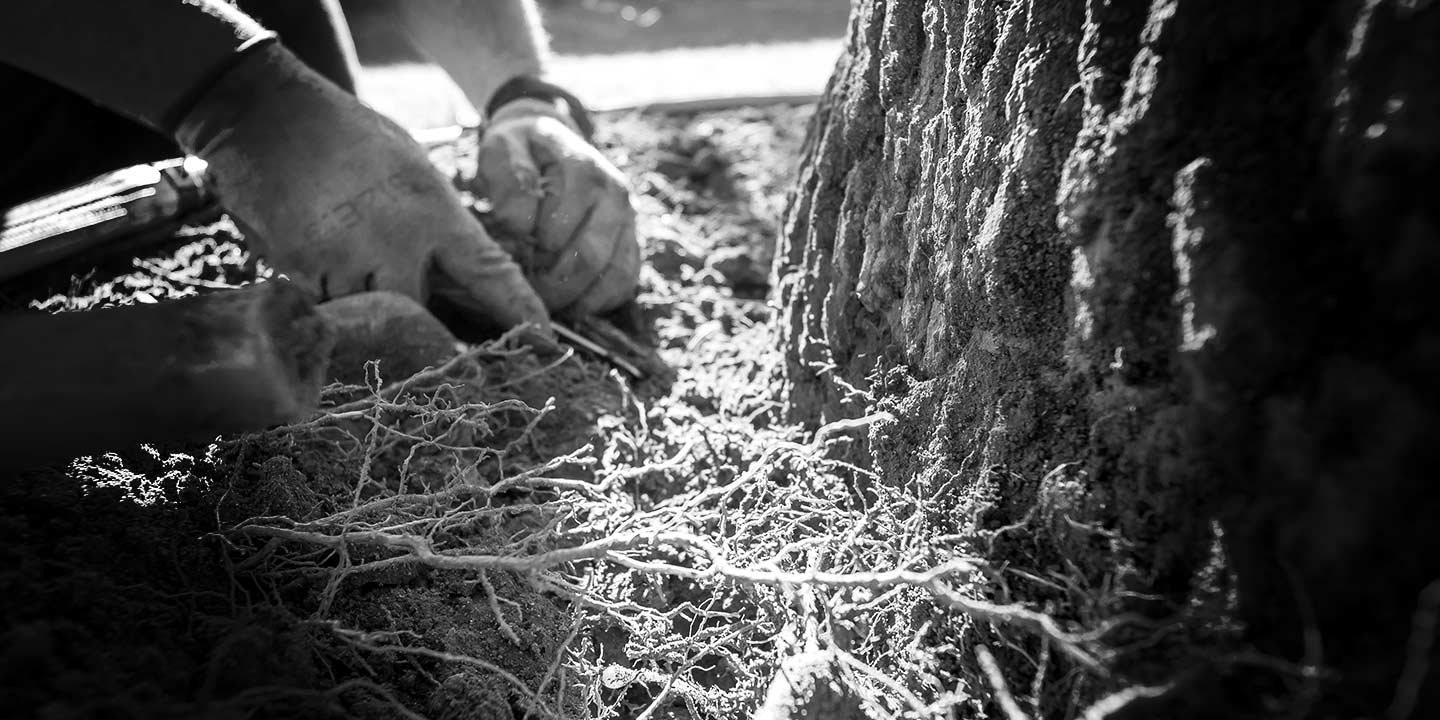
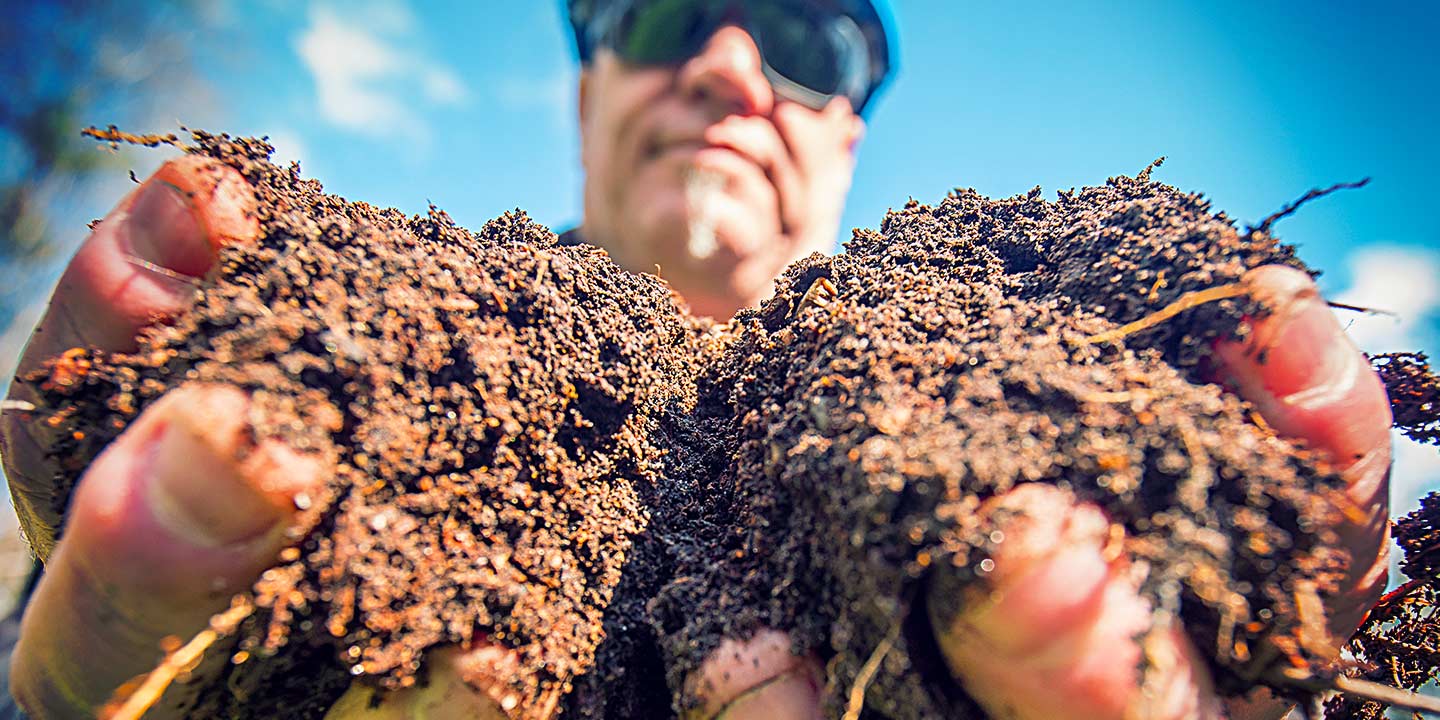
In the end, gravity wins. Whether frass from beetles, poop from woodpeckers, or falling branches from windy weather, all parts of the dead tree eventually land on the ground. There they enter the soil ecosystem as organic matter, which is an important source of food for this community. With more food come more abundant populations of life. The greater the abundance of life within the soil, the more water that ecosystem is able to hold. Fresh water is foundational to all life. Carbon also follows this journey, where it is safely tucked away in a stable state within the ground or absorbed into the life that needs it.
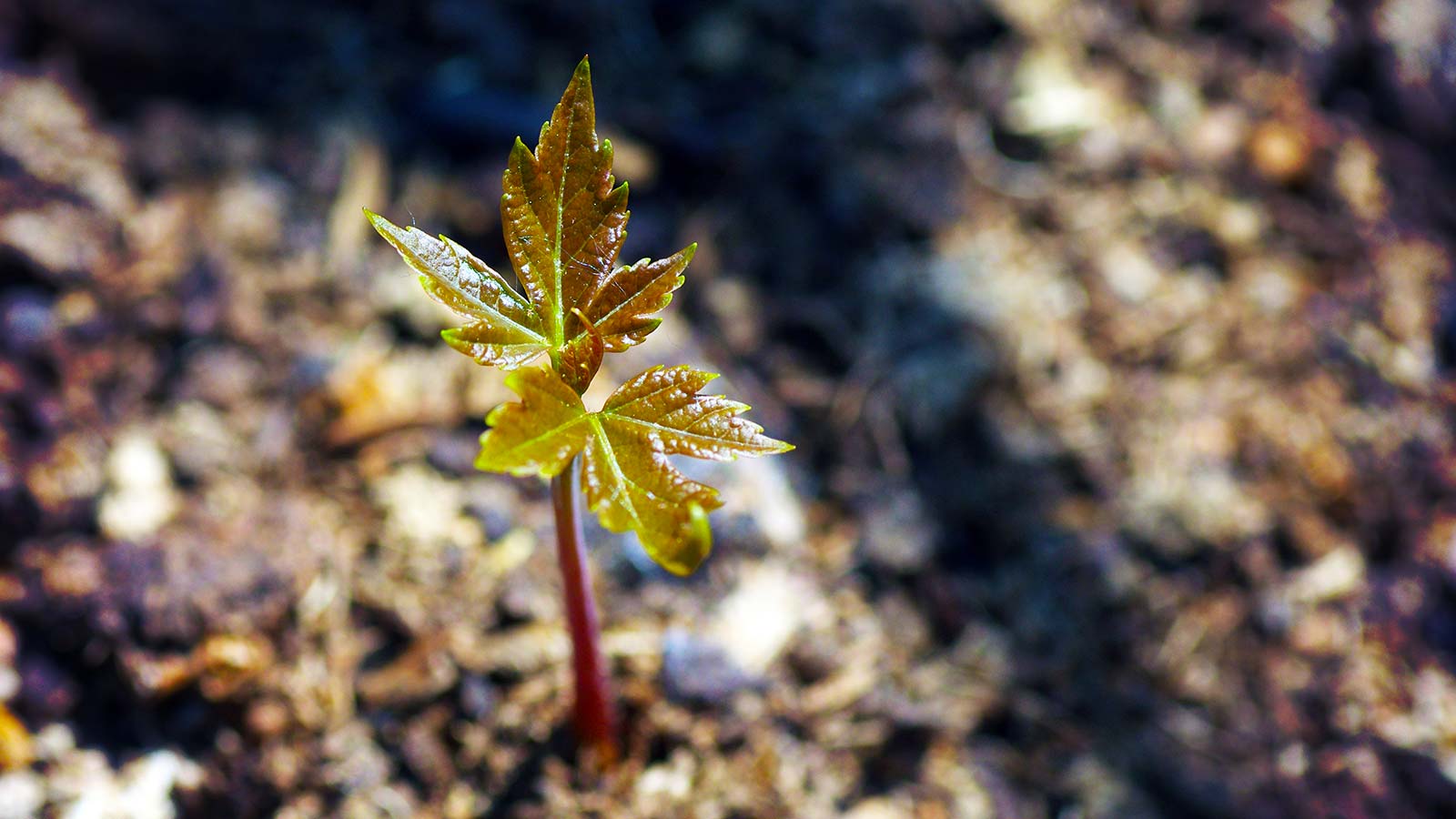
In reality, a dead tree is really not so dead. Its death is a second birth, one where it provides for a new community. It is ultimately recycled, repackaged, and reincarnated into new life.