August 2026 Treecologist Tribune
An Underground Network, Mystery Webs, and the Dog-days of Summer

Dog day cicadas are the soundtrack of sweat. With the rhythmic rise and fall of their cadence on a dog-day summer afternoon, I’m reminded that “only mad dogs and Englishmen come out in the midday sun.” With apologies to Noel Coward, I have to say that it’s not just Englishmen and addled dogs. I like to check what might be out amongst the tall flower stems of late Summer and make sure all my green-leaved friends are in good shape. I also remind myself that many people have to work outside no matter the weather.
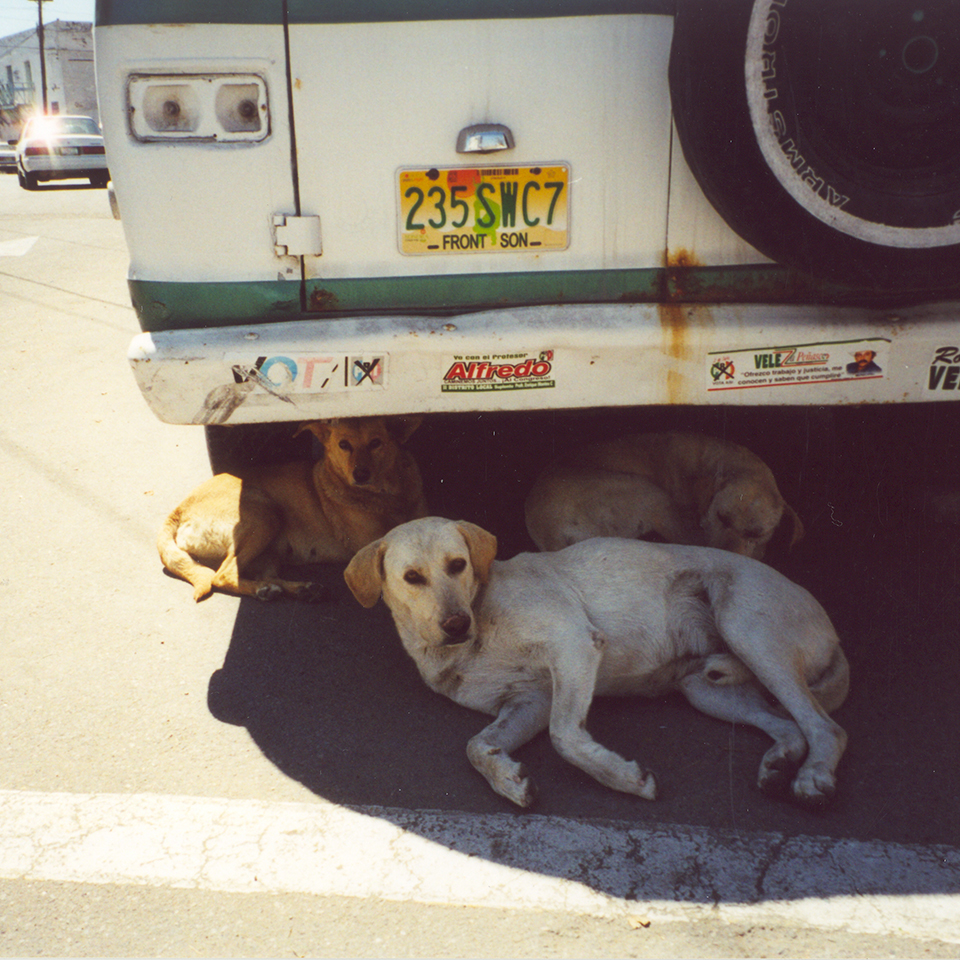
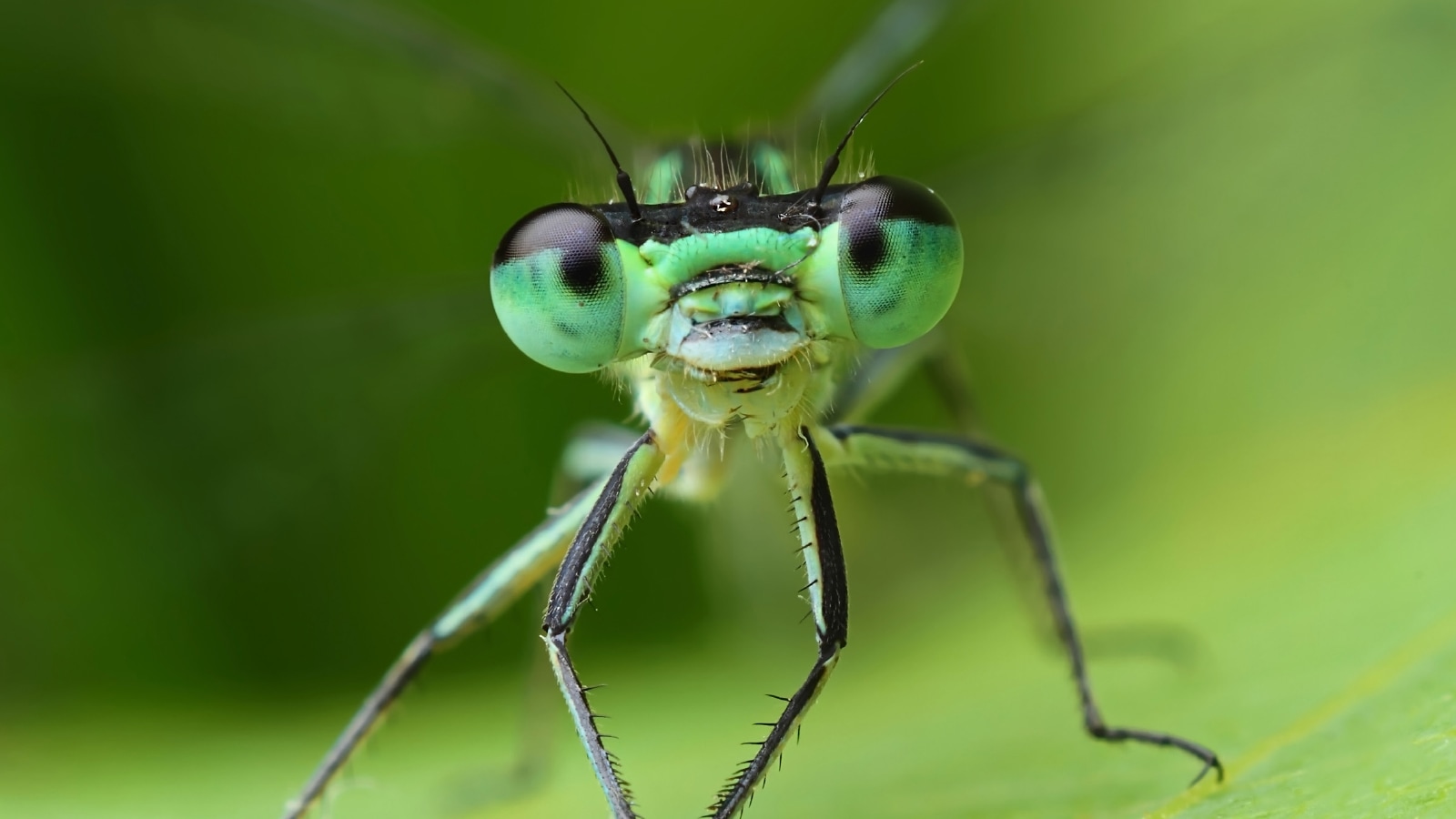
What does man’s best friend have to do with all this summer sweat anyway? It starts in the stars. Sirius, the Dog Star, the brightest star in the sky, rises just before the Sun as Summer really starts to bear down. Thus, the dog days of summer, and their dog-day cicadas, are so named. These cicada species spend a few years underground as nymphs, but they aren’t synchronously timed like the 13- and 17-year cicadas, so some of them emerge every year. Heat is their cue to call, and only the males perform this mating call. Their connection to heat isn’t coincidental. They need it to be darn hot just to get going, and their pitch might change as the temperature changes. There’s likely to be truth behind the gut feeling that the hotter the day, the more and the louder the cicadas sing.
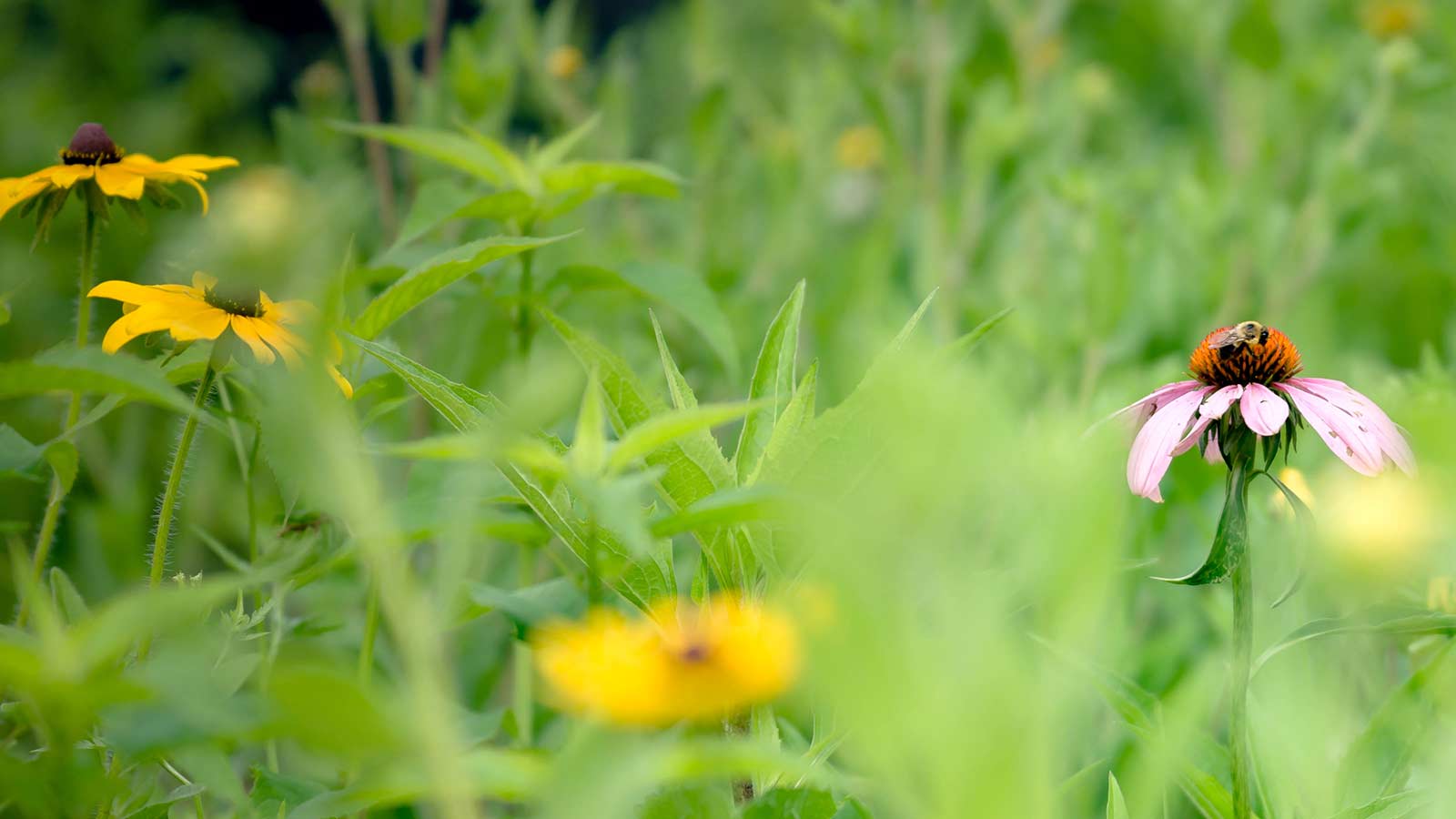
Before I go too far, I want to share some good news. We recently learned that the town of Garner updated its development policy to state directly that areas designated as pollinator gardens or native meadows (including Piedmont Prairies) will not violate rules governing allowed vegetation (see details here). This is a huge step for municipalities around the Triangle. On behalf of the many humans and other critters who will enjoy these spaces, we want to thank everyone in Garner who worked to make this possible.
Weather Notes
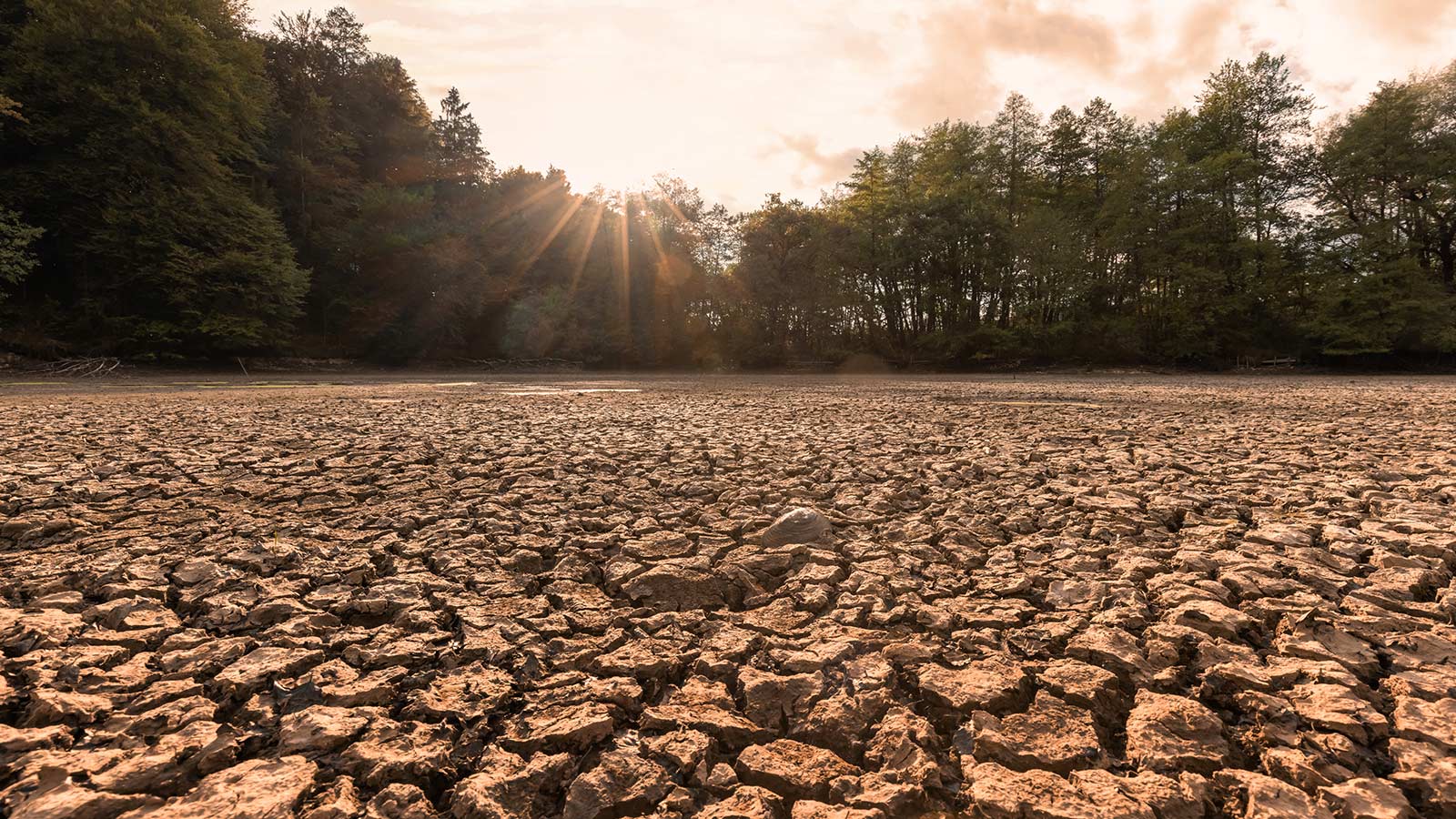
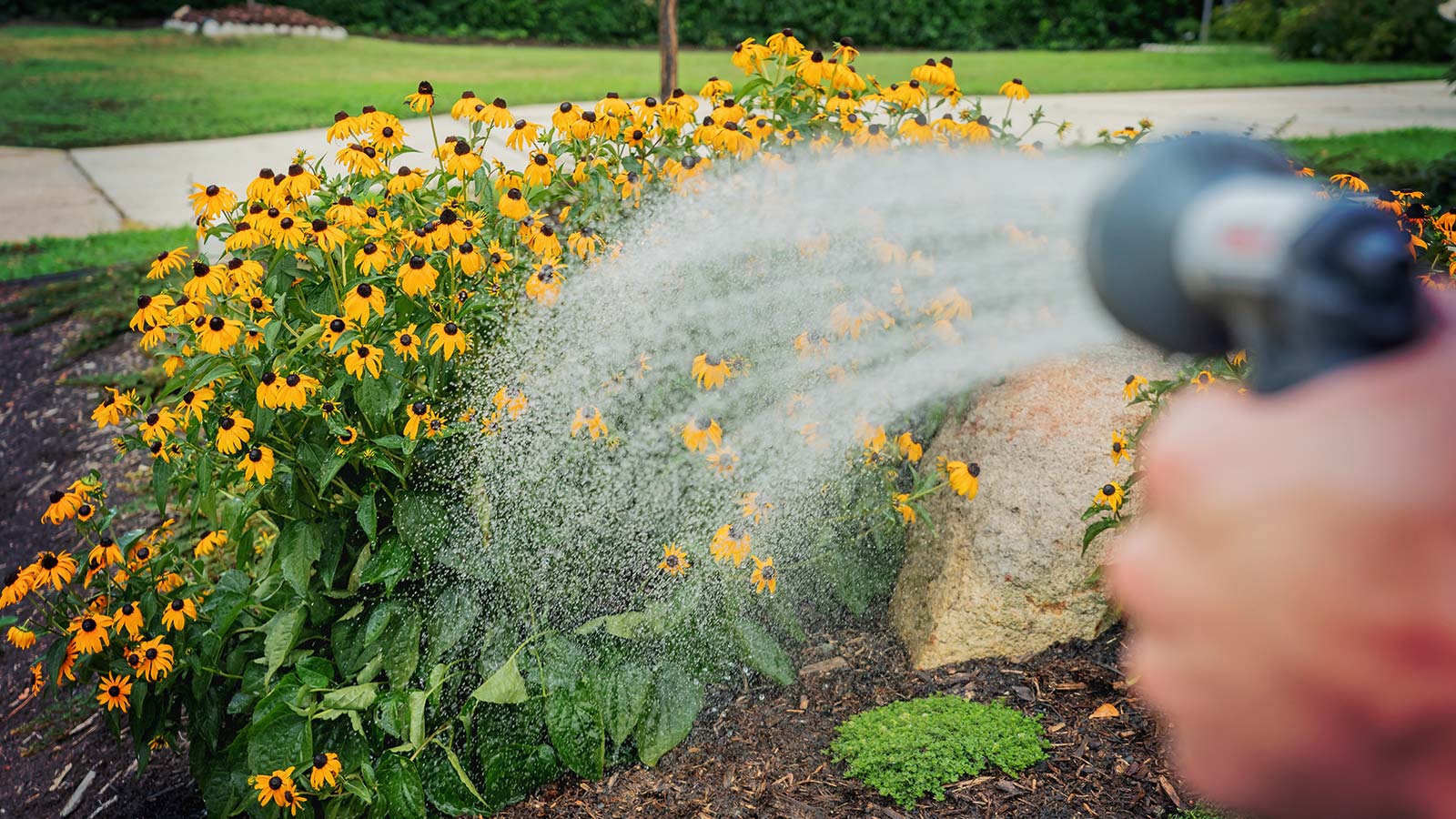
North Carolina’s rain is typically fairly even throughout the year – a little more in late Summer and a little less in Winter. We don’t really have a rainy season here. But that even distribution doesn’t mean our trees and other plants are cared for evenly. In Summer, heat and evaporation make water demand much higher than in Winter, when it’s not only cooler, but the majority of the plants are snoozing away. So the welcome rainfall over the last month came when we needed it most. We have closed the gap between actual and expected by a lot! We pulled out of two levels of drought. But we’re still in moderate drought, so not completely out of it. But whew, anyway.
Rain Summary (from RDU):
- 1.85” since 7/28 (historic average 3.2”)
- 24.29” Year-to-date (historic average 28.6”)
Yard Sleuthing Part 2: FUNgi FUNdamentals
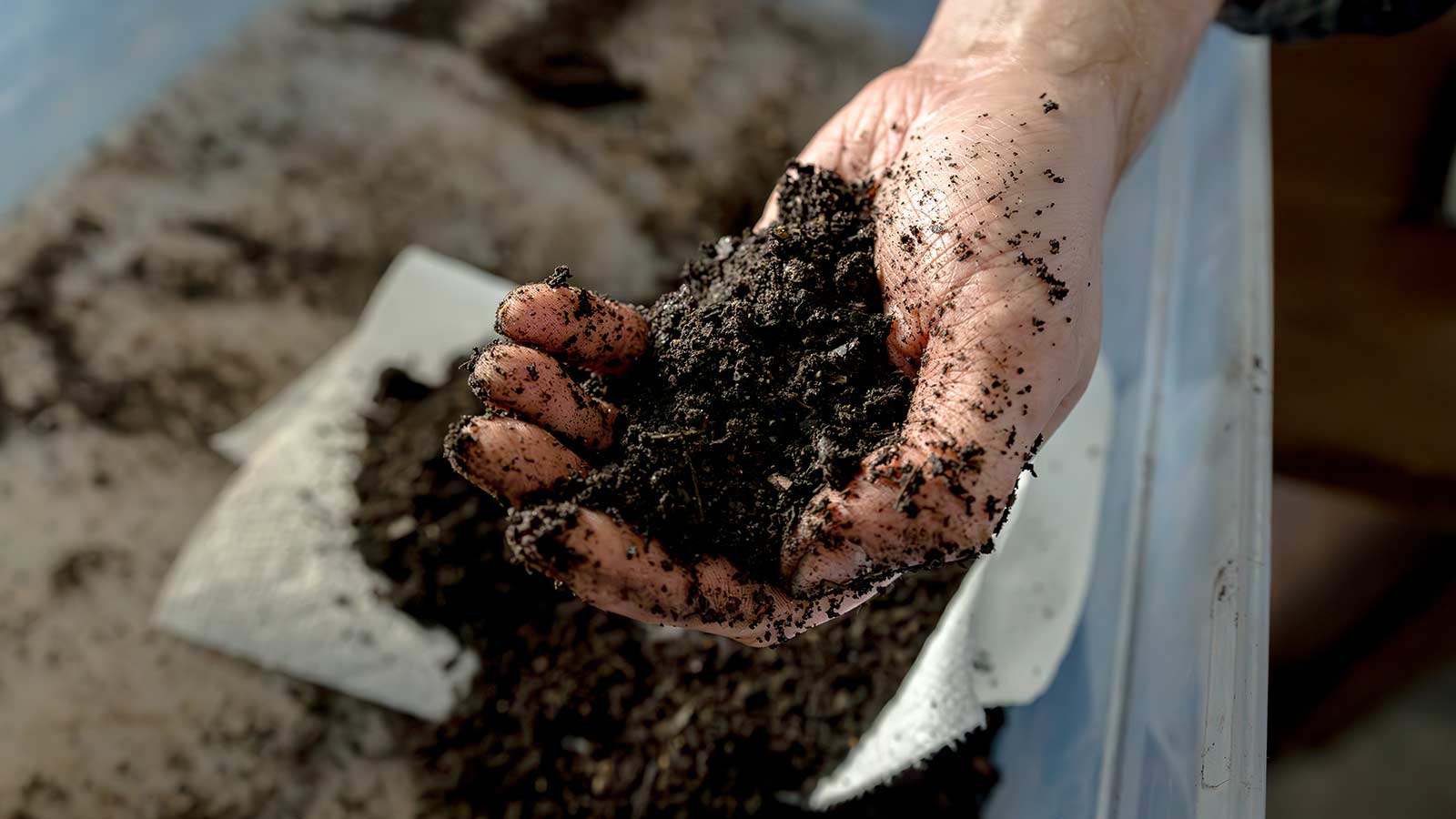
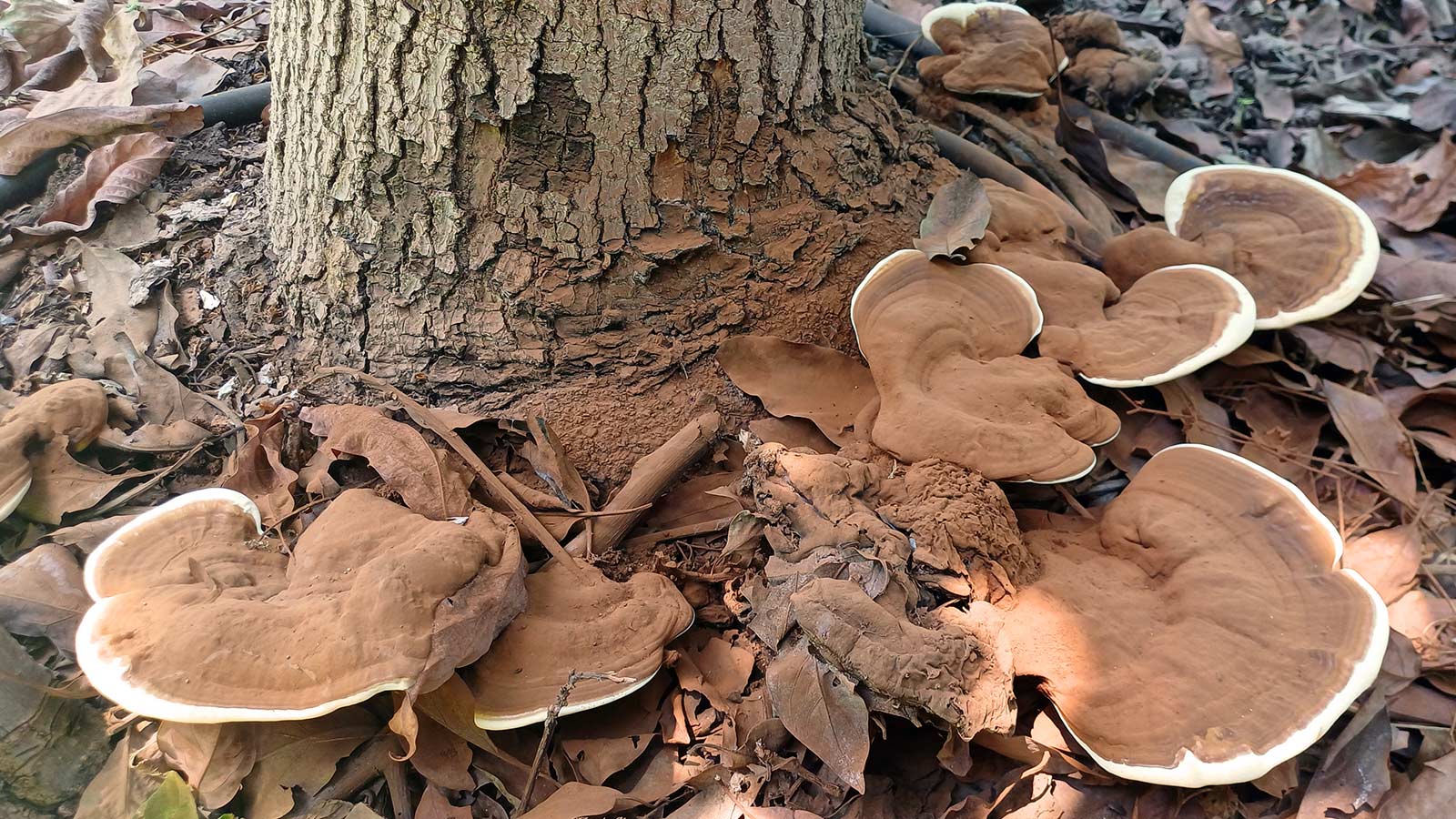
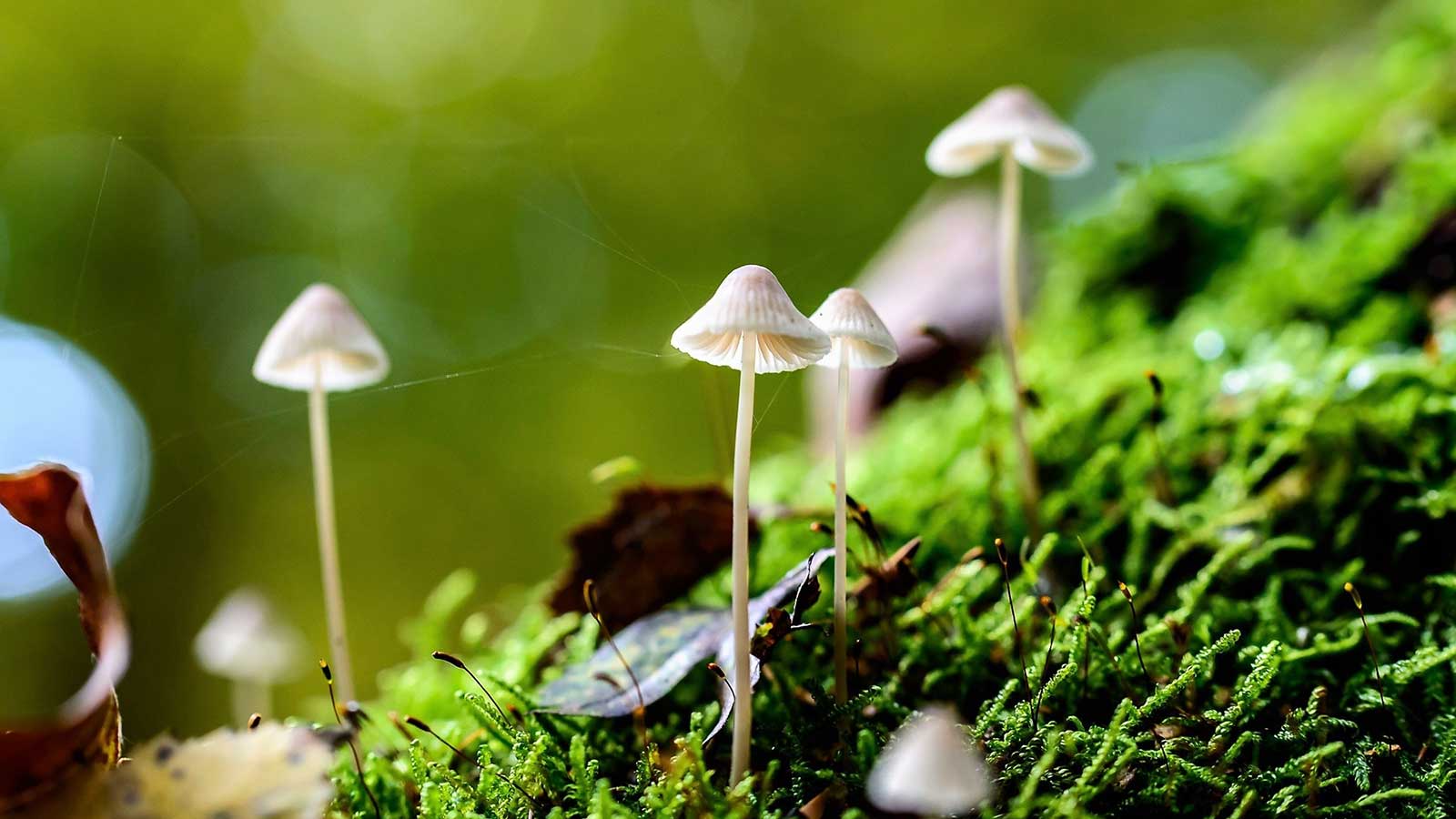
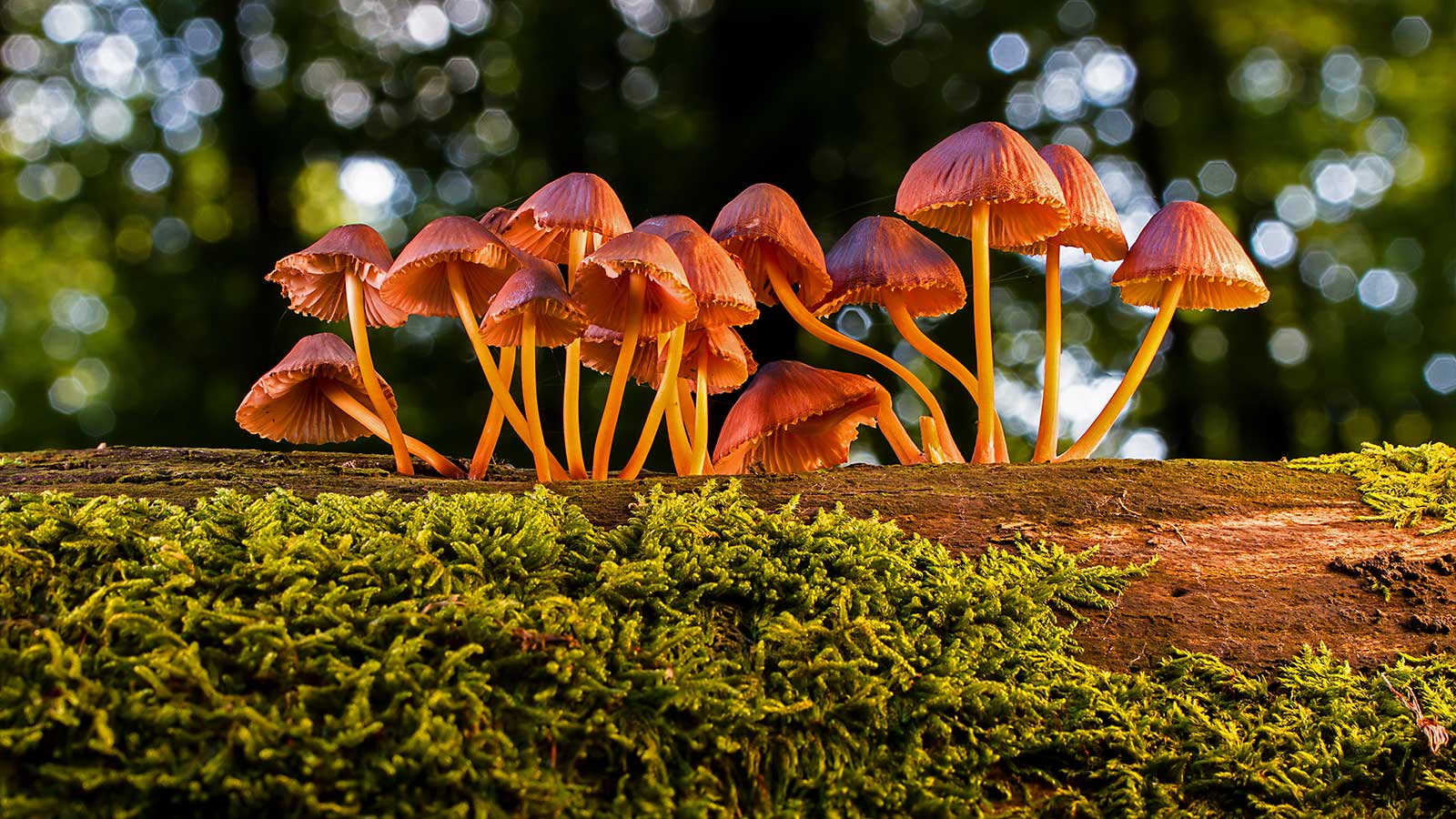
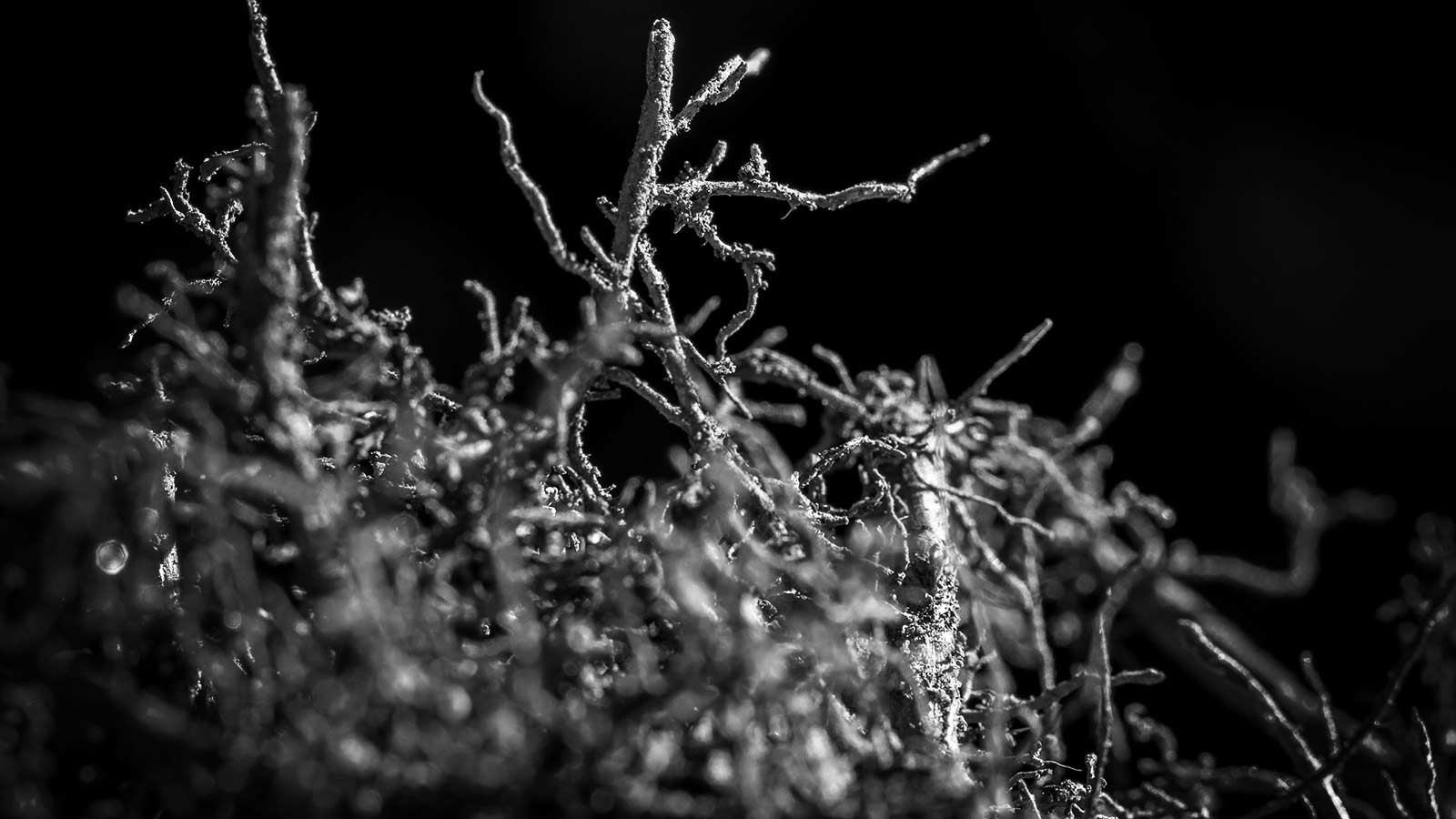
Have you noticed how many mushrooms popped up seemingly overnight? The rains, along with a slight drop in temperature, signaled to the myriad fungi that live underground that it was time to push up mushrooms. Mushrooms act as flowers do for plants: they are the reproductive part of the fungus and produce spores that scatter in the wind. And, as flowers and seeds are for plants, producing mushrooms is an expensive proposition, but when the fungi have had a good run for the year, and their reserves are flush, they push them up in spectacular numbers overnight. Mushrooms don’t pop up abundantly every year. The conditions have to be right.
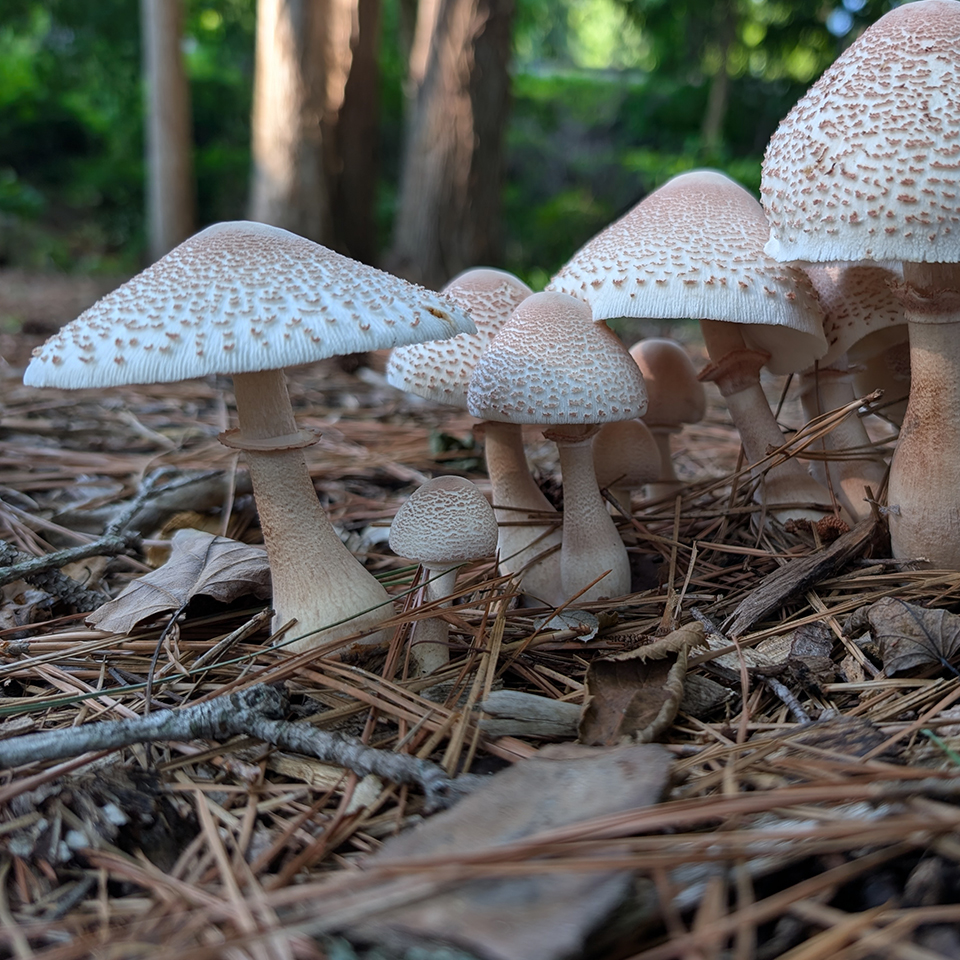
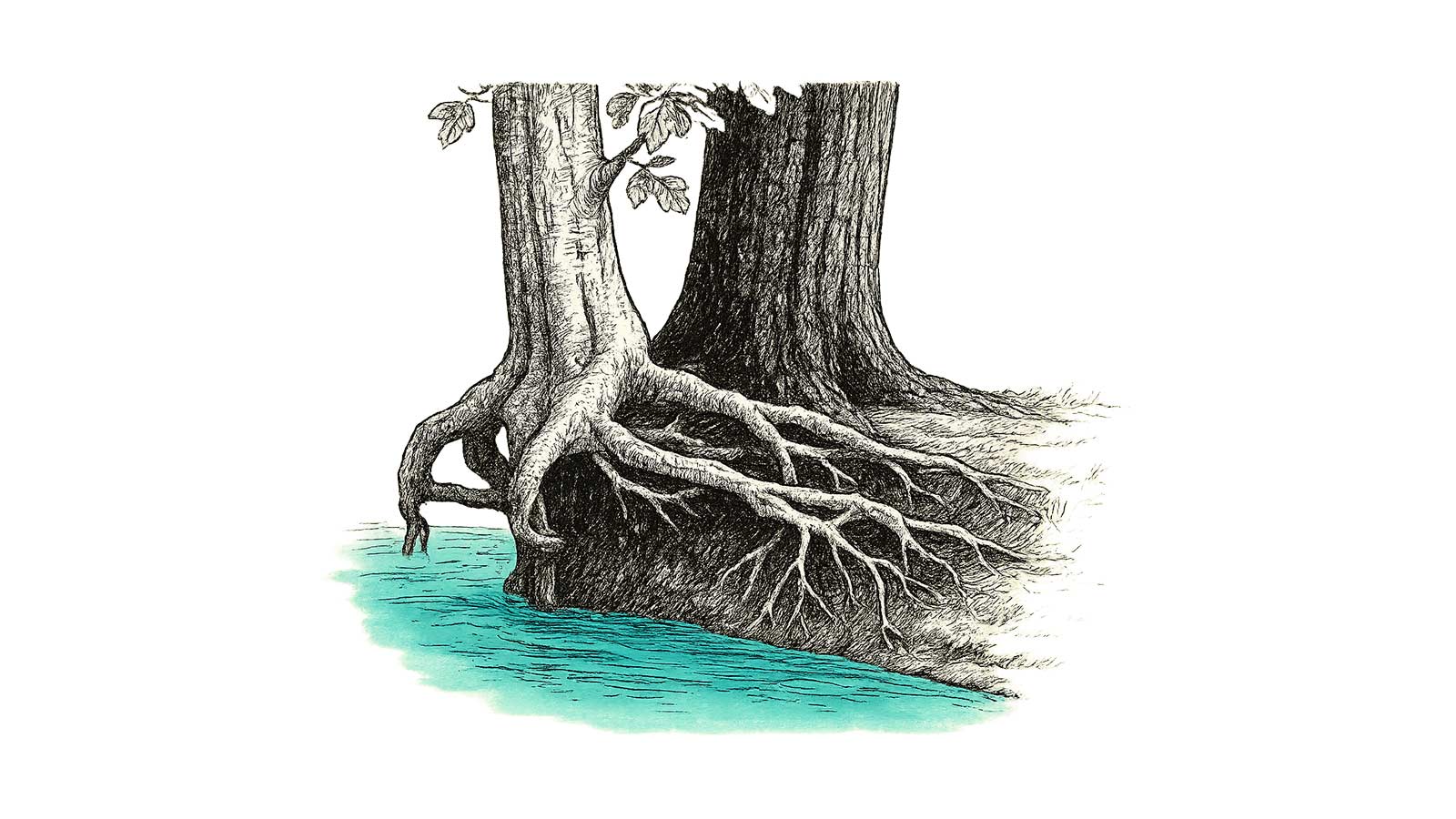
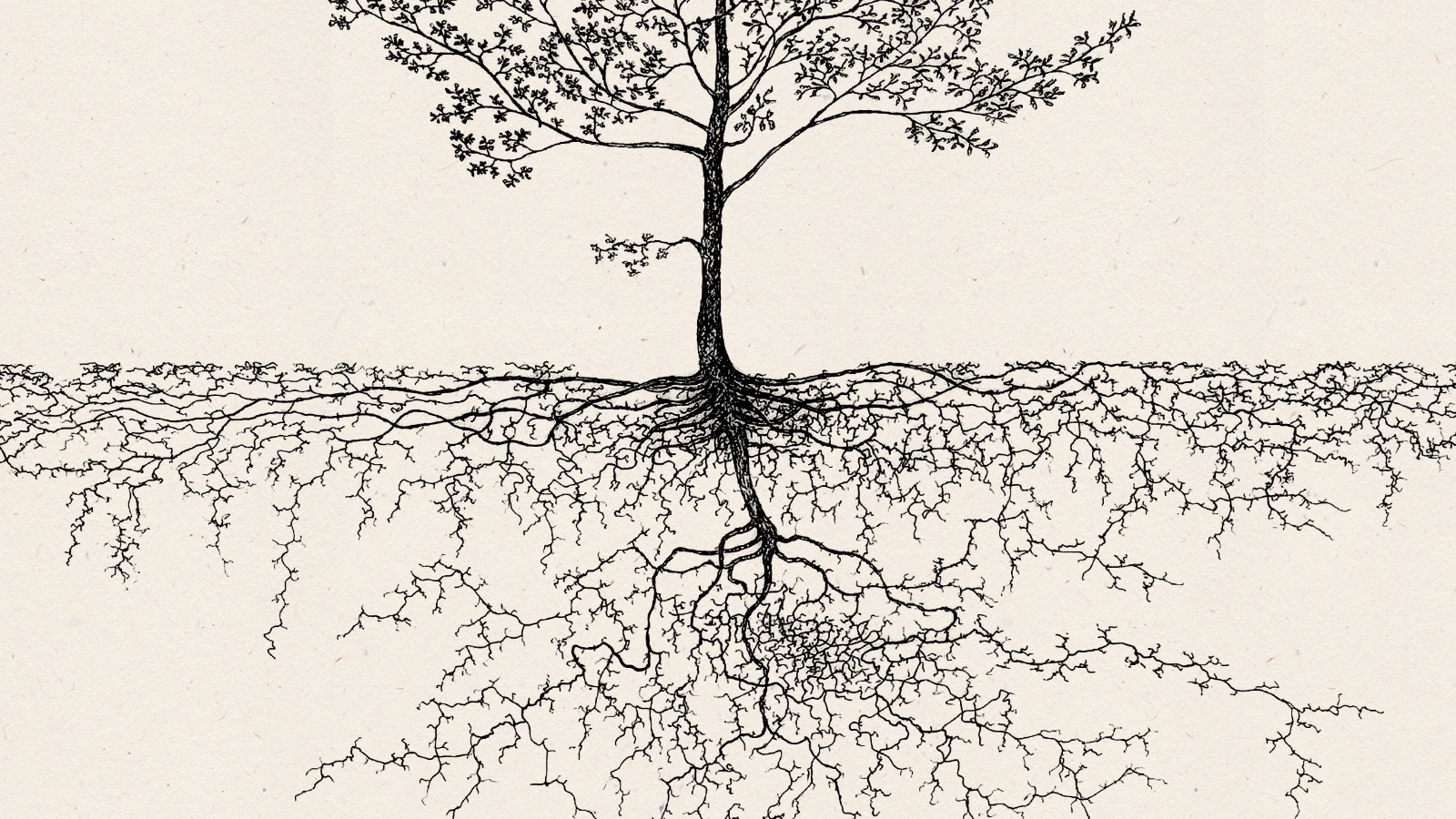
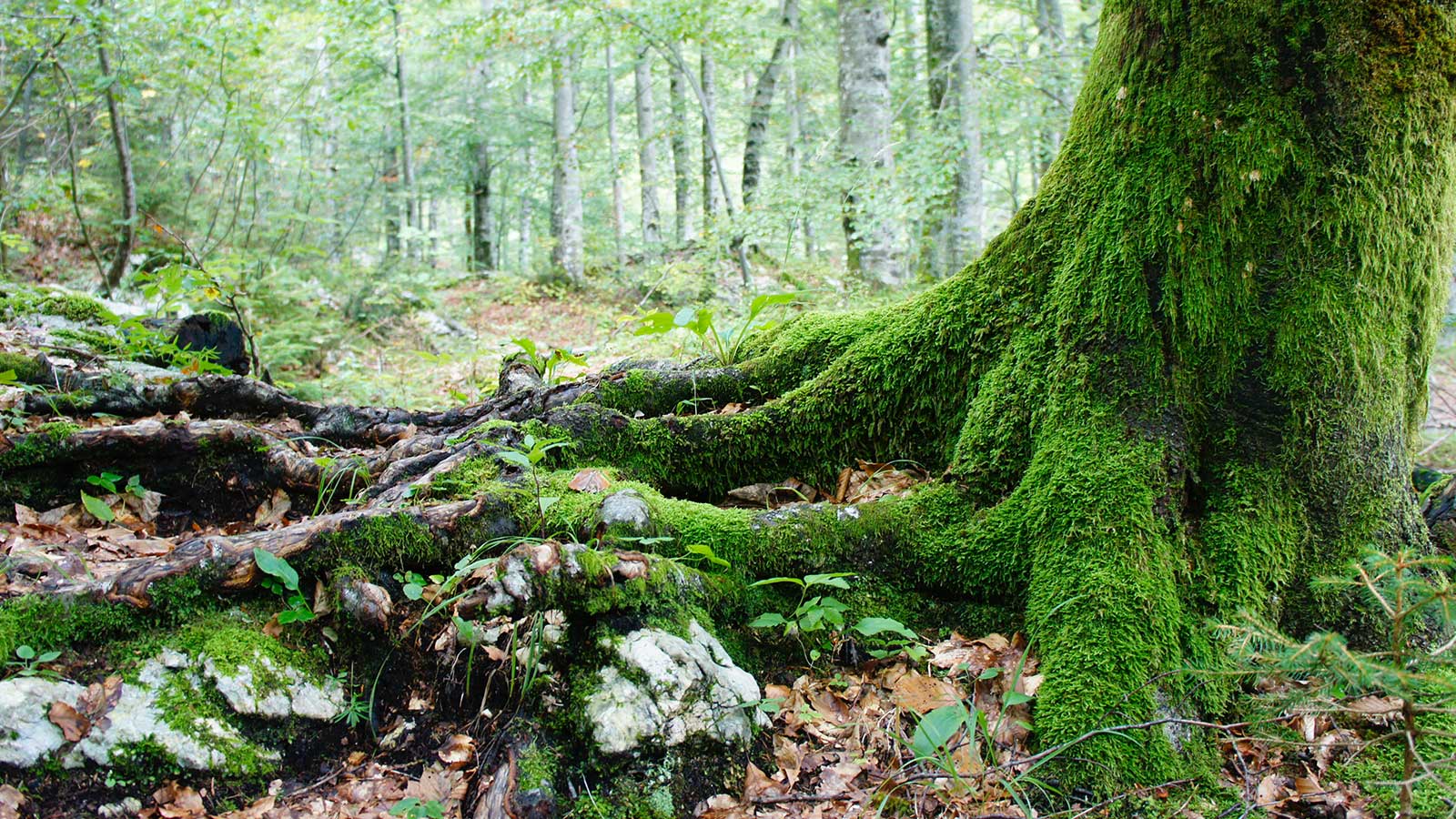
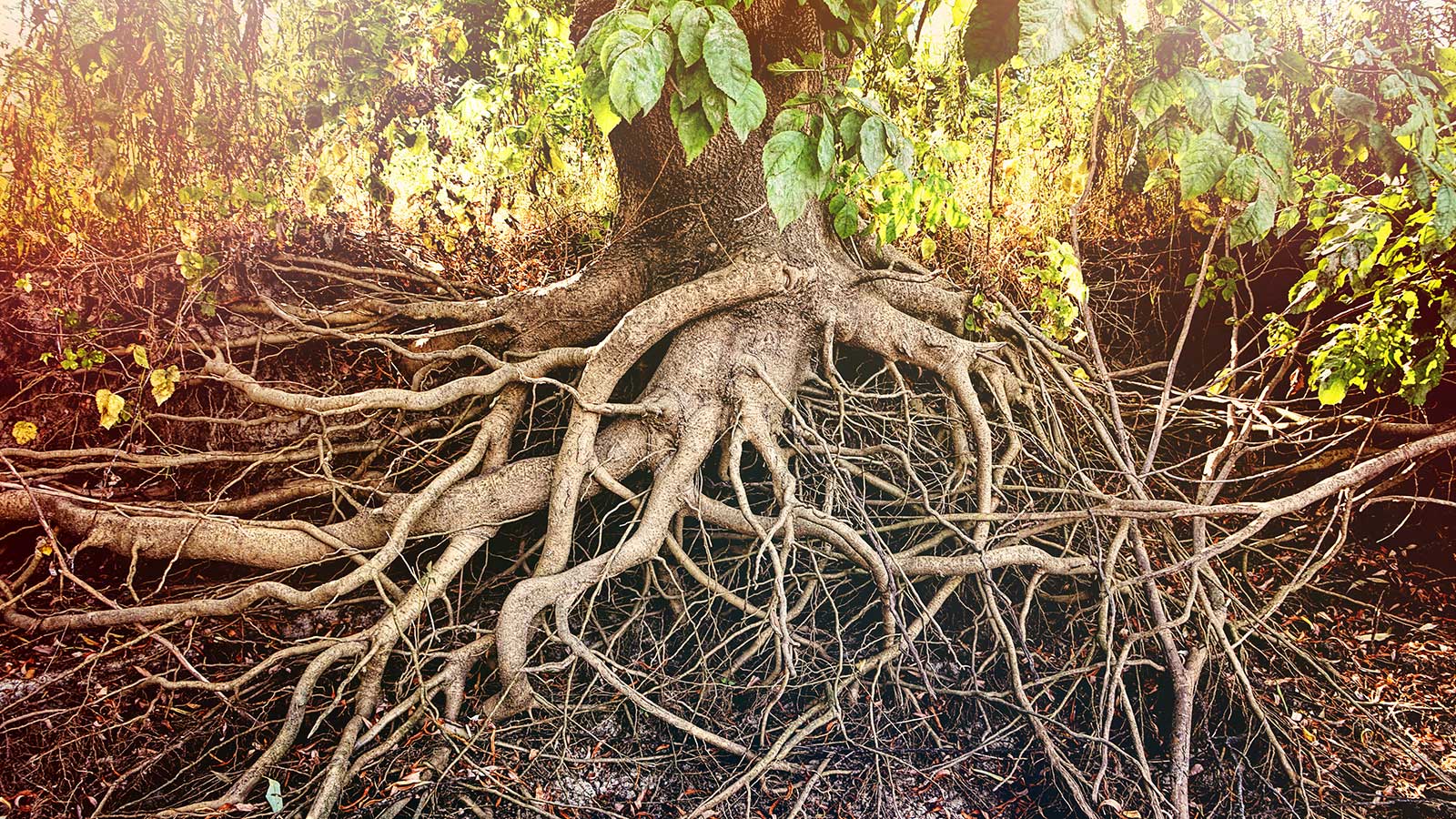
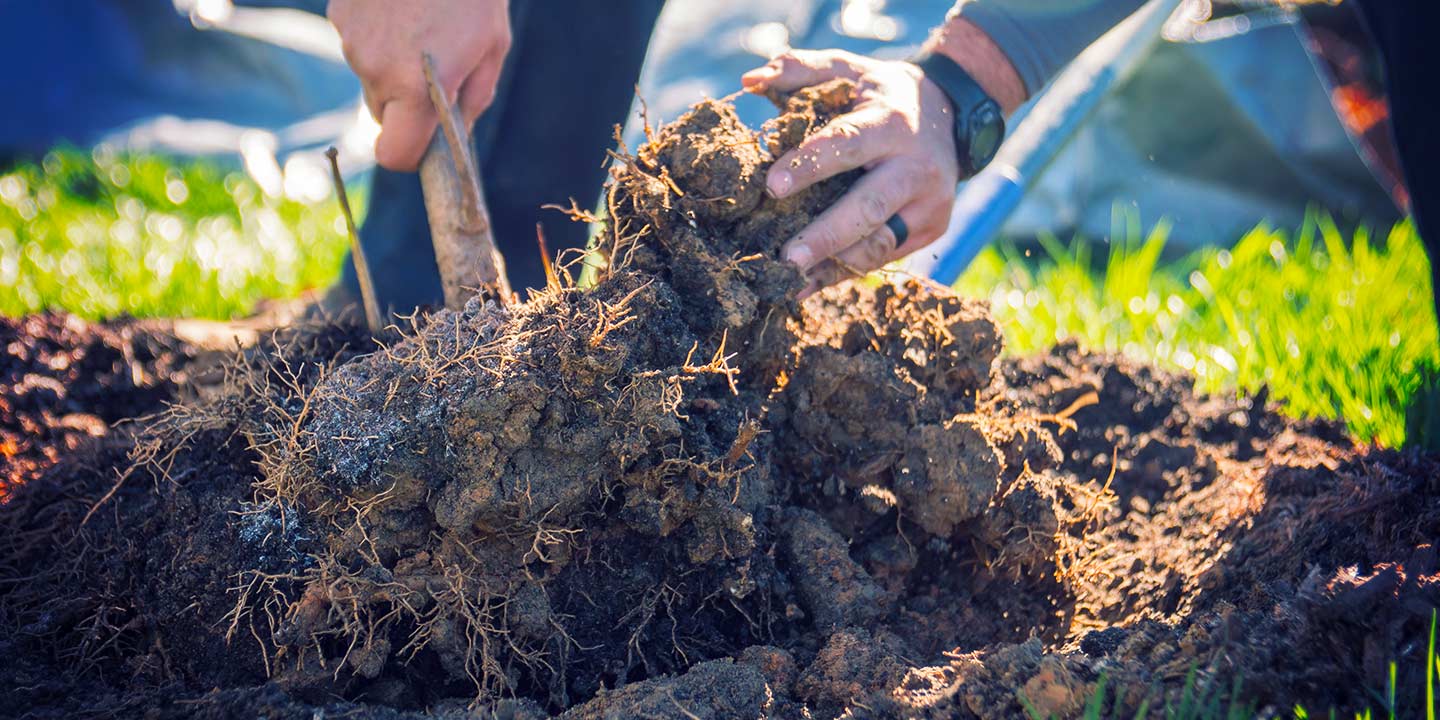
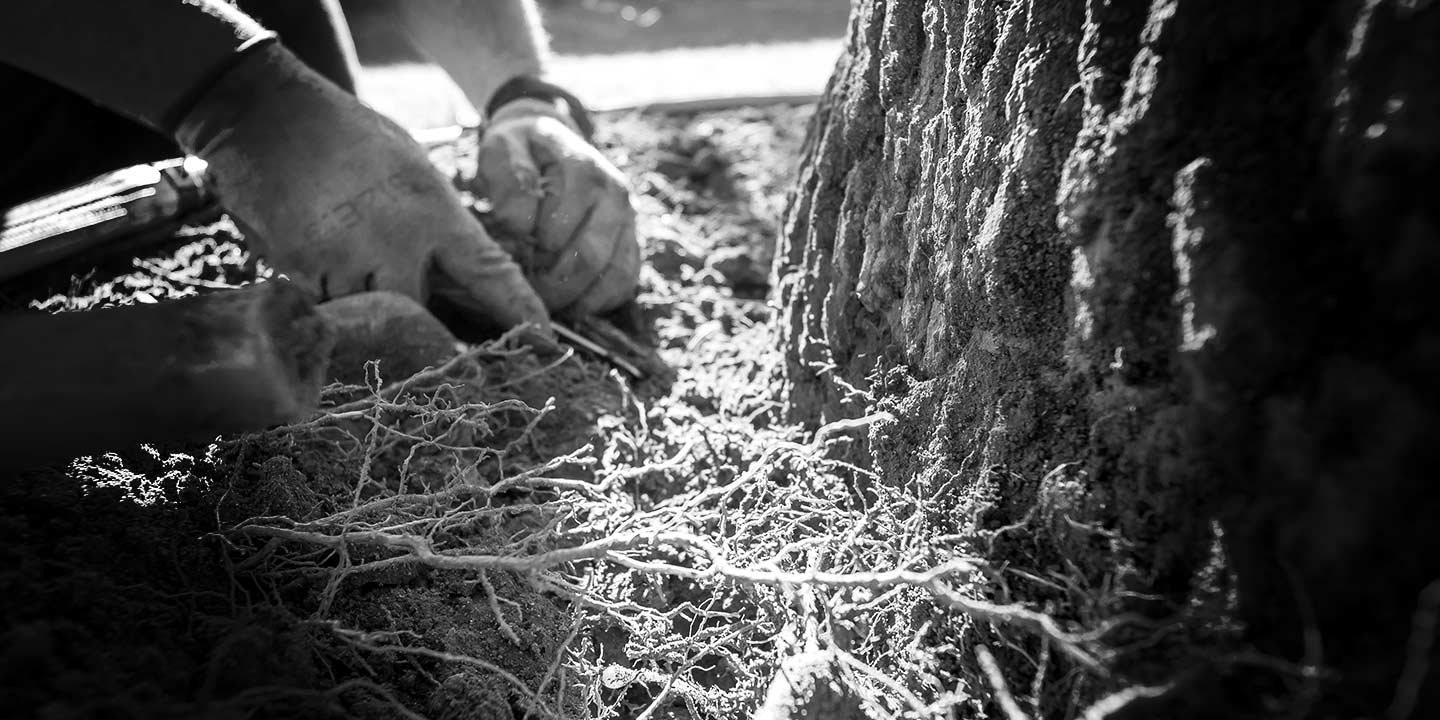
Trees and fungi have been locked in an evolutionary tango since the Devonian age. Even earlier than that, fungal structures called arbuscules were already living inside plant cells before true roots had even evolved in plants. Fungi did the job of roots before roots existed, and they partner with roots as mycorrhizal fungi to this day, in a beneficial and mutual partnership. They’re built for each other.
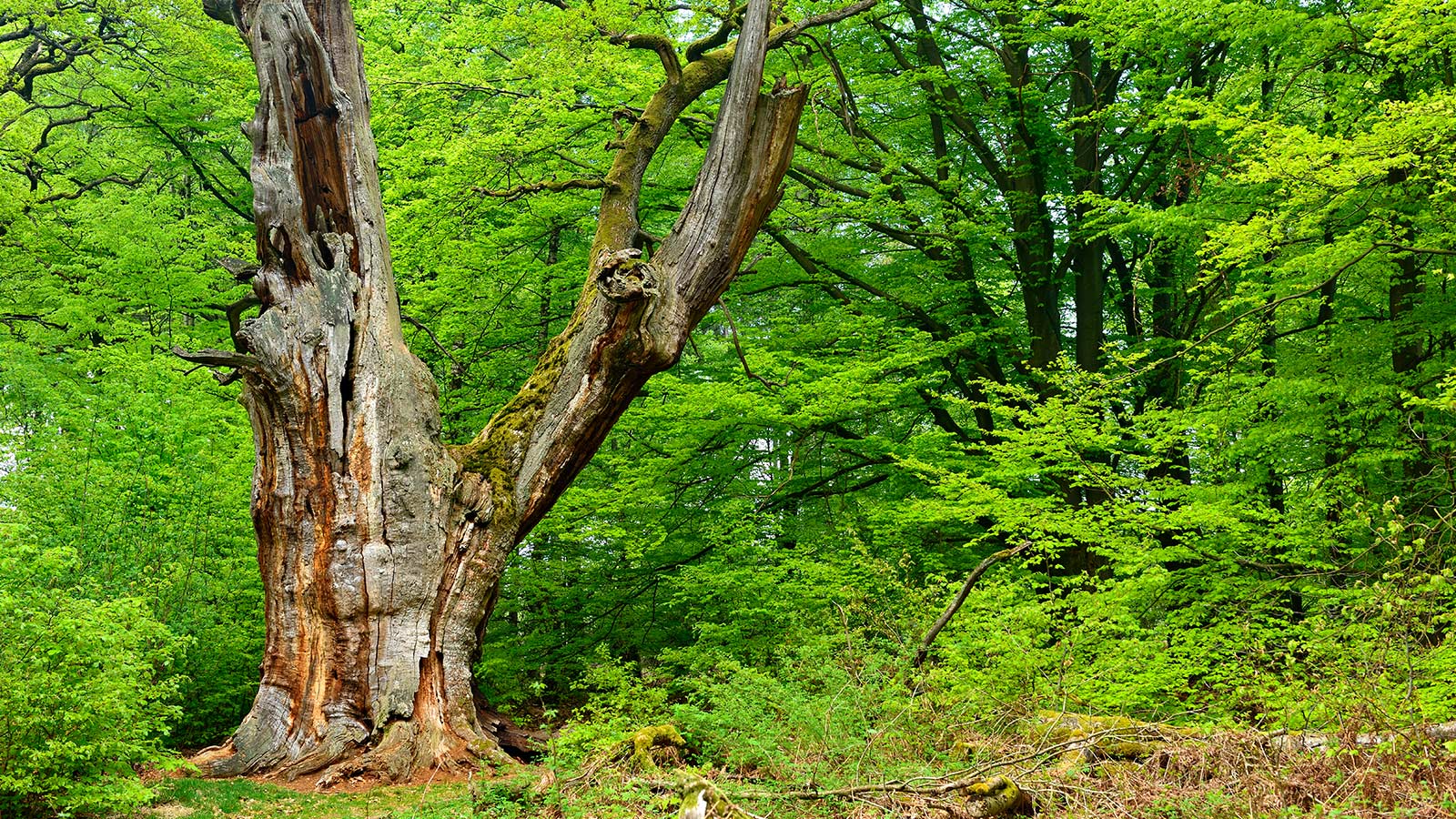
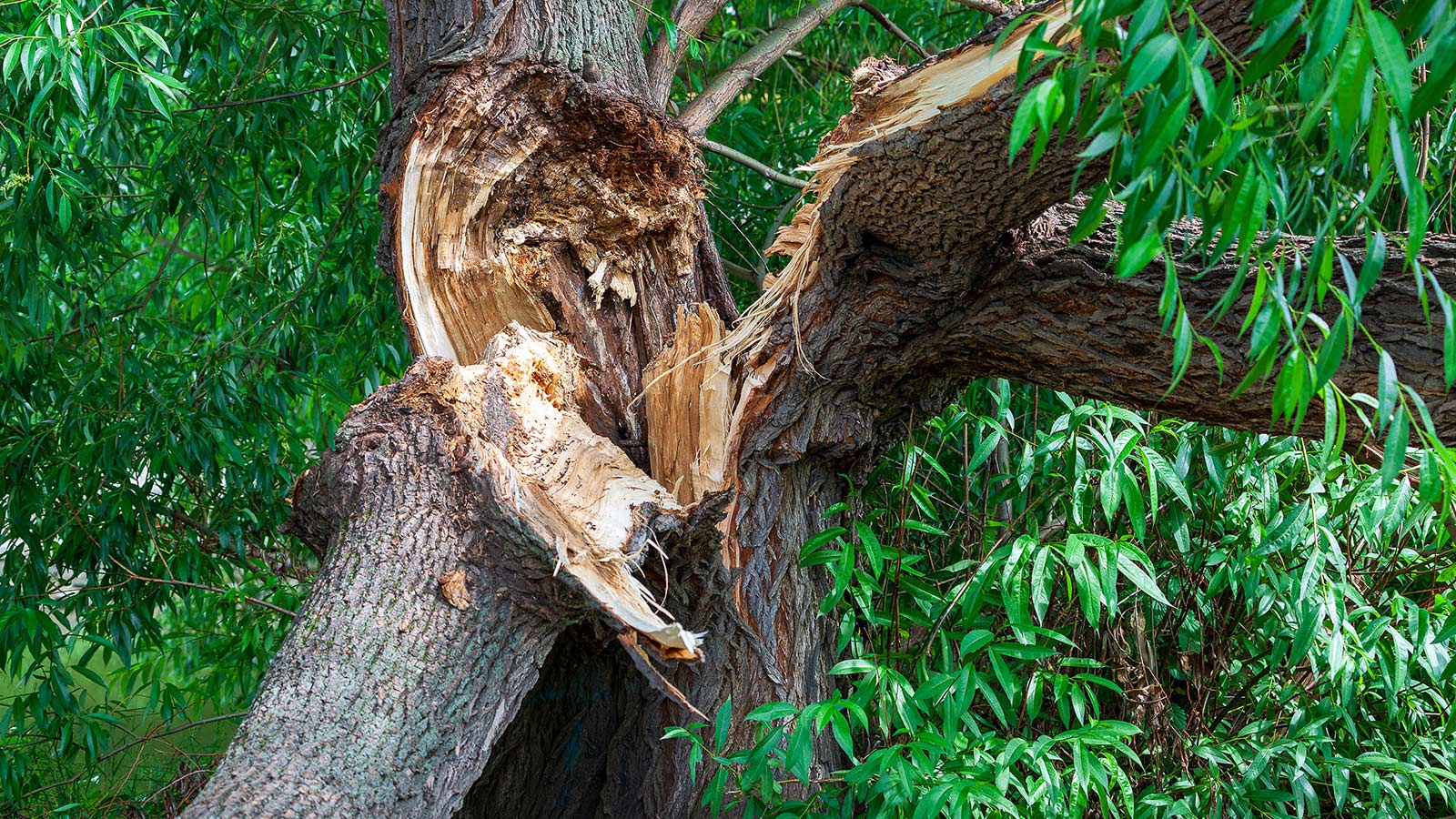
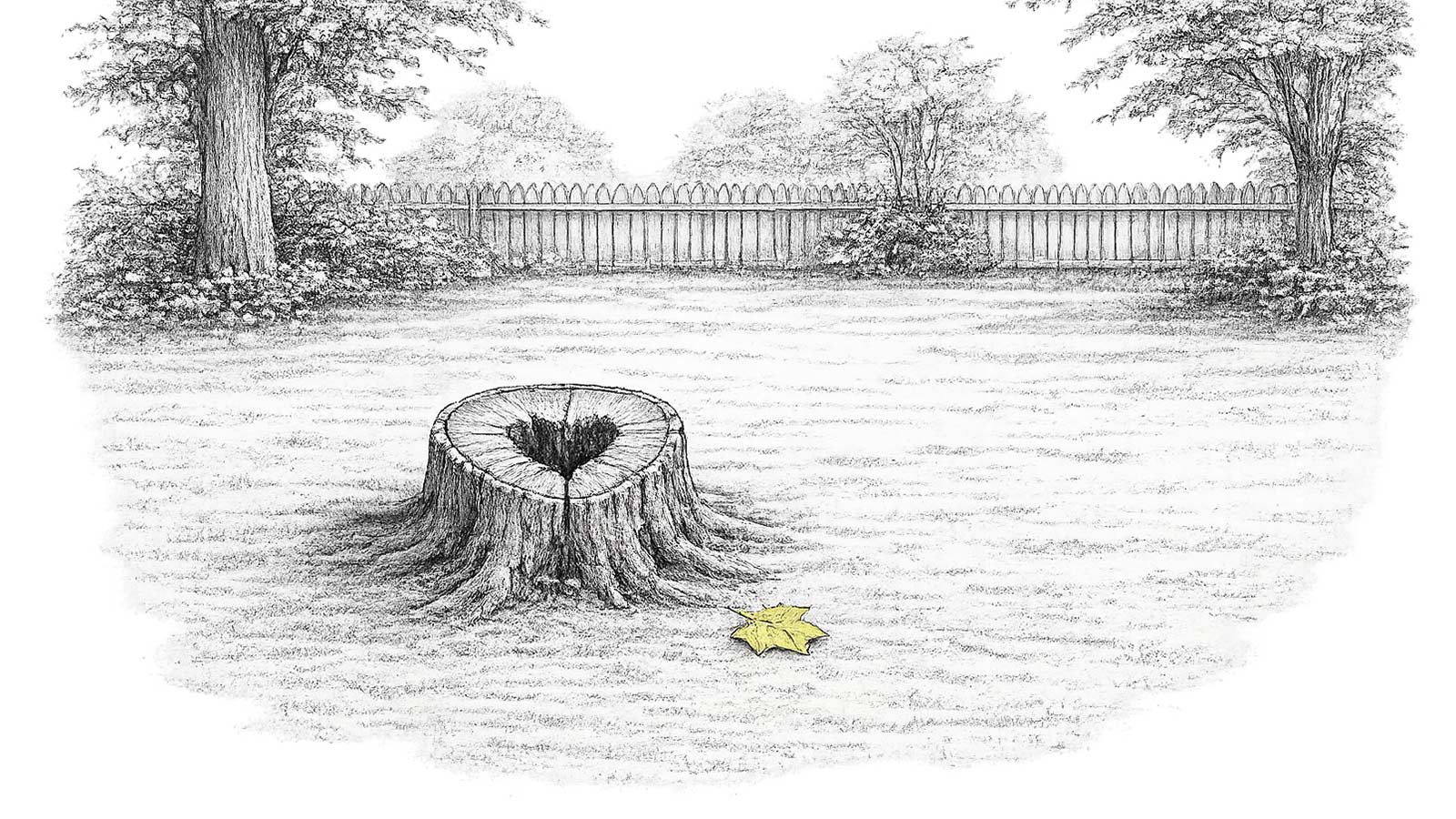
But it’s not just a happy dance – it’s a tango, and while trees and fungi depend on each other, they also exist in tension. Fungi are about the only things that can break down lignin, which is a big component of the solid but dead heartwood of trees. Trees need their heartwood for strength and support. If fungi get into a tree’s heartwood, they can weaken the tree to the point of failure in extreme cases. However, trees fight back through compartmentalization processes, forming walls to prevent further decay. In fact, hollow limbs and trunks are extraordinarily strong if the protective walls do their job.
But decay is necessary. The importance of nutrient recycling in forests became clear (almost with a “bang”) when Chornobyl melted down in 1986. A forest that became known as the Red Forest was killed within days of the accident. Radiation also killed and suppressed decay organisms, including fungi that would have started the cycle of decay and renewal. For decades after the accident, dead matter built up, not breaking down, forming a tinderbox of fuel. In fact, serious forest fires have burned through there, made worse by the heavy accumulation of dead material.
And sometimes decay on a live tree actually helps the tree! What the heck, you say? Consider when the lower or inner limbs of a tree become so shaded that the leaves can no longer photosynthesize enough to support the limb. The tree shuts the limb down and walls it off. But it can’t remove the dead limb. Fungi come in and help decay that limb, lightening the load until the dead limb drops off where the tree built its barrier. The process is called cladoptosis, in case you want something nerdy to share at an upcoming late summer grill night.
So, the take-home summary from all this cool science is:
- Any mushrooms you notice might be the fruiting bodies of some mycorrhizal fungi, beneficial partners that help tree roots take up water and nutrients.
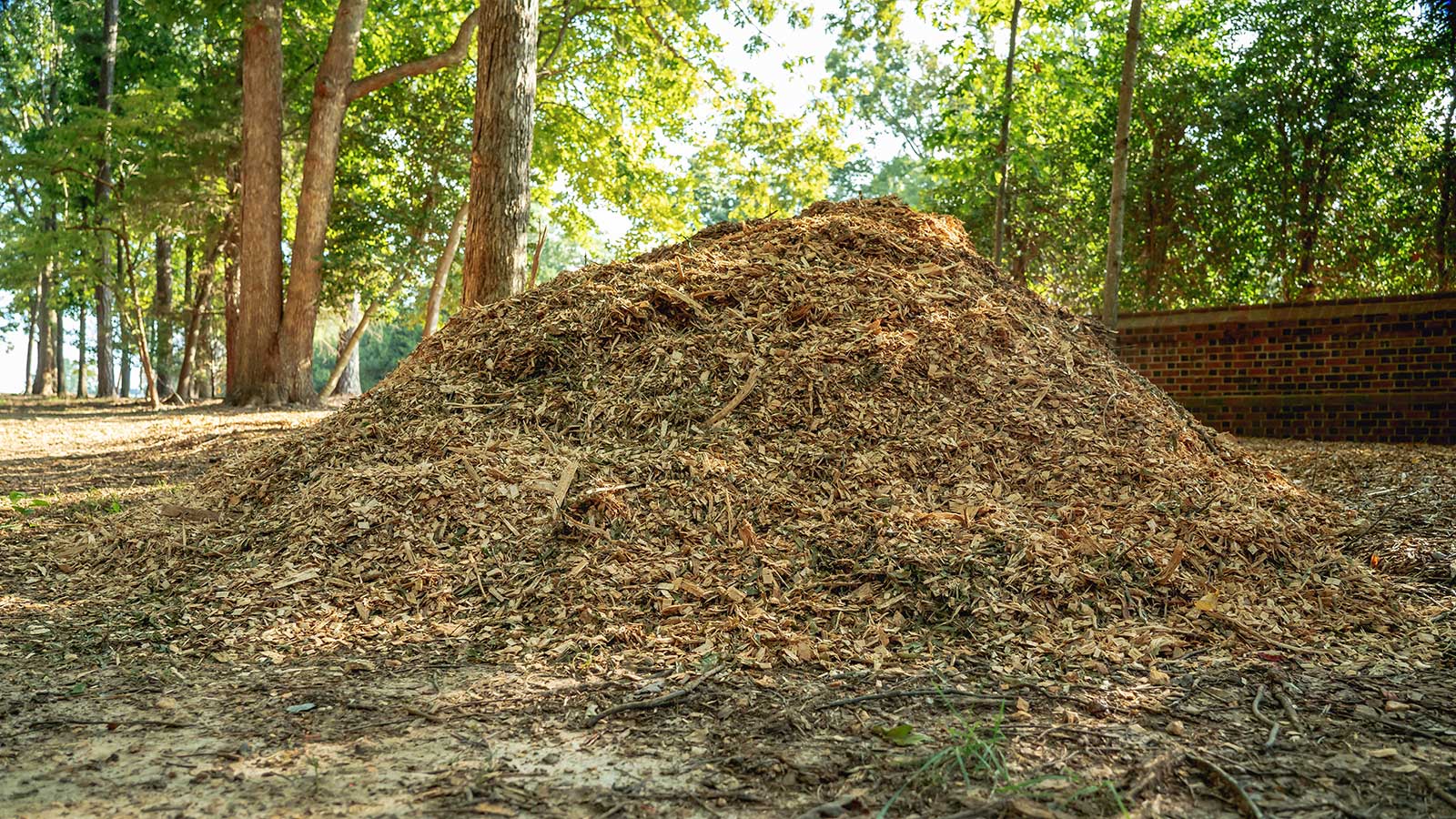
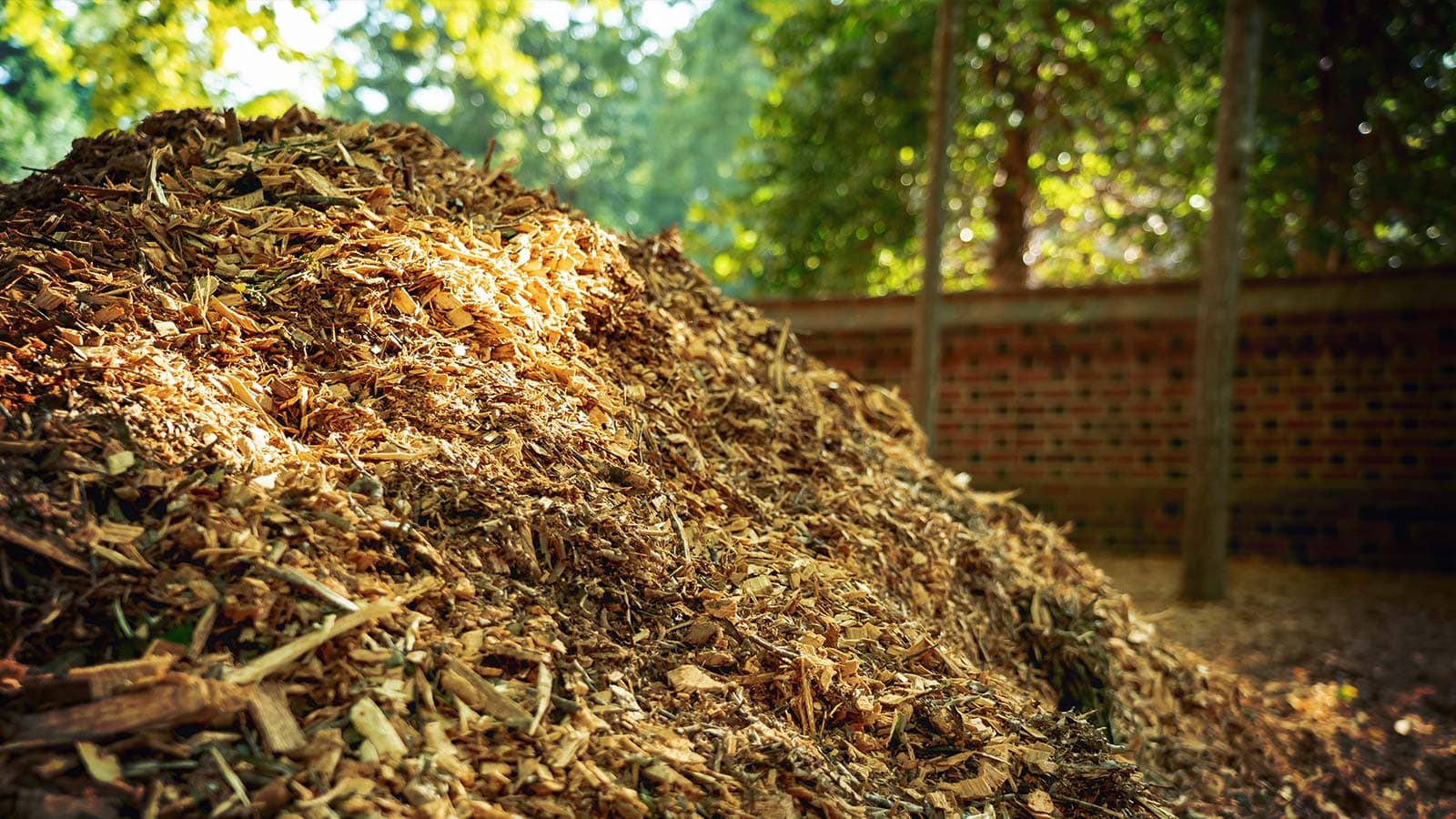
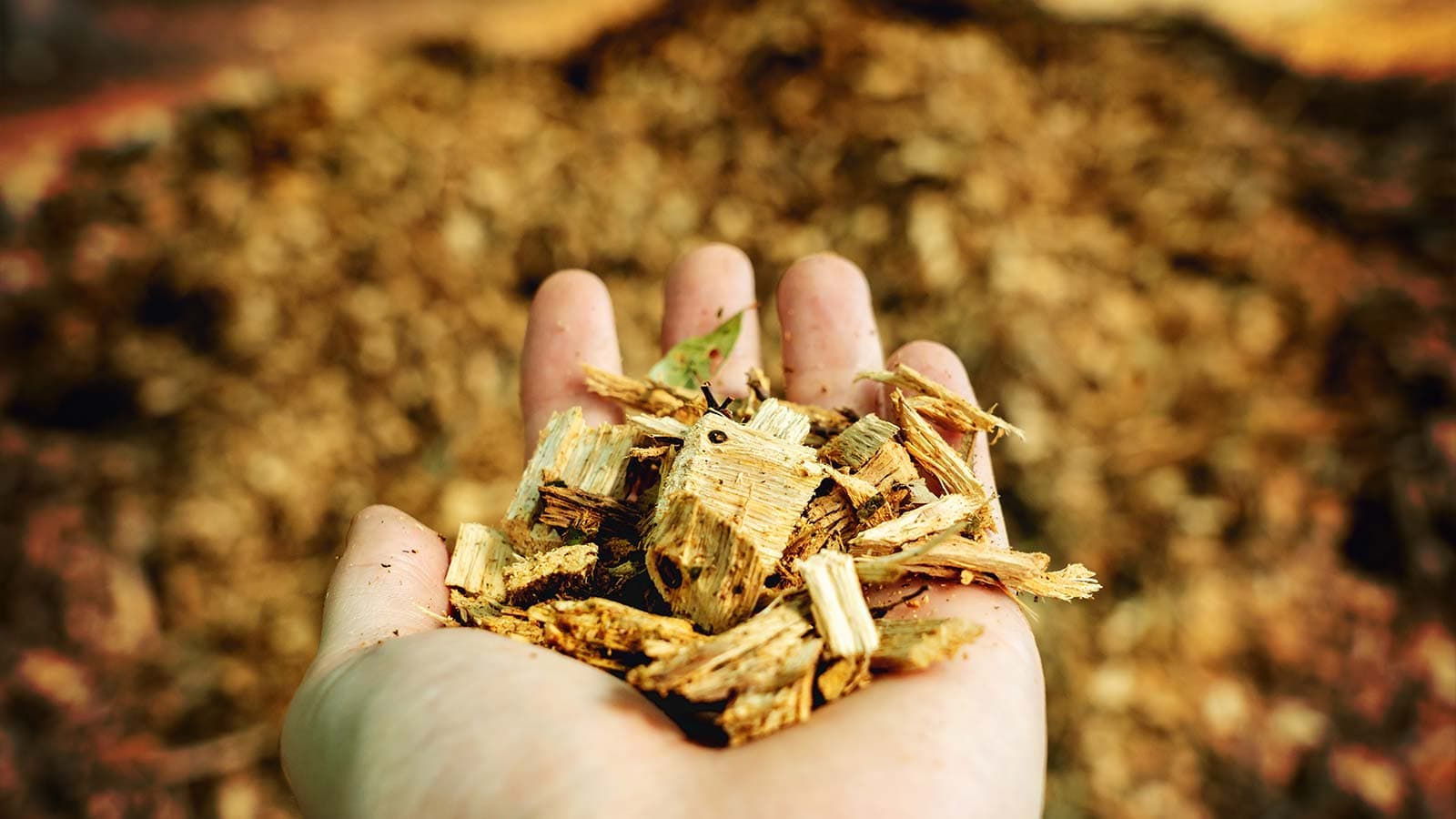
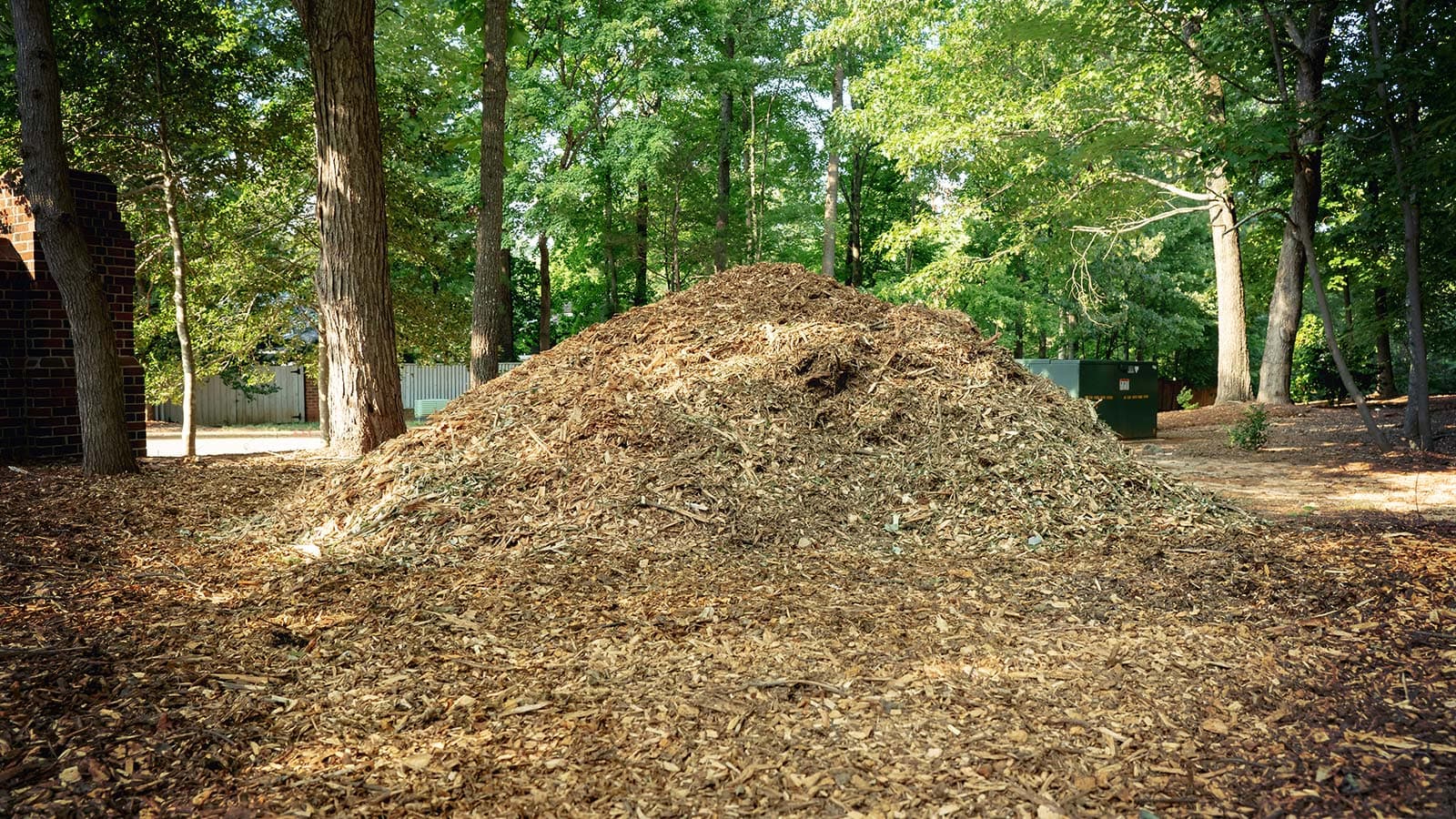
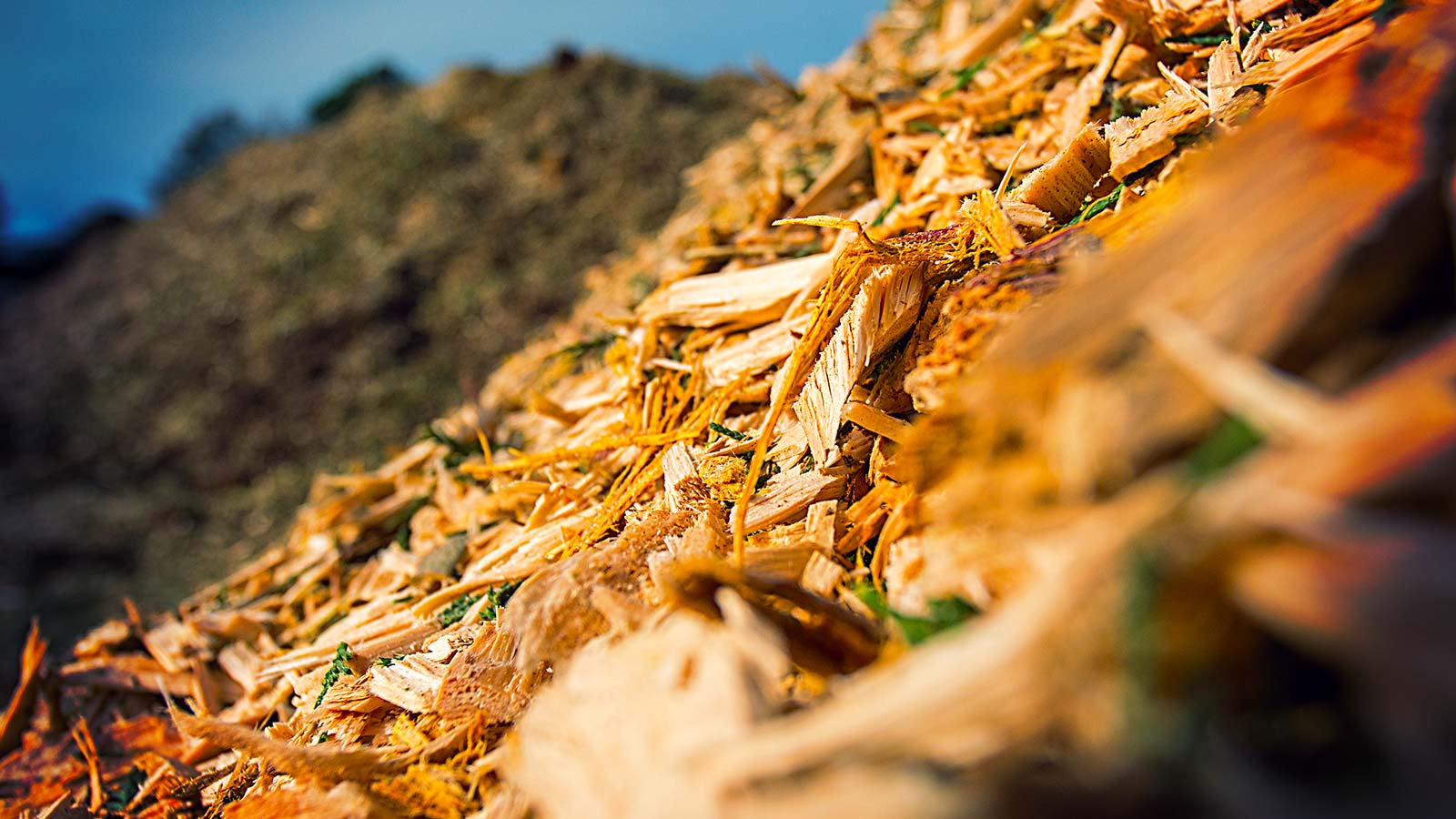
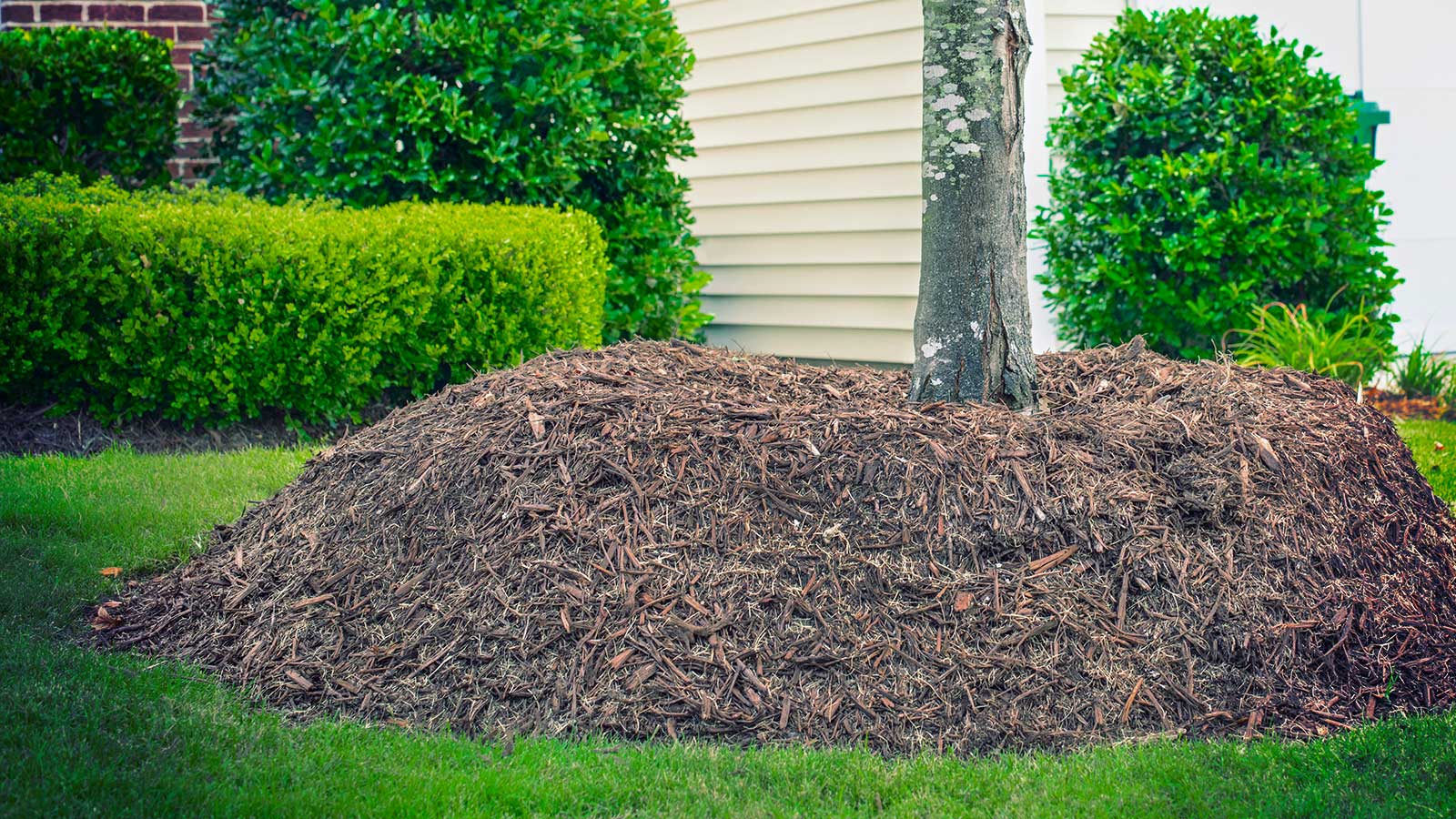
- Others are decomposers, breaking down leaf litter, old wood, and other organic matter into new soil. If you see all kinds of weird and wonderful fungi on wood chip mulch, this is all perfectly normal.
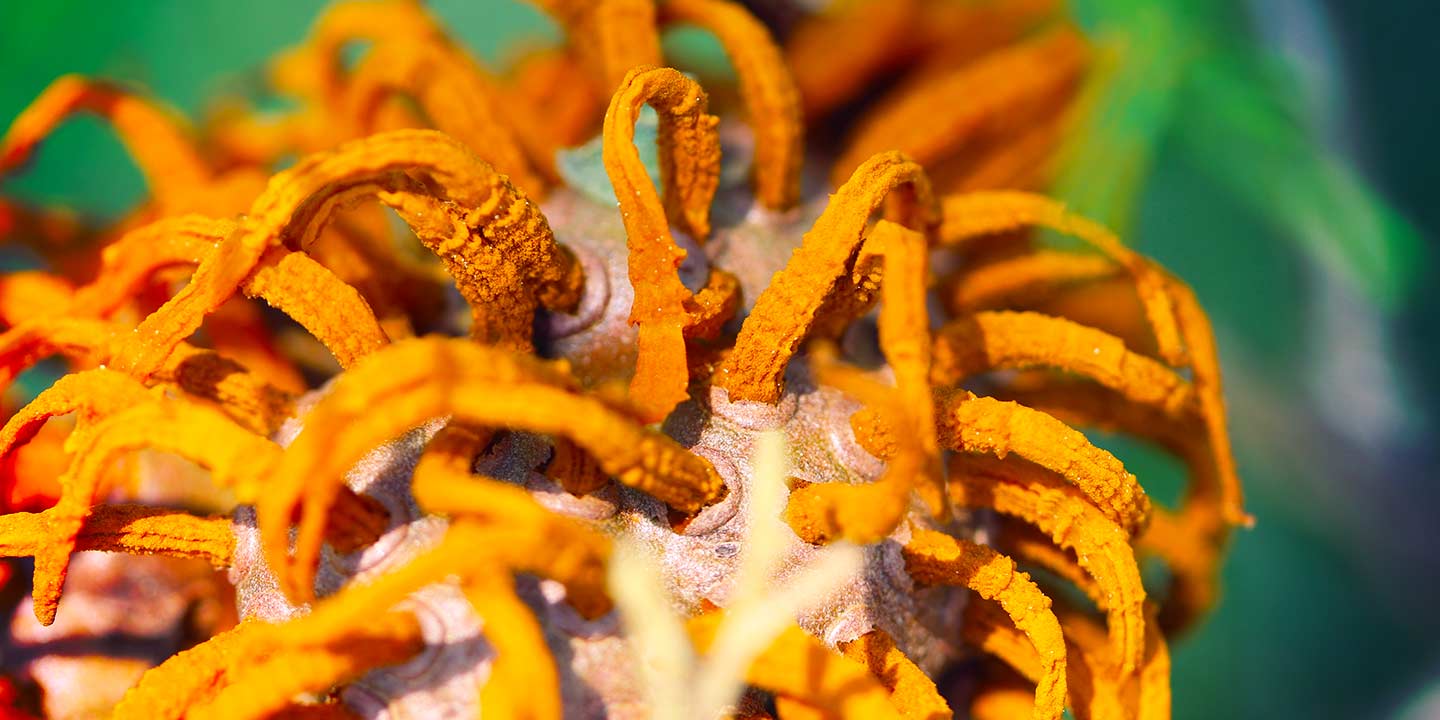
- And a few fungi actively attack living wood; if you see one growing directly from a trunk or exposed root, it could be cause for concern. Reach out to our office to set up a free quote with one of our Treecologists. We can help sort out the science on what you’re seeing.
- Read more about fantastic fungi on page 122 of From Wasteland to Wonder (the Ebook is free!).
Plant of the Month: Sourwood (Oxydendrum arboreum)
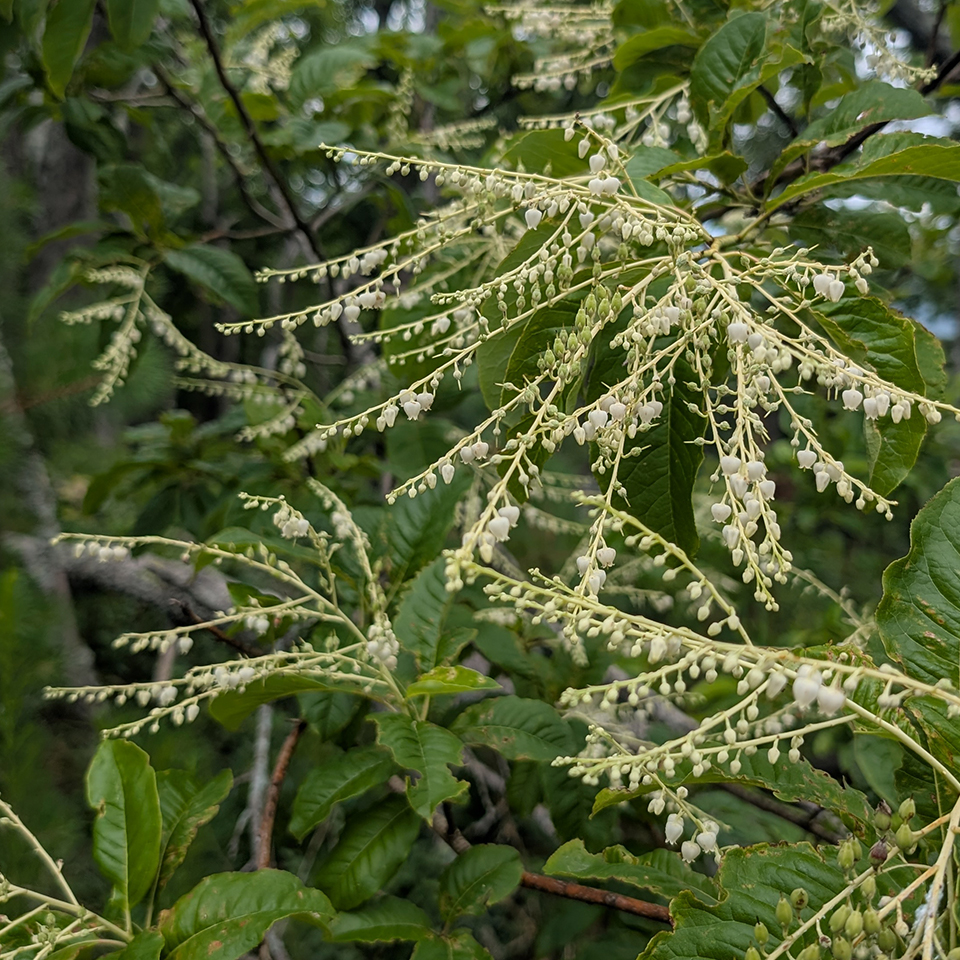
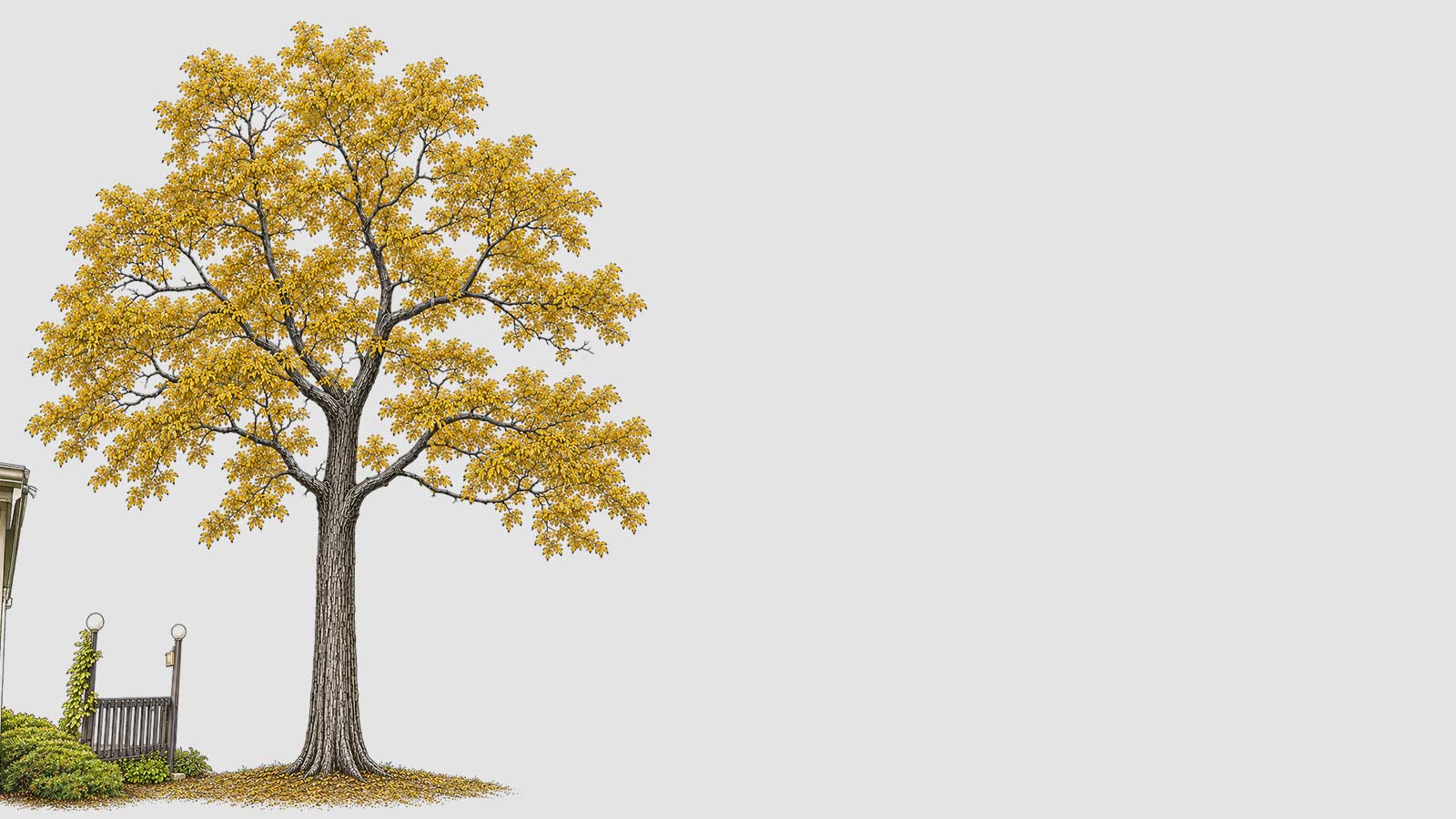
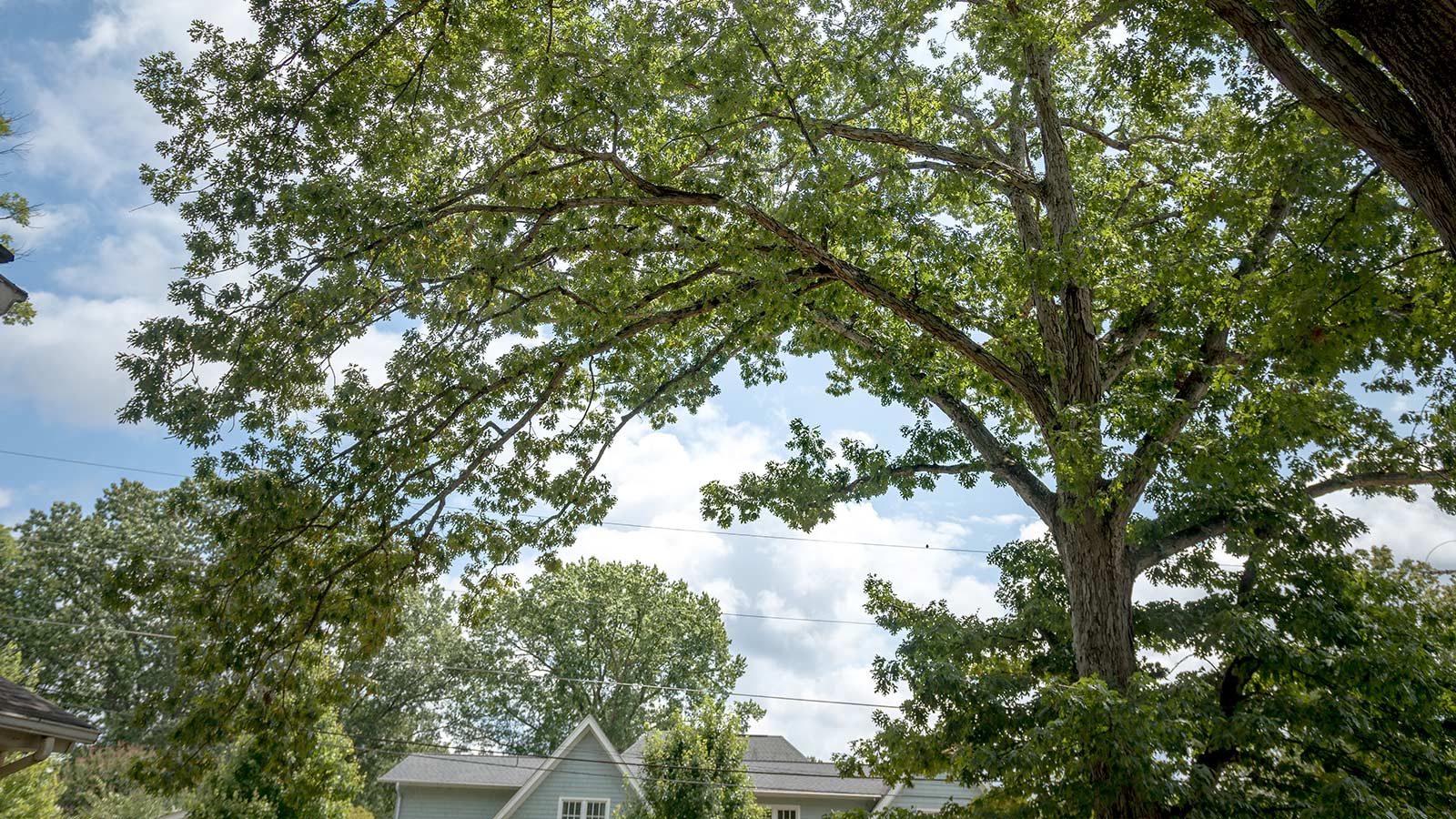
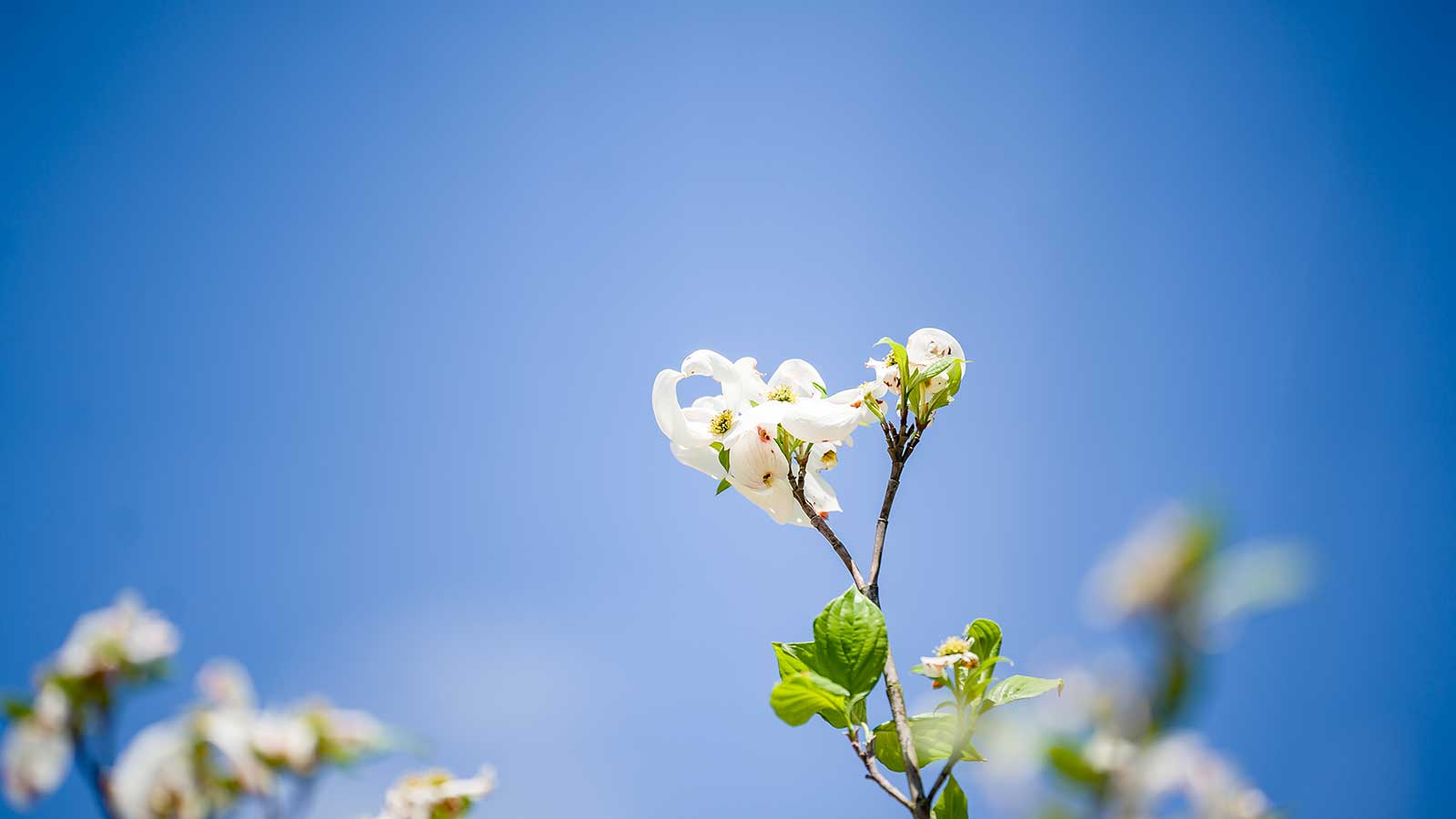
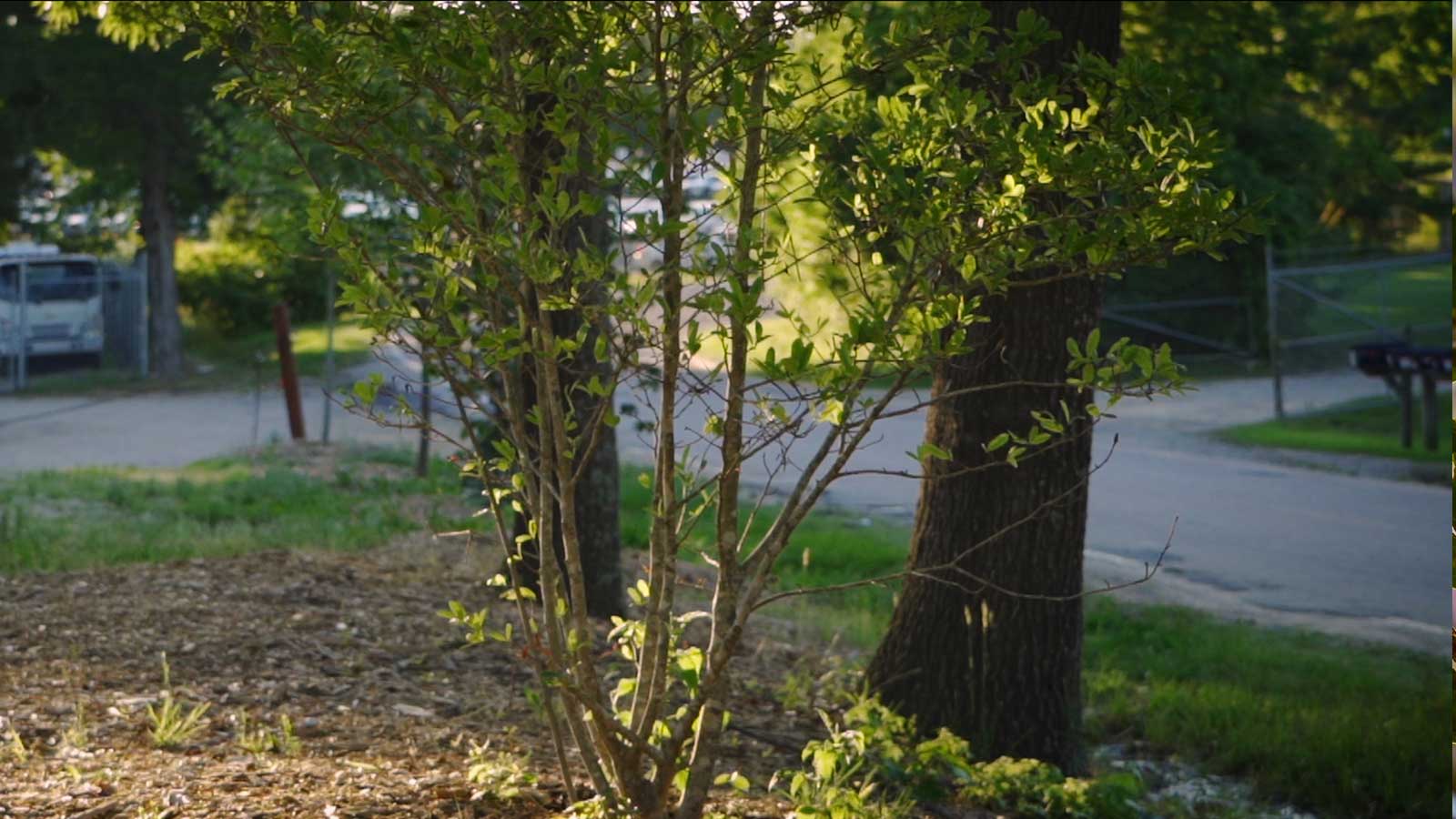
This small native understory tree is one of my favorite trees. I like the way it contorts under the oak canopy, with a sharp angle from the trunk, leaning this way or that to get some small advantage of sunlight wherever it can. It’s often not noticed at all until late Summer when its limbs are flush with drooping white flowers, or in the Fall, when it really fires up the fall color.
- In a yard setting in good light, it makes a nicely pyramidal small tree.
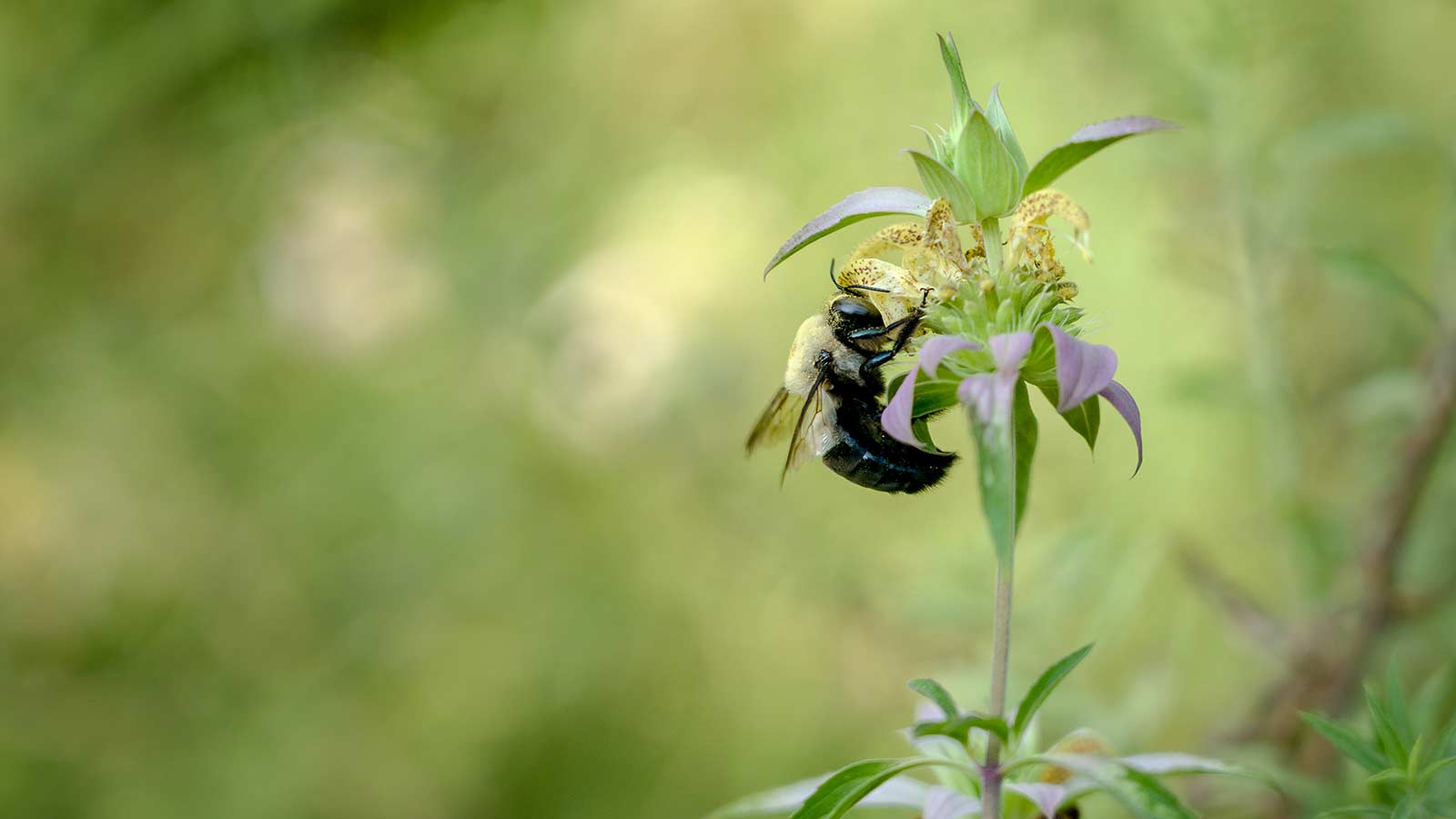
- Multi-branched clusters of small, scented urn-shaped flowers dangle from arching stems in late Summer. A valuable nectar source for bees at a time of year when many flowers are done. Late Summer and Fall color from scarlet to purple.
- Likes well-drained, slightly acidic soil. Doesn’t do well in heavy clay.
- Although the seeds aren’t recorded to be a winter resource for birds, according to NC State Extension Gardener Plant Toolbox reports, abandoned webworm webs attract invertebrates that birds often eat during late fall and winter.
- Native across the Southeast, but less common on the coastal plain.
Q&A: Fall Webworms
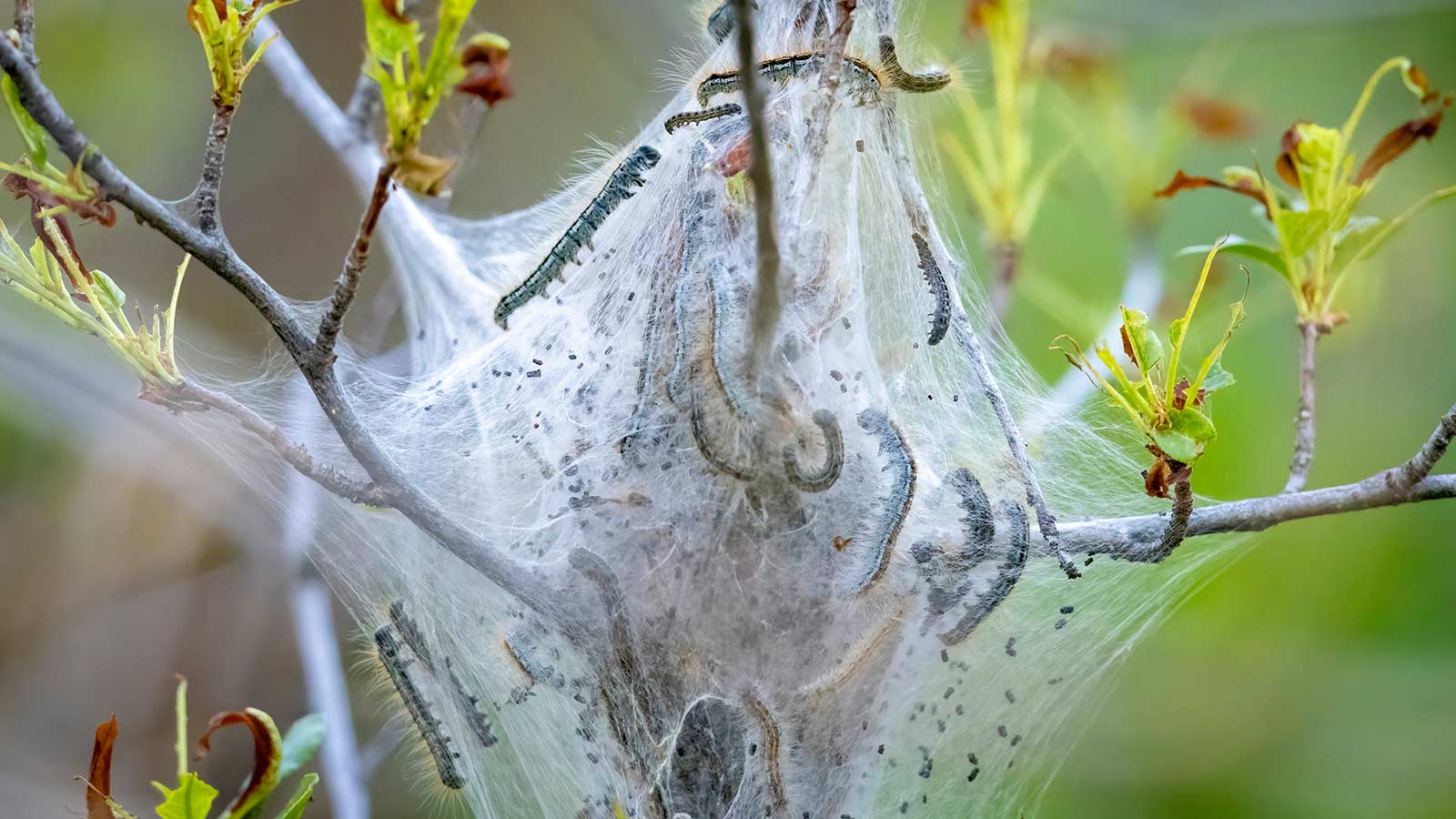
Q: Some of my trees have ugly webs all over them. Some kind of worms are inside. Will they kill my trees?
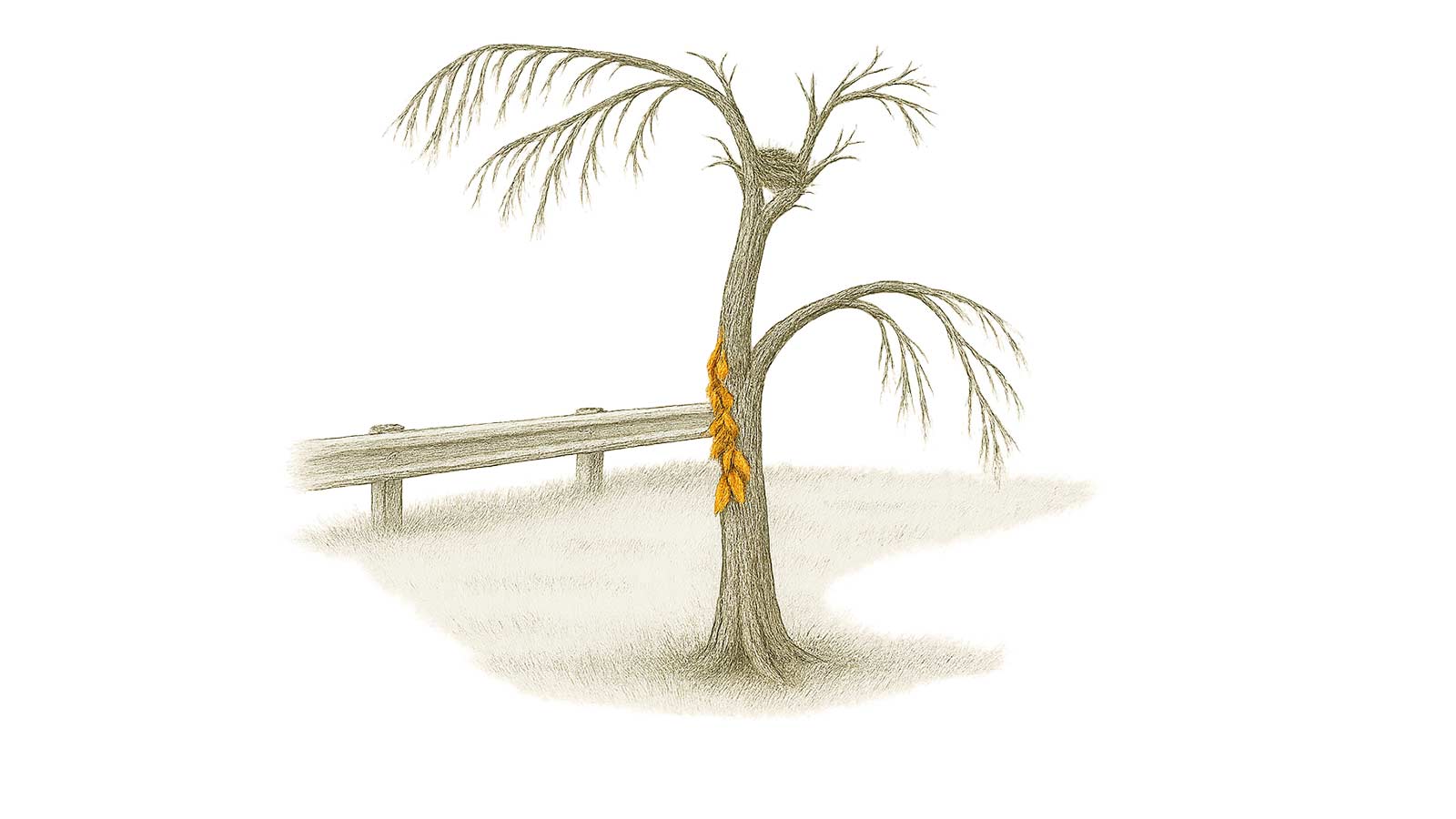
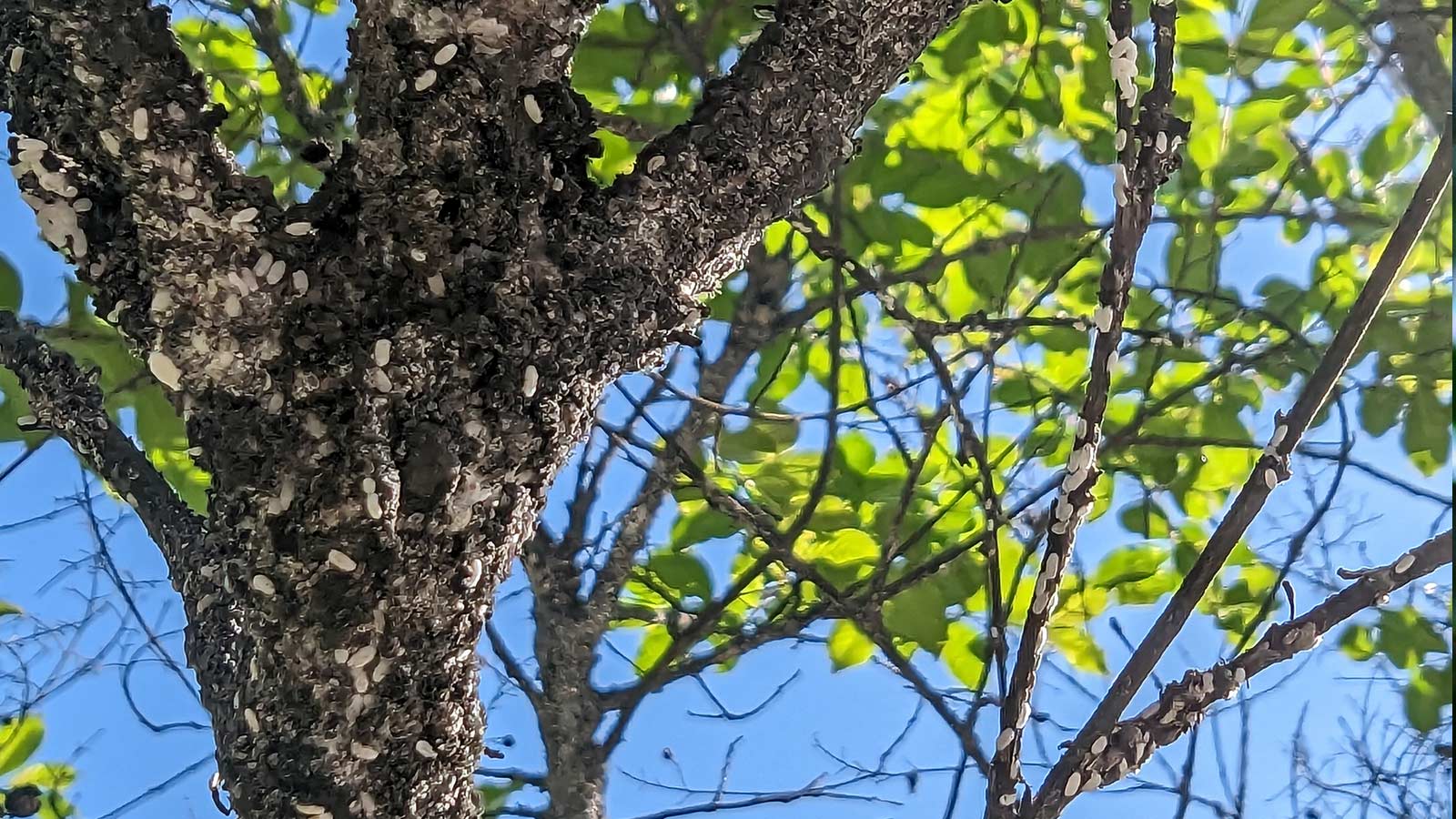
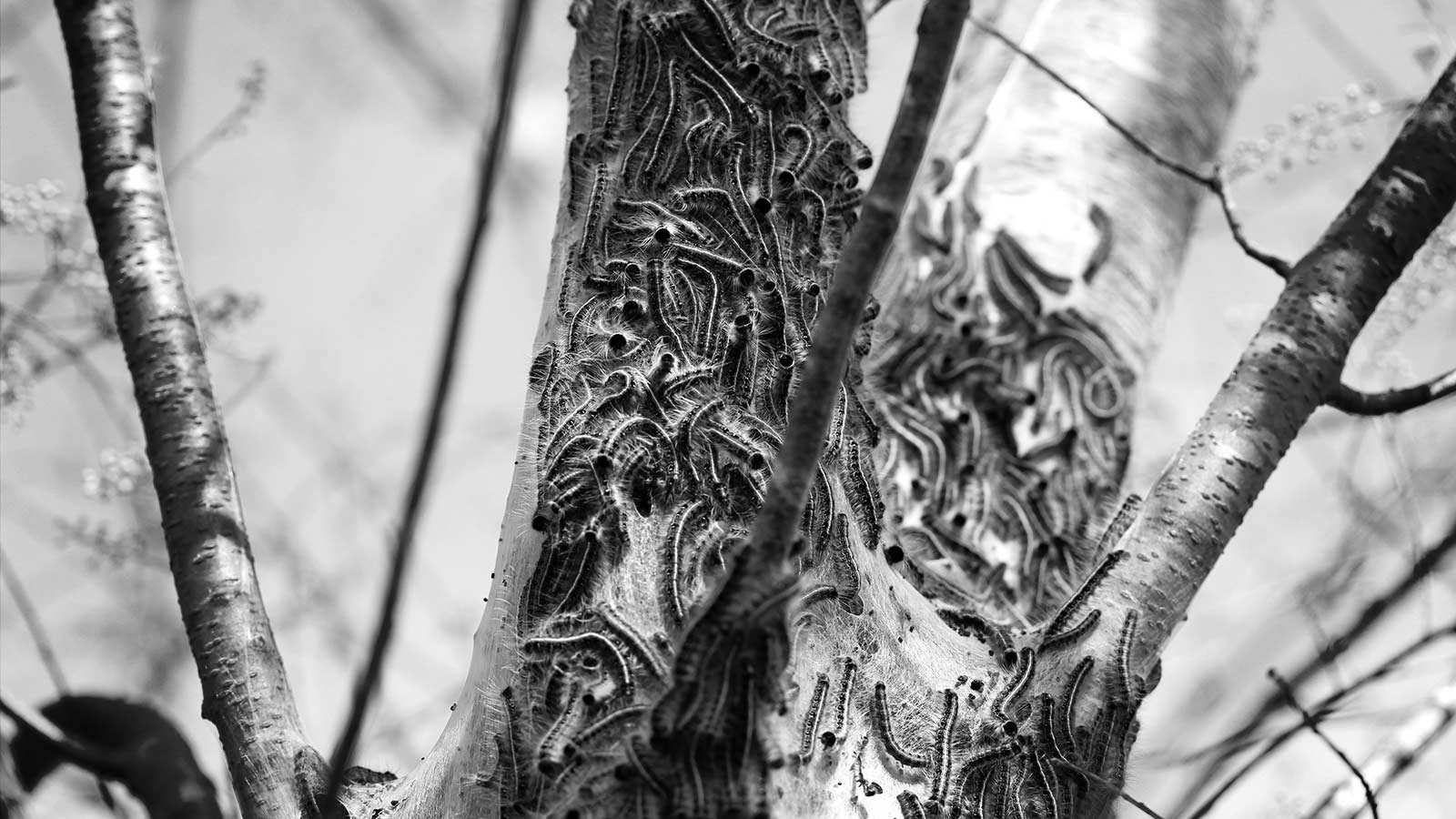
A: What you see are almost certainly the webs of the native fall webworm, which is the caterpillar of a fairly attractive satiny white moth, sometimes sporting an interesting brown pattern on the wings. The good news is that their effect is mostly cosmetic. You can poke holes in the nest to give birds an easier meal if you like. Think of it as high-quality bird food.
It’s worth comparing these caterpillars to the similar habit of the eastern tent caterpillar. The tent caterpillar makes its nests in the crotches of cherry and a few other trees in spring. The webworm appears in late summer, and they spin webs at branch ends, enclosing a two- or three-foot span of twigs and leaves from a wide variety of hardwood trees and shrubs. They spend their lives in the web until they are ready to pupate.
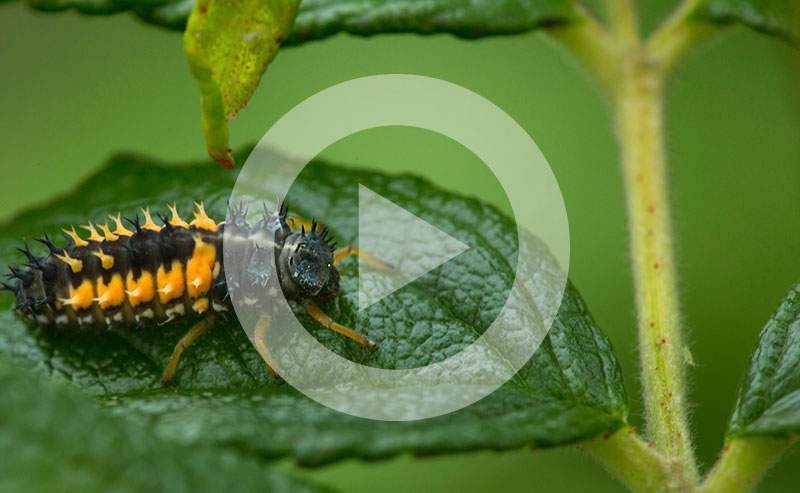
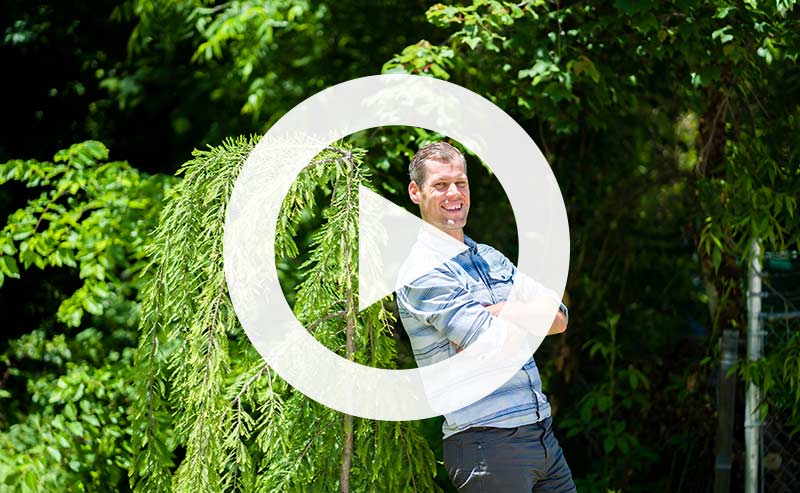
Check out this short video to learn more about them.
Things To Do Around the Triangle
- Aug 27, Sep 3, Sep 10, Sep 17 · 6:30 PM — Triangle Environmental Symposium Halle Cultural Arts Center, Apex · $5 Four evenings of talks and performances on the challenges facing our air, land, and water, hosted by the Town of Apex with Trees for the Triangle. Our own Basil Camu speaks on Sep 3.
- Aug 28 · 9–11 AM — Trail Talks with TLC: Old Creedmoor Wake Forest · Free Join a guided ramble to learn all about the trees through TLC’s newest preserve at Old Creedmoor.
- Aug 29 · 9 AM — Intro to Gardening in the South Raleigh • Free Join the staff at JC Raulston Arboretum and Leaf & Limb · A Leaf & Limb-sponsored crash course in Southern gardening, no green thumb required.
- Aug 30 11-12:30 — Piedmont Prairie Walk Duke Gardens • $14 Learn about and wander through a rebuilt Piedmont Prairie at Duke Gardens with the curator who grew it back from wild-collected seed.
- Sep 1 · 9 am — Plant-Lover’s Tour: “Top Ten Plants for the Next 50 Years” Raleigh • Free Discover ten climate-tough plants picked to outlast the next five decades at JC Raulston Arboretum.
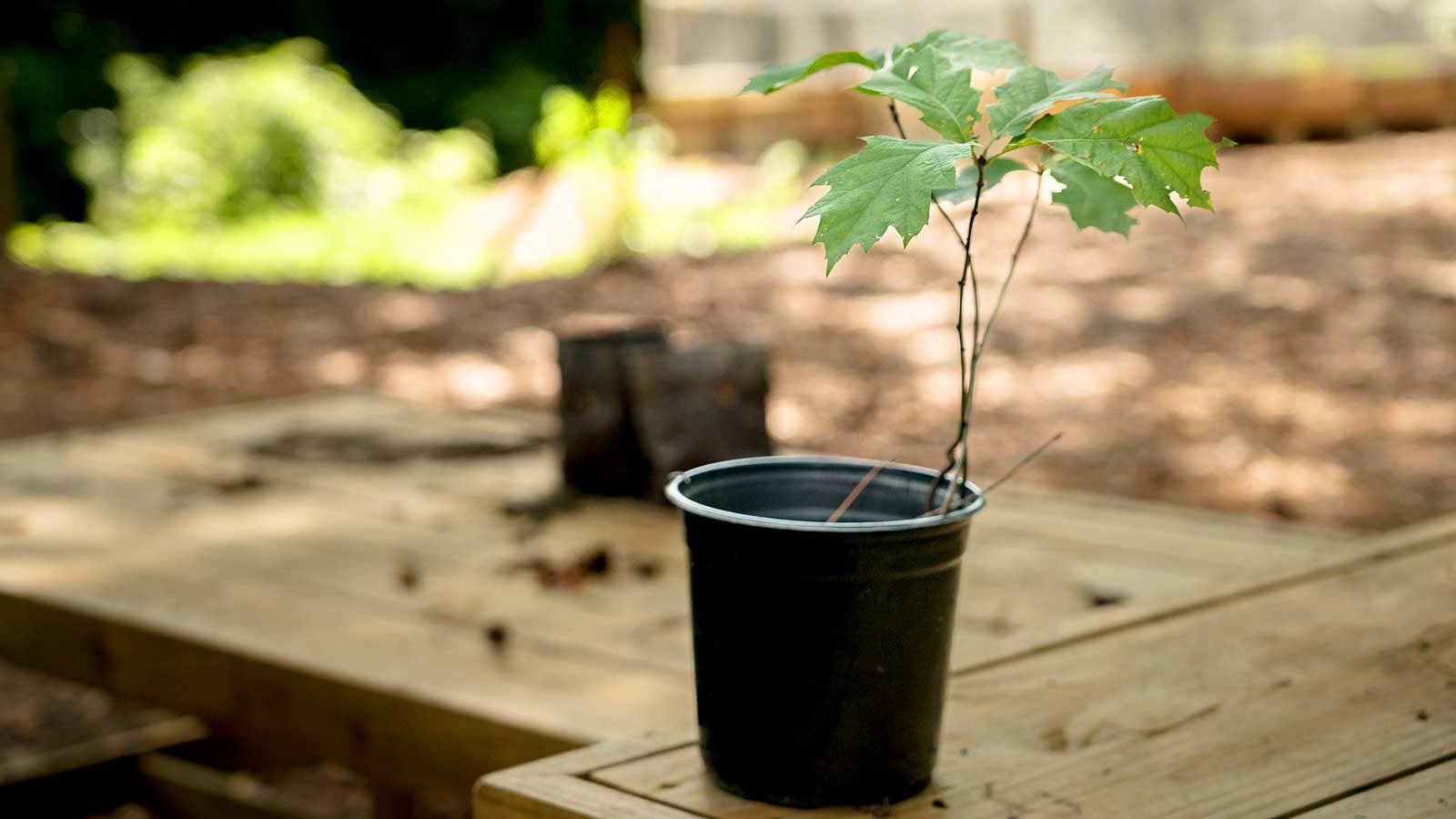
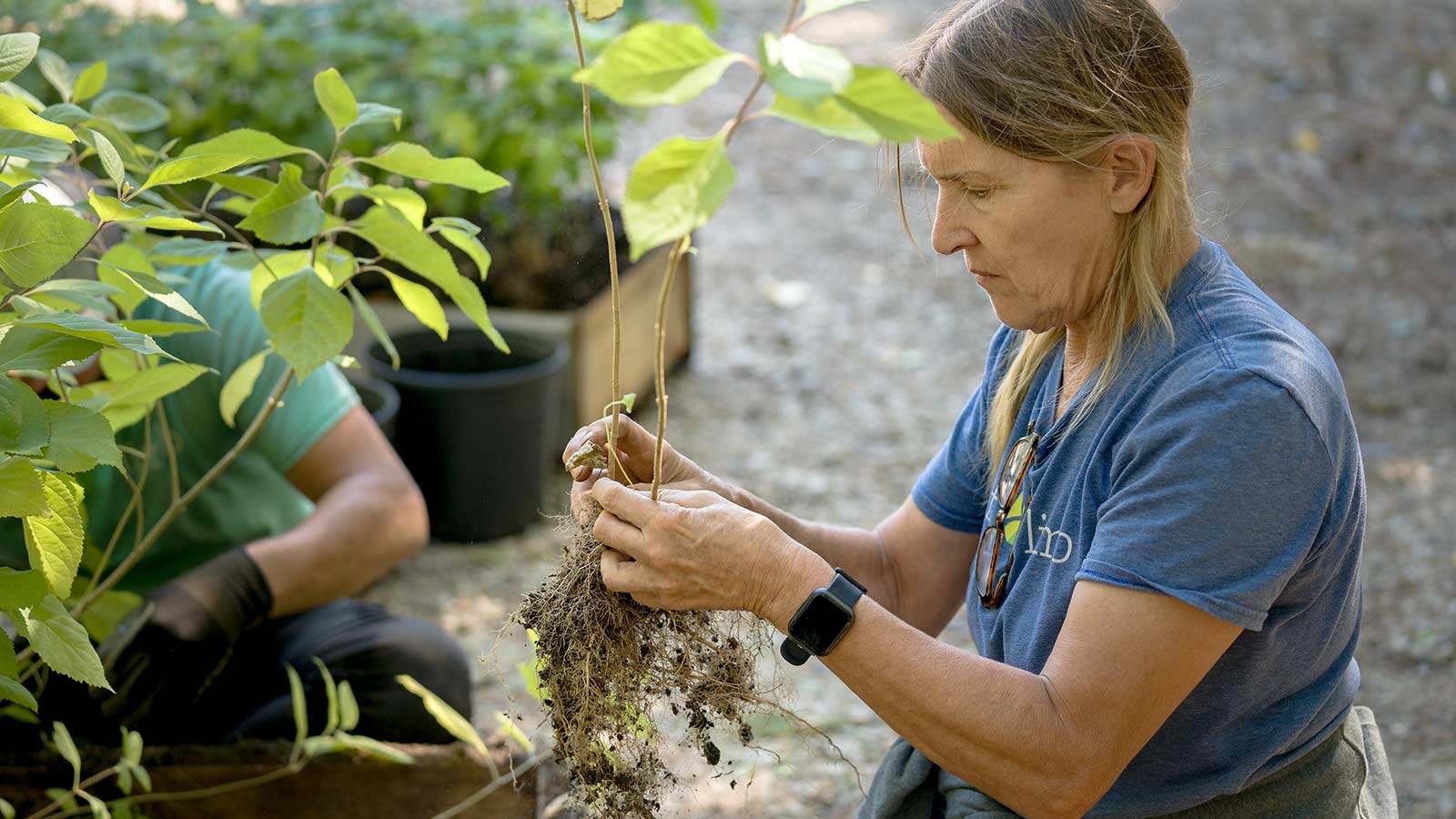
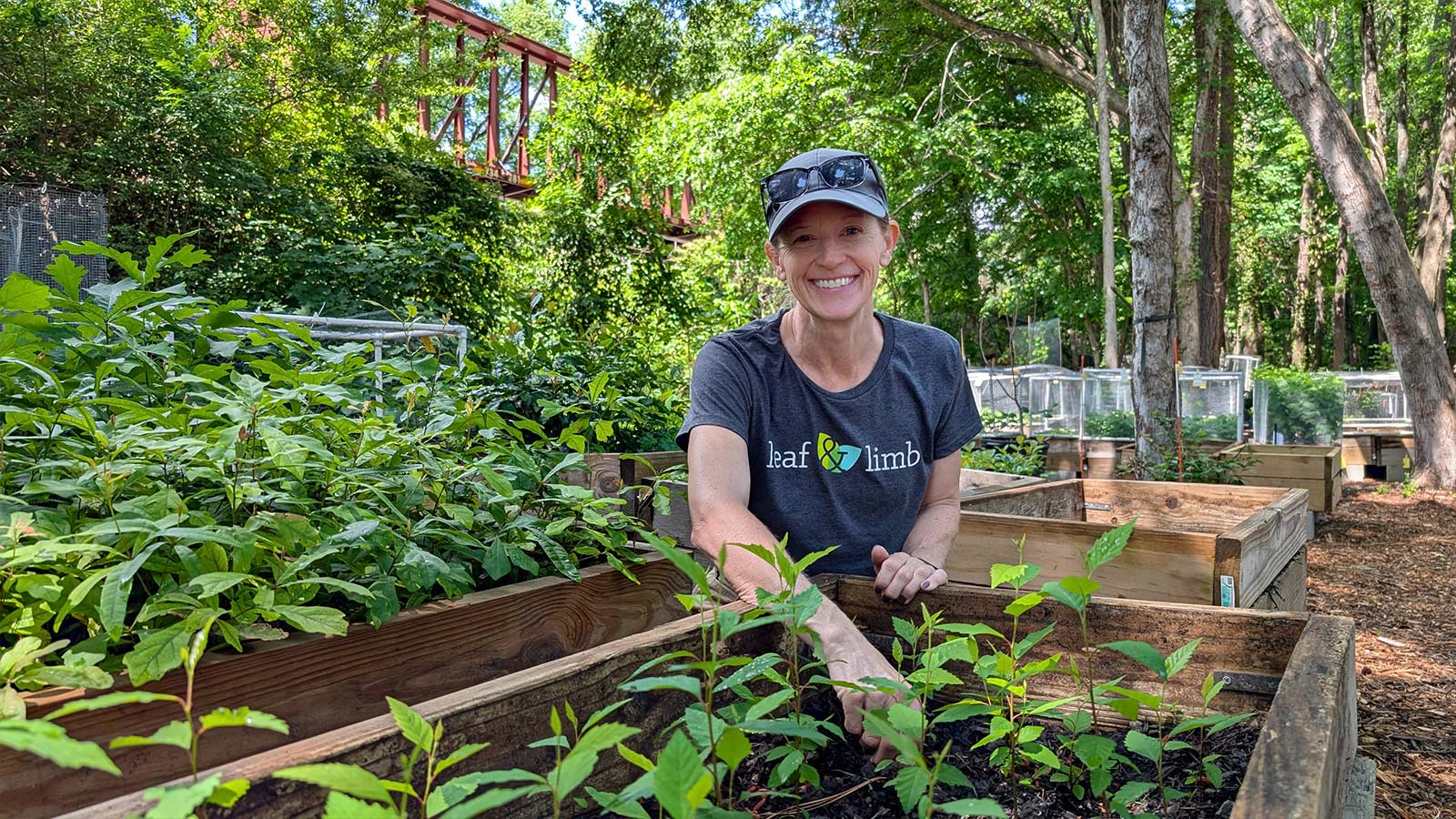
- September 17th • 5:30 PM — Plant a Pocket Forest for More Life & Less Work Online • Free Join Basil in an online webinar in partnership with Wildr about how to plant Pocket Forests and Native Privacy Thickets, including how to collect seeds and build an air pruning box to grow your own saplings.
One Last Thing: Go Outside
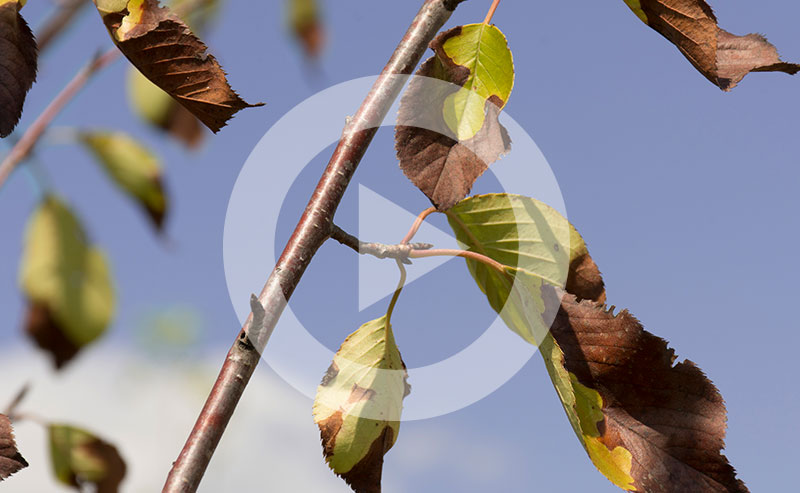
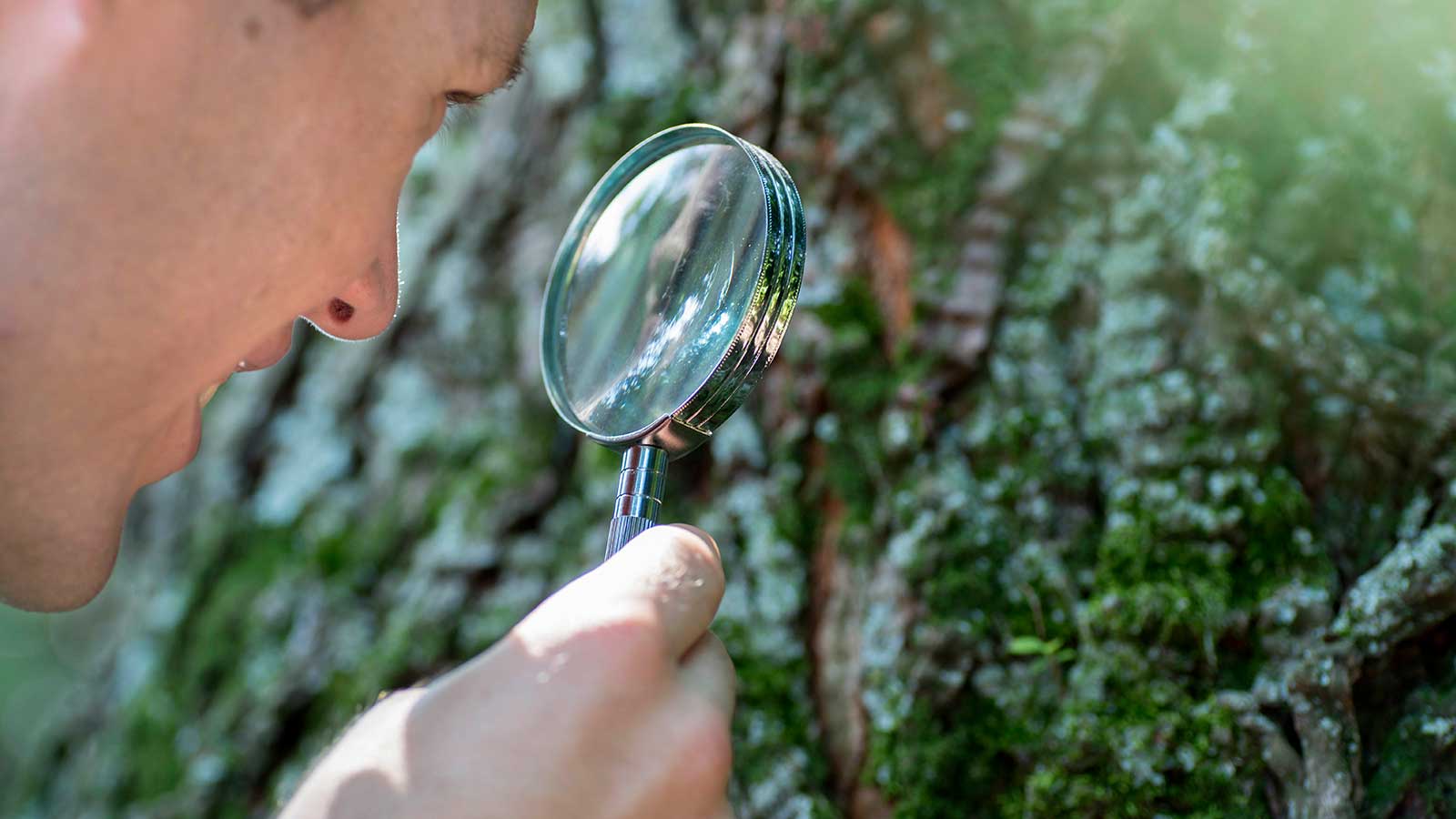
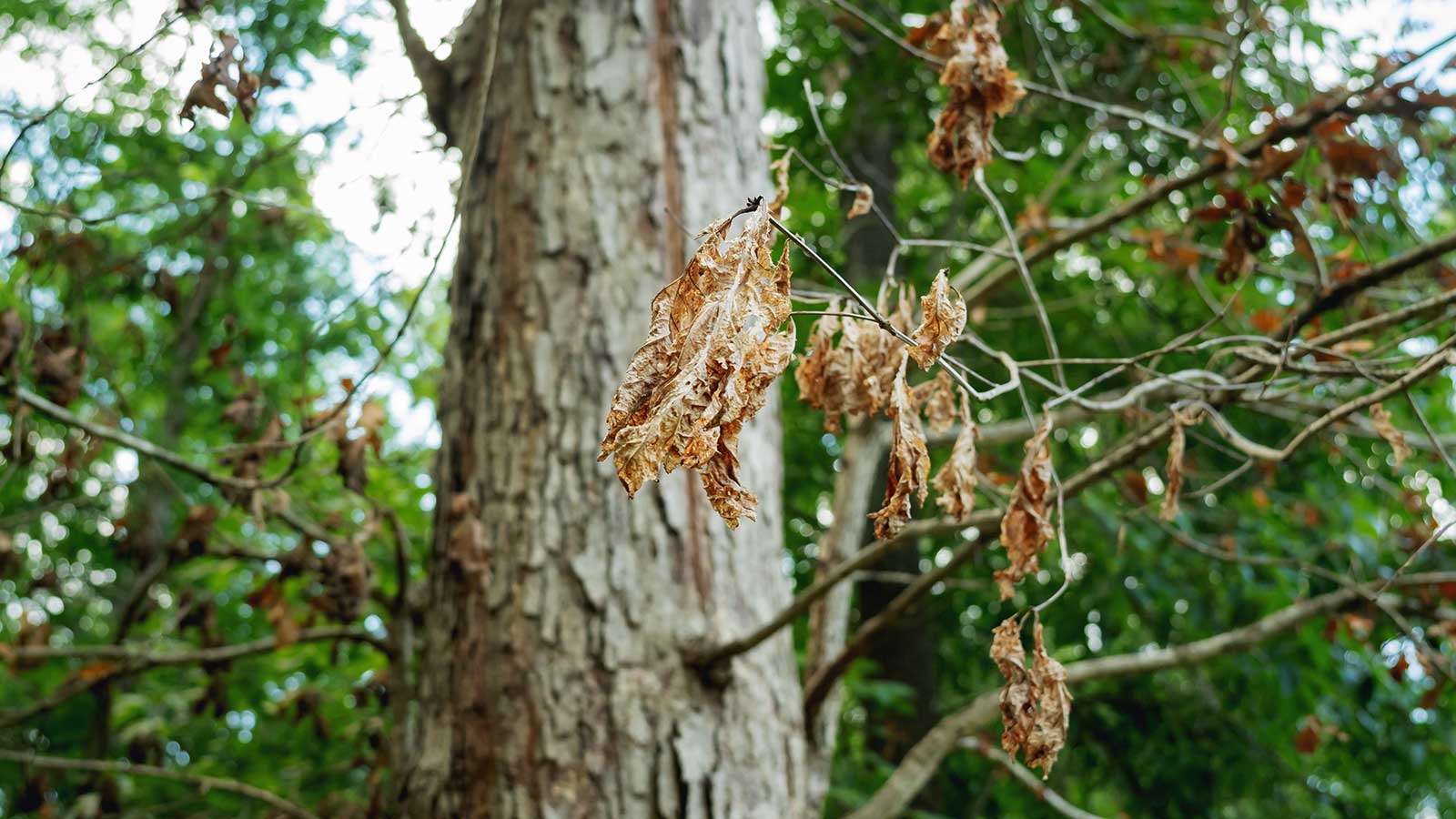
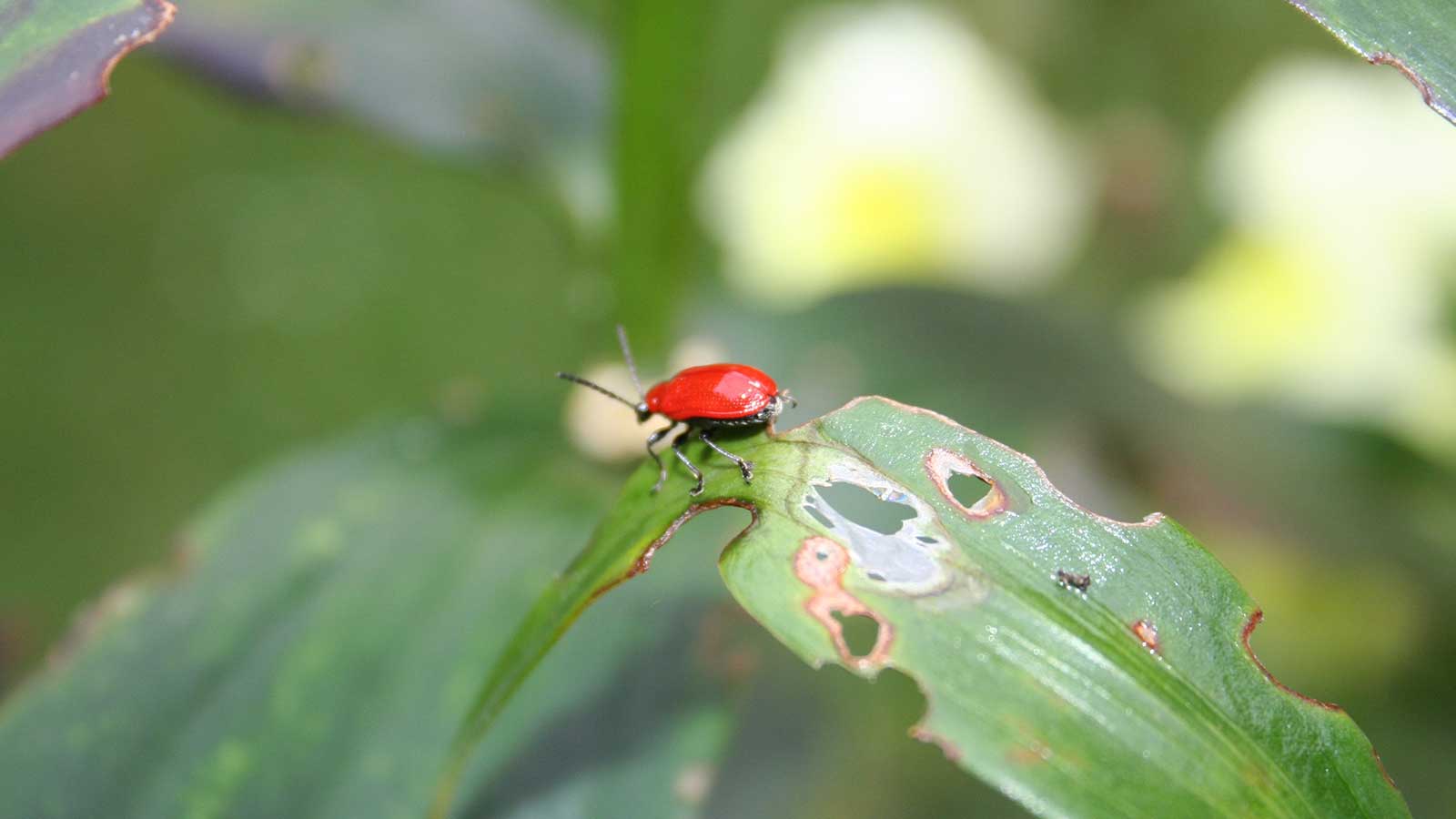
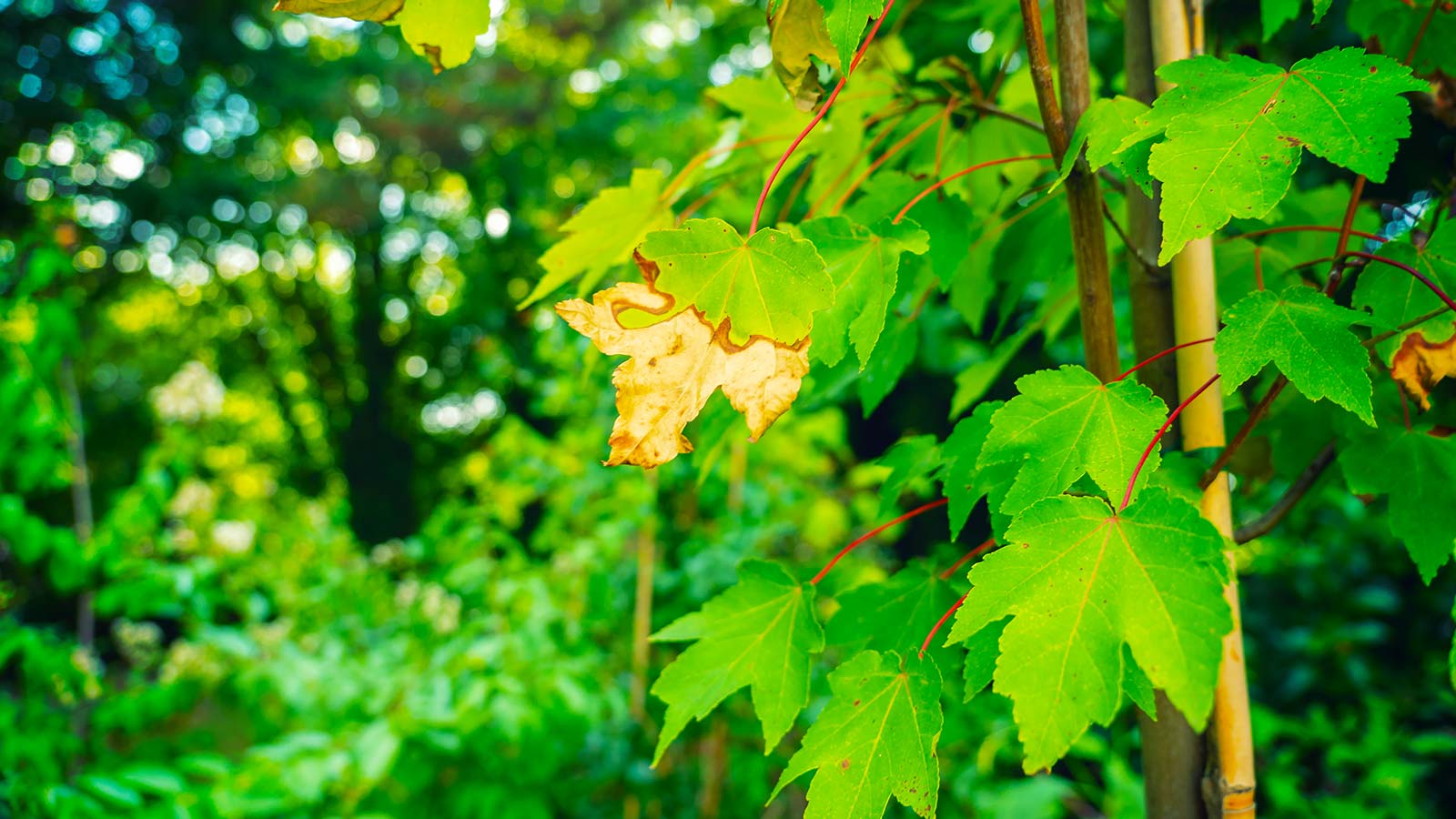
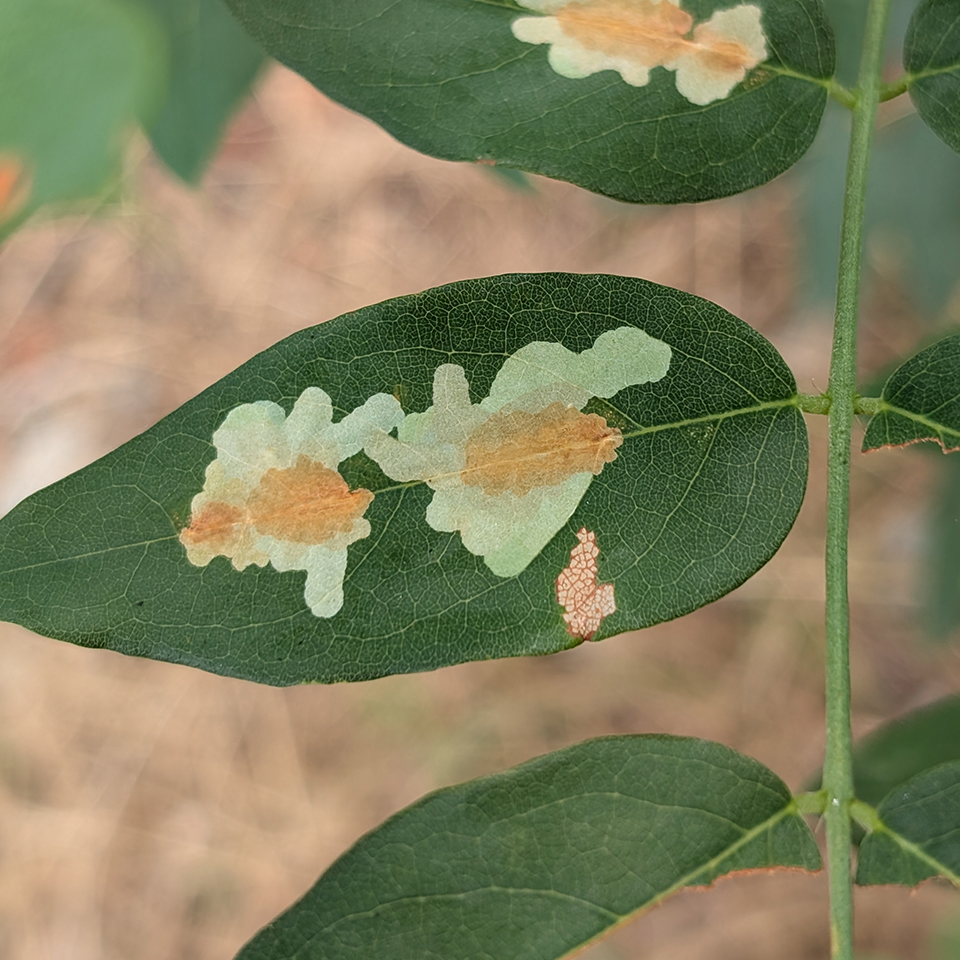
The leaves of our trees and other plants have been accomplishing their energy-making purpose from spring unfurling through all that summer has thrown at them. Many leaves show scars from interactions with weather, insects, and various fungal afflictions. This is all perfectly normal. In fact, it’s pretty cool. In your yard, or wherever you like to walk, look for leaves that have some character. See if you can figure out the story. Flip them over because some clues hide there. It’s also not cheating to use iNaturalist for clues. This is a great way to learn and keep a record of cool things you have seen and now know something about.
Until next month, remember to sniff the blooms and listen to the birdsong.