5 Oaks to Know in the Piedmont (Plus One to Avoid)
Learn to identify five native oaks that matter most for Piedmont wildlife, plus one commonly planted non-native.
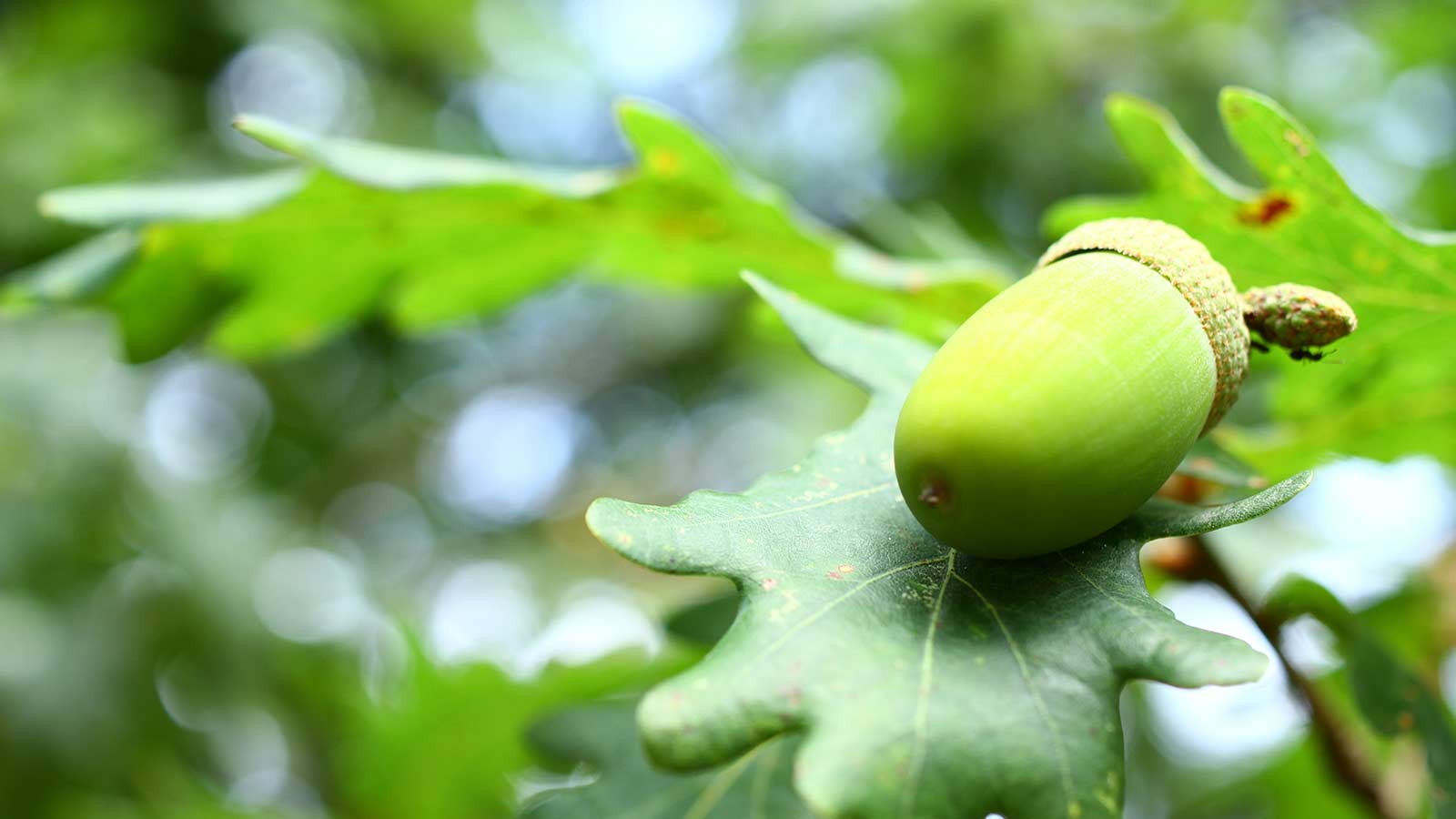
North Carolina is home to about a third of the oaks native to North America, and in the Piedmont we might encounter more than 20 species. Many oaks, such as the iconic white oak, are large trees that dominate forest canopies, while others, like turkey oak, are more shrubby. Oaks are among the most valuable tree groups for wildlife, feeding caterpillars, squirrels, deer, songbirds, and ground birds alike.
Here are 5 oaks you should know that are important in the Piedmont, plus one more oak that is commonly planted but not native.
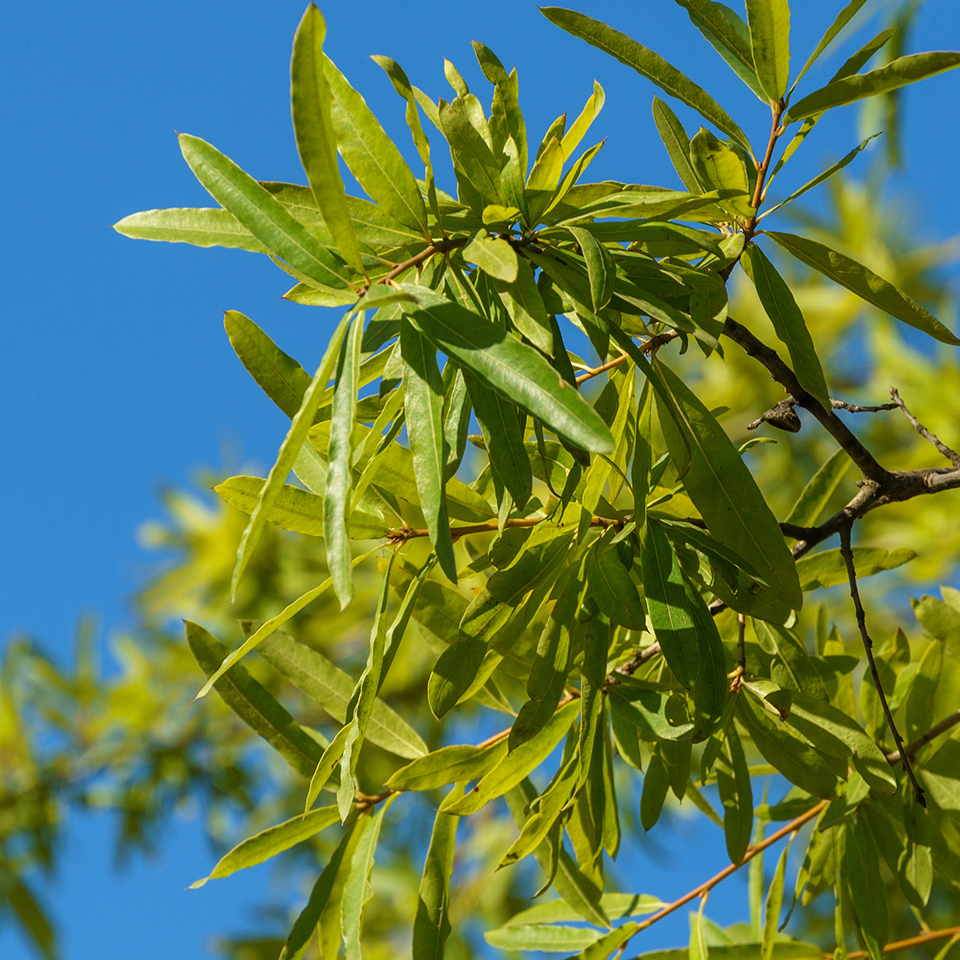
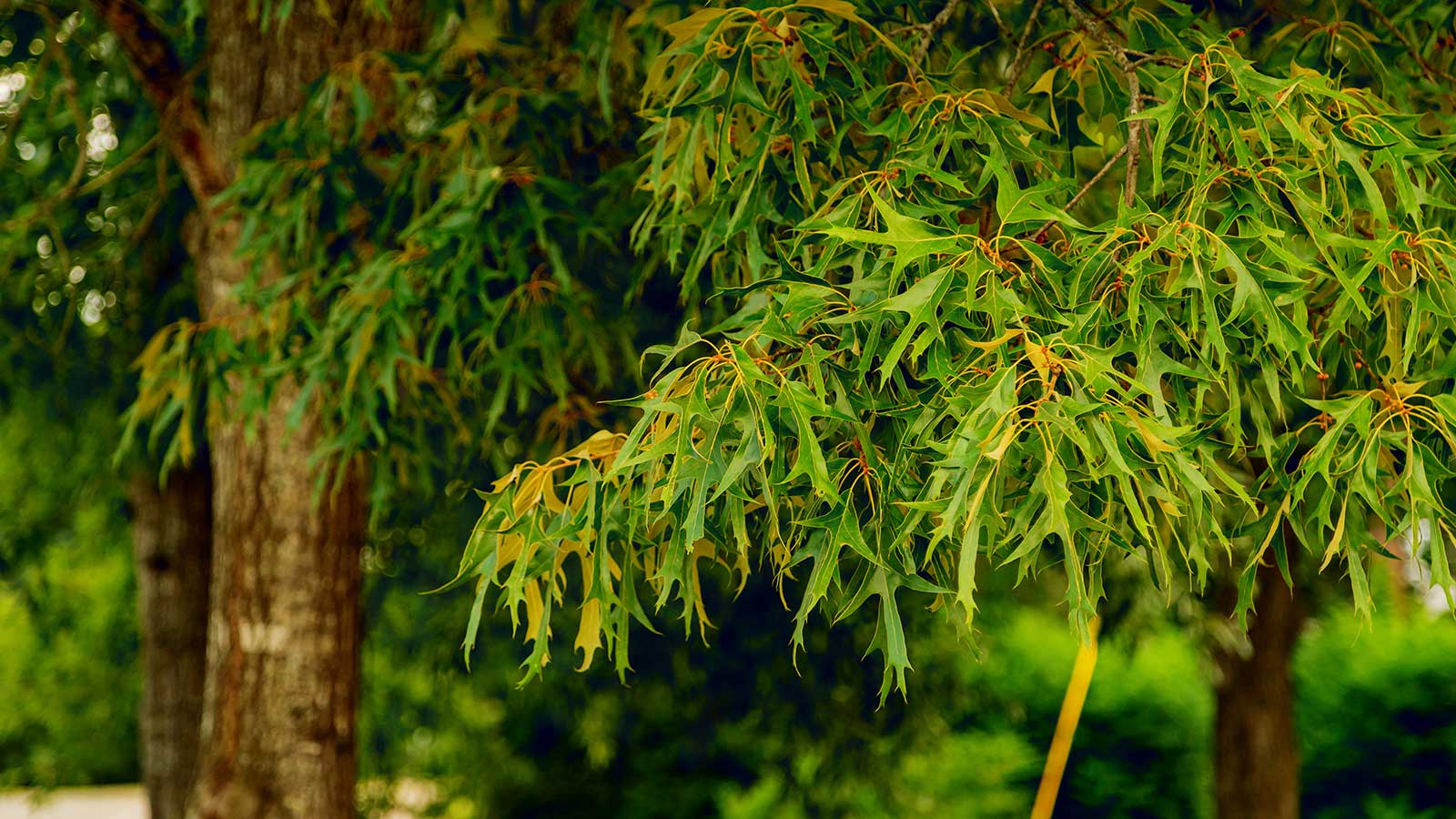
Willow Oak
(Quercus phellos)
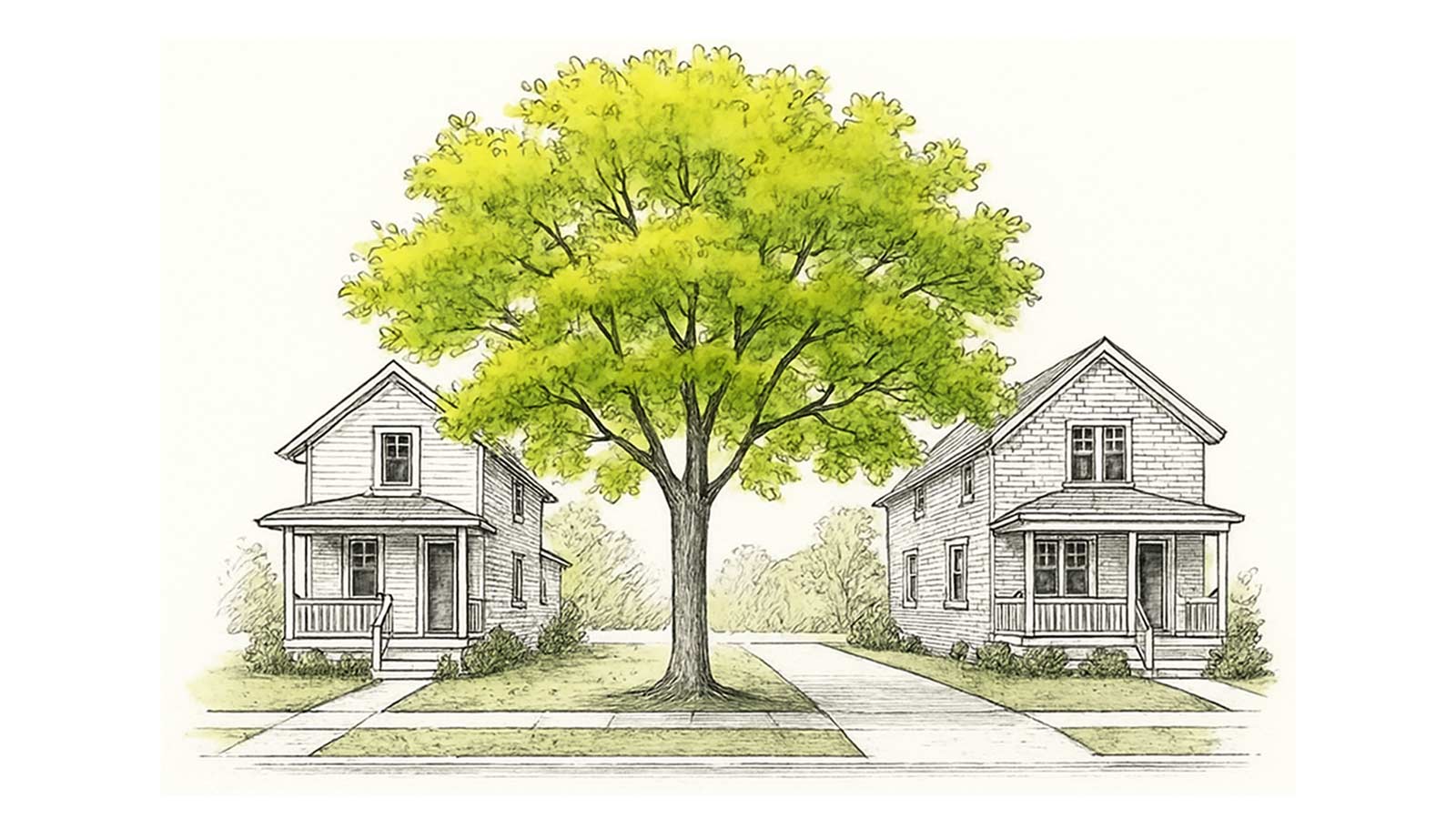
The stout trunks and fine, willow-like foliage of these trees are well known to Triangle city-dwellers, as they have been among the most common street trees since the 1920s, even though modern planning practices call for a more diverse species mix. Native to the Coastal Plain and Piedmont from New Jersey to Florida and west to Texas, they are bottomland trees in their natural environment, common in floodplains and bottomlands but widely adapted to uplands. Their tolerance for low-oxygen soils makes them especially resilient in compact urban soils that often lack adequate air space. Their small acorns are also valuable to many animals, especially songbirds and ducks that can't access most larger acorns.
Key ID features:
- Bark: Smooth and gray when young, becoming shallowly ridged and furrowed with age.
- Acorn: Small (½"), round, striped, held in a thin shallow cap. These acorns take 2 years to mature.
- Leaf: Willow-like — narrow, unlobed, easy to mistake for a non-oak at a glance.
- Buds/other: Small, sharply pointed reddish-brown buds; fine branching gives a soft, feathery winter silhouette.
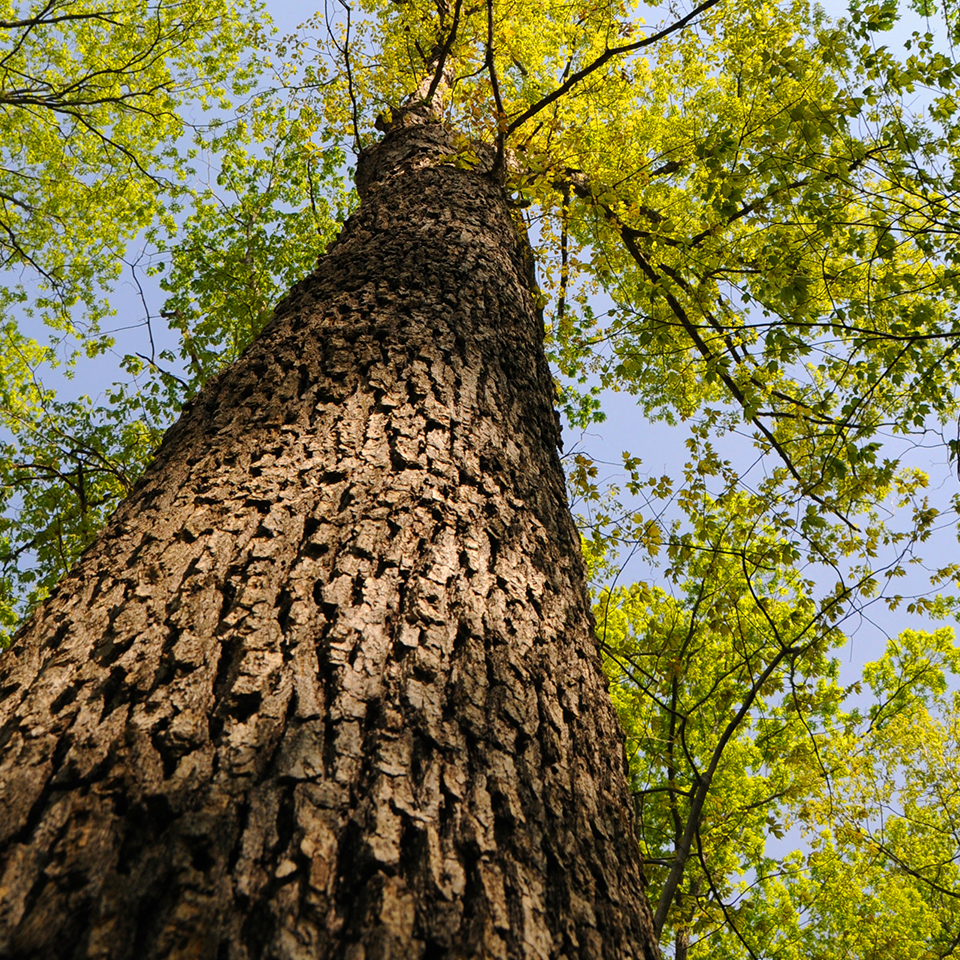
White Oak
(Quercus alba)
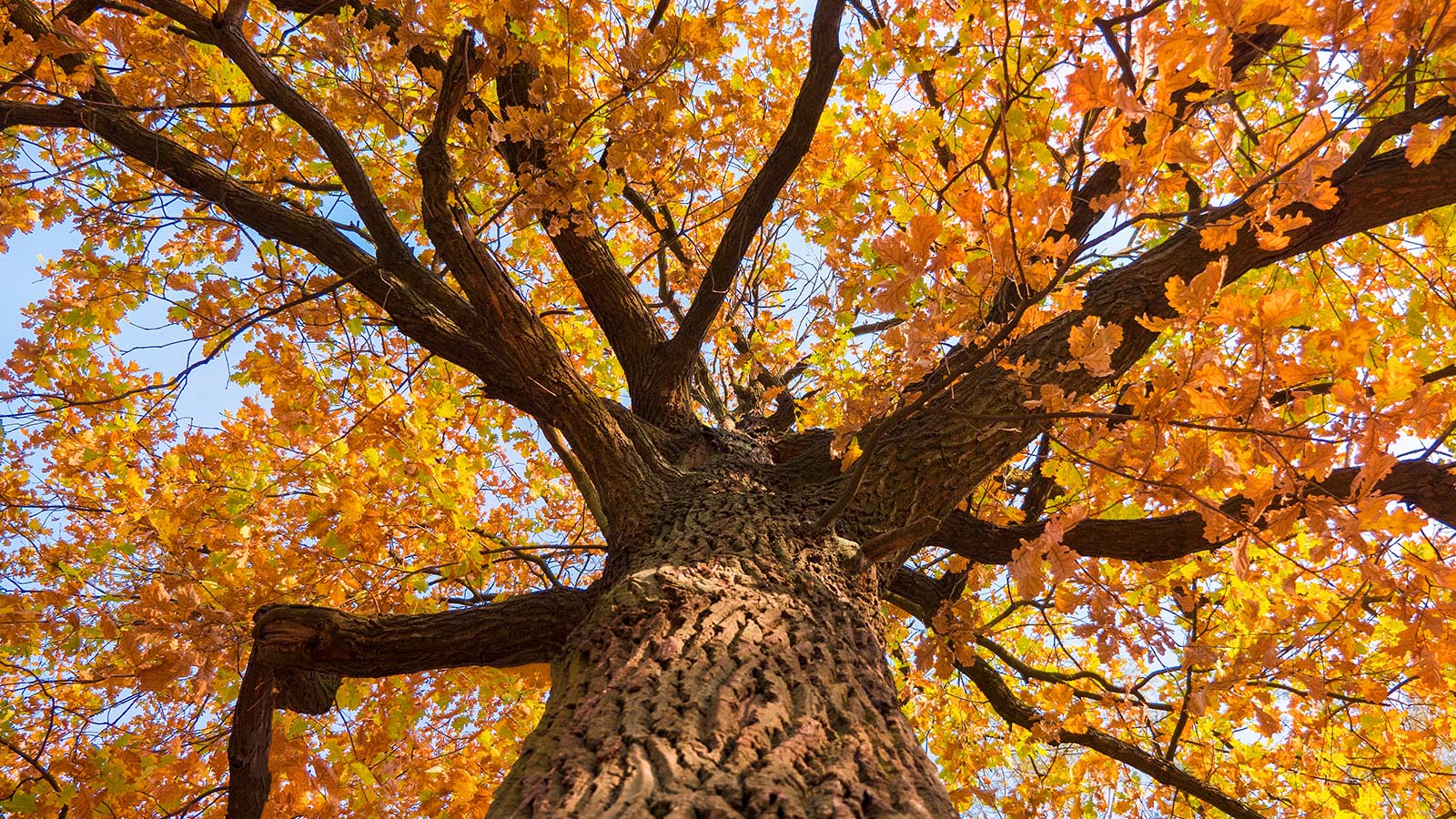
This stately icon of eastern hardwood forests is a keystone species of the Carolinian forest, together with hickories and red maple, an ecosystem that was, and still is, dominant across much of eastern North Carolina. It supports more wildlife than any other tree in our region, feeding hundreds of caterpillar species and therefore making it a key tree for songbirds feeding their young. Its low-tannin acorns are a preferred mast crop for deer, turkey, and dozens of mammal and bird species. Native across nearly all of eastern North America, from Maine to Florida to Texas and Minnesota, it is abundant across the Piedmont.
Key ID features:
- Bark: Light ash-gray, breaking into irregular blocky plates or loose vertical strips. One of the best ways to identify at a distance.
- Acorn: Up to an inch long, light brown with a bumpy cap resembling a beret on a head; matures in one year.
- Leaf: Rounded lobes (not bristle-tipped), often 7–9 lobes.
- Buds/other: Small, rounded, reddish-brown clustered buds.
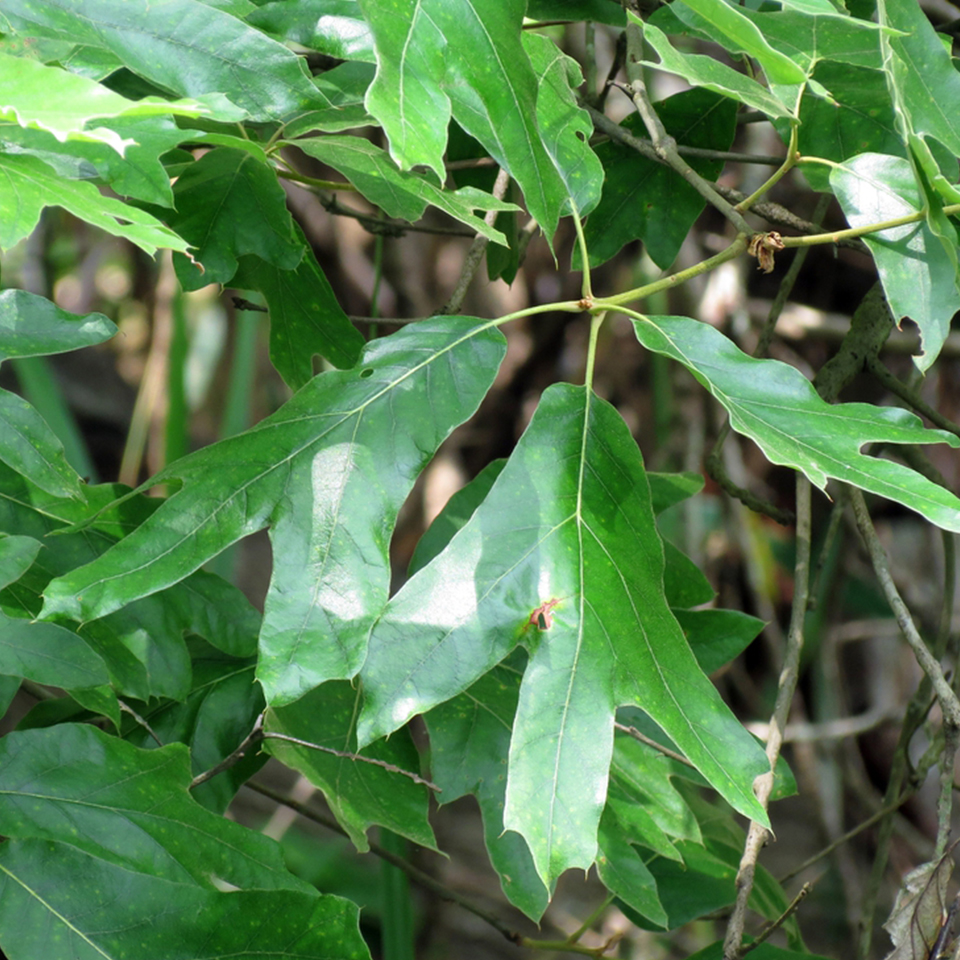
Southern Red Oak
(Quercus falcata)
This well-named oak is truly an oak of the South, though it can be found as far north as New Jersey and Indiana. It is particularly well suited to the Piedmont. The acorns are high in tannin and were used in leather tanning. Because this makes them bitter, they aren't consumed as readily as white oak acorns, but they become a late-season staple once more desirable nuts are depleted.
Key ID features:
- Bark: Dark gray-black, deeply furrowed with lighter, flat-topped ridges, sometimes described as "ski-trails."
- Acorn: Small, orange-brown, shallow saucer-like cap. Matures in two years.
- Leaf: Distinctive U-shaped base with long, narrow, pointy lobes, often curved at the top — the two-tone leaf (dark green top, pale fuzzy underside) is a good ID clue.
- Buds/other: Small, hairy, angled buds typical of the red oak group.
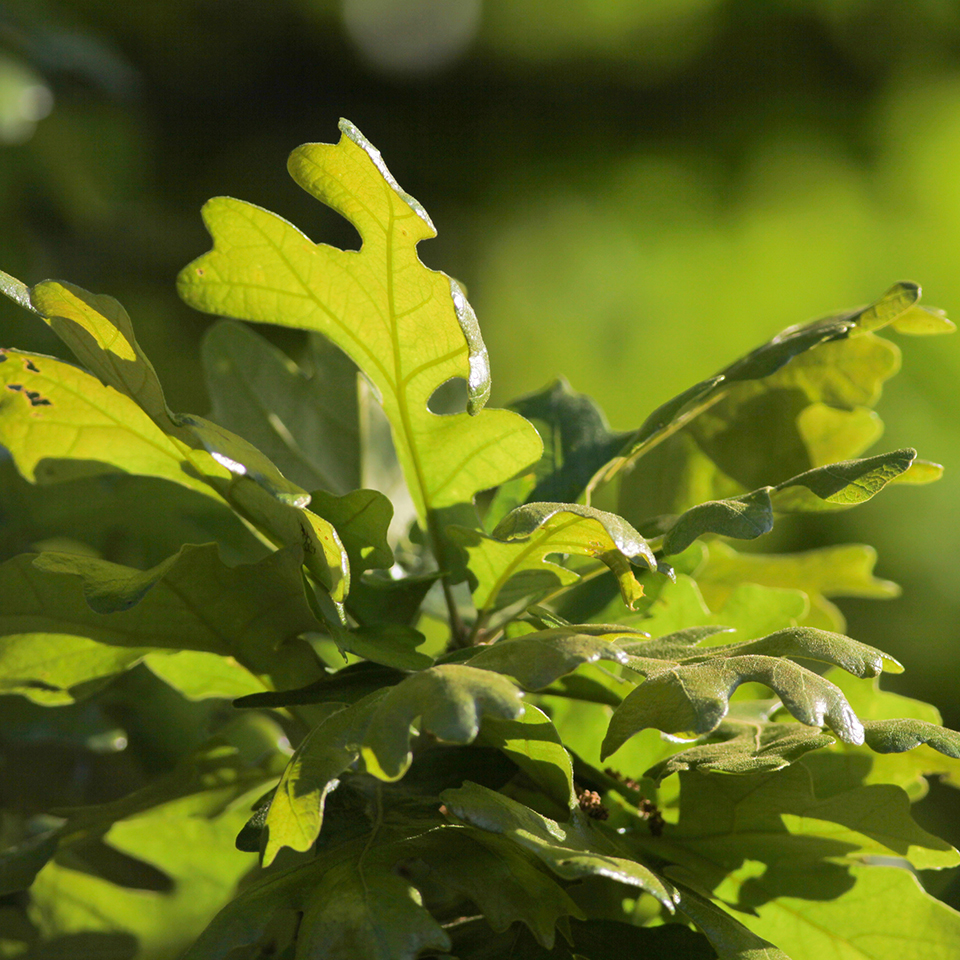
Post Oak
(Quercus stellata)
This oak has a broad eastern and central range but is concentrated on poor, dry, rocky, or clay soils — a classic Piedmont "hardpan" tree. Slow growth and stress tolerance are its signature traits. Its acorns are tasty and sought by animals, but less prolific than white oak; since it is often found where other oaks don't thrive, it serves a valuable niche.
Key ID features:
- Bark: Gray-brown, blocky and furrowed.
- Acorn: Small to medium, cap covers about a third of the nut, matures in one year.
- Leaf: Distinctive cross- or Maltese-cross shape — thick, leathery, with squared-off middle lobes.
- Buds/other: Twigs often covered in fuzzy orange-brown hairs.
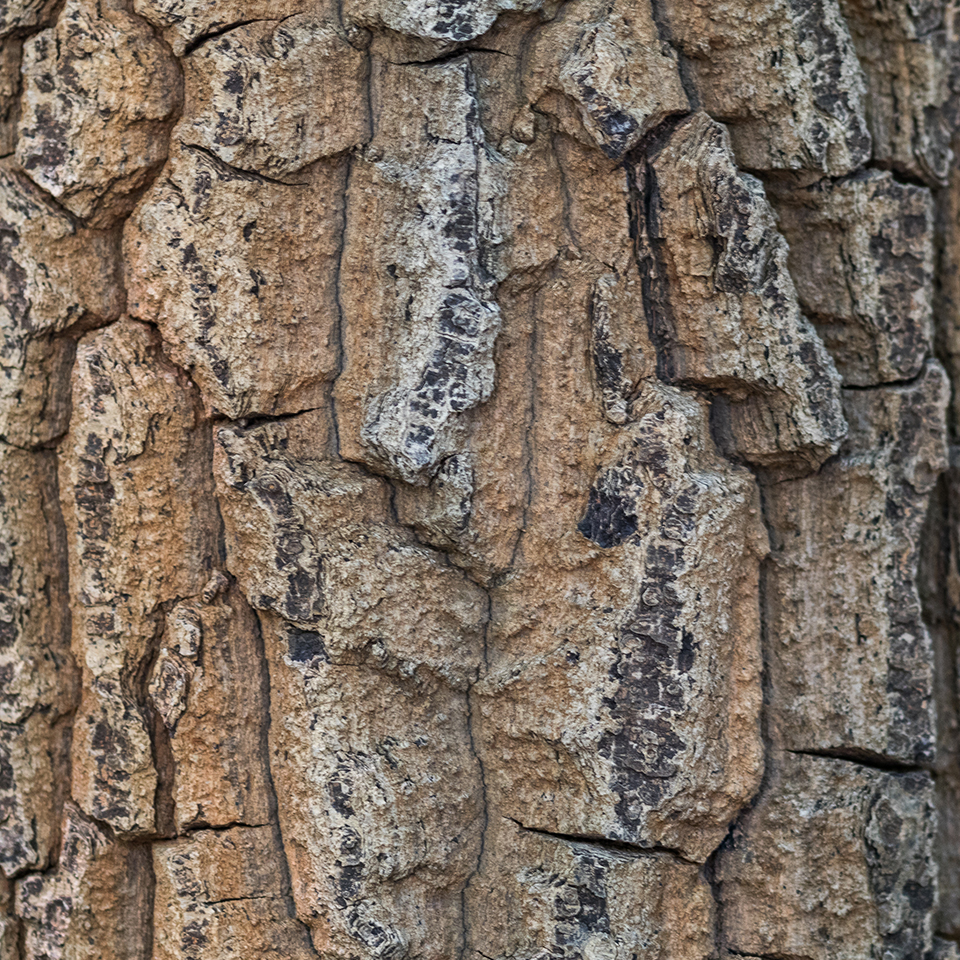
Chestnut Oak
(Quercus montana)
This distinctive oak makes its home in Appalachian and Piedmont uplands, along ridgelines and rocky slopes. Animals seek out its tasty, large acorns.
Key ID features:
- Bark: Extremely thick, deeply furrowed, blackish-gray — one of the most rugged, deeply ridged barks of any eastern oak, often compared to alligator hide.
- Acorn: Large, shiny brown, one of the biggest acorns among eastern oaks; matures in one year.
- Leaf: Chestnut-like — shallow, rounded, evenly spaced teeth (not lobes); resembles American chestnut foliage.
- Buds/other: Long, sharply pointed buds; the bark alone is often the fastest ID in the field.
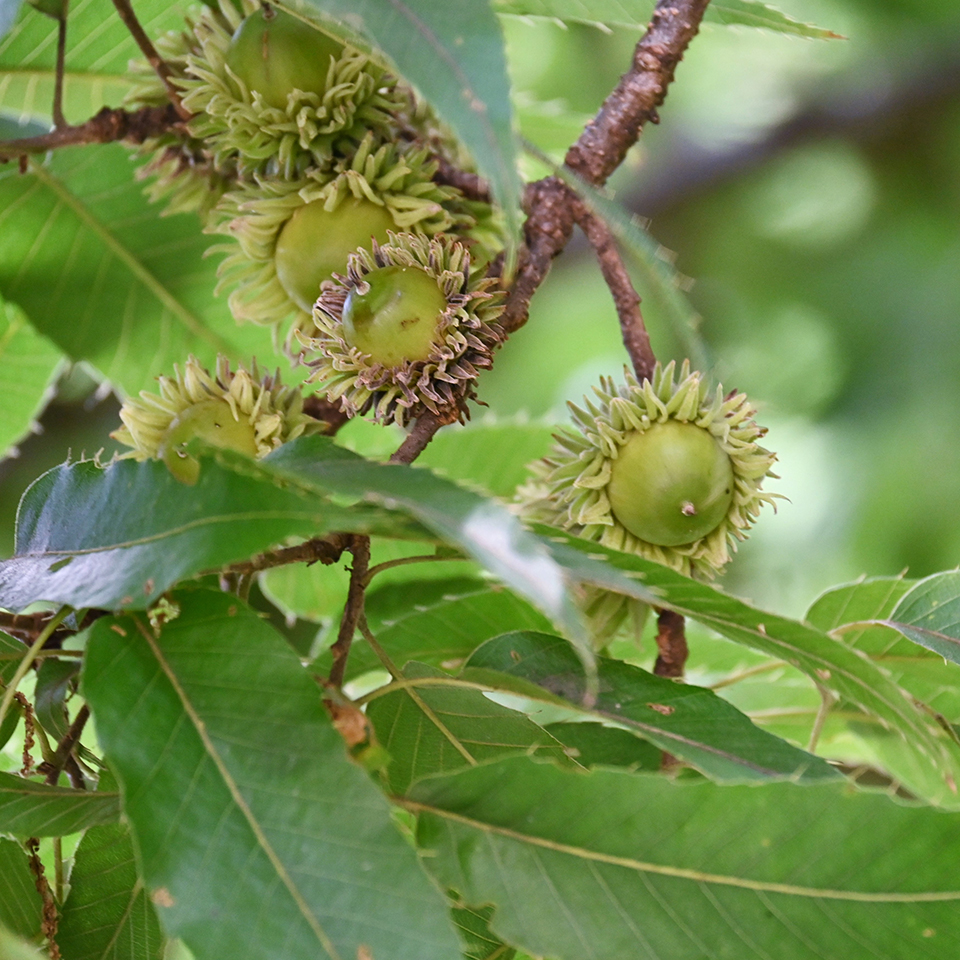
Non-native Sawtooth Oak
(Quercus acutissima)
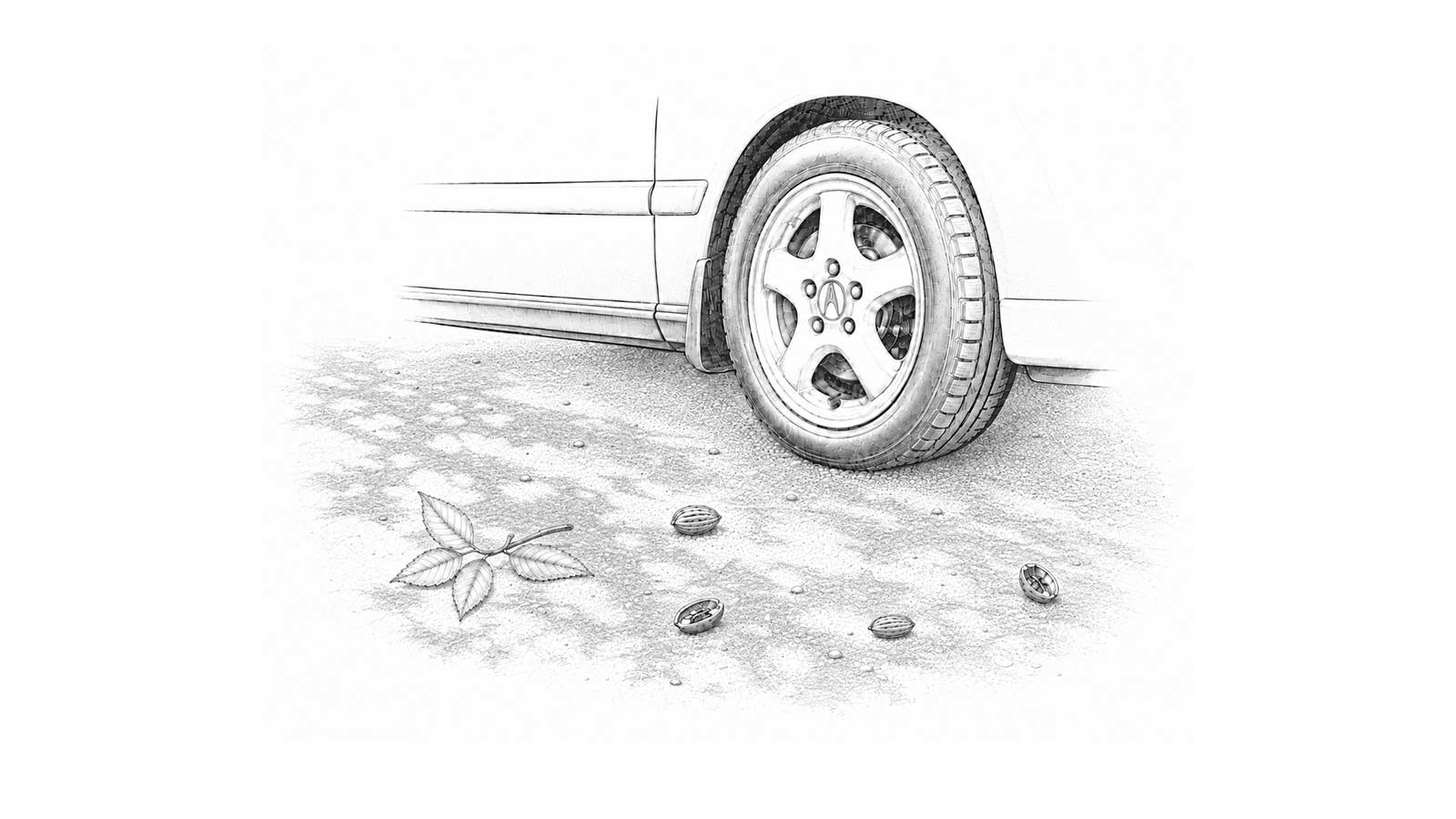
Introduced from Asia in 1862 as a food source for turkey and other animals, sawtooth oak is commonly planted but not native to North Carolina. The acorns are large and abundant, but even though they are eaten, they aren't especially tasty. Because it produces so many acorns, there is concern that it could spread into natural areas and displace more valuable native species — this is why we don't encourage collecting and propagating this oak. You'll find it most often in public plantings or along commercial buildings and parking lots. The acorn cap is the most distinctive feature. It covers two-thirds of the fruit and has long, spreading, recurved scales, which give it a shaggy, fringed look.
Now that you can identify these important native oaks, you're ready to start collecting their acorns. For more detailed photos and the other native seeds we gather for Project Pando, check out our full seed ID guide. When you've filled a bag or two, learn how to contribute to our native seed hub.