10 Native Trees and Shrubs for Fall Color in Central North Carolina
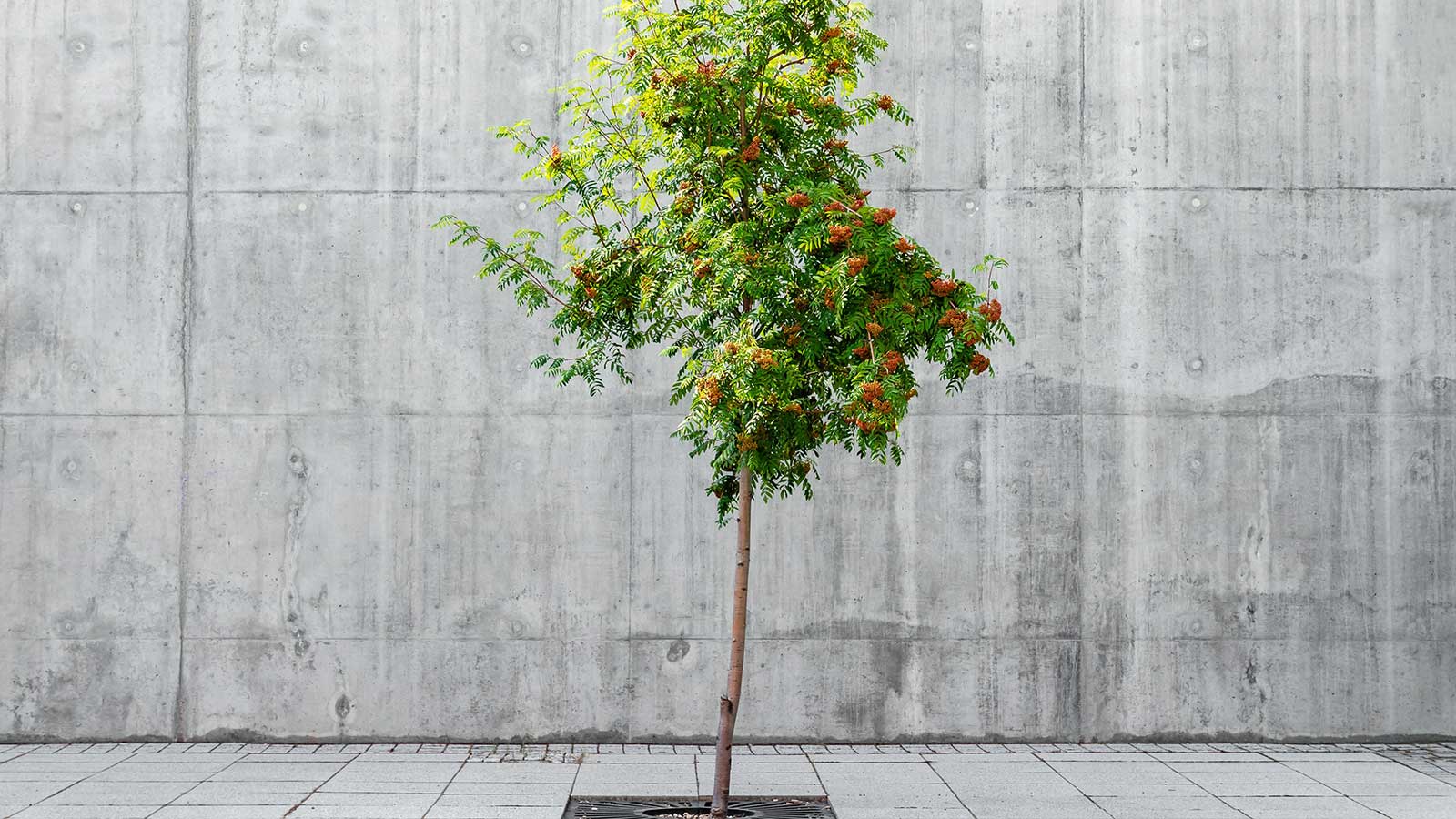
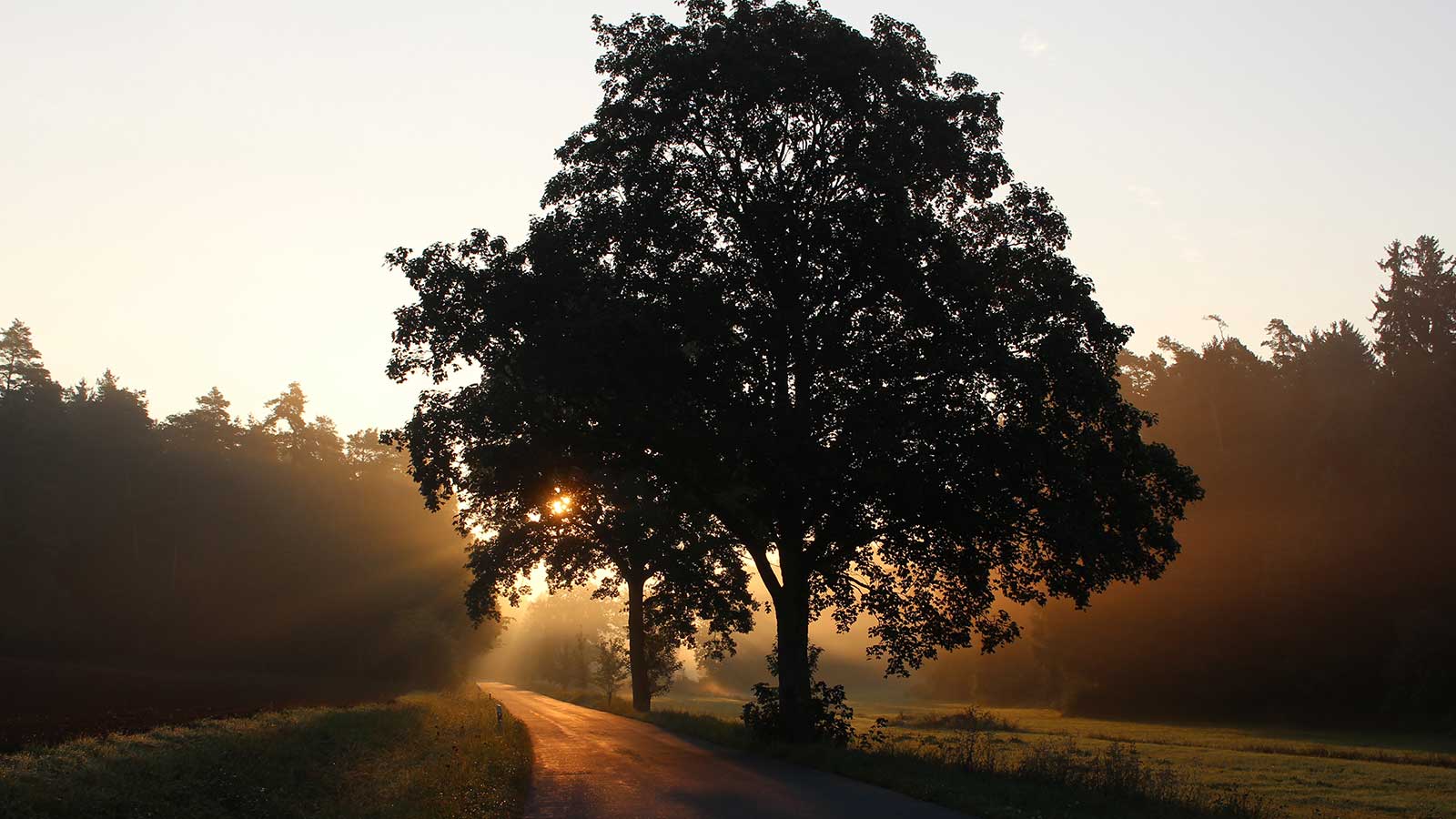
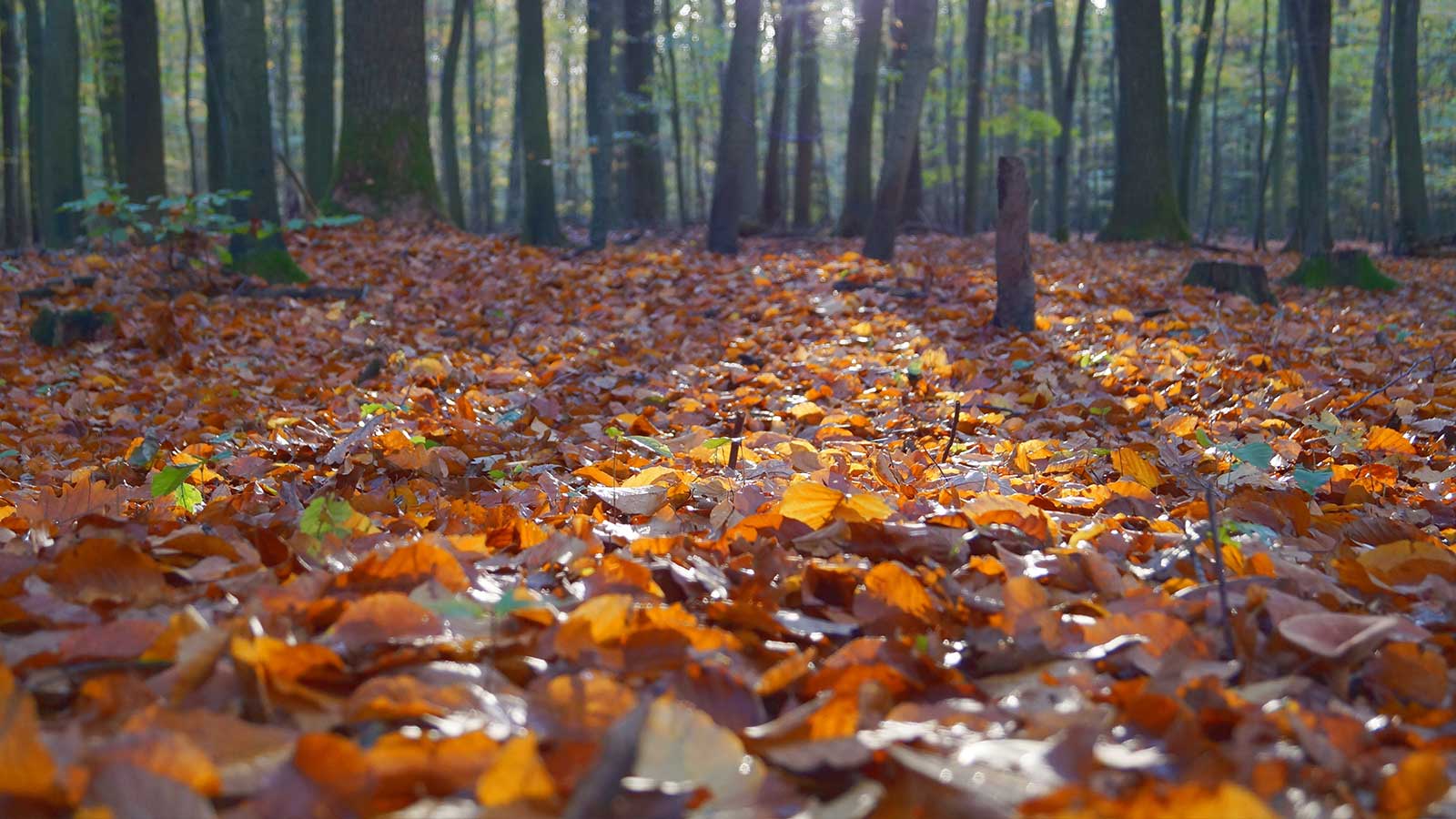
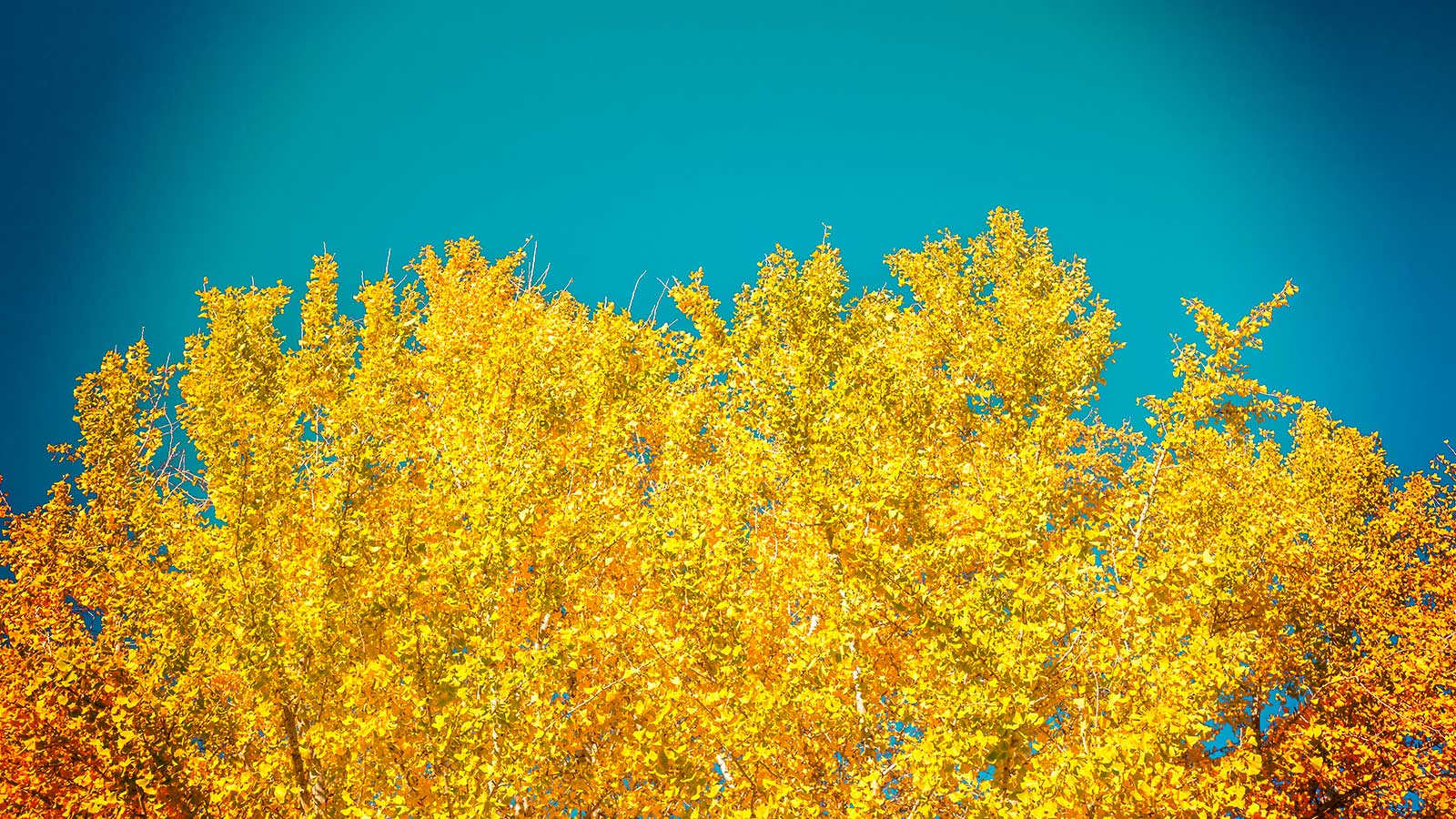
Fall color is the reason you notice them. Their wildlife value is the reason to plant them.
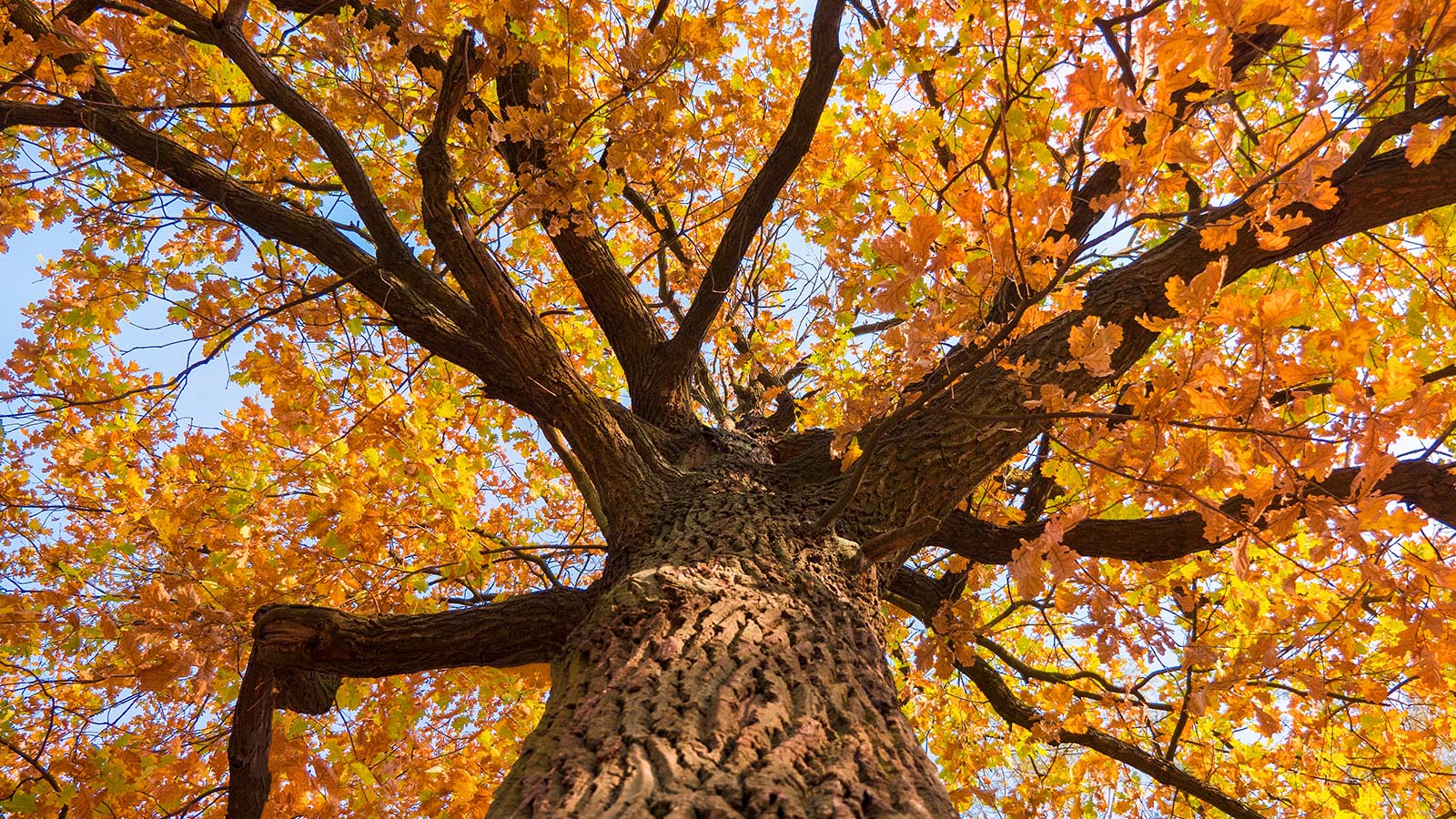
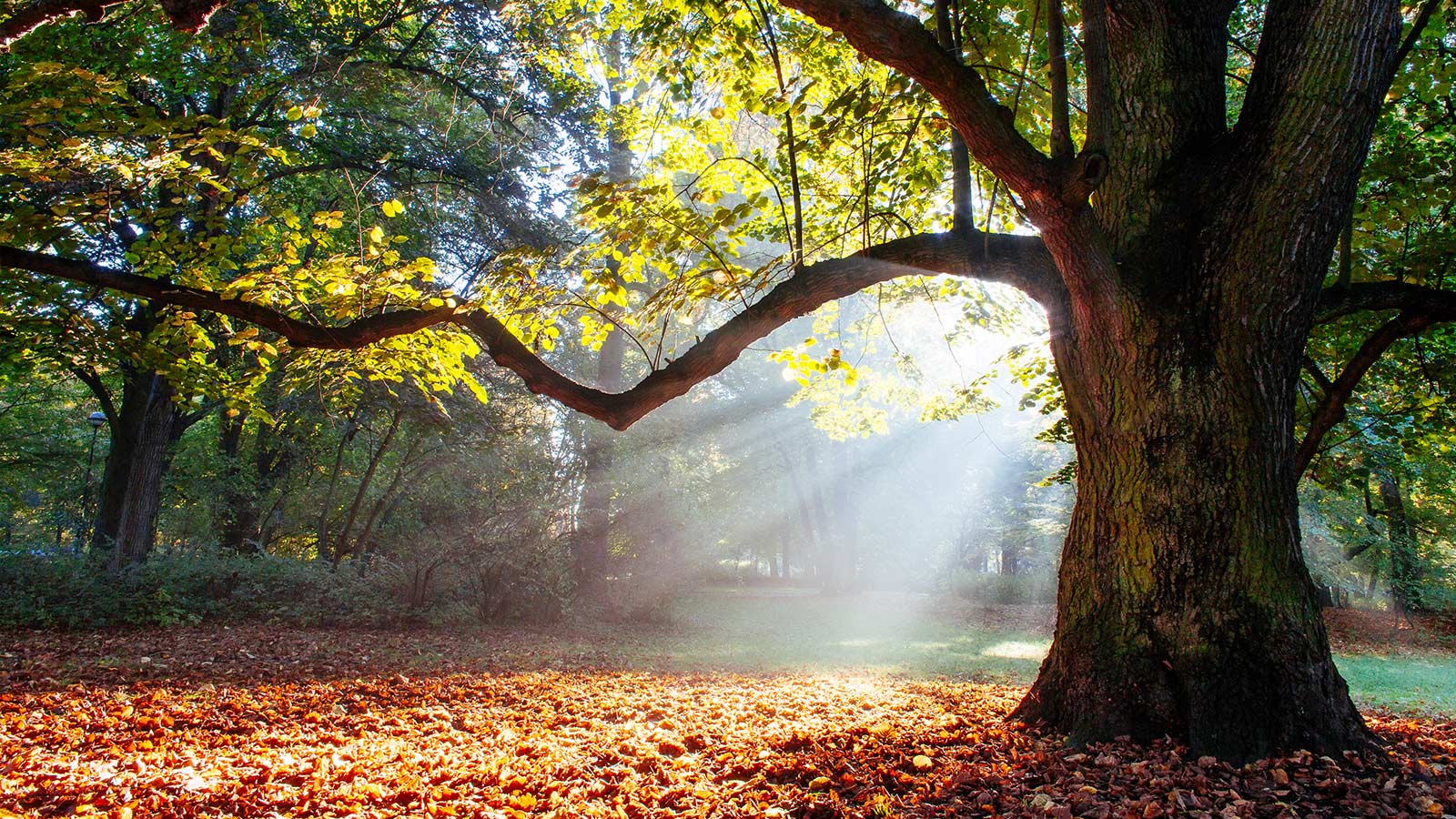
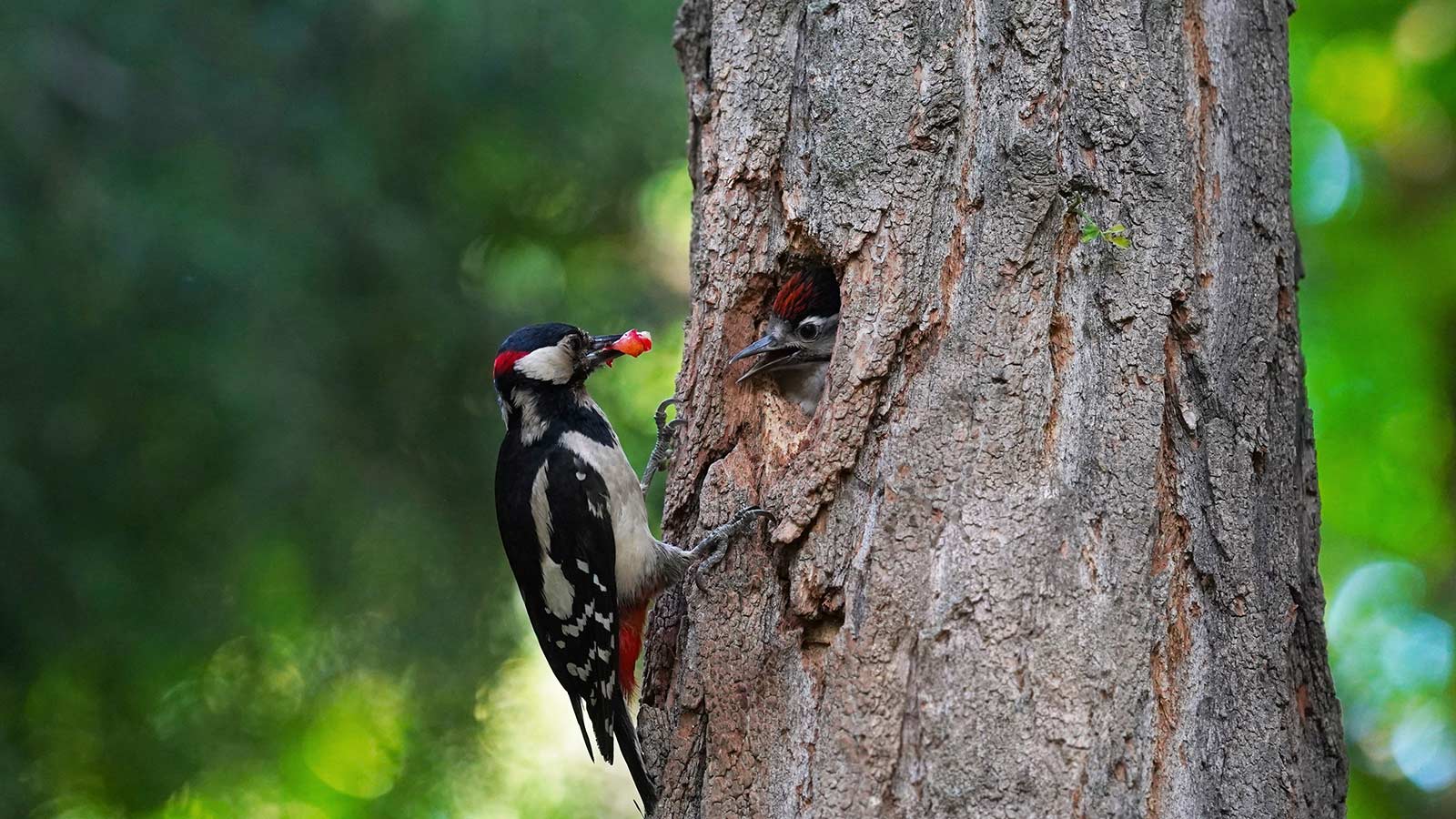
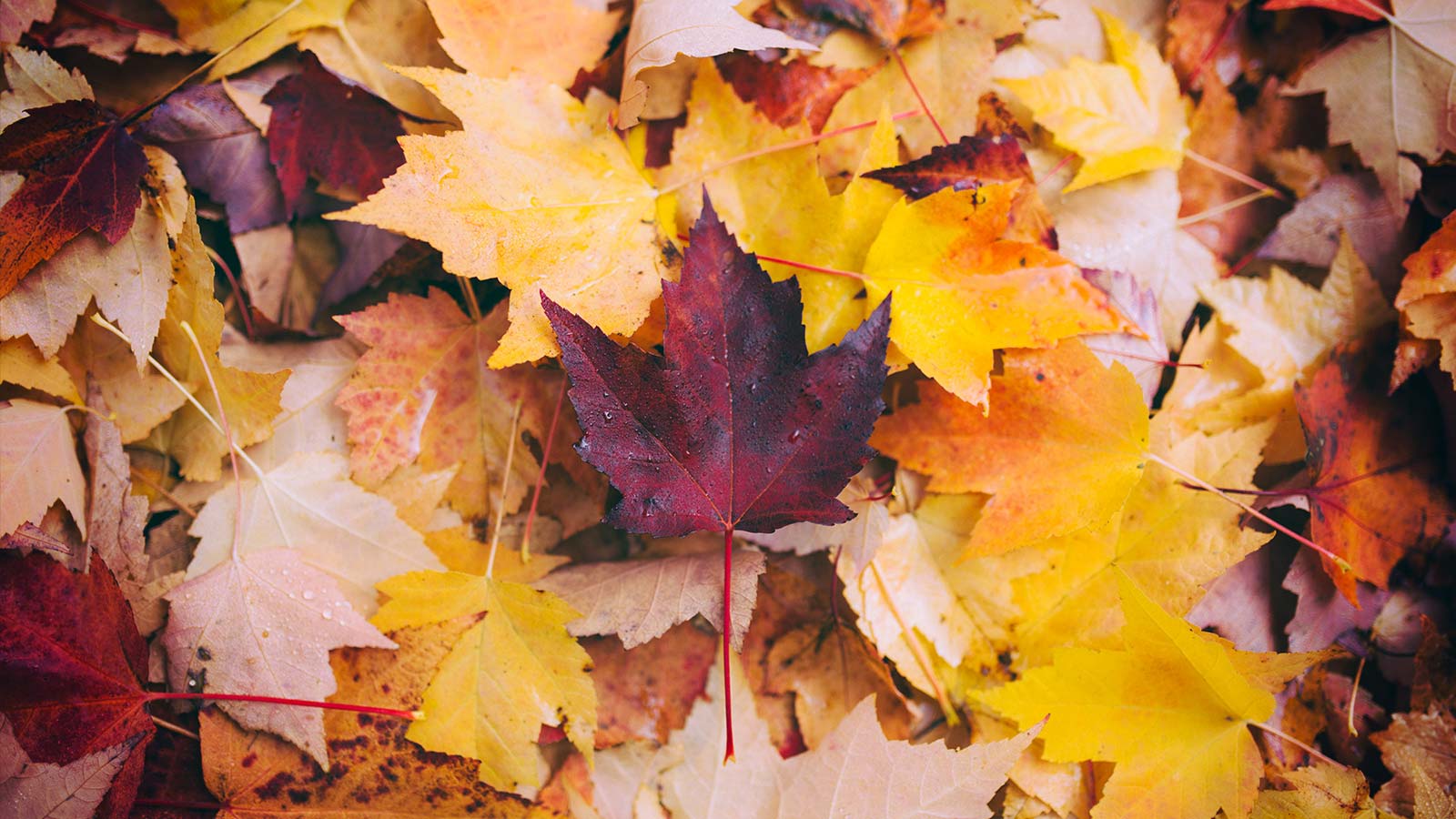
Fall color gets treated like a bonus feature, something nice that happens to a tree you planted for shade. We think it works the other way around. The plants that light up in October are usually the same ones feeding migrating birds, hosting caterpillars, and holding fruit through the cold months.
Here are ten native or regional trees and shrubs from our planting list that thrive in the Piedmont, have exceptional wildlife value, and display beautiful color tones from across the Fall palette.
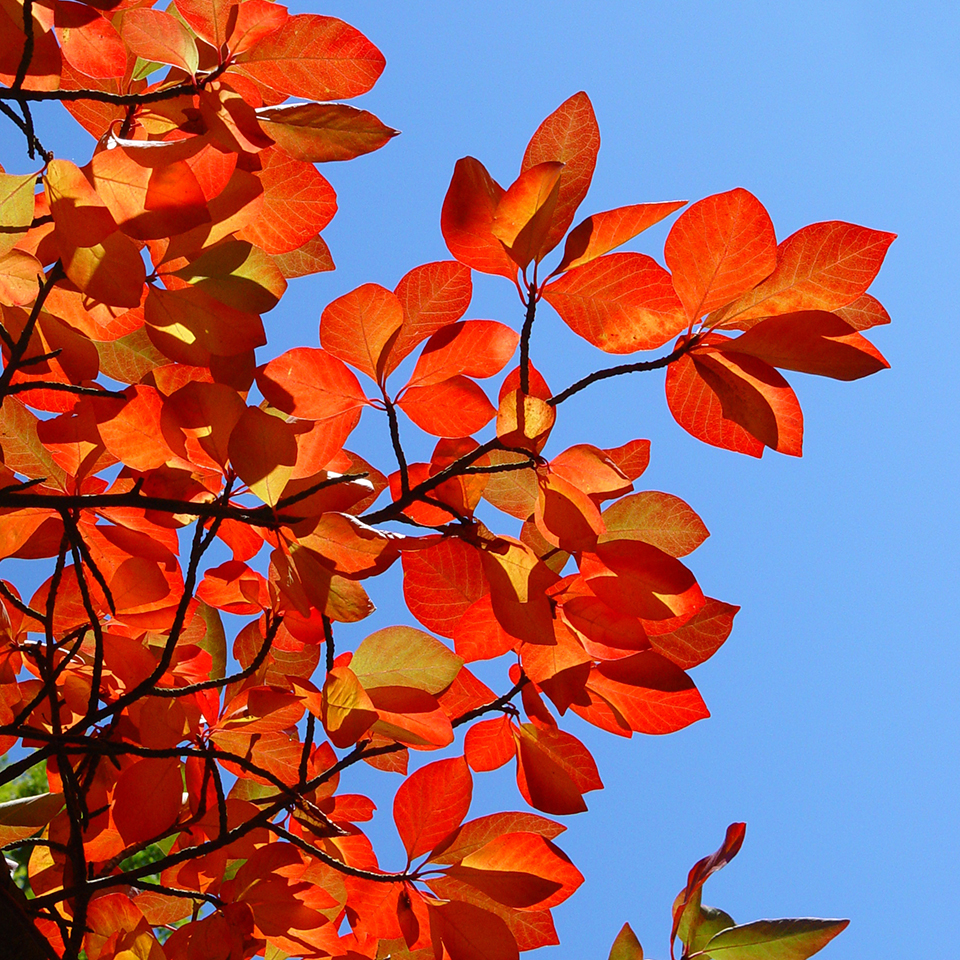
Black Gum
(Nyssa sylvatica)
One of the earliest trees to don Fall color in the Piedmont, with leaves turning scarlet and purple as early as late Summer. Becomes a medium-sized shade tree, 30 to 50 feet, in a landscape setting. The blue-black drupes are a critical food source for migrating songbirds in Fall, and bees that feed on its flowers produce the much-desired tupelo honey. Native from southern Ontario down through the eastern US into Mexico.
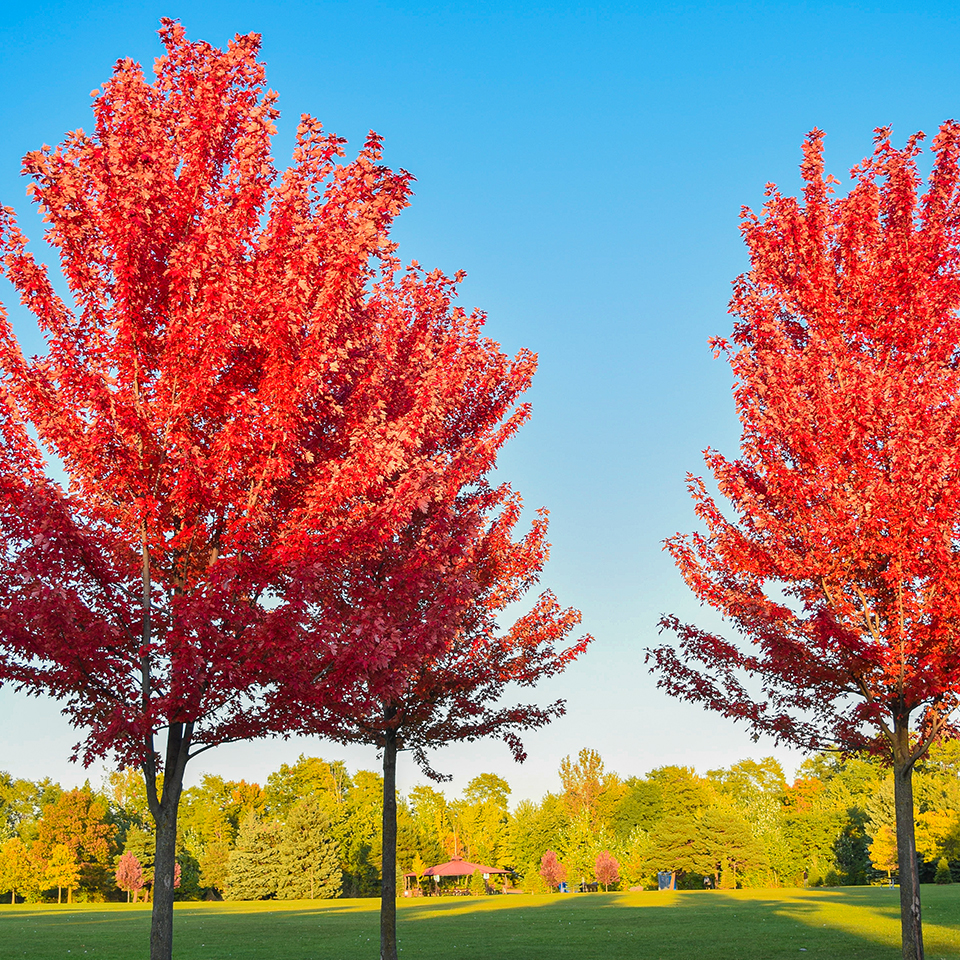
Red Maple
(Acer rubrum)
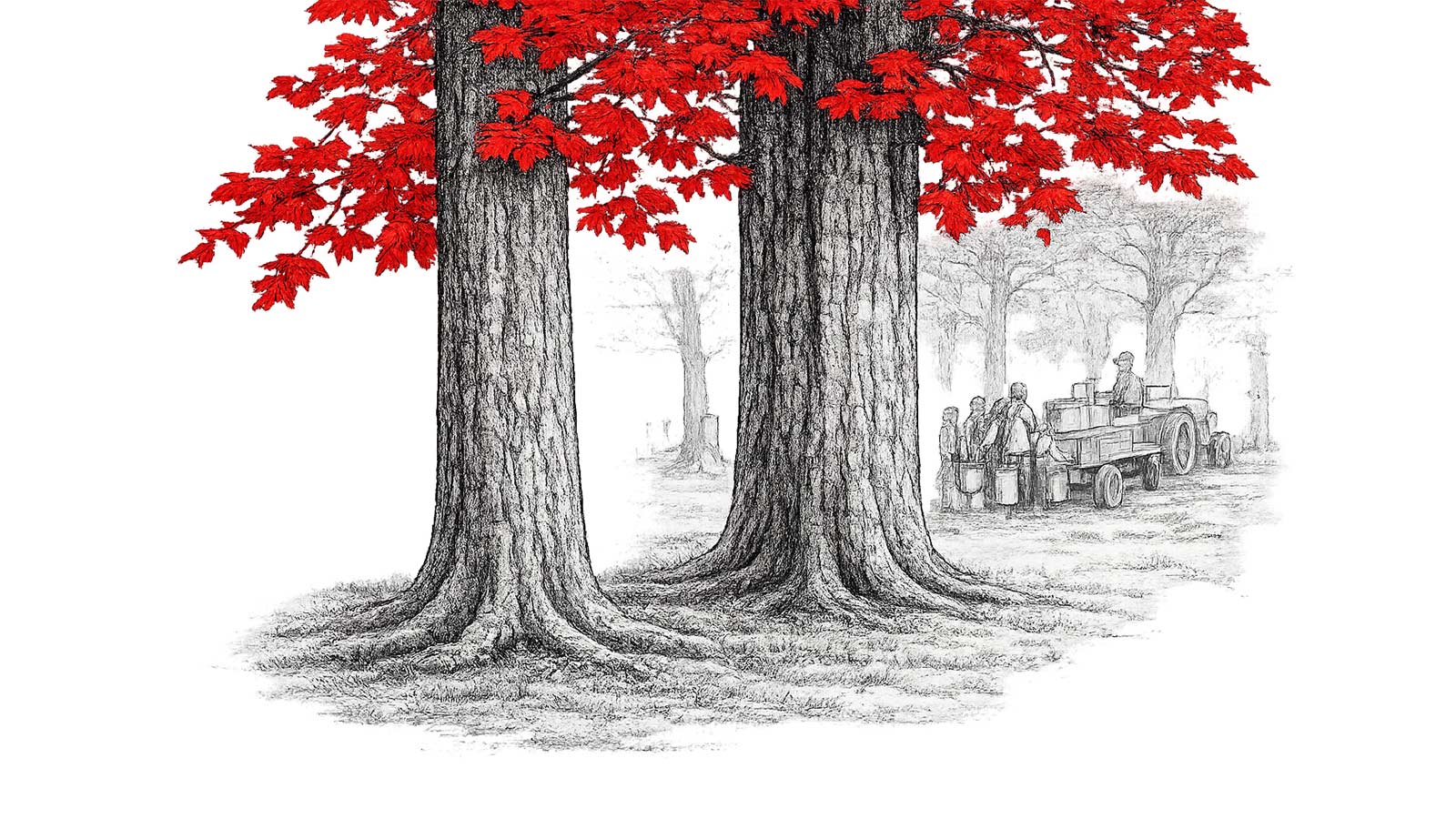
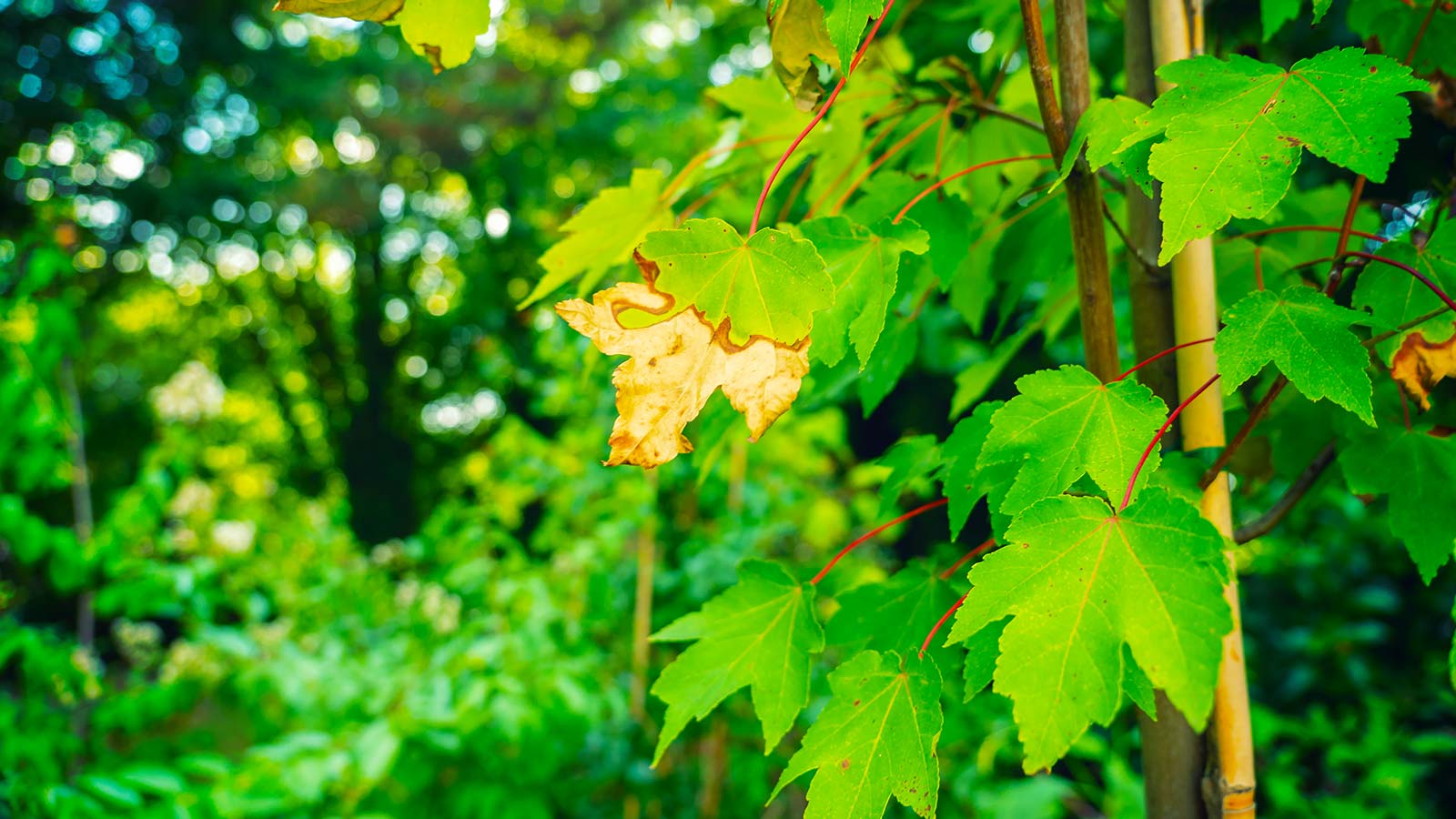
A dependable tree for red, orange, or yellow Fall color, often starting at the tips of the canopy before spreading inward. Reaches 40 to 70 feet tall. Its tiny red flowers open as early as February, making it one of the first nectar sources available to queen bumble bees and other insects waking from Winter. Native across nearly all of eastern North America, from Newfoundland south to Florida.
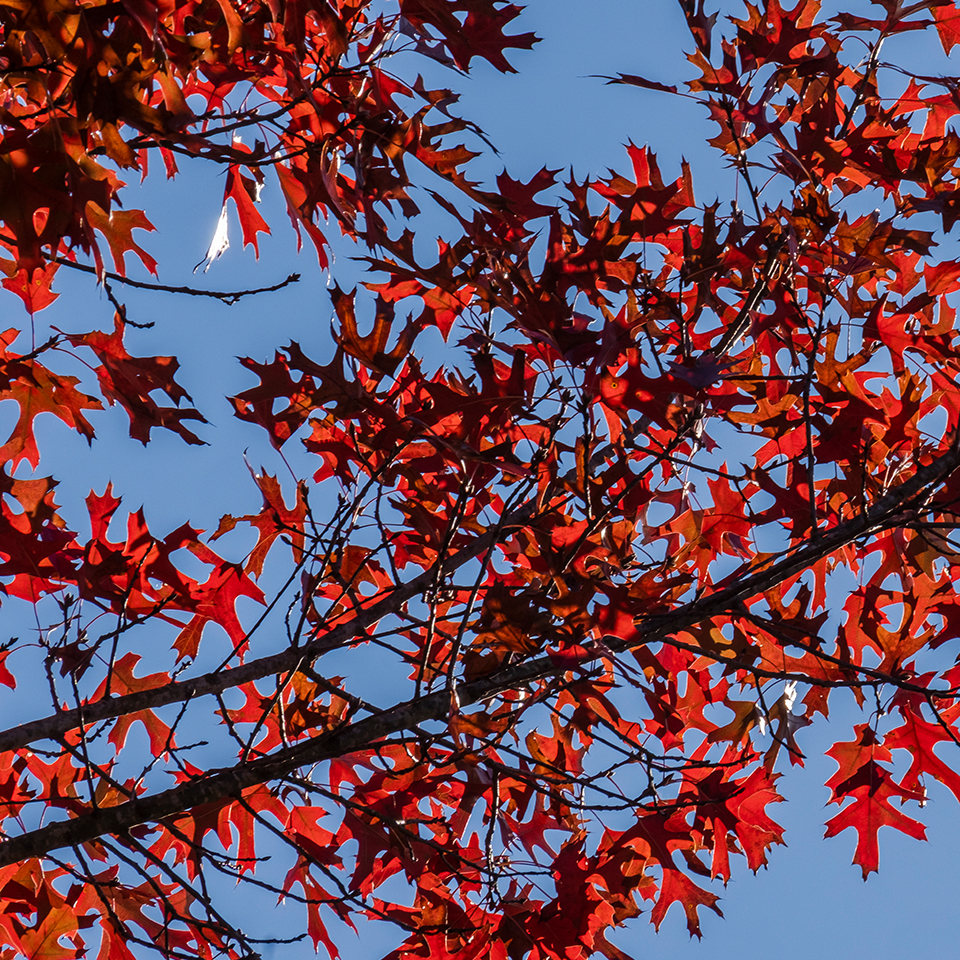
Nuttall Oak
(Quercus texana)
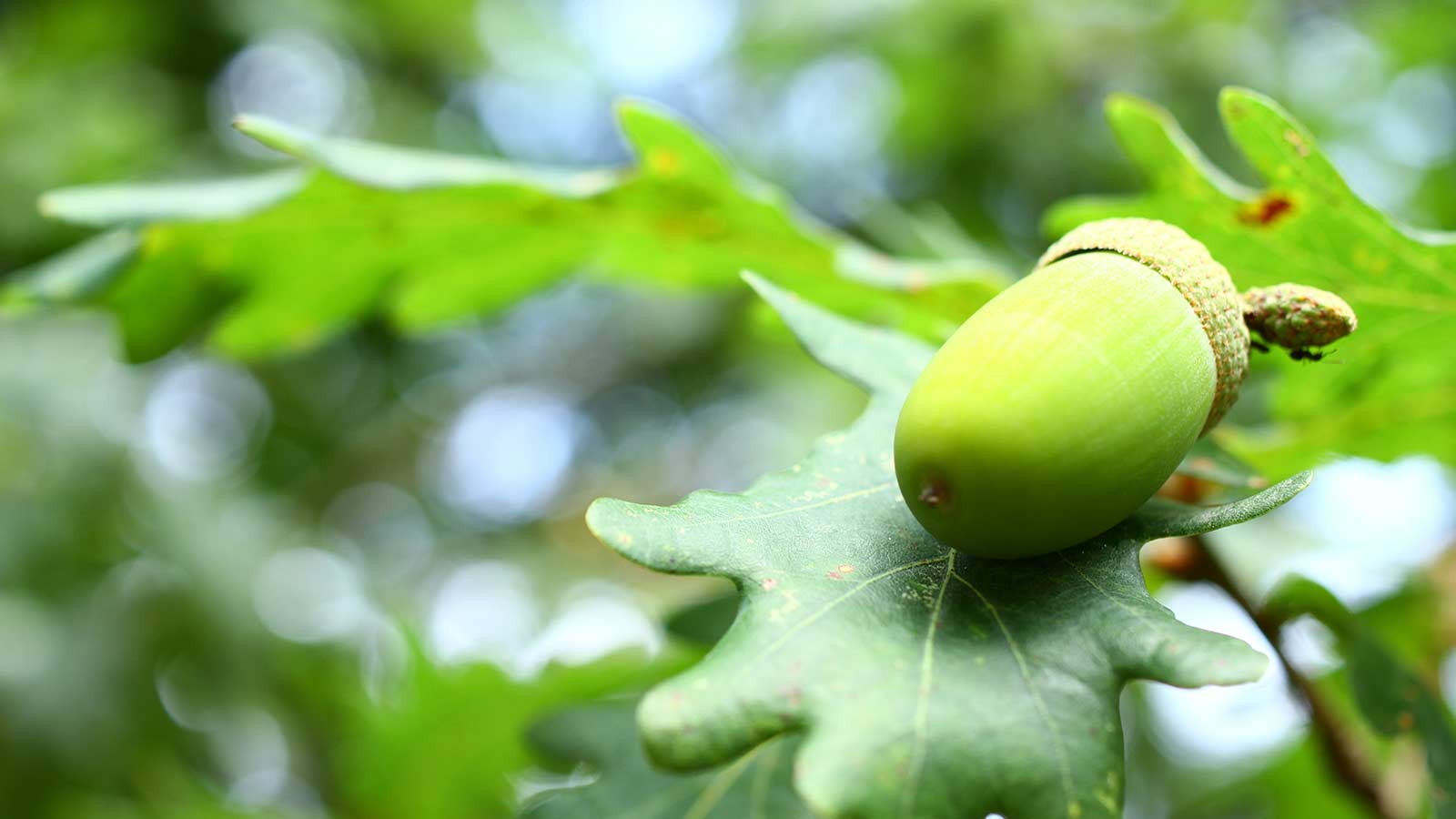
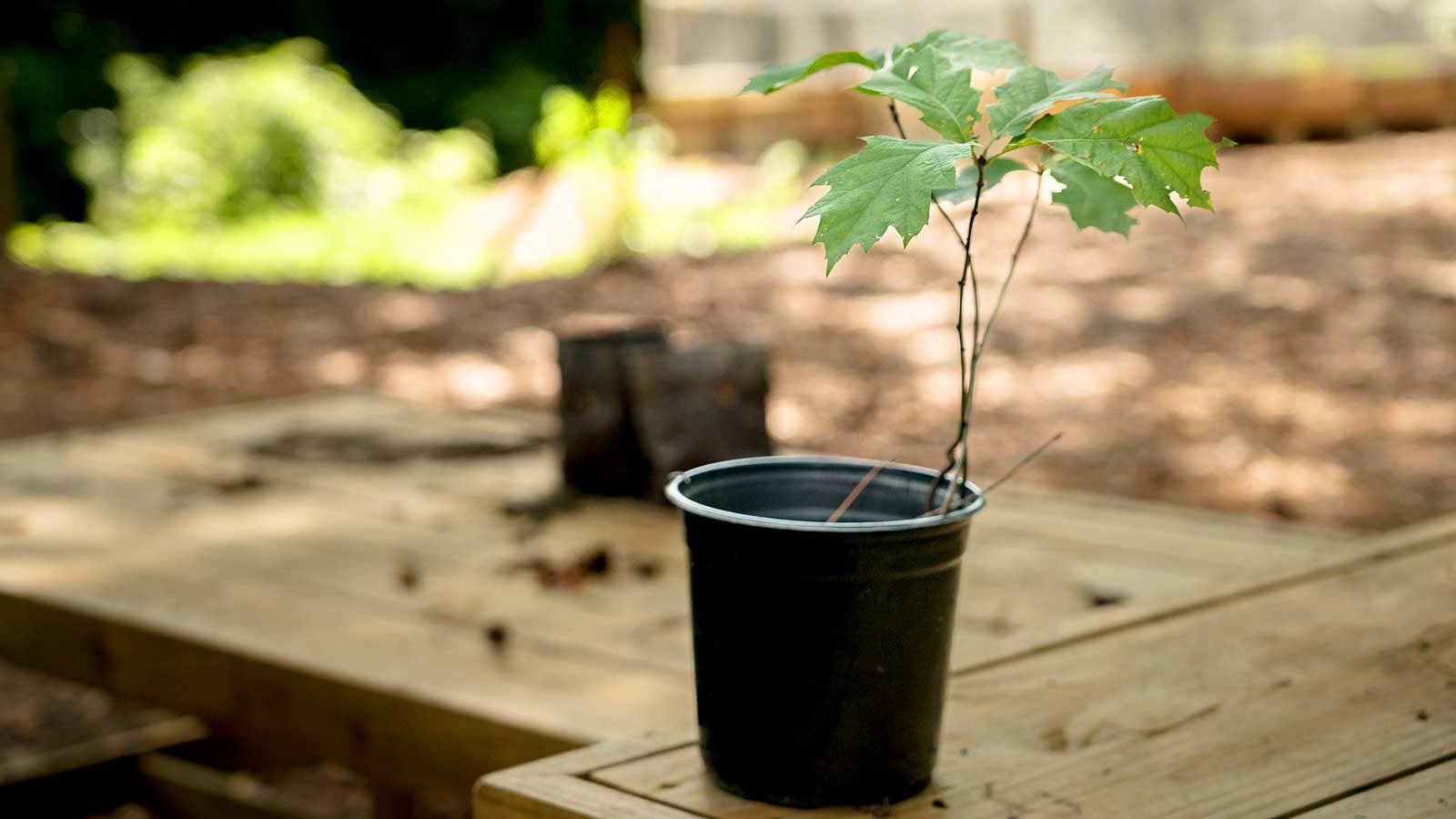
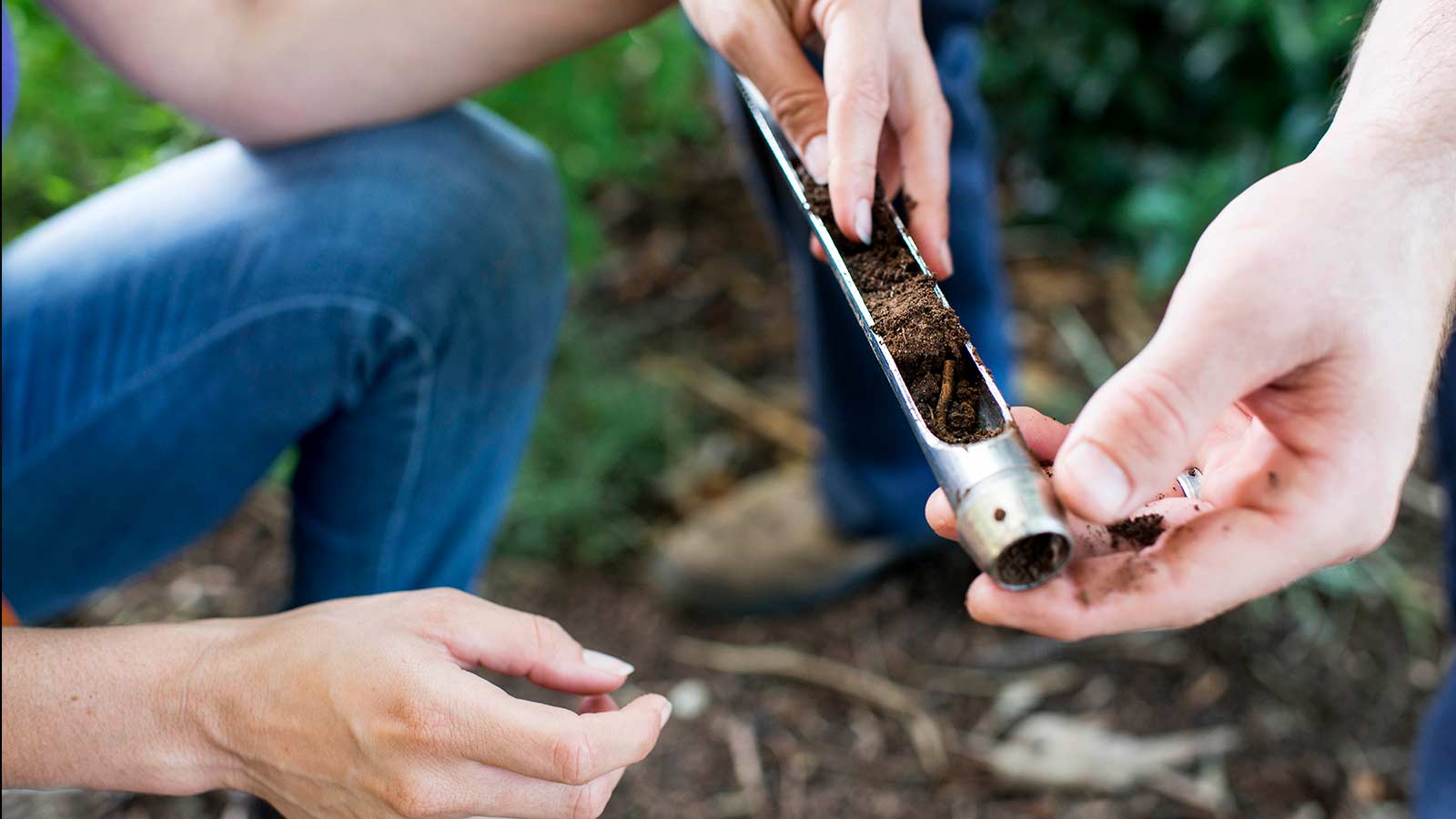
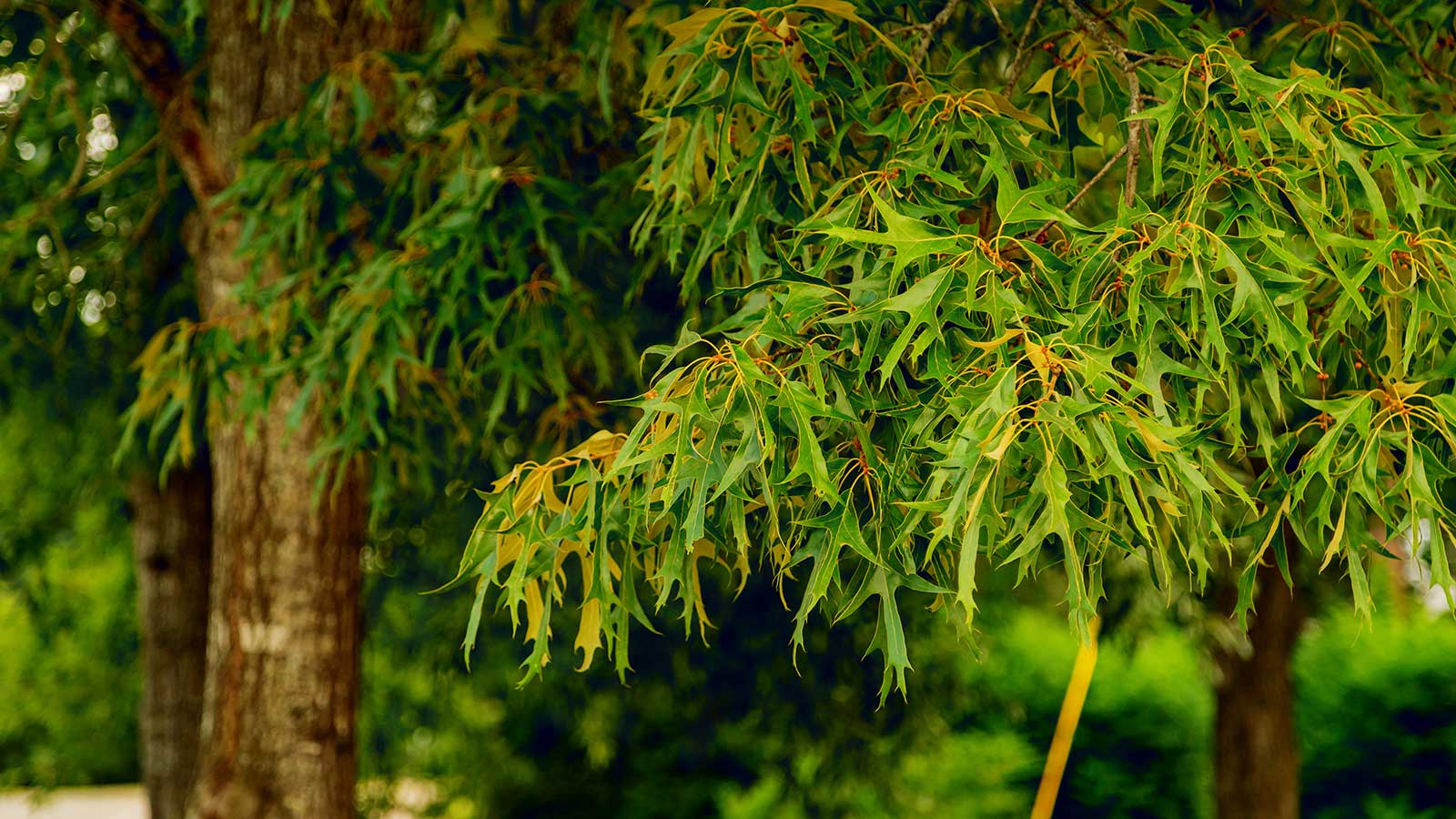
A red oak known for strong, dependable red to red-orange Fall color that outlasts many other oaks. Like other oaks, it is a larval host for numerous butterflies and moths, and turkey, deer, and small mammals eat the acorns through Winter. Native to wet bottomland forests along the Gulf Coast and up the Mississippi River Valley, which is exactly why it does so well in our Piedmont clay soil.
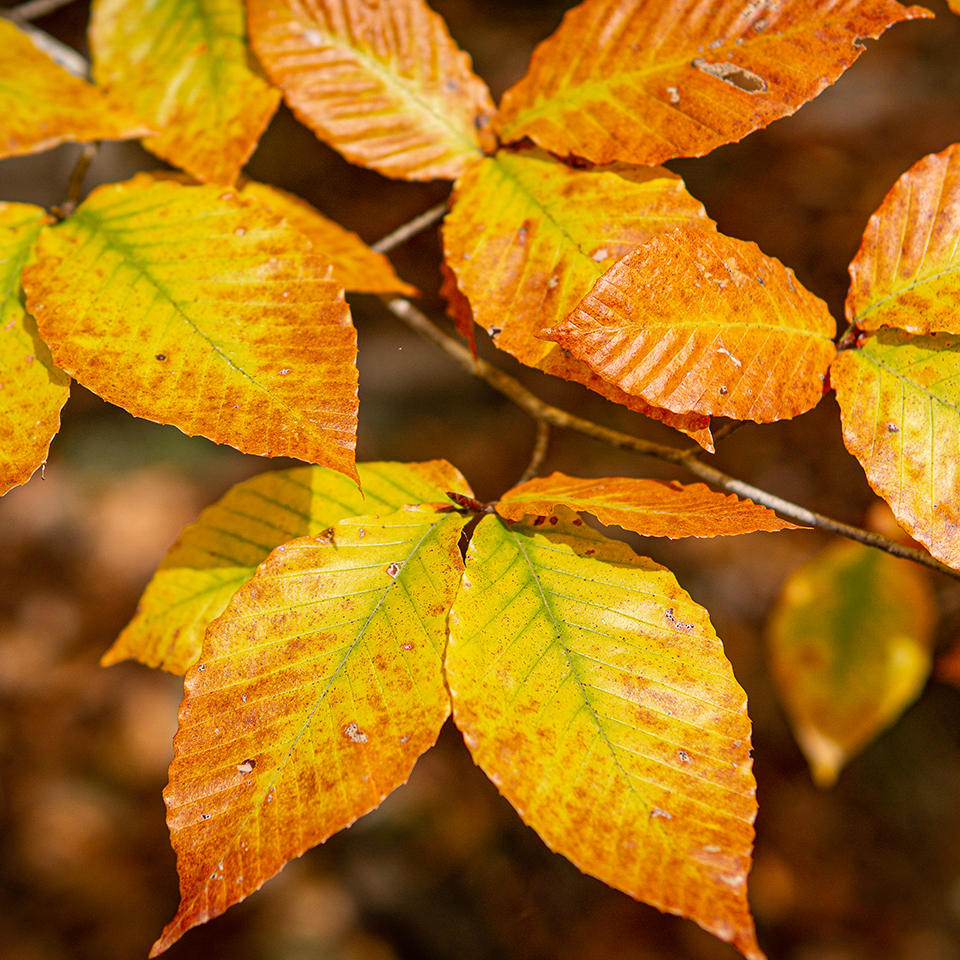
American Beech
(Fagus grandifolia)
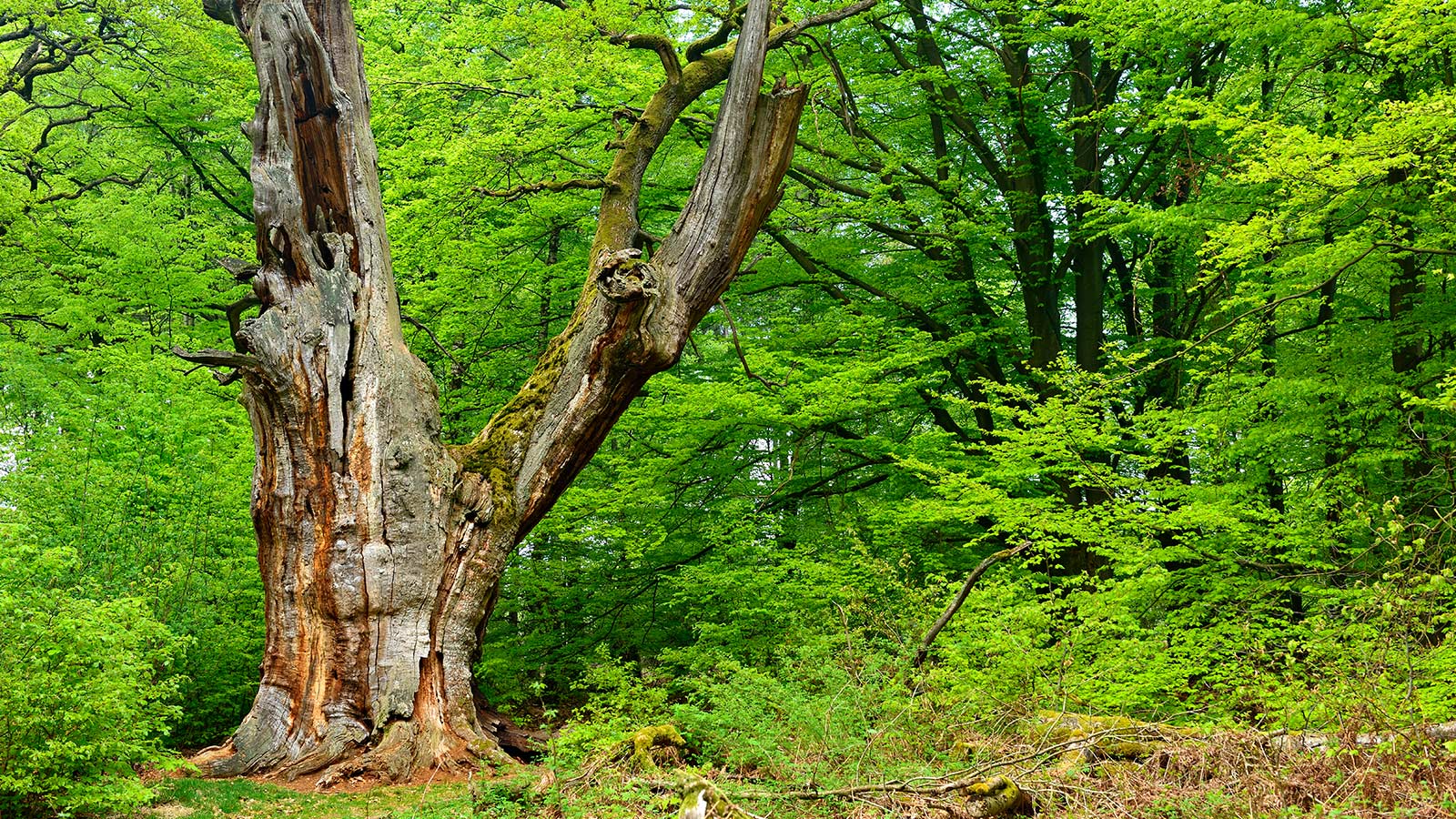
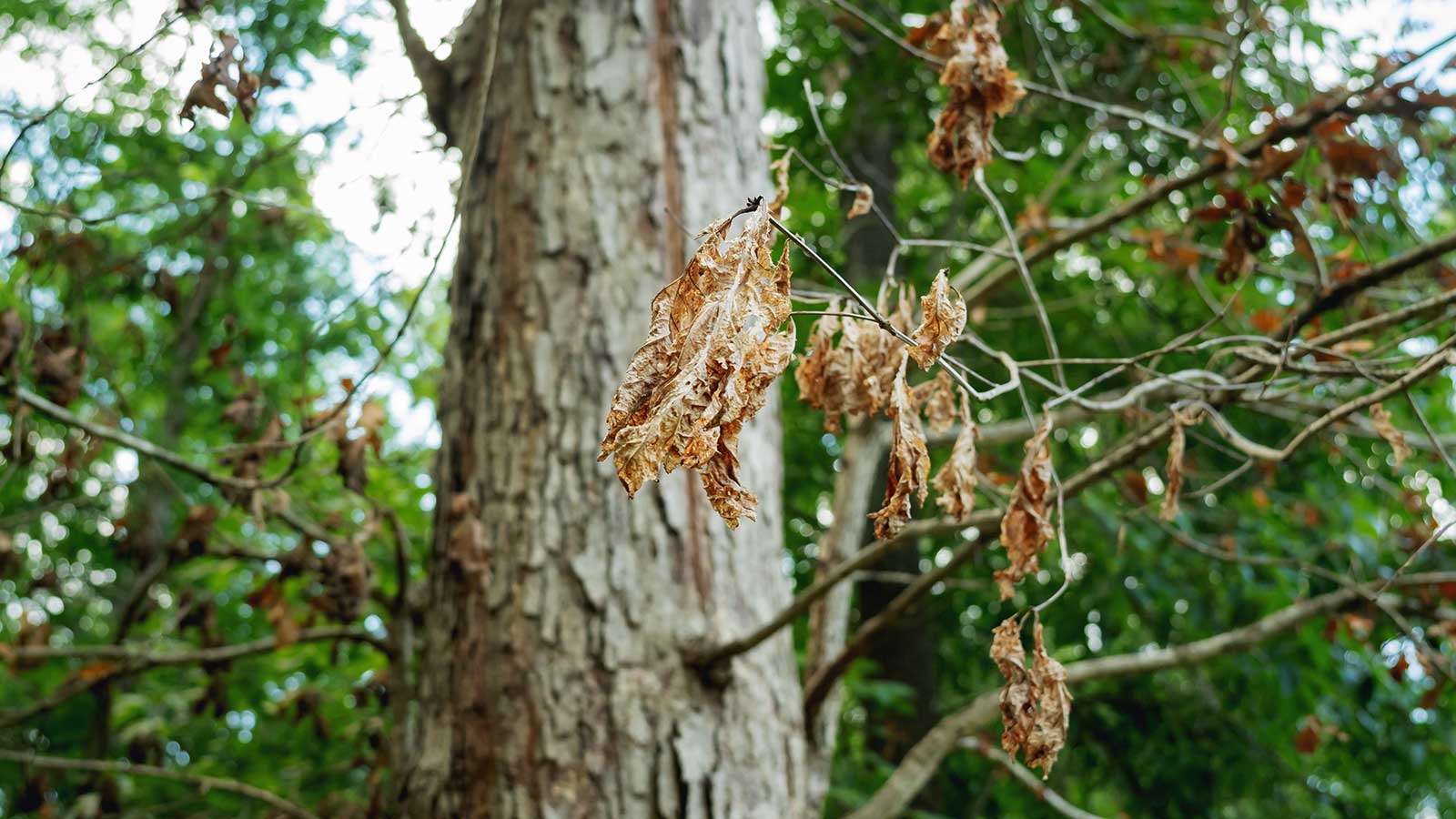
This large, stately tree turns a warm golden bronze in Fall, and young trees hold their tan colored leaves on the branch straight through Winter, a phenomenon called marcescence. Beechnuts are a high-protein food source for turkey, grouse, deer, and black bear. Native throughout eastern North America, including all of North Carolina, in moist, well-drained woodland soil.
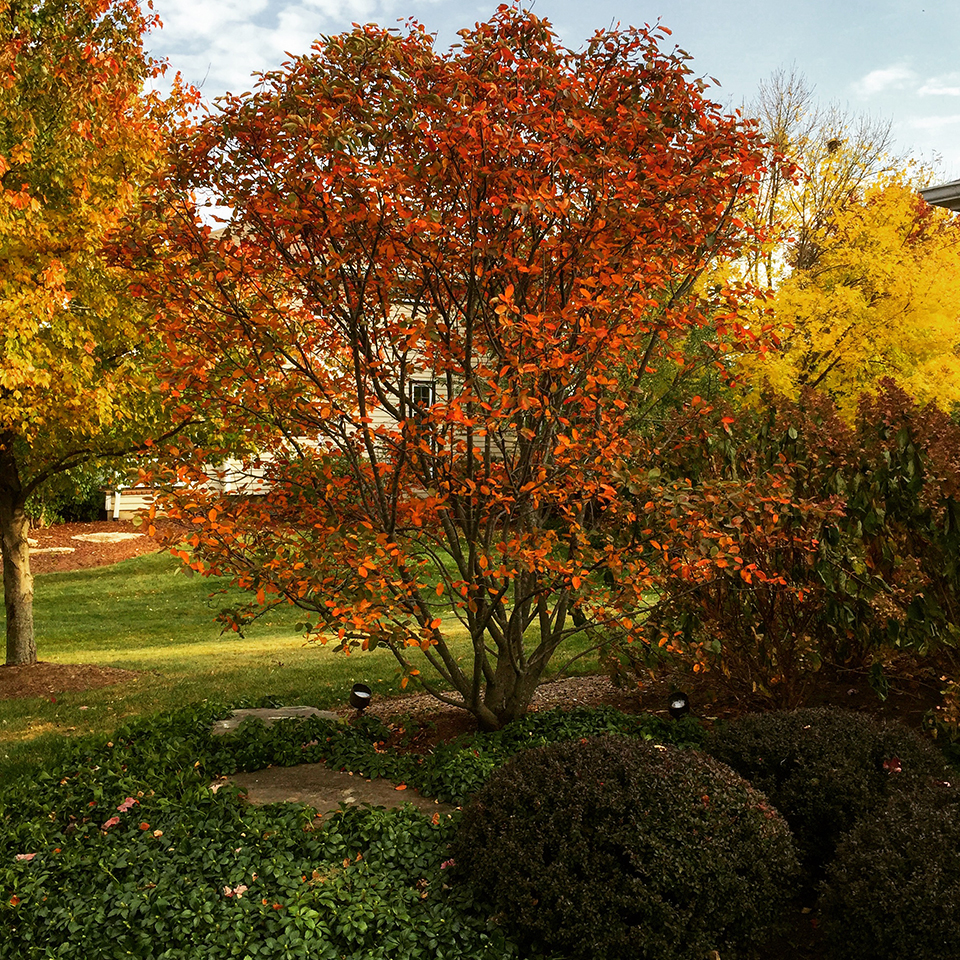
Serviceberry
('Autumn Brilliance')
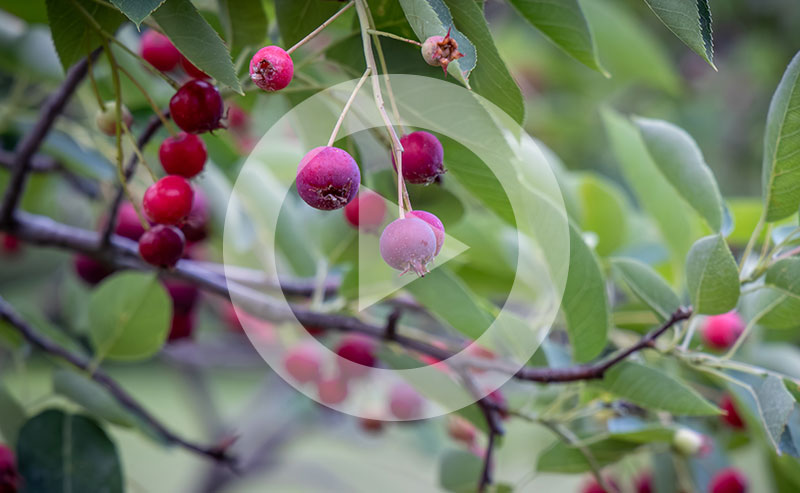
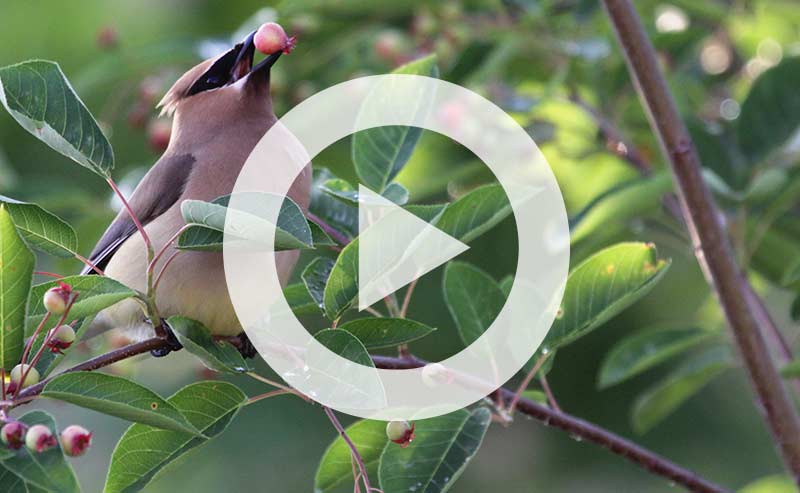
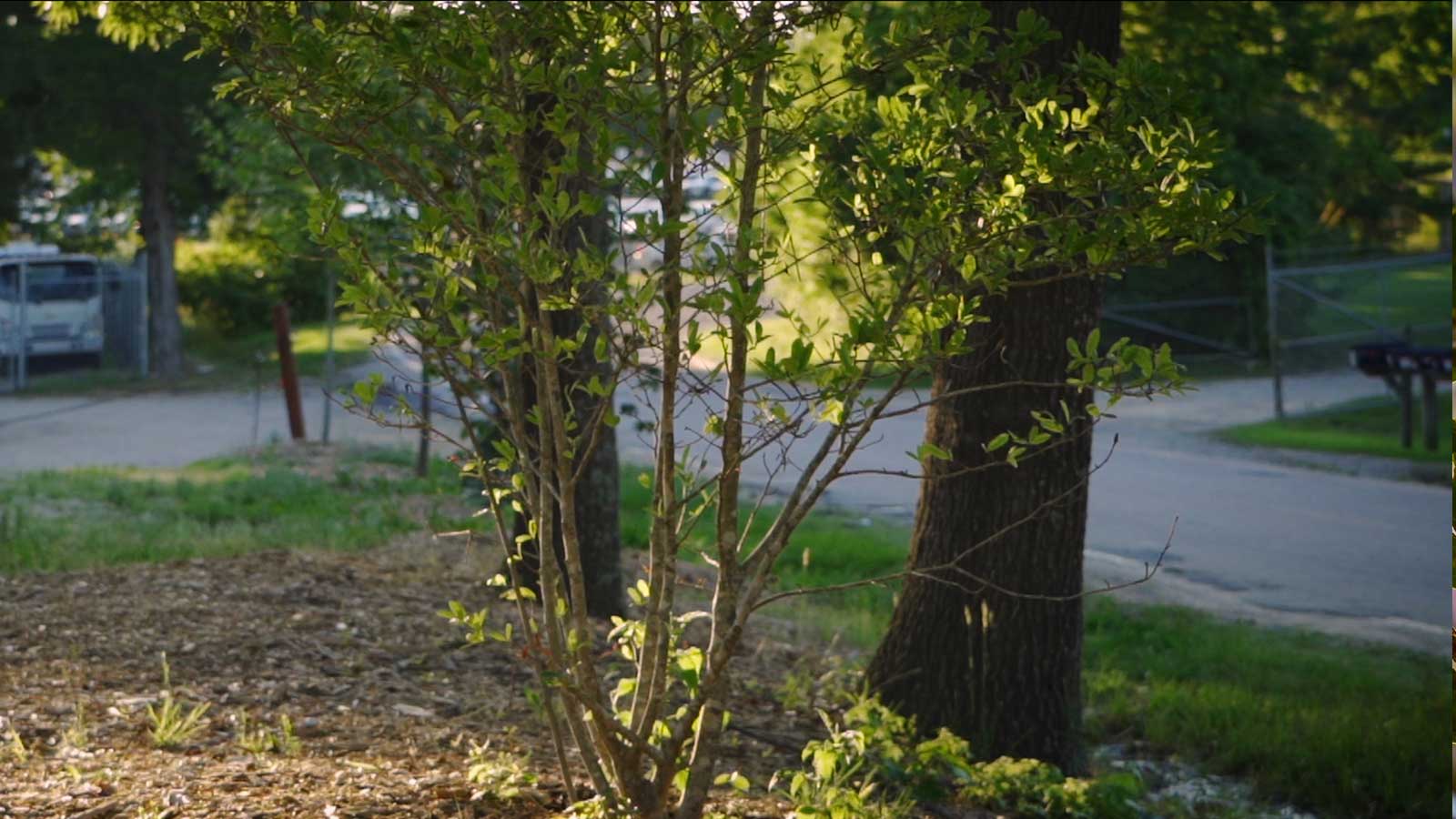
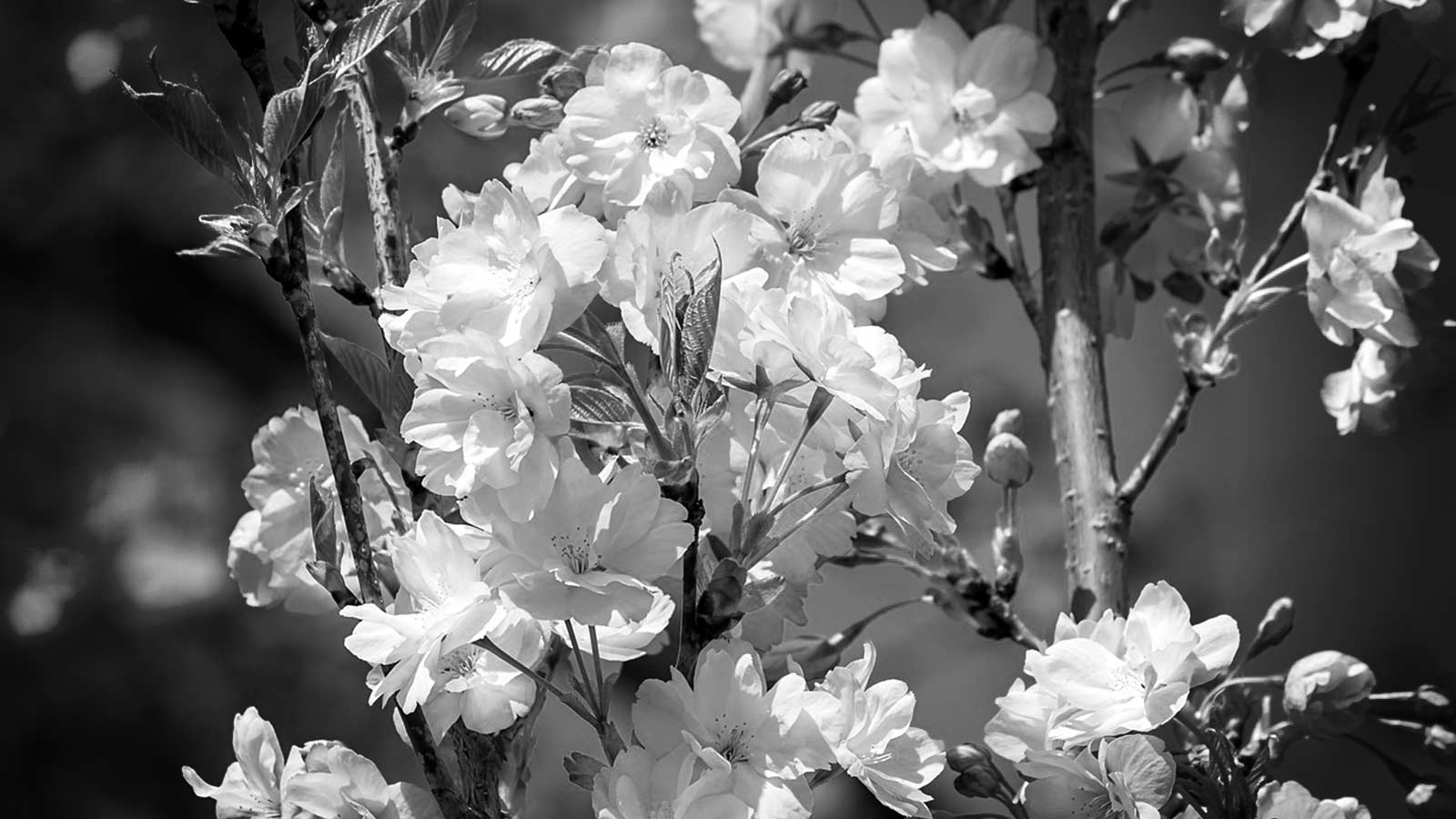
Lives up to its name with orange-red Fall foliage. Showy white flowers feed early pollinators, and in Summer a blueberry-like fruit is a tasty treat for birds and people alike. This multi-stemmed shrub grows to around 15 feet tall and hosts roughly 120 species of moth and butterfly larvae. 'Autumn Brilliance' is a hybrid of native serviceberry species found throughout eastern North America.
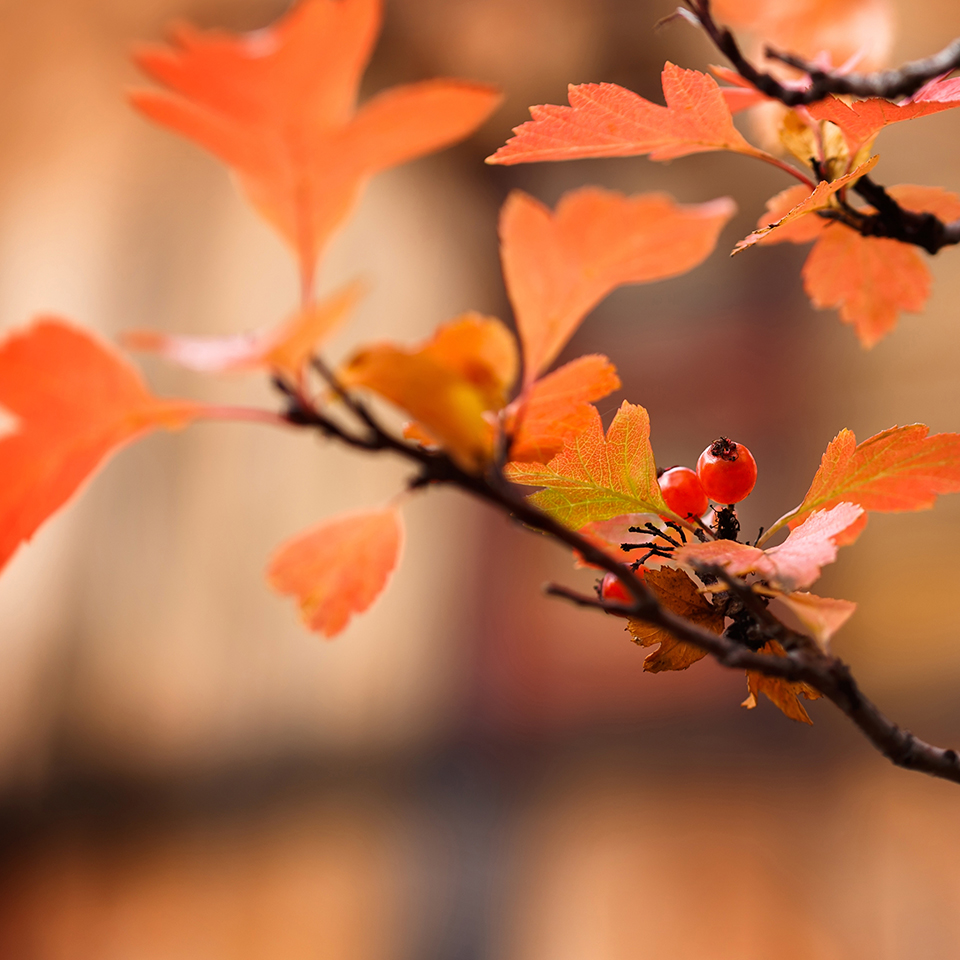
Washington and Green Hawthorn
(Crataegus phaenopyrum and Crataegus viridis)
These hawthorns turn orange to red-purple in Fall, with bright red berries that hang on well into Winter. A small tree, 20 to 30 feet tall, with dense, thorny branching. The berries feed a wide range of birds through the cold months, and the thorny structure gives songbirds valuable nesting cover. Green hawthorn is native to the southeastern US, and Washington hawthorn to the mid-Atlantic and Southeast.
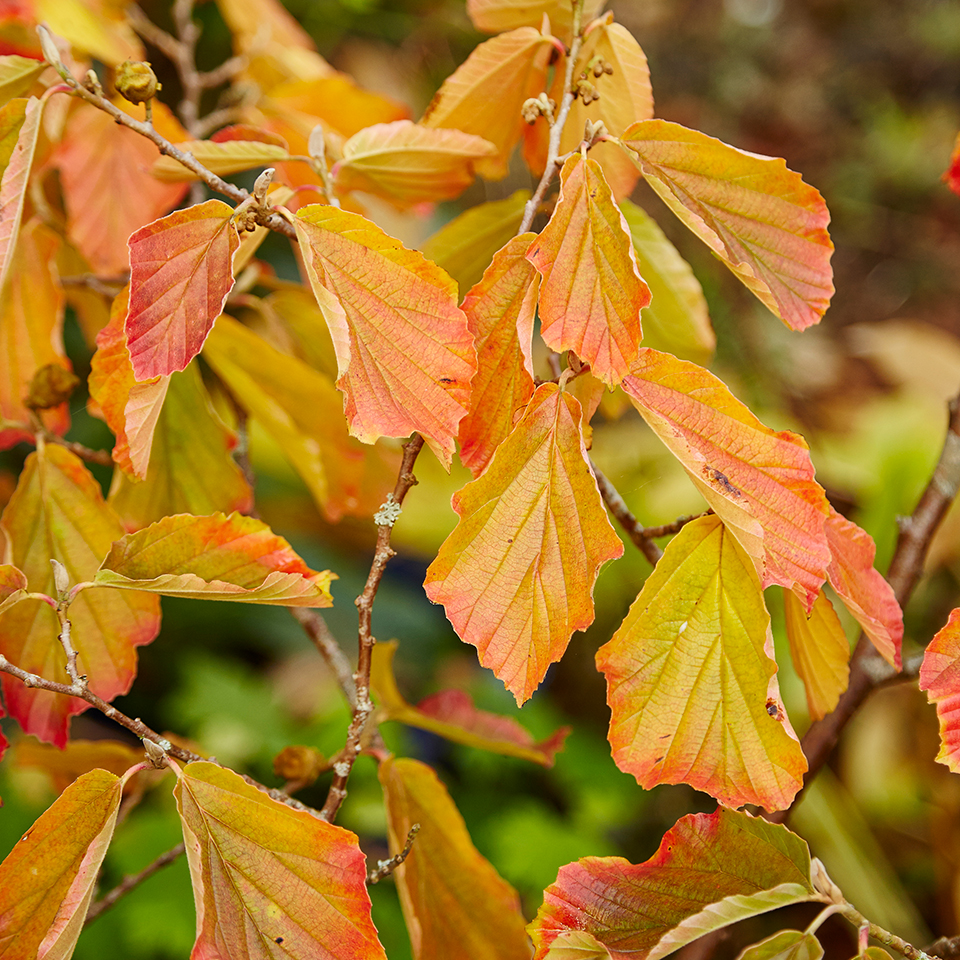
Witchhazel
(Hamamelis cvs.)
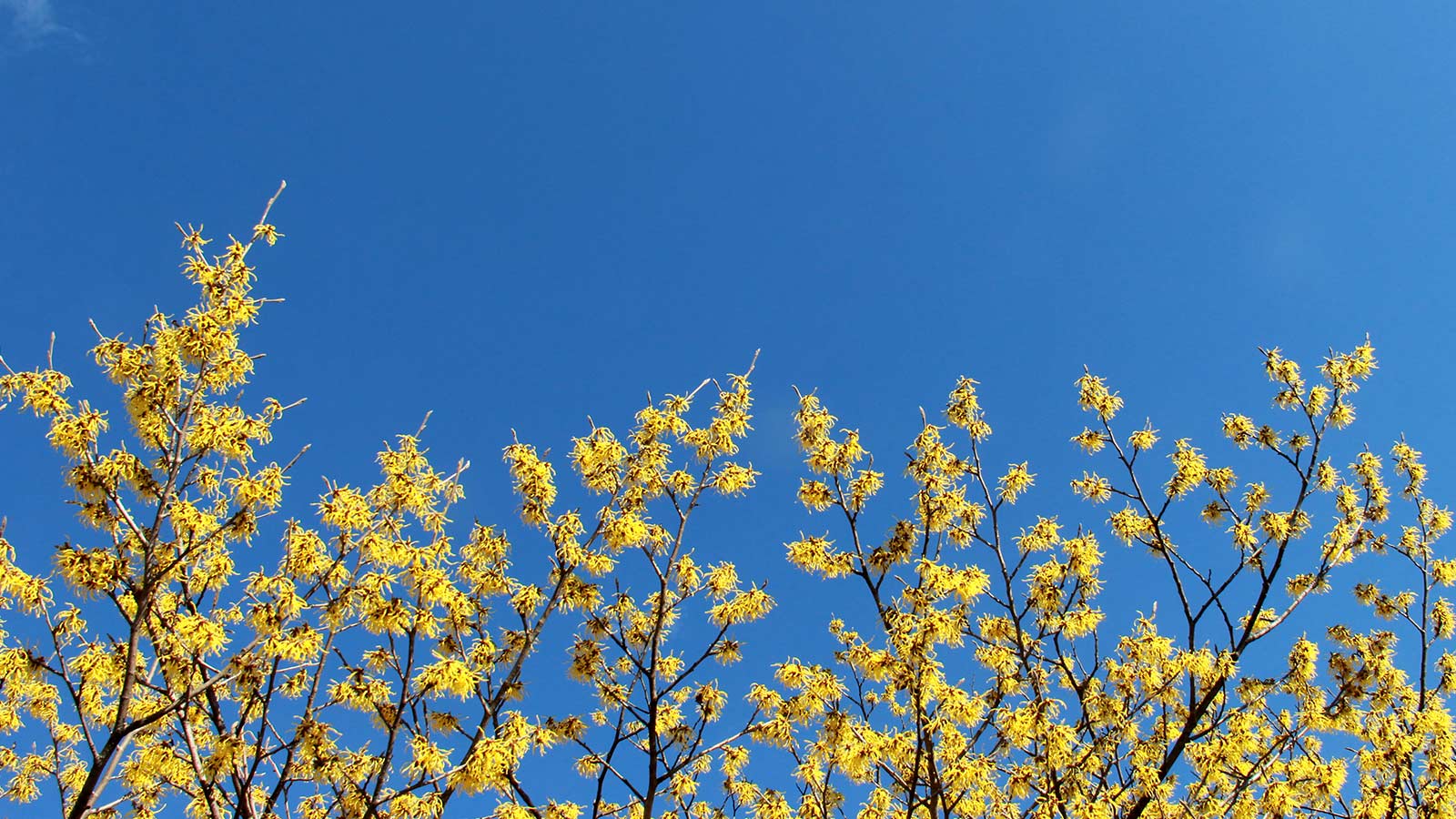
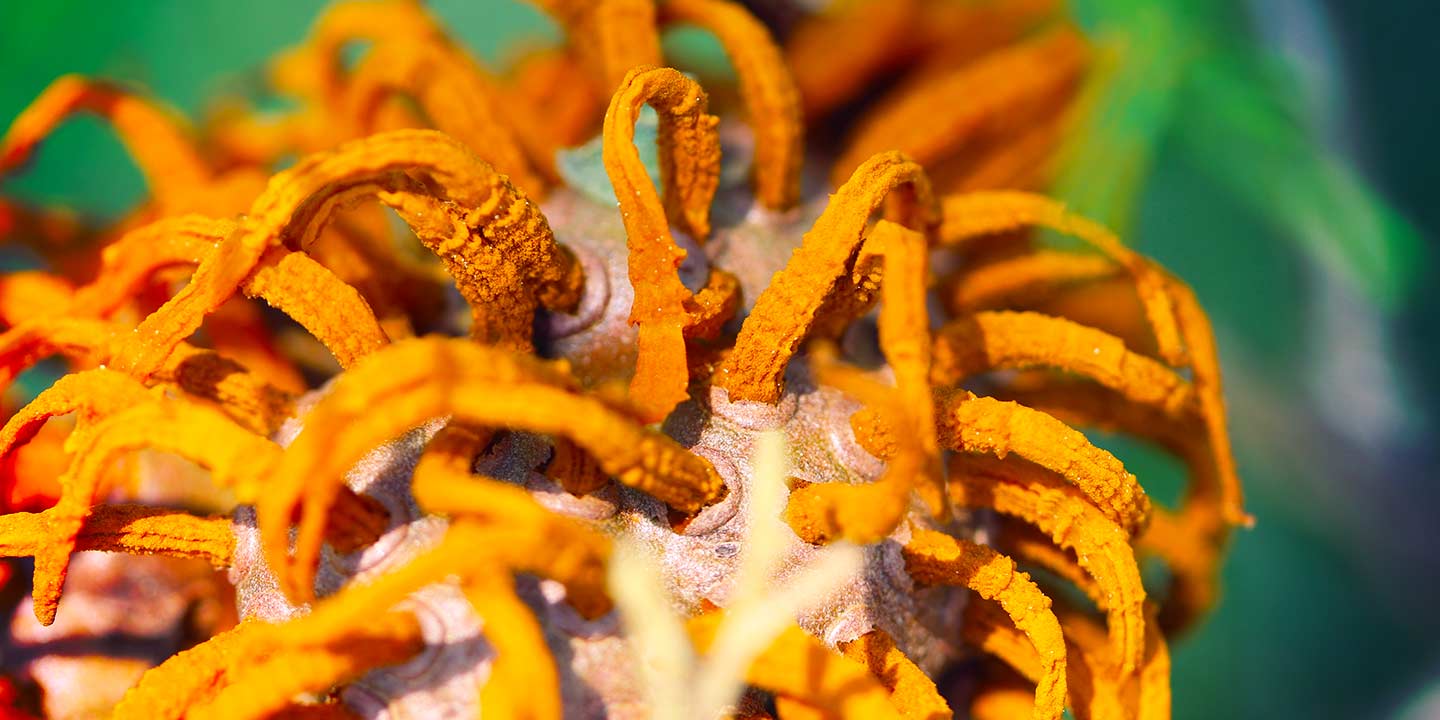
Turns a soft yellow in Fall, and the 'Arnold Promise' cultivar blooms again in late Winter with fragrant yellow flowers. Grows 15 to 20 feet tall as a large shrub or small tree. Because it flowers when almost nothing else does, it is an important nectar source for late-season and early-season pollinators, including Winter-active moths that are adapted to fly in the cold. Native to eastern North America, from Quebec south to Florida.
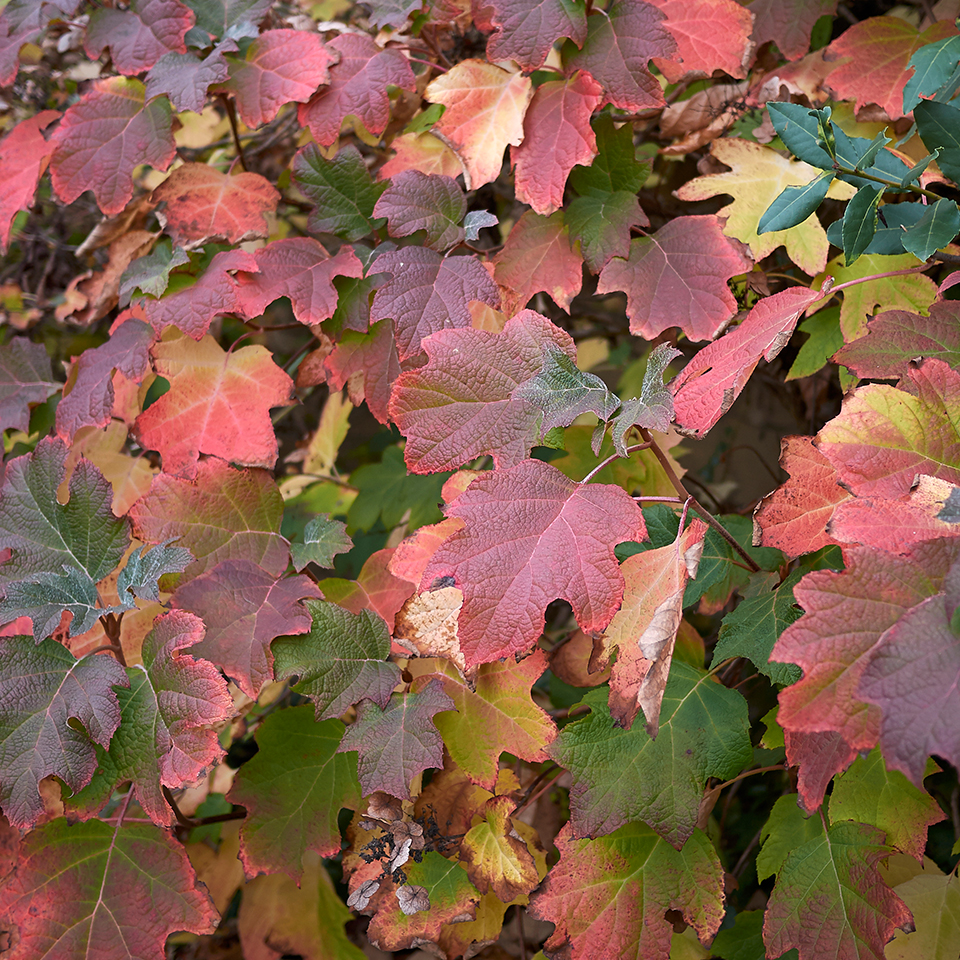
Oakleaf Hydrangea
(Hydrangea quercifolia)
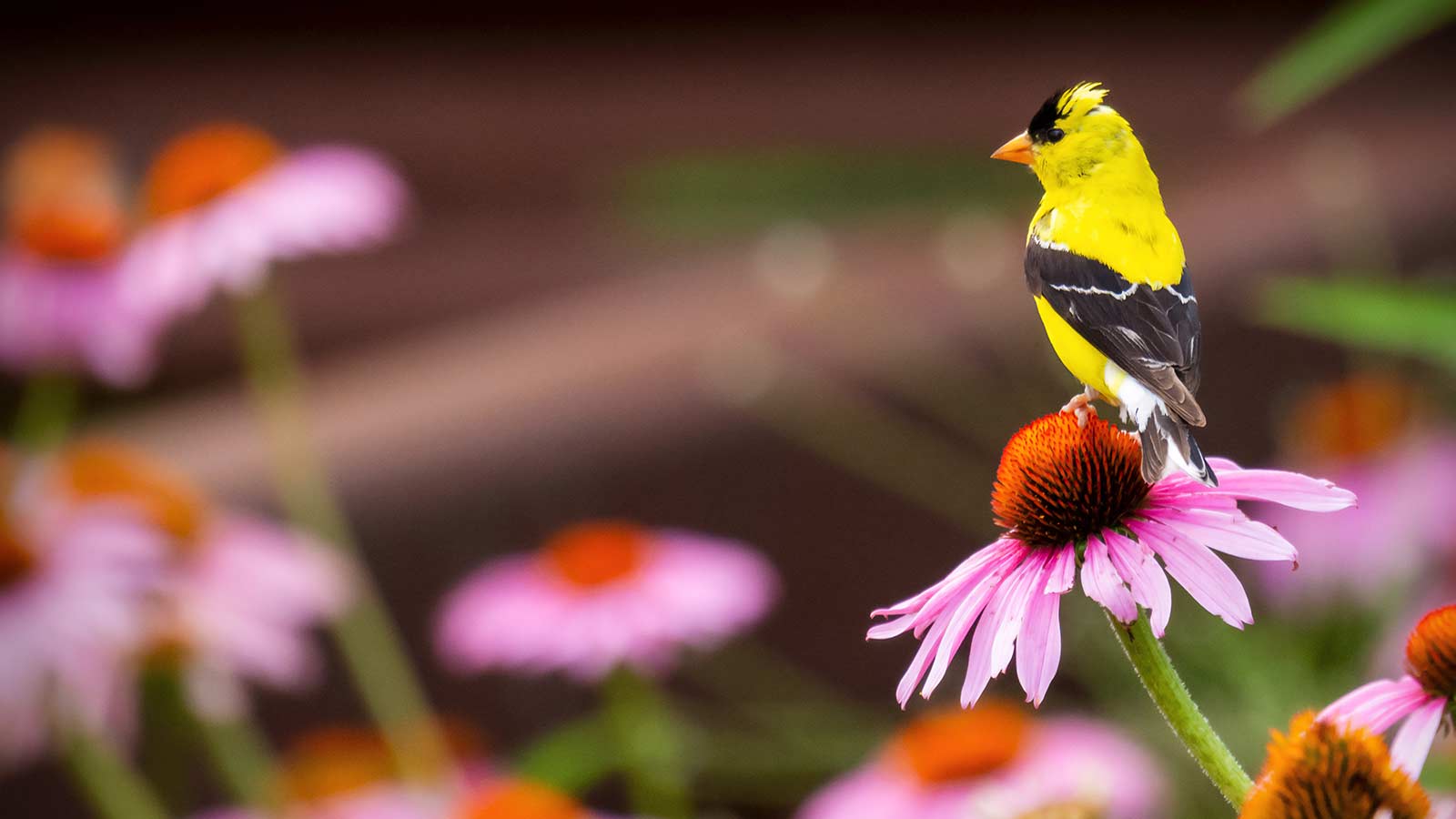
Among the best feature shrubs for all seasons, with oak-shaped leaves that deepen into burgundy, red, and purple. Forms a multi-stemmed clump 6 to 8 feet tall and wide. Bees and butterflies visit the large Summer blooms, and the persistent Winter seed heads feed goldfinches and other small songbirds once the leaves are gone. Native to the Southeast, from South Carolina down into the Gulf states, and widely planted and thriving in the Piedmont.
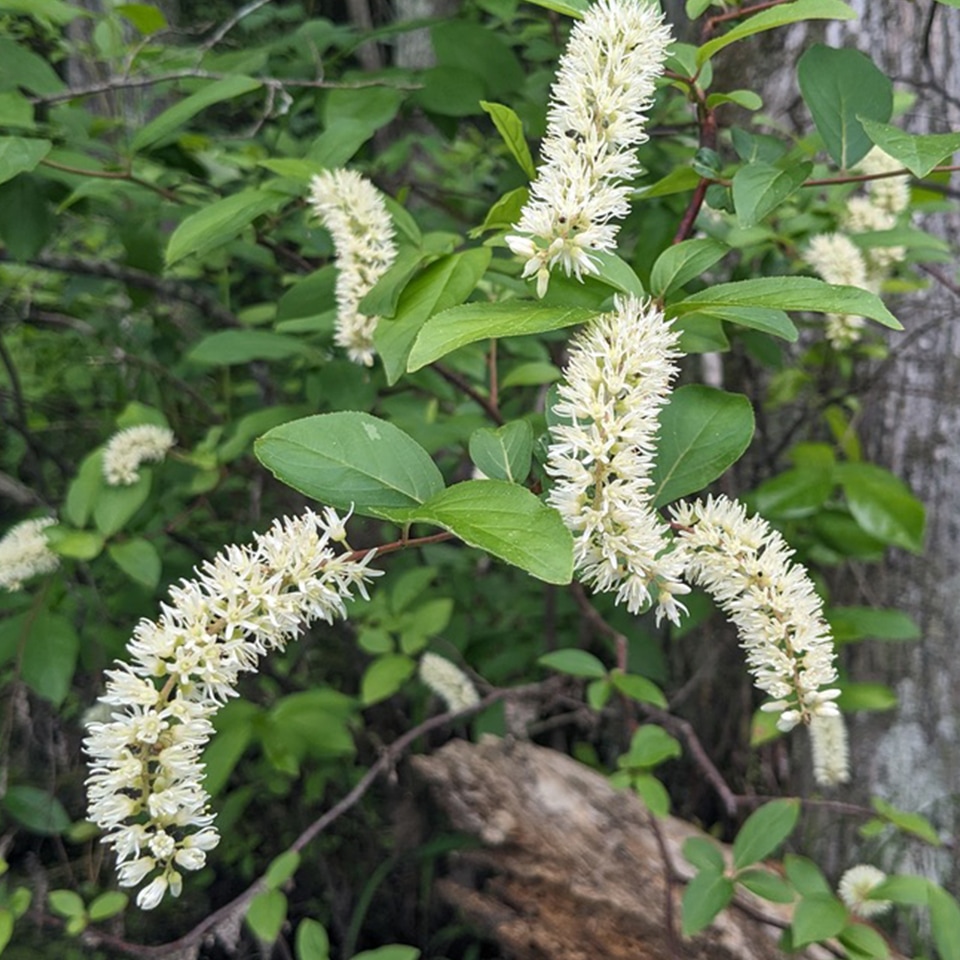
Virginia Sweetspire
(Itea virginica)
Turns garnet red to burgundy in Fall and holds color longer than most native shrubs. Grows 3 to 8 feet tall depending on the cultivar, with graceful arching branches. Its late Spring and Summer blooms are a strong nectar source for native bees and butterflies, including the Eastern tiger swallowtail and spicebush swallowtail, and the seed capsules feed finches into Fall. Native from New Jersey to Florida, west through the Gulf states.
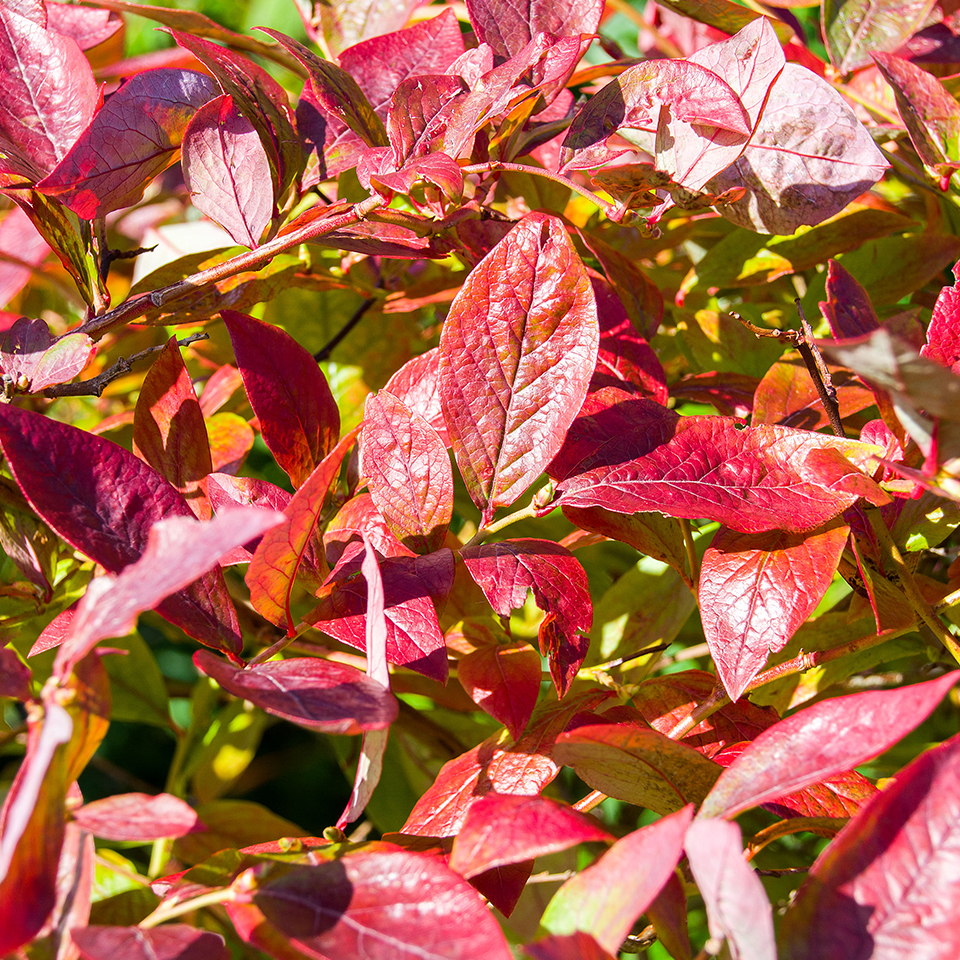
Rabbiteye and Dwarf Blueberry
(Vaccinium spp.)
Both offer good red to orange Fall color in addition to Summer fruit. Rabbiteye grows 6 to 10 feet tall, while dwarf blueberry stays low, often under 2 feet. A native ground-nesting bee called the southeastern blueberry bee times its entire life cycle to blueberry bloom. The fruit is sought after by birds, small mammals, and humans alike. Both are native to the southeastern US.
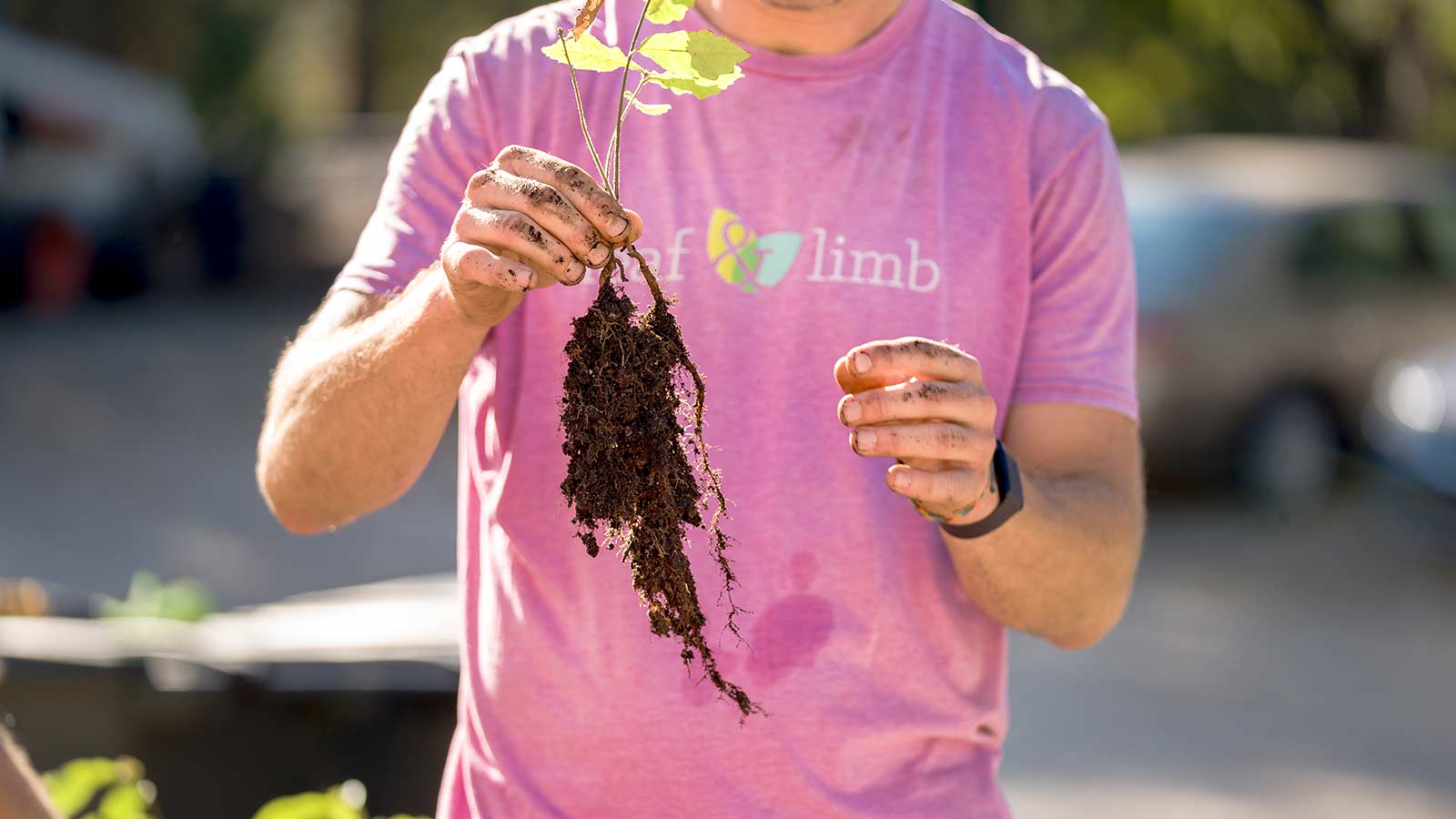
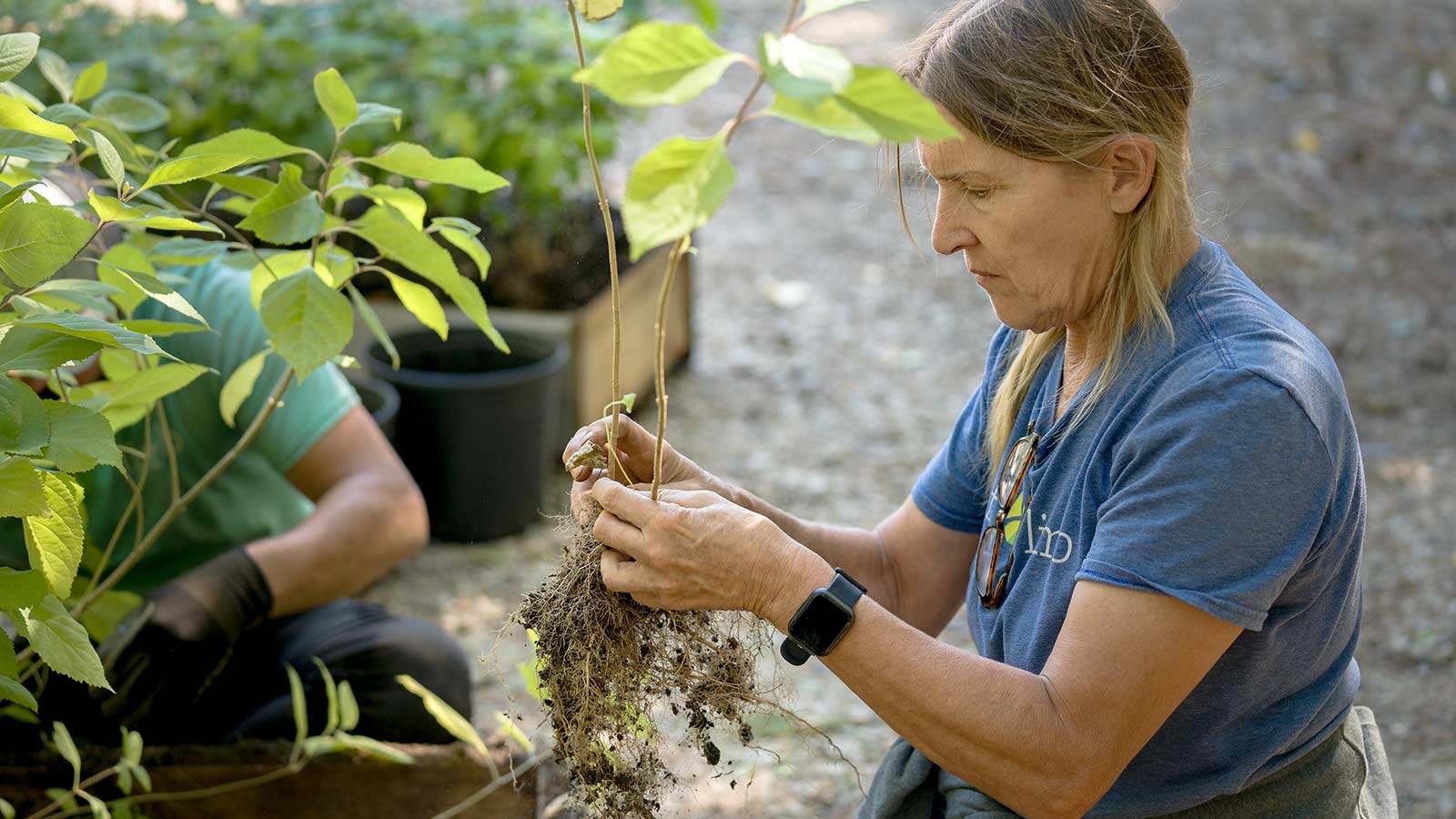
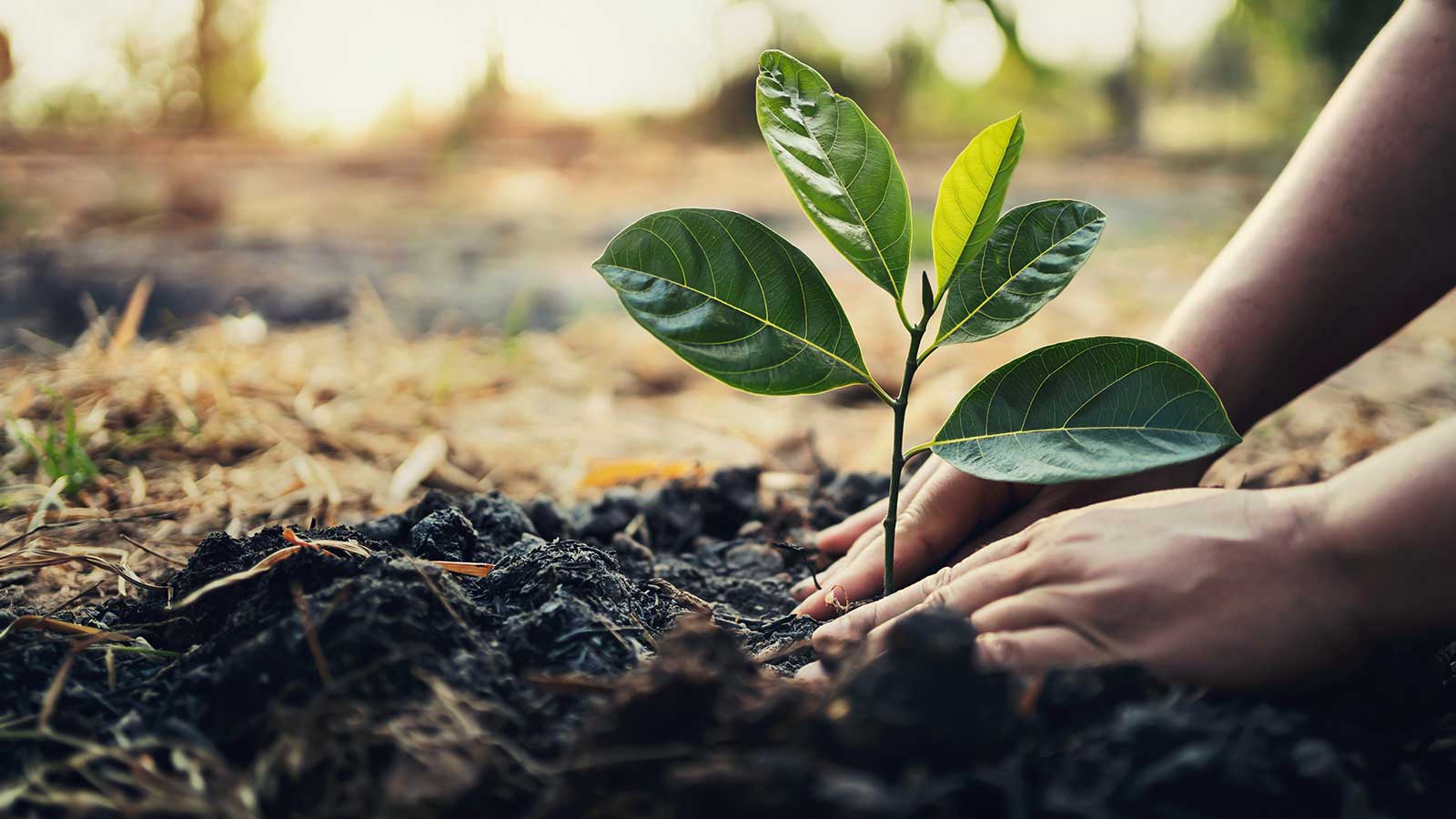
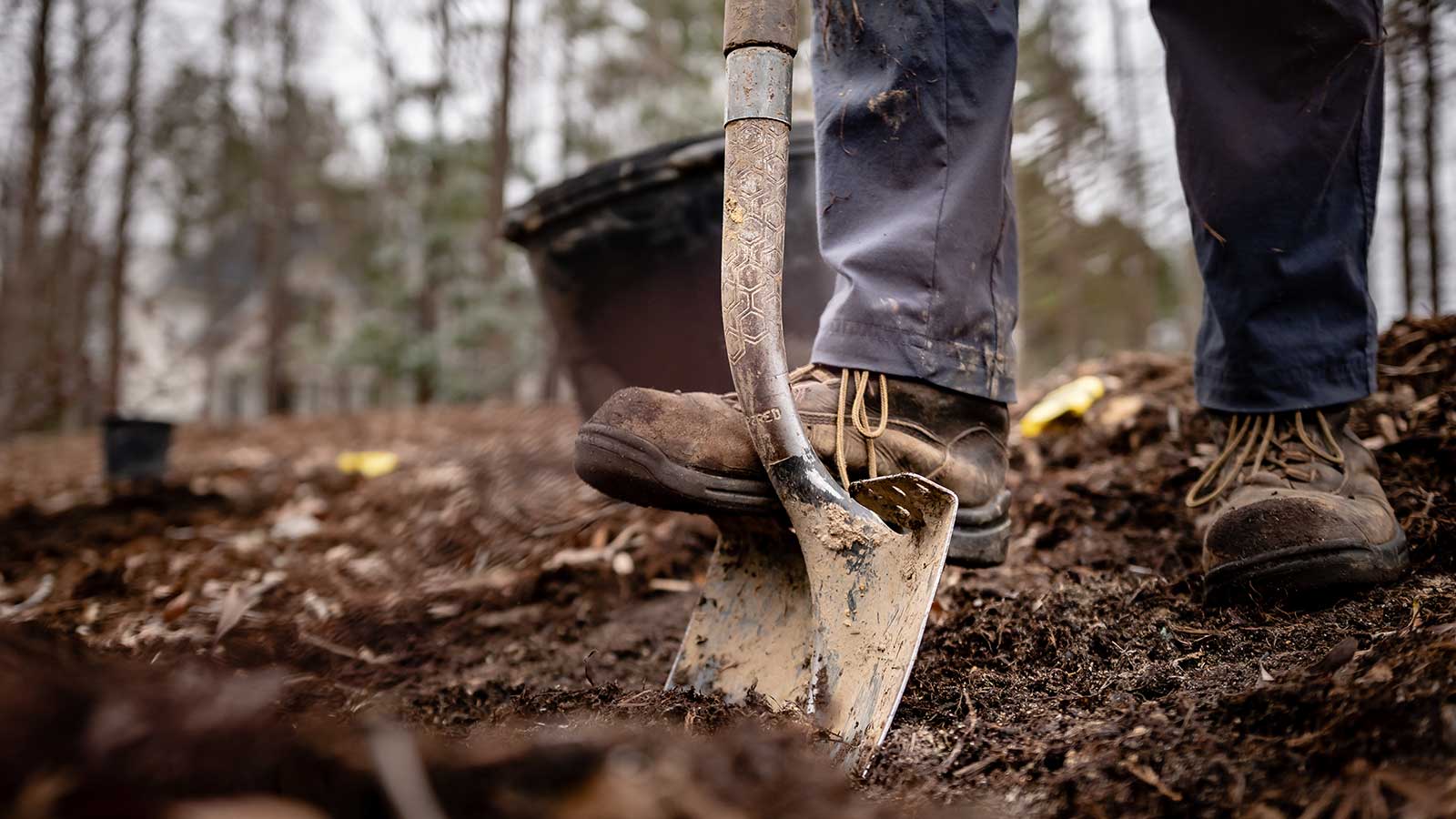
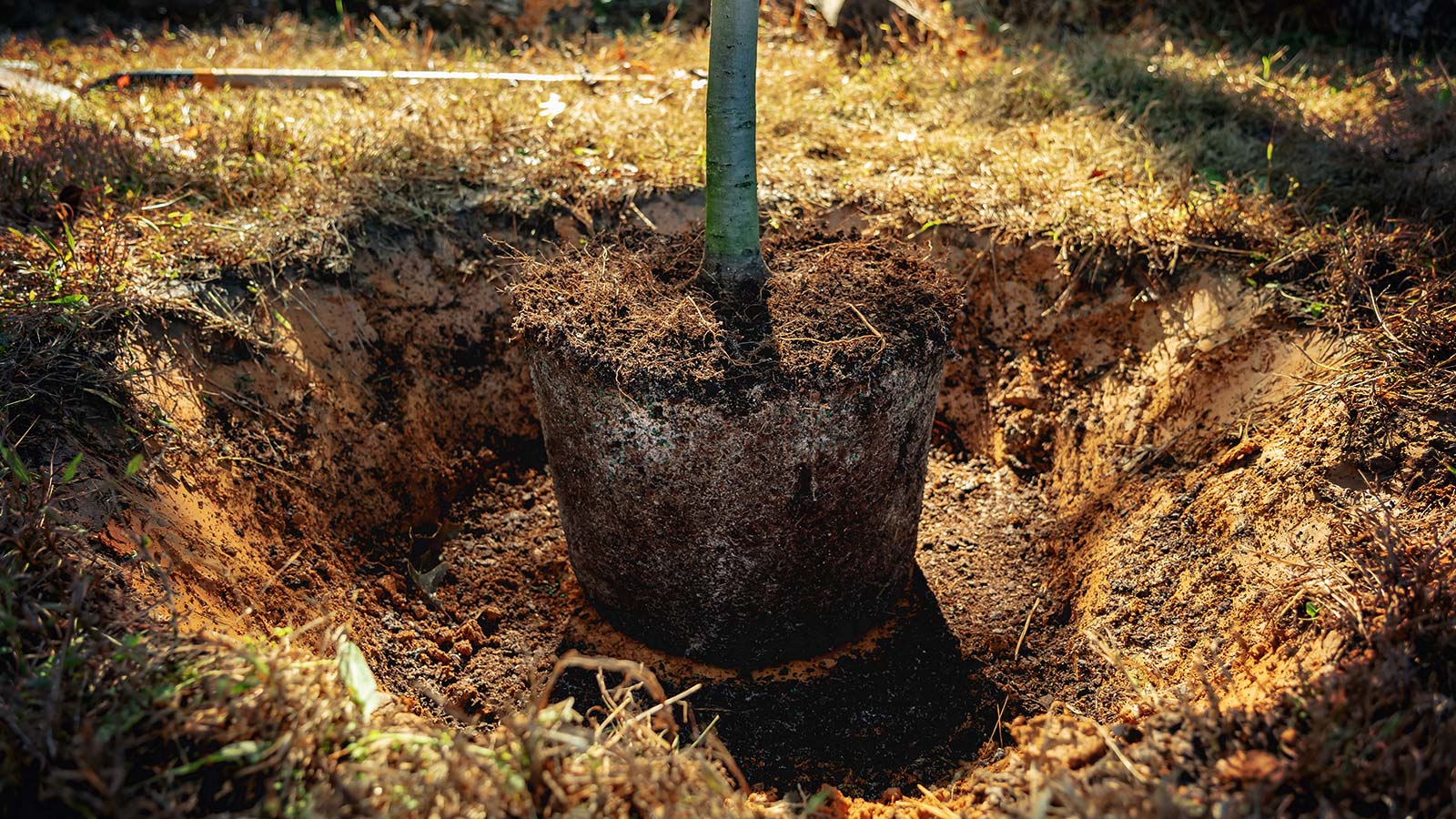
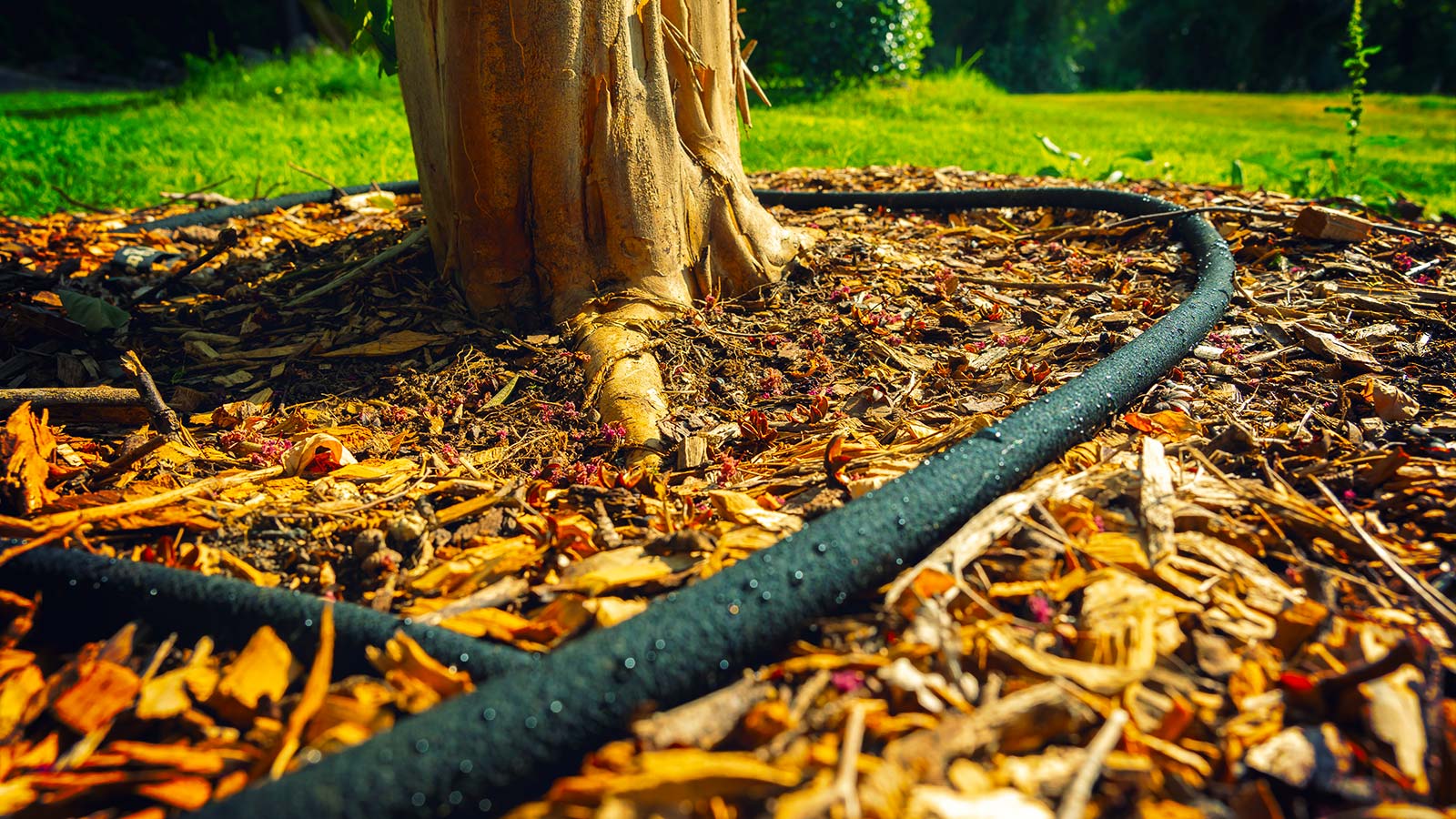
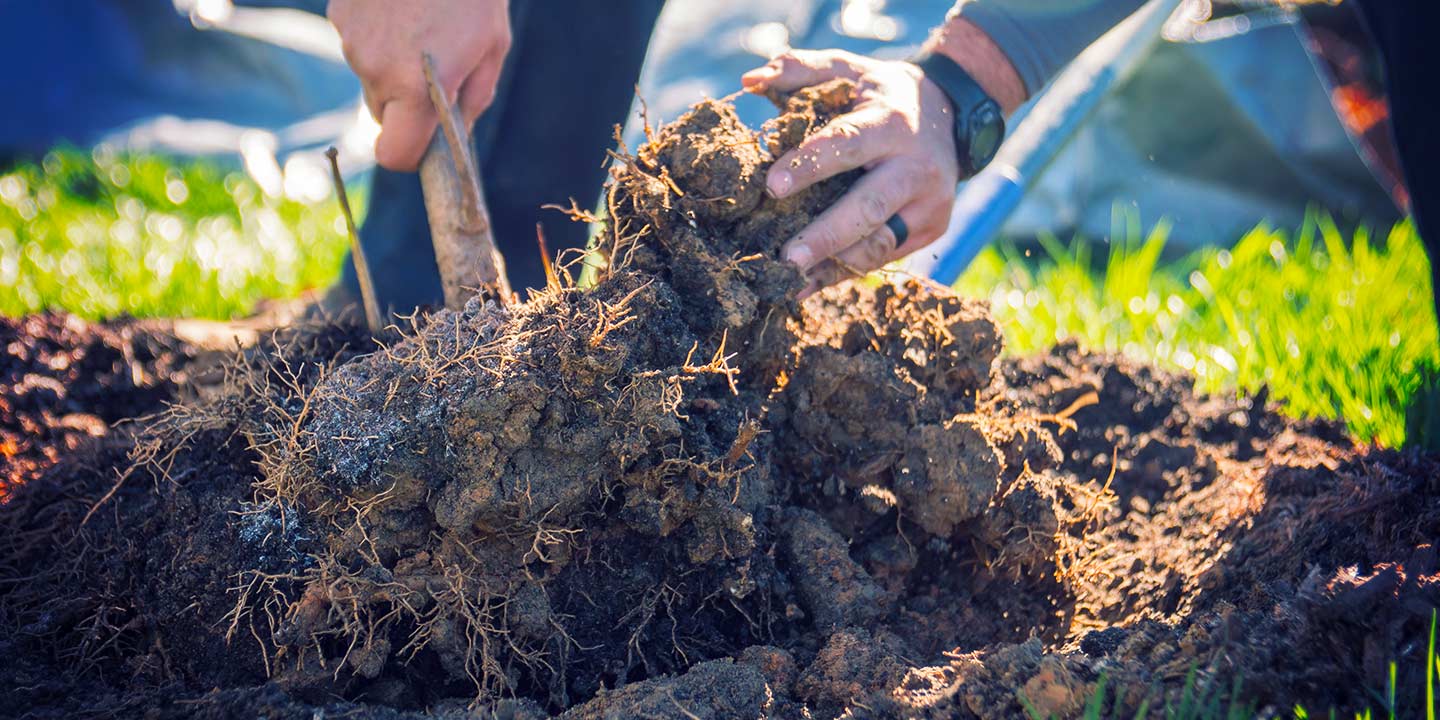
Fall is also the best time to get these in the ground. Cooler air means less stress on a new plant, and roots keep growing in warm soil long after the leaves have dropped. A tree planted this October has months to settle in before it meets its first Piedmont summer.
You do not need all ten. Two or three, chosen for the conditions you actually have and given room to grow into their full size, will do more for your landscape than a dozen plants crowded into the wrong spots.
If you would like help choosing what fits your yard and getting it planted right, we would love to talk.