Video | Your Plants Don't Need Chemical Fertilizers — They Need This
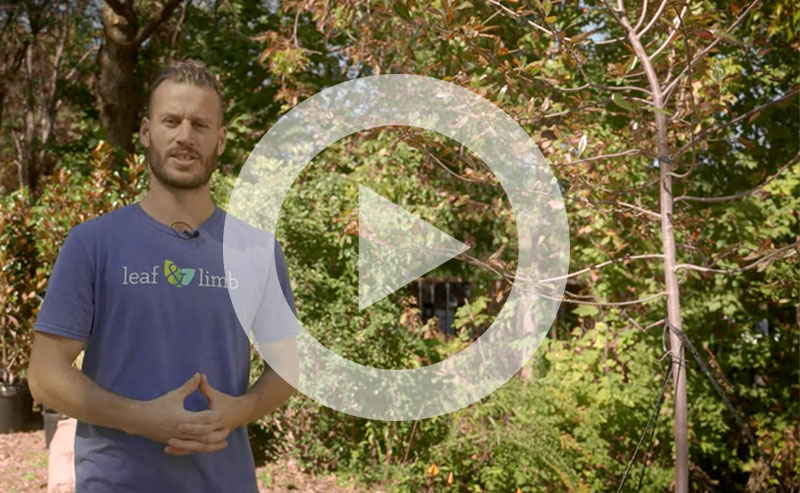
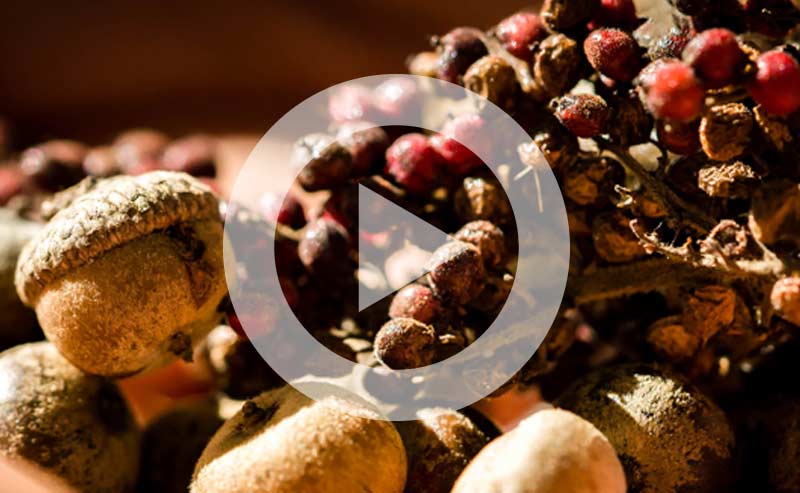
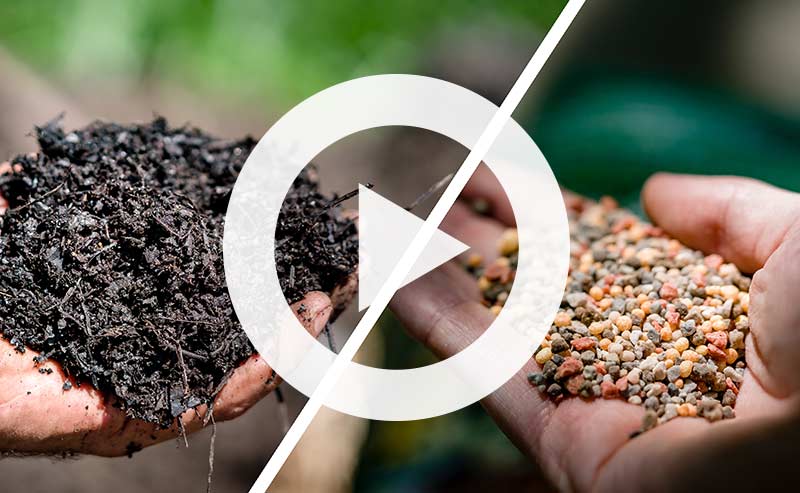
Martin explains why compost fertilizer beats chemicals for healthy, thriving plants.
There’s a common misconception that our plants need chemical fertilizers to grow lush and green. 5%! Yes, 5%! of our greenhouse gases come from these chemicals. But here’s the thing: these wonderful plants don’t need any of that. They need compost fertilizer. They don’t need chemicals.
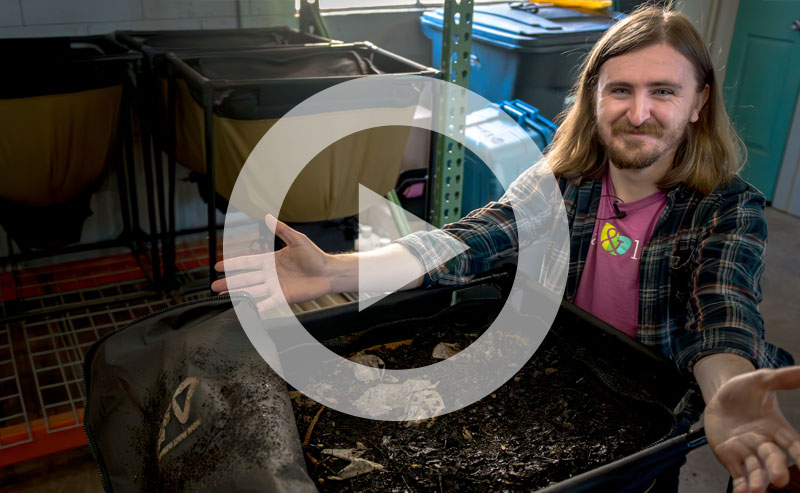
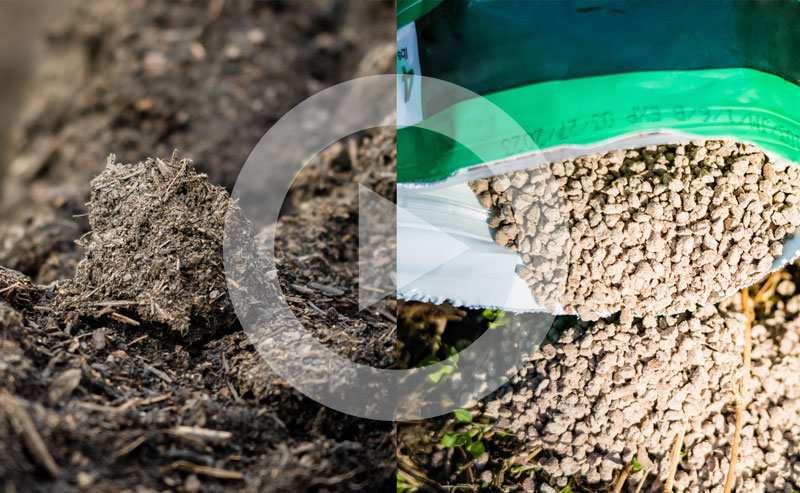
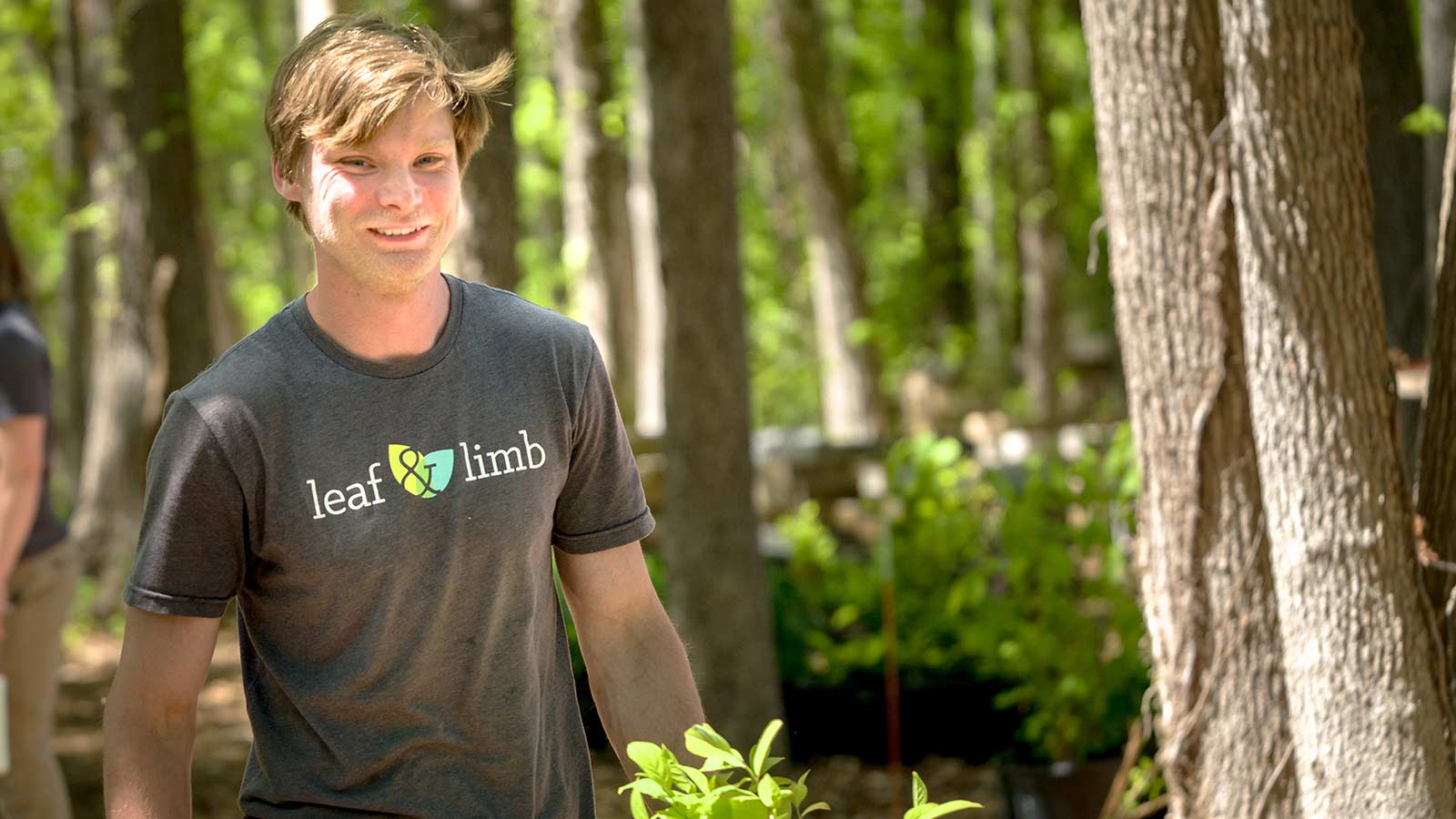
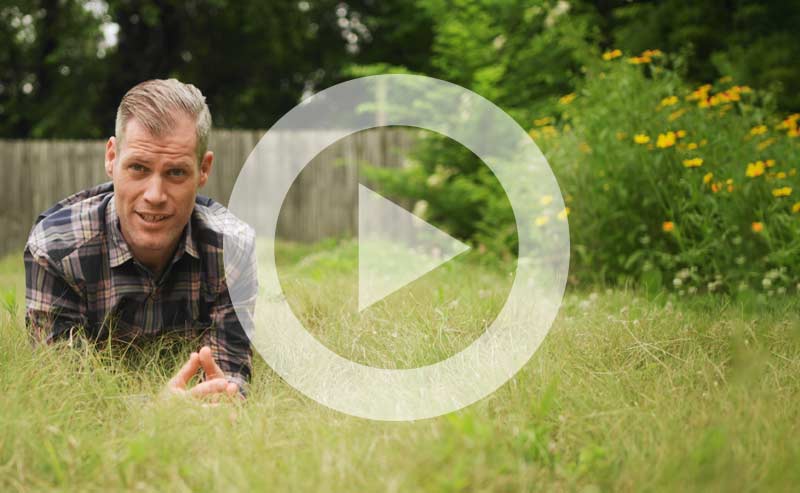
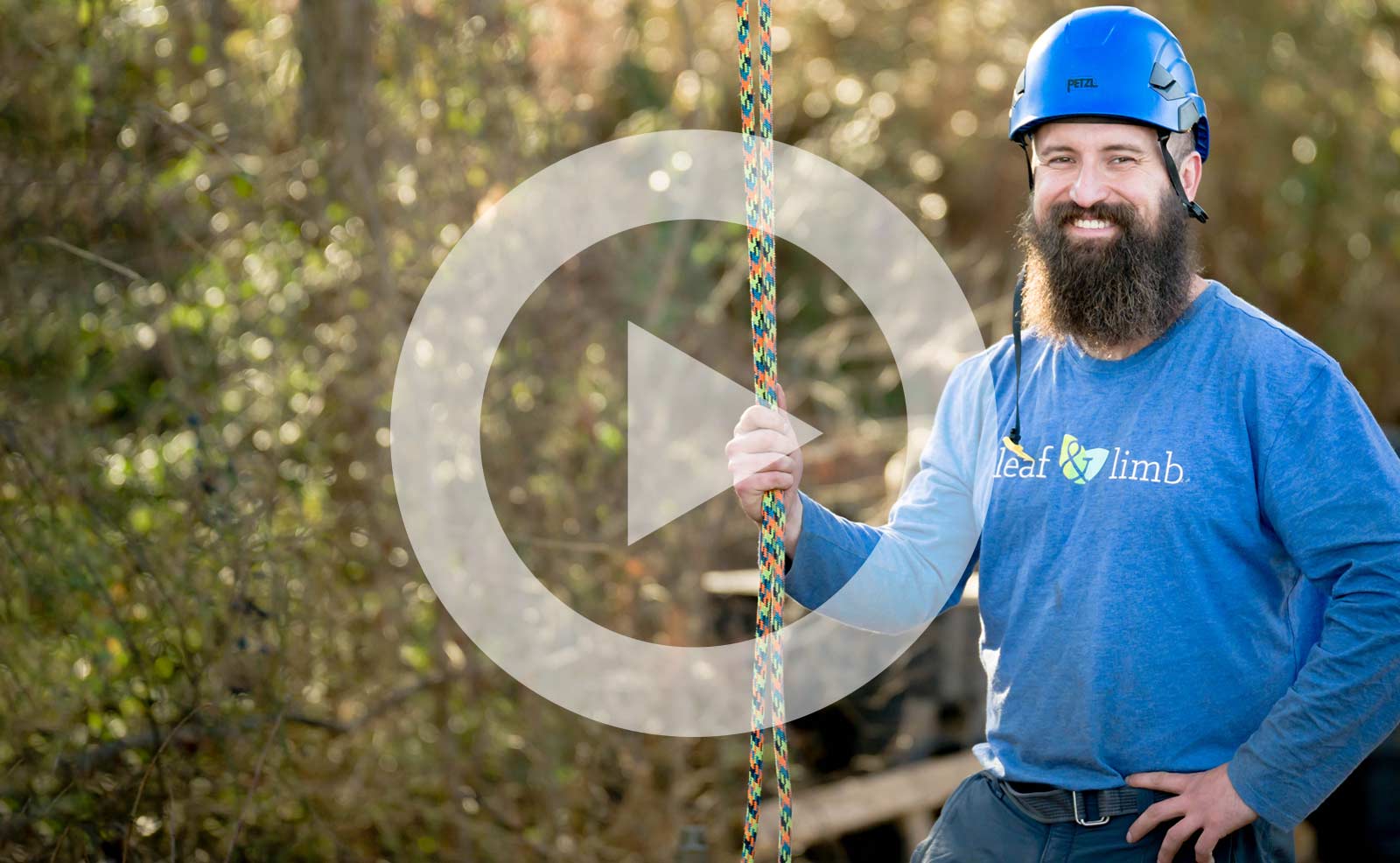
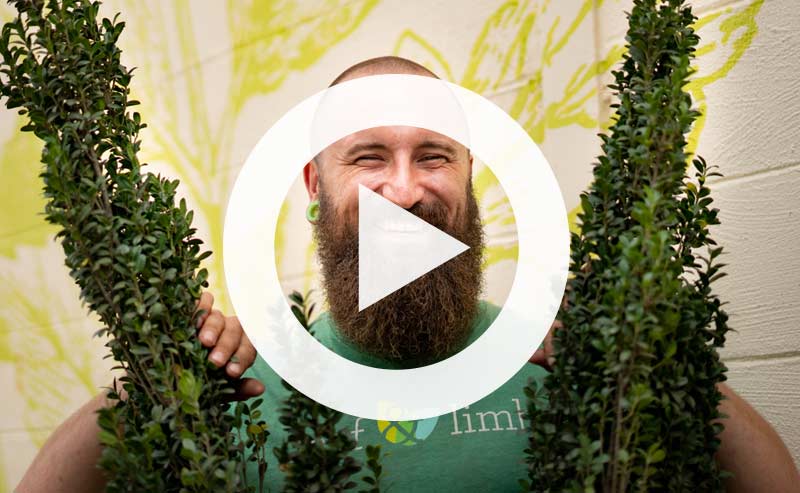
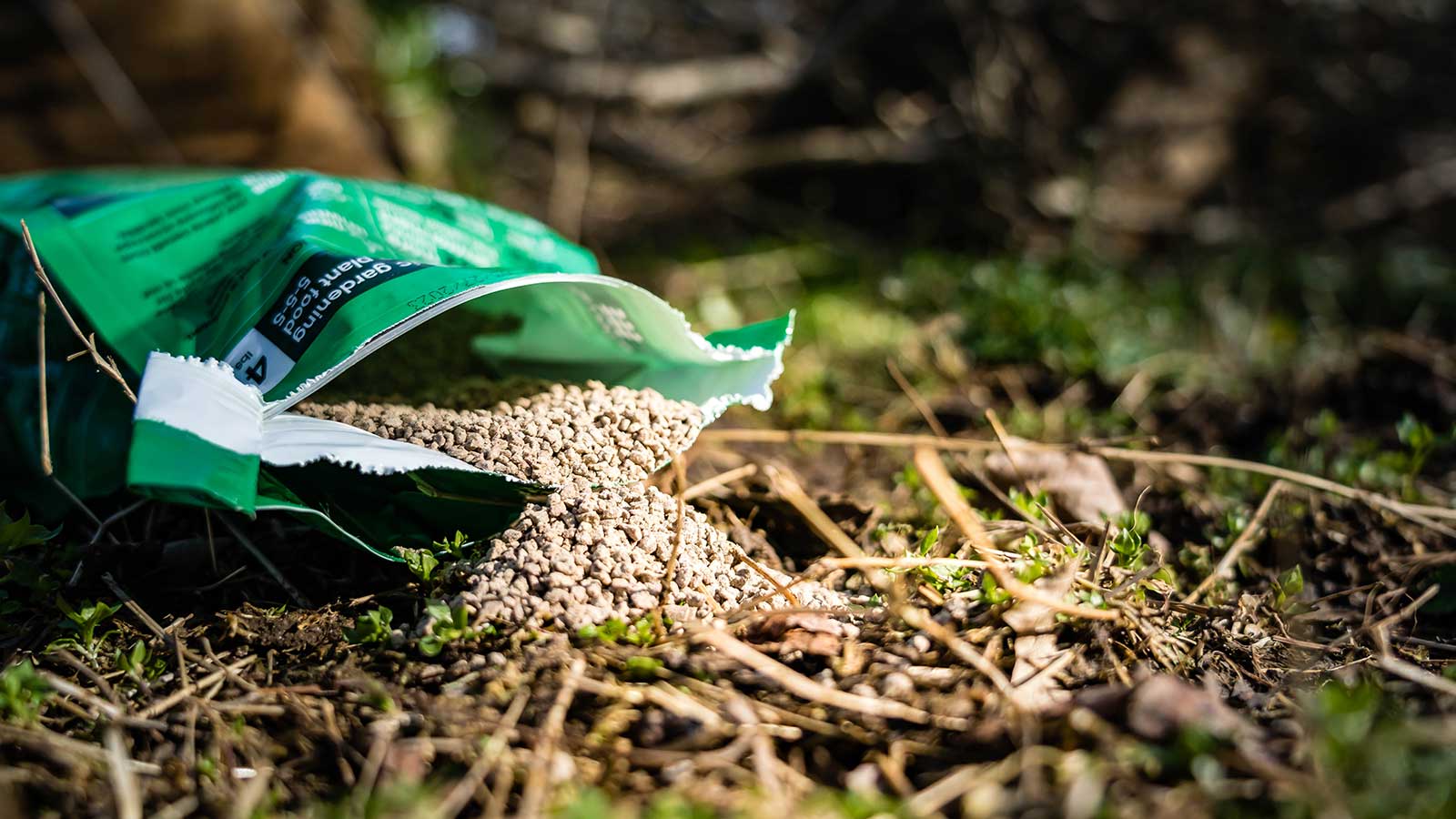
Hey, I’m Martin, and today we’re going to talk about fertilizers. The most common fertilizers are your chemical-based, NPK ones that you find in your big box stores. N is the nitrogen, P is the phosphorus, and K is potassium. Plants need these to grow healthy. So, it makes sense if we just added more to the soil, right?
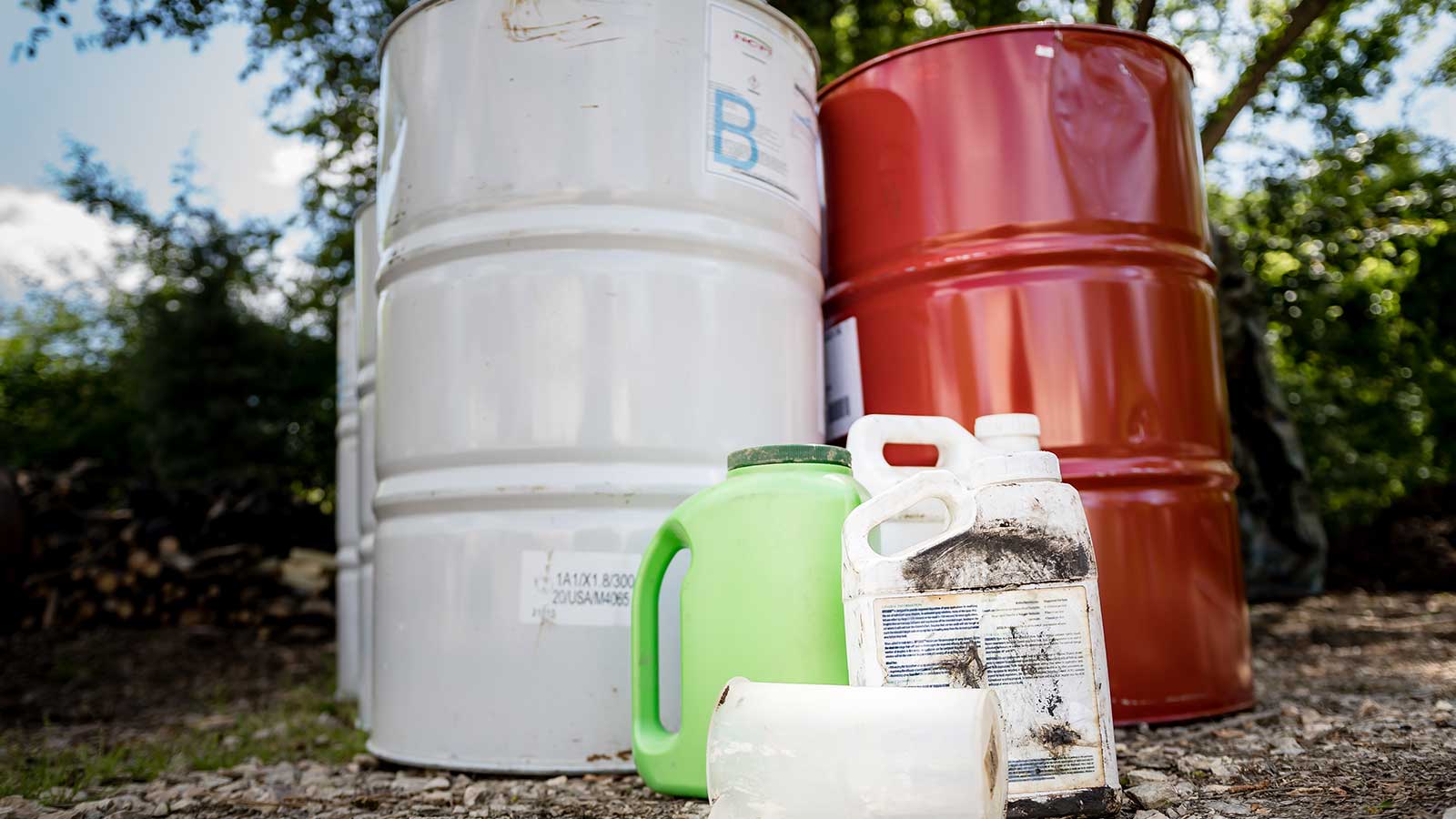
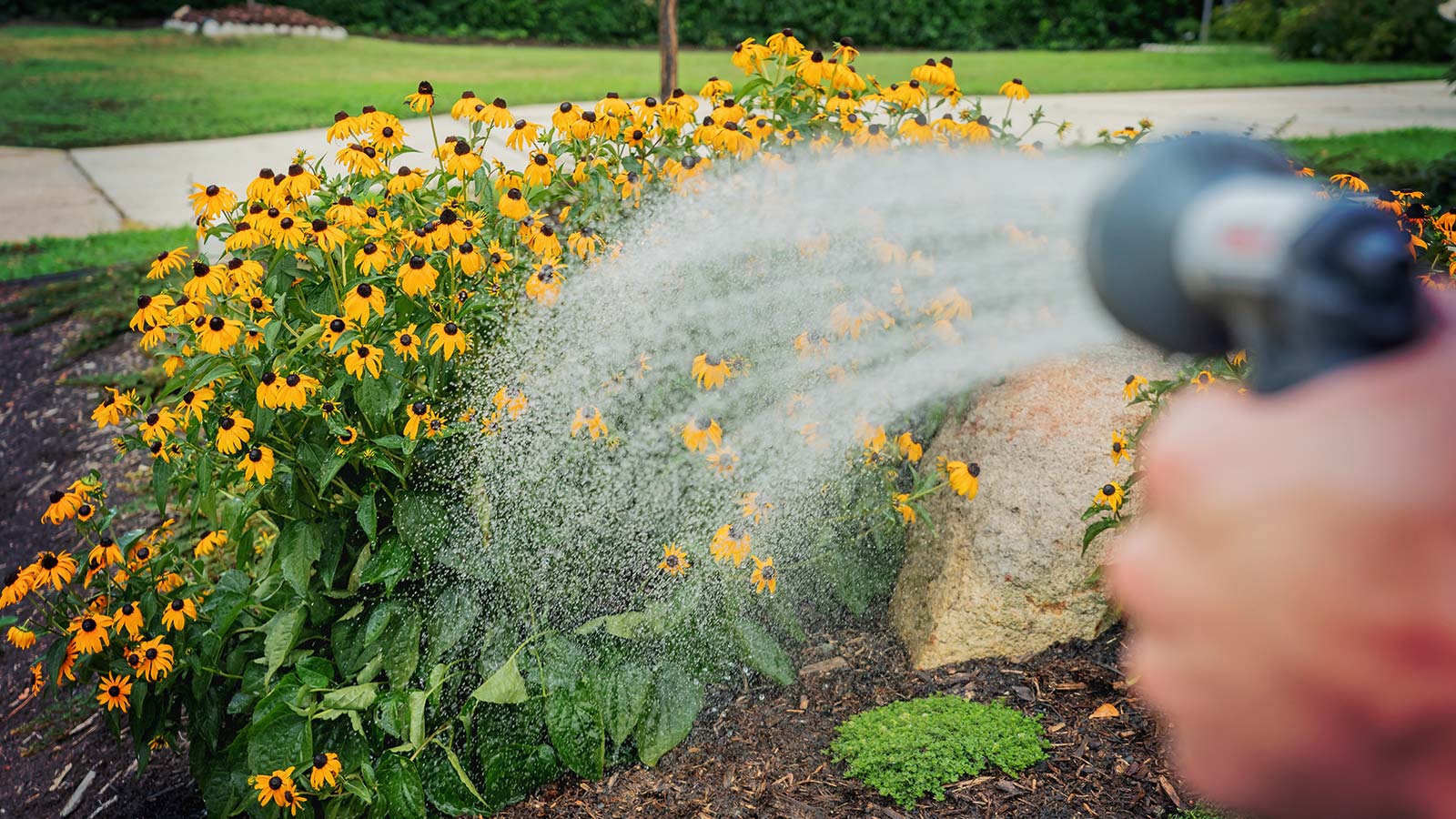
Adding these nutrients directly to the soil can help. But it’s not a long-term solution. You have to do it year after year. And this excess chemical use means that rain can wash those chemicals into bodies of water.
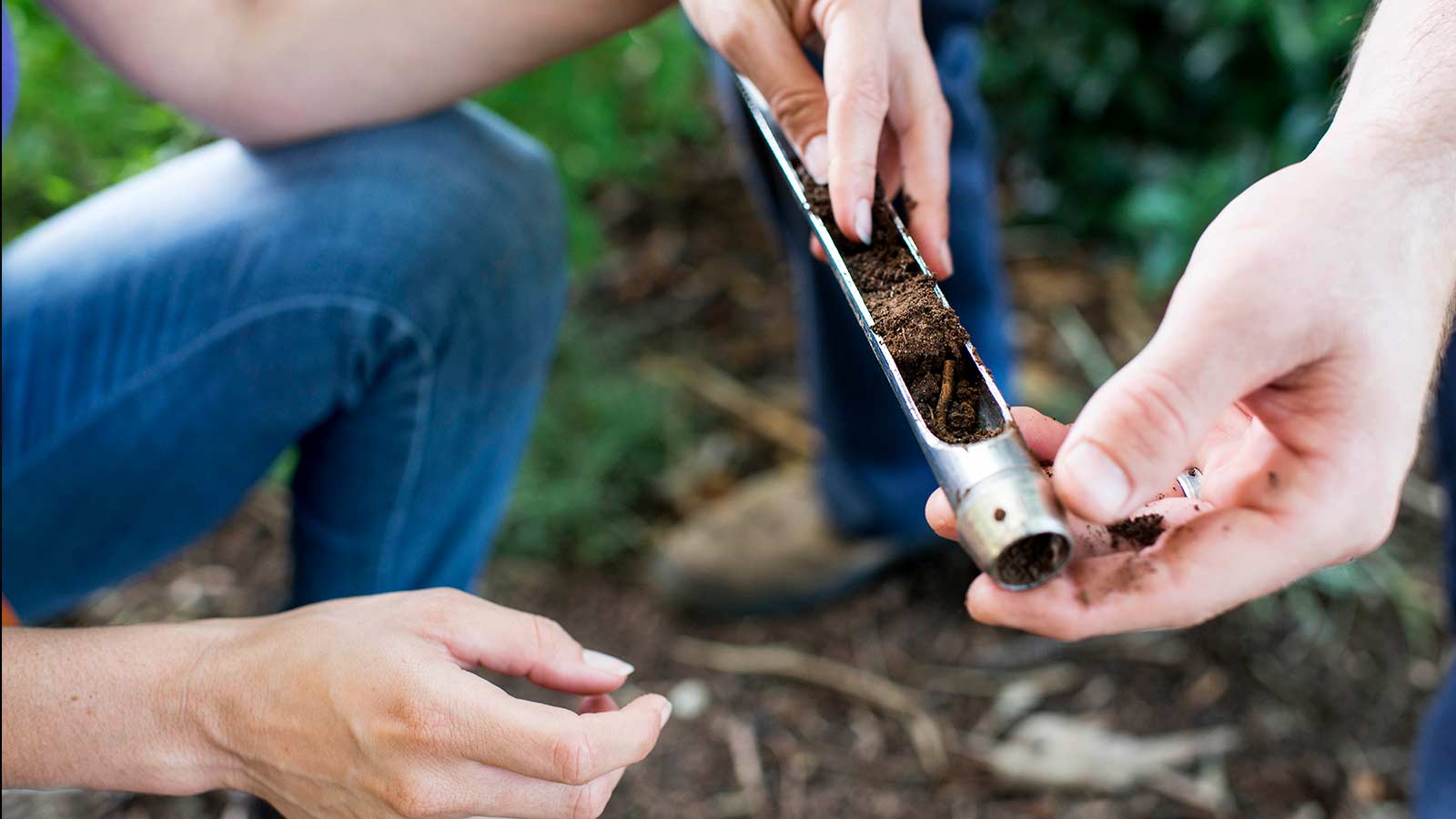
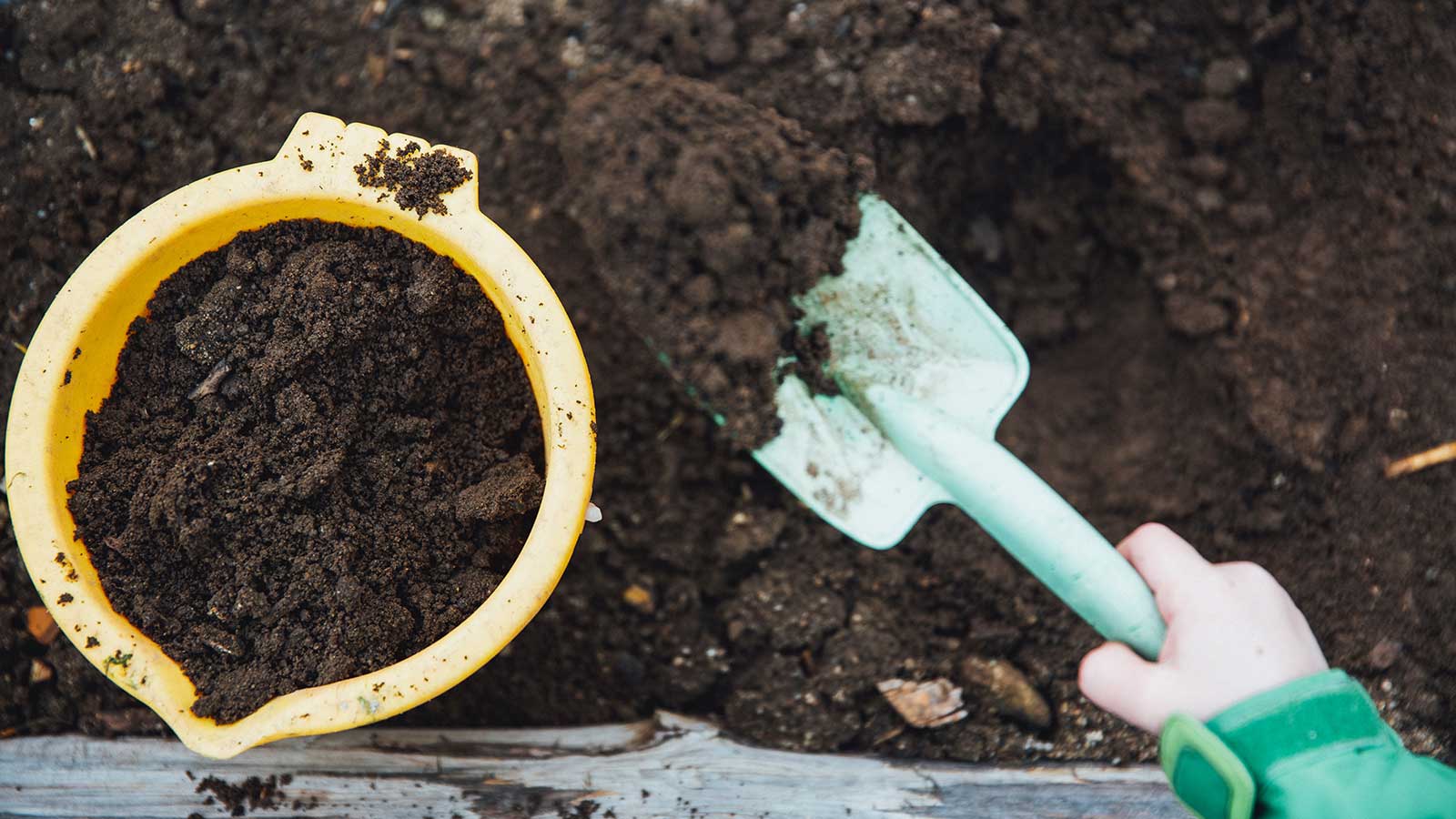
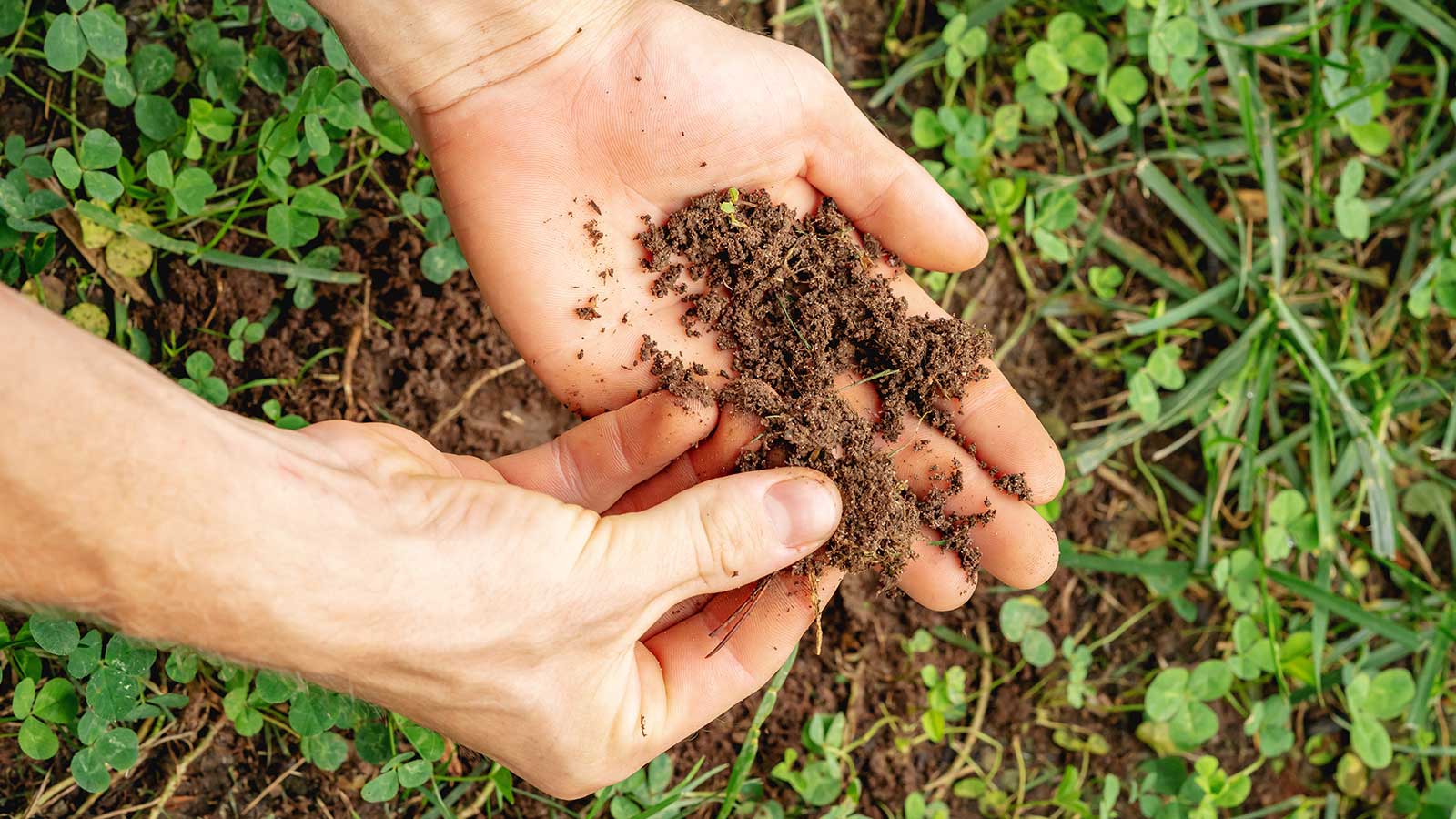
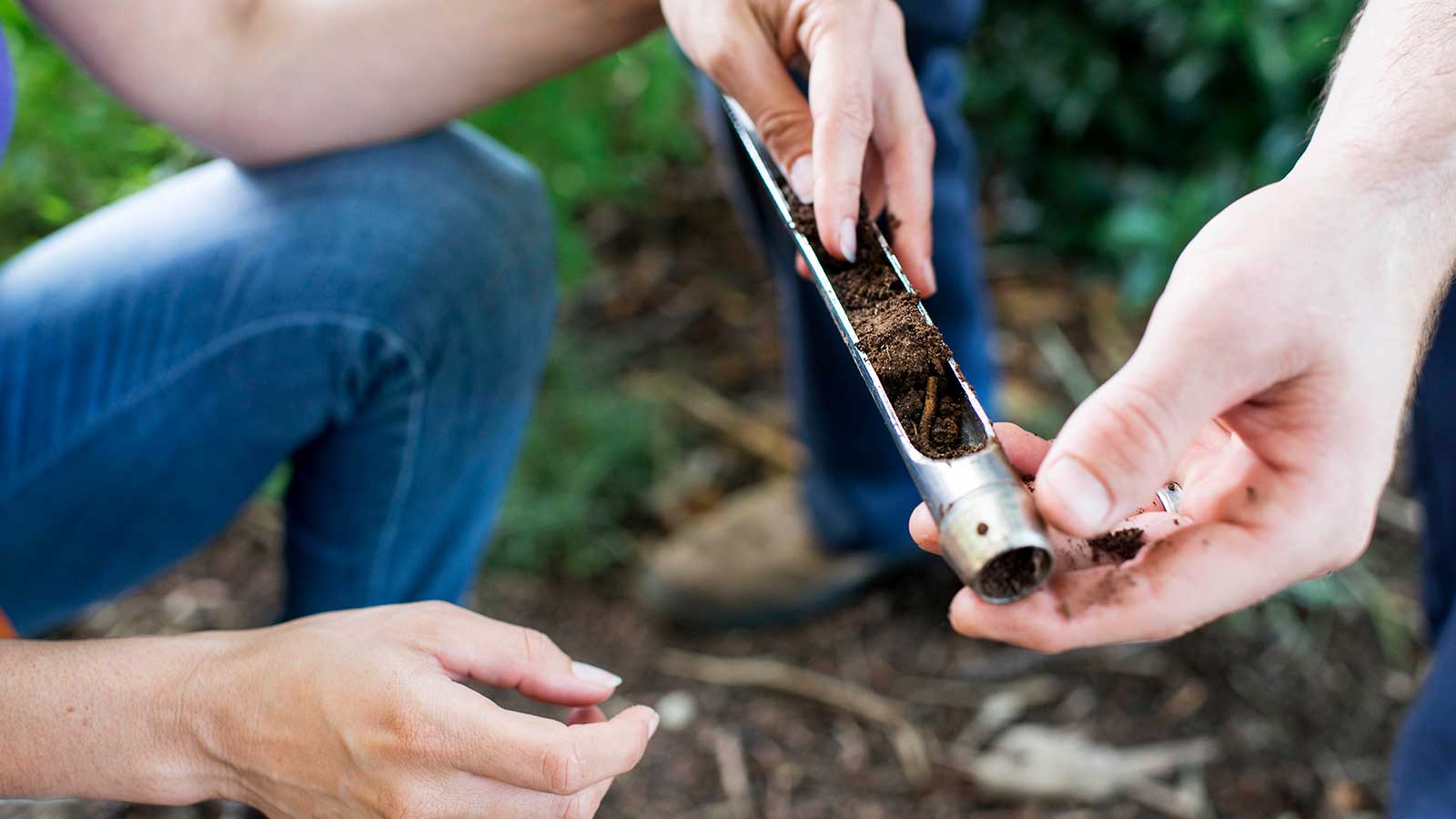
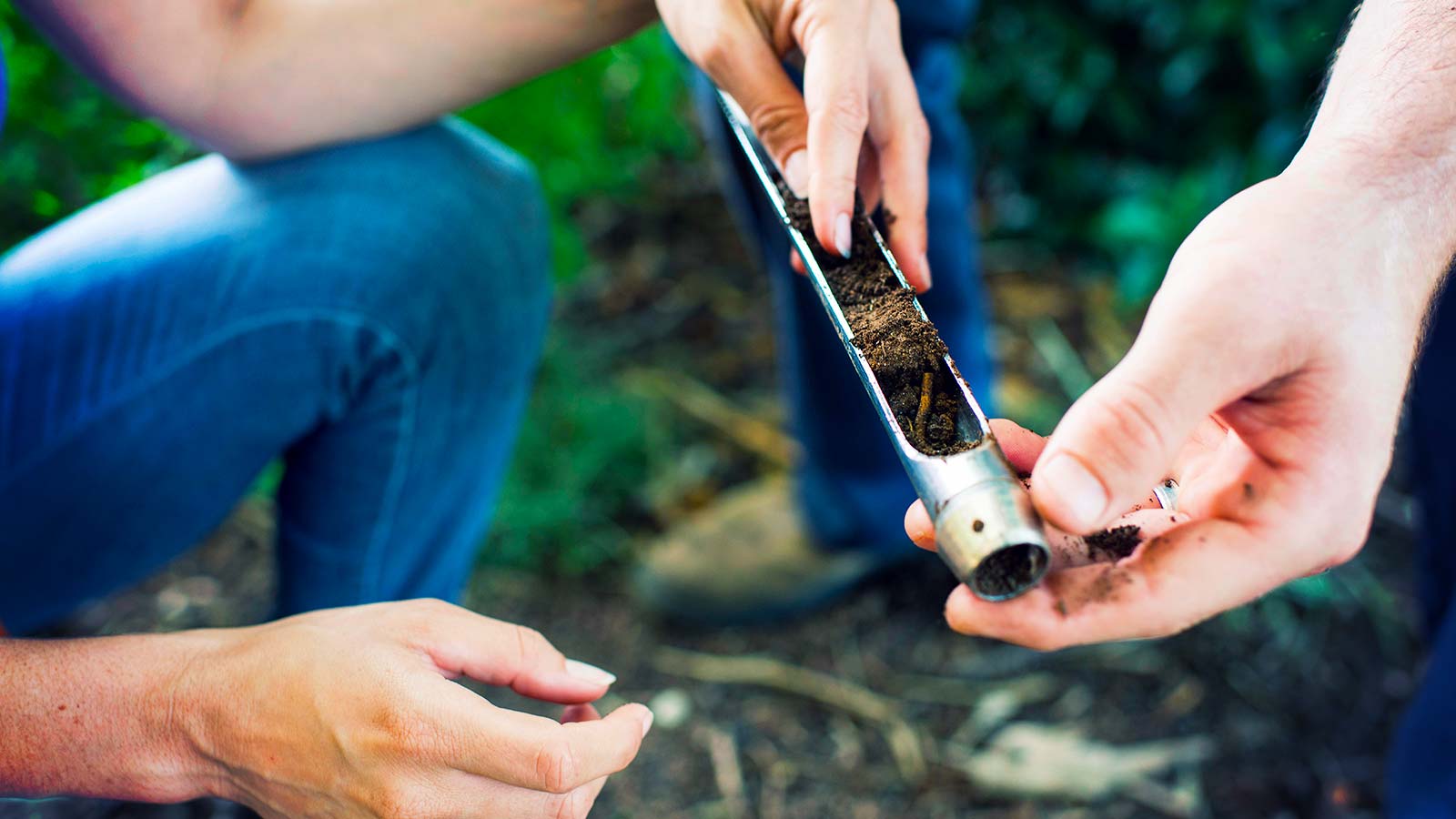
You might be surprised to know that these chemicals are already in your soil. However, compacted, lifeless dirt means that your plants can’t get the nutrients that they need.
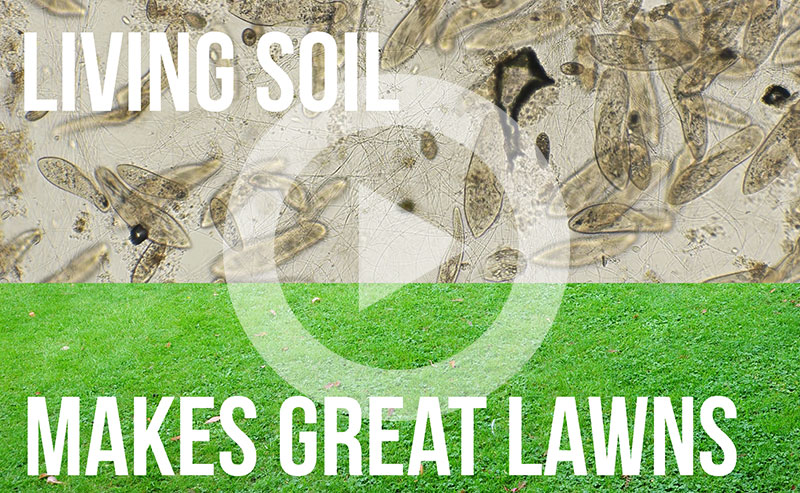
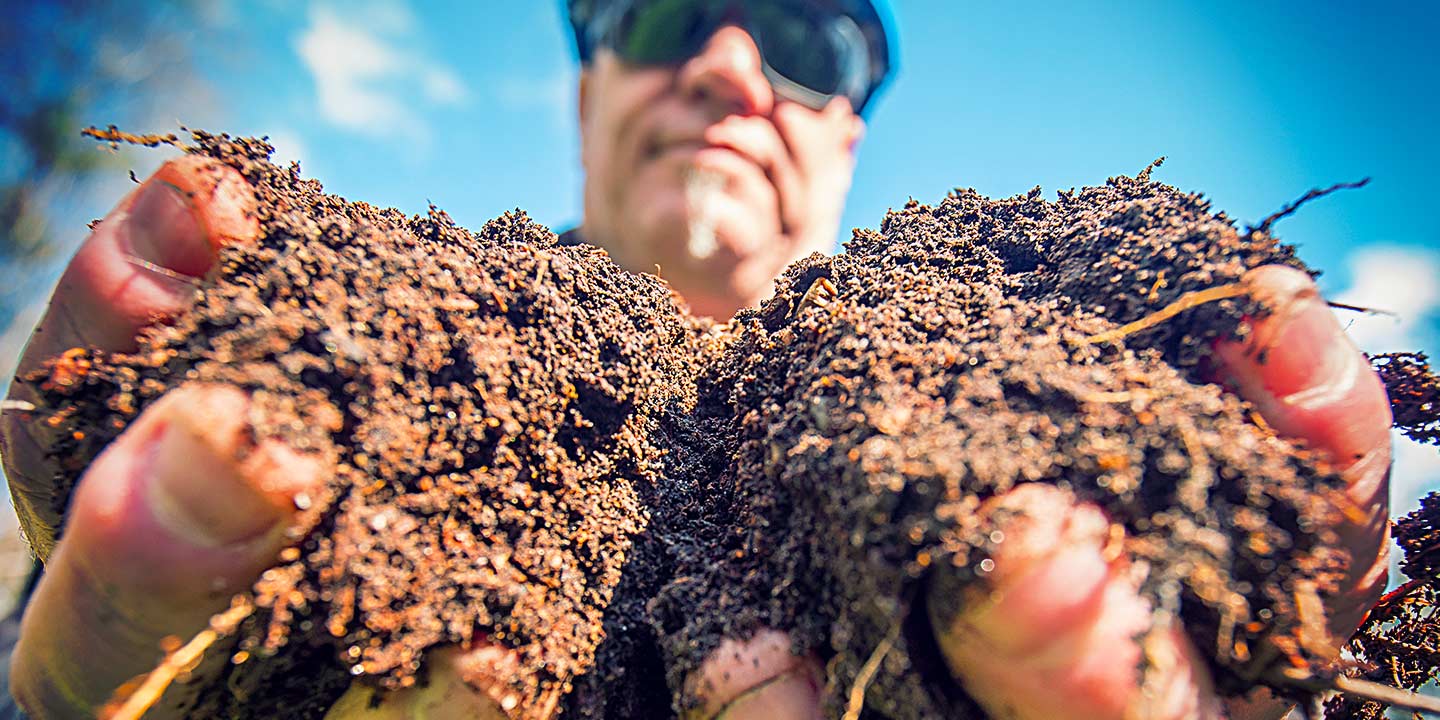
And that’s where compost fertilizer comes in. It’s the life in our compost fertilizer: the bacteria, microbes, and fungi that help break down the nutrients in the soil and make them more easily available for all of our plants.
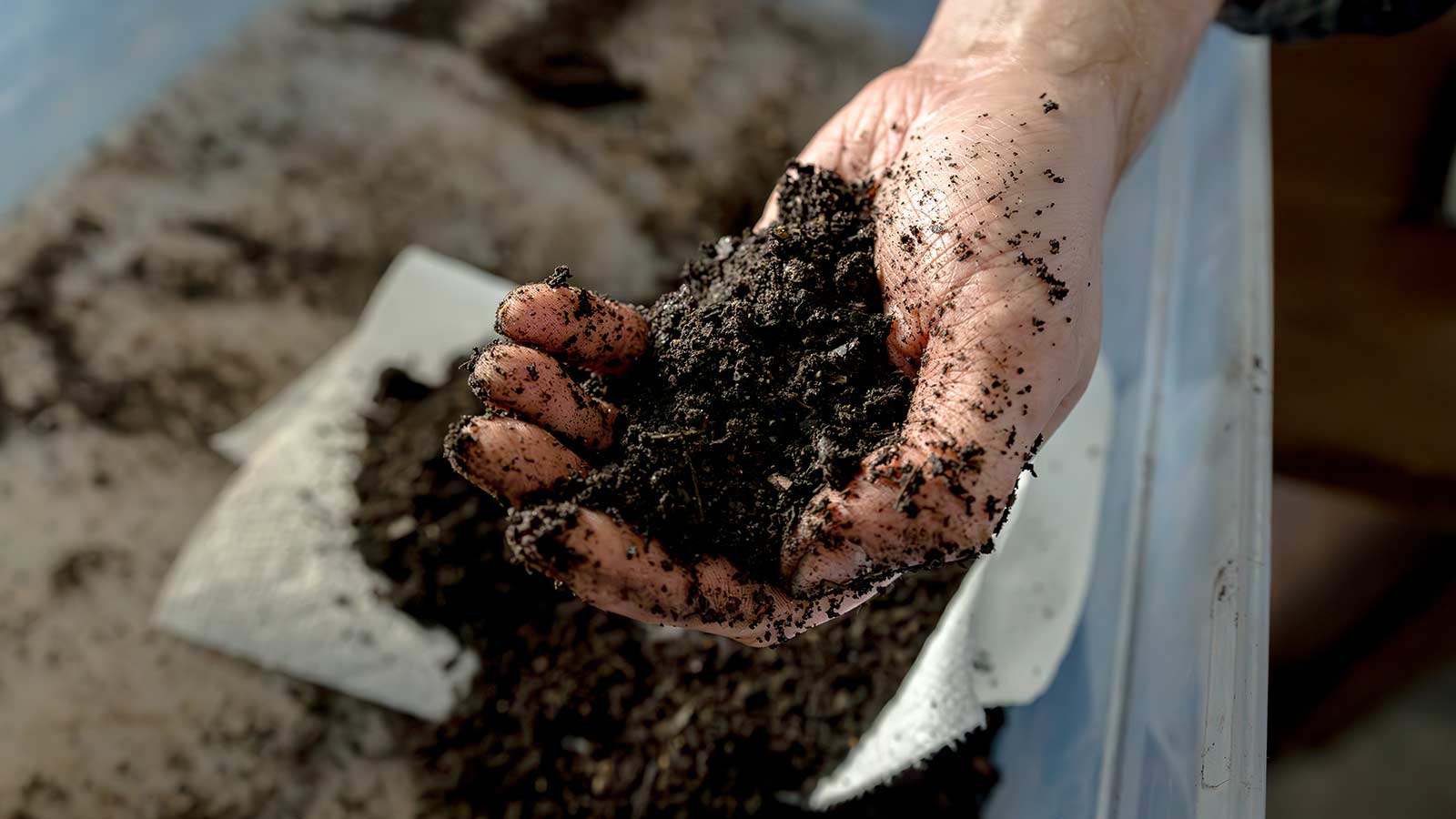
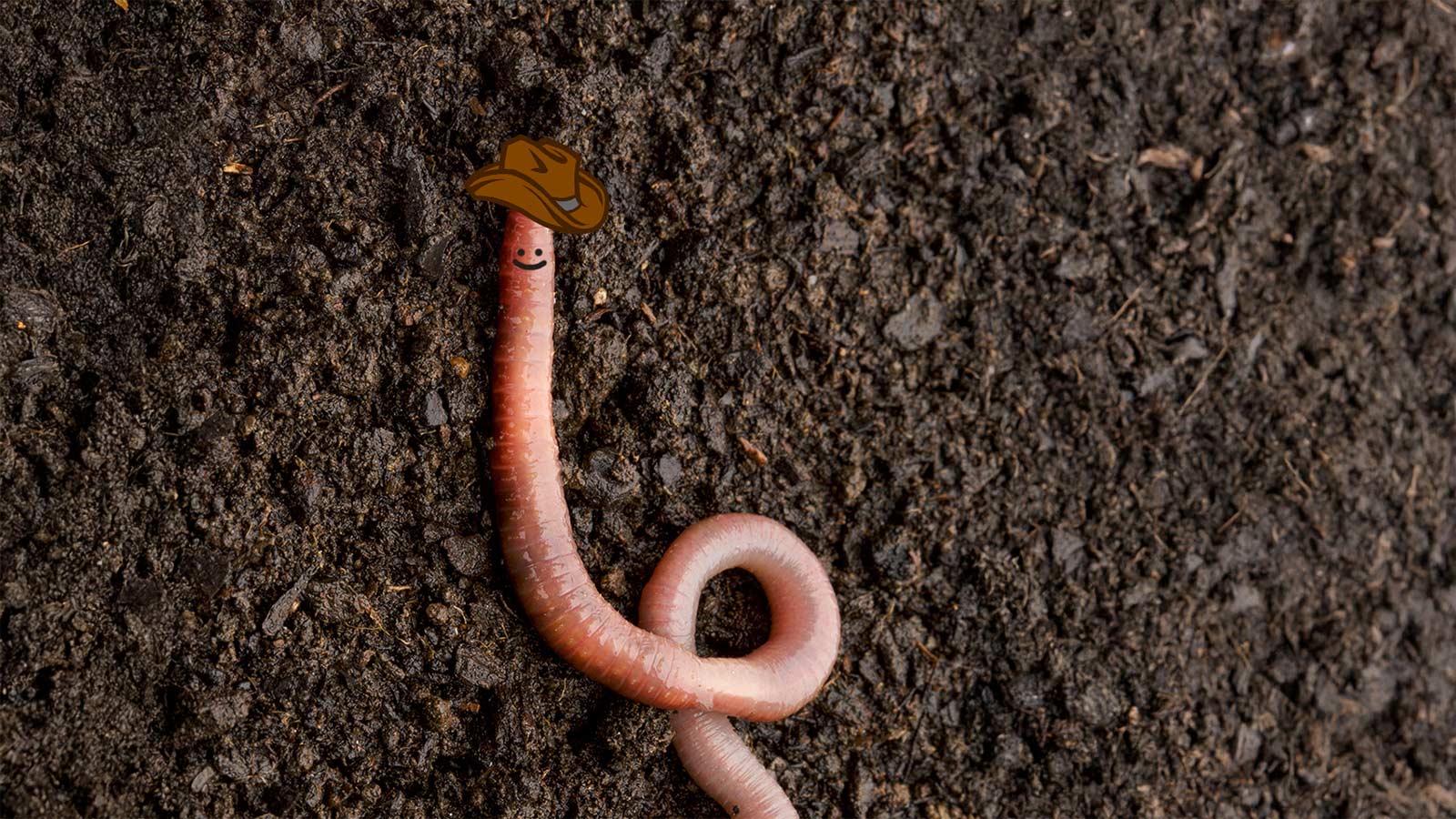
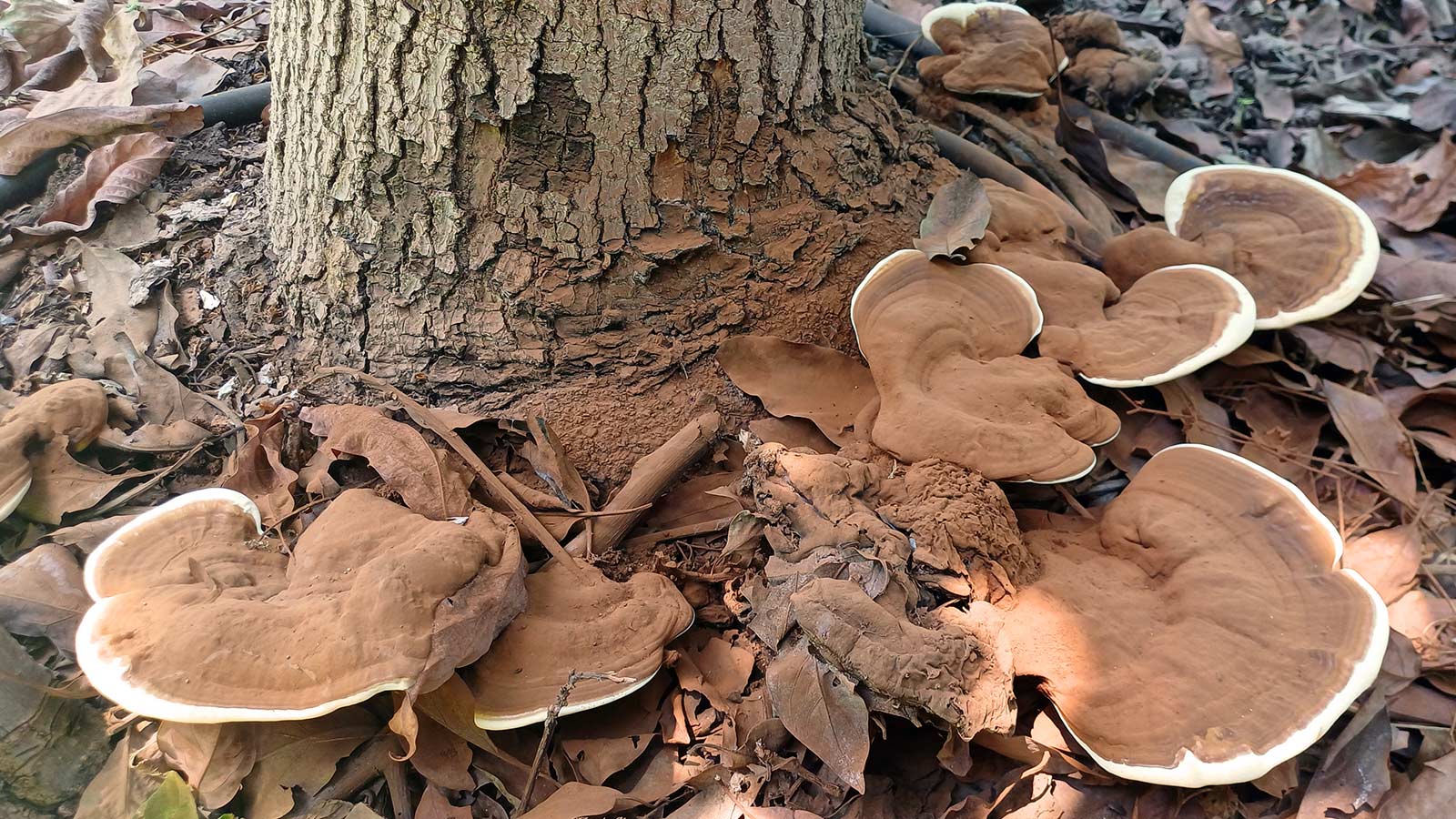
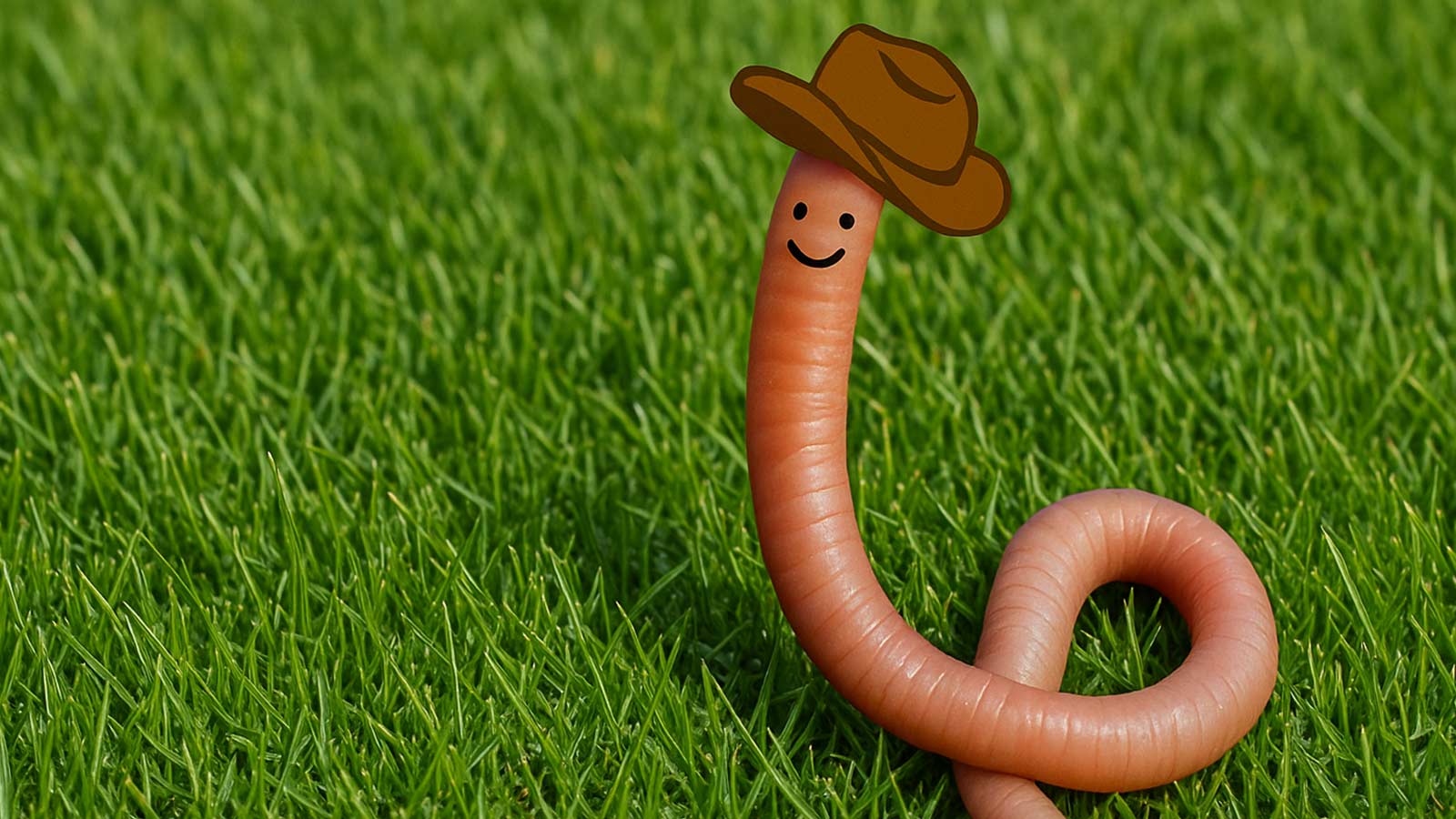
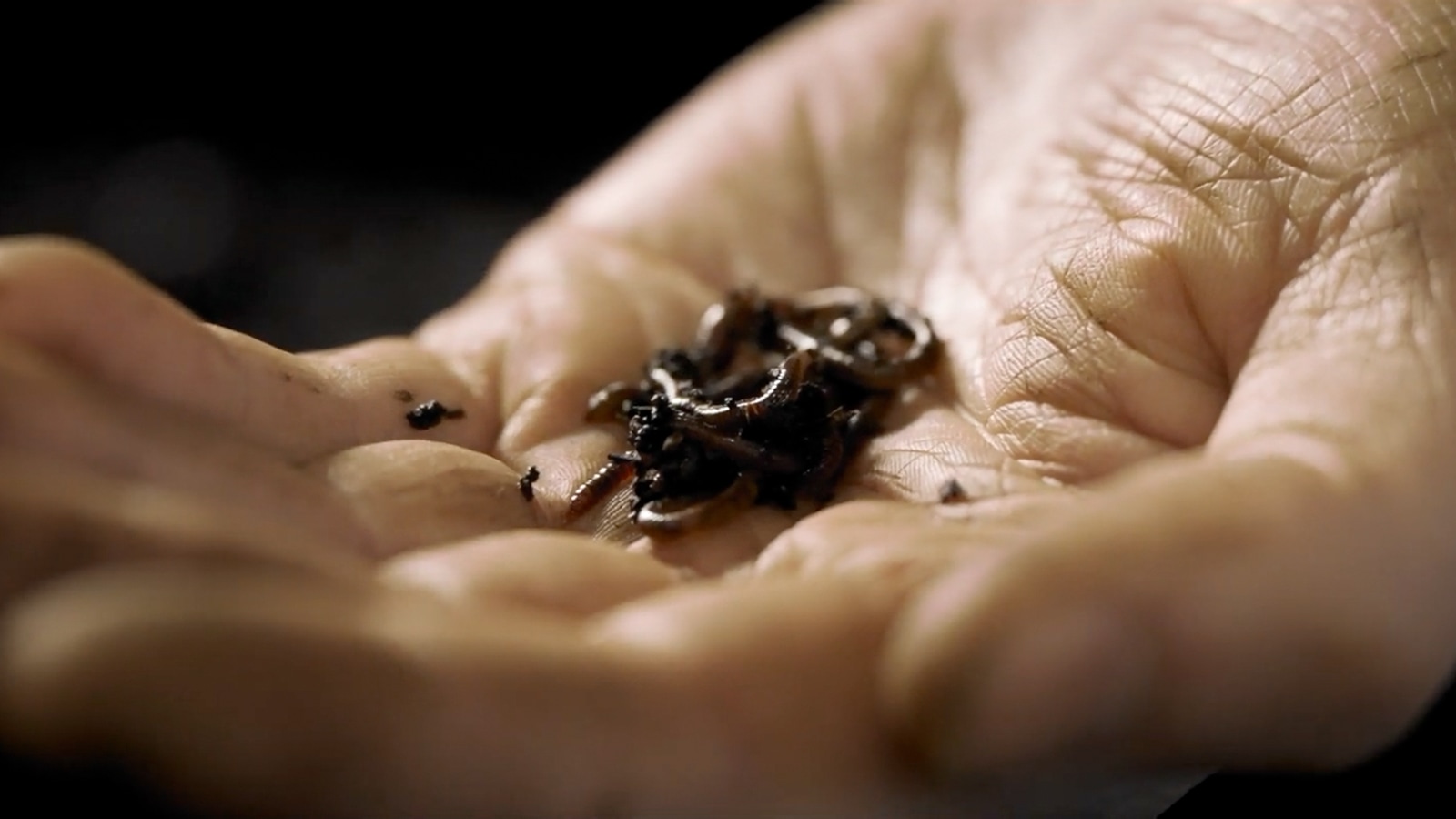
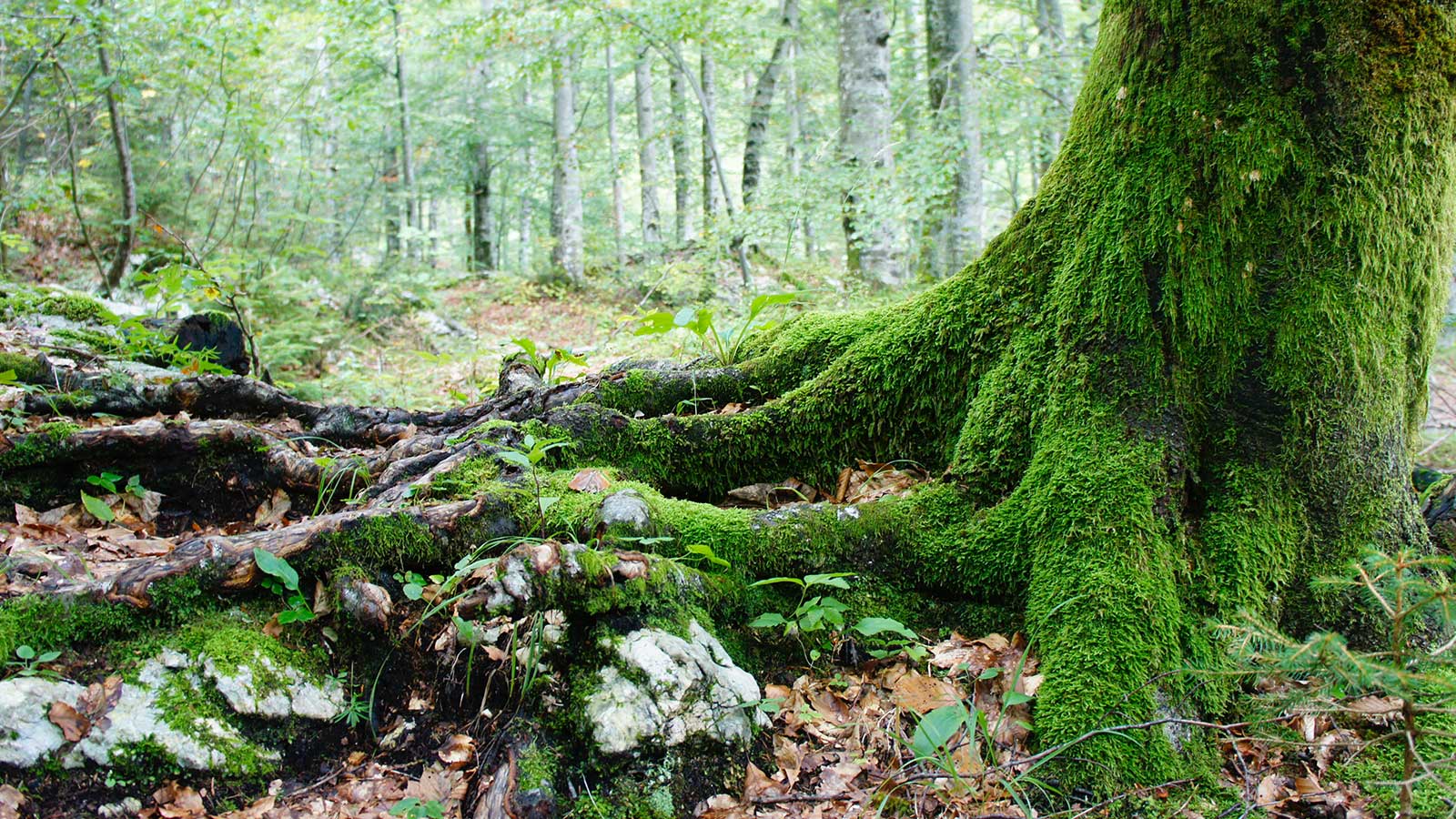
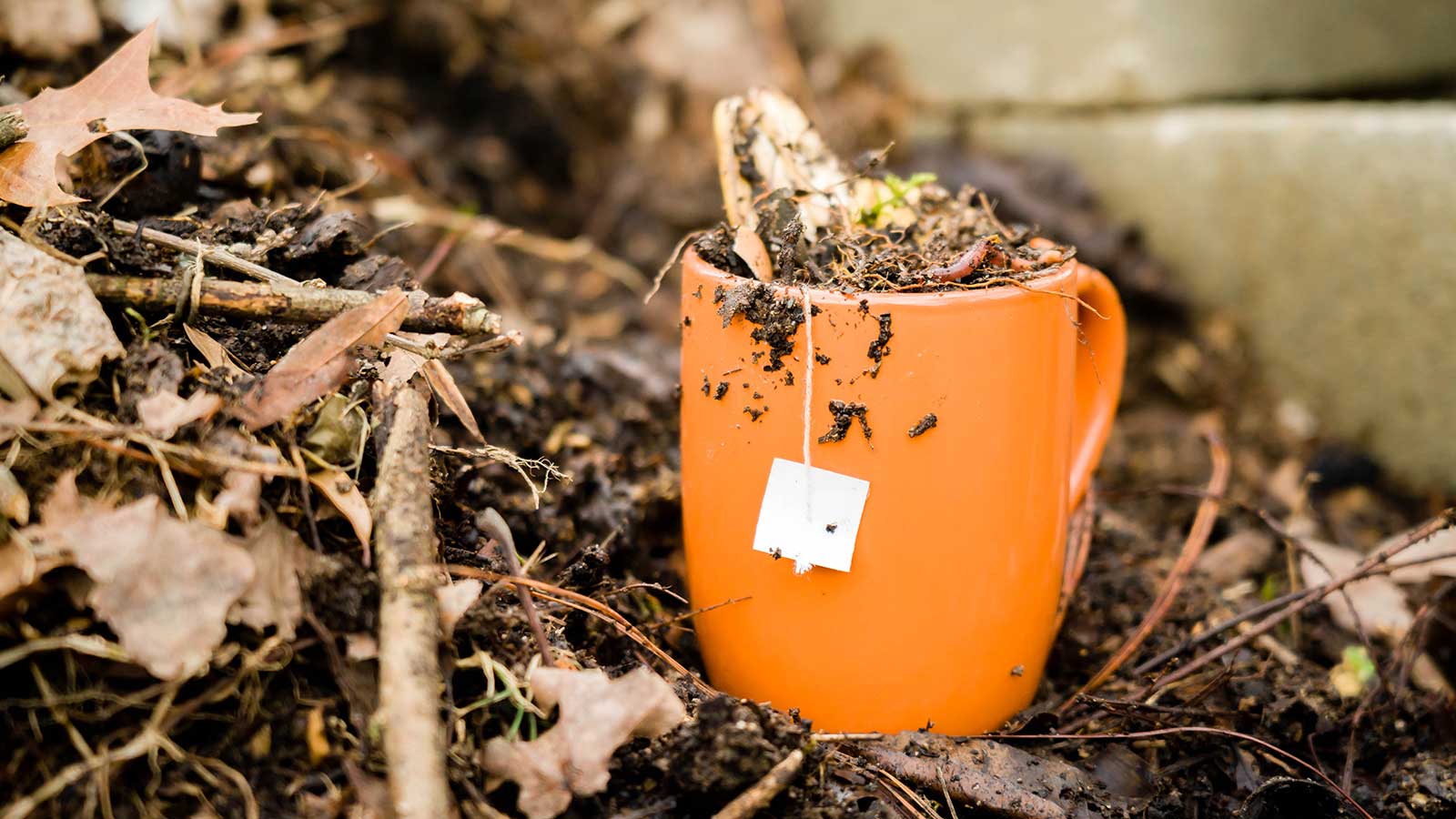
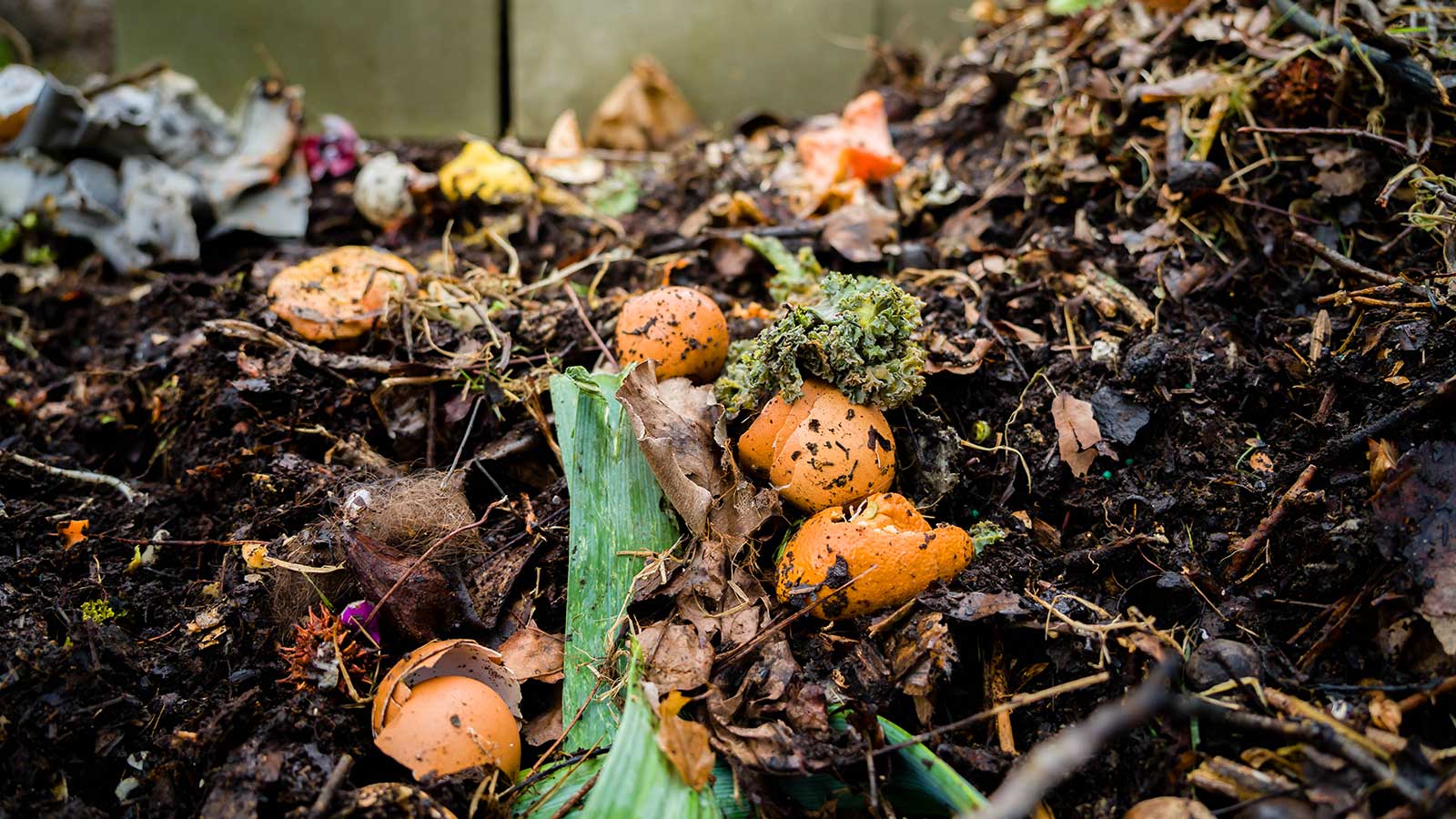
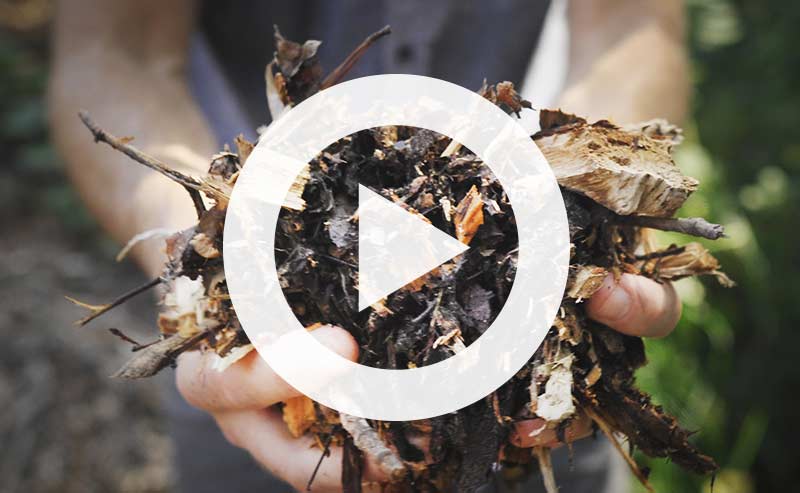
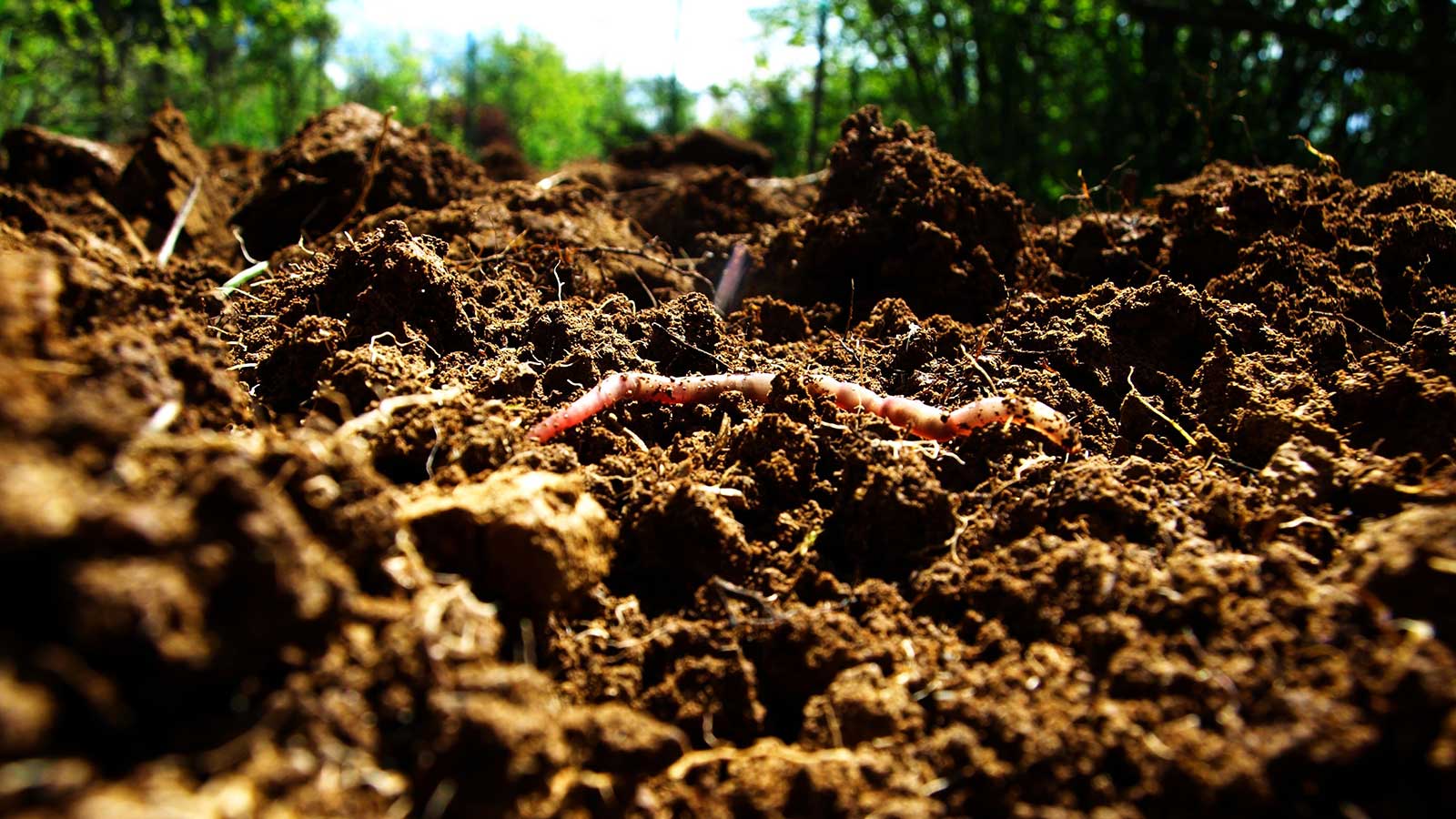
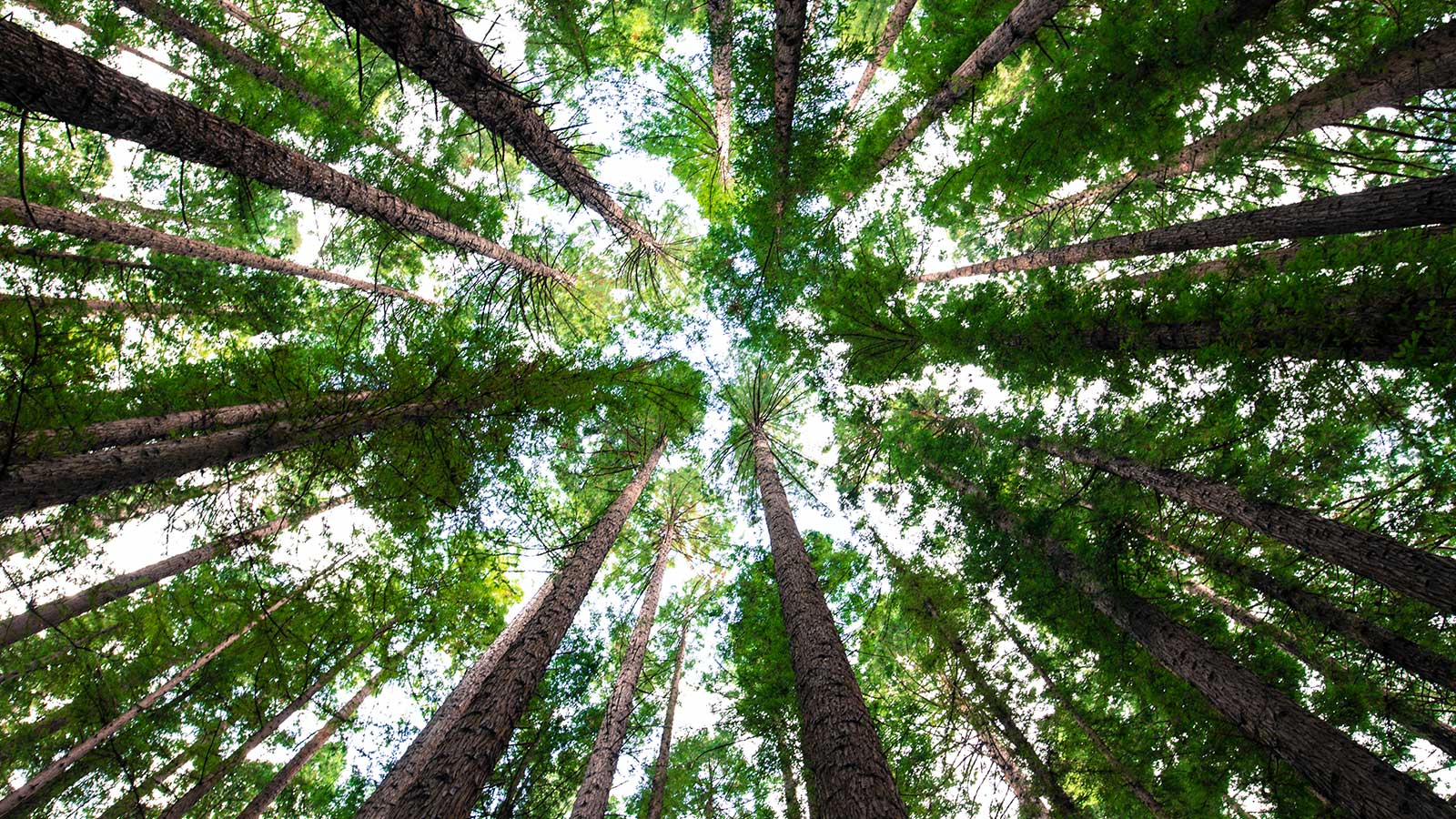
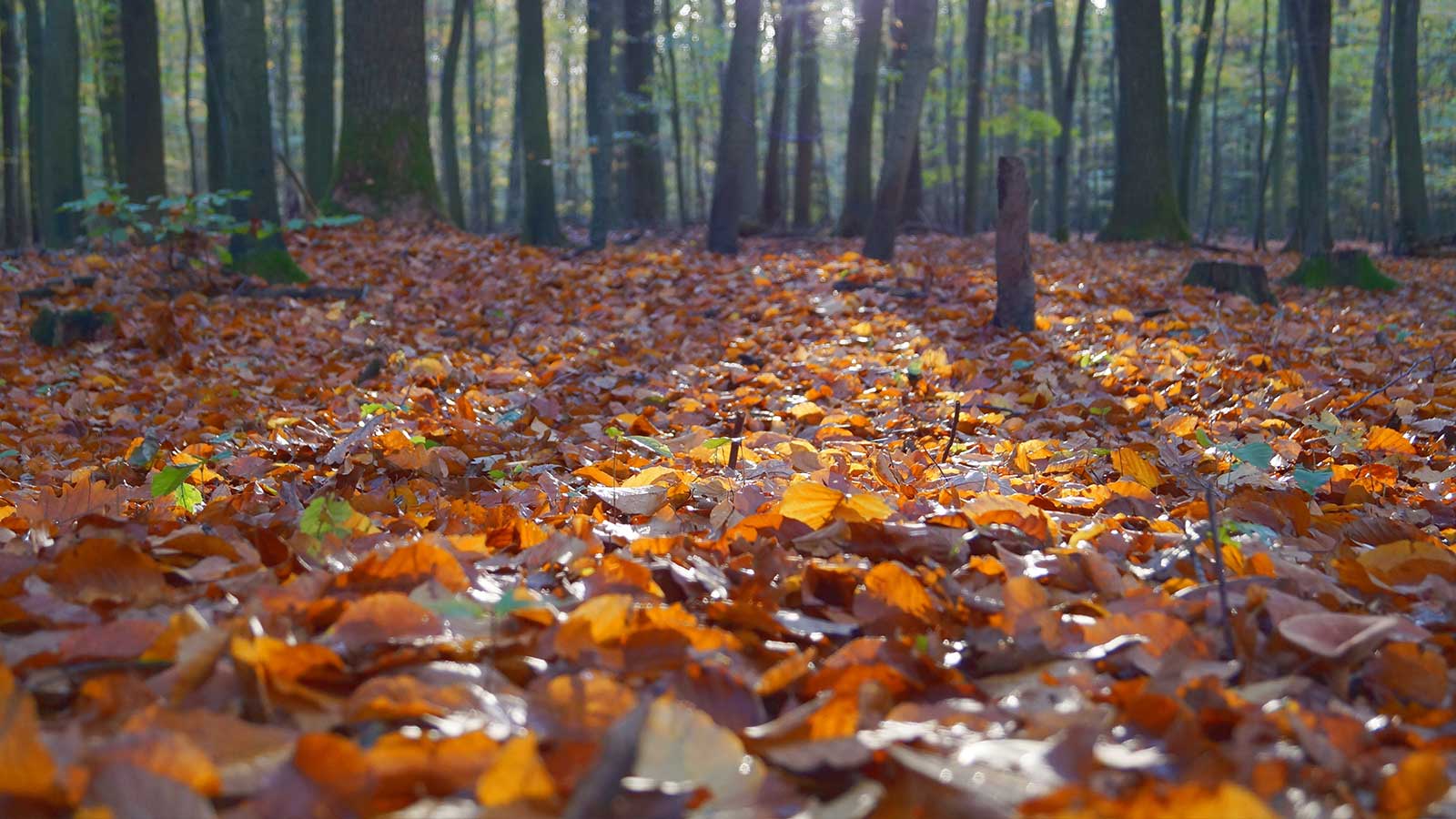
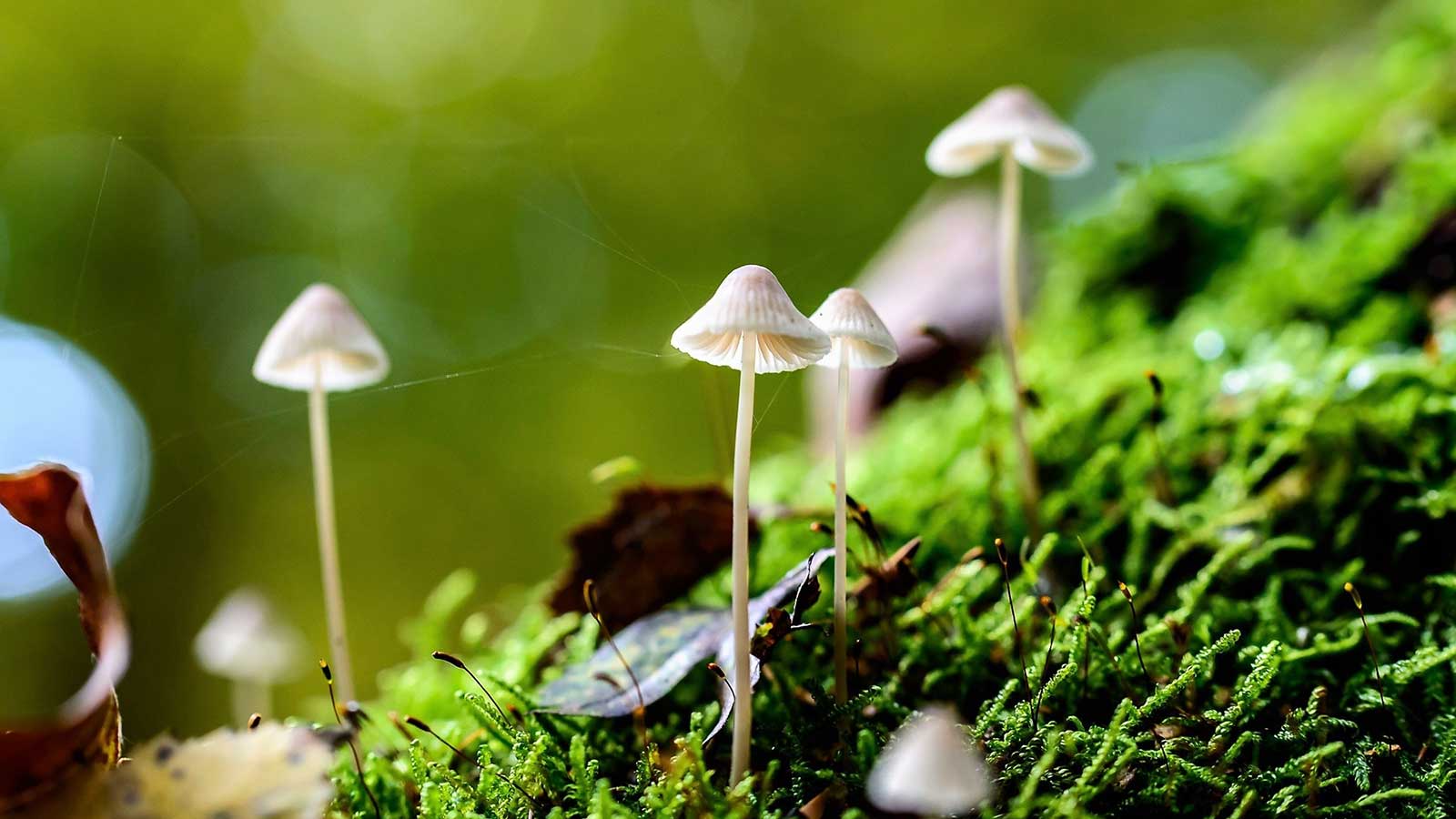
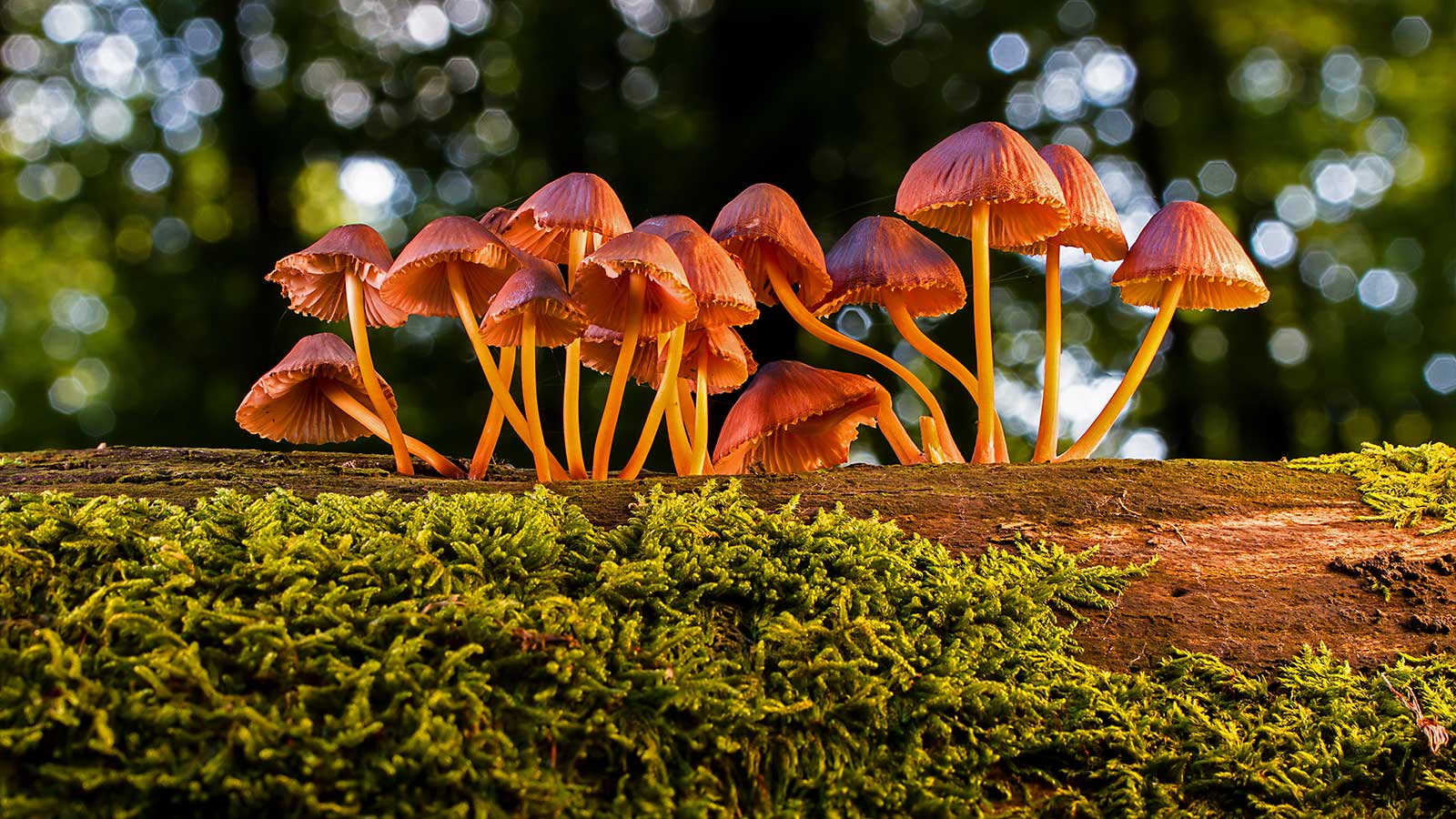
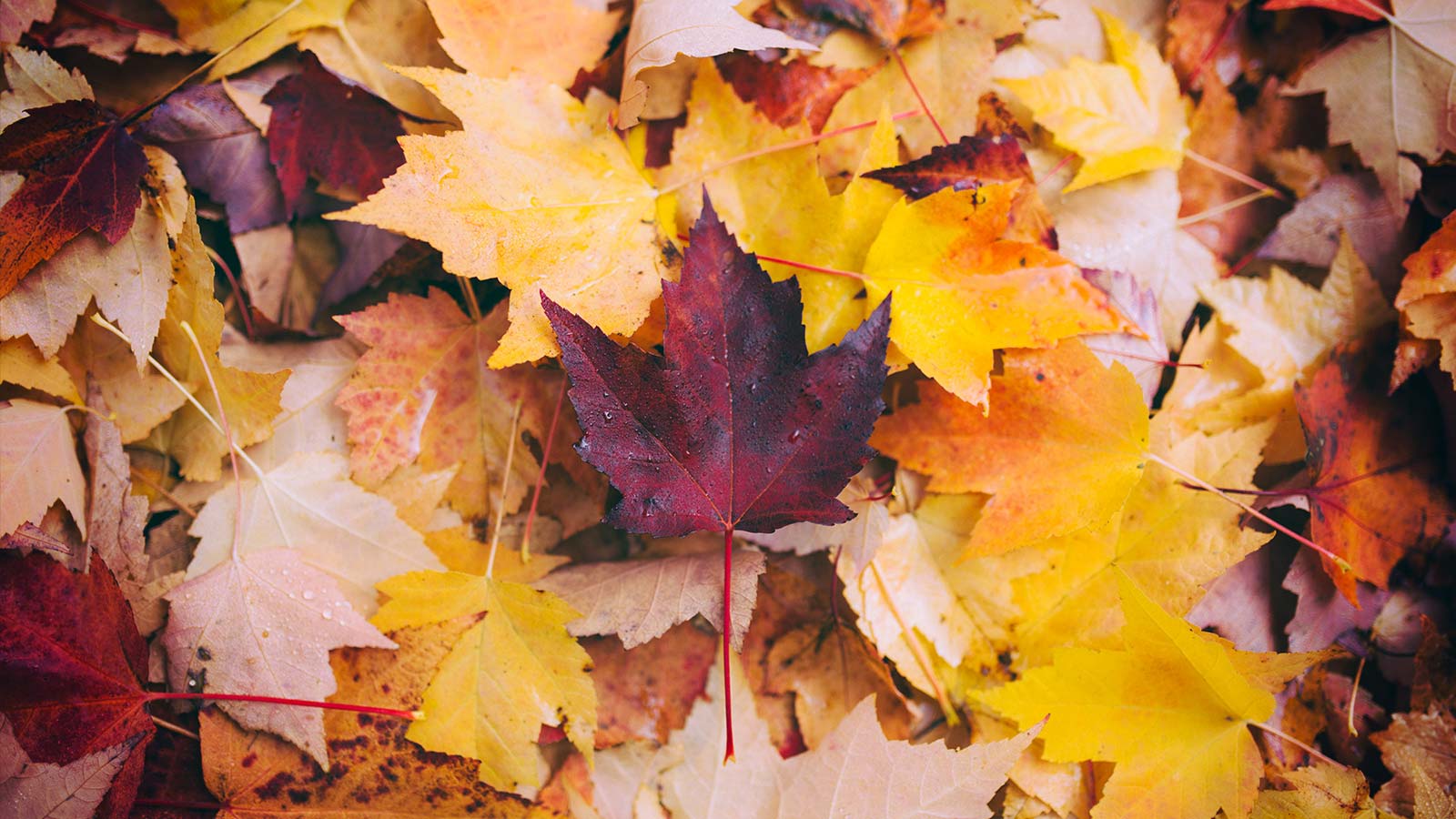
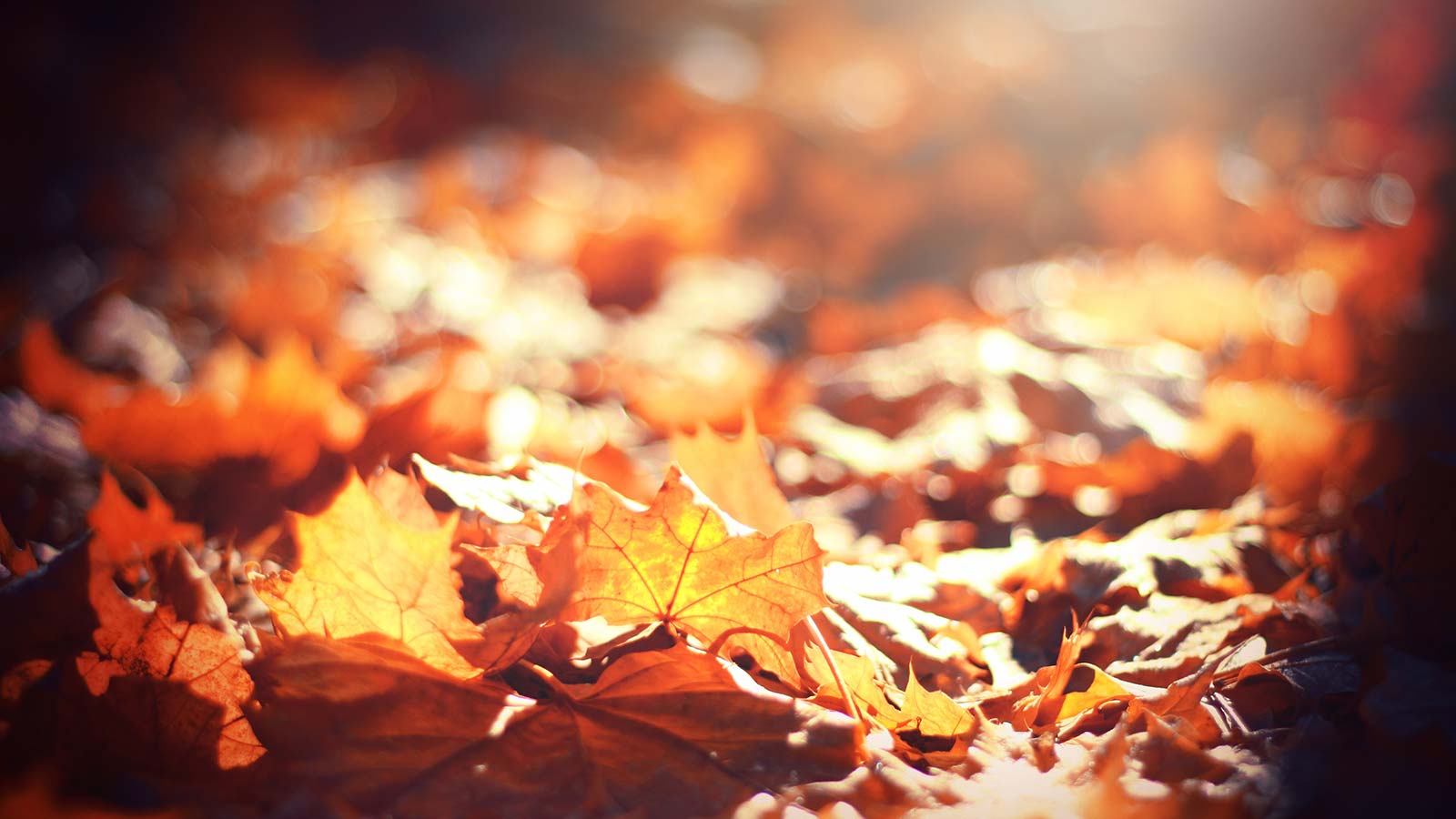
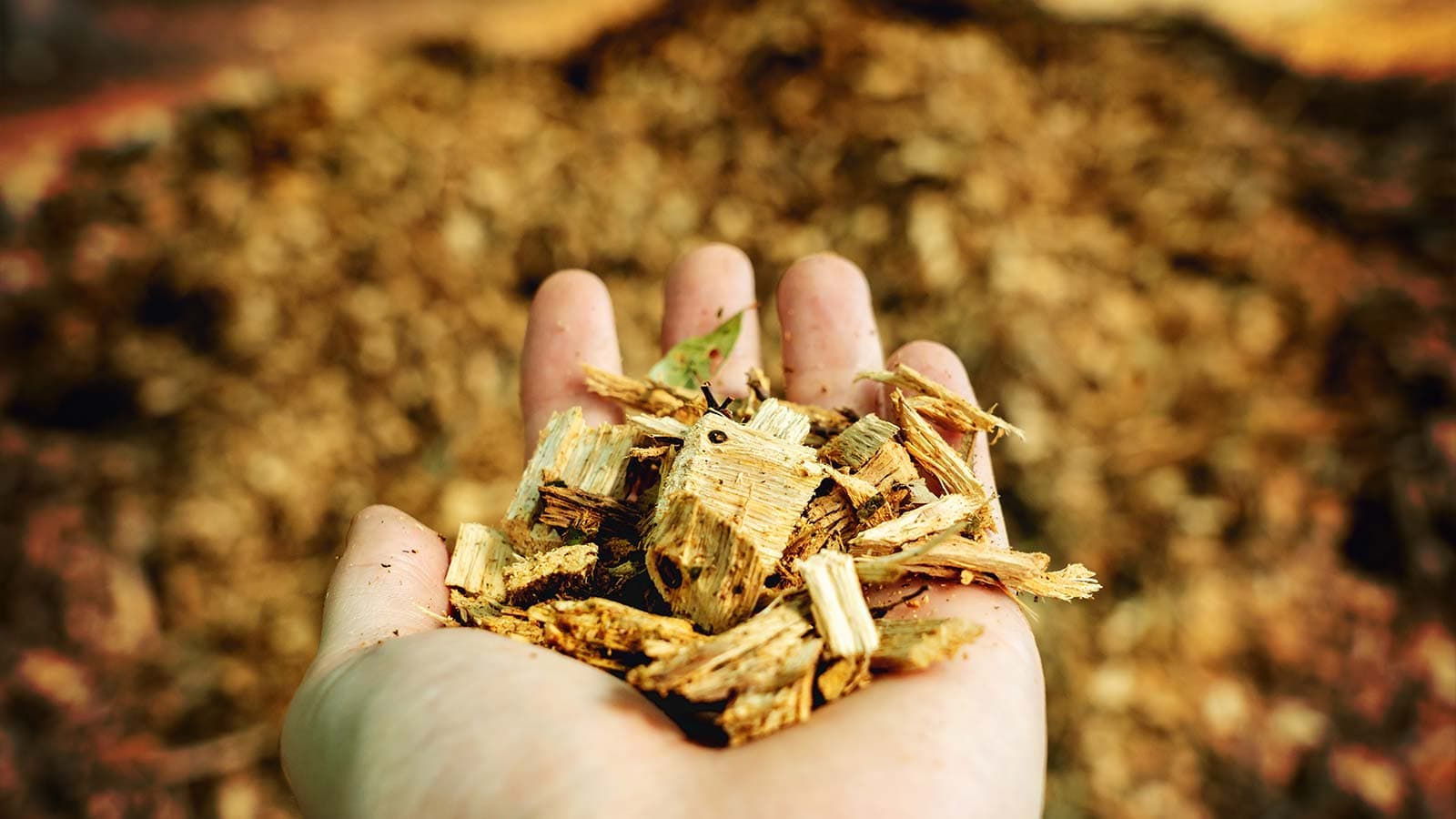
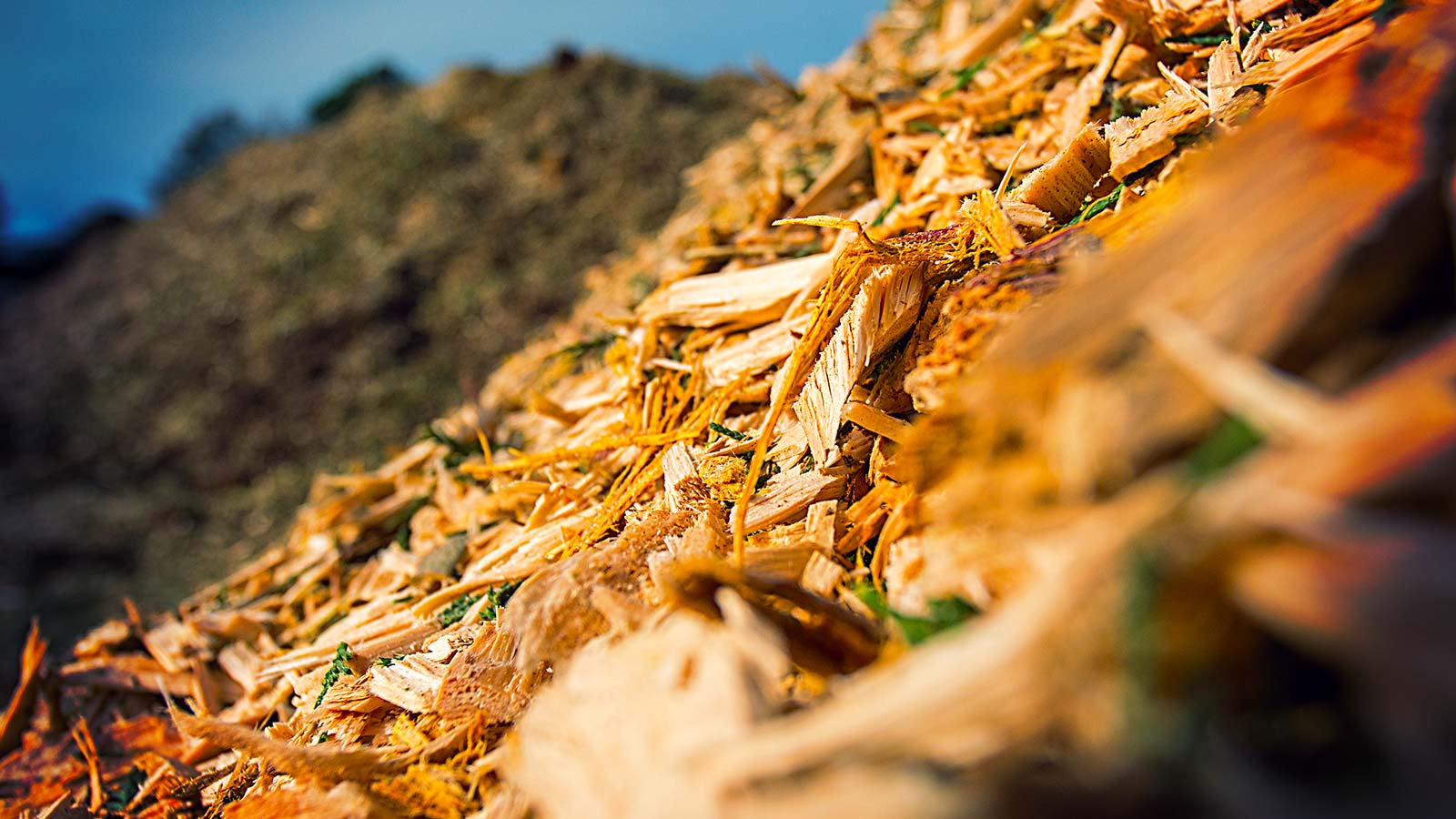
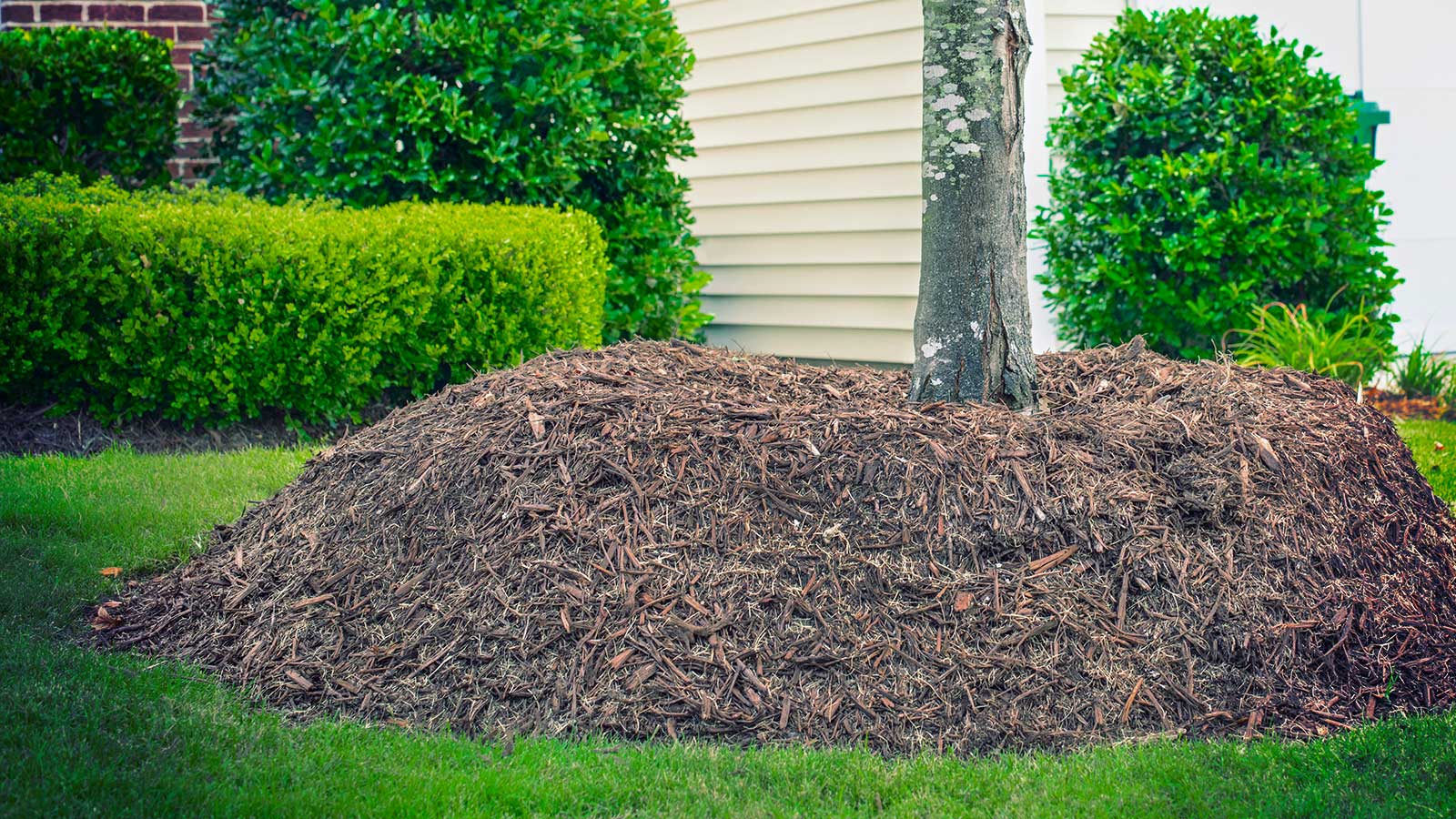
What is compost fertilizer? It’s all this rotting stuff. The leaves, the grass clippings, and even worm poop. Our forest floor is full of life because of all this rotting stuff. We want this to feed our bacteria, our fungi, and all the microscopic life. It’s this life we want to add to our soil, not the chemical fertilizers. We want to add systems of life that support healthy plants.
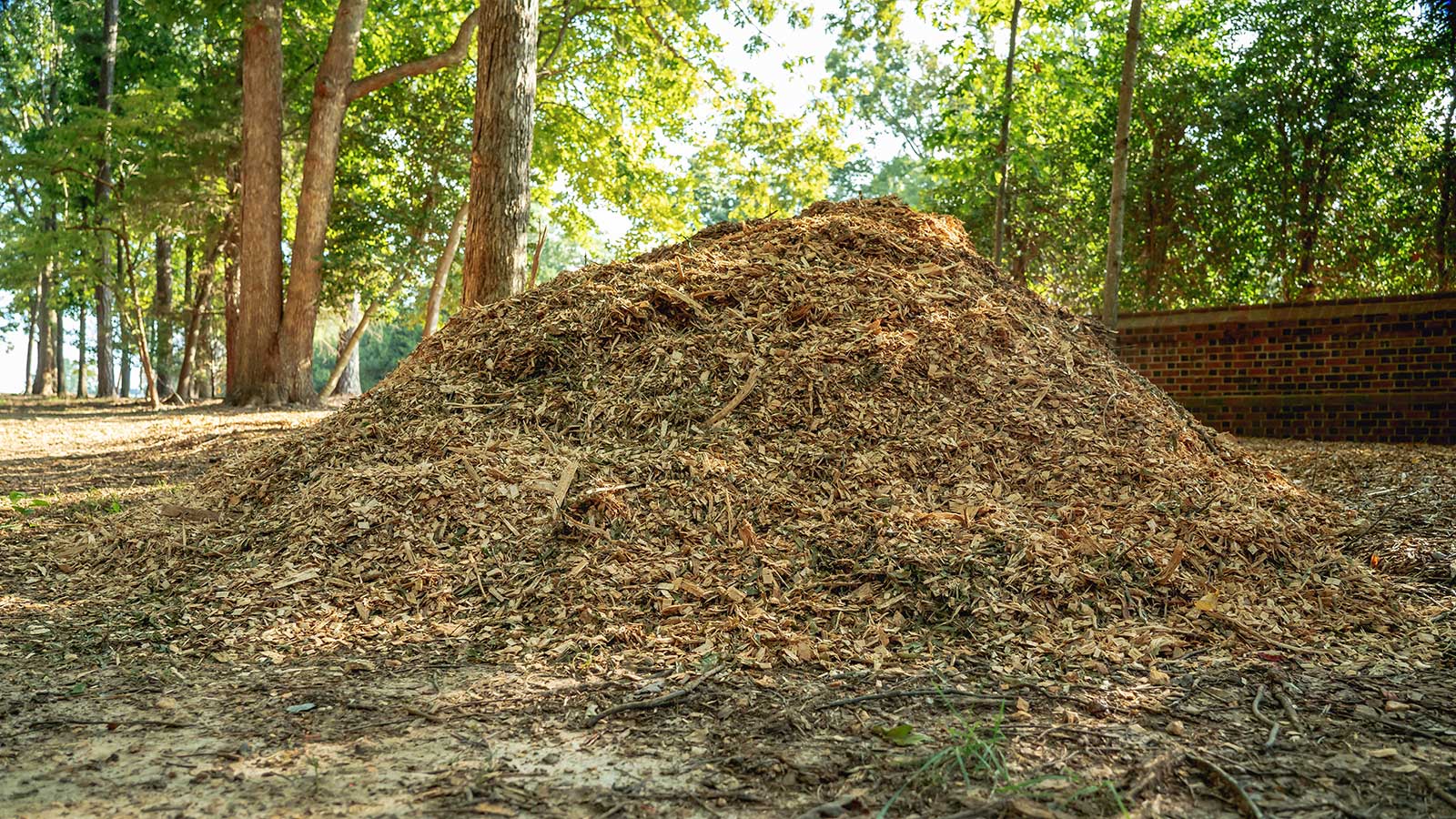
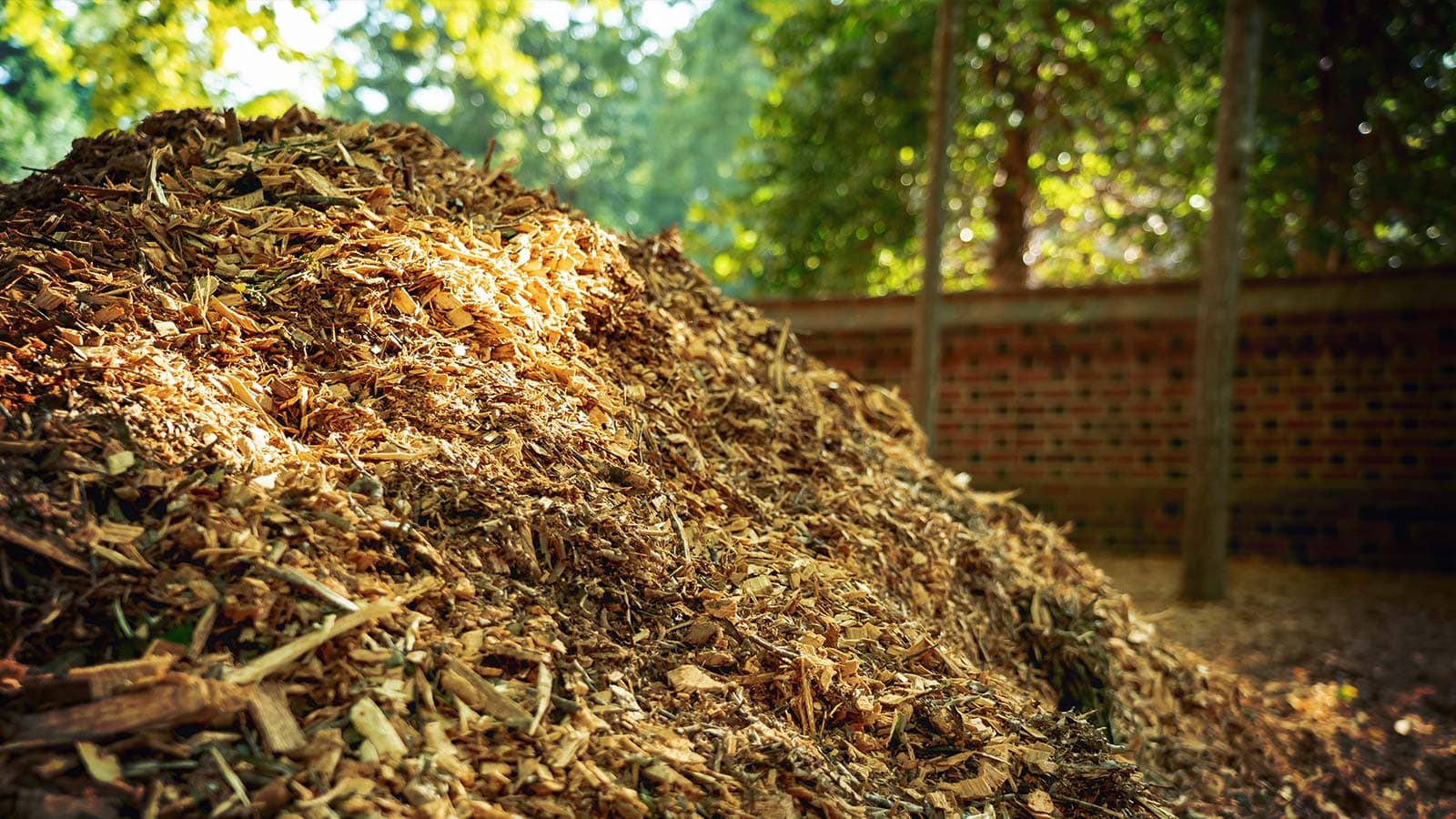
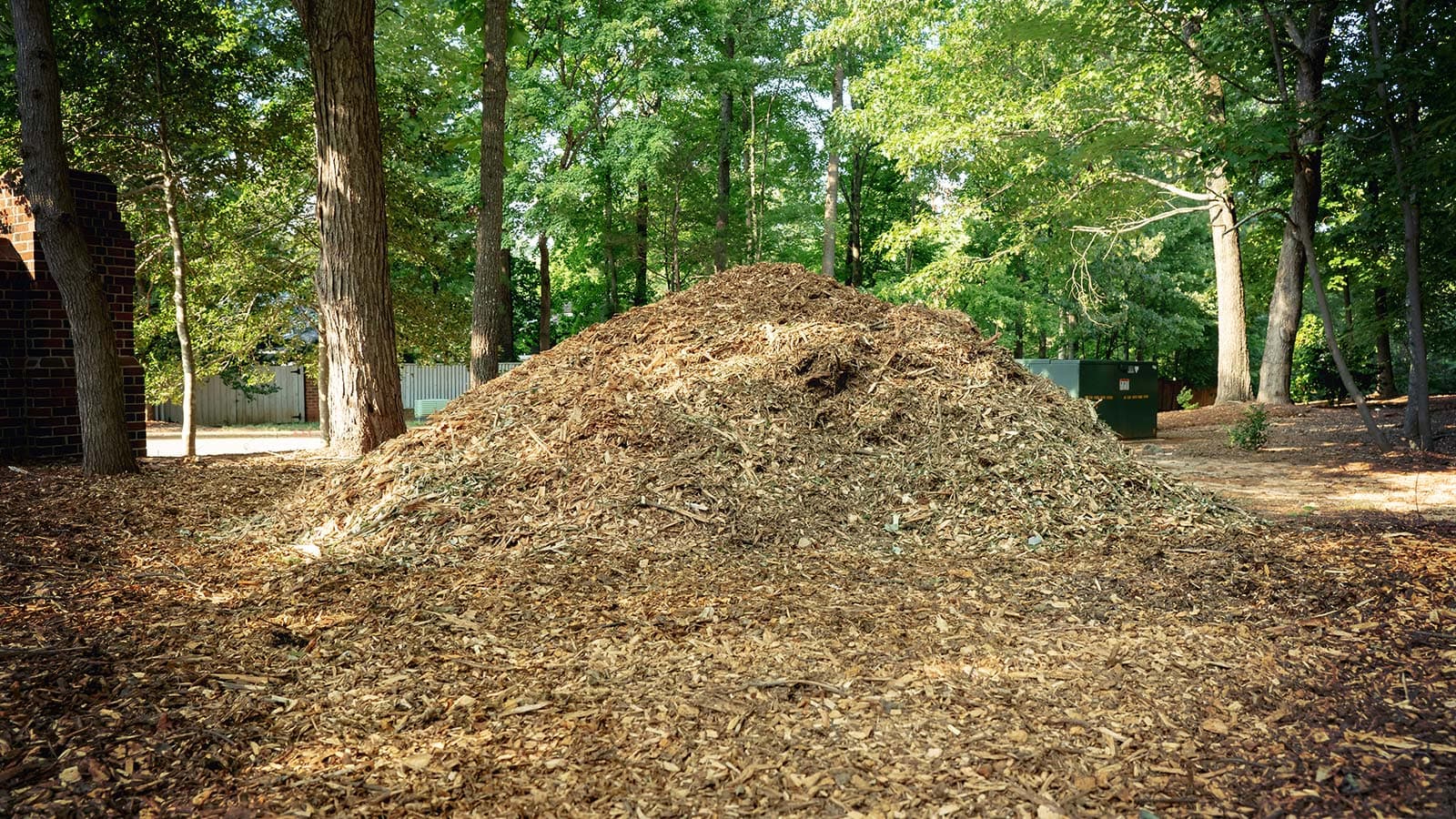
How do we make compost fertilizer? Firstly, we combine various types of compost, including rotting leaves from our giant leaf mold pile, then our vermicompost bins or worm poop from our very own worm ranch. And you know, of course, we have a few special ingredients too!
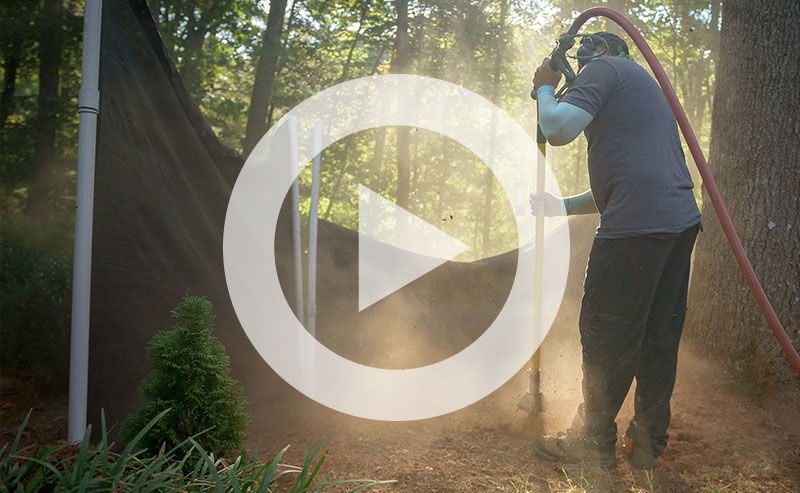
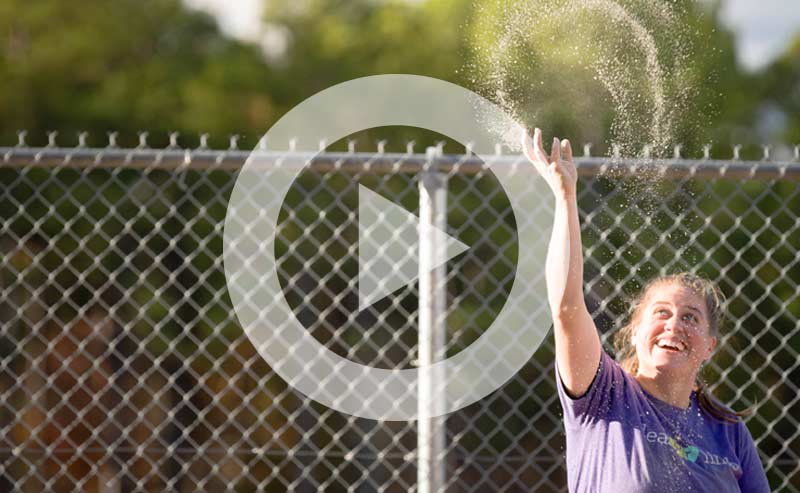
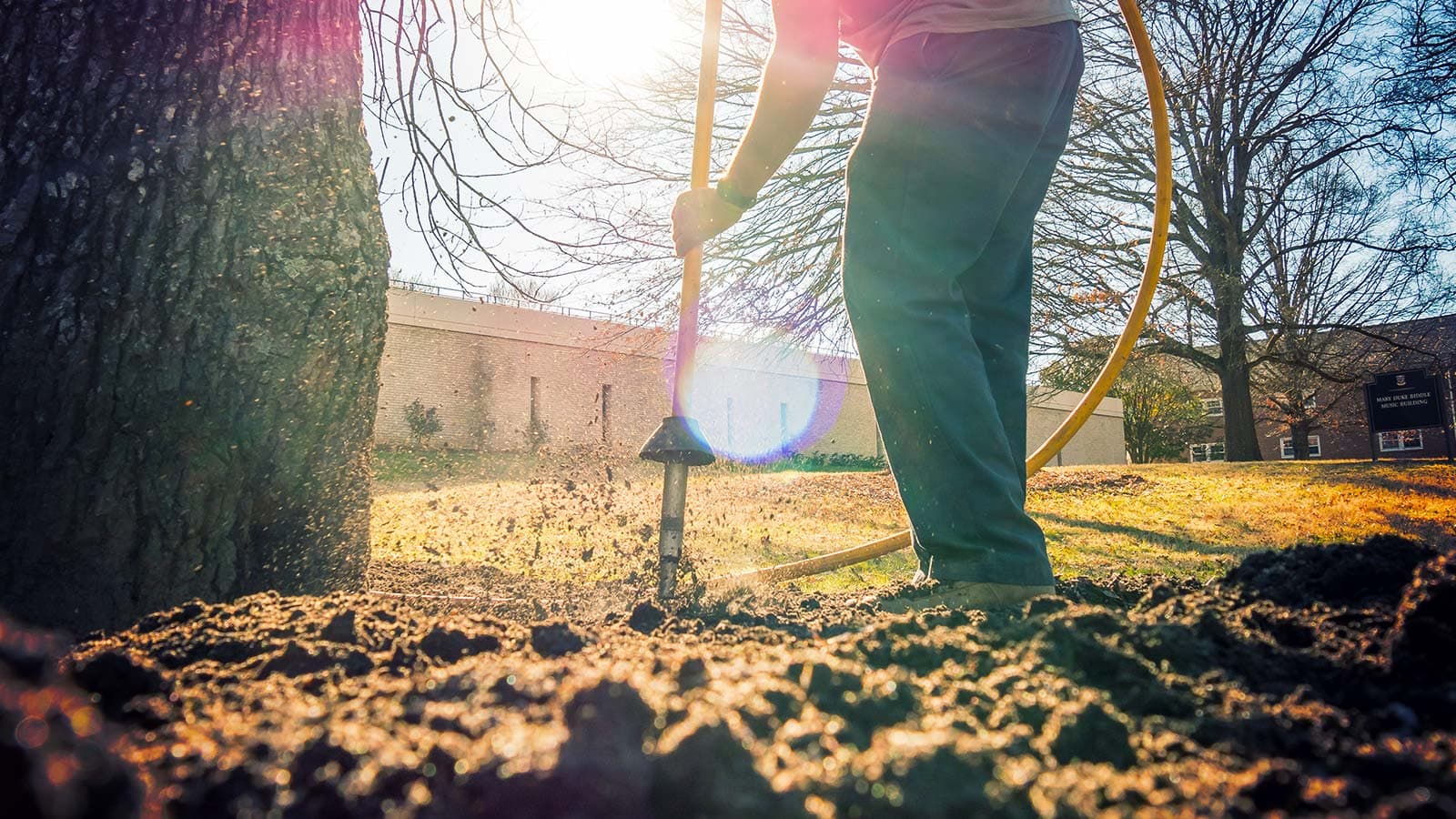
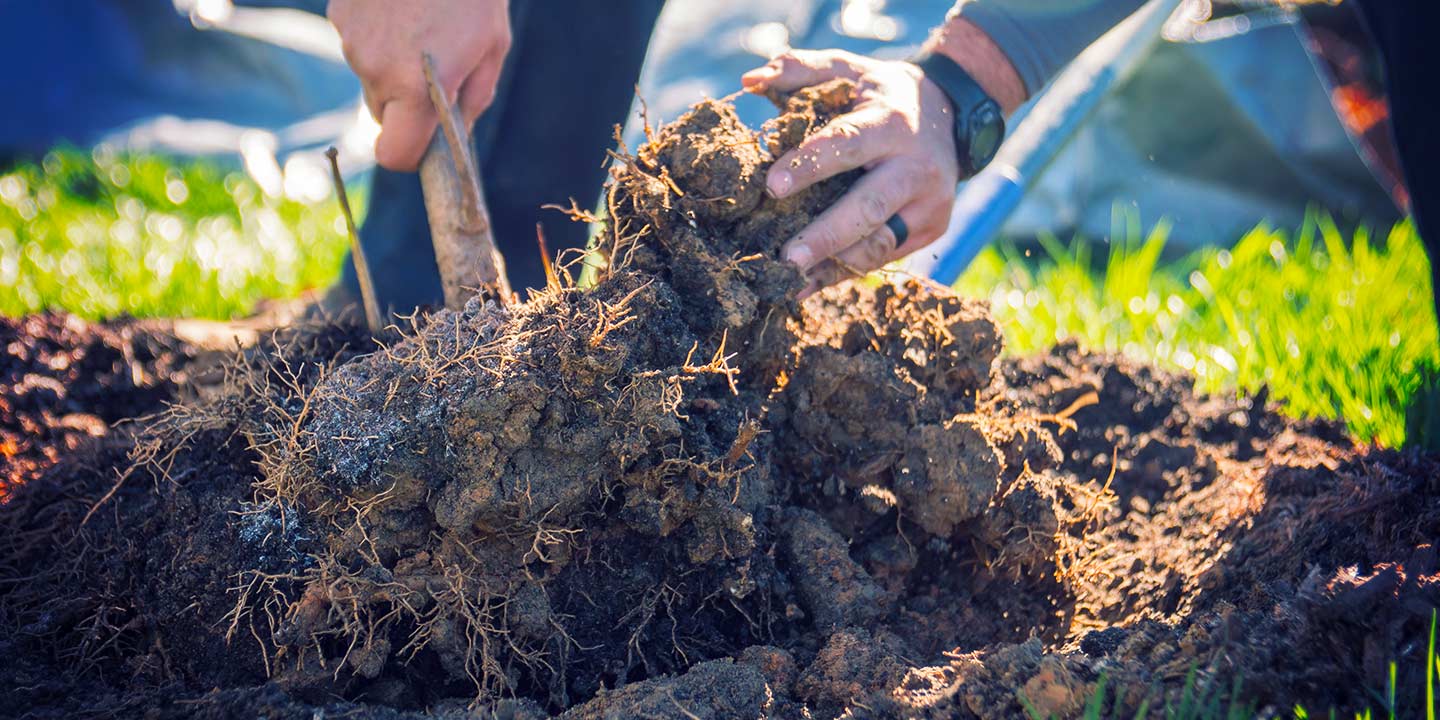
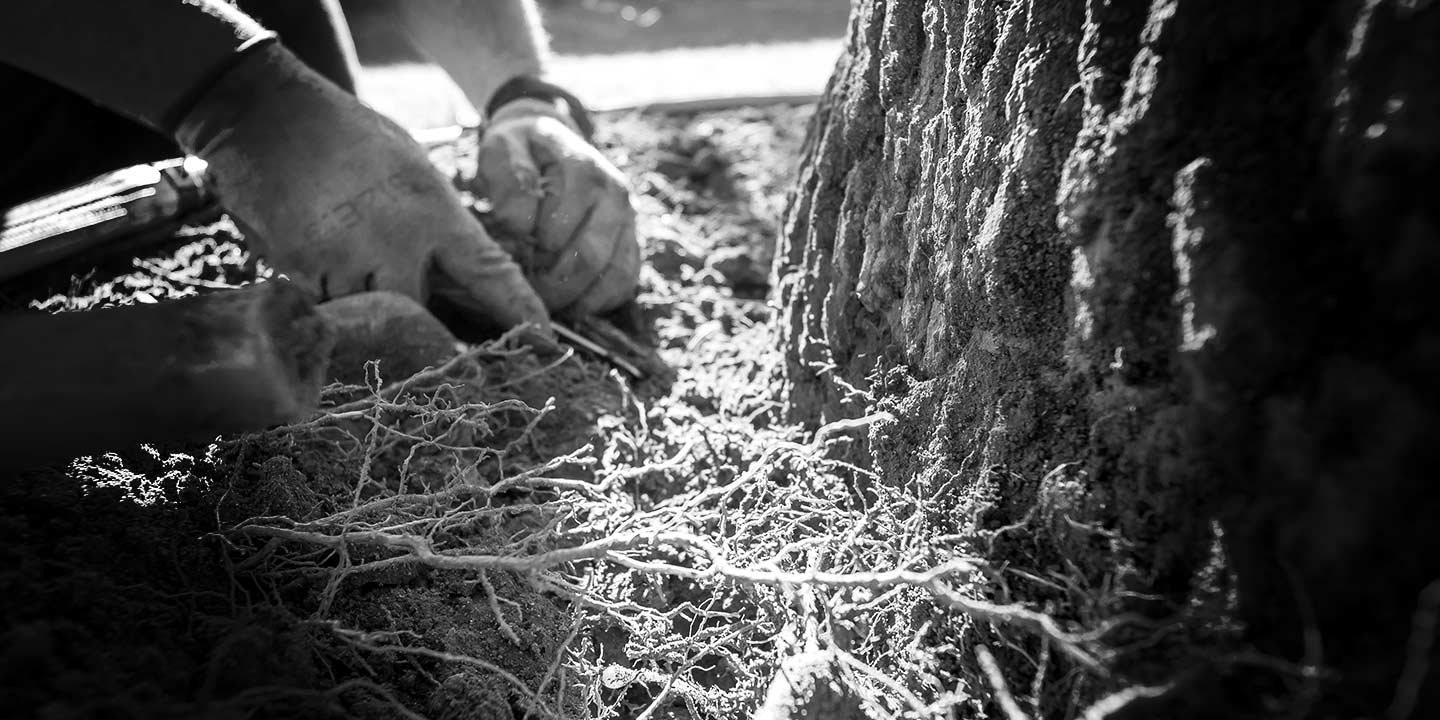
Now we need to get that compost fertilizer to your plants. We can mix compost directly into the existing soil using our air spade technique. We can spray our liquid mix over a large area on the surface. We can also inject our liquid mix directly into the ground and beneath the surface, where the tree roots can access it more easily. All of these methods are effective at getting that rotting stuff into the soil where your plants need it most.
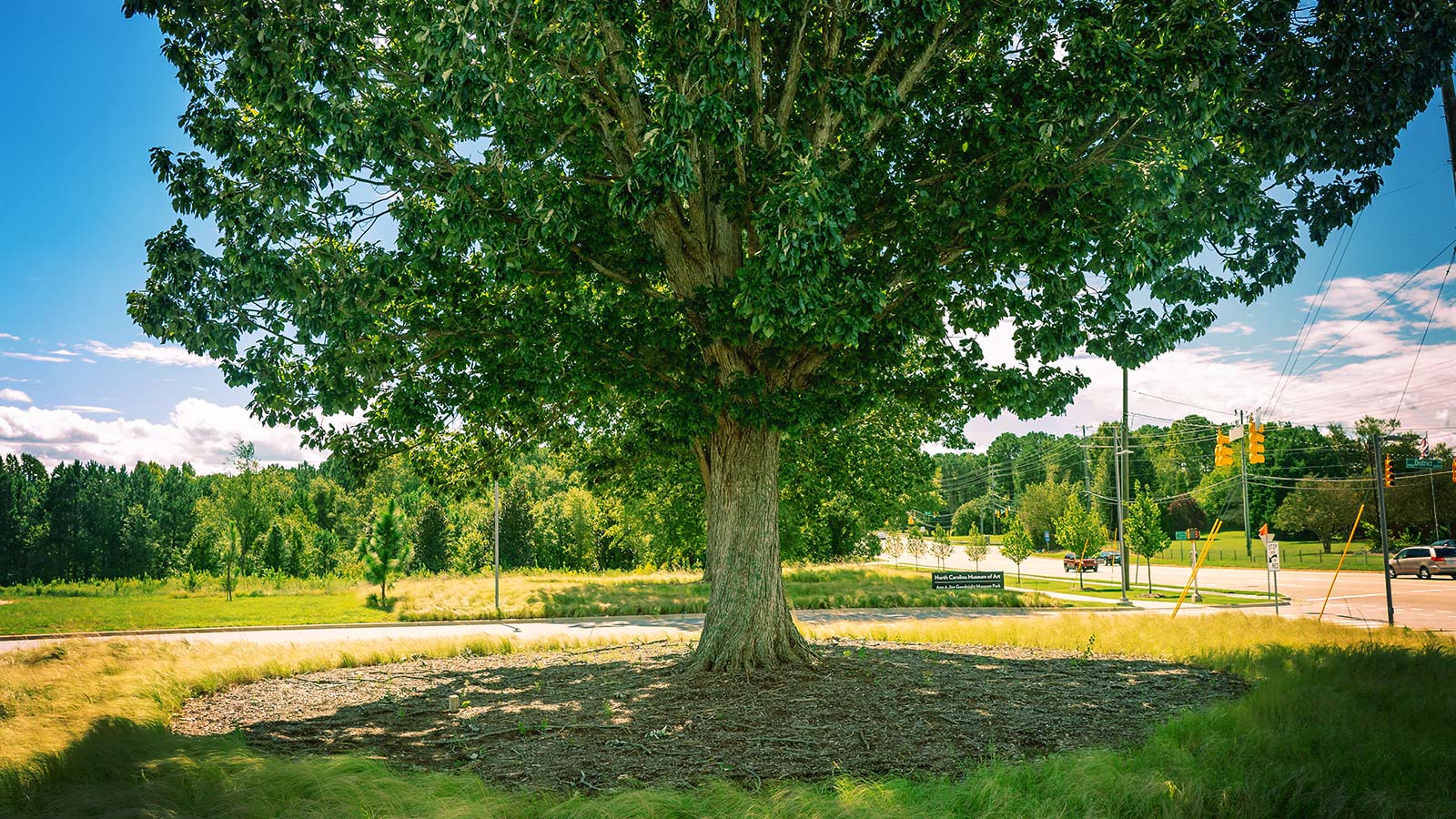
Our plants don’t need chemicals. They need microbes and worms. Bacteria and fungi in the soil to keep them healthy. Our compost fertilizer adds biology, adds life into your soil. And the best thing is, you can do this yourself for free at home. Start a compost pile. Leave your leaves. Keep your grass and hedge trimmings. By doing this, we can help get off the chemical treadmill. We can reduce our greenhouse gases and stop polluting our waterways. And all this will help our trees, shrubs, and flowers thrive in the long run.