September 2026 Treecologist Tribune
Glorious Grasses, A Meticulous Mantis, and the Hottest August on Record

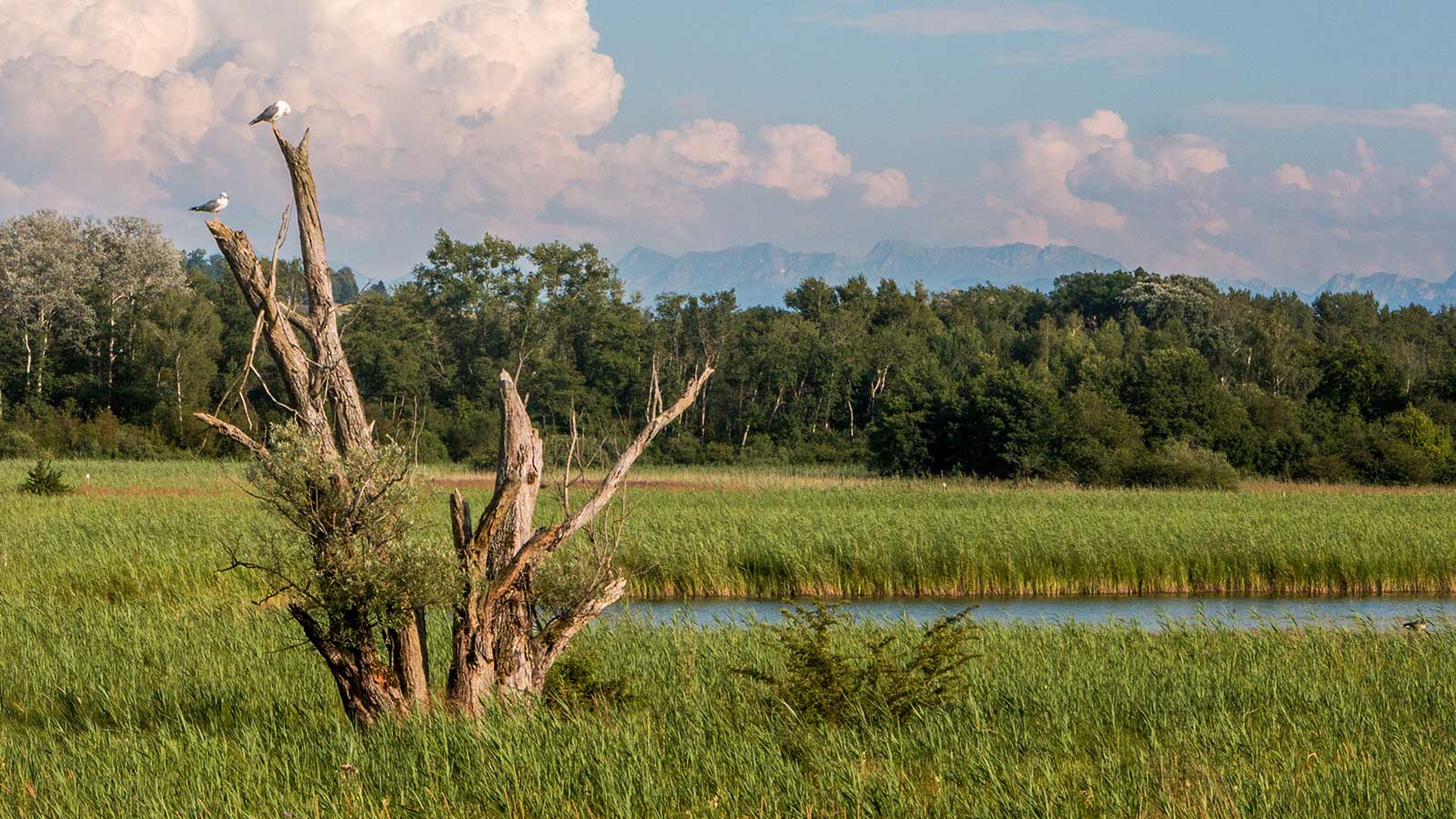
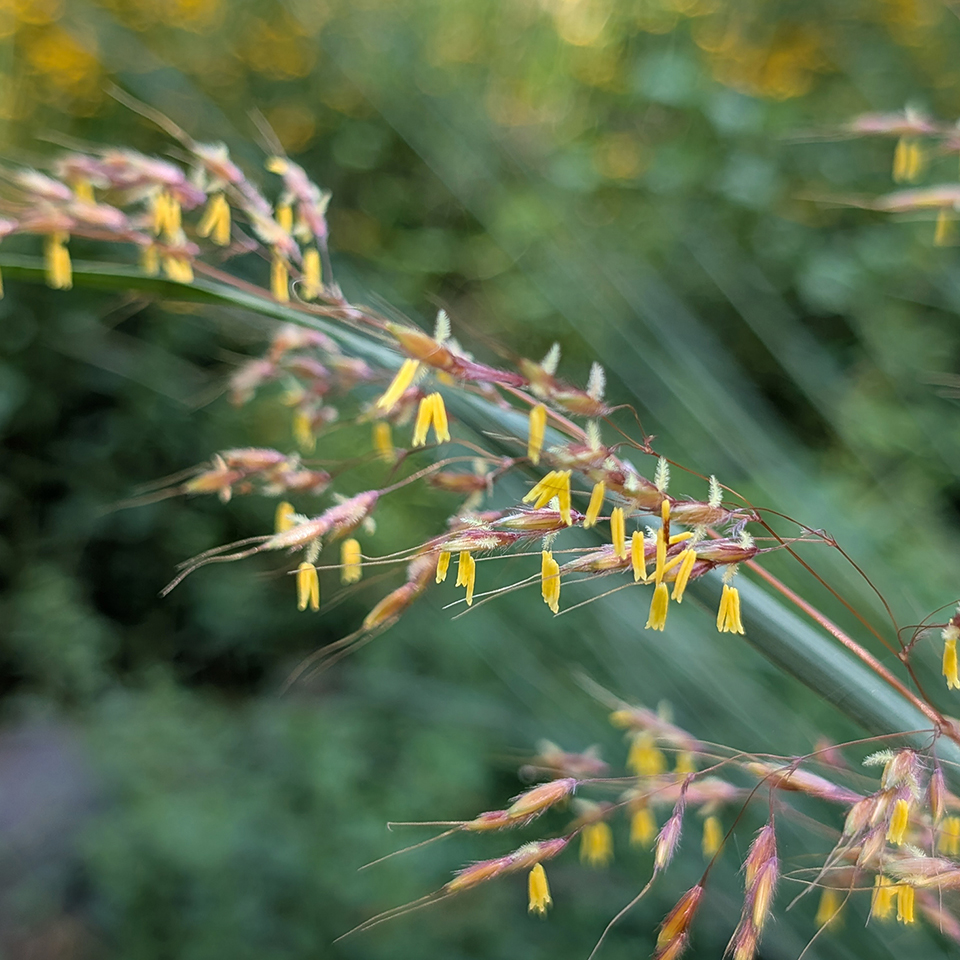
I noticed something different this year in my natural open area. There was much less invasive stilt grass, and it didn’t really get going until we had some rain in July. But what I did notice were grasses I’d never seen before. Grasses are notoriously hard to ID until you become familiar with their characteristic features. I’m still a novice, but I’m slowly recognizing some. I think several native grasses, waiting patiently in the soil seed bank, took advantage of stilt grass’s late start. I’m really excited to see whether they will establish well enough to outcompete stilt grass next year. I’m sure I’ll still have to lend a hand and remain a stilt grass “predator” for years to come. Pulling stilt grass is sometimes a contemplative way to spend an hour when my mind is racing, and I need some busy work.
Weather Notes
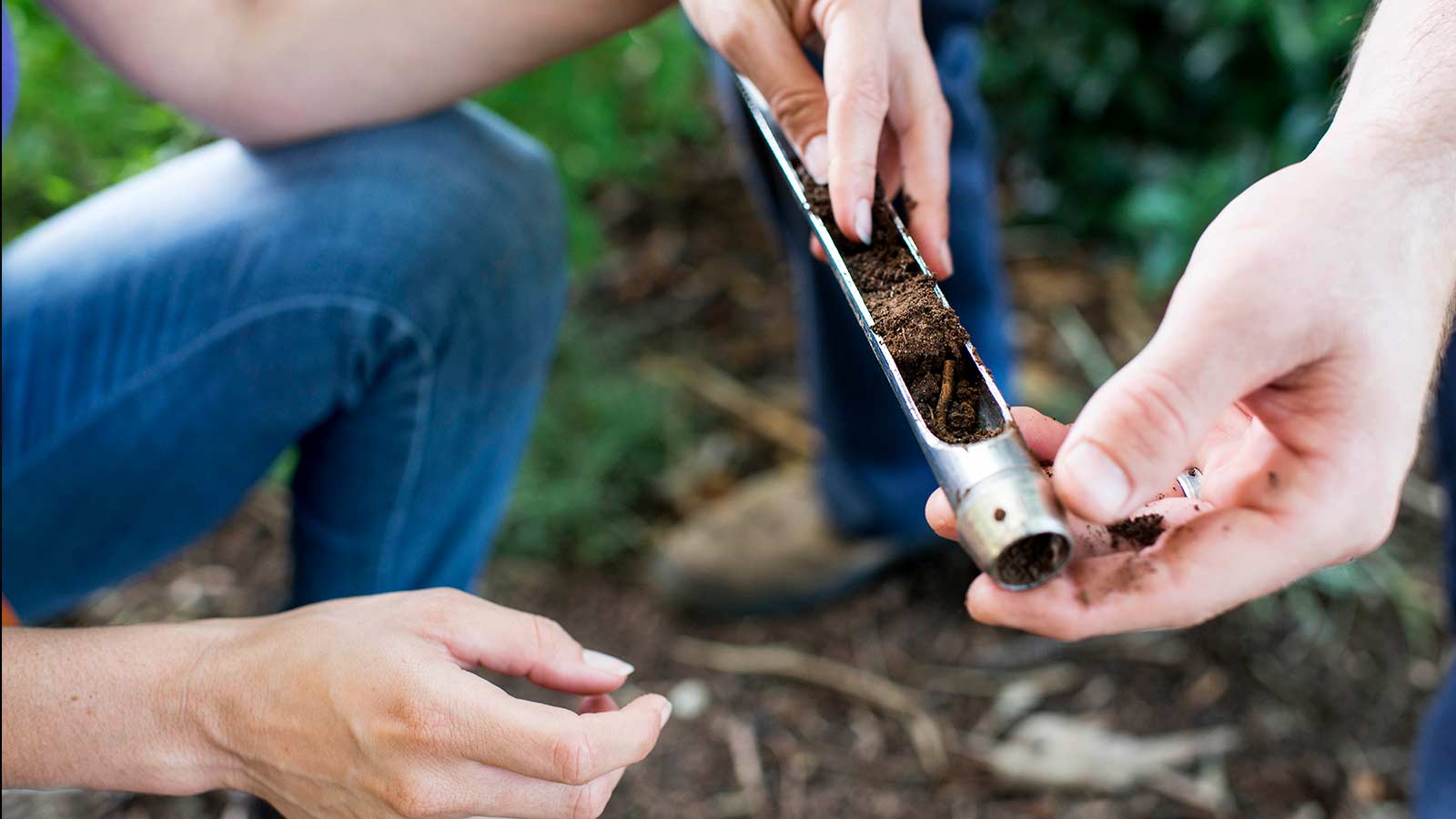
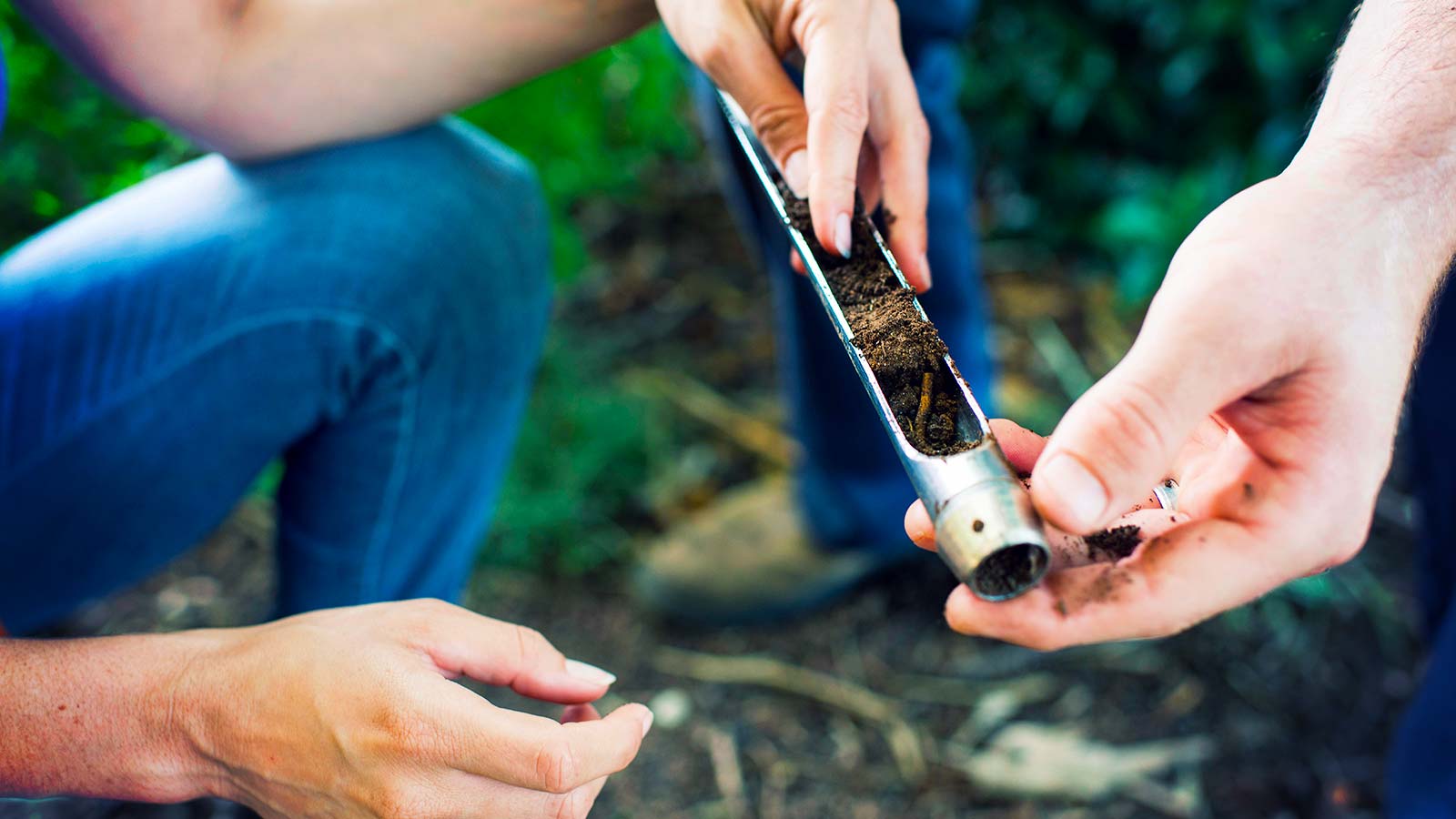
The drought level has returned to Severe across Wake County and remains Moderate elsewhere in our area. Since last month, we have had only a little more than half the rain we typically get. Our trees and shrubs could still be in drought stress, and they are more likely to be if the soil they rely on is compacted and in poor condition. More on that in a bit.
Rain Summary (from RDU):
- 2.06 since 8/25 (historic average 3.41”)
- 27.65” Year-to-date (historic average 33.37”)
We enjoyed a brief cooldown for a week or so before temperatures shot back up into the oppressive 90s. It was the hottest August on the planet since modern record-keeping began. Raleigh experienced the fourth-warmest August since 1895. Raleigh now has roughly 40 more warmer-than-normal summer nights than in the early 1970s, and about 71% of its summer nights are now warmer than the historical average.
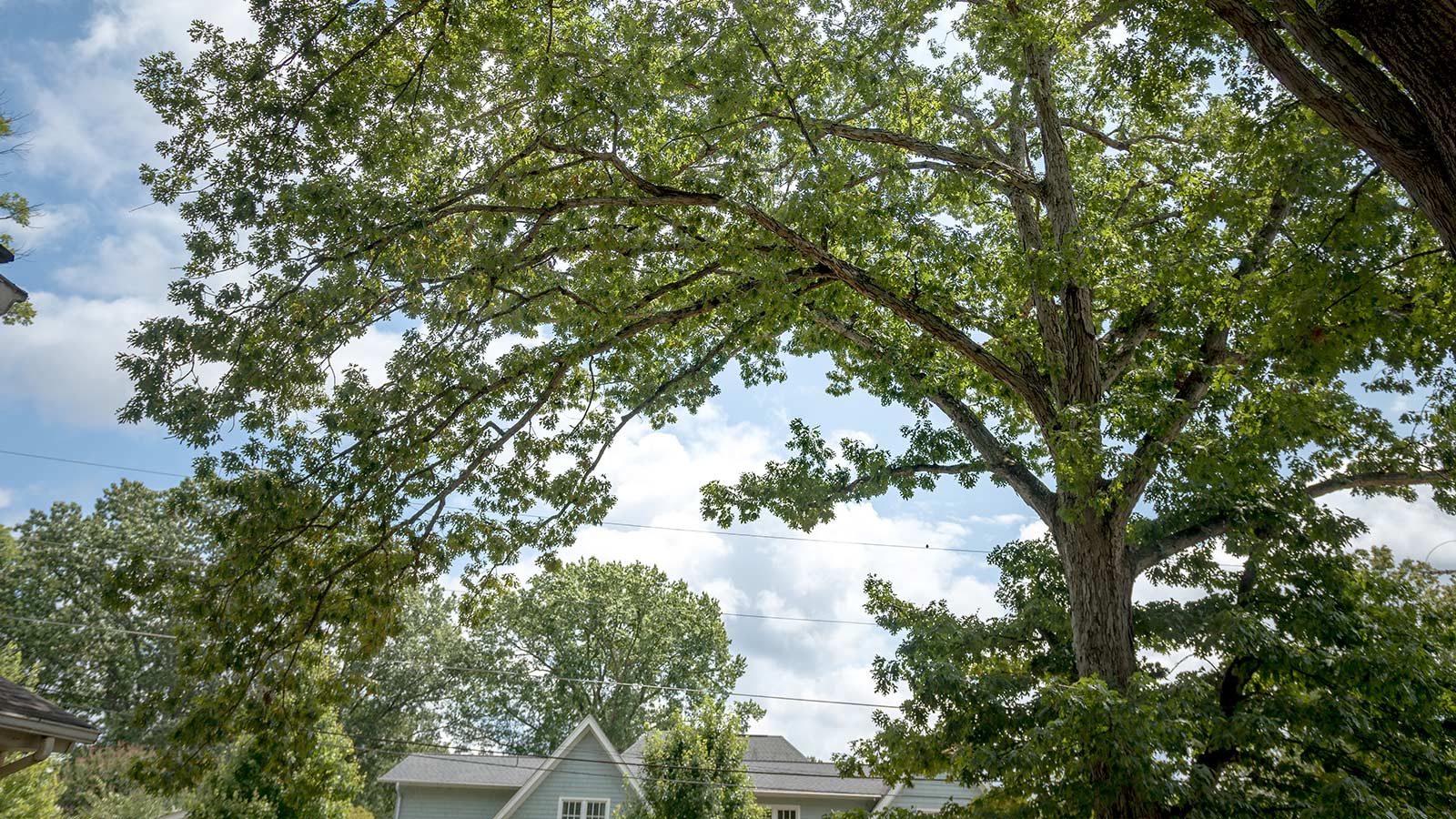
These extreme temperatures have a big knock-on effect for our plants. Think about how wrung out you get when daytime physical and mental stresses turn into nighttime insomnia. Nighttime is when most plants slow down and record their gains. If they go into the night after daytime stress has taken its toll and can’t regroup because it’s too warm, they burn through resources faster, weakening them and making recovery harder, even if conditions improve.
You might have read that the developing El Niño shows every sign of being a strong one, maybe even the strongest on record. If patterns remain typical, it could mean wetter conditions this Winter, which will likely be helpful. But we may be in uncharted waters because, although climate warming is a separate phenomenon from El Niño, they may be intersecting in ways we have yet to discover.
Special Memo: Raleigh Leaf Pick-up Changes
Big change for Raleigh yards this Fall. If you’re used to raking leaves to the curb, that option is gone. Leaves now need to go in your yard waste bin or in biodegradable bags at the curb for weekly pickup. The city says the switch is meant to keep storm drains and bike lanes clear.
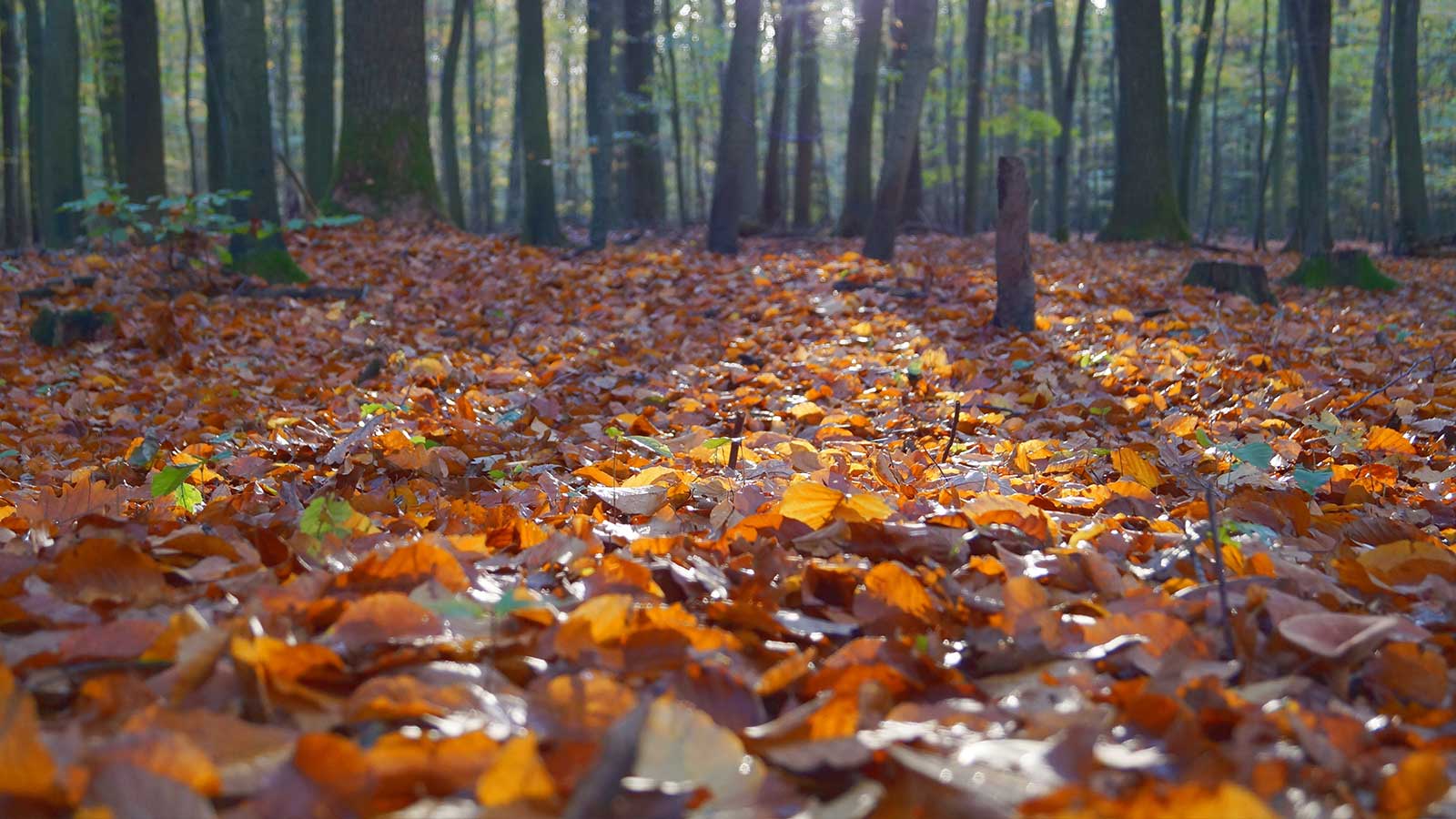
Our favorite option is still to skip the curb altogether. Leaving your leaves does not mean keeping them on your lawn. Keep the benefits by moving them somewhere else on your property. Here are a few places to put them
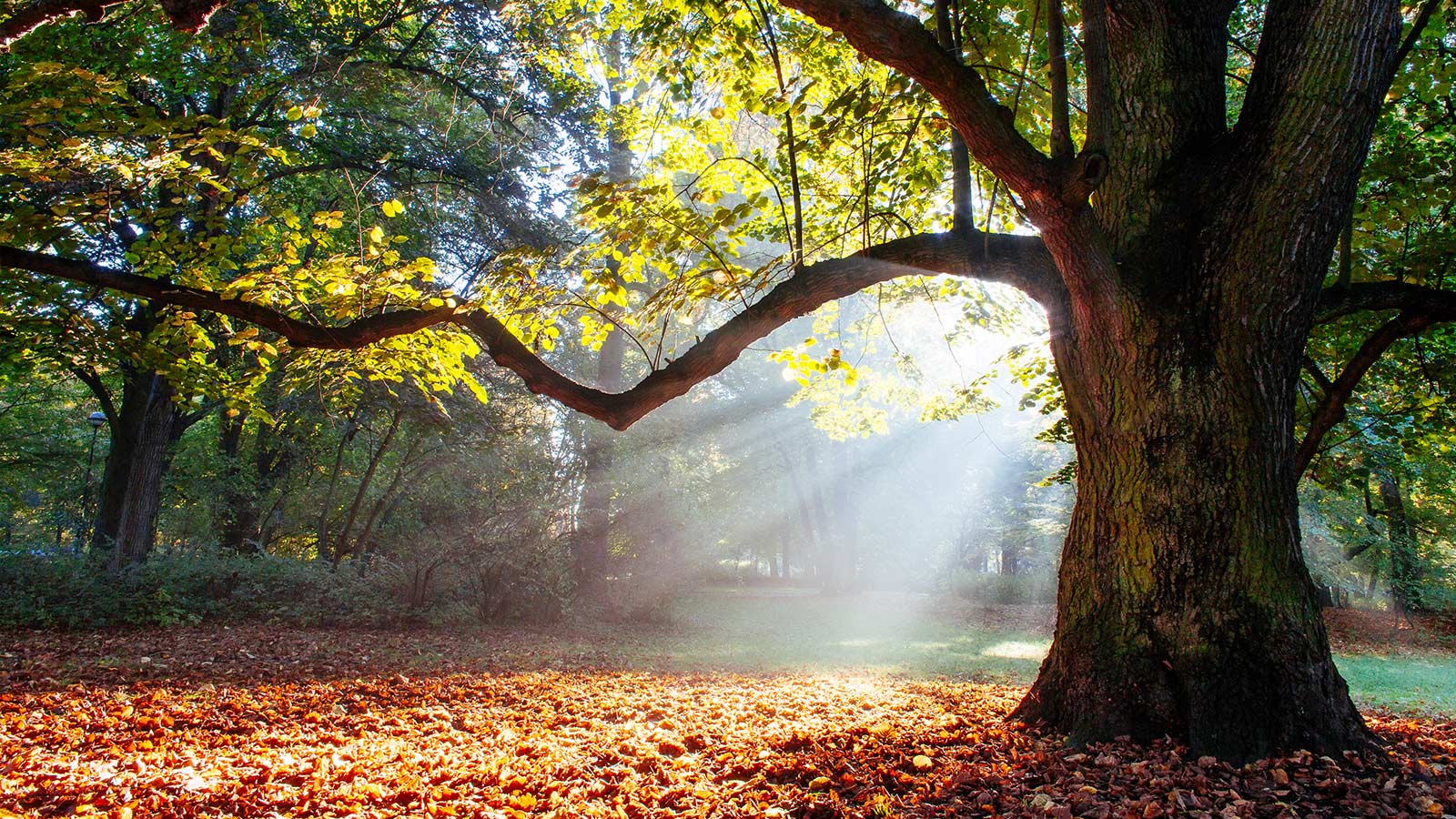
- Under your trees and shrubs. Rake them out toward the drip line and let them feed the soil all Winter.
- On your flower and vegetable beds, where leaves work as free mulch.
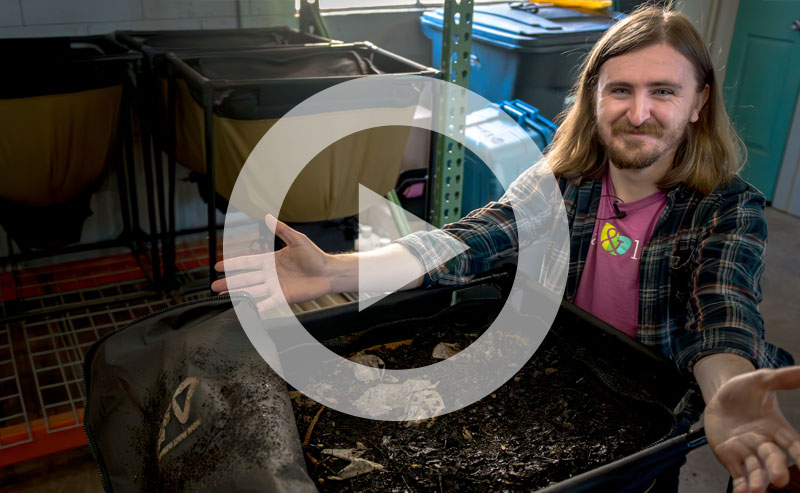
- In a pile in a back corner. By next Fall, it becomes partially rotted leaves, also known as leaf mold: a dark, crumbly material your plants will love.
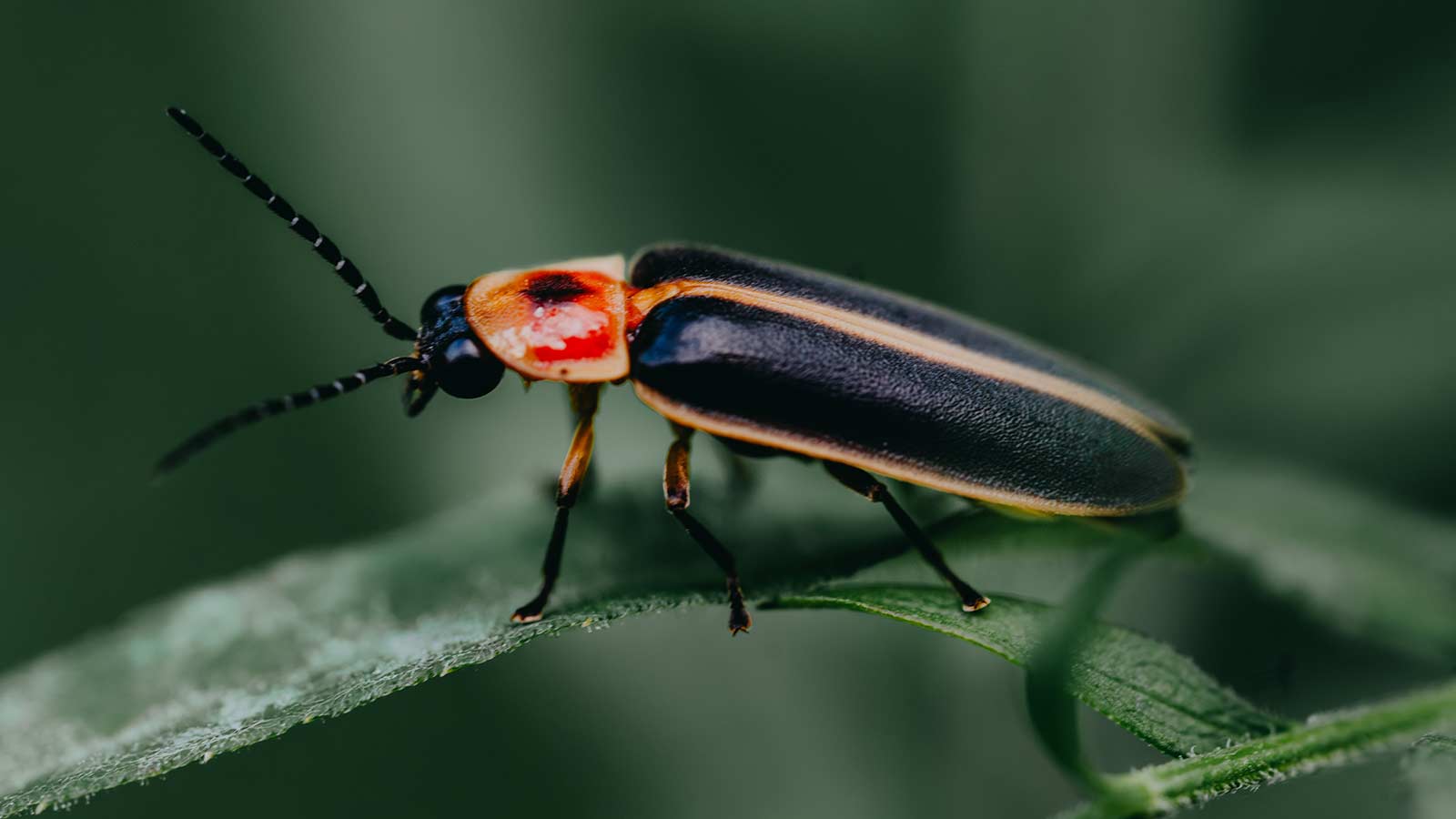
Fallen leaves do more than build soil. Many small creatures, including fireflies, spend the Winter tucked into a leaf bed or use leaves to camouflage their cocoons. So if you want more fireflies and luna moths next Summer, leave your leaves. Learn more about the importance of fallen leaves in our free book From Wasteland to Wonder (p. 113).
Yard Sleuthing: Late Season Gems and a Summer Arms Race
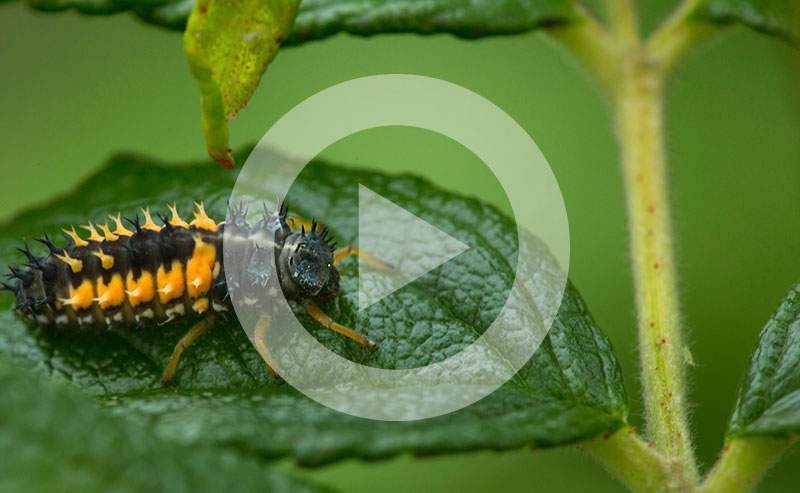
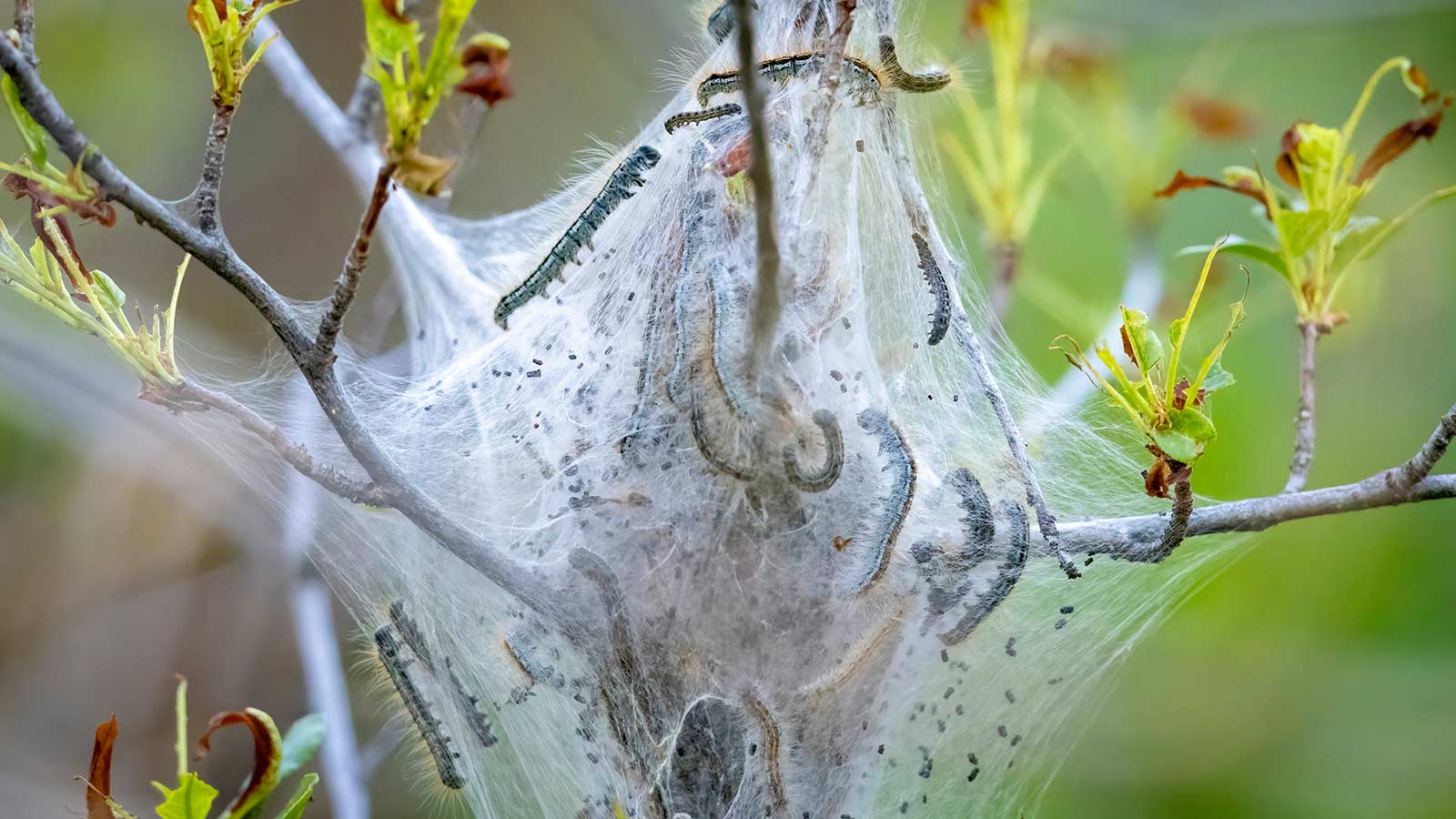
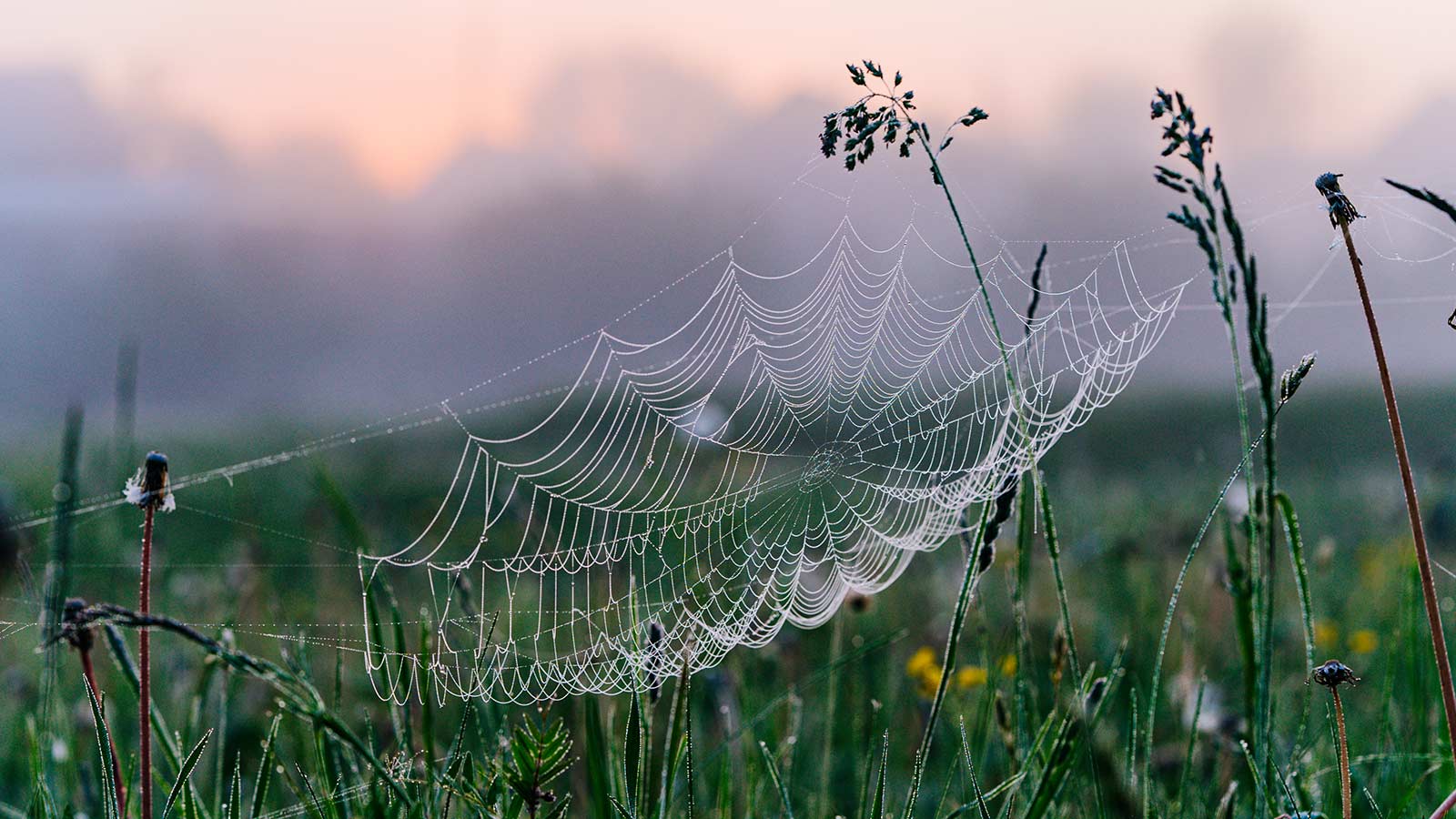
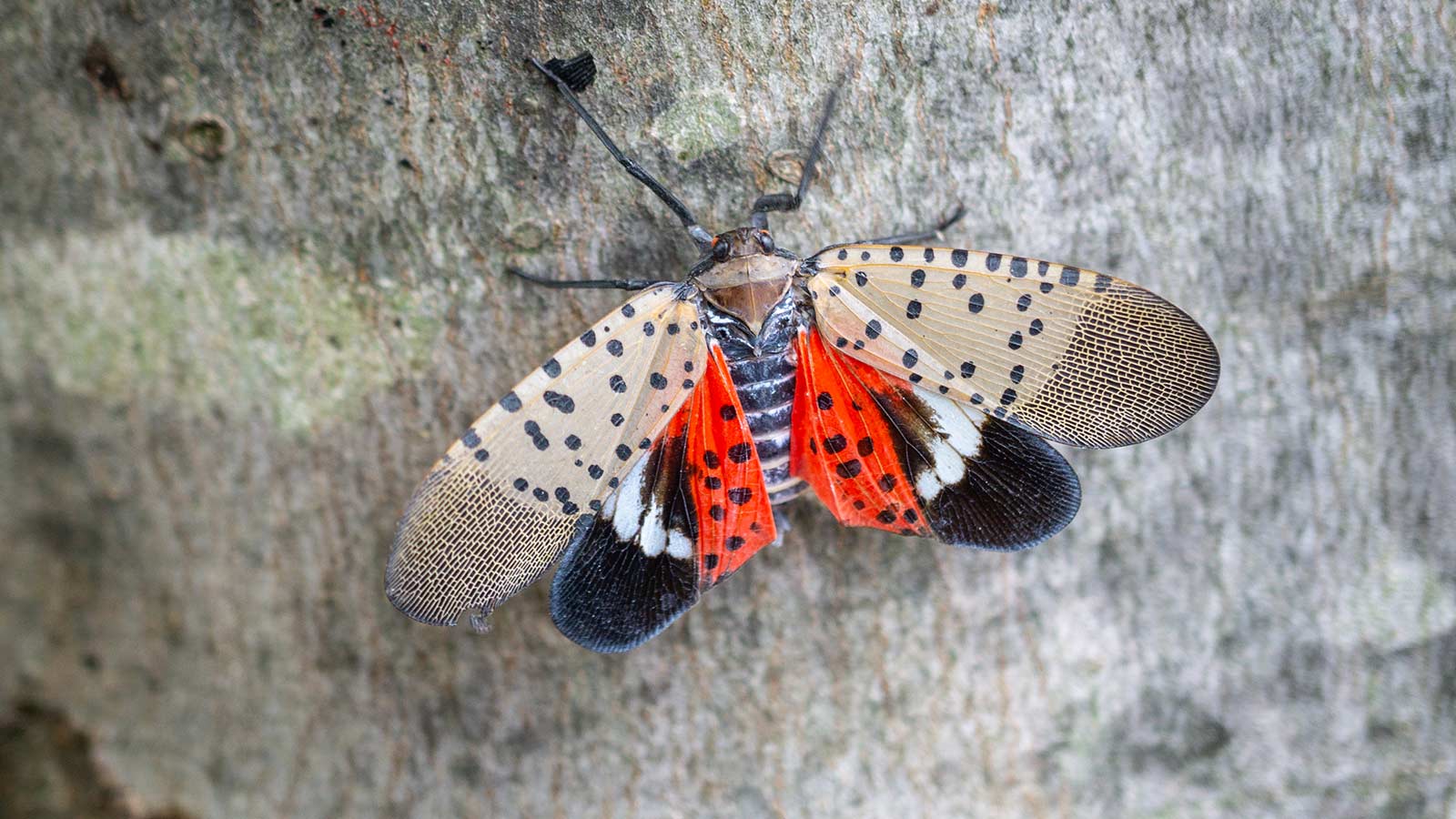
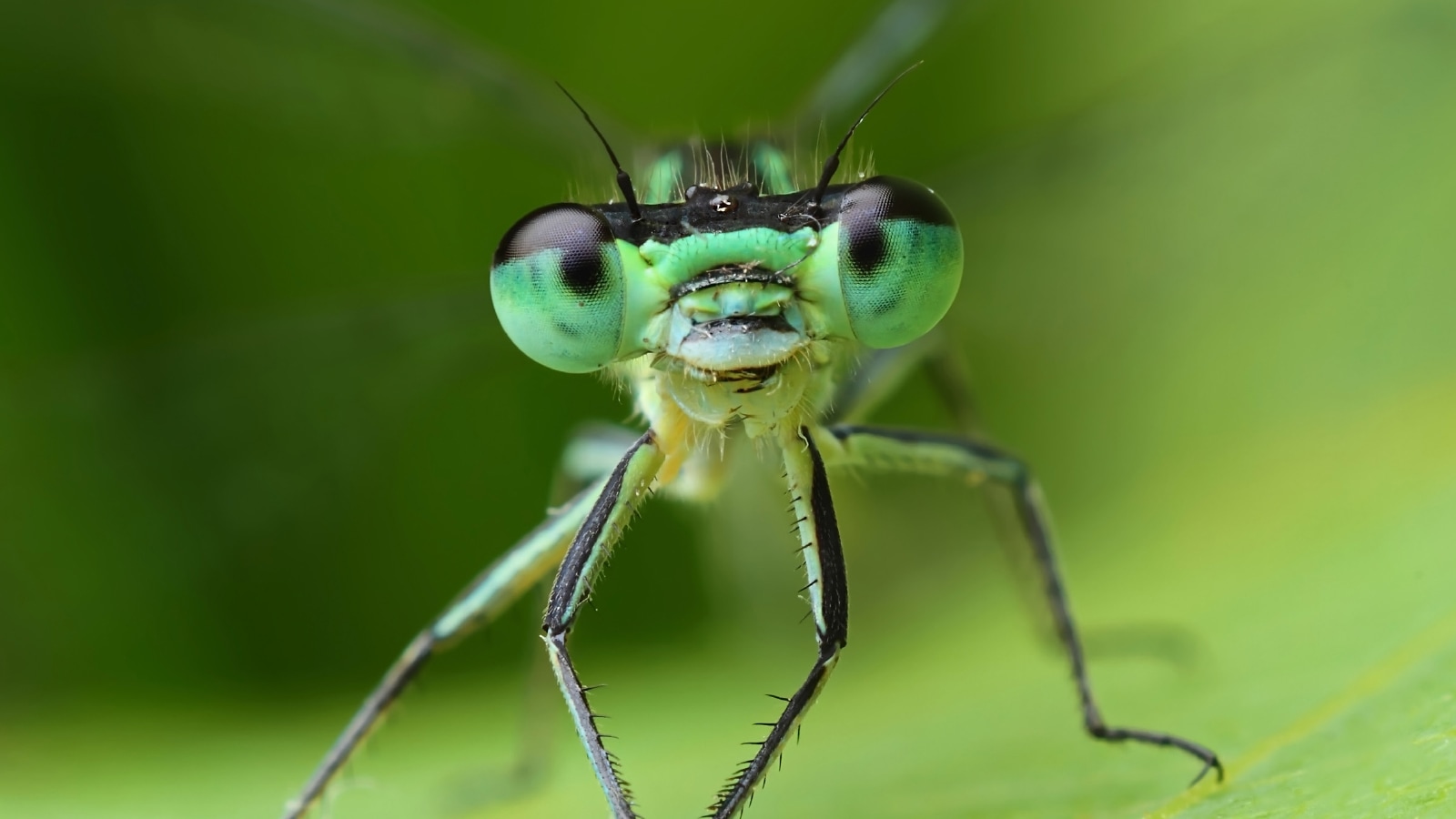
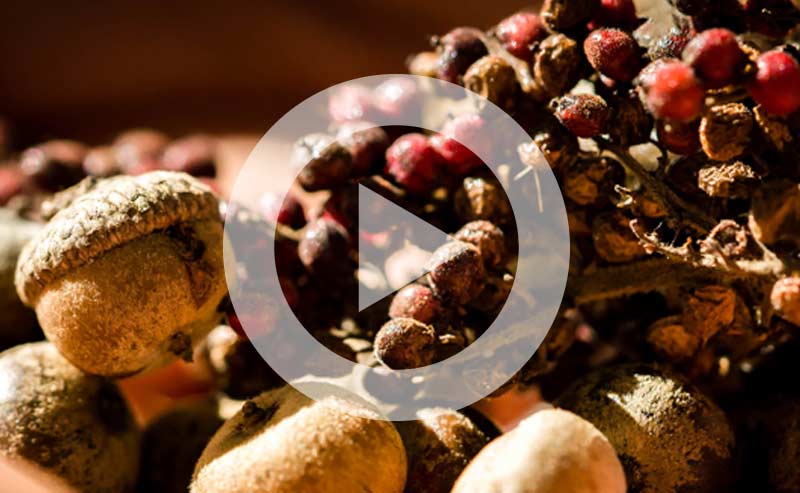
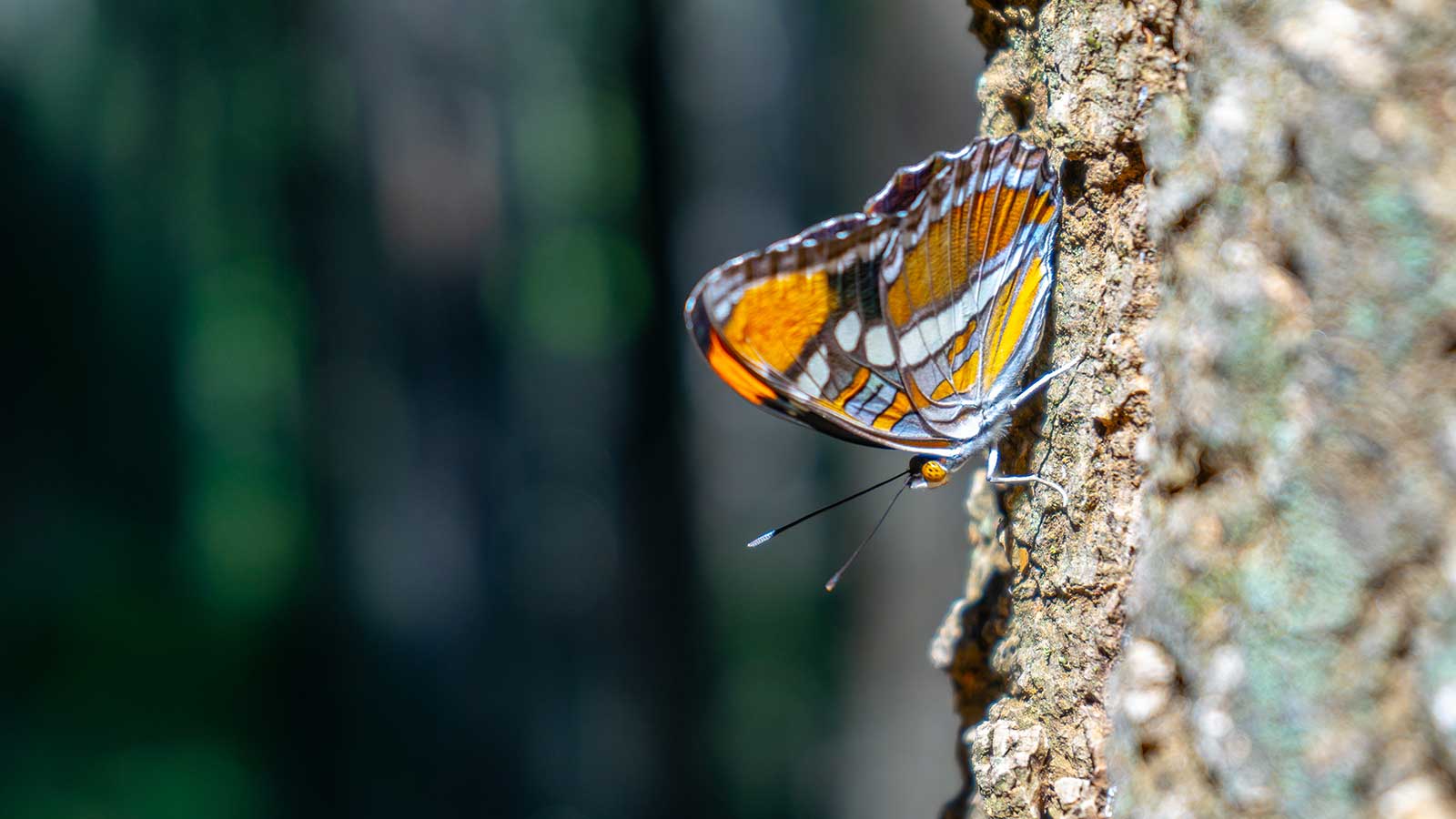
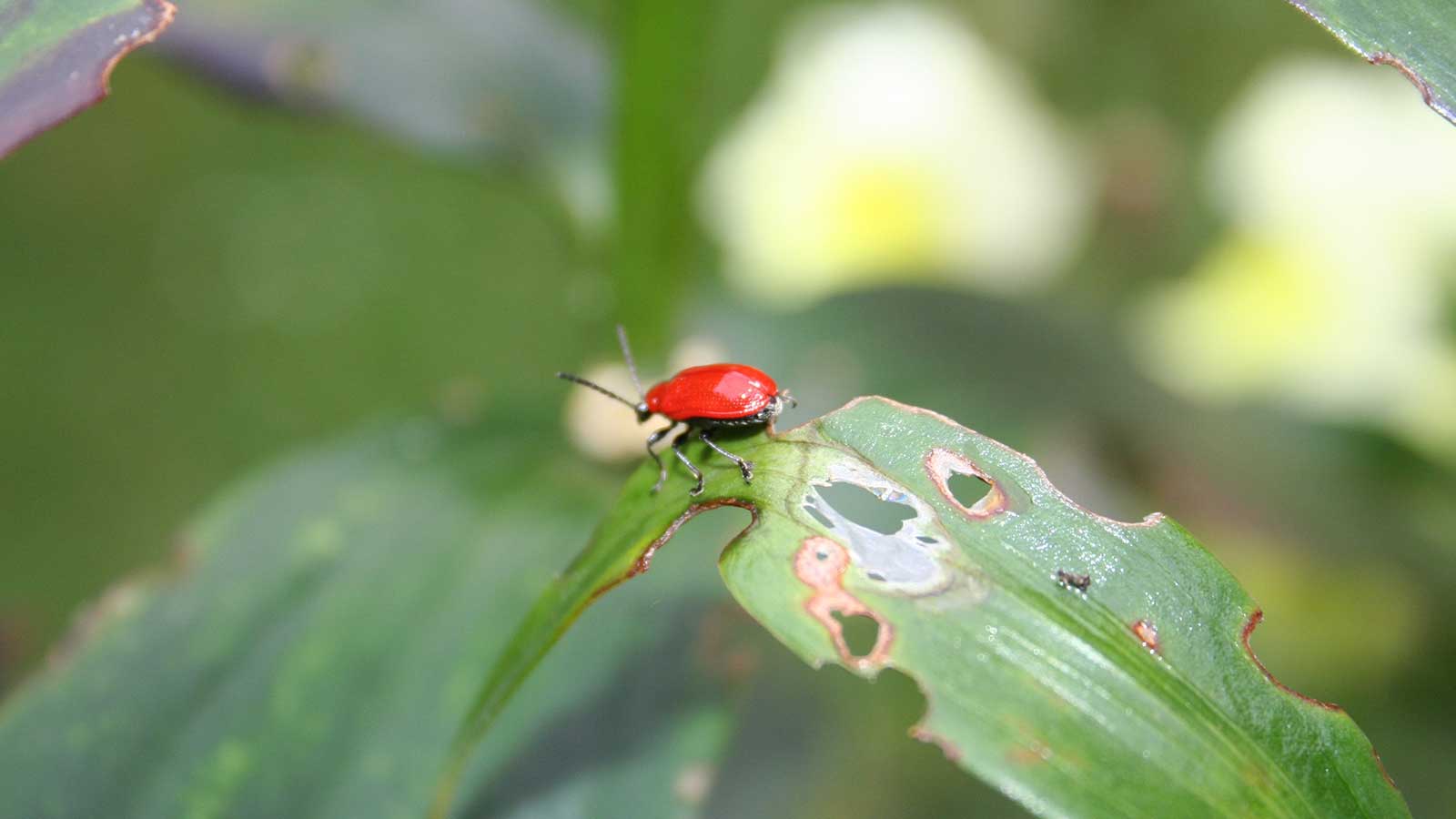
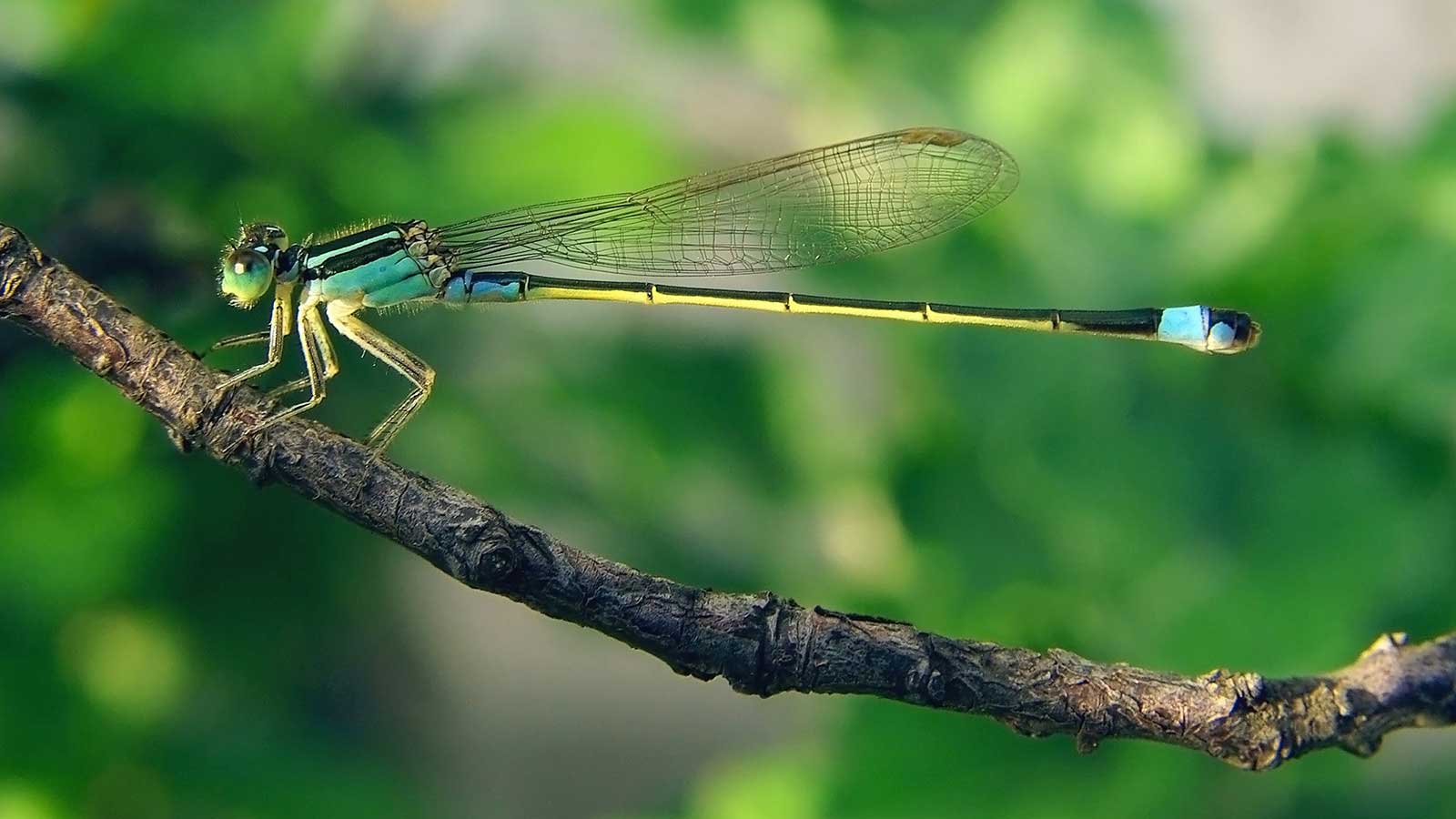
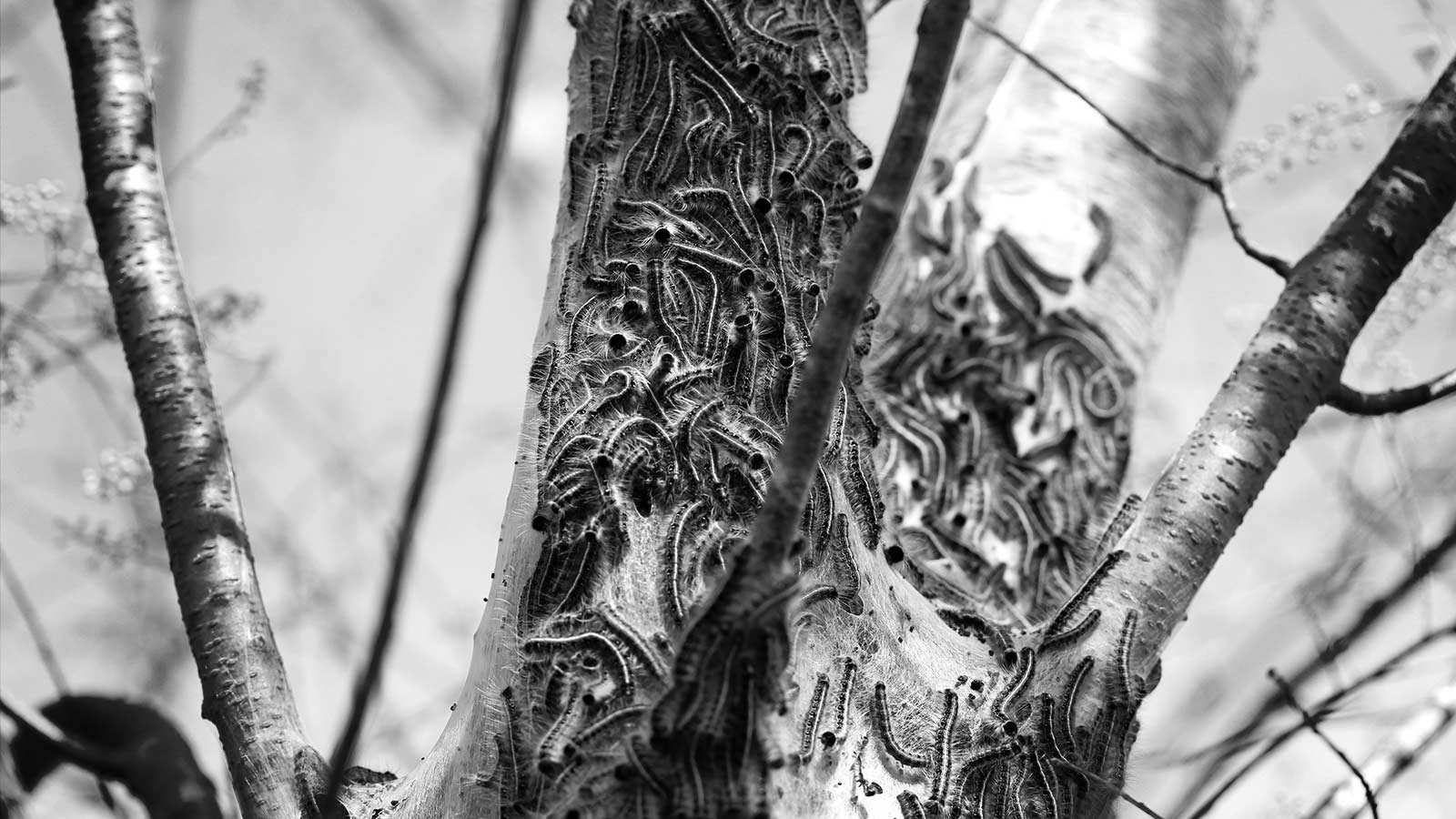
Starting about now, you’re likely to notice spiders (yay!), caterpillars the size of your thumb, and other insects. The creature you’re seeing in September has been growing, quietly and unnoticed, since spring, and what looks like a sudden appearance is really just the final, most visible stage of a single annual life cycle. They spend the year growing larger before doing whatever they need to do to make it through Winter, whether that’s pupating or laying the eggs of the next generation. Check out this short video about the elegant native praying mantis.
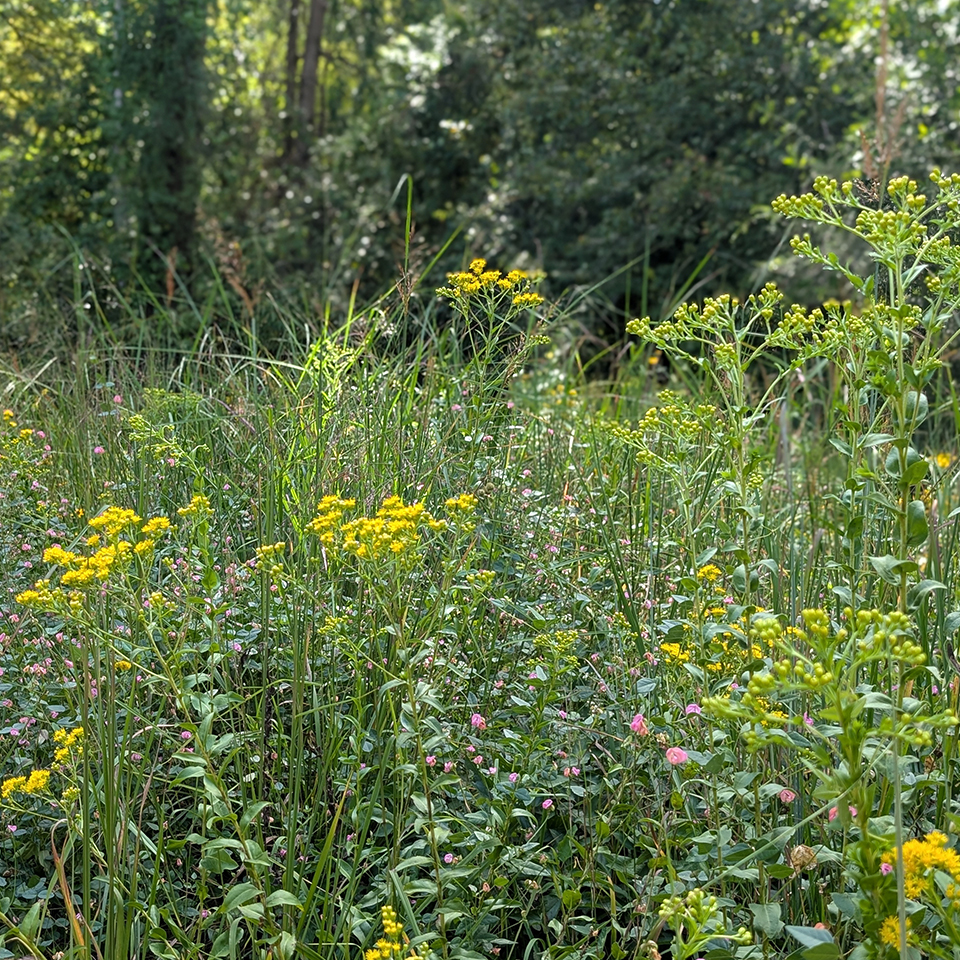
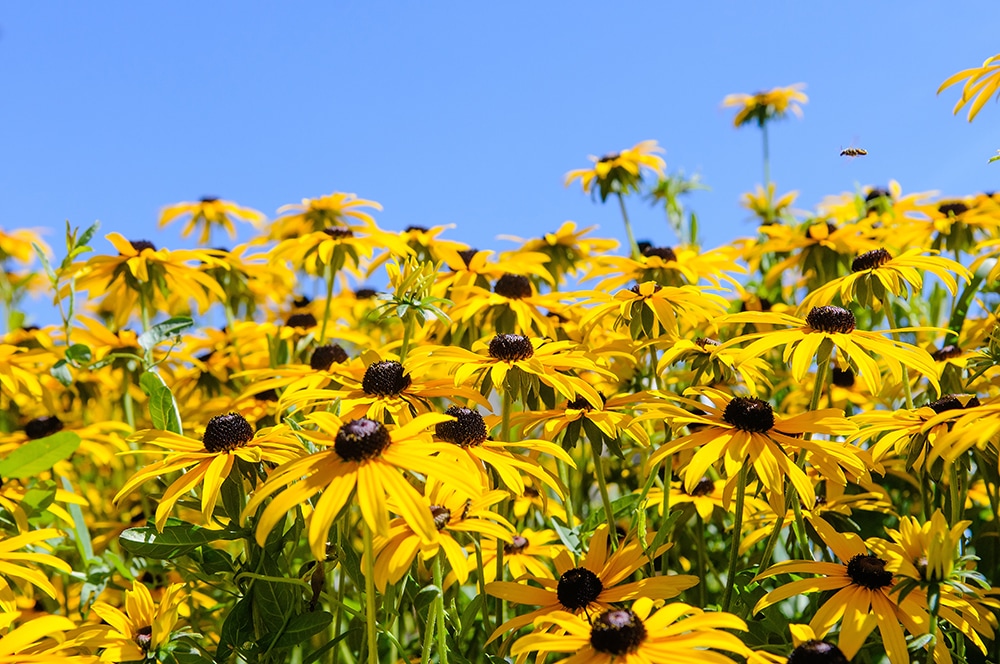
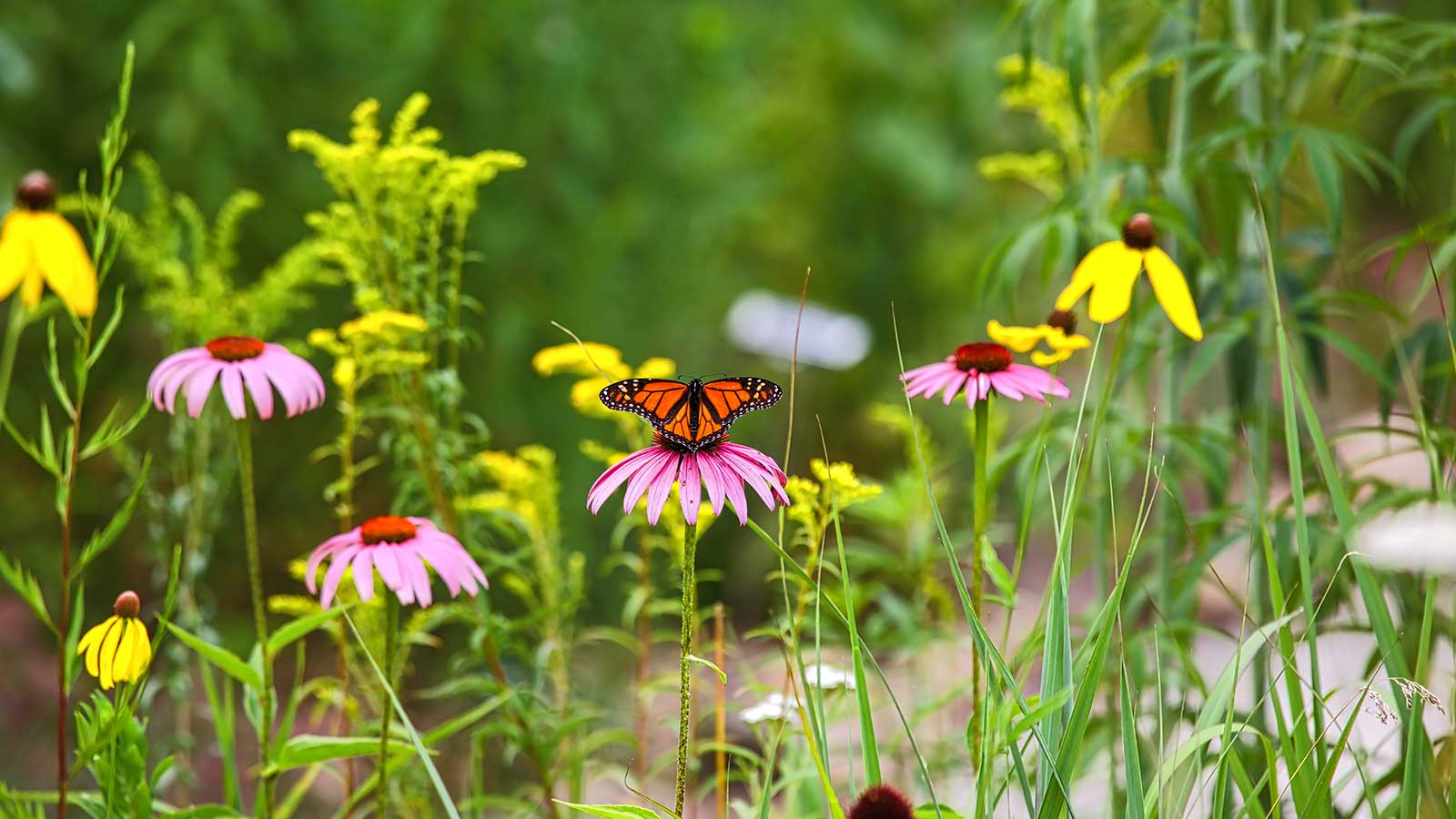
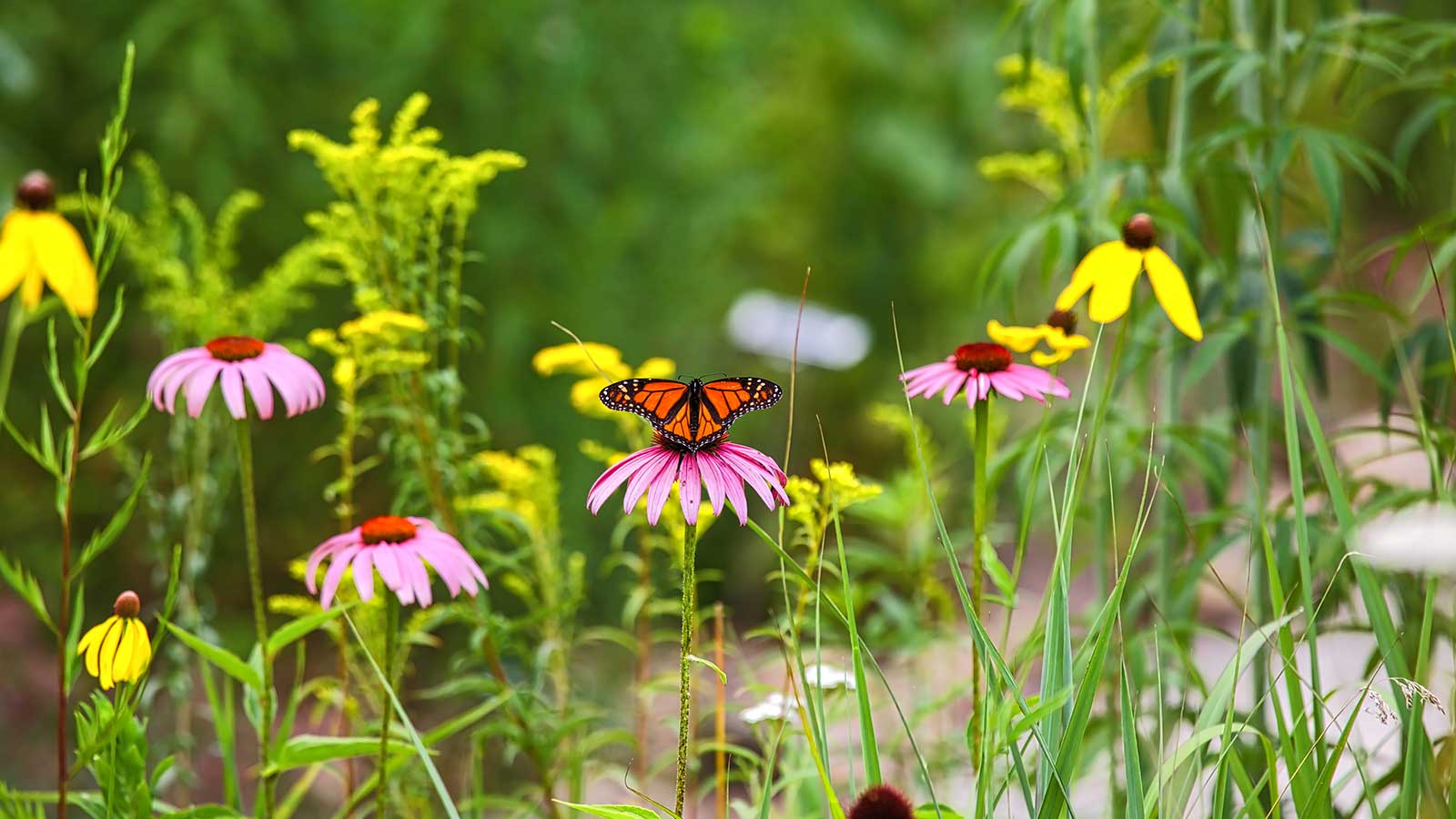
Have you noticed that some late Summer blooms are taller than we are? This is all part of Nature’s genius, and if you think in terms of “business opportunities,” it all makes sense. Early-season prairie perennials, like the diminutive shooting star, produce flowers and go to seed while their little starry faces are still in the sun, reaping the full bounty before the shading competition that follows.
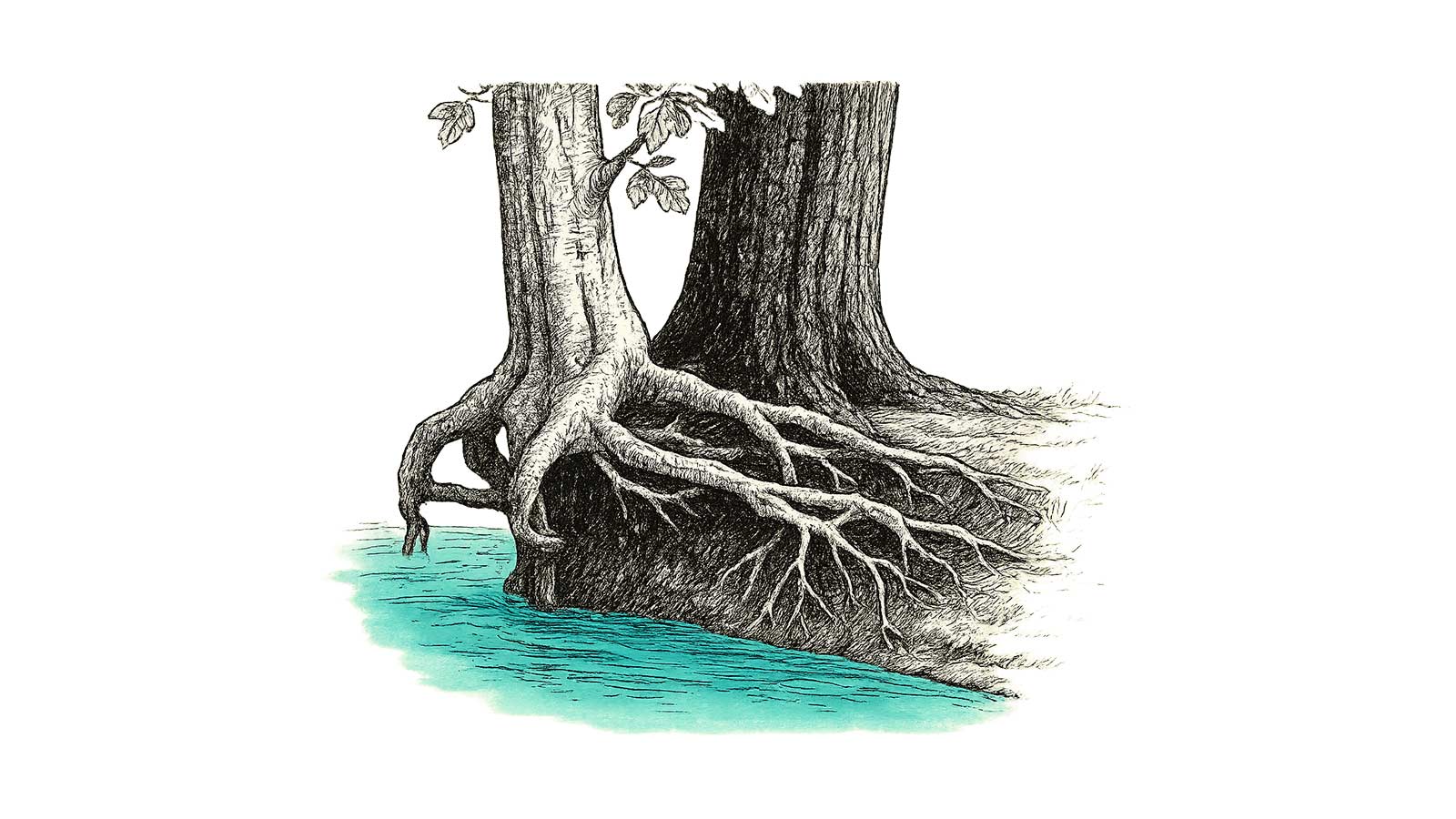
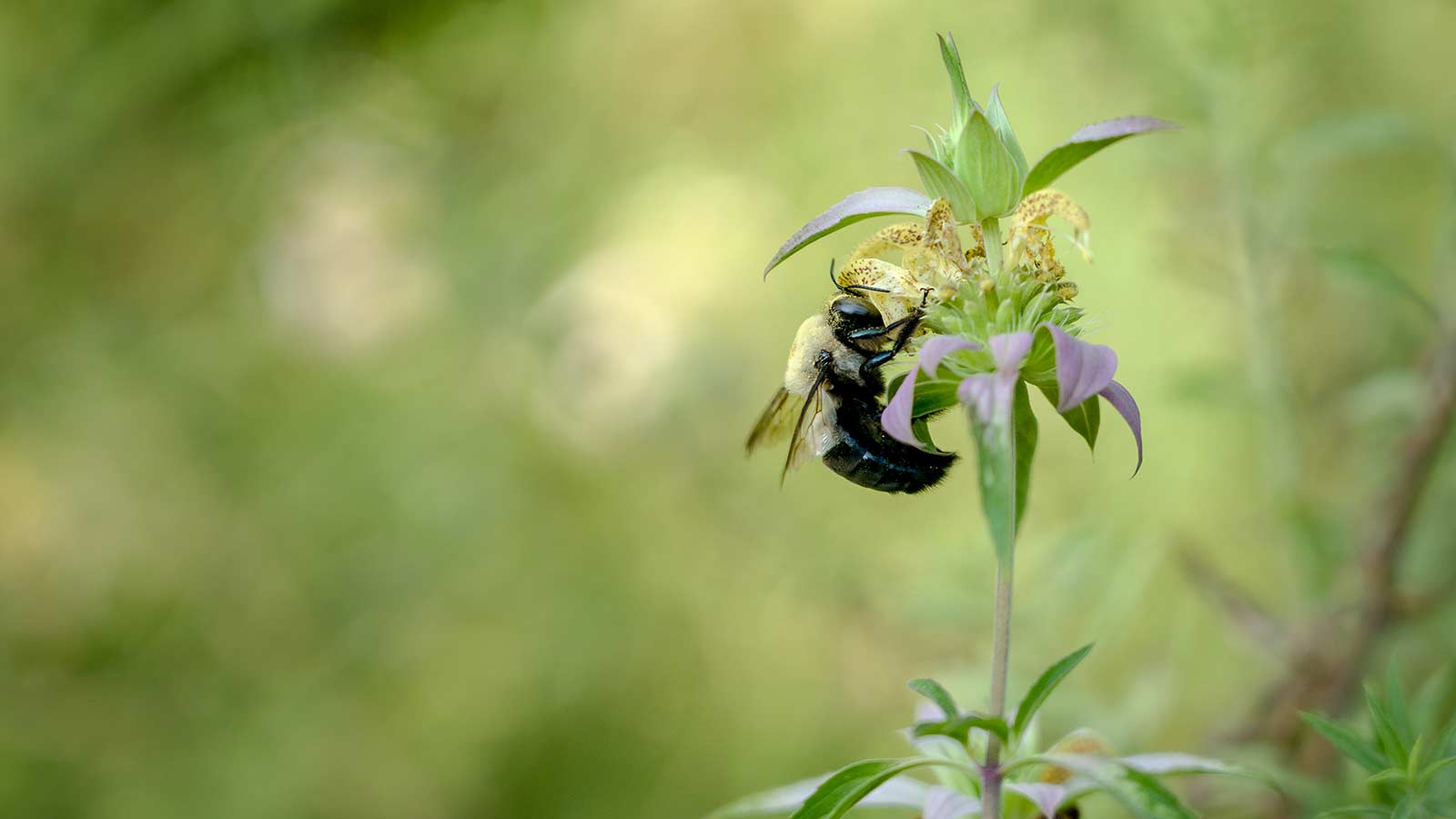
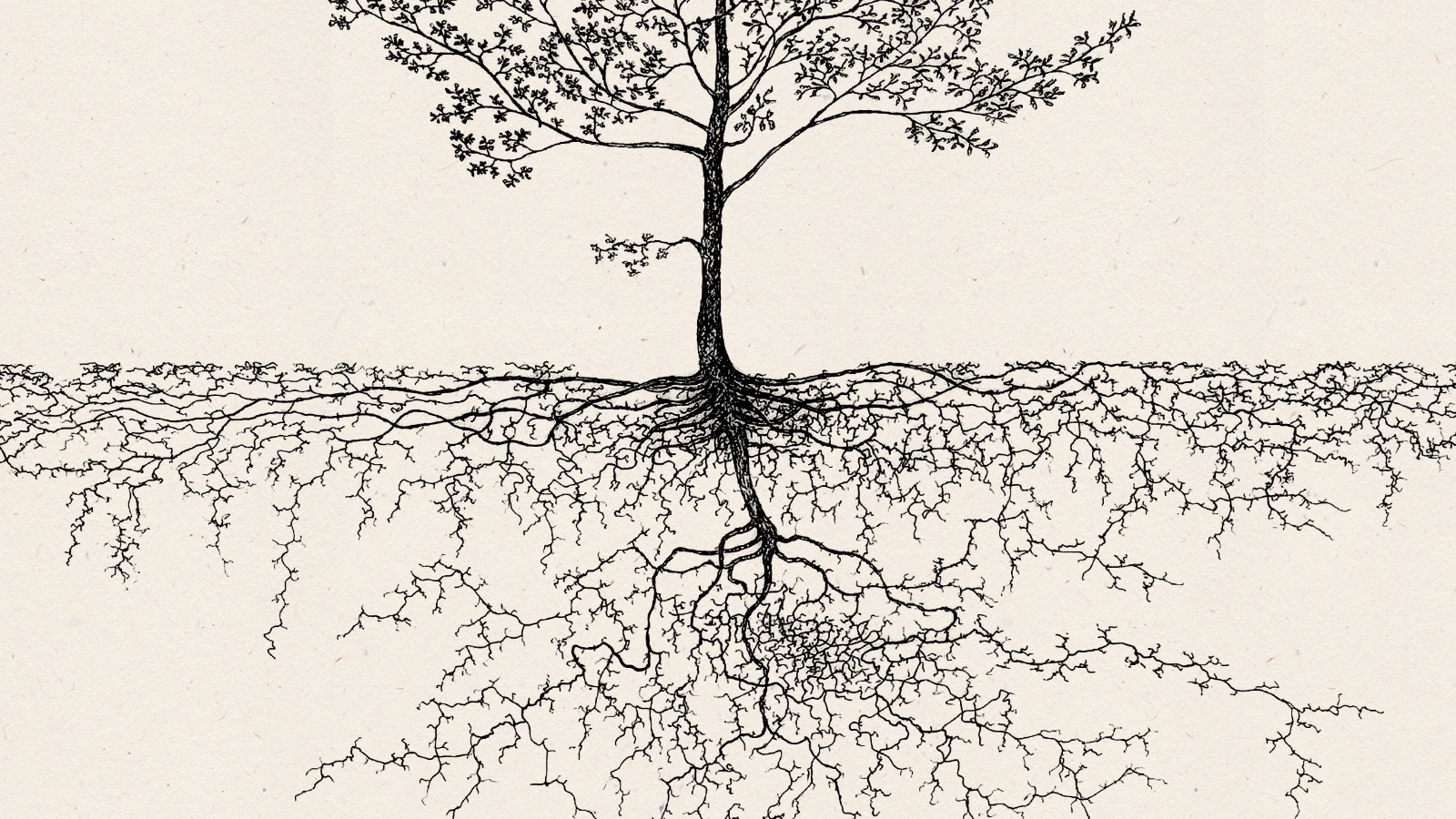
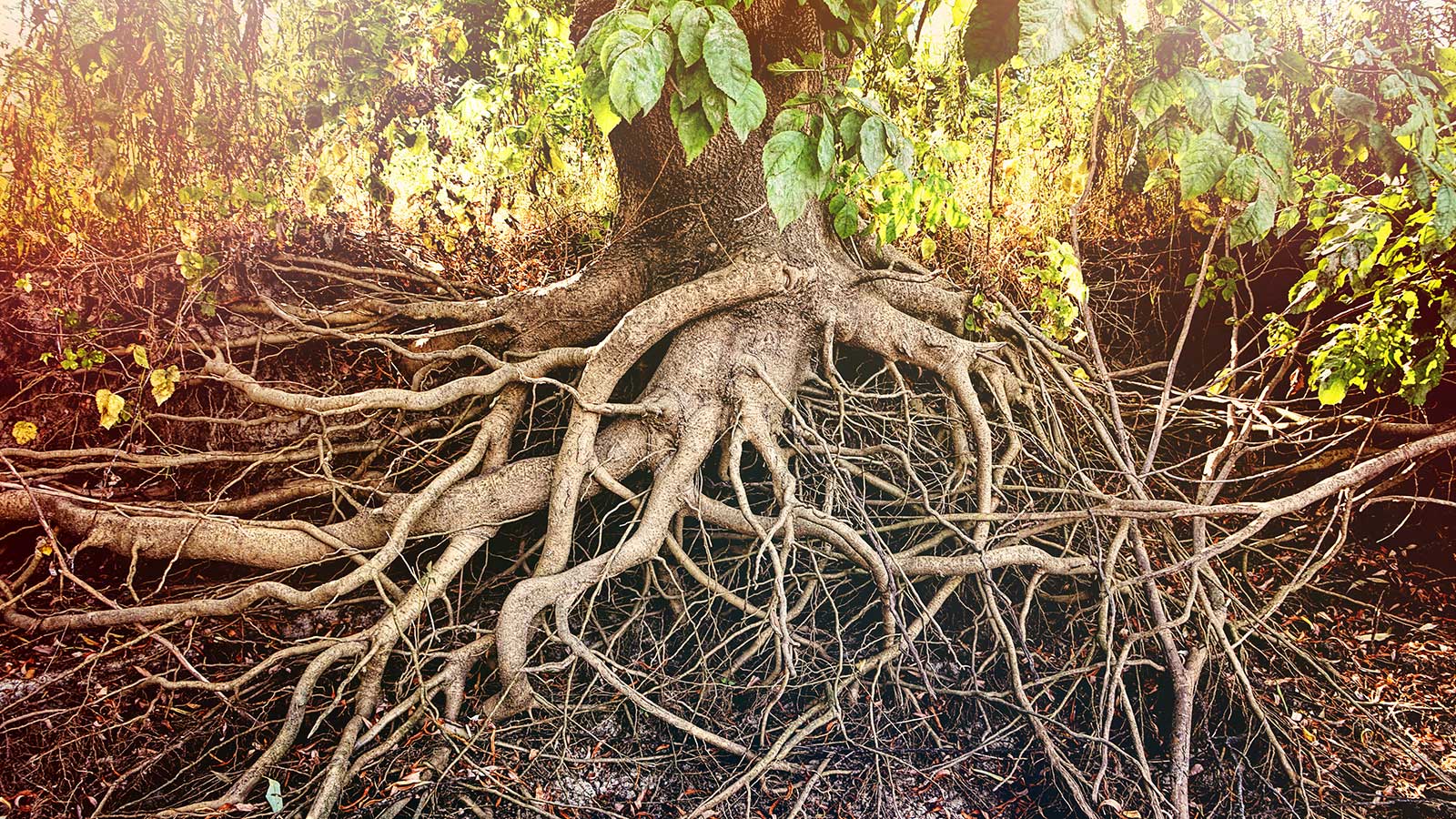
Late-summer plants have a longer-term strategy. They develop profound resilience to the heat and drought they often face by growing deep, strong roots, and in doing so they help build deep, healthy soil. That’s a lot of investment! My mountain mints showed me how tough they were in July, facing an unrelenting sun and zero rain for weeks on end.
It’s a bit of an arms race as the Summer wears on. The grasses grow tall because they need wind to carry their pollen. The ironwood and goldenrods spend resources all Spring and Summer on tall, sturdy stems so they stand out above the grasses, waving down pollinators with their pollen and nectar later in the season, when most other plants have closed up shop.
Plant of the Month: Big Bluestem (Andropogon gerardii)
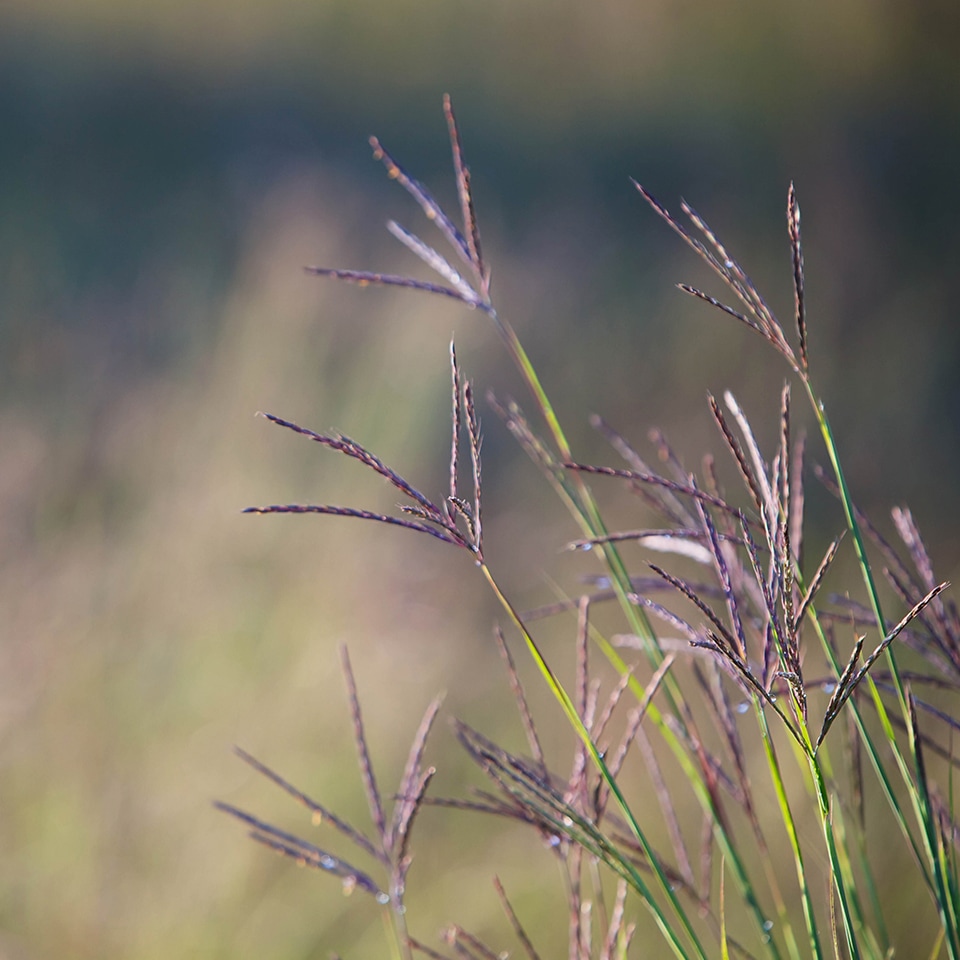
Big bluestem is the grass that built the tallgrass prairie. Historically, it was one of the dominant species across the central plains, and its dense, deep root systems helped create the deep, famously fertile prairie soils of the Midwest.
- It is a warm-season bunchgrass, meaning it grows during the heat of Summer.
- Despite its size (it can reach four to eight feet tall), it is a well-behaved clump-forming grass rather than an aggressive spreader, though it self-seeds readily.
- Blue-green stems in the growing season shift to a deep red-bronze in fall.
- In late Summer the flowering stalks shoot up and split into two, three, or more narrow branches that fan out at the top, resembling a bird’s foot.
- A larval host plant for several skipper butterflies, and others.
- Helps build deep, fertile soil.
- Native from Quebec west to Saskatchewan, south to Florida and Arizona, and into Mexico, making it one of the most widely distributed native grasses in North America. Within North Carolina, it grows across a wide variety of usually drier habitats.
Q&A: Stressed and Struggling Trees and Shrubs
Q: My newly planted trees and shrubs are still struggling. Why, and what can I do?
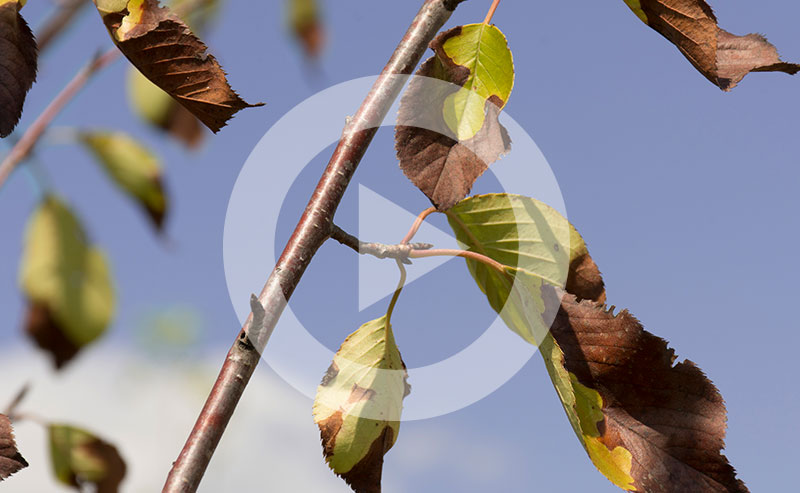
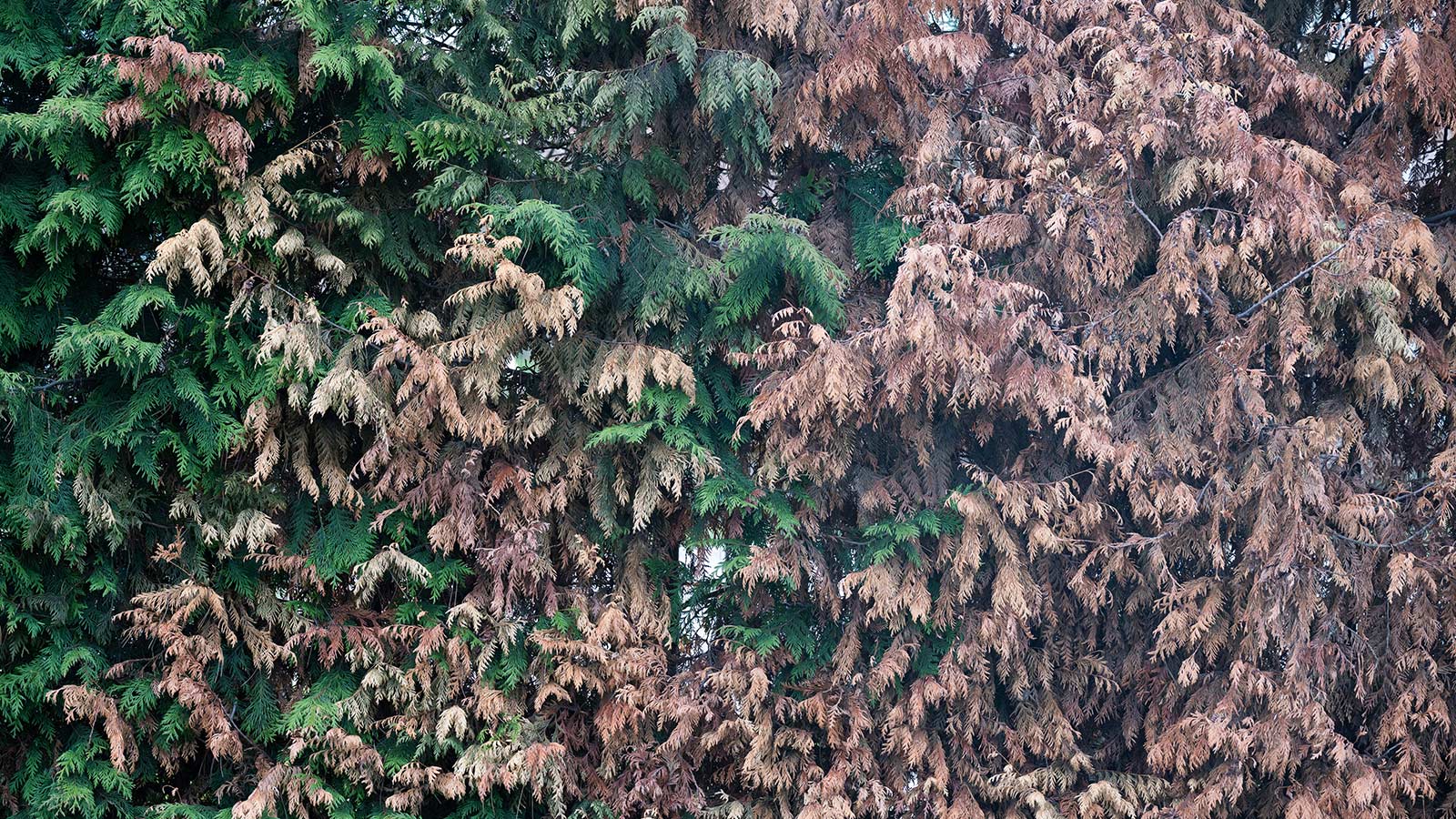
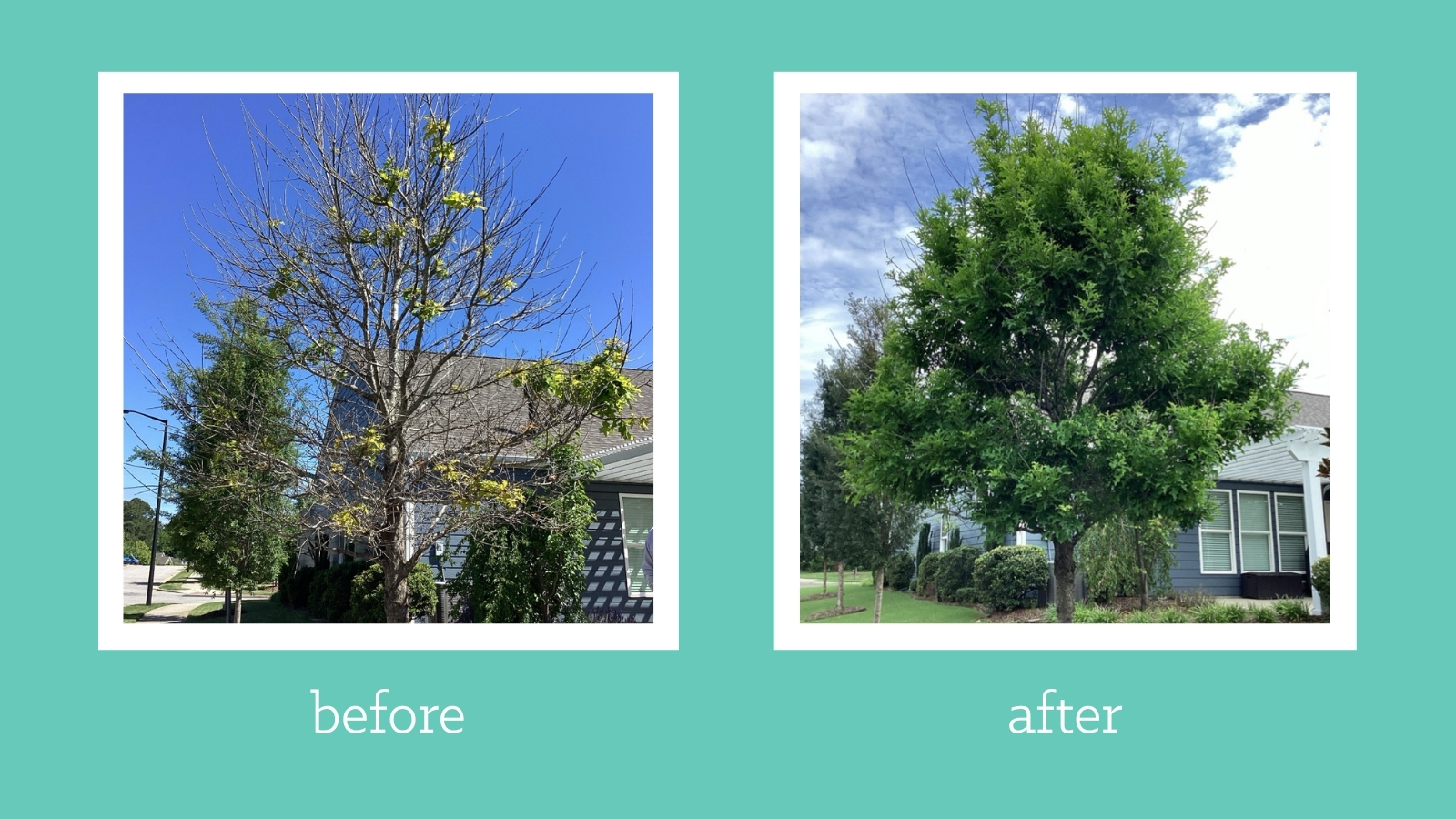
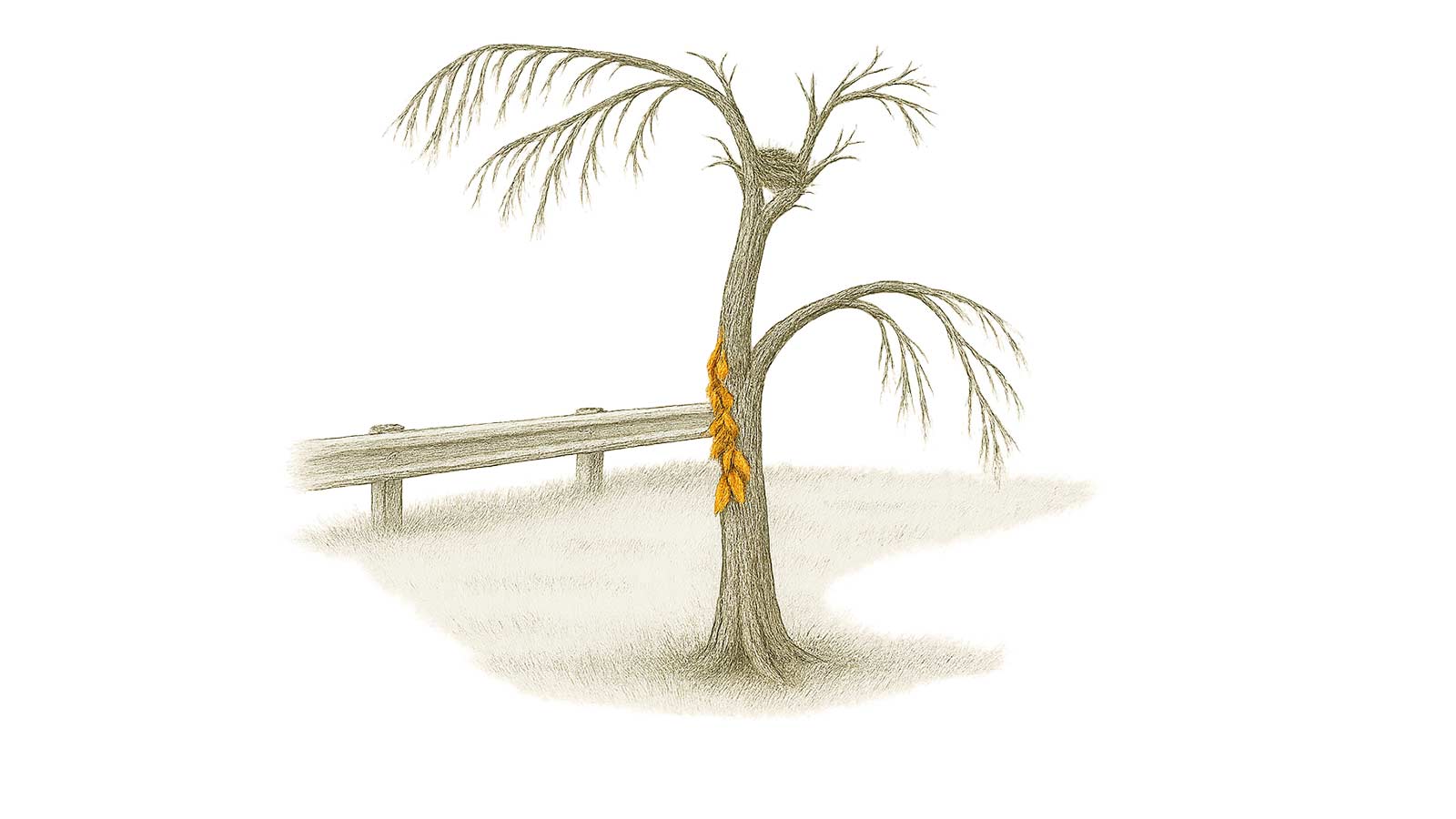
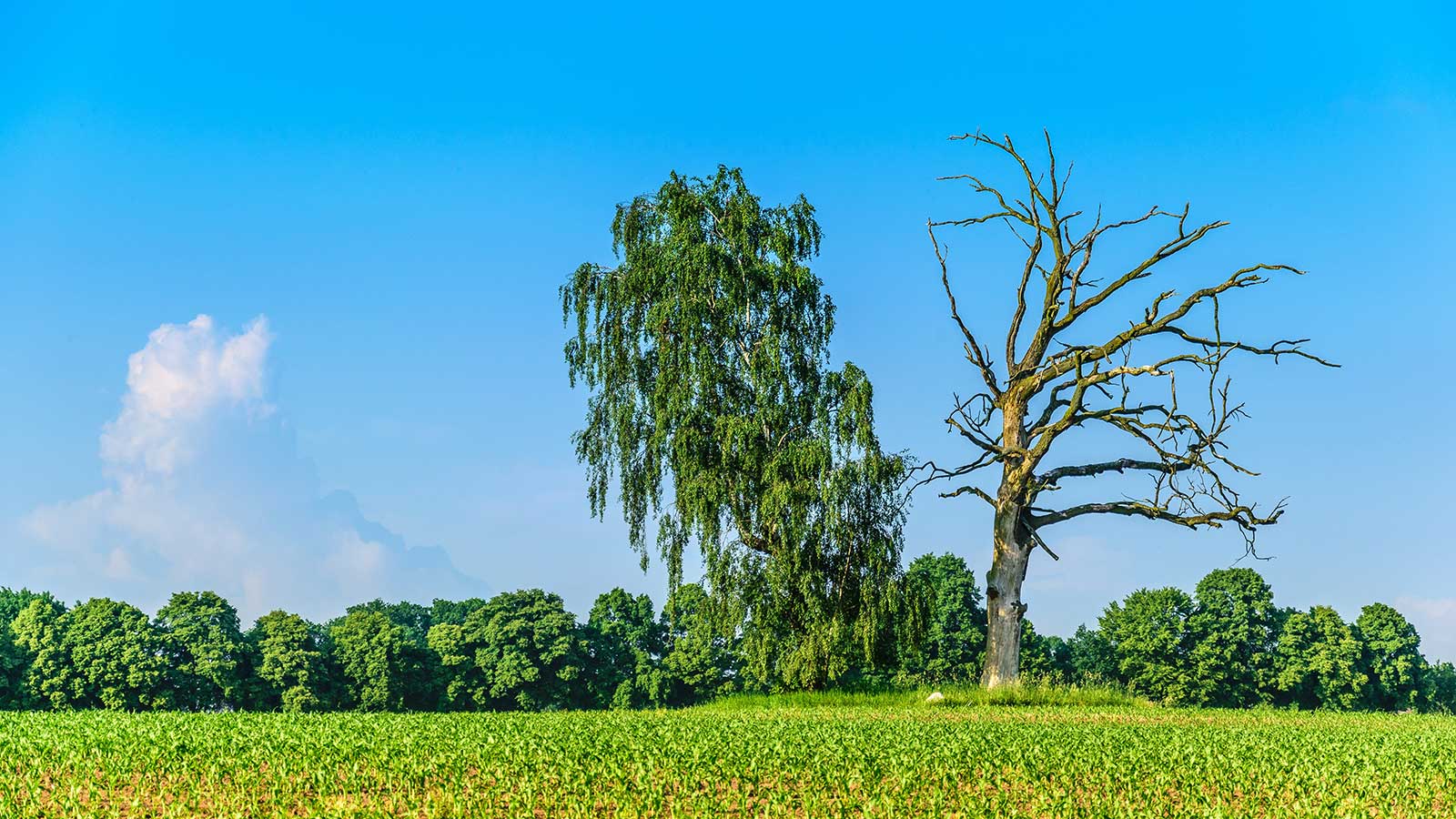
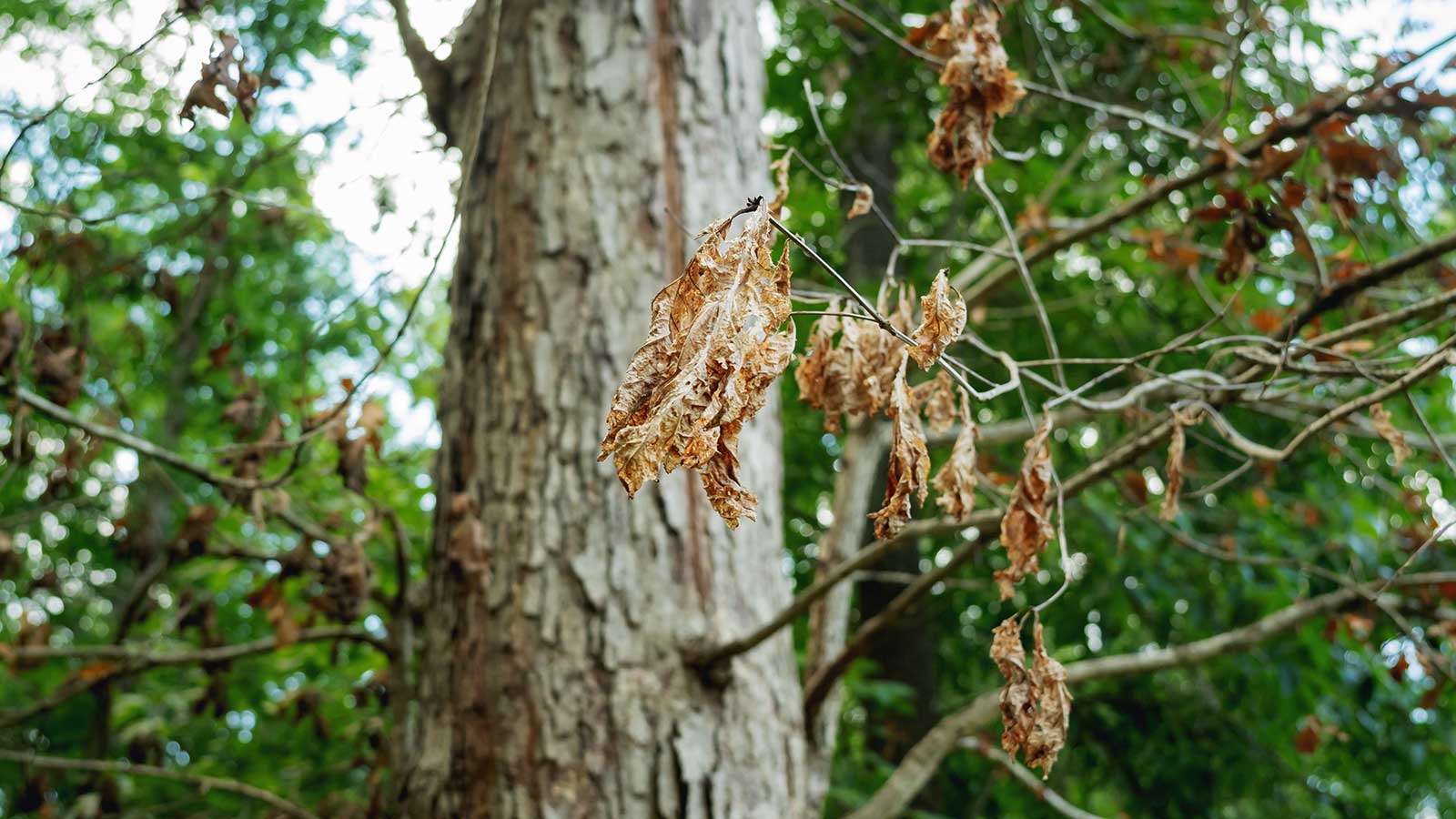
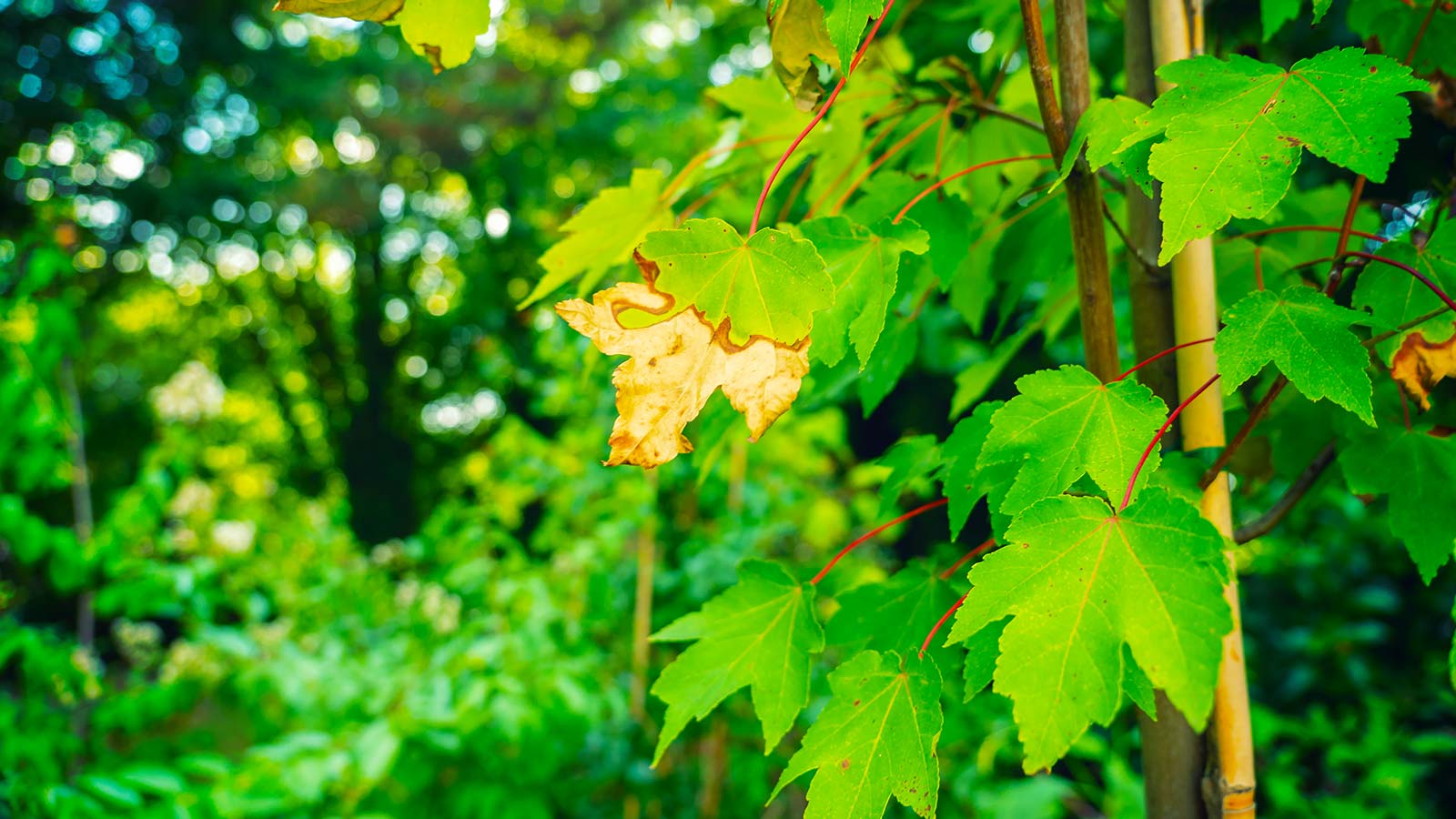
A: Even though we got much-needed rain in July, it’s still very hot, and we are still in a drought. Many trees and other plants are still experiencing drought stress. Arborvitae is just one example. These trees prefer cool, moist conditions, and limb browning and dieback are often responses to adverse conditions. Early leaf drop and pest problems can also be associated with drought stress.
What can you do to help trees and shrubs struggling because of the drought?
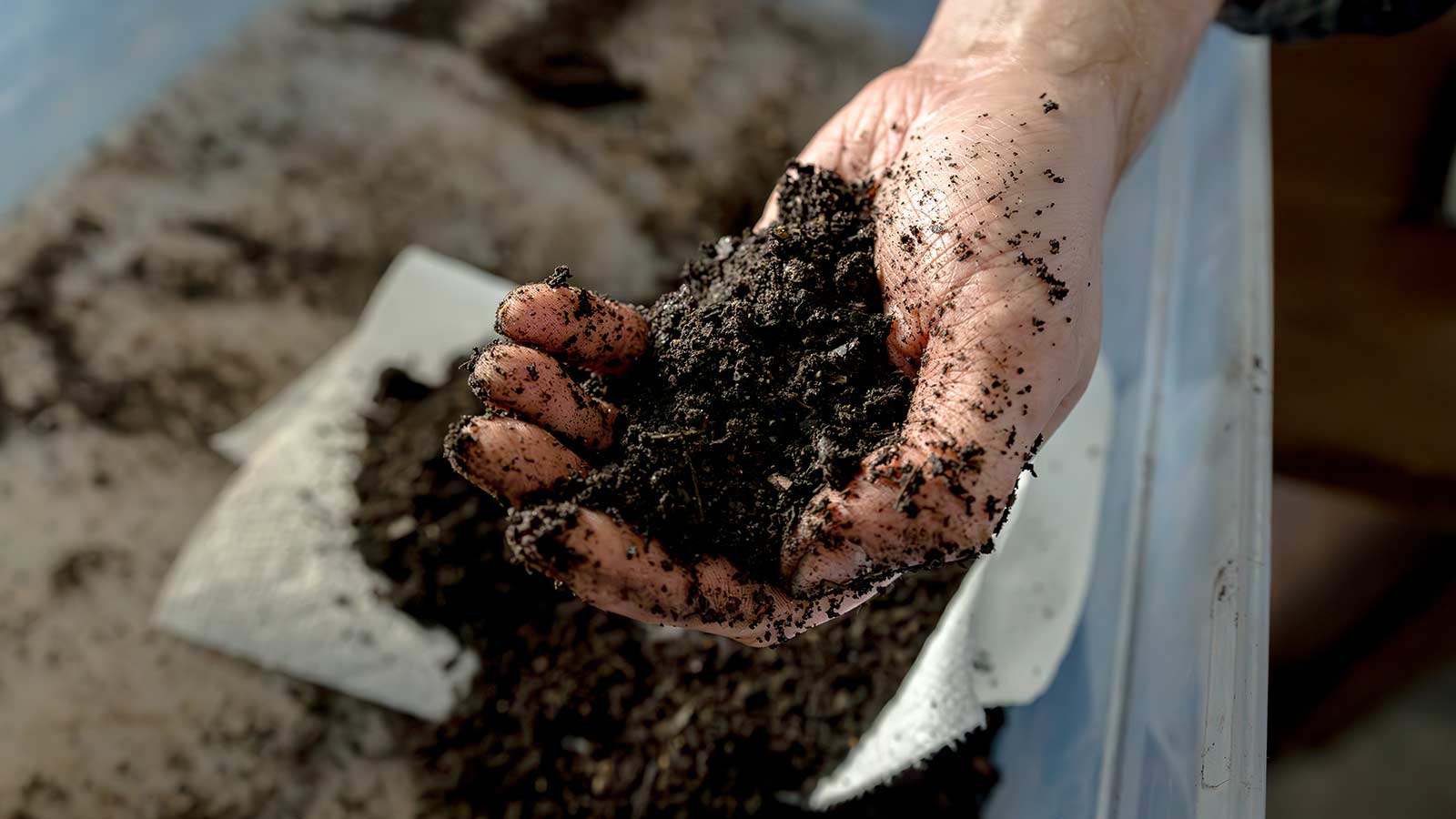
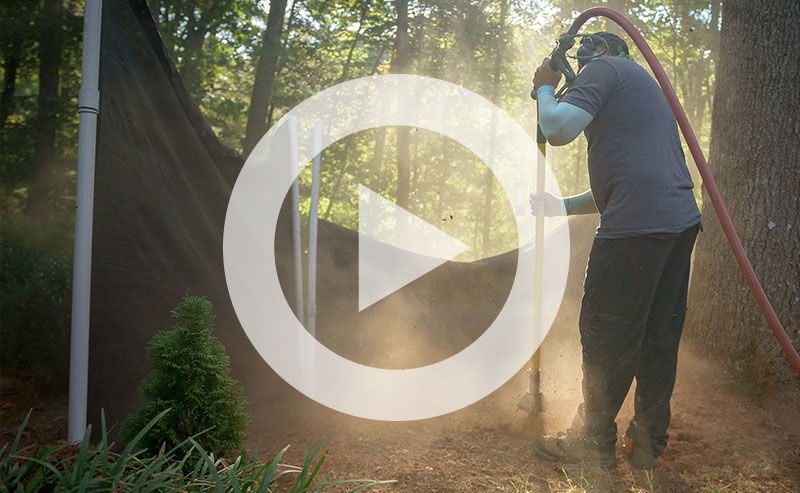
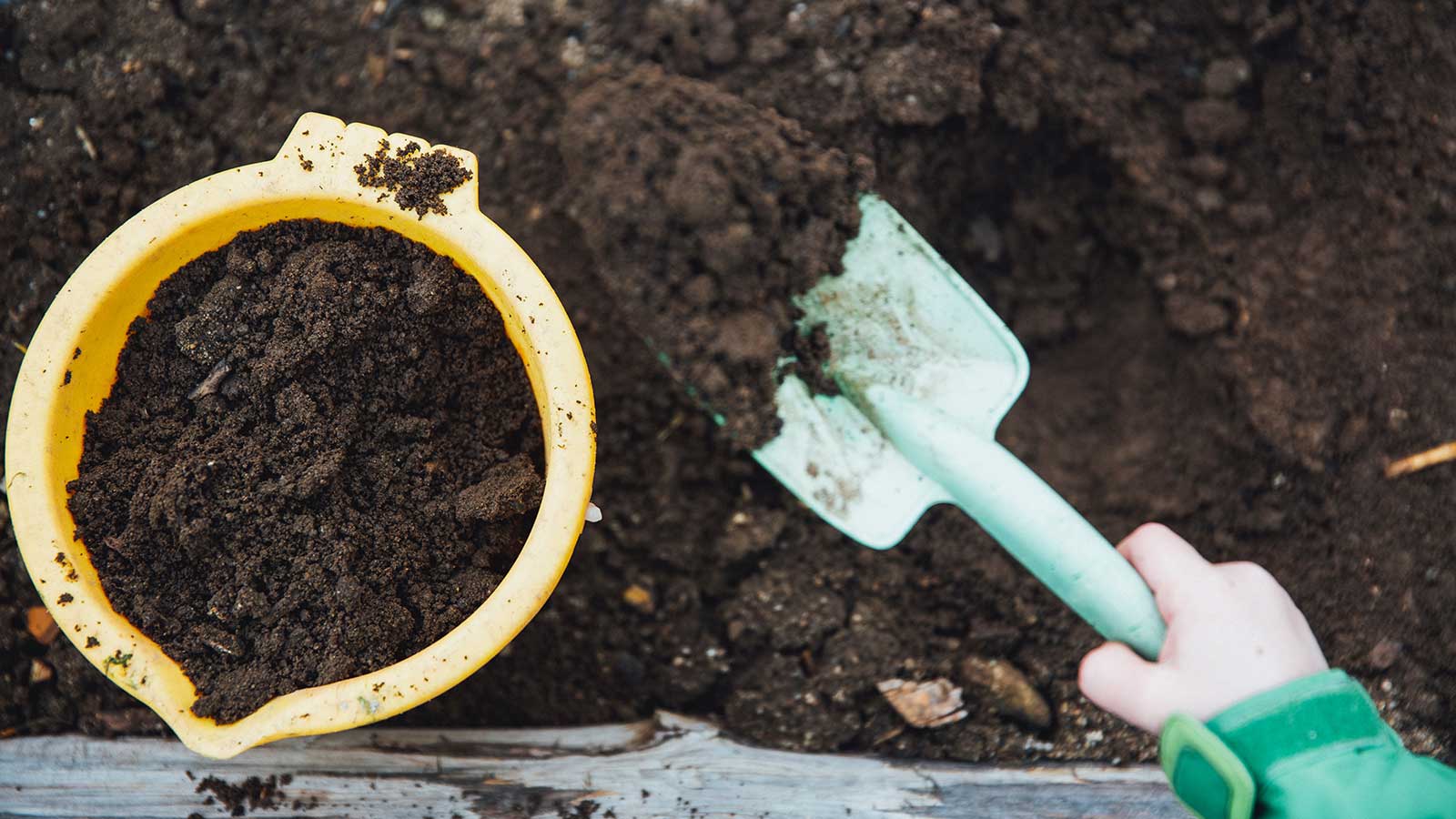
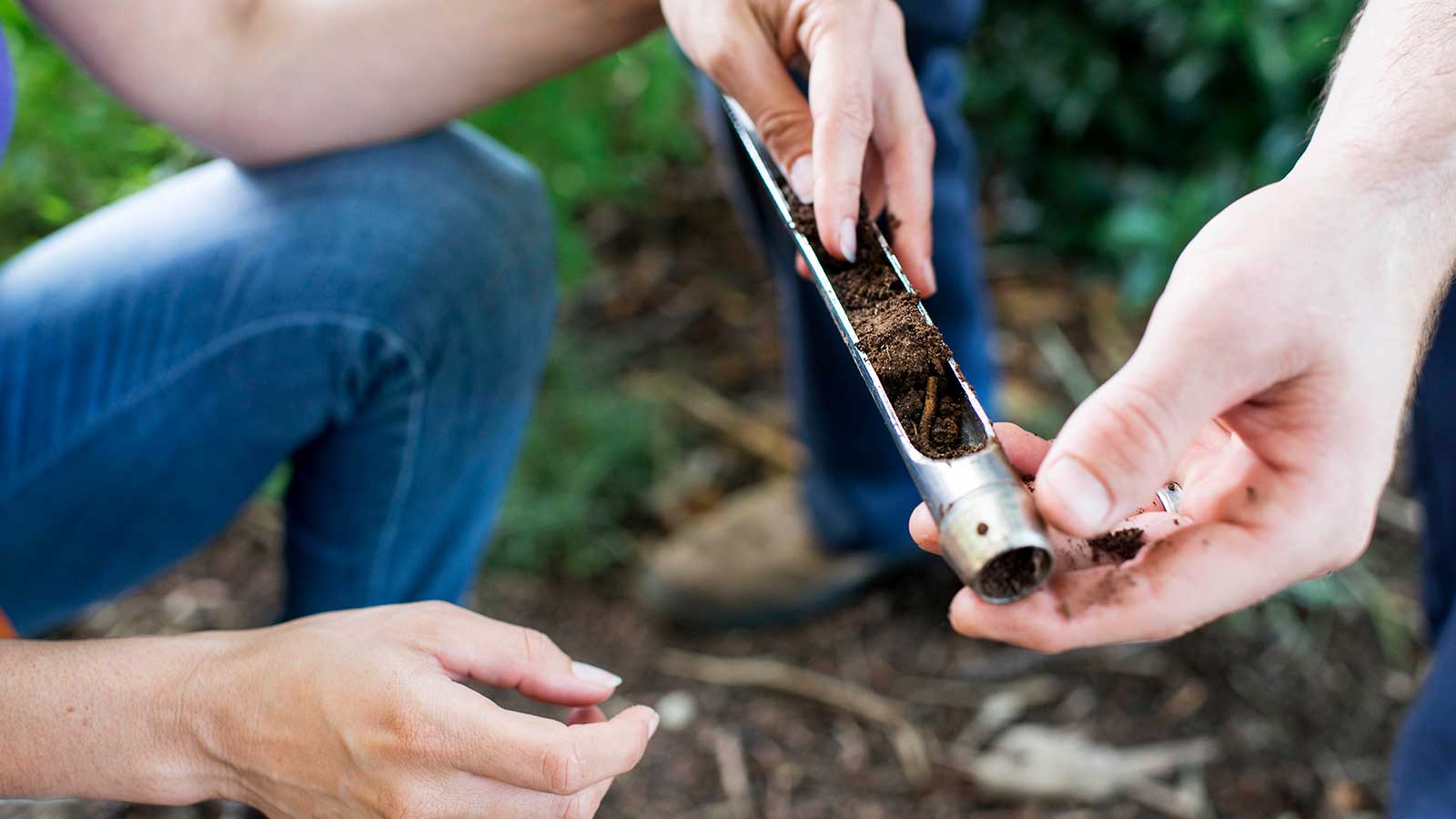
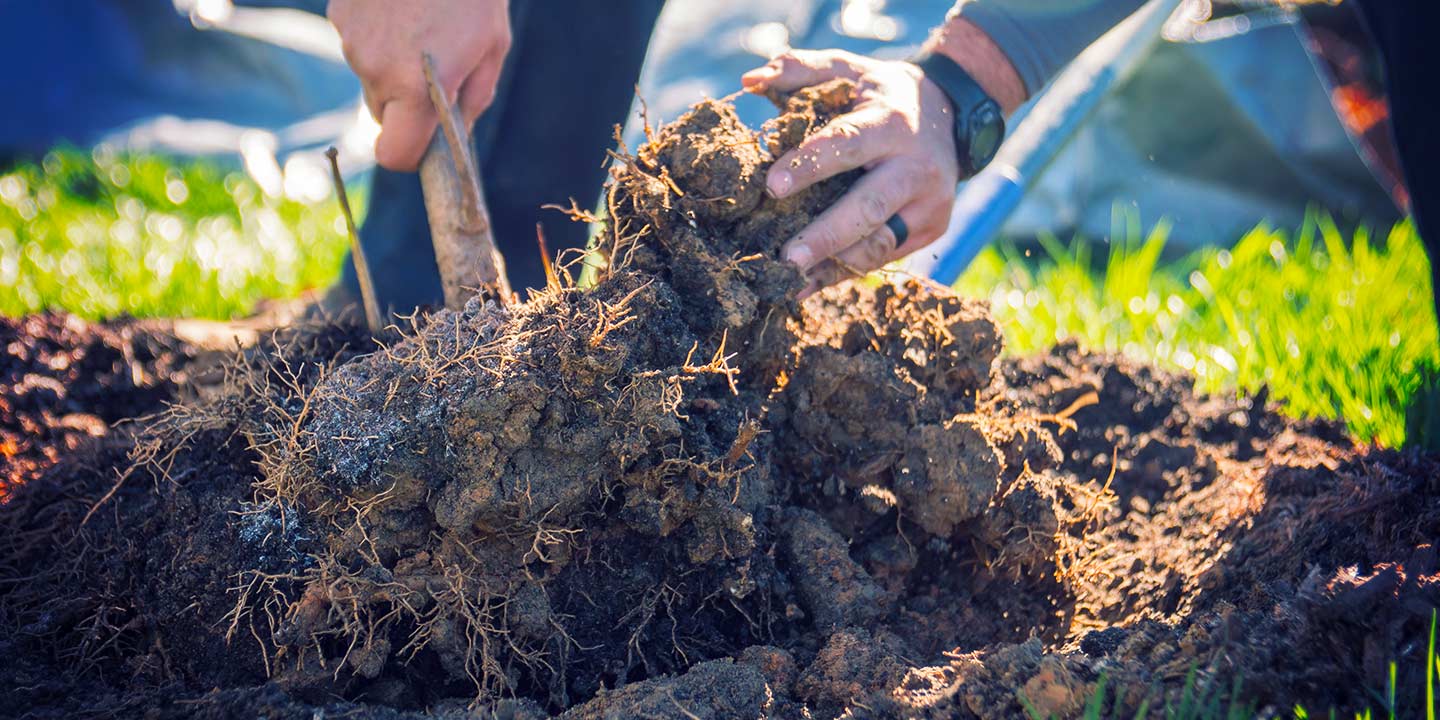
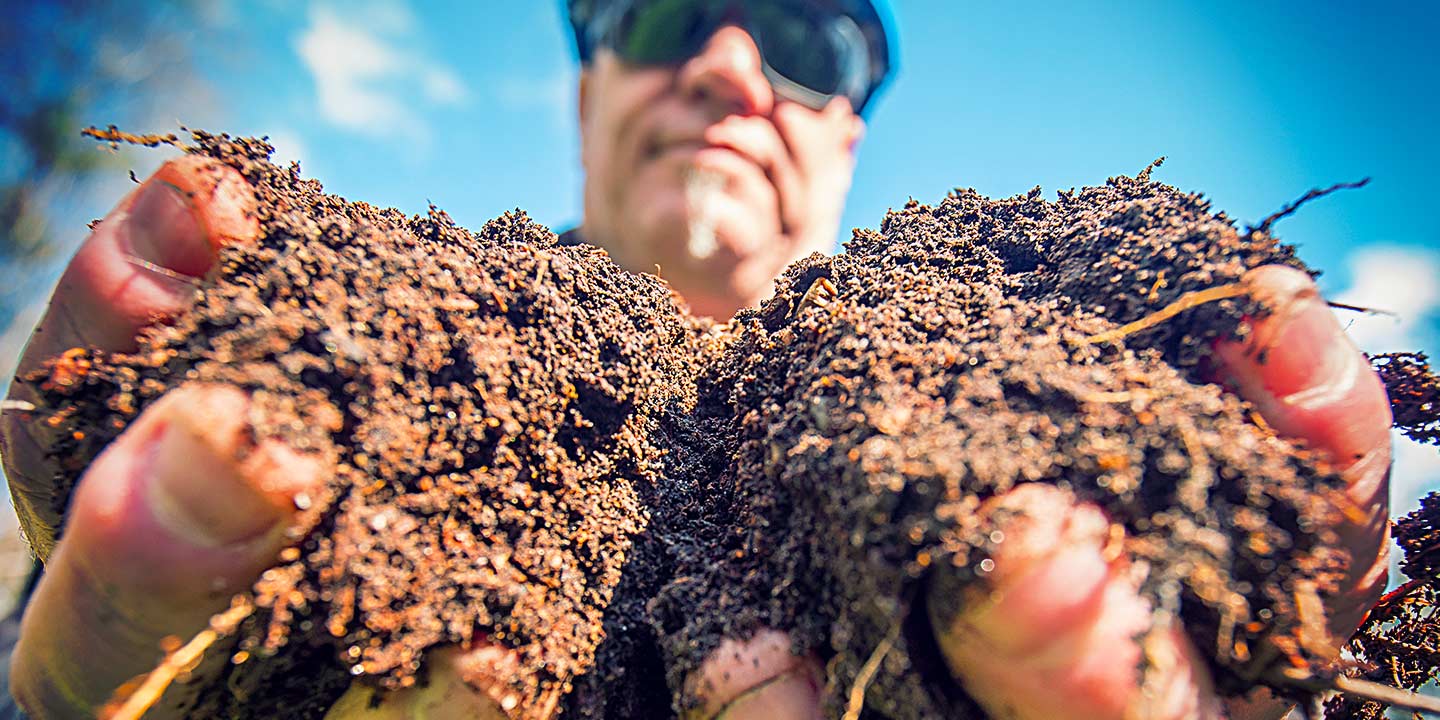
- Improve the health of your soil
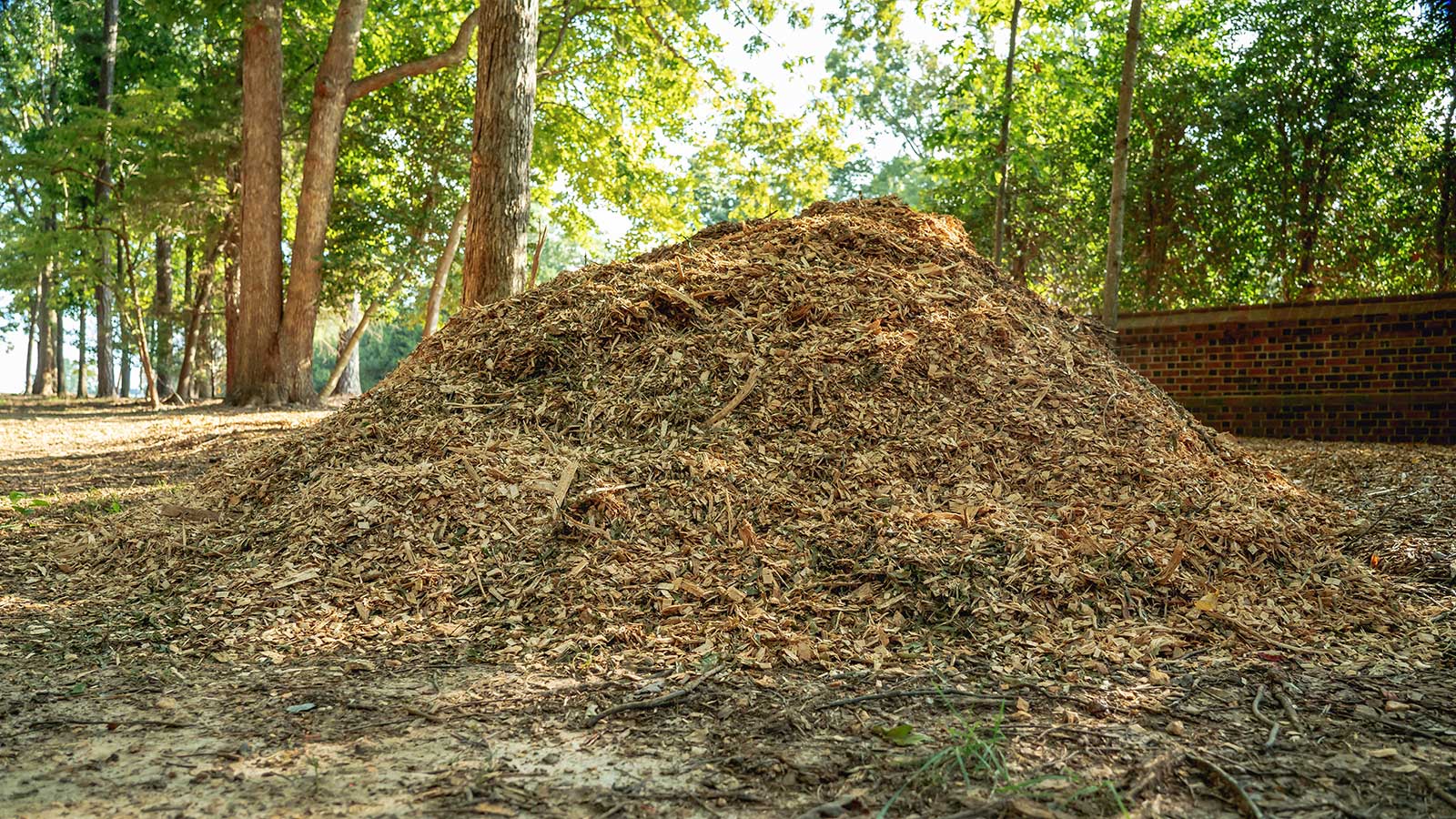
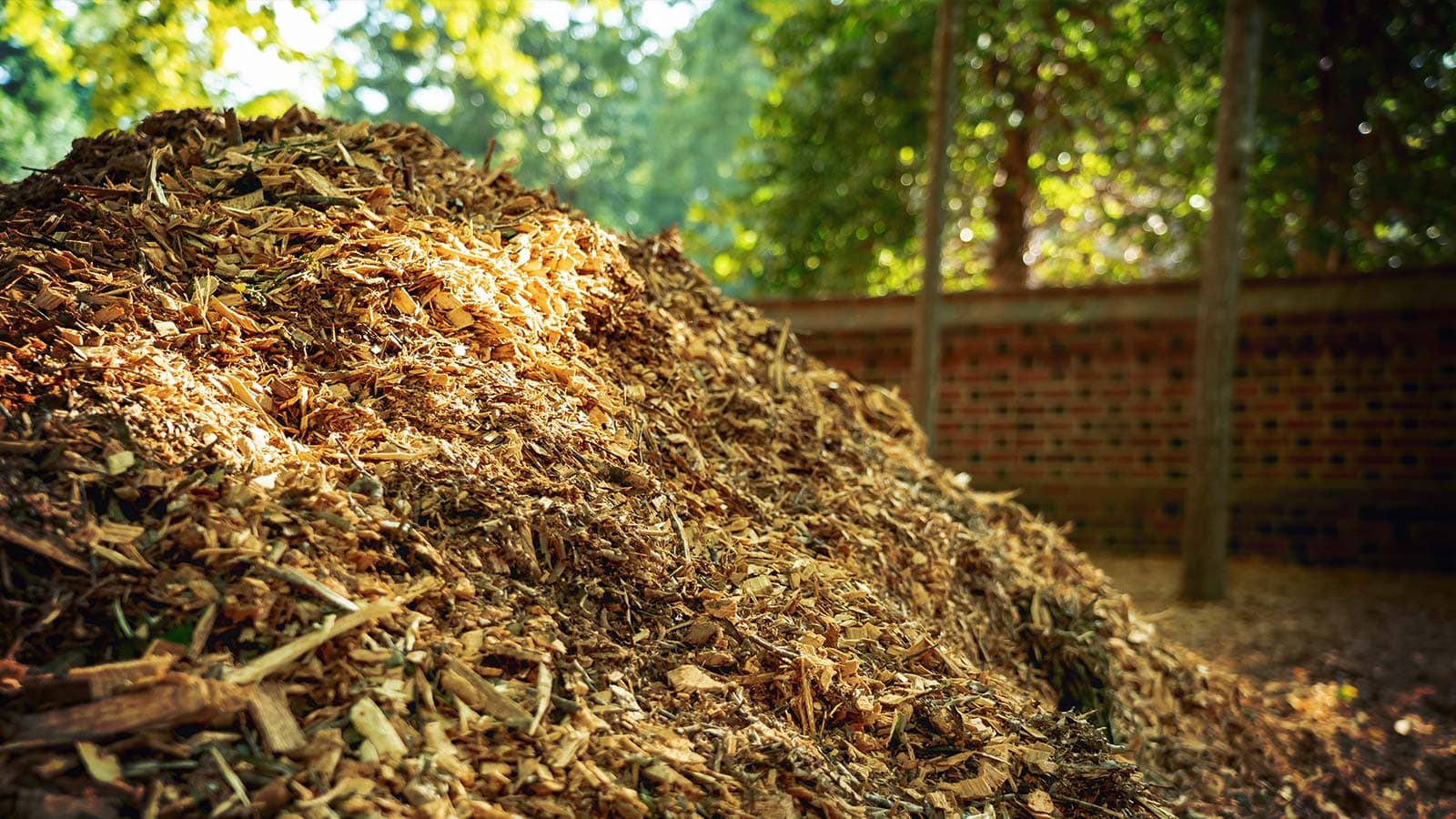
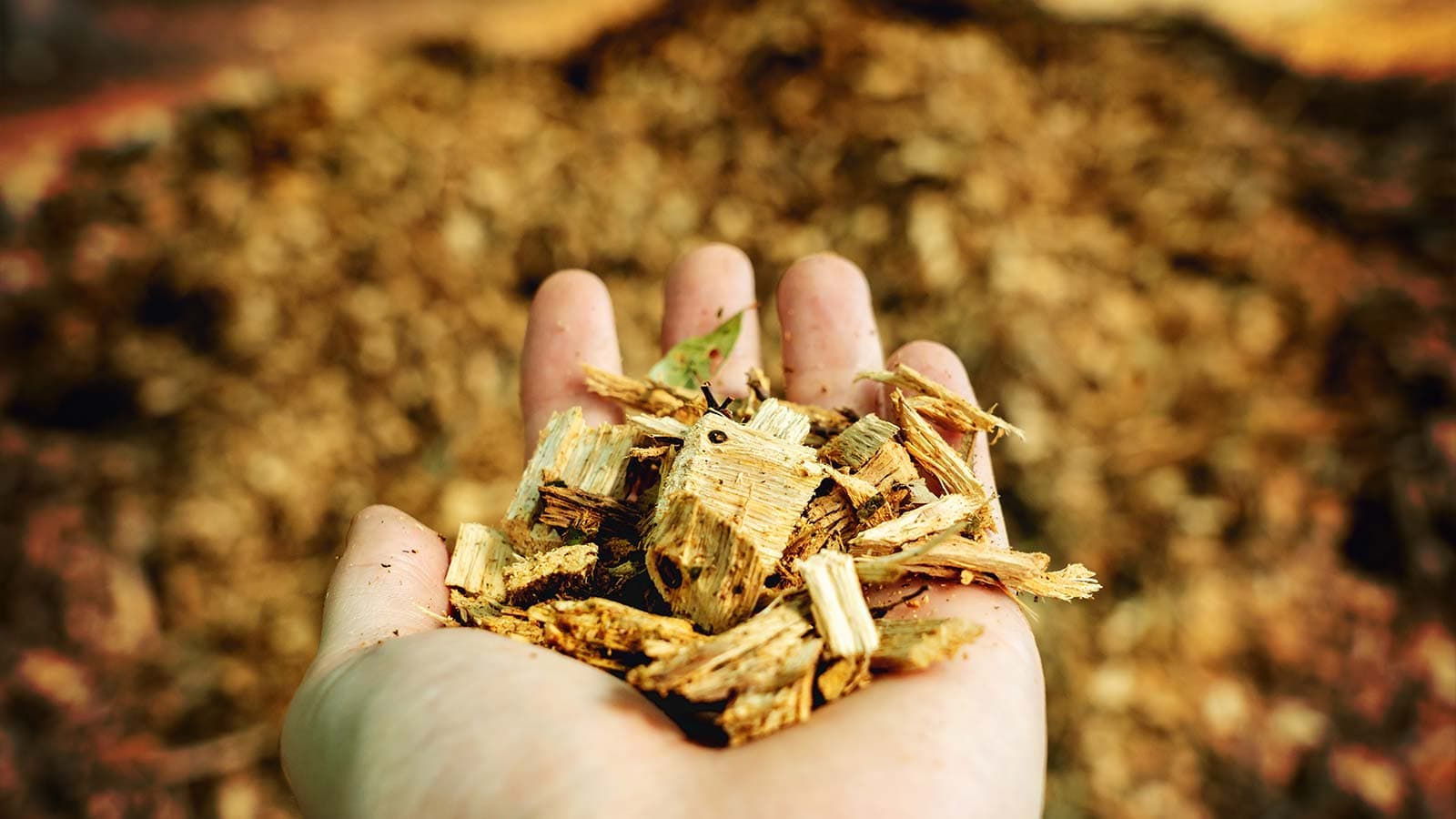
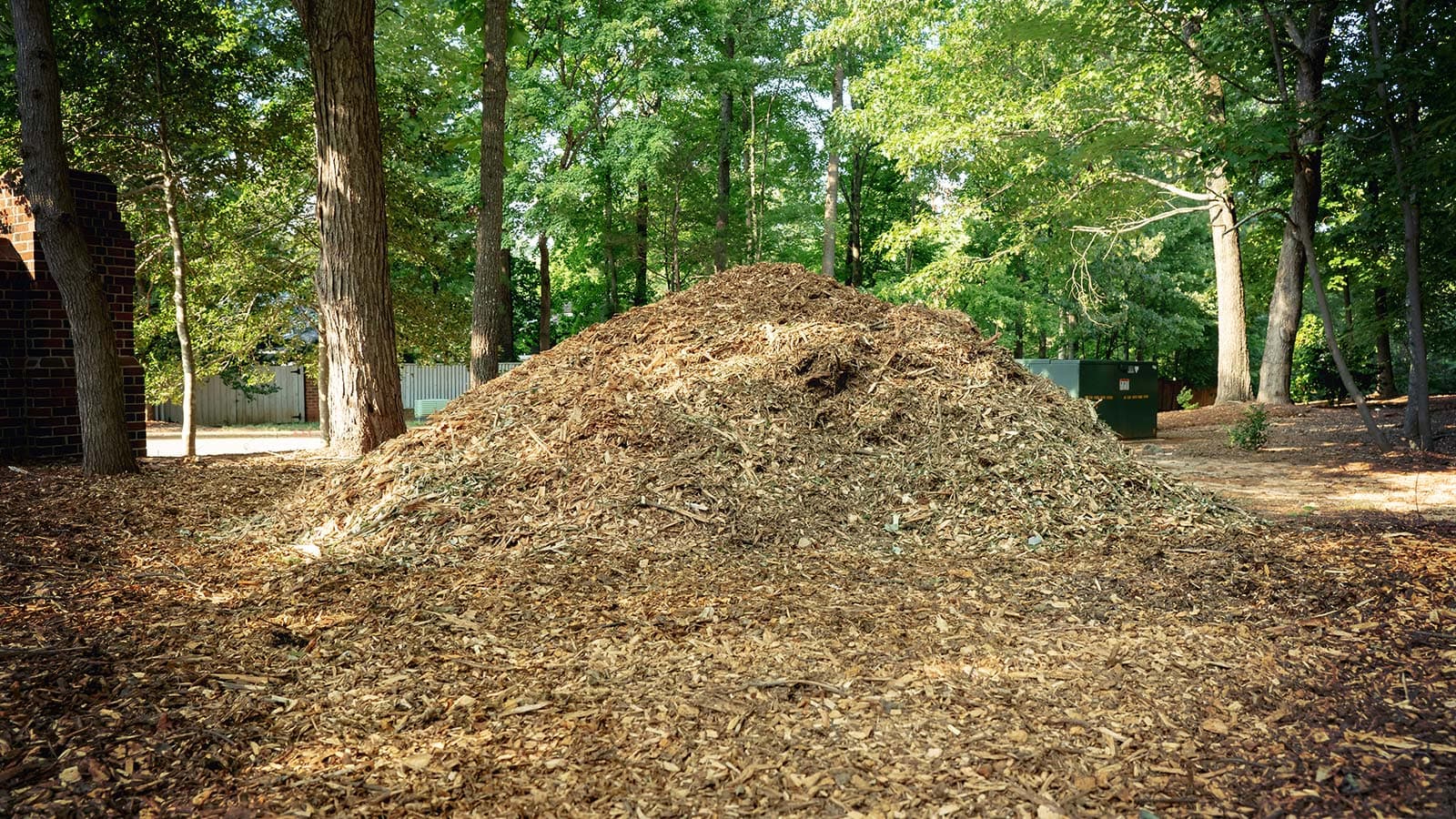
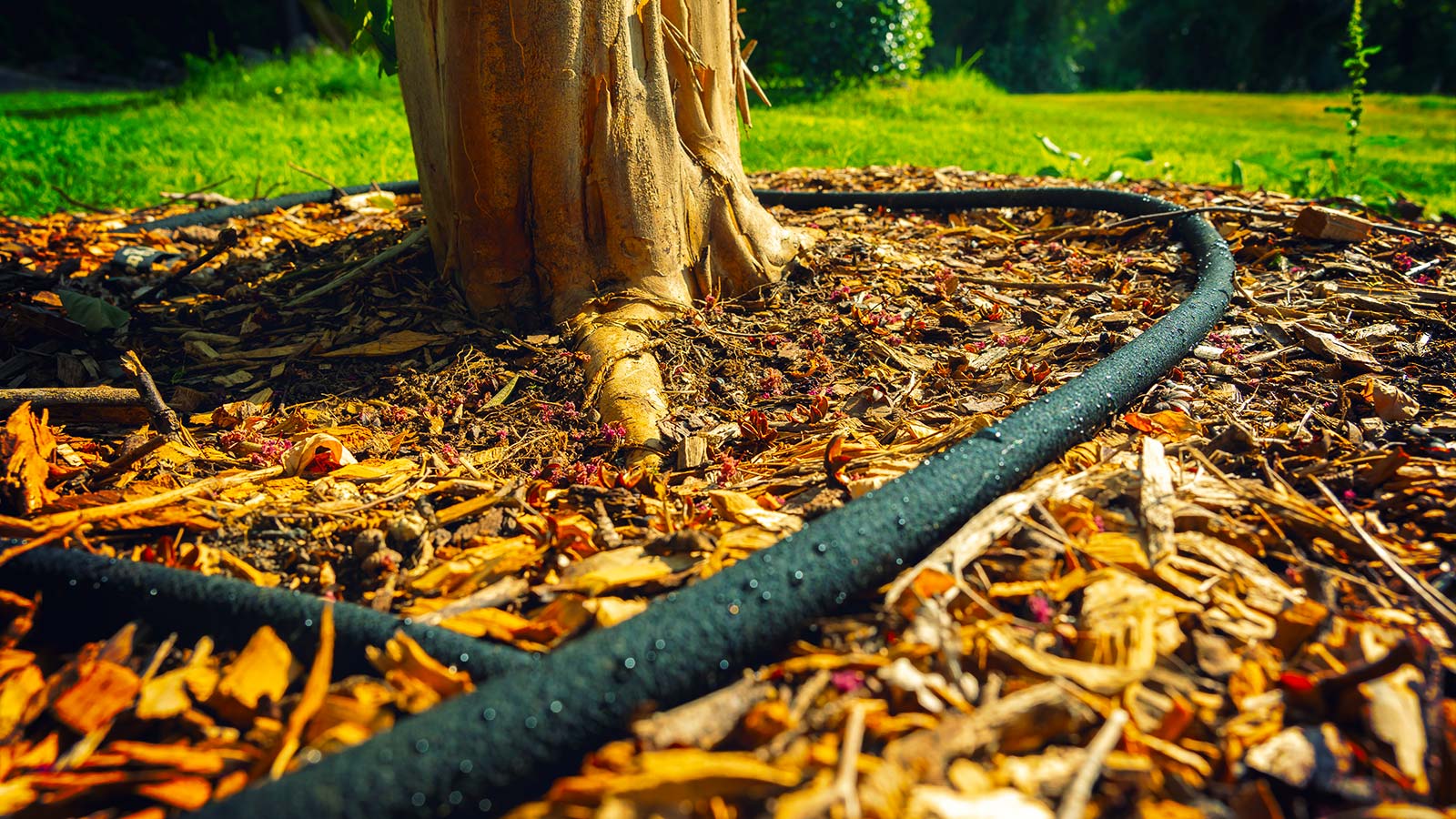
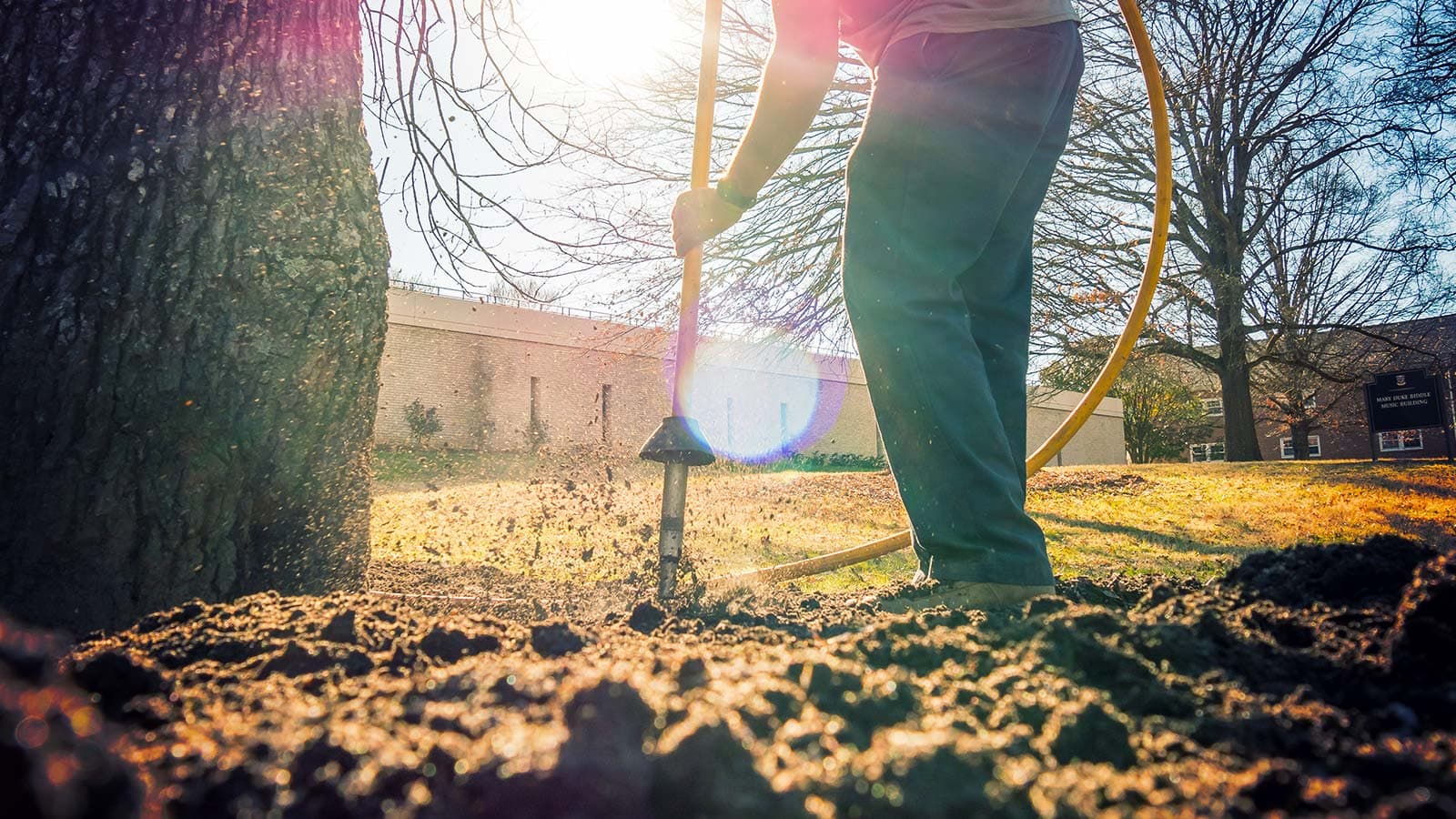
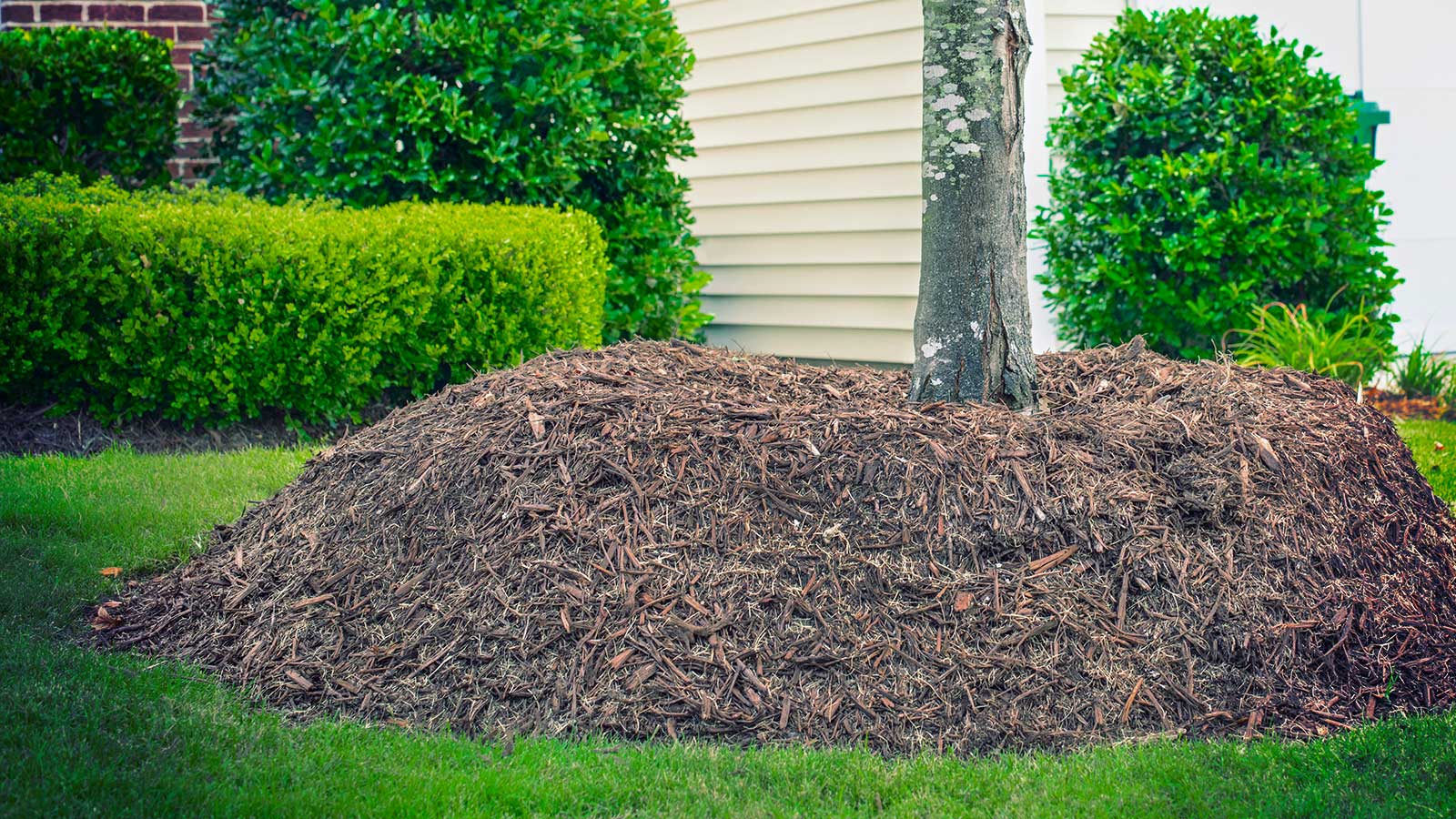
- Apply arborist wood chips and leave leaves around the base of your plants (but not touching the trunk)
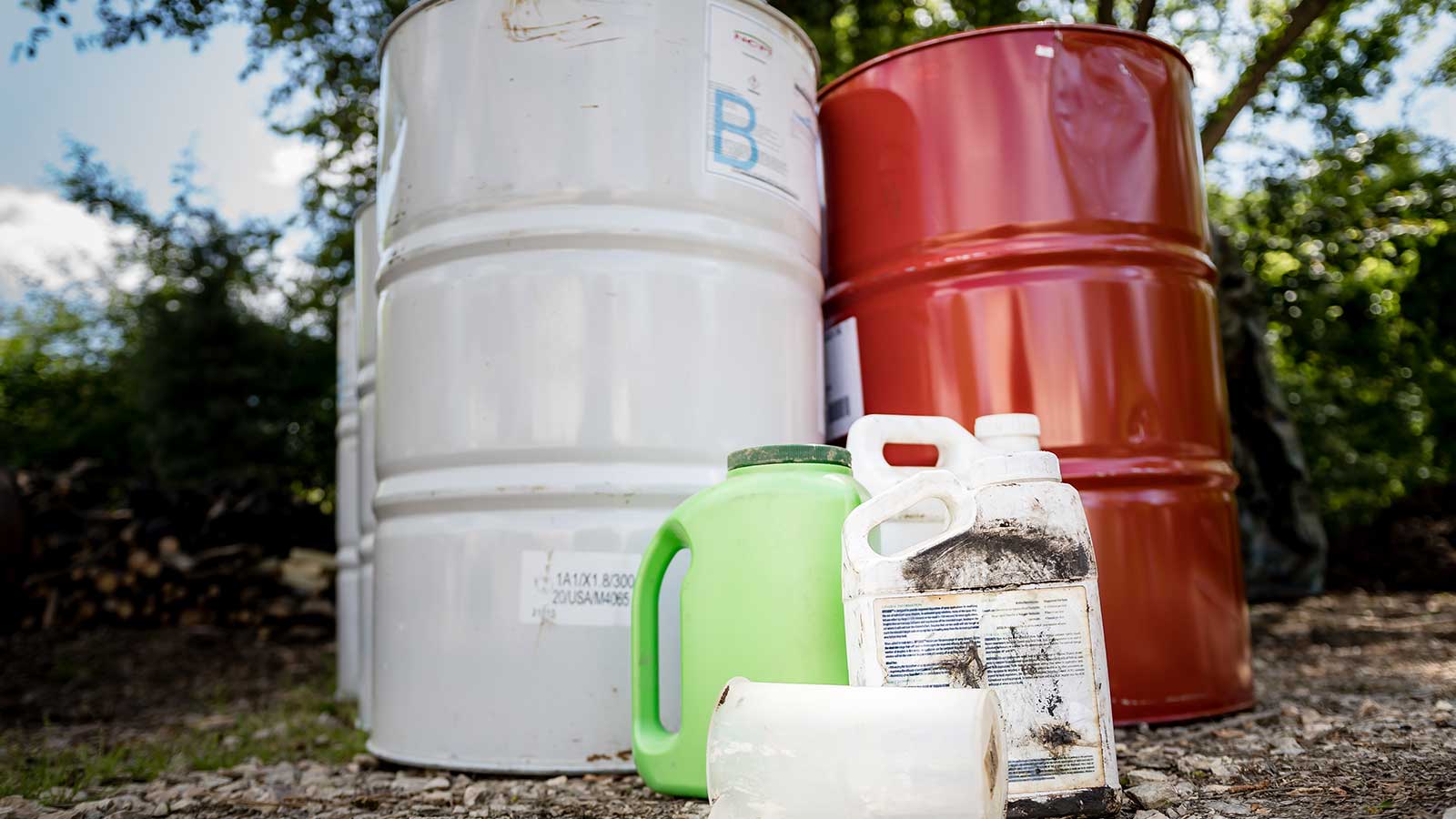
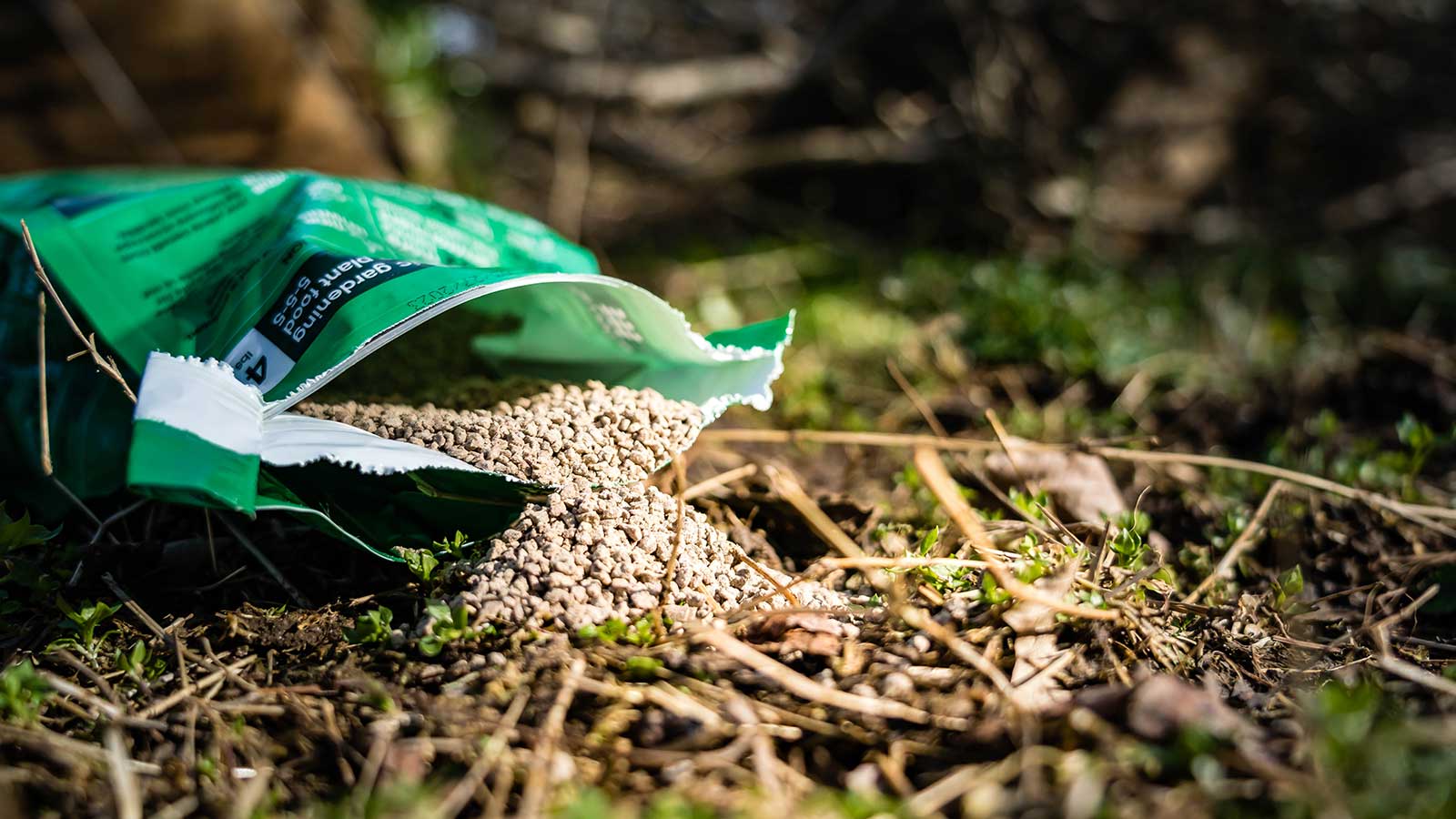
- Stop using harmful chemicals and traditional fertilizer on your plants
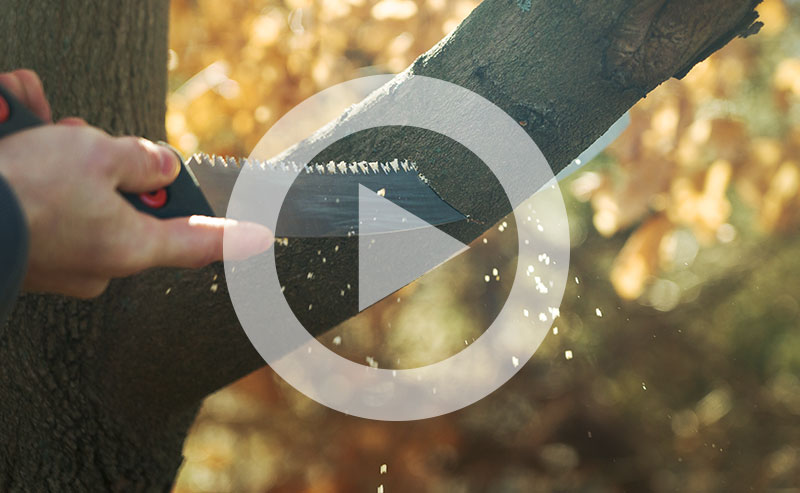
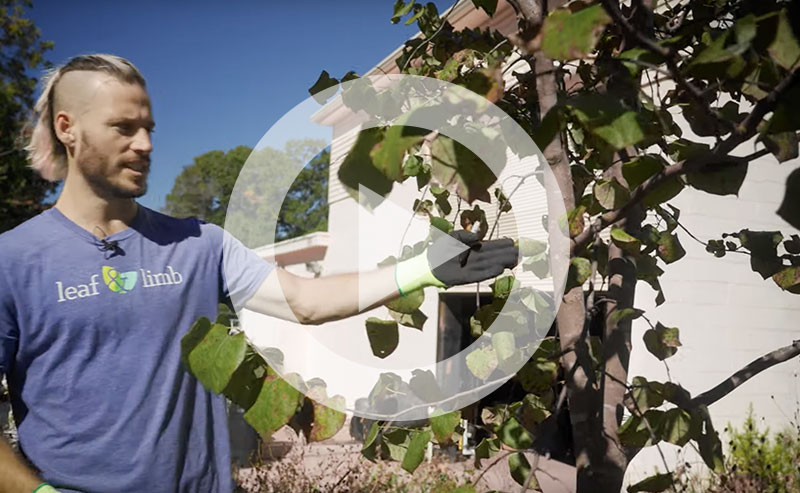
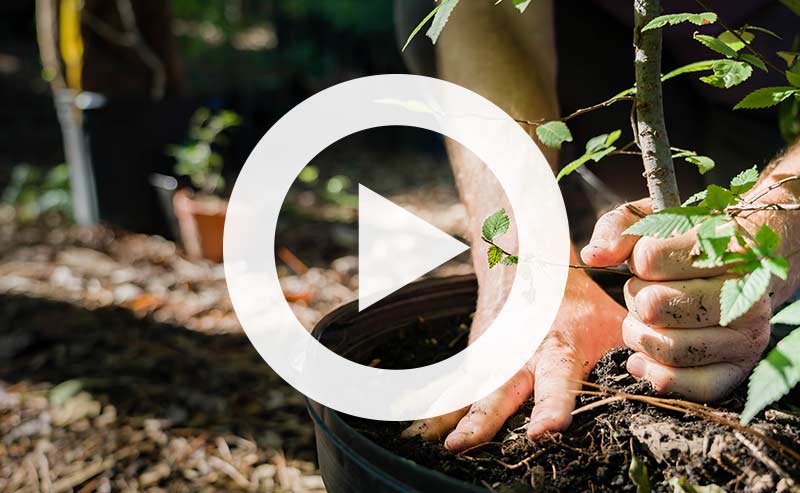
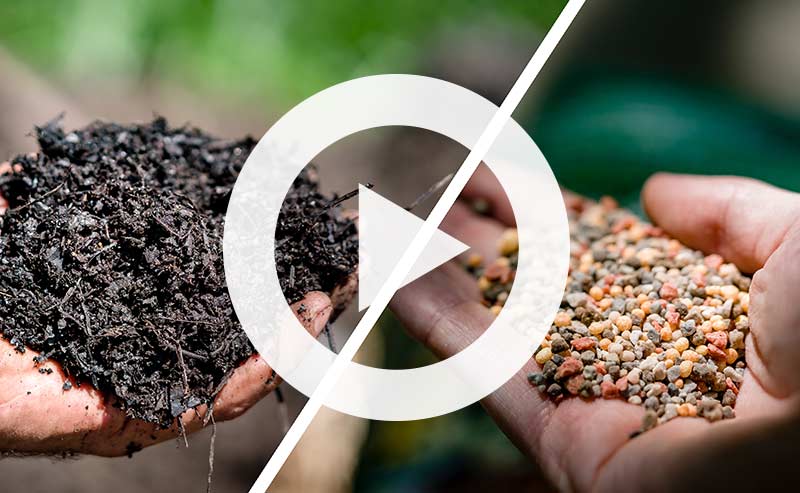
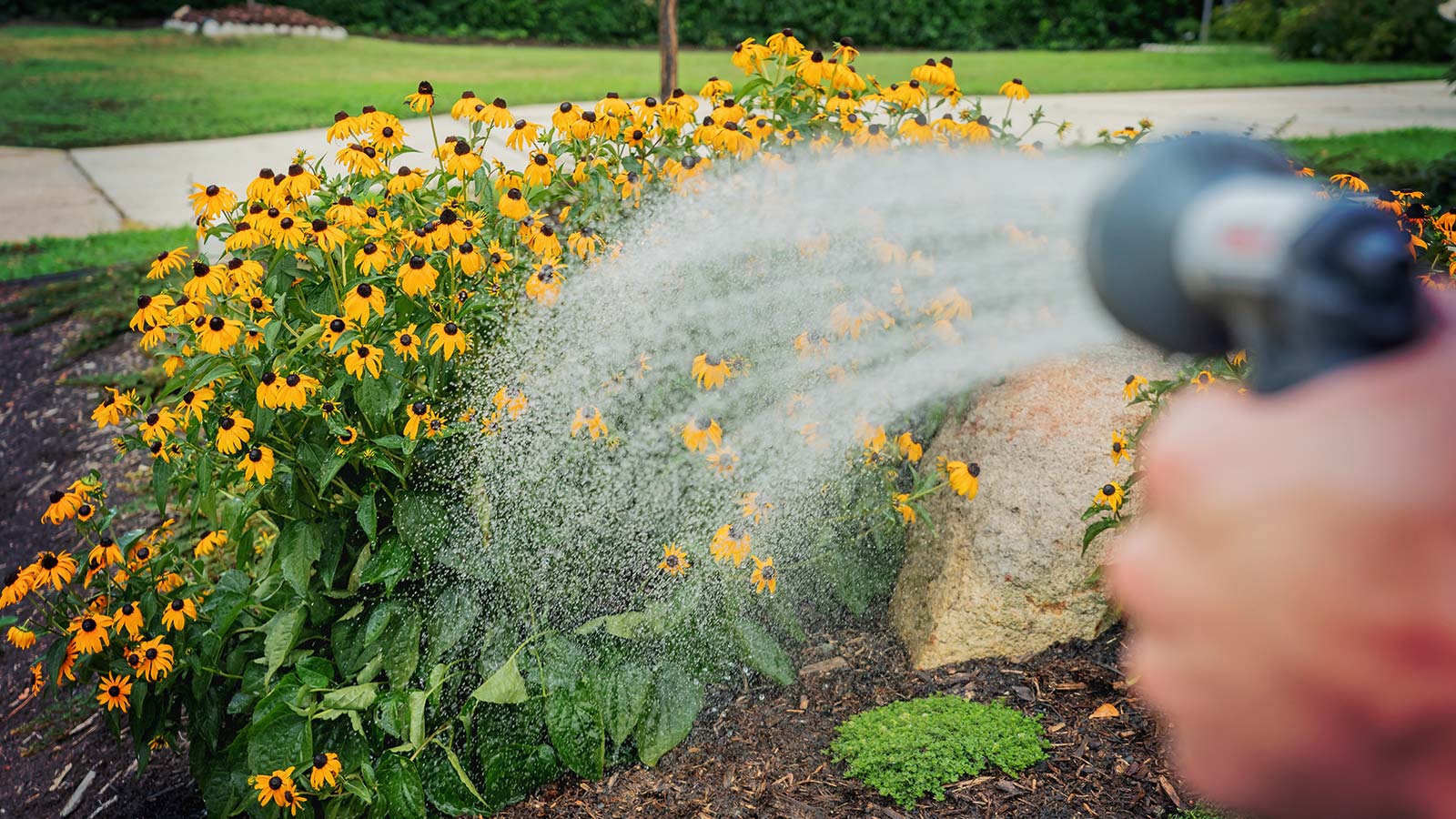
Greyson explains how it all works together in this short video on how to save your trees without wasting water. However, if you have a newly planted tree or shrub and need to water it, I made a short video showing a trick I use to water with an ordinary milk jug.
If you are still worried and need help planning or ruling out other problems, contact one of our Treecologists. We’d be happy to help.
Things To Do Around the Triangle
-
Sep 25 — Members-Only Duke Gardens Fall Plant Sale Durham · Membership required Find both unusual and familiar plants that thrive in the Piedmont. We will be there, so come say hello or pick up a copy of From Wasteland to Wonder!
-
Sep 26 • 9 AM - 1 PM — NCBG Fall Plant Sale North Carolina Botanical Gardens, Chapel Hill · $5 Find all kinds of native plants for your garden, and there is even a book sale with books related to all things plants. We will also be at this event, so come say hello!
-
Oct 16 • 10 AM — Forest Bathing: A Guided Journey into Nature’s Wisdom JCRA, Raleigh · $40 We all need some calm and connection to Nature more than ever these days. Maybe you need two hours of slowing down with certified forest therapy guide Shawn Ramsey.
-
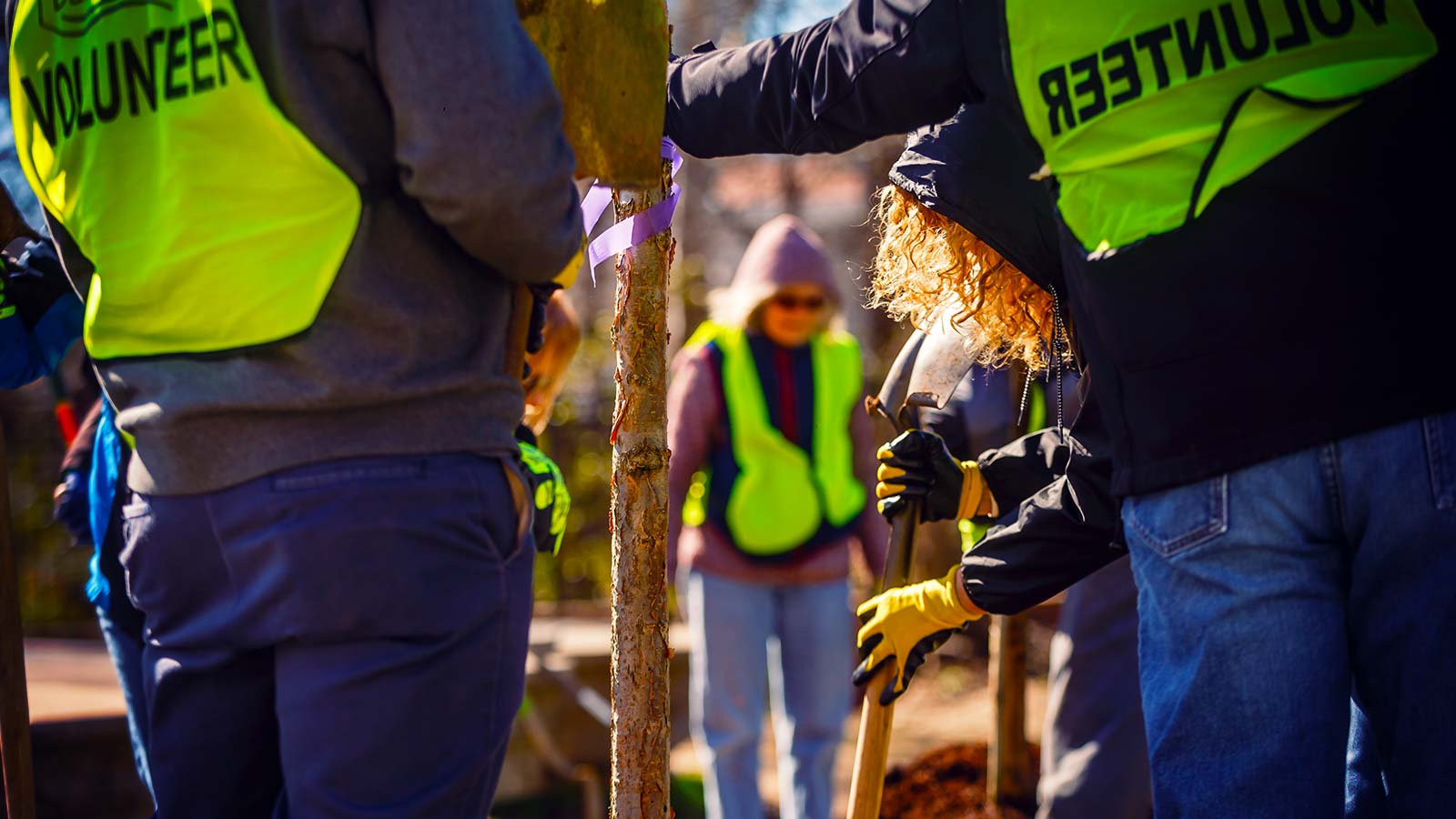
Sep 25 • 3 PM — Invasive Plant Removal with Keep Durham Beautiful Durham · Free Join your fellow Bull City residents for companionship, good outdoor exercise pulling terrible invasive plants, and help making Durham even better.
-
Ongoing — ReWild NC Volunteer Workdays Triangle-wide · Free ReWild NC runs removal events most weeks, loosening the chokehold invasives have on our favorite parks and natural areas.
One Last Thing: Go Outside
After a couple of days of rain, look for places with lots of wood-chip mulch. Even parking lot tree islands might work if your yard or a favorite park comes up empty.
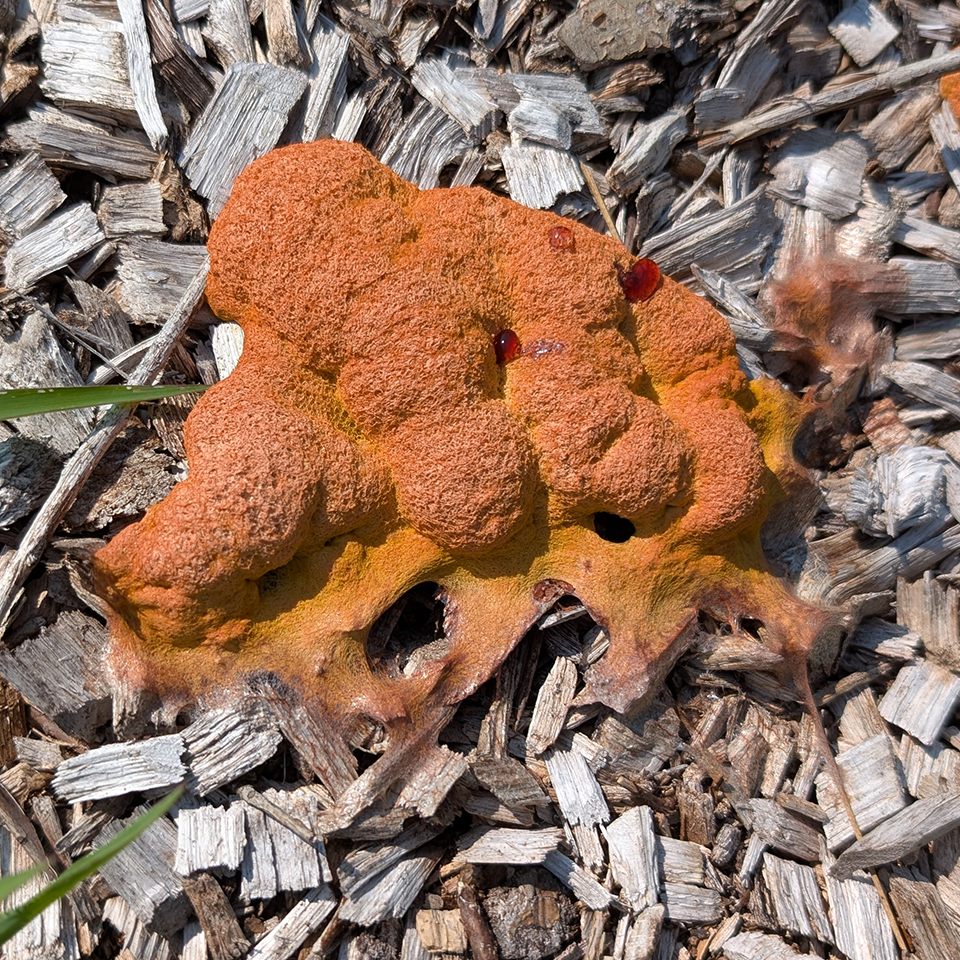
Look for patches that look like yellow, foamy vomit. These are slime molds (not exactly fungi) commonly called “dog vomit.” That’s probably all the description you need! The whole yellow or orange blob is a single cell membrane enclosing a mass of cytoplasm with thousands or millions of nuclei. Biologists call this a plasmodium, and it’s beyond cool—it’s essentially a giant single-celled predator hunting for bacteria and other tiny, edible things in slow motion across the wood chips.
If you ever catch one mid-crawl (usually after rain, in the cooler morning hours), it’s worth watching for a few minutes—you can sometimes notice that the leading edge has visibly advanced in 20 or 30 minutes. So, if you find one, mark the spot and then come back after you weed some of that stilt grass or take care of another chore. It might have moved while you weren’t looking. Cool Nature stuff happens all around us.
Until next month, remember to sniff the blooms and listen to the birdsong.