October 2026 Treecologist Tribune
Sparkly Spider Webs, Fall Fruit, and Creatures in the Leaves
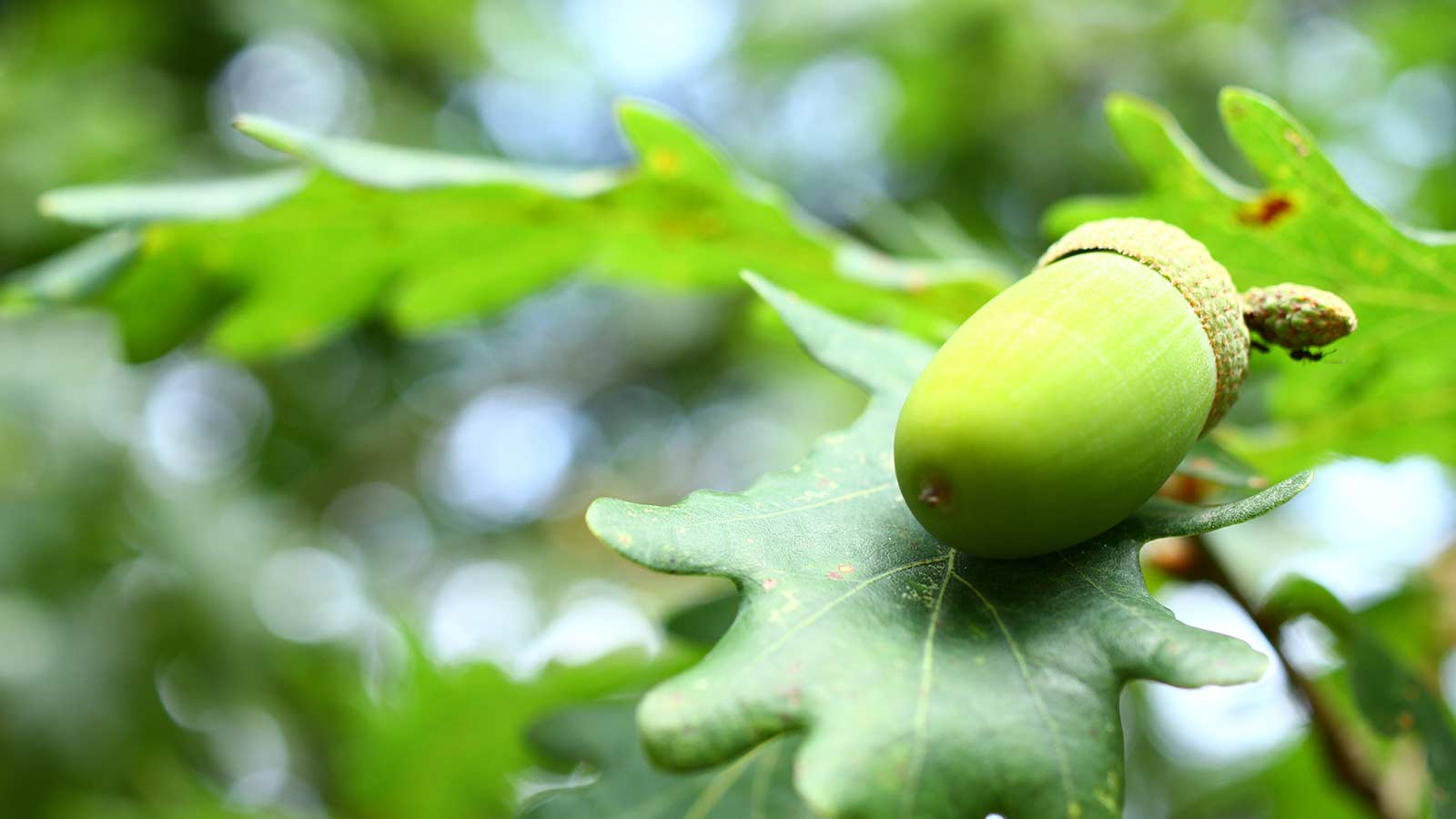
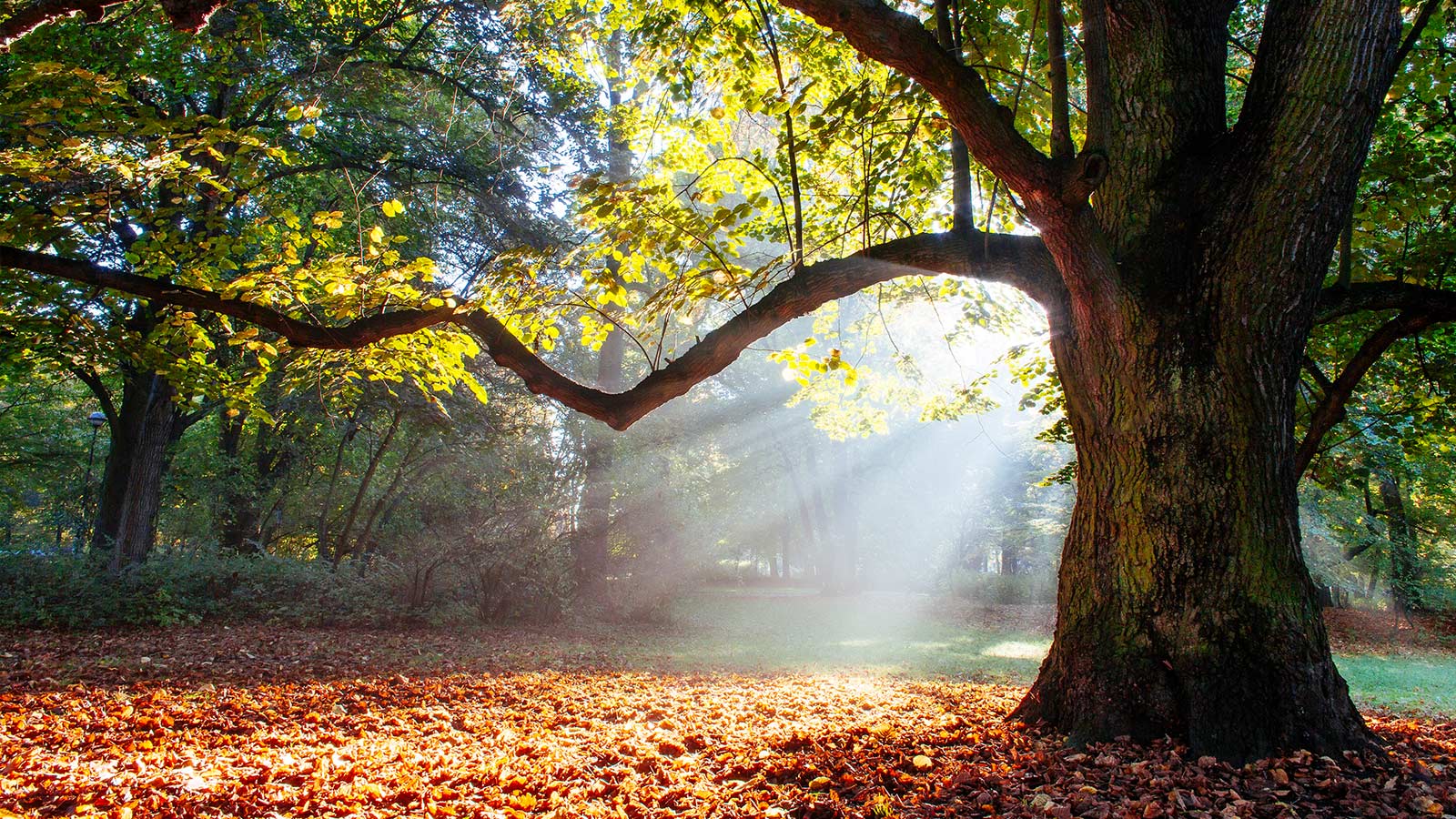
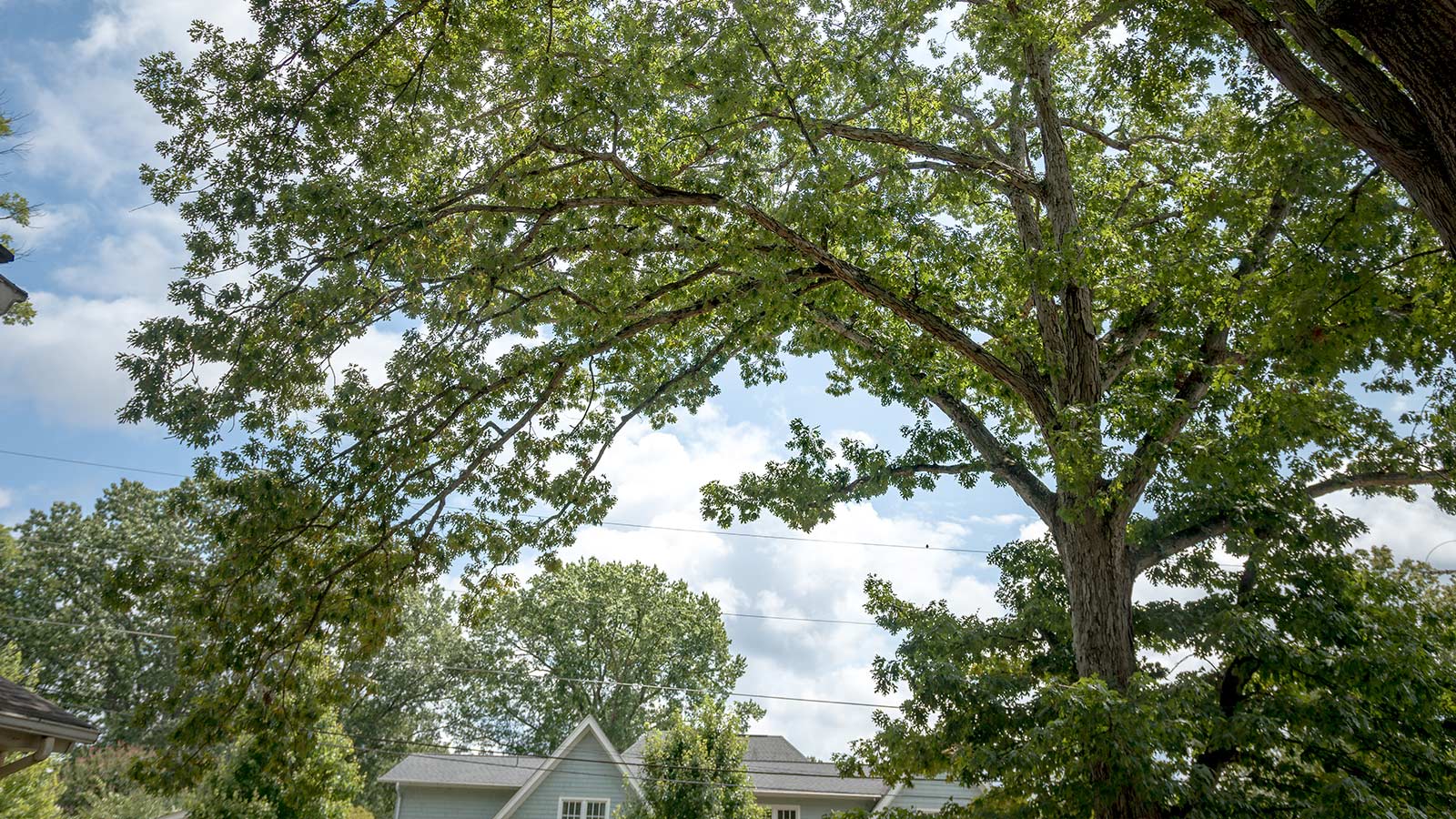
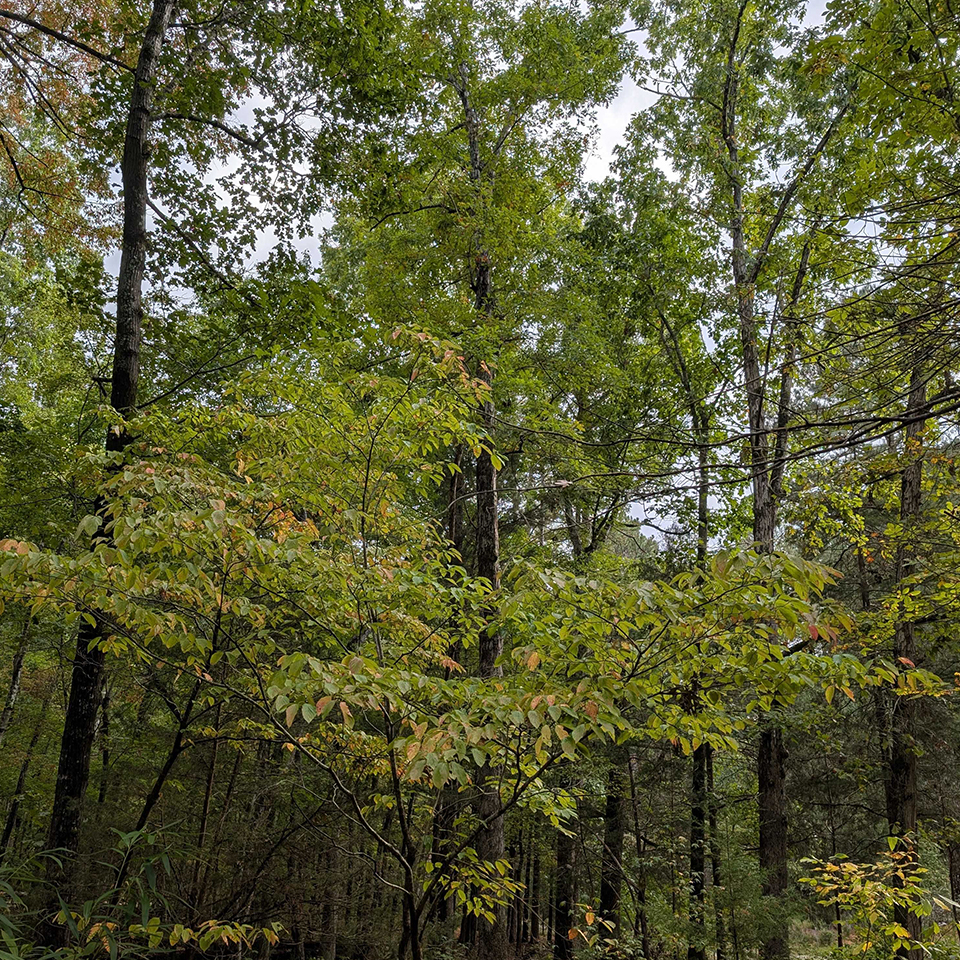
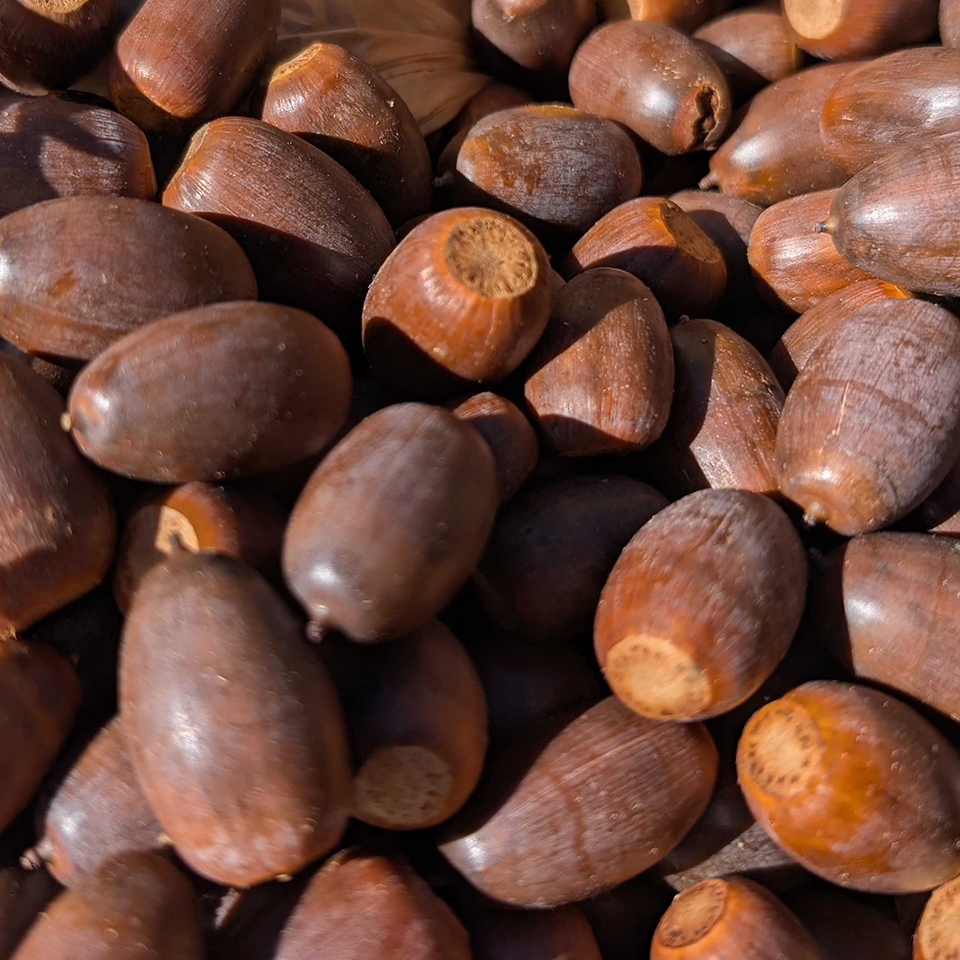
Acorns have been steadily raining down on my house. If I forget to wear a hat on my leisurely outdoor strolls, I might pay a small price. Leaves are still green, but the light filtering through is shifting from bottle green to reveal a hint of yellow. Plants and creatures are making their plans as the season of abundant sunlight and warmth turns cooler and darker before winter sleep.
This liminal moment, as we pass from Summer through the spooky season toward Winter, has been, from druidic times to the present, a time to honor the thinning veil between the corporeal world and the spirit world. We may feel the seasonal change less in our modern homes, but our rituals carry it forward.
From Samhain to the modern incarnation of Halloween, humans have taken ritual care to ensure everything is properly honored in its rightful realm. We can do the same with our garden rituals. We can tend our gardens in ways that honor the ecological needs of the plants and animals that live there. I am, of course, talking about Fall garden cleanup. More on that in a bit.
Weather Notes
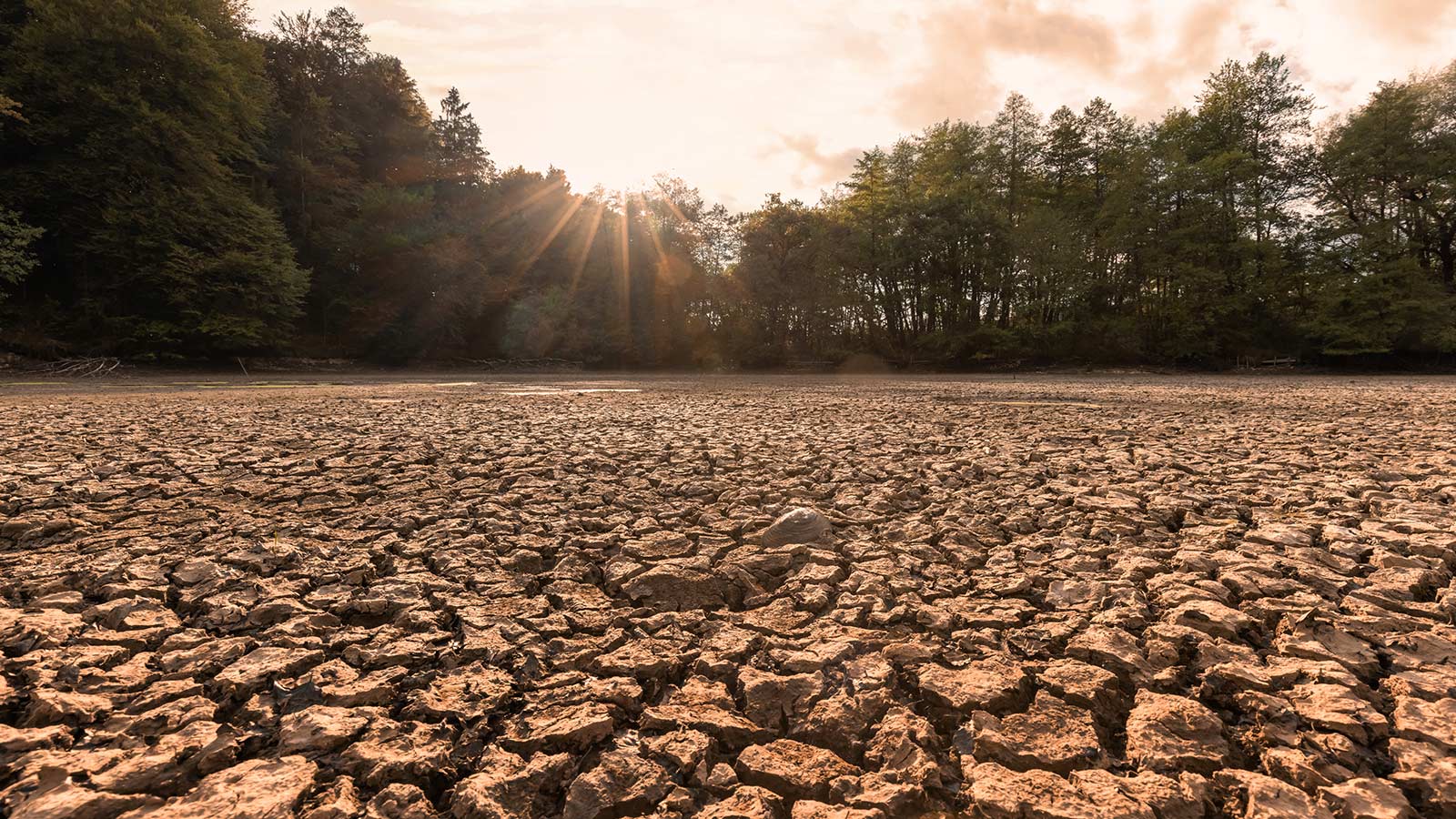
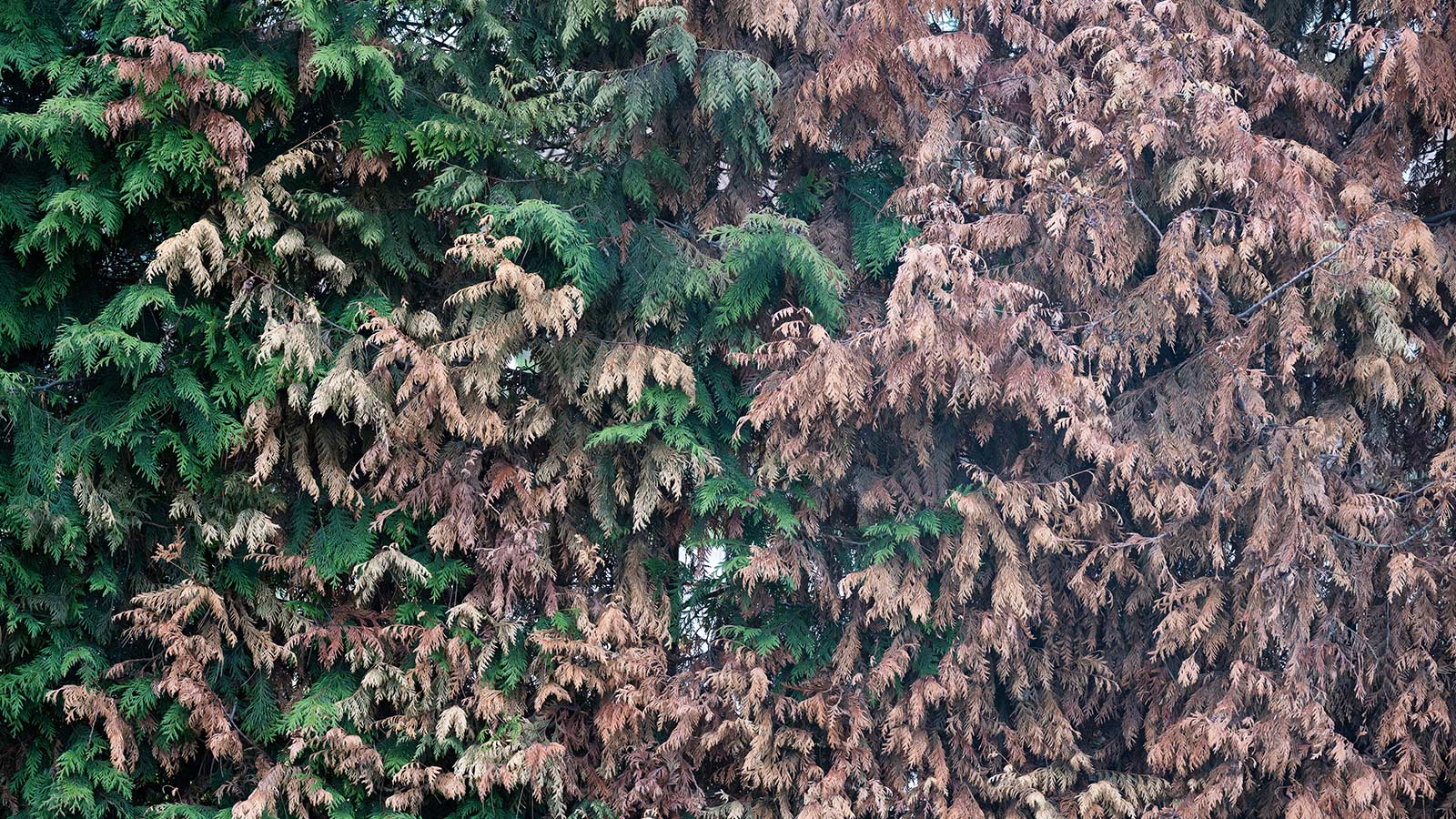
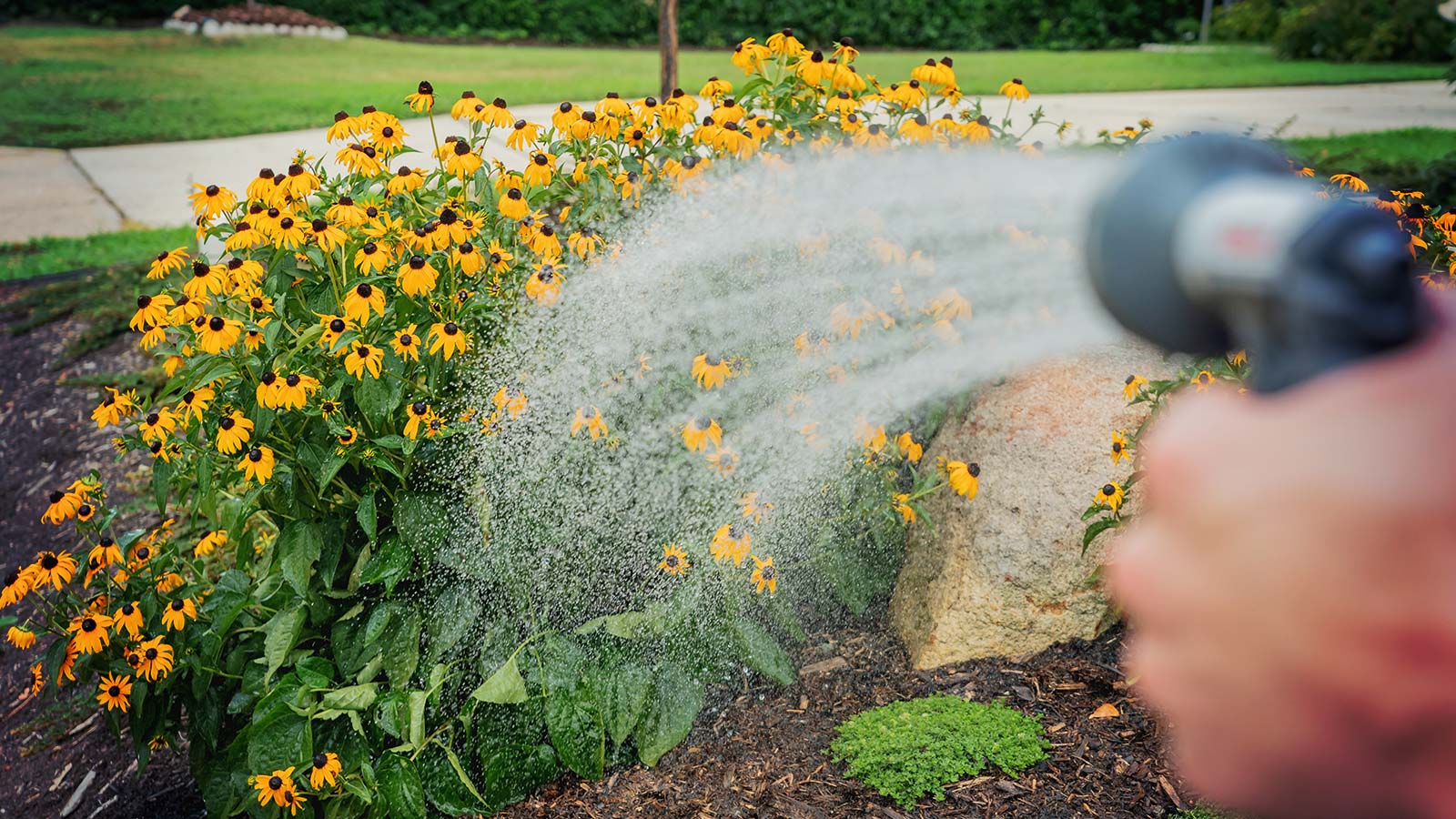
The main weather story over the past 12 months has been the ongoing drought. Most of the Triangle remains in moderate to severe drought. Remember to water your trees and shrubs, especially recently planted ones and evergreens, as we approach the dormant season.
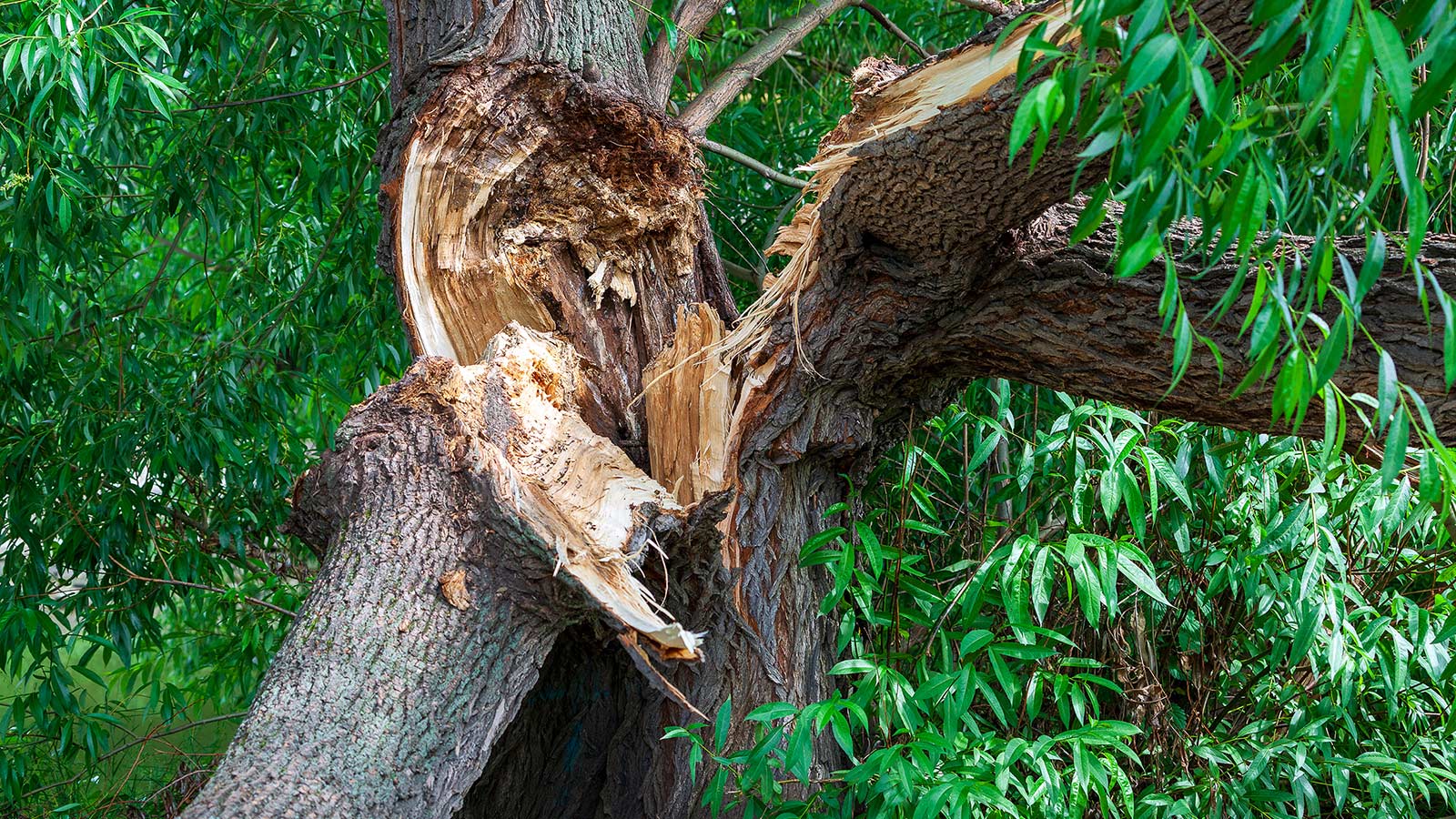
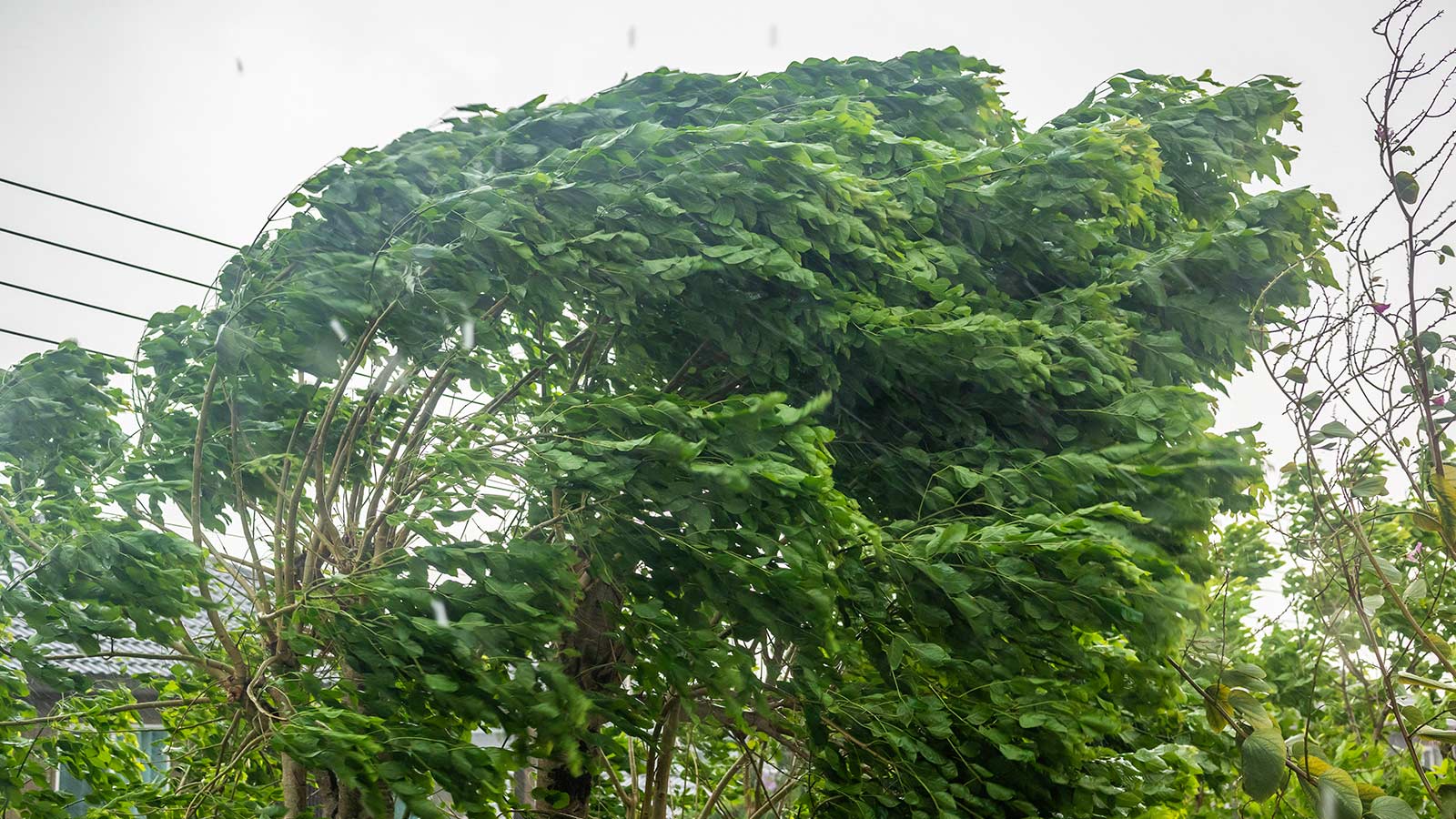
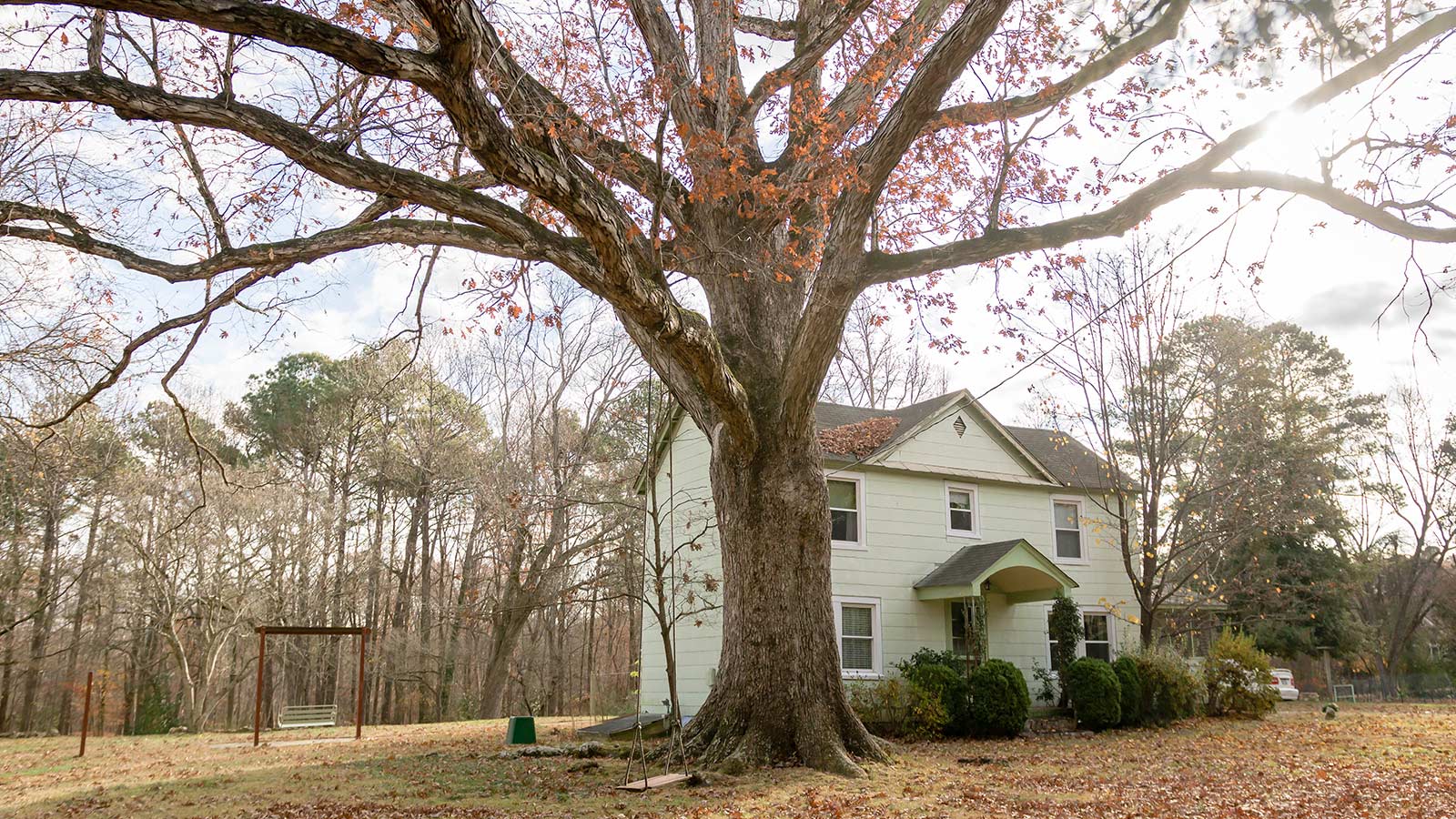
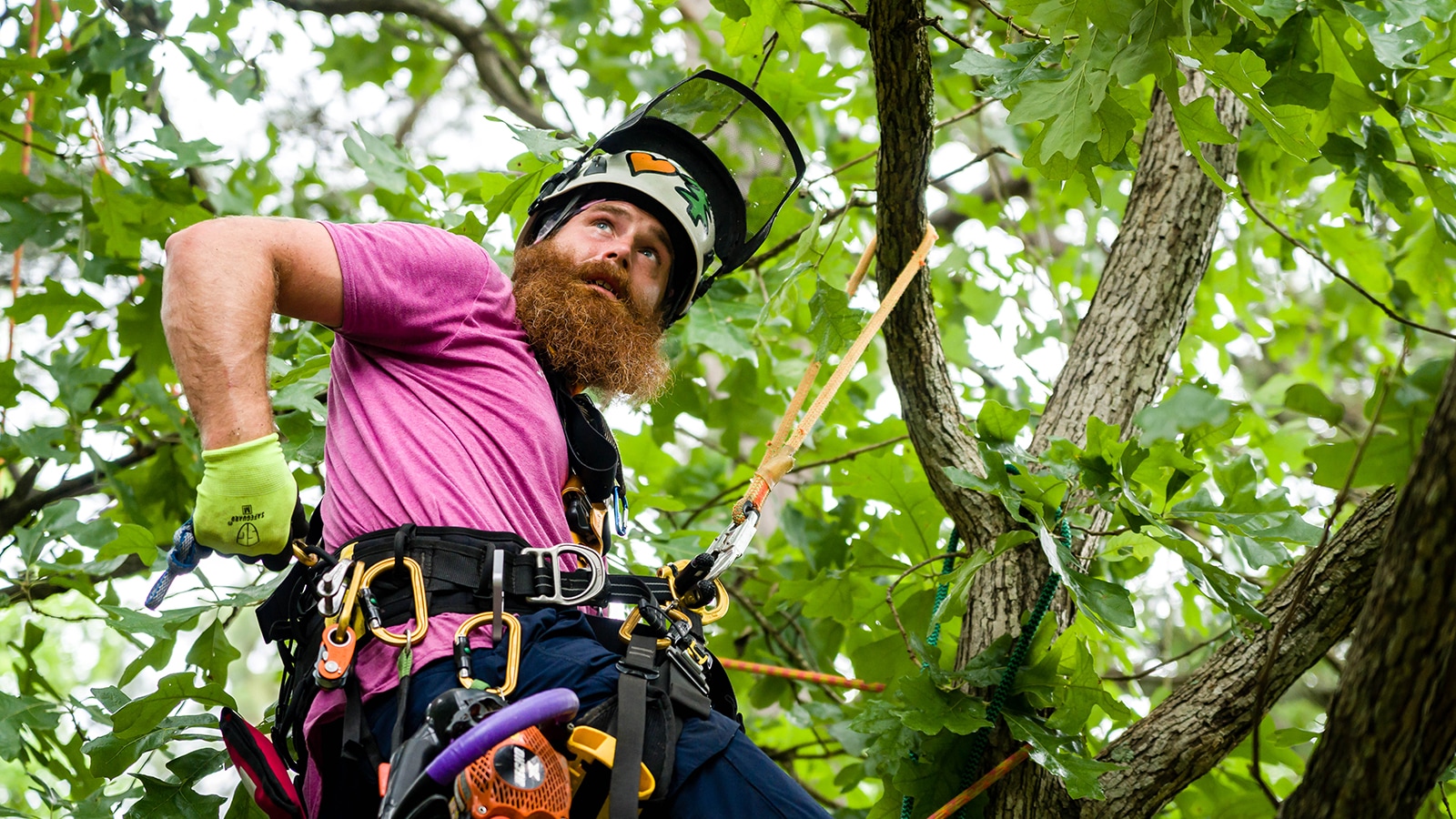
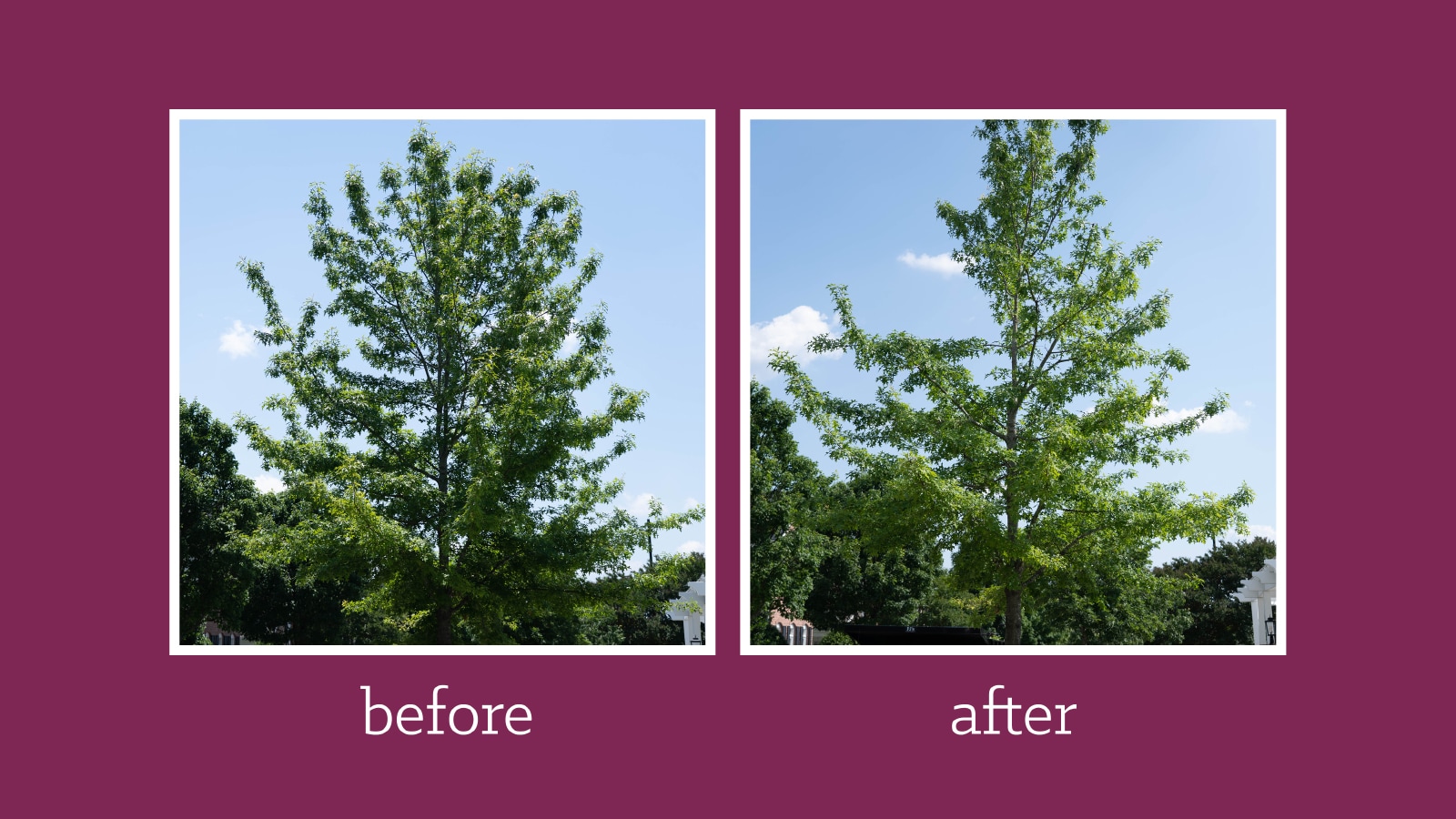
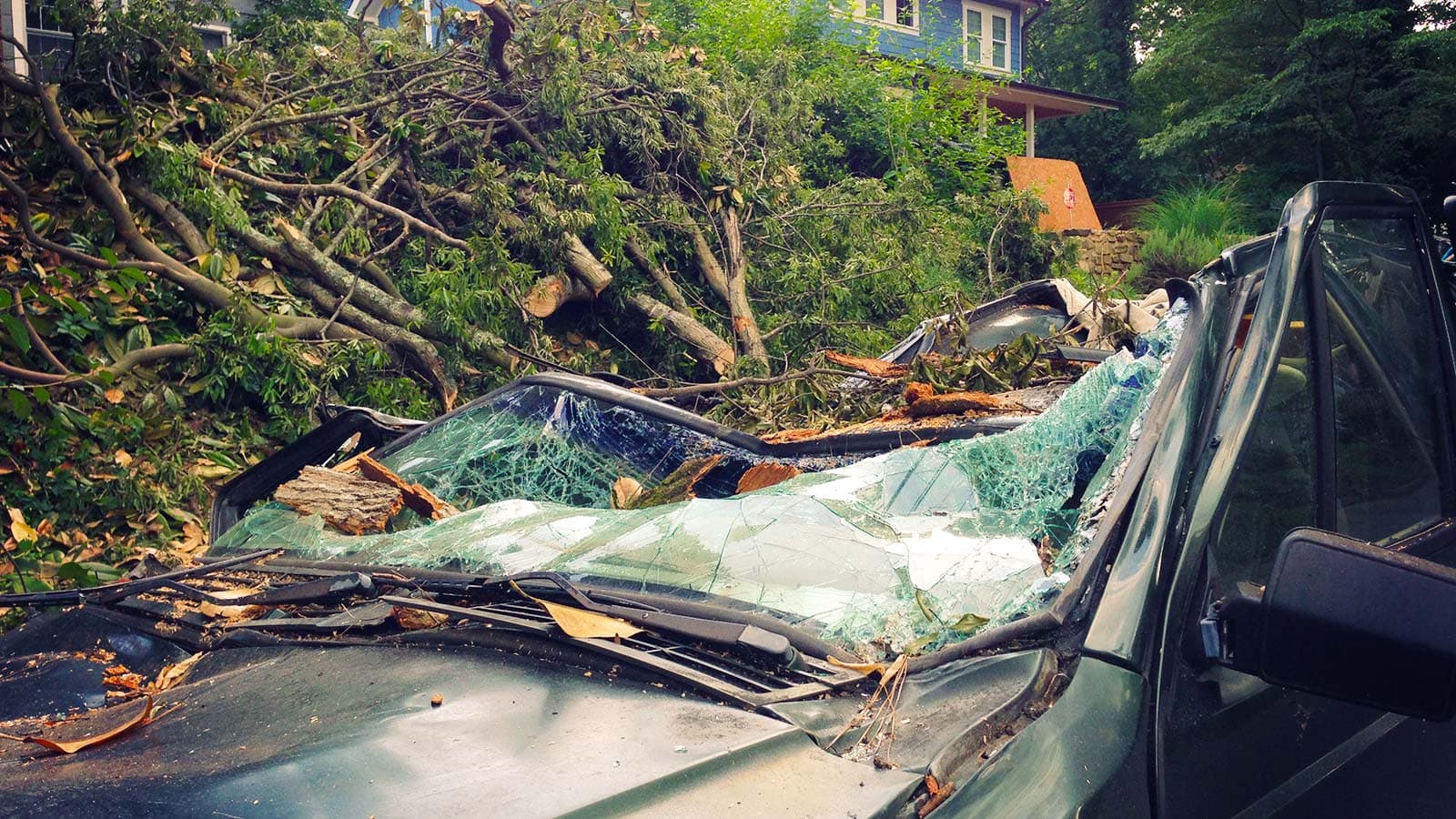
We are emerging from a hurricane season that mostly wasn’t, except for Isaias, which brought heavy rain and tornadoes to some communities. We can thank El Niño for the short season. However, El Niño also increases the chance that storms bringing snow or ice will push south this Winter. So this is another reminder that some structural pruning or weight-reduction pruning may still be in order.
Rain Summary (from RDU):
- 2.1 since 9/27 (historic average 2.92”)
- 30.65” Year-to-date (historic average 38.91”)
Yard Sleuthing: Garden Rituals for the Spooky Season
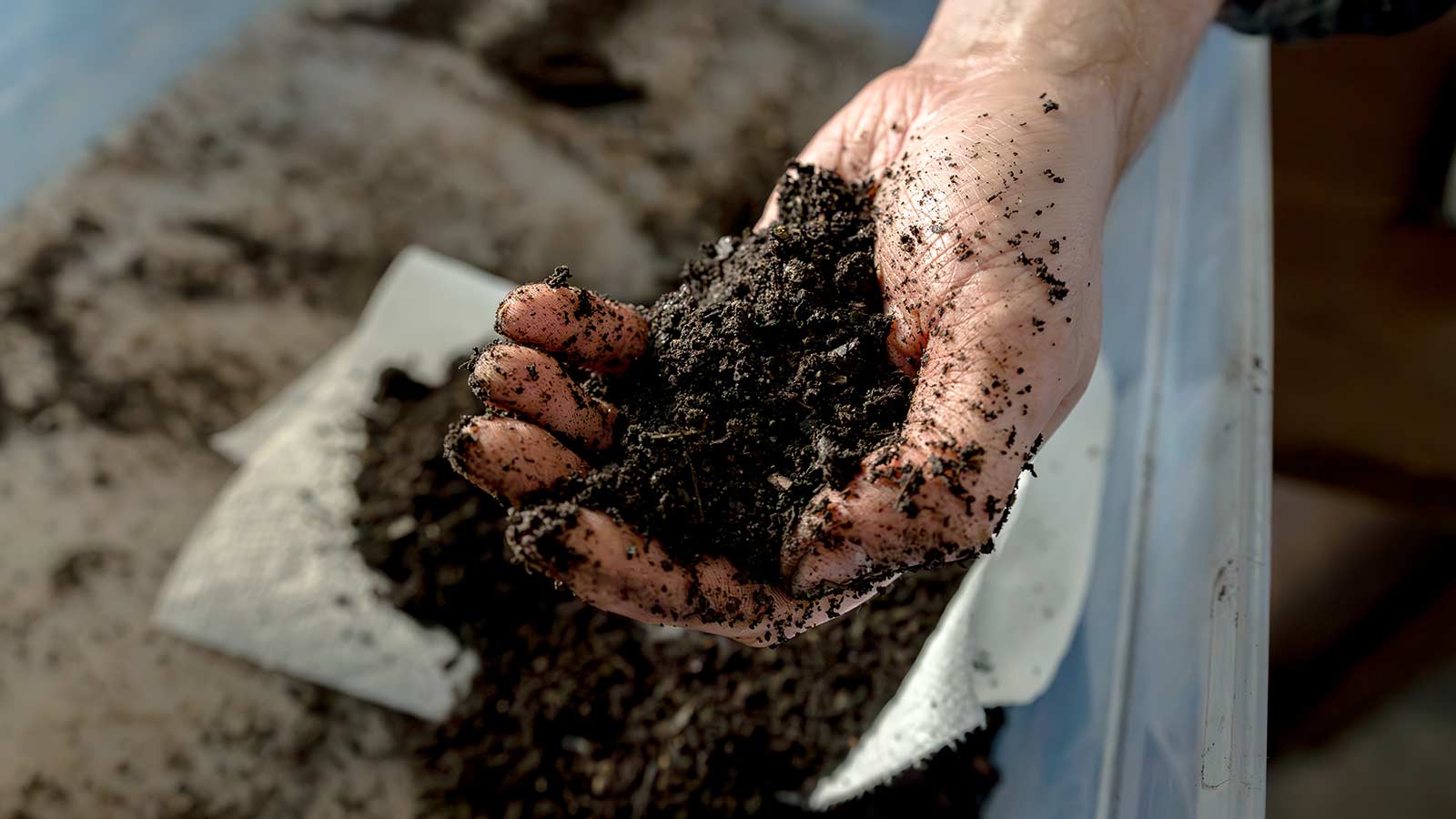
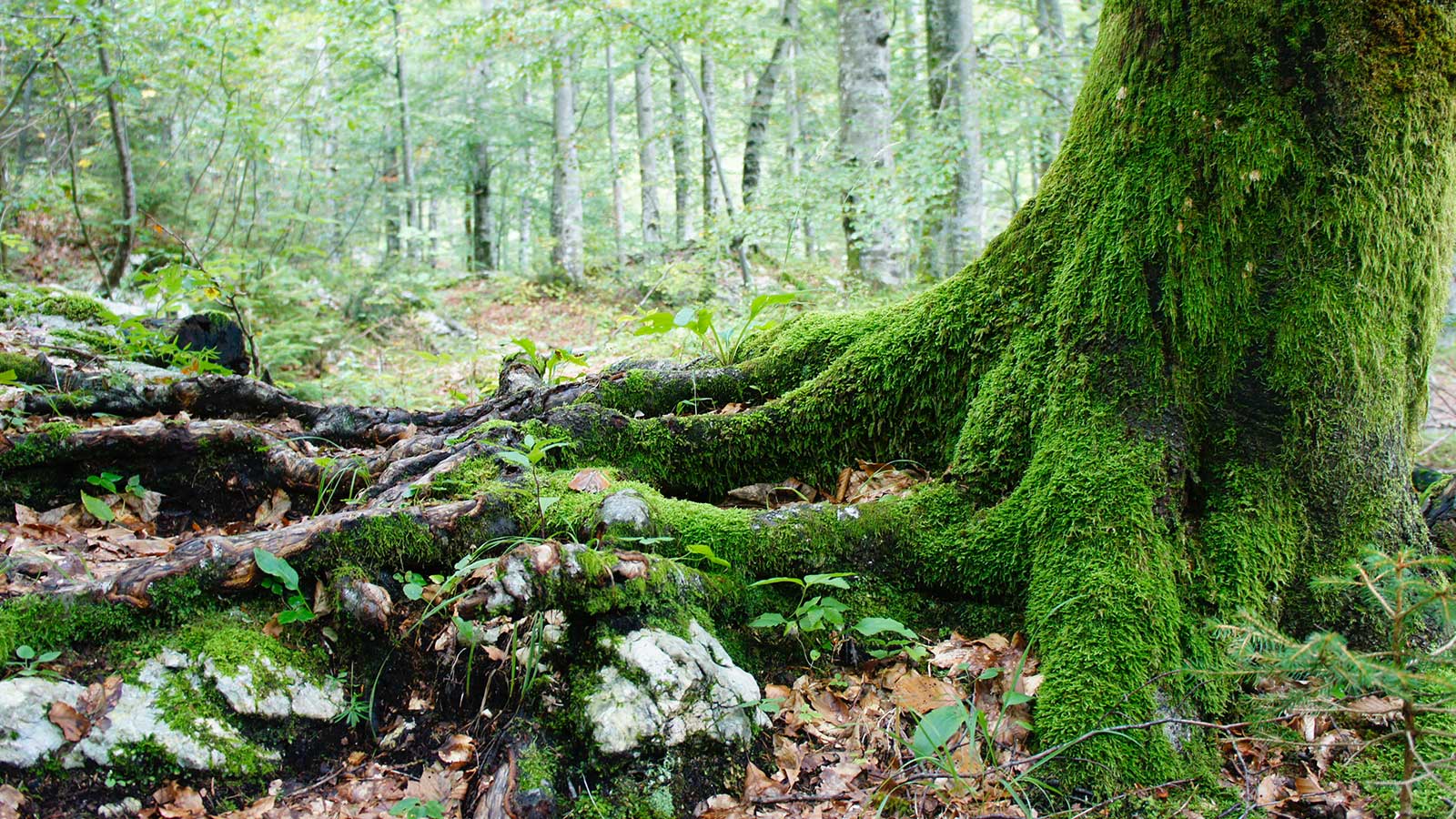
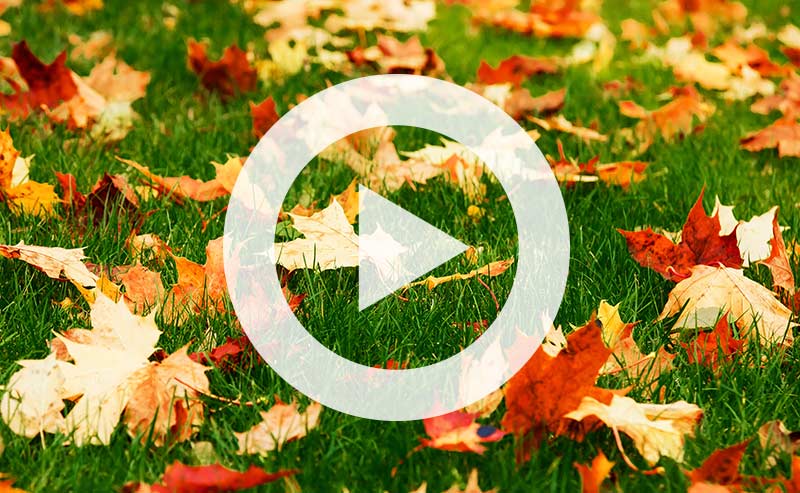
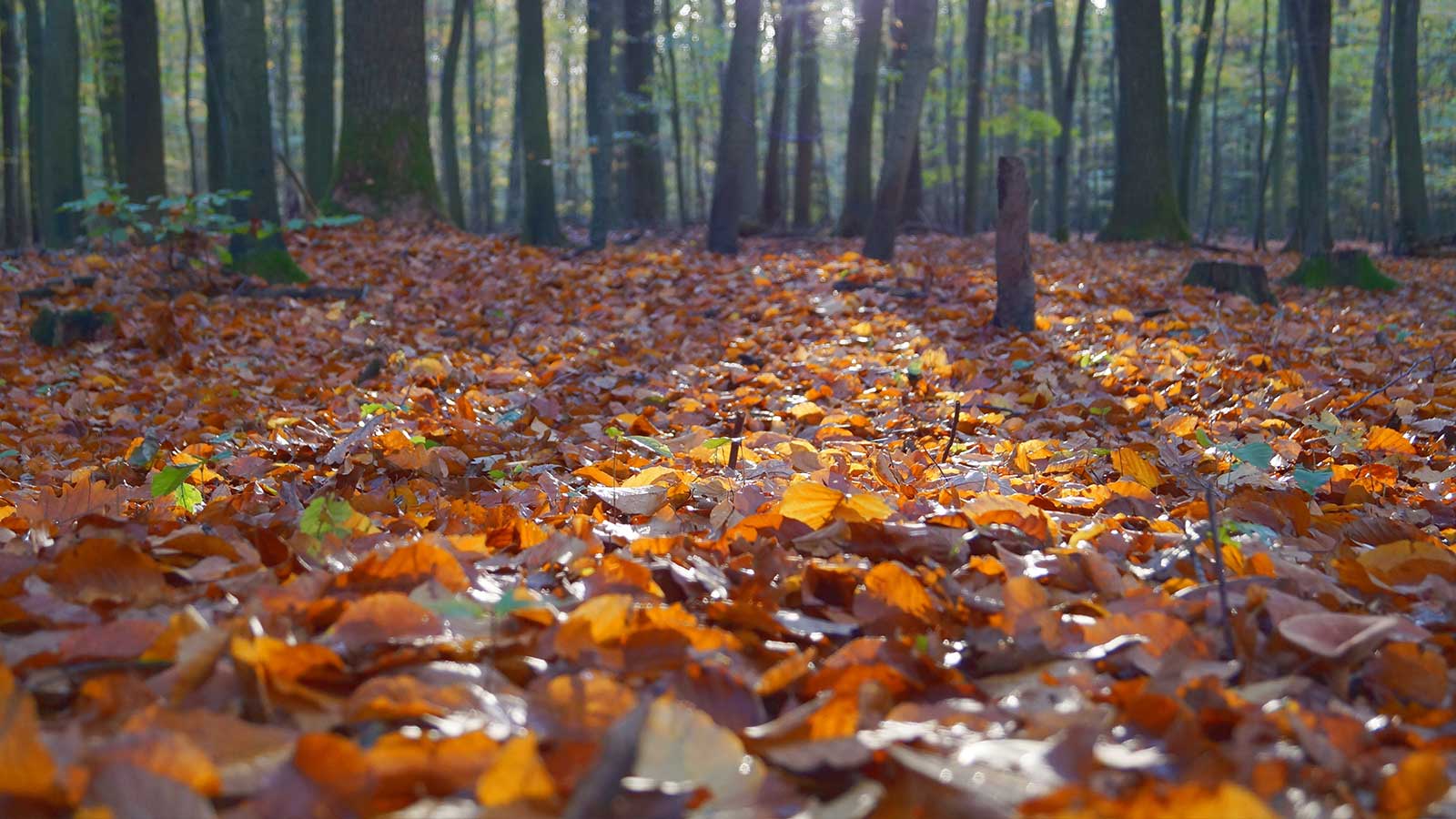
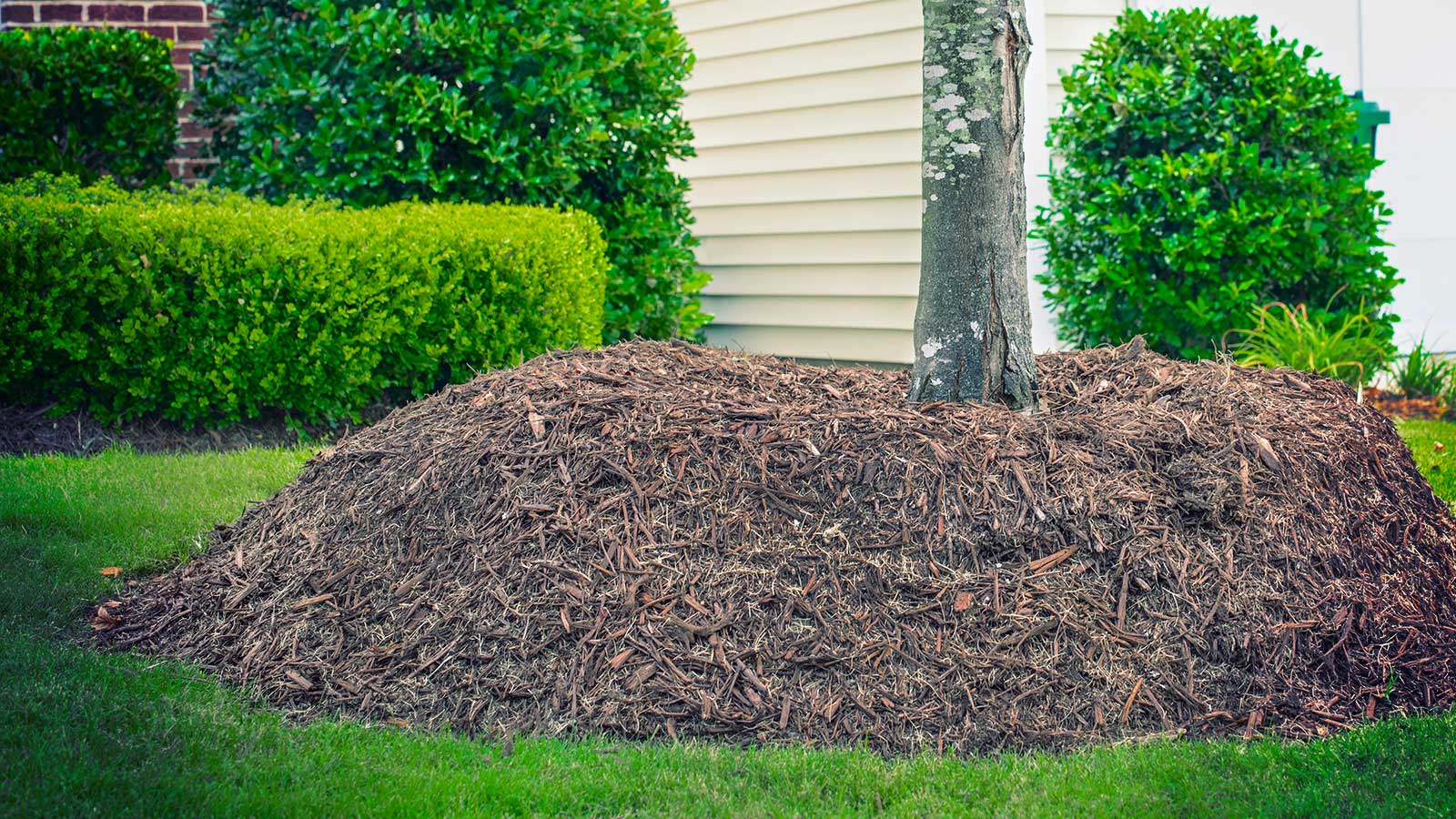
The idea that we should “leave the leaves” is catching on, and the reasons are compelling. Leaves form the natural mulch zone of a healthy forest floor and the soil beneath. As leaves decompose, they become compost with the help of the small, microscopic life that calls this zone home. The most beautiful thing about this for humans is that it needs little to no work from us!
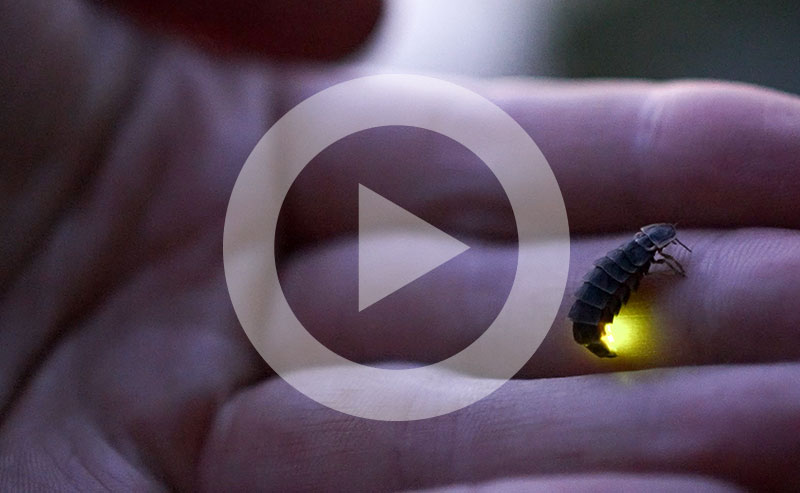
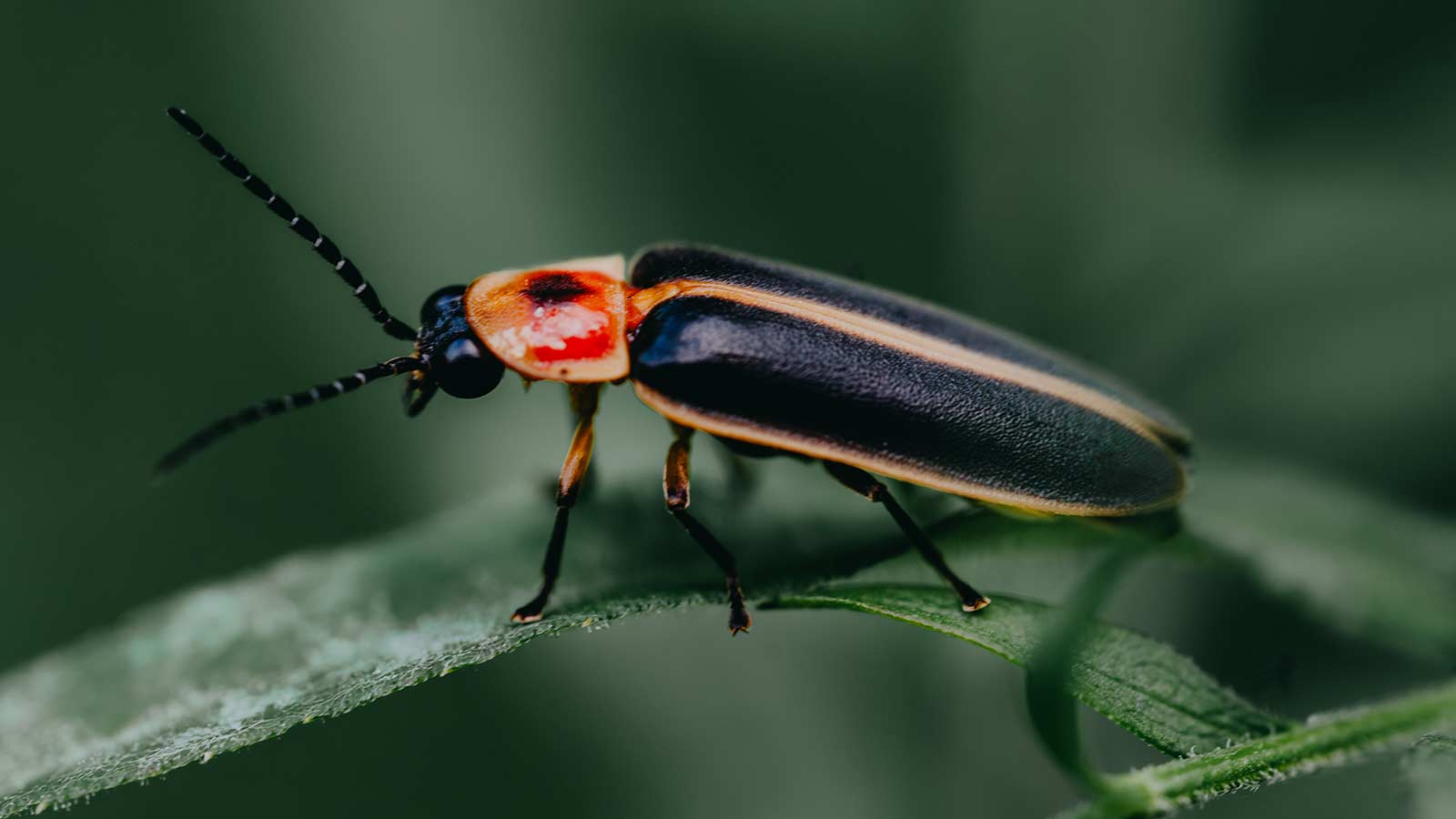
The second important reason is that the leaf zone is where many insects and other animals spend the Winter. Think about the pupa of the beautiful luna moth, which ties its silken cocoon into fallen oak and hickory leaves. Or the fireflies: we are always wondering why these delightful beetles don’t visit as much anymore. They’ve been evicted! (Speaking of leaves and fireflies, here are some other ways to bring them back to your yard.)
If you have areas you must clear of leaves, such as a lawn, rake them under your trees or into garden beds. But you need to do this very soon after they fall, before our critters have settled in.
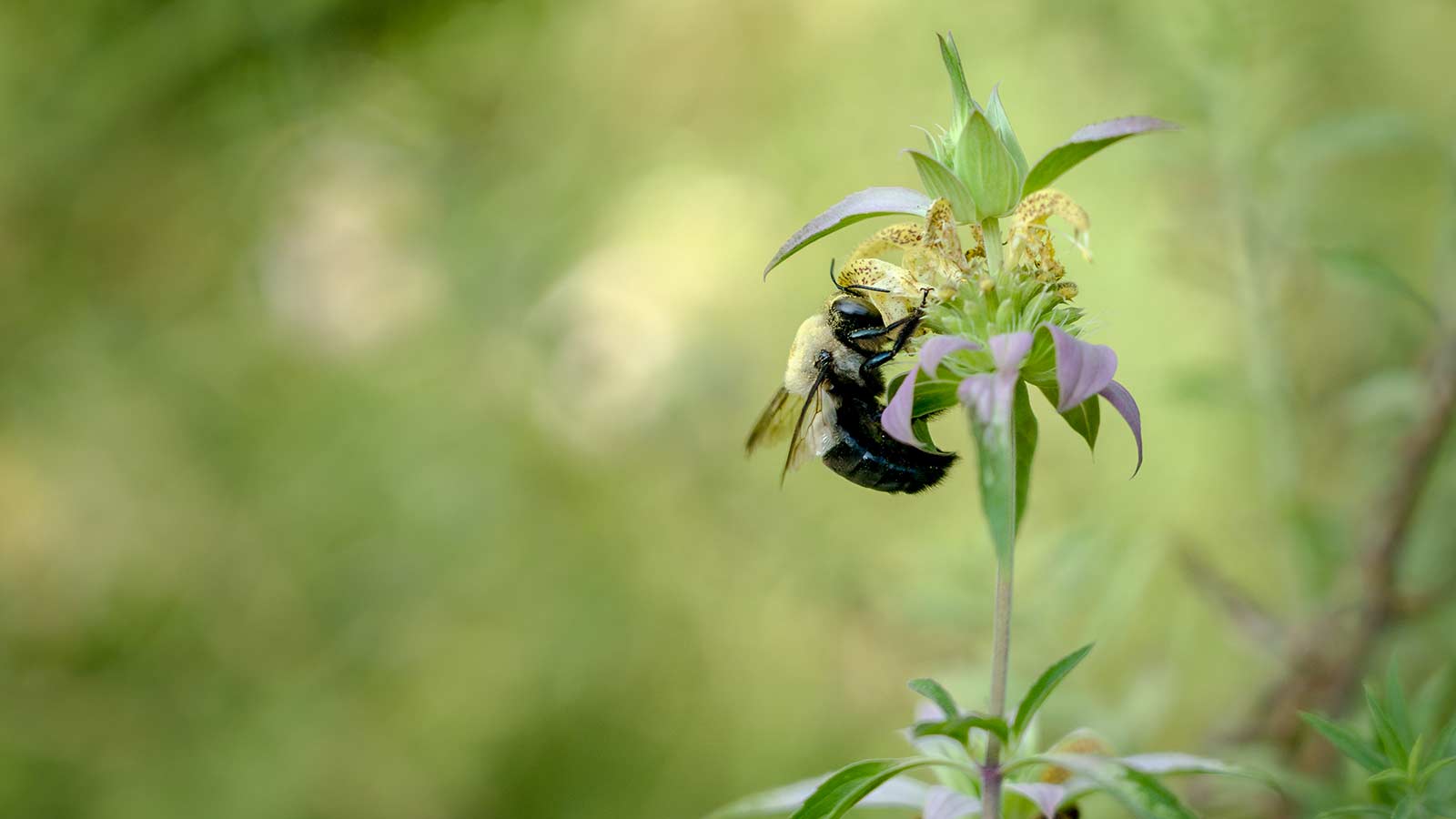
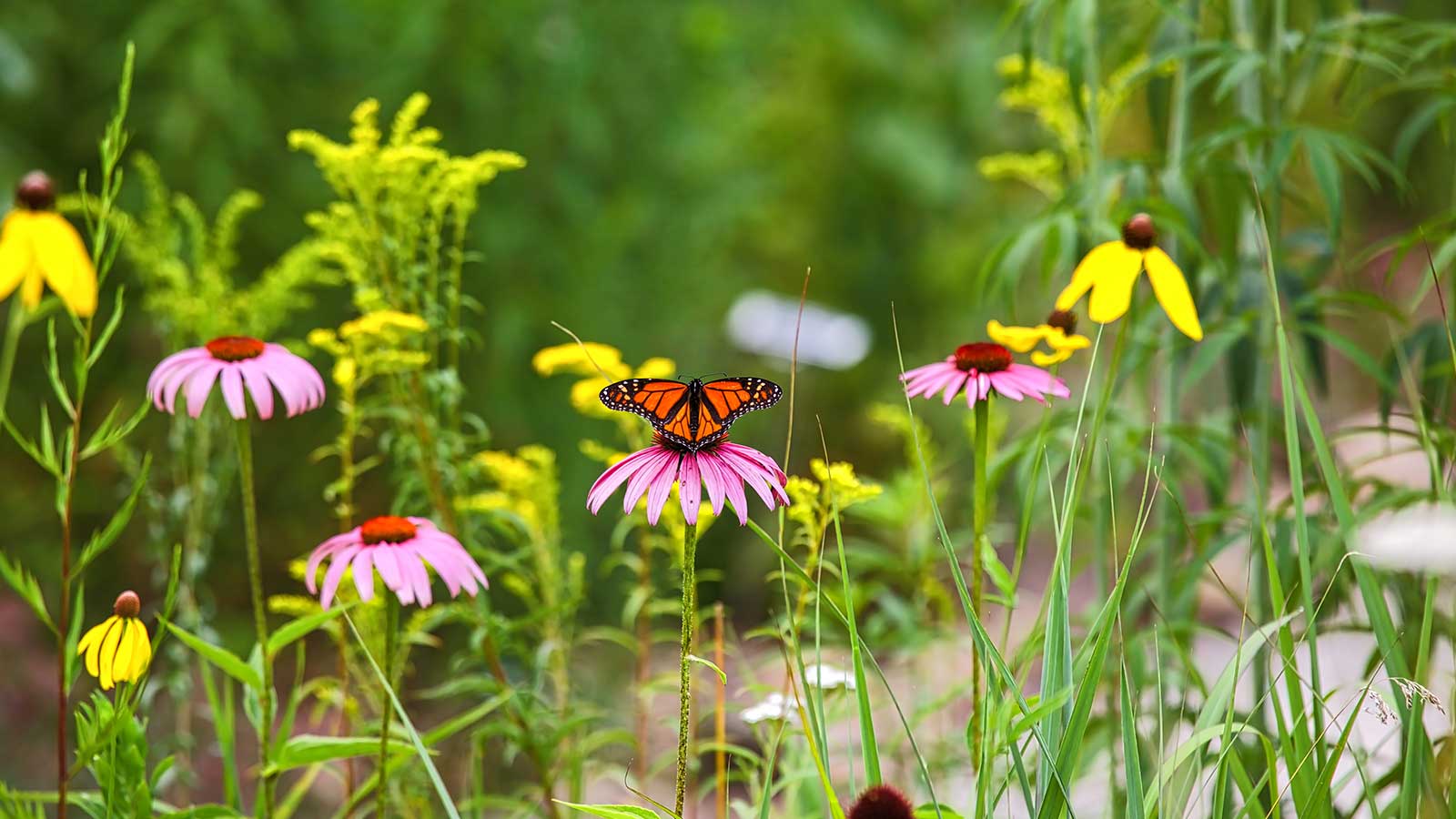
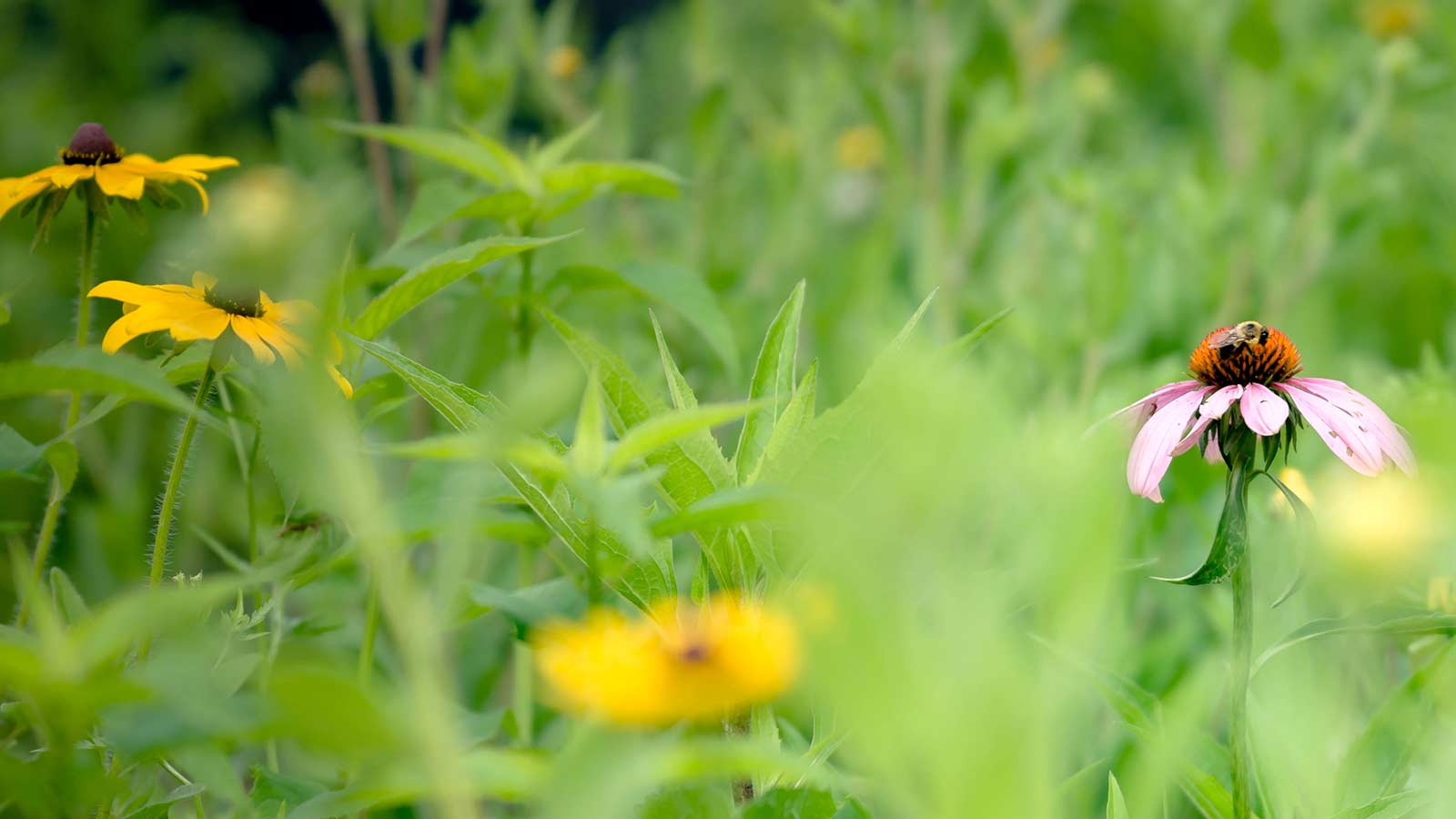
Next up is cleaning up spent flower stalks. There’s a lot of confusion about when to do this if you want to support native bees that use them as nesting sites. These bees are very small, and unless you develop an eye for them, you probably won’t even notice them. But these hundreds of species of small bees are ecologically important. The Xerxes Society provides guidelines, but here are the highlights:
- If you want to help native bees, wait to cut spent stems in Spring, leaving 8 to 24 inches of stubble at varying heights. Bees can’t get into a whole stem, so cut ends, or naturally damaged ends, give them an entry point in Spring.
- You can leave seed heads up through Winter to feed birds or allow self-seeding.
- Or, you can do nothing at all with seed heads and leave it entirely in the capable hands of Nature.
So now we have “leave the leaves and save the stems.” This seasonal ritual honors the living, the sleeping, and the dead. It is all connected.
Plant of the Month: American Persimmon (Diospyros virginiana)
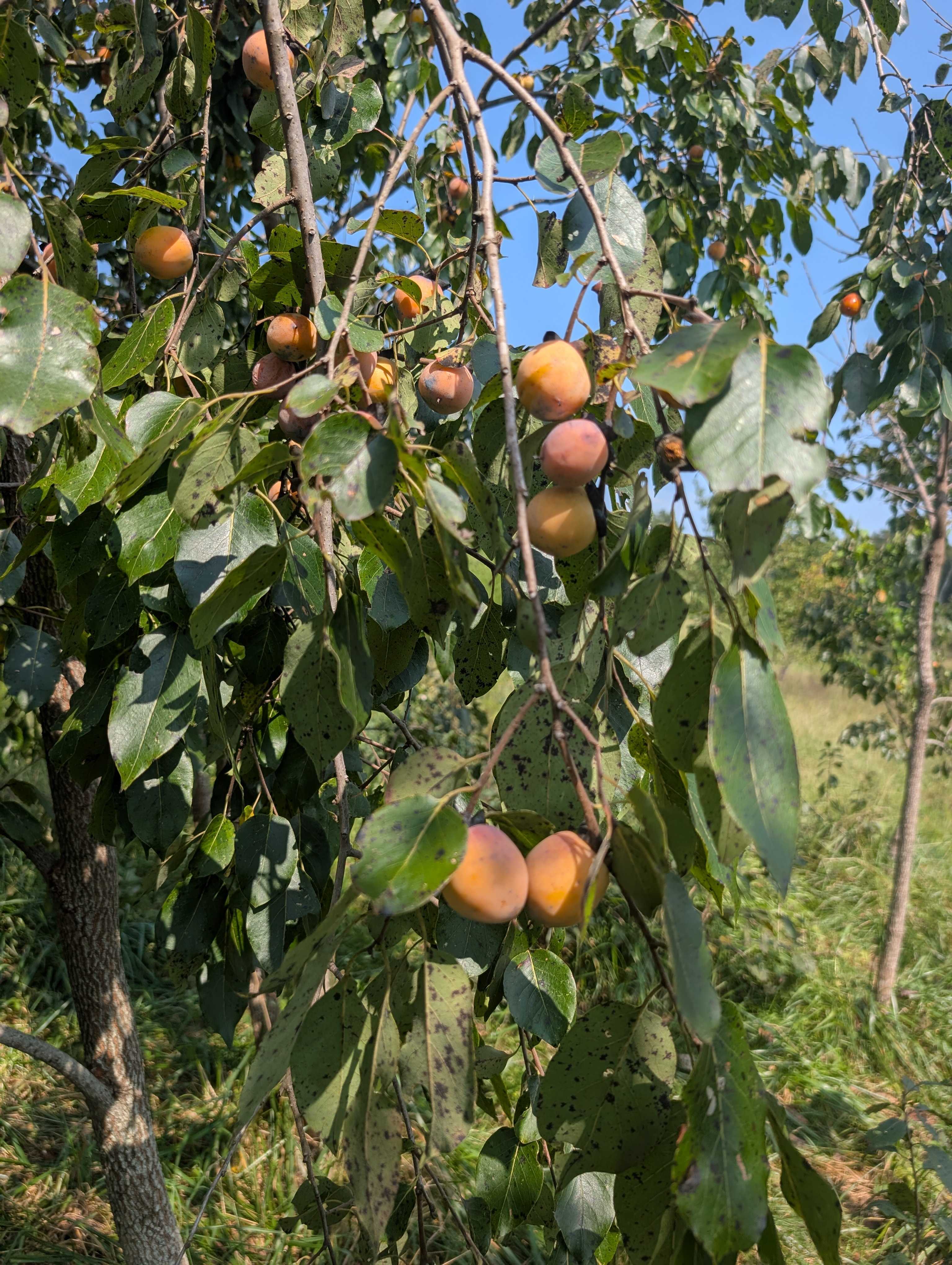
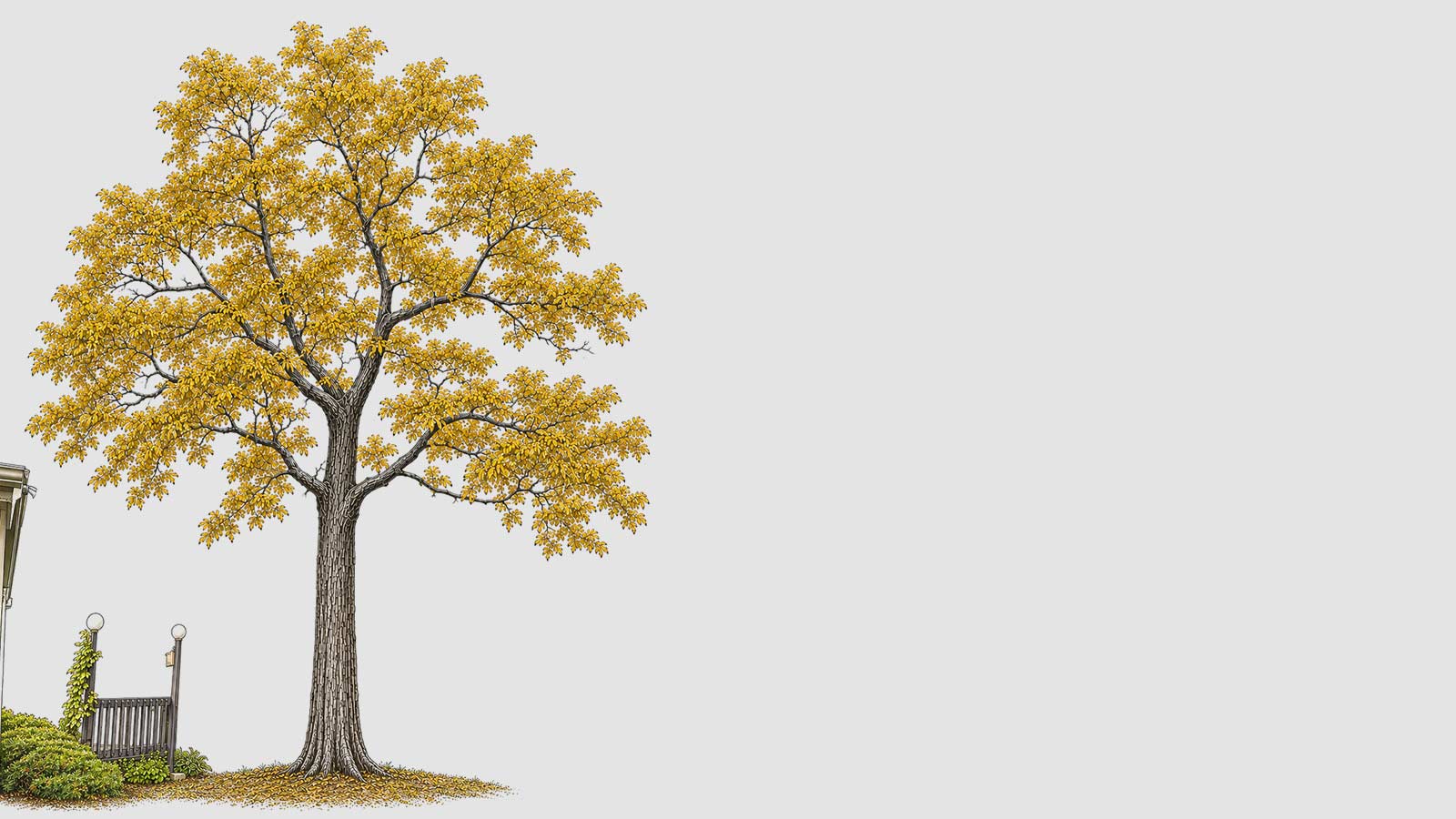
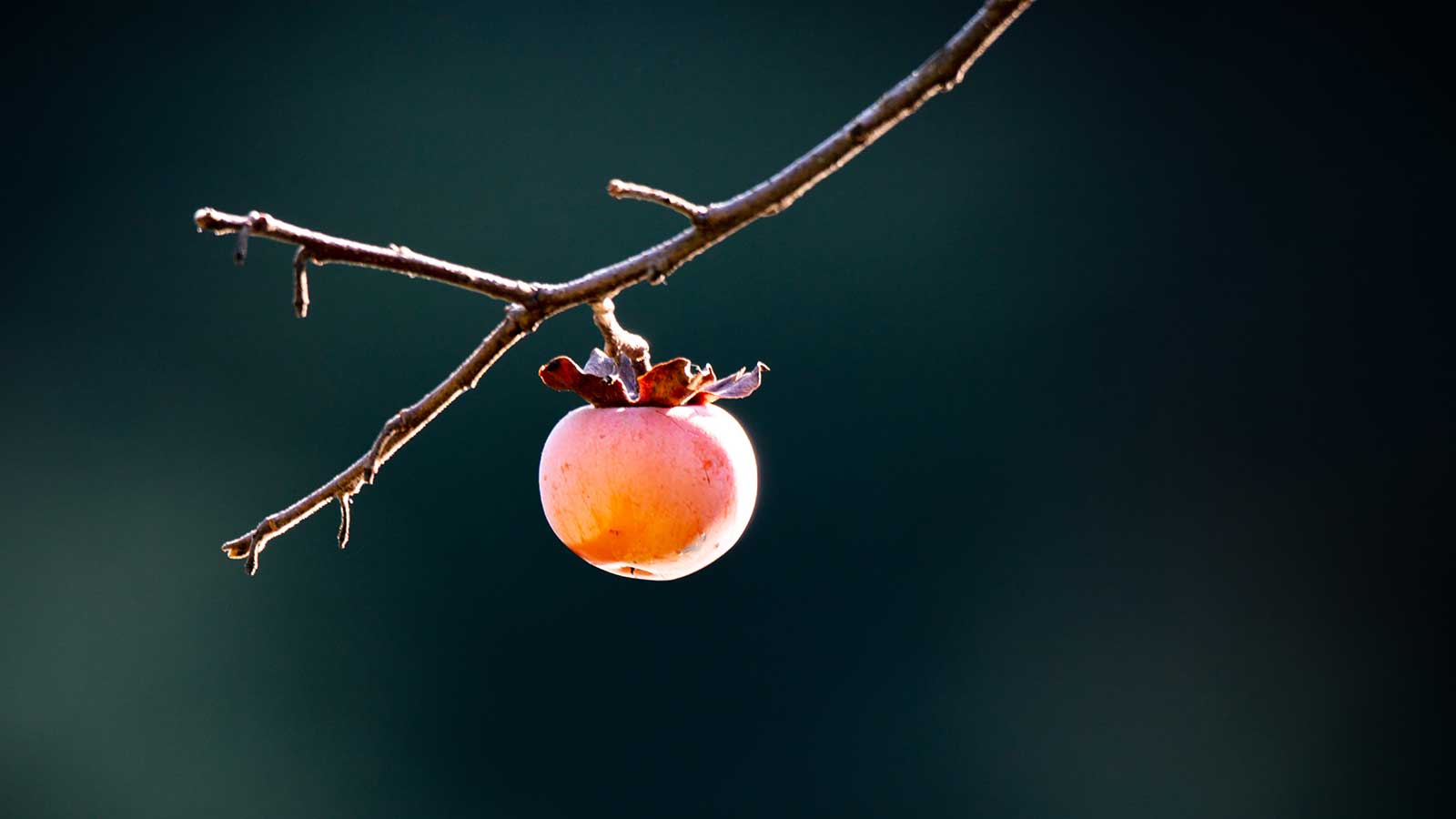
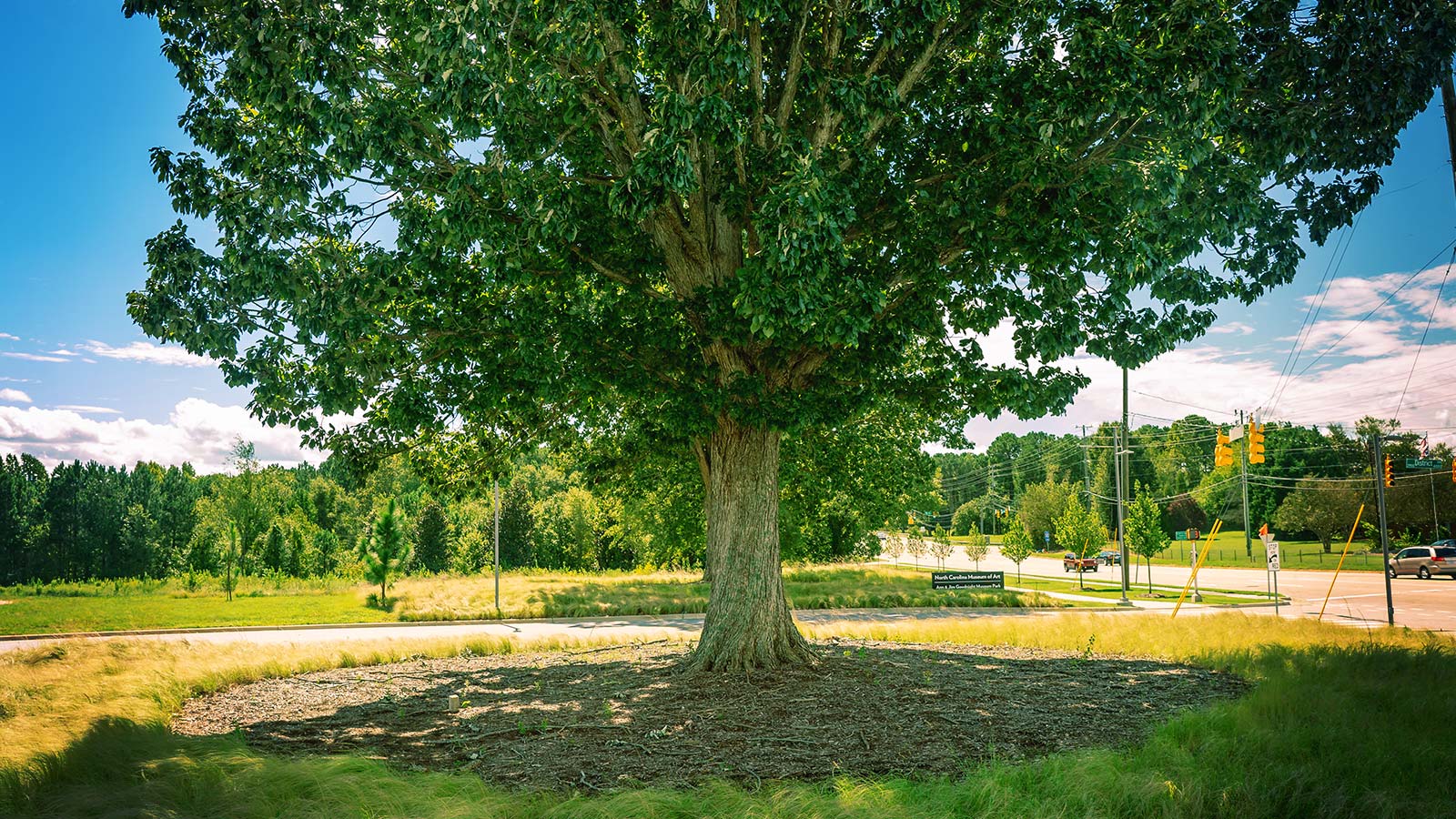
This common eastern forest tree is easy to grow and adaptable to many conditions. It is prized for its relatively large fruit, which wildlife and humans alike can enjoy. A word of caution: unlike Asian persimmons, the fruit is unpalatable until it is fully soft and ripe, so patience is in order.
- It prefers well-drained sandy soils in full sun or partial shade, so it is well-suited for much of our region.
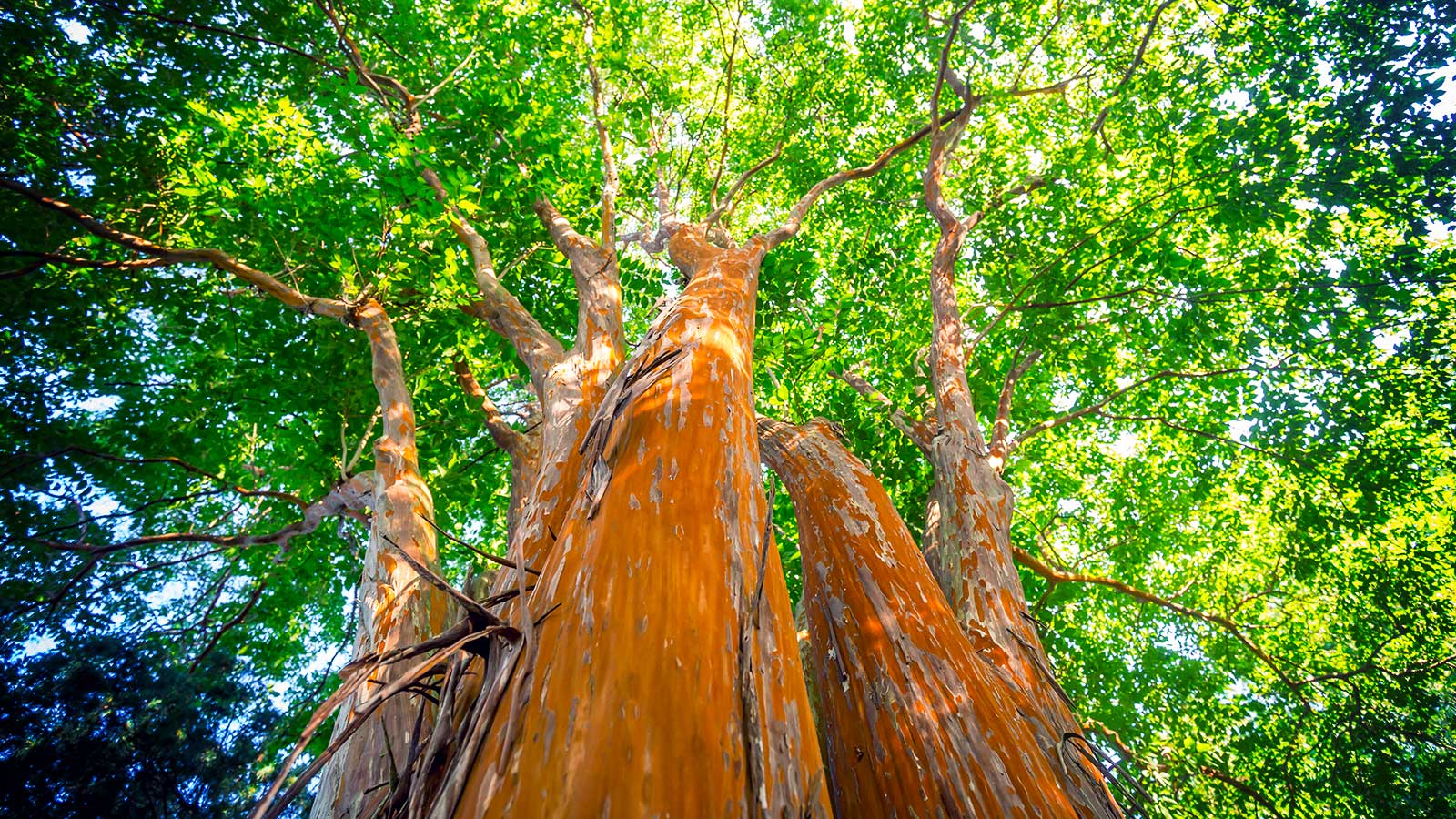
- In the forest, it grows into a tall, slender tree with distinctive, blocky bark sometimes compared to alligator hide.
- In Spring or early Summer, flowers are small and hidden beneath the leaves. The highly fragrant flowers are rarely noticed by us, though they are important to bees.
- Trees are either male or female, and both must be within pollinating distance to produce fruit.
- If grown from wild seed, the tree will be 10 to 15’ tall and 4 to 9 years old before the female plant bears fruit.
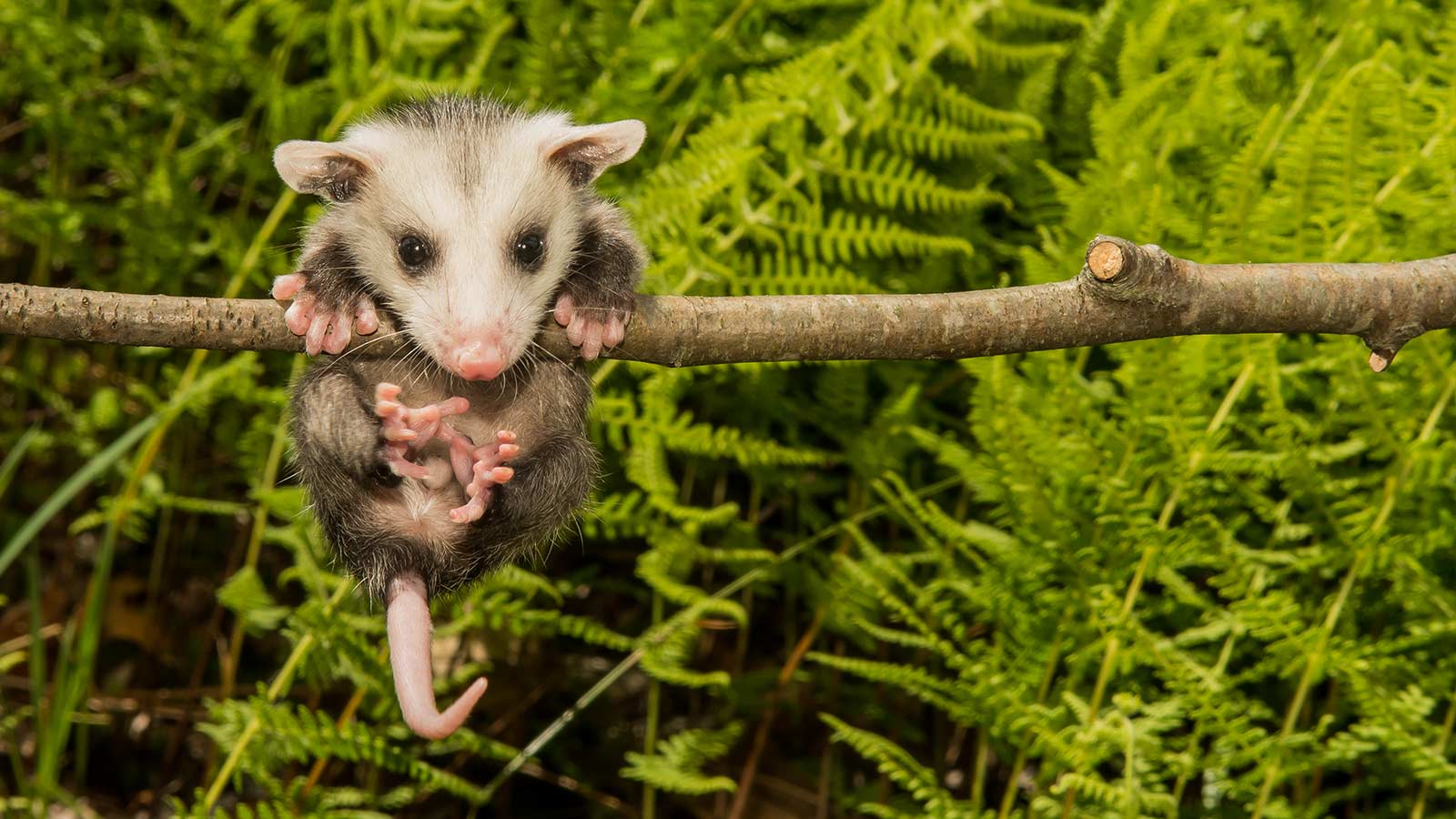
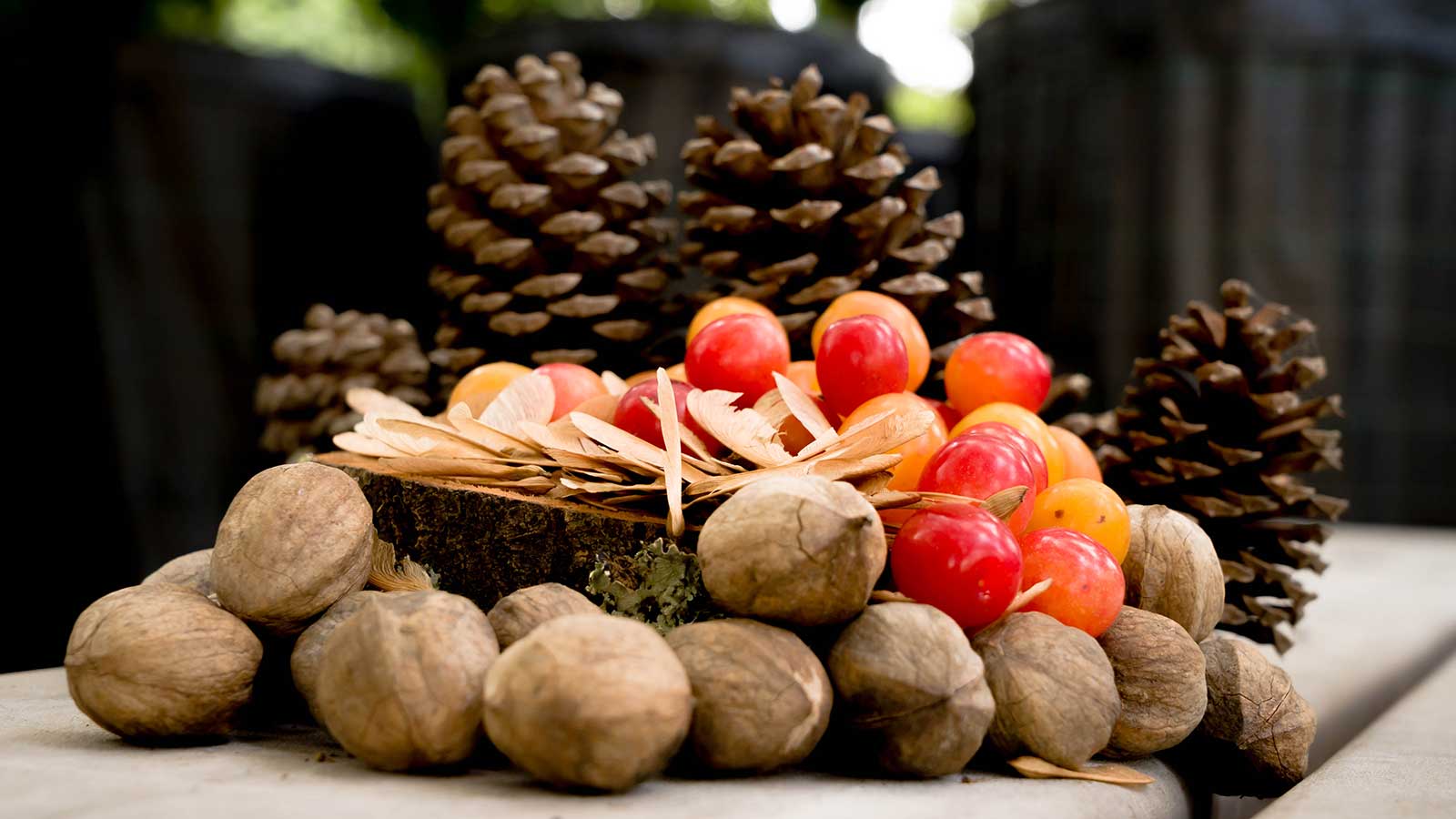
- The fruit is oval to round, about 1 to 2 inches in diameter, and matures to orange in the Fall. The fruit is important to opossums and other wildlife. Humans can eat it too once it is ripe and soft.
- Cultivars, typically grafted, are intended for orchards.
- Native all over the Southeast.
Q&A: How to Care for Newly Planted Potted Trees
Q: Why do the trees I plant keep dying?
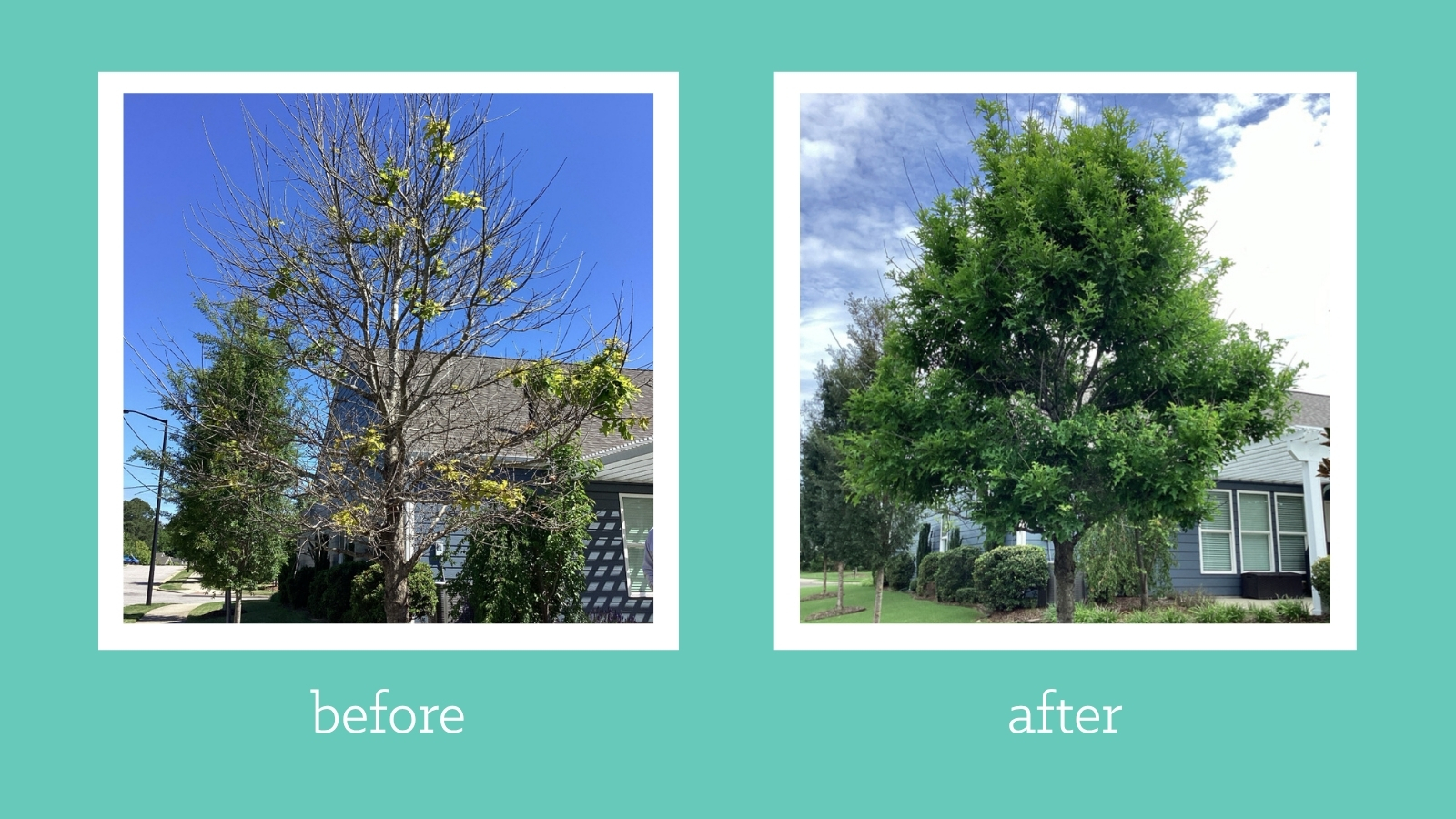
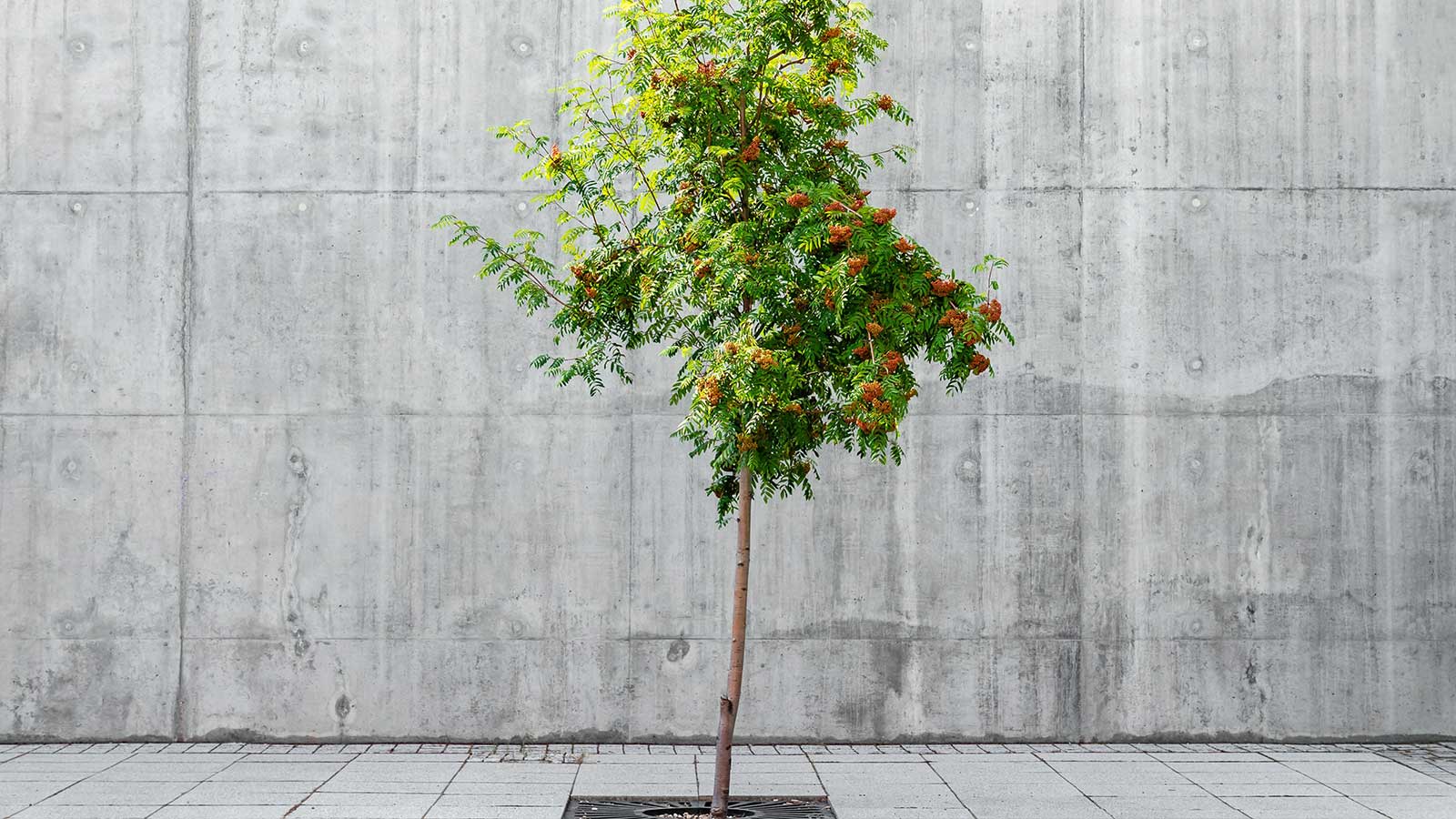
A: It’s a surprisingly common occurrence. Even skilled gardeners lose trees, especially if they were grown in pots rather than planted as saplings. Our poor urban soil and the difficulty of finding well-grown trees are just two of the challenges. Here’s a handy list to help you identify where you might change your processes for a better outcome.
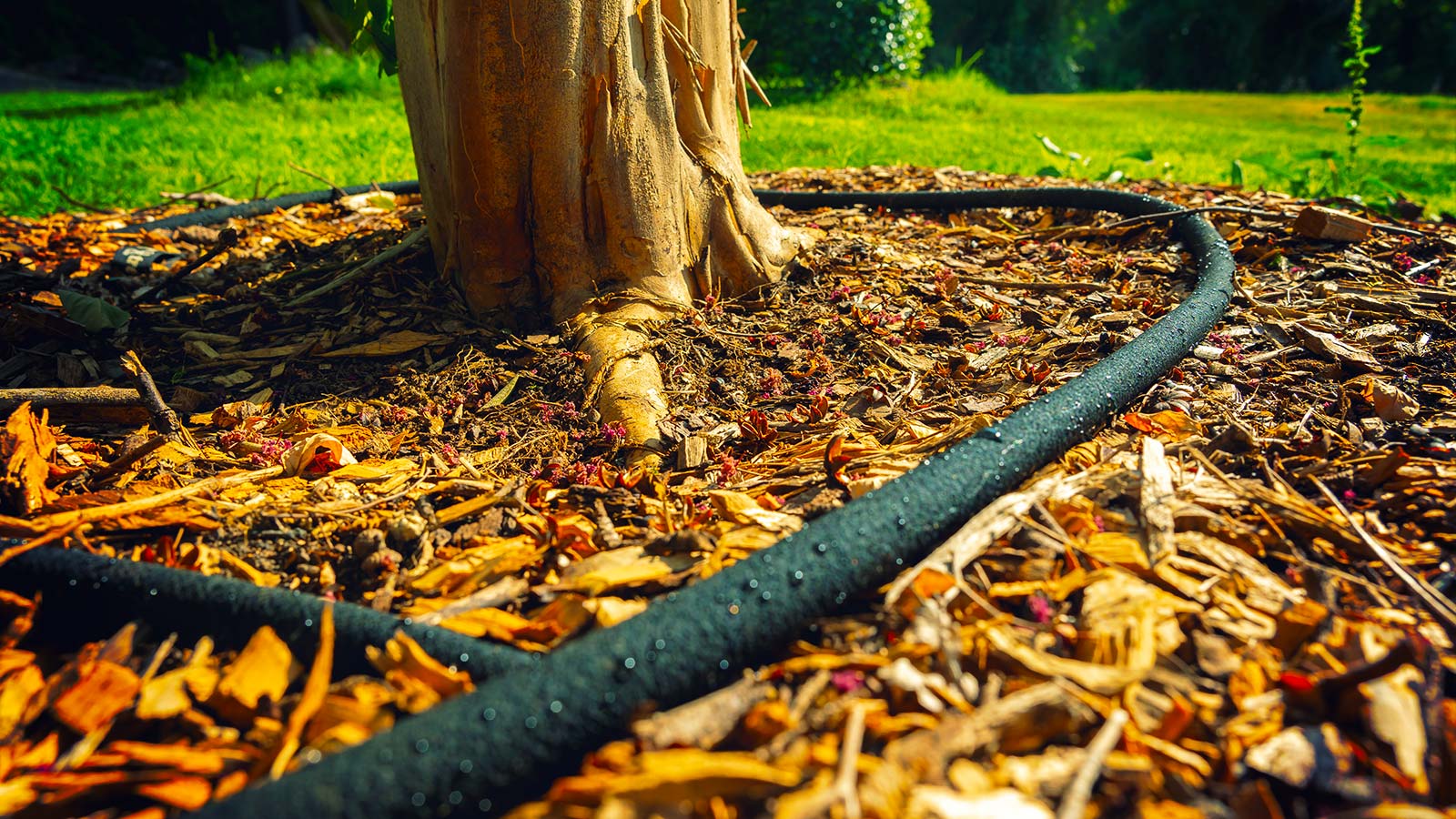
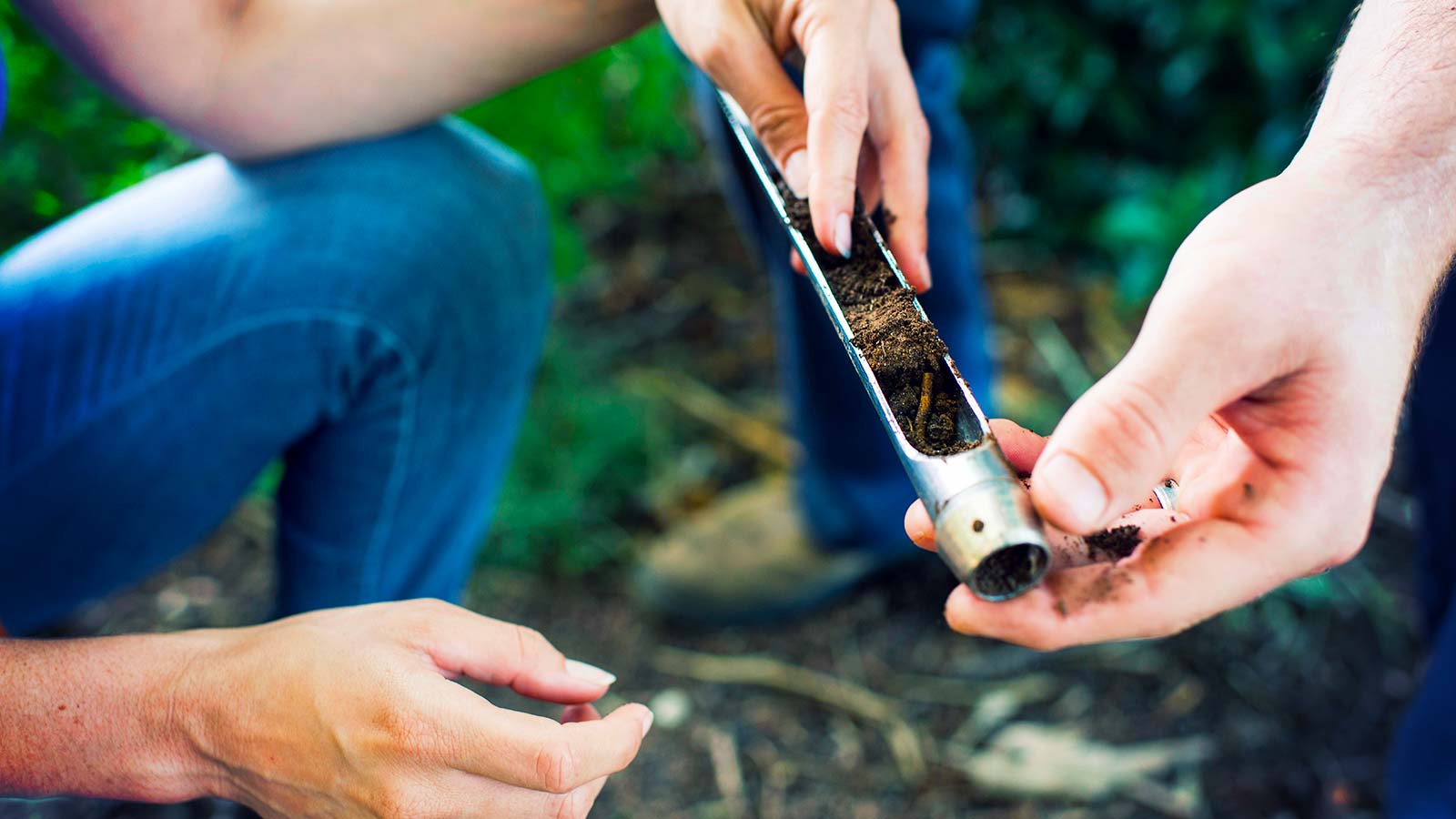
- Too much or too little water. This is the “biggie.” You must ensure that the plant’s soil moisture needs are met but not exceeded. This will require digging down by hand until you get a feel for how much moisture your soil retains, how deep it goes, and for how long.
- Planted at the wrong time of year. Plant them when the weather is consistently cool: late Fall and Winter are the very best times in our region. Planting in late Spring, when we are full of ideas and garden centers are bursting with choices, can be a recipe for failure with woody plants.
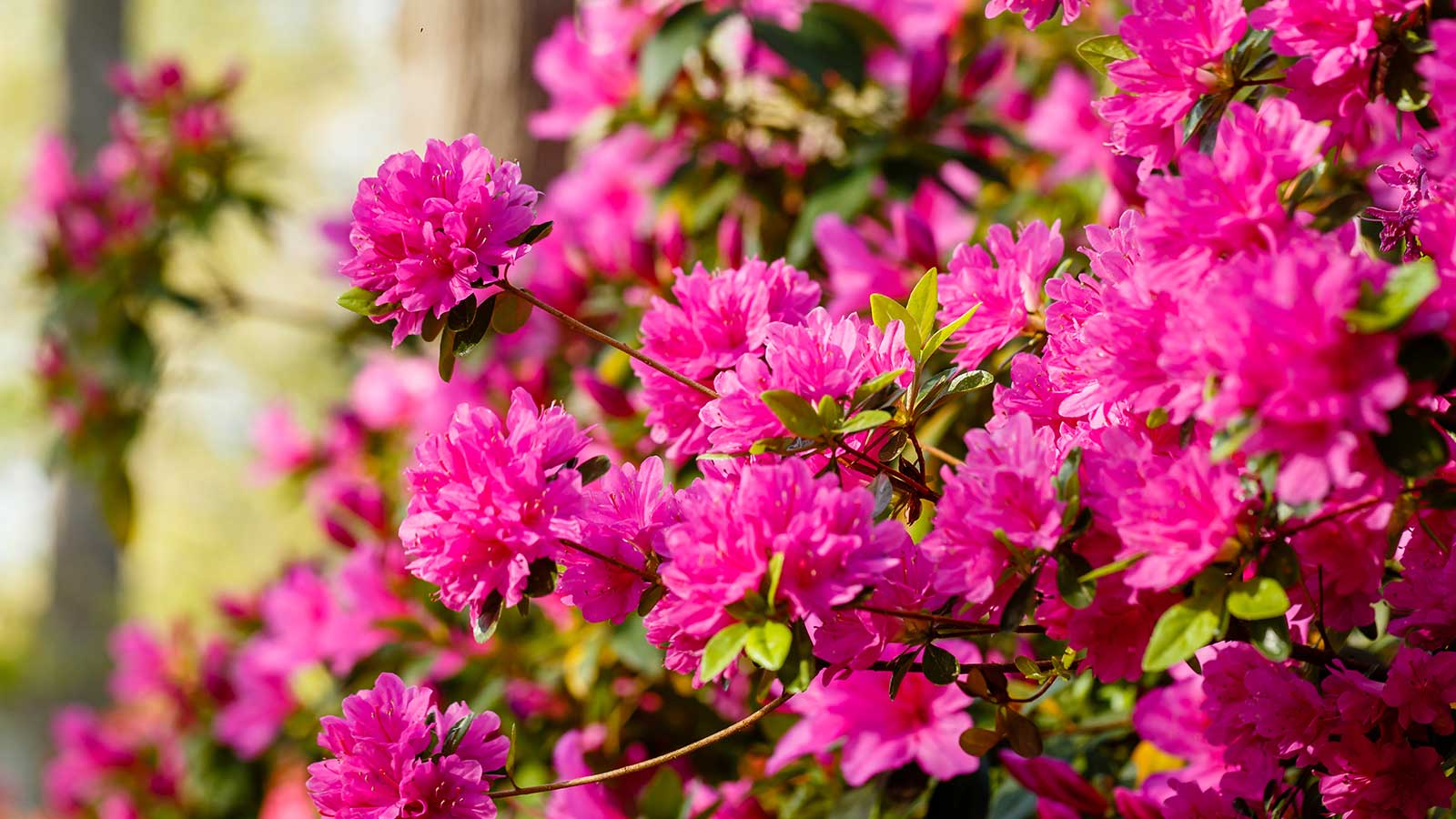
- Wrong tree in the wrong place. This includes sun exposure, drainage, and soil type. Check the conditions your chosen tree needs. For example, azaleas don’t thrive in hot, full sun, and birch trees are likely to suffer if they don’t get plenty of moisture throughout the year.
- Deer browsing and rubbing against the bark. Young trees often need cages for a few years until they are large enough to withstand deer pressure.
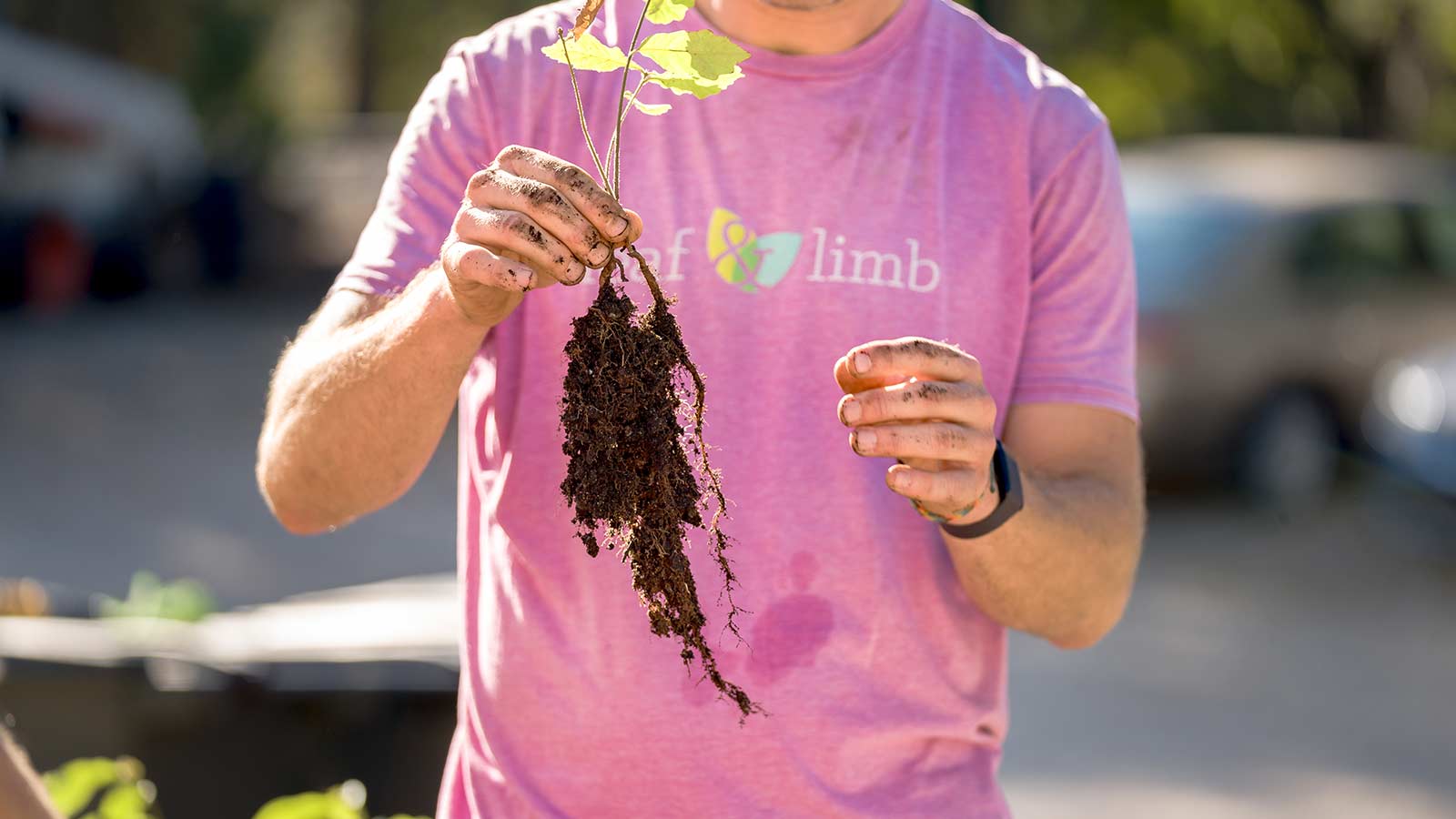
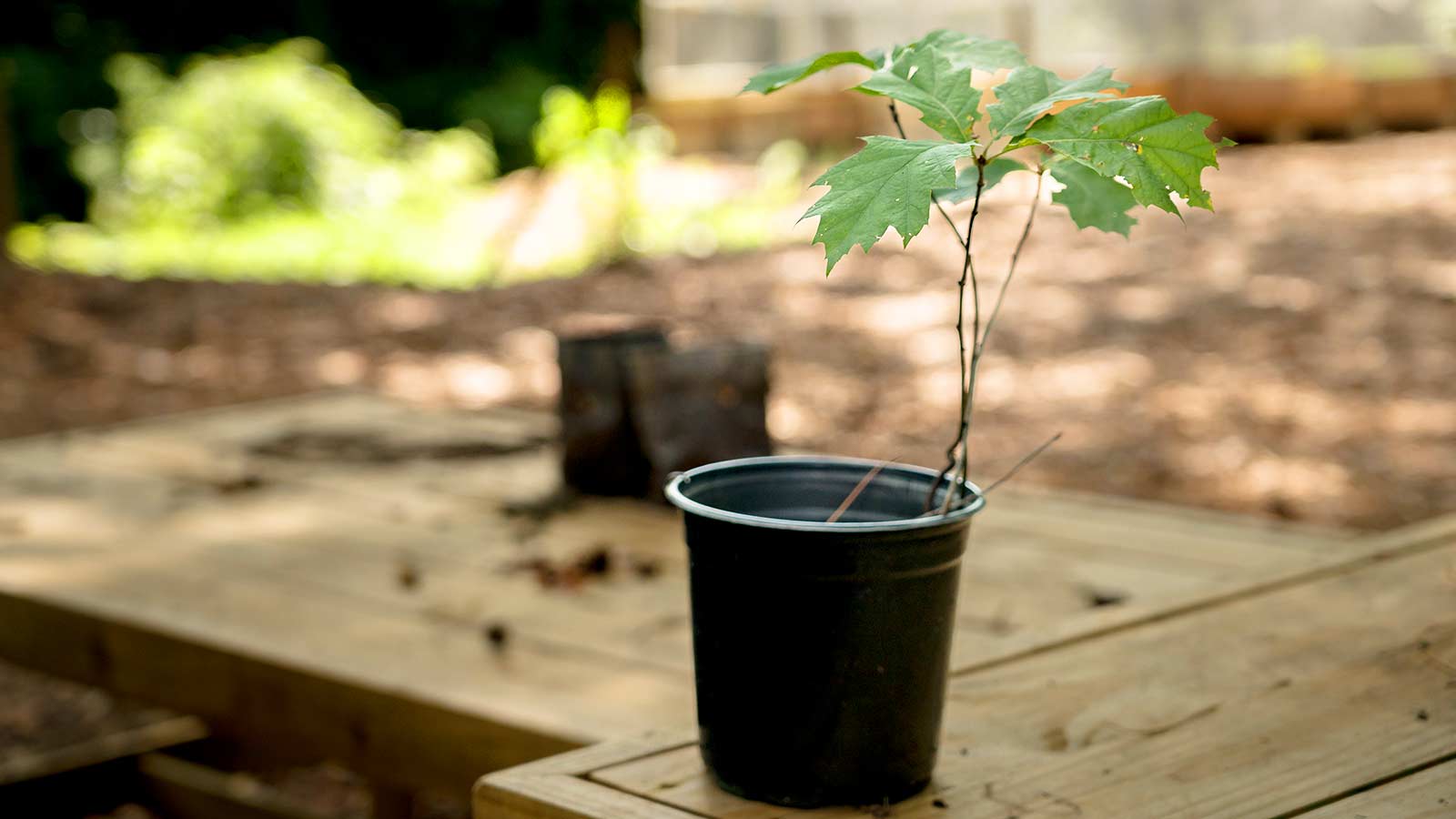
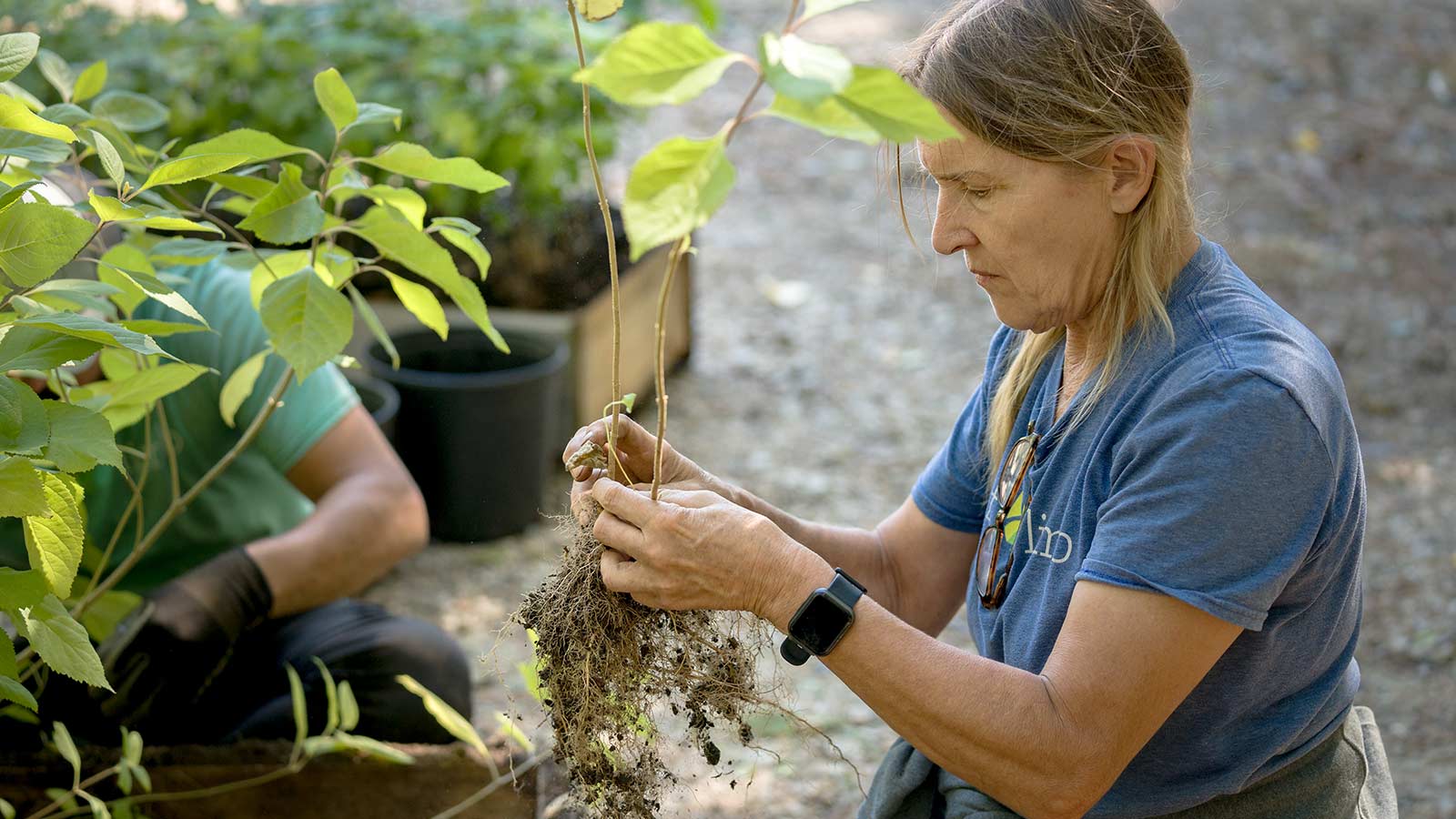
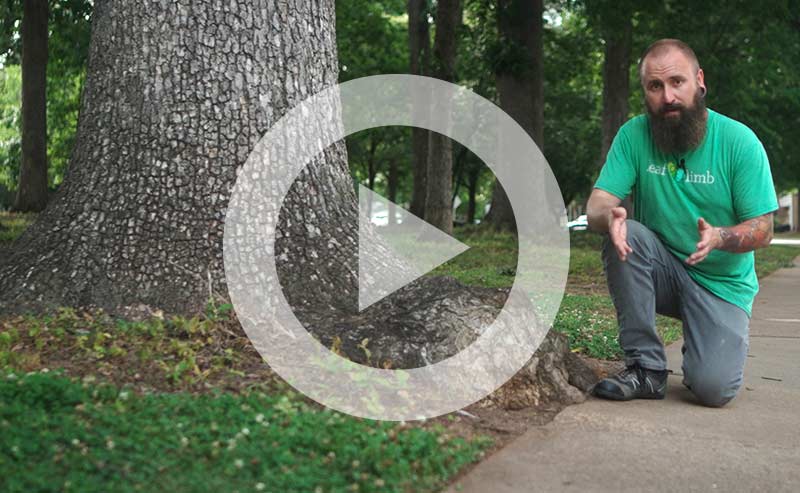
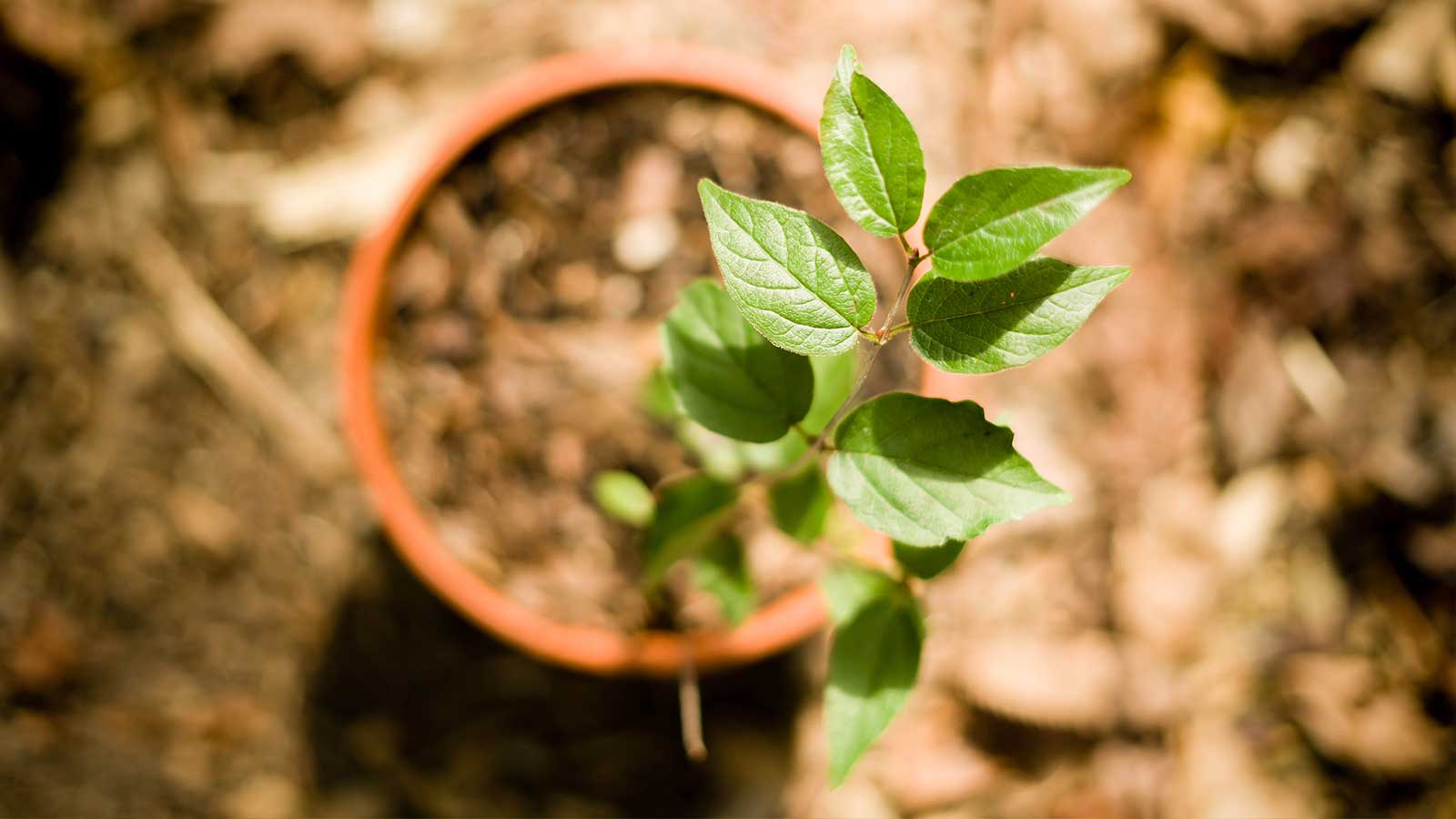
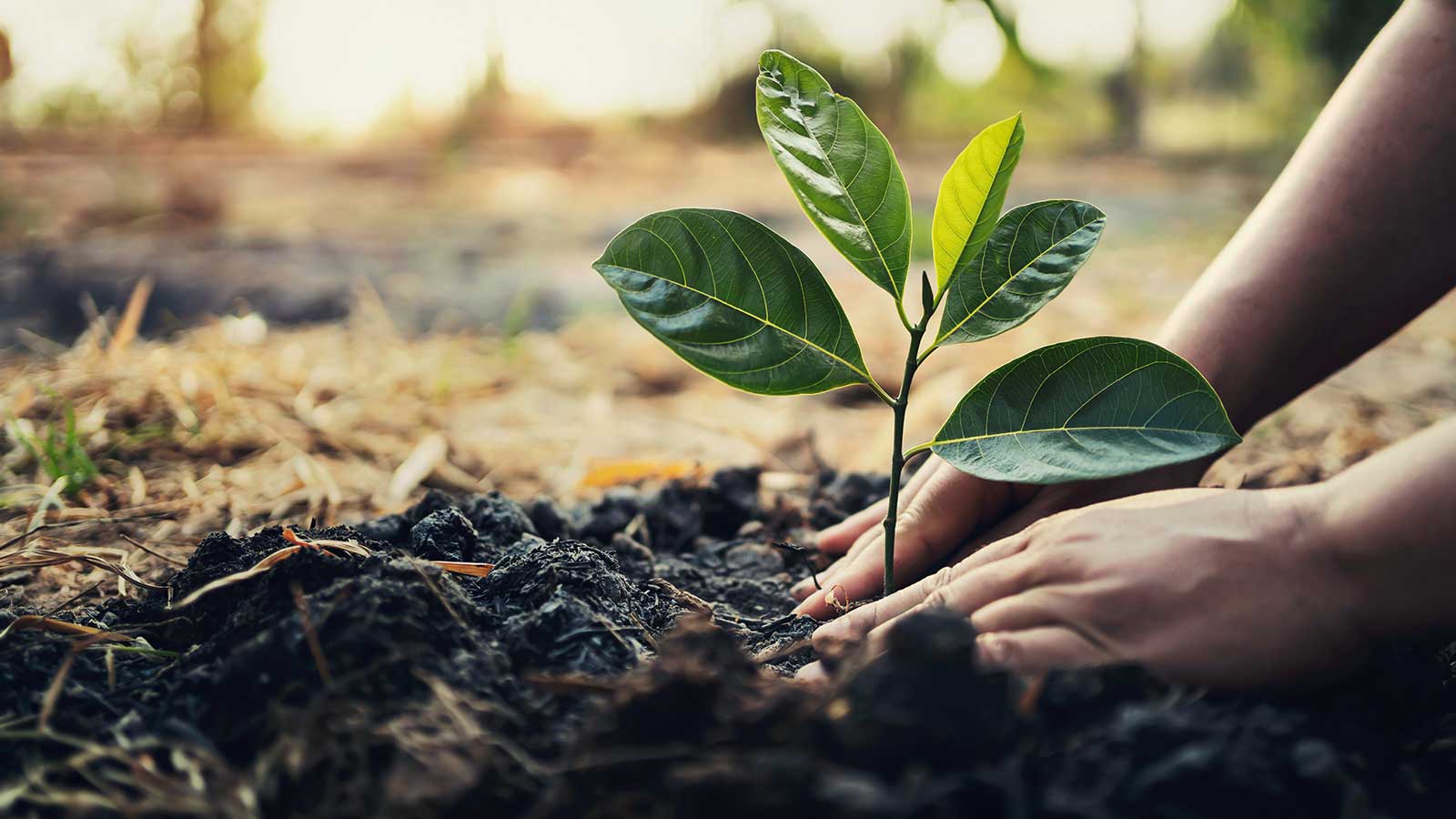
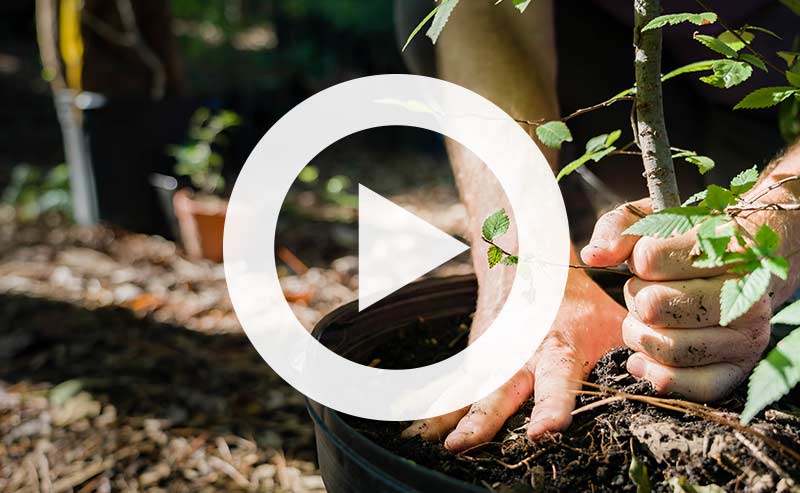
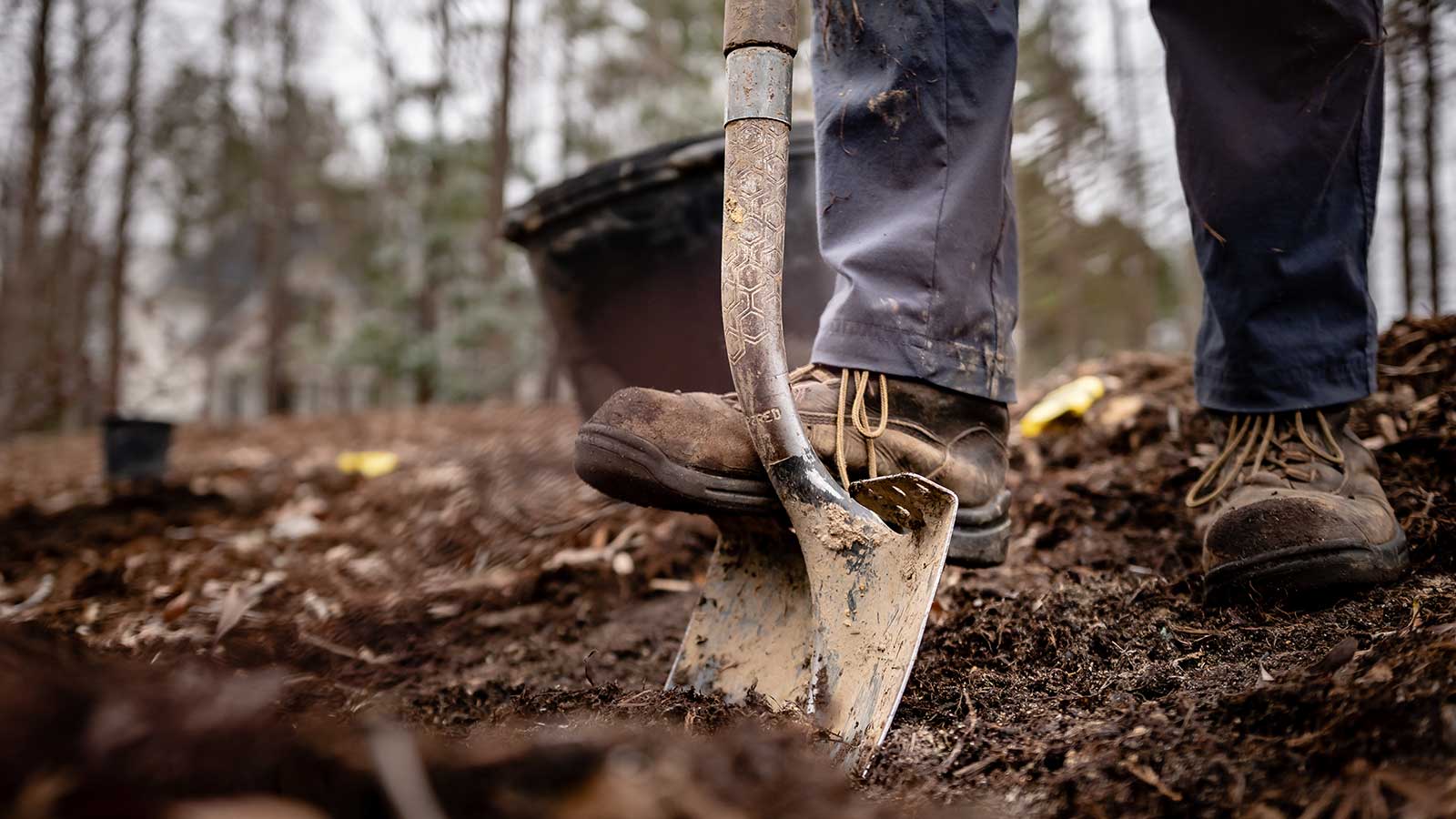
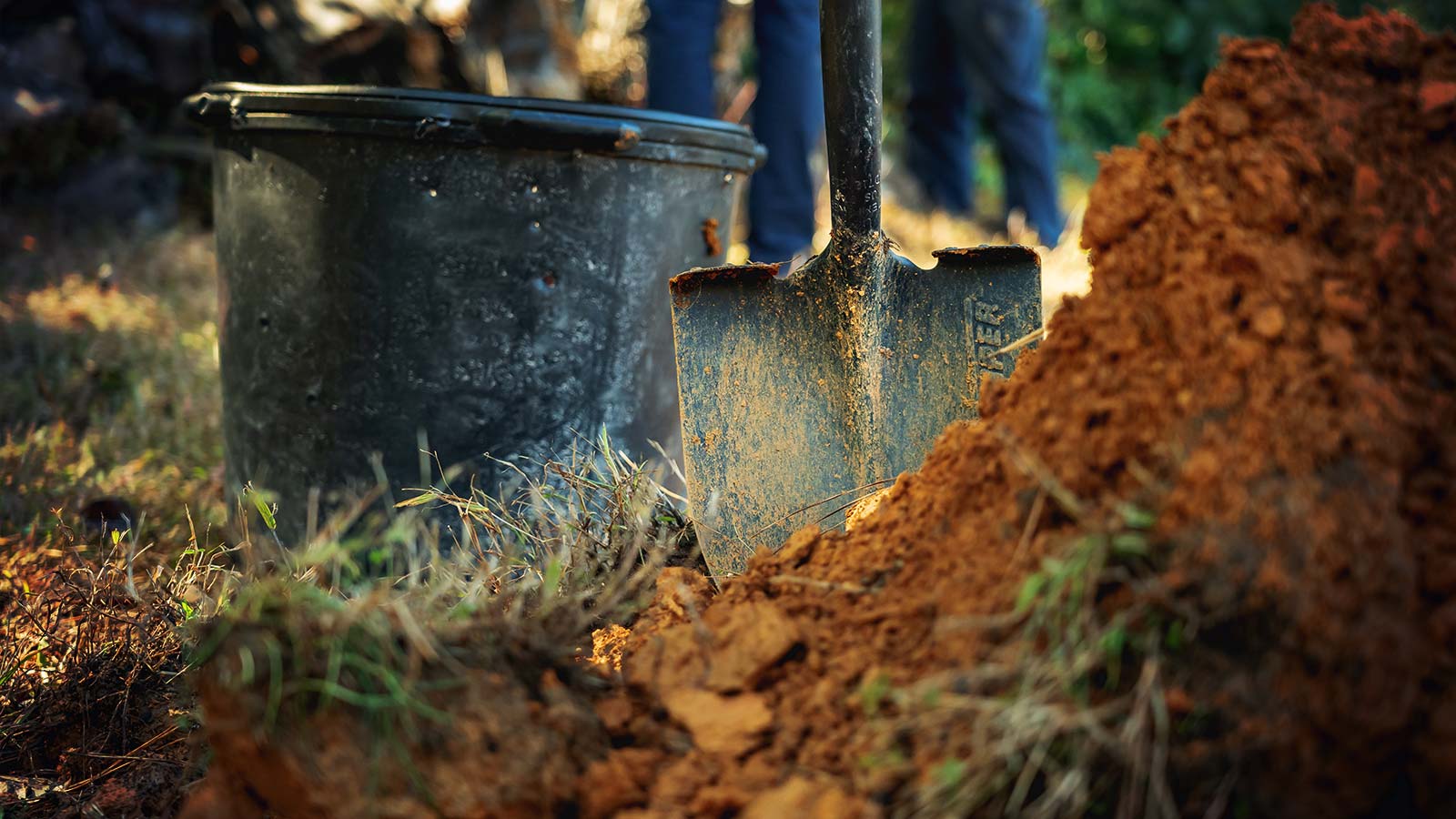
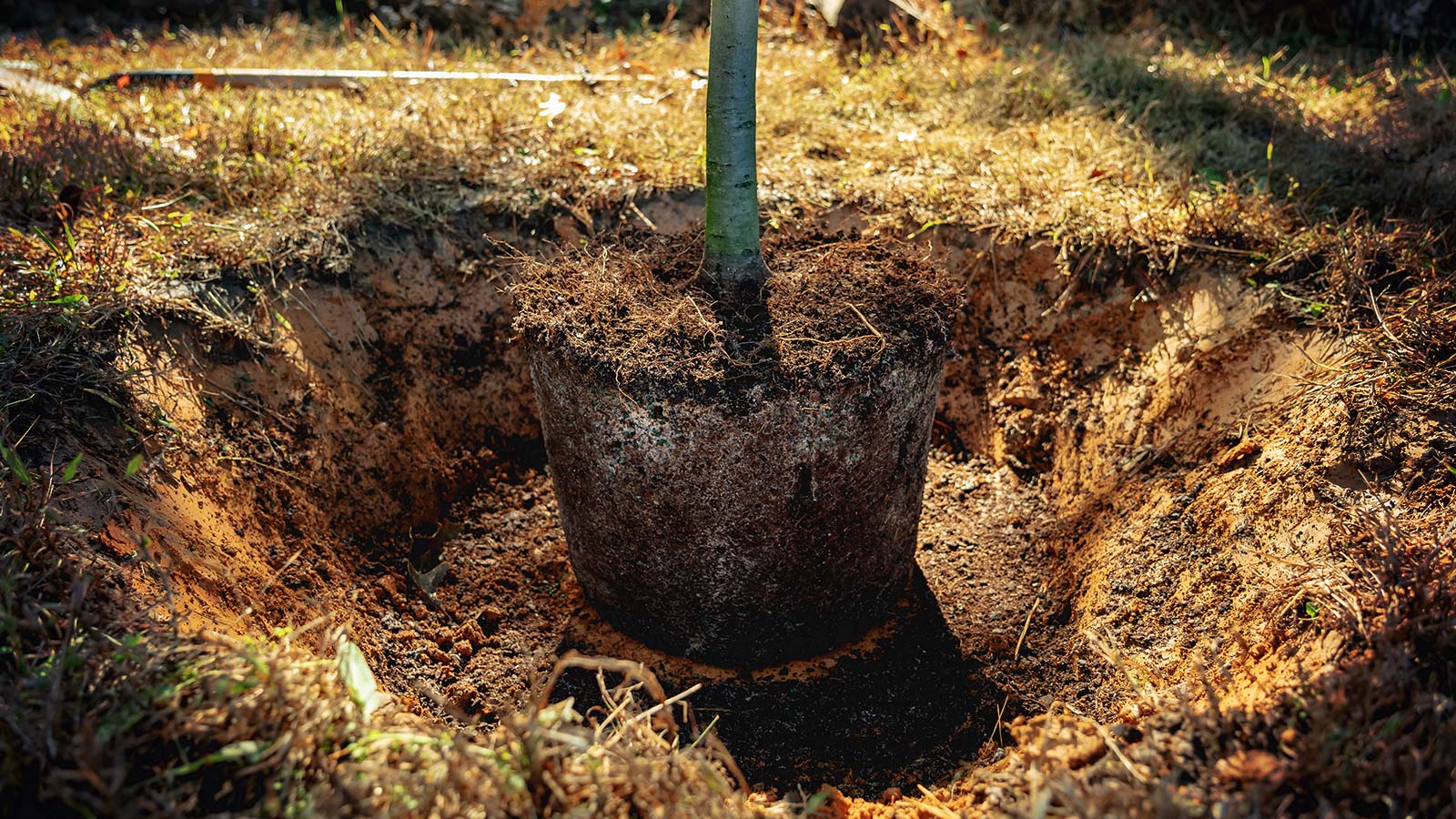
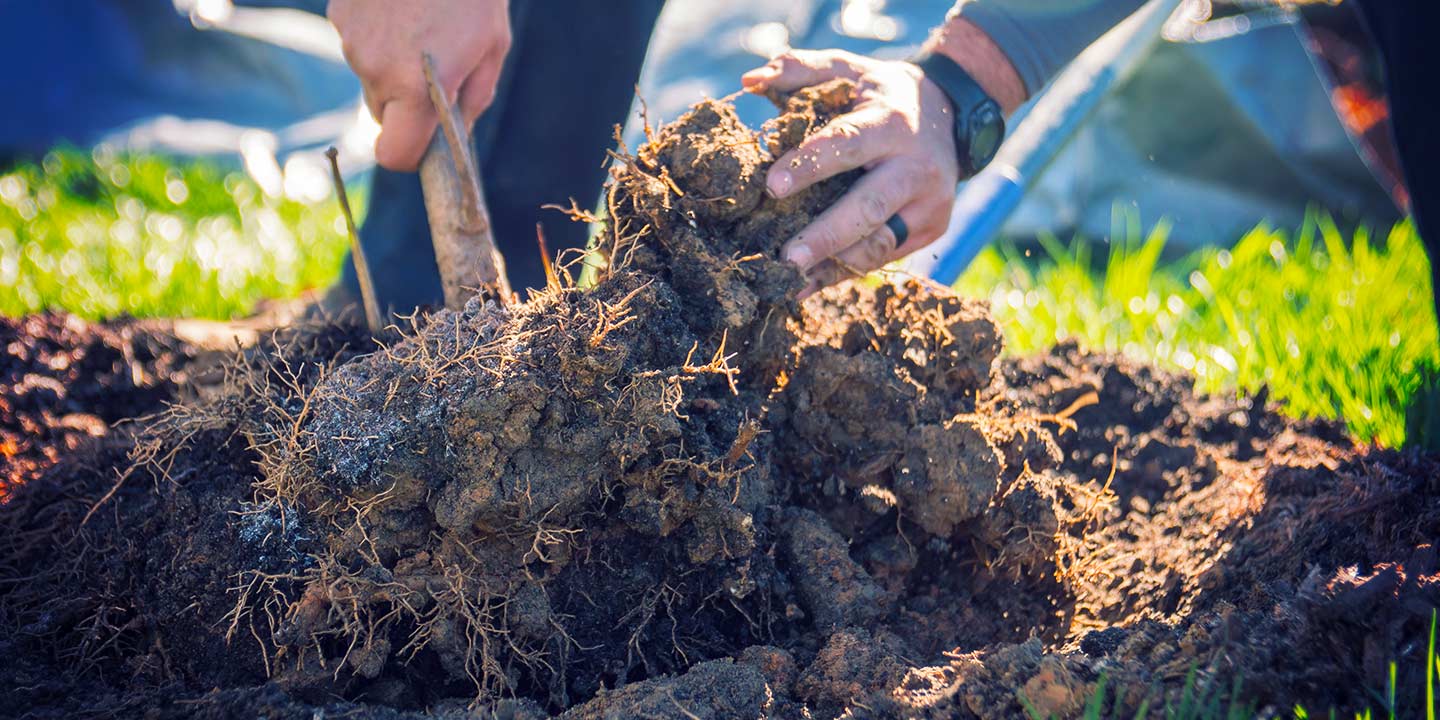
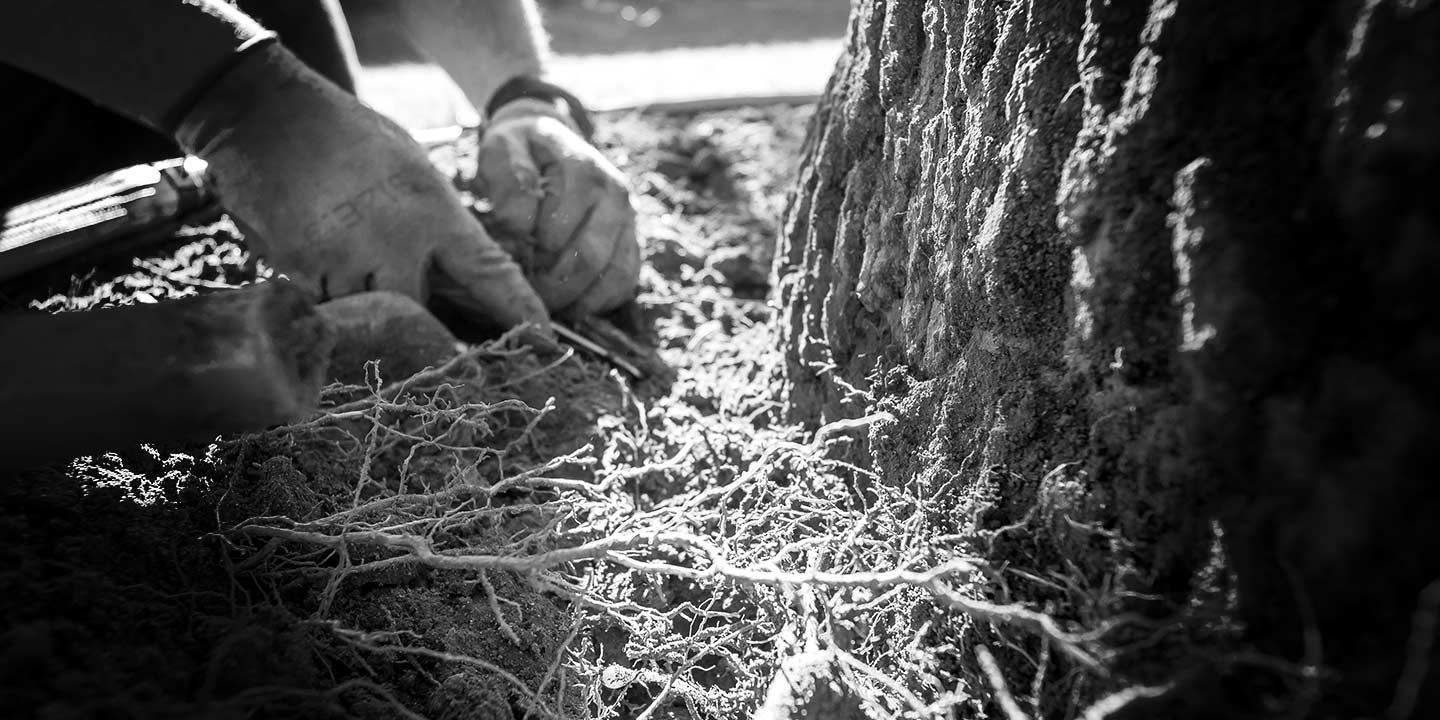
- Improper planting. The right depth is extremely important for trees that were grown in pots. Counterintuitively, planting a tree too deep can kill it. Additionally, the roots need to be inspected and often corrected. Learn how to plant a tree properly for the best chance of success. You can avoid these problems by planting saplings instead of potted trees. Want to read even more about planting? (Yes, it is that important!) We recently collaborated with Homegrown National Park on a guide to planting native trees and shrubs.
Things To Do Around the Triangle
- Oct 31 · 10 AM-12 PM Meet Your Plant Neighbors Triangle Land Conservancy · Free Explore the plant communities of White Pines Nature Preserve in Sanford, including rarer species that thrive in its unusual microclimate. All levels of plant knowledge are welcome, but you need to register in advance.
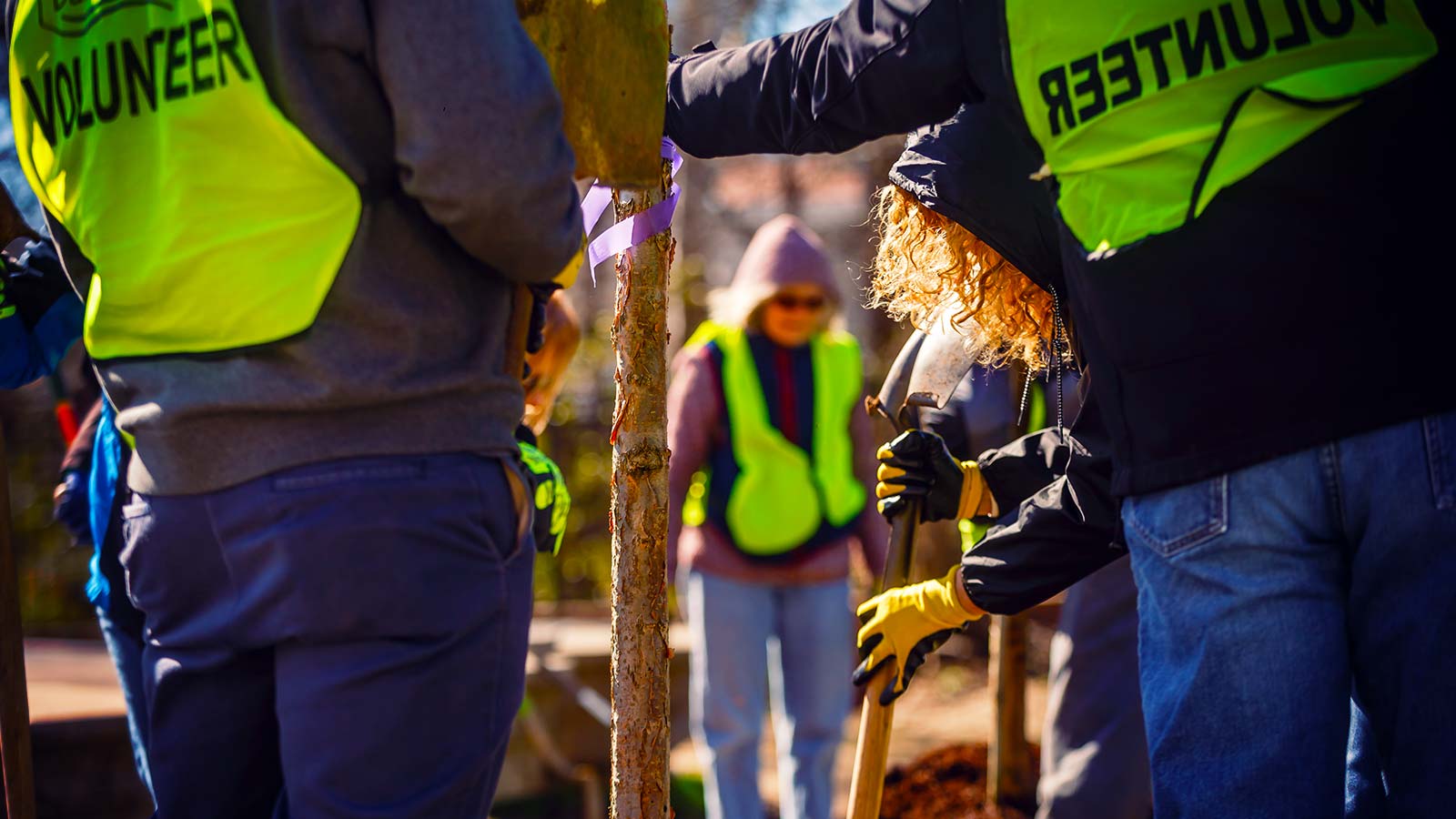
- Nov 8 · 9 AM-1 PM The Big Dig Panther Creek Forest Farm · Volunteer workday Join Keep Durham Beautiful and Project Pando to pot up this year’s seedlings, which will grow for another year before we give them away to the community. There are tasks for every ability level, and you can come and go as you like.
- Nov 10 · 12-1 PM Rethinking Seasonal Cleanup: Why Less Can Be More for Wildlife Duke Gardens · Free Learn when to cut back dormant plants and how many leaves to leave behind for the bees and other insects that spend the Winter in stems and leaf litter. This free talk is available in person or virtually.
- Ongoing · Native Seed Collection Help Project Pando by collecting native tree and shrub seeds for the Native Seed Hub.
One Last Thing: Go Outside
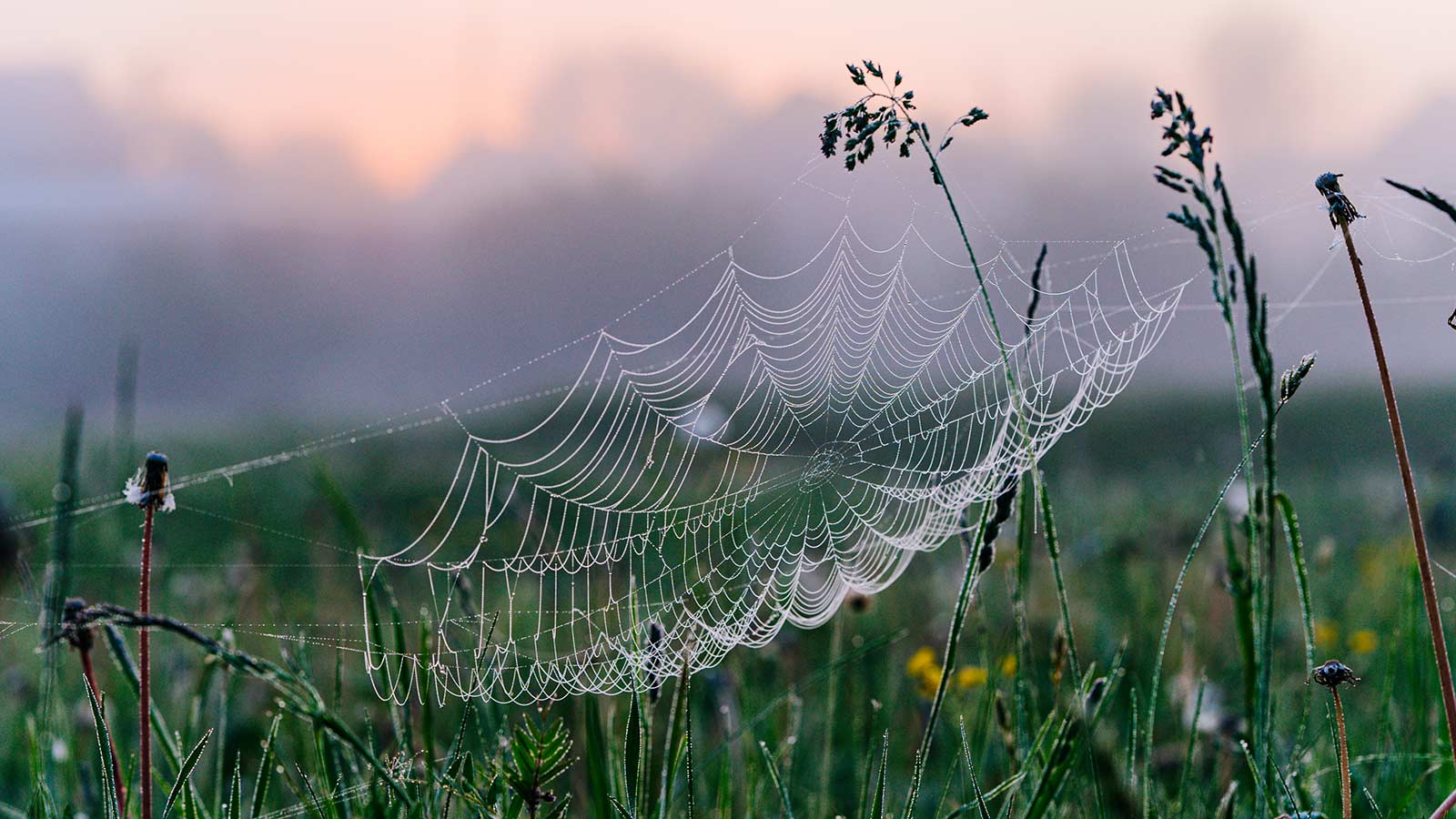
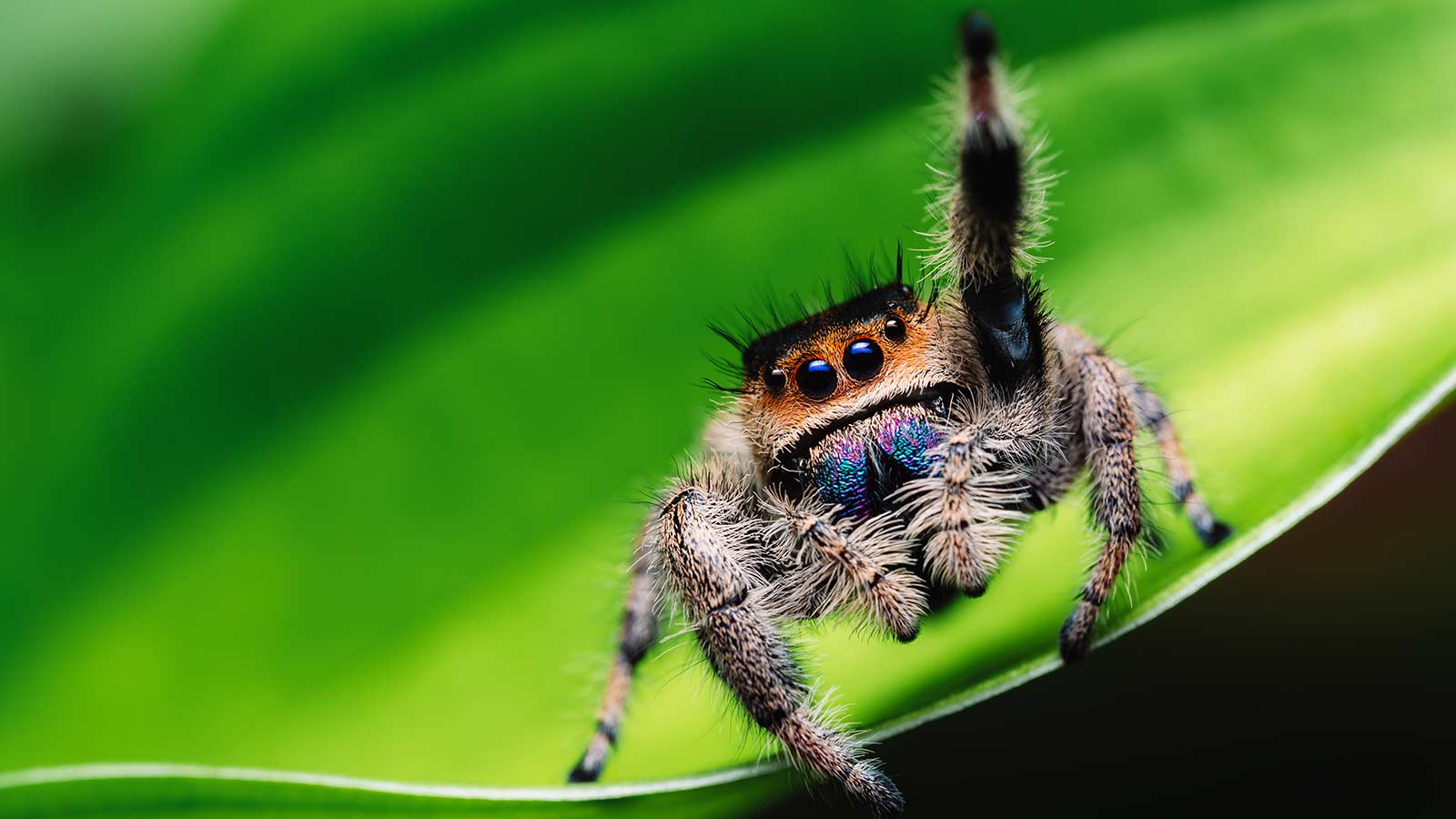
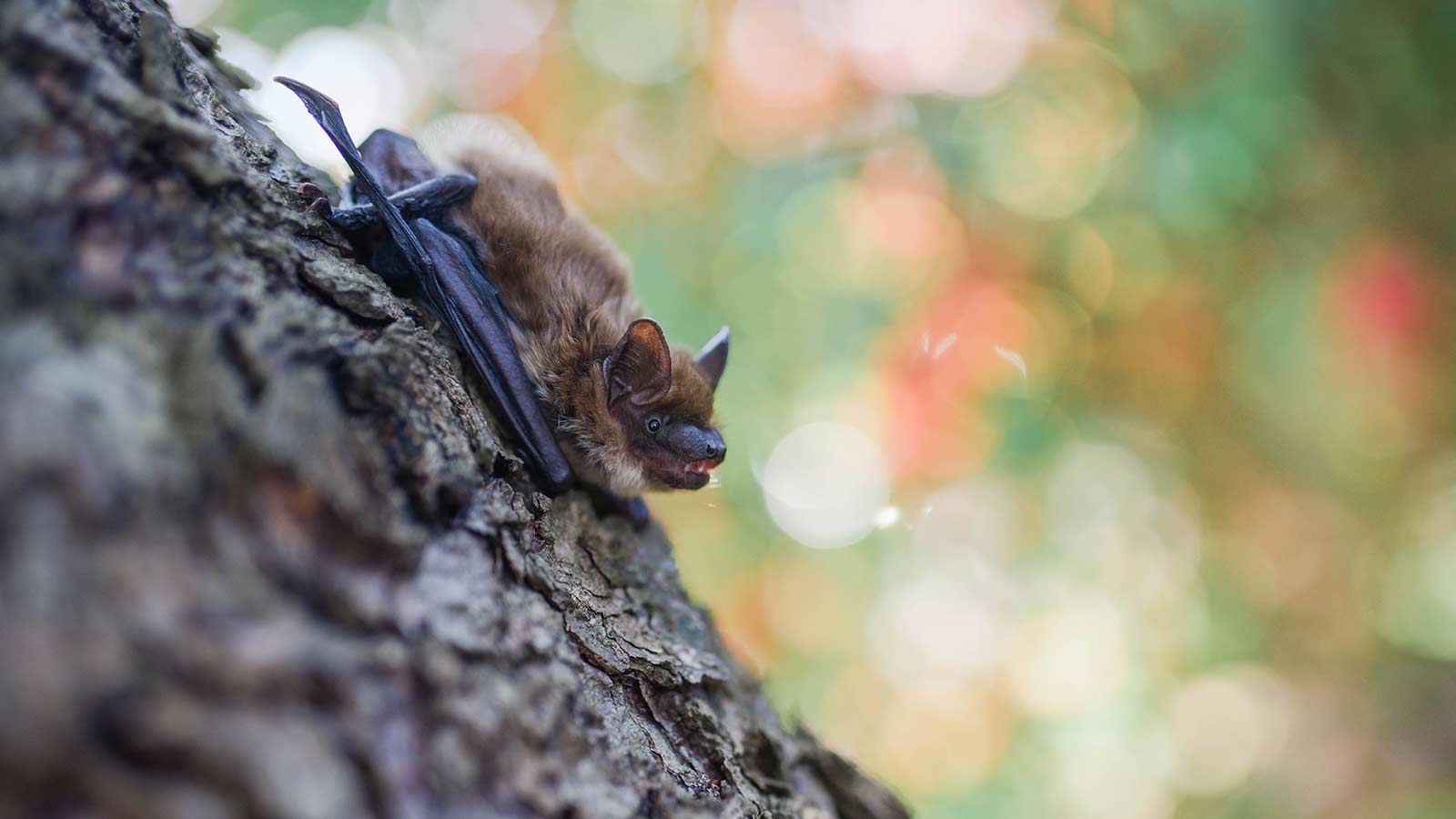
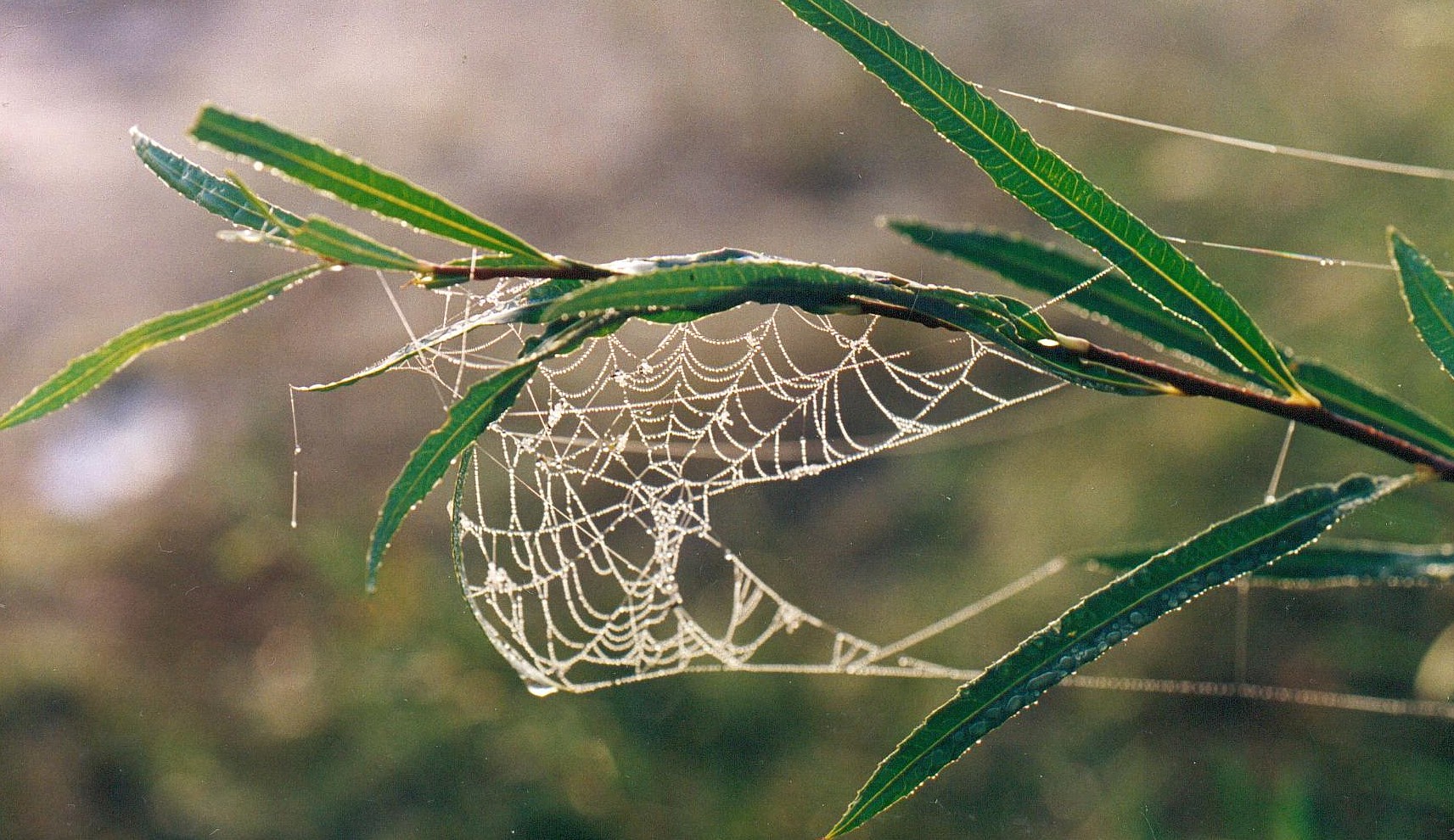
Along with bats and black cats, spiders and their webs are icons of the spooky season. It might be the association with haunted houses, but I think it’s because we tend to notice them more this season.
Most of our spiders live for one year, hatching from eggs in the Spring or overwintering as spiderlings in a protected huddle, then dispersing on silken threads in the wind (so yes, spiders CAN fly, but only when they are tiny!), growing larger and making larger webs as the seasons progress.
In late Fall, they are at their largest, and so are their webs. Get up just as it gets light on a dewy morning. Head out with a mug of coffee and look for orb-weavers with their tidy, careful webs and grass spiders with their funnel-shaped webs near the ground. Perhaps you might spot a bowl-and-doily web hammocked between tall blades of grass.
The coming Fall frost will kill these spiders, and new spiders will populate the warming earth in Spring. Even if spiders creep you out, know that they are part of a healthy ecosystem (web of life, sorry!), and they help keep everything the way Nature intends.
Until next month, remember to sniff the blooms and listen to the birdsong.