Case Study | This Raleigh White Oak Needed Better Soil, Not a Chainsaw
Soil improvement, compost, bark protection and dead wood pruning turned this big white oak around.
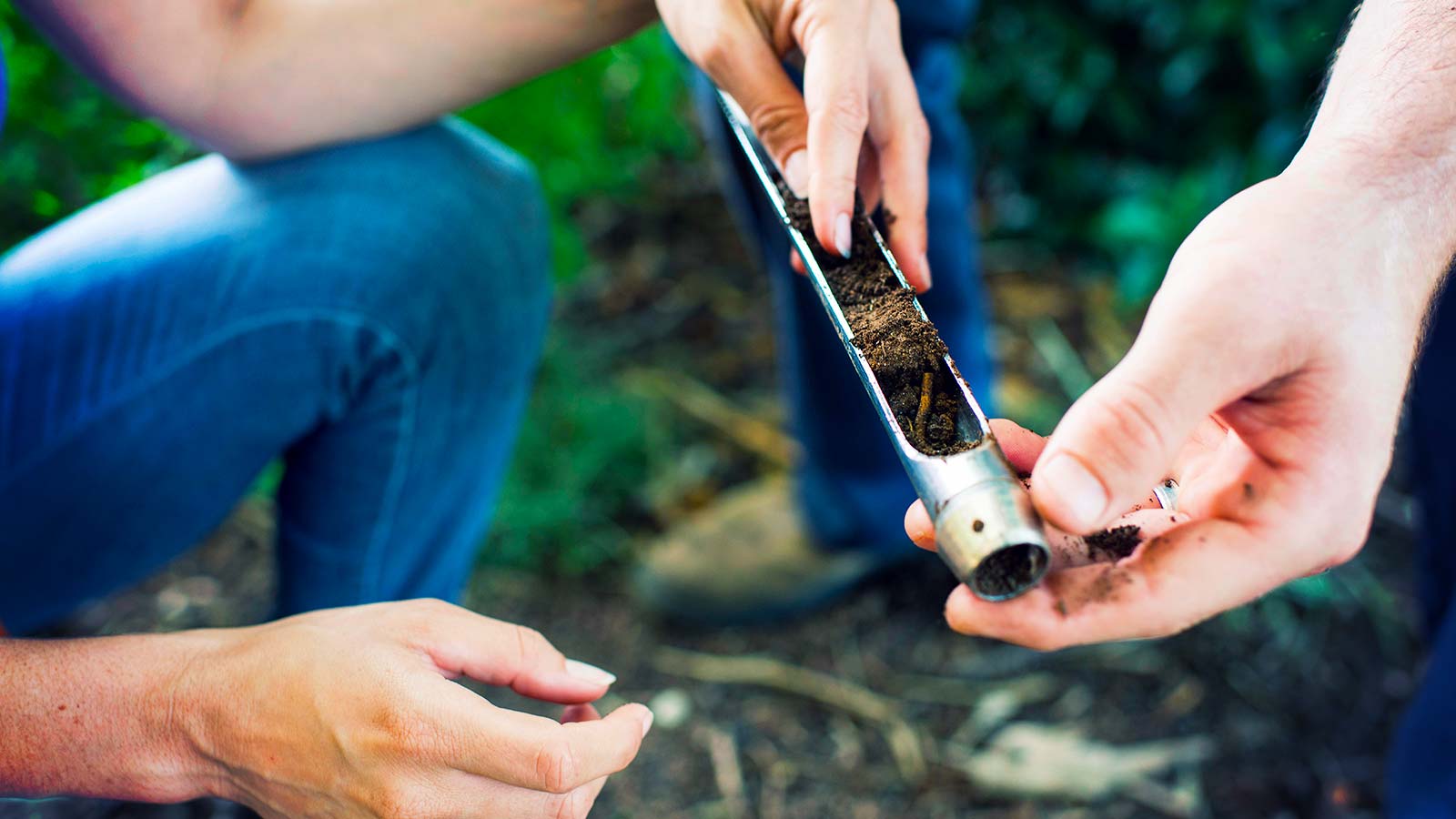
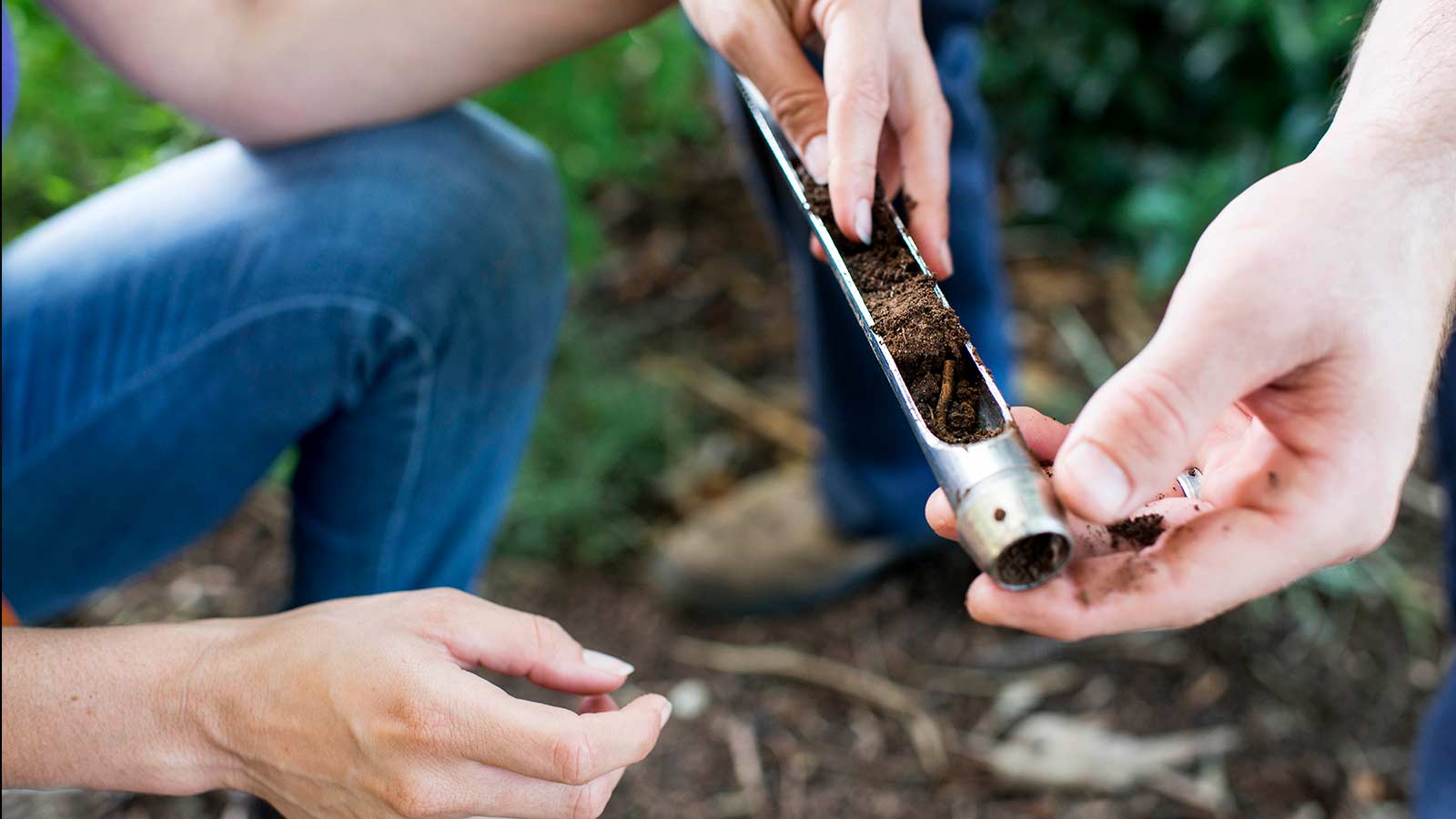
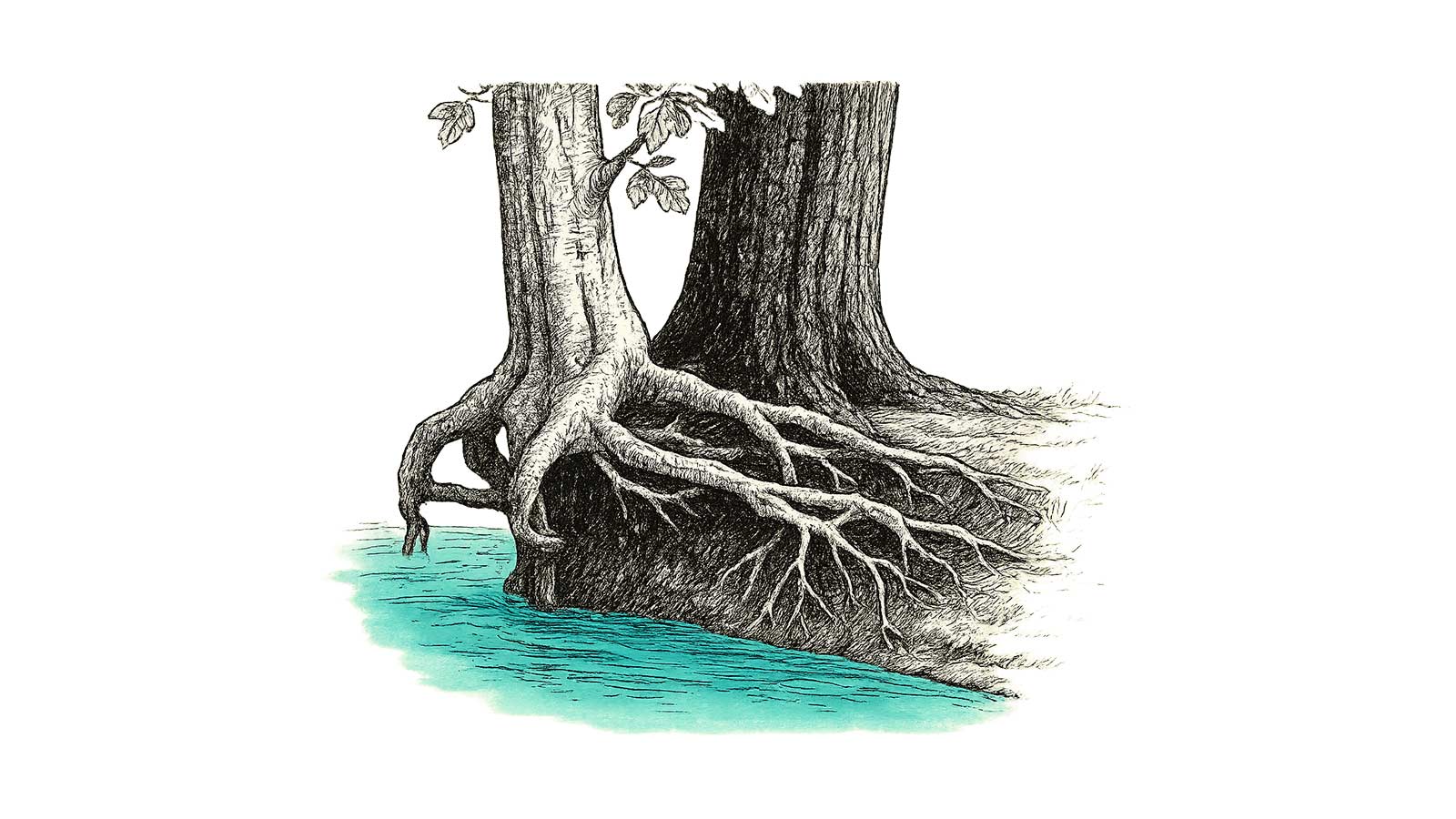
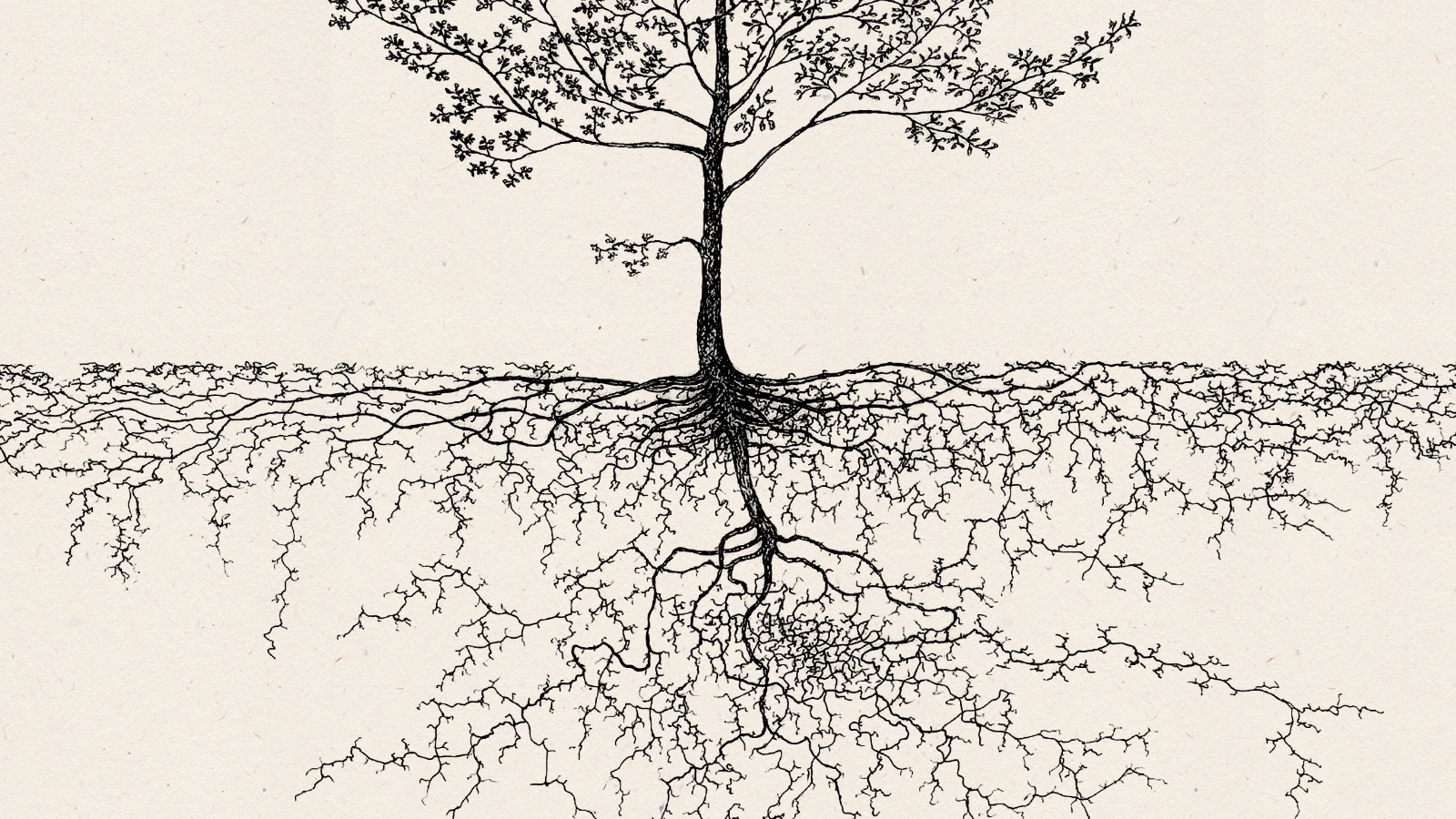
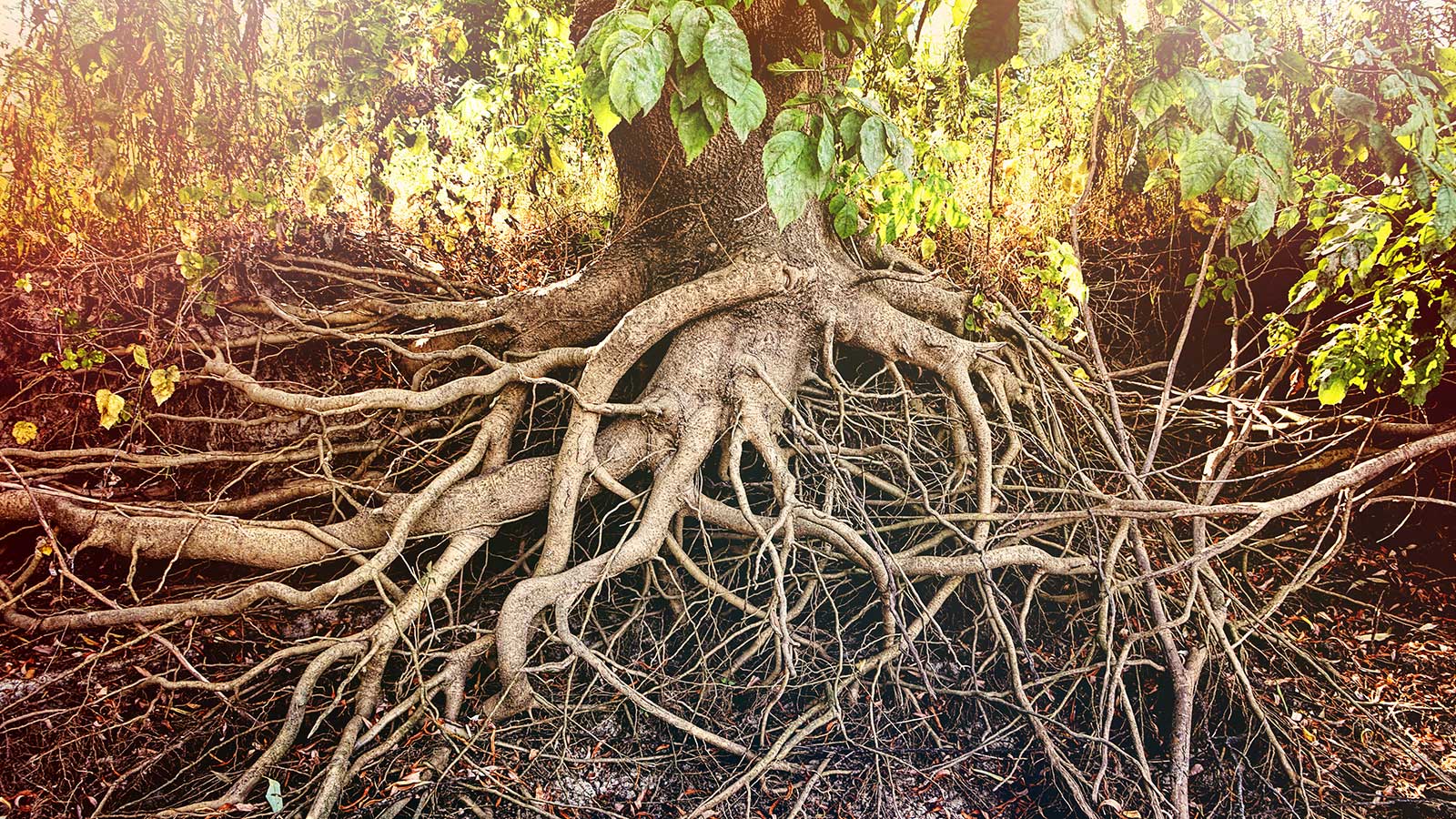
Trees in our yards and along our streets tend to decline long before their cousins in the forest do. The trouble usually starts underground. Soil that has been driven over, built on, and stripped of leaf litter for decades gets packed tight, and packed soil makes it hard for roots to find the water, air, and food a tree needs.
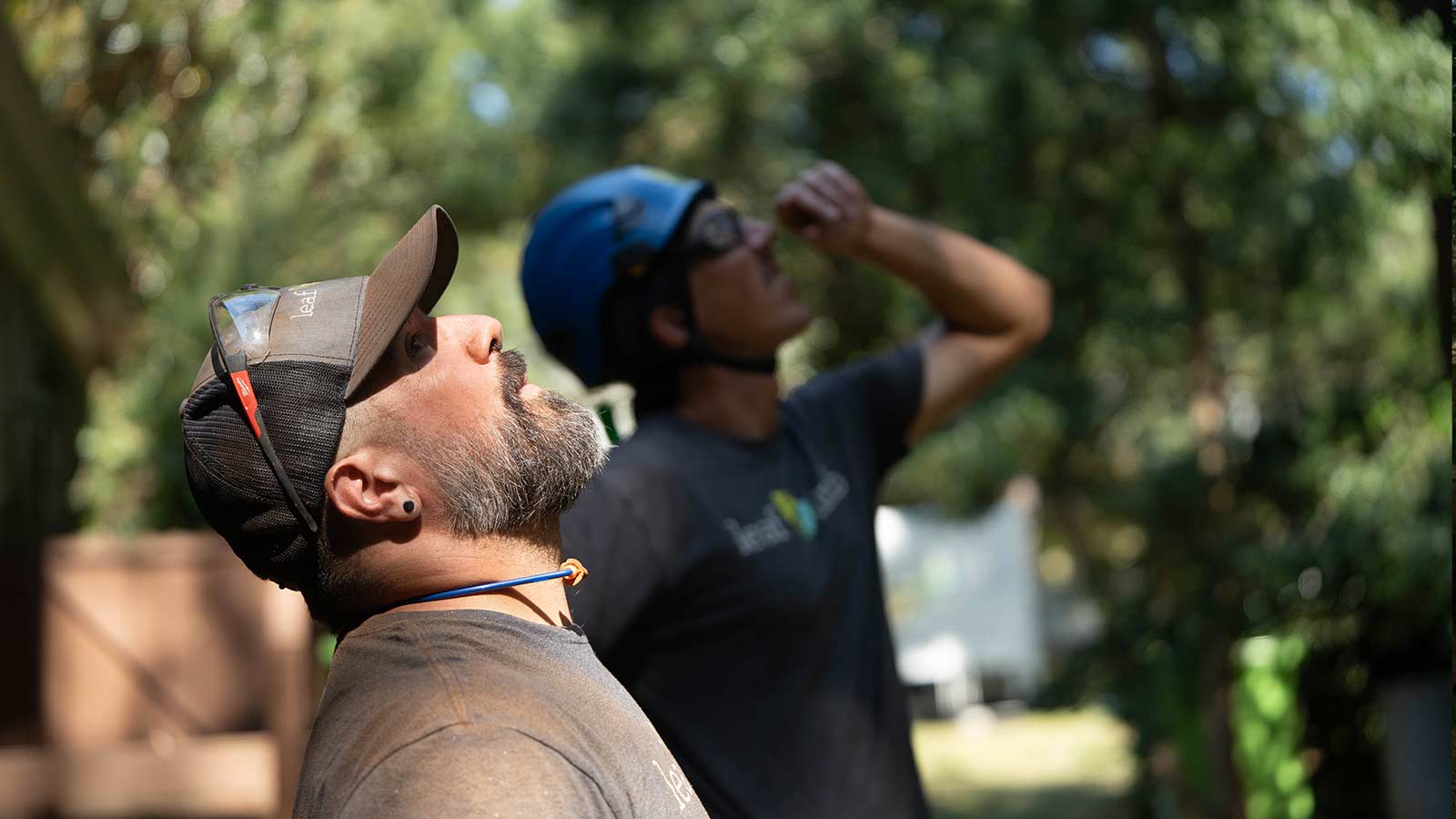
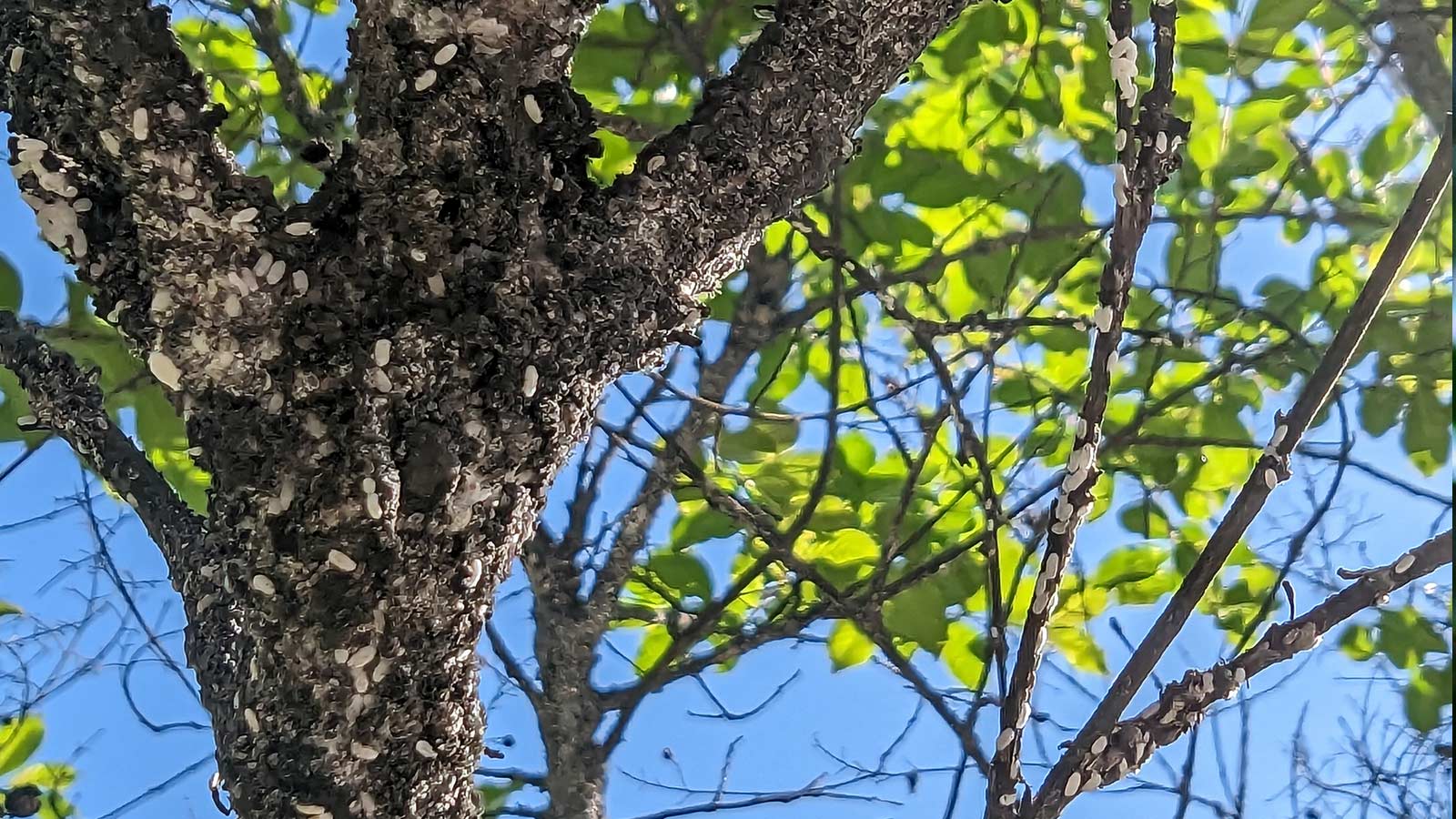
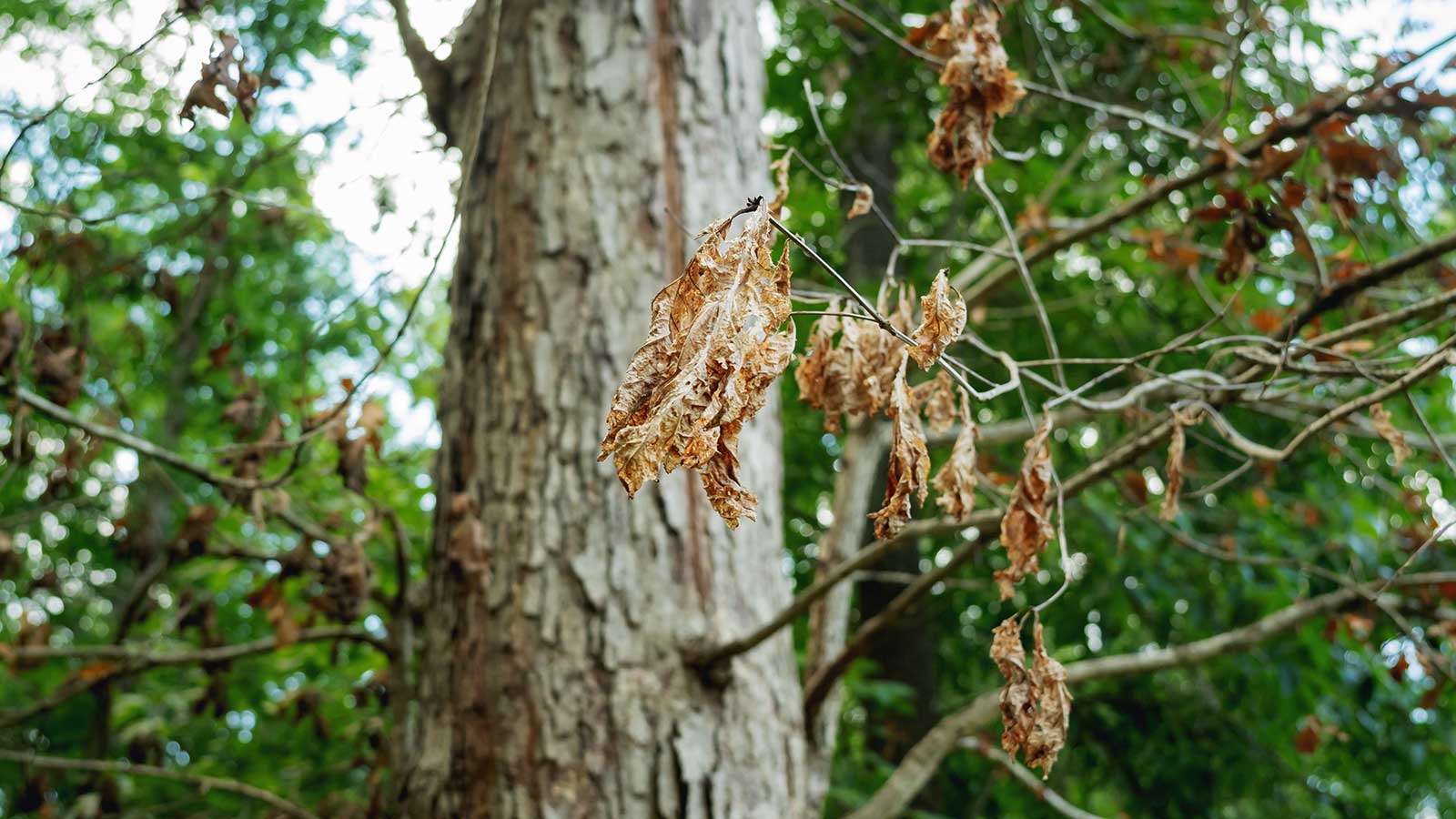
You can see it from the ground. Small branches die back at the very top of the tree first, and over a few seasons the whole canopy looks thinner than it used to. Insects that seek out stressed trees to complete their life cycles might arrive to further provoke the tree’s decline.
A thinning canopy is not a death sentence. It is usually a soil problem, and soil problems can be fixed.
What this white oak needed from our Treecologists:
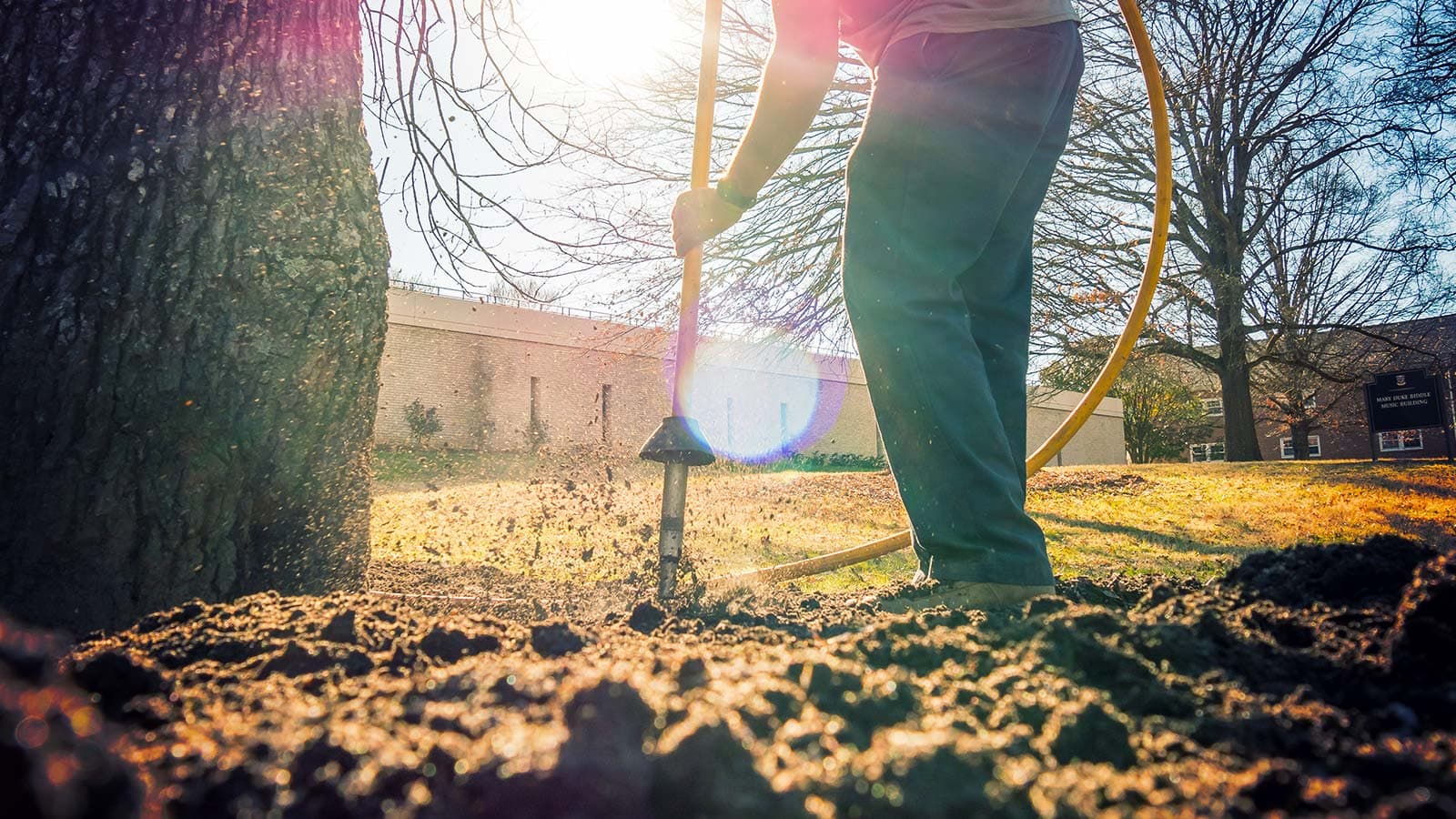
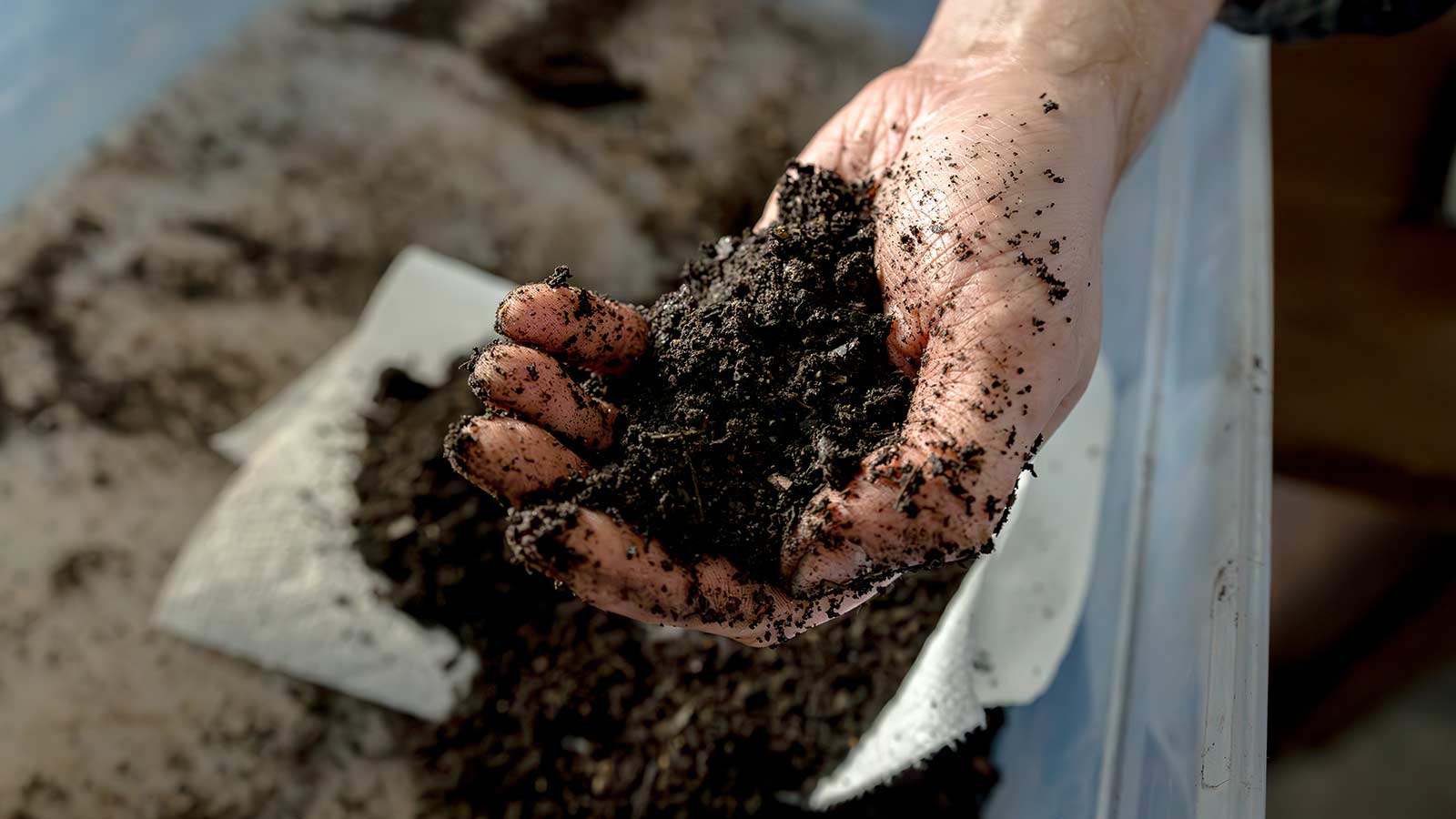
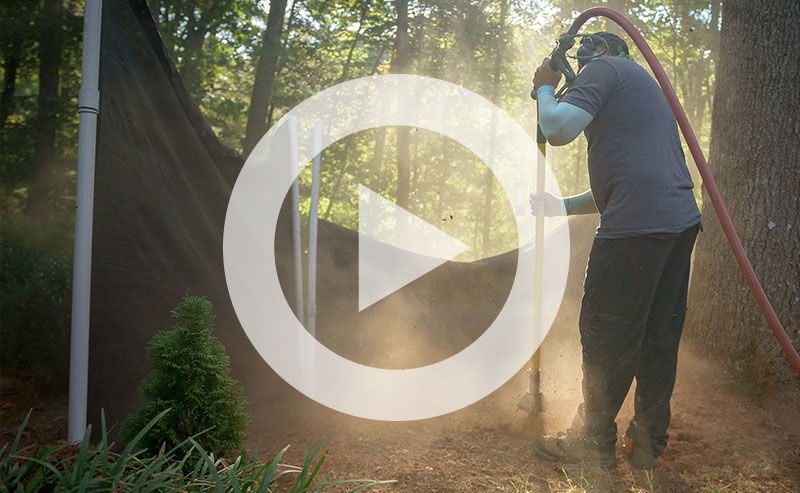
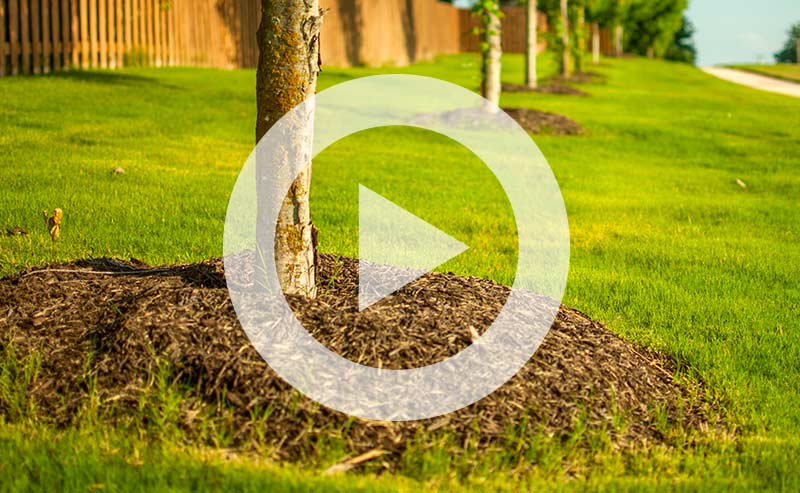
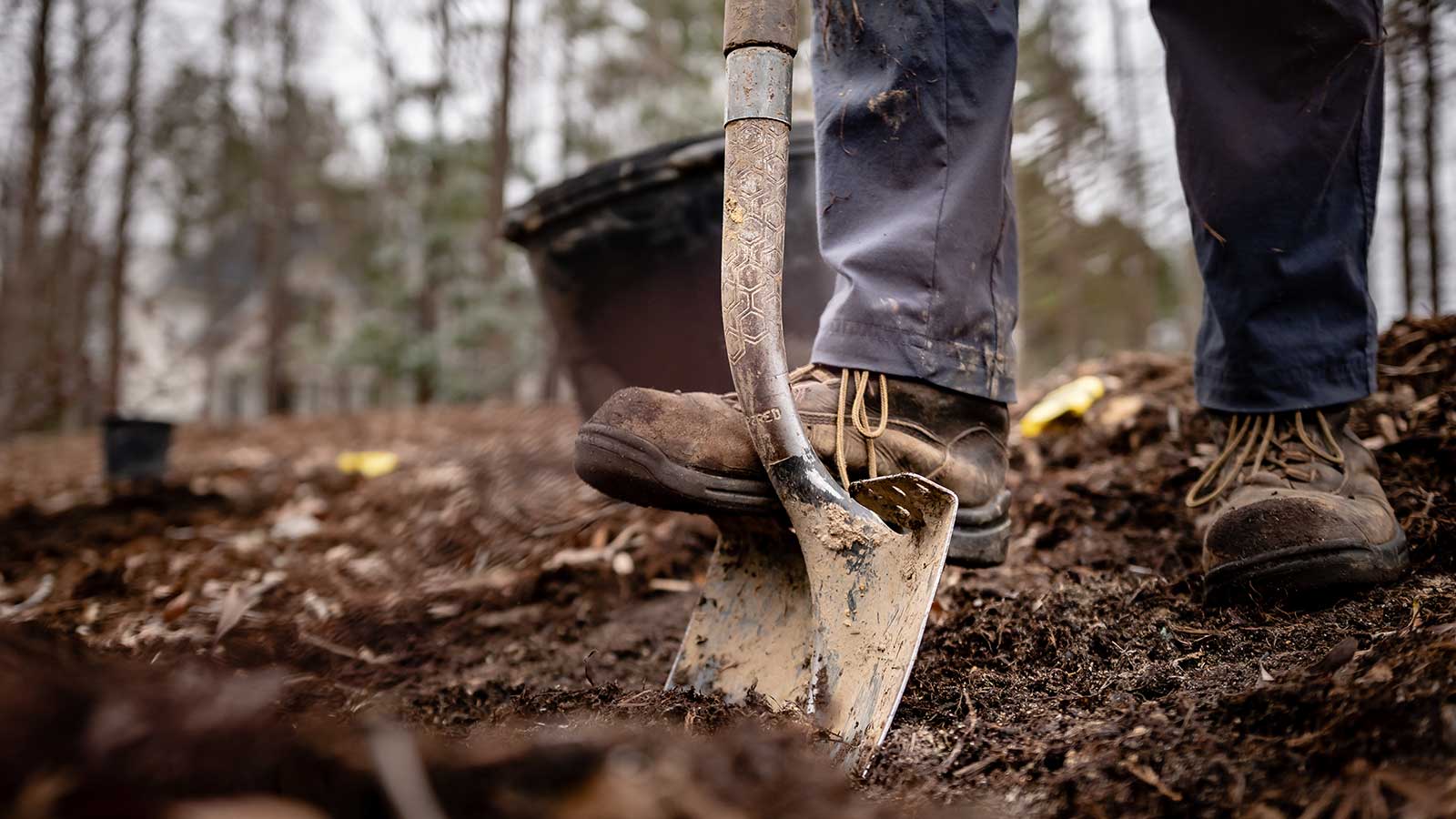
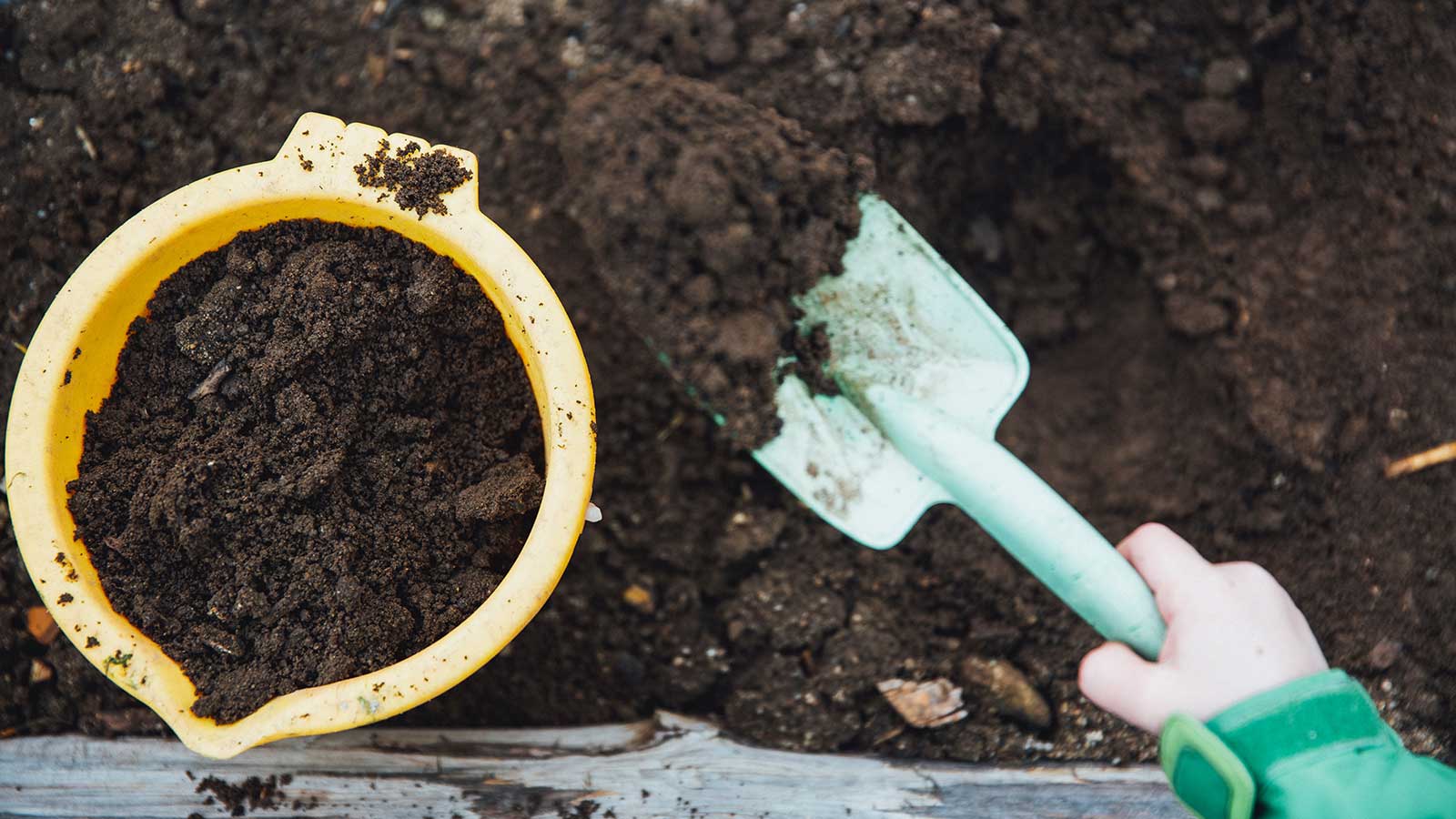
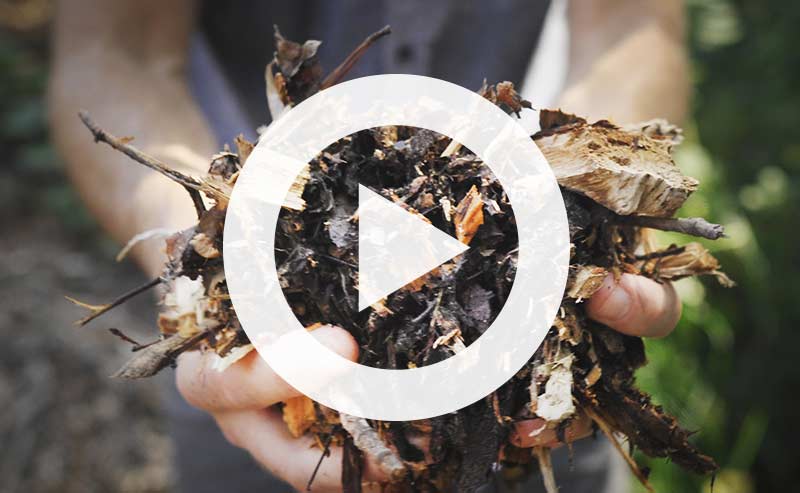
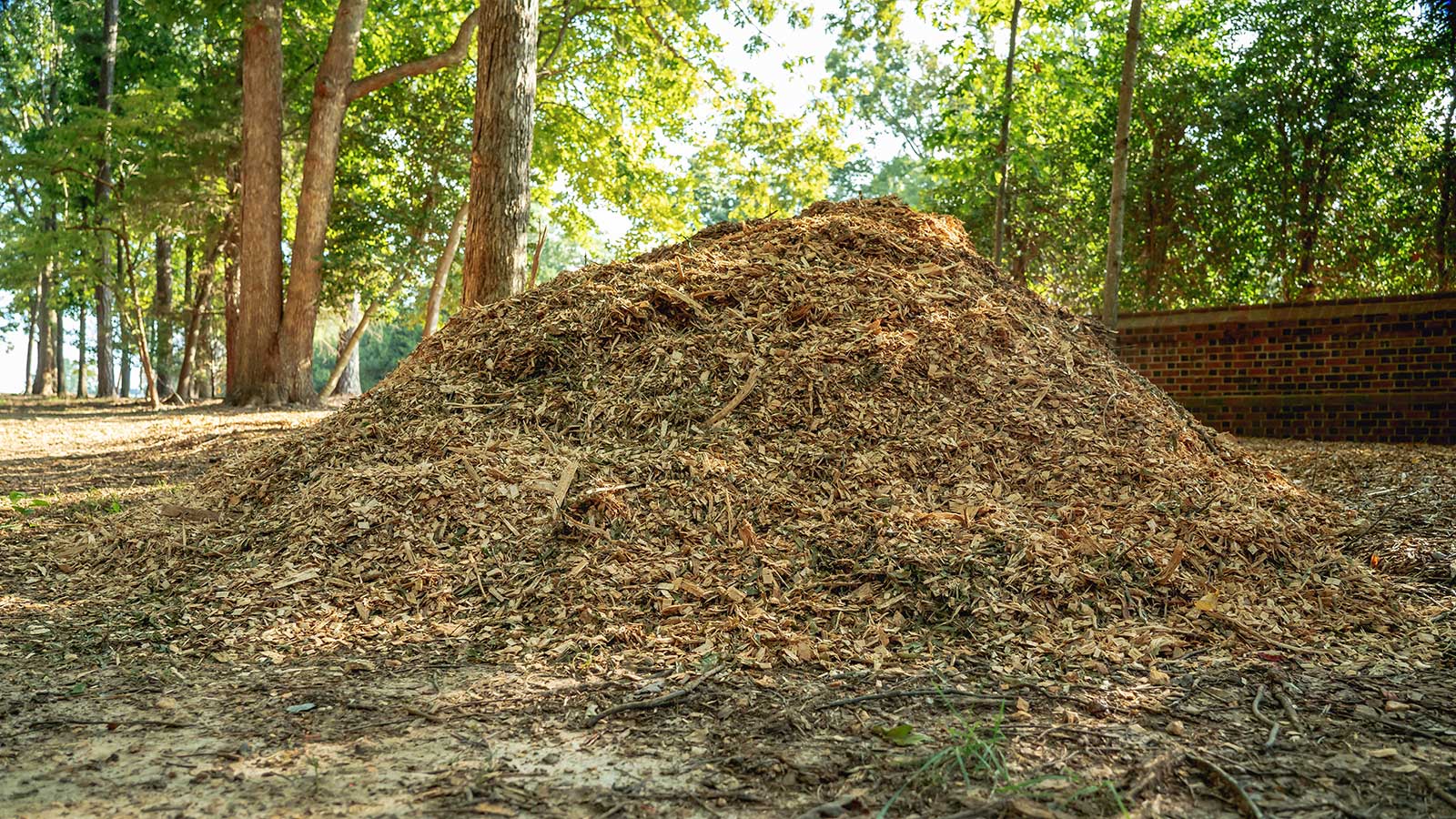
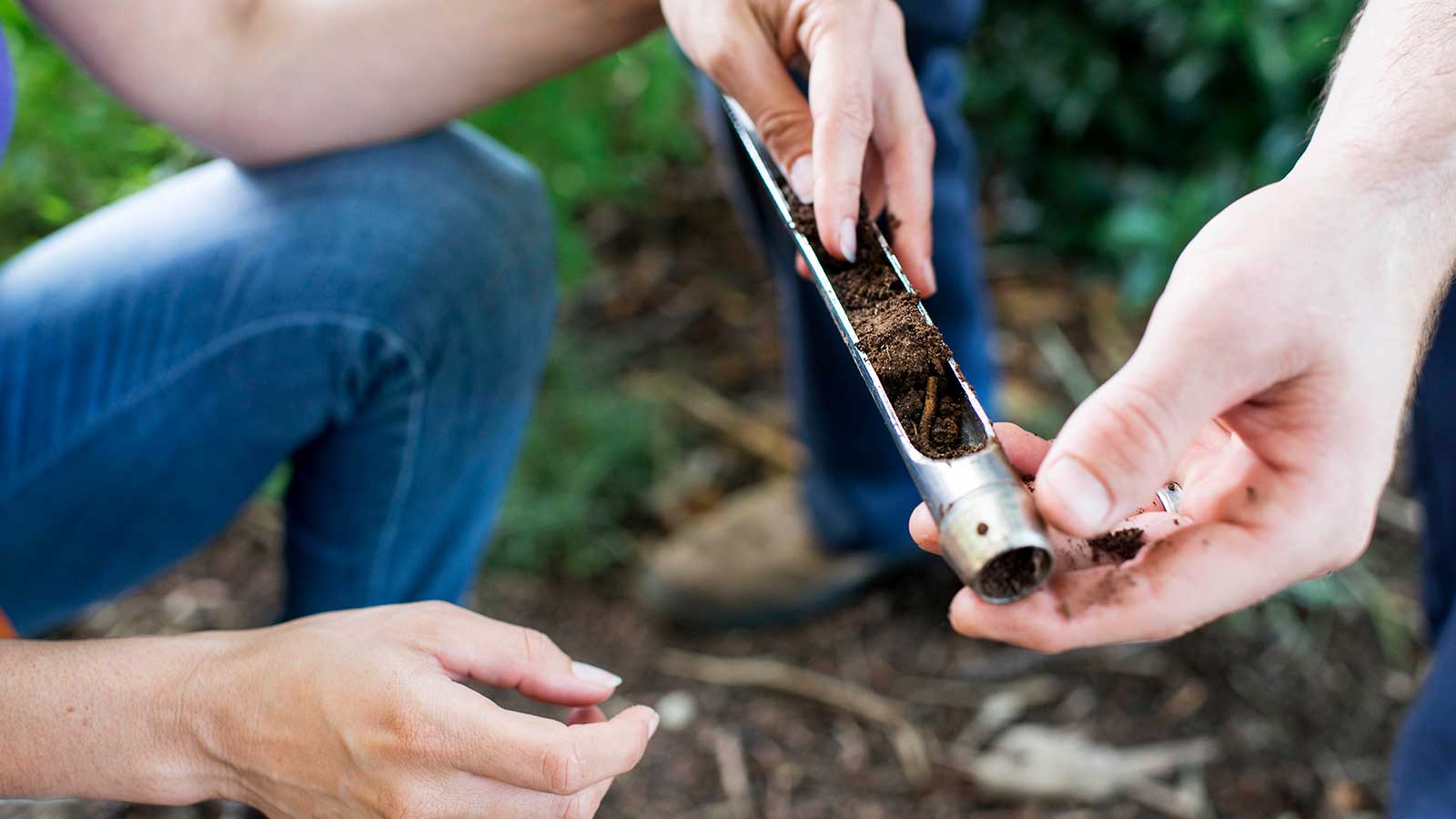
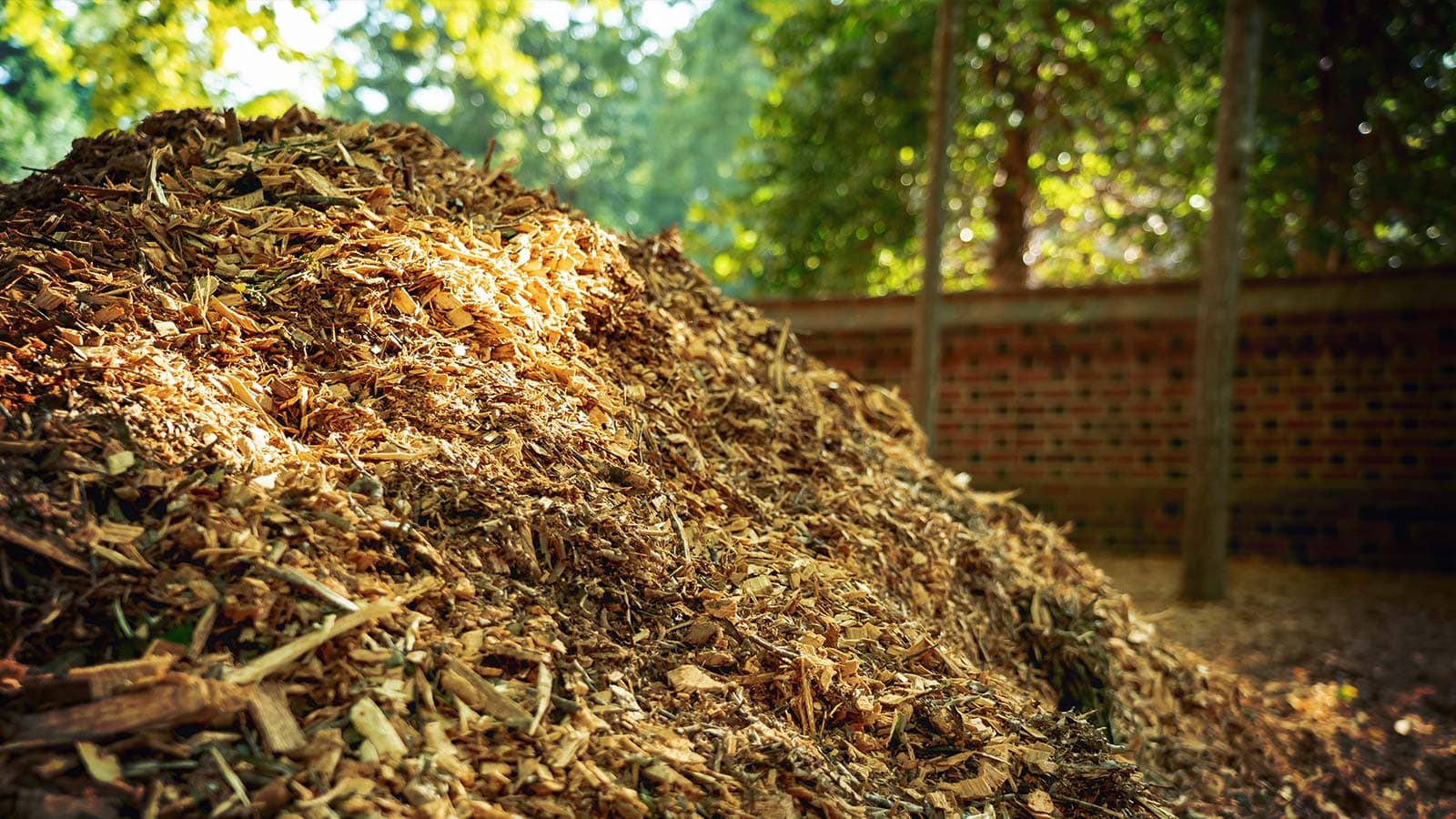
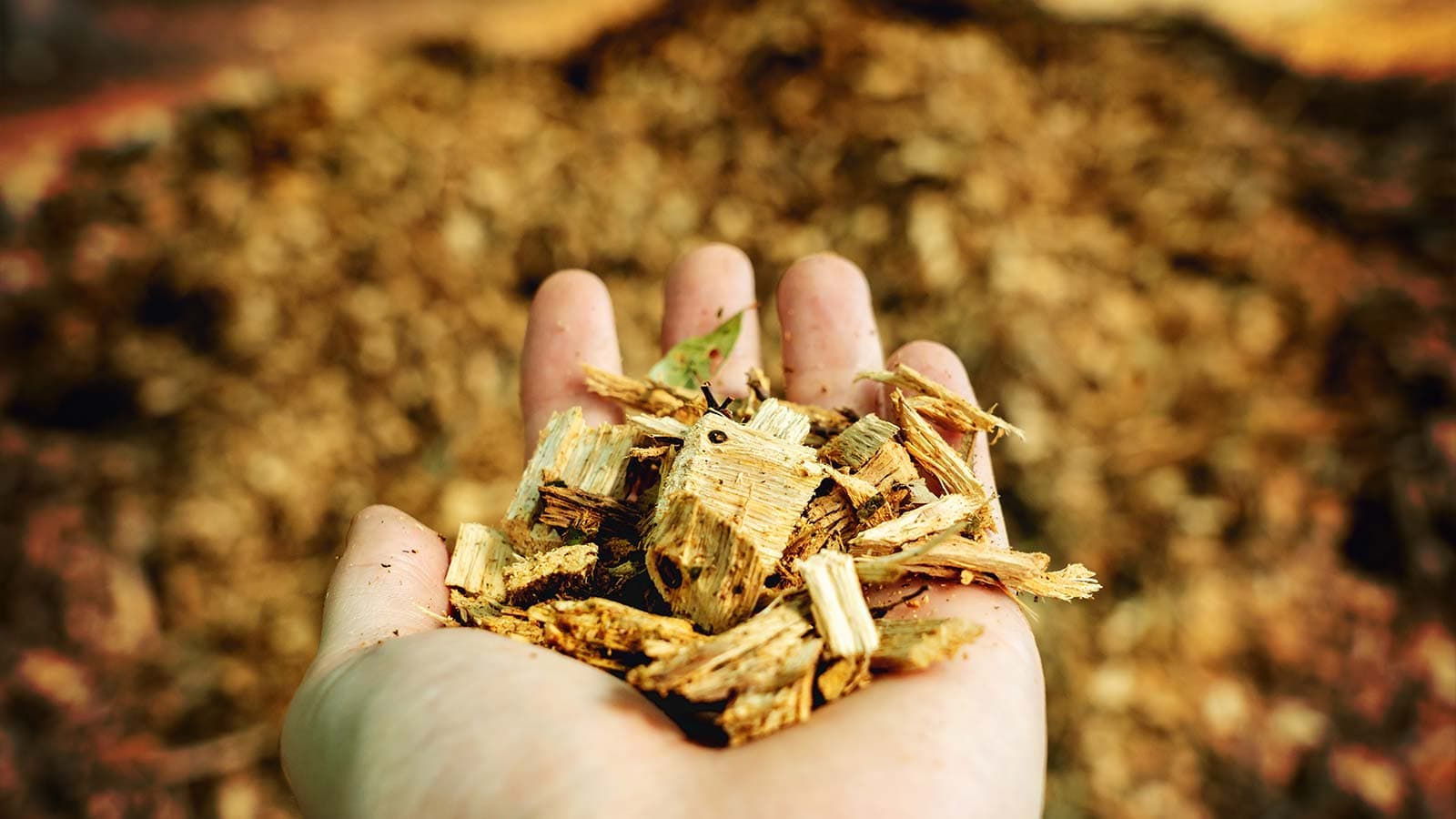
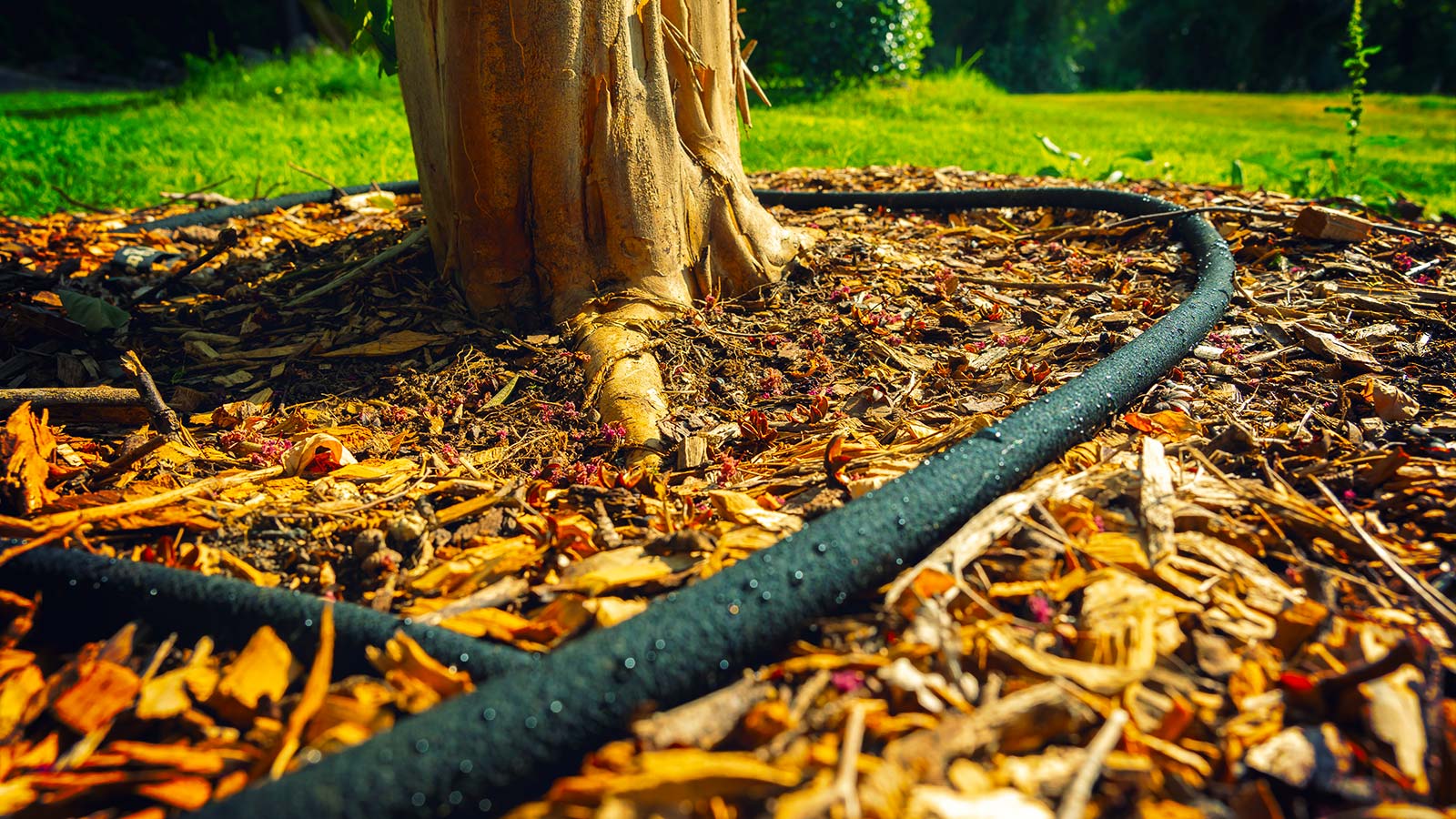
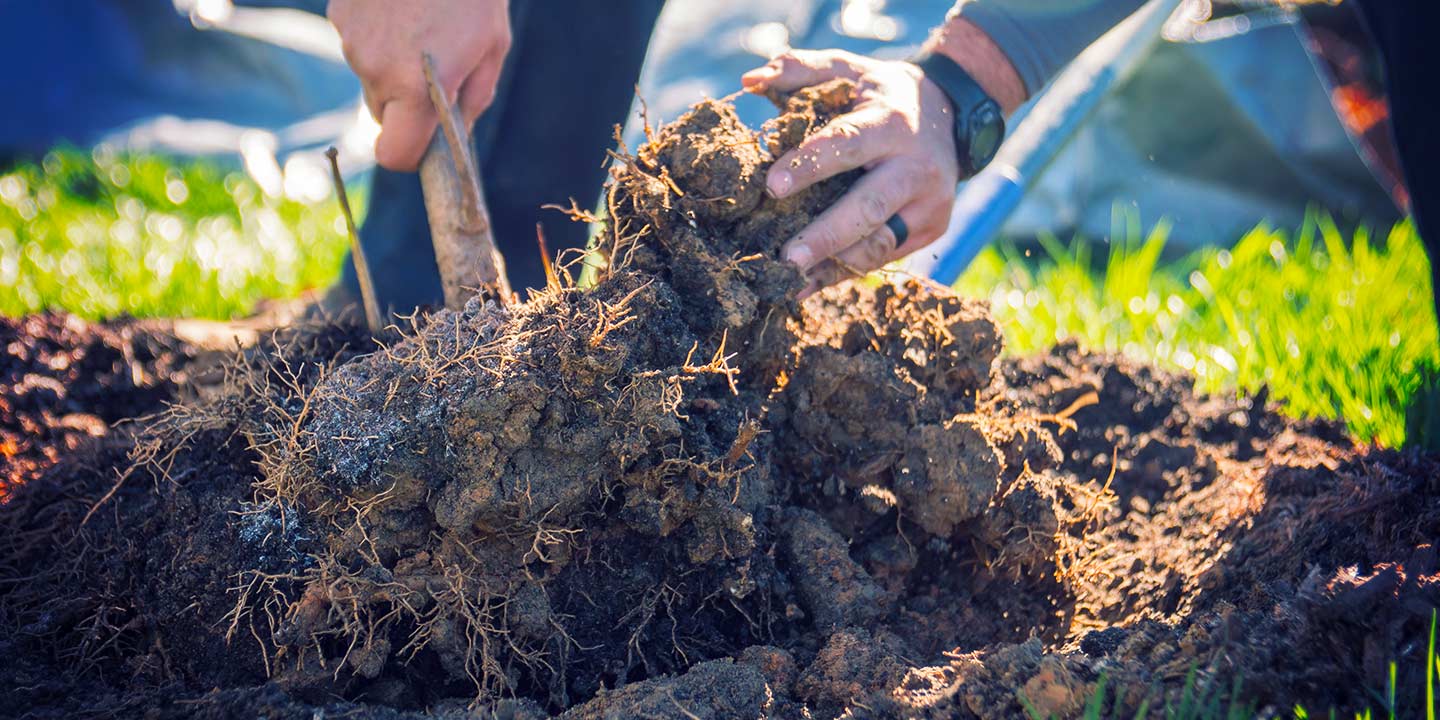
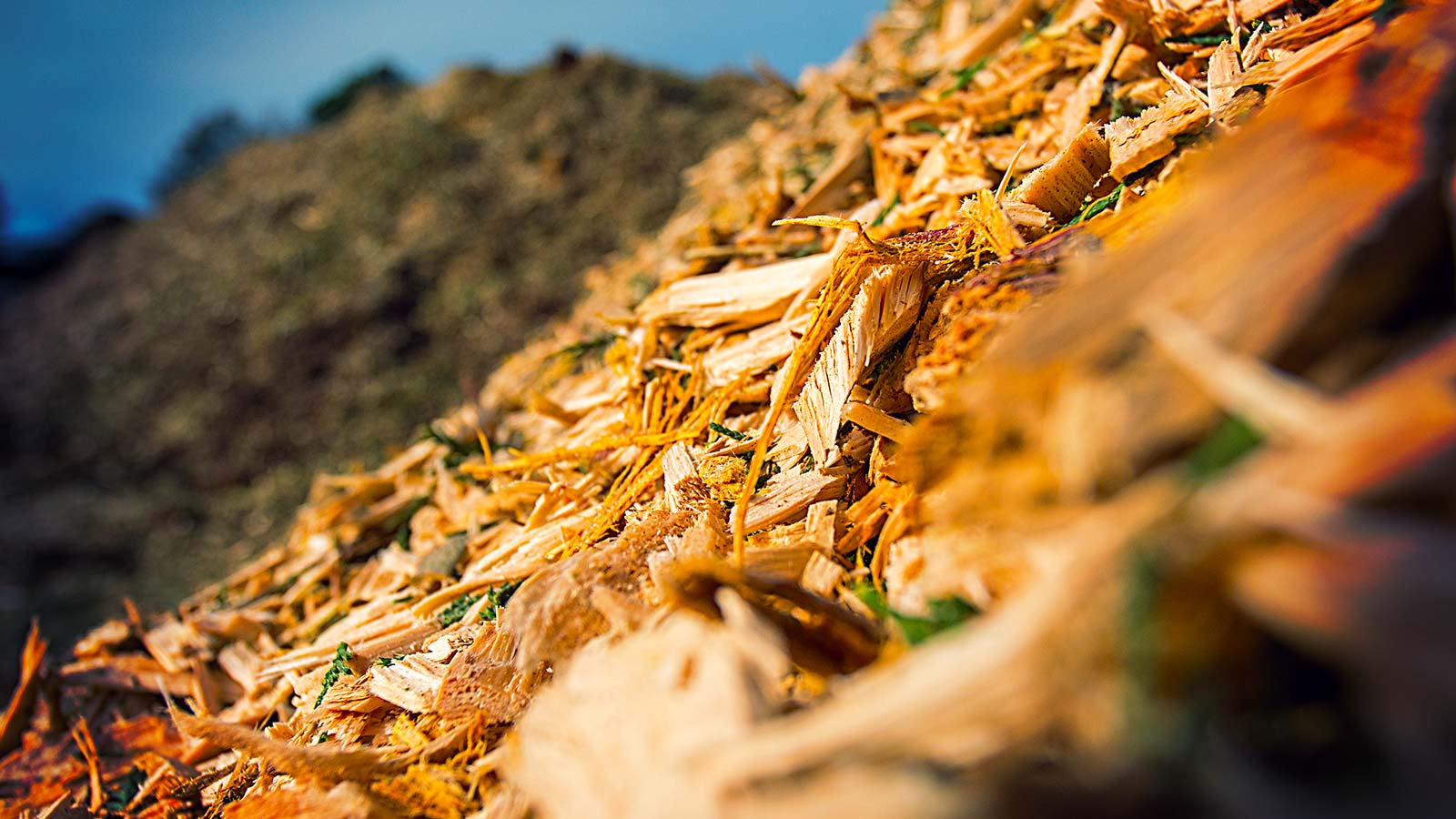
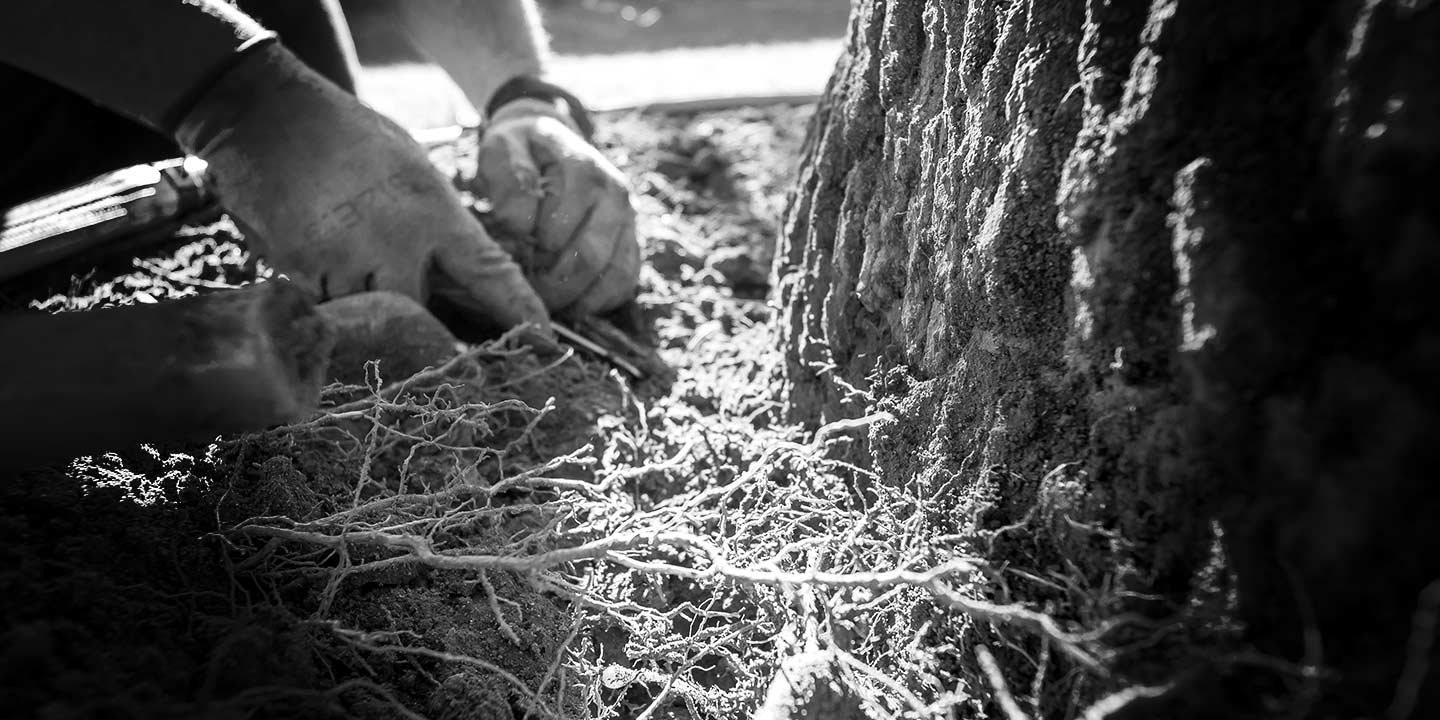
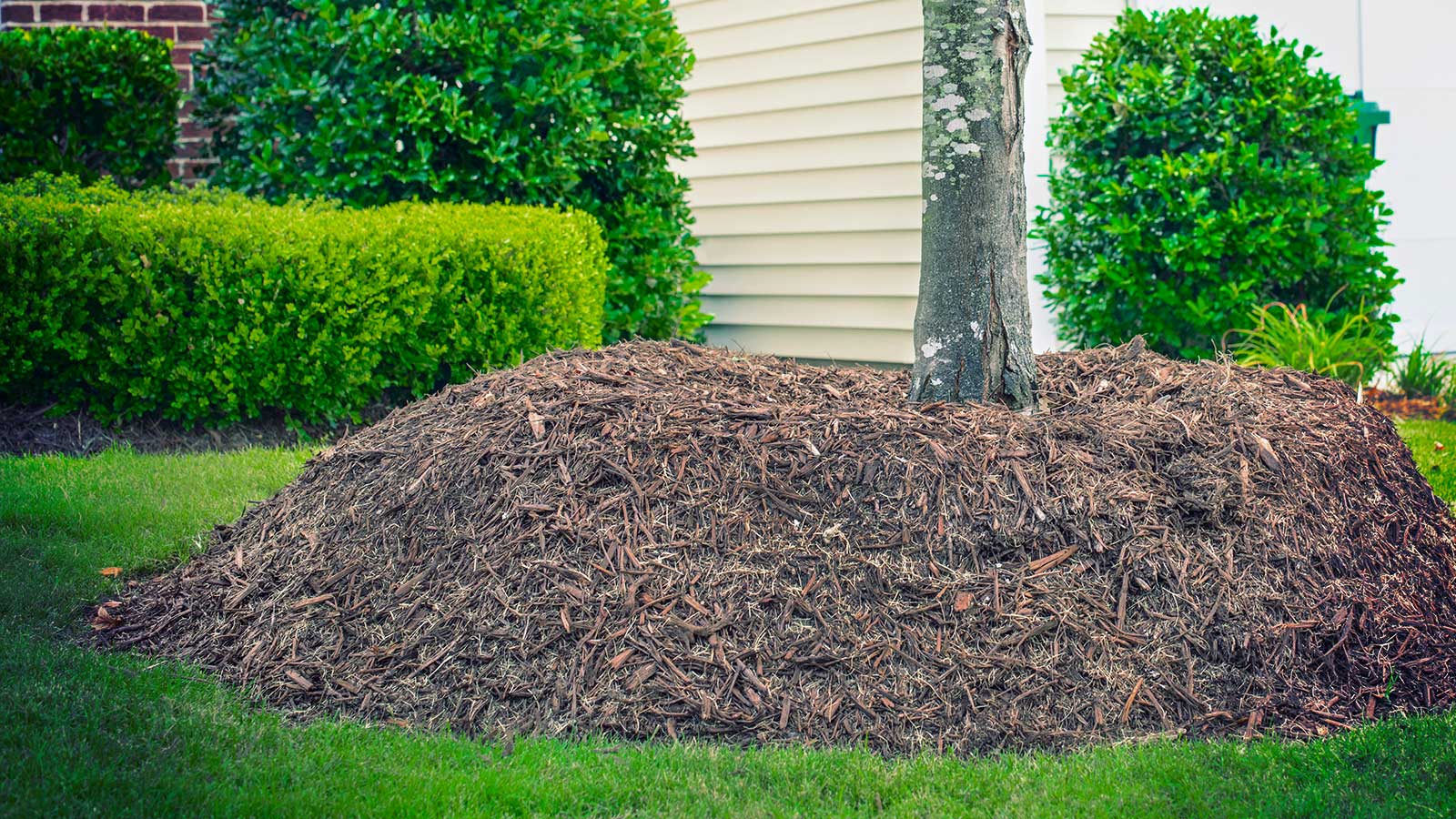
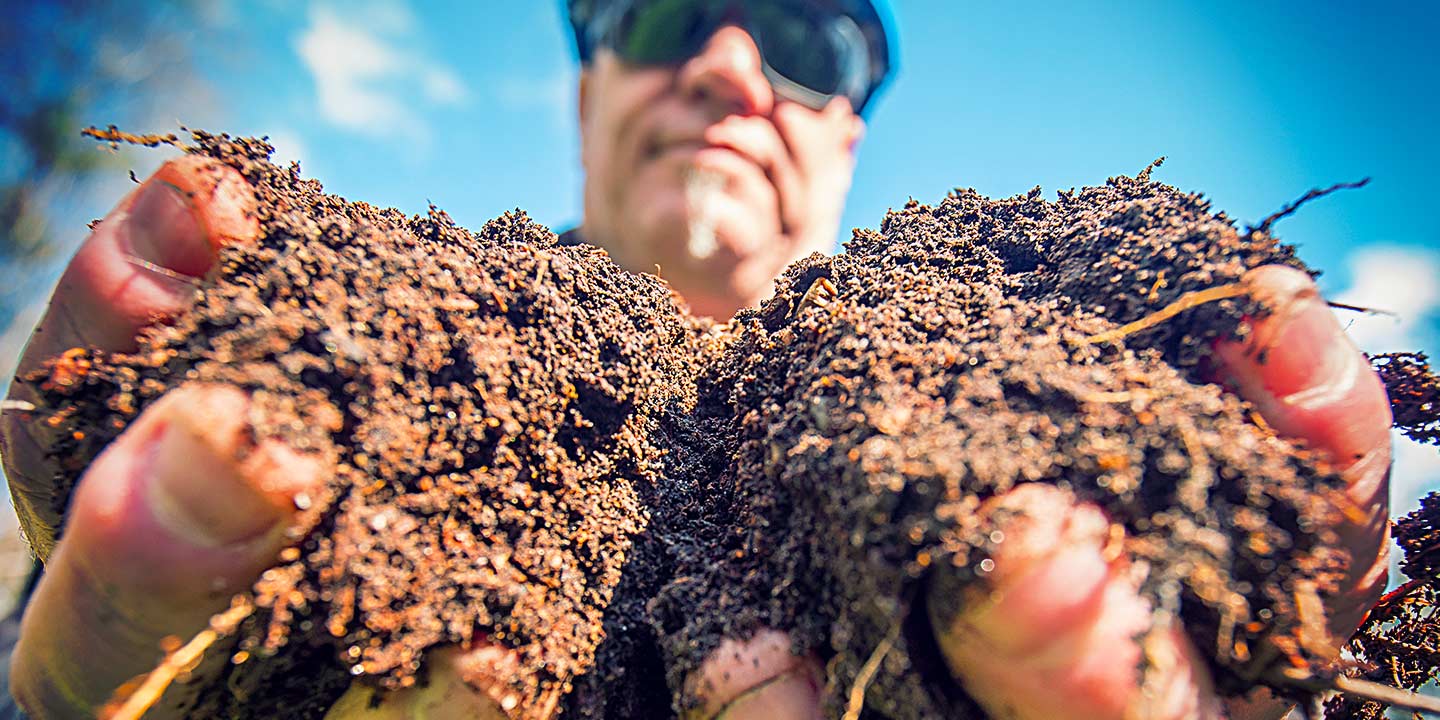
- Improve the soil under the tree’s canopy using an air spade to alleviate decades of compaction and mix in compost to restore the soil biology that trees need. Expand this improved soil area towards the canopy to cover more of the root zone, and finish with 3 inches of wood chip mulch.
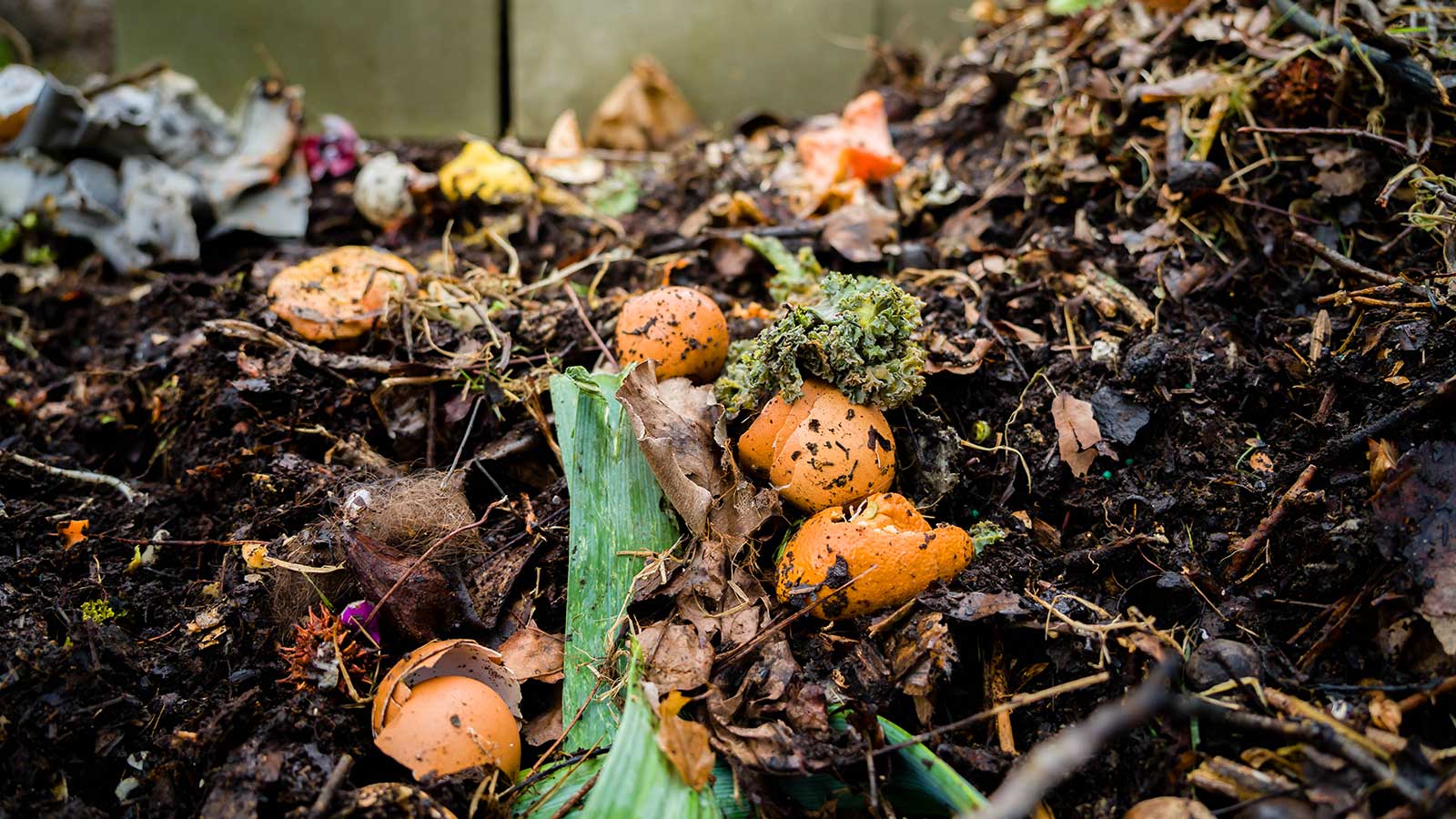
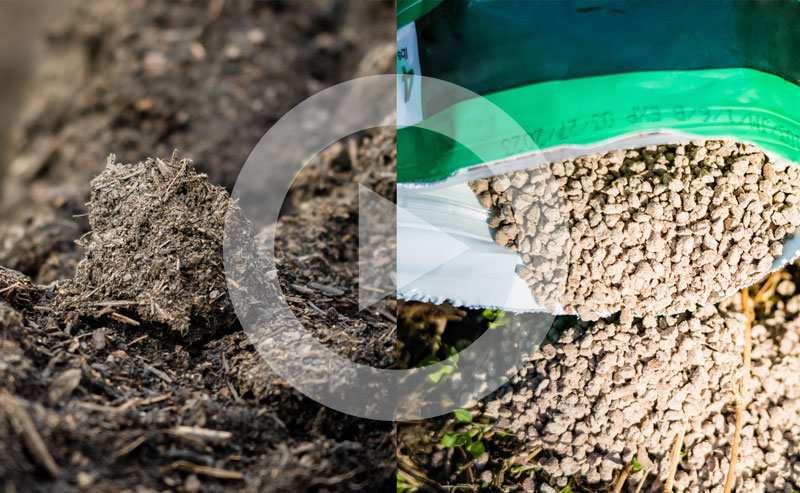
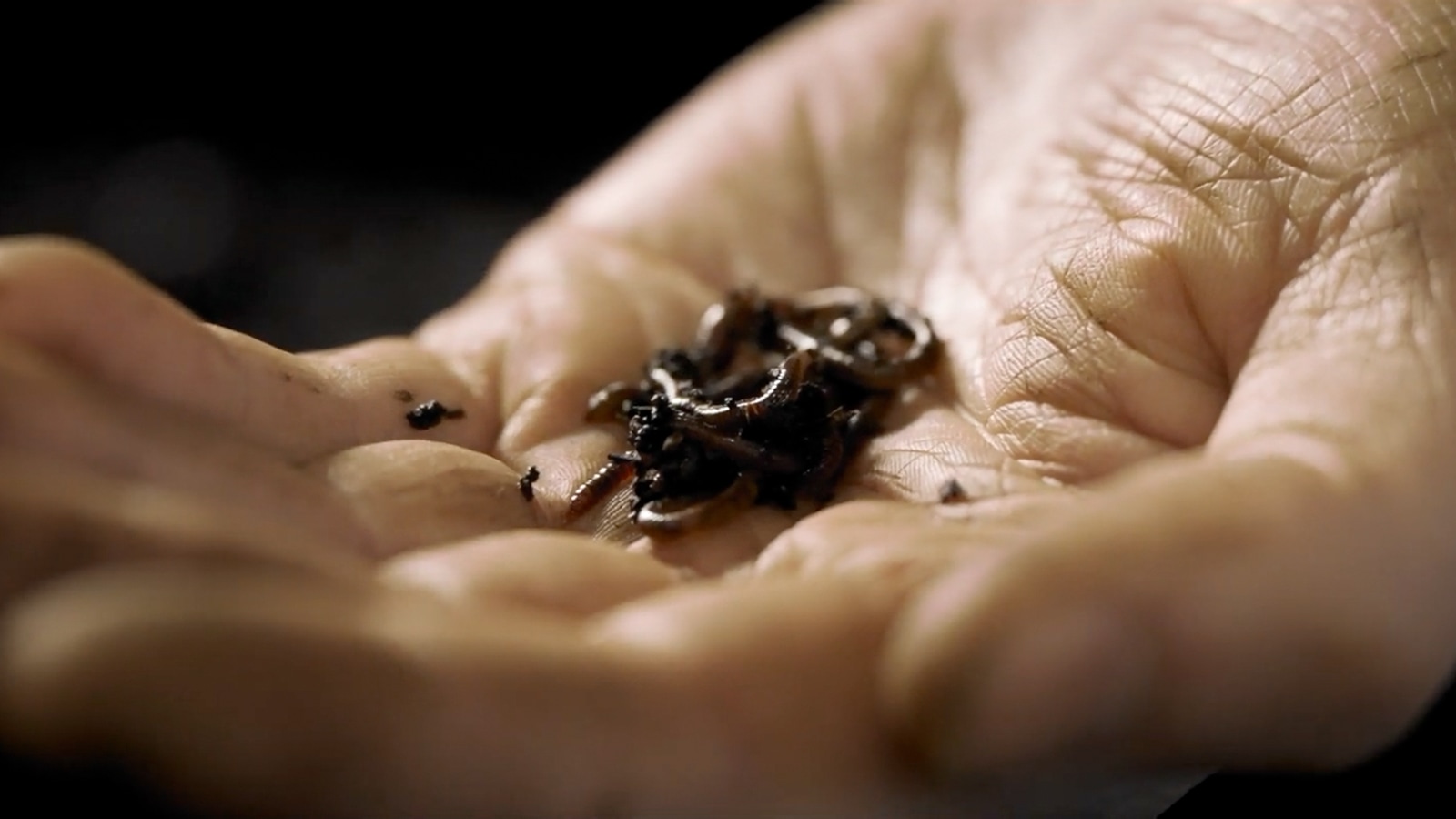
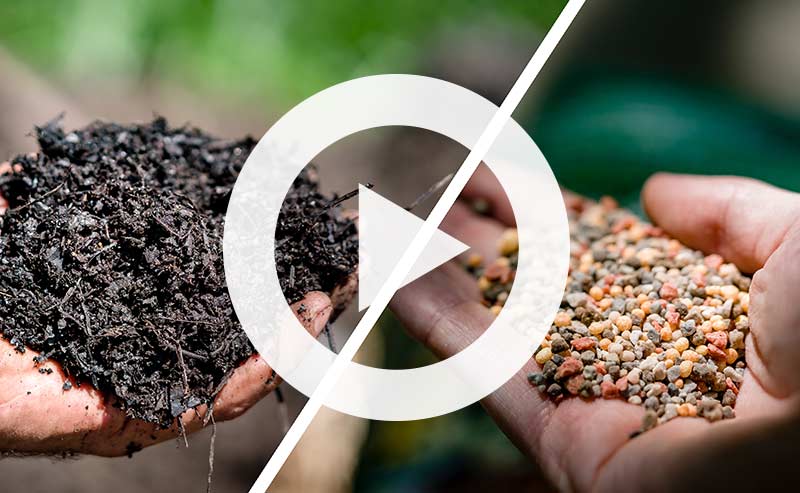
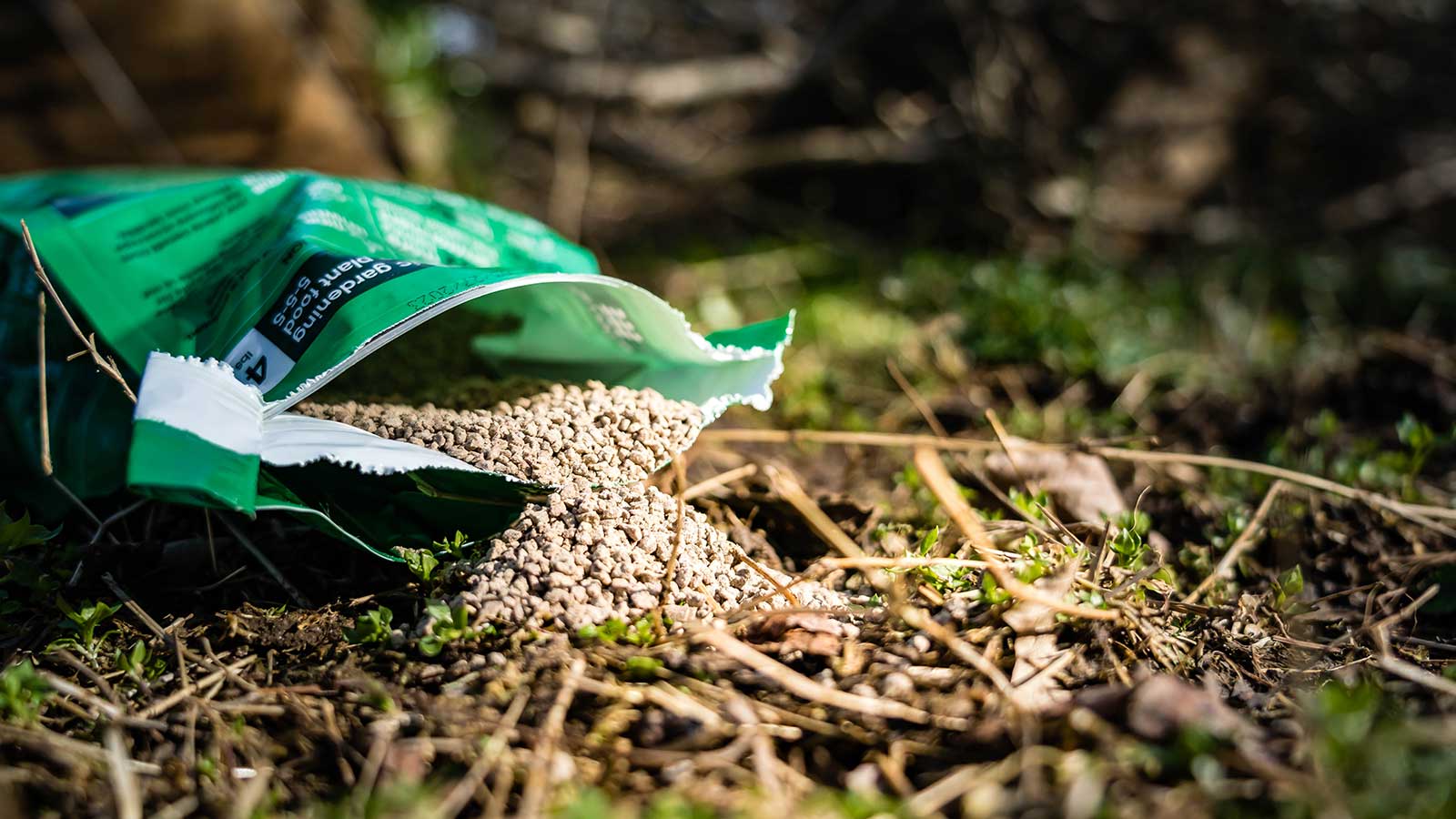
- Compost twice a year. Soil does not rebuild in one visit. These applications keep feeding the biology we started.
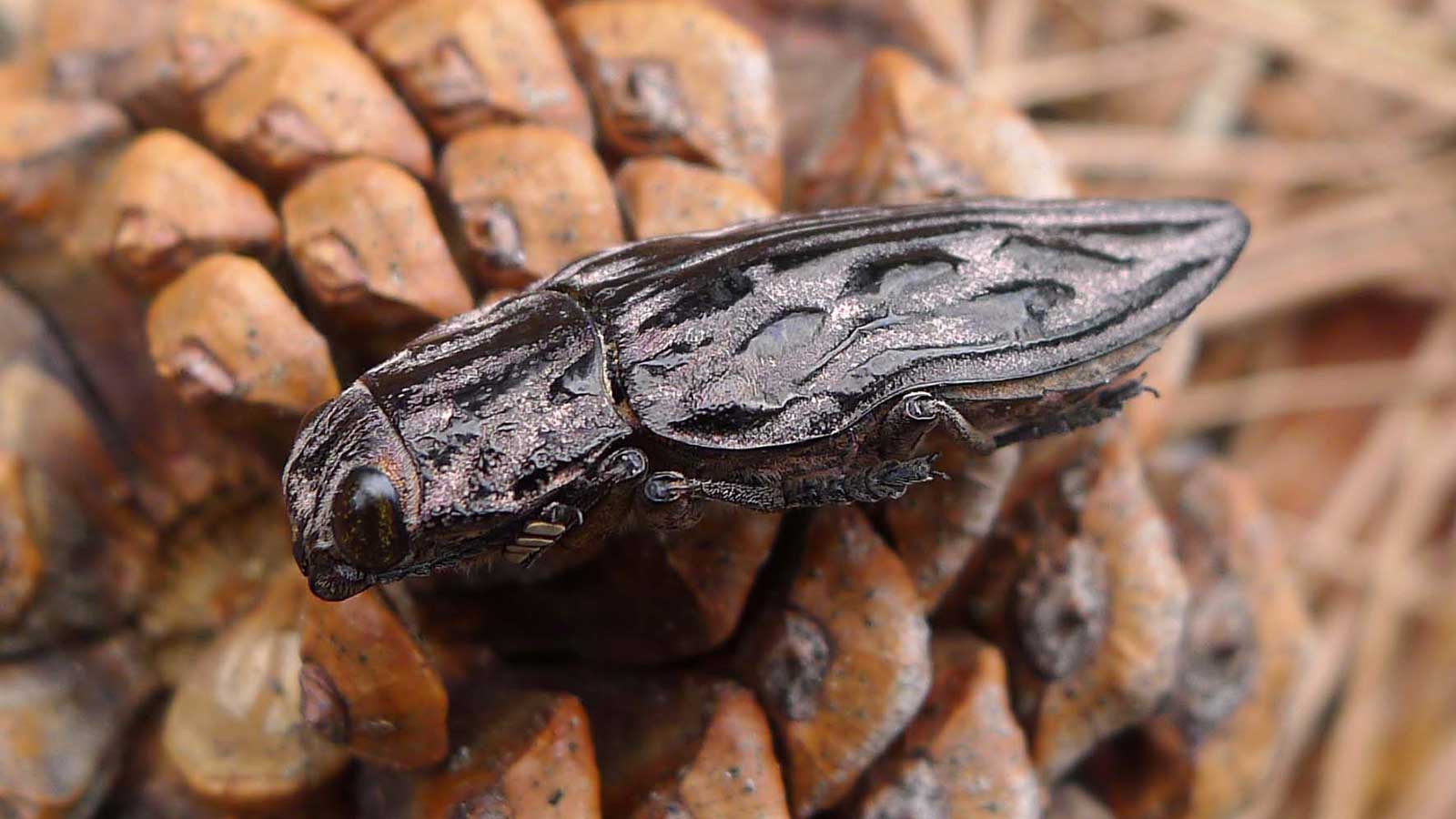
- A targeted bark treatment. Beetles had already found this tree, and a weakened oak cannot fend them off on its own. This was a short-term measure to buy time while the soil work took hold.
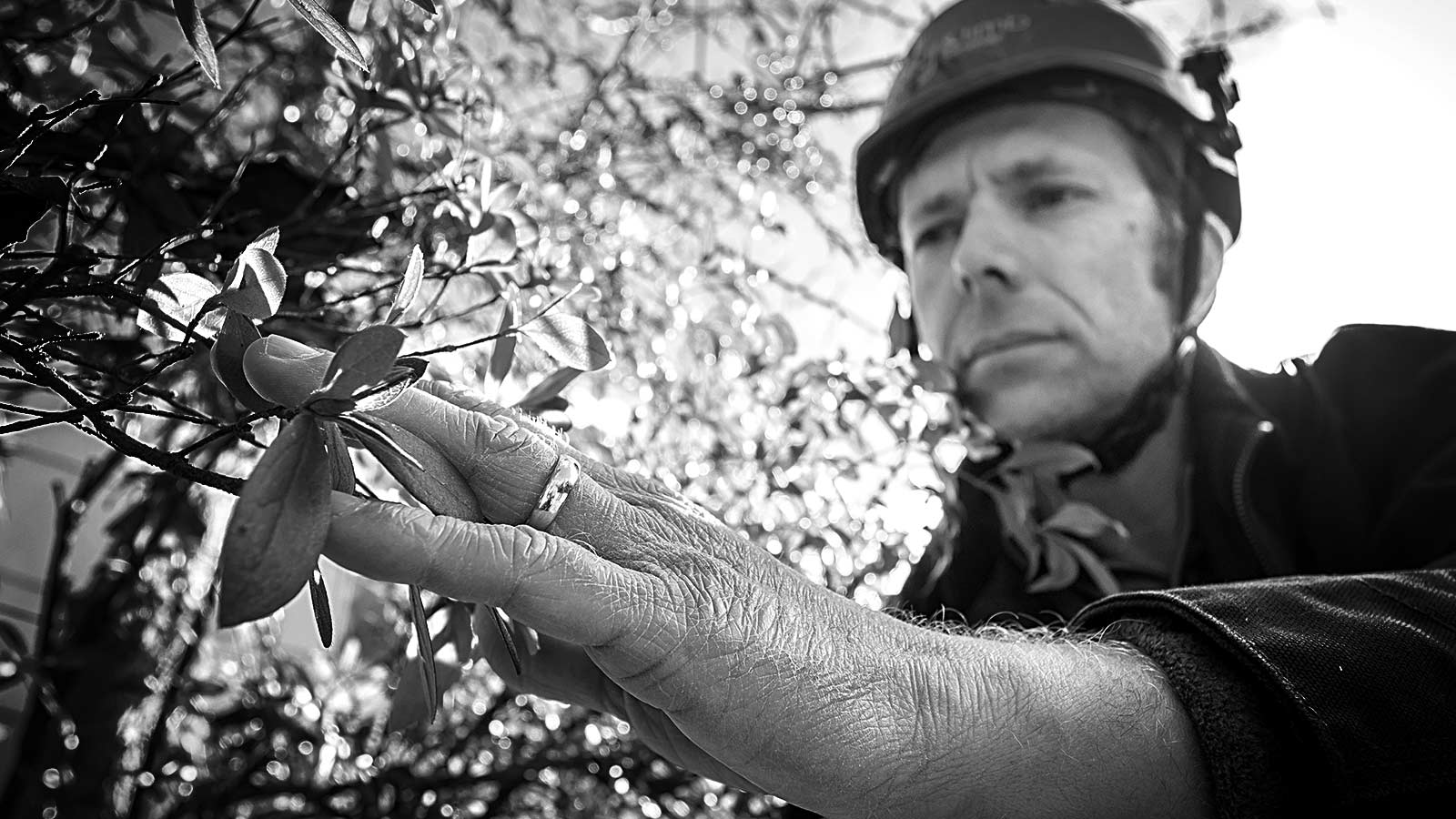
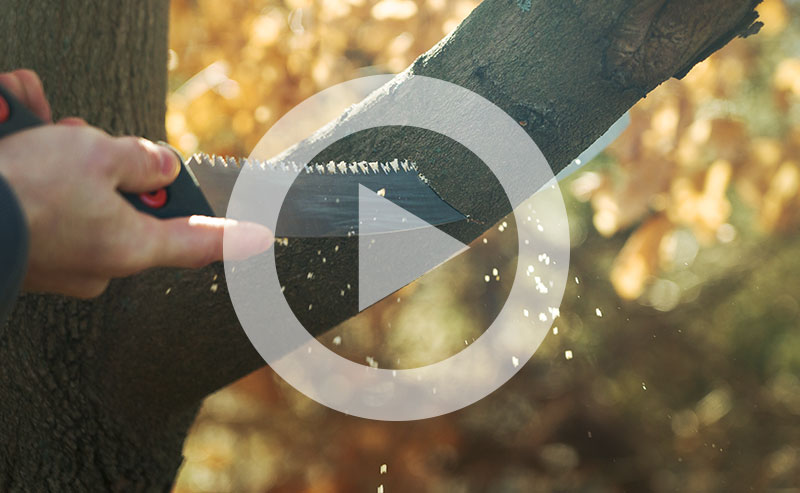
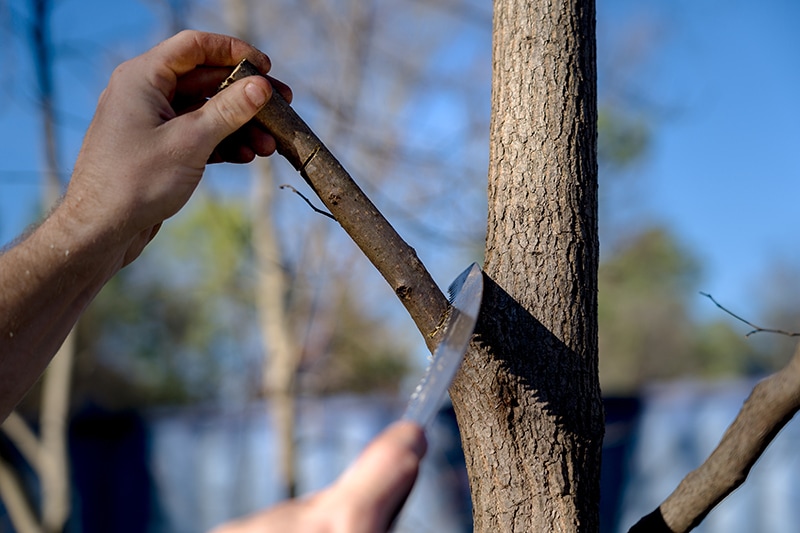
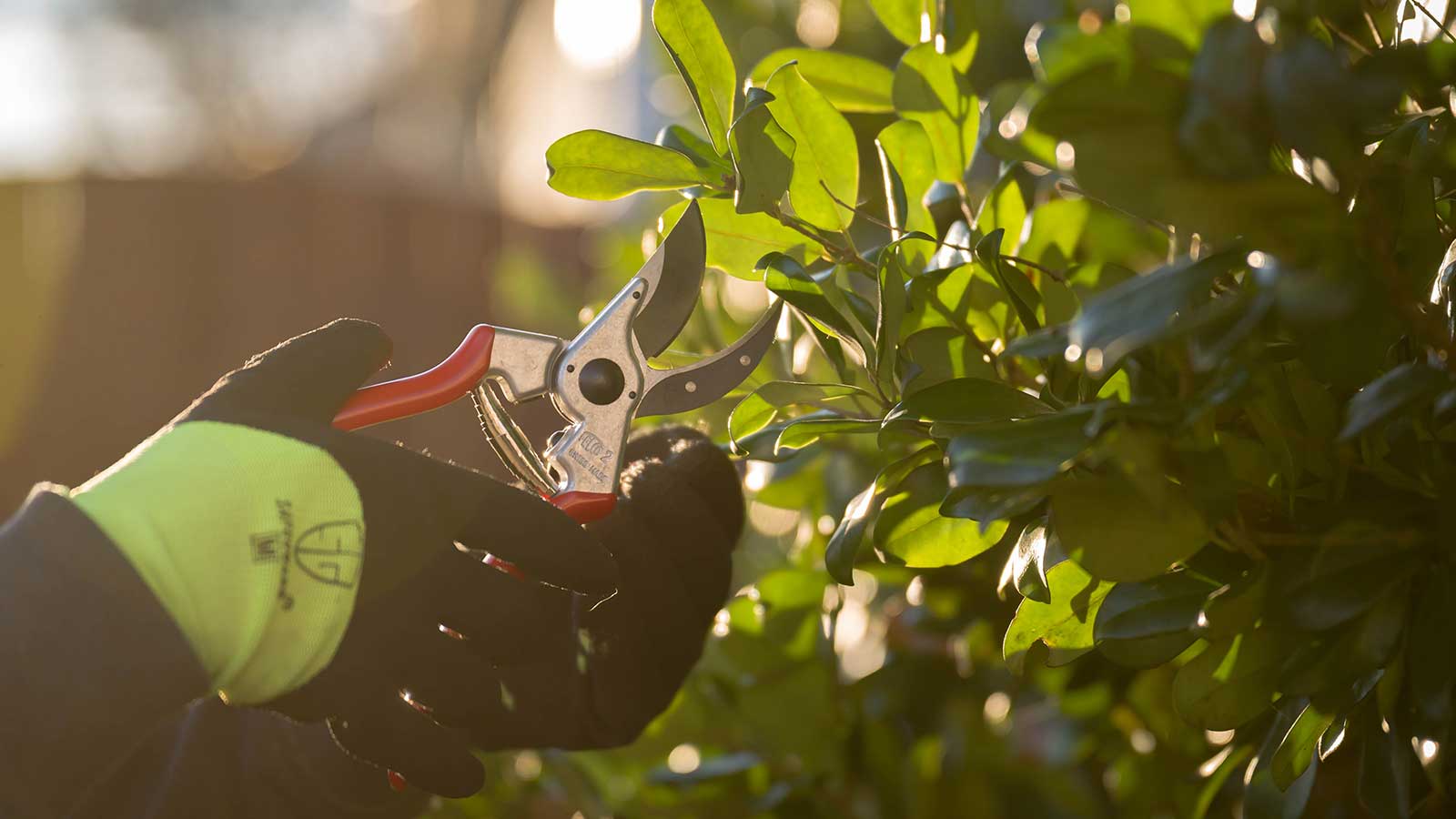
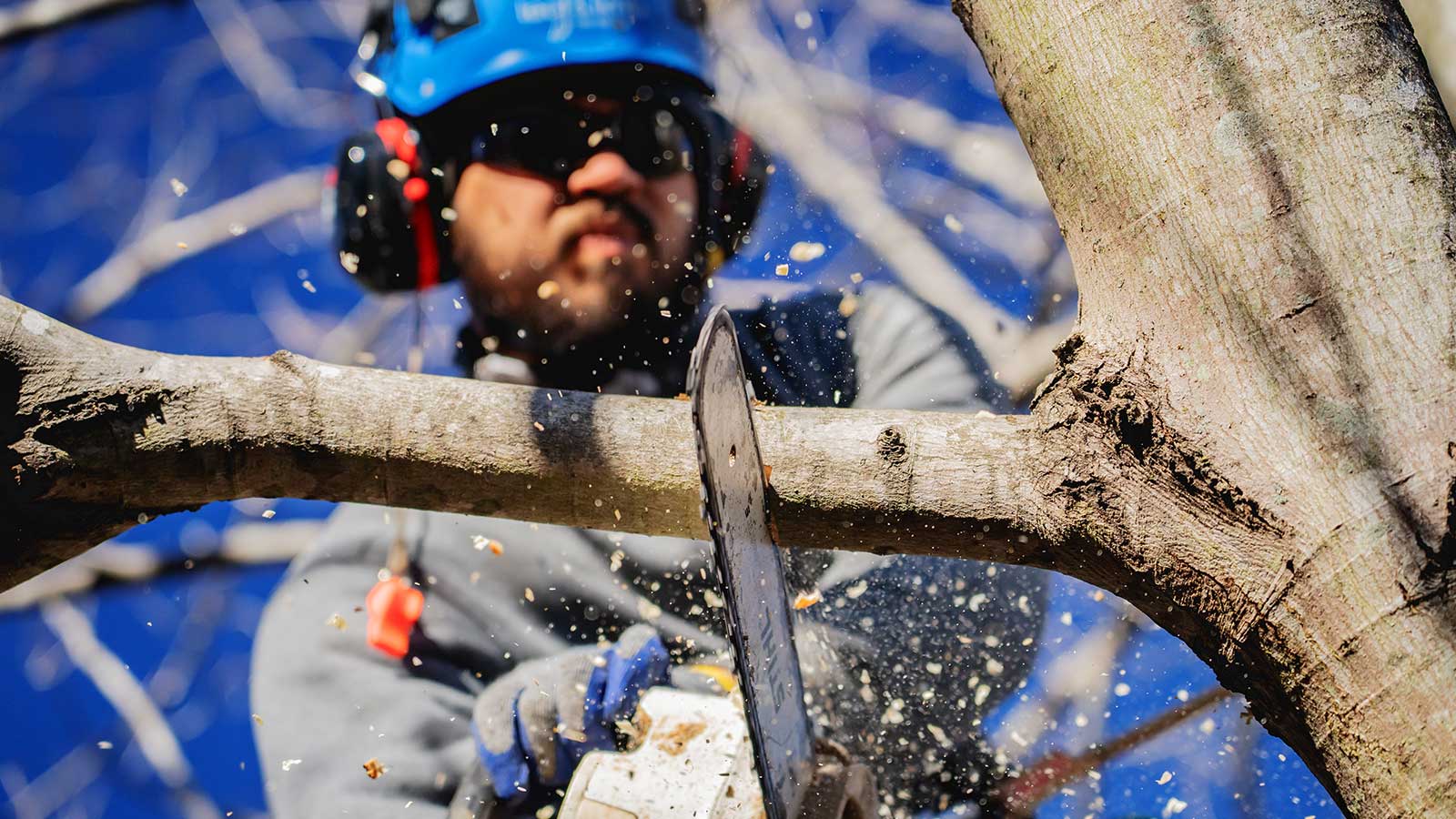
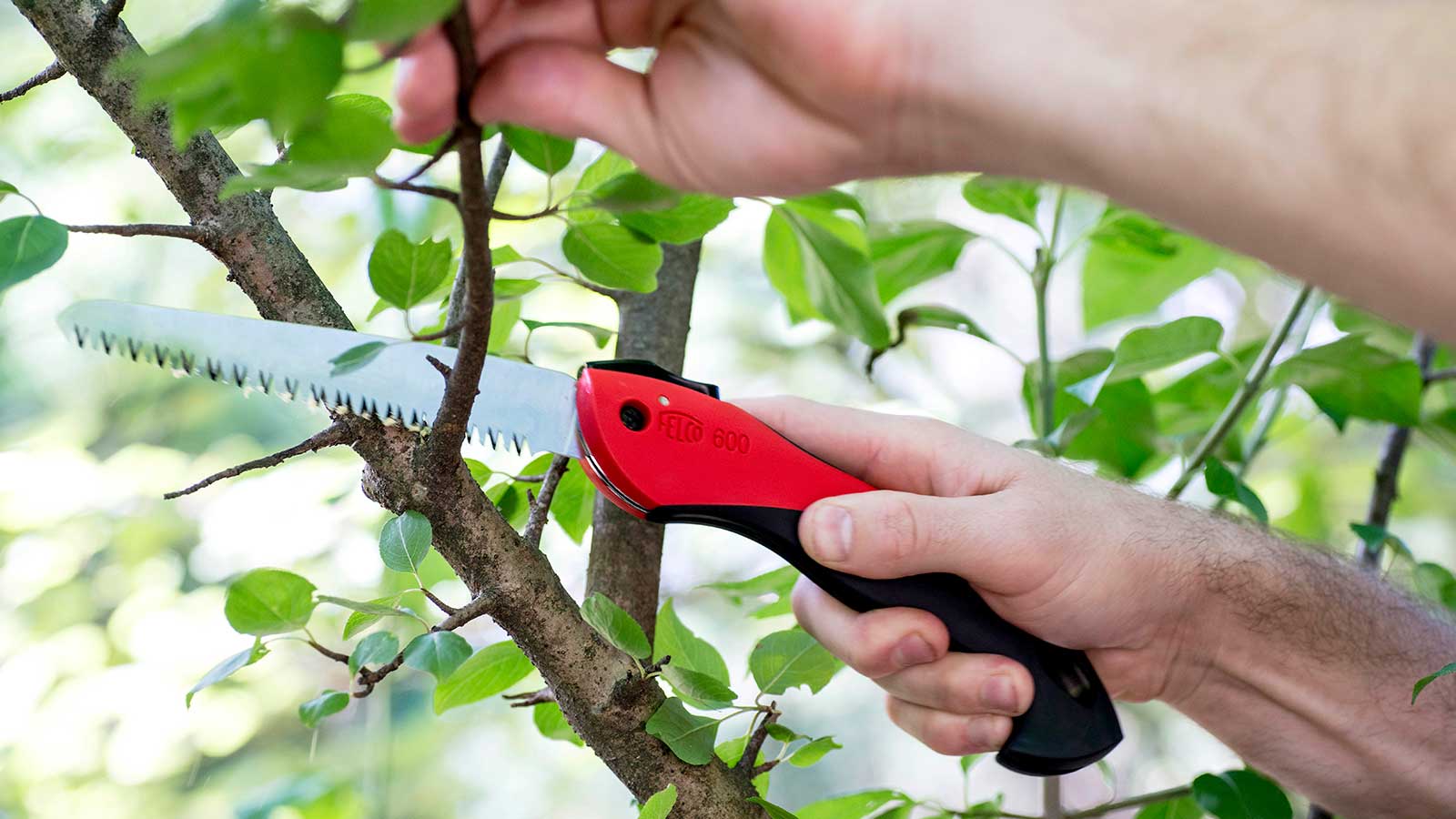
- Pruning out the dead wood. Partly for safety, and partly so we would have a clean baseline. Any new dieback after this point would be easier to spot.
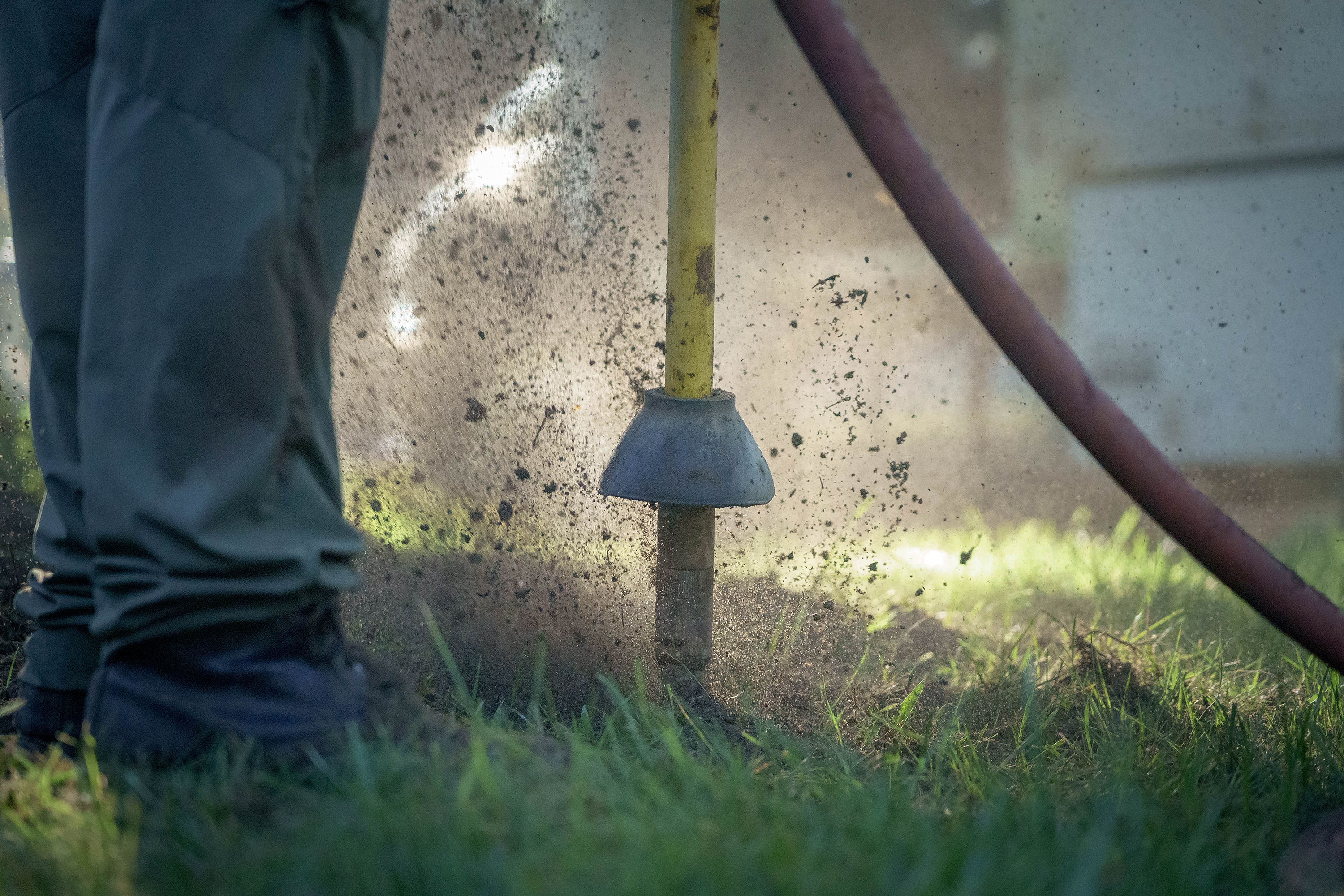
It starts with the soil
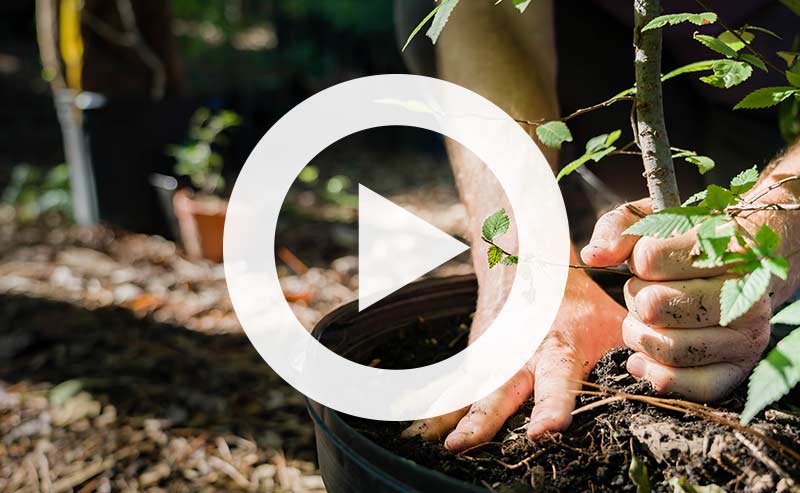
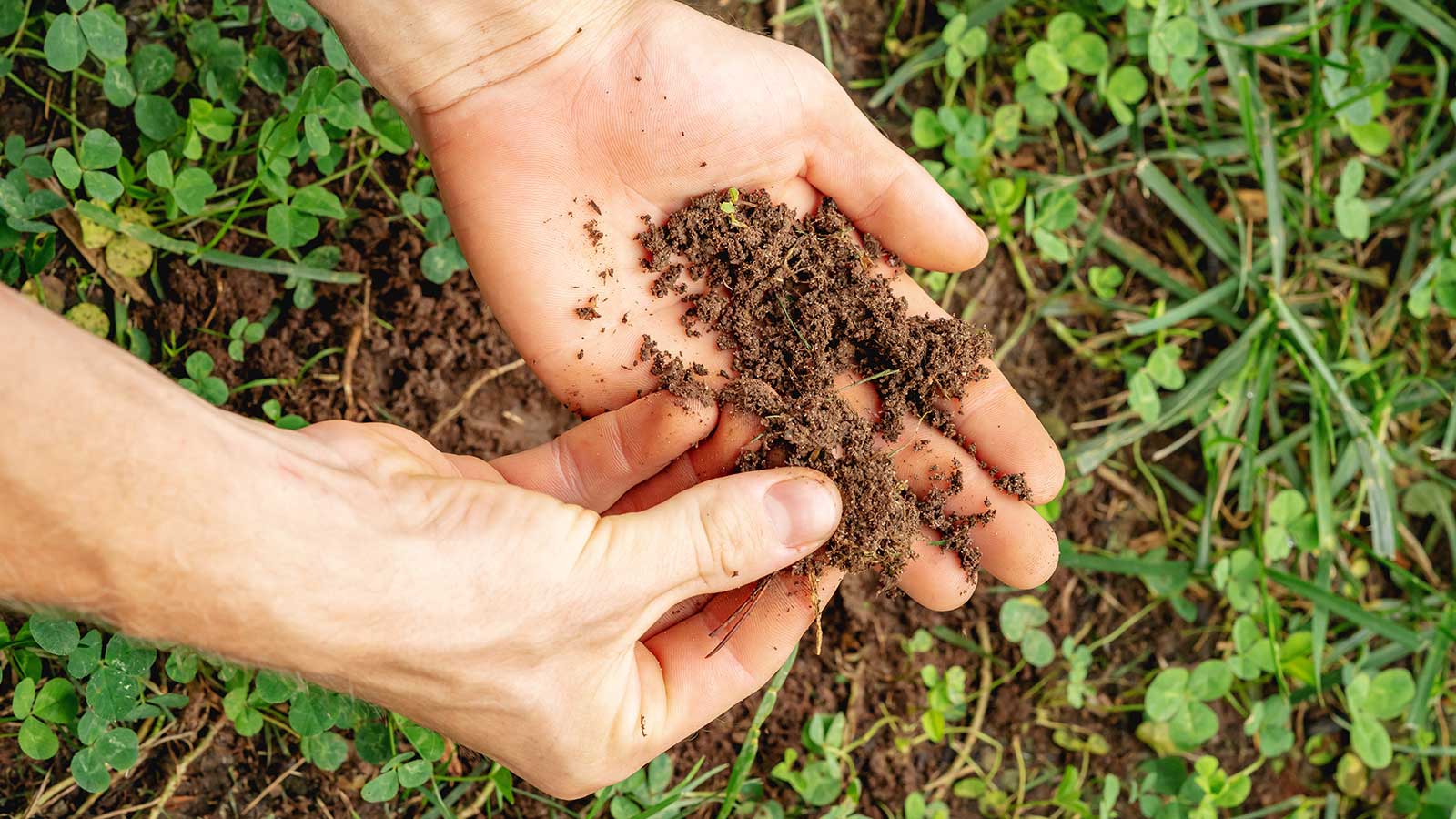
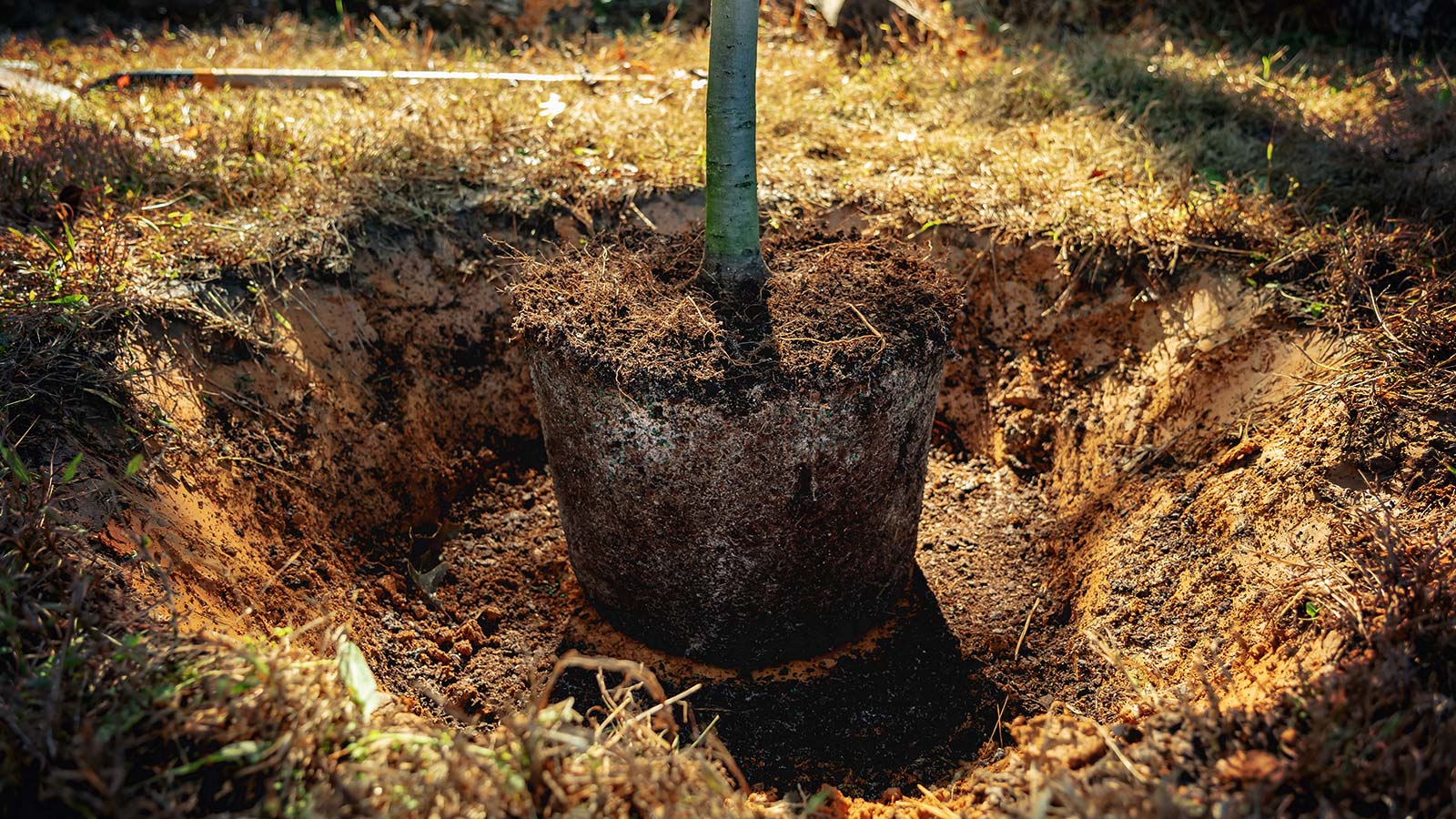
An air spade loosens decades of compaction without harming roots, so compost can be mixed in to restore the soil biology a big tree depends on. Expanding the bed puts more of the root zone into good soil.
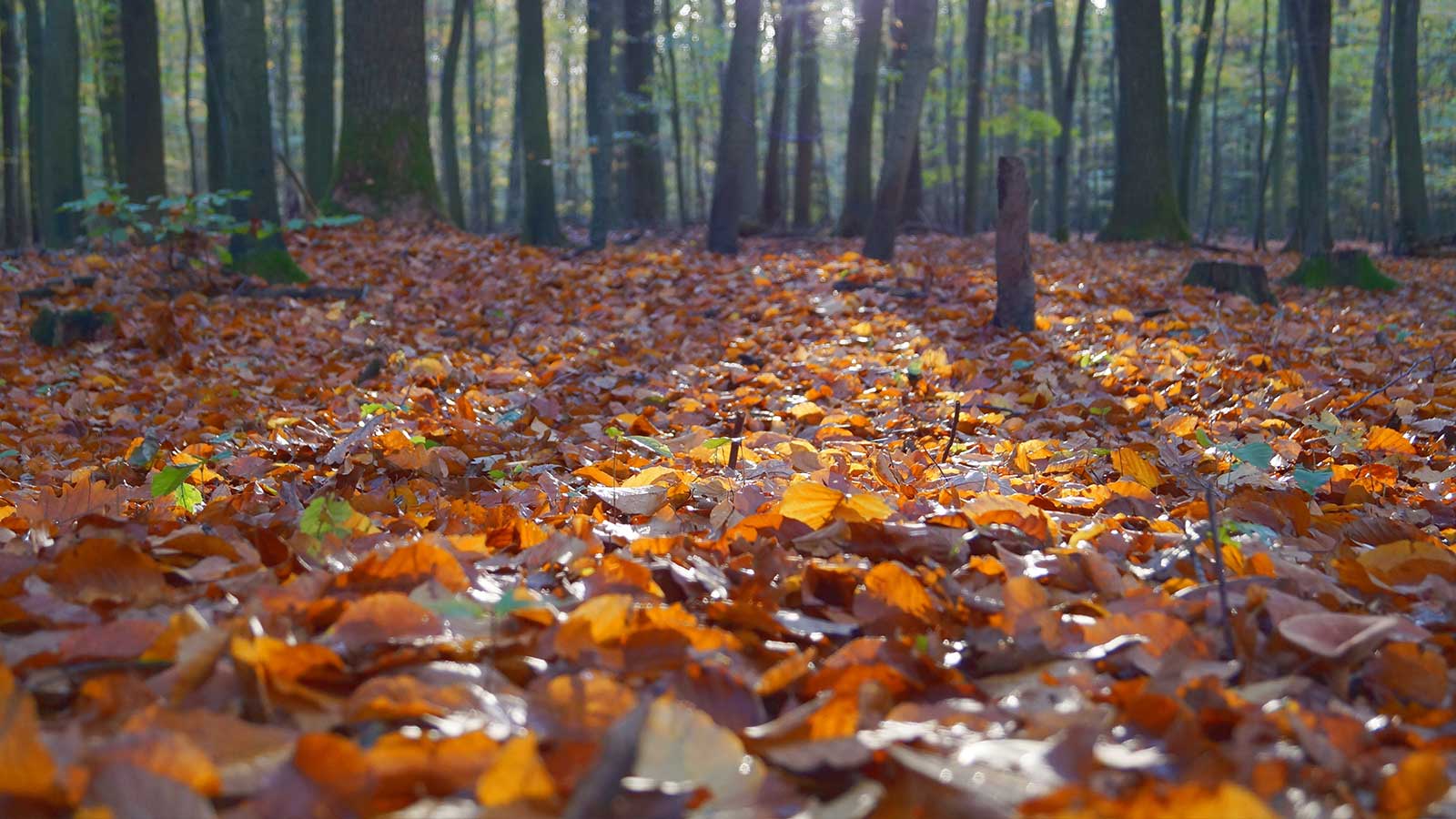
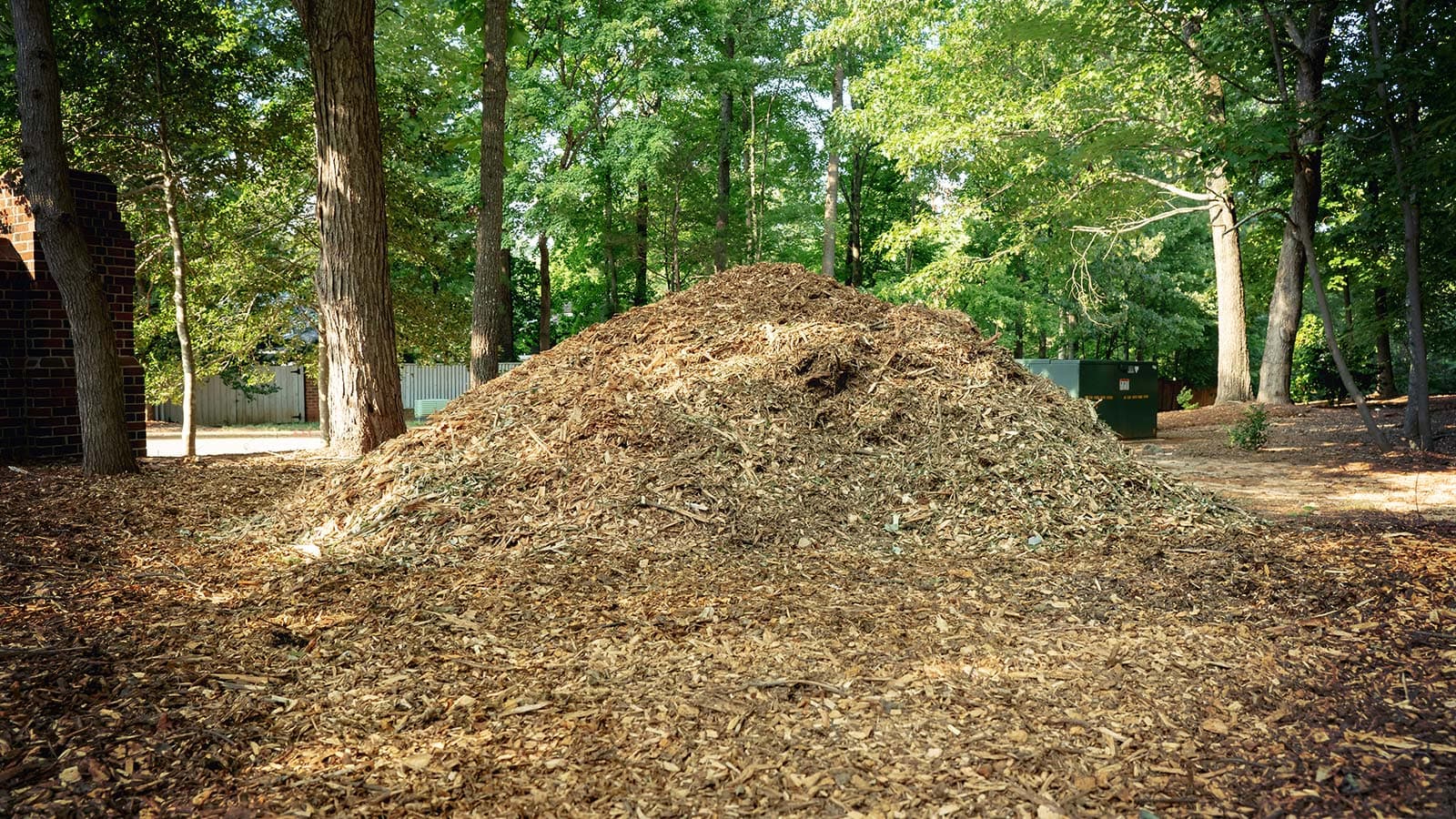
Not all soil improvement takes a truck. Leaves left where they fall build soil the same way, just slower, and so does a load of wood chips. What matters most is what you stop doing: no raking under the tree, no mower over the roots, nothing sprayed on soil you are trying to bring back to life.
Soil does not rebuild on our schedule. It rebuilds on its own, slowly, once the conditions are right again. So we made the conditions right and waited for nature to do its job.
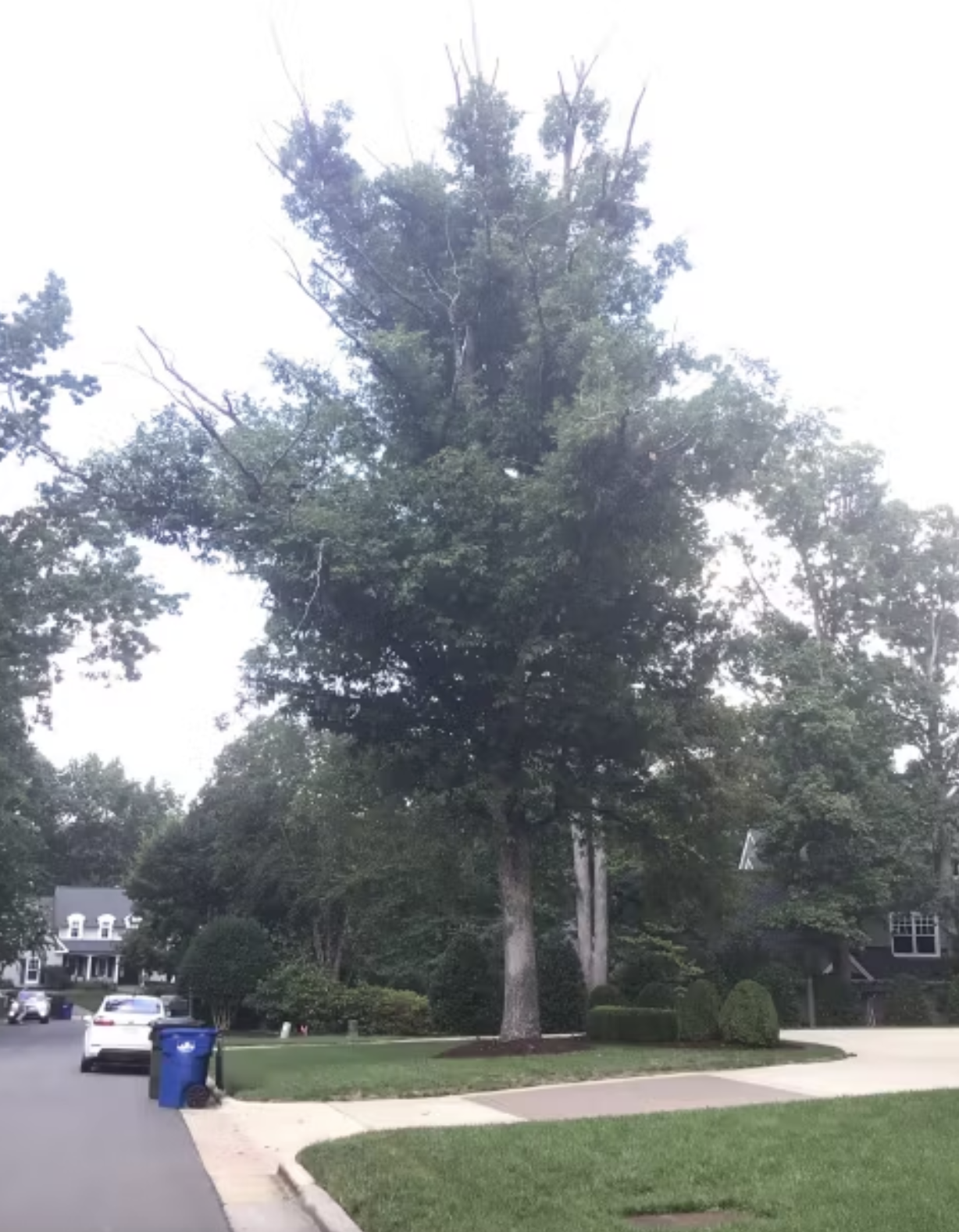
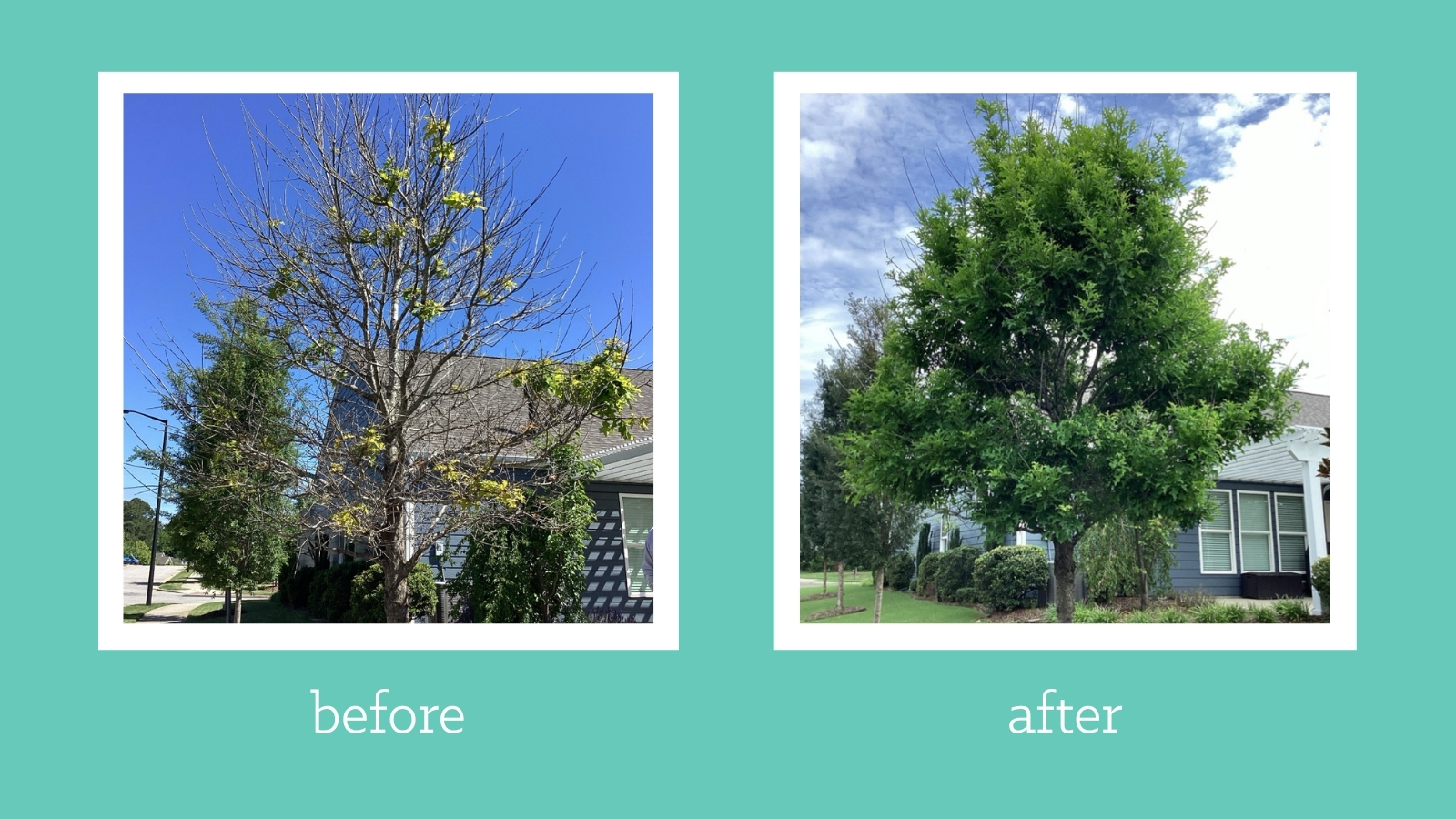
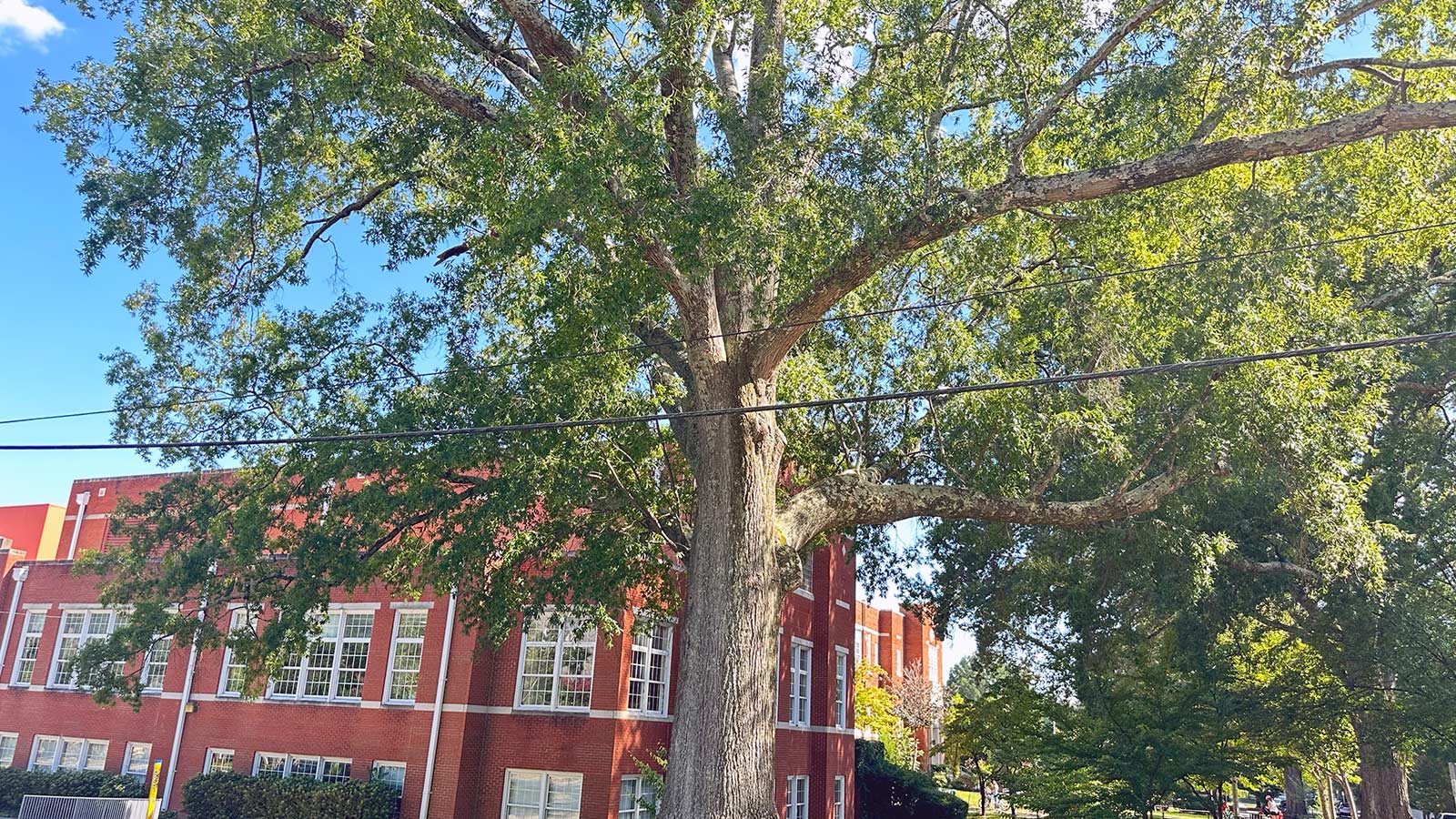
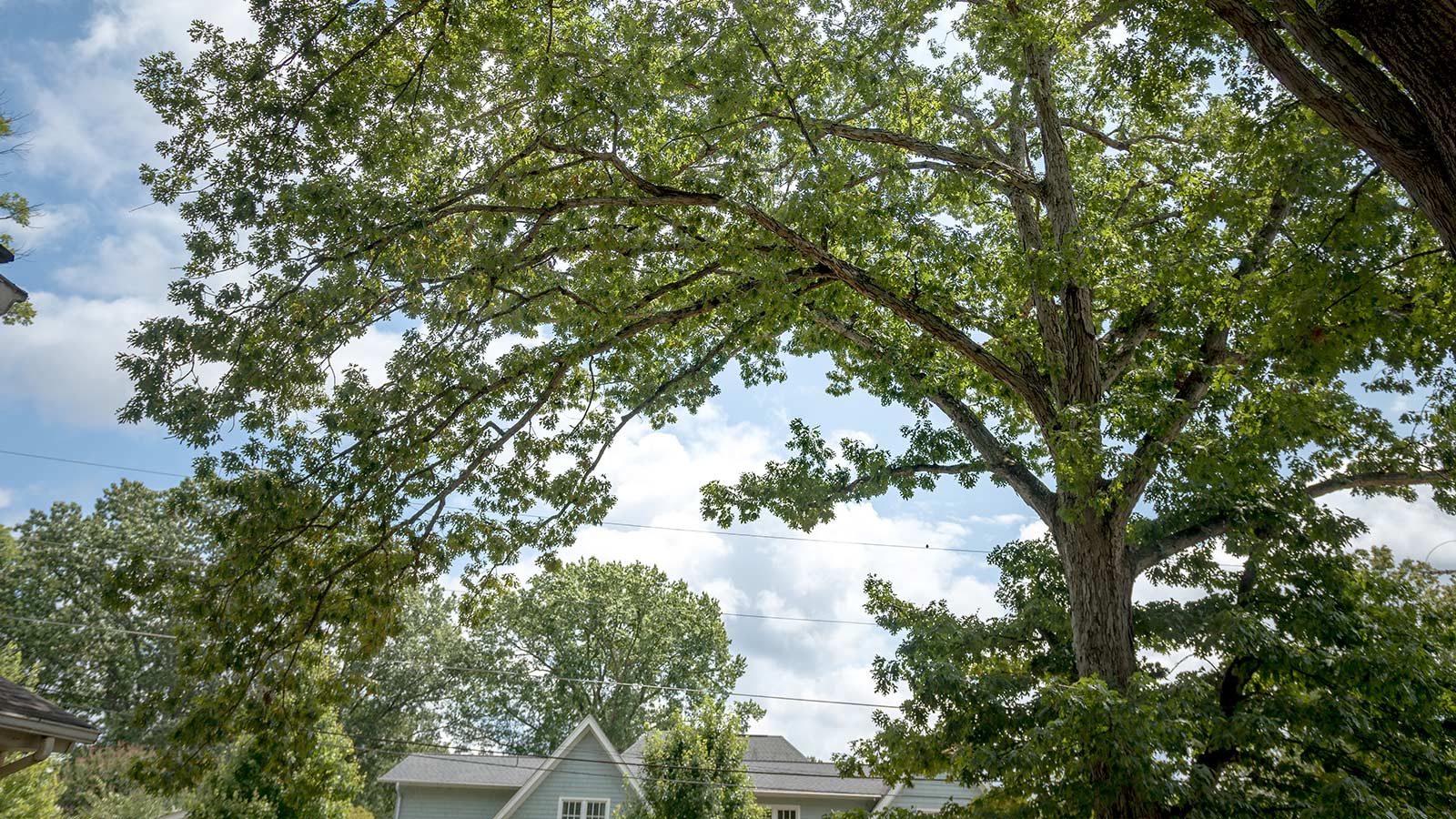
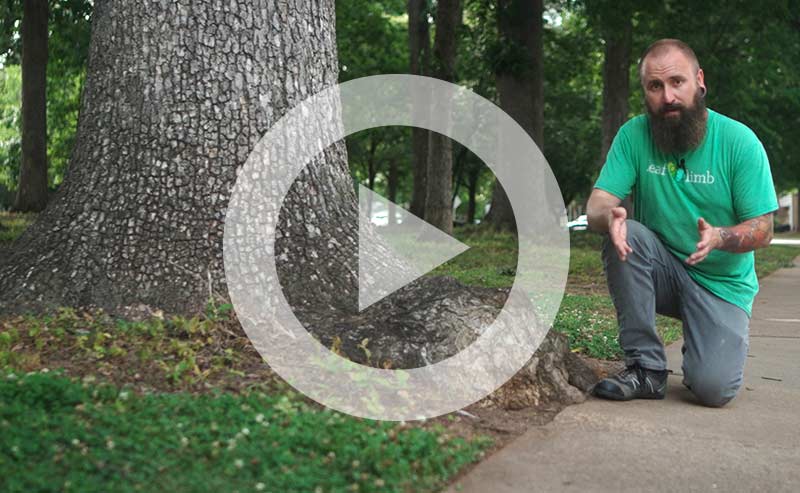
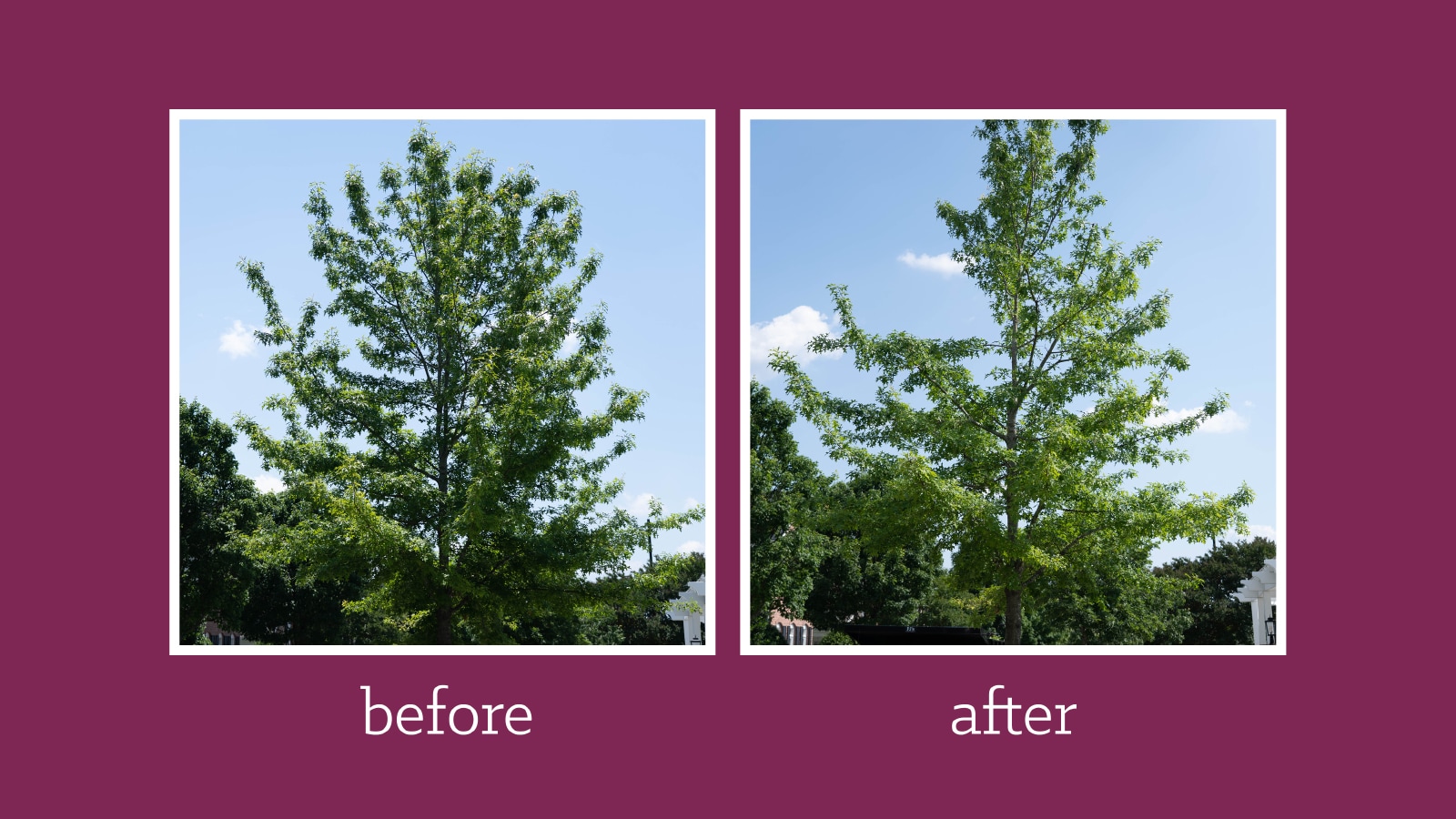
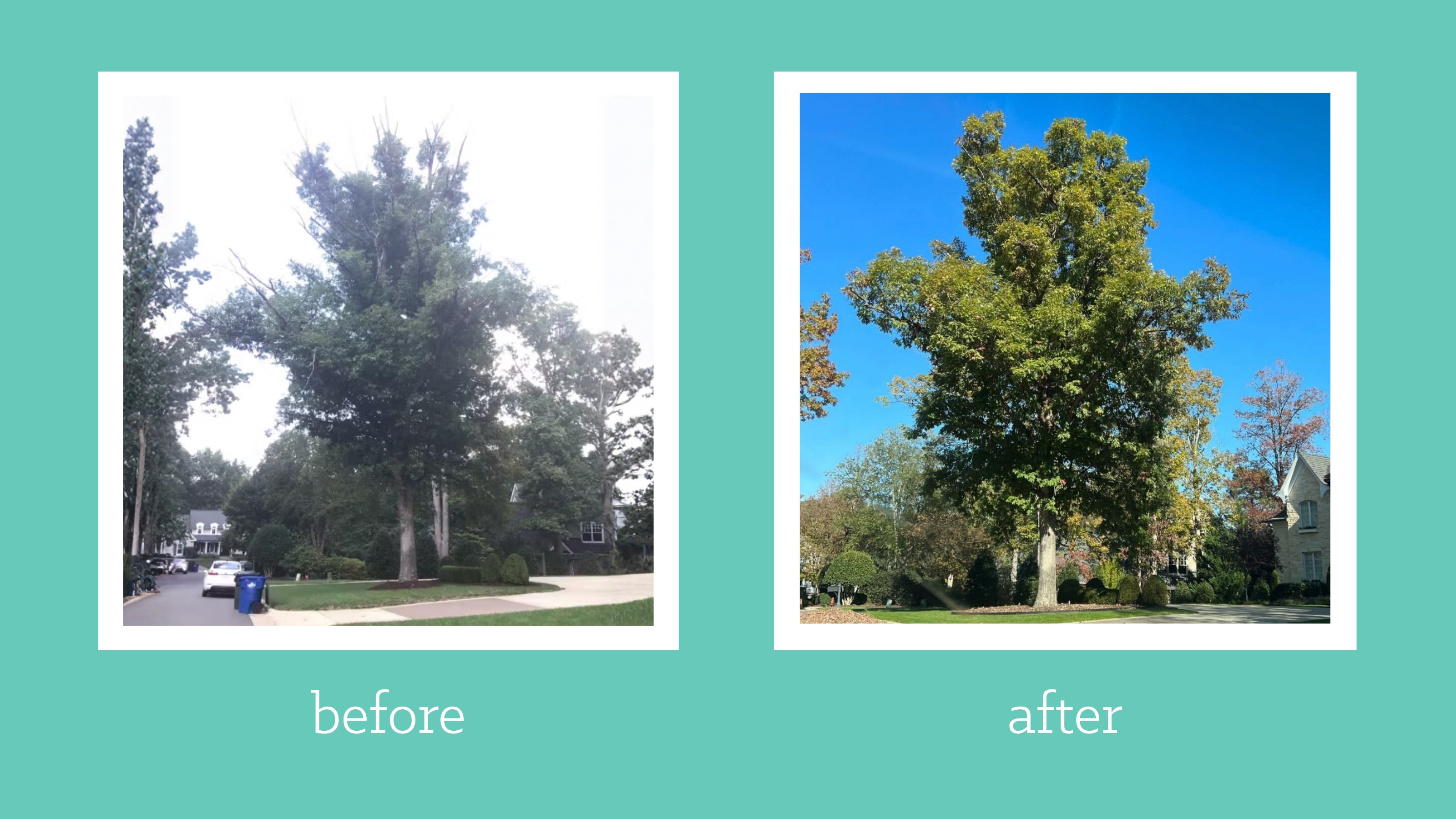
Before
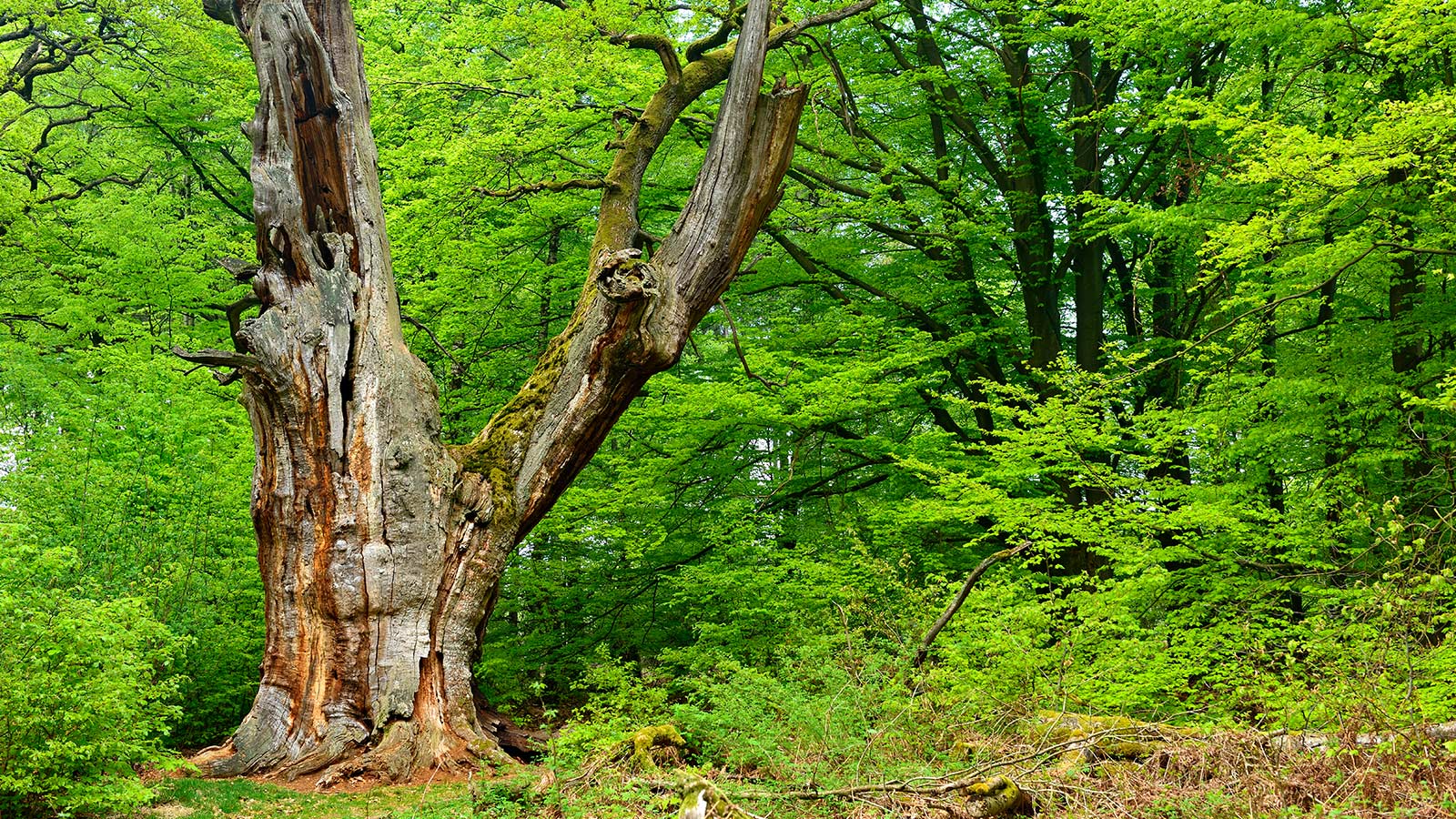
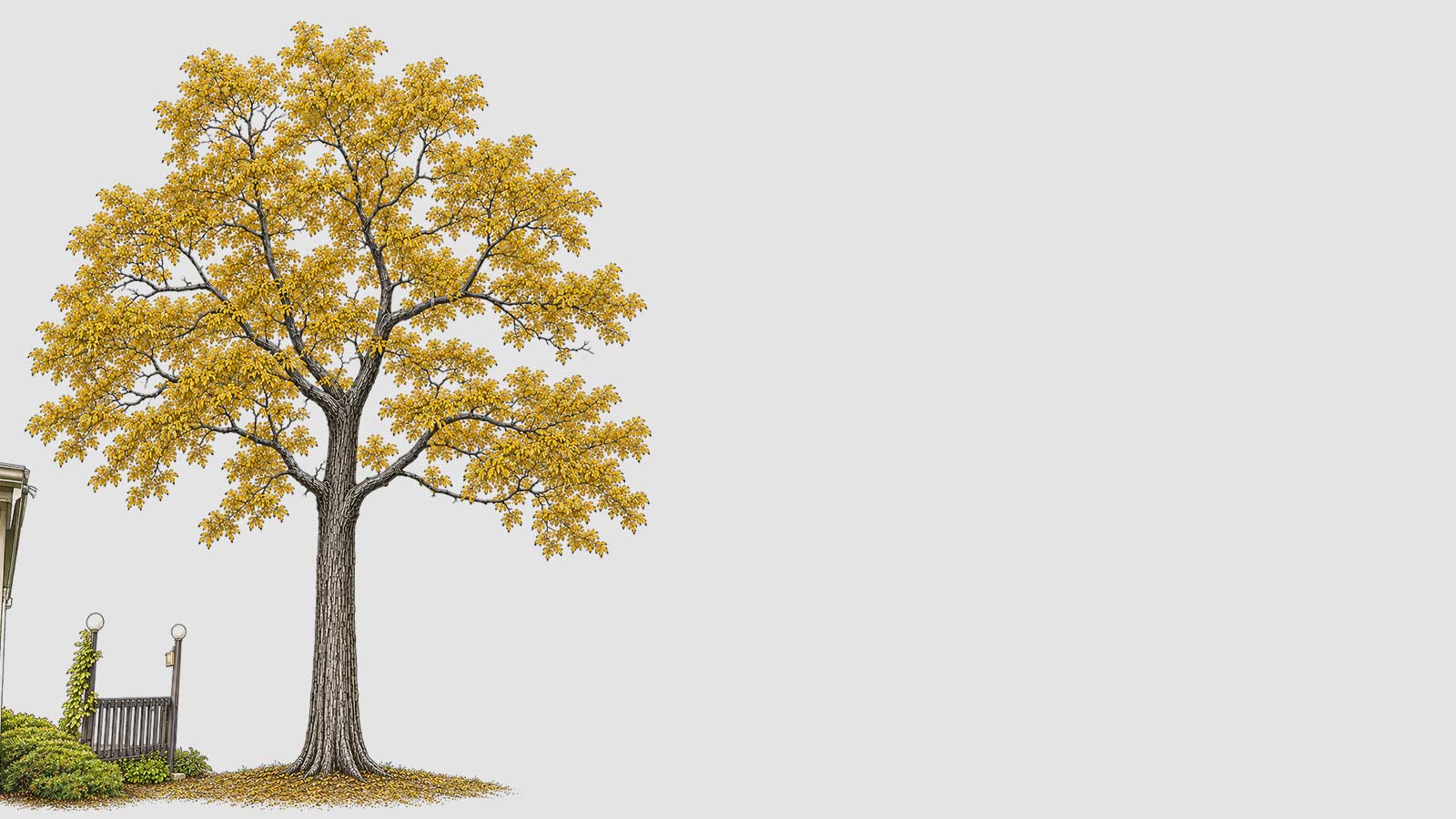
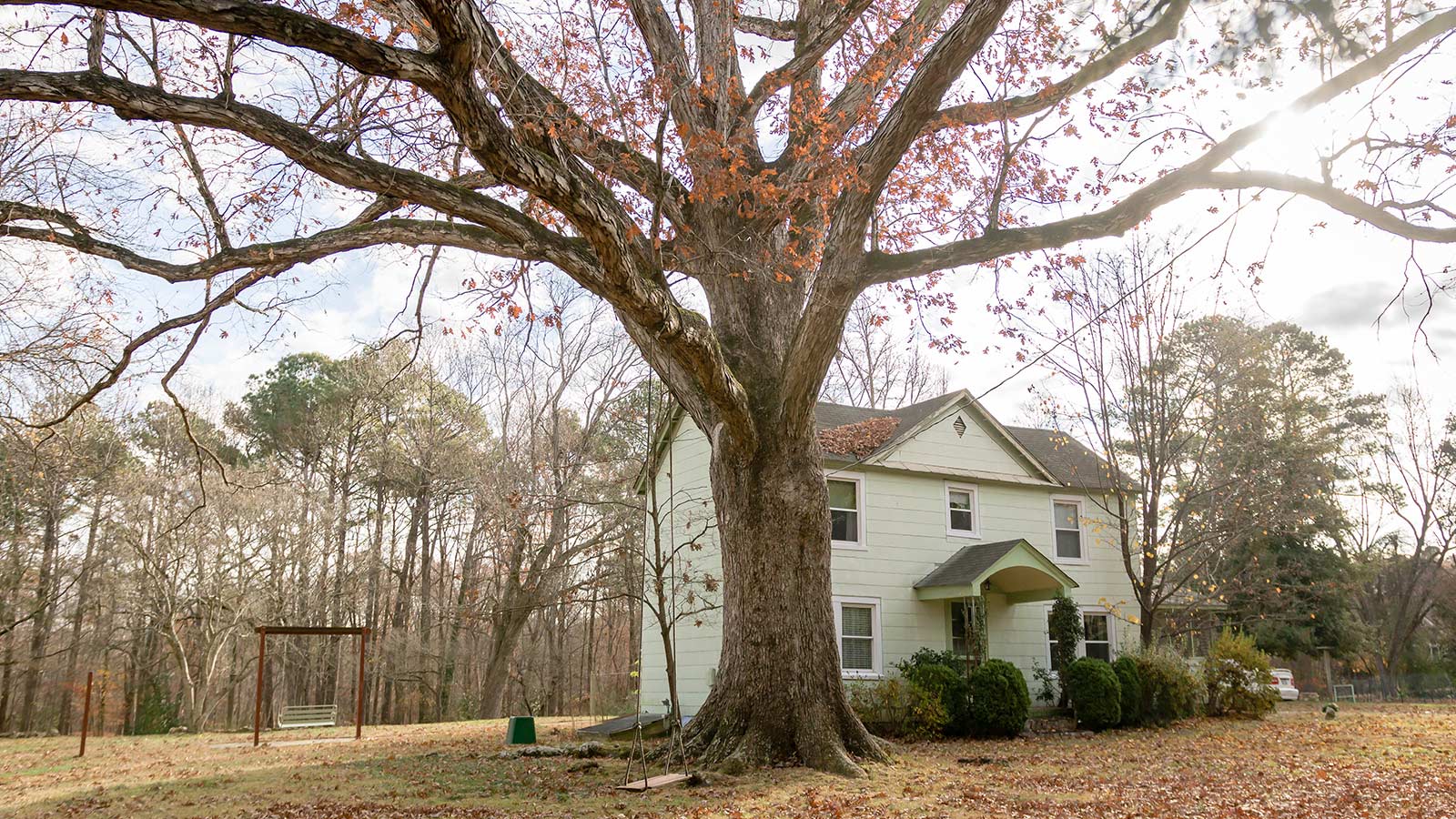
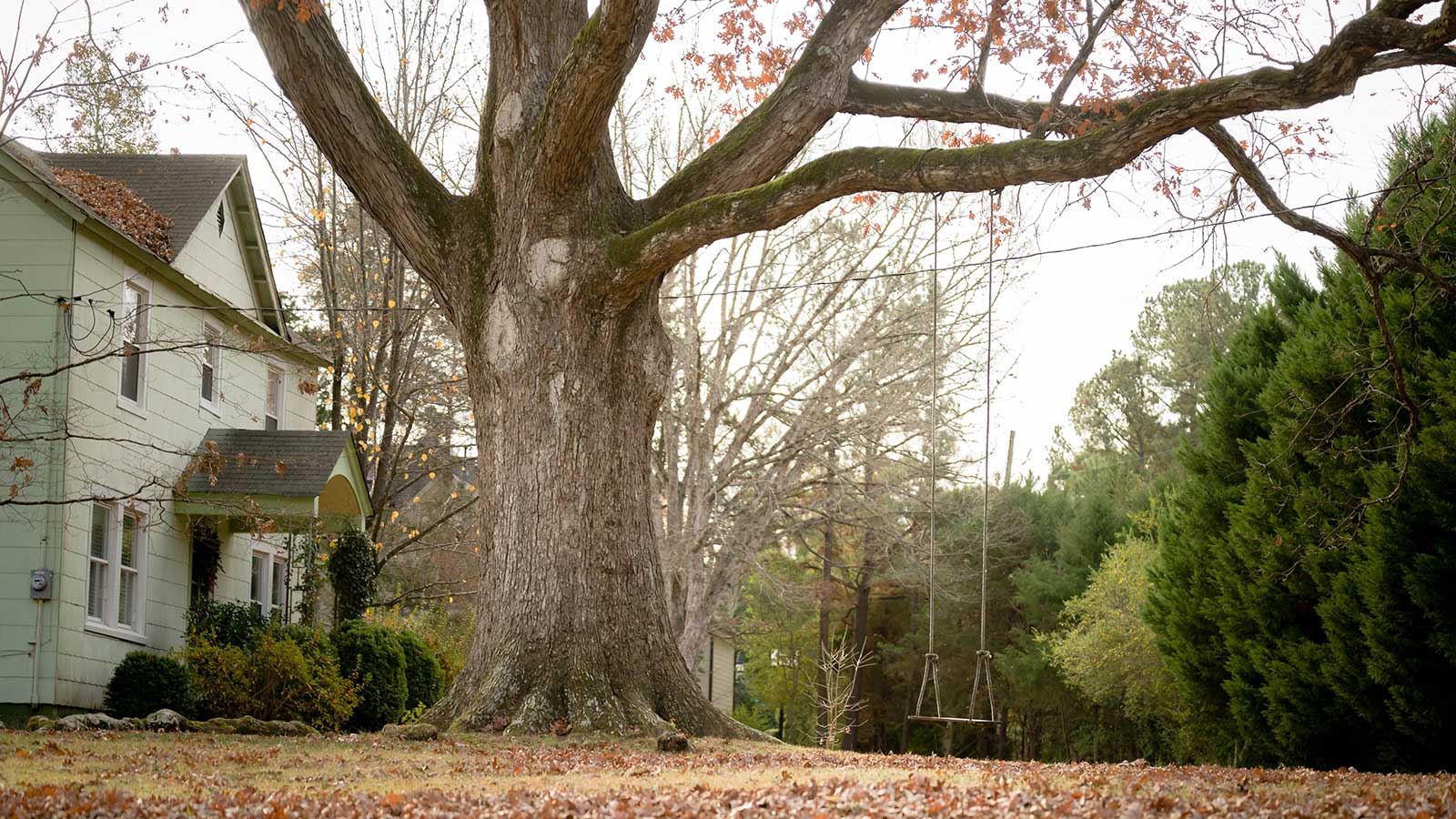
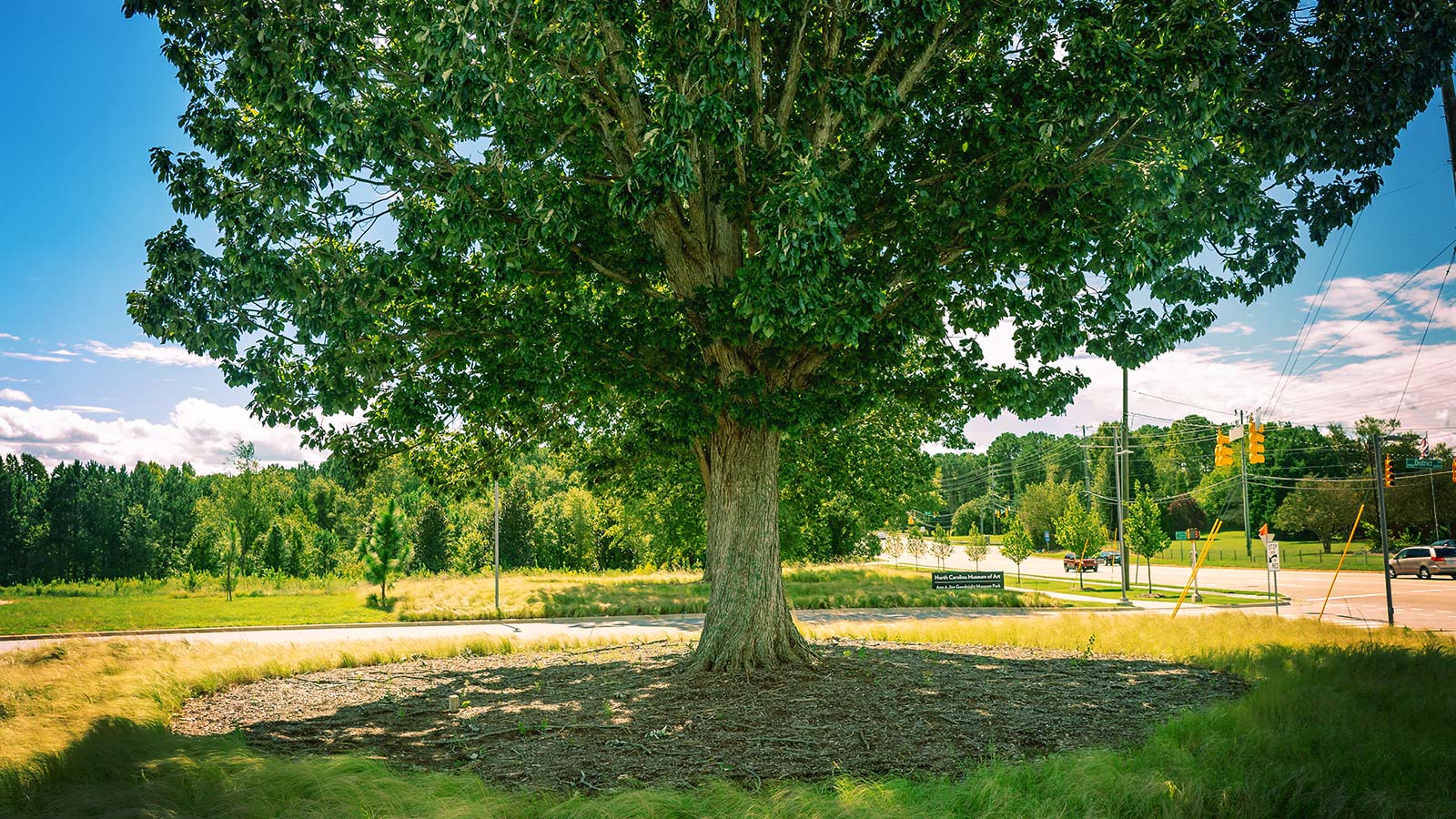
In September 2021, this large white oak in Raleigh showed substantial tip dieback, which is a common problem for large urban trees growing in old, compacted and exhausted soil.
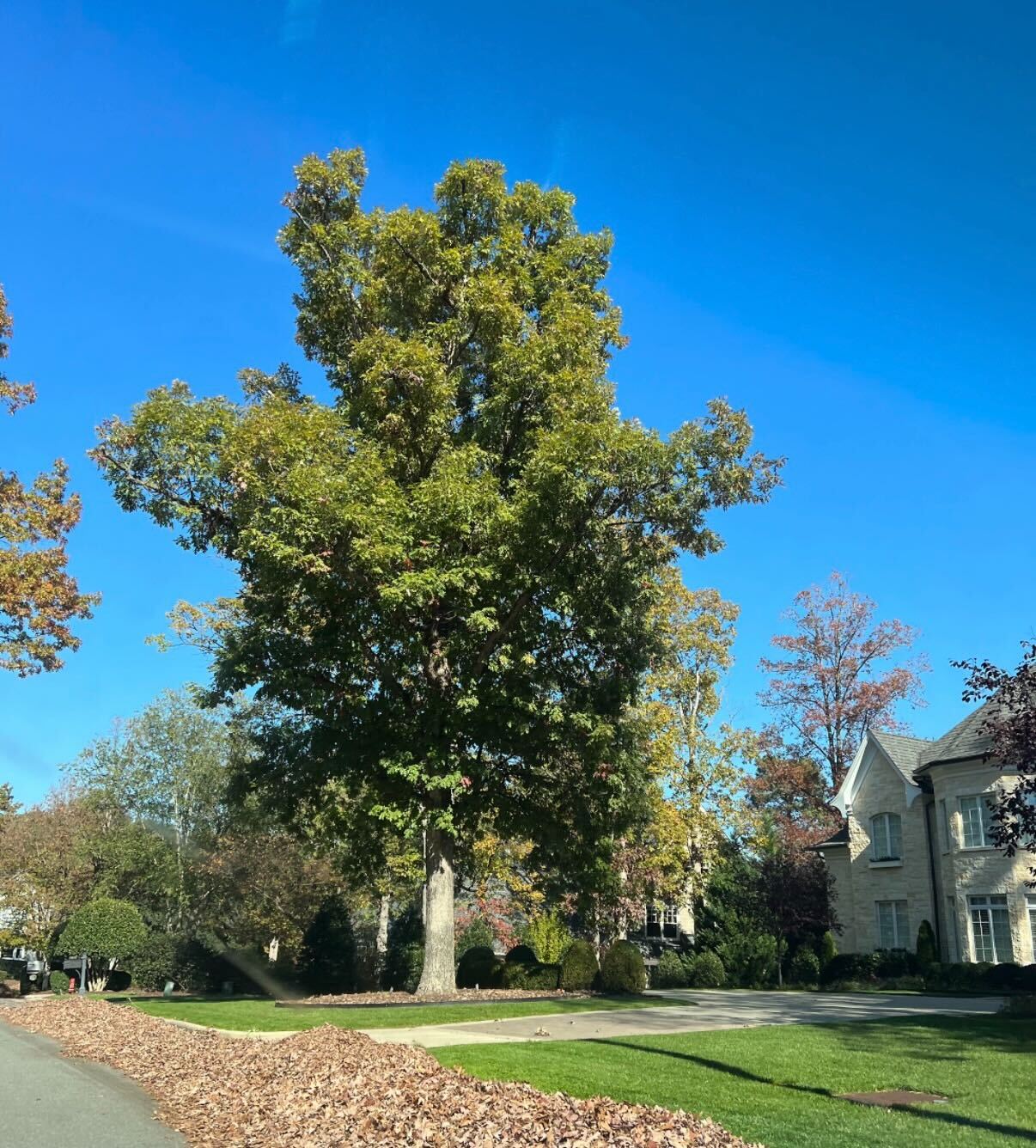
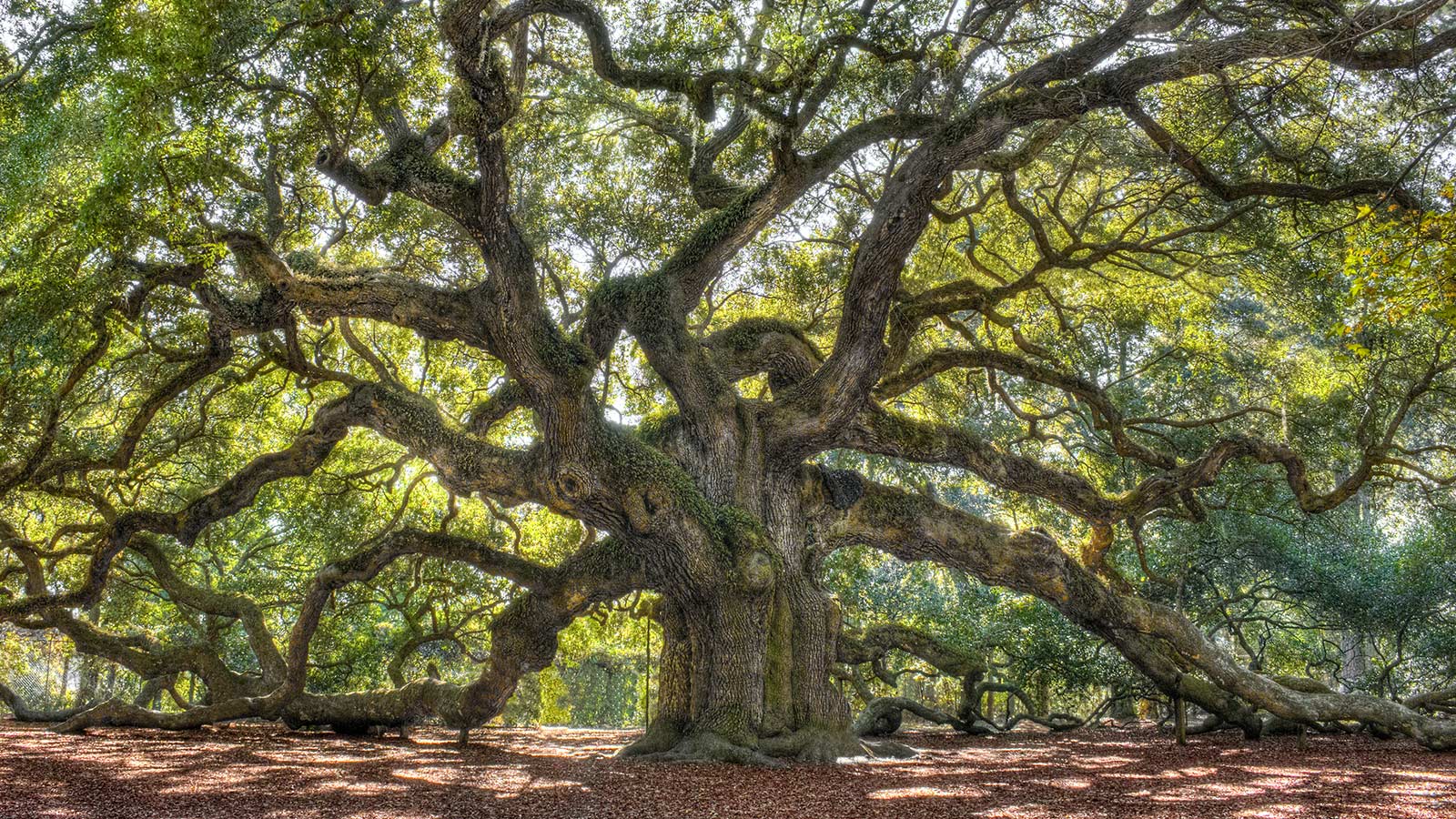
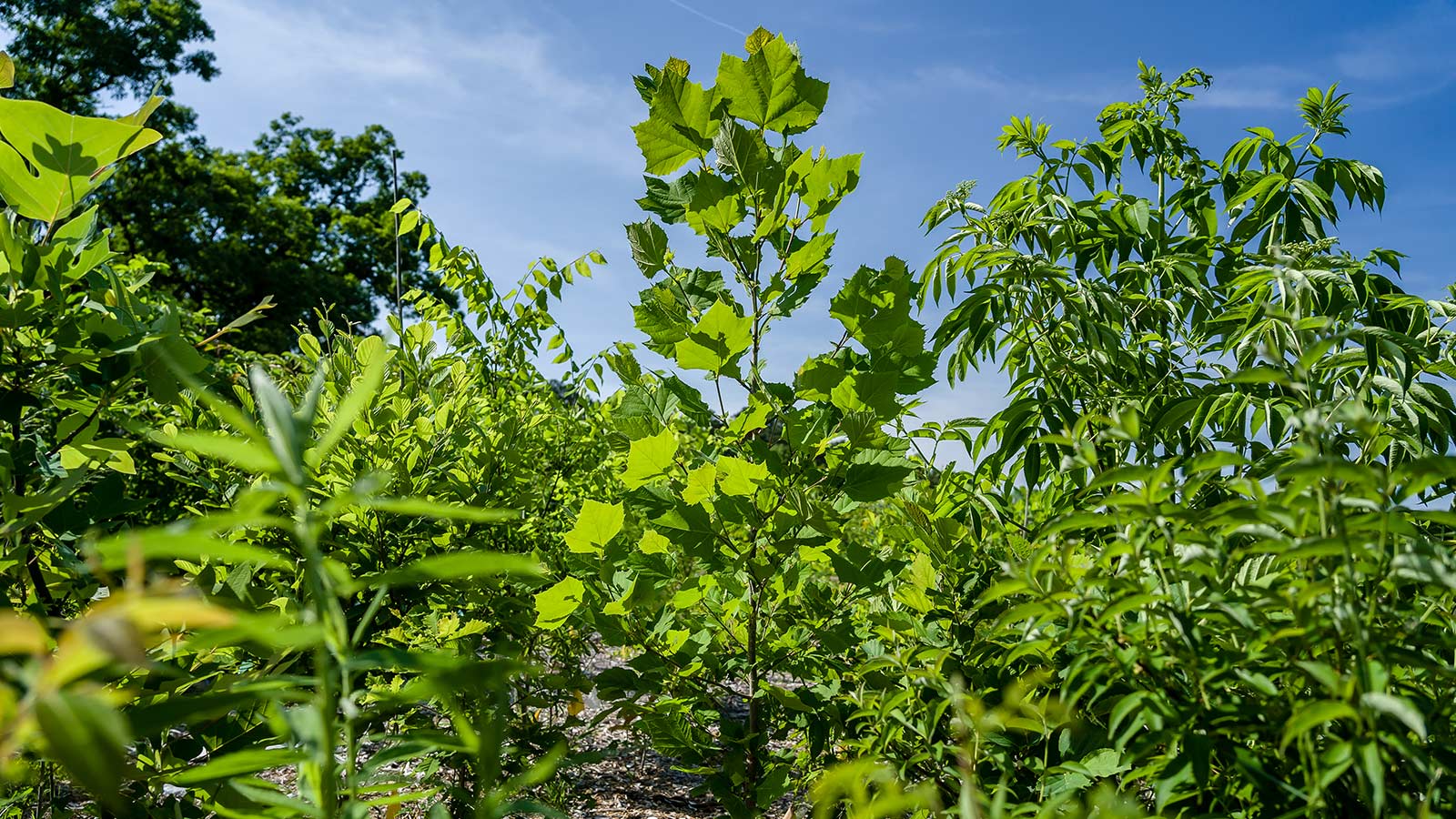
After
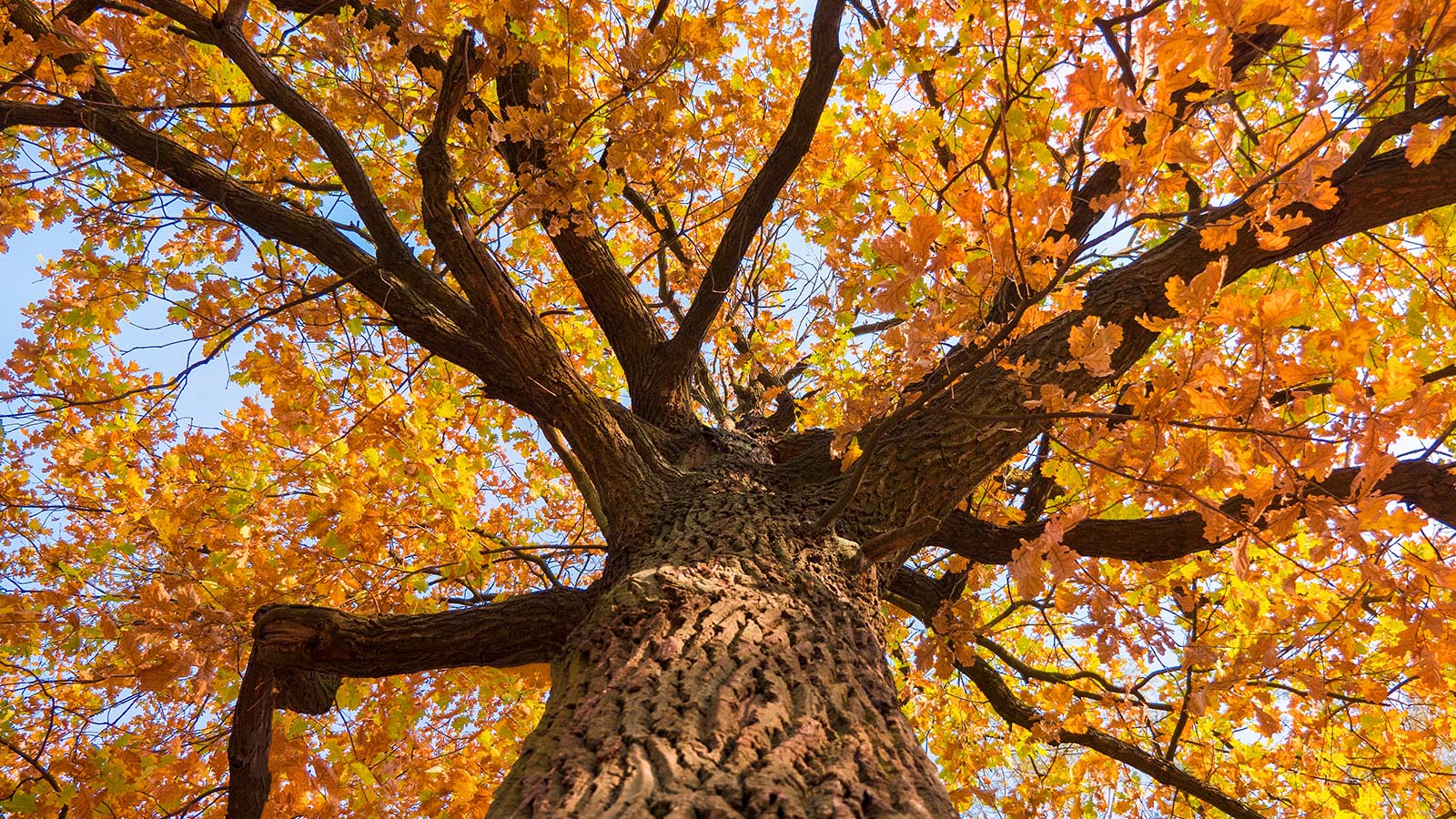
A little more than a year later, this oak is showing renewed canopy vigor. It is beginning to thrive in its expanded soil bed and will be much more resilient against insect or fungal attack.
This is a tree that can look forward to a healthier, longer life.
Worried about the health of your tree? Seeing dead tips at the top or a thinning canopy? Send us a note or read more about our structural pruning and tree care services that include pest management, air spading and compost.