November 2026 Treecologist Tribune
The Secret Life of Fog, Nature Bingo & Stained Glass Leaves

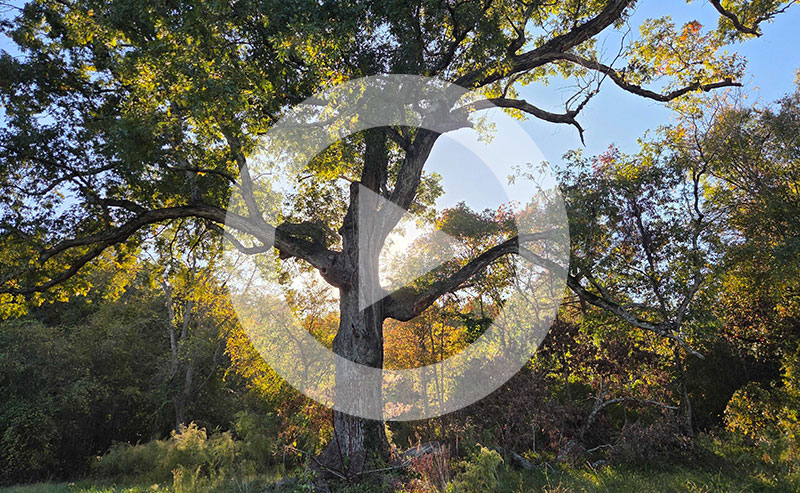
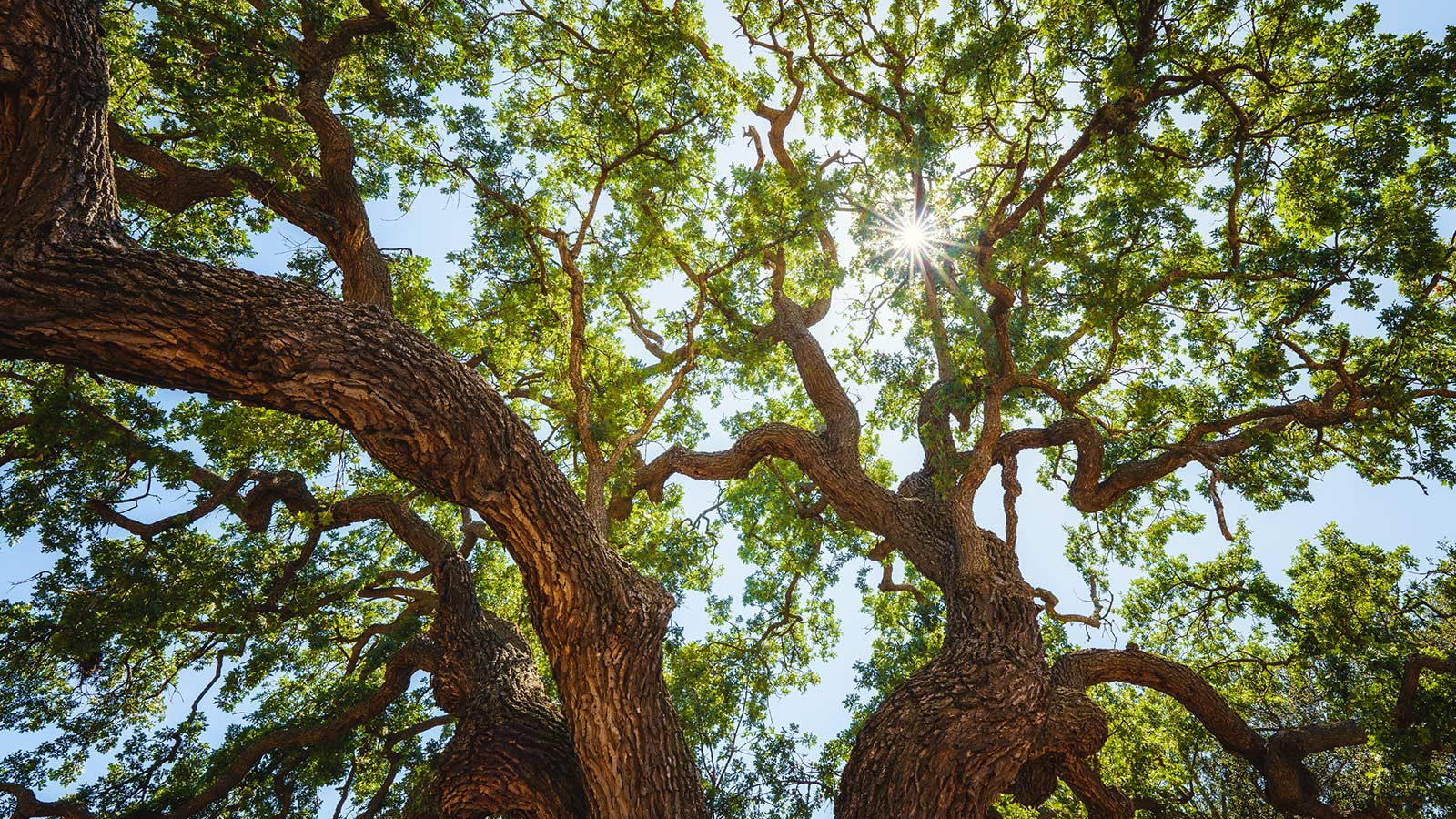
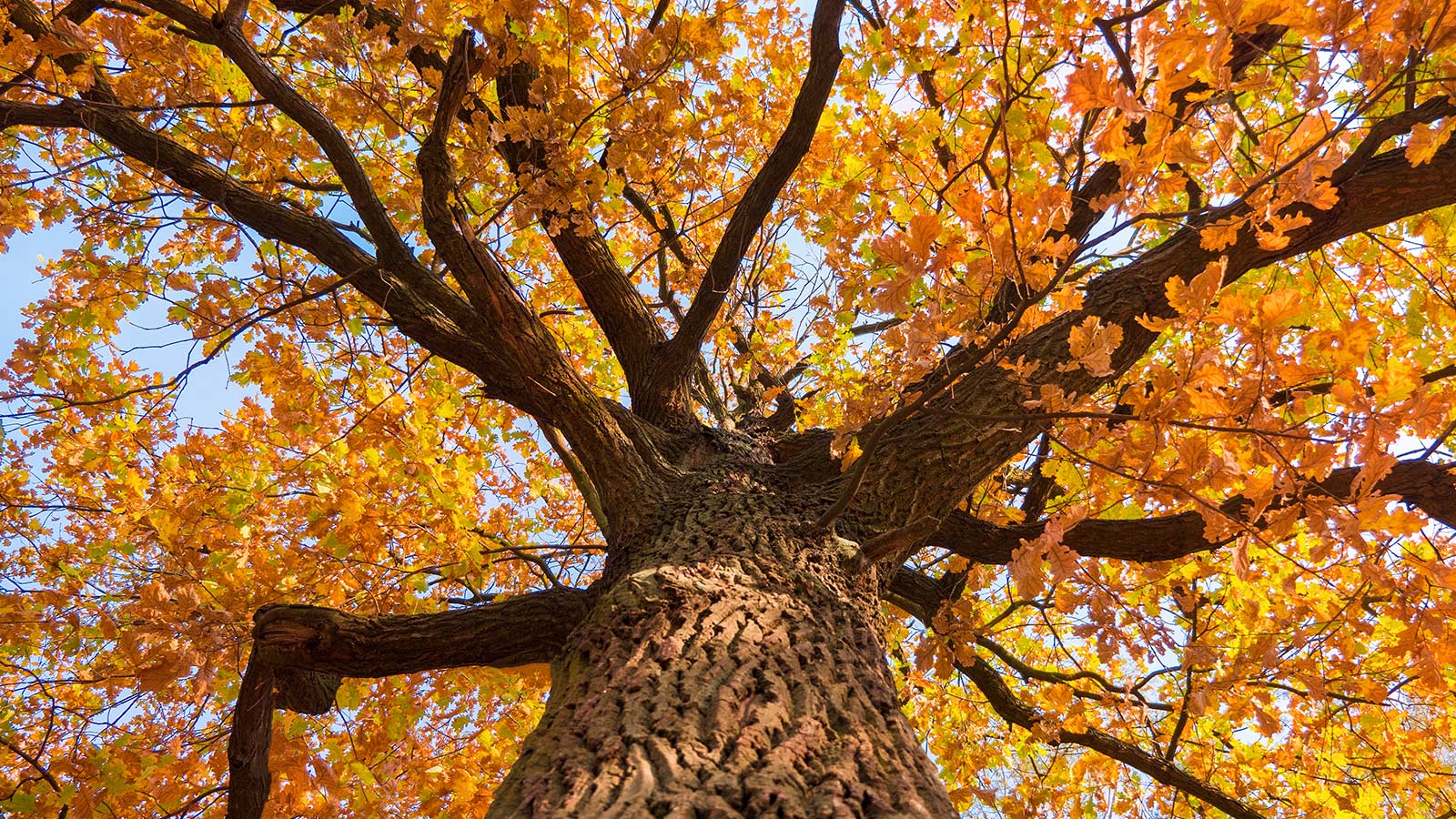
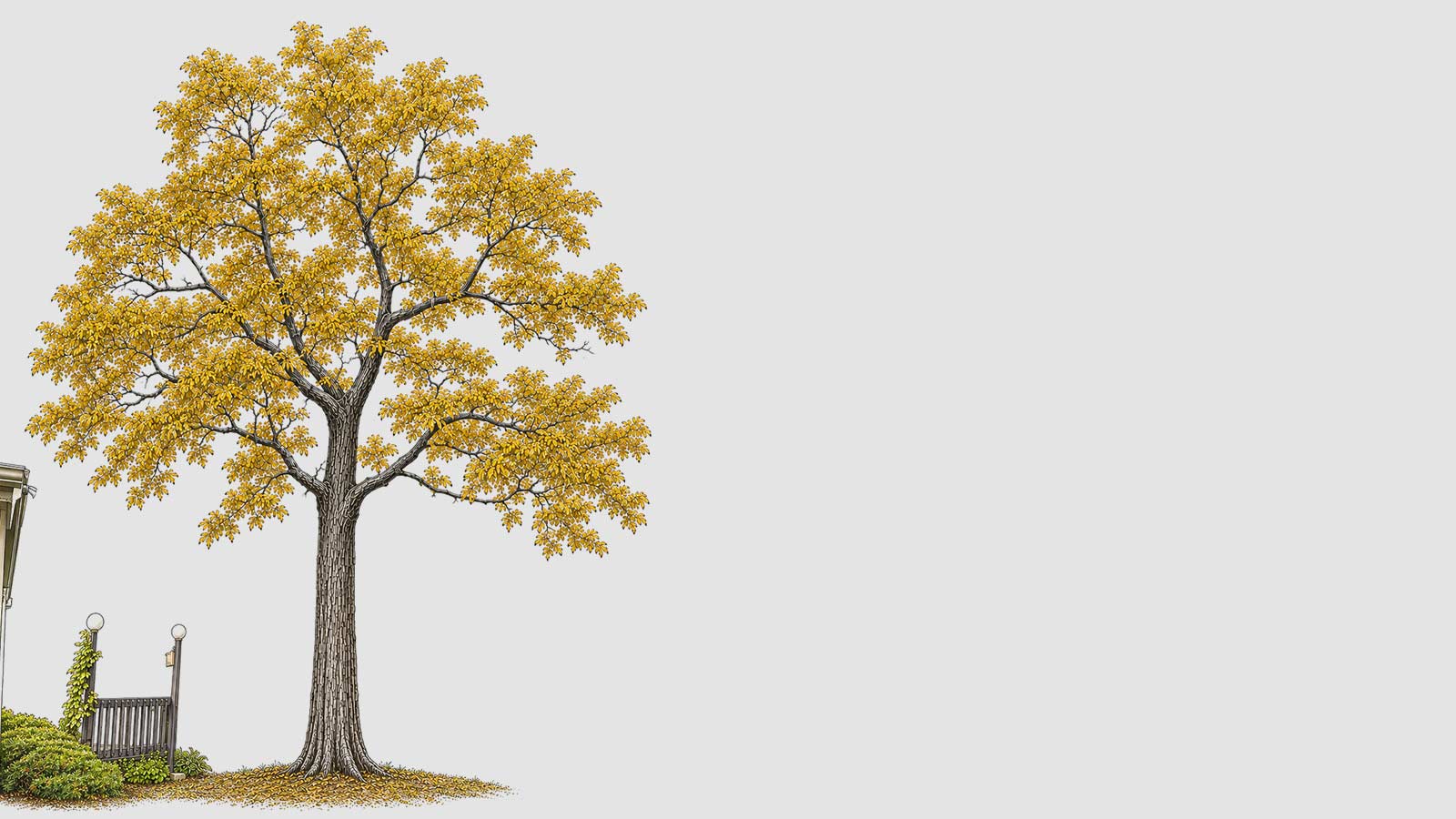
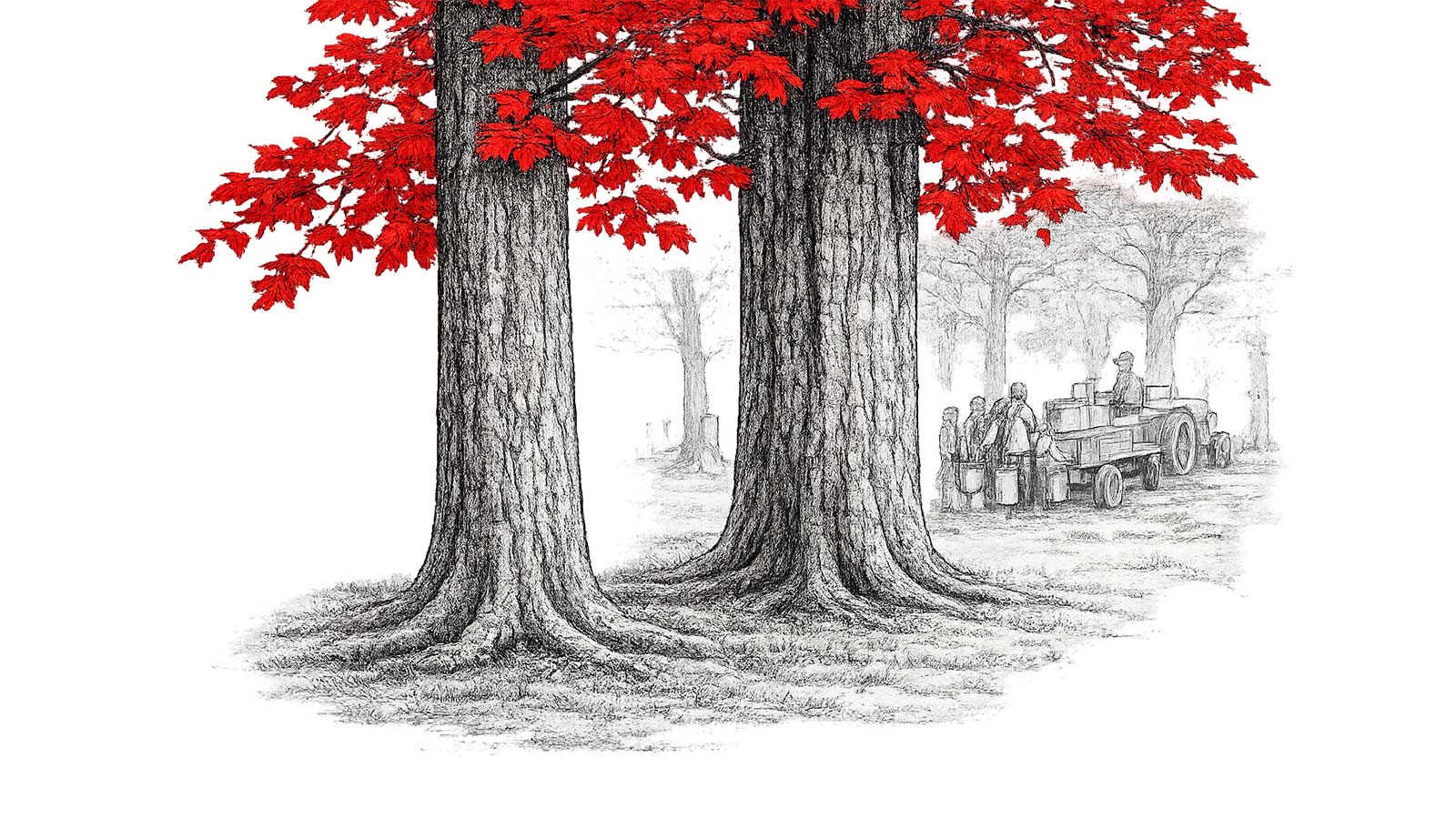
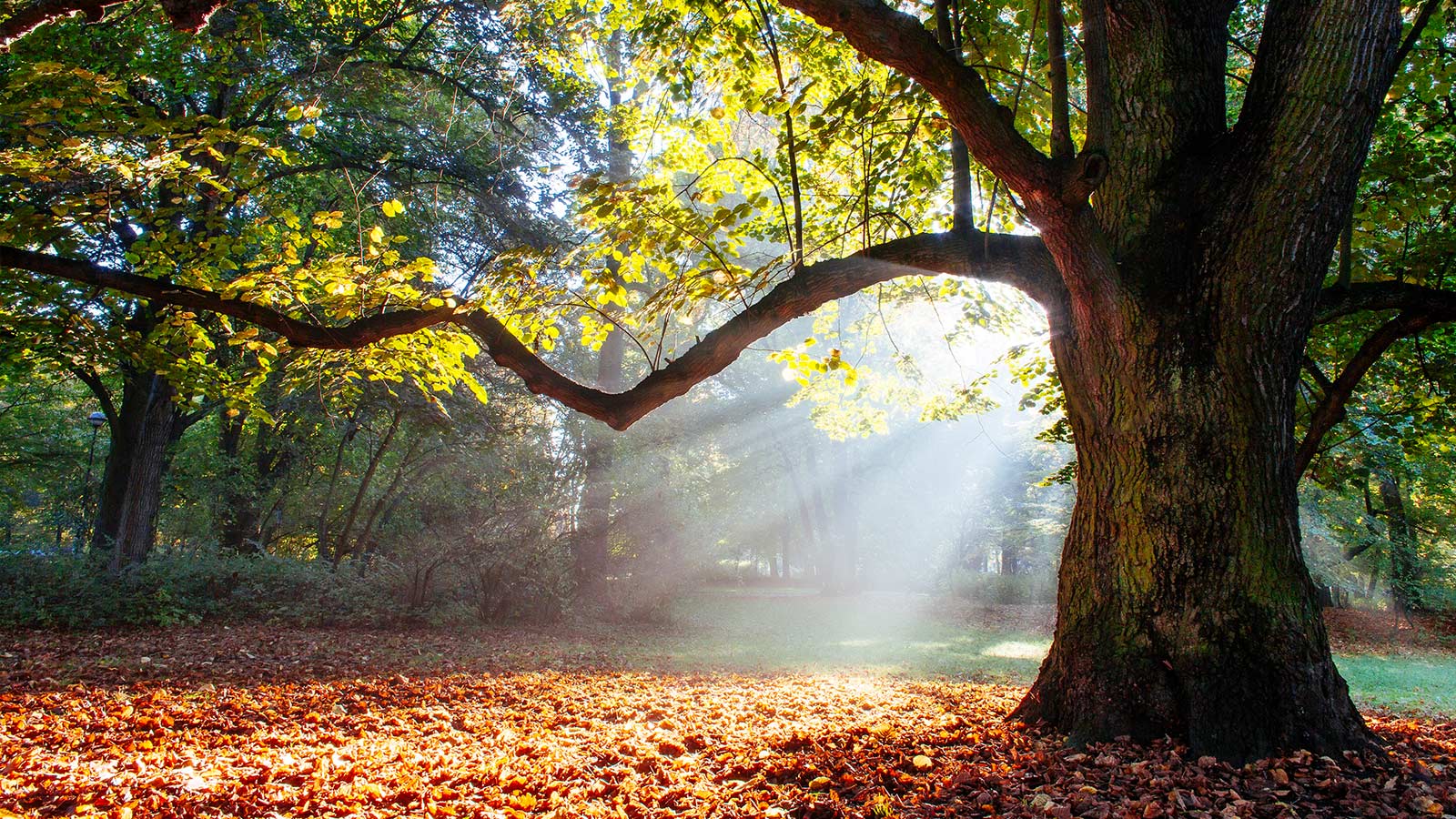
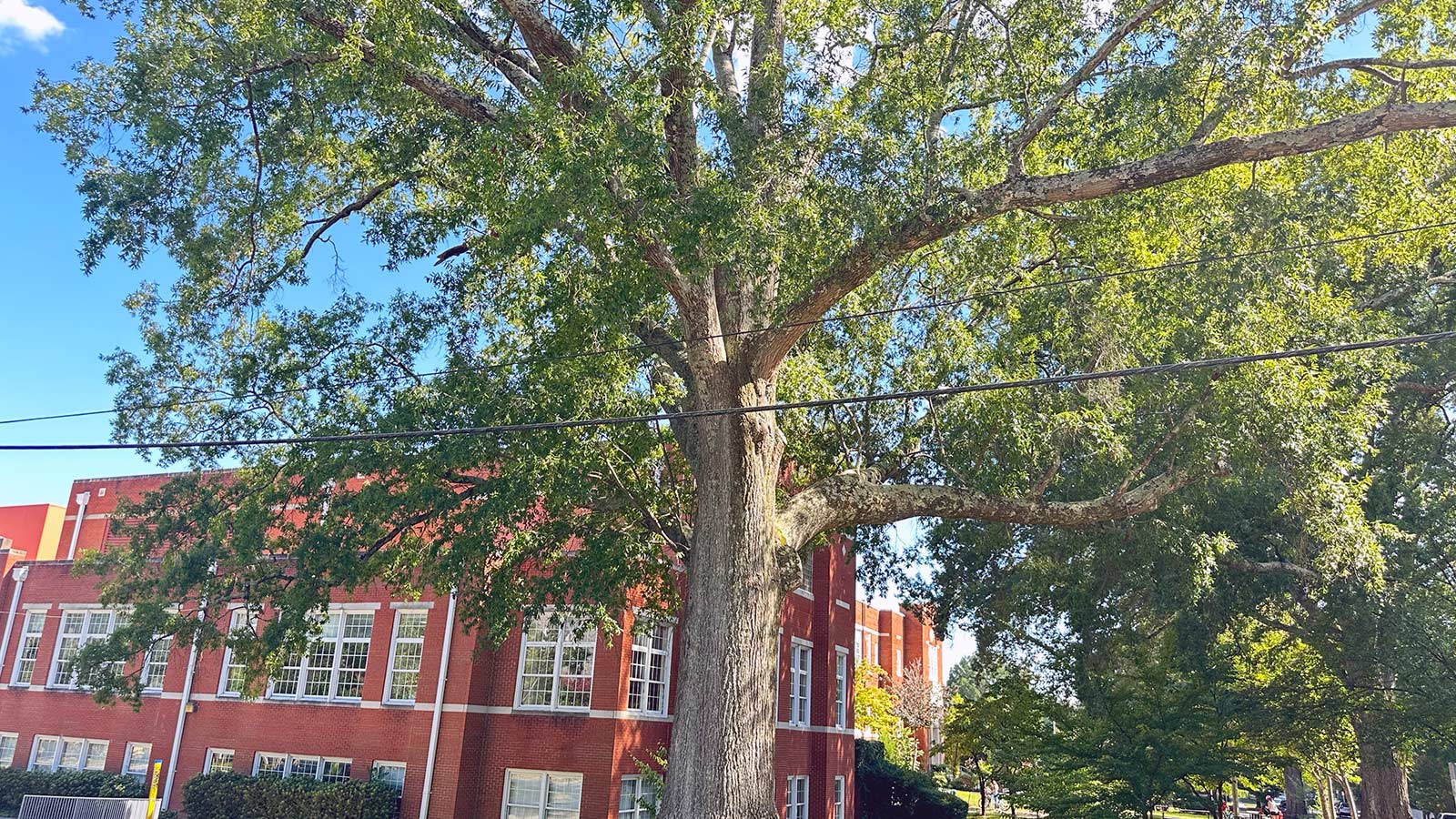
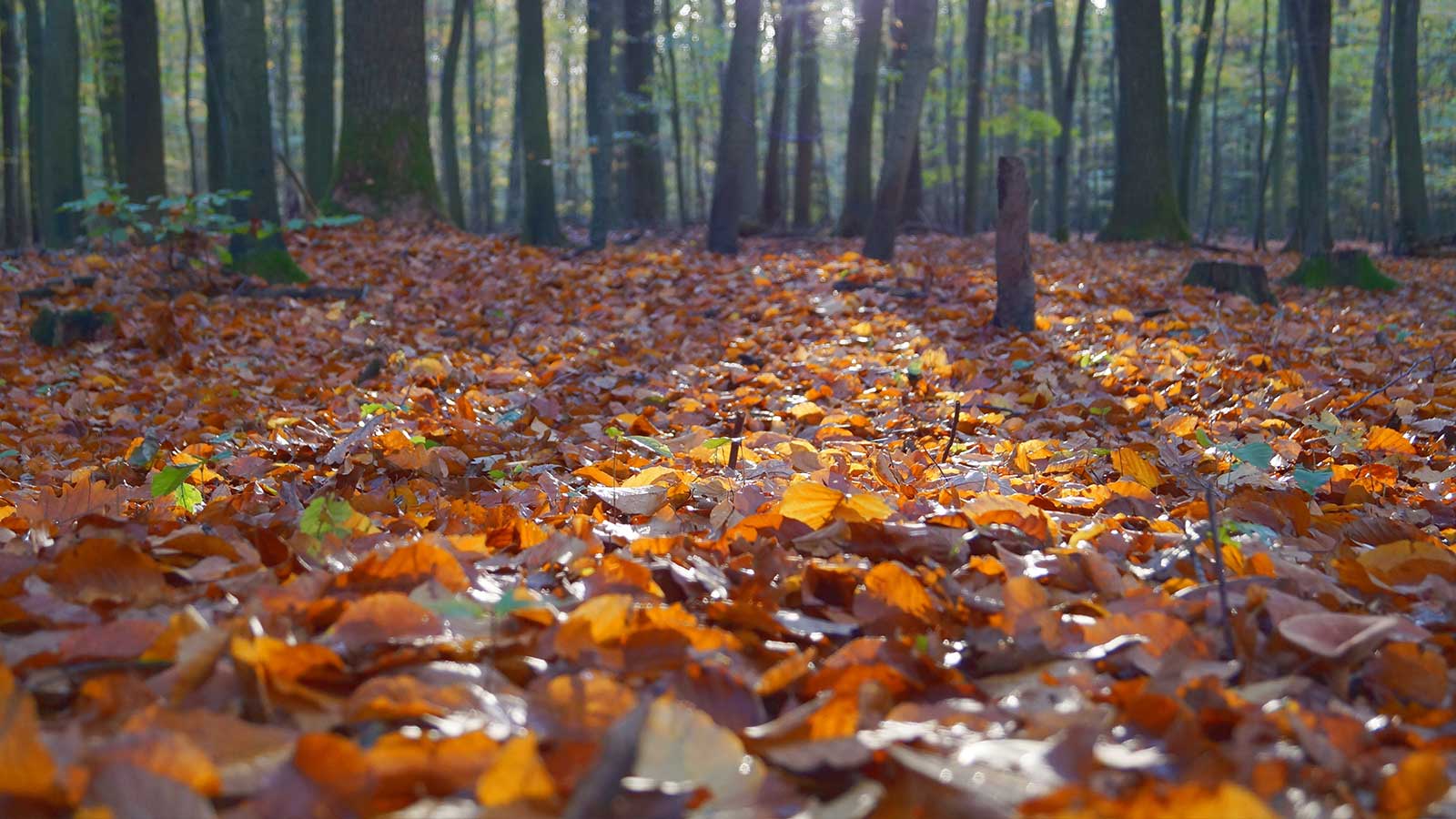
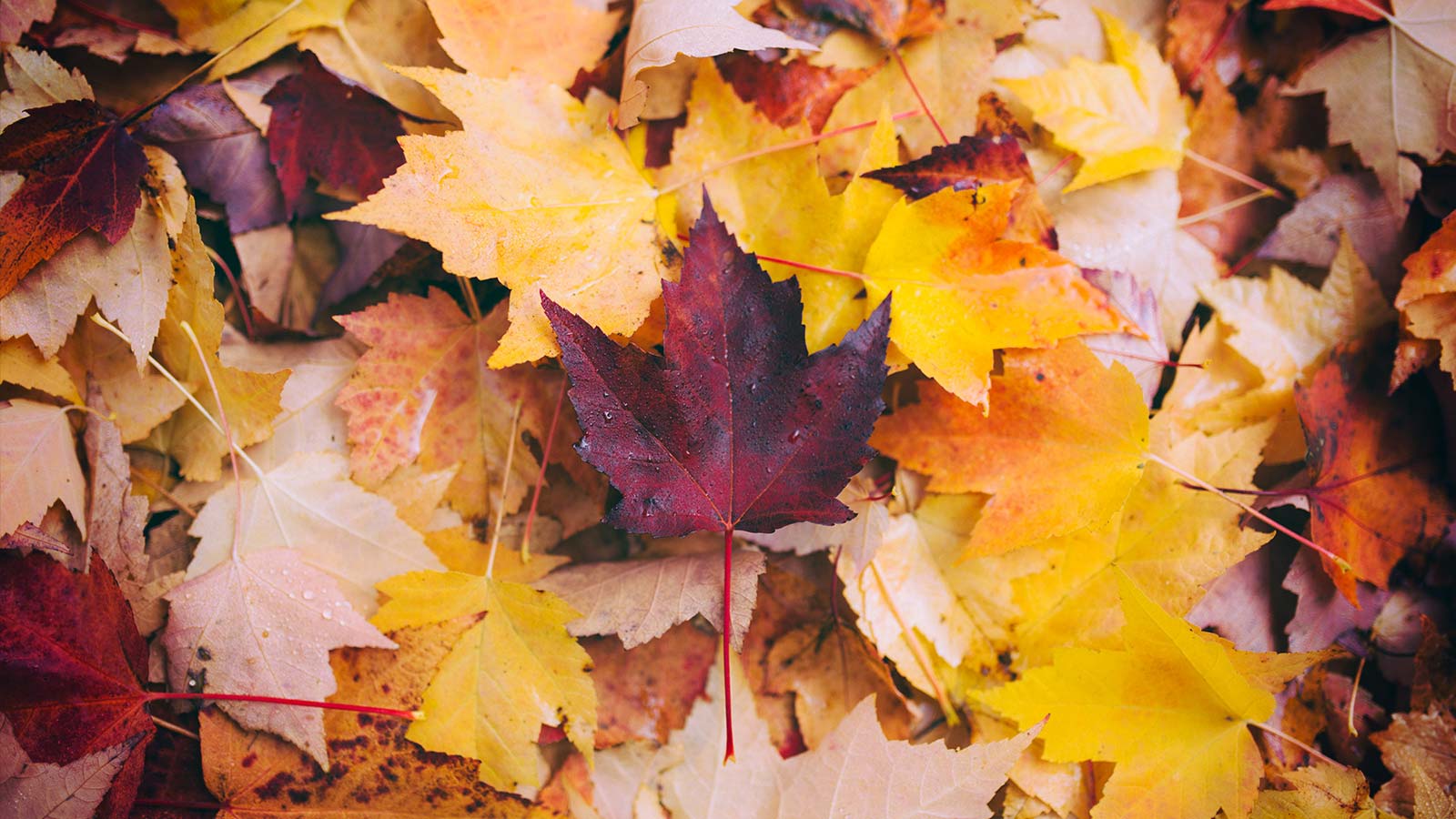
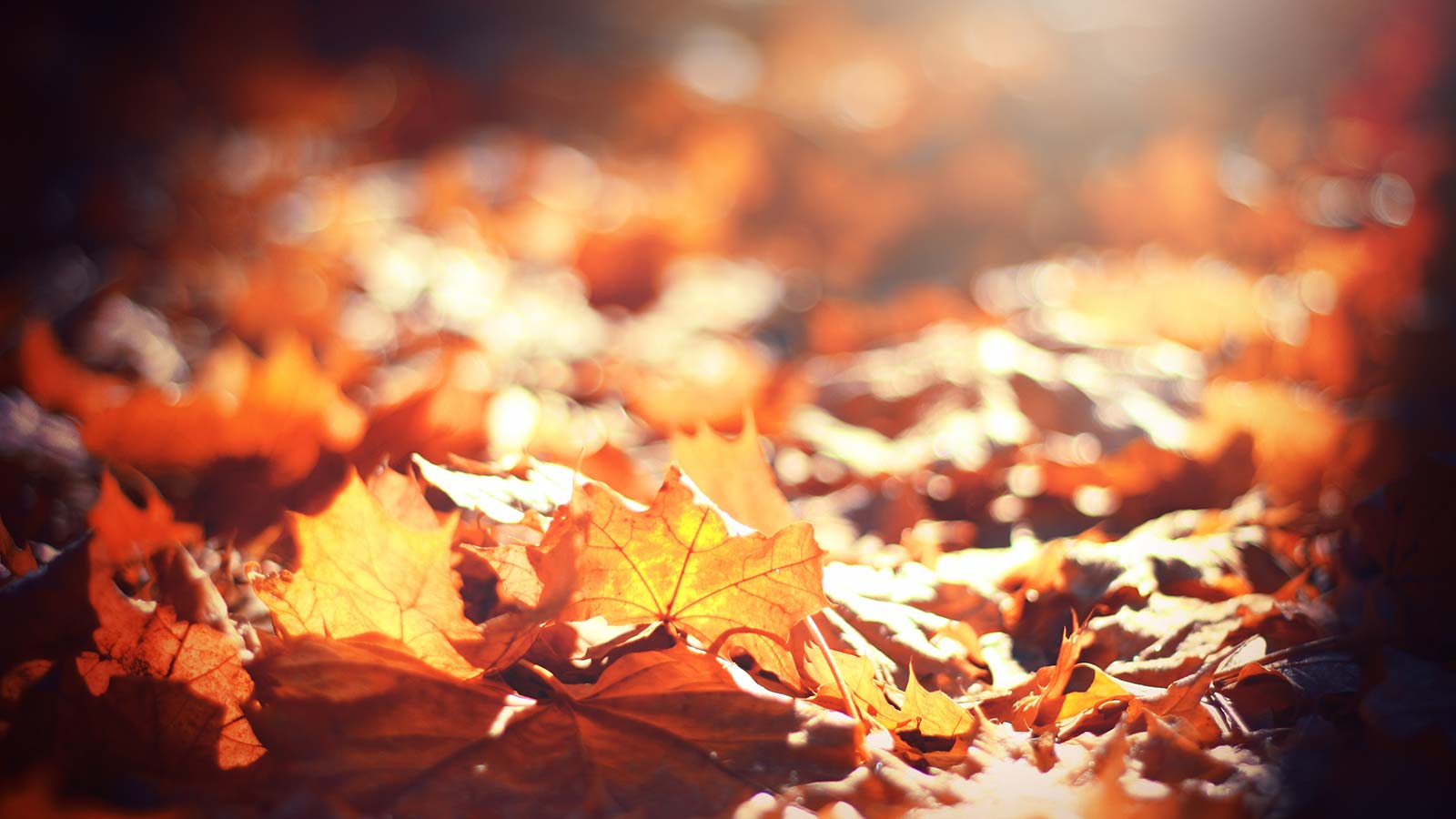
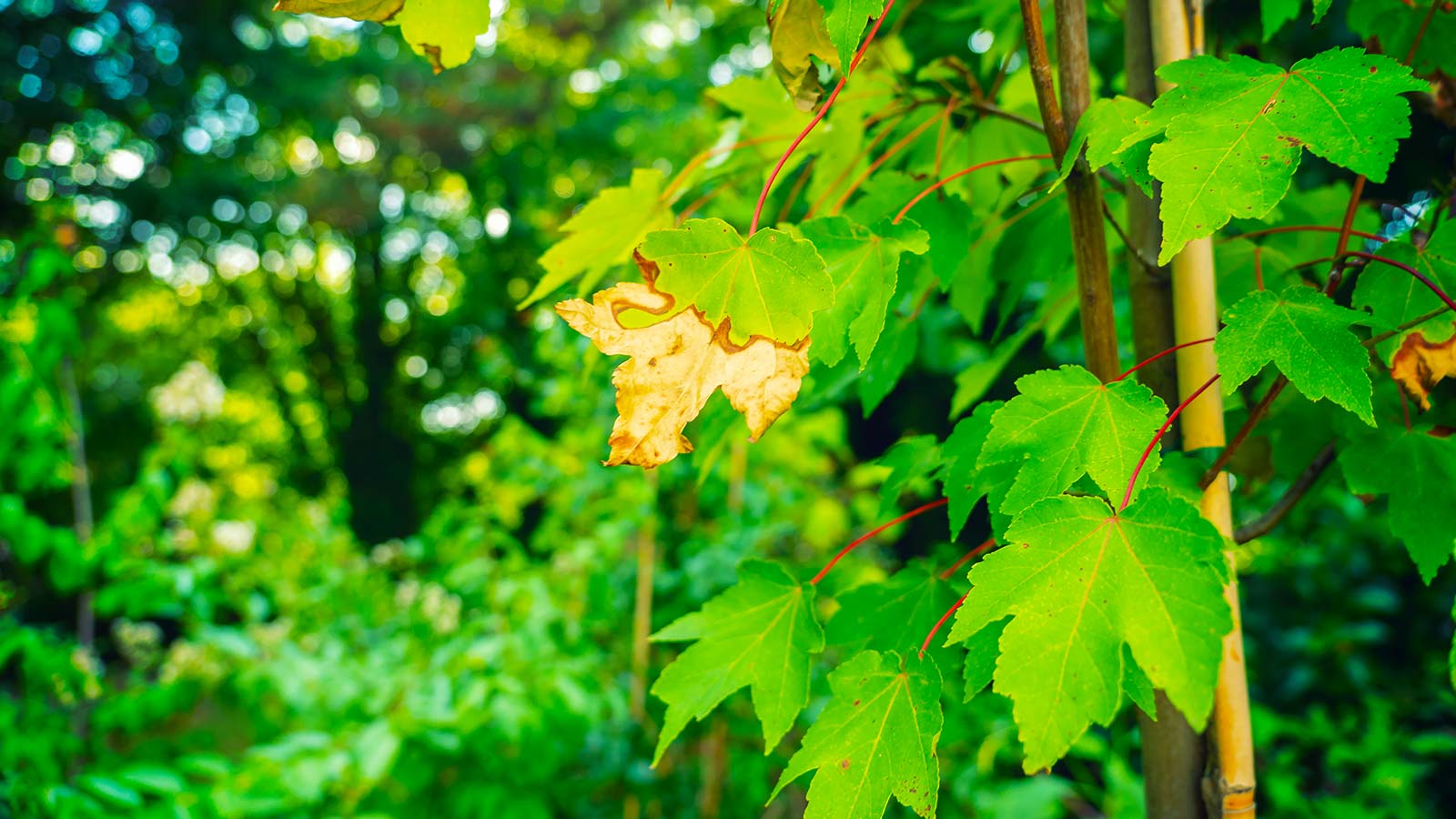
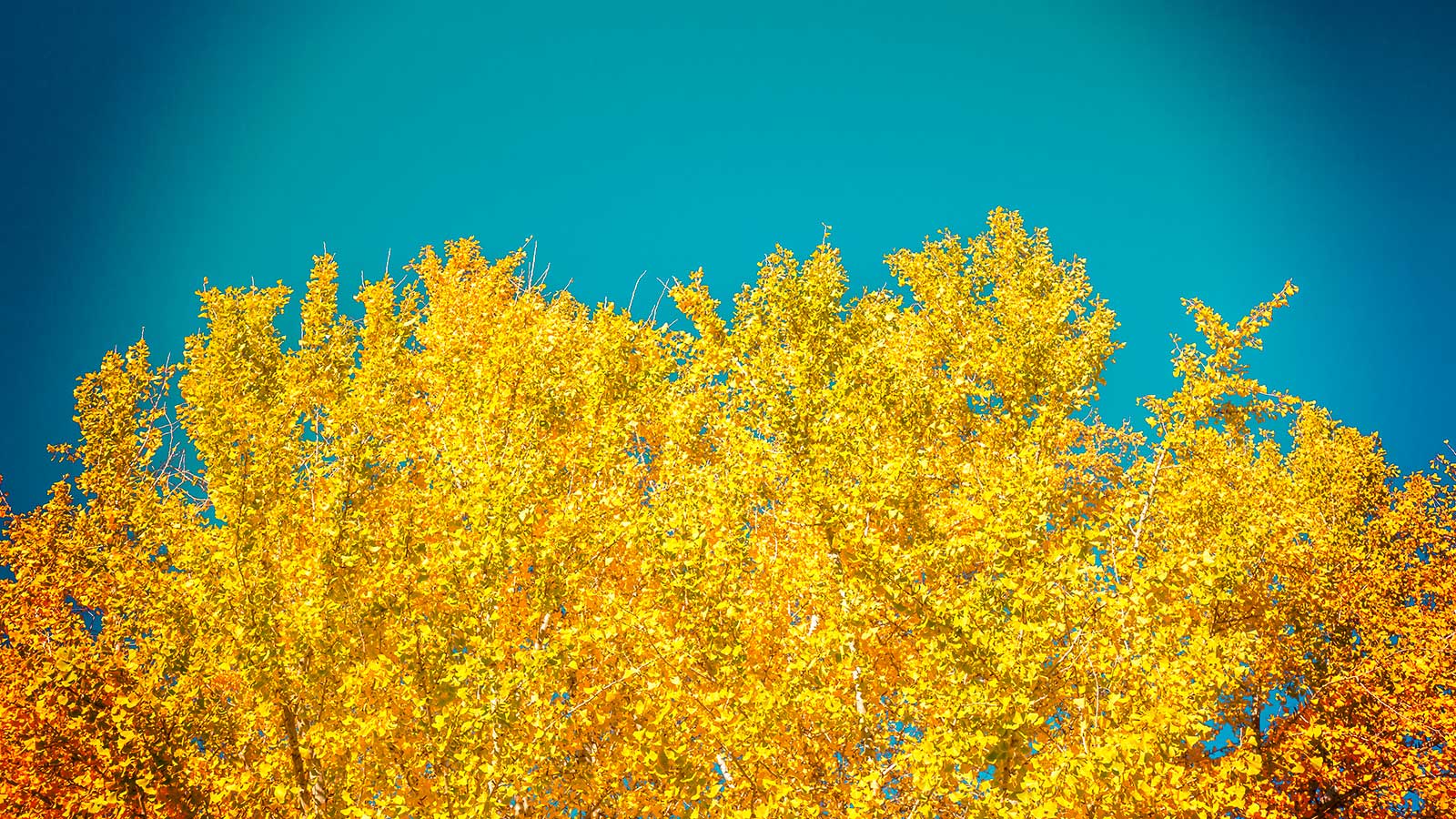
For a few short days, the trees held each red or yellow leaf like a little stained-glass pane, bathing everything in golden light. I think it was more spectacular in my neighborhood this year than in any recent year I can remember. They say bright, sunny days, cool nights above freezing, a healthy Summer, and a mild, dry early Fall set up a spectacular color show. Well, it really wasn’t quite like that this year with the drought and warm weather. Nature had its own plans, I guess.
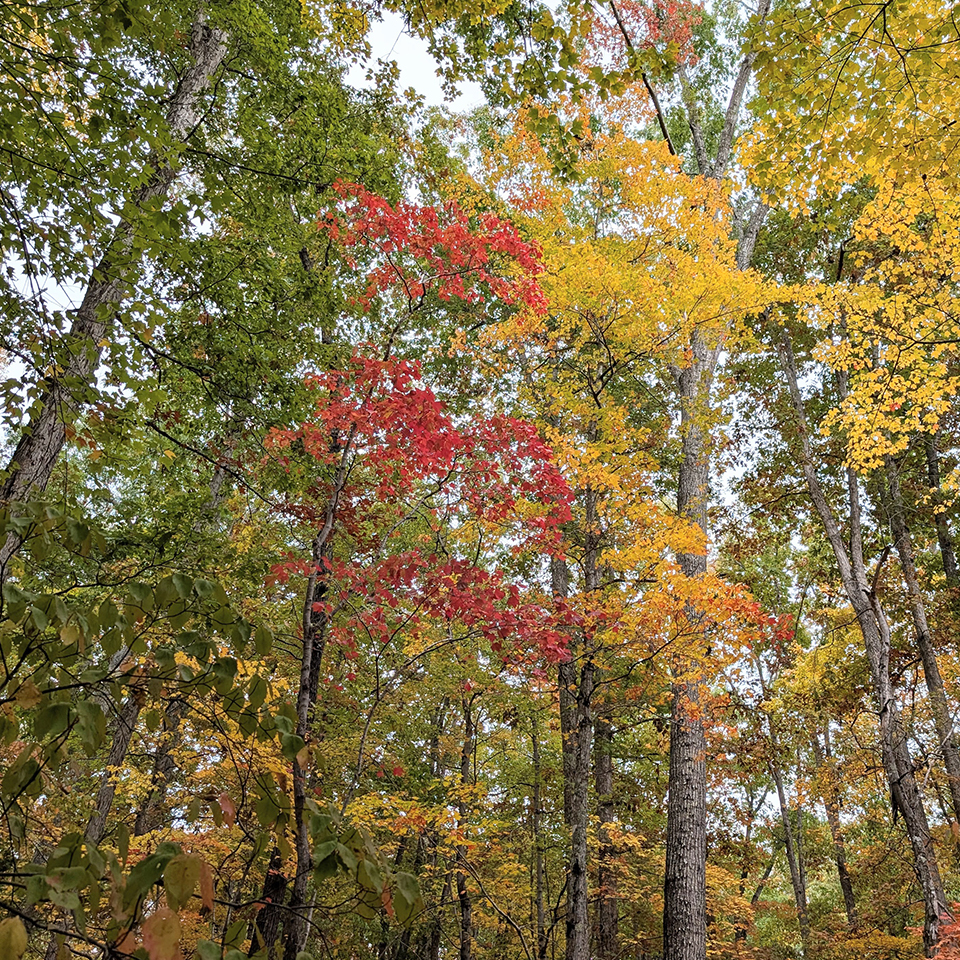
The Fall palette seems artistic to me, but for the tree, it’s all business, preparing for Winter dormancy. All kinds of alchemy happen inside leaves, besides making life on Earth possible. In Fall, chlorophyll breaks down so that nitrogen can be stored in the limbs and trunk. This reveals the yellow and orange carotenoids that were there all along. Some leaves produce the intense reds and purples of anthocyanins, created just for the season. They are thought to help protect plant cells from sun damage, and maybe other things. Humans are still learning the meanings of things that have been familiar to us from time immemorial.
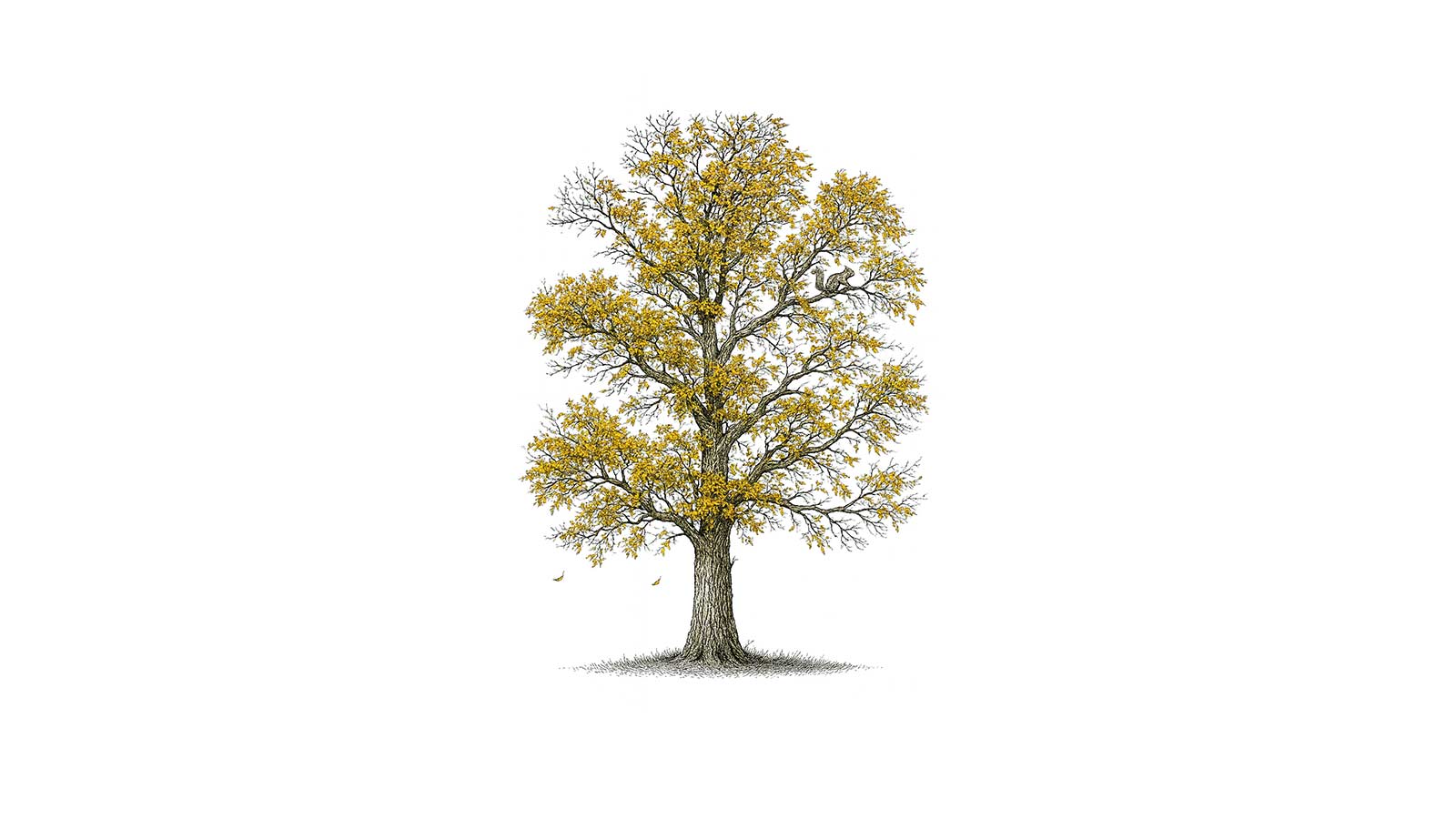
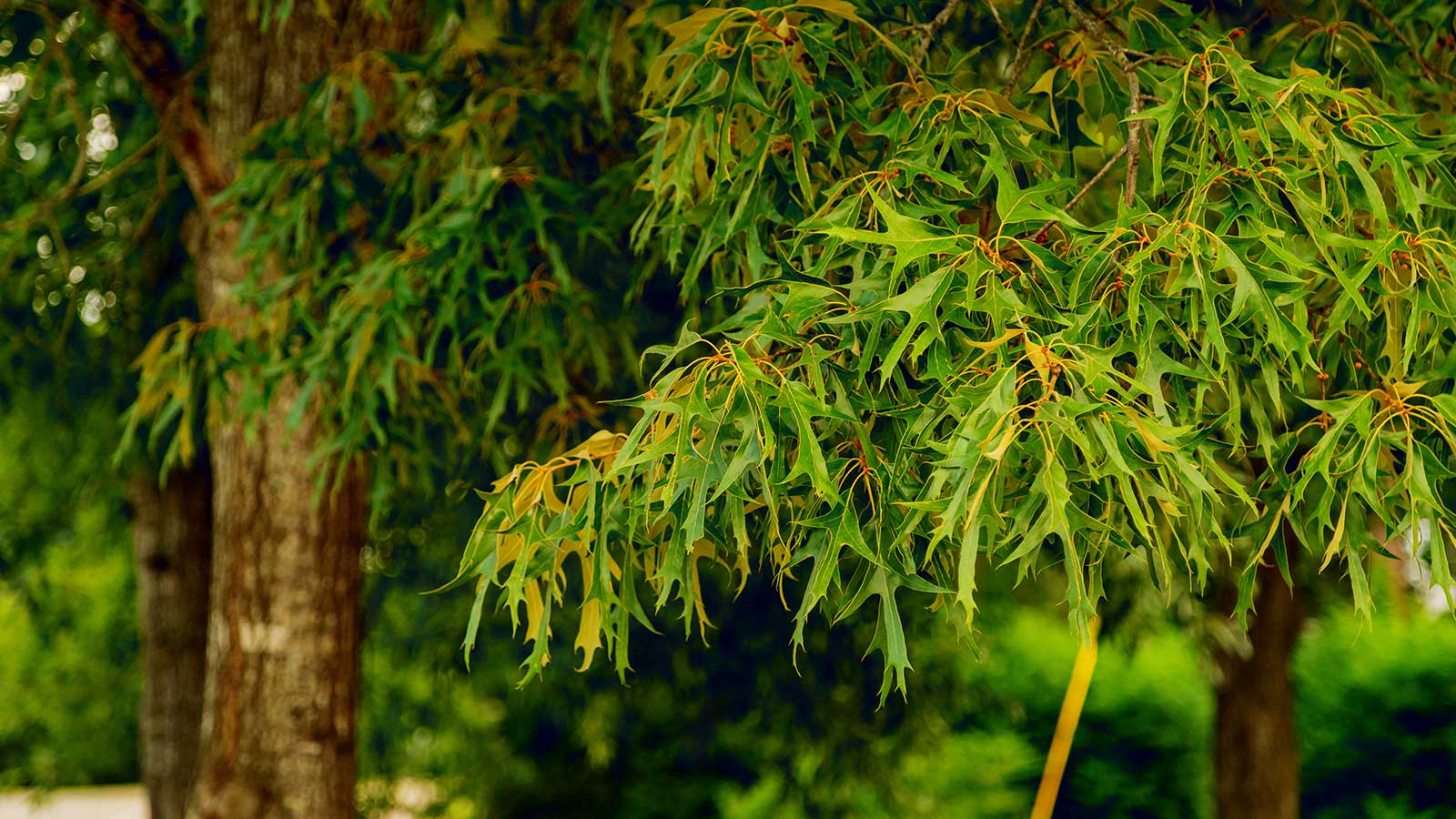
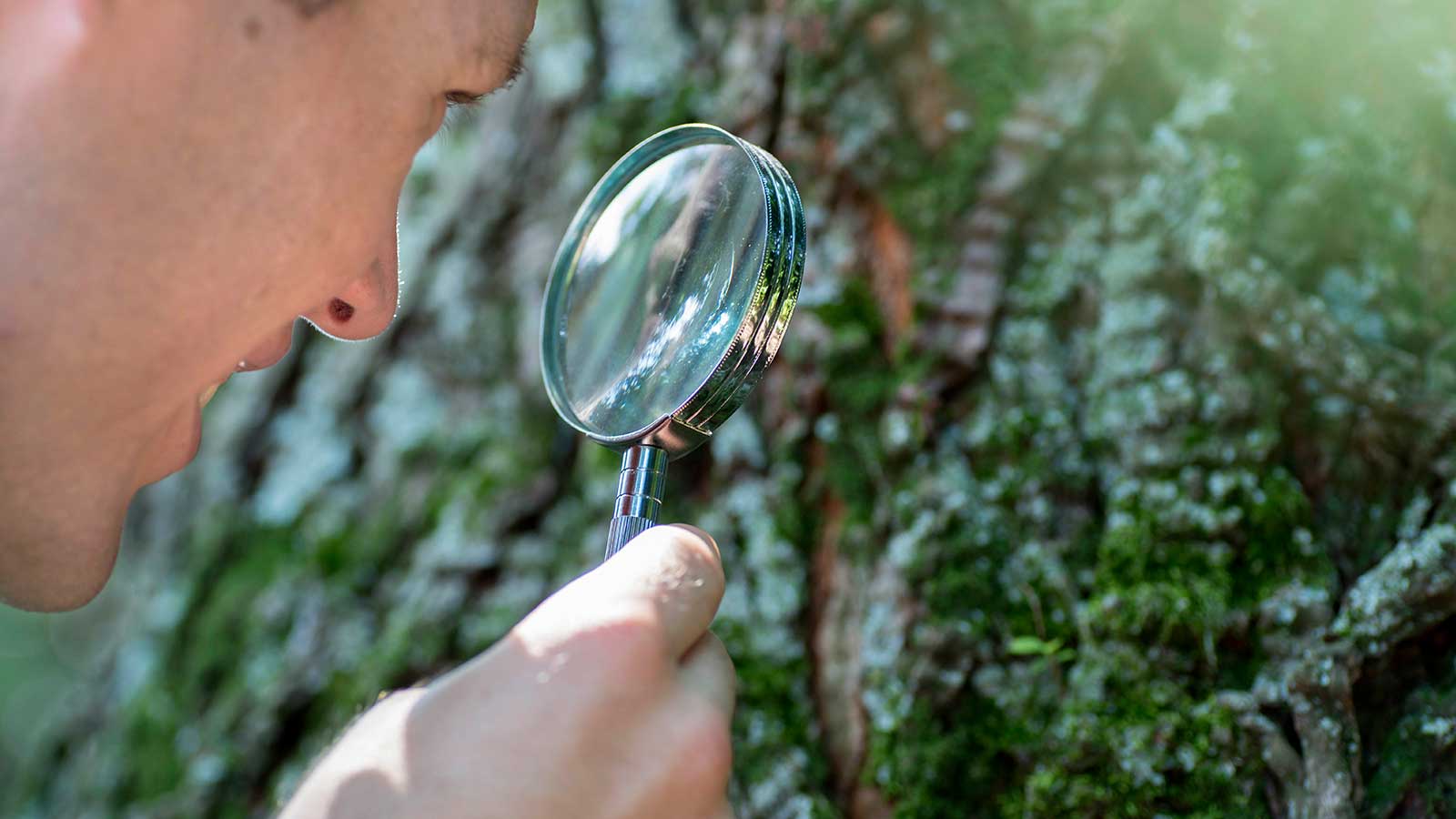
This is a great time of year for tree ID, especially if your eyesight is no longer keen. Color alone offers clues at a distance. You might see tupelo (black gum) or sourwood turn vivid red while other trees are still green. A bit later, many trees turn pure gold, perhaps best exemplified by the hickories. As this happens, the maples dress in a rainbow of fading greens, pale yellow, orange, and dark red. Later in Fall, a scarlet oak might burst into flame against the russets and tans of its other oak kin.
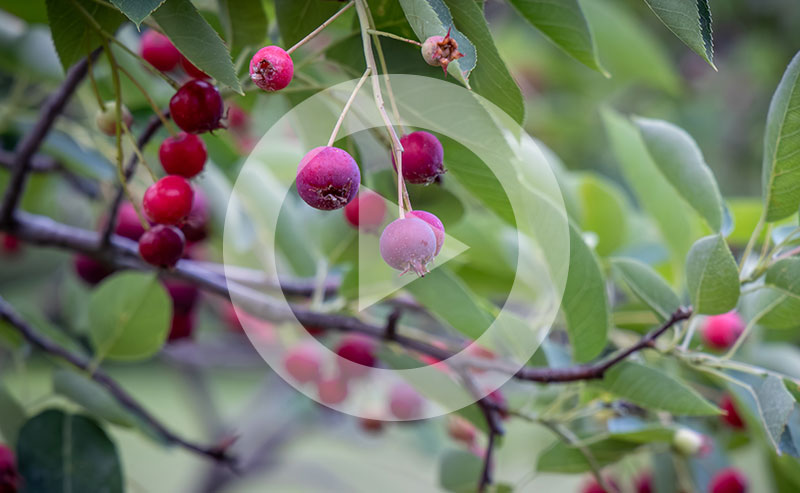
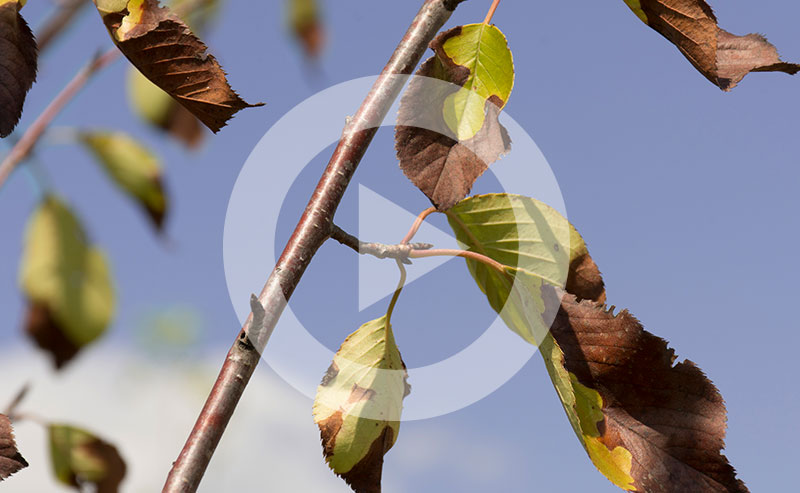
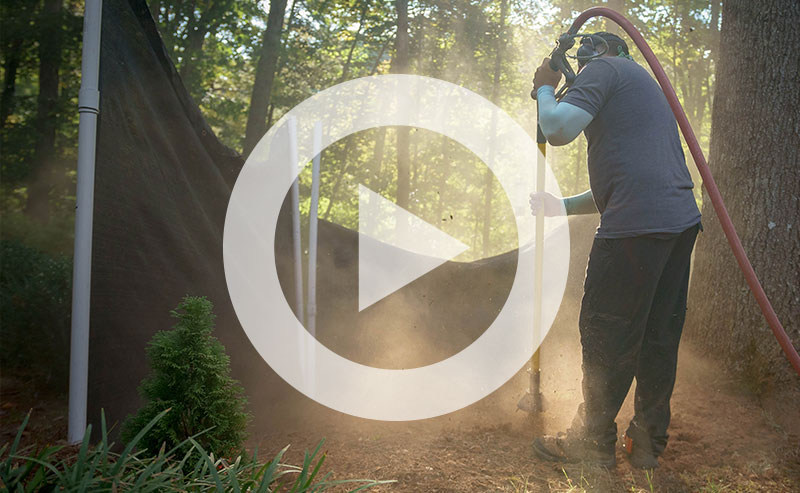
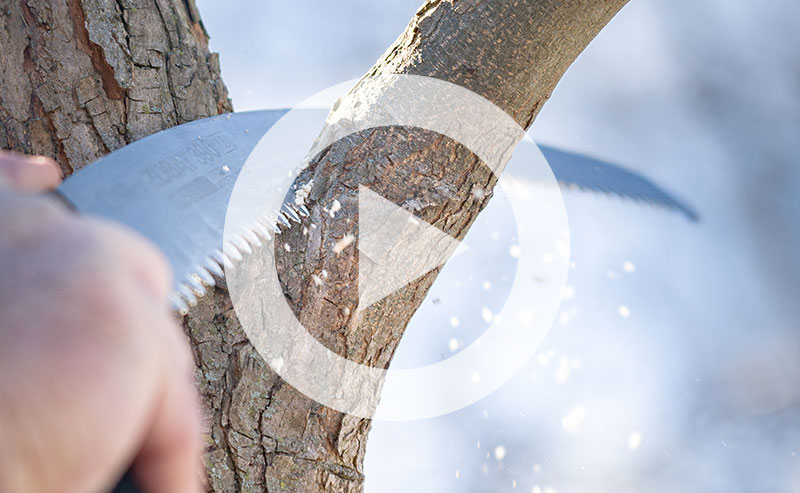
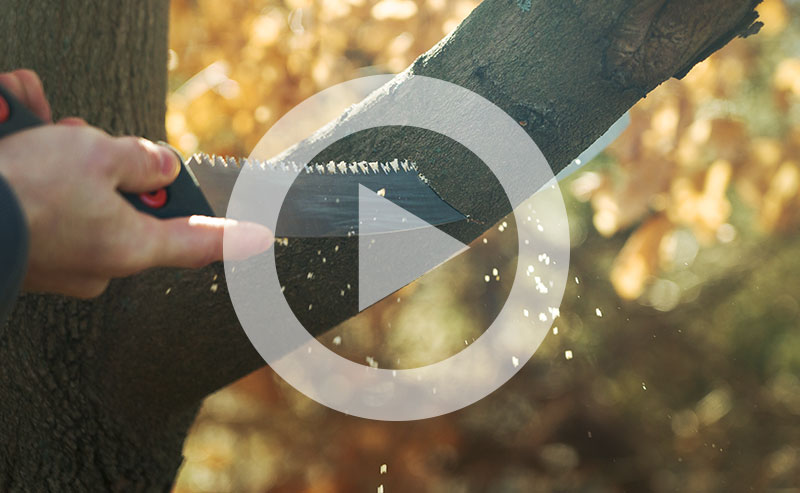
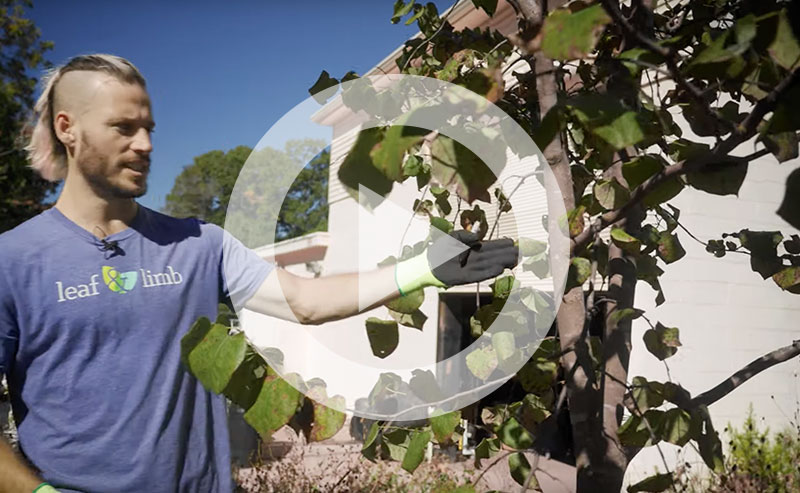
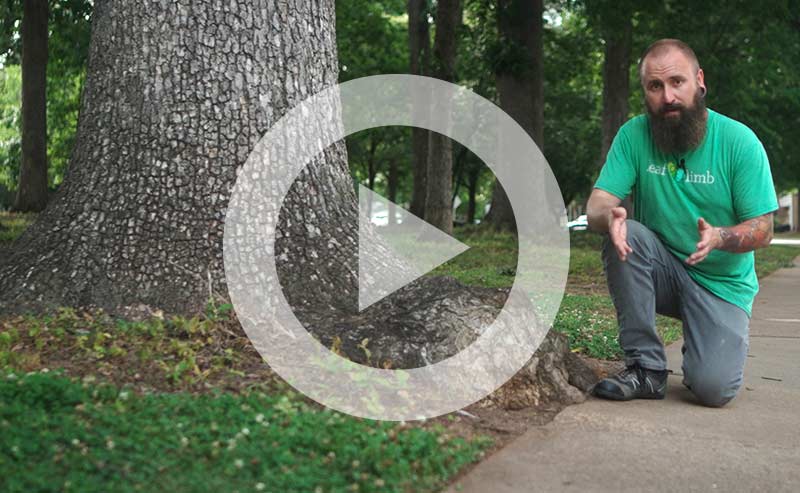
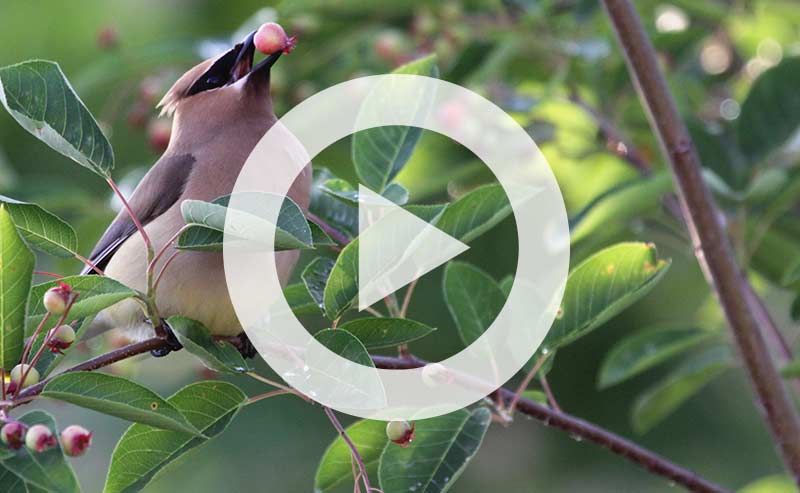
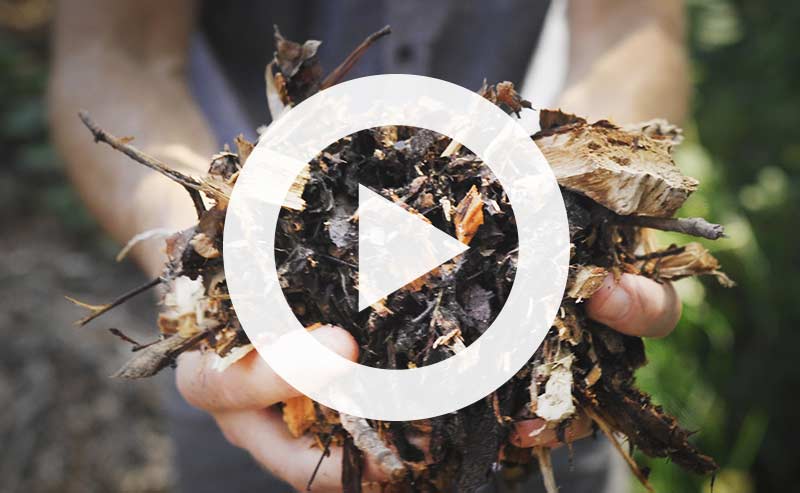
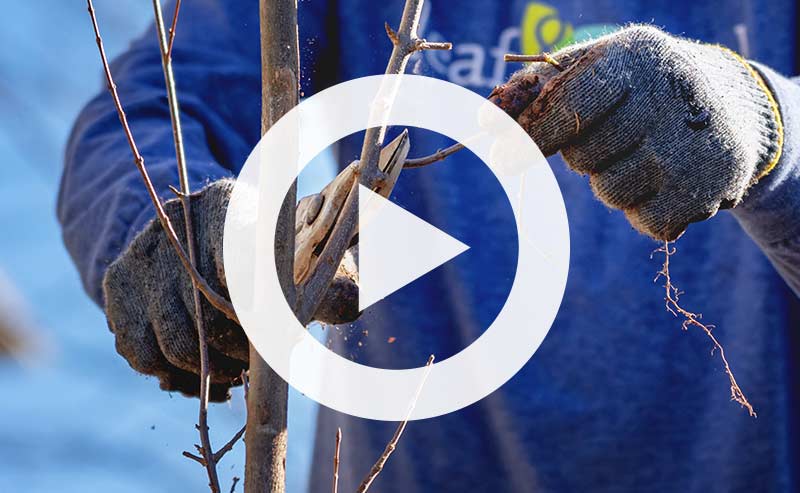
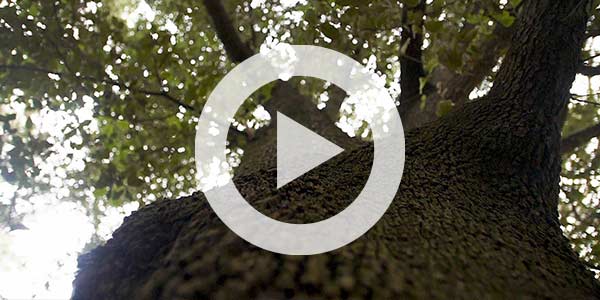
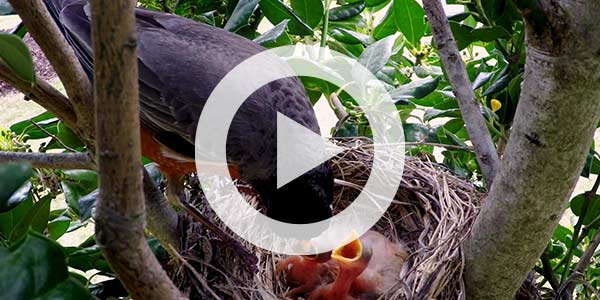
Look for leaves on the ground as well. A profusion of deep-red leaves on the forest floor revealed a tall, slender tupelo near my house that I had failed to distinguish from the surrounding oaks before. Here’s a short video to get you started.
Giving Back
Also, in the spirit of the season, we’re doing something a little different for Giving Tuesday this year! We’re matching up to $500 in donations to each of three local nonprofits: North Carolina Wildlife Federation, Keep Durham Beautiful, and Triangle Land Conservancy.
And there’s a little something in it for you, too! Donate $25 or more to any of these organizations, and as a thank you, we’ll give you a free Winter Tree Inspection ($250 value). This is a more in-depth assessment of your trees, not our usual free quote!
Just fill out this short form after donating, and we’ll get you on the schedule.
Weather Notes
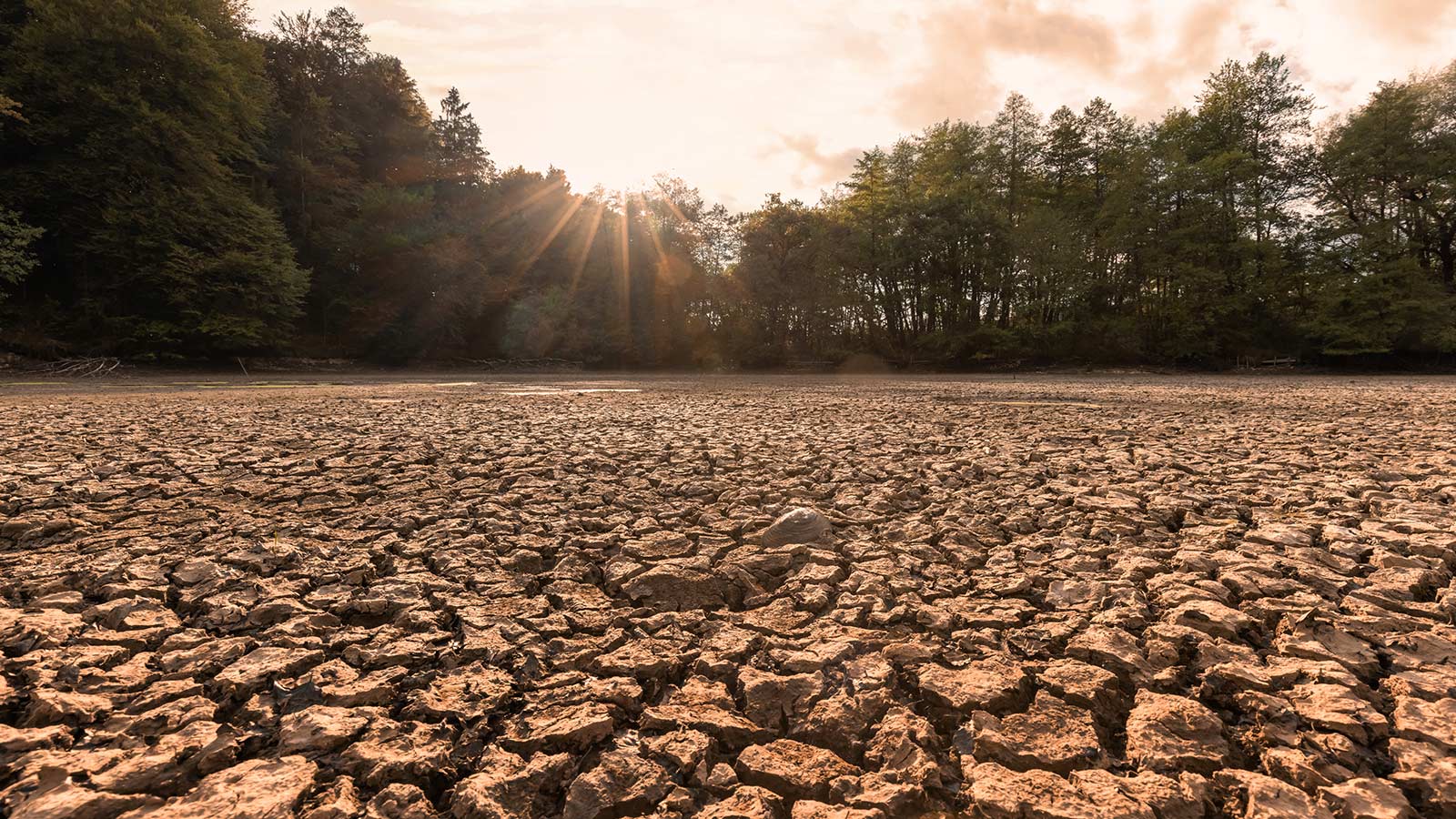
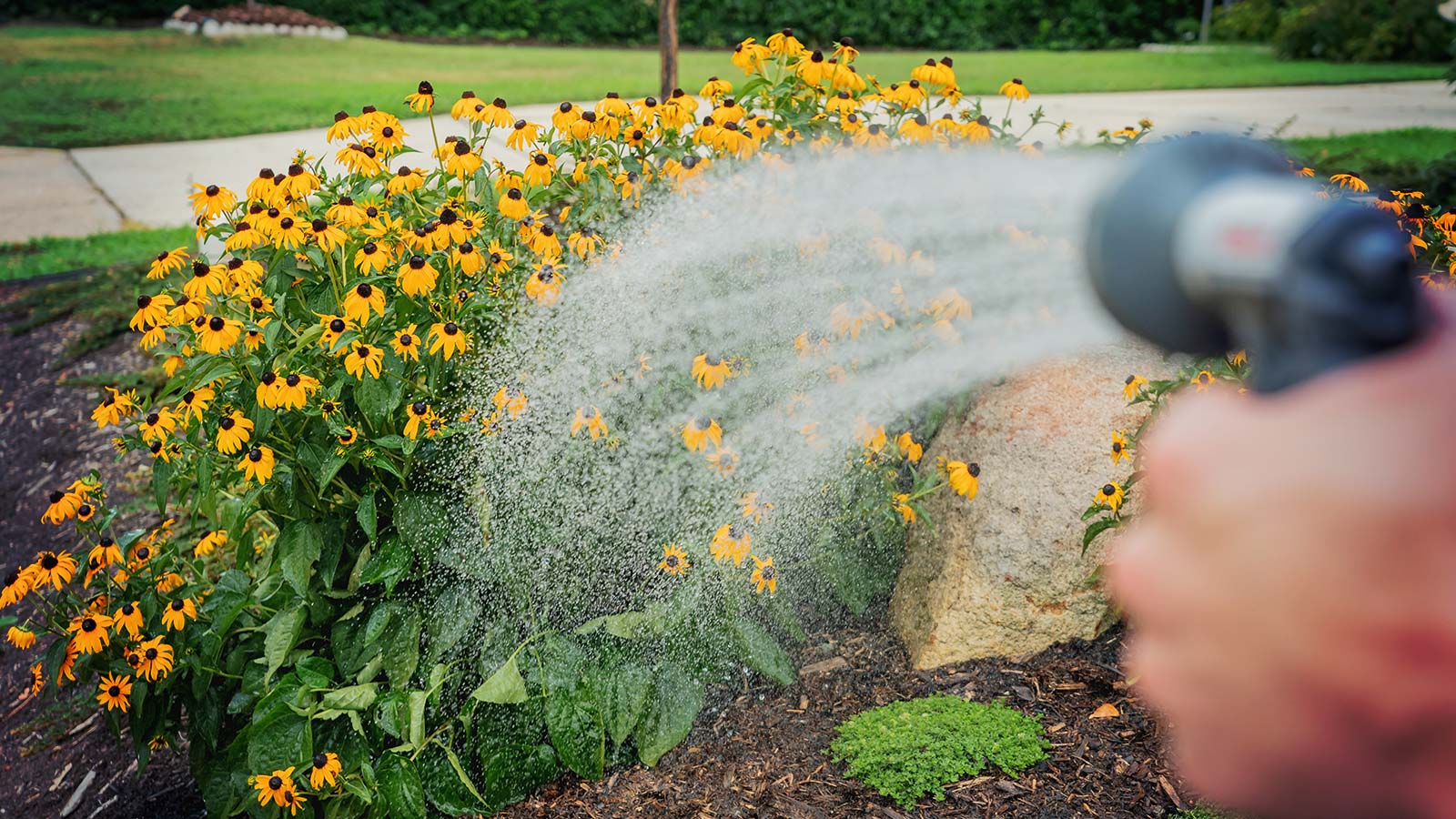
We are still talking about the drought, and we remain in severe to extreme drought. We are 10 inches below normal for the year. Let’s hope the predicted super-strong El Niño wetness shows up soon. When weather patterns are at the edges of their norms, normal expectations can be upended, and things might unfold quite differently. Let’s hope the prediction holds. We need the rain!
As I write, we have not yet experienced our first frost (36° F) or freeze (32° F), but it will almost certainly have arrived by the time you read this. Climate Central analyses of NOAA records found that Raleigh-Durham’s first Fall freeze now arrives about 21 days later than it did in 1970, and that Raleigh’s freeze-free growing season, from the last Spring freeze to the first Fall freeze, grew by 41 days between 1970 and 2025.
Rain Summary (from RDU):
- 1.07” since 10/27 (historic average 2.9”)
- 31.72” Year-to-date (historic average 41.77”)
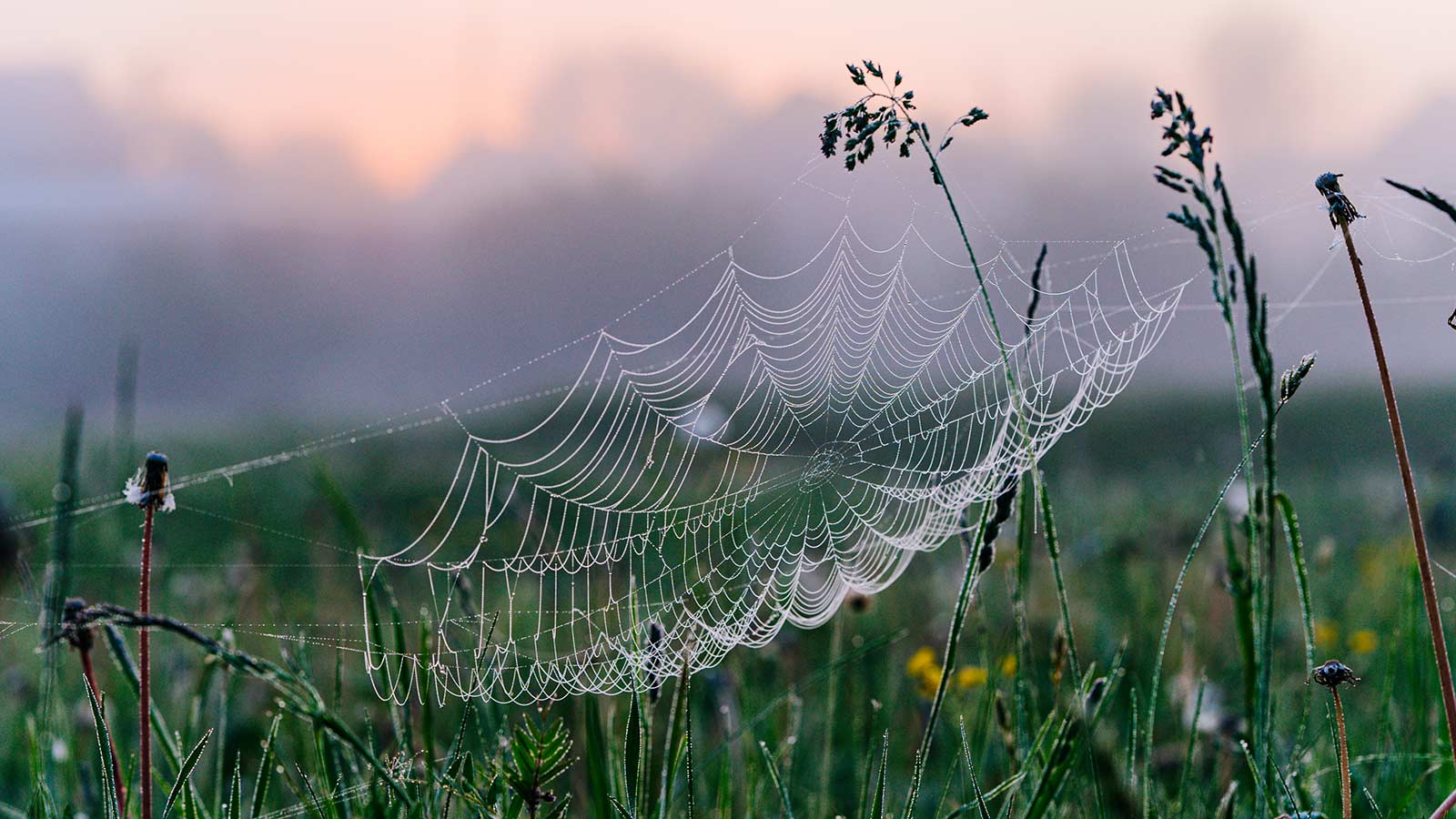
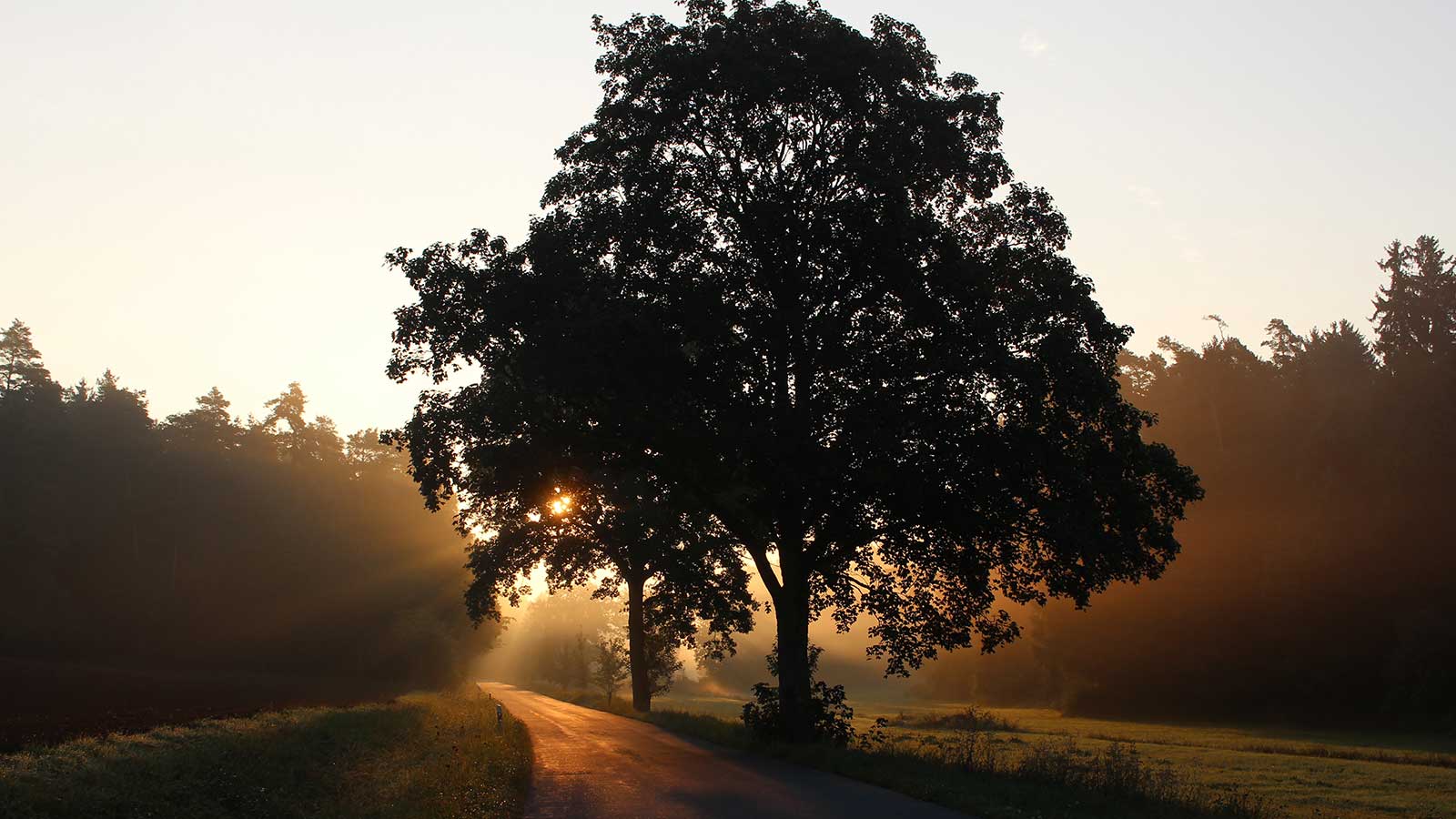
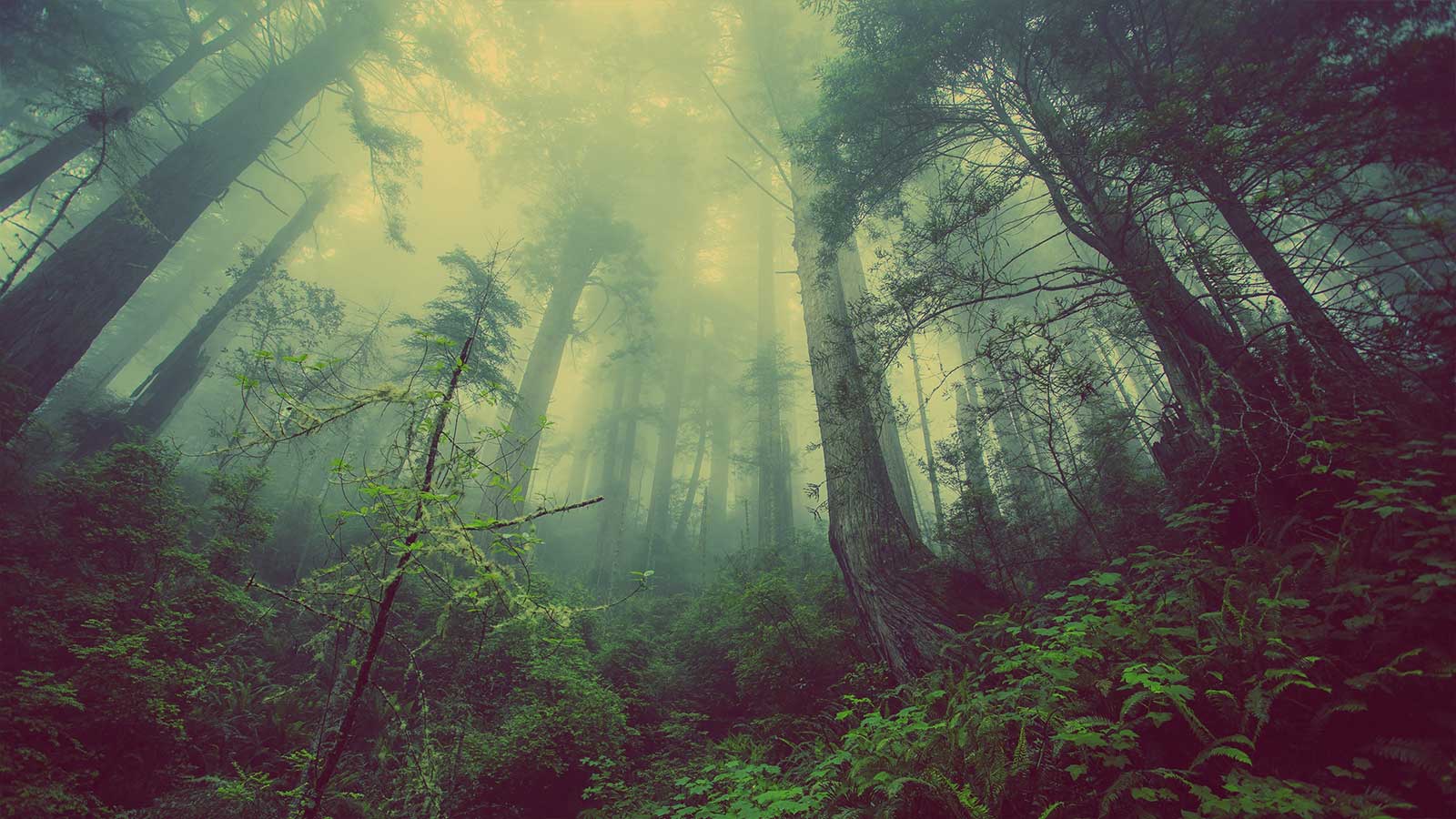
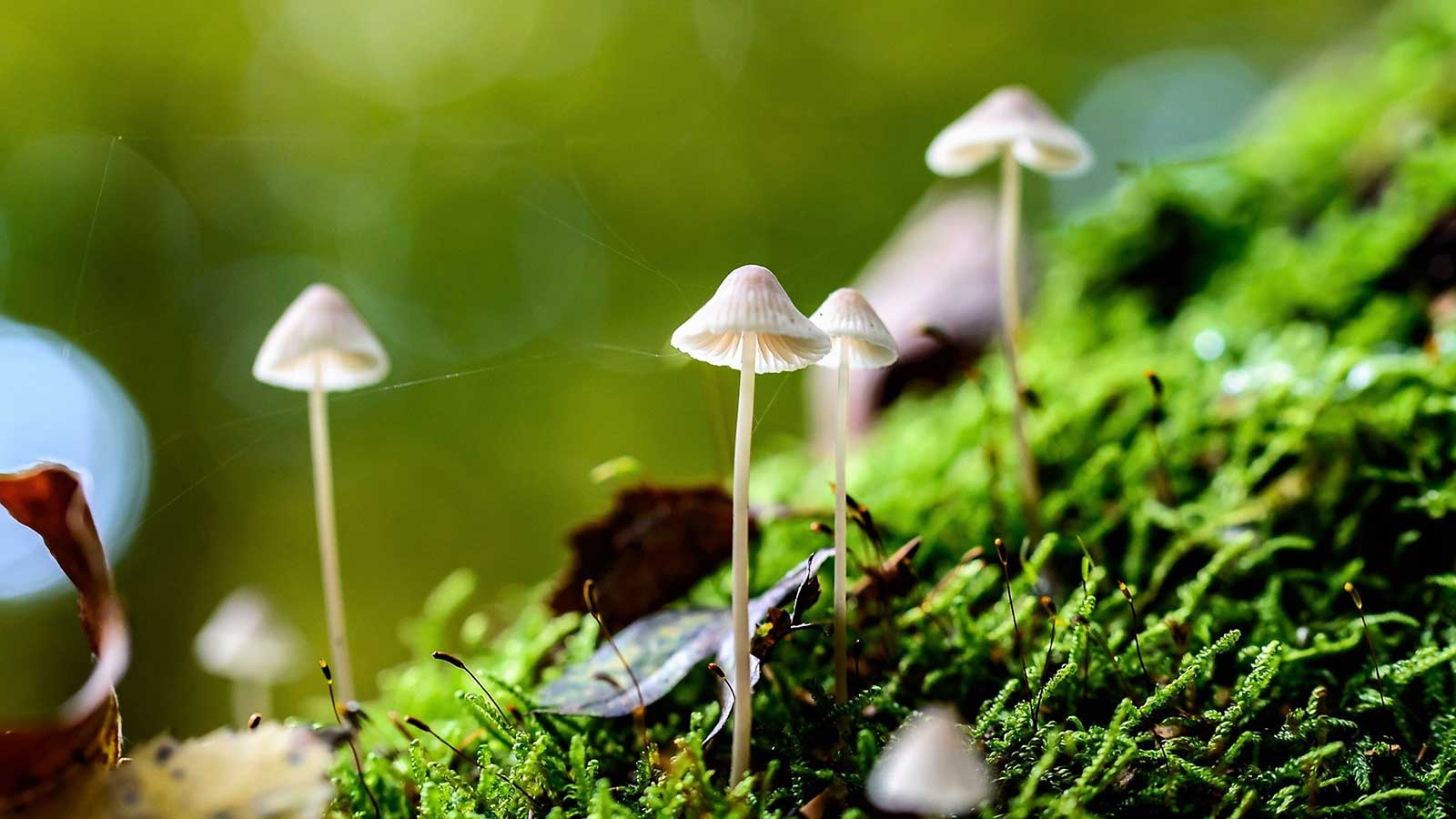
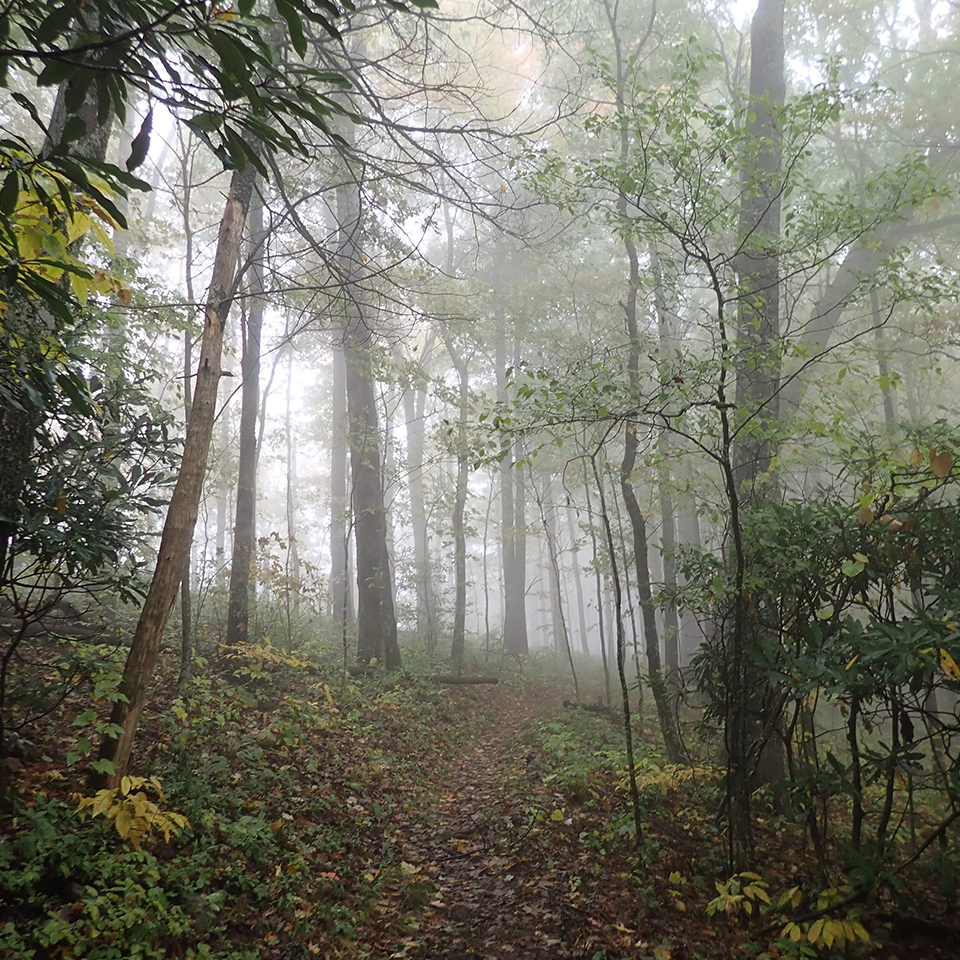
We can experience fog at any time, but late Fall and Winter are often particularly foggy in the Triangle. Pea-soup fogs and gossamer mists sometimes stir our inner artist, but is there a difference? Meteorologists call it fog when visibility drops below about two-thirds of a mile, and mist when you can still see farther than that. Our inner scientist can appreciate that. Radiation fog, the most common kind, peaks at this time of year because clear skies and lengthening nights let temperatures drop further. Did you know that nearly every drop of rain or fog forms around a tiny particle? It could be pollen, a pollutant, a speck of dust, or even a microbe. So, things live in the mist.
Yard Sleuthing: Warm Days, Cold Shoulders
Even though our Winters are mild here (I love that about them!), we still must consider freezing weather. It’s common to experience freezing conditions overnight, although freezing rarely persists during the day. The freeze-thaw cycle brings special challenges, like frost heave and sunscald.
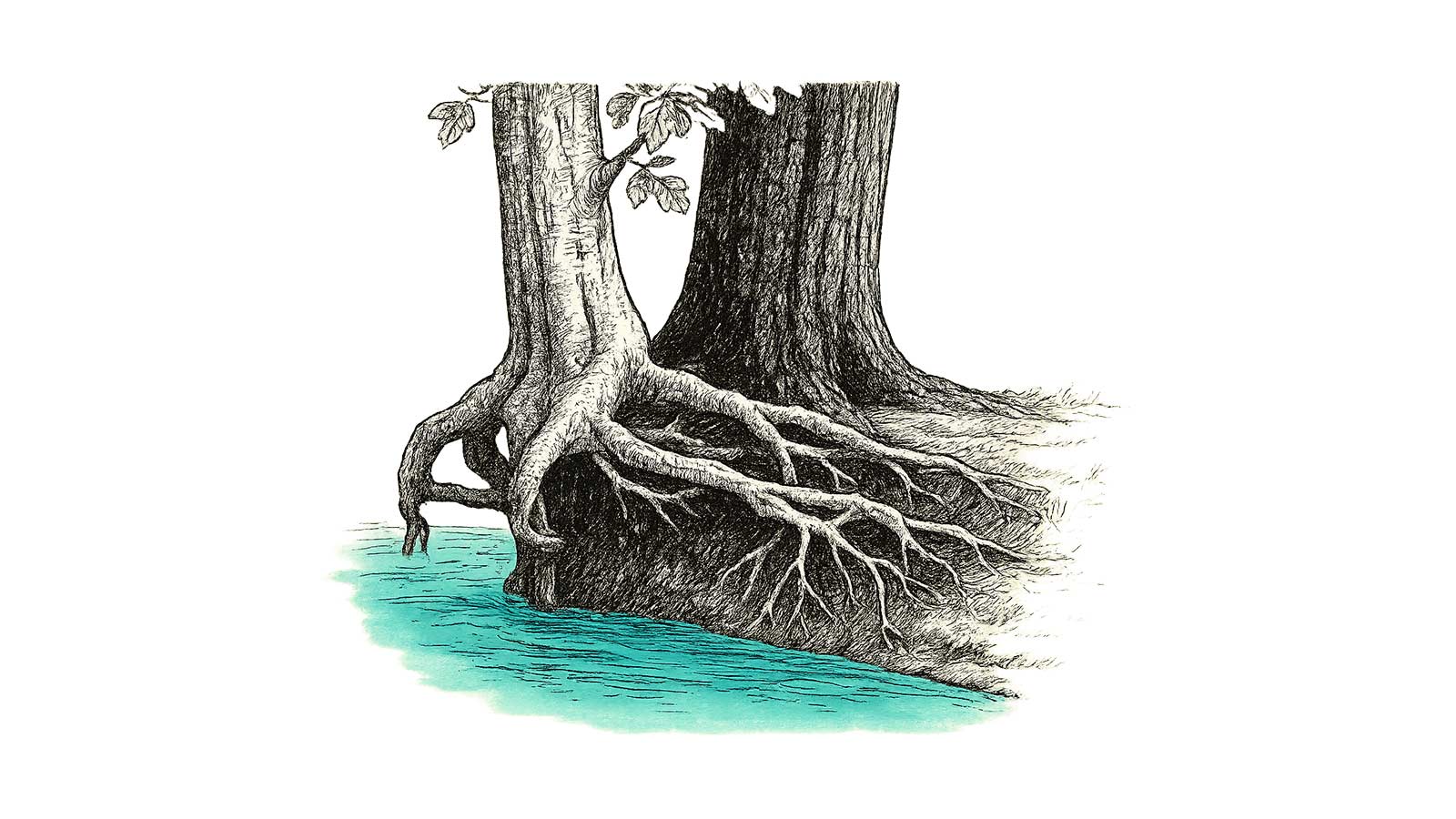
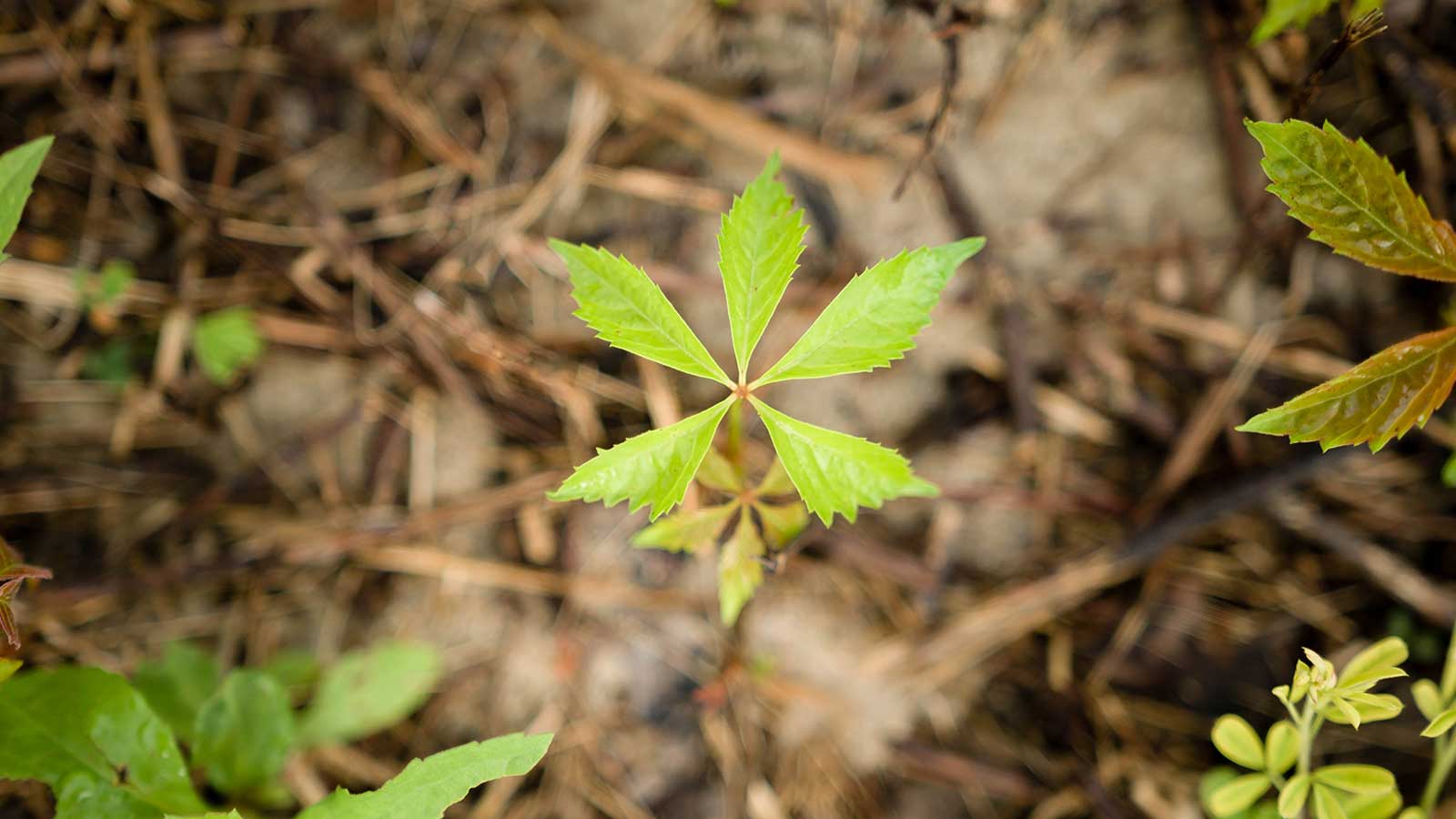
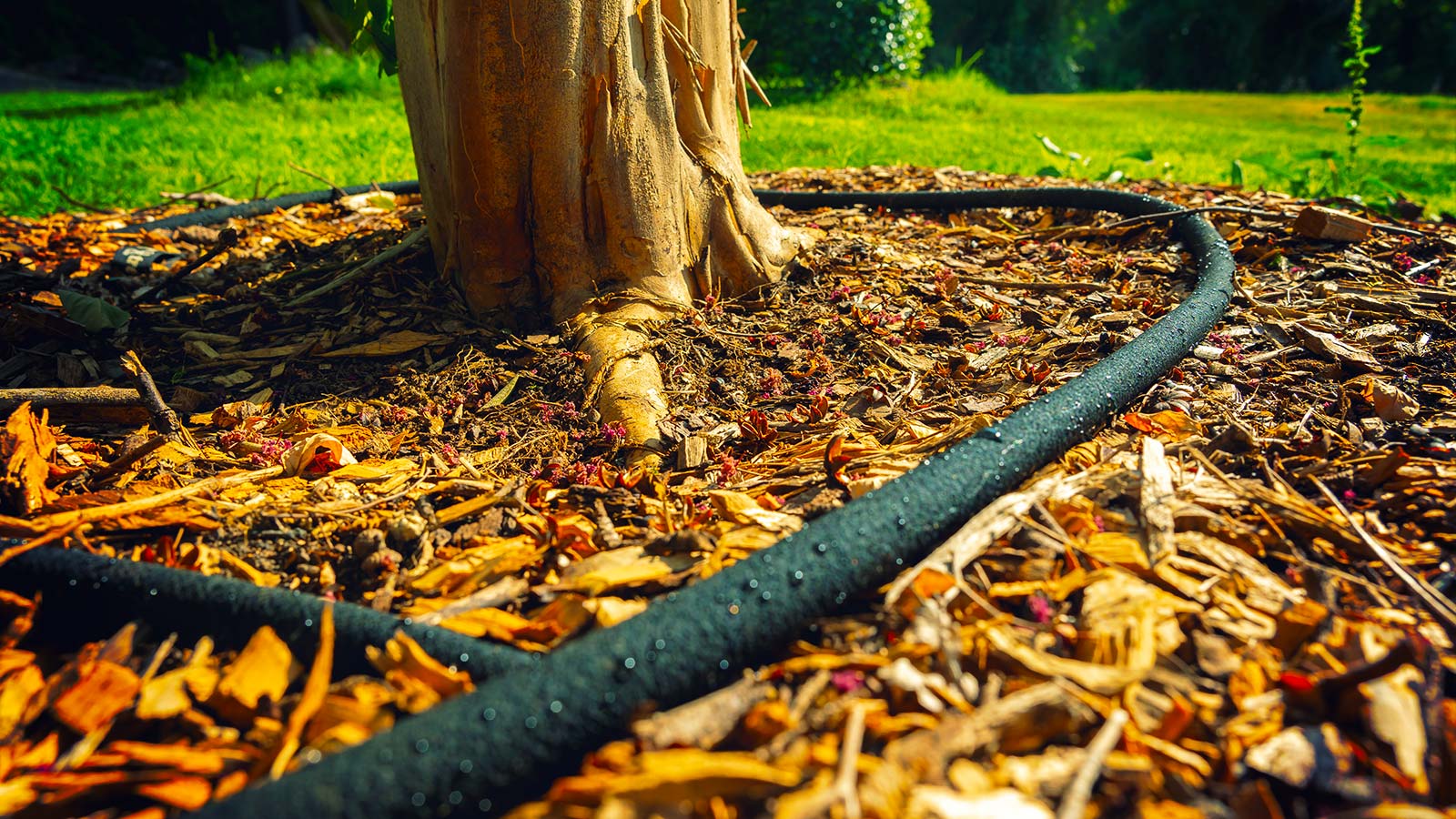
Frost heave happens when wet soil freezes at night and thaws during the day. As the soil expands and settles repeatedly, it can slowly push small plants up out of the ground. The fix is to gently press them back into place, keep the soil moist, and keep a layer of mulch or leaves over the root zone to even out temperature swings.
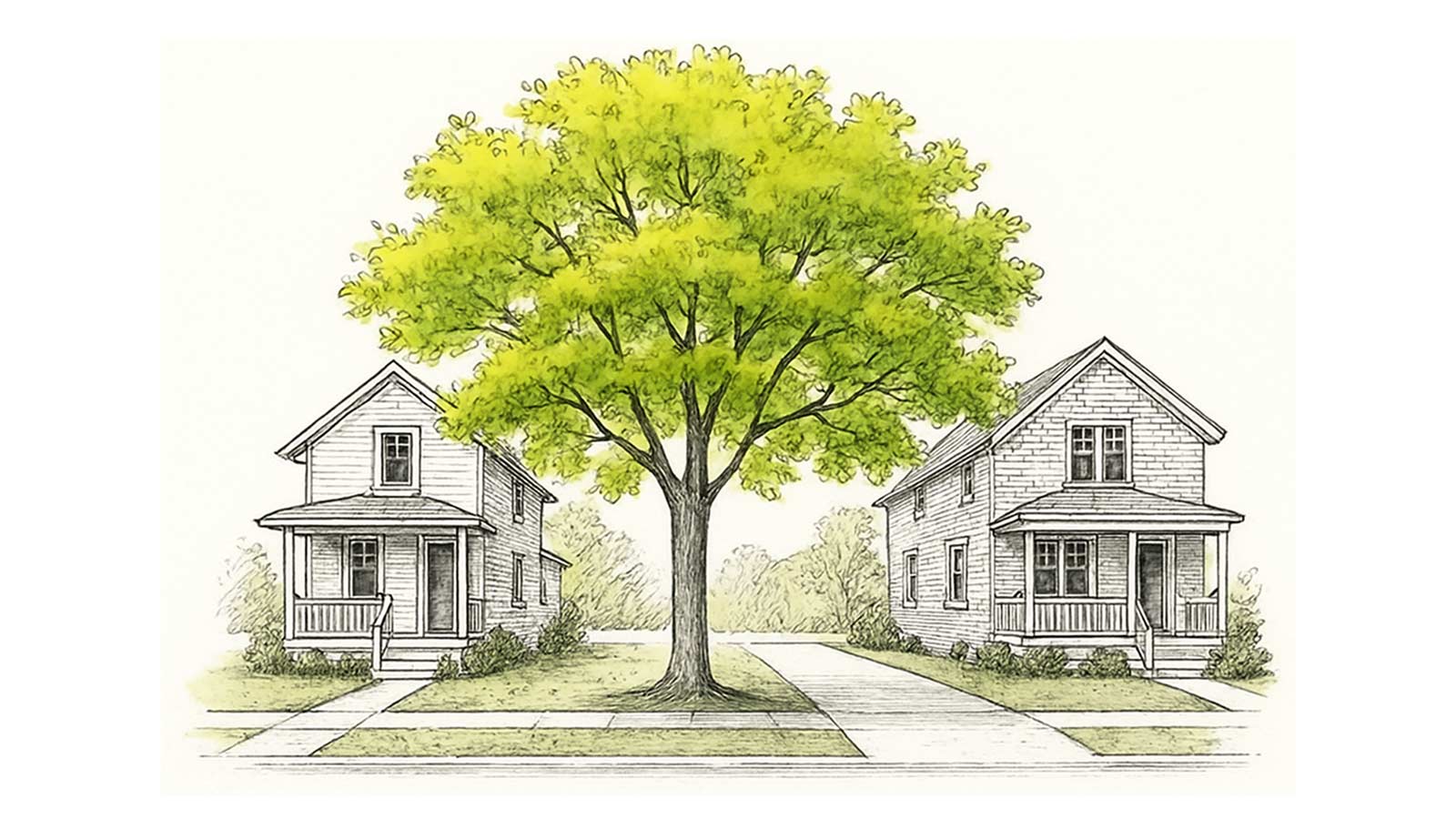
You might have heard of sunscald, sometimes known as “southwest injury.” Telltale signs are bark cracking and damage on the southwest side of a tree trunk, usually on a thin-barked or newly planted tree. The poor little maples (Freeman maples, which are a cross between native red and silver maples) that developers are seemingly obligated to plant in the middle of every new front lawn are typical victims.
Afternoon sun can thaw and wake dormant cells just under the bark, killing them when temperatures drop after sunset. The bark may first turn an unusual color, then crack, become mushy, or peel off in patches, revealing dead tissue underneath. To avoid this, keep low temporary limbs on young trees for several years to shade the trunk. And that mulch thing we already talked about helps here too. The key is to have some shade on the southwest side of these trees, however you can manage that.
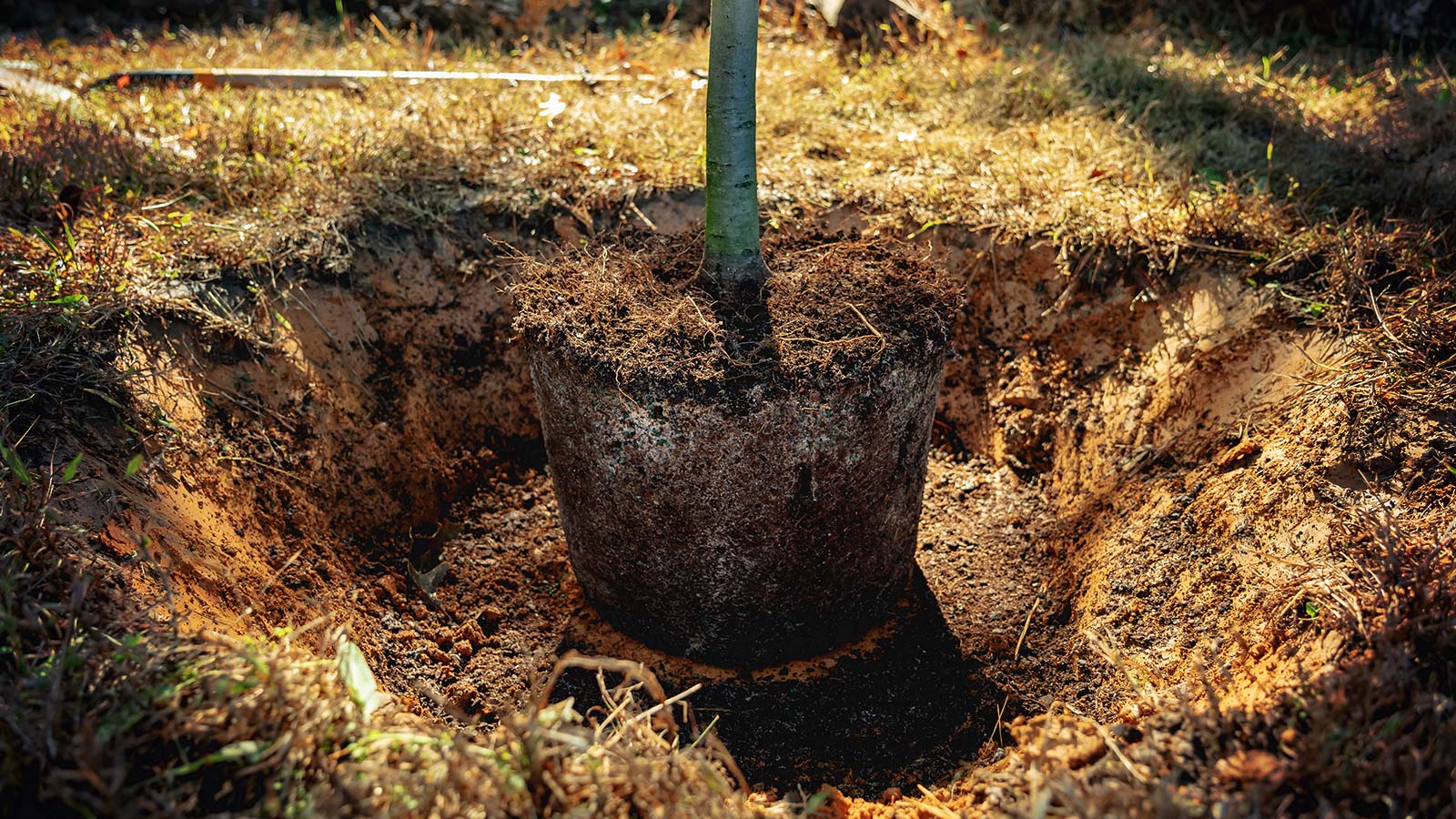
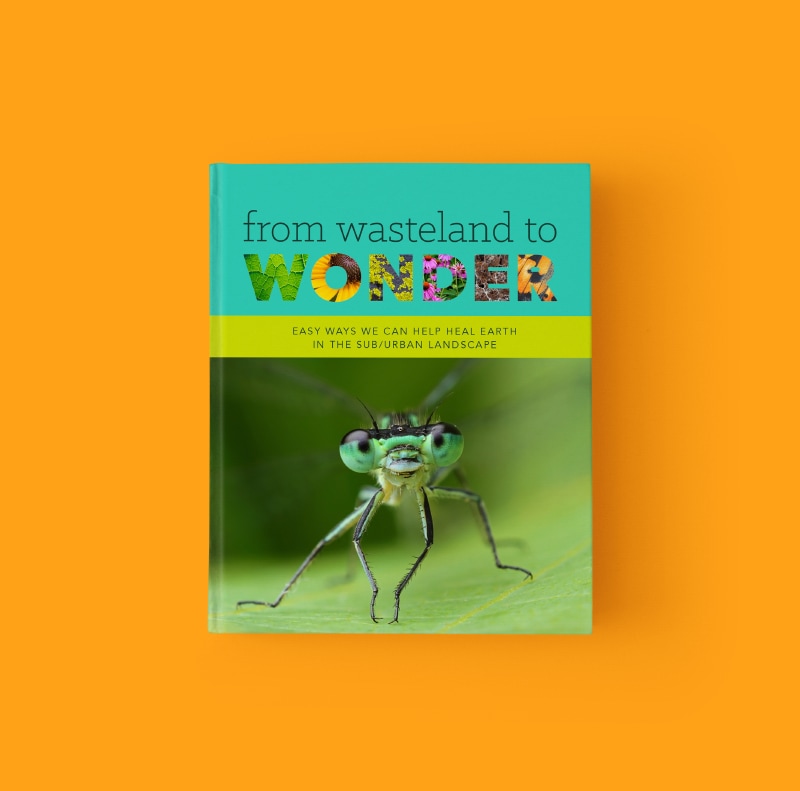
What about frost cracks? Is that the same thing? A long vertical split in the bark, often on the south or southwest side of the trunk, is commonly attributed to frost. But frost cracking often stems from an existing wound, such as a branch stub, mower damage, or a root defect. This is why it pays to make sure that problem roots in potted trees are corrected before planting. Basil explains how and why young saplings often avoid these problems altogether in Chapter 9 of From Wasteland to Wonder.
Plant of the Month: Eastern Redcedar (Juniperus virginiana)
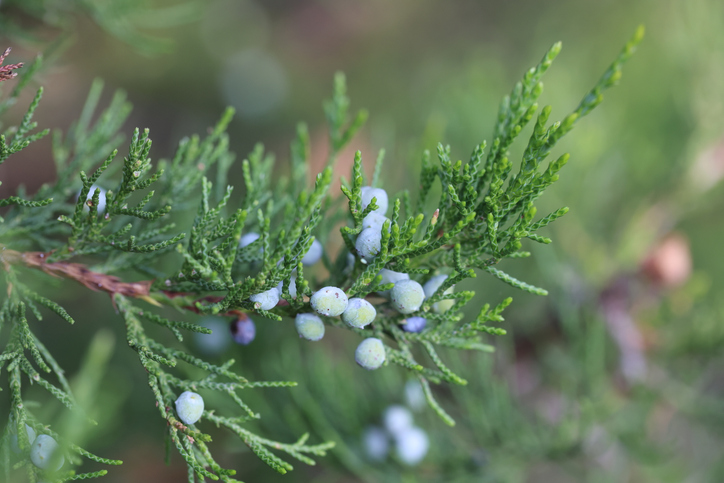
This common evergreen tree is often overlooked. It is an early successional (“pioneer”) tree, along with pines and sweetgums.
- Will grow 30-40’ with a dense evergreen crown in full sun.
- A juniper, not a true cedar. True cedars are Old World trees.
- One of the most adaptable trees, adjusting to almost all kinds of soil conditions.
- Before European settlement, it may not have been as common, only thriving where fires couldn’t reach it. With fire suppressed almost everywhere, it has made itself at home all over its native range.
- The blue “berries” are really cones, found only on the female trees. Cedar waxwings adore these cones.
- Its fine-grained heartwood was once a favorite pencil wood because it sharpens so well.
- A long-lived tree that can live many hundreds of years, which is unusual for a pioneer species.
- Lots of wildlife value, in addition to being a feast for waxwings; its dense foliage gives birds cover and nesting sites. Squirrels strip the bark for nests. It is the host plant for the olive (or juniper) hairstreak butterfly.
- Native from southeastern Canada to the Gulf Coast and west to the Great Plains.
Q&A: Browning Evergreen Needles and Bagworms
Q: Why are the needles on my conifer turning brown, and what are the small, shaggy “pinecones” on them?
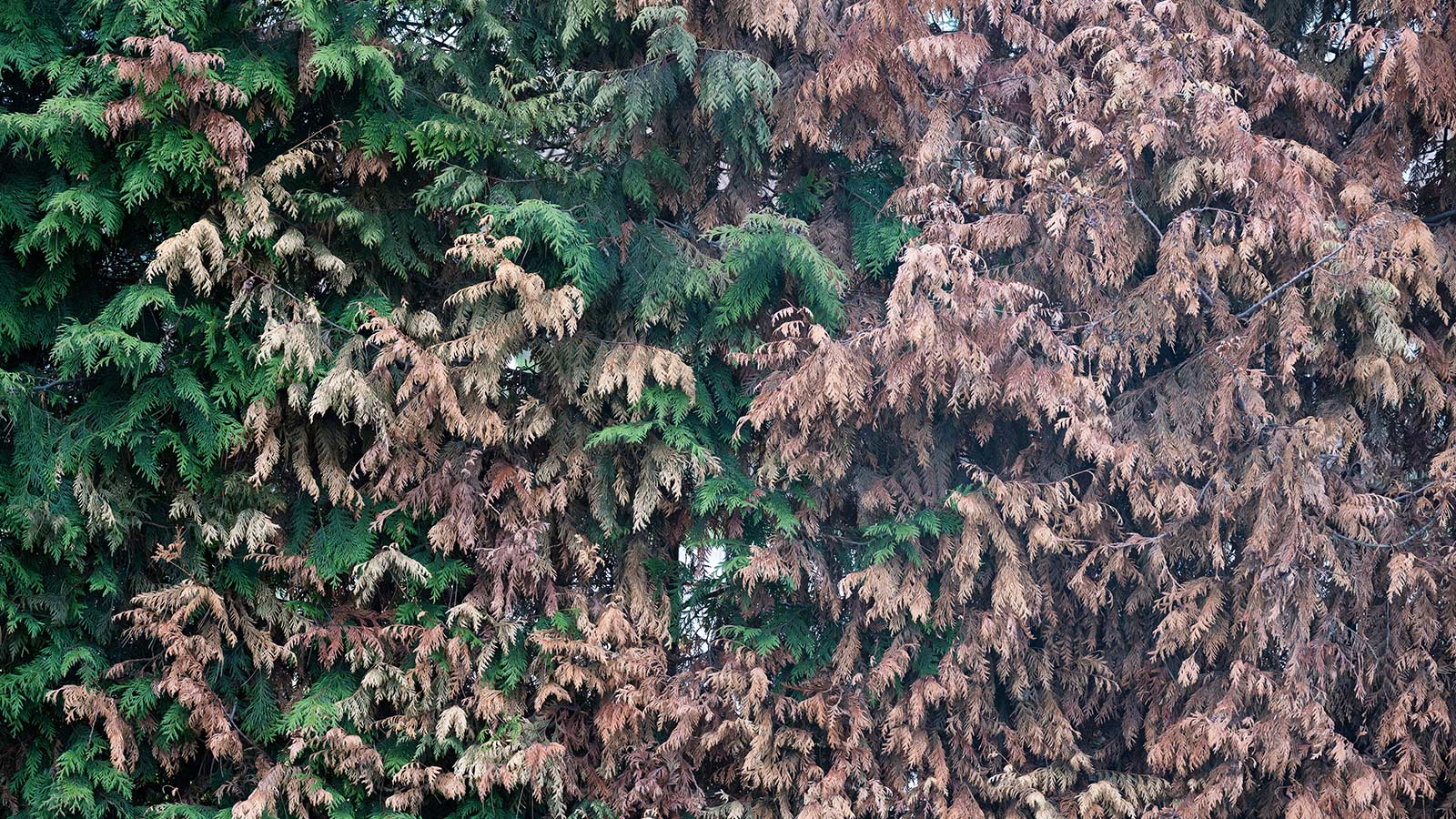
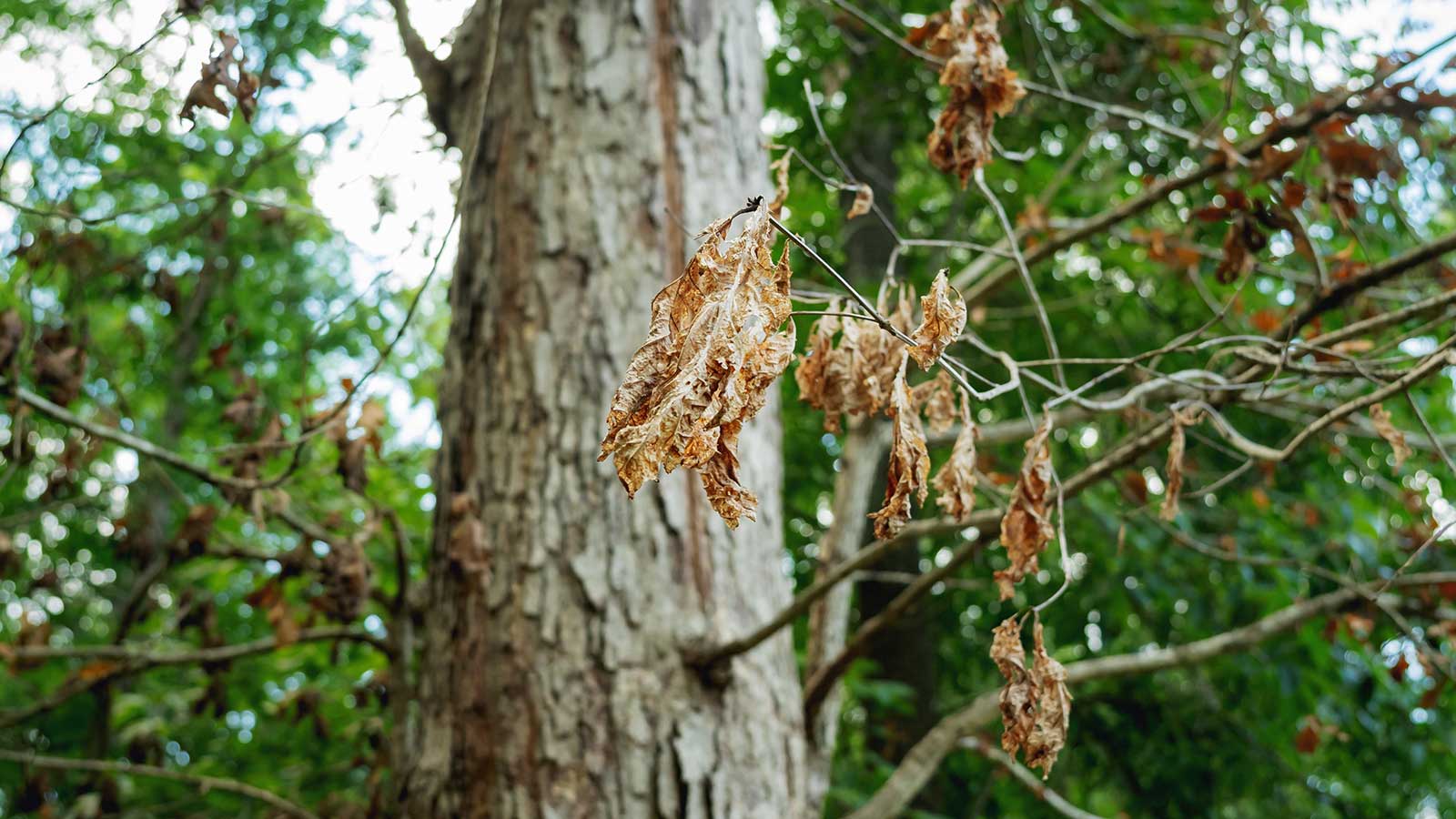
A: Every Fall, concerns about needle browning and loss in evergreens arise, so it’s wise to review what’s normal and what’s concerning. Coniferous evergreens shed their needles too – just not all at once like deciduous trees. If you see browning and loss of the oldest needles (closest to the trunk), that’s probably normal. Needles typically last a few years before being shed as the tree grows. If entire limbs are turning brown, that could indicate a fungal or soil moisture issue. Contact us if your evergreens need a closer look.
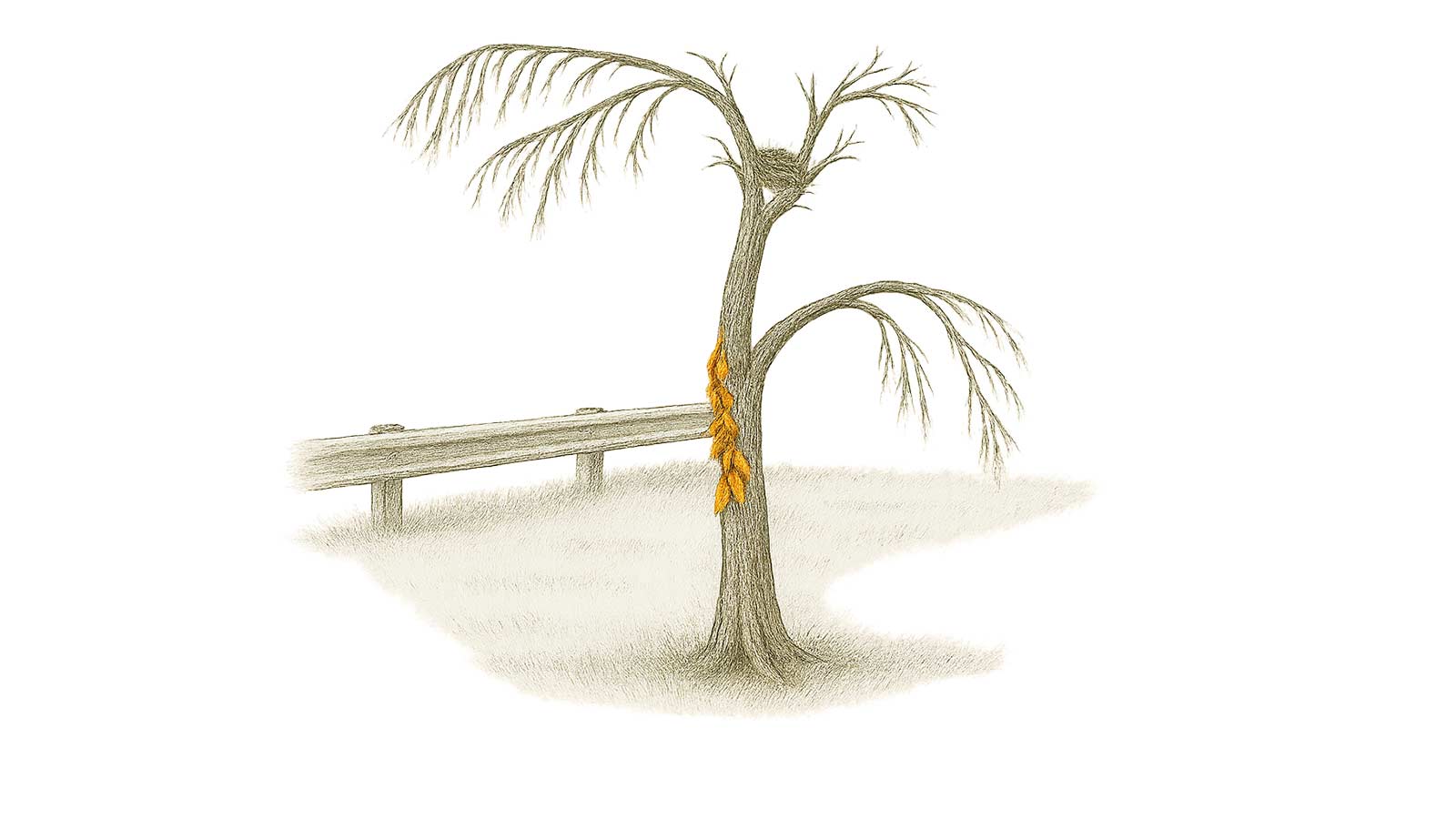
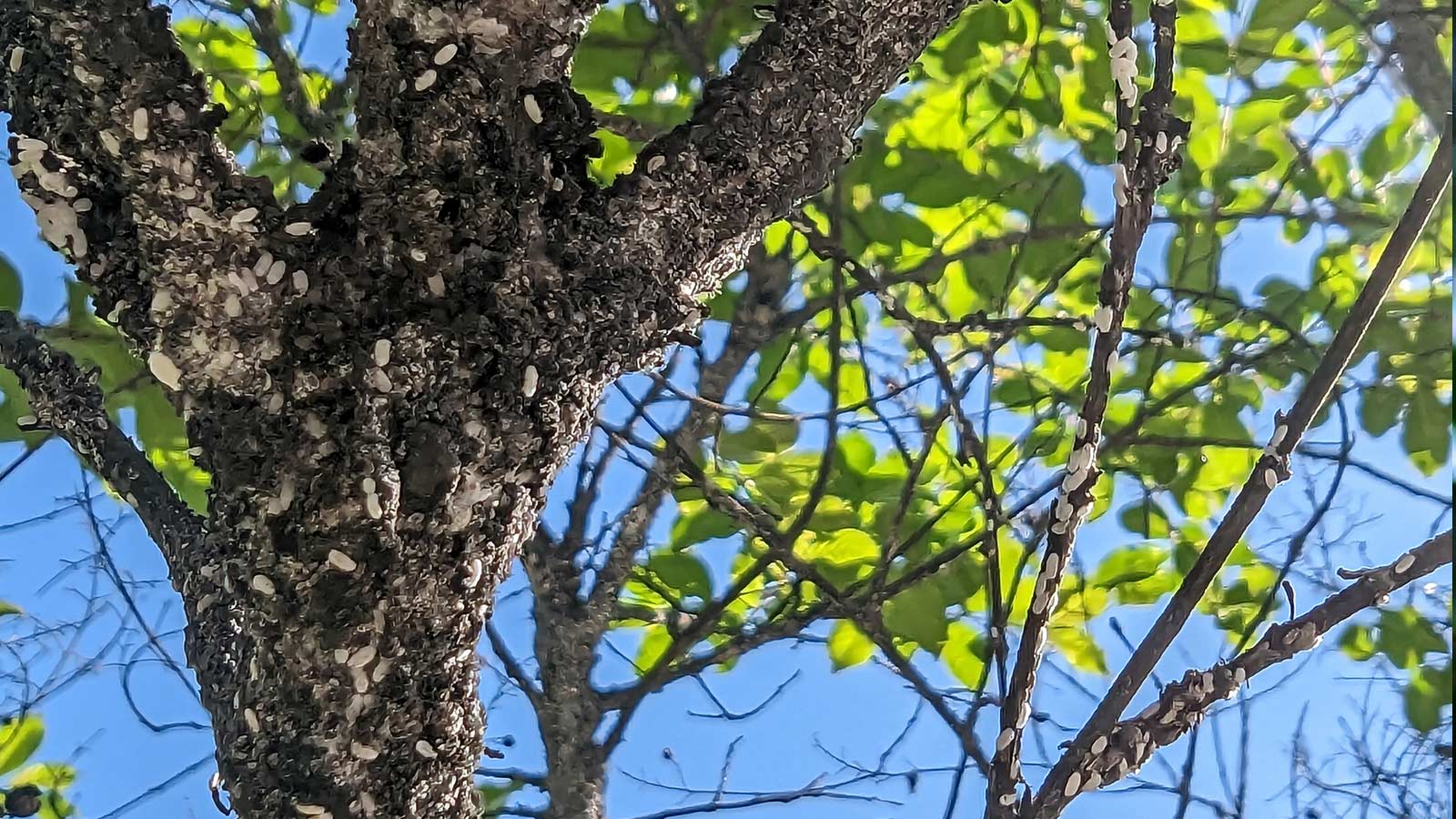
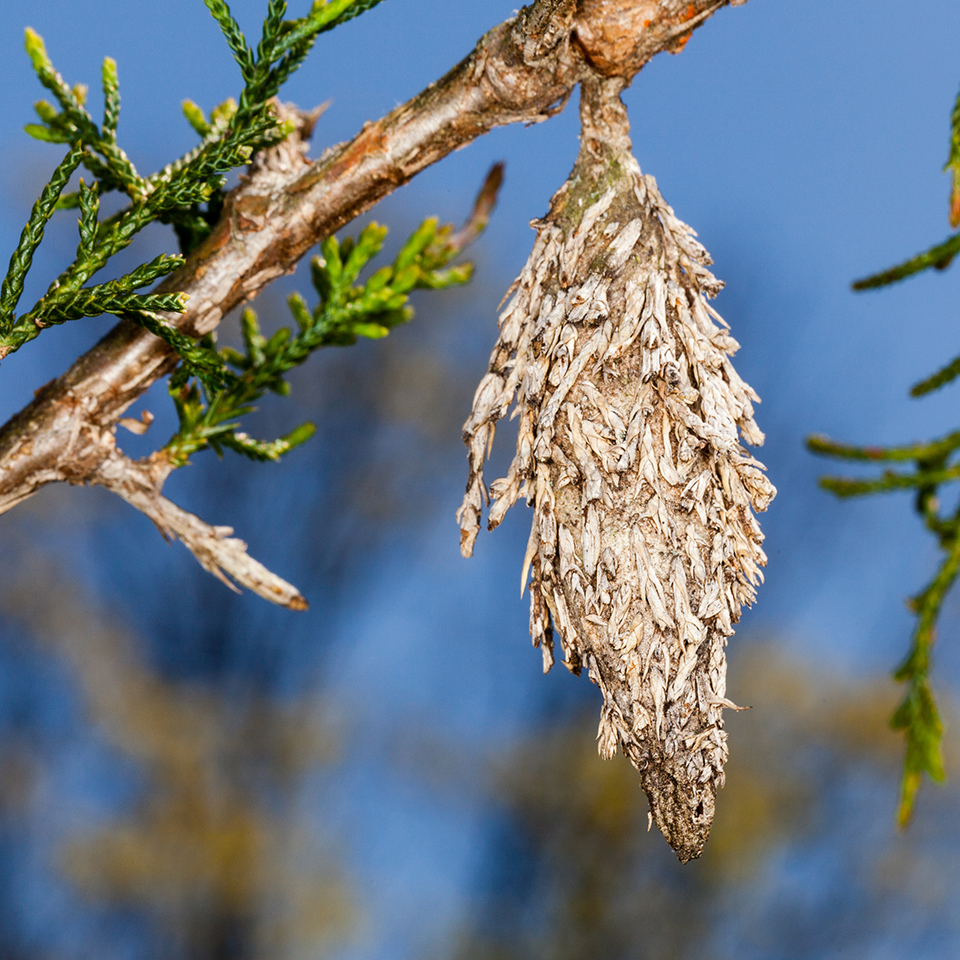
Take a close look at what appear to be pendulous “pinecones” on your cedars or cypresses. They could be bagworms. At this time of year, the caterpillar that made the bag (and eats your evergreen) is gone, but the bag is full of eggs for more bagworms next year. They should be pulled off and disposed of. While many caterpillars should probably be left alone as bird food, these can seriously defoliate evergreens, so you should become the predator and take out as many as you can. If you want one of our Treecologists to take a closer look, schedule a free quote.
Take a Stand for Trees: Two Quick Actions
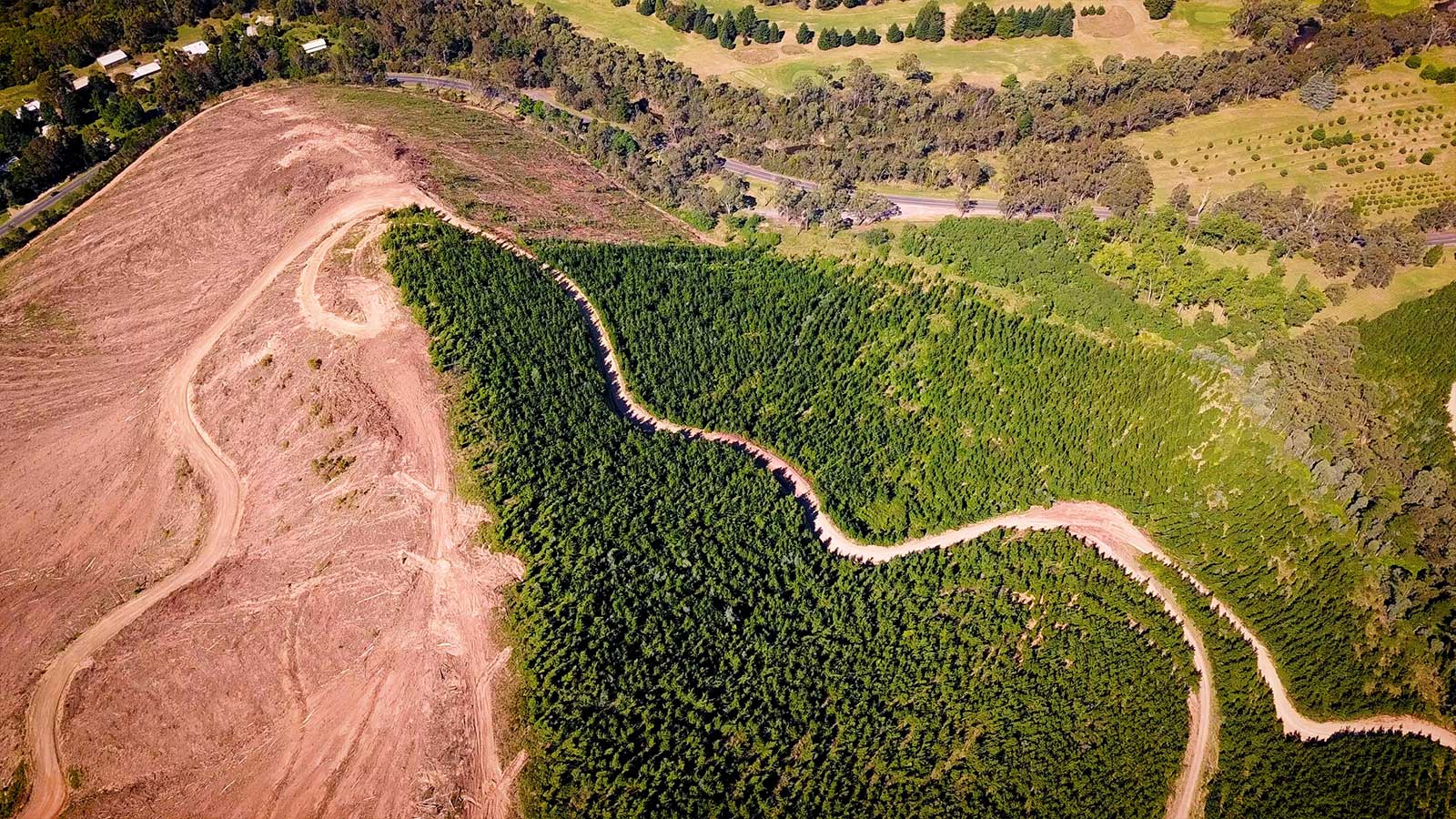
We are starting a new series about ways that you can take action to protect our forests. Two decisions in Washington could reshape our national forests, and both may be settled soon. The links below open a short form that sends a letter to your own members of Congress. It takes about a minute.
1. Keep the Roadless Rule
This is the big one. Since 2001, the Roadless Rule has kept most road building and logging out of the wildest parts of our national forests, including parts of Pisgah and Nantahala here in North Carolina. These are some of the last large, unbroken forests we have. The Forest Service itself has called them strongholds for wildlife, and they feed the drinking water of millions of people.
Now the Forest Service proposes to end the rule across about 45 million acres, an area larger than North Carolina. Its own proposal says the new opportunities would be “modest and localized.” More than a million people sent comments, and by early counts nearly all asked to keep the rule. The comment period is over, so the place to speak up now is Congress.
Take Action: Ask Congress to keep roadless forests protected
2. Vote no on the Fix Our Forests Act
It is sold as a wildfire bill. It would let logging and thinning projects as large as 10,000 acres skip a full environmental review, more than triple today’s limit. It would also make it harder to ask a court to pause a project before the trees come down. The Southern Environmental Law Center says the name is misleading, and that the bill would make it easier to log some of our least fire-prone forests, including those in the Southeast. It is waiting on a Senate vote.
Take Action: Tell your senators to vote no
Disclaimer: These pages are run by Outdoor Alliance and Environment America. They ask for your name and address so your letter reaches the right office, and they may email you afterward. Leaf & Limb is not affiliated with either organization.
Things To Do Around the Triangle
Dec 4 · 6–9 PM — Friday Under the Stars
Creedmoor · Free
The Raleigh Astronomy Club hosts a night sky viewing at Three Bears, a private TLC site that opens only for this event.
Dec 5 · 8:30–11 AM — Saturday Birding at Brumley
Chapel Hill · Free
Join TLC and the New Hope Bird Alliance for an easy 1.5-mile birding walk at Brumley North, one of the state’s top birding hotspots.
Dec 6 · 9 AM–1 PM — Infrastructure Workday at Panther Creek Forest Farm
Durham · Free
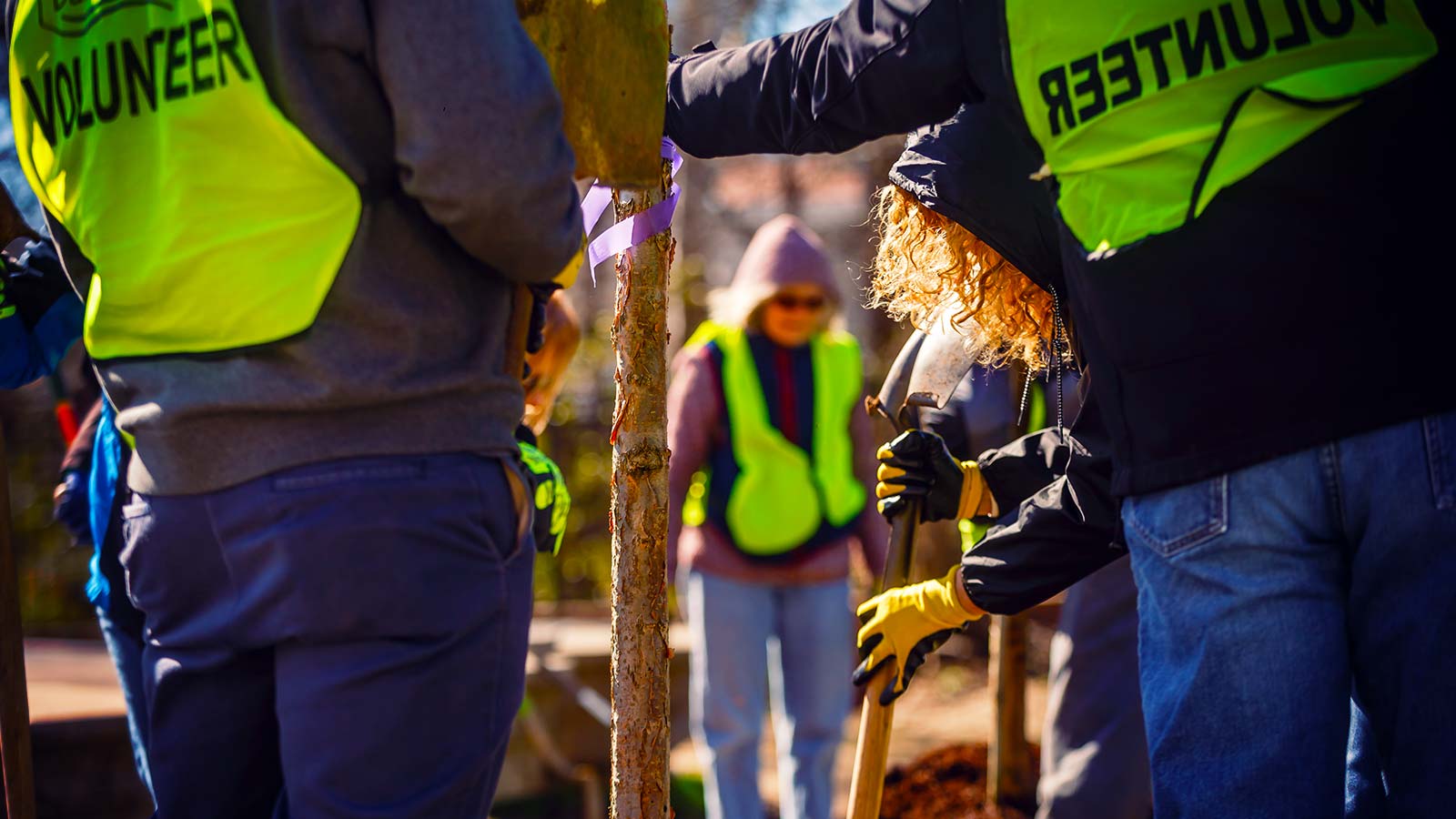
Help Keep Durham Beautiful and Project Pando rebuild shade structures at the community tree nursery so seedlings can survive our hotter Summers. The work involves setting metal poles and stringing wire, and tools and snacks are provided.
Dec 6 · 9–11 AM — Nature Journaling Hike
Raleigh · Free
A family-friendly journaling walk at Williamson Nature Preserve that teaches you to notice and wonder like a naturalist. The route is just under 2 miles.
Dec 12 · 11 AM–12 PM — Winter Tree ID Walk
Durham · Free
A guided tree ID walk through Beaver Marsh Nature Preserve with our very own Matt Archibald, an ISA Board Certified Master Arborist (who also happens to be a Keep Durham Beautiful board member). Ask questions about trees and learn to ID the ones growing right in your neighborhood.
Dec 12 · 1:30–3:30 PM — Get Wild: Nature Detectives!
Chapel Hill · Free
A family wildlife scavenger hunt at Johnston Mill, where kids search the forest for clues left behind by native plants and animals.
One Last Thing: Go Outside
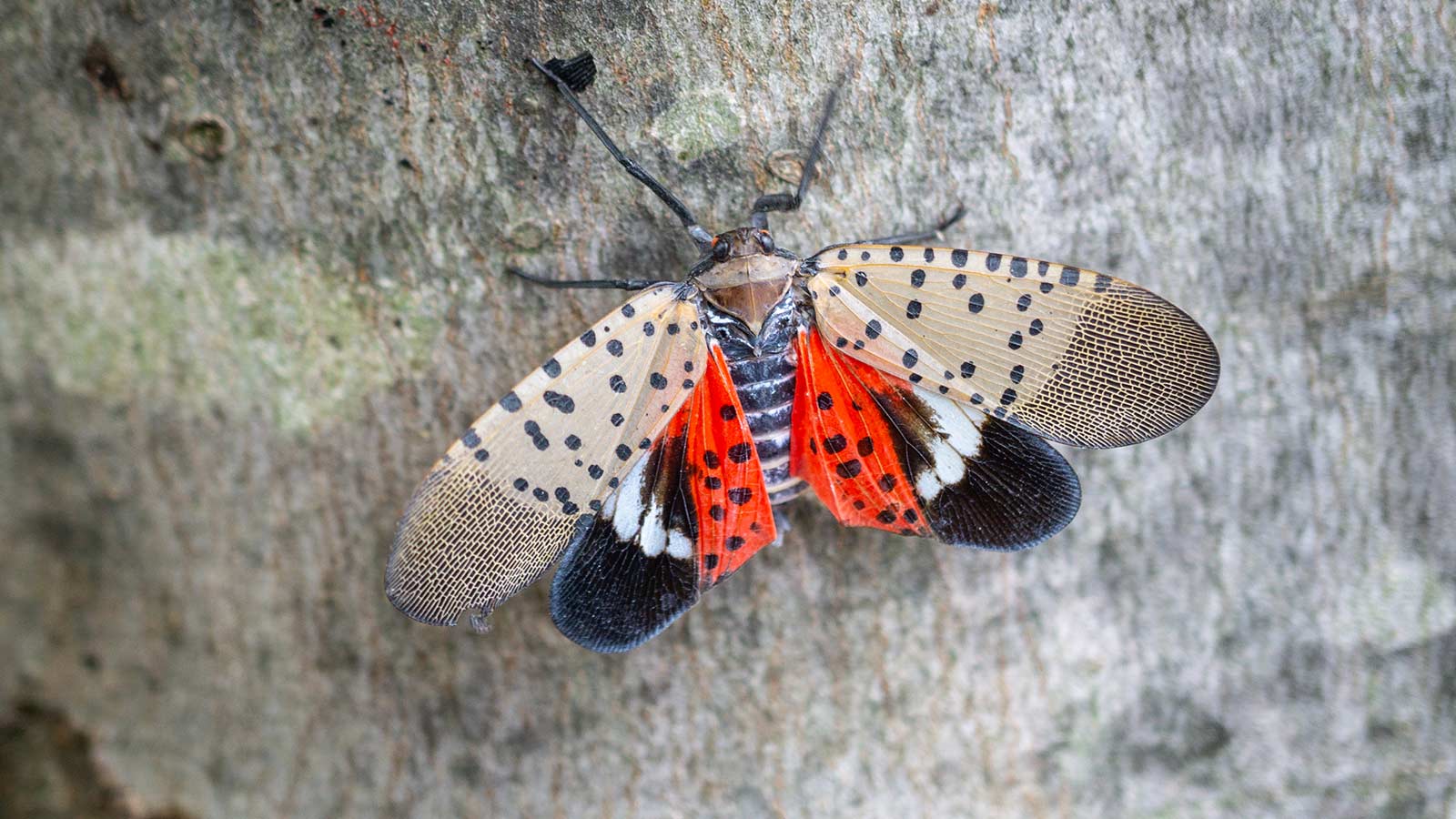
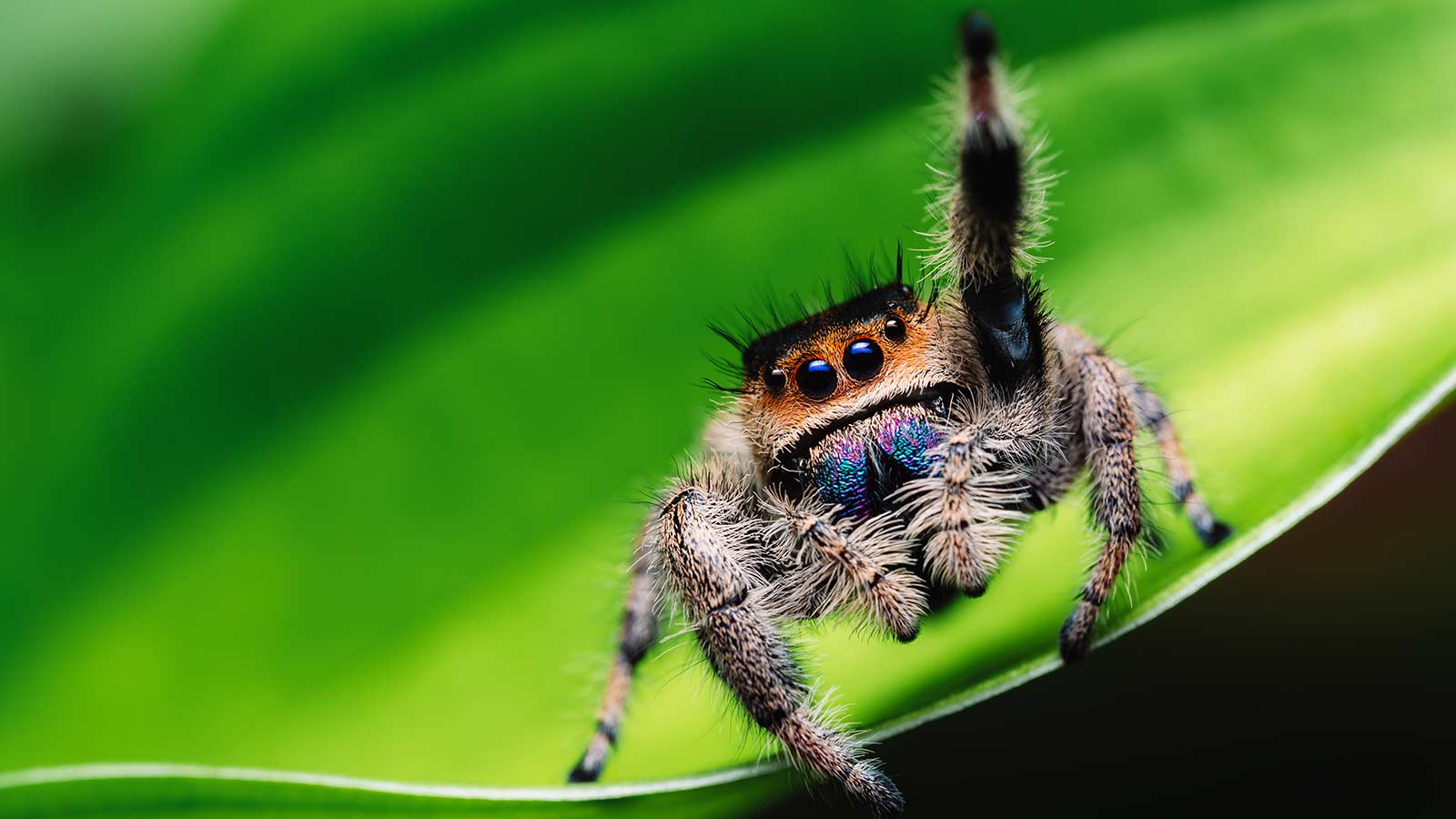
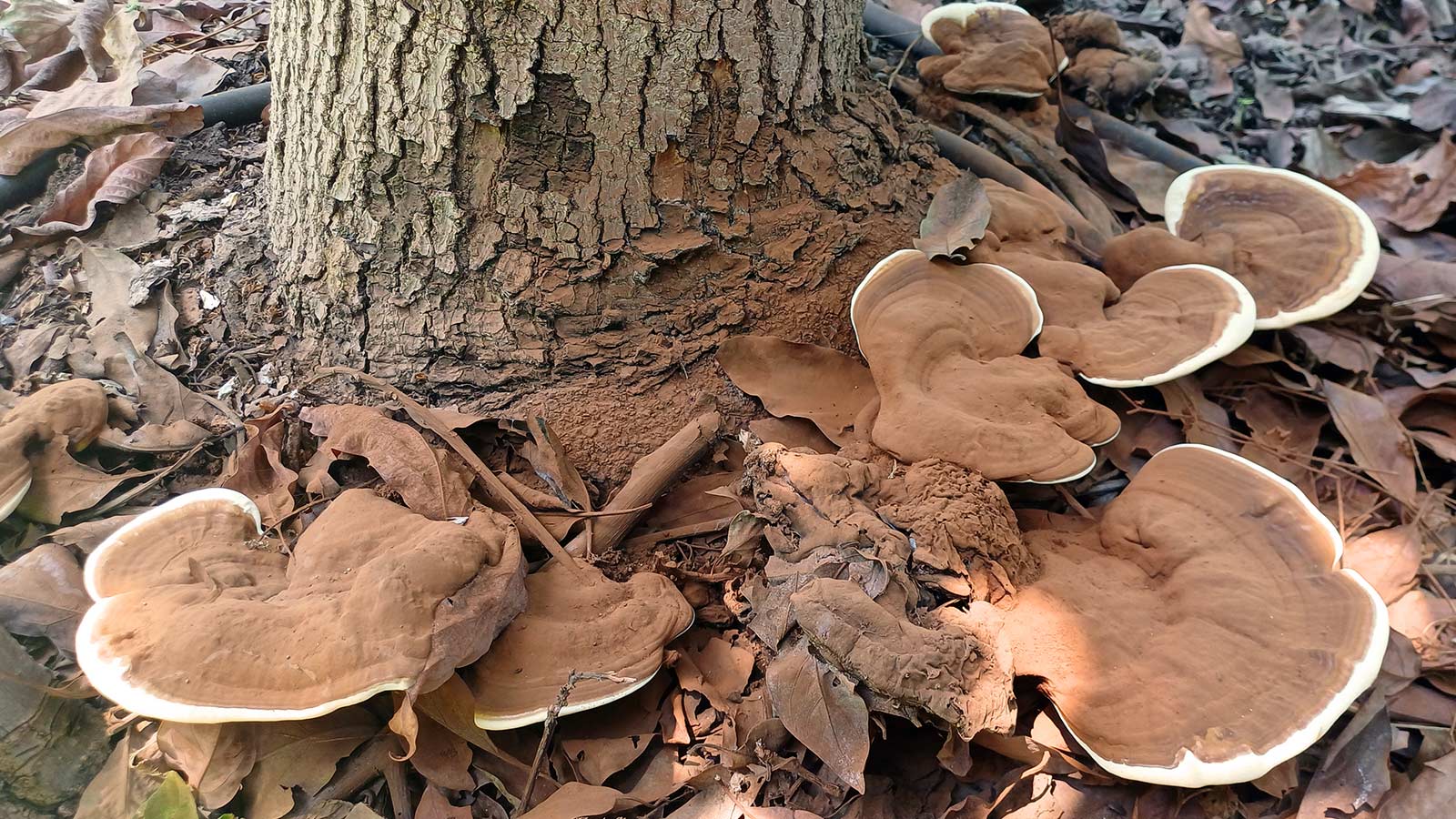
Something a little different this month – a Nature Bingo Card! How many of these cool things can you find? Let me know if you get them all!
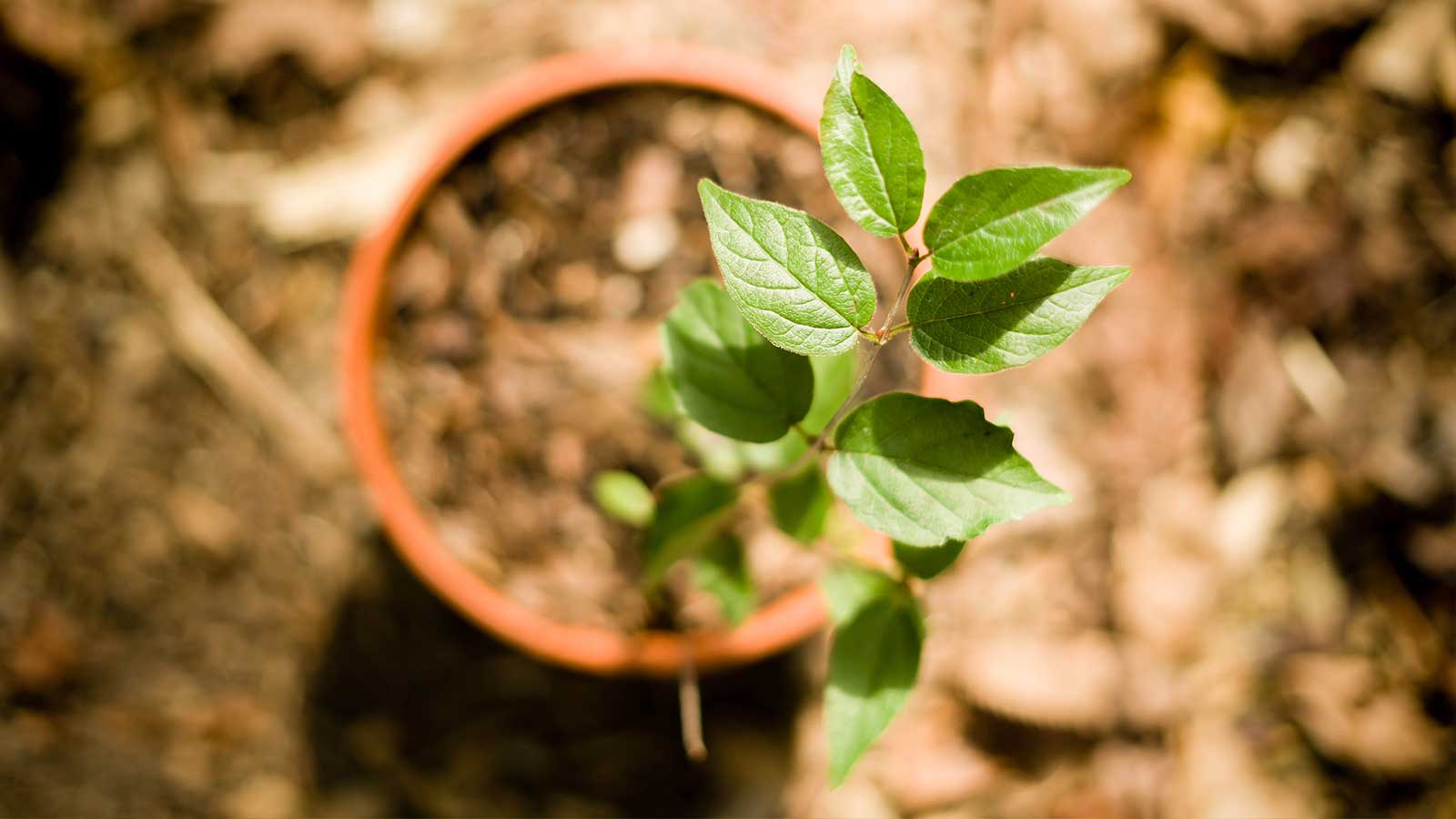
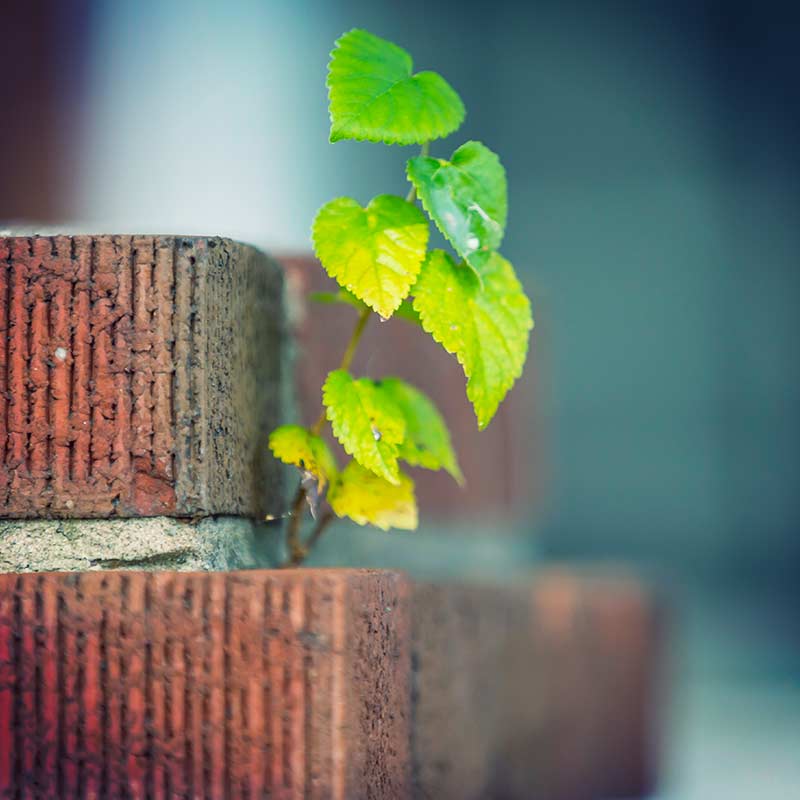
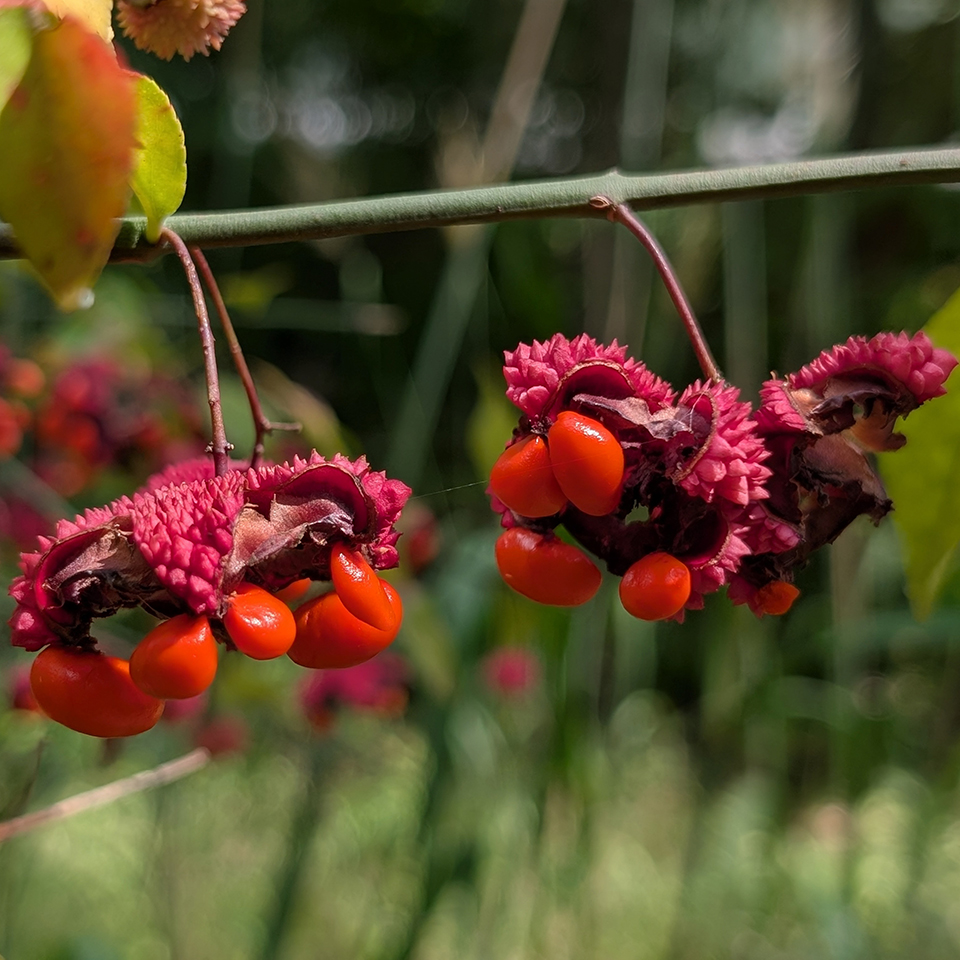 Strawberry bush (Euonymus americanus), also called hearts-a-bustin’
Until next month, remember to sniff the blooms and listen to the birdsong.