6 Warning Signs to Look for on Your Trees Before Storm Season
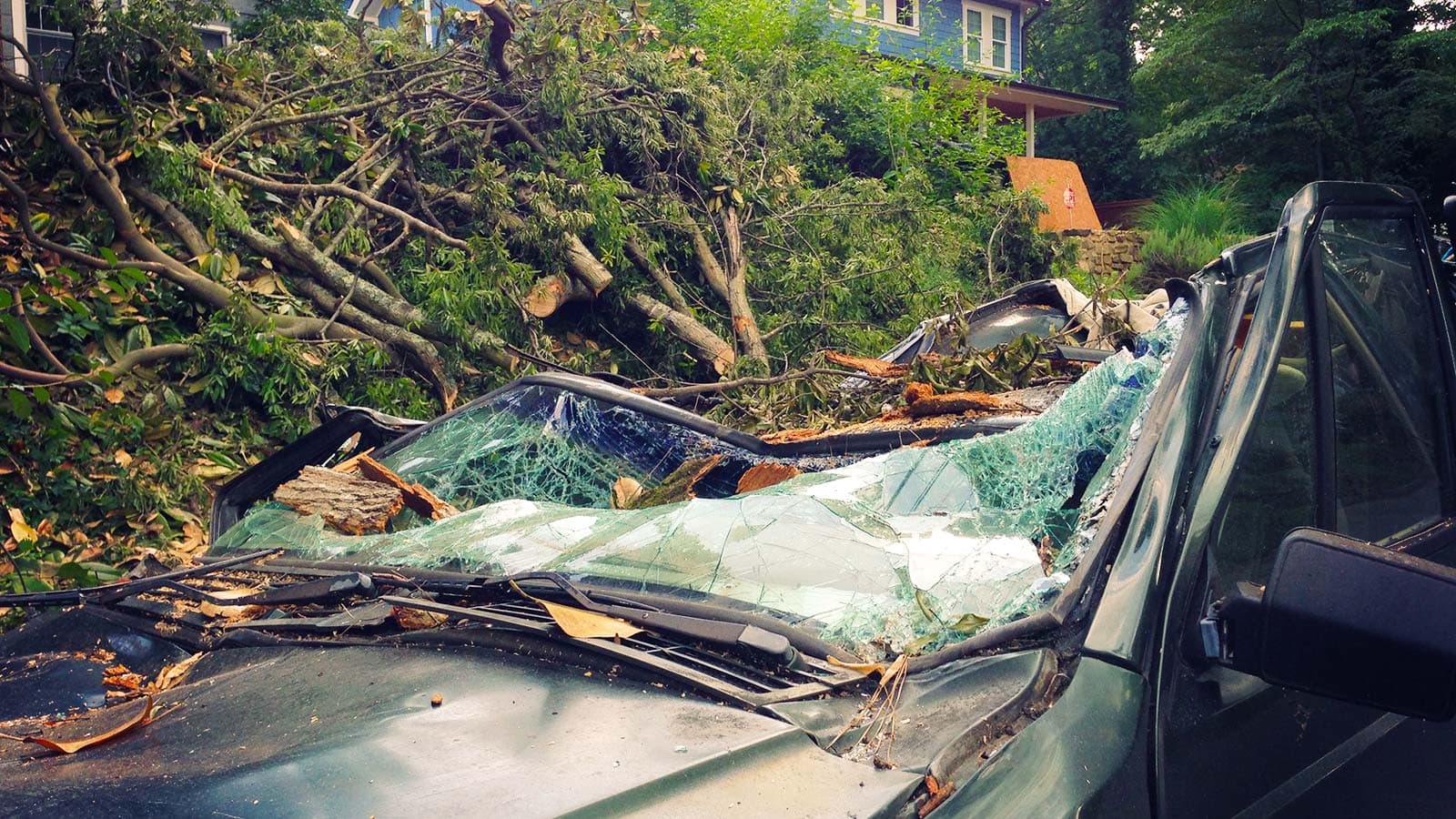
The trees that come down in a storm are usually telling you something beforehand—here's what to look for.
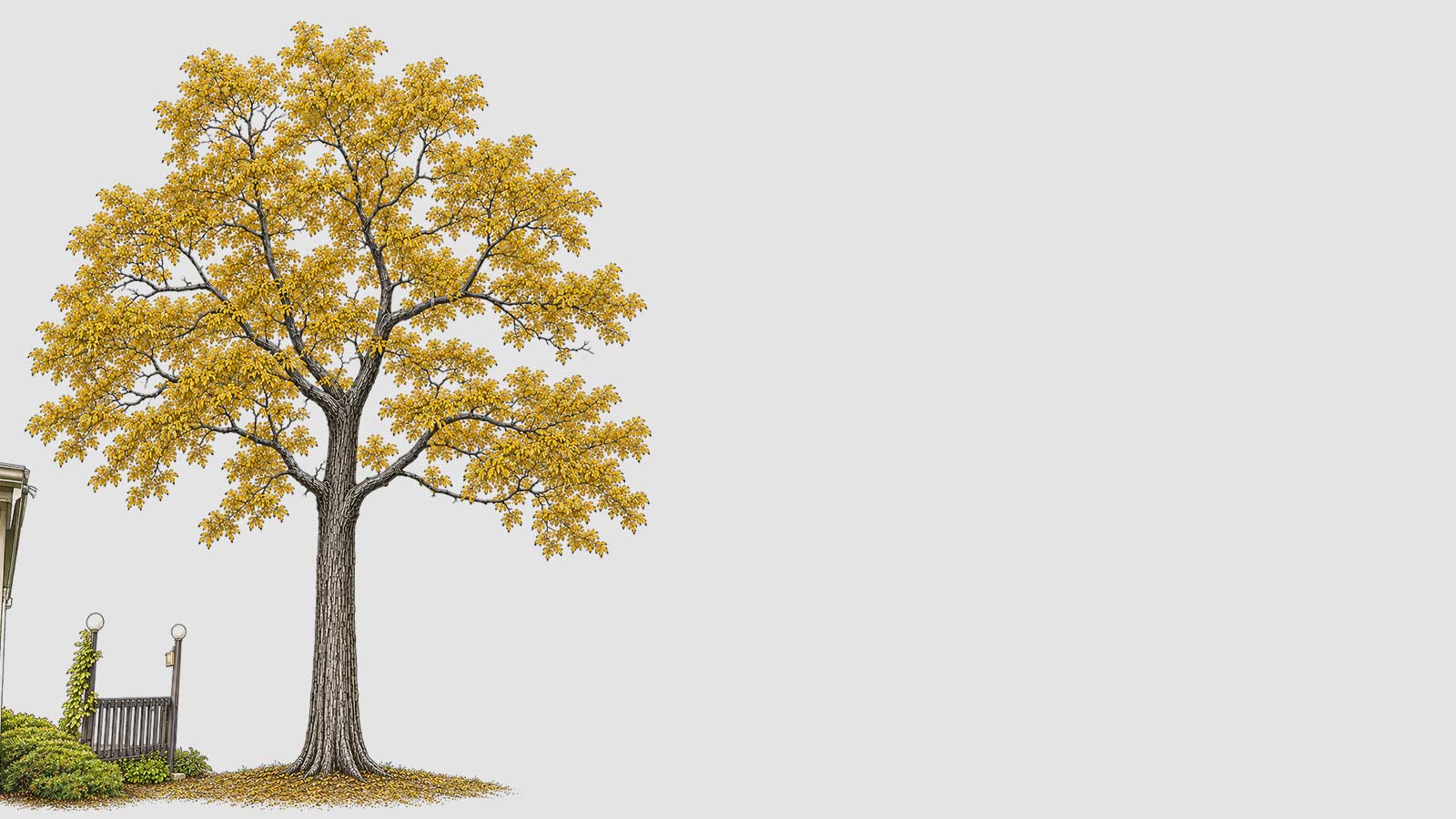
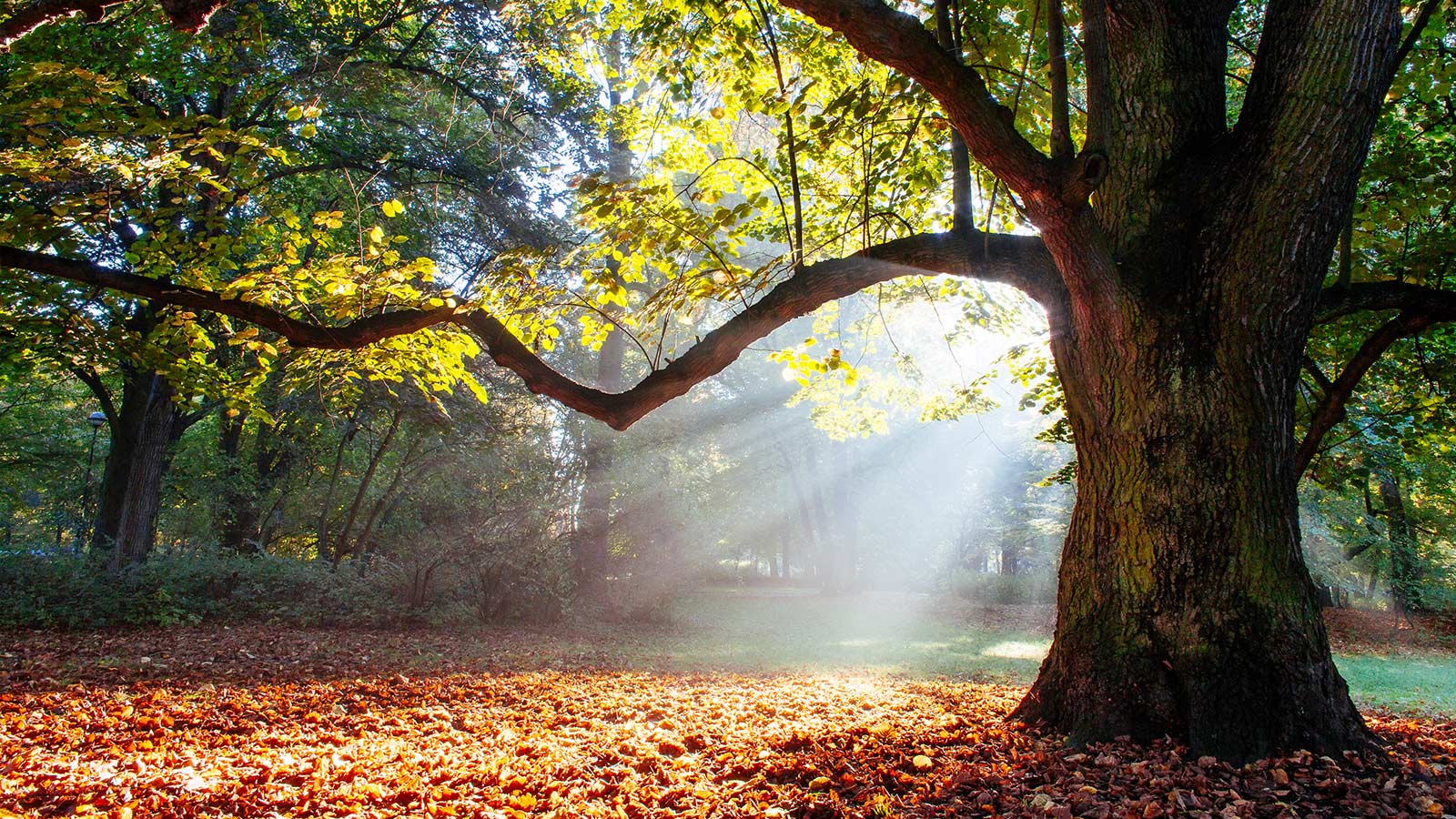
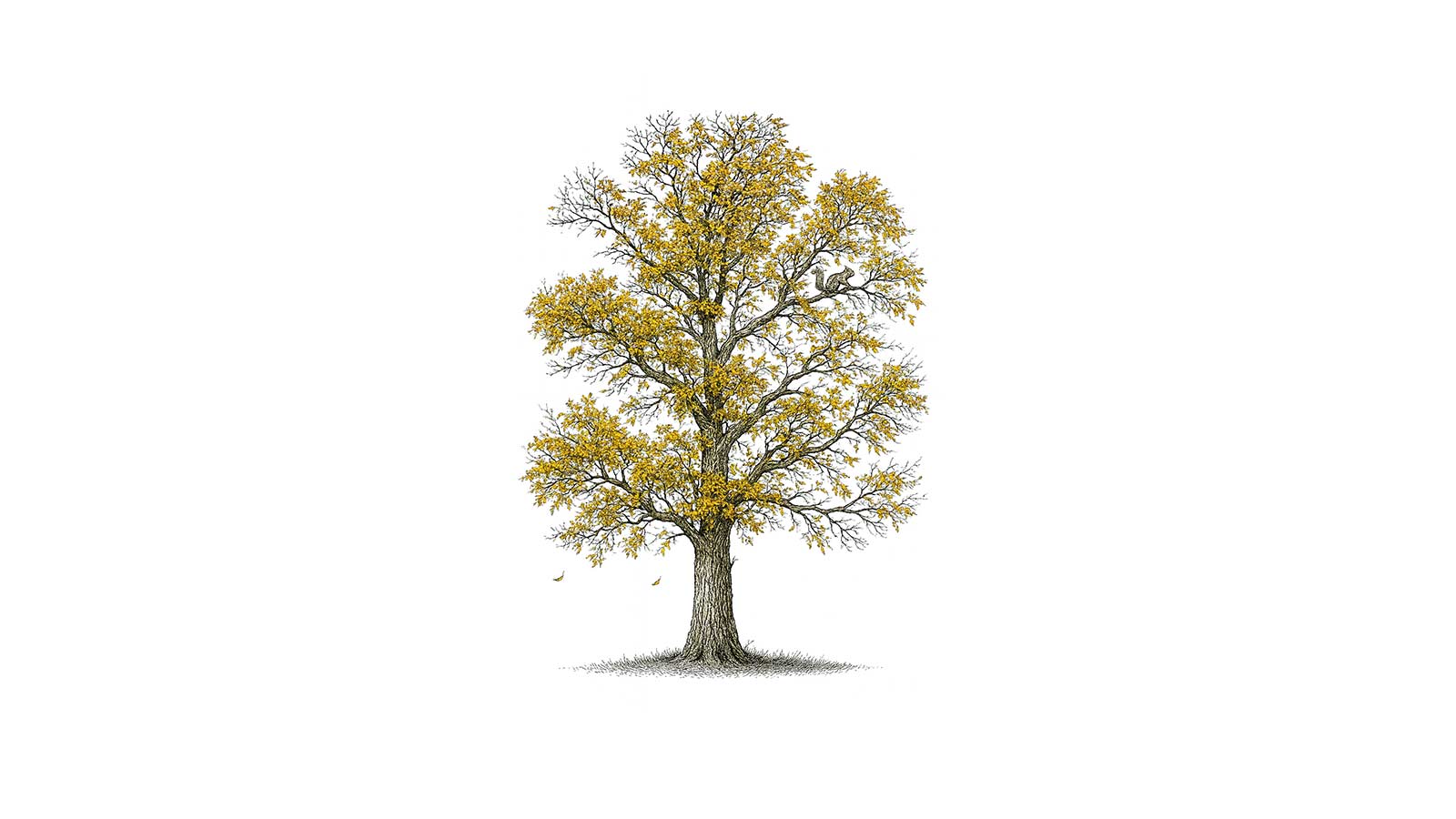
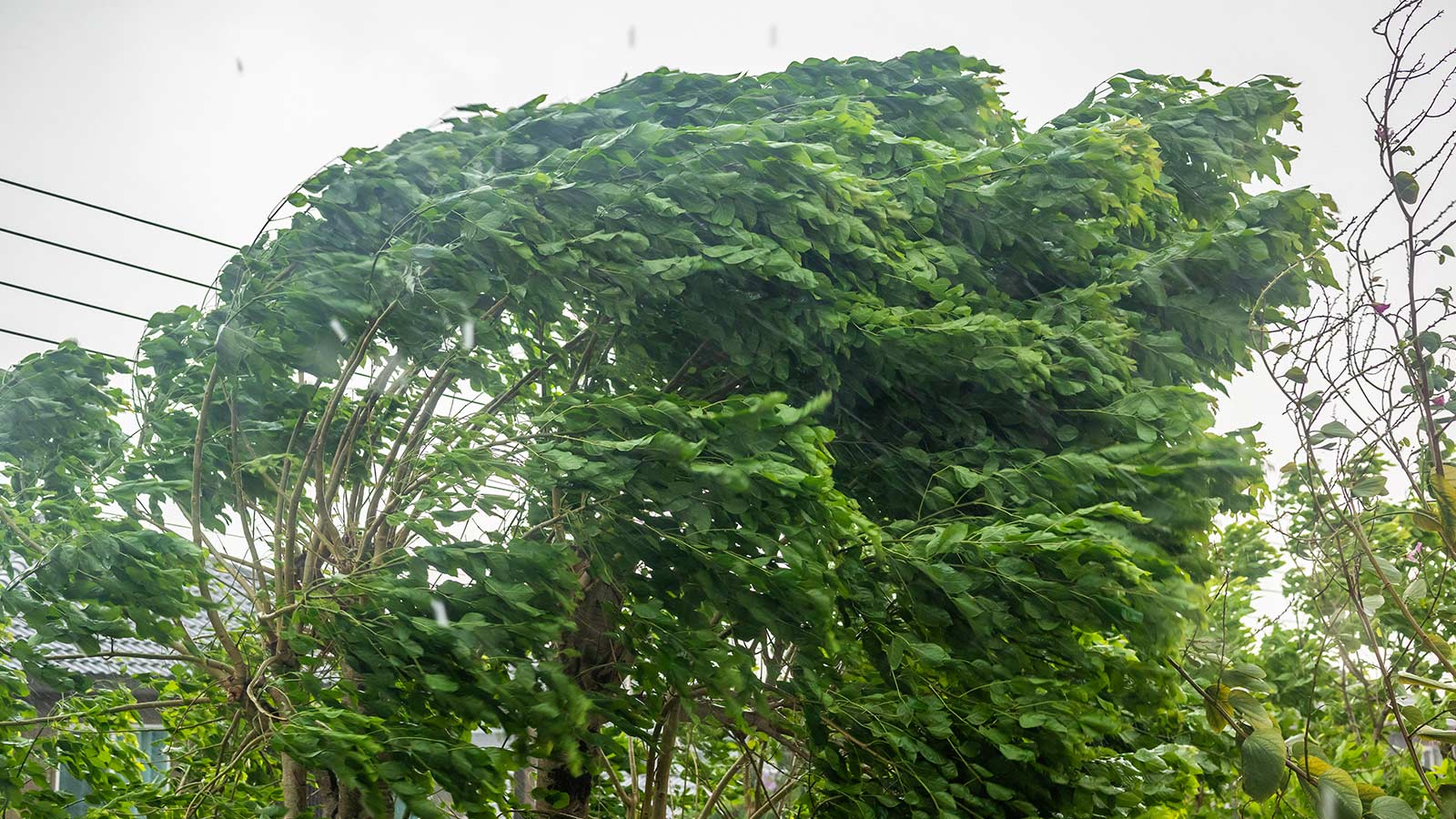
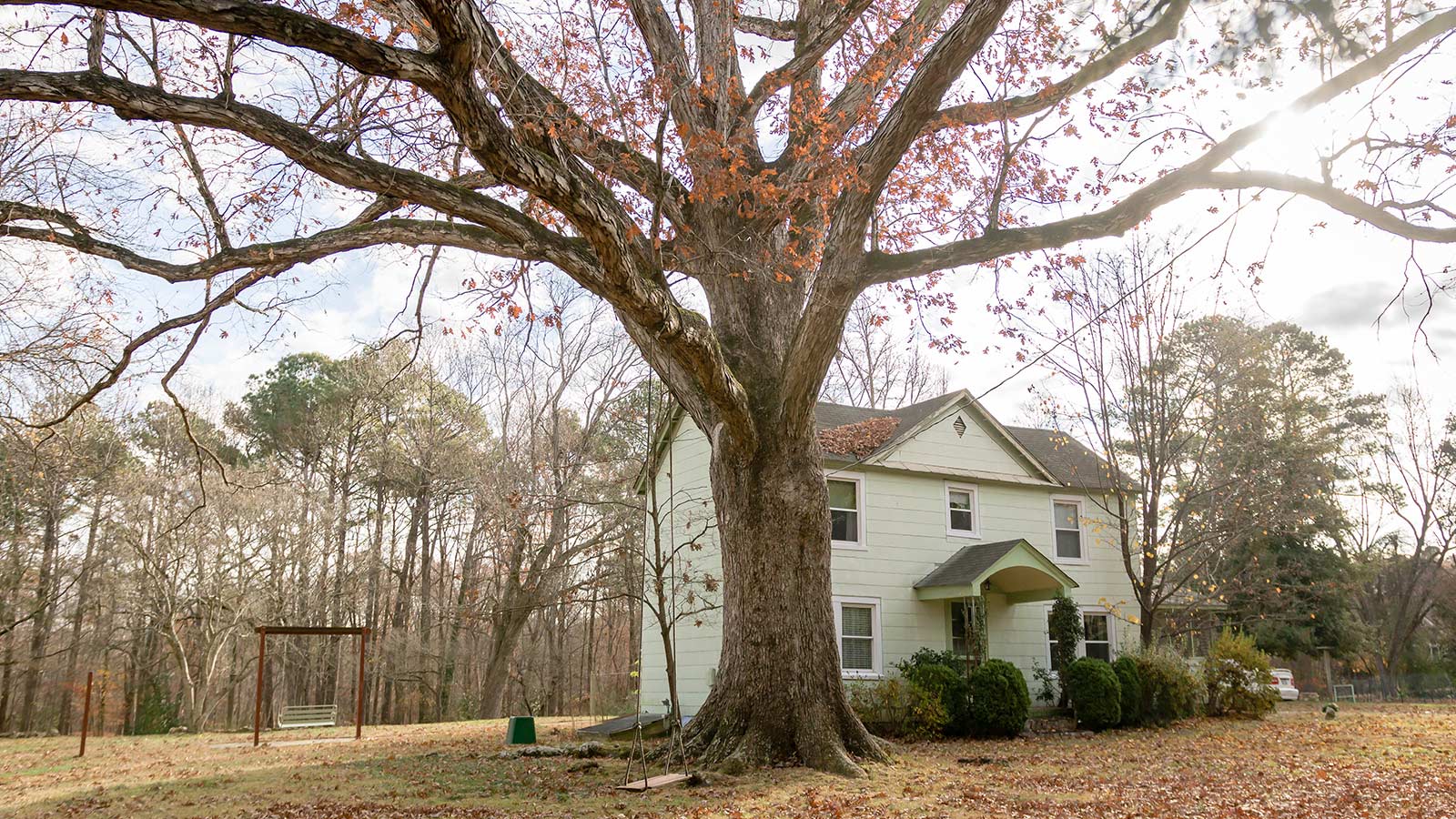
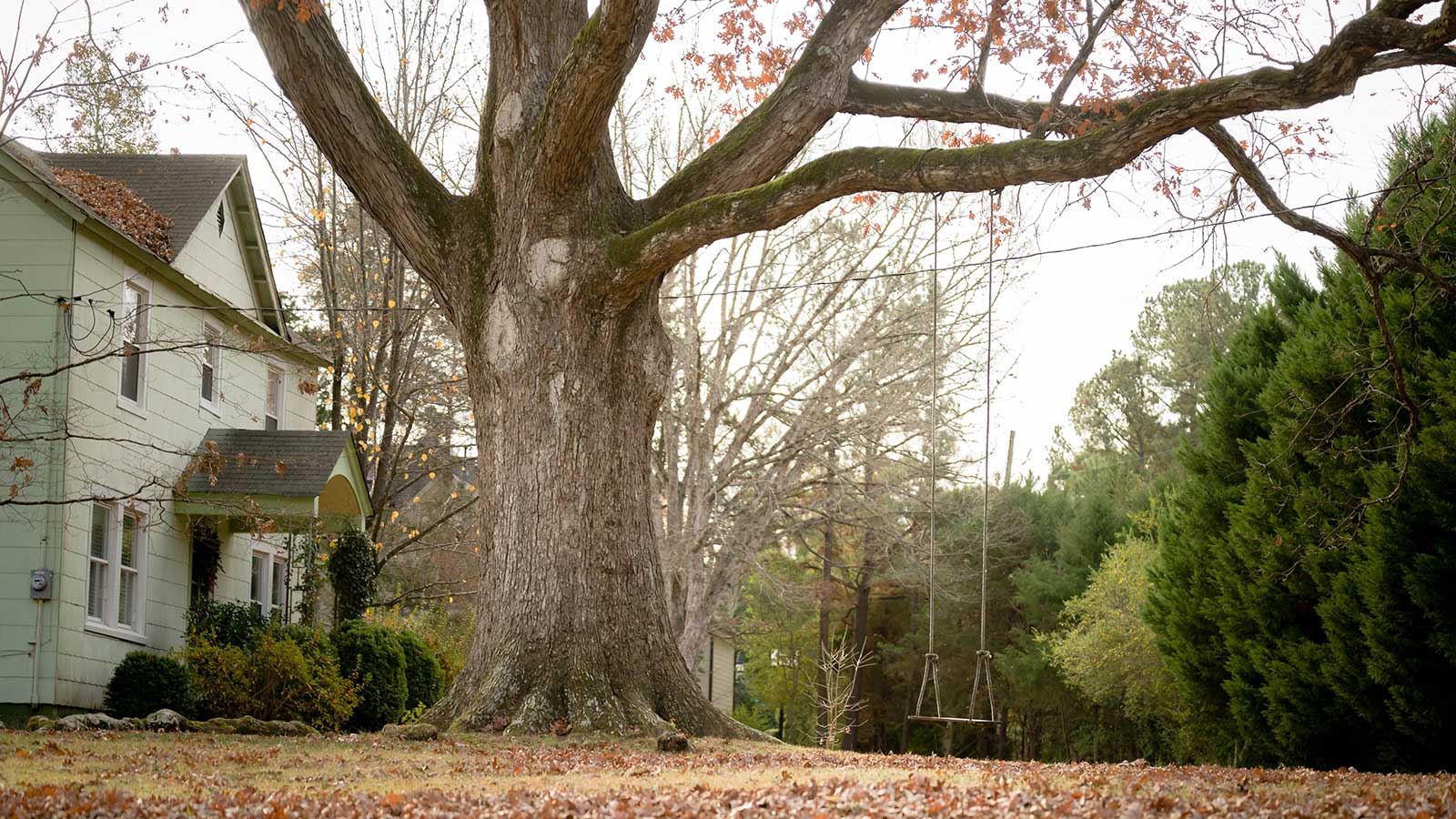
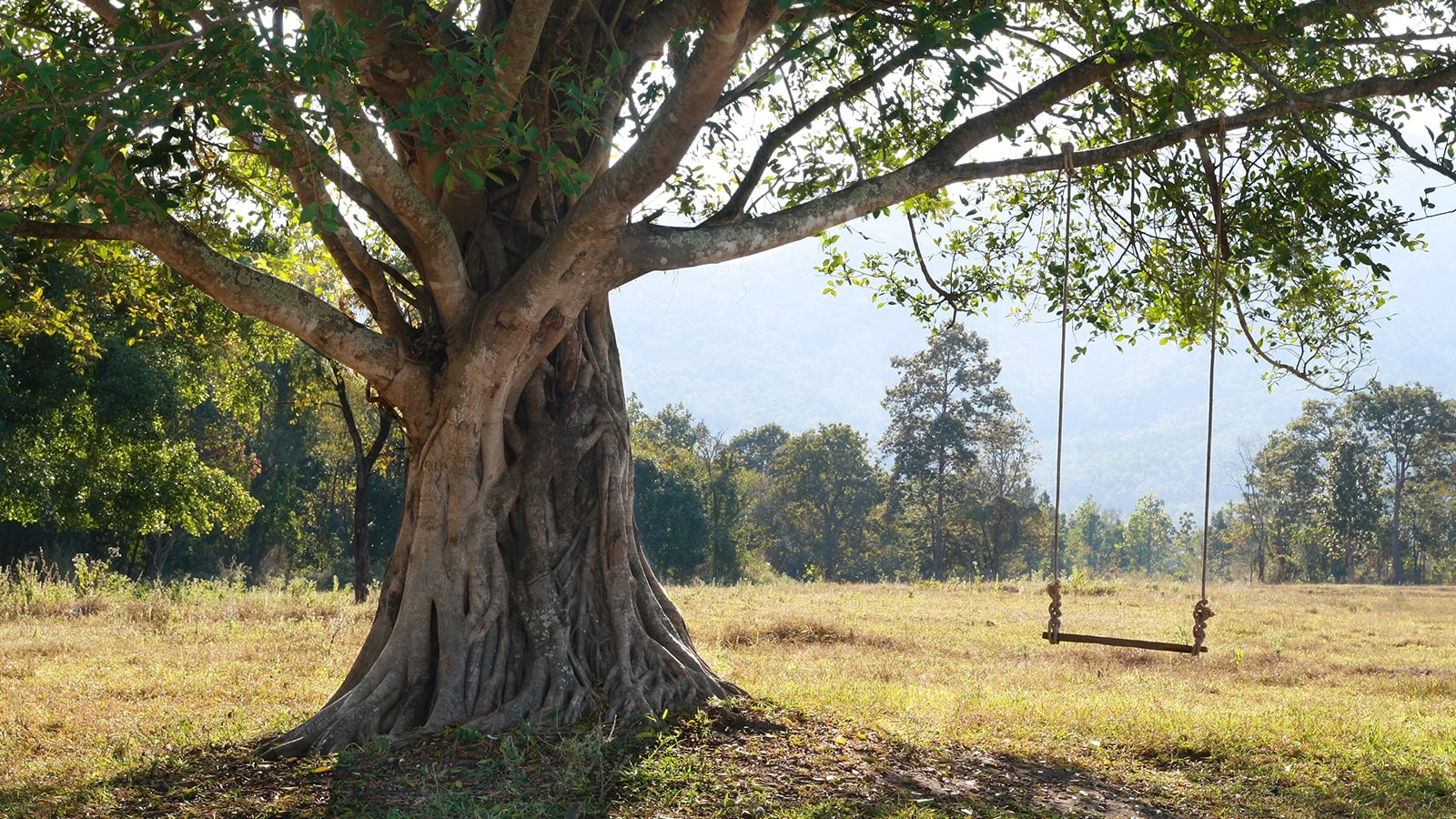
Most of the old oaks and tulip poplars shading Raleigh, Durham, Chapel Hill, and Cary yards have already stood through Hurricane Fran, Hurricane Helene, and dozens of ordinary summer thunderstorms most of us have forgotten. A tree with sound structure and healthy roots is built to bend in the wind, not fail.
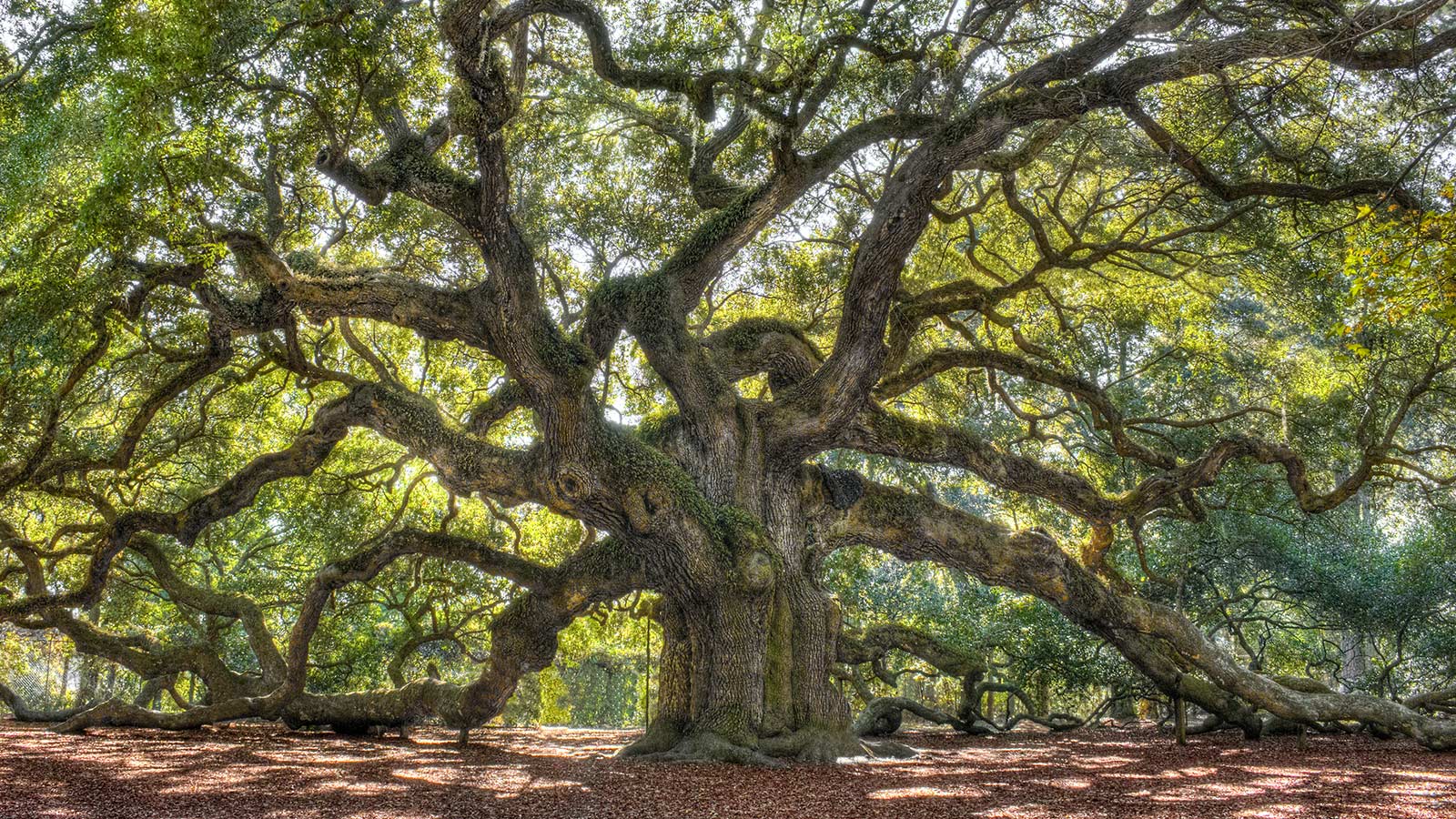
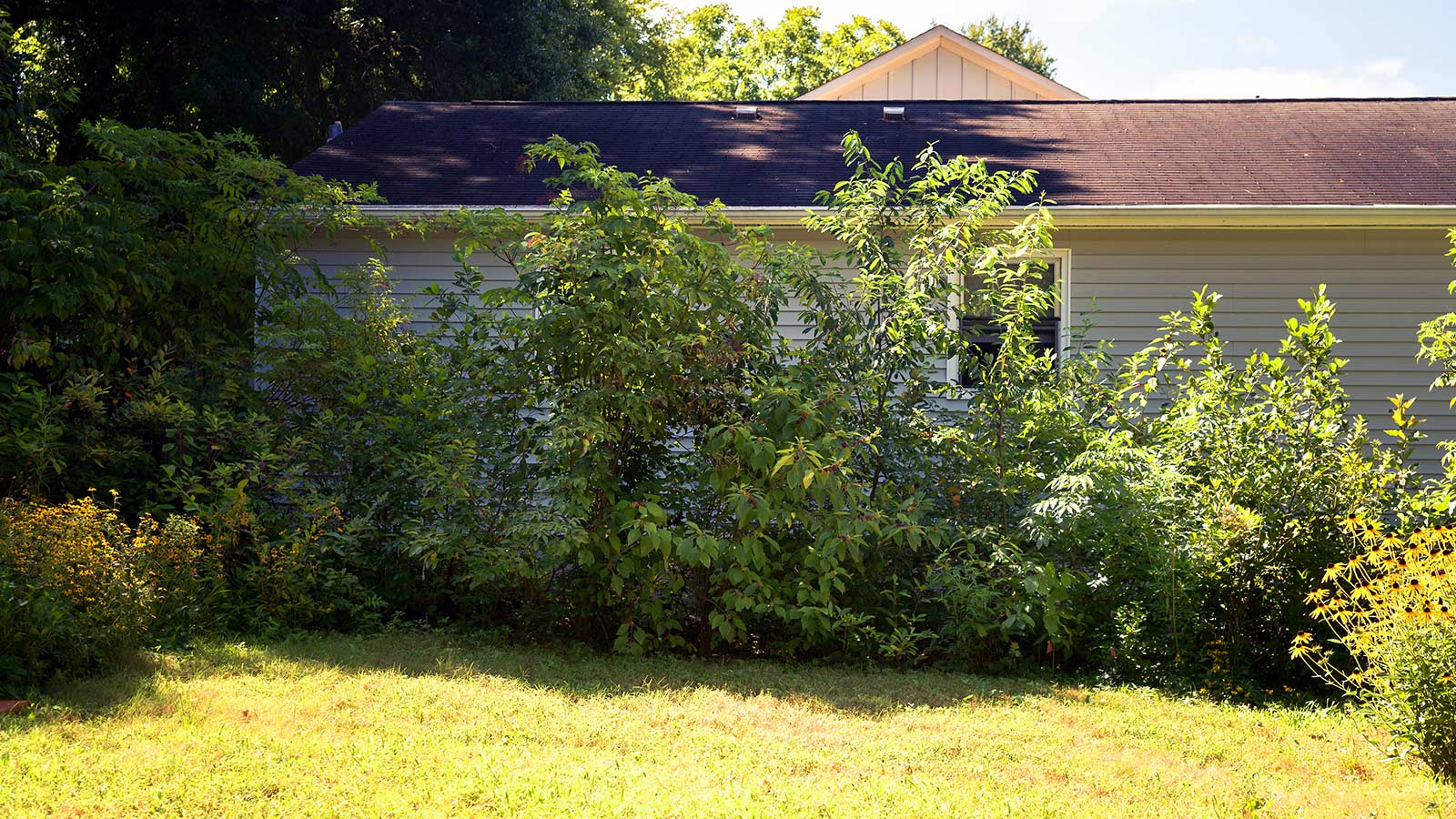
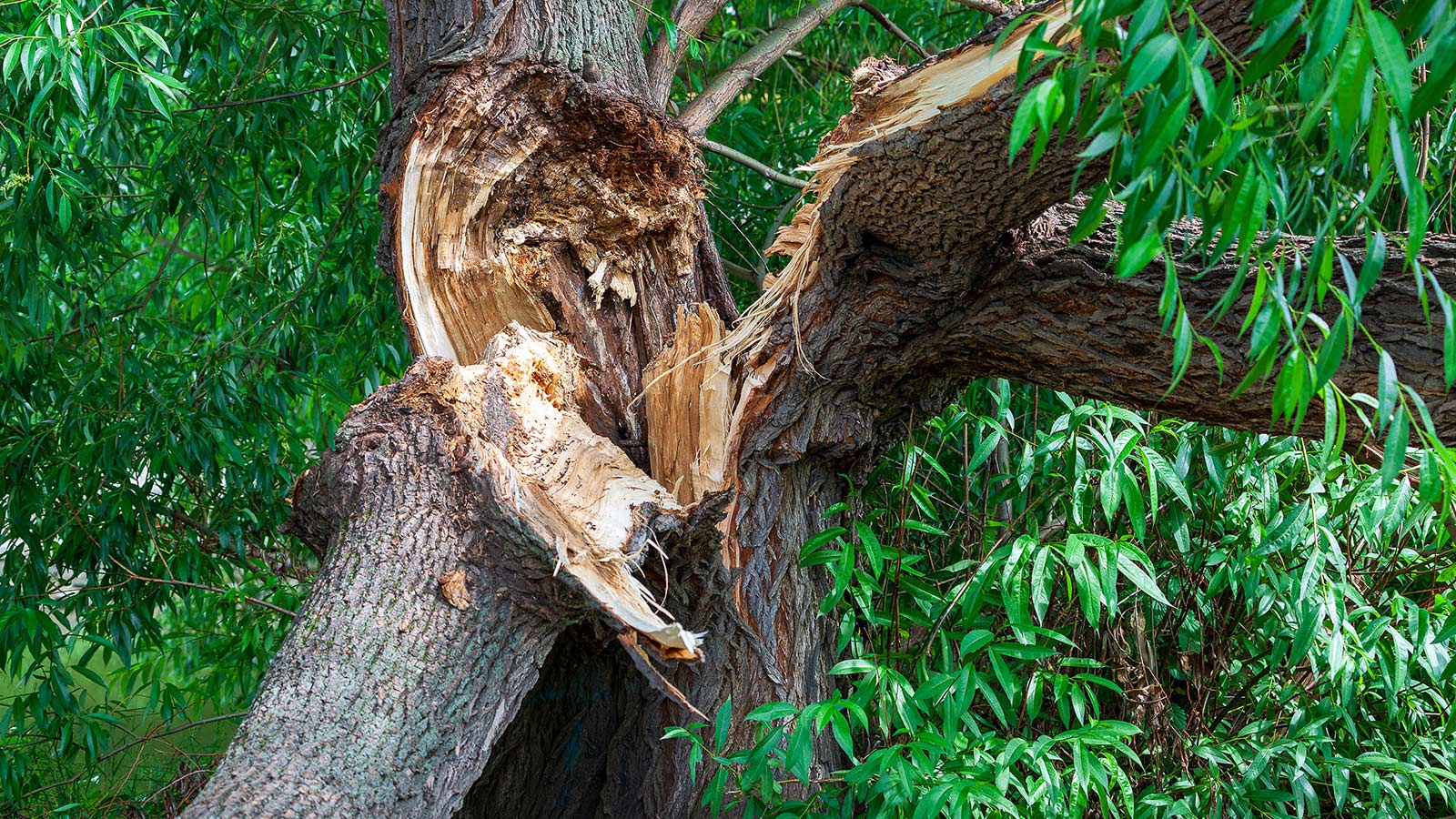
The trees that fail usually show telltale signs before they break or fall. Multiple trunks, long unbalanced limbs, a cracked trunk, a lean that's gotten worse—these are signs we can catch and correct long before a storm ever shows up on the radar. Here are six things to check on your own trees, and what to do about each one.
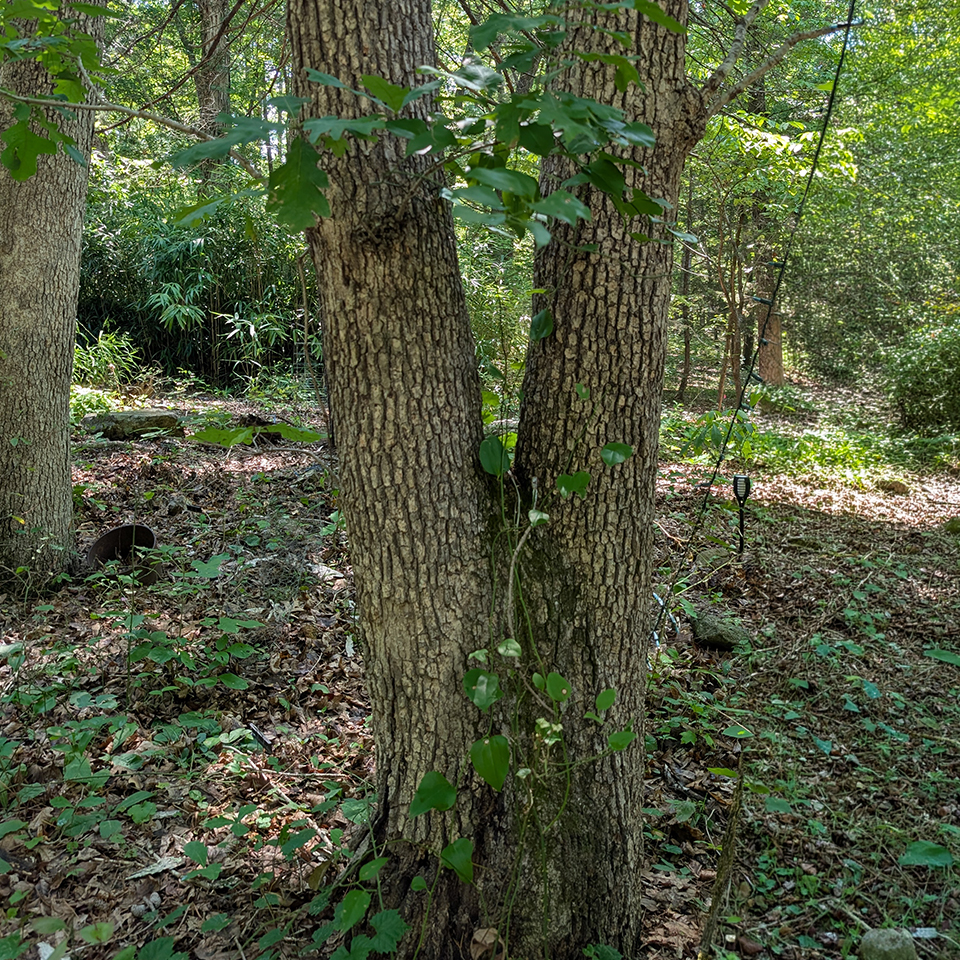
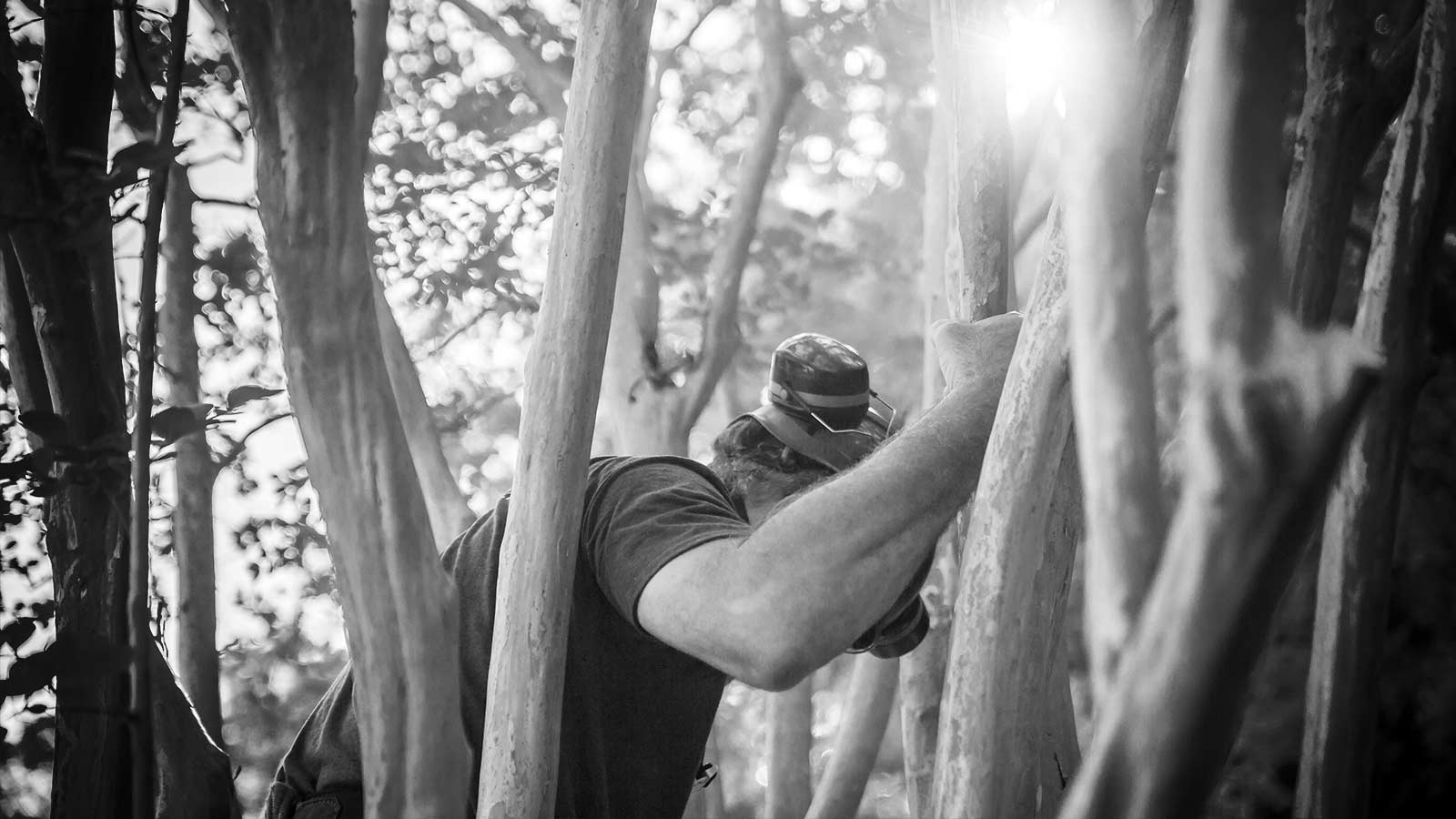
1. Multiple Trunks
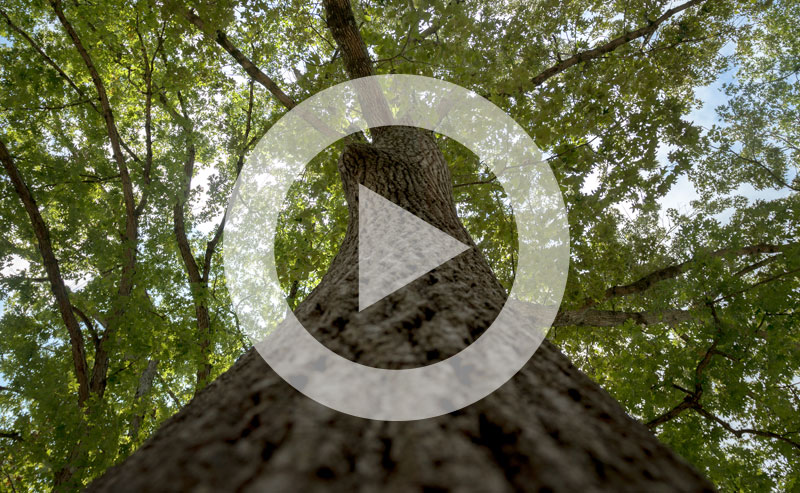
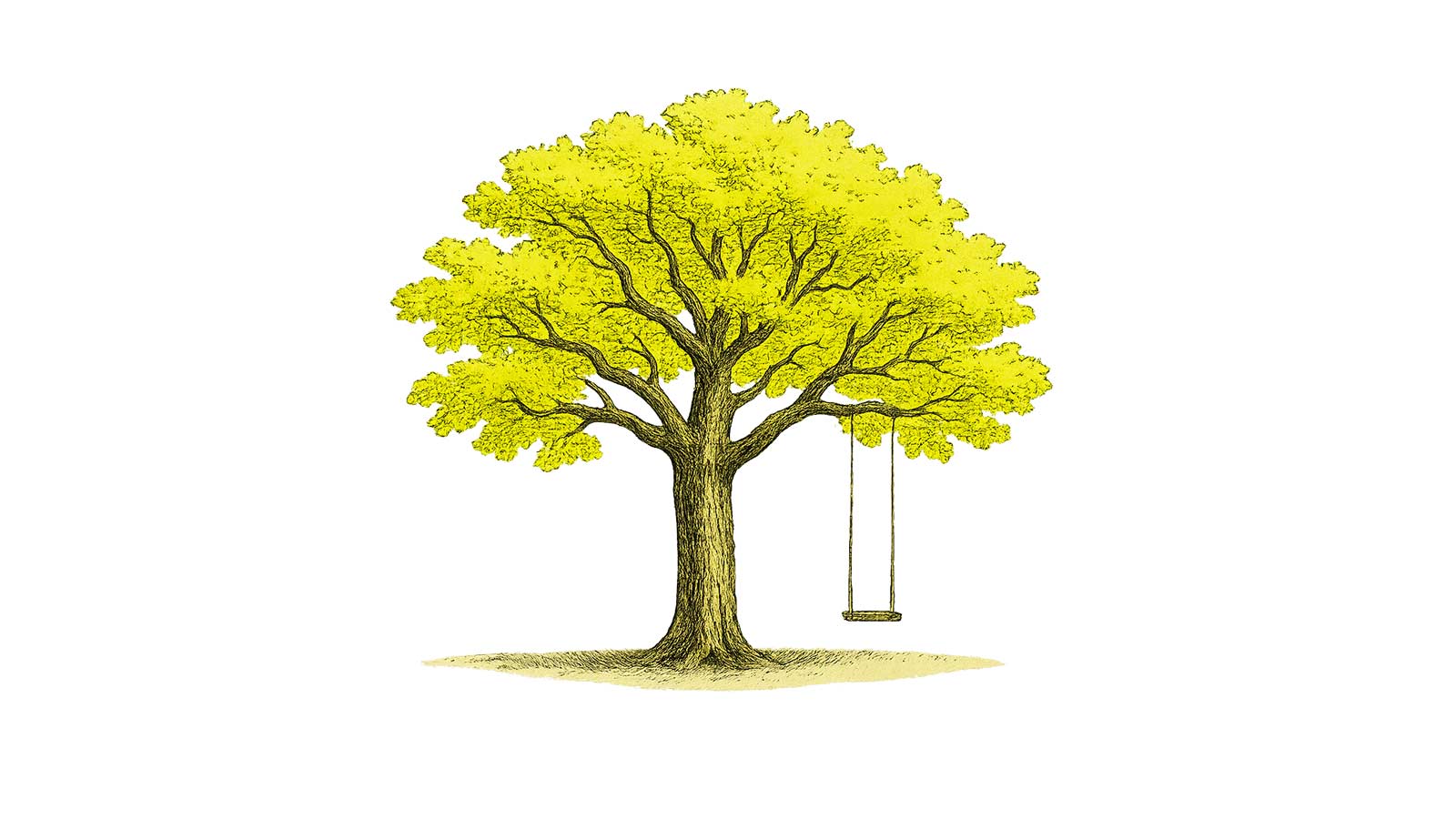
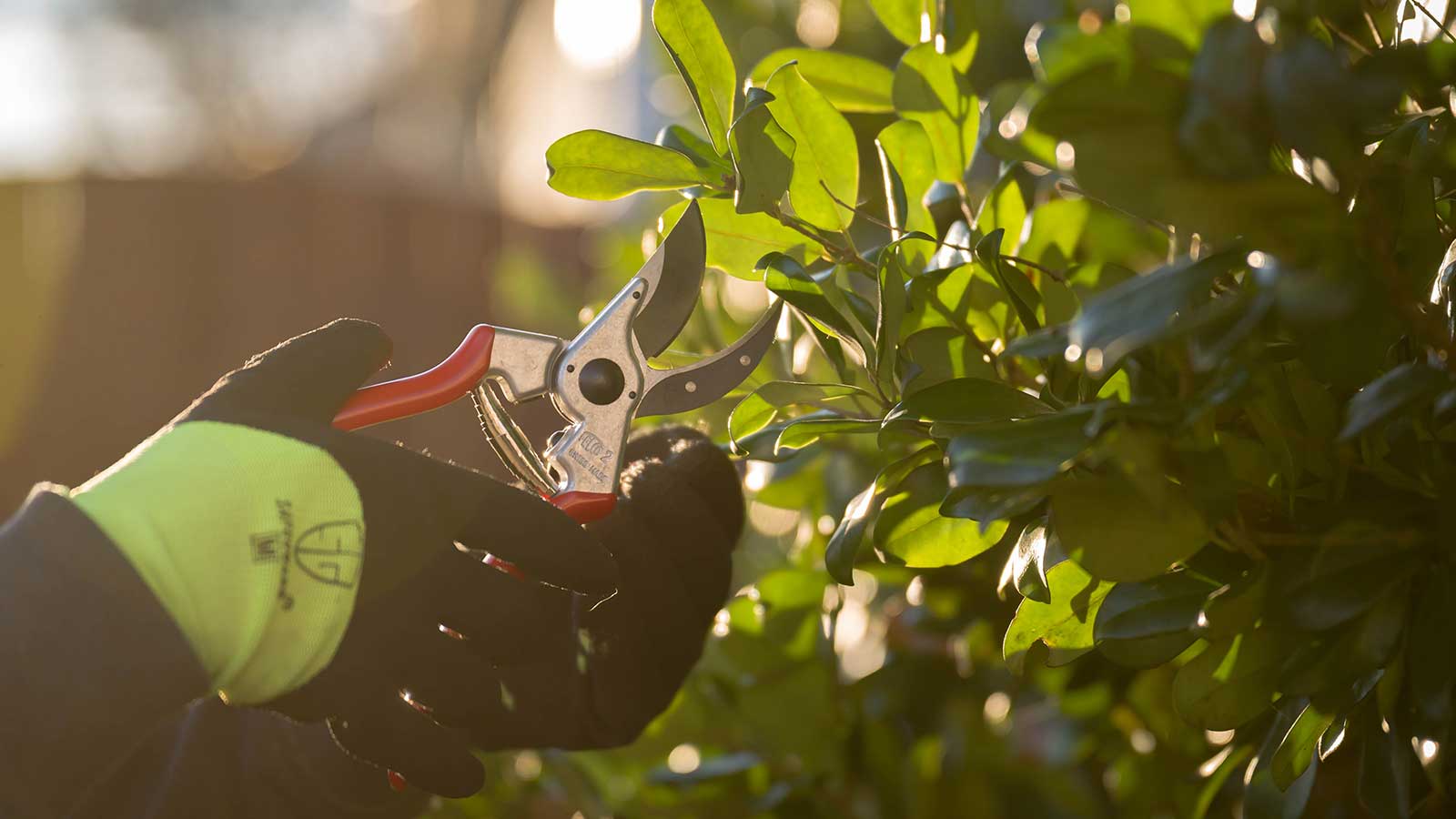
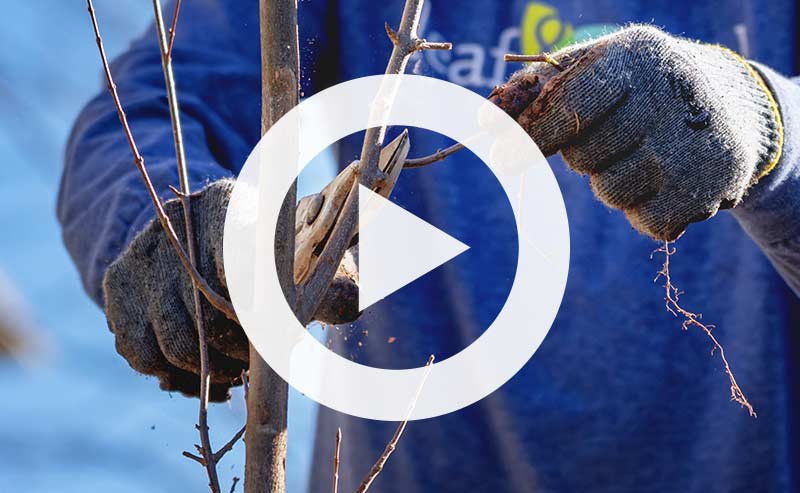
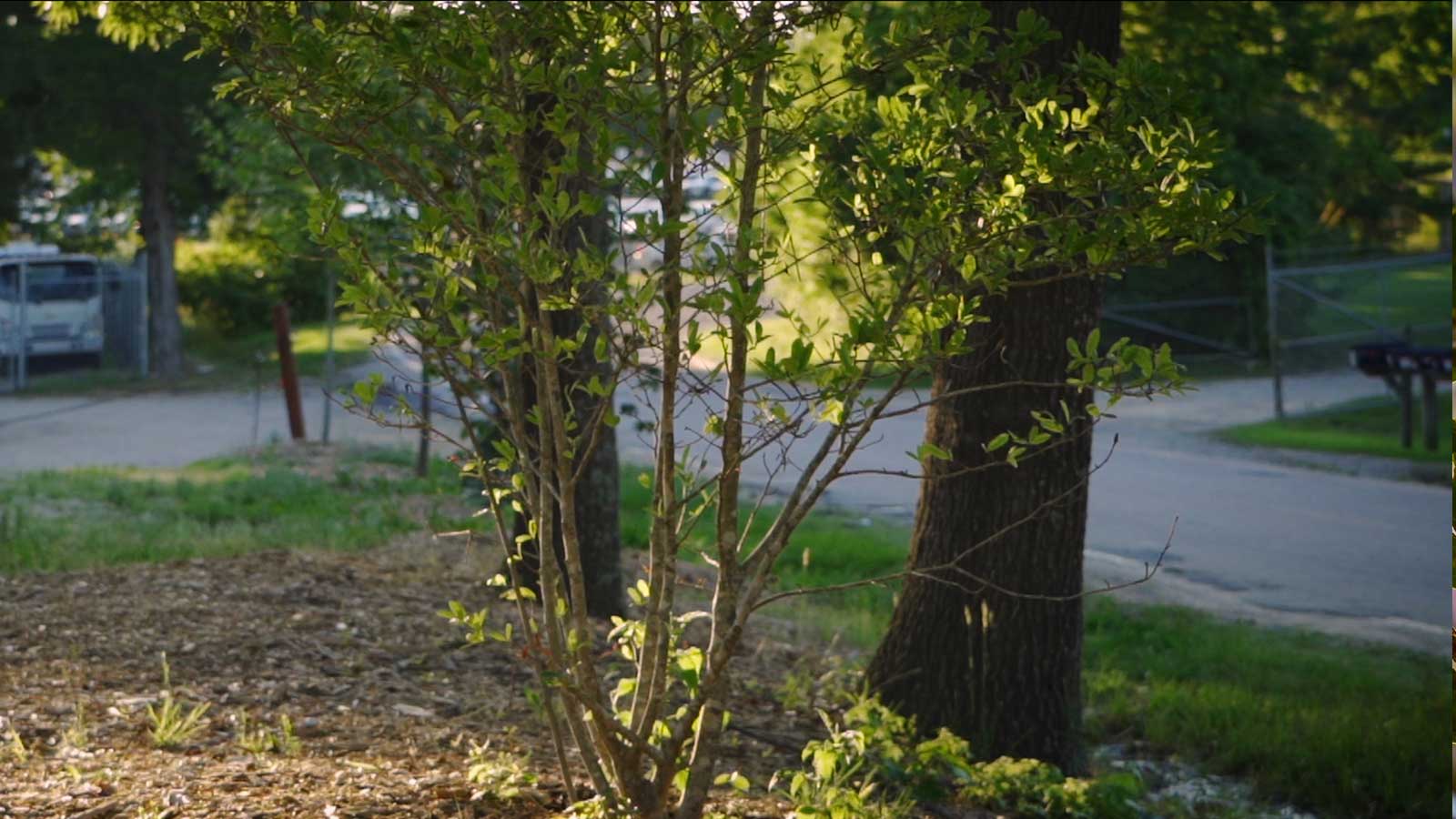
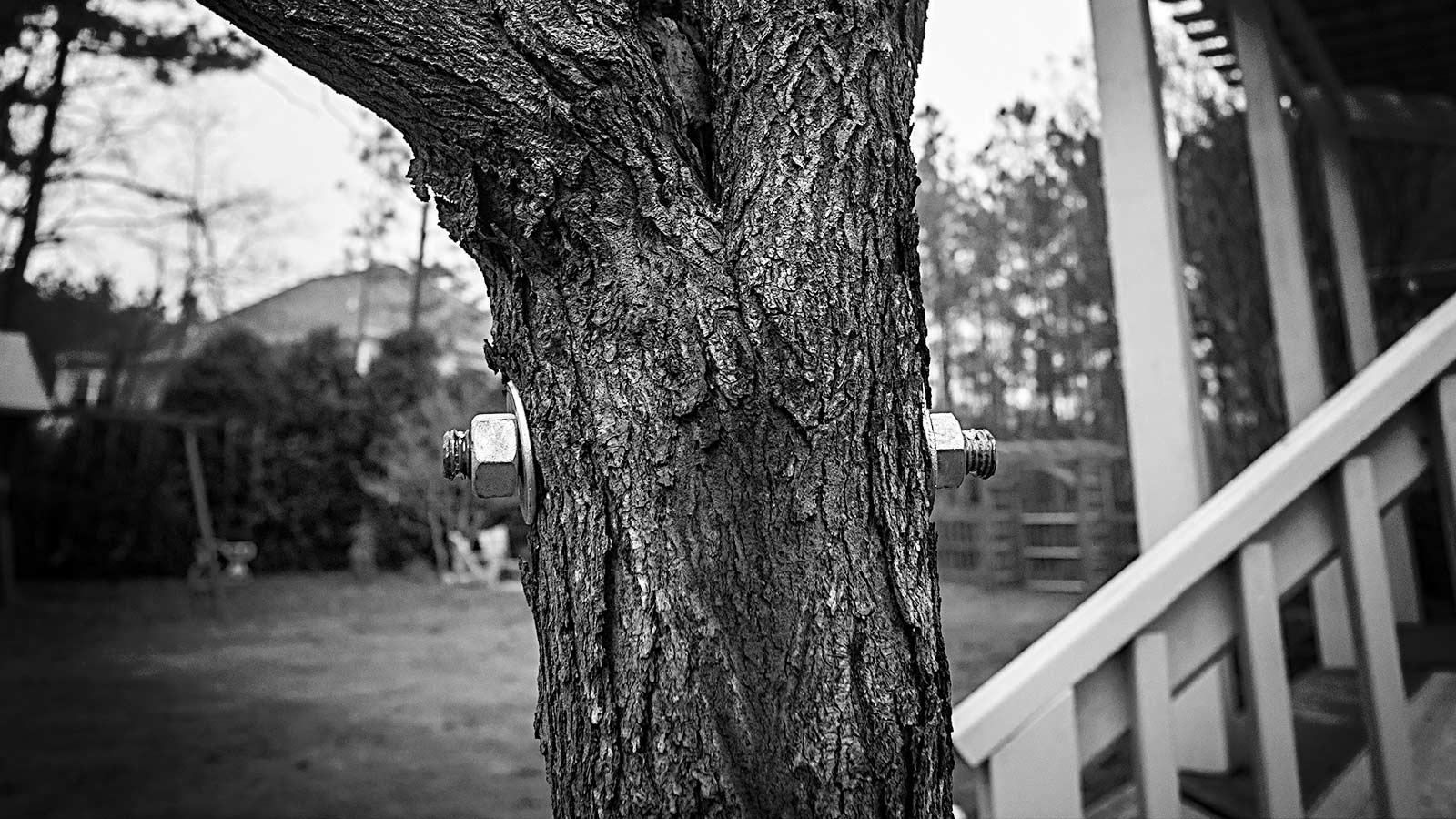
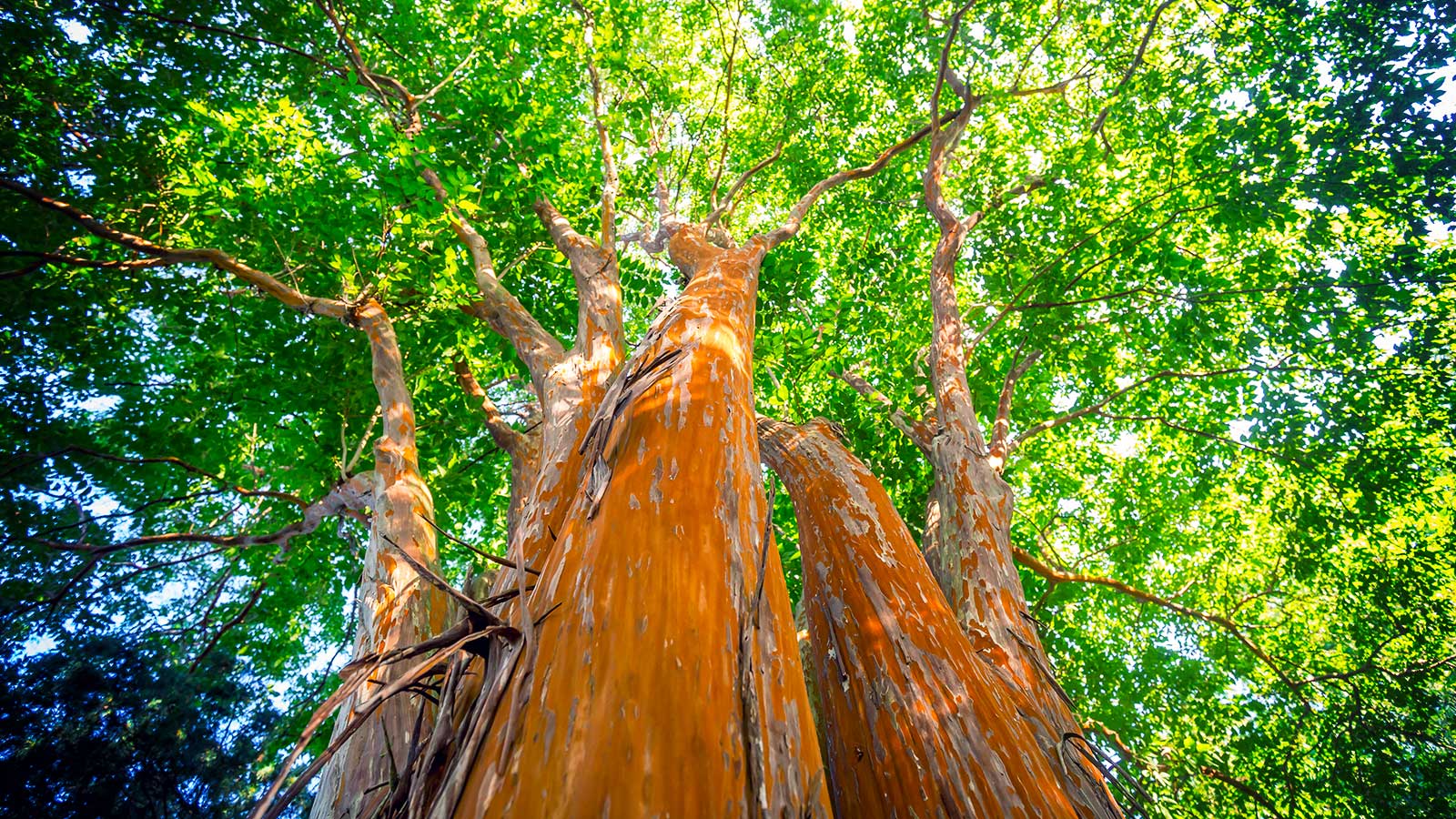
A tree with two or more trunks of similar size is more likely to split apart in high wind, because those trunks aren't attached to each other as strongly as a branch is attached to a trunk. Structural pruning can select one main trunk and reduce the others so the tree grows into a stronger shape over time.
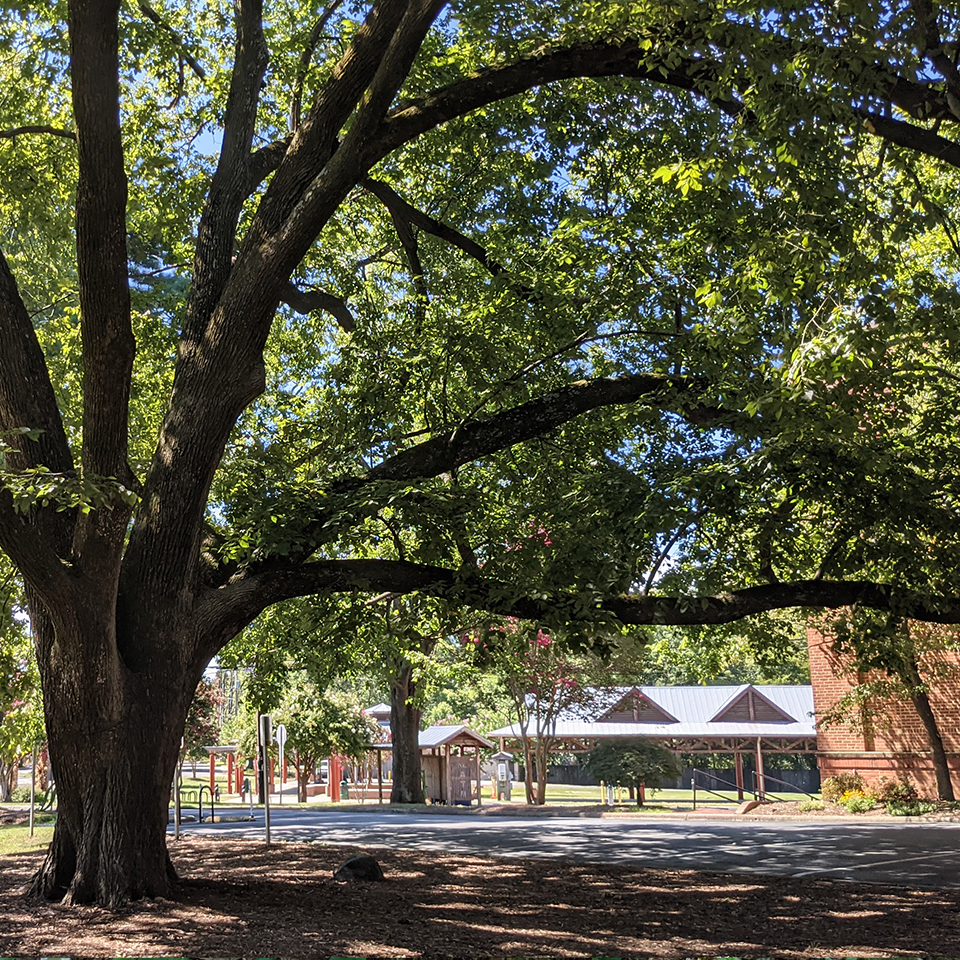
2. Long, Heavy Limbs
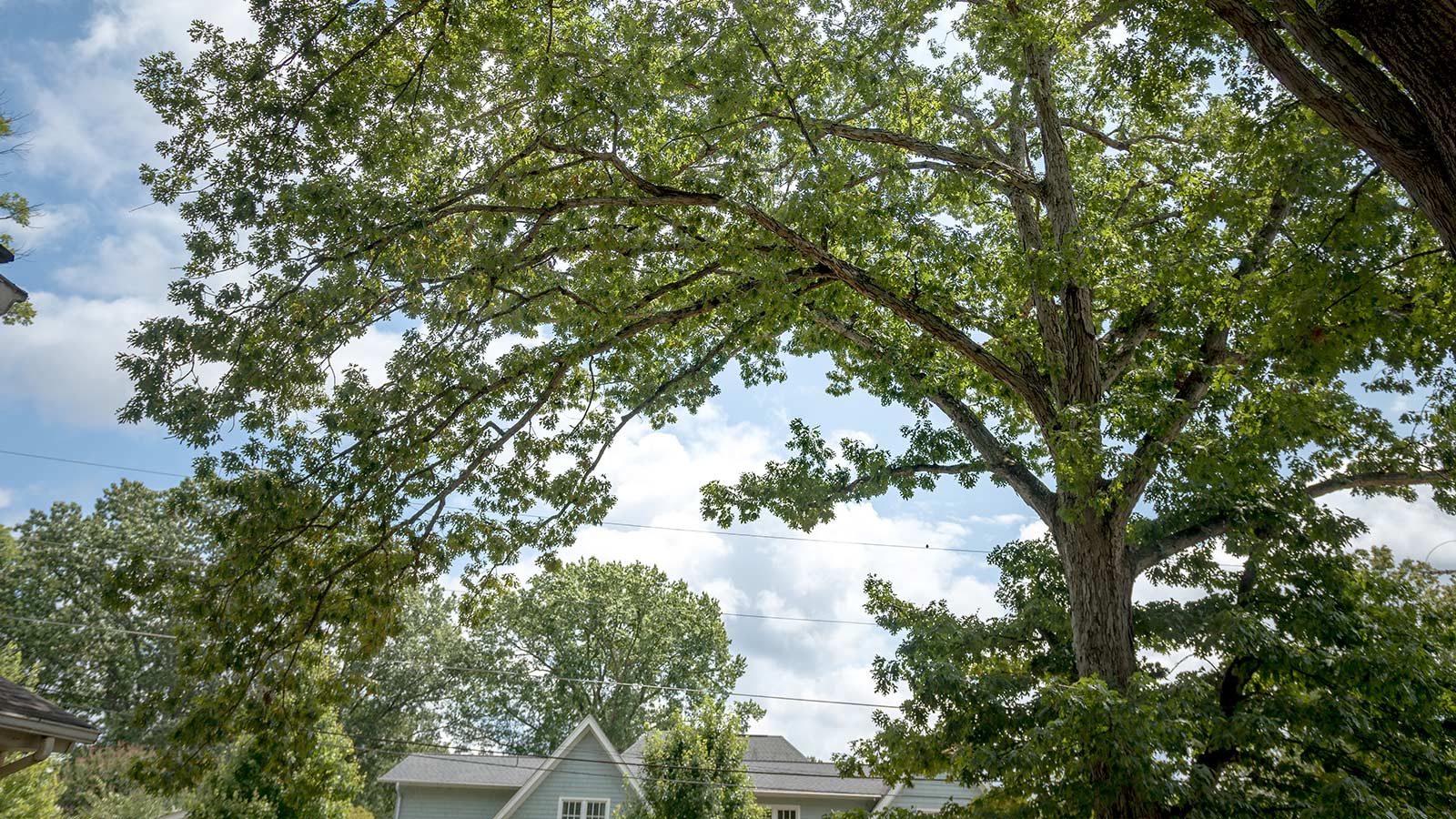
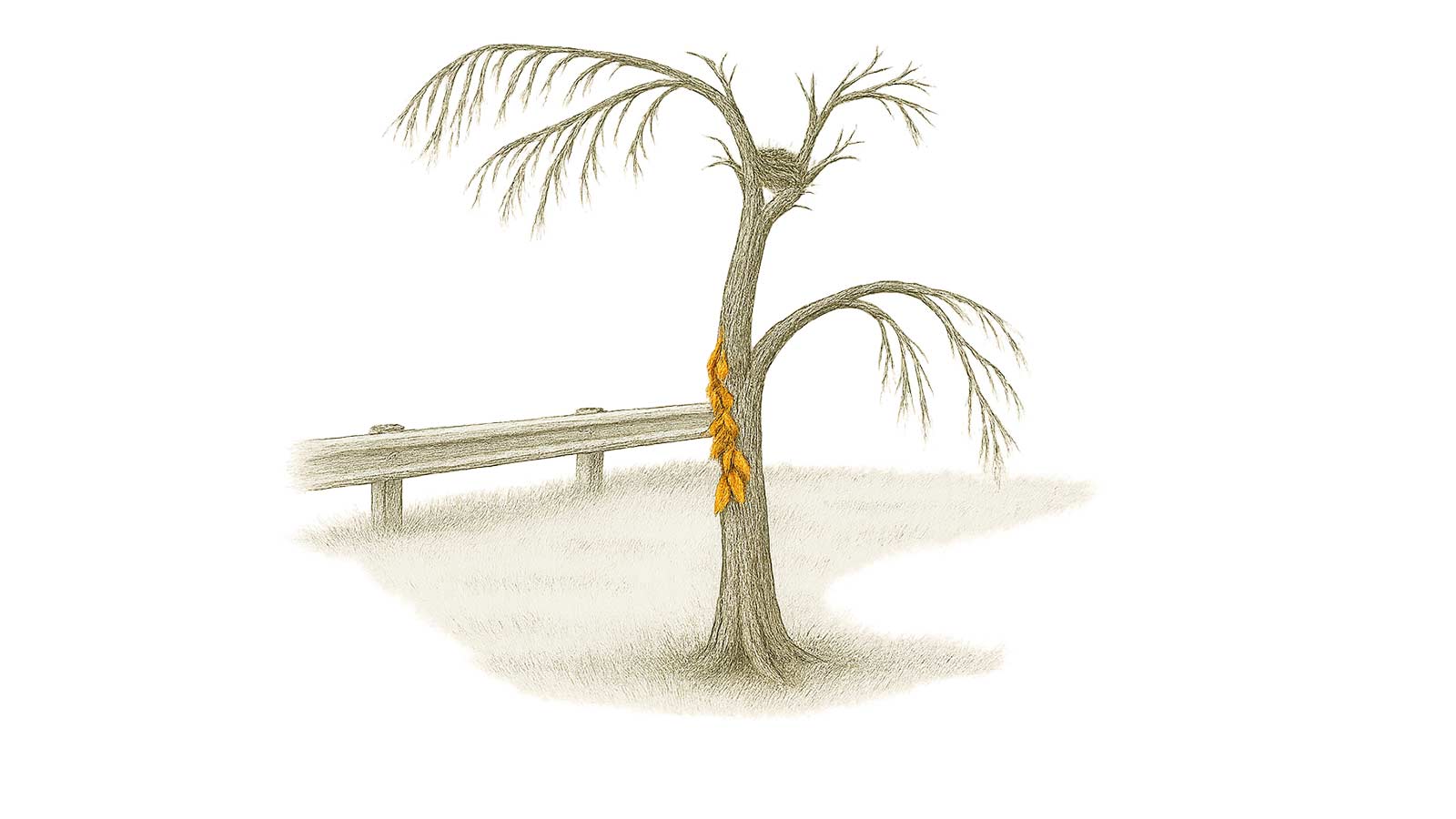
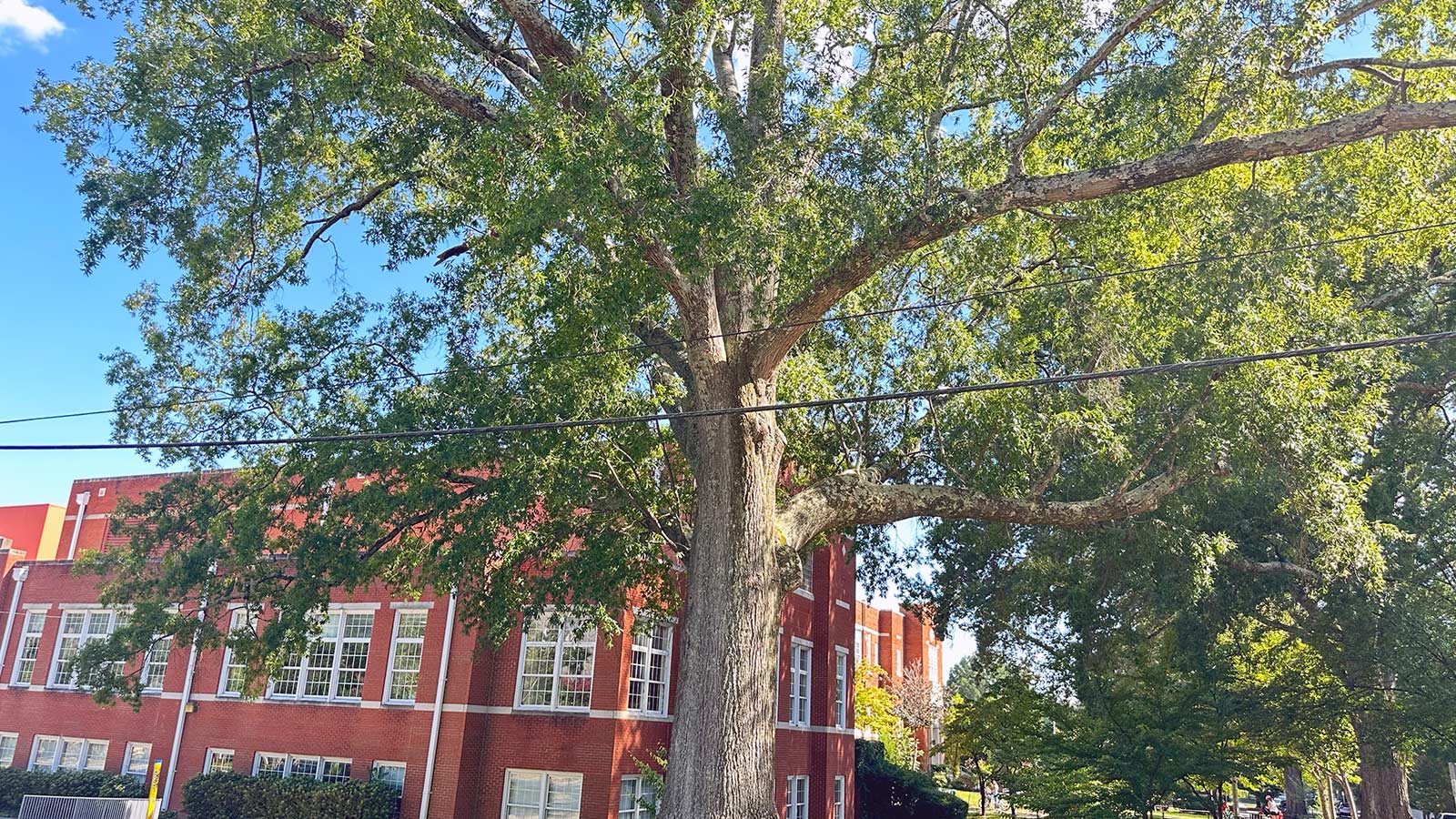
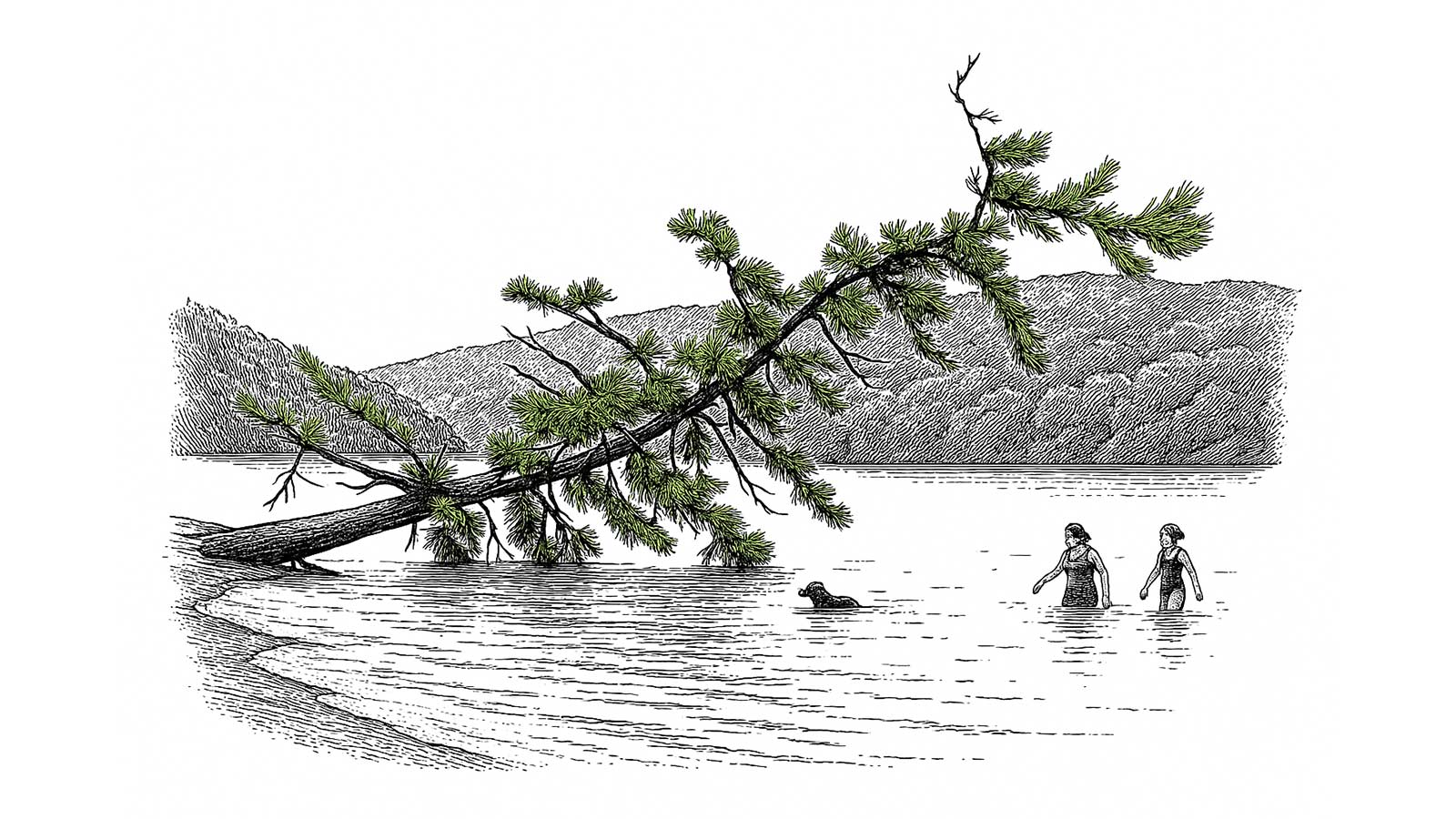
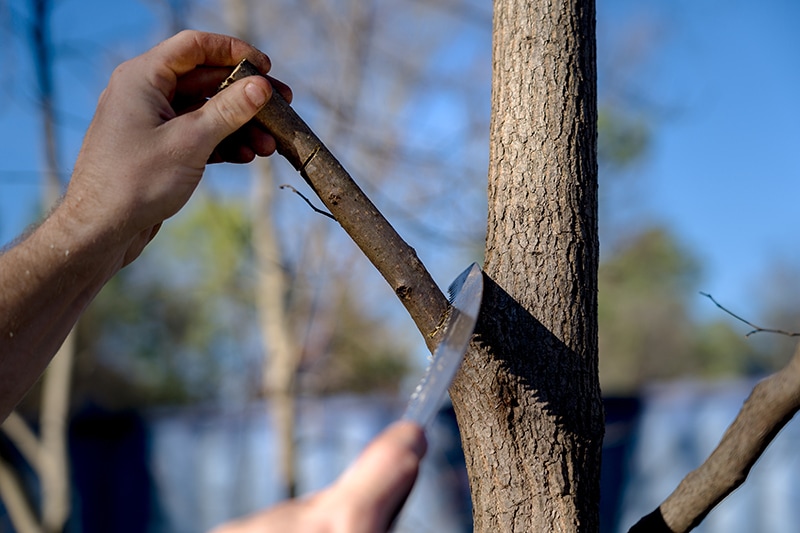
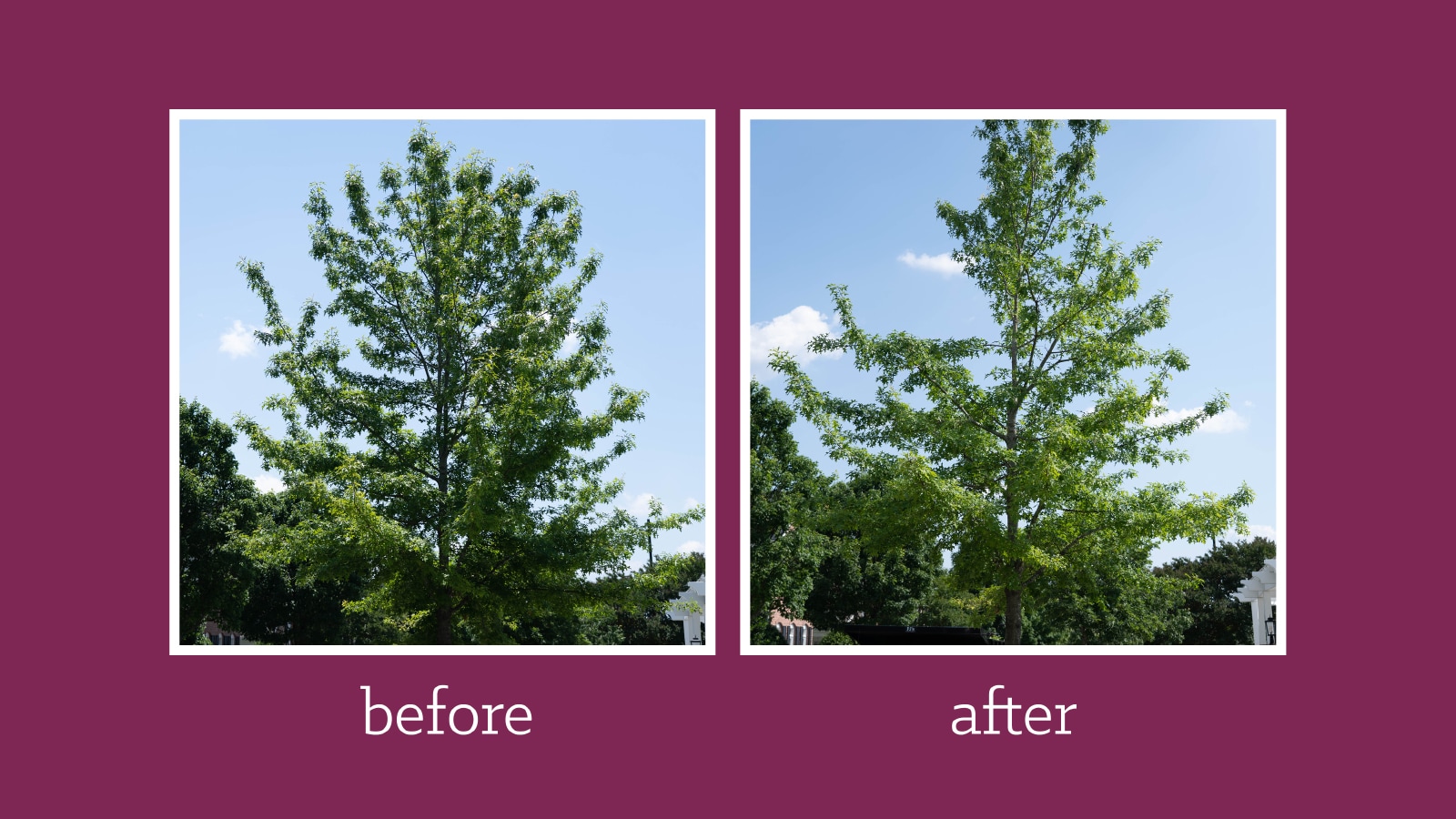
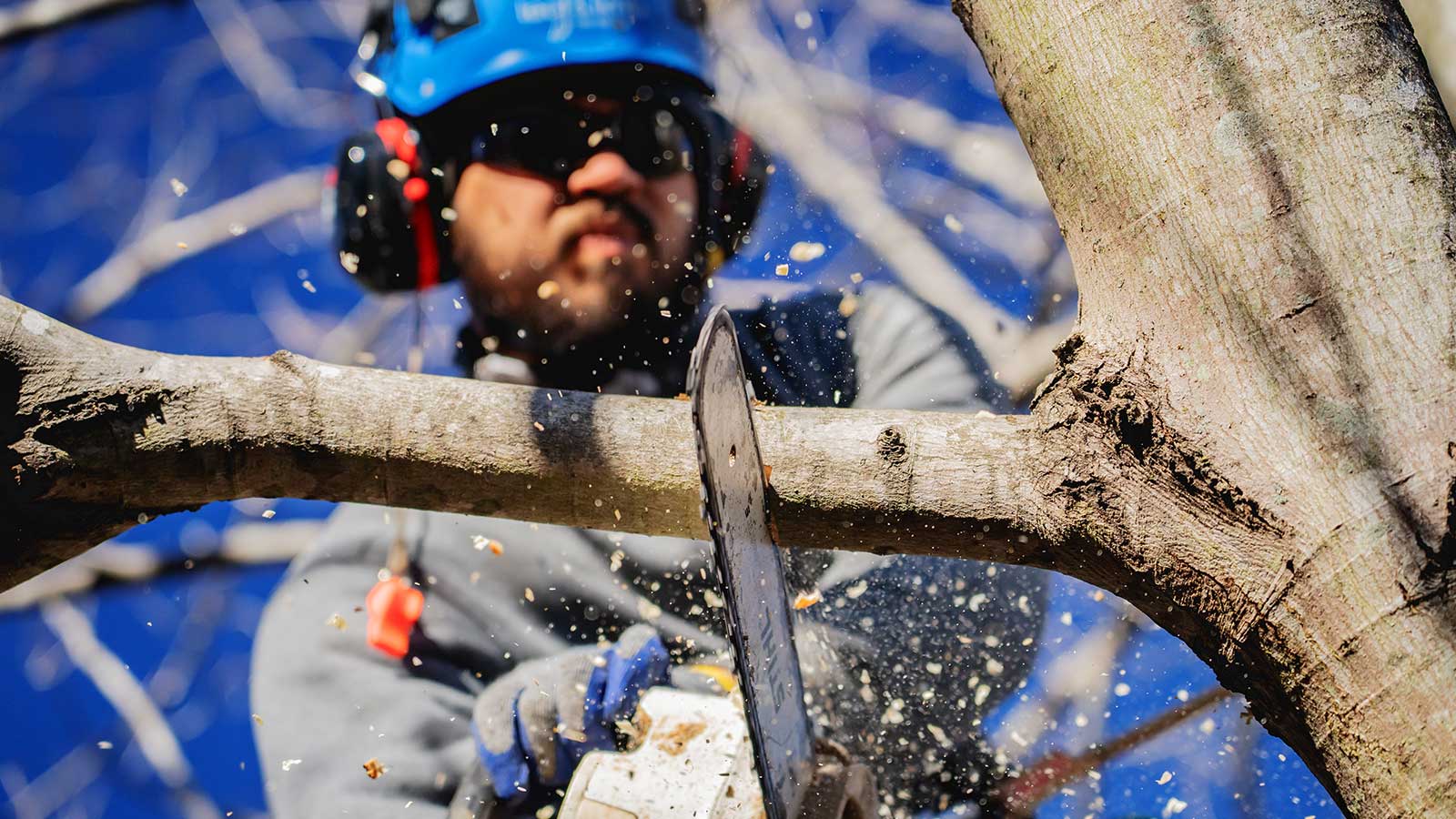
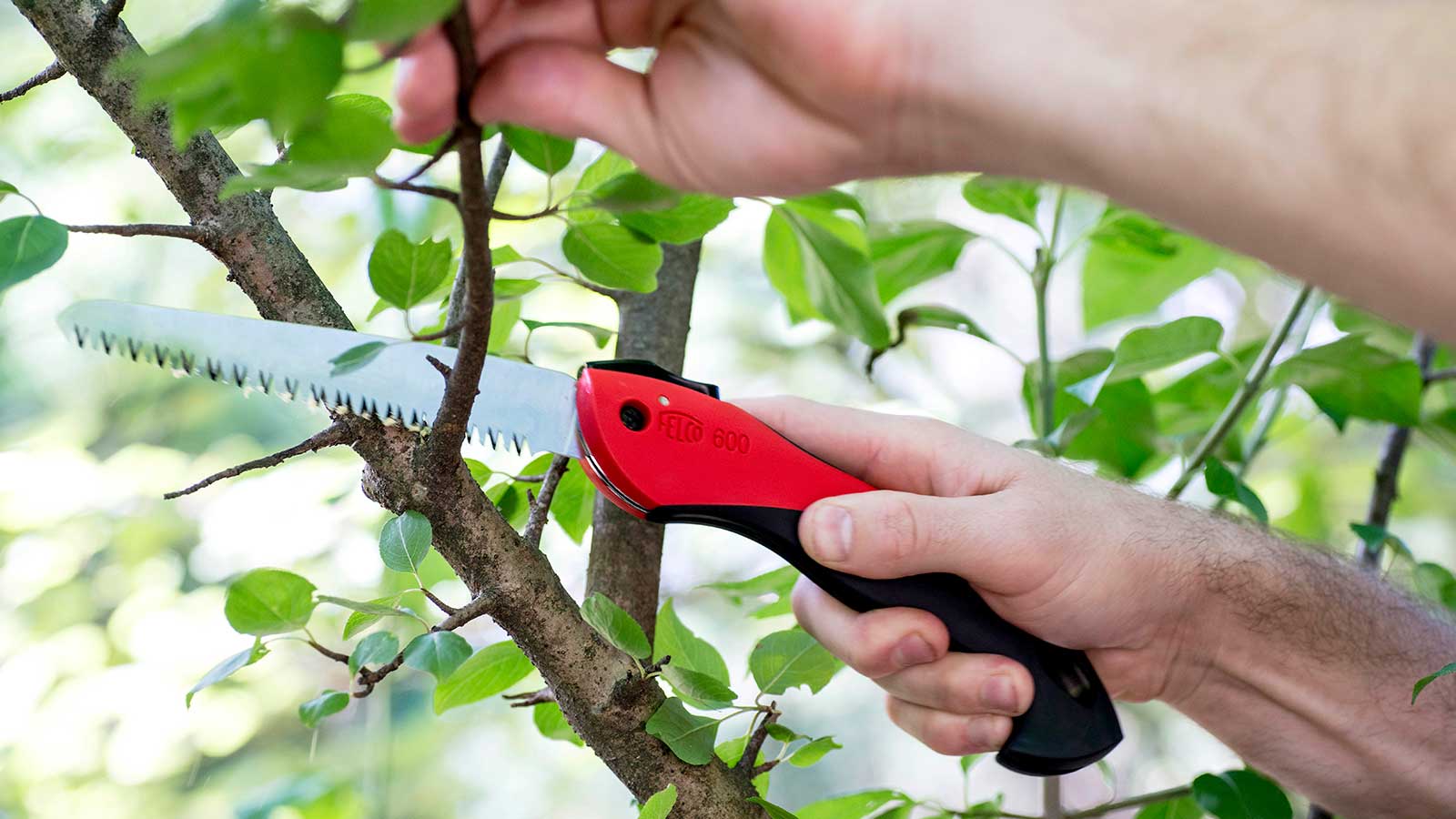
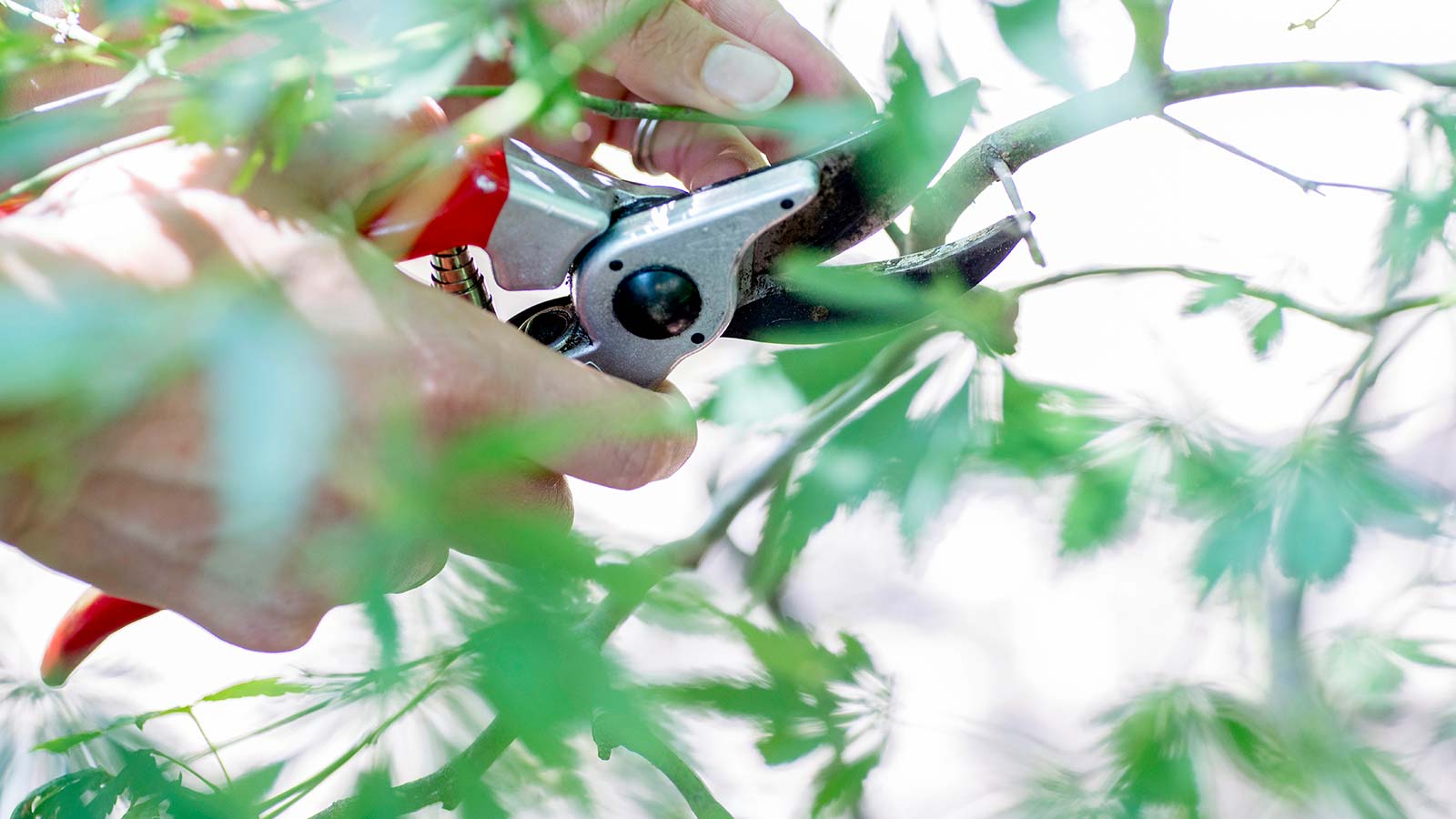
A limb that extends much farther than the rest of the canopy ccarries more weight and experiences greater leverage forces. These limbs can usually be shortened through careful pruning cuts rather than removed outright, correcting the imbalance while keeping the tree's overall shape.
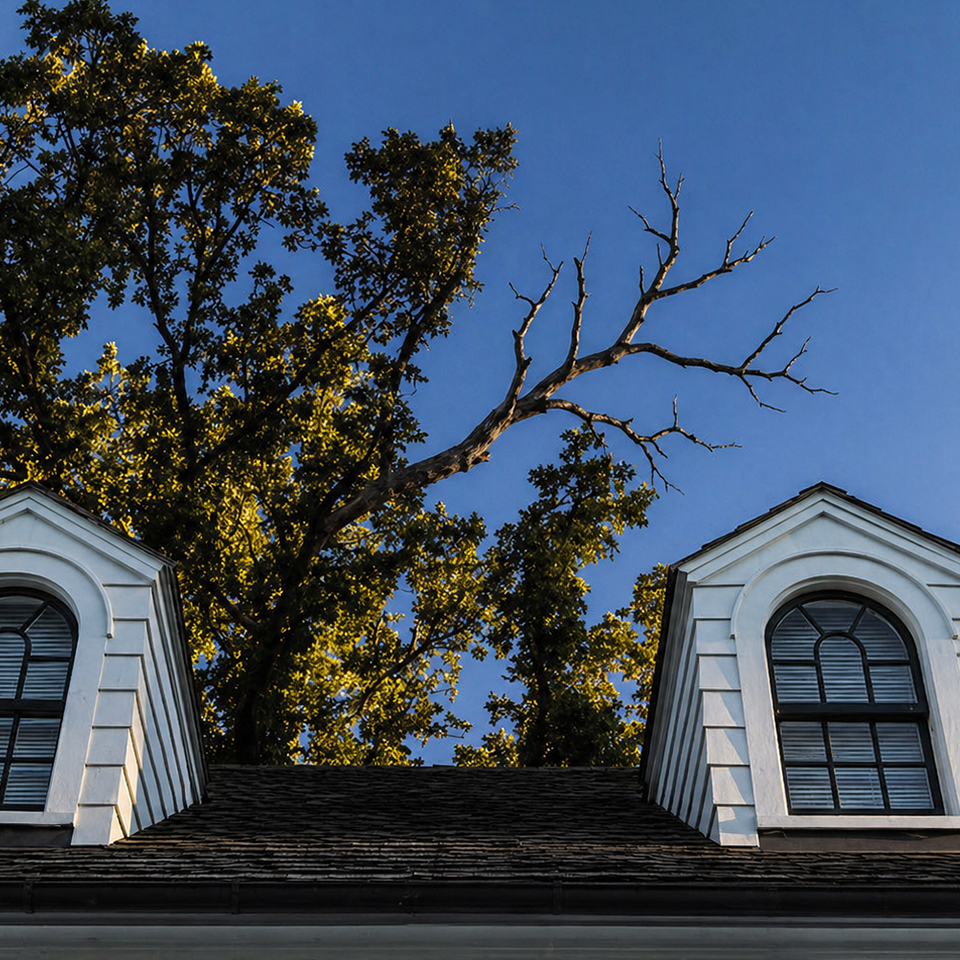
3. Large Dead Branches
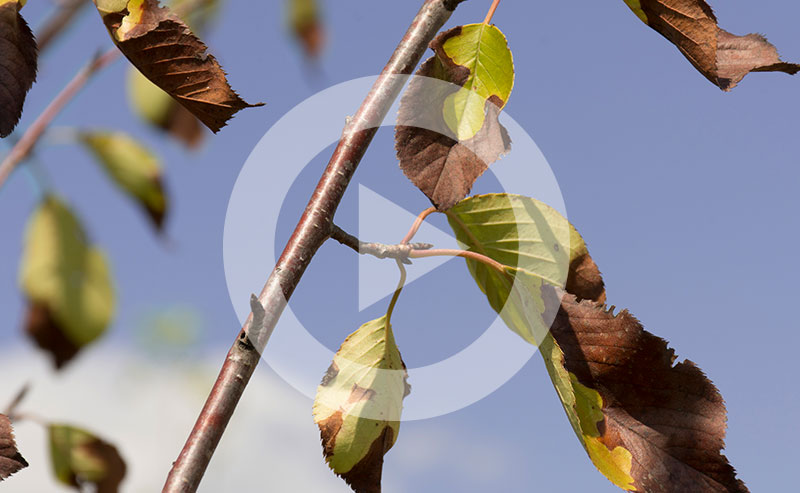
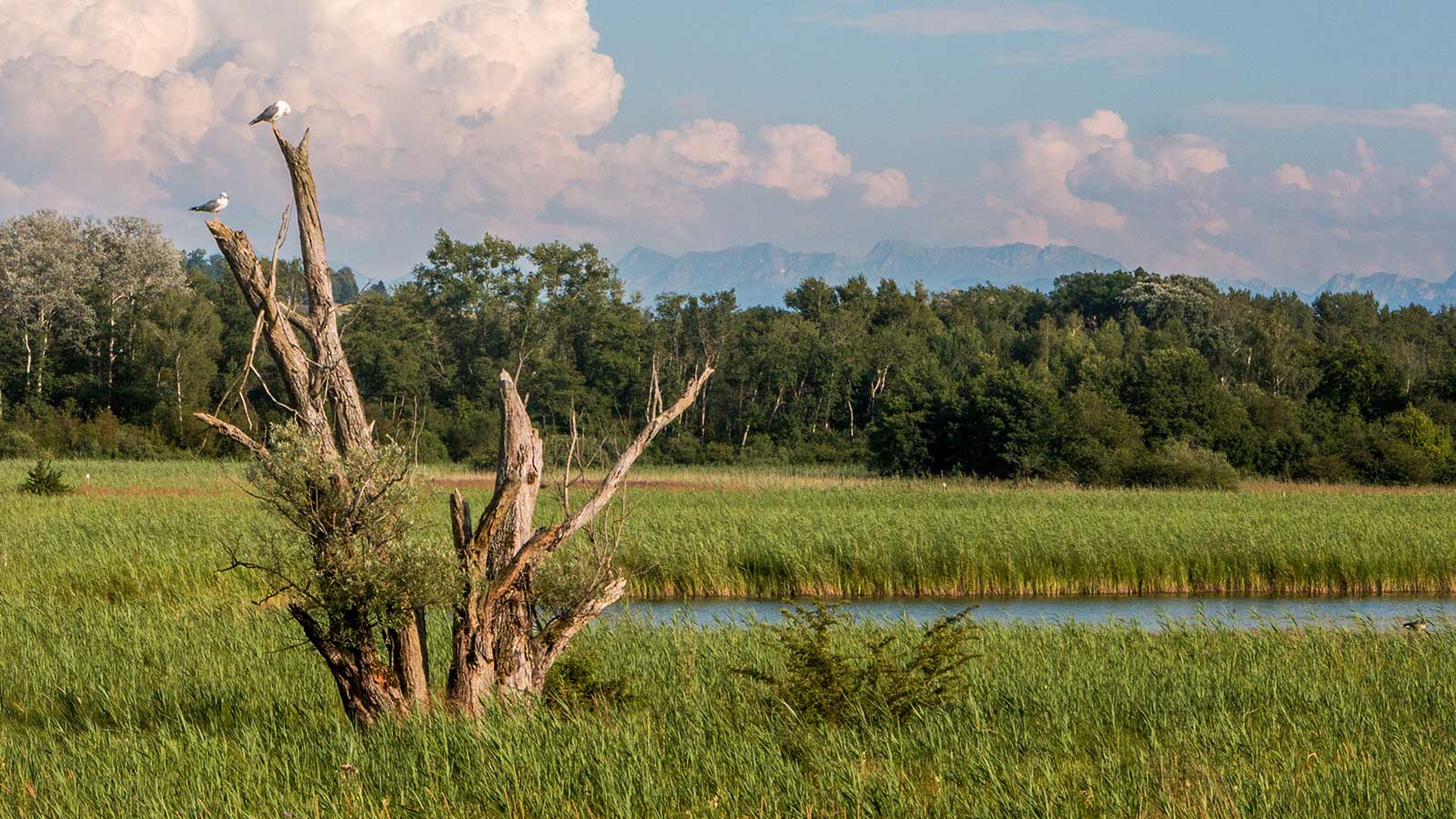
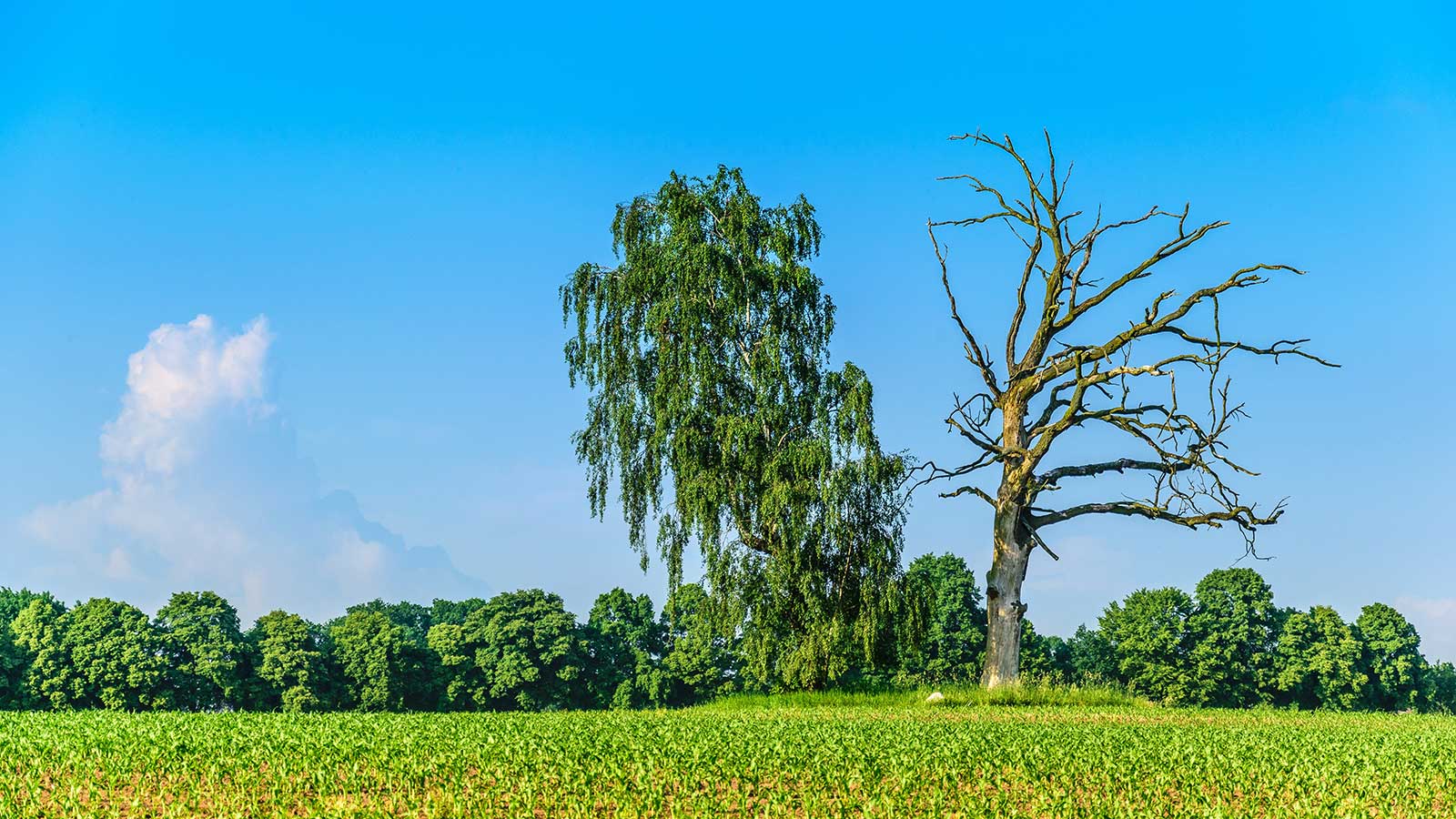
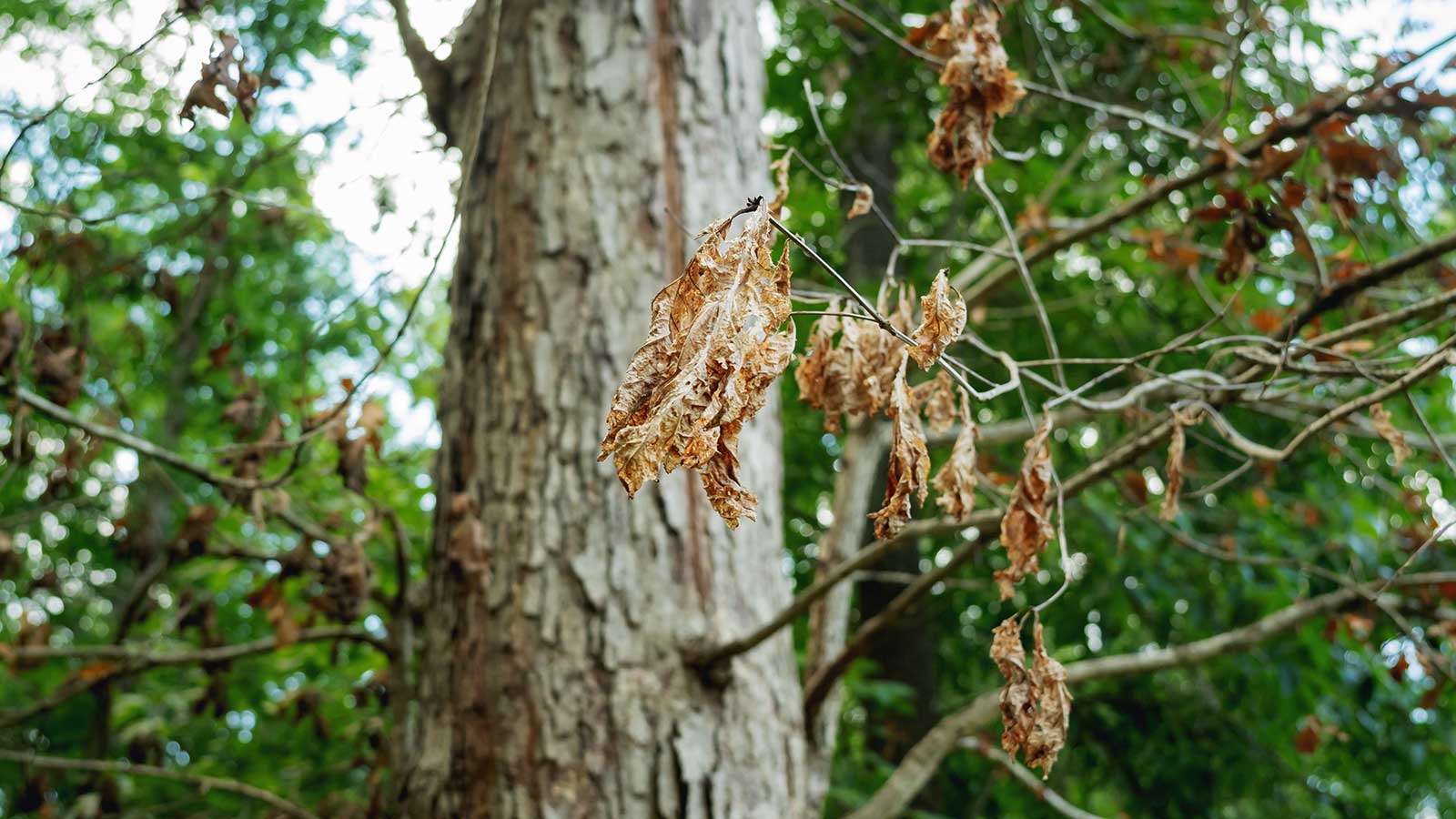
A few dead branches are normal. Trees are constantly shedding limbs they no longer need. But a large dead branch positioned over a house, driveway, or play area should come down before wind or ice brings it down on its schedule instead of yours.

4. Trunk Damage
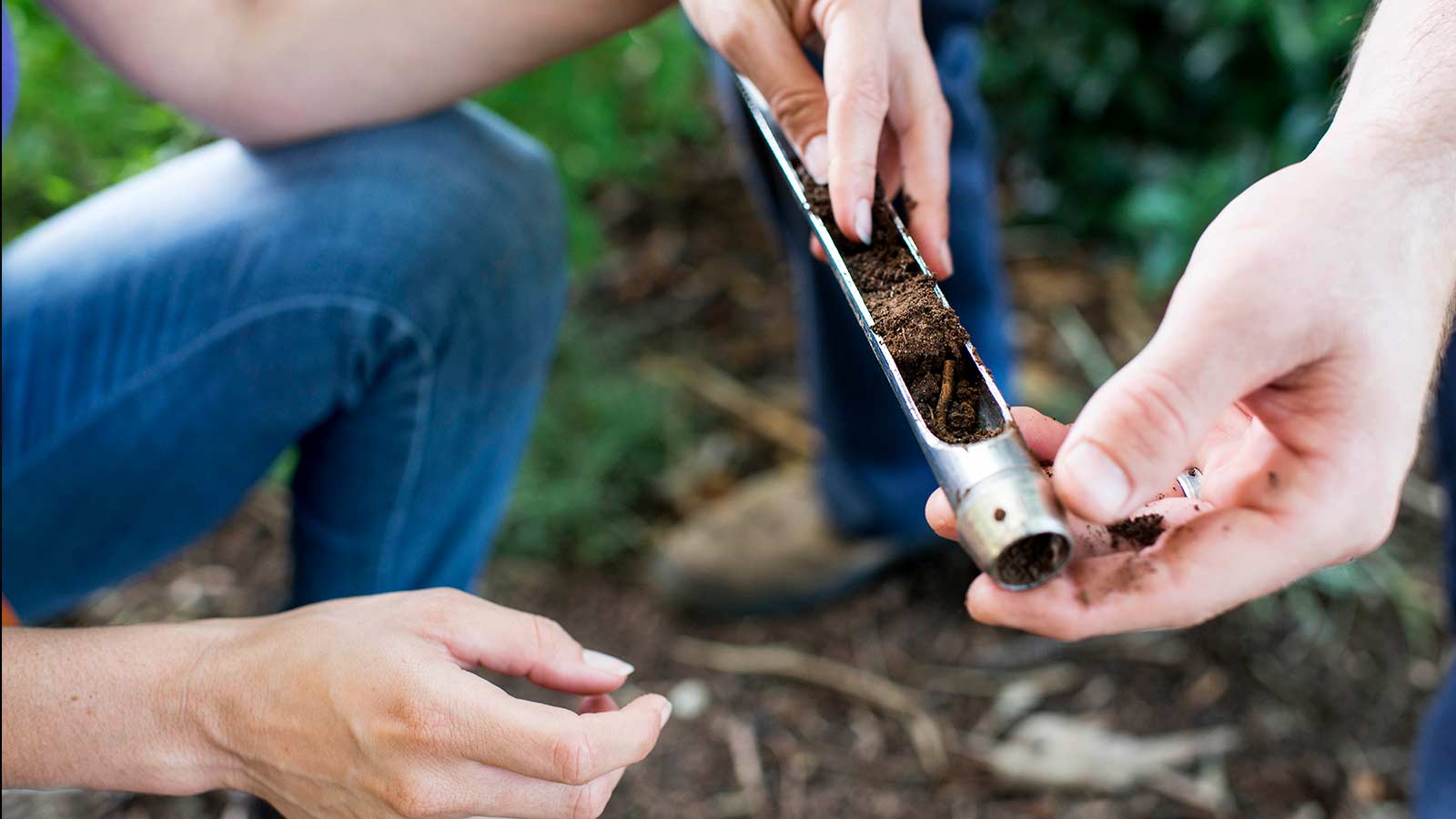
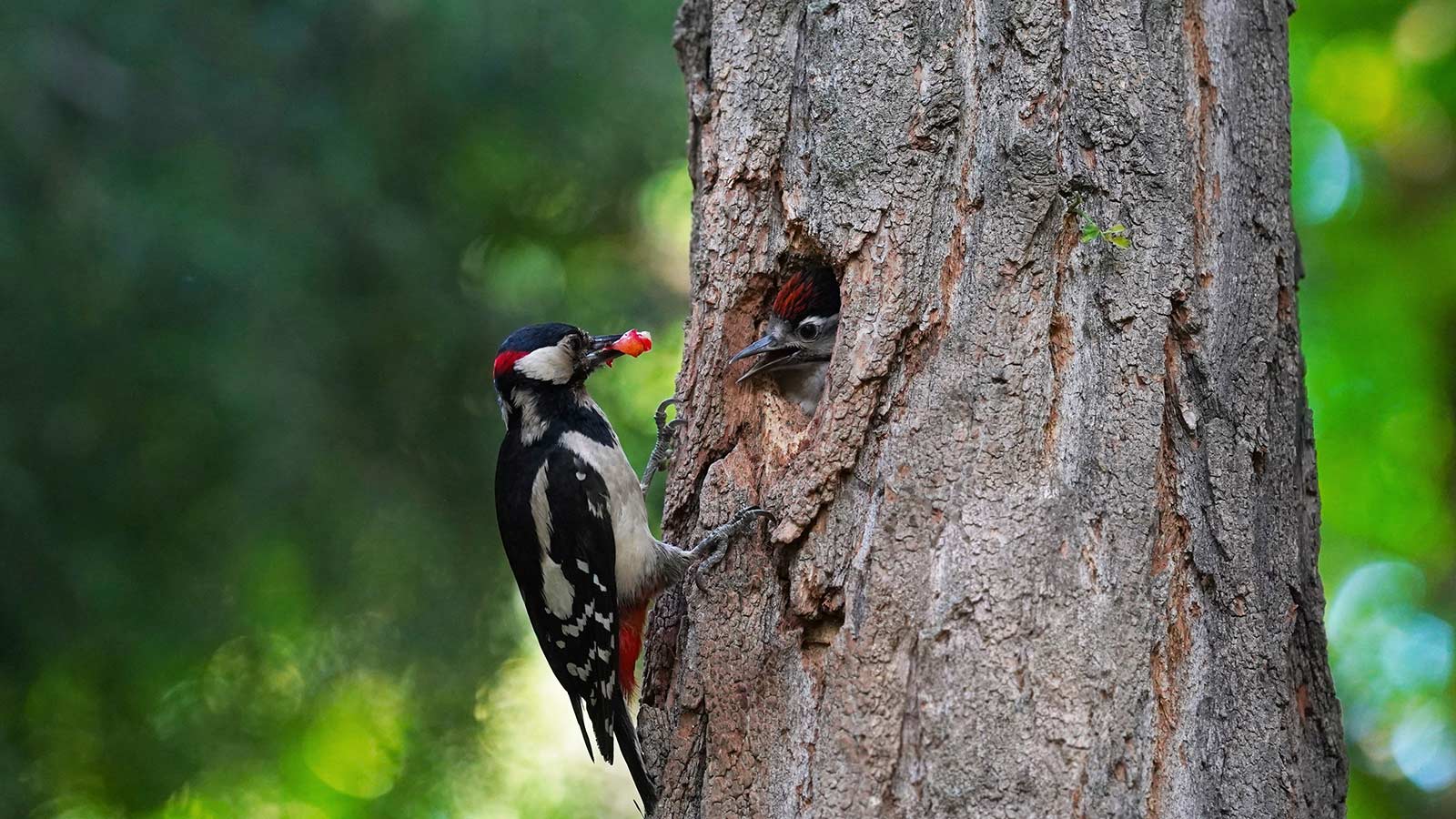
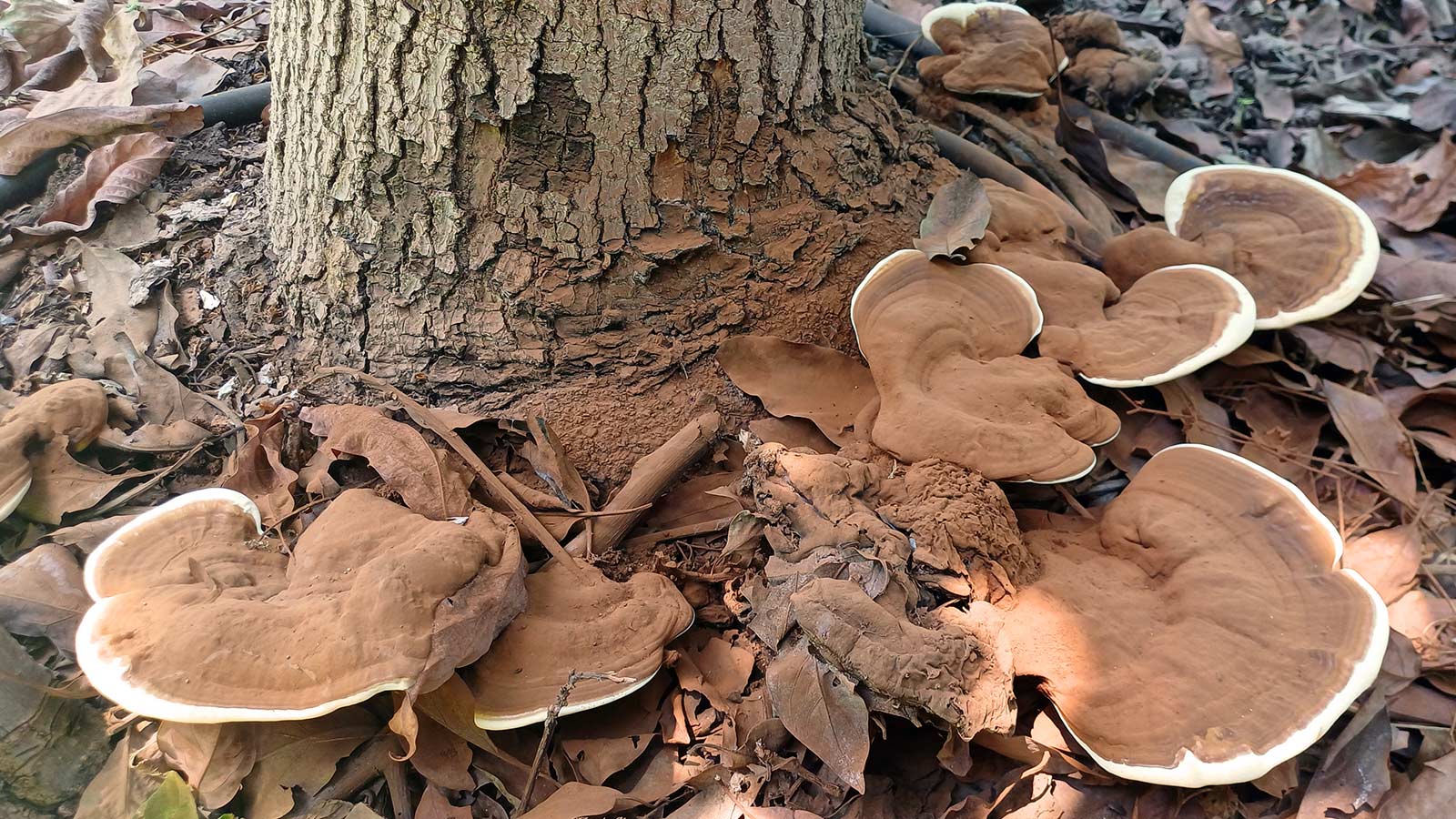
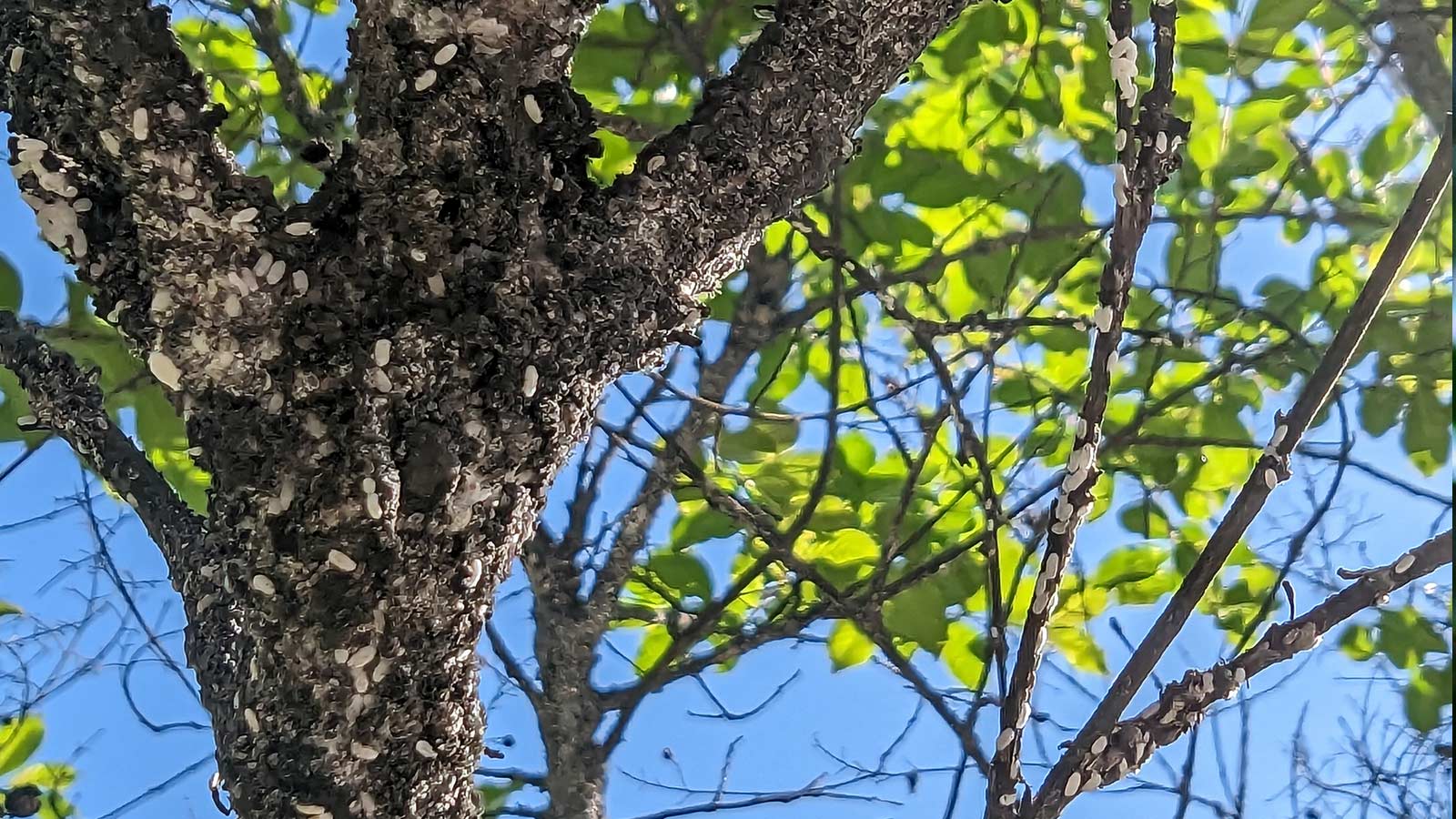
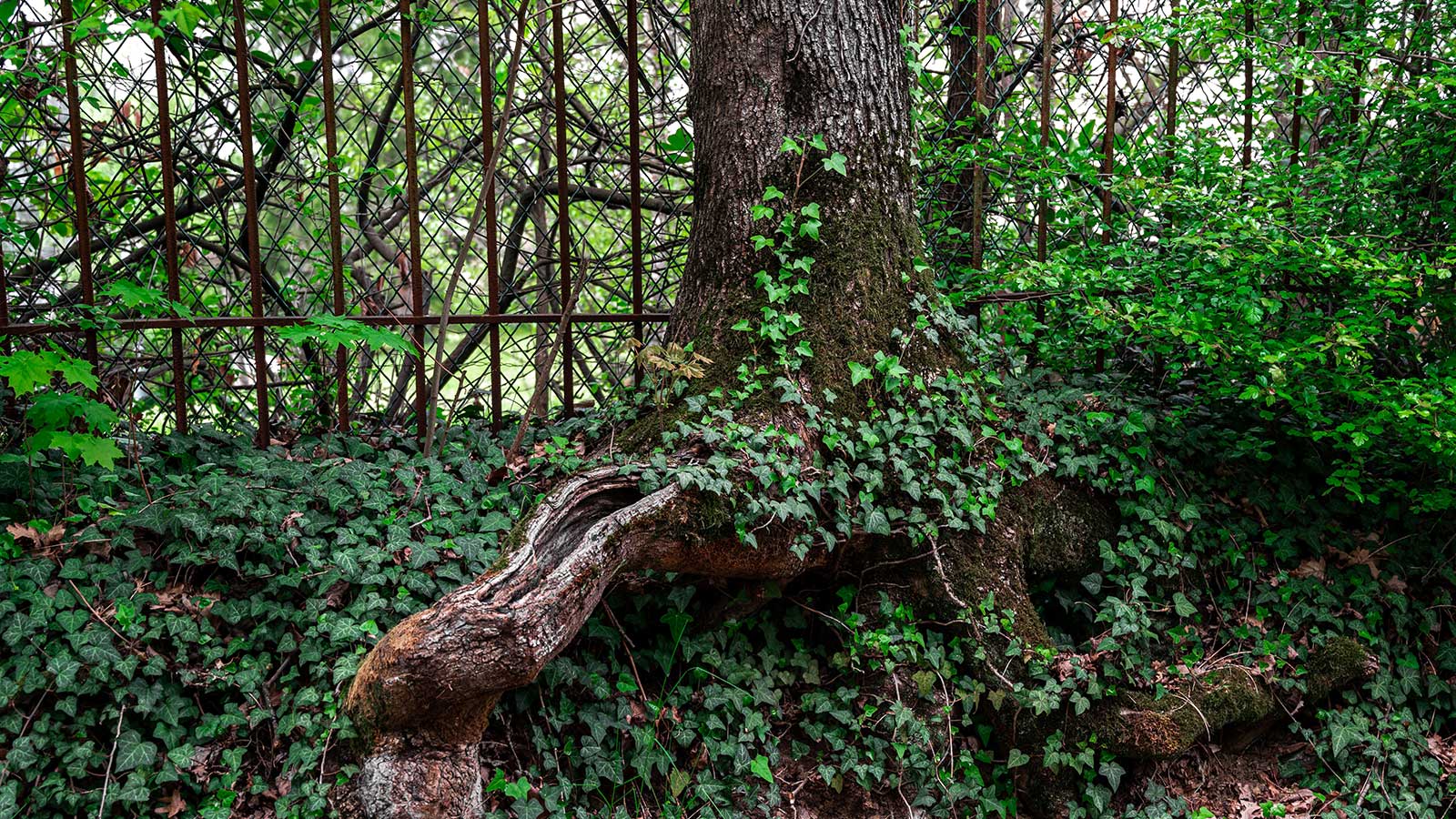
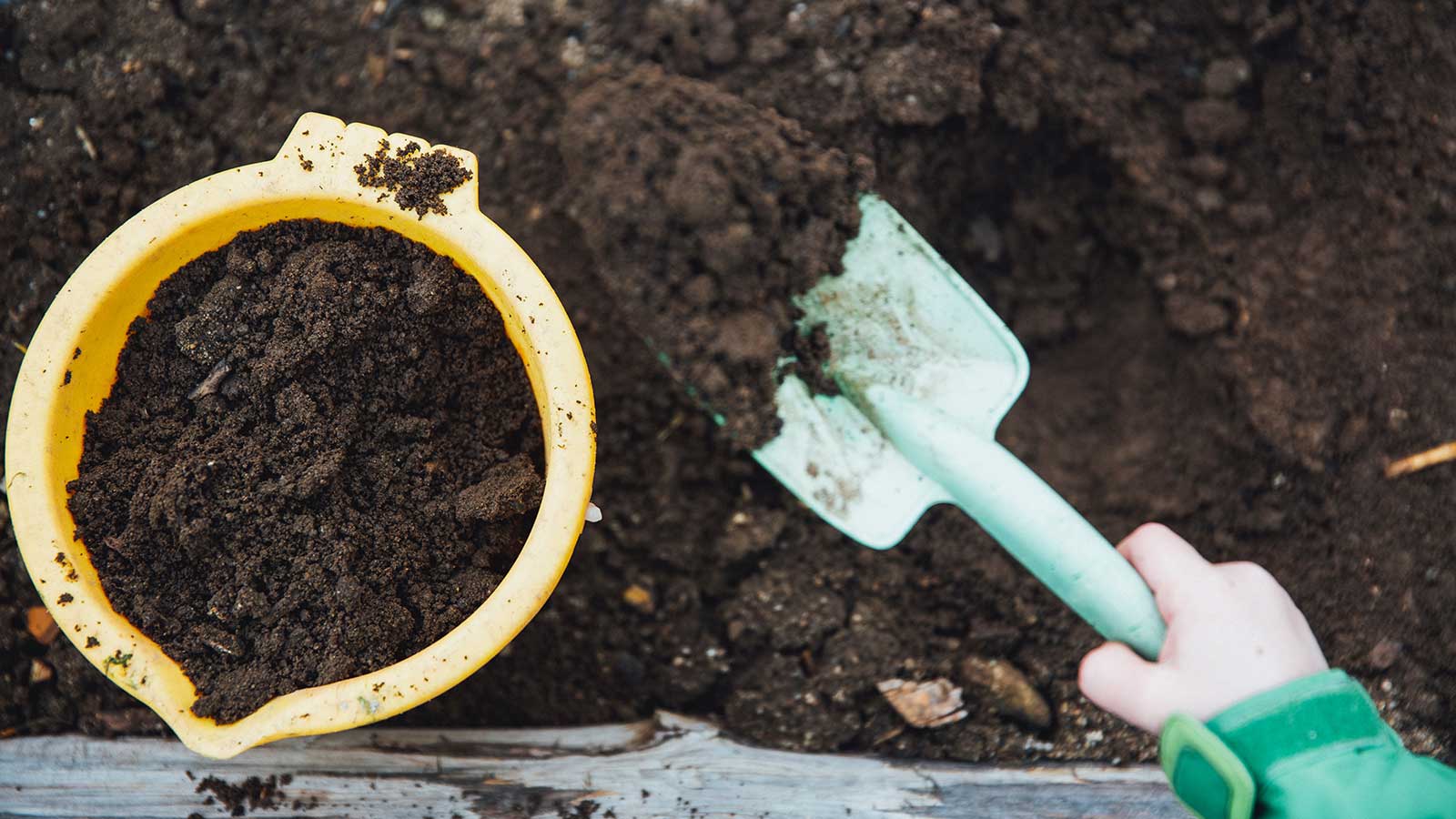
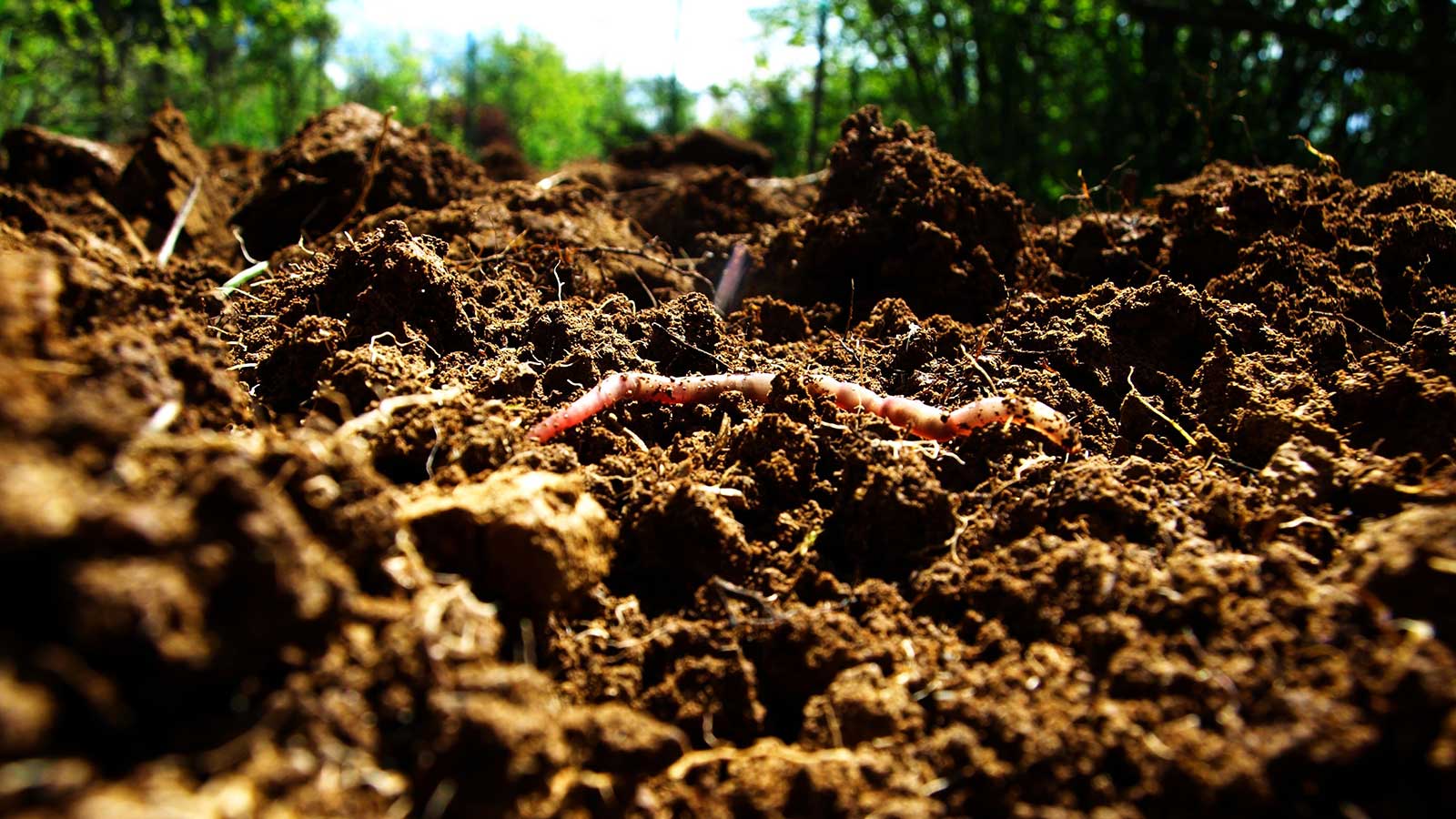
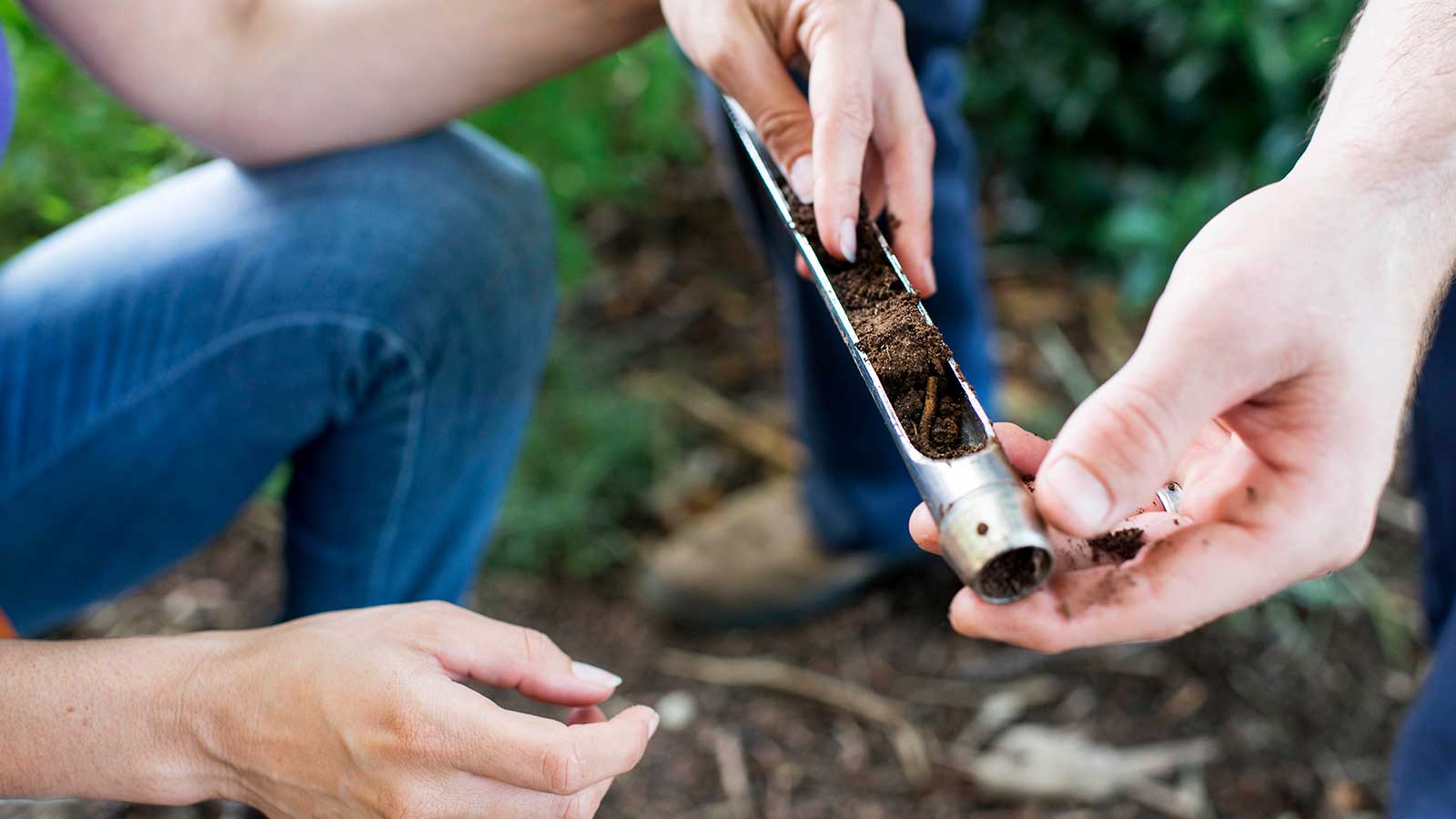
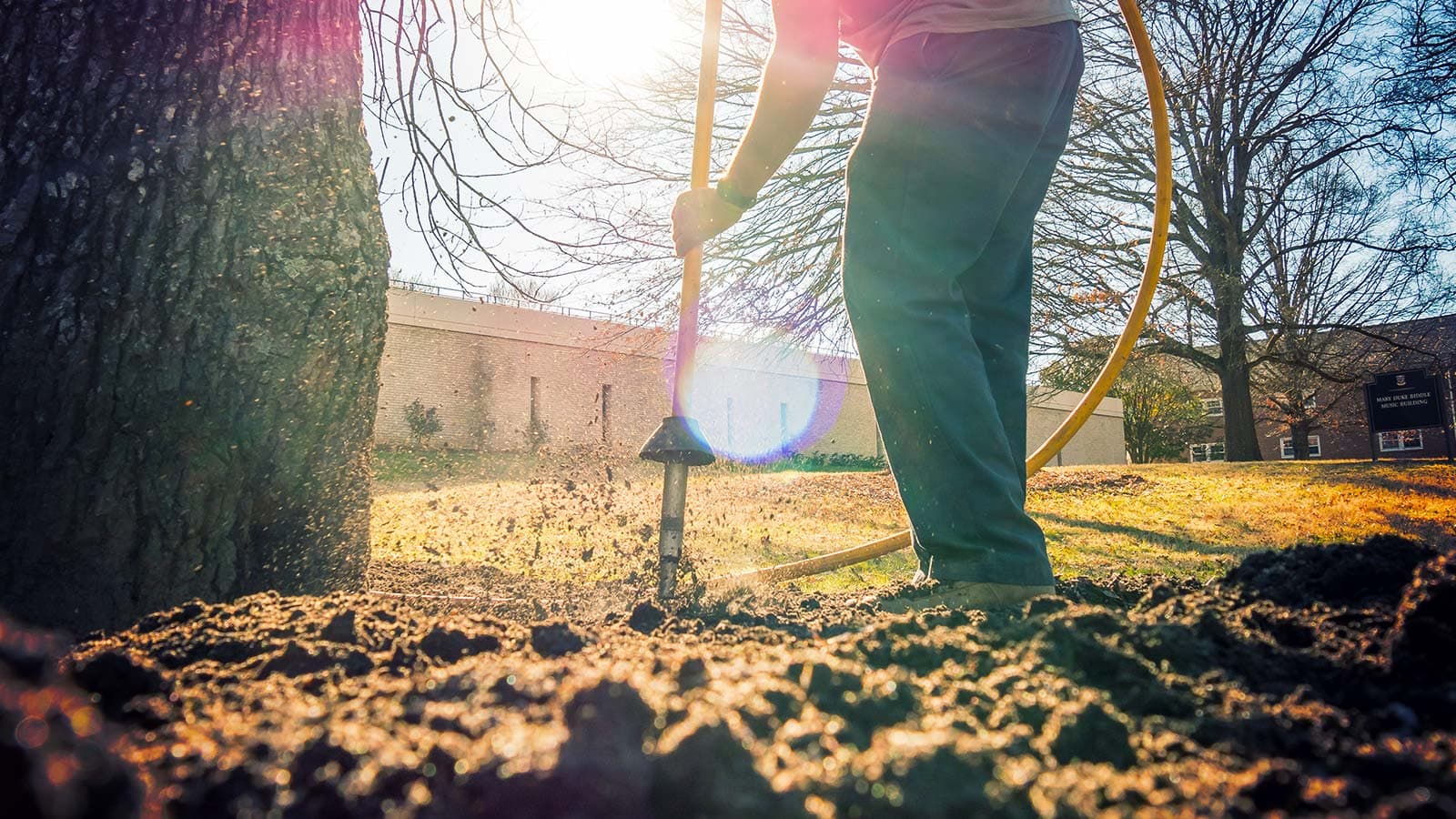
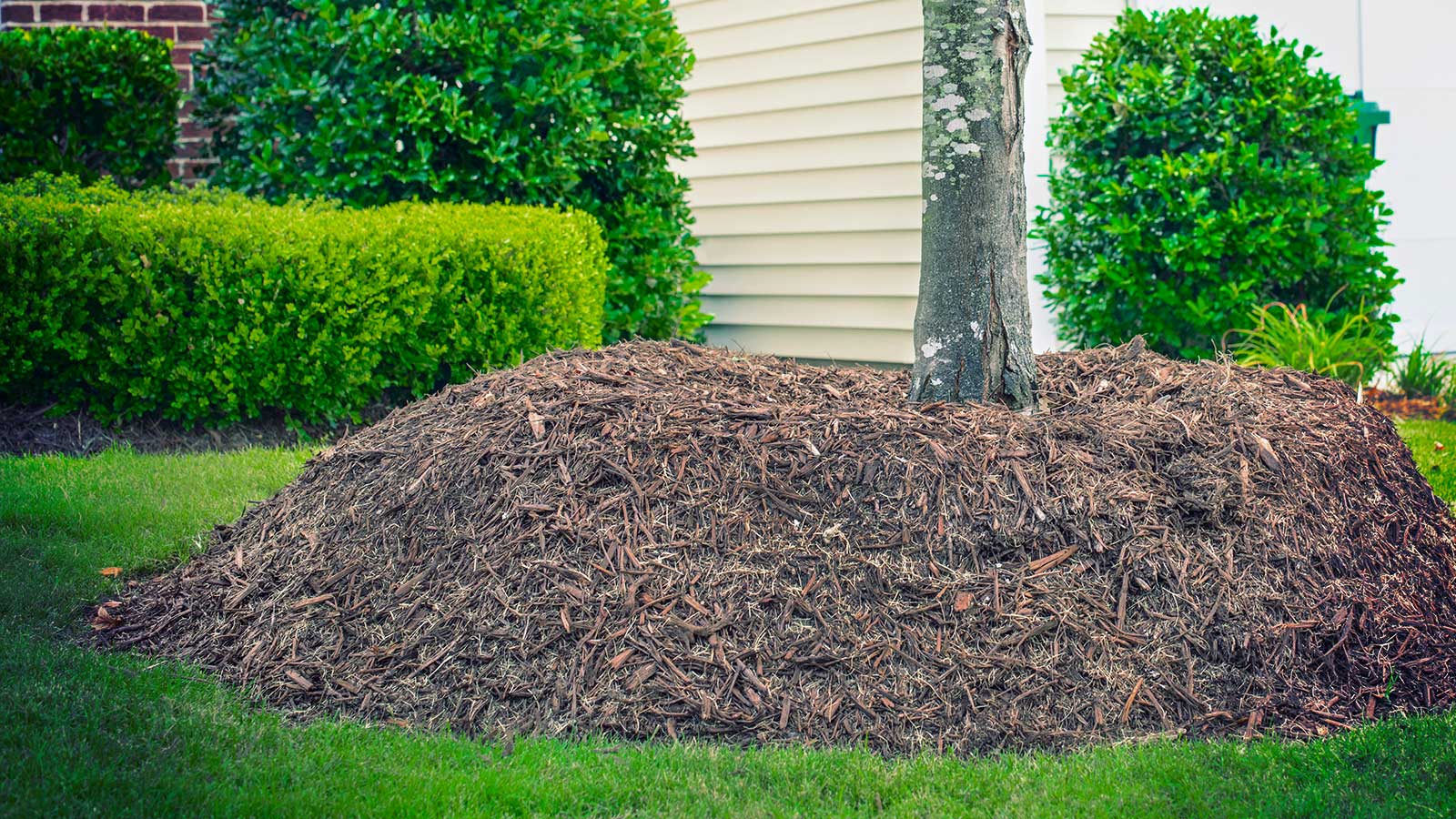
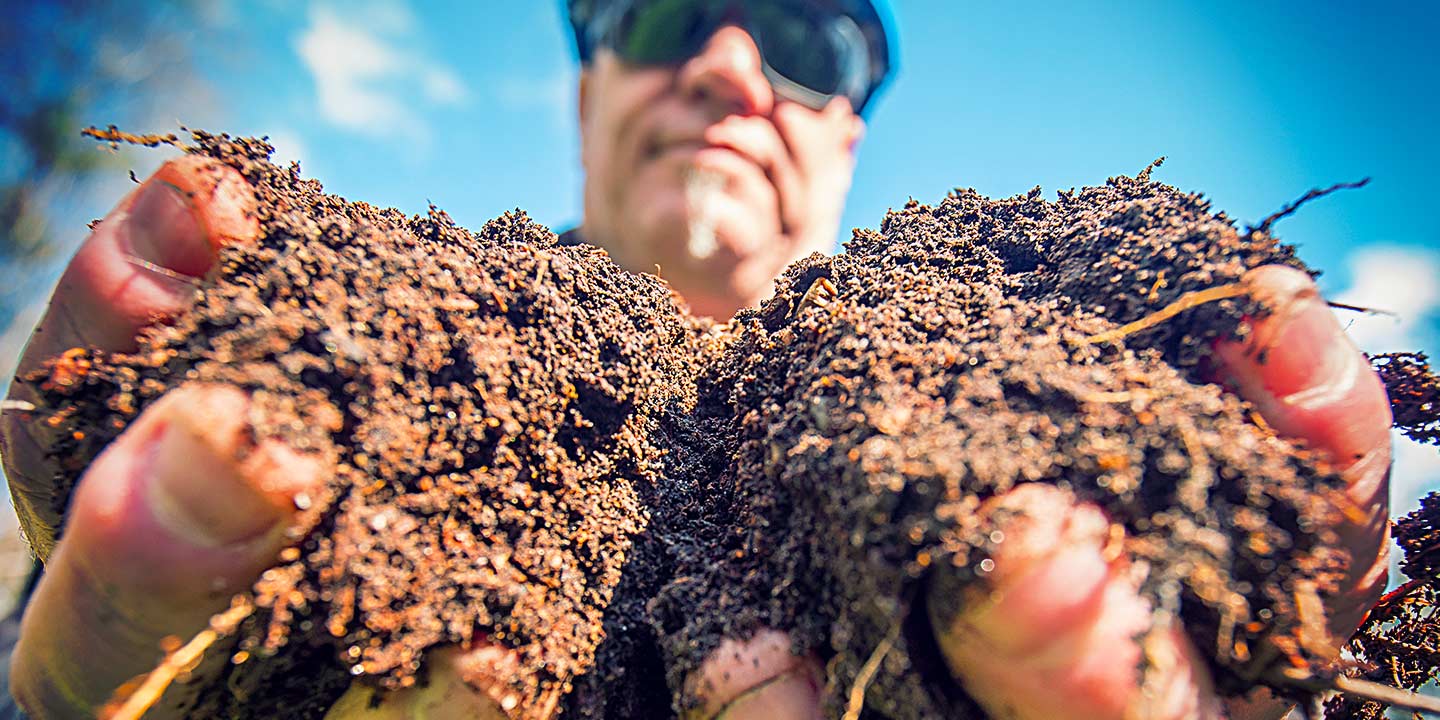
Cracks, hollows, missing bark, or mushrooms growing on the trunk are all signs that a tree is under stress, often from compacted soil, root damage, or disease. Soil improvement, proper mulching, and an assessment from a qualified arborist can help address the underlying cause rather than just the symptom.
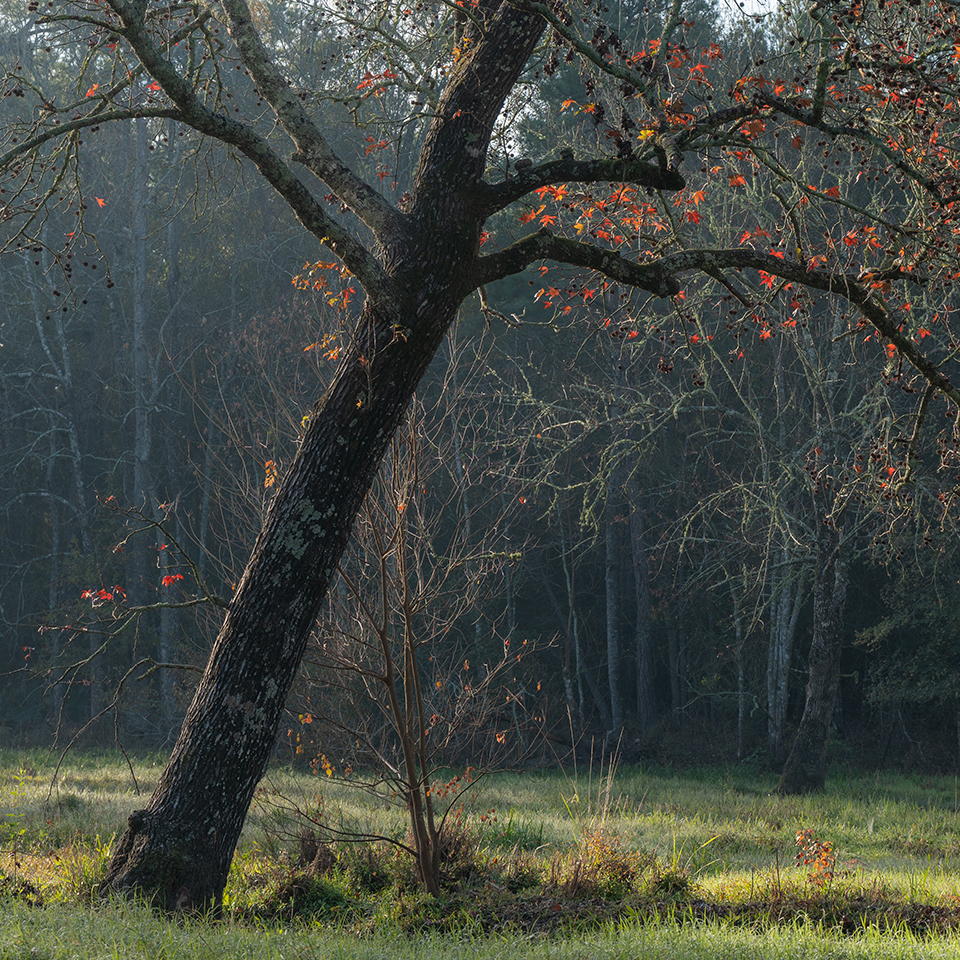
5. Leaning or Root Trouble
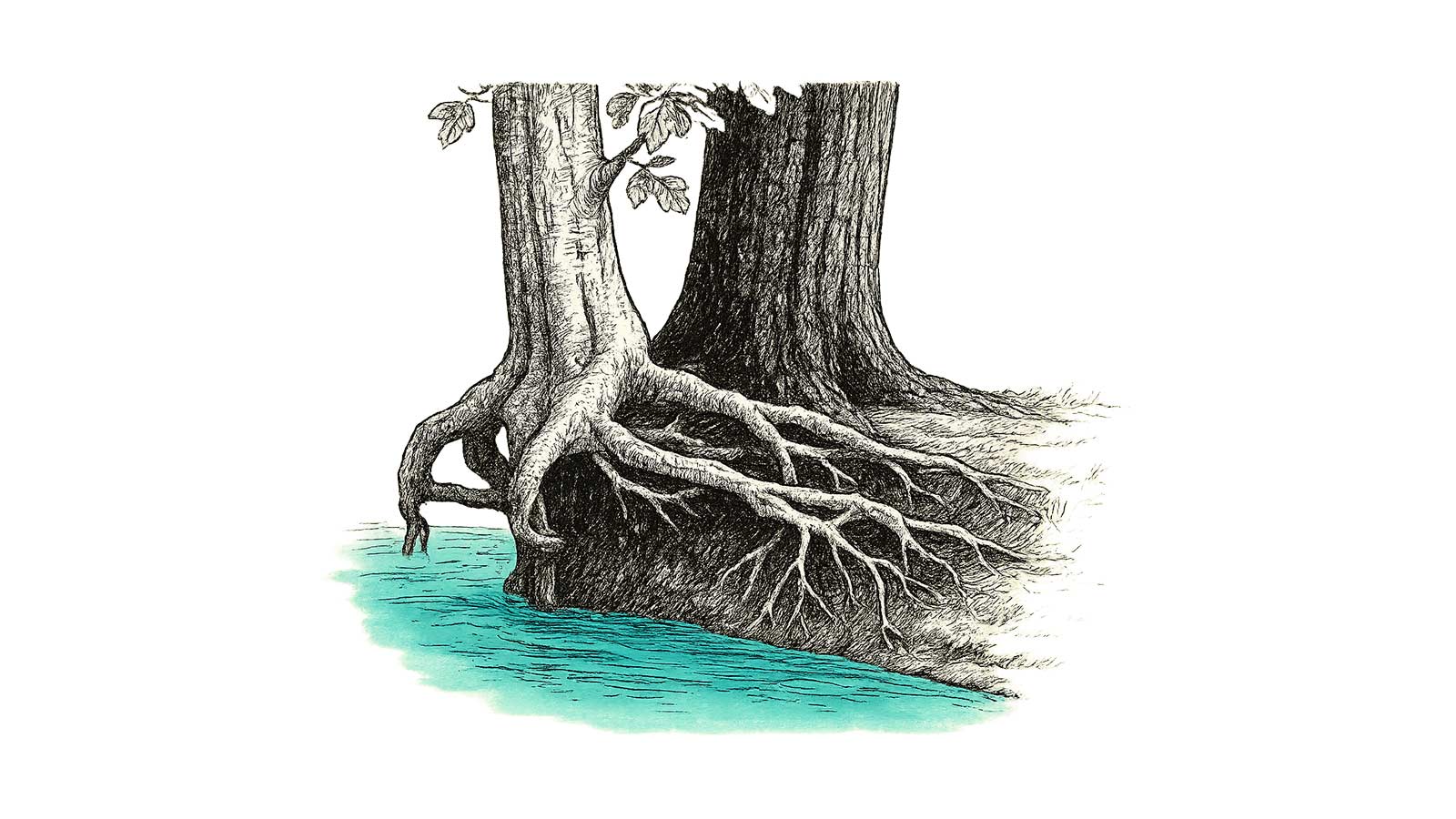
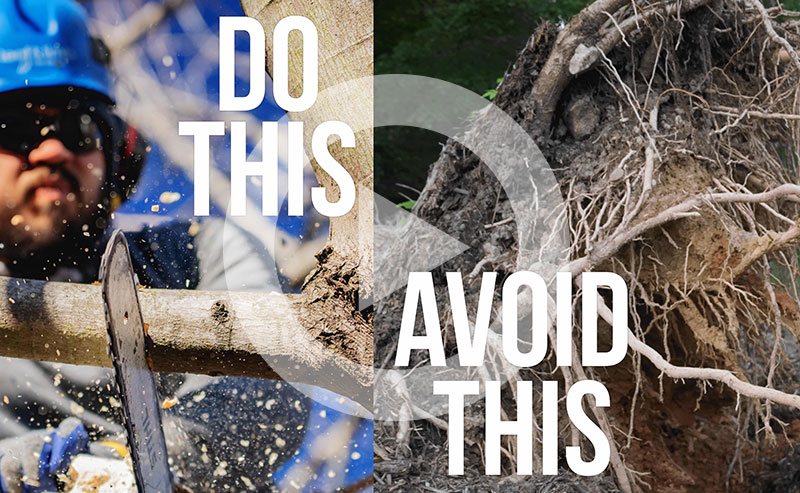
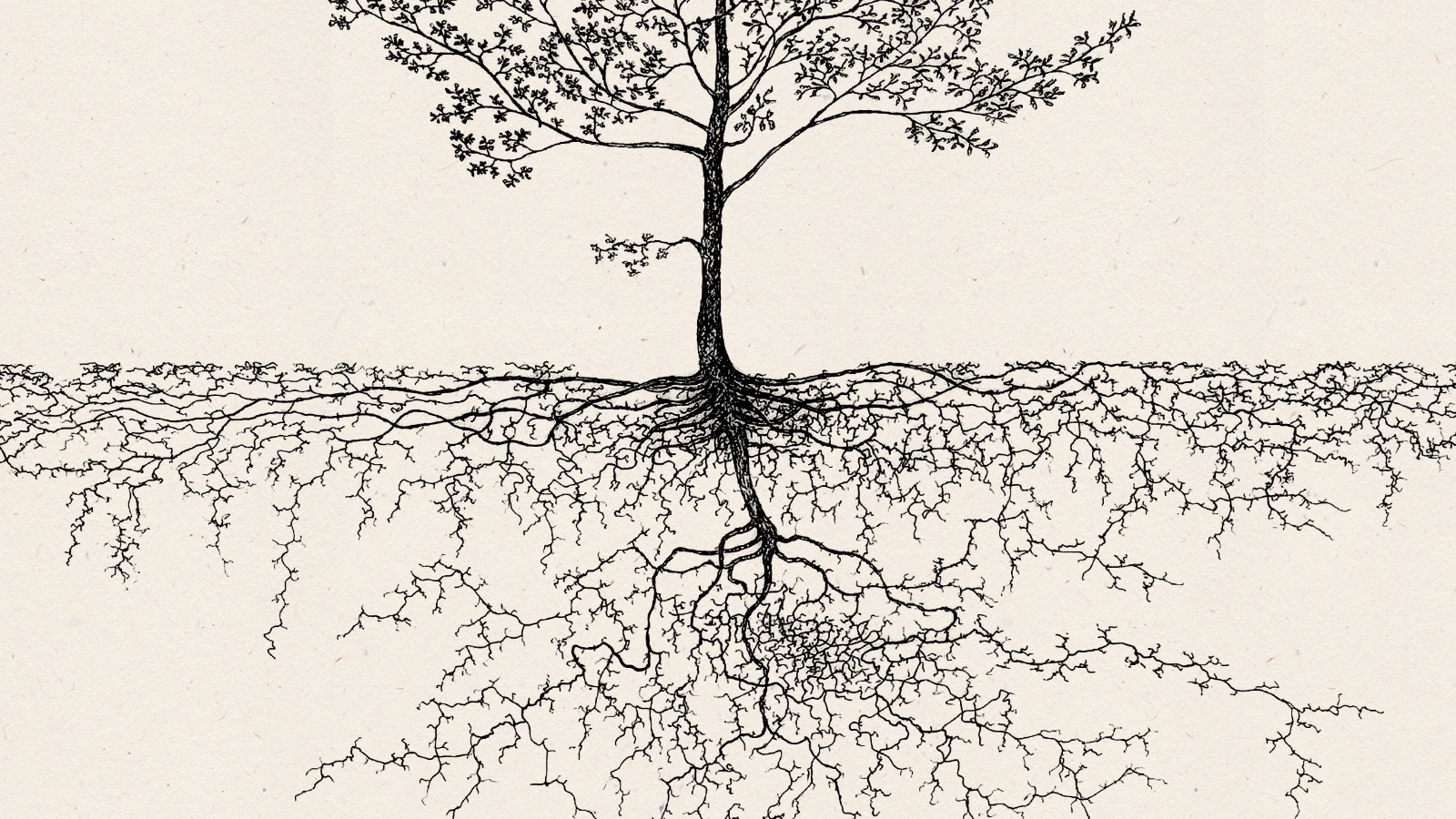
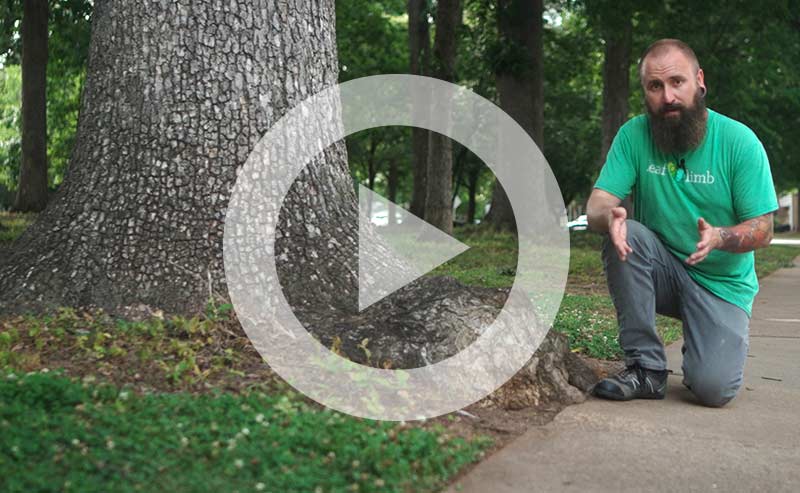
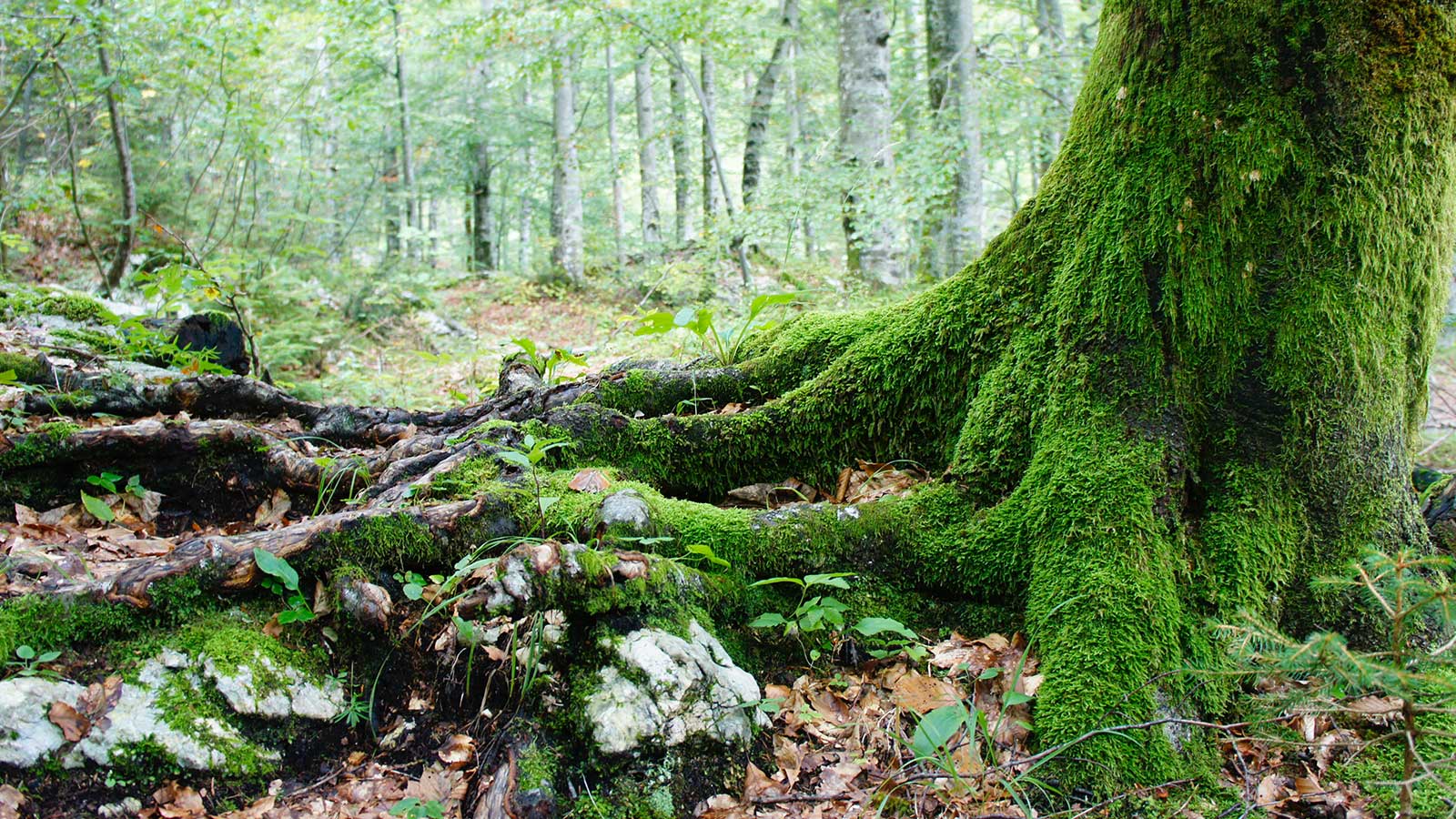
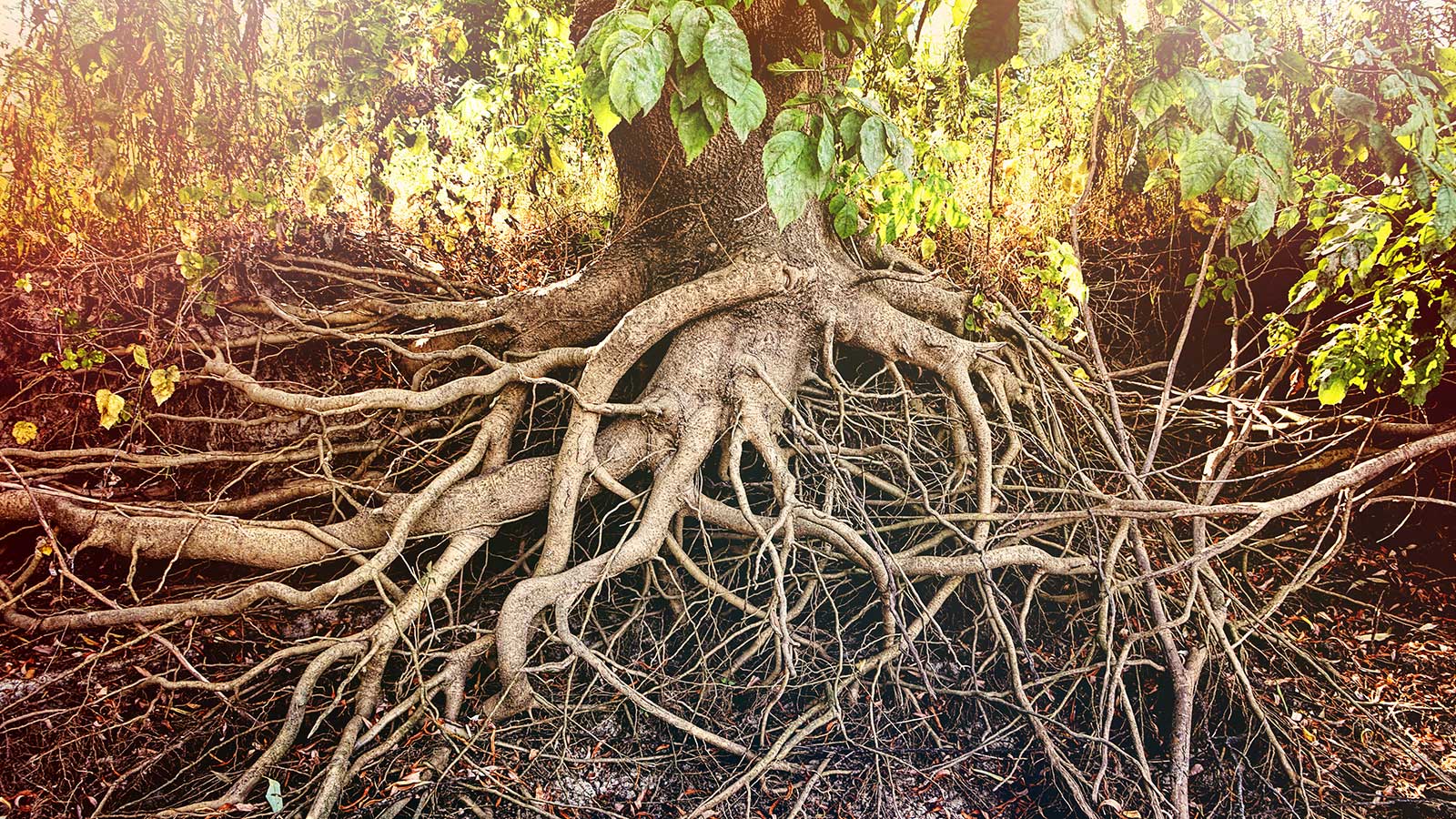
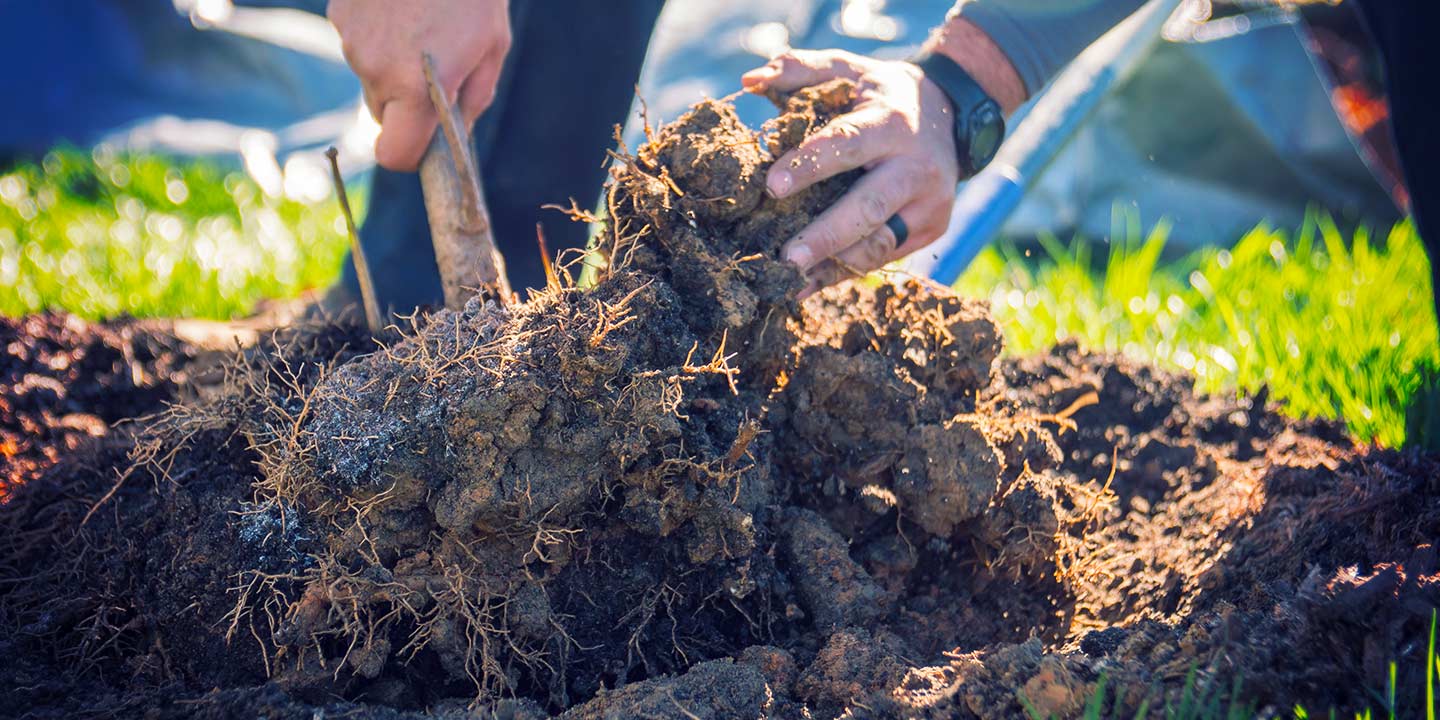
A tree that leans more than it used to, has mushrooms growing near its base, or has soil visibly lifting near the roots may be losing its footing. Trees near creeks, ditches, or low-lying yards that flood after heavy rain carry extra risk, since saturated soil holds roots much less securely. If you are concerned about a leaning tree, get professional advice about whether or not a risk exists.
6. Recent Construction or Grading
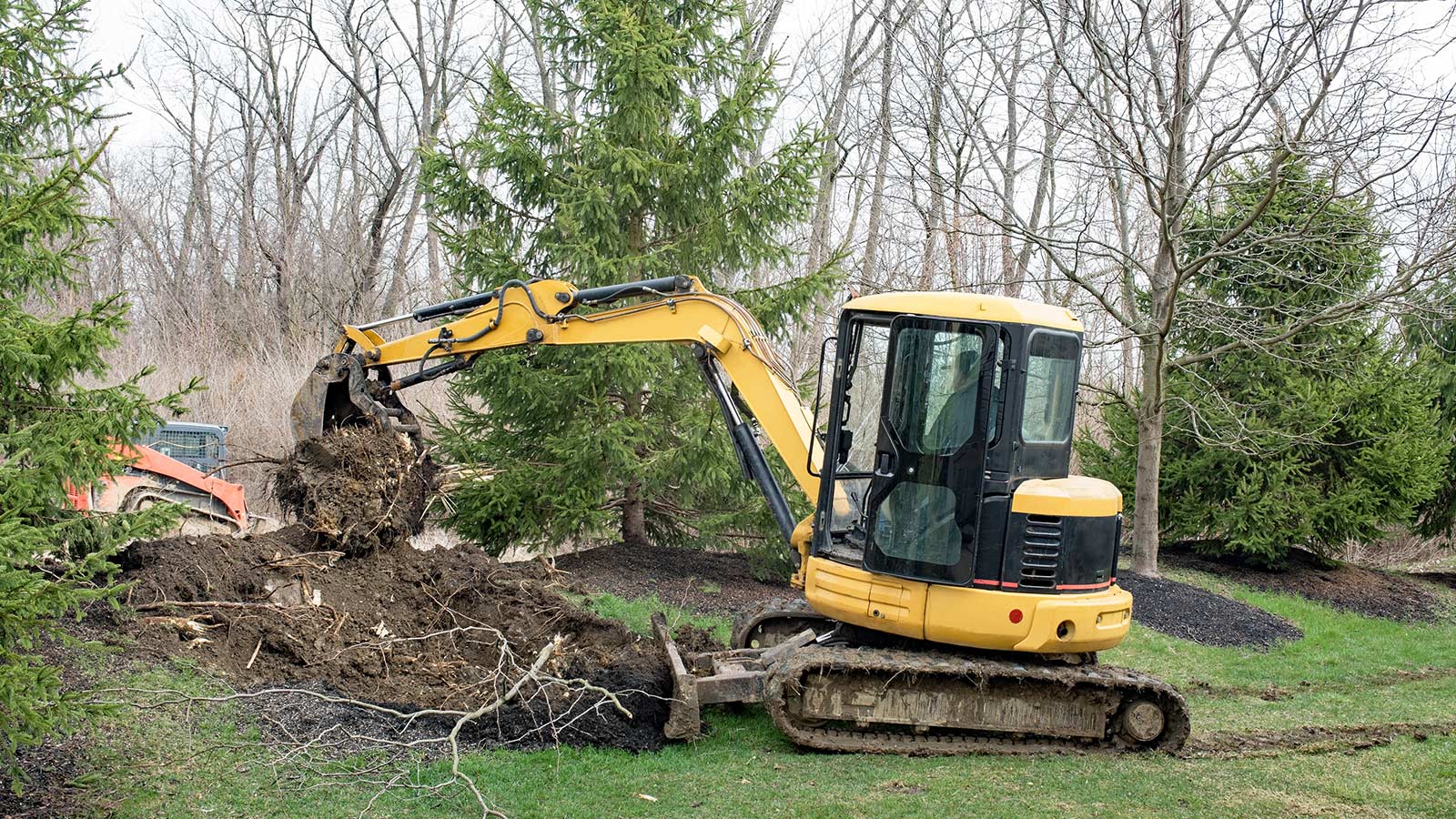
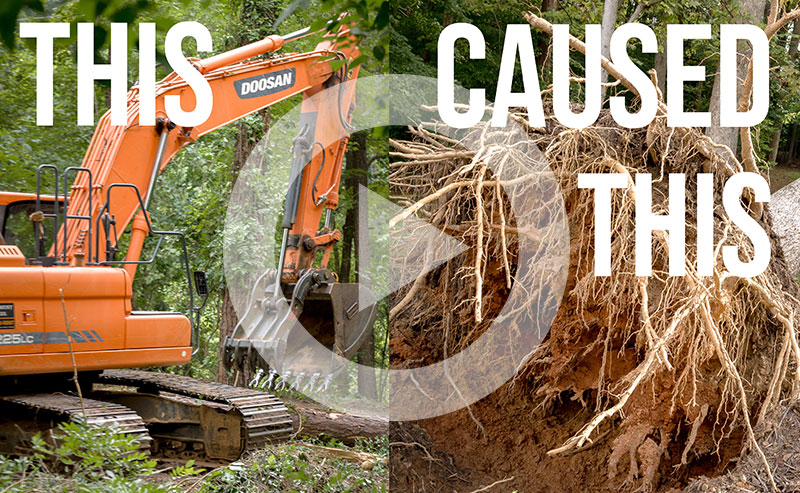
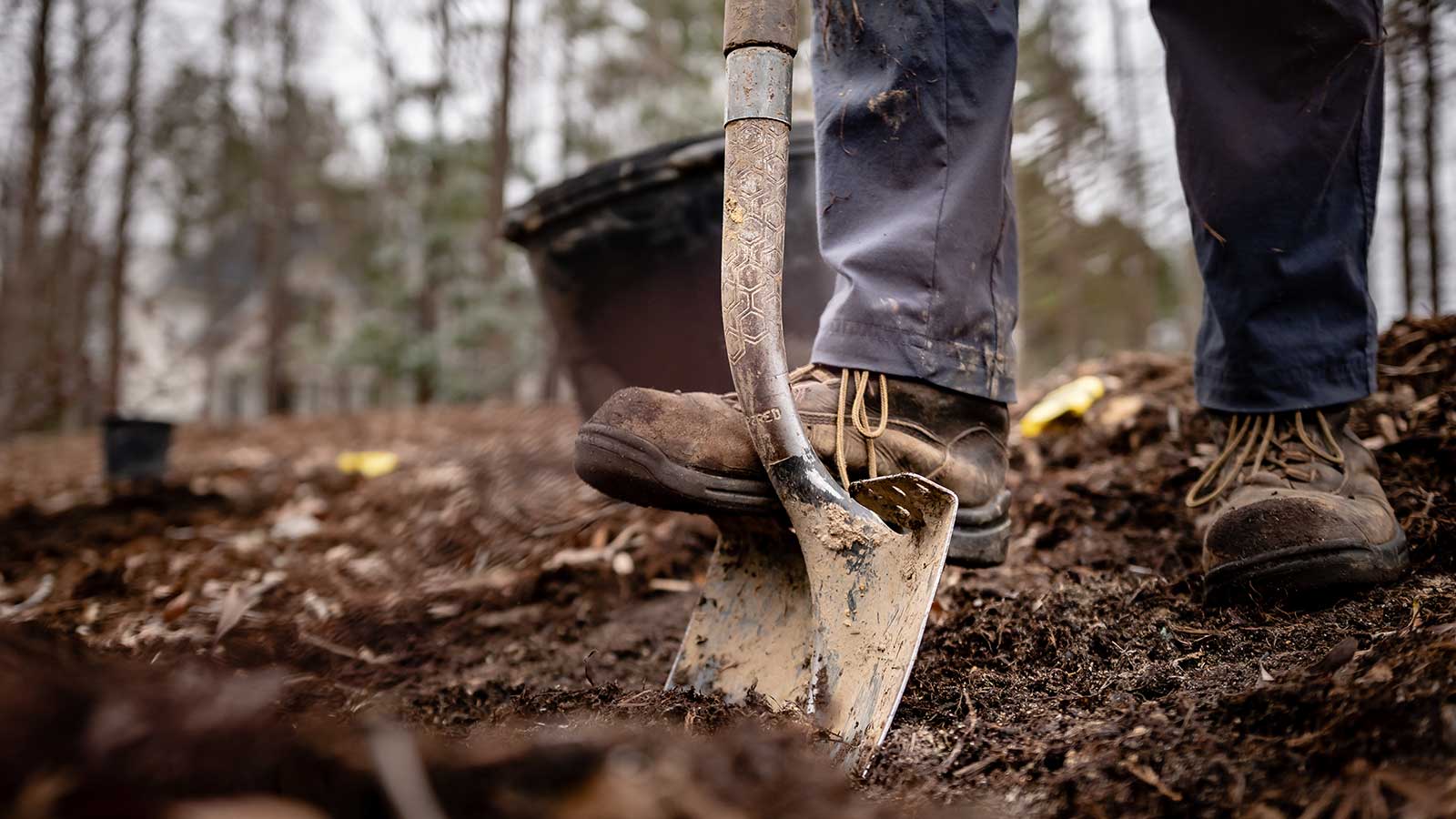
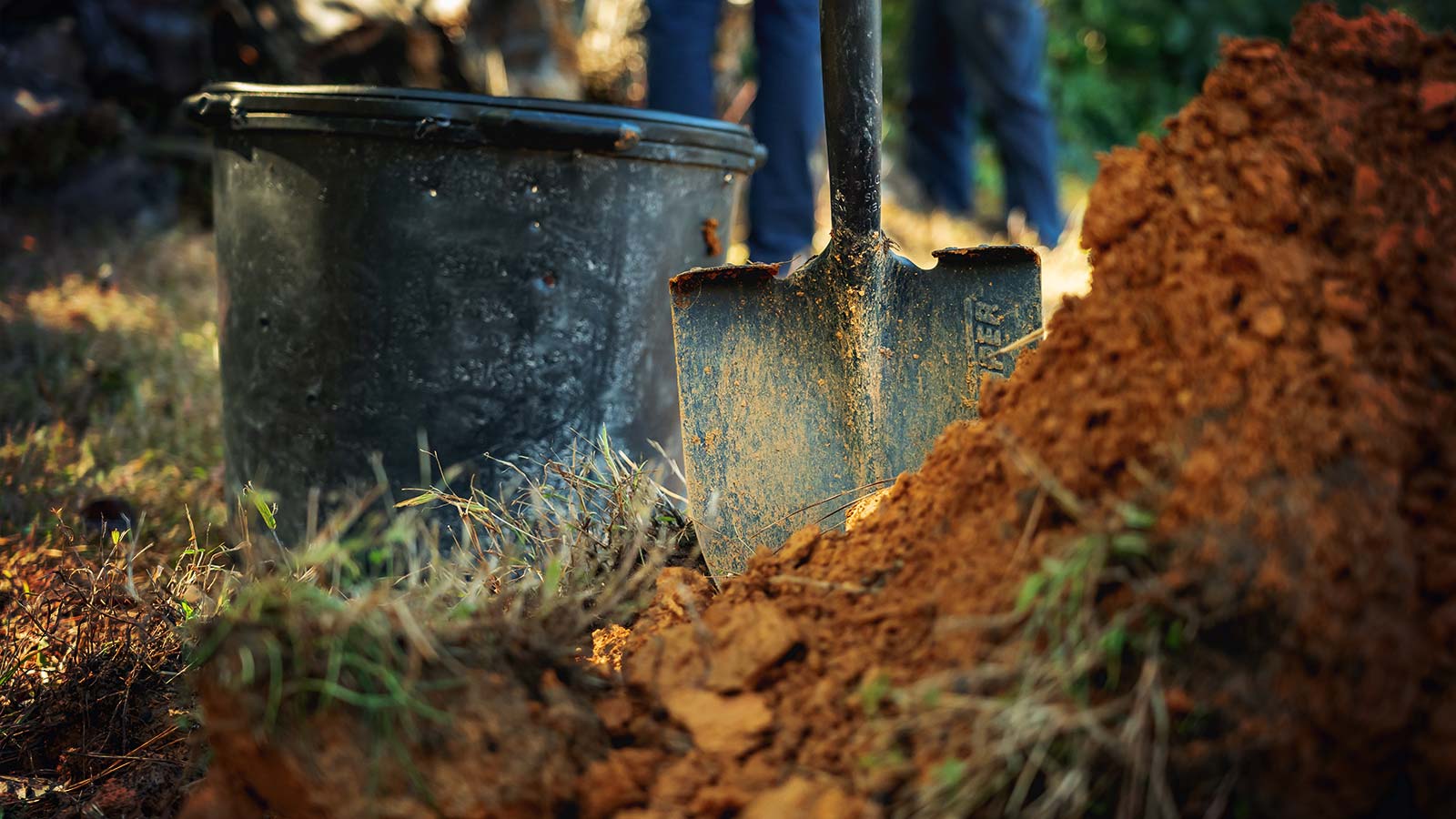
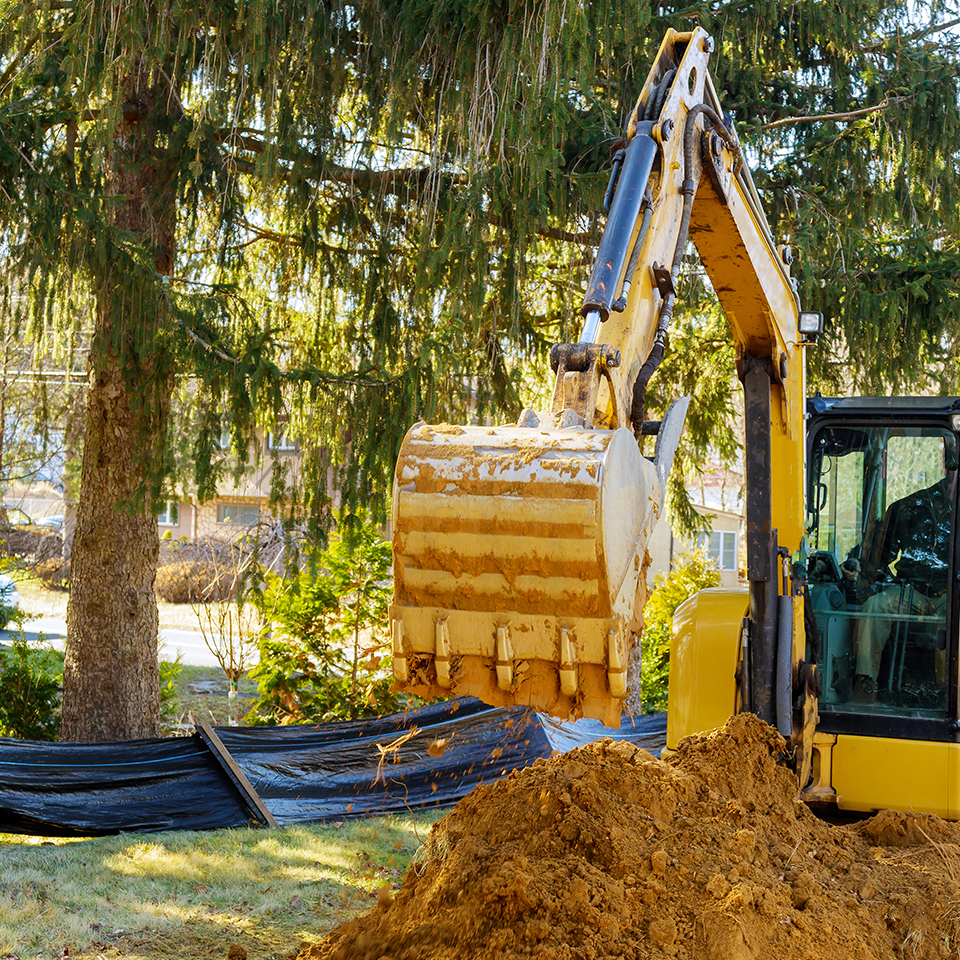
Digging, grading, or heavy equipment near a tree's root zone can compact soil or sever roots. If you're planning construction near mature trees, put a tree protection plan in place before the first shovel goes in the ground.
Start Now, Not During the Forecast
The trees you never hear about on the news are the ones with strong structure and healthy roots underneath them. If you're not sure how your trees stack up, a Treecologist can walk your yard, point out what's worth addressing, and recommend a plan that fits your trees and your budget.
Schedule a free quote and get ahead of storm season while there's still time for pruning and soil work to make a difference.