Protect Your Home. Create Safer Spaces. Care for Your Trees.
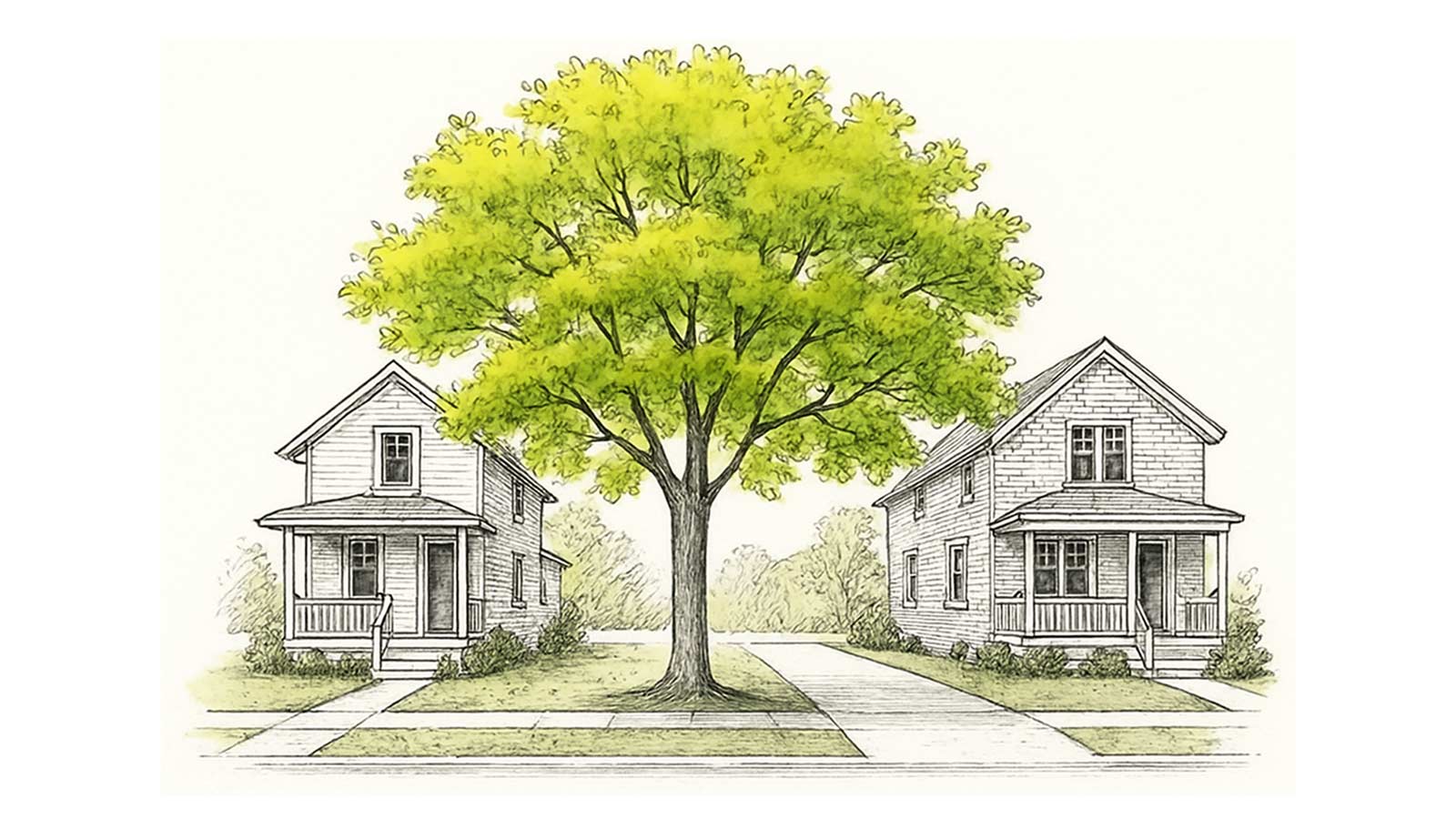
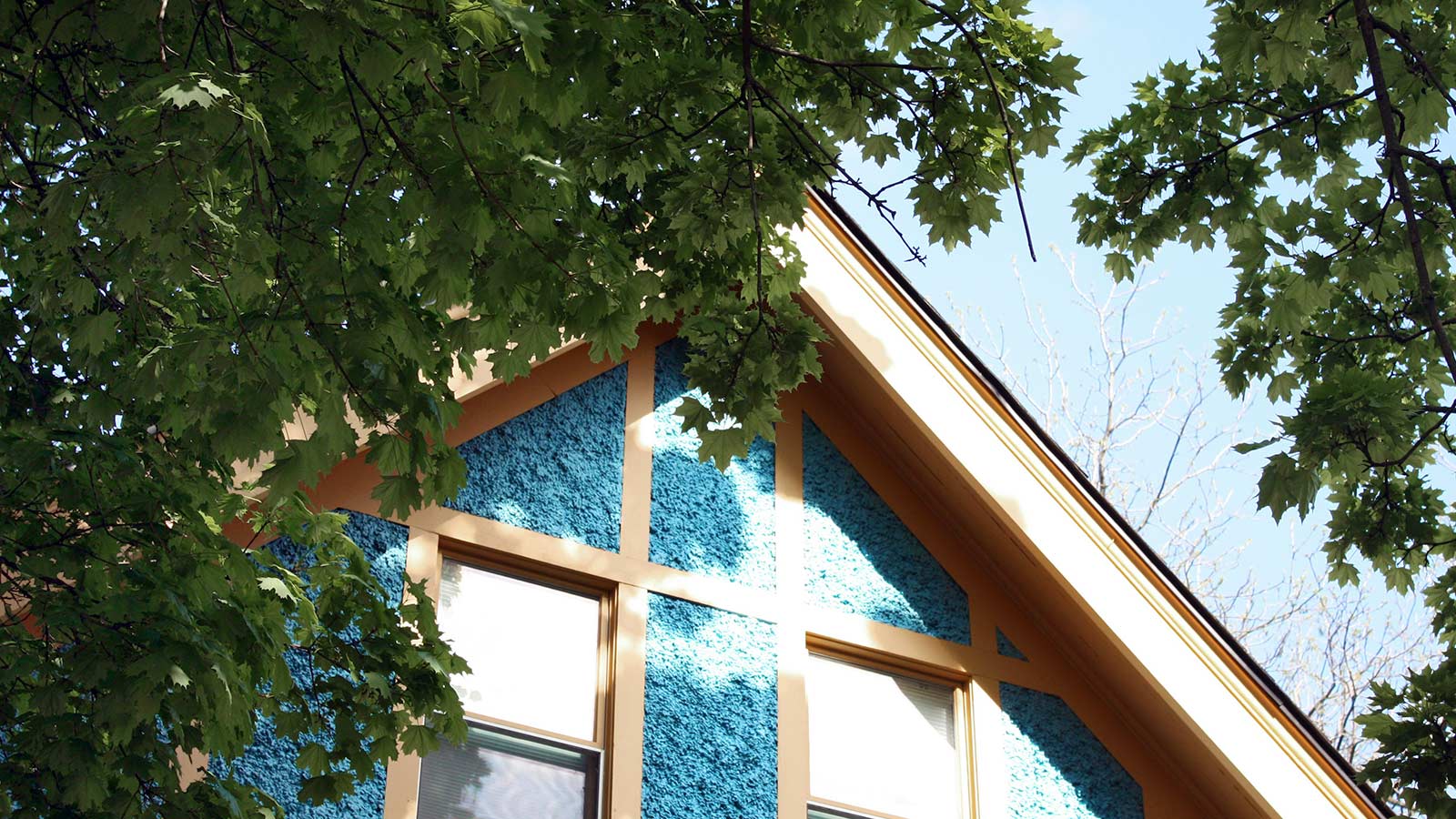
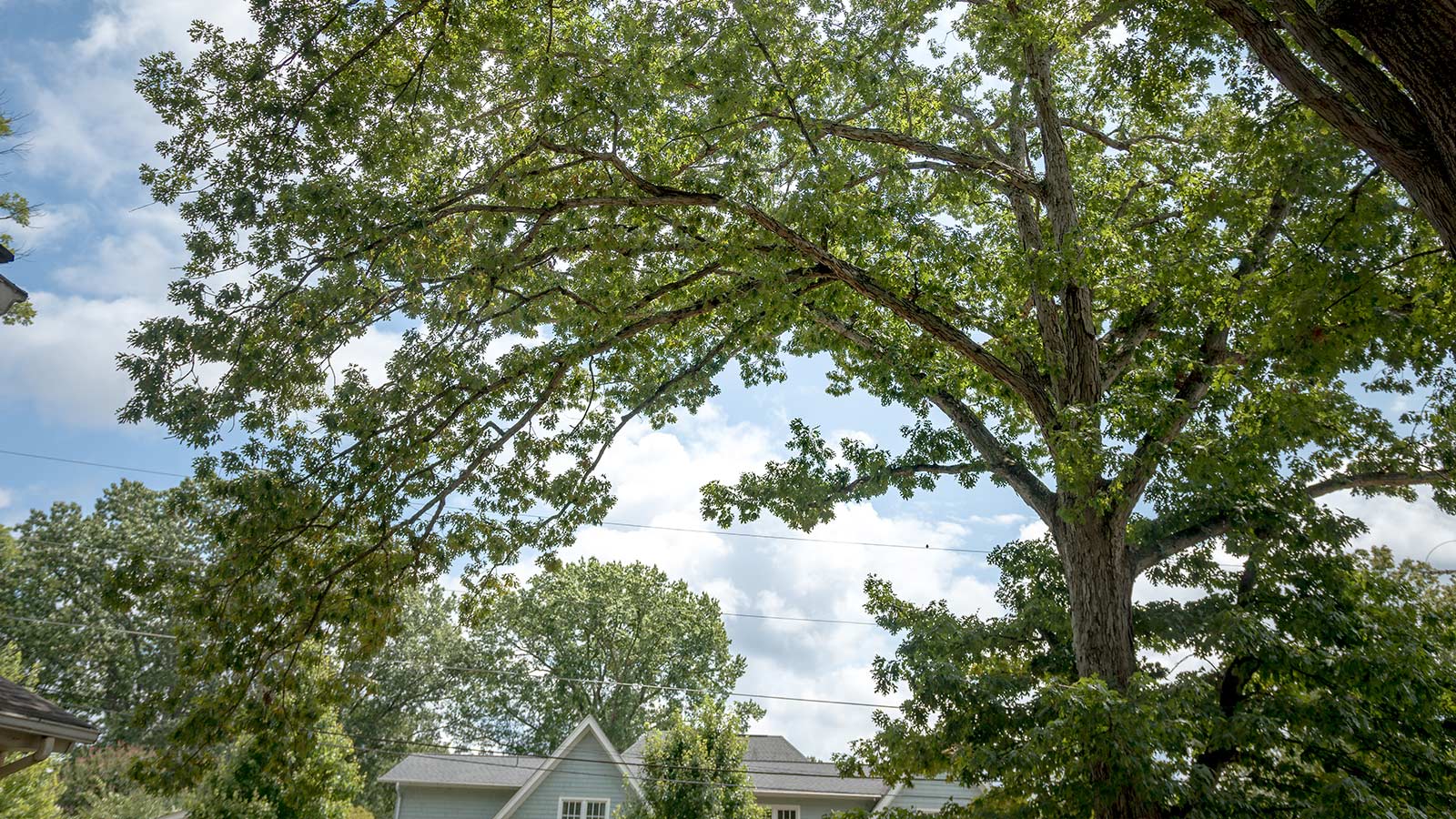
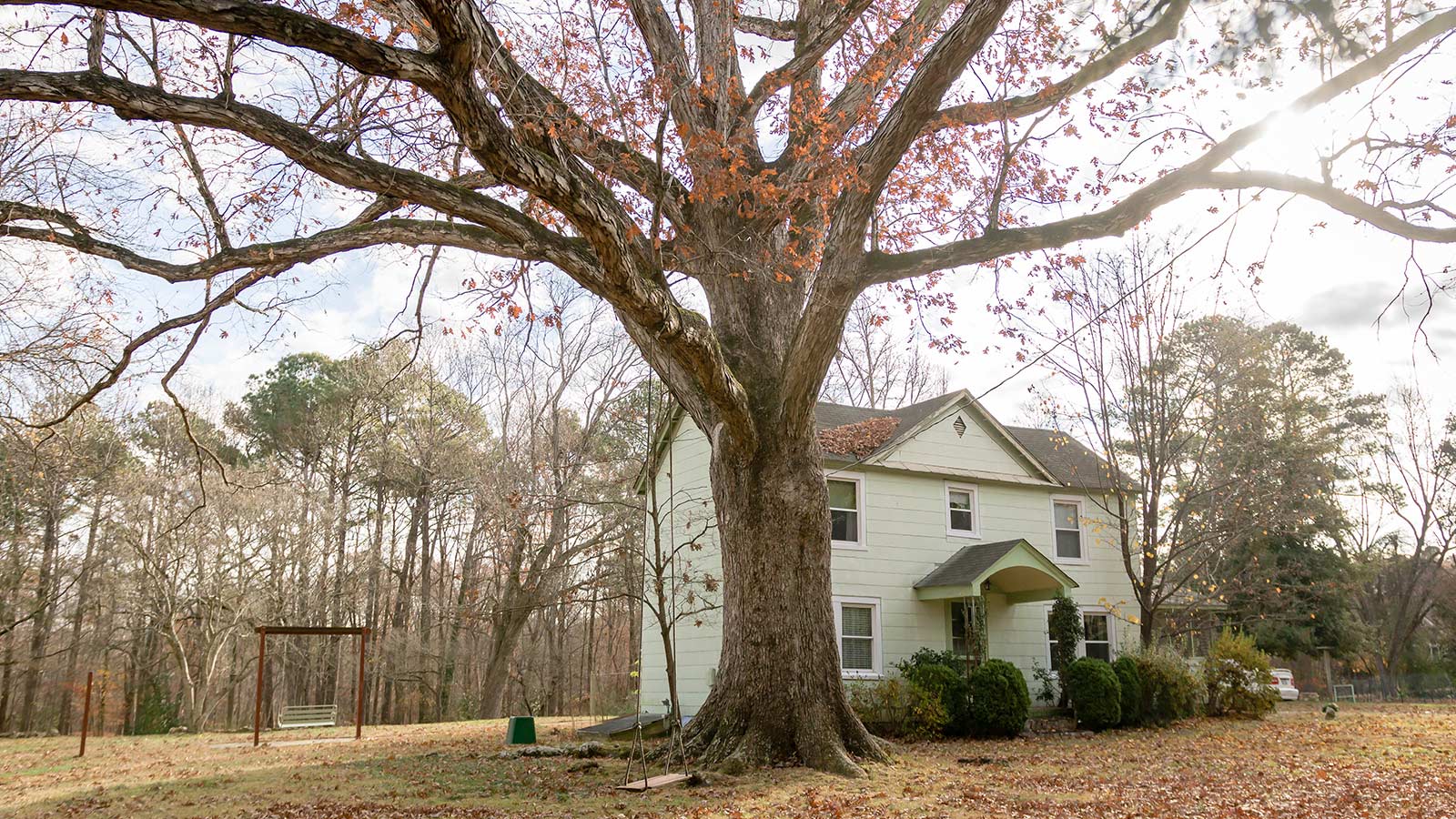
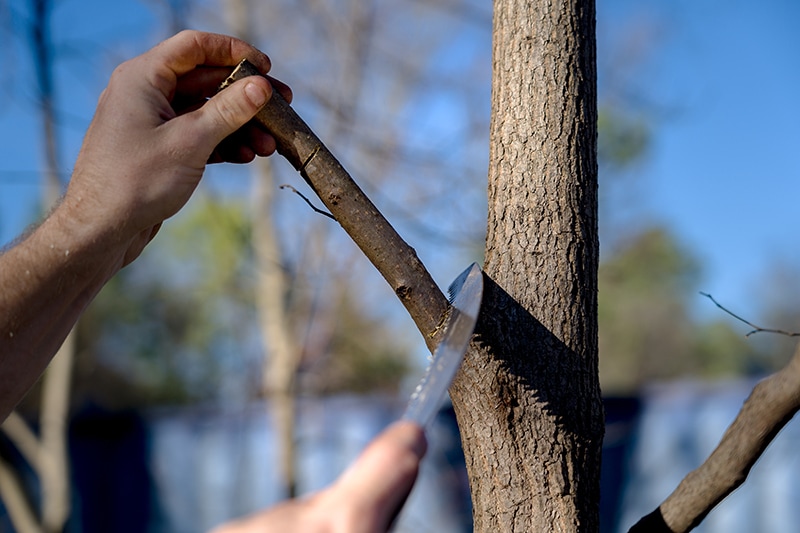
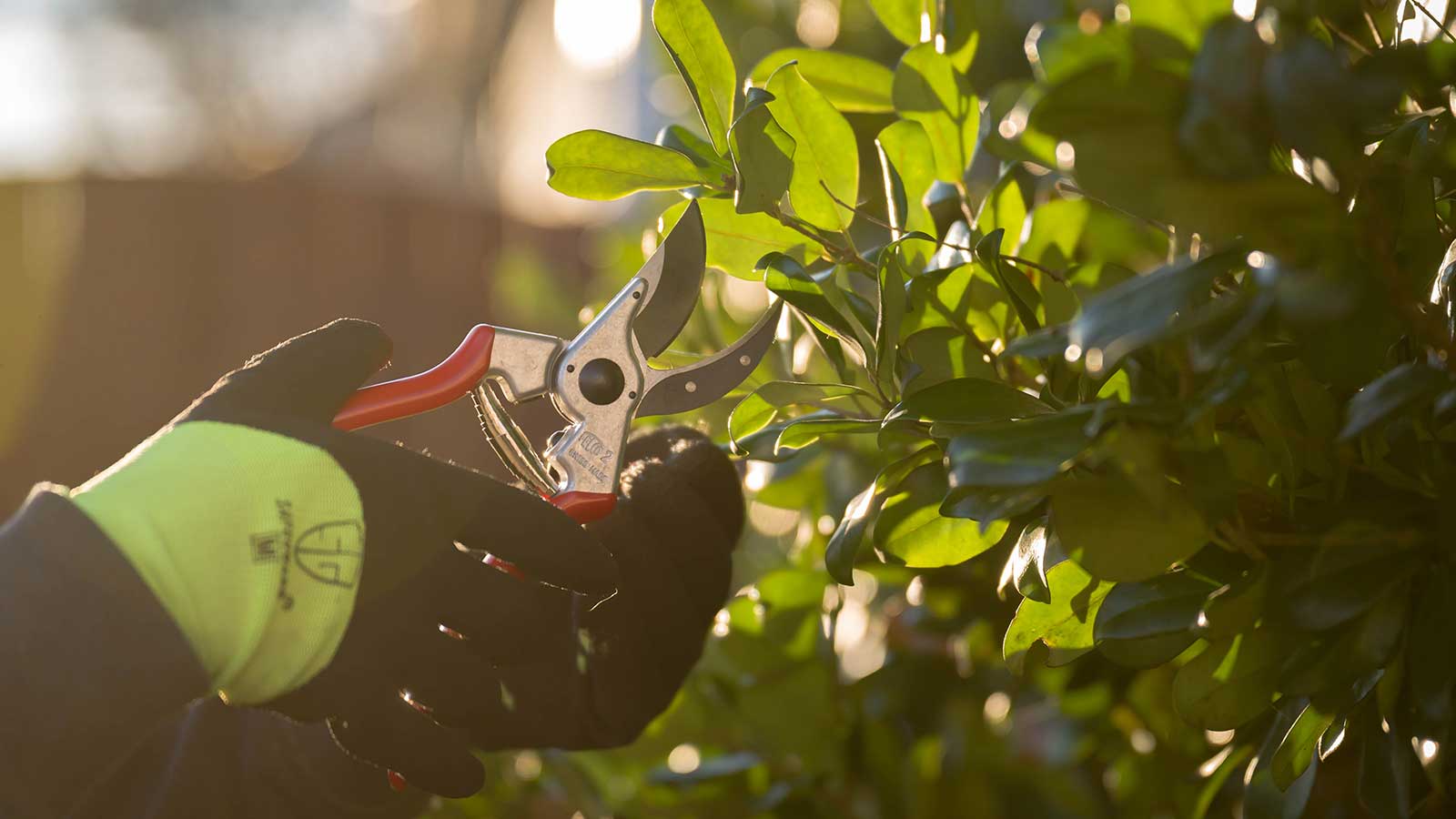
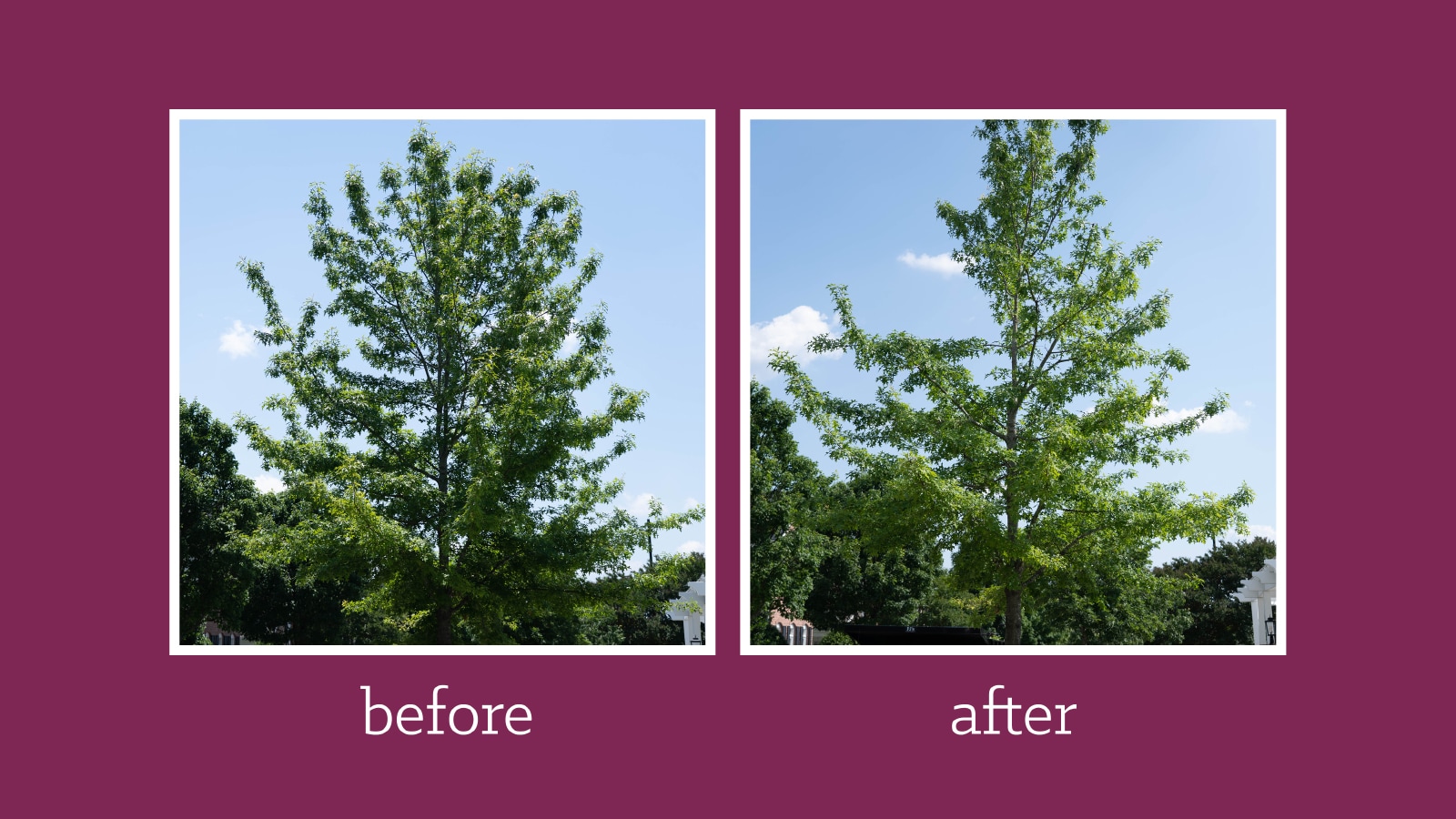
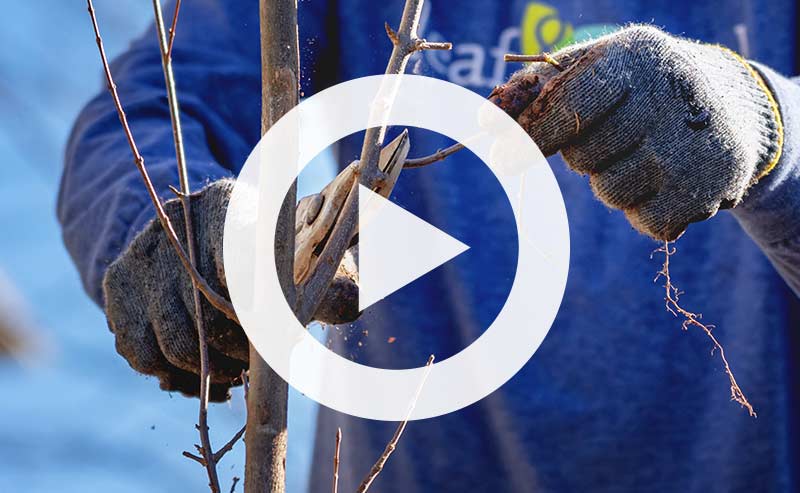
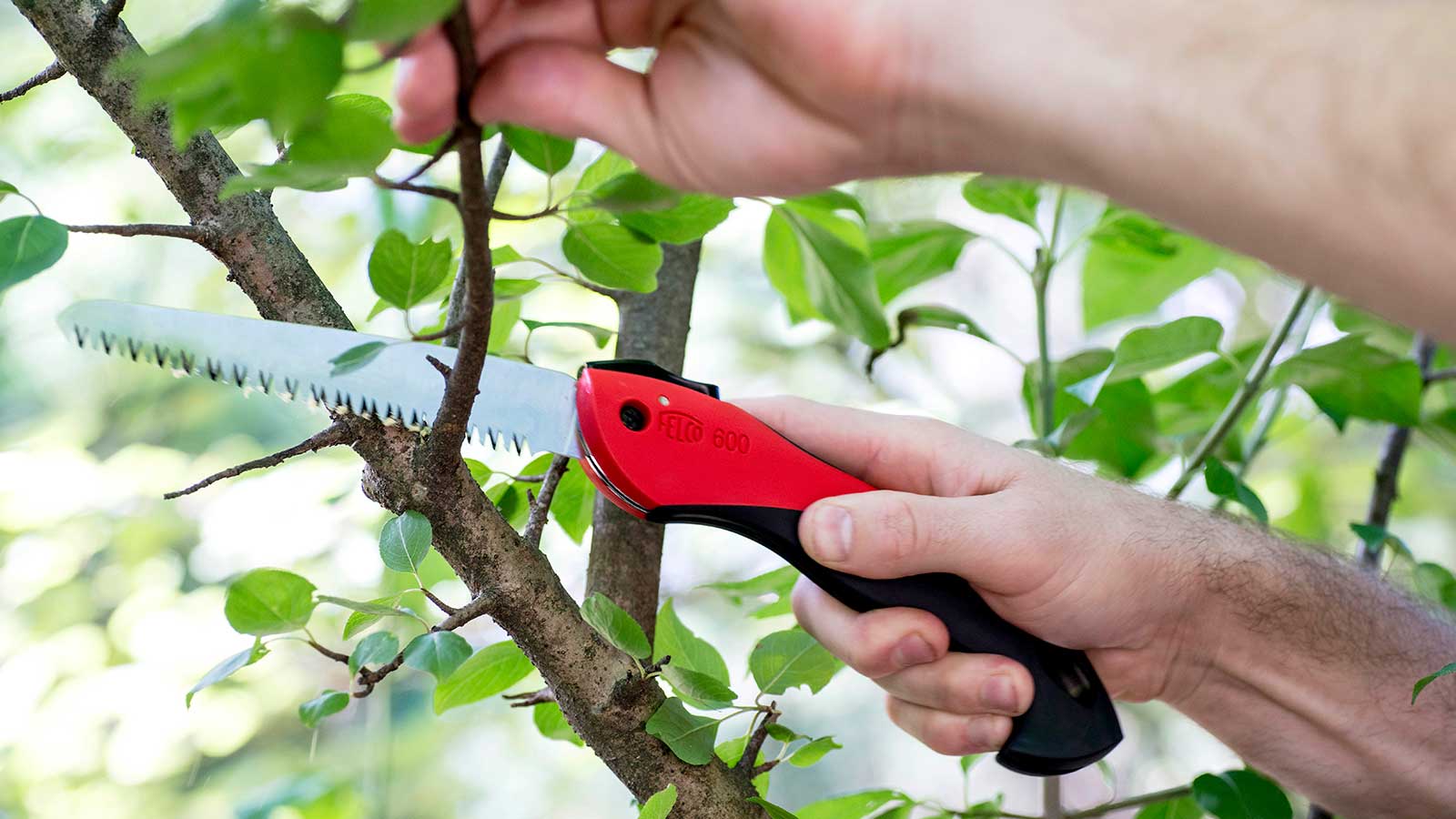
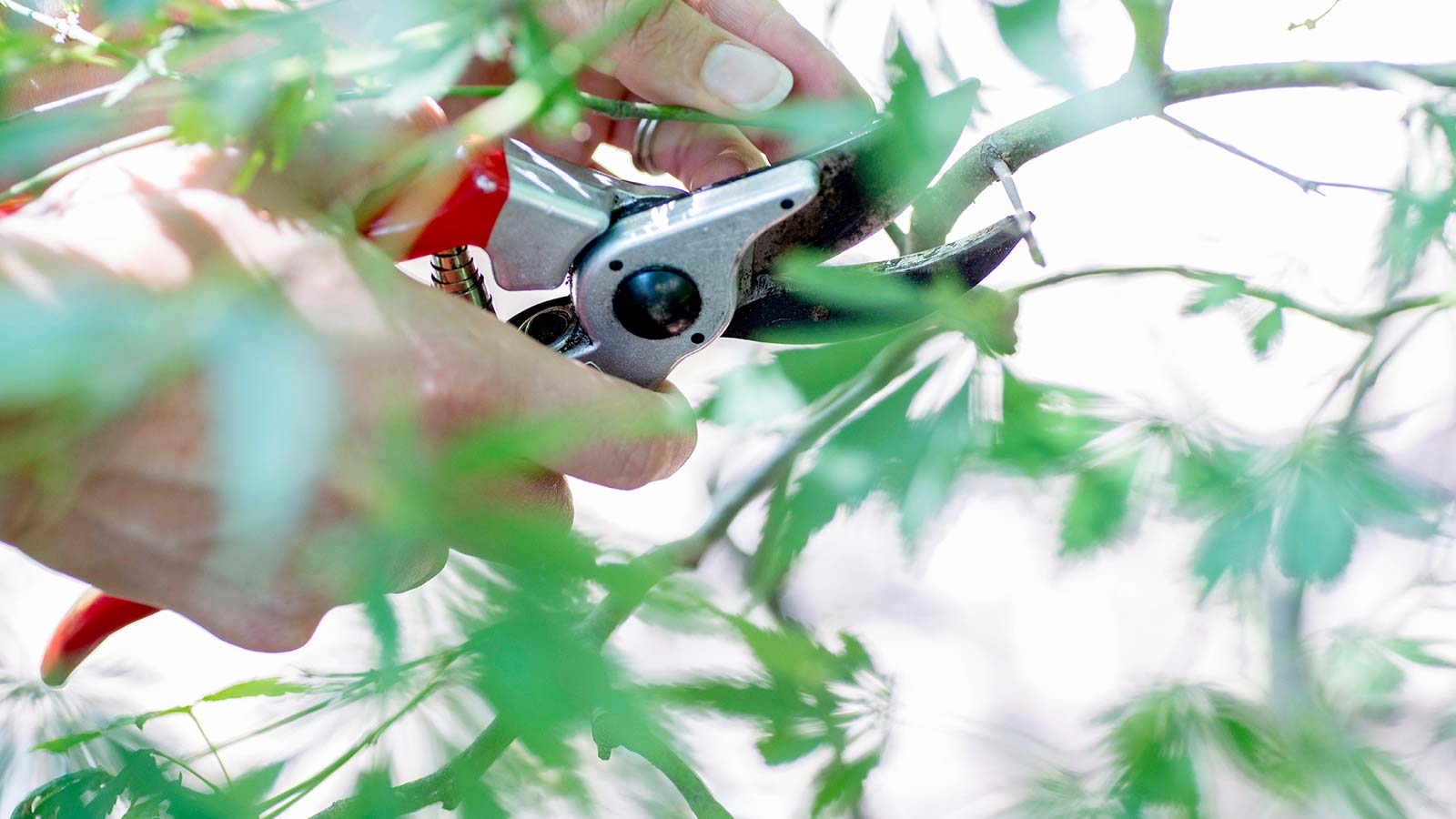
Branches getting in your way? Maintenance pruning helps prevent roof and siding damage, clears dead limbs over high-traffic areas, keeps walkways open, and creates safer spaces for your loved ones. All while supporting the long-term health of your trees.
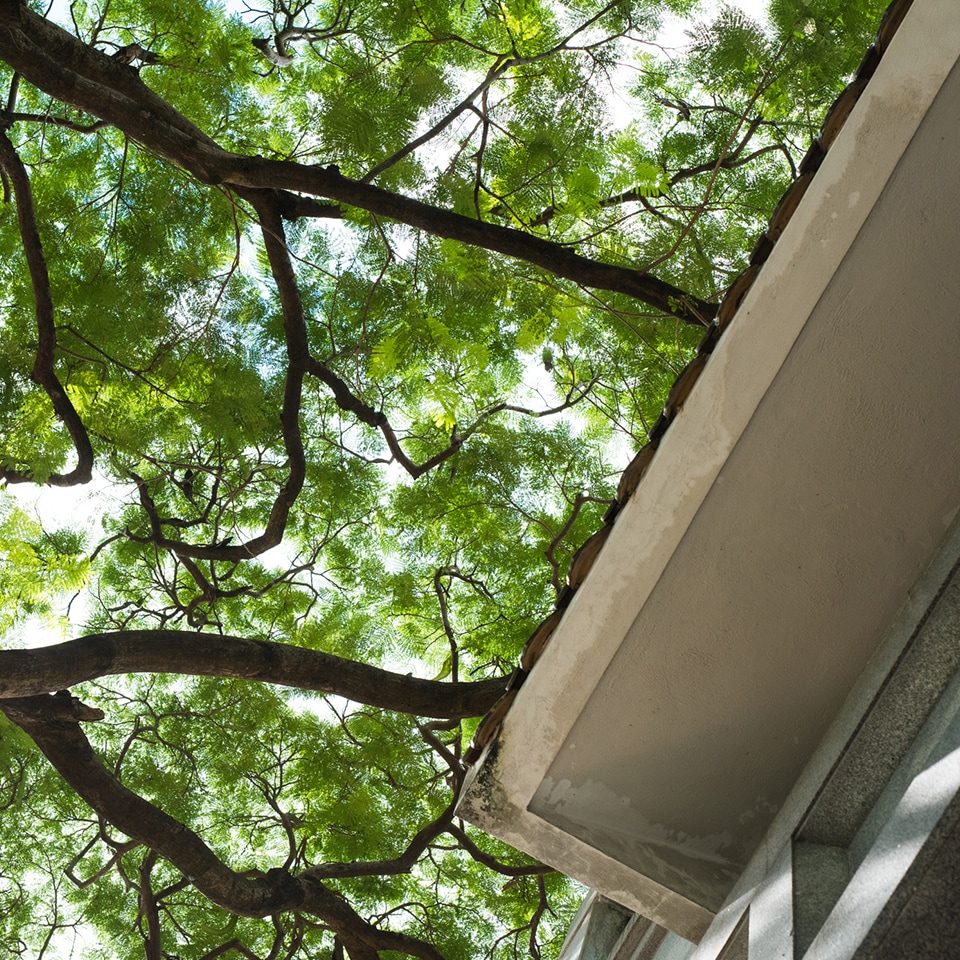
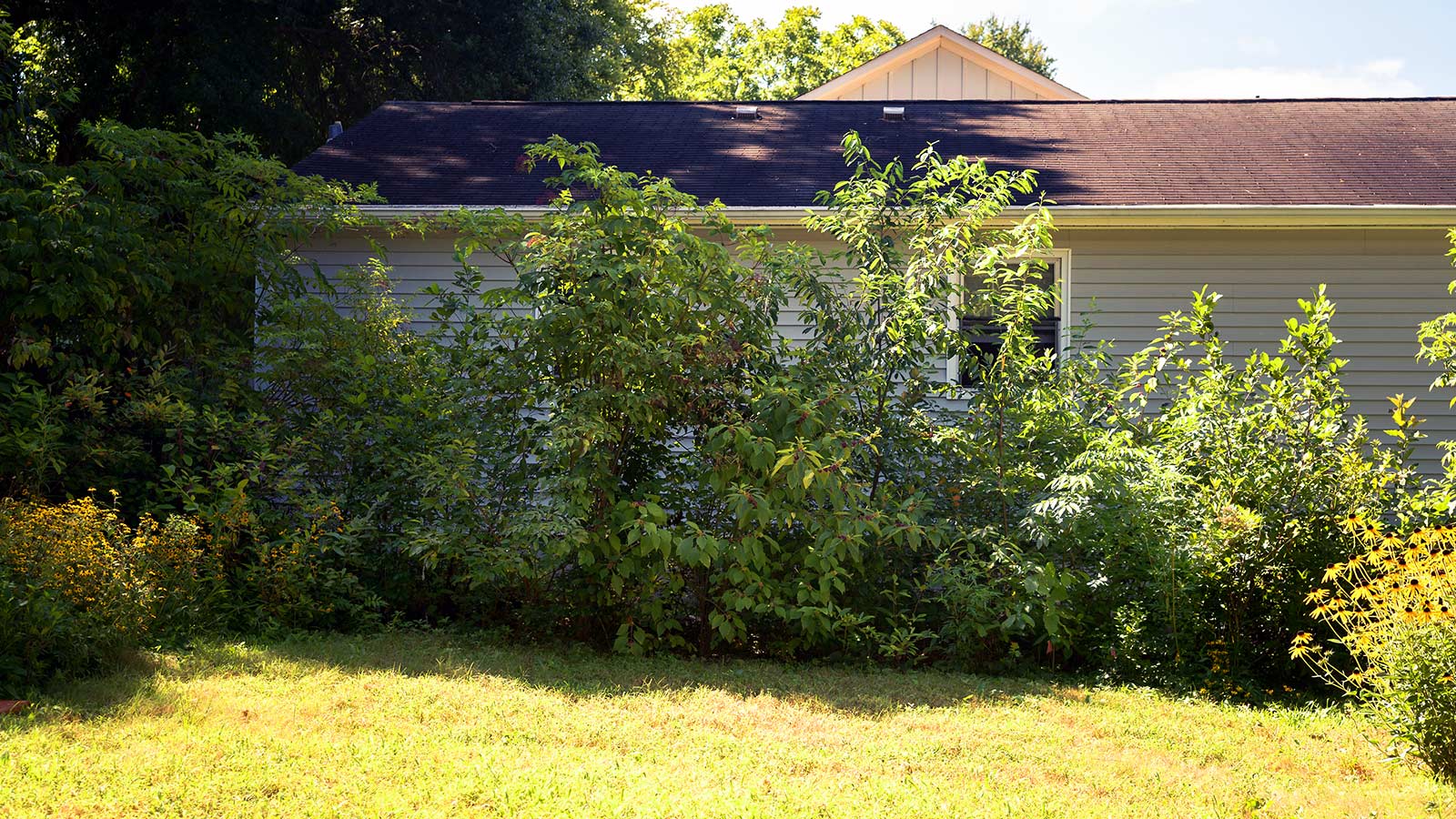
Maintenance trimming manages how trees grow near homes, walkways, and structures, and removes dead limbs from the spaces you use.
When done correctly, it solves common problems without damaging your trees or shrubs.
Technically, trees do not need maintenance trimming to improve their health or stability. This type of pruning is generally done to improve safety, access, and comfort for people. When needed, it’s important to do it correctly to protect trees and shrubs from unnecessary damage and repeated stress.
What are the benefits of maintenance trimming?
- Improved access around homes, walkways, and driveways
- Reduced risk of damage to roofs, siding, gutters, and windows
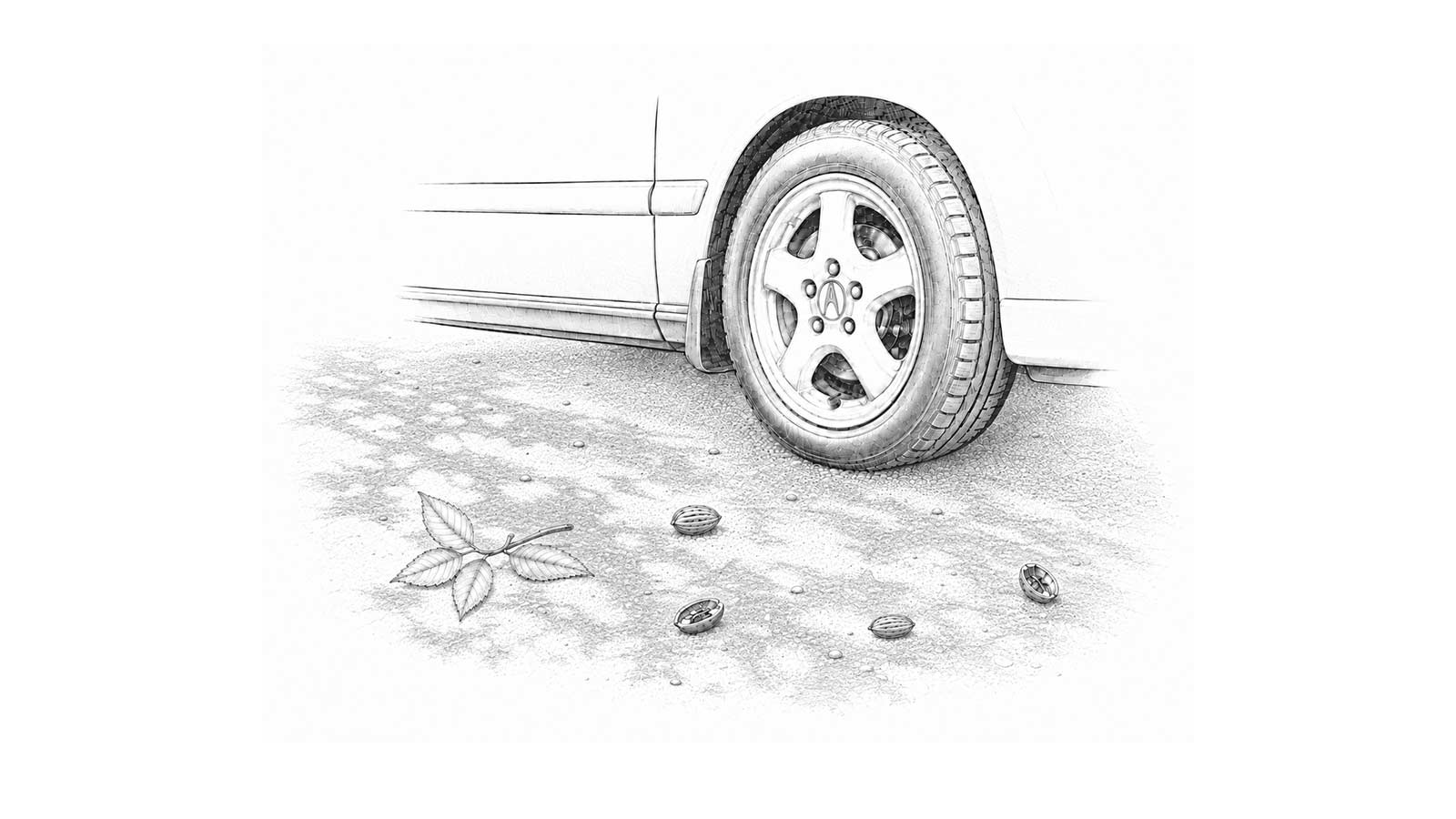
- Fewer broken limbs caused by repeated contact from vehicles
- Dead limbs over high-traffic spaces removed before they fall
- Preserves the health of your trees and shrubs when cuts are made correctly

Why should I hire a professional arborist to prune my trees and shrubs?
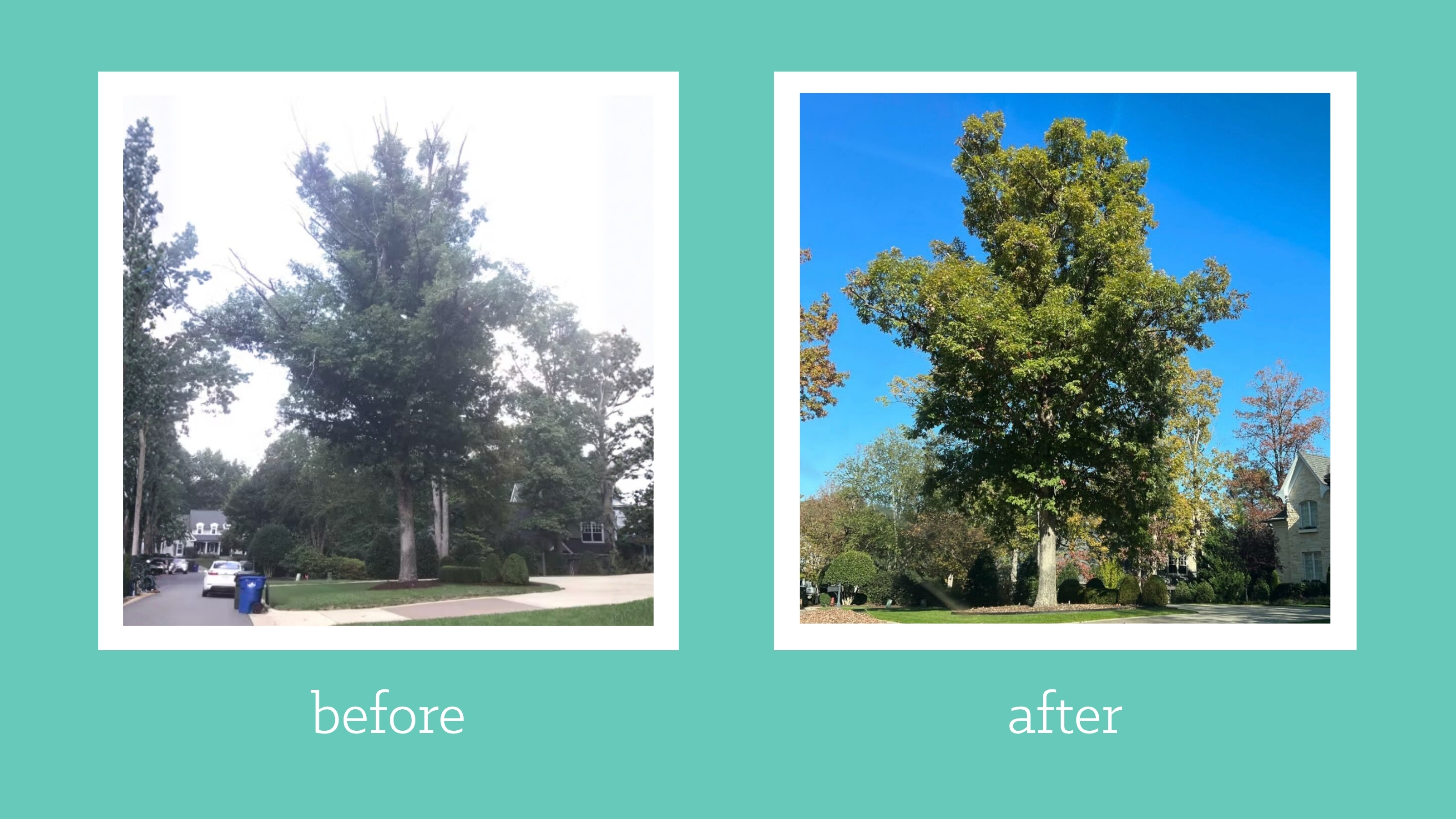
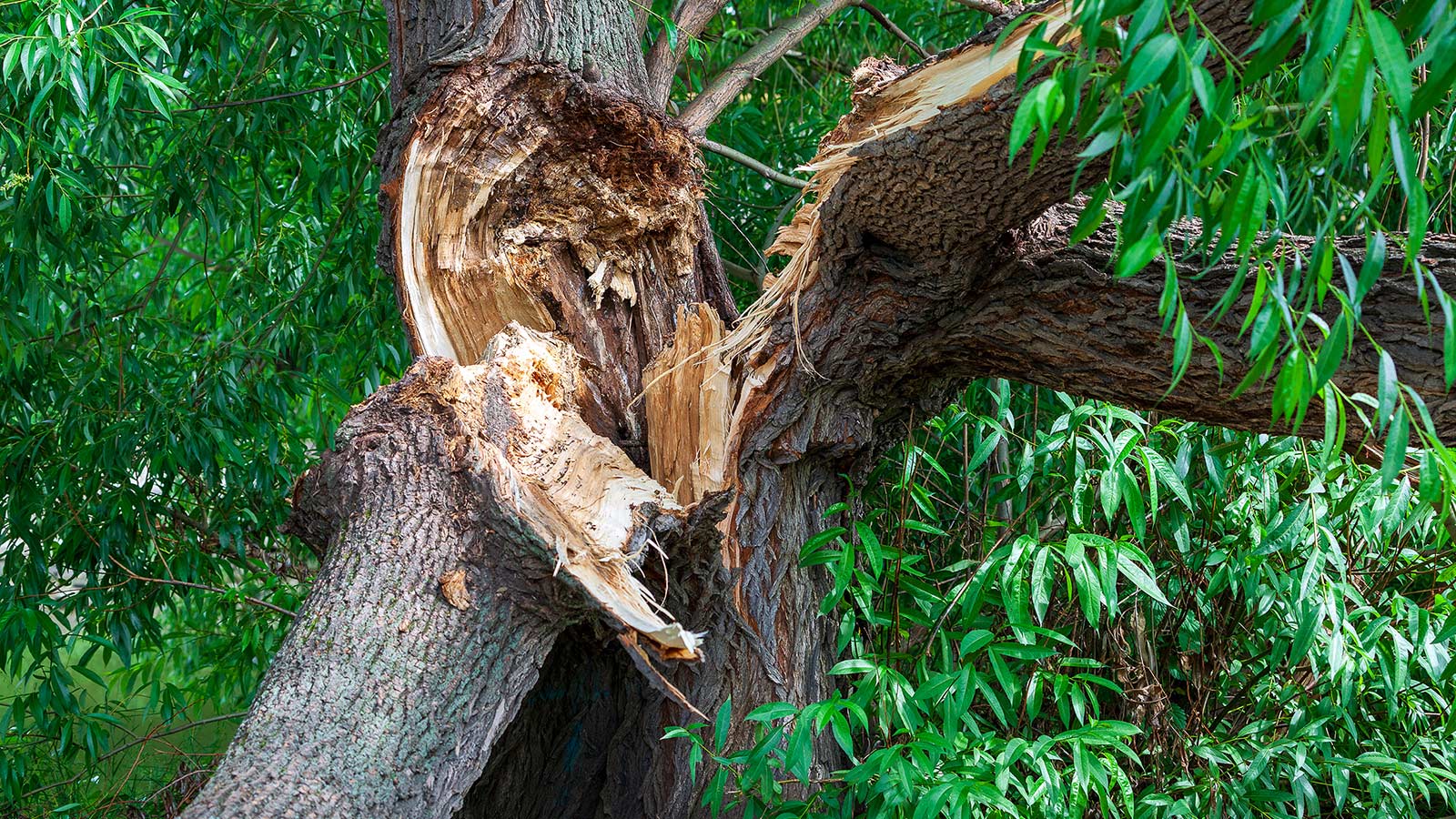
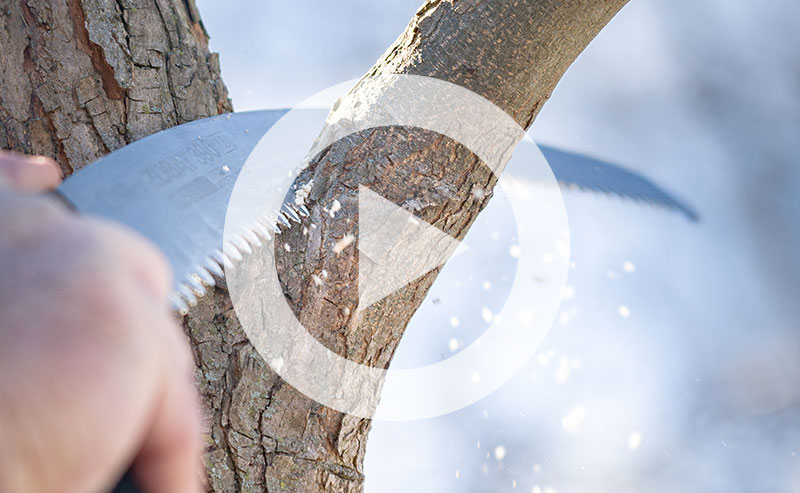
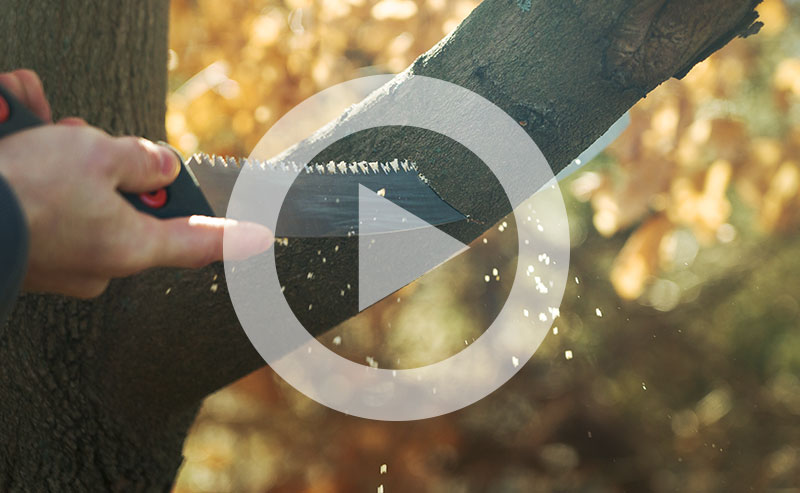
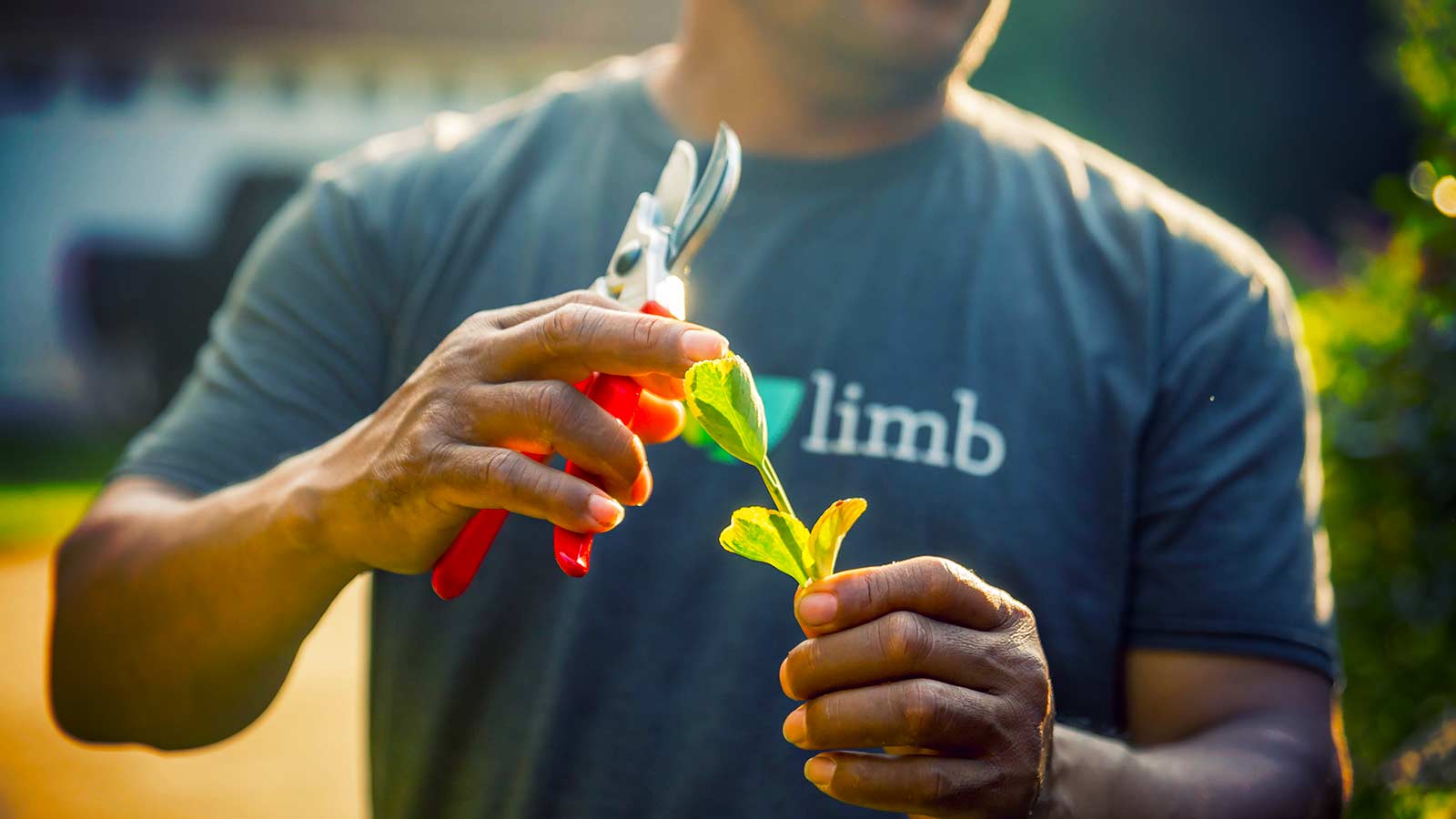
Bad pruning can kill trees. Improper pruning cuts can permanently weaken a tree, invite pests and disease, or accelerate decline.
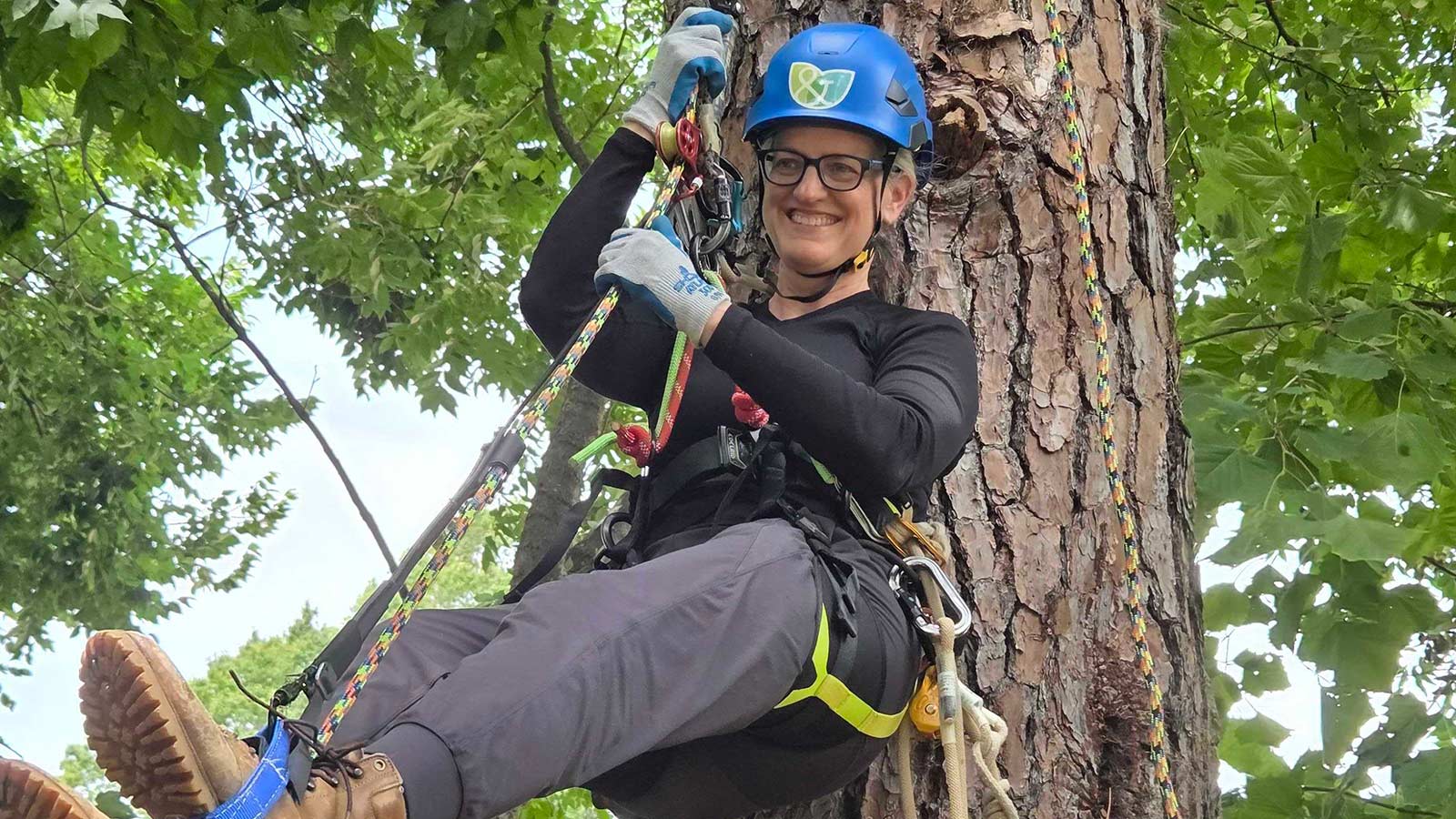
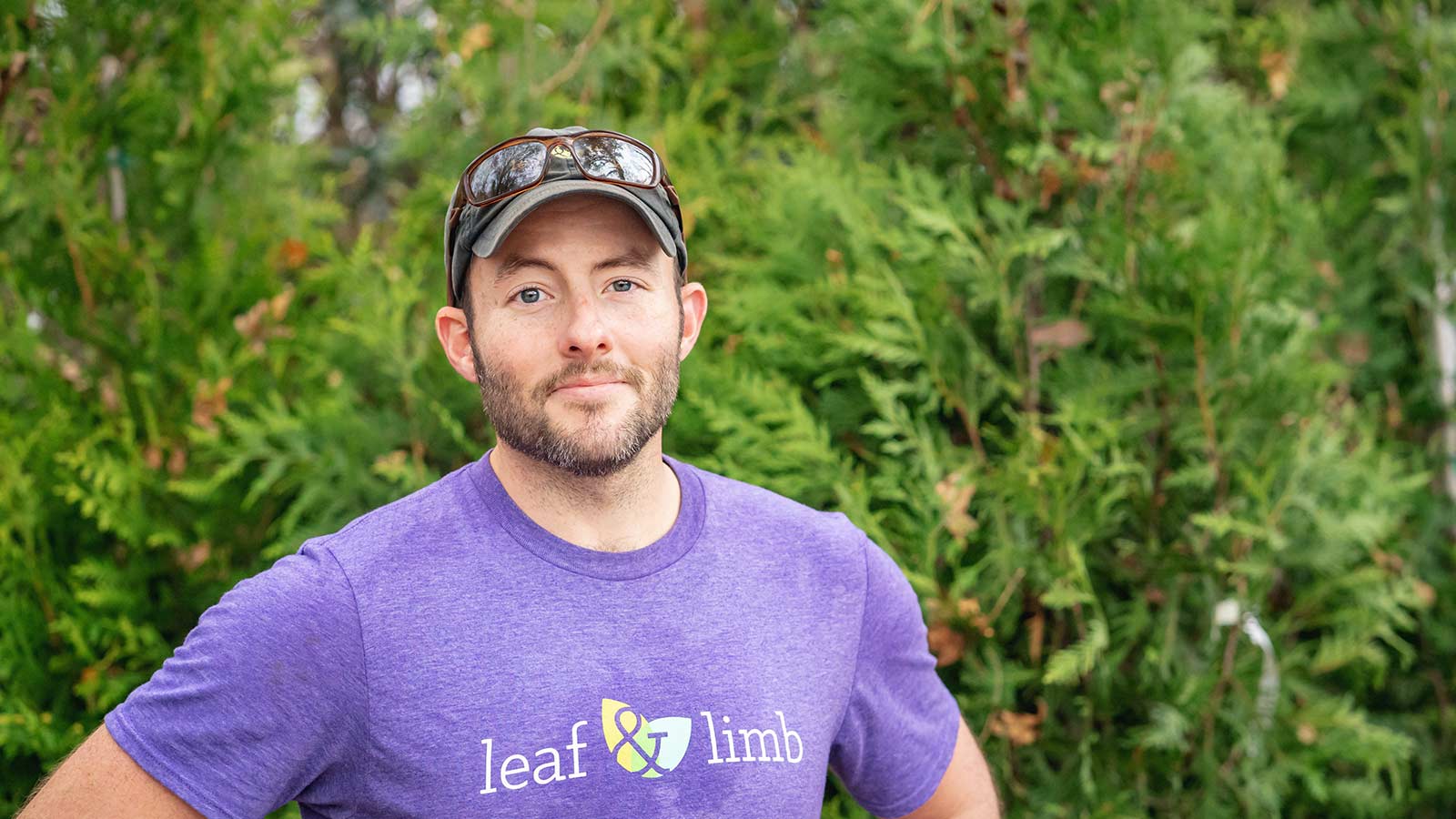
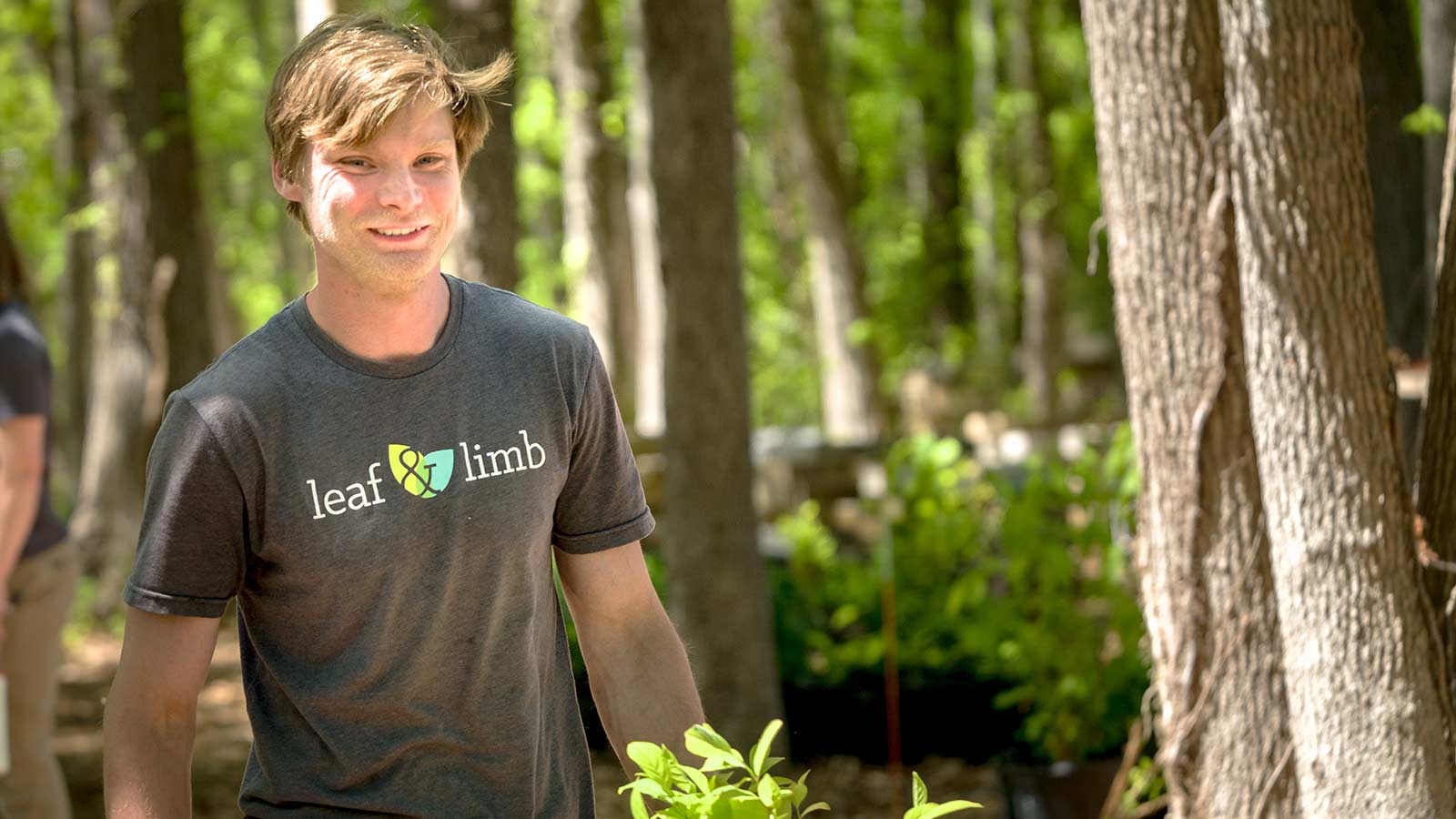
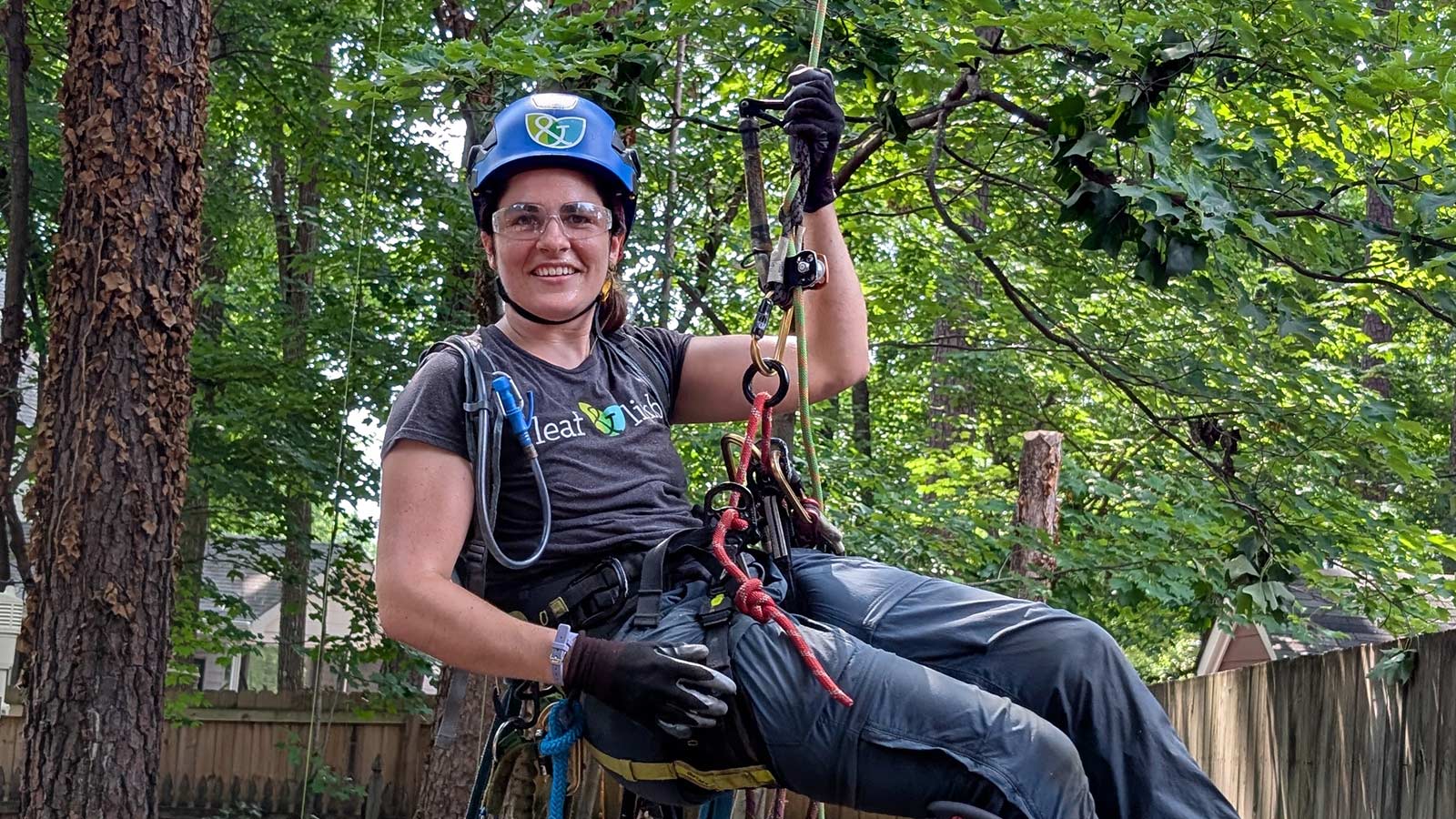
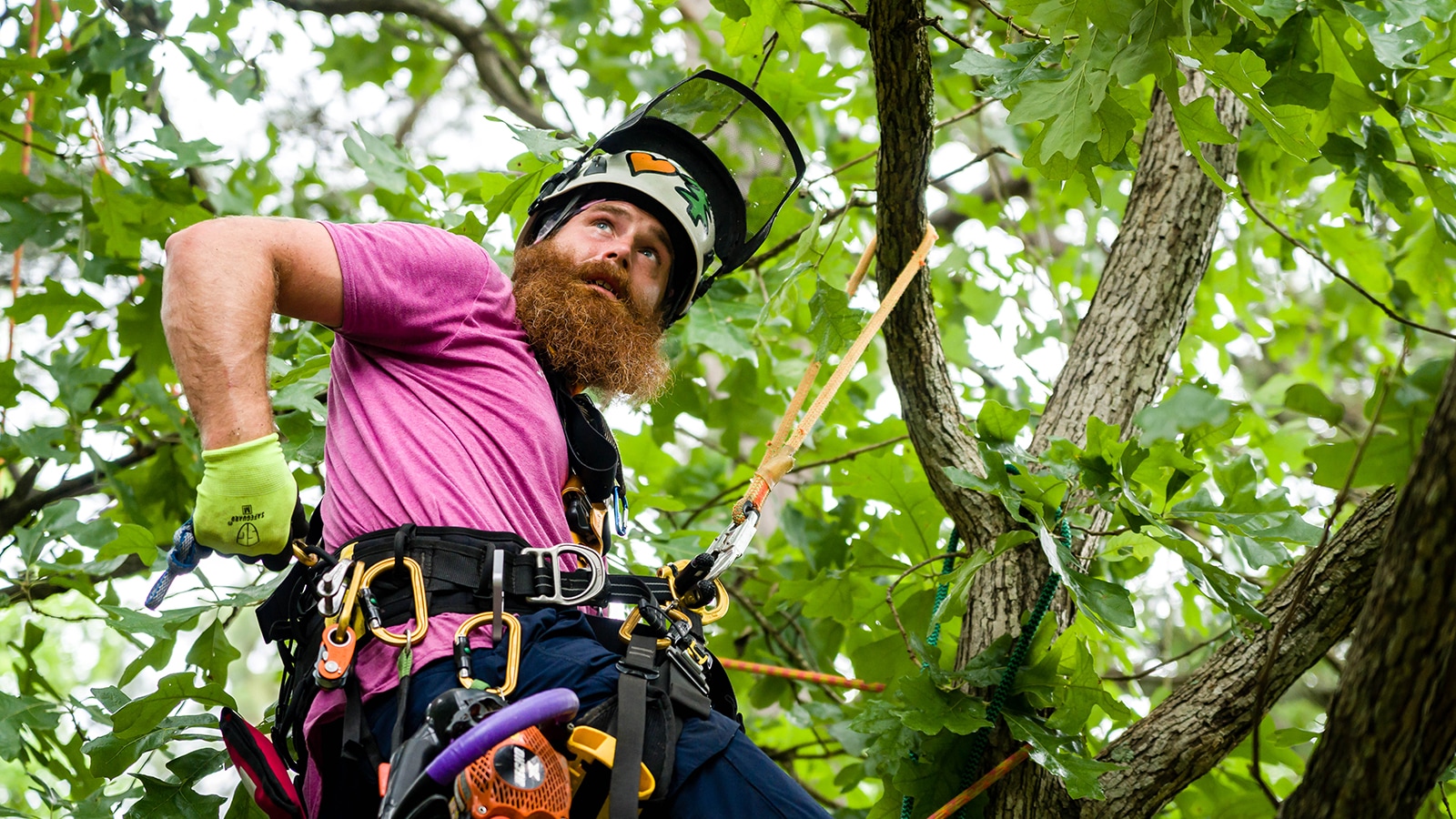
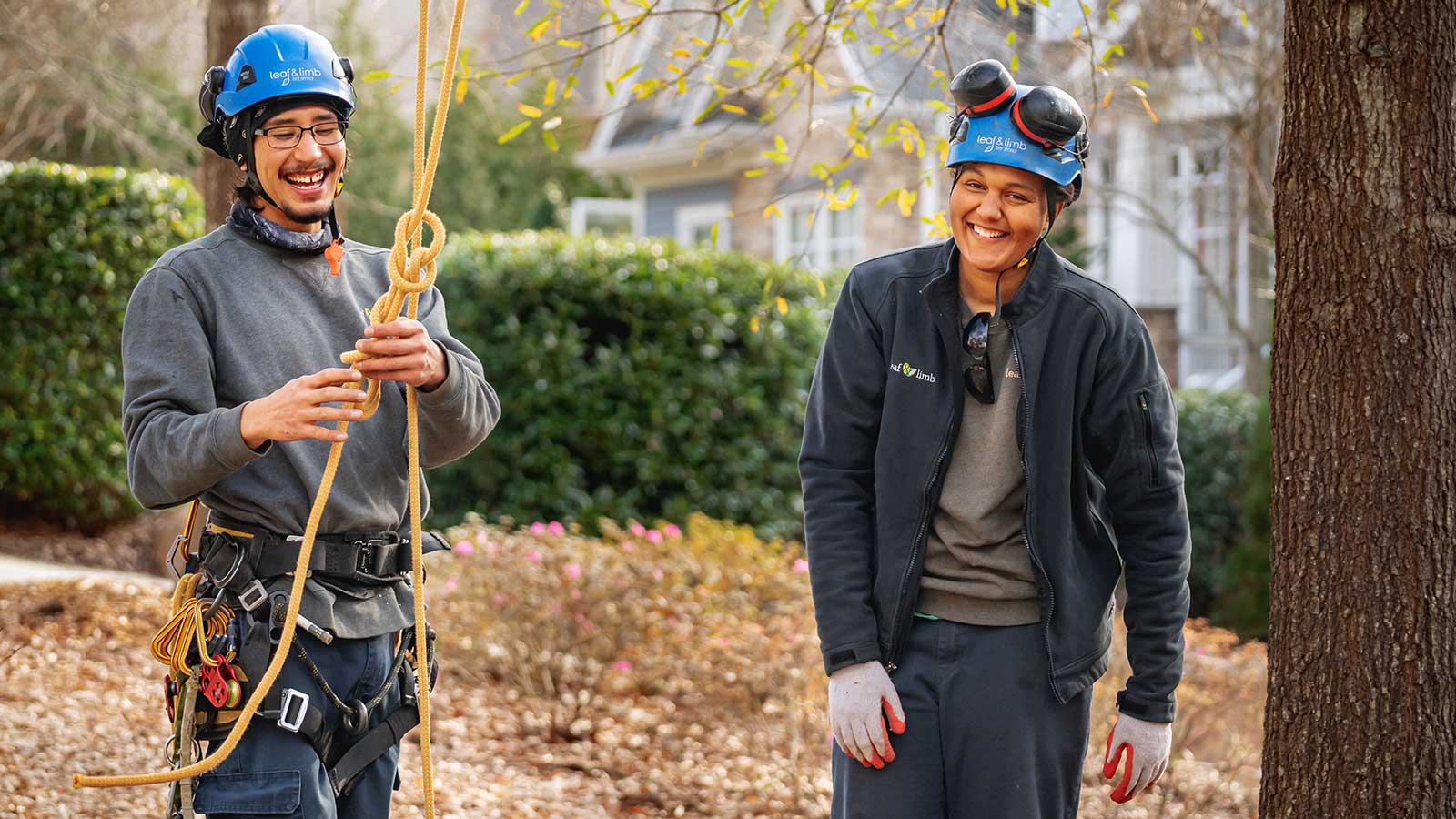
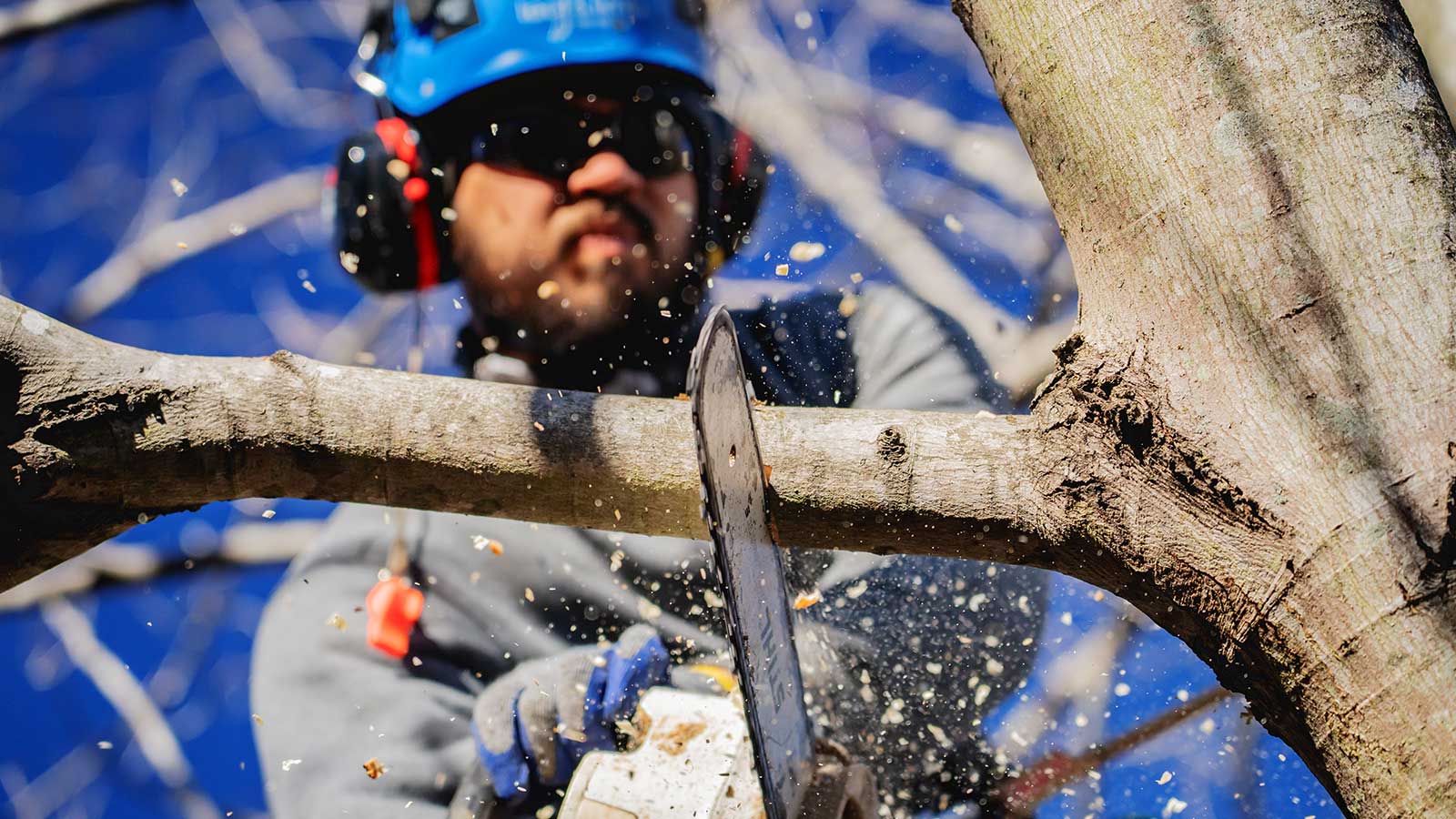
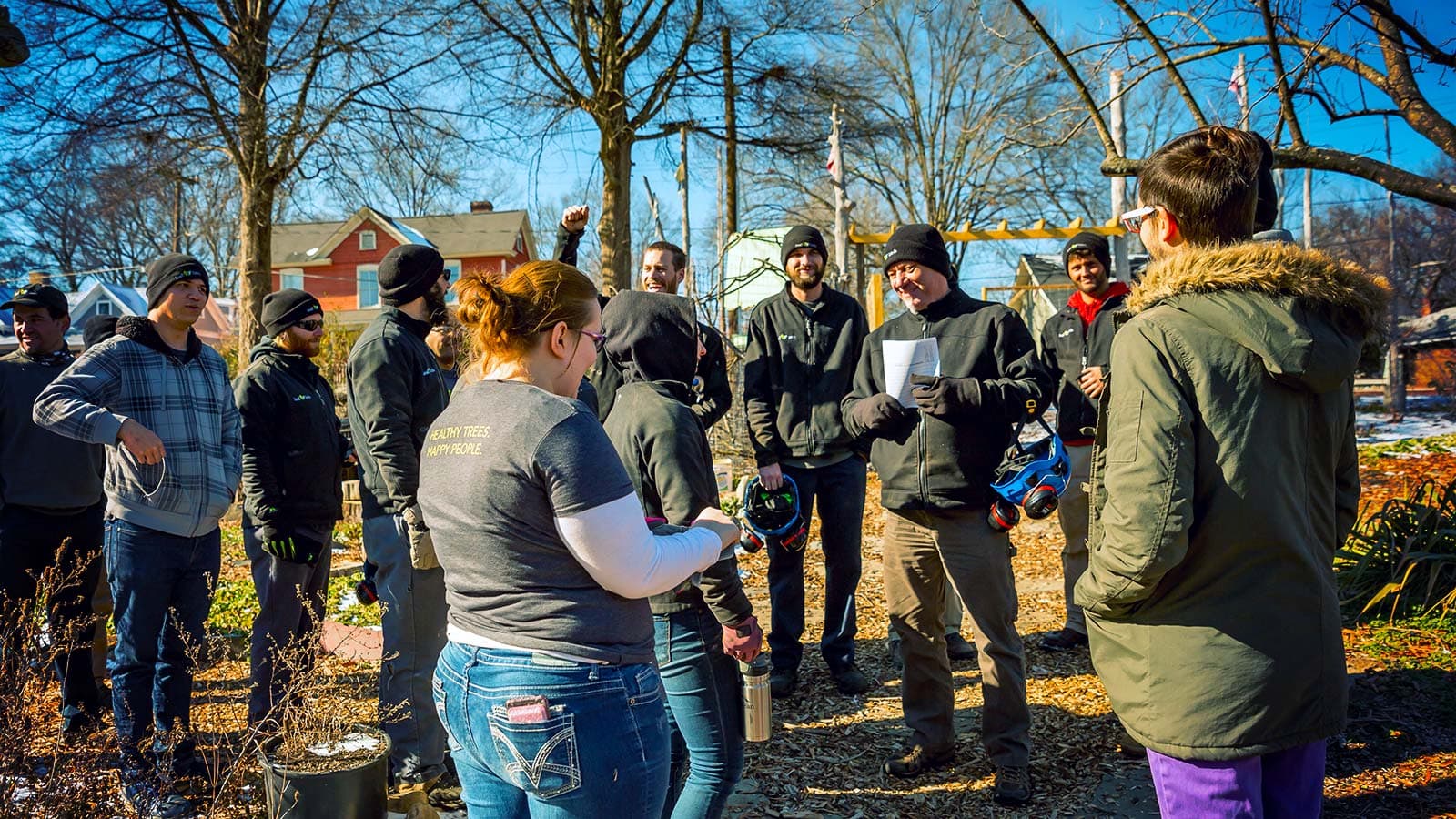
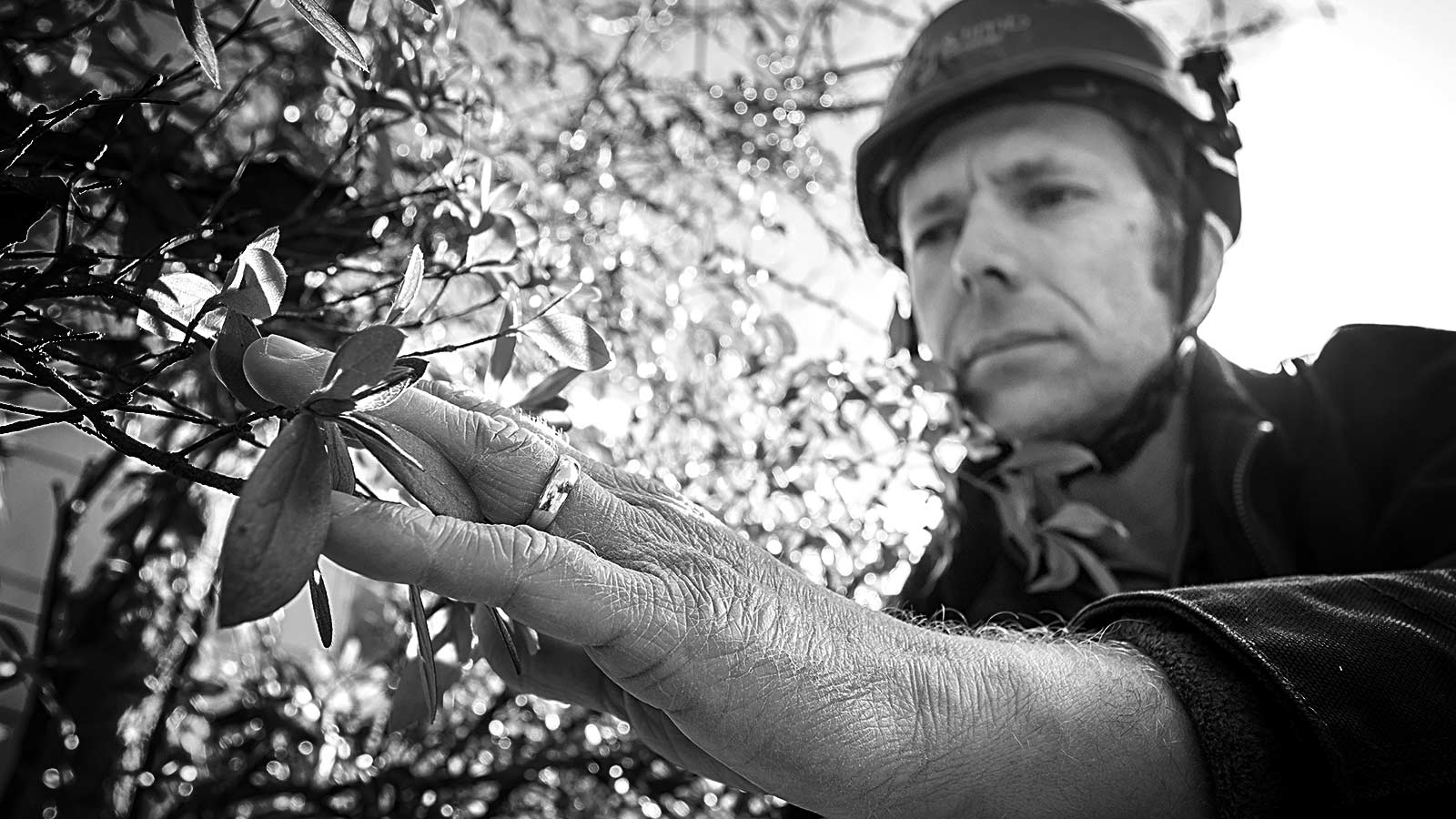
At Leaf & Limb, our Treecologists are trained to understand tree biology, growth patterns, and the long-term structural development of trees. Every cut is intentional, precise, and made with the tree's future in mind.
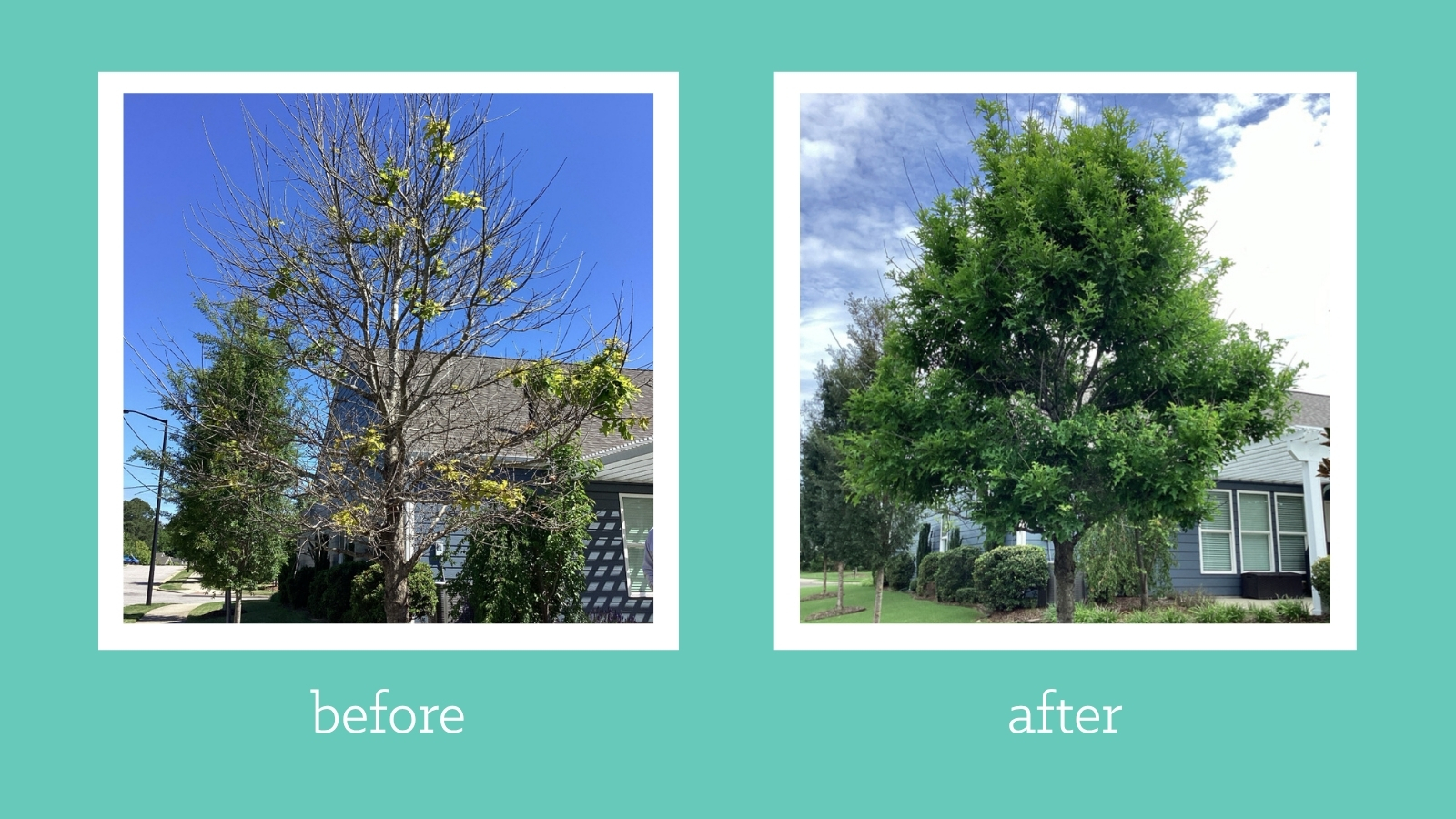
Done correctly, maintenance trimming solves common problems while maintaining the health of your trees and shrubs. Done incorrectly, it can irreversibly damage or shorten a tree's life.
Maintenance Trimming Guidelines at Leaf & Limb
As long as it does not impact the long-term health of your tree, we typically prune to accomplish the following goals. Exact targets may vary based on species, tree health, and site conditions.
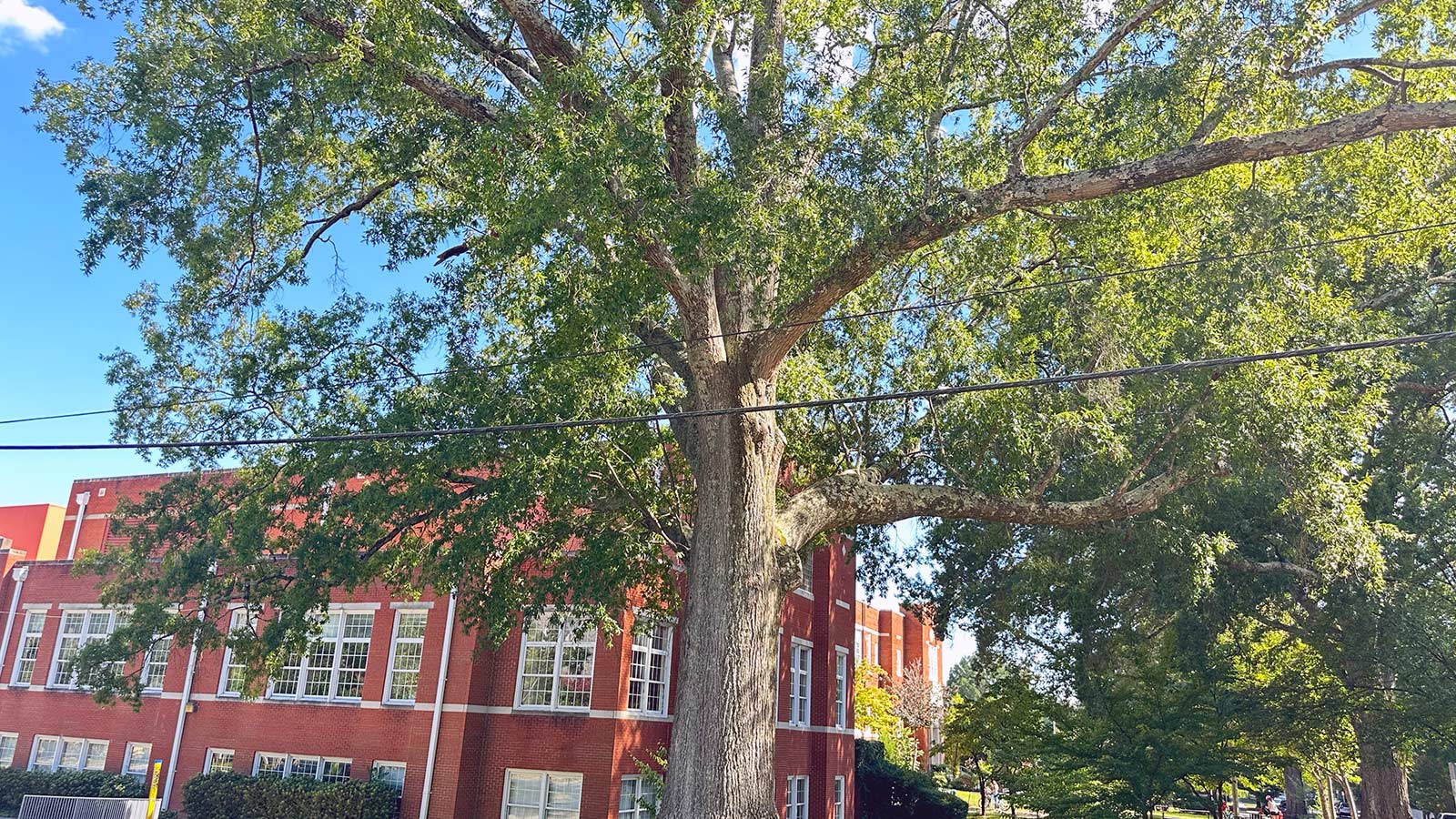
- Prune branches at least 6 feet away from the building or deck and at least 6 feet above and away from the roof.
- Elevate canopies approximately 6–8 feet over walkways and 12–15 feet over streets or parking.
- Remove dead limbs large enough to cause damage or injury where they hang over high-traffic areas.
How do I know if I need to trim my trees or shrubs?
Maintenance trimming is ideal if you have:
- Branches contacting your roof or damaging shingles
- Trees or shrubs touching siding or windows
- Limbs hanging low over driveways or sidewalks
- Tree branches closely overhanging structures
- Dead limbs above a driveway, patio, walkway, or play area
- Visibility issues near streets, entrances, or parking areas
Ready to clear the way?
When done properly, maintenance trimming helps maintain safe, functional spaces without sacrificing the long-term health of your trees.
Get a Free Quote
A Treecologist will walk your property, answer your questions, and create a plan to resolve your issues while keeping the long-term health of your trees and shrubs in mind.