Thickets 101: Collections of Small Trees and Shrubs that Provide Privacy, Erosion Control, and Wildlife Habitats
These dynamic ecosystems provide many benefits and fill in the gaps in our natural landscape.
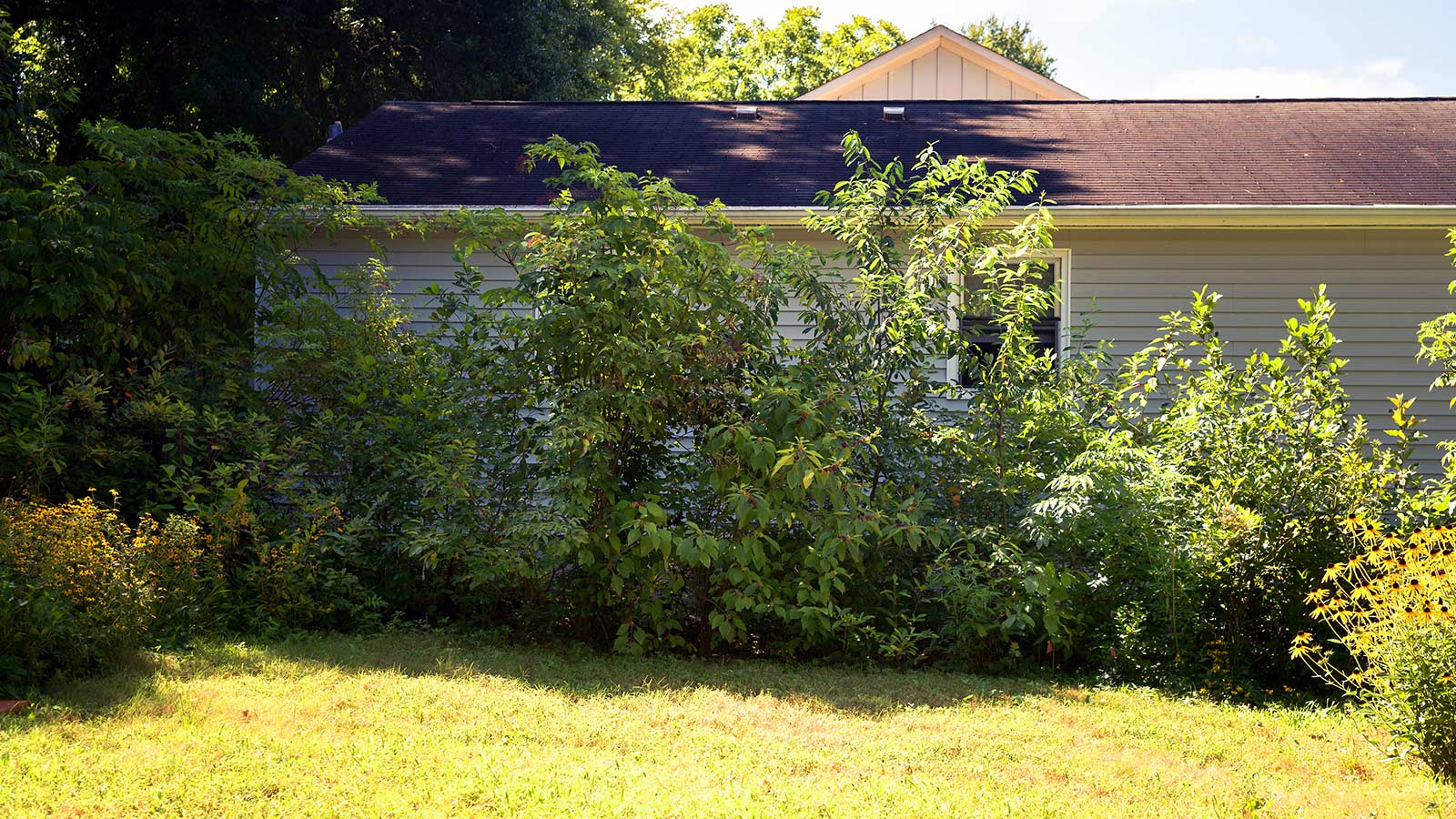
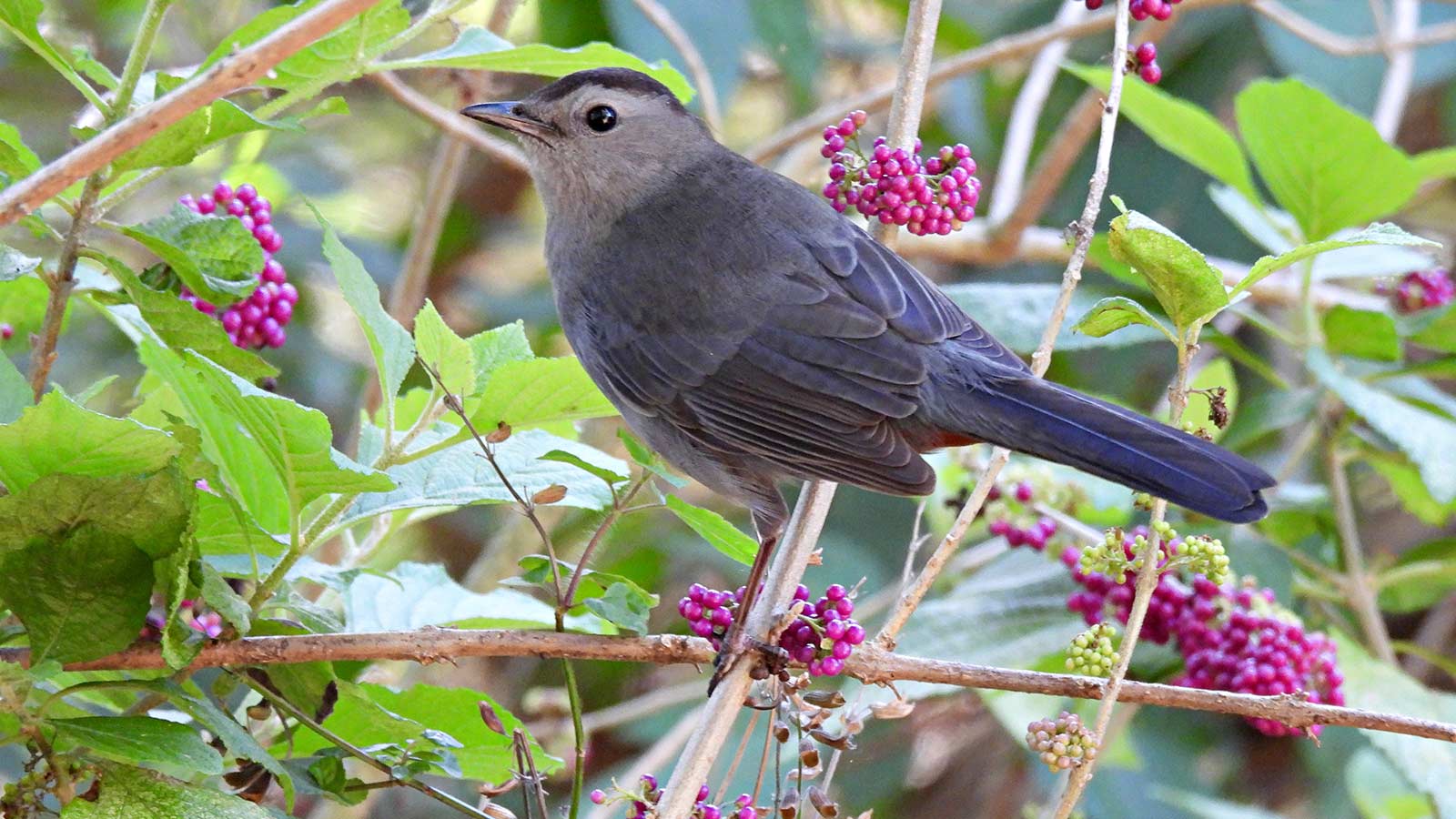
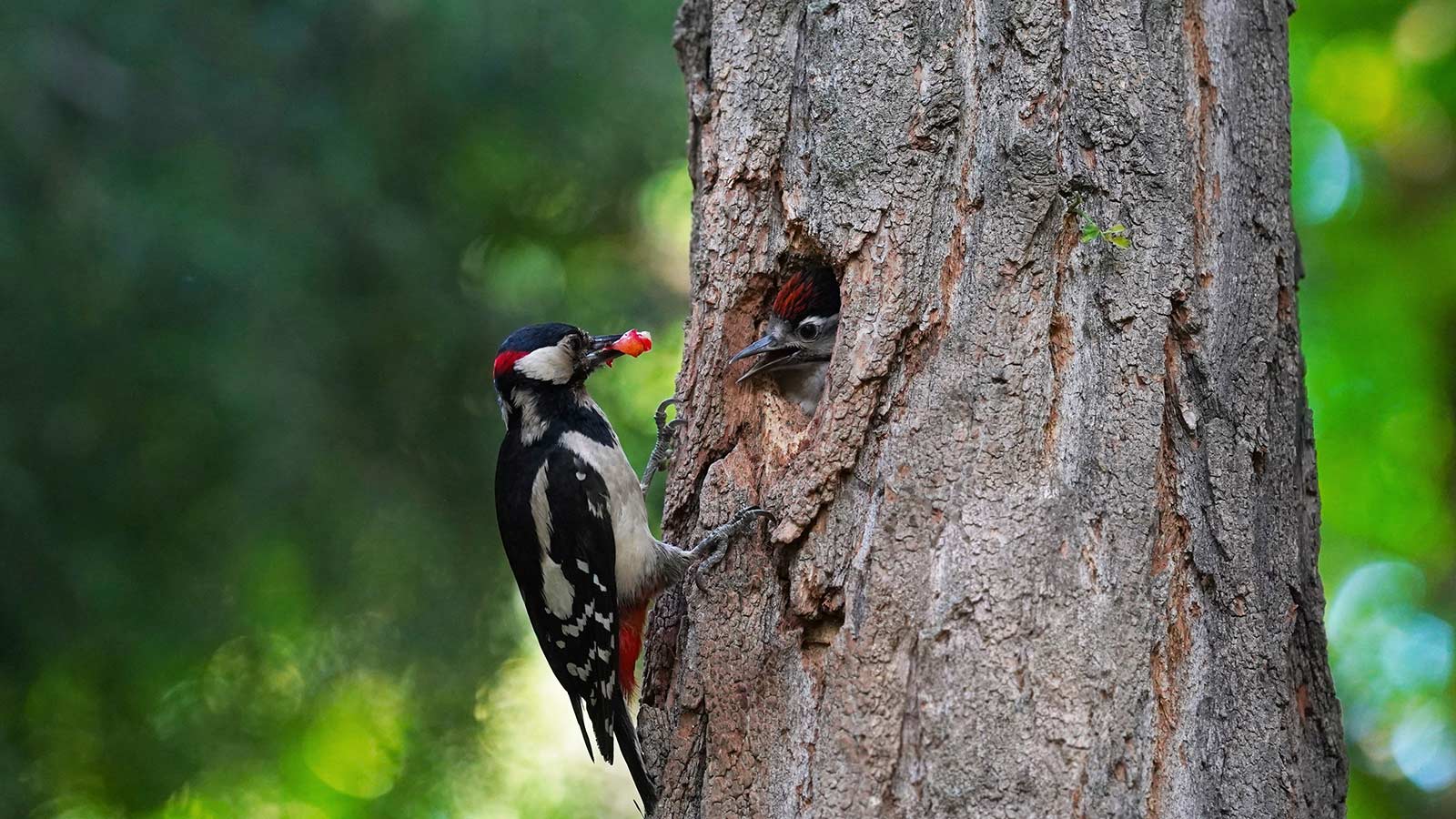
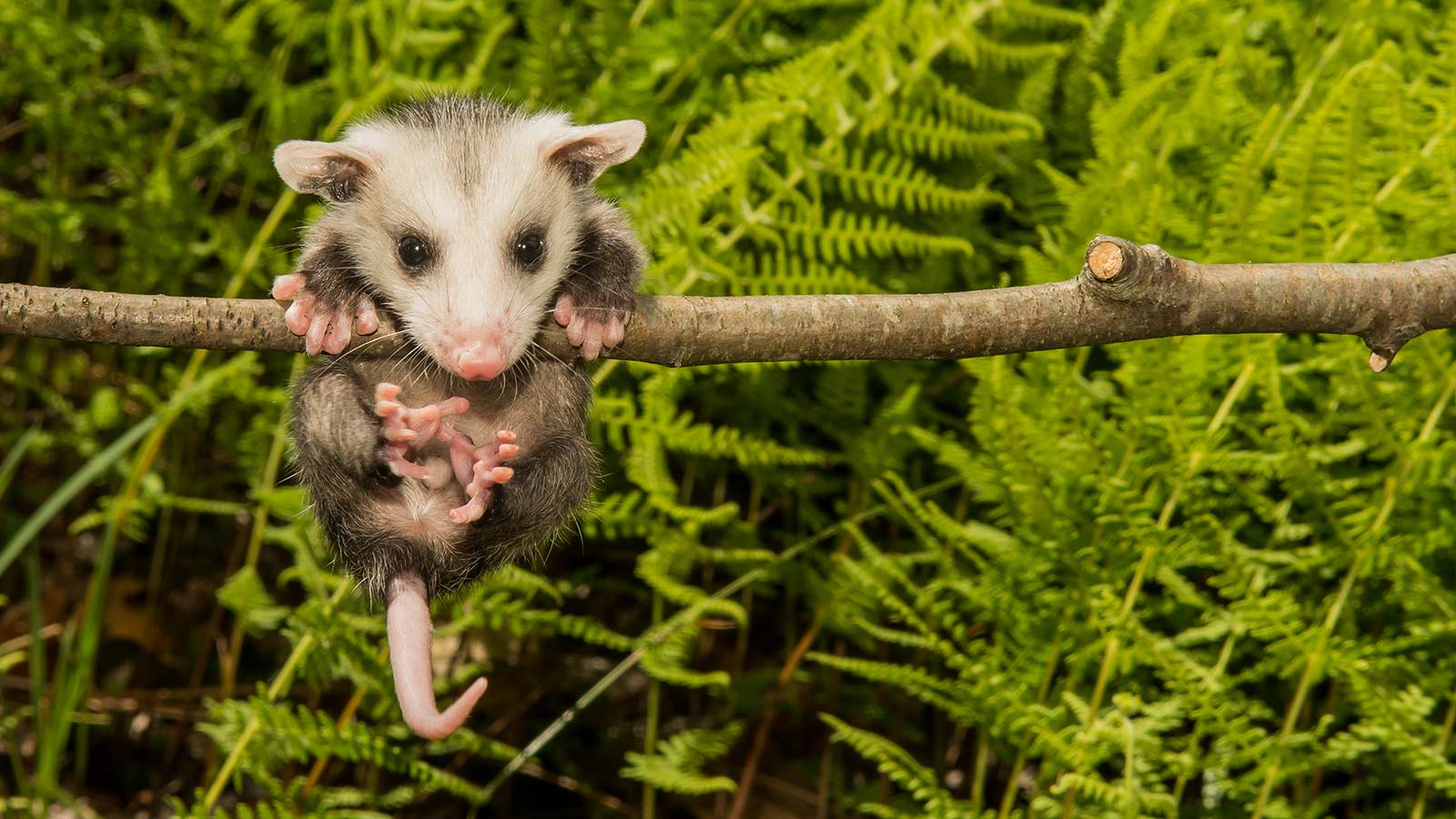
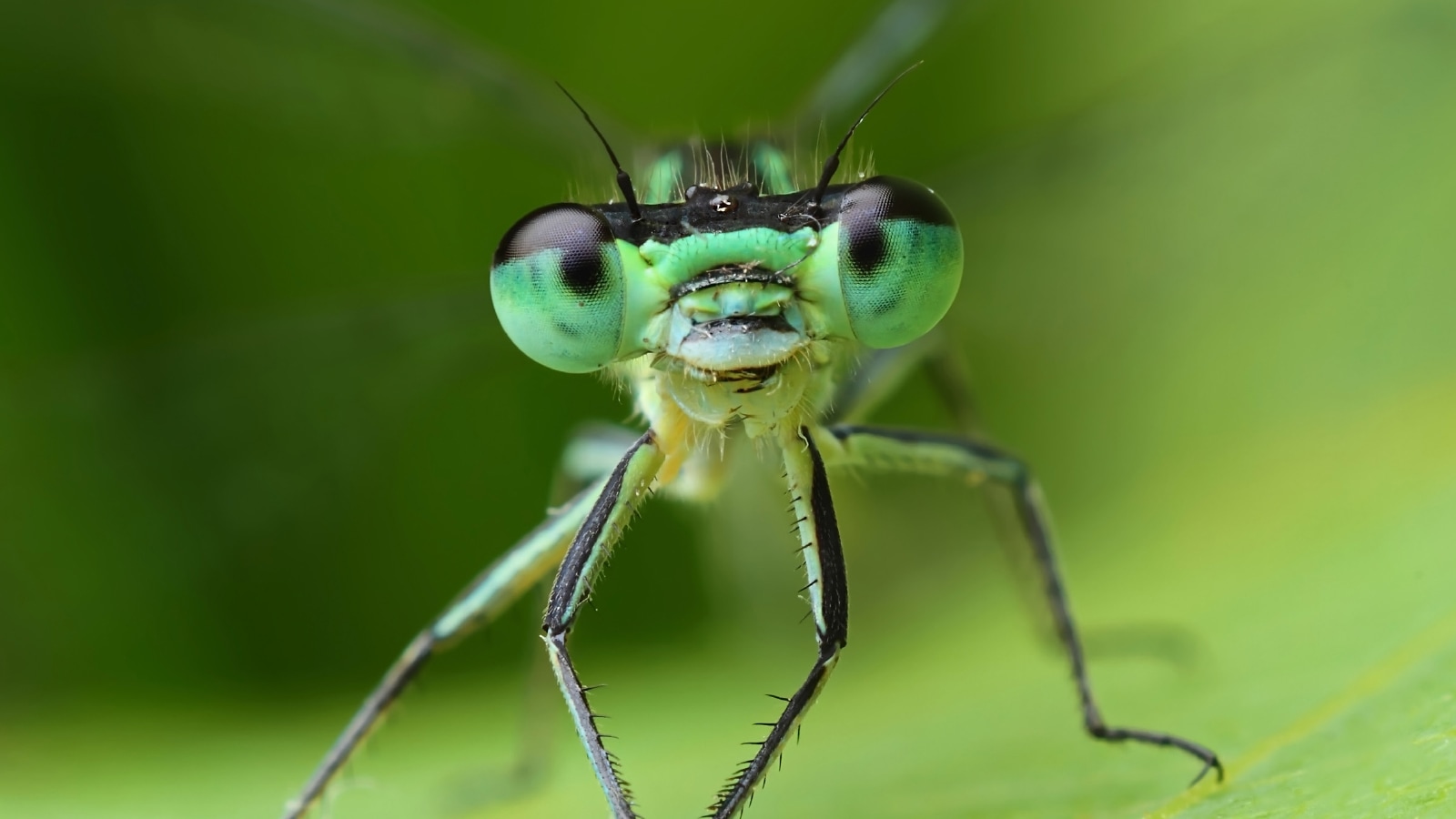
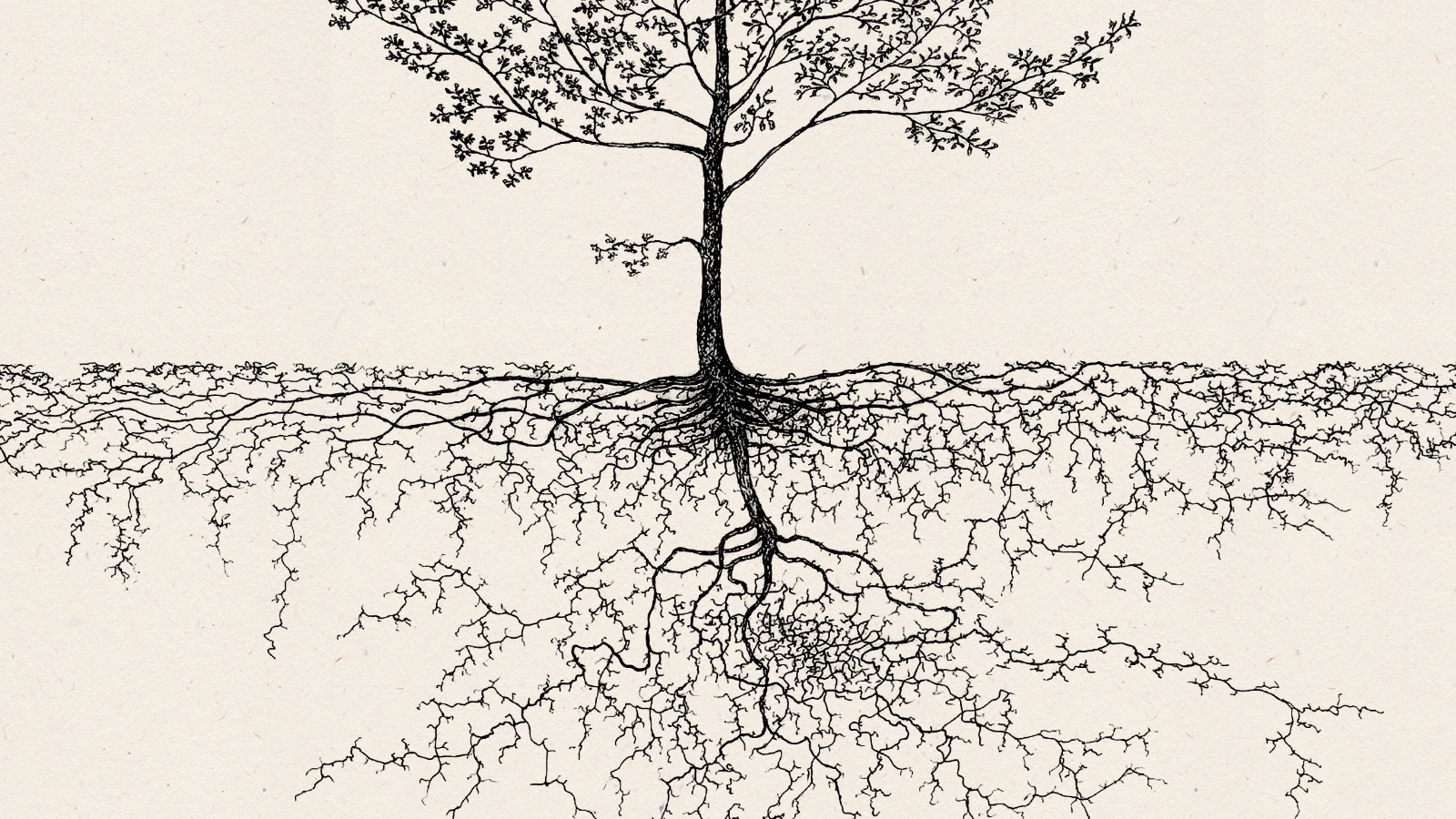
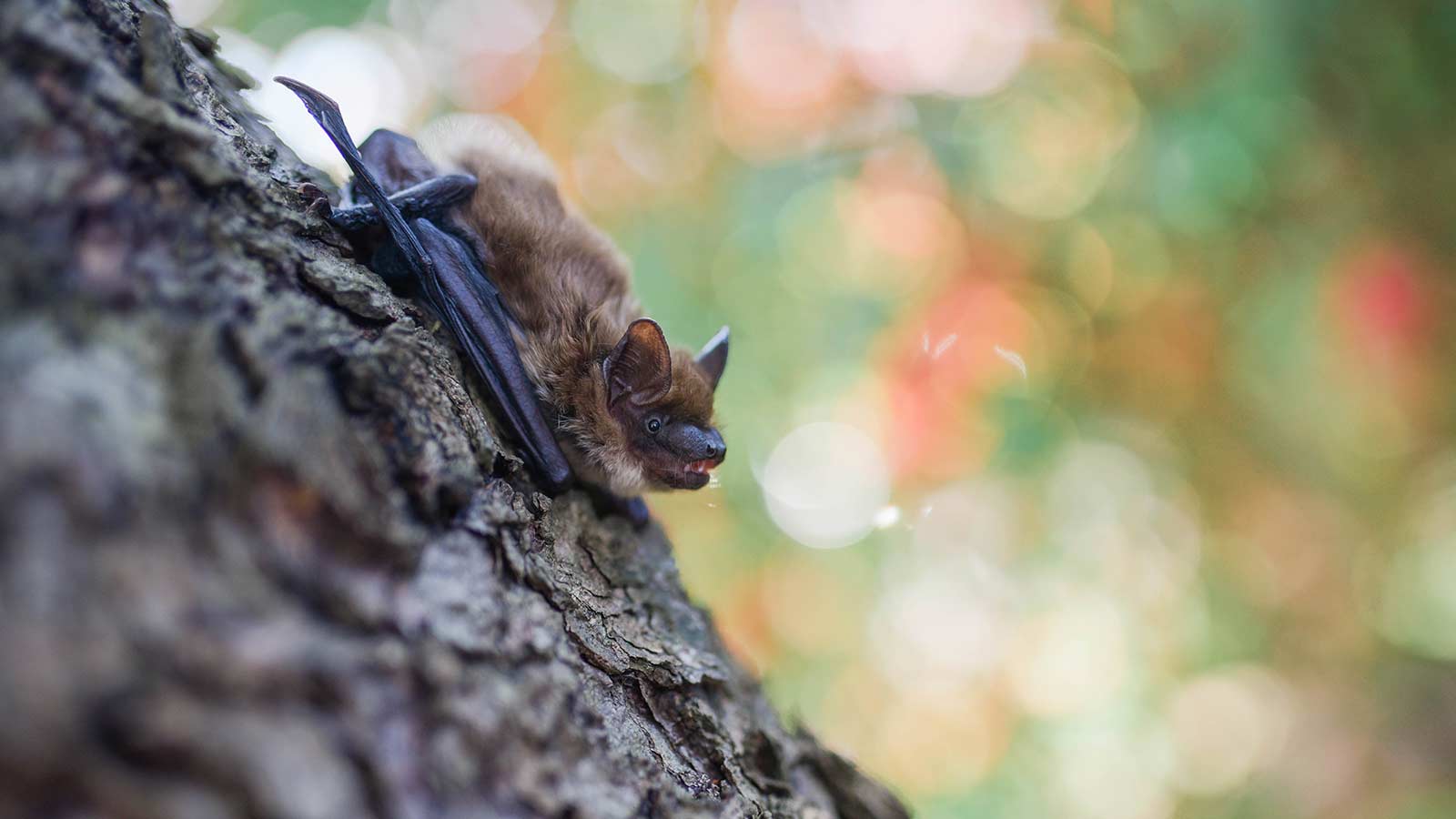
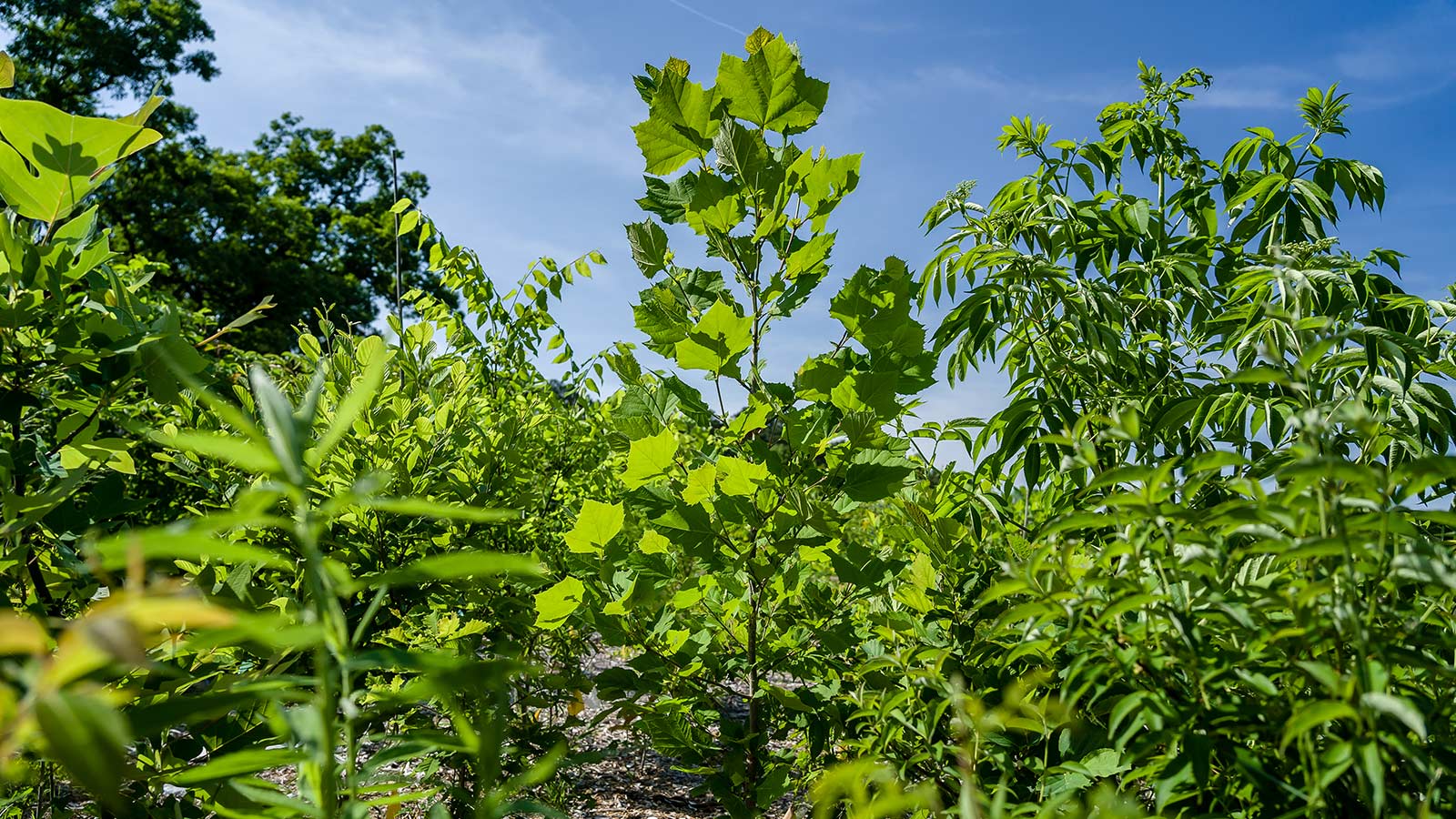
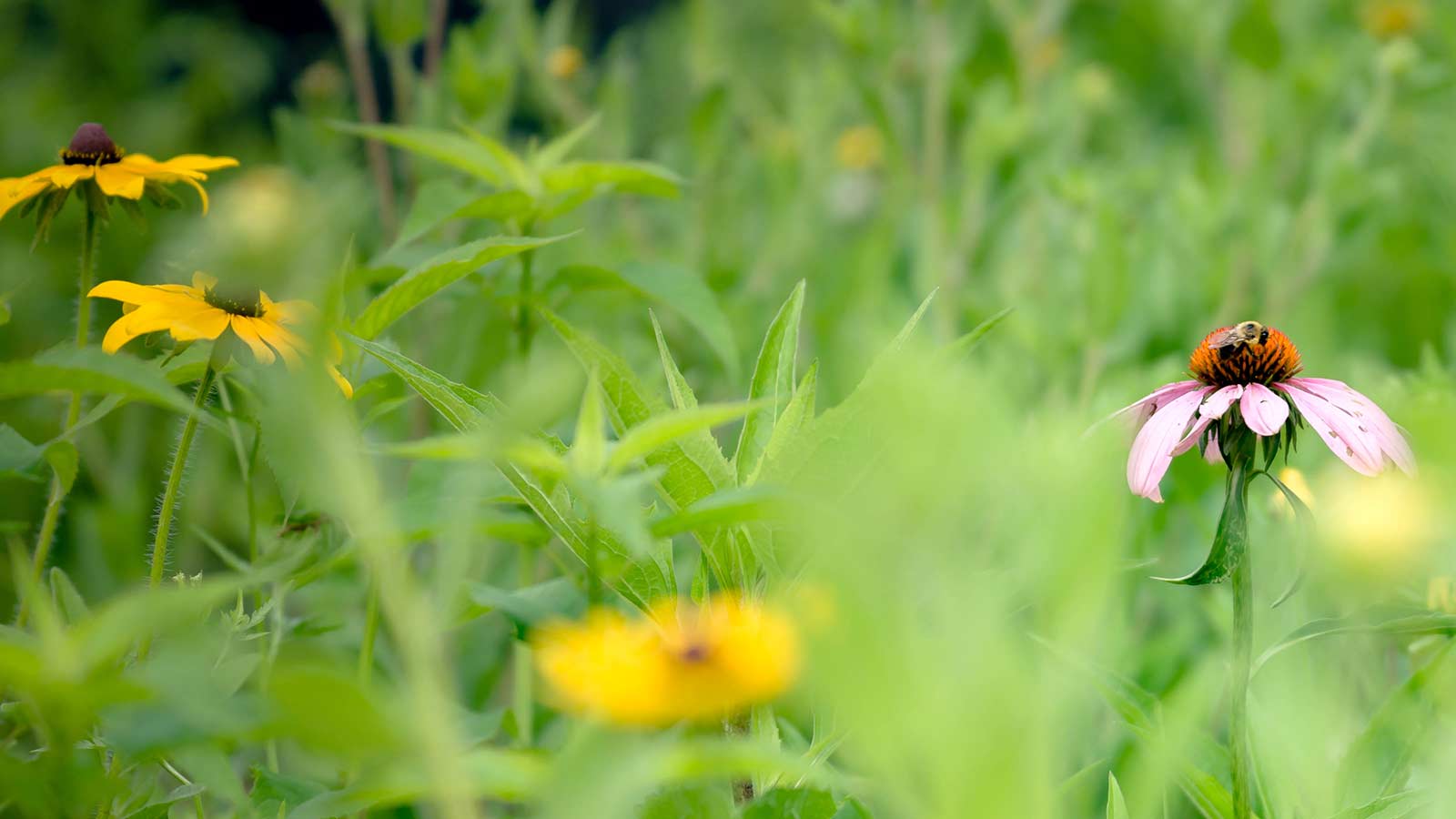
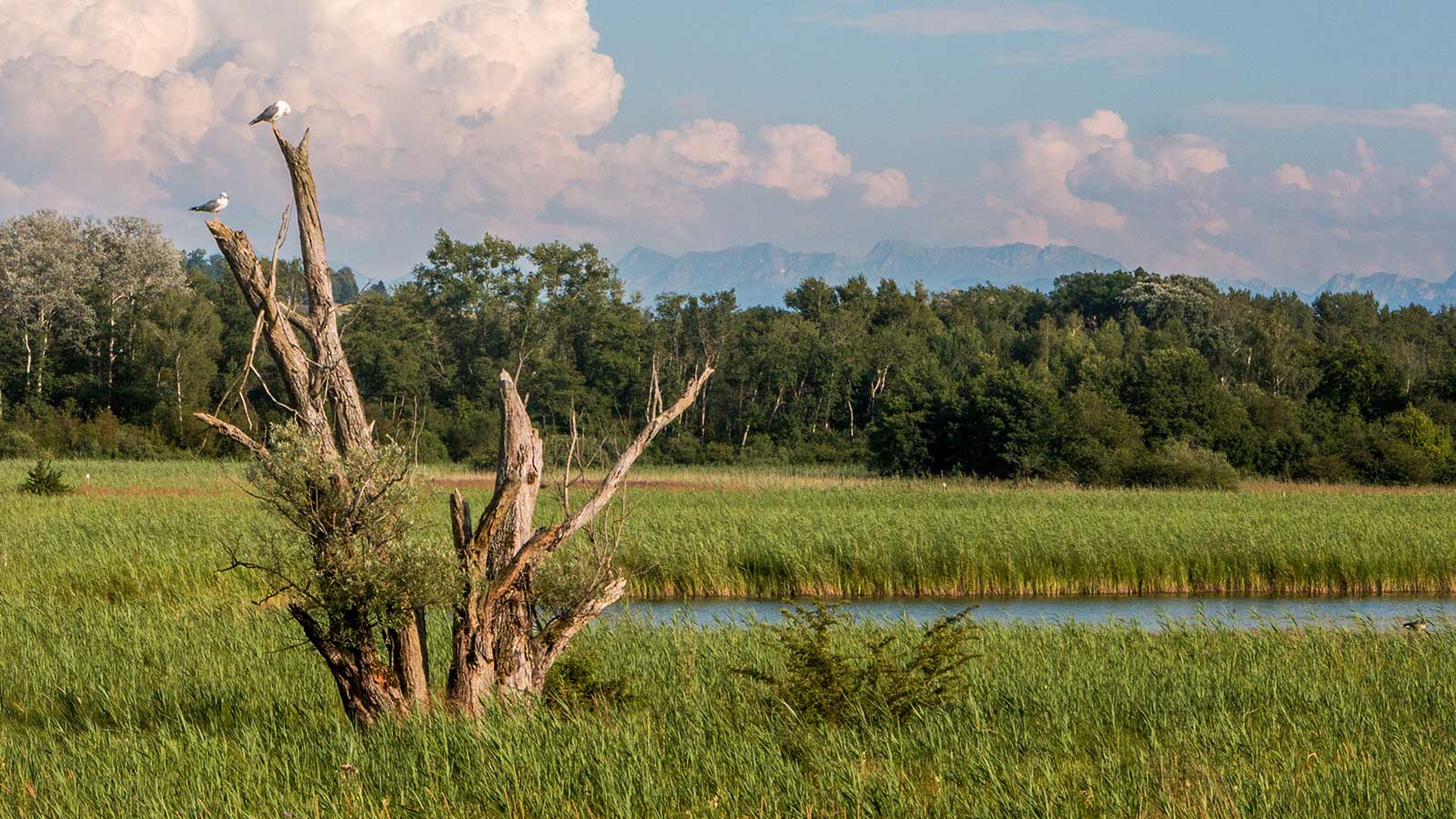
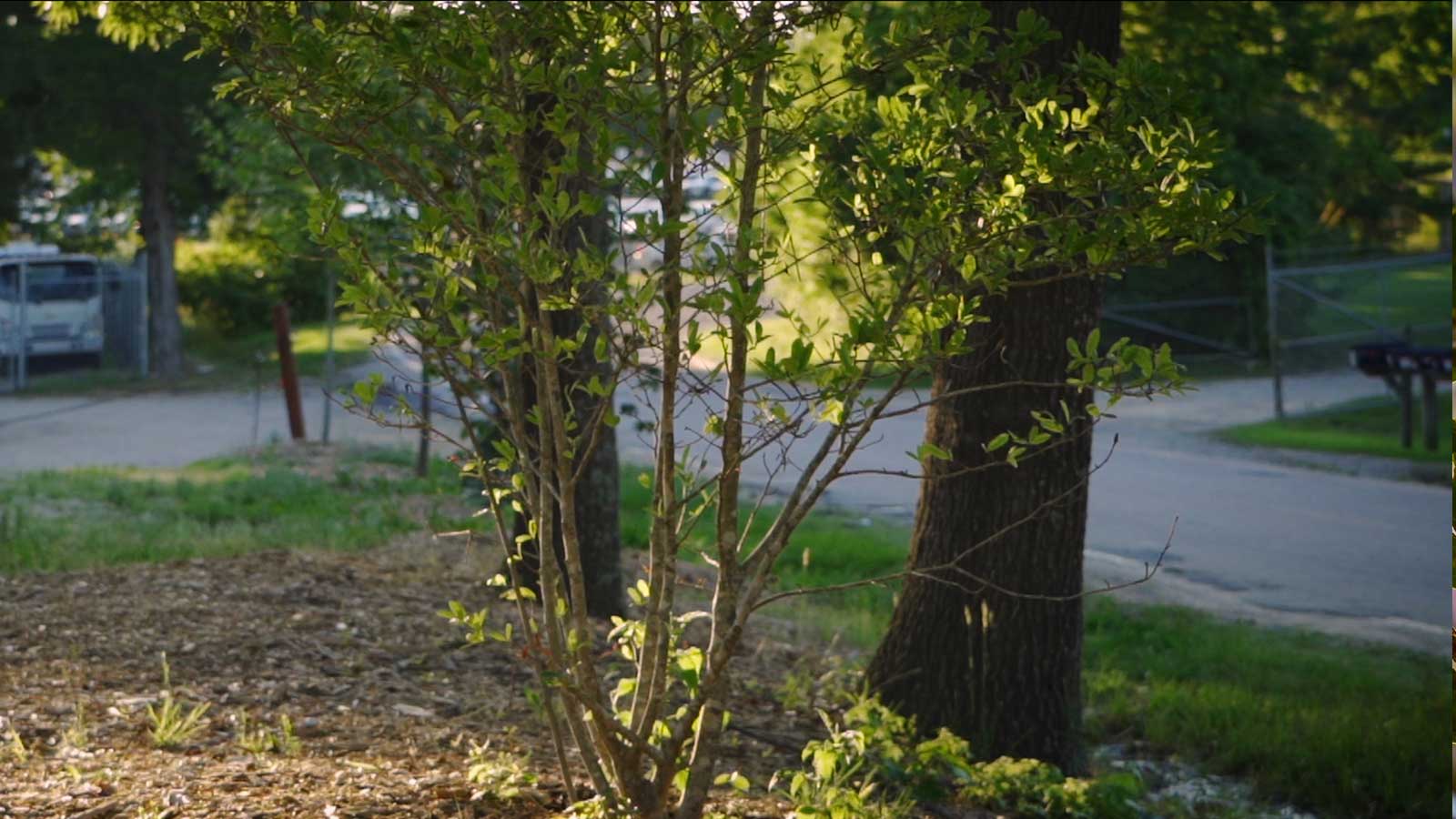
Thickets are collections of native shrubs and small tree species growing close to one another. Once a common feature in natural landscapes, they're now less abundant due to hundreds of years of agriculture and development. These ecosystems are essential because they provide food and shelter for wildlife, including insects and birds, and serve as a transition zone between meadows and forests.
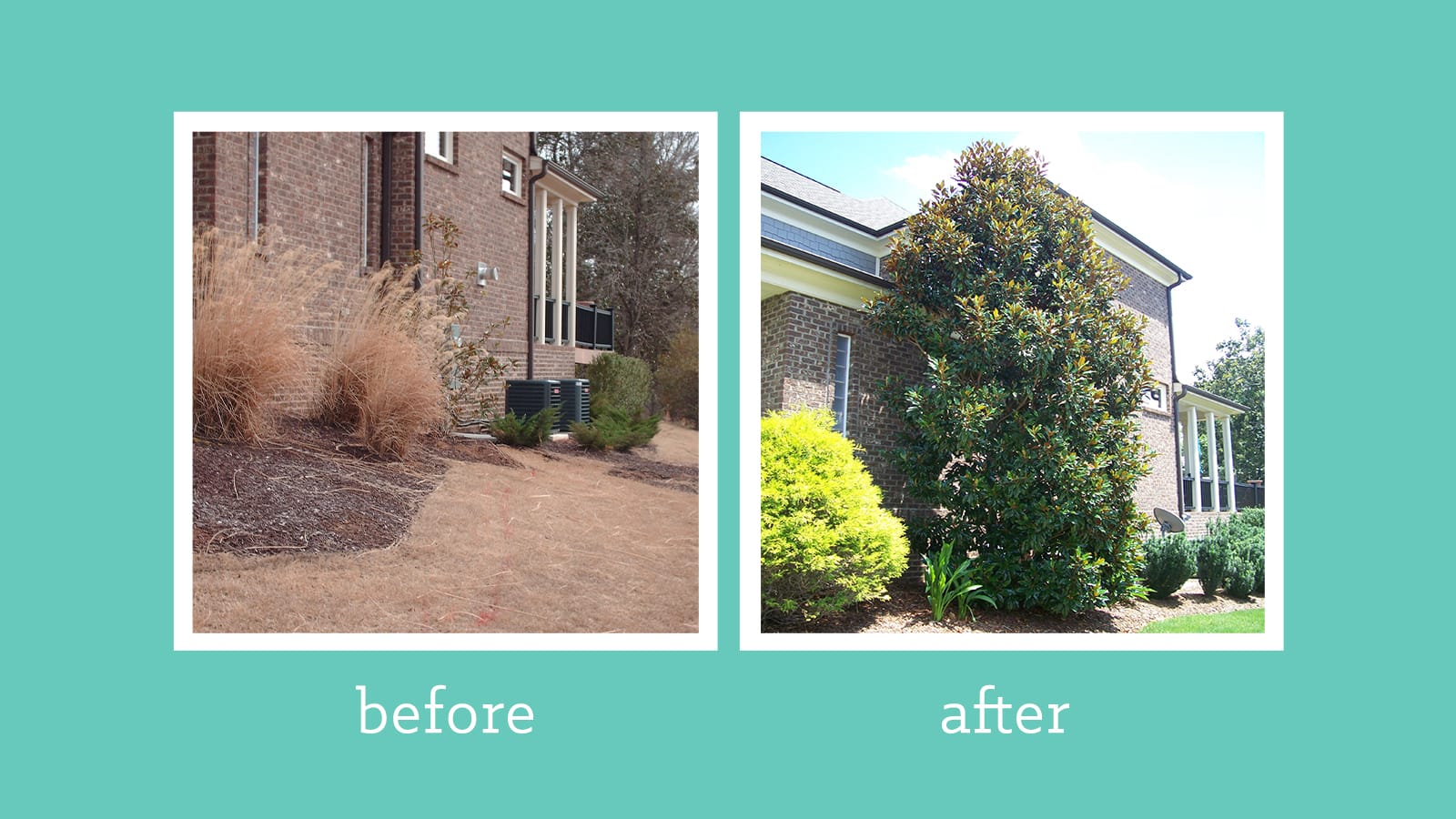
Fortunately, there's a way to bring thickets back. By adapting the planting process we use for Pocket Forests, we can create thickets that serve practical purposes like controlling erosion and functioning as privacy screens or wildlife habitats. They're especially useful under power lines, where the height of taller trees may be a concern, and they're perfect for establishing borders between properties. Even though most of these plants are deciduous, they still provide privacy during the dormant season — planting them closely together causes them to grow tightly entwined.
How to Plant a Thicket
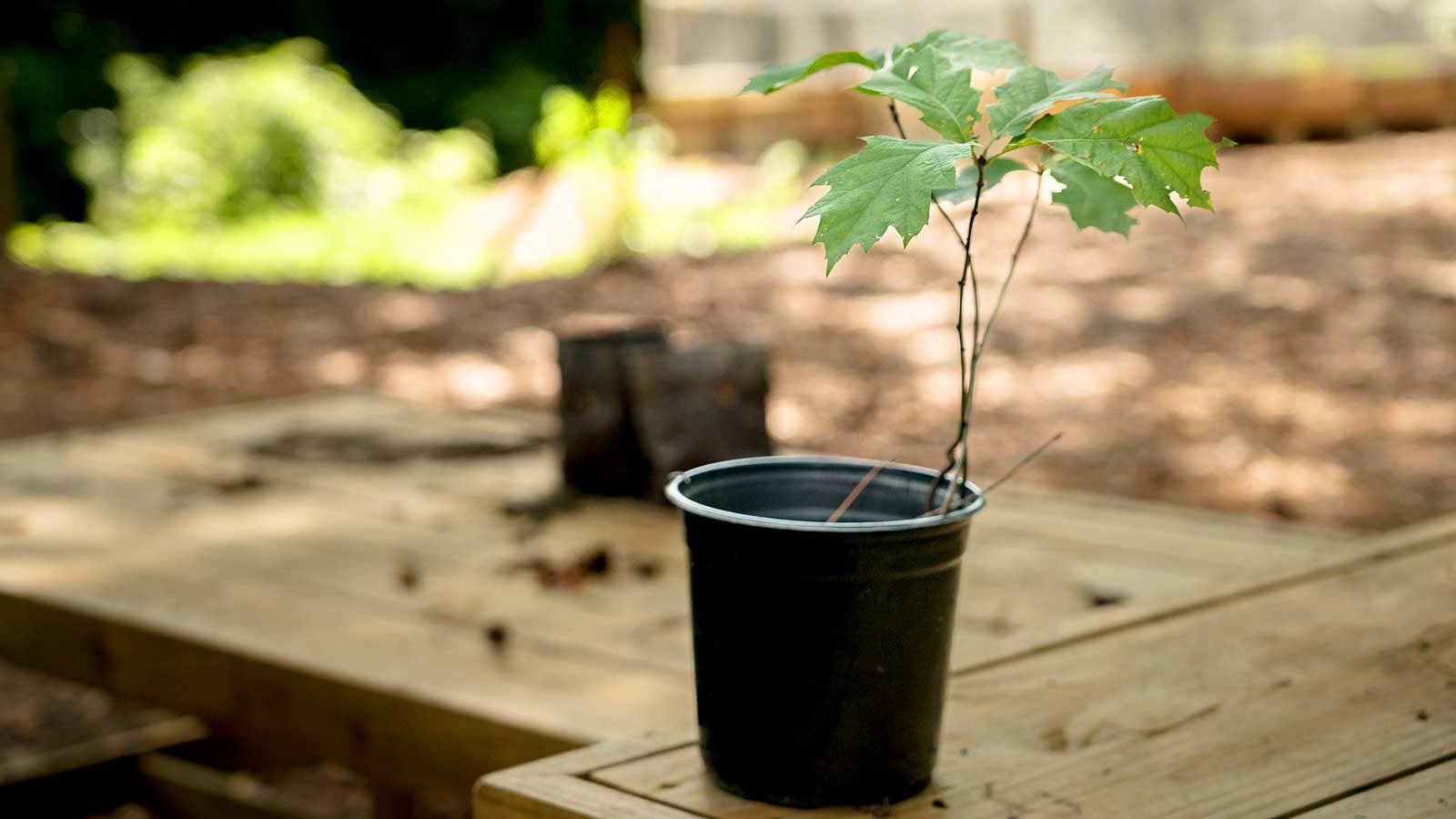
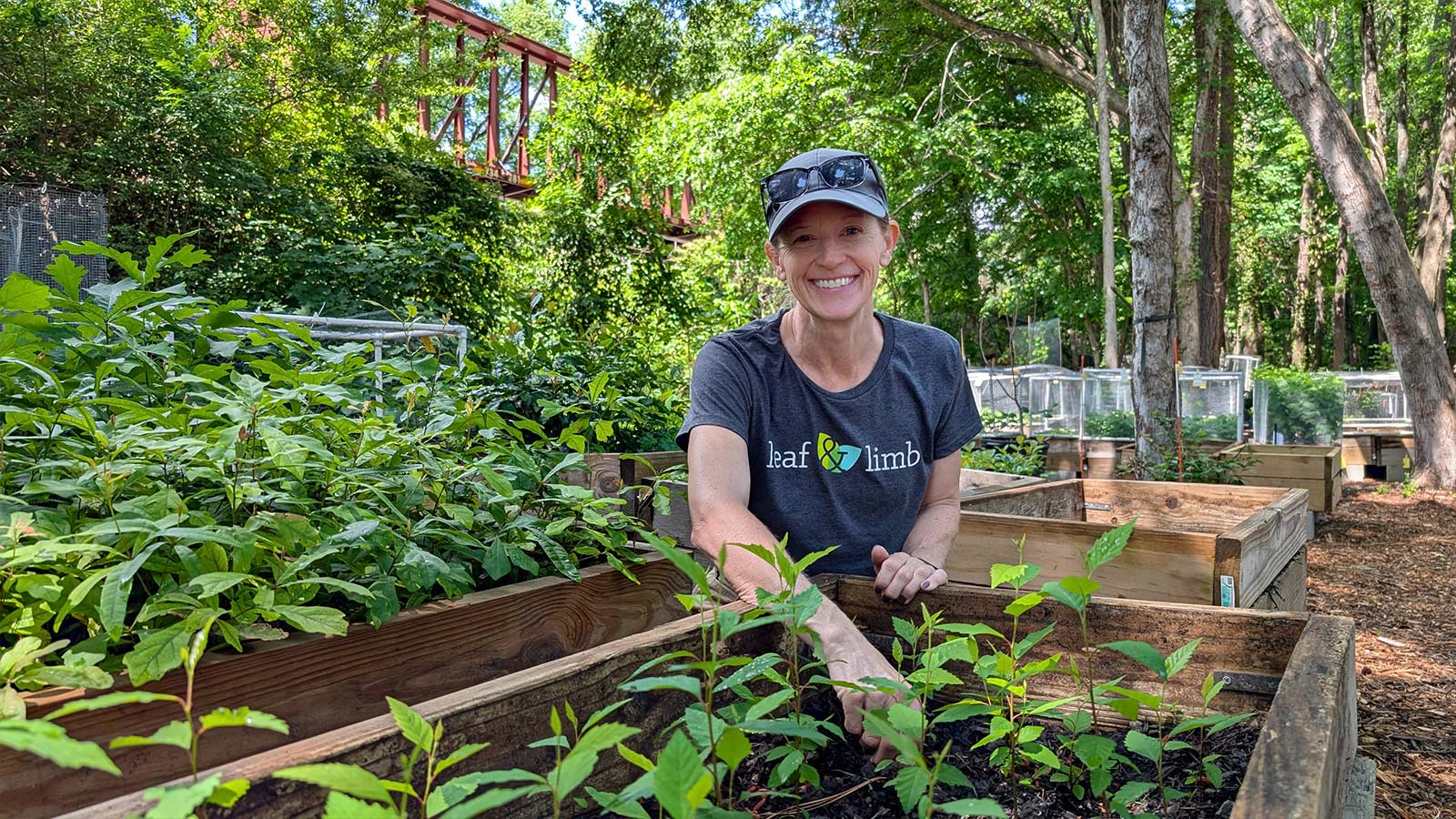
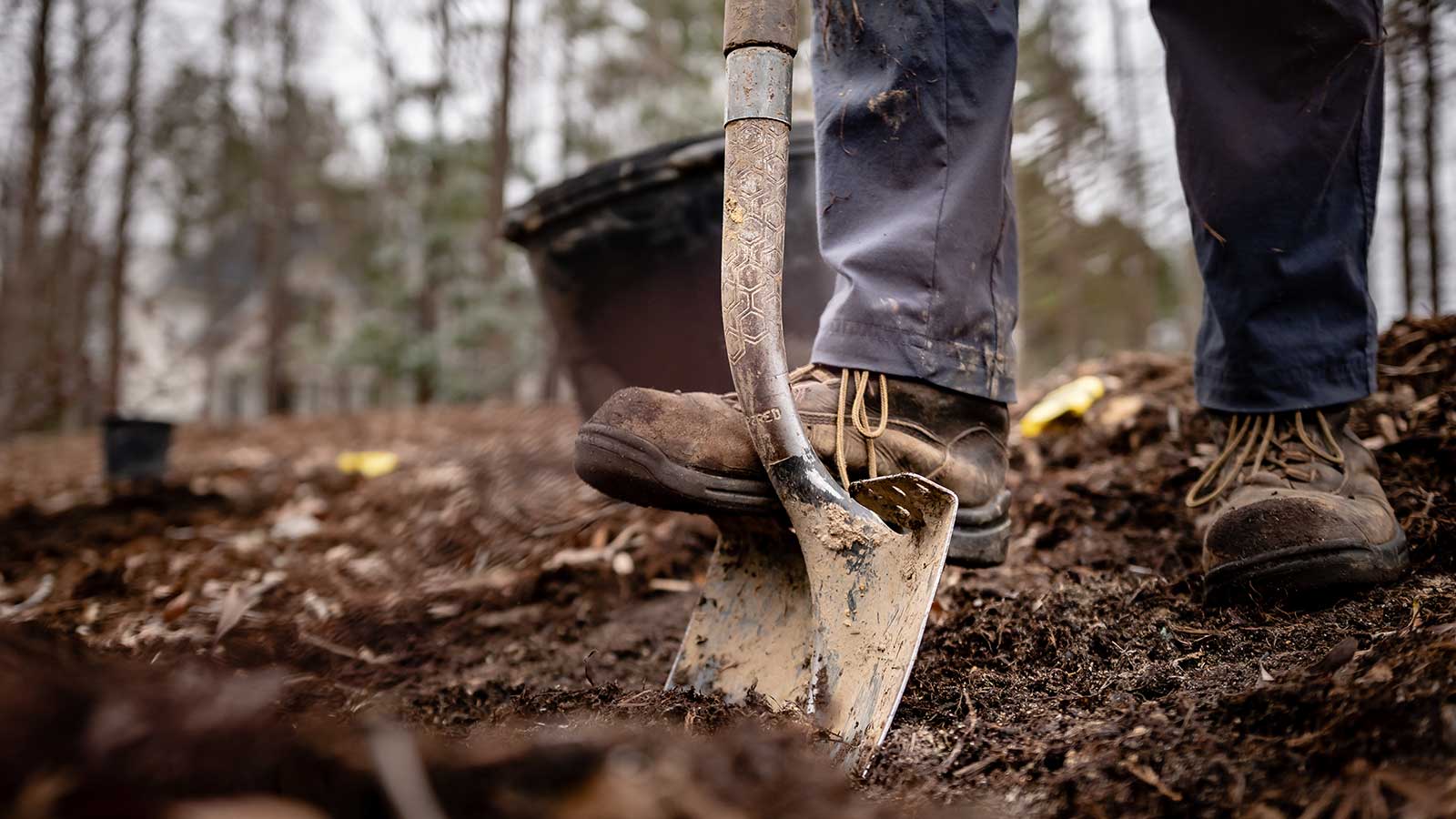
The process mirrors growing a Pocket Forest, with a few modifications. Instead of only planting trees, you'll want a mixture of shrubs and small tree species. Avoid anything that grows taller than around 20 feet, and aim for a minimum width of 10 feet to create sufficient density.
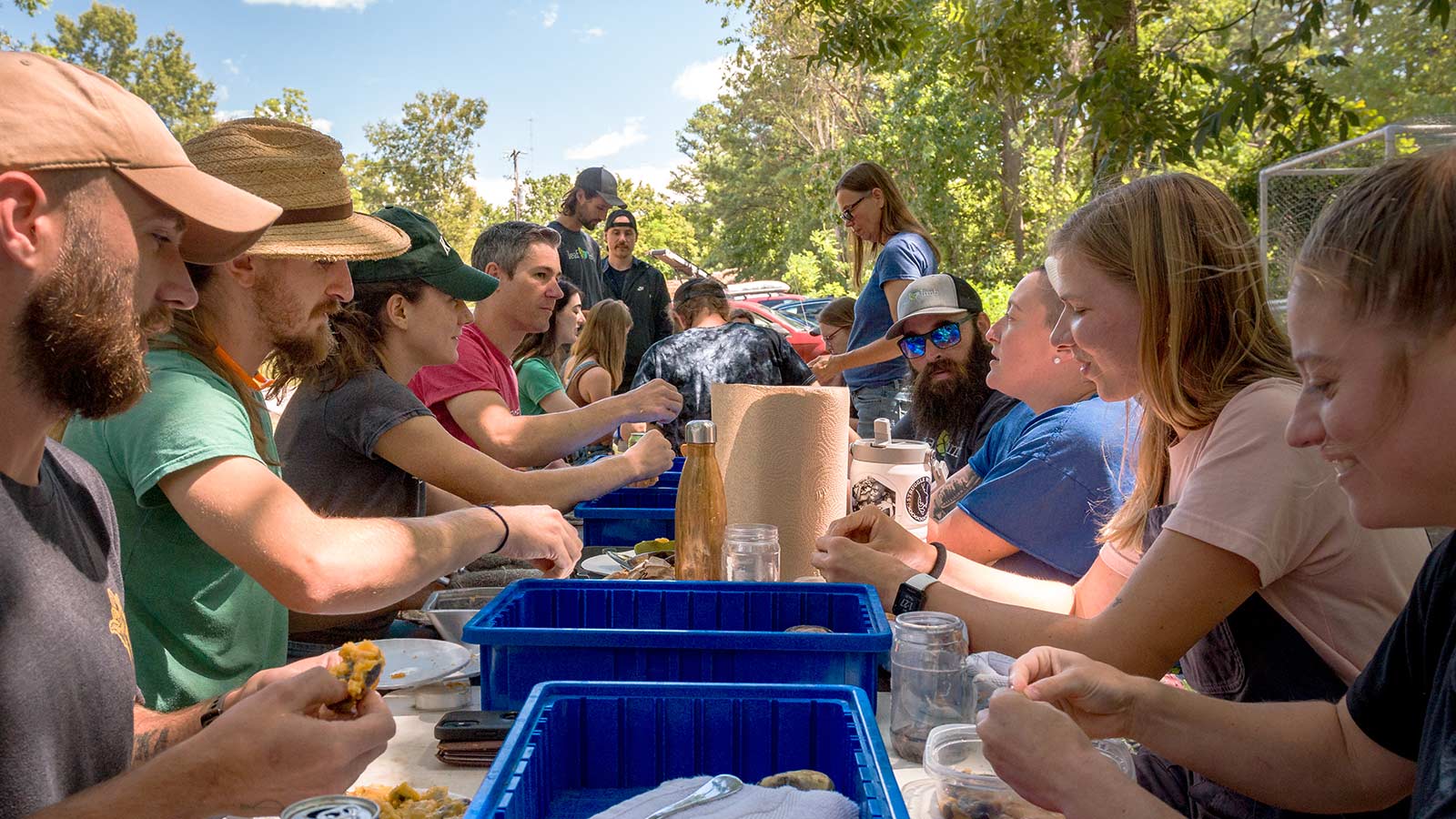
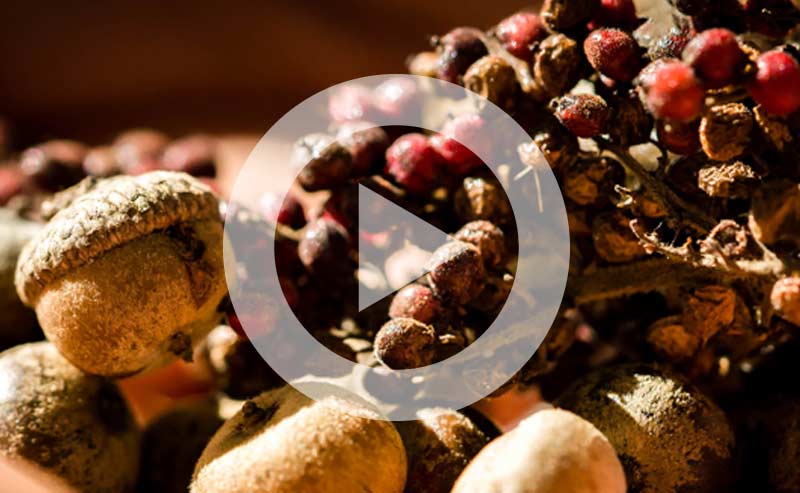
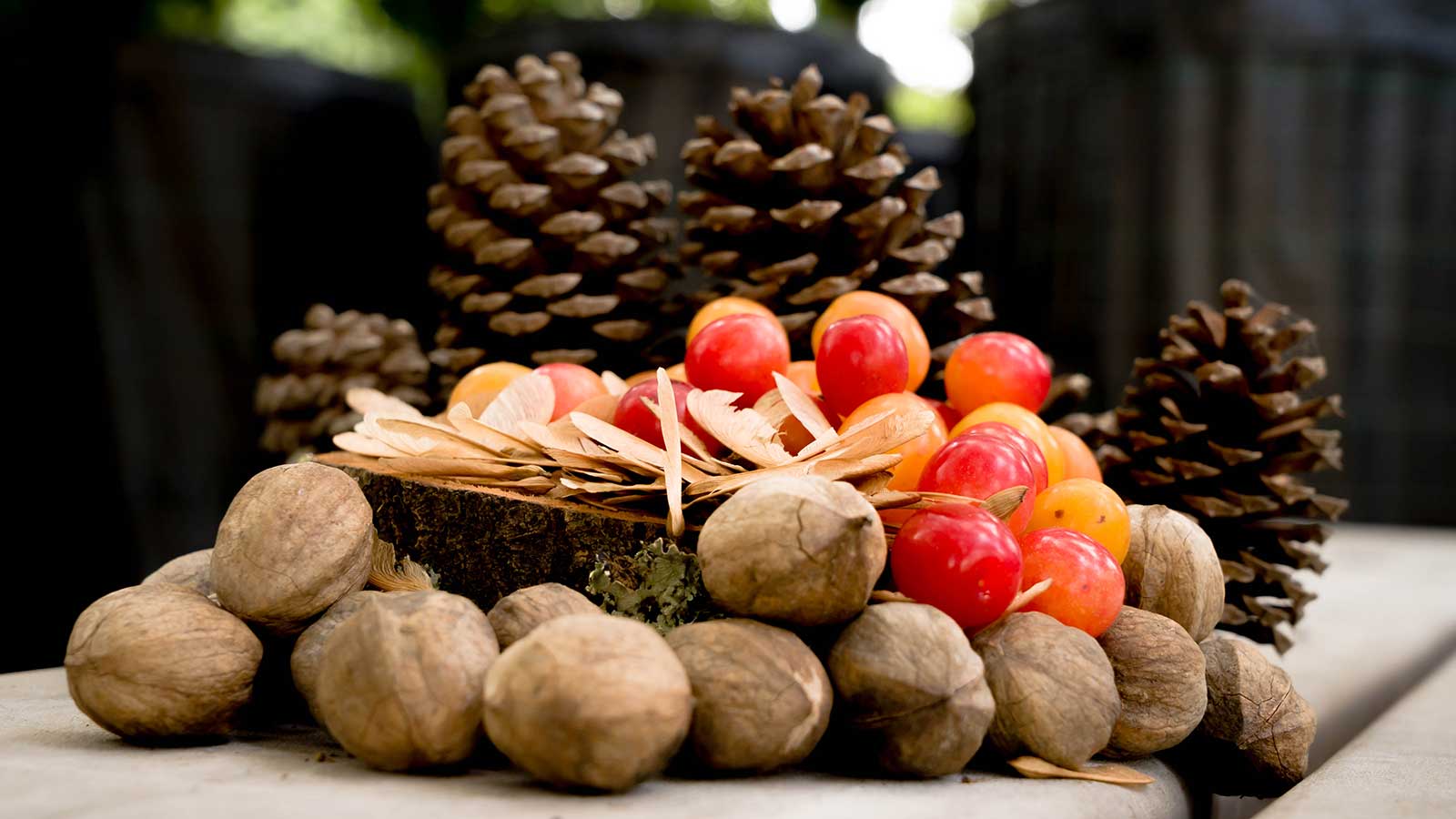
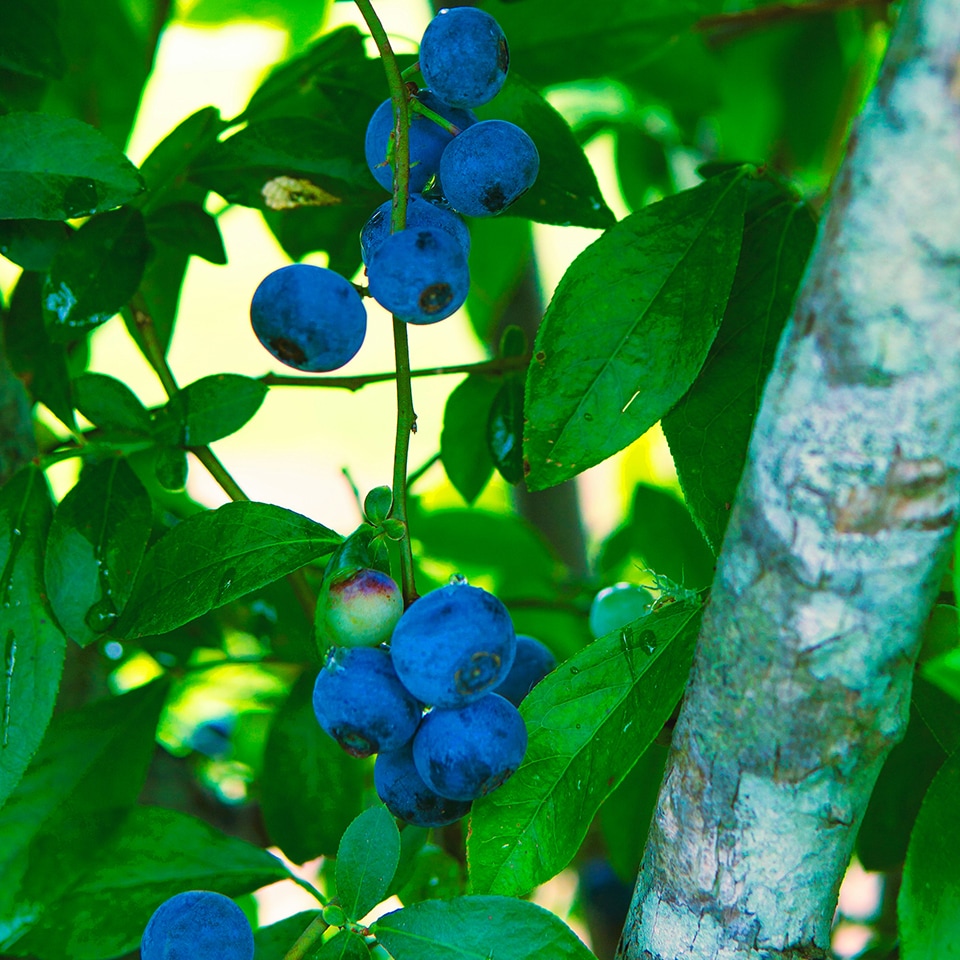
You can also include edible species for fun. Native blueberries, native plums (Chickasaw plum is a standout), and sumac — which makes a delicious summer lemonade — are all great options. A thicket like this can become a social gathering place where neighbors share the harvest.
Enhancing Shaded Areas with Thickets
Many wooded areas in the sub/urban landscape have suffered from over-management and deer predation, leading to a lack of understory vegetation. Thickets of shade-loving shrubs can fill these gaps beautifully. The native pawpaw is a favorite — its fruit tastes like a cross between mango, marshmallow, and orange creamsicle.
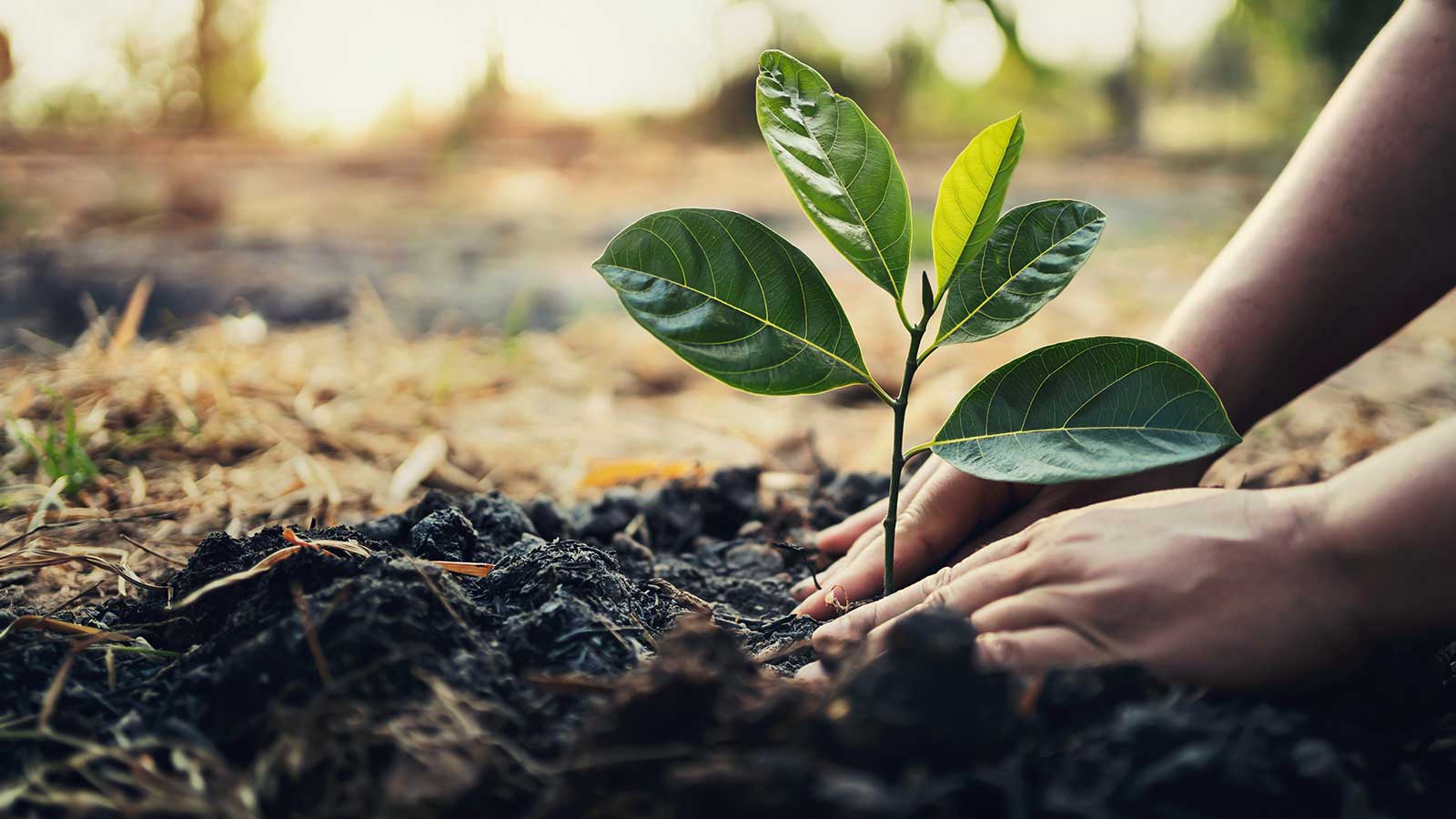
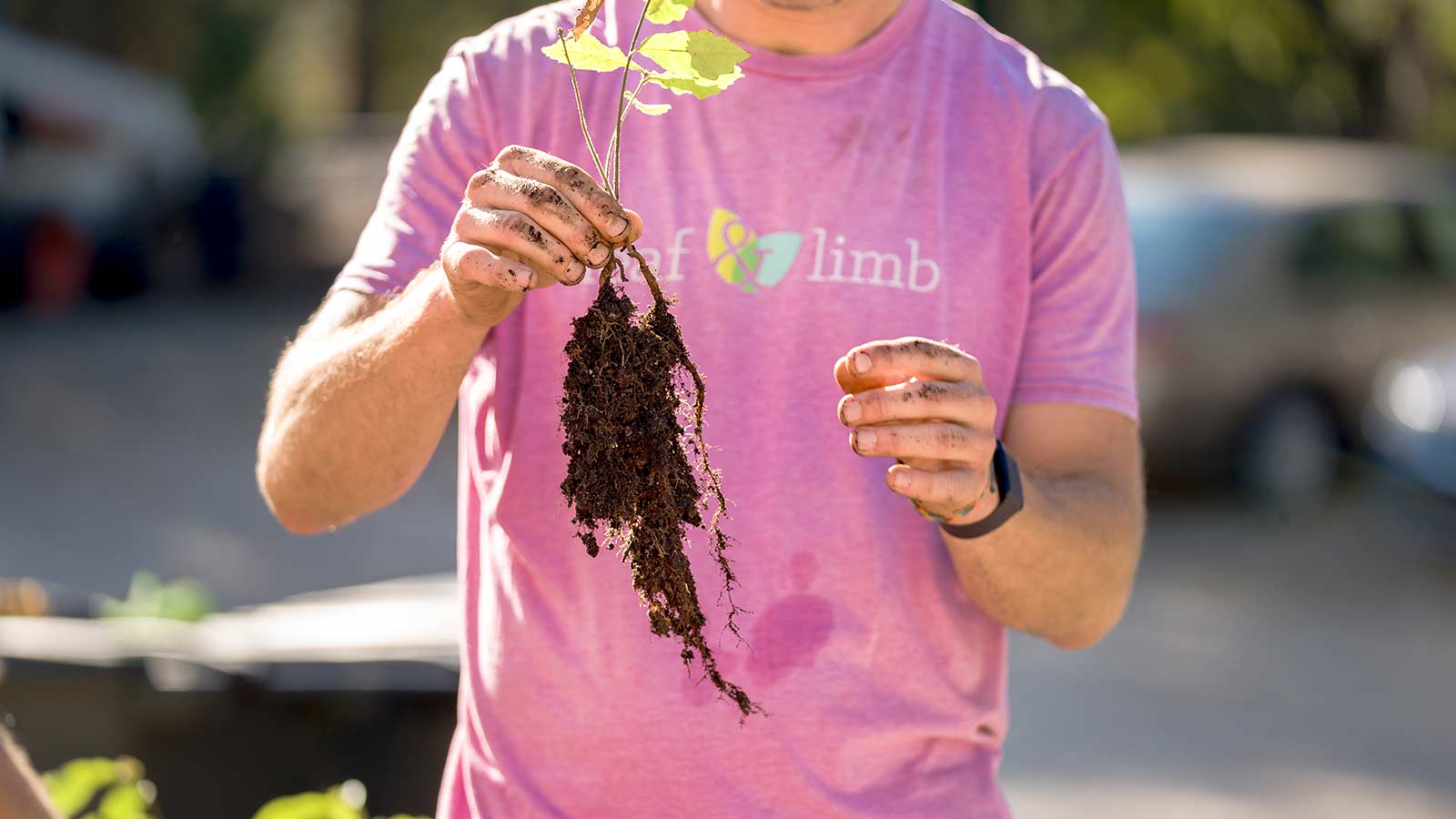
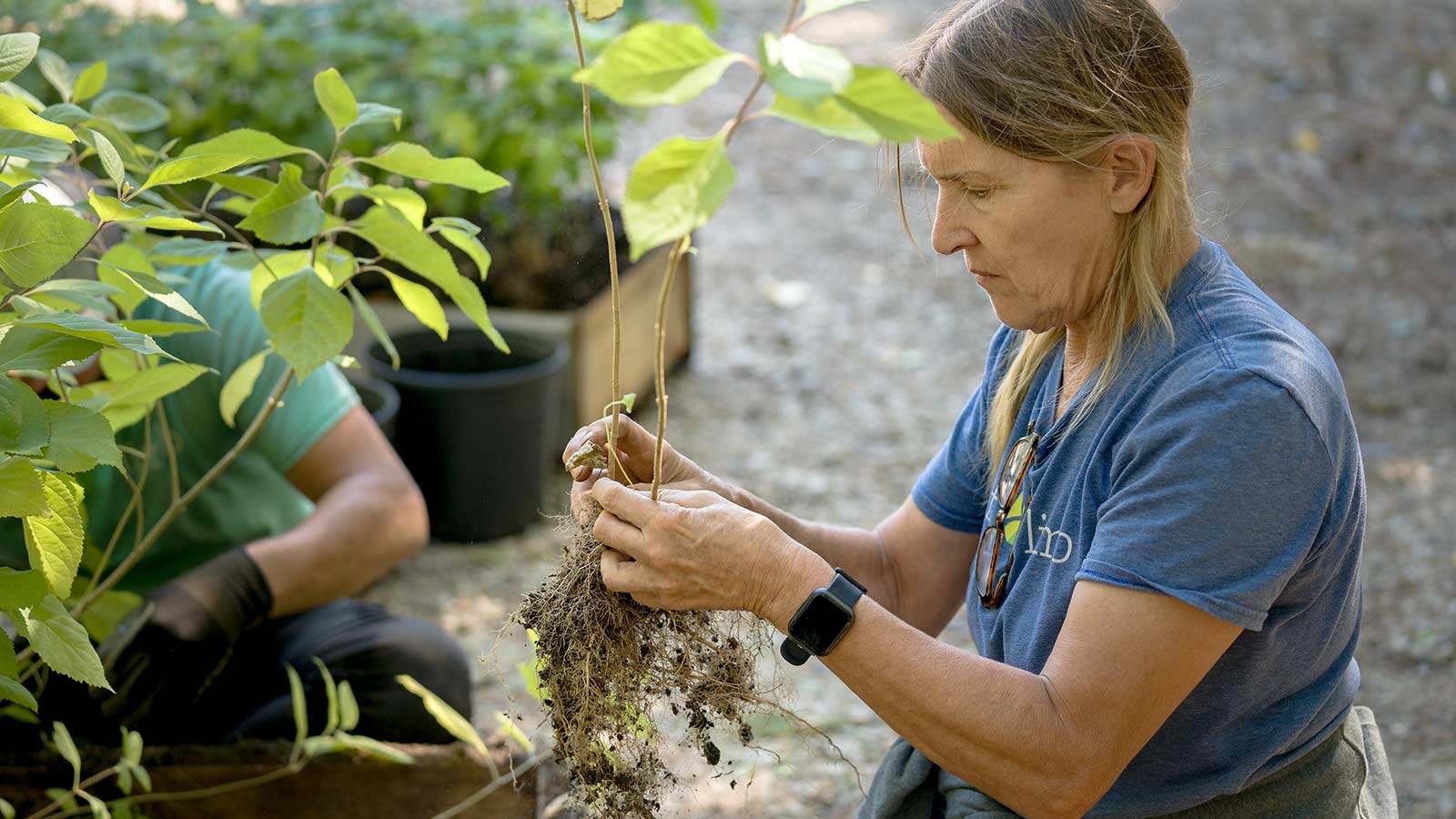
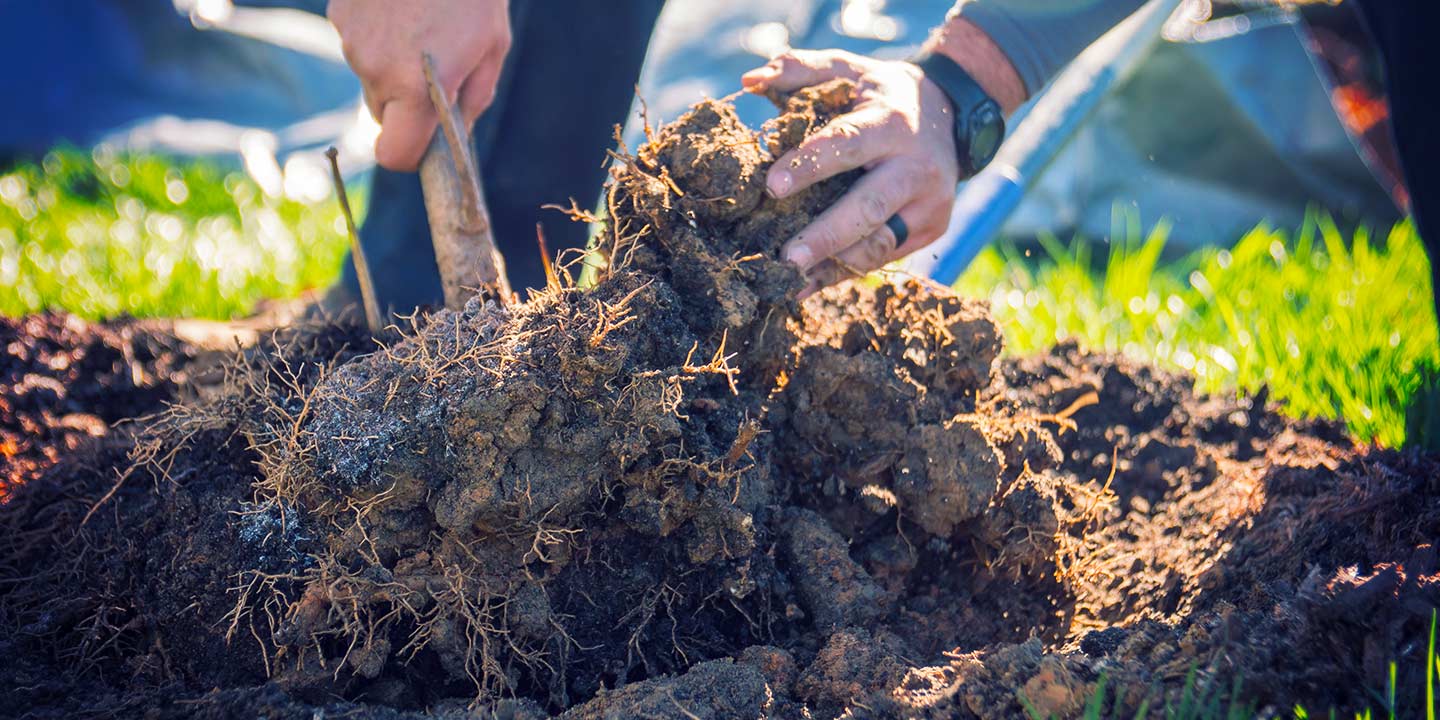
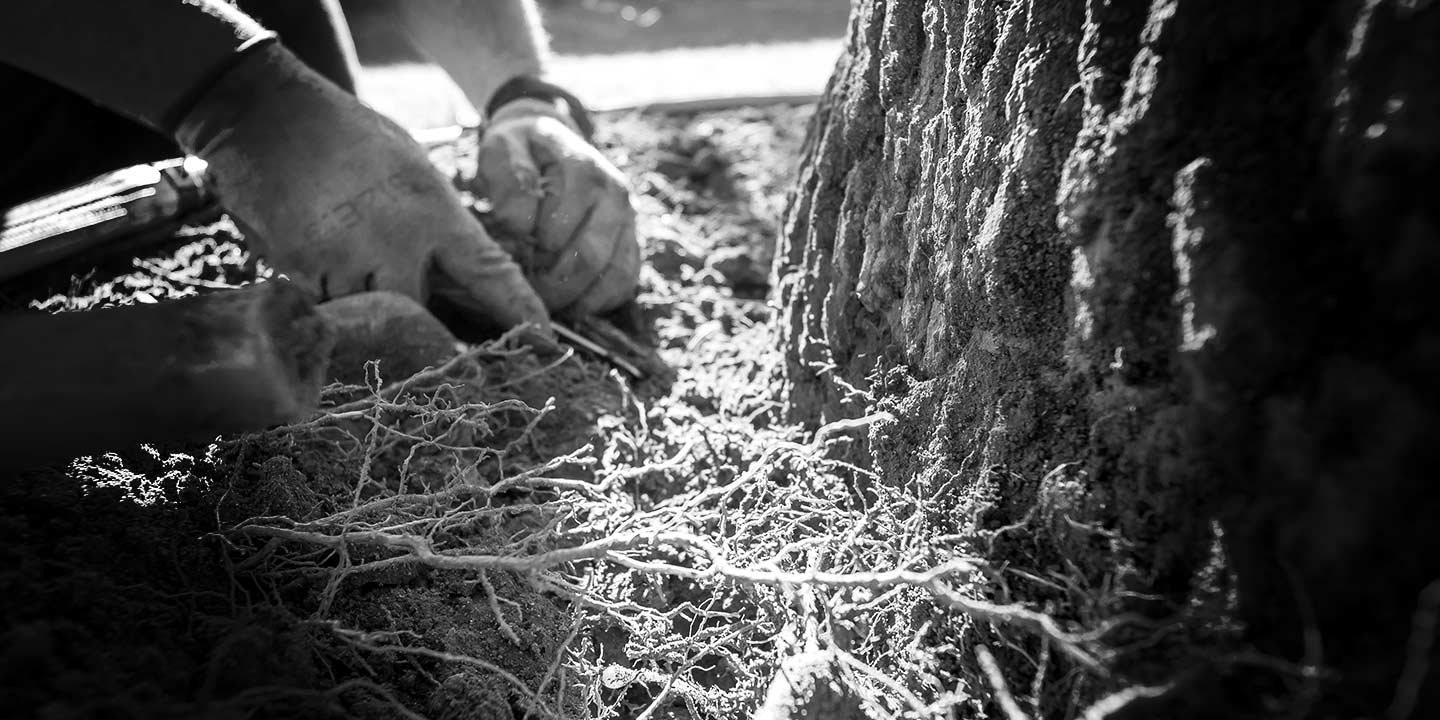
When planting in wooded areas, take care to avoid damaging the roots of existing mature trees. Thankfully, planting saplings requires minimal digging, so this is usually straightforward. In many parts of the country, new installations also need some form of deer protection, but you can remove and reuse the fence once the thicket is established.
Thickets as Part of Reforestation Efforts
Reforestation is taking exciting new directions, from drones dropping seeds to crews planting thousands of saplings a day. Thickets play a role here, too. By planting islands of native thickets and Pocket Forests, we can encourage natural spreading over time — a method known as "applied nucleation." This approach often requires fewer resources than traditional reforestation and works just as effectively.
Replacing Invasives with Thickets
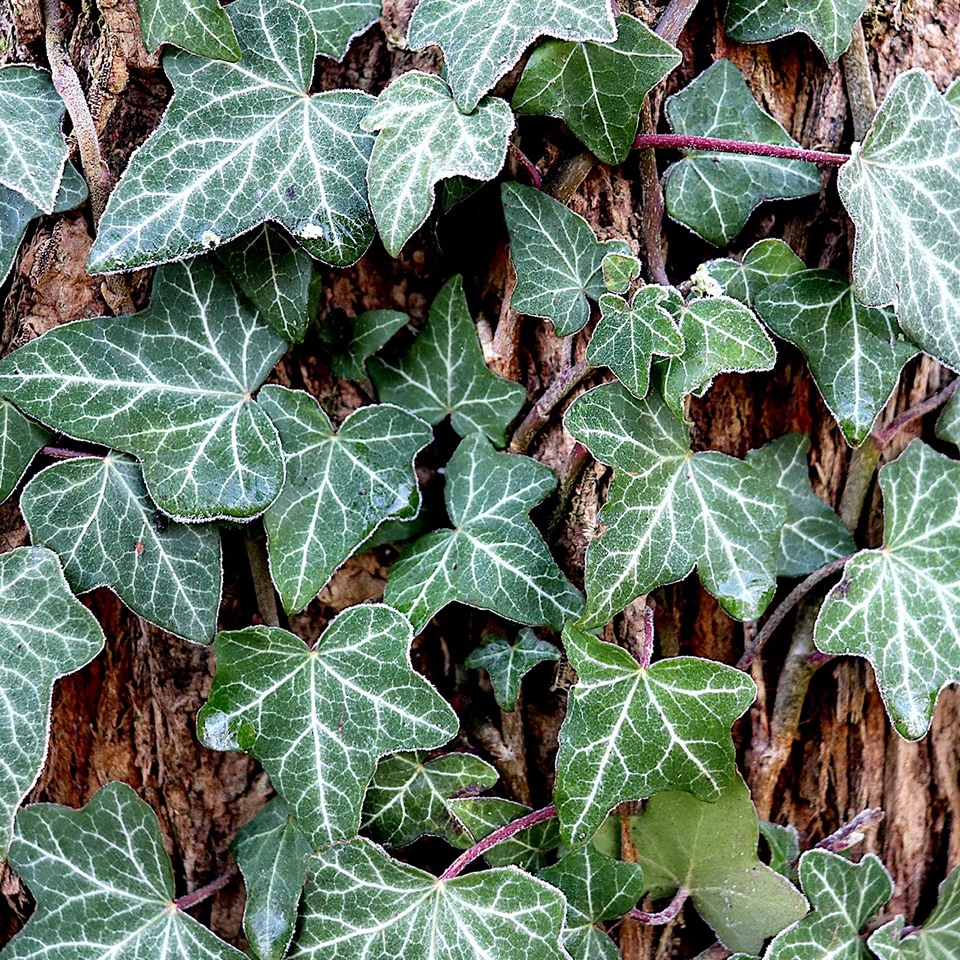
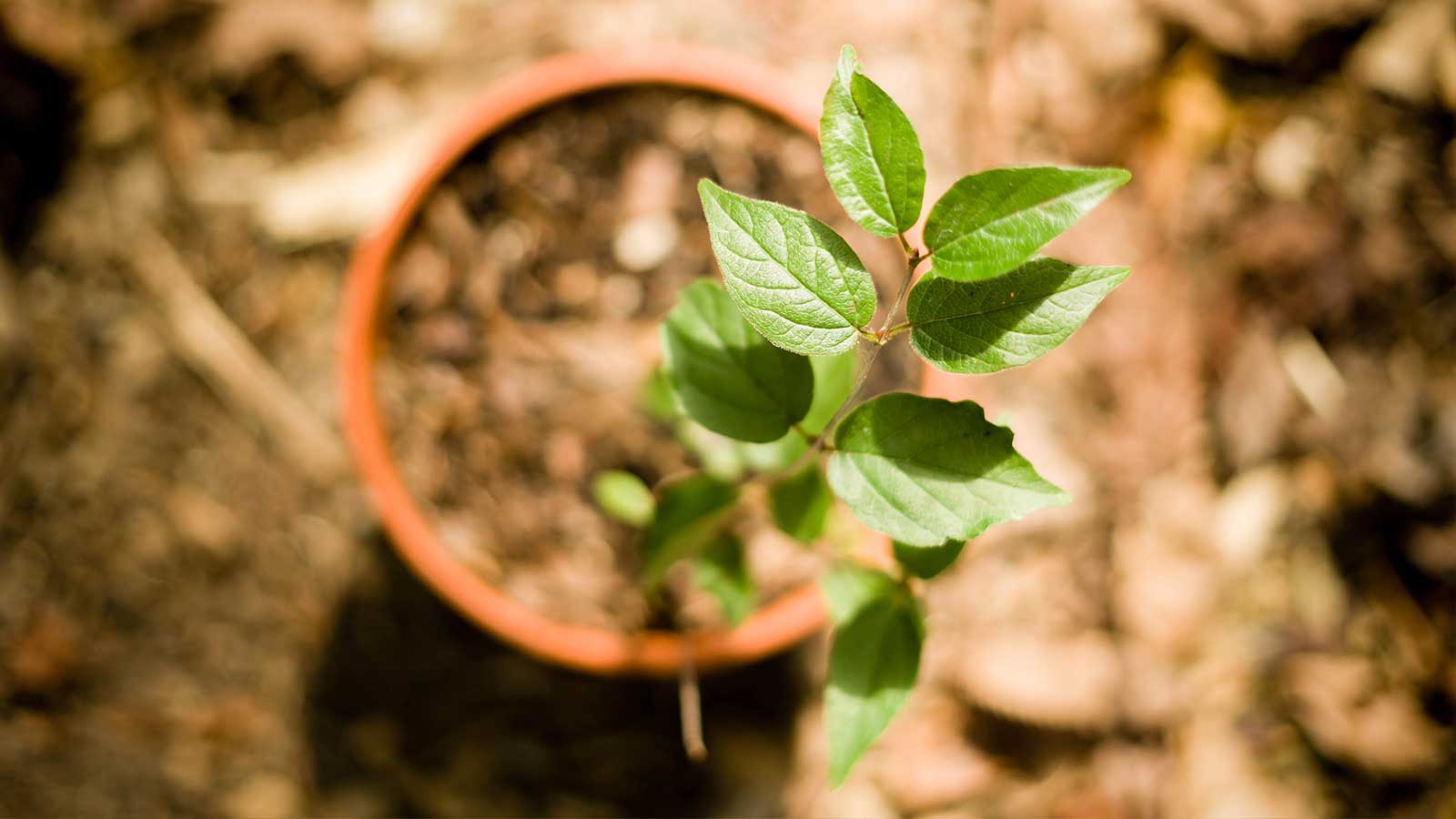
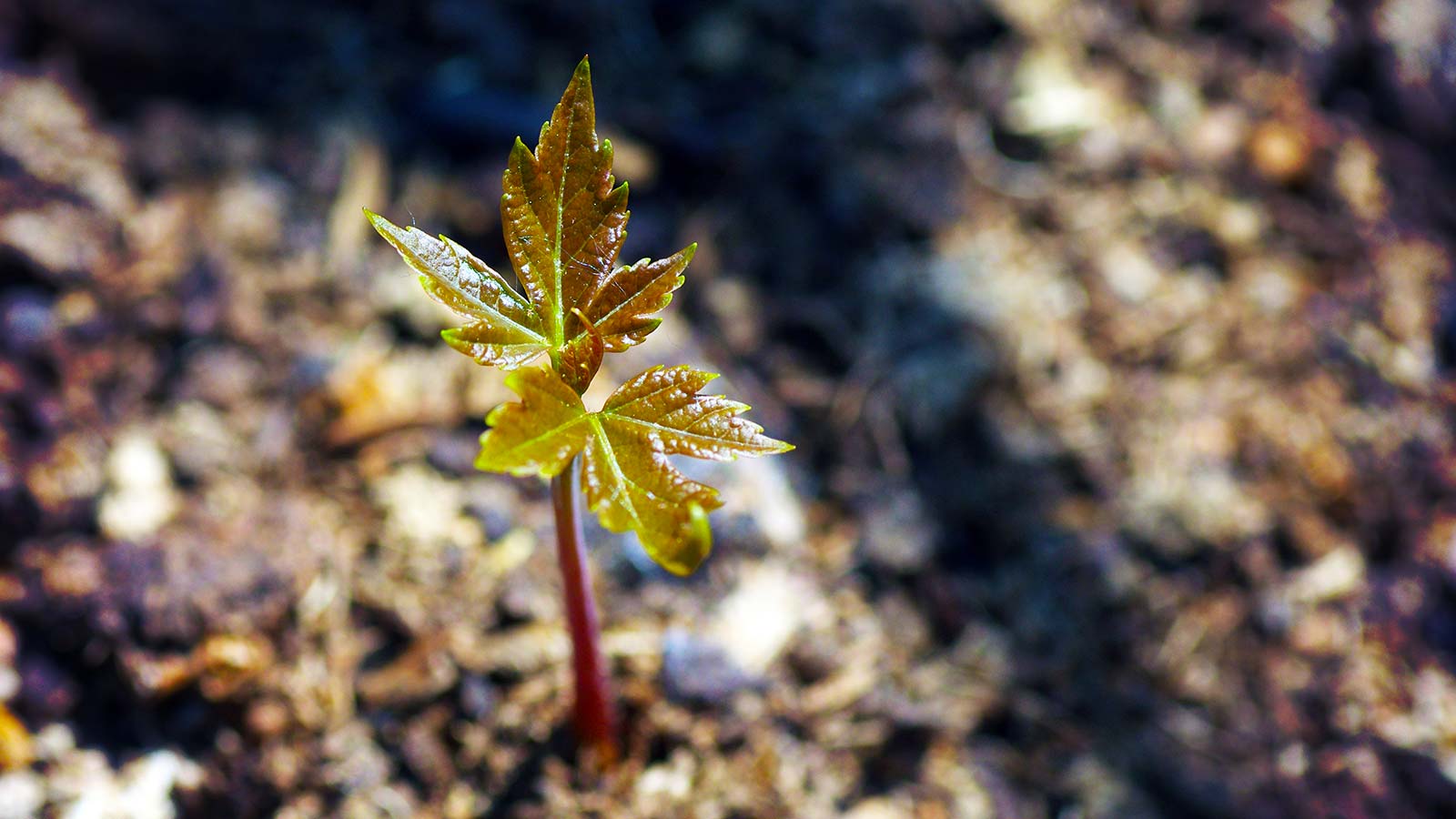
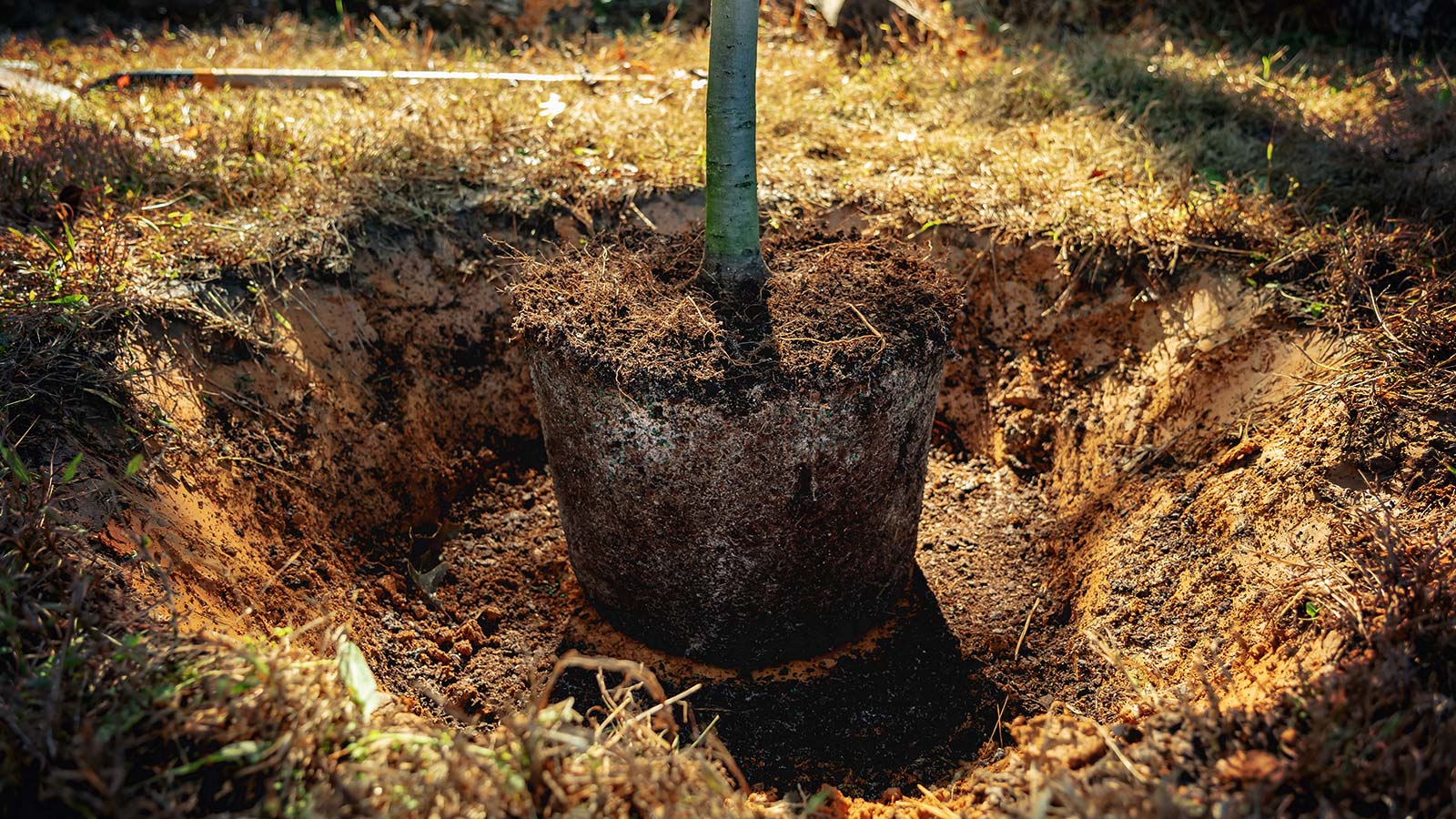
Removing invasive trees, shrubs, and vines is essential — but you can't leave that space vacant, or something will grow back, presumably more invasives. Using the planting methodology discussed in the Pocket Forests chapter of Basil's book, From Wasteland to Wonder, you can load the space with native saplings of your choosing. Densely filling the area reduces the likelihood that invasives will return.
Blending Thickets with Other Native Systems
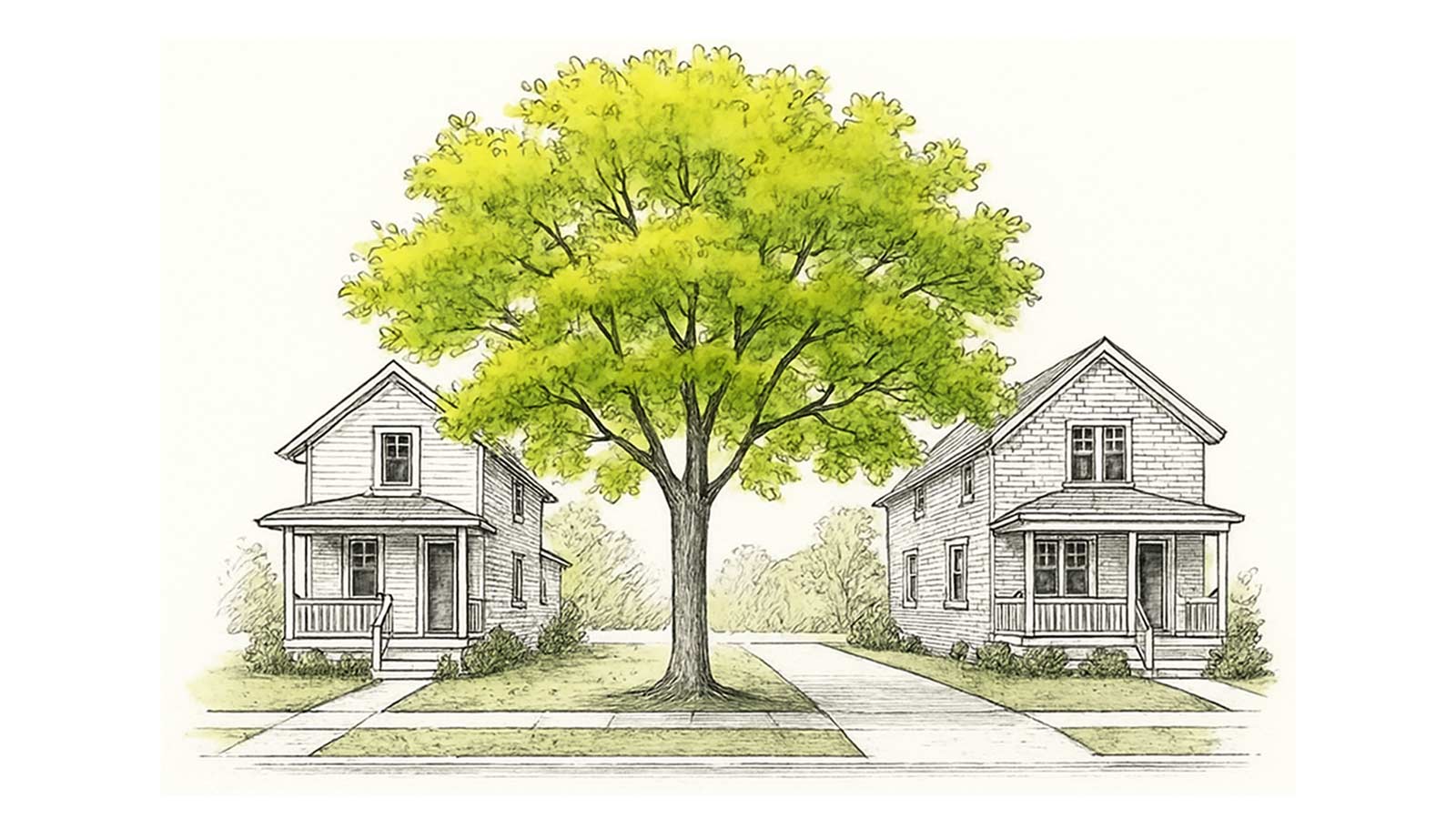
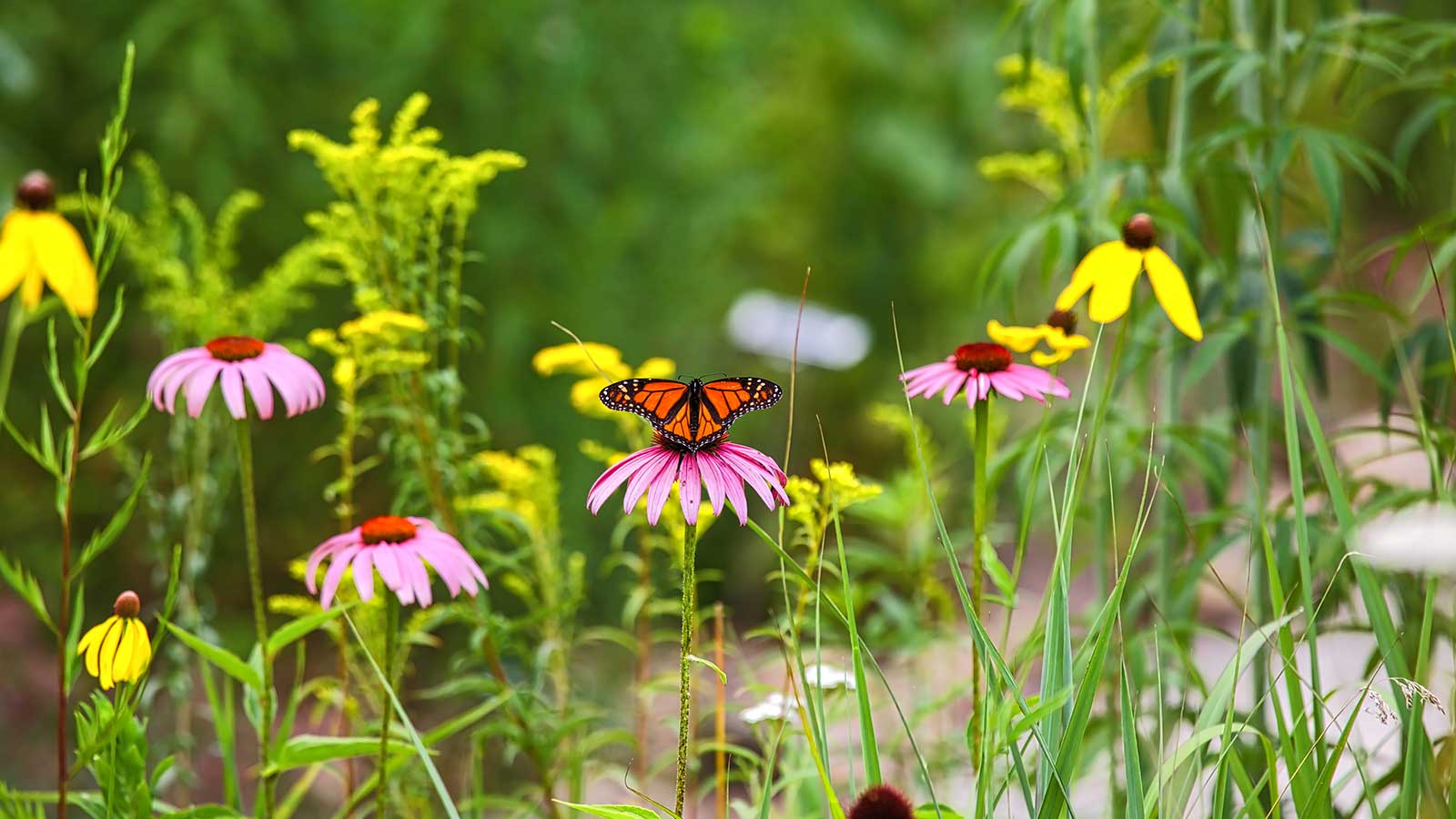
Thickets integrate beautifully with other ecological restoration methods. They can work as privacy screens along the sides of a property, while Pocket Forests thrive in backyards and native meadows flourish in the front. These systems complement one another, creating a rich tapestry of native biodiversity. Once established, thickets and Pocket Forests require minimal maintenance — just occasional monitoring to ensure one system doesn't infringe on another and that invasive species don't gain a foothold.
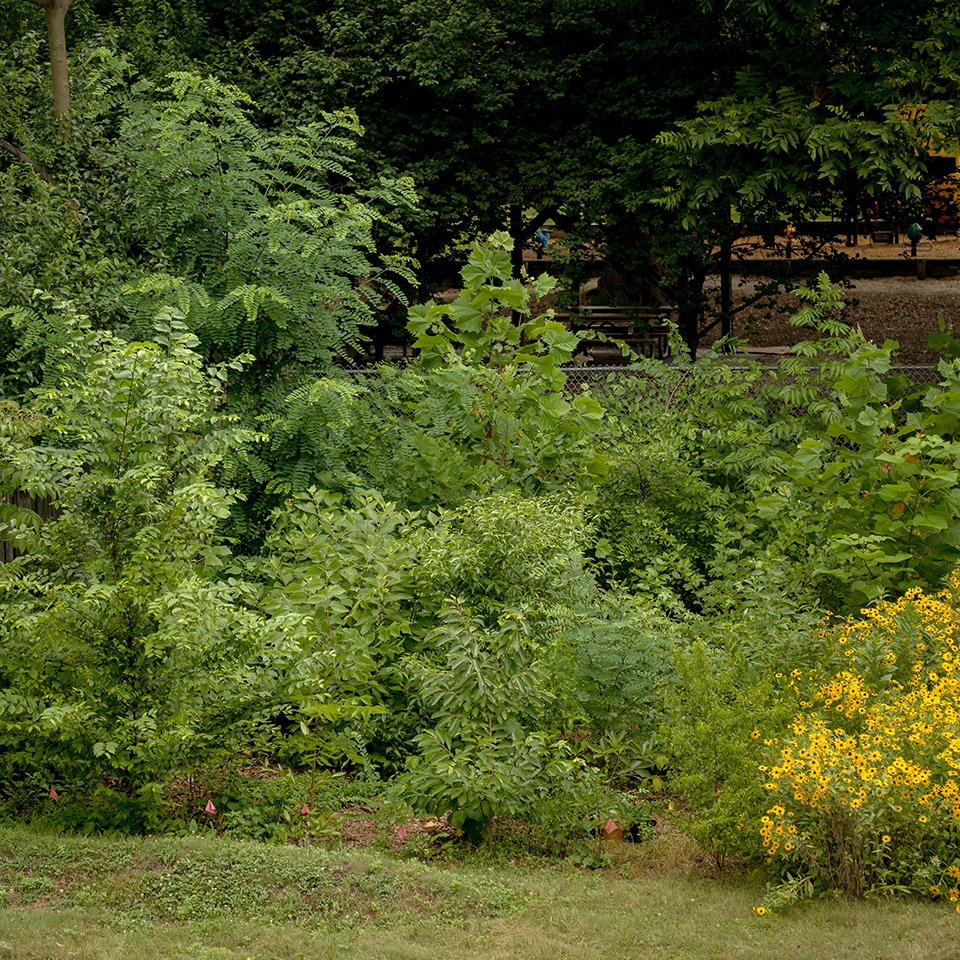
Thickets aren't only a powerful tool for restoring native ecosystems — they're a functional and beautiful addition to any property. By planting densely packed native shrubs and small trees, you can improve biodiversity, control erosion, and create natural privacy screens. Whether you're filling in underused spaces, restoring wooded areas, or replacing invasive plants, thickets are an eco-friendly solution that benefits both the environment and the community.
Are you interested in installing a thicket? Book an appointment to get a free quote or send us an email and we'll be in touch.